Category Archives: Outdoor Learning

Getting busy in the Mud Kitchen

You might be wondering how playing in a mud kitchen can be educational. Well, let’s find out:

During mud kitchen play, kids explore various soil types, textures, and material transformations. They observe how mud changes with water and experiment with different natural elements. This activity also introduces early math concepts like measurements and proportions as they scoop, pour, and mix mud. Teamwork, cooperation, and sharing blossom in the mud kitchen, enhancing social skills. The kitchen’s open canvas sparks imagination, letting children be chefs, scientists, or nature artists, opening doors to endless creativity.

So let’s see what happened in the Cart Mill Mud Kitchen today.

First we foraged the garden and collected lots of different plants to use during our play. They will make fantastic ingredients for the items on the menu today. We found pea pods, pea shoots, dock leaves, clovers and mint in the garden.

The children decided that on todays menu was “Beans and pea pie”

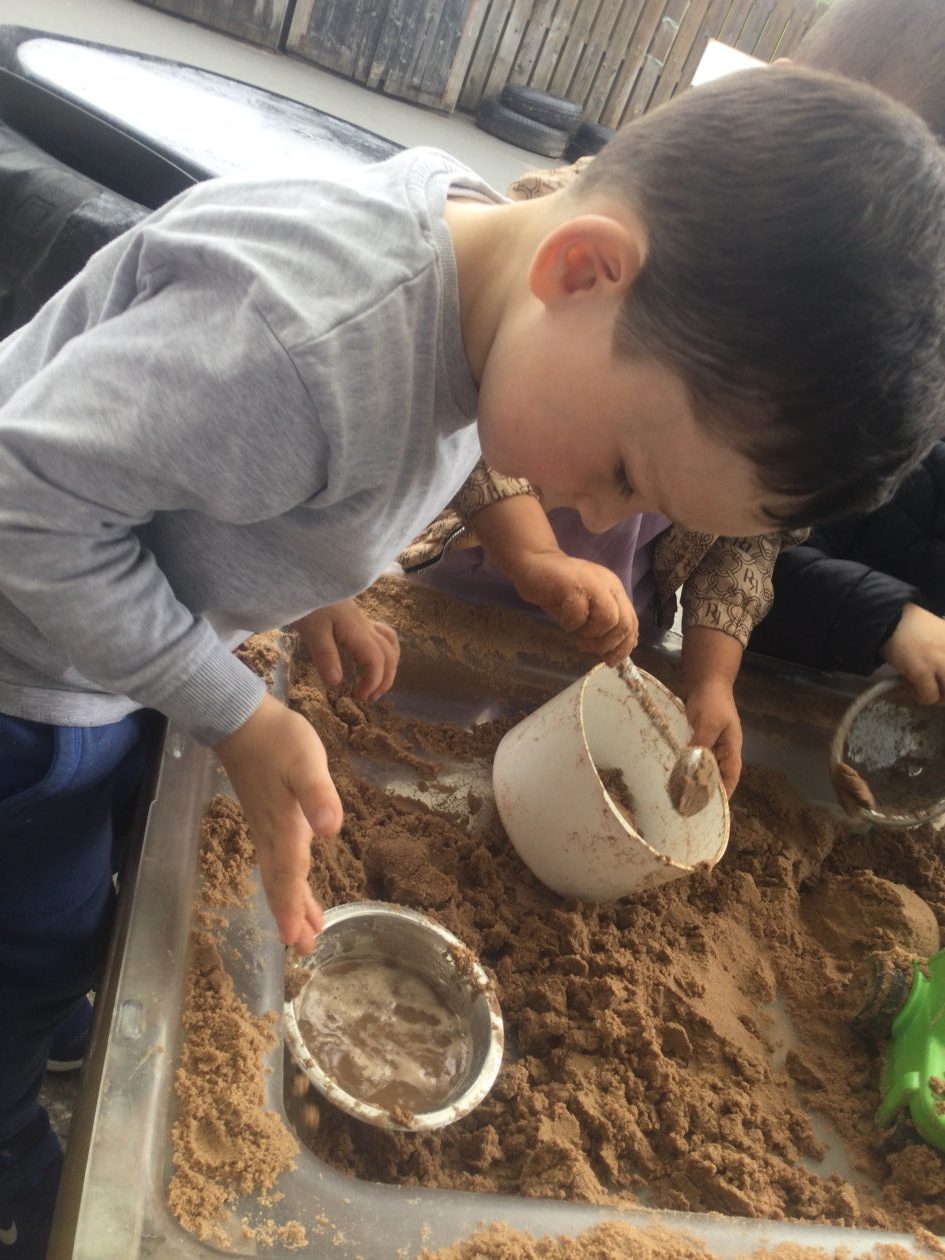
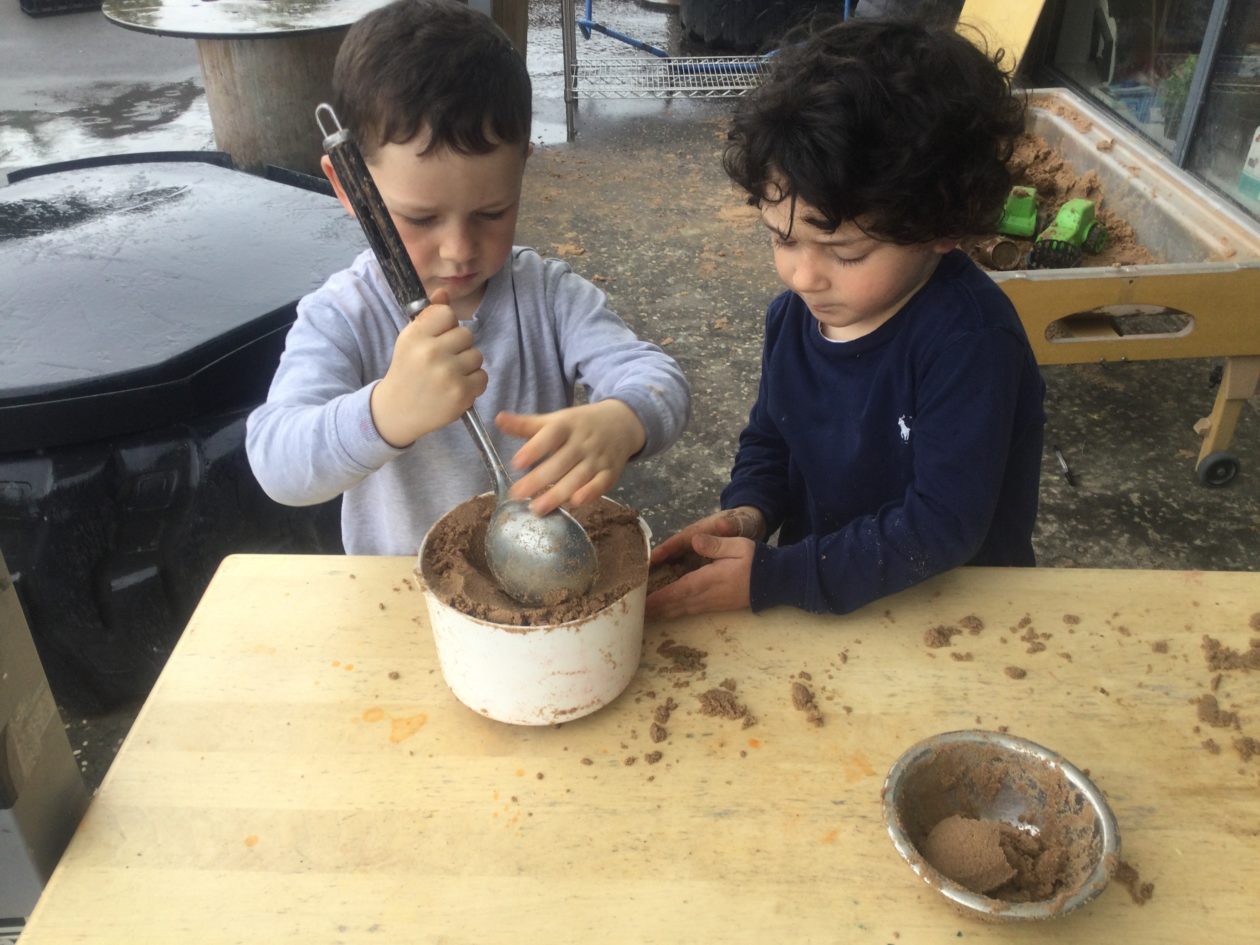
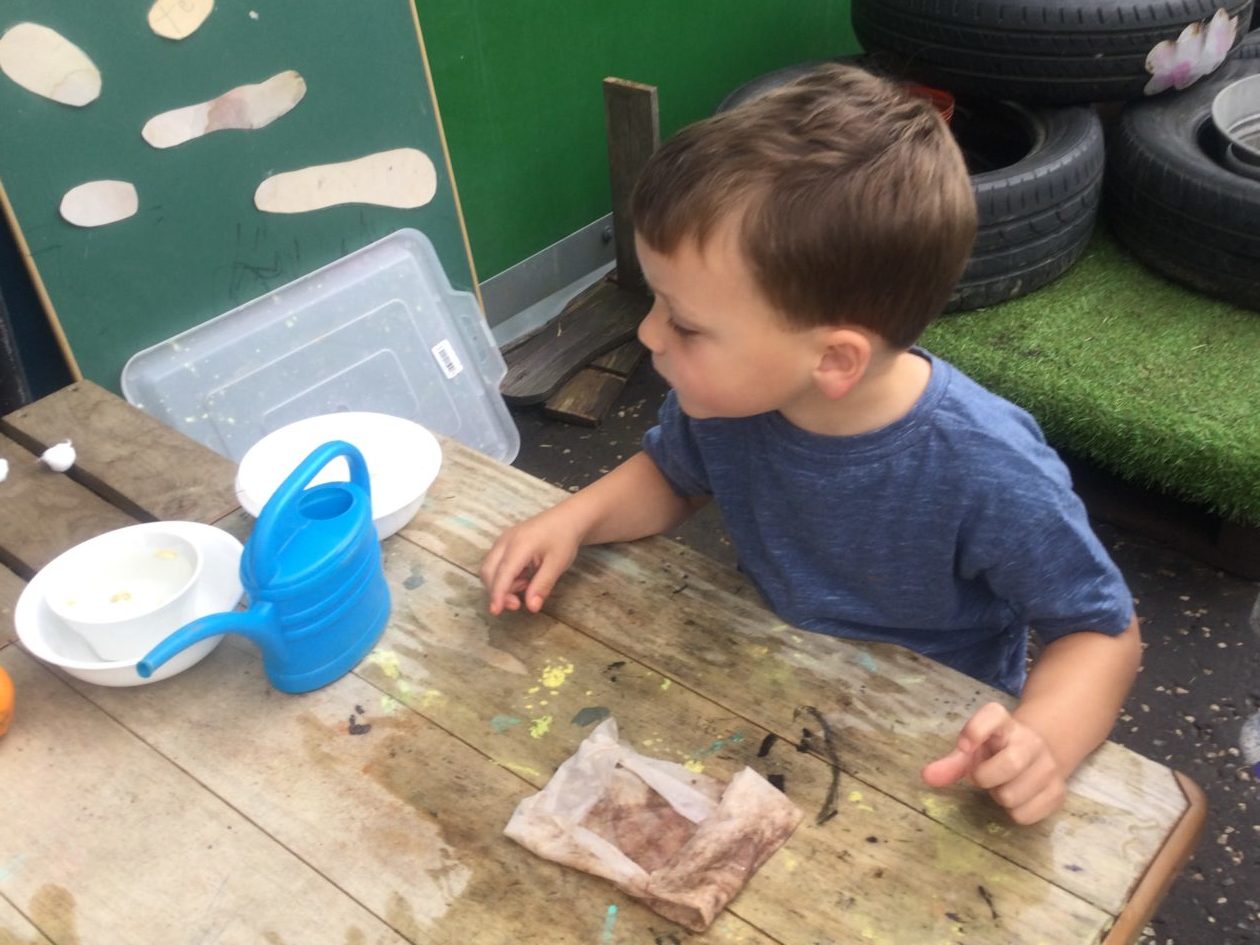
Next our little chefs set out to start cooking in the mud kitchen.  Exploring their imagination they worked together to chop the leaves on the chopping boards.  They scooped water using ladles, spoons and cups and mixed the mud and sand together in pots, pans and bowls.

“We need to turn the gas on to cook them”

”Chopping them all up so it’s small”

”Pour the water in the kettle”

”Mixing it all together”

One of the children opened some of the pea pods we found in the garden and explored what he found inside. “They are green beans”

The finished result! Look at the fantastic creation ready to be served.

Article 6- I should be supported to live and grow

Article 28 – I have the right to an education

Sewing the seeds… (of potatoes)

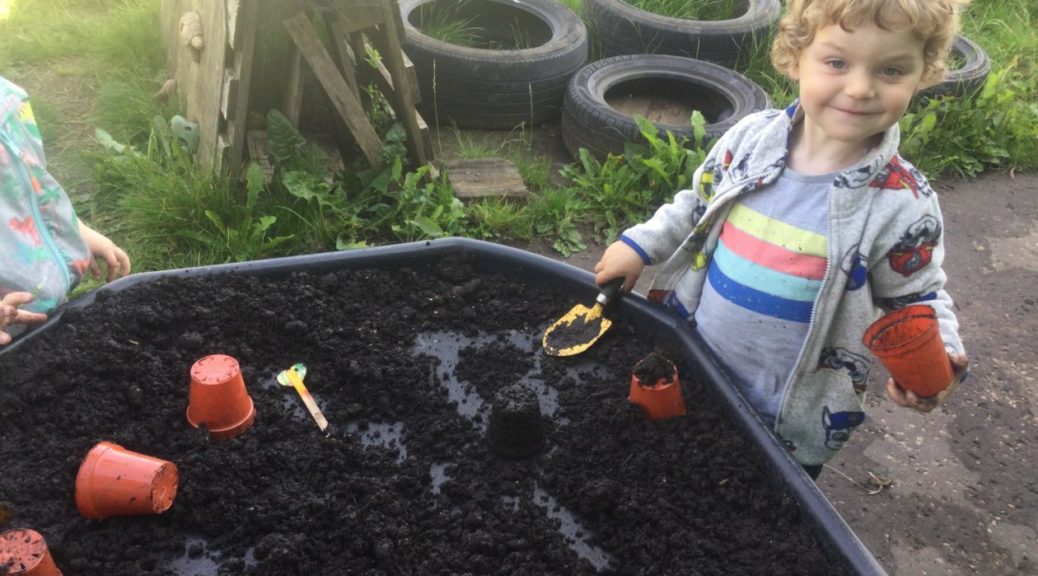
Today we decided to grow some potatoes! We rolled two tyres from the top of the garden all the way to the bottom practising our hand to eye co-ordination and balance. We put some top soil into the tyres and covered up the potatoes.
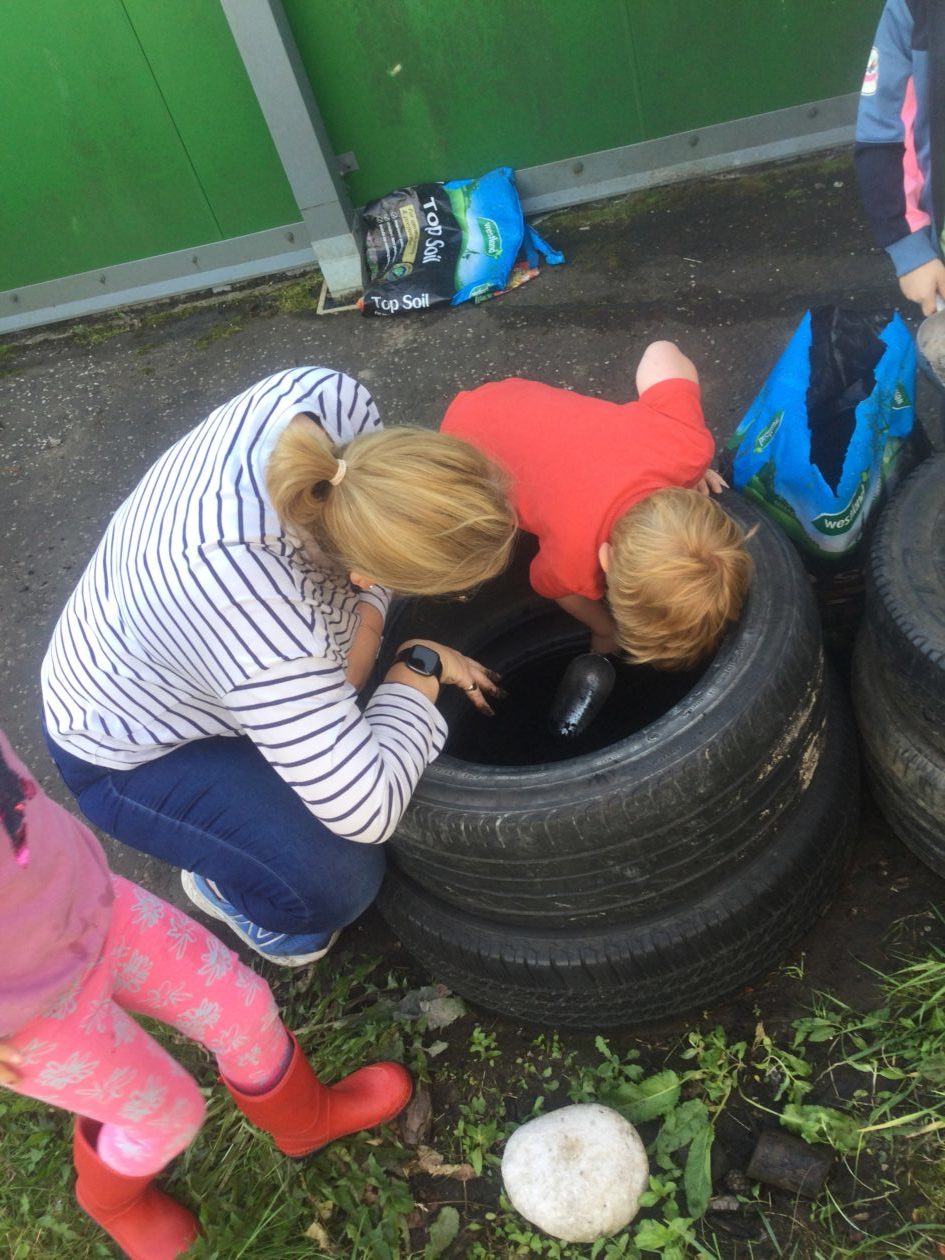

We wrote potatoes on our tyres practising our mark making skills.
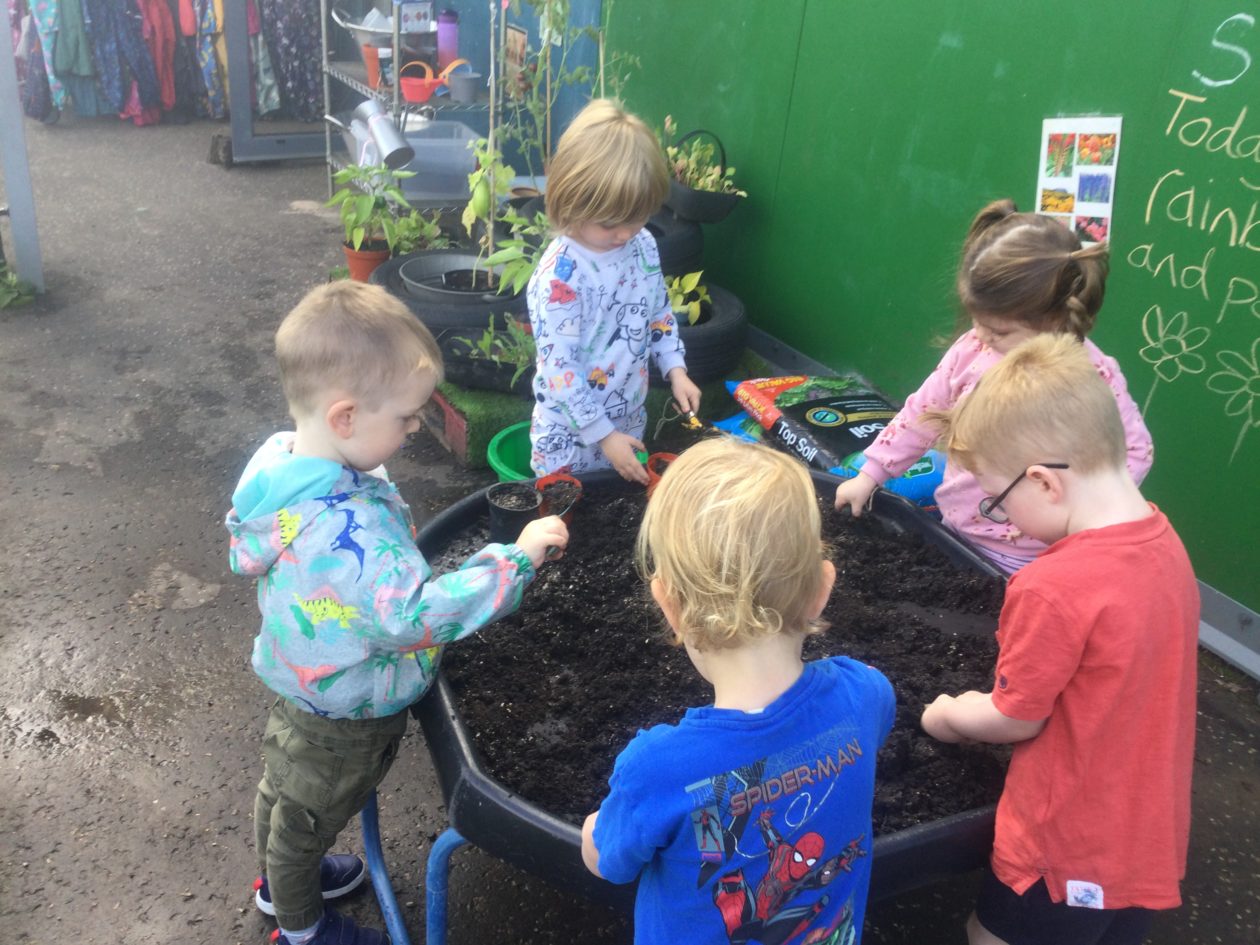
We enjoyed planting the potatoes so we made a seed station, an area that the children could self select a pot and gardening tool and plant a seed to put into the green house to grow.
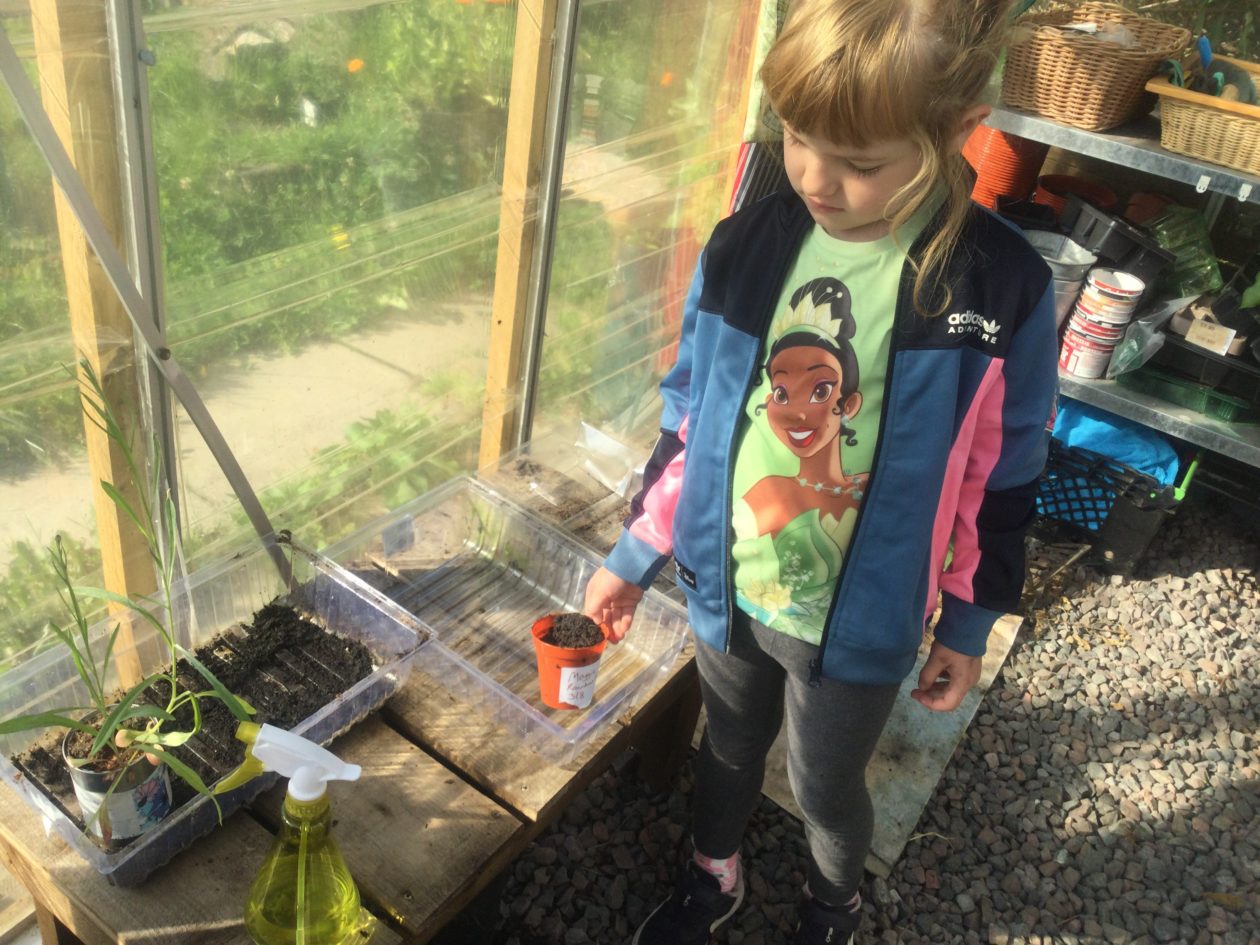
We made our own label so we could recognise our pot when we looked after our seeds, nurturing them to continue in their life cycle.
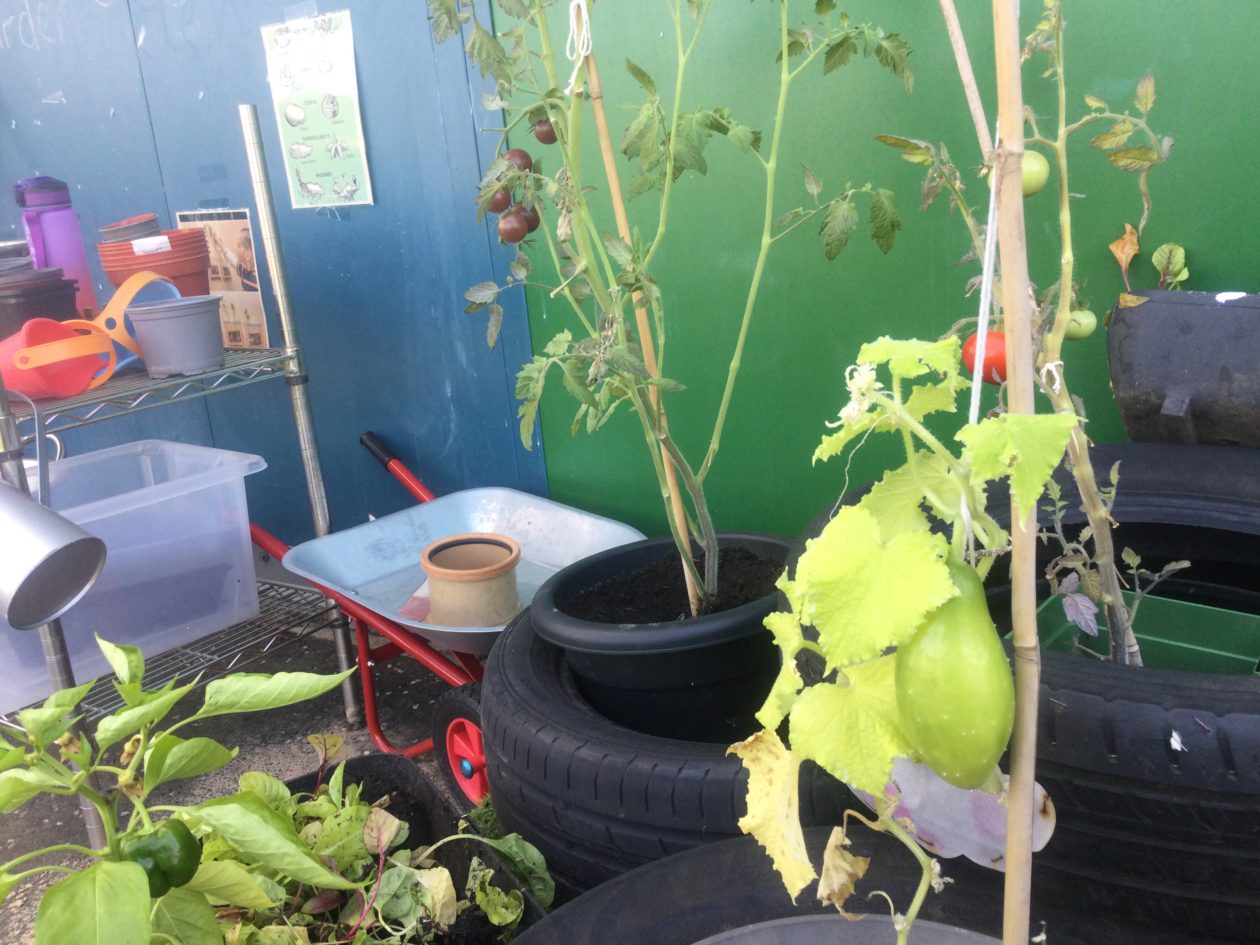
We hope our seeds will grow as well as our cucumber, tomatoes and peppers.

Article 28 You have the right to education.
New and improved wormery

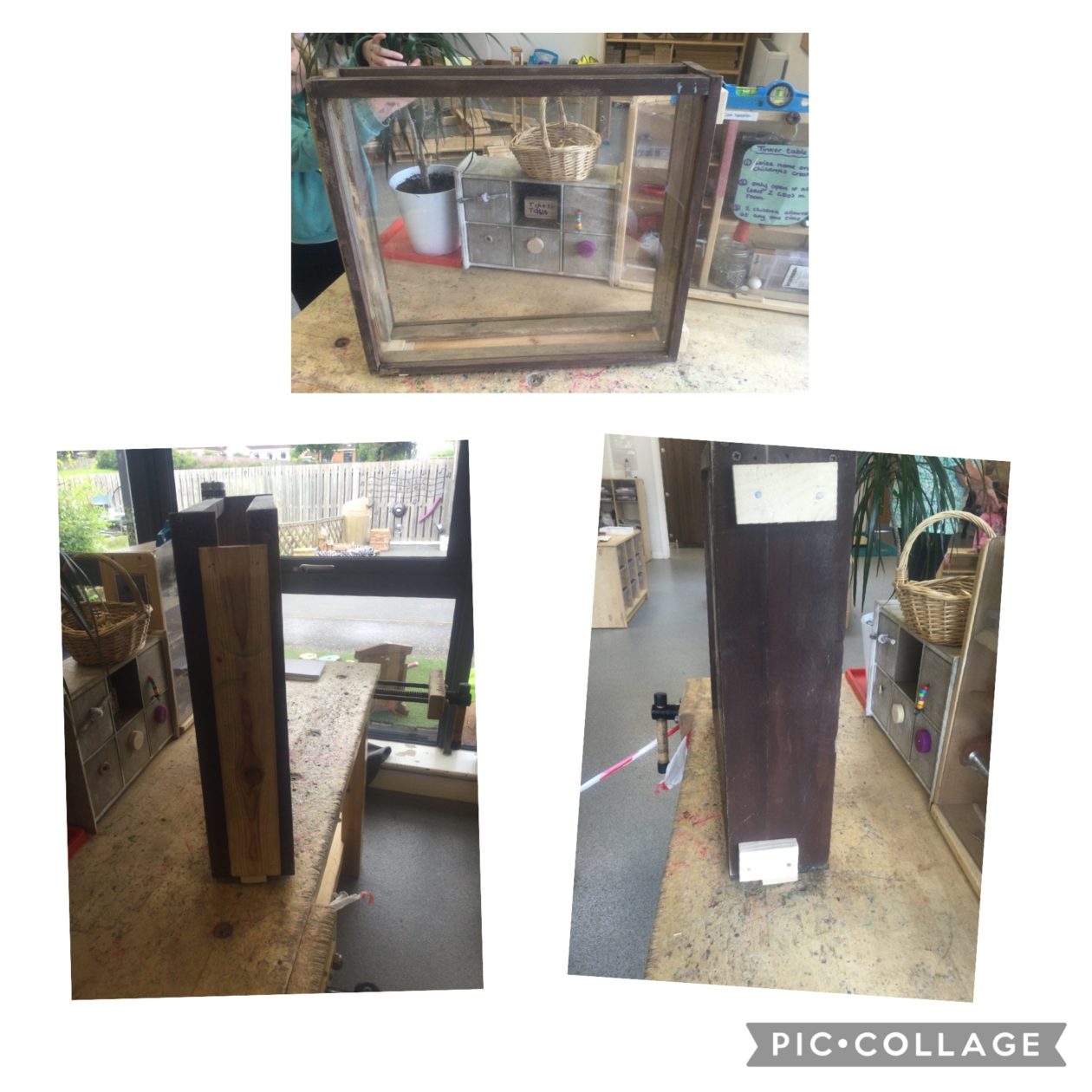
Following on from our last up-cycling project, we can now say we have finished fixing our broken wormery.

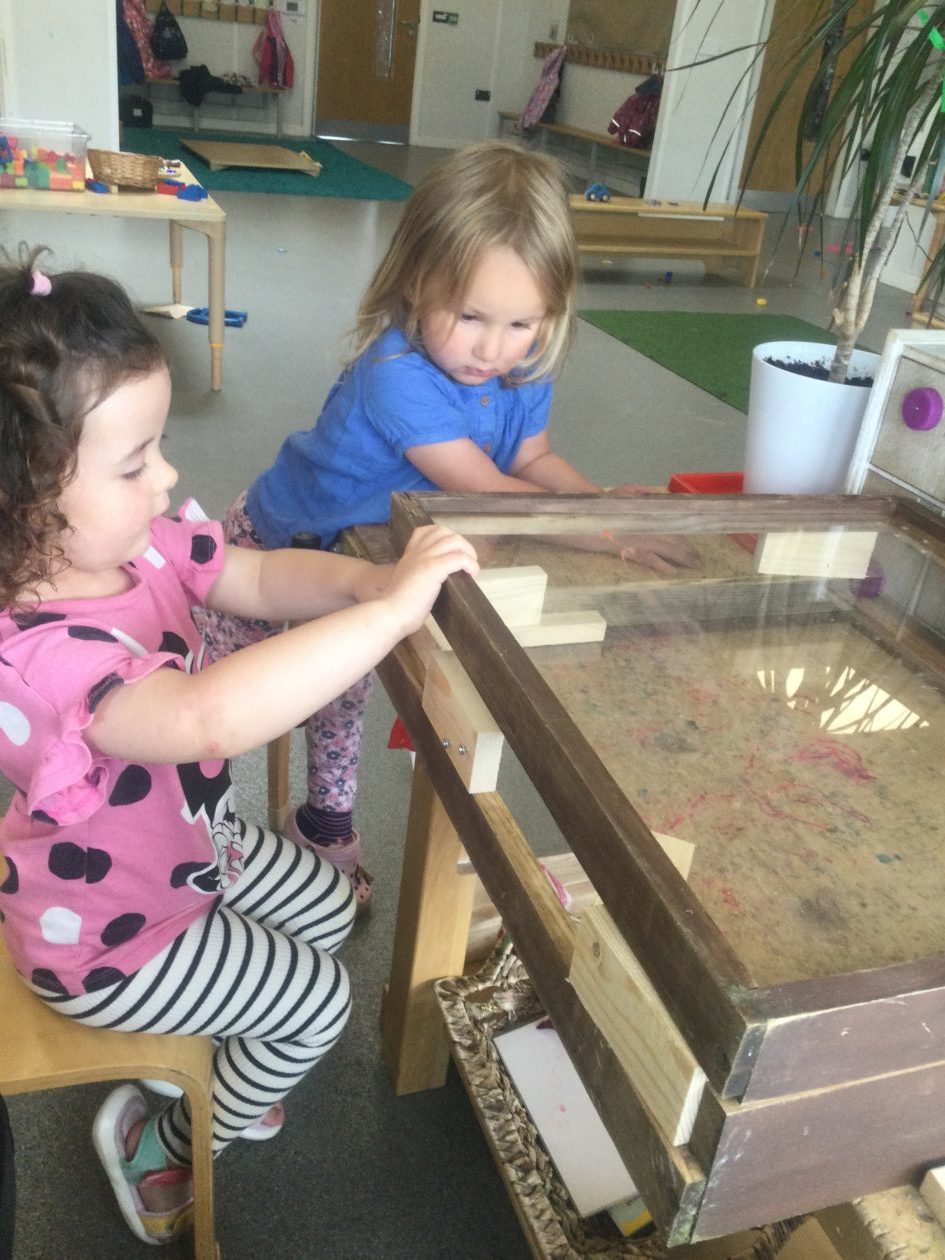
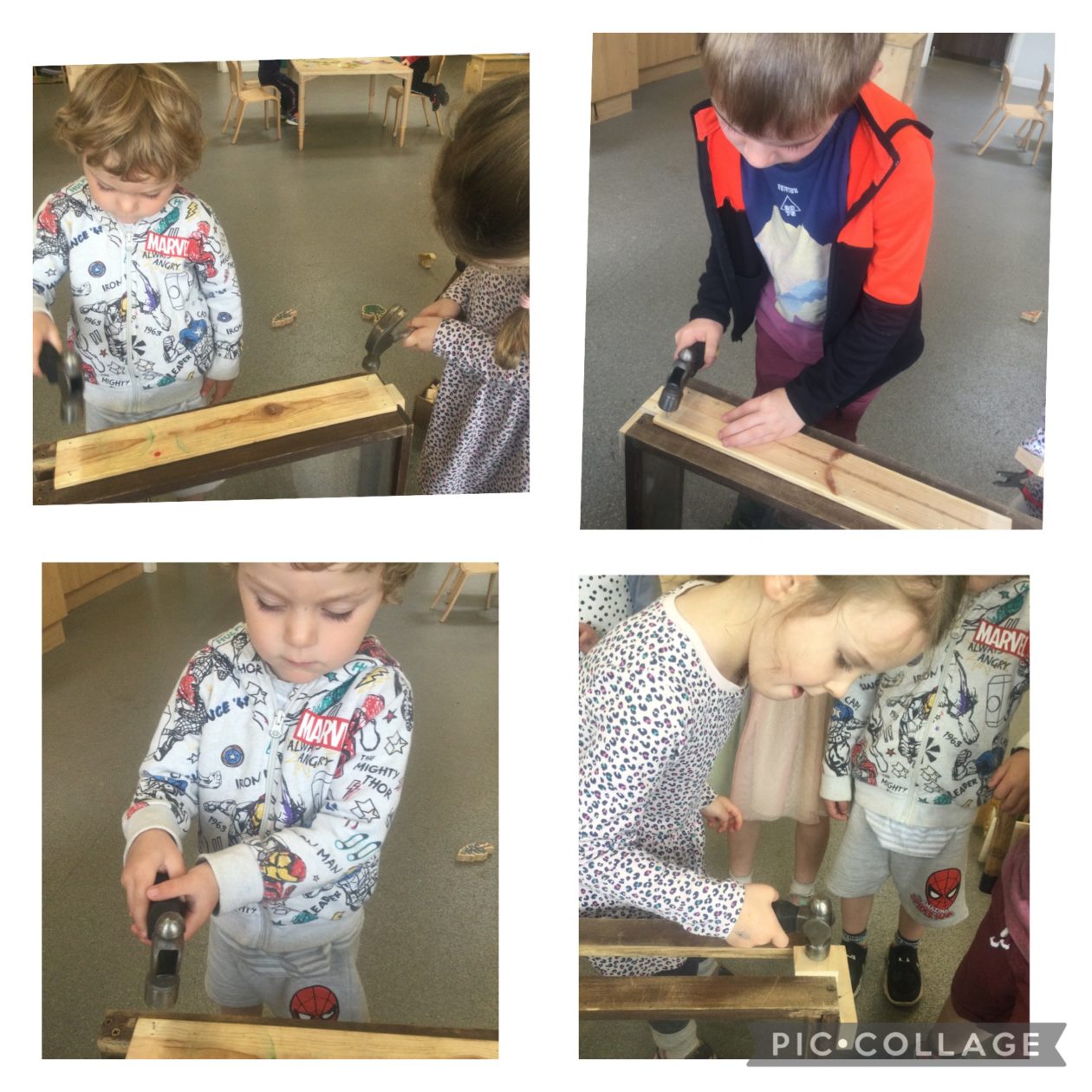
The children have worked so hard over the past couple of weeks using the tools and their problem solving skills to put it back together. They worked as a team to decide what they would use and what tools would work best.

“This small bit is too small”

“ We could use this long piece of wood on the side”

“we need a little nail and a hammer to put it on we don’t want to break the wood in half”

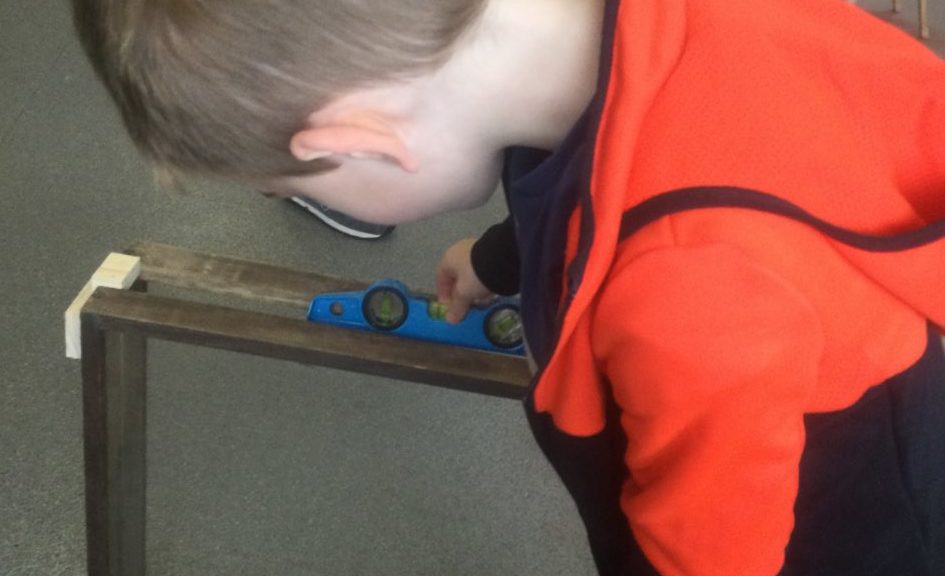
“What does this do? it has a bubble in it”

We learned that the spirit level indicates whether a surface is ‘Level’ or ‘plumb’.

“What does plumb mean?” We researched it and found out that ”Plumb means that the surface is sitting straight, it is vertical” This meant that we could check the sides were running straight up and down. We also used the spirit level to check the wormery was level across the top and bottom. We found out this is horizontal!

Every tinker table experience is different, even if it seems the same. We learn new vocabulary every day and learn skills that we can transfer into our everyday life, especially as we get older.

Using a wormery for compost is an easy and environmentally-friendly way of turning food waste in to nutritious compost to feed your garden.

Now we just need find some worms to come and live in it and make up its bedding! 🐛

Making our own wasps and their nests….

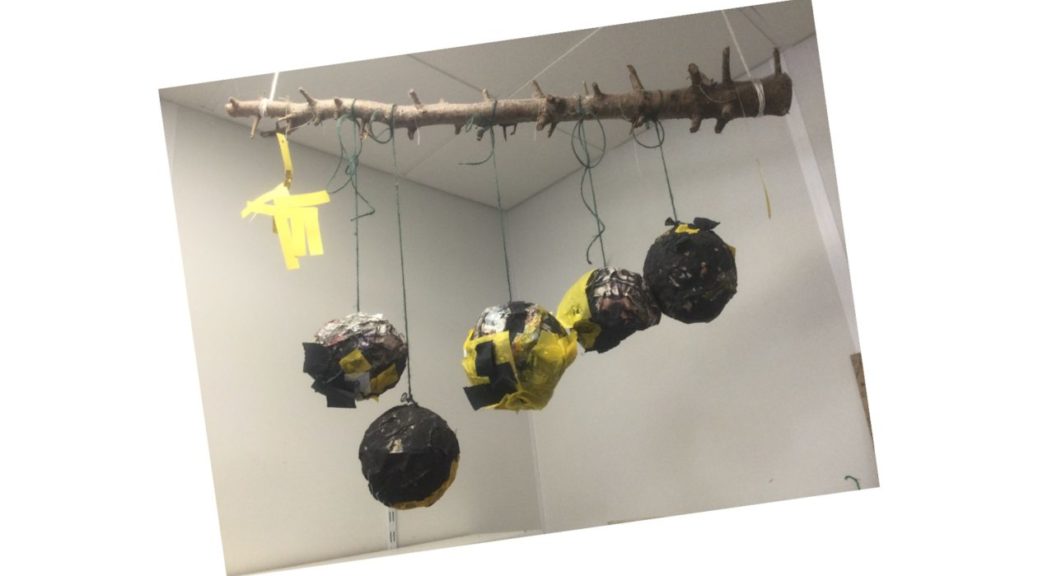
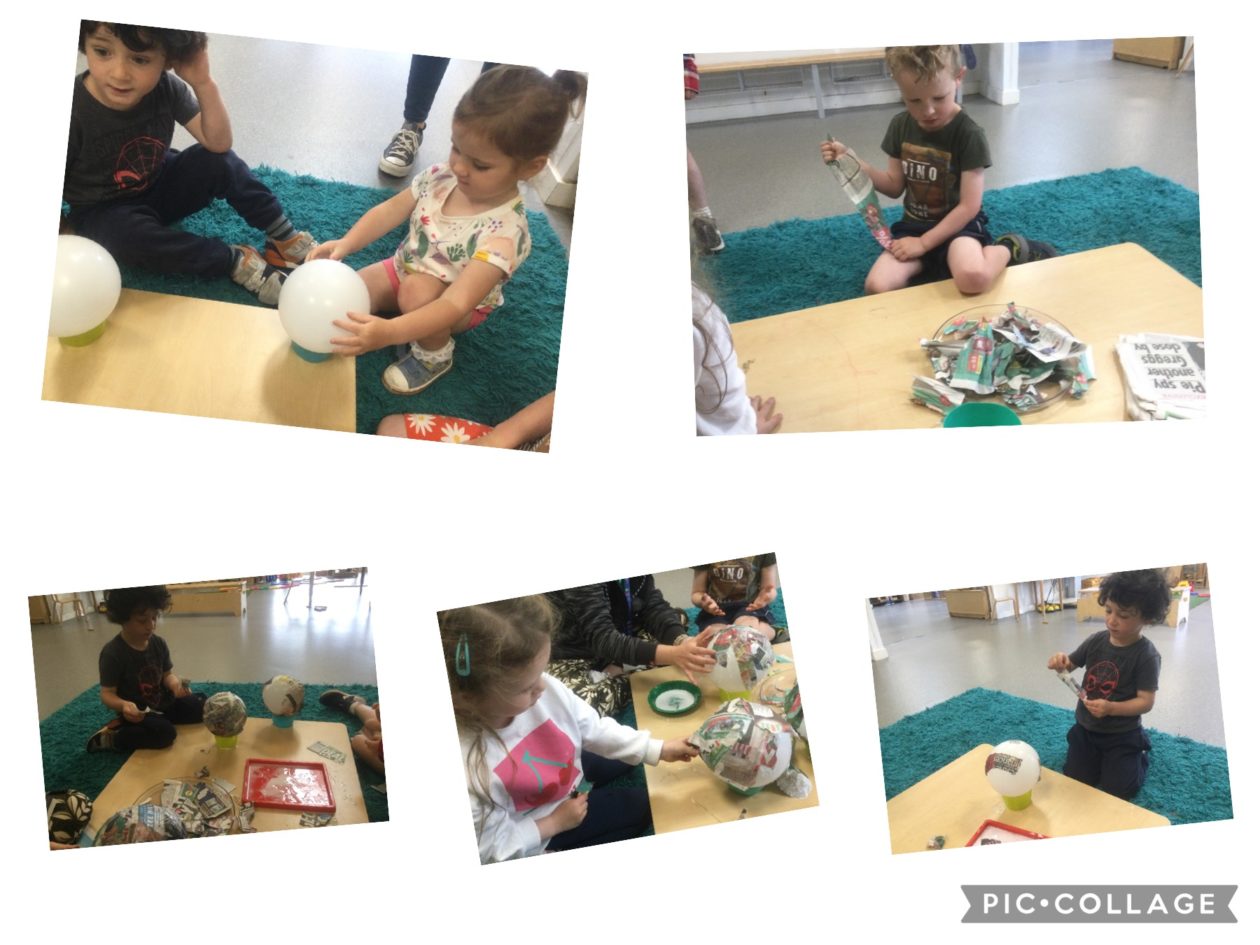
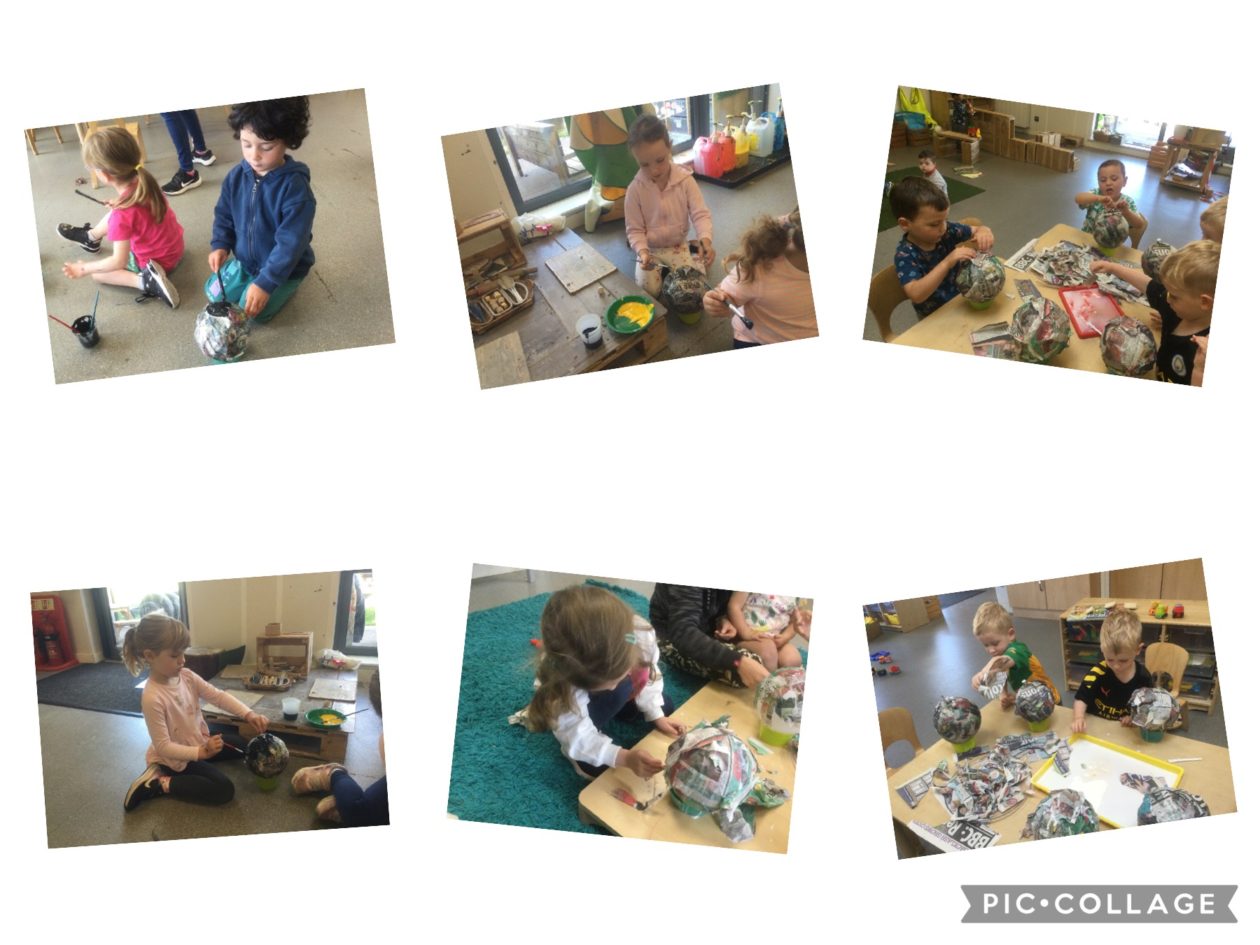
After exploring our real wasps nest last week we have now created our own nests. We made our very own paper mache nests.

We blew up our ballon’s and used glue and old newspapers to stick all around the balloon. We got quite sticky !


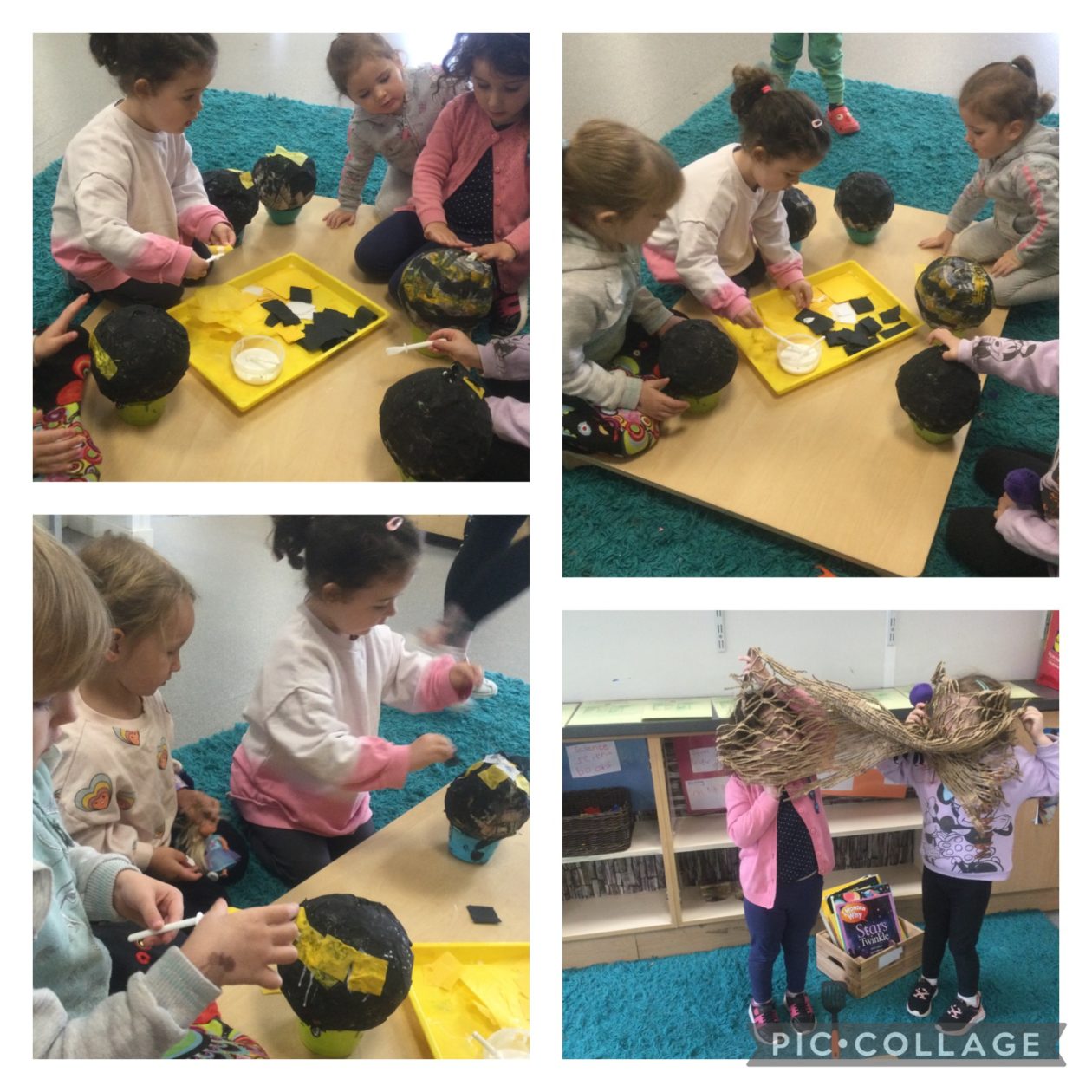
We had to let them dry overnight and then did it all again to make them really hard. The boys and girls then gave them a coat of yellow or black paint. “ Mine looks like a wasp”.

The children were able to self select their own resources to  add to their nest after painting them. My nest is going to be very yellow. We also found some textured paper which looks like the little holes that the wasps climb in and out of. The nests are looking really great now. Well done.

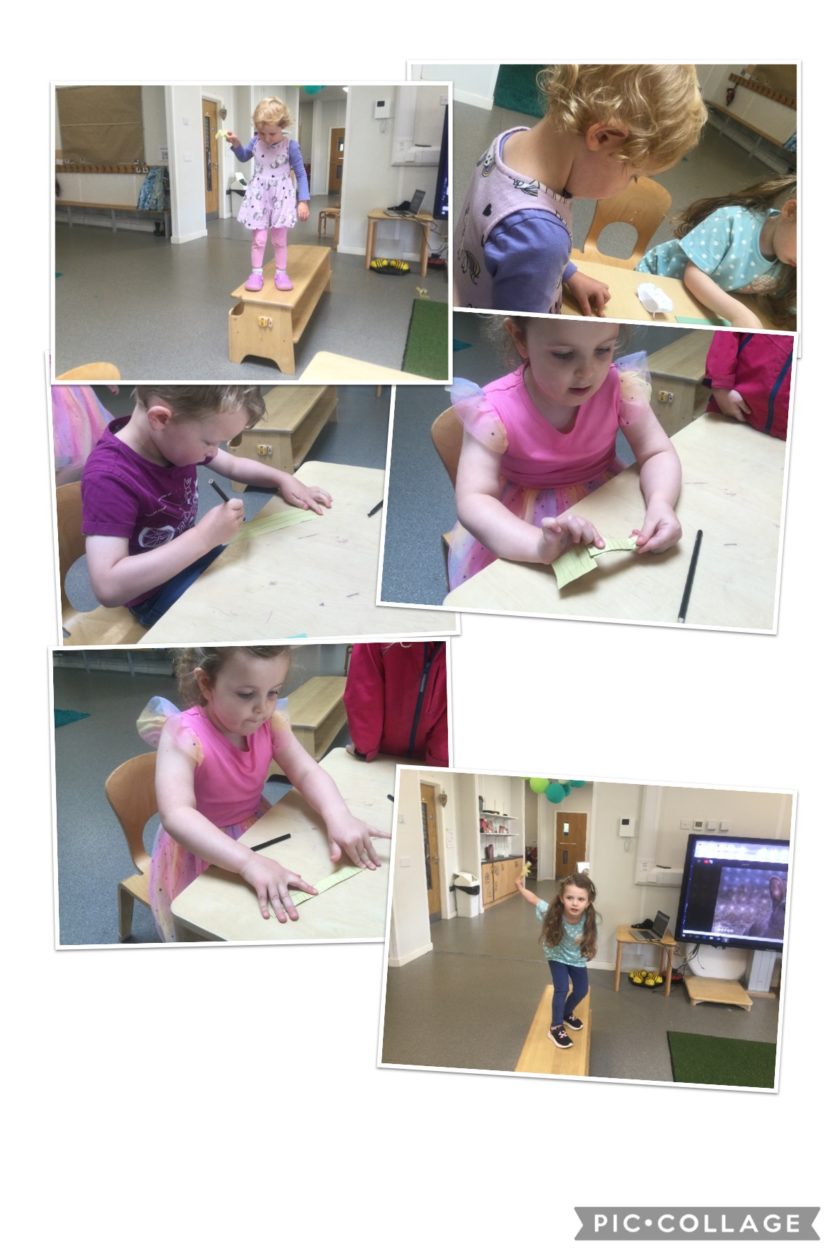
Everyone had so much fun making their own flying wasps. We had to measure , fold , colour and cut the paper then add a paper clip to help it fly . The children worked out that if you stood a bit higher up the wasps would fly better , but we had to be careful so we didn’t wobble and fall off !.

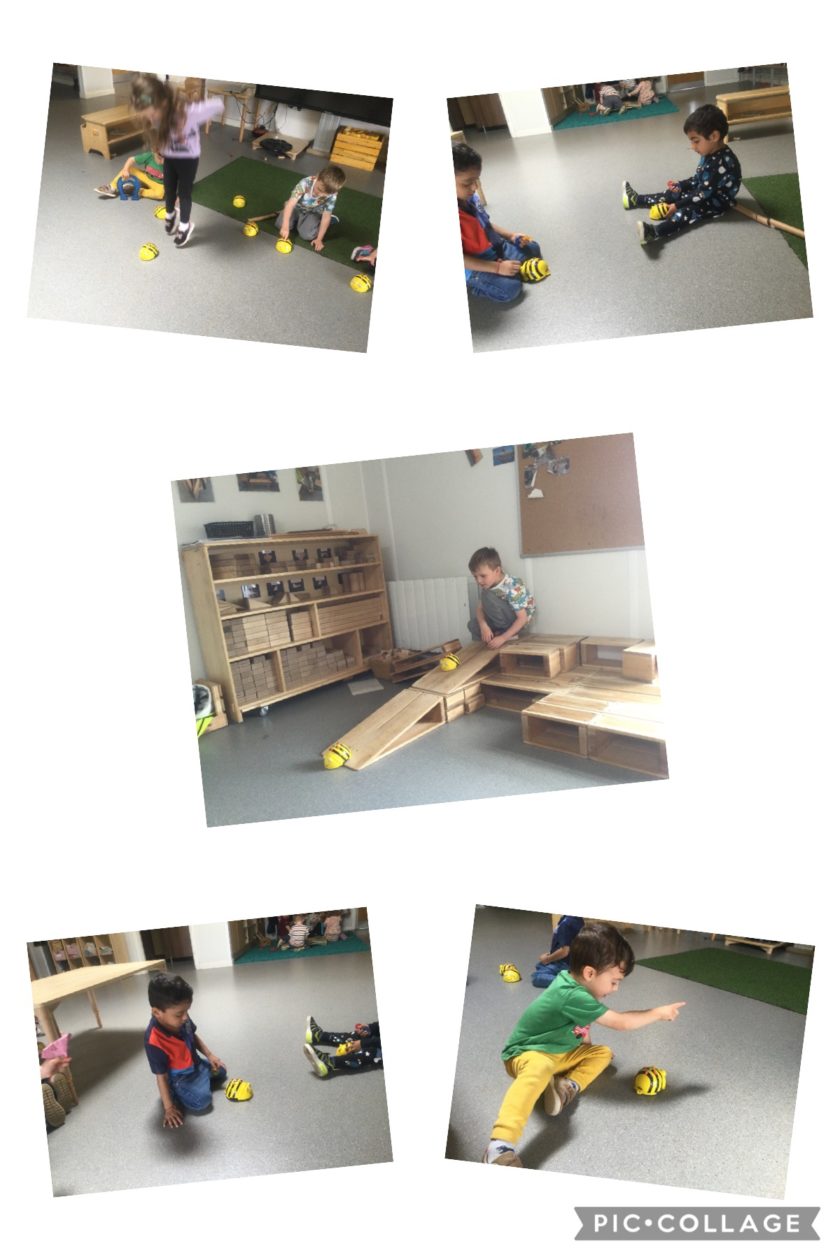
After all that hard work we had a try at directing our bee bot 🐝 wasp. We went forwards, backwards we had a practice with right and left . Some of our 🐝 wasps even manage to go down a ramp. Who knew that wasps could be so much fun .

Article 13-  You have the right to find out things and share what you think with others.

🌻 Sunflowers 🌻

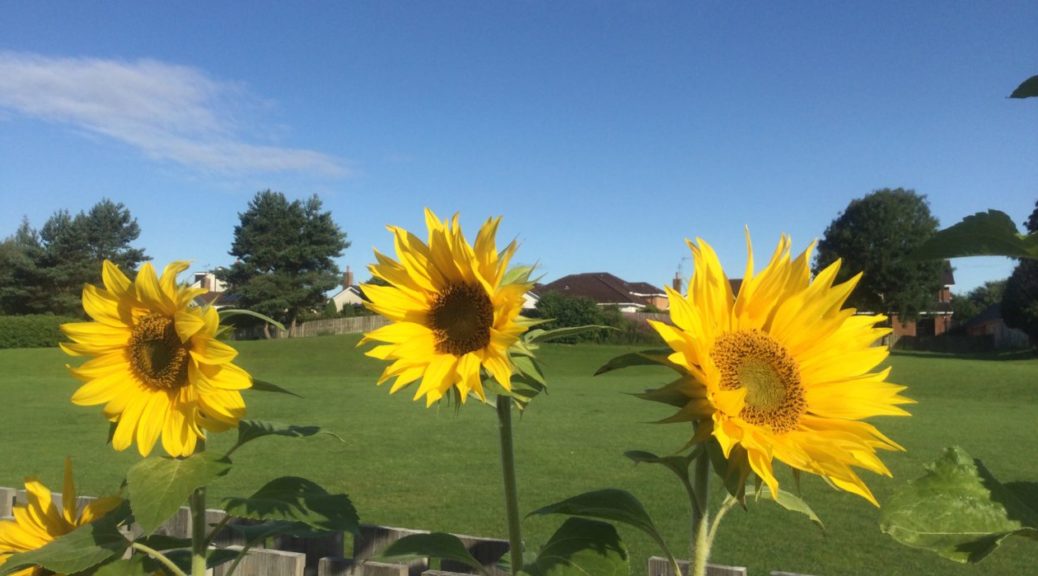
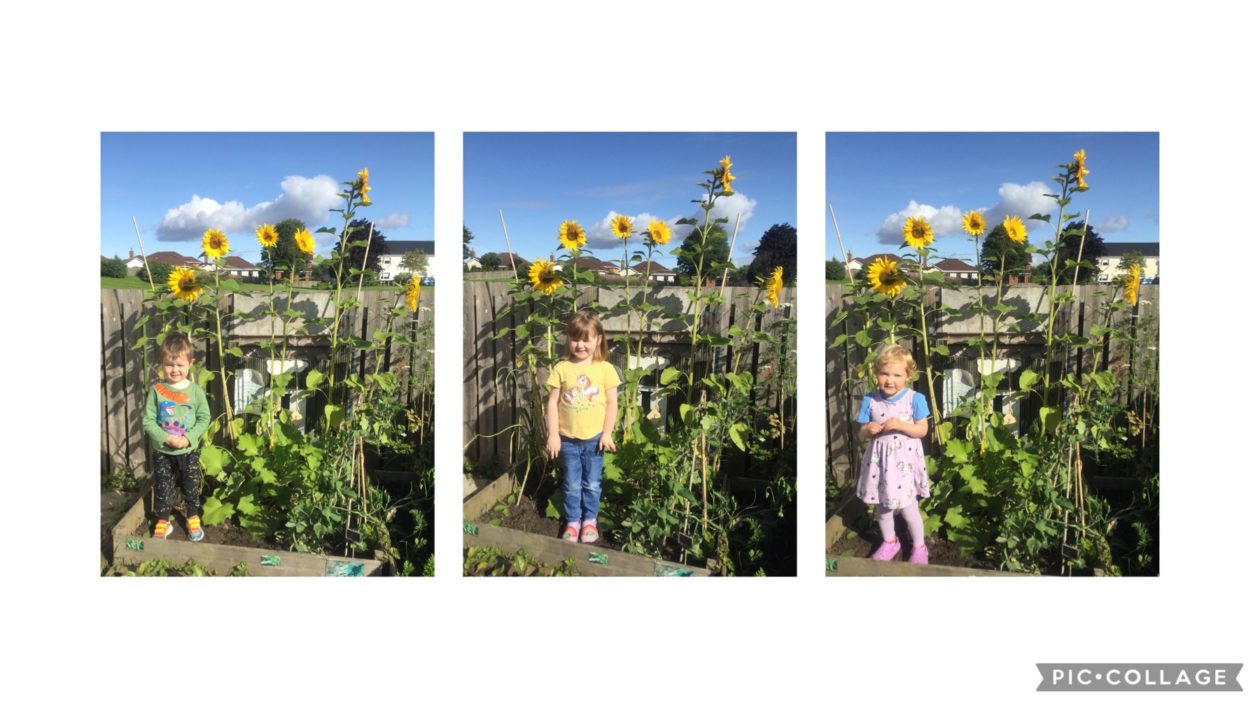
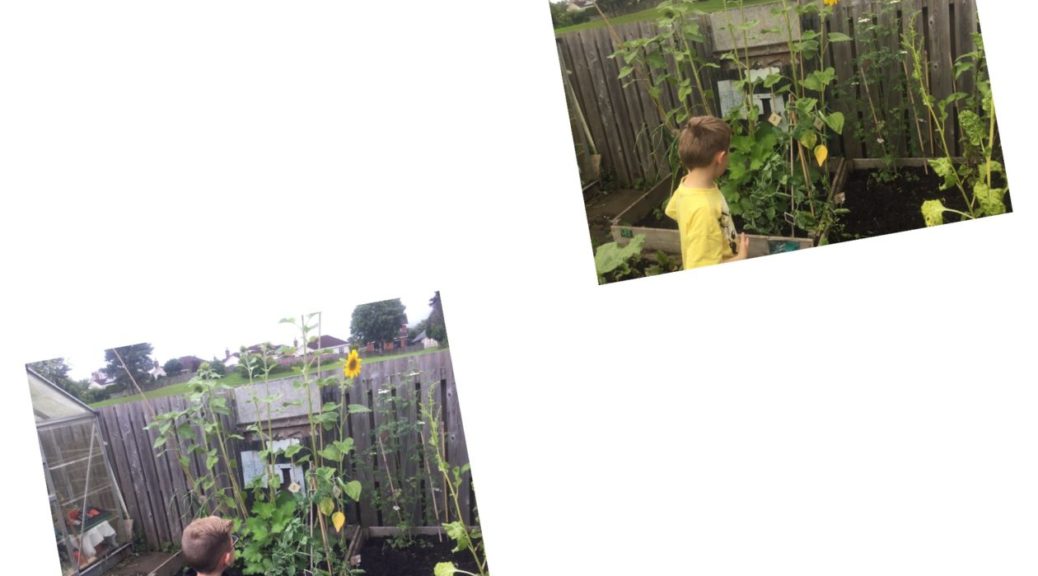
Our sunflowers have grown so tall in our garden. We have planted then from a tiny seed and have been nurturing them. After discussing how tall they have grown we calculated how many days it took for our sunflowers to flower.

It took 111 days for them to grow this tall.

”That’s a lot of days”

“They are taller than me”

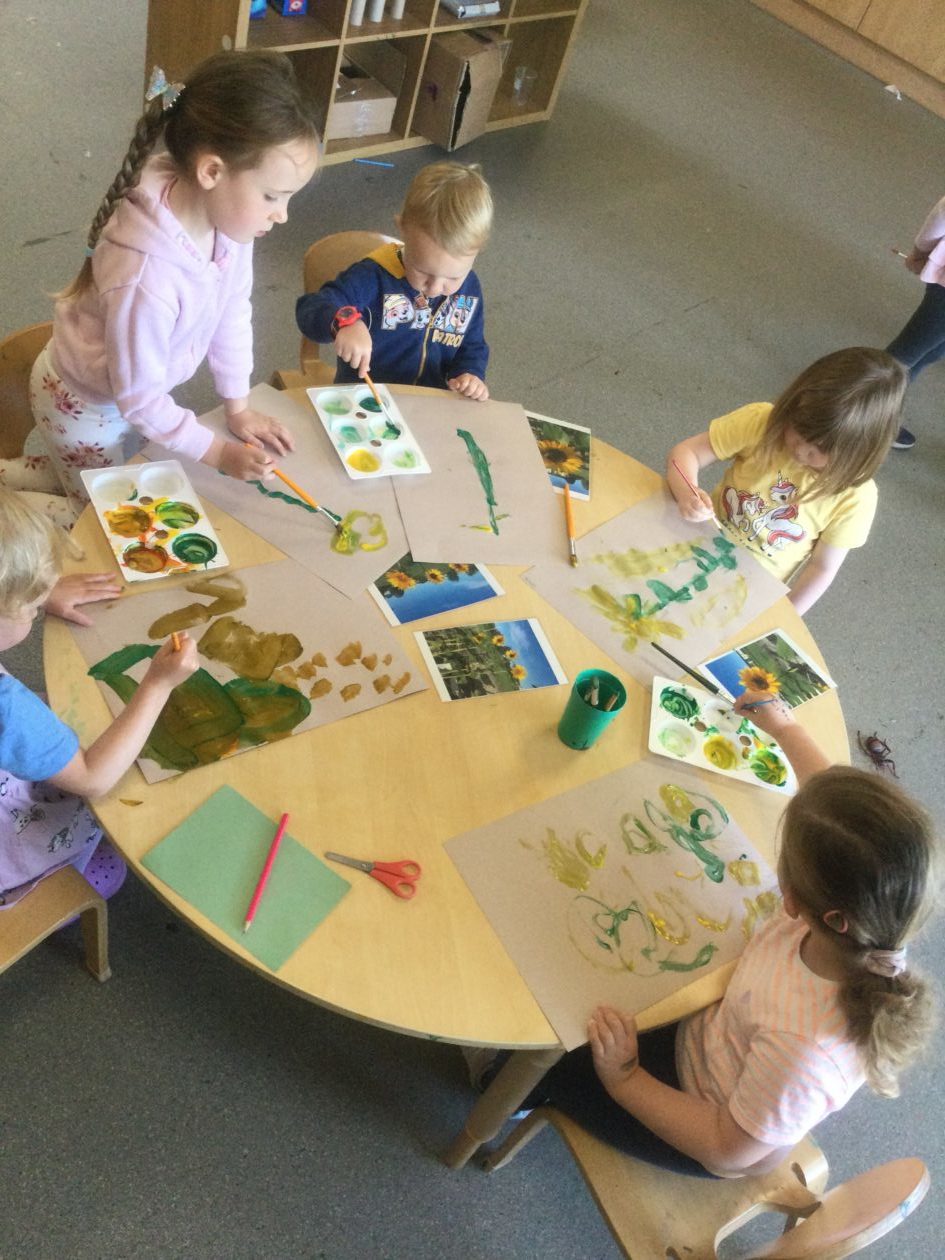
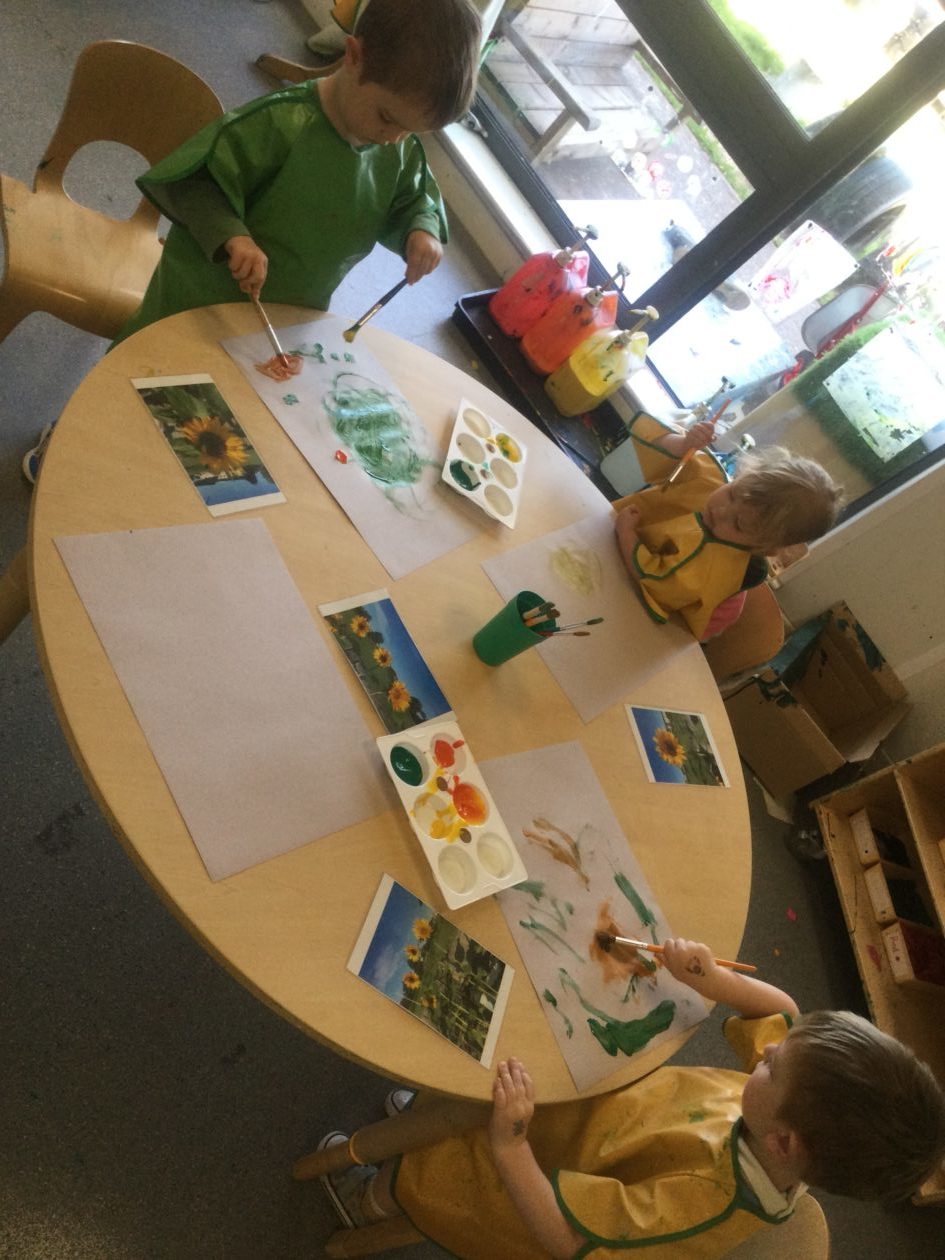
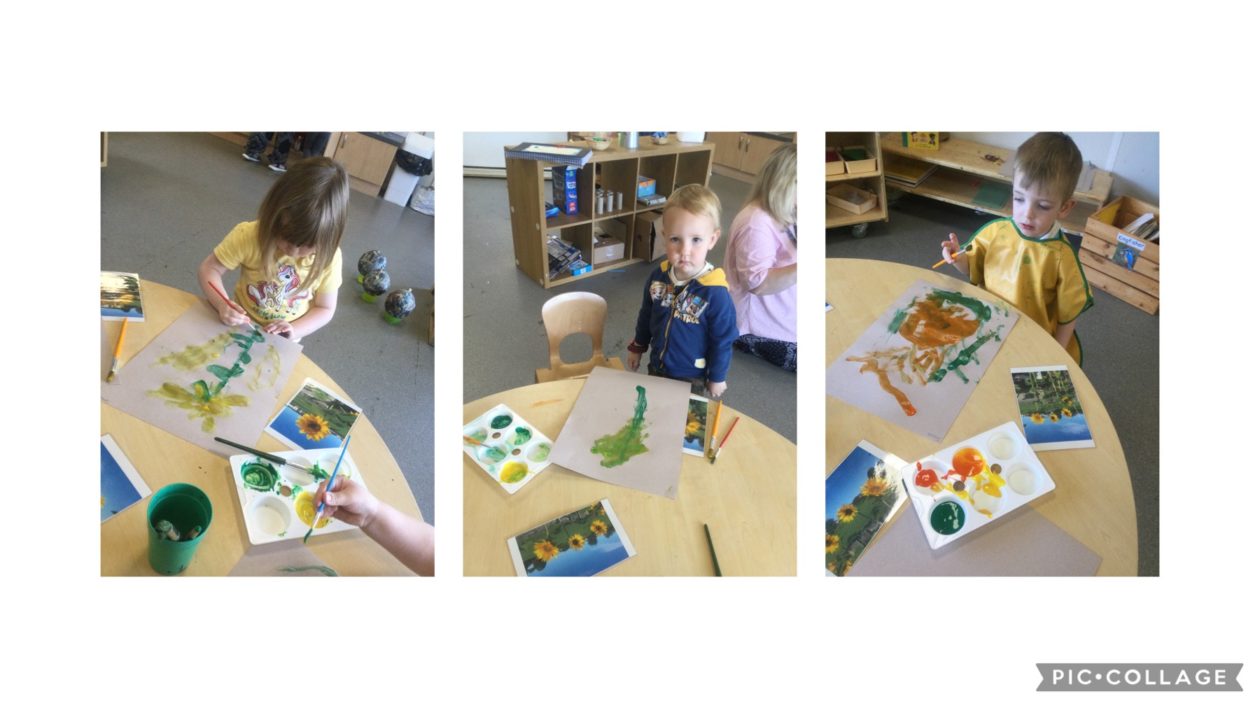
Taking some inspiration from the beautiful sunflowers. We decided to paint some in the studio. We selected the colours of the sunflowers and have be busy painting some fabulous sunflower pictures this morning.

Here’s just a few of our amazing paintings. Look out for some coming home to brighten up your walls. 😃

Article 28 – You have the right to education

Summer holiday fun 🌞

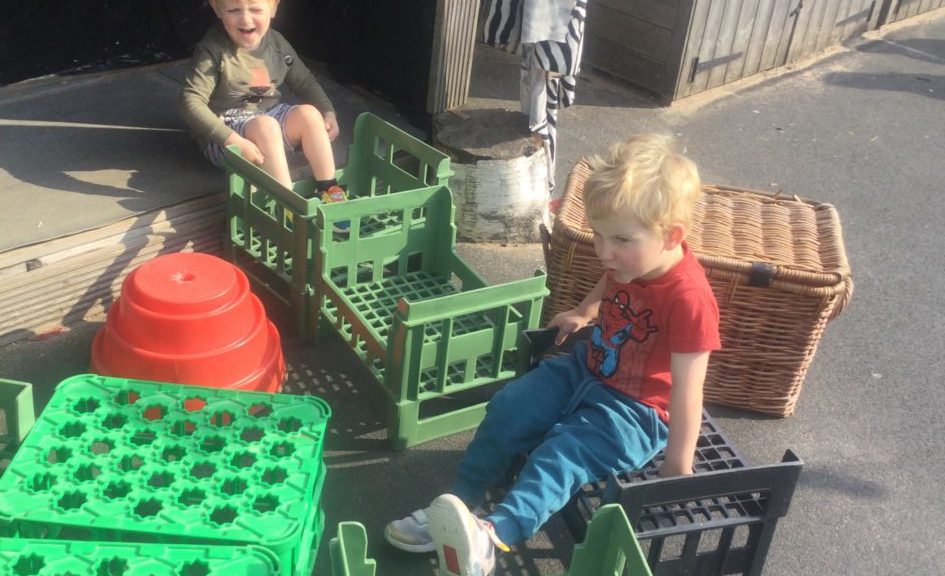
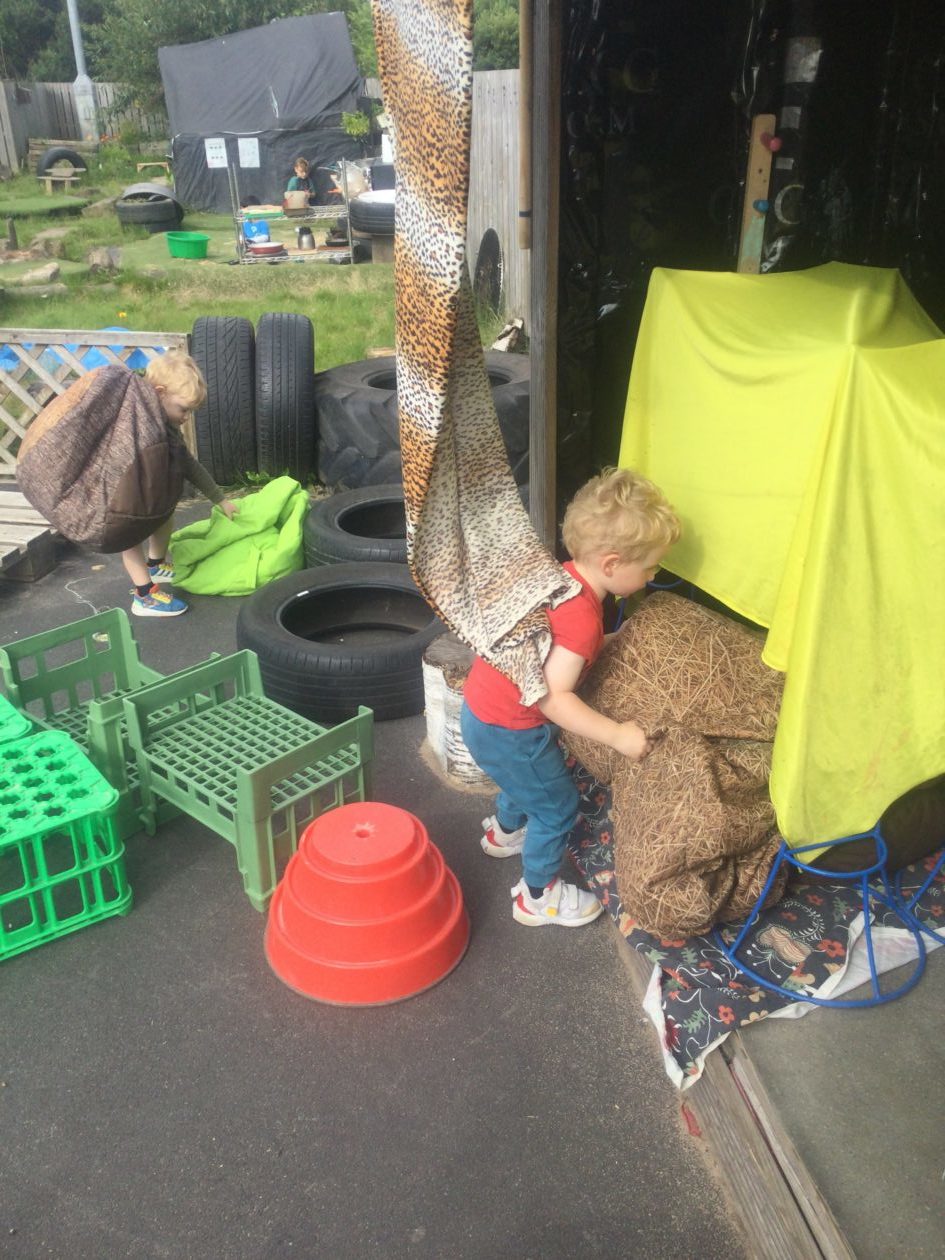
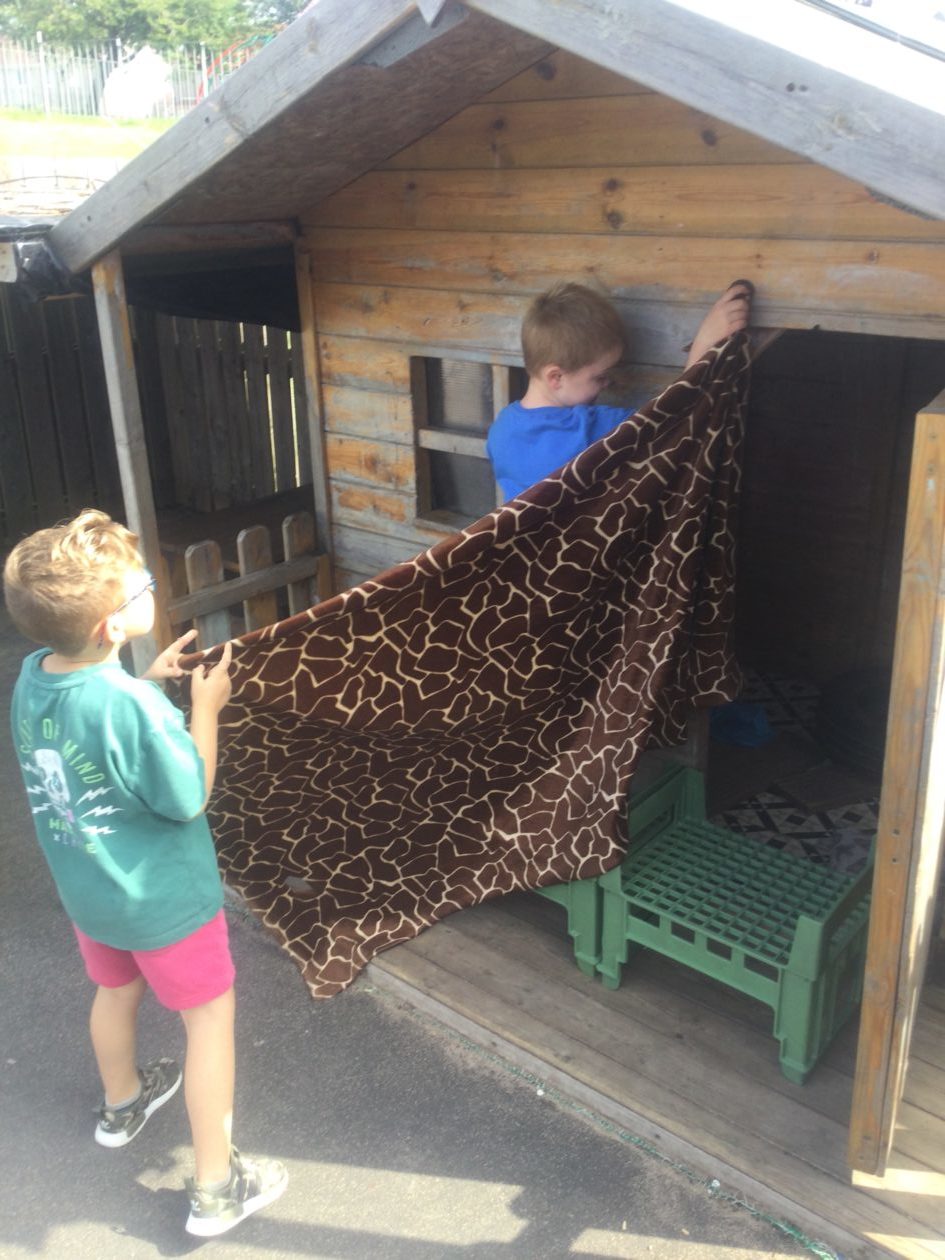
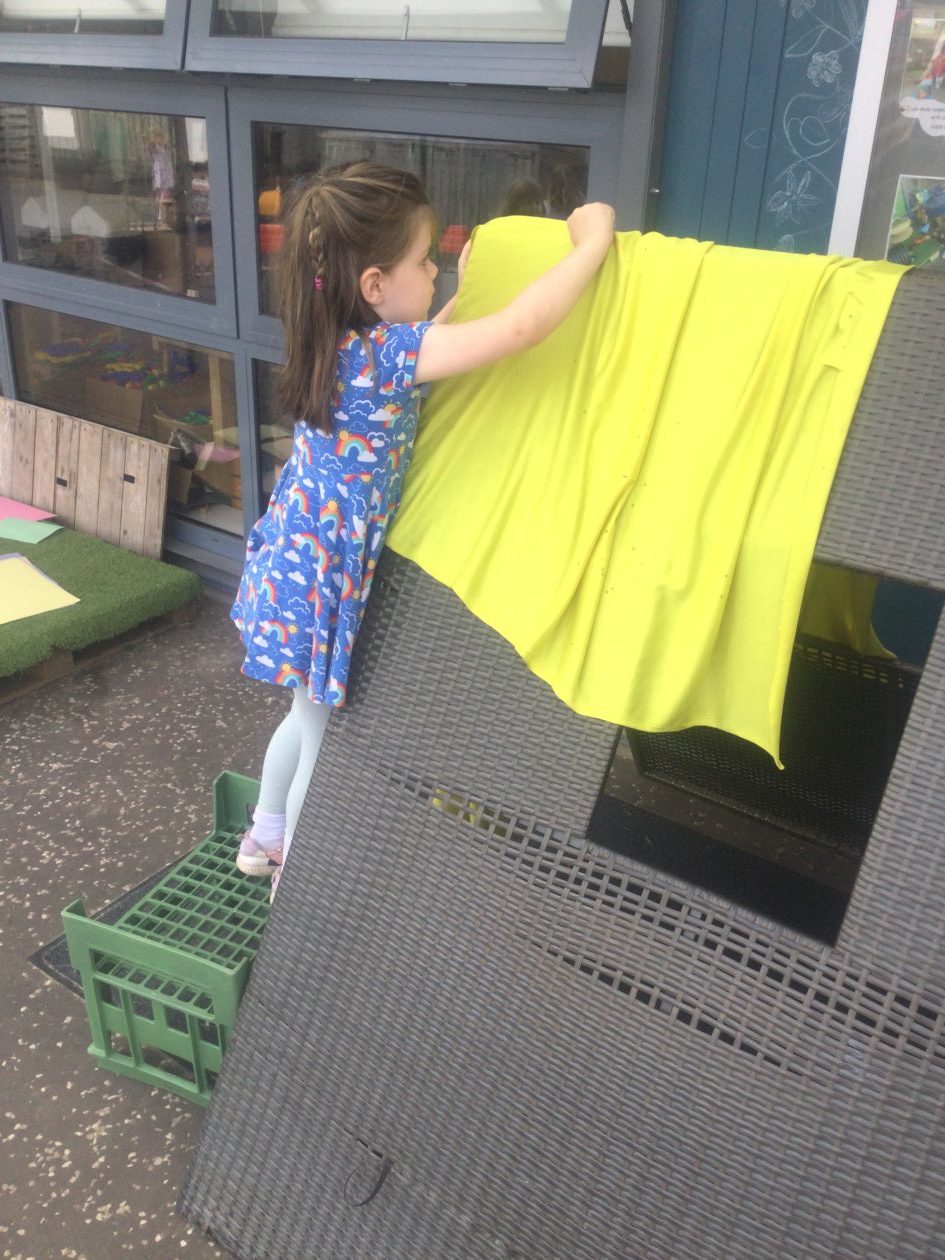
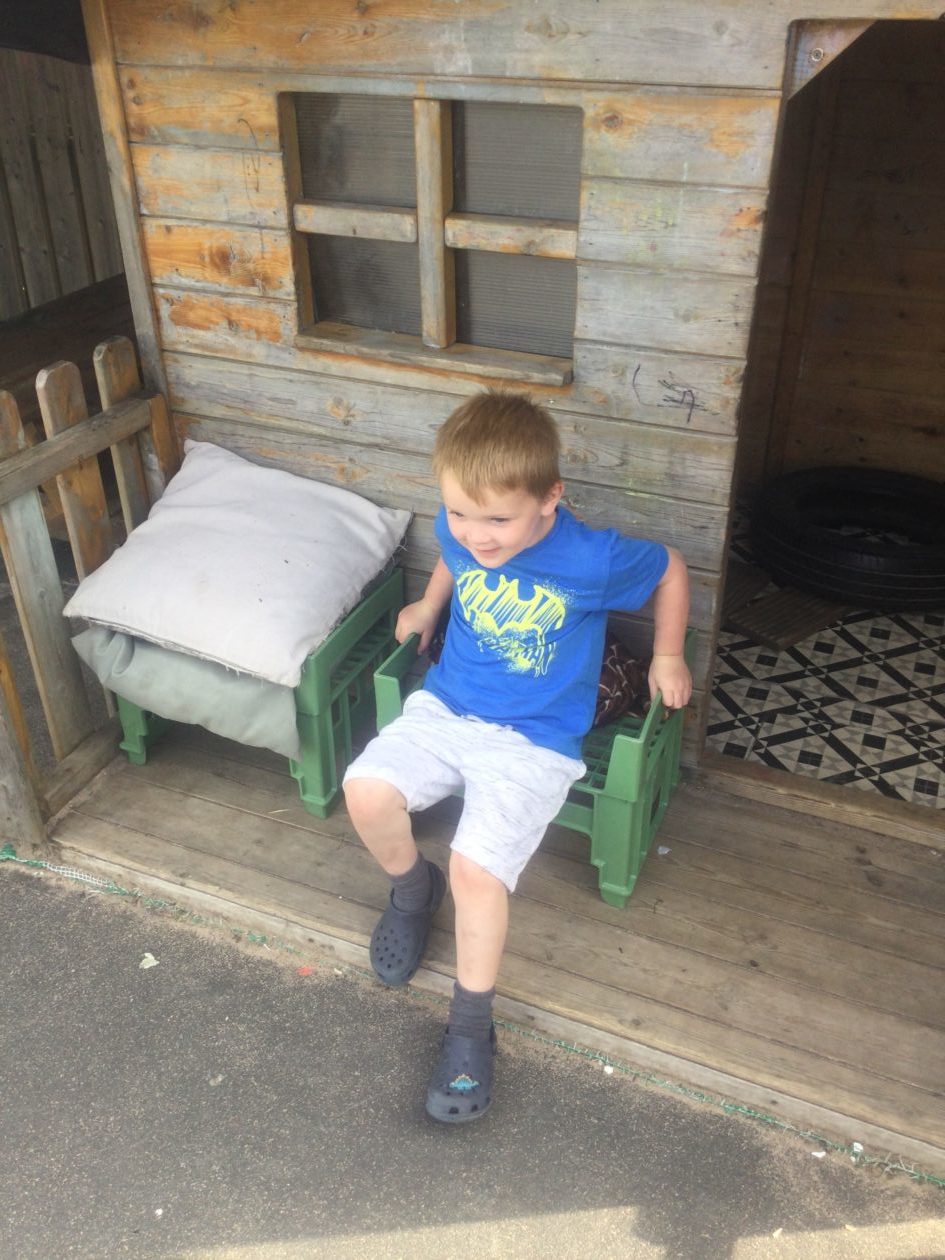
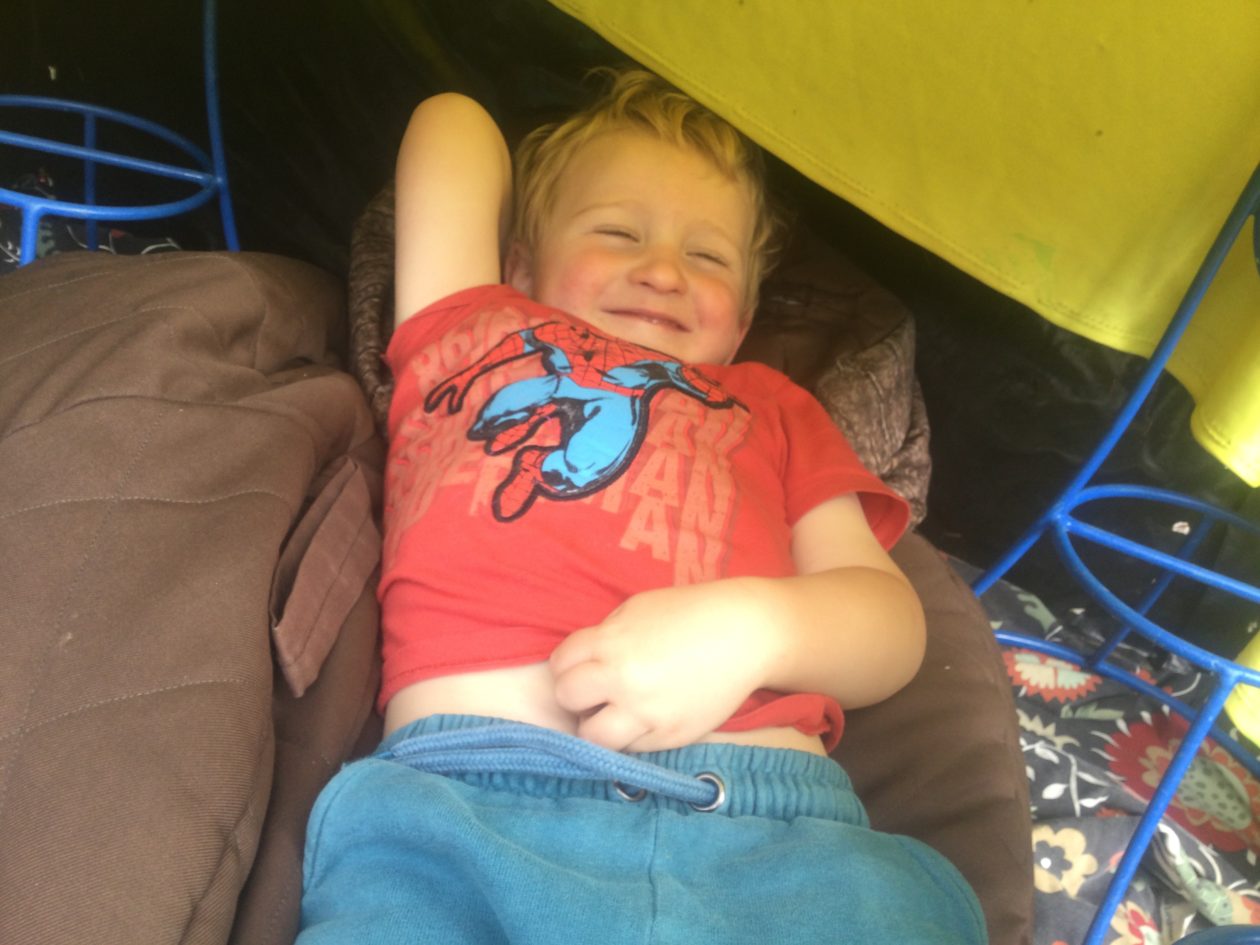
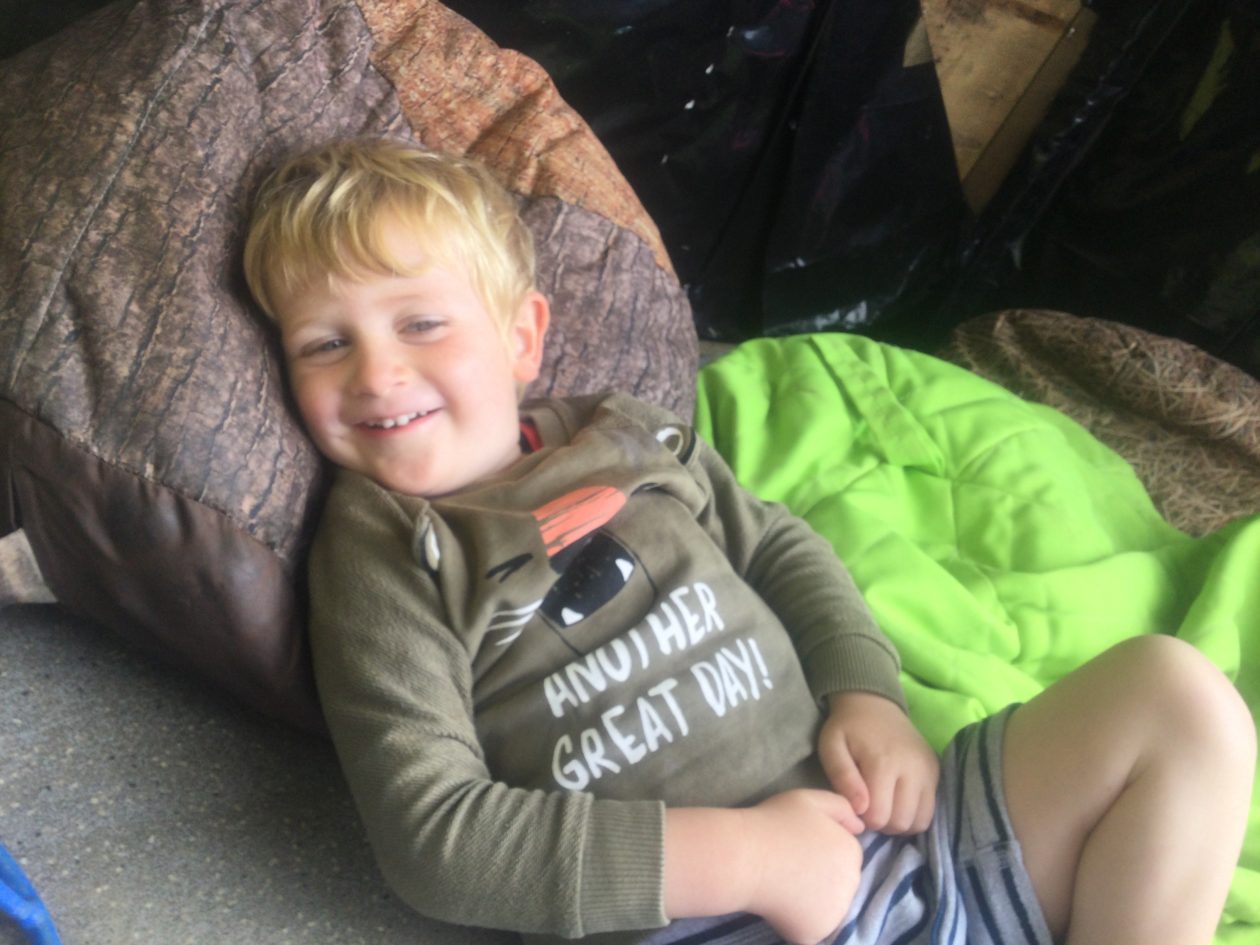
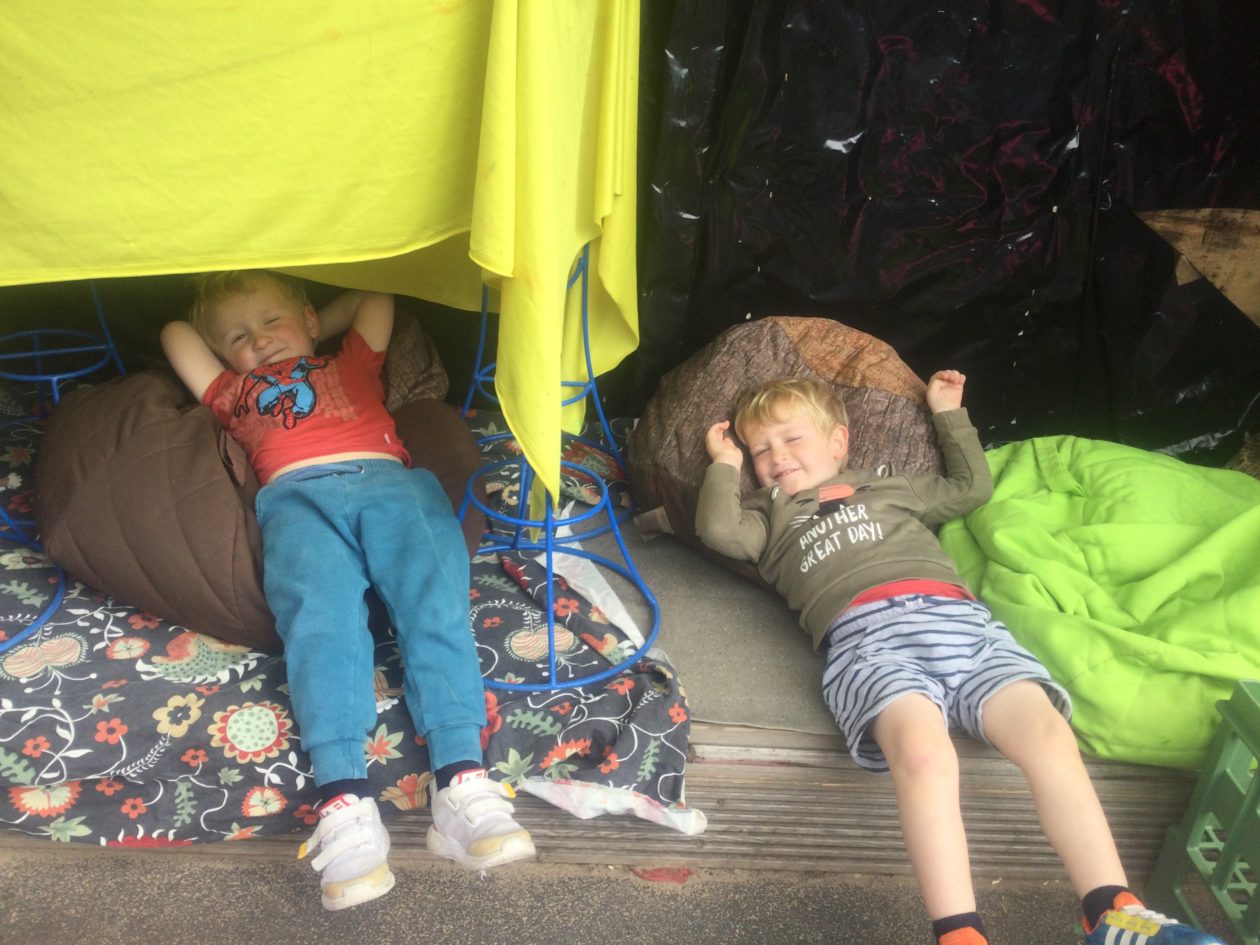
This week the children  have had lots of fun building dens and making summer homes in the garden! They have loved talking to each other about their busy summer plans. The children enjoyed sharing stories with their peers about all the fun things they have been getting up to, which sparked lots of creative role playing fun…

”I’ve got a beach house in Italy. We have pasta and clams there, that’s my favourite. I can make you some”

“Who wants gelato? Come and get it!”

We have been experimenting different problem solving techniques as we create our dens, using various resources from the garden and working cooperatively with one another offering suggestions to help implement our designs…

“let’s put it through the wee hole so it doesn’t fall down . Look, it worked!”

The children showed great imagination, exploring the garden to find different cosy spots to decorate …

“cheeeeese!”

After being so busy decorating our little summer homes it was time for a well deserved rest!

The children demonstrated great communication skills throughout as they worked as a team to help each other, and most importantly they had fun! Keep up the great work everybody 🤩👍


Wasps came into our garden !

The children have noticed that there has been wasps around our lovely sun flowers that they have grown in the nursery garden.  We thought that it would be good to learn a bit about them. Where do they live ?

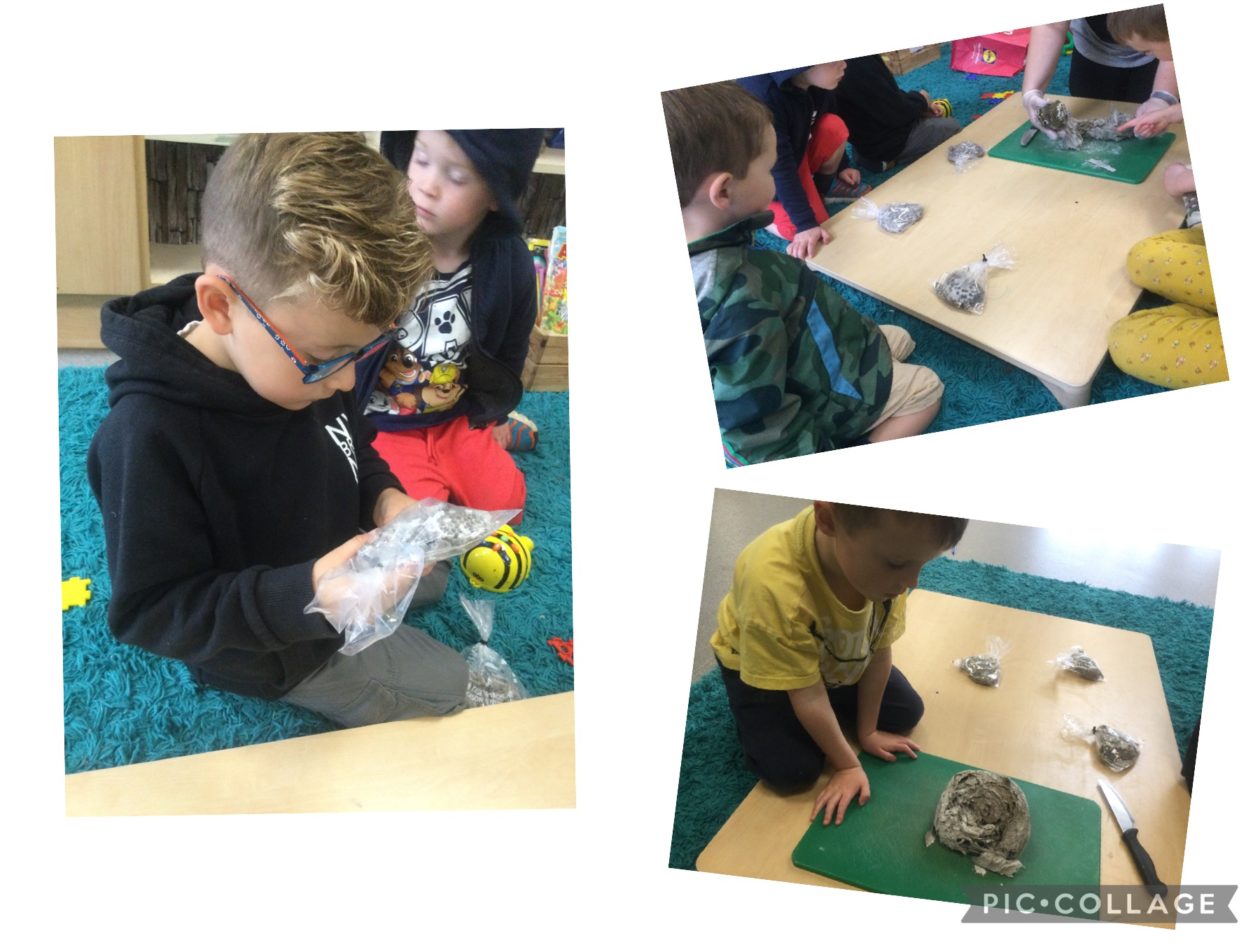
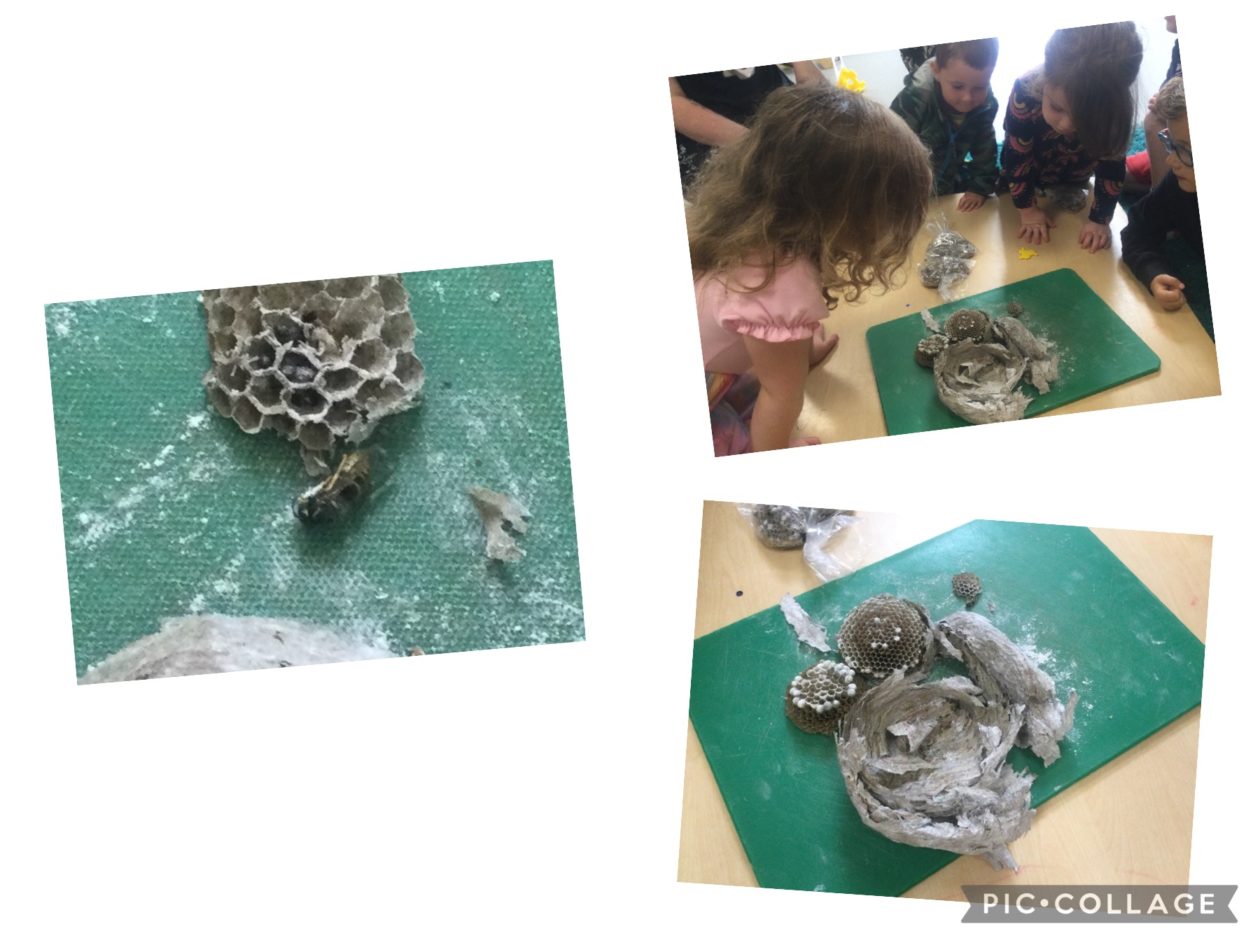
We we’re lucky enough to have a real wasps nest to look at. There are lots of little holes were the babies wasps lives until they are big enough to be worker wasps. These wasps only live between 12 -22 days but the queen wasp can live up to one year.

The wasps nest is made from the wasps chewing bark in their mouths mixing this with their saliva  and when it becomes dry it forms a paper type material.  We learnt that wasps like sugary sweet foods and this is why they can fly around our food !

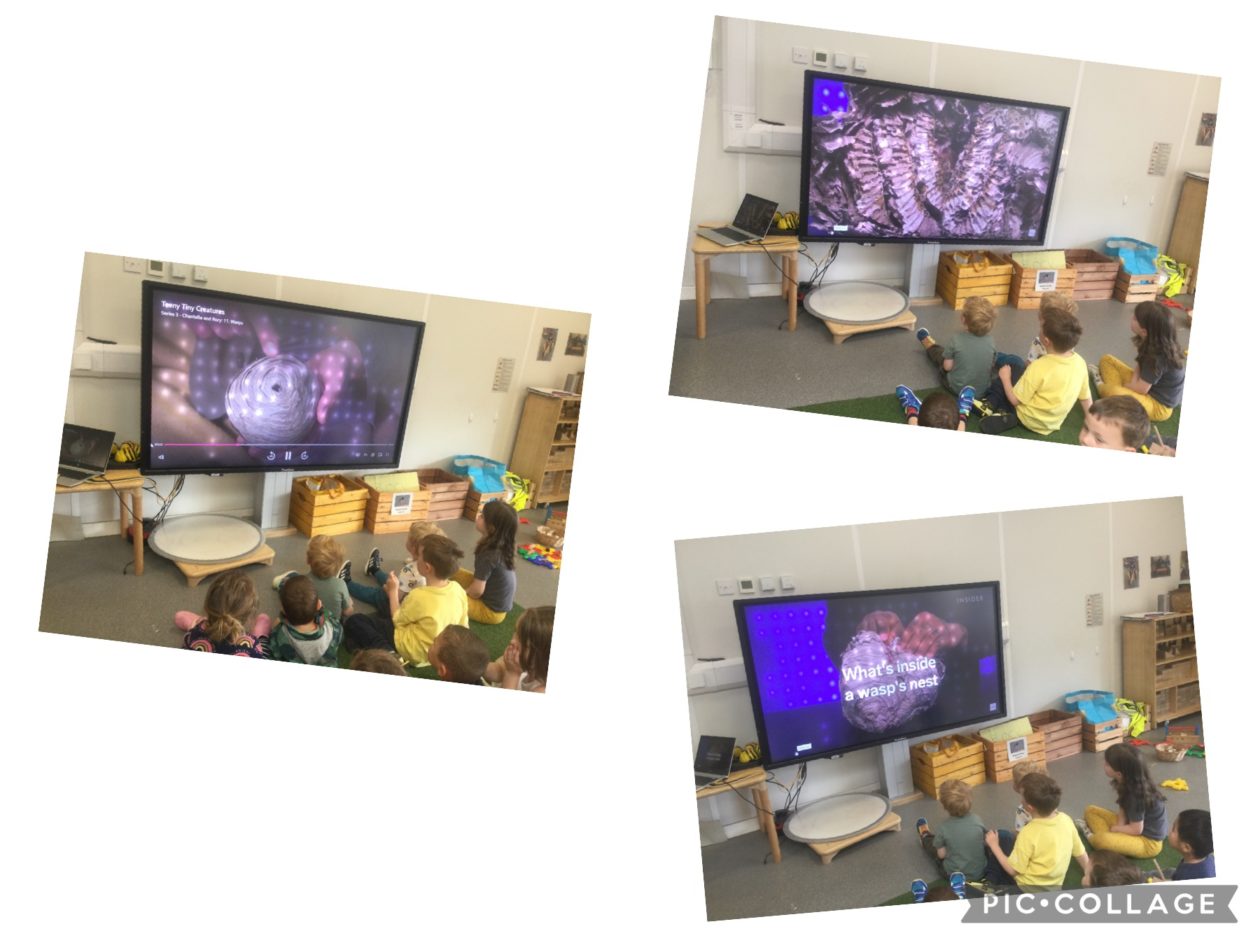
We watched a short film on how wasps make their nests. Wasps nest are usually found in sheltered warm places. “ I have a wasps nest in my garden on the tree . We should never touch the nests or the wasps .

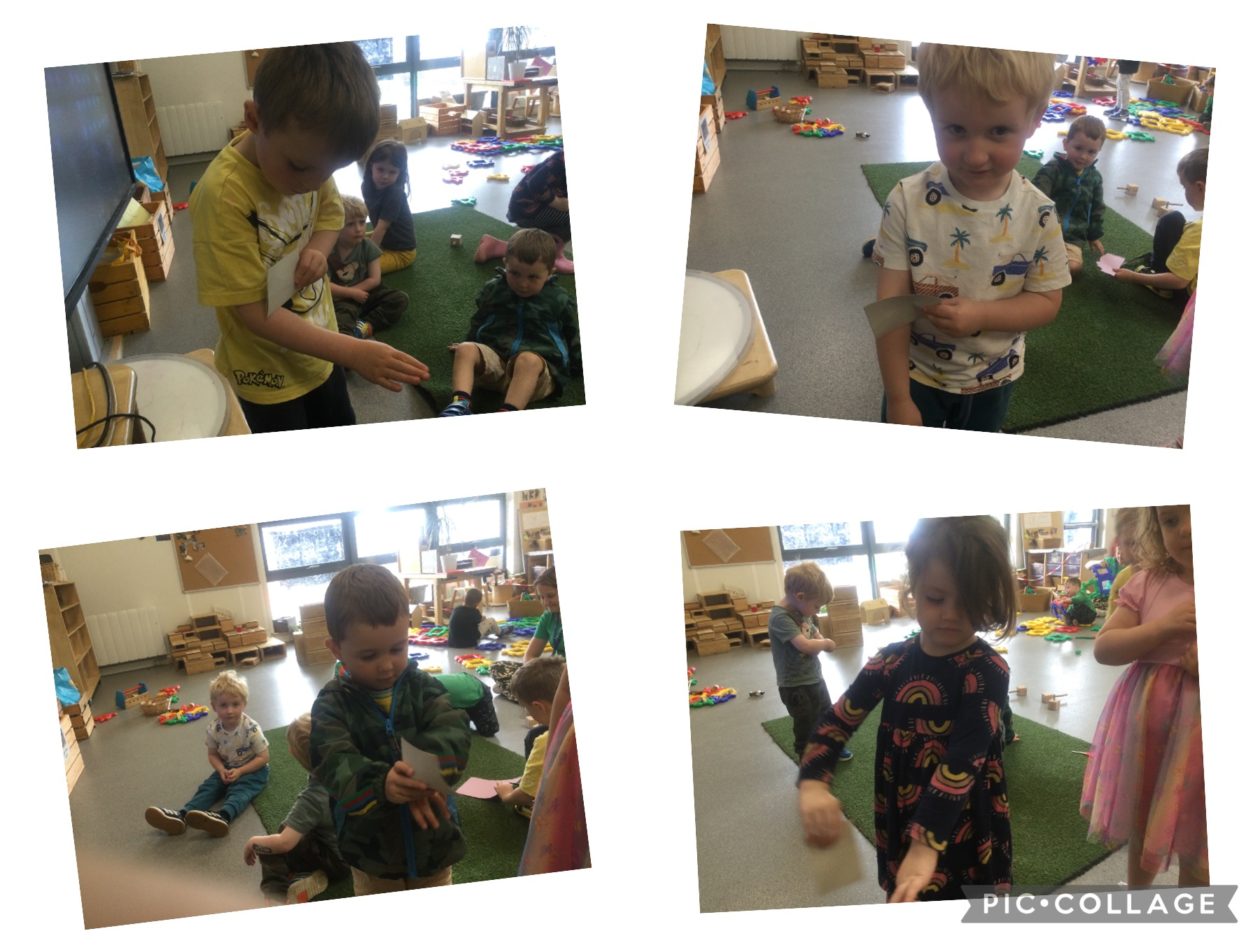
If a wasp 🐝 comes near you we must stay still as a wasp will sting you if they think they are in danger. Only female wasps will sting you.  If a wasp should land on you you can flick it off gently with a piece of paper. We all had a practise but fortunately there were no wasps actually on us.

We have enjoyed finding out all our wasp information. We might even build our own wasp nest using paper mache.
Article 33 -I can be protected from danger.

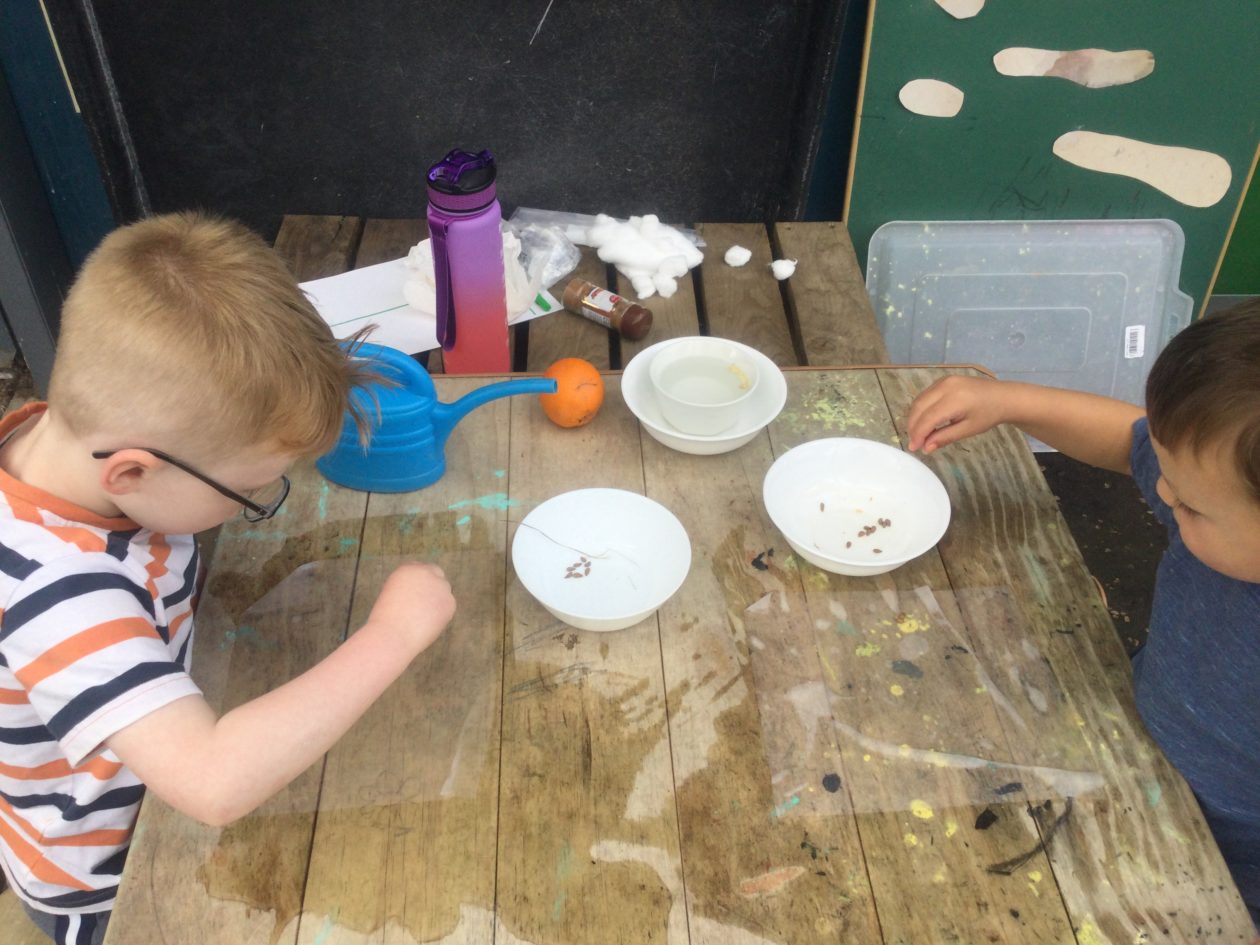
Growing our apple and orange seeds today 🤔


Today we decided to reuse our seeds from snack to see if we could grow our own fruit……how do we do this?
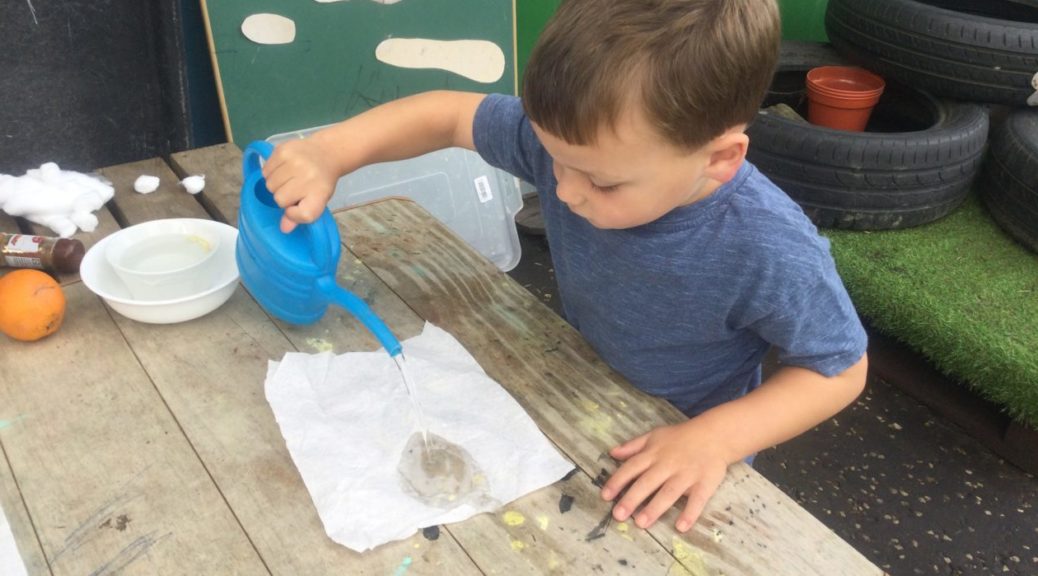
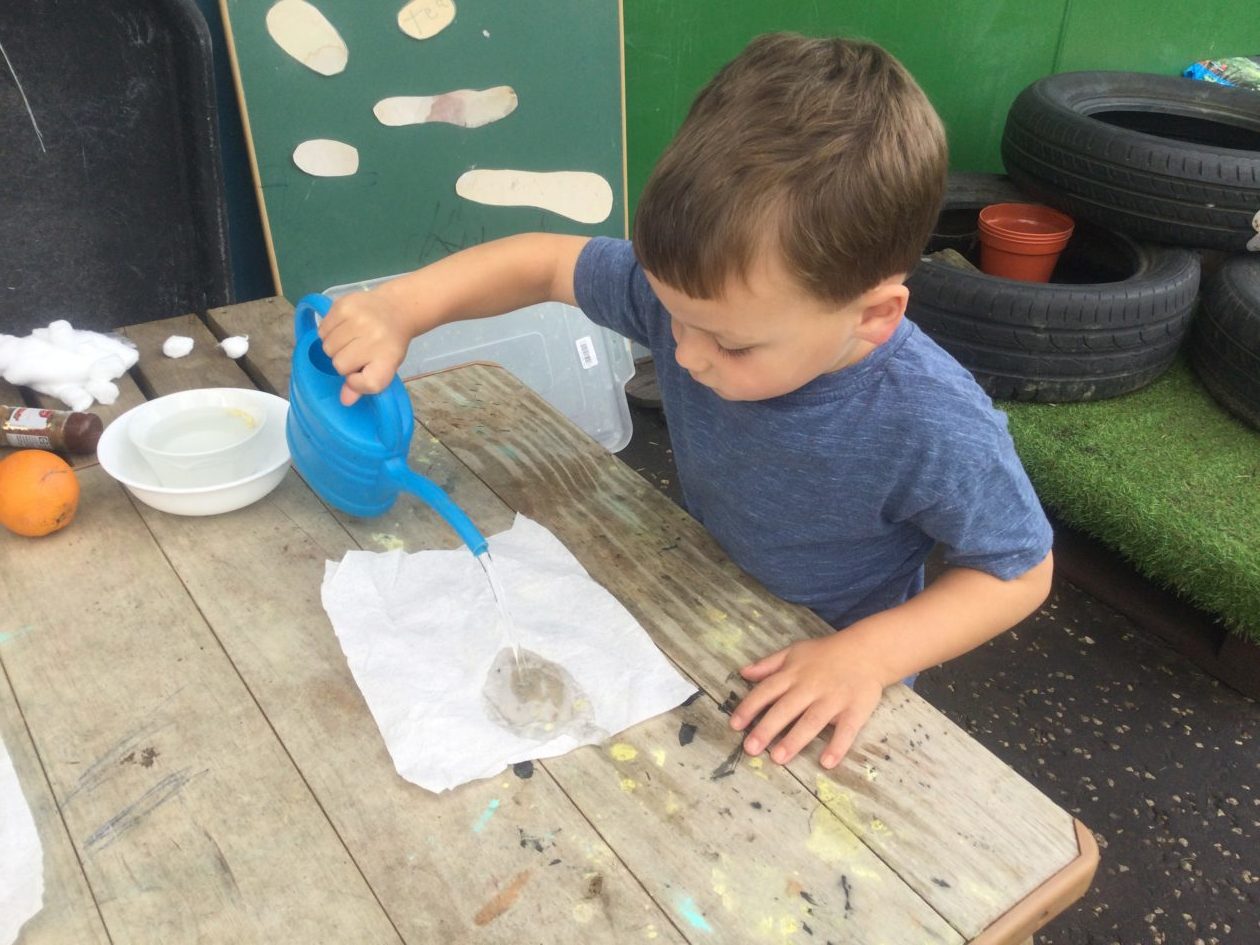
First of all we had to wet some paper towel then…


We put the seeds on the towel with plenty of wriggle room…..


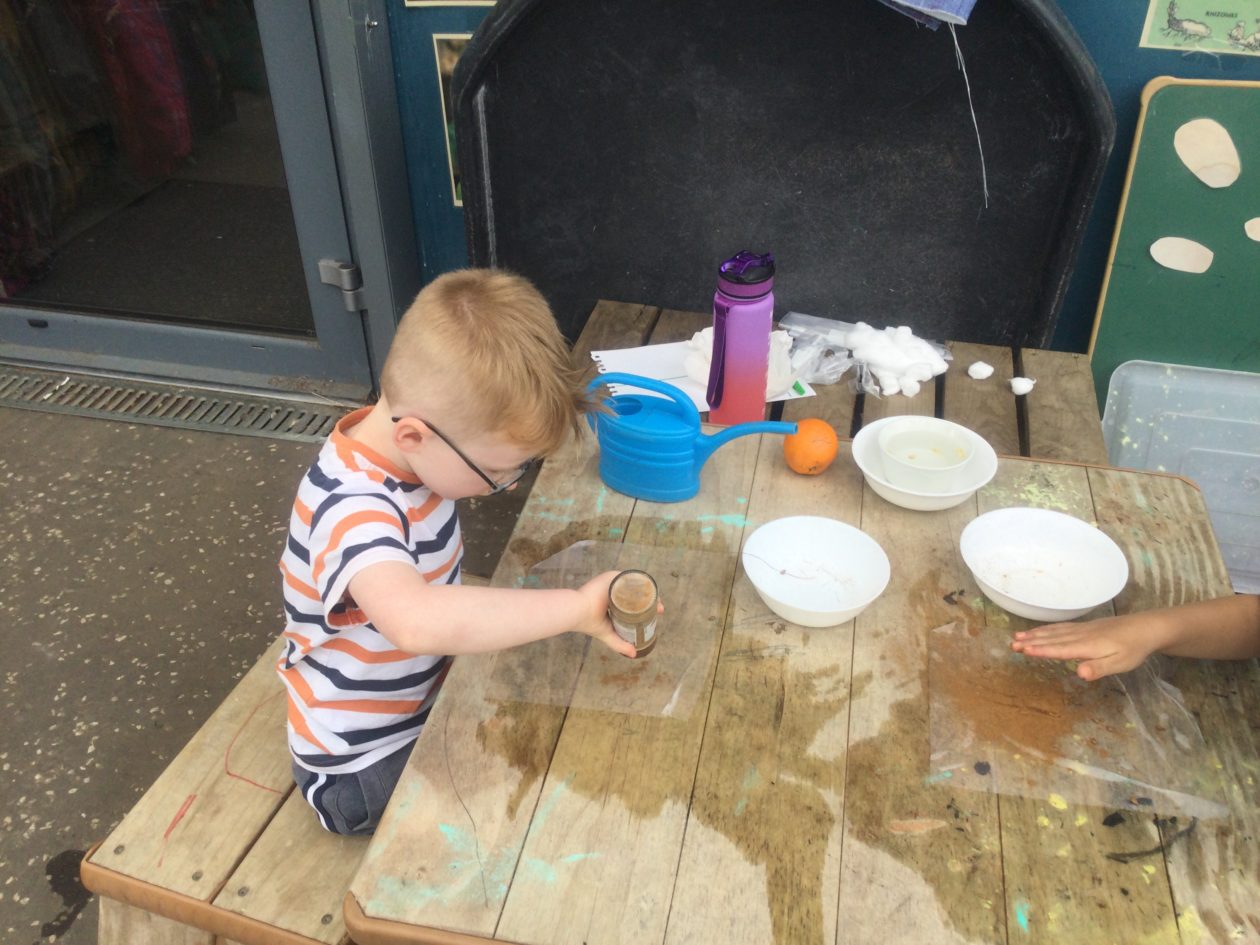
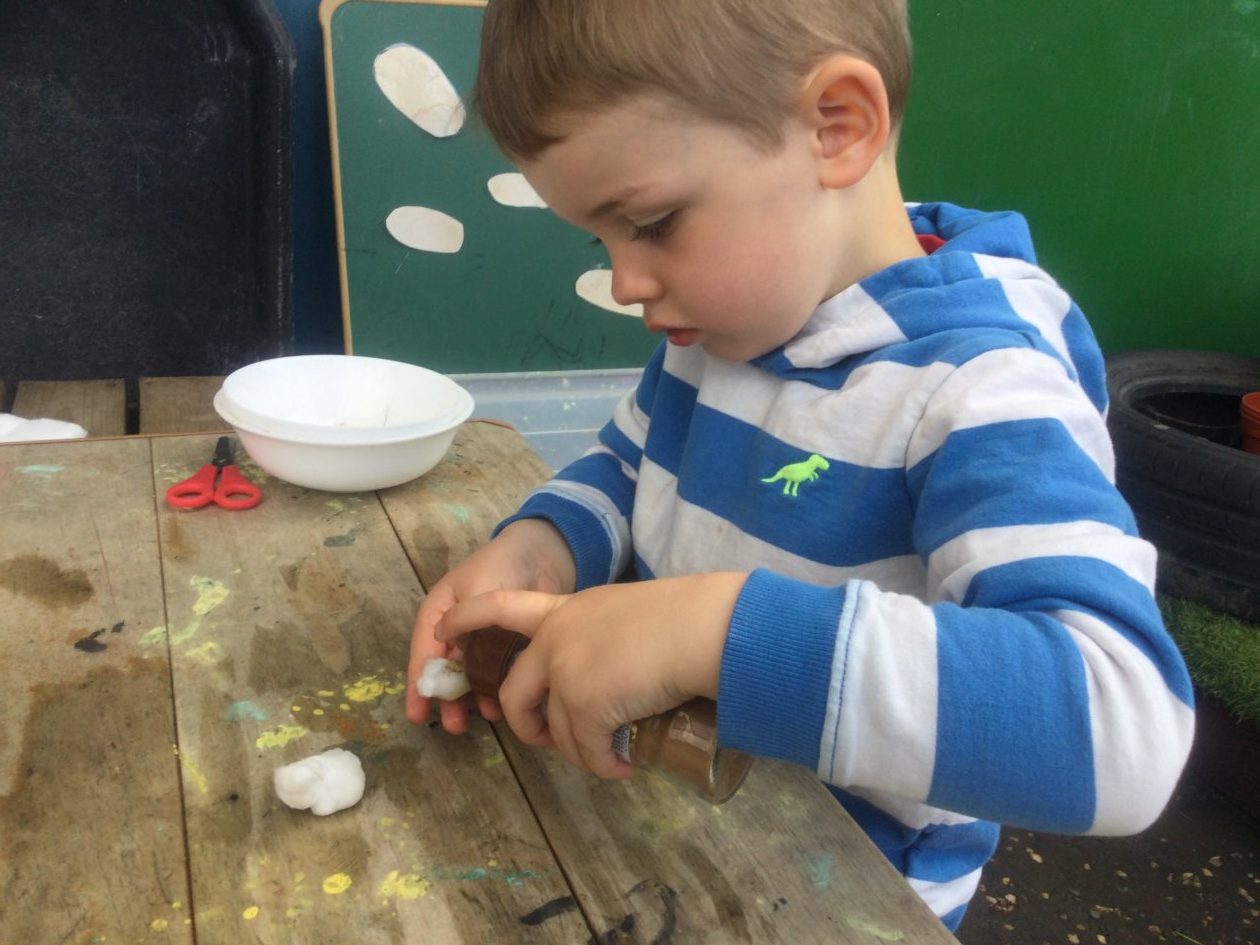
We added a little cinnamon to help prevent our seeds rotting

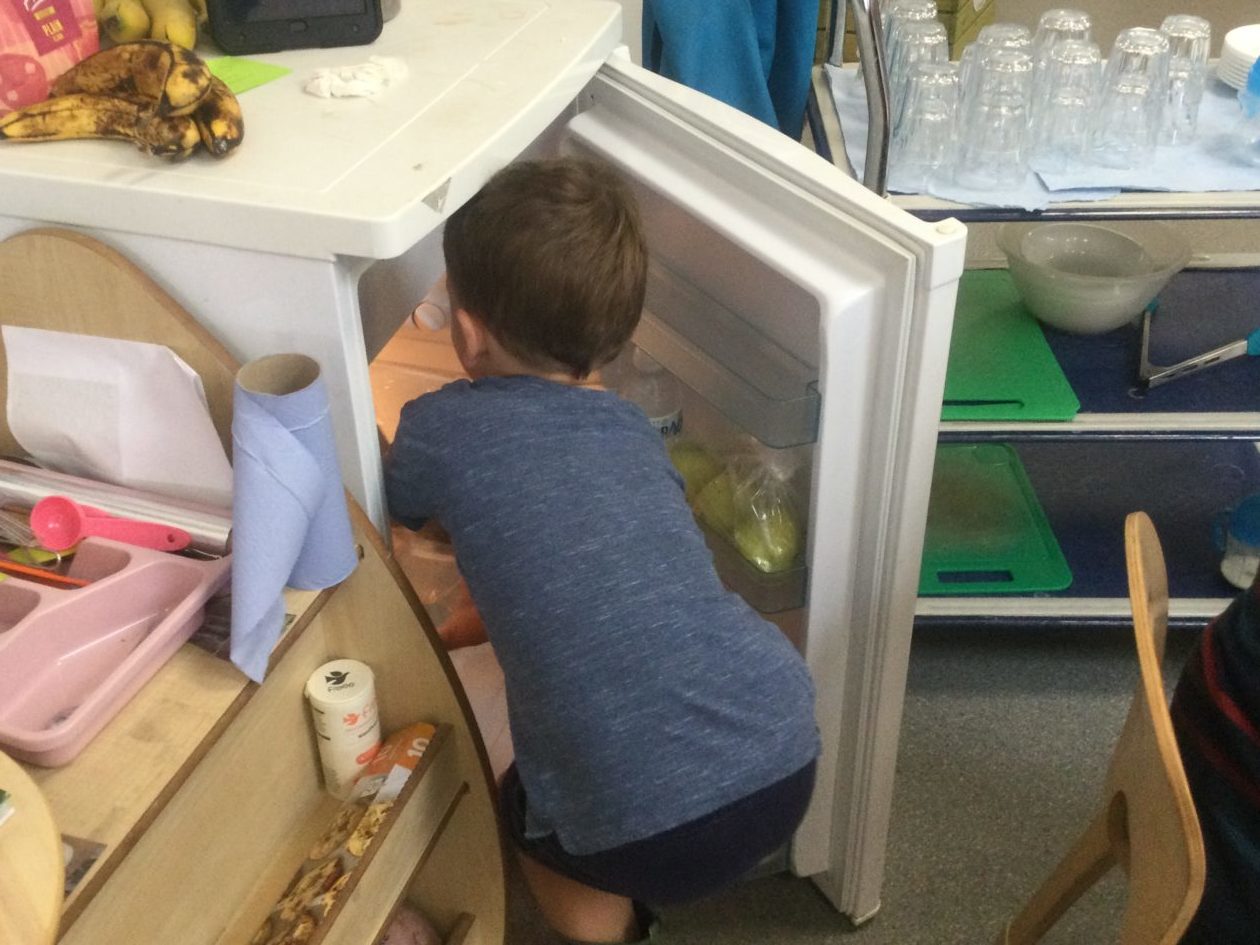
Then we added another wet piece of paper towel put them in a zip locked bag and put them in the fridge

We’ll need to keep the seeds damp and wait to see what will happen……🤔

We also tried to grow some orange pips…

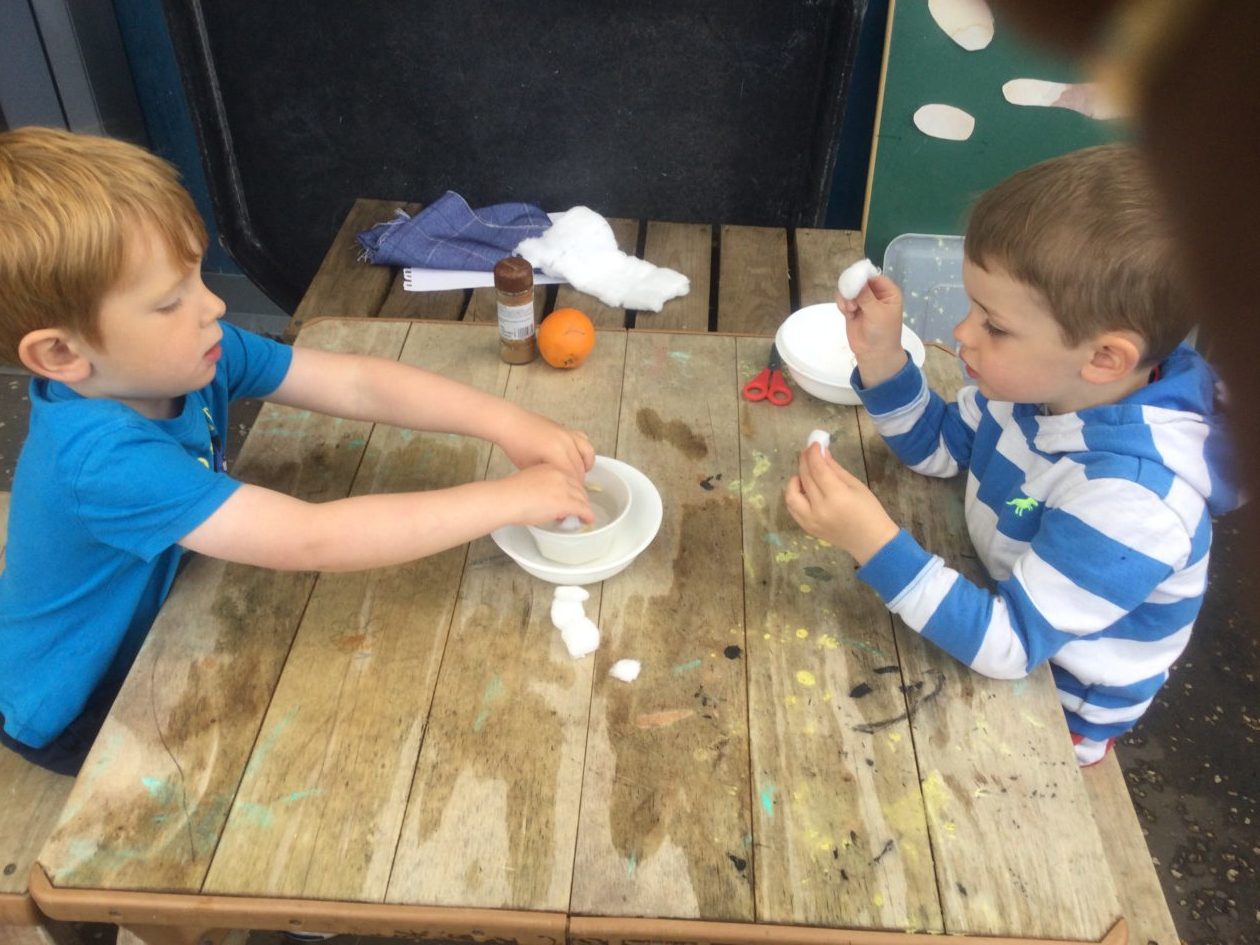
We soaked the orange pips for 30mins

We placed them between 2 pieces of cotton wool with a little cinnamon, put them in an air tight bag but this time……

We found a nice warm space in the kitchen above the oven, again we’ll need to make sure the pips are damp and let’s check on them in a couple of days  to see if anything has happened……?🤔

Article 28 You have the right to education


We’re Going on a Book Hunt

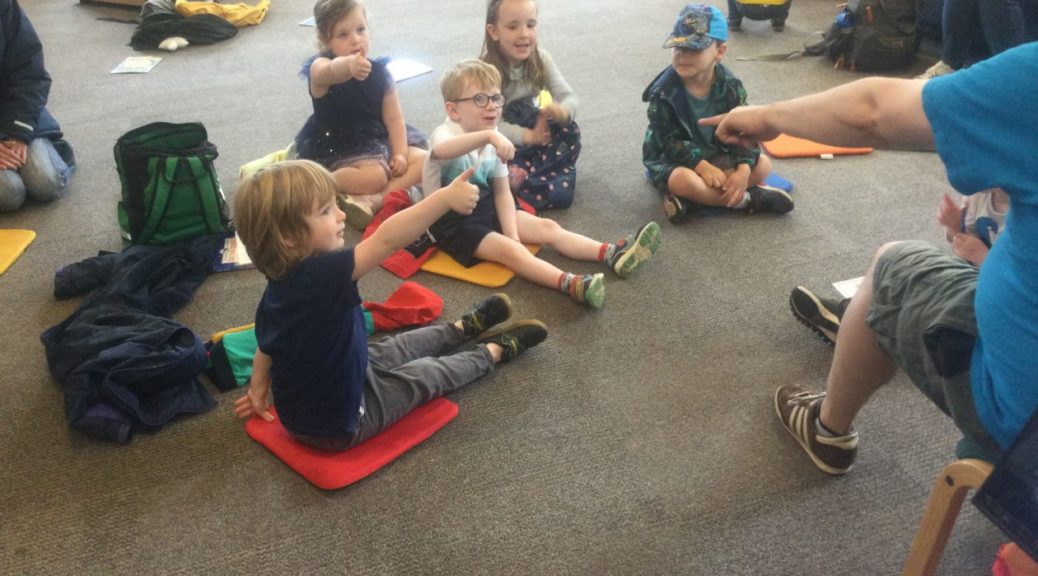
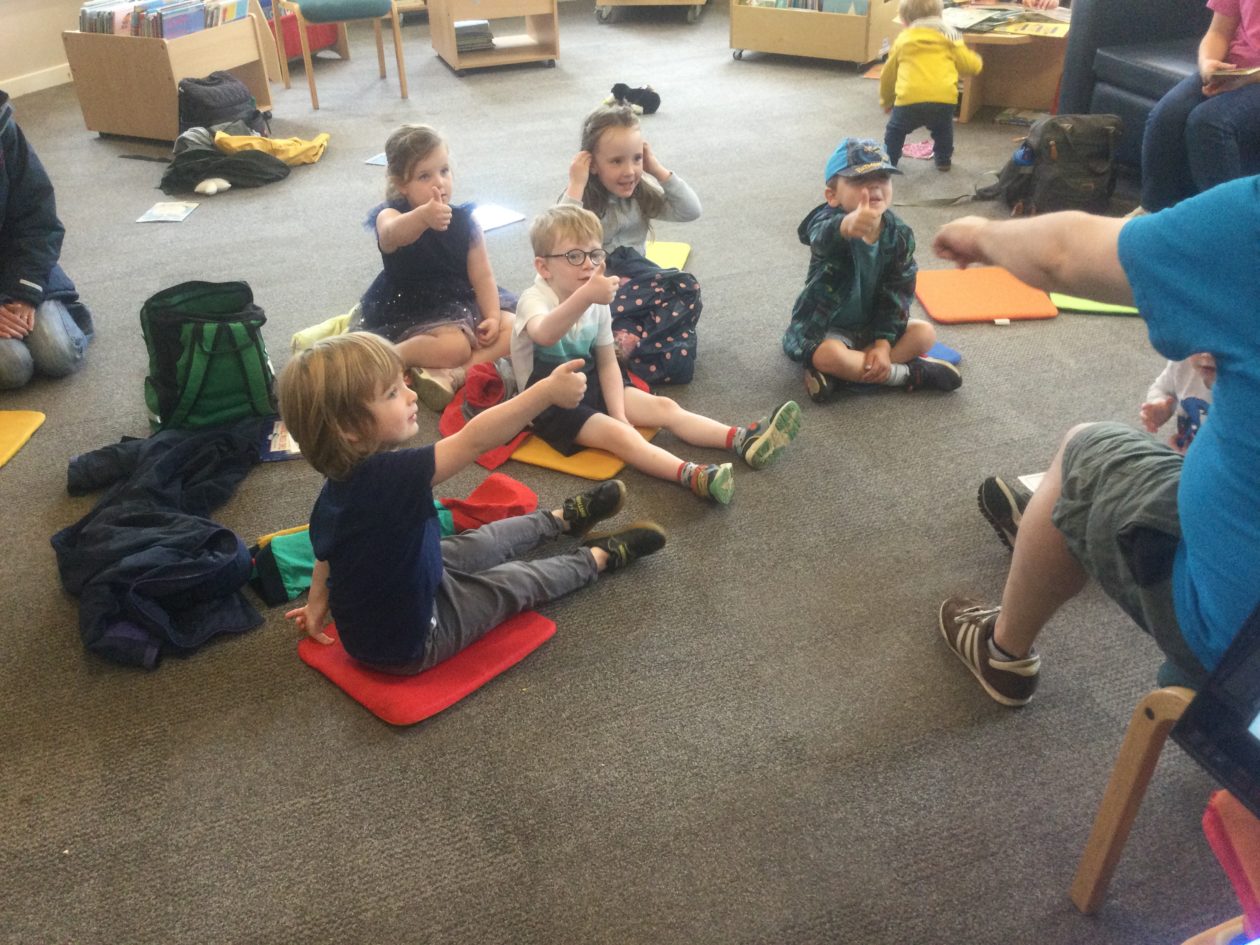
Today we took a trip to the library to return some books and also to choose new ones. We are focusing on rhyming in the story corner this month so we chose a book full of nursery rhymes and also a story which rhymes. While at the library, Peter read us a story about a cat and we had to help choose the cat’s name by giving a thumbs up or a thumbs down. He ended up being called Tricky because he was tricky to name!
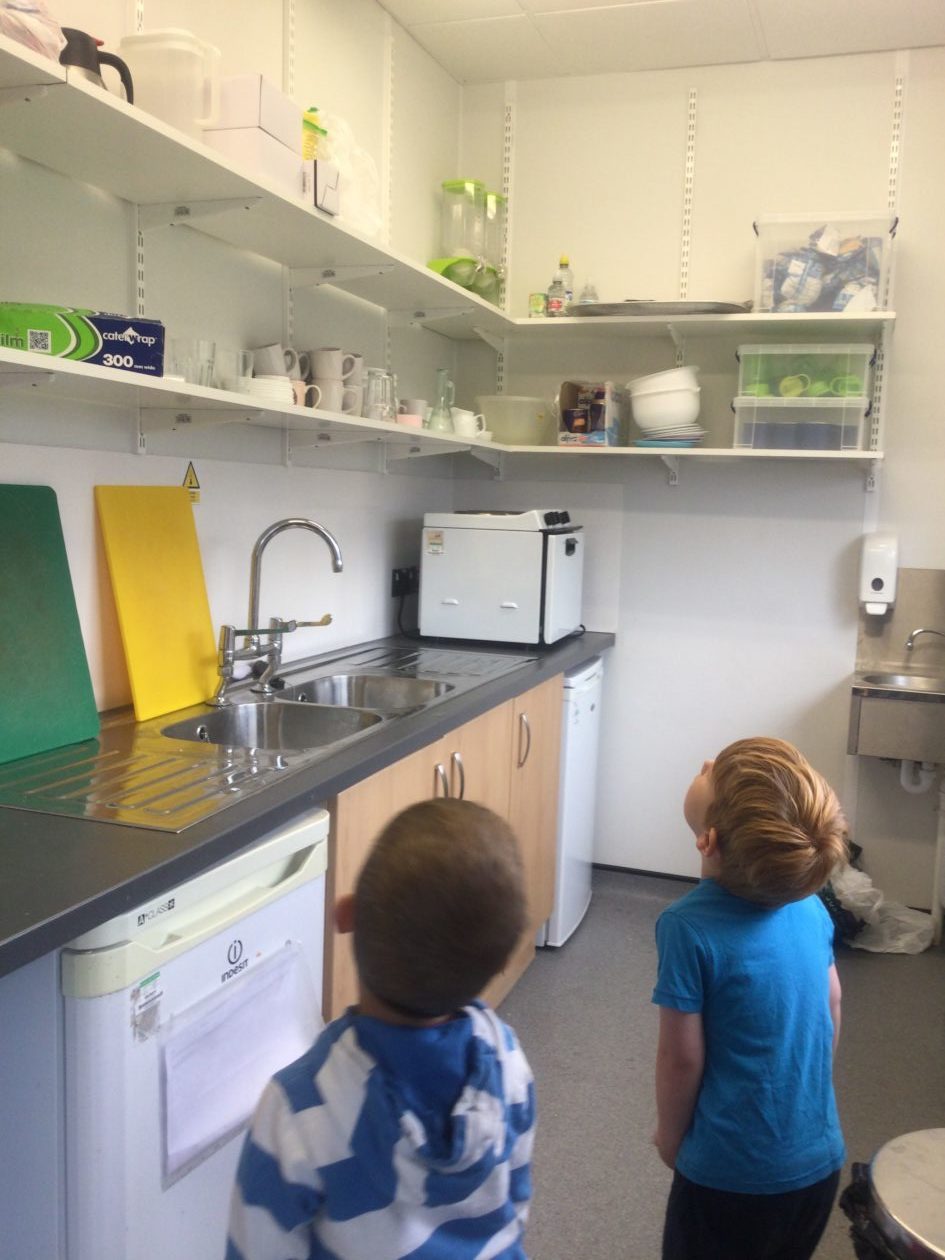
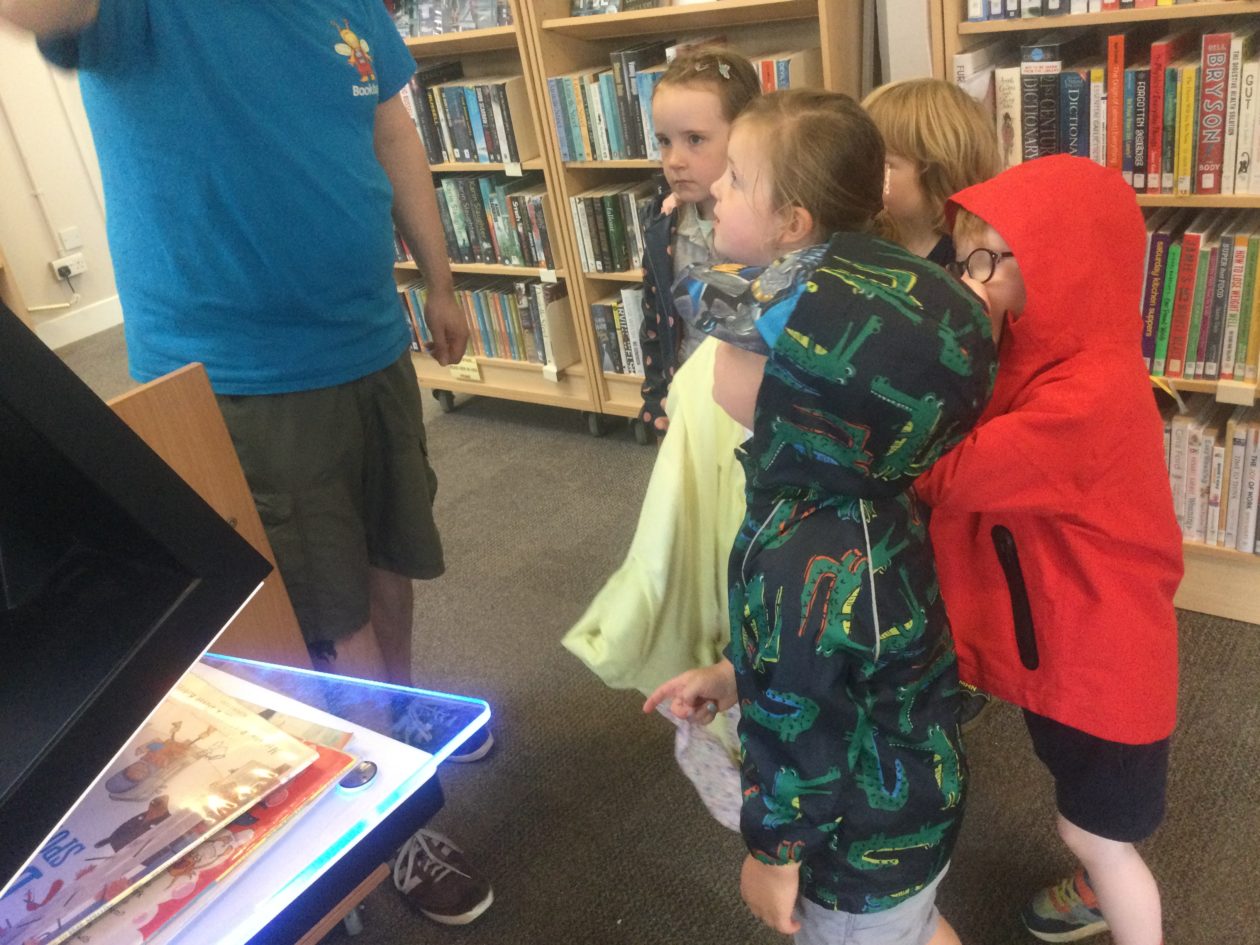
We also learned how to use the special machine to check in and check out books.
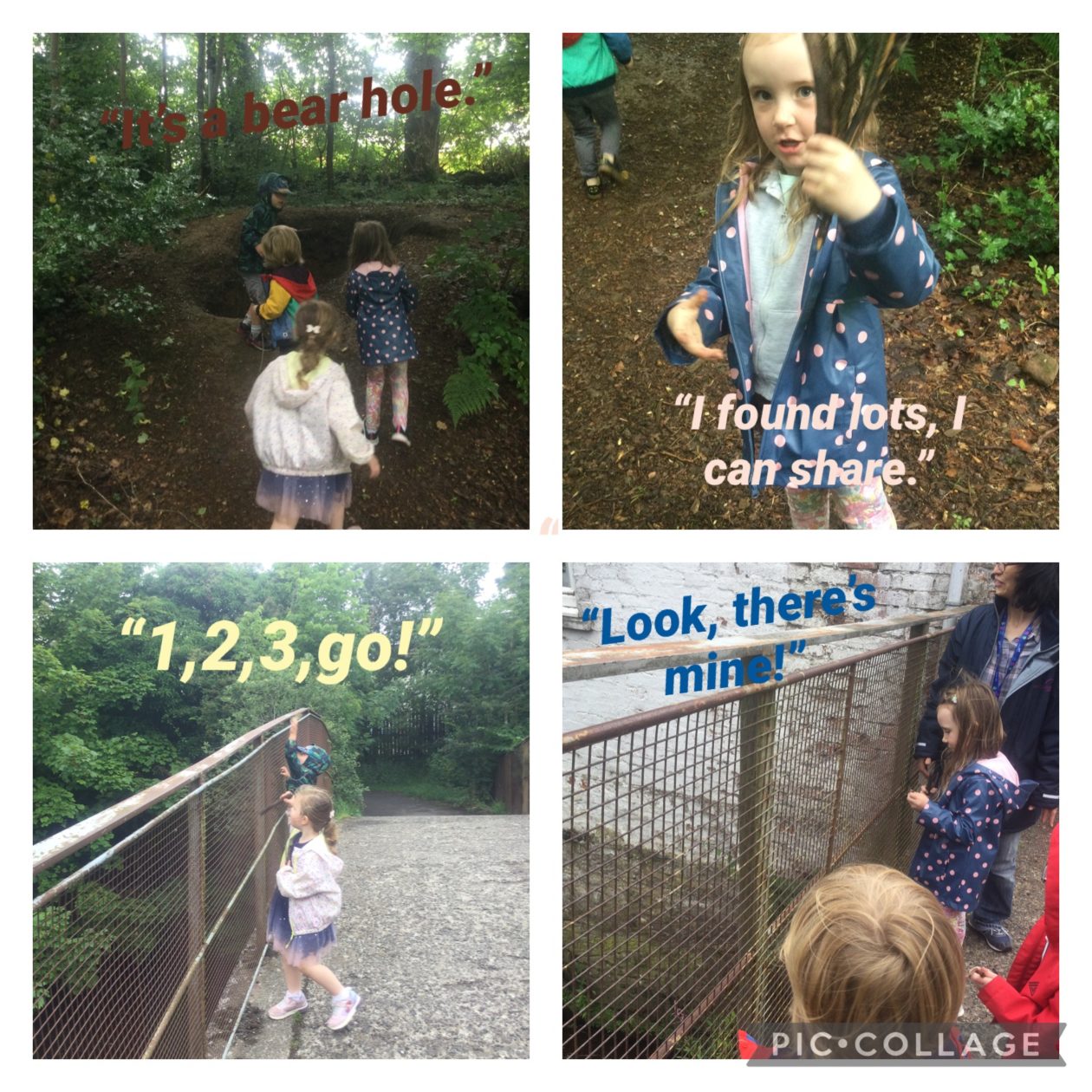
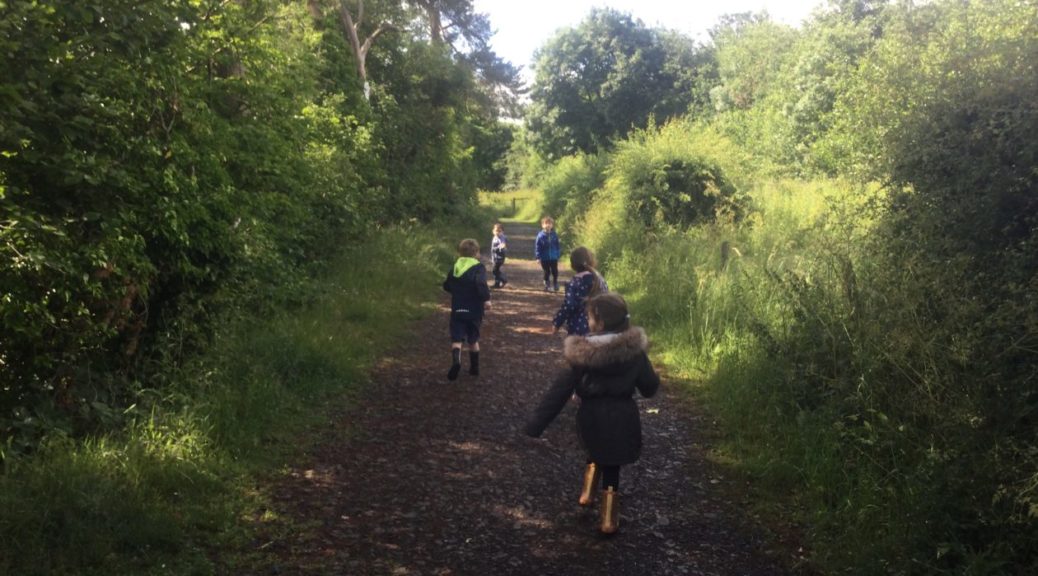
On the way back to nursery we decided to go through the forest to collect sticks for throwing over the bridge. We spotted a huge hole in the ground and thought maybe a bear would live in there! 🐻

We have decided to find books about bears on our next visit to the library.

Check out the website for your local library as they are running lots of family and special events during the school holidays.

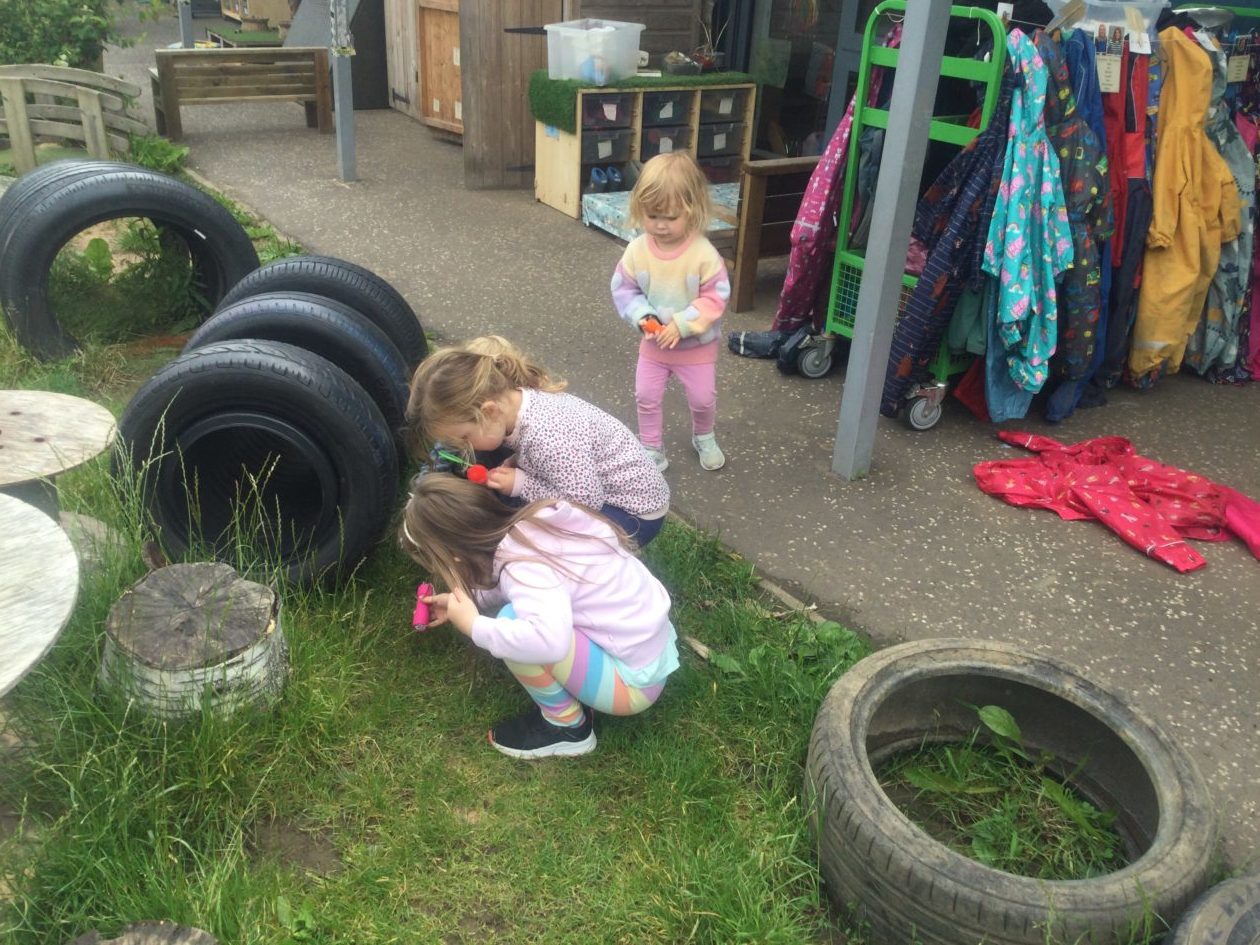
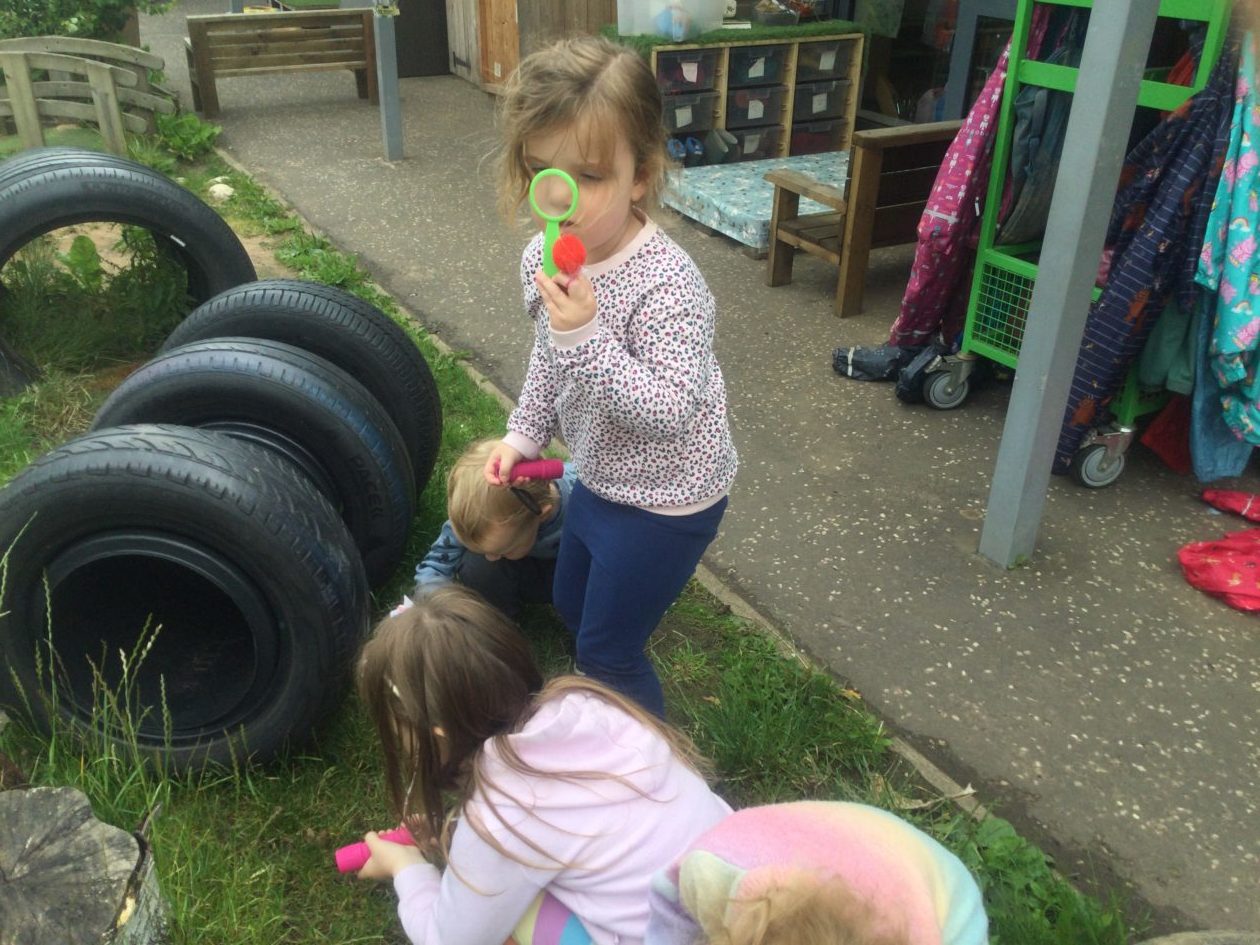
🔍🔍🔍 What can we spy in the garden today???

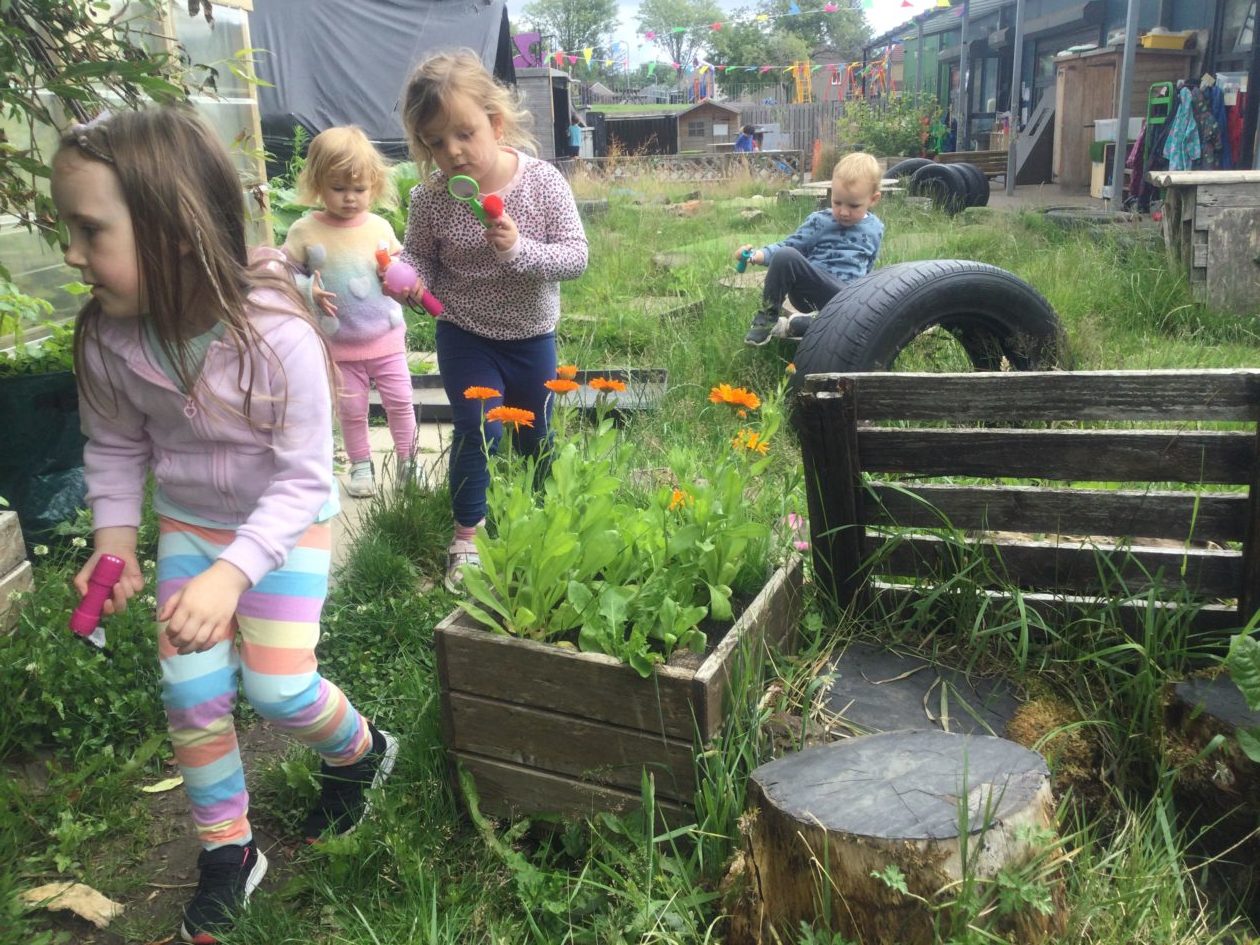
Today we went into the garden with torches and magnifying glasses to see what we could find 🤔

We searched down at the bottom of the garden…..I wonder what we might find???

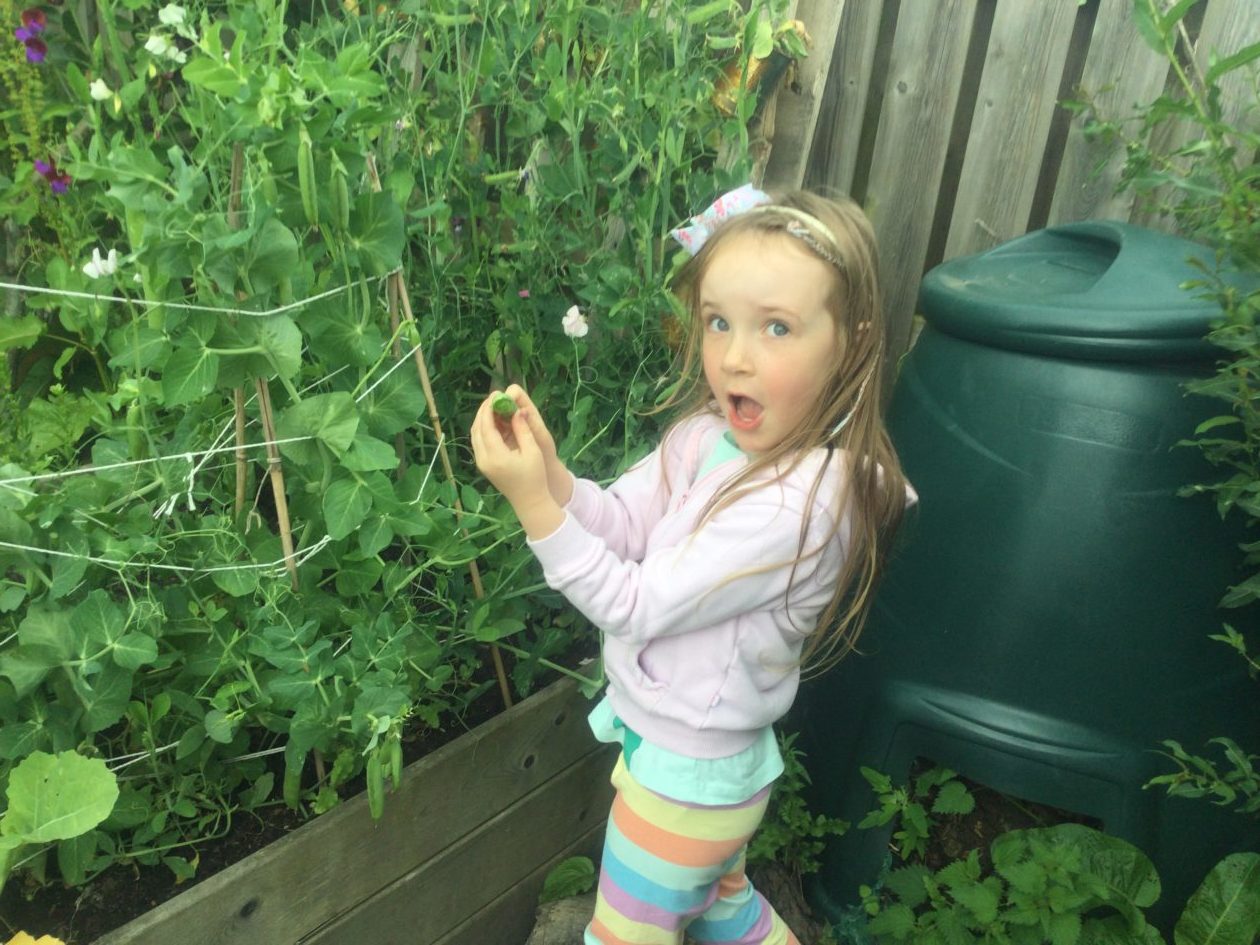
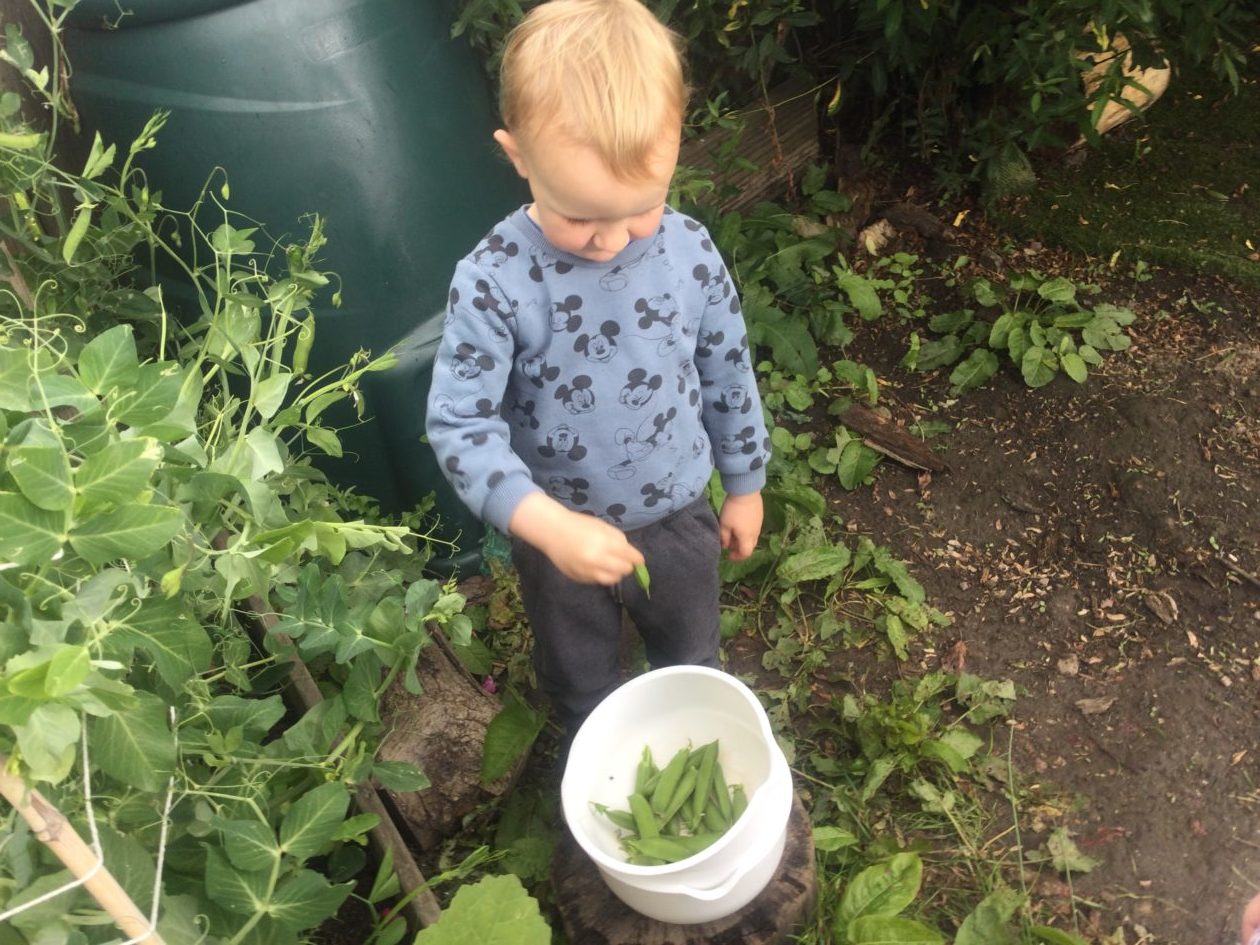
We found a pea plant and Isla told us “the bigger the pod the bigger the pea, the smaller the pod the smaller the pea!”

We collected them all in a bowl.

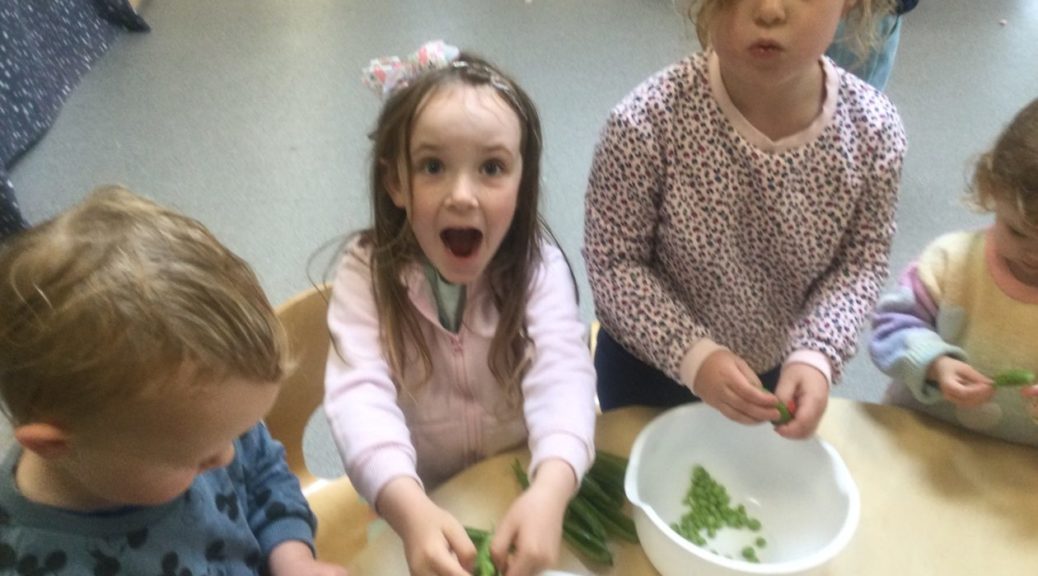
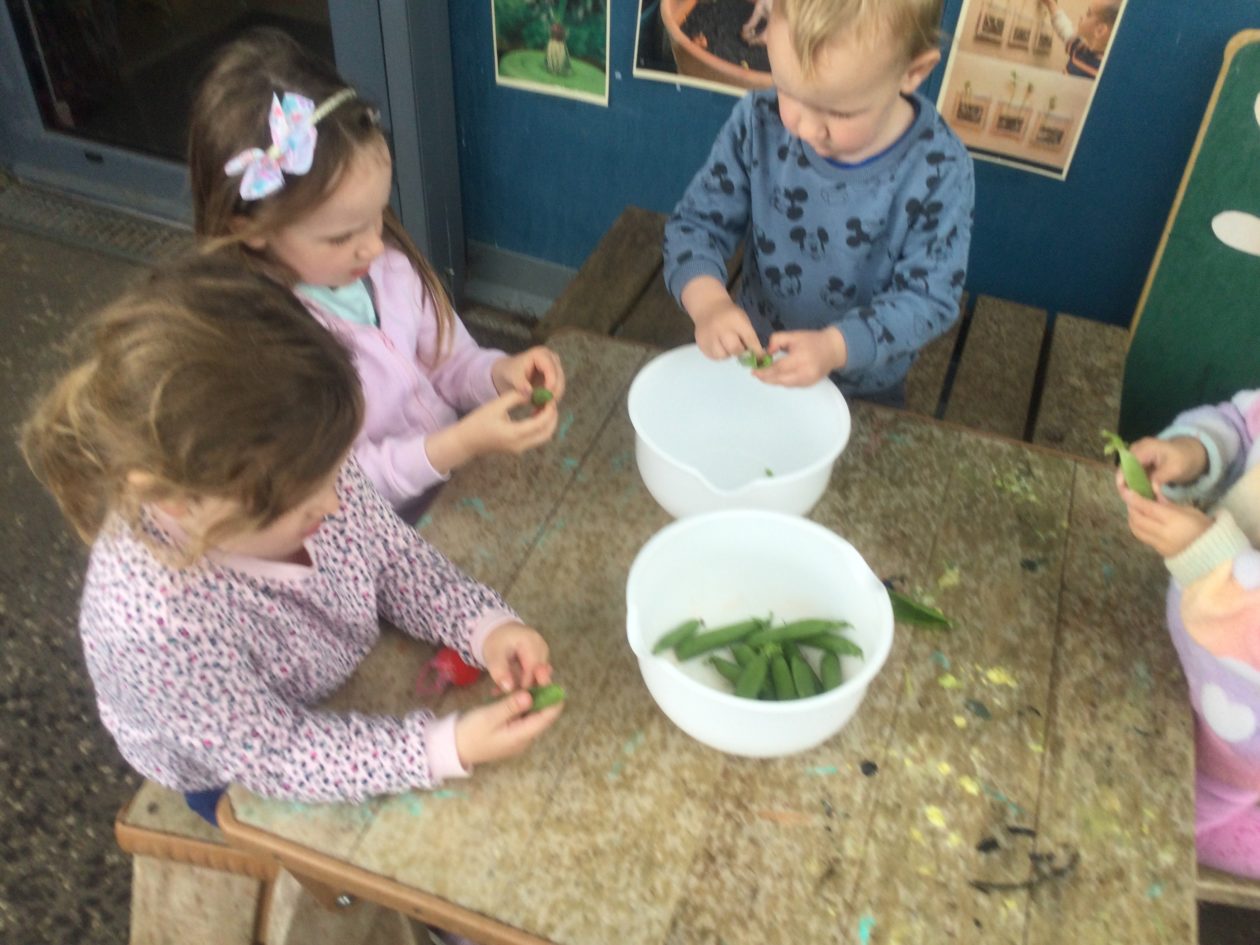
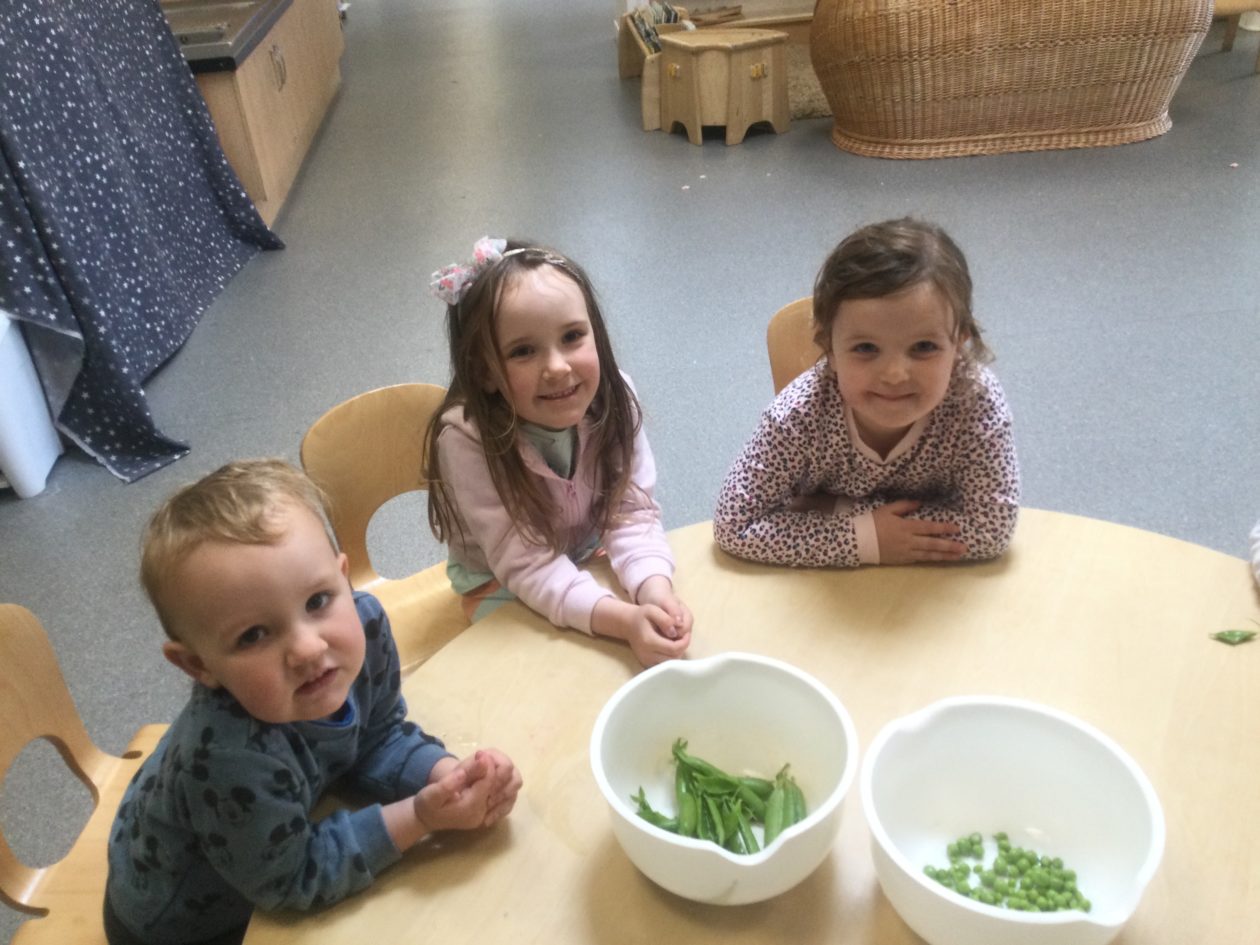
We shelled our peas comparing the different sizes of the peas

We were very pleased with the amount of peas we found 😀

We had to be very careful and check if any of our children were allergic to green peas

Article 13 You have the right to find out things