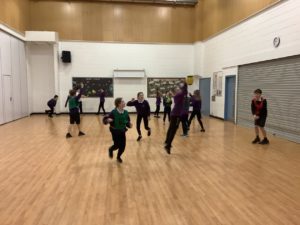
What have been your highlights this week?
How have you helped to make Kingsland a better place this week?
What have been your highlights this week?
How have you helped to make Kingsland a better place this week?


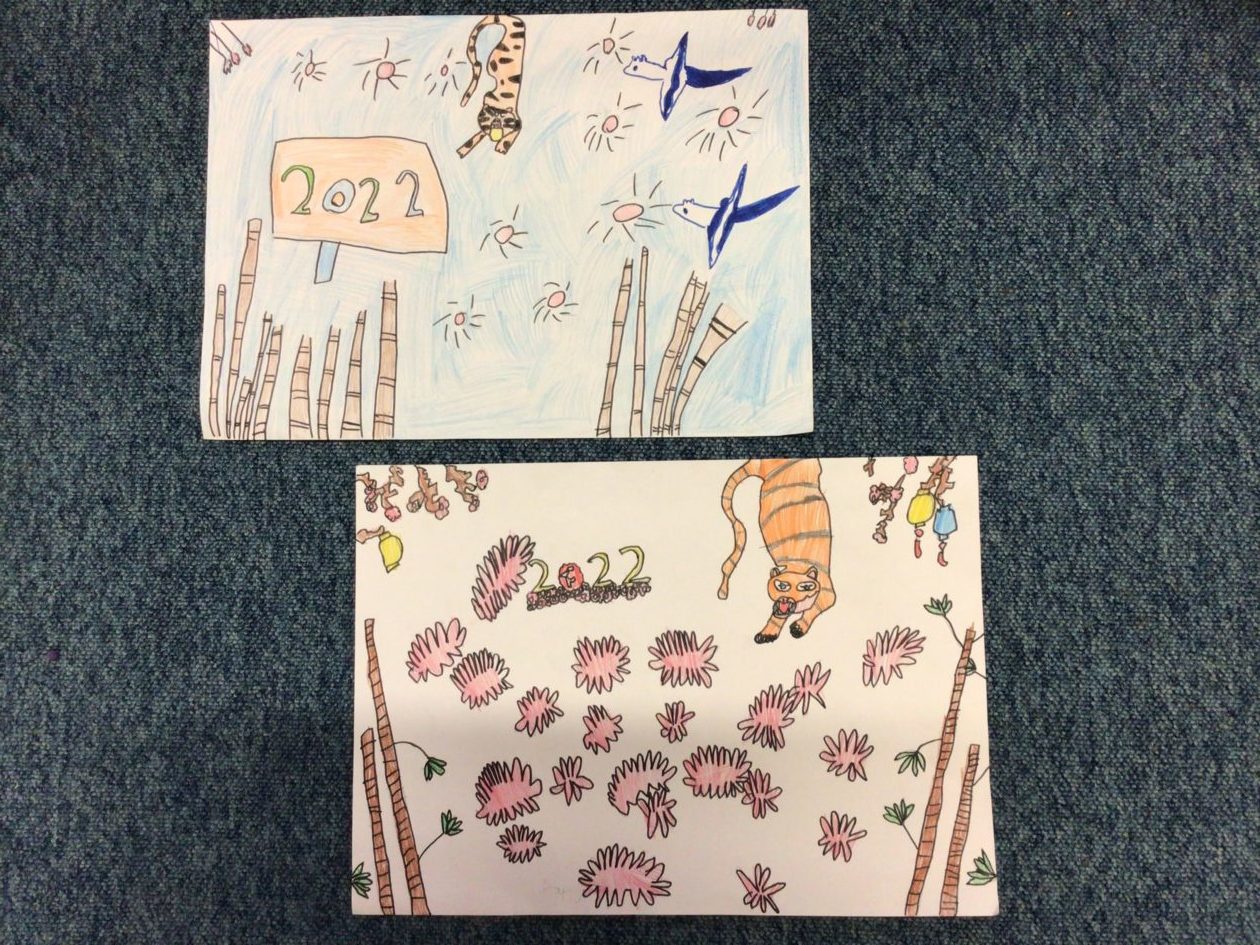
We have been very busy in class again this week.
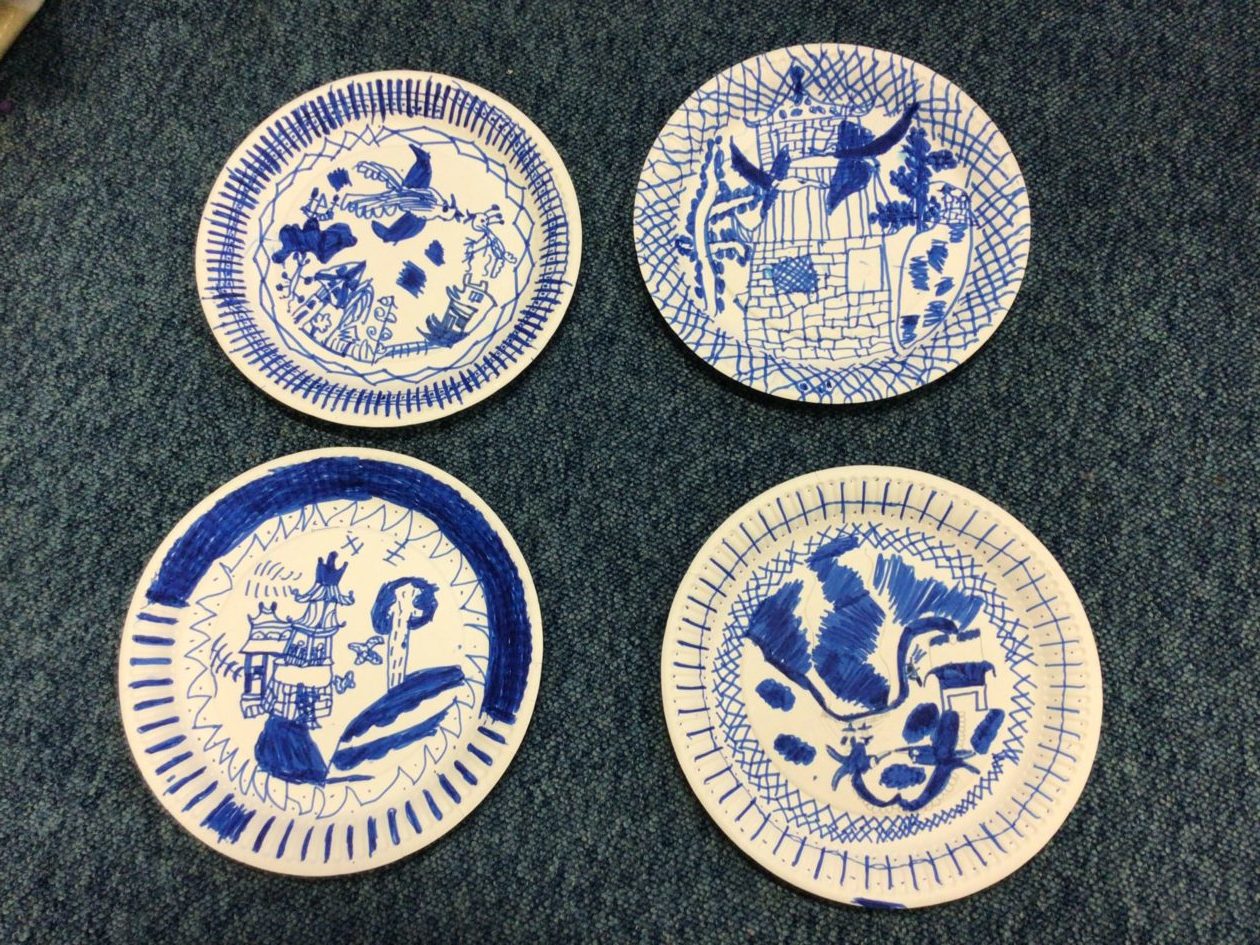
One highlight for us was learning about the story of the willow pattern that we see on many dinner plates. We then designed our own willow pattern plates that look good enough to eat our mince and tatties from.
We made sure to include a pagoda, bridge and 2 turtle doves in our designs.
In Numeracy we have been exploring numbers to 100. This week we worked hard at reading the text in our workbooks, working with a learning partner if we got stuck and trying to work out what the tasks were a little more independently.
We have also been working more on feedback when we have completed our tasks and sharing how we reach our answers with our partners. We have really enjoyed this part of our Numeracy sessions.
We have been working on planning and writing our final story in the narrative style. Next week we will explore our stories in more depth through Drama and by sharing them with our friends.
Our Virtual Scottish afternoon was amazing. We have to thank Mrs. McGilp, Mrs Little and the Digital Ambassadors for all of their hard work in putting the video together.
We really enjoyed seeing what everyone had been learning about during the Scottish topic. How do P6 and P7 remember all the words in their poems?

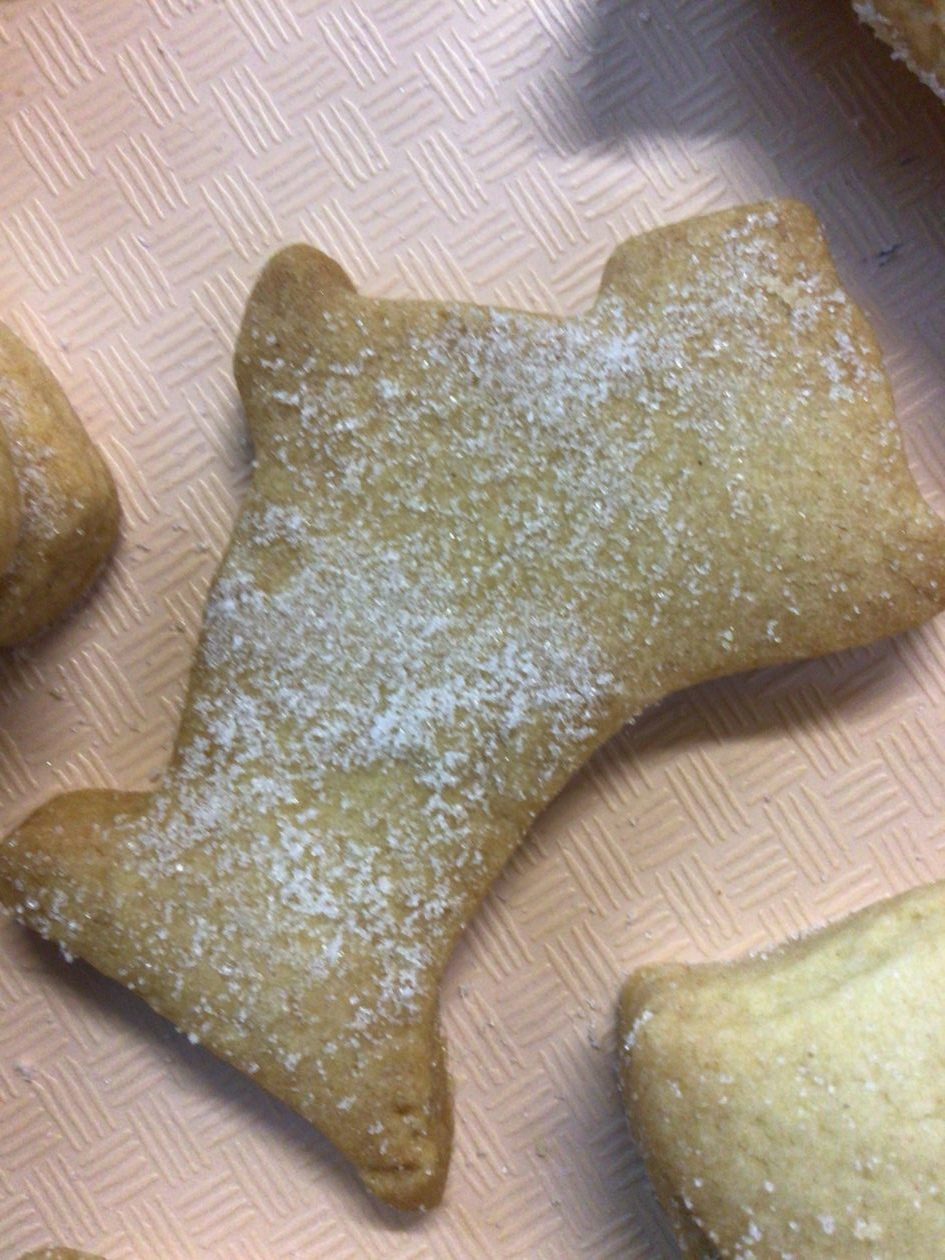
Another highlight was savouring the Scottie dog shortbread that Mrs Clyde had made specially for us. Mmmm!
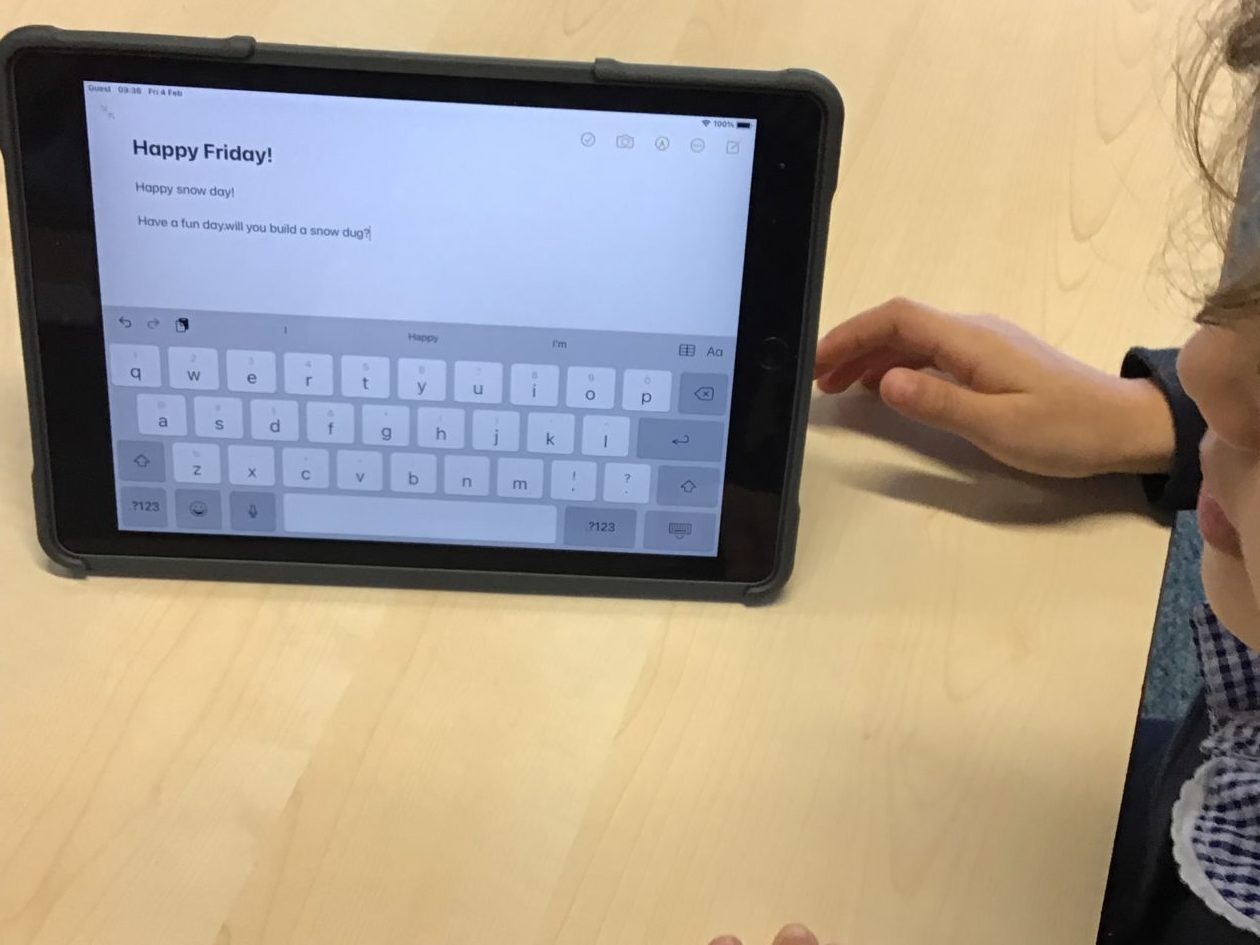
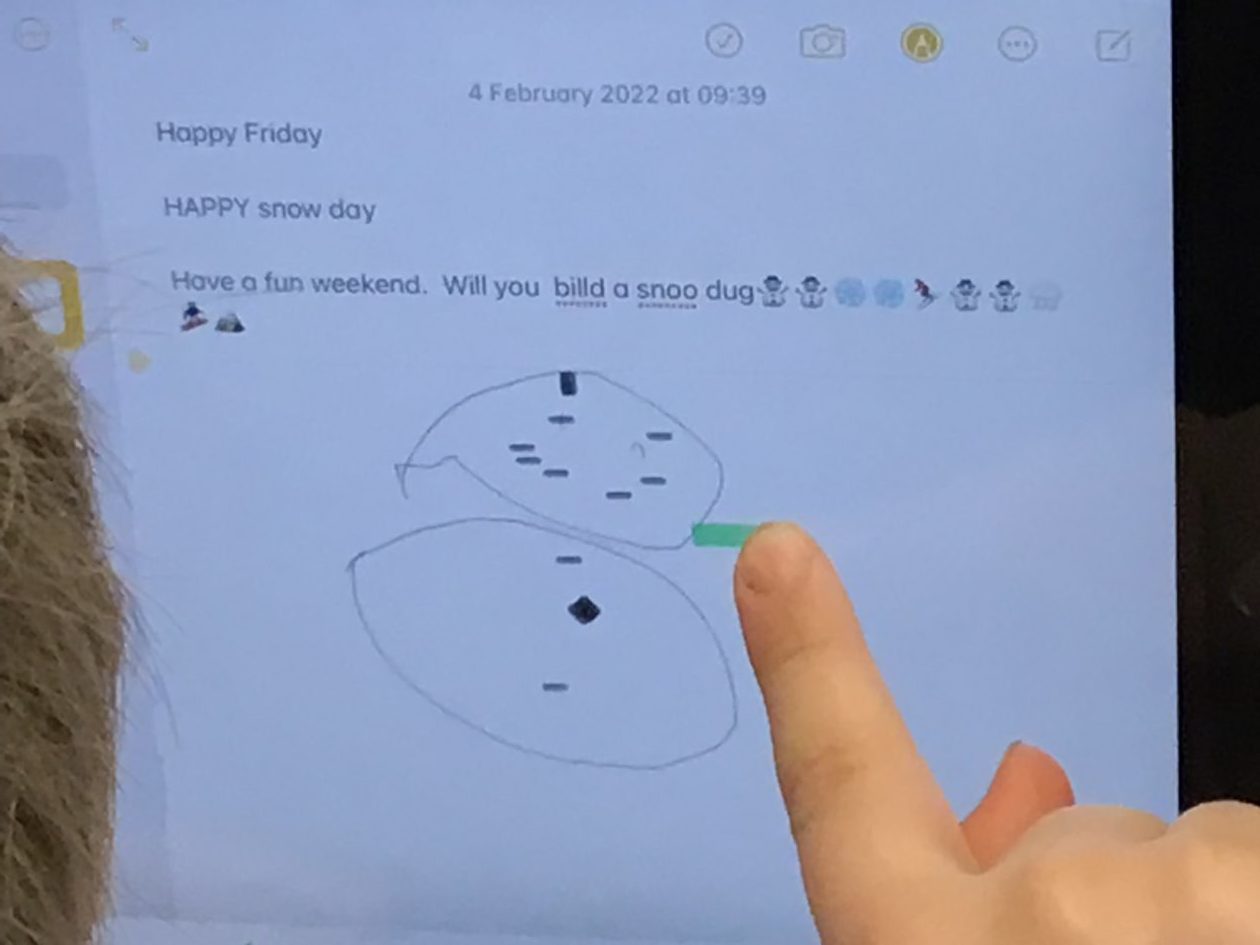
Now we are learning to add some text and drawings on our iPads.
Today we explored the Notes App.
Here are some of our highlights of the week in P7B:
Literacy:
Spelling: The sh and ci sound. The words we learned, grew and used in context were – dish, bash, shield, shape, astonish, dietician, paediatrician and statistician.
Reading: We have been focusing on more challenging fiction texts and exploring questions which examine the plot, characterisation, language features, figures of speech and imagery.
Writing: The class have started to look at Explanation Writing which explains why or how something happens. We have broken the text into its key features and have worked in groups to write our own piece of Explanation writing together. We will collate each group’s work next week and work together to proof read and edit our work.
Numeracy:
Number Work: We have been looking at number patterns this week, applying our knowledge and understanding of addition, subtraction, multiplication and division to each set of numbers. Some of the patterns were particularly challenging but we were resilient and gave them a go.
Practical Maths: We have been practising measuring accurately with a ruler, converting different units of measure and learning how to calculate the perimeter of a shape. We have been able to apply our learning in word problem activities and problem solving tasks.
Health and Wellbeing
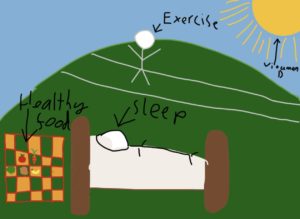
We have continued with our ‘Respect Yourself’ topic in class as part of our Building Resilience work. This week we thought about how we could respect our bodies and look after our physical health. It made many of us consider changes that we could make to our daily routines.
Scottish Celebration Afternoon
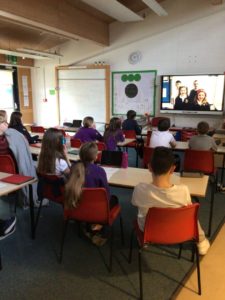
We had some lovely Scottie Dog shortbread to eat while we watched our Scottish Assembly. It was a brilliant display of learning from all of the children at Kingsland!
Music:
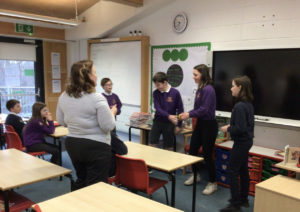
With Mrs Inglis, we have been looking at Scottish songs and creating our own songs. We have also been playing games to help with our memory and rhythm.
PE
We are lucky to have a wonderful new PE teacher, Mrs Edge, who has joined us at Kingsland. We are very much looking forward to developing our fitness and skills with her. Welcome Mrs Edge!
IDL – Natural Disasters
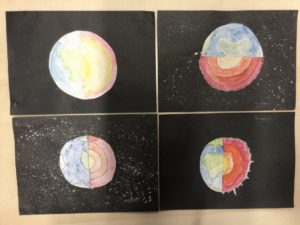
Our new topic is Natural Disasters and we have begun learning about how the earth is made up and how tectonic plates move, resulting in earthquakes, volcanoes and tsunamis. We will be recording all of our learning on Book Creator on our iPads.
Questions to consider:
1. We have completed a number of activities with a partner and in groups this week. Do you think you worked well within your group? What skills did you need to use to help you? If you didn’t feel you worked well, what skills do you think you need to develop?
2. We watched the Scottish celebration assembly together on Thursday. What was your favourite part of the assembly?
3. Think of something you did to help someone in school this week. What did you do and how did it make you feel?
(Alternatively, cut the circle into the 4 triangles before transferring to the frying pan, if you find moving the circle to be too tricky).

We are learning about the surface of the Earth and today we observed how plates move on the magma layer under the plates. There are 7 main tectonic plates and several small ones. They move very slowly, and there are three ways in which they move.
1. away from each other- divergent boundary
2. towards each other – convergent boundary
3. slide side by side – transform boundary
We made these movements using corn flour with food colouring for the magma, and crackers for the plates. We described each movement as we moved the crackers.


Wow, these are amazing P5a!
| shrink | shrinks | shrinking | shrinkable | unshrinkable |
| shell | shells | seashell | shellfish | tortoiseshell |
| shave | shaves | shaving | shaved | aftershave |
| cash | cashier | cashback | cashing | cashew |
| publish | publishes | published | publishing | publishers |
| magic | magical | magically | magician | magicians |
| politics | political | politician | politicians | politicians |
| beauty | beautiful | beautifully | beautician | beauticians |
We are working on playing the instruments properly, following and keeping a rhythm and listening to instructions and each other. We also love all of Mat’s warm up games!
Congratulations to this weeks drummer of the week, Tommy!


Today we wrote a traditional Japanese poem, a Haiku.
A haiku has three lines, and the syllables for each line are 5, 7, 5.
Haikus are often written about the seasons and nature.
Here are our poems.