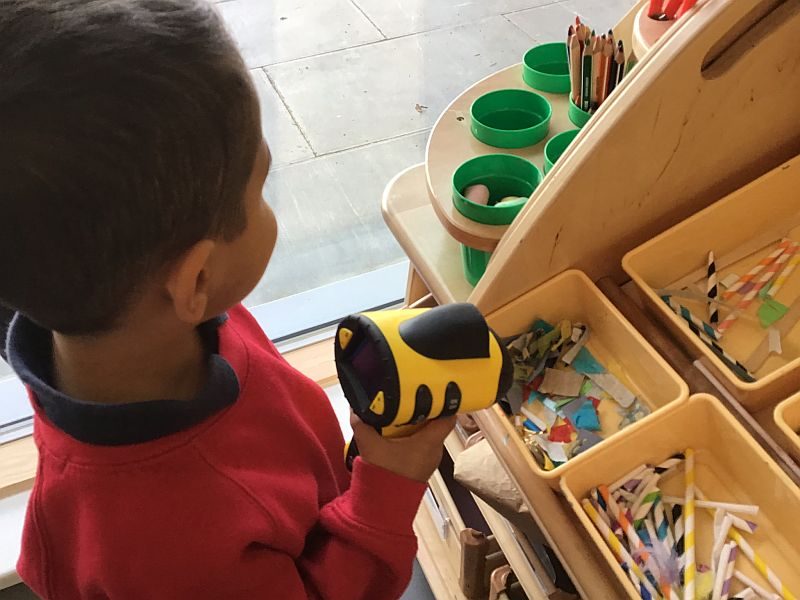
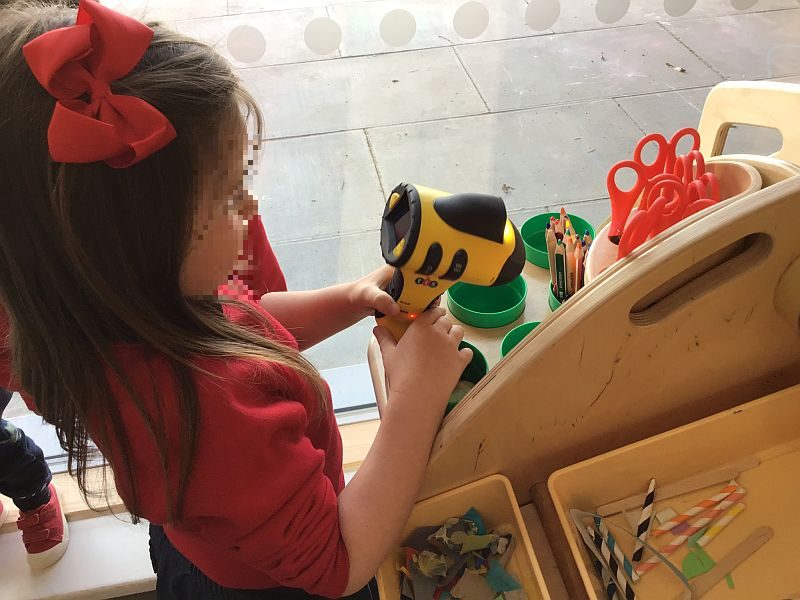
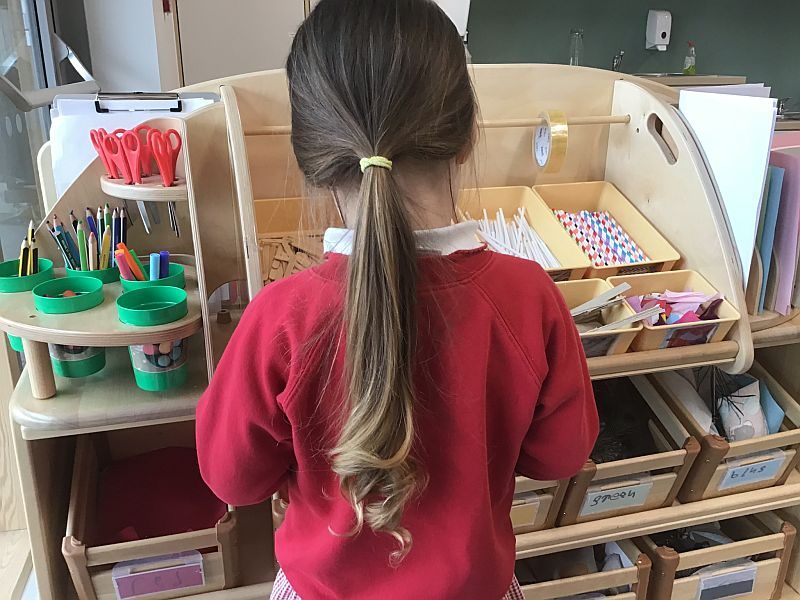
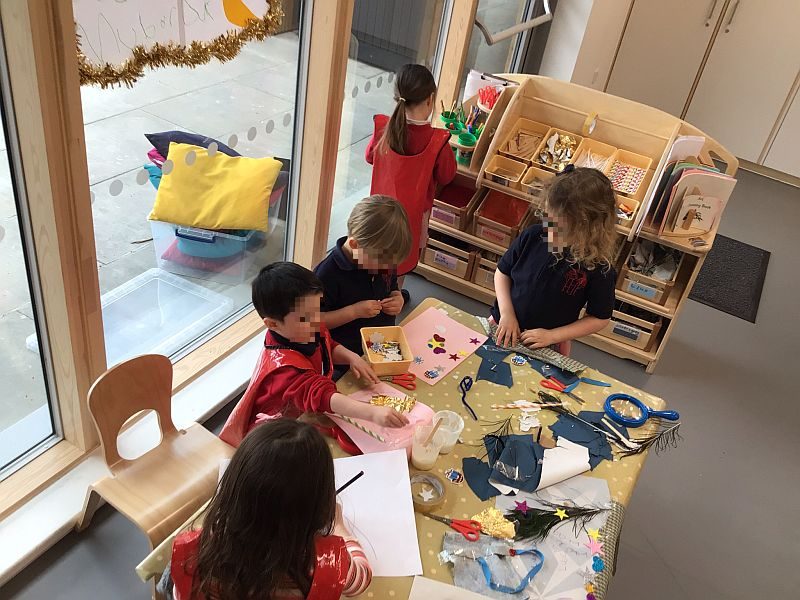
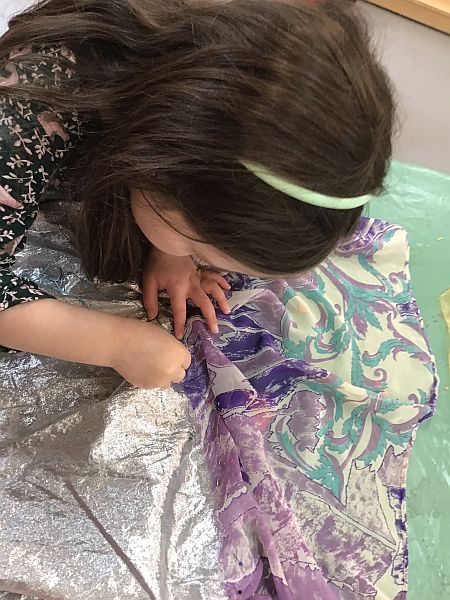
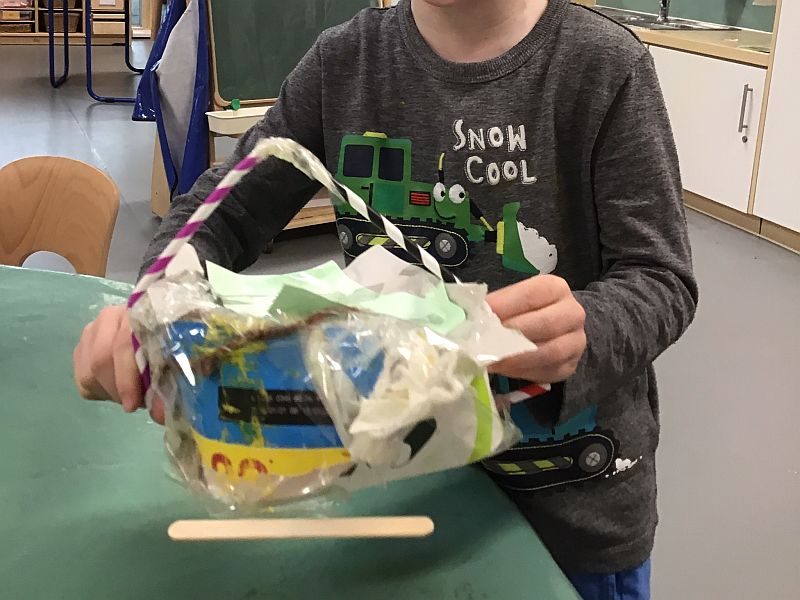
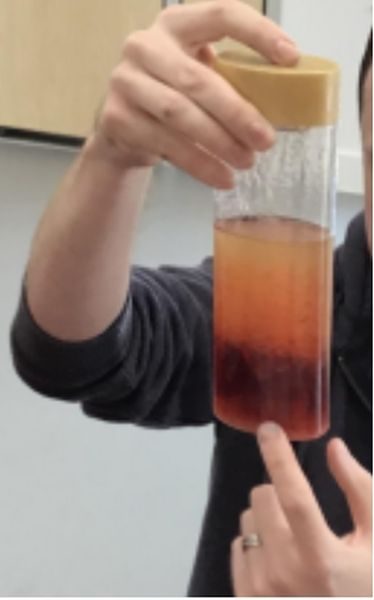
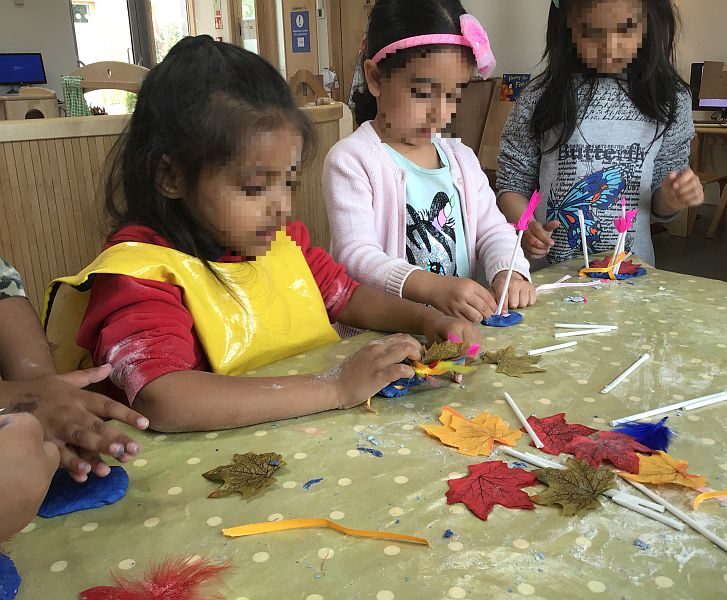
The orchard bubble has shown a great interest in making playdough over the last few weeks. The children have taken responsibility for their own learning by coming up with different ideas of how they want to create their playdough from colours and texture. “I want blue.”
“I want pink.”
The children had shown an interest in loose parts and wanted to include this in their playdough experience. By incorporating loose parts with playdough the children are developing their fine motor skills. They use a variety of movements such as pressing, rolling and stretching. This will help to strengthen the muscles in their hand which in turn will help them with their writing skills.
“I want to use leaves.”
“Oooohhh feathers.”
The children showed ownership over their creations and seemed to enjoy the fact that they could start again when one model was finished. They did show interest in taking them home so our next steps will be trying to create models with loose parts and clay.
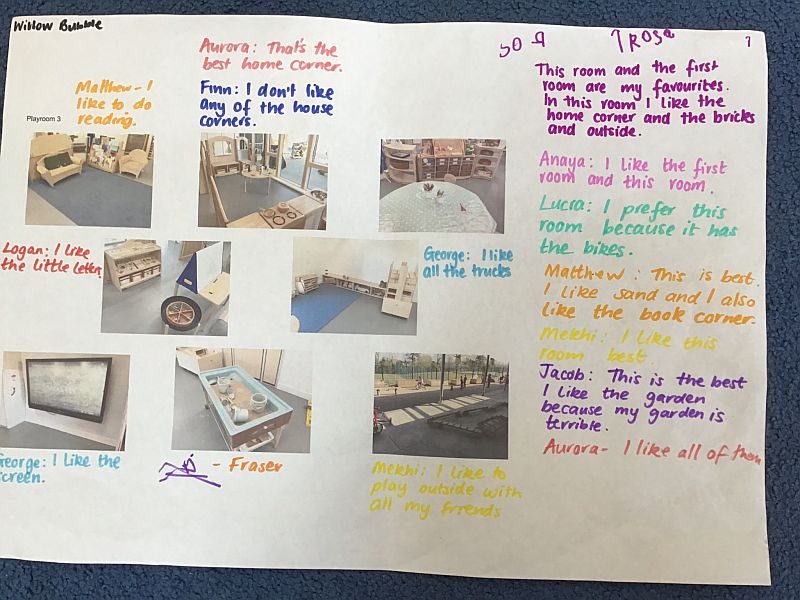
At the end of April, after every bubble had spent three weeks in each playroom every child was invited to share their thoughts. We used photographs of the playrooms to help us to talk about our likes and dislikes.
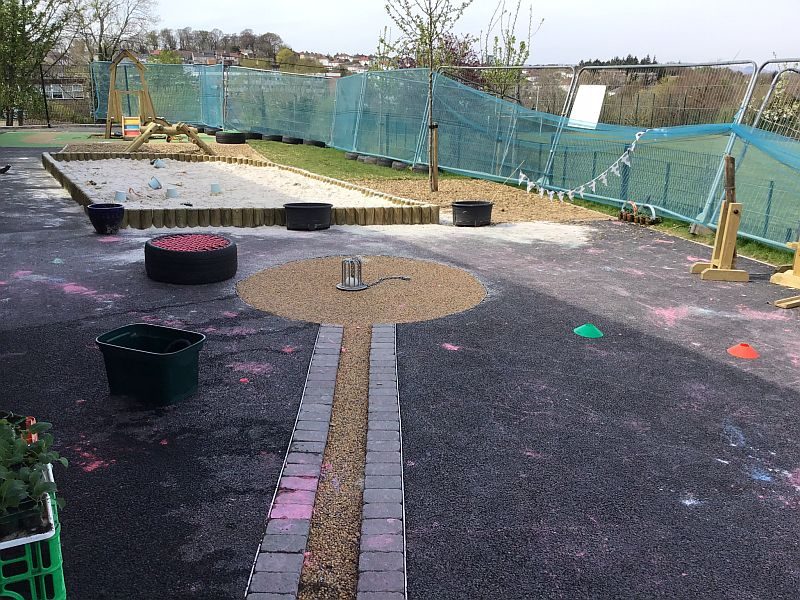
The children said they enjoyed moving around all the rooms and shared their ideas to make each room better. Some children felt that the garden in Playzone 2 was too small.
“I don’t like the garden”
“I didn’t like this because it wasn’t too big.”
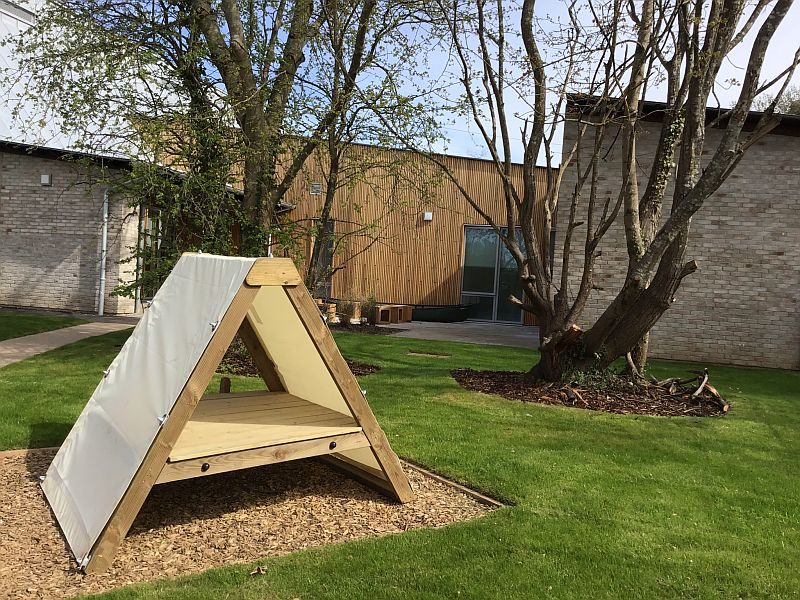
We were able to begin using the side garden from Playzone 1 and expand the outdoor area for Playzone 2.
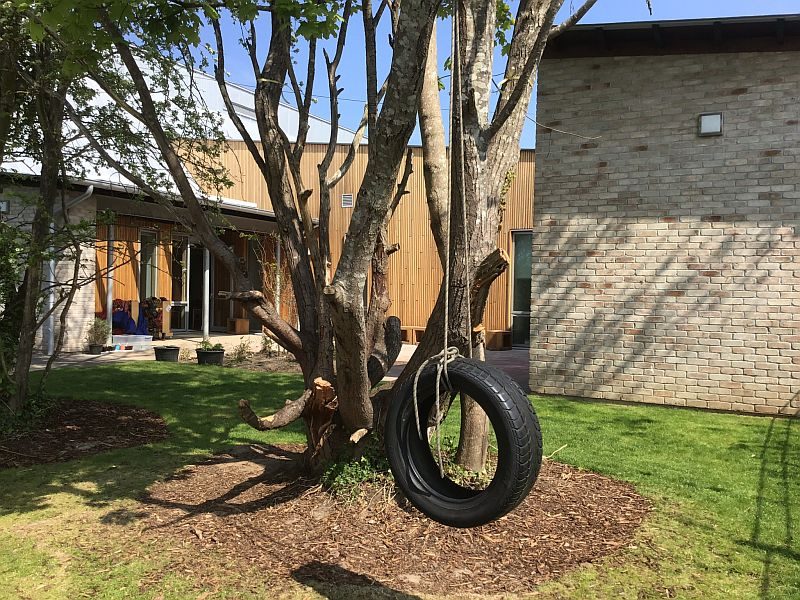
Some children missed the tyre swing from the old building so we added one to Playzone 1.
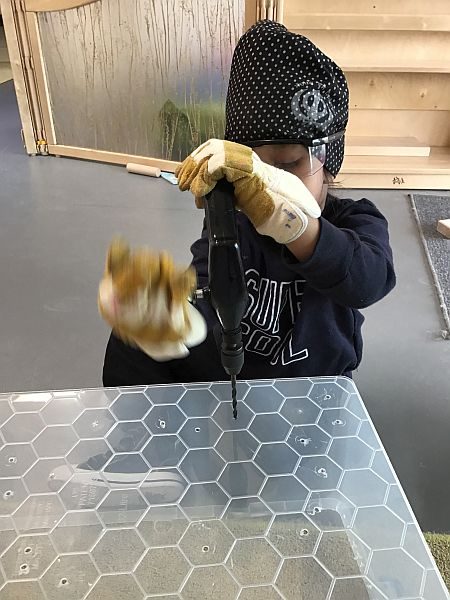
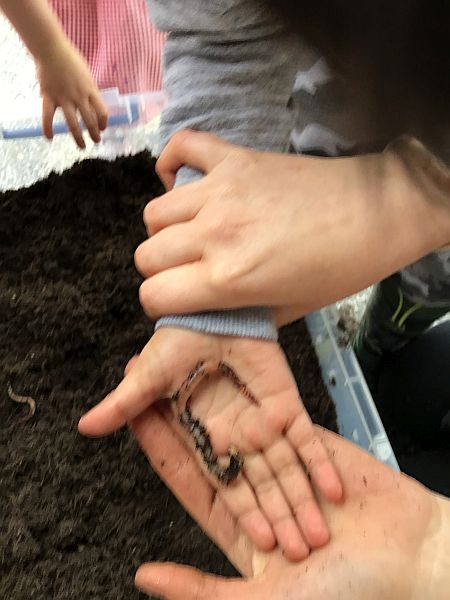
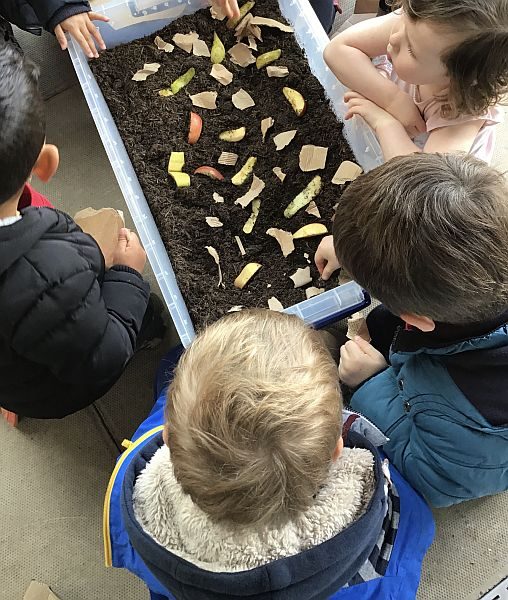
The Orchard bubble had a great experience creating a wormery. They were involved in every step of the process. We started off by watching a video instructing us on how to start creating a wormery. It provided us with information on the benefits of having a wormery. The first thing we started doing was drilling lots of holes in our box which took quite a number of days. The children thought this was: ‘Hard work.’
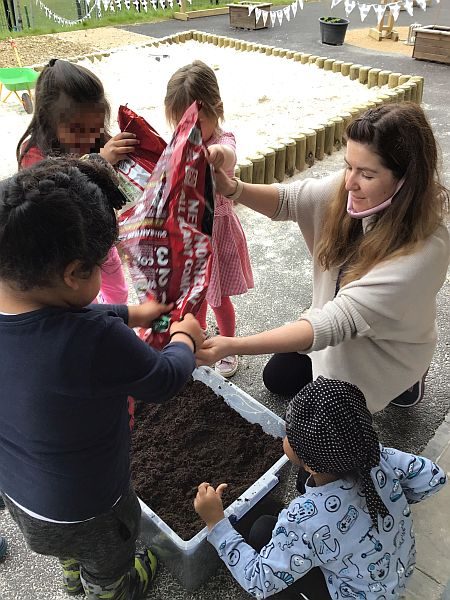
After we had finished drilling the holes in the box it was then time to add our compost into the box to start creating a nice home for our worms. The children were developing their gross motor skills by helping to pour the heavy bag of compost into the box. The children thought that: “The worms are really going to love their new home.”
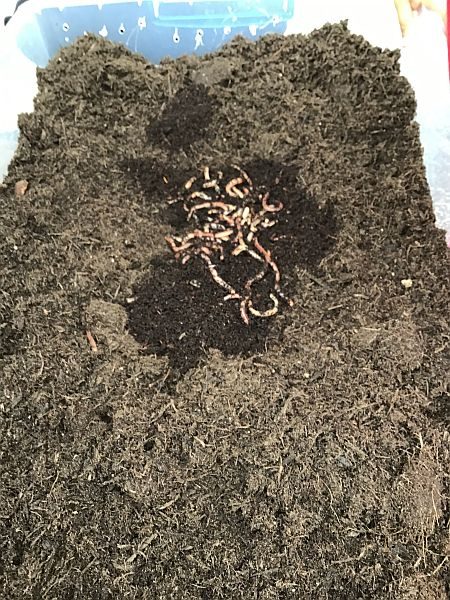
Miss Maclean had ordered special composting worms from the internet and they had arrived. The children couldn’t believe that you could order worms from the internet. We sat down at group time and looked at the worms and Miss Maclean explained why we needed to use composting worms. The children had even remembered that: “The wormery helps us recycle” and “they will help make compost.”
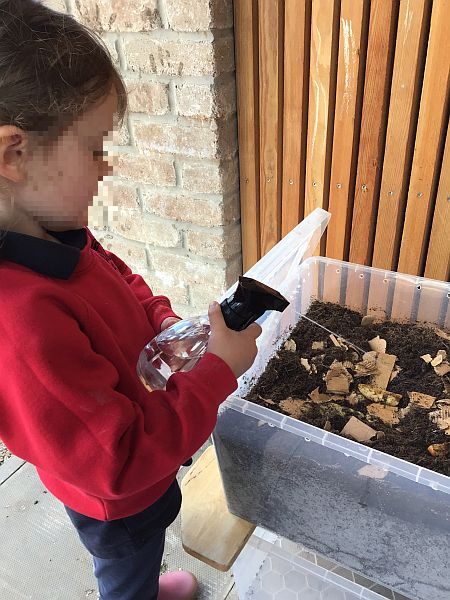
Now that the worms are in their new home the children love to care and look after them everyday. “We spray the worms to give them a drink.” “We need to give them our food waste.” The Orchard bubble are attached to their worms and want them moved into the next room we move to.
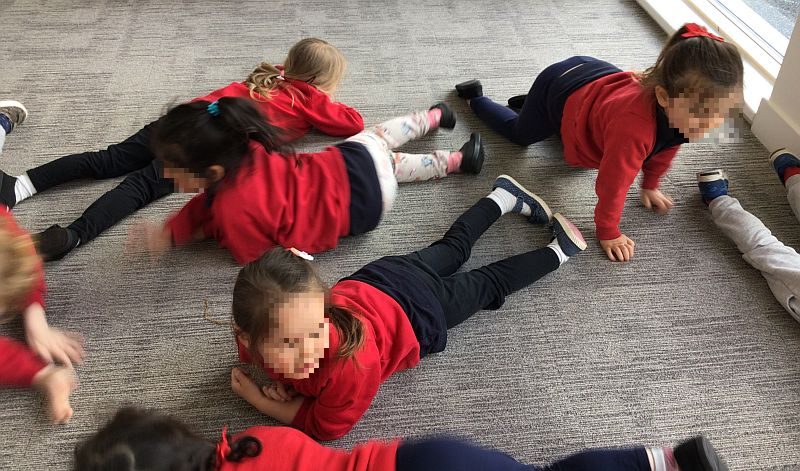
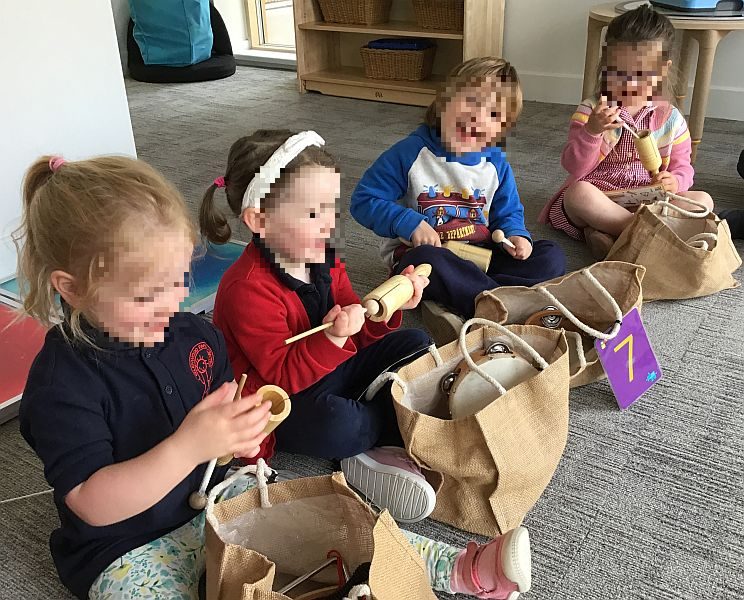
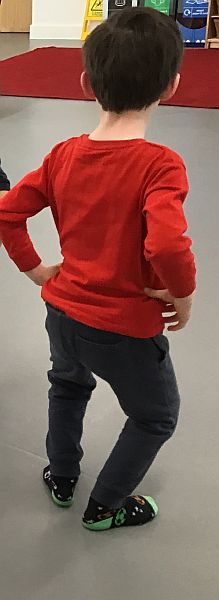
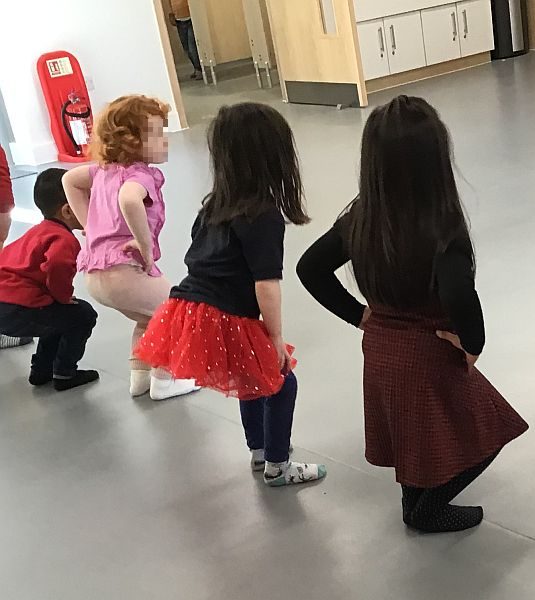
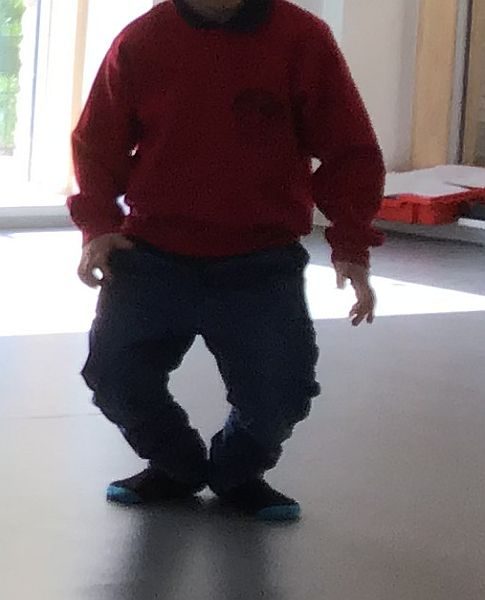
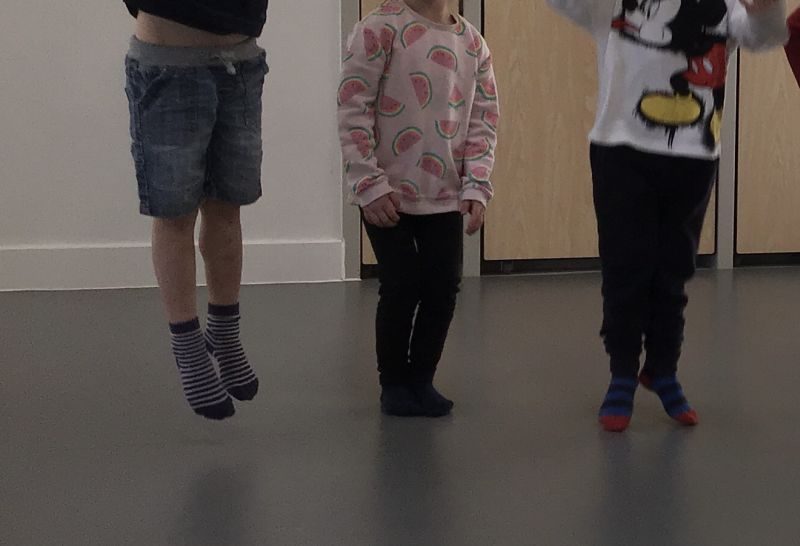
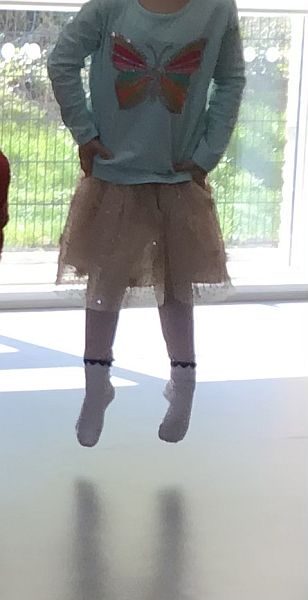
In Ballet the children are learning how to control their bodies through balance, good posture, listening skills, following instructions and rhythm, also finding their own space, cooperating with others and taking part in a performance.
We started of with the basic movements of dance and Ballet such as Feet Positions ——- first position (happy feet ) , parallel ——- (feet together ) and Second (feet apart).
Arm Positions ——- Bras Bas (first position of the arms ) Gateway (out in front ) Second(arms out wide ).
Moves within Ballet such as —- point lift, point close, springs in first, plies “which we called make a diamond,”
And at the end of every performance we learned who to do a bow and a courtesy.
We put it altogether and made a dance and chose music.
Ballet is an art form created by the movement of the human body. It is theatrical – performed on a stage to an audience utilising costumes, scenic design and lighting. It can tell a story or express a thought, concept or emotion. Ballet dance can be magical and exciting.
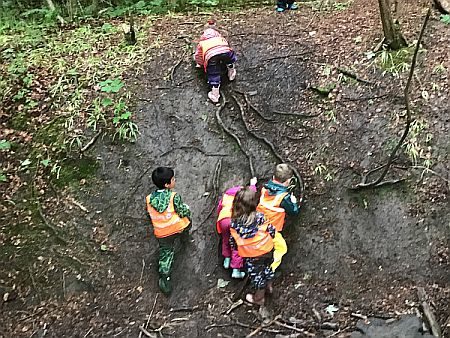
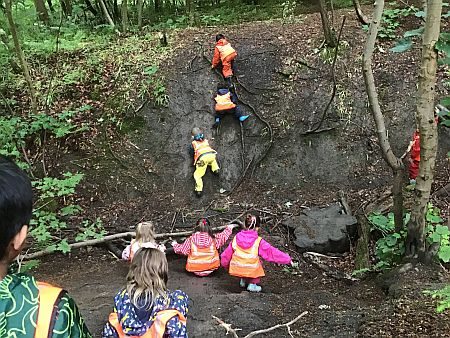
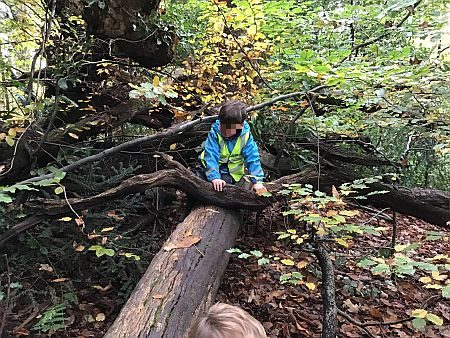
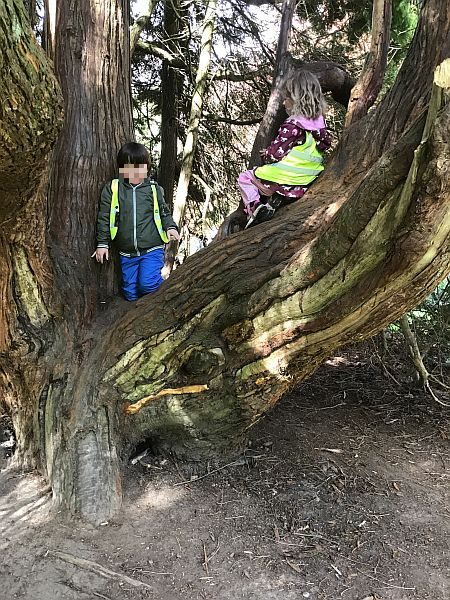
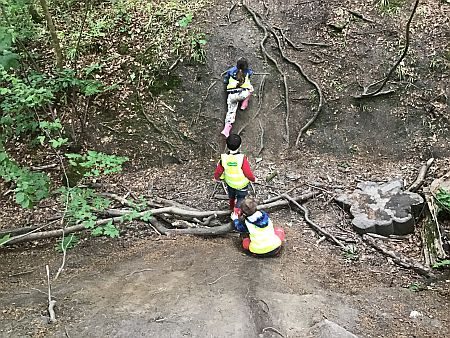
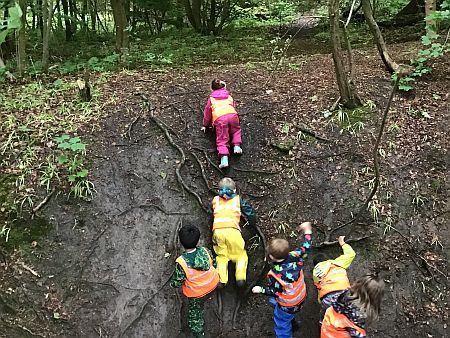
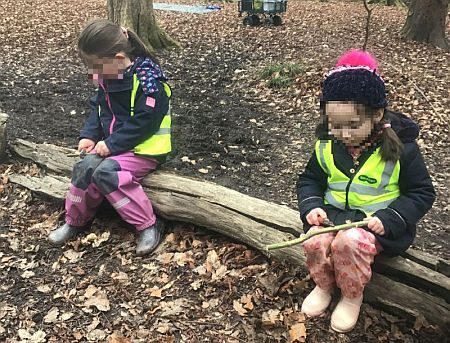
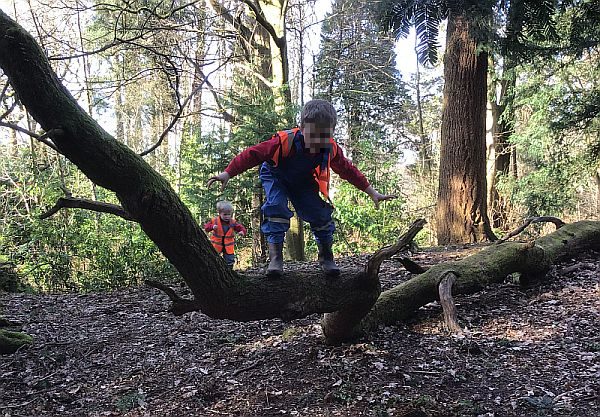
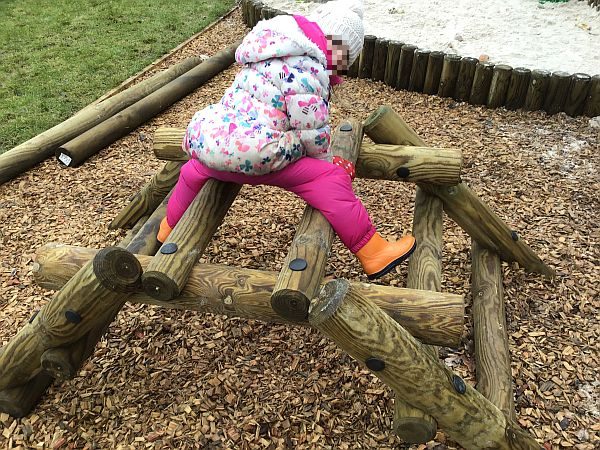
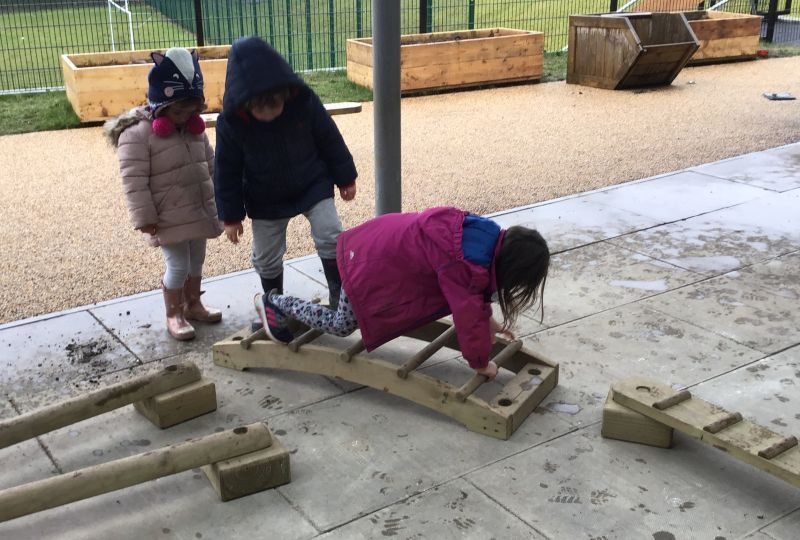
Children need to be kept safe from potential harm and hazards at all times, but they also need to explore and take risks. Risky play is exciting, challenging, fun, it pushes limits and there is every chance of physical injury. We don’t want children’s lives to be in danger, or any serious injury to be likely. That’s why with any new piece of equipment we carry out a risk assessment. This allows us to assess whether the risk of a resource or activity outweighs the benefit. Is something guaranteed to be seriously dangerous? Well, then it’s probably not ok. But if there is a low chance of bumps, grazes, or cuts? Maybe that’s alright.
The Experience of risky play is an important part of children’s learning. It develops the child’s self-confidence, resilience, promotes problem solving and trust in their own judgements as adults. Children have the right to make decisions and take risks through their play. In having these opportunities, children will be able to maximise their enjoyment of the environment whilst removing obvious risk. The ‘United Nations Convention on the Rights of the Child’ states in article 31: ‘All Children have the right to relax and play and to join in a wide range of activities.’
In our Centre we encourage children to manage their own risk in everyday play situations both indoors and out.
Climbing a high tree
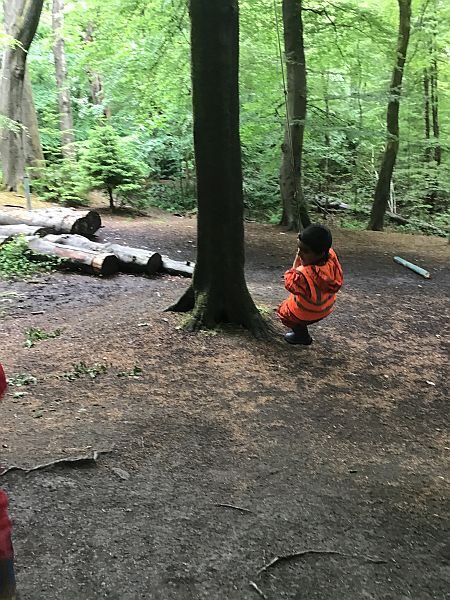
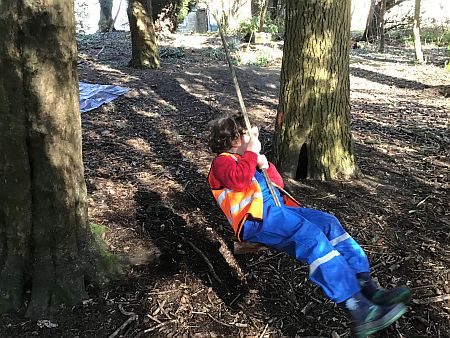
Rope swinging
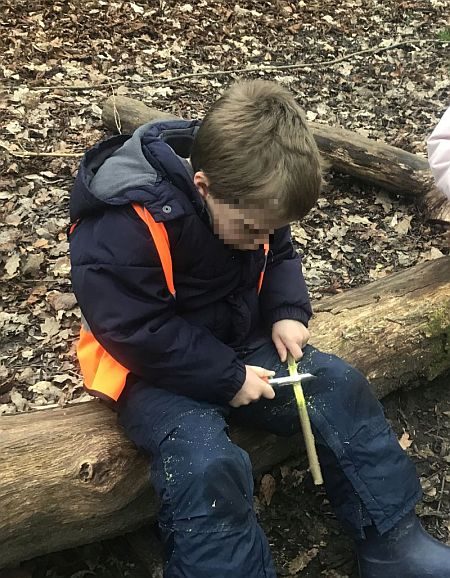
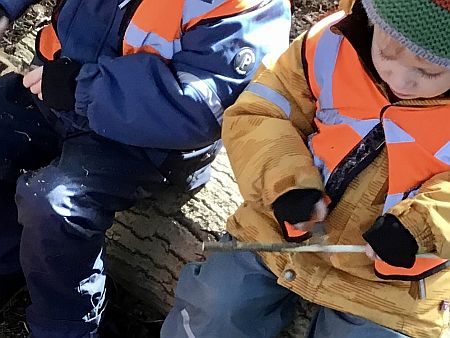
Whittling wood
Balancing
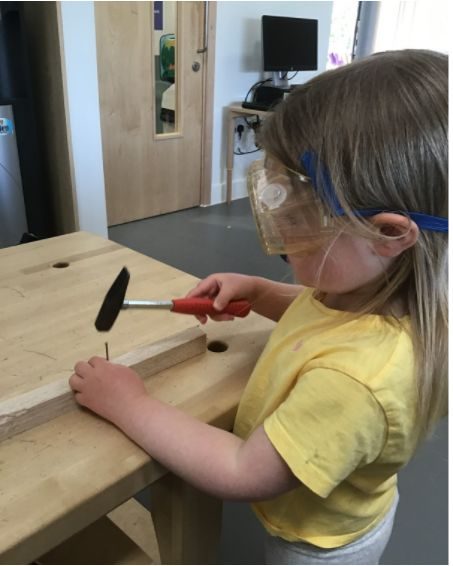
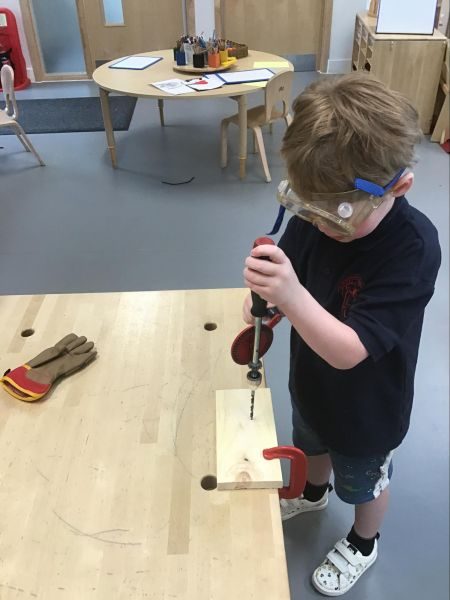
Using tools at the woodwork bench, saws, hammer and drills
Playing in the stream to build a dam
Building fires
Running fast, chasing each other.
It’s easy to say things like: “Be Careful,” and if you listen to yourself on how many times a day you say it with your child you will be amazed. What we are actually doing is telling children to stop and it’s for our benefit because we don’t want our children to get hurt. If instead we ask: –
Do you feel safe?
Can you see anything that could hurt you or be in the way?
What can I do to help you to be safe?
Where can you put your hand next?
This helps the child to focus on the environment around them. With time and Space, the child will revisit this experience, remember what they did before and build on that knowledge.
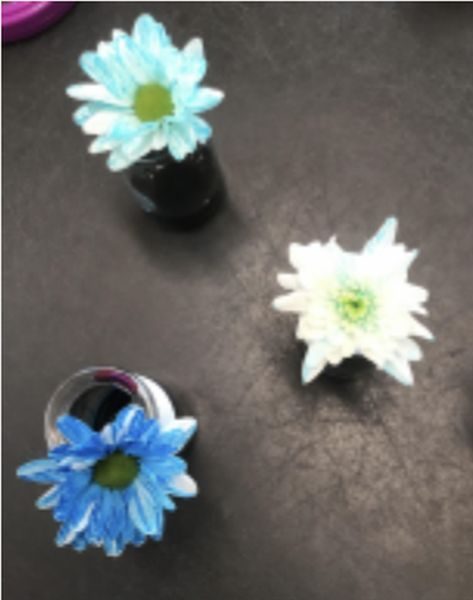
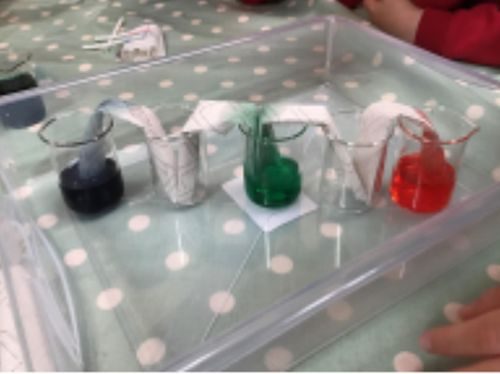
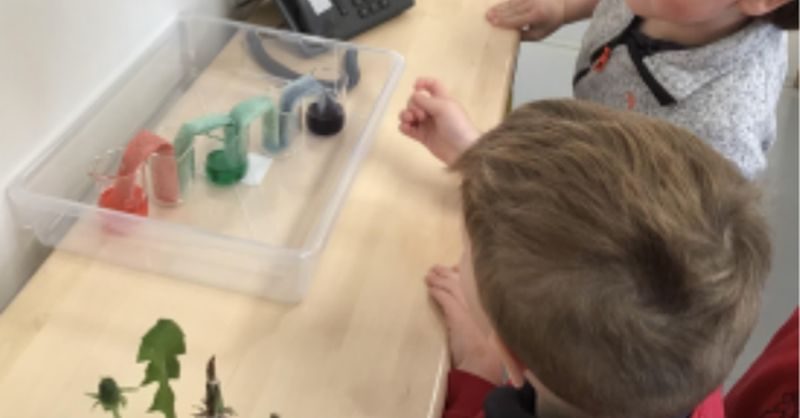
Over the past few weeks we have been carrying out a number of different experiments using water and food colouring. Using our observation skills we are beginning to recognise simple cause and effect. We have been developing our ability to ask relevant questions and making predictions about what will happen next.
We used different concentrations of food colouring to see what flower would change colour first.
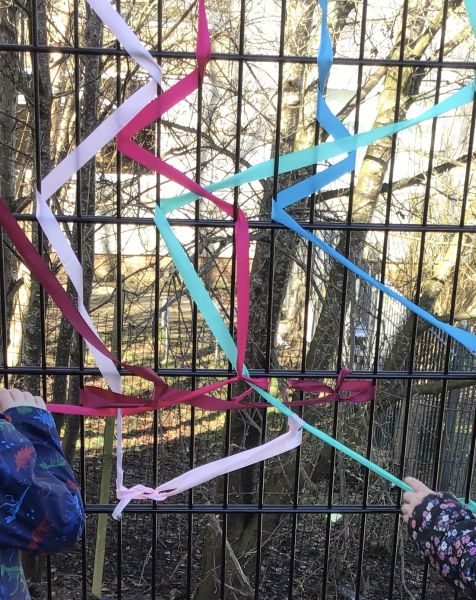
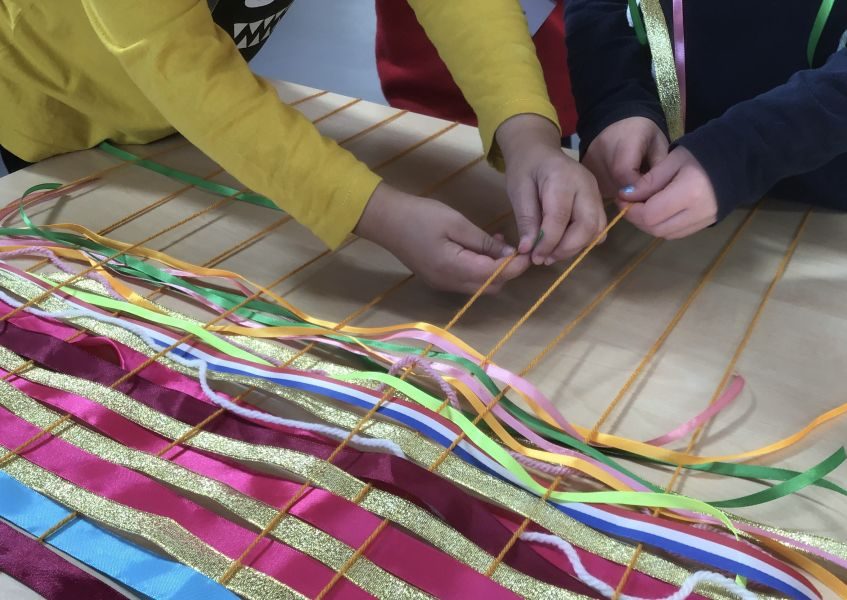
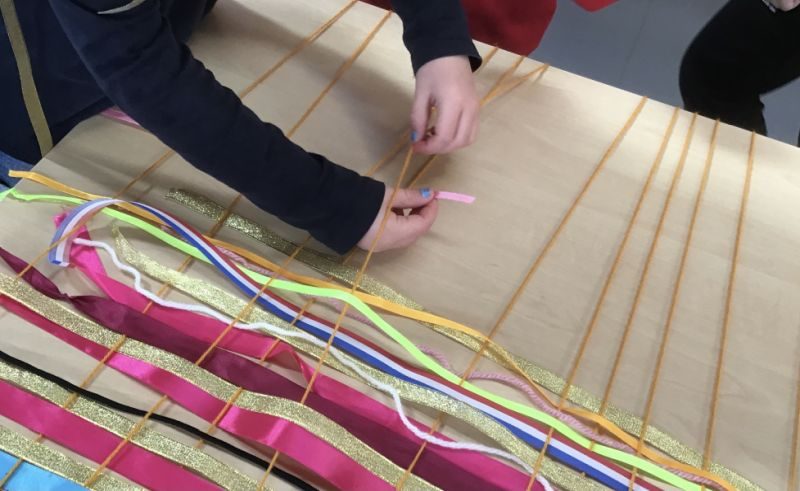
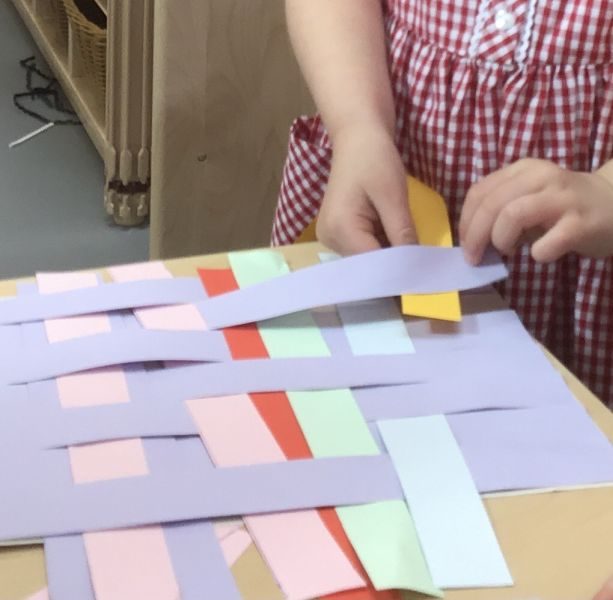
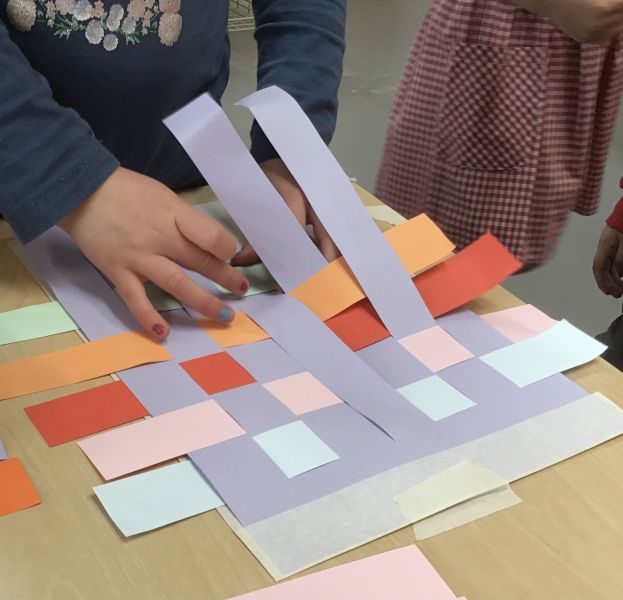
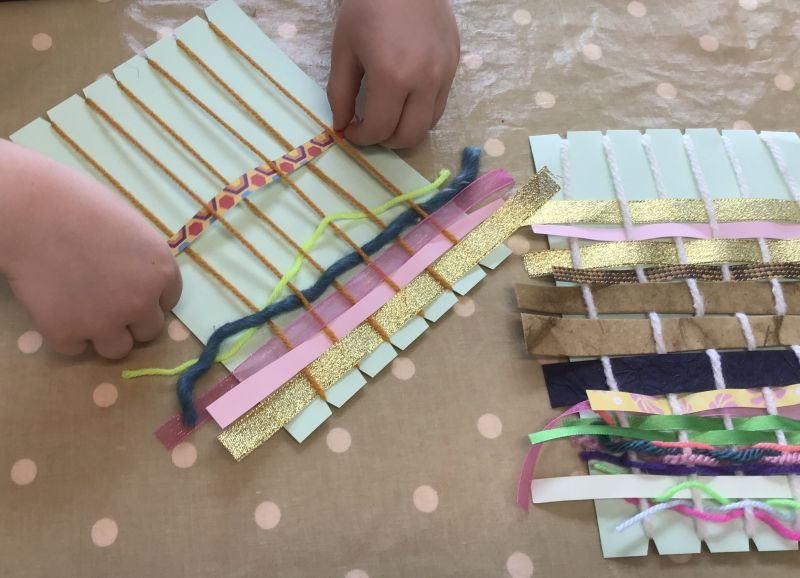
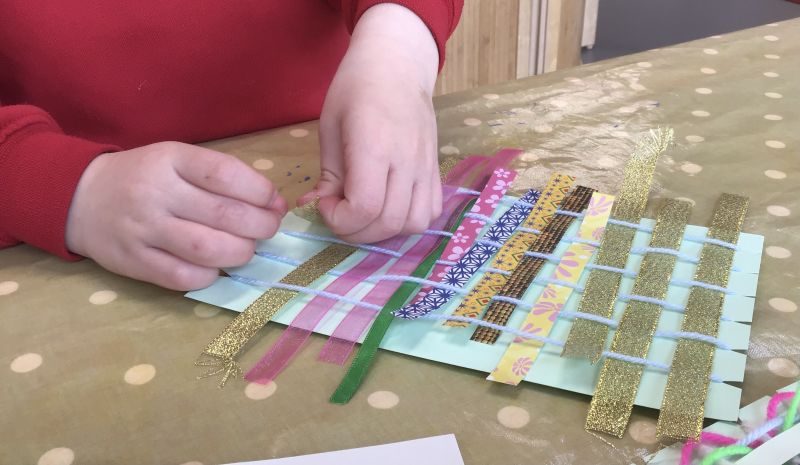
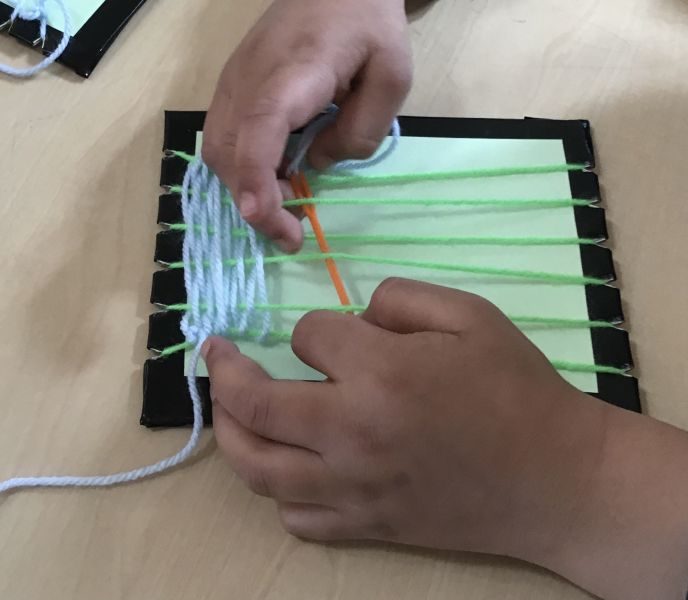
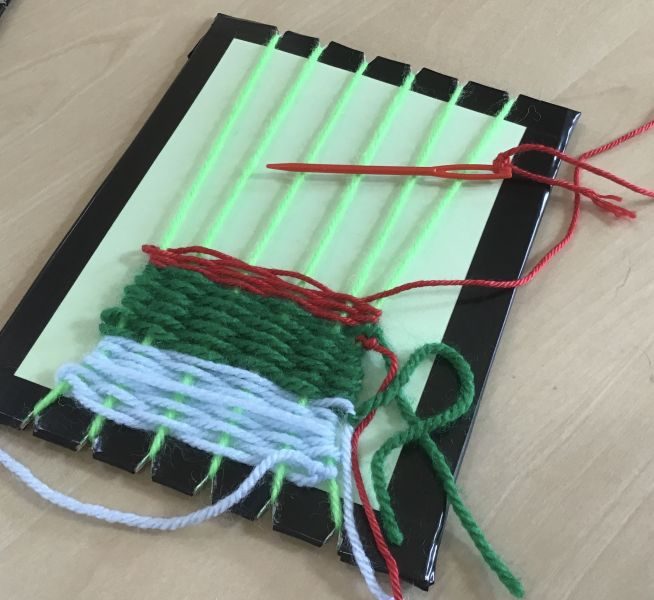
We’ve been having lots of fun being creative and exploring how to use different materials to learn how to weave. The children enjoyed choosing from a variety of colours and textures of ribbon, paper, card and wool. Weaving is a fantastic activity for young children to try and offers many benefits such as developing fine motor skills and hand eye coordination, as well as developing concentration and providing a physical experience of the spatial concepts of over and under. It is also an ideal experience to help strengthen the muscles in both hands as the dominant and non-dominant hands are used at the same time. Here are some of the different types of weaving that we tried:
Fence Weaving
“I like all the different colours of the ribbon.”
Table Top Weaving
“You need to go over and under and over and under all the way to the end.”
“I’m lifting the wool up so the ribbon can go under”
Paper Weaving
“This is quite tricky.”
Large Needle Weaving
“
“I need to push thisthrough and catch it at the other side.”
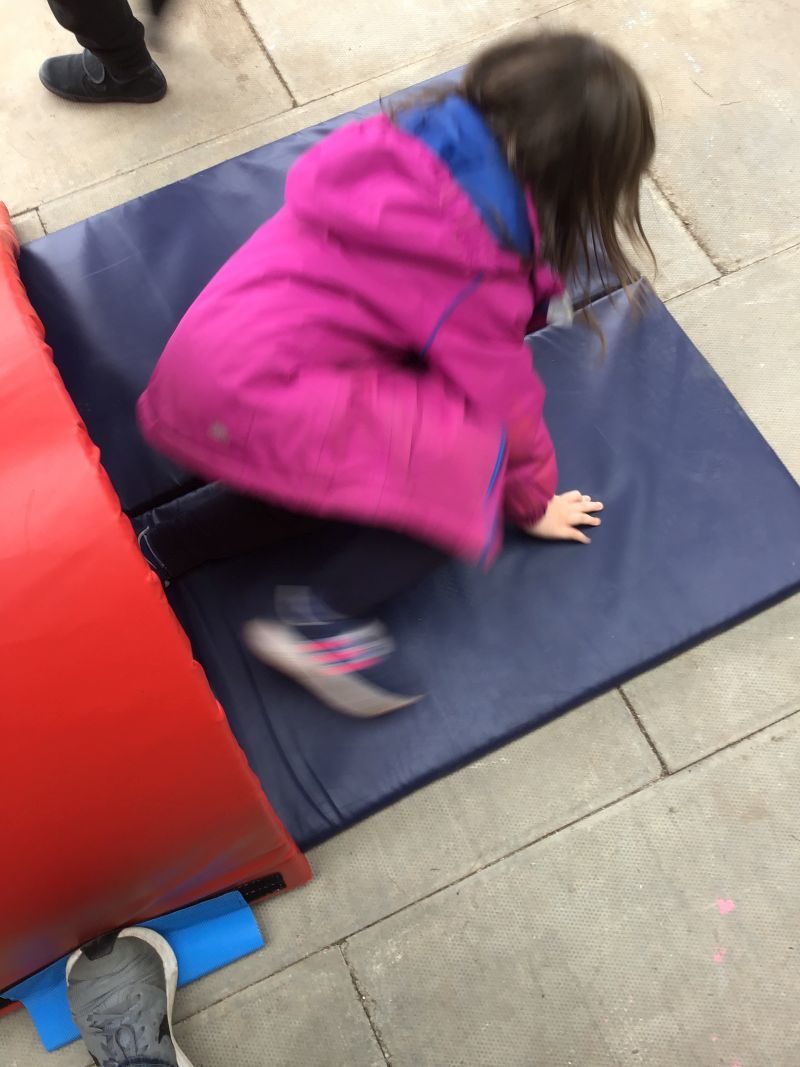
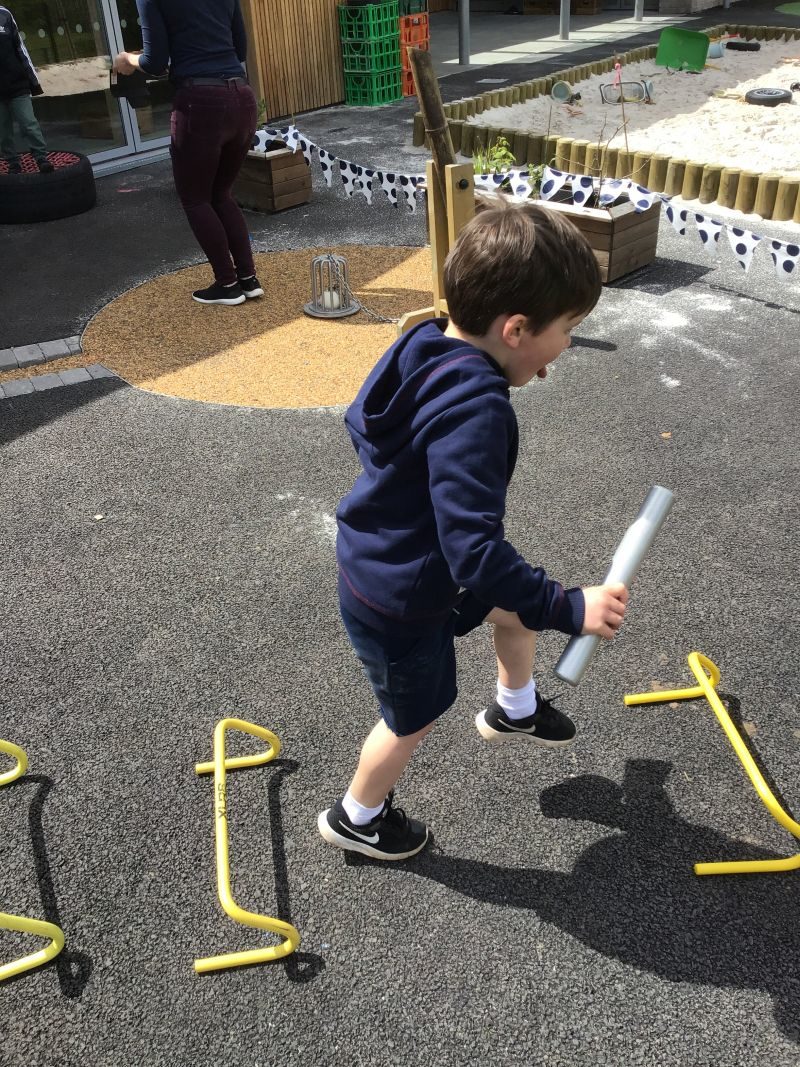
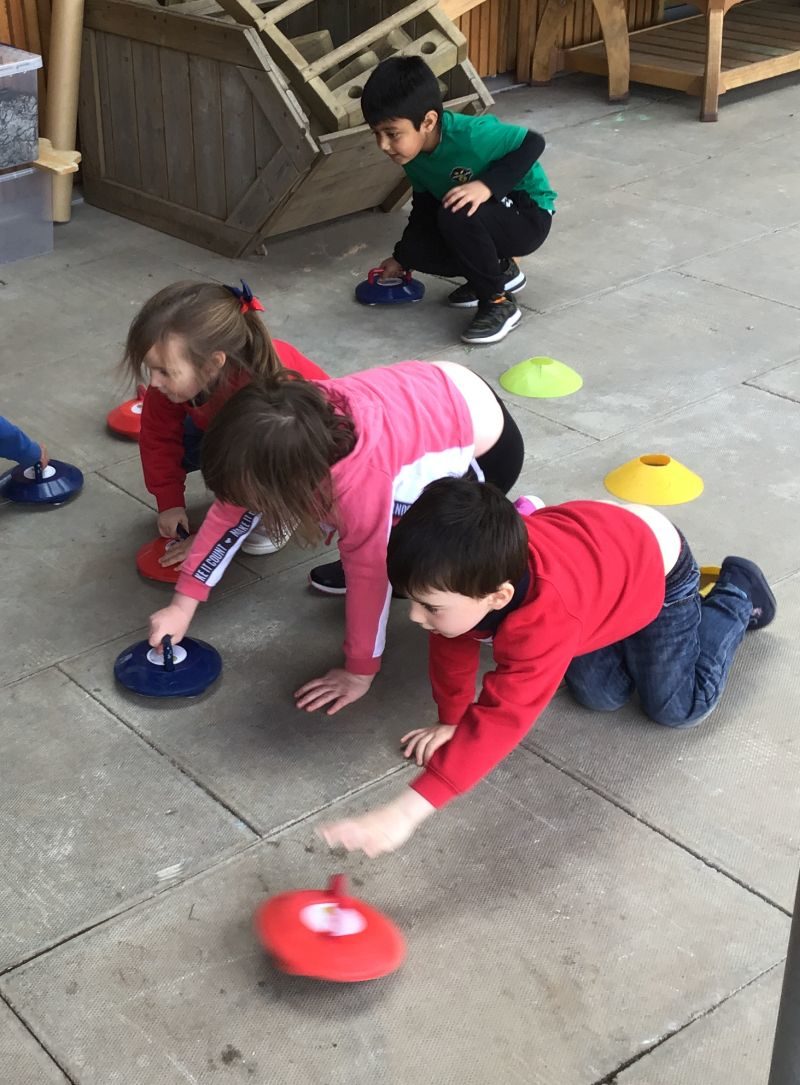
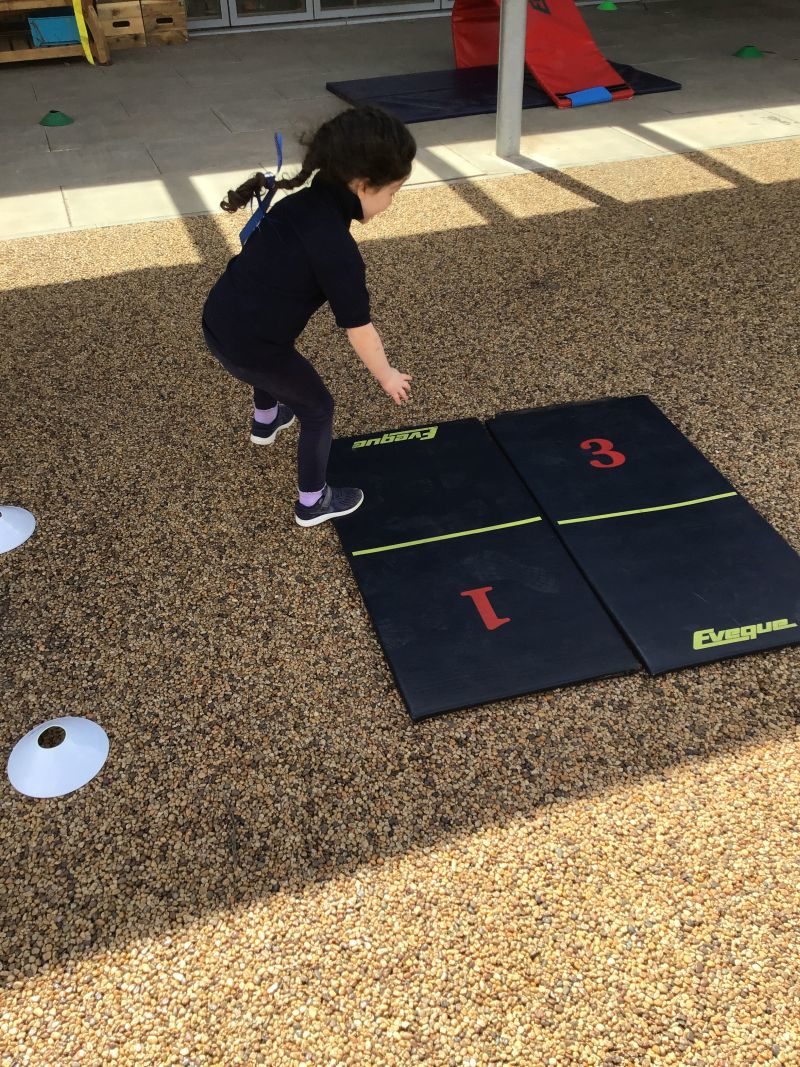
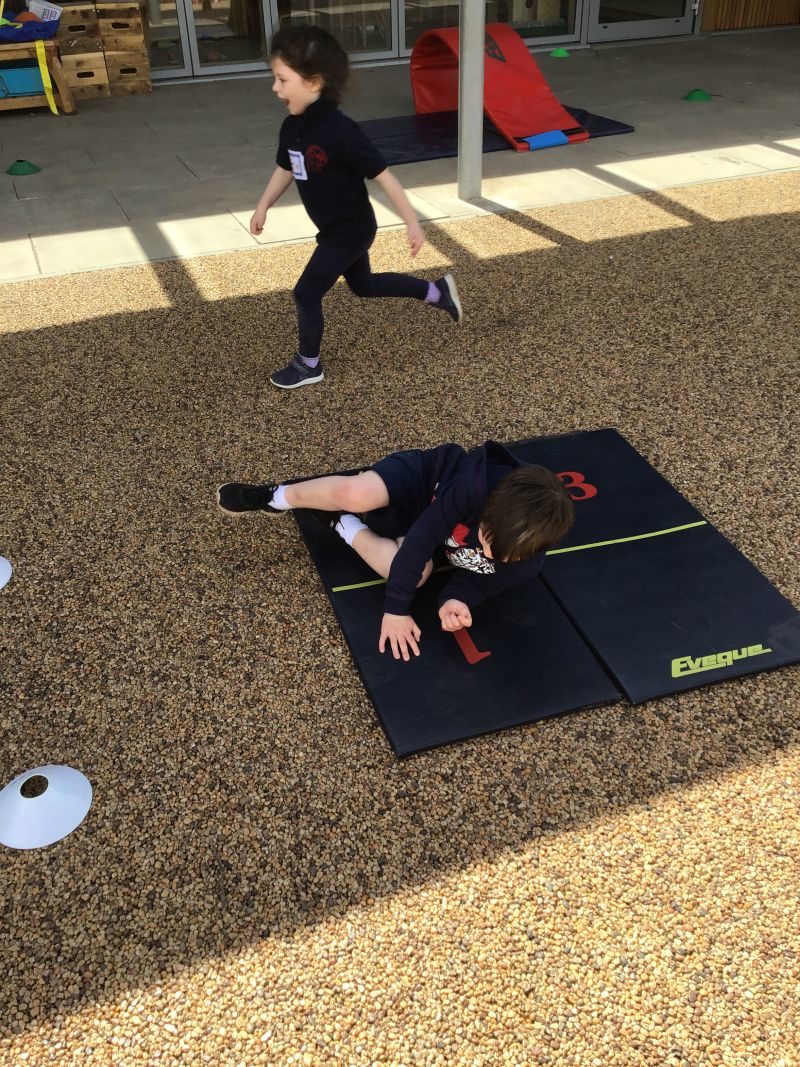
The children participated and enjoyed our Sports Day on the 25th May. Kerry Comerford, our Active Sports Coordinator, set up a number of activities and sports for us to try – inluding bowling, curling and gymnastics. The children were running, hurling, balancing and jumping. After the activities the children enjoyed ice lollies.
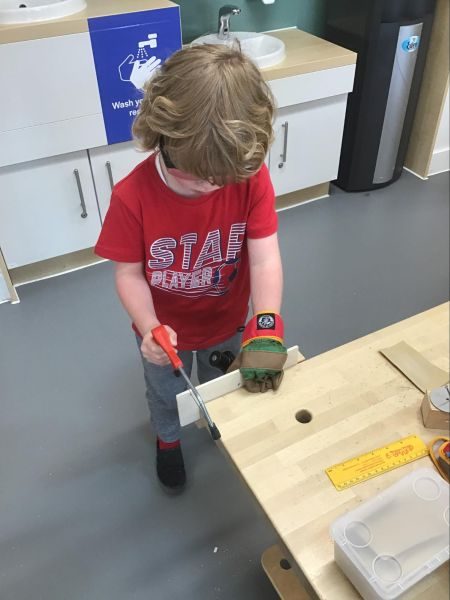
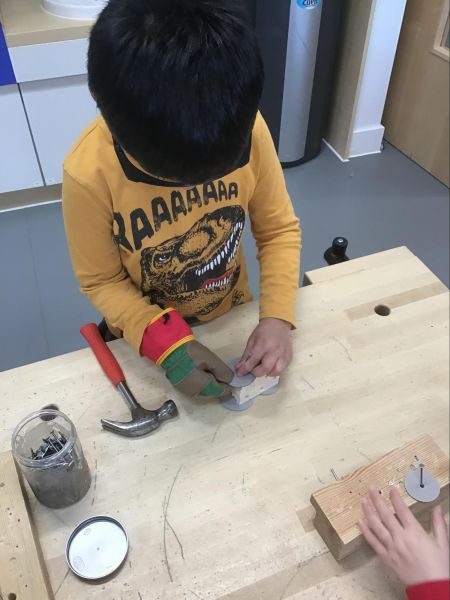
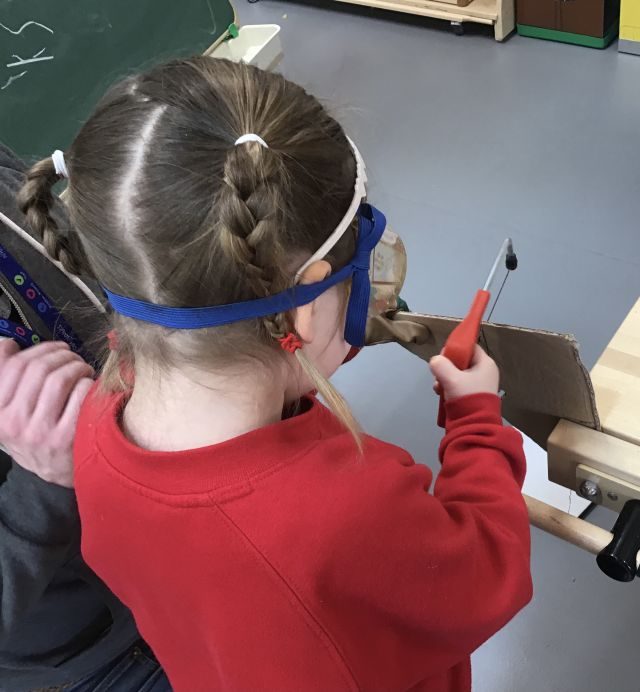
At Glenwood our children enjoy daily opportunities to engage in woodwork.
This involves experimenting and tinkering with the possibilities of the materials and tools, which helps to build our children’s confidence and develop their creativity and imagination.
“I want to use the hammer.”
Observations of the children show high levels of engagement and perseverance with challenging tasks.
“The saw is a bit tricky.”
Design is part of the woodwork process, defining the task and planning how to proceed.
“I’m making a helicopter car. I need 4 wheels so it can drive and a window at the front. The helicopter blades are going to sit on top so it can lift off into the sky.”
The importance of woodwork cannot be underestimated!
Look at all the skills our children are learning –
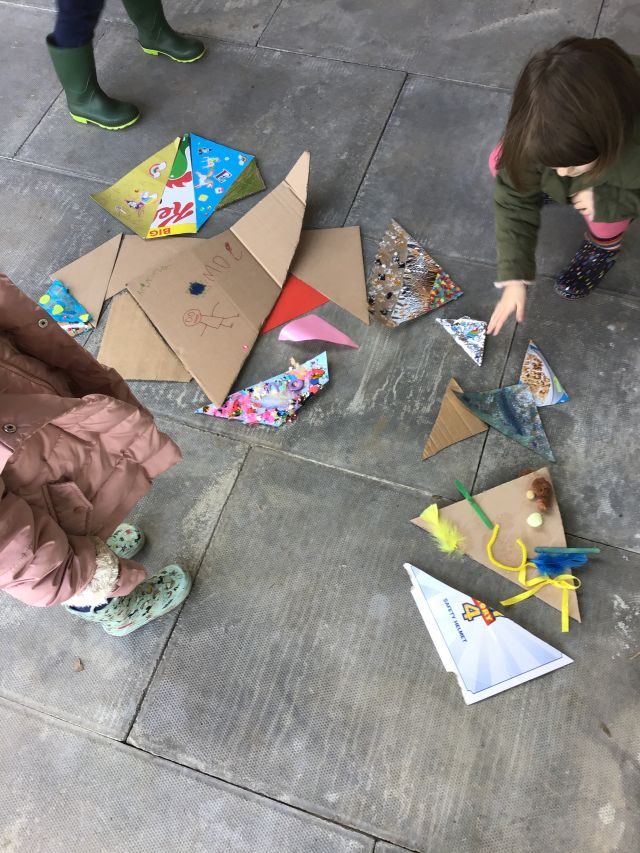
Working with Starcatchers, we developed a creative project on triangles. Children and parents brought lots of lovely triangles from home (thank you).
Child: “The triangles are all different sizes. Oh, Look at them, they are all my favourite. I made some at home, here they are.”
Then …….
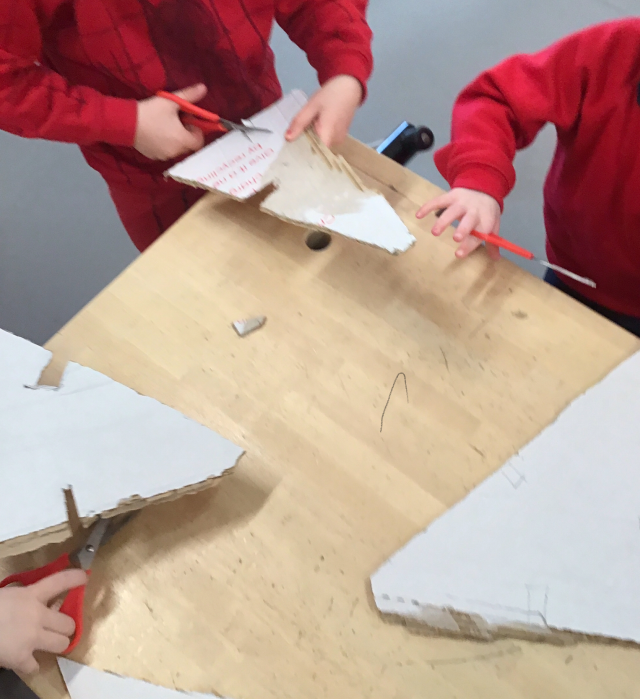
…we made more at Glenwood using lots of different materials to decorate.
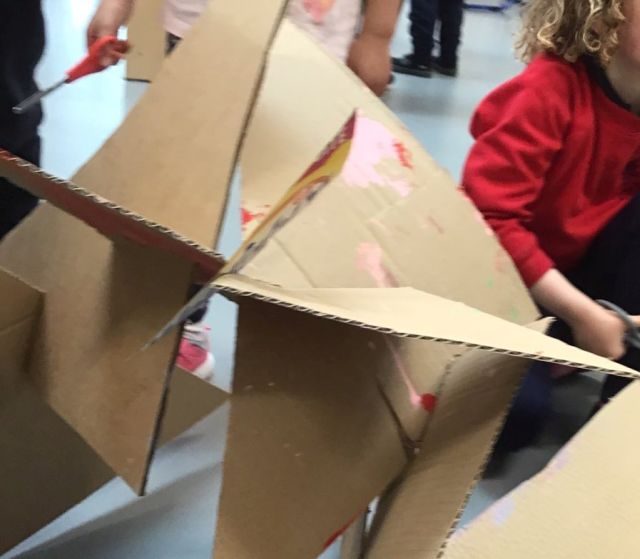
…we cut slots into our triangles. We tried scissors and then saws.
…we found we could make 3D shapes by connecting them together and we could make lots of different shapes.
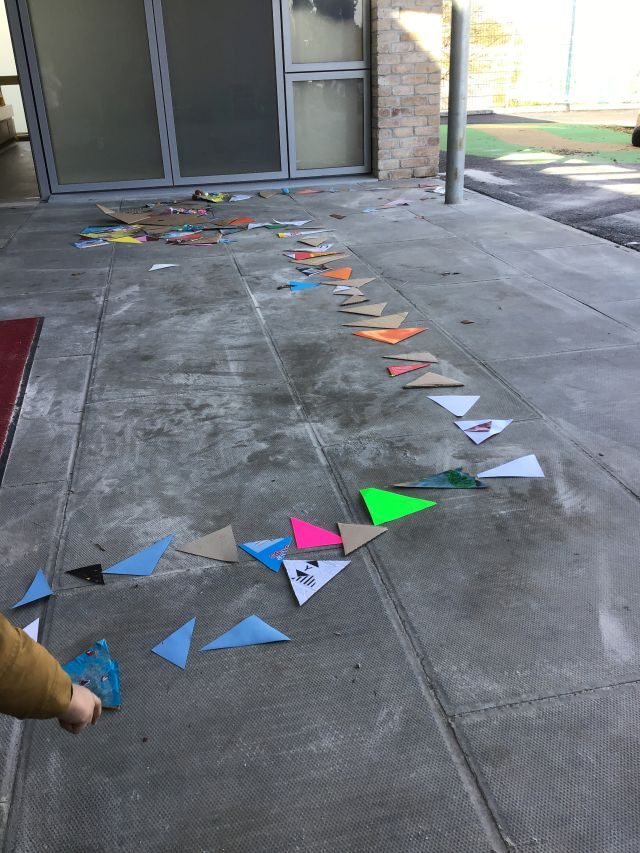
…we took some outside and made a traffic jam with lots of cars.
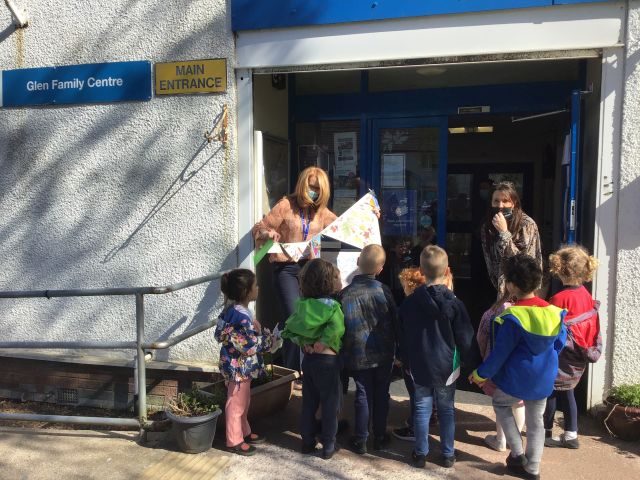
…we were thinking about our community and neighbours and being ‘intergenerational’. So we made some into bunting and delivered it to our friends with a card. We wrote:
“We are thinking of you and hope our triangles make you happy”.
Parent: “I really liked the idea of the triangles and having something to work with my child at home and bring in. It made me feel more connected to the nursery at this time when we can’t come in”.
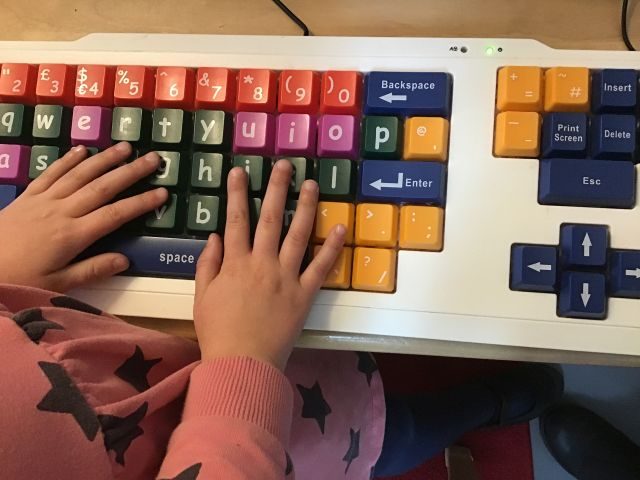
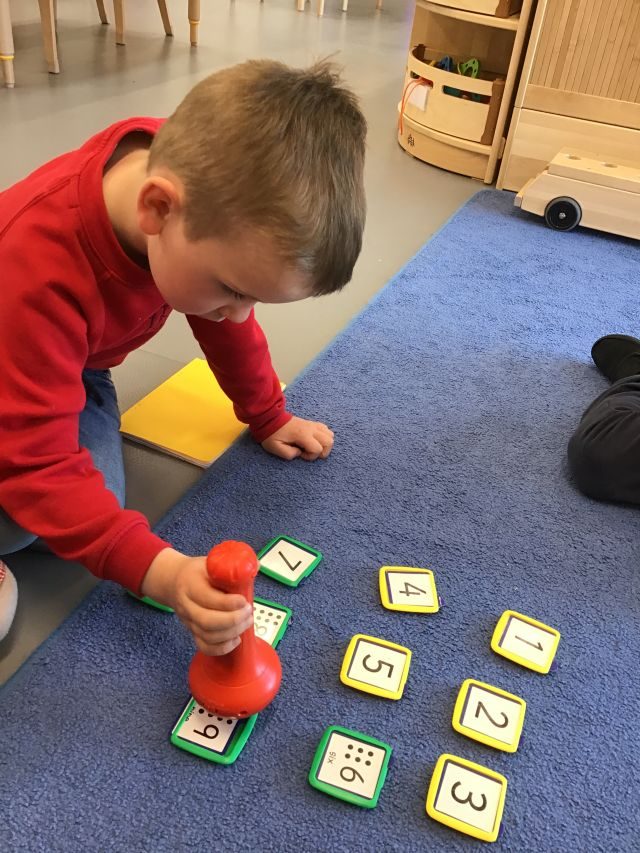
Through play opportunities children can experience a range of resources that support their ICT knowledge and understanding.
CHOOSING ICT TOYS
In Glenwood, the children can choose ICT from a choosing book. The children chose a voice recordable game which supports children’s numeracy and literacy skills.
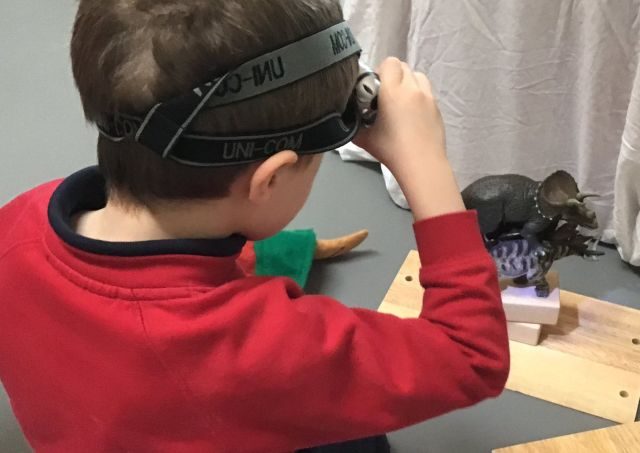
TORCHES
During their learning the children were interested in the shapes and patterns made by the light and shadows outdoors in the sunshine. To re-create shadows indoors light from a torch was projected onto a hanging sheet. The children used their bodies and open-ended resources to explore shadows, identify shapes or people from behind the sheet.
BEE-BOT
The children programmed a small robot to move forward, backwards, left and right movements to move around the floor. A programmable toy can support literacy and numeracy skills.
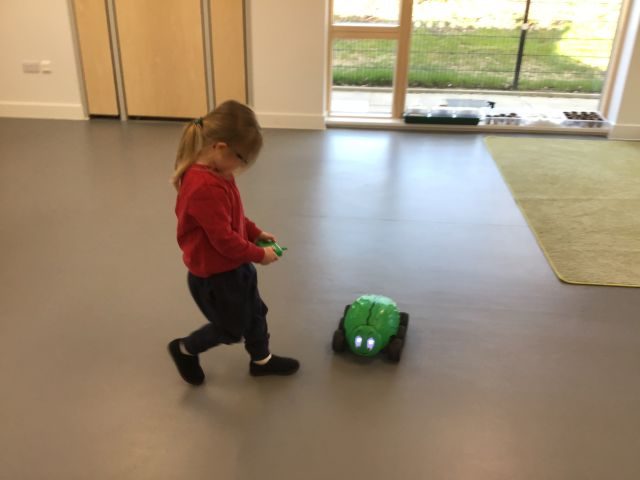
REMOTE CONTROL TOYS
Using remote-control toys children learn about cause-and-effect. As they play as they work out which buttons make the car go in each direction. The children set up an obstacle course with ramps to drive up and down, or tunnels for them to drive through. This is a great way to develop a child’s hand-eye co-ordination. Some of our remote control toys are operated by the iPad.
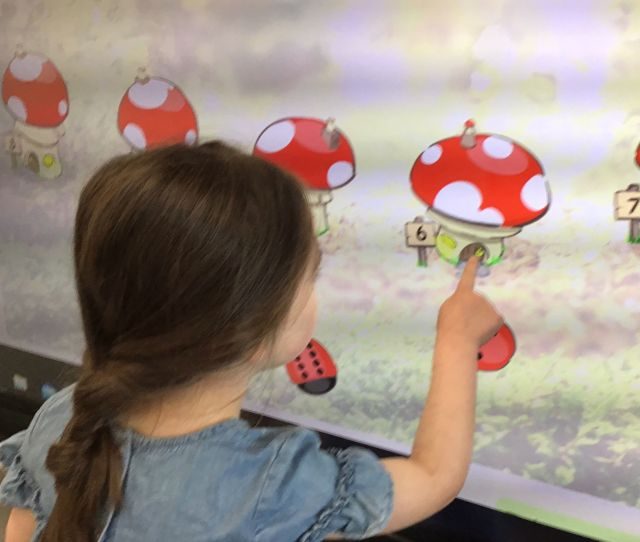
INTERACTIVE BOARD
An interactive smart board allows images from a computer screen to be displayed onto a classroom board where the children can interact with the images directly on the screen using a tool or even a finger.
IPADS/TABLETS
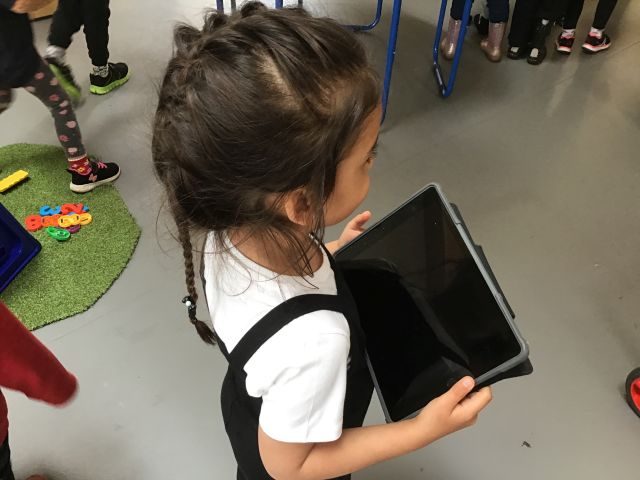
Ipads are available as part of the nursery’s continuous provision and children are encouraged to use them to record their achievements and share it with others using the ipads.
IMAGINARY PLAY
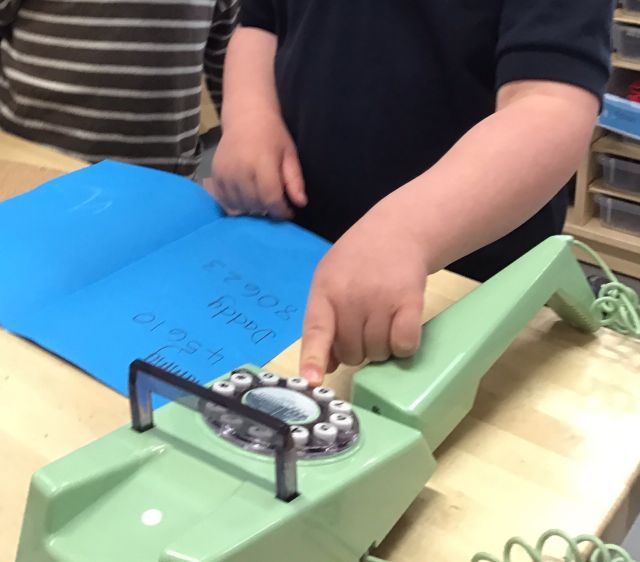
During their imaginary role-play children are provided with old ICT equipment. Children are observed in the home corner using the ICT in real life situations i.e. an office, a train or even a trip to space.
EXPLORING ICT AND HOW IT WORKS
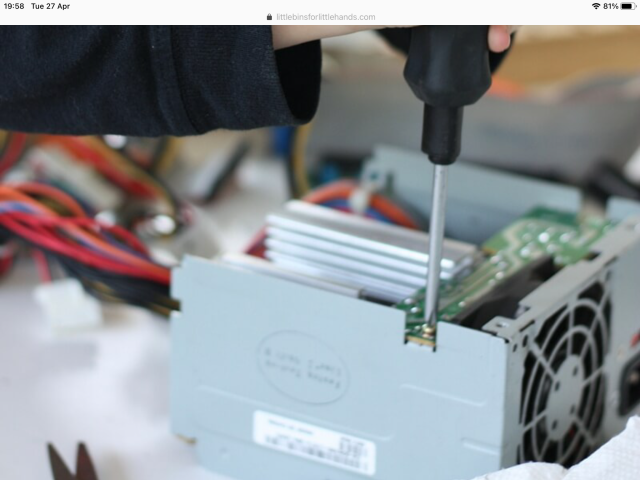
Taking apart old pieces of everyday ICT equipment to look at what is inside and how it works is a popular activity. Children explore the inside of old clocks, computer boards, telephones and CD players.
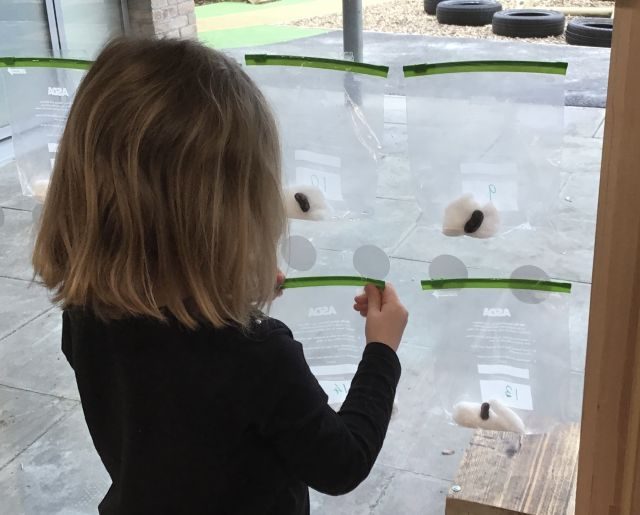
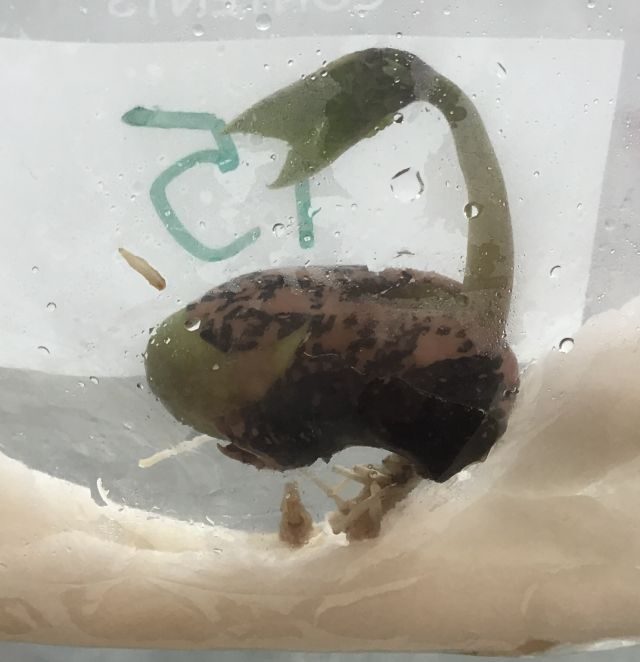
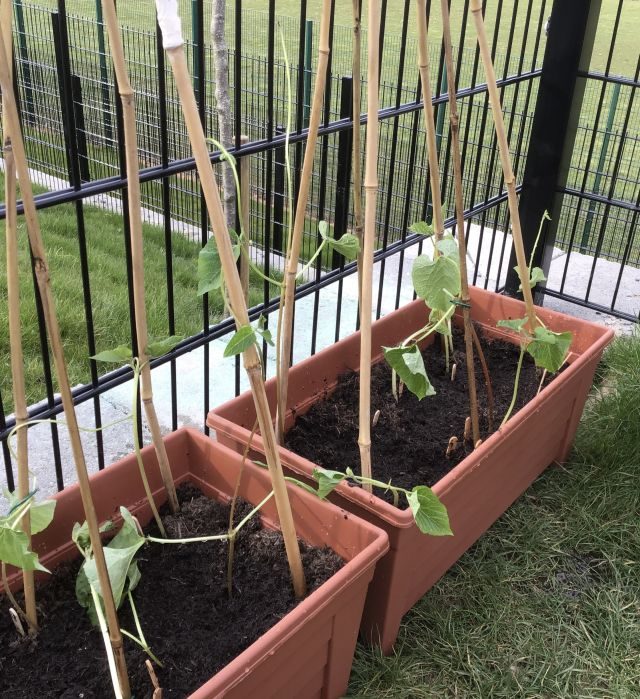
The children have been very interested to learn about planting and growing runner bean seeds for our new family centre. By placing a runner bean seed in a zip lock bag with some wet cotton wool and sticking this on to the window, the children were able to observe the seeds germinate as the roots and shoots started to grow.
“I can see the roots going down and the shoots going up.”
“They are going to be so tall.”
“The roots are getting really long now.”
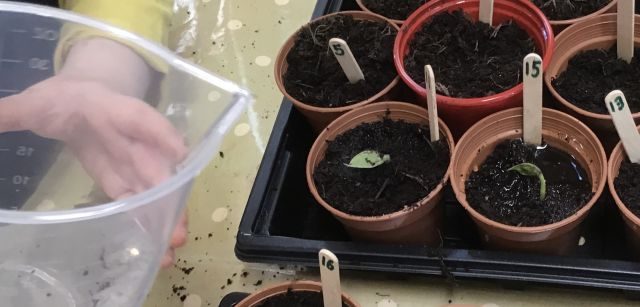
After about 10 days the children filled some small plant pots with soil and carefully planted a seedling in each one and then watered them all.
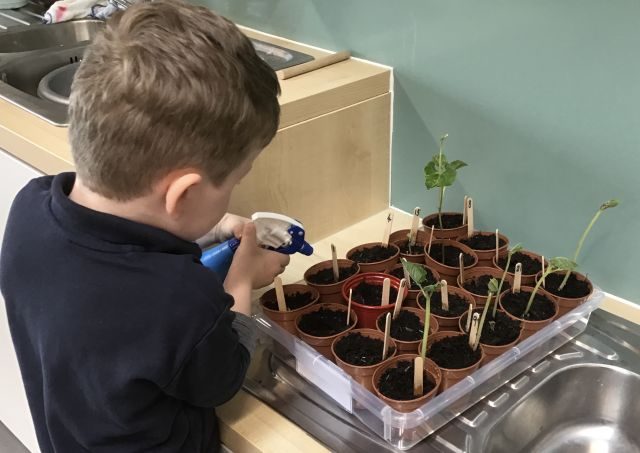
“I will give them some water. They need water so they can grow.”
The children took responsibility for checking that the soil in the pots was not too dry and made sure each plant had enough water to help it grow.
“The beans need a little drink of water. I touched the soil with my finger and it felt dry.”
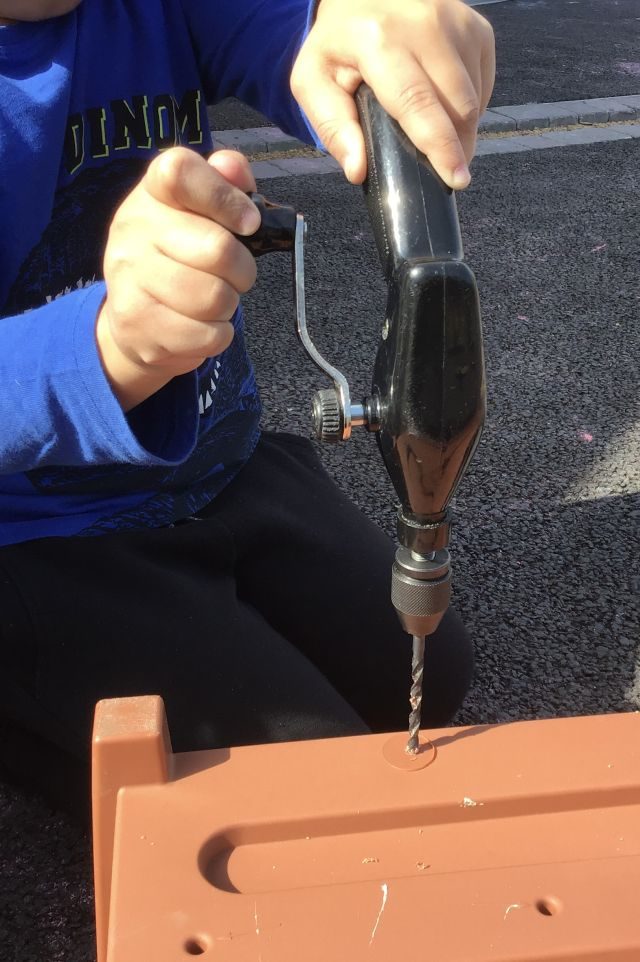
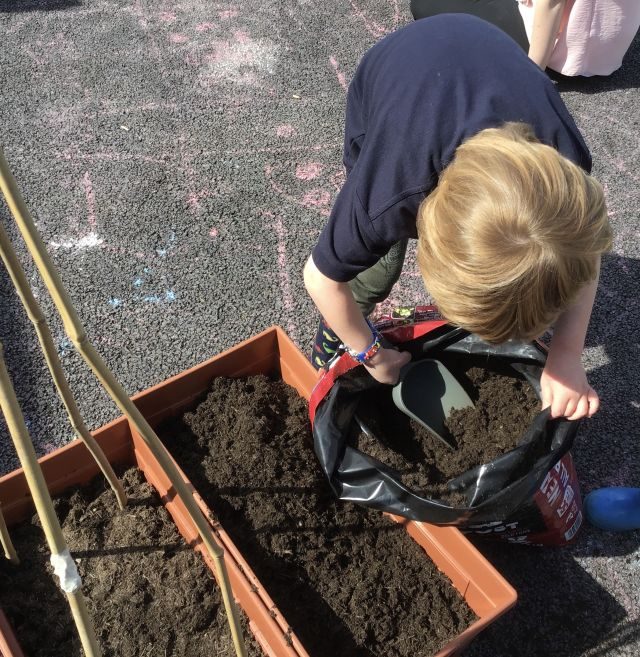
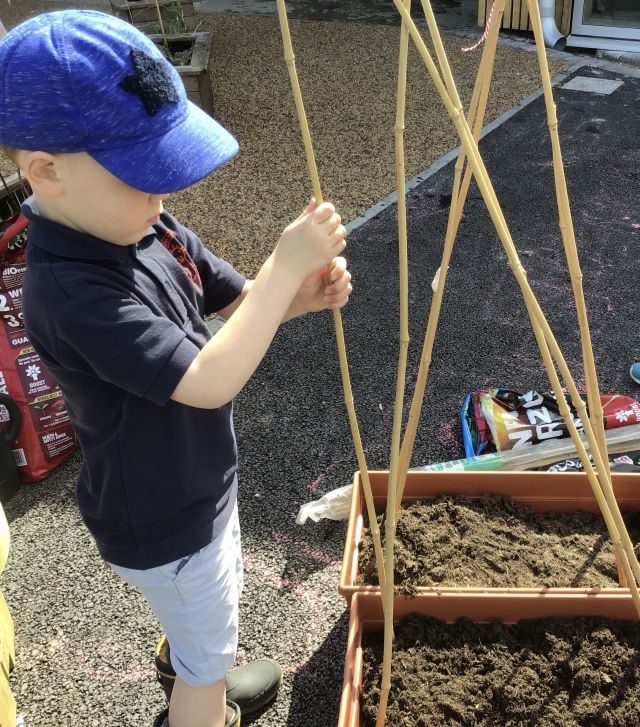
To prepare for planting the runner beans outdoors a handheld drill was used to drill drainage holes in planters, the planters were filled with soil and canes were added to provide support.
“I’m turning the handle round and round. I can see little bits of plastic at the bottom.”
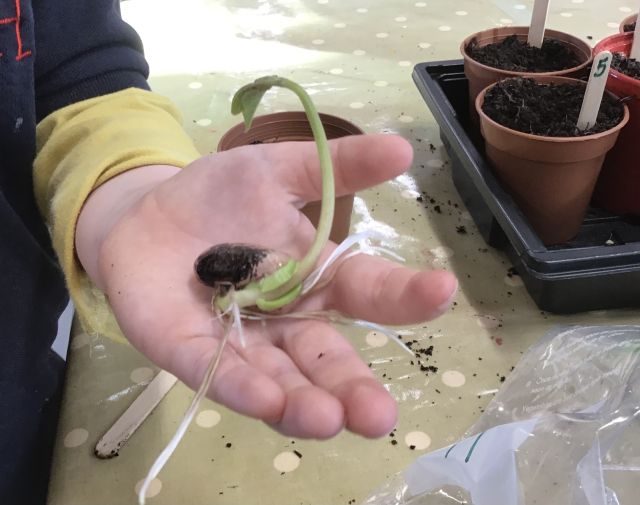
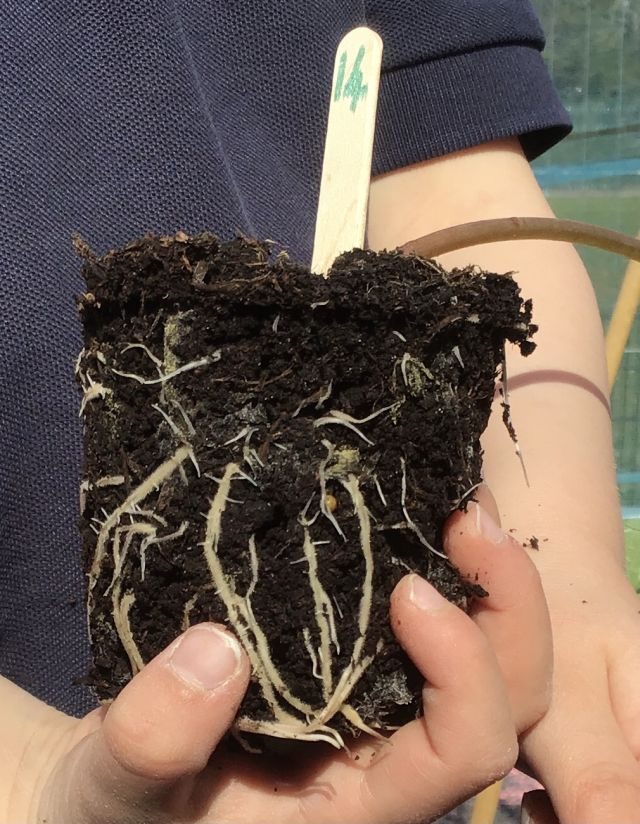
To help carefully remove the plant from the pot without damaging it, the children learned about gently rolling and squeezing the pot with their fingers and hands. They were very interested to see how the roots had grown inside the pot.
“Look at all the roots. There are so many.”
When the children had finished planting all the runner bean plants they chose a sunny spot to put them in the garden and gave them a big drink of water.
“The beans are really tall. They have lots of leaves.”
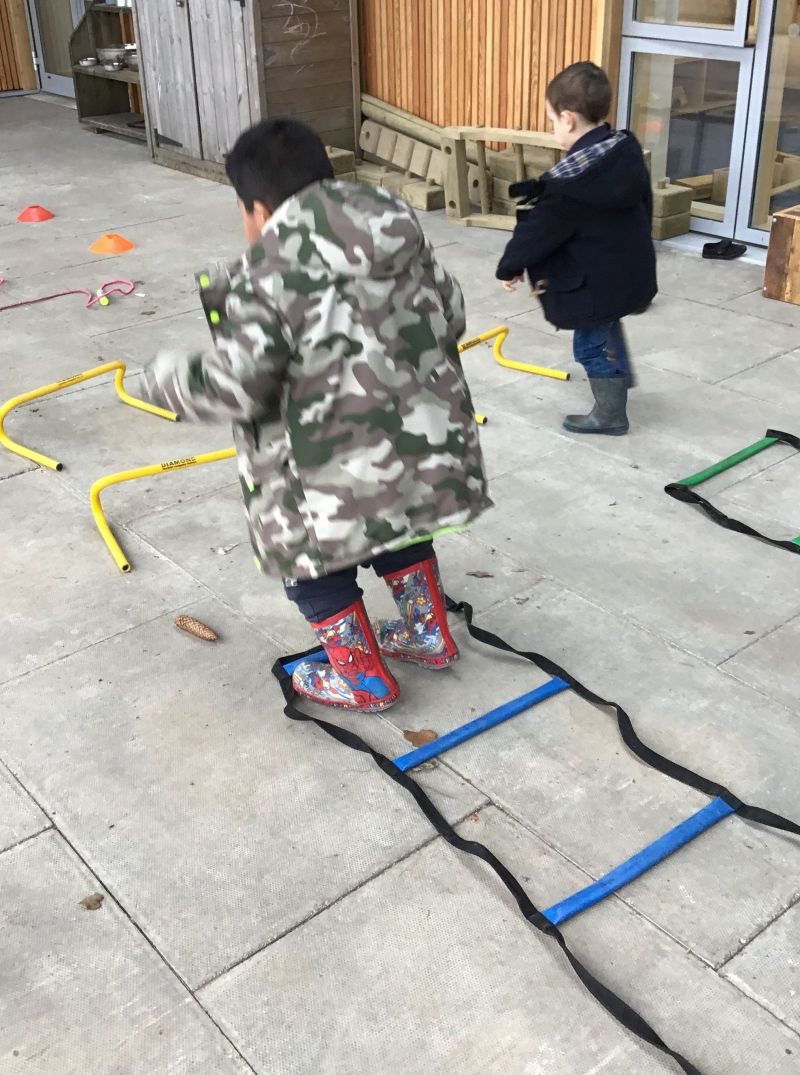
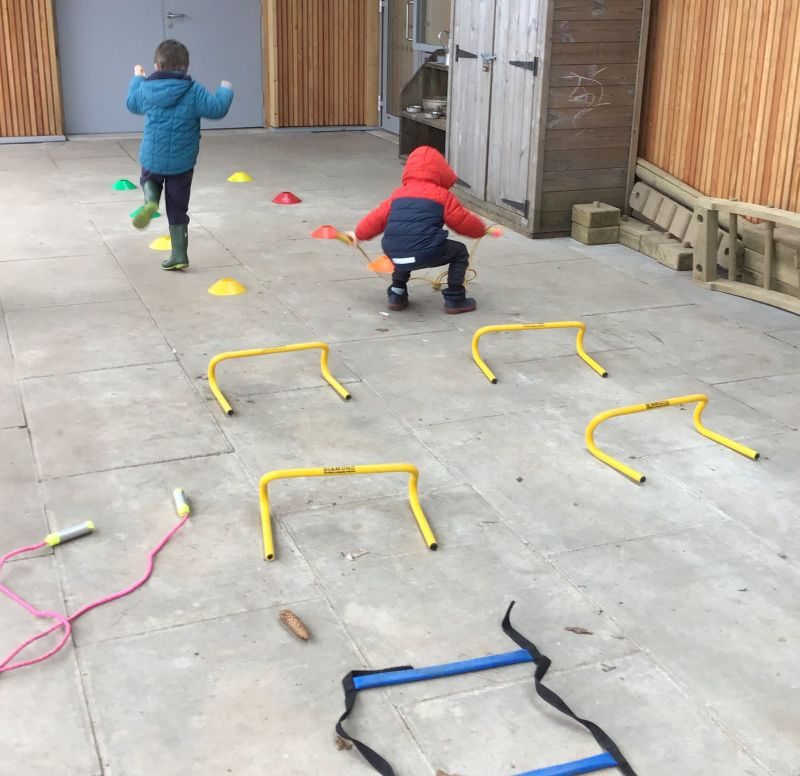
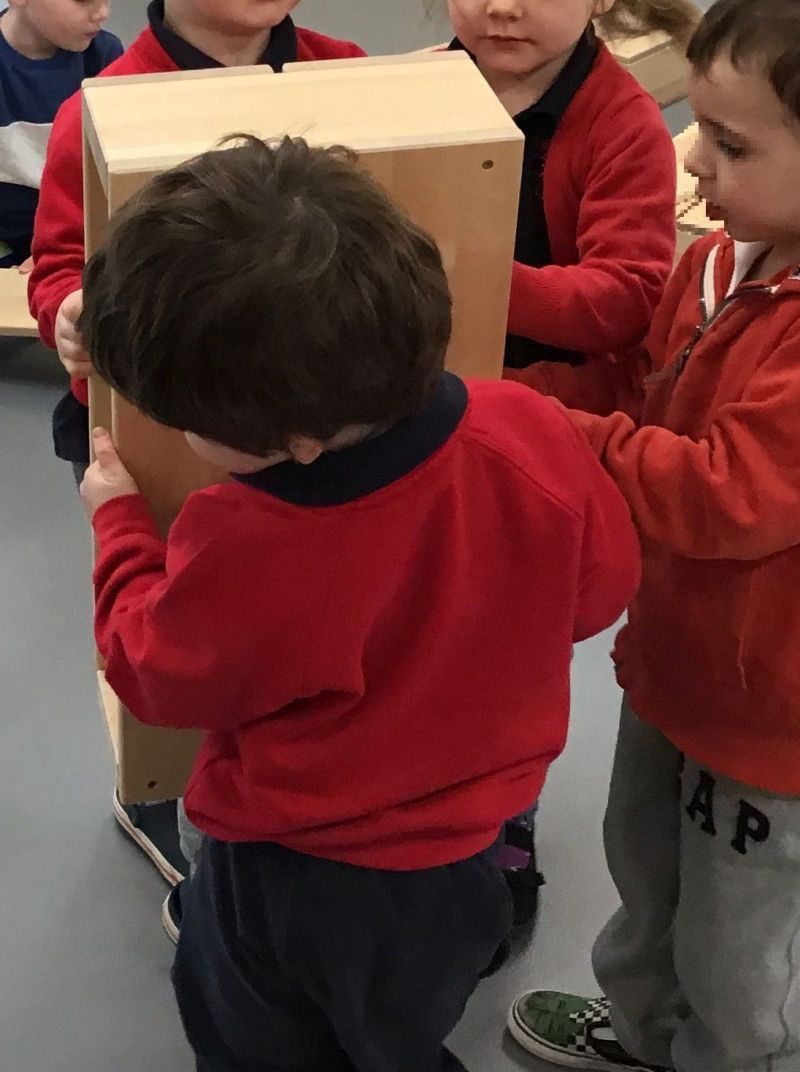
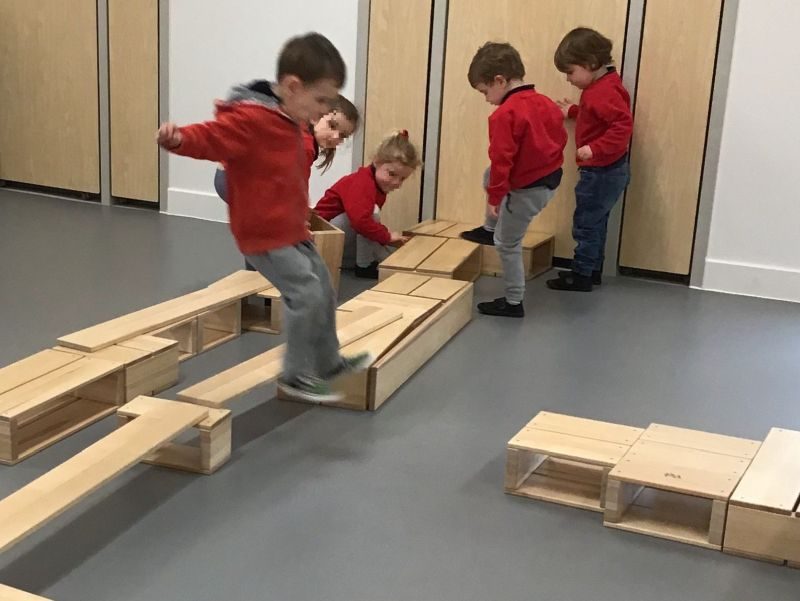
The children in the Orchard Bubble have been having a great time in the nursery with our obstacle course equipment. We have been learning to work together as a team and use everyone’s ideas to create the courses. We have also been learning about how to risk assess for ourselves.
The children decided to add to the obstacle course and make one where they have to use their gross motor skills to hop and jump.
We need to jump over the ropes.We could hop at the end.
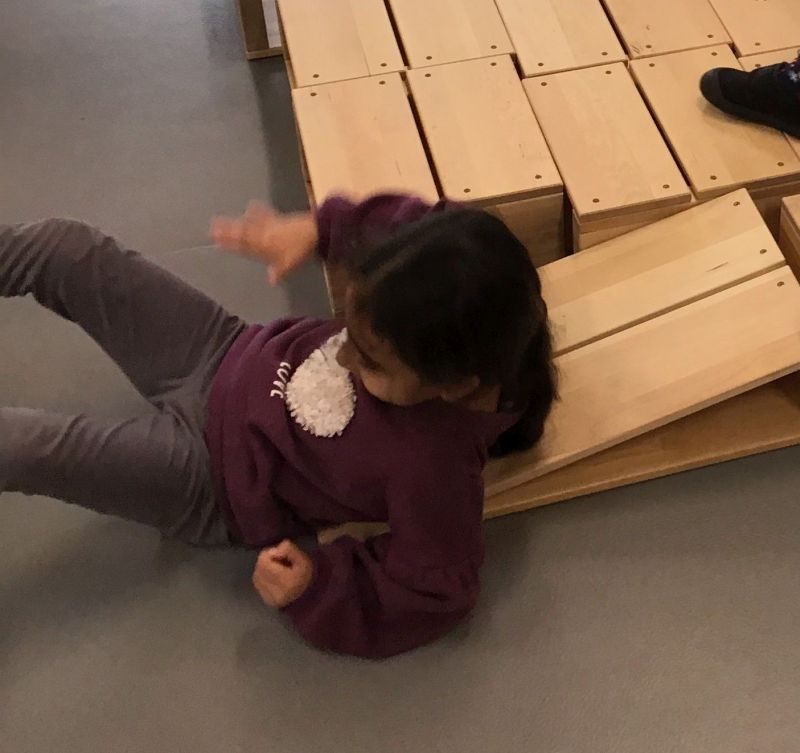
Then the children wanted to use the big blocks inside to create a big obstacle course together.
Together we are strong.Look how high I can jump!We could use this as a slide.
When we create and use obstacle courses we are not just developing our gross motor skills but also learning to share, take turns and cooperate with each other.
Many of the children have been enjoying playing with the new dinosaurs. We had lots of questions so we watched some videos on Tig Tag Junior. We learned about how they became extinct.
“When a big space rock made some dust it made the place go dark. Then without sunlight the plants died. Then without plants the plant-eating dinosaurs died. Then all the meat-eaters died. Then they all started to die. Extinct.”
“What size was a T-Rex?”
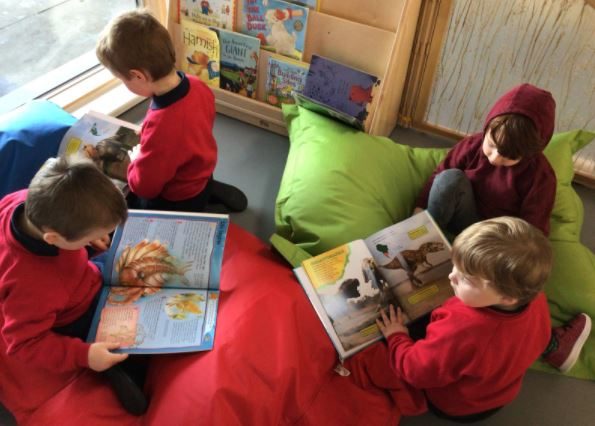
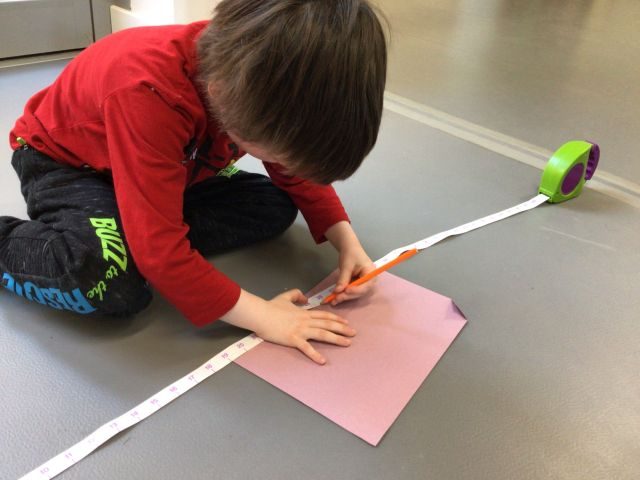
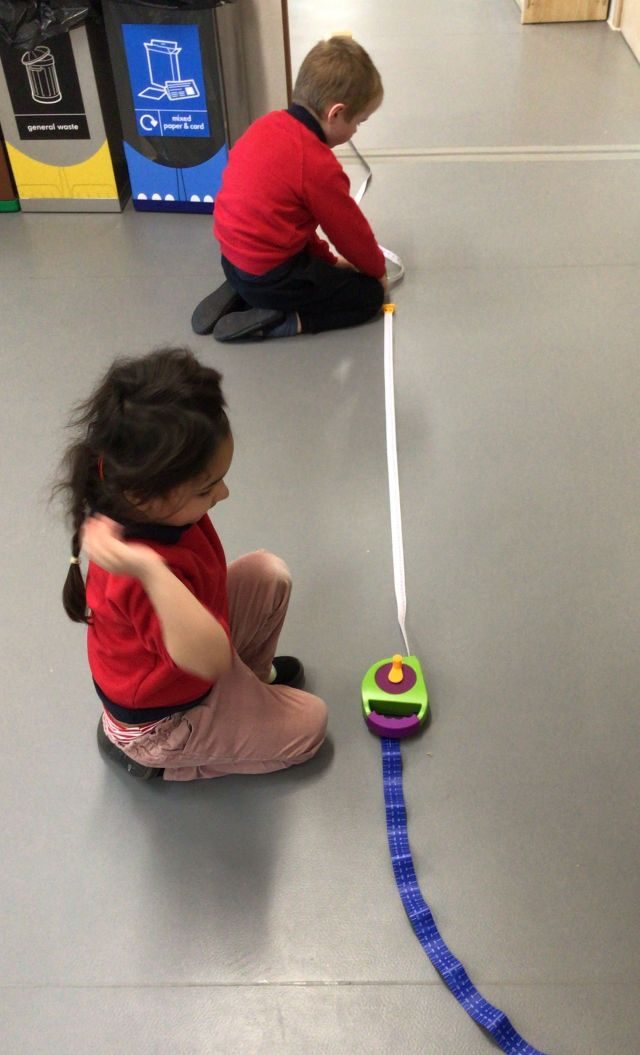
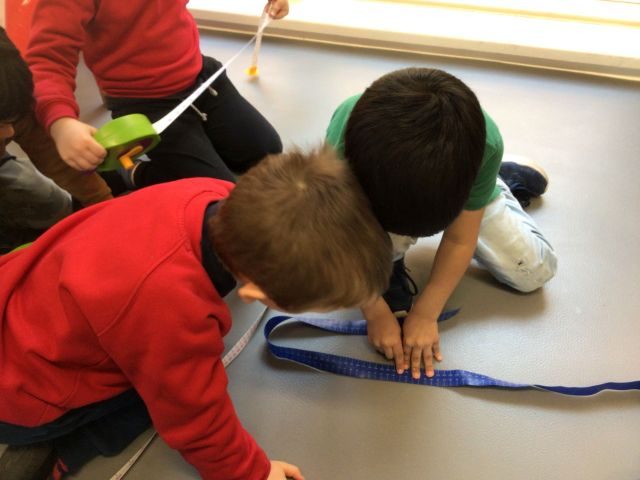
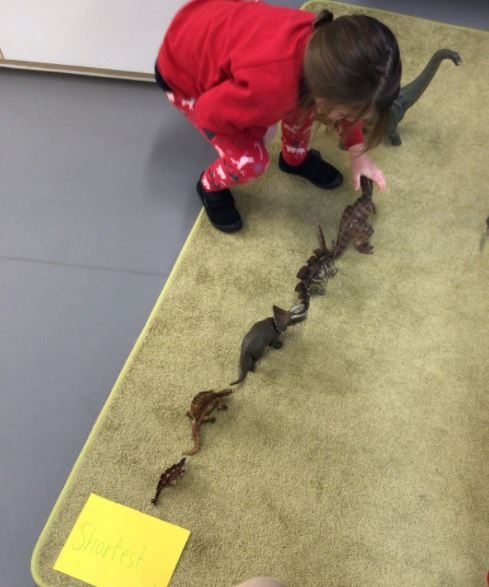
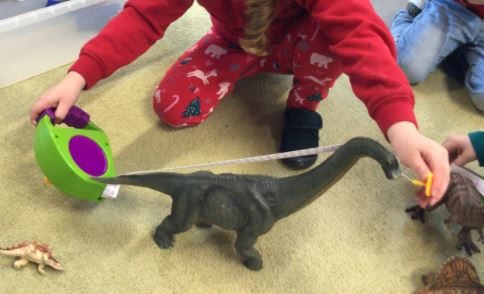
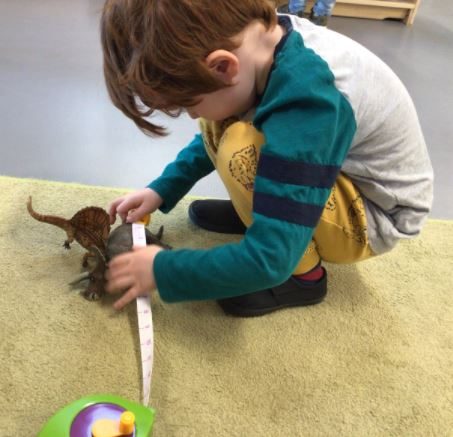
We used books to research and discovered that a Tyrannosaurus rex was 12 metres long. Would it fit in our playroom? Let’s find out by measuring…
“I need to measure and write it down.”
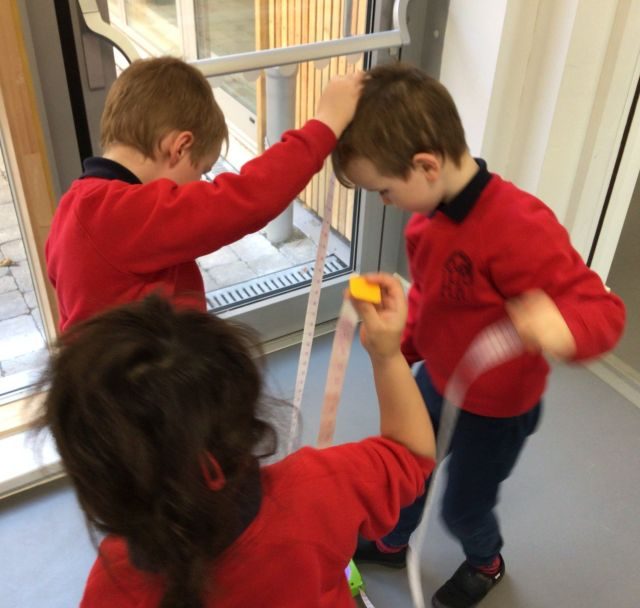
Our playroom is 10 metres long – “T-rex’s head would be next door!” Which dinosaur is smallest? We researched on the iPad. Compsognathus was 60cm long and 40cm tall.
“How tall are you?”
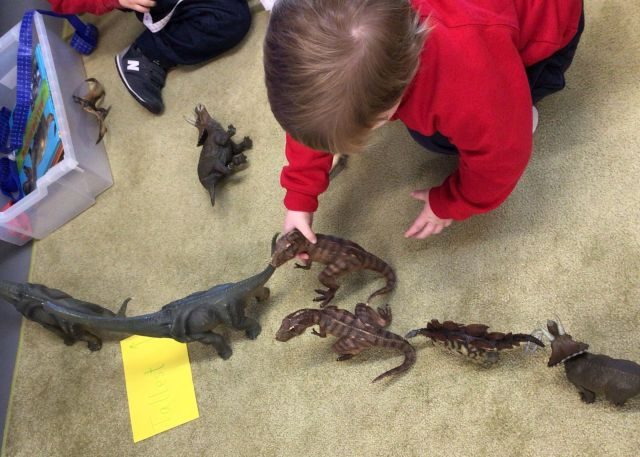
Let’s put them in order…
“This one is taller.”“Brachiosaurus is the biggest.”“How long is Triceratops?”“The T-rexs are the same size.”
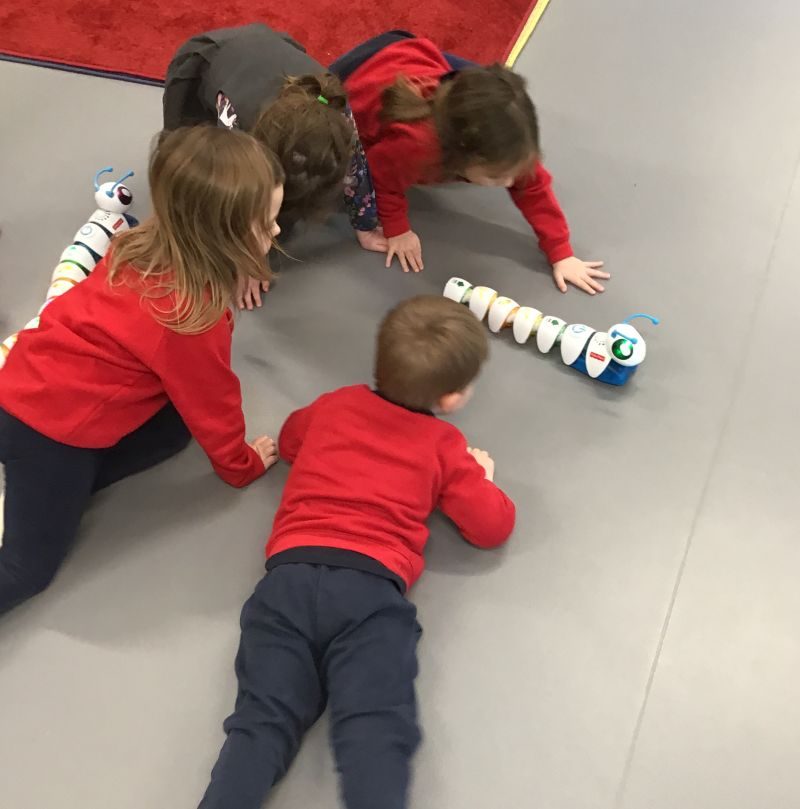
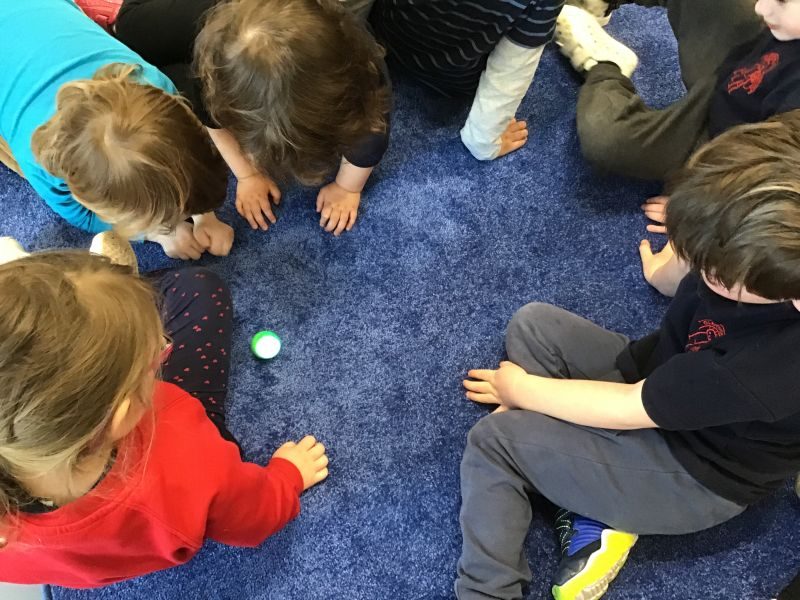
We have had great fun learning how to use a variety of our digital toys.
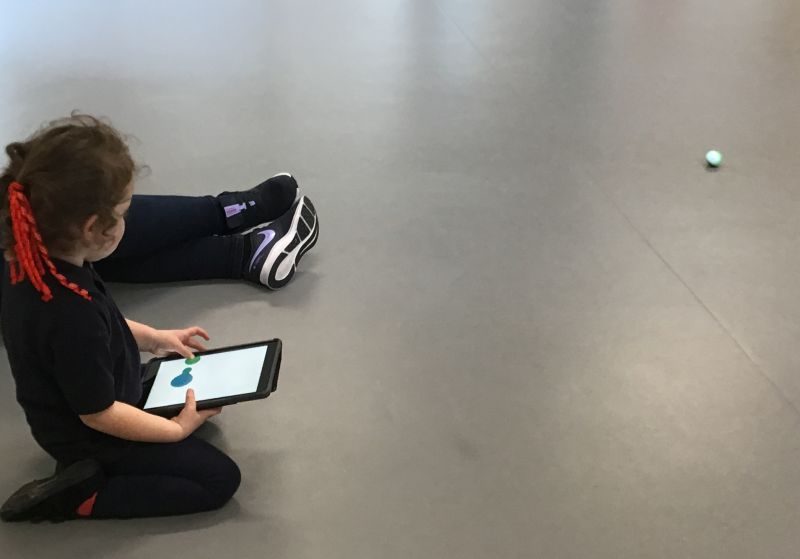
We have been developing our use of directional language using our Code-a-pillars and Sphero.
“When you put the body bits on it goes left and right.”
“I made it go forwards then turn around.”
“The green one goes forward.”
We use an App on the iPad to make Sphero…
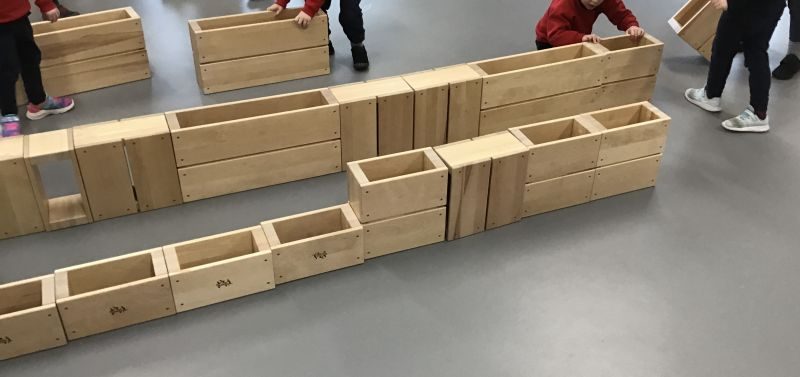
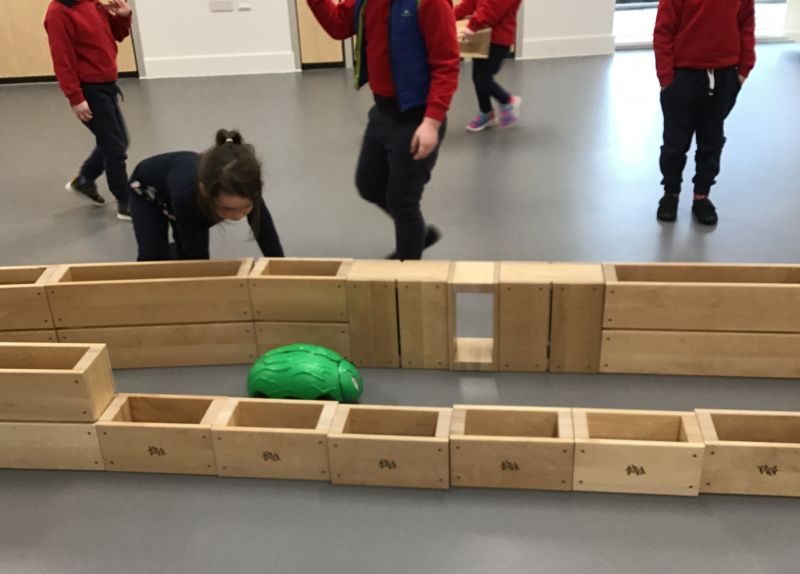
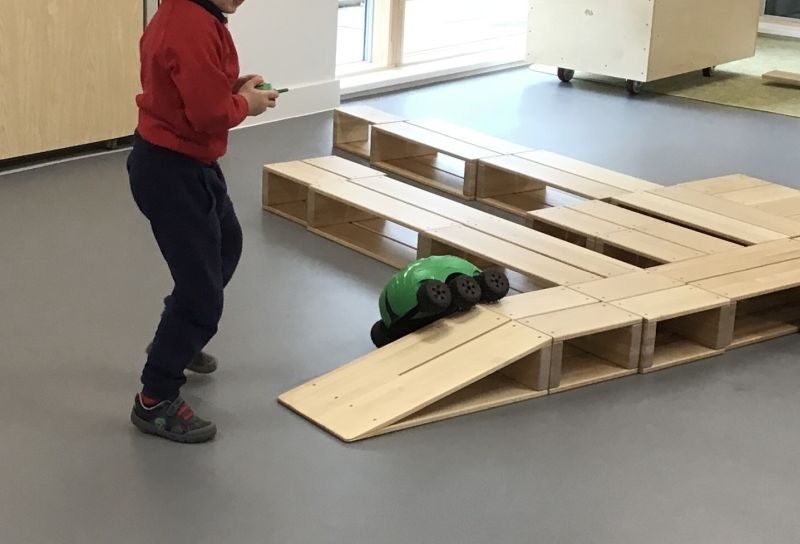
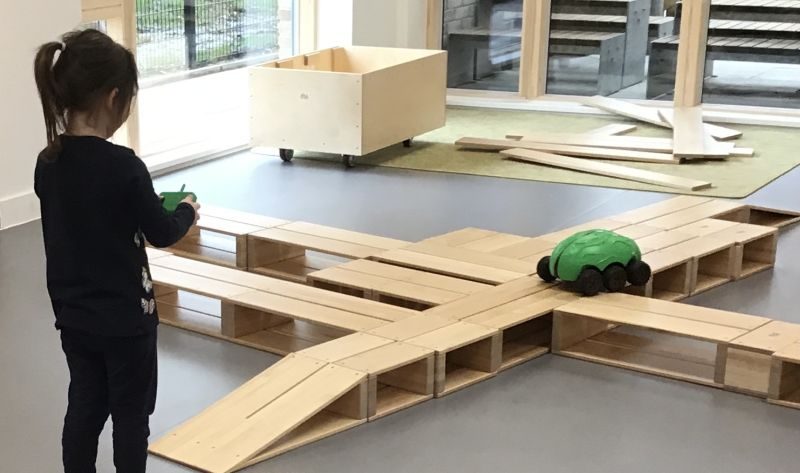
It took great teamwork and problem solving skills to build an obstacle course and pathways for the Wonder Bug. We had to work together to find the best way to help Wonder Bug travel from one end of the room to the other.
“We need a ramp for it to go up.”
“It will need to balance on top.”
“If we add a corner, it will need to turn the corner.”
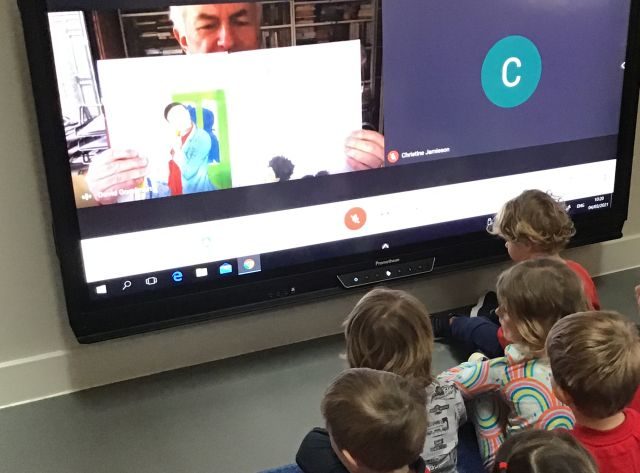
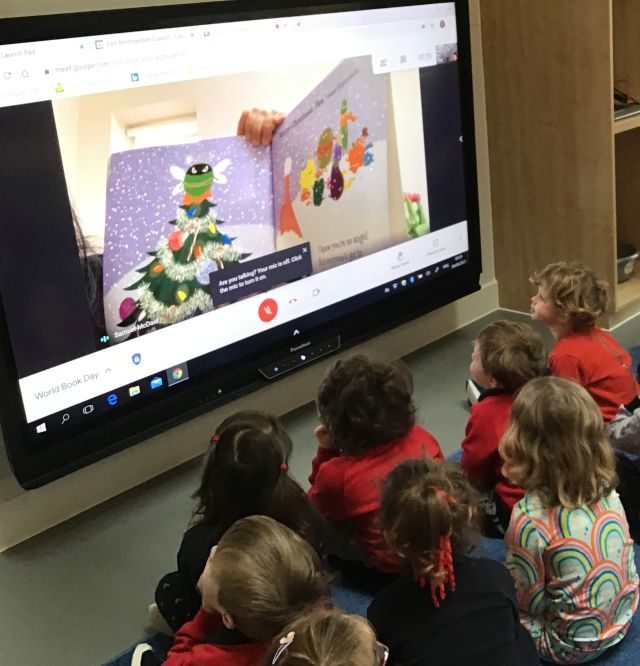
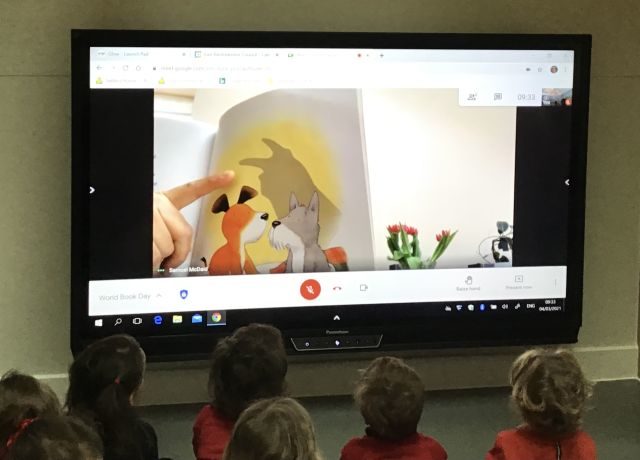
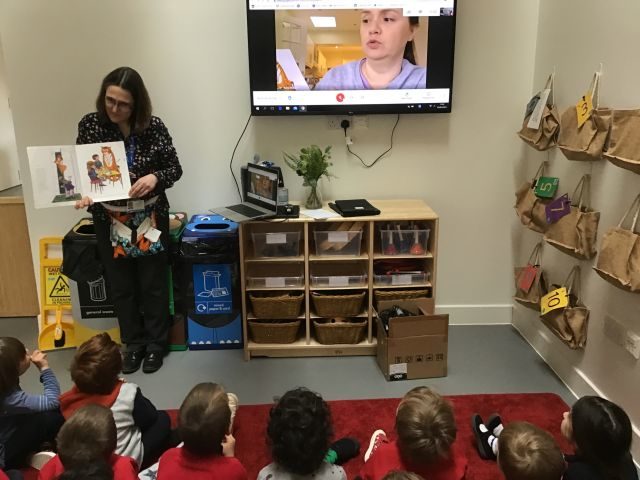
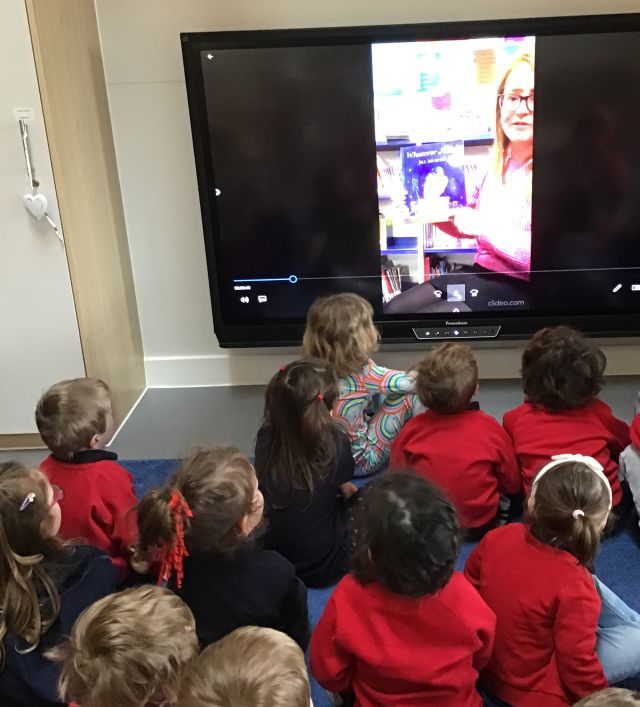
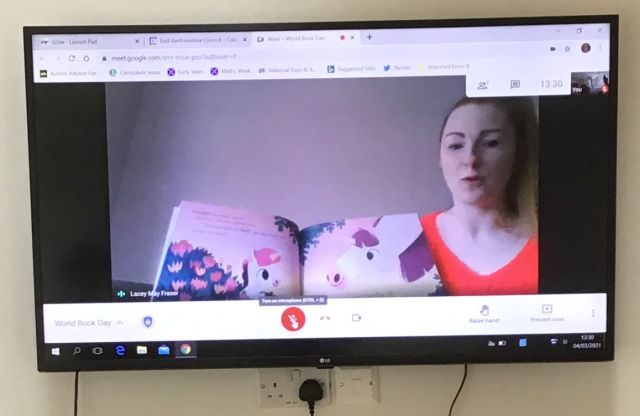
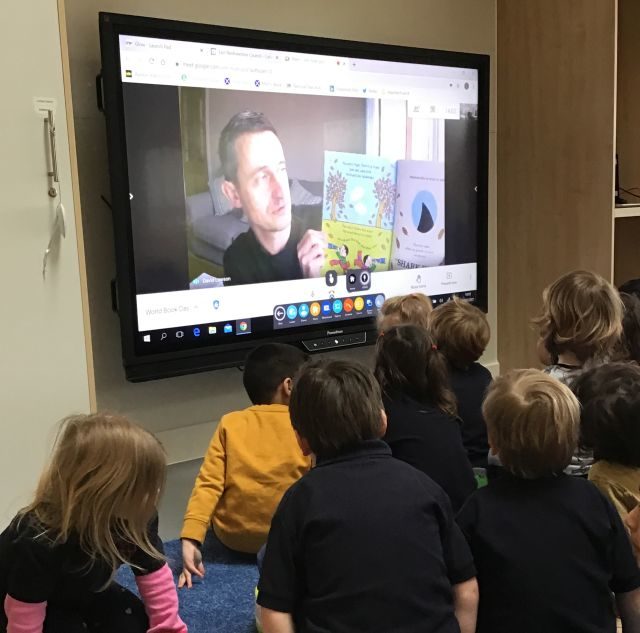
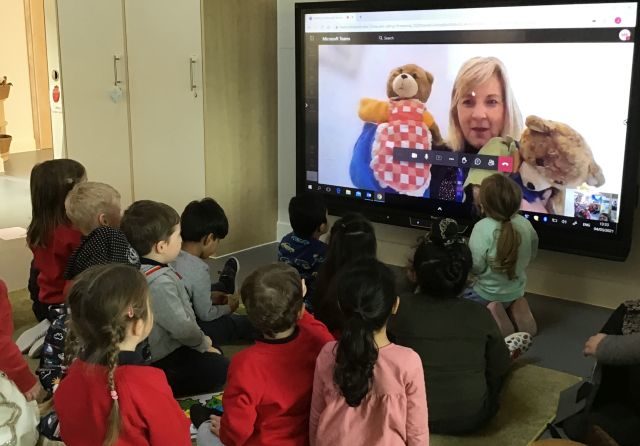
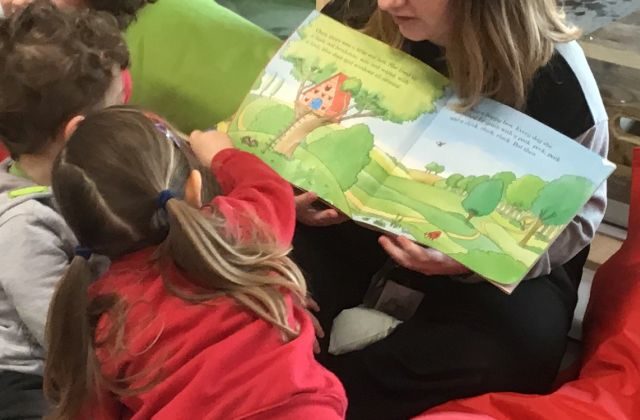
This year we couldn’t invite parents in to nursery to read stories so we invited them to read to us remotely! Some were able to join us live for a Google Meet and some shared videos of themselves reading with us. A huge “Thank you!” to all our storytellers.
Zachary’s mum read a story about dinosaurs.Sorley’s grandad read a story about pirates.We heard a Supertato story from Sam’s mum.…and a Kipper story with a very bright torch.Luke’s mum told us the story of The Tiger Who Came to Tea – which was written before Mrs Husbands was born!Evie’s mum read another of our favourite stories Whatever NextThere was a tired unicorn in Lacey’s mum’s story.Everyone joined in shouting “There’s a shark in the park!” with Alistair’s dad.Mrs Brown used puppets to tell the story of Goldilocks and the Three Bears.
All the children will receive a World Book Day voucher to spend – find out more in this fun song… how many stories to you recognise?
You might like to listen to Lydia Monks read What the Ladybird Heard in a video she recorded for World Book Day.
Sharing books and stories together is a valuable learning experience for your child. This document gives some advice on ways to get the most out of reading together.
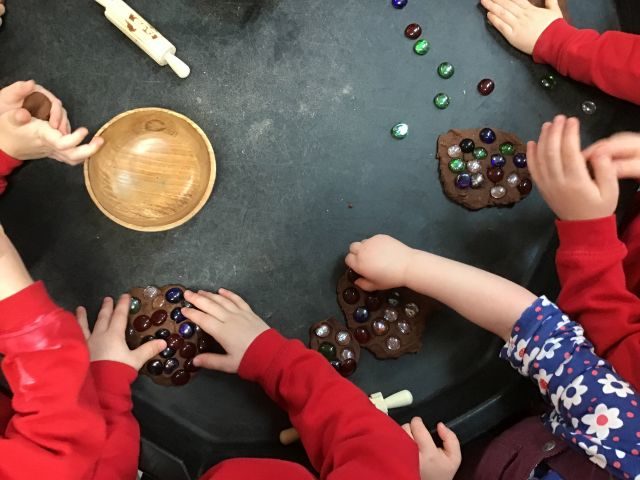
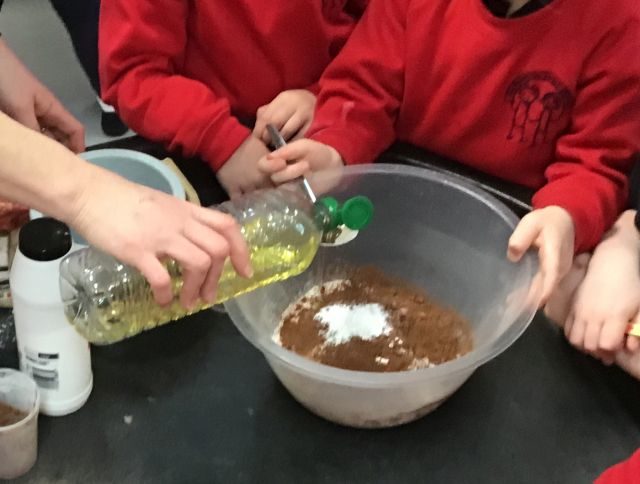
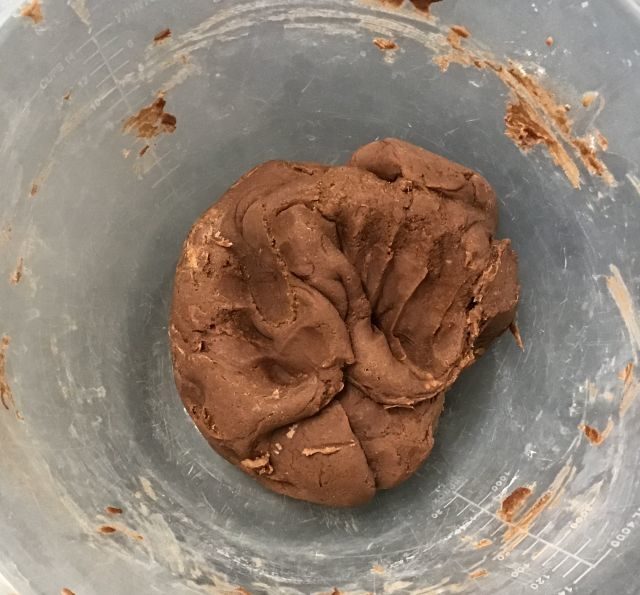
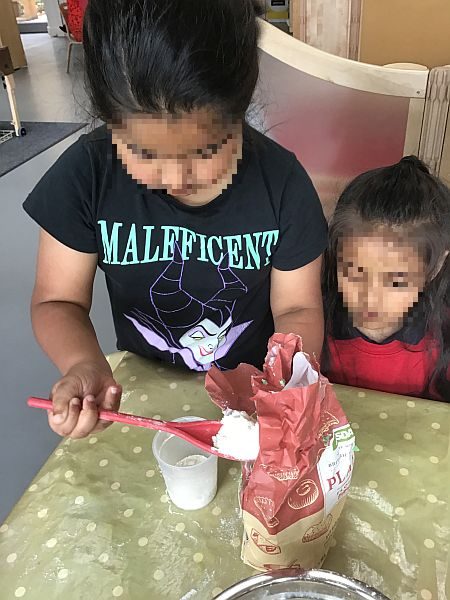
We made some chocolate playdough in nursery today. It smelt delicious – but we knew we couldn’t eat it! Here is how we made it…
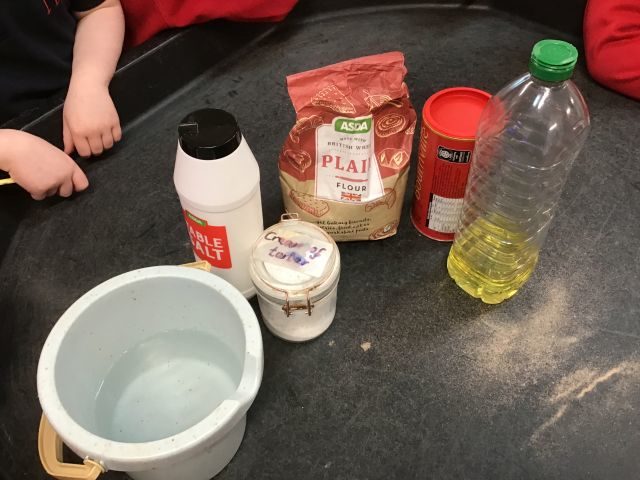
Our ingredients
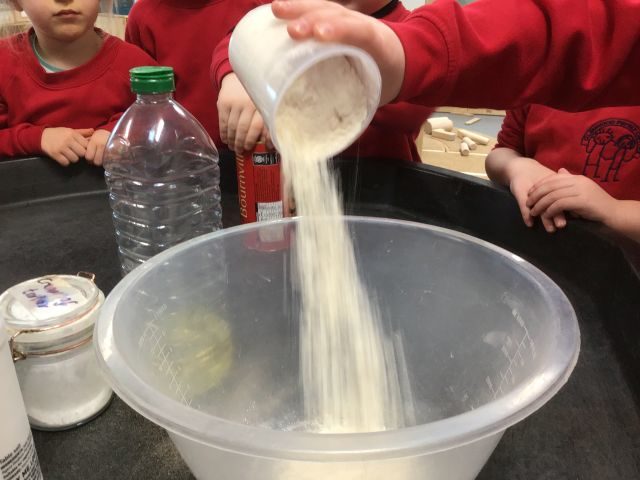
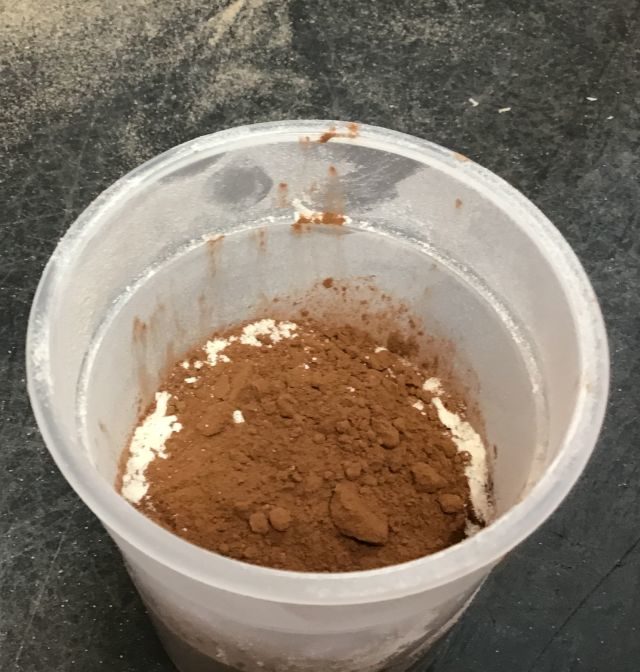
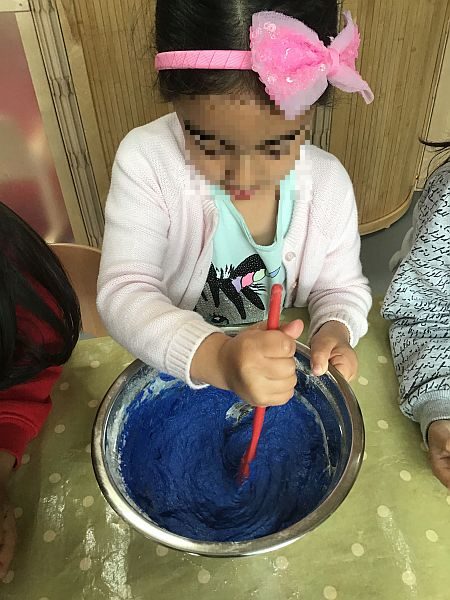
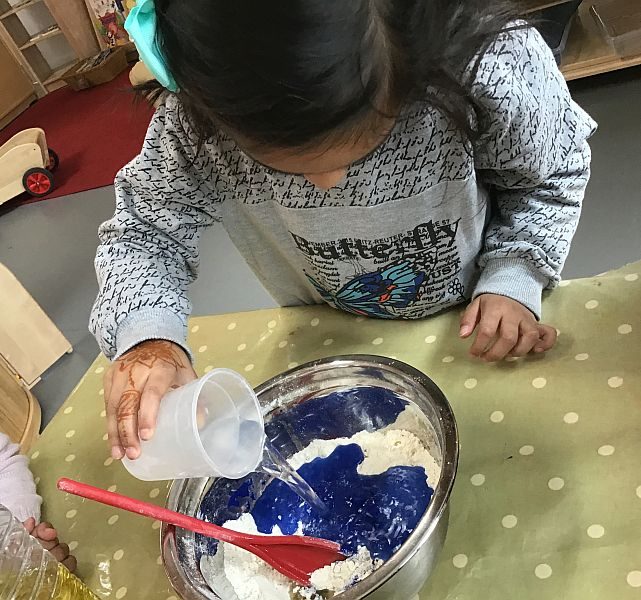
First we measured our ingredients and put them in the bowl: 2 cups plain flour, 1 cup salt, half a cup of cocoa powder, 2 tablespoons oil, 4 teaspoons cream of tartar and 2 cups water.
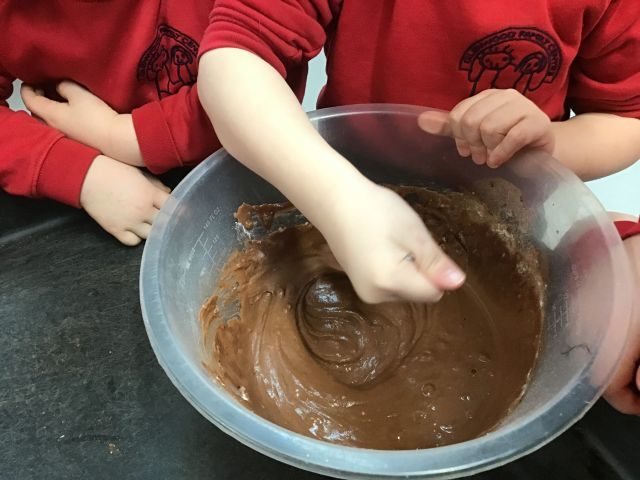
Then we stirred it until it was smooth – “It looks like chocolate icing!”
We cooked ours in the microwave – stir every minute until it is cooked.
Fairtrade Fortnight began on 22nd February and our cocoa powder had a Fairtrade logo on it. Fairtrade means the farmers get paid a ‘fair price’ for the crop. Can you find any logos on anything in your house?
As a nursery community, we are on a continuous journey to empower our children to improve their environmental awareness.
There are lots of wonderful ideas that you can do as a family to learn more about the natural world and care for the environment, which supports STEM and literacy learning, as well as your child’s health and wellbeing.
RECYCLE
Introduce your children to the concept of sorting household rubbish for recycling into categories such as plastic, paper, metal and glass. This is a fantastic opportunity to learn about different types of materials used for packaging, how they are made and how they can be reused.
Instead of throwing things away, encourage your child to think of great ways to reuse items. Egg cartons work really well for growing herbs, glass jars are perfect for storing loose parts for play, and tin cans make really good pen and pencil holders.
COMPOST
Composting helps to teach our children about reducing the waste that heads to landfills by converting it into nutrient-rich soil.
There are lots of free and easy ways for your family to start composting.
Greens – these are things that rot quickly, and provide important nitrogen and moisture
Tea bags
Grass cuttings
Vegetable peelings, salad leaves and fruit scraps
Coffee grounds
Old flowers and nettles
Browns – these are things that rot more slowly. They provide carbon and fibre and also allow air pockets to form
Cardboard
Egg boxes
Paper
Leaves
Twigs and branches
Sawdust
Egg shells
LITTER PICK
Visit a local park and spend some time cleaning up the litter. You will not only be protecting the wildlife and caring for the world around you but you will also be helping your community. It will hopefully inspire others to join in too. Count how many bits of rubbish you find – you will be amazed! Don’t forget to wear protective gloves and take a rubbish bag.
GARDEN SAFARI
You don’t have to go far to encounter some amazing living things. Going on a back garden safari in your own garden or to a local park or woods will be a real voyage of discovery. It is such a fun way to explore and learn about local plants, animals and minibeasts. You can simply sit and watch, take photos or a video, do a scavenger checklist or record what you found by drawing a picture.
Getting your child involved in growing fruit and vegetables is a great way for them to learn where their food comes from and make healthy eating choices. Children can see first hand the growing cycle and develop an awareness of the seasonal nature of food.
Try growing indoors whilst the weather is still cold. Tomatoes, carrots, peppers and beans work well on a nice sunny windowsill using a recycled container that allows drainage.
Spring is coming soon and the perfect time to start growing outdoors if you have the opportunity. You can plant in tubs, make a raised bed or create a garden growing patch.
Fruits and vegetables that are easy to grow and mature quickly are strawberries, lettuce, peas, radishes, and courgettes.
We would love if you could share your learning from home with us so we can use it as part of our action plan, either via Google Classroom or Twitter @GlenwoodFC #Glenwoodlearningfromhome
Healthy Henry likes to eat healthy food but he says it’s OK to have a treat sometimes.
As it’s Shrove Tuesday or Pancake Day, Miss Pearson would like to share her pancake recipe with you.
Miss Pearson’s Pancakes
First of all you will have to wash your hands with soap and water to make sure they are clean and dry them well. If you have an apron you can wear this as well to keep your clothes clean .
You will need:
mixing bowl
wooden spoon
tablespoon
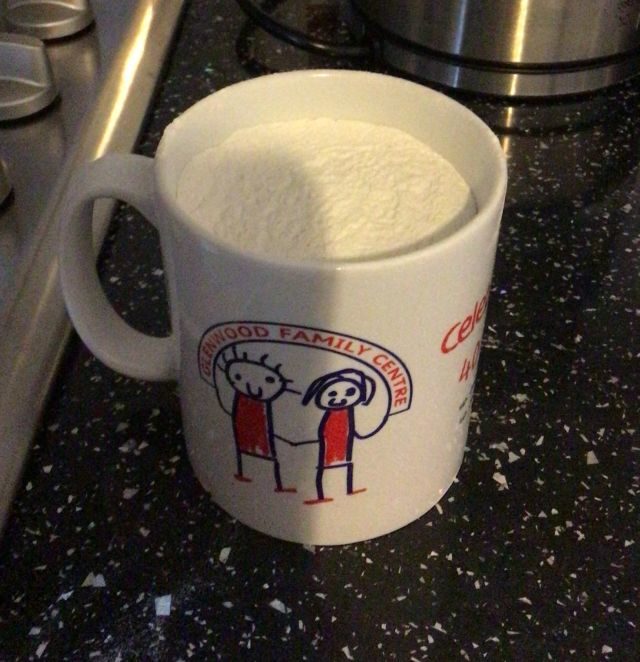
mug
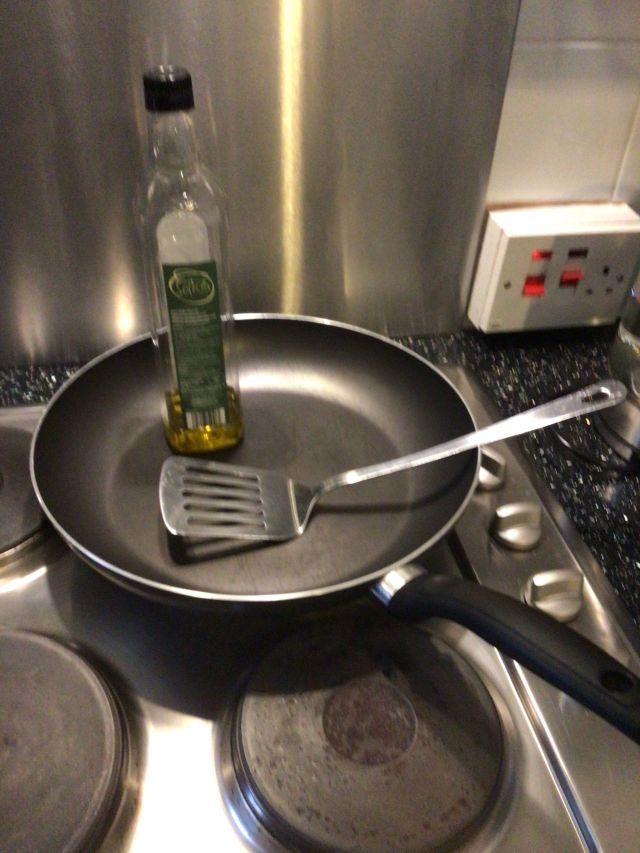
frying pan
spatula
Ingredients:
1 level mug of self raising flour
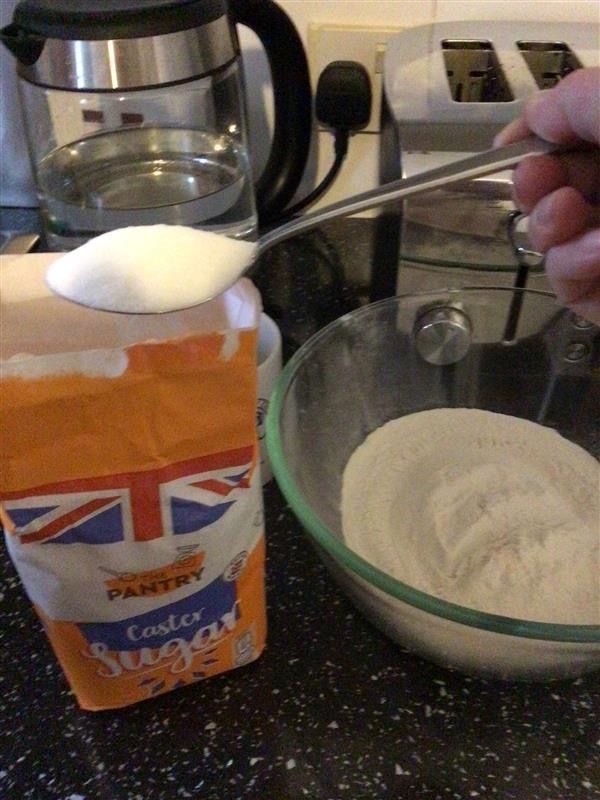
1 level tablespoon of caster sugar
1 egg
1 cup of milk for mixing
Oil for your pan
Method:
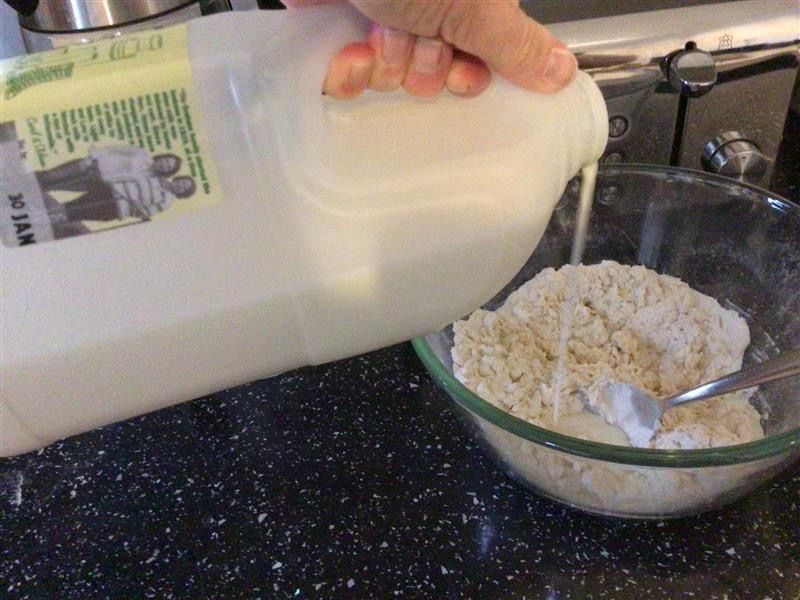
1. Put the flour and sugar into the bowl.2. Add the egg and mix well.3. Then gradually add the milk to make a runny consistency – you might not use all the milk.
Mix until smooth.
Now we can start making our pancakes.
First of all you will need to ask an adult to help you with this part as we are going to use the cooker and we have to be very careful so we don’t get burnt .
We need the frying pan to be hot.
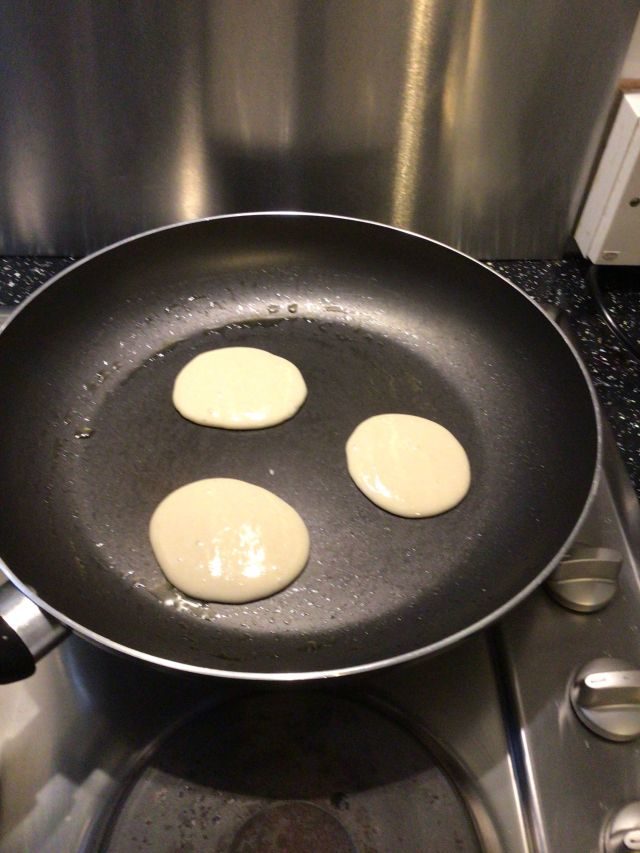
So put a little drop of oil in the pan and wait until it is hot.
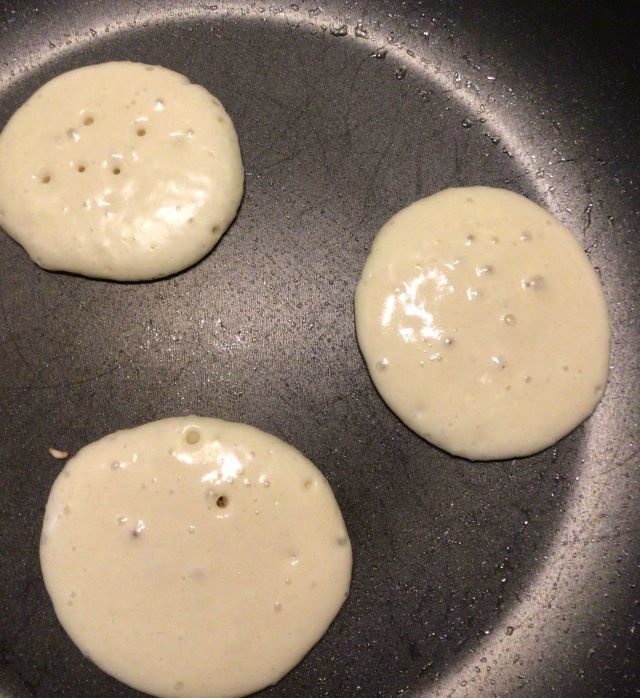
Put a spoonful of your mixture into the pan and wait for the bubbles and then turn and cook the other side.
Turn the pancakes over when you see the bubbles.
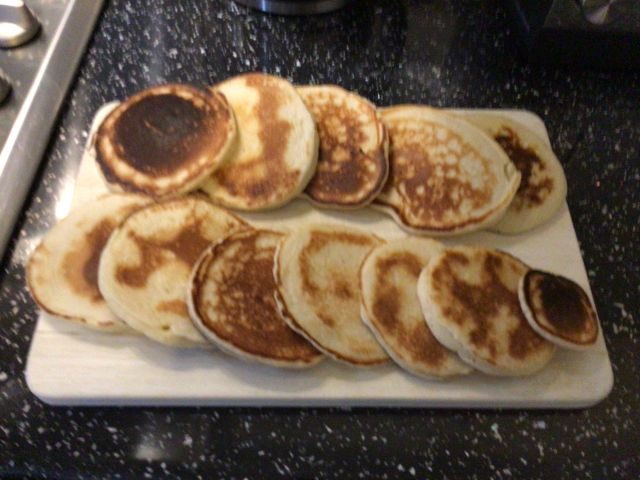
I made 12 pancakes out of my mixture you could make big pancakes or small pancakes it is up to you.
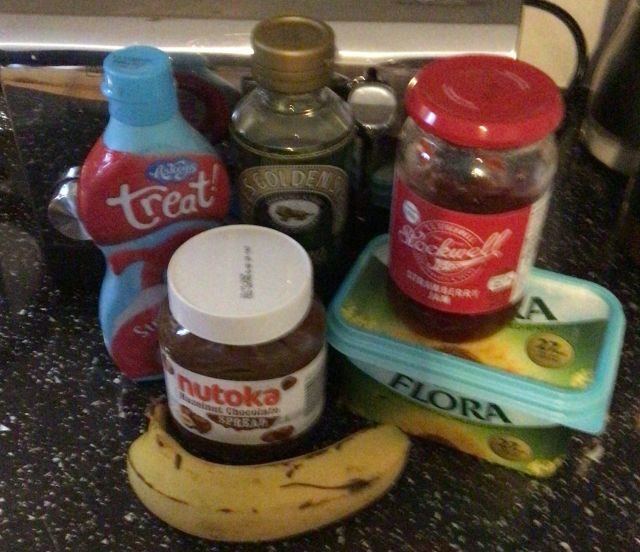
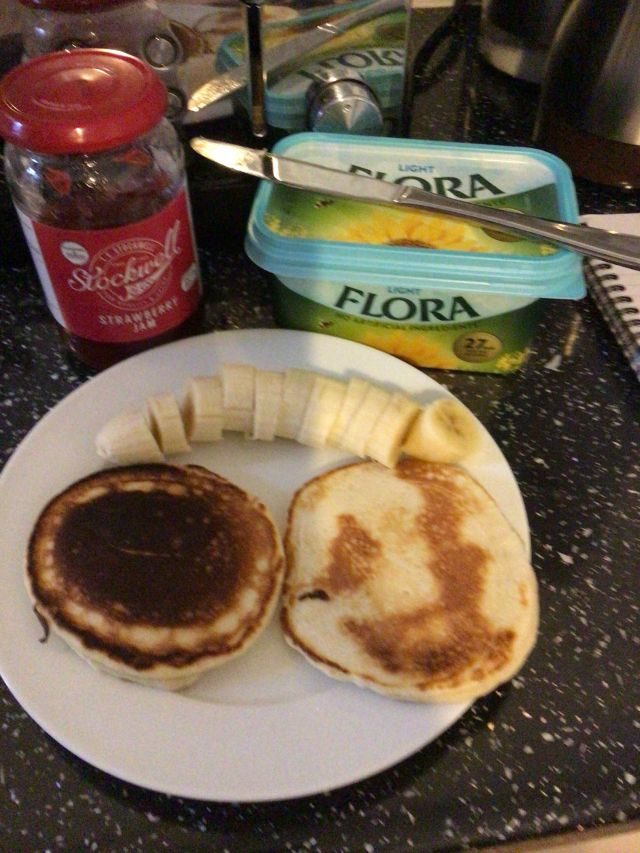
Here are some ideas for toppings:
Jam
Banana
Butter
Chocolate spread (but just a little)
Miss Pearson hopes you have as much fun making them as she did.
What toppings will you choose?
Cooking together provides us with lots of opportunities to practise our maths skills – measuring out our ingredients, talking about colours, shapes and sizes, using a timer – as well as helping develop fine motor skills – chopping, mixing, spreading – and literacy skills as we read a recipe.
Here are some other ideas for simple cooking activities:
sandwiches
fruit salad or fruit kebabs
pitta bread pizzas
vegetable soup
Let us know what you like to cook together and show us your pancakes on Twitter @GlenwoodFC #Glenwoodlearningathome


 “
“