Although it may be tempting to forget about routines and structures at this time, it can help children to feel safe during periods of uncertainty when there is some structure and routine. Ideas for supporting this include-
- set times for going to bed and getting up in the morning where possible
- build in time for fresh air and exercise
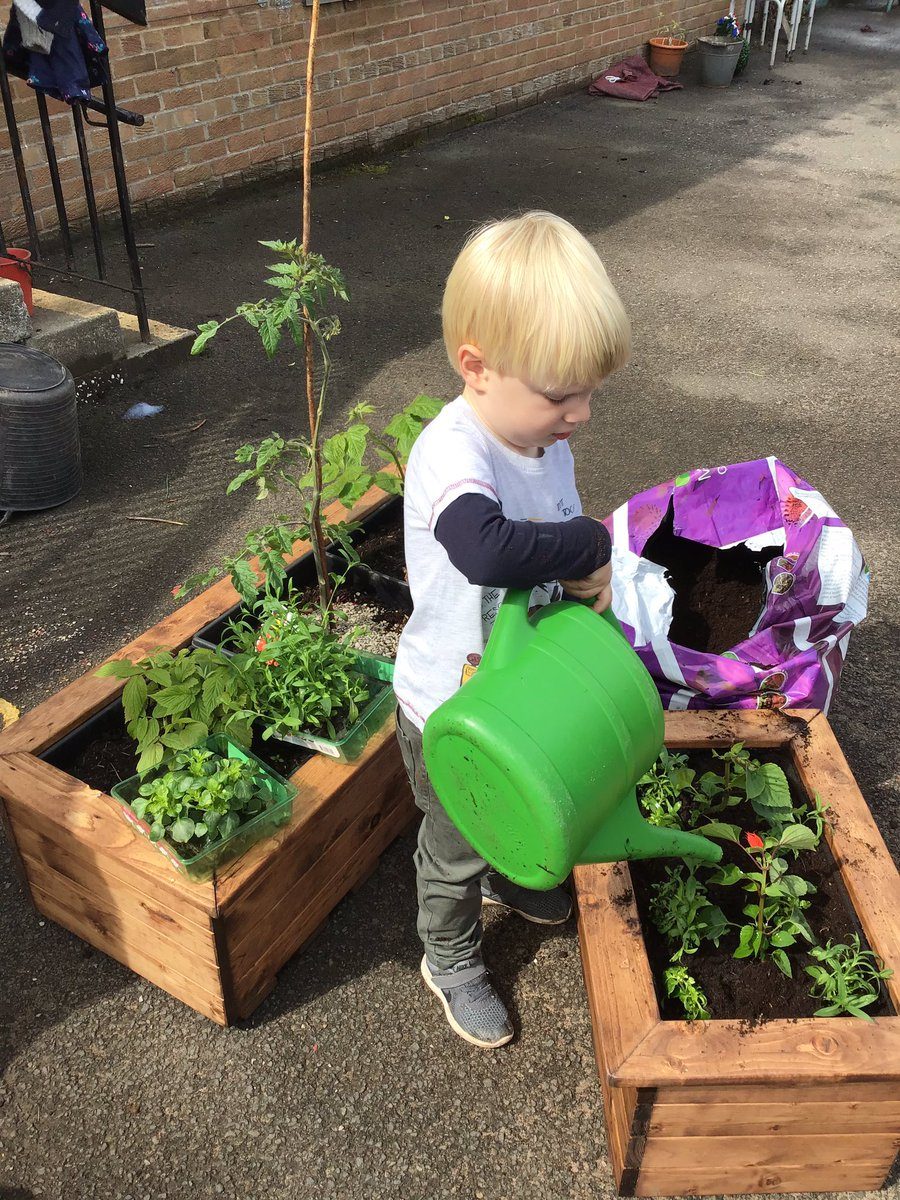
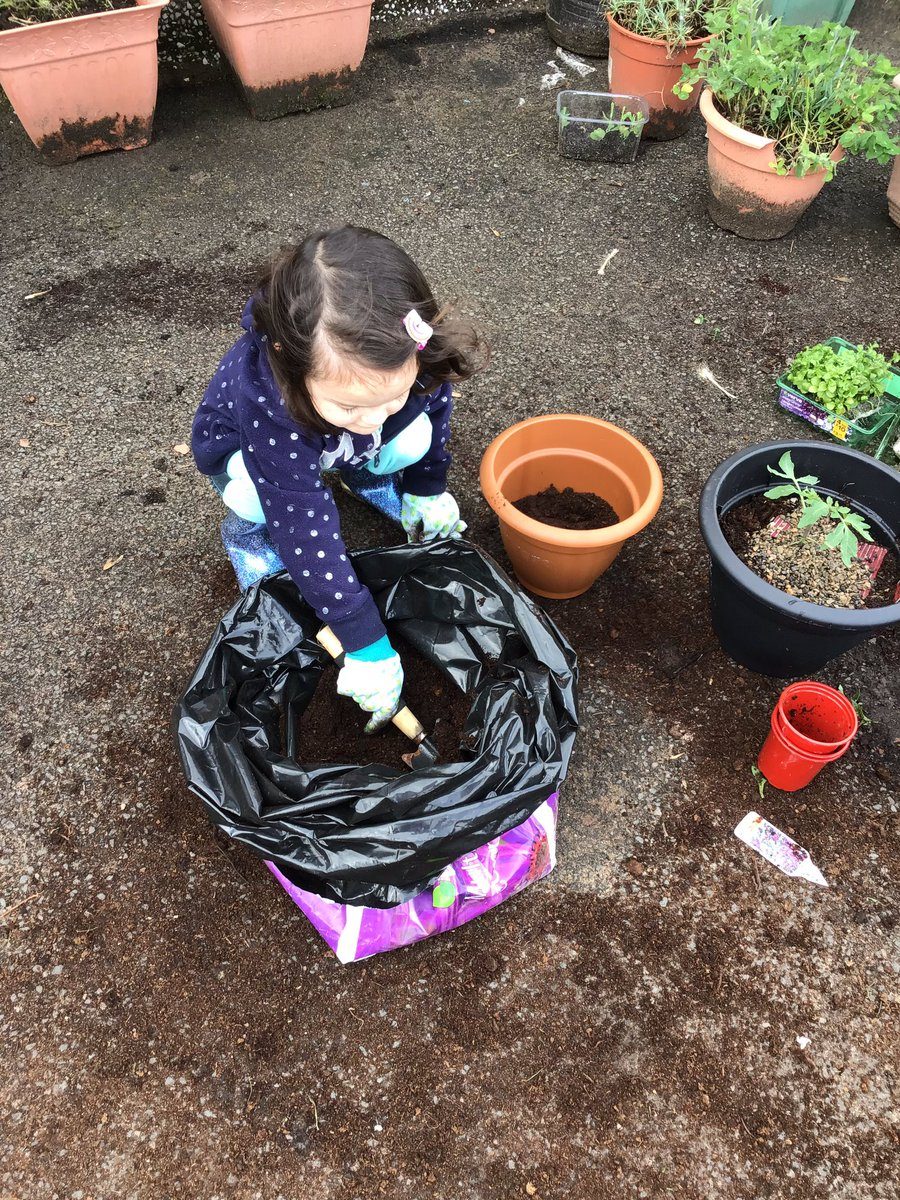
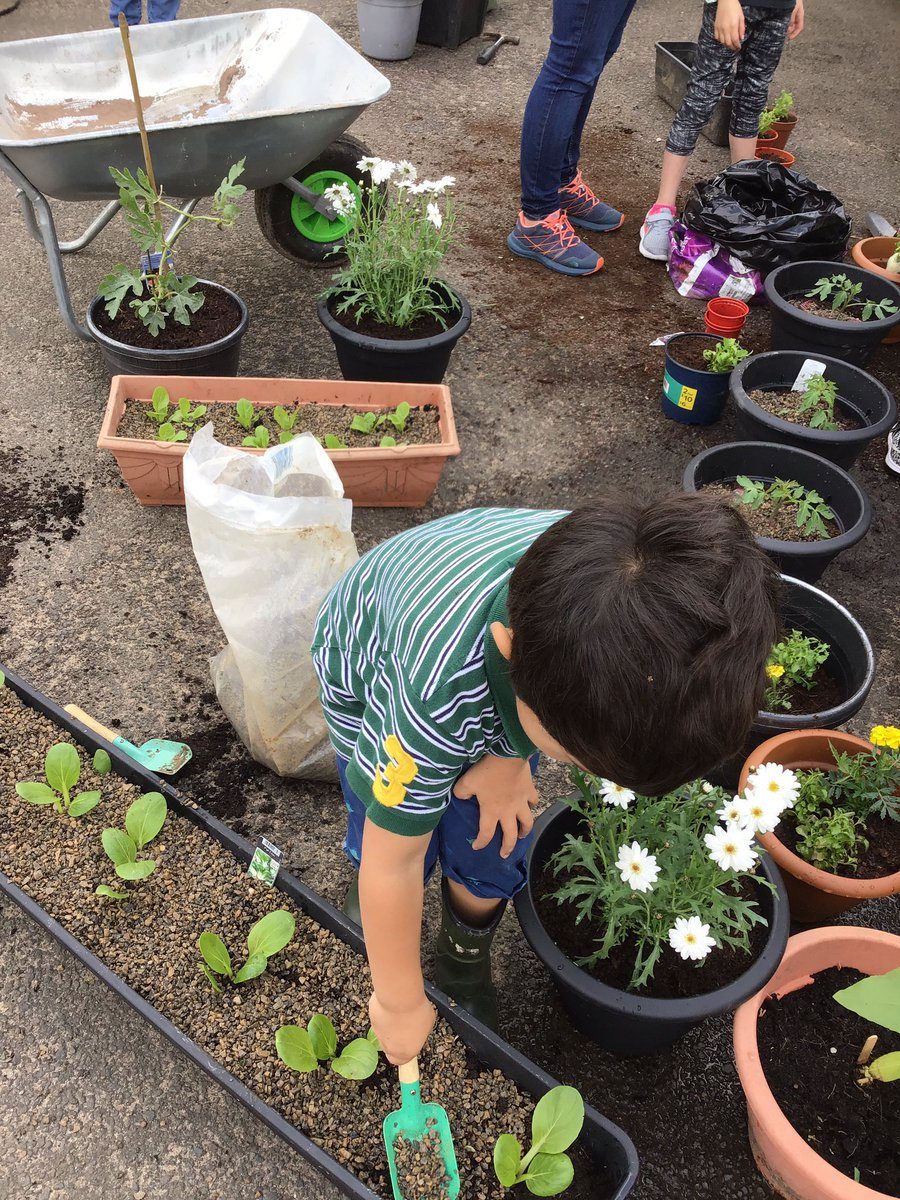
- create a variety of activities such as games, art activities, music, play, garden activities and reading
- make a daily plan with your child and share this with them the night before
- limit their time on electronic devices where possible (but don’t cut yourself up if you have to use them to allow you to get things done!) Electronics can be great motivators for some children so if you have a daily plan, put electronics after the thing you want done.
- respect each others’ privacy and give space when you can
- take time to review the daily activities to help your child get a sense of accomplishment
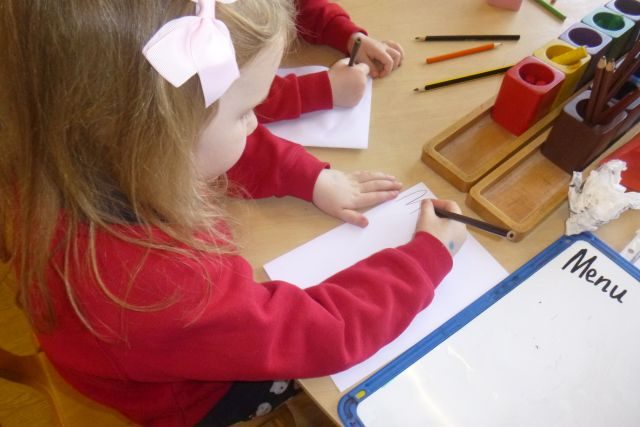
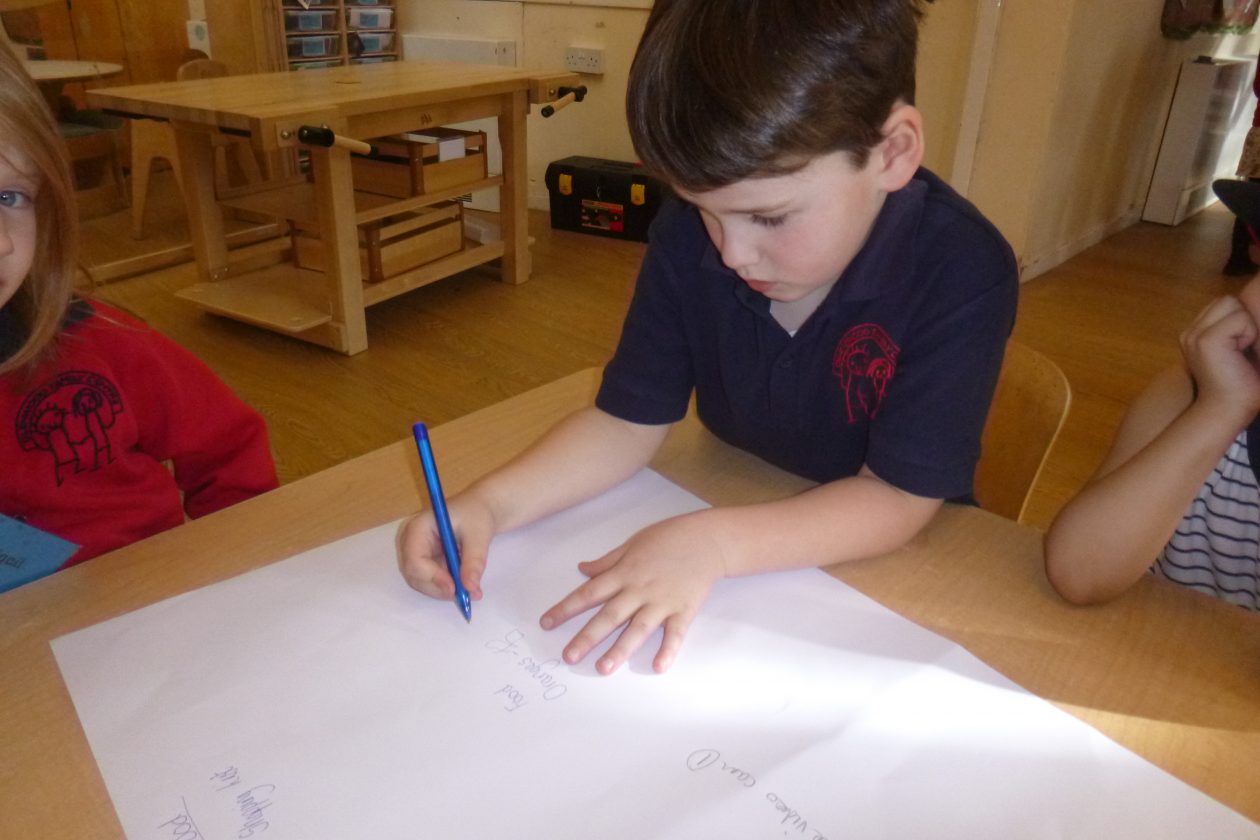
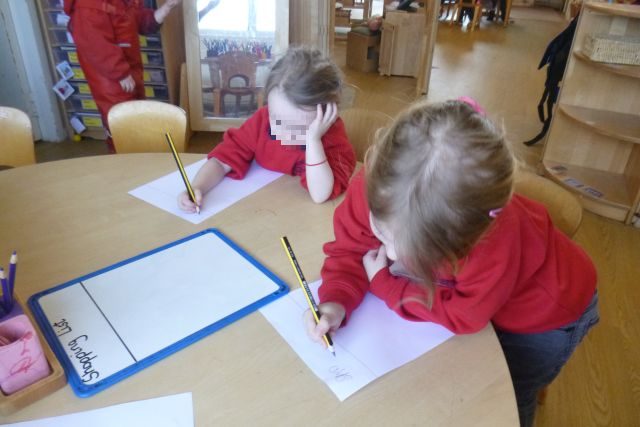
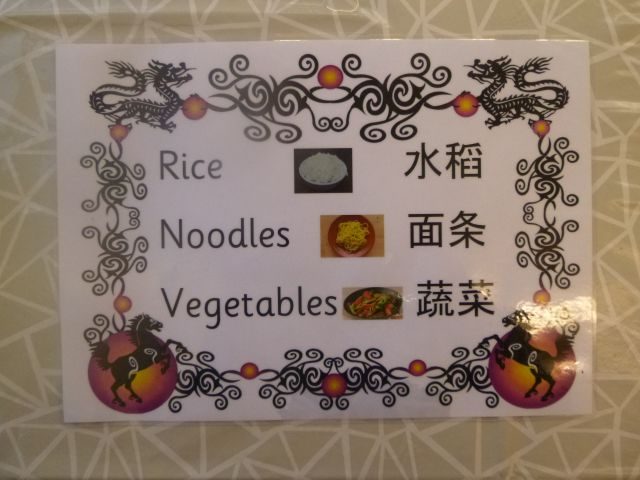
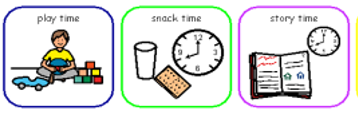
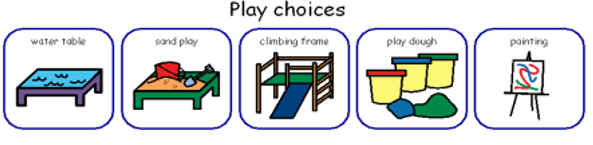
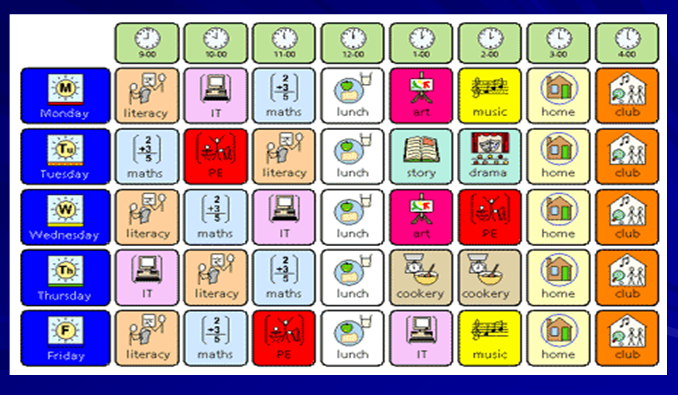
In nursery, we use visuals to support children with routines and making choices and these can easily be adapted for the home. Why not draw some different images onto small cards and use to create sequence charts, choice boards, daily schedules or a weekly activity plan. Doing this together with your child will help them to develop an understanding of the choices available and the plans you have in place.
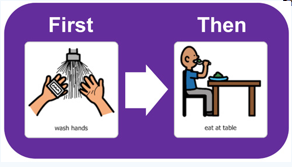


2 or 3 (or more) part sequence boards can help your child understand routines and help them see when they will be doing something.

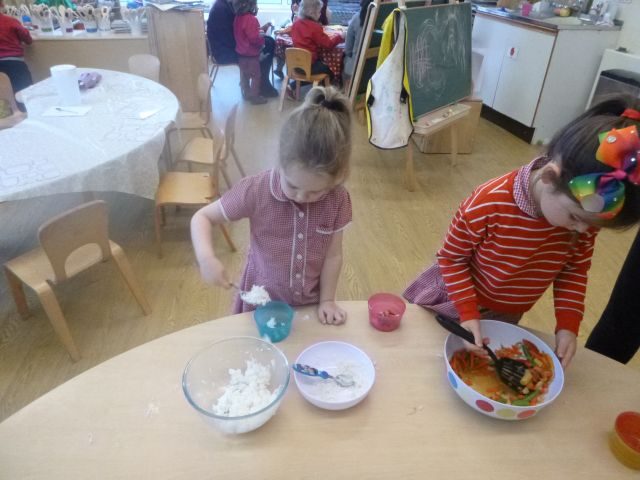
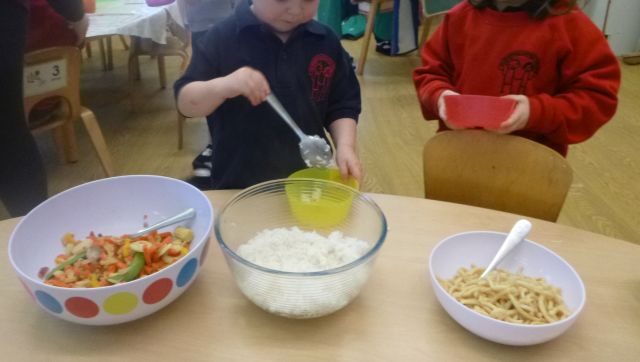
Choice cards can be used to help your child make decisions and give them control of what they can do. Forced choices are when you present options which you have selected but your child gets the final say. For example, an apple or some grapes….. but not a biscuit! Drawing, hearing a story or playing with lego…. but no option of electronics!

This school timetable can easily be adapted to create your own weekly schedule.

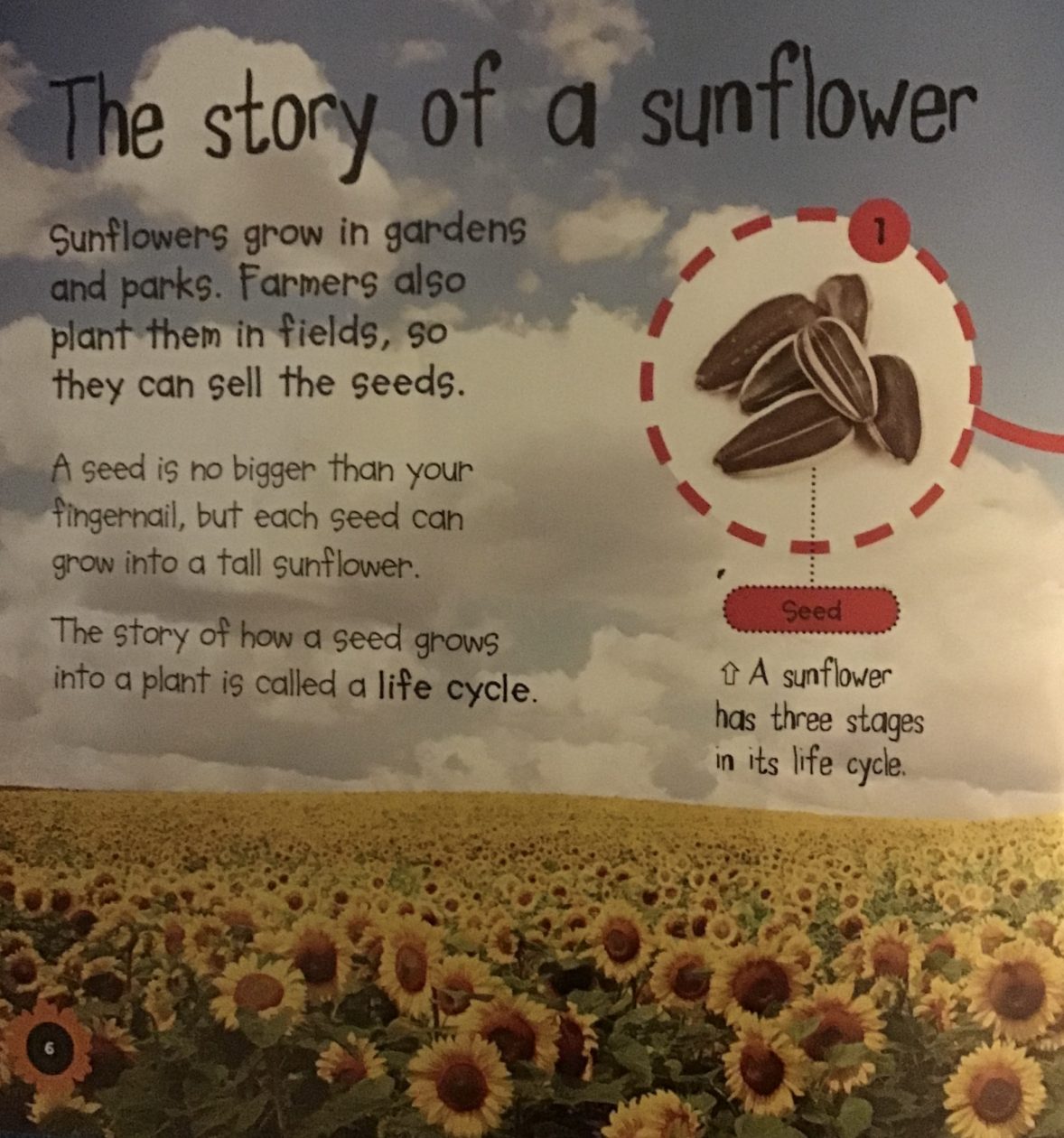
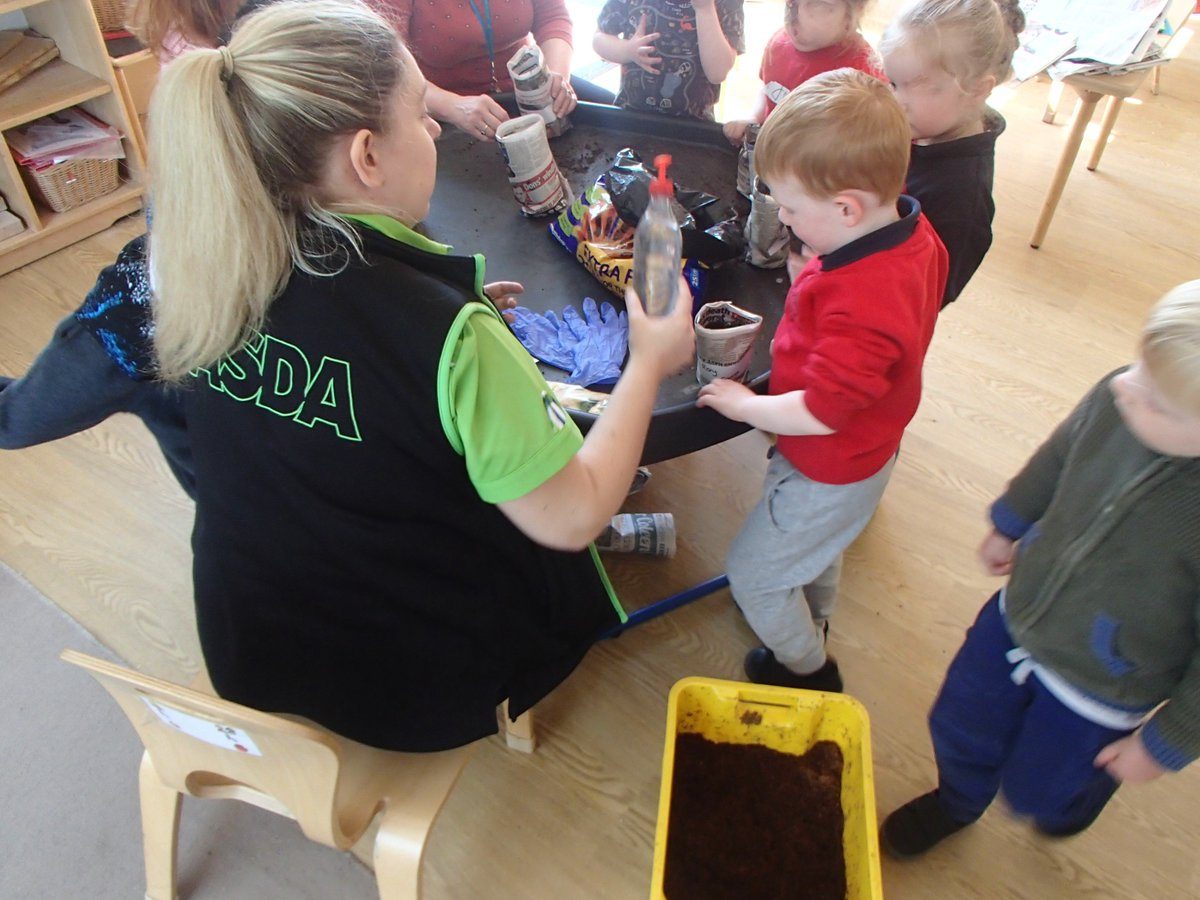
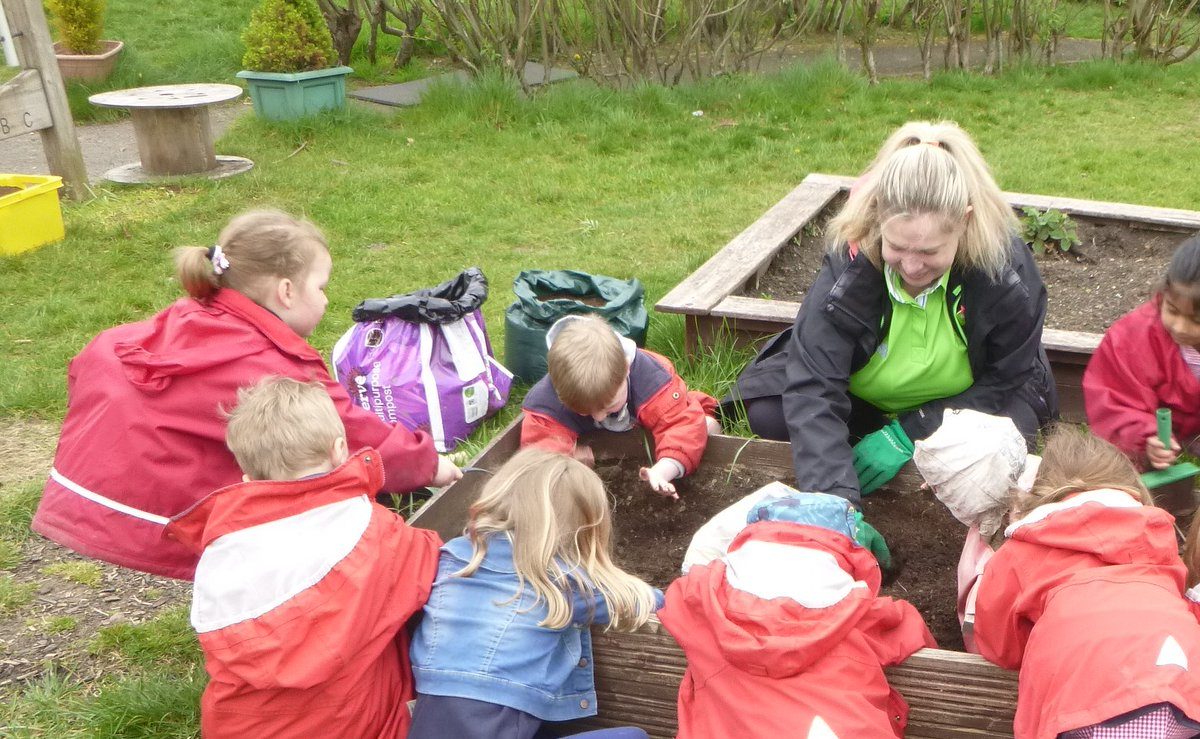
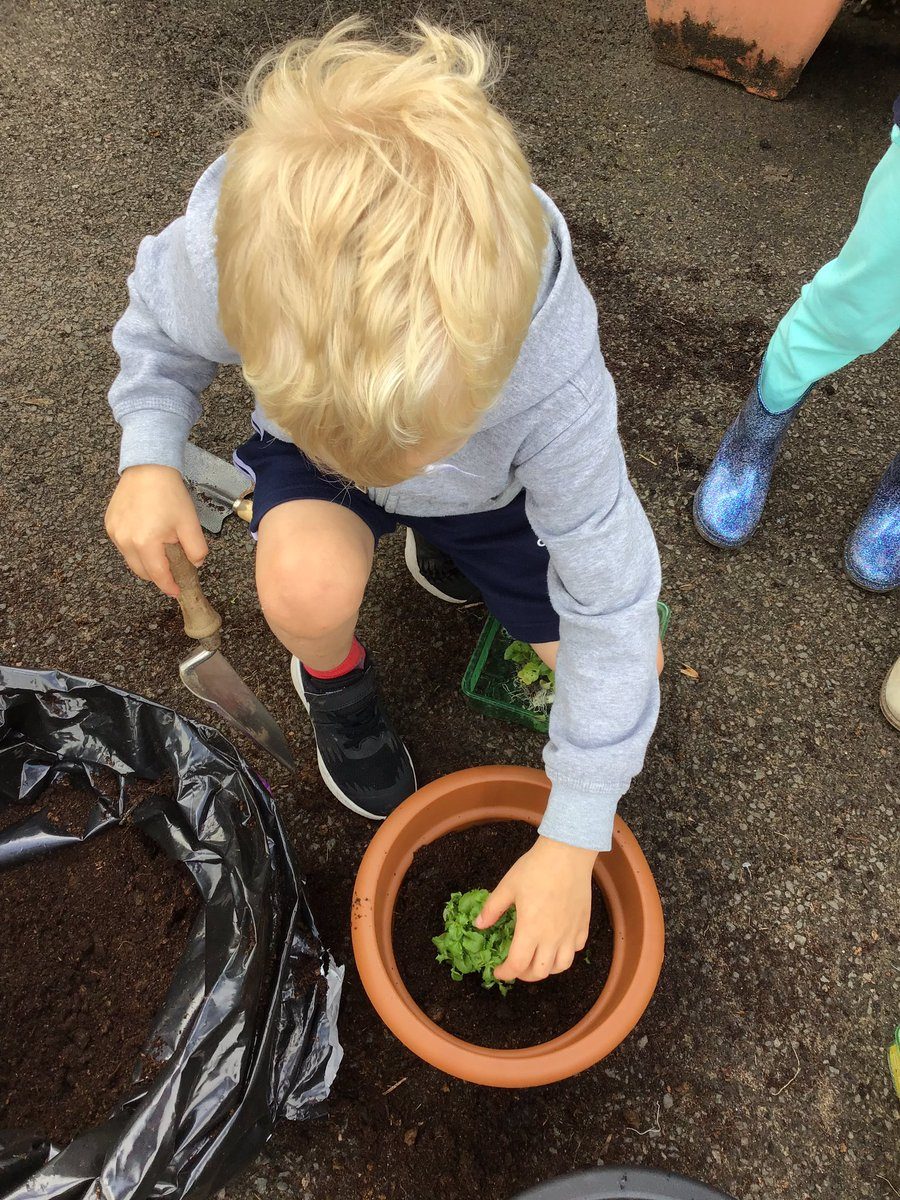
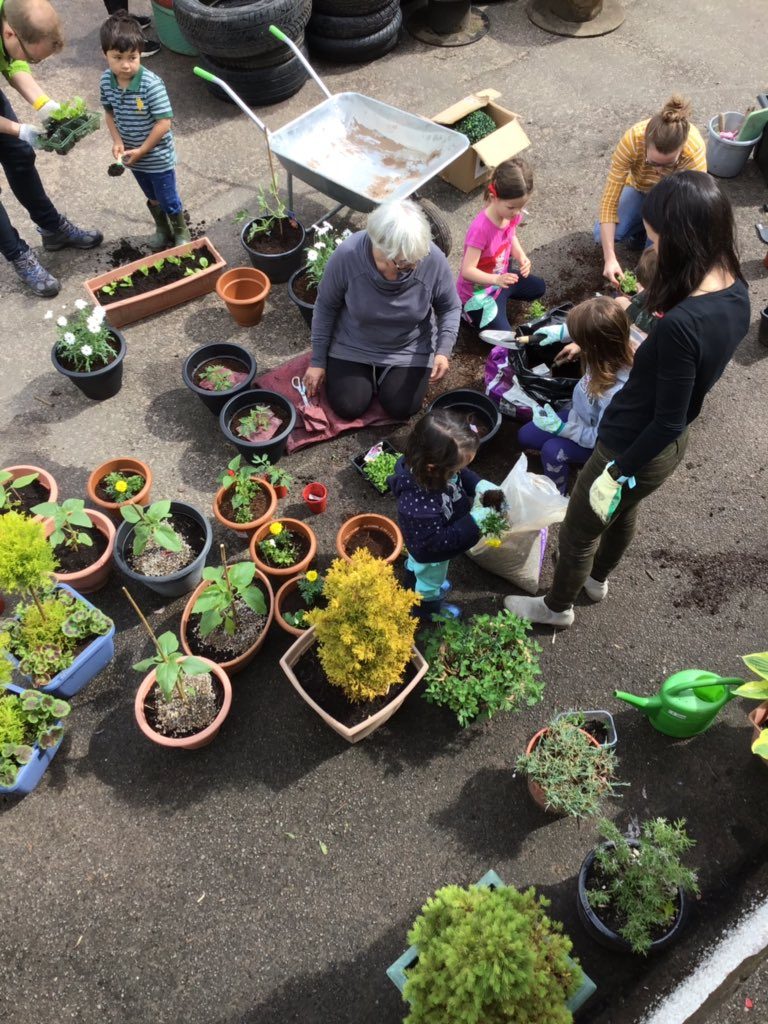
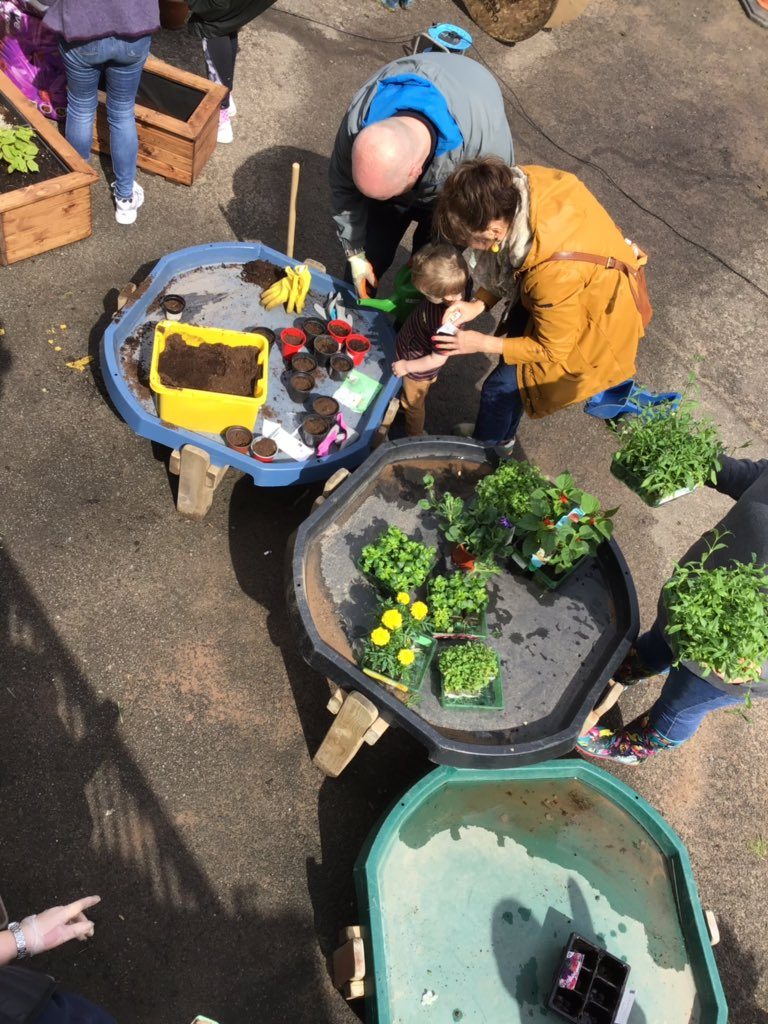
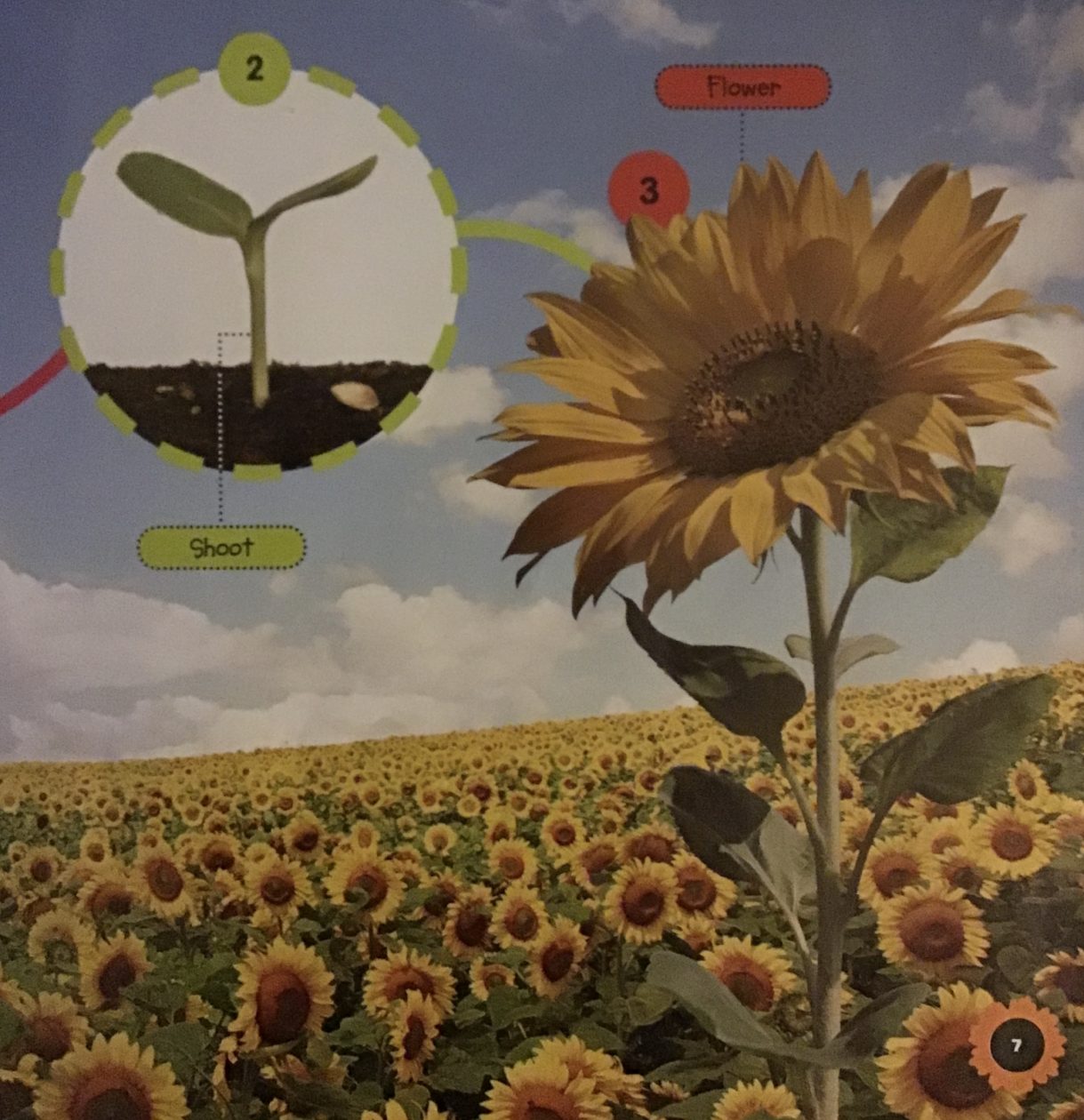 I can’t wait to see my seeds begin to grow into little shoots. Over the coming weeks we will find out what happens once the shoots get a bit bigger.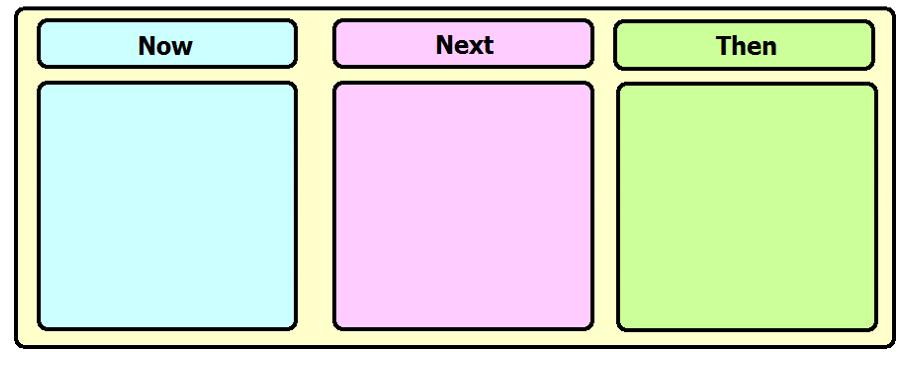






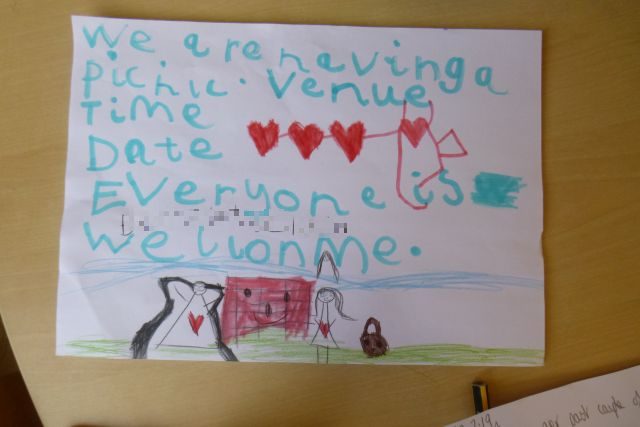
 We made bunting to decorate the room.