If you are worried about the behaviour of a young child you care for you may be interested in our free online Psychology of Parenting Programme for families with children aged 2-8 years.
Get in touch to find out more by emailing Popp@eastrenfrewshire.gov.uk pic.twitter.com/g7zmwNNXll
— East Renfrewshire (@EastRenCouncil) October 21, 2020
Volcano Fun!
Over the past few weeks, the children have been investigating dinosaurs and where they lived.
After using different reference books the children decided that the dinosaurs must have lived with a volcano.
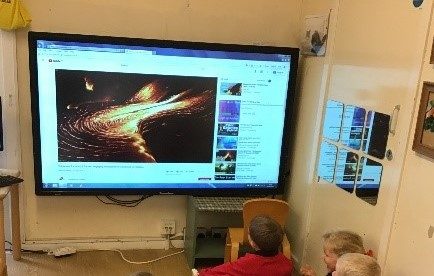
We used the internet to investigate what makes volcanos erupt.
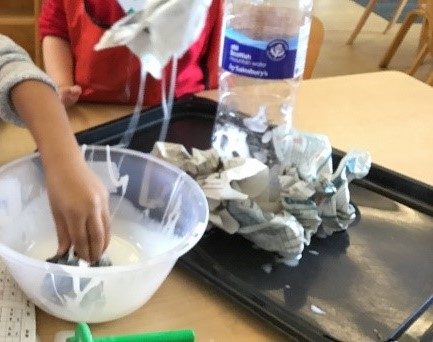
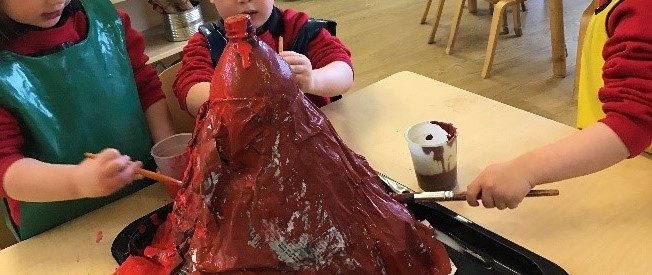
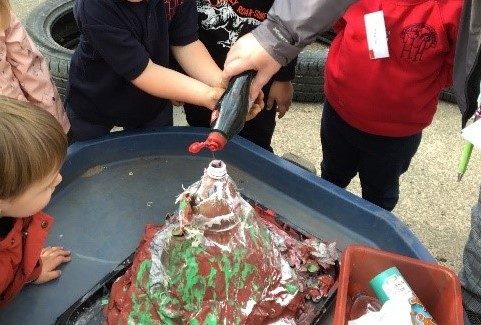
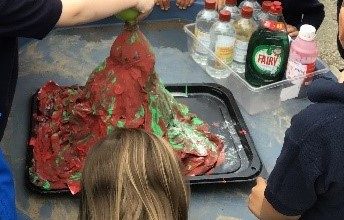
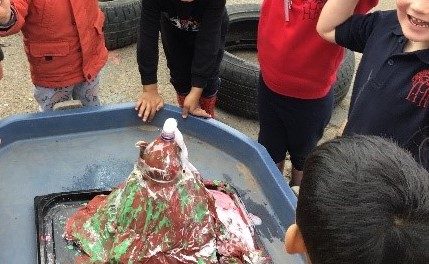
We decided to make our own volcano using a plastic bottle and paper mache. We used bicarbonate of soda, washing up liquid and vinegar to make lava.
“Can you make dinosaur land?” Sorley
“Look at the lava, it looks hot and dangerous.” Fraser
“The dinosaurs lived along time ago, they are now extinct.” Zachary
“Will it explode?” Scott “No it will erupt, because the lava gets very hot, you know.” Maria
ECO success
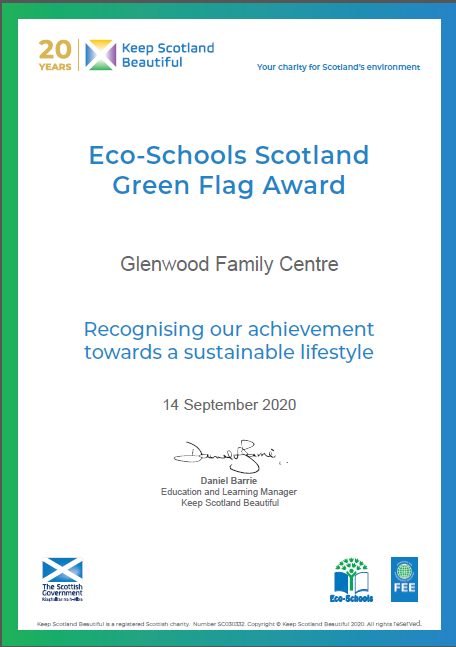
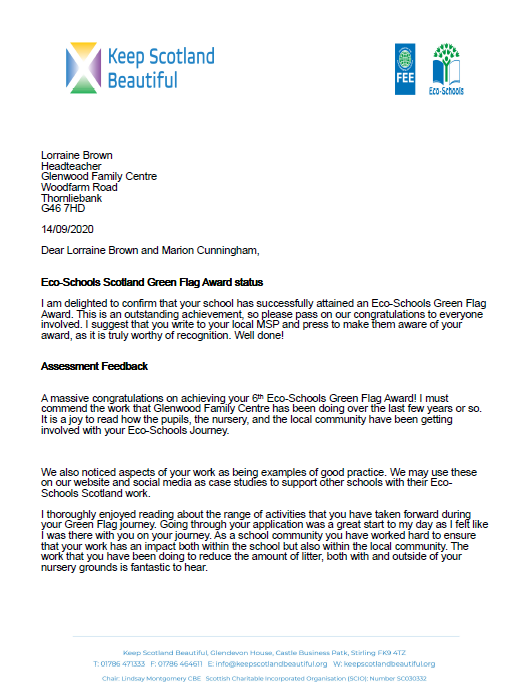
We are delighted to have successfully attained our 6th Eco-Schools Green Flag Award!
This is a brilliant achievement and is the result of sustained hard work and commitment by the Glenwood community.
See our video of evidence below.
Maths Week Scotland
We celebrated Maths Week Scotland by taking part in many mathematical activities both indoors and out.
10 … 9 … 8 … 7 … 6 … 5 … 4 … 3 … 2 … 1 … Blast off 🚀🚀🚀🚀@mathsweekscot #GlenwoodMathsWeekScotland #MathsWeekScot pic.twitter.com/IiEgpTCuOr
— GlenwoodFamilyCentre (@GlenwoodFC) October 2, 2020
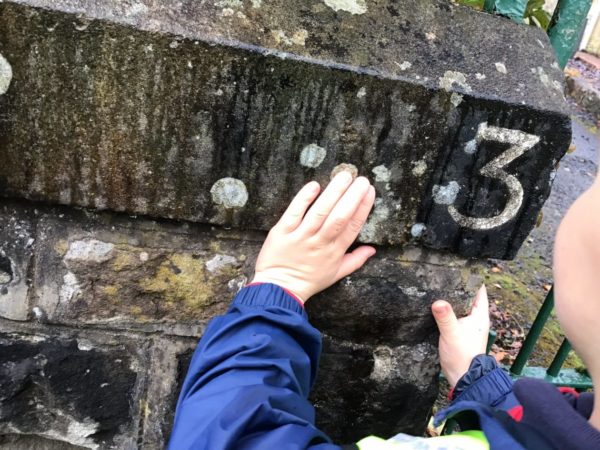
We went on a Maths Walk in our local area and spotted numbers, shapes and patterns all around us.
Take a look at some of the numbers, shapes and patterns we found on our walks #MathsWeekScot pic.twitter.com/R7kQtalnsg
— GlenwoodFamilyCentre (@GlenwoodFC) October 4, 2020
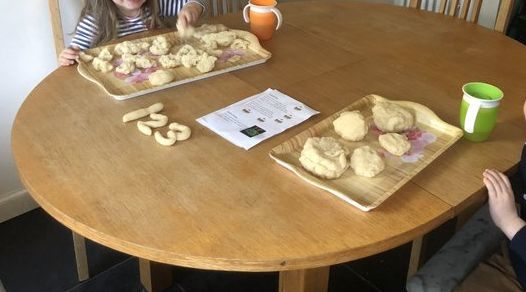
Our Family Fun Bags took maths into our families’ homes as they made playdough and used the playdough for mathematical activities such as measuring, counting and number rhymes.
Toothbrushing
You can also find lots of helpful resources online, here is a video that makes toothbrushing fun and lasts the length of time we brush our teeth for.
Playdough
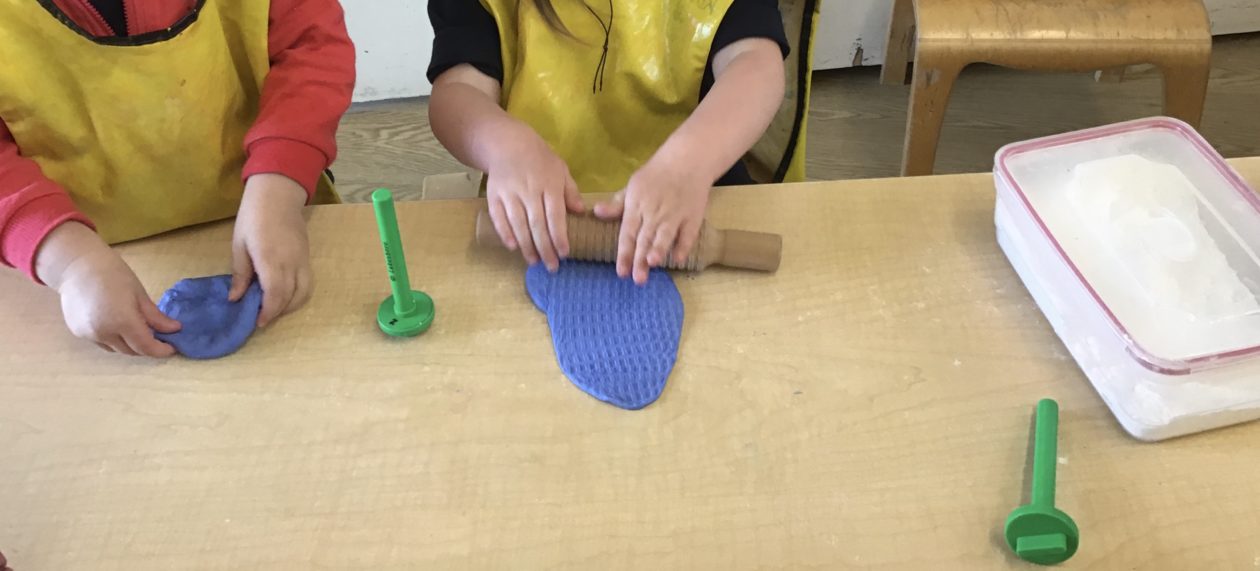
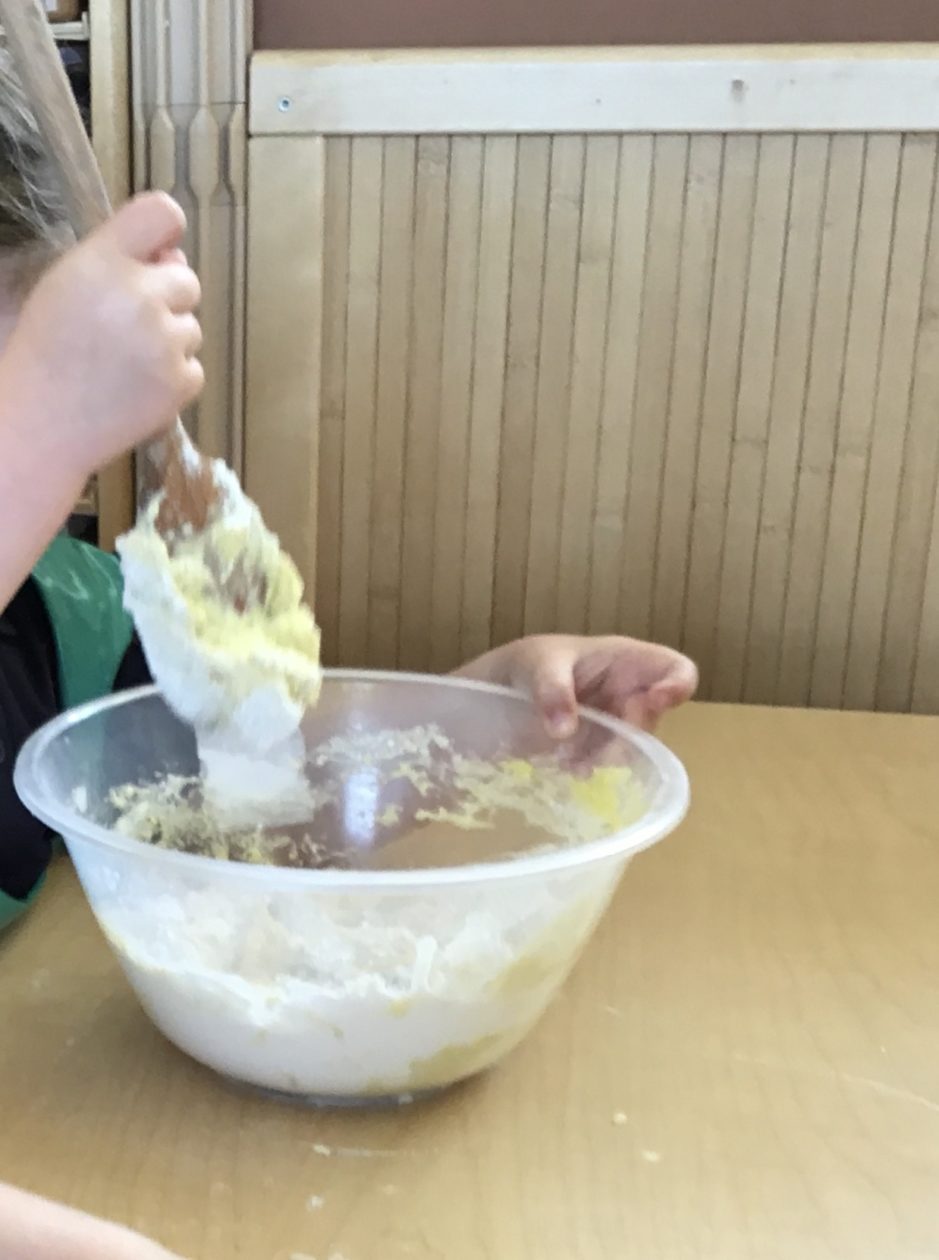
The children have been enjoying making different types of playdough.
(Blue playdough with lavender)
Playdough provides excellent opportunities do develop your children’s fine motor skills, hand eye coordination, numeracy skills, language and social skills and helps develop the senses.

Playdough takes around 10 minutes to make and can keep for weeks in an air-tight container. Why don’t you have a try yourself at home – don’t forget to tell us about it in you child’s Google Classroom. (If you don’t have your child’s Glow details or if you are having problems logging in please let us know by emailing schoolmail@glenwood.e-renfrew.sch.uk)
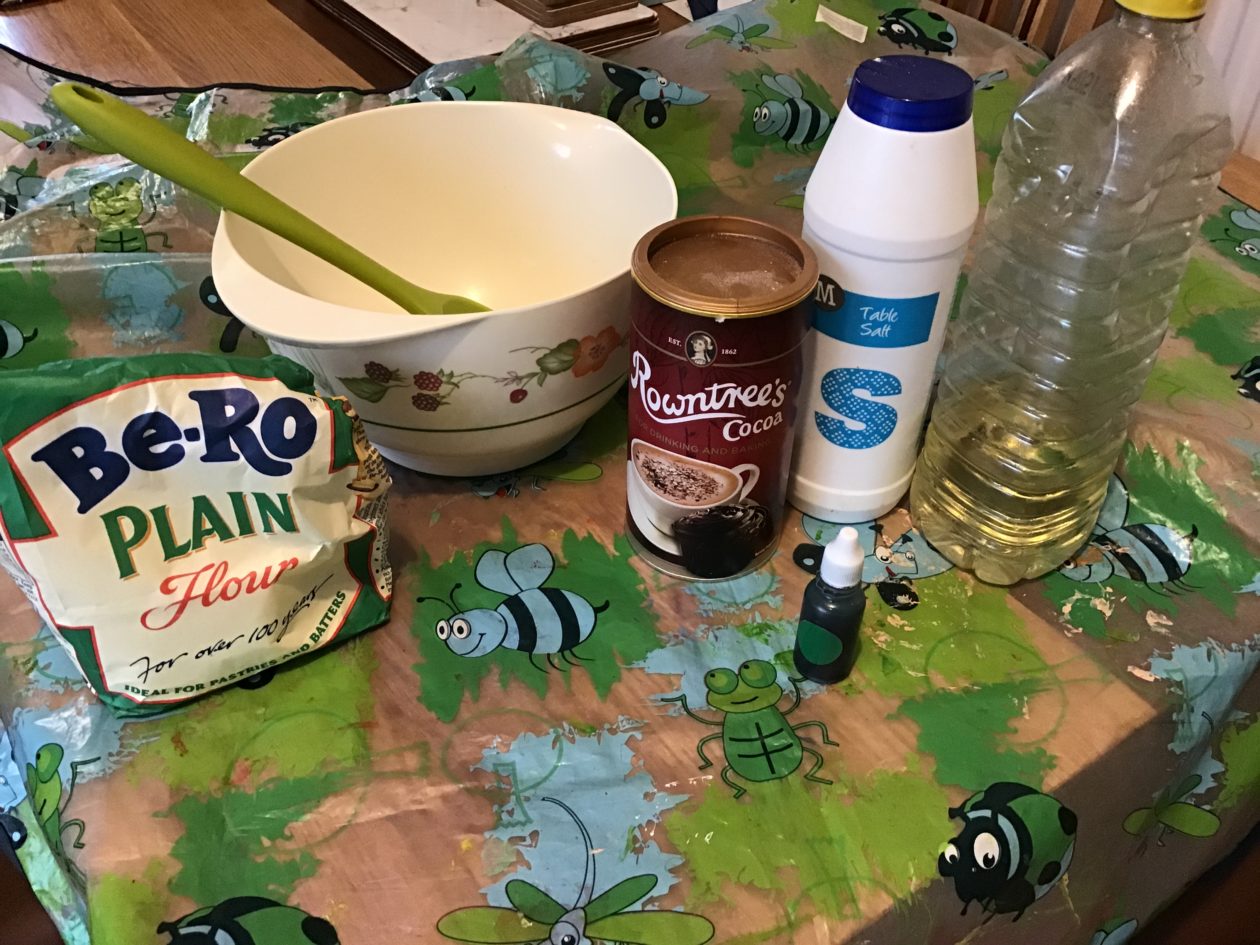
Ingredients:
- One cup of plain flour
- Half a cup of salt
- One cup of water
- One tablespoon of vegetable oil (helps to add this into the cup of water)
- Few drops of food colouring (also helps to add this into the cup of water)
Resources:
- Large bowl
- Tea/coffee cup
- Wooden/plastic spoon
- Add the flour and salt together in the bowl
- Gradually add the water/oil/food colouring mixture to the bowl, continuously stirring
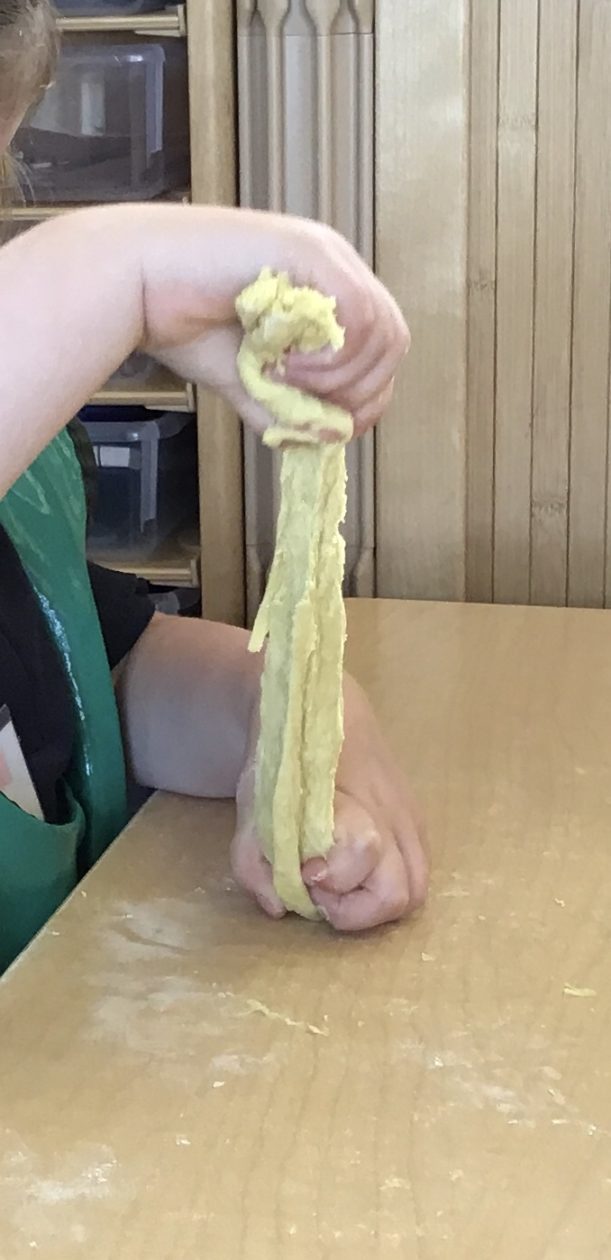
- Continue to mix until the mixture comes together into a soft dough – now it is time to get messy!
- Spread a little flour onto the table and empty out the bowl
- Mix the dough together with your hands. If it is a little sticky, add some more flour
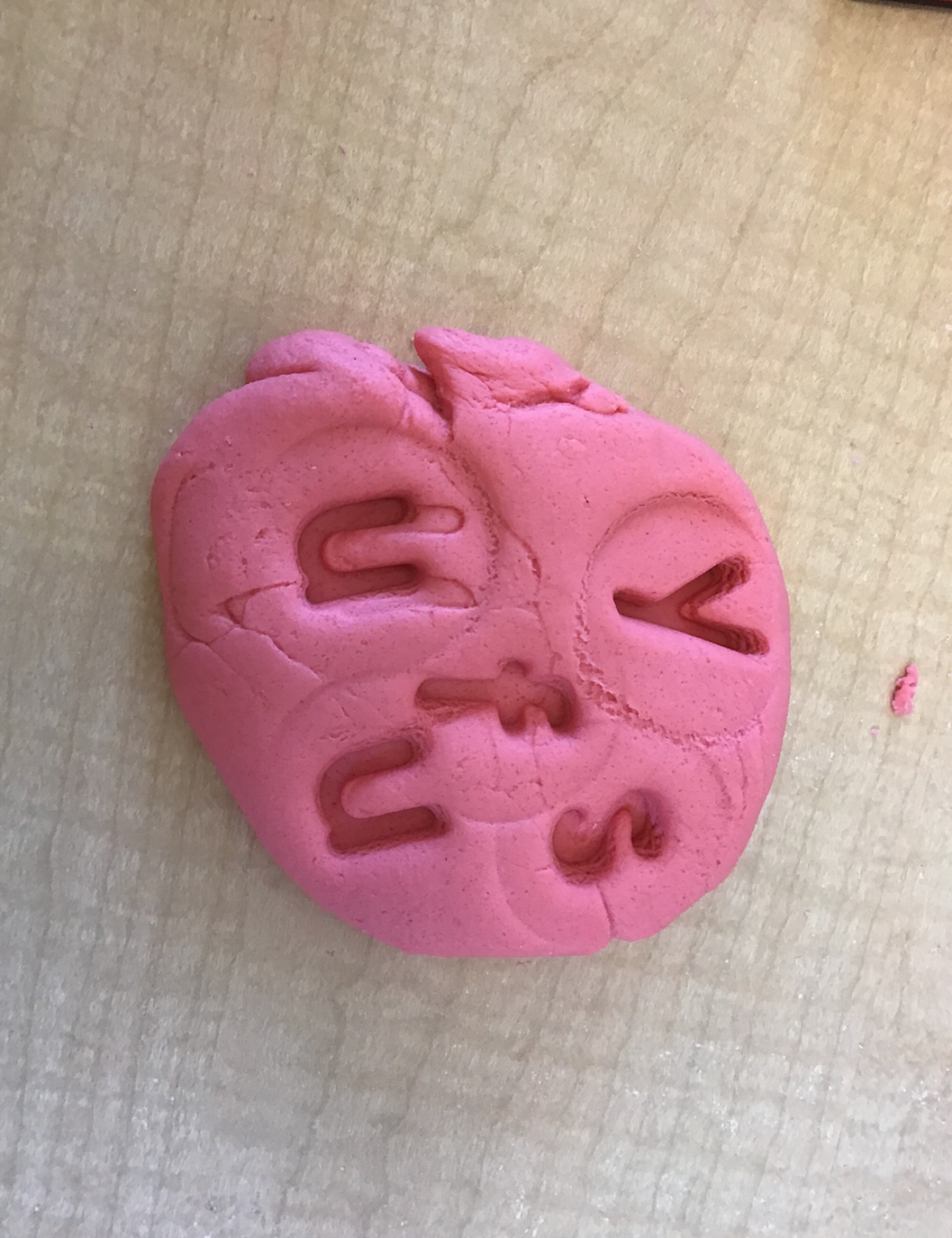
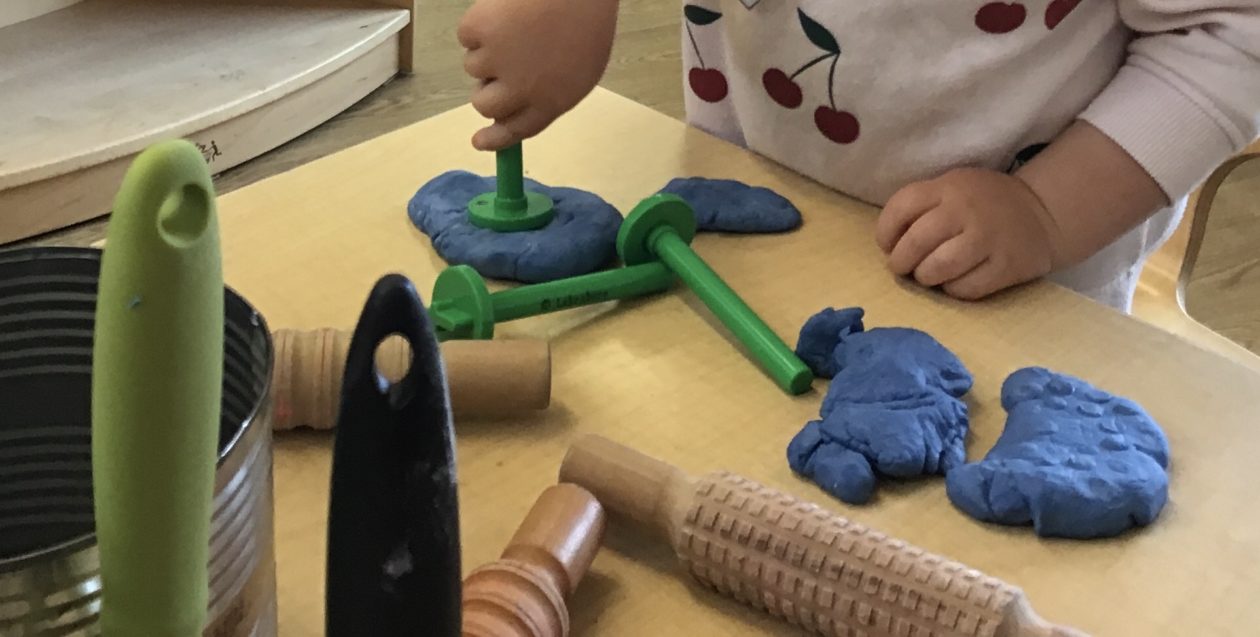
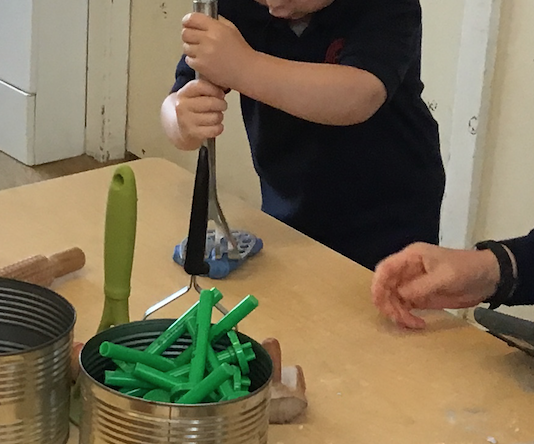
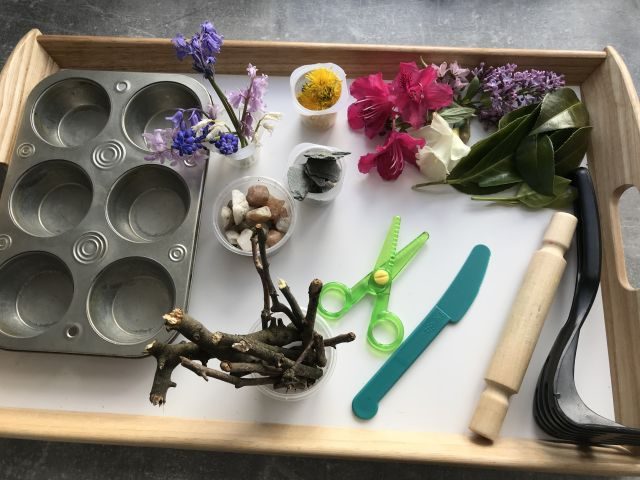
When your playdough is ready why not add some alternative play resources, like potato mashers, cutters, sticks, leaves, flowers, stones, lollipop sticks, matchsticks, stampers, or straws.
Adding scents and different textures, such as coffee grounds, coco powder, lemon/orange rind, or rice will provide a great sensory experience.
Next week for Maths Week Scotland we will be issuing a Family Fun bag to each child with the ingredients to try this at home.
Exploring Mark Making
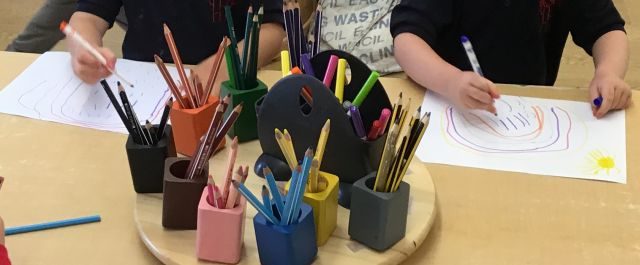
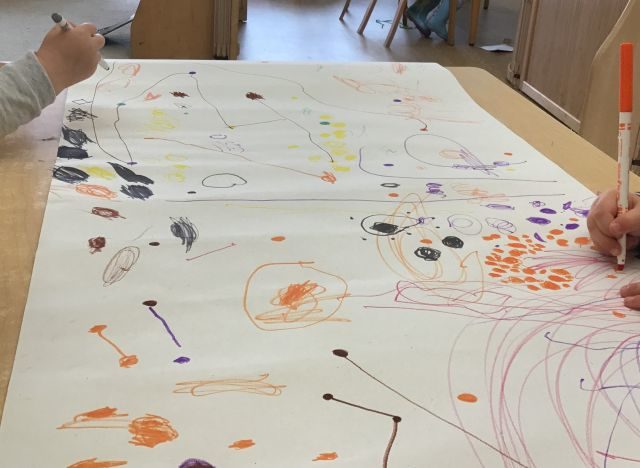
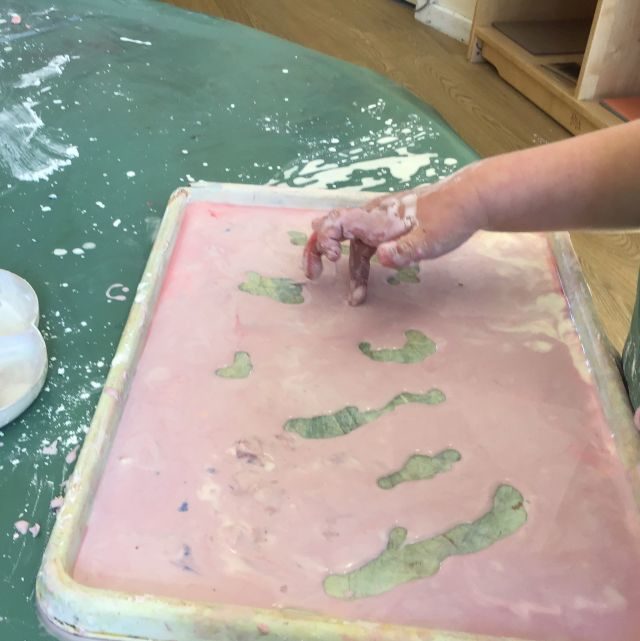
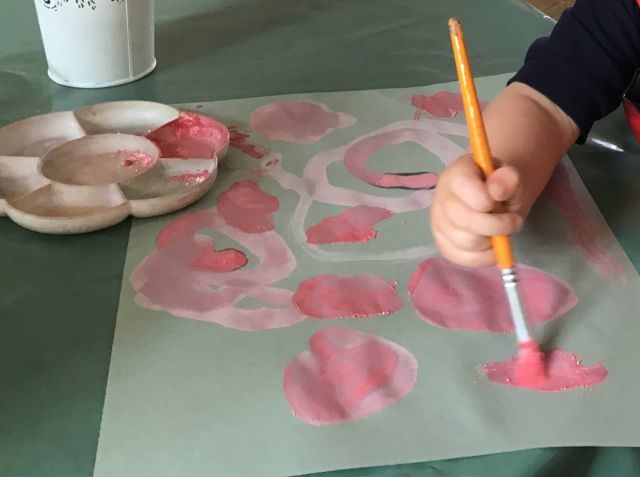
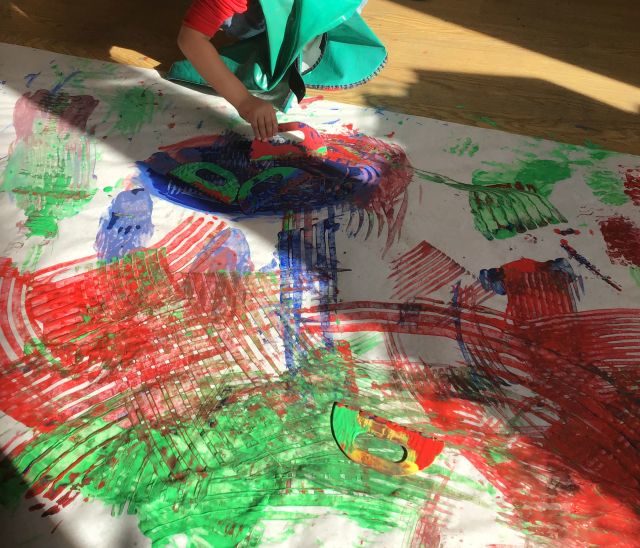
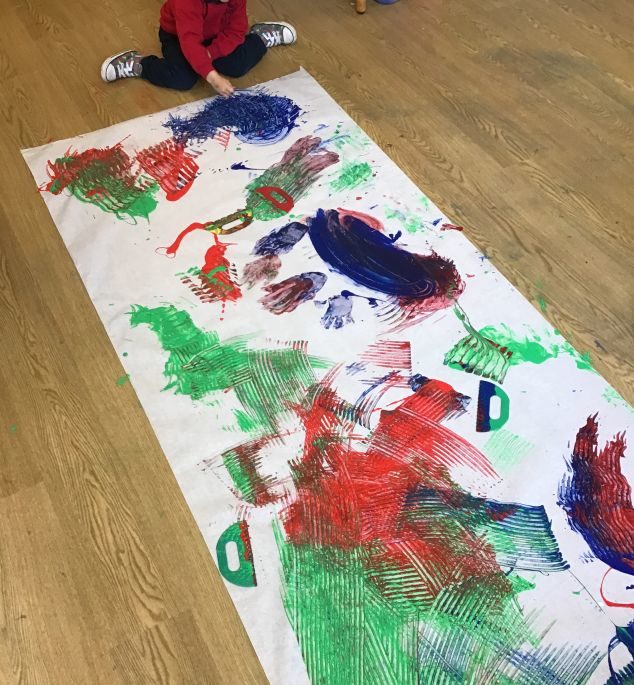
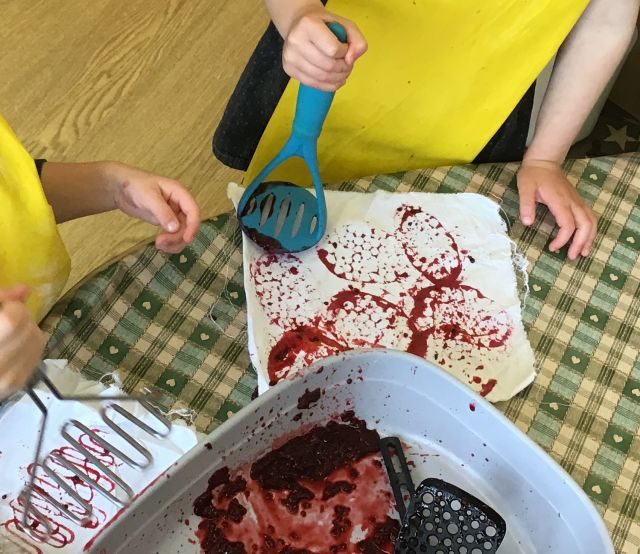
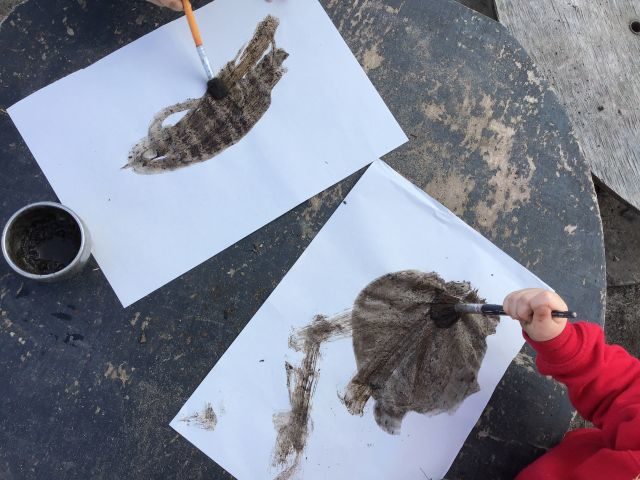
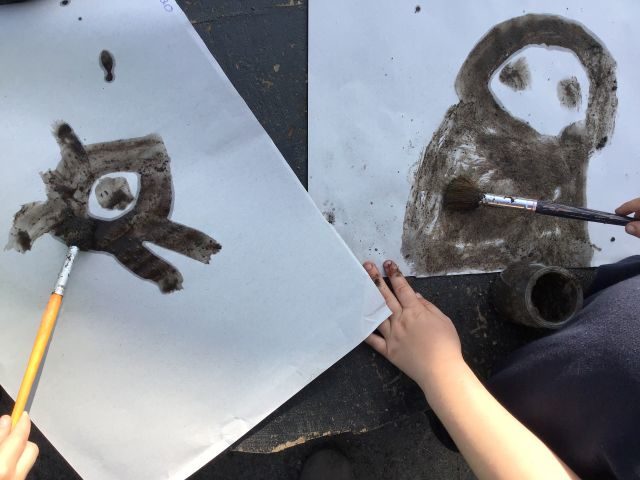
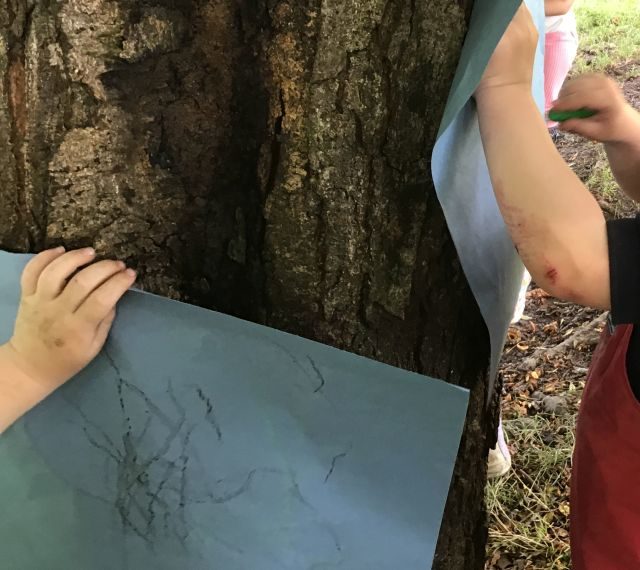
Over the past few weeks at nursery, the children have been exploring different ways of mark making both indoors and outside.
Here are just a few photographs of what we have been doing…


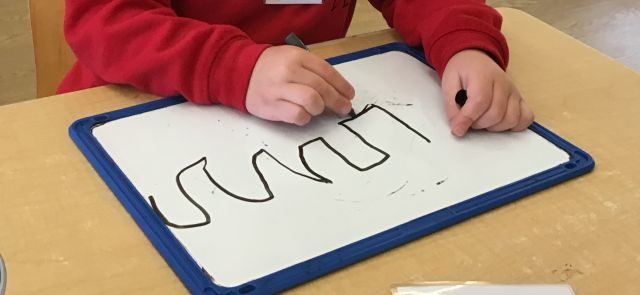
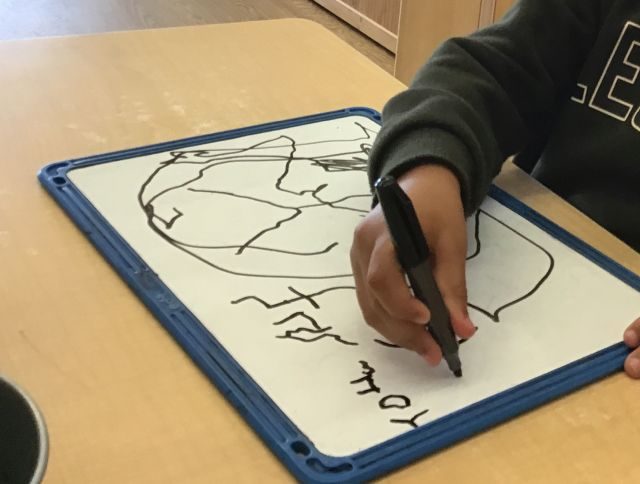
Whiteboards are a favourite…
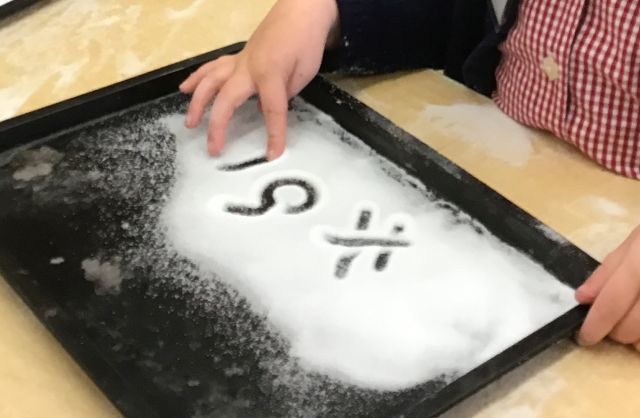
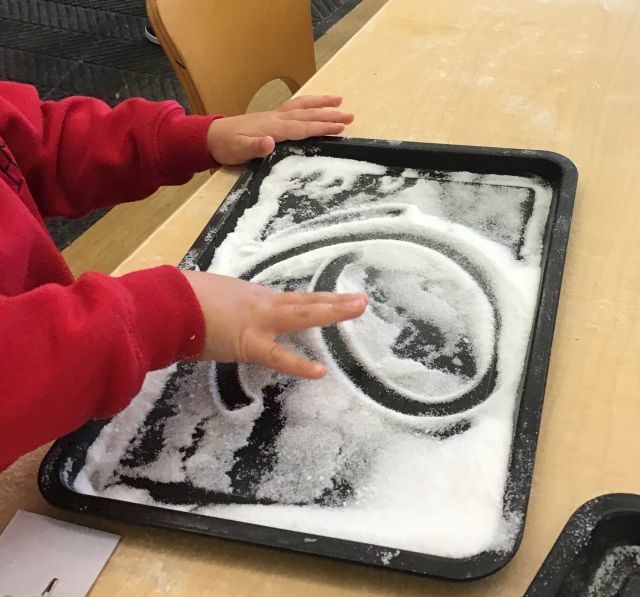
Writing in salt…
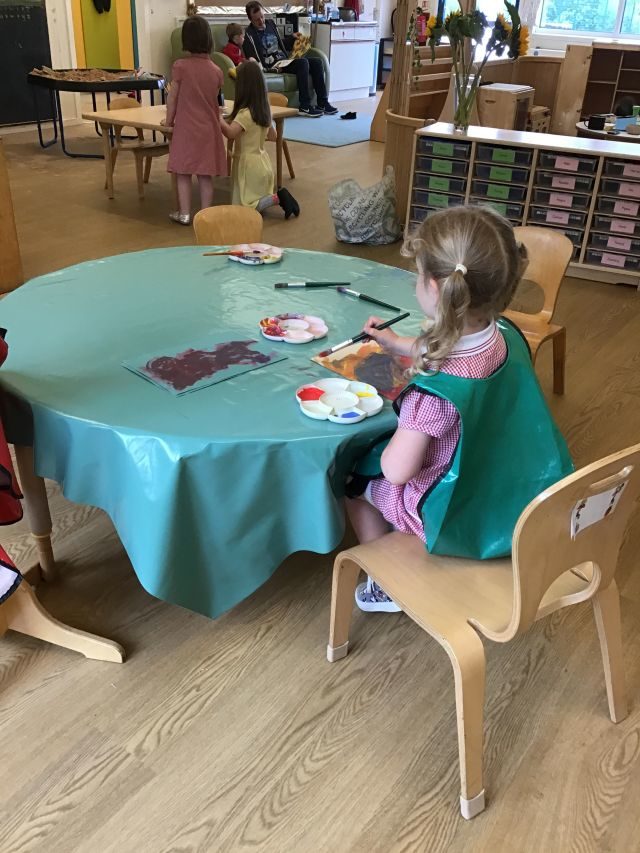
Mixing our own colours of paint…
We love painting on a large scale (although it can get messy!)
Making paint from things we find outdoors…


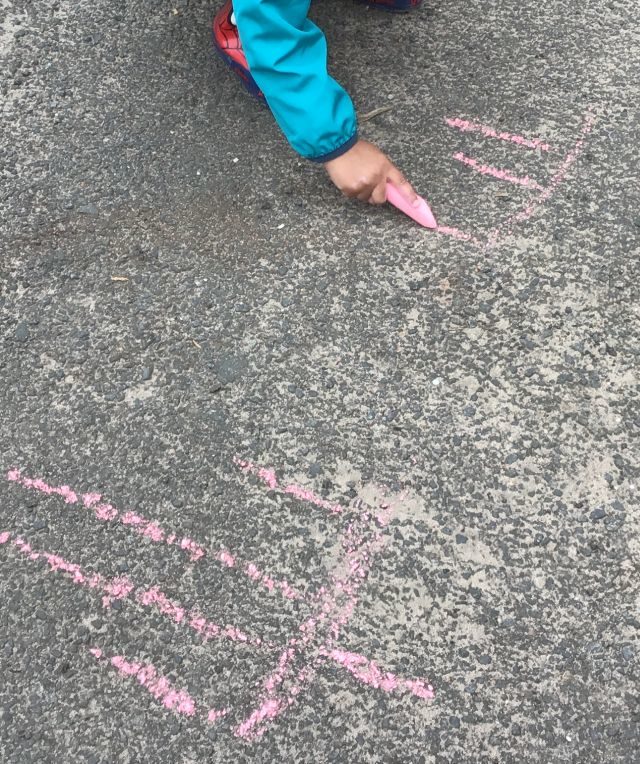
Crayon rubbings and chalk outside too.
How do you like to make marks, draw and write? Why not share with us on Twitter @GlenwoodFC or in your Google Classroom.
Welcome back to learning in Glenwood!
We are delighted to have re- opened and to welcome back our children. We are operating slightly differently in two separate playrooms but the fun, friendships and fantastic learning experiences continue!
The Meadow Room

“I’ve built a model of our new nursery.” Lucia
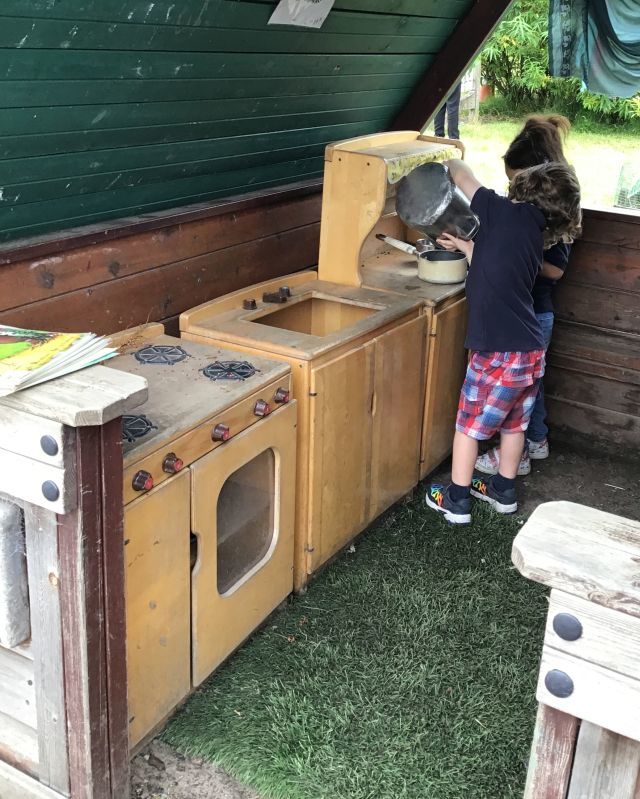
Busy cooking in our outdoor kitchen.
“Look, there are bees on those flowers.” Cameron
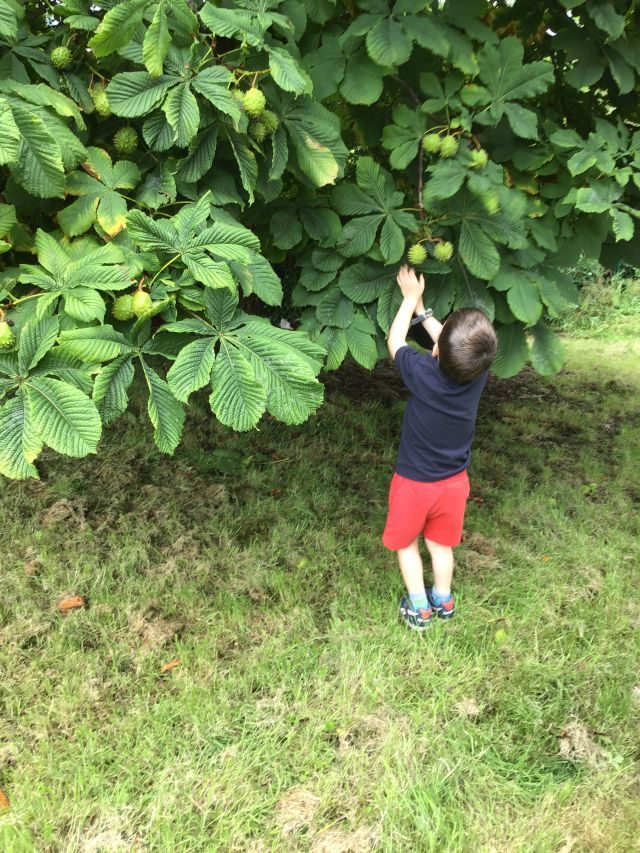
Wow, look how much our chestnut tree has grown!
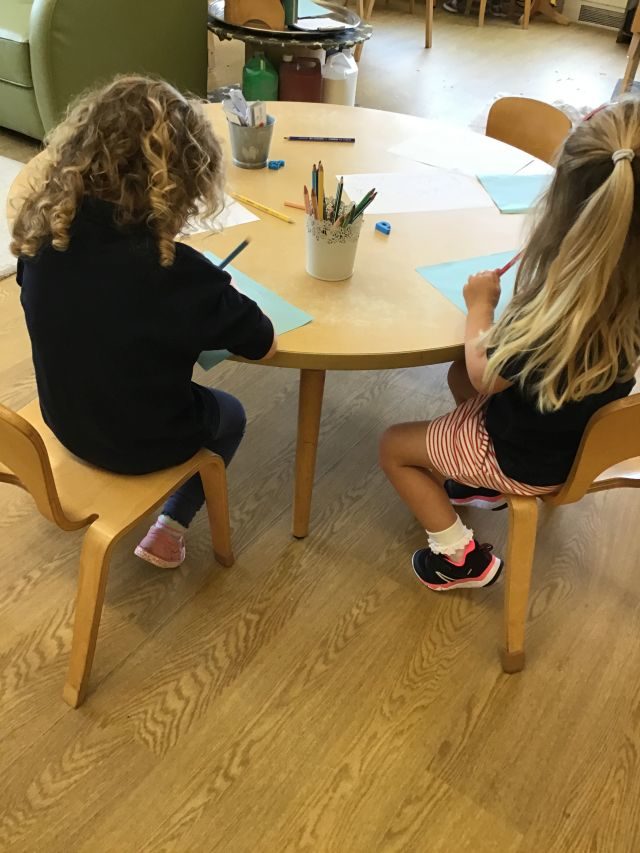
Drawing and writing together.
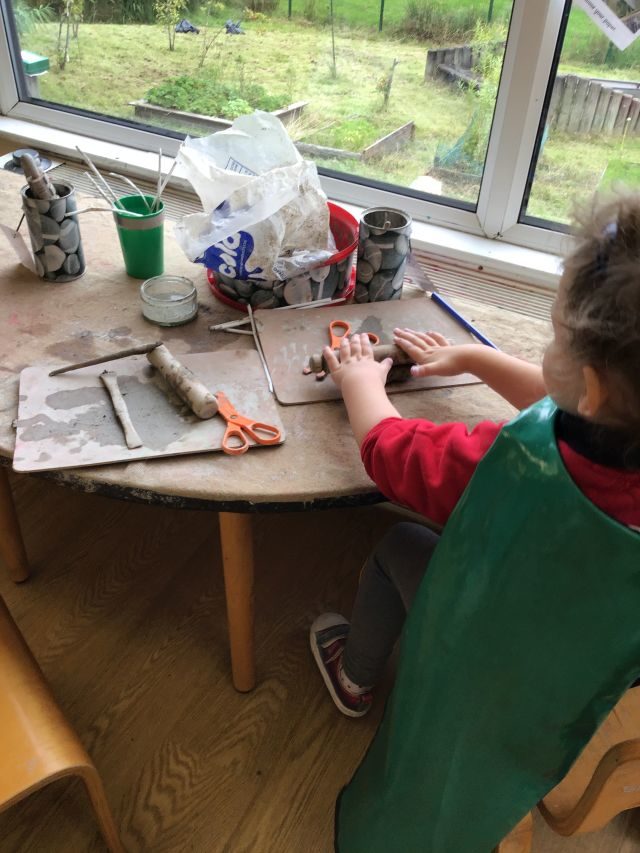
Modelling with clay.
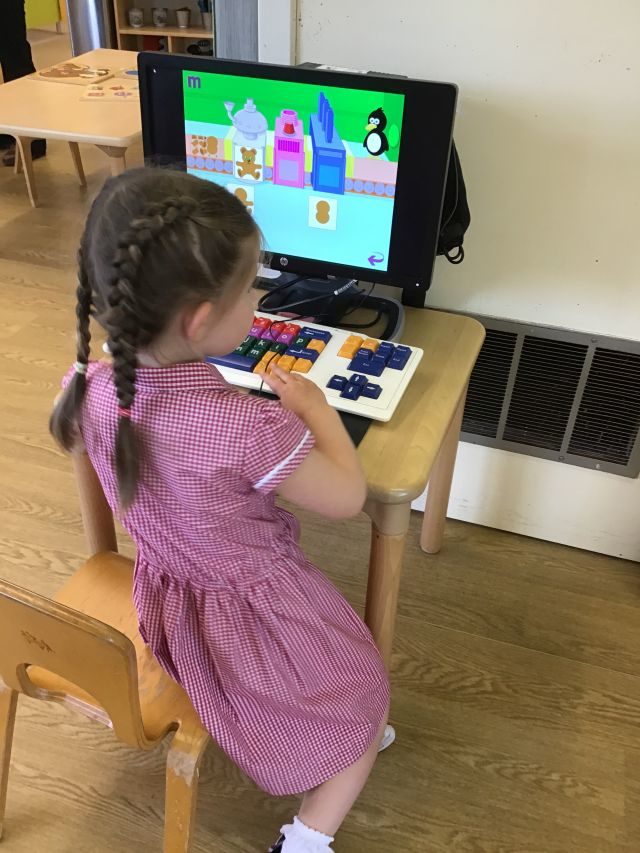
Using the computer to play games.
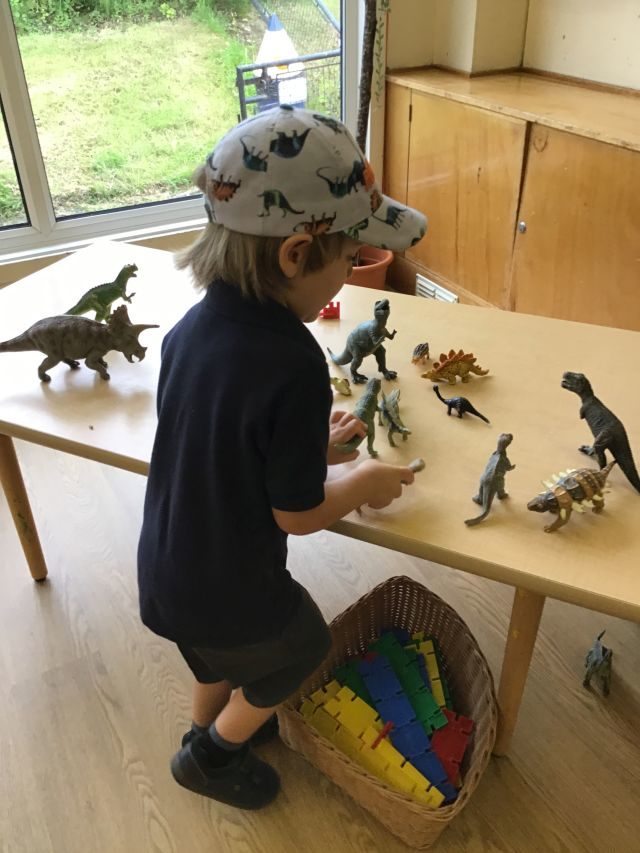
“Rrrrr, look at the T-Rex!” Benjamin
The Willow Room

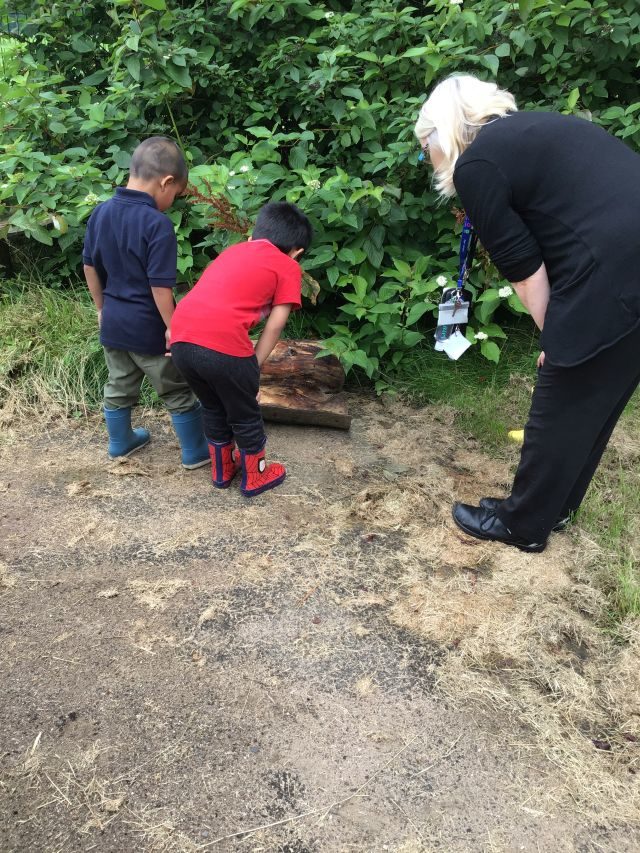
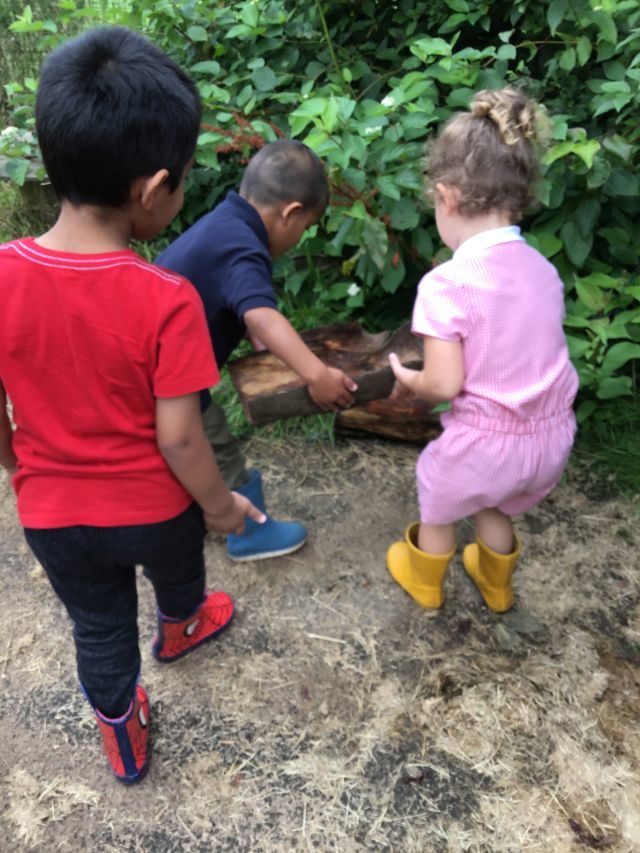
” We found a woodlouse!” Yousuf
Revisiting my learning journal. and sharing my news- “I got a new hamster” Flora
Painting a picture.
Let’s Play Programme
https://twitter.com/FamilyFirst_ERC/status/1282621209595858944
Remote Learning – Patterns
Patterns are everywhere. Looking for patterns helps us discover and learn new things about the world around us.
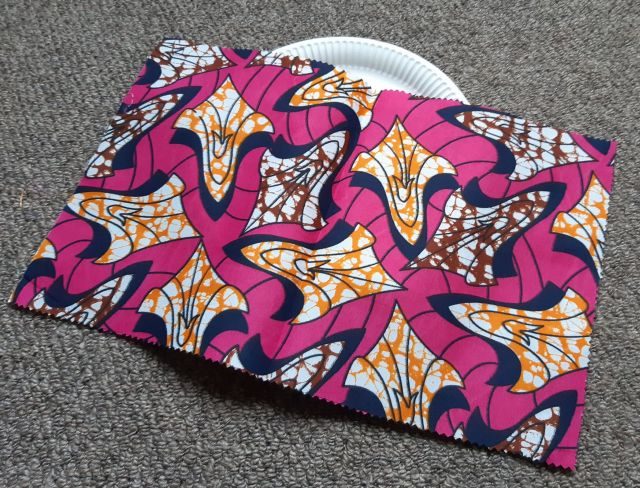
Mrs Wilson went on a pattern hunt in her house and garden. Here are some of the patterns she found.
Can you find any of these patterns?
Maybe you can find some different patterns in your house or when you are outside.
Activities to try at home
Pair socks by looking at their patterns to help develop matching skills.
Print a pattern using fruit and vegetables.
Look at the patterns on the soles of your shoes and wellington boots. How many different patterns can you find?
Design your own tartan pattern using paint and toy car wheels.
Support your child develop their understanding of repeated patterns by providing simple patterns for them to copy using loose parts. Saying the pattern out loud as it is made can really help children as they decide what item is next. Making their own patterns also helps children develop their decision making skills as well as learning how to make logical connections.
Collect some leaves to peg a leaf pattern on a washing line or piece of wool or string.
Explore the different patterns that animals might have by watching a clip from CBeebies about animals with spots and stripes: https://www.bbc.co.uk/programmes/p011mxh0
Remember to tweet to let us see the patterns you find or make. Have fun! @Glenwood FC #Glenwoodlearningathome
Remote Learning – Fun Friends: Don’t Forget to be Brave and Stay Happy!
Hello Fun Friends. This is our last message of this year and we want you to carry on being Brave and Happy!
Remember to use your milkshake breathing and relax when you feel upset or worried. Also it can be good to talk about your feelings with people who care for you.
Mirror, Mirror
When you are looking at yourself in the mirror (perhaps brushing your teeth or hair) Tell yourself something positive e.g “I can be brave, kind, helpful, try my best” These are positive (green) thoughts.
You can help other people to have green positive thoughts too. Send a message to a friend, member of your family or neighbour.
We know that you are Brave! We saw how Brave you could be at Glenwood and we know you will continue to try and be brave. Remember to keep practising being brave. Brave is :
- Looking people in the eye
- Smiling
- Using a brave voice
- Standing up tall
- Trying your best and giving it a go!
Making New Friends
It’s good to make new friends and to play with different people. Friends smile, help, talk, listen, play and share. What would you tell your friend? What would you ask them? Would you tell them about your family?
Family Fun Questions (why not write these out, add some more and then pick a question to answer)
- Who has the loudest laugh?
- Who makes the best food and what is it?
- Who is the funniest person?
- Who has the smelliest shoes?
- Who is the oldest person in the family?
- What is your favourite thing to do?
Our support Team
Sometimes we need help or care from others. On a piece of paper draw yourself and then people who can help or support you round about you. This might include siblings, wider family, neighbours, teachers (pets can also be included).
Game – What could you do if? (Think of solutions to these problems)
- You don’t get a plate/book but everyone else does.
- There’s a lion in the garden.
- There is a group of children playing and you want to join in.
- Everyone is doing an activity and you don’t know how to do it.
- Your friend gets their head stuck in some railings.
Make up your own scenarios – some things that might happen and some funny.
It’s ok to say No!
Sometimes our friends do or say things we don’t like. Remember it’s ok to say “I don’t like that”. Look the person in the eye and use a brave voice. Next you can get louder and show a cross face. Then use a very loud voice and show your angry face and body (no hitting or kicking). Get help from an adult if you need it.
We follow the rules so we don’t get lost or hurt. We ask for help when we need it and we remember the Pants rule https://youtu.be/_SzbMEVYiyg
Game – Today we will be……
Here are a few positive behaviours (add your own), write them on pieces of paper, fold them up, put them in a container and then pick one out each day. Then everyone playing needs to try and be this word.
Determined Flexible Thankful Friendly Creative Funny Surprising Tidy Helpful Co-operative Bendy Strong Gentle Playful Try hard
Keep Learning!
As you grow there are lots of things to learn! Keep practising to achieve your goals and try hard! Remember: ‘No matter how old you are everyday is a learning day’.
We are proud of you!
Being in lockdown has been very hard and we want you to know that we have missed you very much but we are very proud of you staying at home or going to a nursery hub.
We hope you will continue being Fun Friends and will remember:
-
- Friends- can recognise our own and others feelings
- Relaxing and milkshake breathing
- I can do it – turning red thoughts green
- Encouraging – I can achieve a goal
- Nurture – I can be a good friend
- Don’t forget to be brave!
- Stay happy!

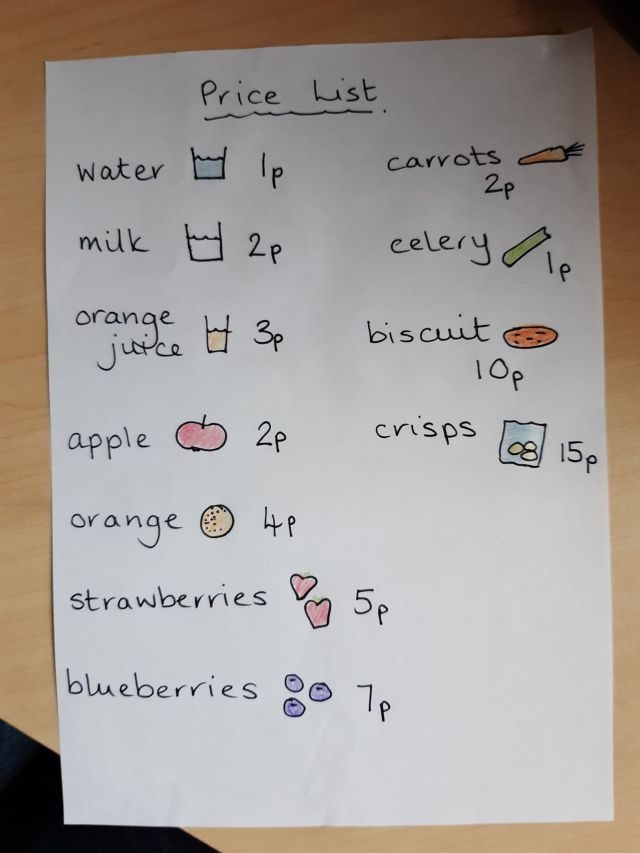
Remote Learning – Healthy Tuck Shop
Miss Bibby has been thinking about ways you can use money in your house.
One way I thought of is to set up your very own healthy snack shop.
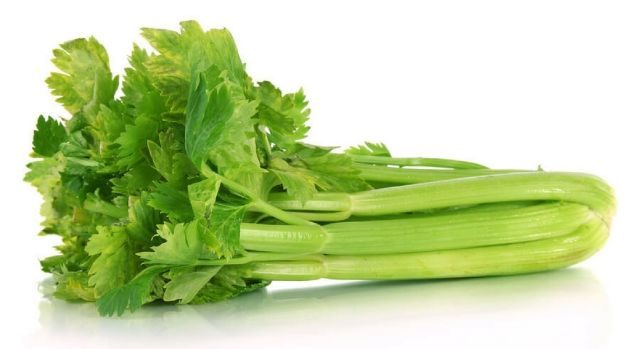
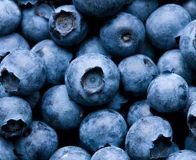
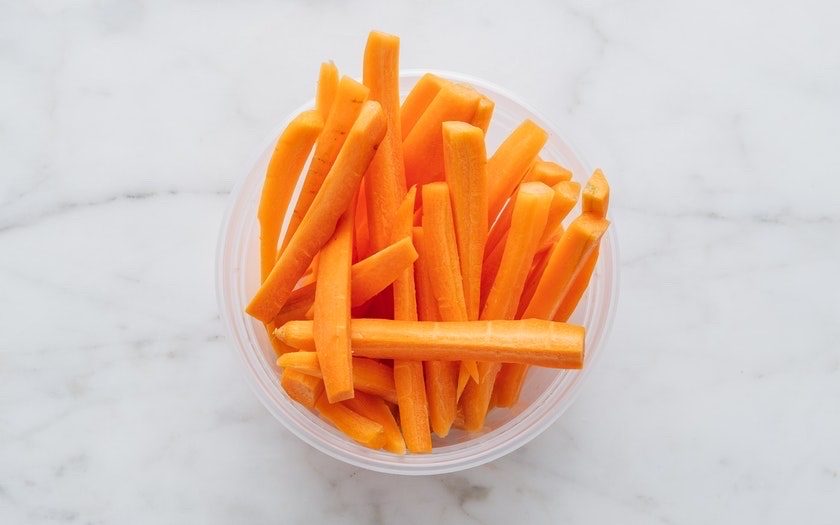
My snack shop is going to have apples, tangerines, strawberries, blueberries, carrot sticks, peppers and celery for sale.
You and your family can take turns at both selling and buying your snacks.

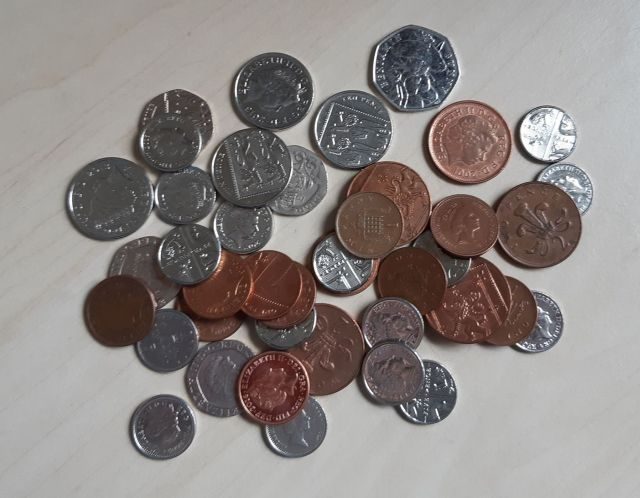
Why not see what coins you can recognise and use these to buy your snacks?
This activity will help develop numeracy skills such as coin and number recognition.
Don’t forget to share your tuck shop with us on Twitter or Google Classrooms #Glenwoodlearningathome
Remote Learning – Number Sense
Number Sense is when a person has a sense of what numbers mean, understands their relationship to one another, can perform mental arithmetic and can use numbers in real situations.
At Glenwood we play games that help us to develop our number sense. All of these ideas can be adapted to suit the stage of individual children – make the numbers and quantities smaller or larger to give the appropriate amount of challenge.
We like to add an element of competition to add to the fun and will play several games in a row for a short time each.
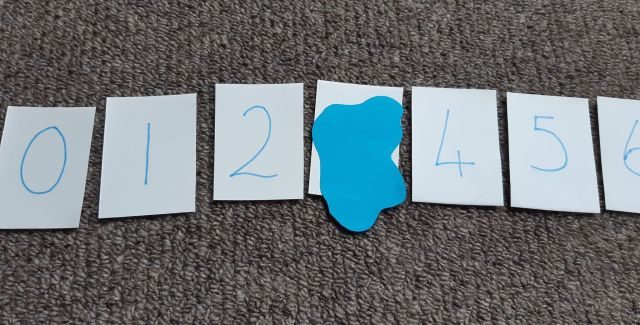
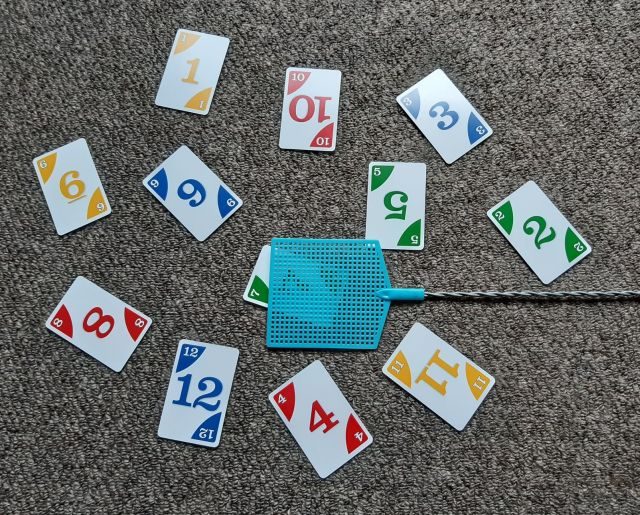
Saying Number Sequences – Forwards and backwards: this can be as simple as counting together as you climb up the stairs, kick a football or count down to begin a race. Try saying alternate numbers as you count, or clapping for each number.
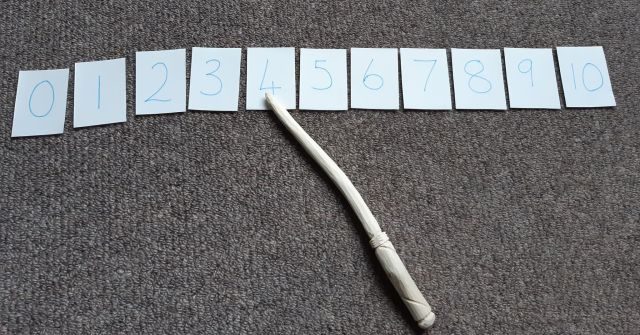
Recognising and sequencing numerals:


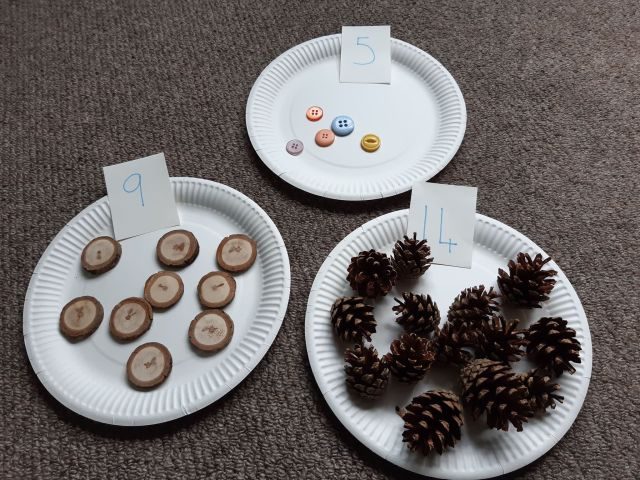
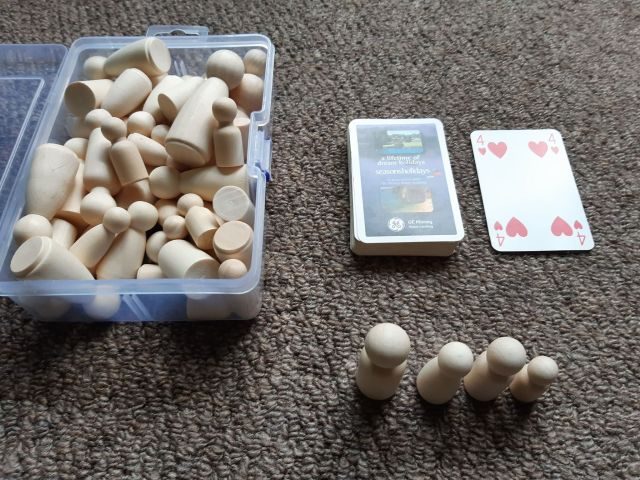
Counting Visible Items:


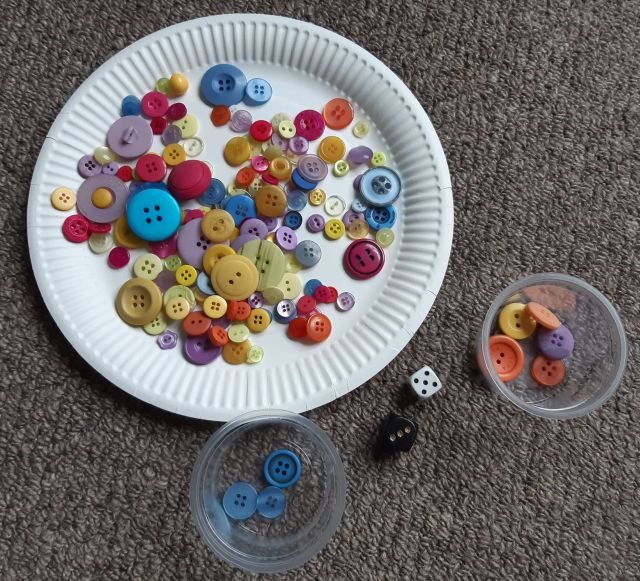
Spatial Patterns: These are the dot patterns that are on dice or dominoes – we learn to recognise the pattern and can say how many spots there are without counting them.

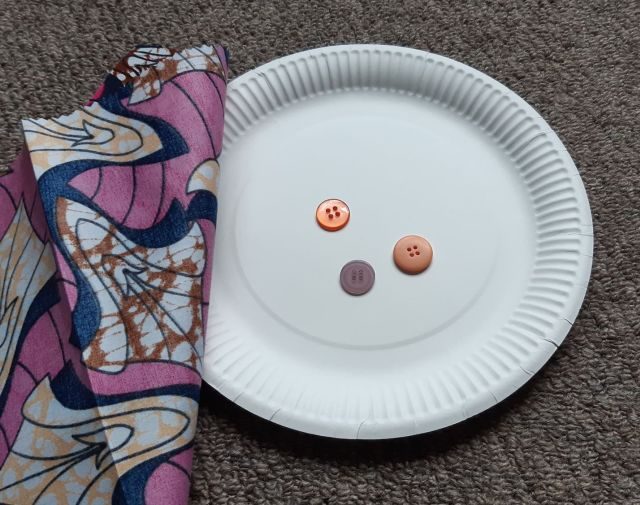
Subitising: Our brains are very clever – they can tell us ‘how many’ items are in a small group without us counting!
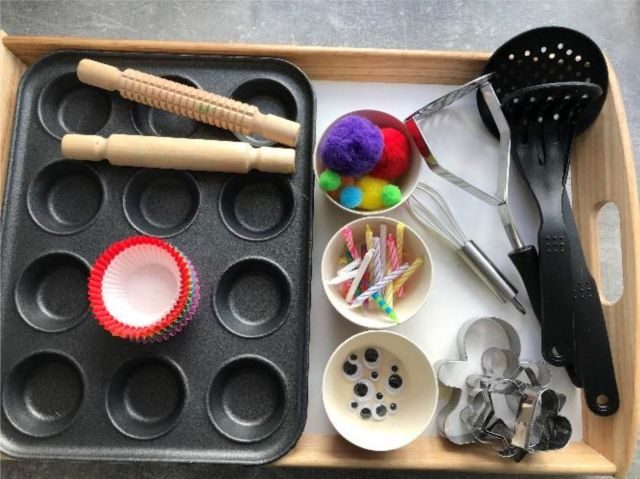

You could try using more than one colour and asking how many of each colour.
We hope you will try out some of these games with your family… have fun and let us know which you enjoyed most.
@GlenwoodFC #Glenwoodlearningathome
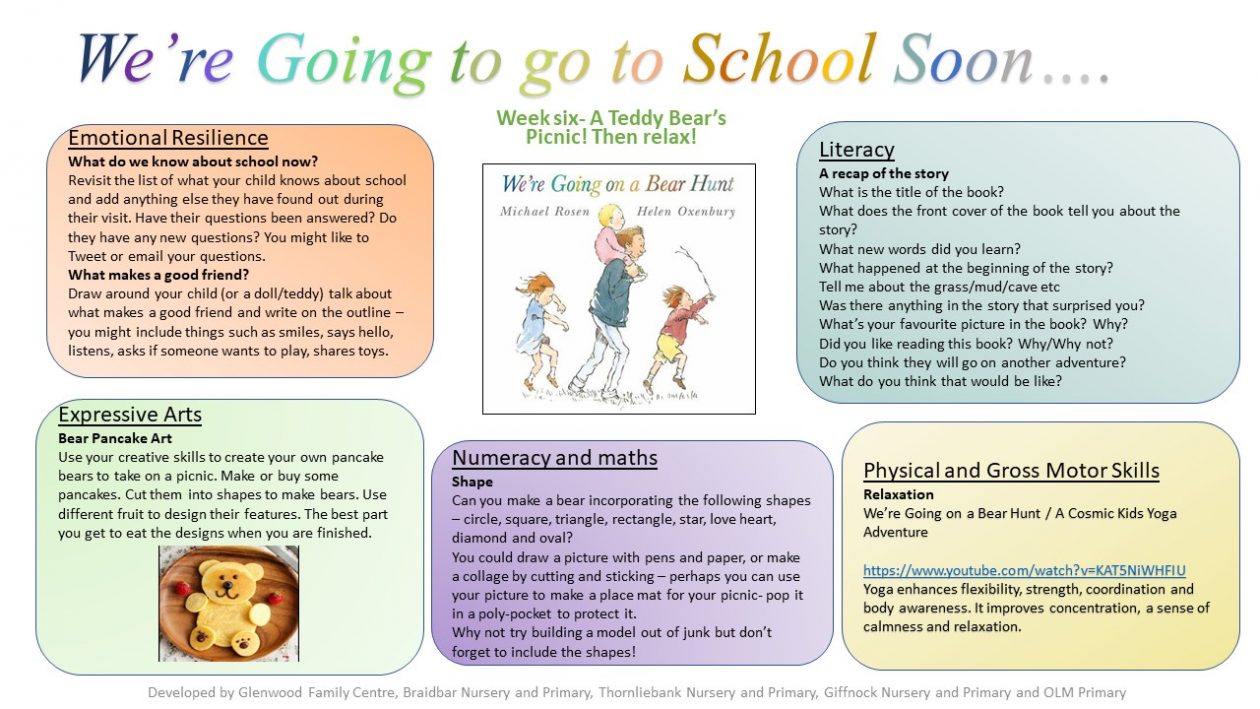
Remote Learning – We’re Going to Go to School Soon – Week 6
It is the final week of our transitions programme. Can you believe how quickly time has gone?
As we are saying ‘goodbye’ in nursery to all the children who will be going to school in August, here are some activities to finish off our Bear Hunt…
Transition Visits to Glenwood
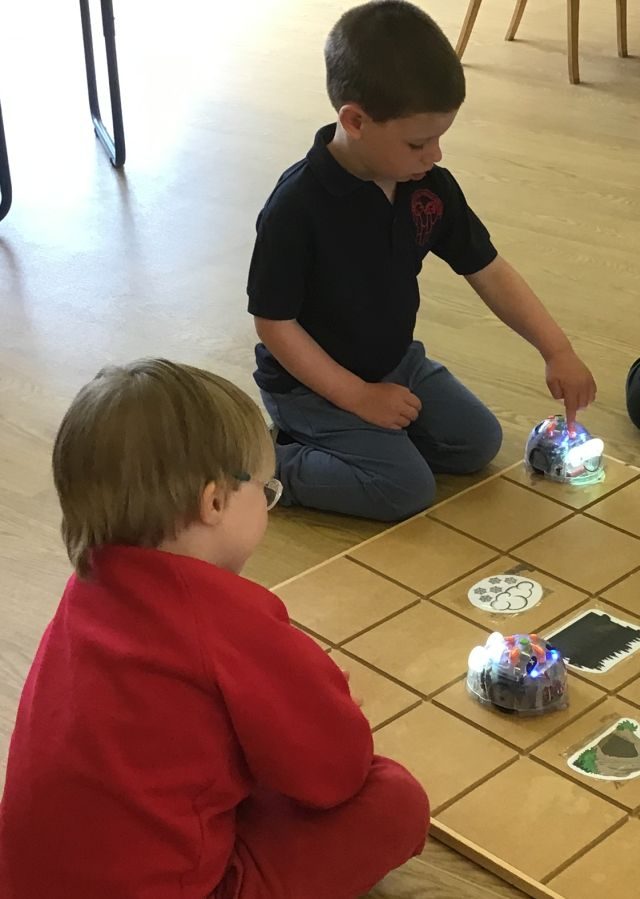
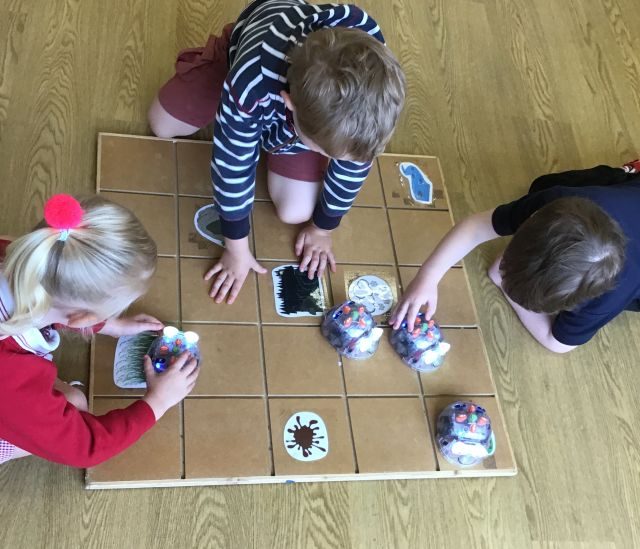
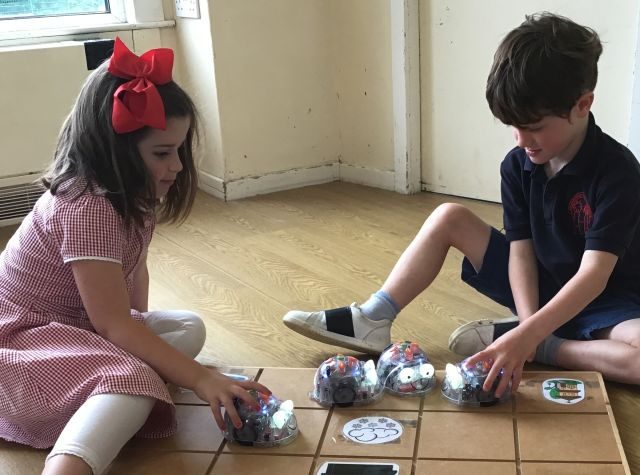
This week we have been excited to welcome our pre-school children back to Glenwood for the first of their transition visits.
It was a bit strange at first but the children soon got over their nerves and were soon joining in with all the different activities. It was hard remembering that we couldn’t be too close together but everyone did very well.
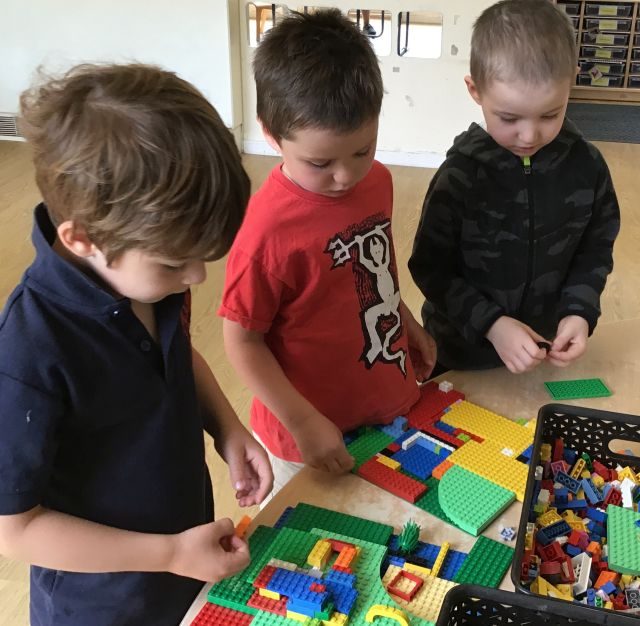
Here are some pictures of the experiences we took part in…
The Beebots went on a Bear Hunt
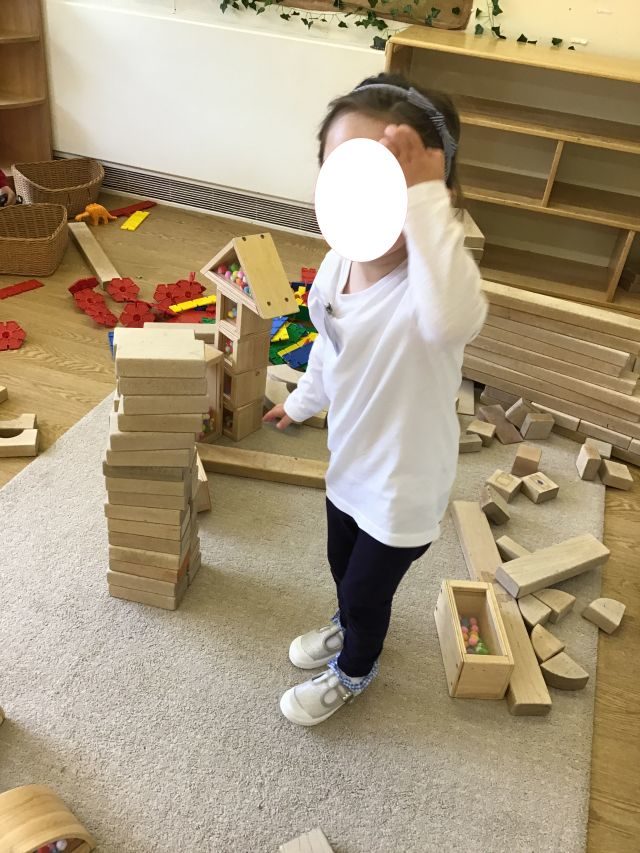
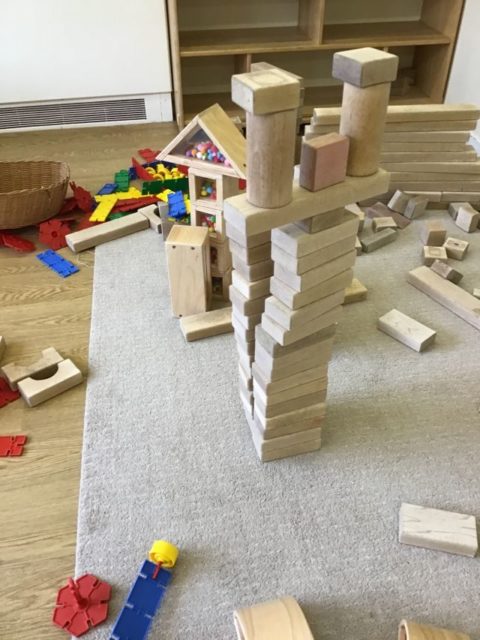
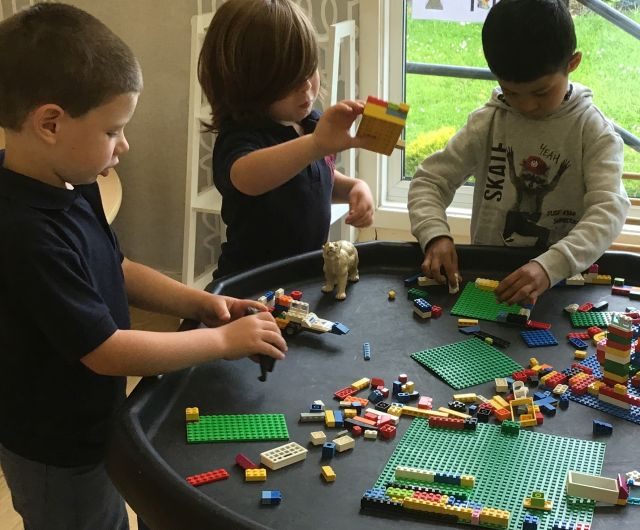
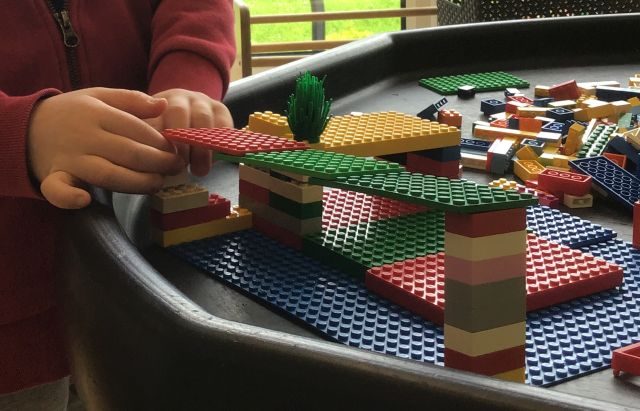
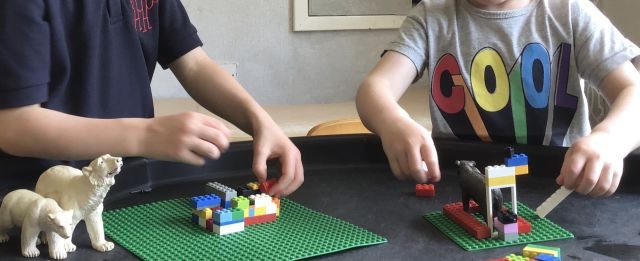
Building houses for bears
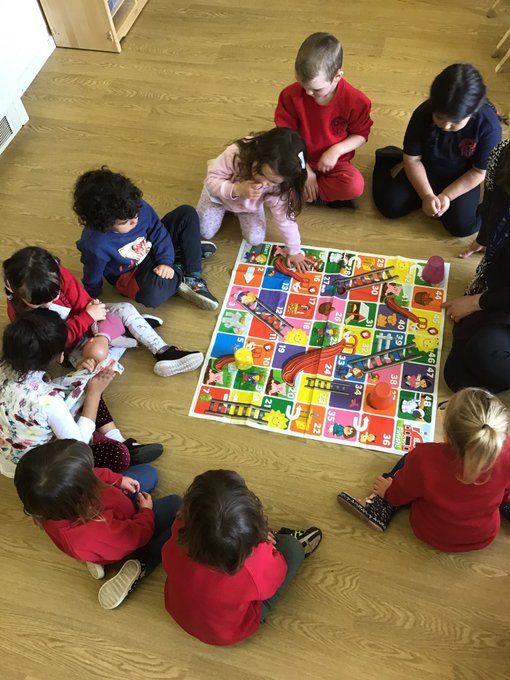
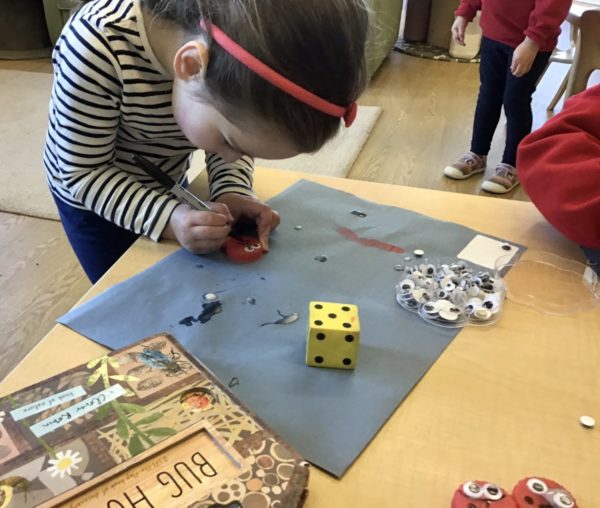
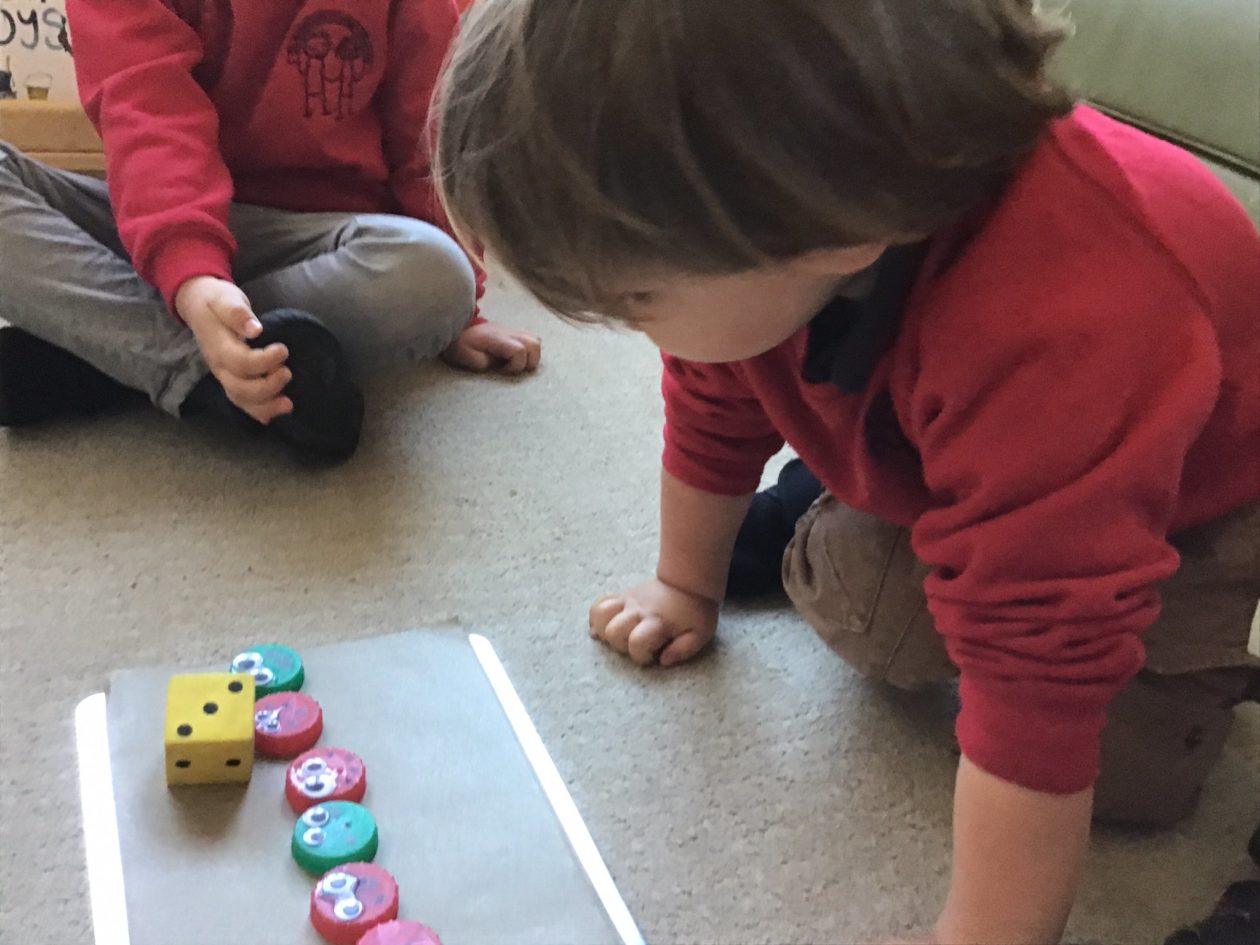
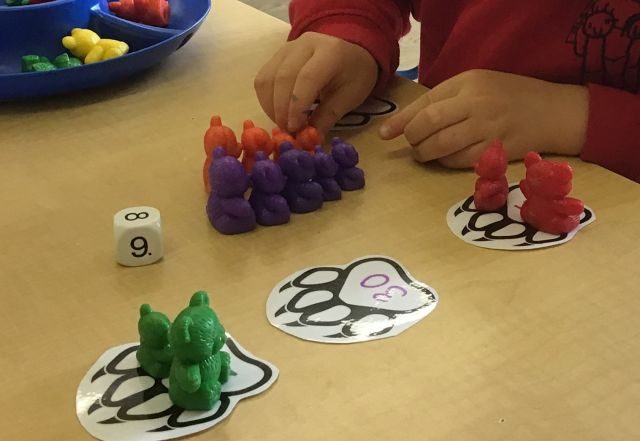
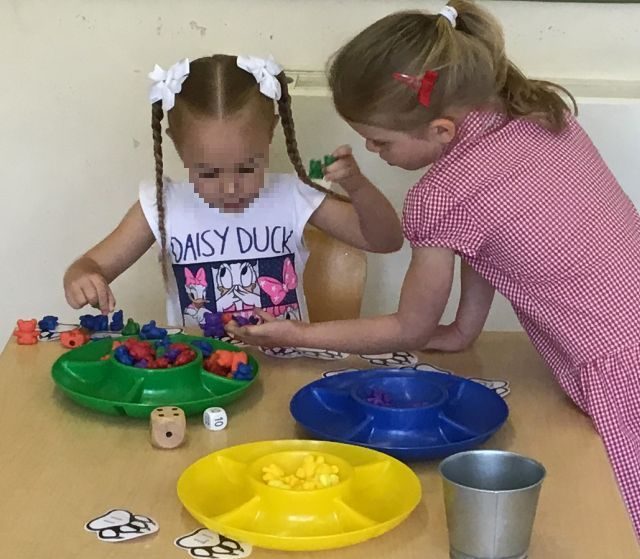
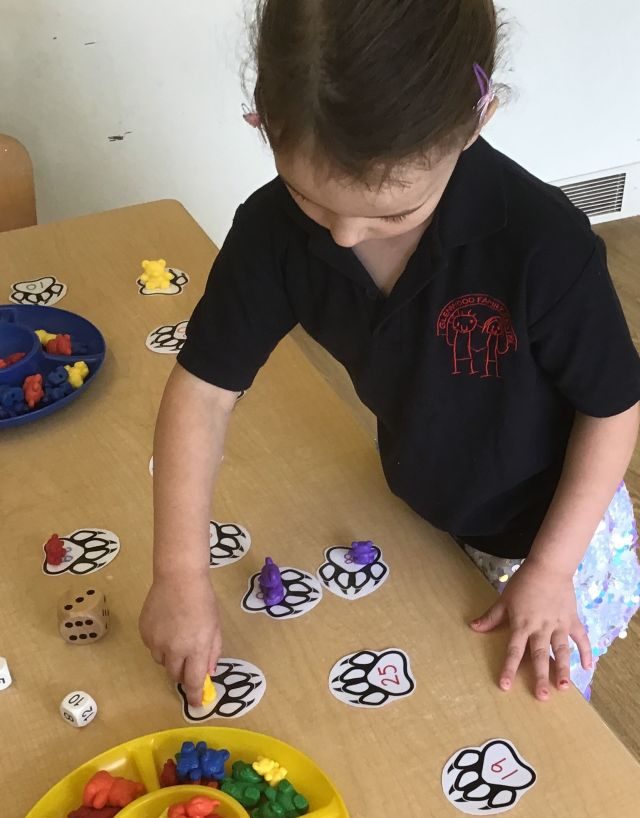
Inventing our own bear maths games
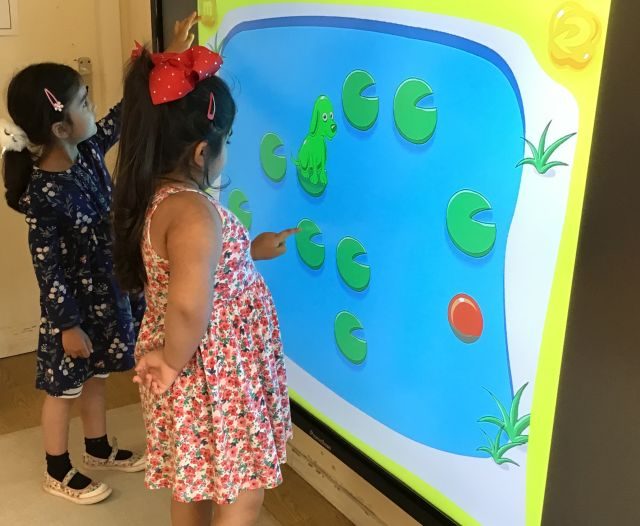
Playing on the computers
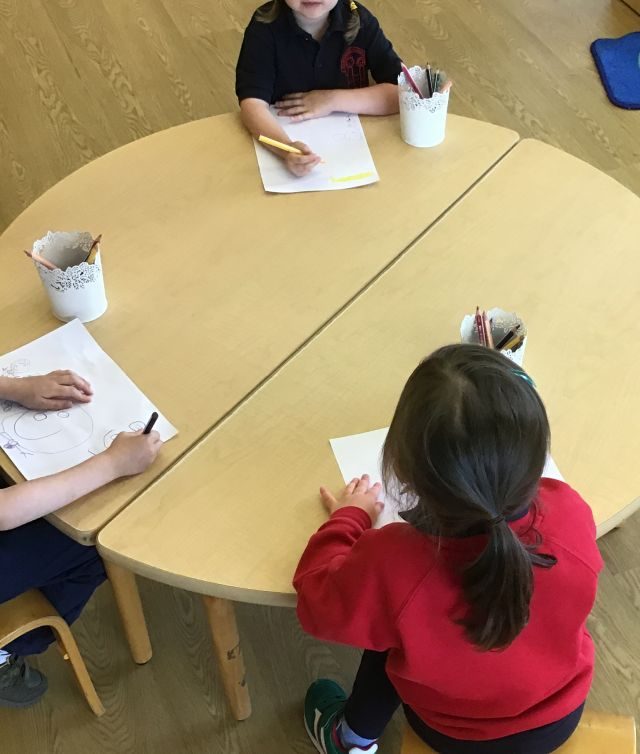
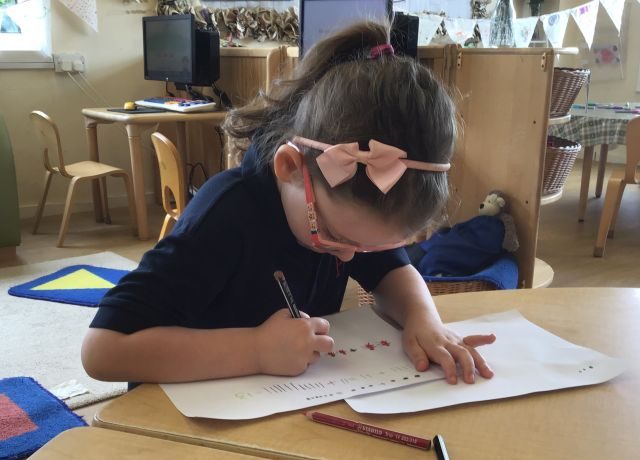
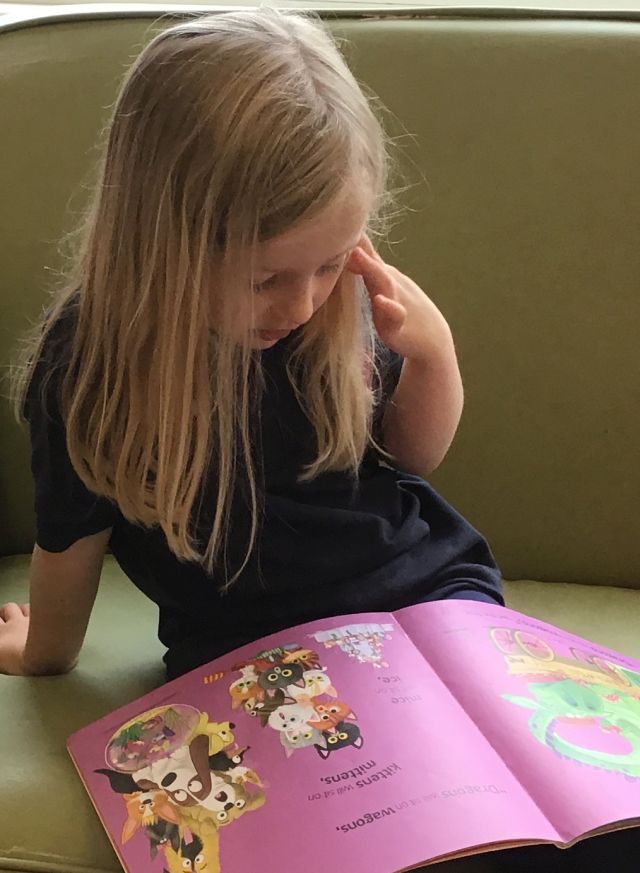
Drawing pictures and reading books
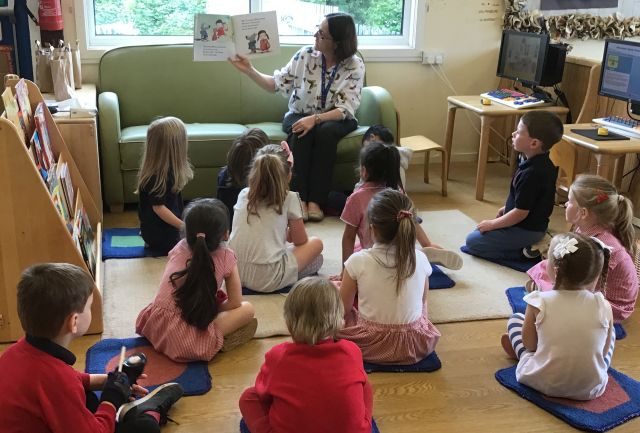
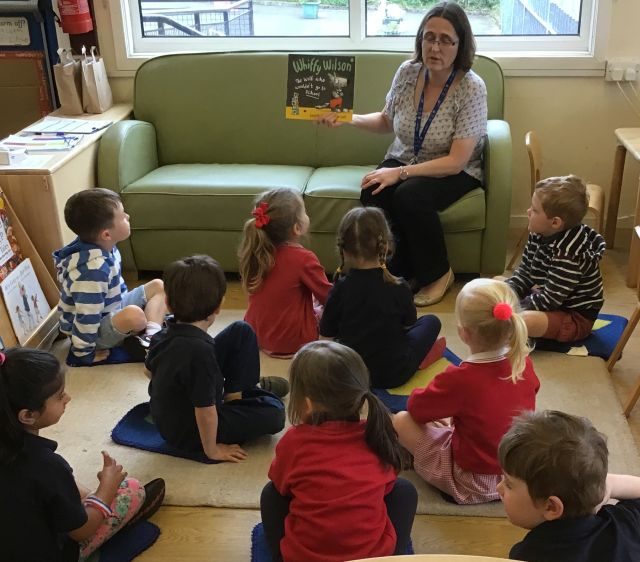
Listening to the story of Whiffy Wilson The wolf who didn’t want to go to school
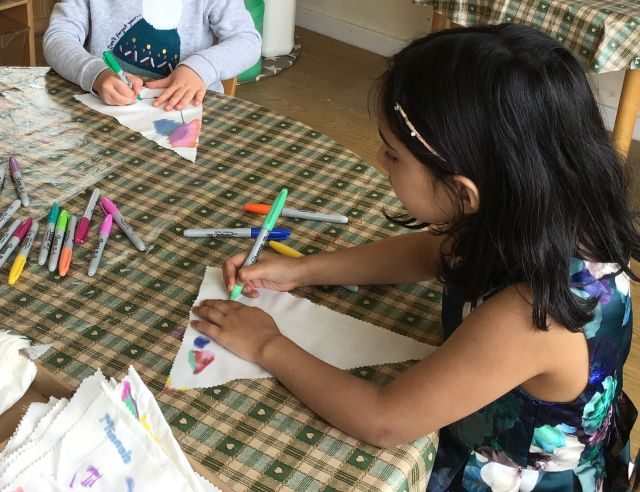
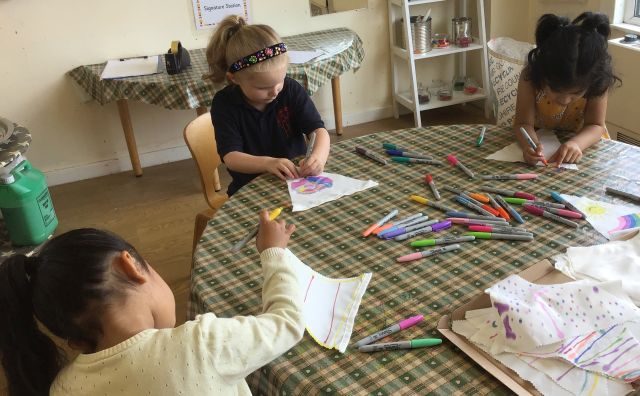
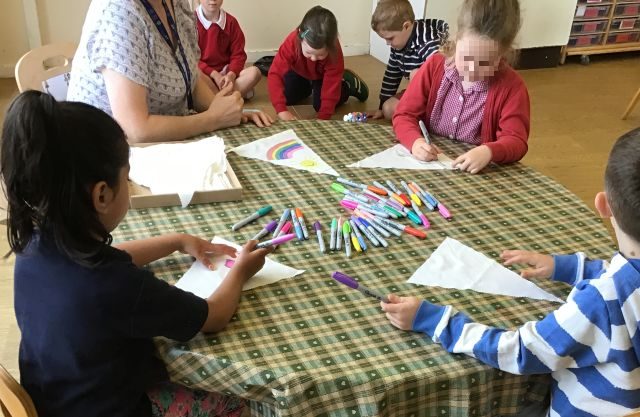
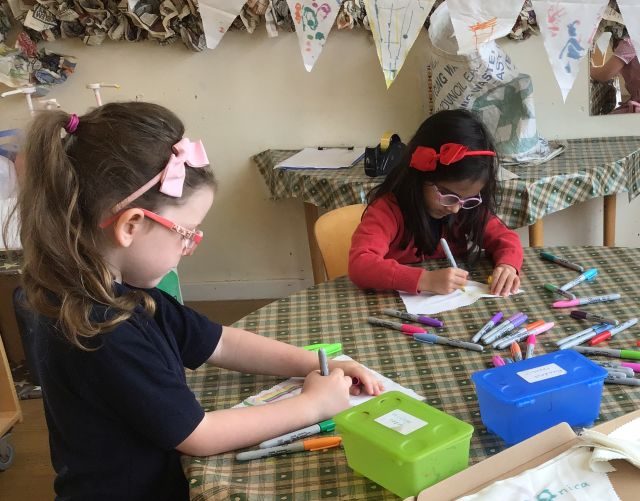
And everyone decorated a triangle to make our own bunting
Next week we will hear all about your adventures when you visited your new schools and also have a small celebration together to say ‘Goodbye’.
Remote Learning – Fun Friends: Nurture
Consistency is key – the more your child practices, the better they will become at finding ways to work through their own personal challenges.
Recap on previous weeks’ learning:
- Feelings It’s ok to have feelings, everyone has feelings. Learning how to recognise and deal with our feelings is an important skill.
- Relax Practise relaxation every day if you can and encourage your child to use relaxation strategies to calm down if they feel upset/worried/angry.
- I can try We can be BRAVE! By looking someone in the eye, smiling and using a brave voice. We now know that RED thoughts are unhelpful thoughts and GREEN thoughts are helpful thoughts. We can choose to turn our RED thoughts GREEN.
- Encourage Did you encourage your child to try a new skill, develop self-control or overcome a fear? Did your child have the opportunity to practice the skill of being brave as they took on a new challenge?
Nurture
Learning about role models in our lives and how they can influence how we nurture relationships. Spending time together doing fun activities with adults, peers and siblings help us to role model positive relationships. Our family, friends and adults in our lives can help us be brave and we can help them.
Being a good friend Discuss what makes a good friend – helping, sharing, smiling and listening. Then talk about a time that your child has been a good friend and thank them for sharing the story.
Making new friends Remind children about doing things one step at a time. Discuss steps to make new friends by, smiling and saying hello, asking them to play with you, share your toys, invite them to play at your garden, etc
Encourage children to listen to their friends.
Listening game: Play a Simon Says game but with a different action from what is being said. For example, Simon says “touch your nose”, while touching your head. Your child needs to listen and do what you say rather than what you do.
Sharing game: In a small group give each child 5 stickers of the same colour. The aim is to end up with 5 stickers- all different colours. Each child has to ask the other child for a sticker in a brave voice and say please and thank you. Afterward you can discuss the importance of being kind and sharing. What would happen if no one had shared a sticker.
Magical sound box: Put different objects, such as keys, paper, beans in a bottle, etc., into a covered box, and then manipulate one of the objects asking a child to tell you what he or she heard. You might need to introduce the child to different objects and sounds before playing this game.
Guess who is calling you: Seat everyone in a circle, choose one child to cover their eyes. Then choose someone else in the group to shout out the person’s name that has their eyes closed. The child then uncovers their eyes and has to guess who shouted out their name. Continue until everyone has had a turn in the circle.
Useful links for being a good friend.
CBeebies Justin’s Good Friends Song
What makes a good friend? song on YouTube
Bad Apple: a tale of friendship by Edward Hemingway (YouTube)
Friendship Soup – a recipe for friends (YouTube)
Can you tell us about when you have been a good friend to your family, neighbours or anyone else?
Share on Google Classrooms or Twitter @GlenwoodFC #Glenwoodlearningathome
Remote Learning – Catapults and Mazes
Mrs Silvester has been having fun with her recycling again! Here are some ideas of things you could try at home too…
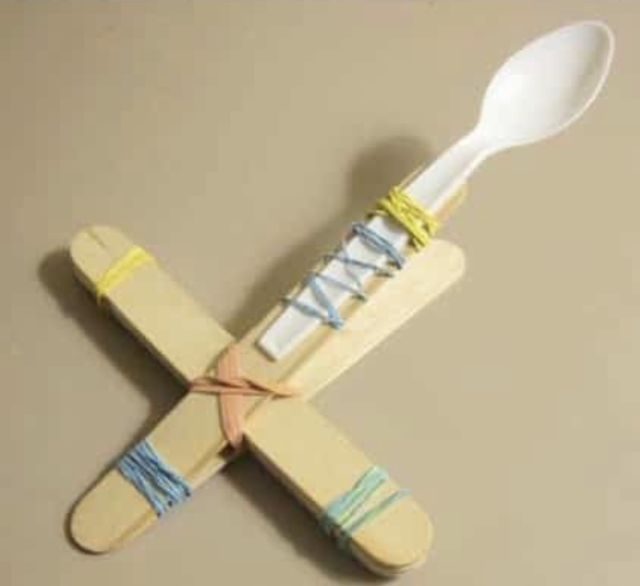
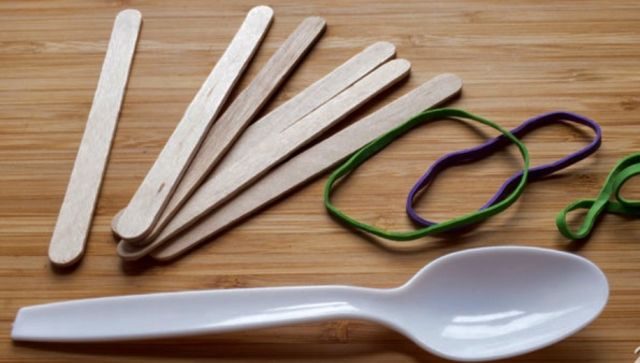
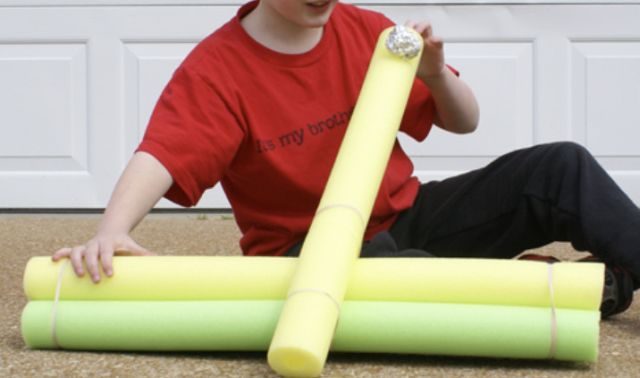
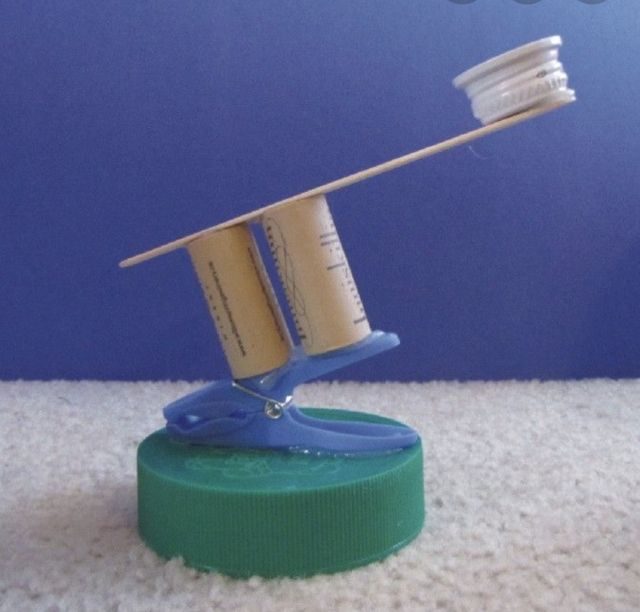
Catapults
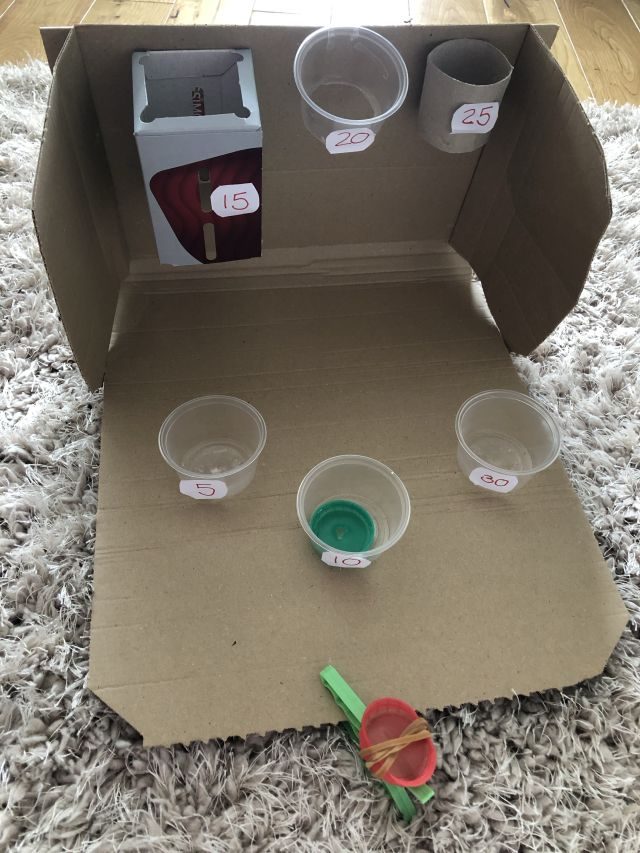
In Mrs Silvester’s house we set out to build our own catapults with things we had around the house to see if we could create our own trajectory devices. Then we built a basketball type game with the catapults.
Here are some of the things you could use:
- Piece of scrap wood/ cardboard/ice lollipop stick/craft stick
- Wood glue/rubber bands/sticky tack
- Clothes peg/plastic spoons
- Plastic bottle caps
- Cardboard box
- Yogurt pots/containers
- Projectile Ideas (safe for toddlers and preschoolers): peas, pom poms, dandelions (just the flower part)
These were some of the questions the children in my house had, which we were hoping the experiment would answer:
- Which would go further, heavier things or lighter things?
- Does a longer catapult fling the object further?
- Which catapult would work better, the spoon or the lollipop stick?

Find more information
https://www.scouts.org.uk/activities/lolly-stick-catapults/
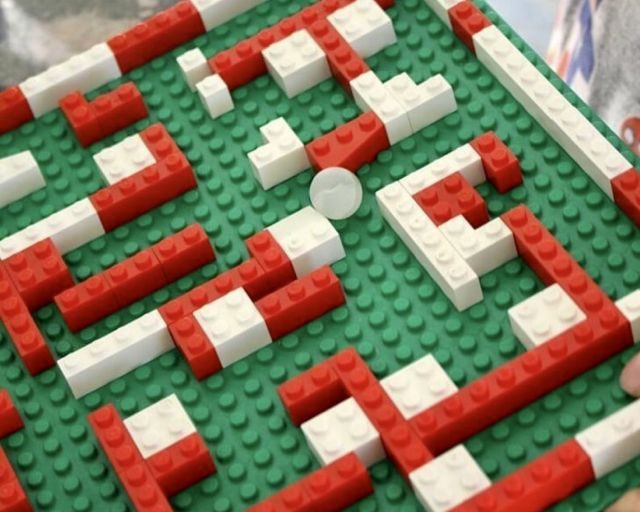
Maze Game
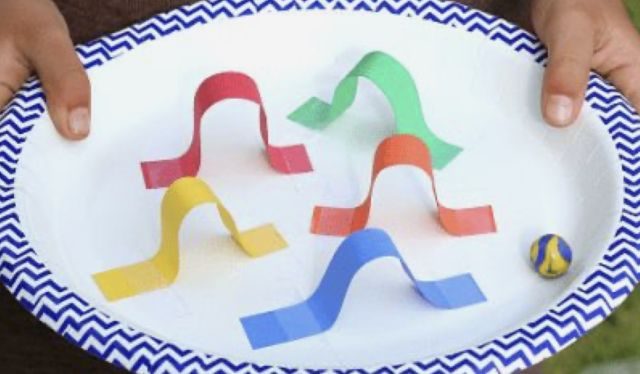
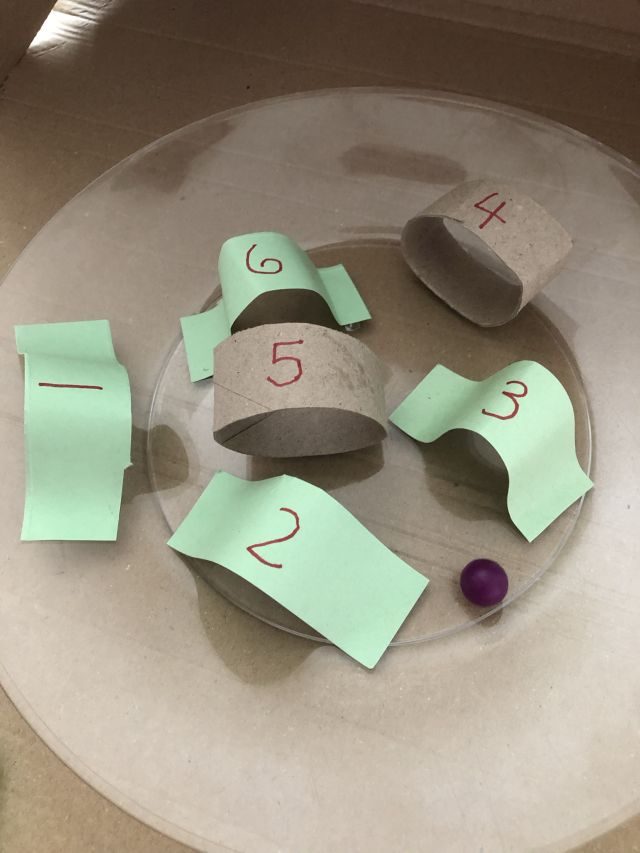
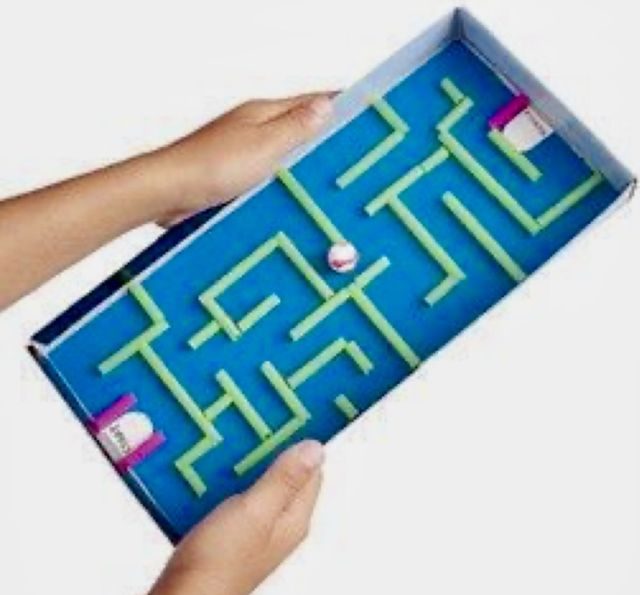
This game was fun to make and is great for building motor skills, concentration, counting and number recognition. Turn a cardboard box or plate into an entertaining ball maze game. This is a great hand-eye coordination game to make and play with reusable materials.
Suggestions of what you could use to make your own Recycled Maze Game:
- Scissors
- Cardboard Box or Plate
- Pencil
- Paper Strips or Cardboard Tubes (Toilet Paper Rolls, Paper towel rolls, wrapping paper tubes, etc.)
- Sticky Tape or Glue
- A bean, marble, scrunched up paper ball or something small that rolls.
Create the Maze
1) Design your maze by placing the tubes or paper strips on the box. Arrange them making sure you leave enough space for free ball travel around the maze.
2) Then attach the tubes or paper strips to your box or plate
3) ENJOY ! ! !
You could try these other ideas for making mazes too.
Here’s a fun song to help remind us of ways to cut down on single use plastic: https://www.bbc.co.uk/iplayer/episode/p0798jzc/junk-rescue-songs-2-single-use-no-thank-you
Don’t forget to share your creations on Google Classrooms or Twitter @GlenwoodFC #Glenwoodlearningathome
Remote Learning – Let’s Smile!
We love to see your smiles and it is nearly the end of National Smile Month (18th May – 18th June). When you smile it’s great to see your teeth especially when they are clean and bright.
Remember to:
- Brush your teeth twice a day in the morning and at night.
- Brush for two minutes with a pea sized amount of toothpaste
- At the end spit don’t rinse
- Reduce sugary foods and drinks and restrict them to mealtimes.
Why don’t you sing along with Hey Duggee’s toothbrushing song?
Activity
Next time you are brushing your teeth can you name the different parts you are brushing: the lower set, front of your teeth, gums, back of teeth, biting surface, corners and upper set of teeth.
Lots of us also love things that are sweet but sugar isn’t good for our teeth or bodies. Are you eating too much sugar?
https://www.nhs.uk/change4life/food-facts/sugar
Activity – Sugar Bags
Create bags with spoonfuls of sugar to show how much sugar is in a product you enjoy. You will find the amount of sugar in the nutrition panel of the product listed under “Carbohydrate of which sugars”. 1 teaspoon=roughly 4g of sugar so divide the figure on the packaging by 4 to get the number of teaspoons.
Mrs McGregor checked her yoghurt ingredient panel and found it contained 13.8g of carbohydrate as sugars. She measured out 3 ¼ teaspoons of sugar to show how much sugar was in the yoghurt.
Sugar swap
Which items do you enjoy that you could swap for similar products with less sugar? For example, you could swap flavoured yoghurt for natural yoghurt with fresh fruit . 
https://www.nhs.uk/change4life/food-facts/sugar/sugar-swaps-for-kids
You can find out more about Child Smile on their website:
http://www.child-smile.org.uk/parents-and-carers/index.aspx
We would love to see your smiles and healthy swaps – why don’t you post them in your Google Classroom to show your friends?
@GlenwoodFC #Glenwoodlearningathome
Remote learning- We are going to go to school soon- week 5
Our transition visits have now started with children invited to meet their classmates in small groups both in nursery and at school. During these visits the children will be invited to take part in some more Bear Hunt activities.