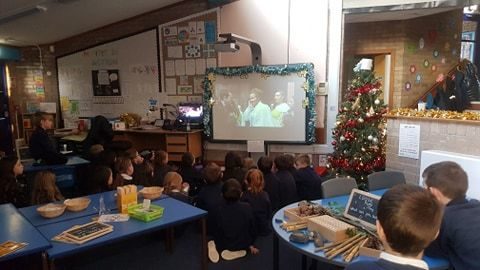
Portree received their reward for achieving the most termly merits for their house team today. The children elected to have a Christmas themed movie session. The boys and girls picked Nativity Rocks. They cozied in and relaxed to view a modern twist on the classic story.
Dunskey joined in with their own Christmas themed activity for the afternoon. The children worked collaboratively to design and build a sleigh for Santa to deliver his presents. They had to select a range of materials that would fit the construction task, then plan and build their model.
There was great evidence of applying the skills for work and life (employability skills). Everyone was able to use teamwork to problem solve, organise and adapt as a group. The results were impressive. The children even considered aerodynamics, capacity storage and accessibility for the jolly man himself. Well done to all for successfully achieving the desired outcome. Mrs Baillie judged the winning entry – Robin Alfie, Rebecca and Carter!
After they had completed their challenge, Dunskey was invited to join Portree to enjoy a bit of the movie too.
The boys and girls had a VERY special visitor arrive this afternoon…
Santa appeared in our playground in his motorised sleigh, complete with antlers, no less!
Everyone was surprised and delighted to see him. He said a socially distanced, “Ho, Ho, Ho!” to all the children. Santa chatted to the boys and girls and told us all that he was getting ready for the big day. He said that we have to be tucked up in our beds, sleeping, on Christmas Eve so he and his elves can work their magic.
We sung some Christmas songs out in the fresh air to entertain Santa. He very kindly gave the children a big sack of goodies as an early Christmas treat. It was then time for Santa to leave to carry on with his preparations in his workshop.
Thank you to Santa and his Elf for their kindness. We all appreciate it very much.
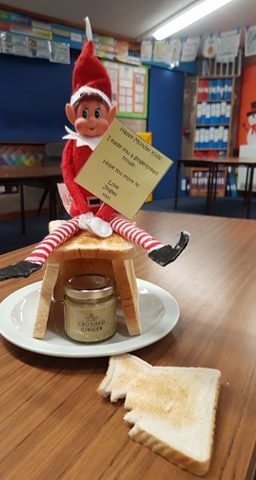
On Monday, Jingles decided to build the boys and girls a ‘ginger’ bread house. We think he had a munch as he was working on it.
Jingles leaves a present
How do you like my ‘Ginger’ Bread House?
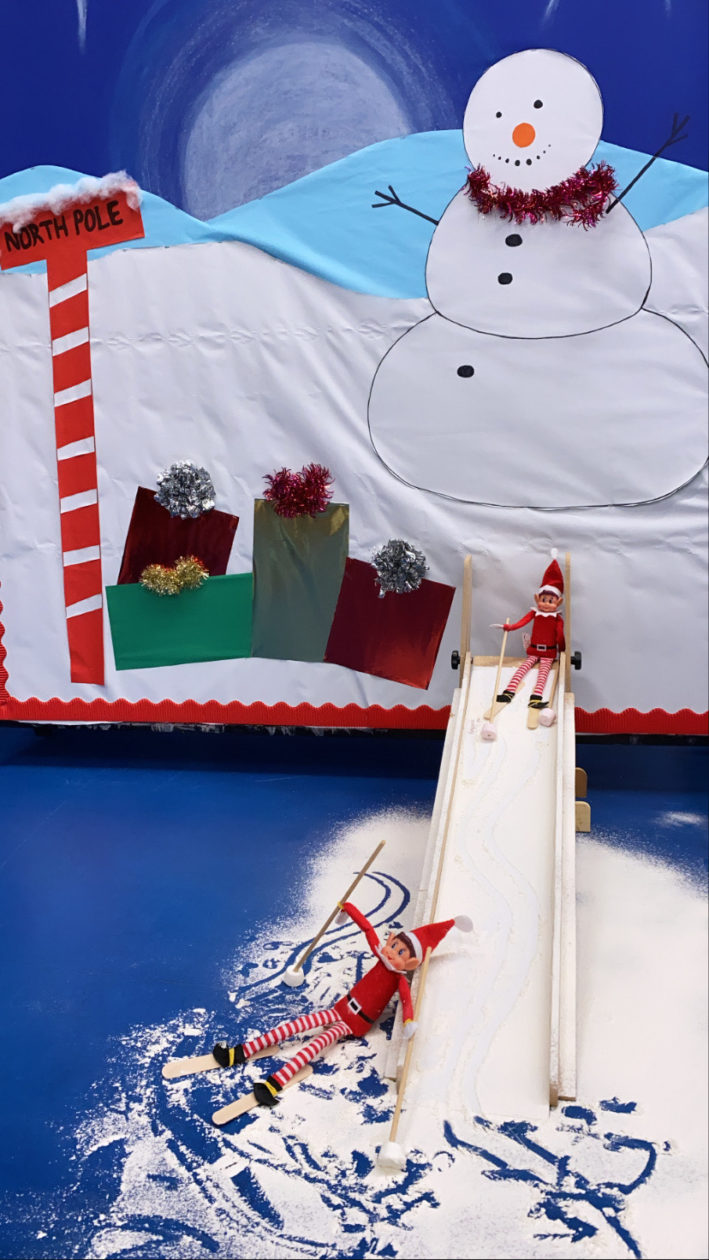
On Tuesday, Jingles teamed up with the Elvis the Elf who is visiting Class 1. Together they decided to enjoy some winter sports. They headed for the slopes for a spot of skiing.
Winter fun
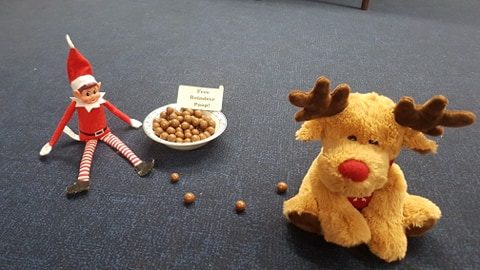
On Wednesday, Jingles left a treat for the children courtesy of Rudolf. I don’t think they were too keen to sample his offering of Free Reindeer Poo 😉
On Thursday, Jingles Elf and Elvis Elf from Class One left some learning challenges for the children.
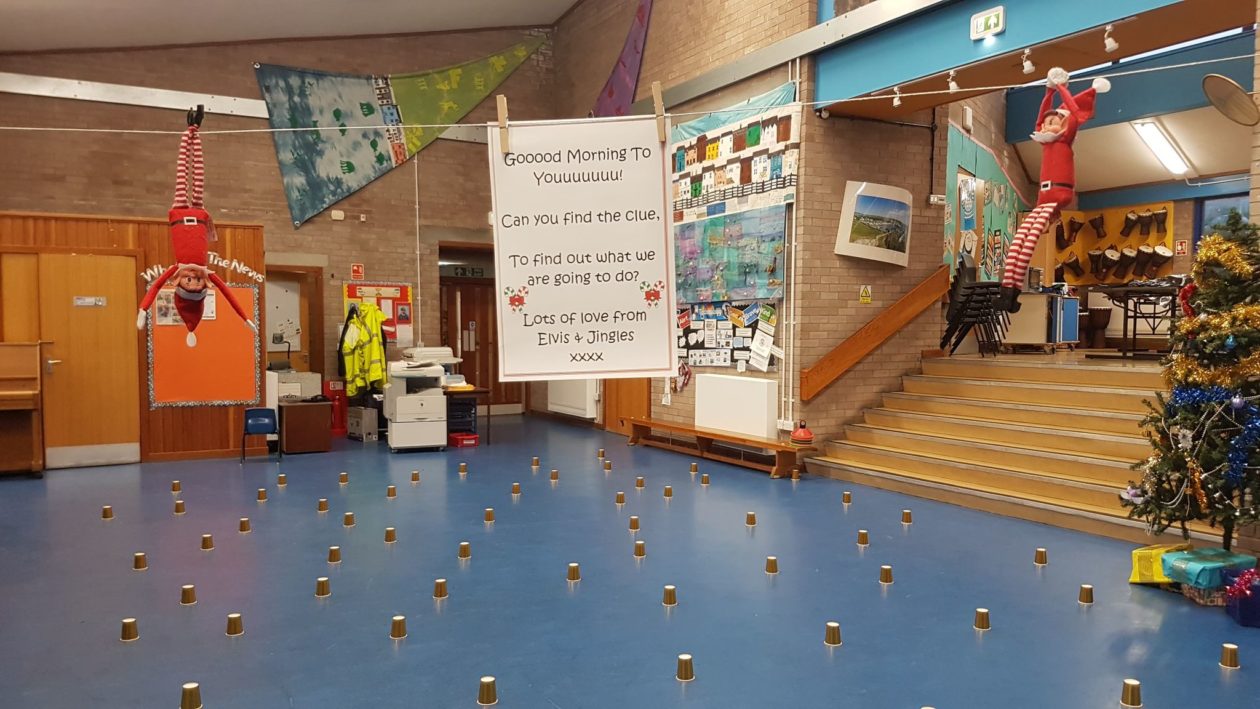
A clue was hidden under one of the golden cups placed ALL OVER the hall floor. It was a fun, free-for-all with Alfie finding the winning cup to reveal our activity.
The message said that we were going to bake Christmas Butter Cookies. The elves had left us all the ingredients we needed. The children had to follow a basic recipe to make cookies. Each group was required to apply their knowledge of reading weighing scales to measure butter, flour and sugar in the right quantities. They had to interpret and follow an instruction text in the right sequence to produce their cookies correctly. Everyone practiced their employability skills of problem solving, numeracy skills, teamwork, communication and organisation.
problem solving
Helping hands
weighing and measuring
negotiating
communicating
Teamwork
Our finished cookies
Yum!
The boys and girls used the baking experience to practice their instruction writing skills to recreate the recipe from memory.
The next challenge was to make a 3D kitchen scene for Jingles using 2D maths nets. The children had to figure out how the net would be folded and shaped to create an oven and flour bags etc. They created a diorama for Jingles to use as his kitchen. We think he likes it!
Jingles leaves a challenge
Can you make me a kitchen?
Our instructions
Our 2D net templates
Preparing our 2D nets
Look what we made!
Jingles enjoys his kitchen
Snowy scene with digital photo art
On Friday, Jingles spun a spell and created a magical shrinking machine. How he managed to shrink the Oreo biscuits remains a mystery. We hope he behaves himself over the weekend whilst we are not in school!
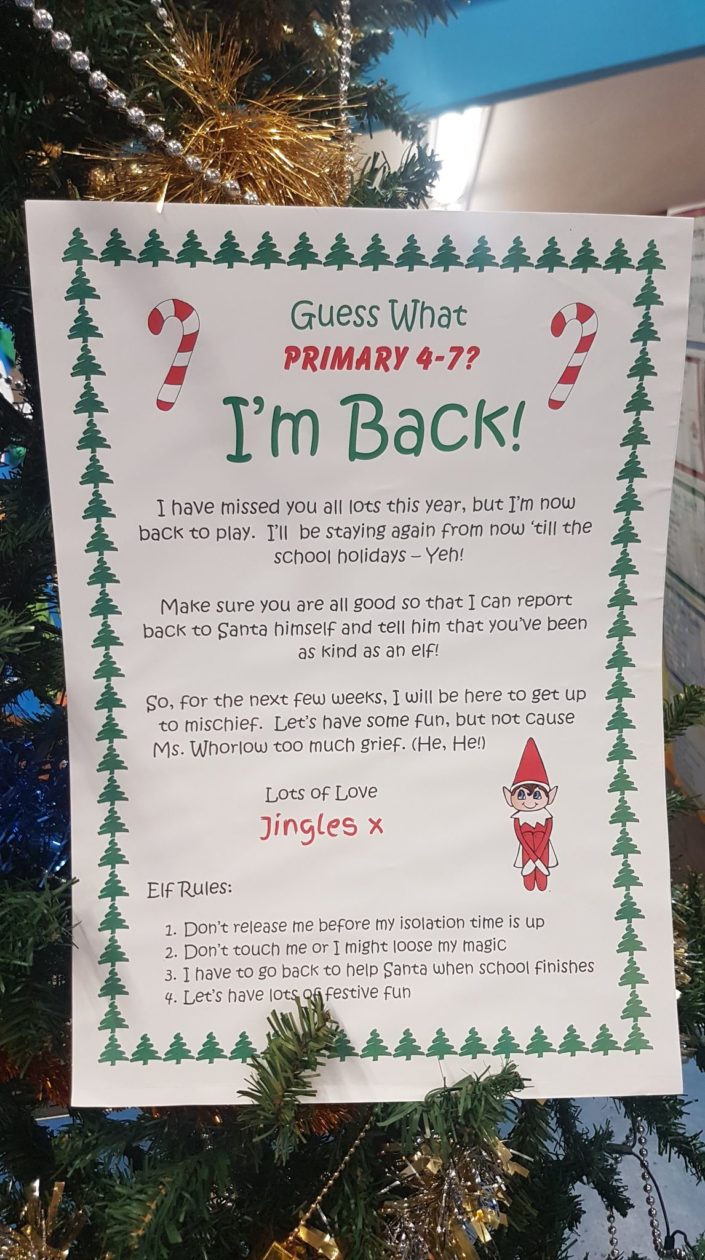
P 4-7 saw the return of Jingles the Elf on Tuesday 1st of December. Jingles is our very own elf who visits us every year for mischief and mayhem.
Meet Jingles
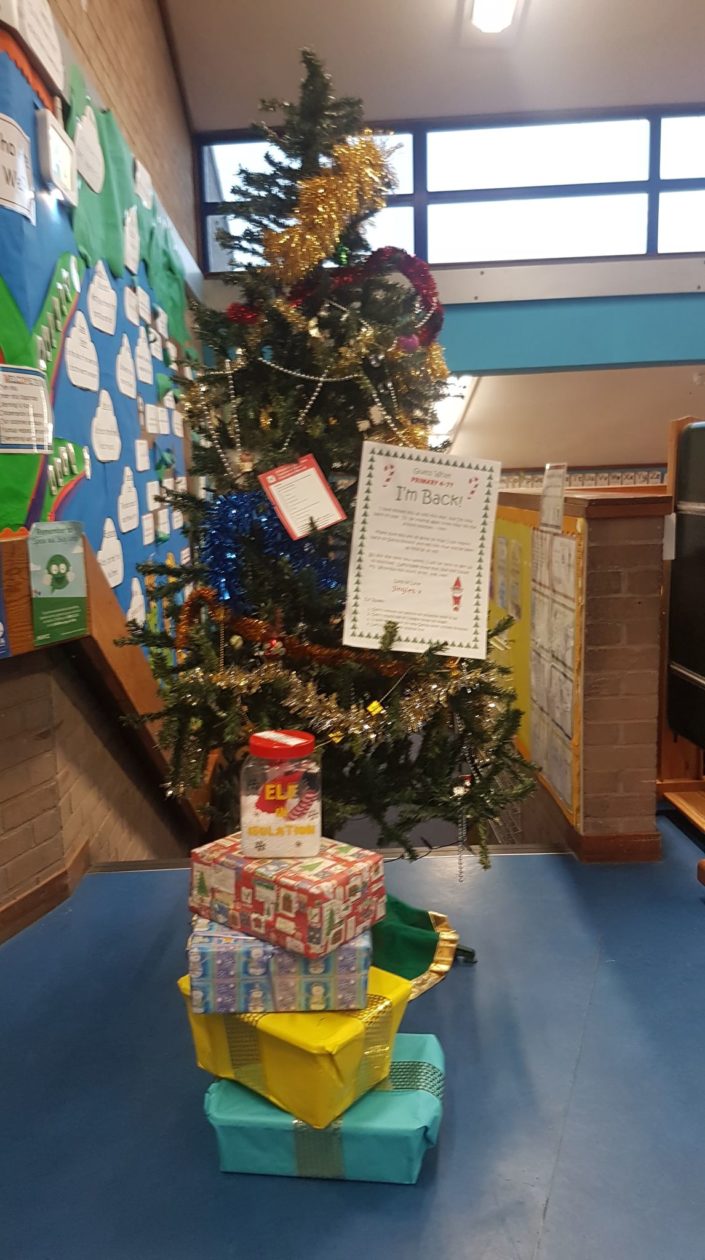
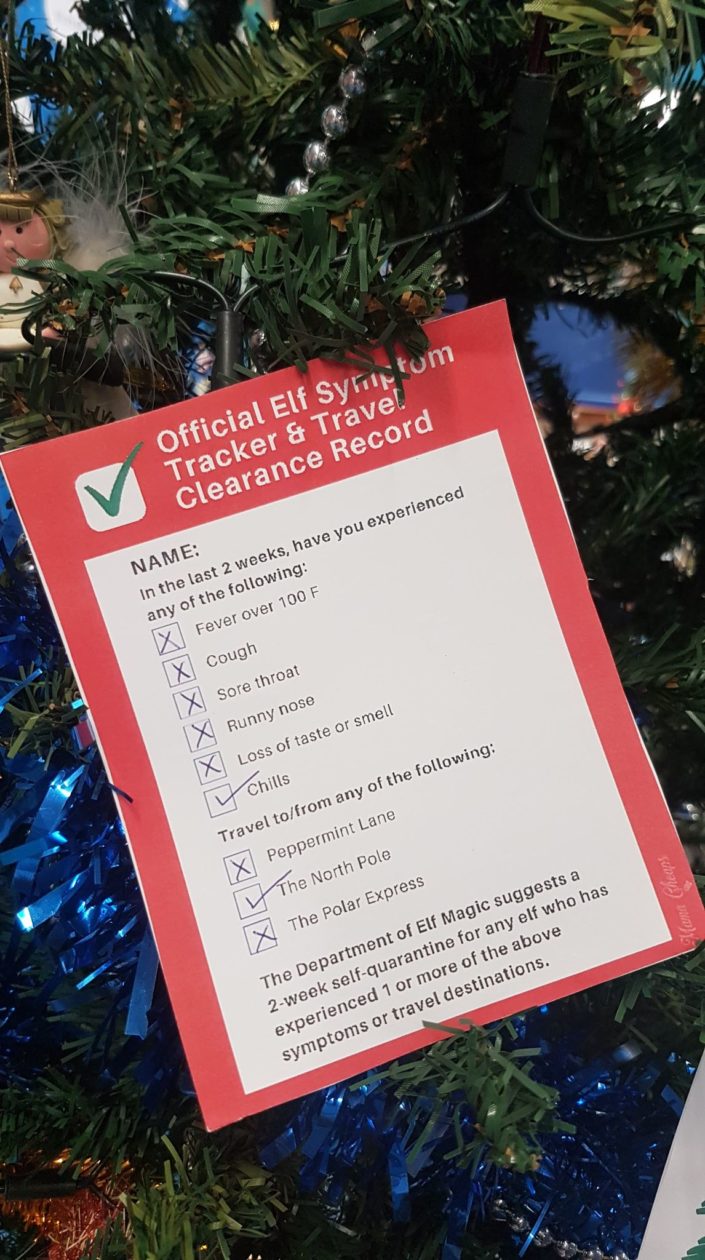
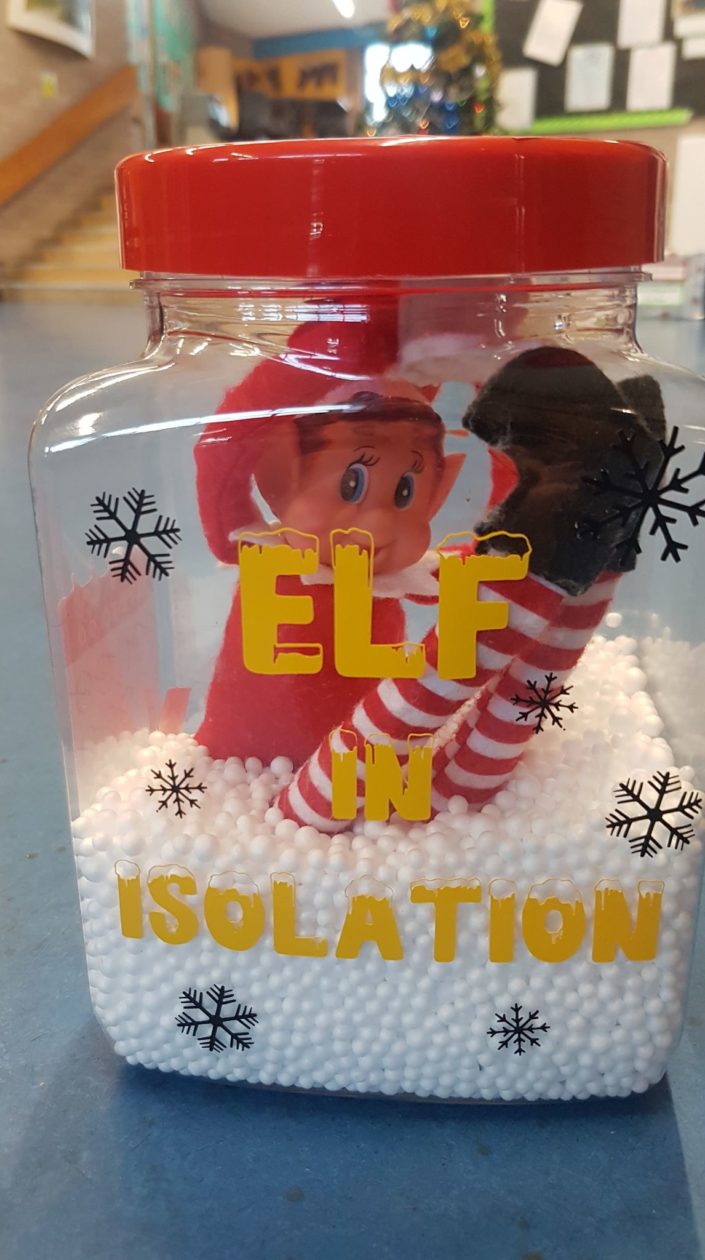
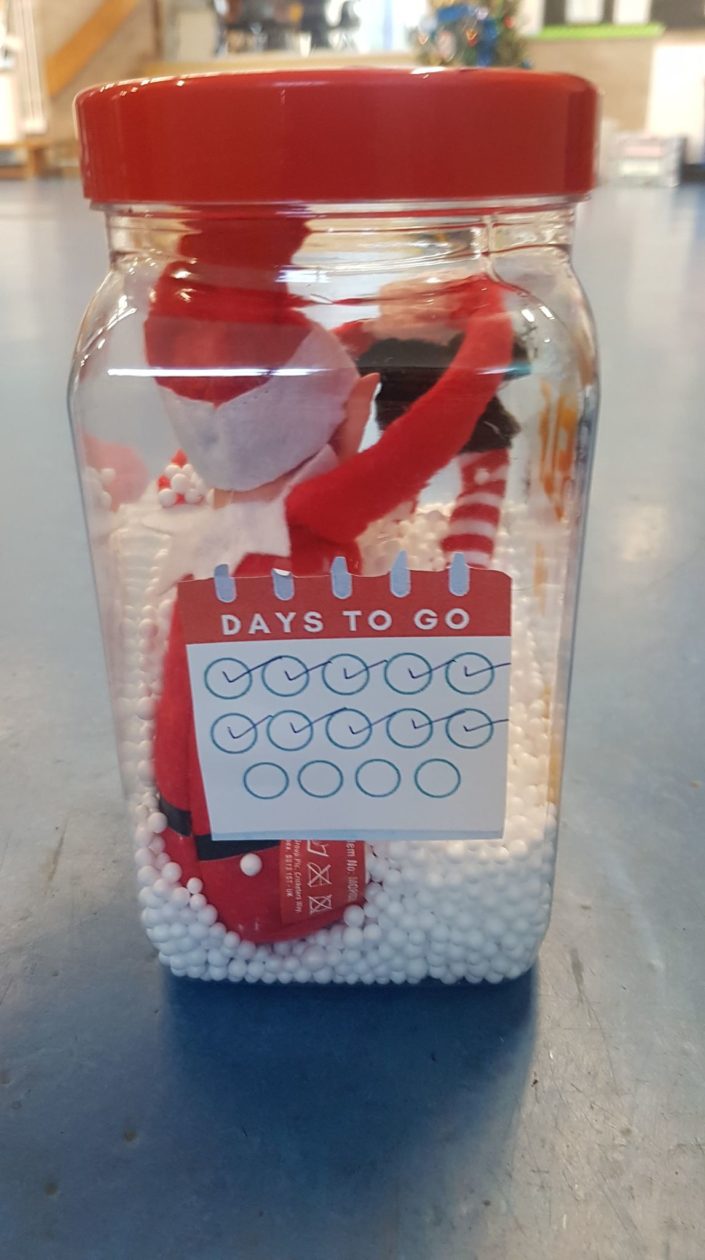
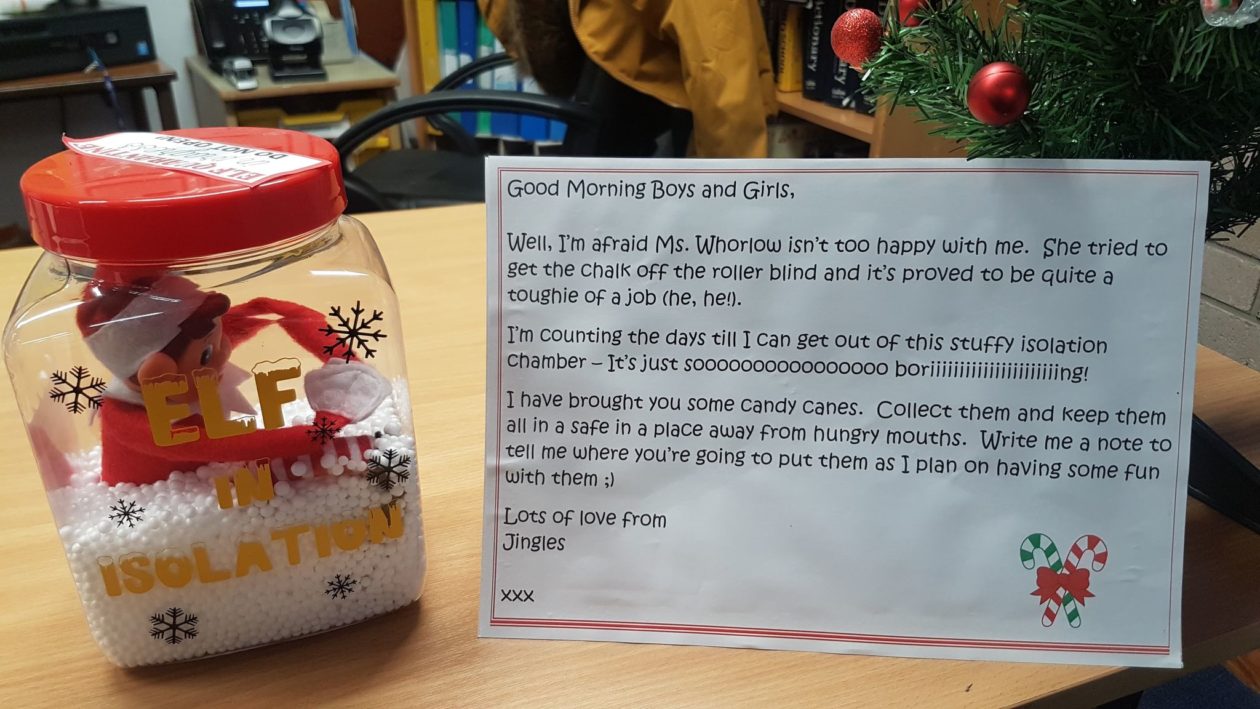
This year, his arrival was a little different. Jingles was delivered in his own self-isolation chamber to make sure he kept the boys and girls safe. He had to fill in an Official Elf Symptom Tracker and Travel Clearance Record to allow him to travel from the North Pole. Thankfully, it looked like he was feeling okay and was just being careful. He had already completed 10 days of a 14 day isolation as he started self-isolating in the North Pole sealed in his chamber, so he only had 4 days to go. Ms. Whorlow was hoping he had to isolate for the full 14 days to give her peace, but it was not to be 😉
Jingles arrives
A note for the children
Travel clearance record
Keeping safe
4 days to go!
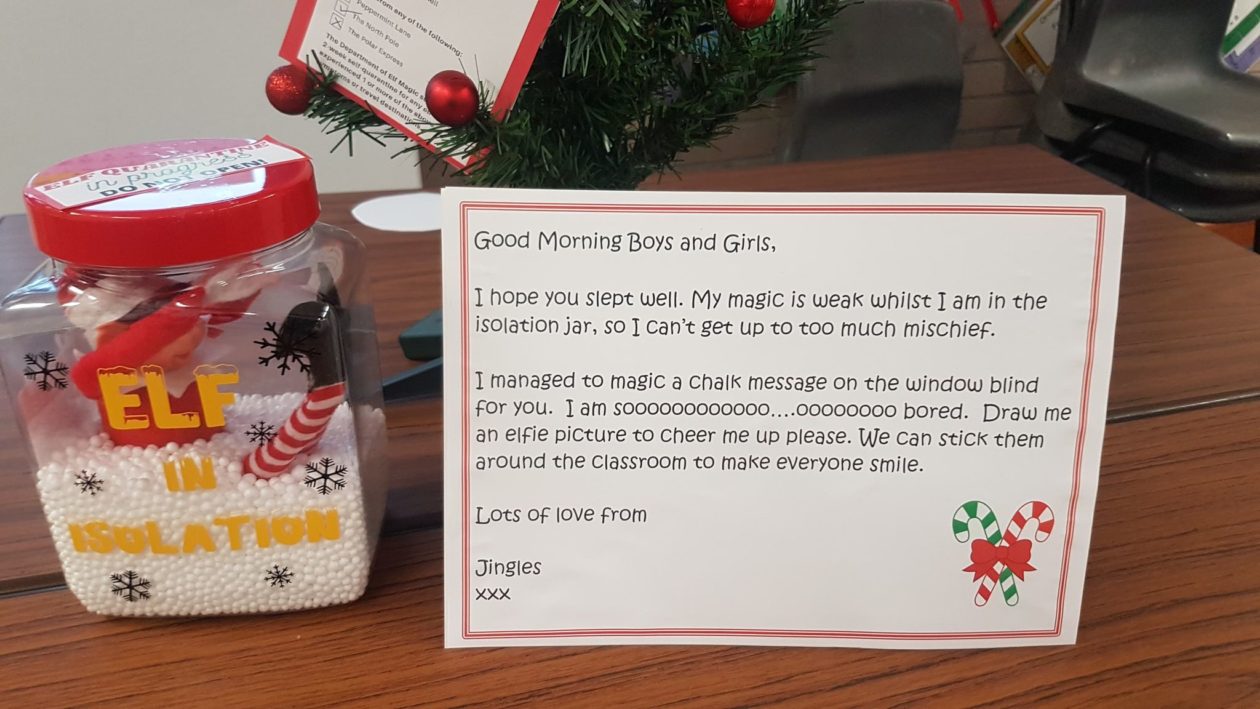
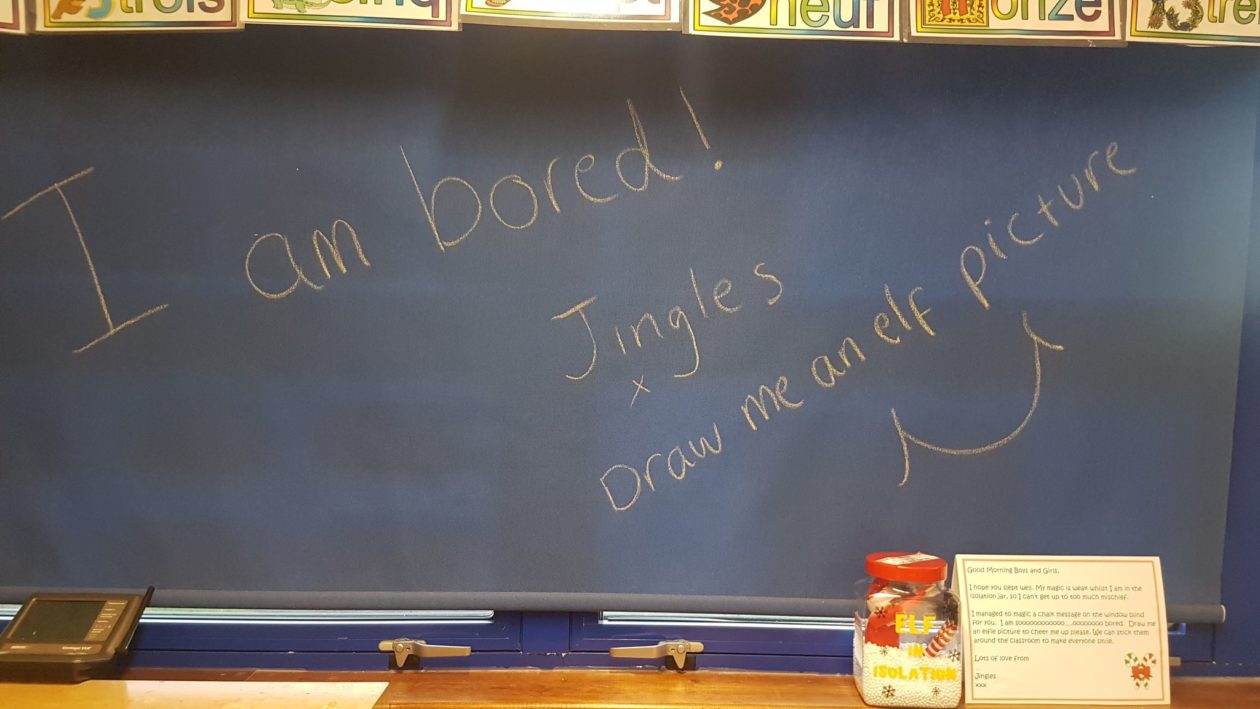
We expected things to be quiet for a few days as he stayed in isolation, but on Wednesday, we arrived to find this letter from Jingles.
Just look what he did to our classroom blinds!
That’s gonna take some cleaning!
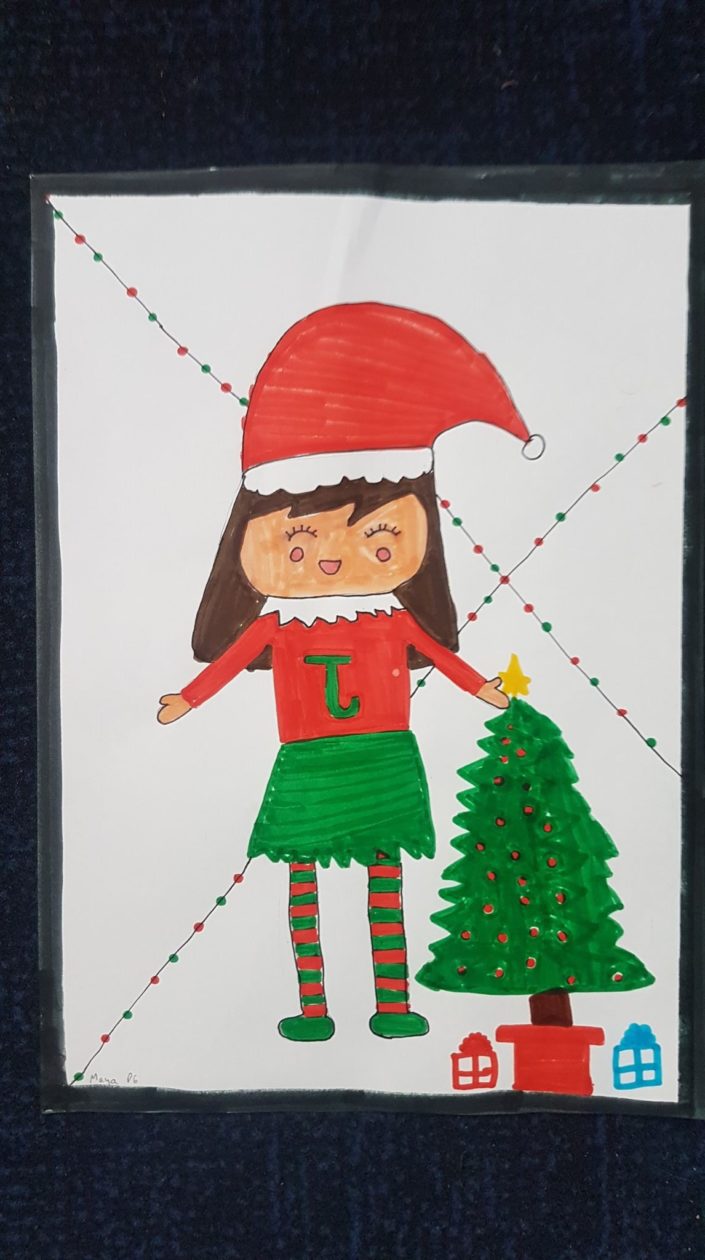
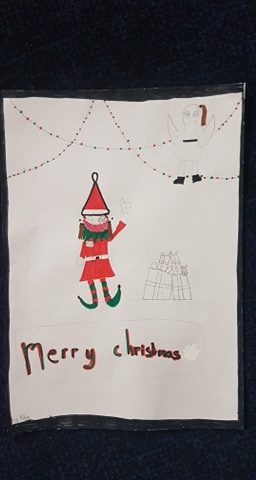
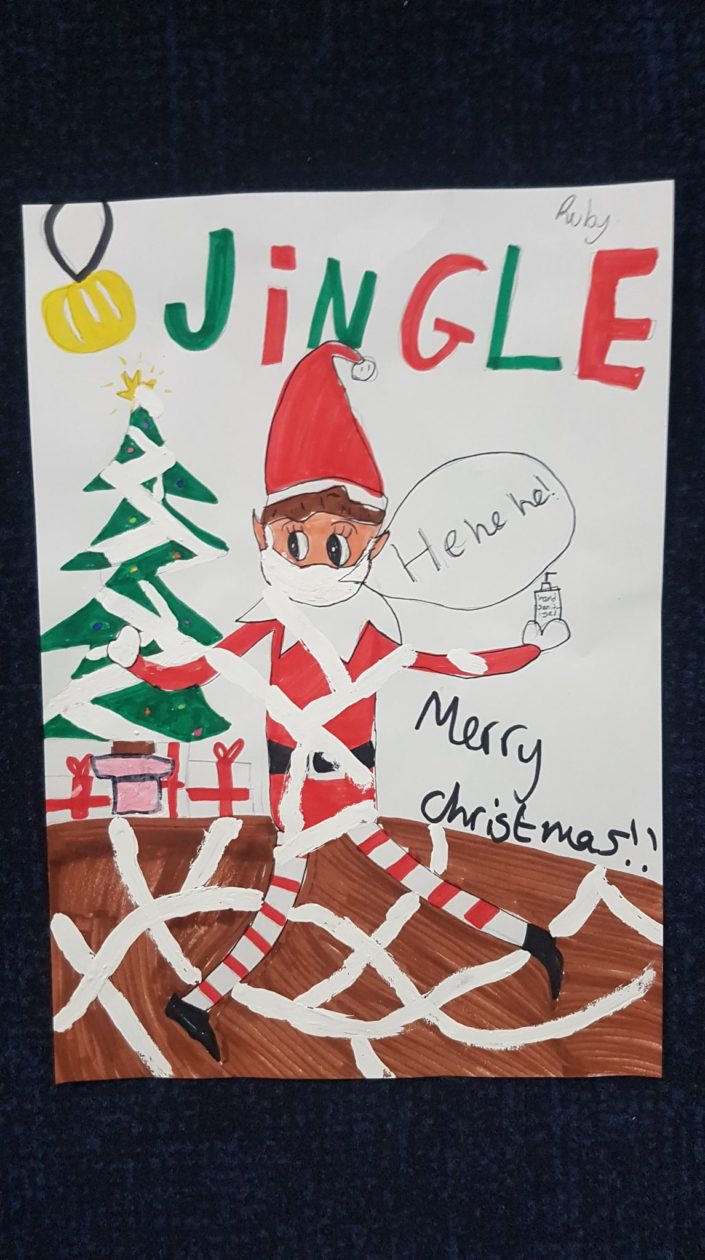
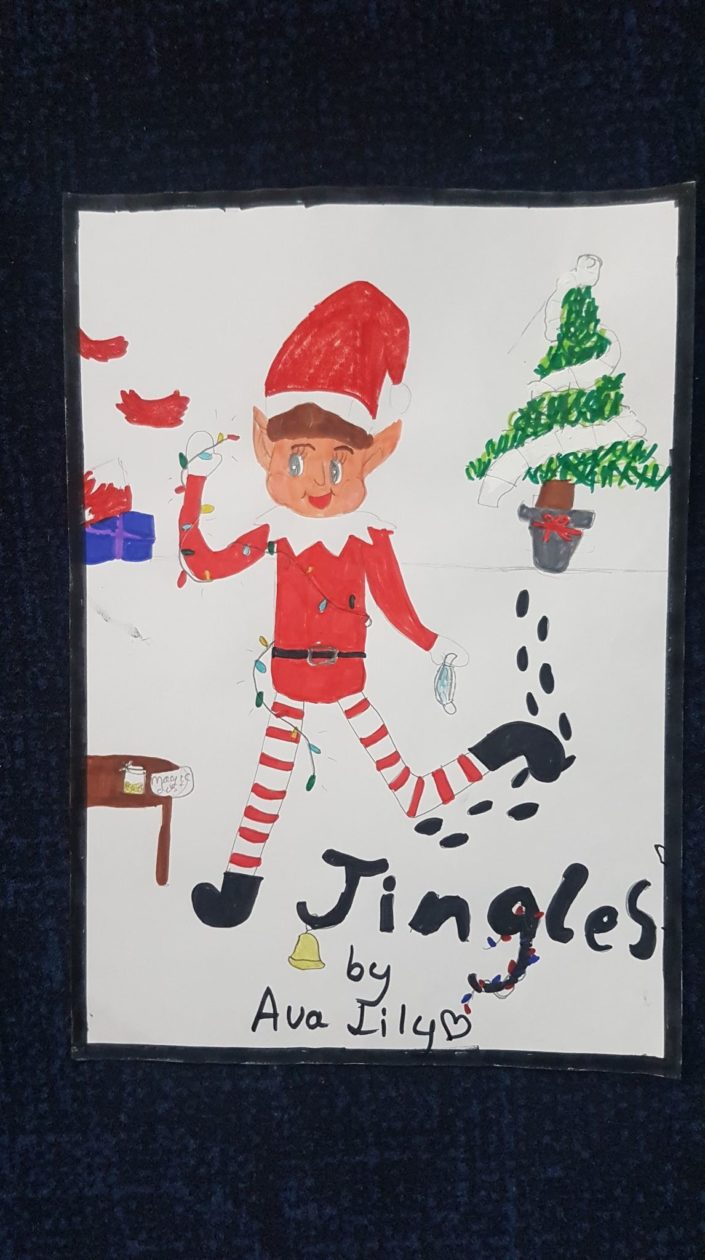
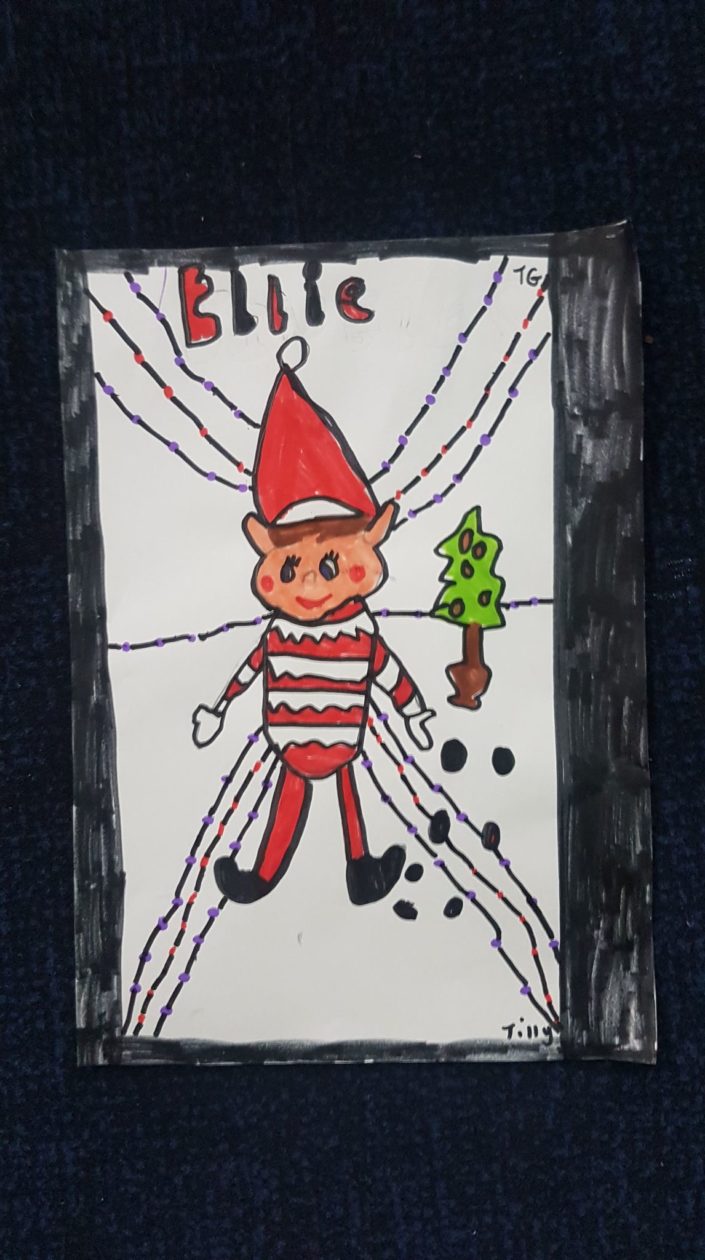
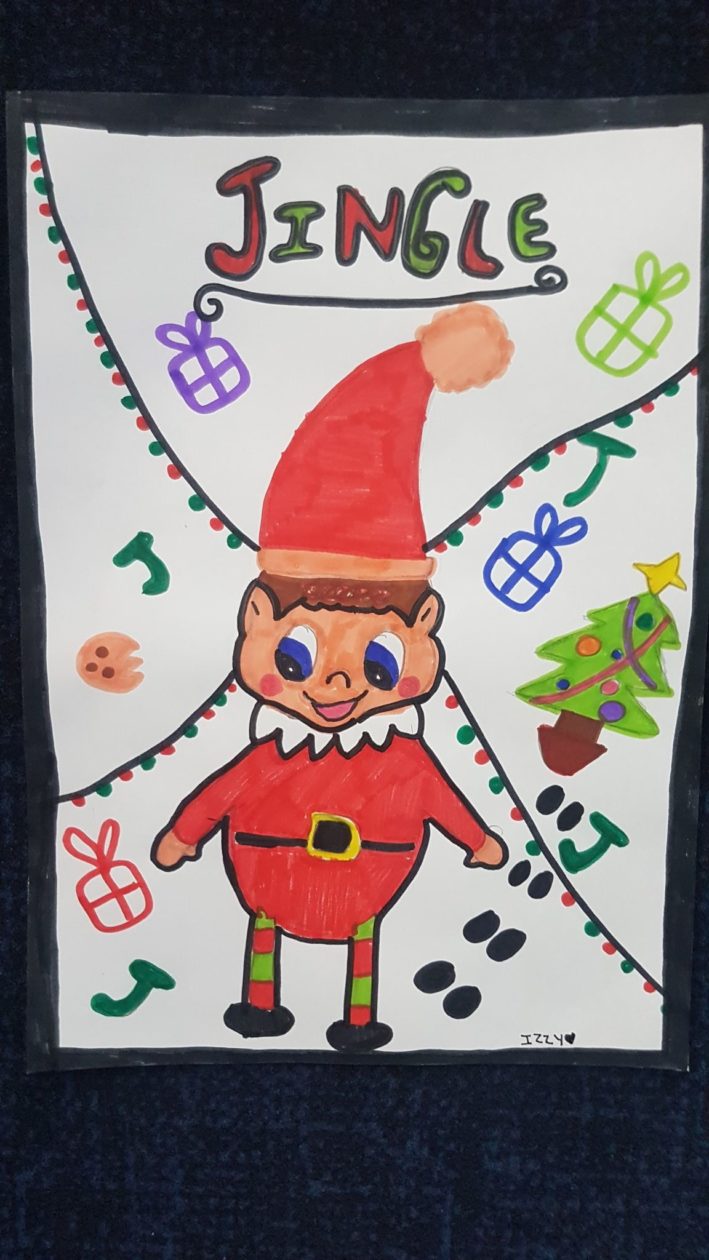
The children created some lovely elf pictures to brighten Jingles up.
Maya
Alba
Ruby
Ava Lily
Tilly
Izzy
Lillie
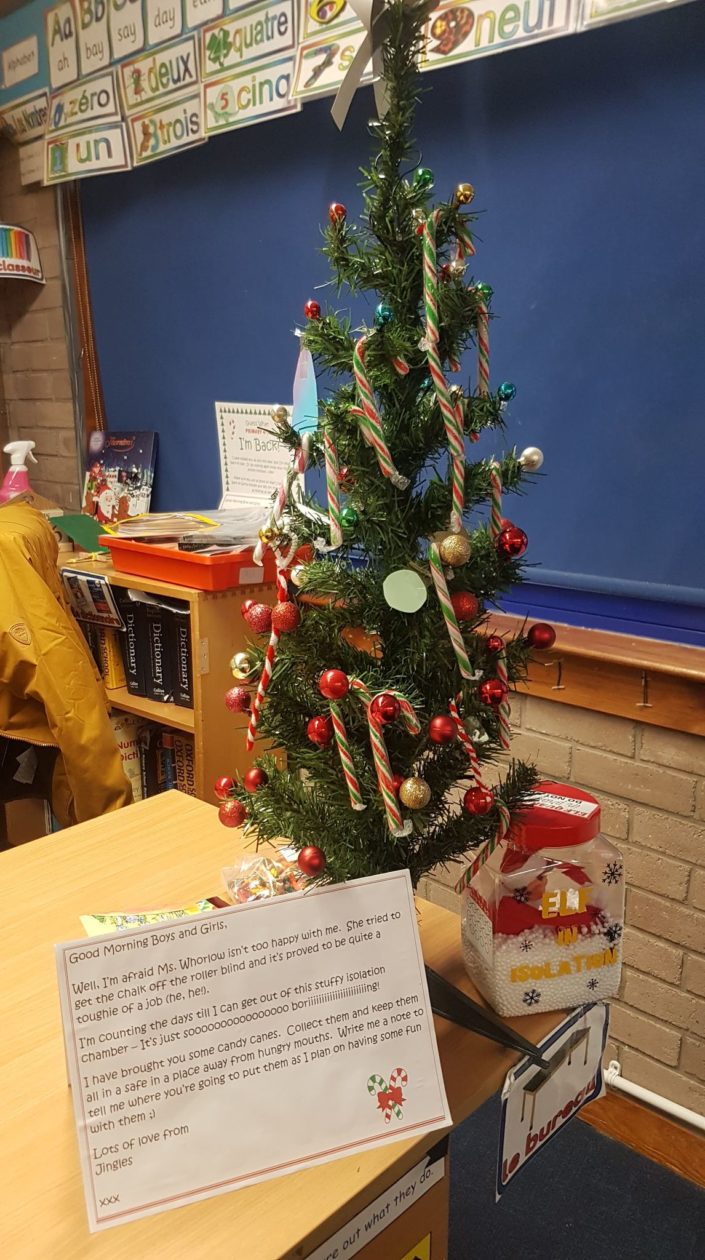
On Thursday, we arrived to find another note from Jingles. He brought candy canes to decorate our tree.
Jingles leaves another noteJingles brings candy canes
The children practiced their letter writing skills and wrote Jingles a letter to tell him a little about themselves. They know that if they want to tell Santa about any Christmas gift wishes, they have to write to the jolly man himself back at the North Pole workshop.
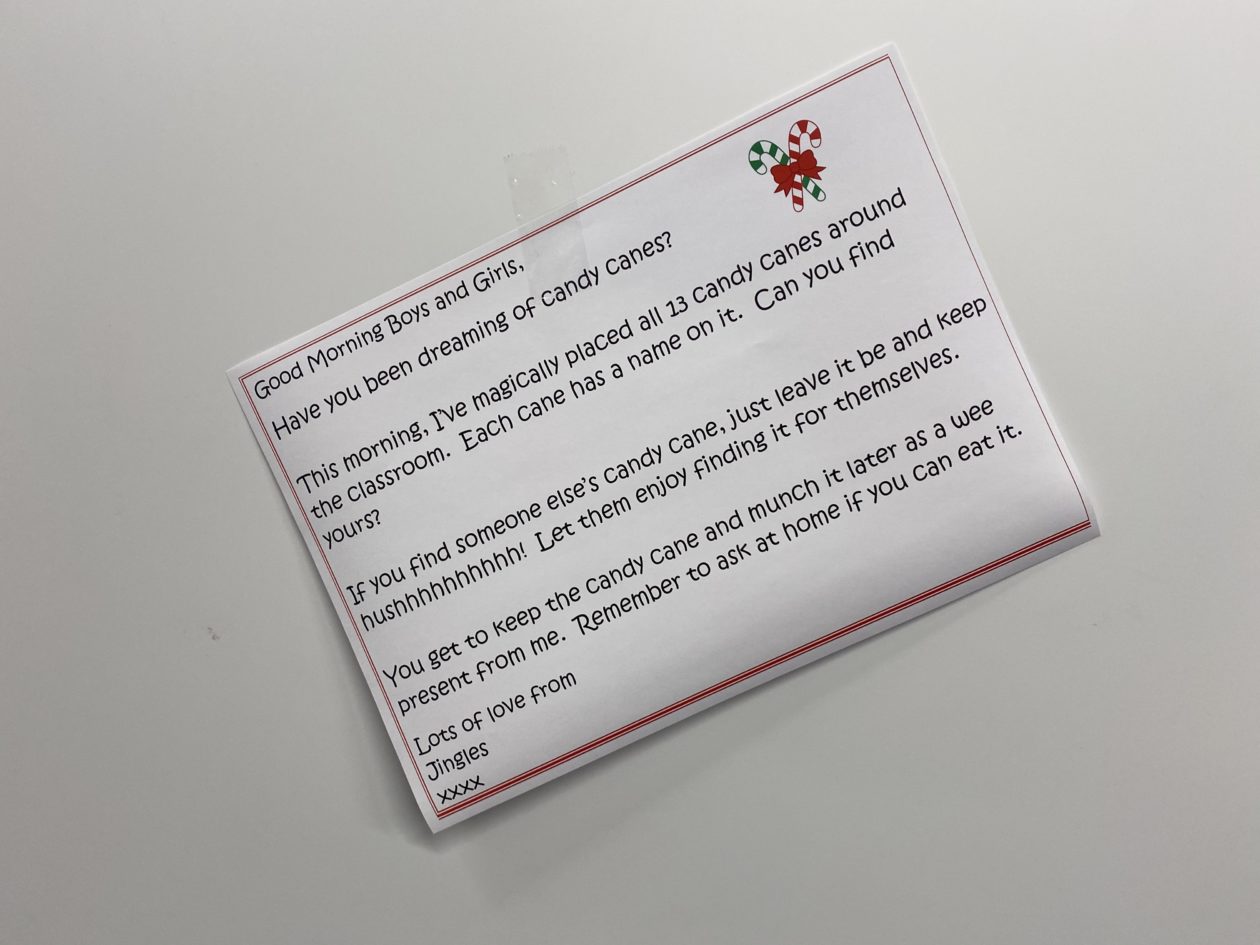
On Friday, even though Jingles was still stuck in his isolation chamber, he had just enough magic to organise a candy cane treasure hunt with the canes he brought the day before. Each child had to seek out the candy cane with their name on it and got to keep it as a wee treat from our elf.
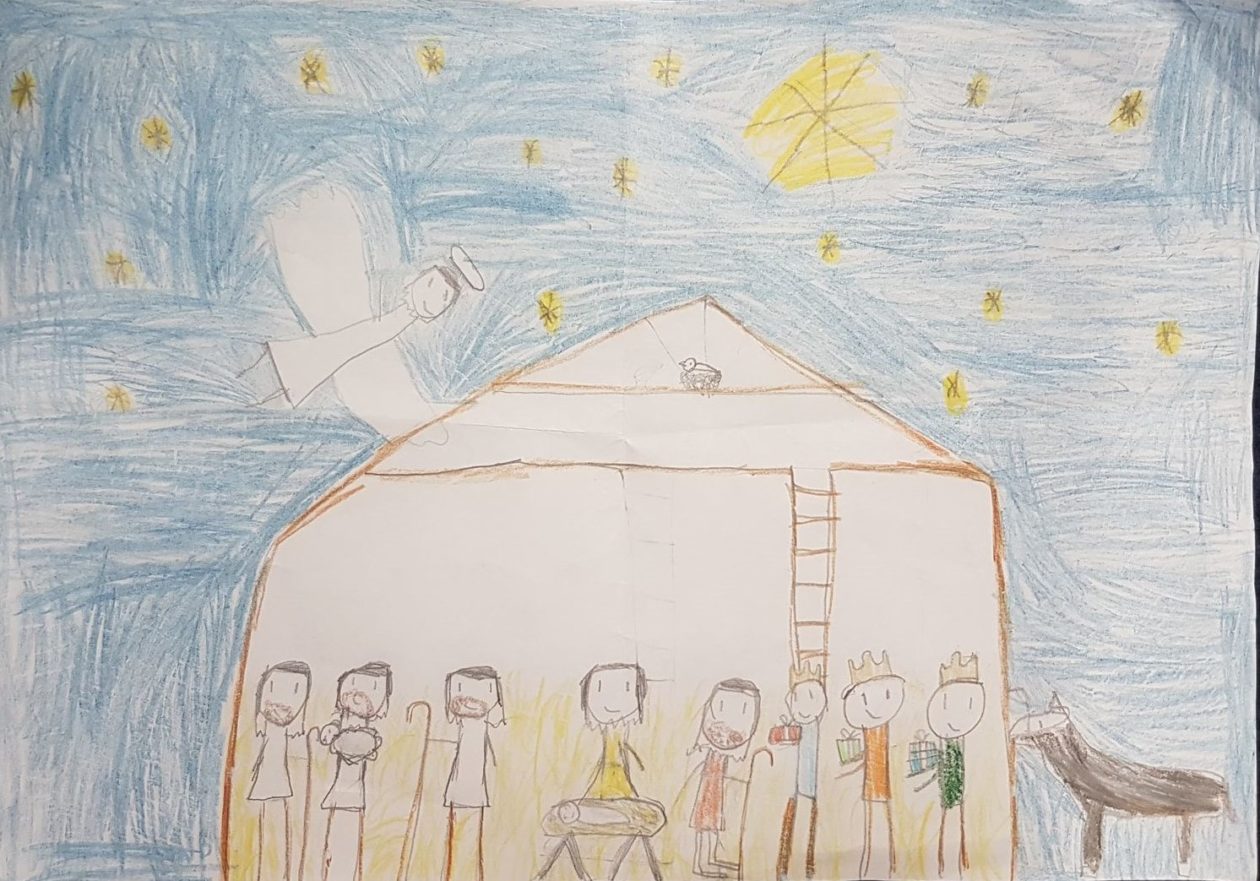
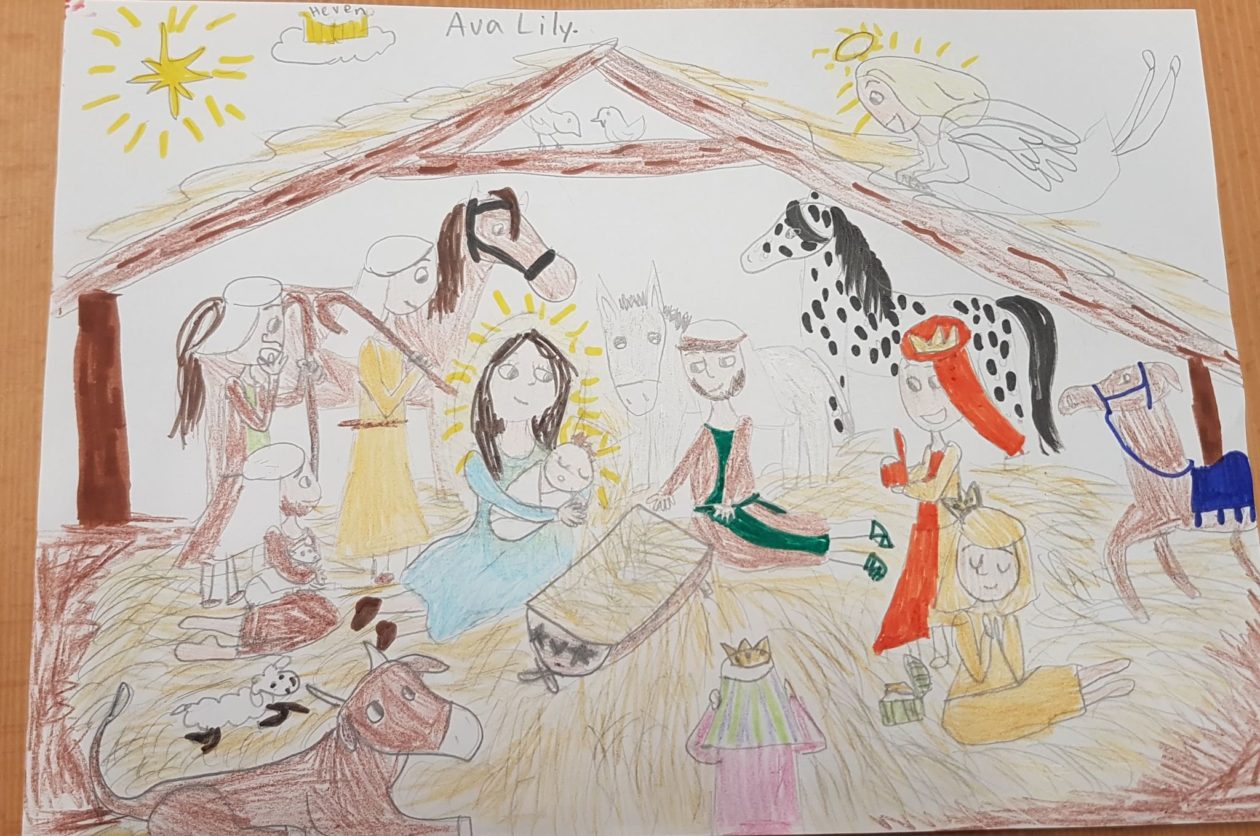
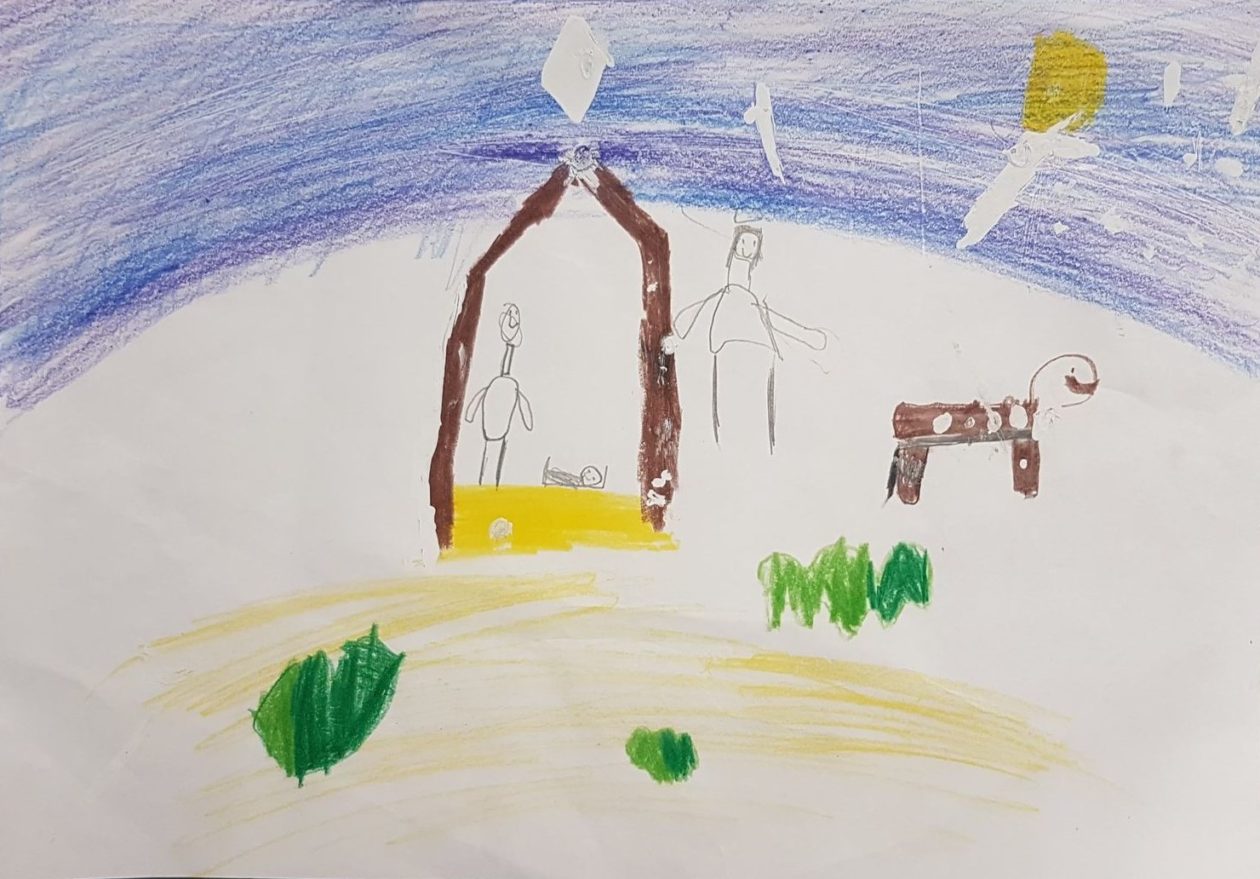
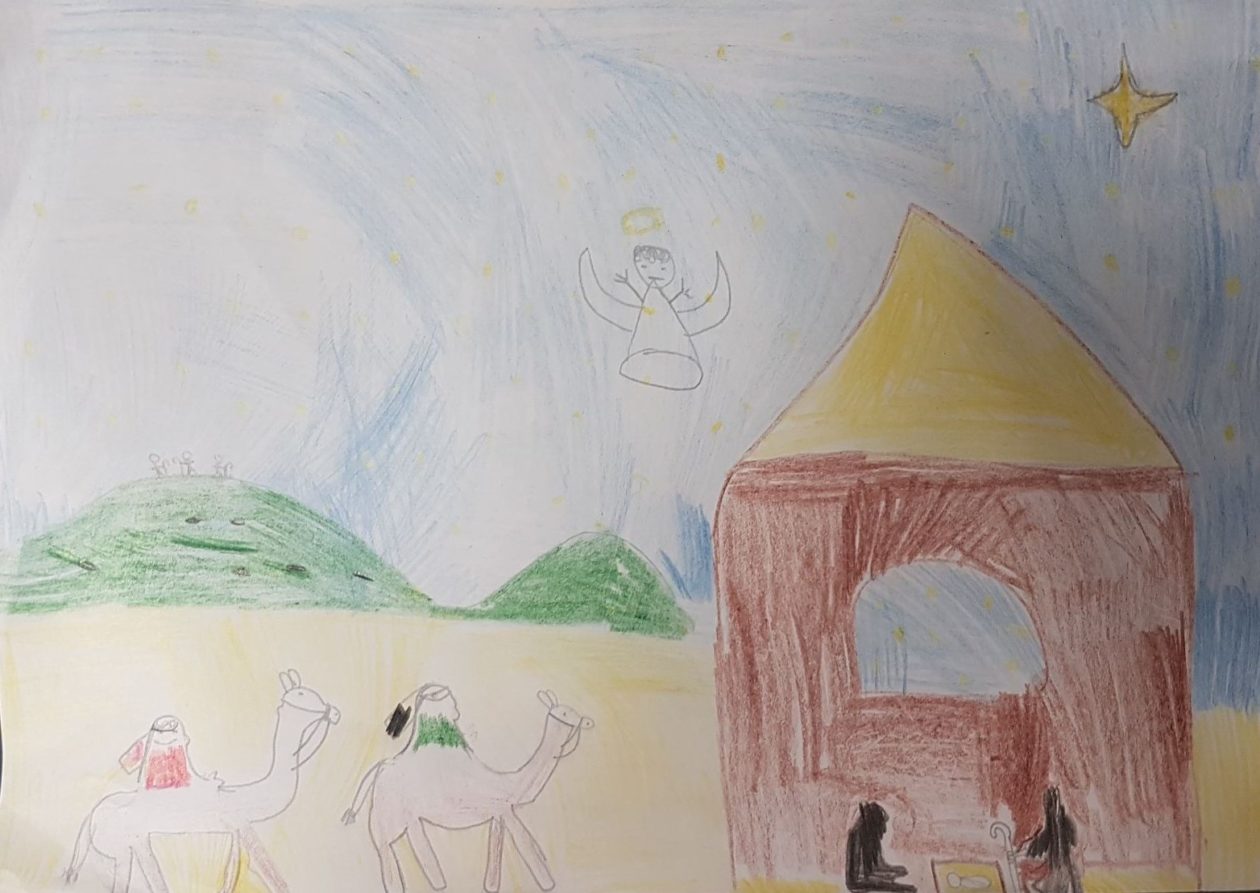
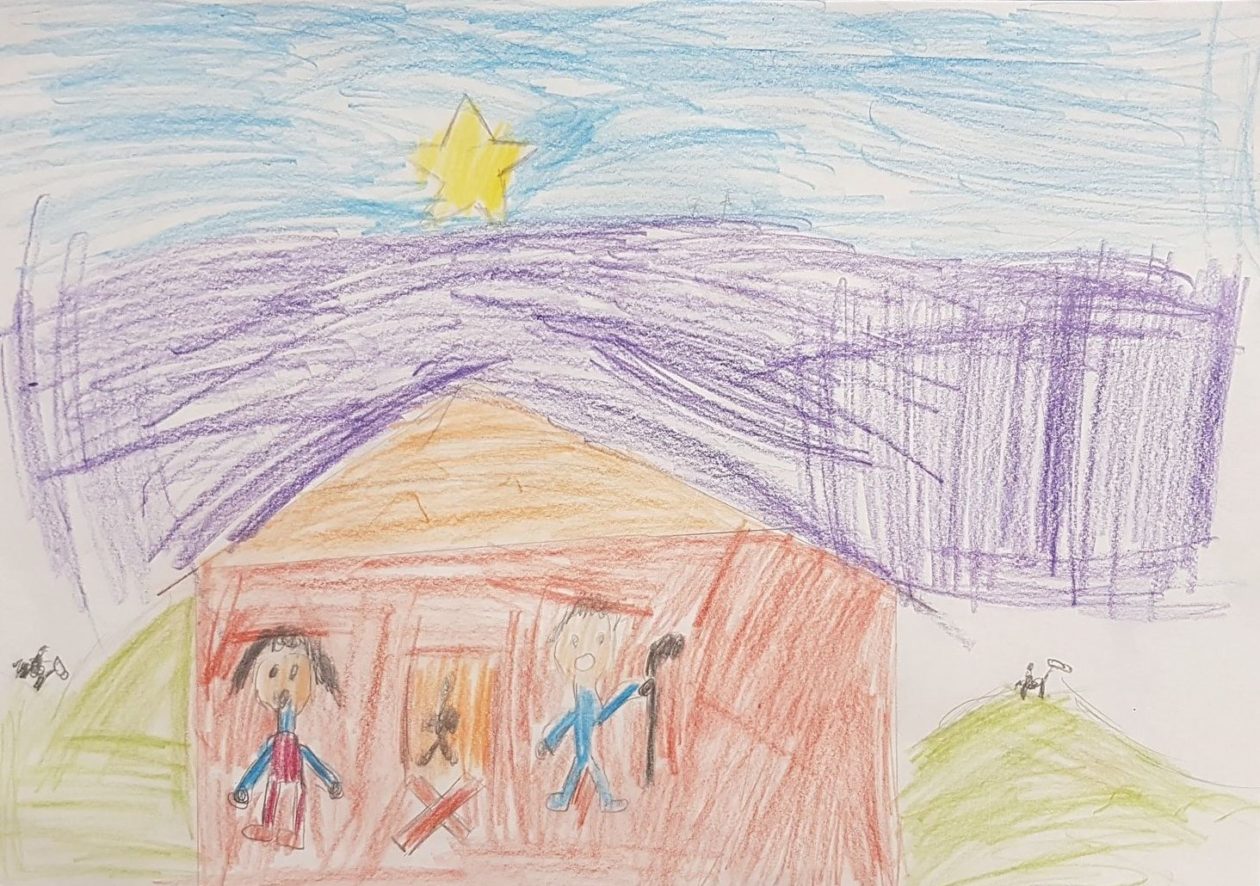
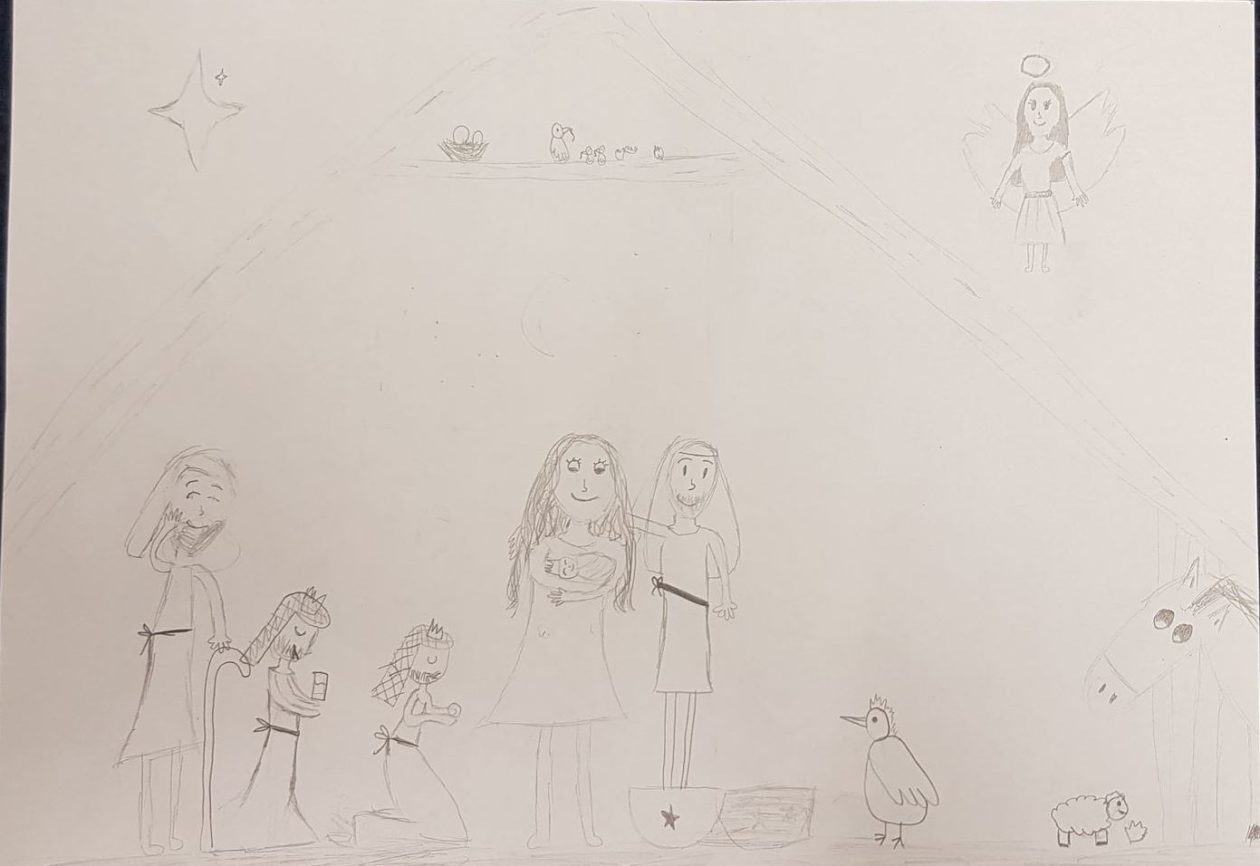
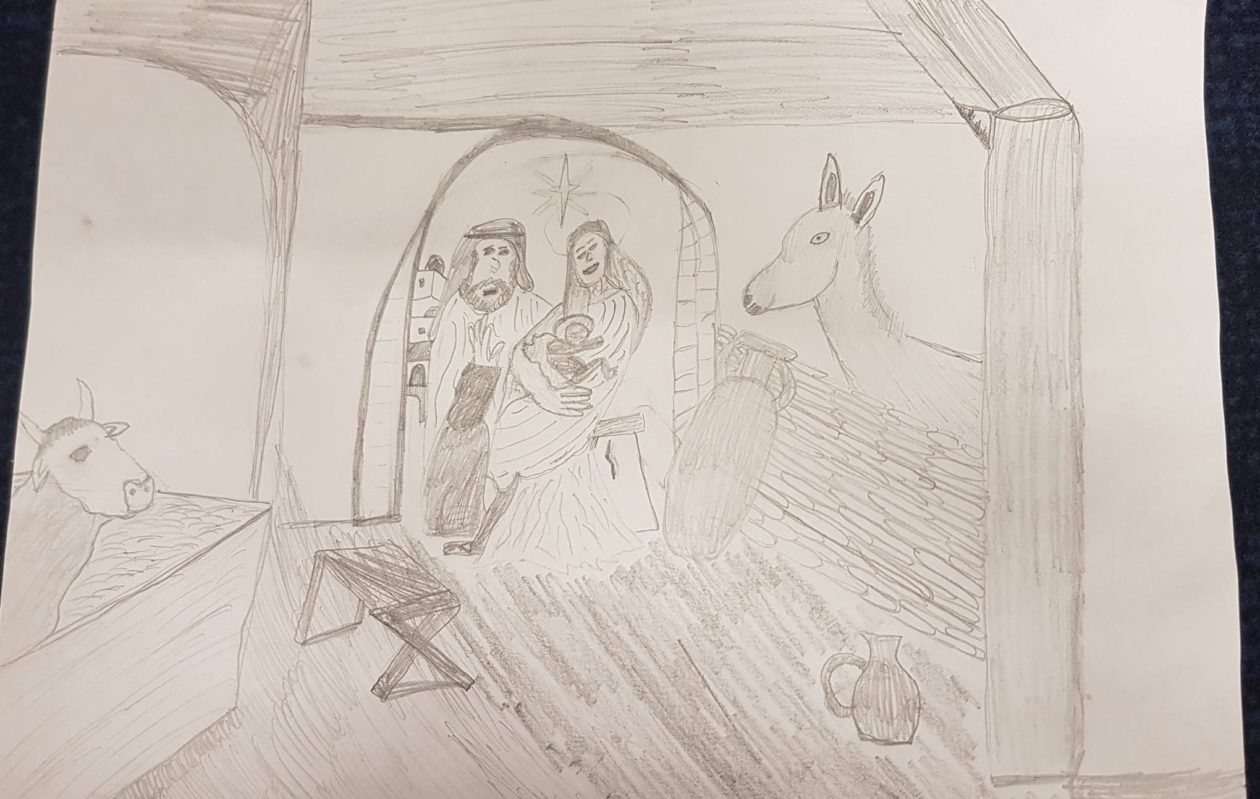
As part of Book Week Scotland activities, P4-7 have combined their digital technology skills with literacy to create their very own nativity story books.
They have used software called Book Creator to organise, write and record audio voice-overs to retell the Christmas story in their own words. They have even created their own front cover illustrations for each of their books.
Alba
Atticus
Ava Lily
Izzy
Jack
Lillie
Lewis
Maya
Robin
Ruby
Tilly
Our younger pupils will enjoy accessing the books and having them read automatically to them with the ‘read to me’ option. Click on the links below to enjoy reading and listening to our interactive story creations.
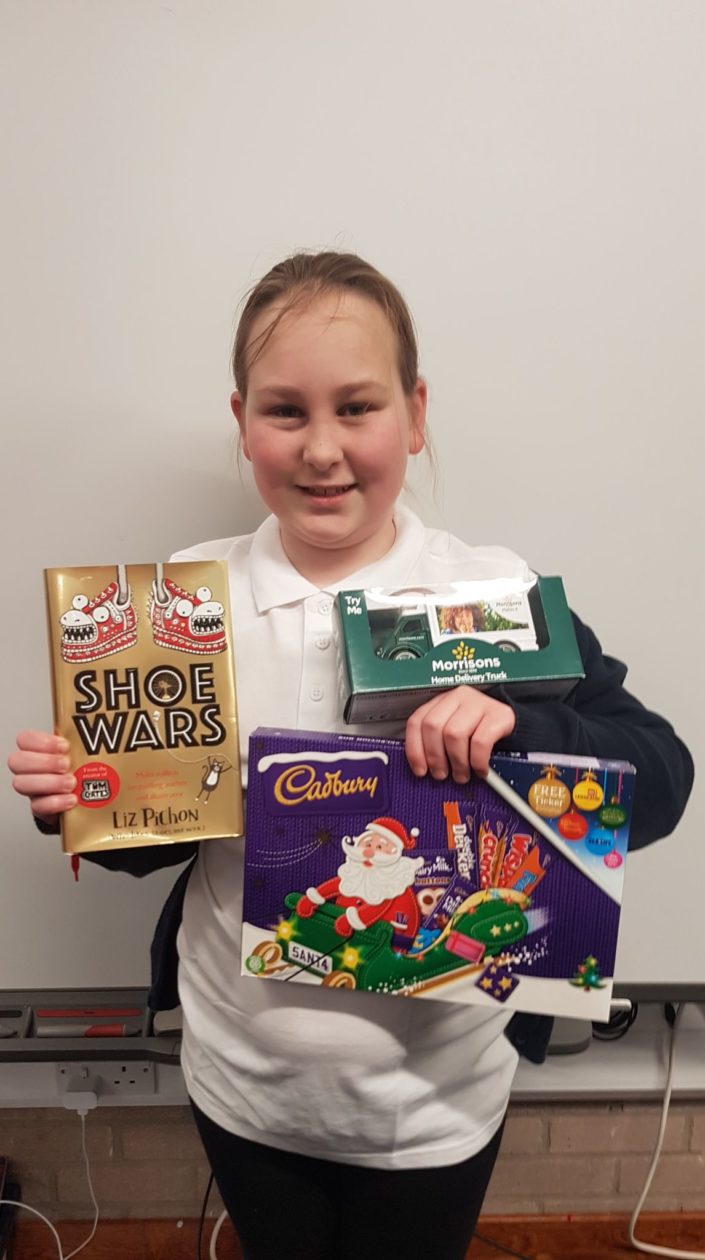
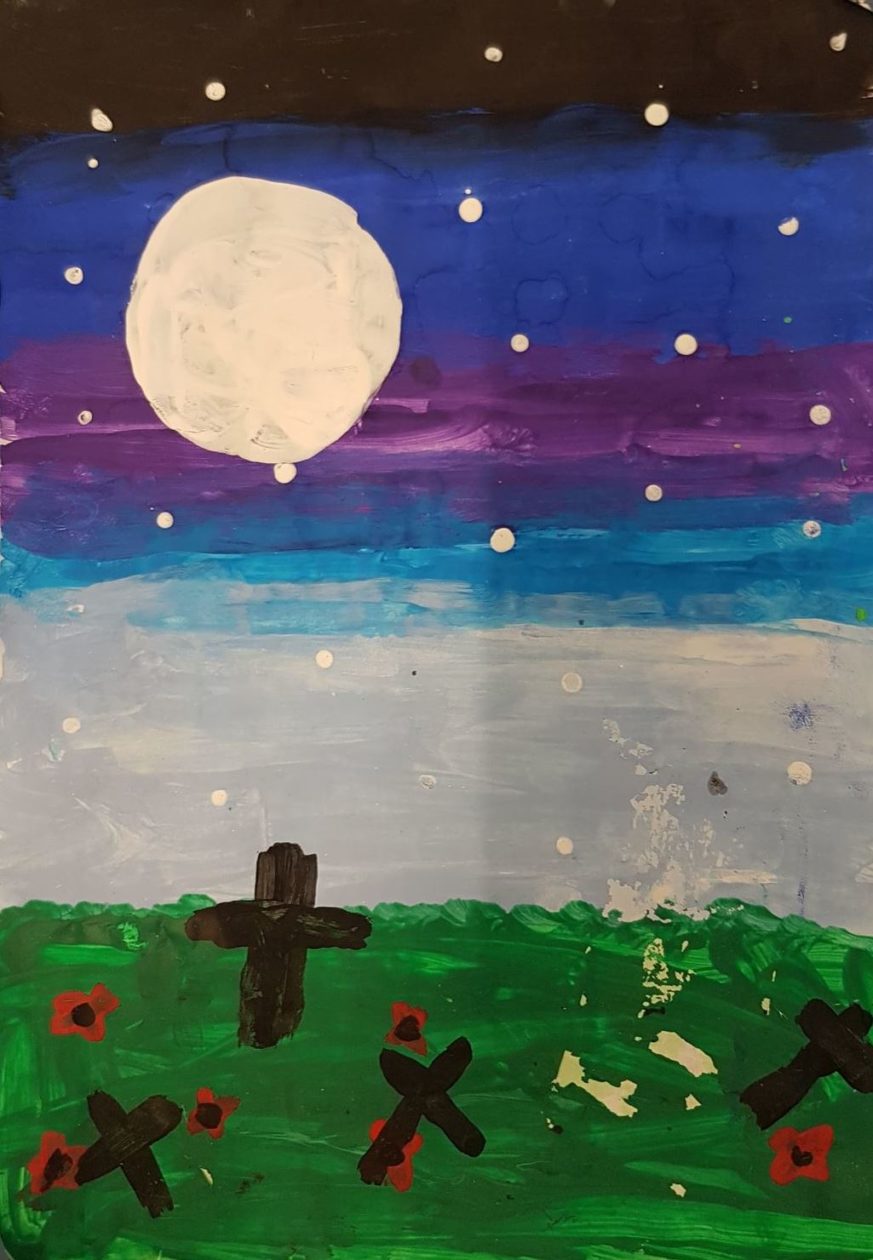
The boys and girls recently entered artwork on the theme of Remembrance Day to the Morrisons Poppy Day competition. We are delighted to announce that Miss Lillie Baker is a winner in the primary 7 category and has been presented with a goodie bag as a prize.
You may have enjoyed looking at the children’s creations when shopping in the store. All of the entries were of a high standard from primary schools across the Stranraer cluster, which makes Lillie’s achievement all the more noteworthy.
Portpatrick Primary are demonstrating that we are responsible citizens this week. As part of Anti-Bullying Week, we are discussing and sharing ours views on the subject of bullying.
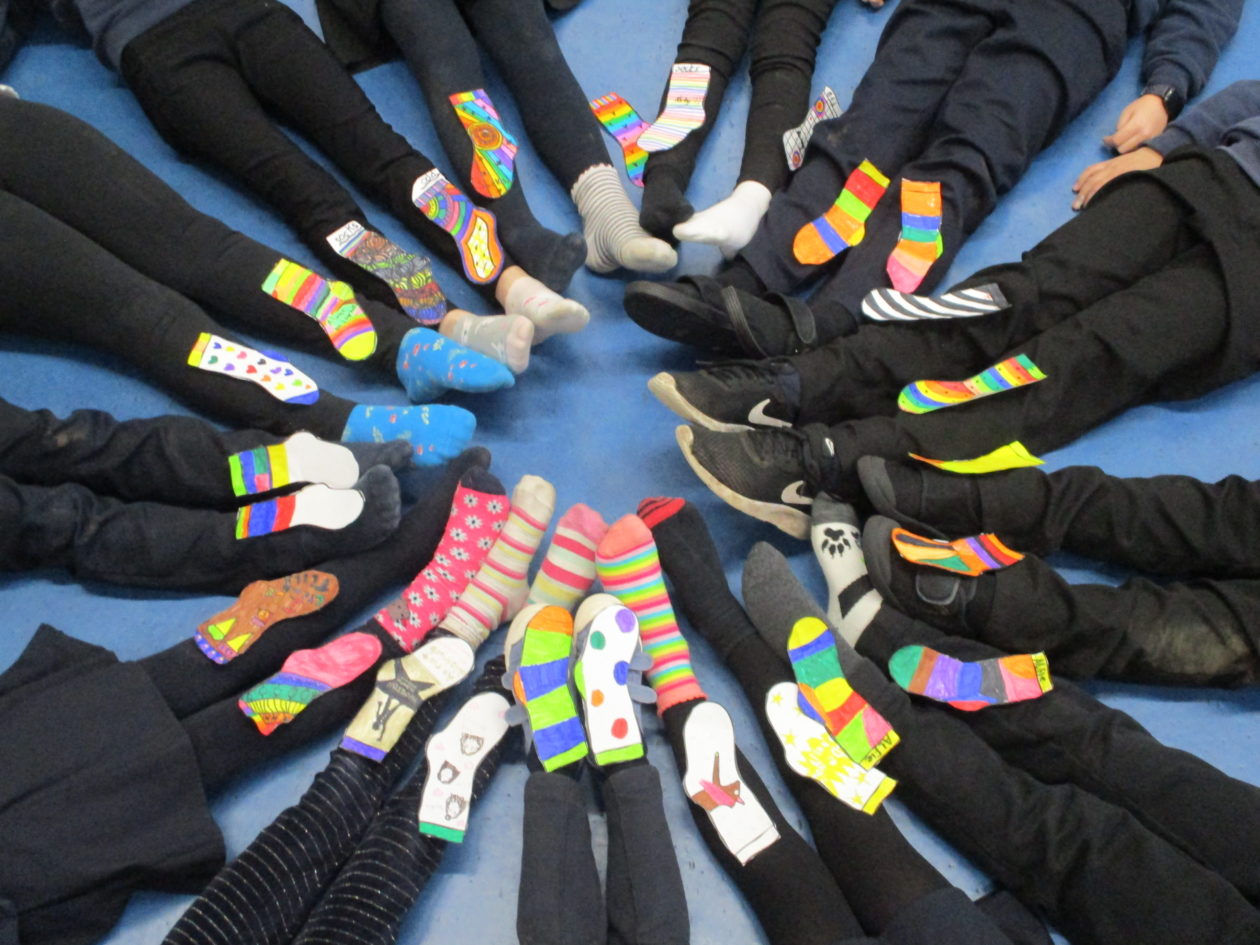
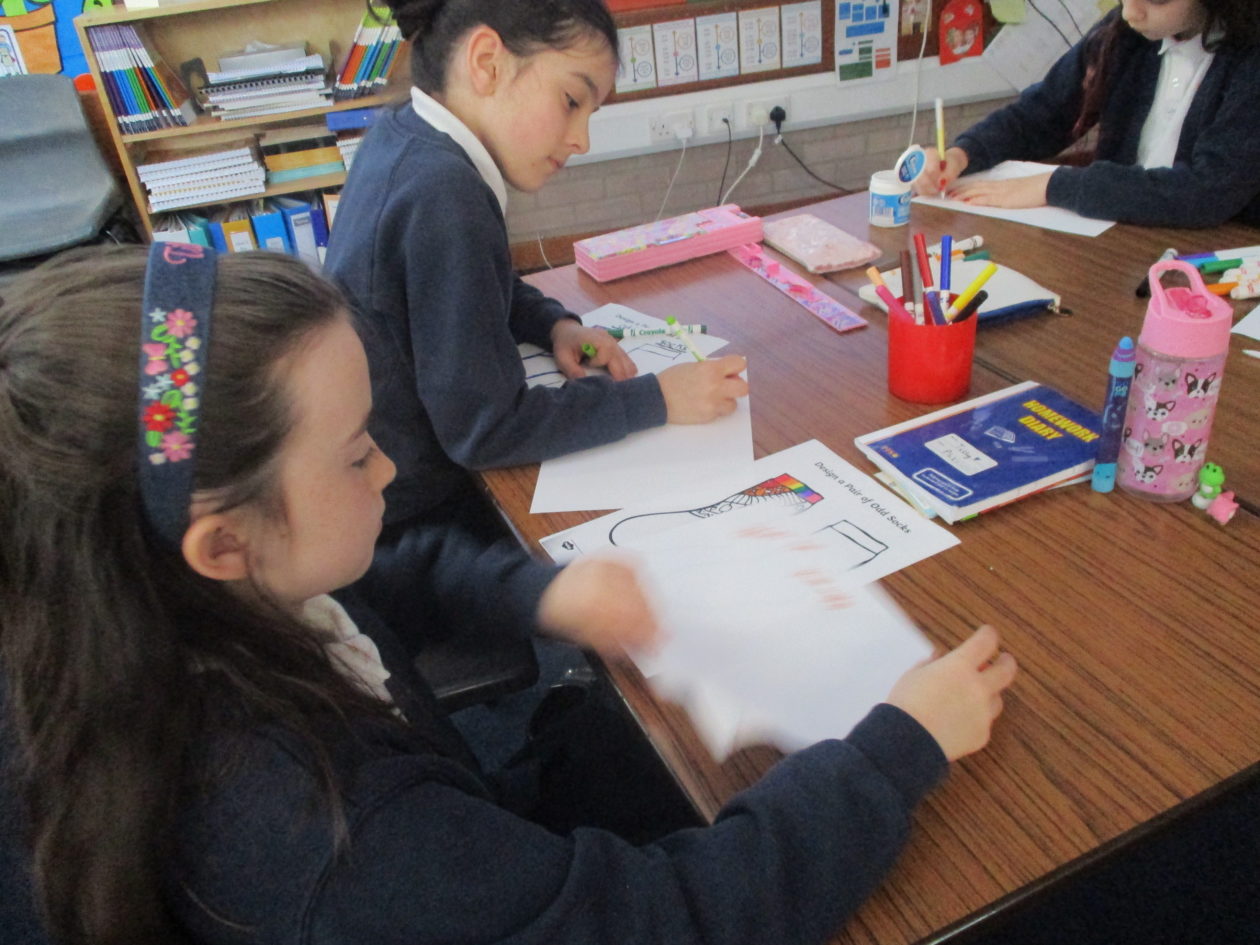
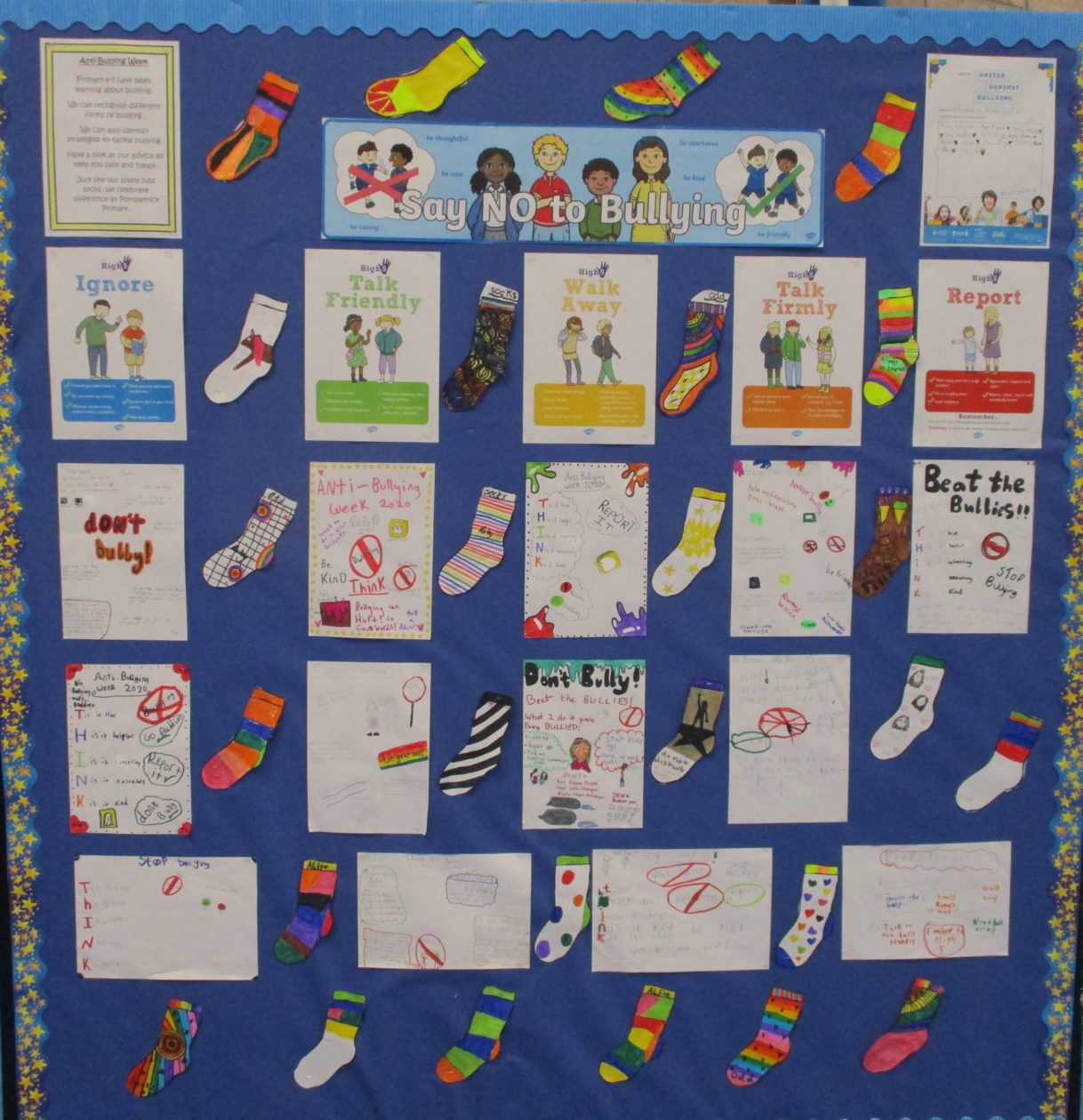
The boys and girls came to school dressed in odd socks to celebrate difference. We designed our own odd socks and chatted about how all of our differences made us unique and special.
Both classes held virtual assemblies, as provided by the Anti-Bullying Alliance, hosted by BBC presenter Andy, with special guests including Mo Farah and Anne-Marie!
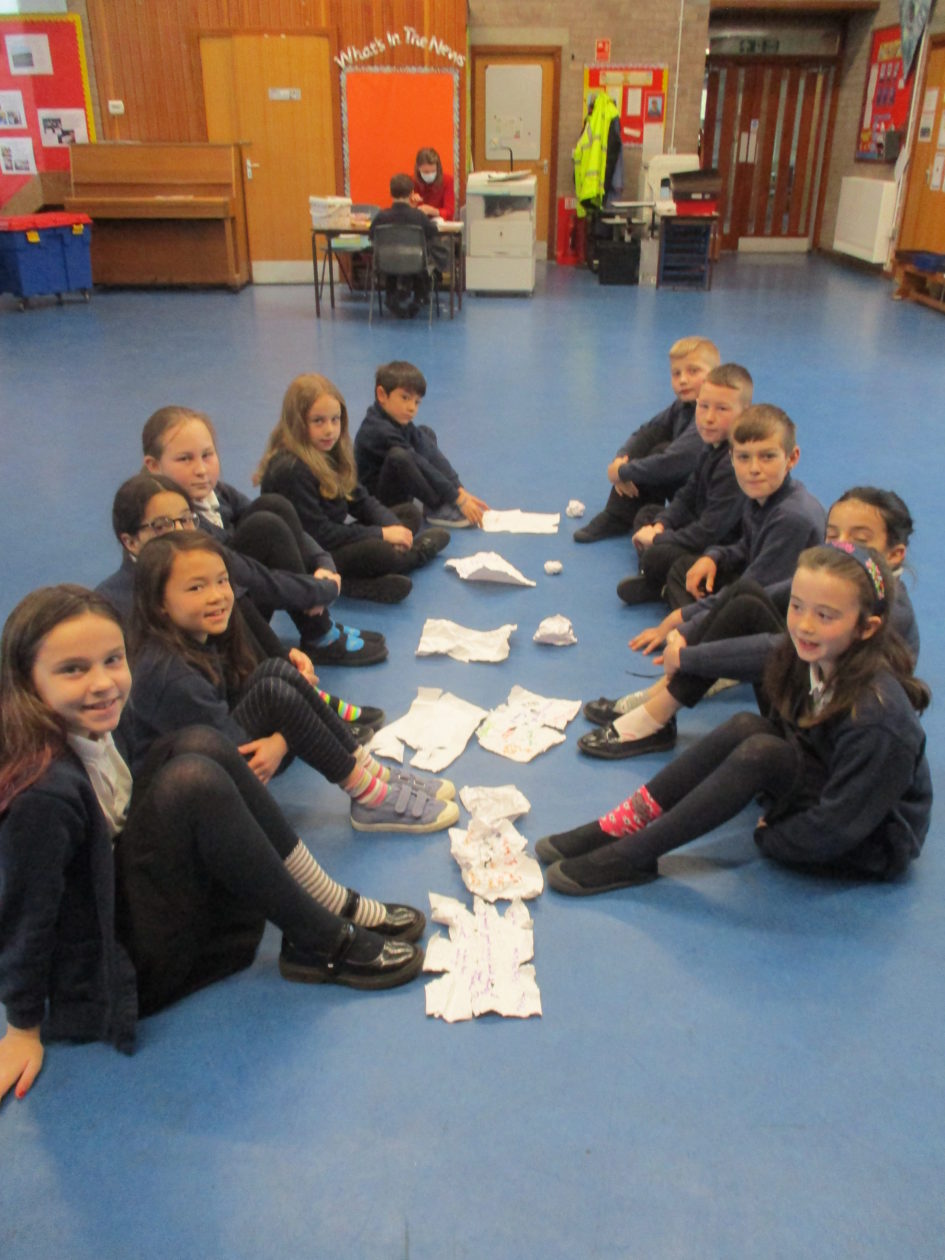
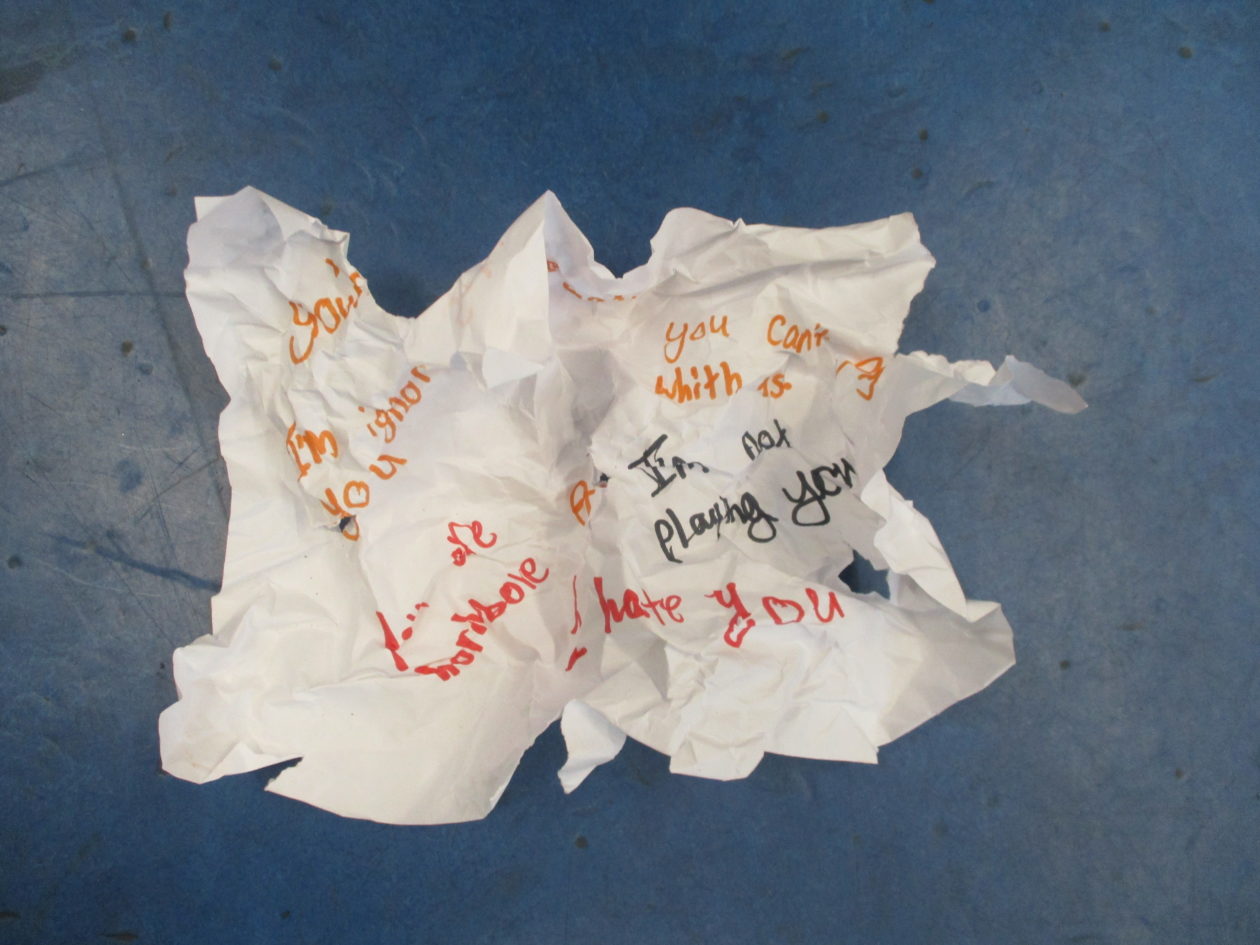
P4-7 carried out a scrunching paper activity to demonstrate the impact of mean behaviour towards others. We started off with a smooth sheet of blank paper, representing our unblemished feelings. Each child then wrote down examples of mean things that someone might say to another. For every comment, we scrunched our paper a little bit. By the end of the task we had a crumbled ball. We then tried to smooth our paper to get it back to the way it was before all of the mean words. We realised, that the paper could never be returned to the way it was after its experience, just in the same way that hurtful words and deeds can cause lasting upset to a child.
What might a bully say?
Our damaged paper feelings
Hurt feelings stay hurt
P4-7 moved on to define what is meant by the term bullying. We identified strategies to tackle this issue. We then used this knowledge to create our own anti-bullying advice posters and displayed them in our hall; along with our fabulously colourful odd sock artwork.
Wow! Portpatrick Primary pupils have gone that extra mile to support this year’s Children In Need.
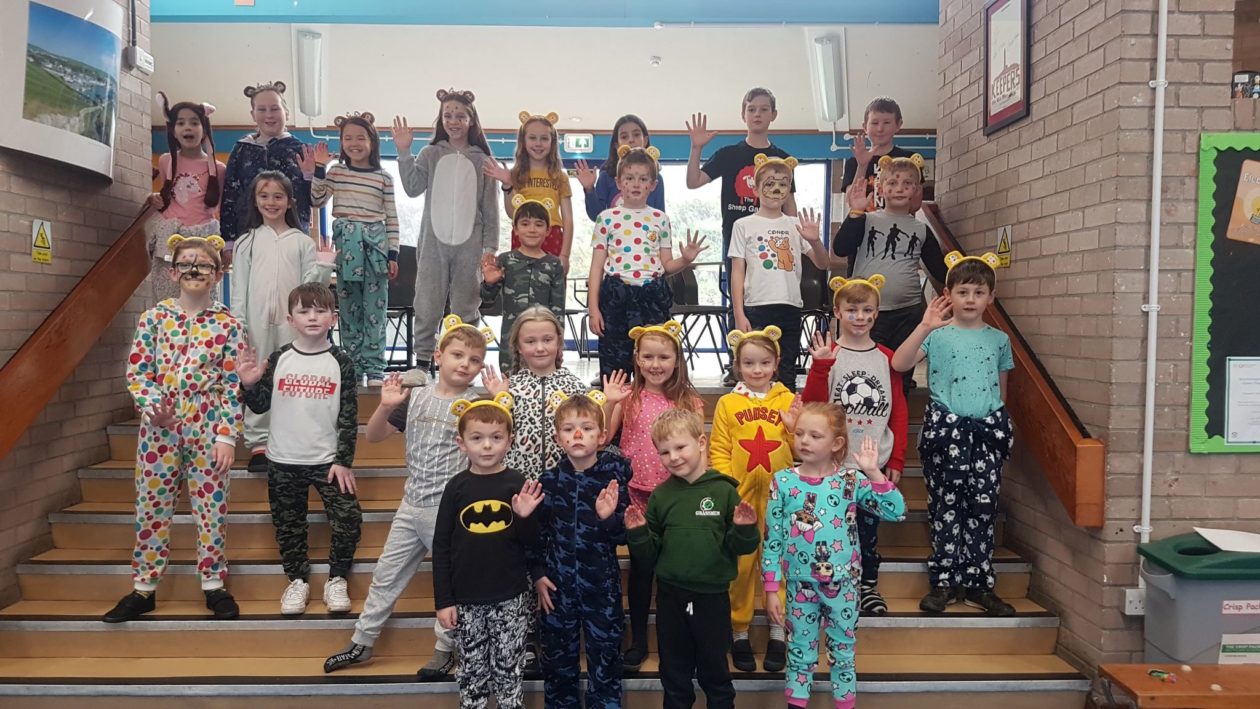
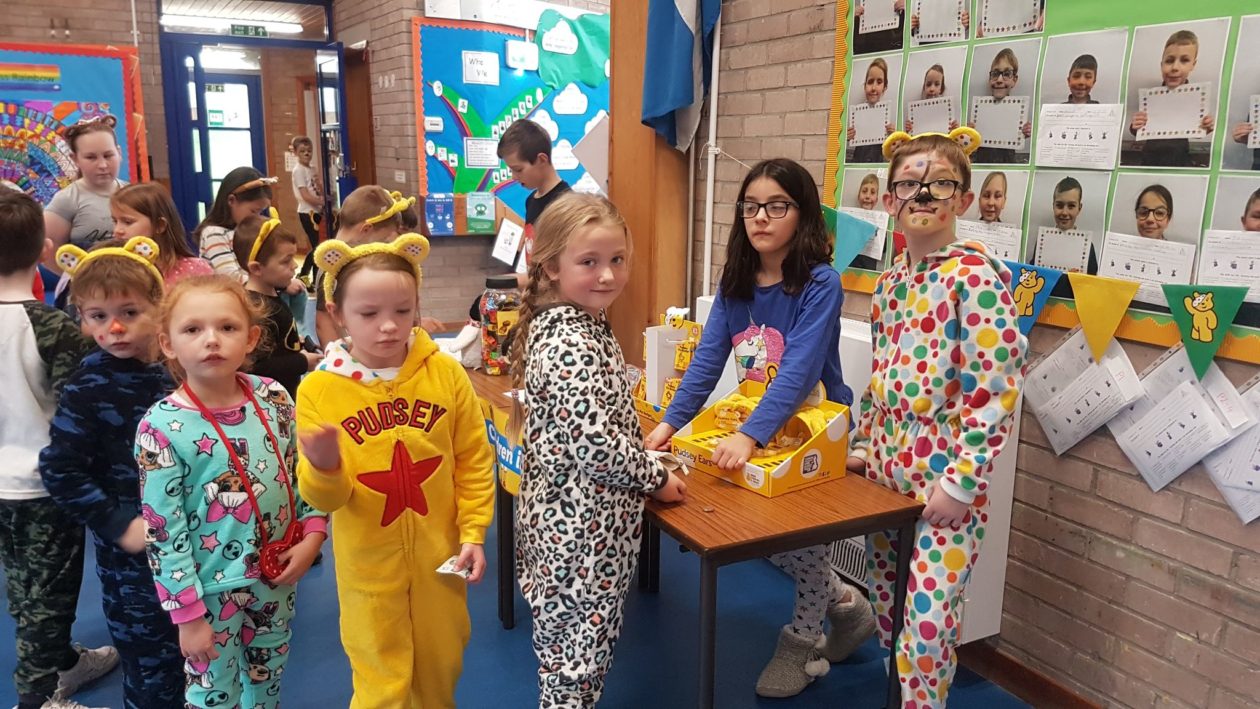
Our day started with a parade of all our wonderful onesies, pj’s and spotty attire. Don’t the boys and girls look fabulous?
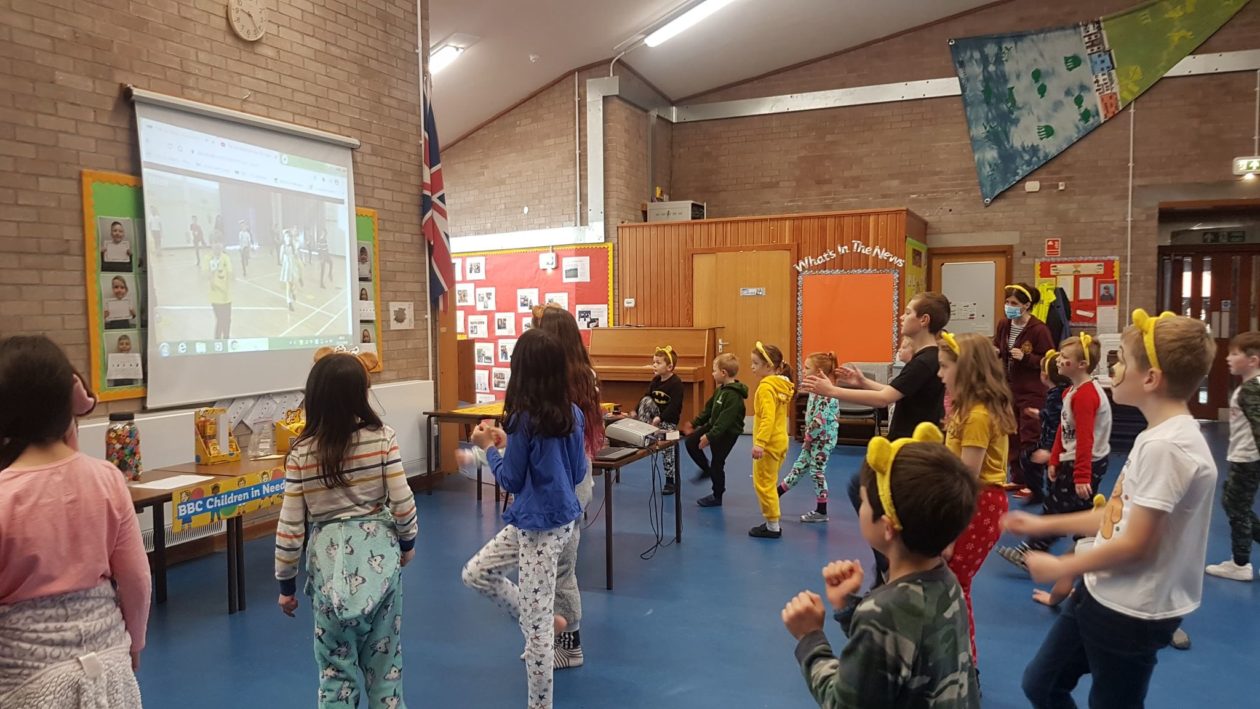
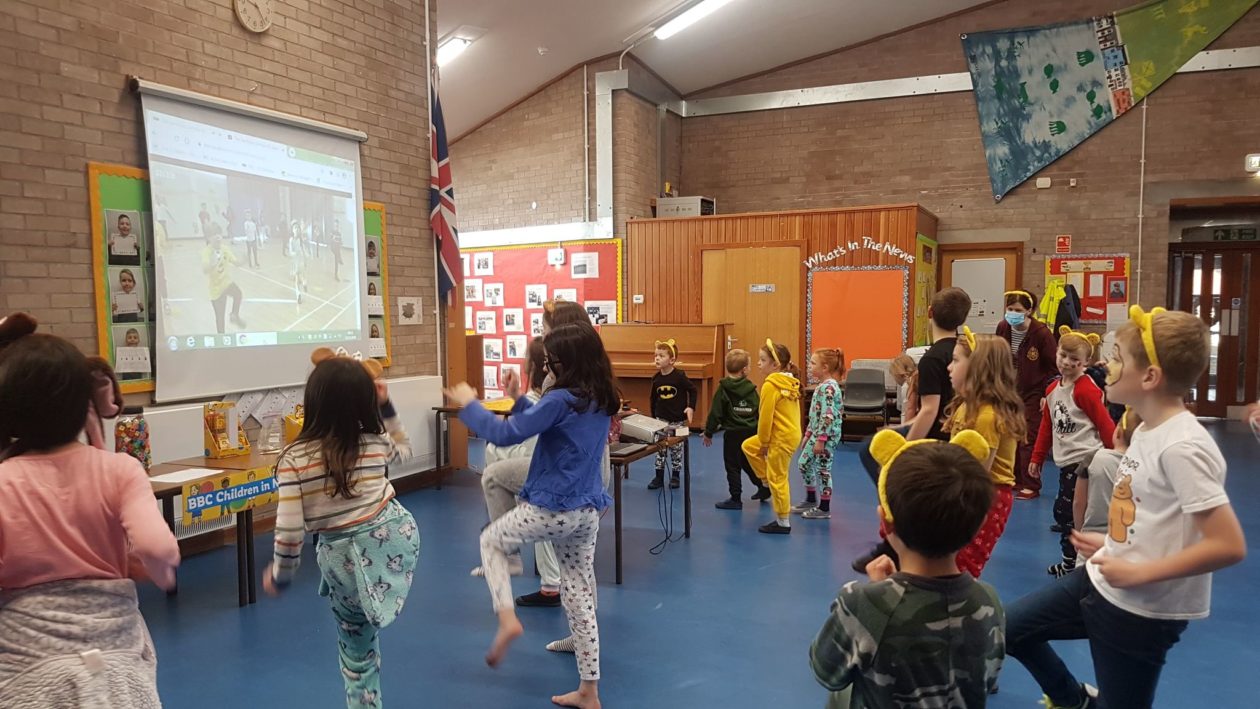
Next up, we jumped into action to participate in the final session of Joe Wick’s 24 hour workout. It was hot work, but we gave it our all.
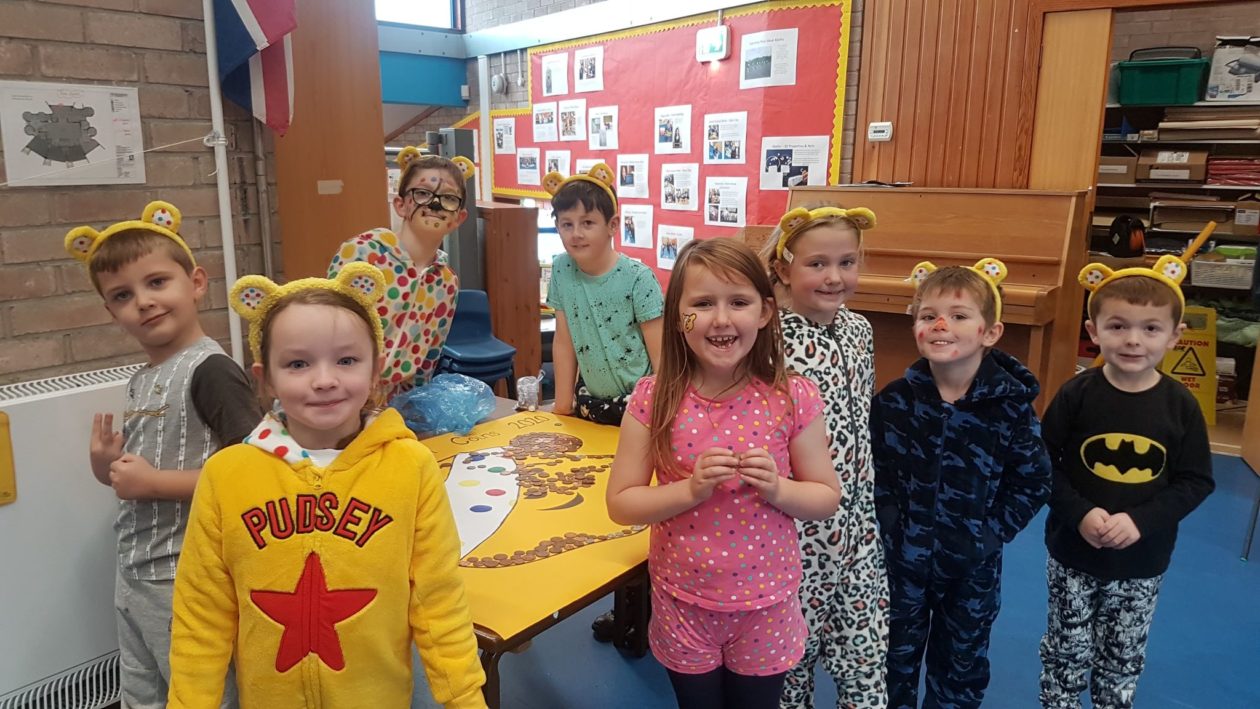
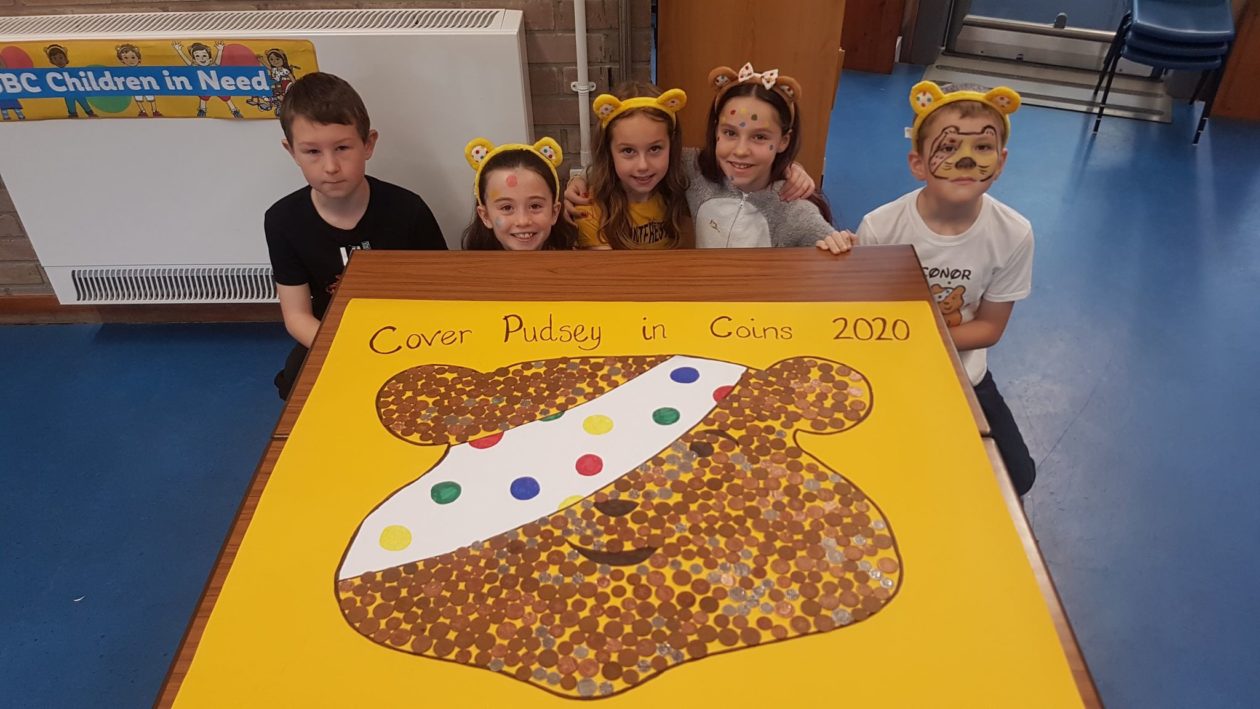
The children then enjoyed decorating Pudsey’s face, hand crafted by Kim, with small change that our families very kindly sent in. It makes a pretty picture. Mrs Ross brought in her penny jar to add to our loose change collection. Thank you!
Class 1 get creative
Our finished Pudsey
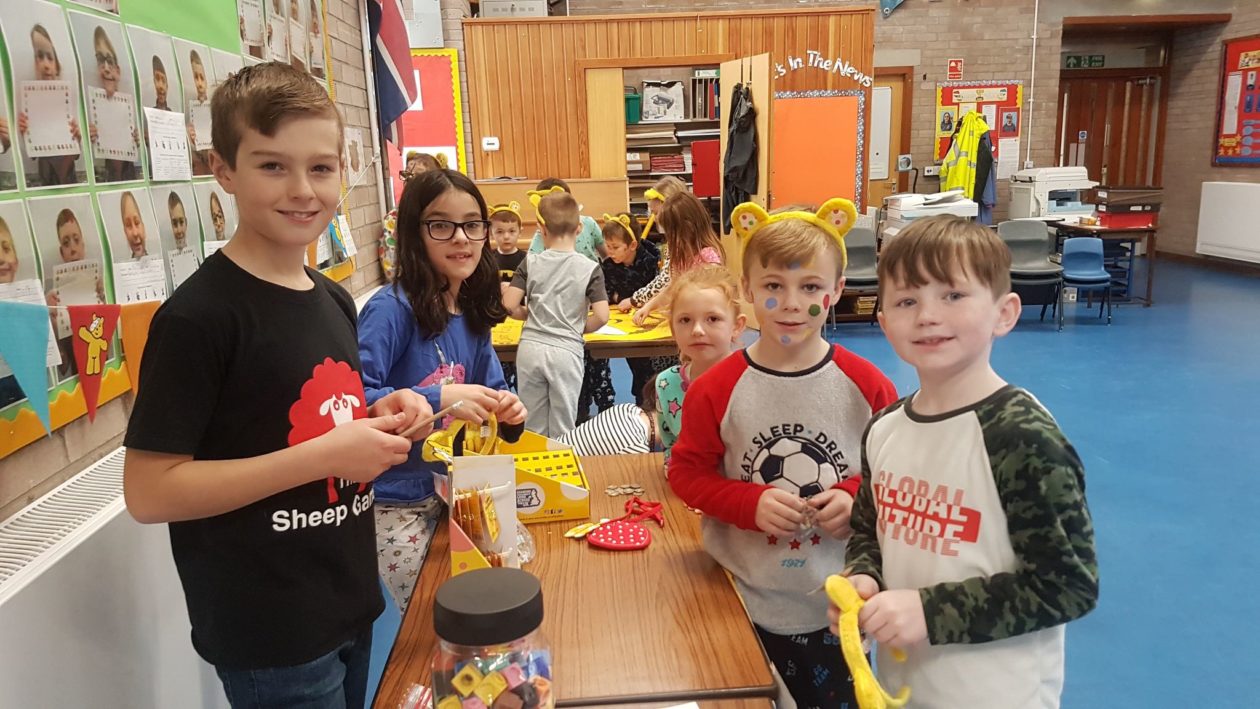
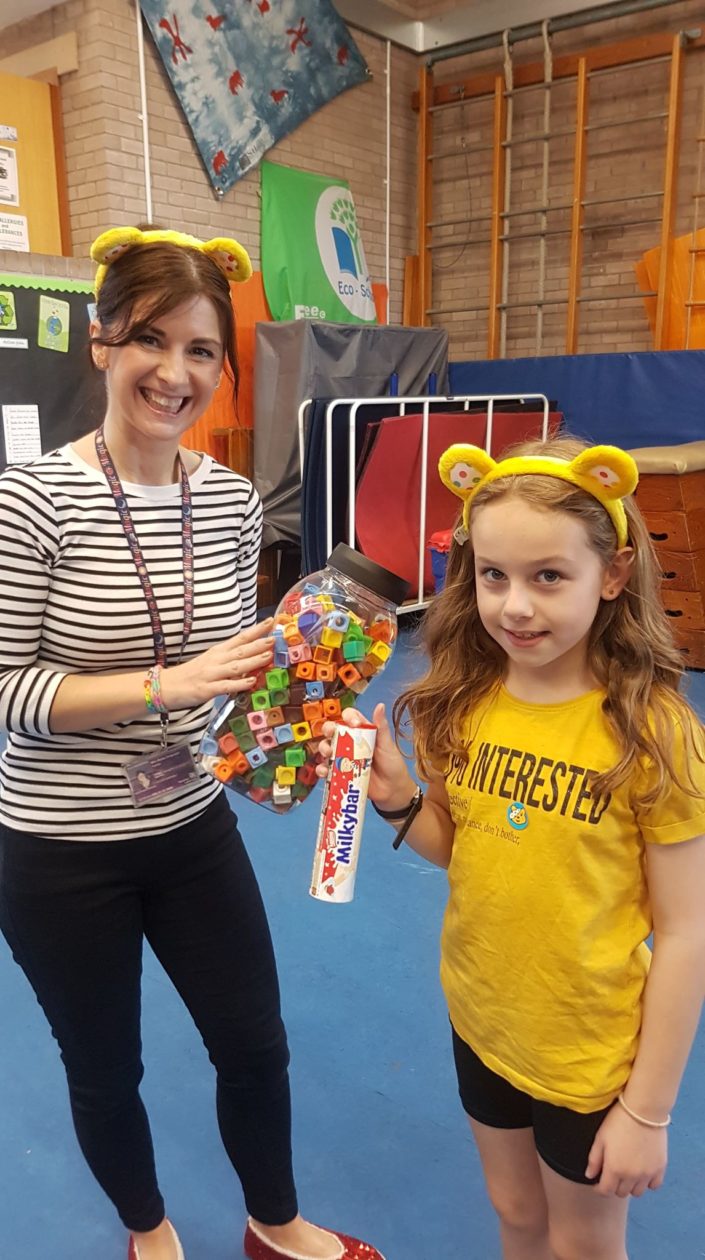
We opened our Pudsey shop for the final time. The children generously bought Pudsey ears and Pudsey badges. They also had a final go of guessing the name of the penguin. The boys and girls also used their maths skills to estimate many cubes were in the jar.
Class one get their ears on.
Have a go!
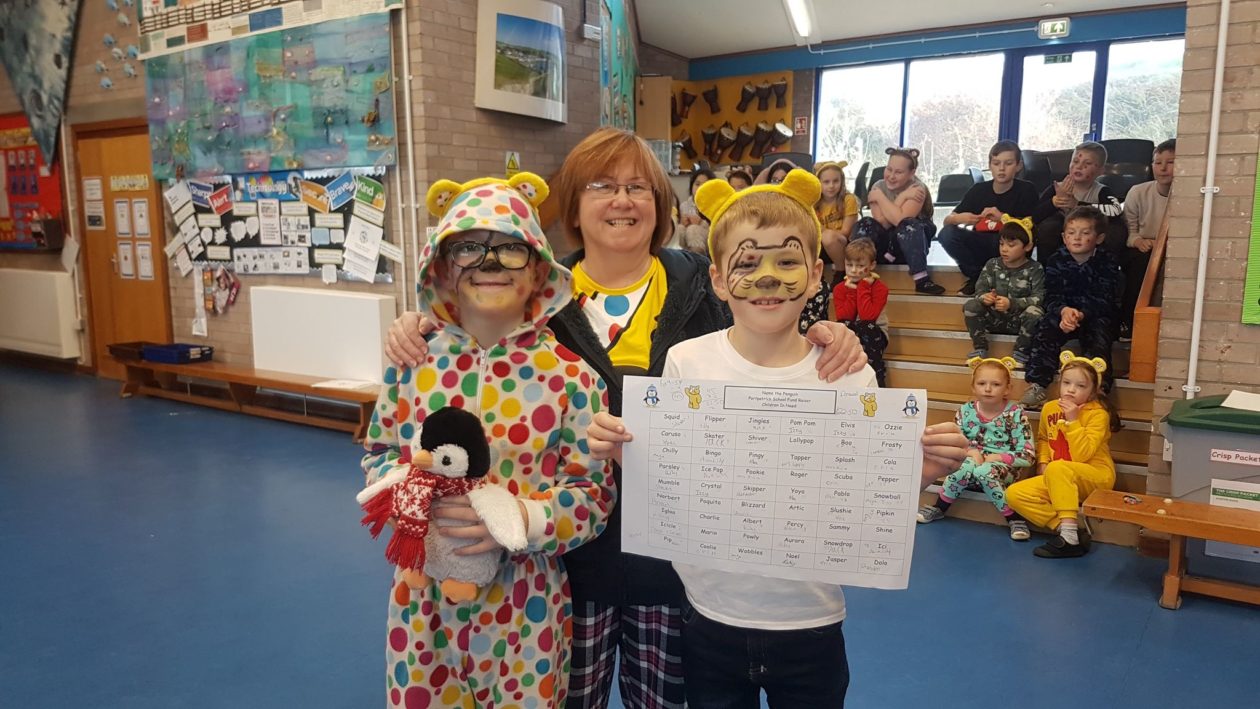
Conor and Scott won our cute penguin by selecting the name Icicle. There were 264 cubes in the jar. Ruby was the winner with her closest estimate.
Meet Icicle
Ruby estimates to win
We then used our maths skills to sort and count up all of the coins and notes we had collected. After our fund raising efforts, £174 will be going to Children In Need, which is great result for a wee school.
We received many kind donations and contributions from our fundraising team -the Pineapple Squad, our families, the wider community and even the King Slayer move crew at Dunskey. Thank you very much everyone. Your kindness will help change children’s lives.
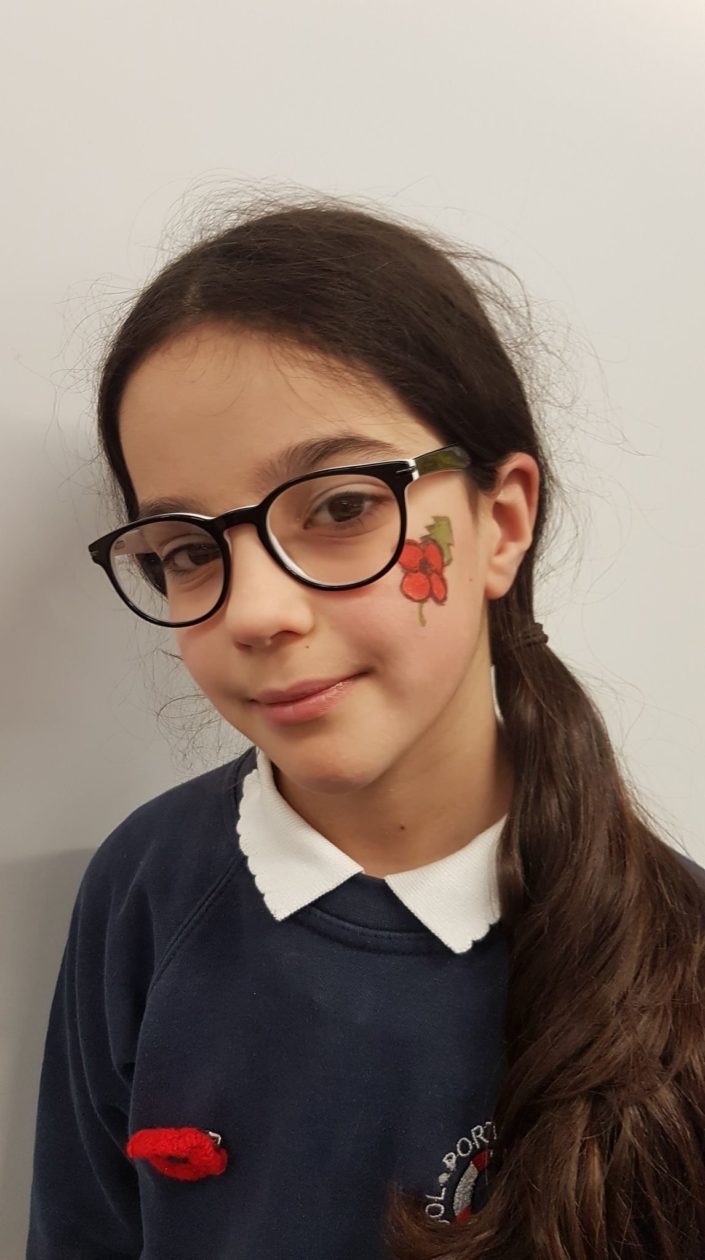
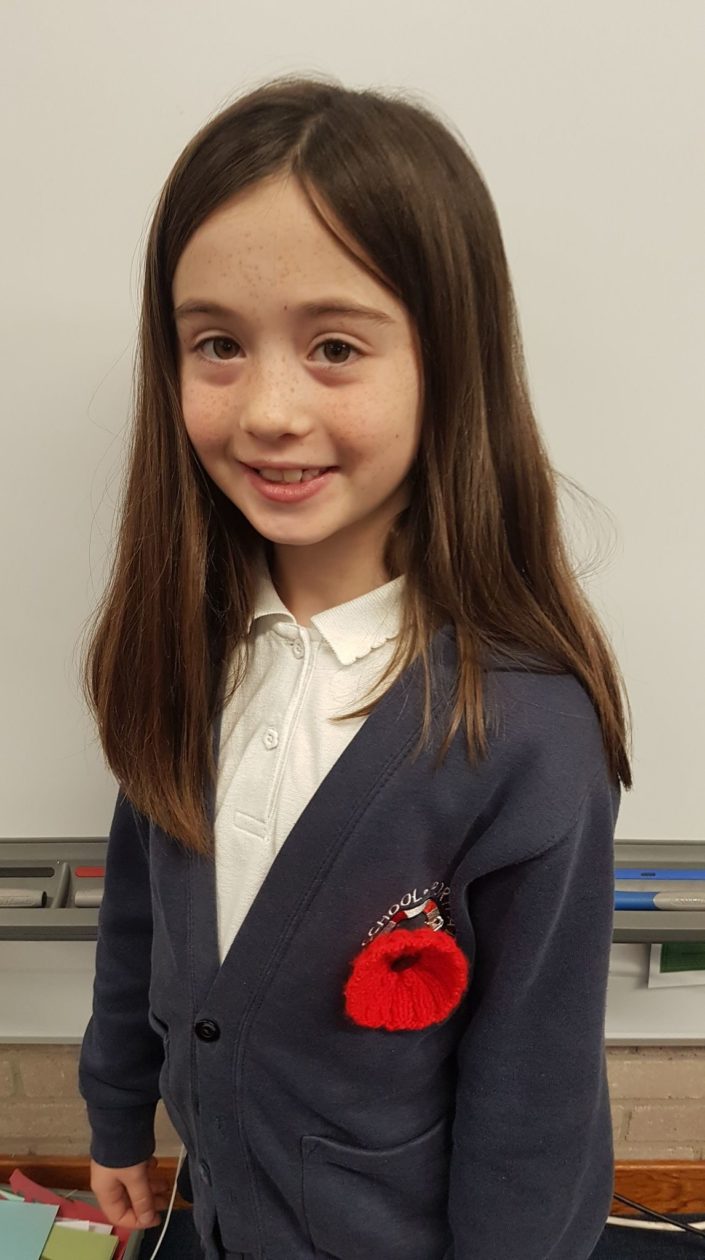
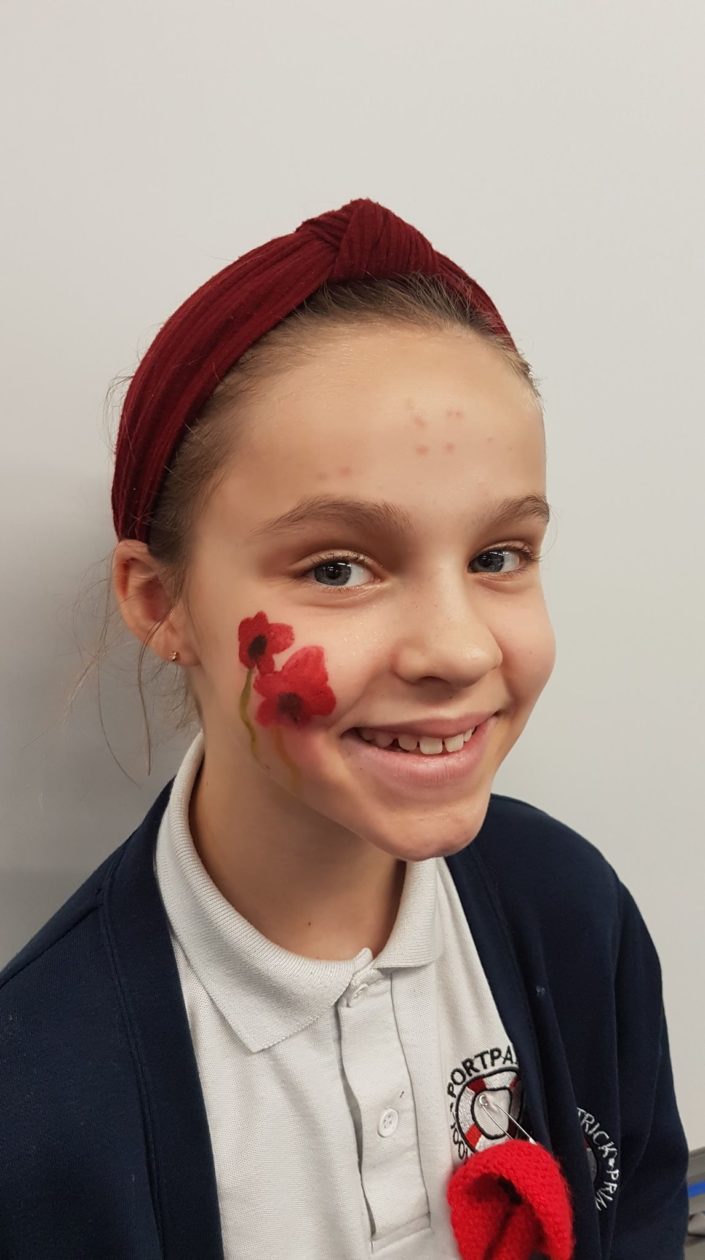
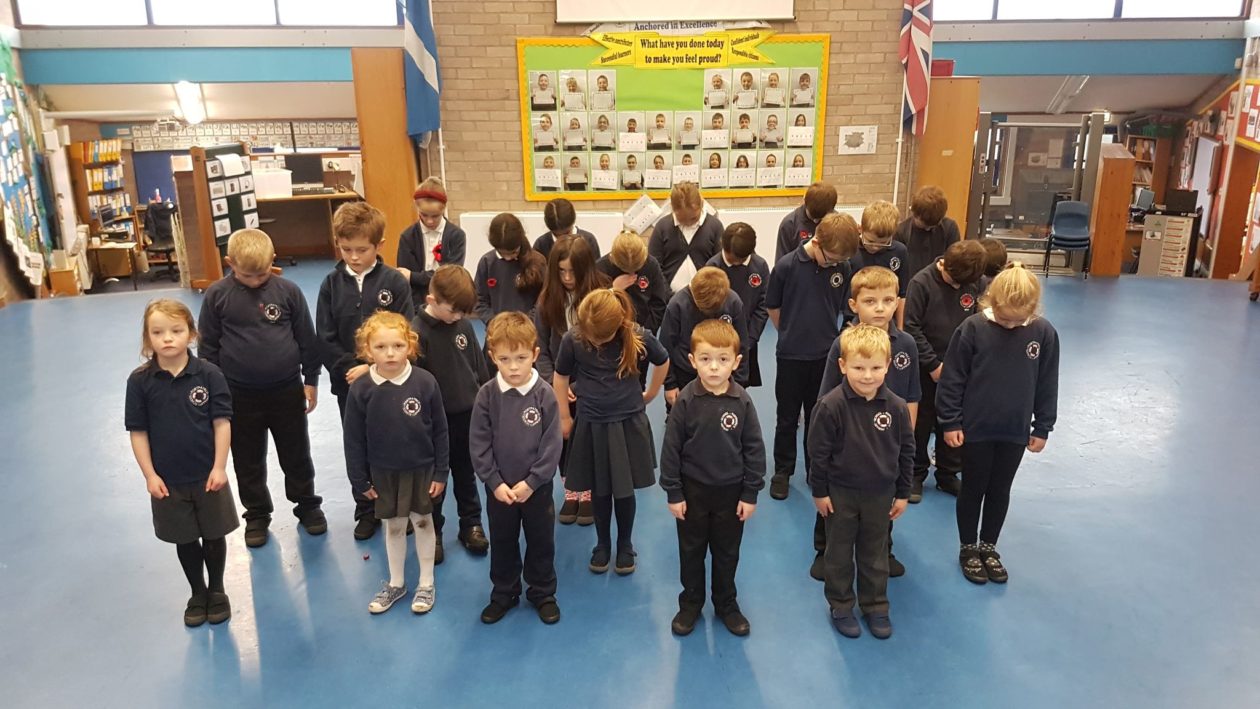
The boys and girls of Portpatrick Primary have commemorated the occasion of Remembrance Day as Responsible Citizens and Effective Contributors.
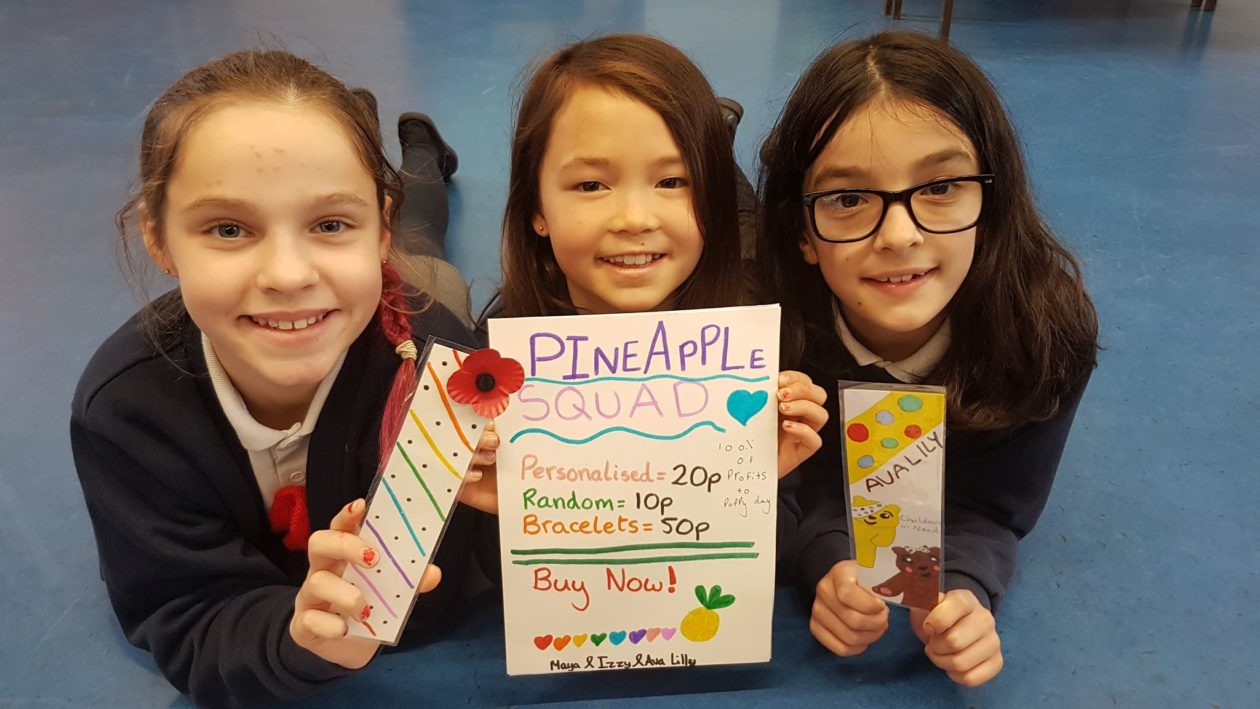
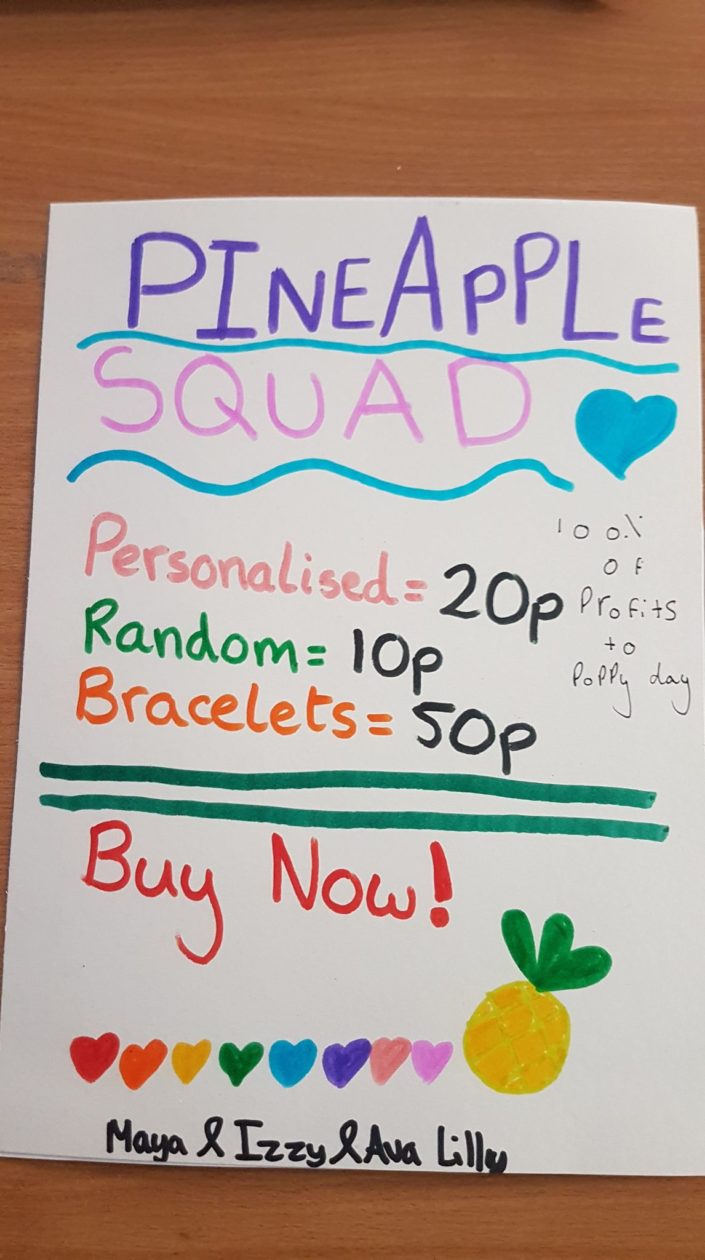
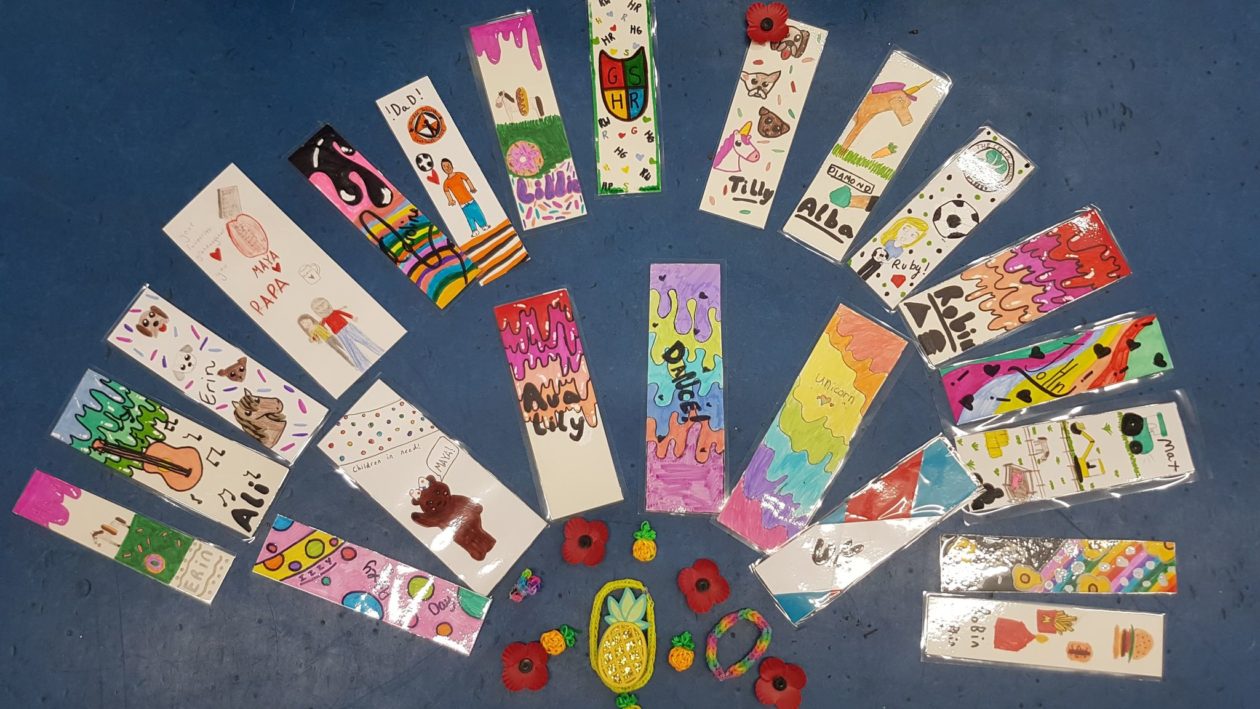
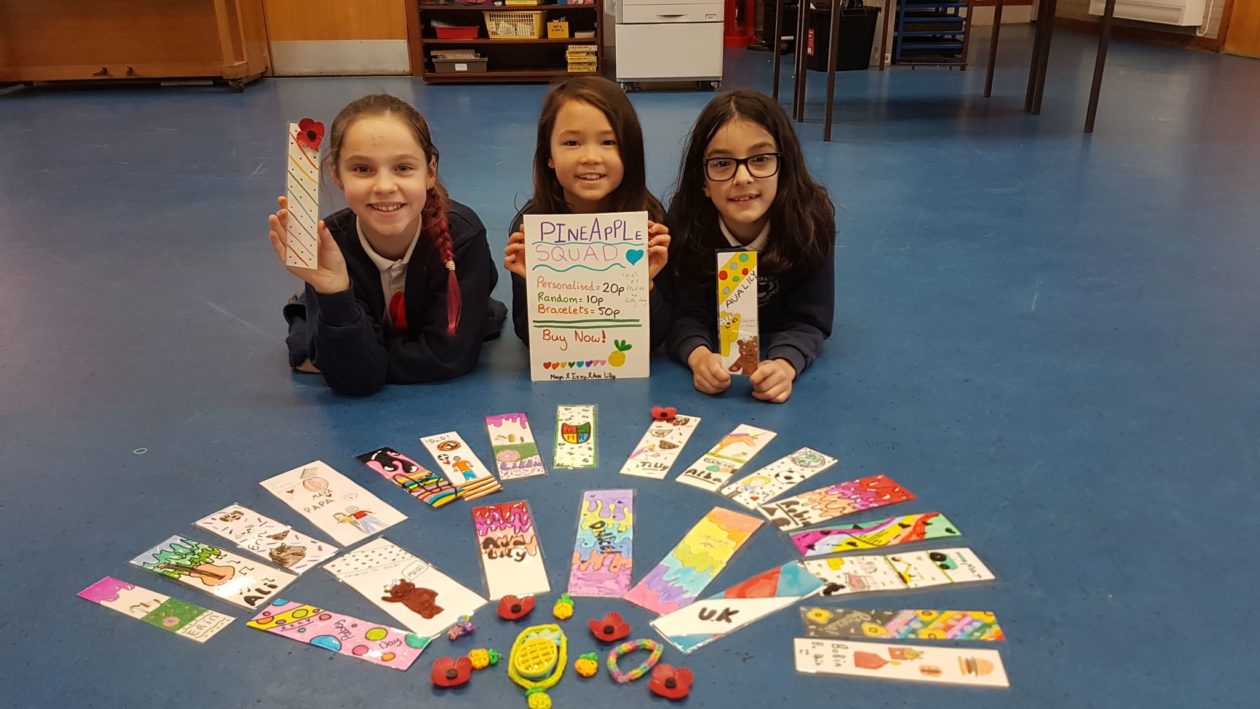
Our Pineapple Squad (a.k.a. Maya, Izzy and Ava Lily) have taken it upon themselves to organise an enterprising project to raise funds for Poppy Scotland. The girls decided to create a wide range of hand crafted items to sell. The team have been busy, giving up their break times and working in the evenings at home, to design and make hand-crafted book marks and loom band bracelets to sell. We have received orders from pupils, family and friends of the school. With sales and donations to the girl’s projects, they have raised a grand total of £30.50. This is such a great result for their efforts.
Fund Raising Heroes
Open for Business
Beautiful Work
Our Merchandise
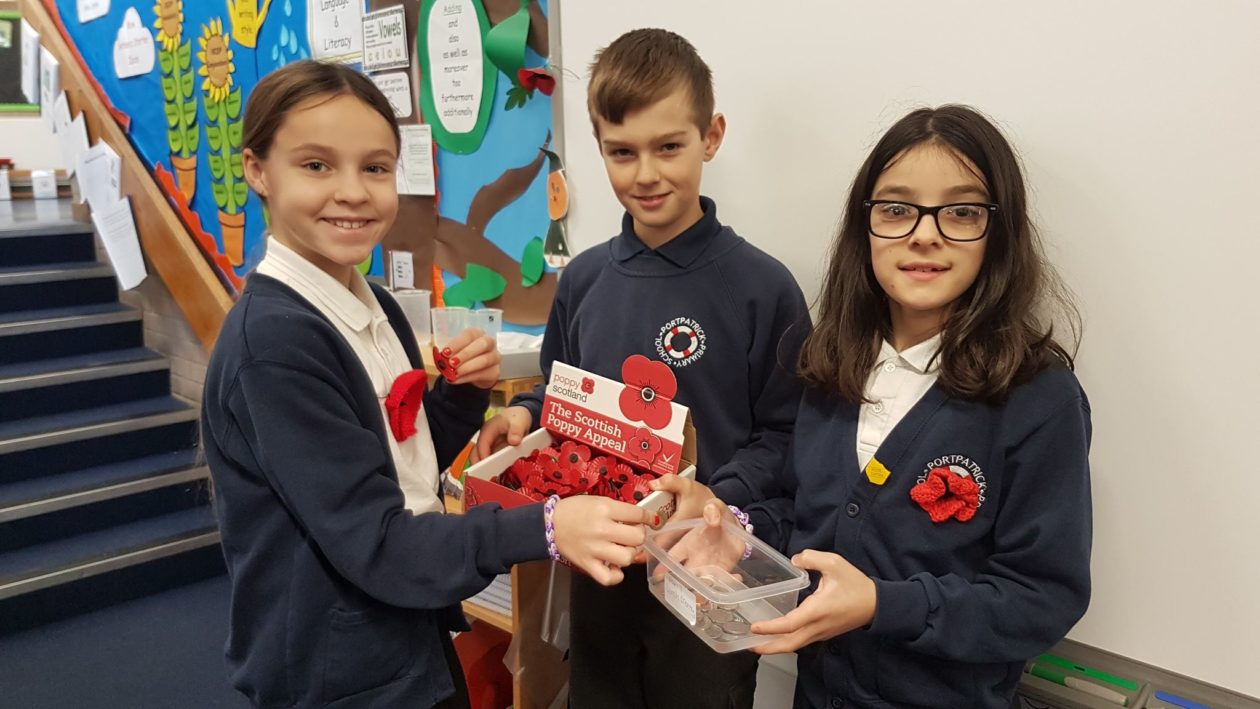
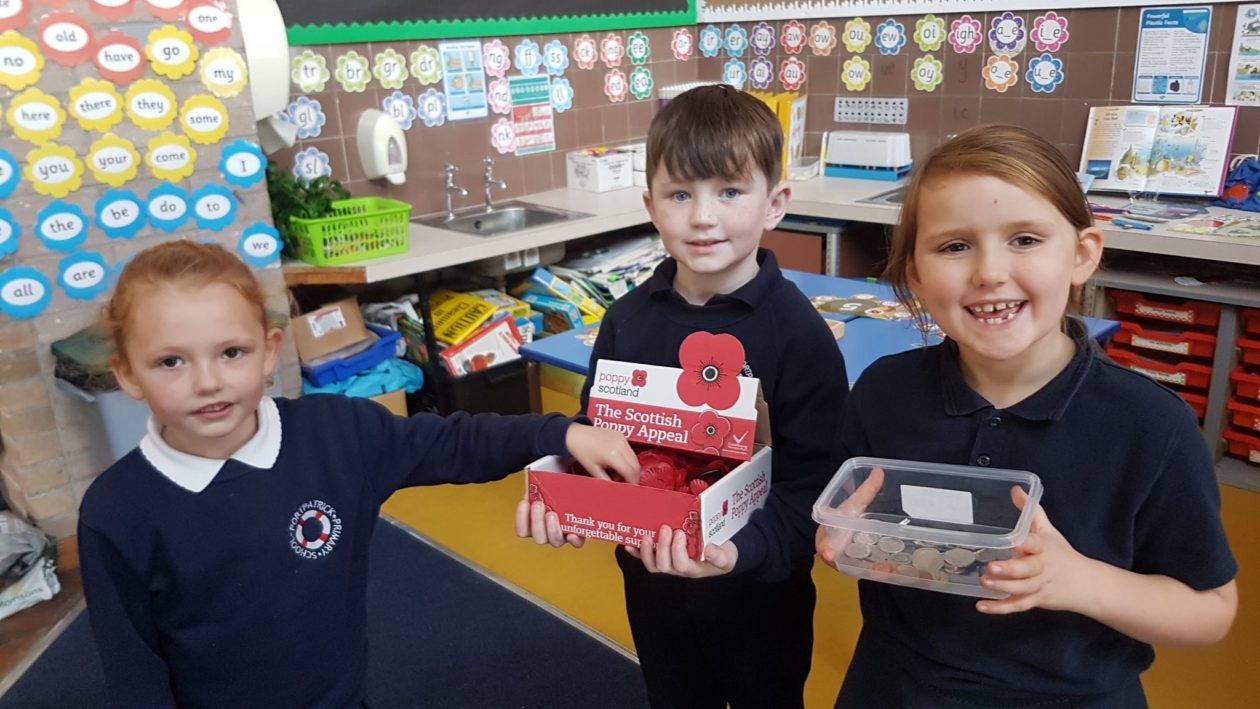
The pupils have also been buying poppies; the proceeds going directly to Poppy Scotland. We raised £13.64 selling poppies.
Our grand total raised to support Poppy Scotland is £43.64!
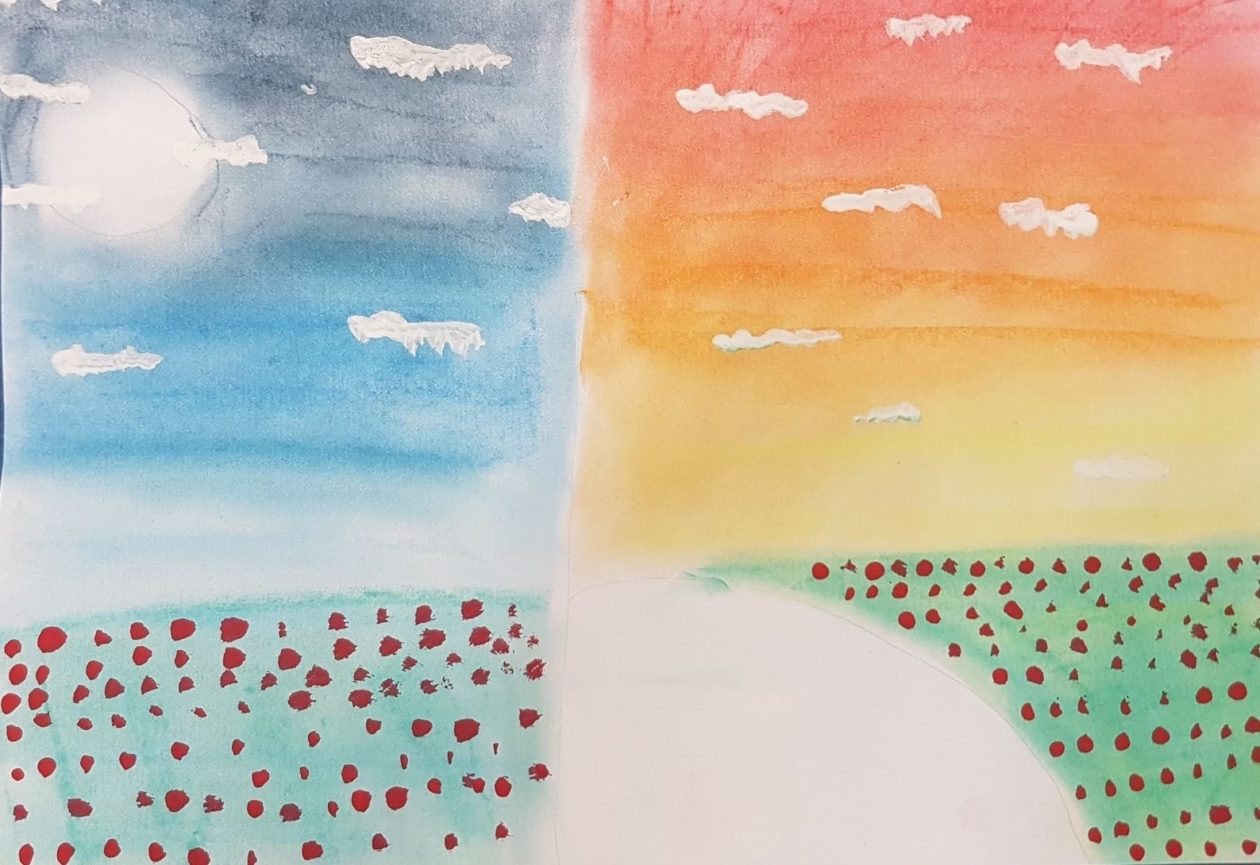
The children have created beautiful poppy artwork which is now on display in Morrison’s for all to see and admire. Here are just a couple of examples from Ruby and Izzy to share with you.
In addition, Primary 4- 7 have been learning the famous World War One poem, In Flander’s Fields by John McCrae. Please have a listen to their reciting the poem as a team by copying and pasting the link below.
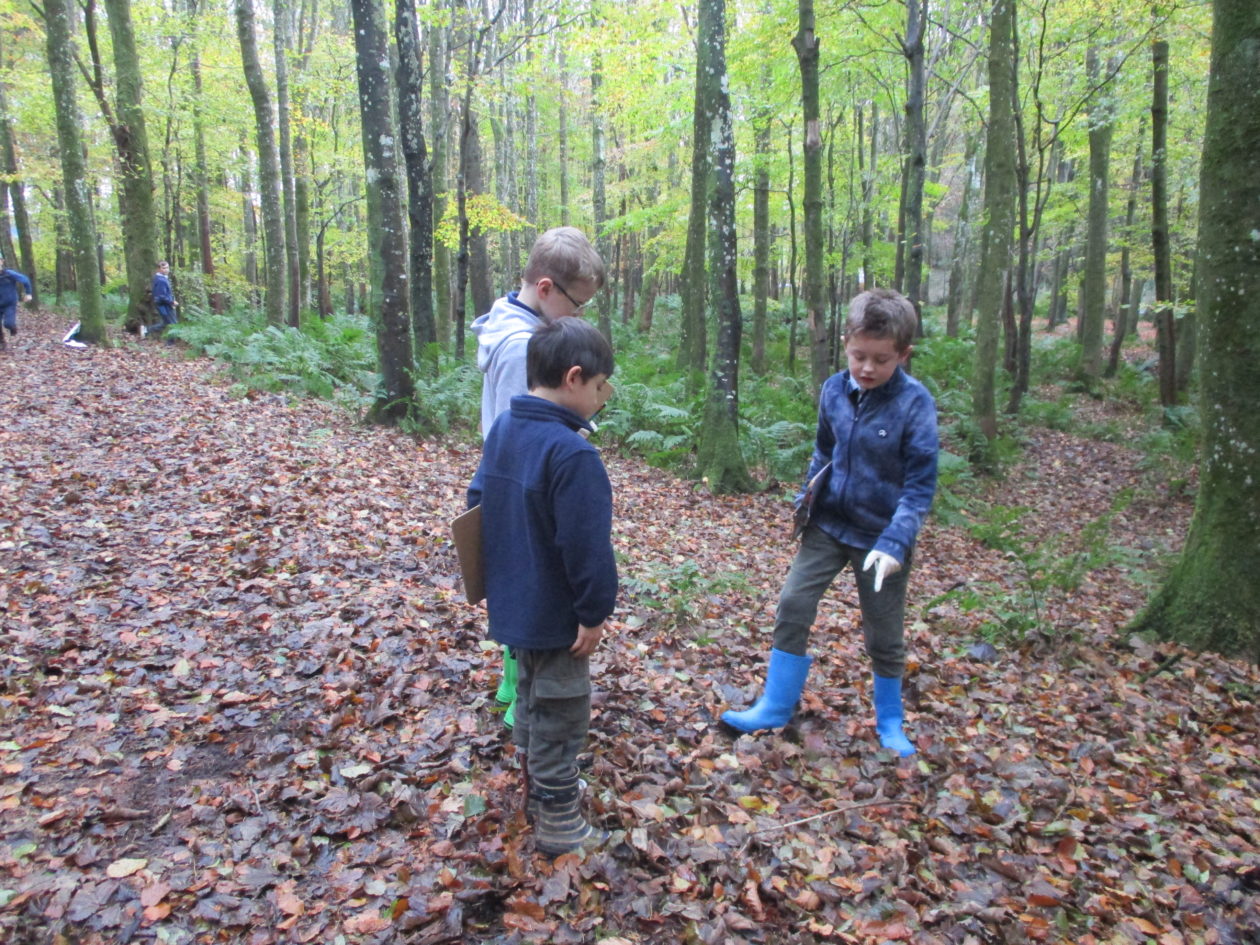
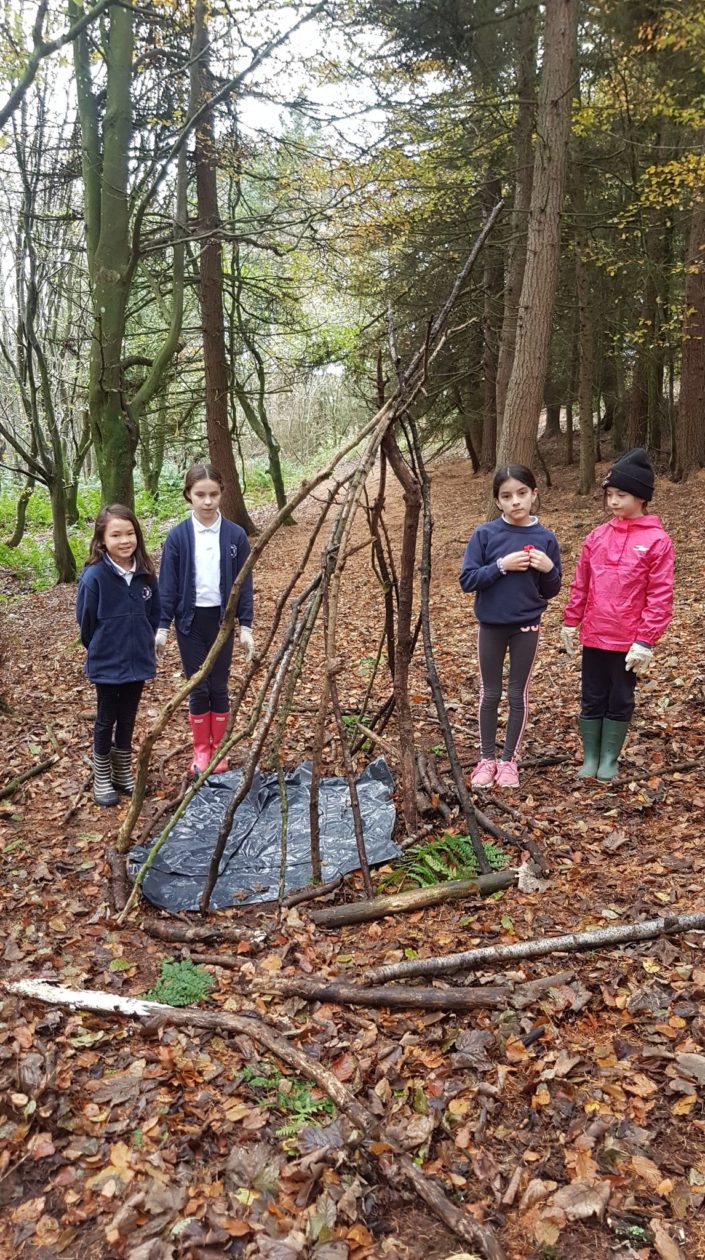
Today we made full use of National Outdoor Learning Day. Bright and early, we headed up to Dunskey Woods to take part in a range of learning activities across the curriculum.
Observational Zones – Maths & Science
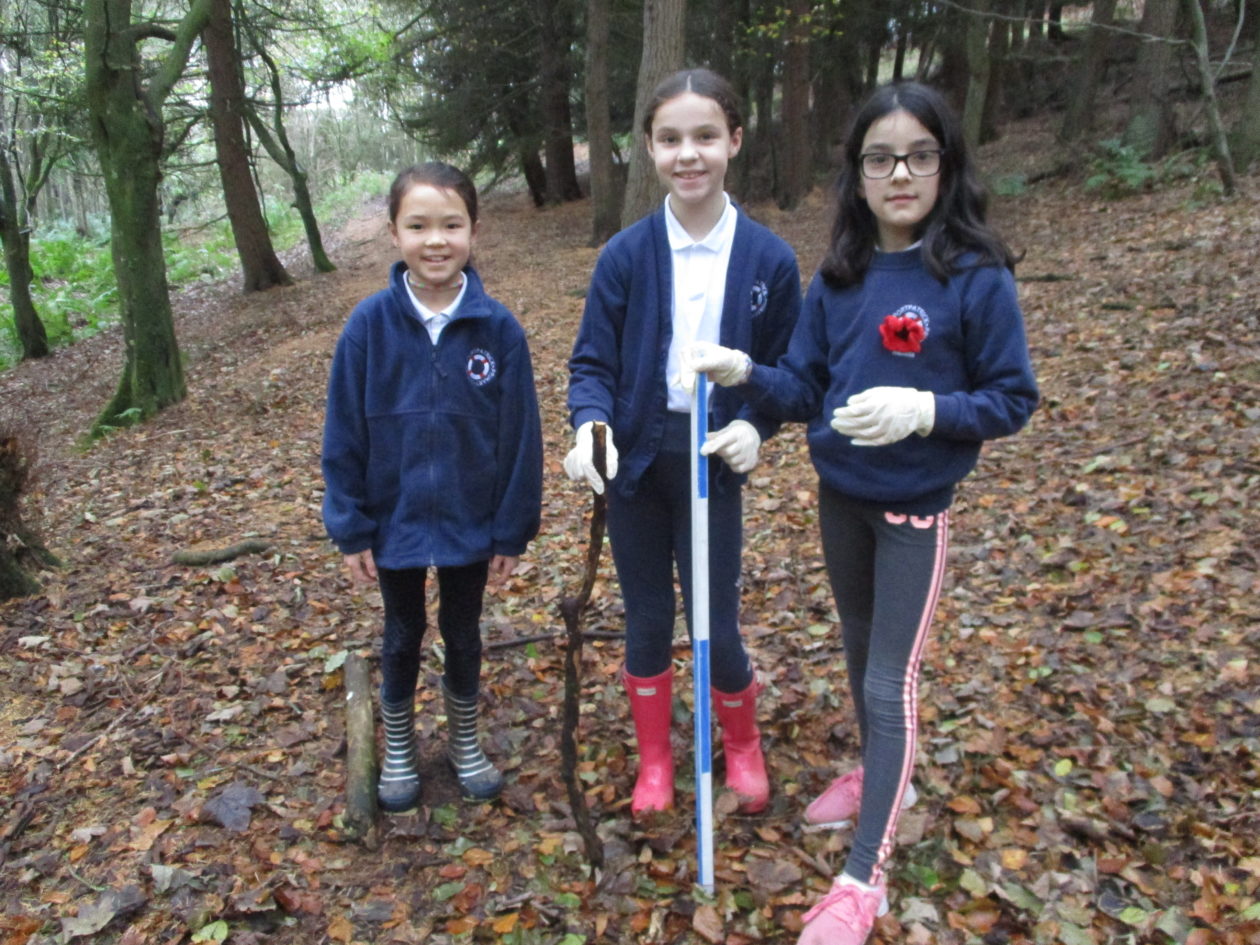
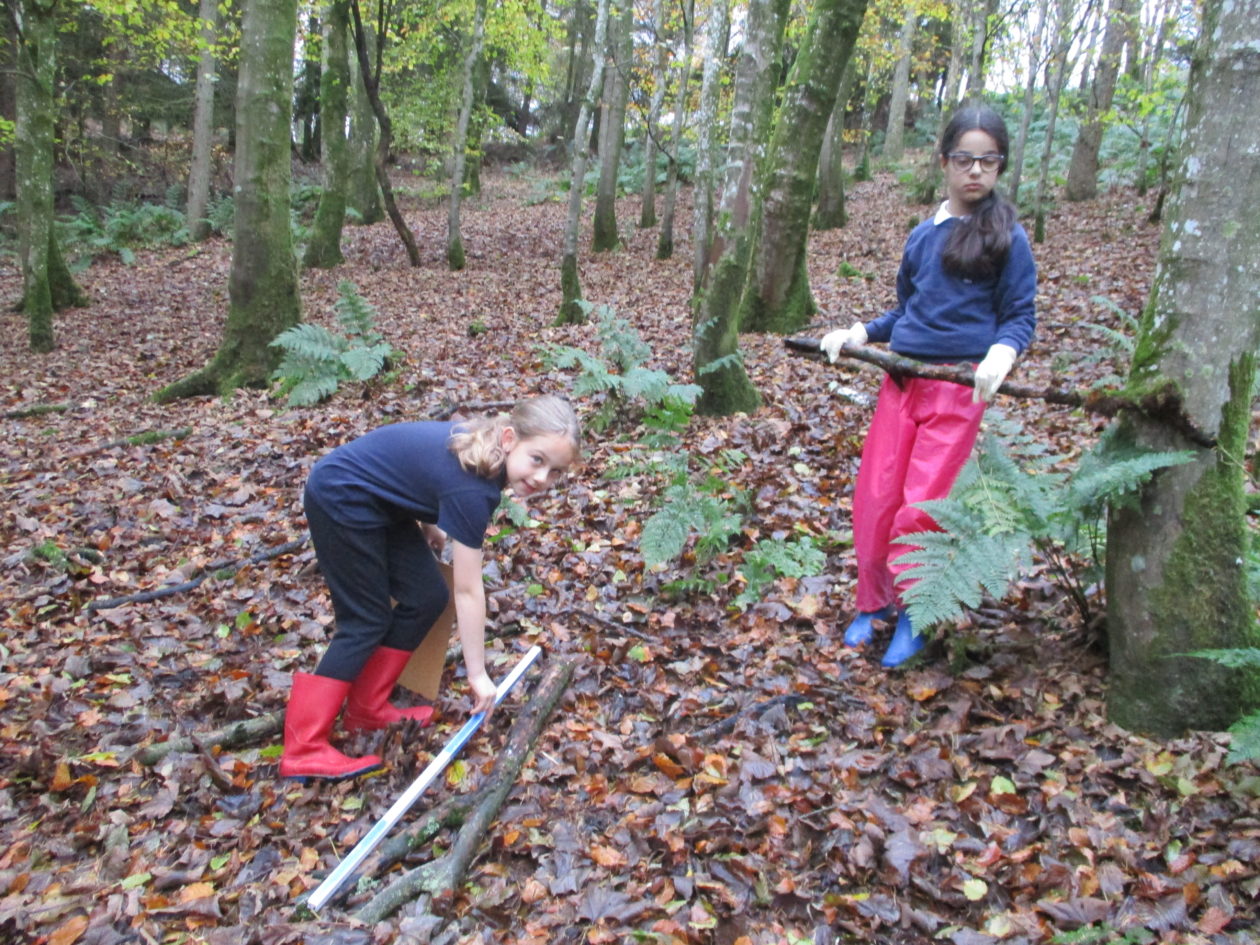
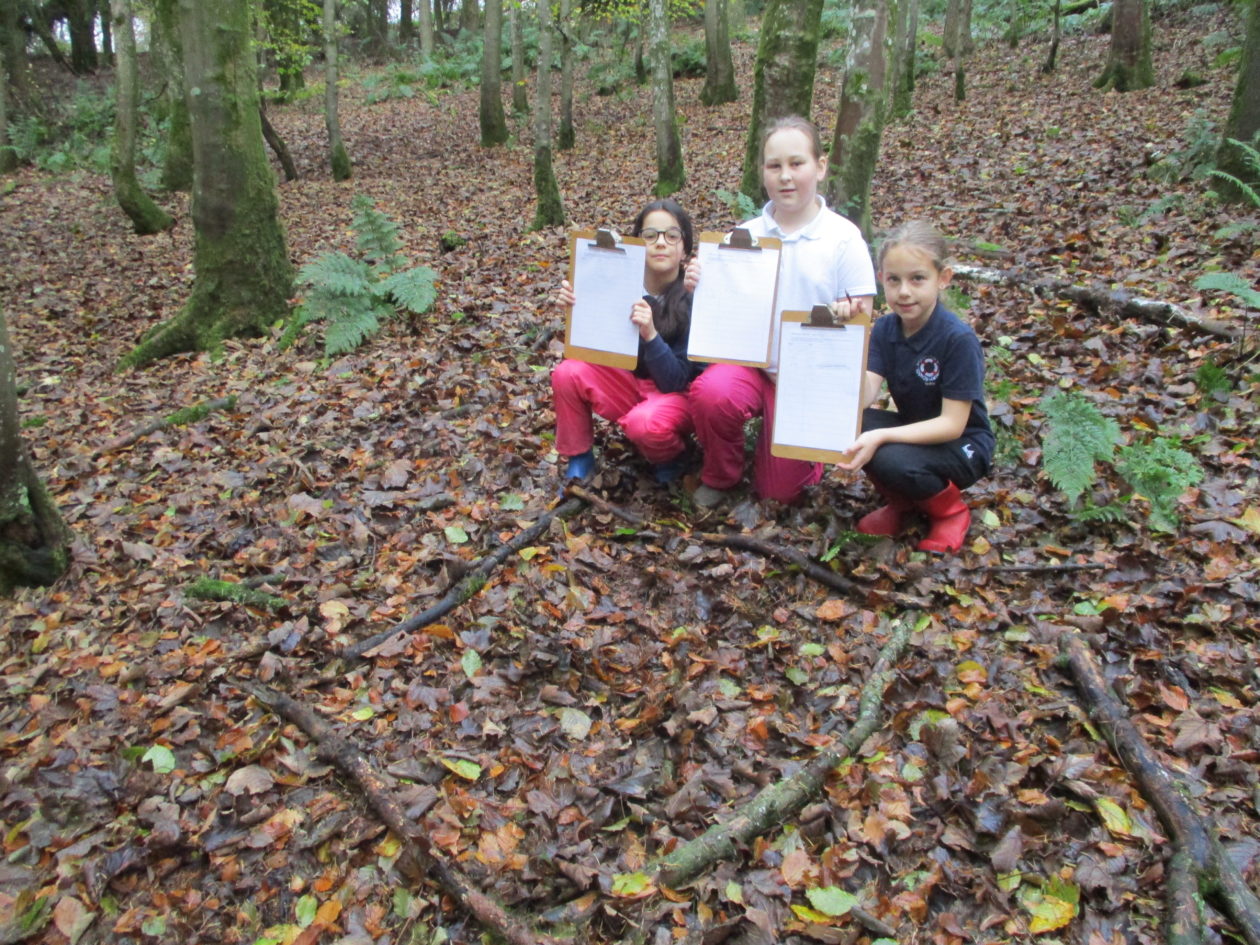
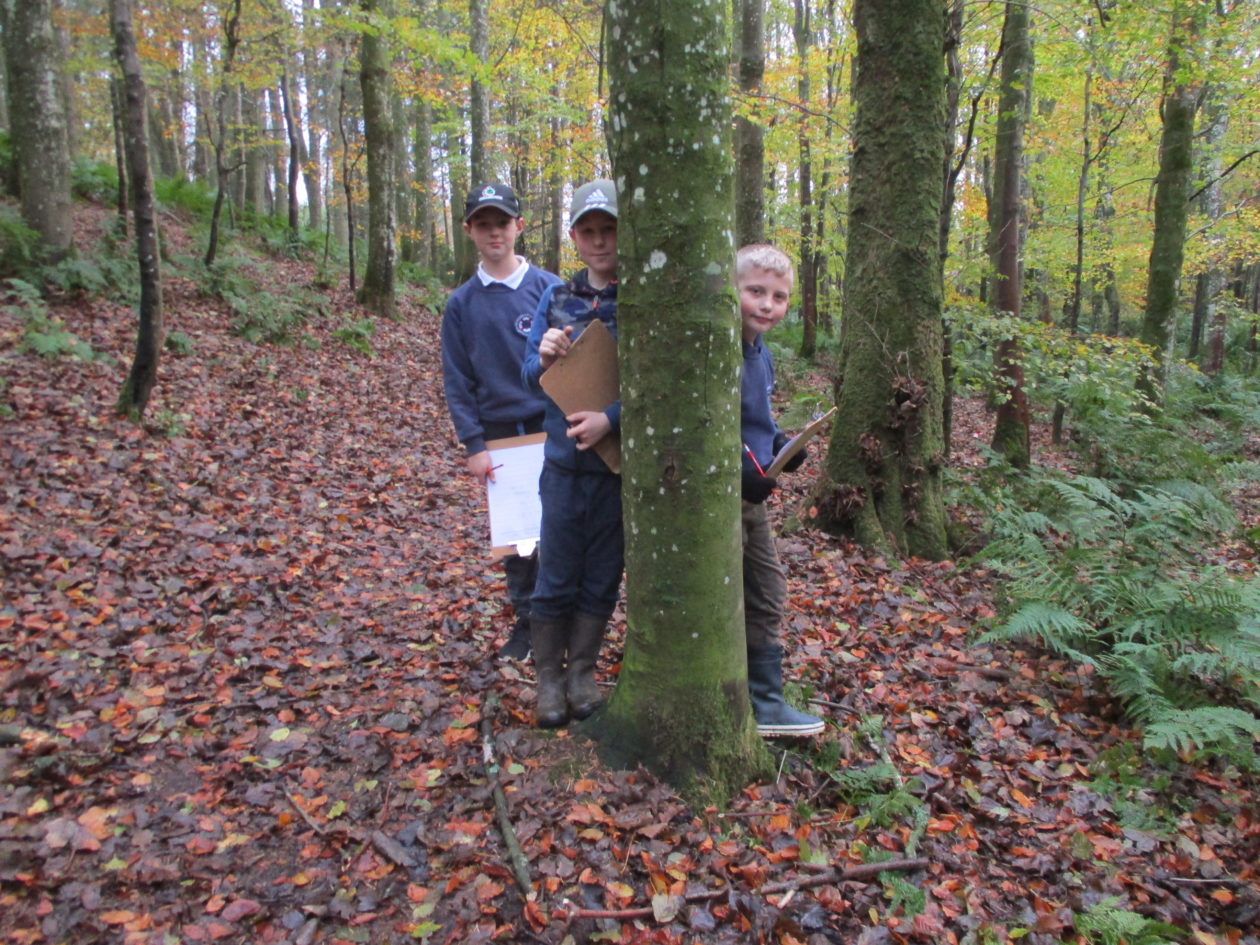
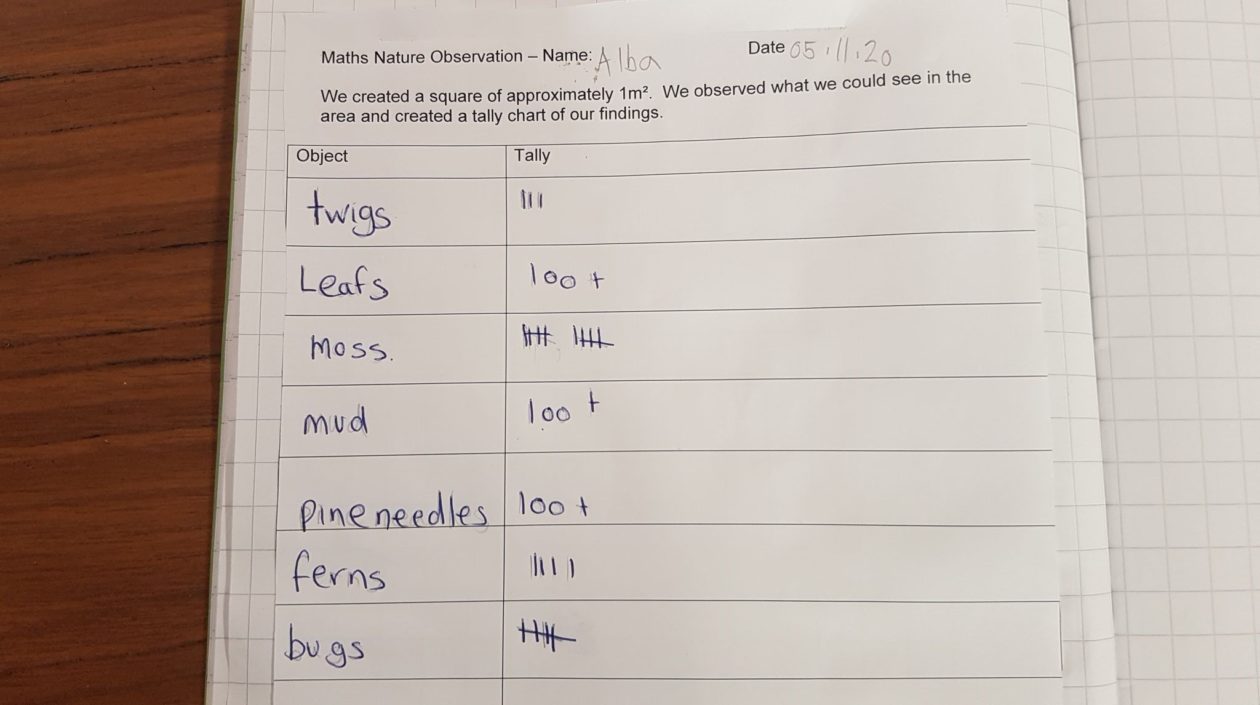
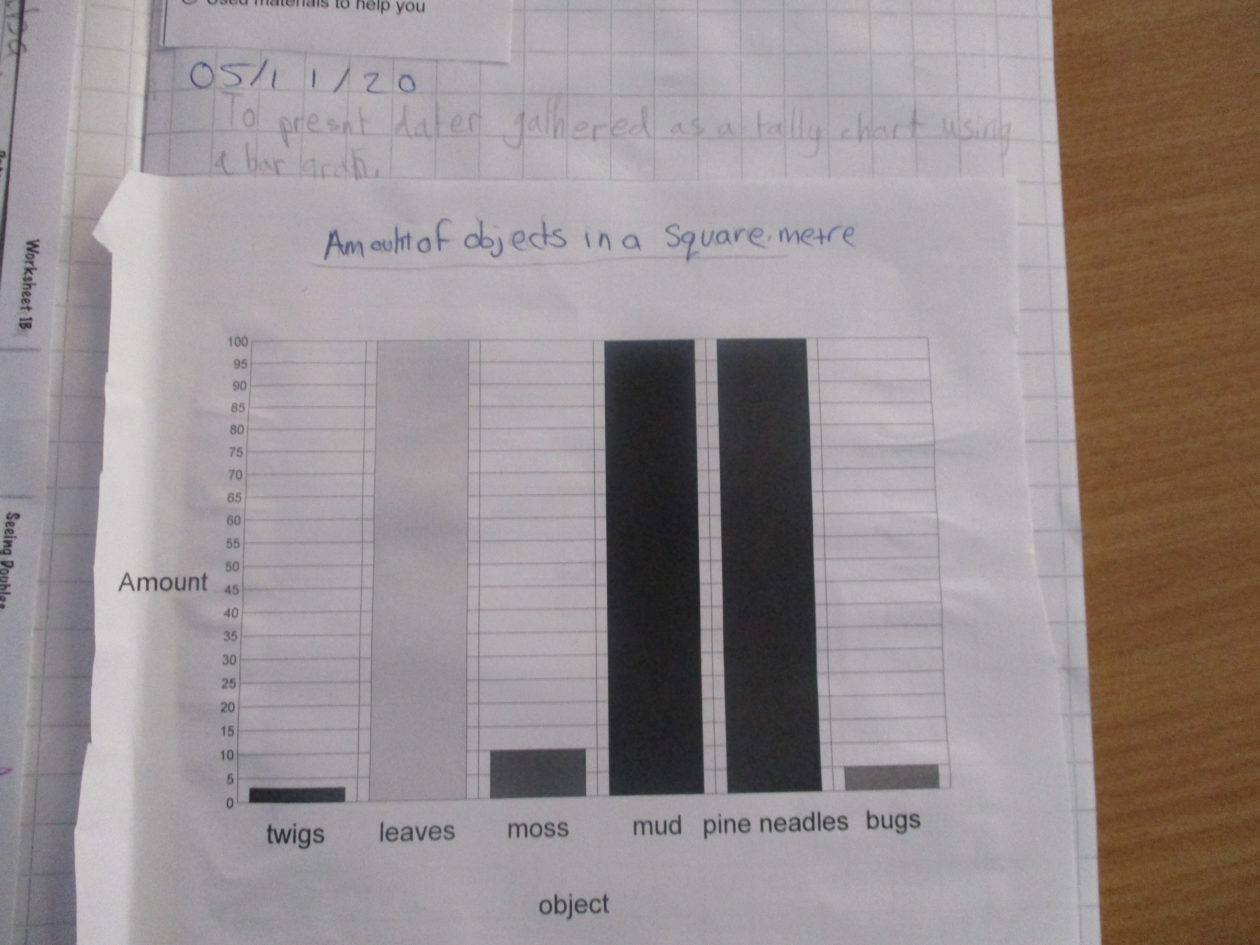
First on the agenda was a combined maths and science challenge. The children used a metre stick to find a natural stick of equivalent length. We then used that stick as a measure to locate 3 more. We formed a metre square area with our sticks as boundary markers. We then observed the natural objects that were present in our study zone. There was a wide variety of items; from pine needles to leaves and larvae to beetles. The class created a tally chart of the objects they observed in each group zone. Finally, we used digital technology to present our data as a bar graph to interpret our results more readily.
Getting organised
Measuring using standard measures
Measuring our sticks
What can we see?
We’ve a tree in our square
Tally Chart
Graphical Representation
Tower Building – Engineering
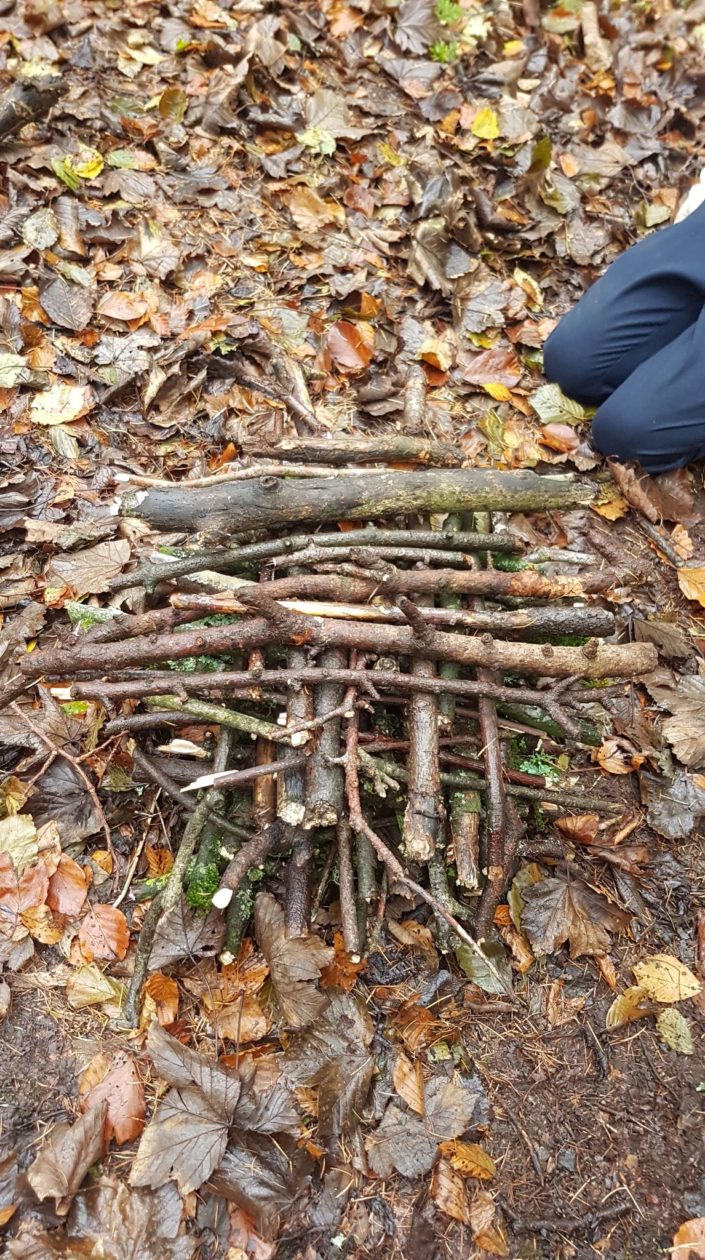
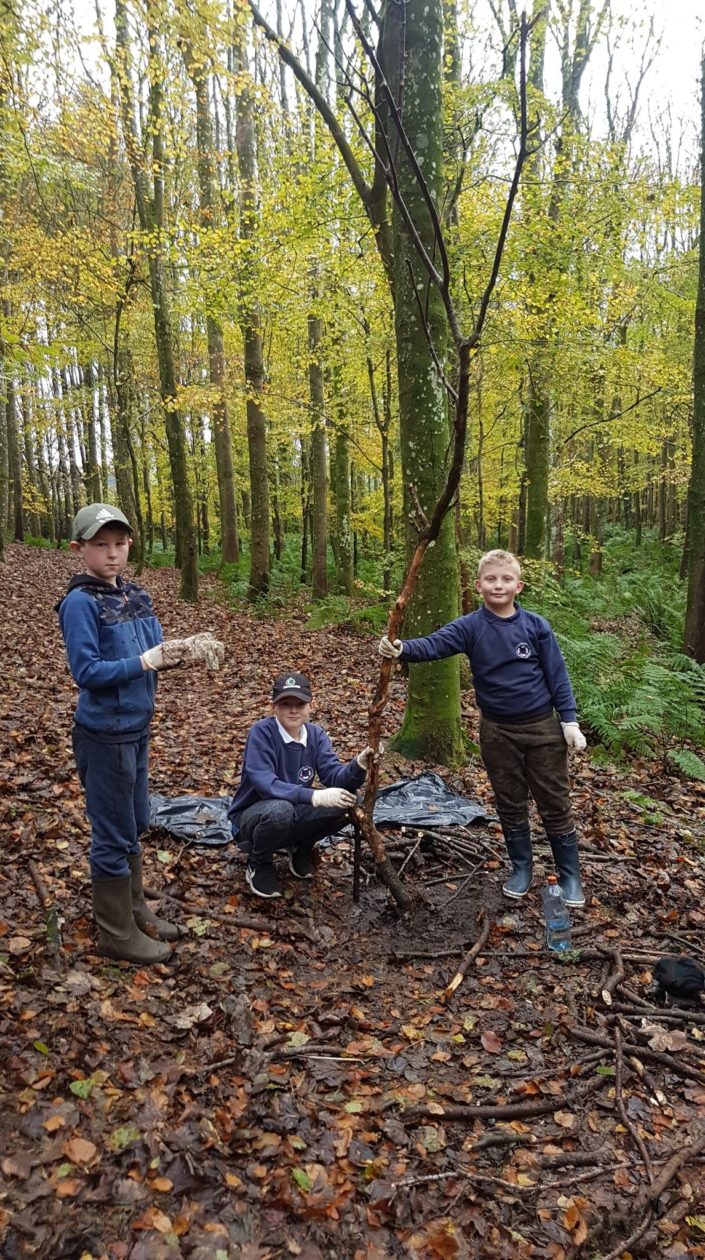
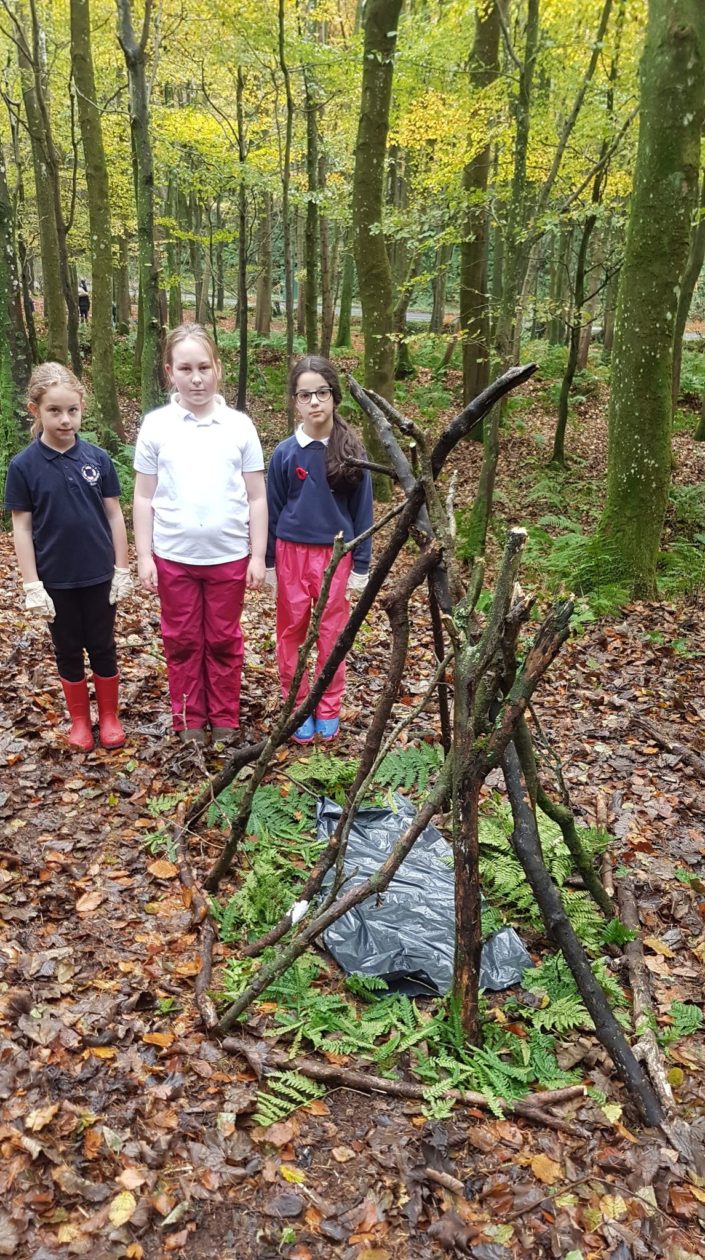
The next challenge was to see which group could build the tallest free standing tower using just sticks. There was a lot of discussion on how to tackle this problem. Some opted for a layered square tower, whilst other groups made use of a conical shape. The children quickly realised that balancing the sticks to a centre point gave the most height. They also concluded that they needed a key stick with a ‘Y’ shaped branch formation to help support the structure. Maya, Ava Lily, Tilly and Izzy were the winning team with a final height of an impressive 2.5 metres! This was even after their first tower of 2 metres got knocked down by accident. They rebuilt in super quick time, even taller than before. Well done on your resilience girls.
Busy layering our sticks
The stacking method
What shape of support stick shall we use
Criss cross squares
Stable structure
Winning team
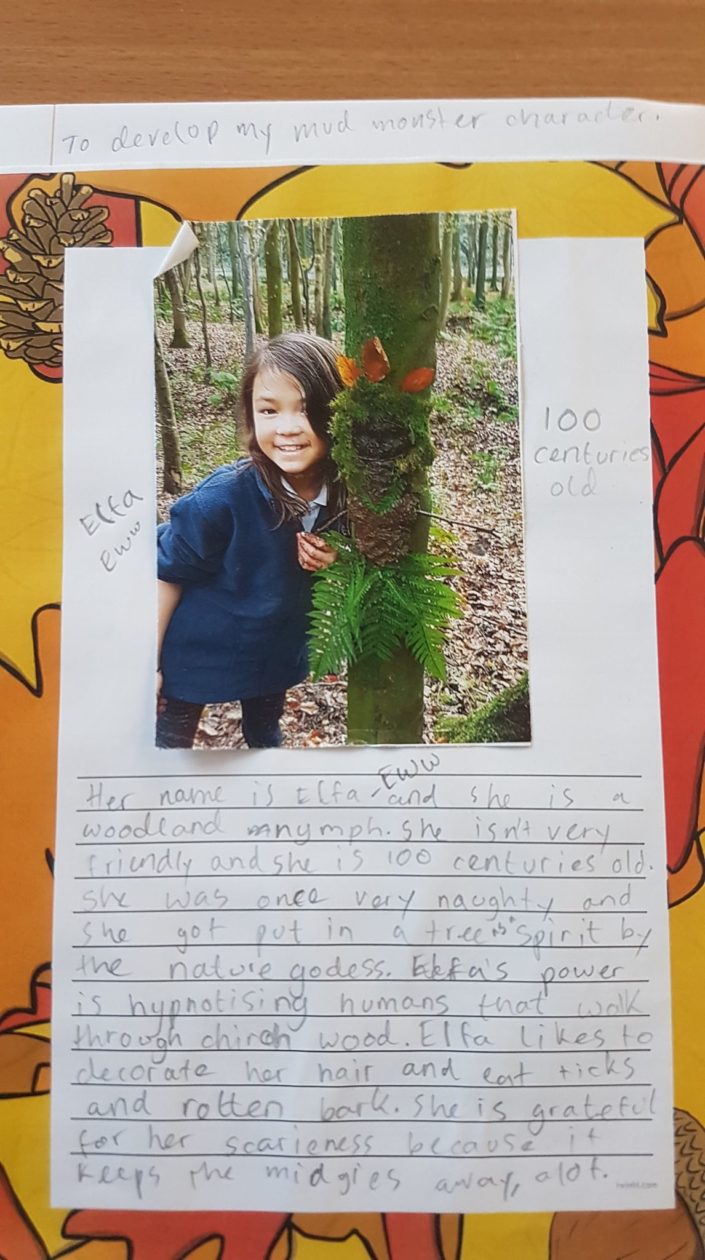
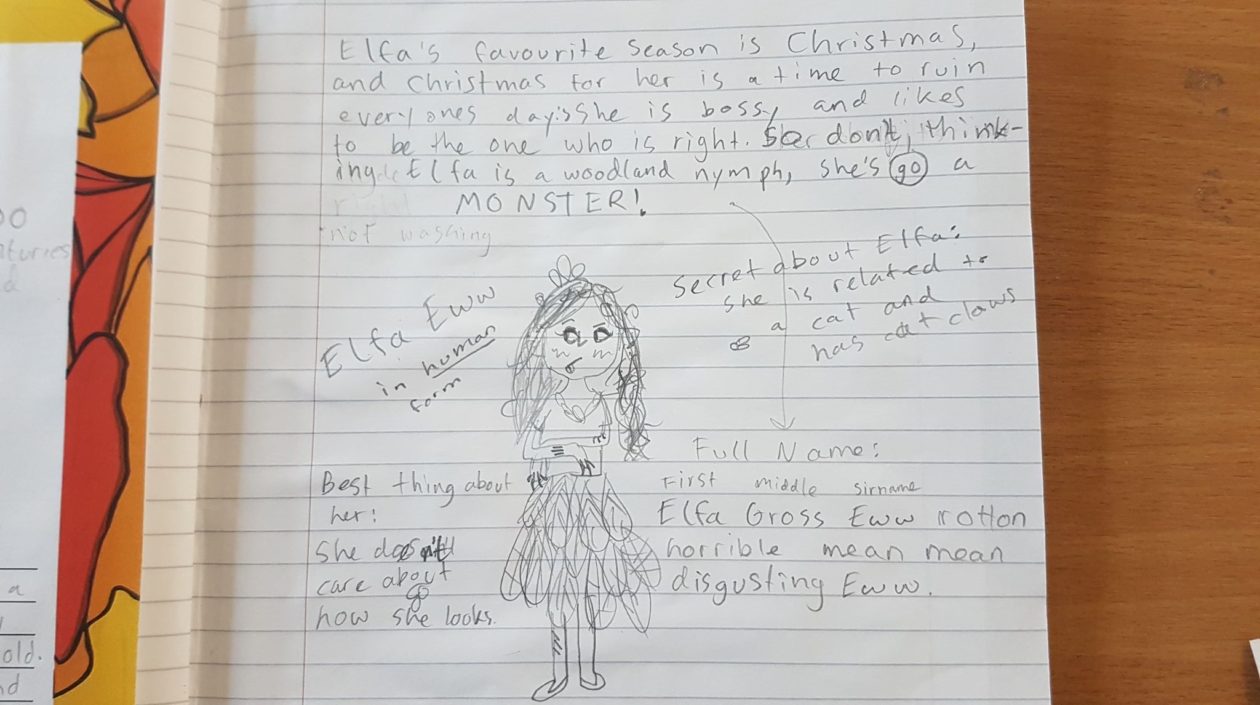
Mud Monsters – Art /Language (follow up task for tomorrow)
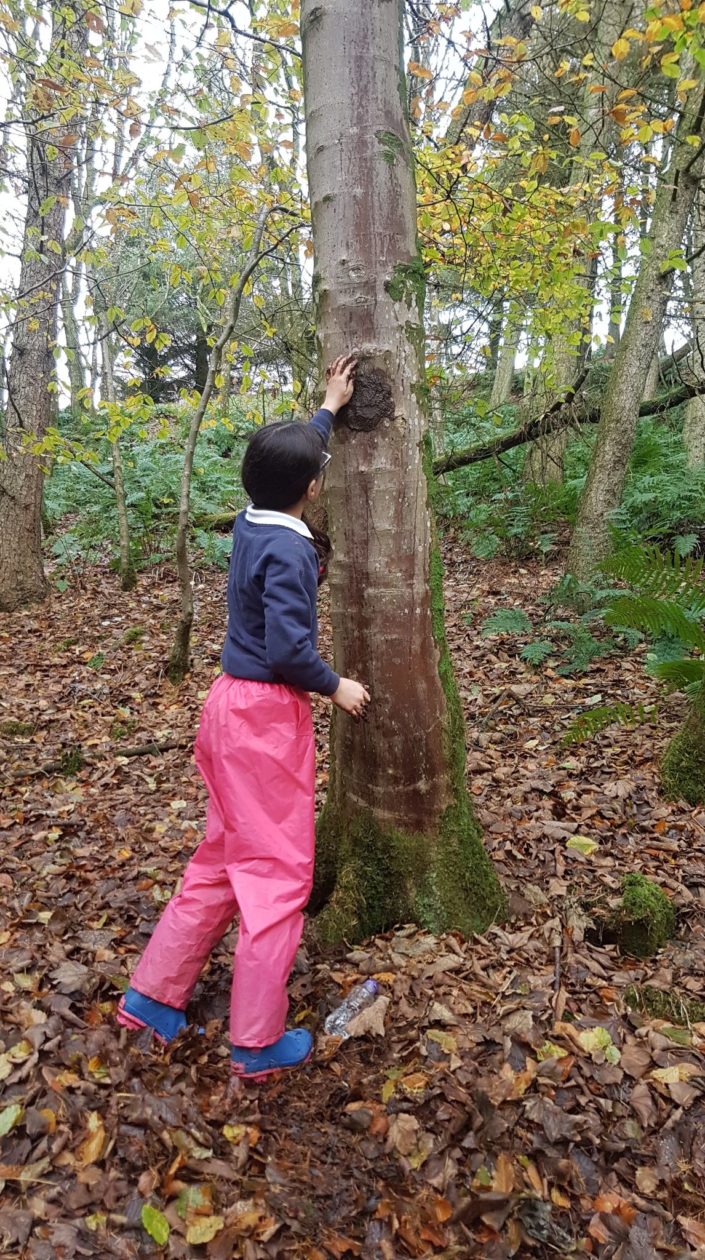
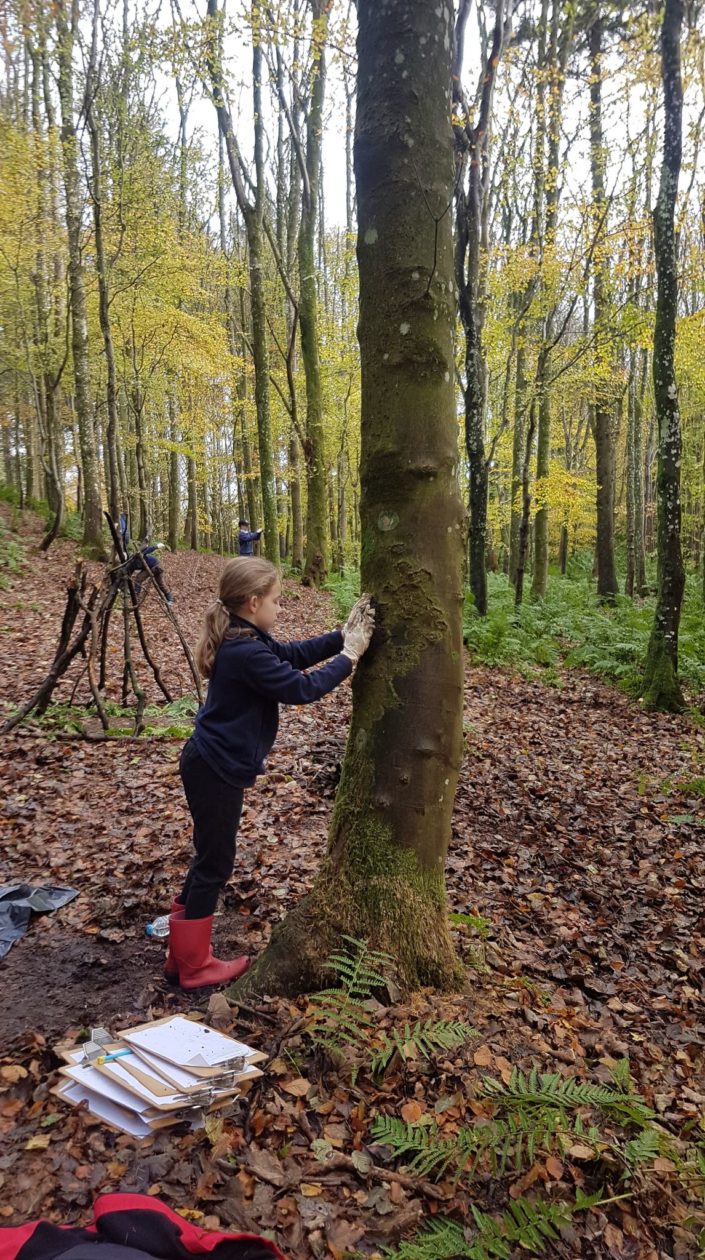
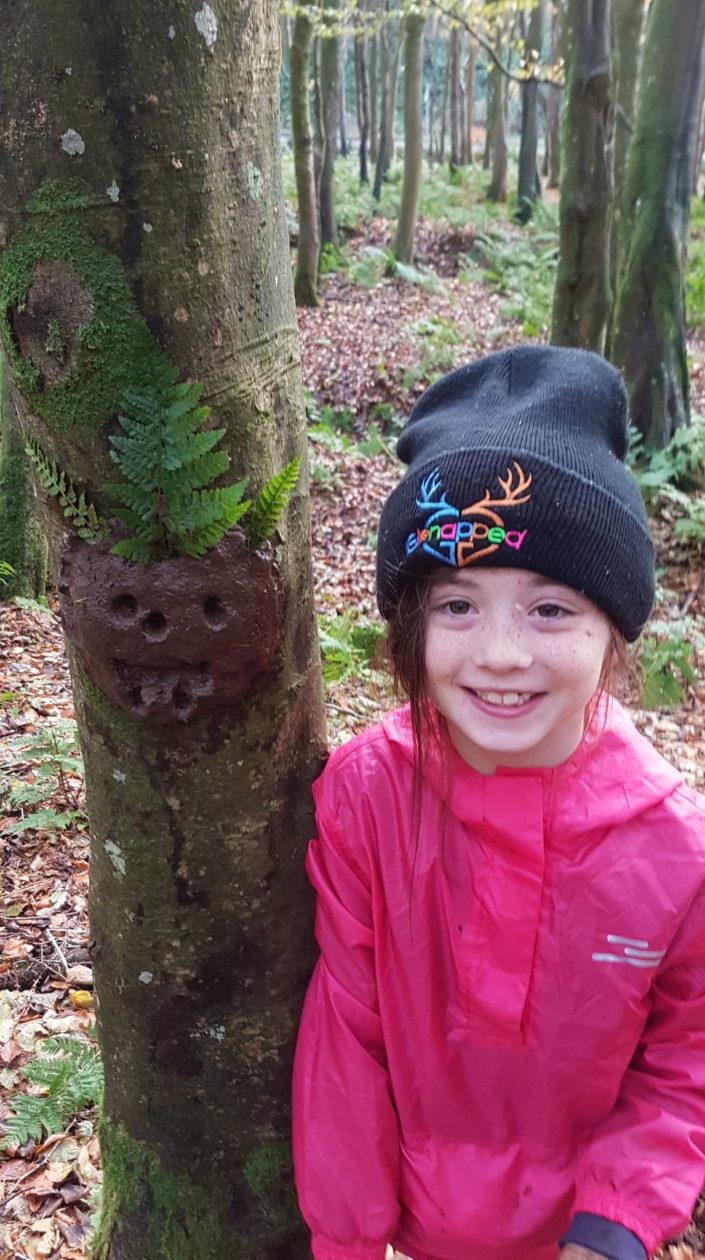
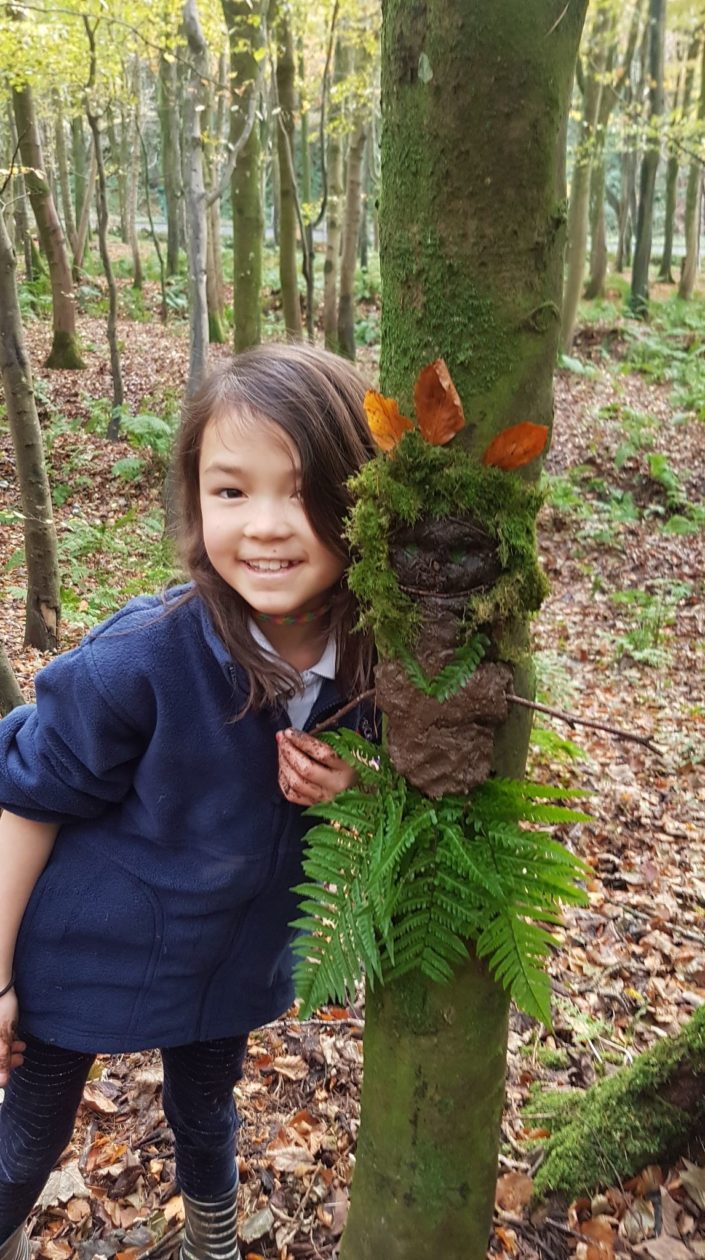
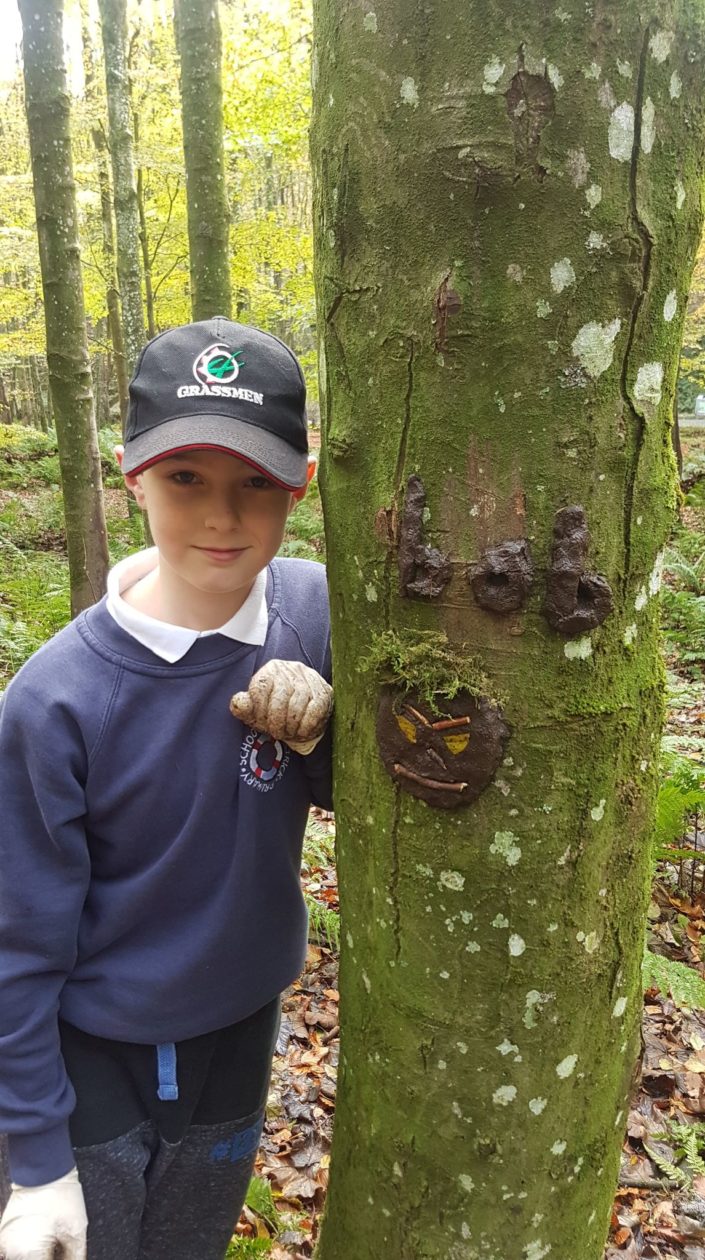
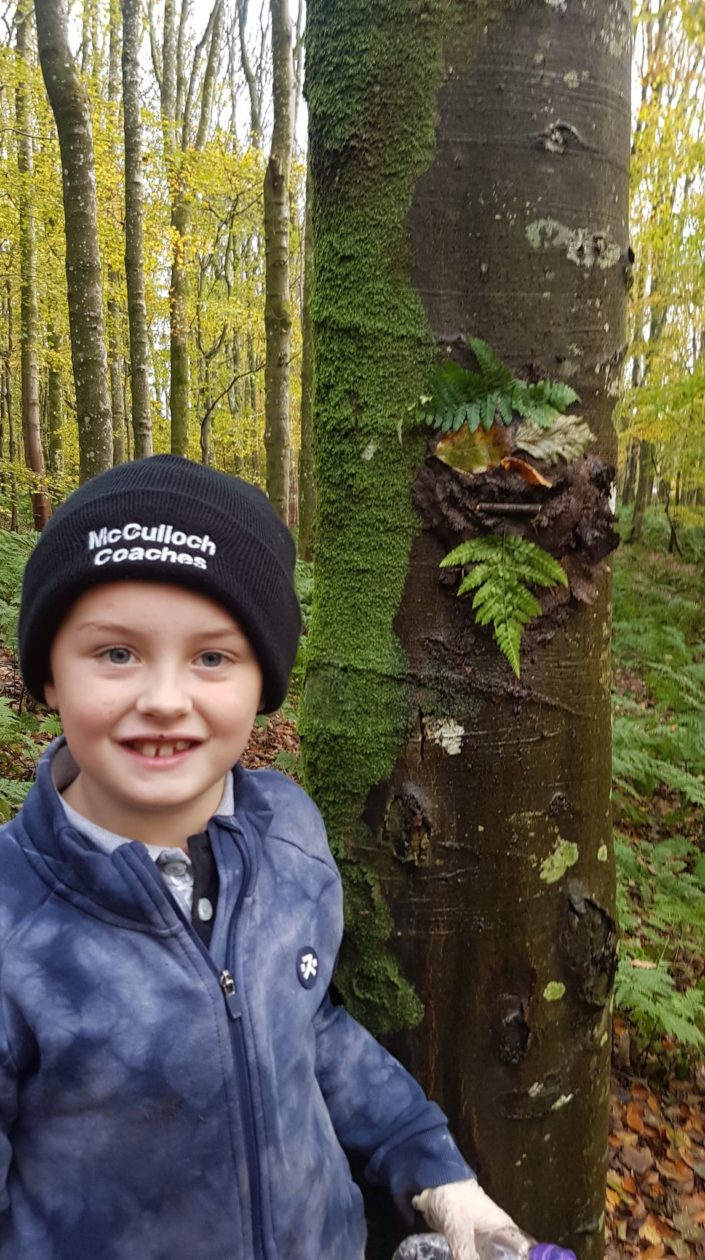
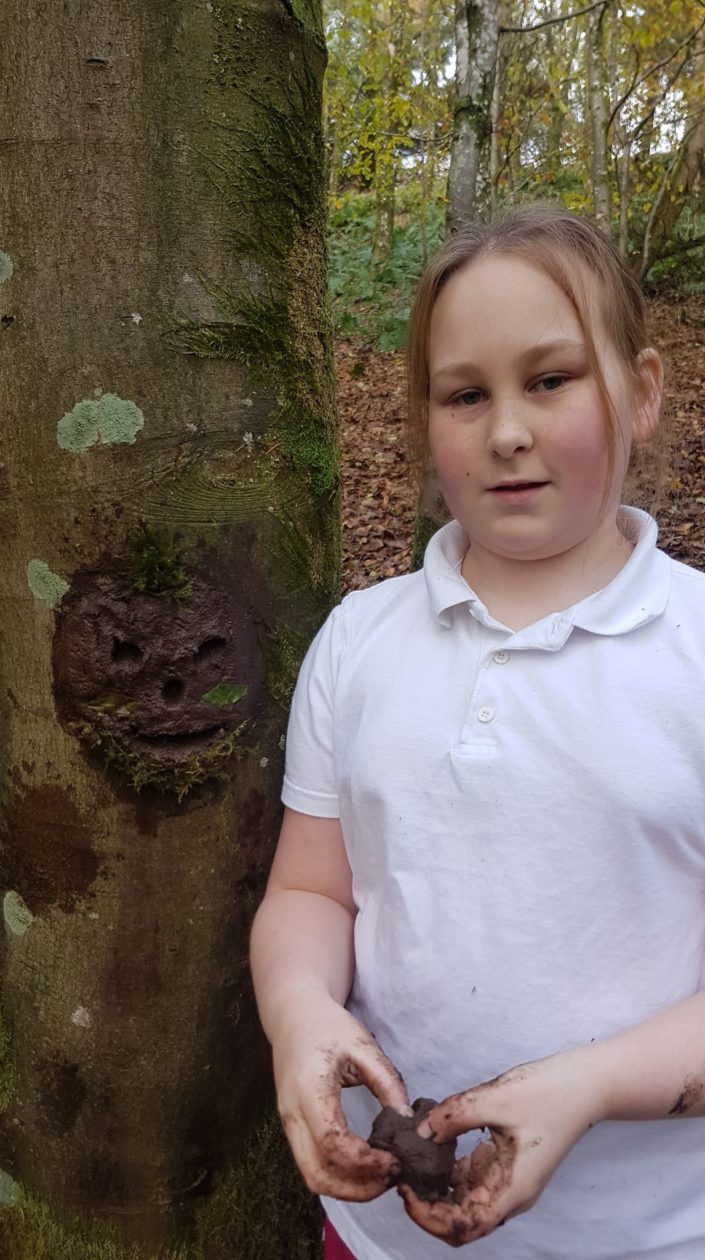
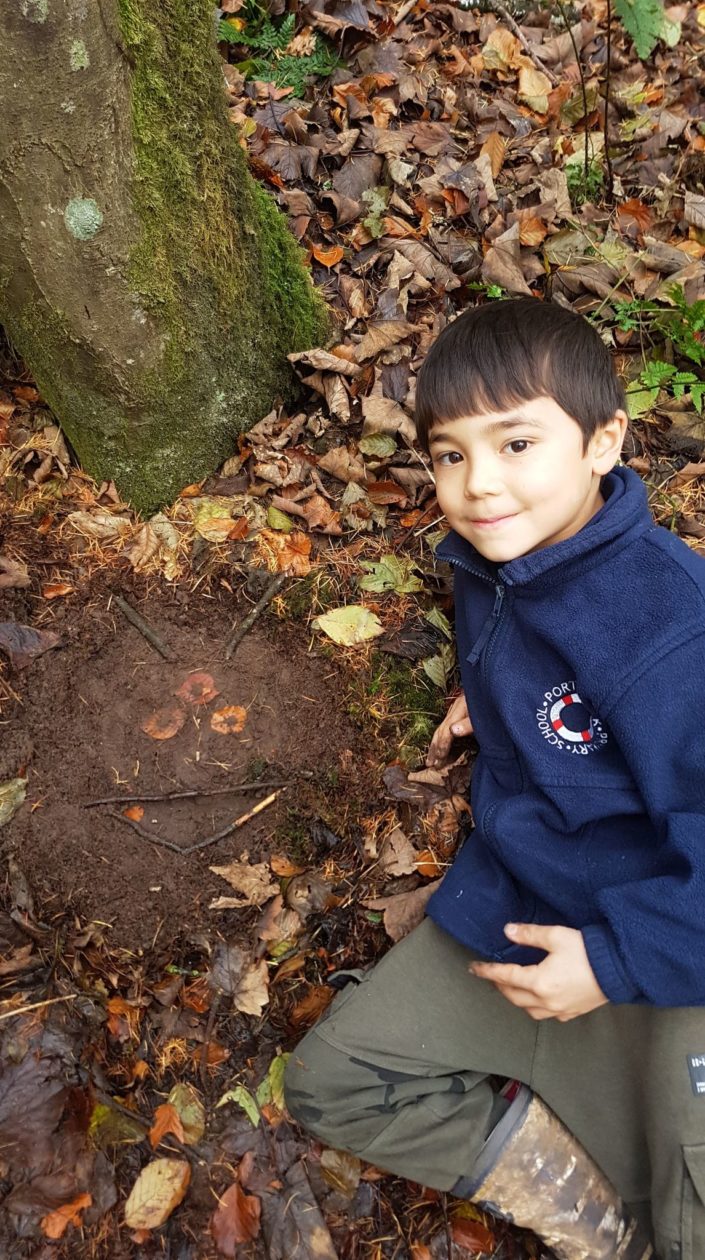
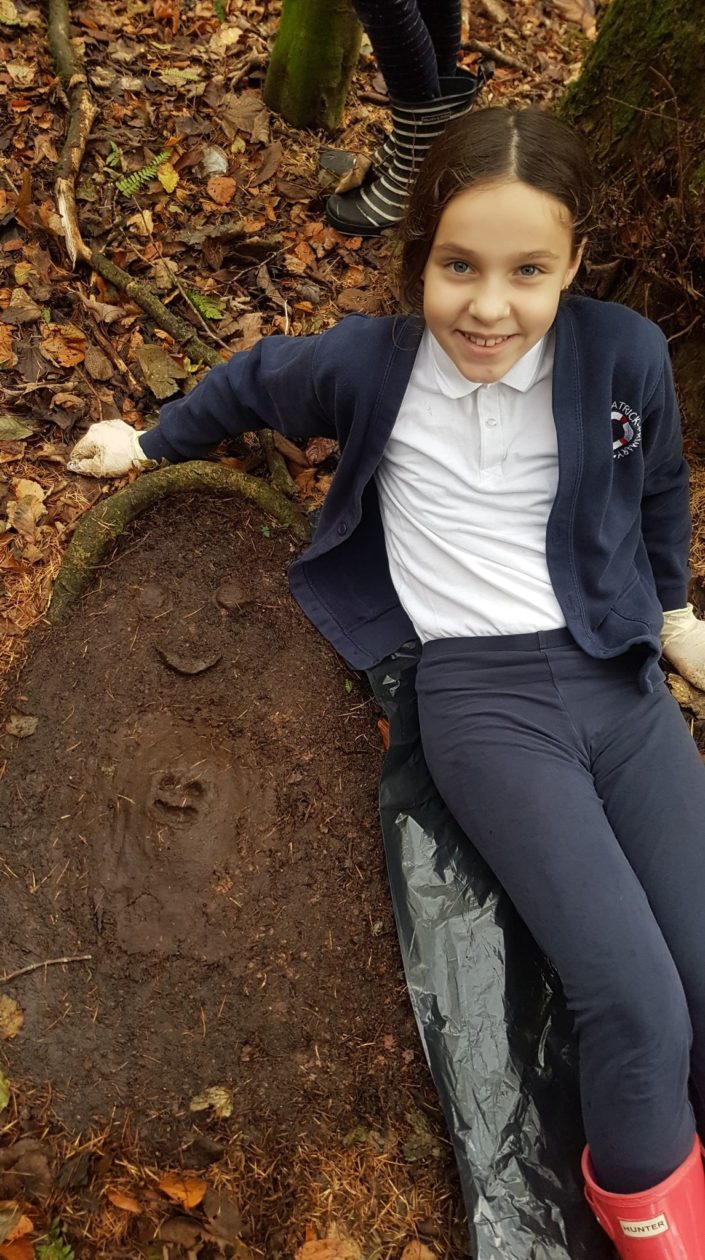
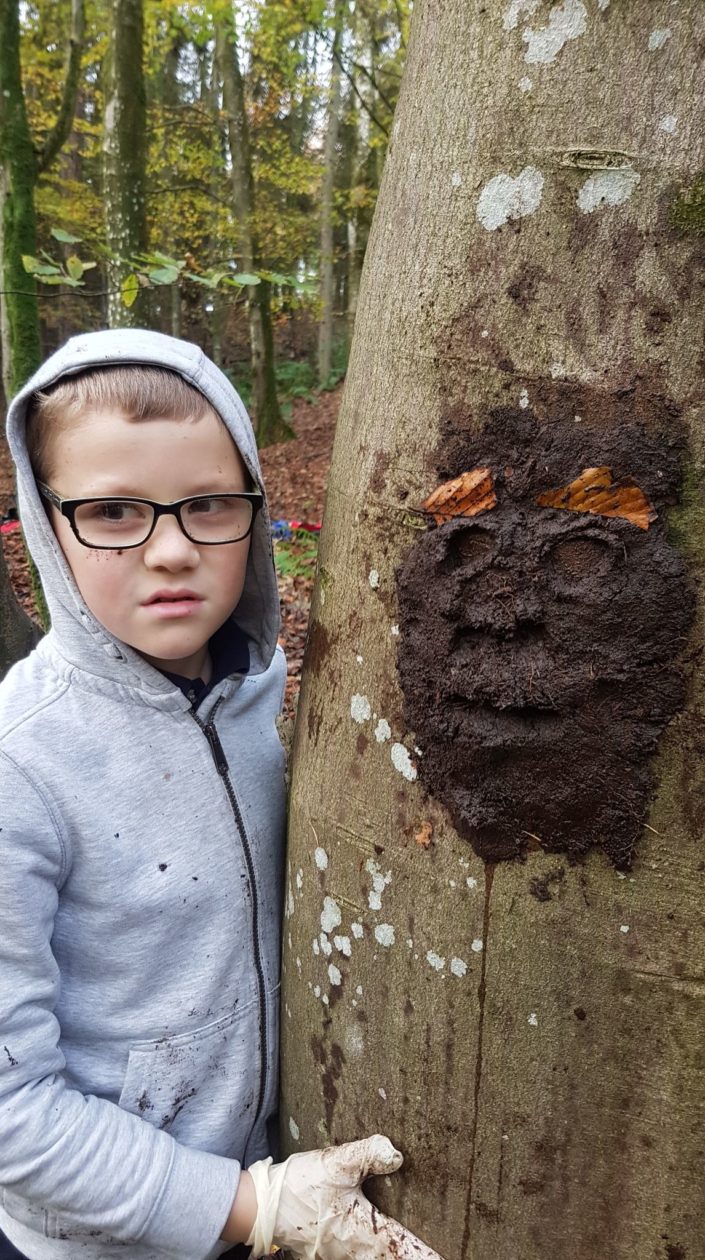
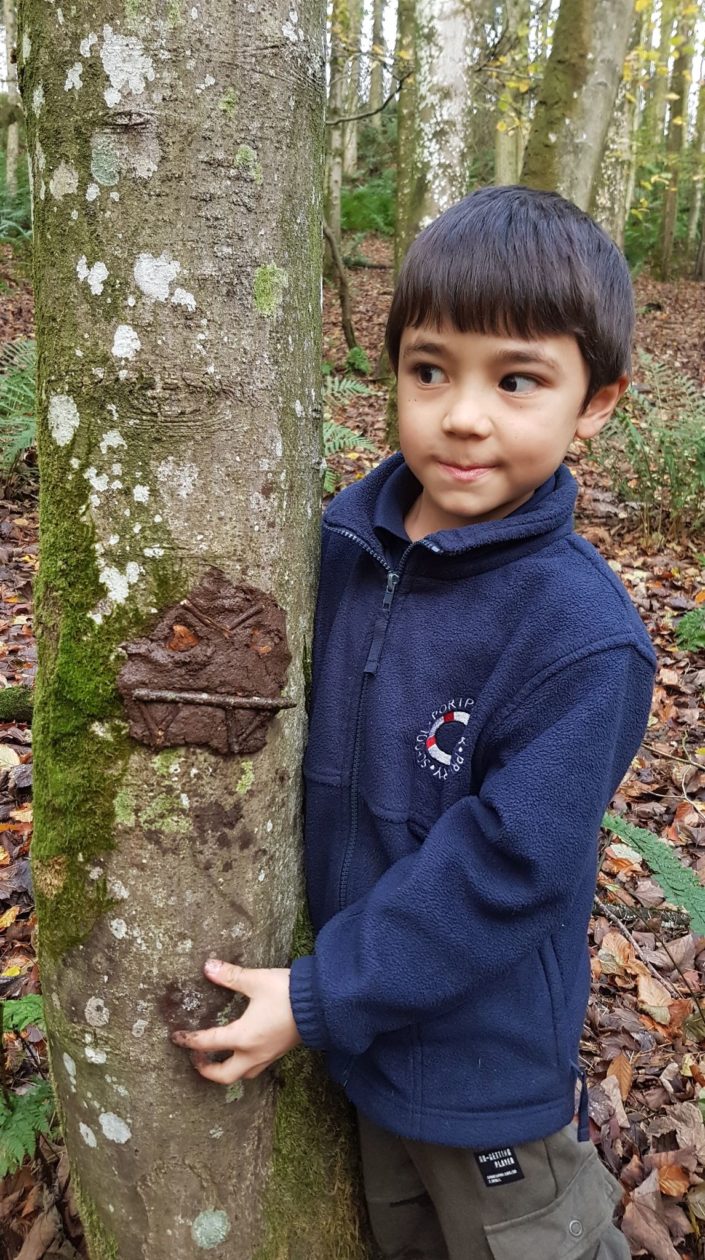
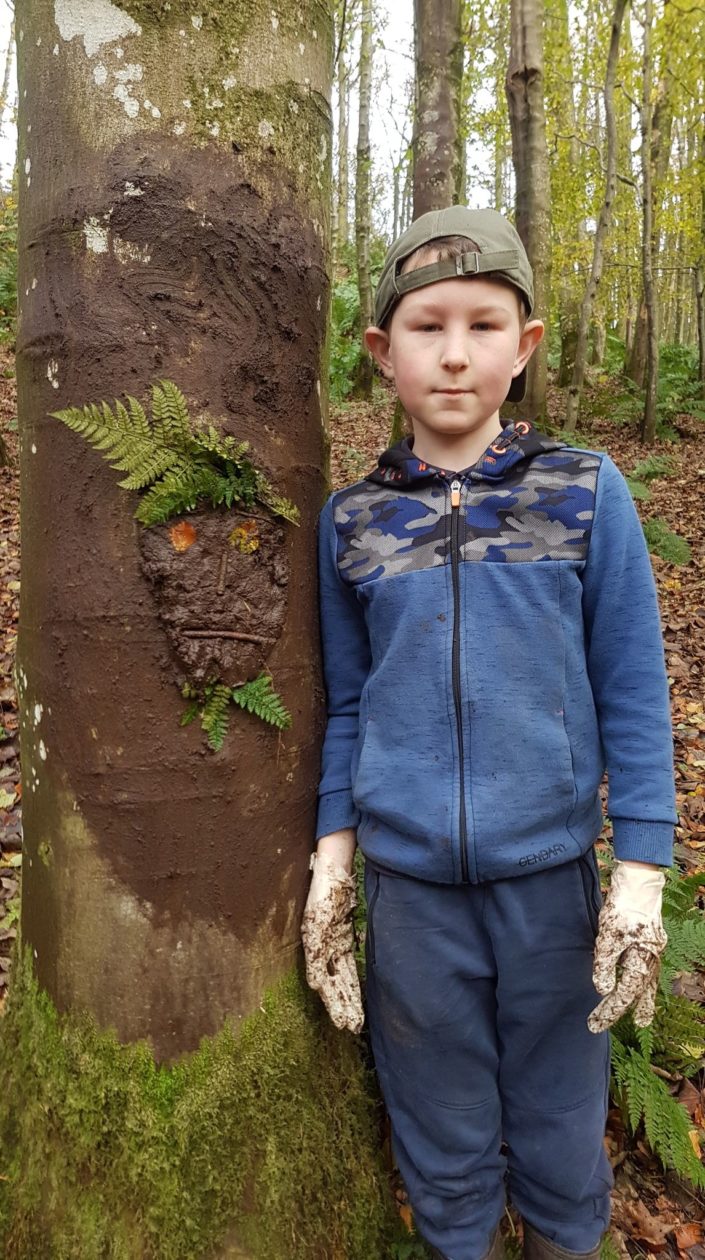
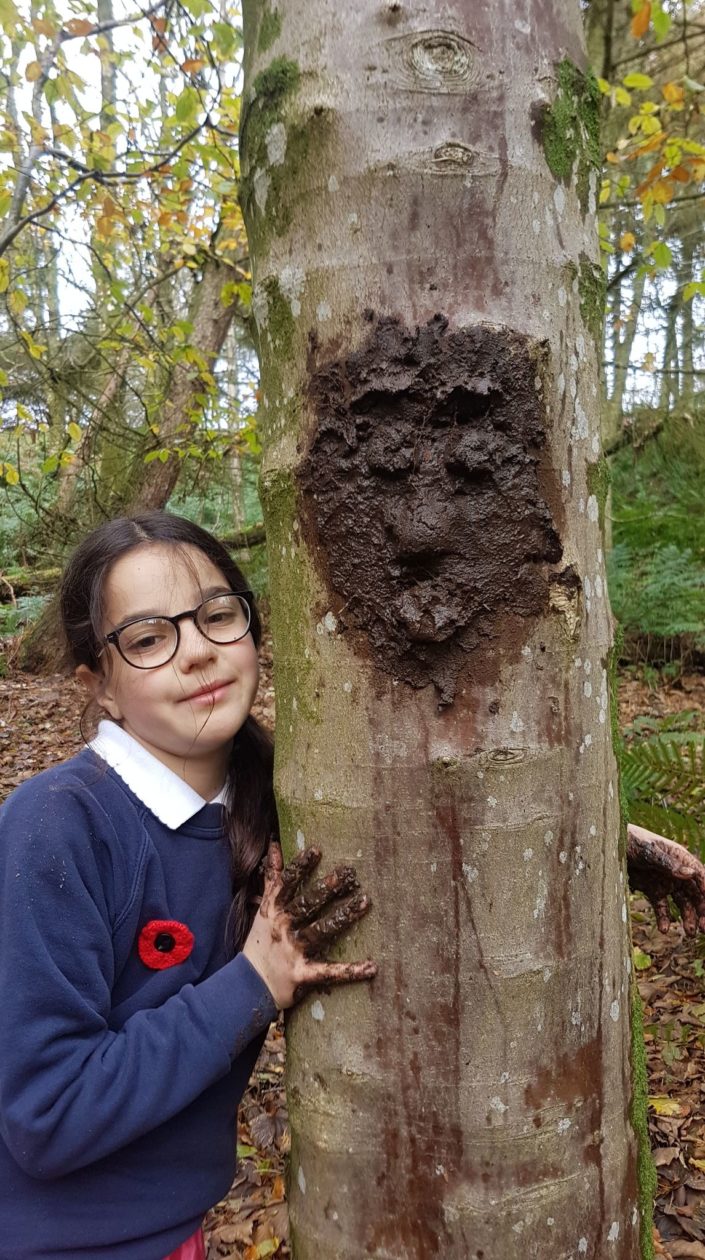
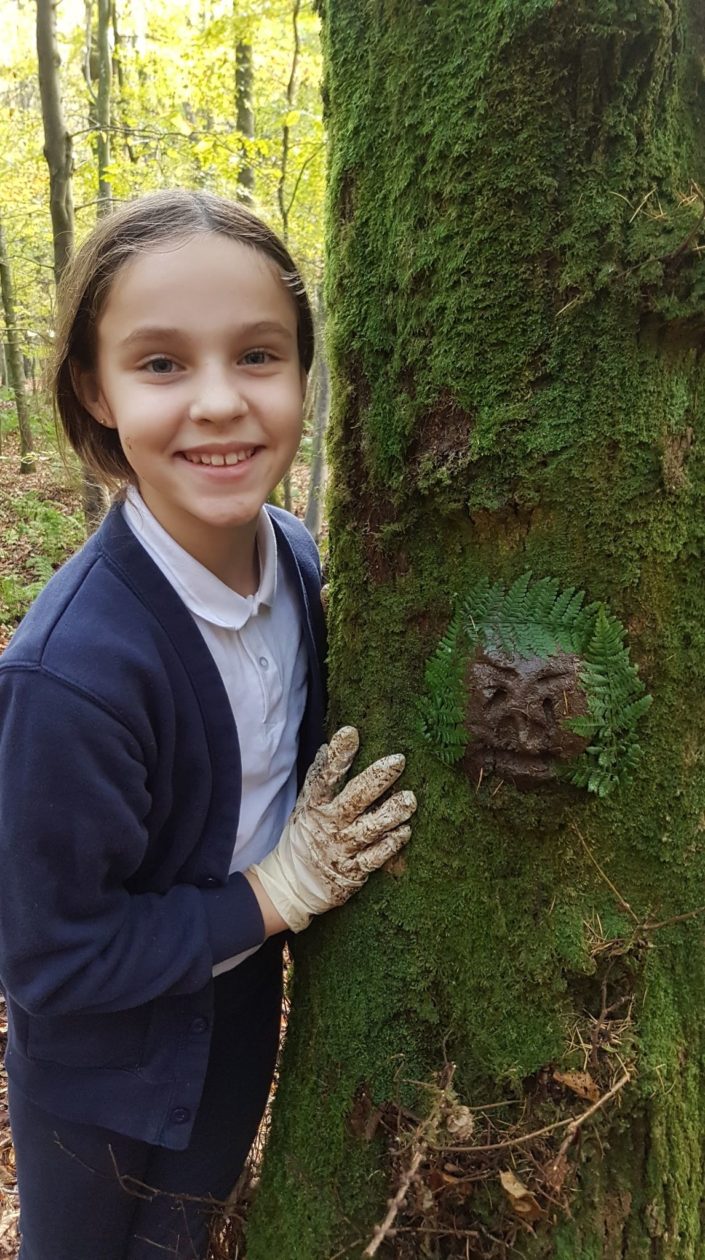
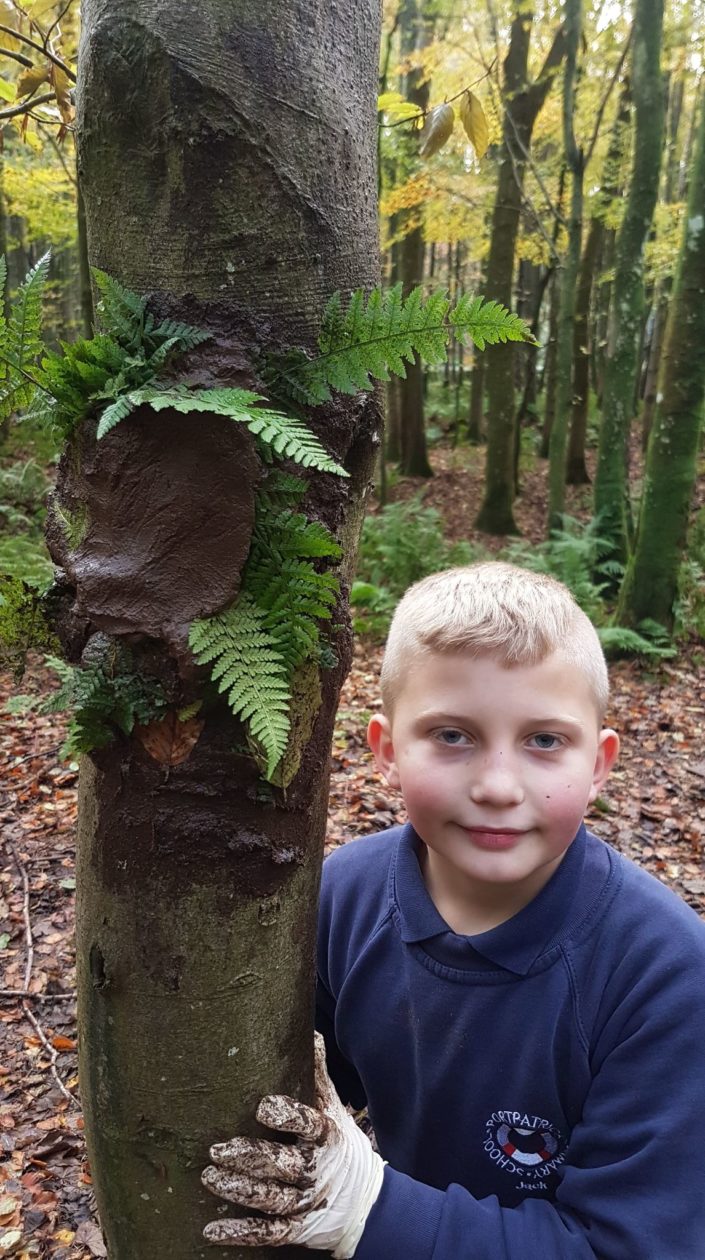
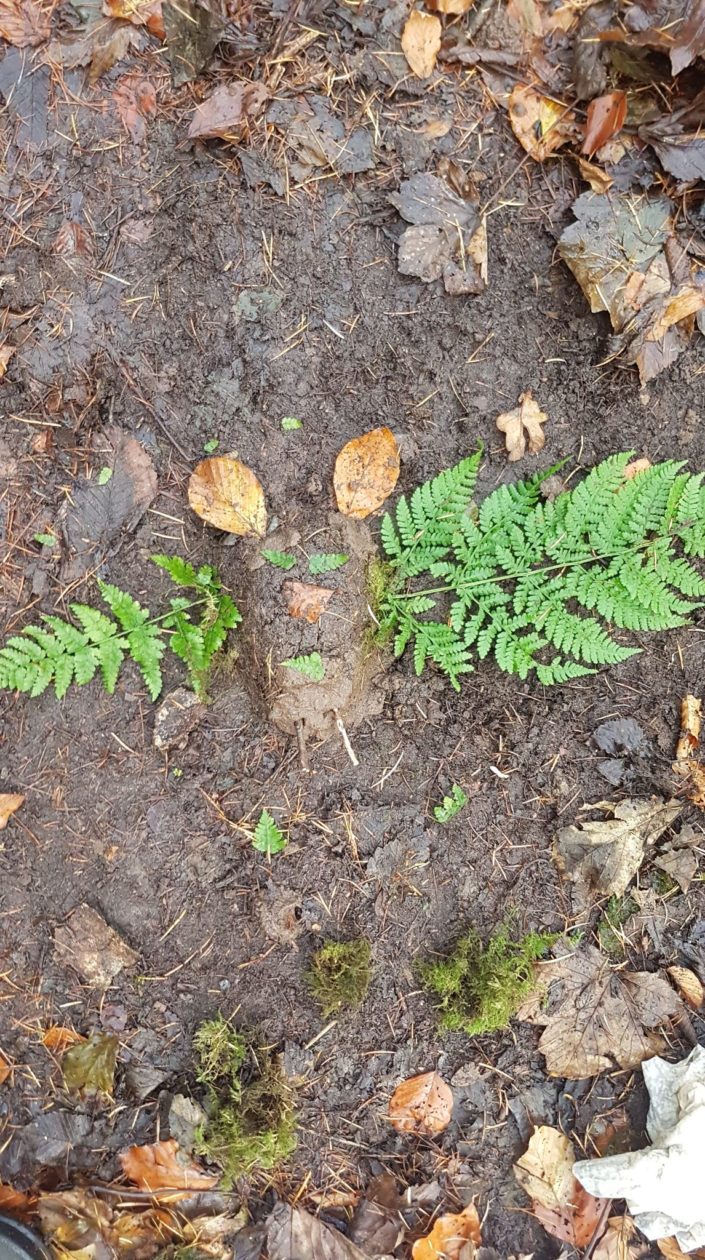
Everyone then moved on to create mud monsters. The children combined water and soil to create just the right consistency of mud to bind and adhere to tree trunks. They then used their inventiveness to imagine a monster character. They used foraged materials such as twigs, leaves, moss and pine needles to create the facial features for their monsters. You will see from the photos below that it is an interesting rogues gallery.
We made sure we had gloves for those who wanted to use them, water and wet wipes to wash our hands, and hand sanitiser to ensure we kept as clean as possible.
The follow up creative writing task will require the children to write a fact sheet to describe their mud monster character, its personality characteristics and what it likes to do. We will focus on the use of similes, alliteration and metaphors as figurative language tools.
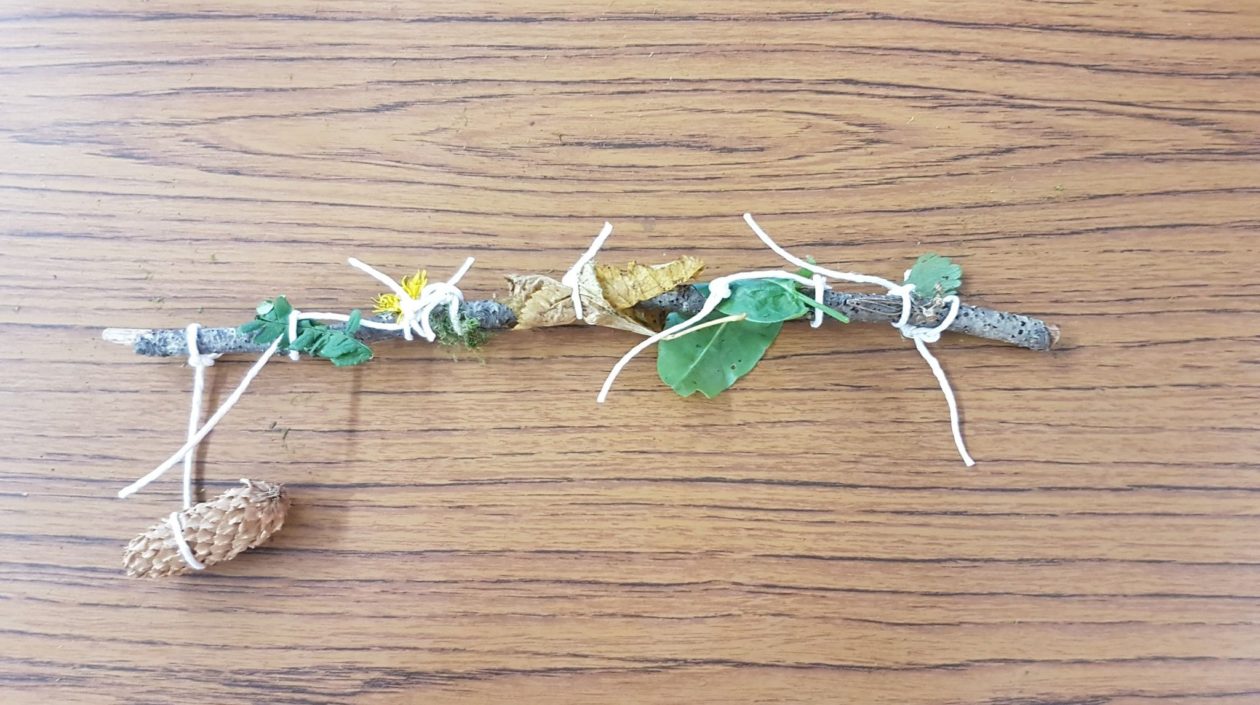
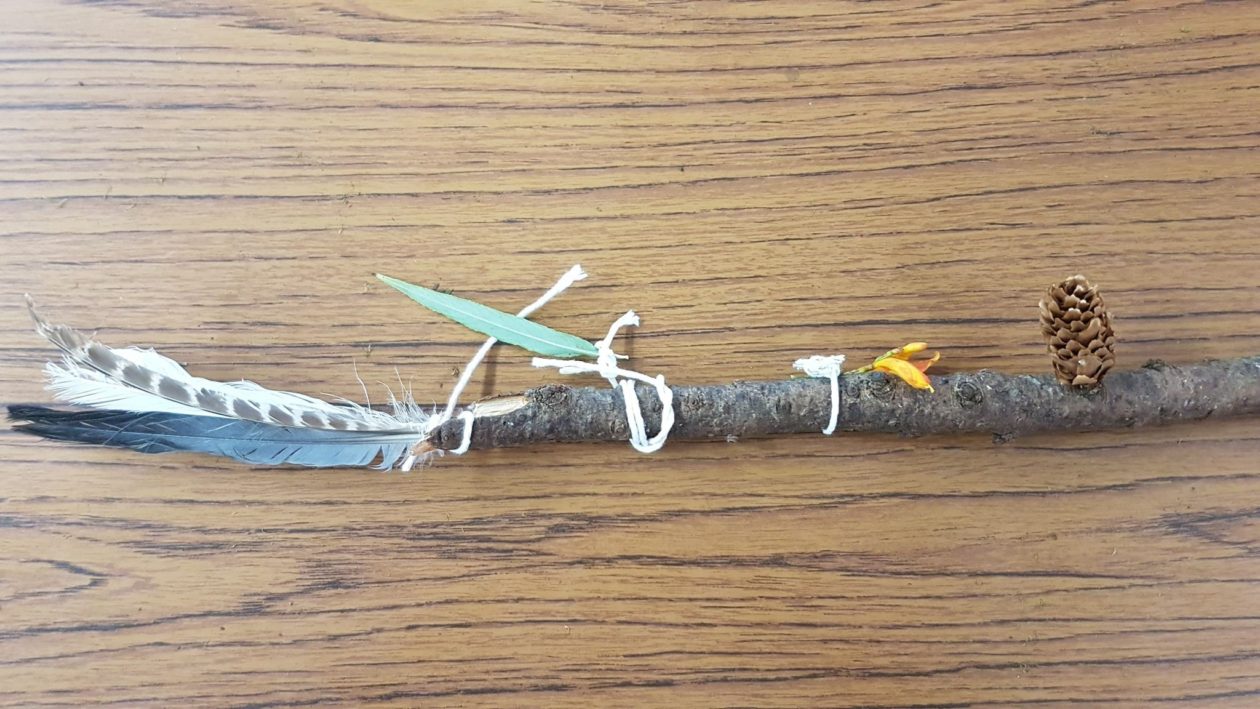
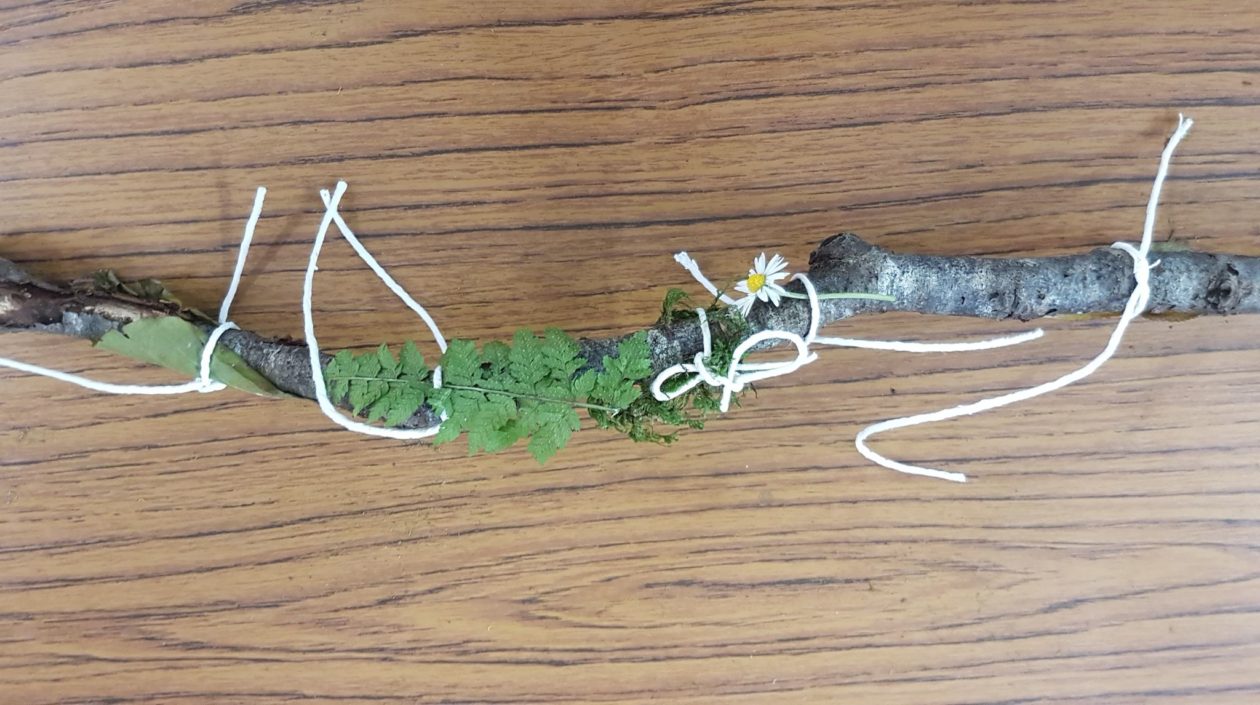
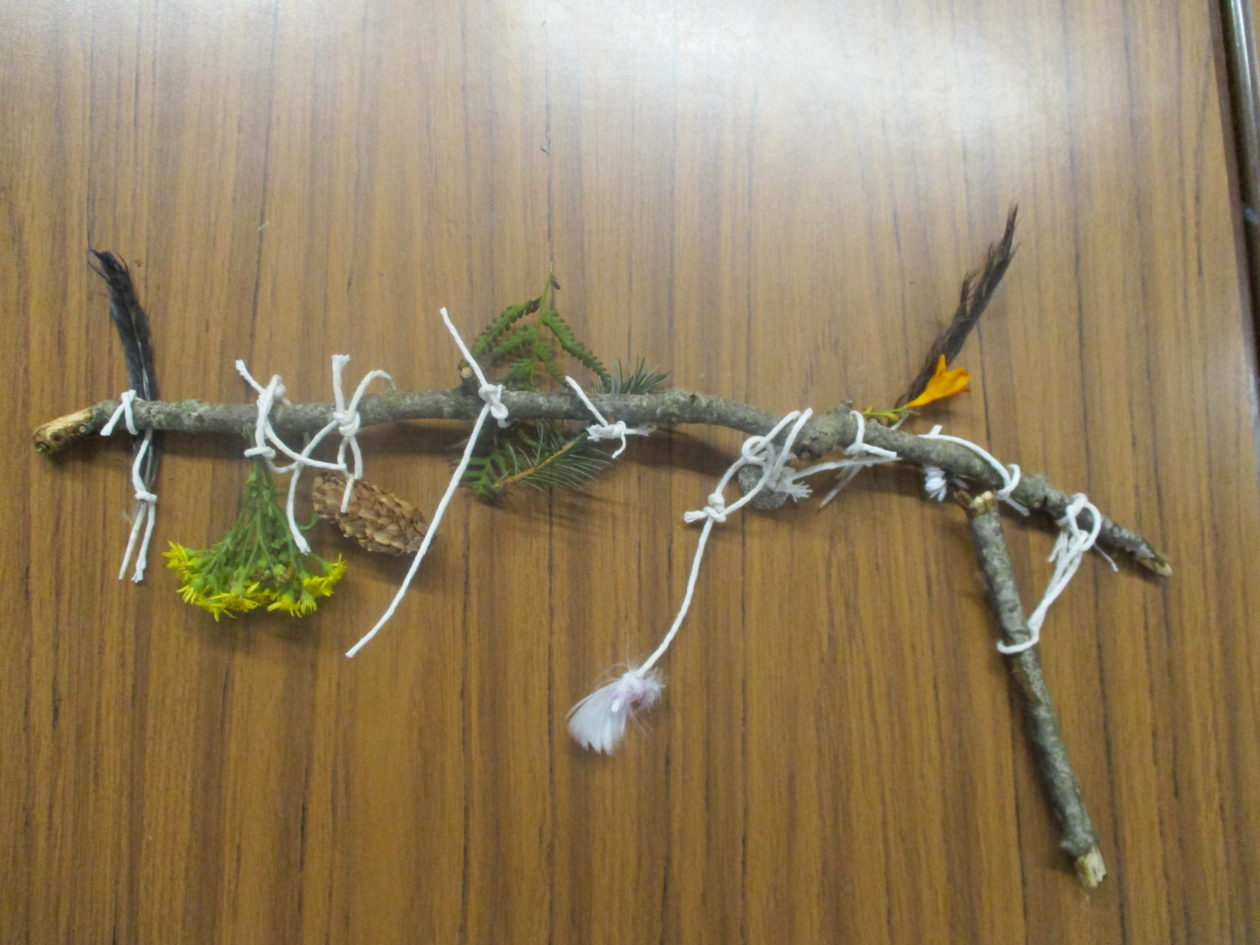
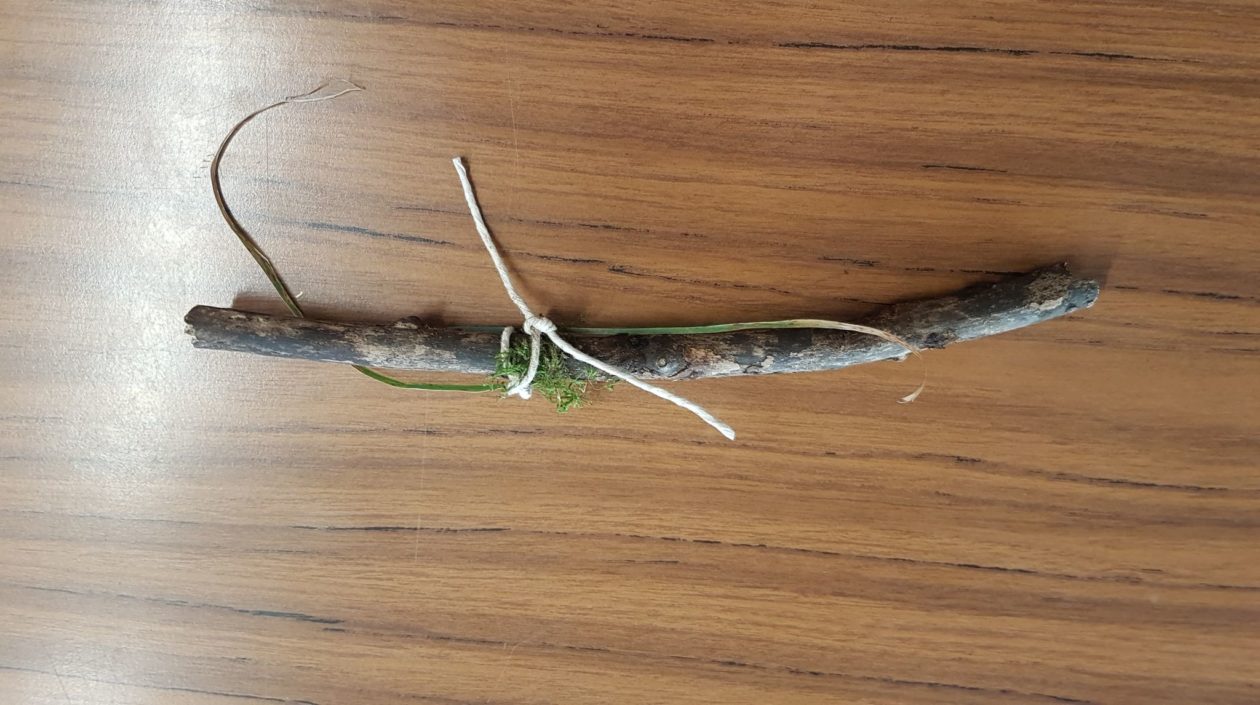
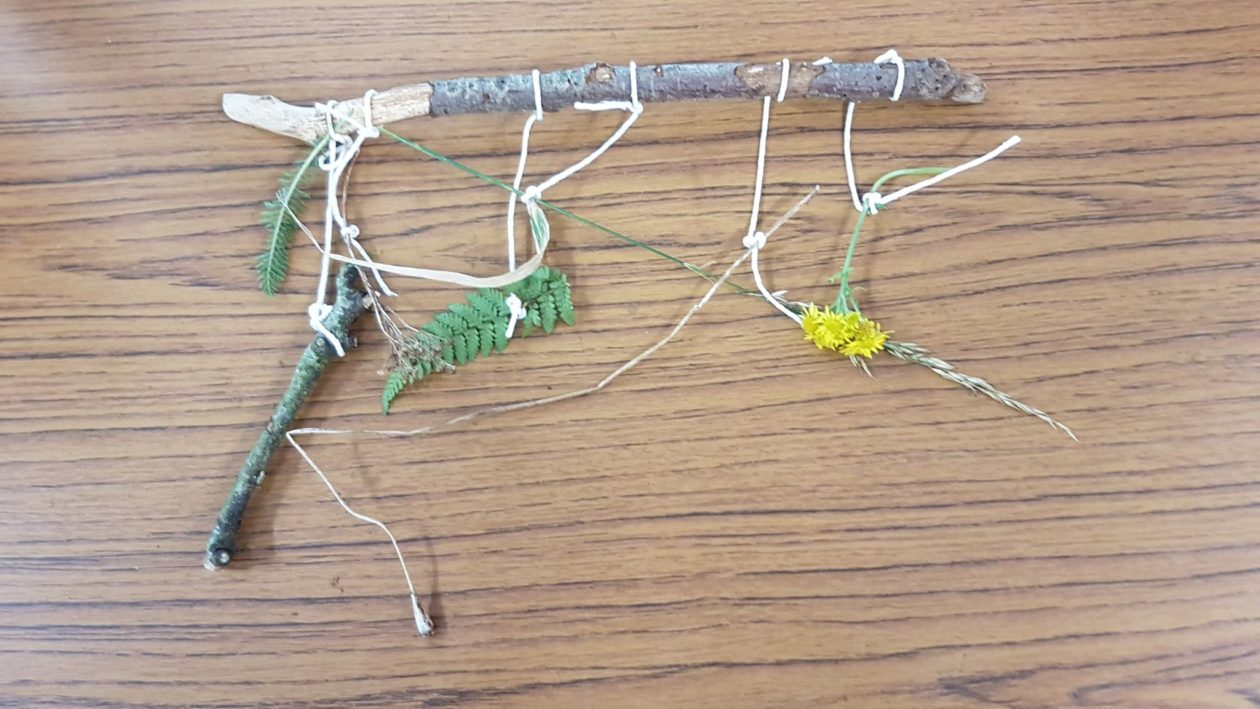
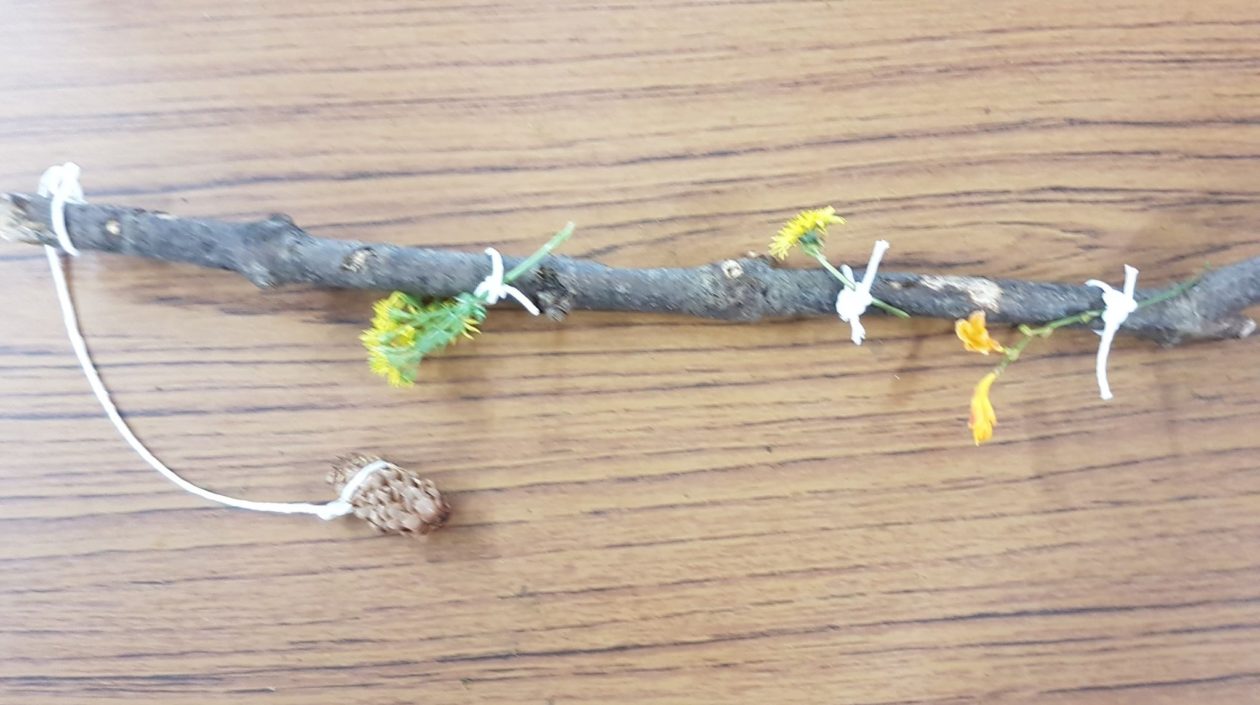
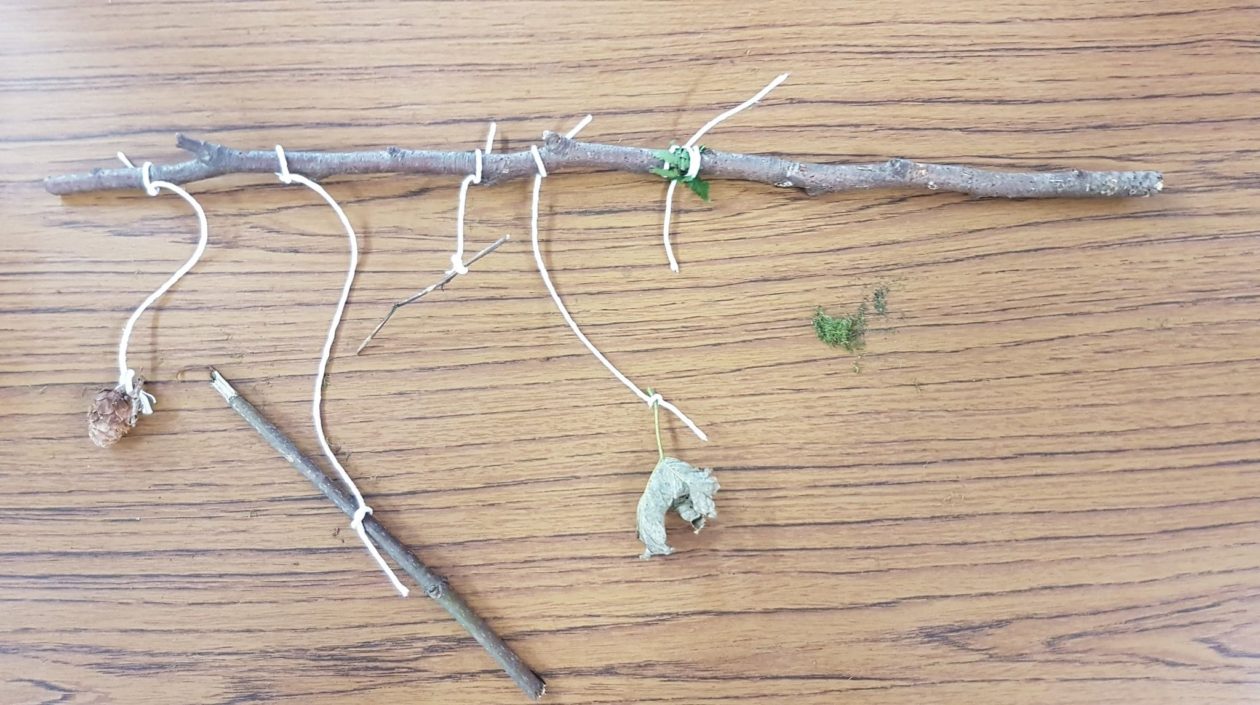
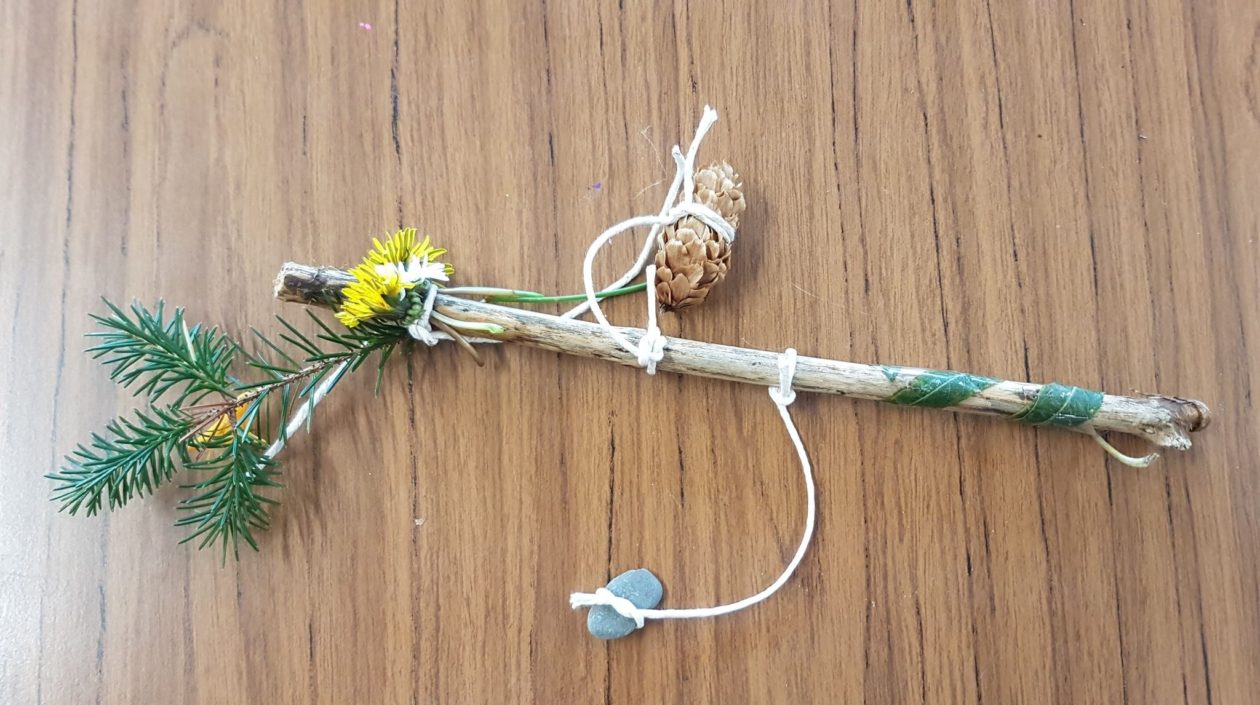
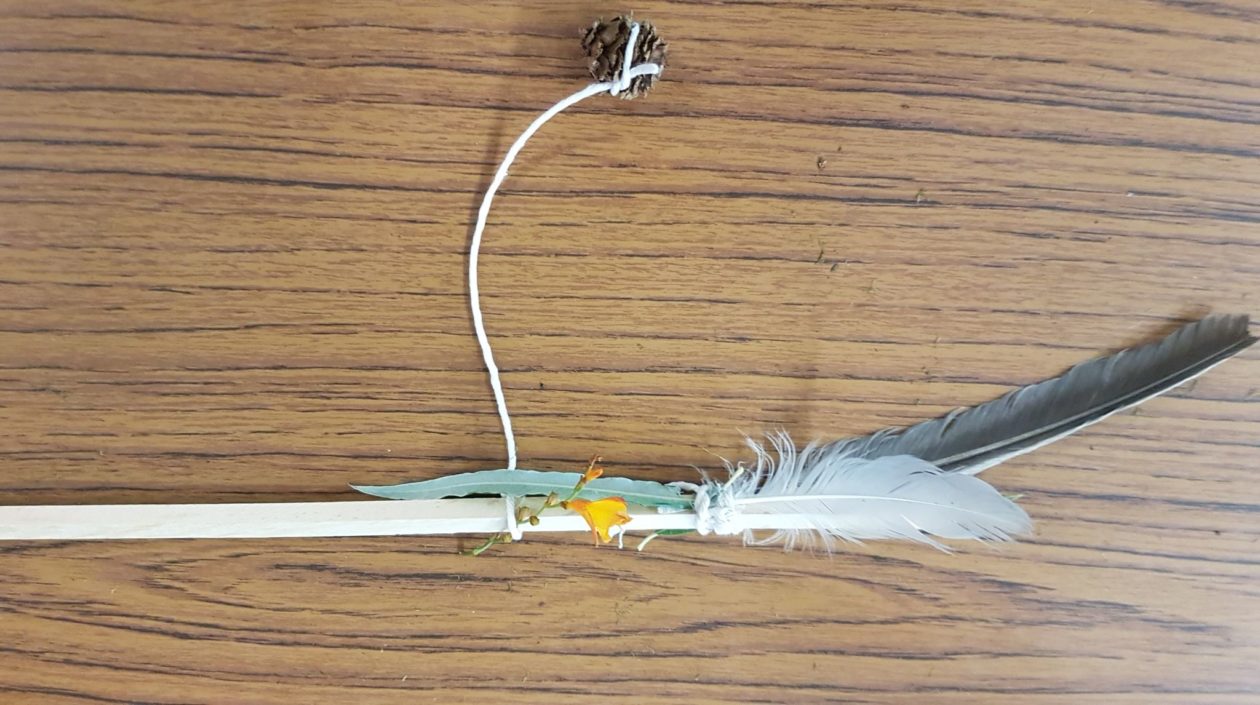
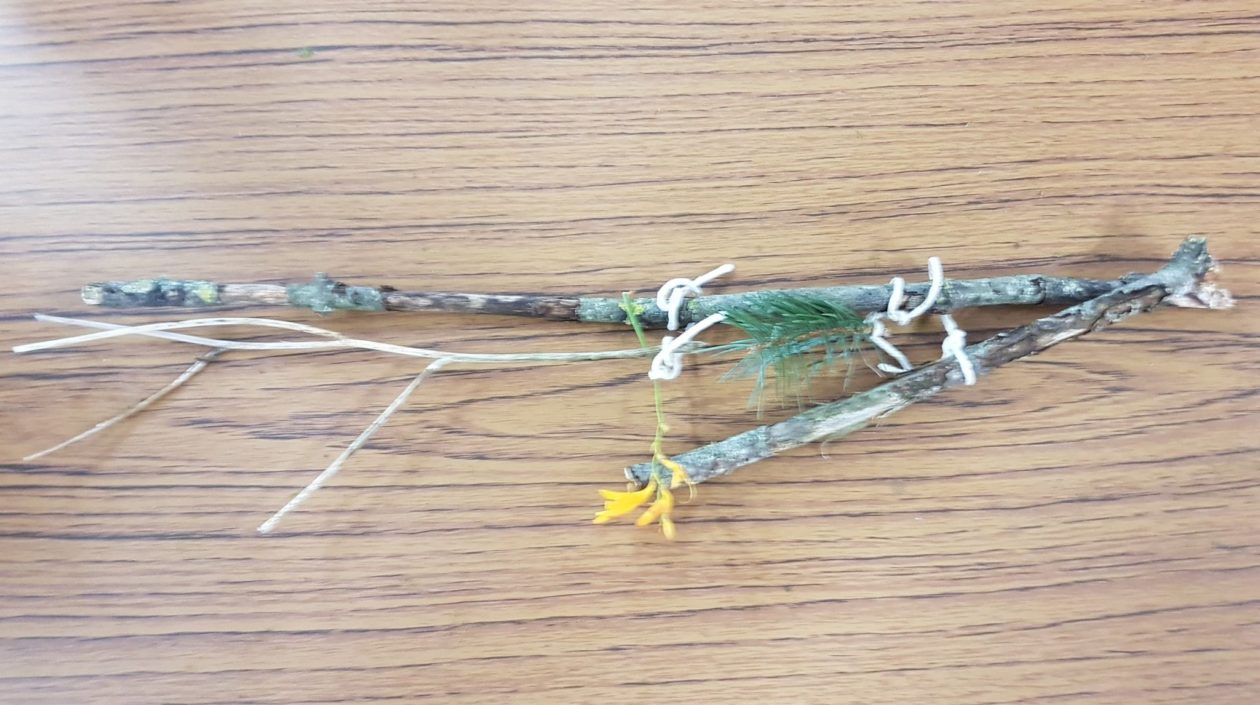
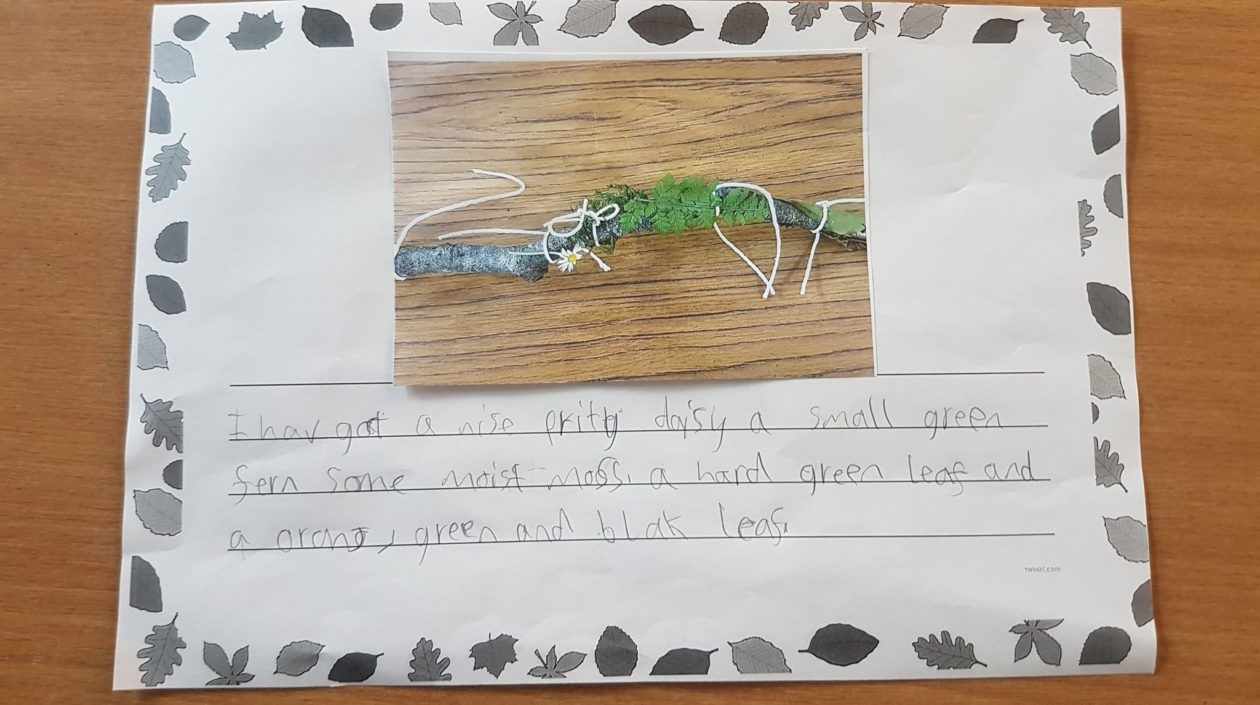
After lunch, we chose to take a closer look at our everyday, familiar surroundings with a fresh focus. The children went on a forage hunt around the school playground, selecting appealing items that they found interesting. Each little treasure was tied carefully to a stick they had brought back from the woods to make a traditional Journey Stick. We talked about our objects and why we selected them. Further talking and listening skills will be used to describe our objects in more detail.
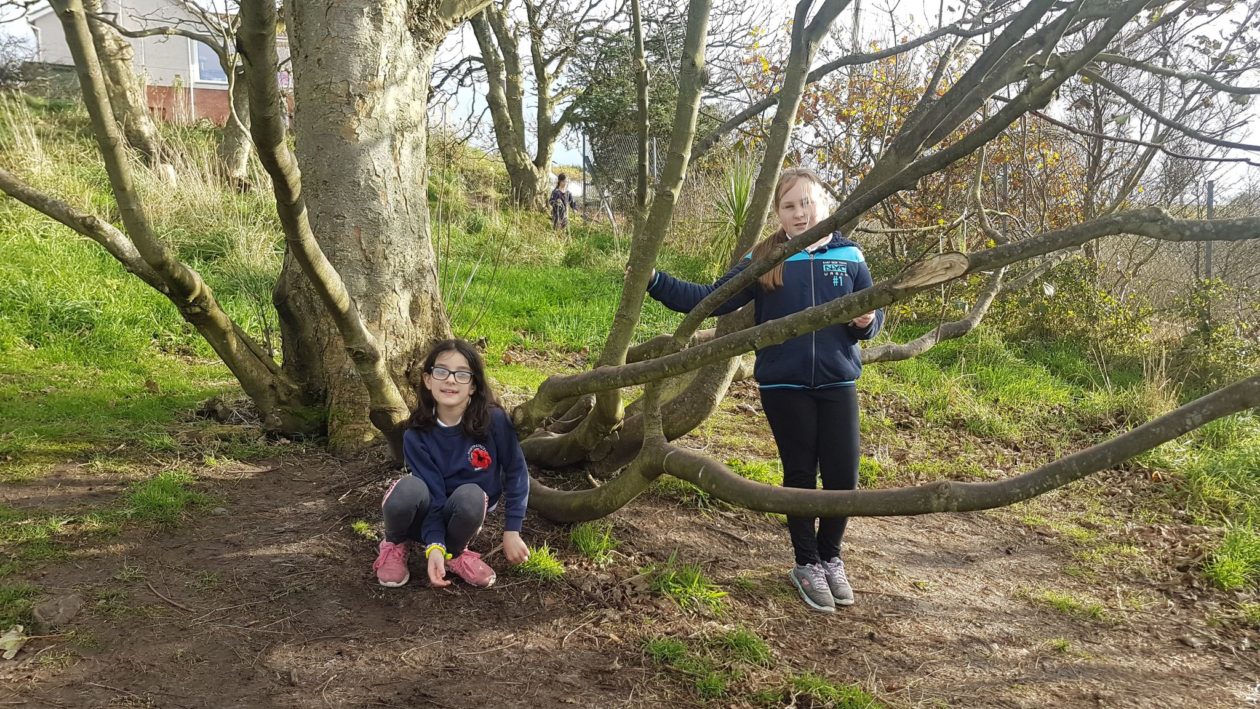
Throughout the day, the children demonstrated great interpersonal skills. They all cooperated, shared ideas and thinking and supported each other fully. They took care of their environment and made sure they left everything as they should. They were a pleasure to spend a grand day outdoors with.