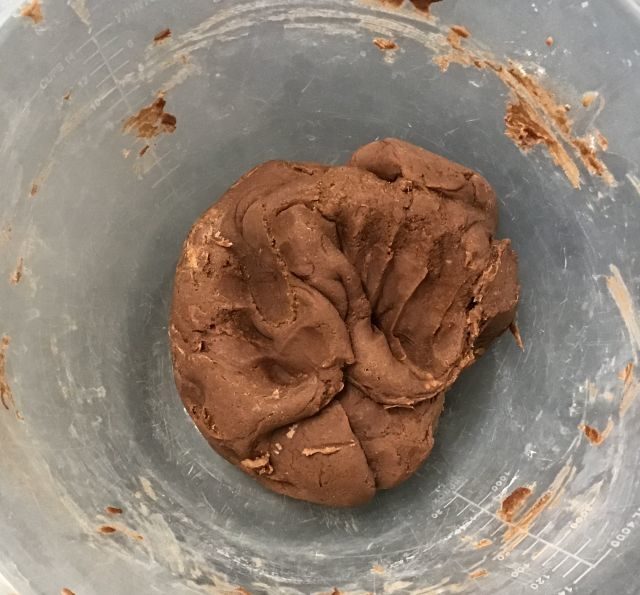
We made some chocolate playdough in nursery today. It smelt delicious – but we knew we couldn’t eat it! Here is how we made it…
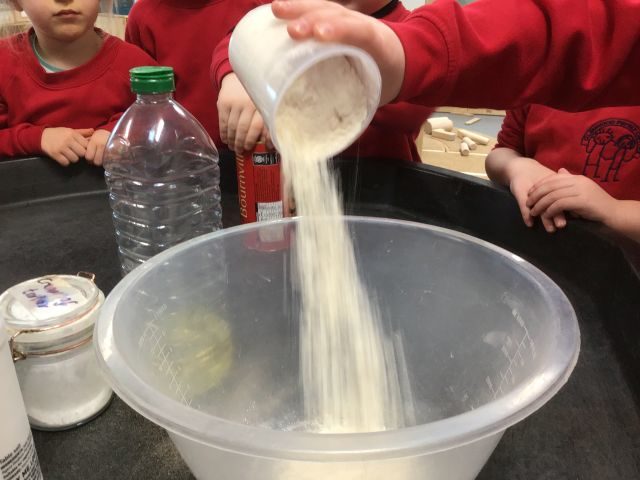
Our ingredients
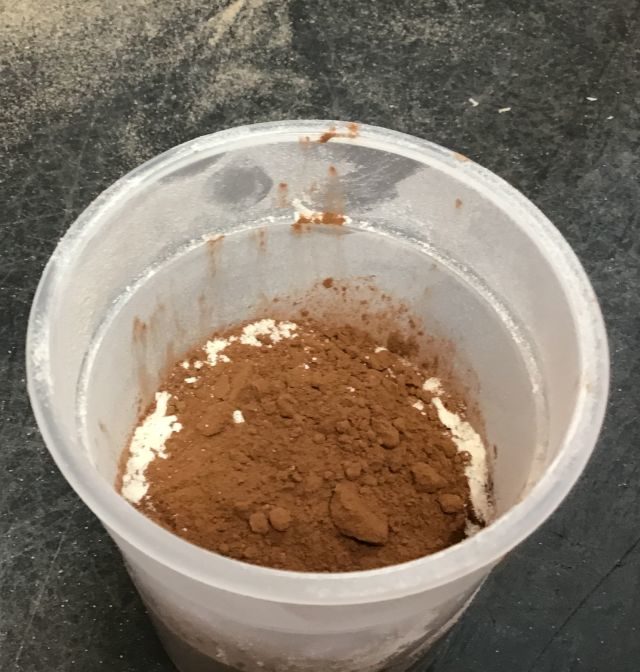
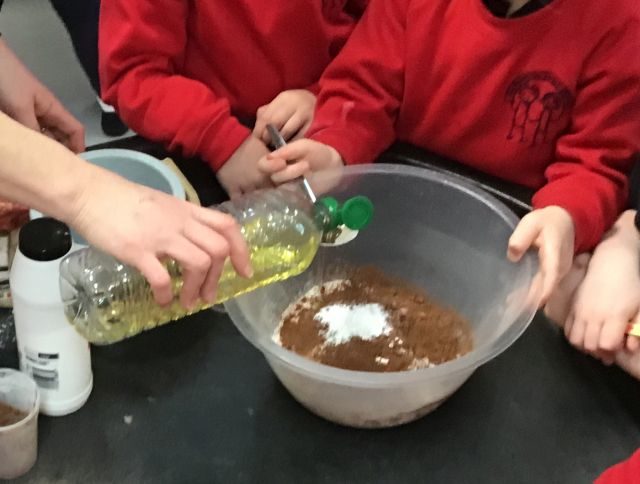
First we measured our ingredients and put them in the bowl: 2 cups plain flour, 1 cup salt, half a cup of cocoa powder, 2 tablespoons oil, 4 teaspoons cream of tartar and 2 cups water.
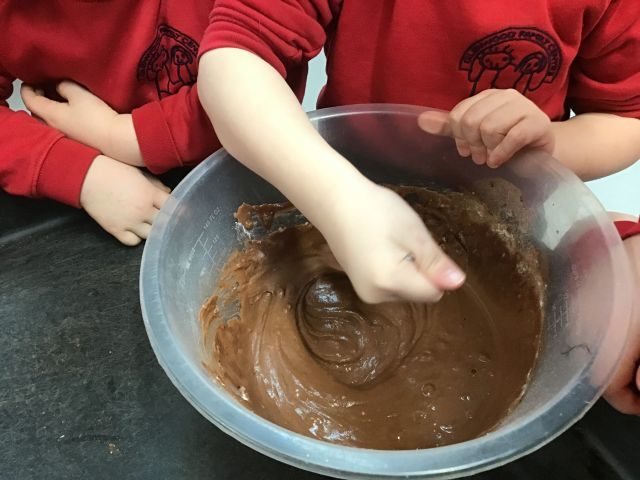
Then we stirred it until it was smooth – “It looks like chocolate icing!”
We cooked ours in the microwave – stir every minute until it is cooked.
Fairtrade Fortnight began on 22nd February and our cocoa powder had a Fairtrade logo on it. Fairtrade means the farmers get paid a ‘fair price’ for the crop. Can you find any logos on anything in your house?
As a nursery community, we are on a continuous journey to empower our children to improve their environmental awareness.
There are lots of wonderful ideas that you can do as a family to learn more about the natural world and care for the environment, which supports STEM and literacy learning, as well as your child’s health and wellbeing.
RECYCLE
Introduce your children to the concept of sorting household rubbish for recycling into categories such as plastic, paper, metal and glass. This is a fantastic opportunity to learn about different types of materials used for packaging, how they are made and how they can be reused.
Instead of throwing things away, encourage your child to think of great ways to reuse items. Egg cartons work really well for growing herbs, glass jars are perfect for storing loose parts for play, and tin cans make really good pen and pencil holders.
COMPOST
Composting helps to teach our children about reducing the waste that heads to landfills by converting it into nutrient-rich soil.
There are lots of free and easy ways for your family to start composting.
Greens – these are things that rot quickly, and provide important nitrogen and moisture
Tea bags
Grass cuttings
Vegetable peelings, salad leaves and fruit scraps
Coffee grounds
Old flowers and nettles
Browns – these are things that rot more slowly. They provide carbon and fibre and also allow air pockets to form
Cardboard
Egg boxes
Paper
Leaves
Twigs and branches
Sawdust
Egg shells
LITTER PICK
Visit a local park and spend some time cleaning up the litter. You will not only be protecting the wildlife and caring for the world around you but you will also be helping your community. It will hopefully inspire others to join in too. Count how many bits of rubbish you find – you will be amazed! Don’t forget to wear protective gloves and take a rubbish bag.
GARDEN SAFARI
You don’t have to go far to encounter some amazing living things. Going on a back garden safari in your own garden or to a local park or woods will be a real voyage of discovery. It is such a fun way to explore and learn about local plants, animals and minibeasts. You can simply sit and watch, take photos or a video, do a scavenger checklist or record what you found by drawing a picture.
Getting your child involved in growing fruit and vegetables is a great way for them to learn where their food comes from and make healthy eating choices. Children can see first hand the growing cycle and develop an awareness of the seasonal nature of food.
Try growing indoors whilst the weather is still cold. Tomatoes, carrots, peppers and beans work well on a nice sunny windowsill using a recycled container that allows drainage.
Spring is coming soon and the perfect time to start growing outdoors if you have the opportunity. You can plant in tubs, make a raised bed or create a garden growing patch.
Fruits and vegetables that are easy to grow and mature quickly are strawberries, lettuce, peas, radishes, and courgettes.
We would love if you could share your learning from home with us so we can use it as part of our action plan, either via Google Classroom or Twitter @GlenwoodFC #Glenwoodlearningfromhome
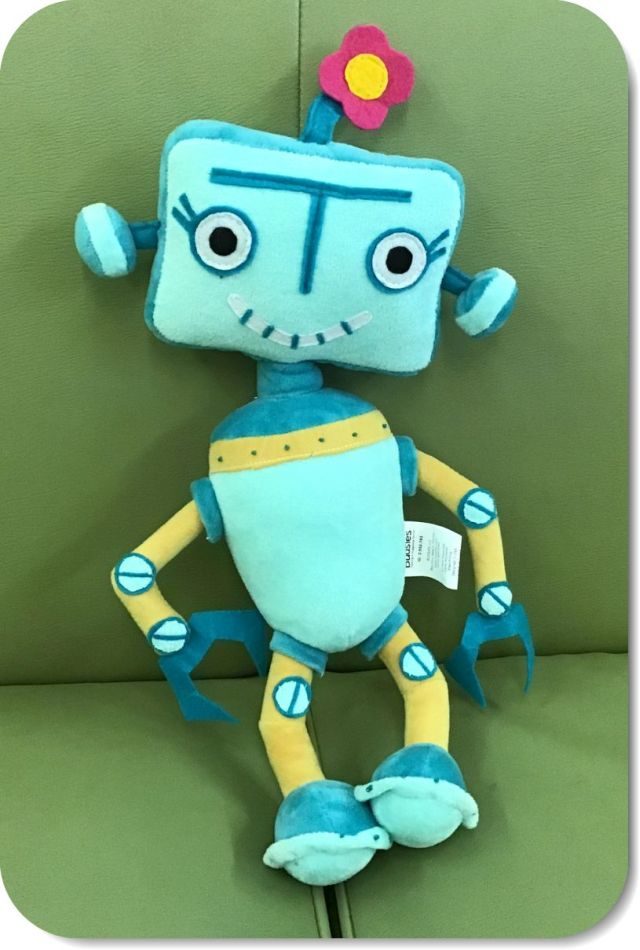
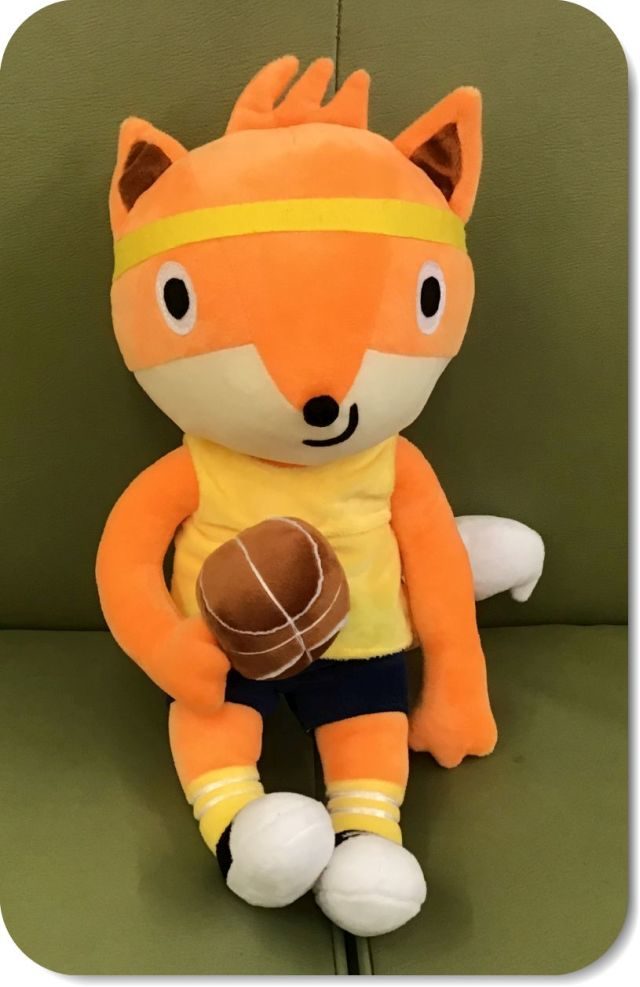
Healthy Henry likes to eat healthy food but he says it’s OK to have a treat sometimes.
As it’s Shrove Tuesday or Pancake Day, Miss Pearson would like to share her pancake recipe with you.
Miss Pearson’s Pancakes
First of all you will have to wash your hands with soap and water to make sure they are clean and dry them well. If you have an apron you can wear this as well to keep your clothes clean .
You will need:
mixing bowl
wooden spoon
tablespoon
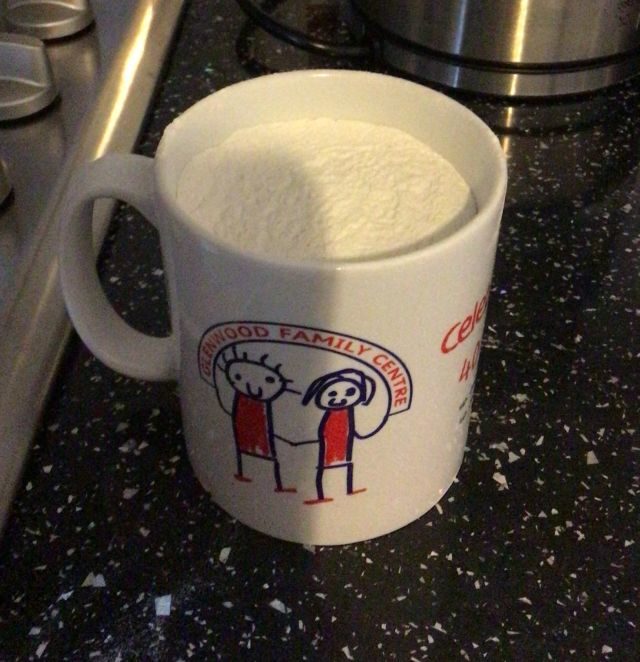
mug
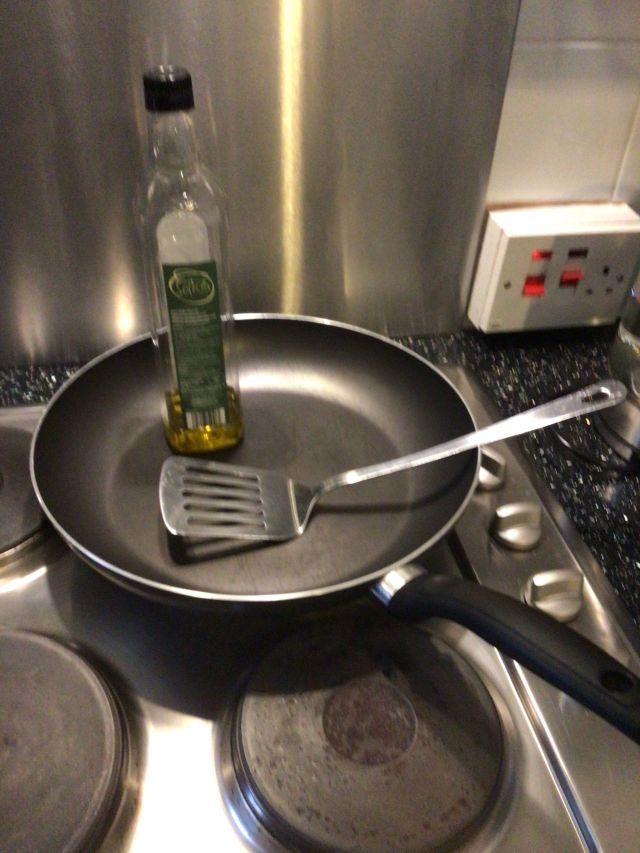
frying pan
spatula
Ingredients:
1 level mug of self raising flour
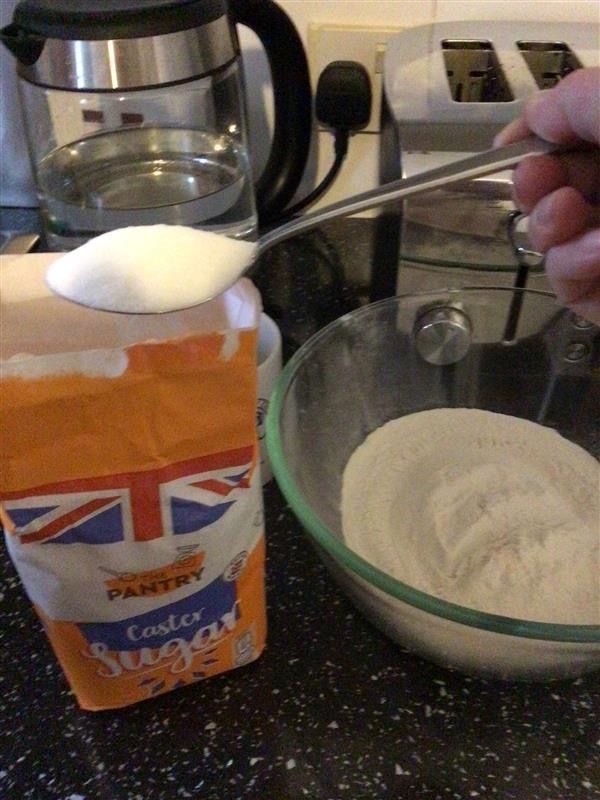
1 level tablespoon of caster sugar
1 egg
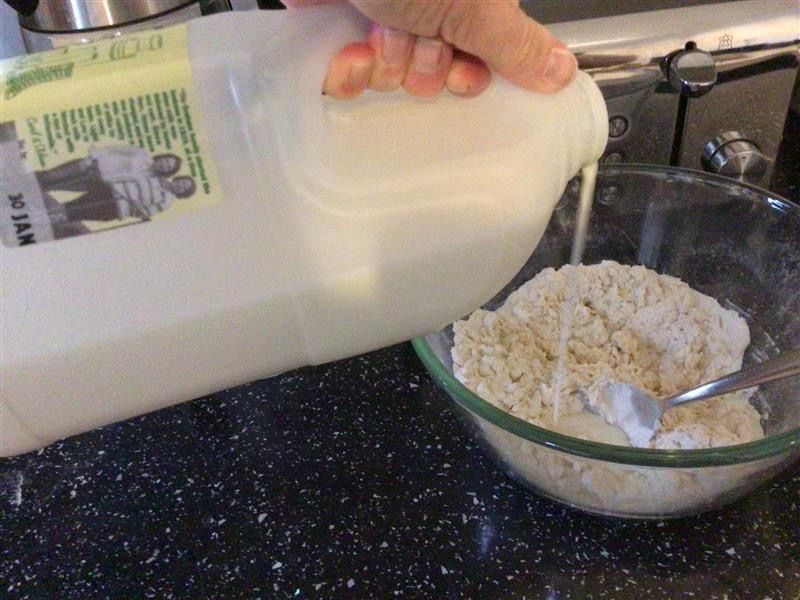
1 cup of milk for mixing
Oil for your pan
Method:
1. Put the flour and sugar into the bowl.2. Add the egg and mix well.3. Then gradually add the milk to make a runny consistency – you might not use all the milk.
Mix until smooth.
Now we can start making our pancakes.
First of all you will need to ask an adult to help you with this part as we are going to use the cooker and we have to be very careful so we don’t get burnt .
We need the frying pan to be hot.
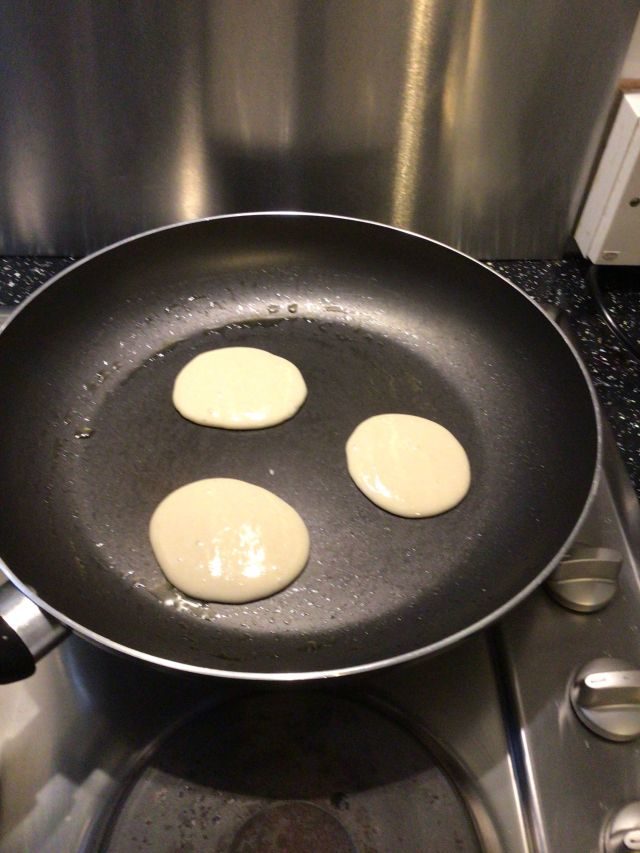
So put a little drop of oil in the pan and wait until it is hot.
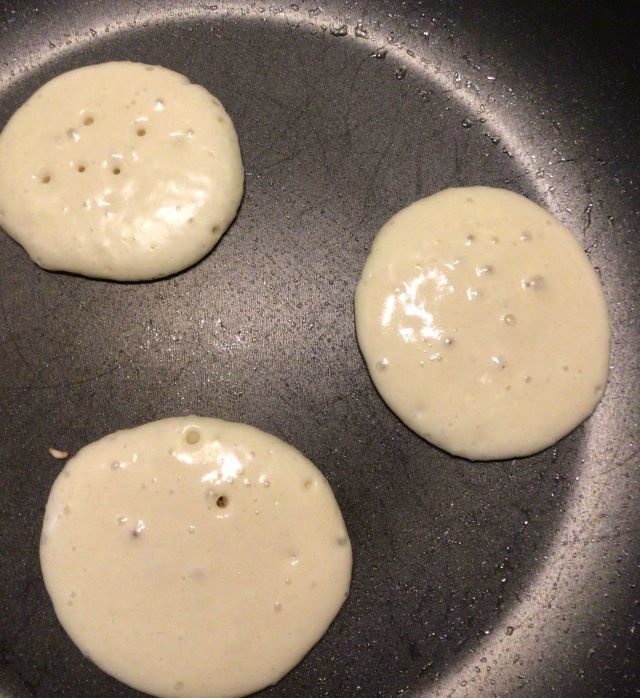
Put a spoonful of your mixture into the pan and wait for the bubbles and then turn and cook the other side.
Turn the pancakes over when you see the bubbles.
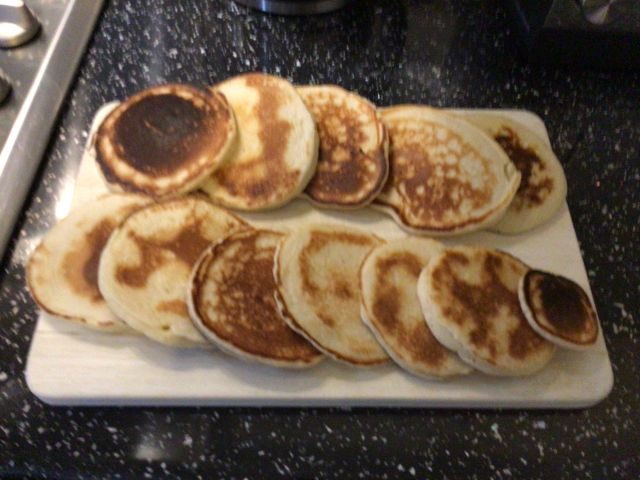
I made 12 pancakes out of my mixture you could make big pancakes or small pancakes it is up to you.
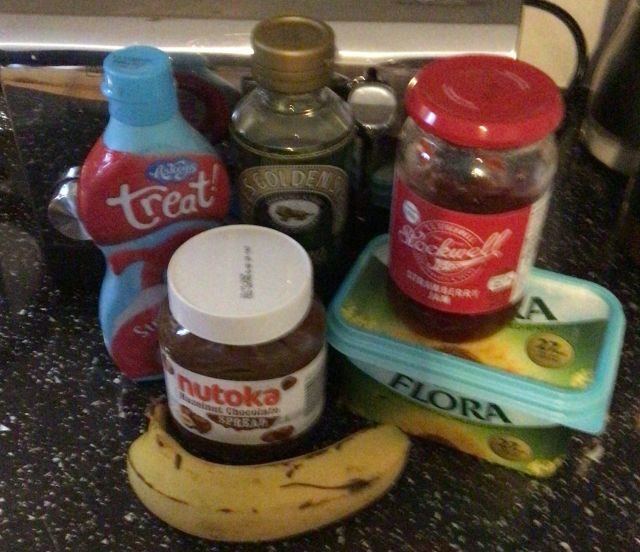
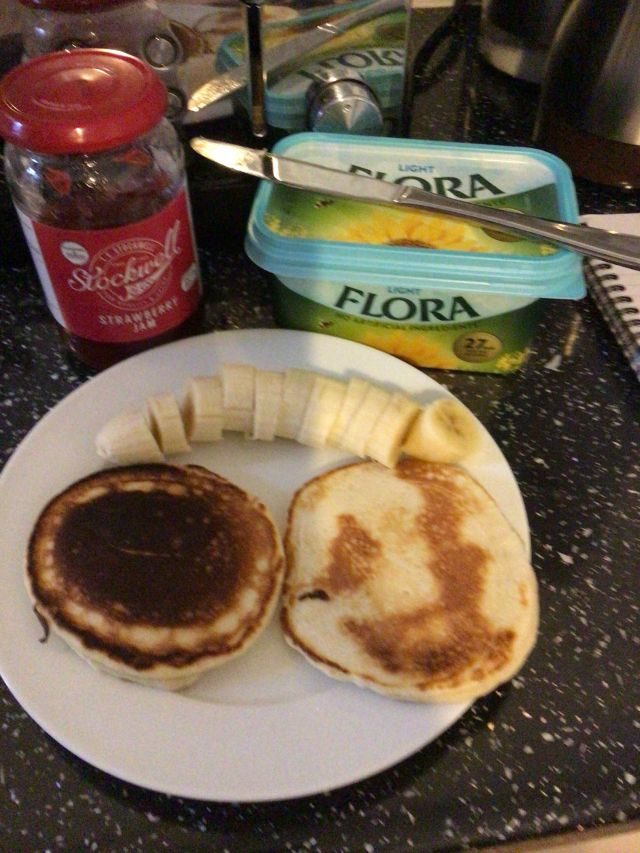
Here are some ideas for toppings:
Jam
Banana
Butter
Chocolate spread (but just a little)
Miss Pearson hopes you have as much fun making them as she did.
What toppings will you choose?
Cooking together provides us with lots of opportunities to practise our maths skills – measuring out our ingredients, talking about colours, shapes and sizes, using a timer – as well as helping develop fine motor skills – chopping, mixing, spreading – and literacy skills as we read a recipe.
Here are some other ideas for simple cooking activities:
sandwiches
fruit salad or fruit kebabs
pitta bread pizzas
vegetable soup
Let us know what you like to cook together and show us your pancakes on Twitter @GlenwoodFC #Glenwoodlearningathome
Today marks the start of the Chinese New Year. This year is the year of the Ox. The Ox represents strength and confidence in others, something those of us at Glenwood have shown in recent months.
Chinese New Year has been celebrated in China and other Asian cultures for thousands of years. It is also celebrated as part of the Spring festival which allows this holiday to mark the end of the coldest days and allows the people to welcome in the Spring season with planting and new beginnings.
Fireworks are a big tradition to mark the celebrations of Chinese New Year with firecrackers used to scare off bad luck with these being set off at midnight. The following day firecrackers are used again to welcome in the new year with good luck.
Red and gold envelopes which contain money are given during the festival to children from their relatives. The envelopes are a symbolism of good luck and wishes, but it is the red paper which is significant and not the money inside as this represents happiness and blessings to the children receiving them.
There are 12 different Zodiac Signs which the years are named after: rat, ox, tiger, rabbit, dragon, snake, horse, goat, monkey, rooster, dog and pig.
Active Aamir is here to give you some activities to help you stay active indoors.
Star Jumps
See how many star jumps you can do in 30 seconds. Remember to count!
Limbo
Tie a piece of string between 2 objects (or ask someone to hold it) and every time you make it under the string move it lower, how low can you go?
Book balance
Place a book on your head and walk from one side of the room to another, see how many times you can do this without the book falling off. Remember not to touch the book with your hands.
Washing basket
Count how many pairs of socks you can throw into your washing basket. Move the basket further away to make it more difficult.
Balloon volley
All you need is a balloon and you! The aim is to use different parts of your body to keep the balloon in the air and off the ground.
Don’t worry if it goes on the ground, just pick it up and start again. See how long you can keep the balloon in the air…10 seconds, 25 seconds? Count and see.
Can you beat your own personal best? Invite your family to do it too. Who can keep the balloon in the air for the longest time?
Freeze dance
Choose some music you like, get some of your cuddly toys or even your family to join in.
Play the music and everyone has to dance to the music. When the music stops you have to freeze. Just like an icicle!
If you search ‘freeze dance’ on YouTube you will find music that stops automatically. Here is one to try!
A move jar
With some help write down the names of about 5 animals on a small piece of paper. Fold the paper and put them in a jar (or box).
Now pop your hand in and pull out a piece of paper. What does it say? Think about the animal you have chosen. How does this animal move its body?
Does it slither, wiggle, hop, stop, jump or crawl. You decide and try to move your body like this animal from one side of the room to the other.
Be creative and think big – pretend you are in the same environment as the animal you have chosen. It could be the jungle, a farm or the ocean.
We have created a Sway with a selection of websites that might be helpful to you at home.
We have included a selection of sites – some online activities and games for your child, some with ideas of activities for you to try together and also some sites offering support and advice for parents and carers.
Rhyming words are words that have the same ending sound: bat & cat, frog & log, car & star… Learning to recognise rhyme is an important step in learning to read.
Nursery Rhymes – Sharing songs and nursery rhymes with young children is the first step towards this and also helps create a bond with their carers.
The Scottish Book Trust has a Bookbug App for you to share stories, songs and rhymes together. Find out more here.
The CBeebies website also has lots of nursery rhymes to share. Click here.
Once your child understands rhyme you could make up some silly ones together… why not try Humpty Dumpty?
Humpty Dumpty sat in a tree, he fell down and hurt his …
Humpty Dumpty sat on a bed, he fell down and broke his…
Or Twinkle, Twinkle?
Twinkle, Twinkle little mouse, hiding in your little…
Twinkle, Twinkle little moon, I’d like to eat you with a …
Rhyming Stories – Lots of children’s stories are written in rhyme. As you read with your child, try missing out the last word to let them fill it in.
Here are just a few authors who write rhyming stories:
Lynley Dodd – Hairy Maclary from Donaldson’s Dairy
Jez Alborough – Fix It Duck, Some Dogs Do
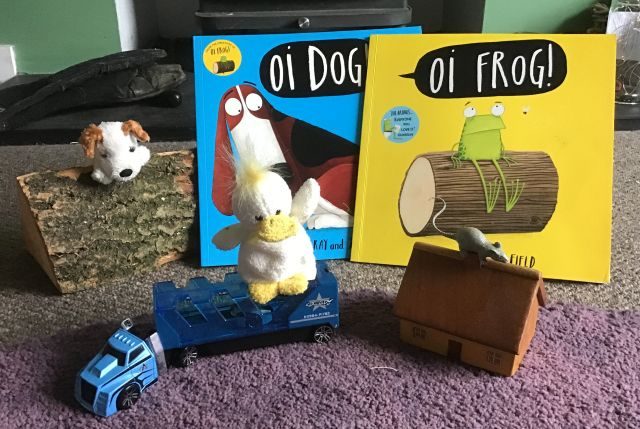
Kes Gray – Oi Frog, Oi Dog, Oi Cat, How Many Legs?
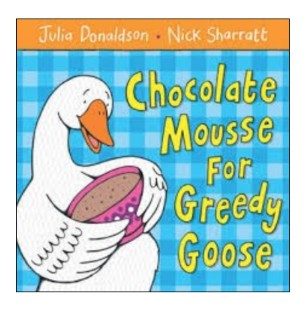
Nick Sharratt – Chocolate Mousse for Greedy Goose, Don’t Put Your Finger in the Jelly, Nelly!, Octopus Socktopus
Giles Andreae – Commotion in the Ocean, Mad About Minibeasts
Clare Freedman – Aliens Love Underpants
Dr Seuss – The Cat in the Hat, Green Eggs and Ham
One of our favourite authors is Julia Donaldson and some of her rhyming stories have been made into animations. Why not watch some together? Zog and the Flying Doctors
Rhyme Games
Create a rhyming basket – Collect together pairs of rhyming objects – they could be toys or household items. Take out an object… can you find it’s rhyming partner?
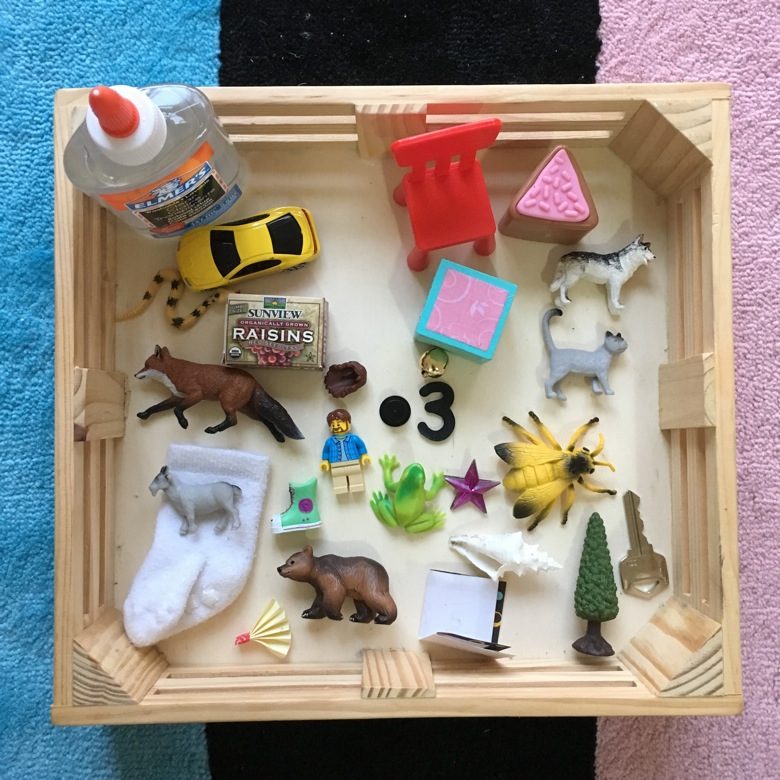
Go on a rhyming treasure hunt – Collect together some objects again but this time challenge your child to find a rhyme around your house or garden. You might put in a star (to rhyme with car), a parrot (rhymes with carrot), a bee (to match with knee or tree), a cat (rhymes with mat or hat) or a bear (to rhyme with pear). I’m sure you will think of many more!
Play I-Spy – On a walk or in the house, you could play a rhyming version of I-spy…
I spy with my little eye, something that rhymes with bee.
I spy with my little eye, something that rhymes with bog.
It’s OK if your child makes up nonsense words – that means that they have understood the concept of rhyme.
Children learn about numbers by hearing number sequences over and over and learning the number names. Through play and everyday activities is a natural way that children will learn.
There are lots of things you can do at home with your children to learn number sequence.
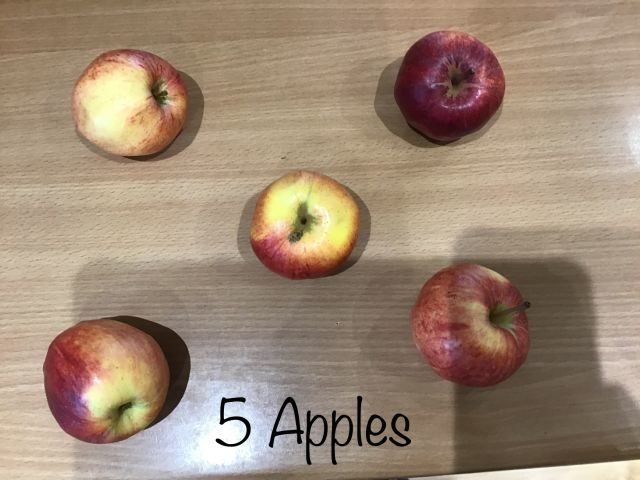
When you bring the shopping home can you count how many apples/bananas/blueberries you bought?
If you have stairs. How many do you have?
How many small/big steps is it from your front door to the gate?
A scavenger hunt. Can you find 8 leaves, 5 stones, 4 sticks.
Number songs are another great way to learn number sequences. Here are some Glenwood favourites (click on them to watch a Youtube video):
Playing board and card games is another way to develop number recognition and practise counting.
Snakes and Ladders
Kids Monopoly
Snap (using playing cards)
Bingo
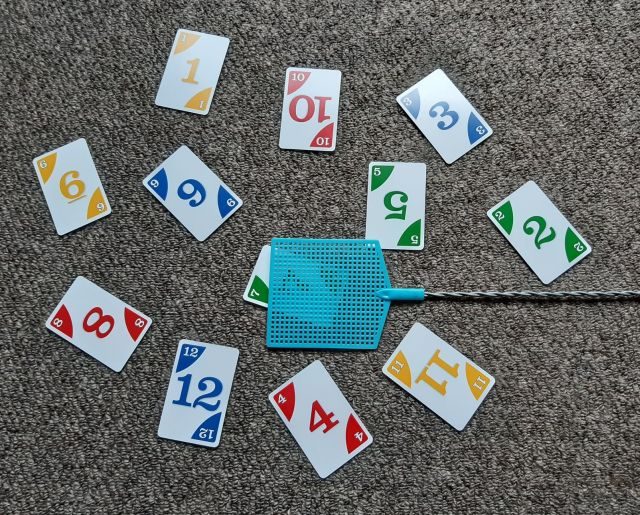
Play Splat! – say a number and ‘splat’ the correct card.
Another favourite game we play in Glenwood is Number Splat. This is a great way to develop number recognition. All you need is numbers 0-10 or 0-20 written on pieces of paper and a spatula or wooden spoon. Ask your child to splat different numbers in a random order. Why not have a competition?
Share with us on Google Classroom or Twitter how you have been practising your counting and number recognition. @GlenwoodFC #Glenwoodlearningathome

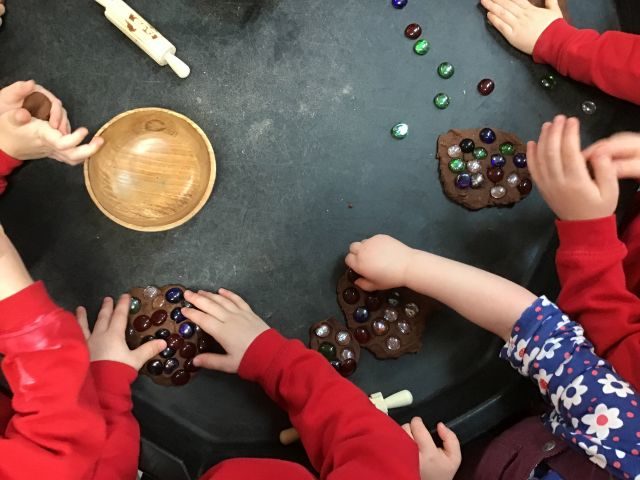 We made some chocolate playdough in nursery today. It smelt delicious – but we knew we couldn’t eat it! Here is how we made it…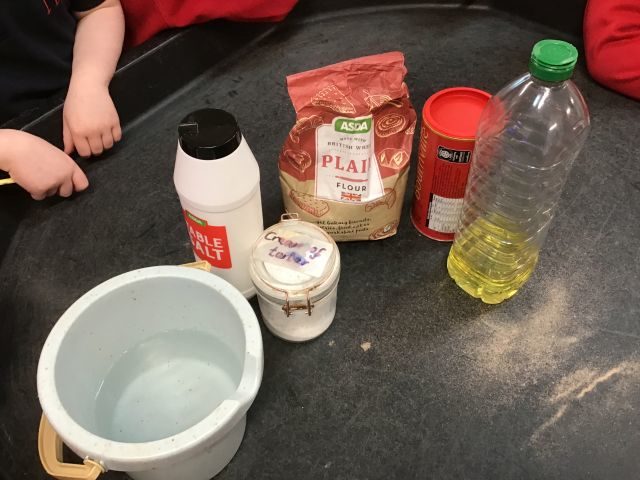
 Fairtrade Fortnight began on 22nd February and our cocoa powder had a Fairtrade logo on it. Fairtrade means the farmers get paid a ‘fair price’ for the crop. Can you find any logos on anything in your house?