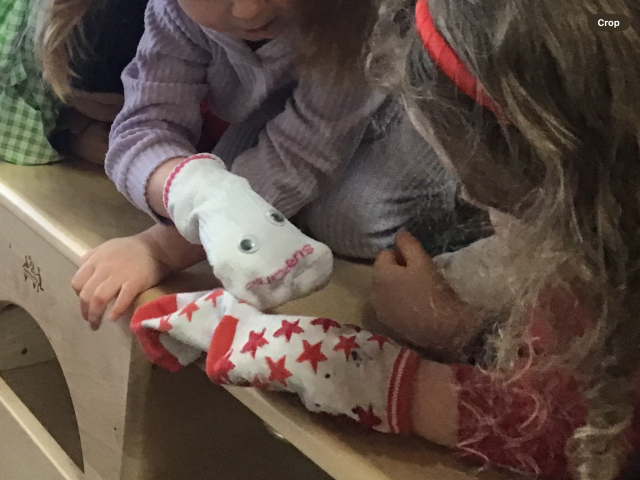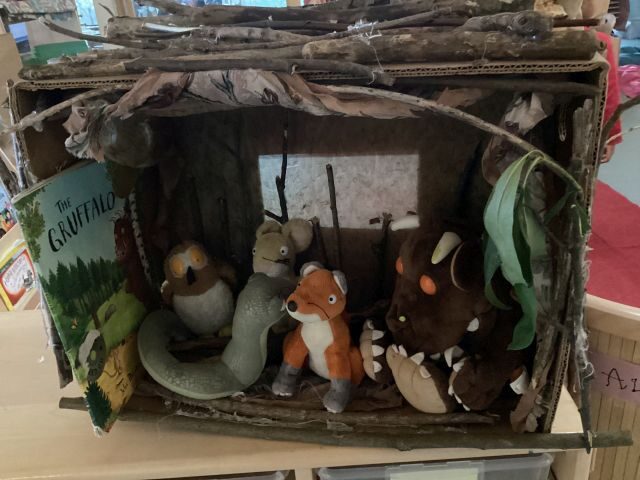
by Mrs Wilson
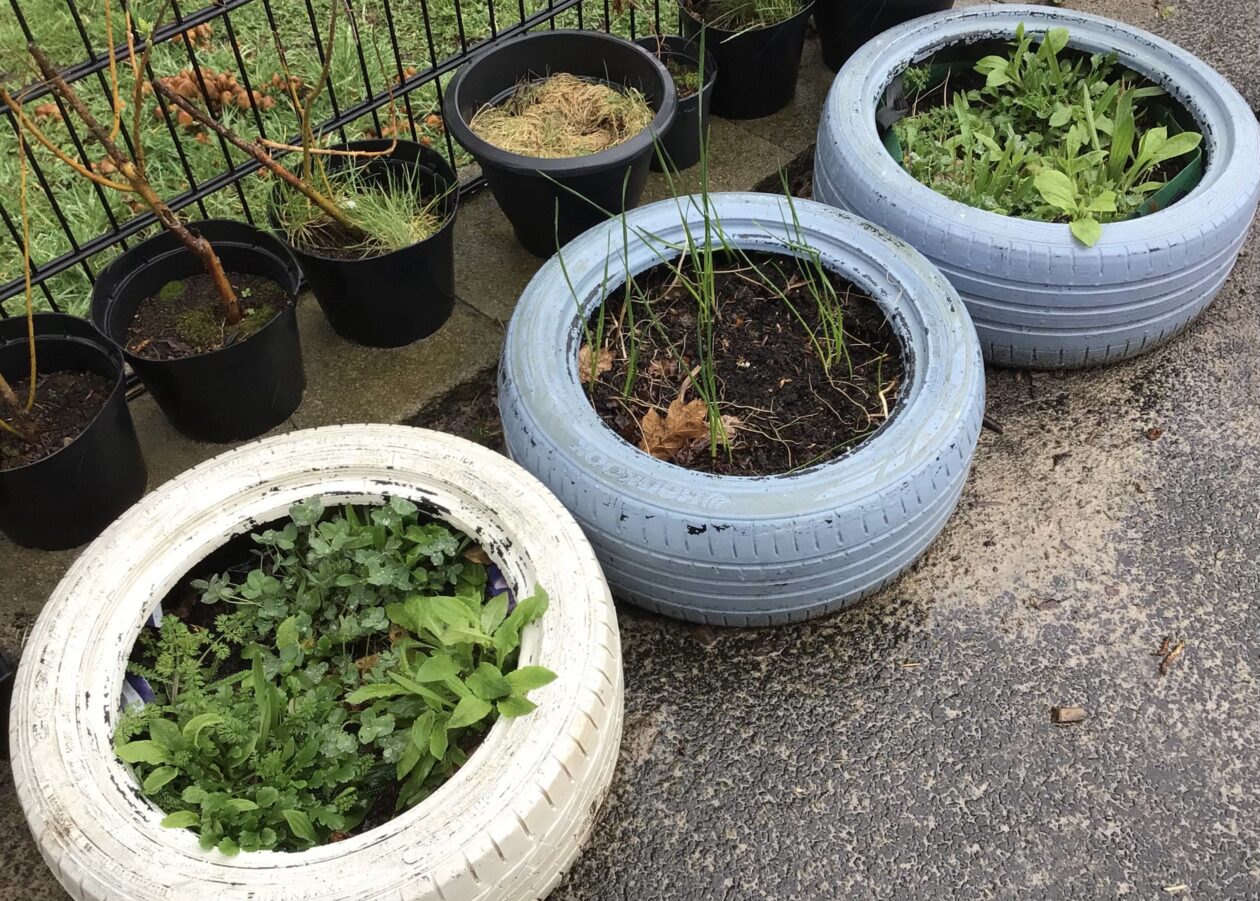 Last year we planted some wildflower seeds in tyres in the garden and seeds from these plants have started growing this year. The children were keen to plant some more wildflower seeds and we decided to do this by first making some seed balls.
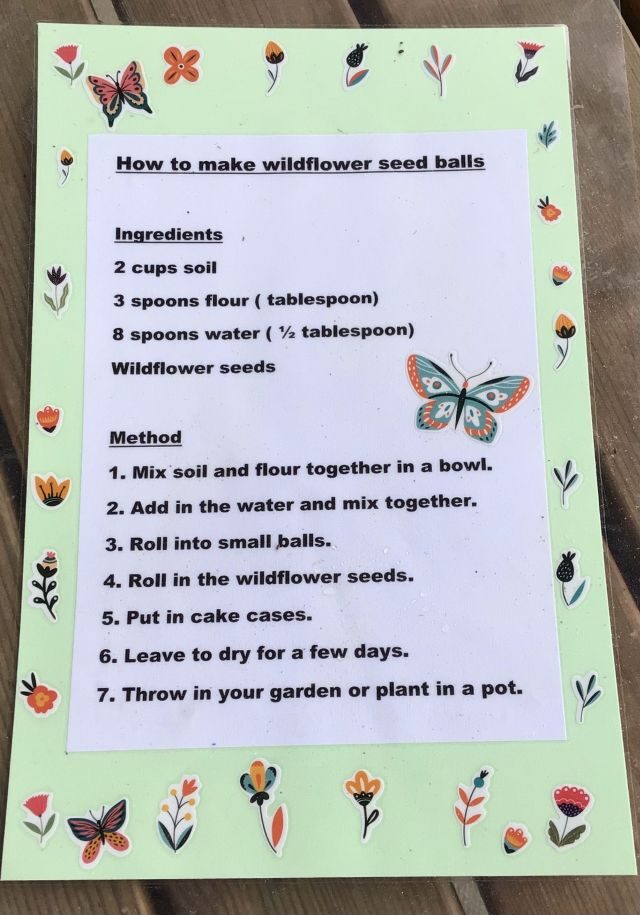
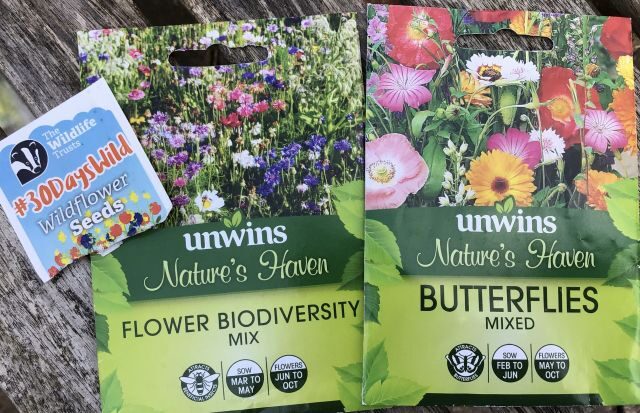
Seed balls are a really great way to plant wildflower seeds in your garden or outdoor area. Making the seed balls will not only introduce children to the variety, shapes and sizes of different seeds, but also develop their gardening skills as they learn about what seeds need to grow and how they can support wildlife in their garden or outdoor area.
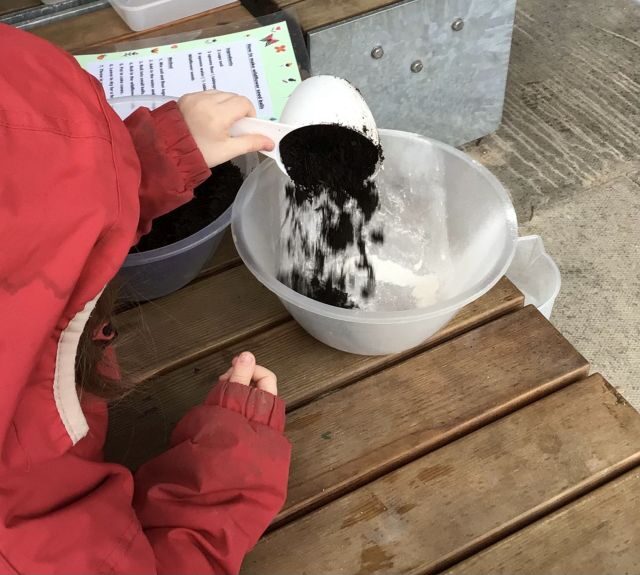
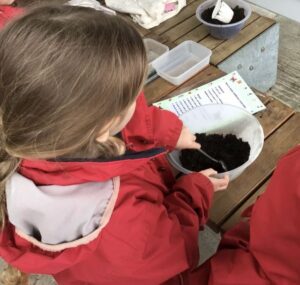
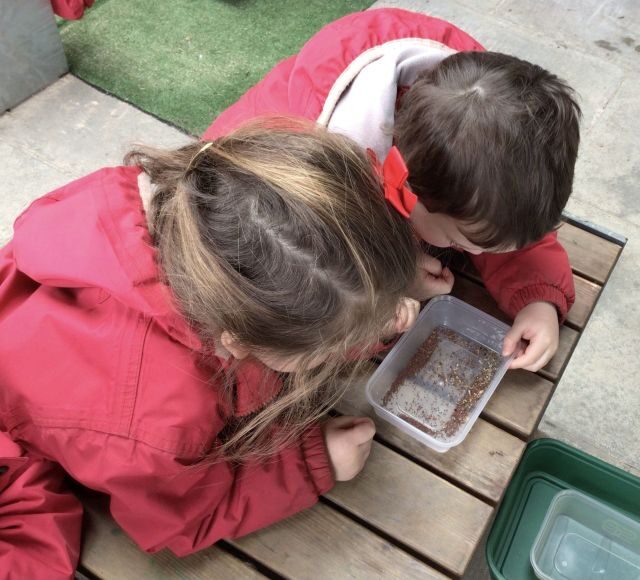
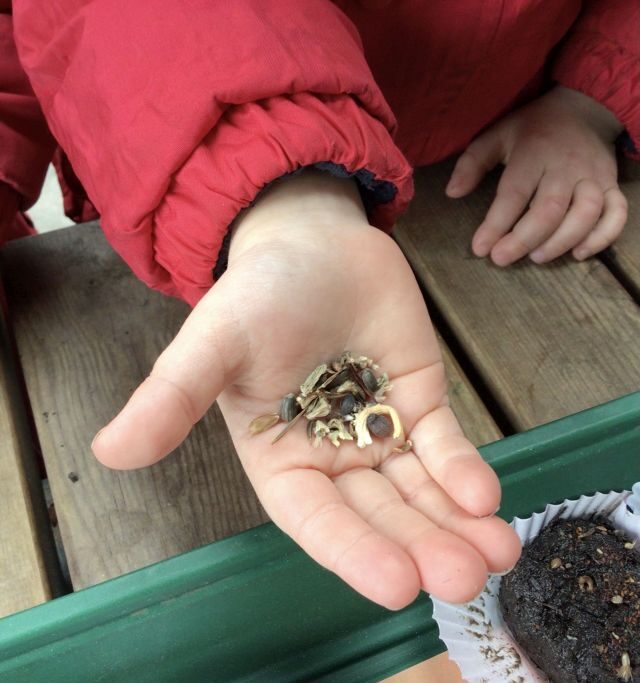
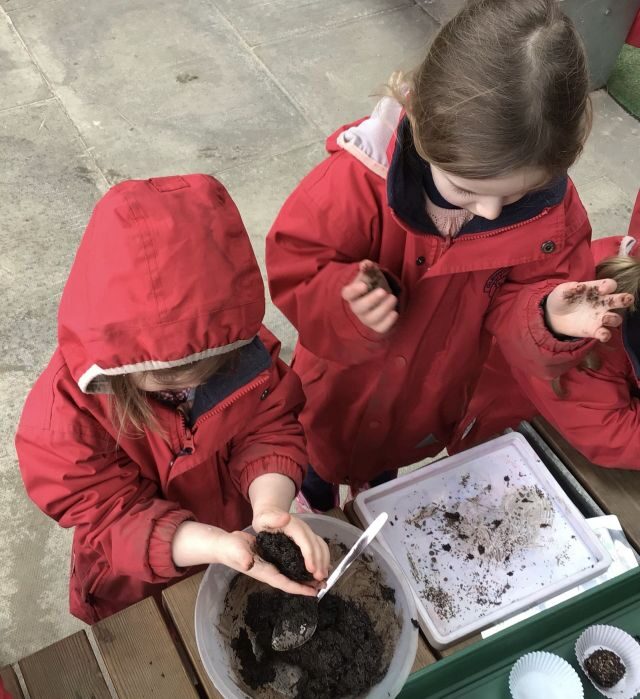
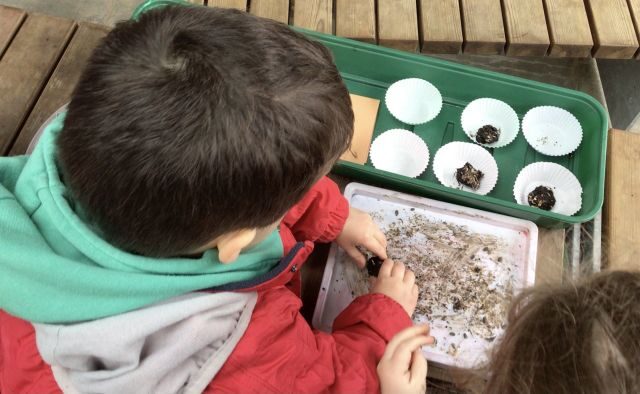
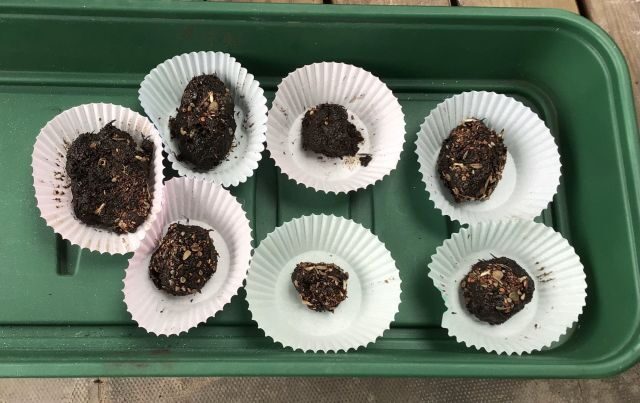
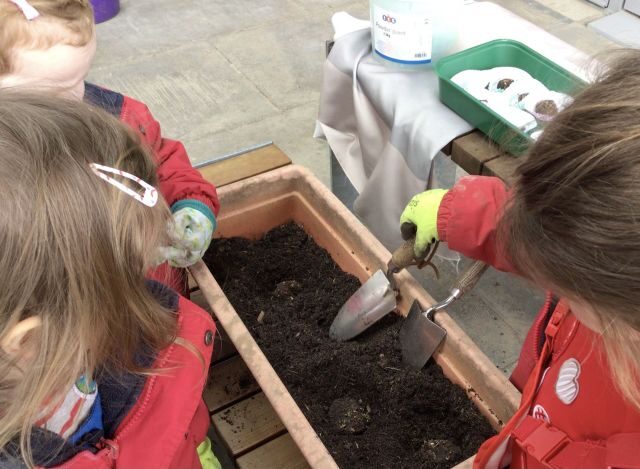
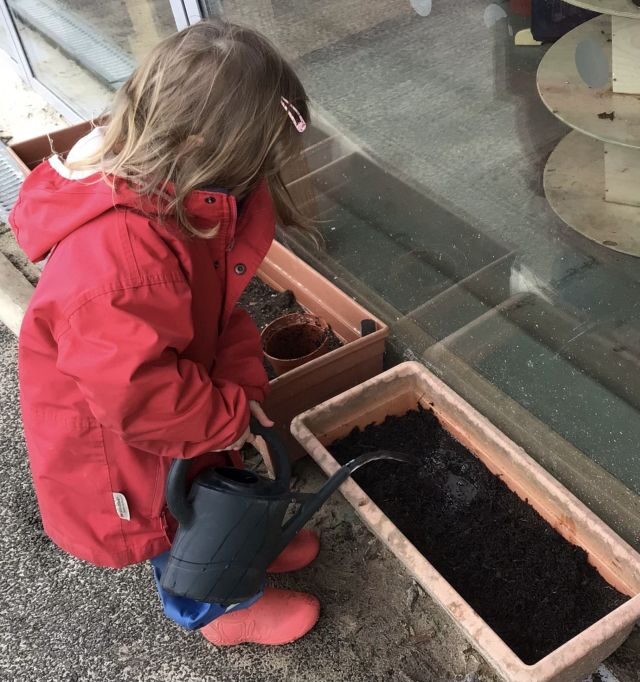
“The bees will like these flowers when they grow.”
After planting and watering the seed balls the children are now looking forward to observing the wildflower seeds grow and hopefully welcoming some bees and butterflies and other creatures into our garden.
When the wildflowers have grown they will add a variety of colours where they have been planted, providing food and shelter for insects and other creatures. Wildflowers are also greatly important for pollinators such as bees so they can carry pollen from one plant to the next.
Why not have a go at home by following our recipe and help support wildlife in your area, or try the recipe below to make recycled paper wildflower seed balls.
https://scottishwildlifetrust.org.uk/resource/make-recycled-paper-wildflower-seed-balls/