Remote Learning: Storytelling

A brief History of Storytelling  

Story telling is said to have been dated right back to 30,000 BC where cavemen would draw pictures on the wall of their cave showing a short series of events usually depicting their rituals of hunting. 1,000 BC Greek myths and legends came about, and then in 700 BC the first written story was printed. 

Benefits of Storytelling  

  • Helps with understanding of social behaviour – telling right from wrong and teaching empathy.
  • Develops language and communication.
  • Improves listening skills. 
  • Encourages creativity and imagination. 
  • Promotes higher order thinking skills.
  • Can helps understanding of difficult ideas and situations.  

Ideas to try at home… 

Helicopter Stories 

Helicopter Stories is a way of creating stories with your children. As a parent you’re the scribe and write word for word your child’s story down. Then have a go at acting it out…let your child decide who plays which character and what props to use.

Find out more in Miss MacLean’s Helicopter Stories Blog here.
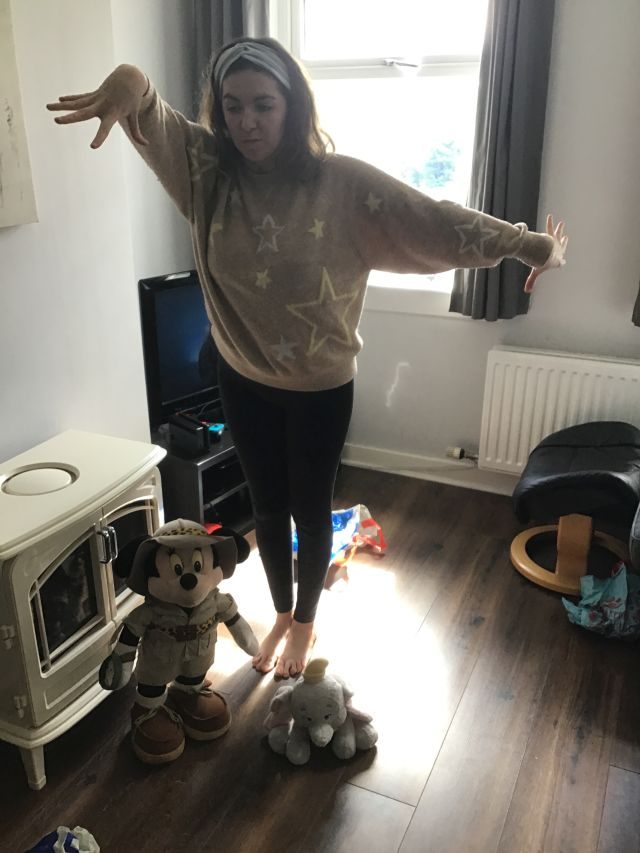
I’m a tree…

What’s in the bag? 

All you need is a bag or a box filled with objects (can be anything you find around the house.) You then take turns with your child to take an object out and create a story around the object. 

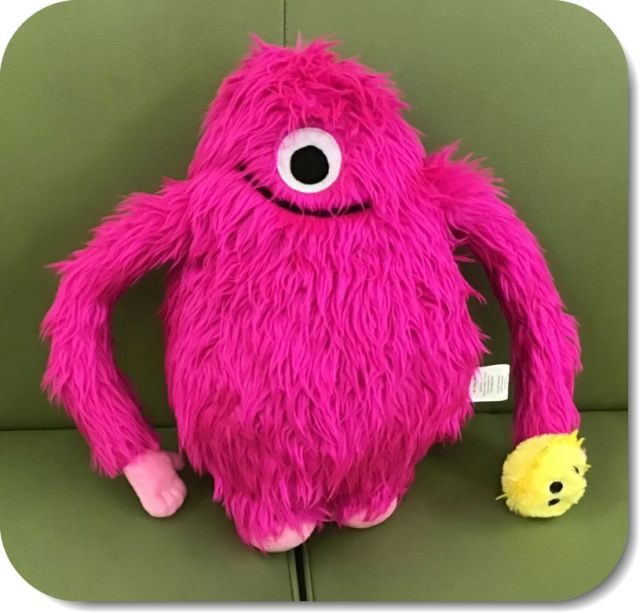
You could make up a station to go with the bag full of cuddly toys or dolls or toys that you could use to be the characters for your story.

This is a game that can have endless results and can be played repeatedly, as so many different stories could be told.  

I wonder what story you could tell about the Gruffalo?

Hanen 

In Nursery we use Hanen’s Abc and Beyond approach to develop early literacy skills. Find out more about how to turn stories into conversations in this Sway.

Go to this Sway

Listen to some stories together online 

This ThingLink has links to many stories that you might like to share. Click on an icon to take you to the story…


We would love you to share your stories with us on Google Classroom or Twitter @GlenwoodFC  #Glenwoodlearningathome
 

Remote Leaning: Looking after the birds

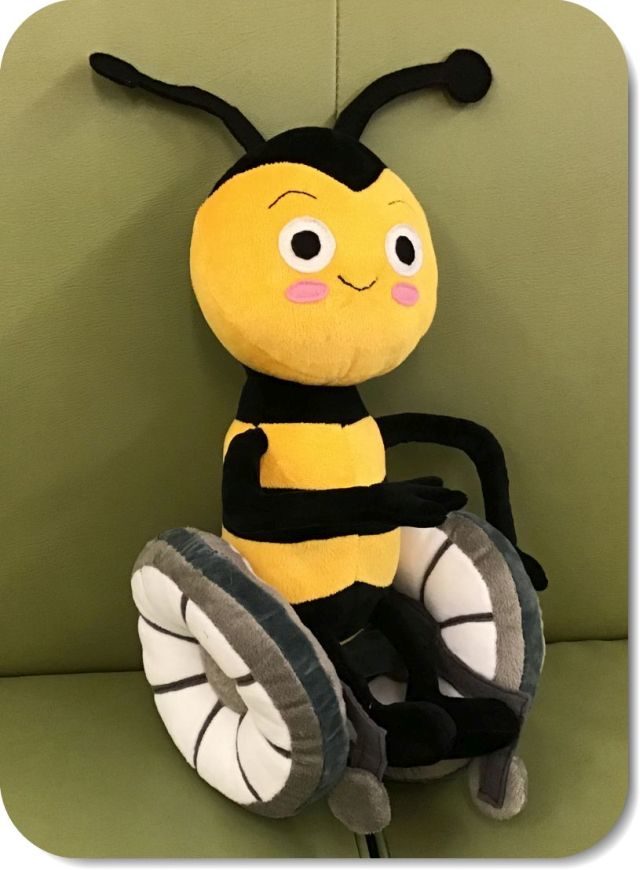
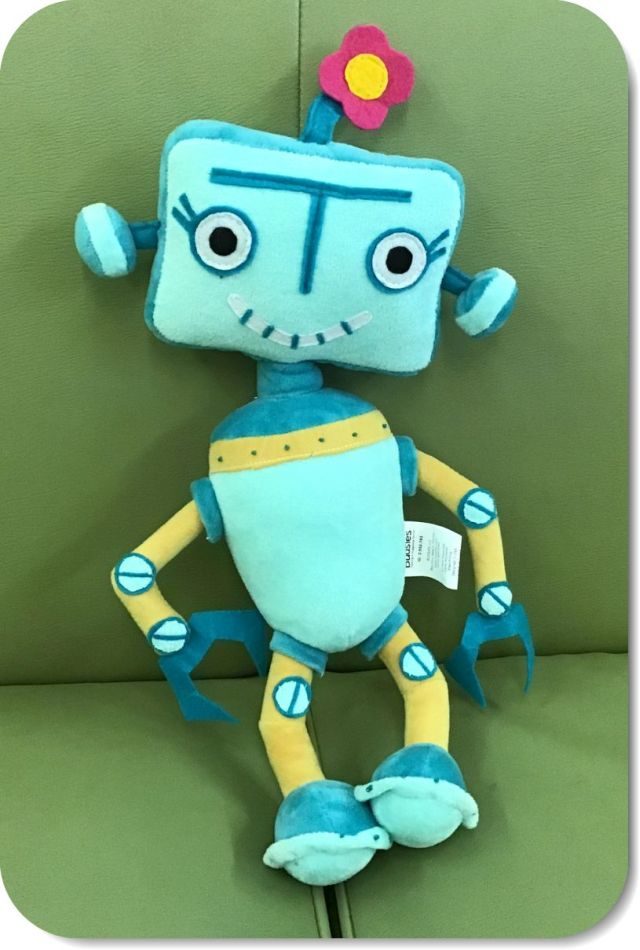
Responsible Robbie

Responsible Robbie likes to help look after the environment and wildlife.

Have you tried the recipe for bird cake in your home learning booklet?
Why not try to make your own bird feeder from recycled materials you have in the house. Here are some ideas…
Remember to throw any wire away after the birds have eaten the cereal.
The CBeebies website has some more ideas on how to make bird feeders for your garden. Why not take a look… Make a bird feeder – CBeebies – BBC
Why not join in with the RSPB Big Garden Birdwatch which is happening from the 29th to 31st January and you can sign up for free. There are lots of other things to do on their website too, including stories to read and games to play.
I wonder which birds you will have visiting your garden?
Why not let us know on Google Classroom or Twitter?
 @GlenwoodFC  #Glenwoodlearningathome

Remote Learning: Our New Nursery

Respected Rhiya

Respected Rhiya encourages us to think and talk, and to share our ideas and views. 

Rhiya has got some sad news, happy news and she wants to give you a challenge.

The sad news is that we can’t all be at nursery together as we have to make sure everyone is safe from the virus. Also when we come back together, our nursery building might have disappeared. Big machines are going to knock it down.

How does that make you feel?

Some people think that will be exciting and they want to see it all smashed. Some people are worried it will be very noisy and messy. For lots of people the building and garden have lots of happy memories. The happy news that we are getting a new nursery with lots of lovely new toys inside. It is much bigger, with large playrooms, lots of windows and a little garden in the middle. Everything is new and clean and there will be lots of new things to try and we will see our friends there. 

What do you think?  Are you excited, worried or not sure?

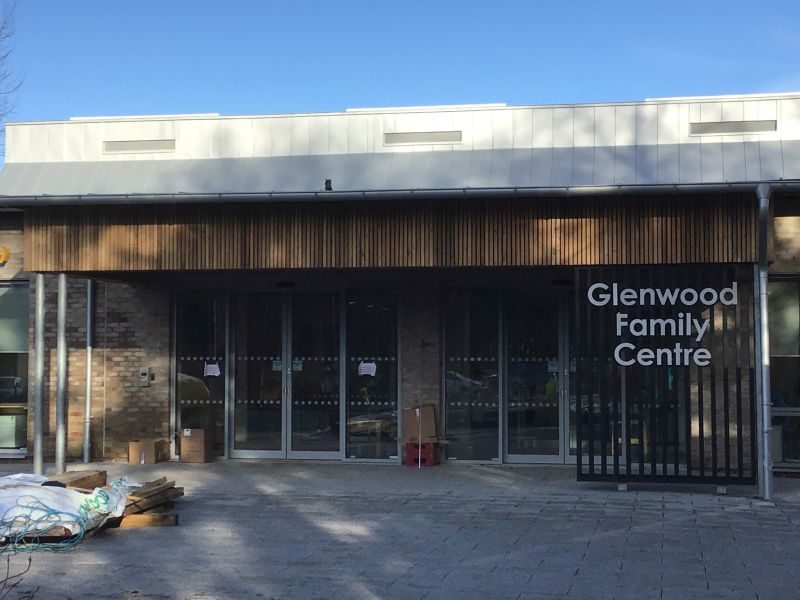
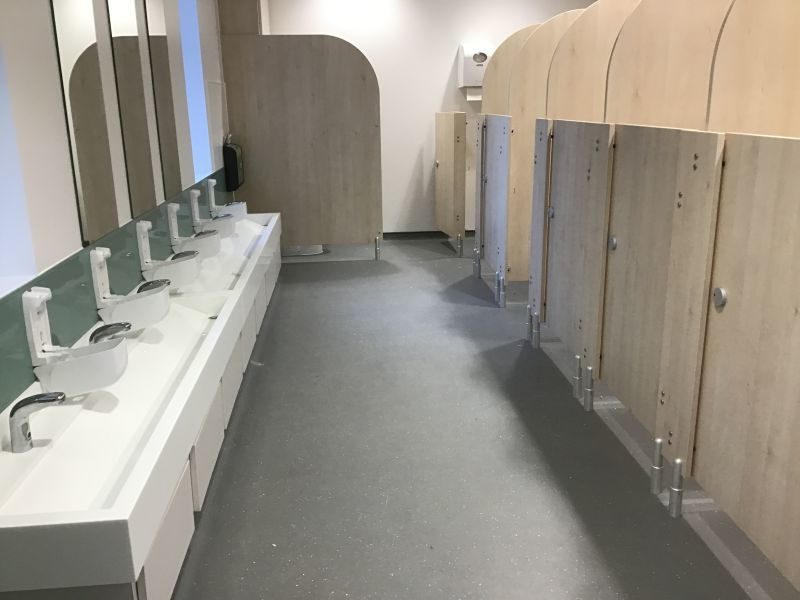
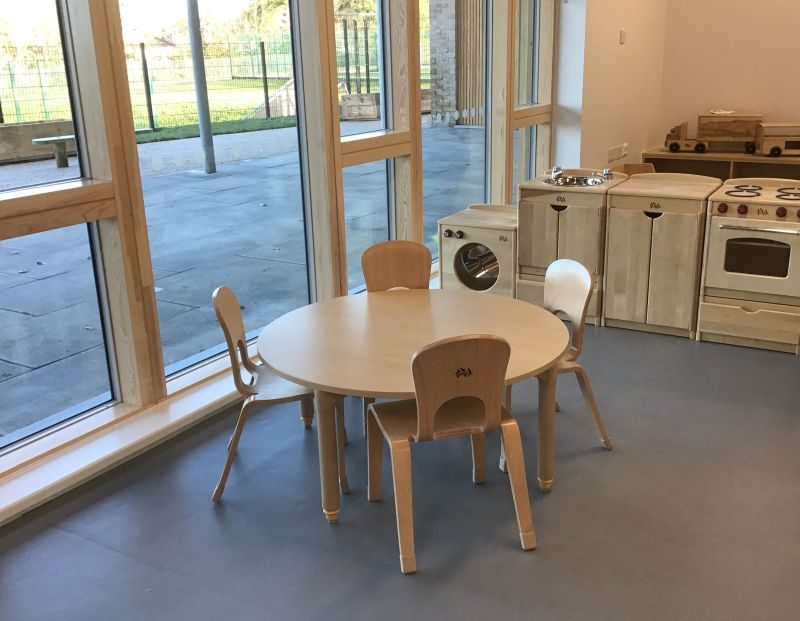
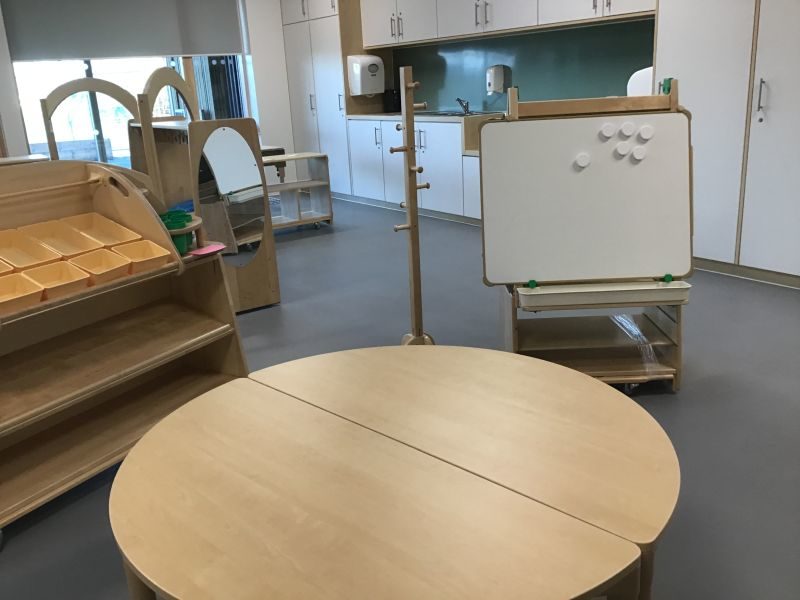
The adults are getting things ready in the new nursery – here are a few photos for you to see what it looks like.

The cloakroom where you will hang your jacket.
These are some of the toilets.


The book corners are waiting for their rugs.
Look at the lovely new cooker and sink in the role play area.
One of our new art areas.
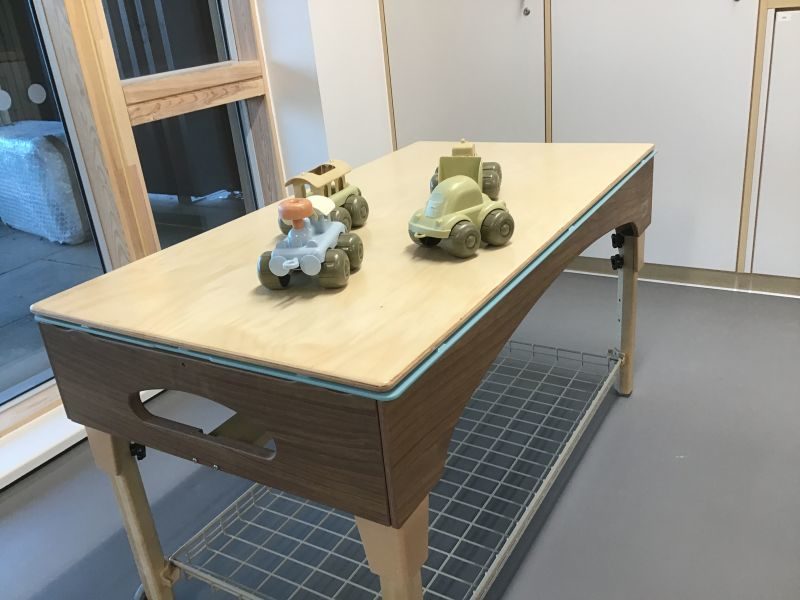
Some new vehicles to play with in the sand.


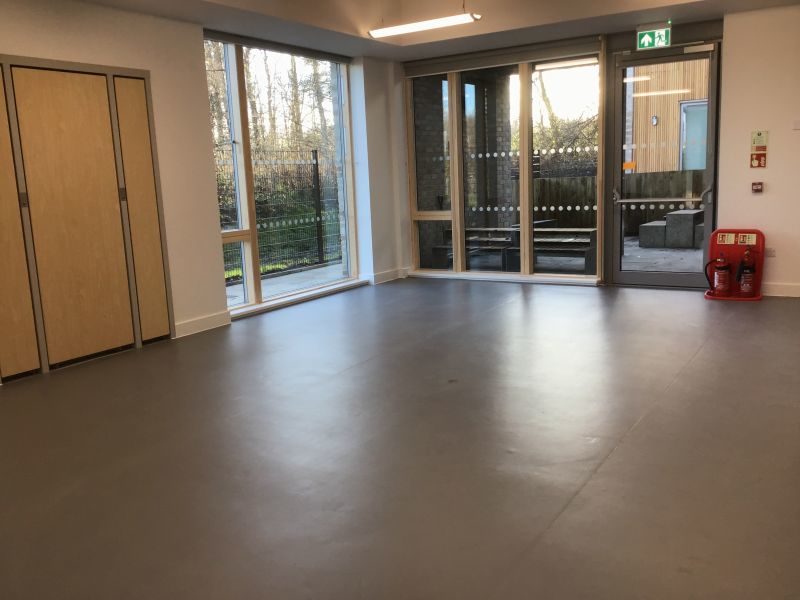
This room will be a gym hall and dining room.
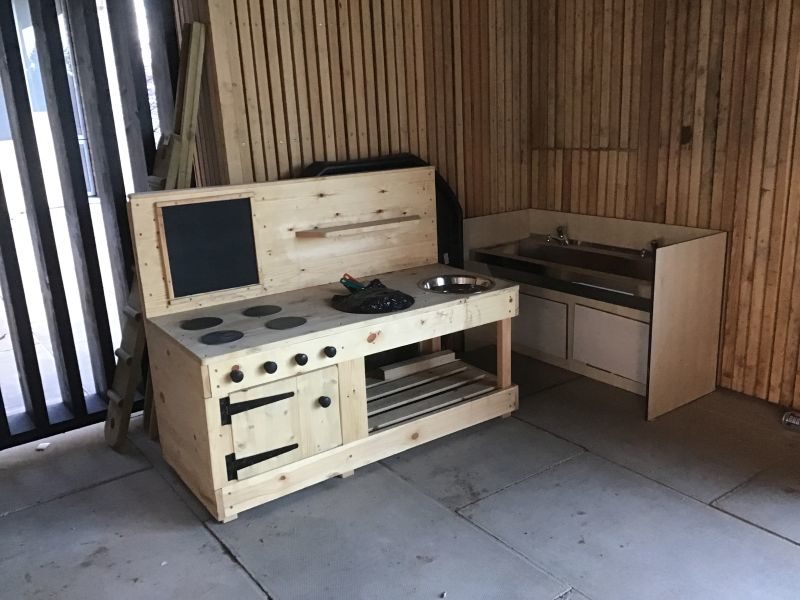
What a smart mud kitchen!


The sandpit is underneath the white tarpaulin – isn’t it big?

Rhiya’s challenges are:

  • Can you tell us what you liked best about our old nursery?
  • What are you looking forward to at our new nursery?
  • Can you draw us a picture or make us a model or write us a story or make a game? 
  • What should our rules be for our nursery and what is important?

Rhiya hopes you like the challenges and that you will post into Google Classroom.

Completing the challenges will help you use lots of skills – you will be remembering, understanding, applying, analysing, evaluating and creating. These are called higher order thinking skills.


Remote Learning: Sorting and Matching

Sorting and matching objects is an important mathematical skill for young children to develop. It helps children to develop their thinking and awareness of number and quantity.  Children organise, match and sort items in different ways, by colour, shape, design, size, and sometimes using their own criteria. They may sort by using simple  categories such as colour, size or shape, or by using categories such as, type of transport (cars, trains, boats) or types of animals (farm, zoo, sea). Matching encourages children to look for similarities and differences. 

Here are just a few ideas… 

Sorting toys You could start by asking your child to gather some of their favourite  toys  (maybe suggest small toys like Lego or animals) then ask them to sort them using different criteria, shape, colour or size. 

Loose parts are things like bottle tops, buttons, beads or natural objects – there are many wonderful possibilities.

You might choose stones or shells of different colours, shapes, sizes and textures.

Loose parts can provide good opportunities to challenge children’s thinking because of variations – Will all the different shades of blue go in one set? How will you decide if an item is ‘big’ or ‘small’? Encourage your child to explain why they have chosen to put an object in a particular set.

Household sorting jobs 

  • Putting away the shopping – sorting the fruit, vegetables, tins, frozen food into the correct places.
  • You could talk to your child about what you are doing as you sort and separate clothes for washing (whites, colours, and darks) or get them to help you sort and match socks.
  • At lunchtime or dinner time encourage children to set the table by matching knives and forks or plates with cups, you could talk about the different sizes of spoons you might use. How many will you need?
  • Involve them in  recycling waste (paper, plastic, cans and food waste).
  • Will you read a story (fiction) book together or will you choose non-fiction? Are they all muddled up on the book shelf?
  • Putting toys away into the right place!

Putting in order of size

Challenge your child to put a selection of items into size order – coins, sticks, shoes or lego bricks perhaps. This encourages measuring skills as well.

Play Odd One Out

Show your child 3 objects, start simple perhaps 2 red and 1 blue – can they spot the odd one out? As they get the idea, increase the challenge – perhaps a red car, a blue car and a green train.

Let your child have a turn at choosing the items for you to say which is the odd one out.

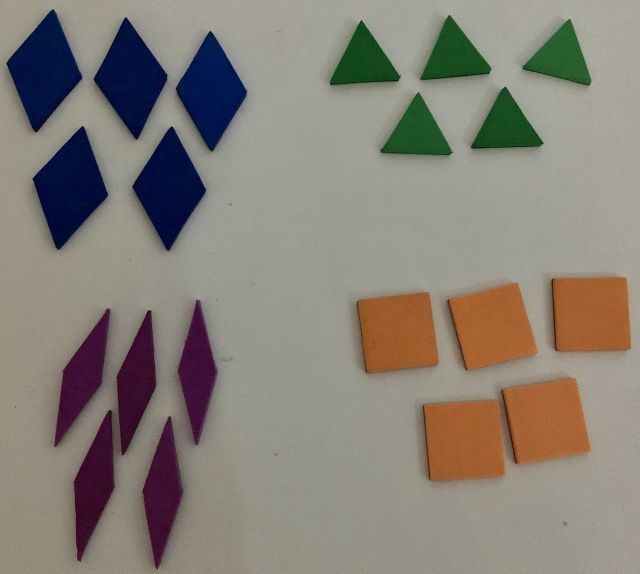
Mrs Russell wonders who can spot the odd one out in the picture below… remember to say why!

Show us what you have been sorting and matching on Google Classroom or Twitter @Glenwood FC  #Glenwoodlearningathome


Remote Learning: Fine Motor Skills – Getting Ready to Write

Fine motor skills involve the use of the muscles and joints of the hands that interconnect and work together to allow you to complete dexterous tasks.  They are the smaller hand and finger movements used, for example, to open a lunch box, zip up a coat or write with a pencil.  A young child cannot be expected to be able to do these tasks or learn to write appropriately if they haven’t yet developed the strength needed in their hands and fingers. Here are some ideas you can try at home with your families to help develop your fine motor skills and have some fun as well.   

Ice and snow melt

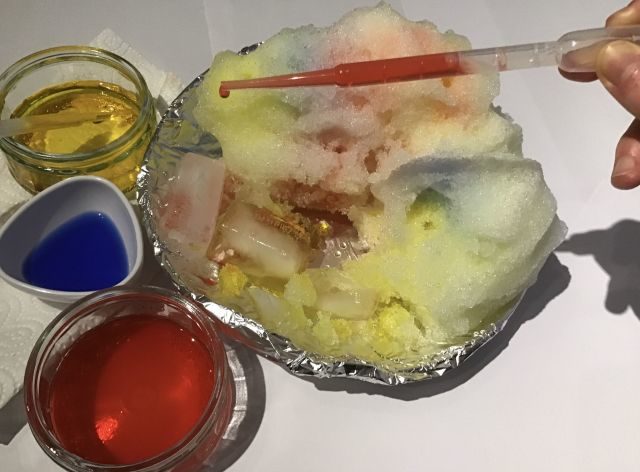
Use a pipette to squeeze some warm water on to some ice cubes or snow.  How long does it take to melt?  Maybe you could try adding some food colouring or paint to the water or try using different liquids such as vinegar or fizzy juice.

Play dough 

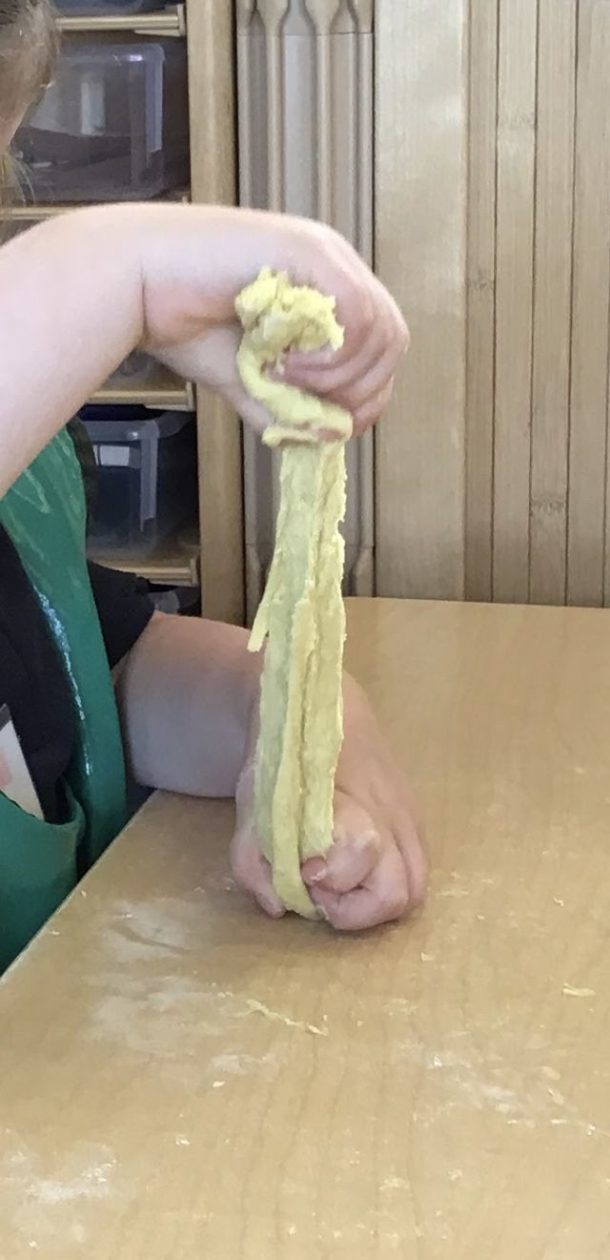
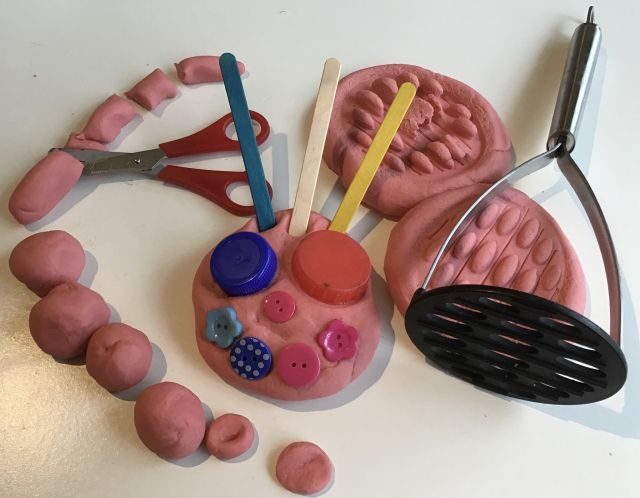
Try squeezing, stretching, squashing, pinching and rolling some play dough.  Can you make some snakes or wiggly worms?  Maybe you could try using scissors to cut the play dough into small pieces and then rolling them into little balls.  How many can you make?  Can you make different sizes of play dough balls?  Try holding a masher in both hands and find out how flat you can squash your play dough.  You could also try using some loose parts to add to your play dough. Have fun.


Recipe

  • Plain flour – 2 cups
  • Water – 1 cup
  • Salt – ¼ cup
  • Vegetable oil – 1 tablespoon
  • Food colouring or paint (It helps to add this to the cup of water)
  1. Add everything together into a large bowl and stir well with a spoon until it turns into a soft dough.
  2. If the mixture is too sticky add some more flour.  If it’s too dry add some more water.
  3. Empty the play dough onto a floured surface and mix together with your hands.

Bottle top blaster

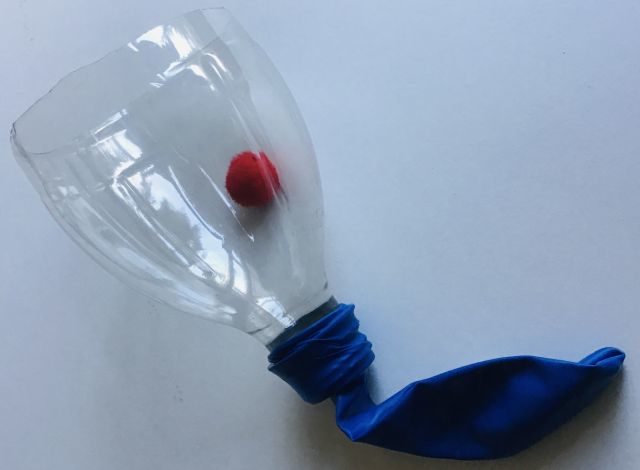
  • Ask an adult to help you cut the top from a plastic bottle and then attach a balloon where the lid would normally be.
  • Put a pompom into the bottle funnel.
  • Hold the bottle funnel with one hand and pull the balloon back hard with your other hand.
  • Let go of the balloon and your pompom will shoot out.  How far can your missile travel?
  • Why not rip or cut some paper to stick on to decorate your bottle top blaster.   

Mark Making

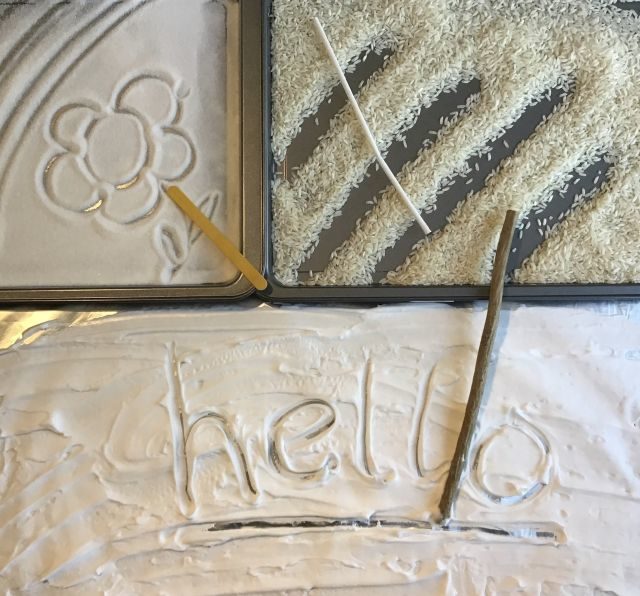
Fill a tray with rice, or spread a thin layer of shaving foam or salt on a worktop or old baking tray.  Try different items to draw, write or make patterns with such as your fingertip, twig, lollipop stick or paper straw.


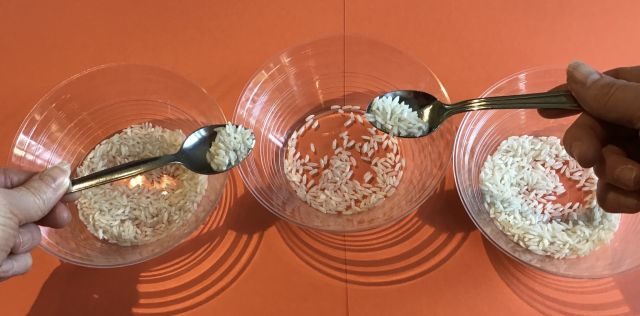
Rice RacePut three small empty bowls on a table. Divide a handful of uncooked rice into two of the bowls, leaving the middle one empty. Have a race with someone from home to find out who can be the first to empty their bowl using a teaspoon to put their rice into the middle empty bowl.  Try using your left hand and your right hand.

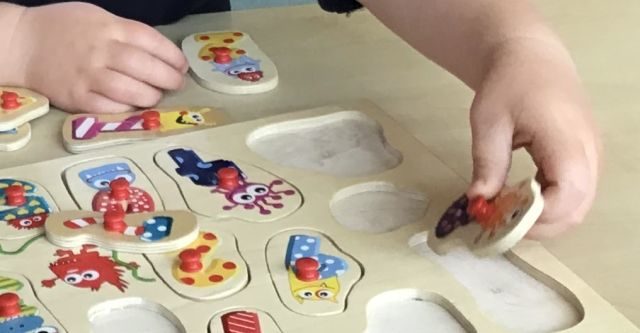
Activities such as jigsaws, building with Lego or playing with loose parts are also great ways to help develop your fine motor skills. Collect a variety of small loose parts from around your home such as buttons, dried pasta, beads, coins or bottle lids. Experiment with making shapes or patterns with your loose parts or perhaps you could make some pictures, or build towers.

Please remember to share your learning on Google Classroom or Twitter @GlenwoodFC  #Glenwoodlearningathome

Remote Learning – Our Wellbeing Friends

2021 has been named ‘Year of Childhood’ and while already full of challenges, let’s look for opportunity and community building. Here are some ways we hope that we can work together this year.
At Glenwood, we have the exciting opportunity to work alongside Save the Children with the project they have created called ‘Children’s Places’. Through this project we will work with the children to look at their community using the wellbeing indicators from ‘Getting it Right for Every Child’ – GIRFEC.
Save the Children have created some fantastic resources to help us work together to do this – including our Wellbeing Buddies.
We have prepared a learning at home bag for every child to introduce you and your family to the Wellbeing Buddies, alongside some ideas that will help your child understand what each of the indicators mean for them. There is also a diary for you to record your experiences together.
Here are our 8 Wellbeing Buddies…
Safe Stella
Healthy Henry
Achieving Andrew
Nurtured Nora
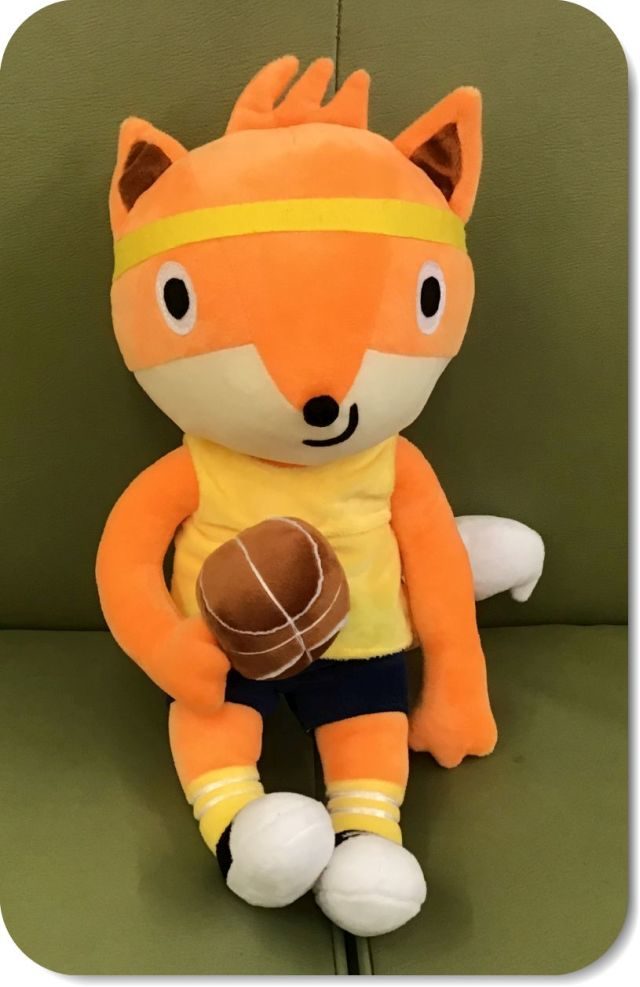
Active Aamir
Responsible Robbie
Respected Rhiya
Included Isabella

Don’t forget to come to Glenwood to collect your learning at home bag.

Please remember to share your learning on Google Classroom or Twitter @GlenwoodFC  #Glenwoodlearningathome

Remote Learning: Fresh Air and Exercise

Just because it’s winter and the days are short doesn’t mean going outside is not fun!

In fact, fresh air really is good for you! It can:

  • help you feel more energised
  • help you sleep better
  • help decongest you if you have a cold
  • restore your mood

Here are some ideas of things that you can do with your families outdoors at this time of year…

Play in the Snow – Why not build a snowman, go sledging or throw some snowballs? Just going for a walk in the snow is exciting – everything looks and sounds different! Can you see different footprints? Who do you think made them? Which way did they go?

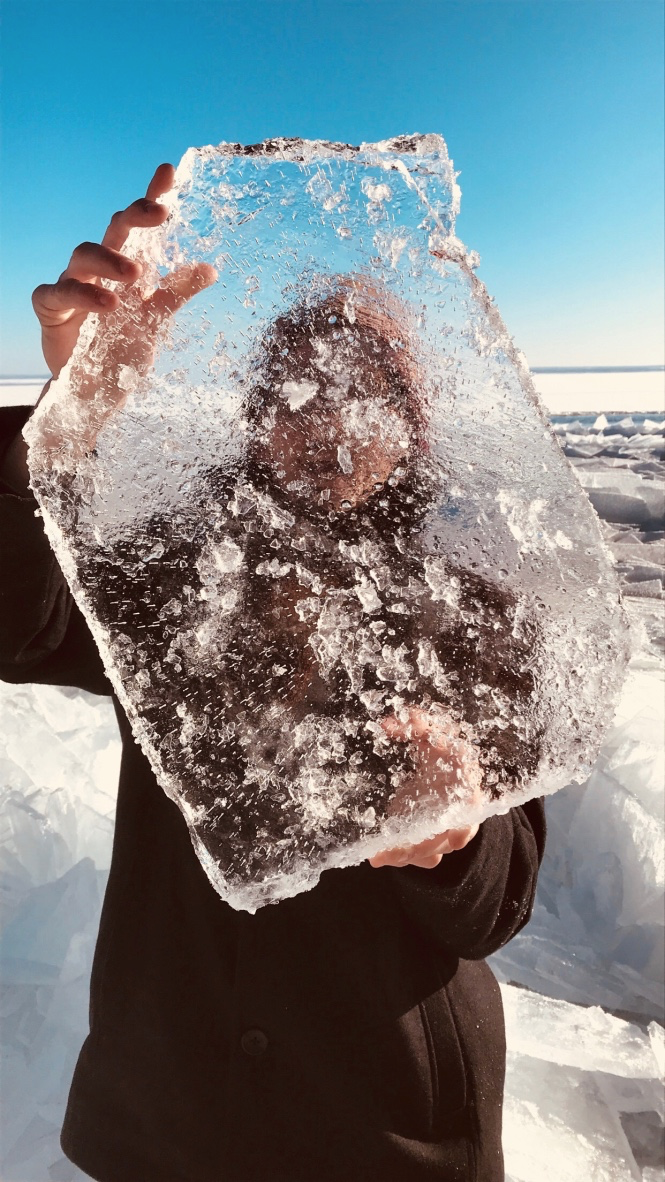
Ice and Frost – Go exploring – look for different patterns of frost and different places to find ice. You might slide on it, smash it or pick it up and look through it.

Try blowing bubbles when it’s cold – if you are lucky they will freeze.

Have a go at making ice decorations  click here to find out how.Go on a Bear Hunt – Use all your senses as you squelch through mud, scrunch over frosty grass and splash through puddles! You might need to climb through branches or scramble up a hill… will you find the bear’s den?

Puddle Jumping – It’s always fun to jump and splash in puddles! Who can make the biggest splash? Which puddle is deepest? Can you splash all the water out of the puddle?

Fun with Sticks – You could try a game of Pooh Sticks if you are near a bridge over a stream or take some sticks home and make a Stickman using what you have in your house.


Go exploring with a torch – Why not go for an adventure after dark? Take a torch with you and explore the woods or just have a turn in the play park! You might choose to watch the sun go down while you are out as well.

Have a campfire – Some of you might be lucky enough to be able to have a fire in your garden. Why not try cooking some tasty treats on it, such as foil wrapped bananas or marshmallows?

Remember to wrap up warm – Several thin layers are better than one very thick one – then if you get too warm you can take one off! Adults please remember that children will not feel the cold as much as you do BUT they also may not realise when they get too cold – especially when hands and feet get wet.

Whatever you do outdoors – have fun and please share your adventures on Google Classroom or on Twitter @GlenwoodFC  #Glenwoodlearningathome

Happy New Year

All of us at Glenwood hope that you had a good break and wish you all the best for the New Year.We are disappointed that we are not able to welcome you all back to nursery this week but have been busy making plans for the upcoming weeks.

We will again be providing regular ideas for learning experiences for you to use at home if you wish. This will be both through our website and on Google Classroom. We are also getting another Home Learning Bag put together along with a booklet full of ideas for you to use as a family.
We hope that you will share your learning with us through Google Classroom – by doing this your child can show their friends what they have been doing and also see what their friends have been doing to! We will also add your pictures to your child’s learning journal to show their learning at home.

This is an unsettling time for everyone, so you may like to look back at some of our previous blogs….
Healthy Minds and Bodies

Daily Routines

Stay safe and we hope to be able to welcome you back to Glenwood soon.

For full details of how we are supporting home learning and the extra measures we have in place to keep safe in Glenwood please visit this page as part of our Coronavirus planning.

https://blogs.glowscotland.org.uk/er/Glenwood/january-2021-remote-learning/