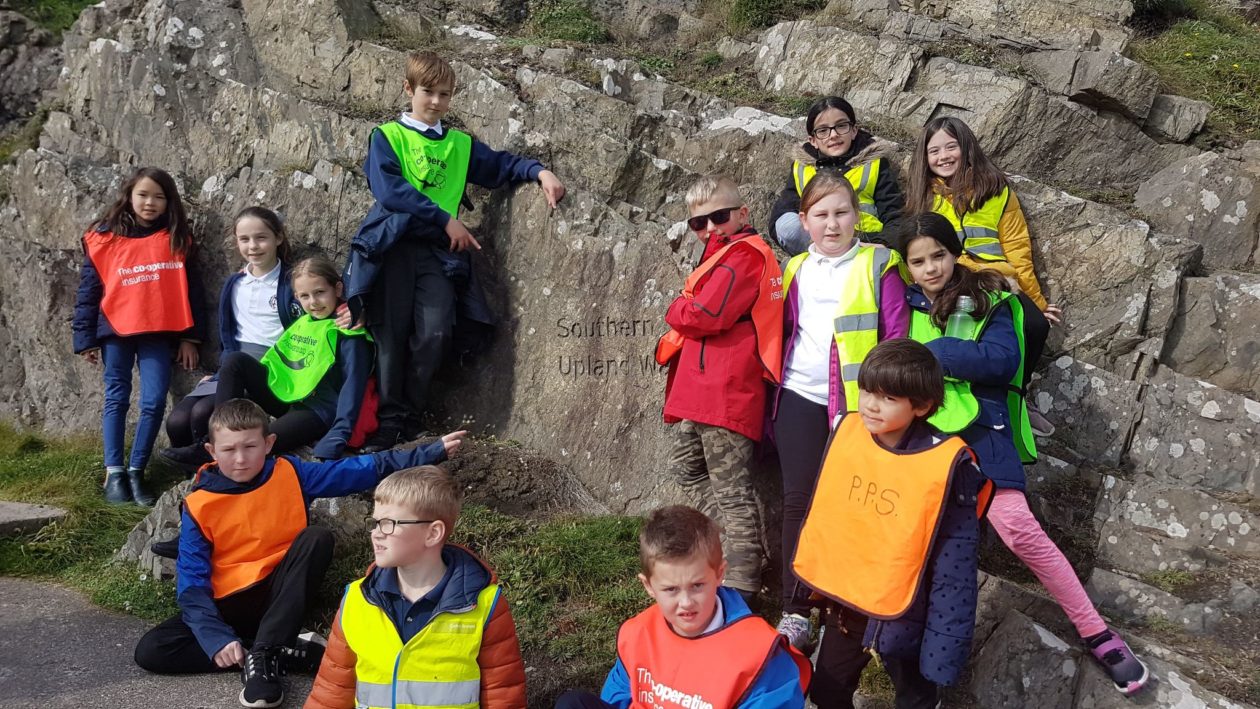
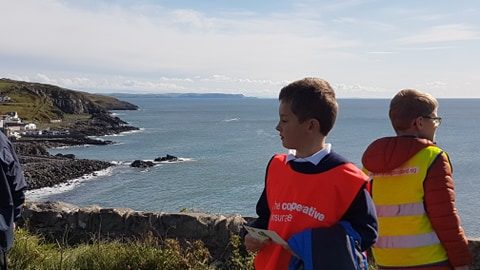
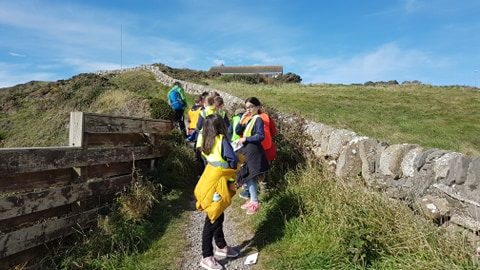
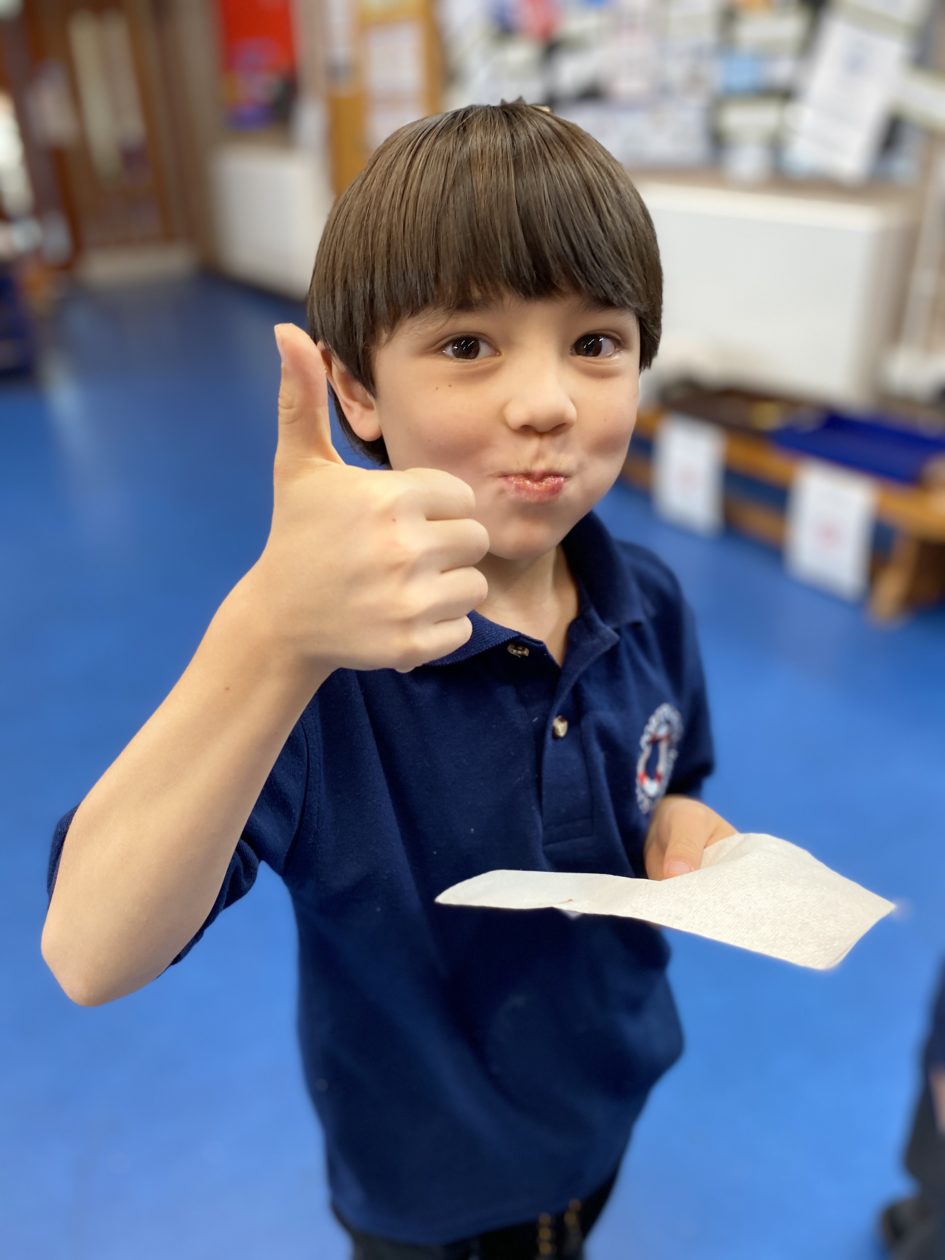
Today P 4- 7 joined Elizabeth Tindal for another outdoor session in the glorious sunshine. We walked up the steps at the start of the Southern Upland Way path. As we strolled, we took time to observe the different fauna and flora that grew along the pathway.
We tasted edible leaves, which were a bit nippy on the tongue and discussed salt environment hardy species of flowers such as the pink sea campion. We learned that this plant thrives along the coastline. There were a few butterfly visitors to the flowers as we watched. As the seed pods were ready, we gathered and scattered some seeds to help the species propagate and support our insect wildlife.
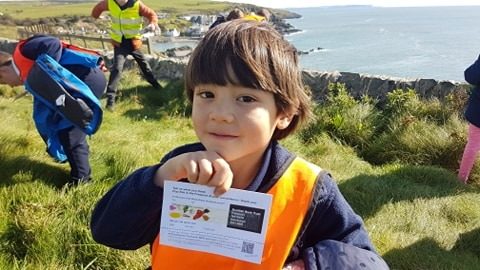
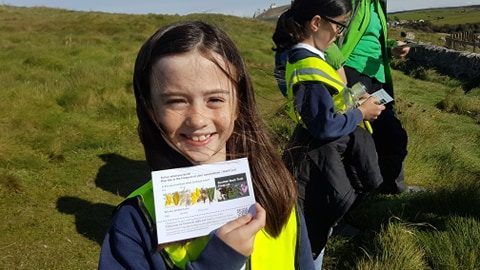
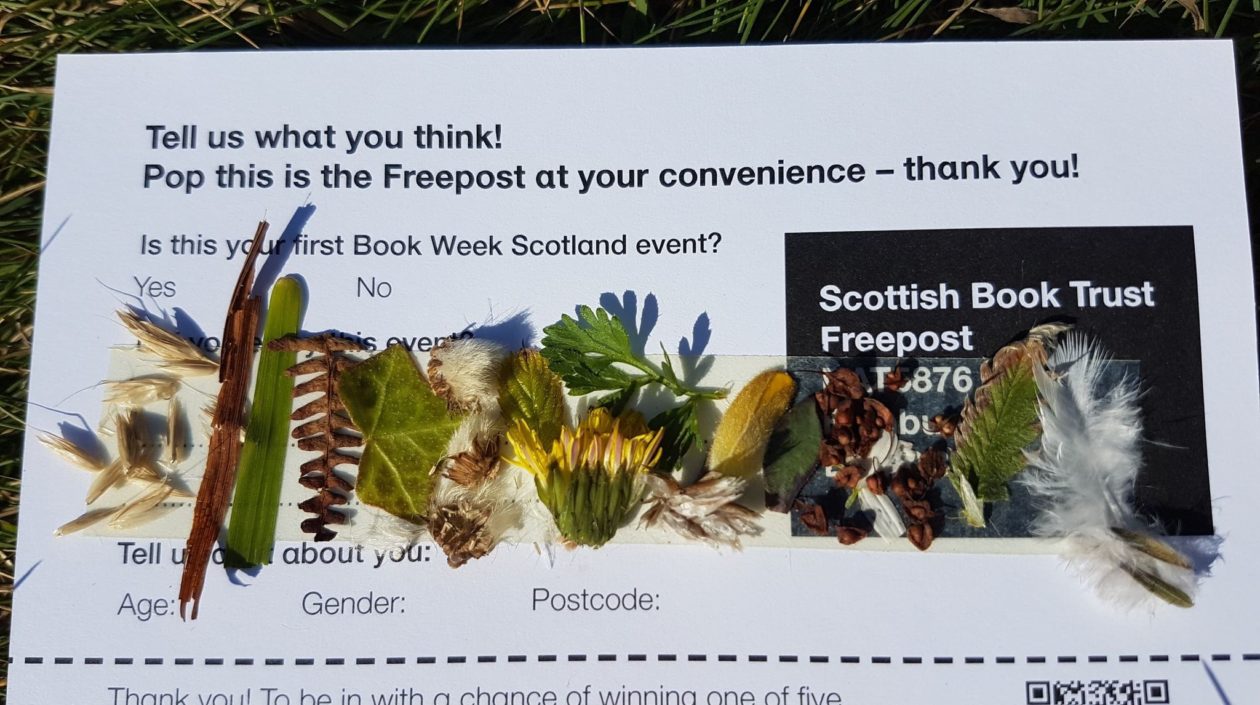
Next, we recycled card with a strip of double sided tape along it. We used this to gather a collection of plant colours and textures as we walked farther along. We were careful to only pick tiny samples from each of the plants. There was a kaleidoscope of colours to choose from.
We even got to get up close and personal with an insect. Can you identify it? 😉
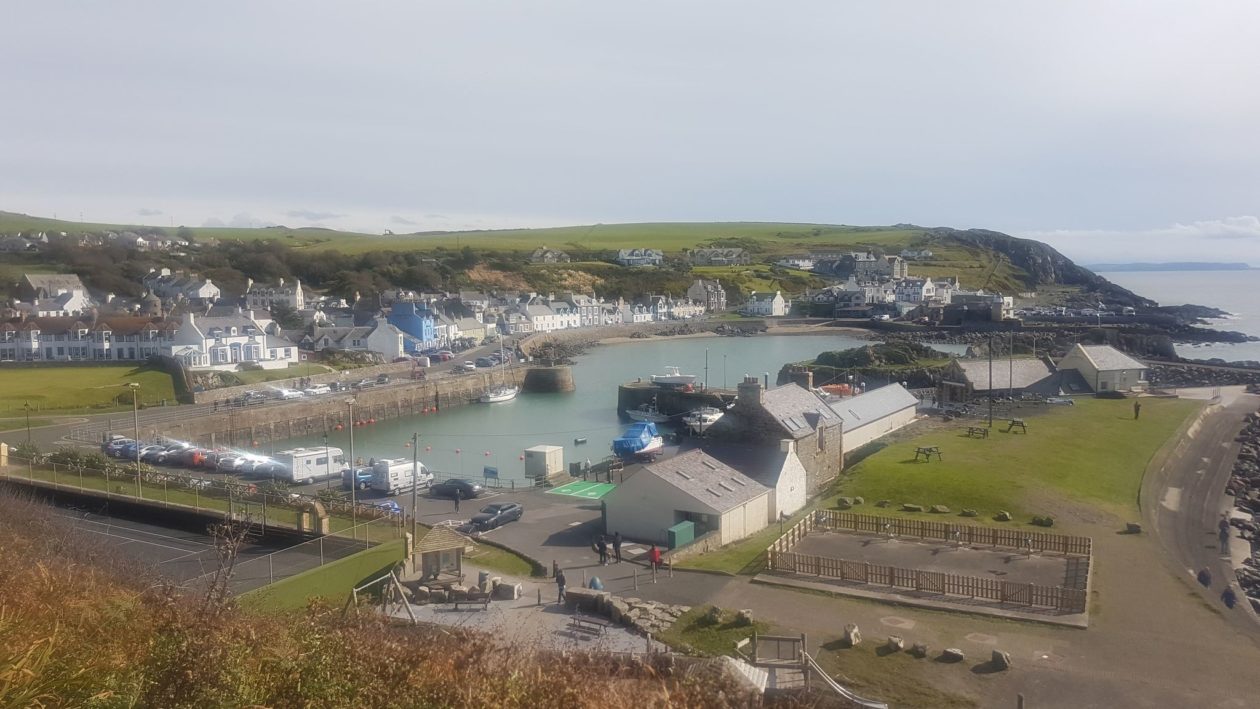
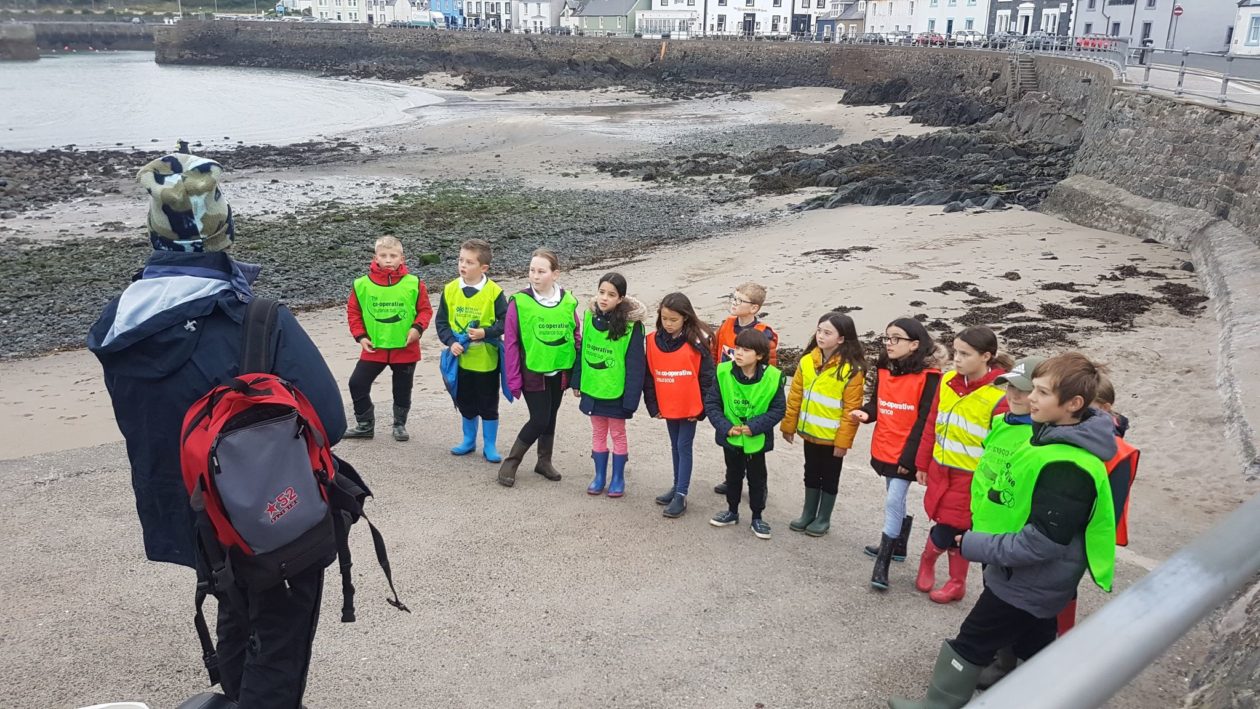
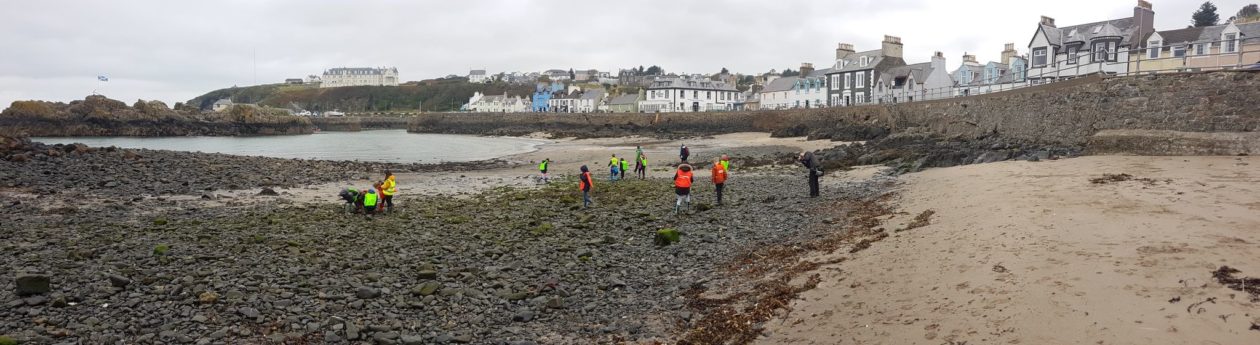
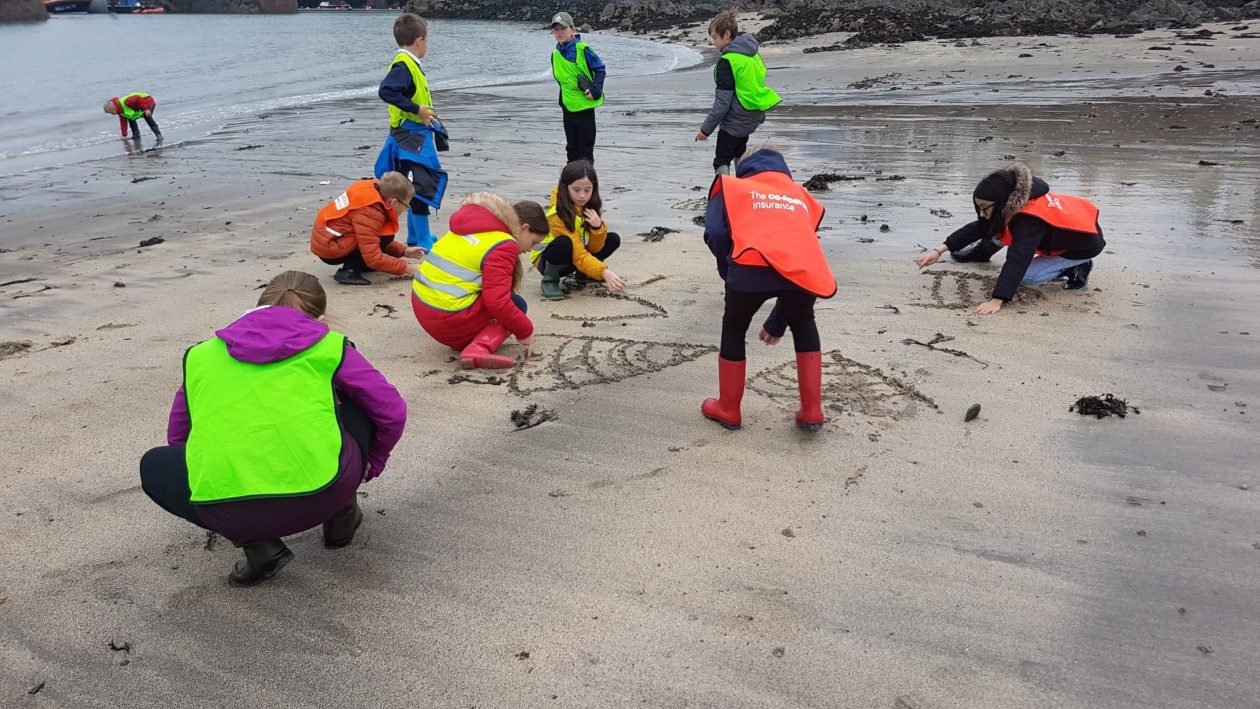
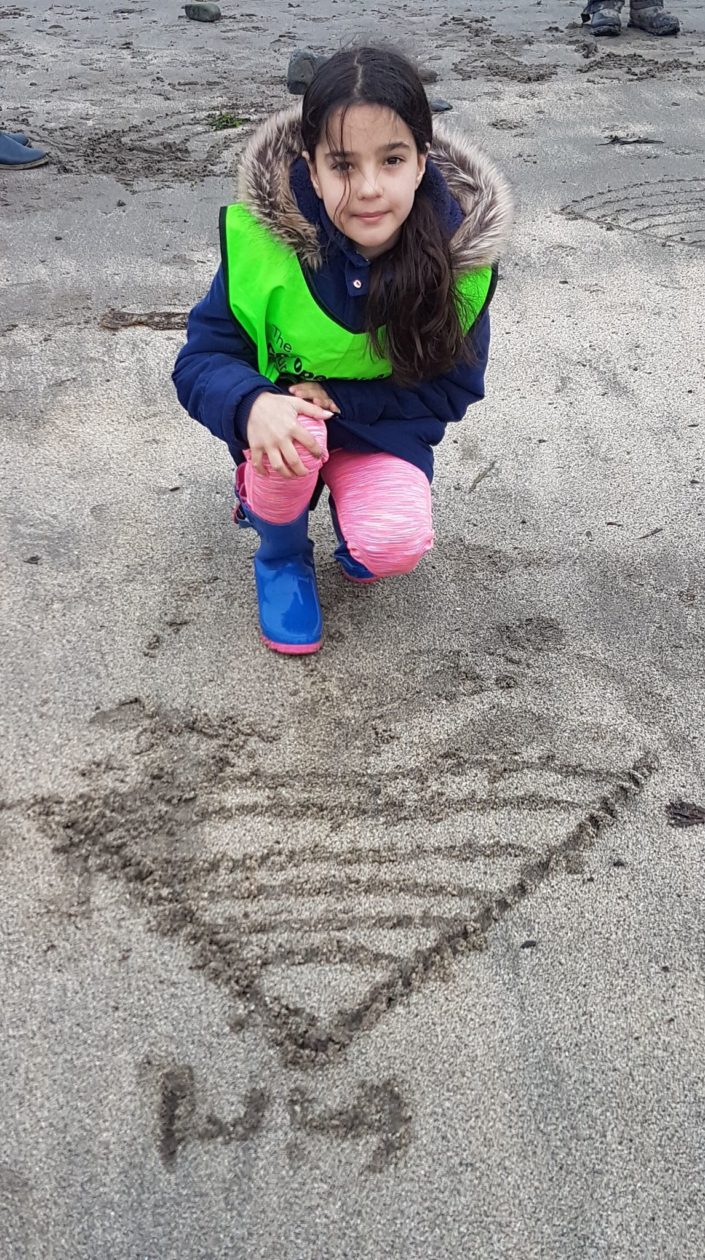
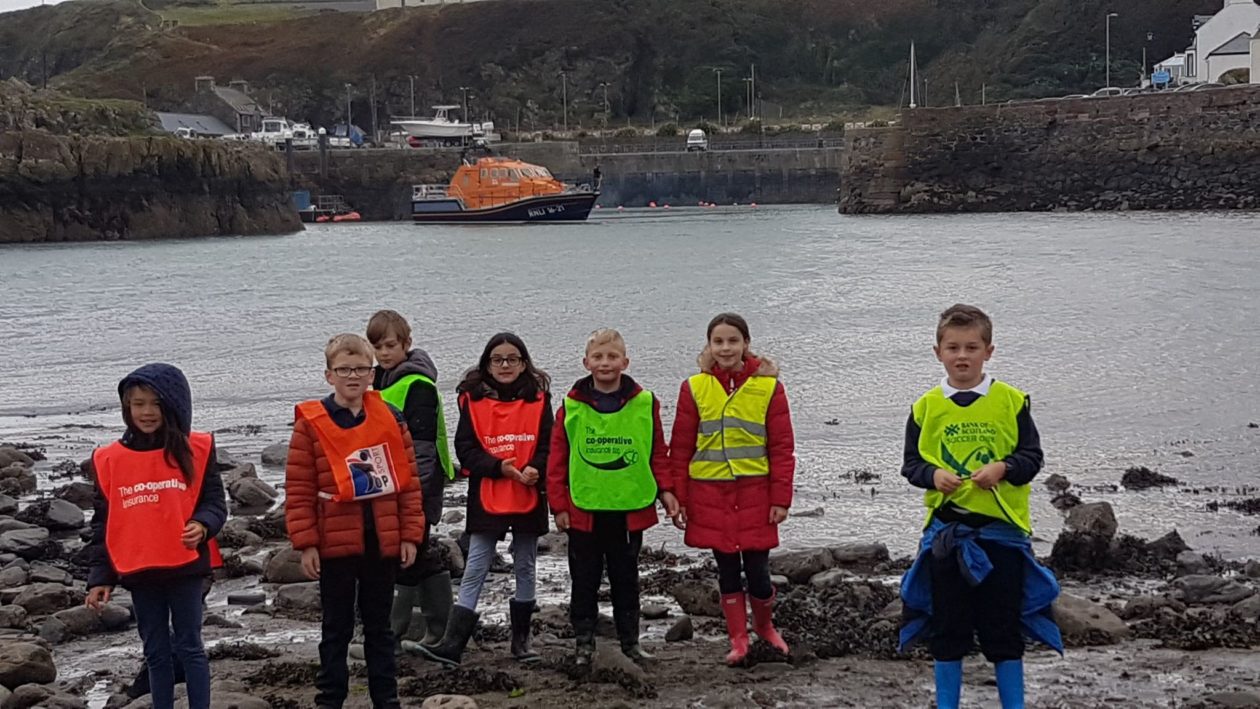
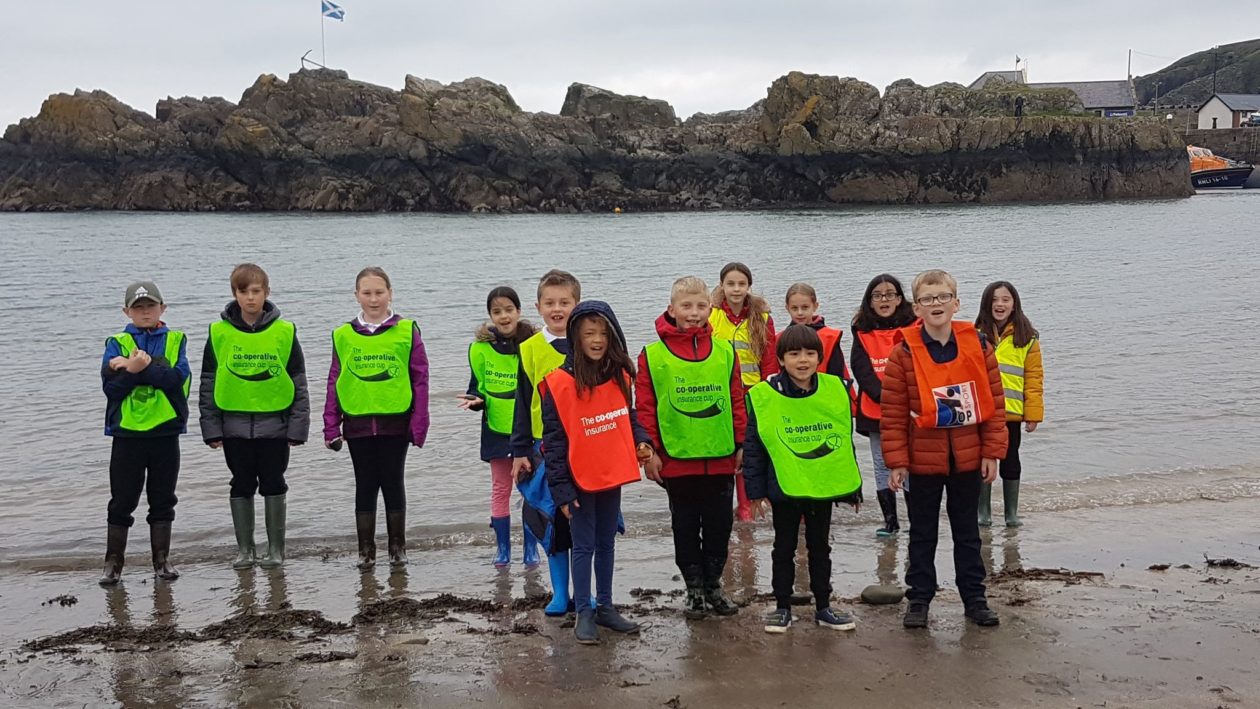
P4 – 7 spent the morning at our lovely, local beach today as part of our participation in the Rhins Coastal Paths Project. We were joined by Anna Johnson, Countryside Development Office and Elizabeth Tindal.
A further session with Susi Briggs, songwriter, will follow to develop our song writing skills using our session events as a stimulus.
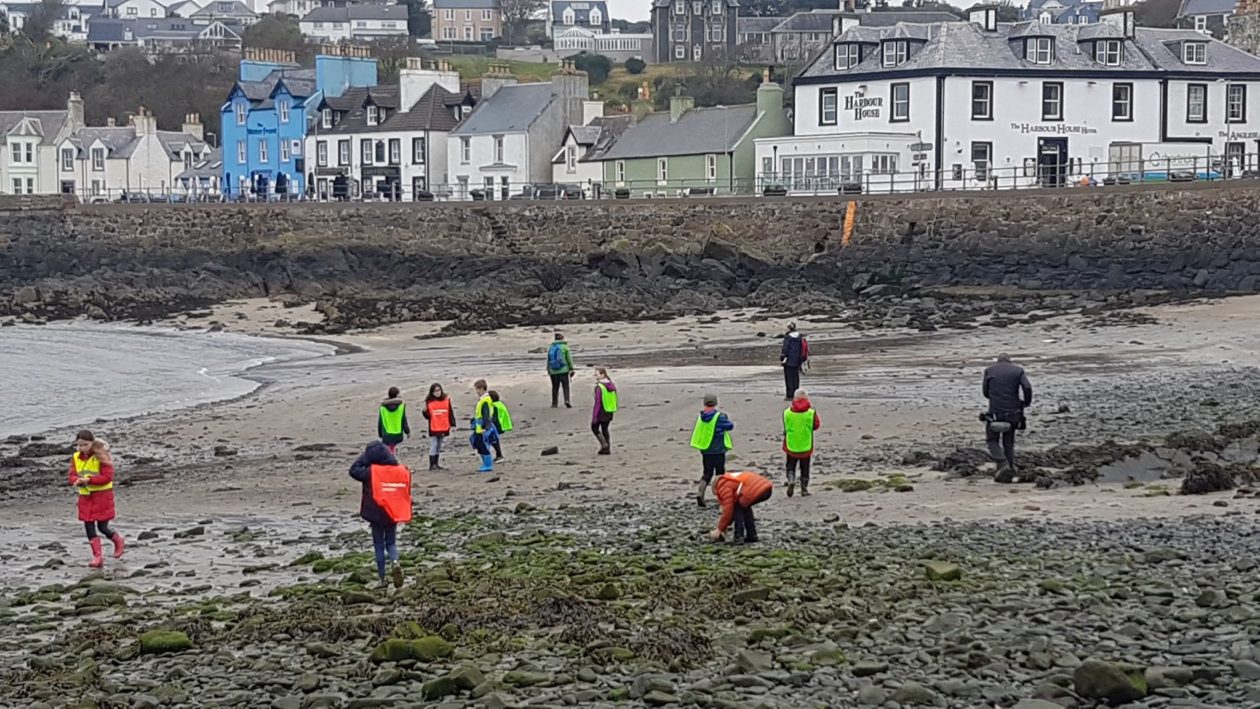
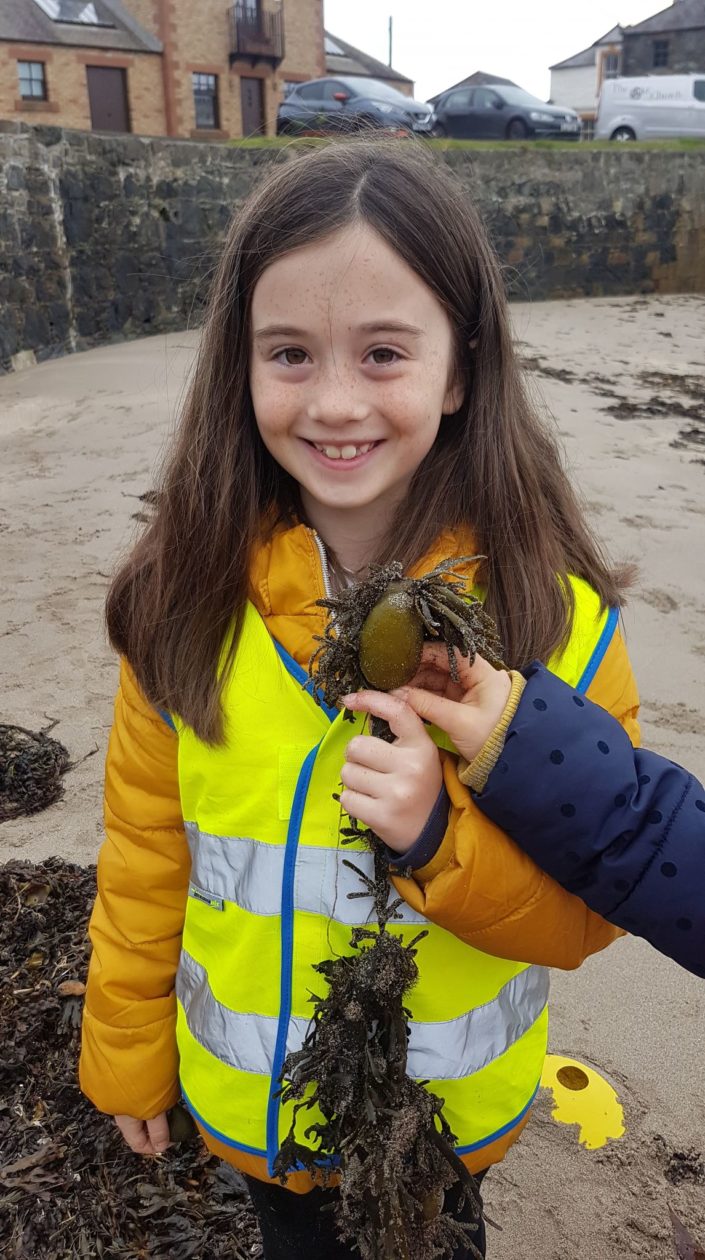
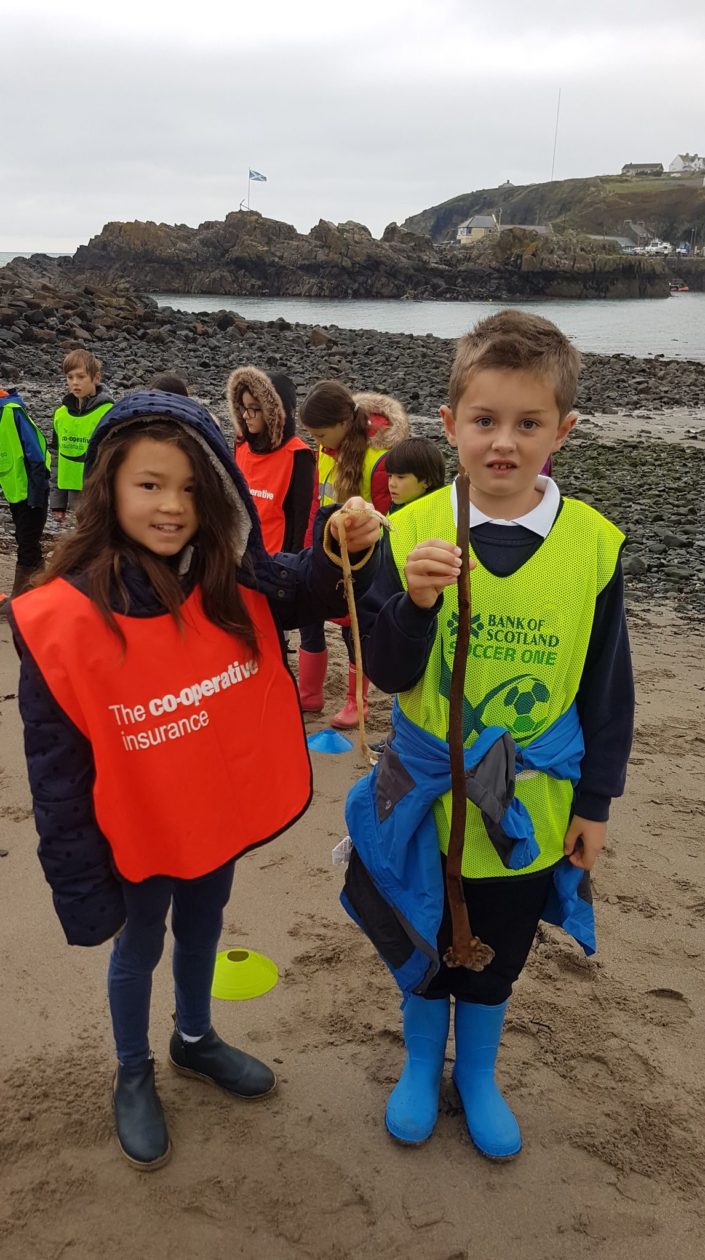
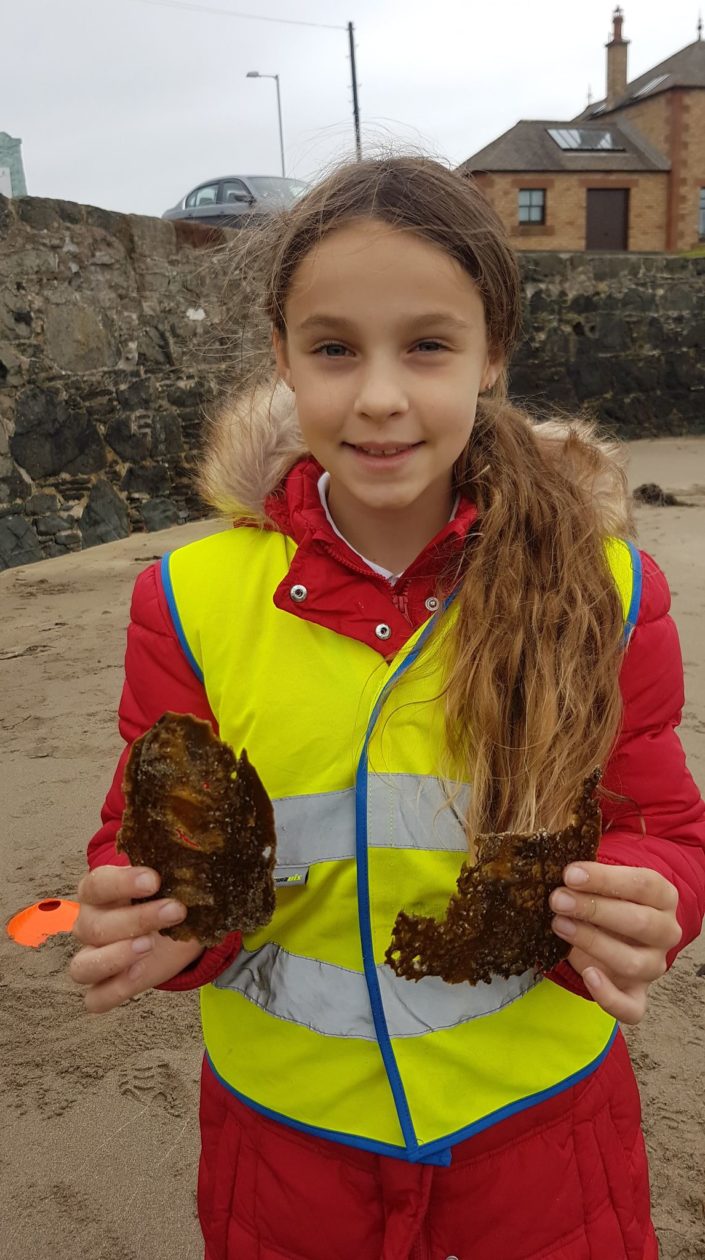
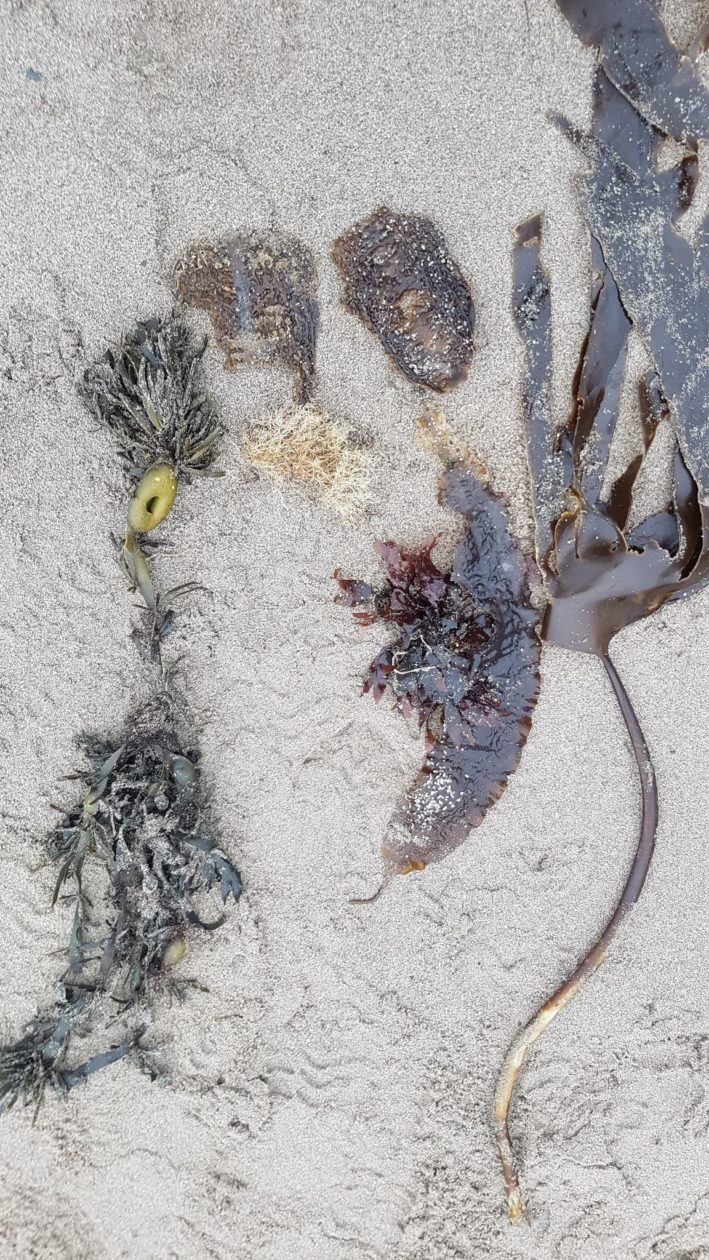
The session began by us going on a beach forage. The children worked in pairs to bring back one object they knew something about and one thing they wanted to find out about. We found and discussed a wide variety of seaweed, crab claws, mermaid’s purses and the like. We learned that seaweed comes in three main colour groups: red, green and brown. We also discovered that some varieties are edible when freshly picked. There is even a sweet tasting one that was used in a blancmange recipe during WWII rationing.
Next, the boys and girls placed large stones on the edge of the water to see if the tide was coming in or out. Pretty quickly, our rocks were submerged showing an advancing tide. The children enjoyed a wellie wade whilst we were at it 😉
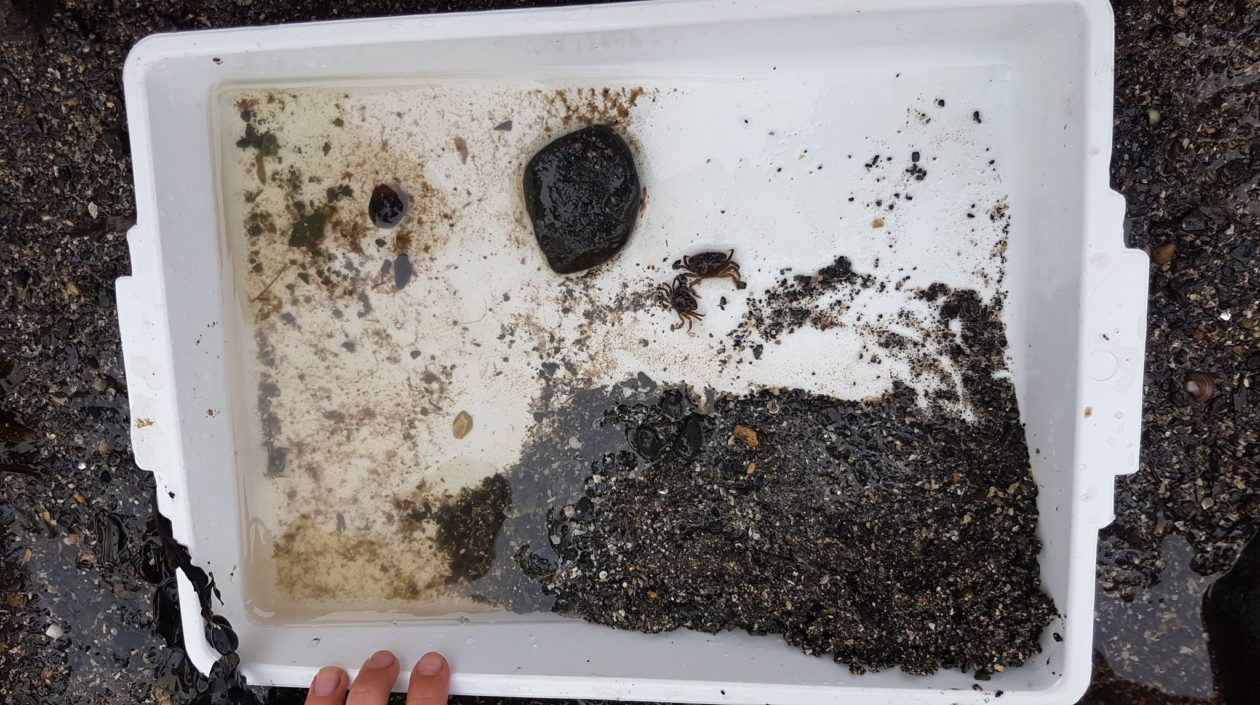
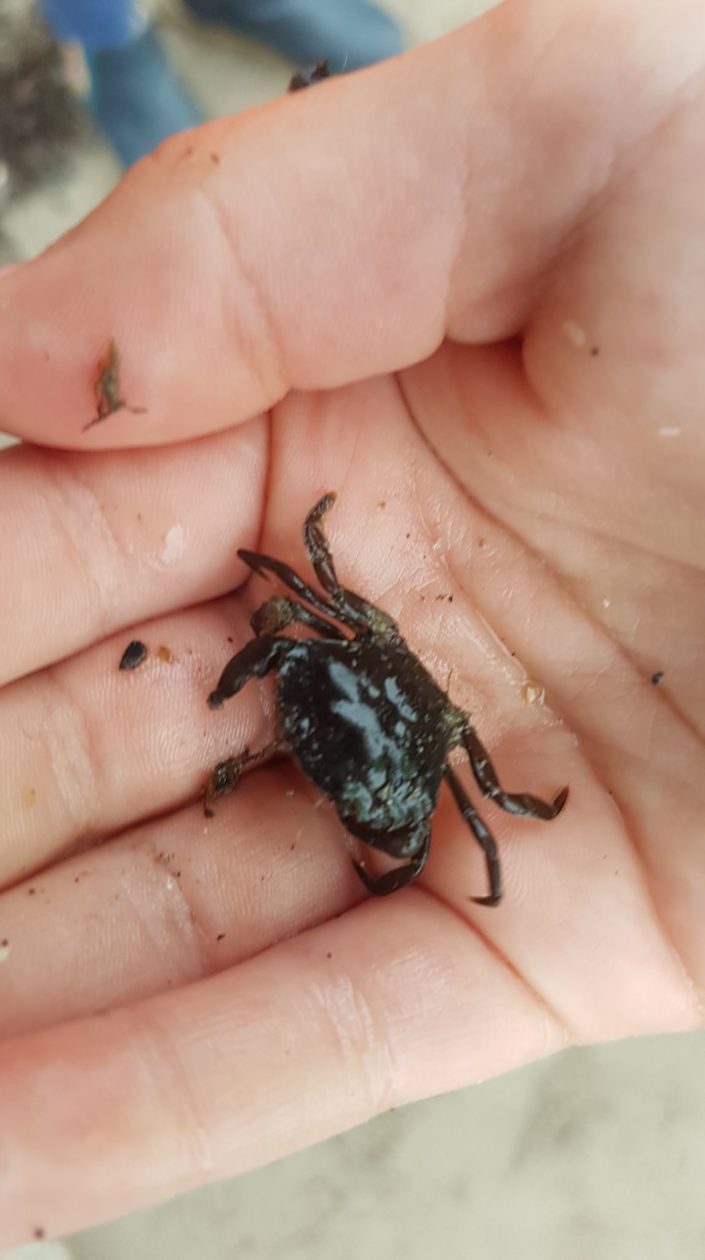
We learned how to identify male and female crabs by the banding on their outer exoskeletons. We readily found live examples of crabs on the beach to study along with anemones and whelks. The children were fascinated by the rock pool life forms.
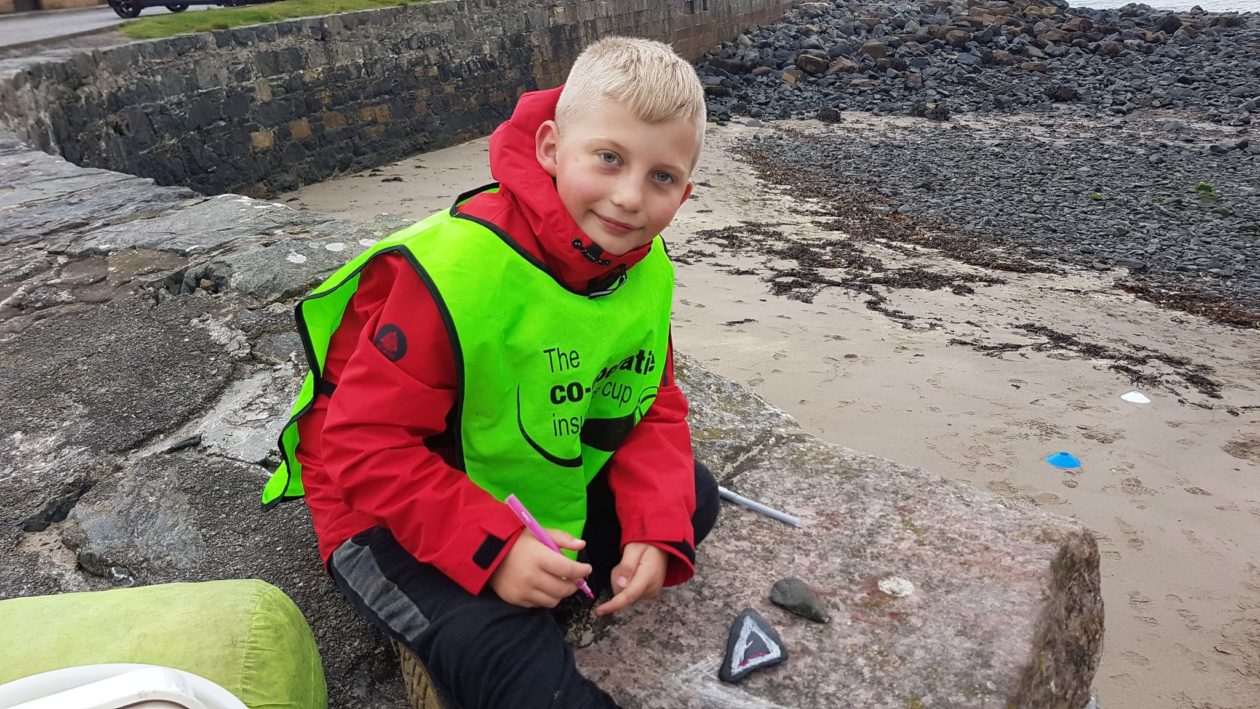
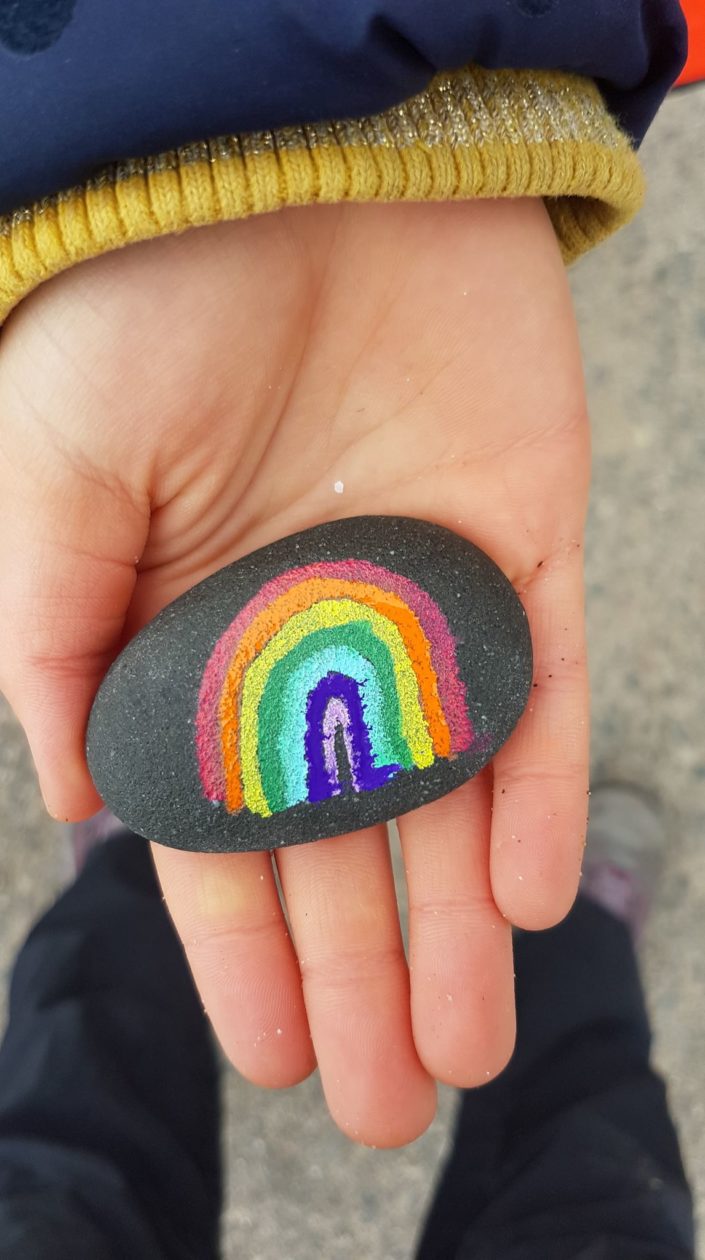
The session then moved on to our using story stones to link together a creative and imaginative tale using the images painted on the rocks as features in our story. The children gathered a stone of their liking and decorated it with a picture using acrylic pens. These will be used in a future story telling and song writing session planned for the following week.
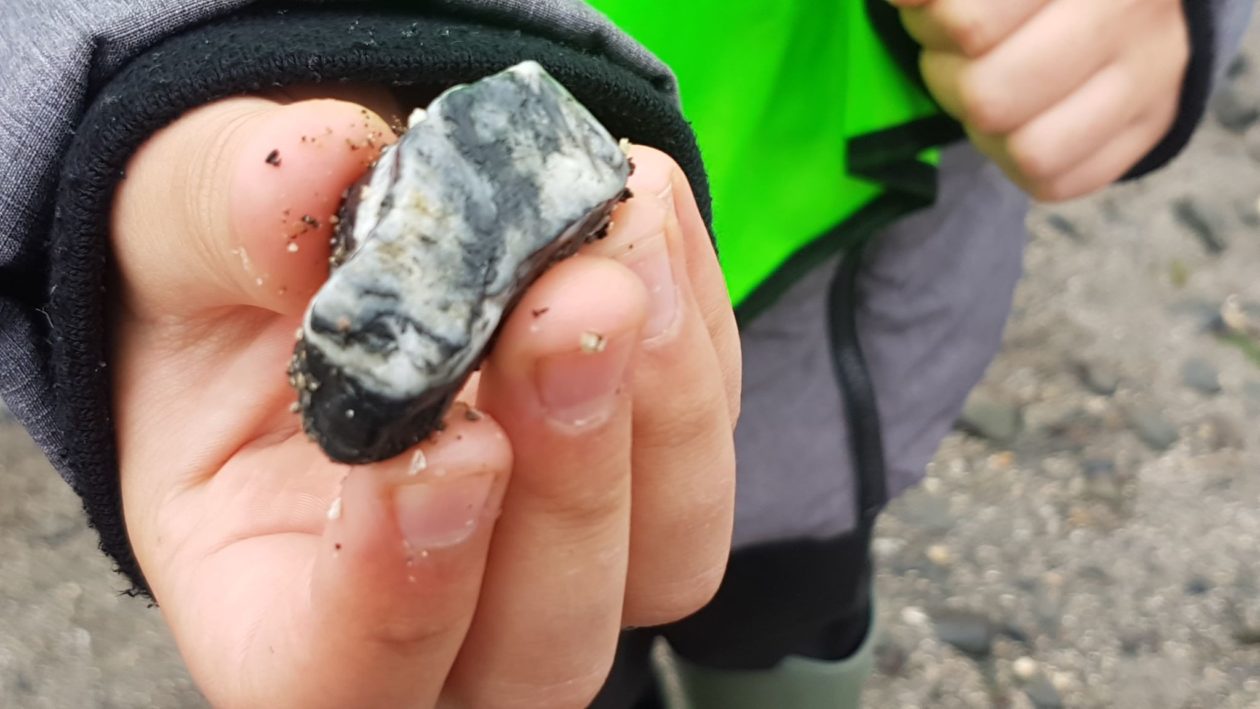
As a final activity, everyone gathered two more stones which we studied. We learned how many stones are formed e.g. sedimentary or volcanic. Our stone treasures were used as percussion instruments to produce a musical tune in groups. Different sounds were produced by rubbing surfaces together or tapping the stones together gently or with more pressure for volume.
It was all too quickly time to return to school for our lunch. The children thanked Anna and Elizabeth for a very informative and enjoyable outdoor learning session.
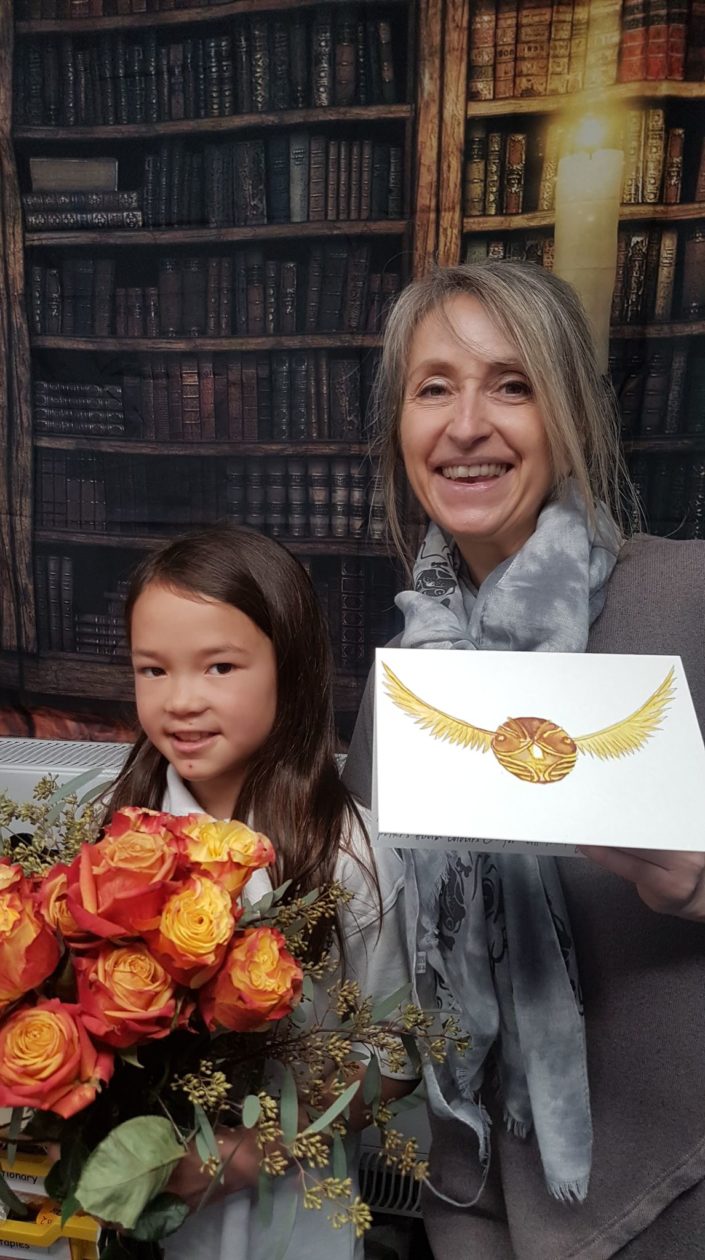
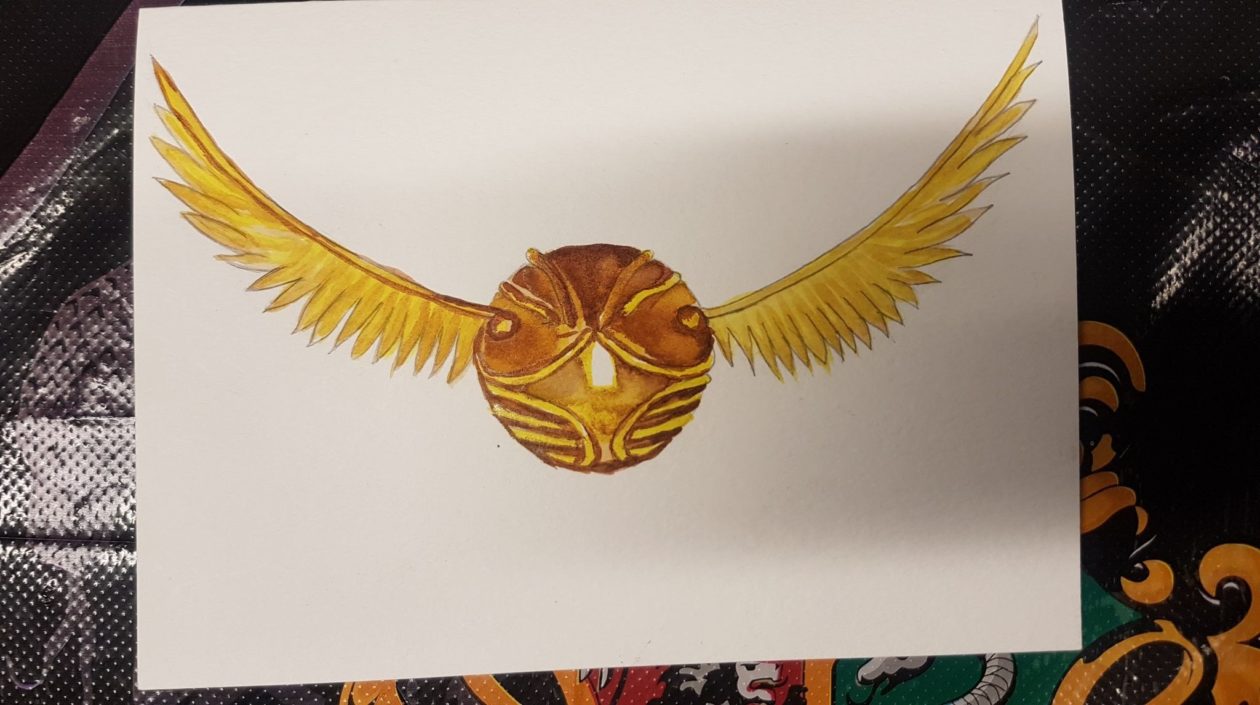
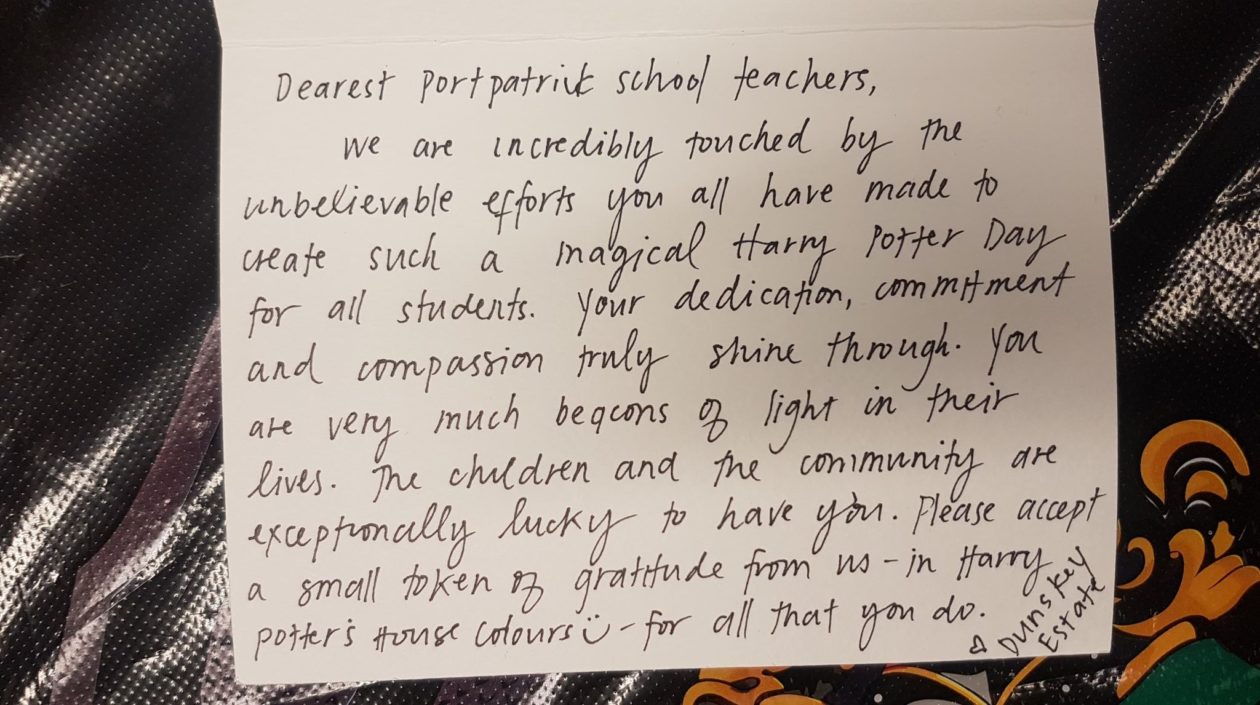
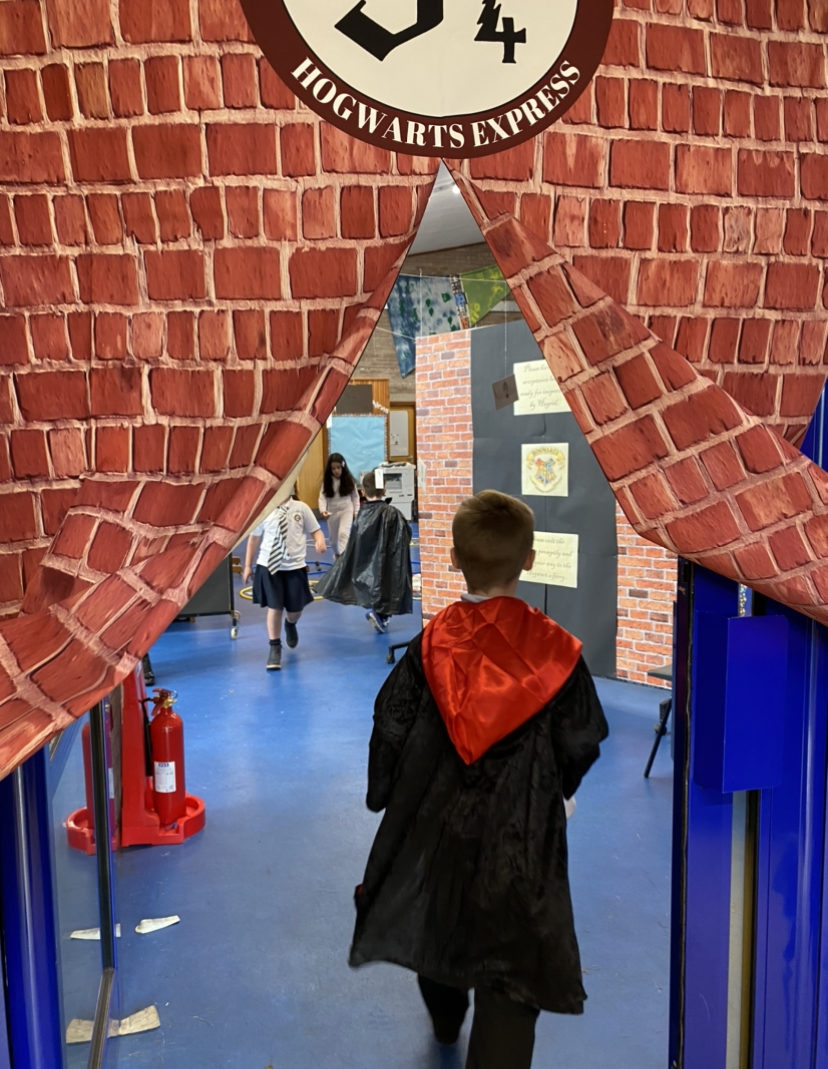
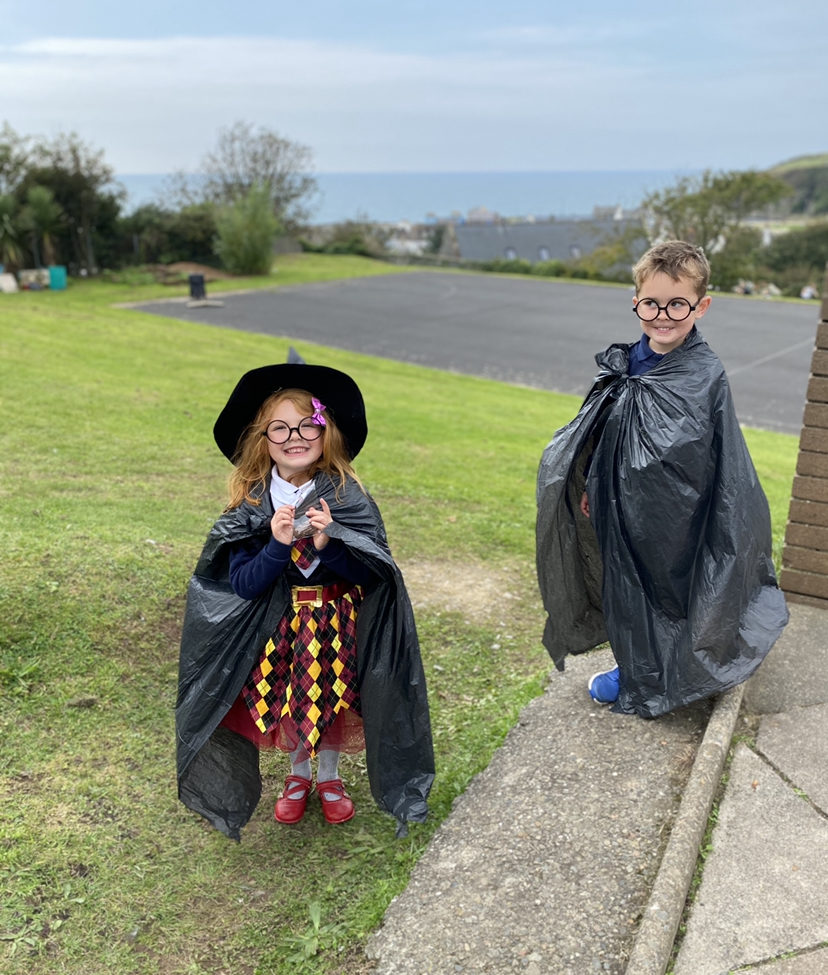
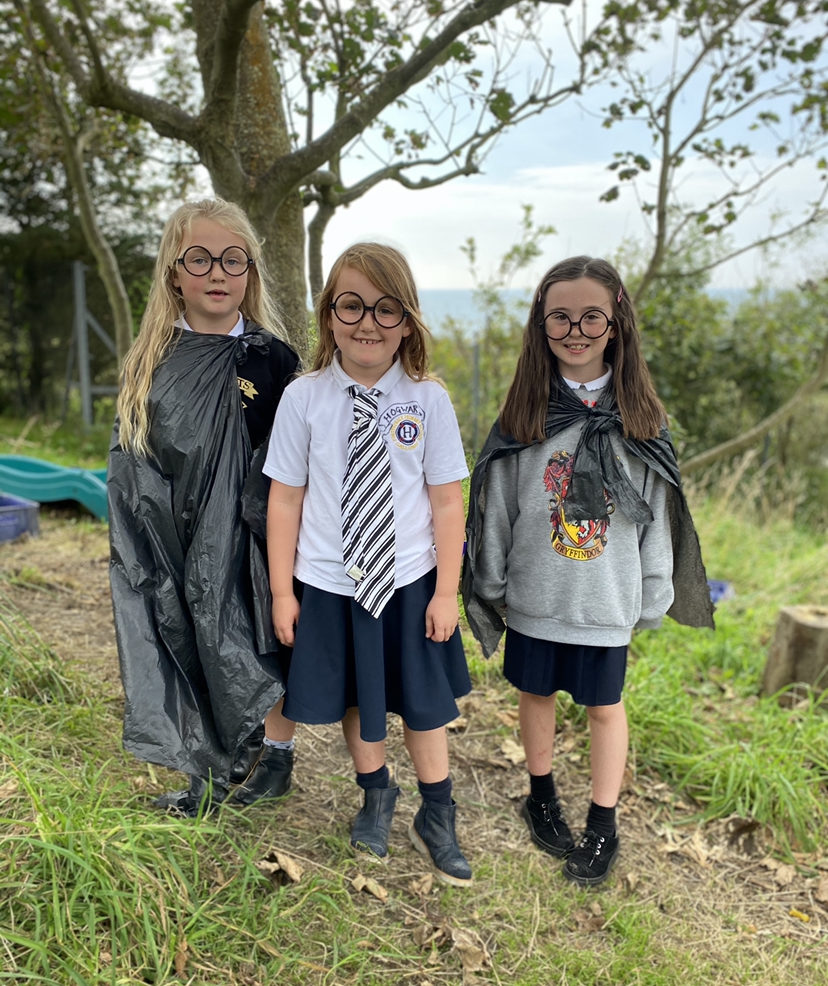
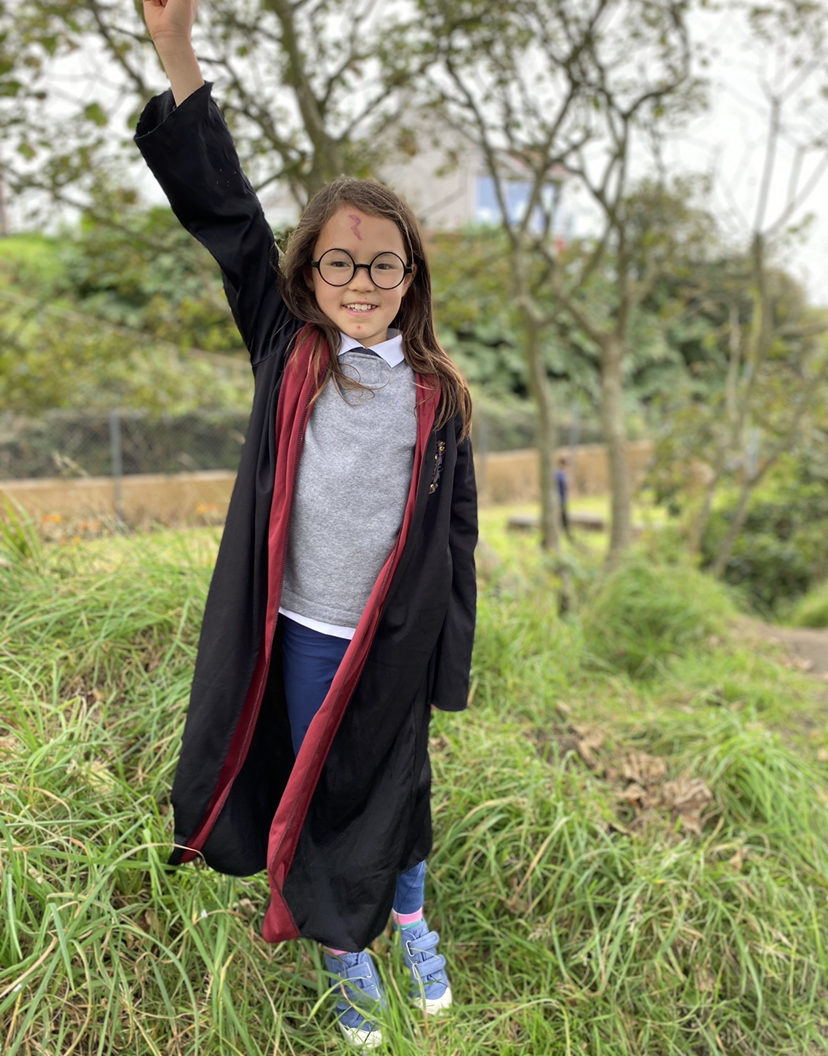
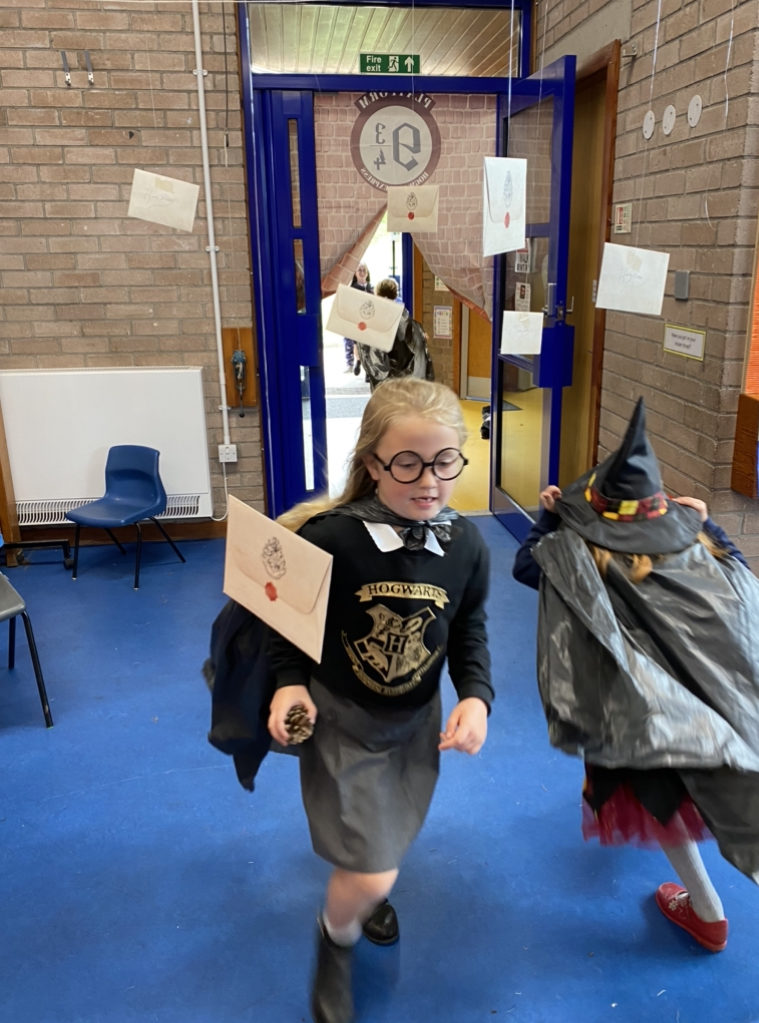
We were delighted to receive a beautiful bouquet of ‘Gryffindor’ roses and a stunning hand made card from Ava Lily and Atticus’ family this morning. These were given as a thank you for our Hogwarts event yesterday.
We are sure you will agree that Ava Lily and Atticus’ uncle, Thomas Nguyen, is indeed a very talented artist.
The message inside made us all smile. Your thoughtfulness and consideration is greatly appreciated by our wee team. It was certainly our pleasure to host the event yesterday. It was hard to tell whether the children, or the grown ups had more fun!
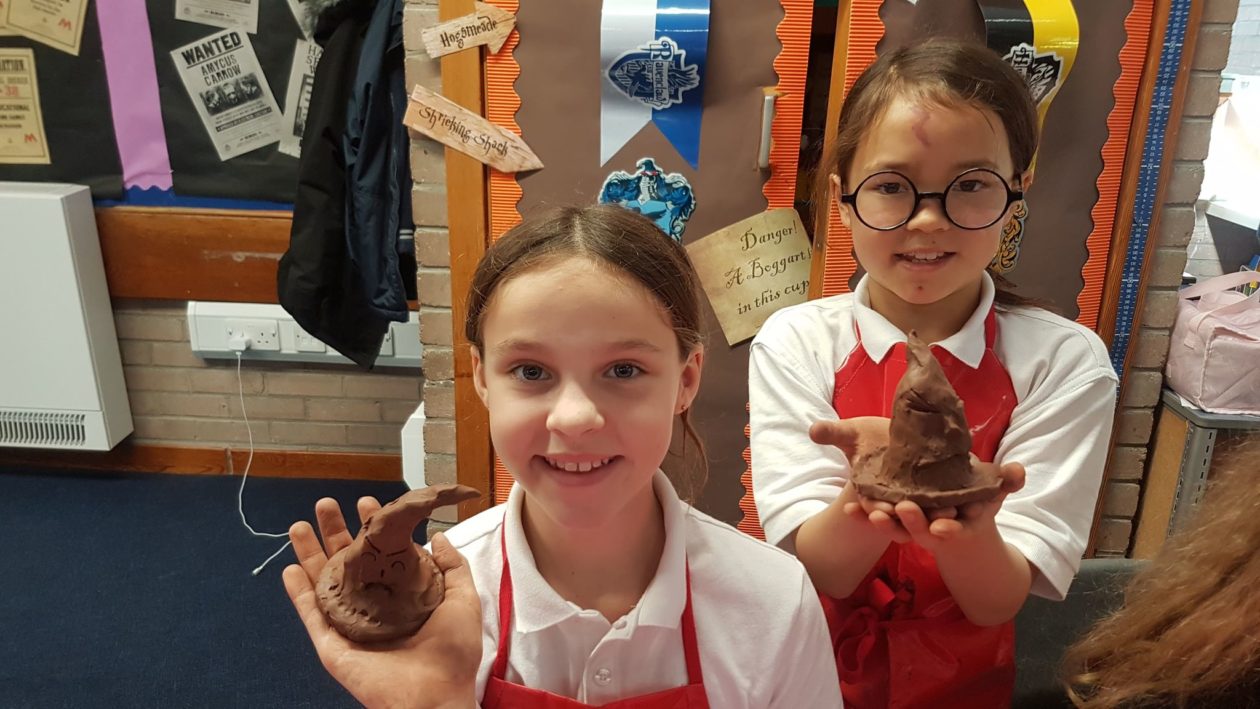
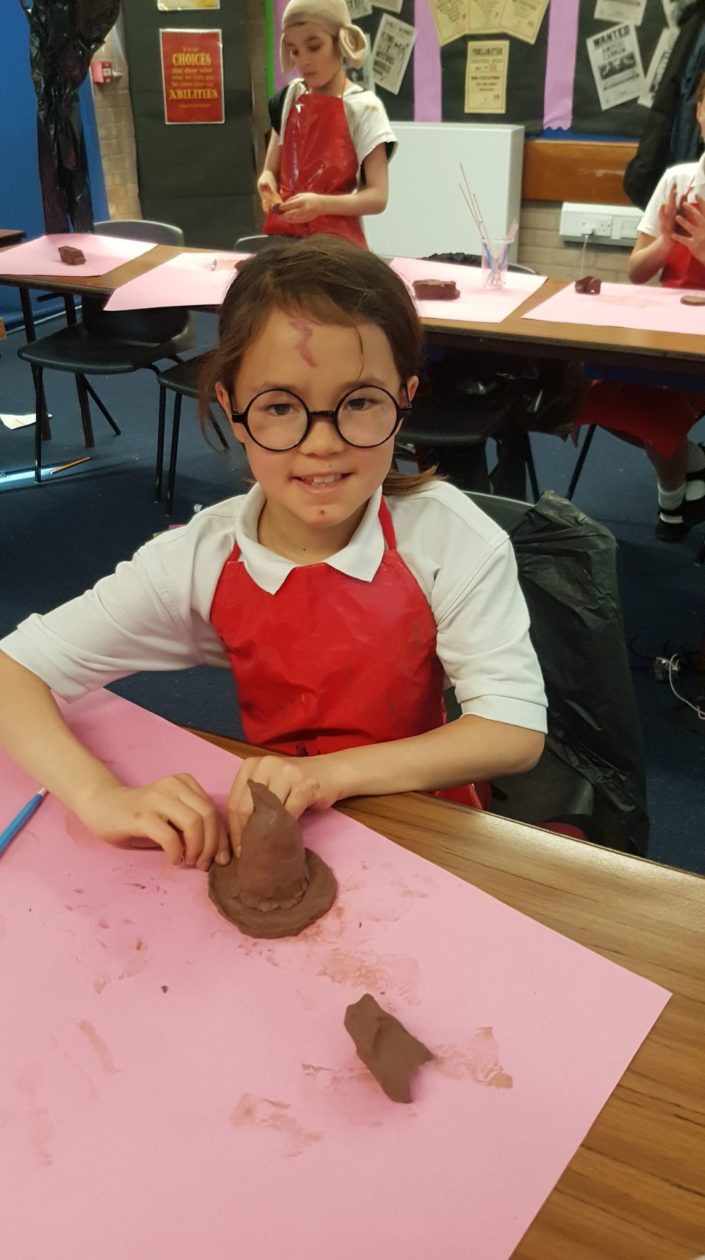
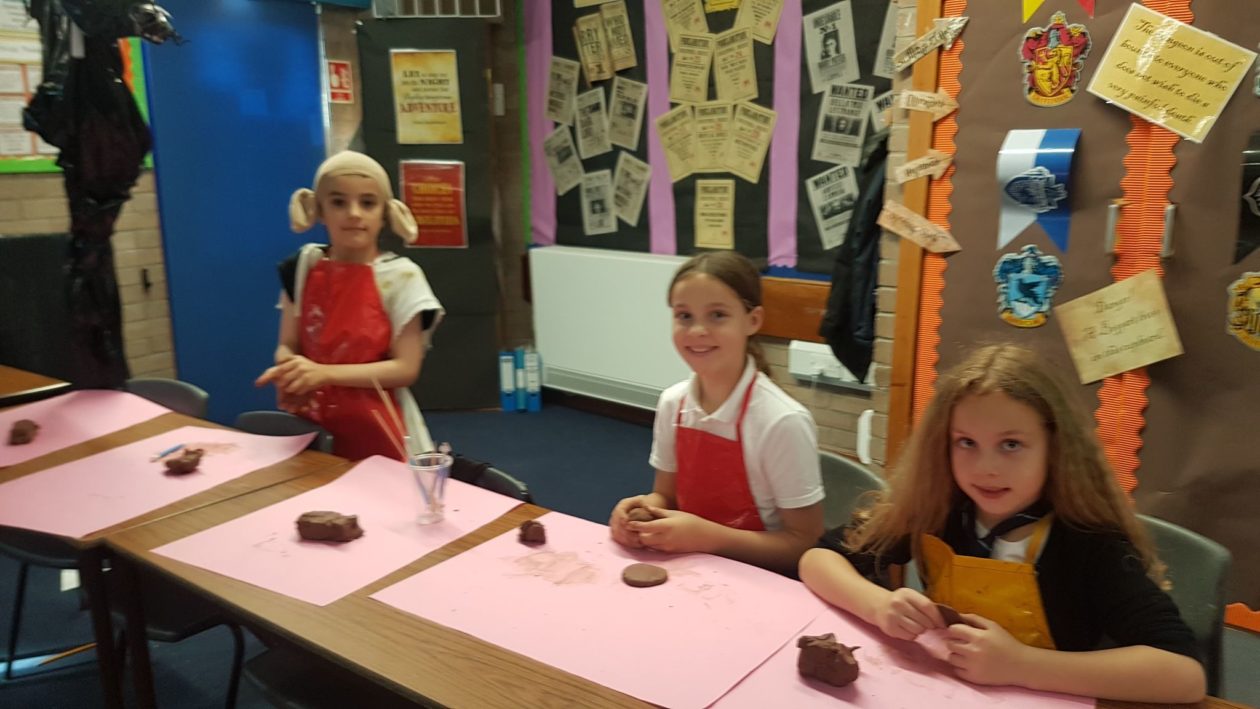
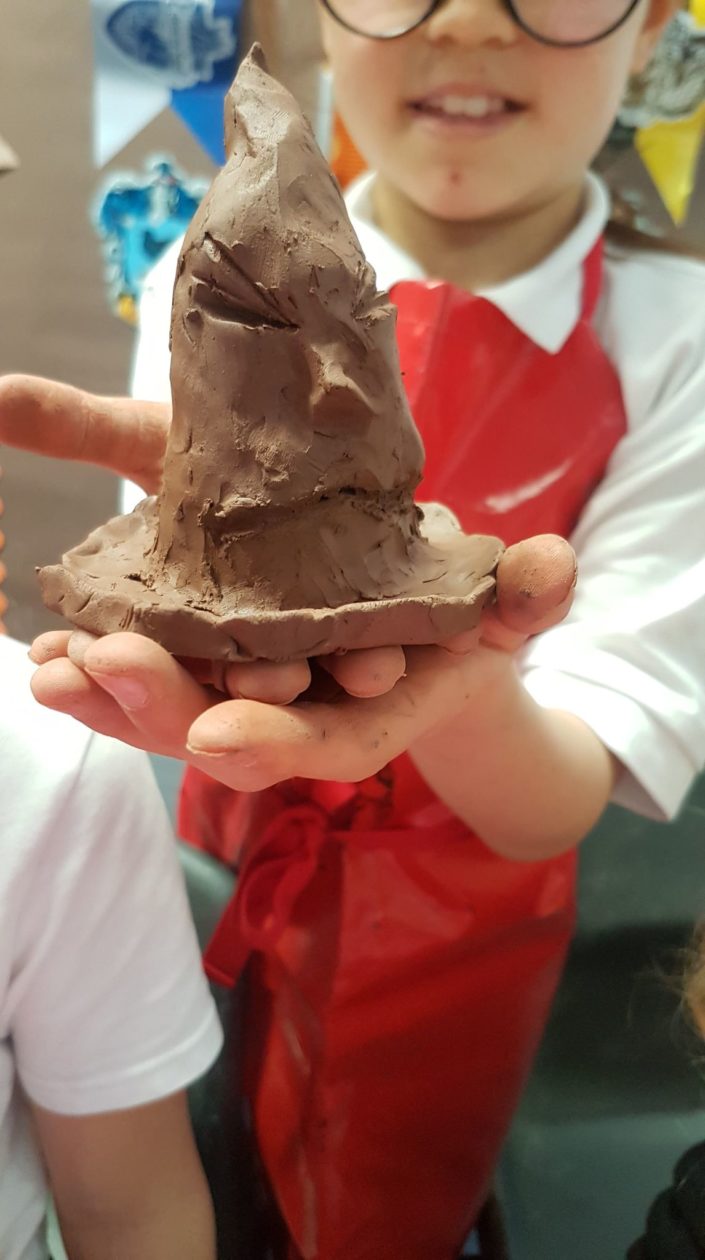
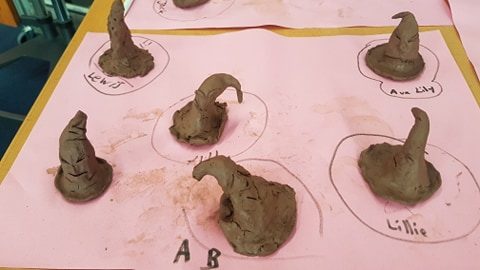
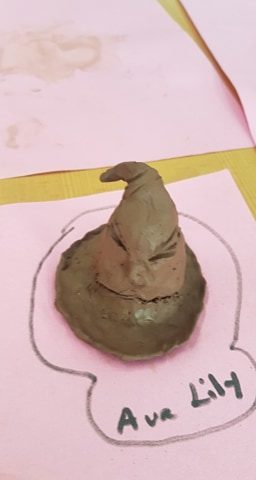
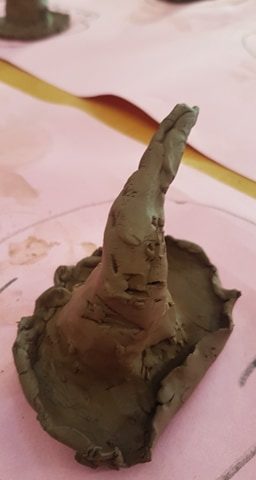
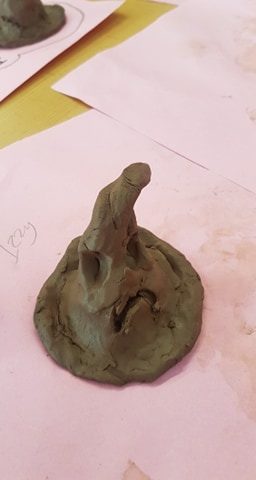
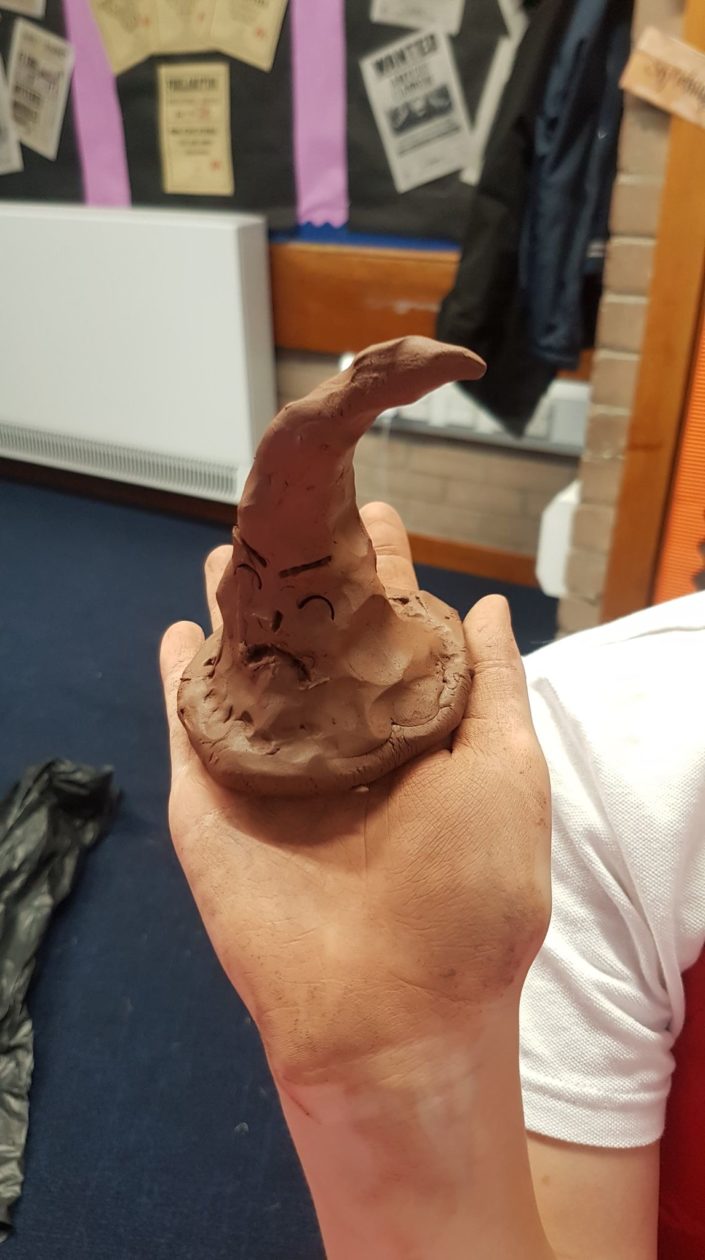
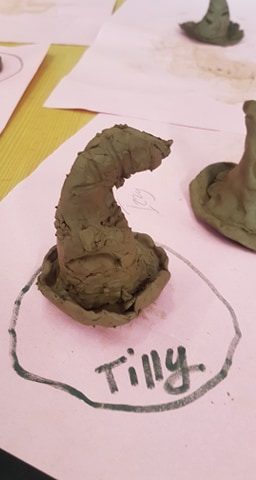
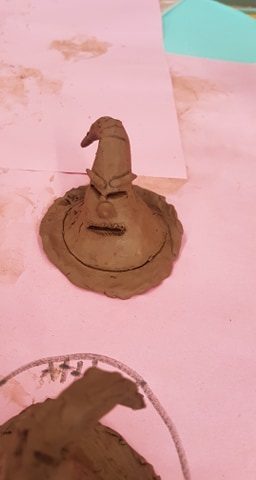
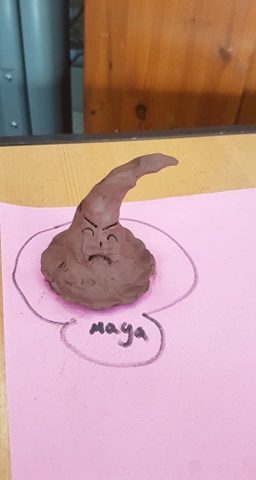
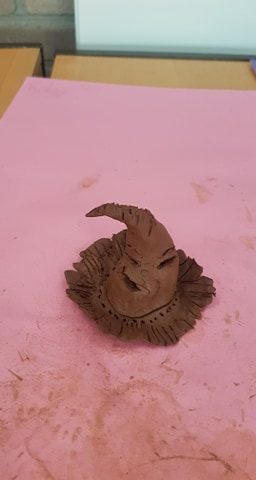
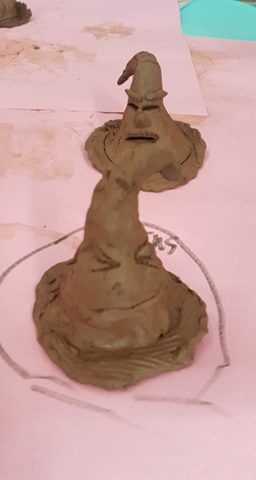
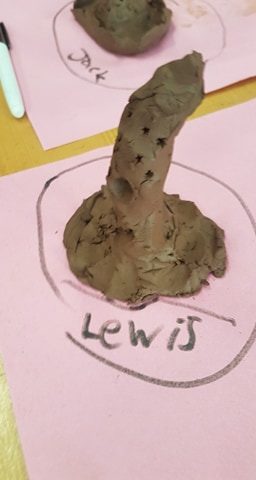
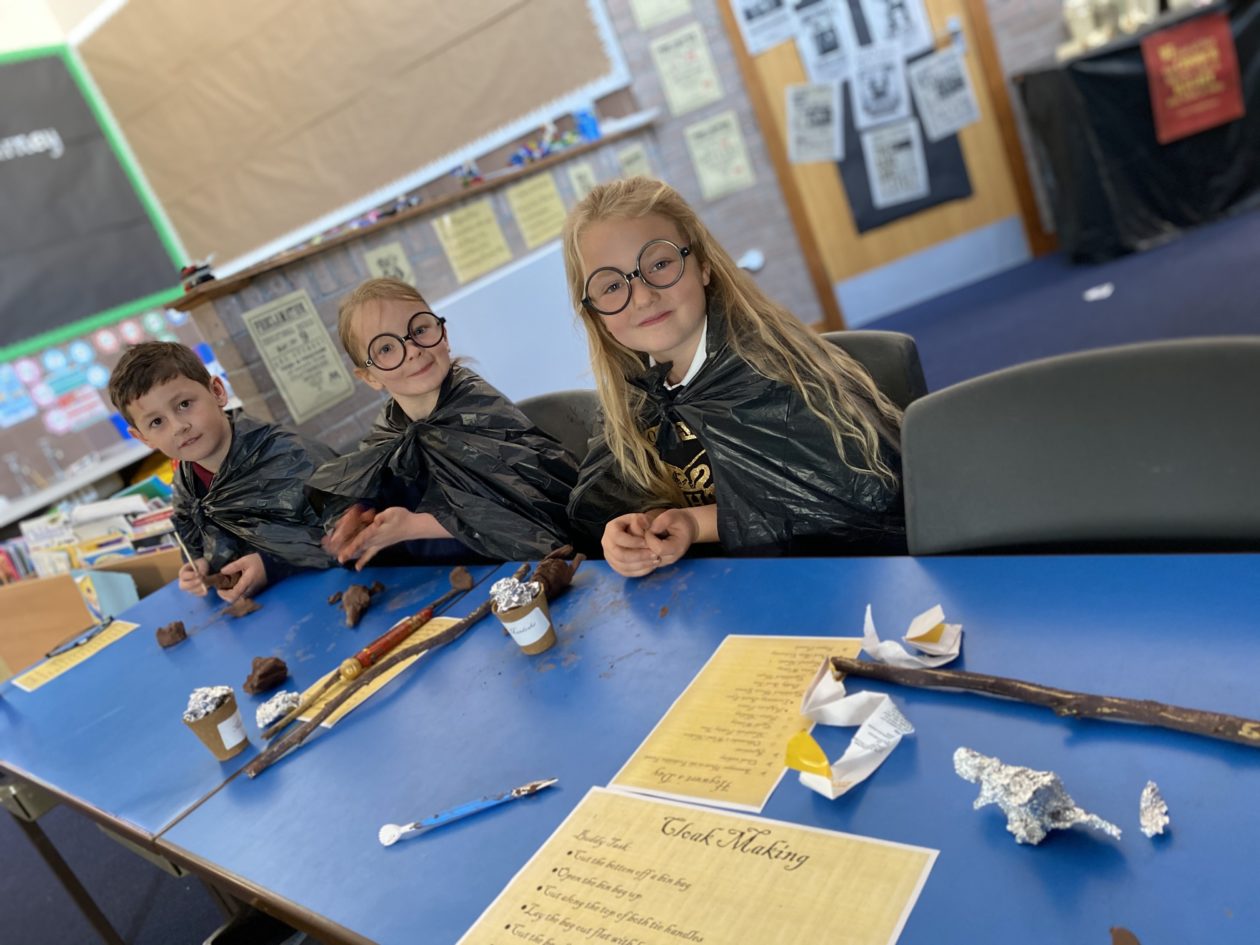
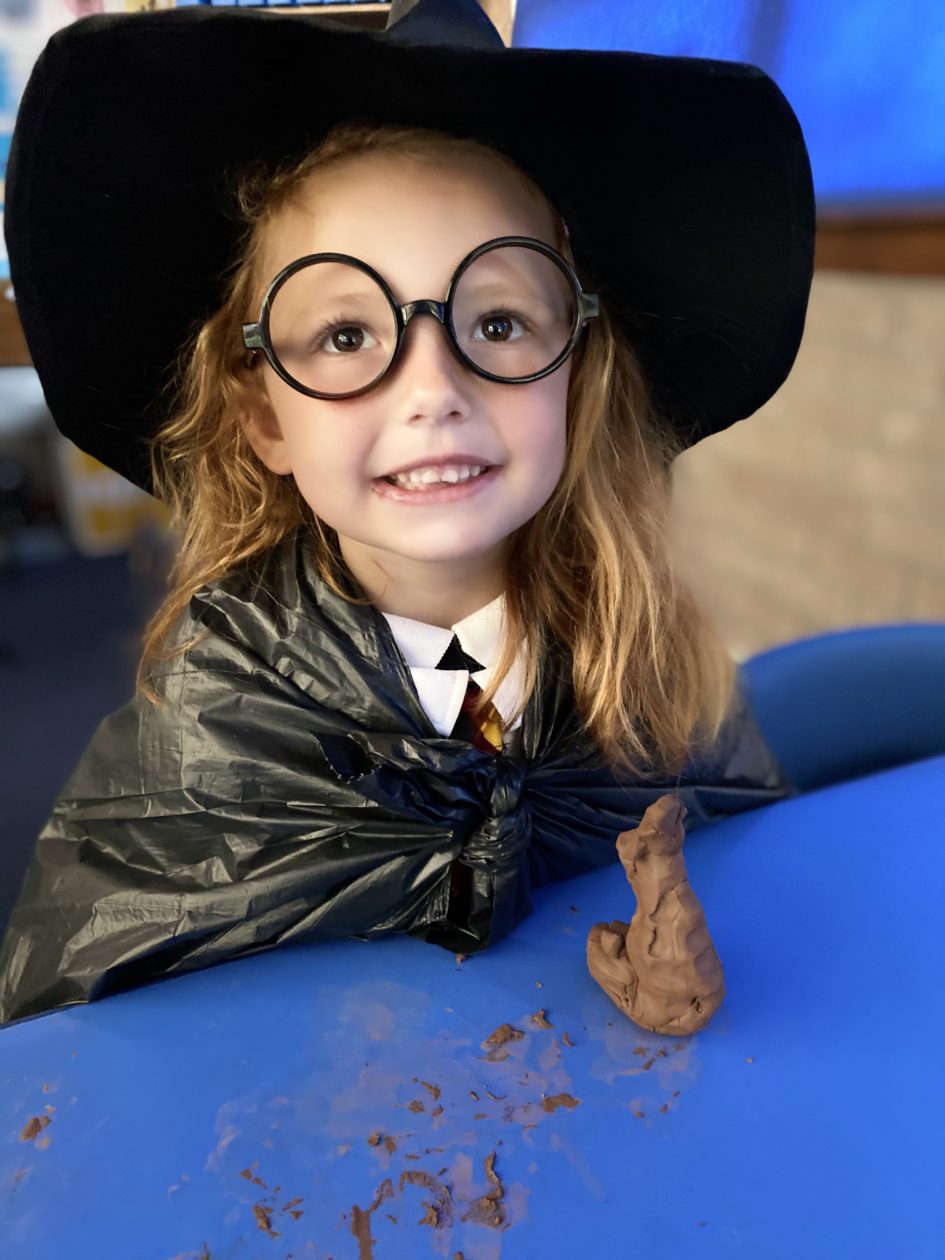
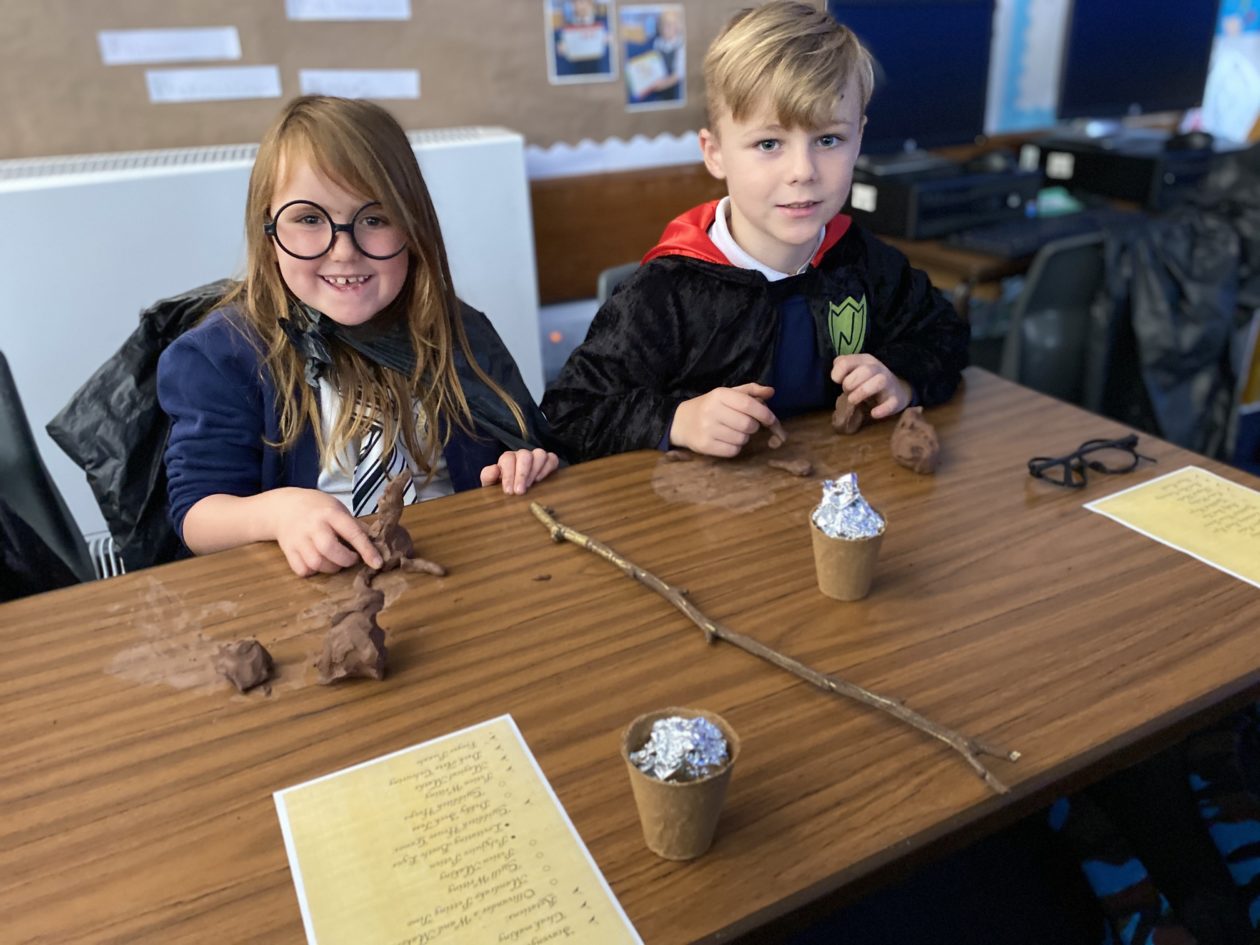
P 4- 7 decided to use air dry modelling clay to shape the Harry Potter Sorting Hats. We used rolling, flattening and shaping to form the hat. We then used a range of tools to imprint the face and wrinkle detail onto our creations.
When they are fully dry we will see if we want to paint and varnish them with P.V.A. glue to seal them.
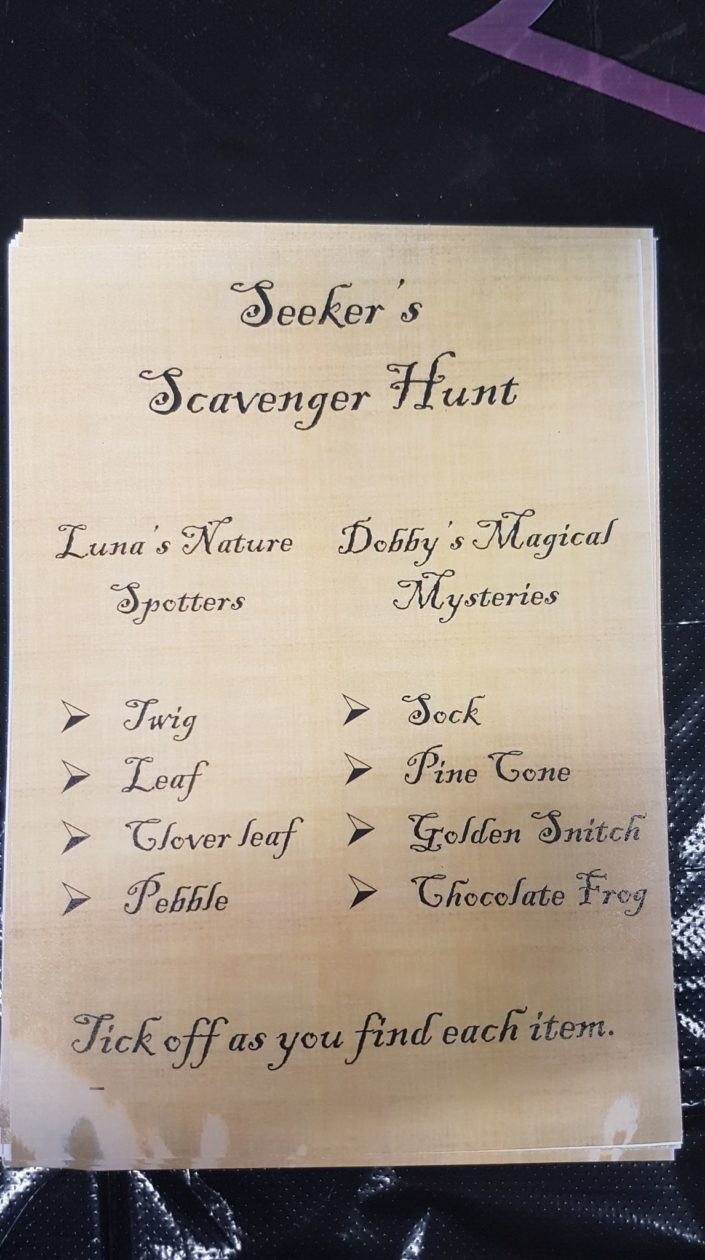
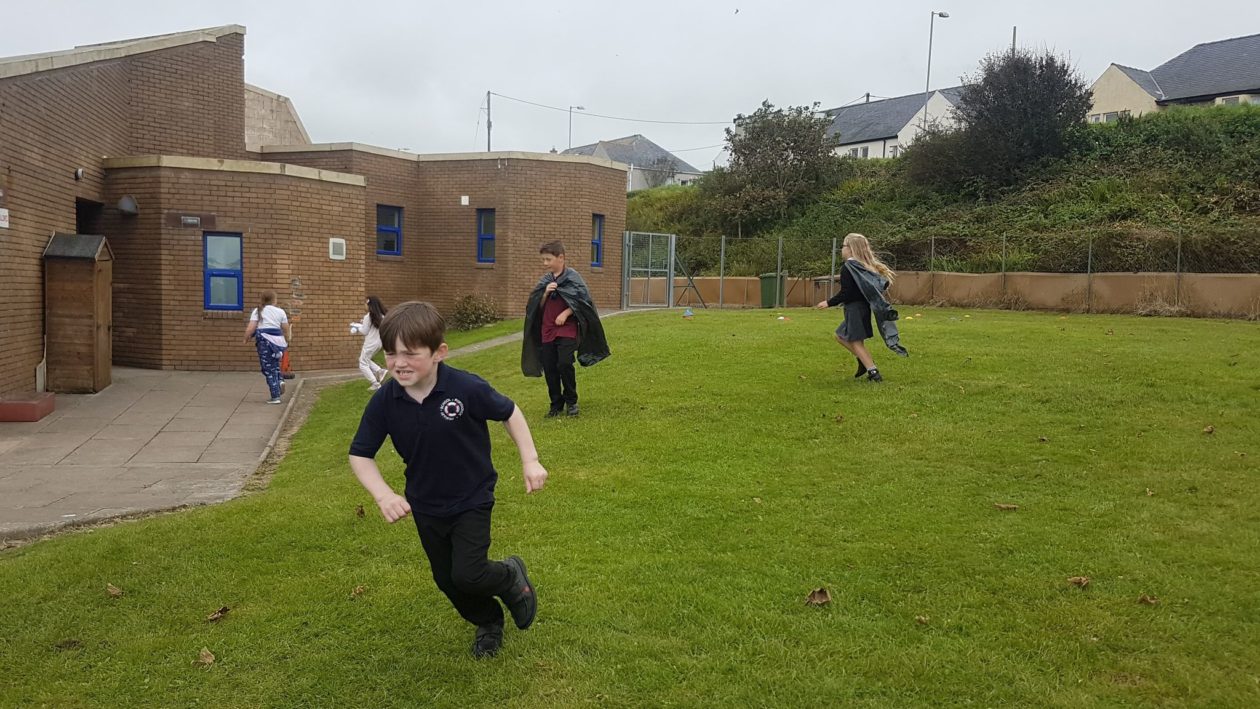
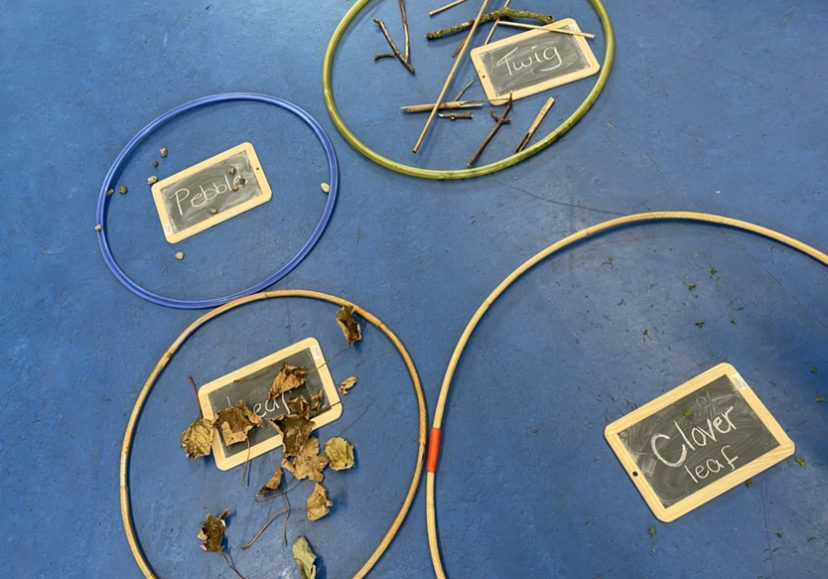
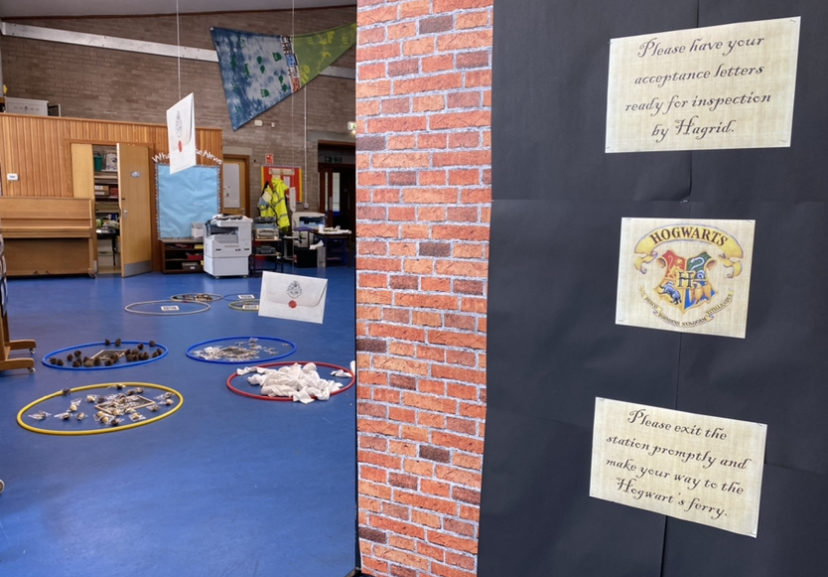
To get their bodies and minds moving, the children were set a challenge of completing an observational scavenger hunt on two themes.
Luna’s Nature Spotters:
Twig
Leaf
Clover
Pebble
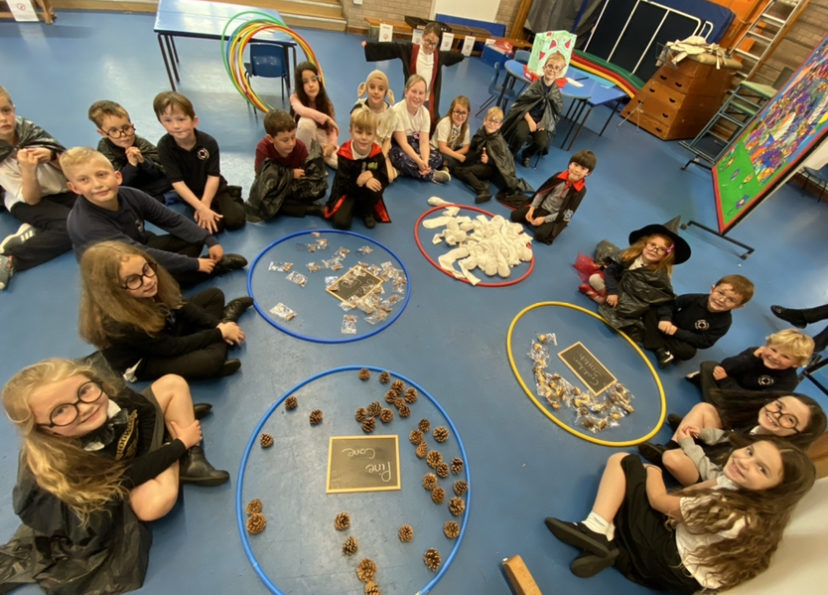
Dobby’s Magical Mysteries:
Sock
Pine Cone
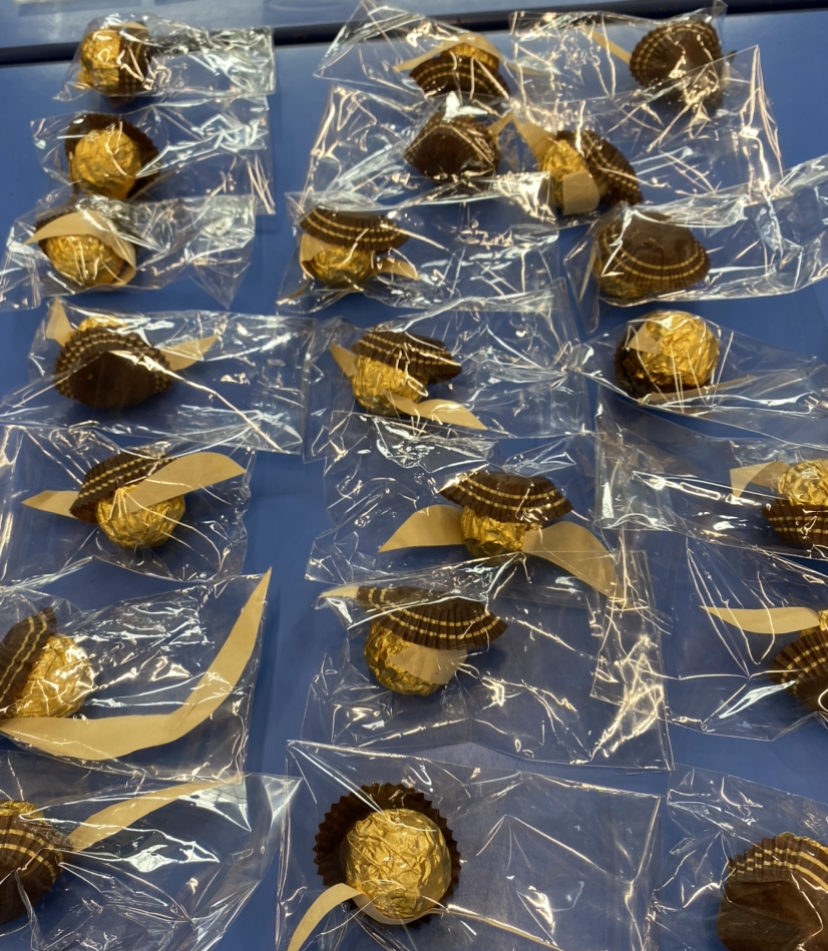
Golden Snitch
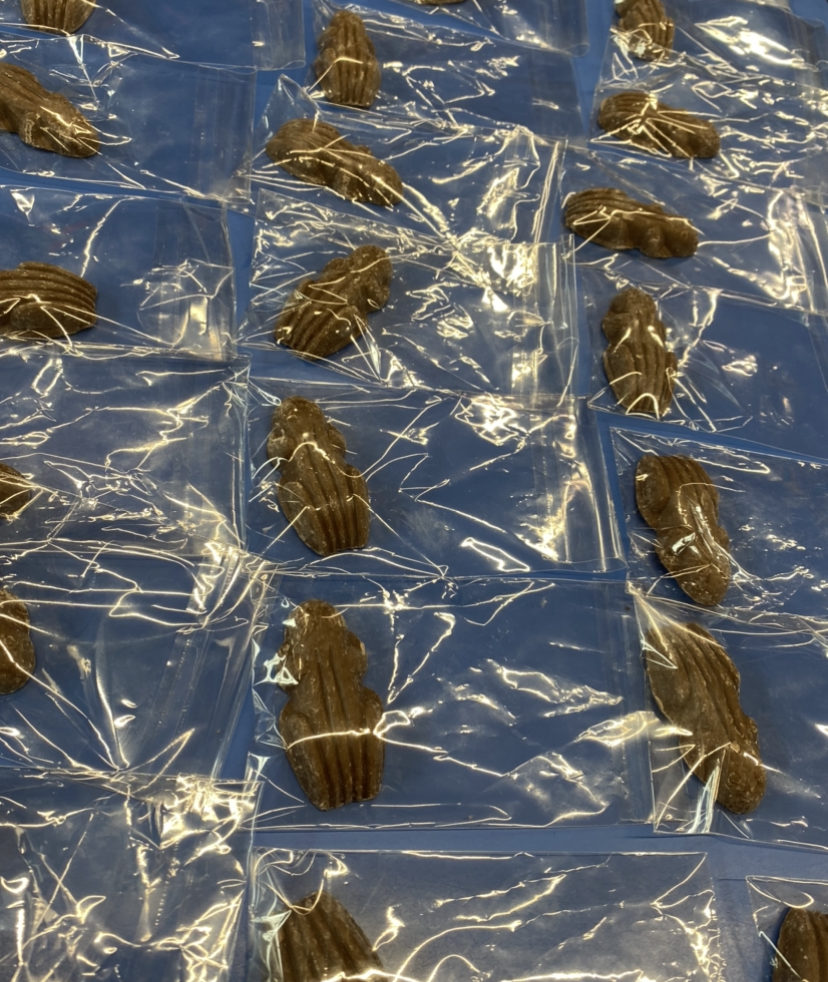
Chocolate Frog
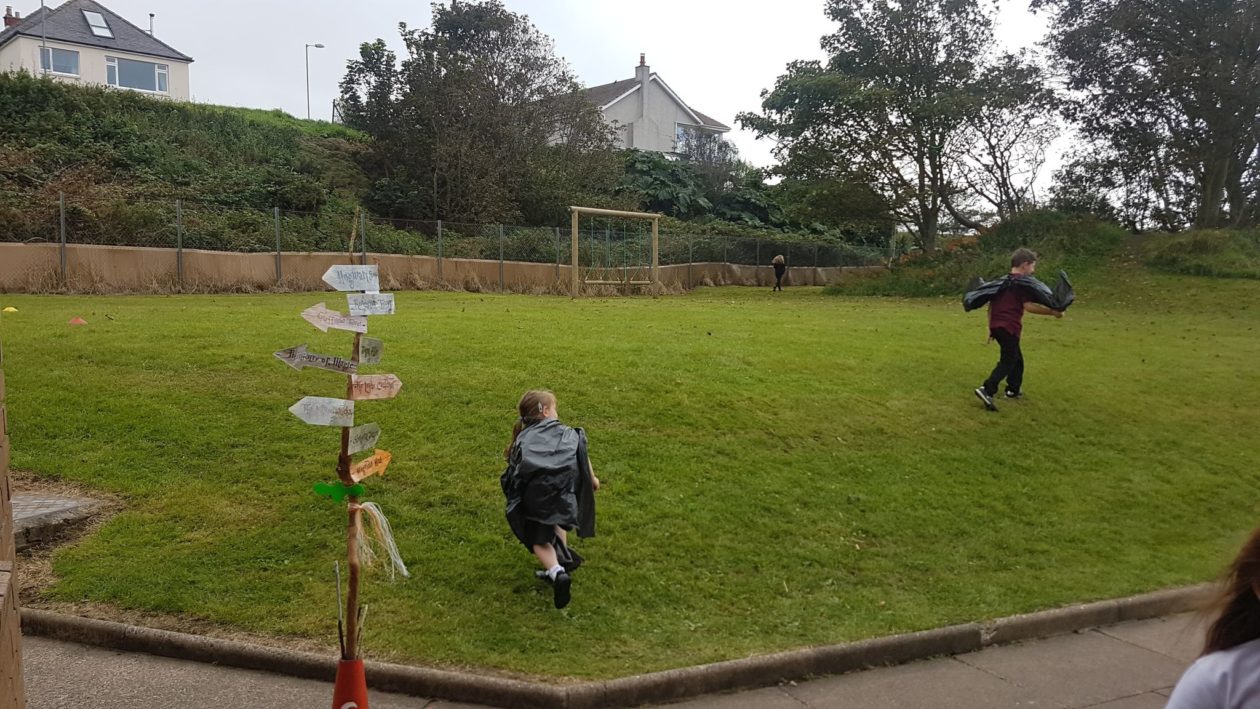
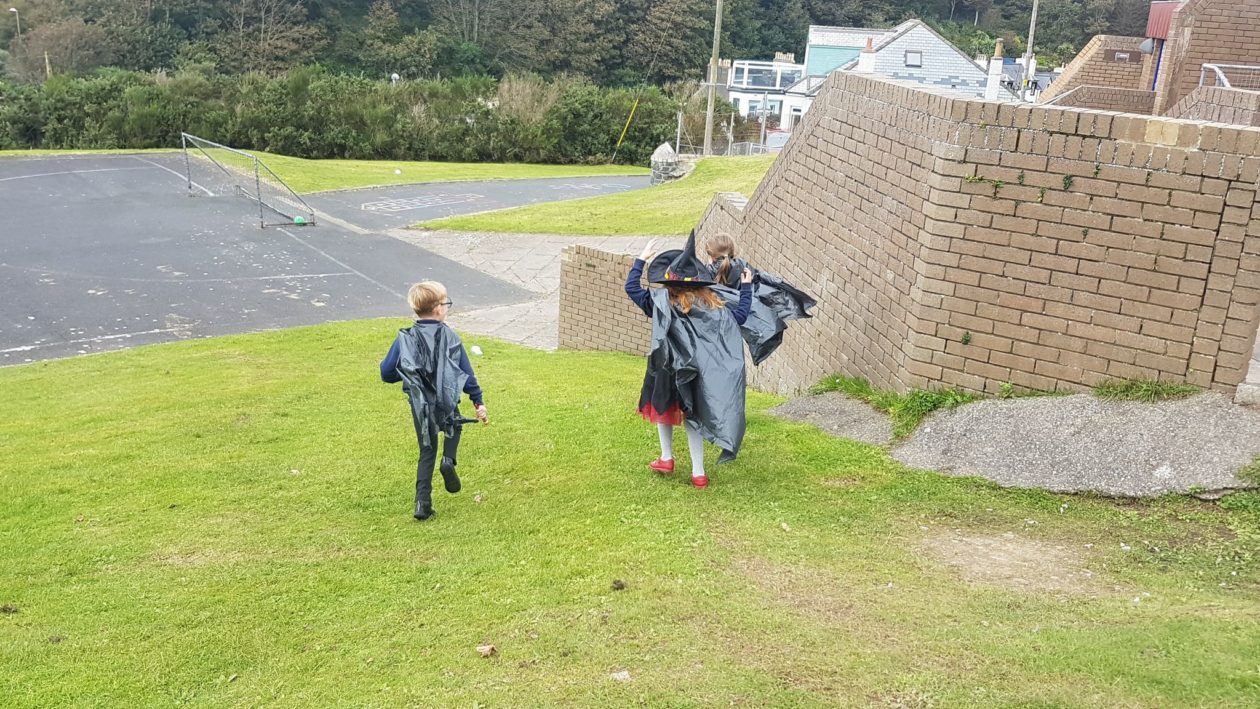
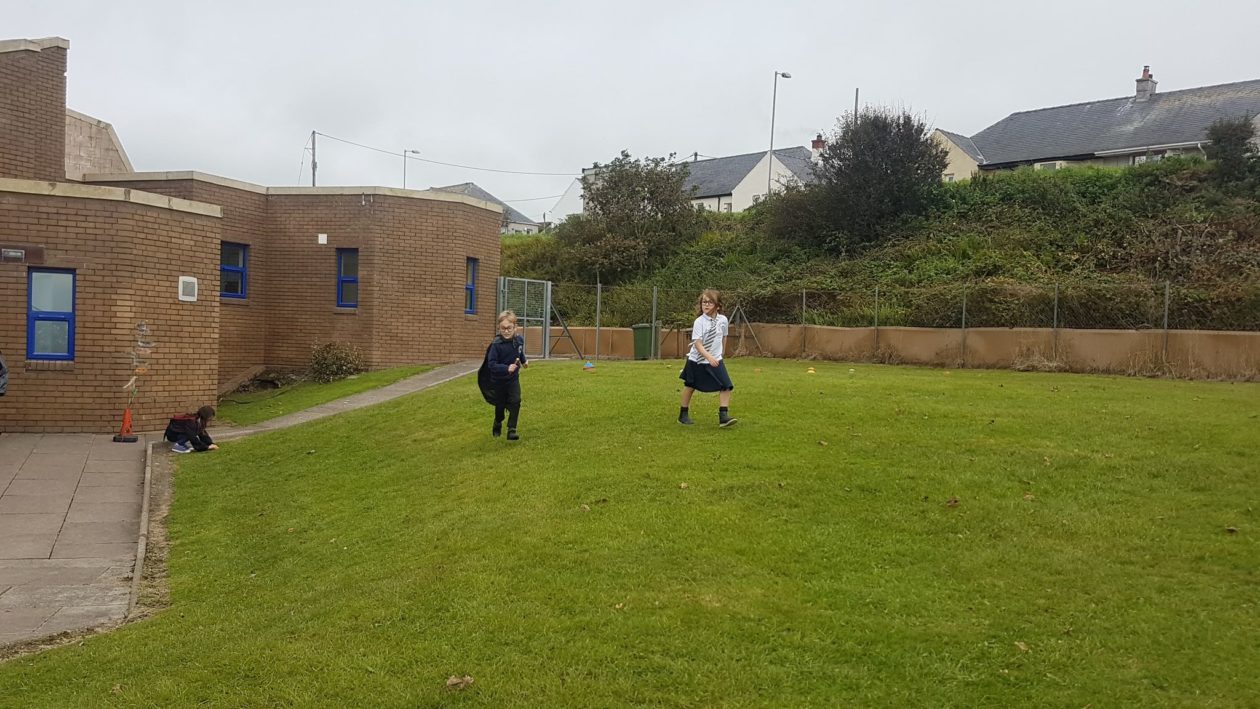
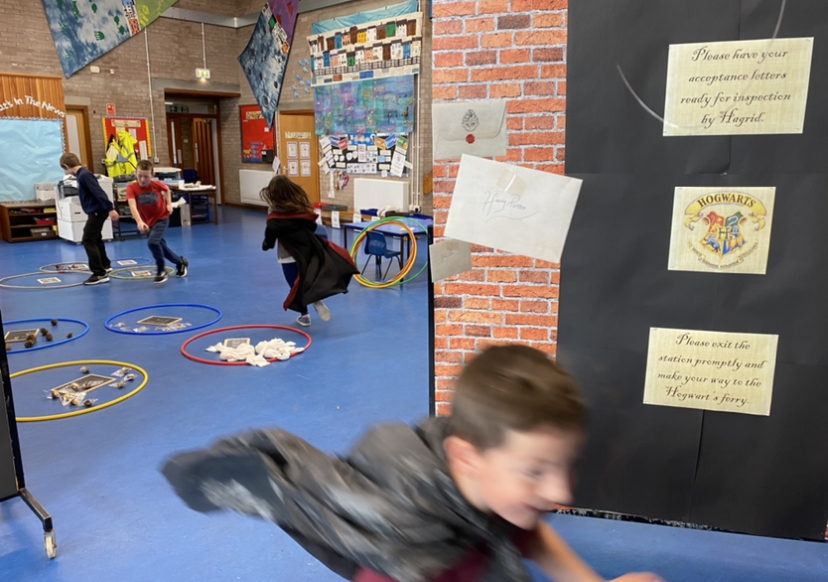
There were mad dashes, here there and everywhere as everyone gathered in at least one of each of the above and placed them in our sorting hoops back in school.
The spoils were then divided up equally as a a reward for their physical effort.
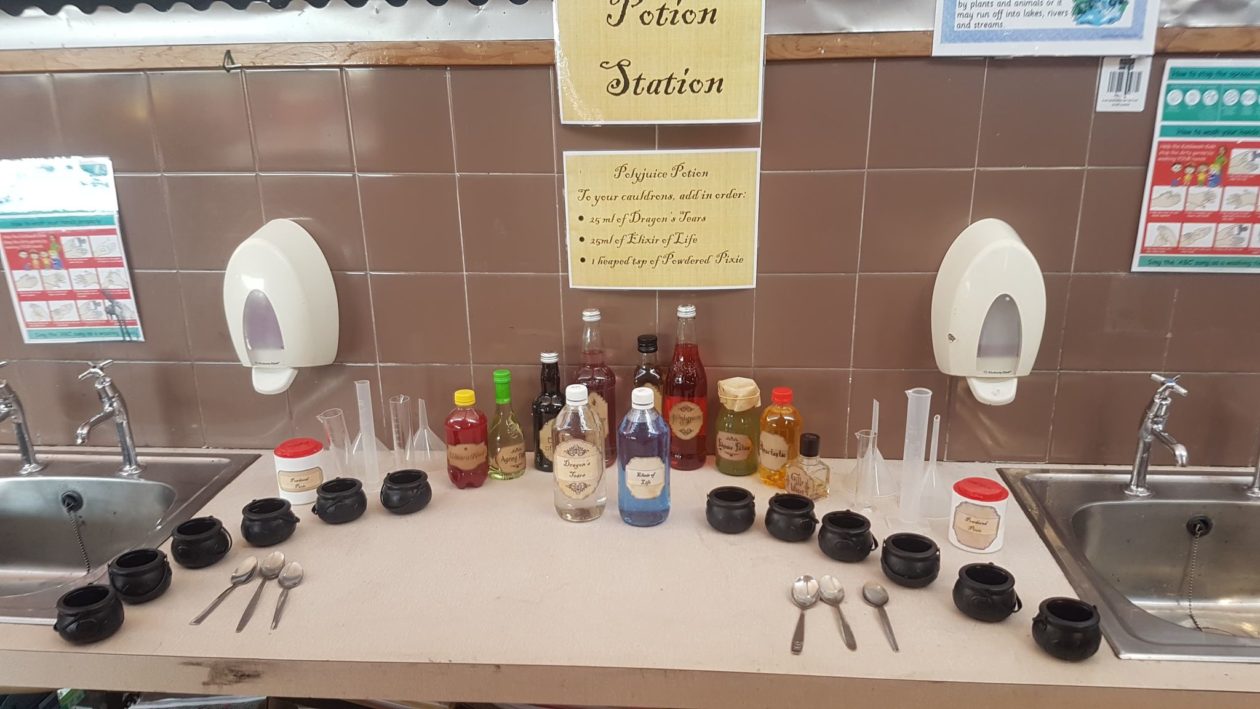
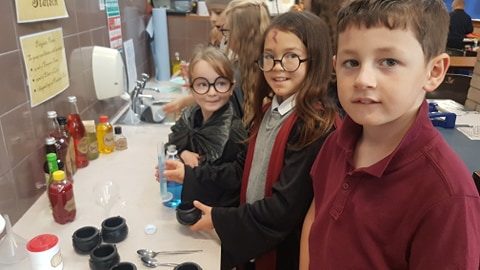
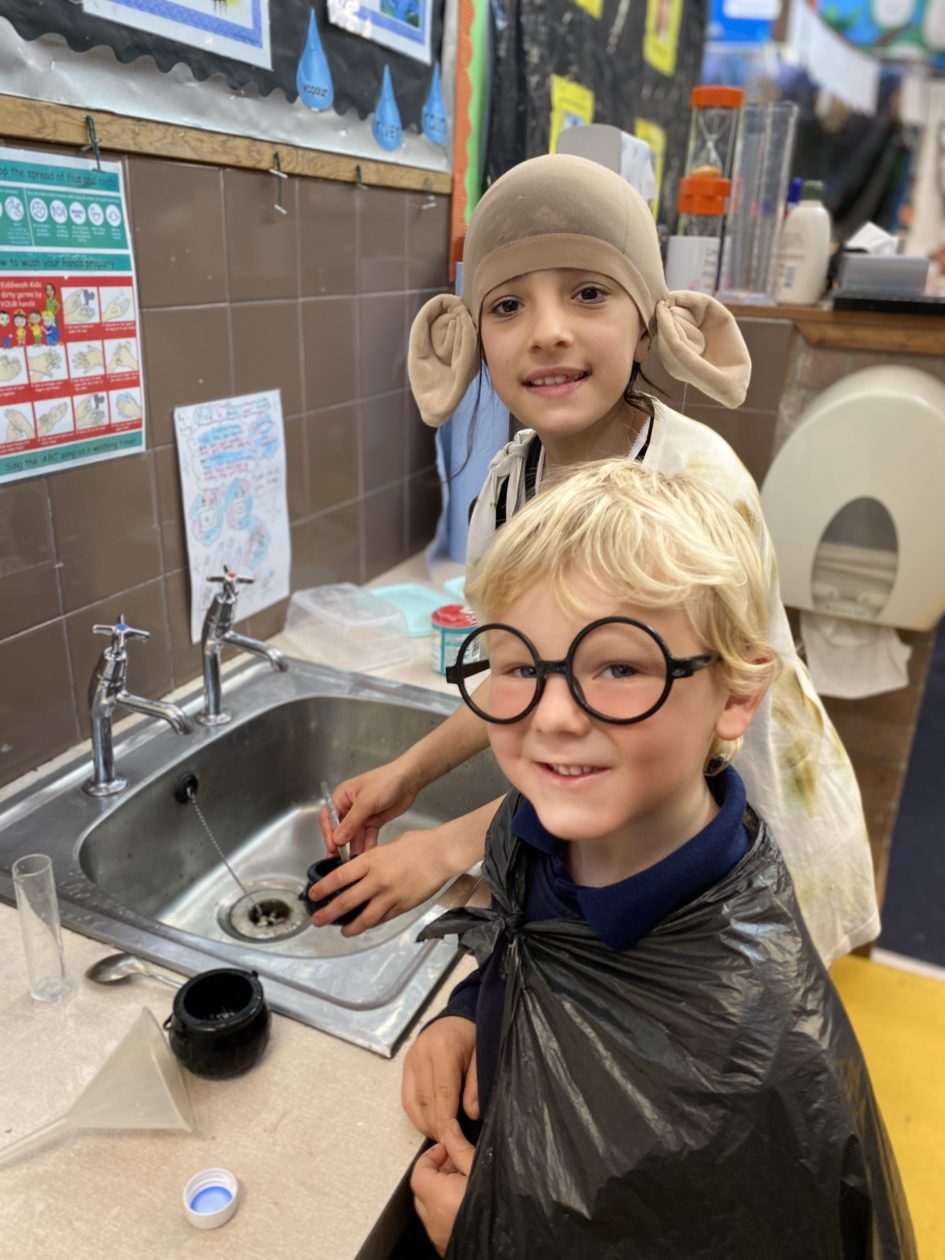
Our Potions Masterclass required the children to apply both their chemistry and maths thinking in two experiments.
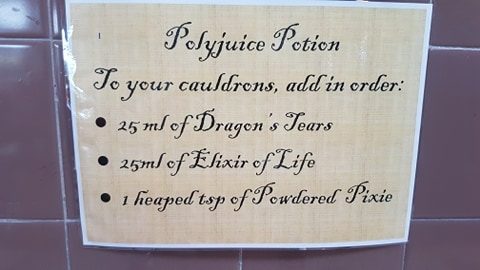
Polyjuice Potion:
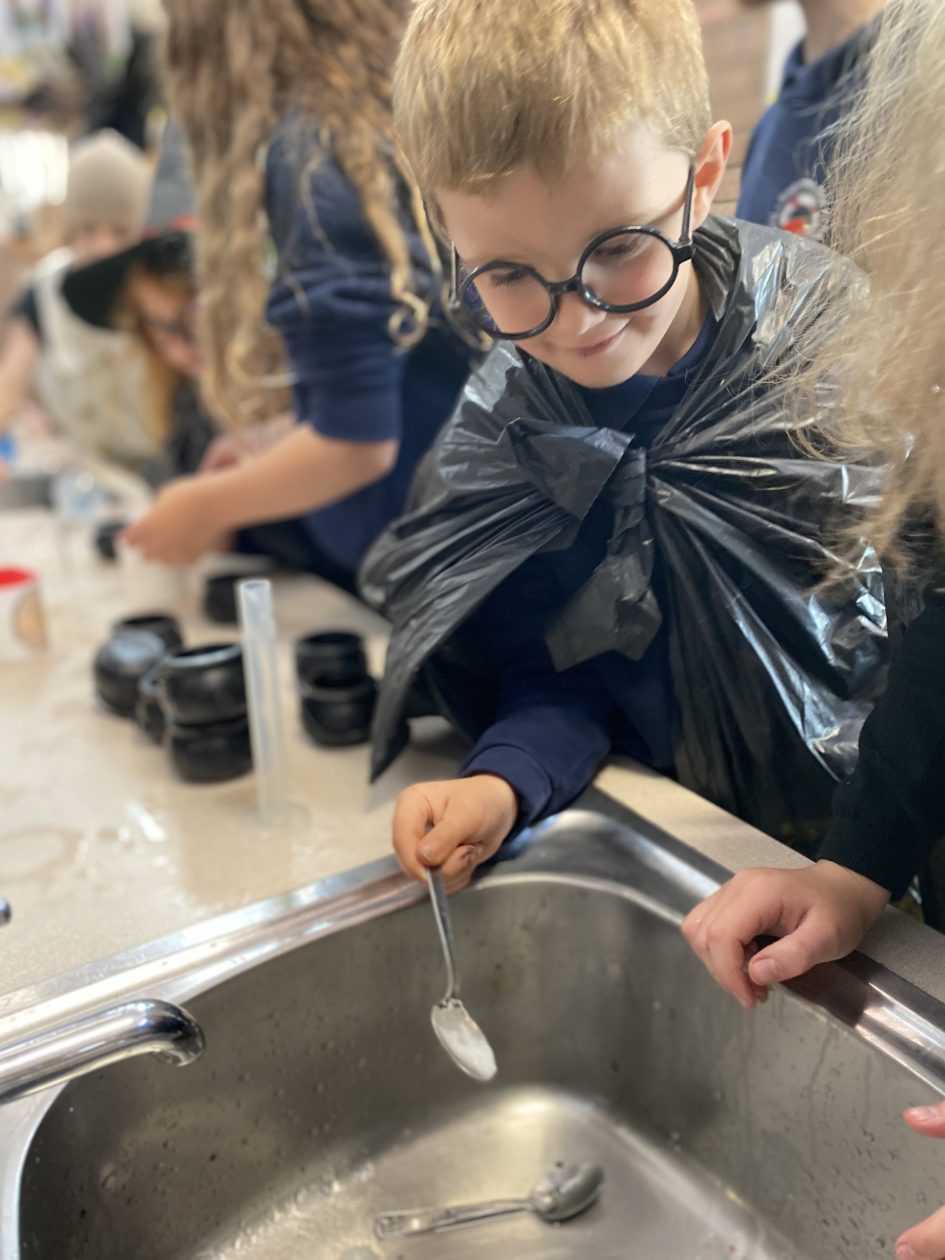
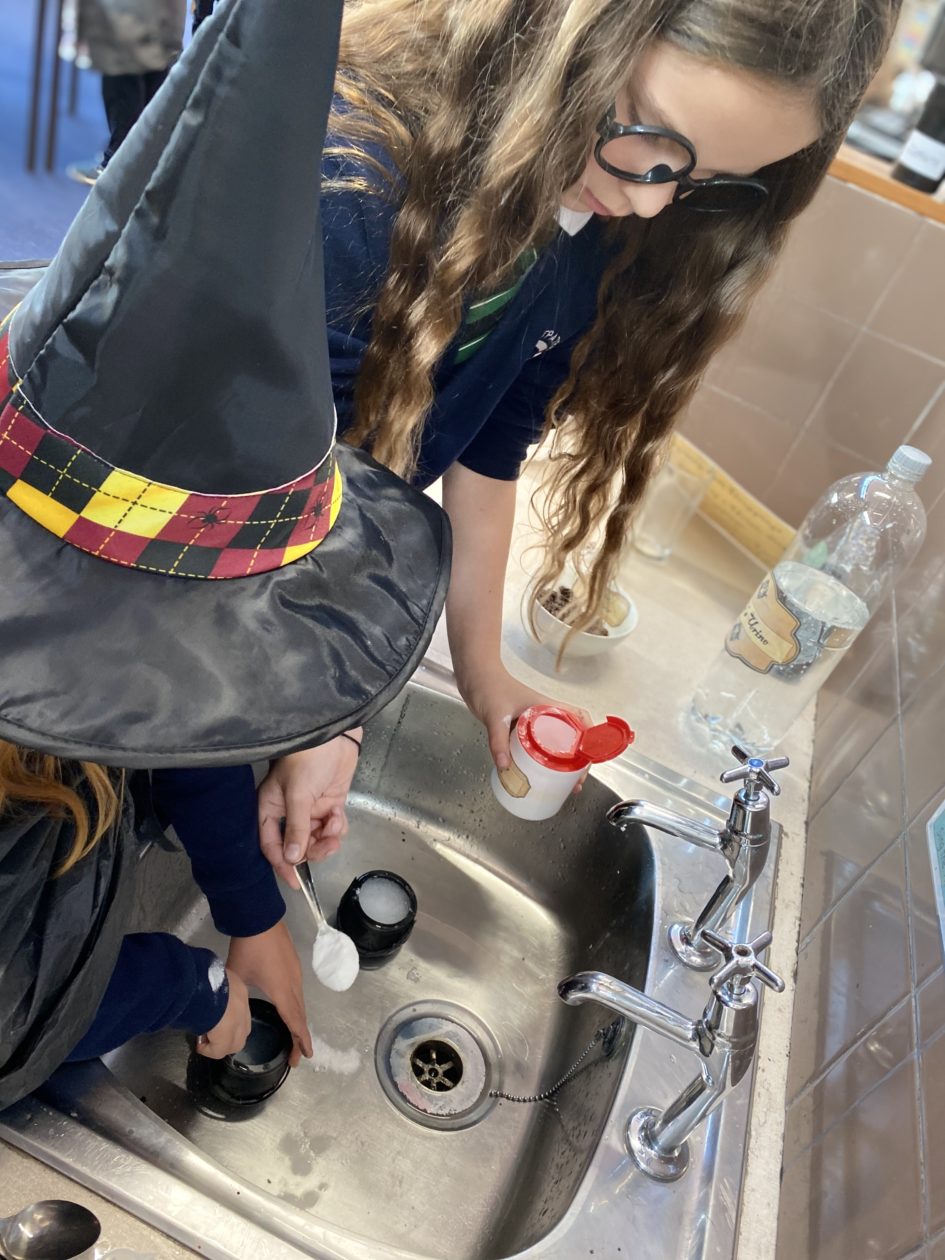
Everyone needed to measure out the correct capacity of liquids and add just the right amount of powder to create a bubbling, effervescent experiment in our mini cauldrons.
25ml of Dragon’s Tears (distilled vinegar)
25ml of Elixir of Life (water)
1 heaped tsp of Powdered Pixie (bicarbonate of soda)
P 1-4 used 25ml cylinders to measure the liquid ingredients. P 4- 7 had an extra challenge of working with different capacity scaled cylinders to add the correct quantities. It was very entertaining watching the cauldrons foam and bubble over.
We chatted about how combining the vinegar (an acid) with the baking soda (a base) results in an entirely new substance – carbon dioxide gas. As this gas quickly forms it creates bubbles.
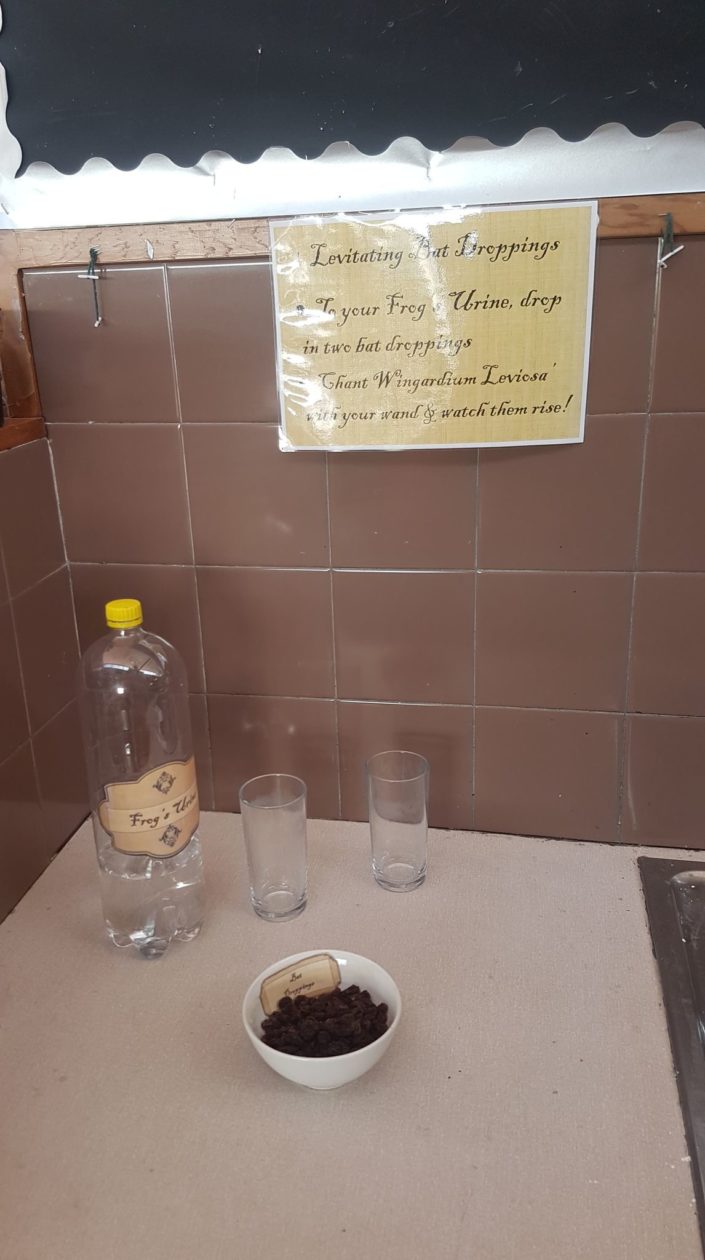
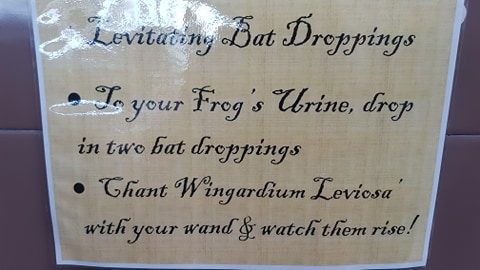
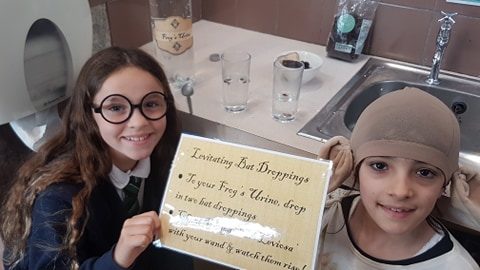
Levitating Bat Droppings:
To conduct this magical, visual trick, the children had to add bat droppings (small raisins) to Frog’s Urine (lemonade) in a glass. They then had to chant Wingardium Leviosa and watch the droppings rise and fall repeatedly.
We had an interesting discussion as to the cause of this phenomenon. We learned that carbon dioxide gas bubbles in the lemonade attach themselves to the body of the raisin. They act as swimming arm bands, raising the raisin to the surface of the liquid. Once the bubbles burst at the surface of the glass, the raisin sink until new bubbles form on it’s surface area and the process repeats.
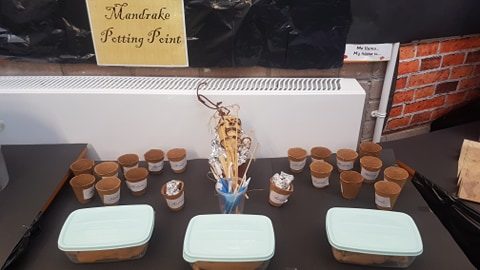
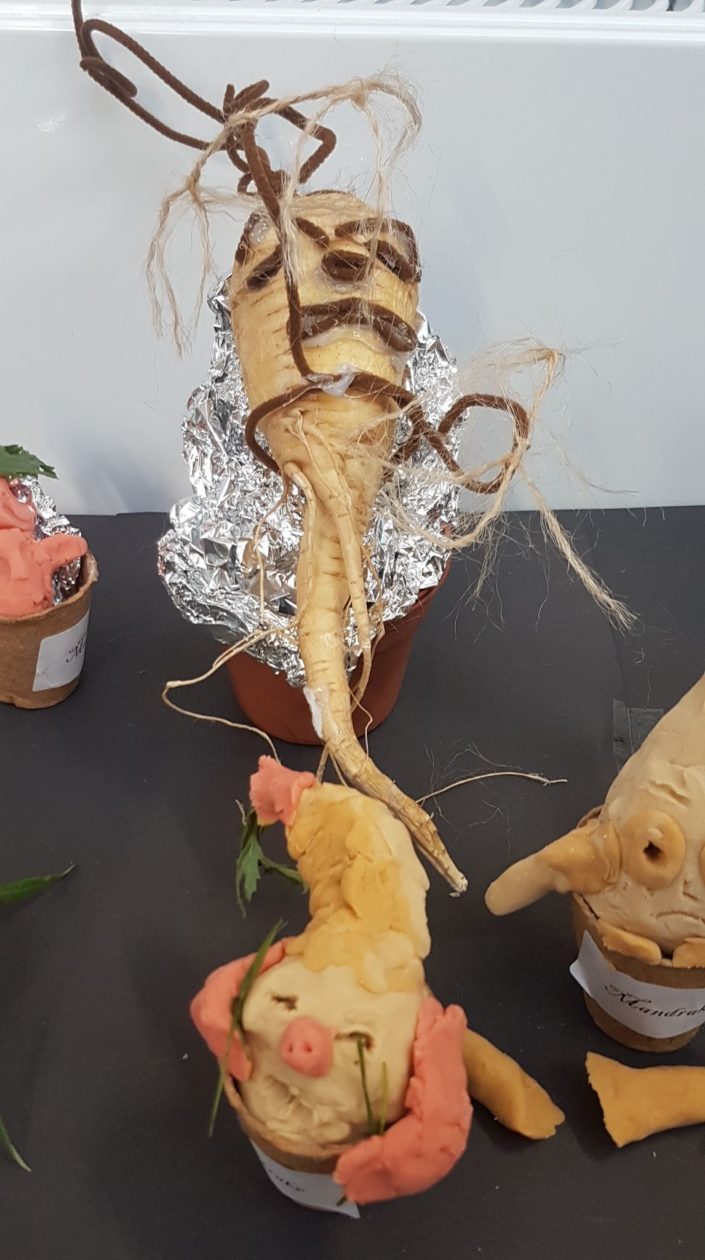
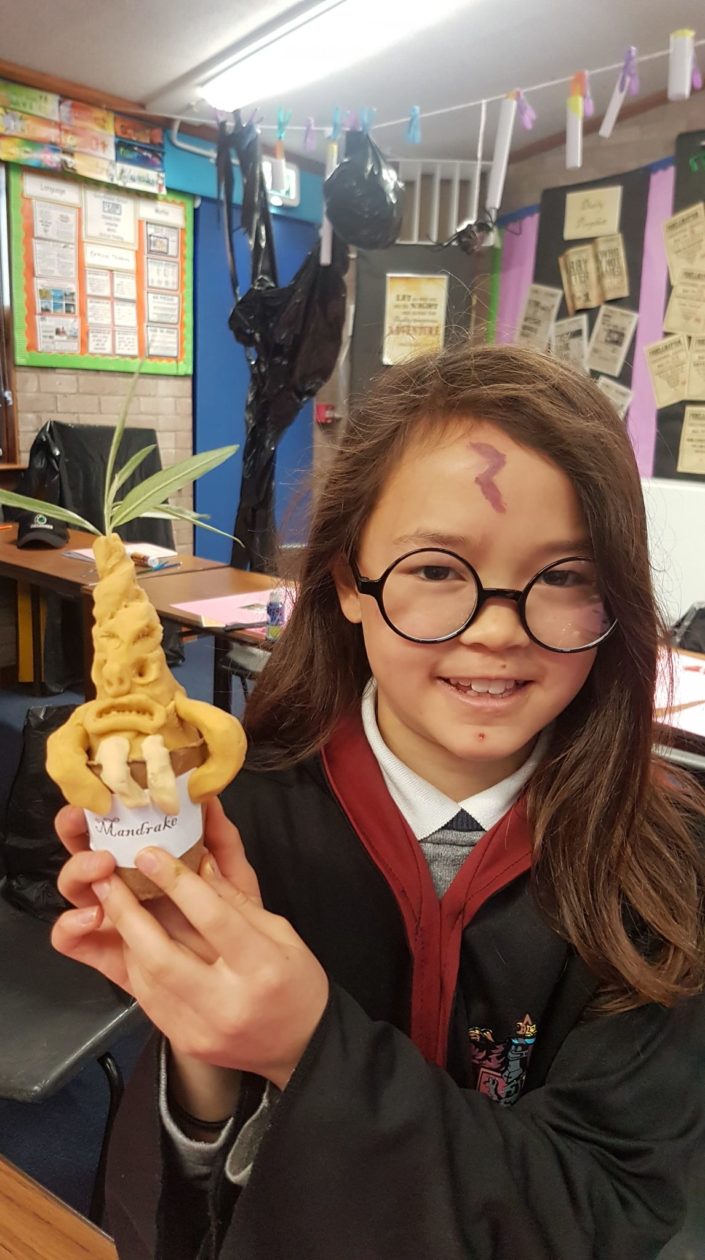
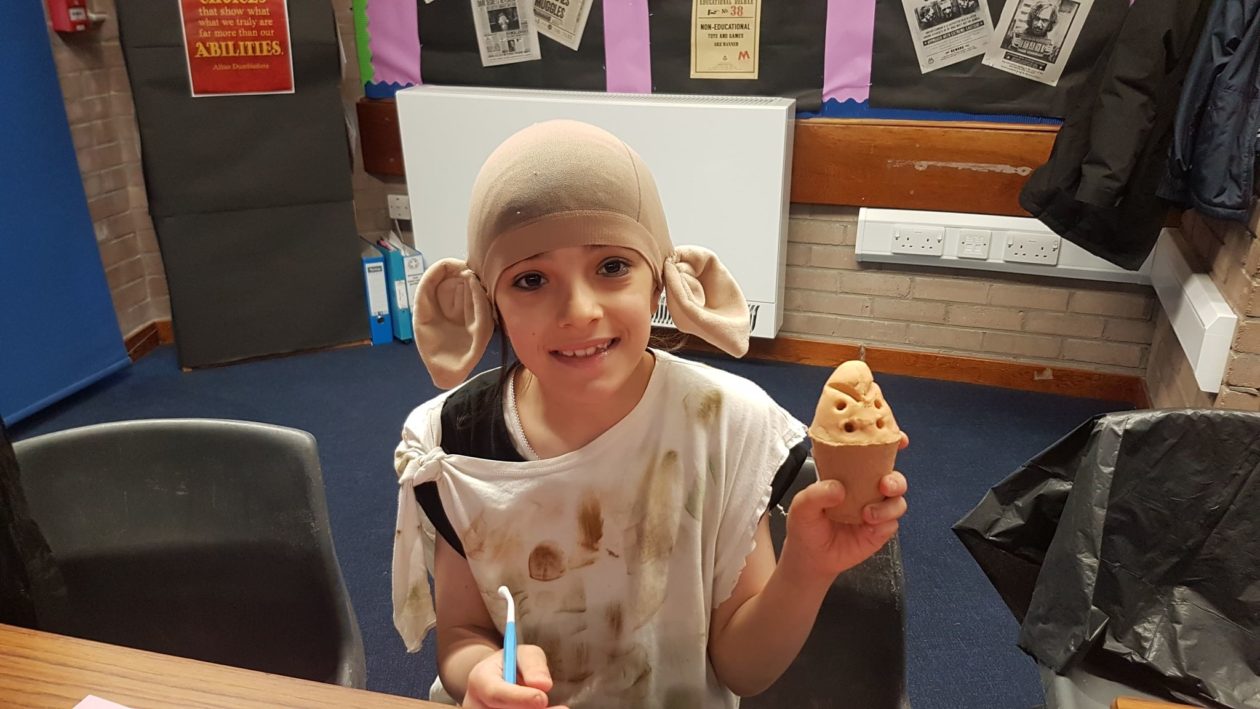
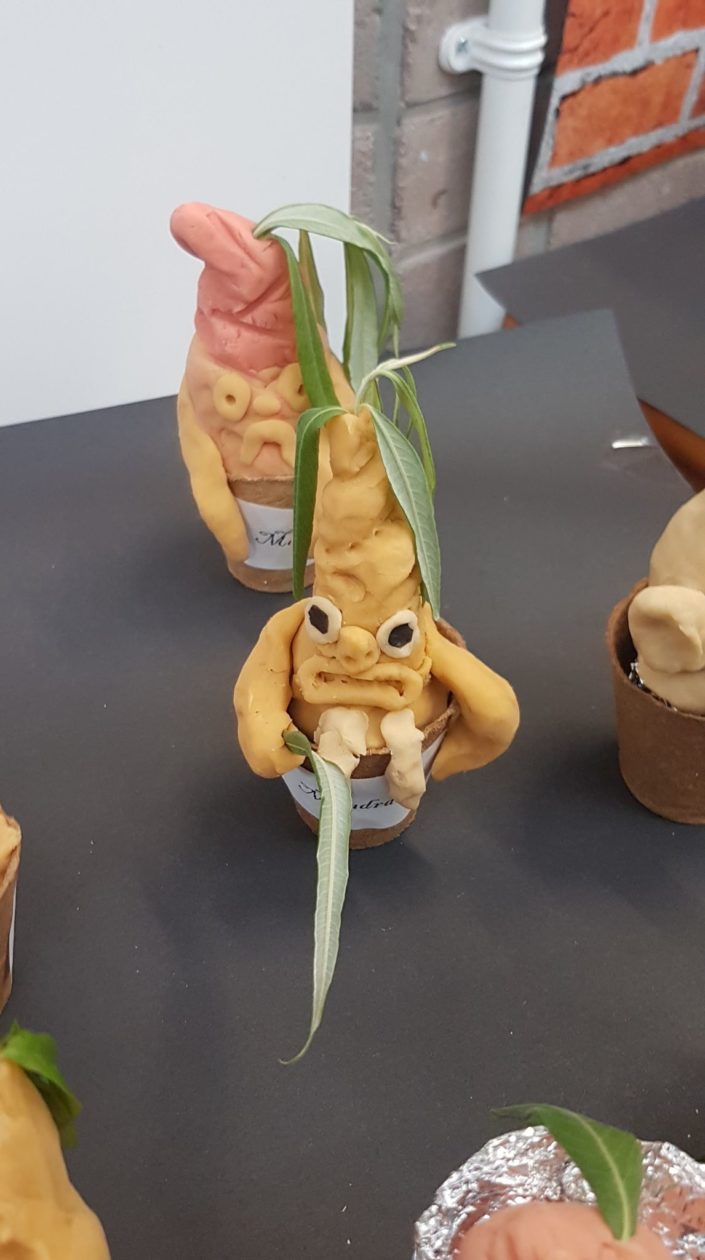
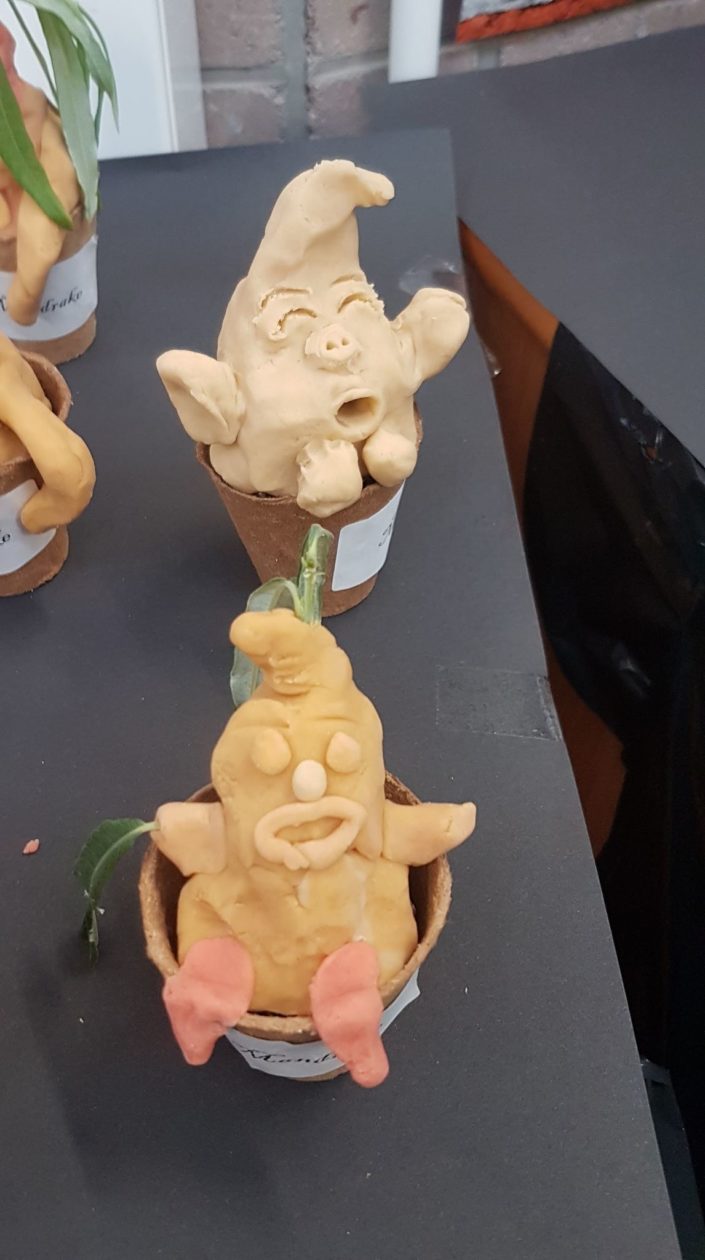
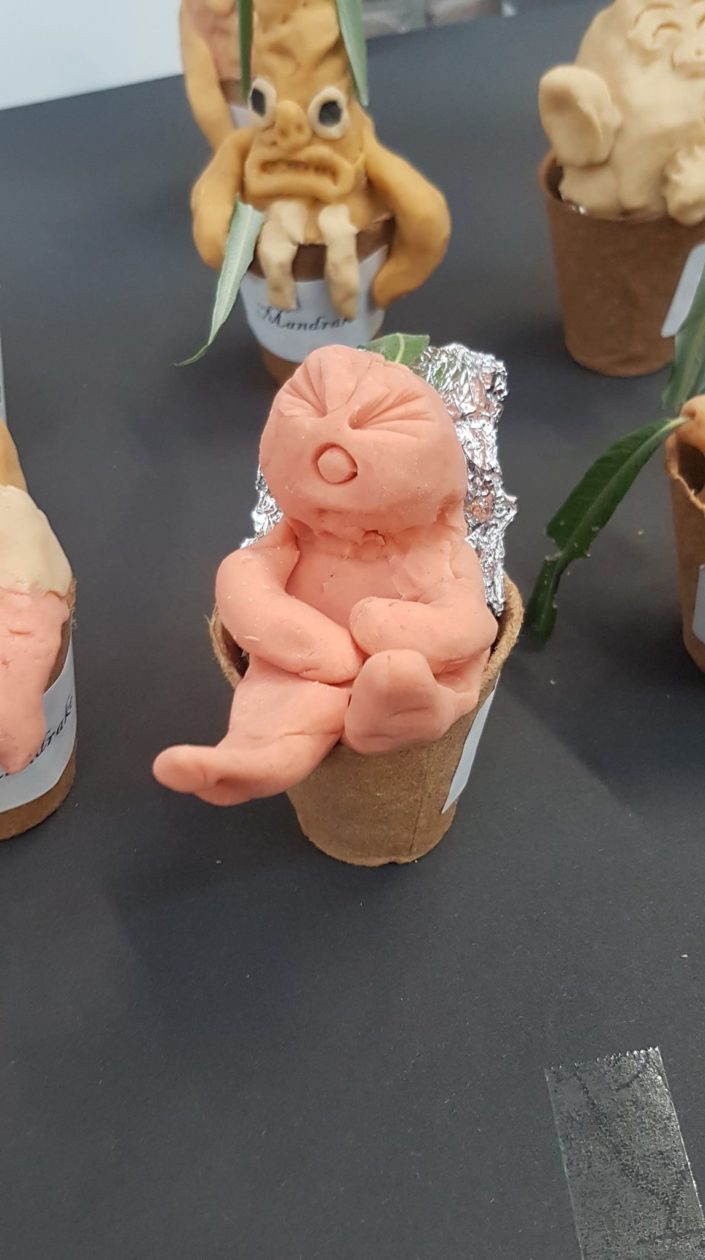
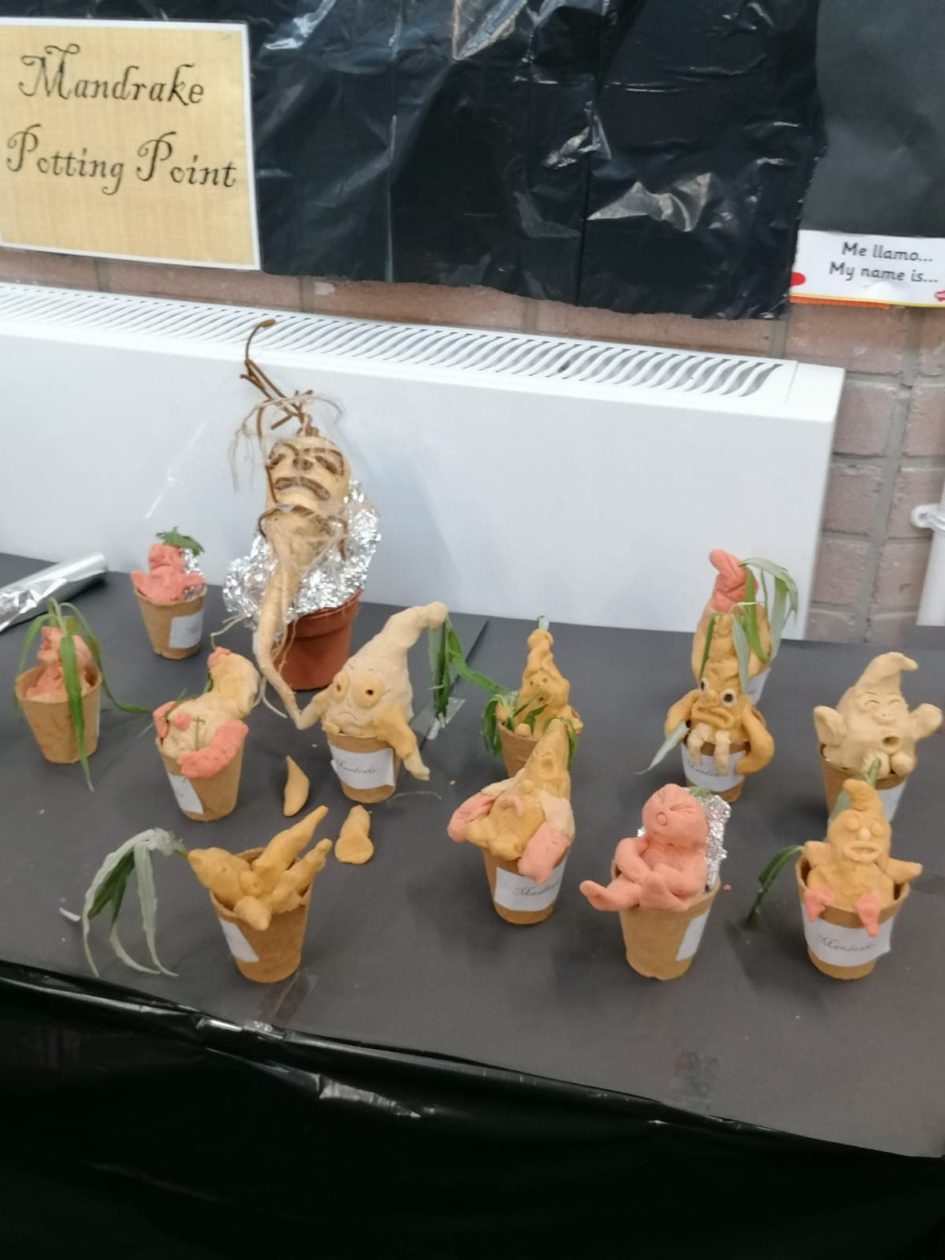
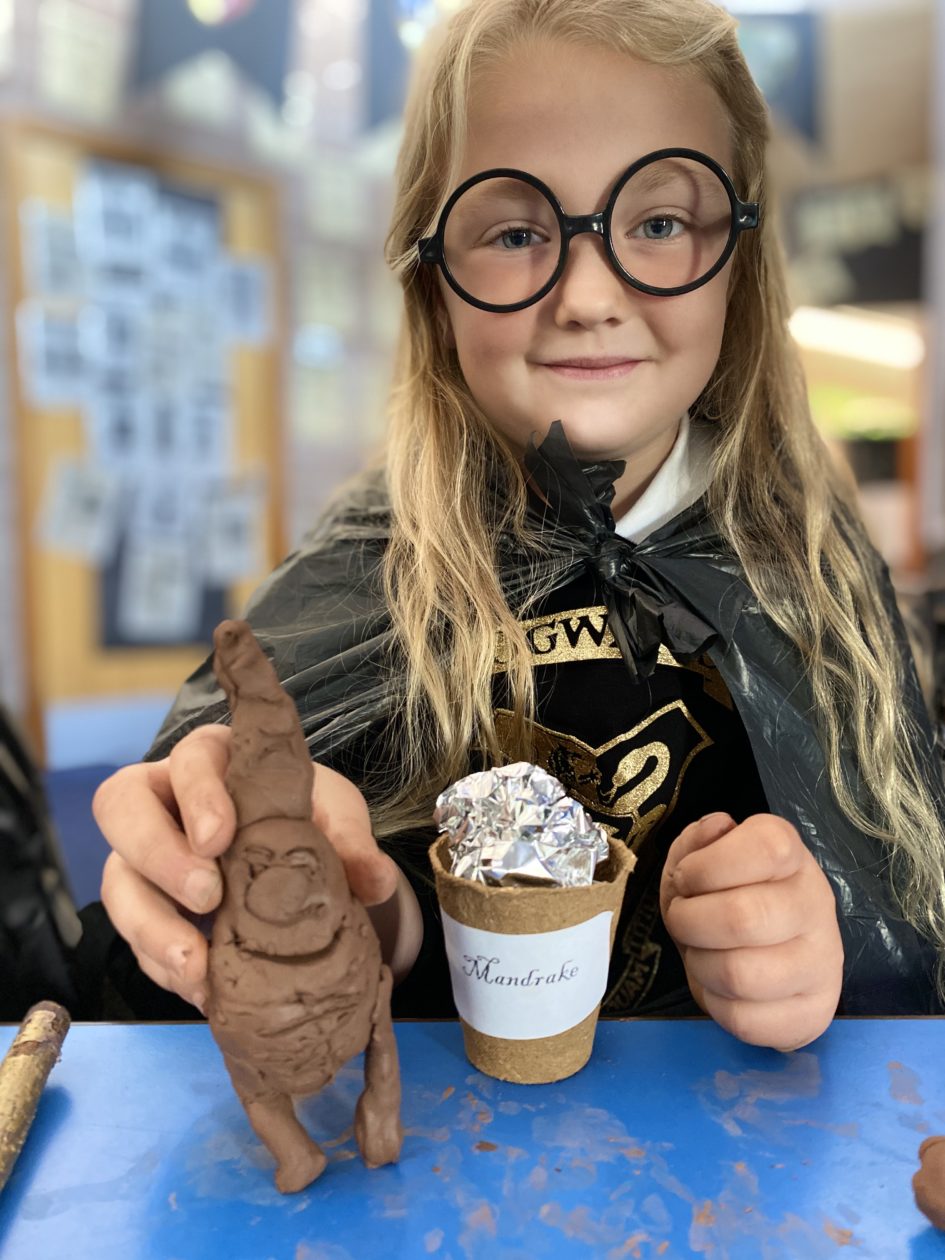
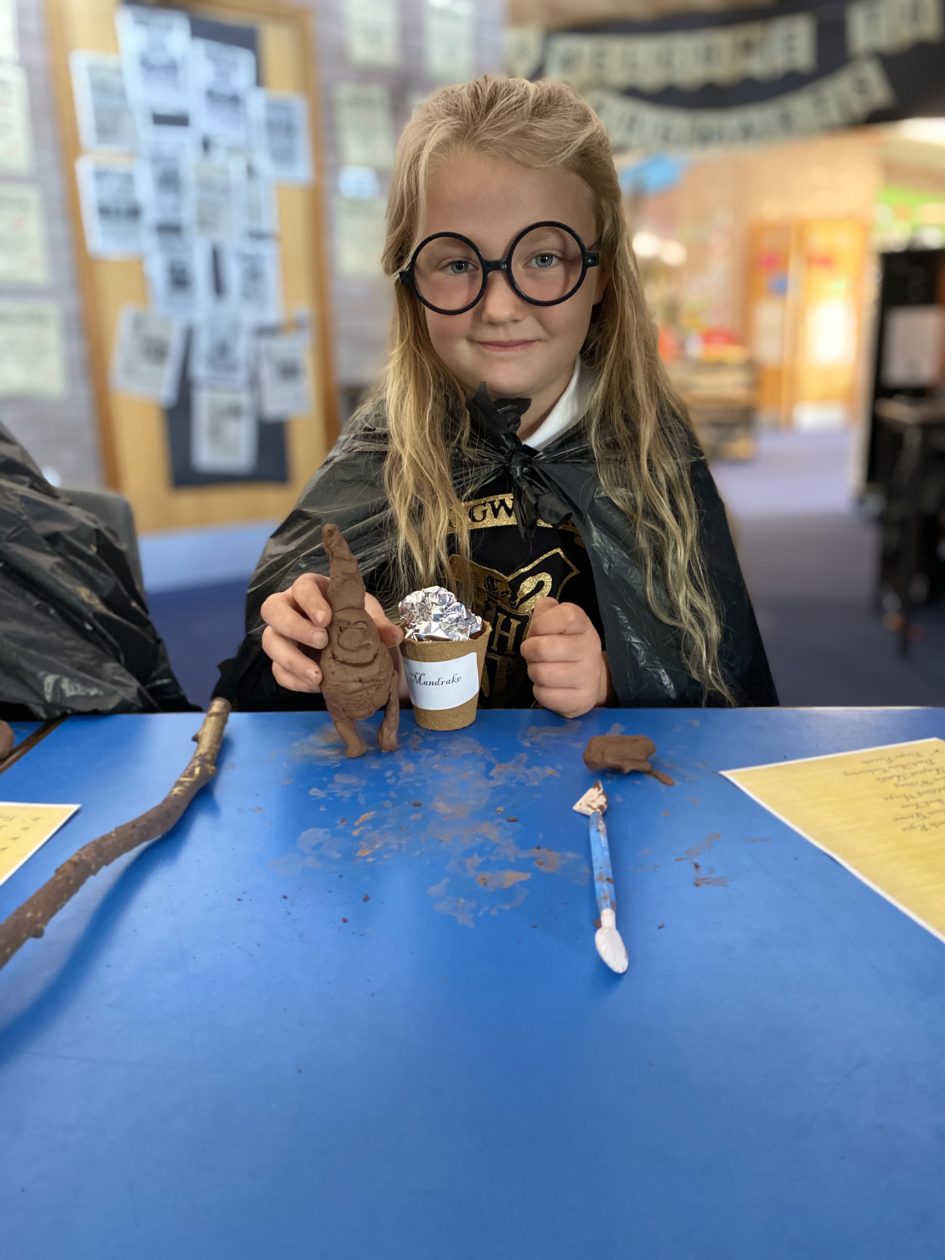
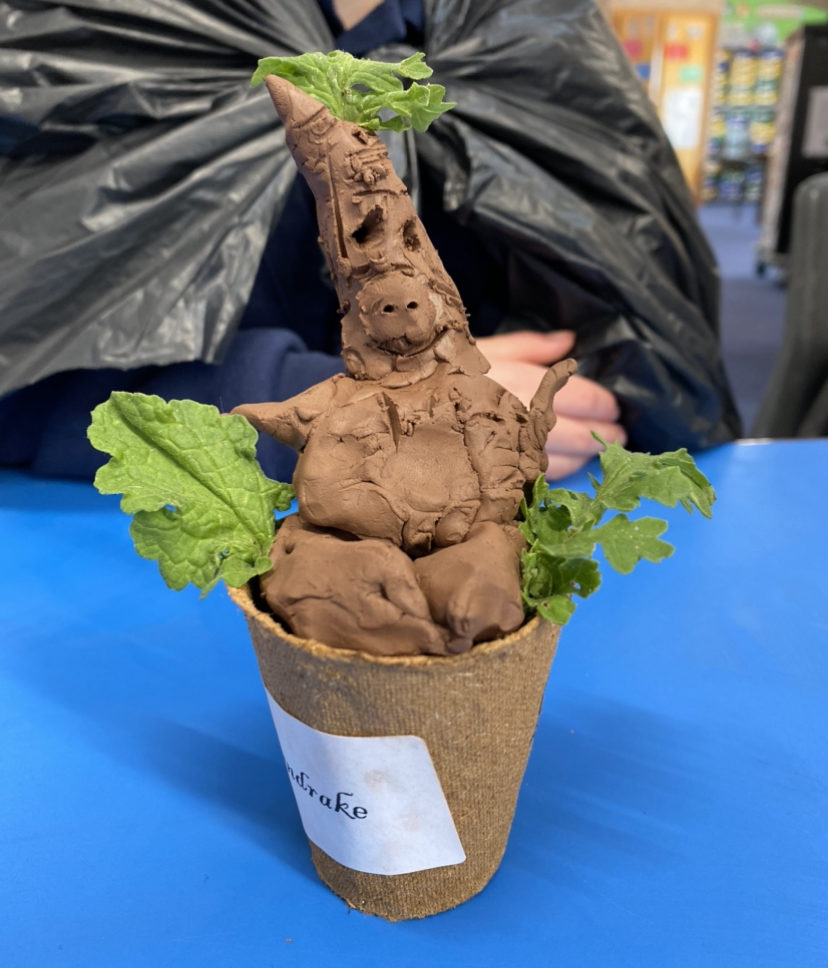
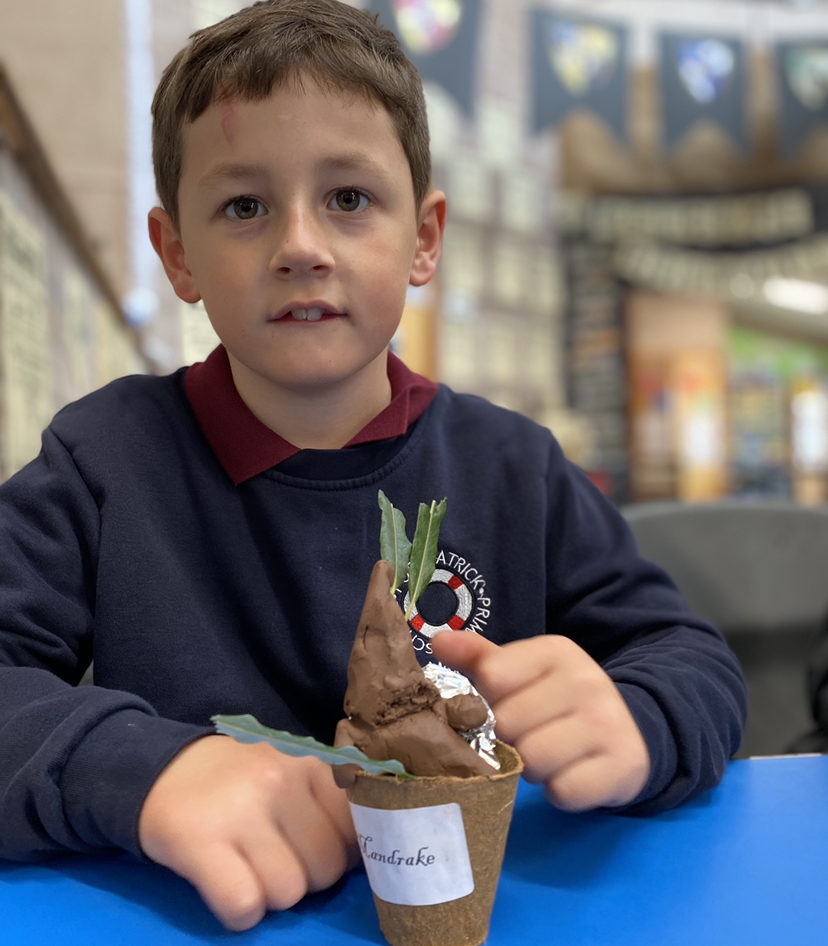
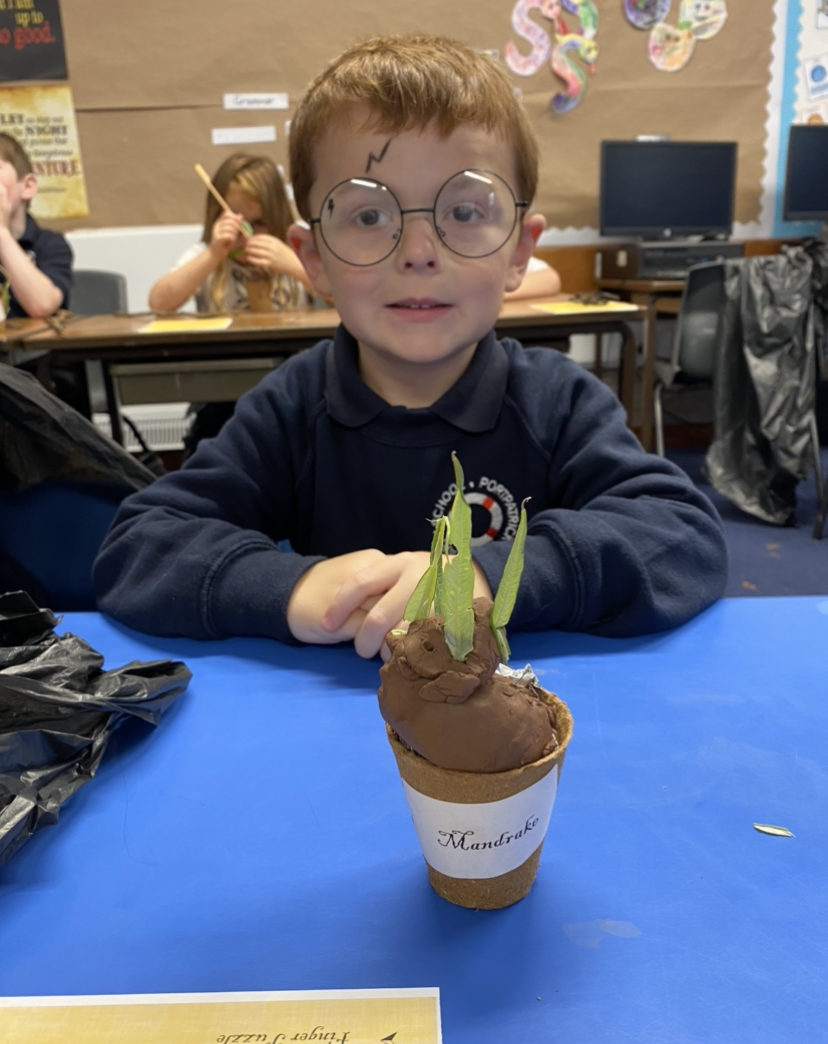
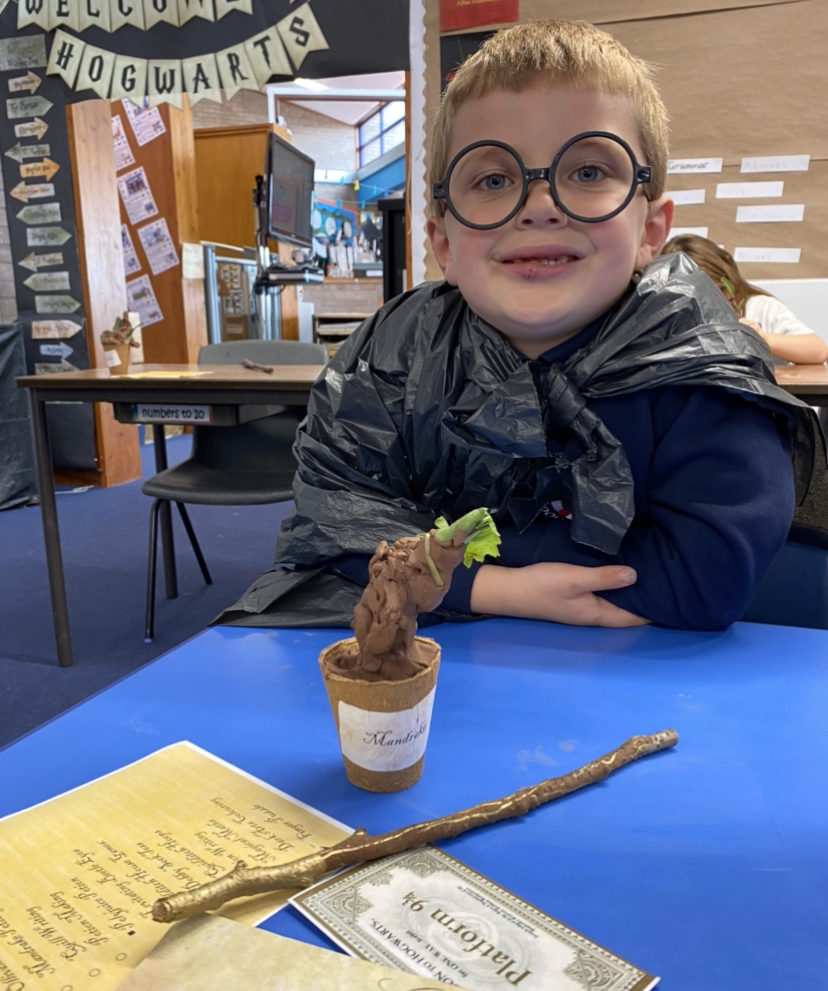
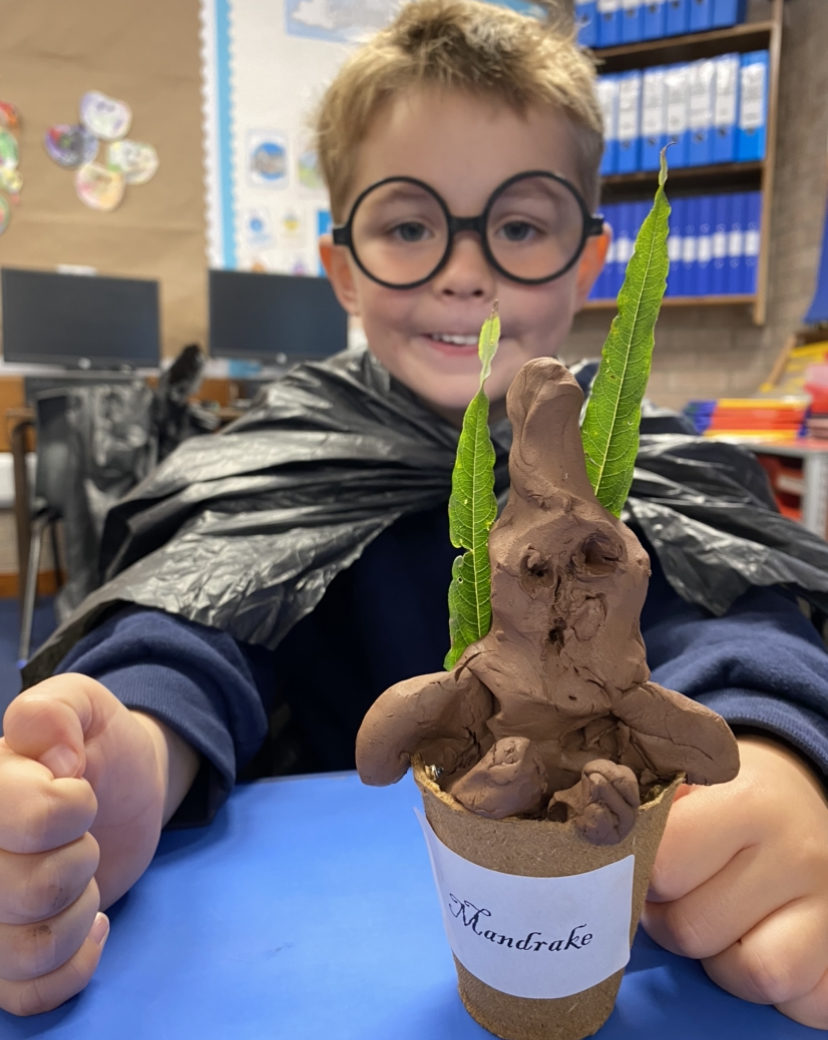
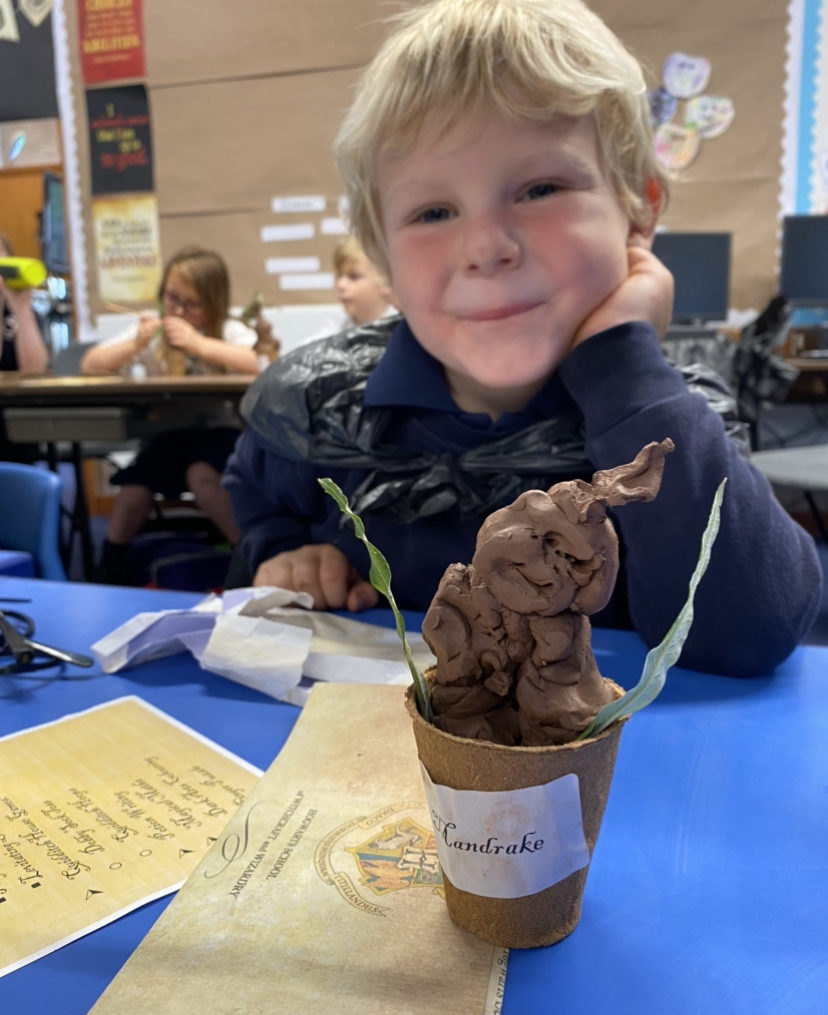
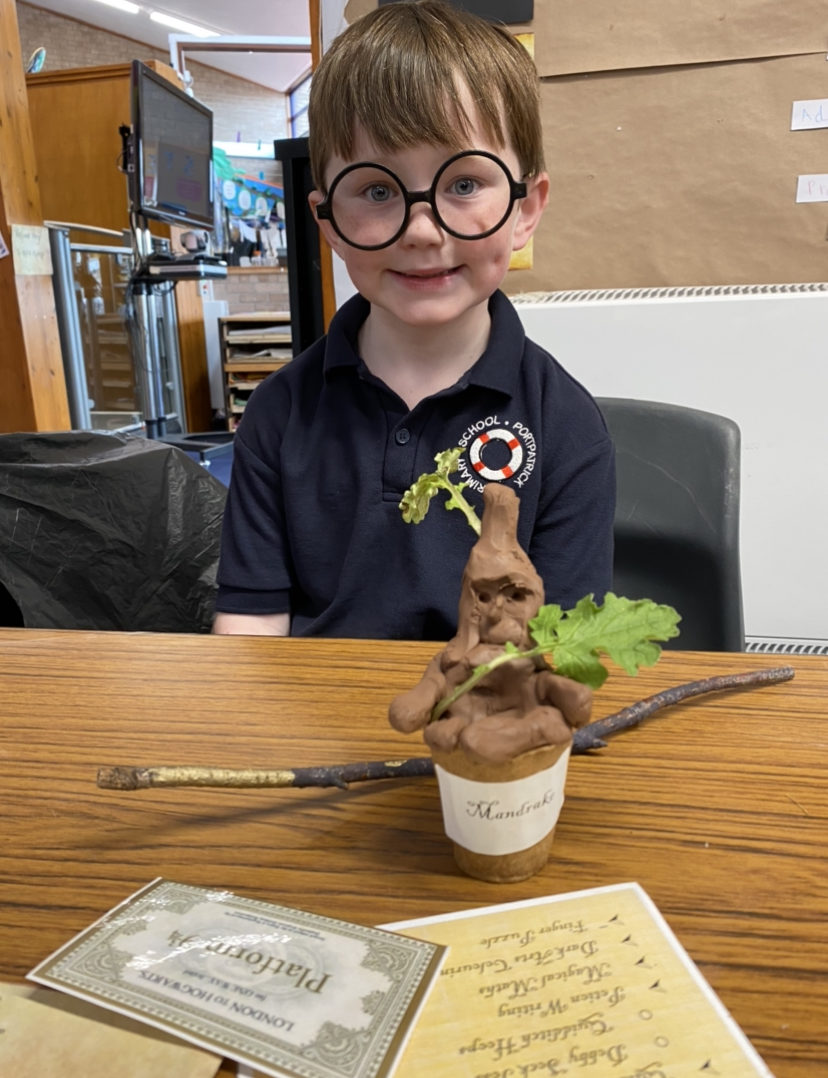
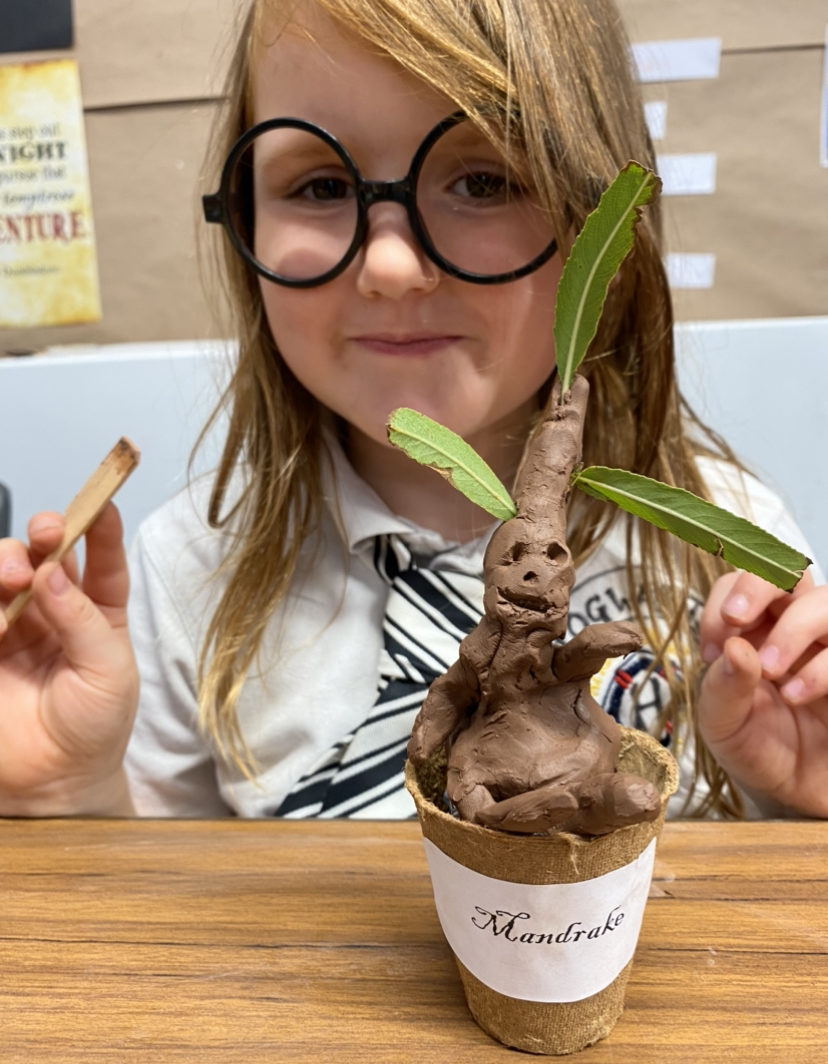
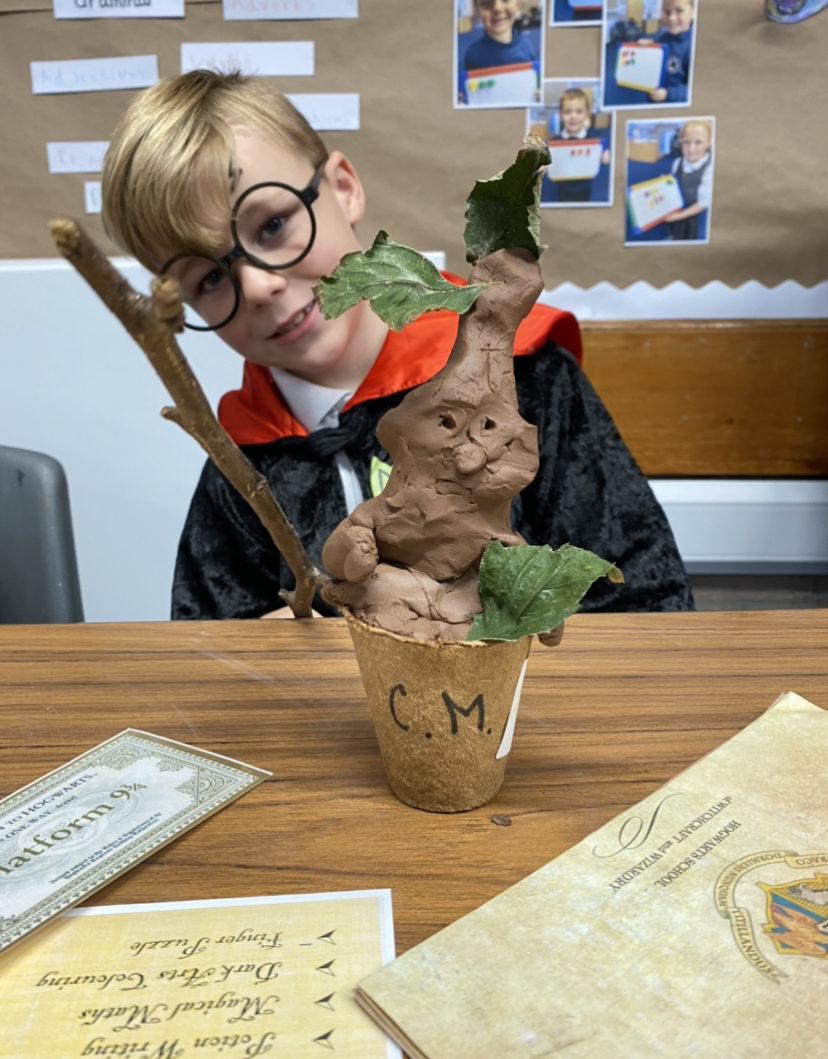
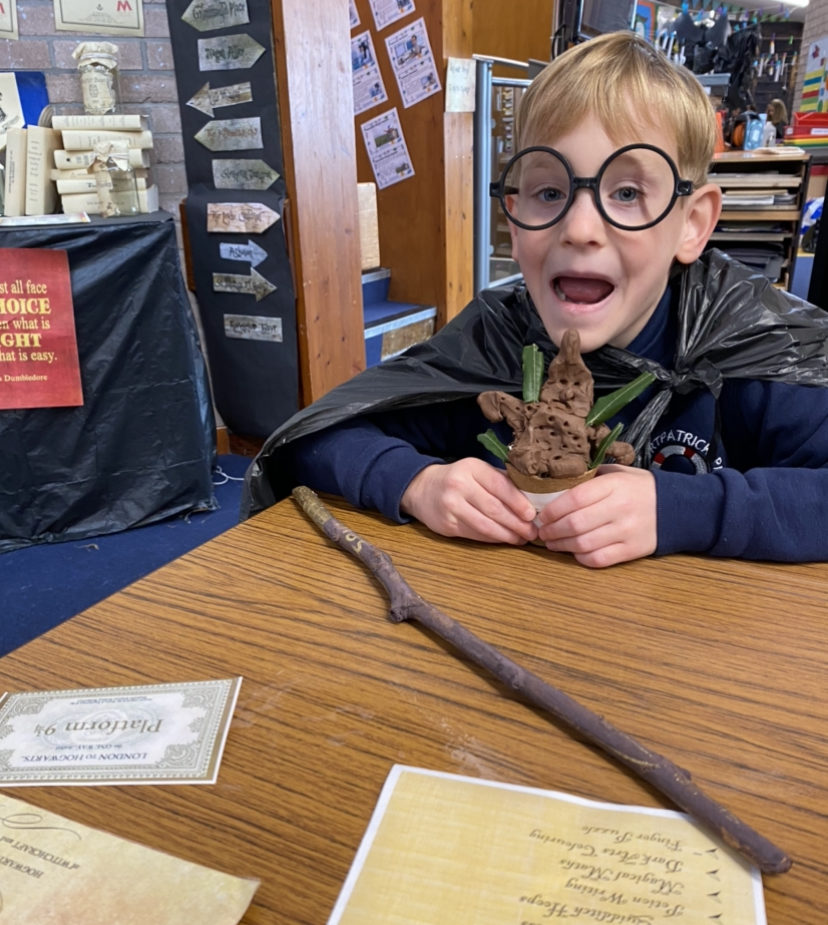
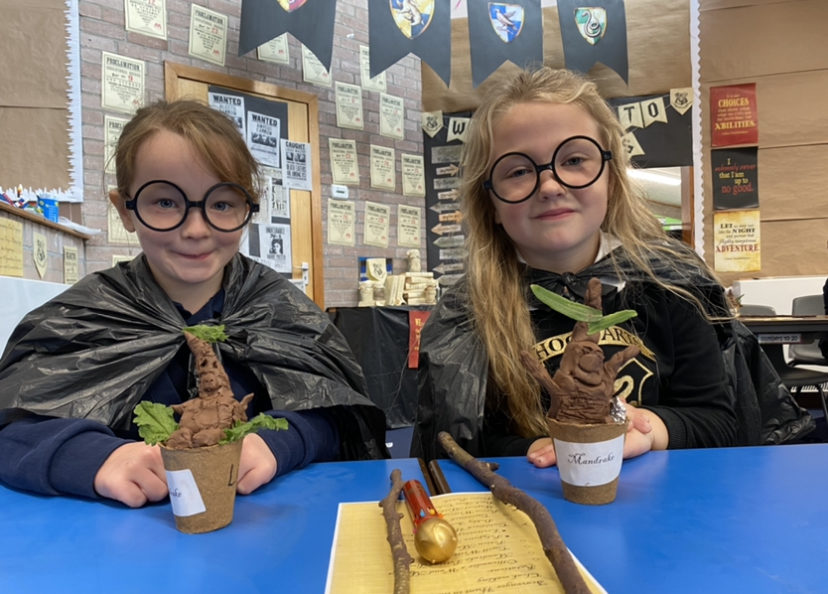
We have been learning that the Mandragora is a powerful ingredient in restorative potions. In Harry Potter, the cry of the younger versions of this plant will render the listener unconscious.
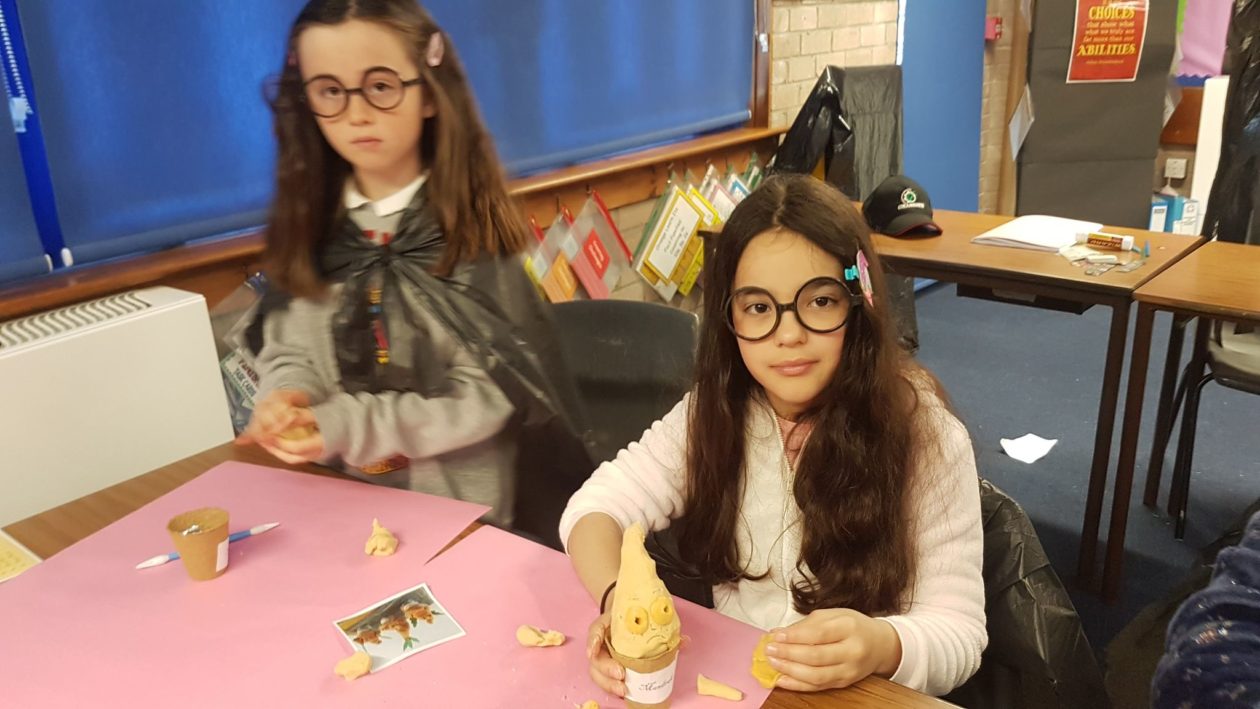
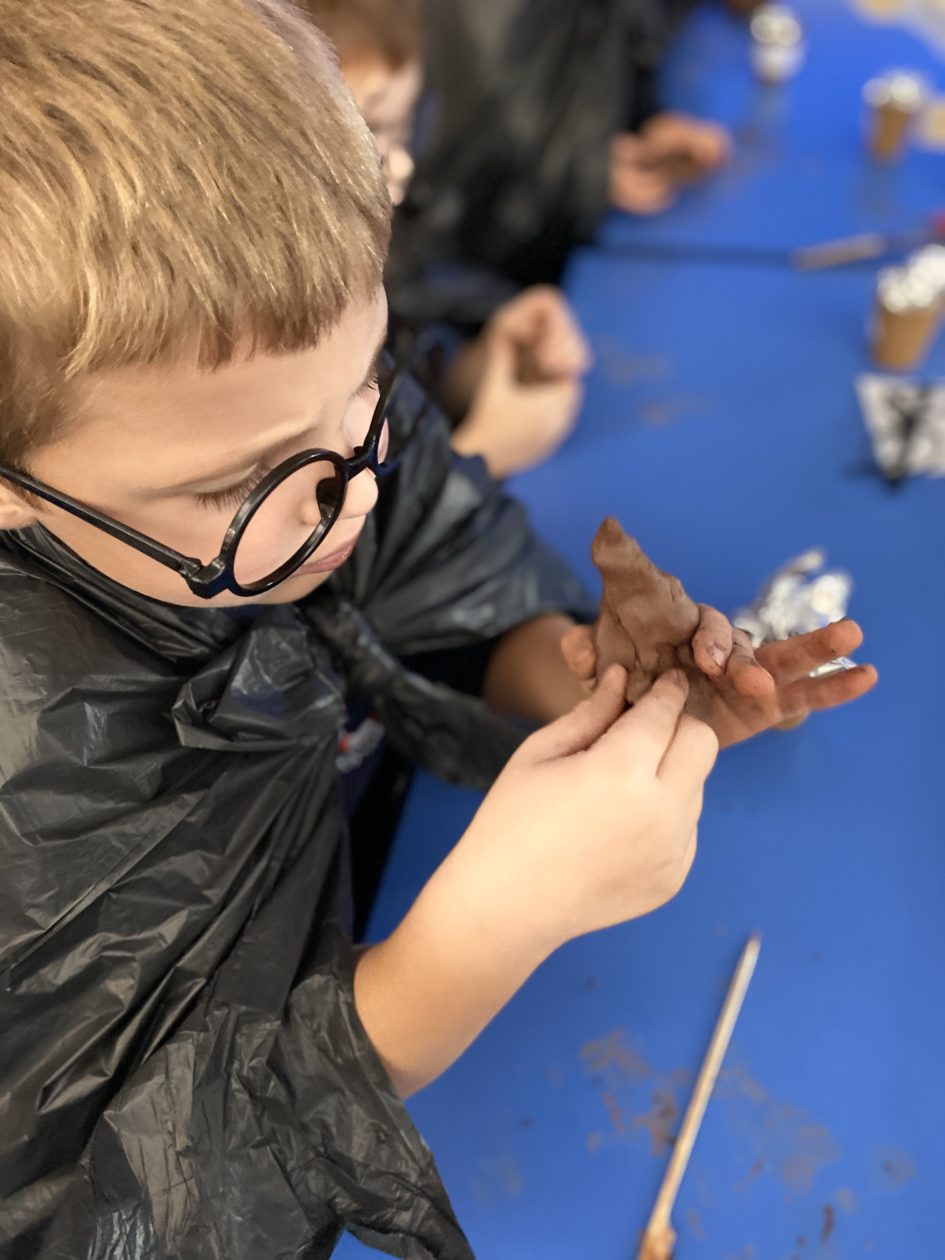
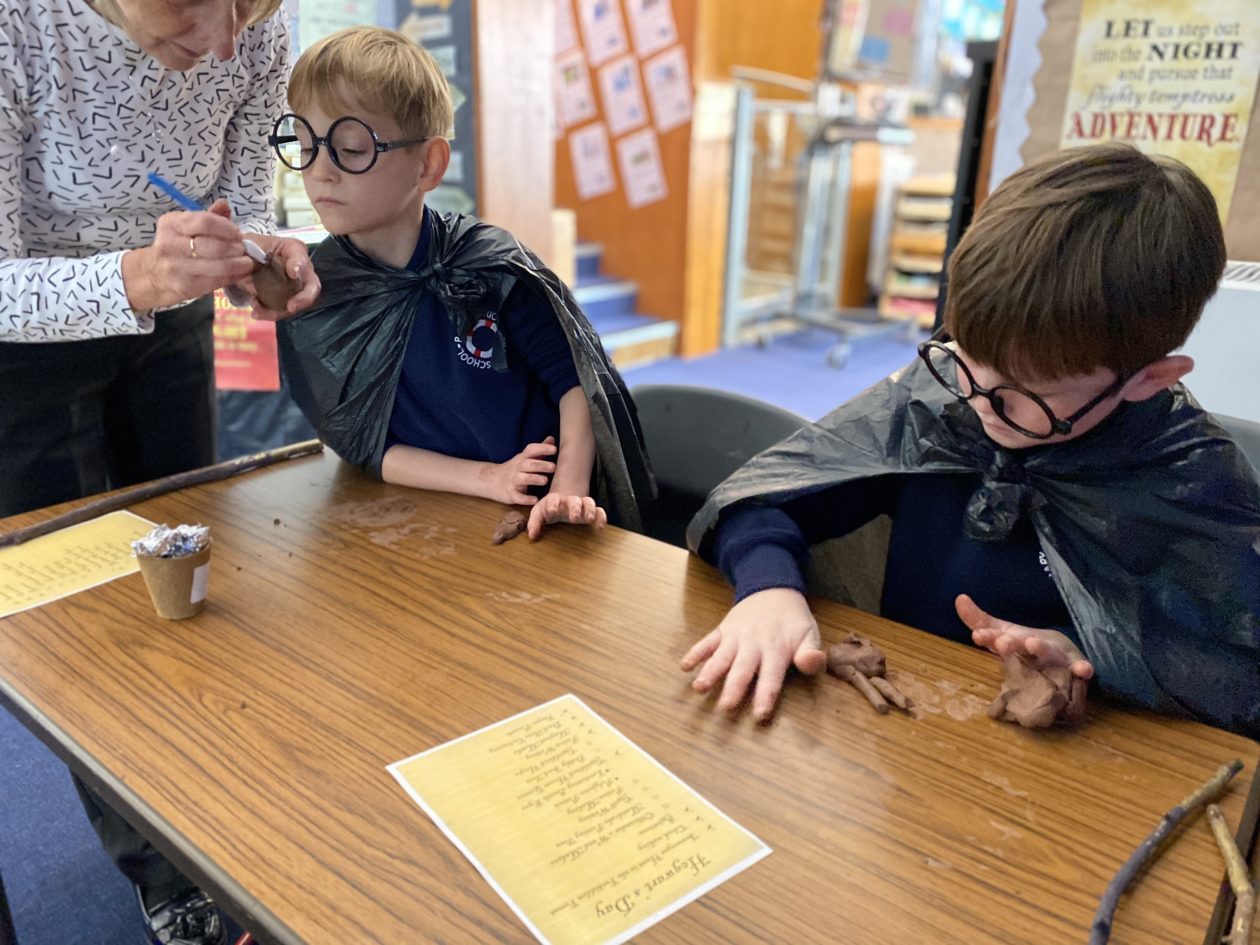
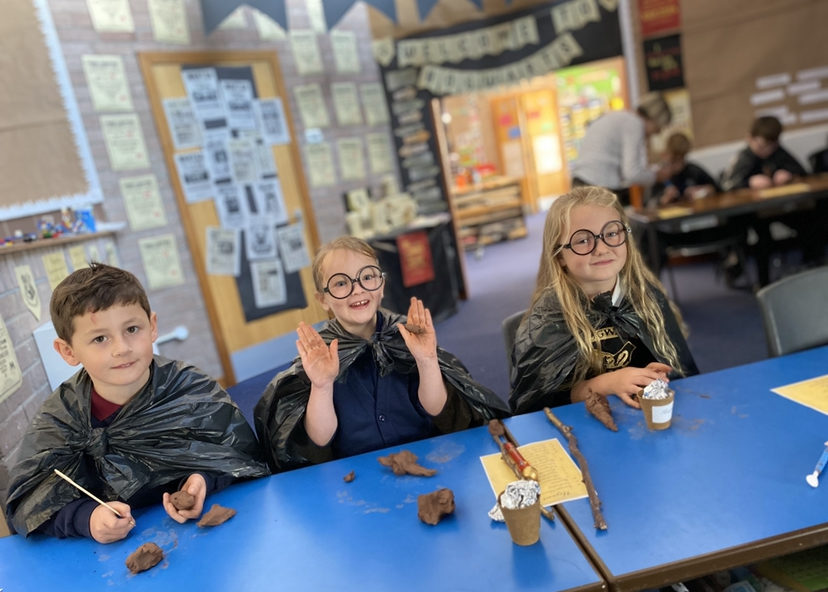
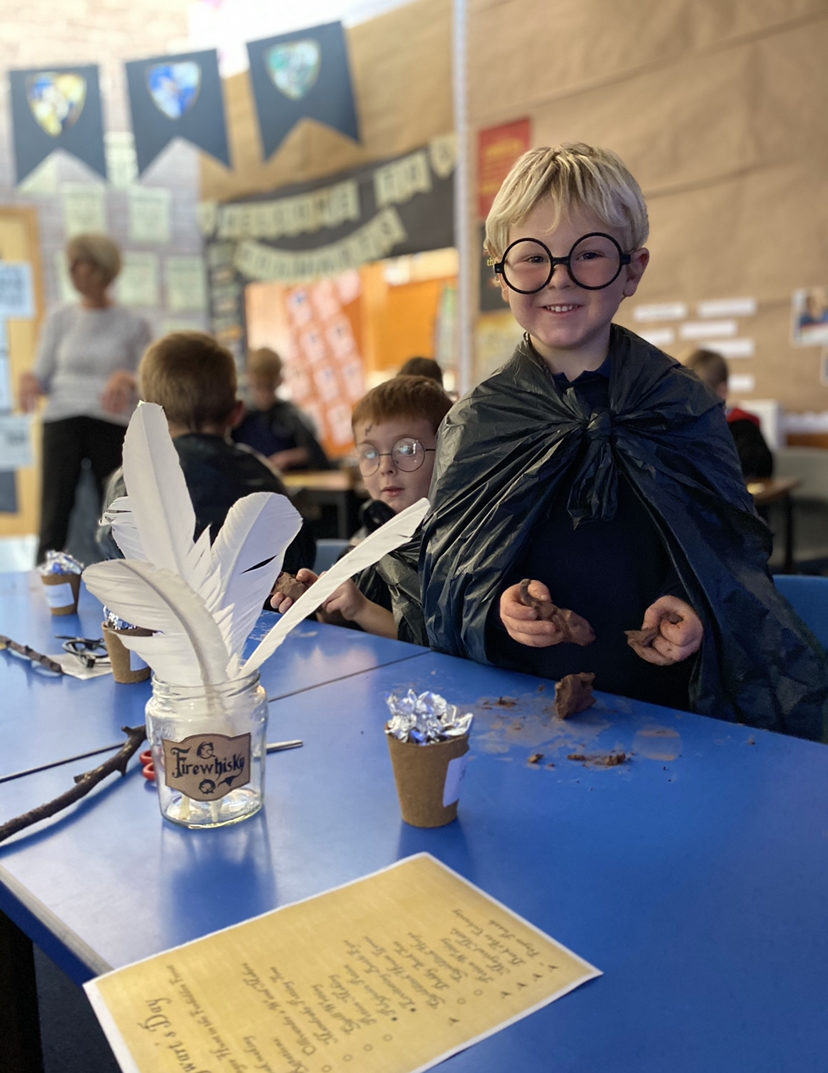
We modelled our own mandrakes using two materials – modelling clay (P1-4) and home made play dough (p4-7).
We are sure you will agree that artistic talent abounds in our budding sculptors.
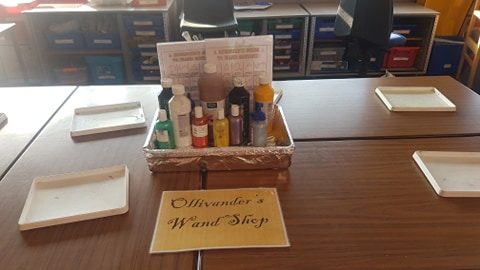
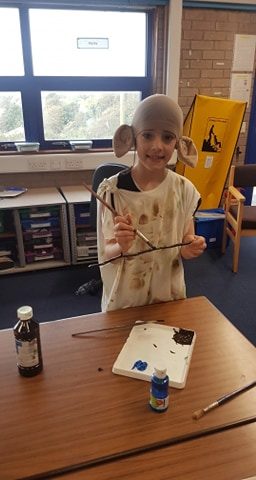
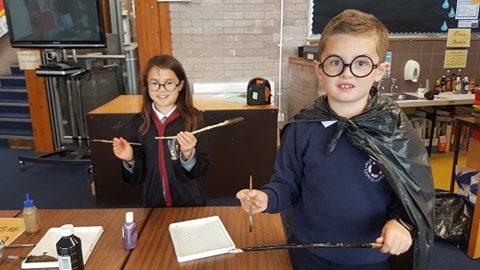
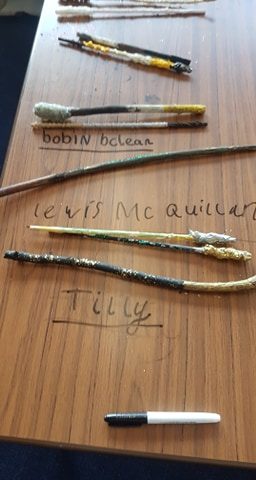
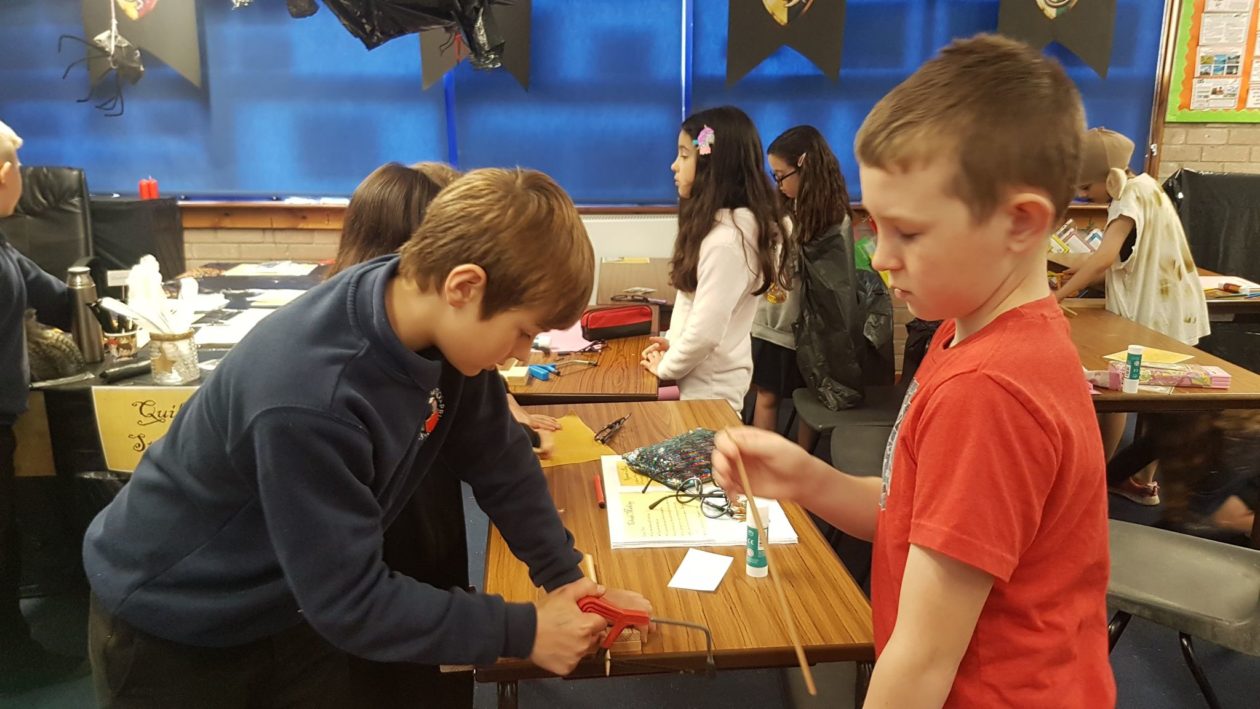
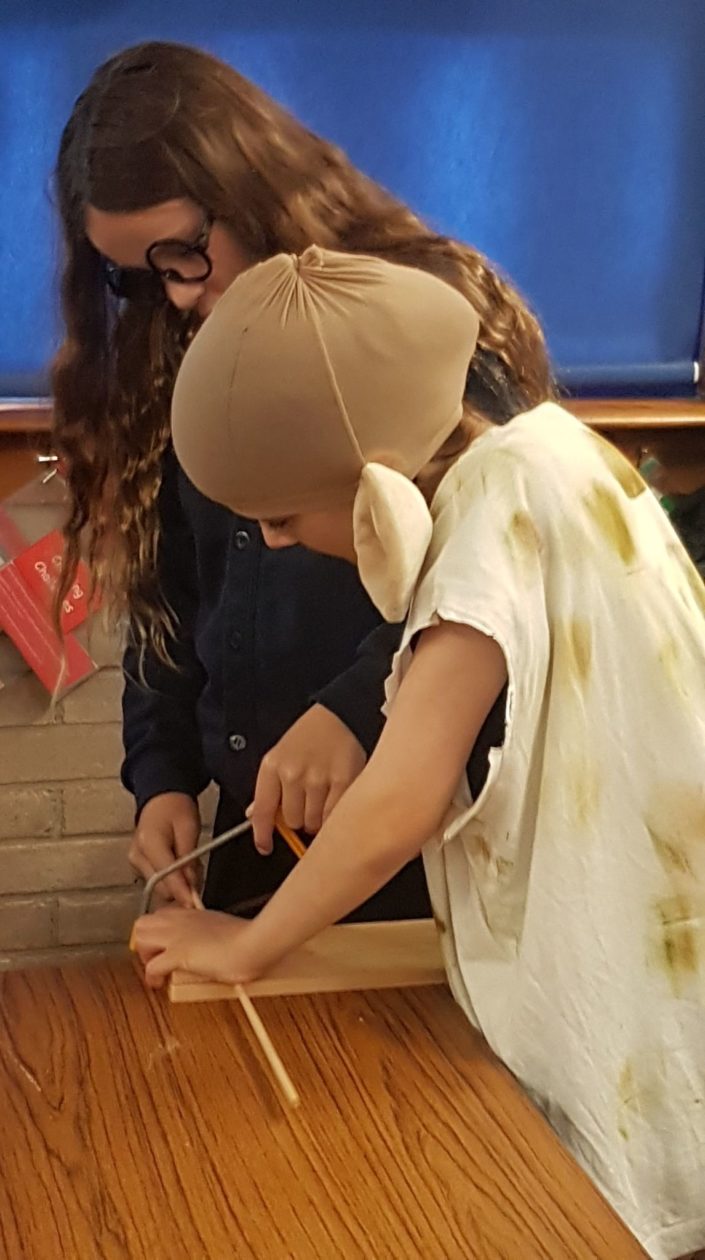
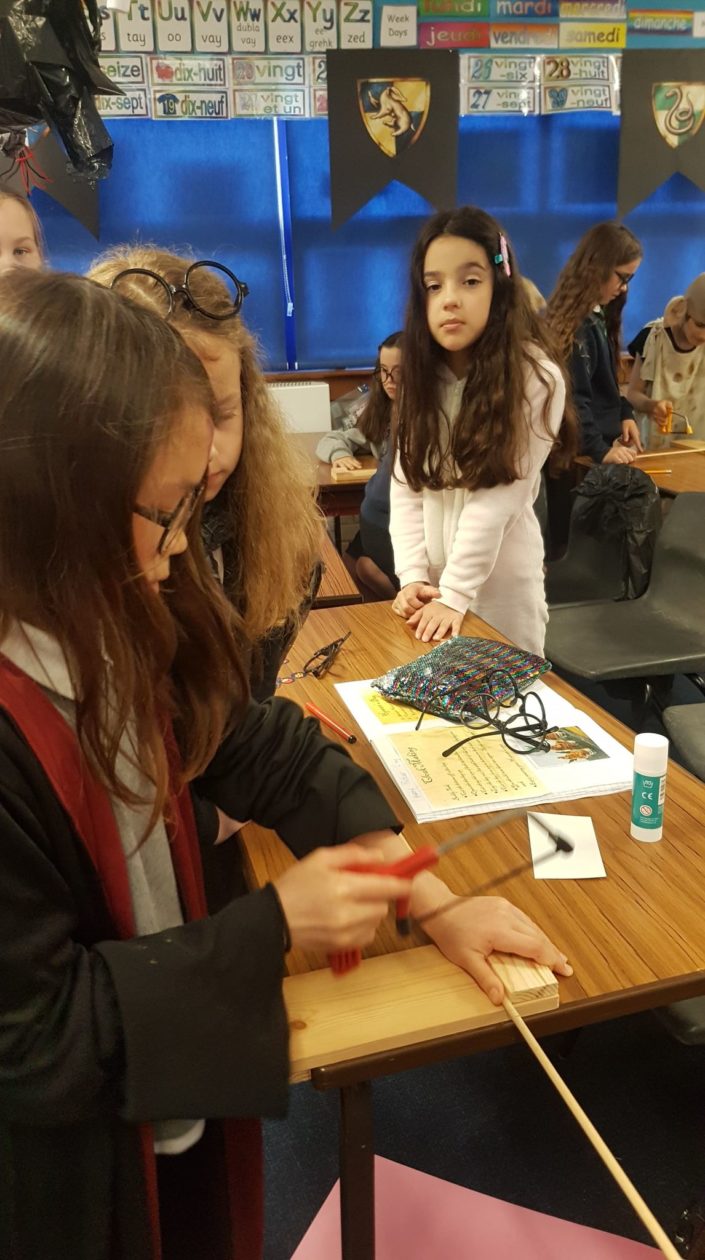
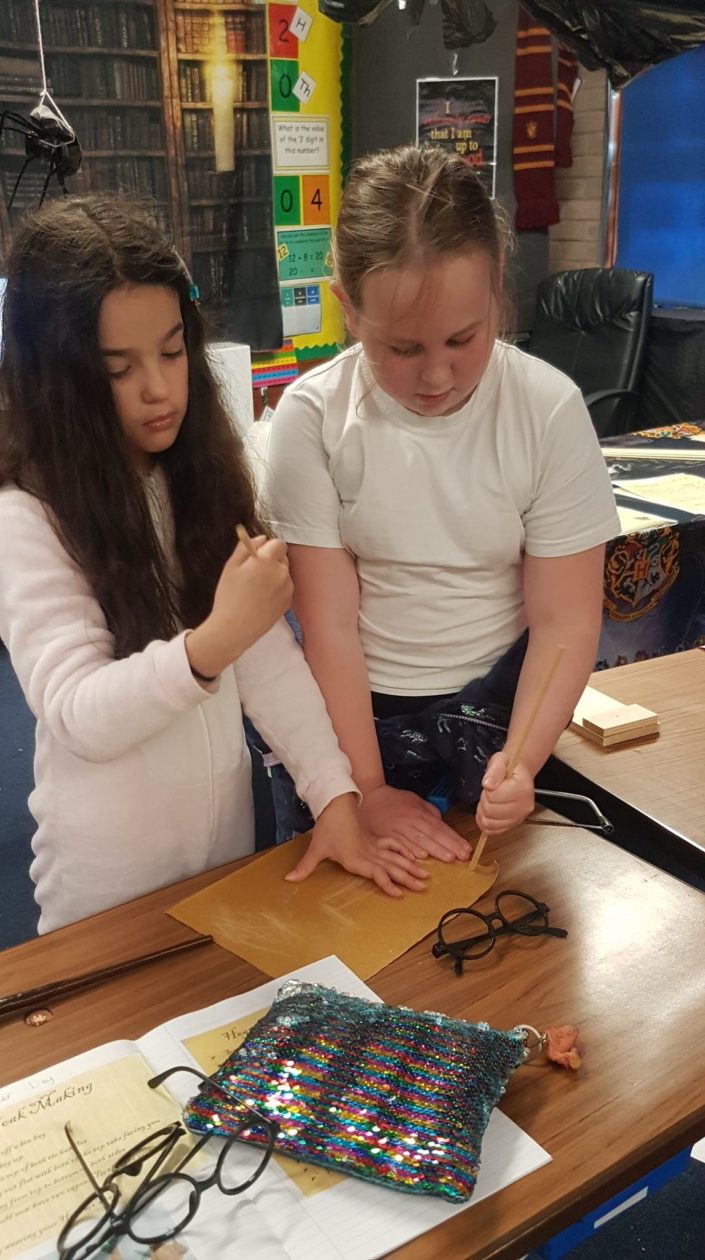
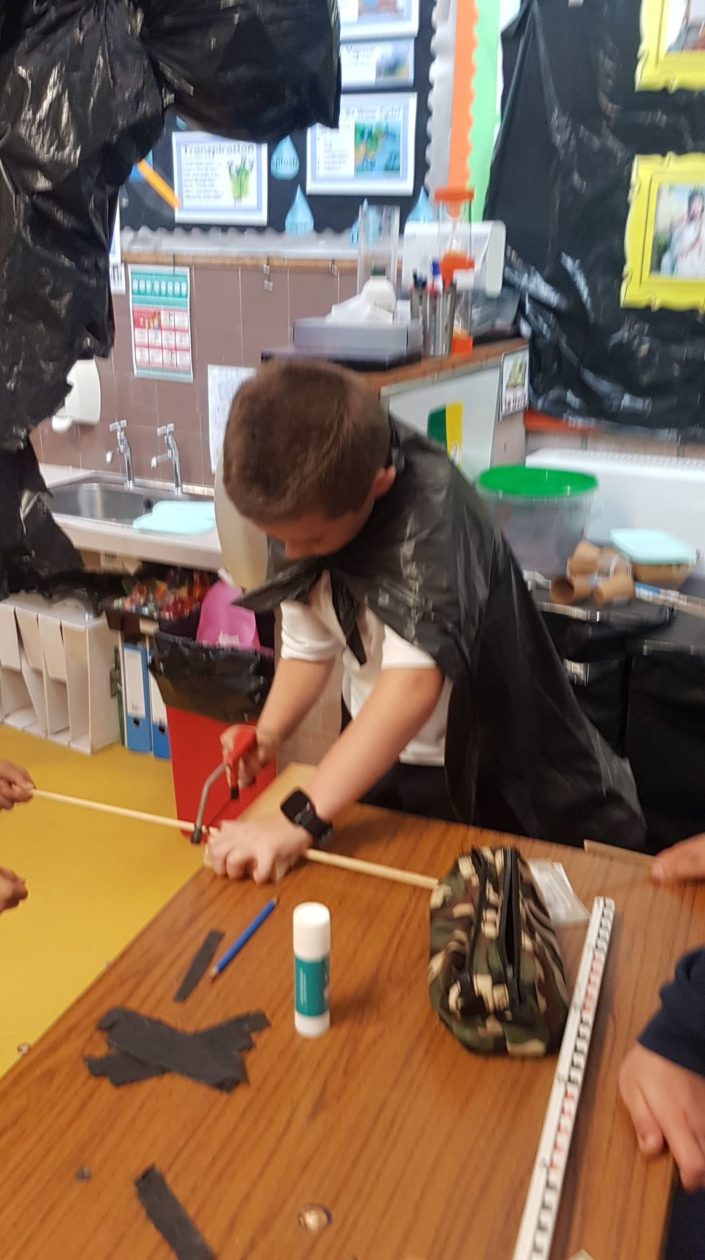
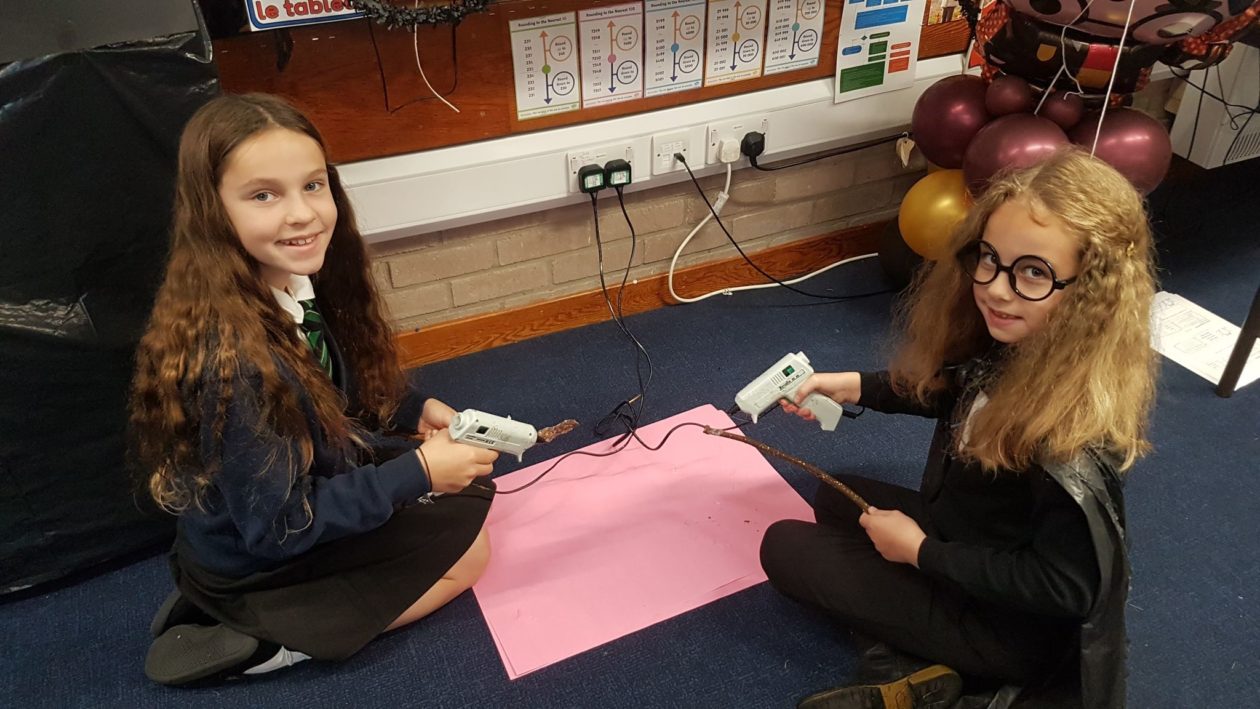
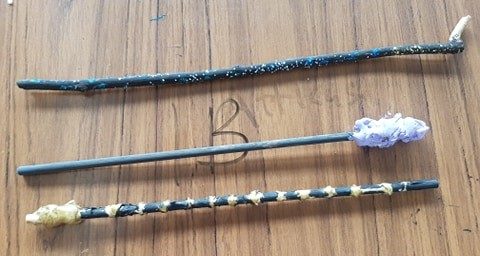
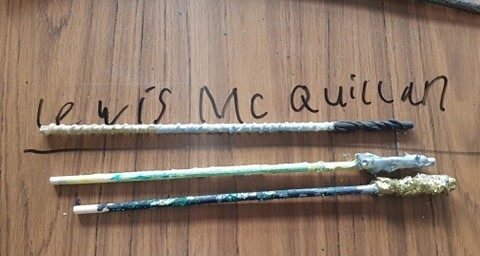
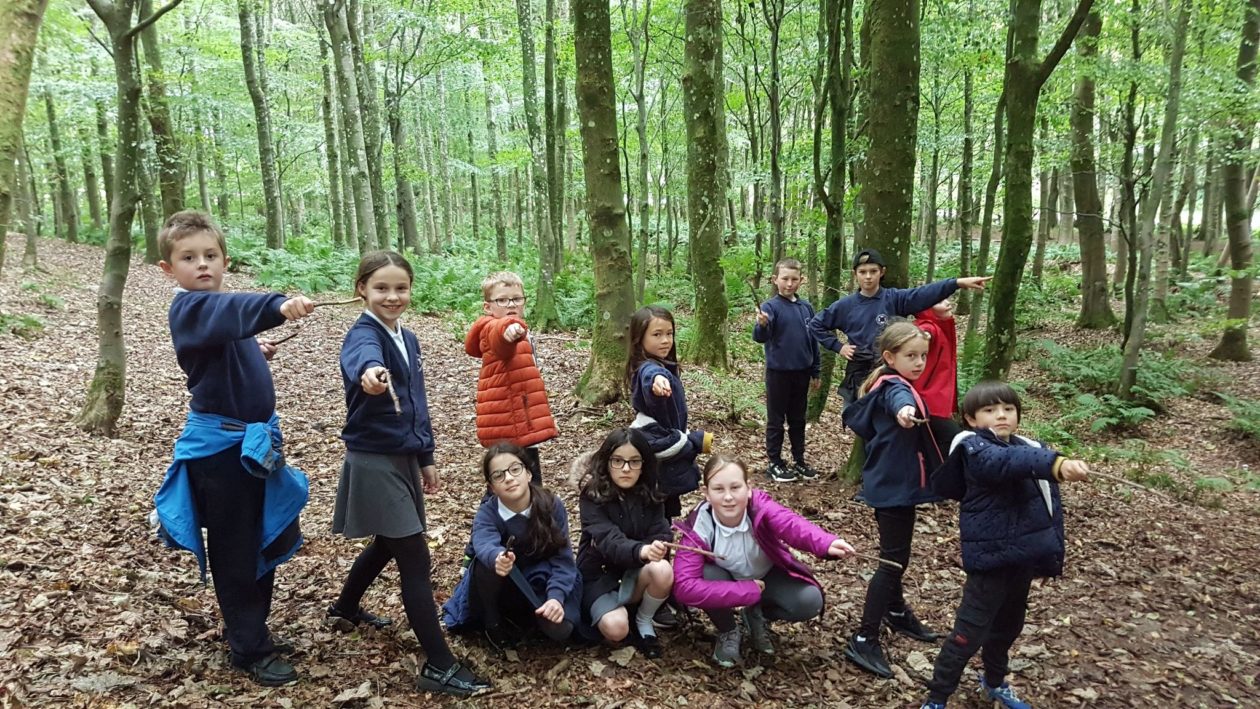
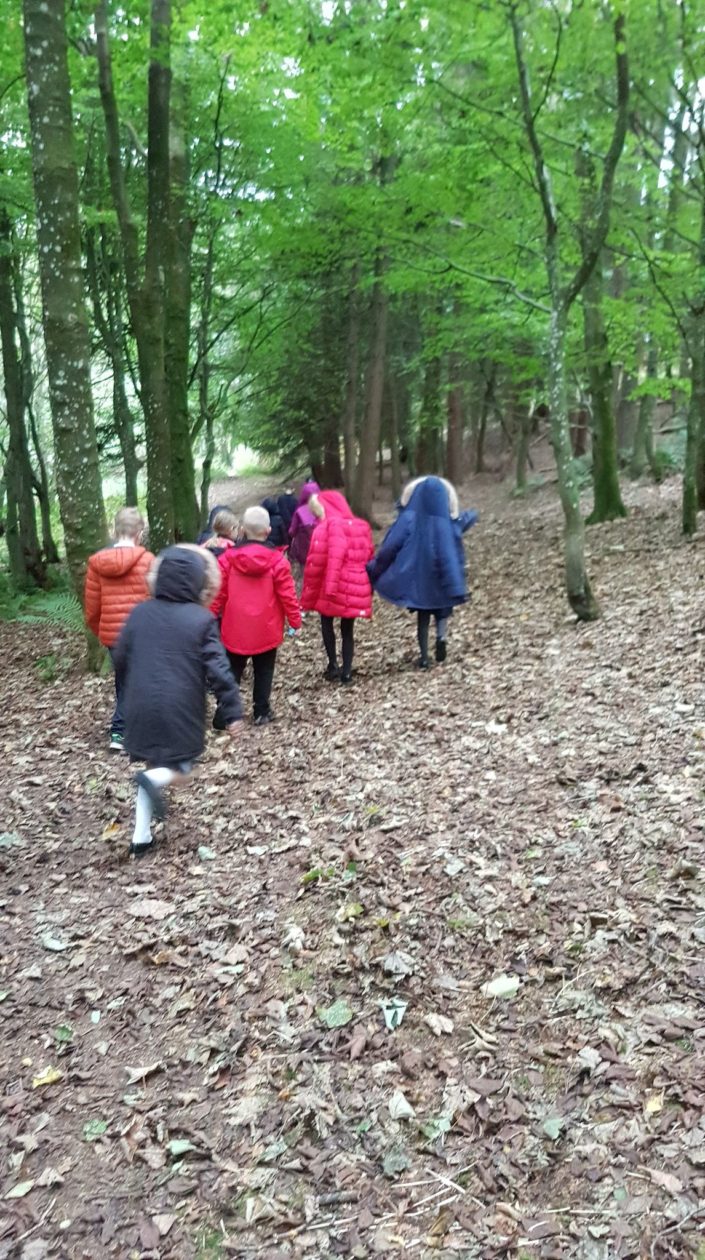
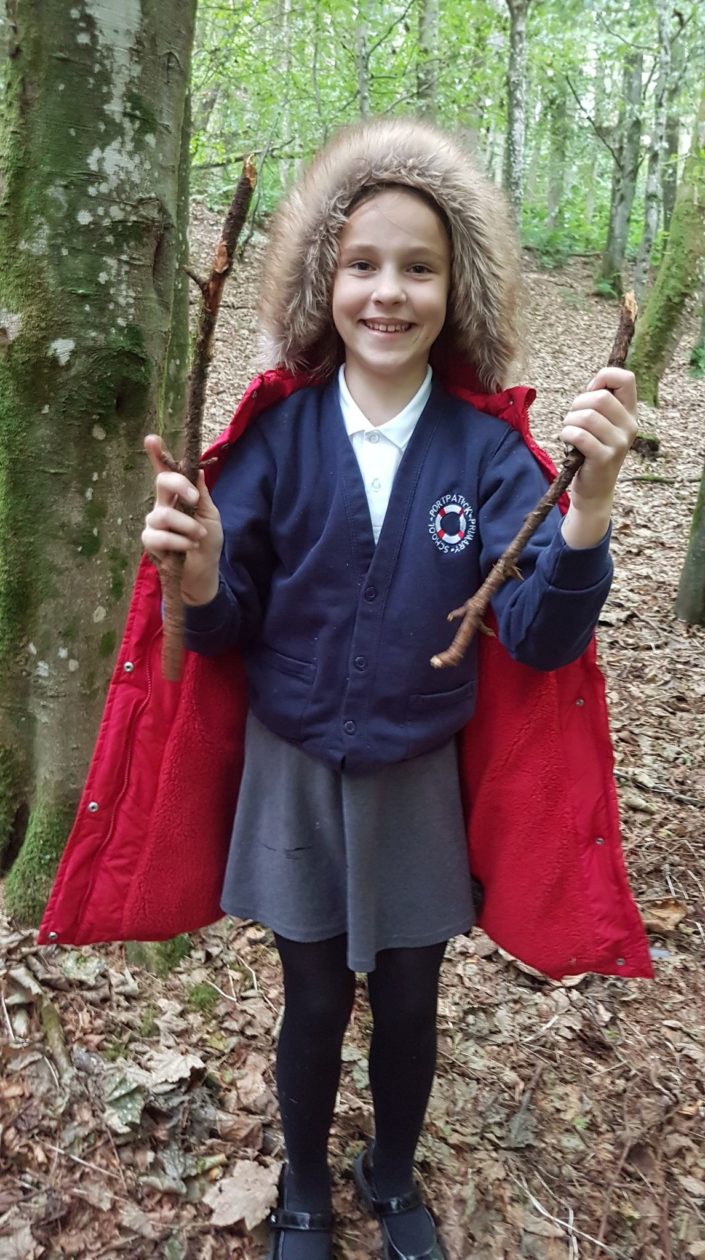
P 4-7 followed on from P1-3 today for Fresh Air Friday. We strolled up to the Glen woodland to seek out natural materials with which to make some magical wands.
The Children enjoyed foraging and even spotted a little toad hiding in the undergrowth.
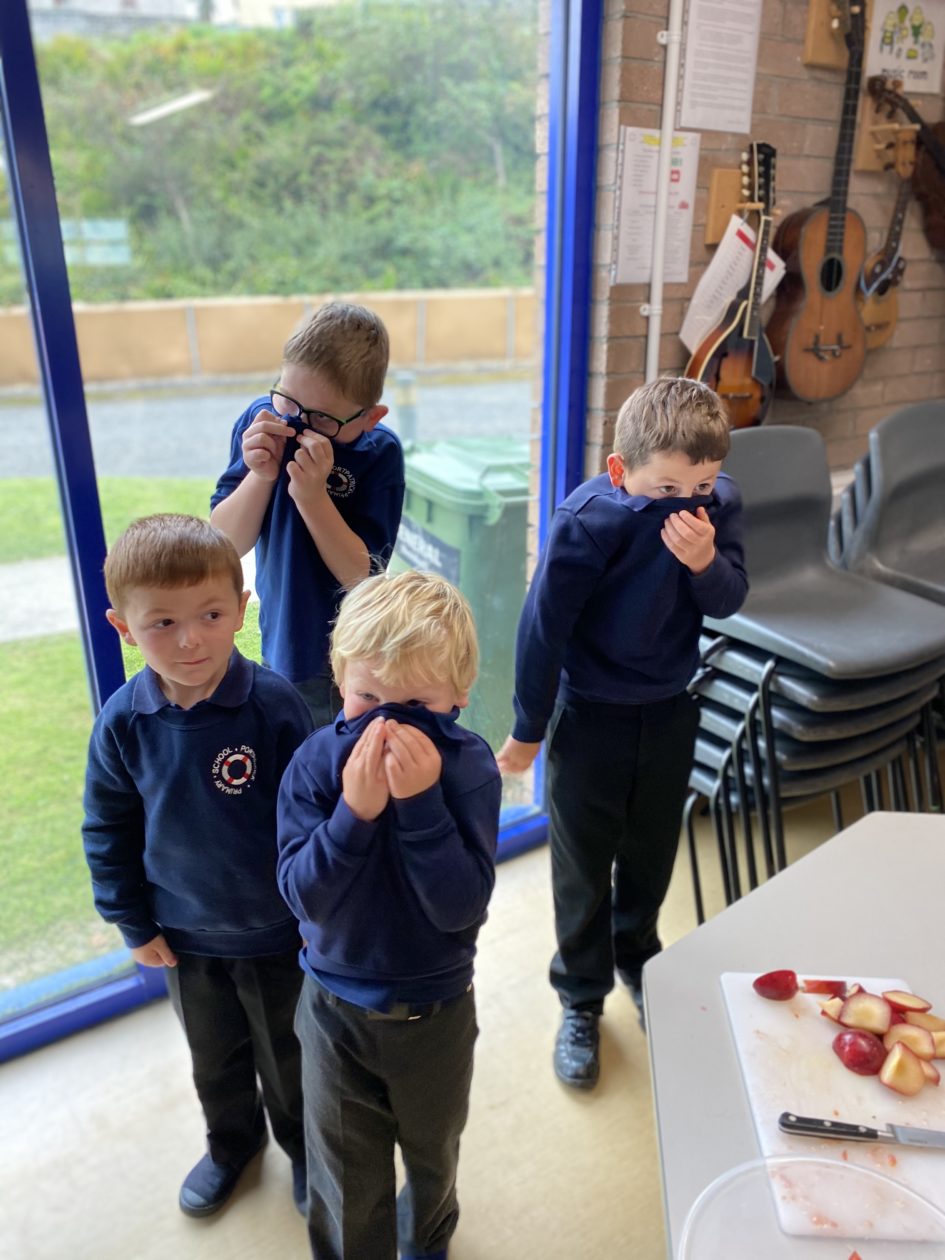
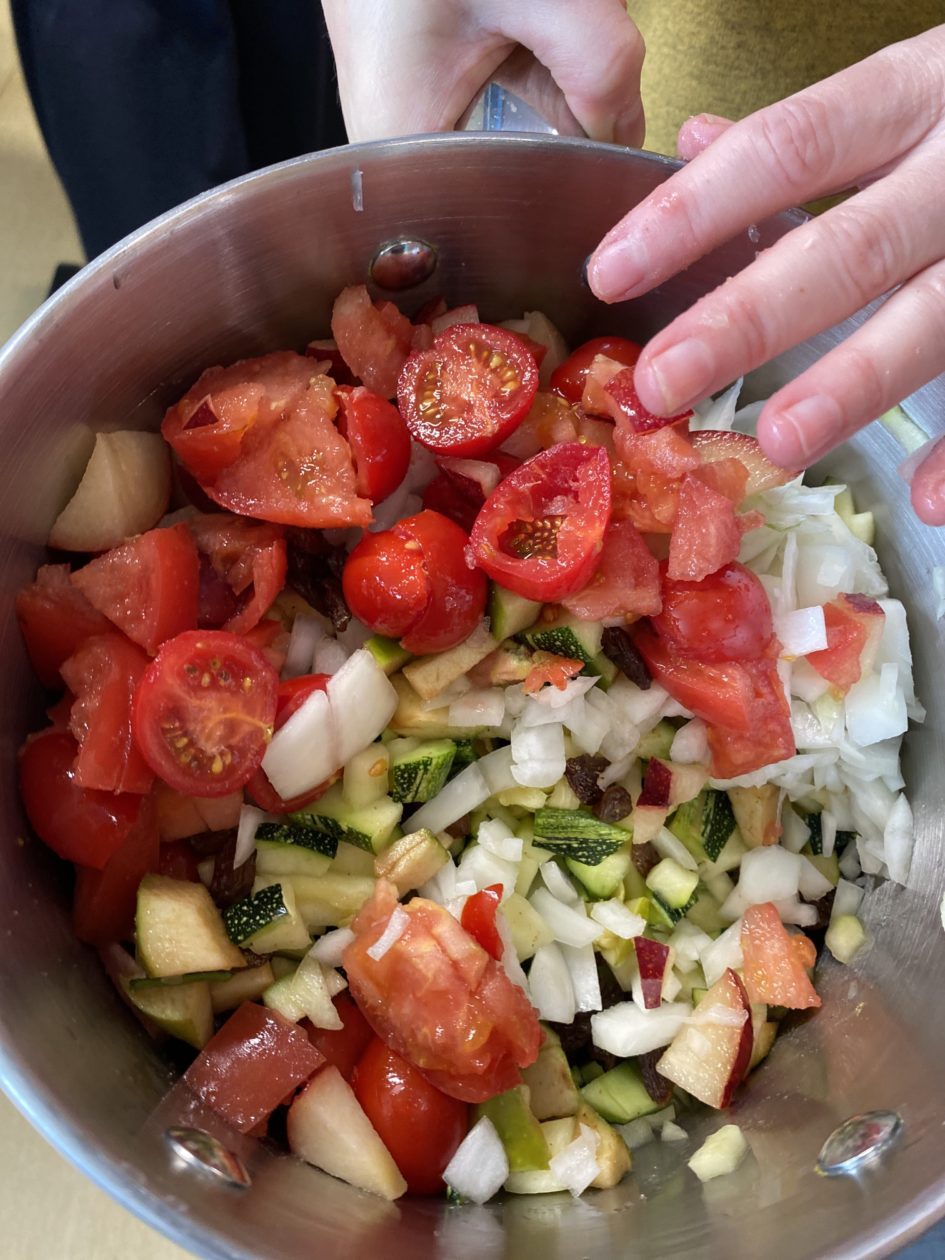
After preparing our marrow yesterday with salt to draw out the moisture, we were ready for the next step in our ‘team chutney’ challenge.
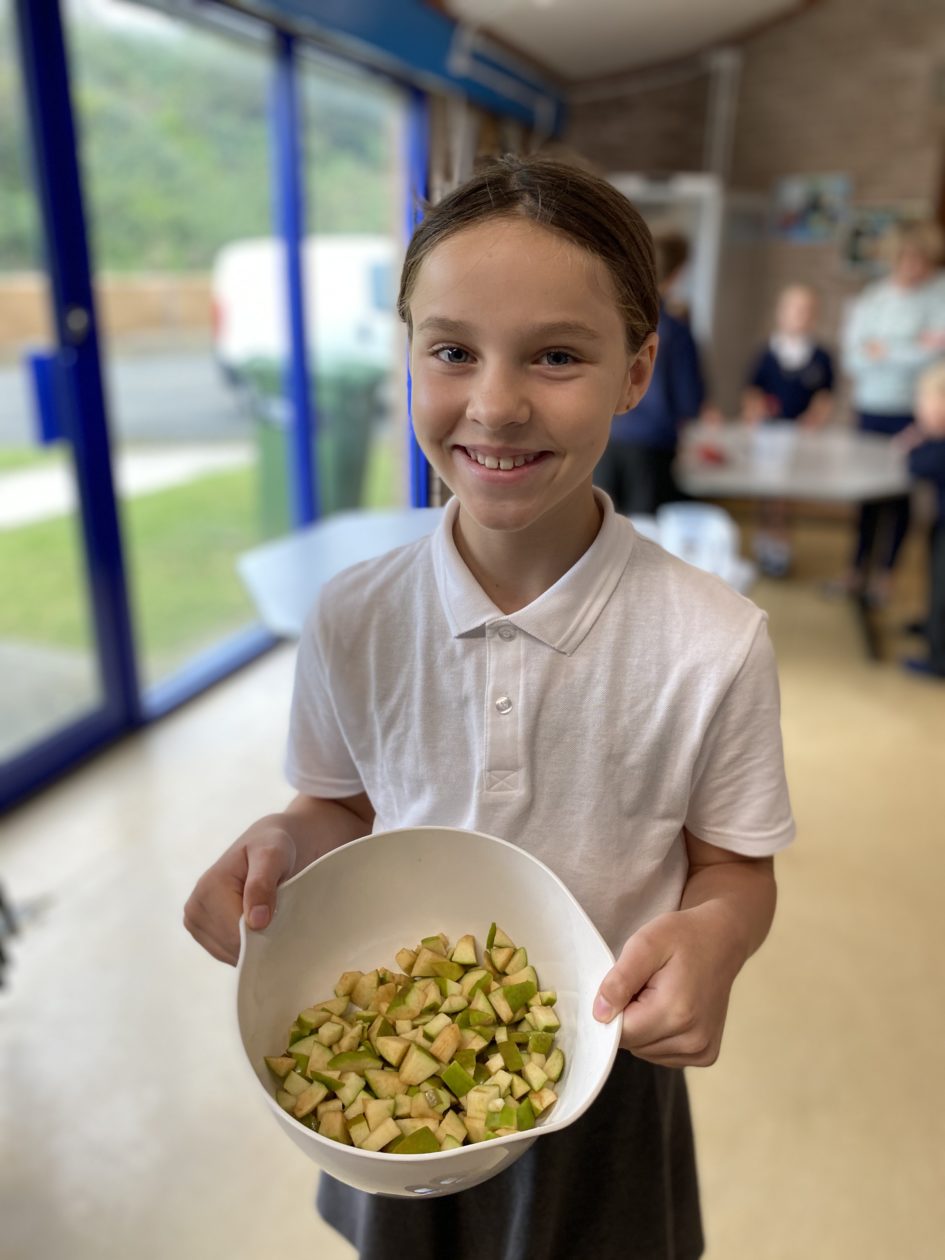
Sian and her neighbour donated a variety of tomatoes. Izzy and Alba brought in apples from their trees at home too. The rest of the ingredients were bought in store.
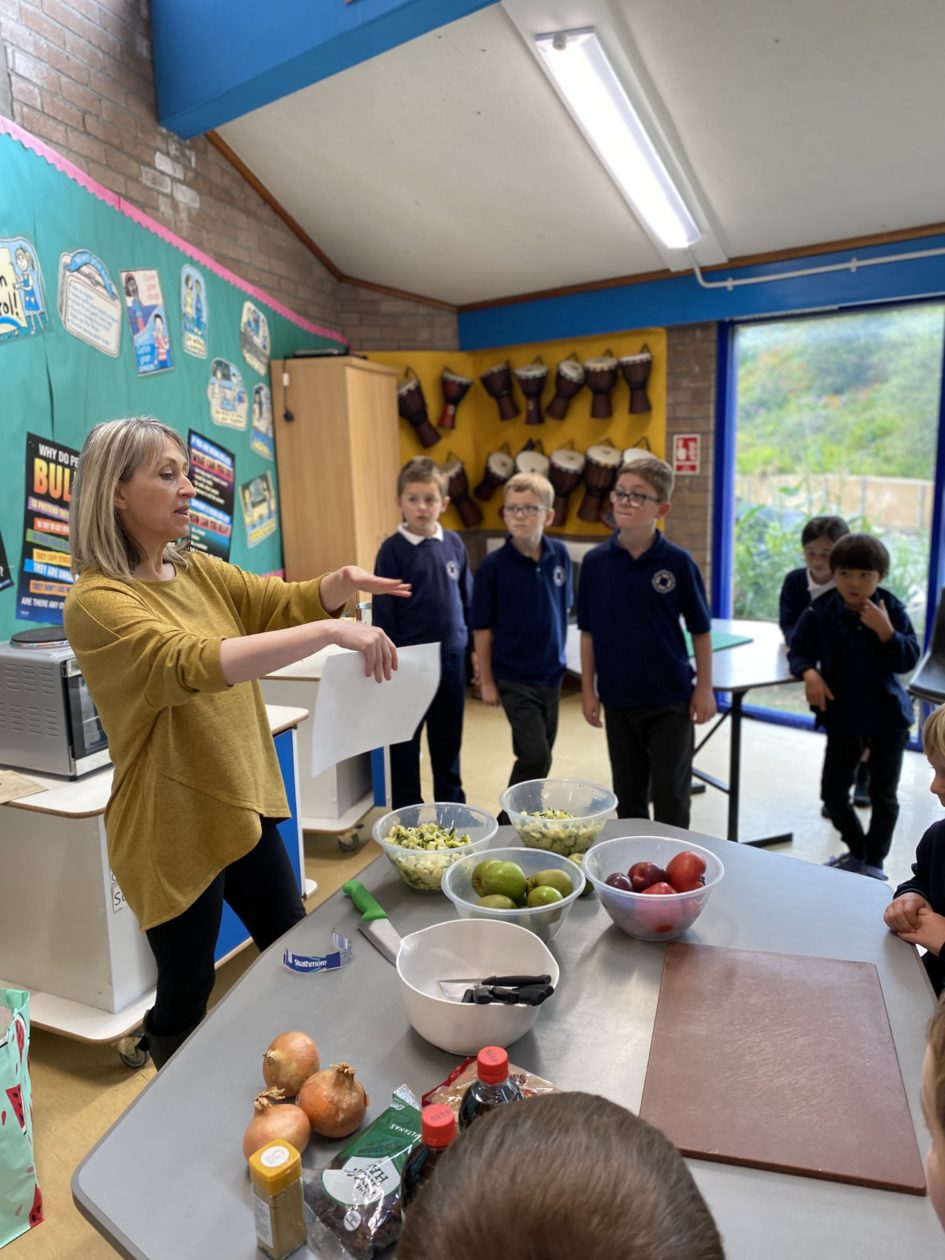
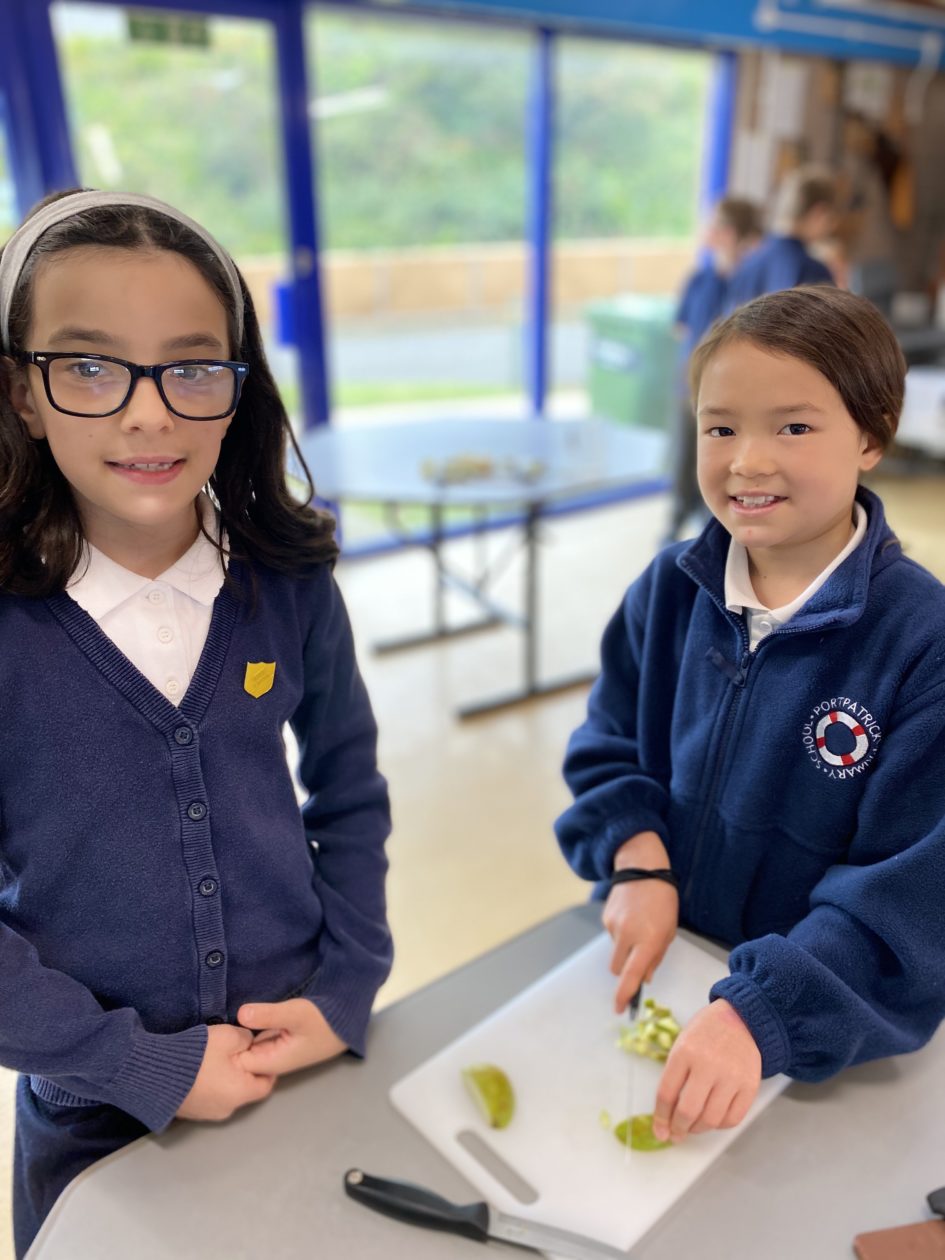
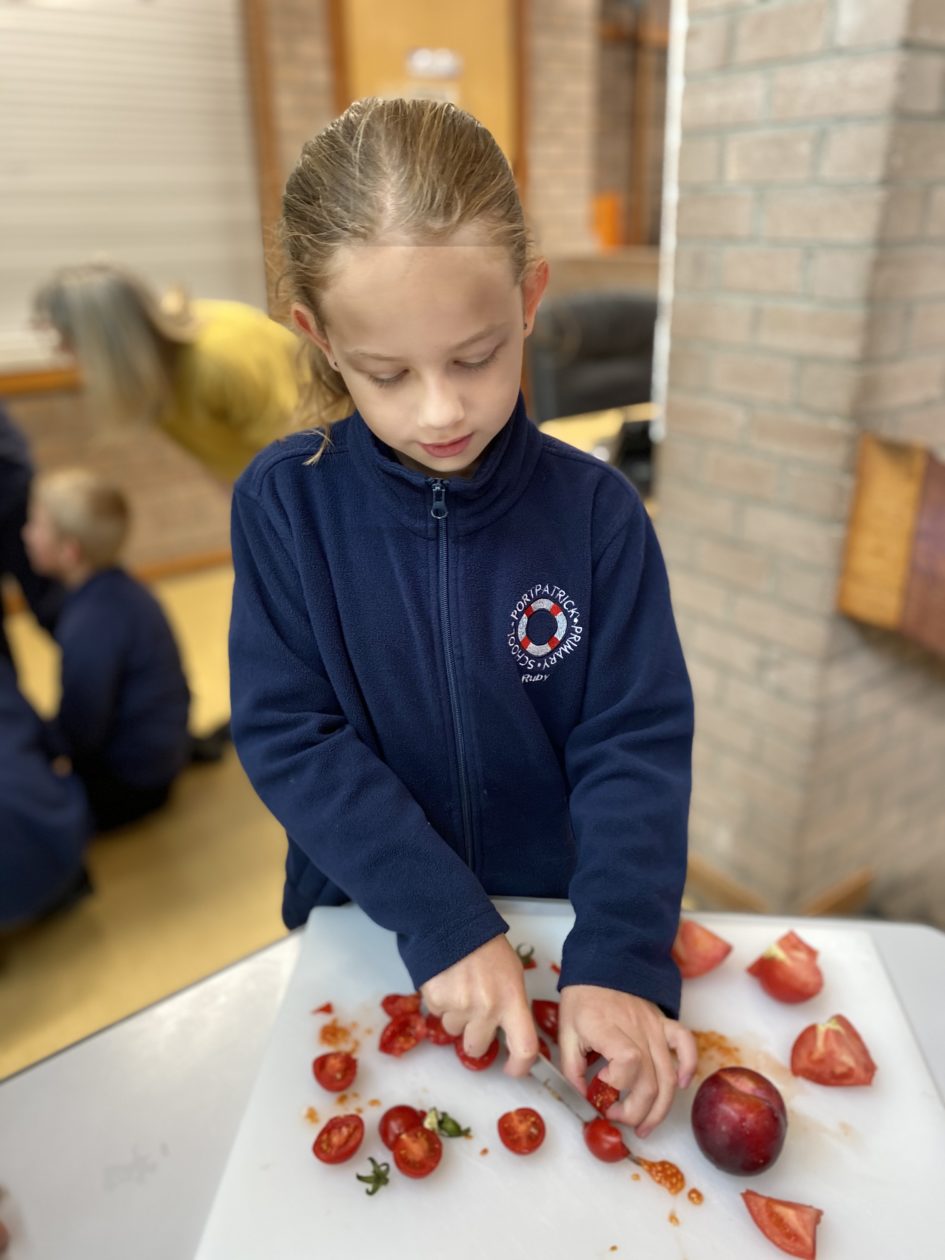
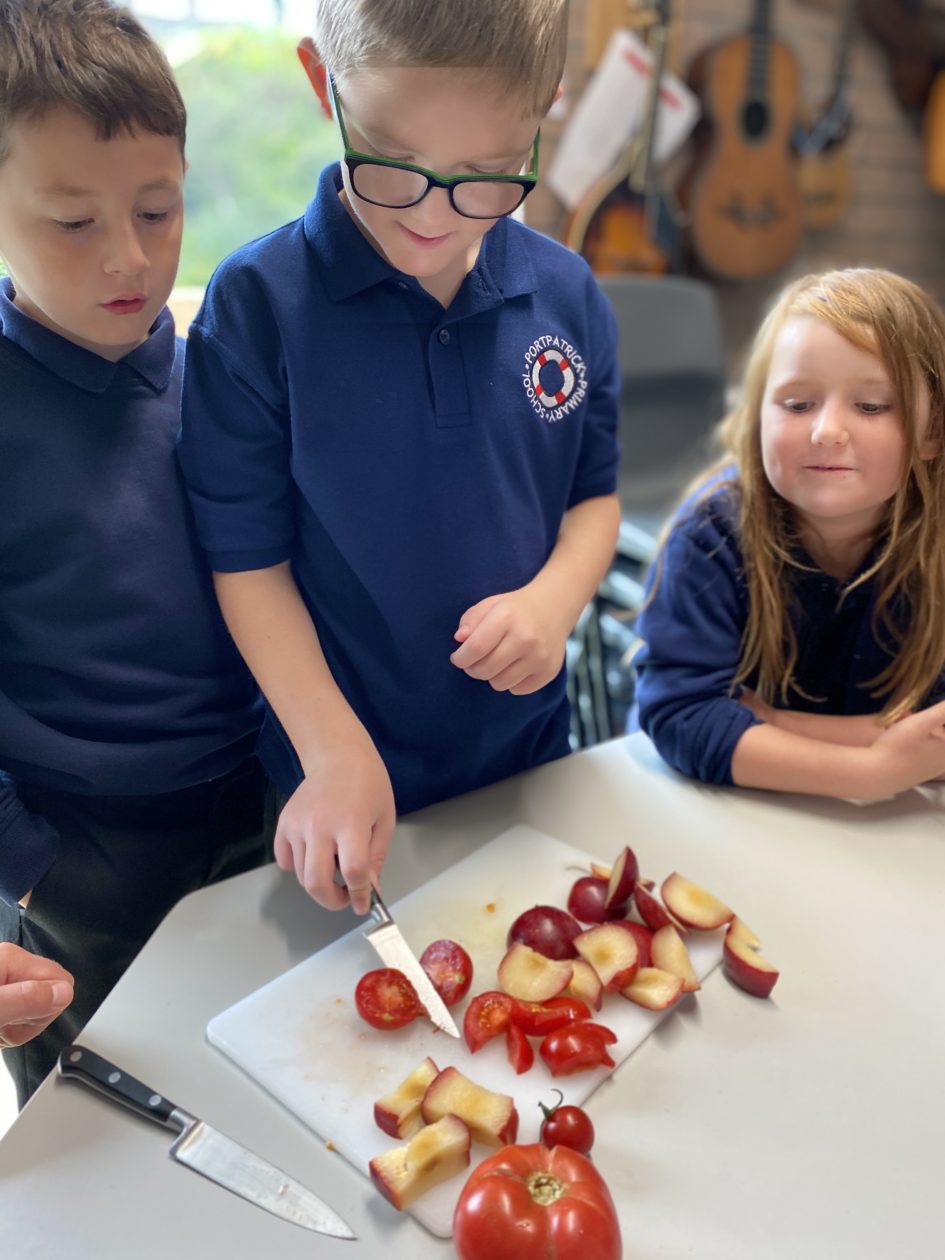
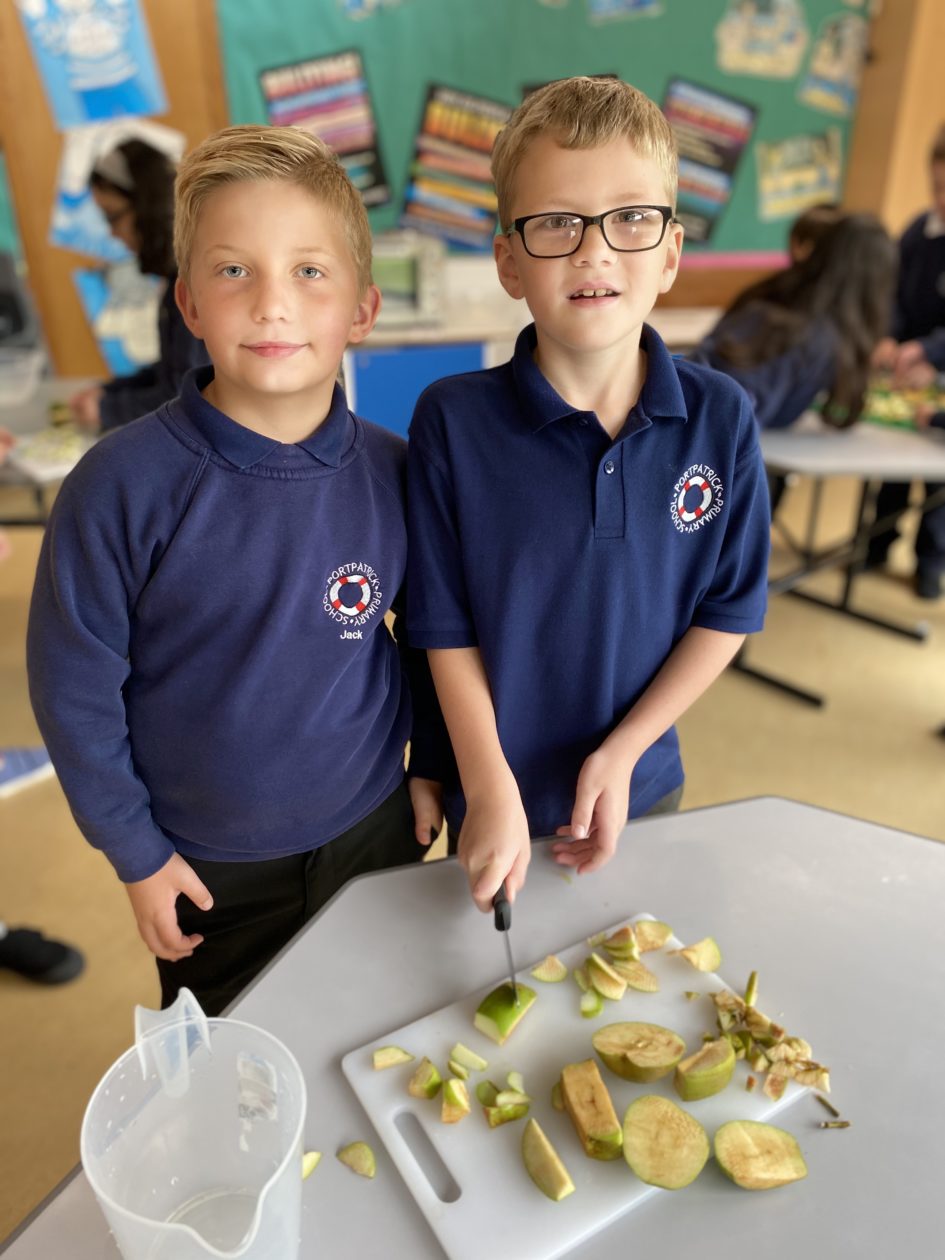
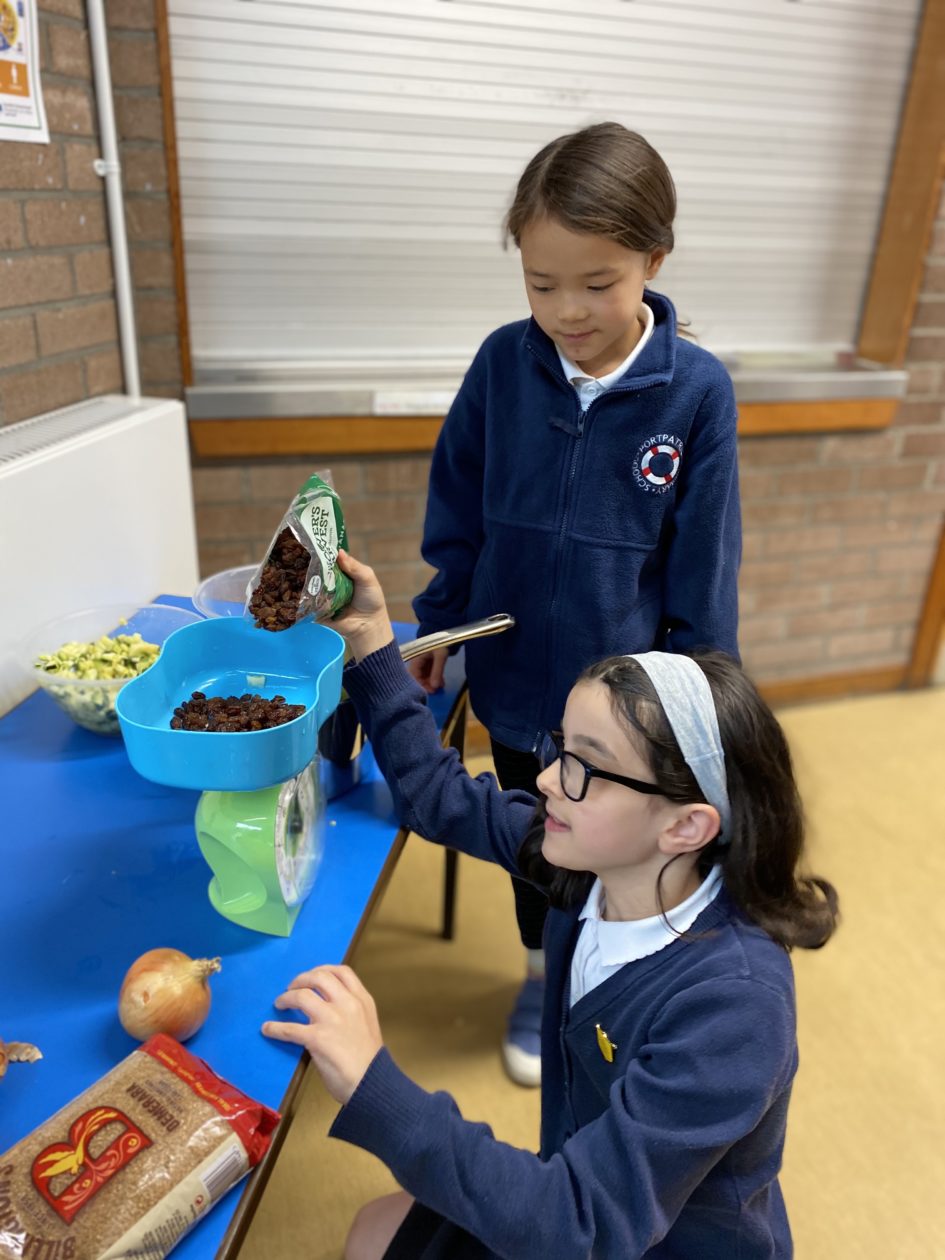
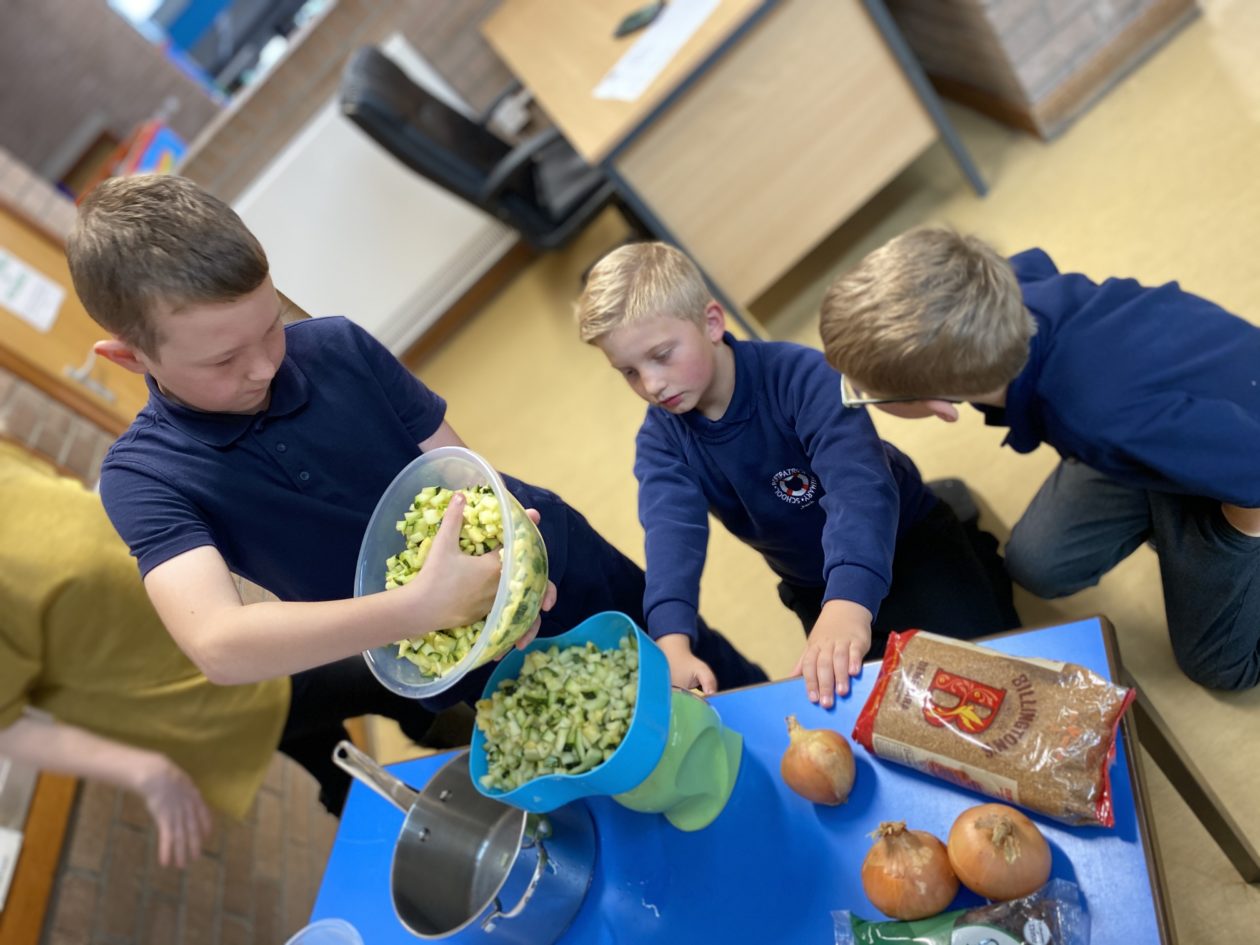
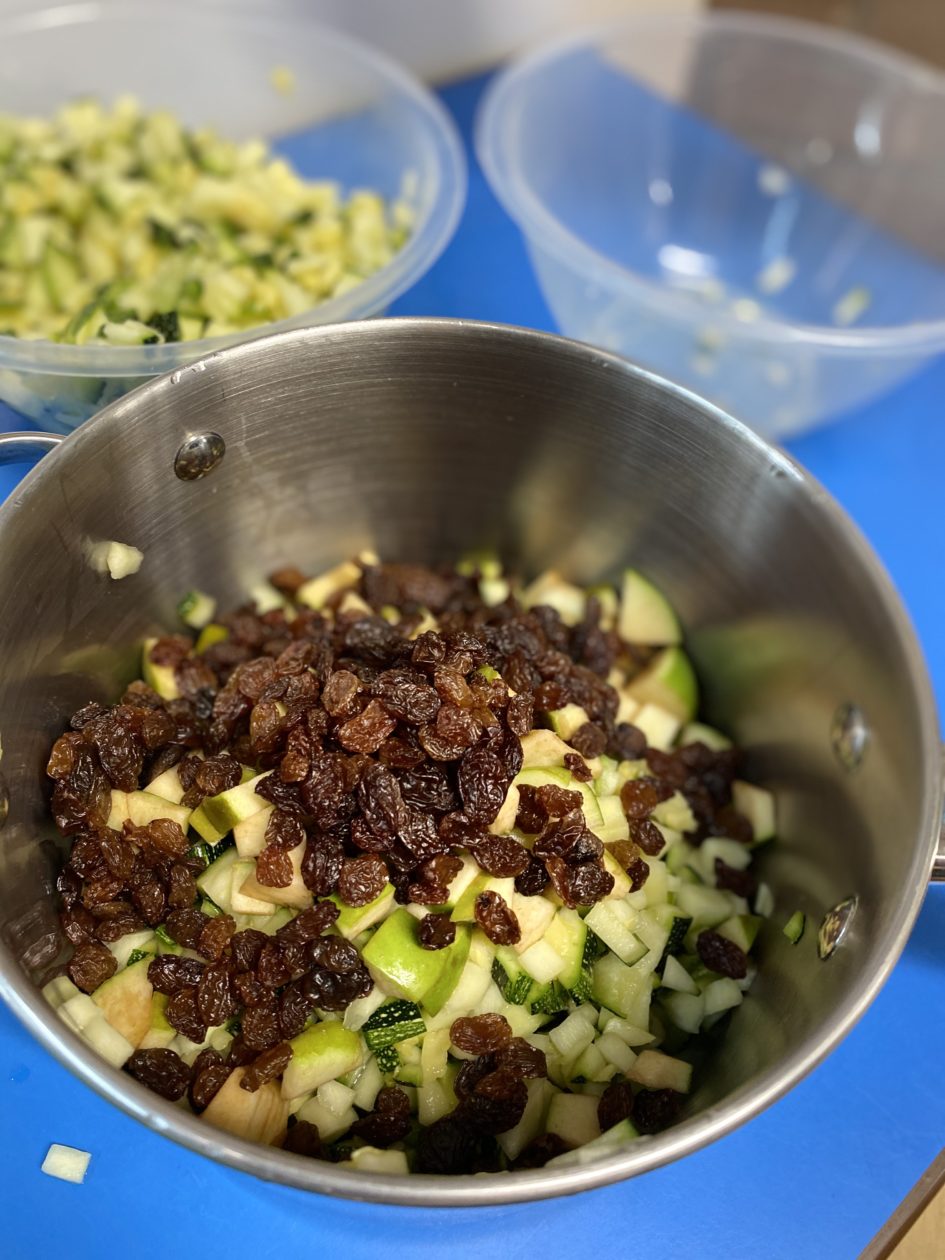
The boys and girls chopped and prepared the following ingredients and added it to the washed and drained home grown marrow.
Apples
Tomatoes
Plums
Sultanas
Ginger
Malt Vinegar
Demerara Sugar
We applied our maths skills to the task too. We used division to reduce recipe quantities. We also practised weight and capacity to measure dry and wet ingredients by reading scales for quantity. Everything was then mixed together and simmered slowly for several hours to thicken and blend.
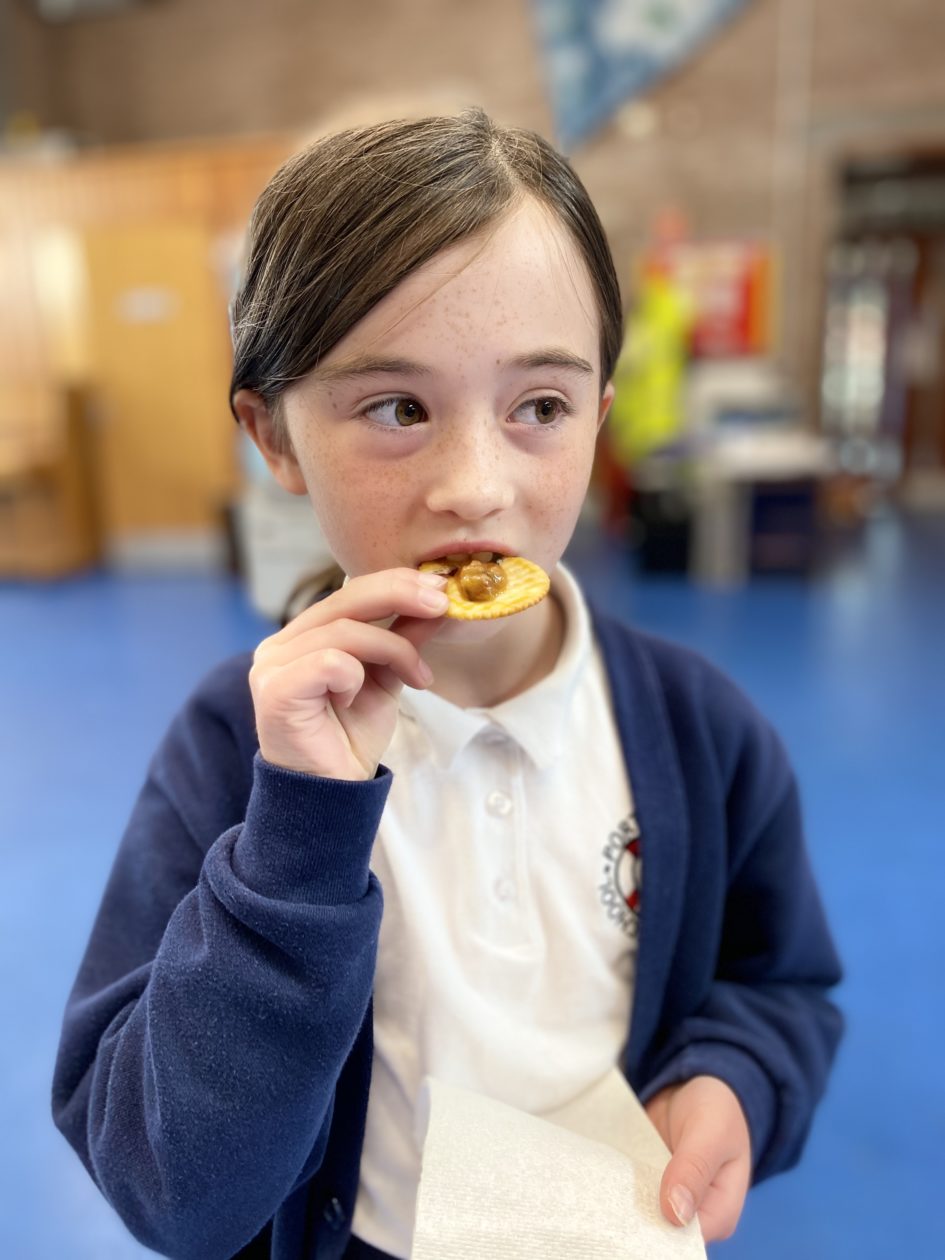
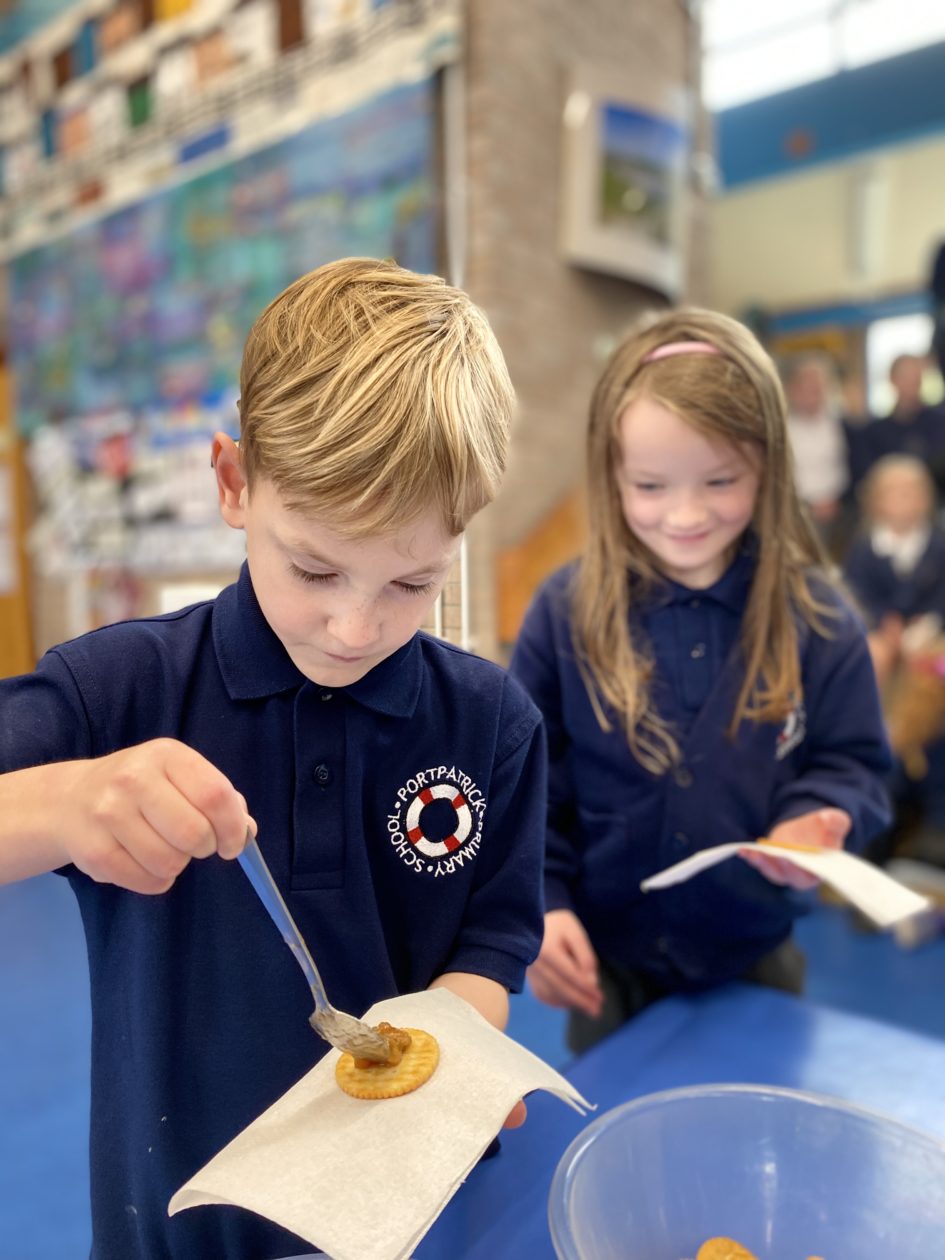
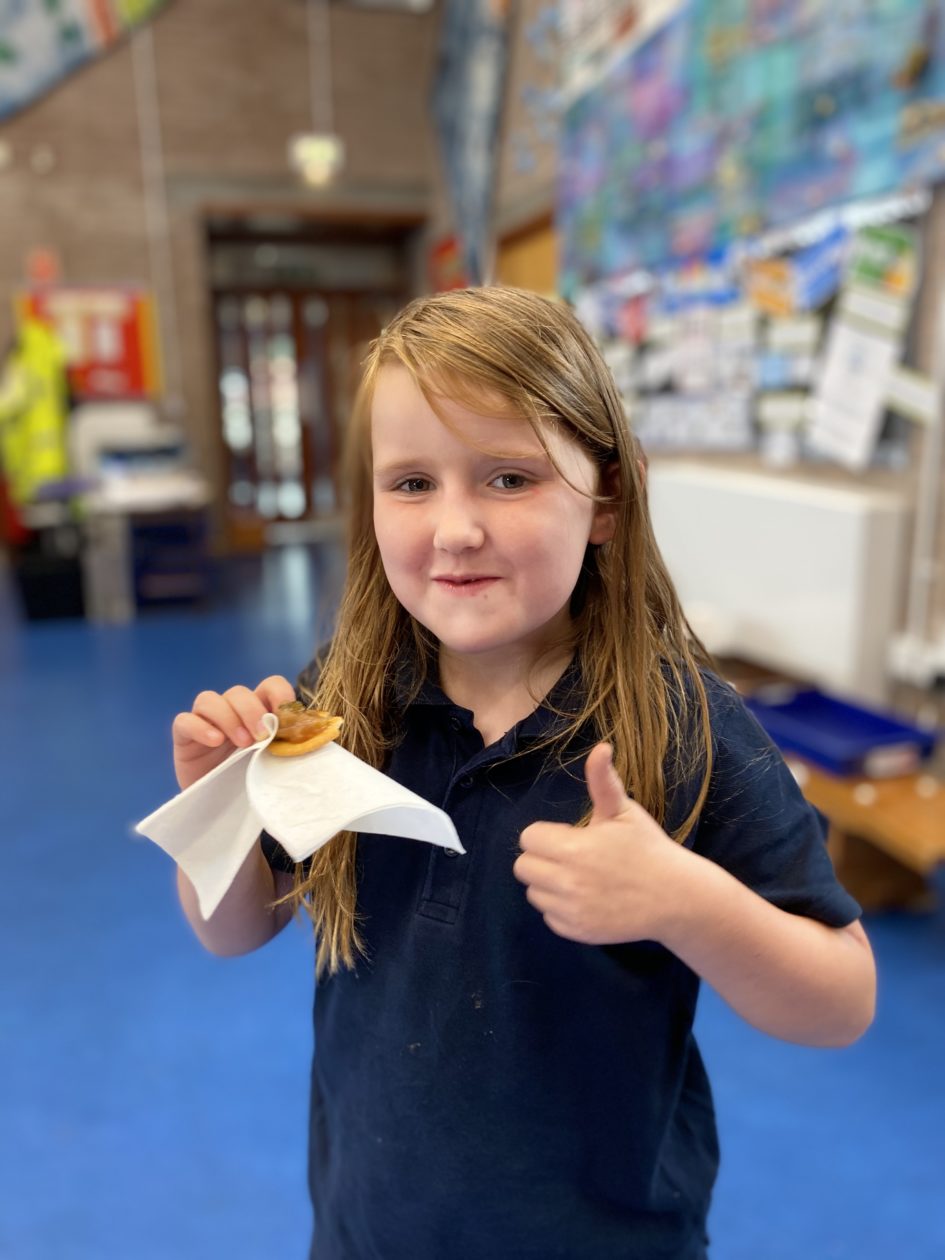
We then enjoyed the chutney with a mix of crackers . The children really liked the flavour. There were seconds and even thirds devoured!