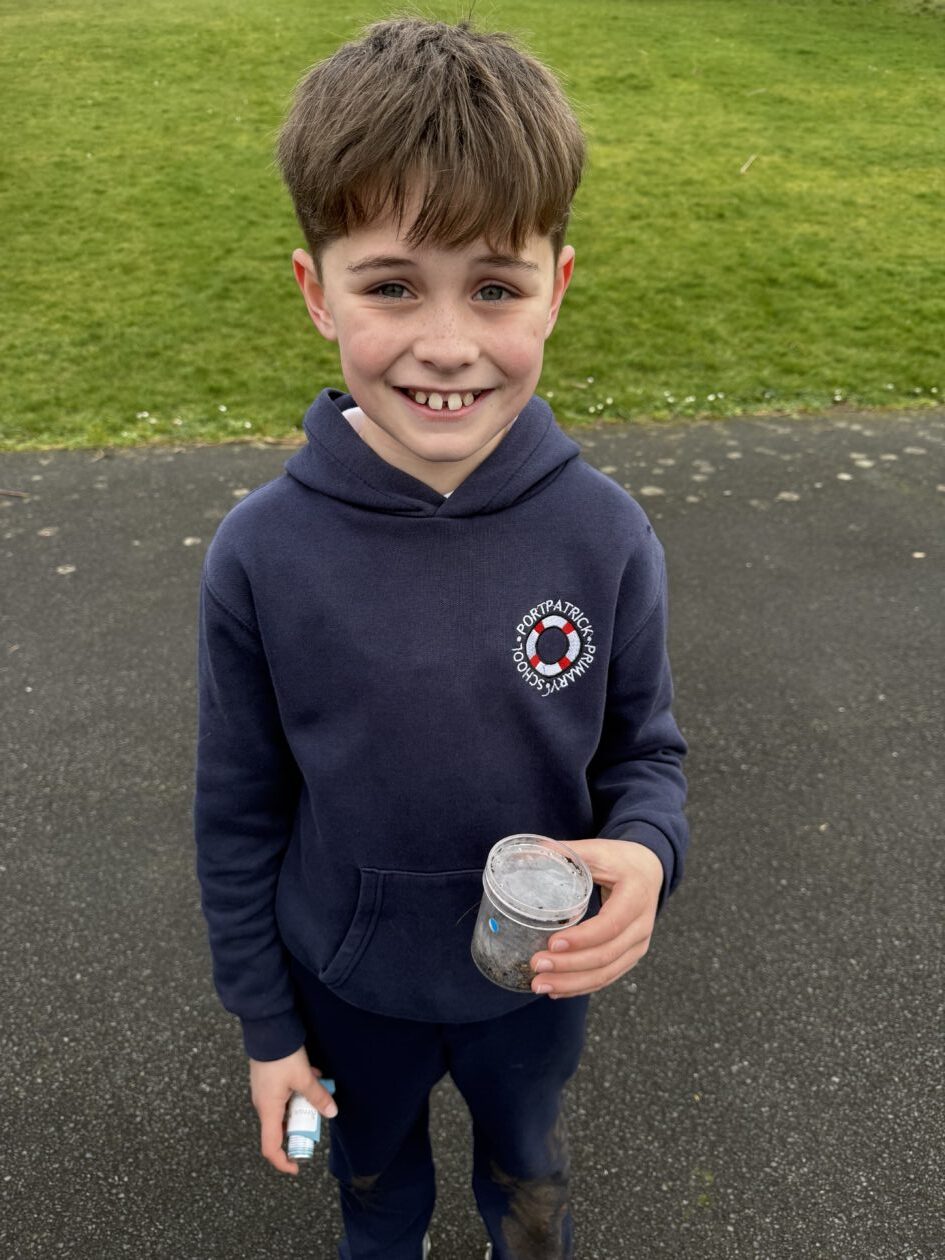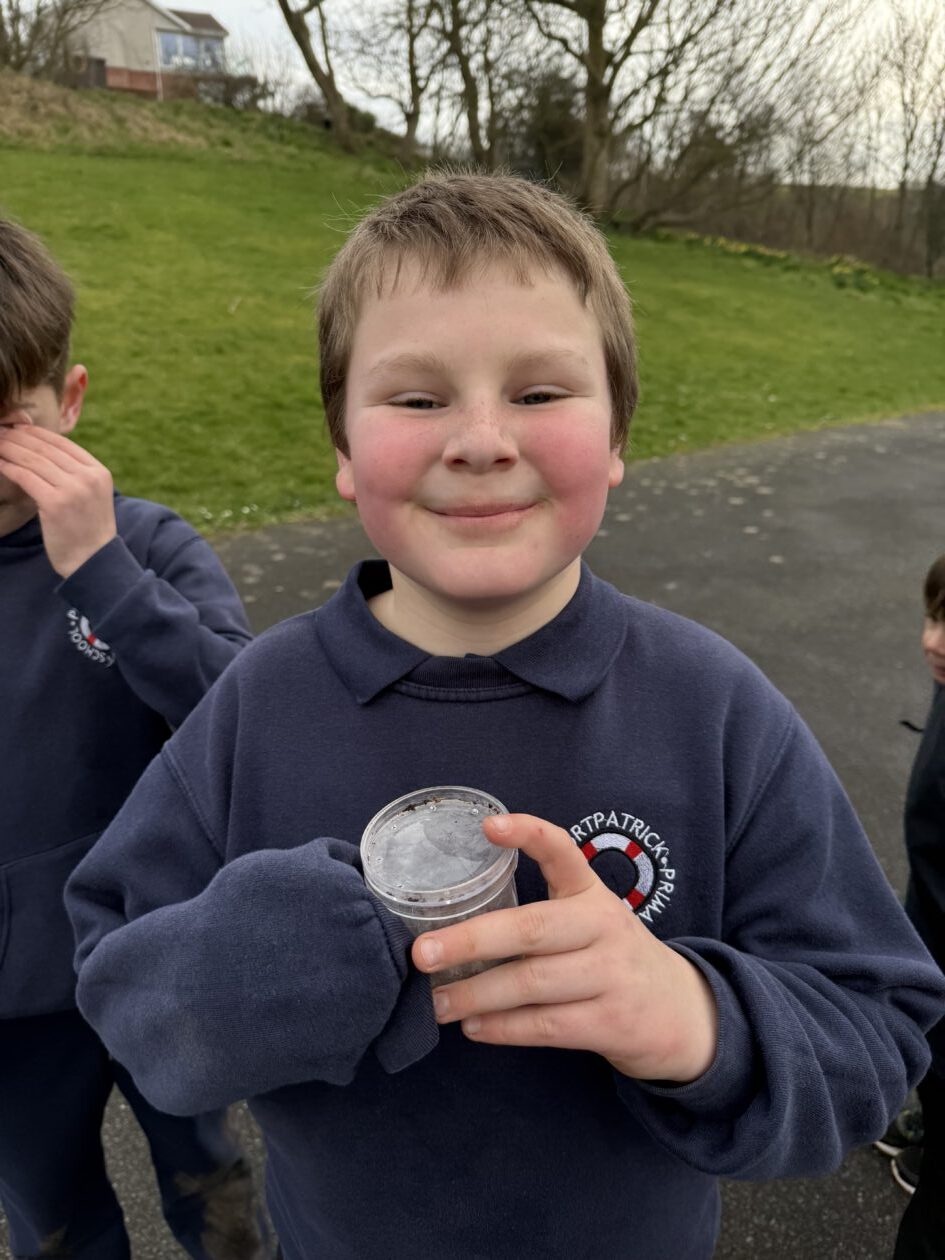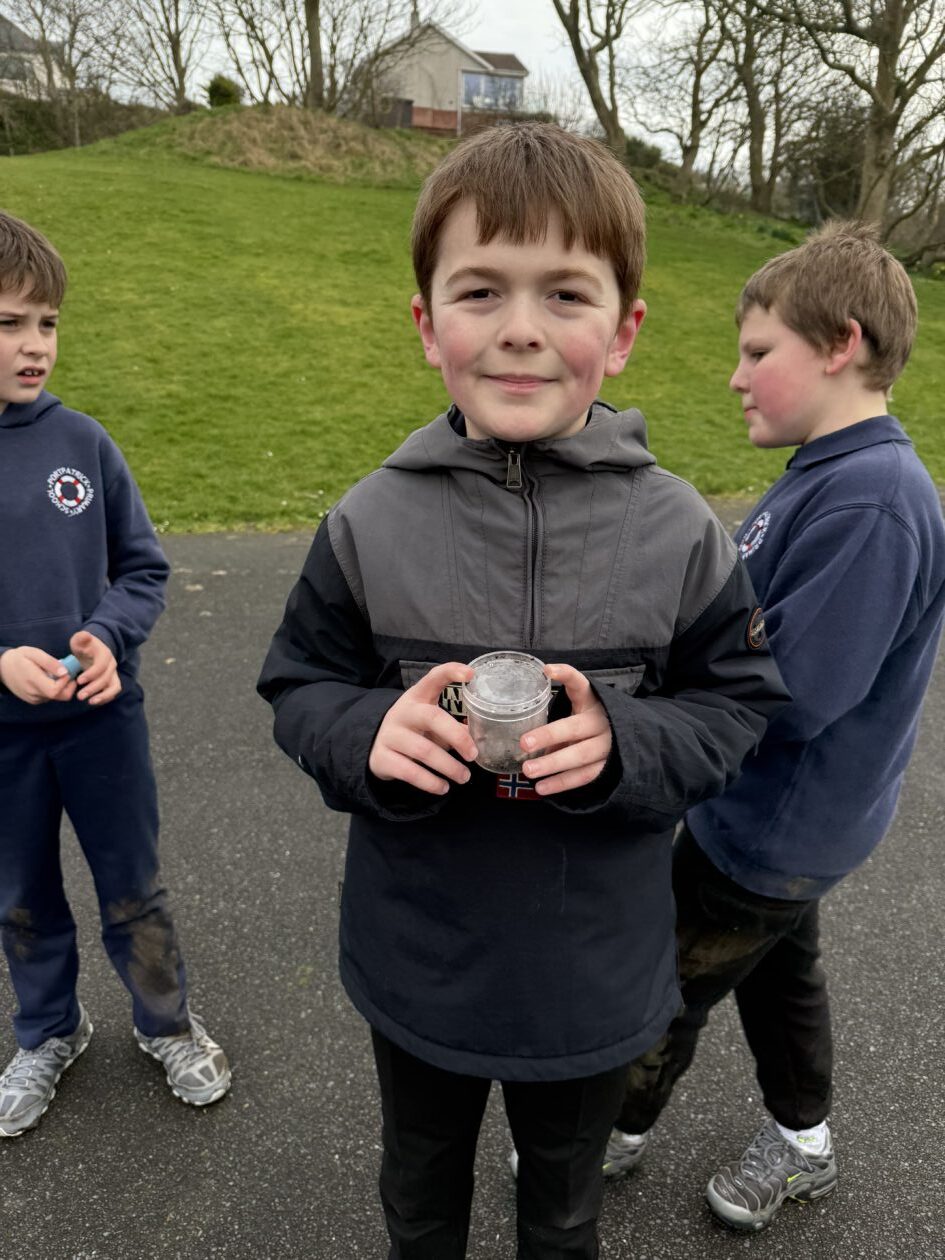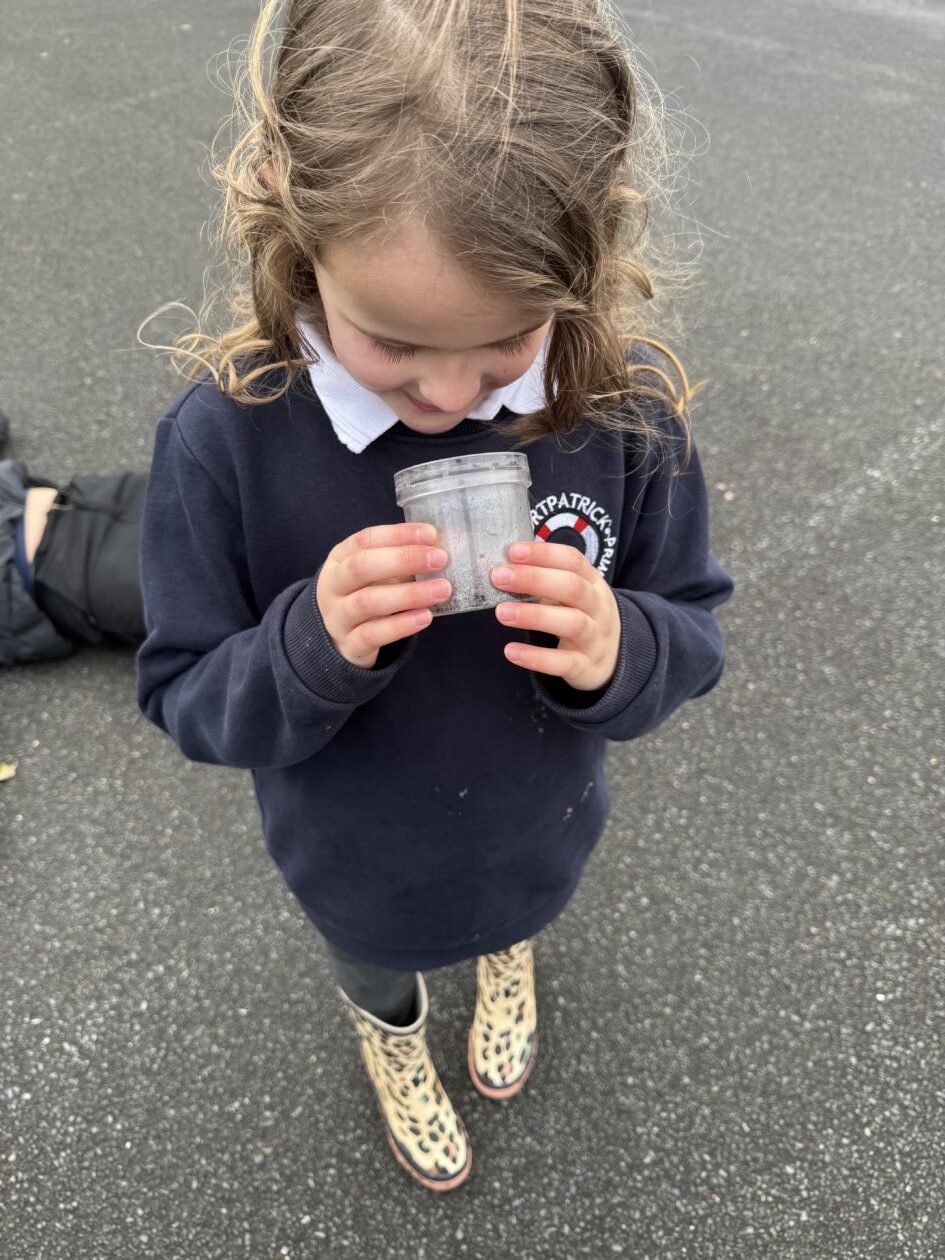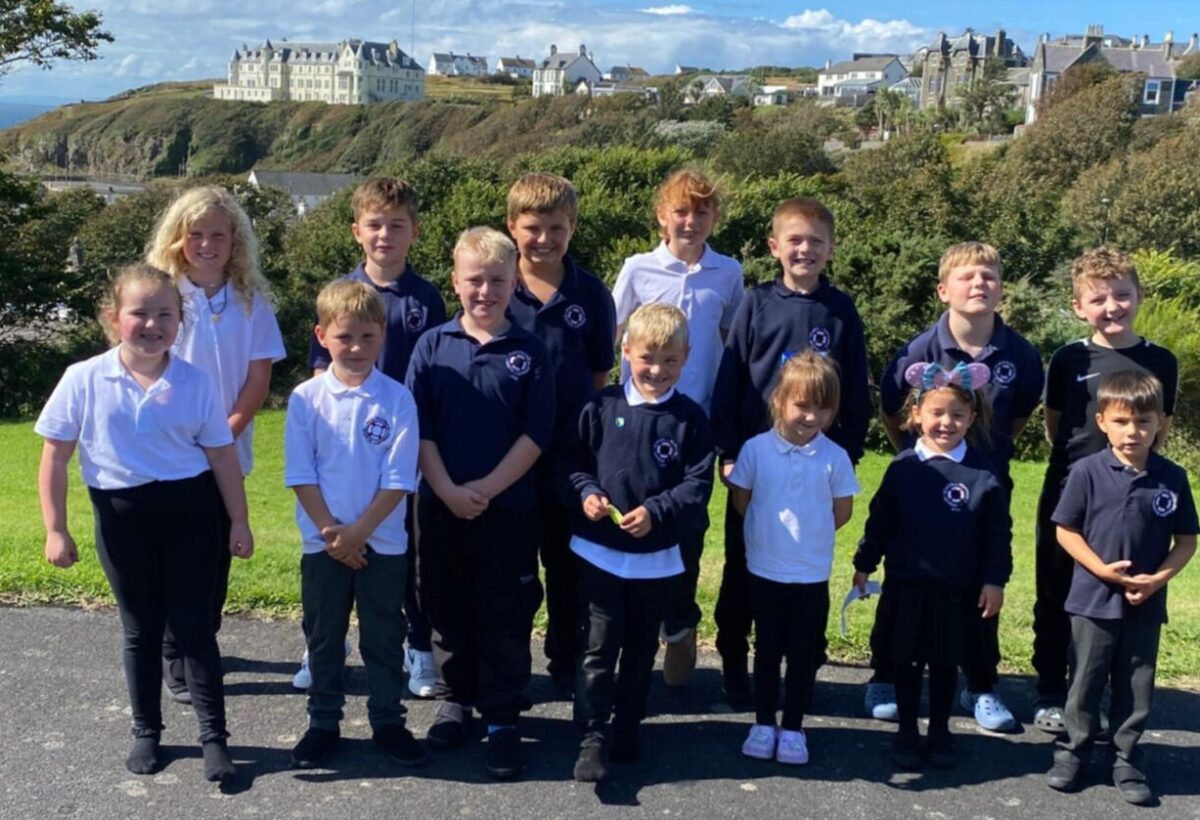
Our pupils recently took part in an exciting biodiversity investigation around our school grounds. The aim of the activity was to help children explore the variety of living things that share our playground and local environment. It was a fantastic opportunity to take learning outdoors and develop a deeper appreciation for the natural world around us.
A Mini Beast Hunt
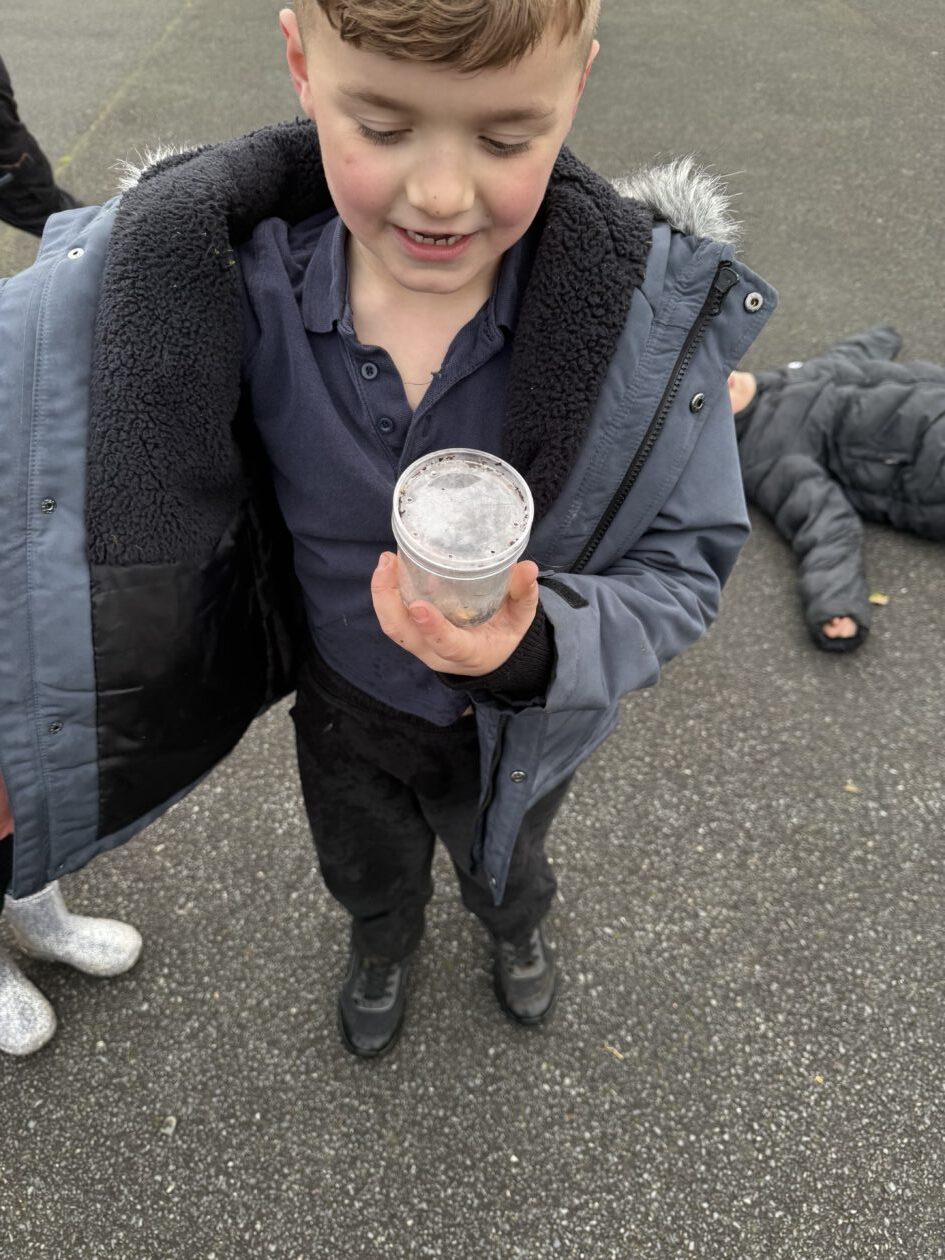
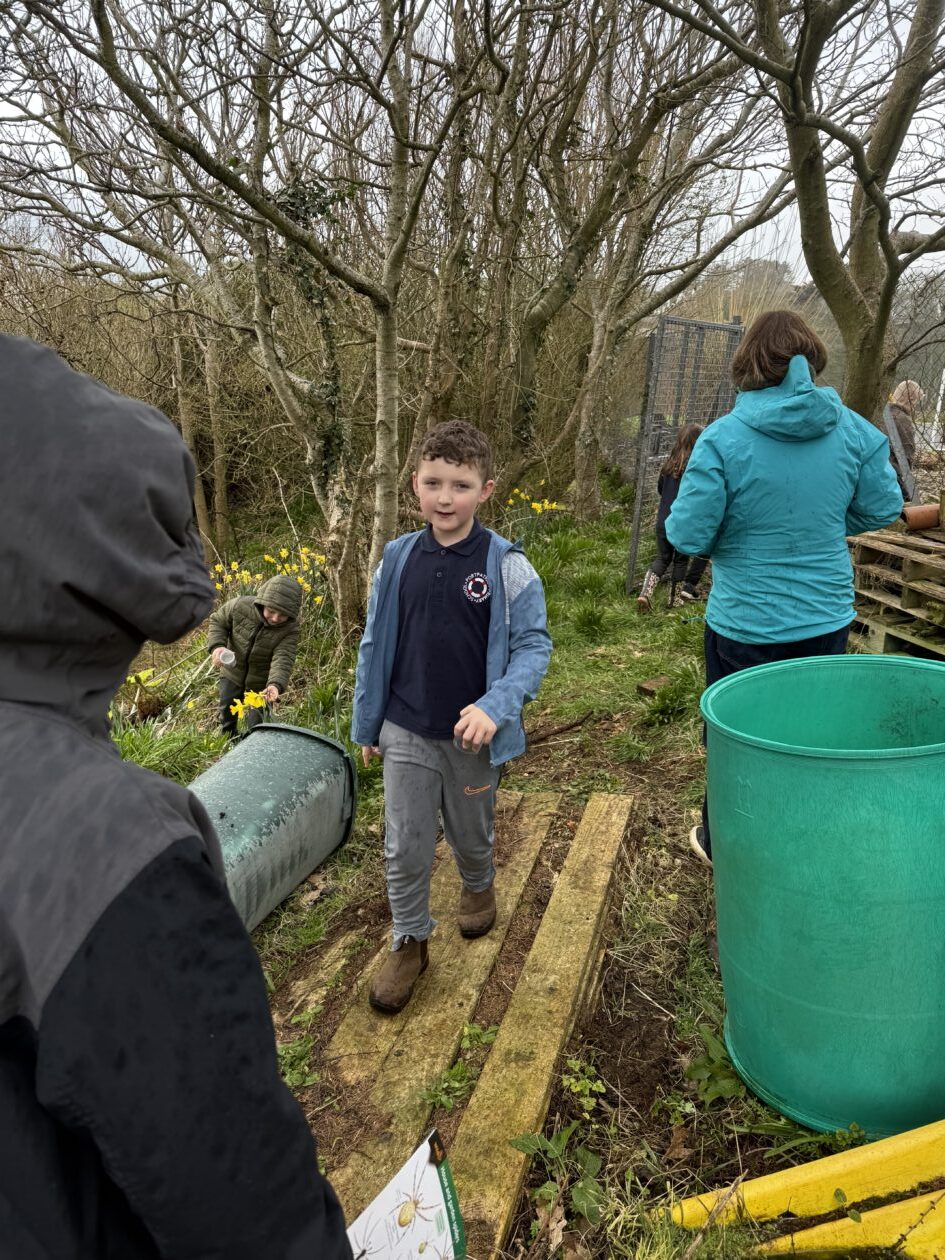
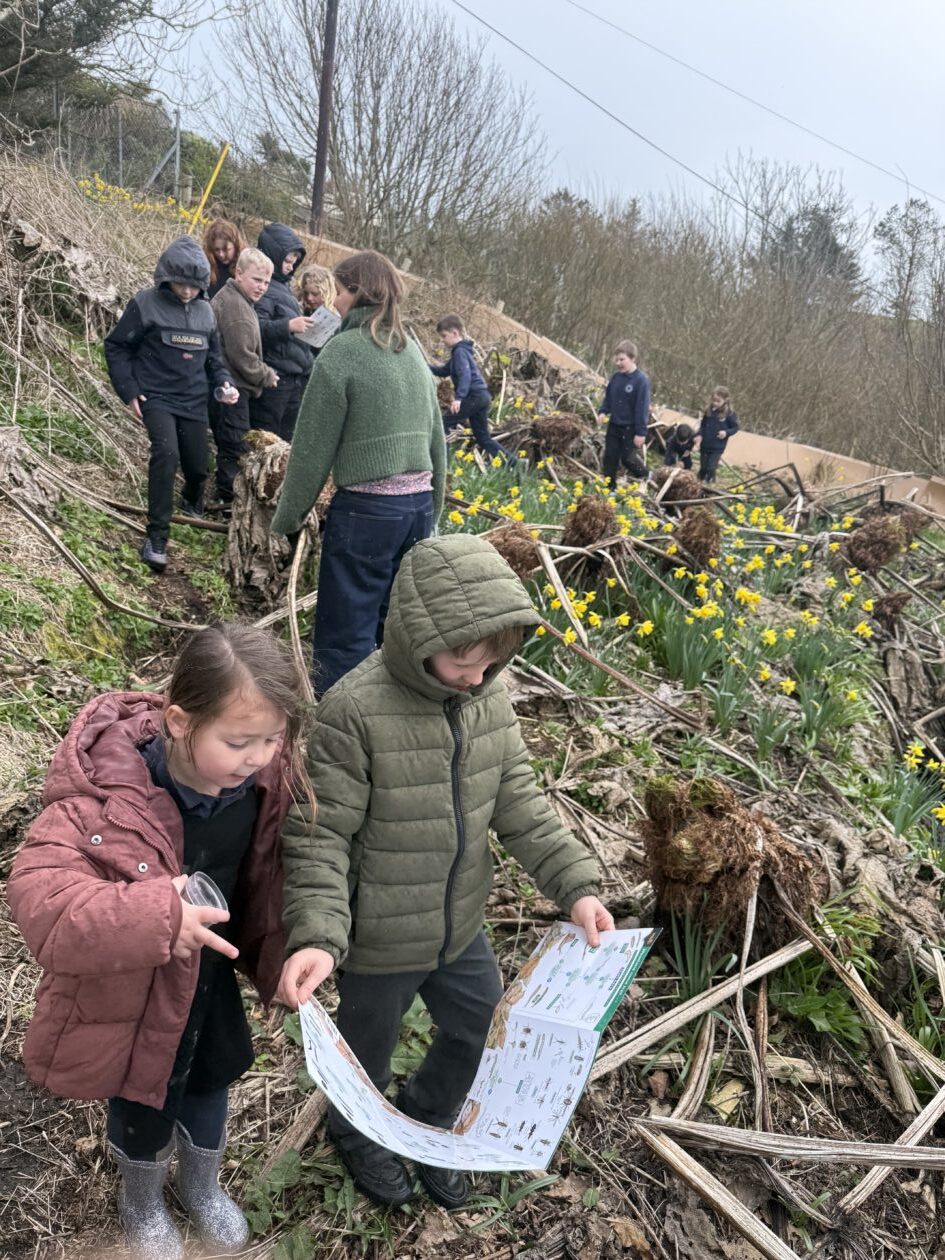
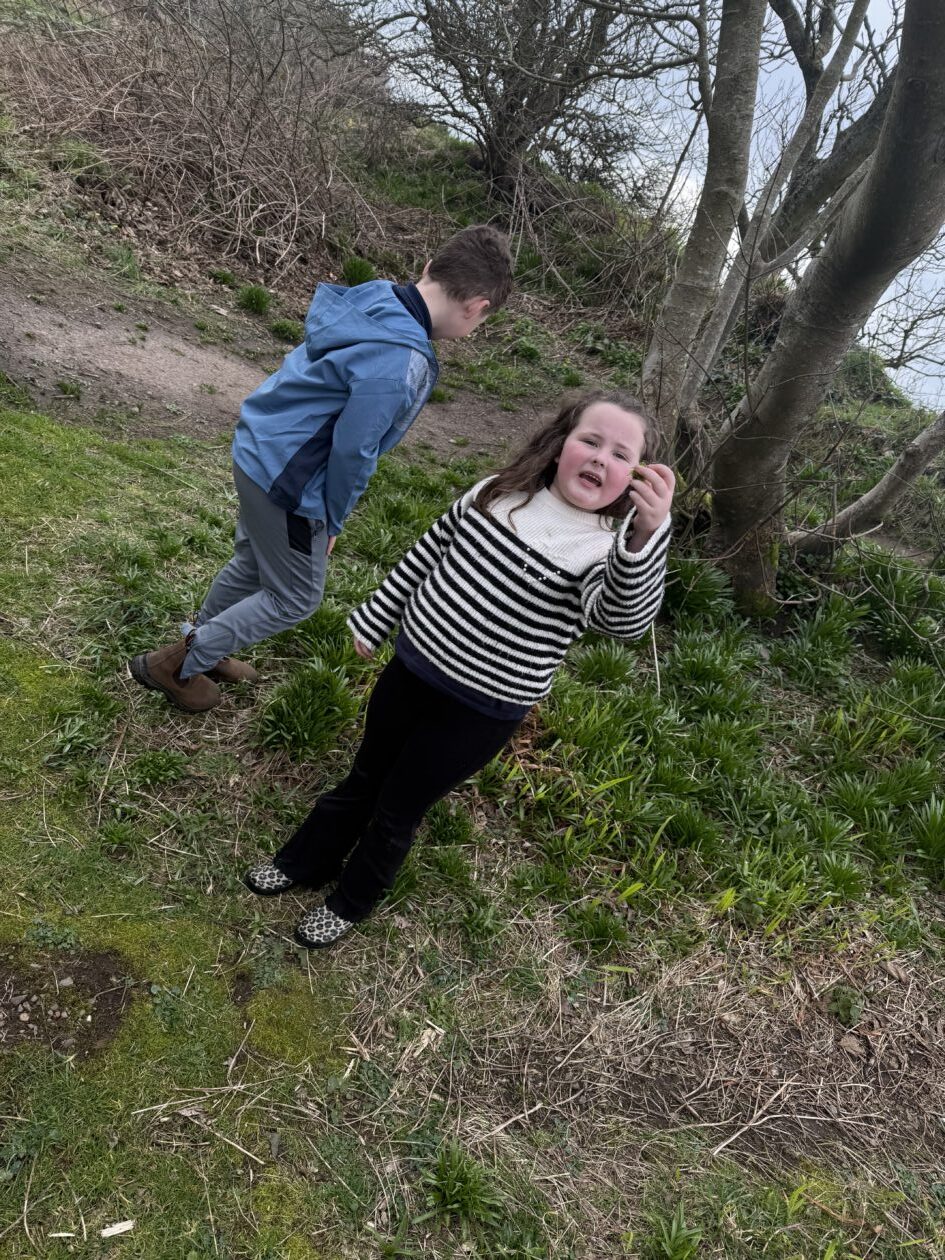
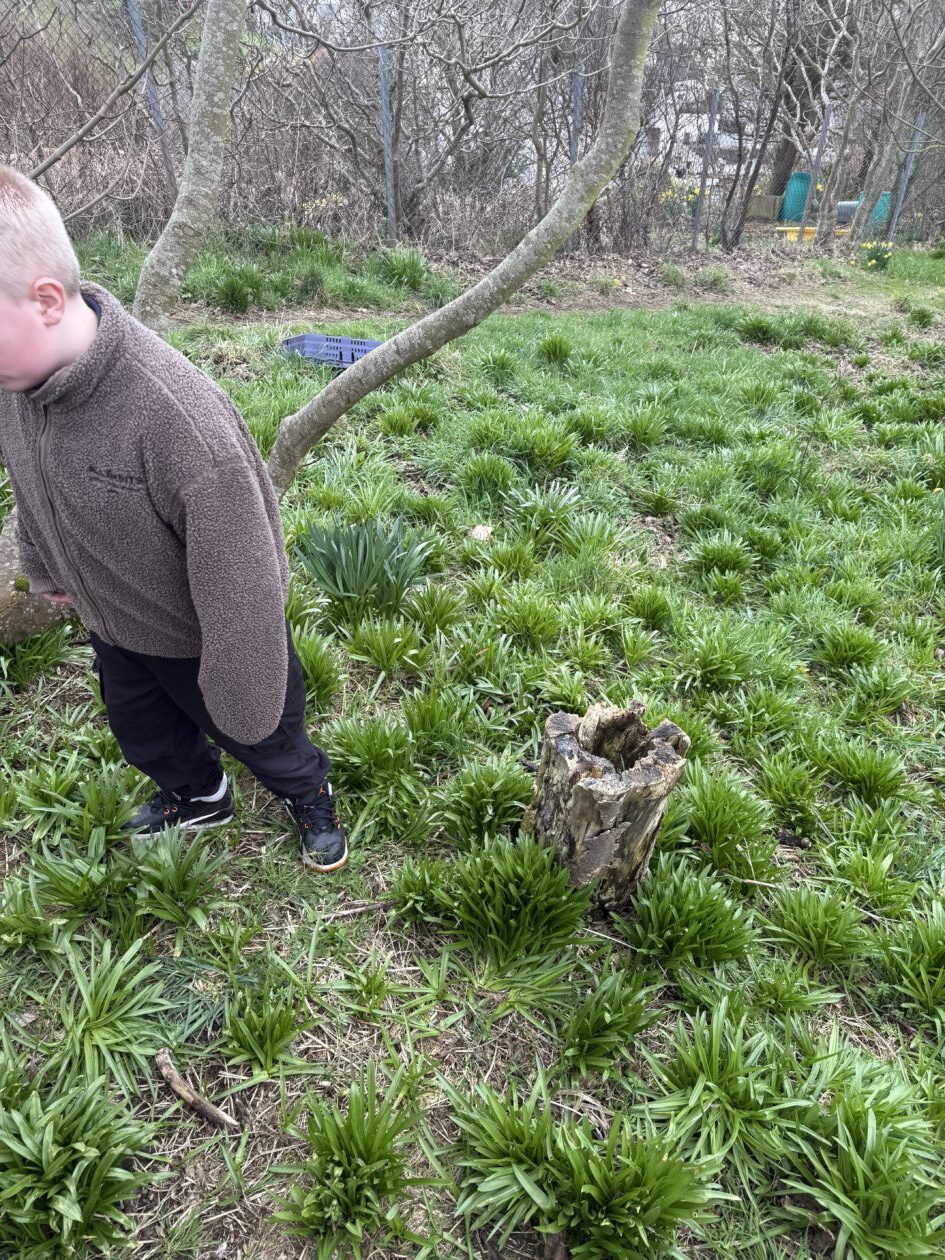
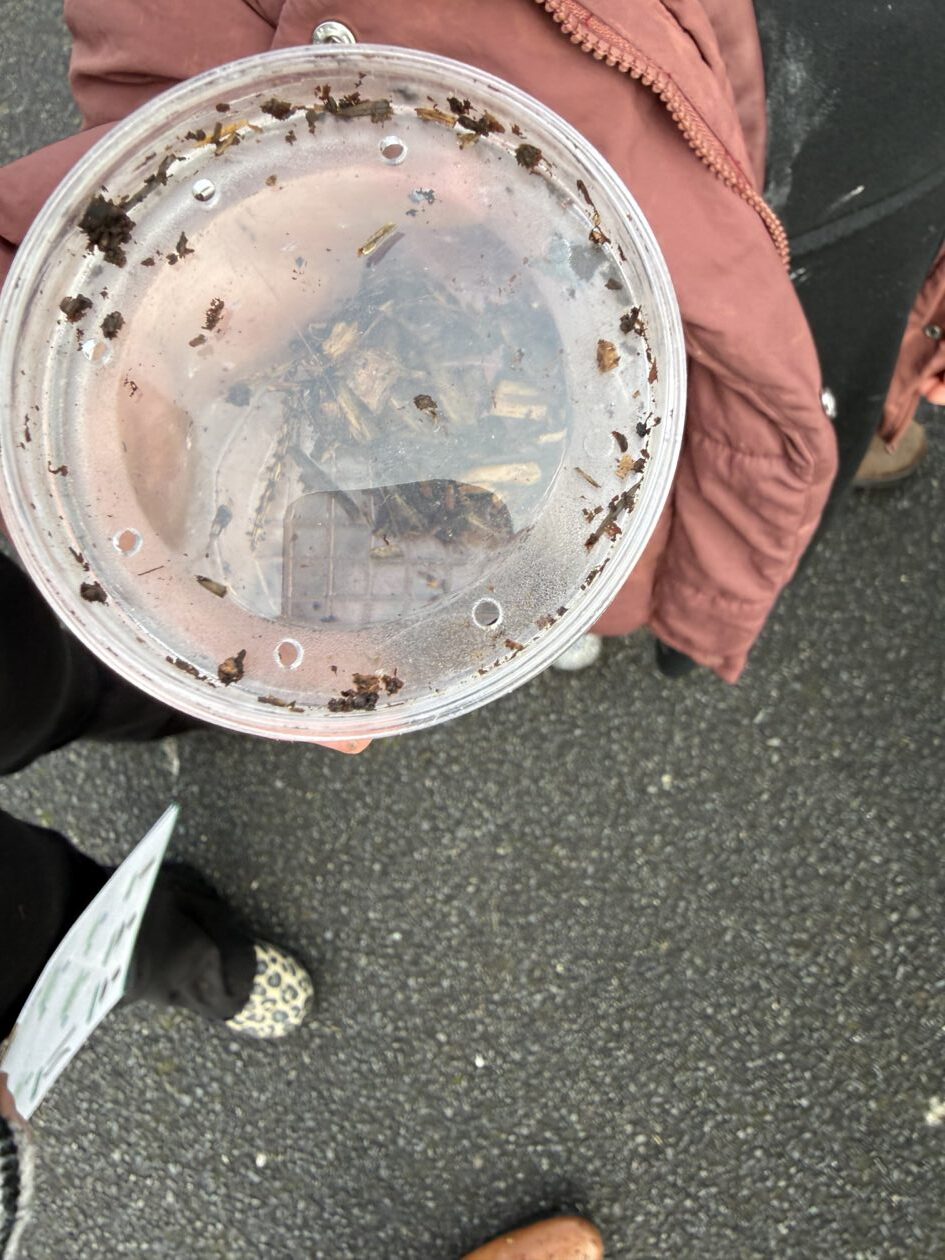
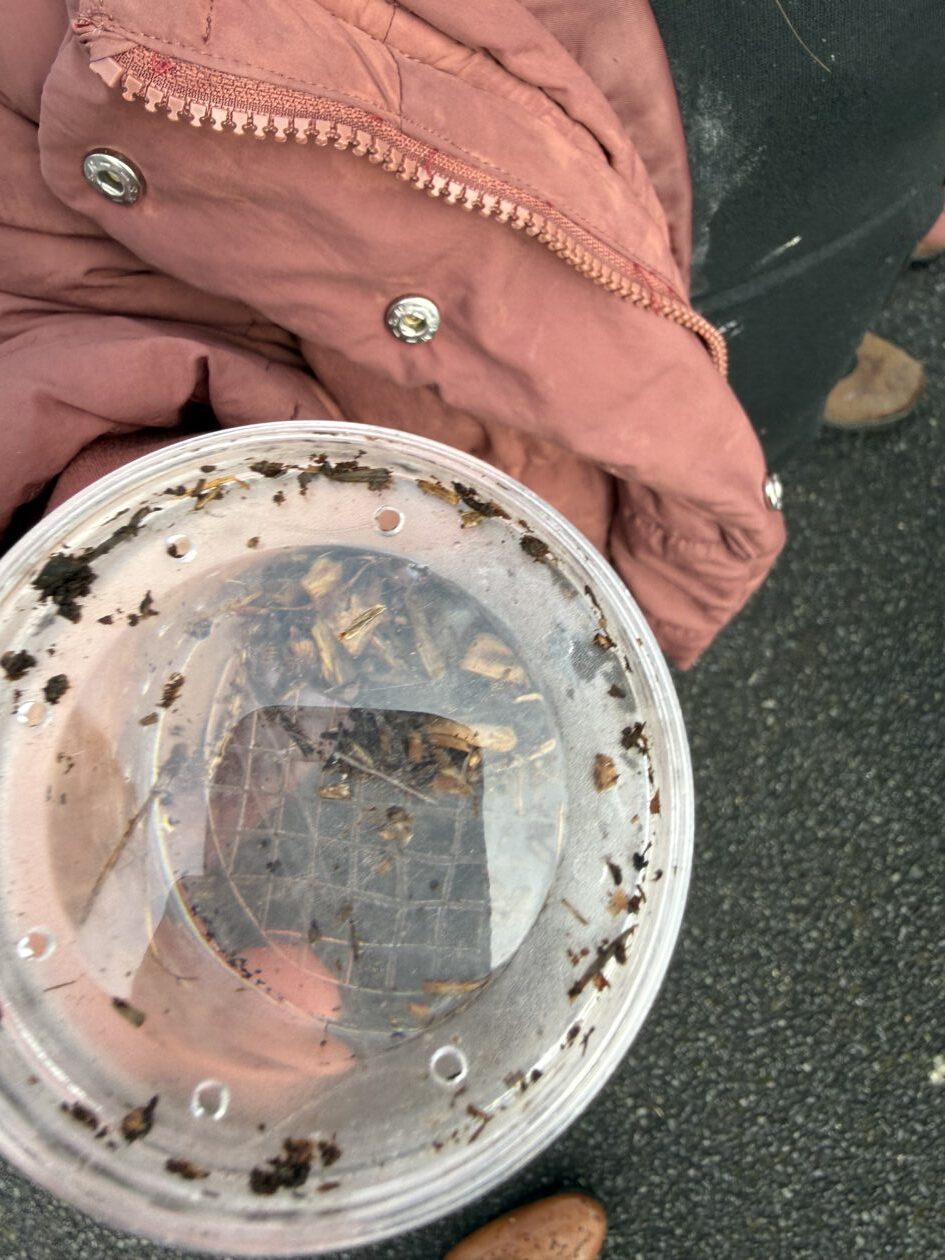
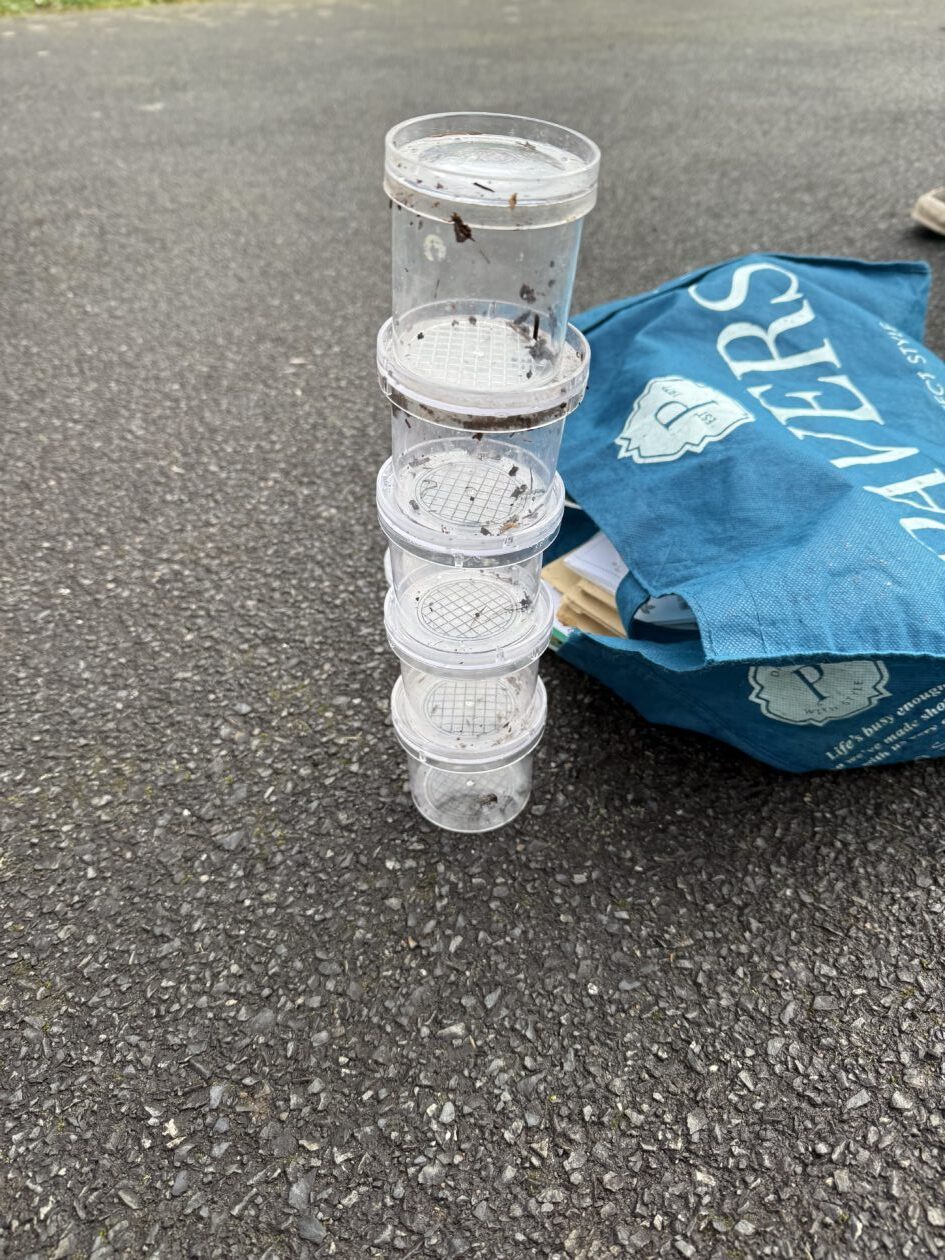
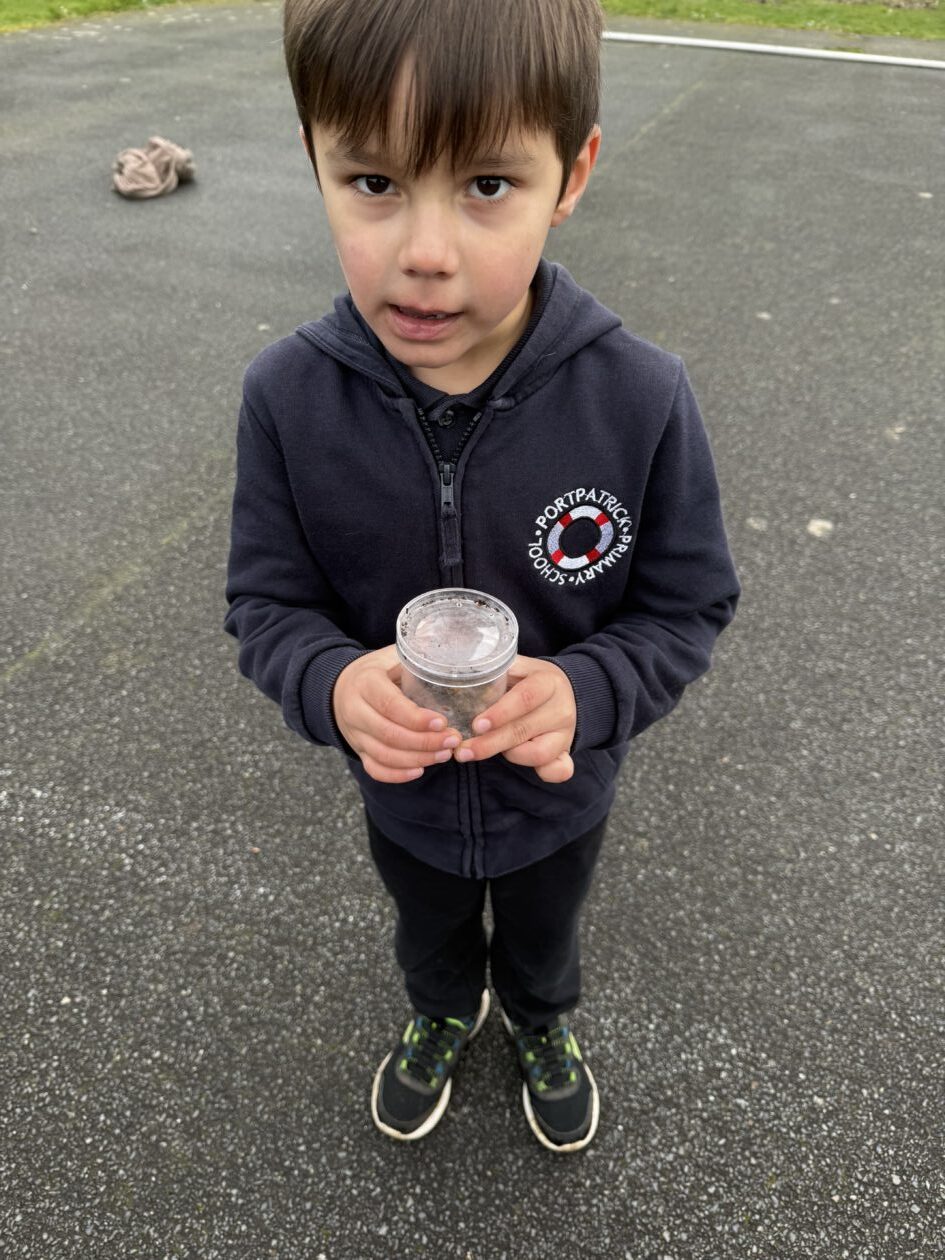
Armed with magnifying glasses and lots of curiosity, pupils set out on a mini beast hunt around the playground. They carefully explored grassy areas, under logs, near plants and along walls to see what creatures they could find.
The children discovered a variety of small insects and animals that make our playground their home, including woodlice, spiders, beetles and ants. Pupils observed how these creatures move, where they like to hide and why these environments are important for their survival. It was wonderful to see their excitement as they made new discoveries and shared them with their classmates.
Researching Local Habitats
Back in the classroom, pupils carried out research to learn more about the types of animals that could live in our local habitat. They discussed how different environments provide food, shelter and protection for wildlife.
The children explored how habitats such as gardens, grassy areas, trees and hedges support a wide range of living things. They also learned how humans can help protect these habitats by looking after green spaces and respecting nature.
Birdwatching in Our Local Area
As part of our biodiversity learning, pupils also explored the birds that live in our local environment. By observing the skies and nearby trees, they discussed the different birds that might visit our playground and surrounding area.
They learned about common local birds such as robins, blackbirds, pigeons and gulls, and discussed how birds rely on habitats for nesting, feeding and shelter.
Why Biodiversity Matters
Through these activities, pupils developed a greater understanding of biodiversity and why it is important to protect the variety of living things in our world. Even our school playground is an important habitat for many small creatures, and every species plays a role in maintaining a healthy ecosystem.
Exploring nature first-hand helped pupils build curiosity, respect and responsibility for the environment.
Links to Learning
Meta-skills developed:
- Creativity – exploring and discovering living things in nature
- Critical Thinking – observing, identifying and researching different species
- Collaborating – working together to explore and share discoveries
UNCRC links:
- Article 28 – Right to education
- Article 29 – Education should help children respect the natural environment
- Article 31 – Right to play and explore
UN Sustainable Development Goals:
- Goal 4 – Quality Education
- Goal 13 – Climate Action
- Goal 15 – Life on Land
Our biodiversity exploration showed that nature is all around us, even in our own playground. By learning about and caring for the environment, our pupils are developing the knowledge and responsibility needed to help protect our planet in the future. 🌍🐞🐦