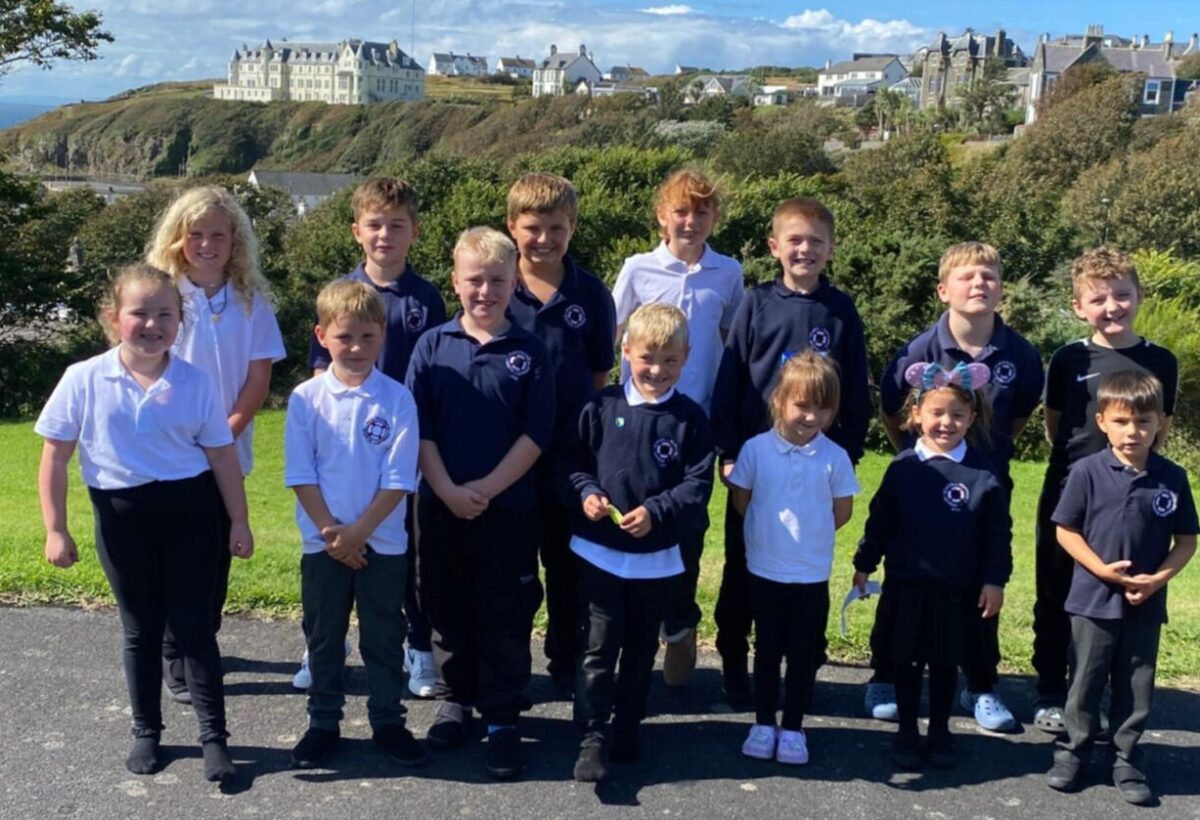
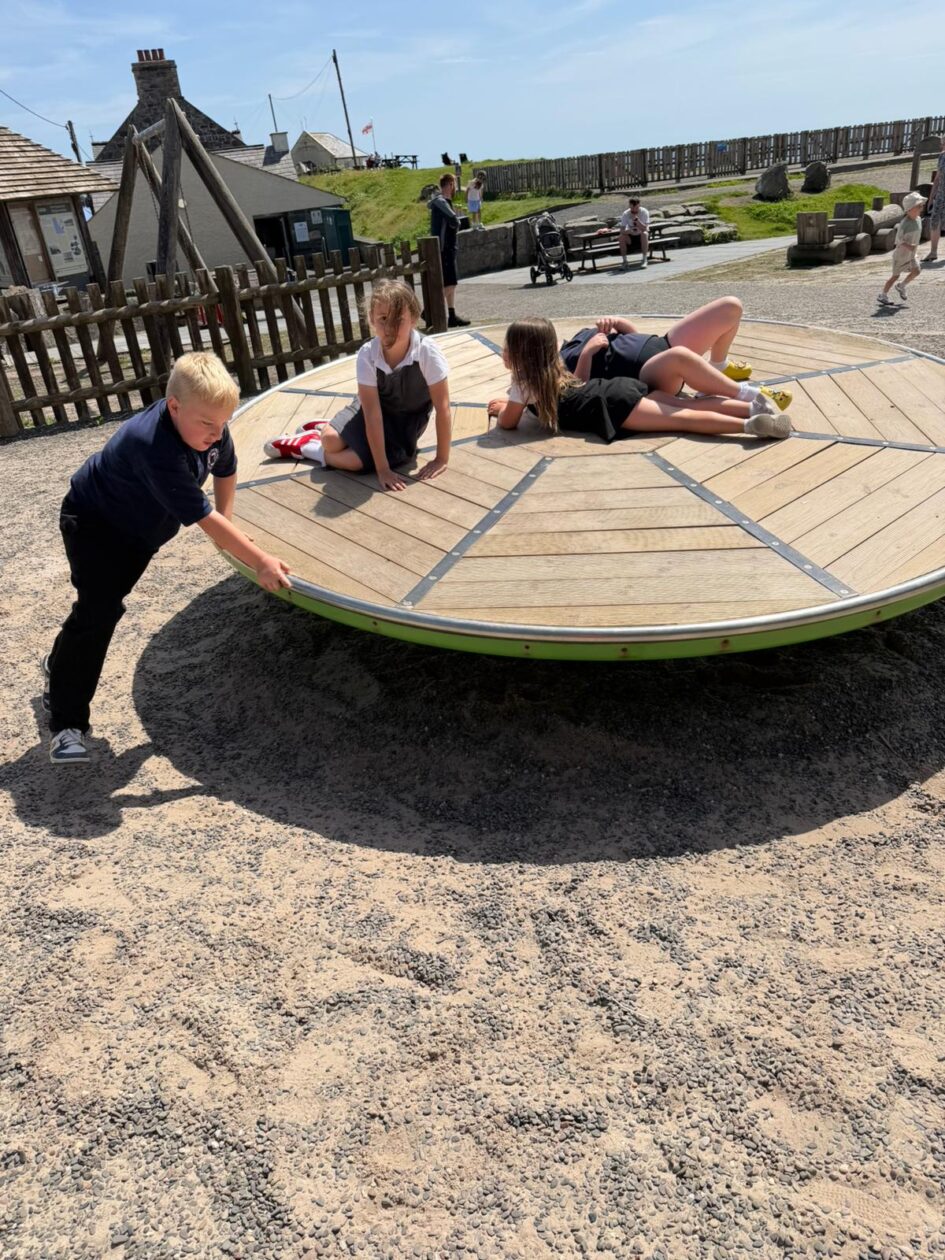
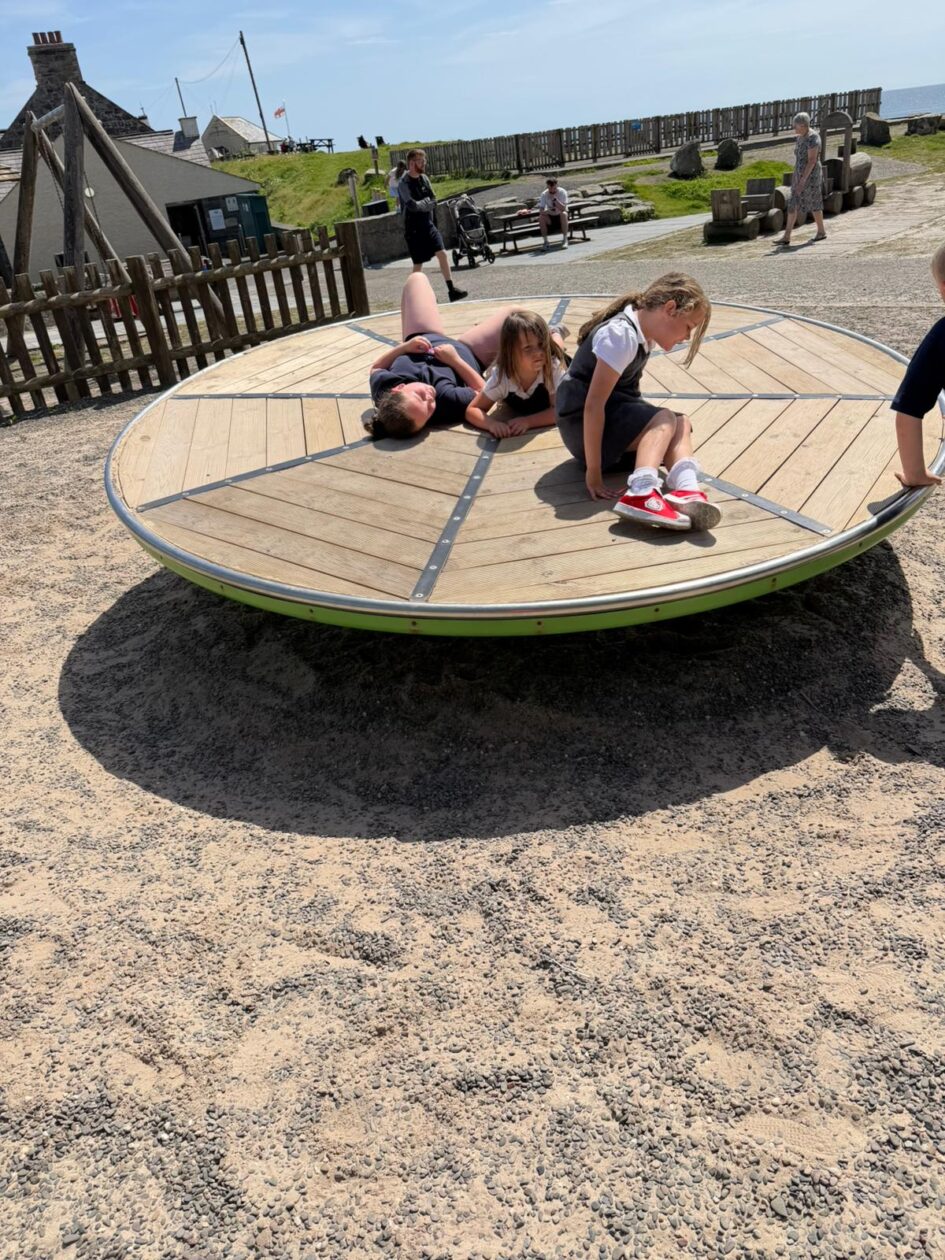
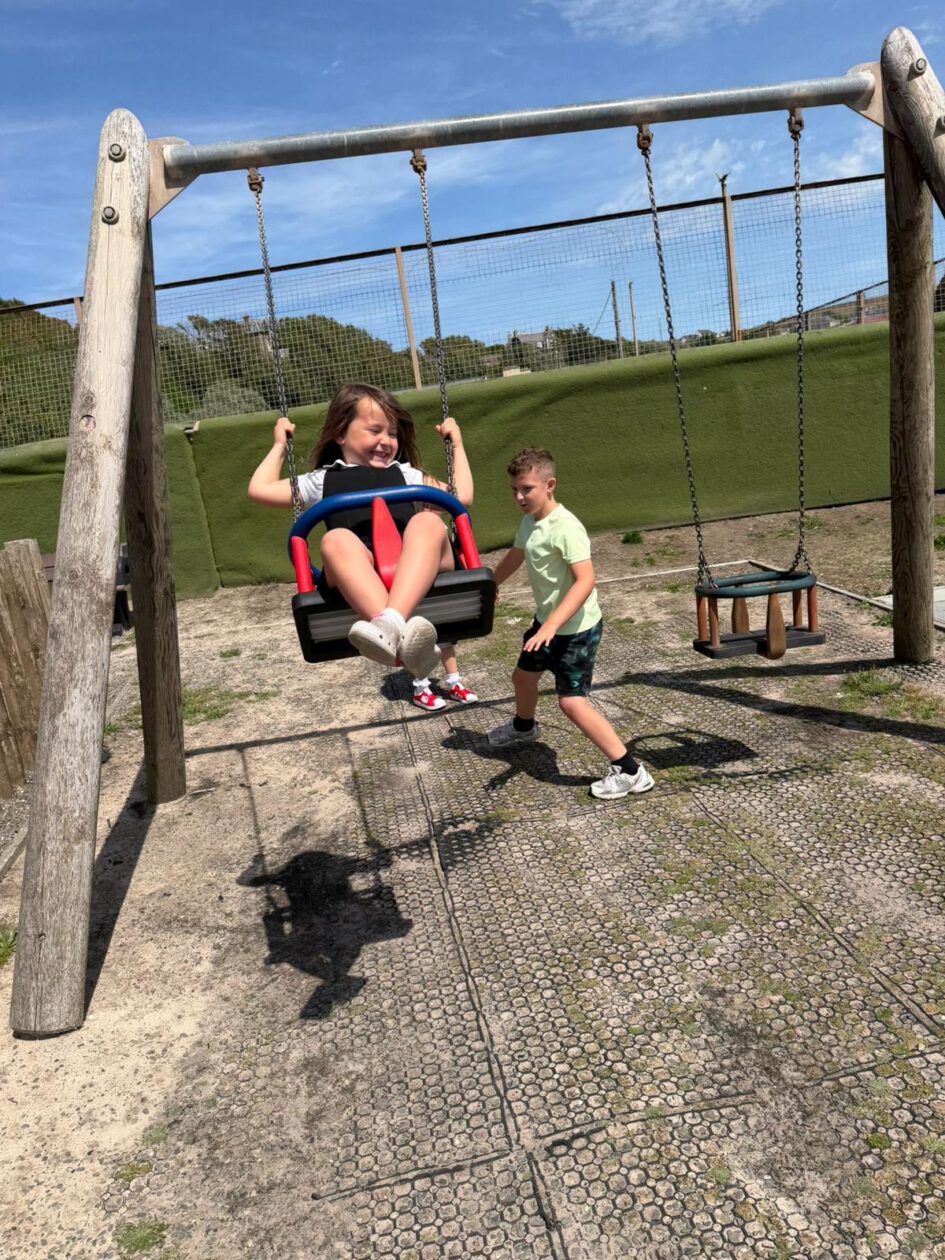
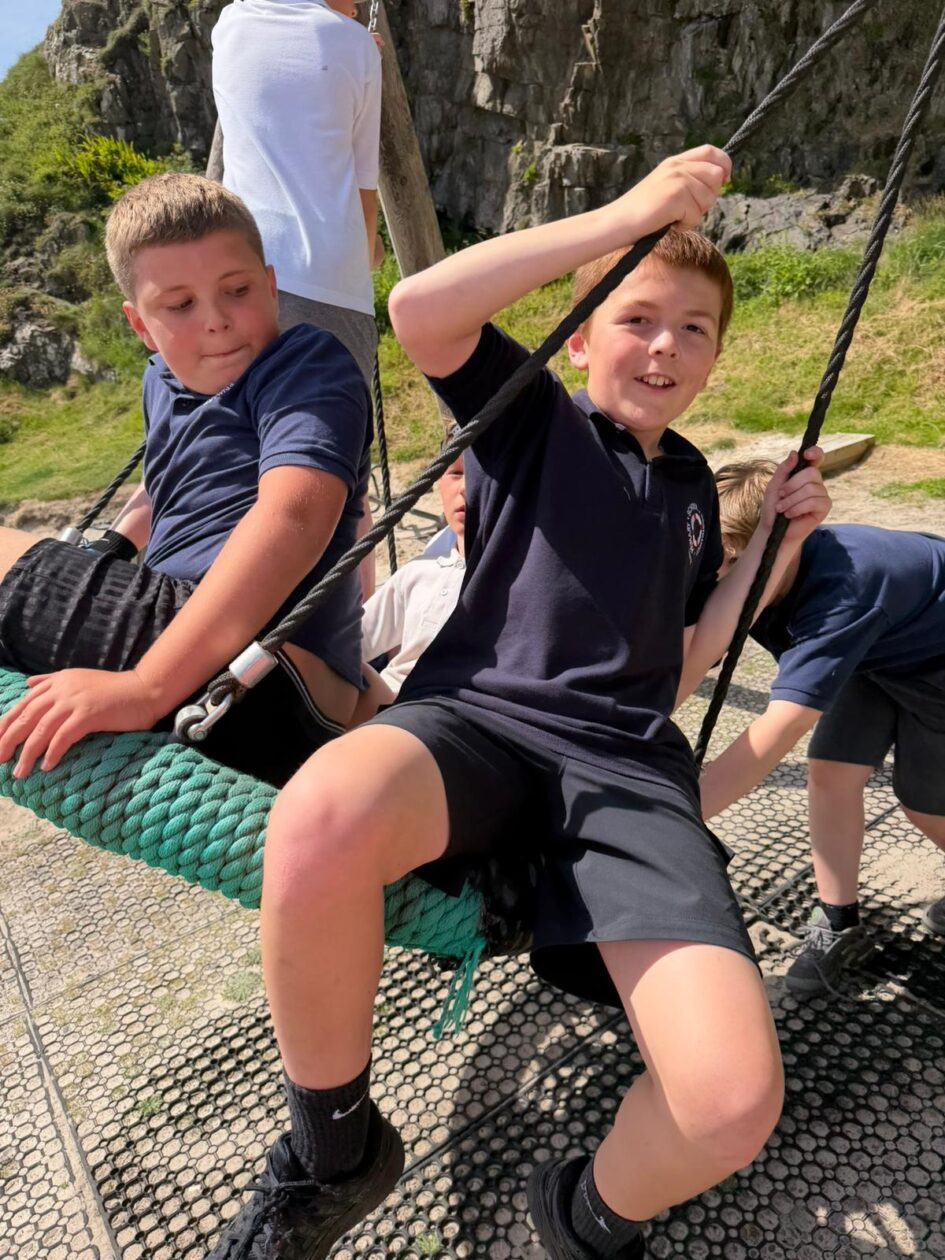
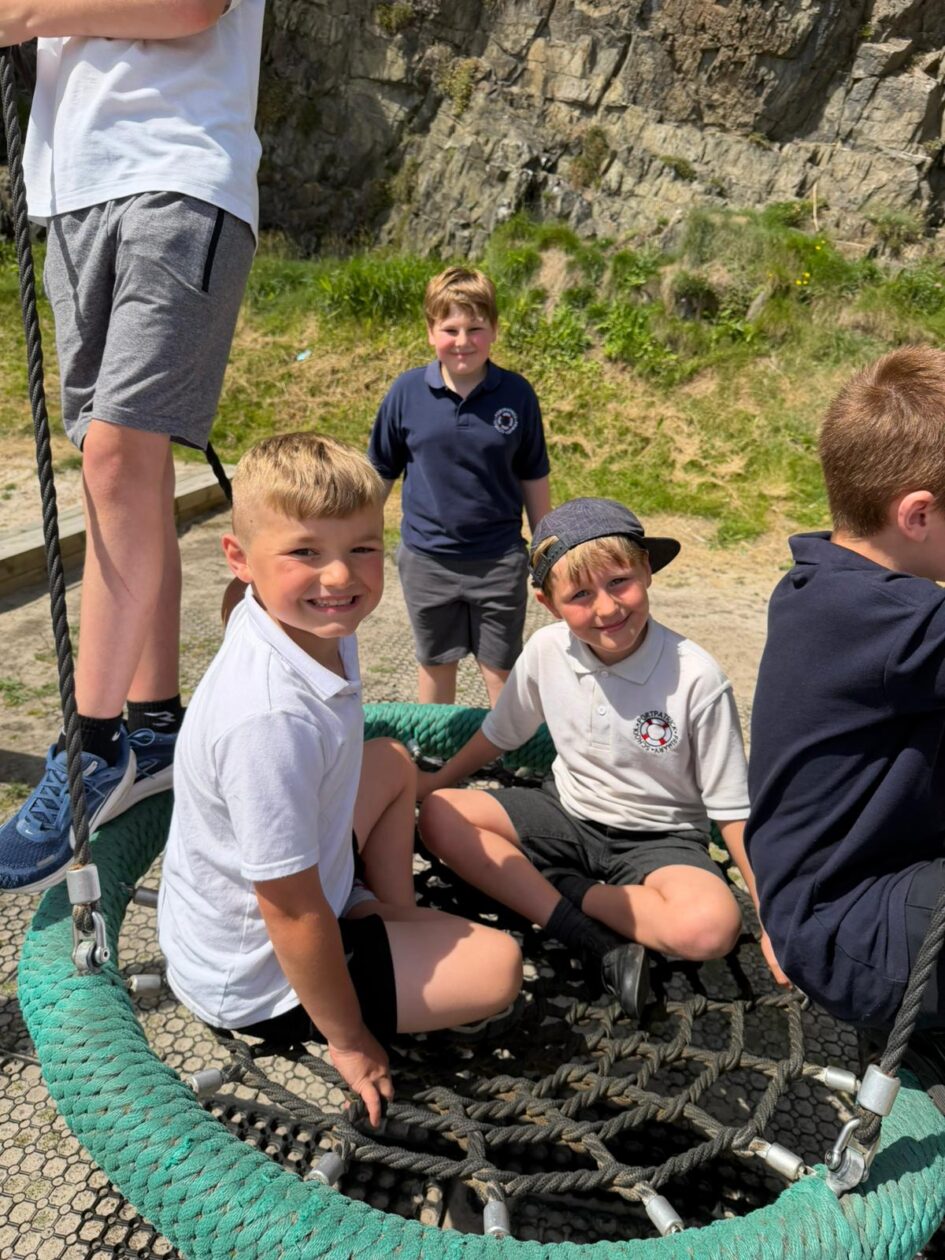
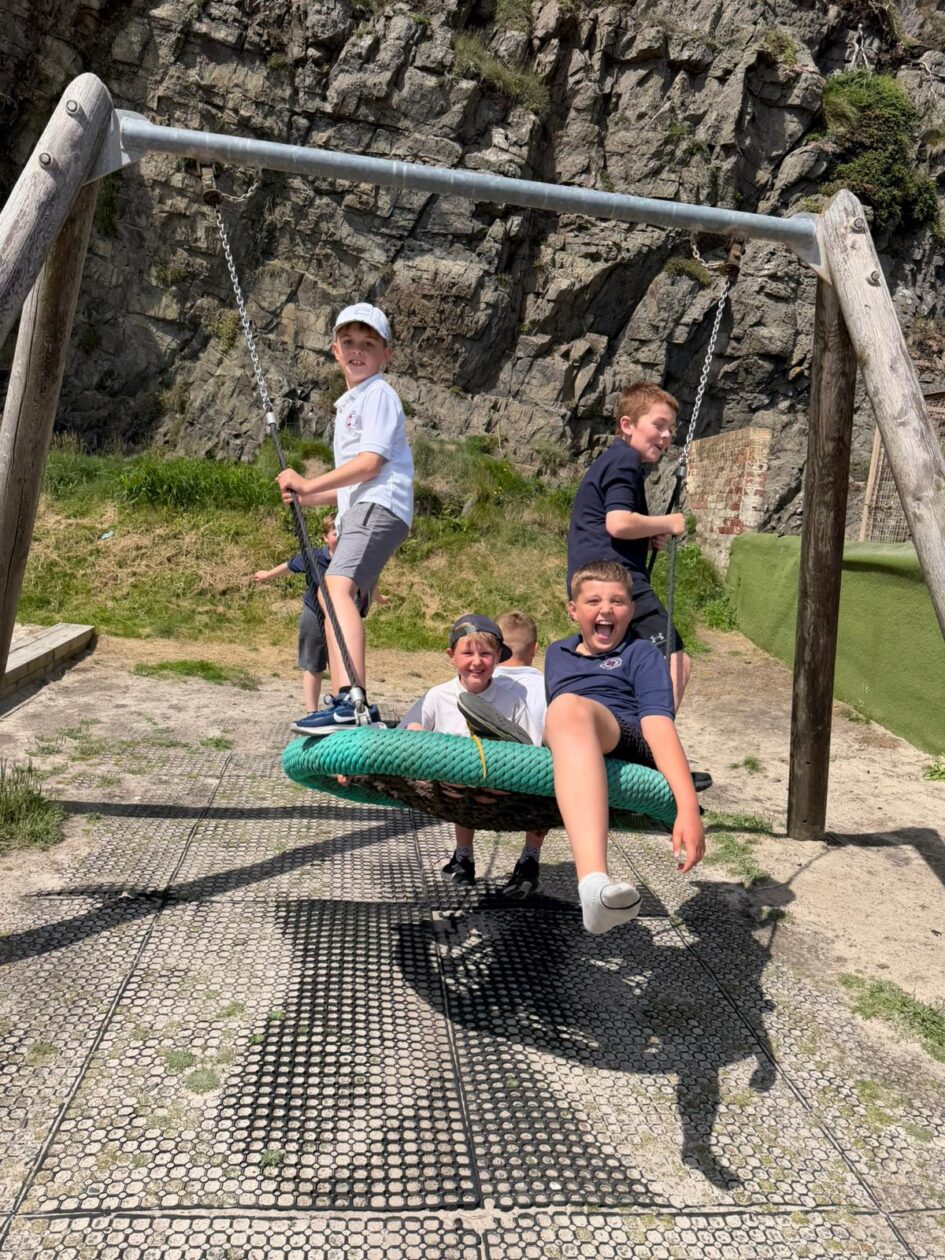
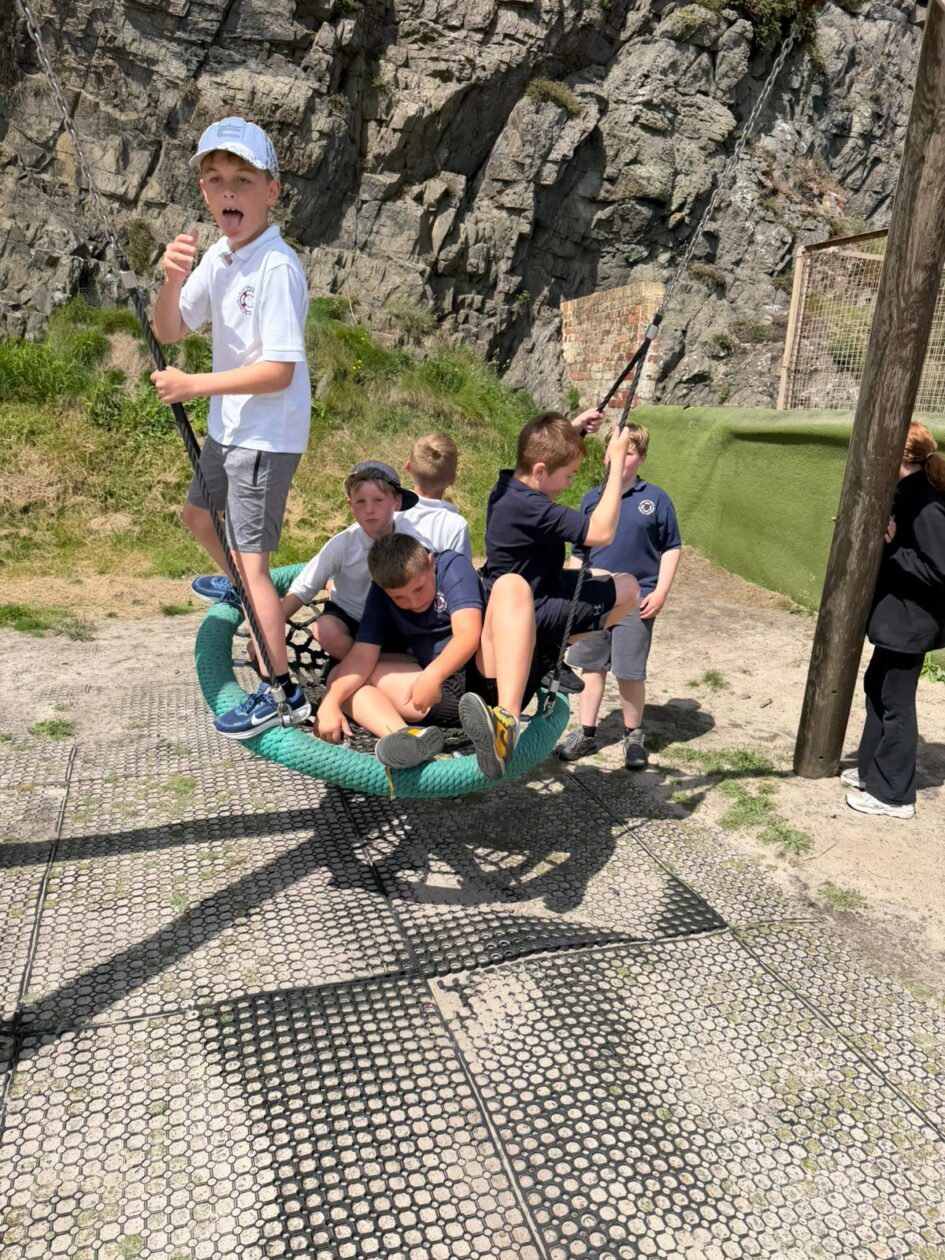
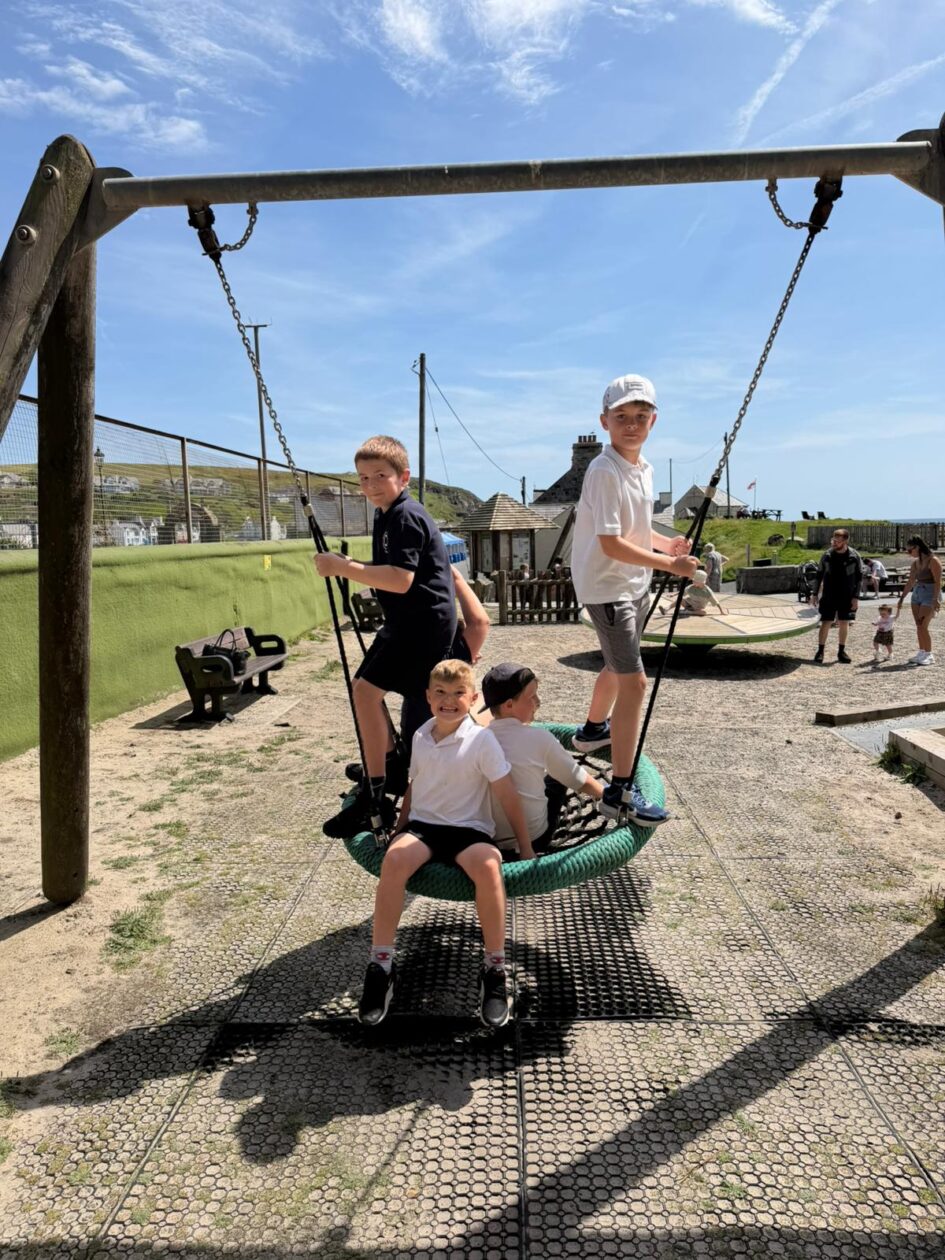
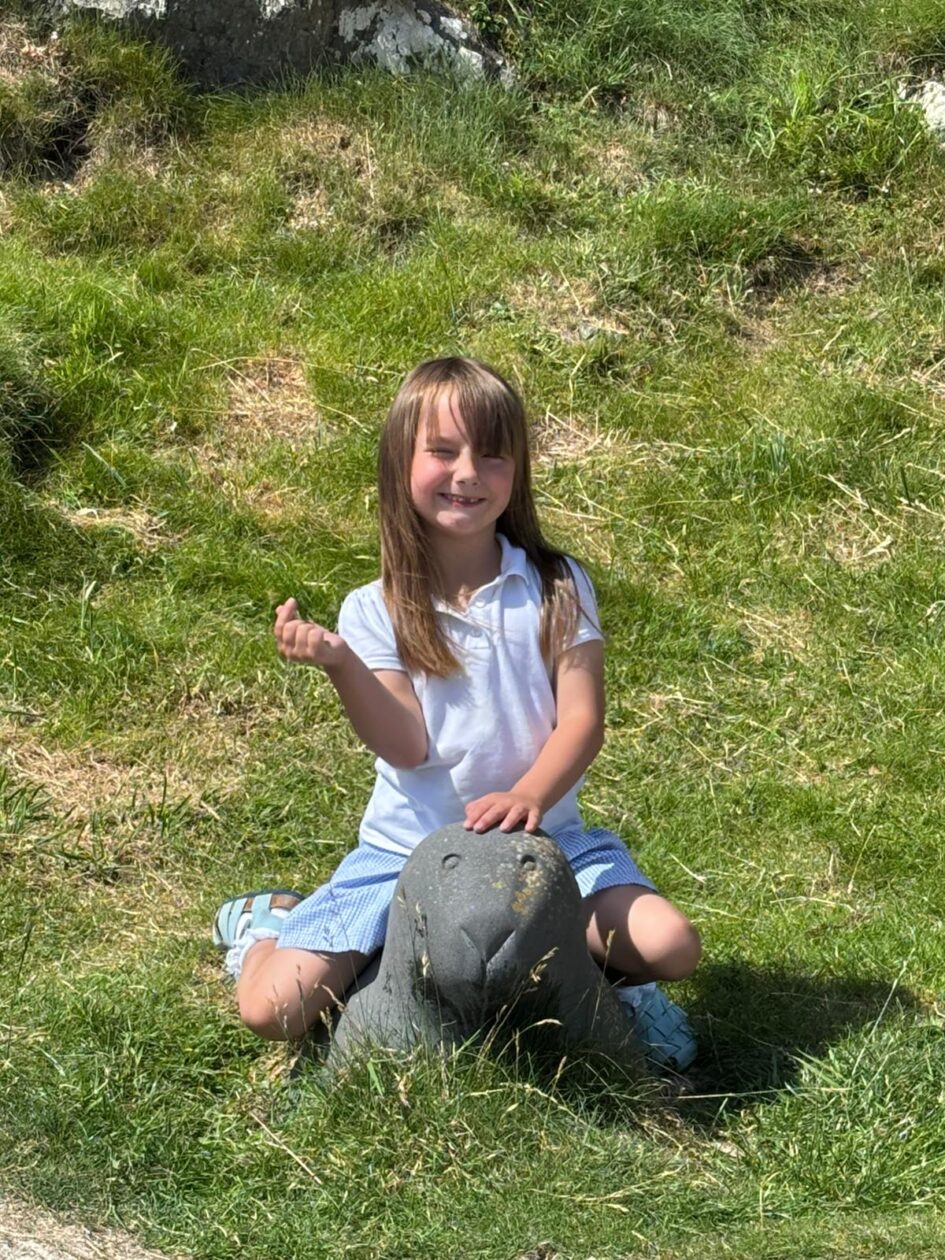
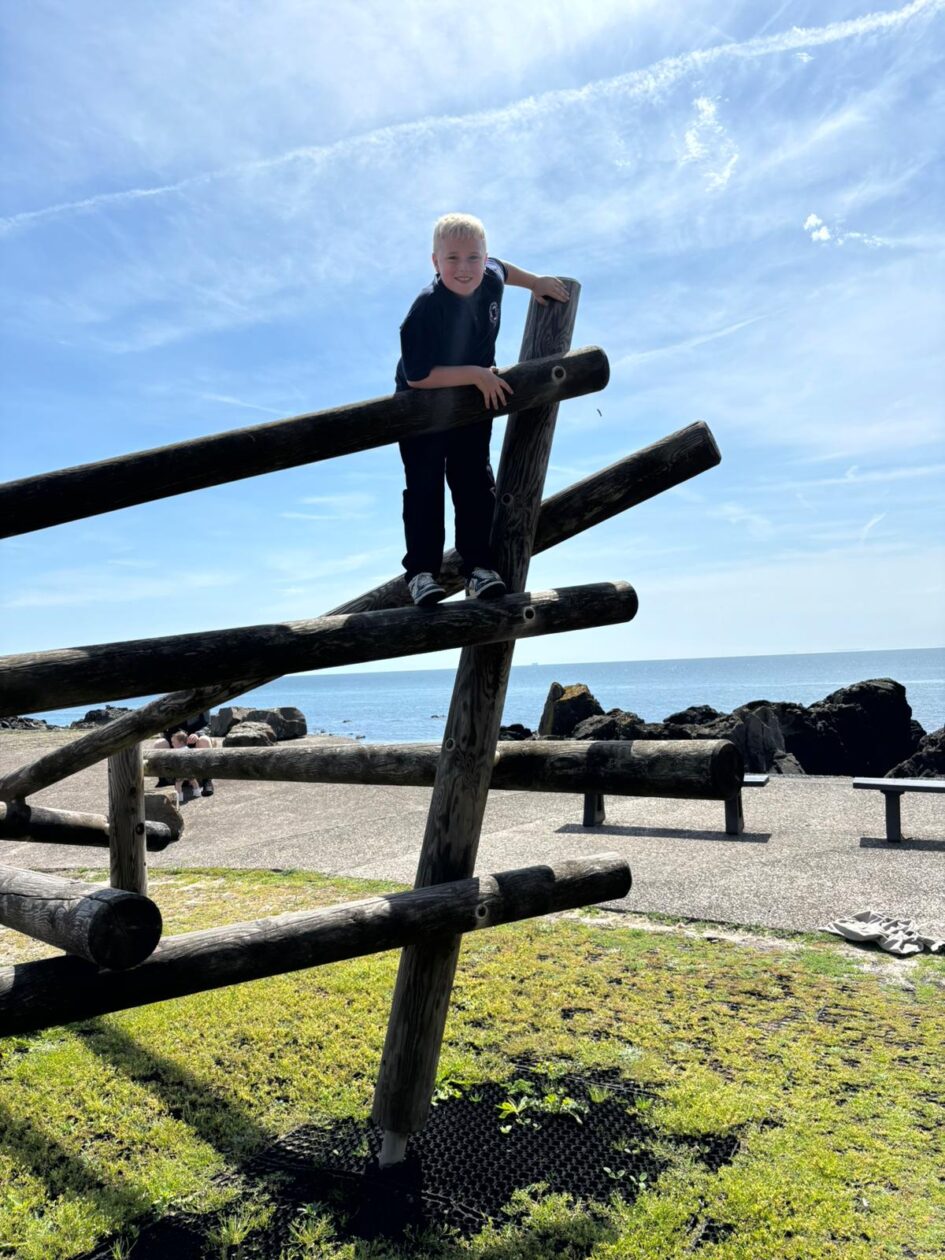
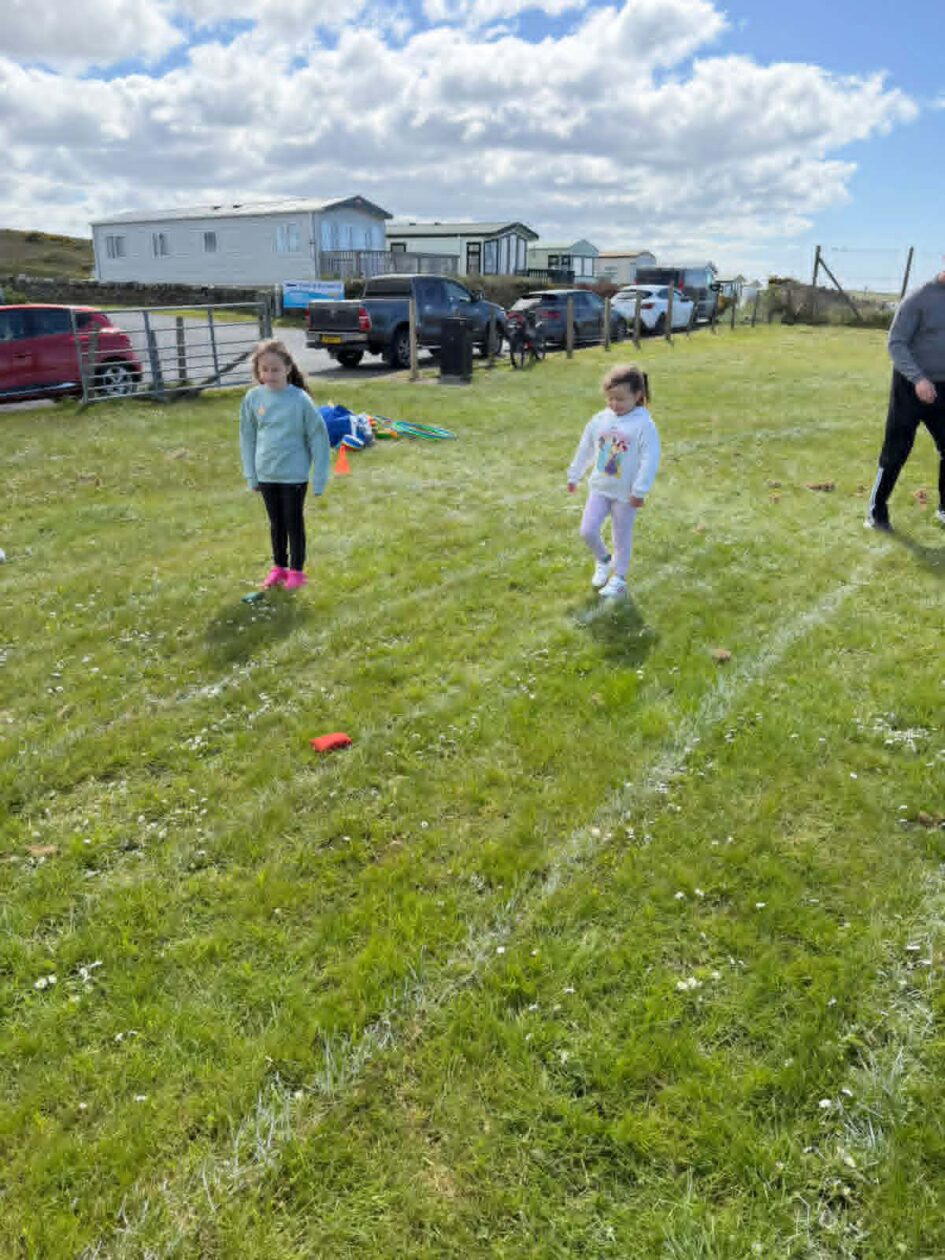
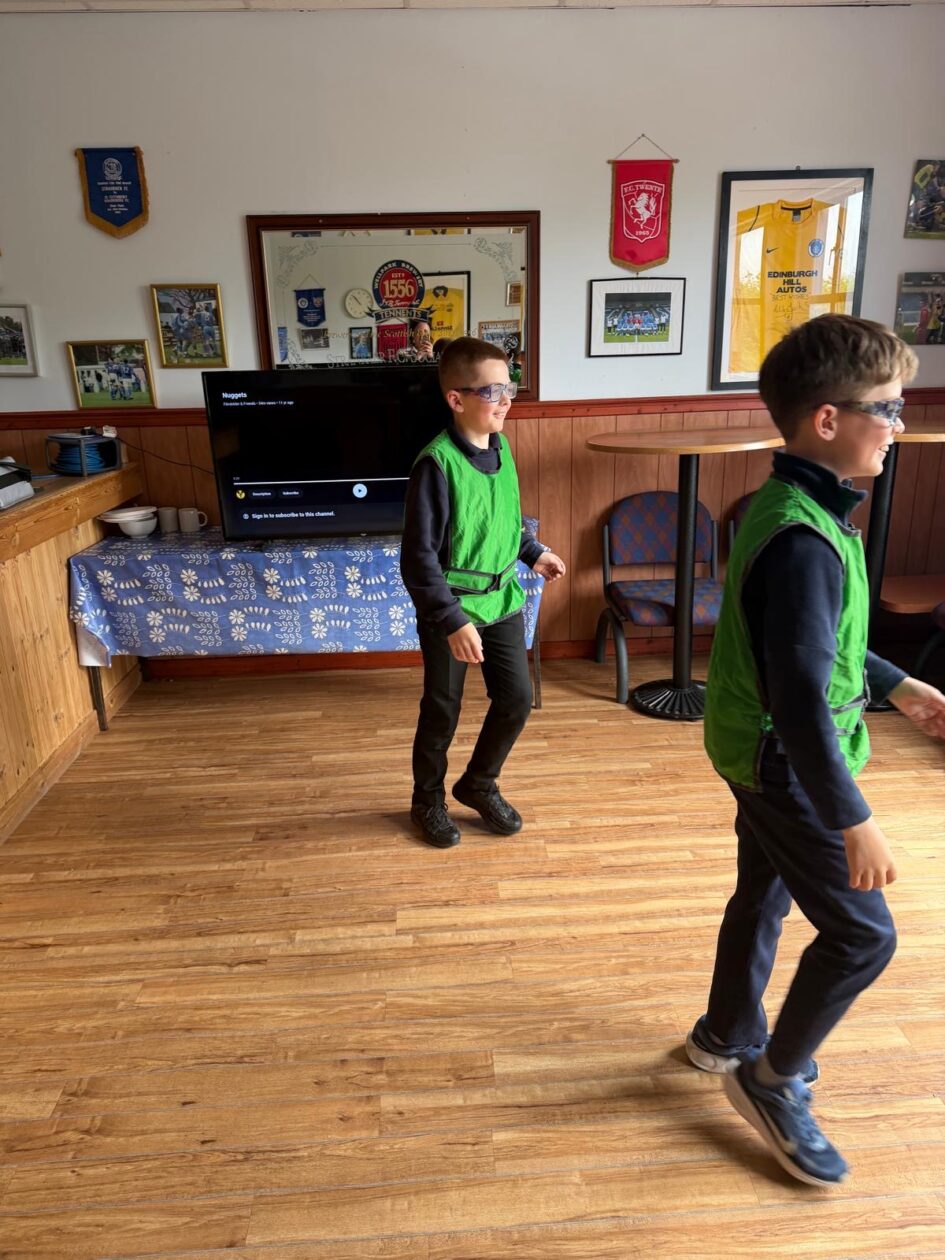
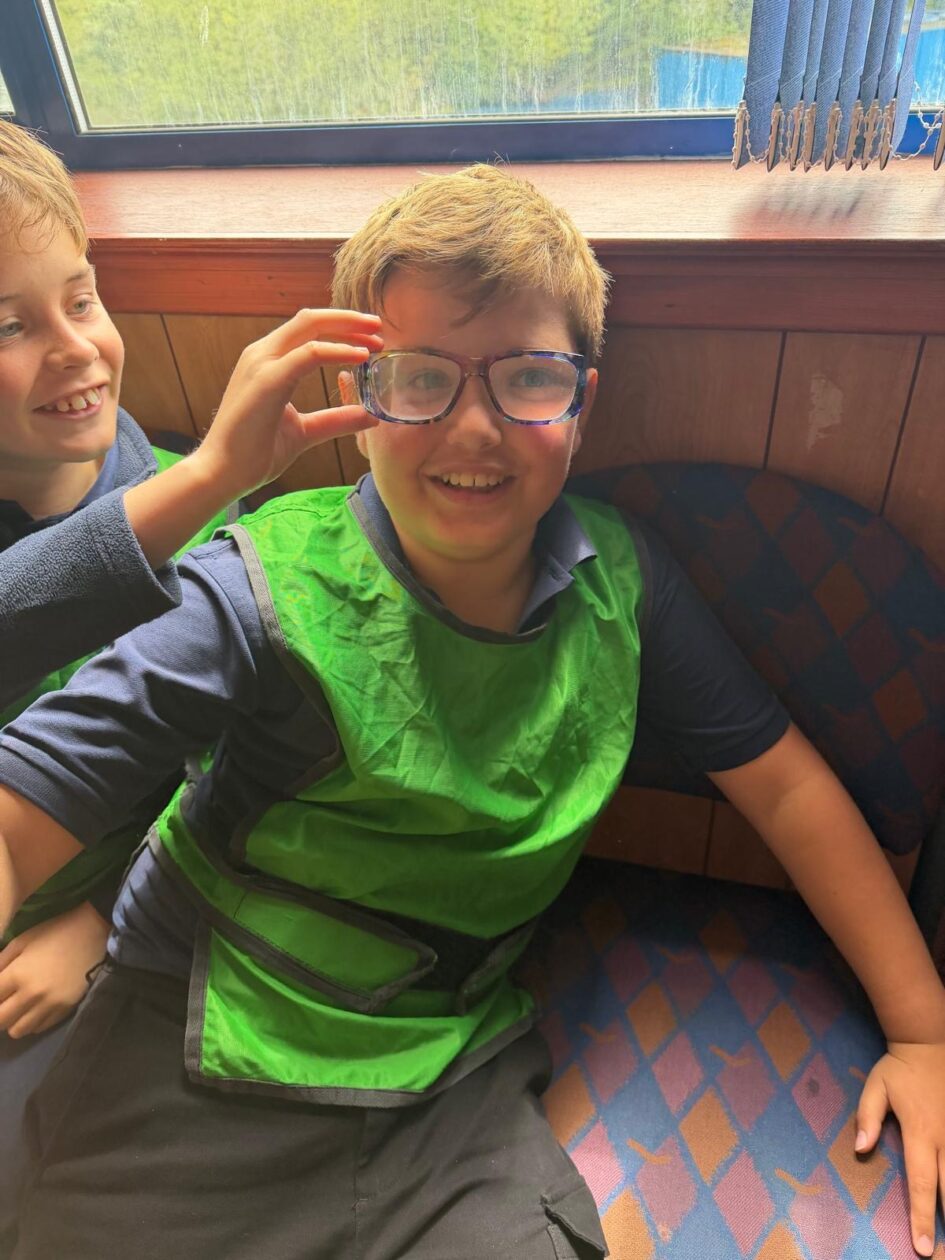
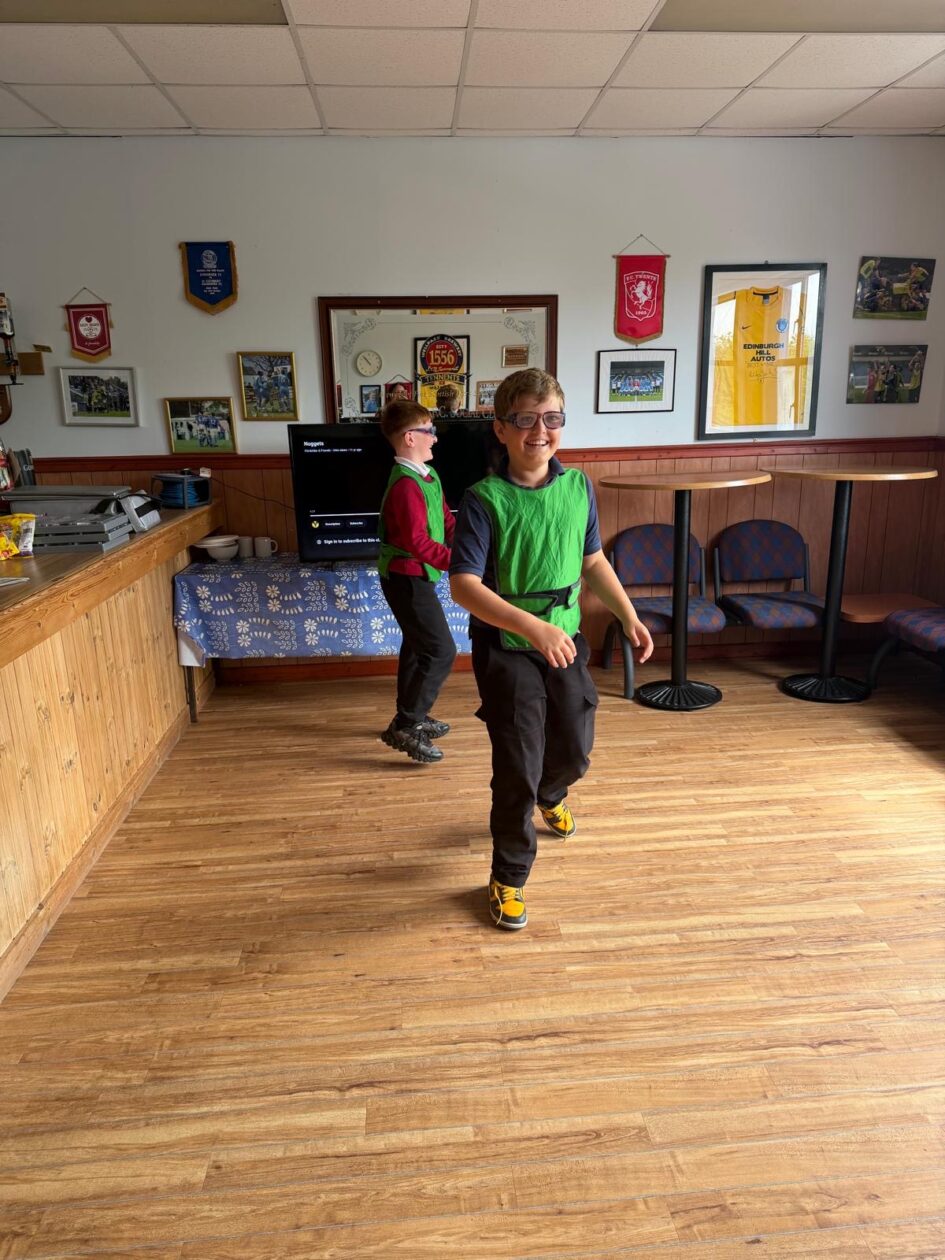
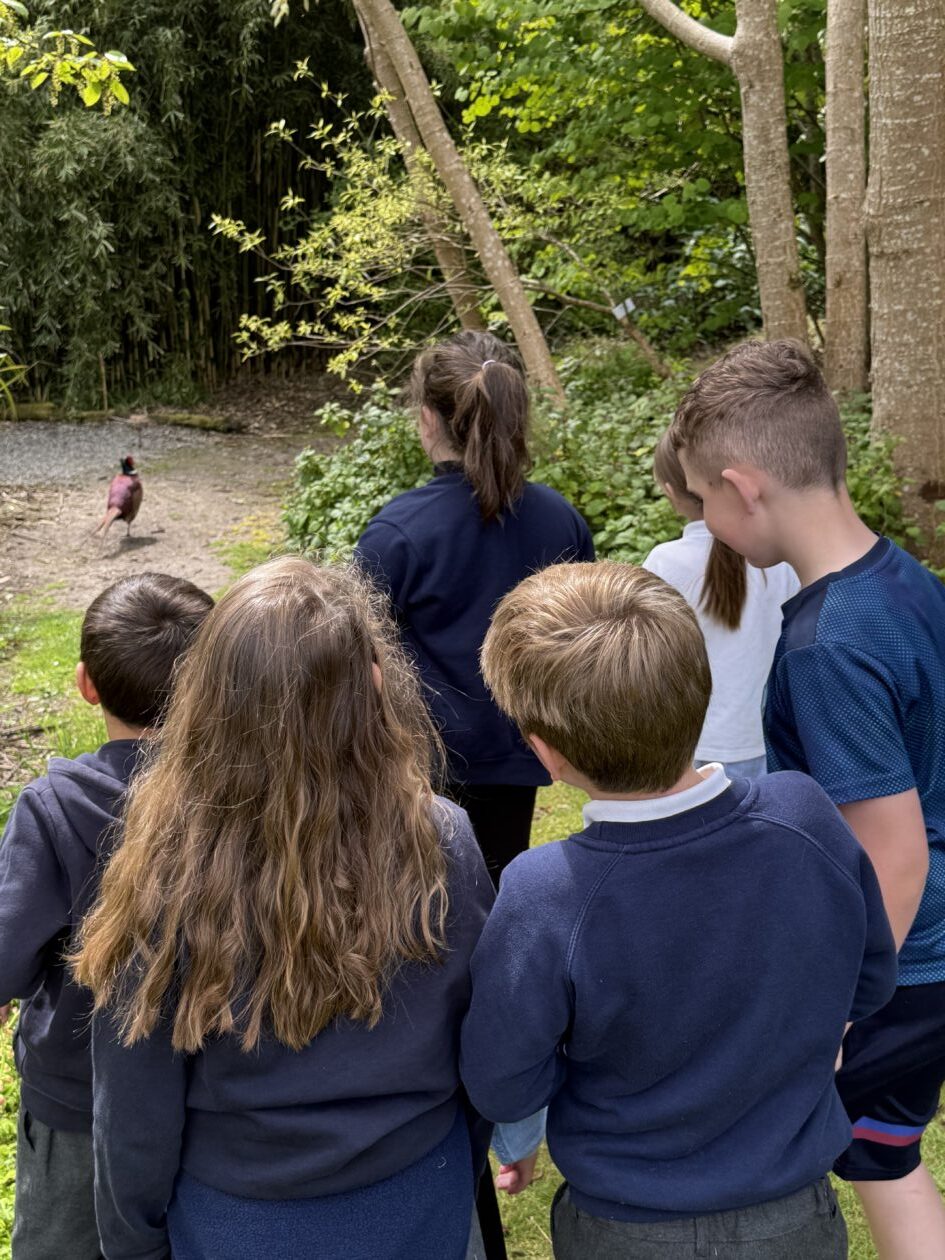
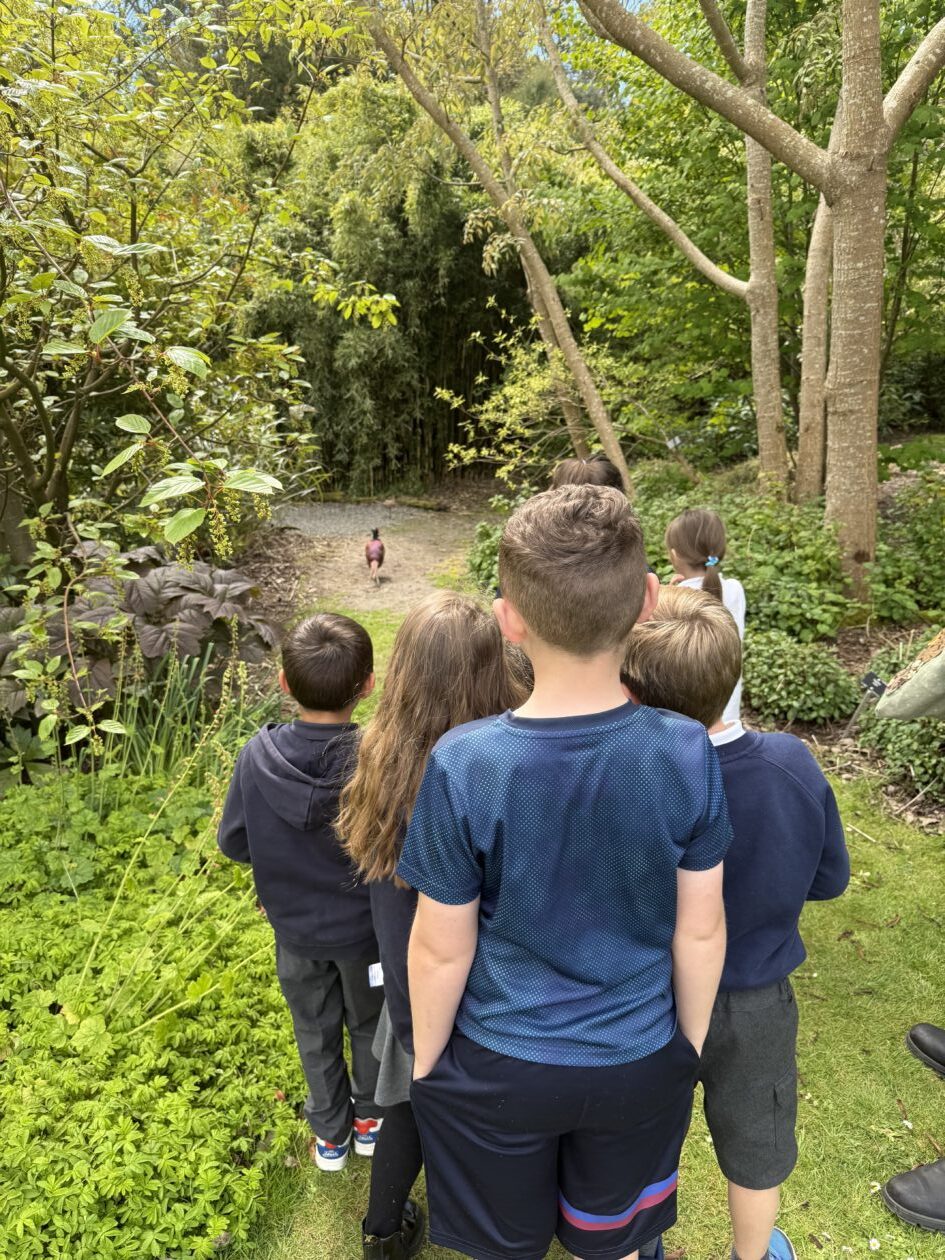
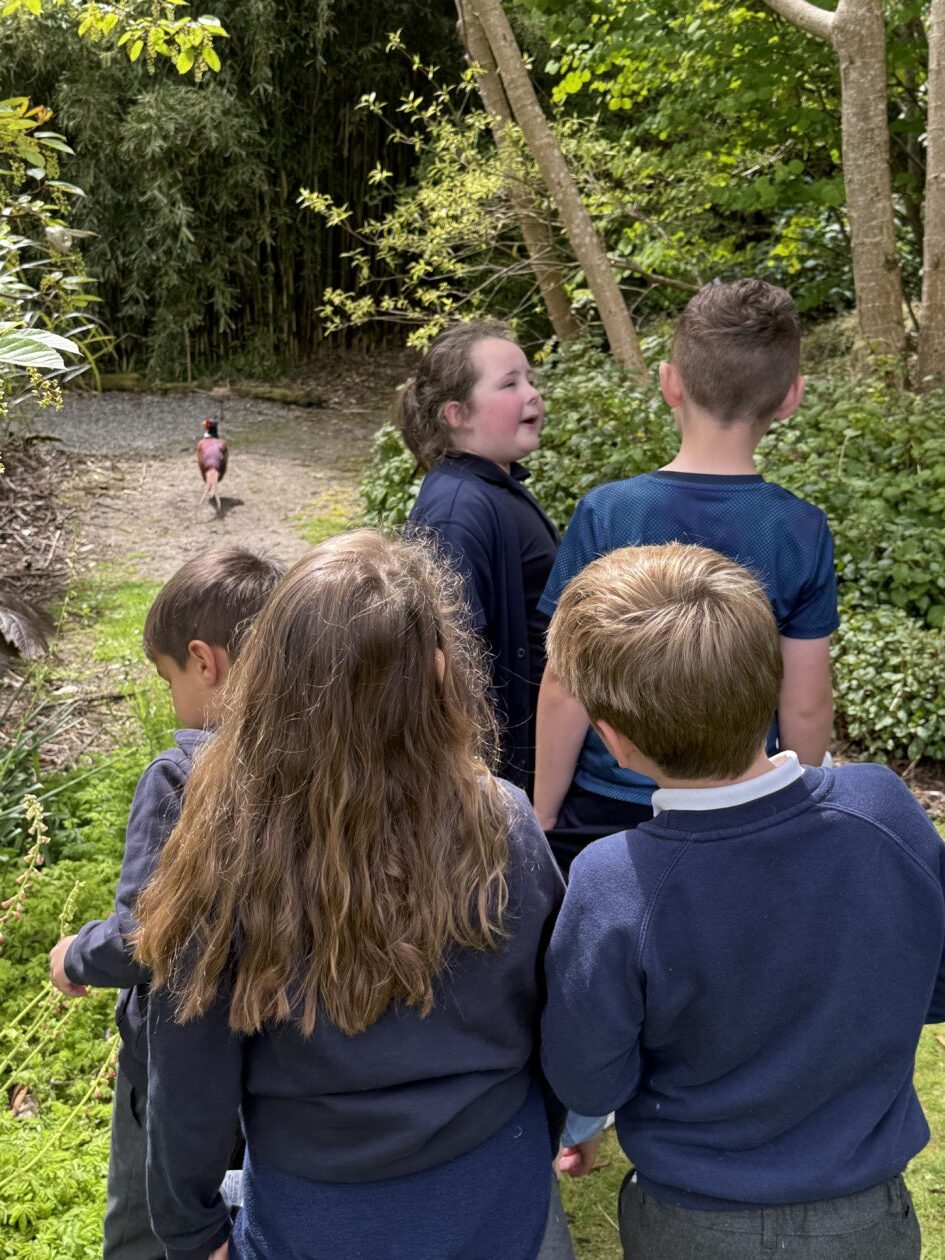
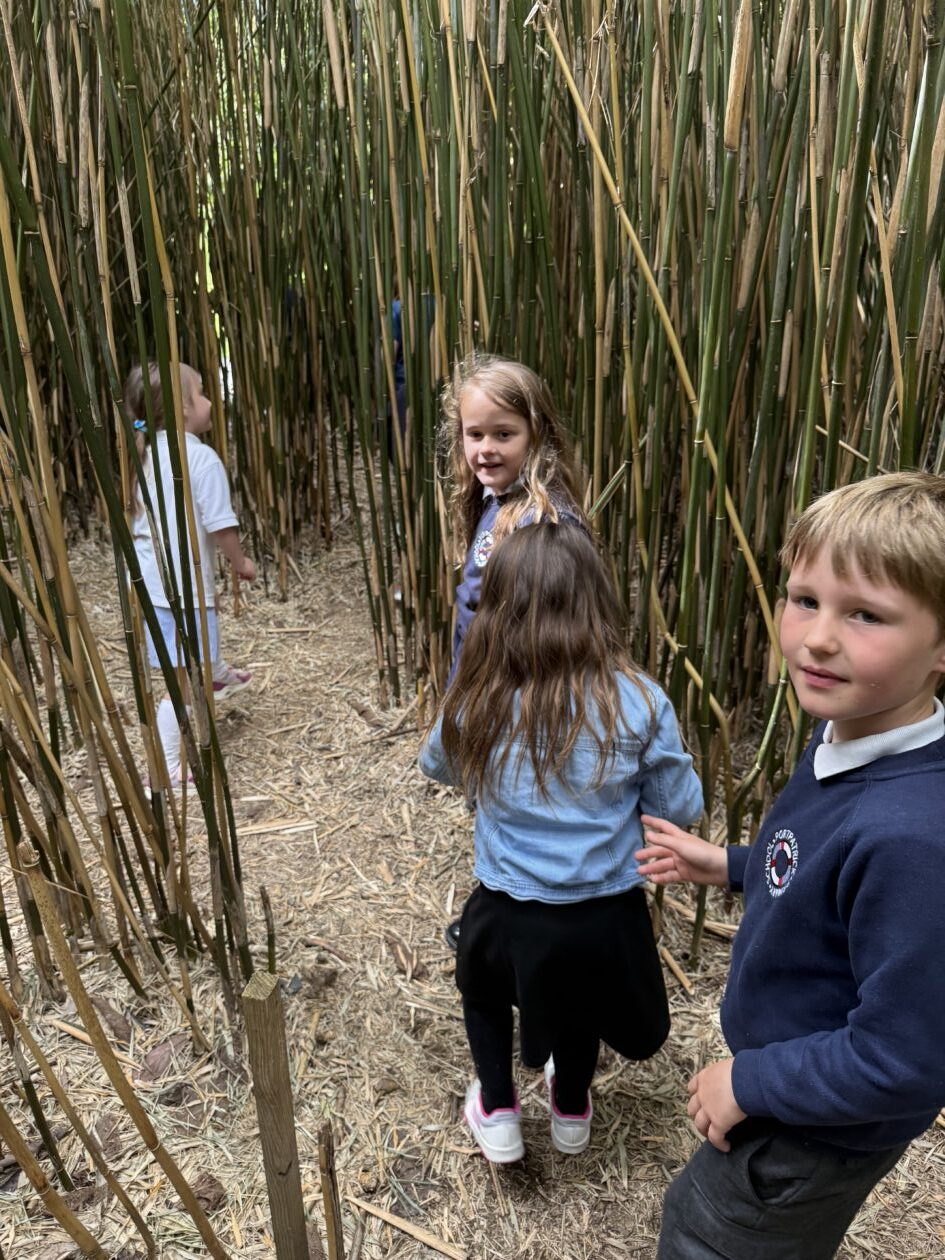
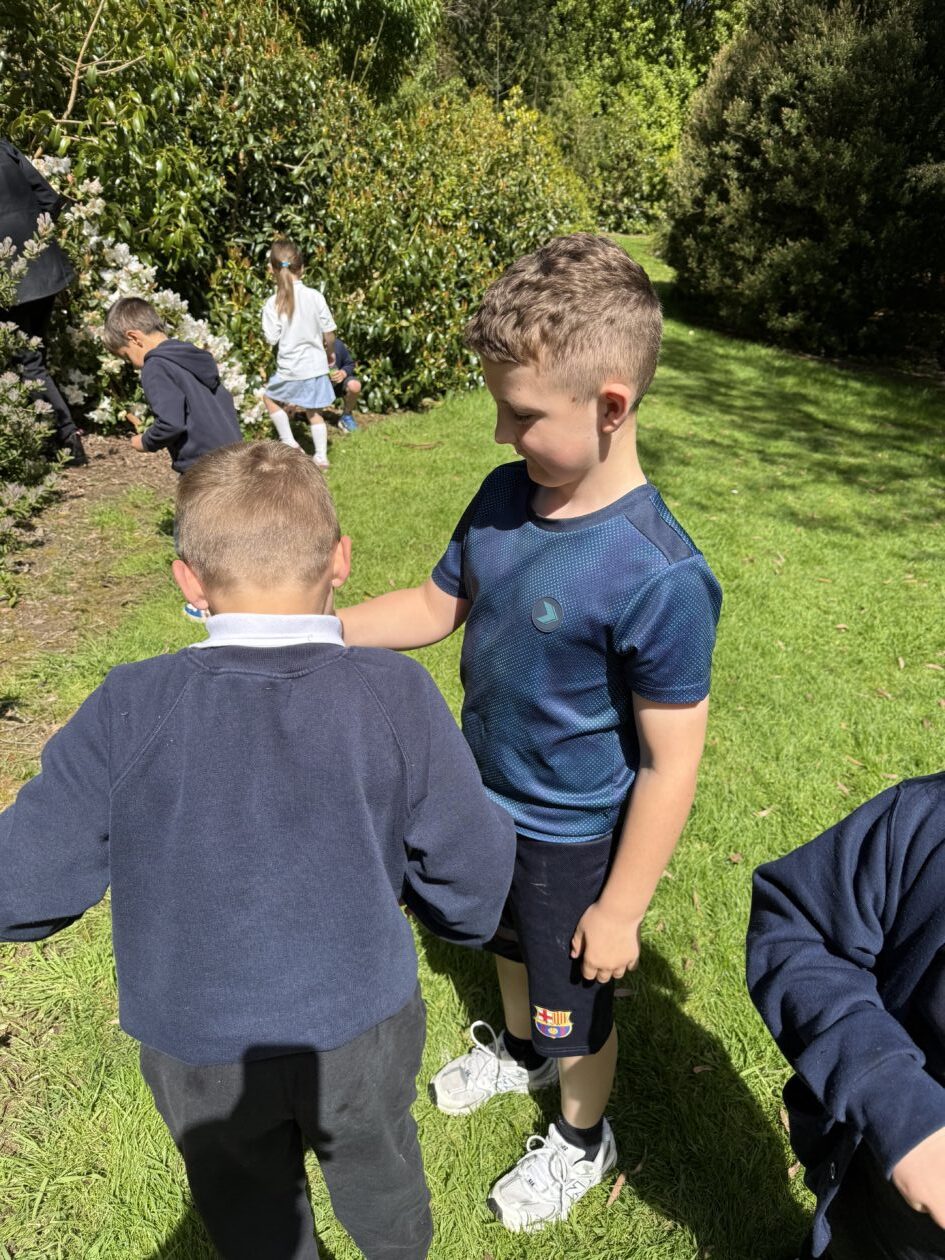
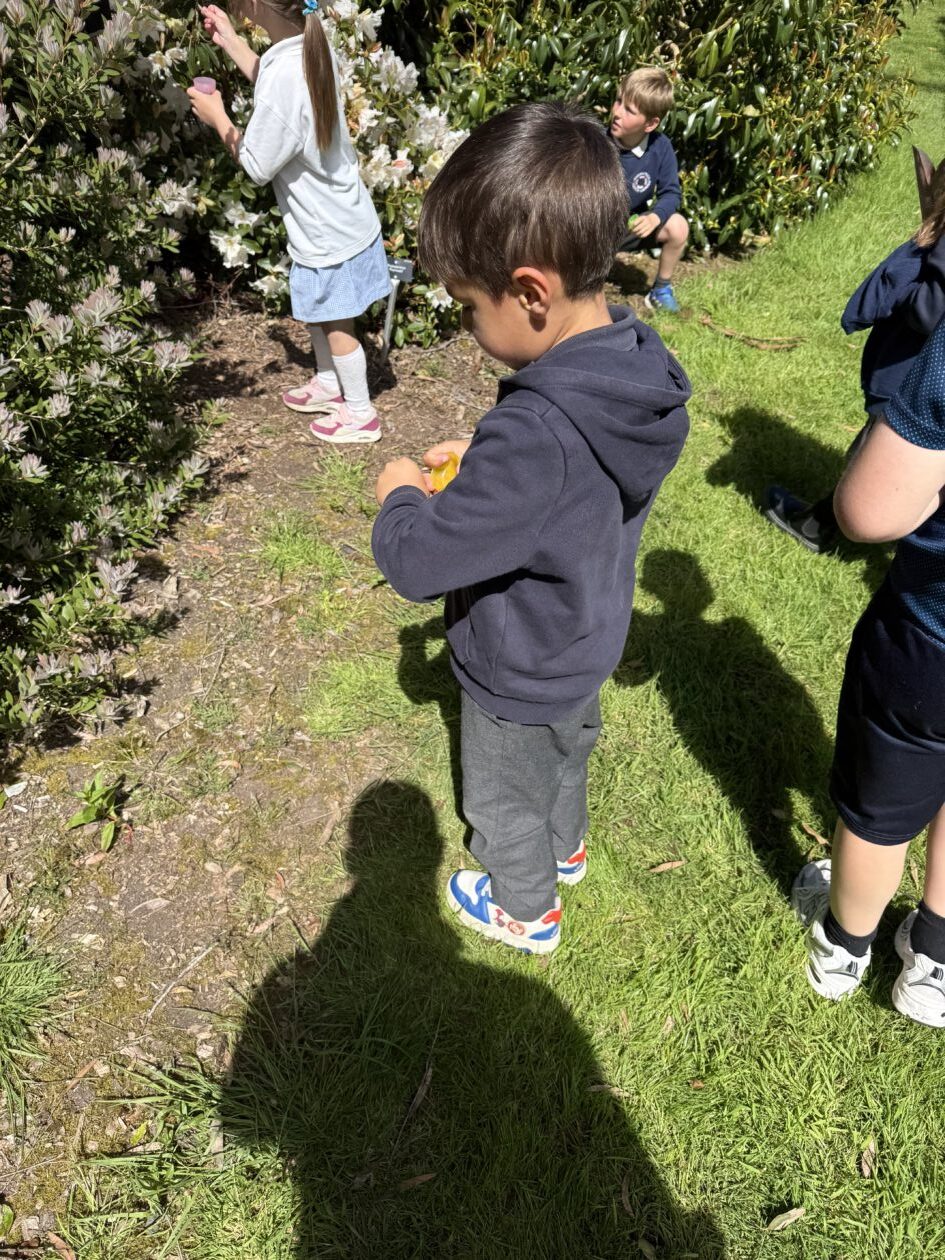
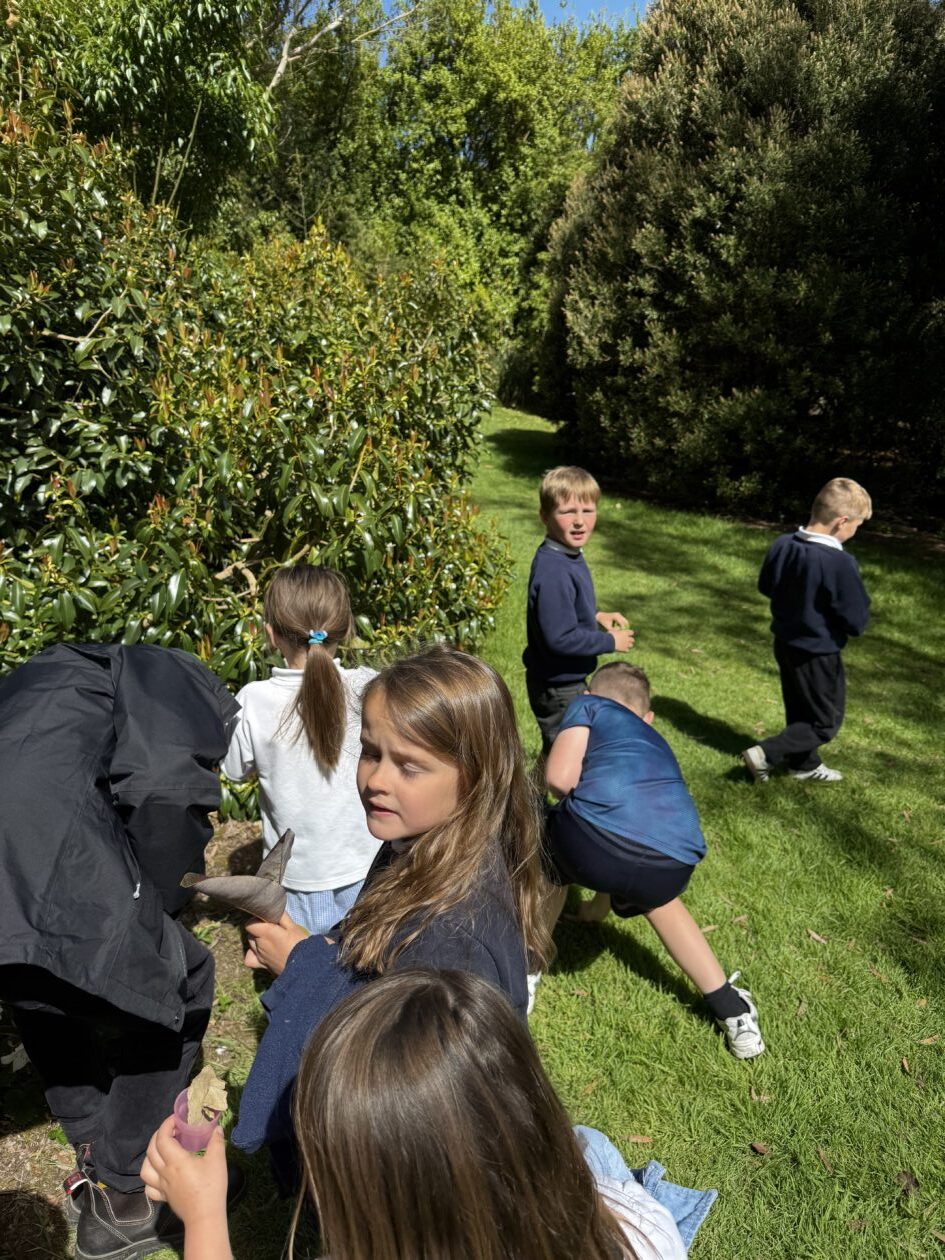
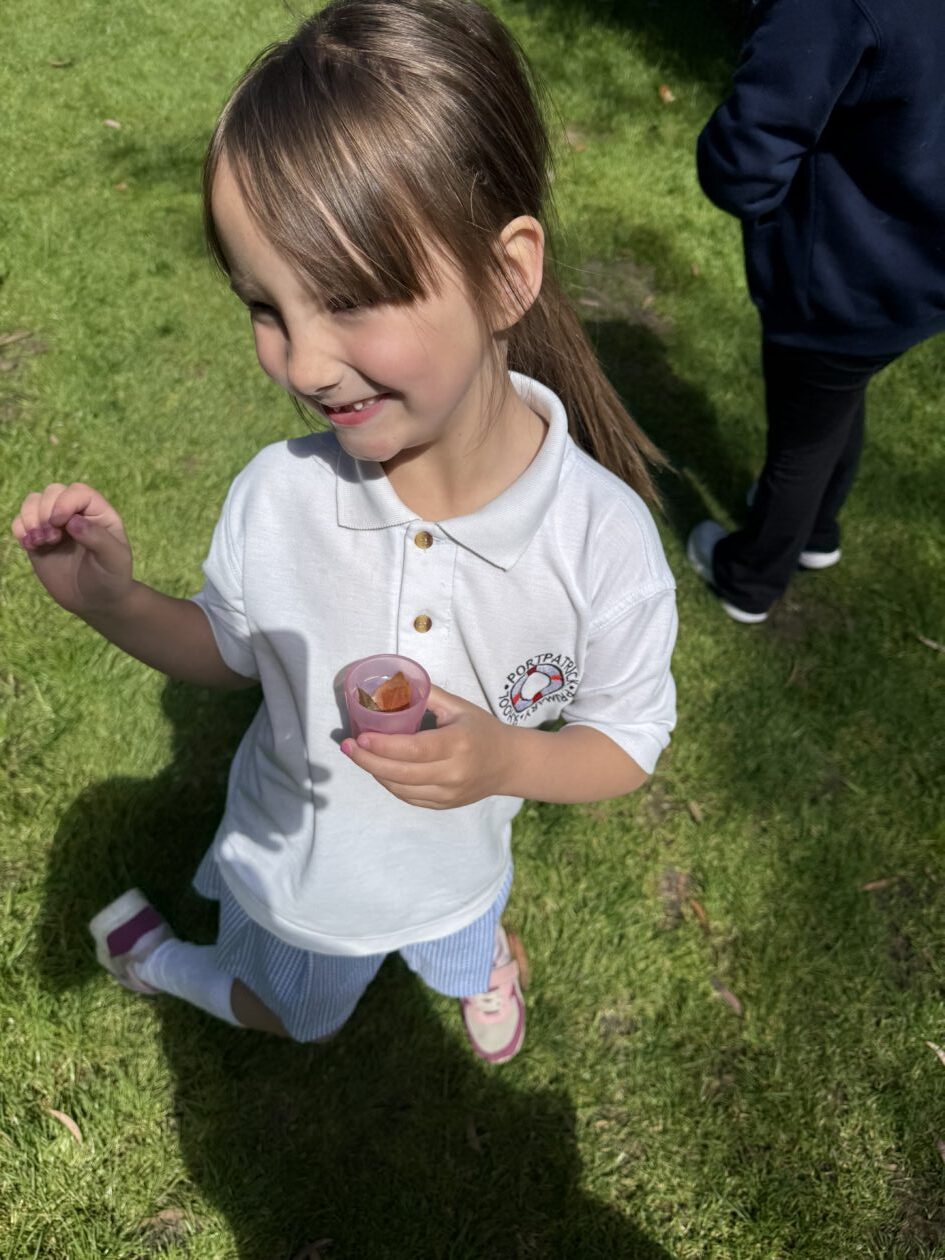
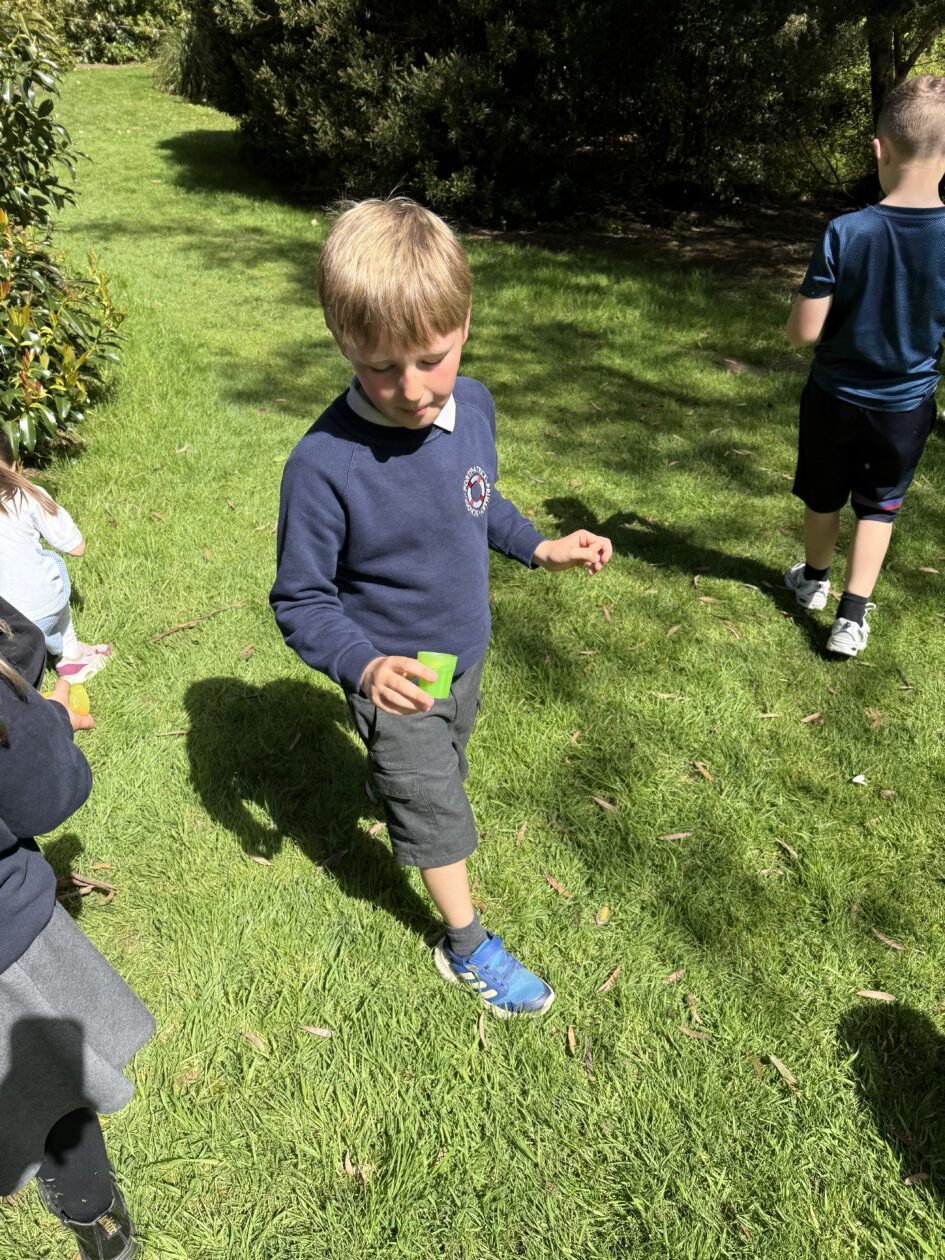
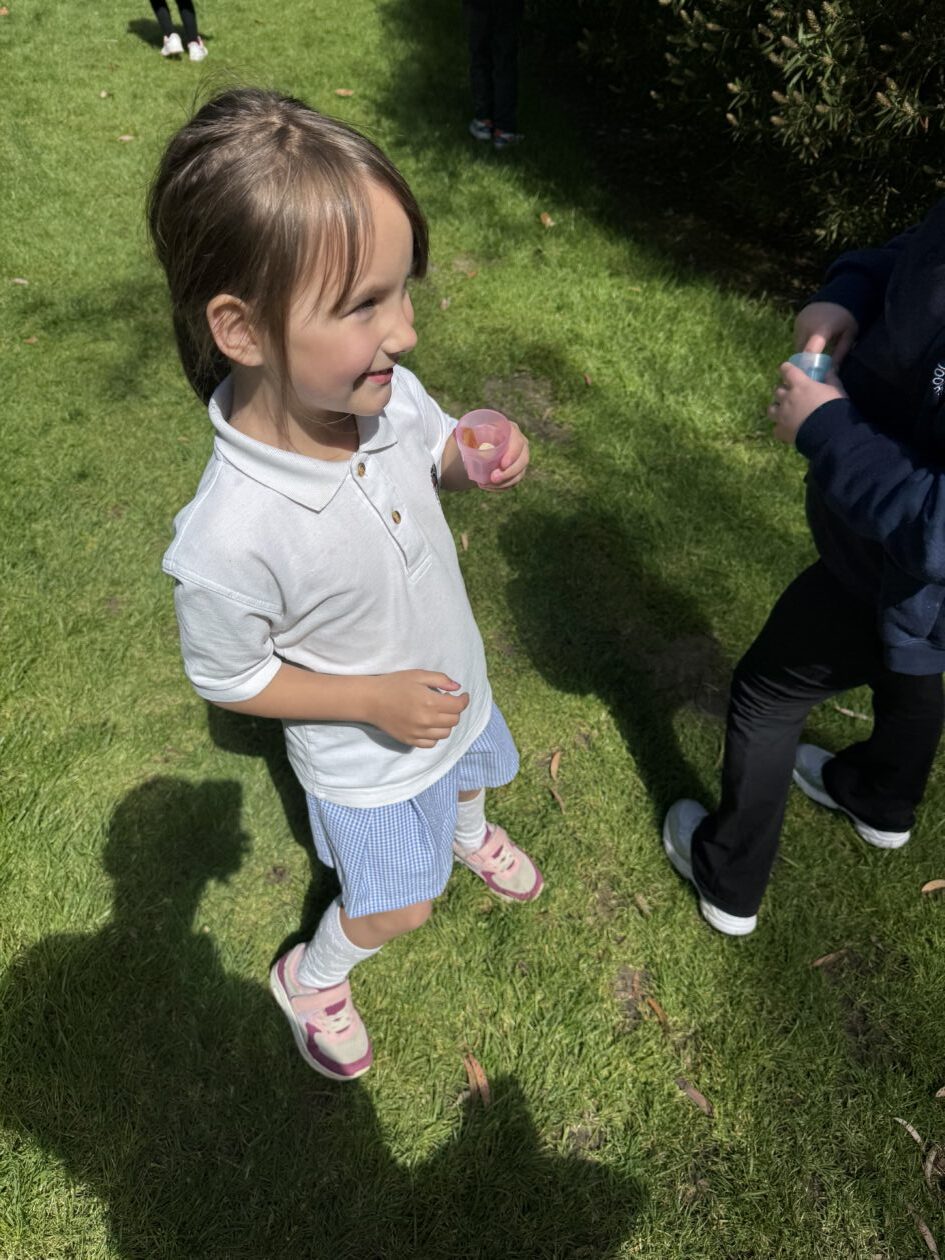
Fun in the Sun at the Port! ☀️⛳🍦🛝What more could you want on a sunny Wednesday?Our pupils made the most of the beautiful weather with a trip to the putting green, followed by a delicious ice cream and plenty of fun at the playpark. There were lots of smiles, laughter and opportunities to enjoy spending time together outdoors.The children showed excellent manners and represented our school brilliantly while enjoying some well-deserved fun in the sunshine.A huge thank you to Quintin and Carol for helping to make our afternoon so special.
Links to Learning
UNCRC Article 31: The right to play and relax.
Successful Learners: Learning through new experiences.
SHANARRI – Active: Keeping healthy and active.
Meta-skill – Collaborating: Working and playing together.
A wonderful afternoon making memories together at the port! ☀️🍦⛳🛝
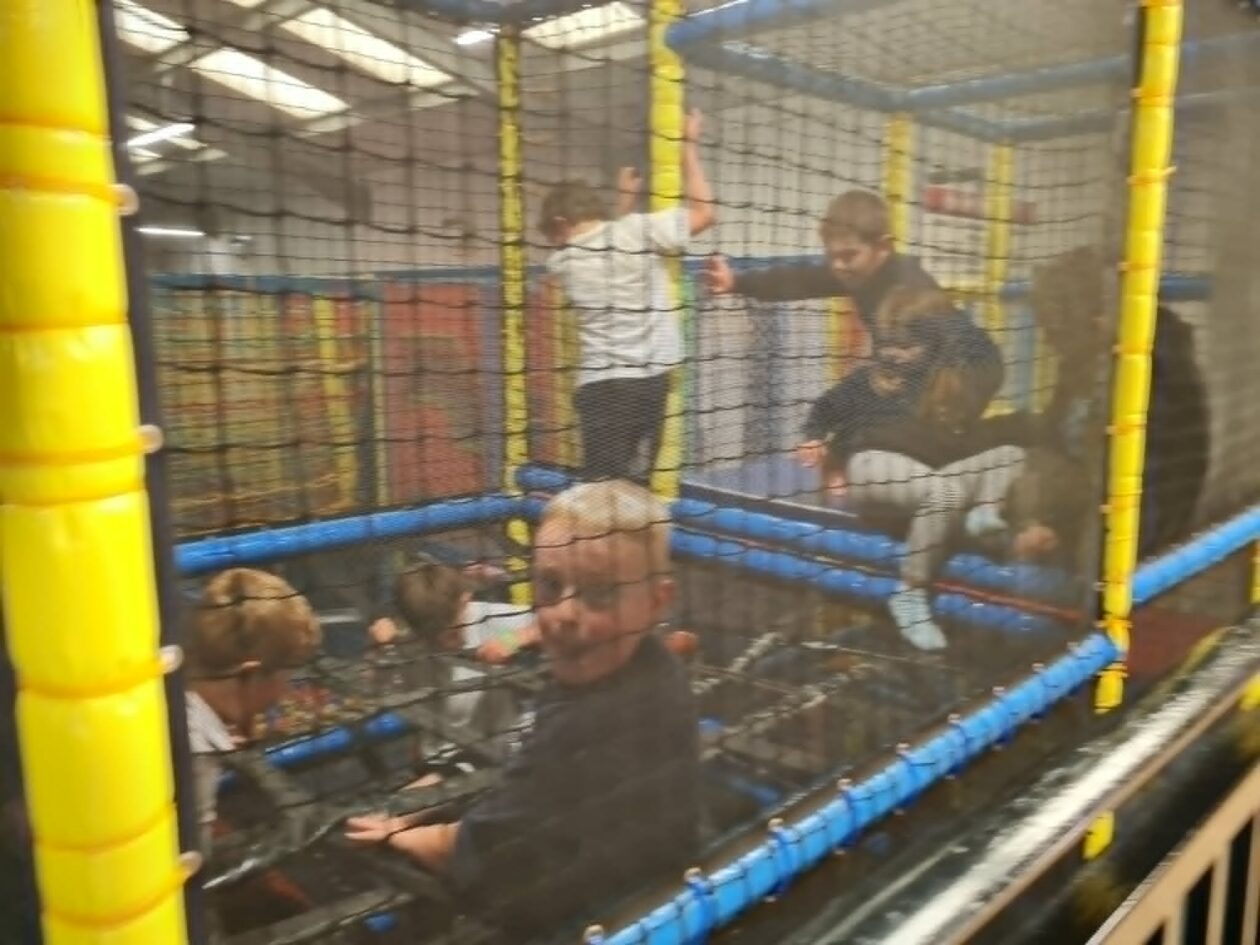
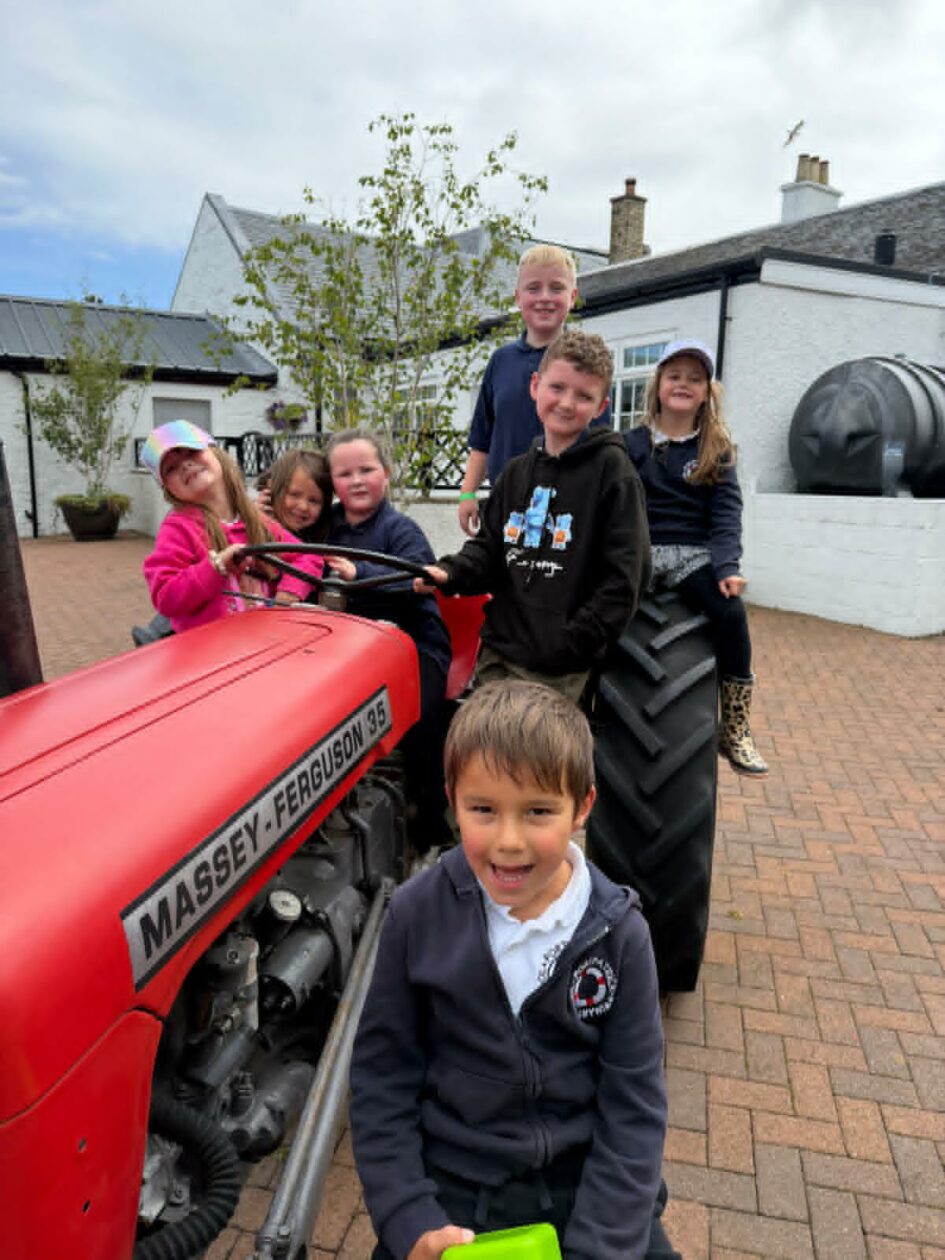
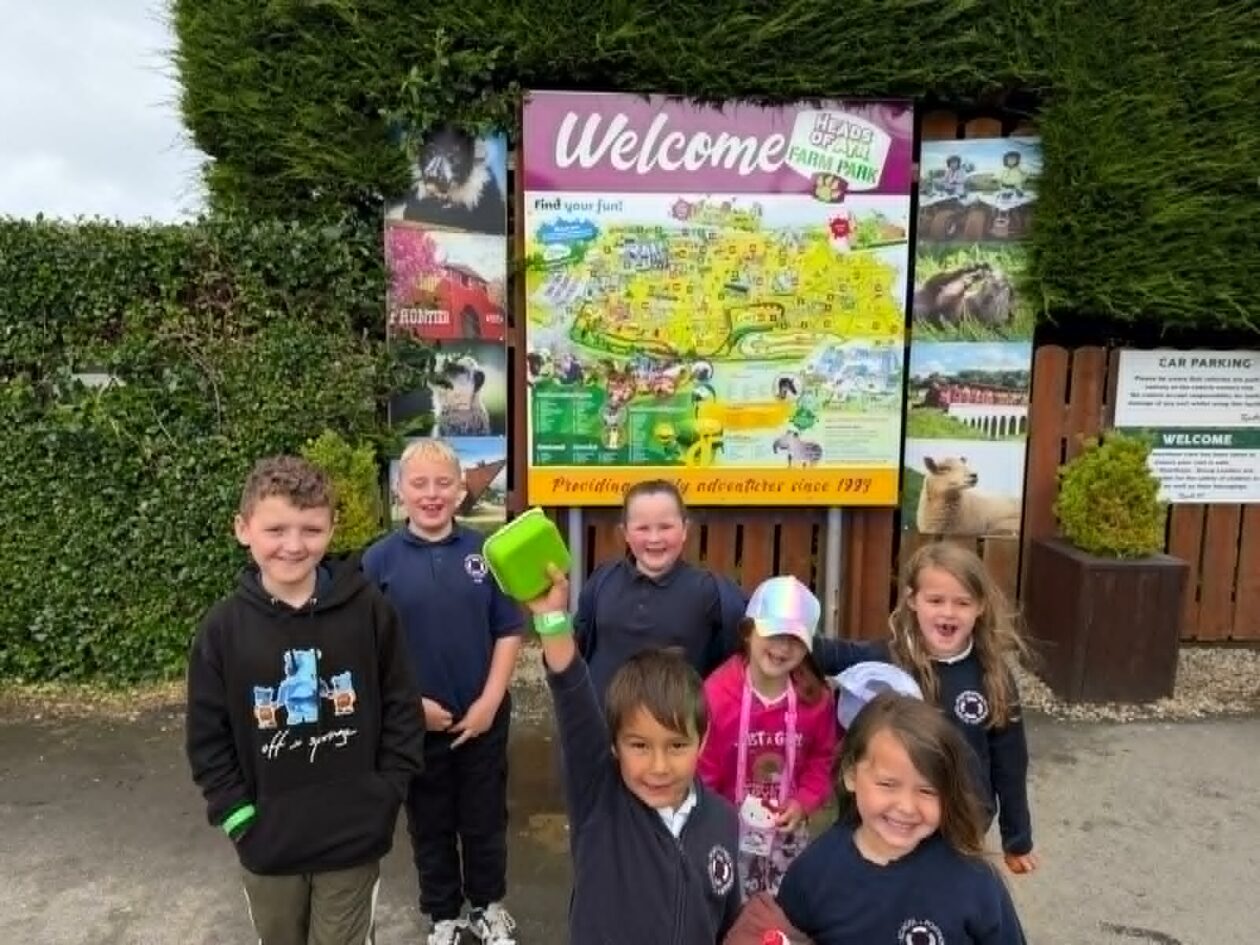
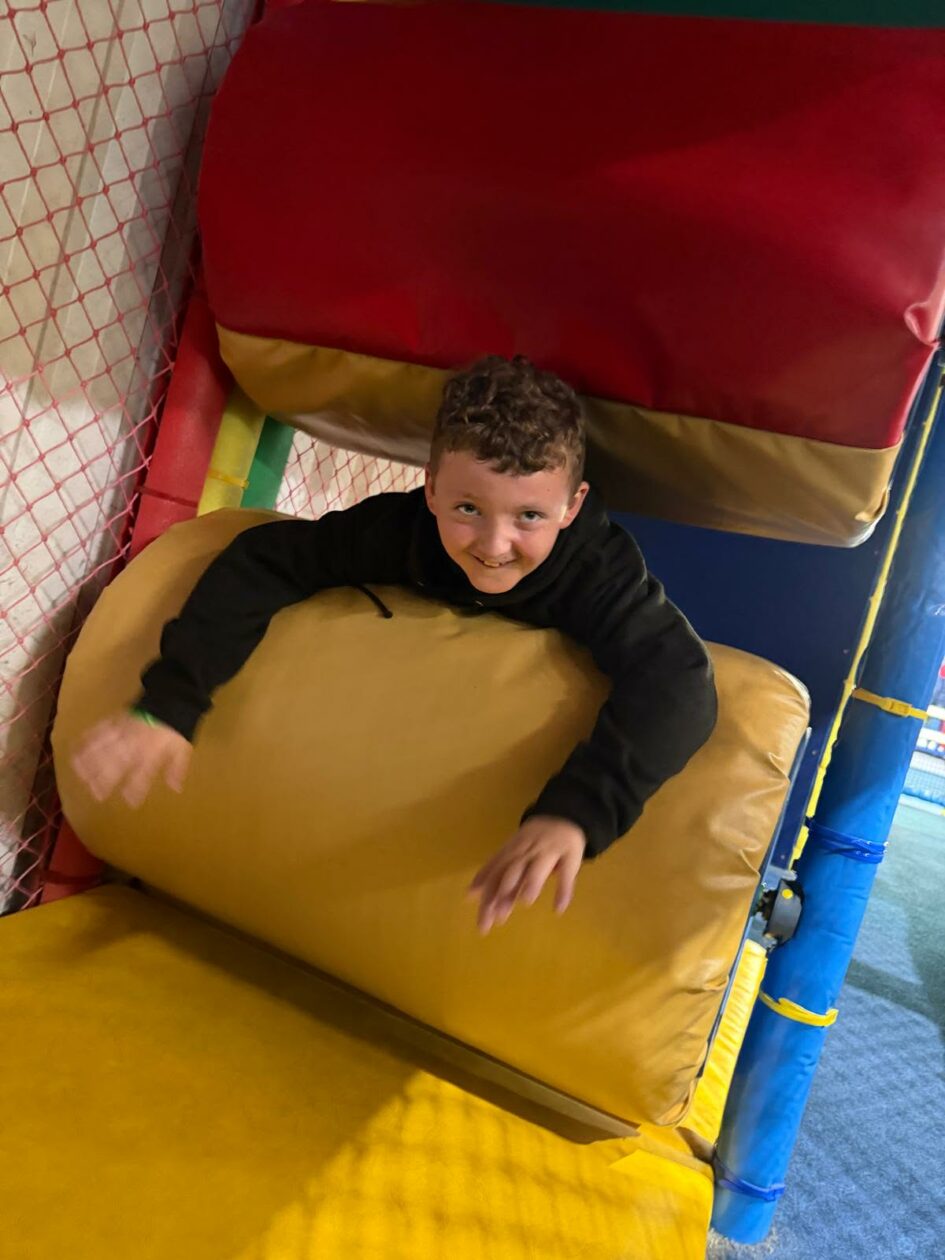
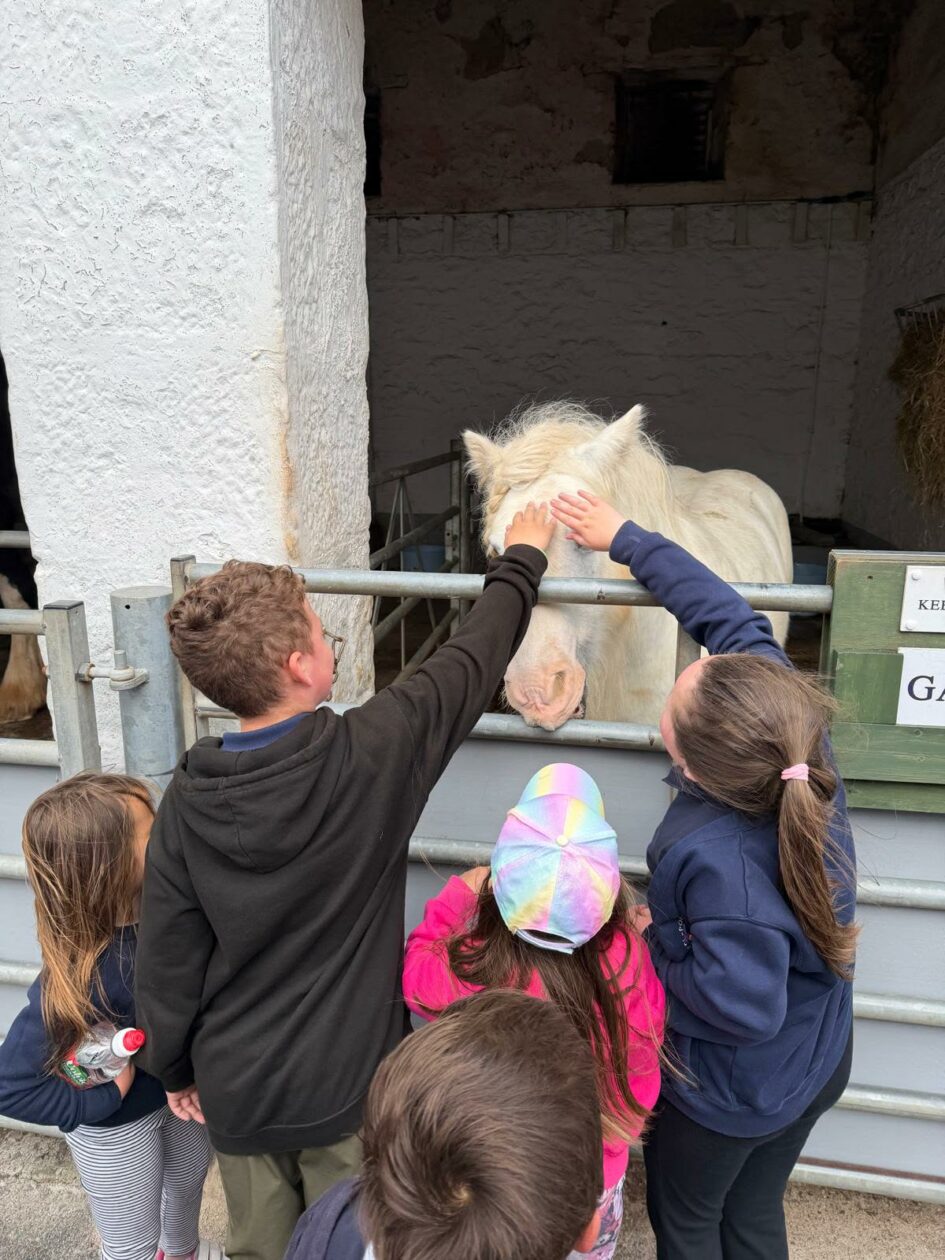
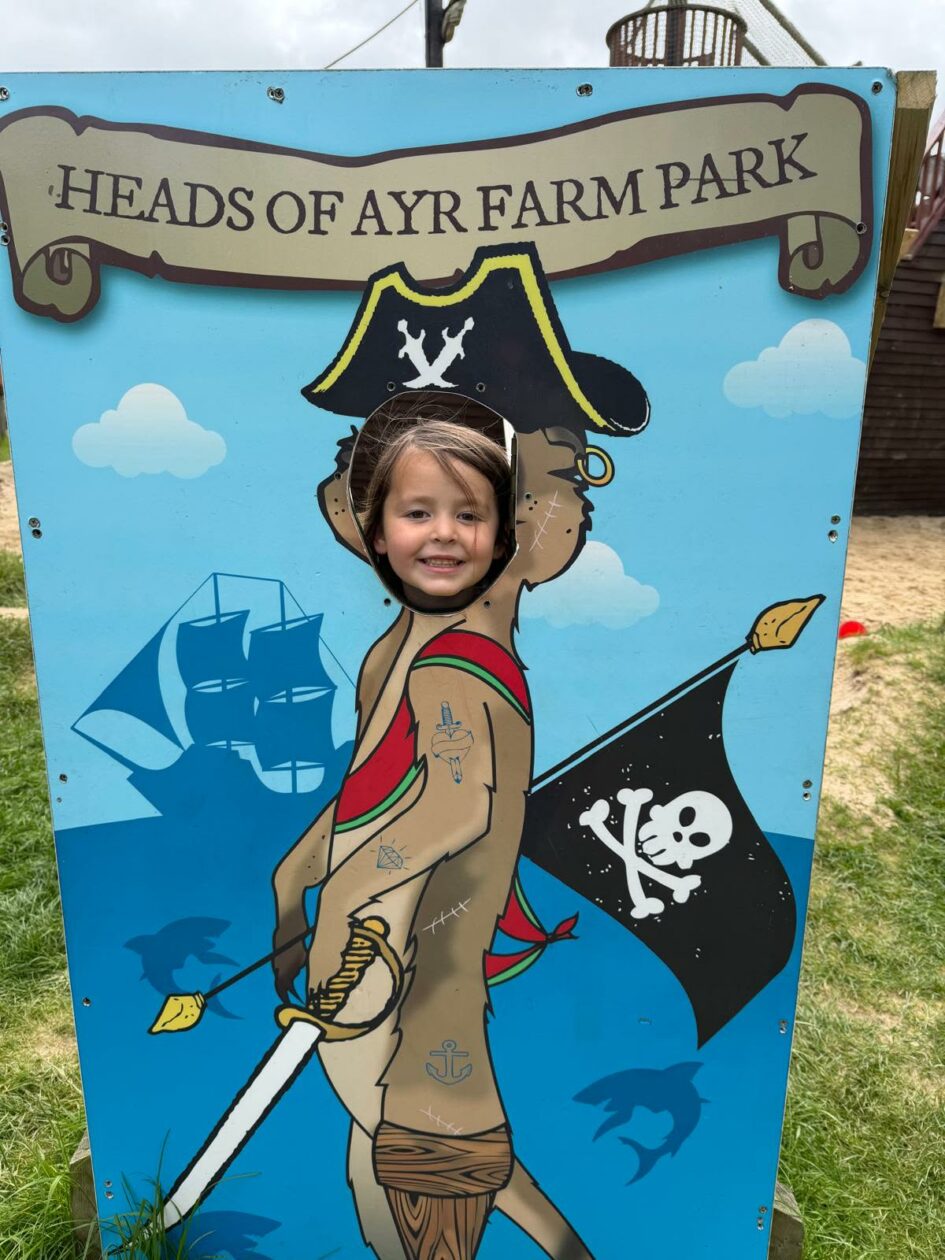
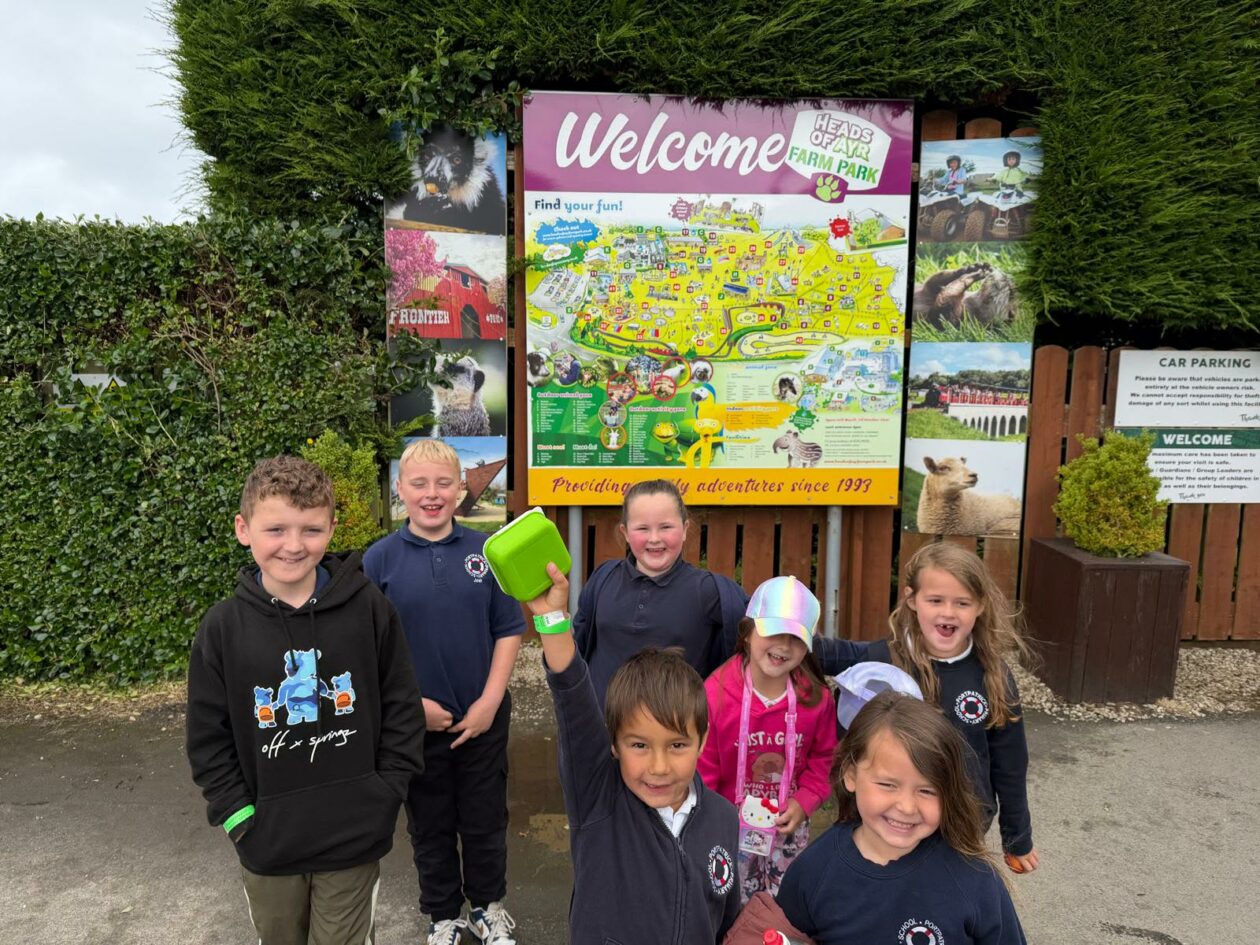
Pupils from across our partnership schools enjoyed a fantastic end of year trip to Heads of Ayr Farm Park on Friday 12 June.
Although the sunshine stayed away, the weather was kind to us and certainly did not dampen anyone’s spirits. The children made the most of every opportunity on offer, creating lasting memories with their friends and staff.
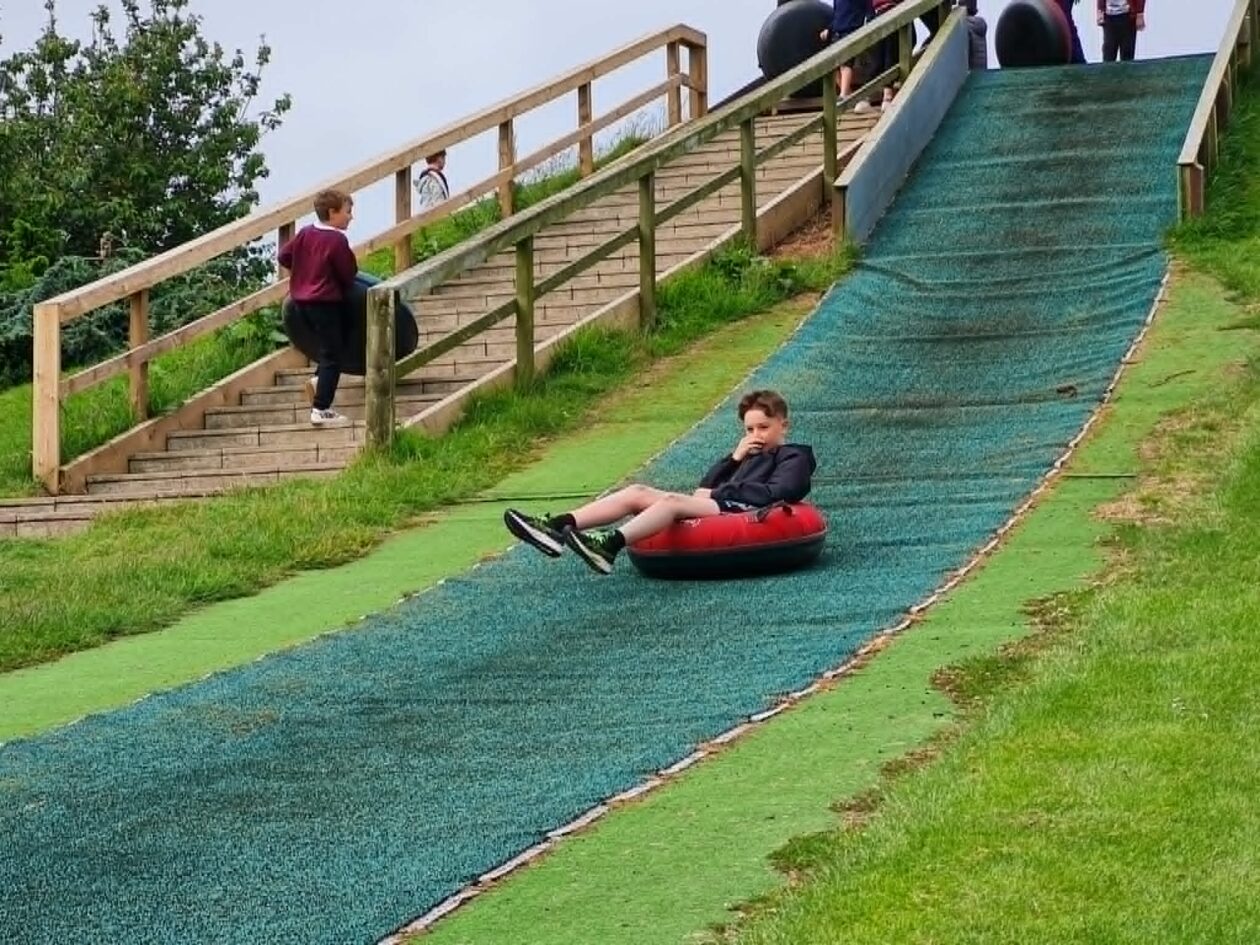
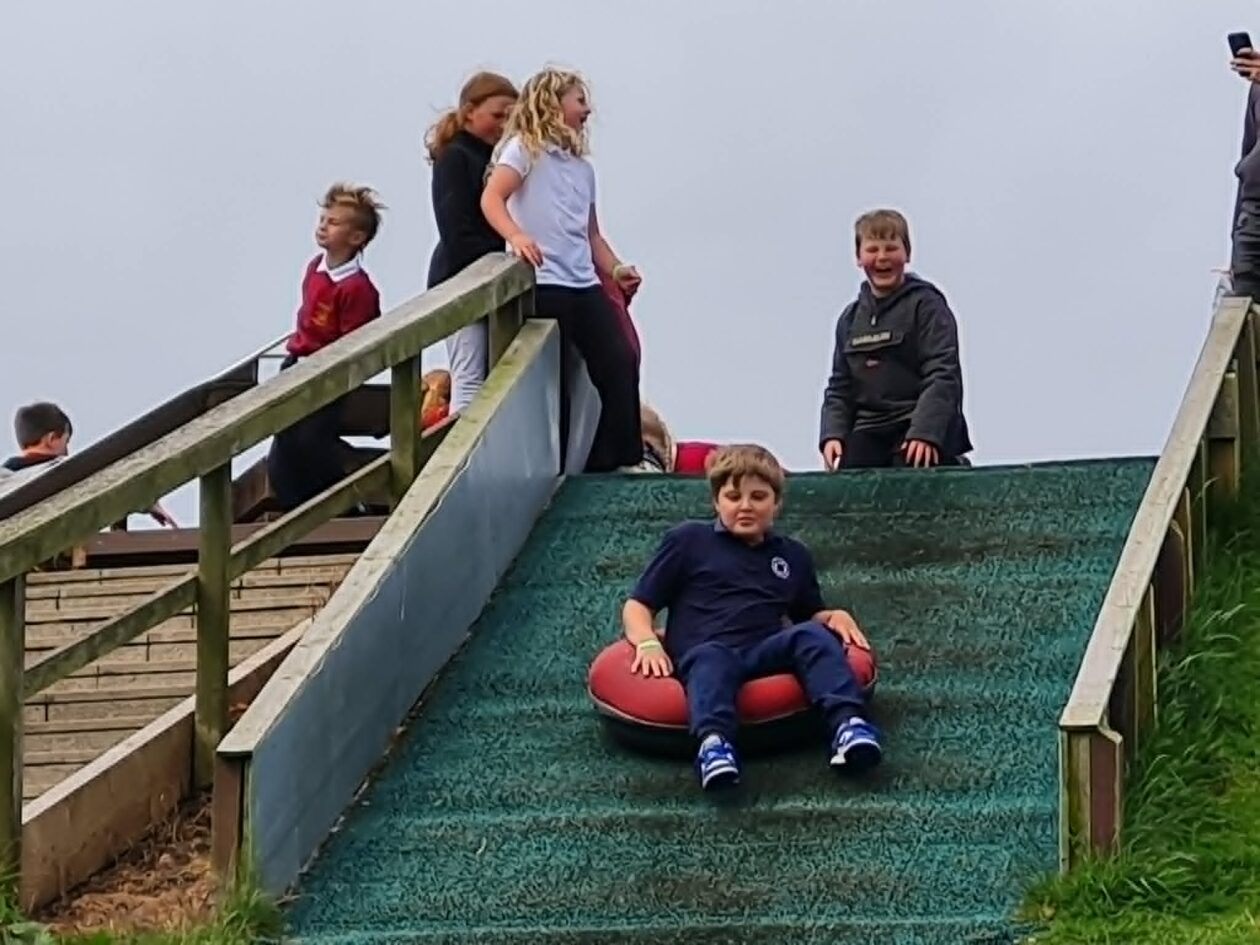
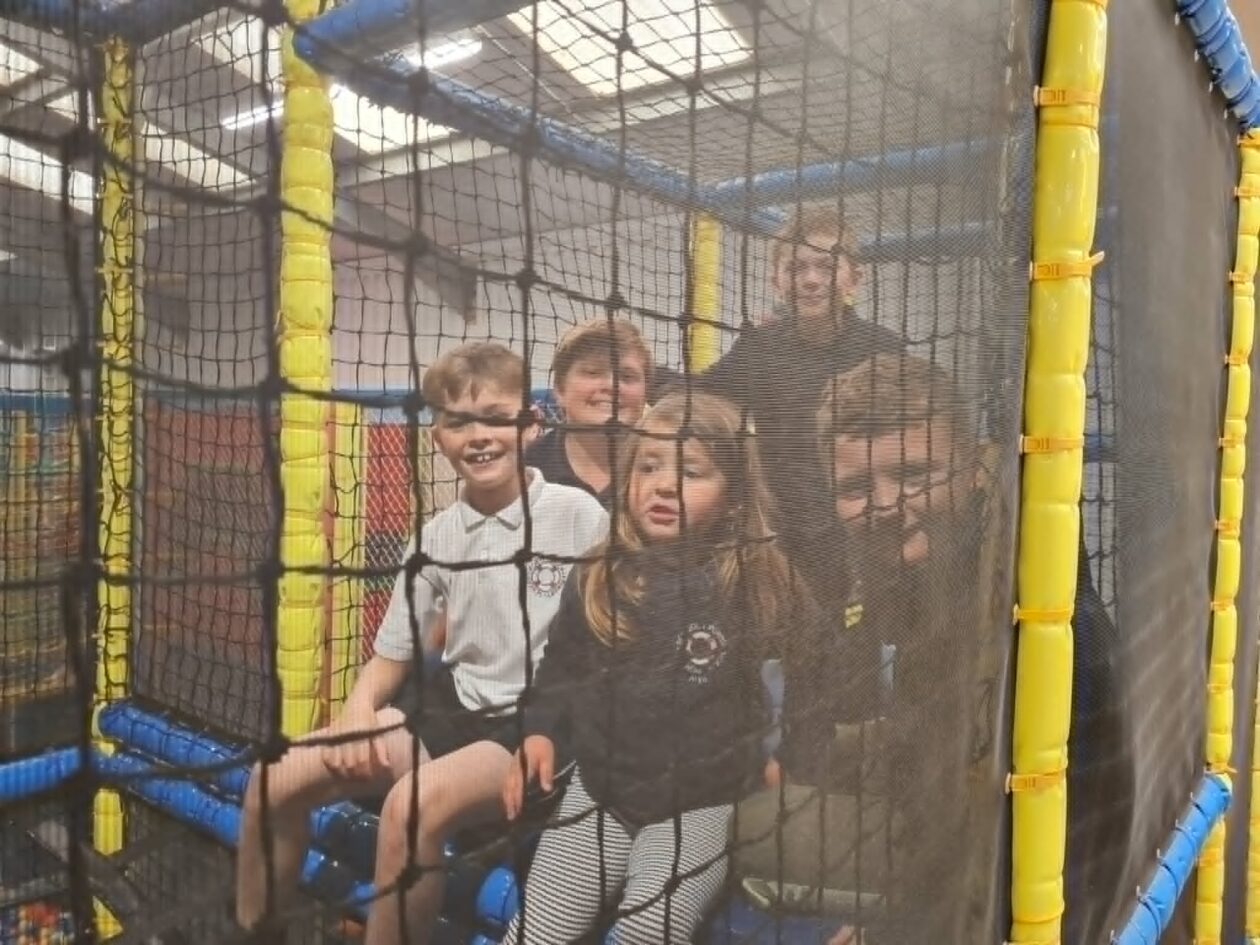
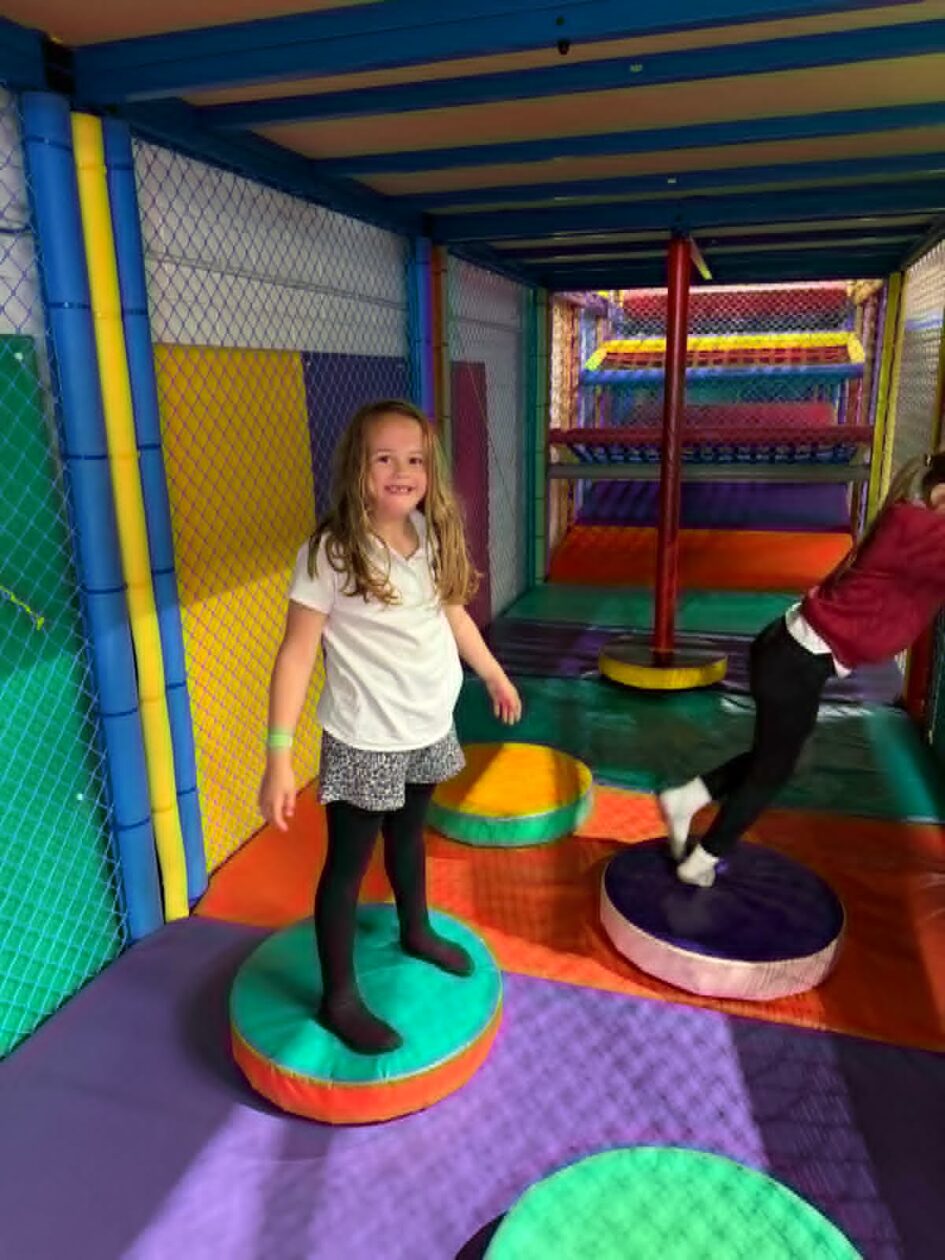
Throughout the day, pupils visited a variety of animals and enjoyed exploring all that the park had to offer. From tackling the adventure play areas and tyre slides to racing across the giant trampoline pillows and soaring along the zip wires, there was something for everyone to enjoy. Many children also showed great bravery, taking on the vertical drop slide in the soft play area with their friends cheering them on. Even Mr Morrison dared to take on the challenge, much to the delight of the boys and girls.
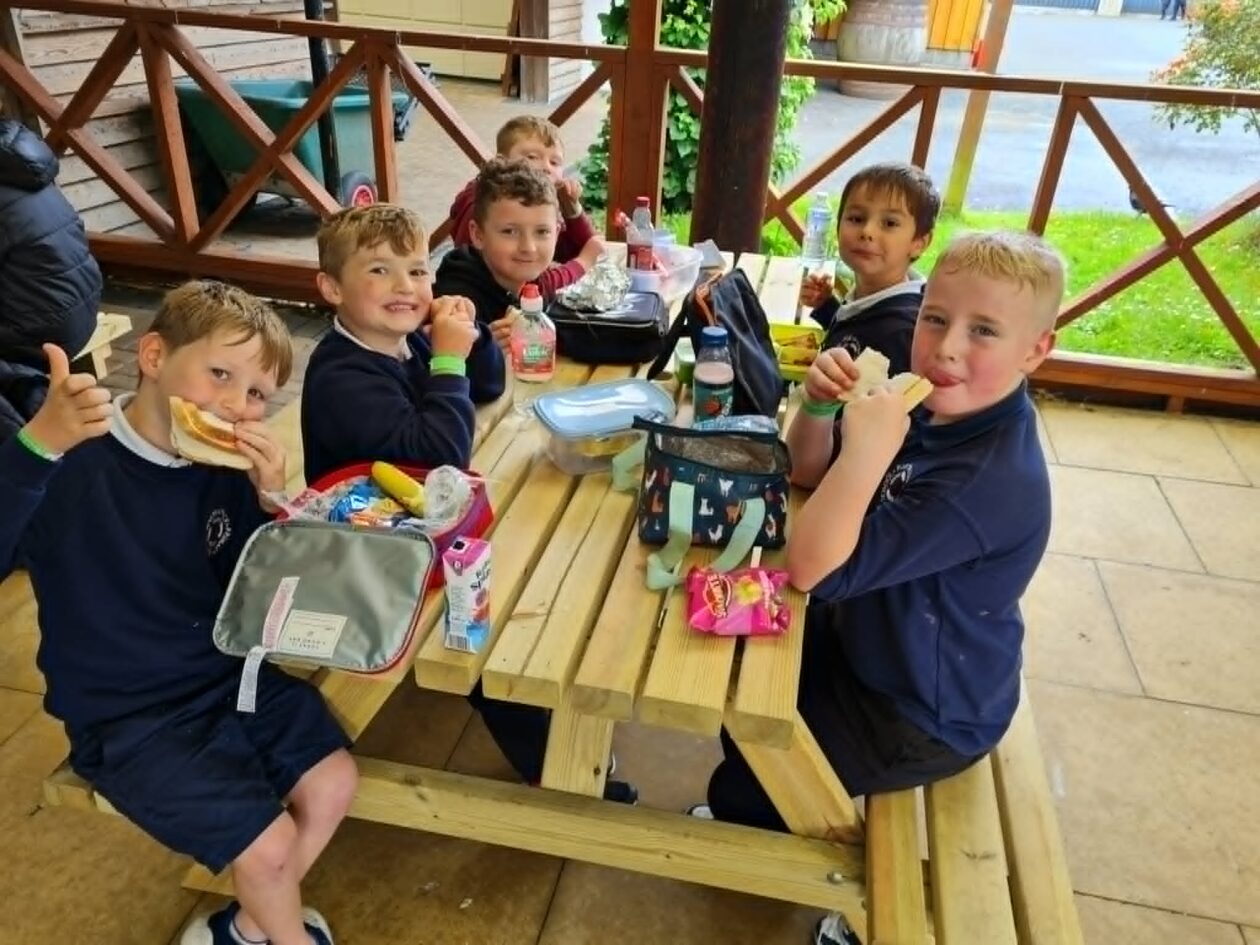
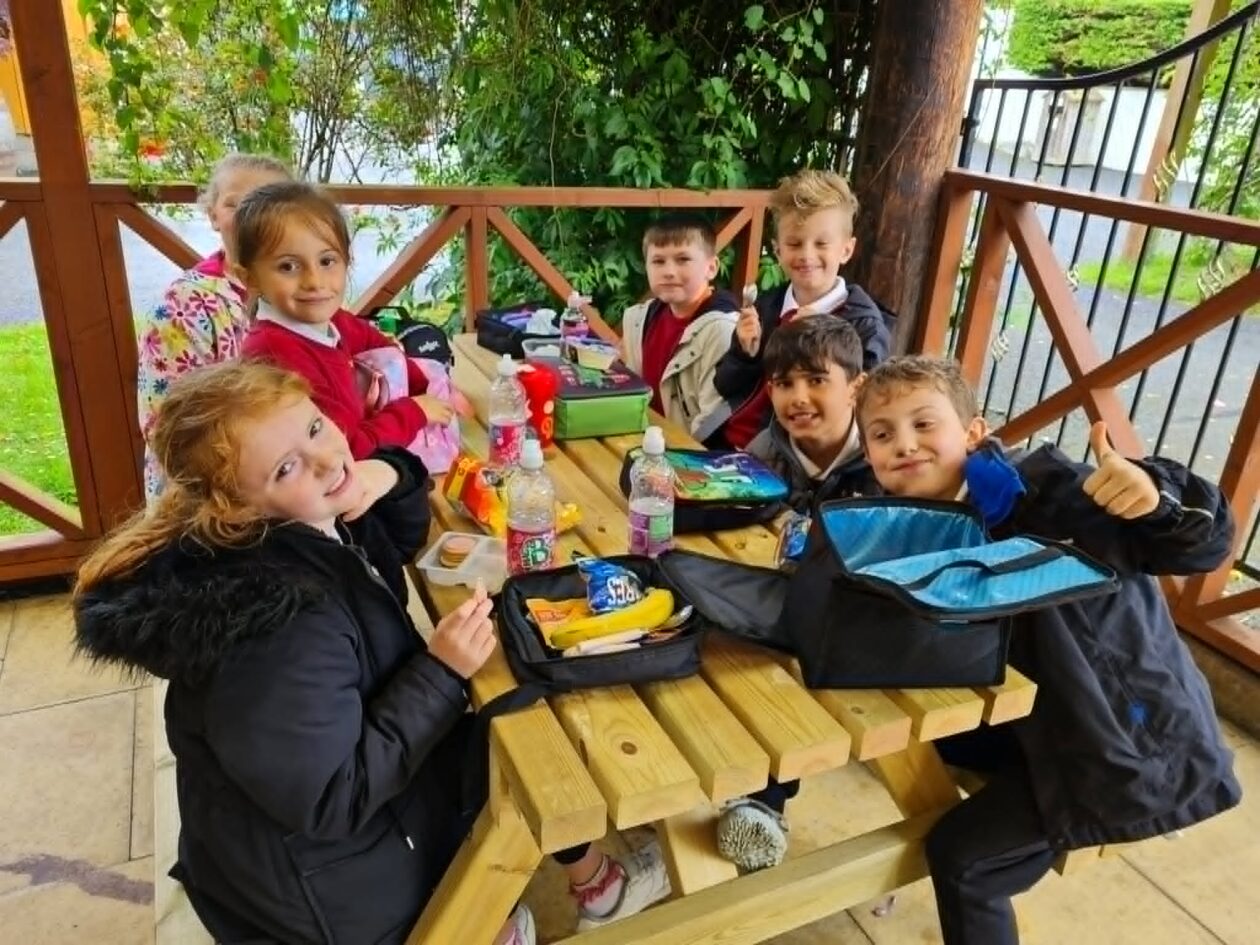
Lunchtime provided a welcome opportunity for everyone to relax, share stories from the morning’s adventures and enjoy spending time together. It was lovely to see pupils from both schools mixing so well, strengthening friendships and making the most of this special experience.
The trip was a well-deserved end of year treat and a celebration of another successful session. Most importantly, it provided our children with opportunities to have fun, mix socially and enjoy quality time together outside the classroom.
A huge thank you goes to all of the staff and volunteers who helped organise and supervise the visit. The pupils represented both schools exceptionally well and were a credit to our partnership throughout the day.
More photos to follow!
UNCRC:Article 31 – Every child has the right to relax, play and take part in recreational activities.
Four Capacities:Confident Individuals – Pupils demonstrated courage and resilience by trying new activities and challenging themselves.
Meta-skills:Collaboration – Children strengthened friendships and worked together throughout the day.
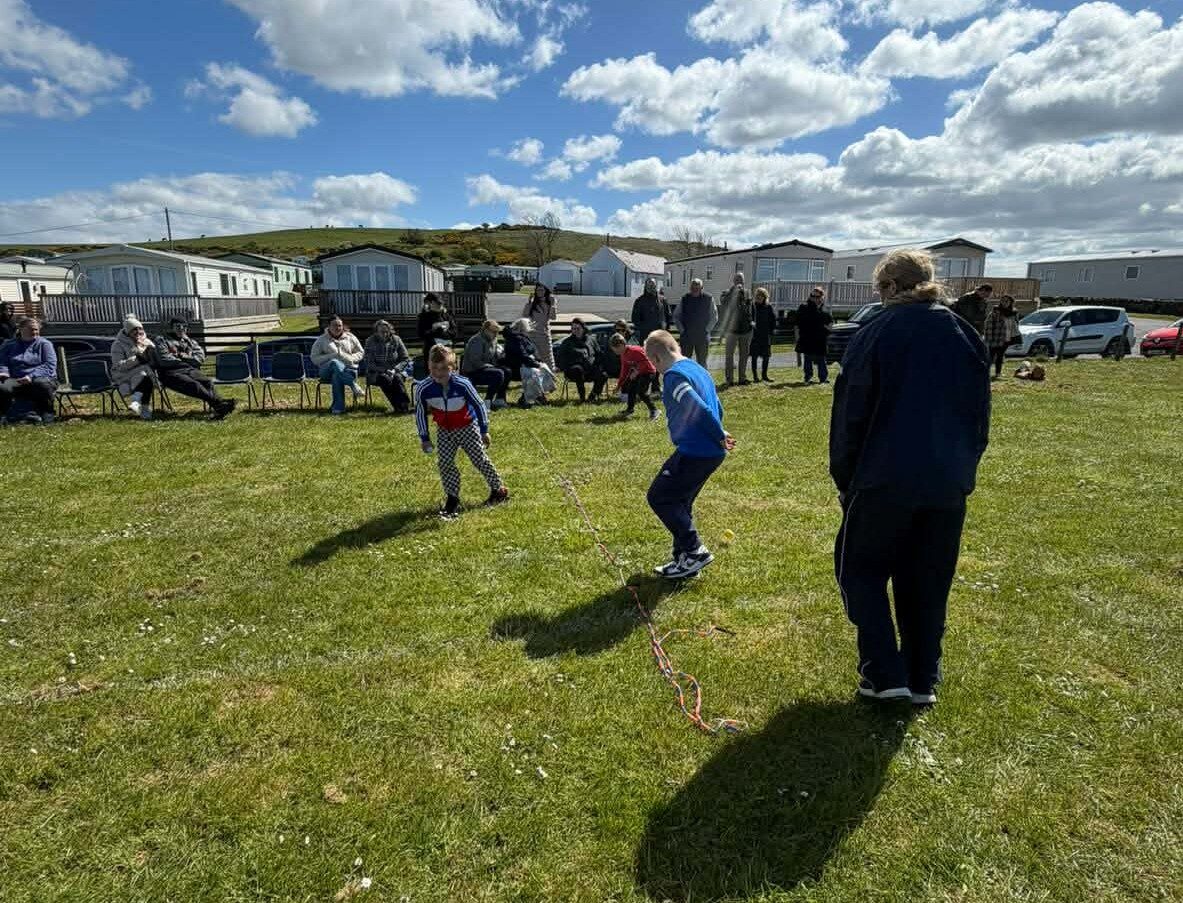
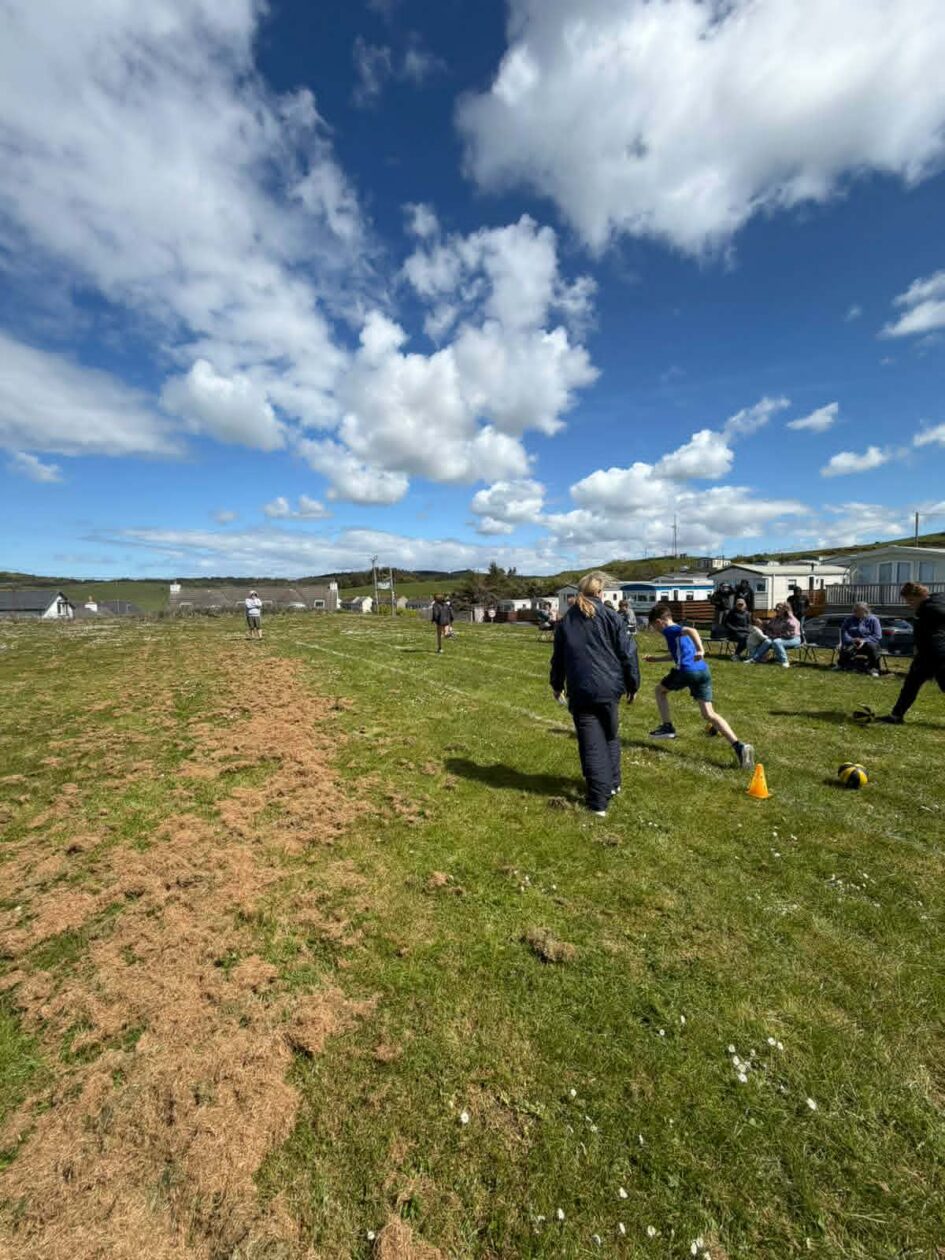
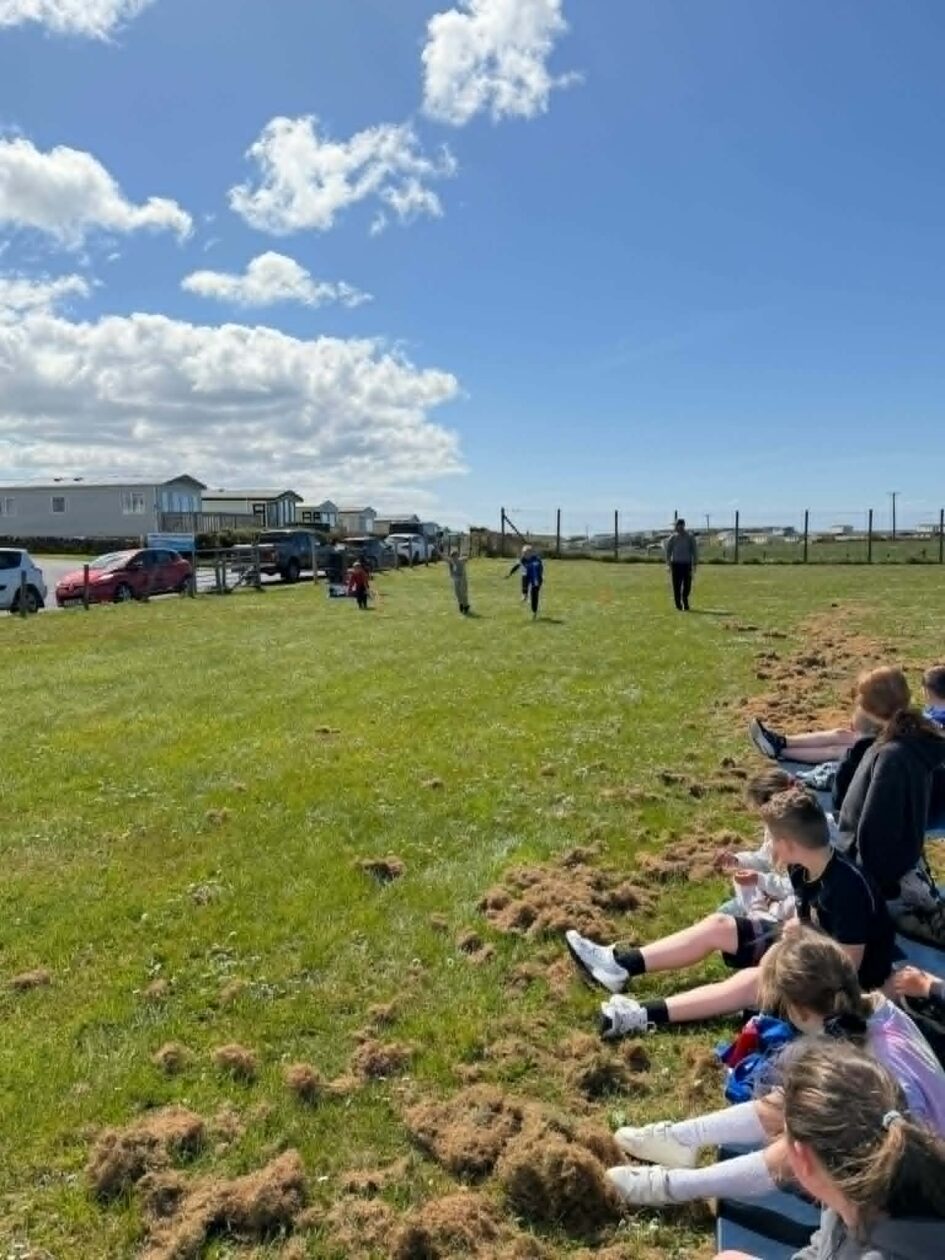
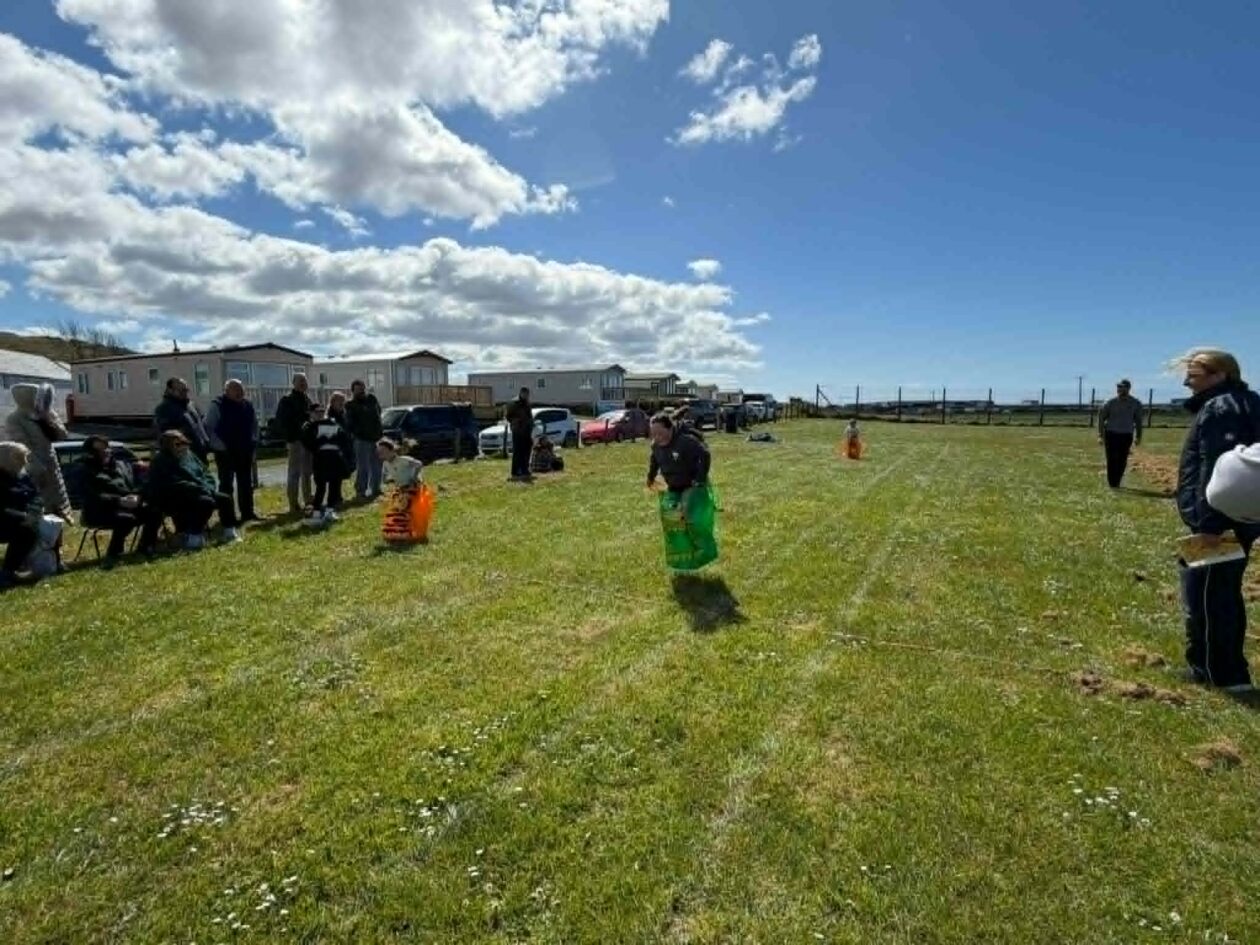
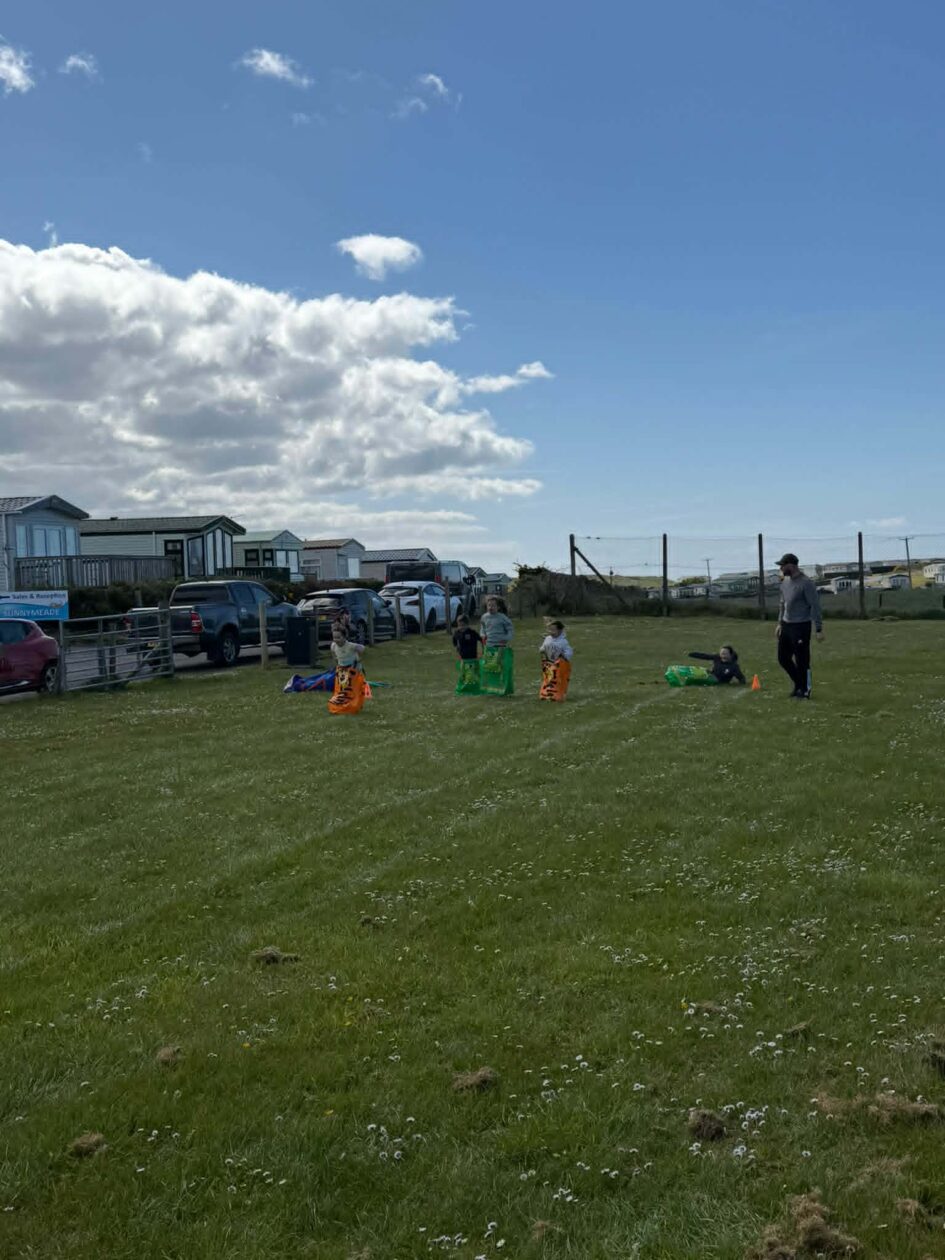
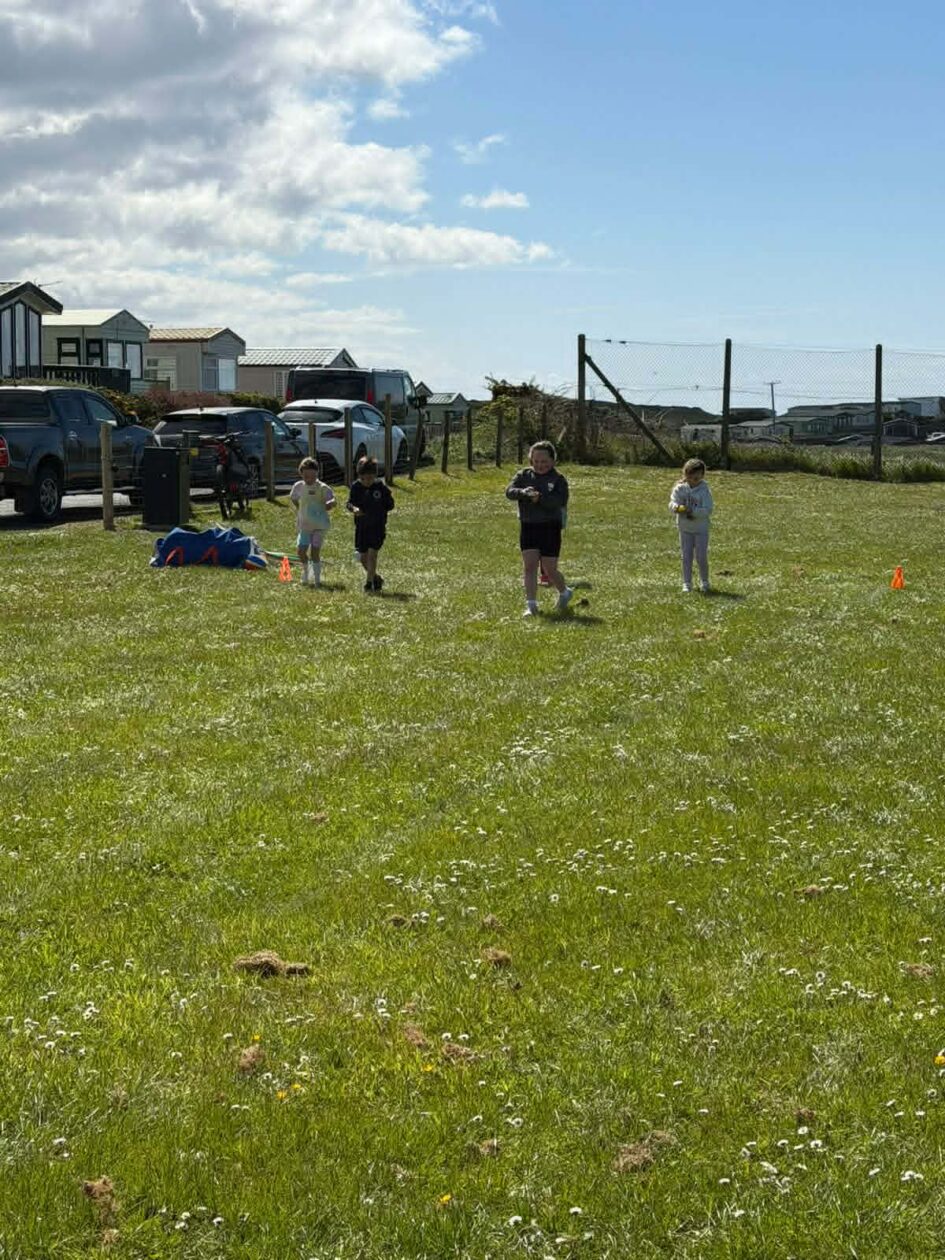
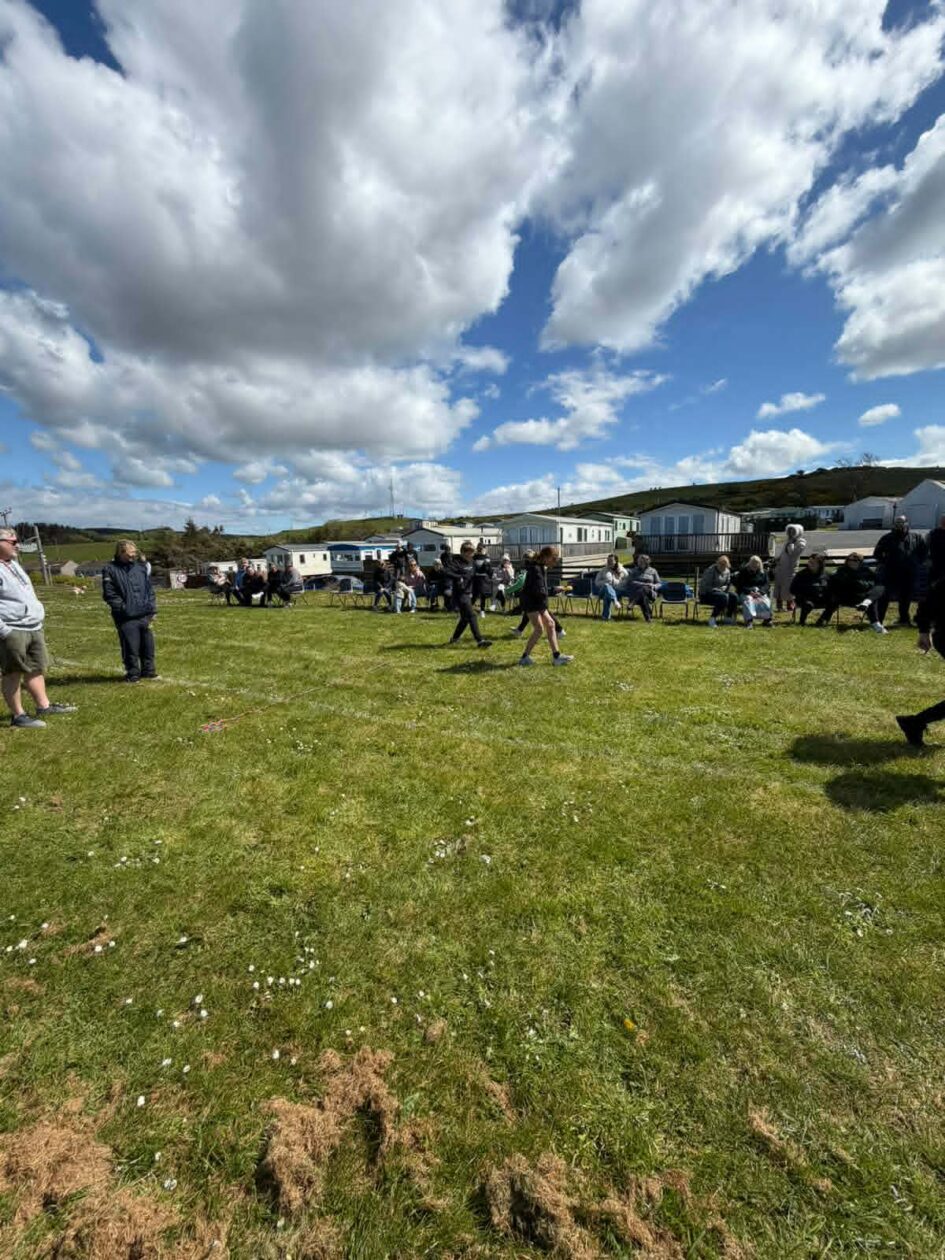
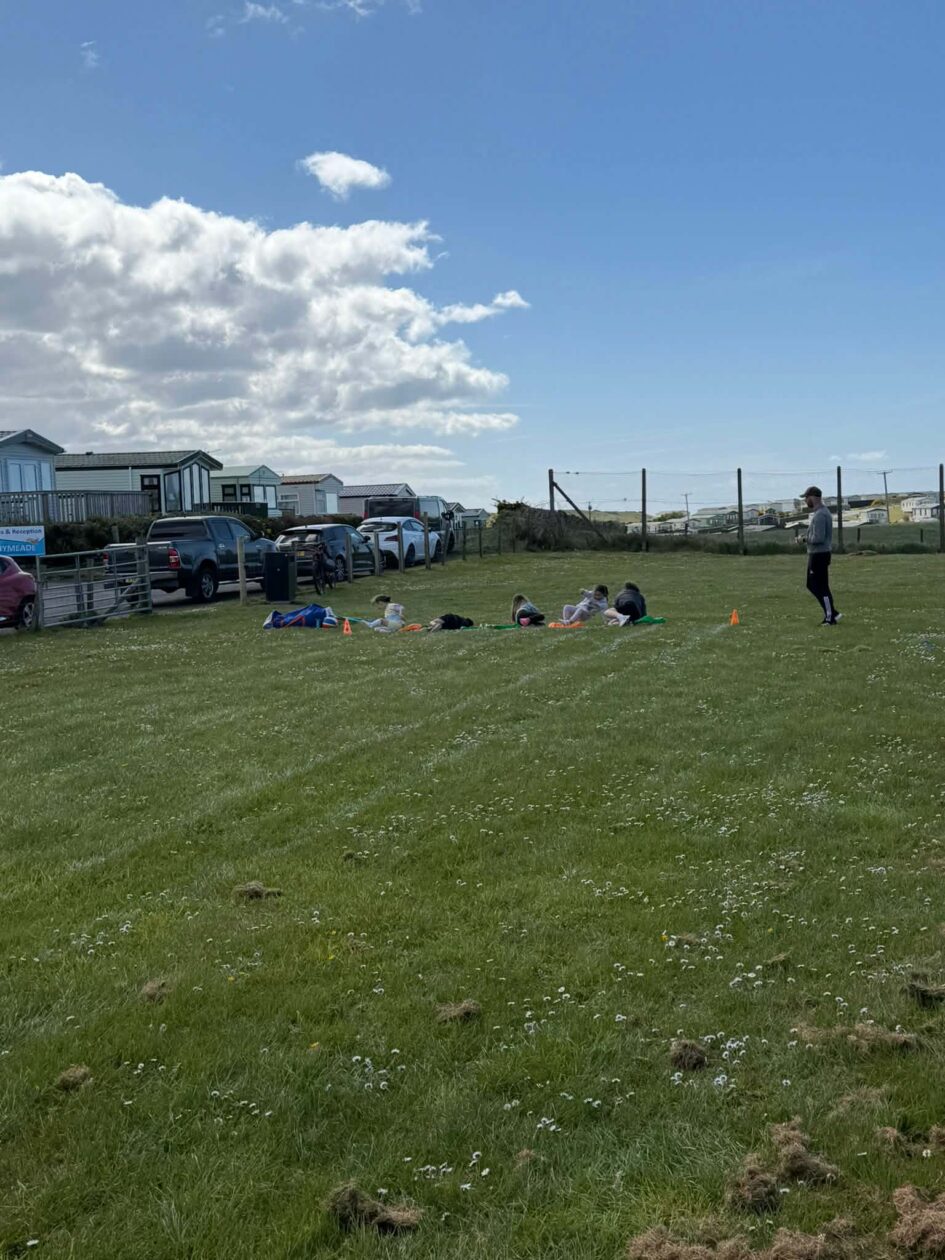
Pupils, staff and families enjoyed a fantastic afternoon at Portpatrick Primary School’s Sports Day.
Despite the breezy conditions, children embraced every challenge with enthusiasm, determination and excellent sportsmanship. From sprints and relays to novelty races, pupils gave their all while cheering on their classmates and celebrating one another’s successes.
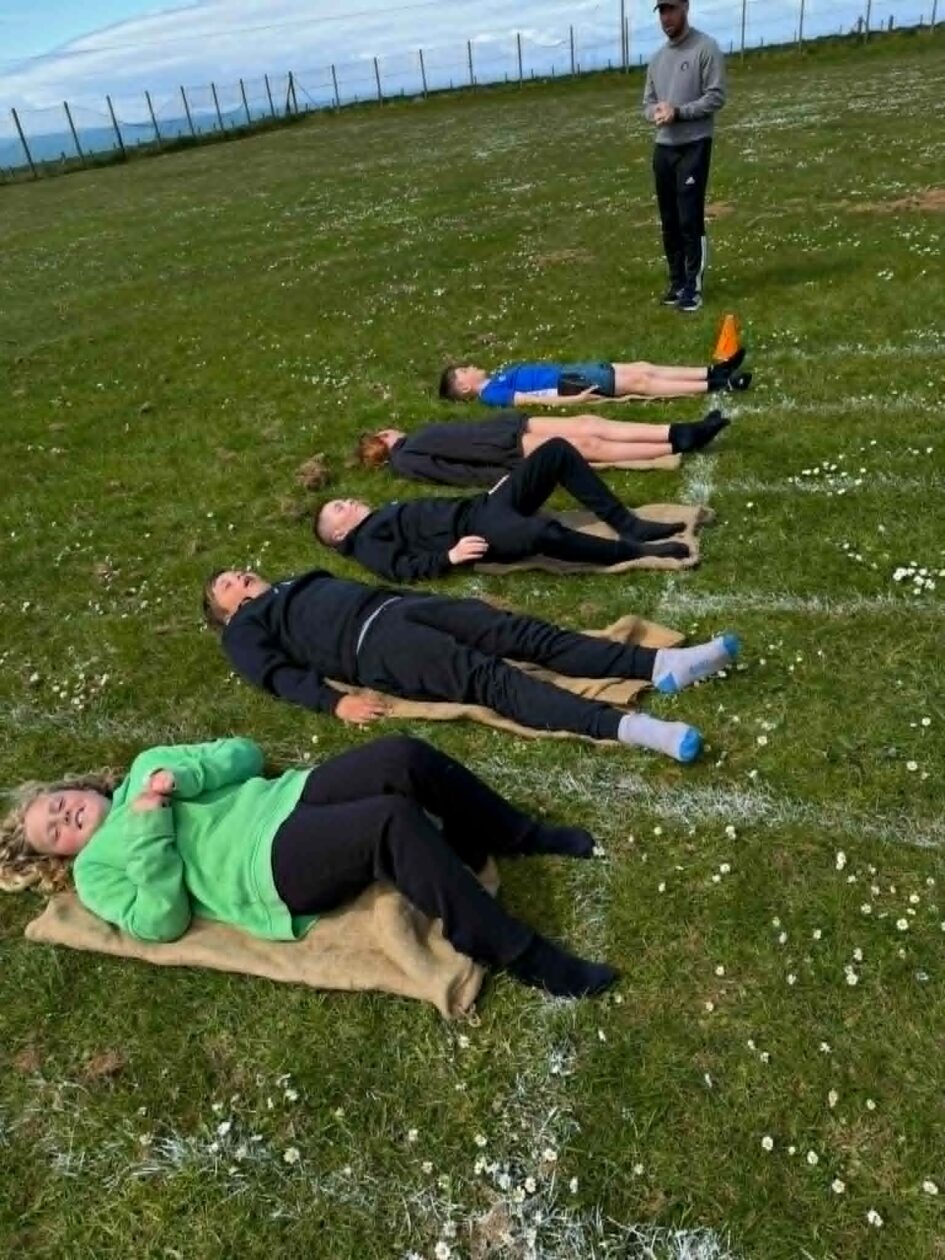
The windy weather added an extra challenge to the traditional egg and spoon race, with more than a few eggs taking flight before reaching the finish line! One memorable moment came when Stephen showed excellent problem-solving skills by deciding to run the race backwards to shield his egg from the wind. His unusual tactic worked perfectly and earned him a well-deserved victory.
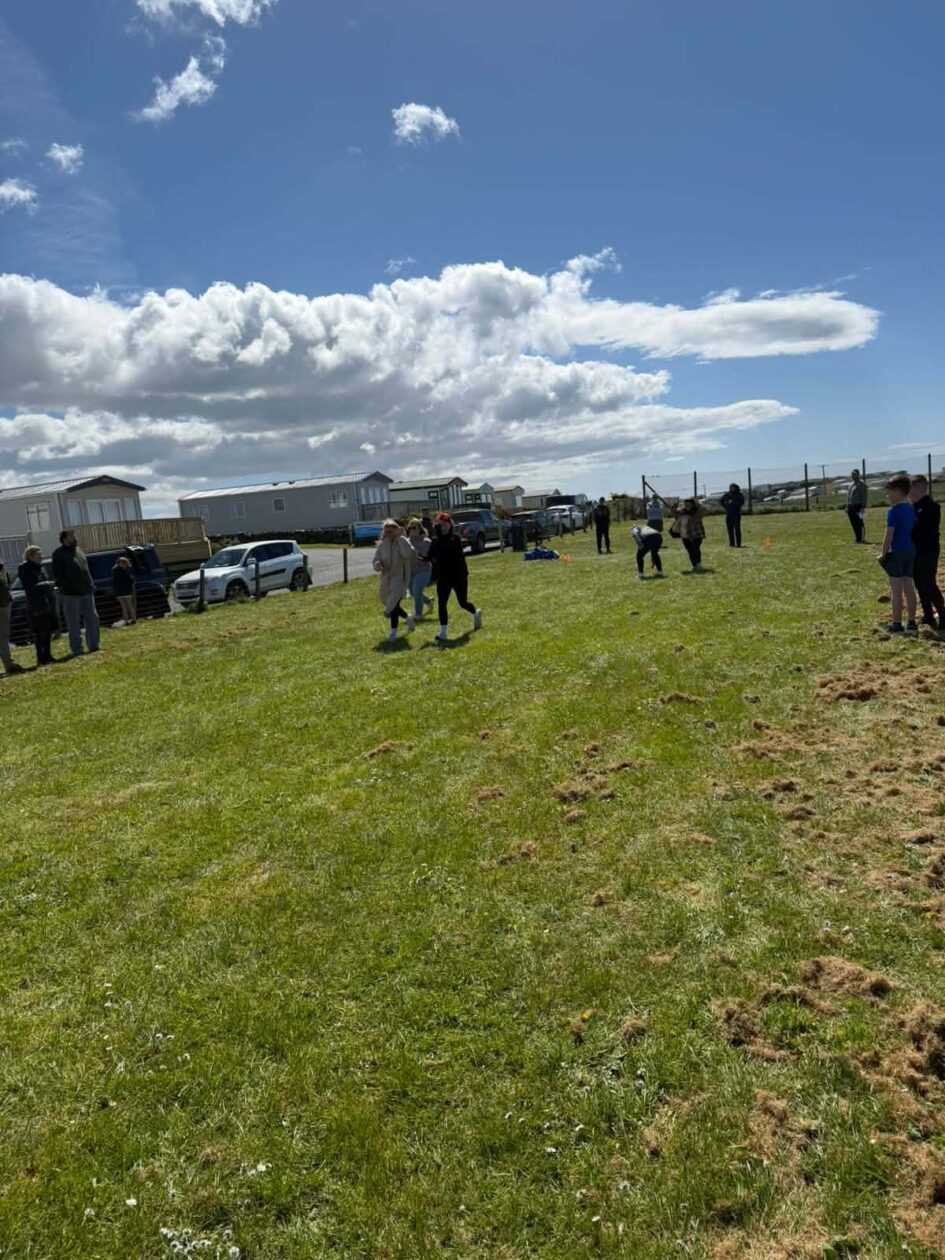
Our lovely families supported the event, creating a great atmosphere of encouragement and community spirit. The ever-popular parent races once again provided plenty of entertainment, with some fiercely competitive performances and a a couple of suggestions that the finish line may have shifted at a very convenient moment! 😉
A big thank you goes to all staff, families and volunteers who helped make the event a success. Most importantly, we are very proud of all our pupils, who demonstrated resilience, teamwork and outstanding sportsmanship throughout the day.
Learning Links
🌍 UNCRC Article 31 – The right to play and take part in recreational activities.
💡 Meta-skill: Collaborating – Encouraging and supporting others.
🎓 Four Capacities: Effective Contributors – Participating with enthusiasm and determination.
😊 SHANARRI: Active – Developing fitness, skills and wellbeing through sport.
🌱 SDG 3: Good Health and Wellbeing – Promoting healthy, active lifestyles.
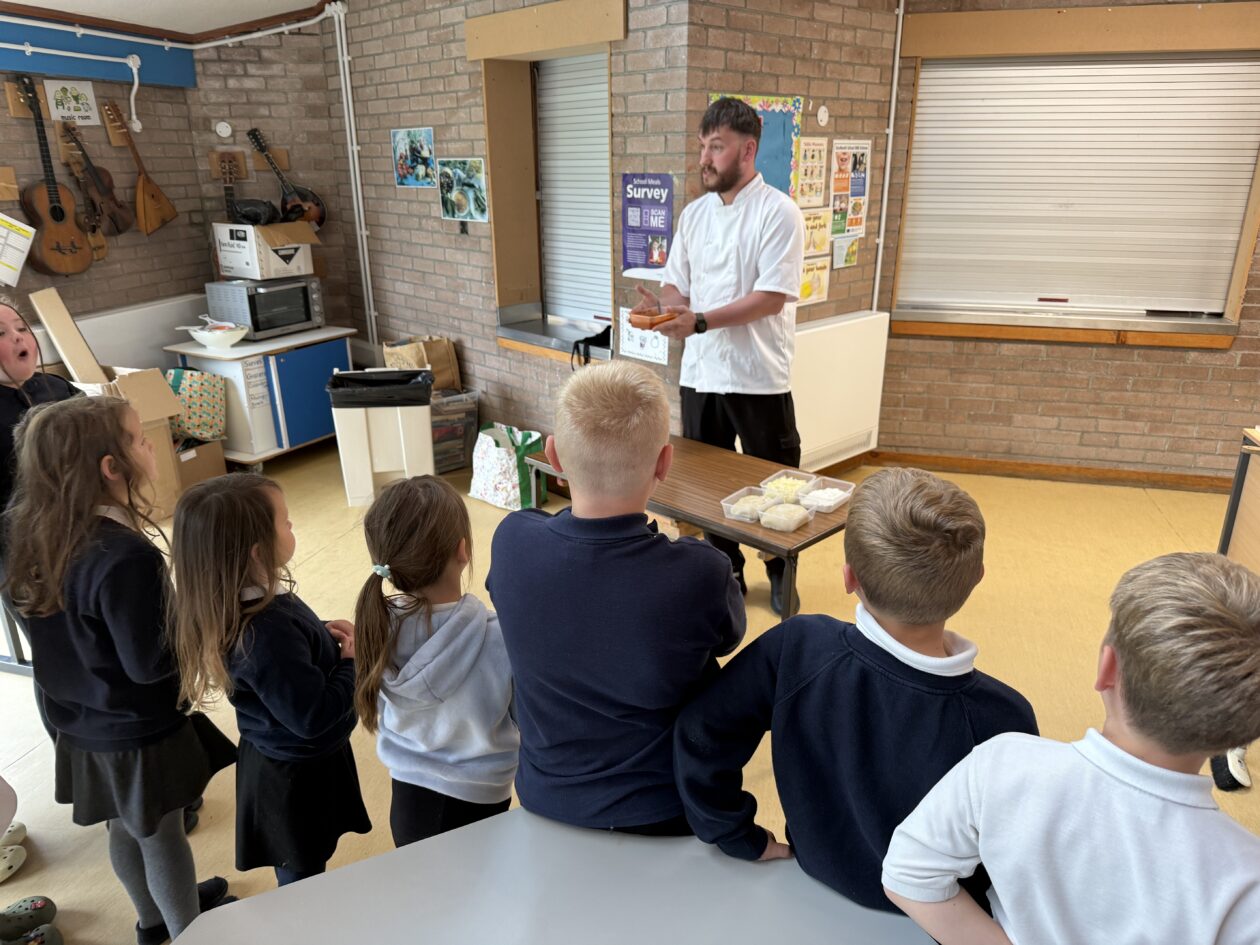
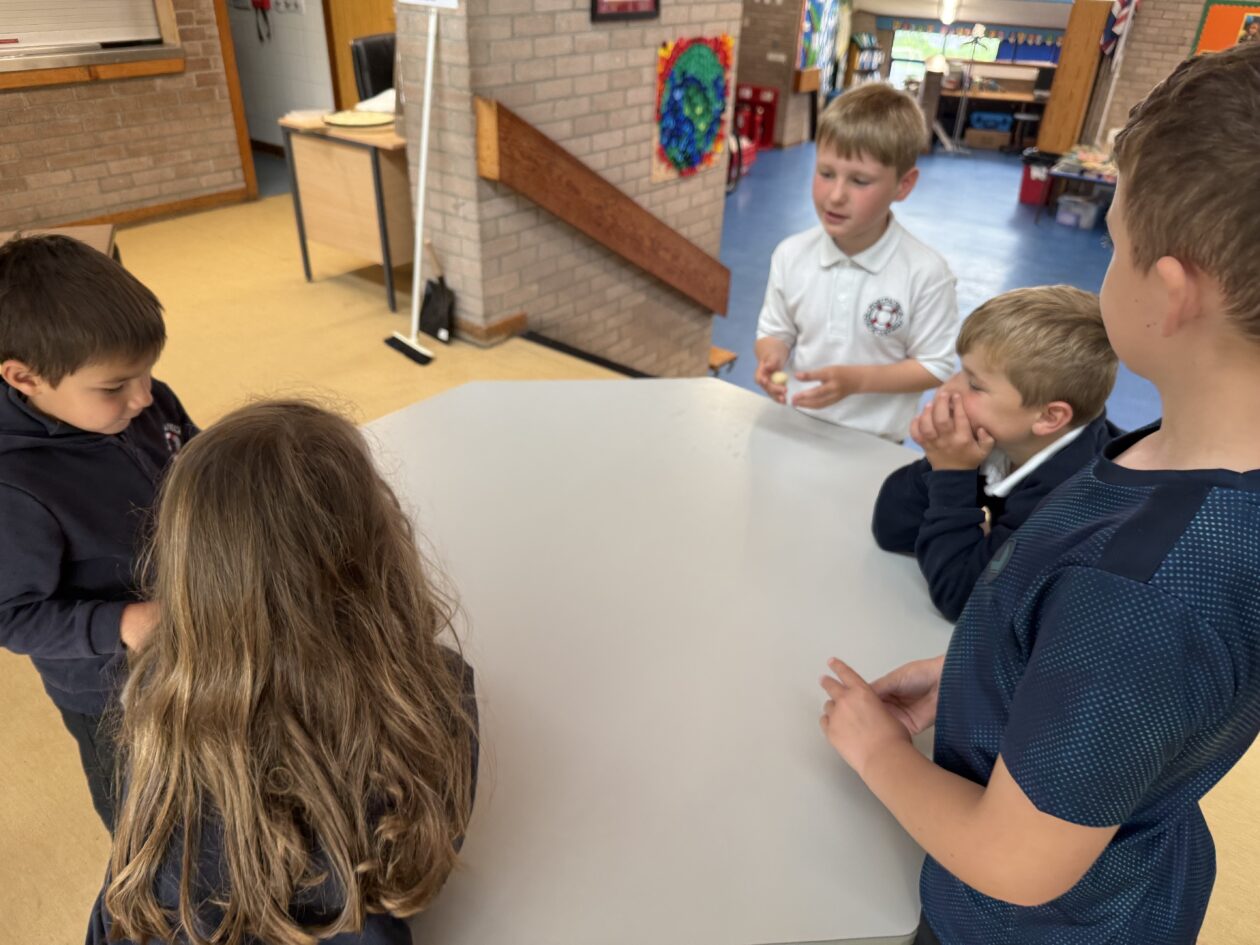
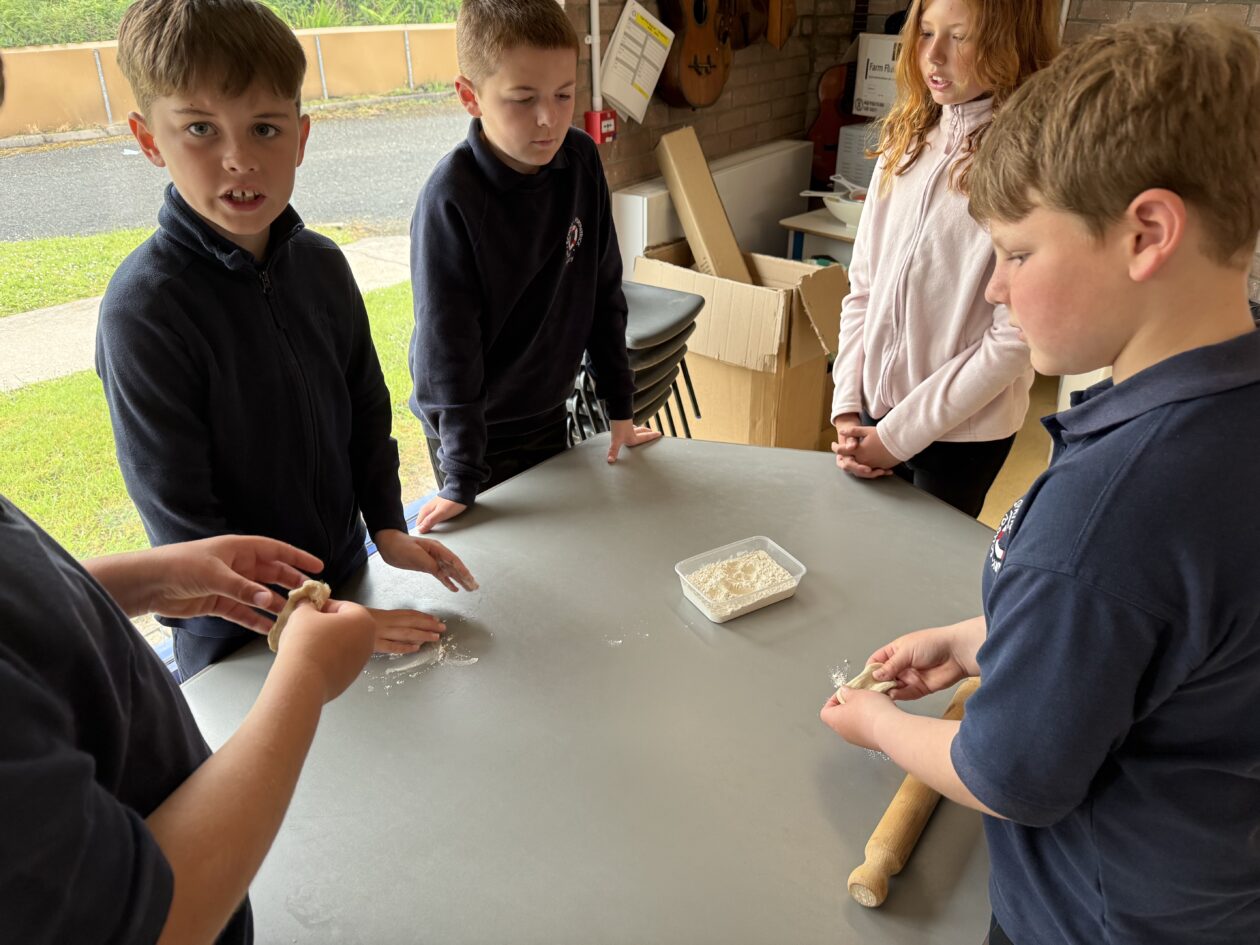
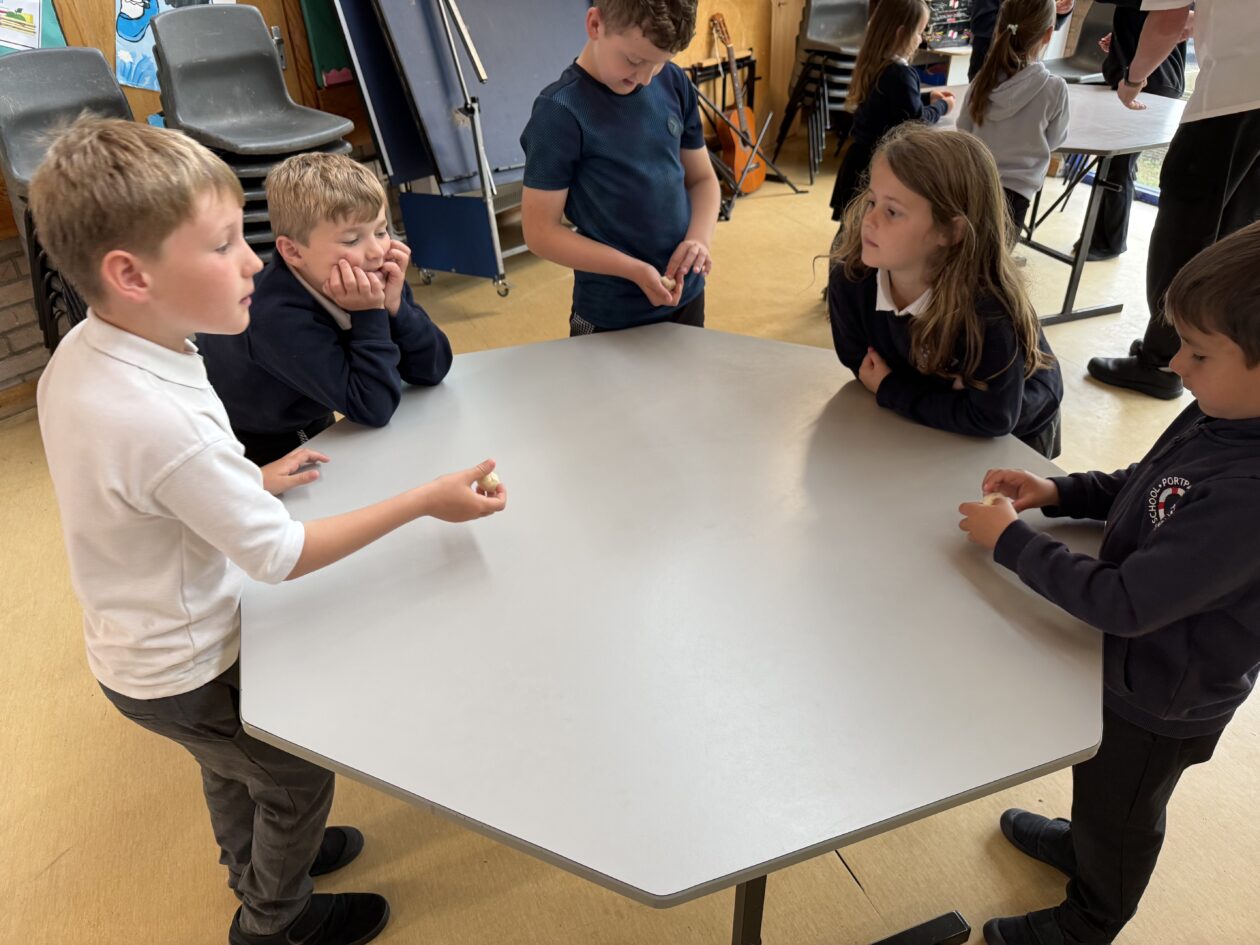
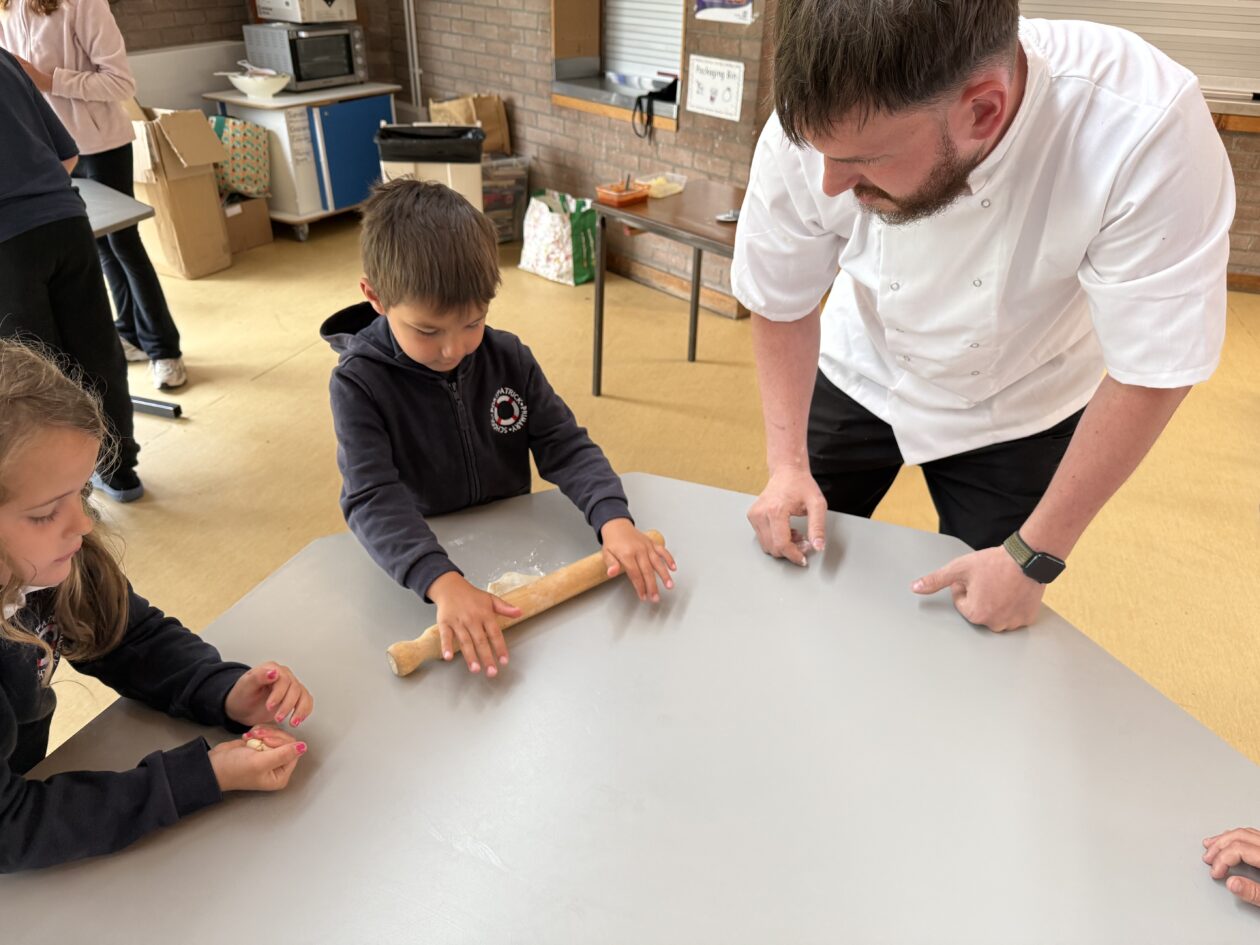
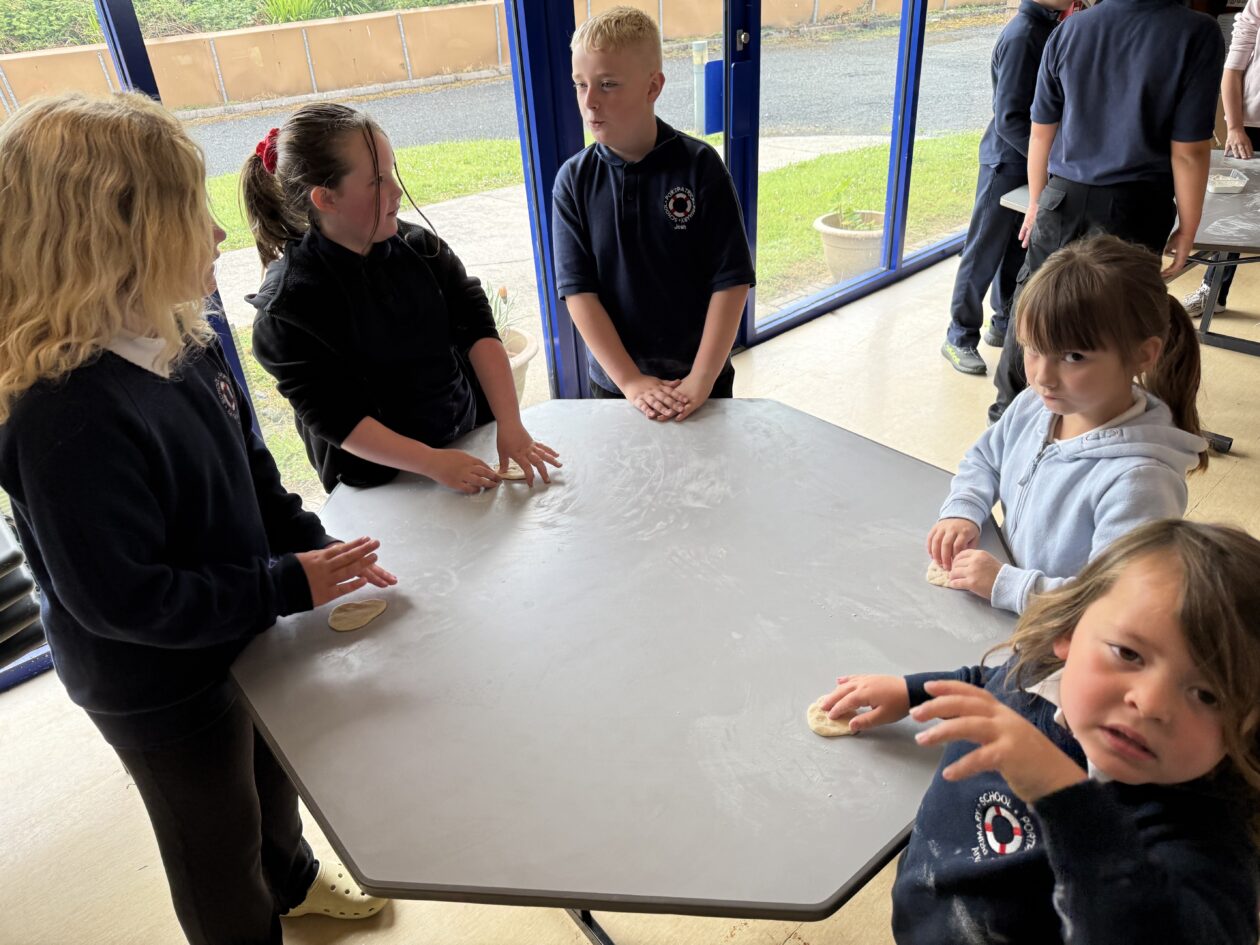
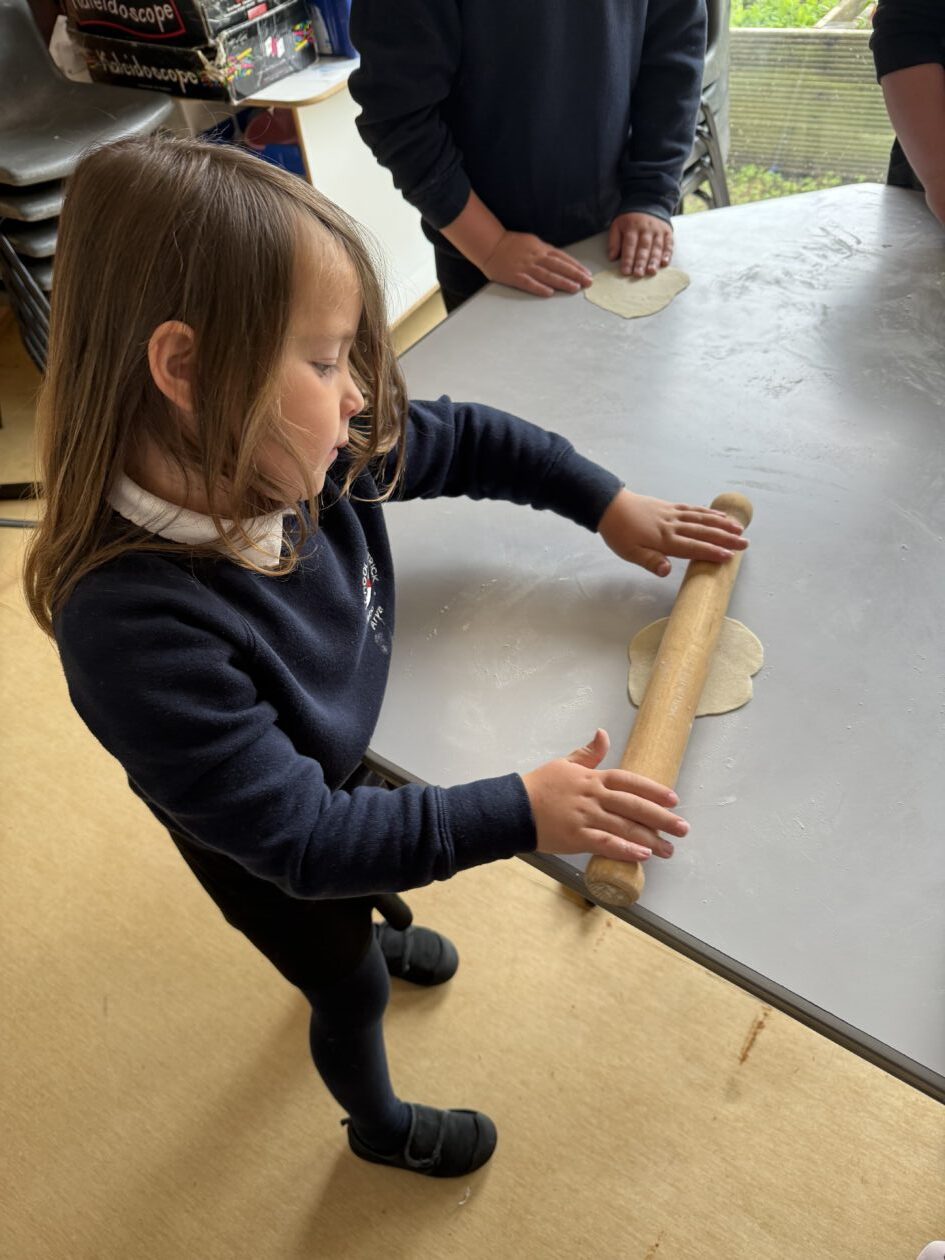
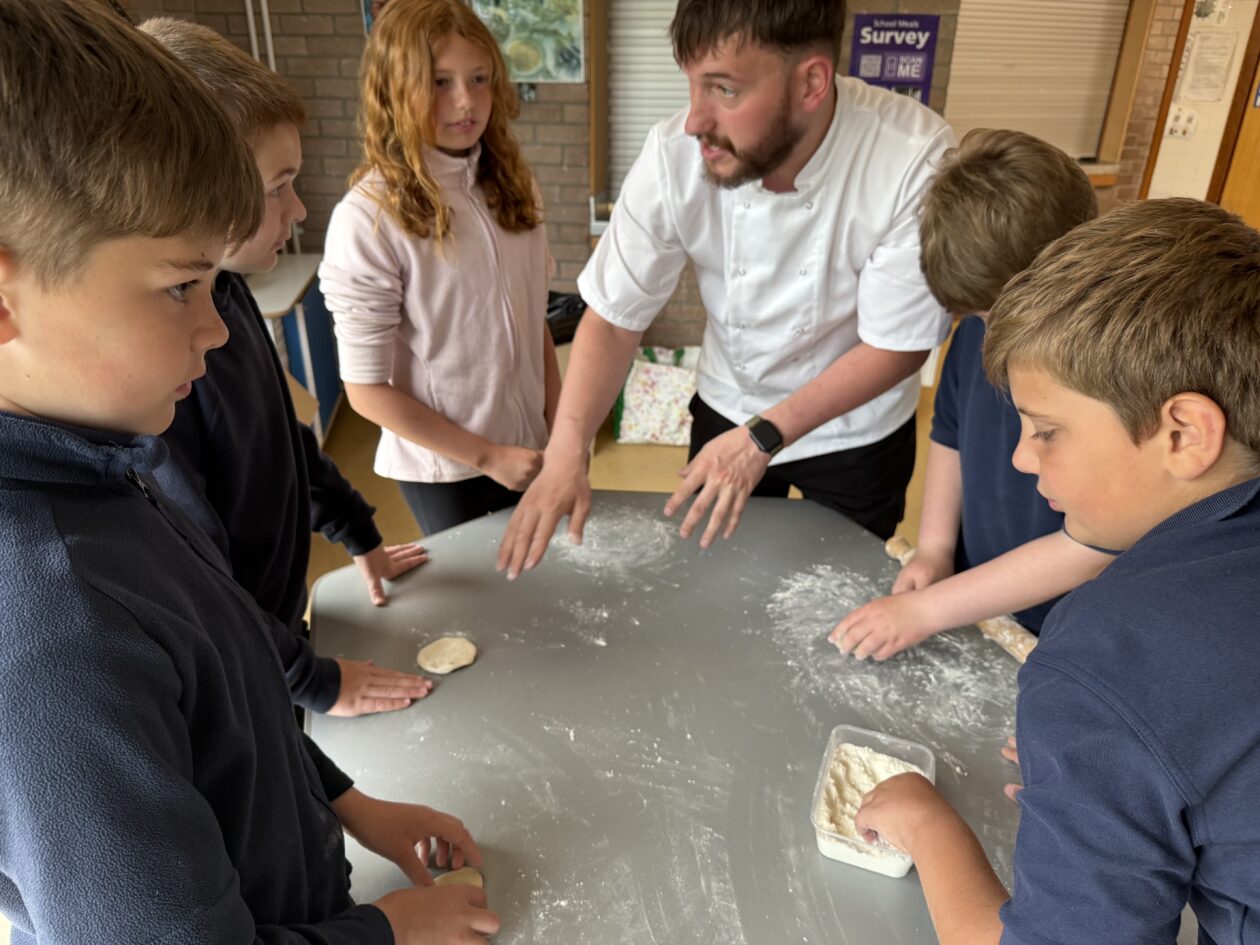
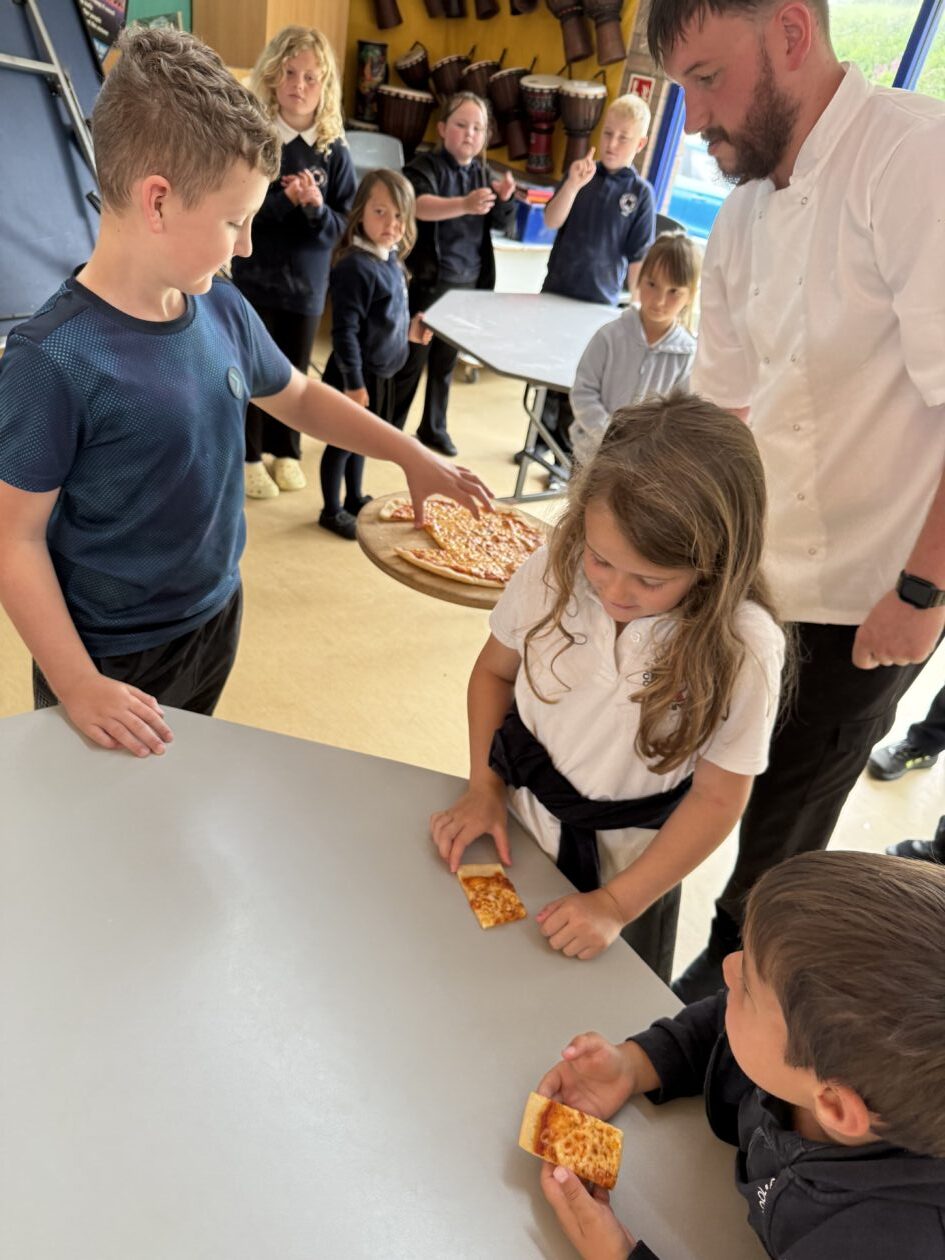
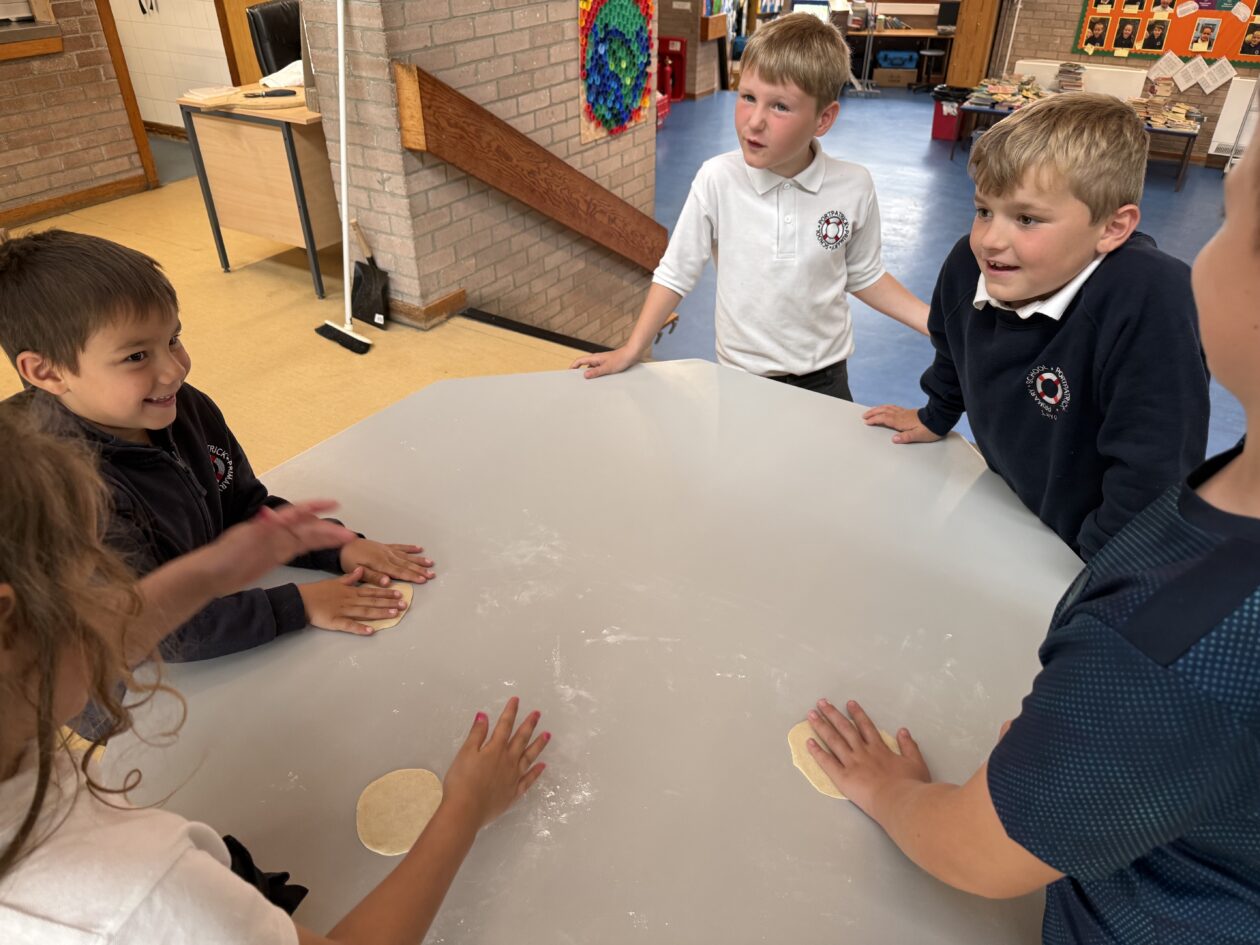
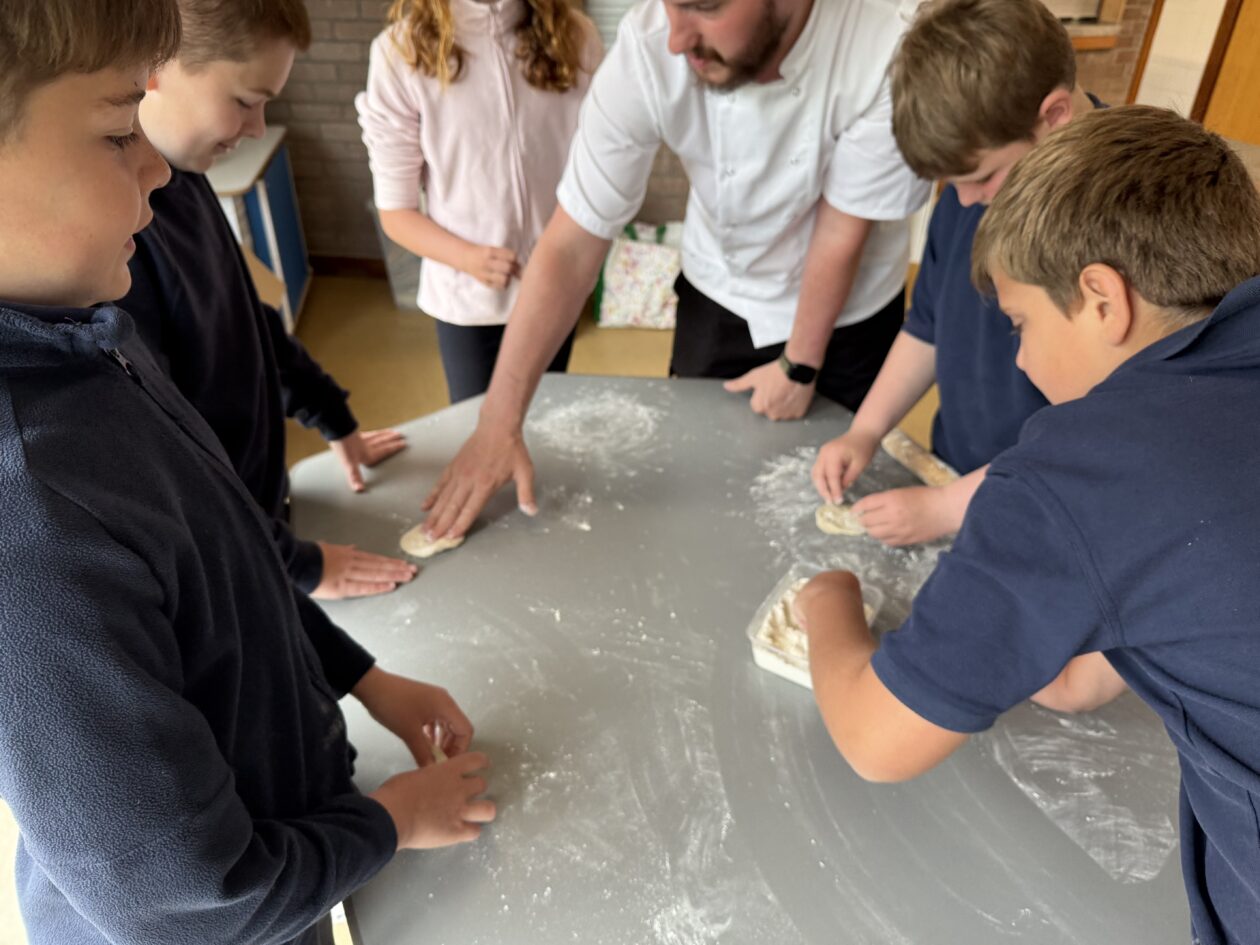
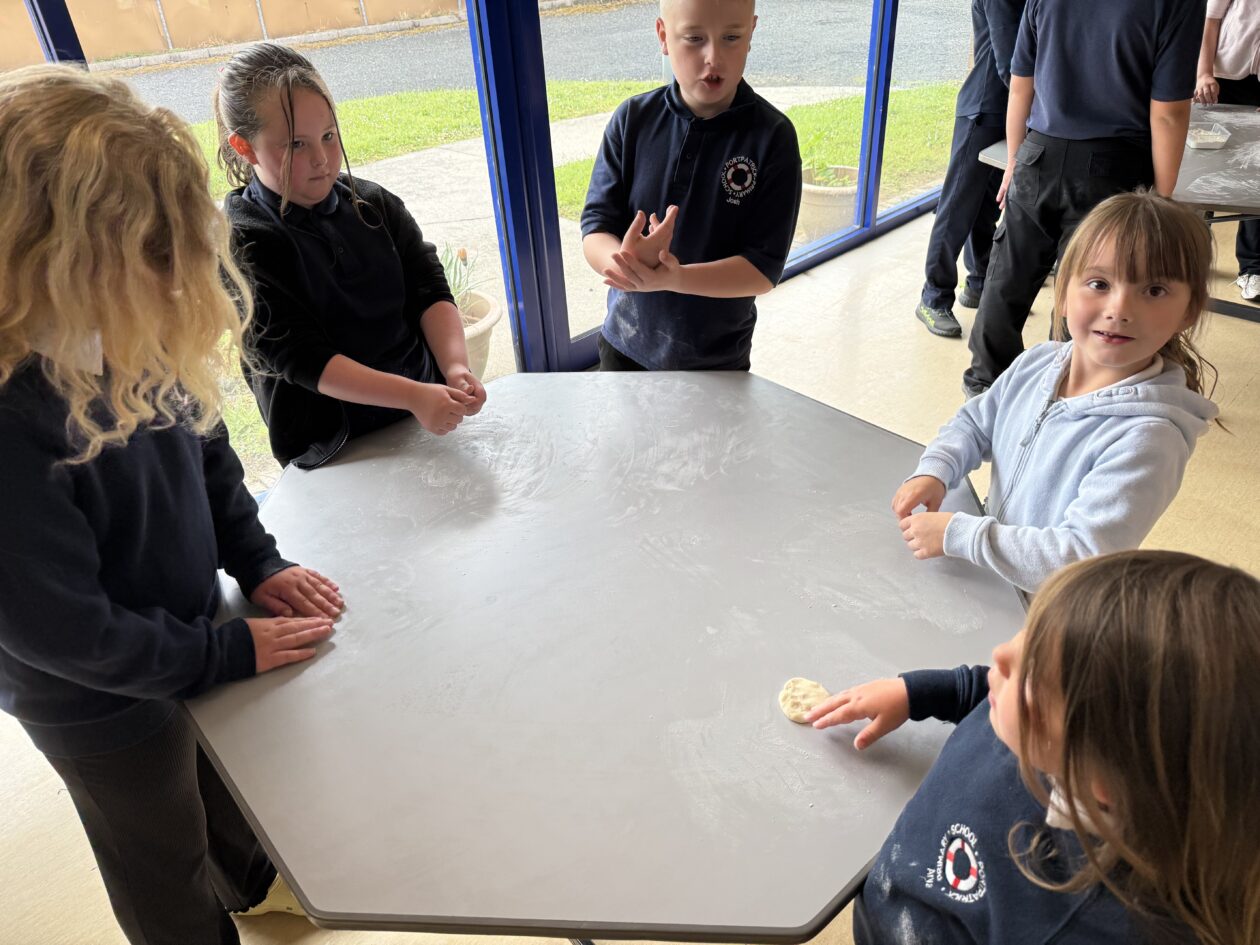
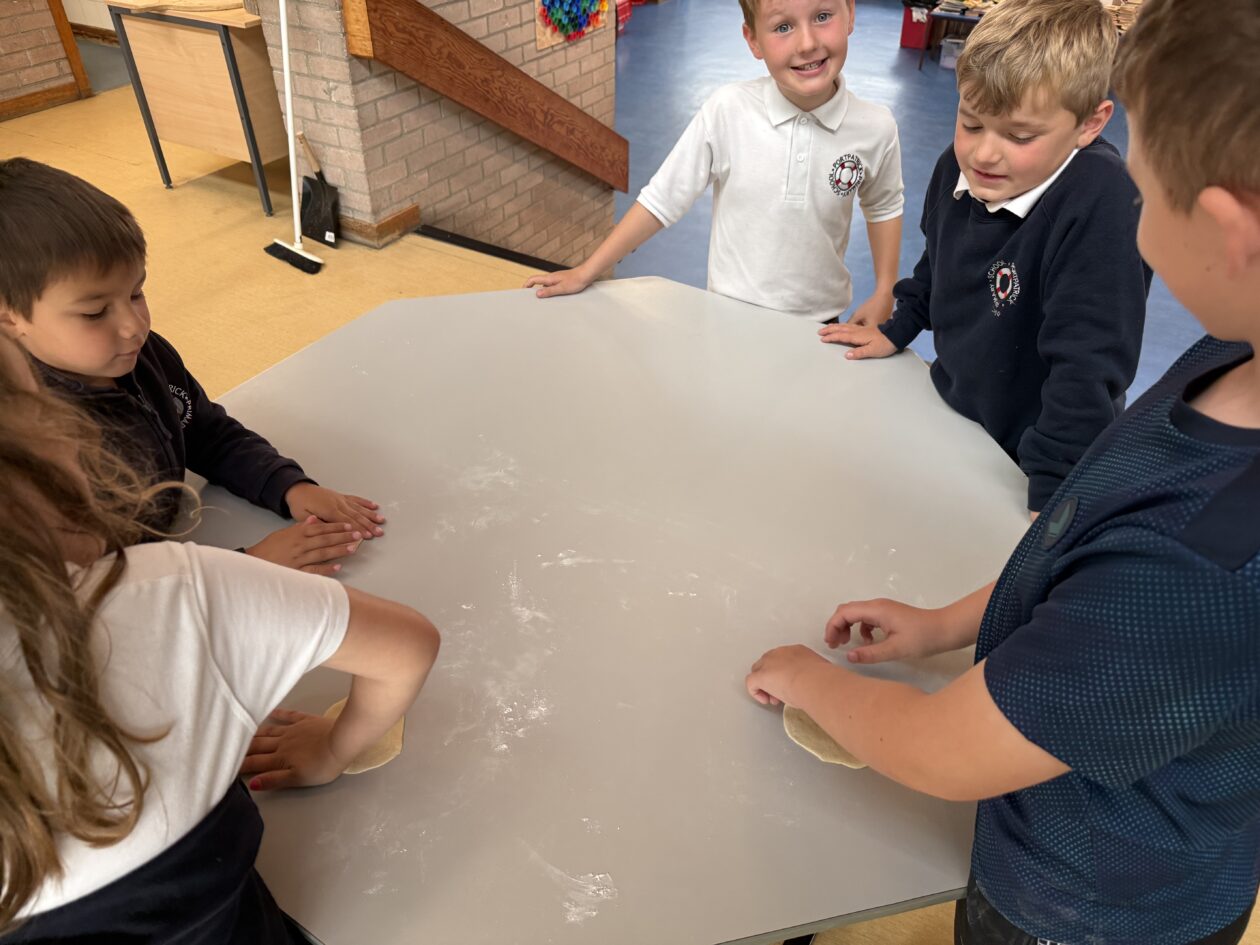
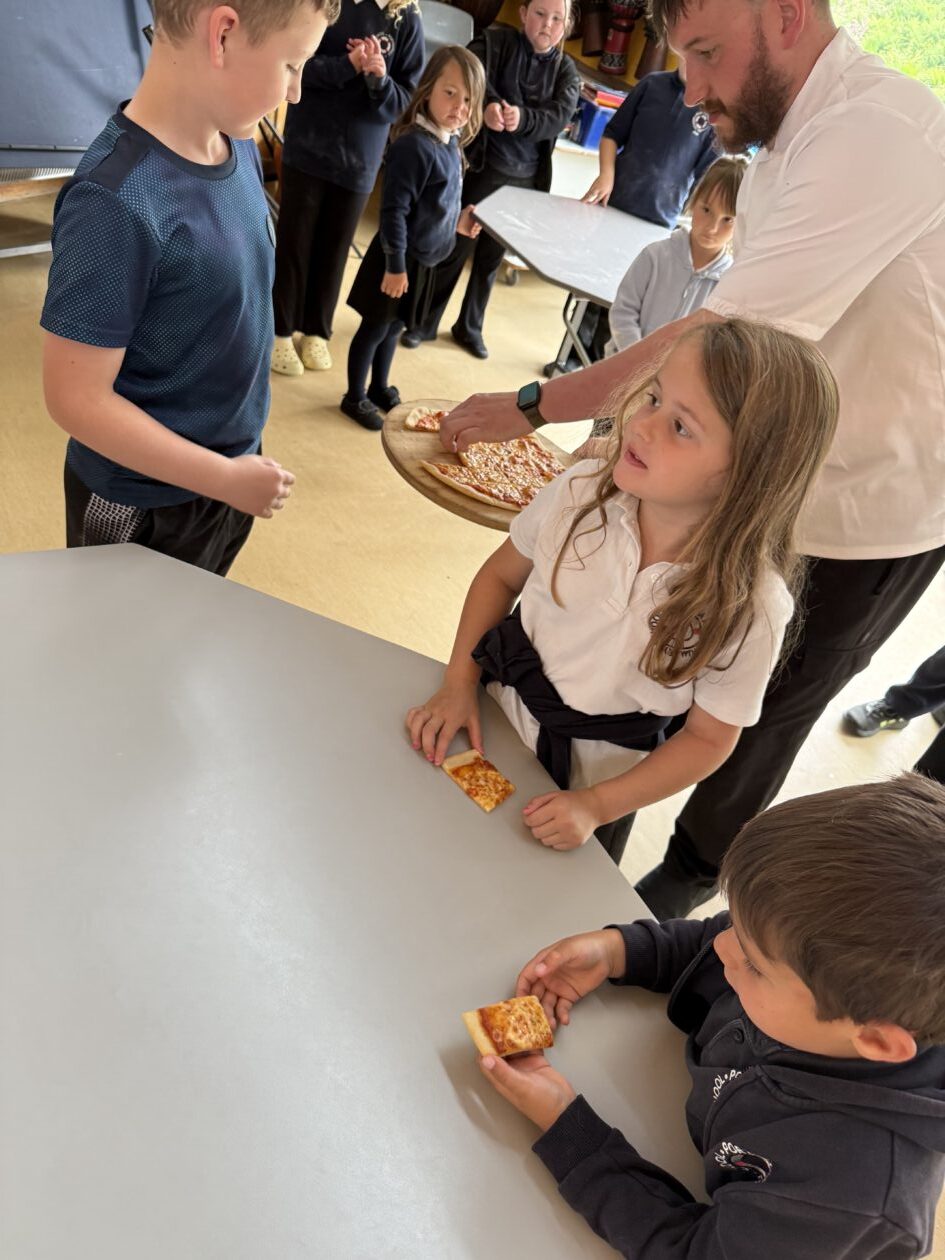
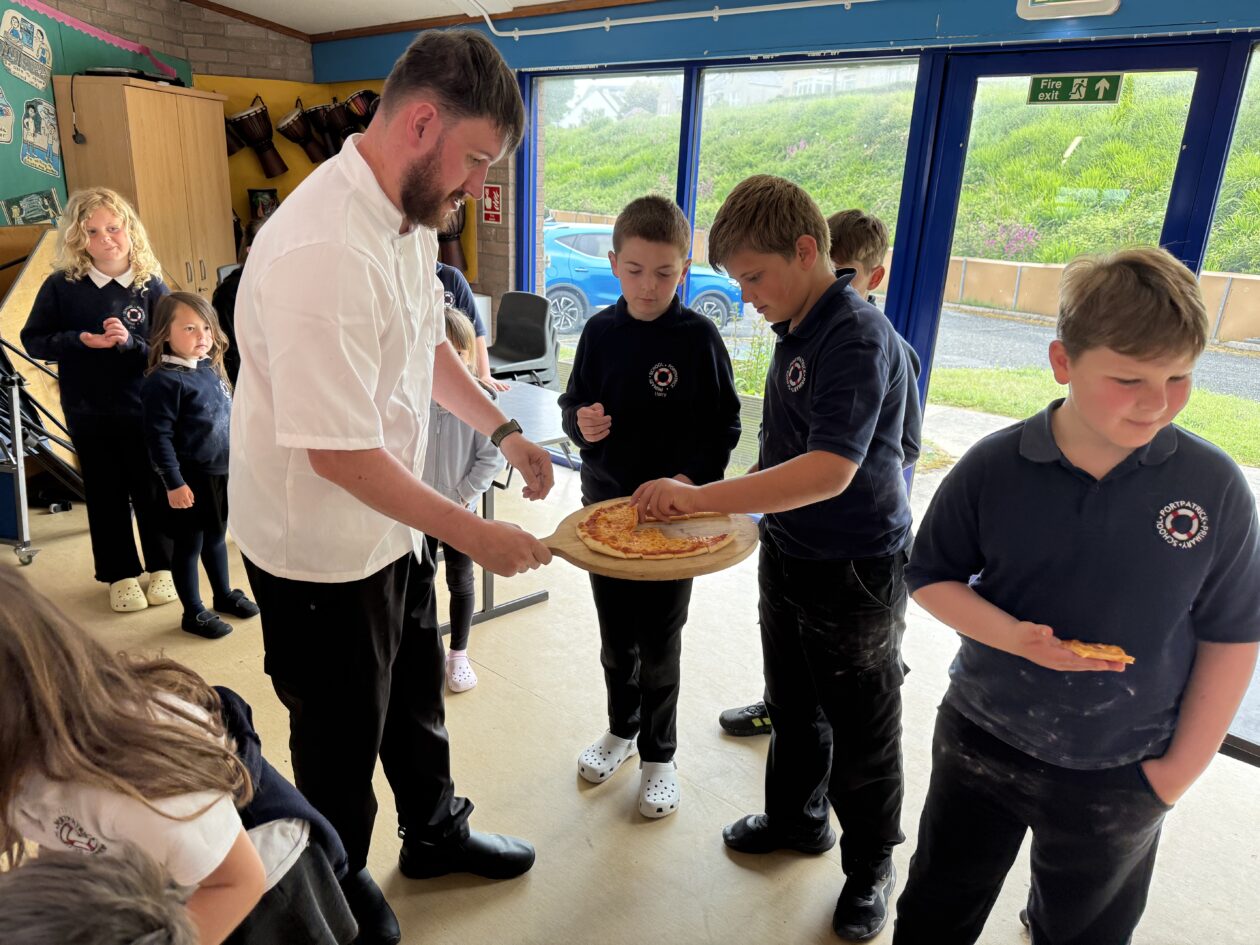
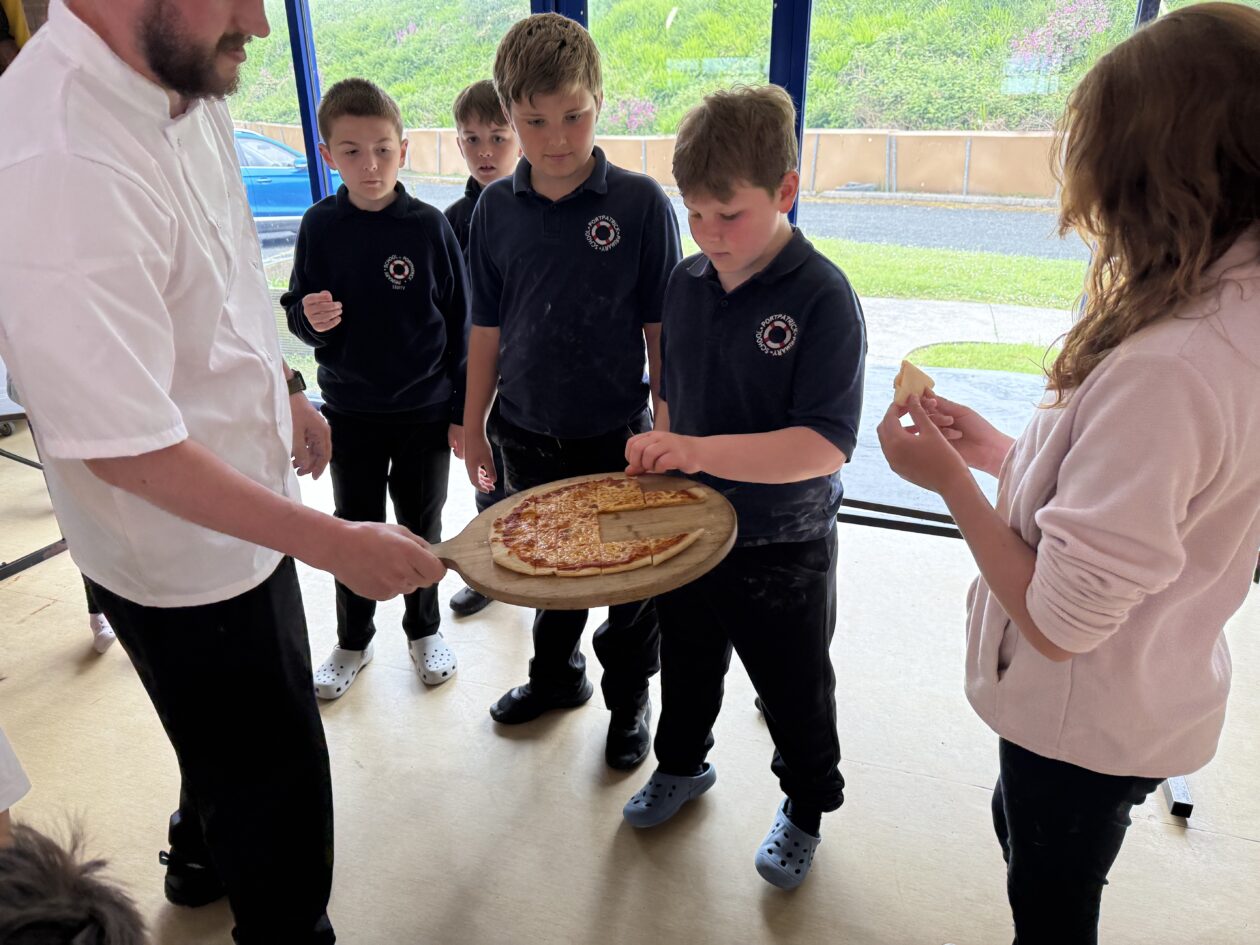
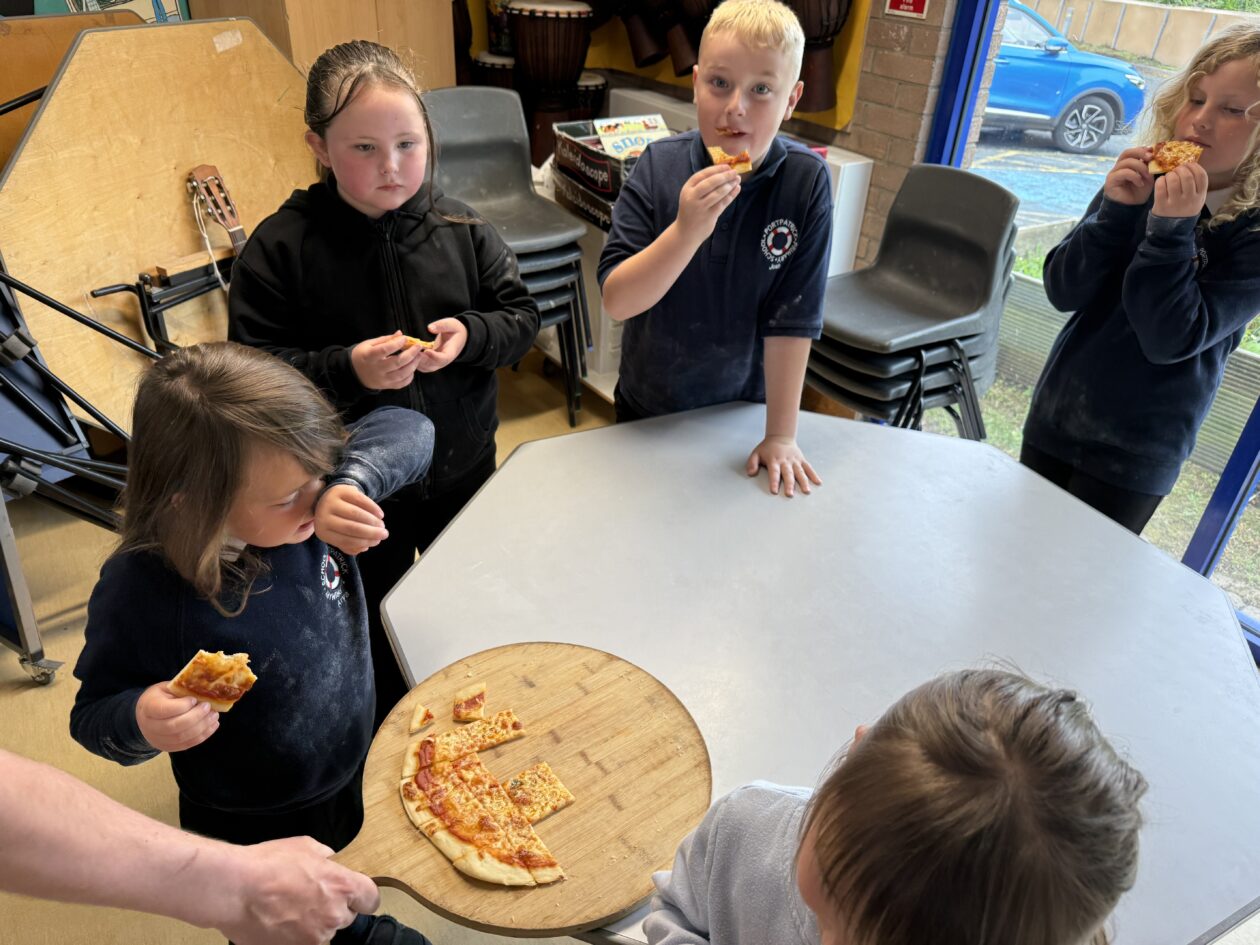
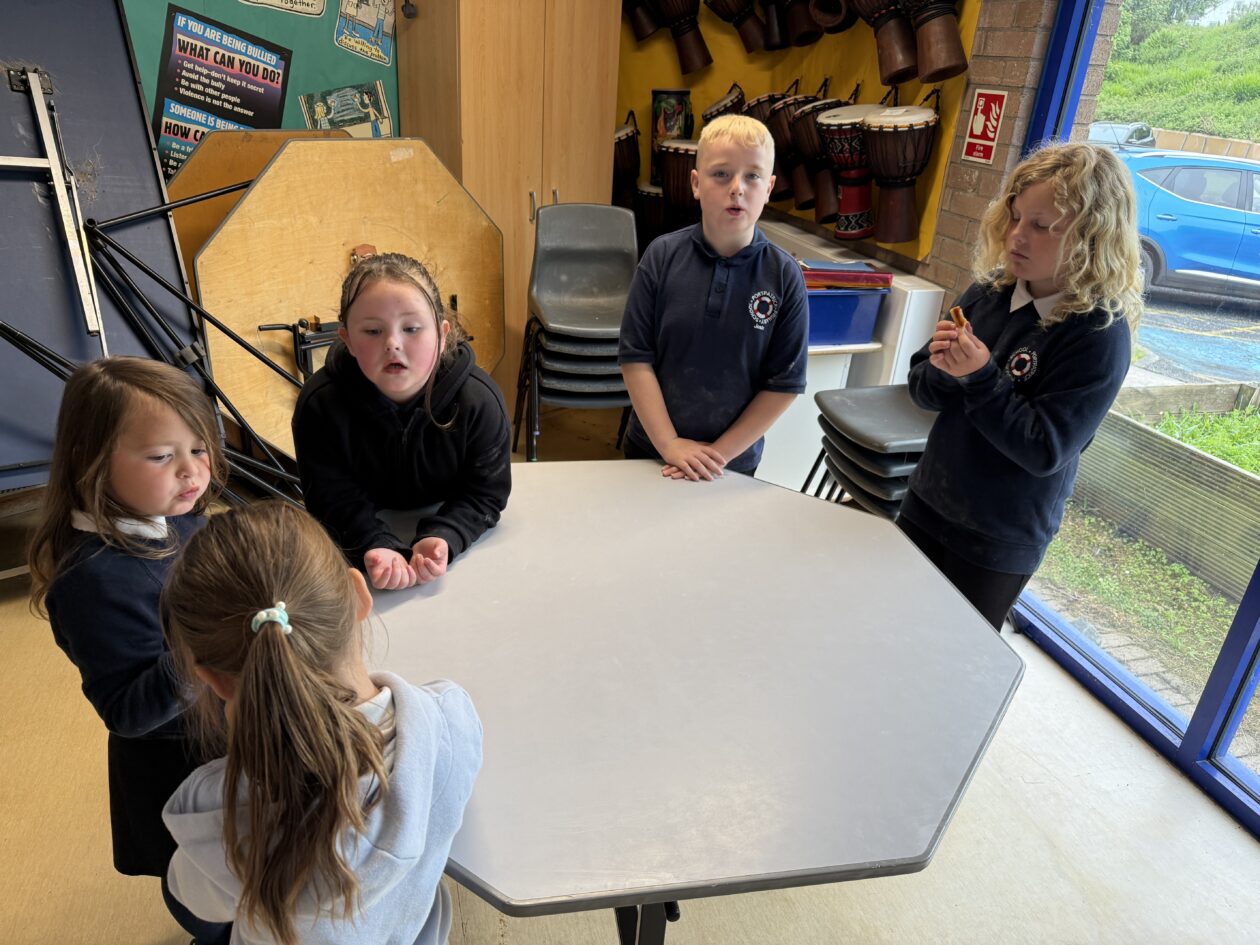
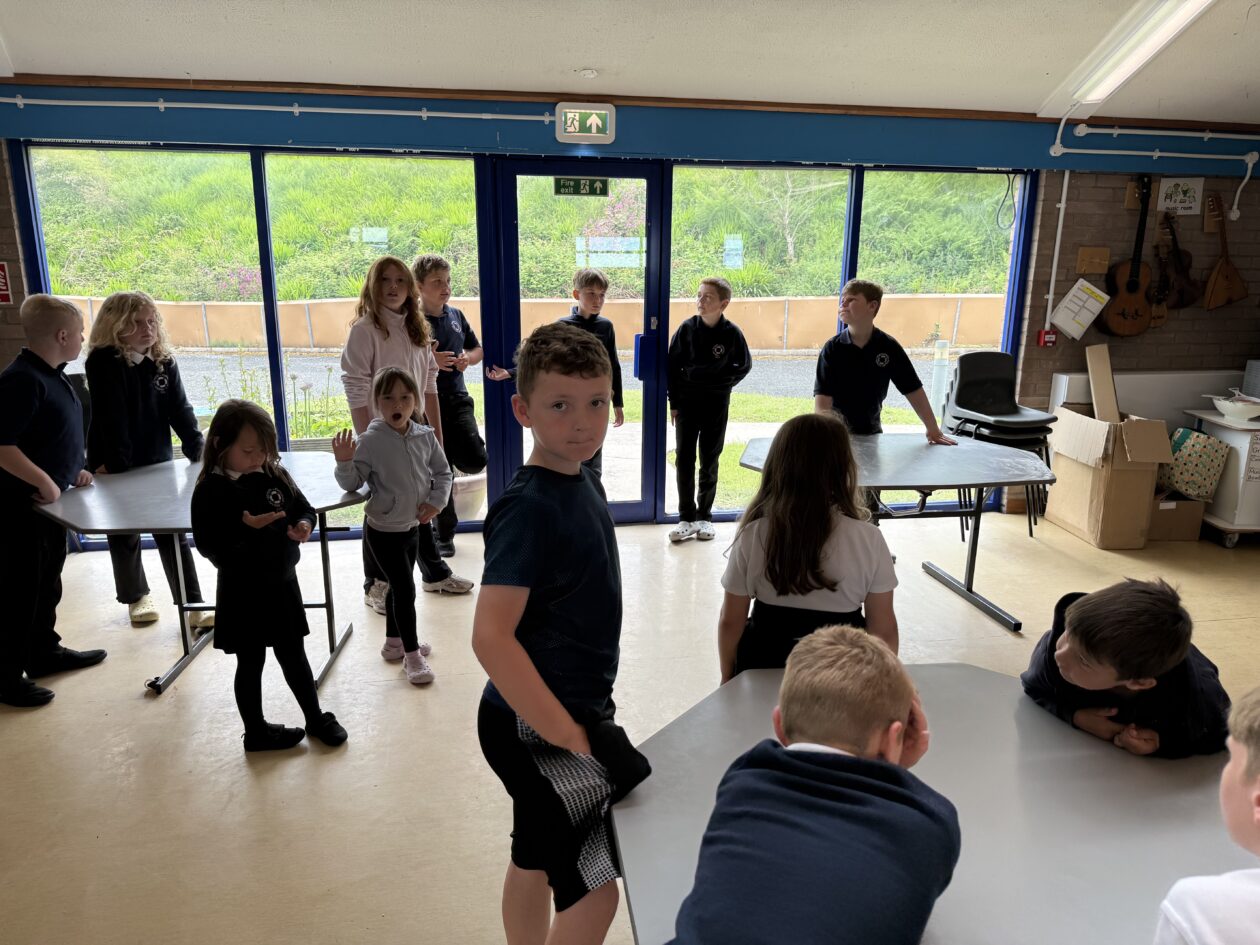
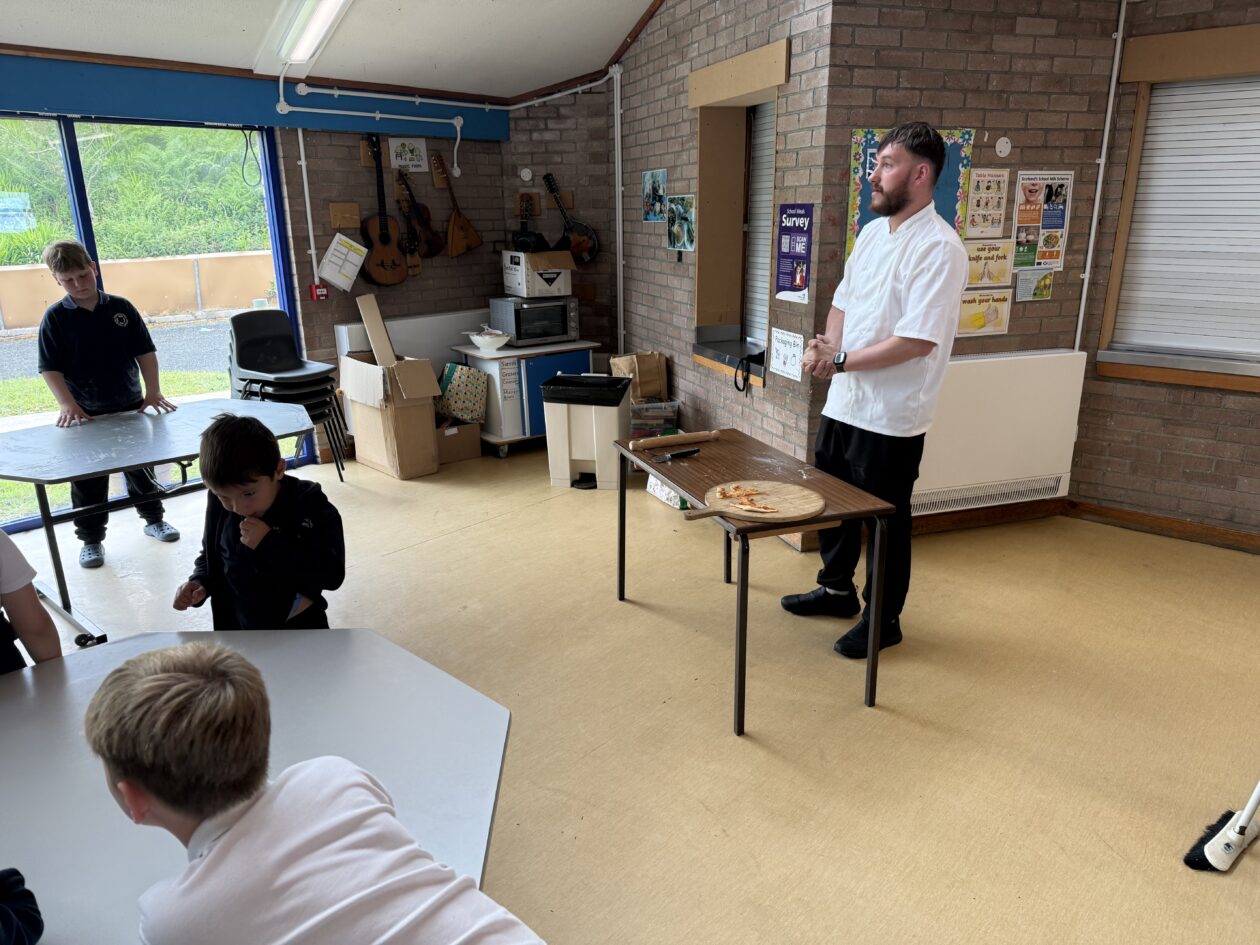
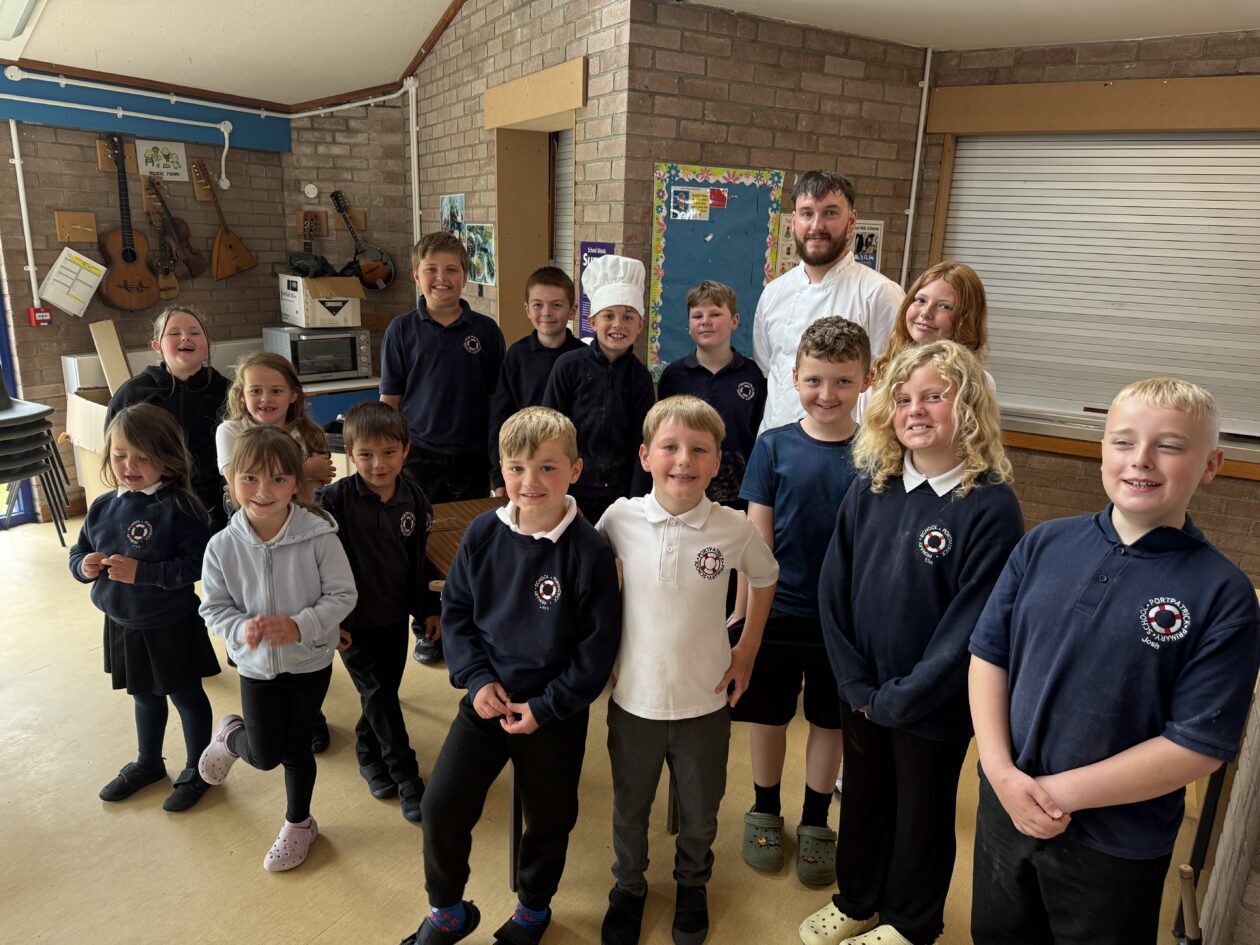
We were delighted to welcome parent volunteer James Kenworthy into our setting this week to help the children make their very own pizzas!
James brought along all the ingredients and equipment we needed, including cheese, tomato sauce, pizza dough, flour, and a pizza cutter. The children had great fun getting hands-on with the dough, stretching and shaping it into round pizza bases. They then carefully spread the tomato sauce before adding their toppings. Once the pizzas were ready, we cooked them in the oven and enjoyed seeing the finished results.
This activity provided a wealth of learning opportunities across the curriculum. The children developed their fine motor skills through kneading, stretching, and spreading ingredients. They used numeracy skills when measuring, estimating, and discussing quantities, and literacy skills through listening to instructions, asking questions, and learning new vocabulary related to food preparation and cooking.
We also explored some science learning during the session. James shared interesting facts about lobster fishing and how managing lobster populations can help support biodiversity in our oceans. The children were fascinated to learn about ecosystems and how people can help maintain a healthy balance in nature.
Throughout the activity, the children demonstrated a range of important meta-skills. They showed creativity when designing their pizzas, collaboration by working alongside their friends and adults, critical thinking as they followed the process and solved problems, and communication through sharing ideas and discussing their learning. They also developed resilience and adaptability as they practised new skills and refined their pizza-making techniques.
This experience supported several articles from the United Nations Convention on the Rights of the Child (UNCRC), including:
Article 12 – The right to express their views and have their opinions respected.
Article 13 – The right to seek, receive, and share information and ideas.
Article 28 – The right to education.
Article 29 – The right to develop their talents, abilities, and personality to their fullest potential.
Article 31 – The right to play, participate in cultural activities, and enjoy learning experiences.
A huge thank you to James for sharing his time, knowledge, and enthusiasm with us. The children thoroughly enjoyed the experience, developed valuable lifelong skills, and were very proud of their delicious homemade pizzas!
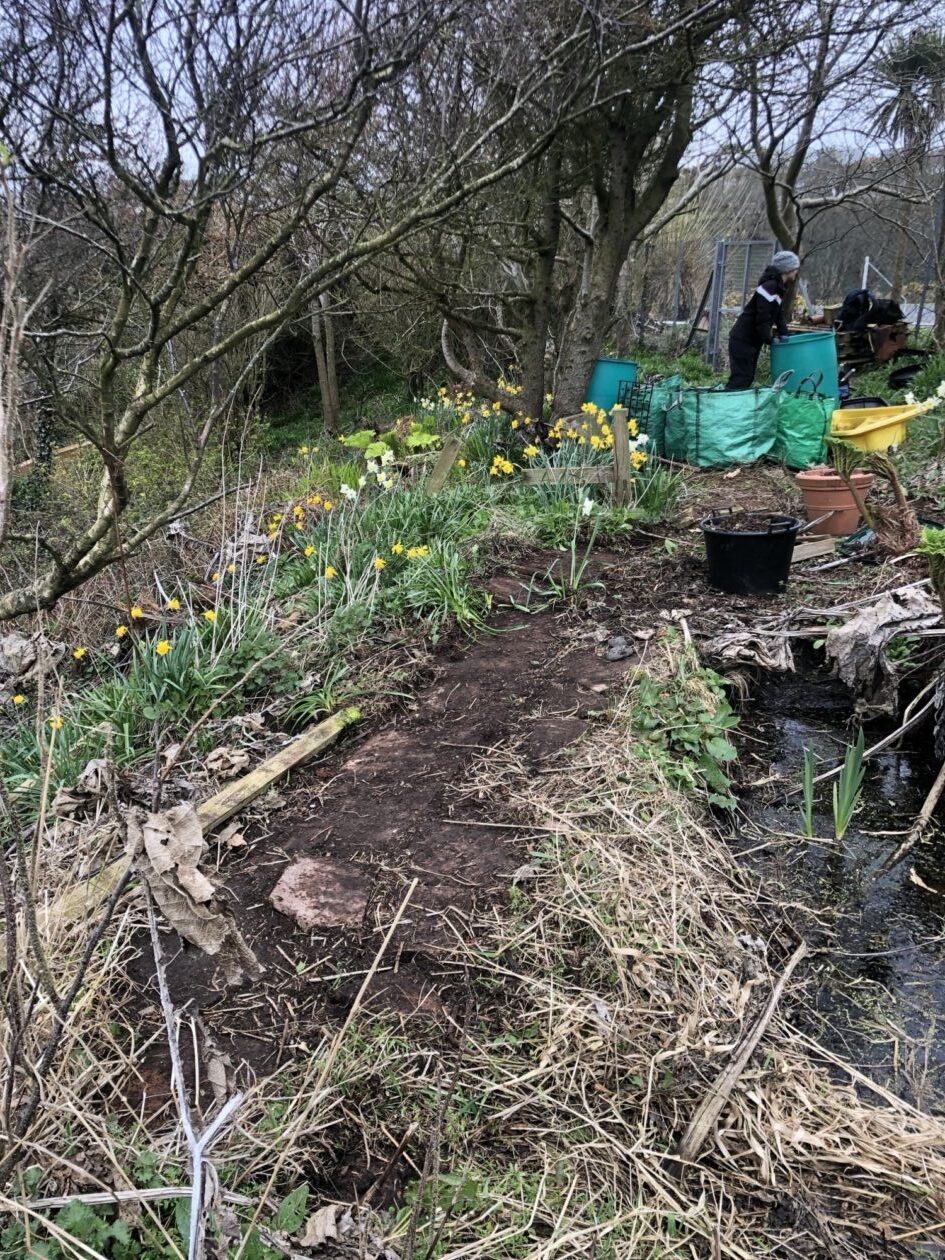
We are delighted to share that Portpatrick Primary has been selected as the top project in the Tesco Stronger Starts voting scheme and has been awarded the full £1,500 grant to support the development of our Nature Space.
A huge thank you goes to everyone in our school and wider community who took the time to vote for our project. Your support has helped us secure funding that will make a real difference to our outdoor learning environment.
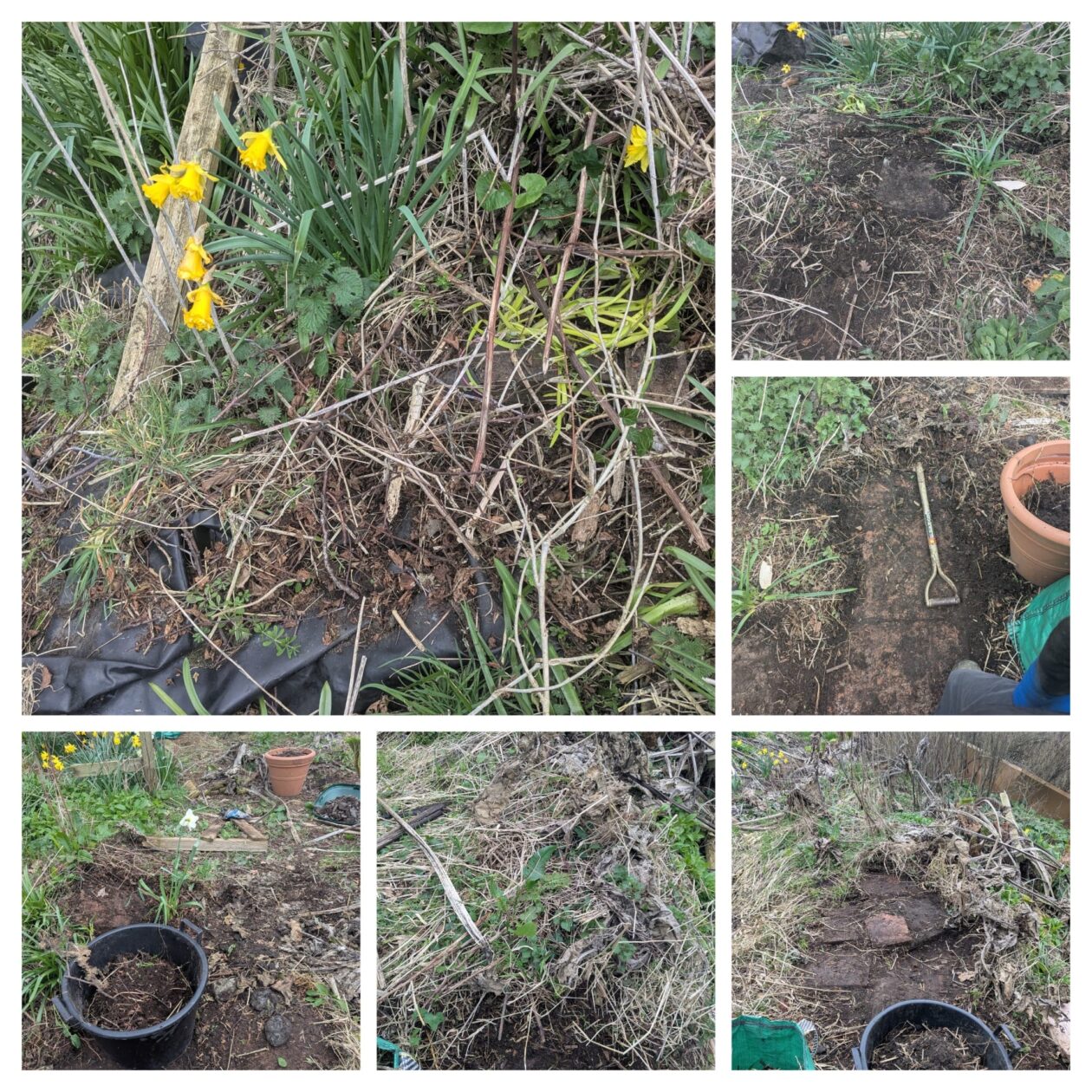
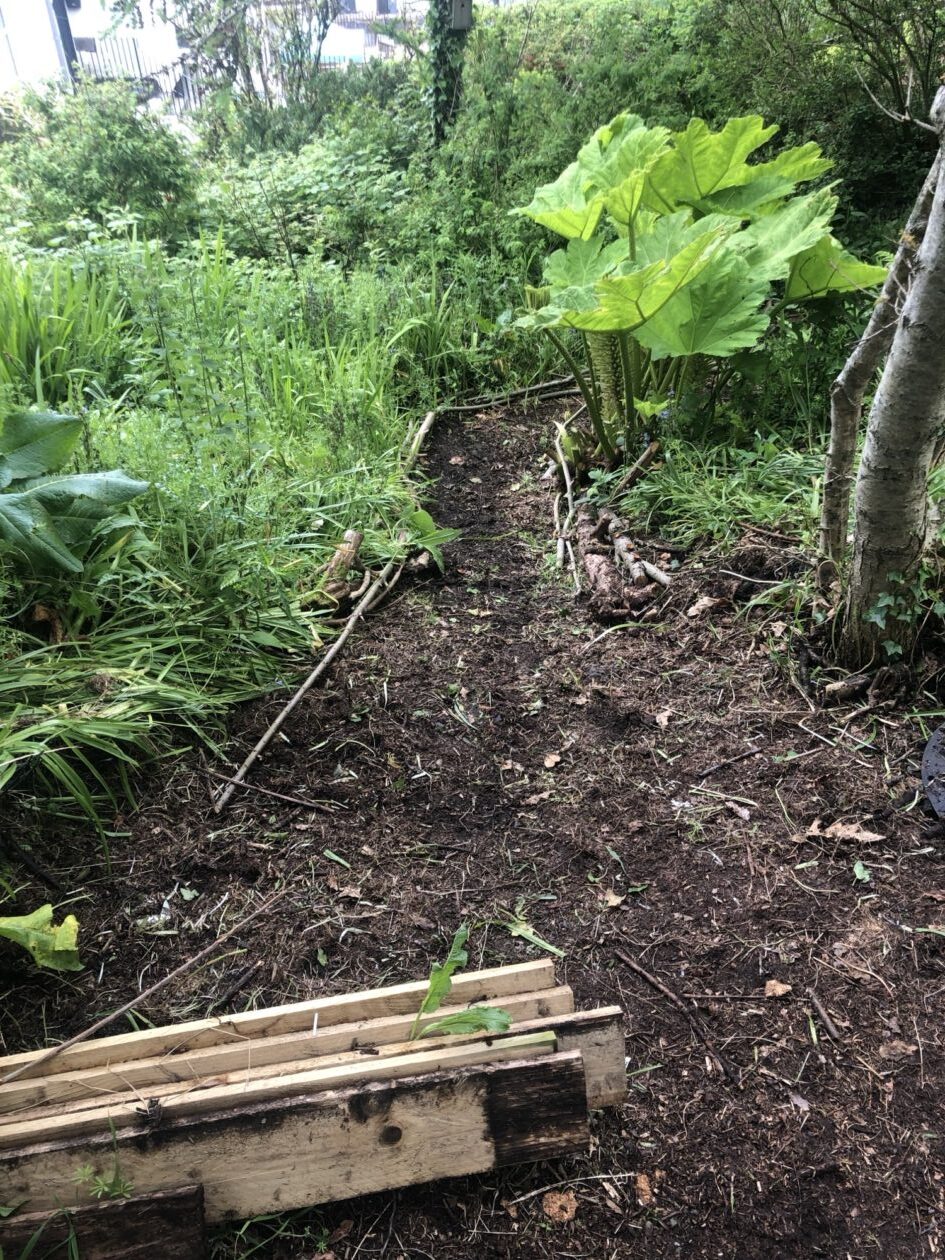
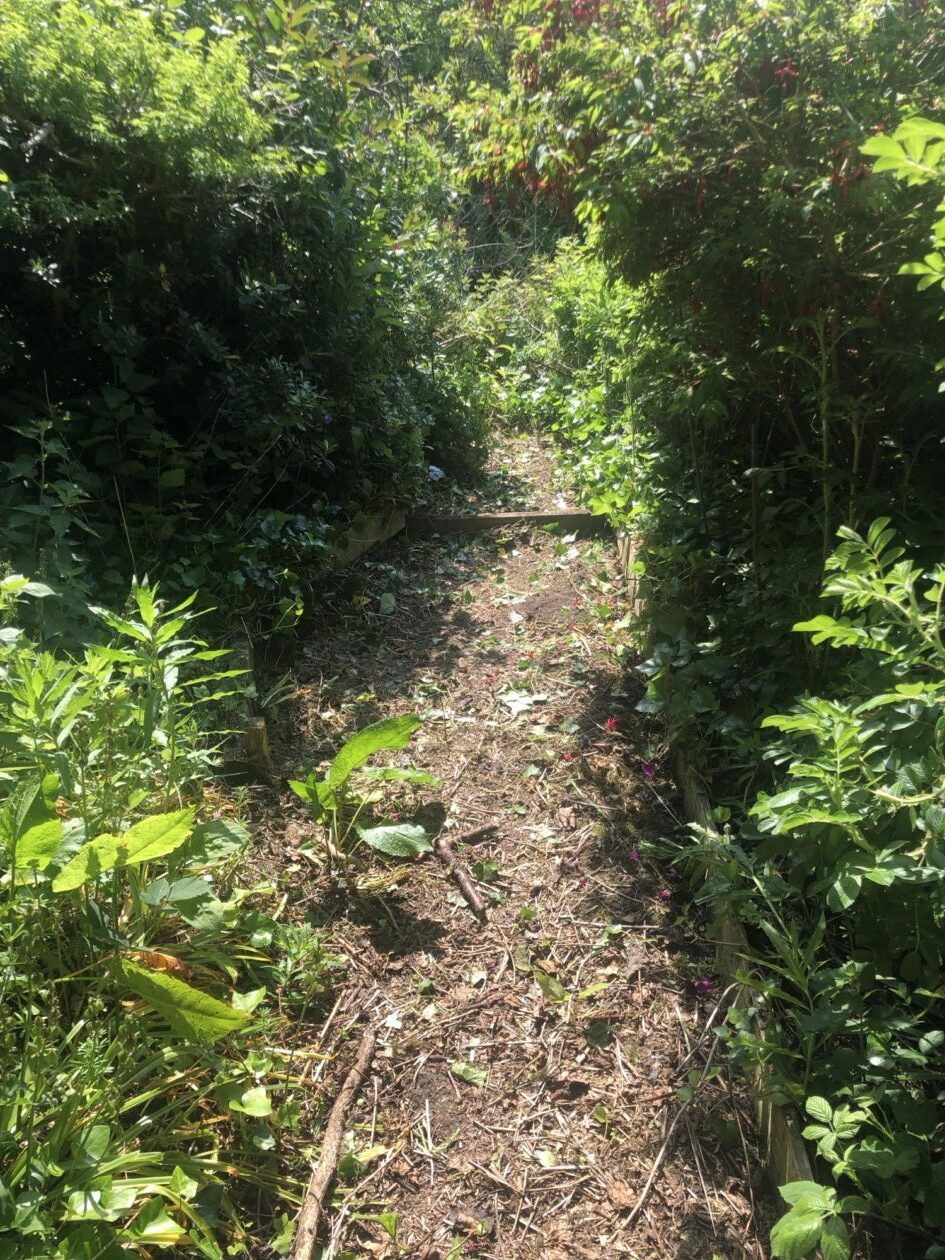
The grant will be used to further develop our Nature Space, including improvements to pathways, natural seating areas, planting opportunities and wildlife-friendly features. These enhancements will help create an engaging outdoor environment where pupils can learn, explore and connect with nature.
This exciting project is already benefiting from fantastic community support. Our Unpaid Work Team has been assisting with pathway preparation and development, while Norval Dampney has generously shared his expertise and advice to help guide the project. We are also grateful to Sarah, who continues to work closely with our parent body to ensure the area is developed thoughtfully and sensitively, making the most of the natural surroundings. Free of an evening, or weekend. Why not get together and have a wee working party in the peace of the nature area?
We look forward to sharing further updates as the project progresses and to seeing our Nature Space continue to grow into a valuable resource for our pupils and community.
Meta-skill: Collaborating – Working together with families and community partners.
Responsible Citizens – Caring for our environment and local wildlife. Wellbeing Indicator: Included – Everyone has a role in developing our outdoor space.
SDG 15: Life on Land – Enhancing biodiversity and natural habitats.
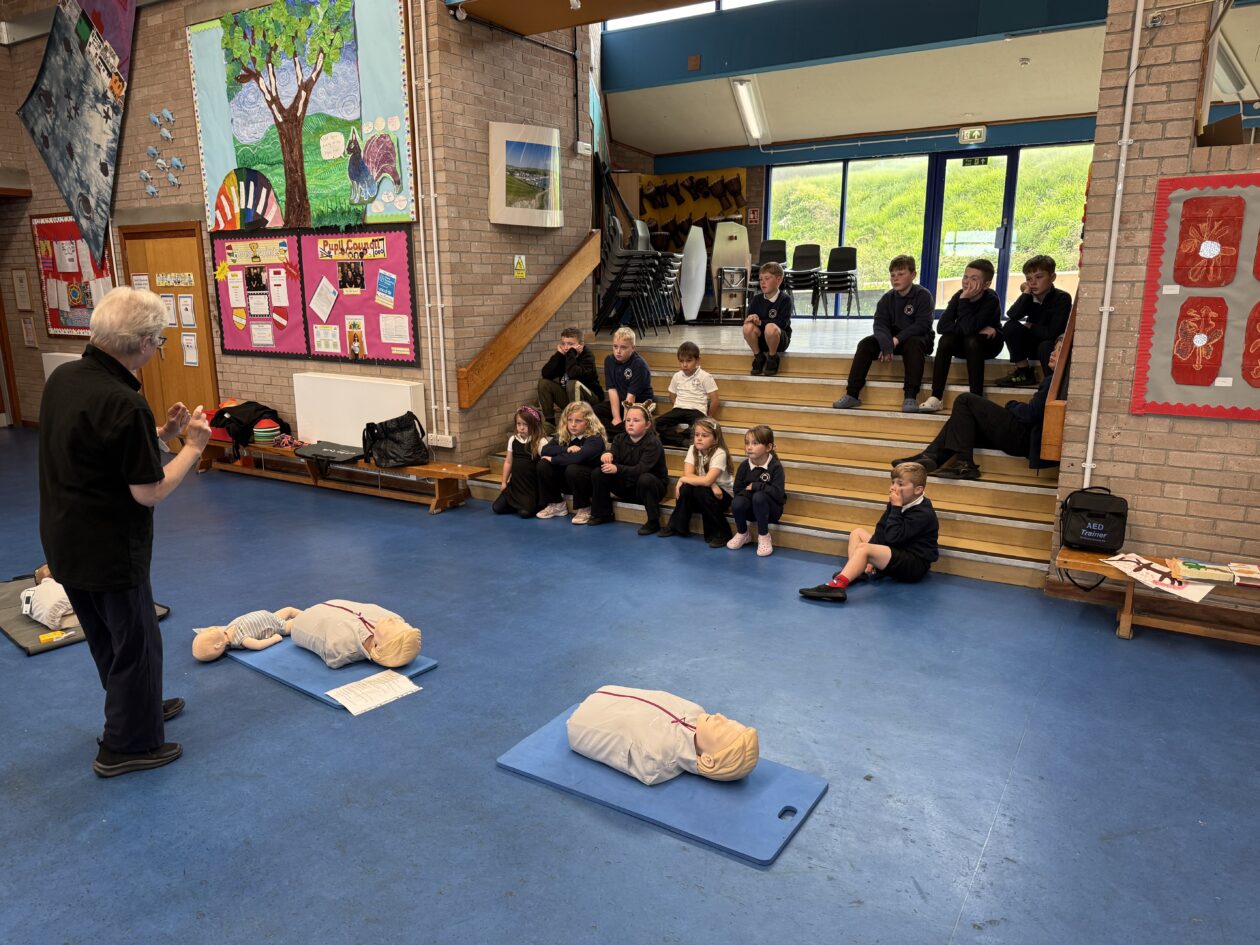
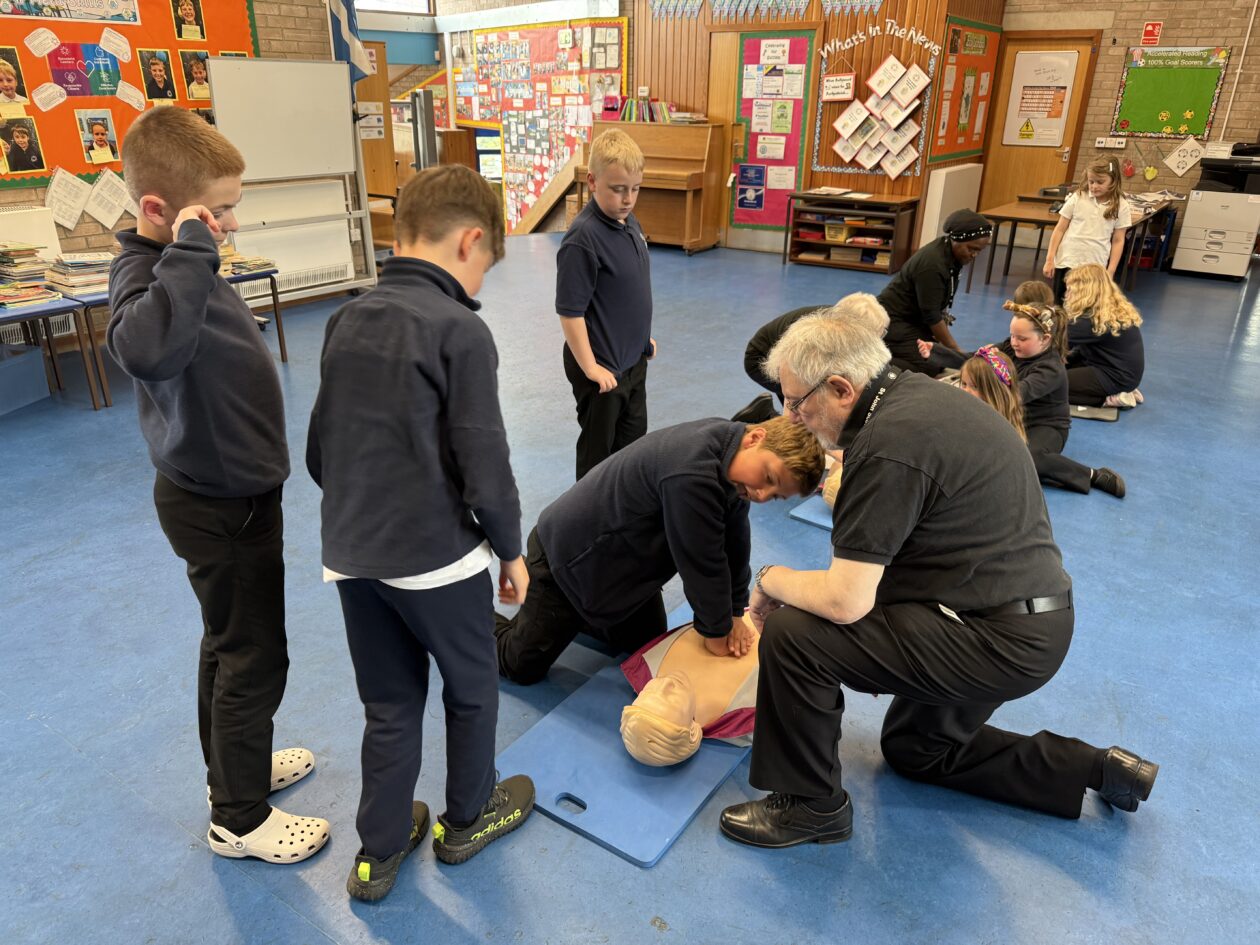
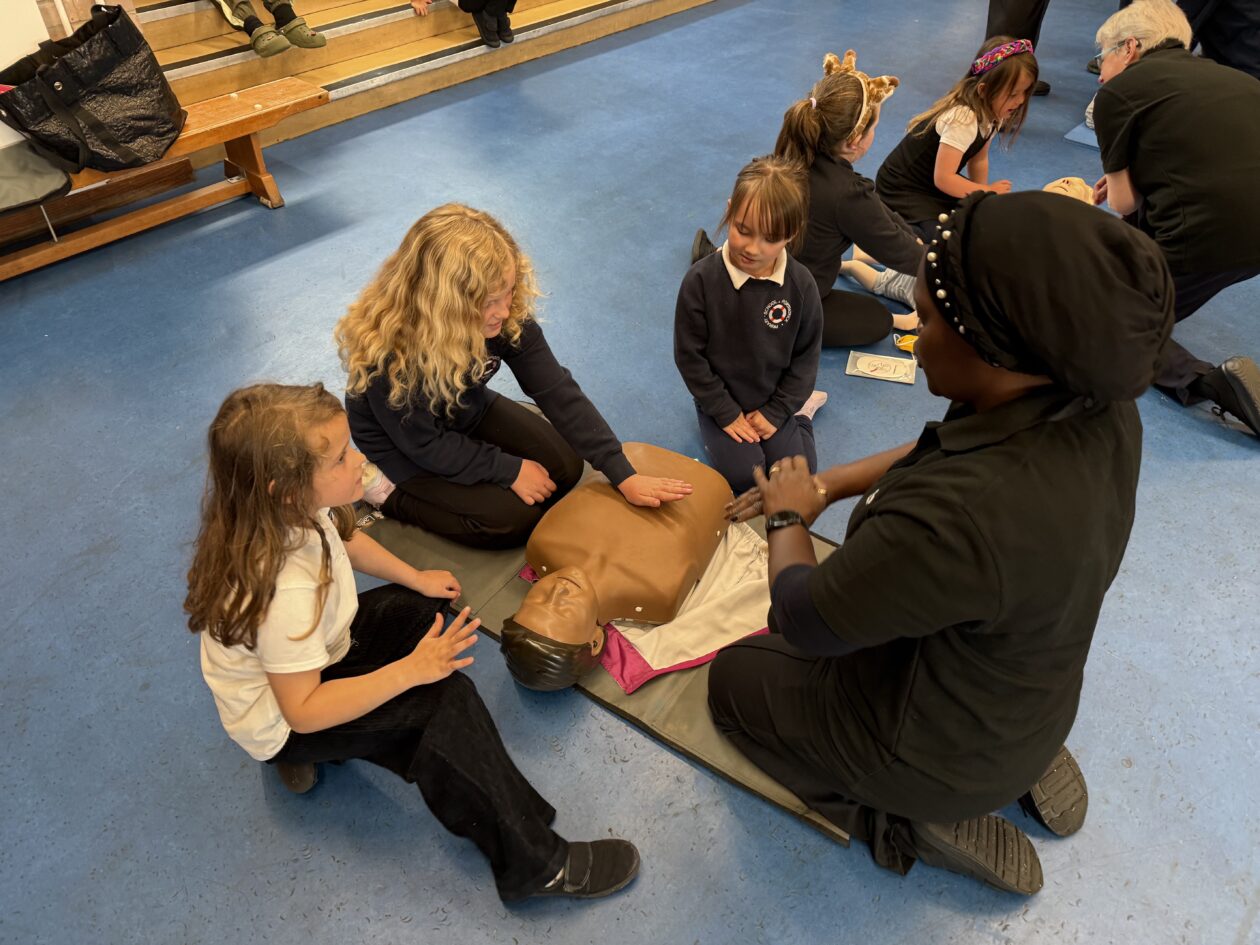
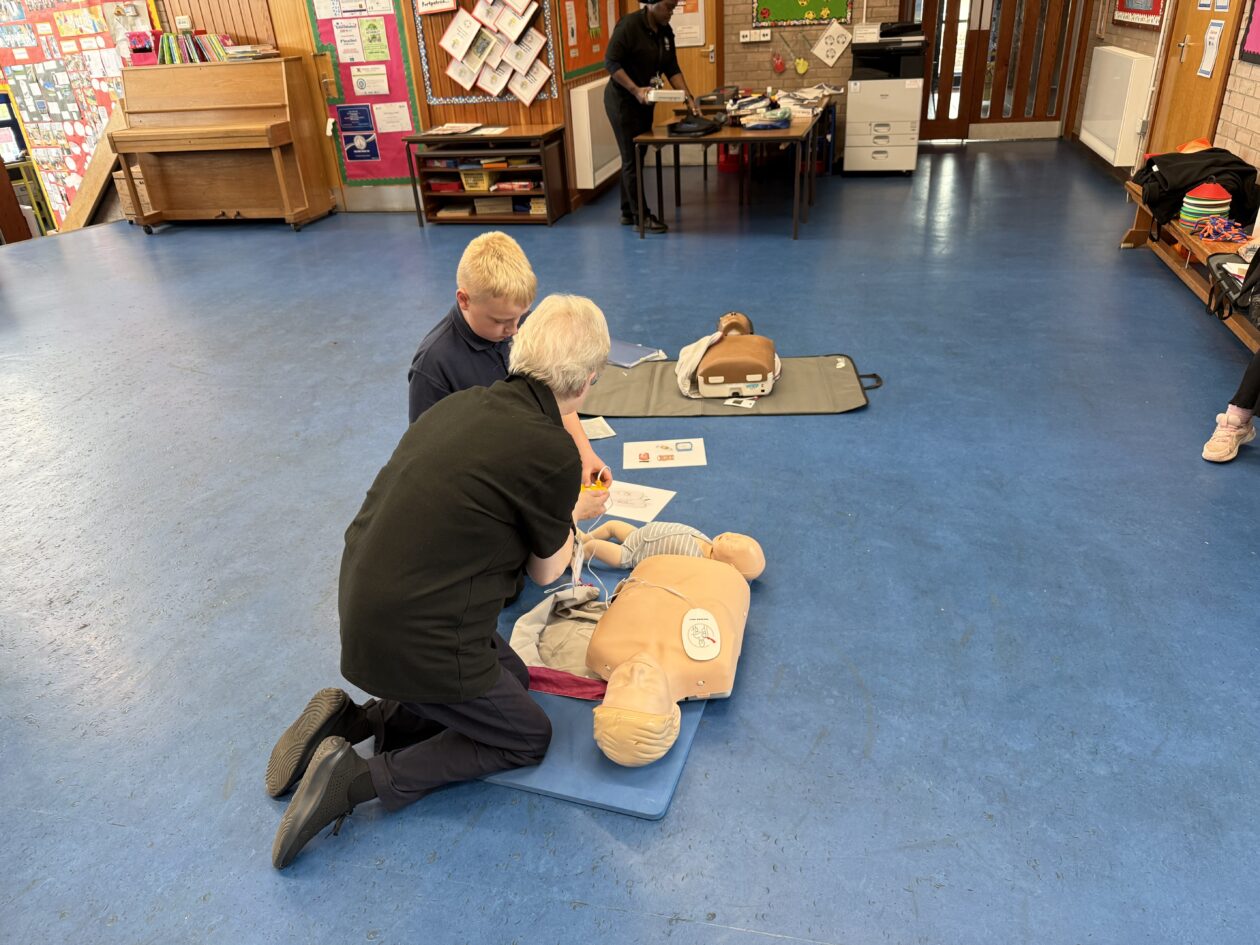
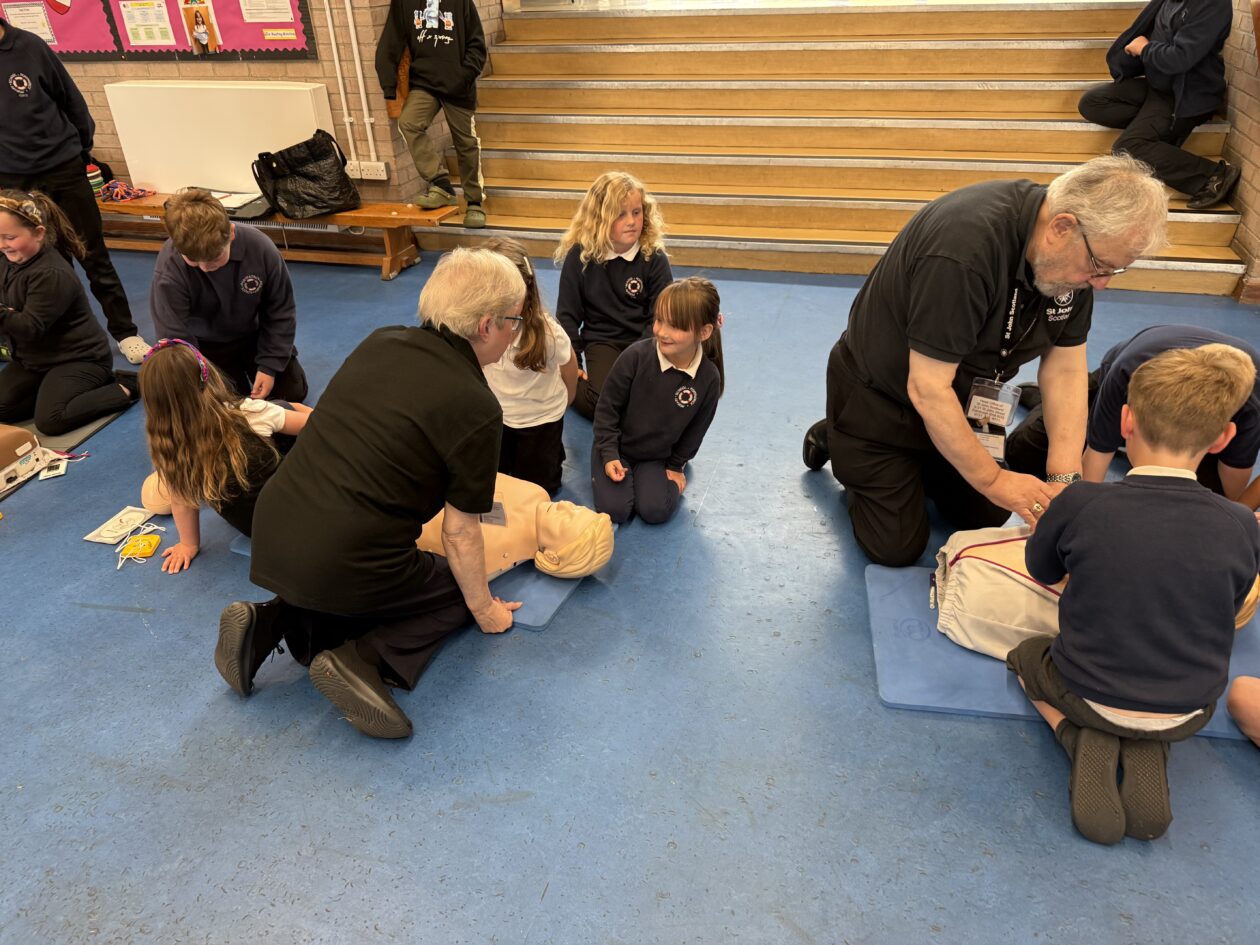
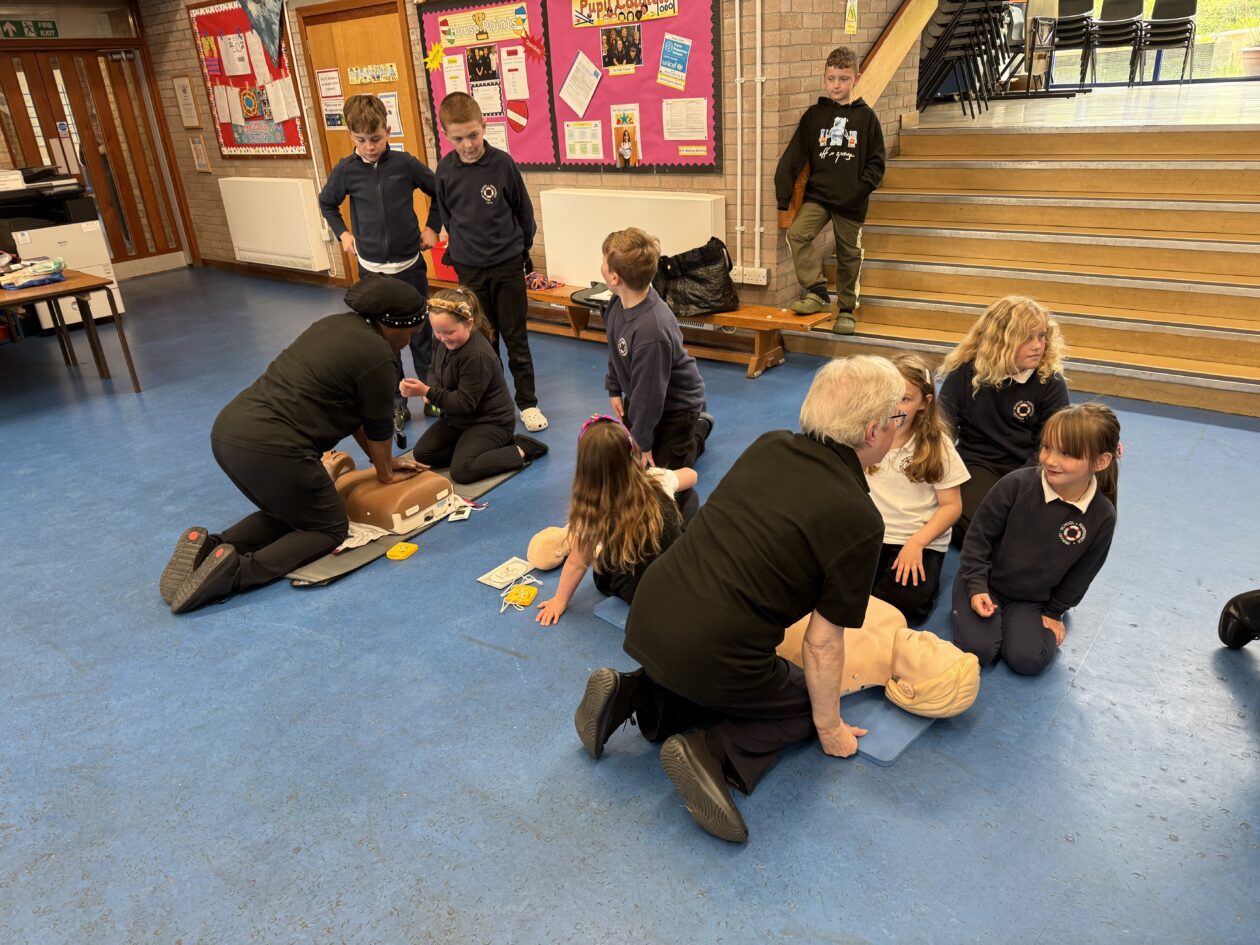
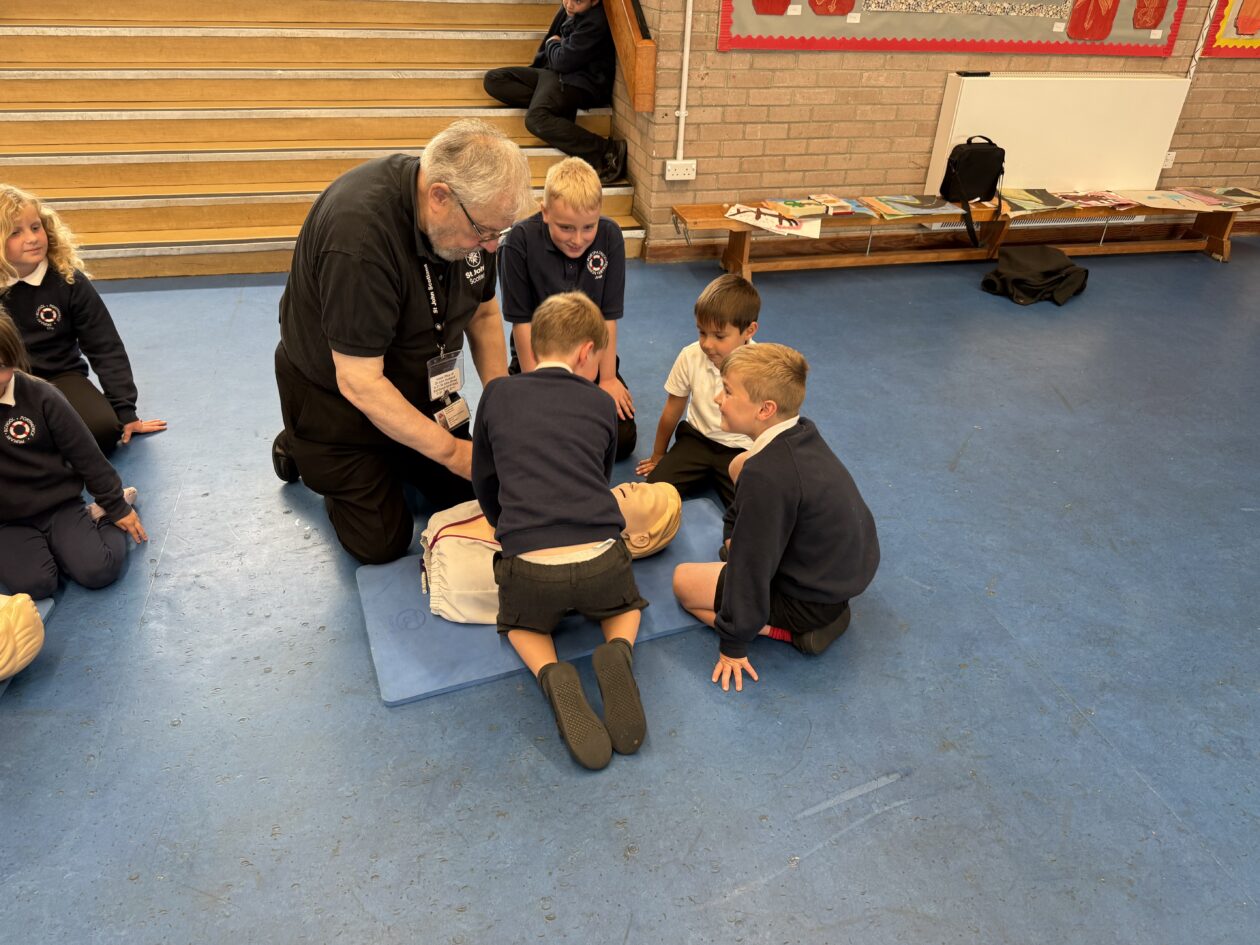
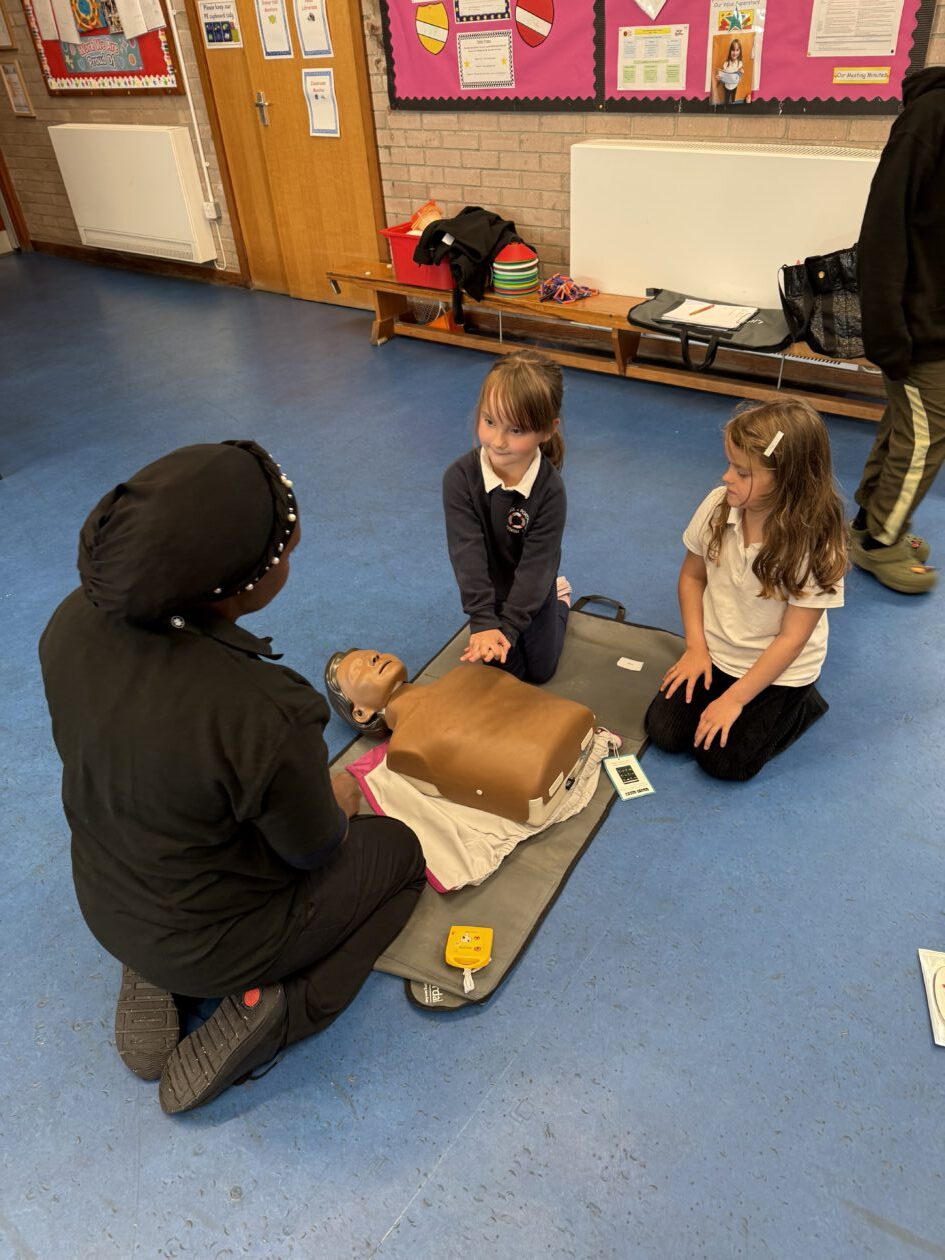
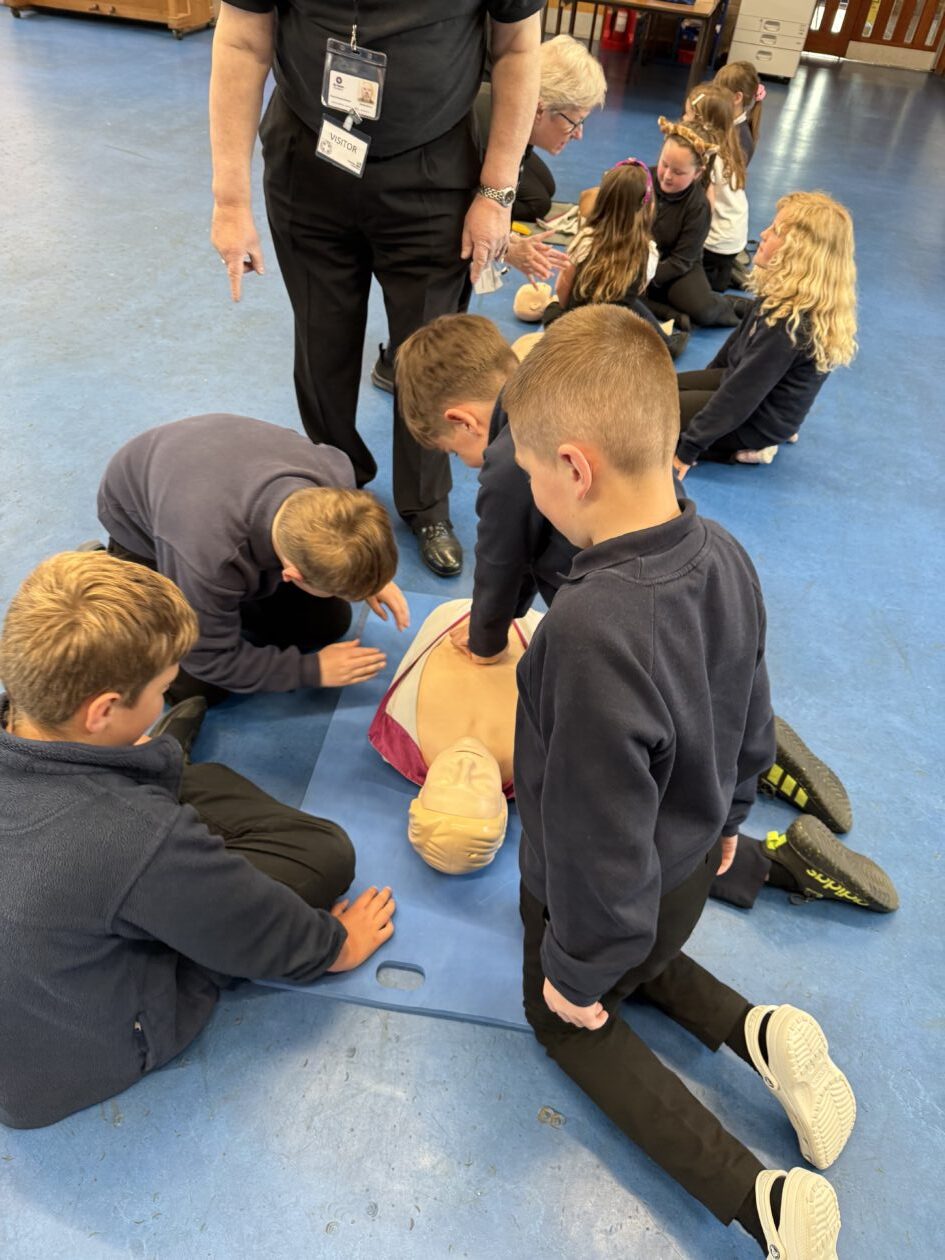
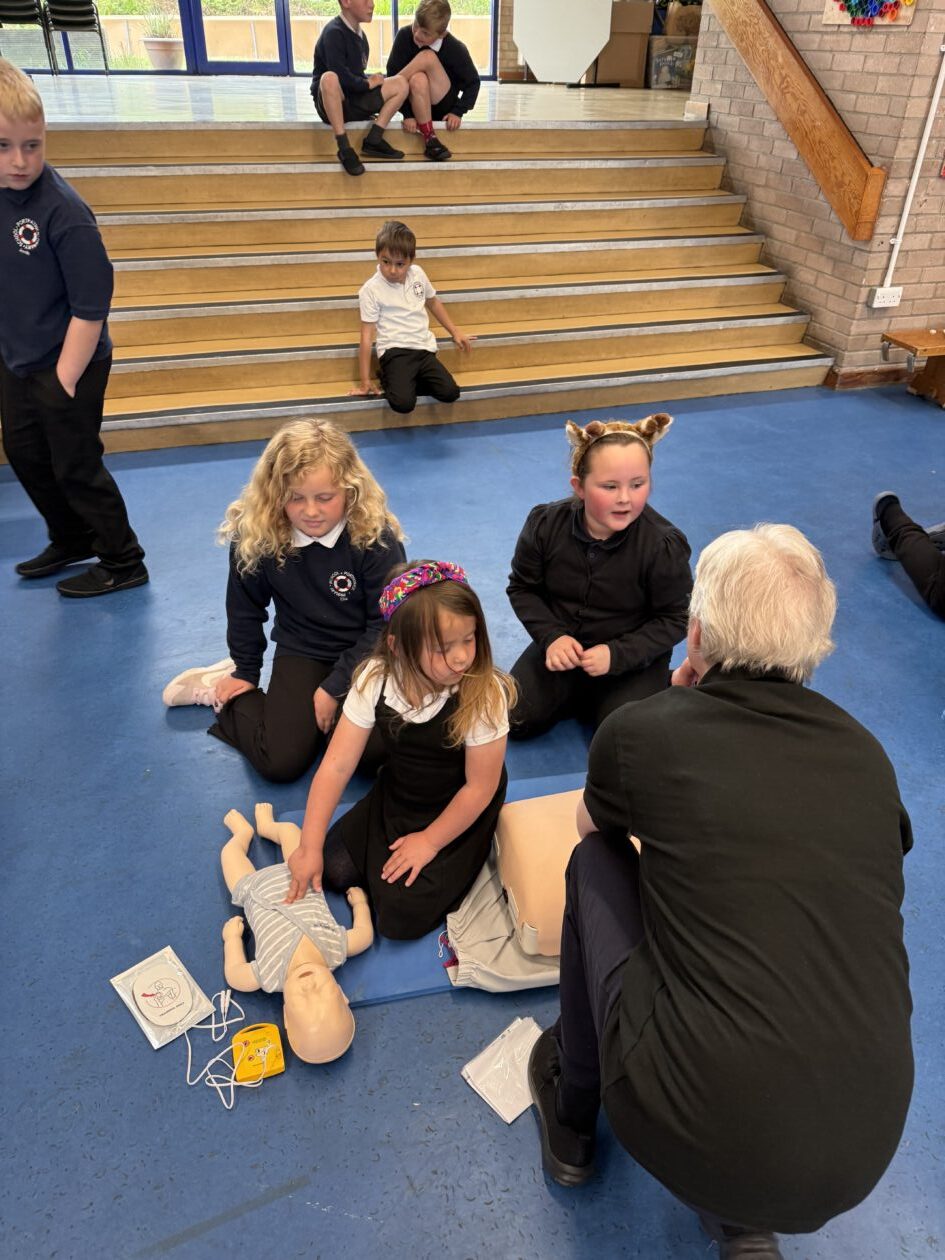
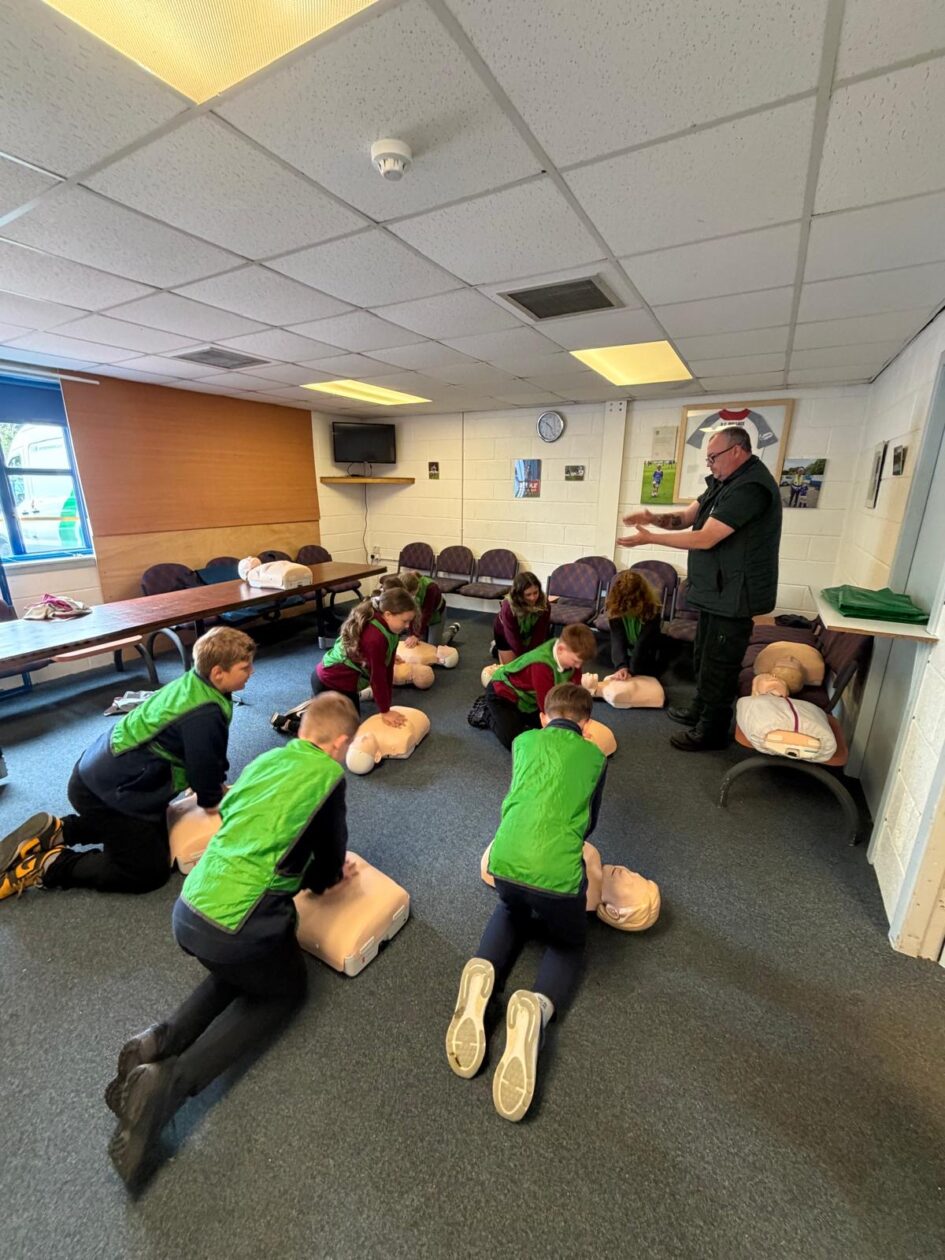
Children recently took part in an engaging CPR workshop led by St John Ambulance, where they learned valuable lifesaving skills in a hands-on environment.
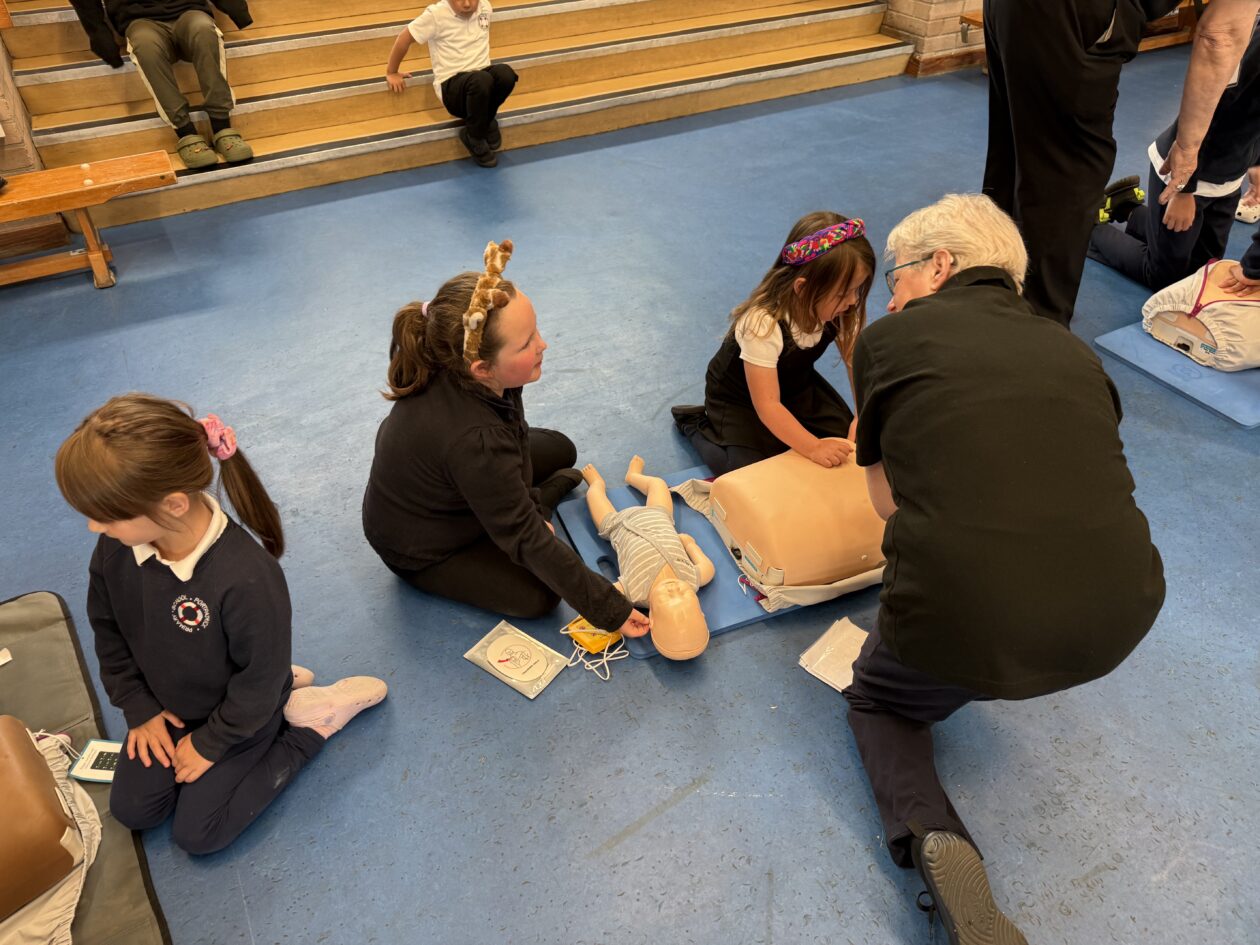
During the session, pupils were taught how to respond in an emergency and practised CPR techniques on training mannequins representing babies, children, and adults. This helped them understand the different ways CPR is carried out depending on the age of the casualty.
The children also had the opportunity to learn how defibrillators are used to help restart a person’s heart during a cardiac emergency. They were shown how to safely use the equipment and understand the instructions given by the defibrillator.
Throughout the workshop, pupils learned the importance of staying calm, calling for help quickly, and acting confidently in an emergency situation. They enjoyed the practical activities and showed great enthusiasm while learning skills that could one day help save a life.
The workshop was a fantastic opportunity for pupils to build confidence, develop awareness, and gain important first aid knowledge in a fun and memorable way.
Meta-skills Developed
Communication
Collaboration
Critical Thinking
Confidence
Problem Solving
Responsibility
UNCRC Rights
Article 6 – Every child has the right to life and to grow up healthy.
Article 24 – Every child has the right to the best possible health, healthcare, and health education.
Article 29 – Education should help children develop their talents, abilities, and confidence.
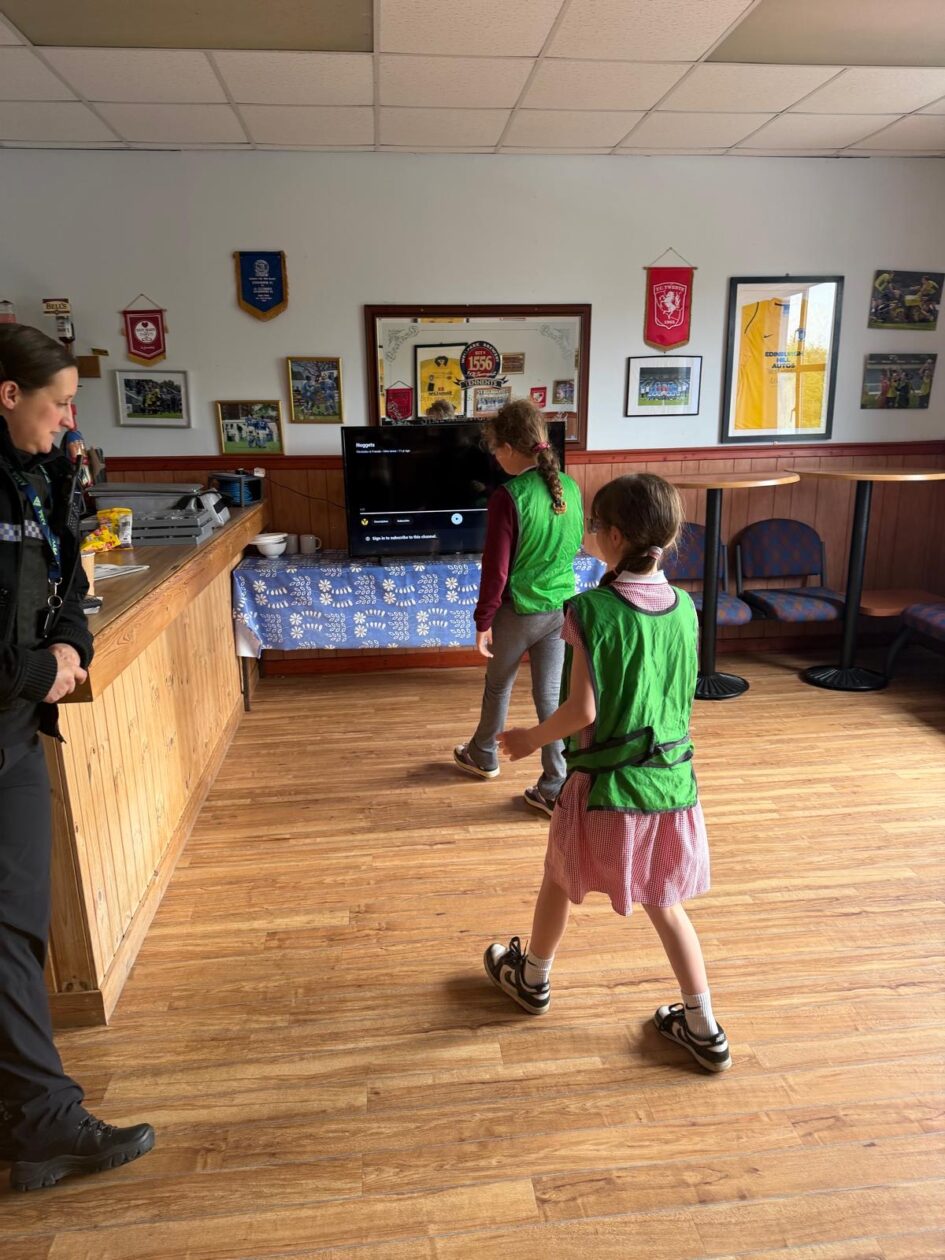
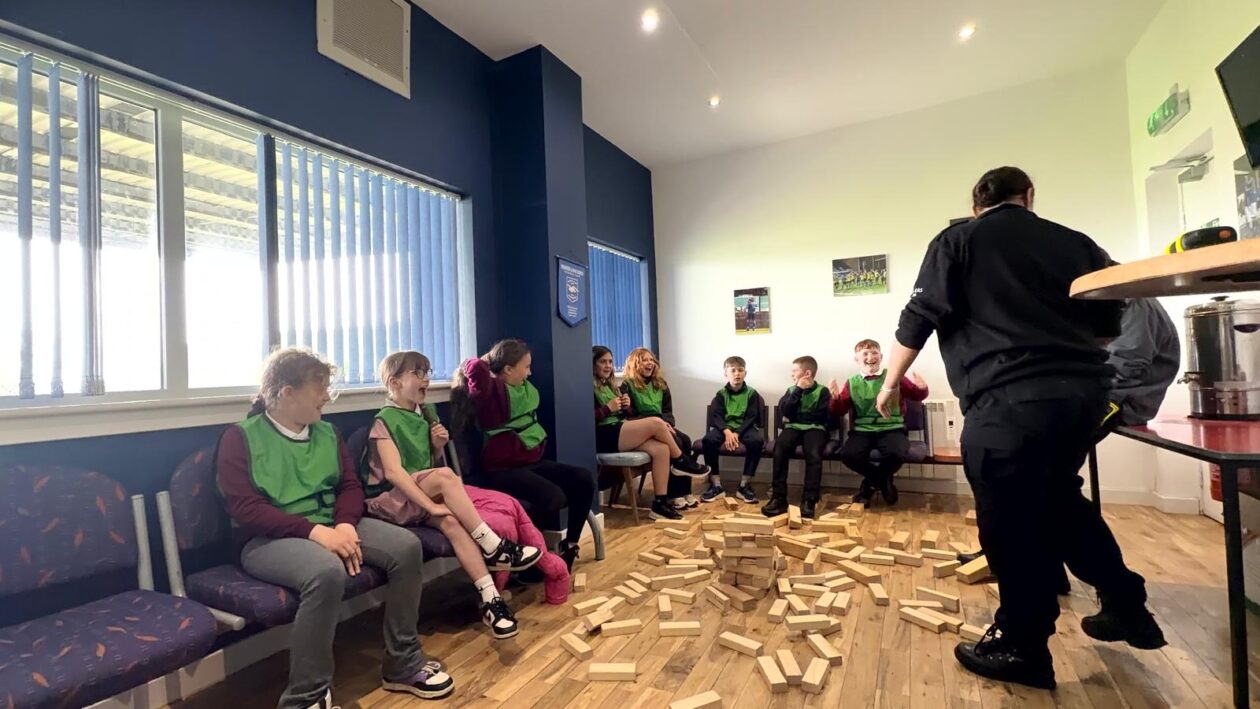
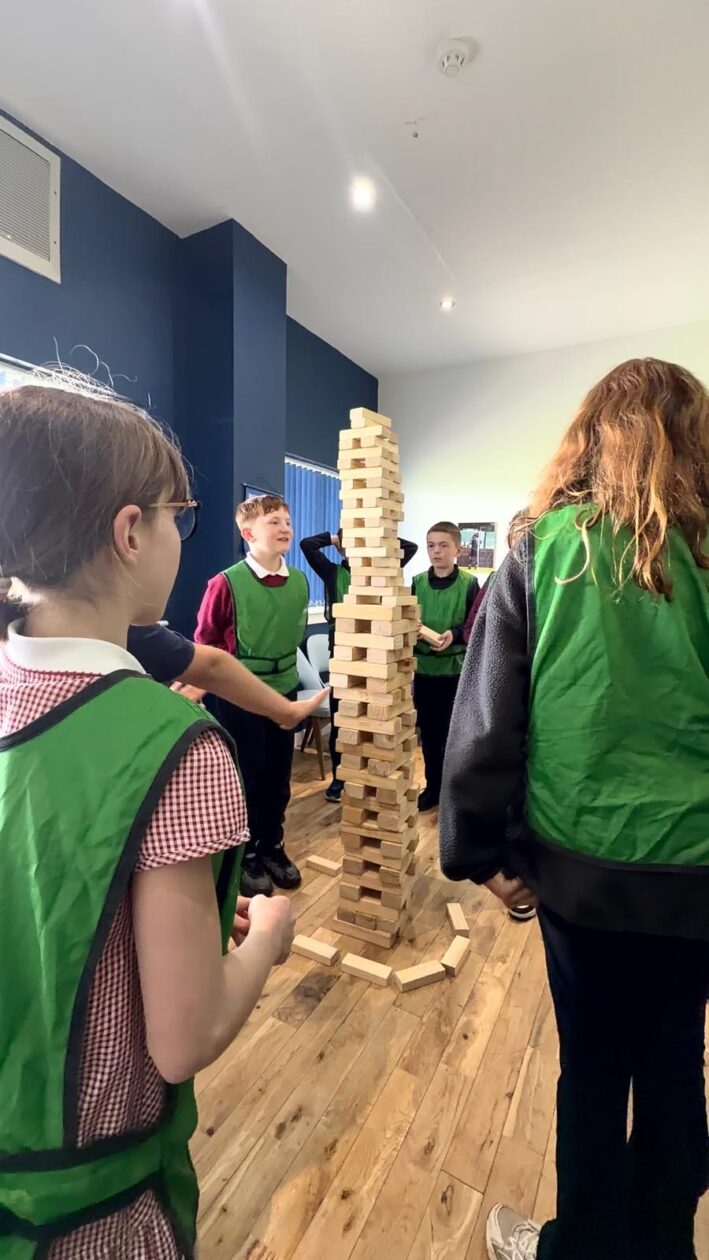
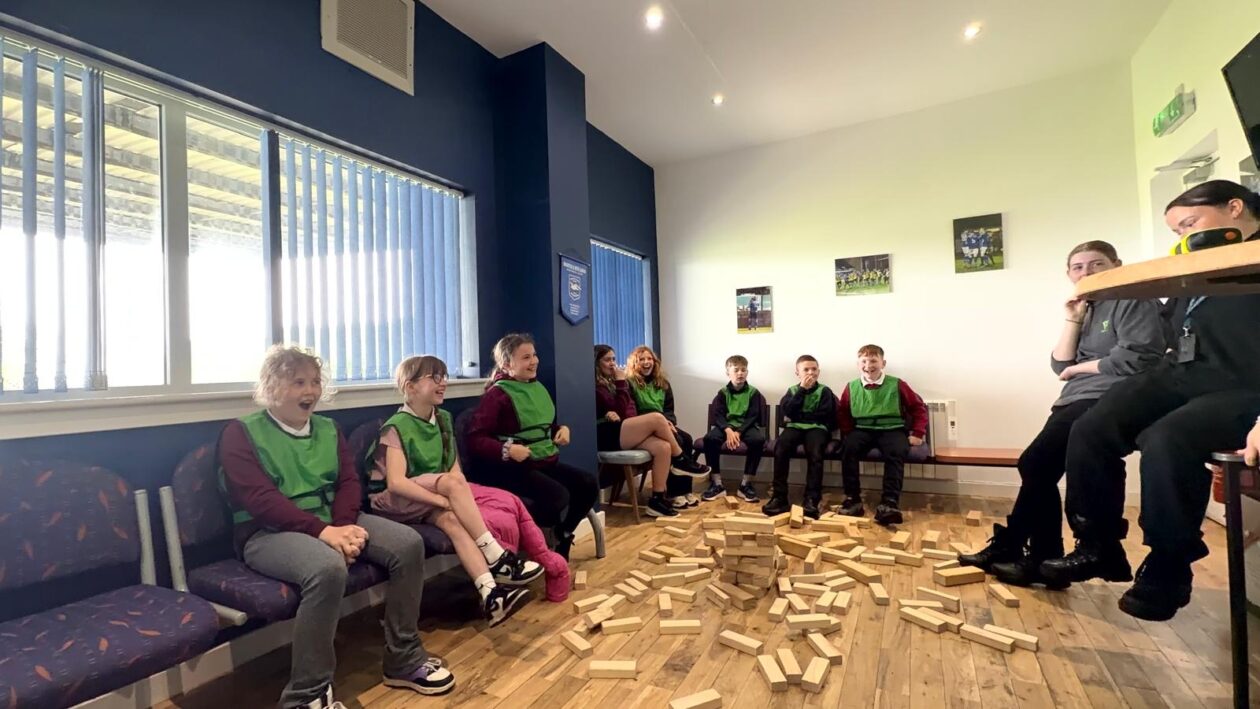
Recently, children took part in an exciting and educational event called Operation Safety, where they learned important skills to help keep themselves and others safe.
Throughout the day, local police officers spoke to the children about online safety, teaching them how to stay safe when using the internet, social media, and online games. They discussed the importance of protecting personal information and what to do if something online makes them feel uncomfortable or unsafe.
The children also learned about the effects of alcohol and how it can impact people’s behaviour, judgement, and health. These sessions helped pupils understand the importance of making safe and responsible choices as they grow older.
Another important part of the event focused on staying safe around power sources and electrical equipment. The children were taught about the dangers of electricity and how to avoid accidents both at home and outdoors.
One of the highlights of the day was learning lifesaving skills, including CPR. Pupils were shown how to respond in an emergency and practised basic CPR techniques that could one day help save a life.
Operation Safety was a fantastic opportunity for children to gain valuable knowledge in a fun and engaging way, helping them build confidence and awareness about staying safe in everyday life.
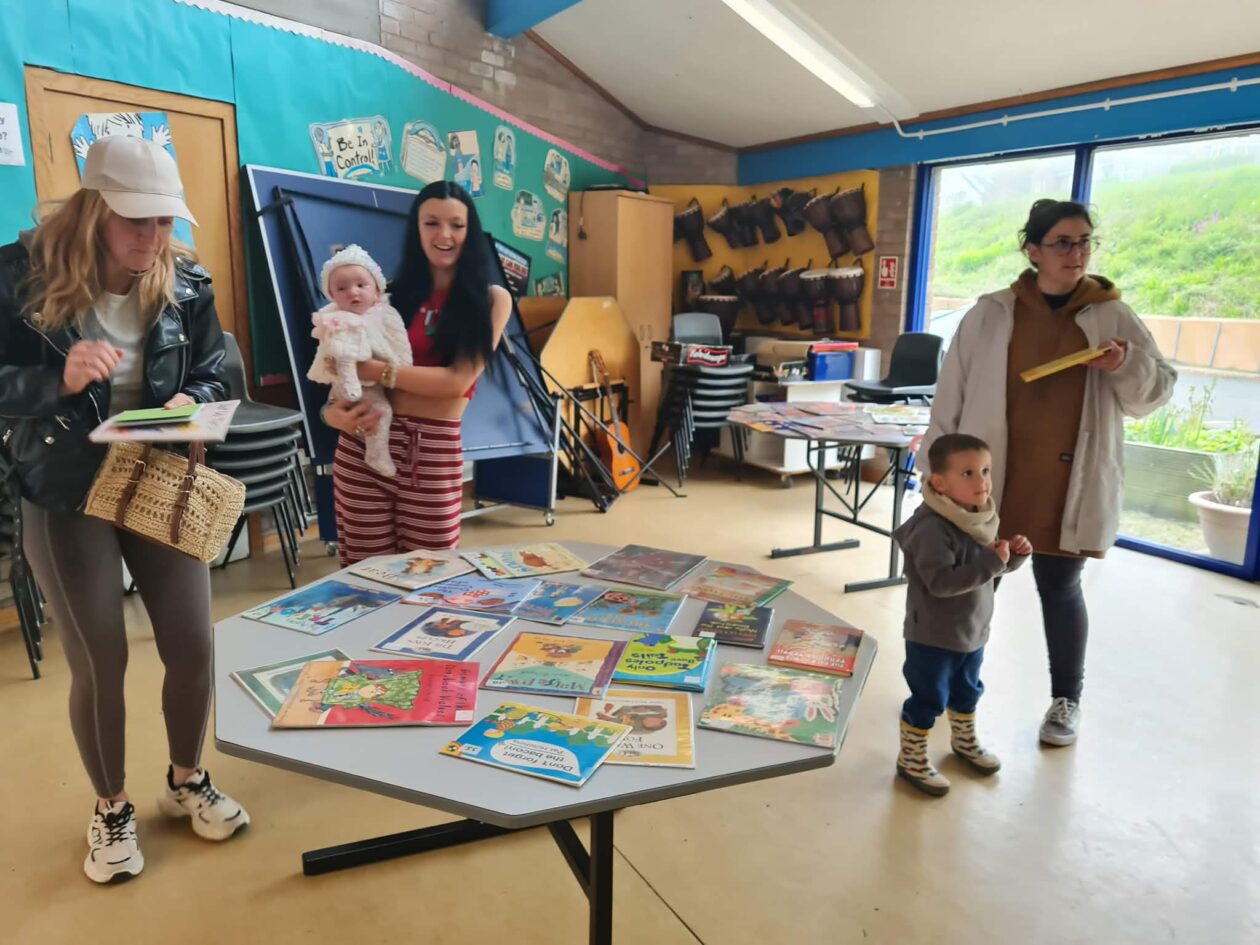
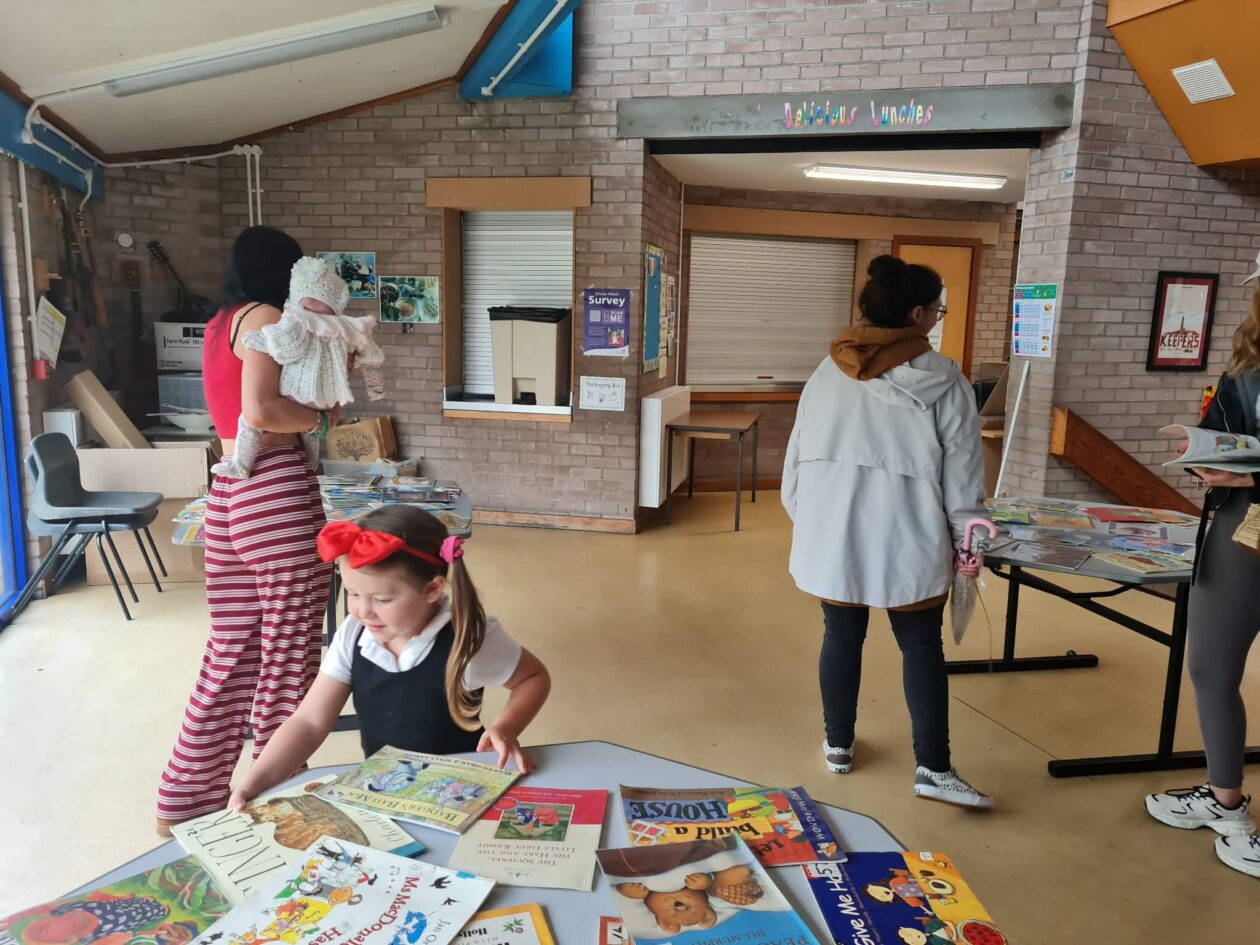
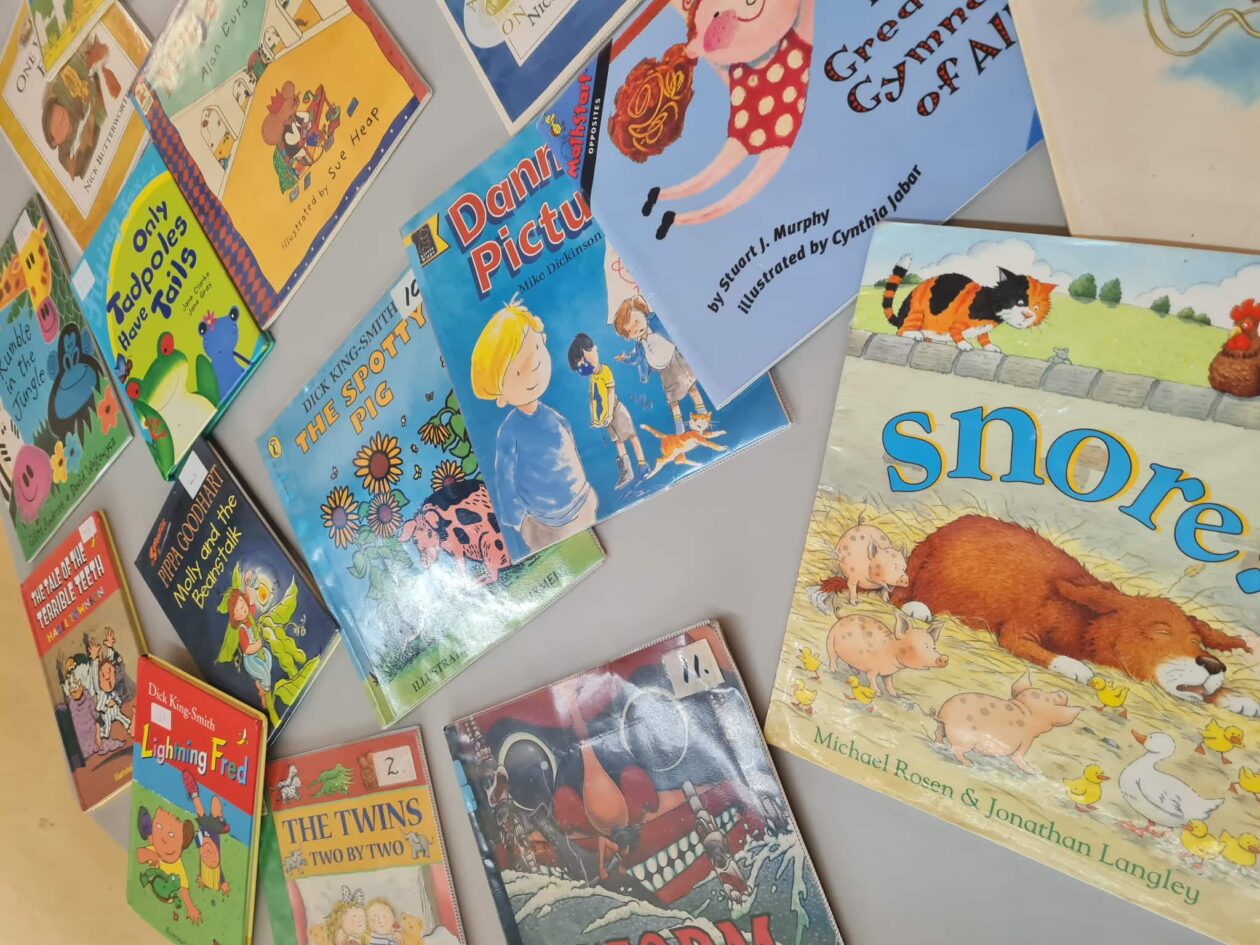
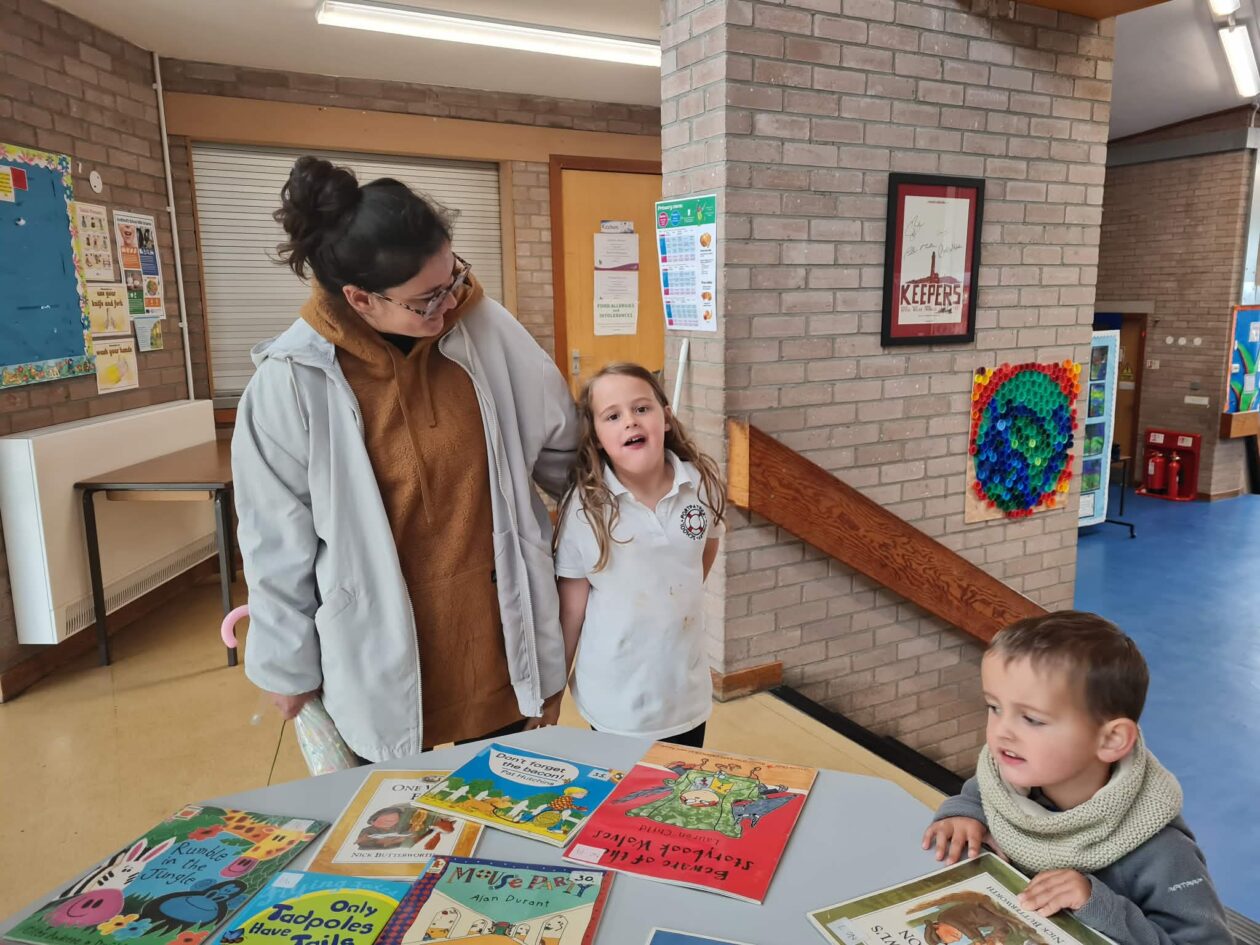
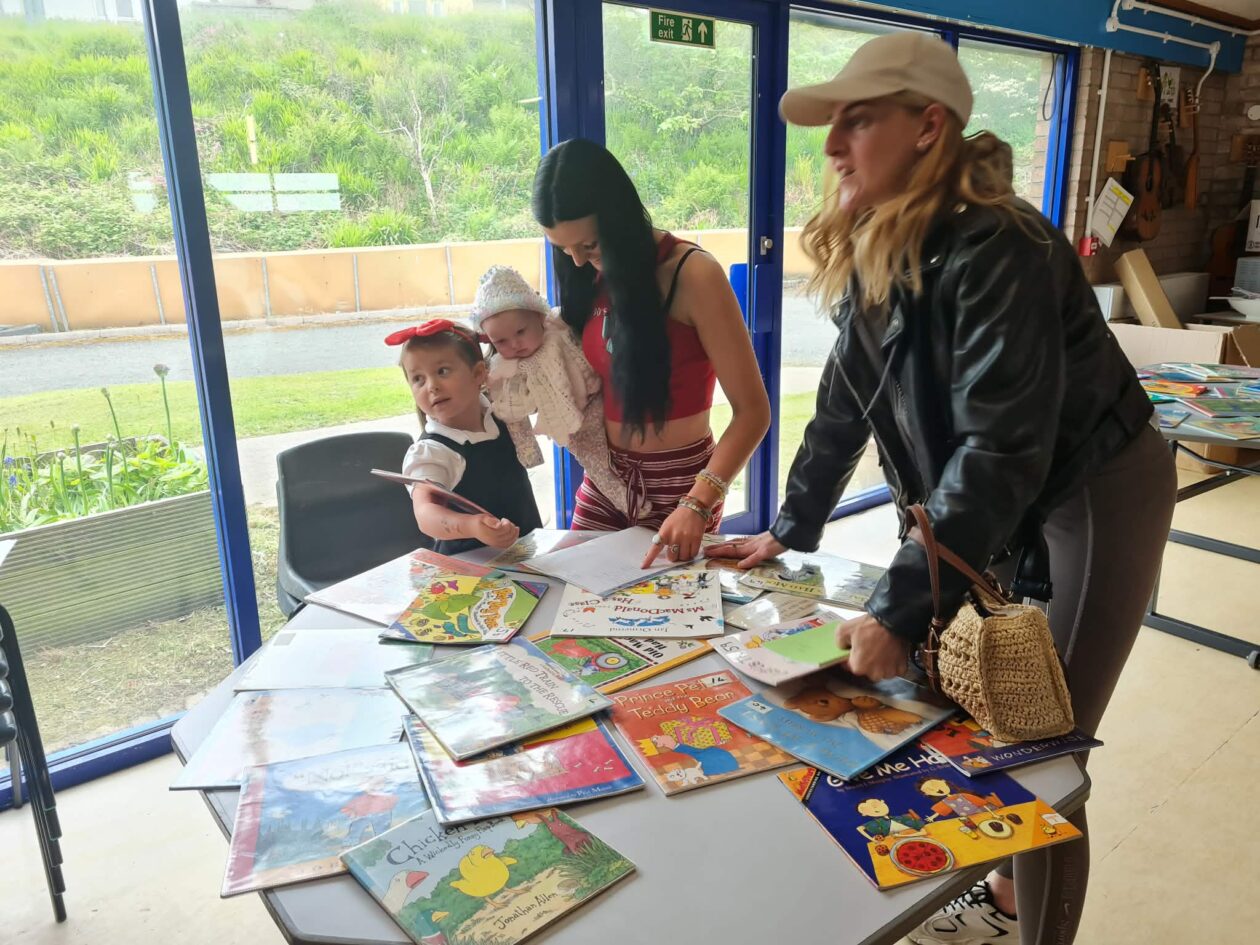
We delighted to welcome parents and family members into school for Mrs Henry’s regular CAPER reading sessions this week. Children and parents enjoyed choosing a book together to share and read at home, helping to make reading a positive and enjoyable experience beyond the classroom.
CAPER (Children and Parents Enjoying Reading) encourages families to spend quality time reading together, helping children develop confidence, fluency, vocabulary and a love of books. Sharing stories together also supports imagination, communication skills and a lifelong enjoyment of reading.
Parents and family members are welcome to pop along every Friday from 2:40pm to choose a book with their child to enjoy together at home. 📚✨
UNCRC Article 29 – Developing confidence and a love of learning
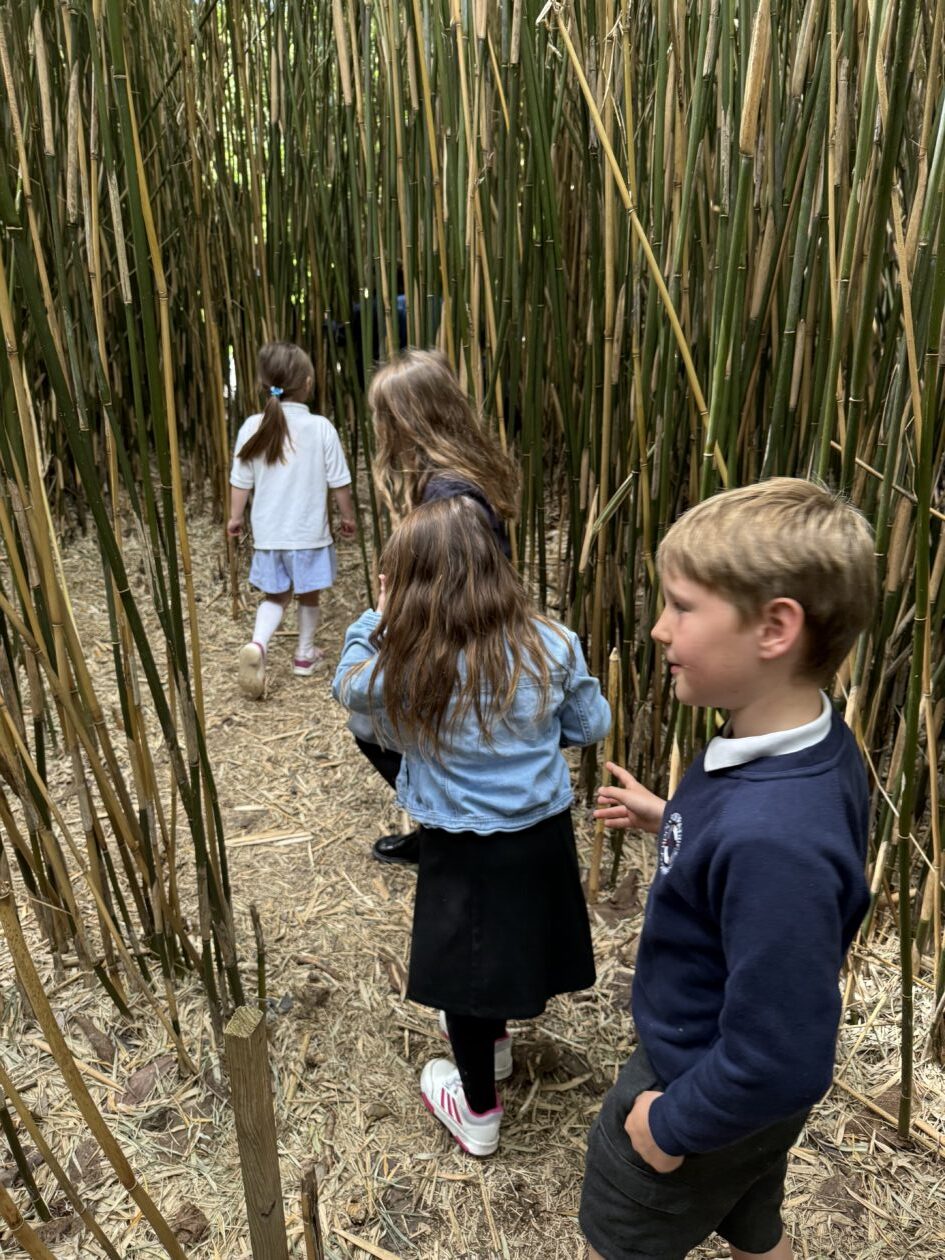
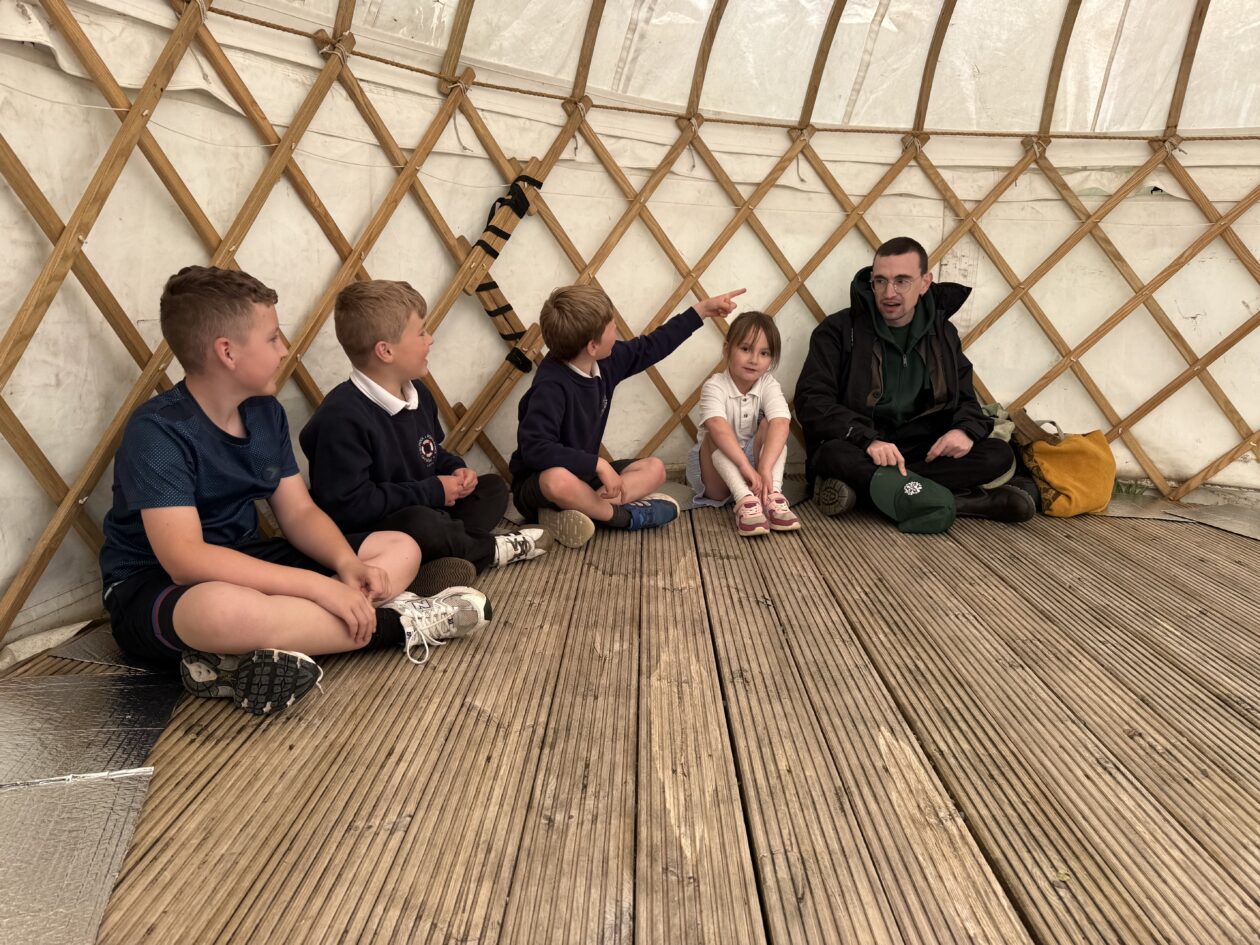
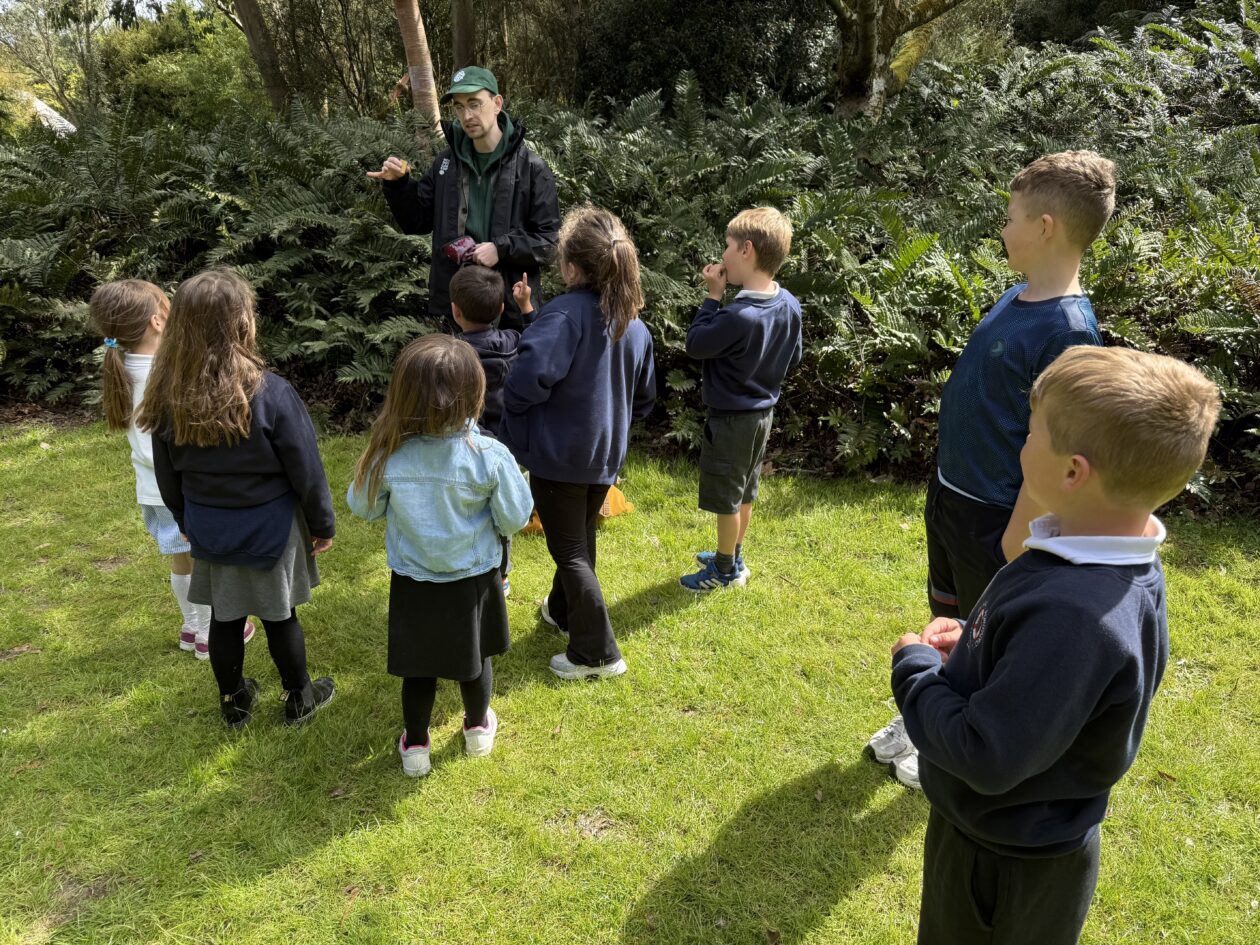
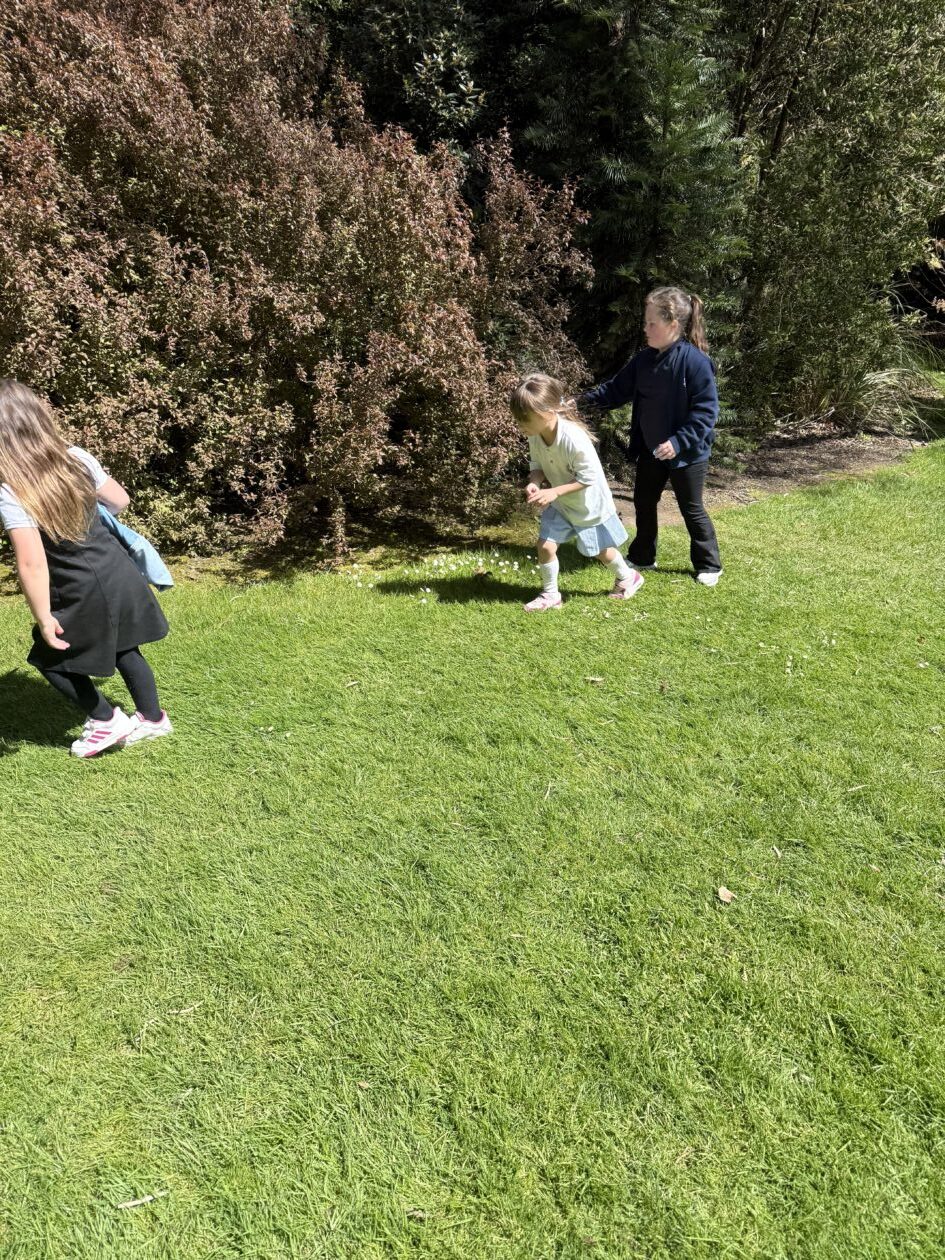
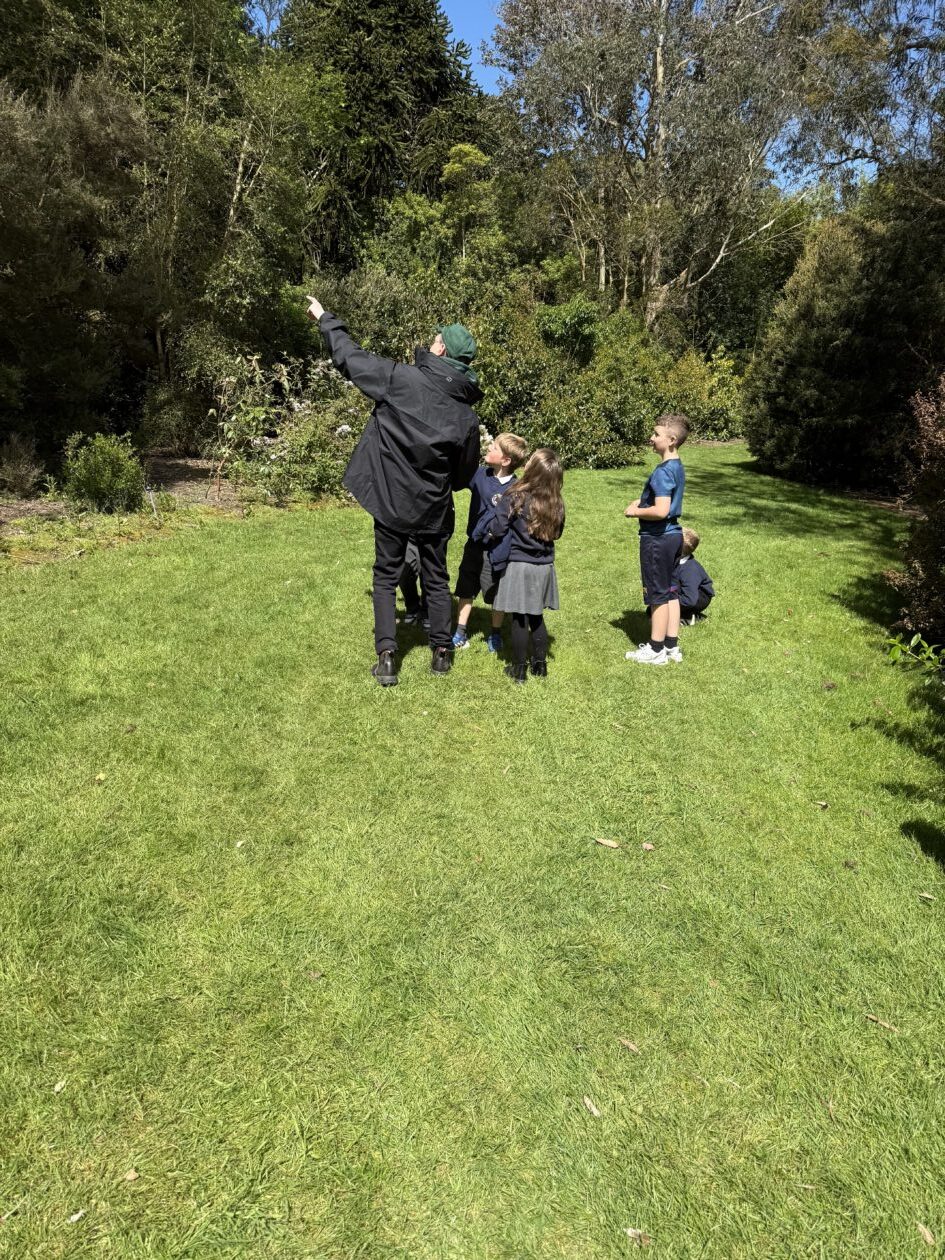
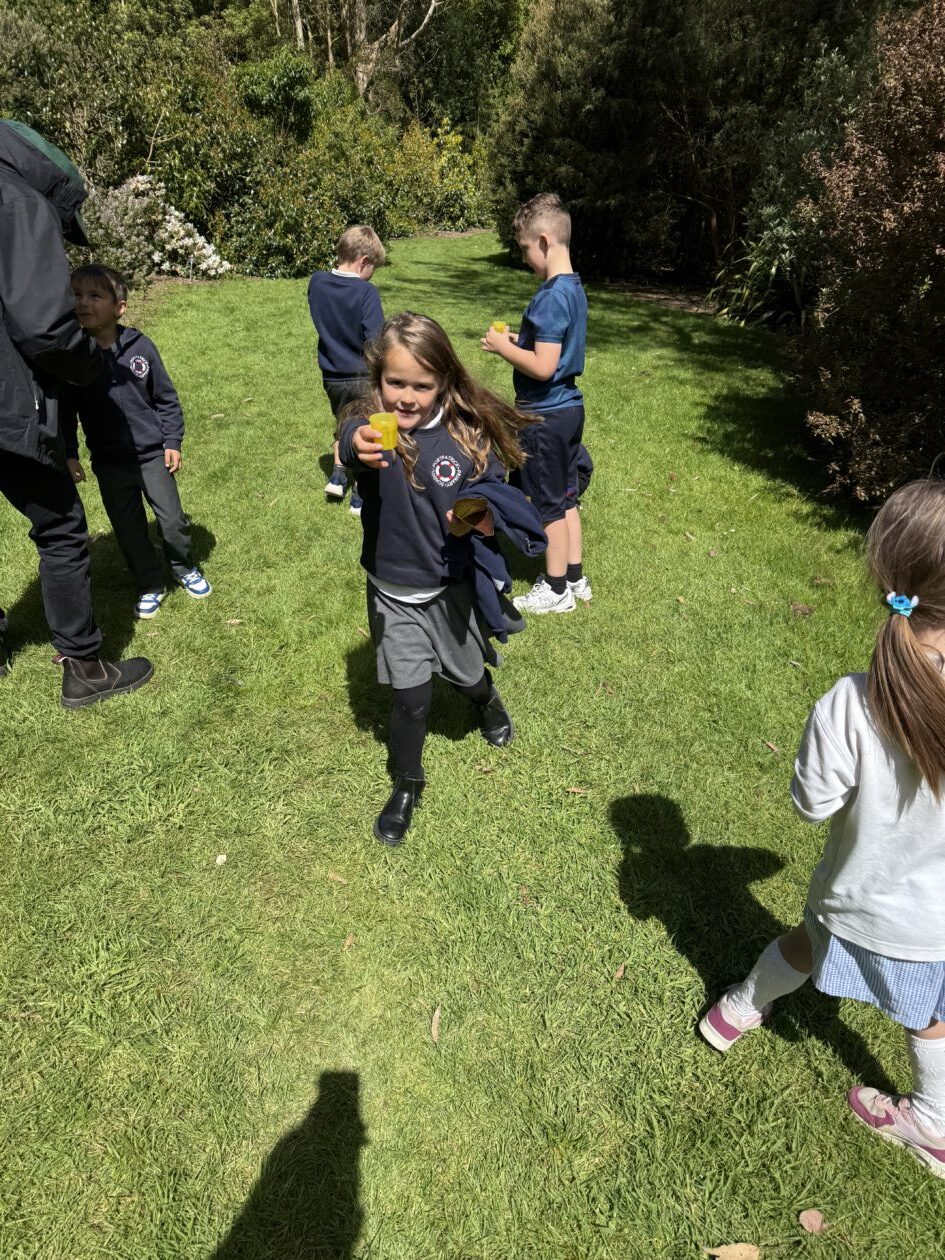
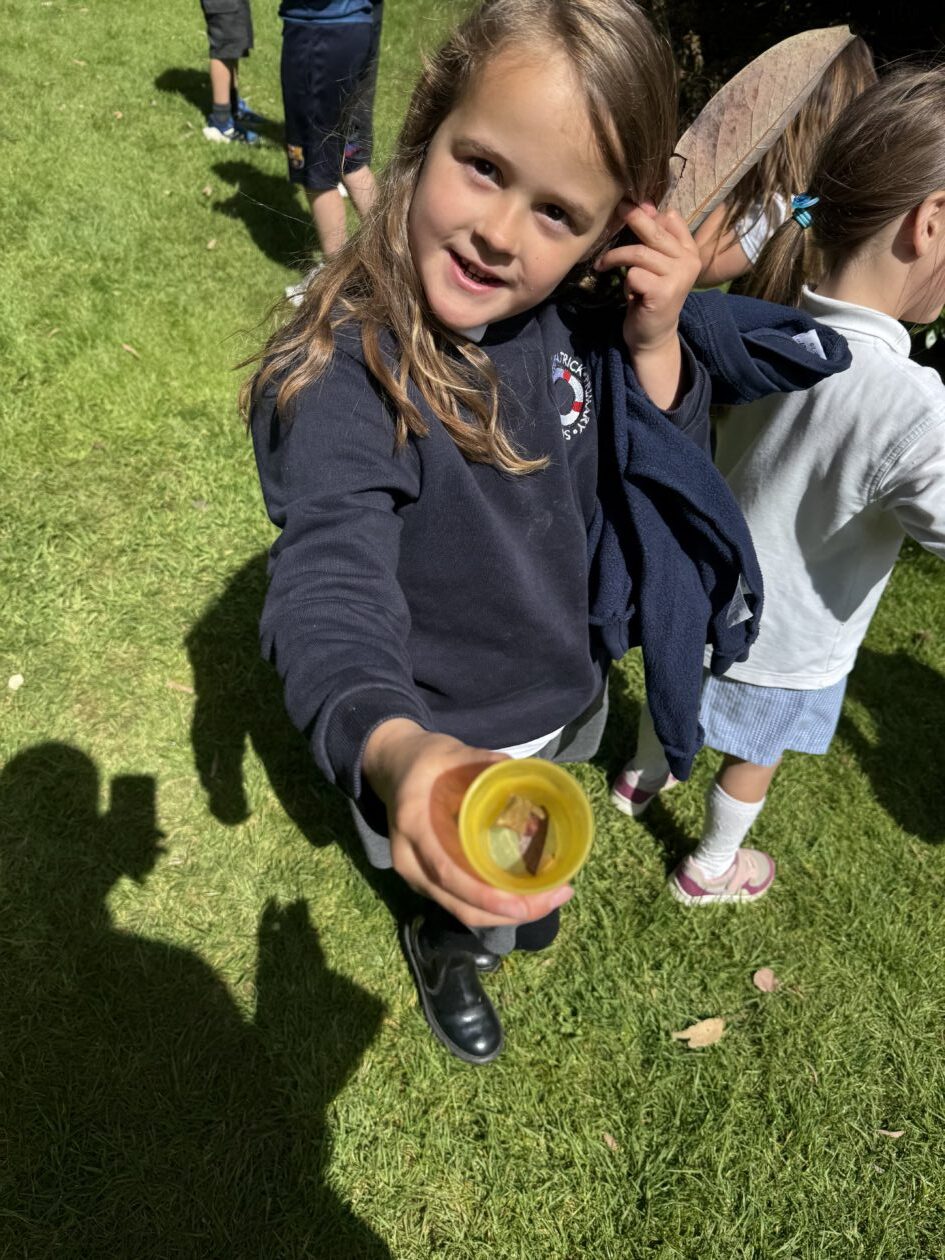
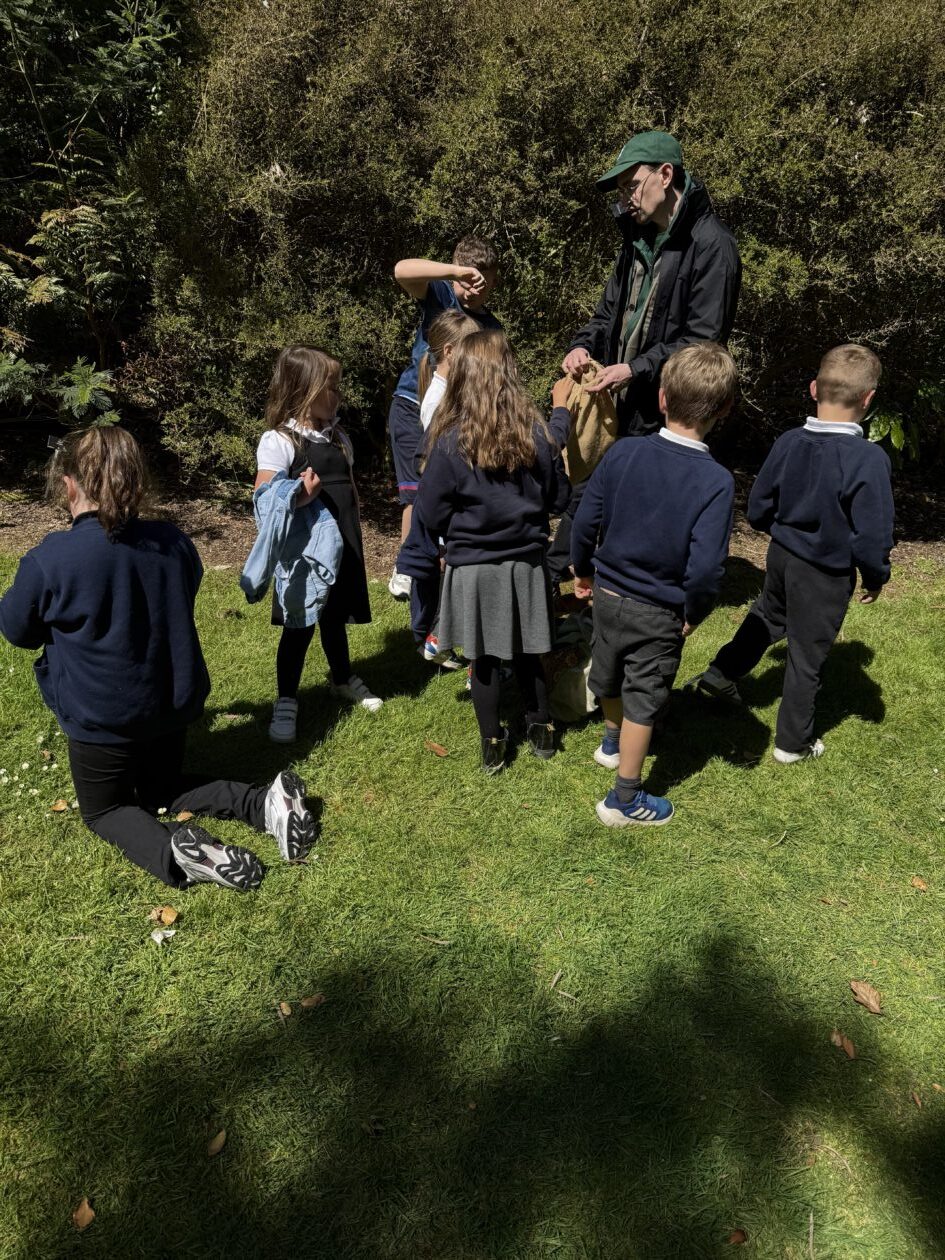
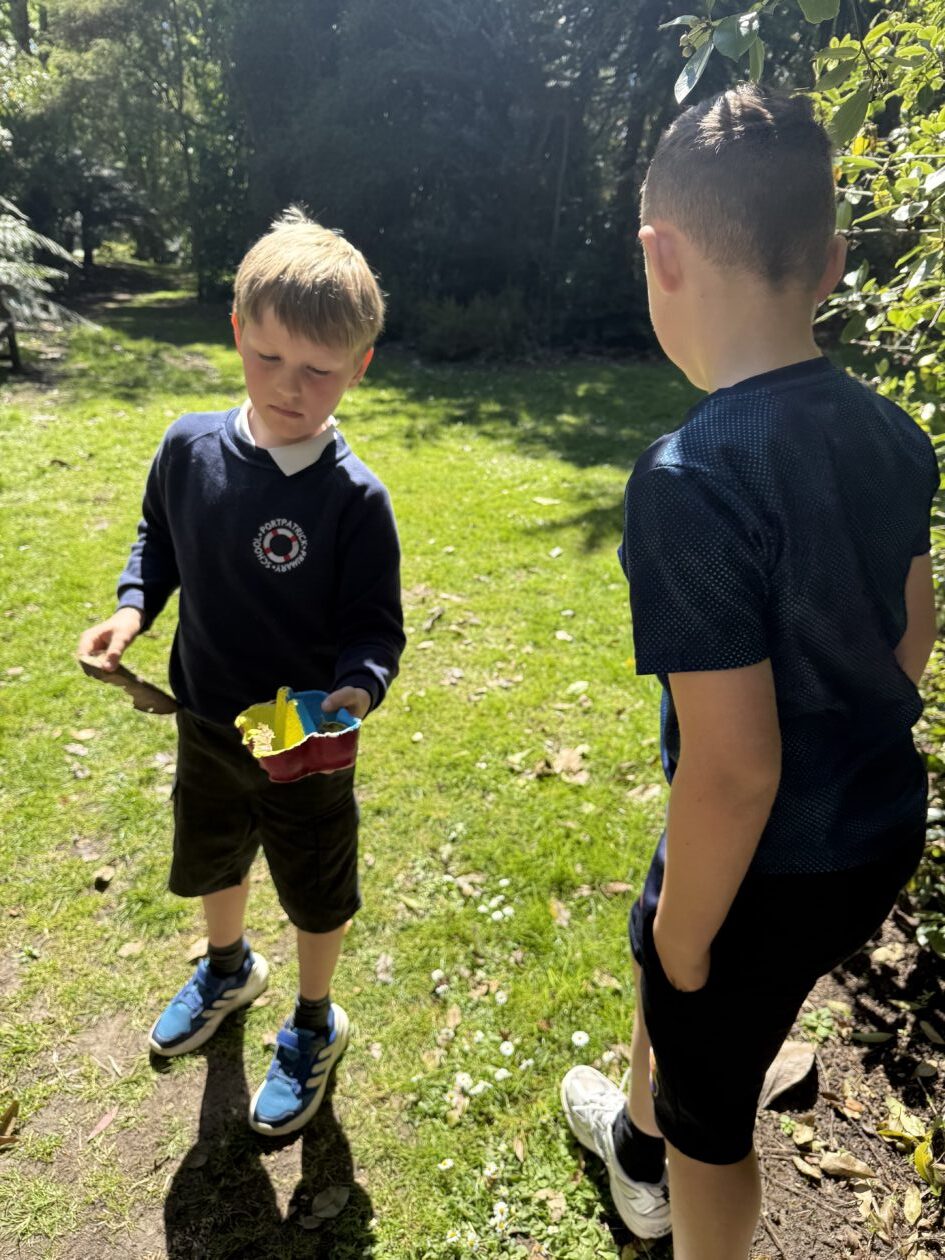
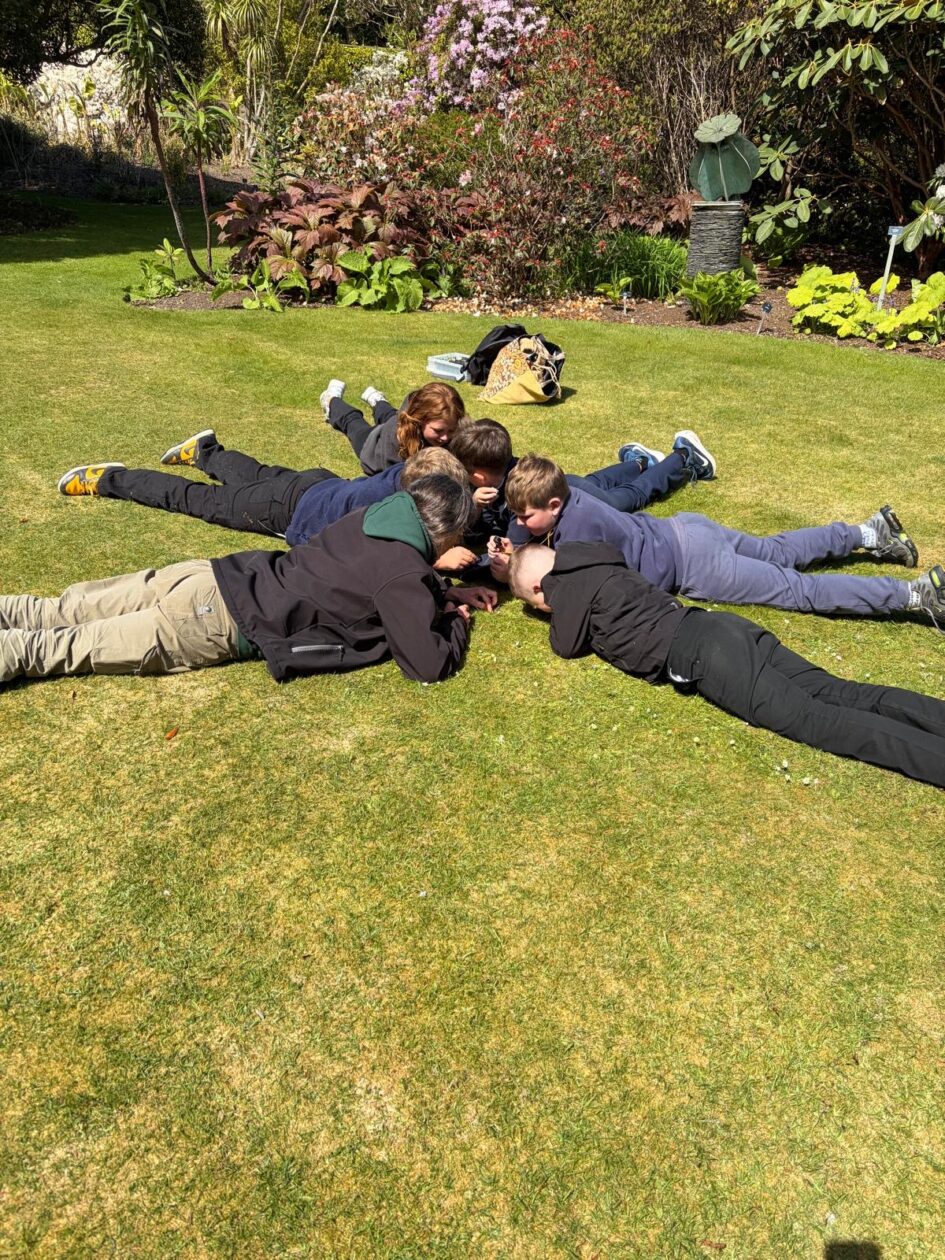
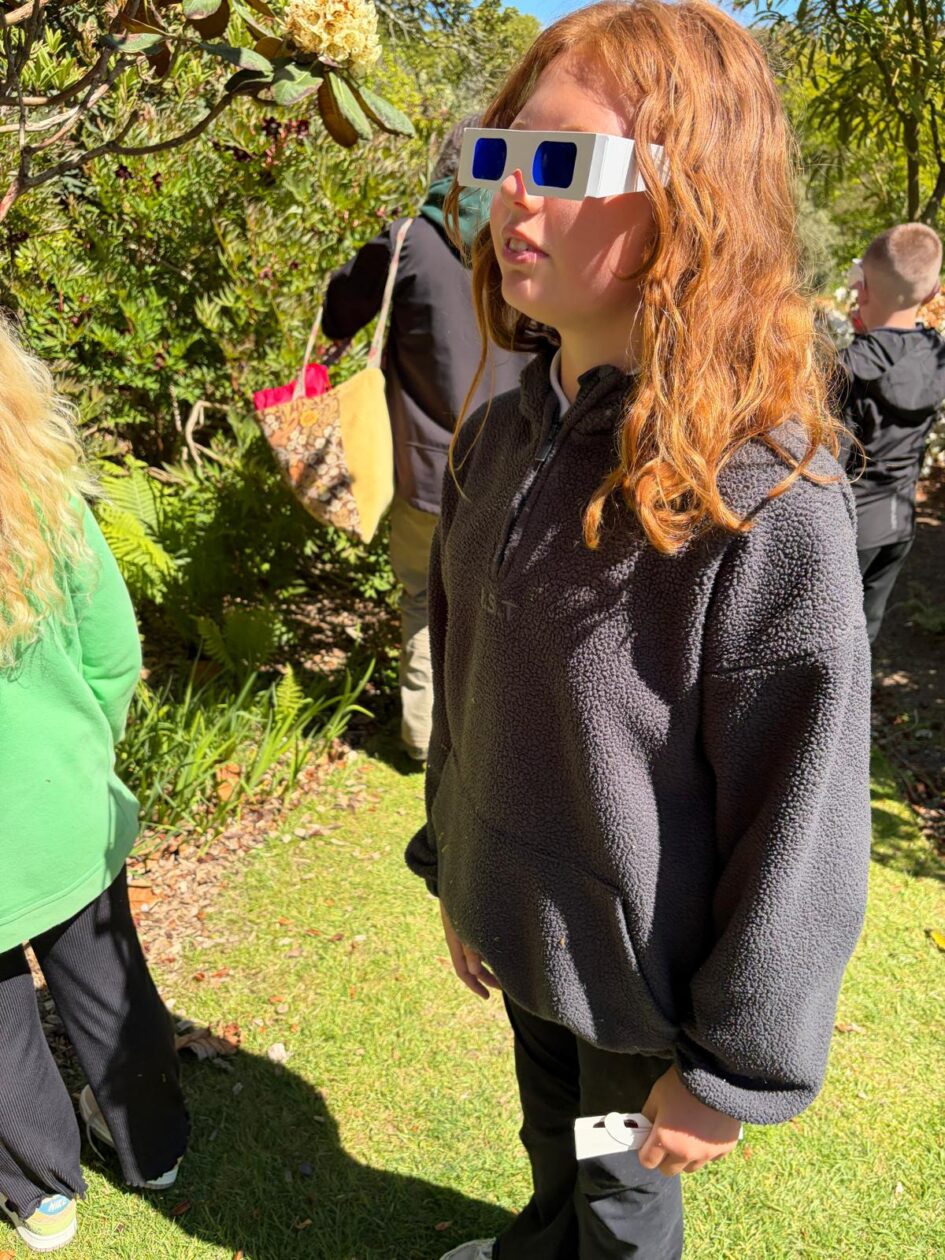
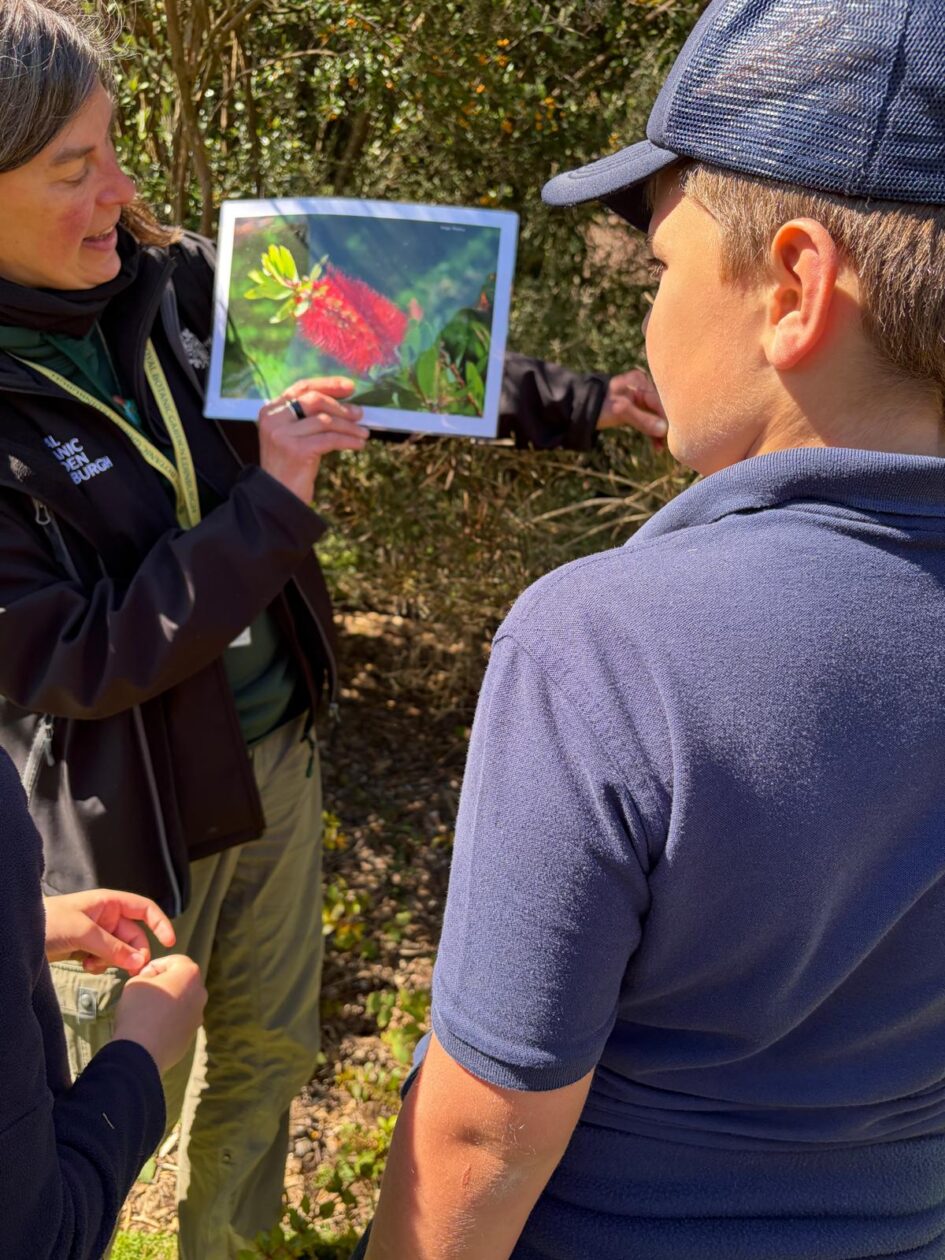
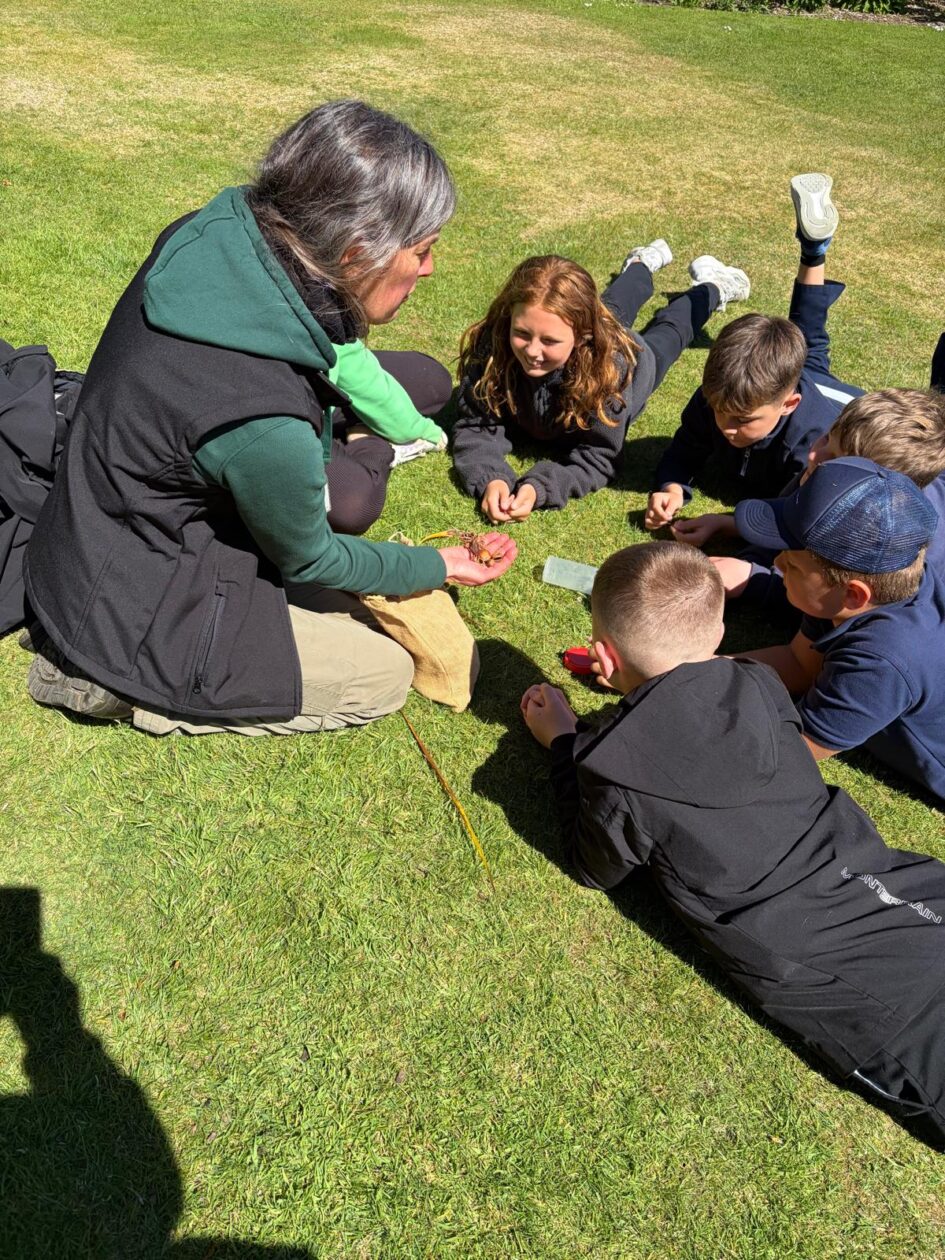
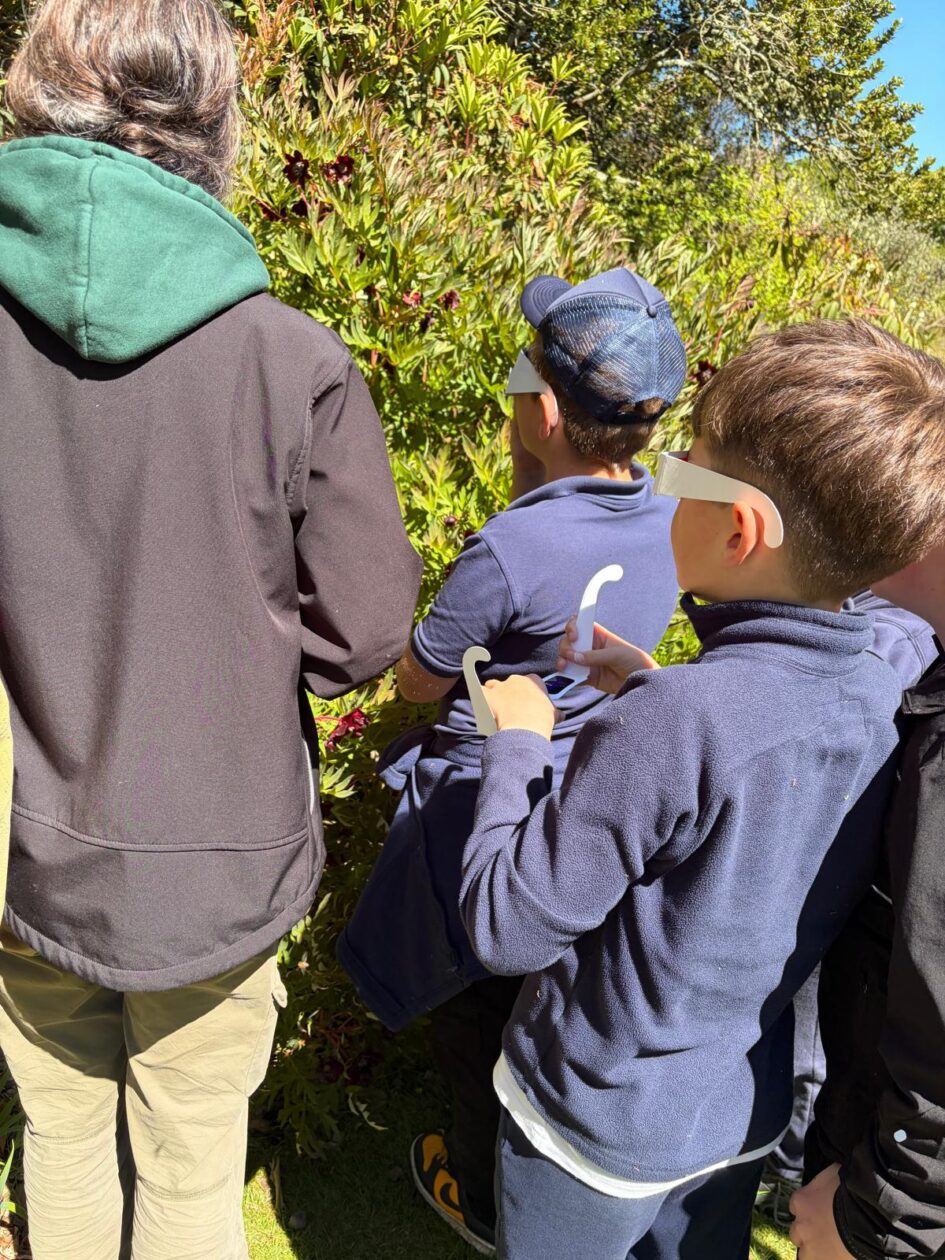
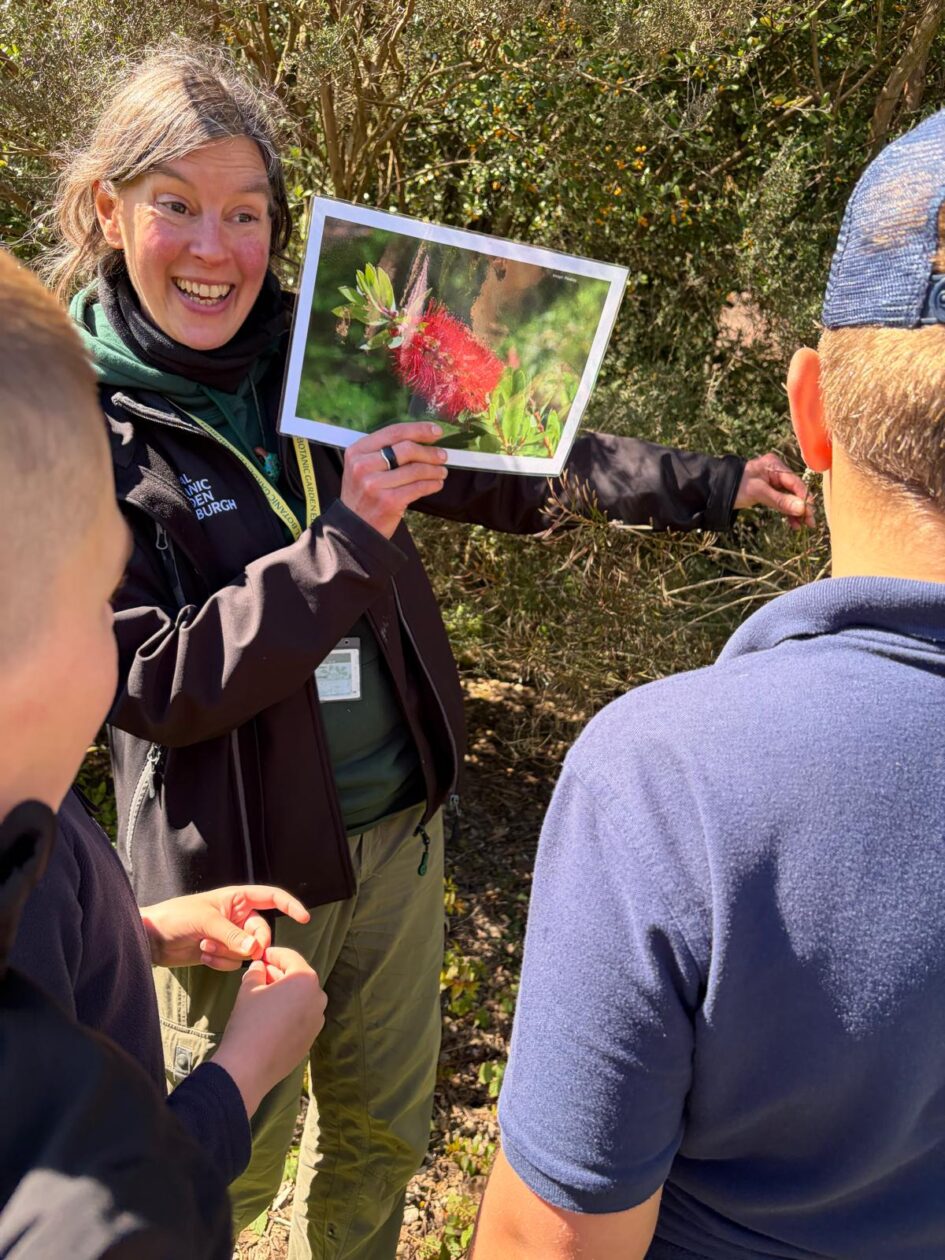
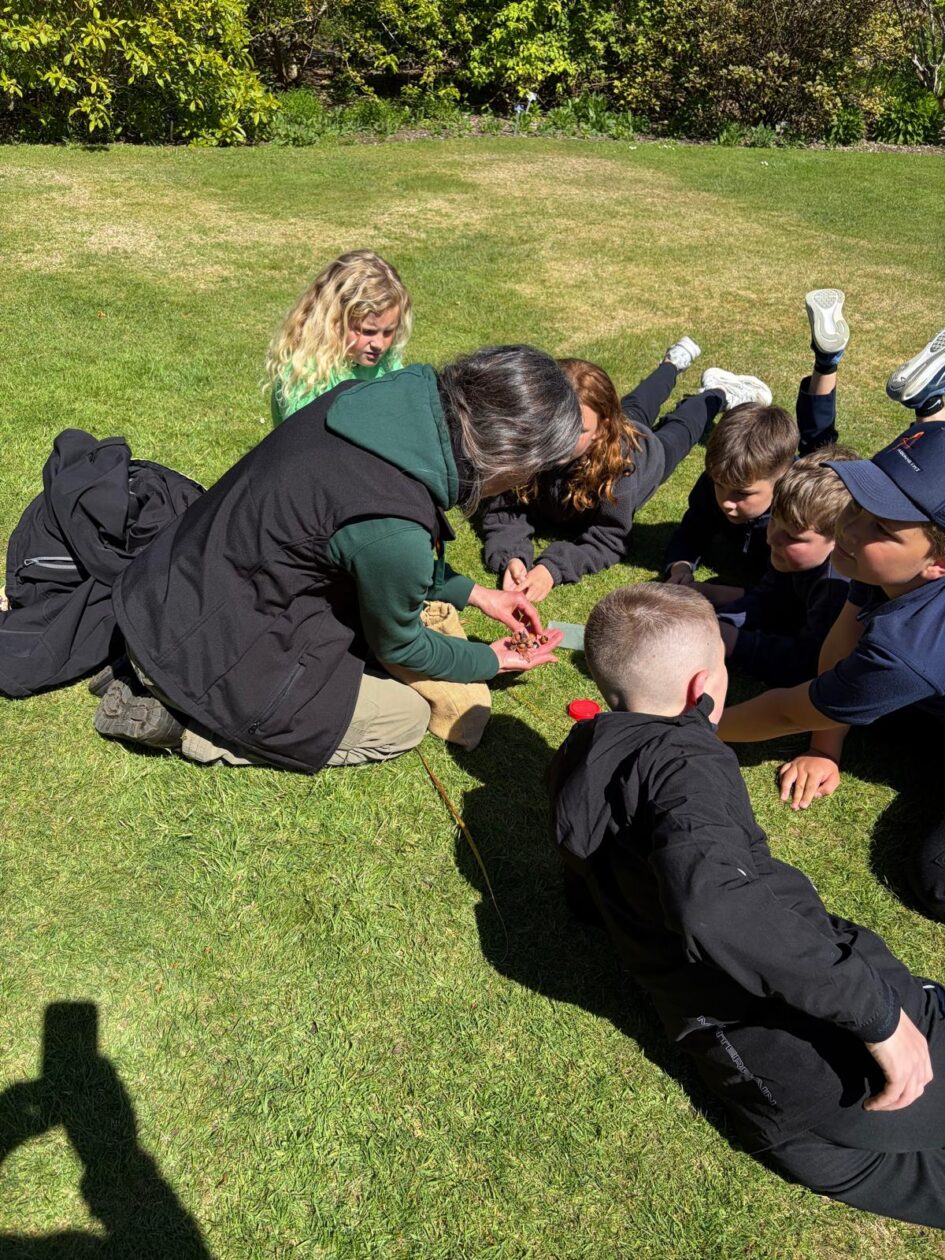
Nestled in Dumfries, Scotland, Sand head Logan Botanic Garden is a magical place where nature thrives—and bees are some of its most important visitors! This beautiful garden is part of the Royal Botanic Garden Edinburgh and is famous for its warm, sheltered climate, which helps plants from all over the world grow happily.
Why Are Bees So Important Here?
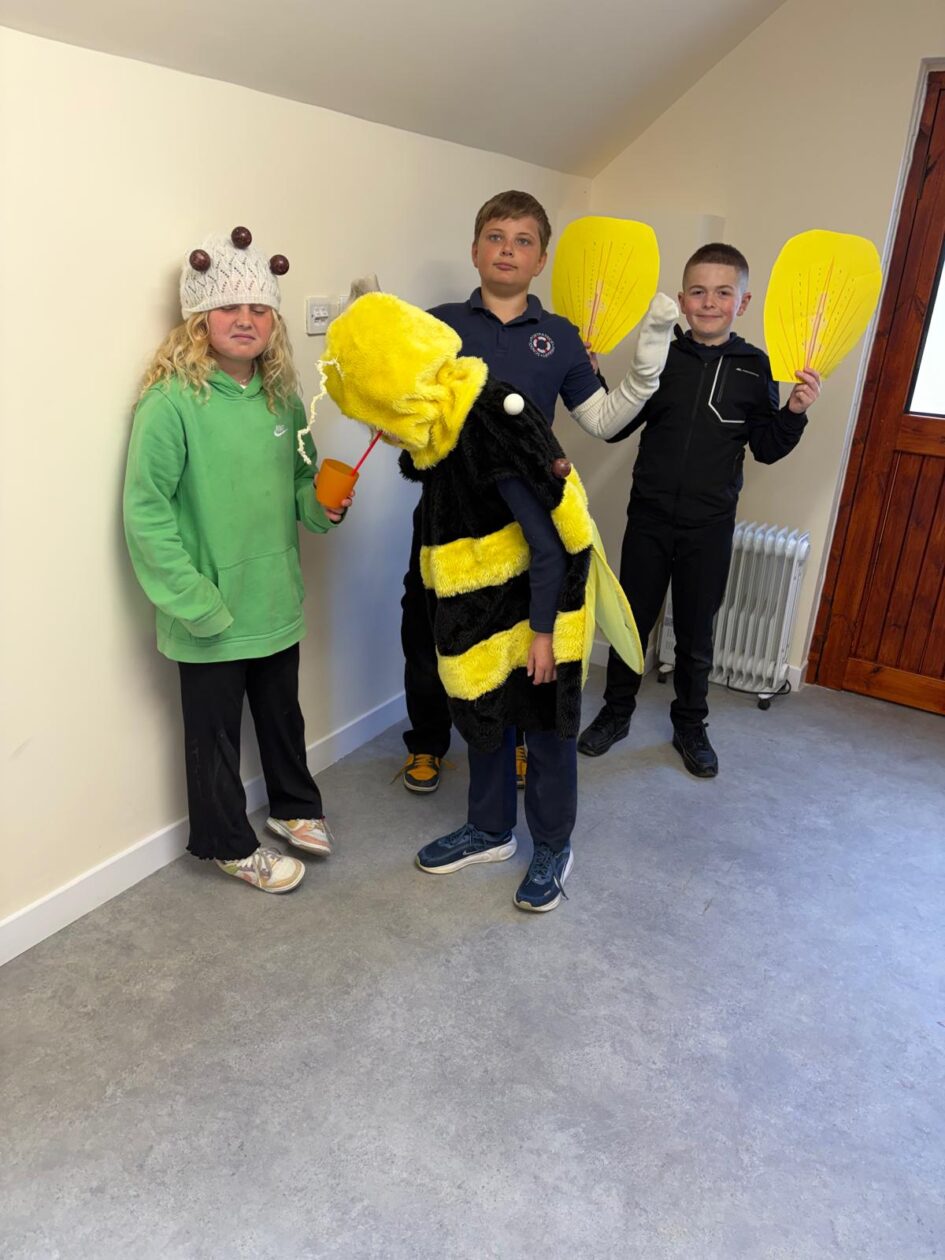
Bees love Sandhead Logan Botanic Garden because it’s packed with colourful flowers, herbs, and shrubs that give them nectar and pollen. As bees buzz from plant to plant, they help pollinate the garden, which means more fruits, seeds, and flowers for everyone to enjoy! Without bees, many of the garden’s plants wouldn’t be able to grow.
What makes this garden special for bees.
The gardens grows everything from lavender and rosemary to exotic flowers, giving bees a buffet of food all year round.
Unlike farms that use pesticides, Logan Botanic Garden protects bees by using natural gardening methods.
Because of its mild climate, some flowers bloom even in winter, giving bees a snack when other gardens are bare.
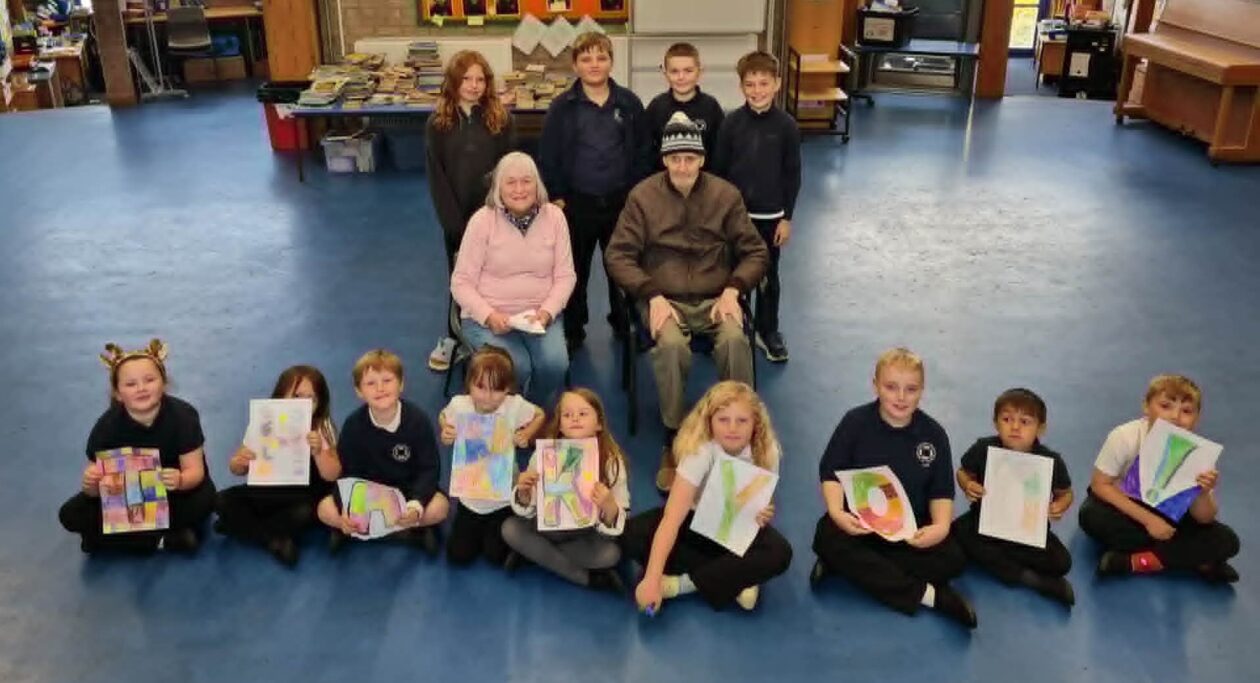
Today we were delighted to welcome local community member Danny into school, accompanied by Jean, for a very special visit.
Danny very kindly presented the school with a generous donation which he has been saving over time to support our pupils. We were incredibly touched by this thoughtful gesture and very grateful for the kindness shown towards our school community.
Danny’s only request was that some of the money should go towards an ice cream treat for the children, which certainly brought lots of smiles and excitement! 🍦 We also plan to use the donation to help support our upcoming summer trip.
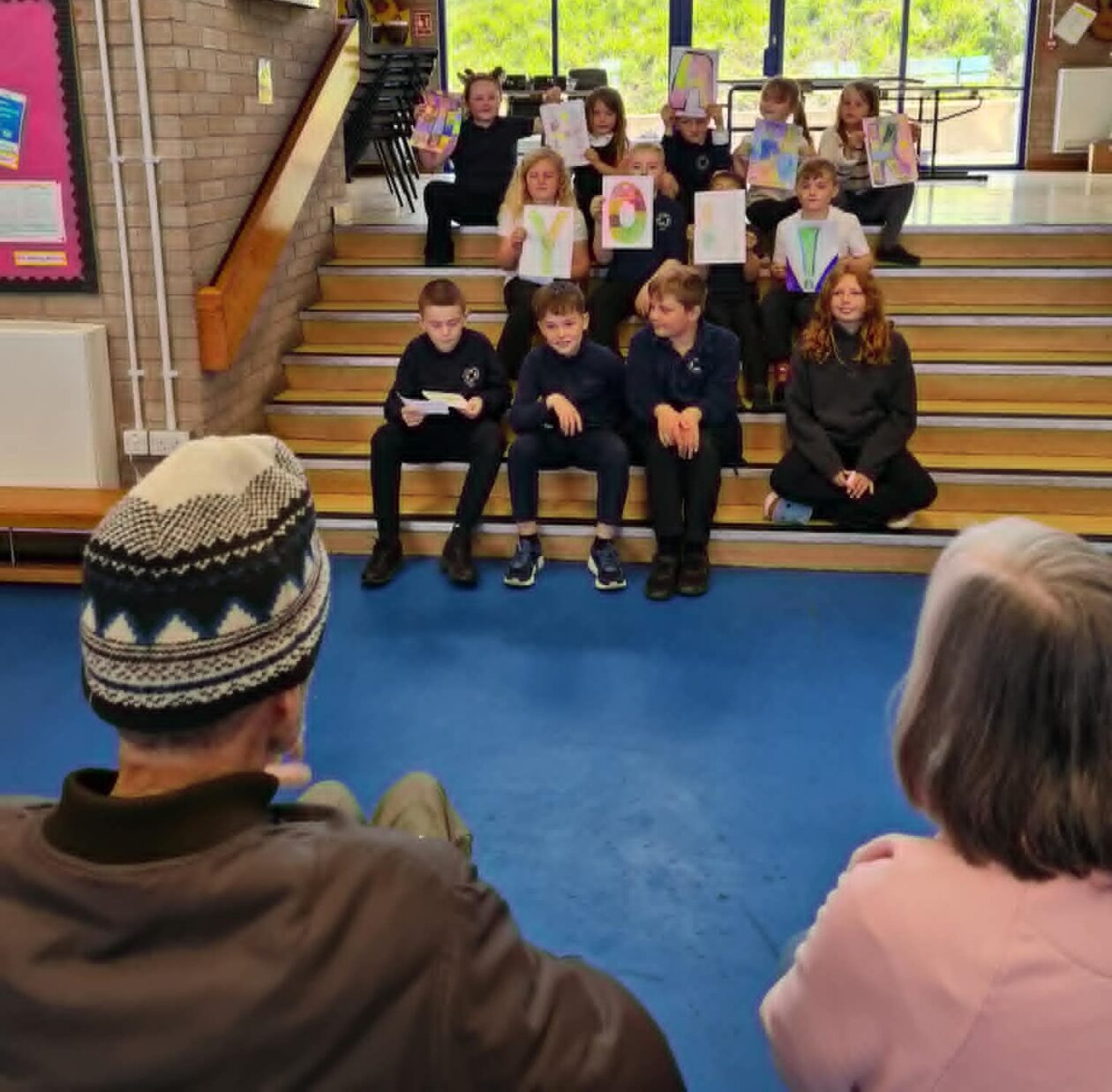
The children worked hard to create thank you cards and a special message to show their appreciation. During the visit, pupils enjoyed asking Danny and Jean lots of questions, particularly about their memories of the old school and what school life was like years ago. It was wonderful to hear stories from the past and celebrate the strong connections within our local community.
We would like to say a huge thank you once again to Danny and Jean for their kindness, generosity and time. Visits like these help our children understand the importance of community, gratitude and showing appreciation for others.
Article 29 – Education should develop respect for others and the wider community