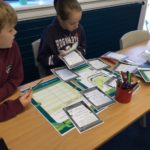
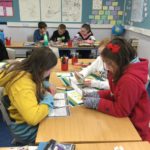
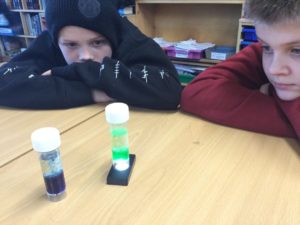
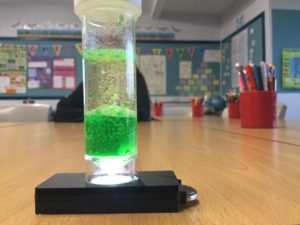
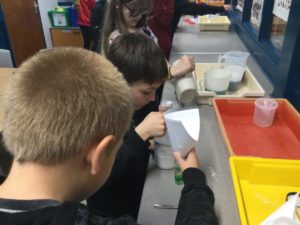
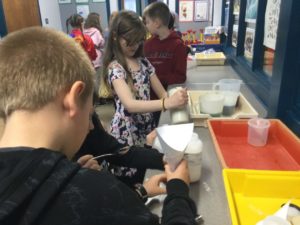
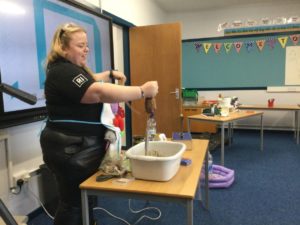
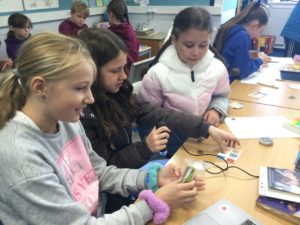
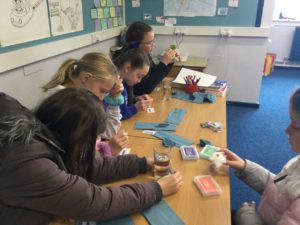
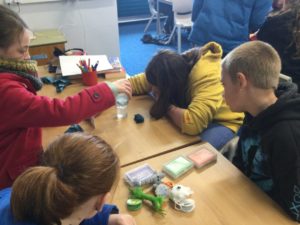
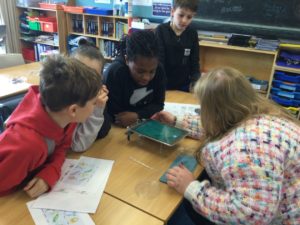
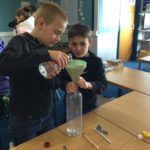
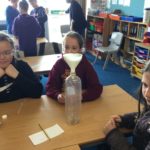
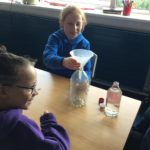
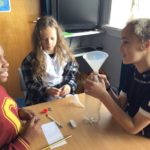
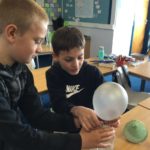
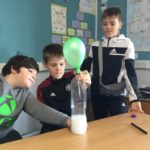
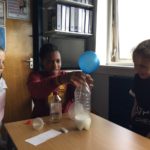
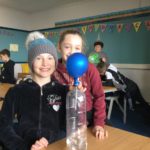
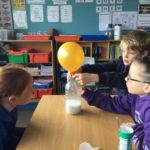
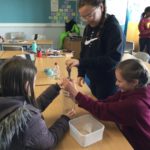
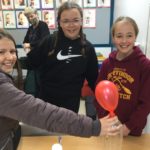
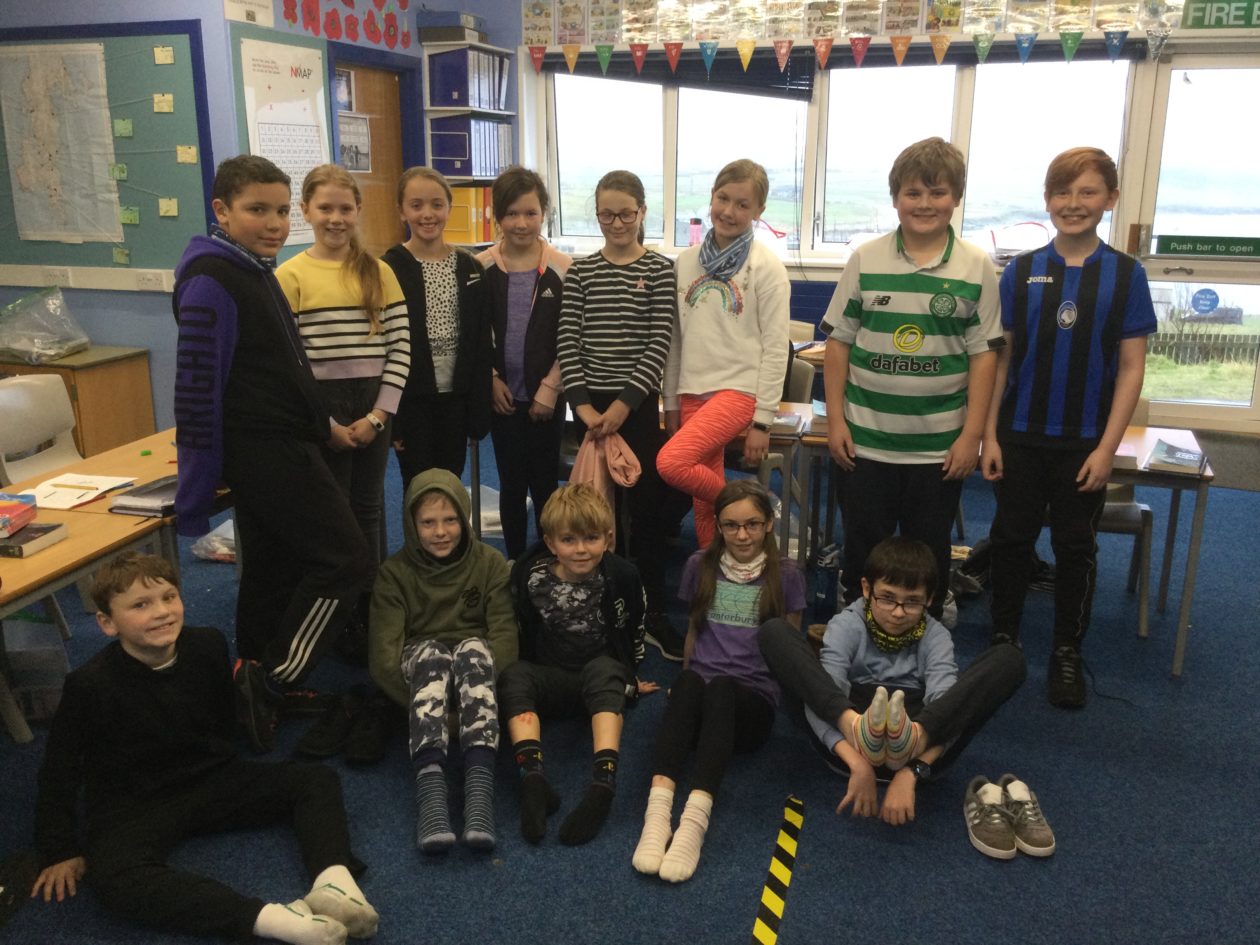
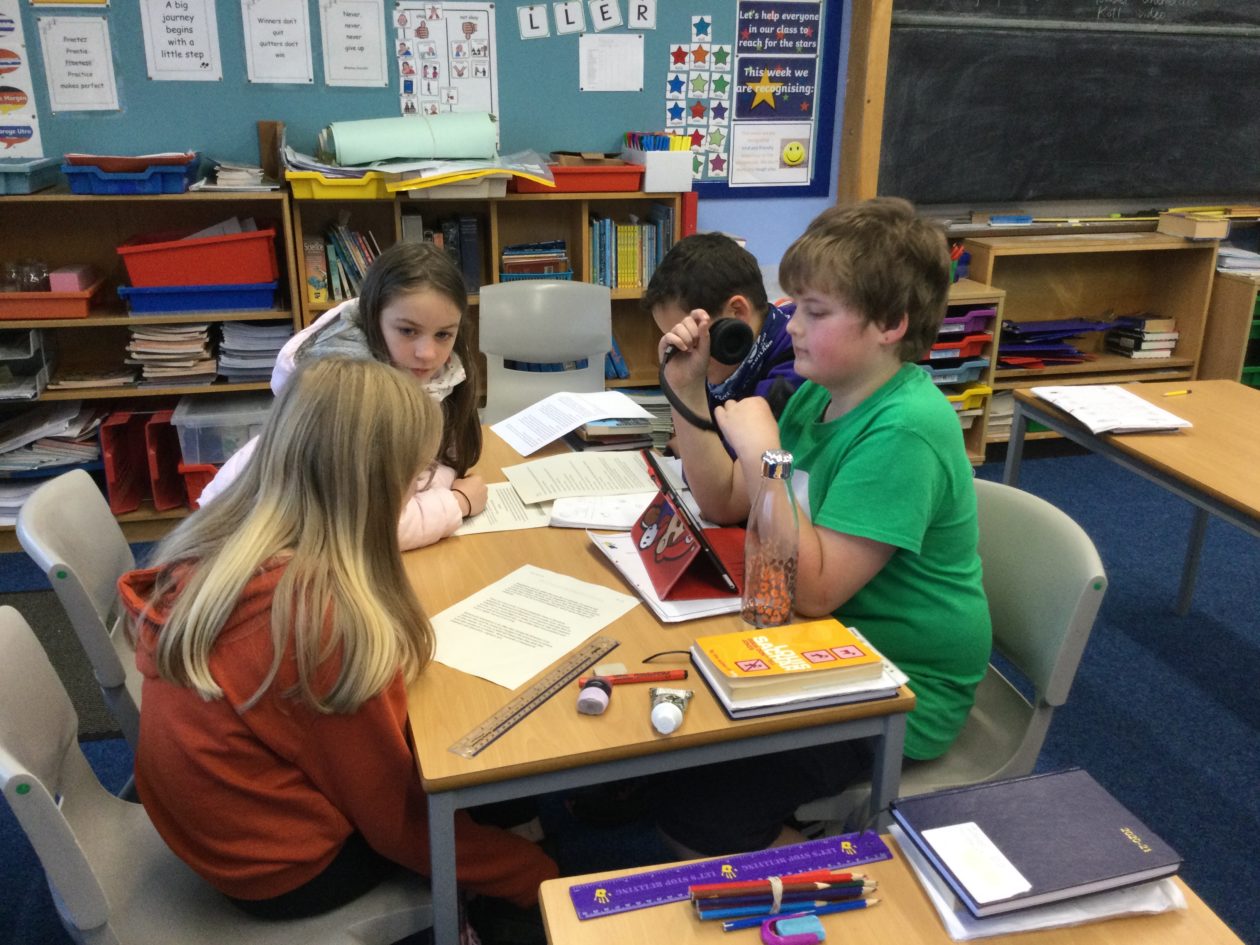
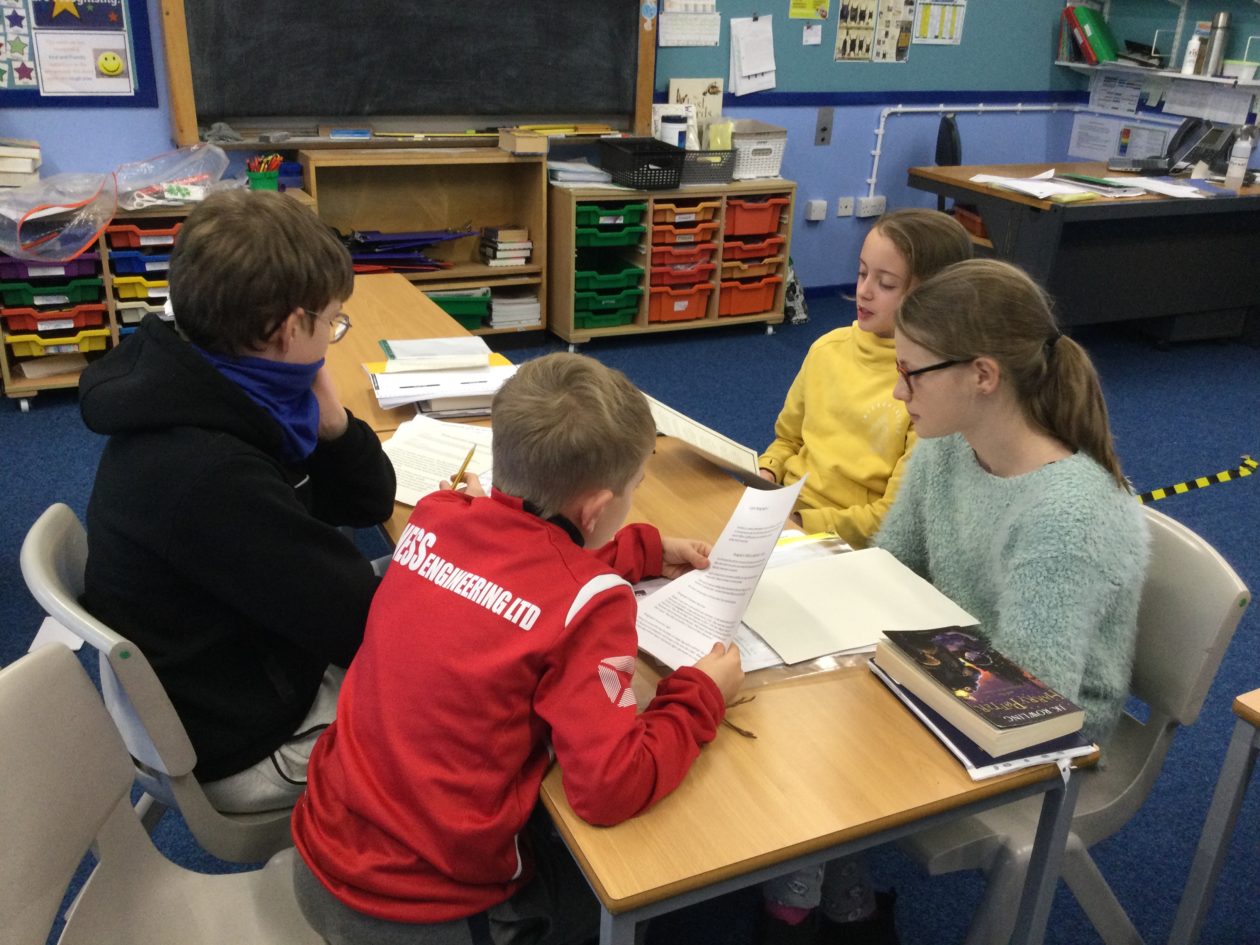
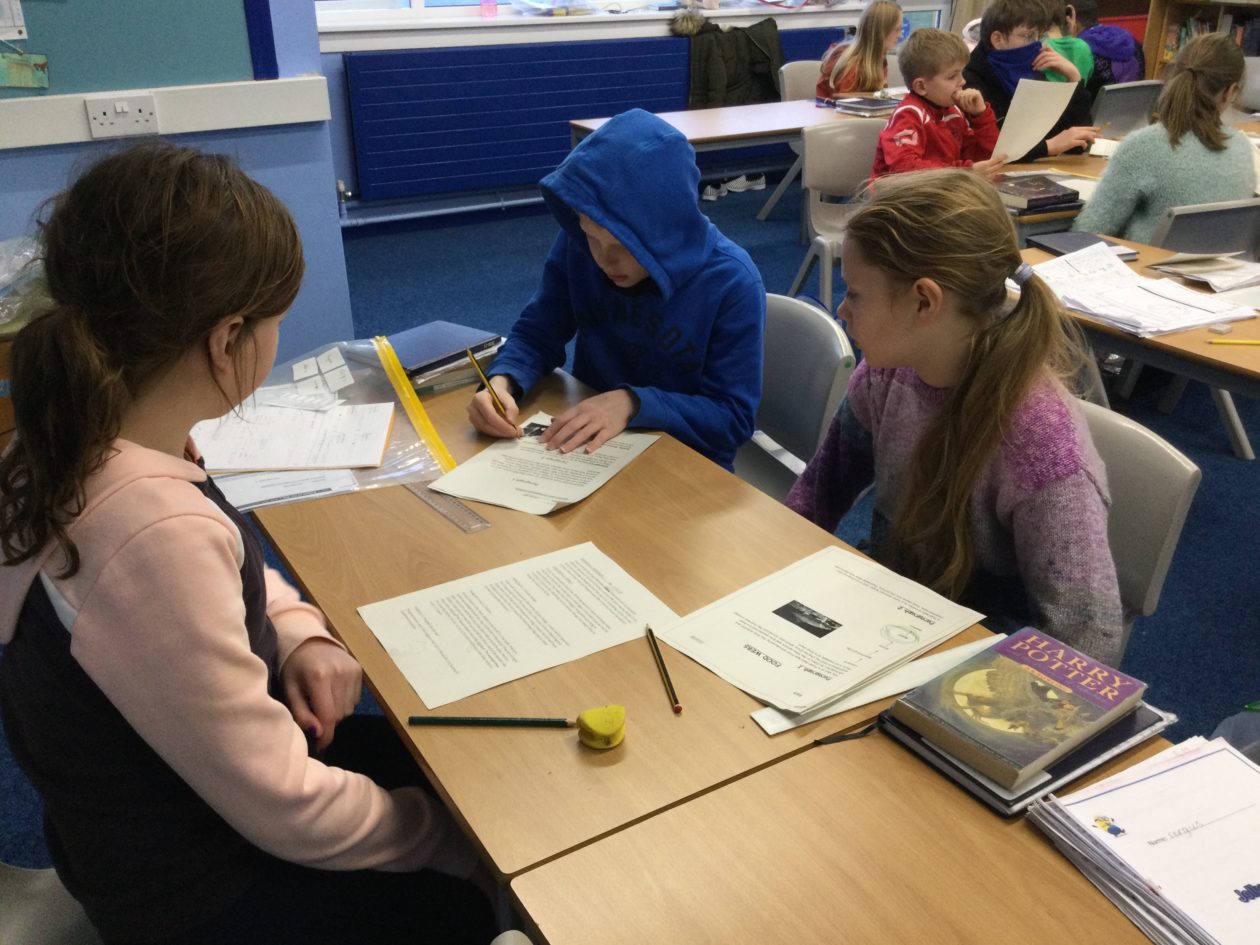
This afternoon we found out about chemical reactions with acid and alkalines. We used coloured water, oil, bicarbonate and citric acid (see a similar recipe below). They looked great!
https://home.ioi.london/watch/how-to-make-a-lava-lamp


This afternoon we found out about chemical reactions with acid and alkalines. We used coloured water, oil, bicarbonate and citric acid (see a similar recipe below). They looked great!
https://home.ioi.london/watch/how-to-make-a-lava-lamp


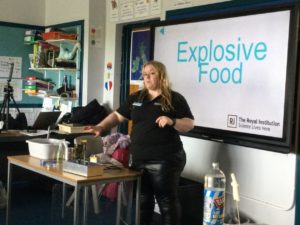
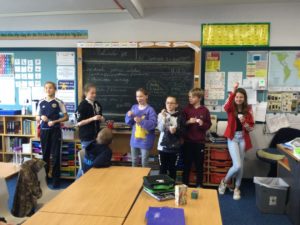
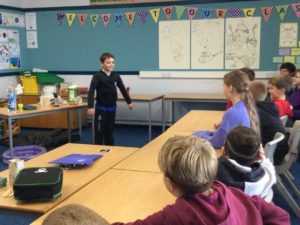
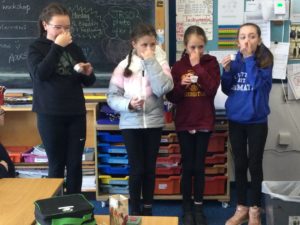
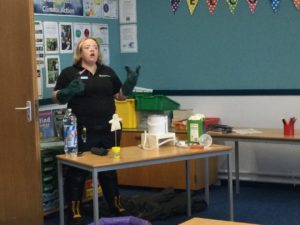
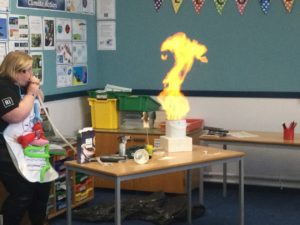
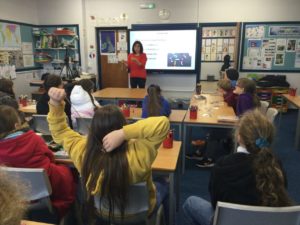
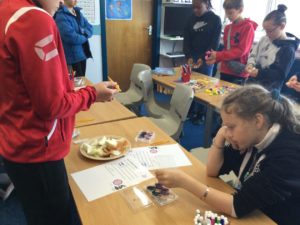
This afternoon Sarah-Jayne Judge ran a Royal Institute Science show food show. It was a lot of fun and we learnt a lot about digestion, taste and explosions!!!


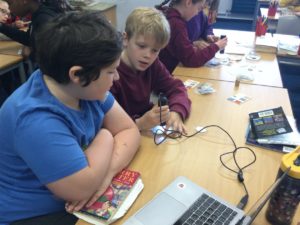
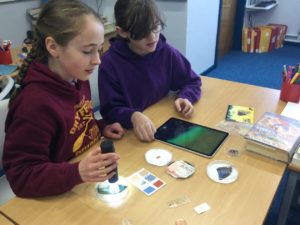
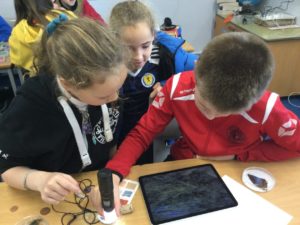
This morning Alba Abad our @EngageNepalScience scientist and Sarah-Jayne Judge ran a fantastic microscope workshop today. We had lots of really interesting activities.


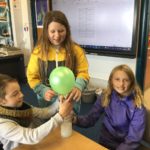
This week we have been learning more about how our climate is being affected by the increase in carbon dioxide in the atmosphere. We carried out an investigation to see how this affects temperature.
We had a really interesting time this week finding out about Nepal and writing answers to their questions for our video call. It was great to meet the children from Mount View school, Balkot, Nepal.
This week P7 will be bringing home a survey to help them to start their Climate Project. They will be asking long term residents of Shetland questions about environmental and biodiversity changes here over the last few decades. It will be really interesting to hear what they find out. The project information is below. Thank you for your help.
P7 and P6/7 (from August) are taking part in a collaborative project ‘Pairing Communities in Scotland and Nepal to tackle climate change’. This project that has been funded by the British Council. For more information, please look at the following link: https://www.britishcouncil.org/arts/culture-development/our-stories/creative-commissions
โข Collaborators: University of Edinburgh (Scotland), Tribhuvan University (Nepal), Teach for Nepal, Midlothian Council (Scotland)
โข Climate change theme: Biodiversity; Air pollution
Synopsis
This project will partner school children in Nepal โ a country truly impacted by climate change but not as developed in terms of green behaviours, with communities in Scotland โ a country dedicated to taking measures but not as obviously affected. Through the collaboration, school children from ten schools in each country will perform parallel environmental measurement experiments and share stories, actions and findings. The children will share experiences through video pen pal exchanges to explore which of their interventions are most successful and to learn more about each other’s climates.
Experiments and pupil-led field research will include testing air and water pollution levels, litter analysis and measuring CO2 levels, temperature and rainfall โ working with older pupils to assemble and programme weather stations. The findings of their experiments will be used as the foundation for school and wider community level eco-committees to take action specific to the environmental issues most prevalent in their area.
The eco-communities across Scotland and Nepal will share their successes and challenges with the ultimate aim of finding the most innovative solutions – supported through the establishment of an annual prize. Pupils will also create artworks promoting sustainable messages and will work alongside comic artists, produce blogs and journalistic reports.
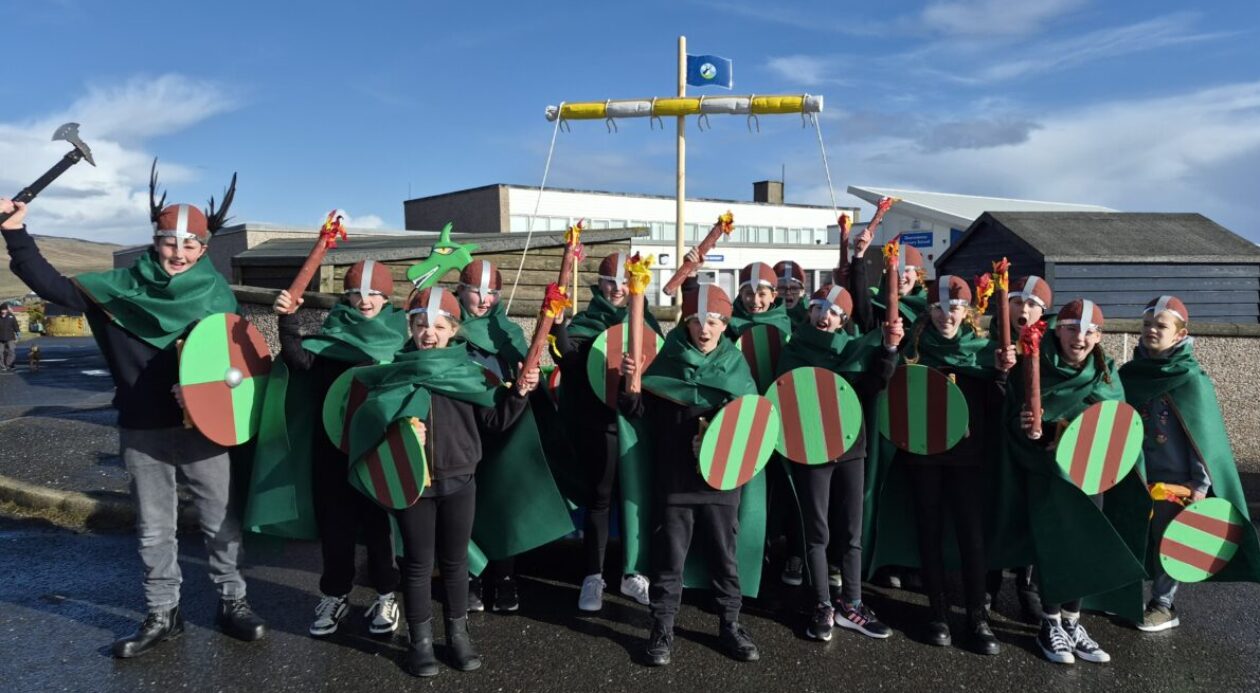
We have had another busy and varied week. We have started our โChanging Meโ topic and on Friday had a look at the reproductive process in plants. We had drama with Izzy again and weโre finding out about Shetland stories to retell. We have been developing our map skills and this week looked at angles, bearings and coordinates. In our topic we are thinking about โPlaces that make us happyโ and weโll be presenting all that information soon. In French we are learning how to describe โMa familleโ.
We learnt how to use compasses and take bearings today. Then in the afternoon we made our own compasses by magnetising needles and putting them onto cork discs floating in water. They worked really well ๐
The Primary 7s have been doing lots of work on their group presentations. They have all been continued researching and have written their scripts. There are lots of interesting facts that they have been finding out. In French we have been using more adjectives in our writing , describing cats! We have started to think about what we are doing for our Christmas video, we had lots of fun on Thursday starting to film it and coming up with ideas.
Lots of the class have been doing the JRSO daily challenges and we had a very stripy zebra day!
Have a good weekend!
Primary 7 worked really enthusiastically today on this long term British Trust for Ornithology (BTO) citizen science project.
Over the year we will carry out 3 invertebrate surveys to see what is living in our school grounds. The BTO is collecting information from all over the UK to find out whether the invertebrate numbers and species are changing and whether this has an effect on bird populations.
Today we found worms, slugs, beetles and a few other invertebrates. We didn’t find as many as we thought that we would. It will be interesting to see what we find in March and June.