Accreditation Audit
- Please find attached a copy of Respond with Compassion Accreditation Audit, including our evidence for the quality indicators.
Accreditation Audit Respond with Compassion
Action Plan

- Please find a copy of our Action Plan for the pledge ‘Respond with Compassion’. This outlines our actions for this pledge, resources and timeline.
Kirklandpark Primary Attachment Action Plan
QI 1. The environment within the establishment provides a secure base and safe haven for pupils and staff where individuals are encouraged to grow and develop and given emotional support when needed.
Kirklandpark Policies (Appendix 1 a-f)
Our policies underpin all aspects of school life and reflects our commitment to being an attachment-aware and nurturing setting. Our policies move beyond behaviour management and instead centres on relationships, emotional safety and restoration. Grounded in attachment and trauma-informed principles, we recognise that behaviour is a form of communication. Our approaches emphasise proactive relationship-building, co-regulation, and restorative approaches, ensuring that connection remains at the forefront of all interactions.
All school policies are shared with parents and carers to ensure transparency and a shared understanding of our approaches. Policies are made accessible through our school website and are signposted in newsletters and parent communications when reviewed or updated.
Kirklandpark Primary -Relationship-Policy (Appendix 1a)
Kirklandpark Primary -Nurture-Policy (Appendix 1b)
Relationship Policy Blue Print (Appendix 1c)
Promoting Positive Behaviour at Kirklandpark (Appendix 1d)
Toolkit for Positive Behaviour at Kirklandpark (Appendix 1e)
Child Friendly Nurture Principles- Classroom Display (Appendix 1f)
Pastoral Care (Appendix 2)
-
Pastoral care is a key priority within our school, led proactively by our Senior Leadership Team (SLT). We are committed to ensuring that every pupil feels safe, supported and confident in knowing who they can approach if they have a worry or concern.
Pupils are regularly reminded that they can speak to their class teacher or any member of the SLT. We foster an open-door culture where children feel comfortable seeking help, reassurance or guidance. This consistent messaging strengthens trust and reinforces that no concern is too small to share.
Staff also benefit from clear structures of support. All colleagues understand the appropriate channels for seeking advice or escalating concerns, ensuring a coordinated and responsive approach to wellbeing and safeguarding.
For parents and carers, we provide clear points of contact so they know who their first “port of call” should be. This clarity promotes effective communication, timely support and strong partnership working.
Open Door Policy (Appendix 3)
-
We are proud to promote an open door policy for pupils, staff and parents, reflecting our commitment to transparency, trust and strong relationships across our school community.
For pupils, this means knowing they can approach a trusted adult at any time to share a worry, seek reassurance or celebrate success. We actively encourage children to speak openly, reinforcing that their voice matters and that support is always available.
For staff, our open door approach ensures there are regular opportunities for informal dialogue, professional reflection and guidance. Colleagues feel supported to raise questions, share ideas and seek advice in a culture built on respect and collaboration.
For parents and carers, this policy provides clarity and reassurance. We welcome communication and value partnership, encouraging families to reach out with queries, concerns or feedback. By maintaining open, accessible lines of communication, we strengthen trust and ensure timely support when needed.
Our KP Staff (Appendix 4)
-
At the heart of our school is a commitment to emotionally attuned practice. Our staff are consistently present, attentive and responsive when supporting pupils, recognising that strong relationships are the foundation for both wellbeing and academic success.
Being emotionally present means more than delivering learning- it’s listening actively, and responding with empathy and understanding. Staff take time to understand each child’s individual needs, interests and strengths, creating an environment where pupils feel safe to take risks and express themselves.
By fostering trust and connection, we create the conditions in which curiosity can flourish. Pupils feel confident to ask questions, explore new ideas and challenge themselves, knowing they are supported by adults who genuinely care about their progress and wellbeing.
Emotional Check In Charts (Appendix 5)
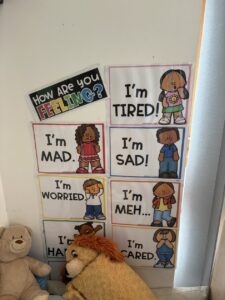
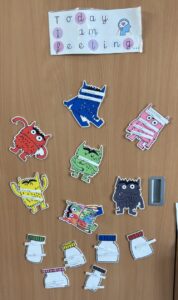
- Staff consider the potential impact of trauma and have regular emotional check ins with their pupils. Our staff use this to engage in dialogue with our pupils, discussing their emotions, what may have caused them to feel this way and what they feel in their body (linking with the Emotion Works strategies). This allows staff to monitor each child’s emotions, helping staff plan/adapt their learning to suit the needs of the individuals and provide emotional support for our young people.
Nurture Interventions- Parent/ Staff Consultation (Appendix 6 a-c)
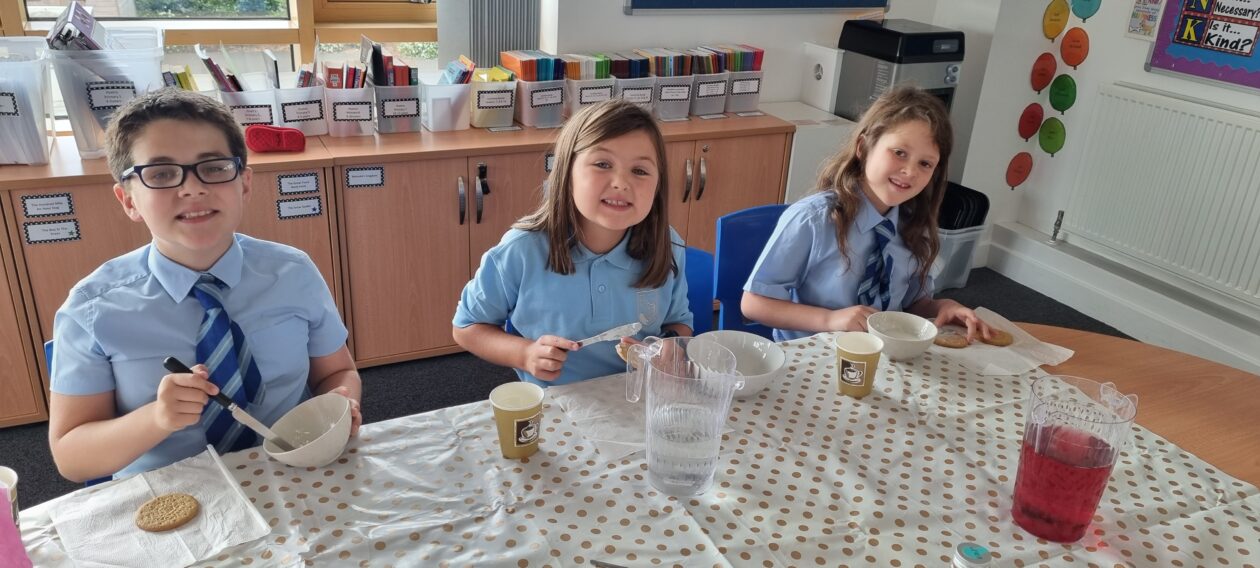
- Staff are asked to complete the initial consultation form after completing the Boxall Profile to see if a nurture intervention as an individual or in a small group would be beneficial. Information regarding nurture and nurture groups is shared with parents as part of the initial consultation. Parents are given the opportunity to contact the school and discuss their child’s needs and ask questions related to nurture as there can be misunderstanding relating to this term and how it is used in relation to the groups.
Nurture Timetable (Appendix 6a)
Nurture Sessions (Appendix 6b)
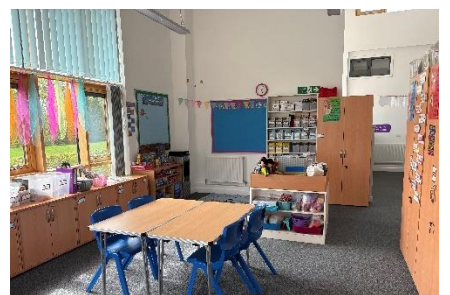
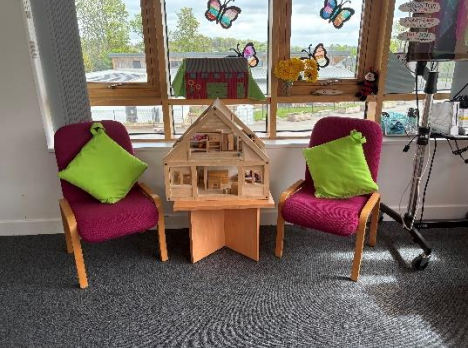
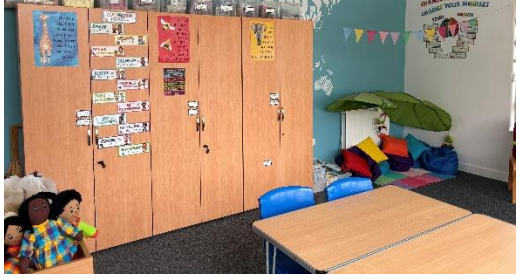
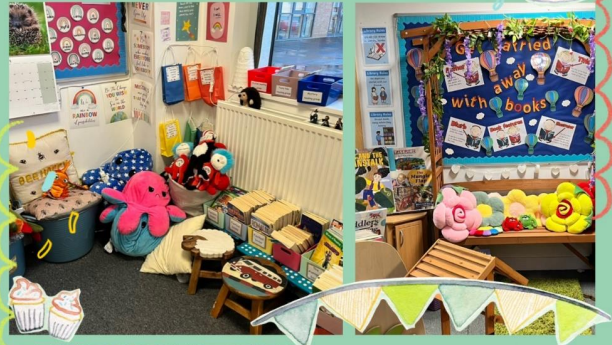
Nurture Nook (Appendix 7)
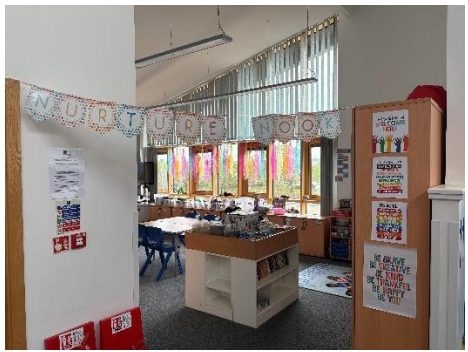
- Our Nurture Nook provides an area for children to develop important social skills such as empathy, cooperation, and communication, enabling them to form positive relationships with both peers and adults. Over time, pupils build greater self-esteem, resilience, and independence, allowing them to handle challenges more effectively. Within our school, we have scheduled nurture time with a specific intervention focus through the use of Boxall Profiles for each child. Our space can also be used, as and when it is required for the nurture needs of our pupils across the school.
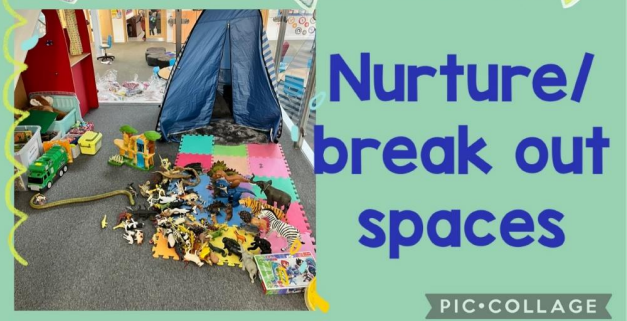
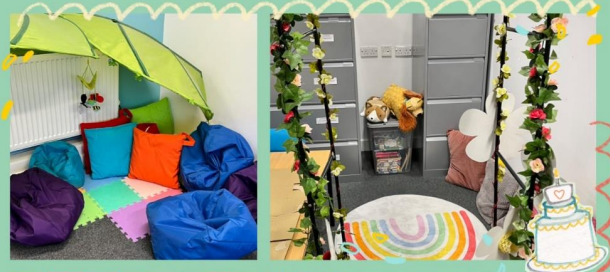
Nurture Classroom Break Out Spaces (Appendix 8)
- Break-out spaces for nurture in our school are small, calm areas designed to give pupils a safe place to regulate their emotions, reflect, and reset before re-engaging with learning. They form an important part of a whole-school nurturing approach, ensuring that emotional wellbeing is supported alongside academic progress. When pupils feel overwhelmed or dysregulated, having a designated, predictable space to step away allows them to calm down in a supported and dignified way. This reduces the likelihood of escalation and helps children return to class feeling more settled and ready to learn.
Weekly Assemblies (Appendix 9)
- A key feature of our school week is our Friday assemblies. These gatherings provide an opportunity to come together as a whole school community to celebrate achievements, share successes and reinforce our shared values. Singing plays an important role in these assemblies, fostering joy, unity and team spirit. These moments strengthen our sense of belonging and promote a strong community spirit.
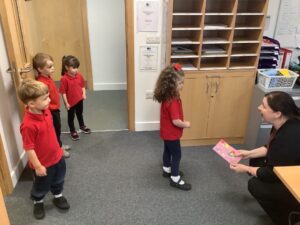
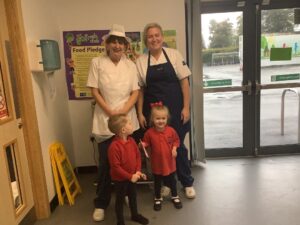
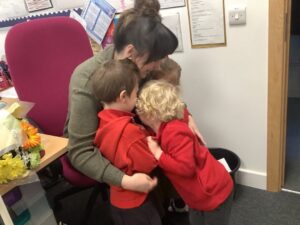
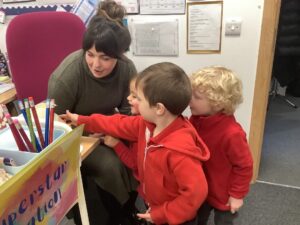
Nursery Kindness Cards (Appendix 10)
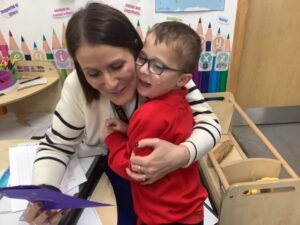
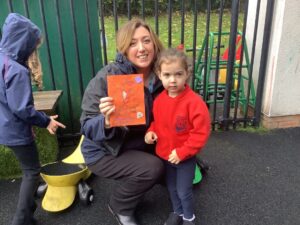
- Our nursery pupils have been exploring the meaning of positive relationships. Our pupils know they have key adults that can offer comfort and reassurance when needed. Our children wanted to show appreciation for all of our adults who help them on a daily basis to say thank you for being there, helping them and showing kindness.
SIMOA (Appendix 11)
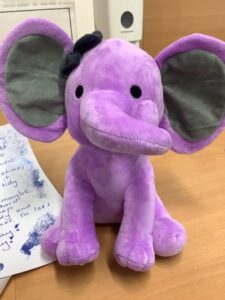
- In our nursery, we use SIMOA the elephant as a friendly and engaging way to nurture children’s understanding of safety, wellbeing, and self-awareness. SIMOA supports our attachment-informed approach by providing a consistent, reassuring presence that children can relate to and trust. Through everyday routines, play and outings, children learn to think about how to stay safe, make positive choices, and care for themselves and others. Using SIMOA encourages curiosity, discussion, and reflection.
Celebrating Pupil Achievements (Appendix 12)
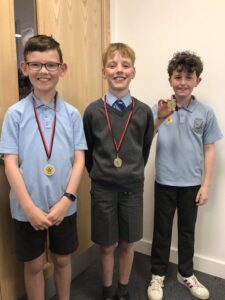
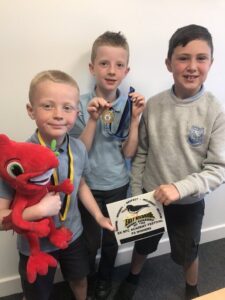
- At our school, we believe that every child deserves to feel seen, valued and celebrated. While we are proud of our pupils’ academic achievements, we are equally committed to recognising successes beyond the classroom. Our pupils regularly bring in achievements in the form of medals, certificates and trophies to discuss with their class, teachers and SLT. Posting photographs on our Twitter/X page, helps to share the good news with our wider school community.

Pupil Feedback (Appendix 13)
-
Pupil voice is central to our school improvement process. As part of updating our School Handbook, we actively sought feedback from our pupils to ensure their experiences and perspectives were reflected authentically.
Through discussions and surveys, pupils shared what matters most to them about school life. A strong theme that emerged was the importance of positive relationships with their teachers. Pupils spoke about feeling supported, listened to and encouraged — highlighting how these relationships help them feel safe, confident and ready to learn.
Pupil Feedback- School Handbook (Appendix 13)
Primary 6&7 Common Room Drop Ins (Appendix 14)
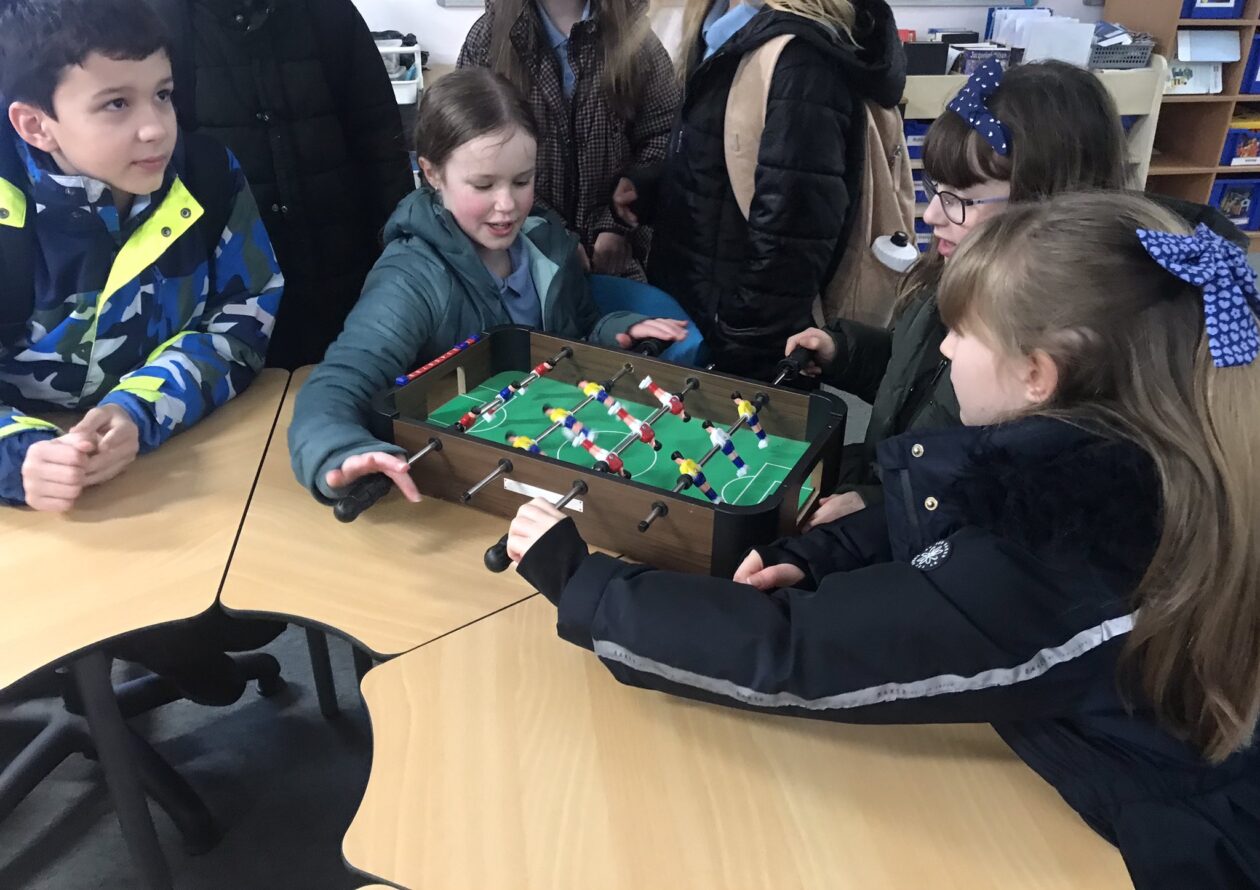
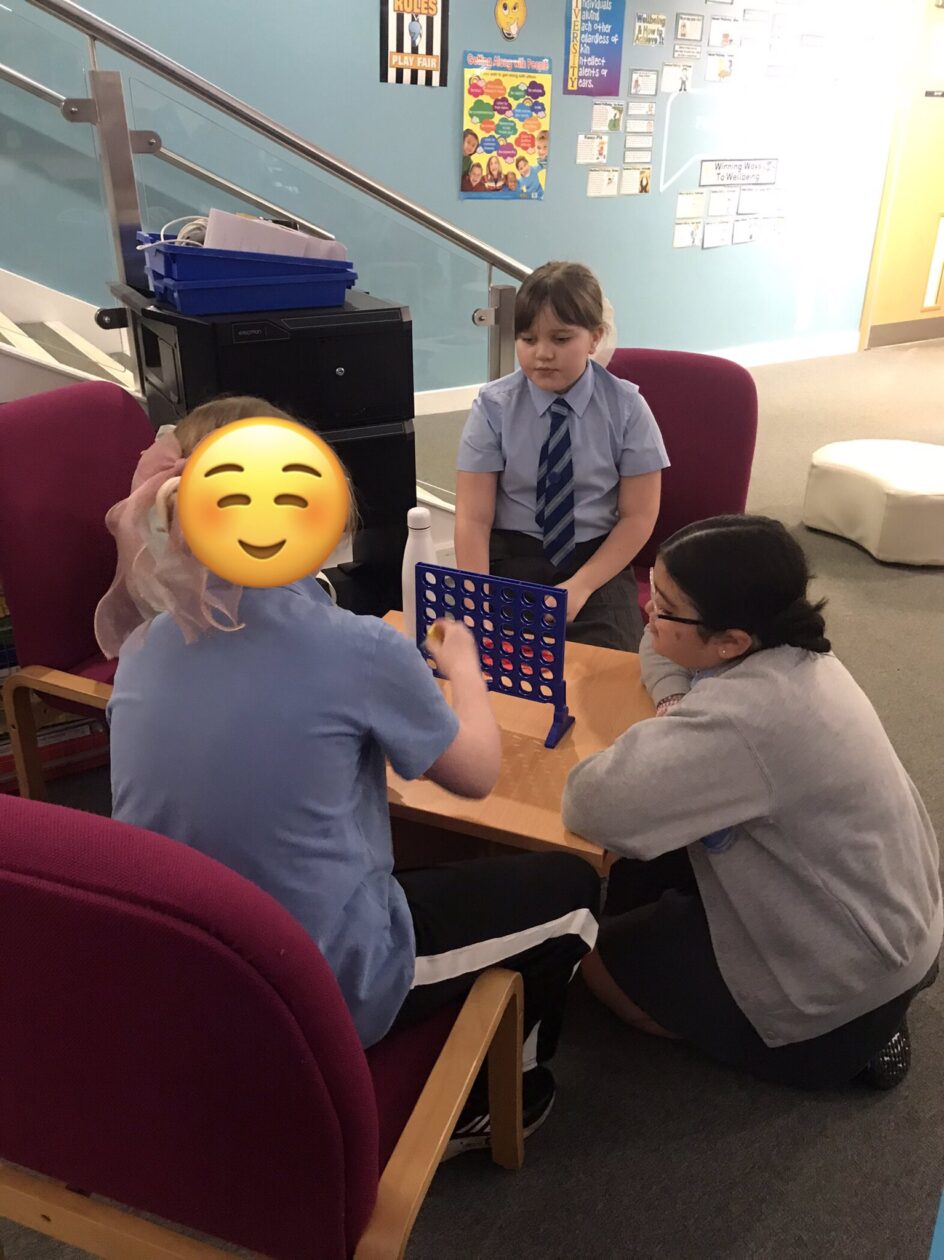
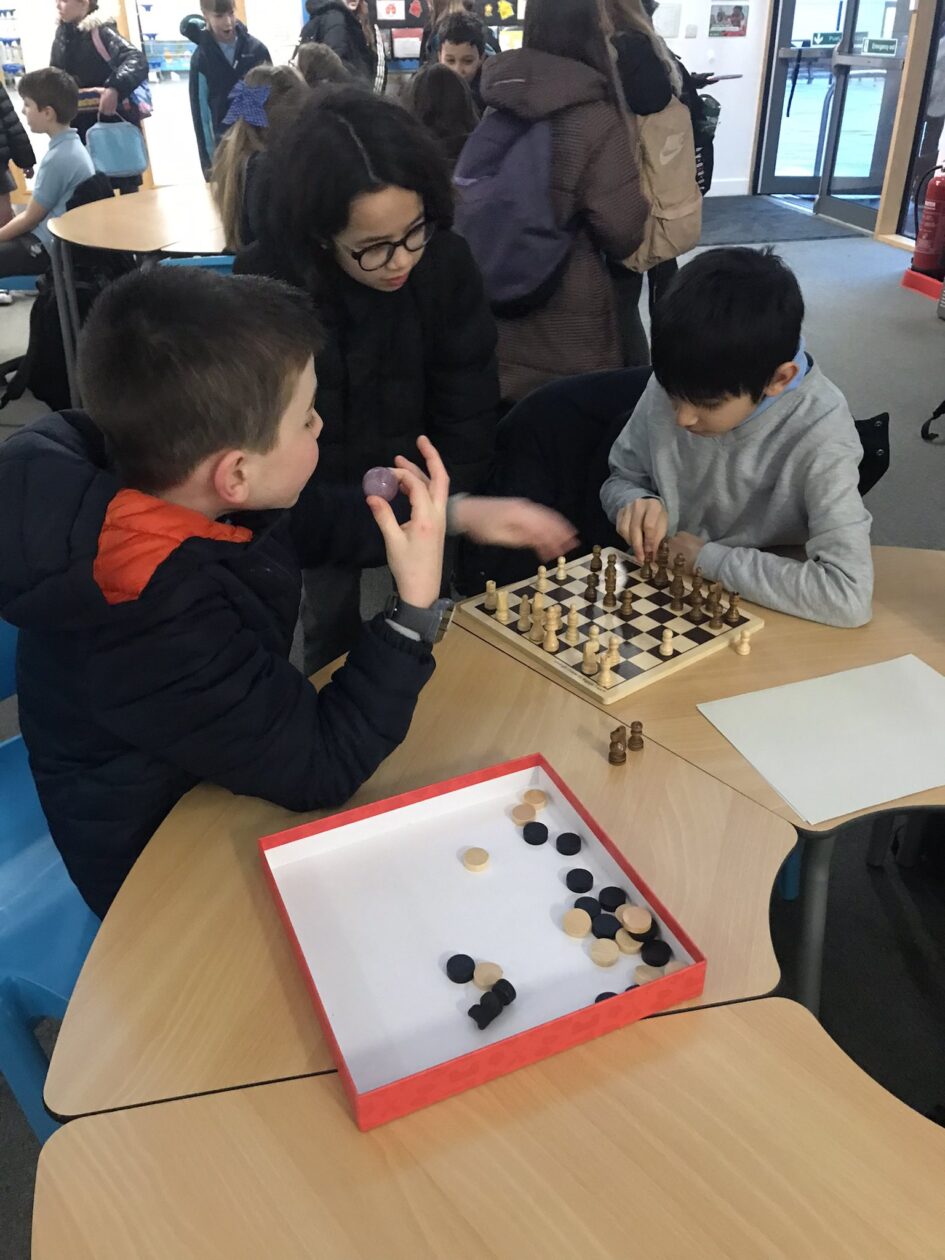
- To support our pupils social wellbeing, our Common Room is open to P6&7 pupils every morning. This provides opportunities for our pupils to come into school and play games with their peers at the beginning of the day. A member of staff is on hand for emotional check ins and having a quite place to go in the mornings helps the transition from home to school and reduce social anxiety for those pupils who are overwhelmed in our playground.
Nursery- Lunches (Appendix 15)
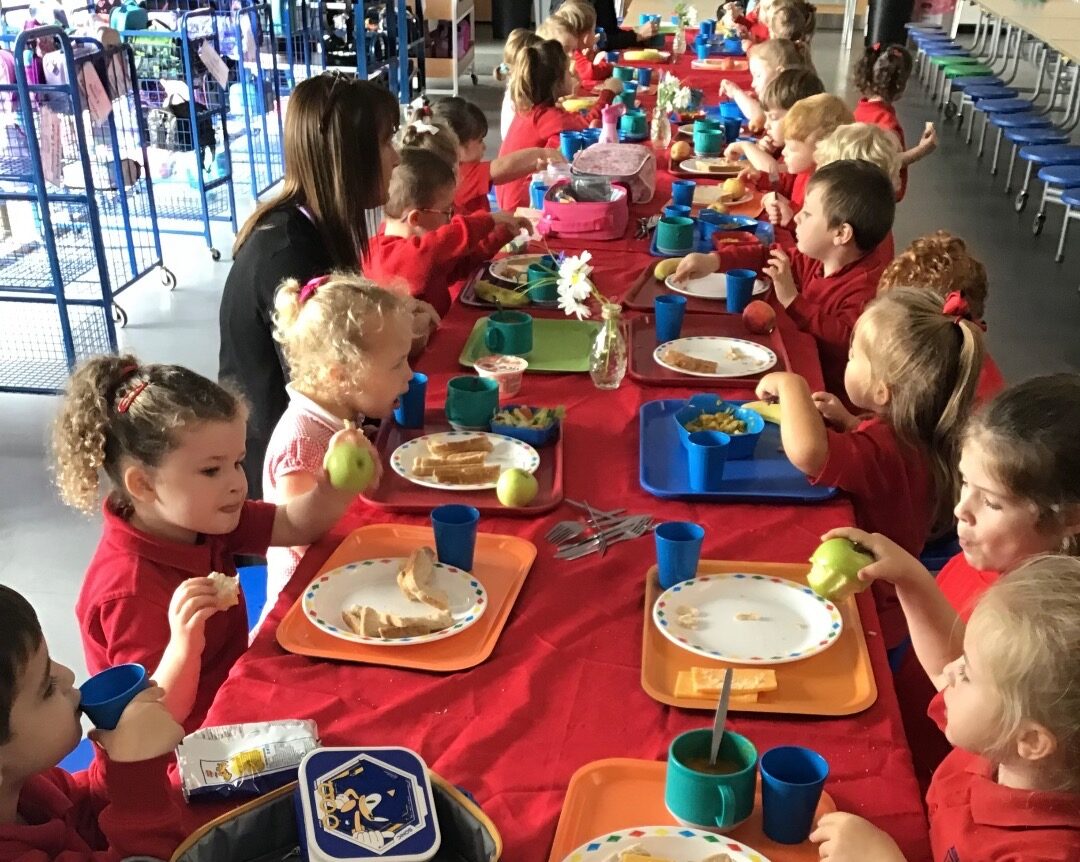
Our nursery staff sit and have lunch with the children. Sharing a meal creates a sense of belonging and security, modelling positive social interactions, conversation skills, and emotional regulation. These small, consistent moments help children feel seen, valued, and included. They learn how to take turns in conversation, practise good manners, and build trusting relationships with the adults around them.
Parental Links (Appendix 16)
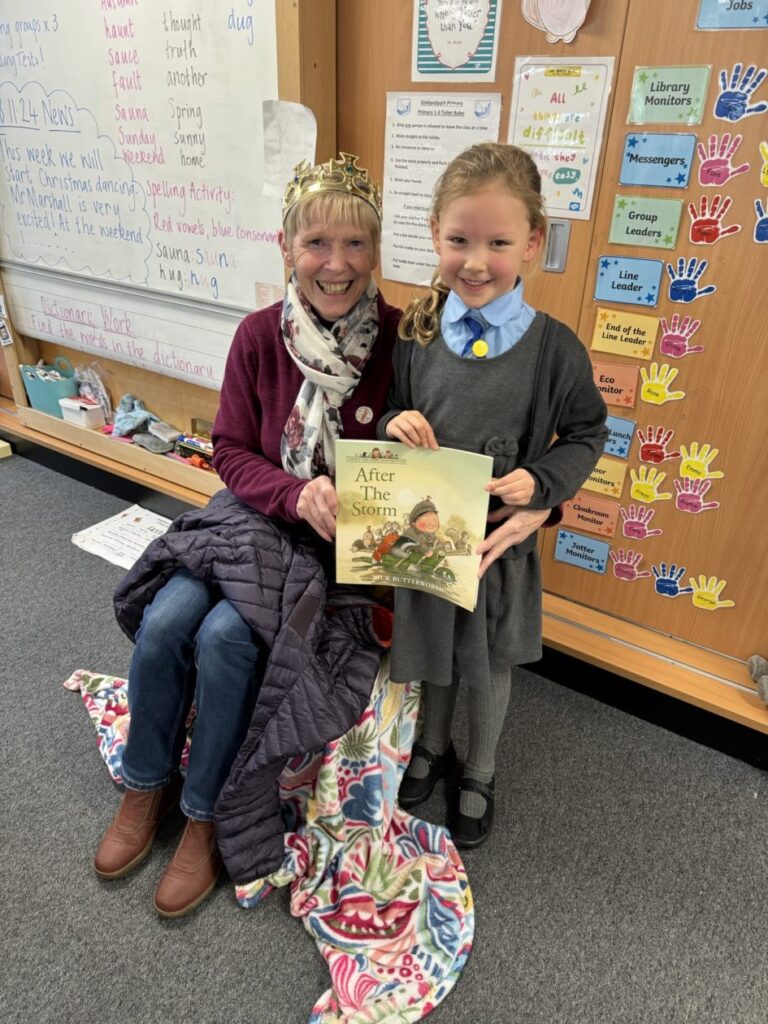
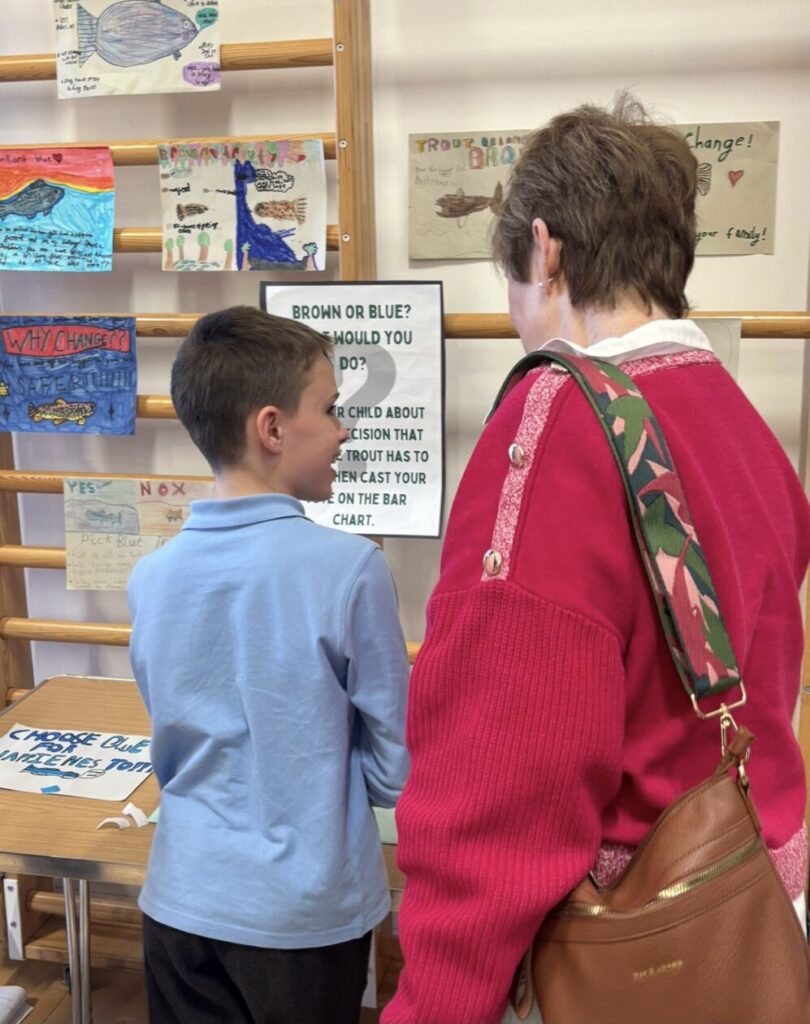
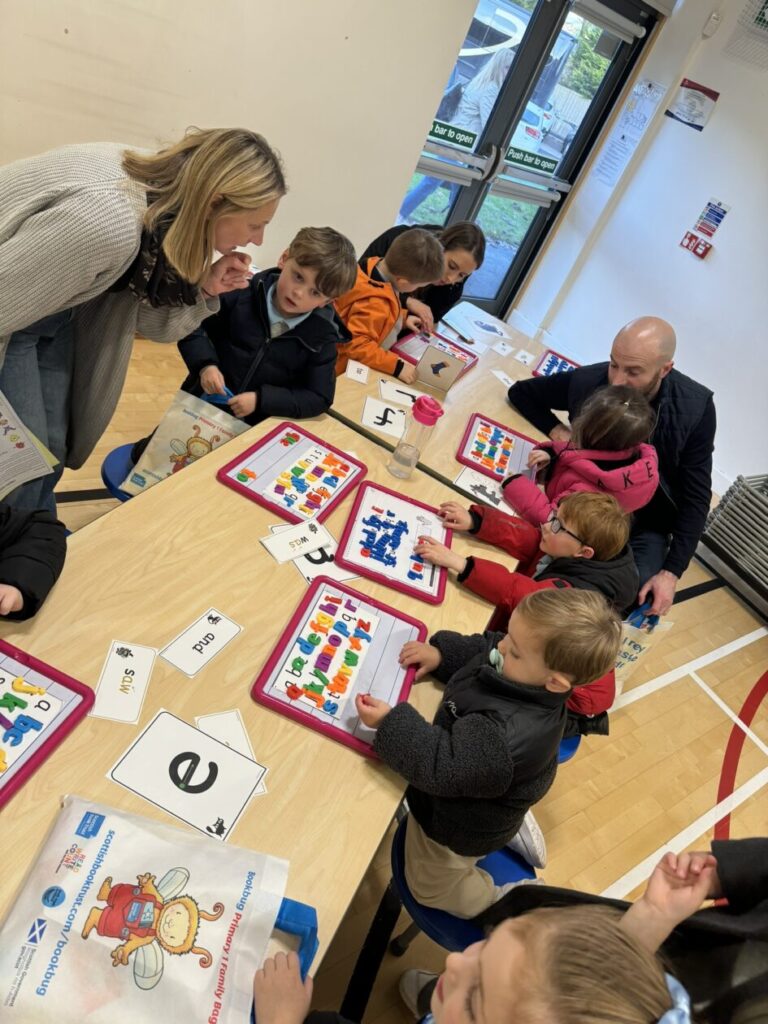
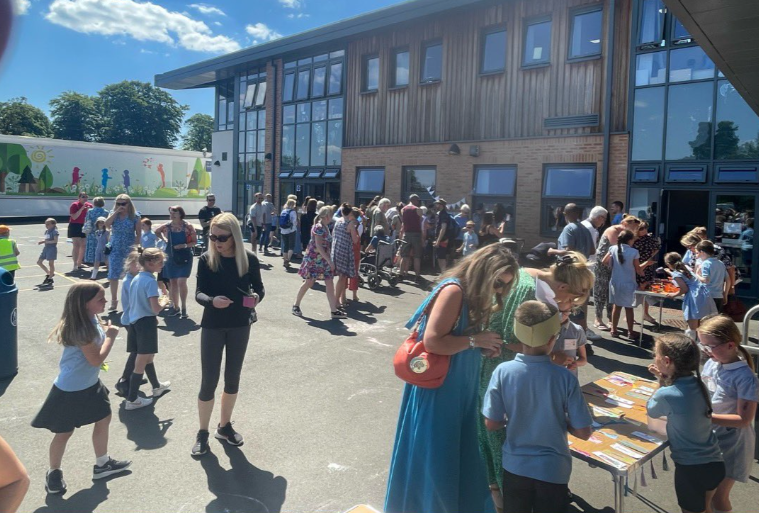
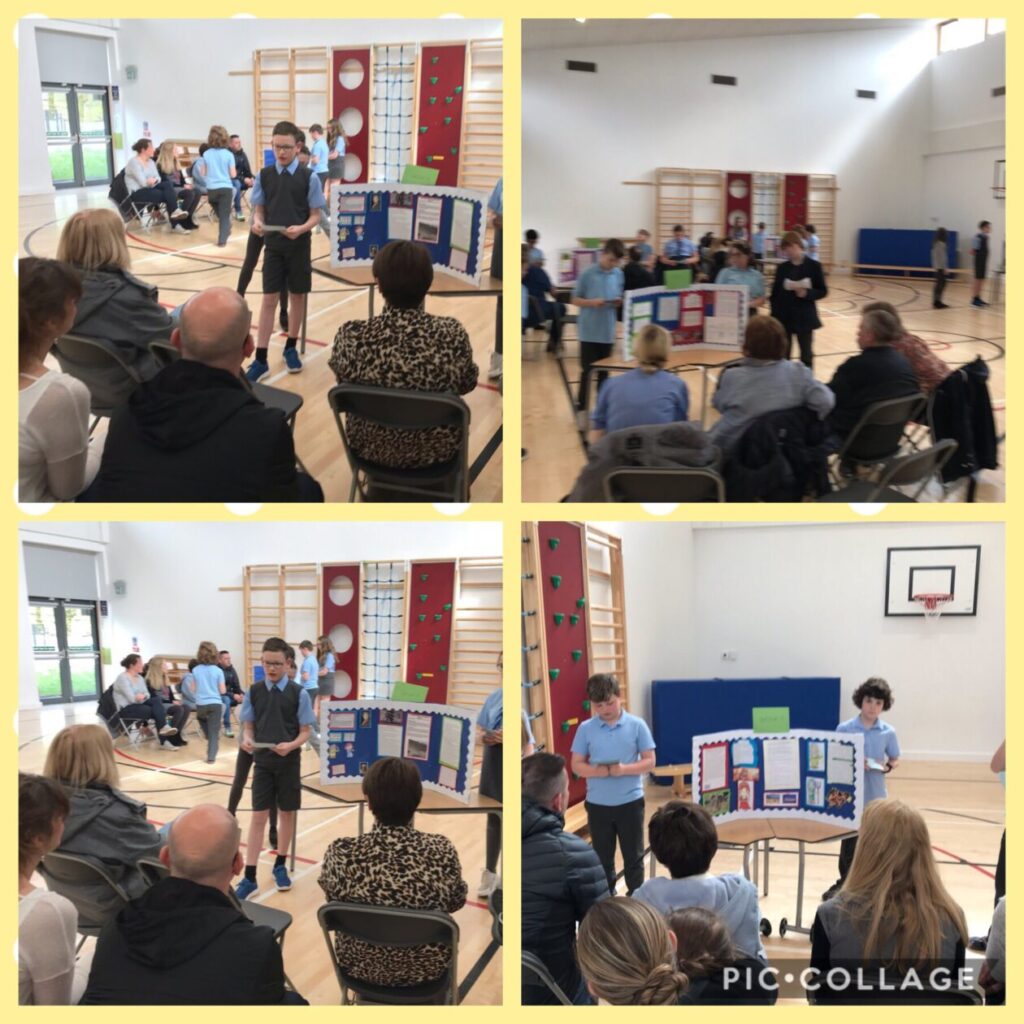
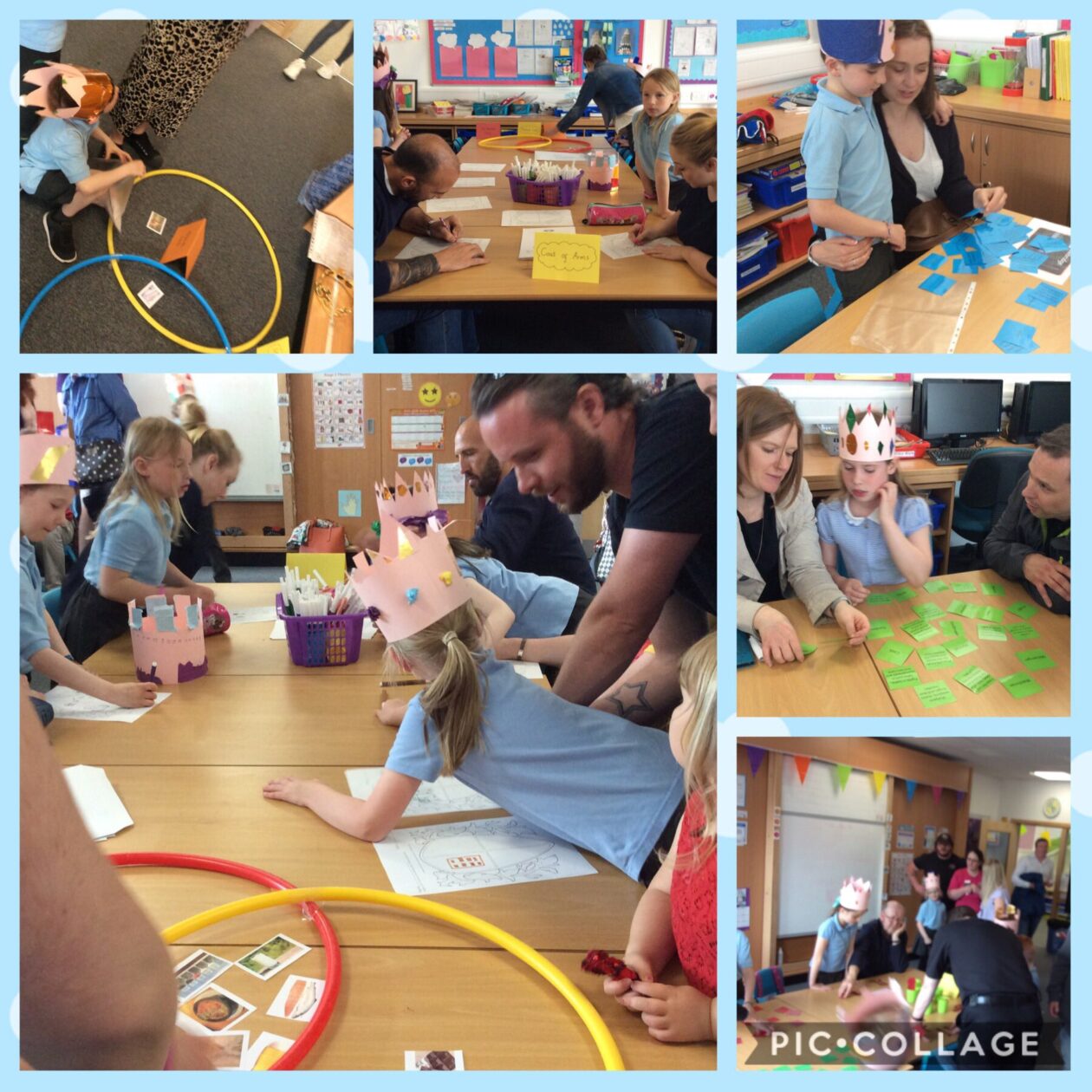
- Families are regularly invited into school for events, workshops and celebrations, creating meaningful opportunities for connection and shared understanding. We value the skills, ideas and contributions of our parents and carers, recognising that partnership enriches our school culture.
Parental Feedback (Appendix 17)
-
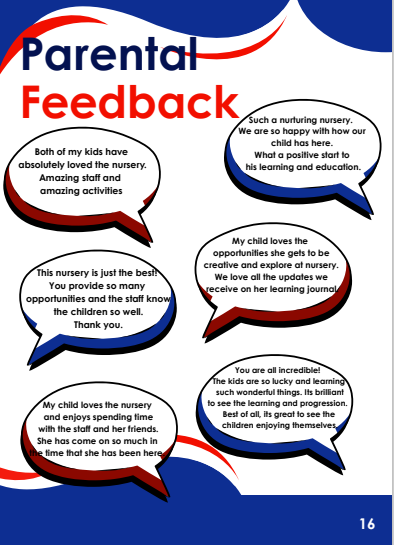
As part of our commitment to continuous improvement and strong partnership working, we recently invited our nursery parents and carers to provide feedback to inform updates to our handbook. We value the voices of our families and recognise that their insights help us reflect on what we are doing well and where we can enhance our provision.
We were delighted to receive many positive messages highlighting the welcoming environment, caring staff and nurturing relationships within our setting. Parents spoke warmly about the sense of belonging their children experience and the open communication between home and nursery.
Breakfast Club (Appendix 18)
-
Our Breakfast Club, ran by support staff, provides a welcoming and nurturing start to the school day. Pupils are greeted warmly, helping them feel safe, valued and ready to engage with learning.
Beyond offering a nutritious meal, the club creates opportunities for social interaction and relationship-building. Children can chat, play and collaborate with peers in a relaxed setting, fostering communication skills, empathy and a sense of belonging.
By combining wellbeing support with positive social experiences, our Breakfast Club sets the tone for a successful day, helping pupils feel connected, confident and cared for from the very start of their morning.
Nursery UNCRC- Exploring Rights (Friends/Family) (Appendix 19)
- We greatly value our regular links with parents and carers. Maintaining strong home–school partnerships allows us to share children’s successes, support their needs consistently, and celebrate the relationships they are building both in and out with school. Hearing about friendships, family experiences and achievements beyond the classroom helps us to better understand each child as a whole.

Staff Visible to Families (Appendix 20)
-
We prioritise creating a welcoming and accessible environment for all families. Staff are visible at key points, including nursery drop-off and pick-up, providing friendly faces at the gates and ensuring a smooth, reassuring start and end to the day.
In addition, our school office team offers a warm, approachable first point of contact for families, ready to answer questions or provide support. To further enhance communication, we maintain a clear staff board so that parents and carers can easily see who is available and who to approach for guidance.
These practices reinforce our open-door ethos and nurturing culture, helping families feel valued, informed and confident in engaging with our school community.
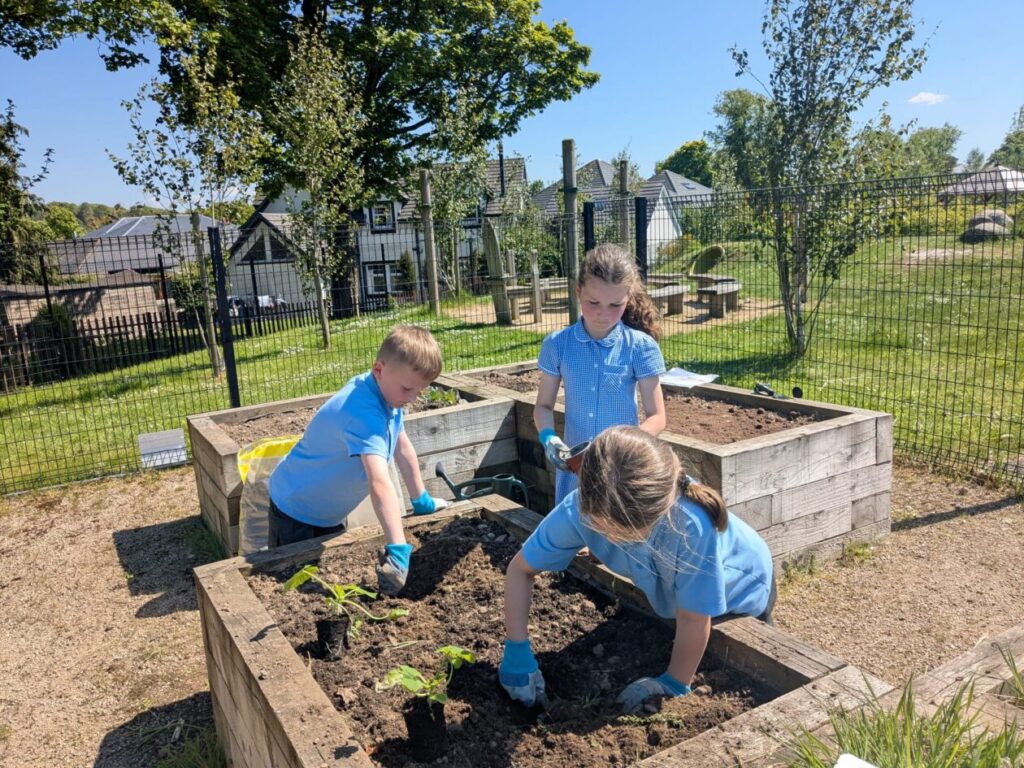
KP Garden- Environment Matters (Appendix 21)
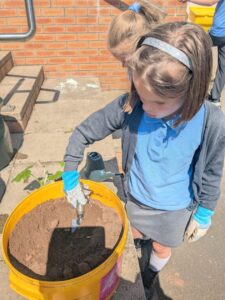
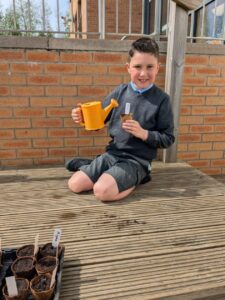
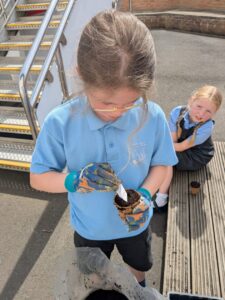
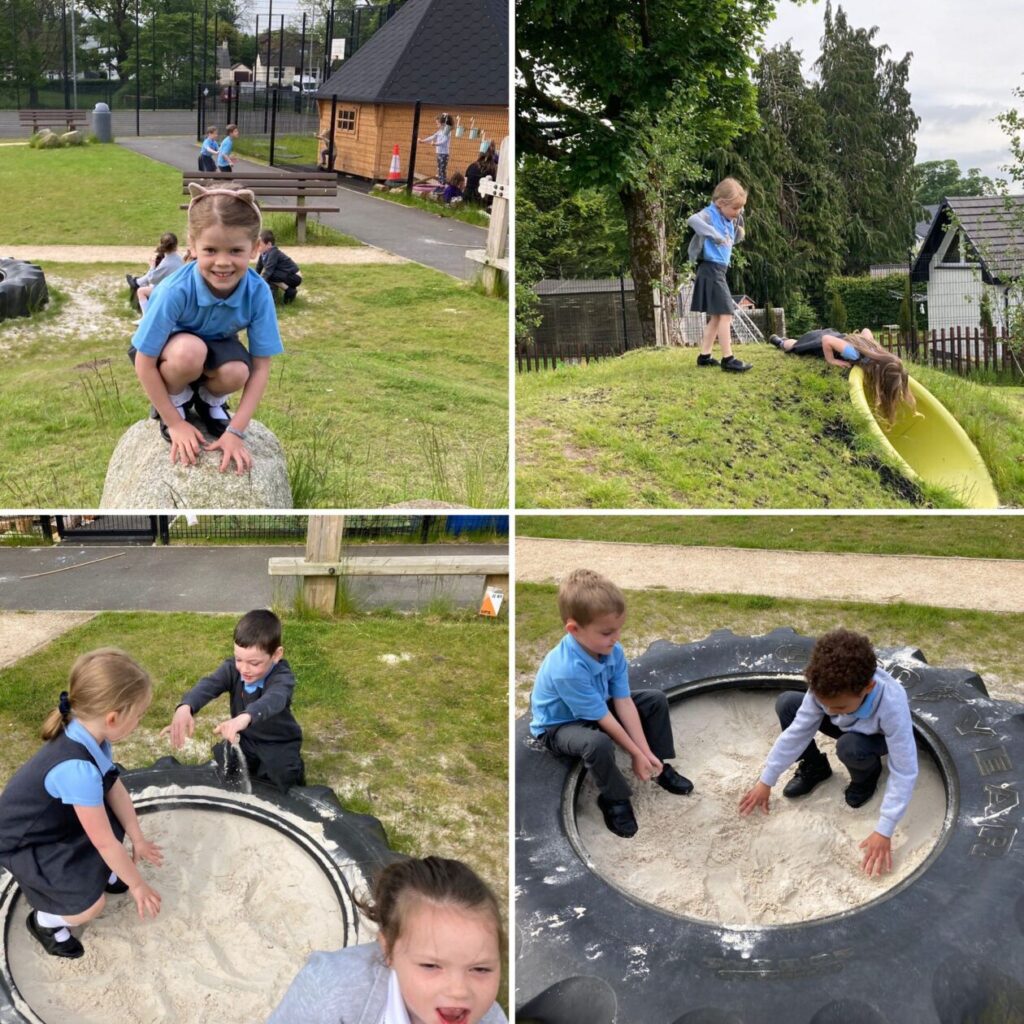
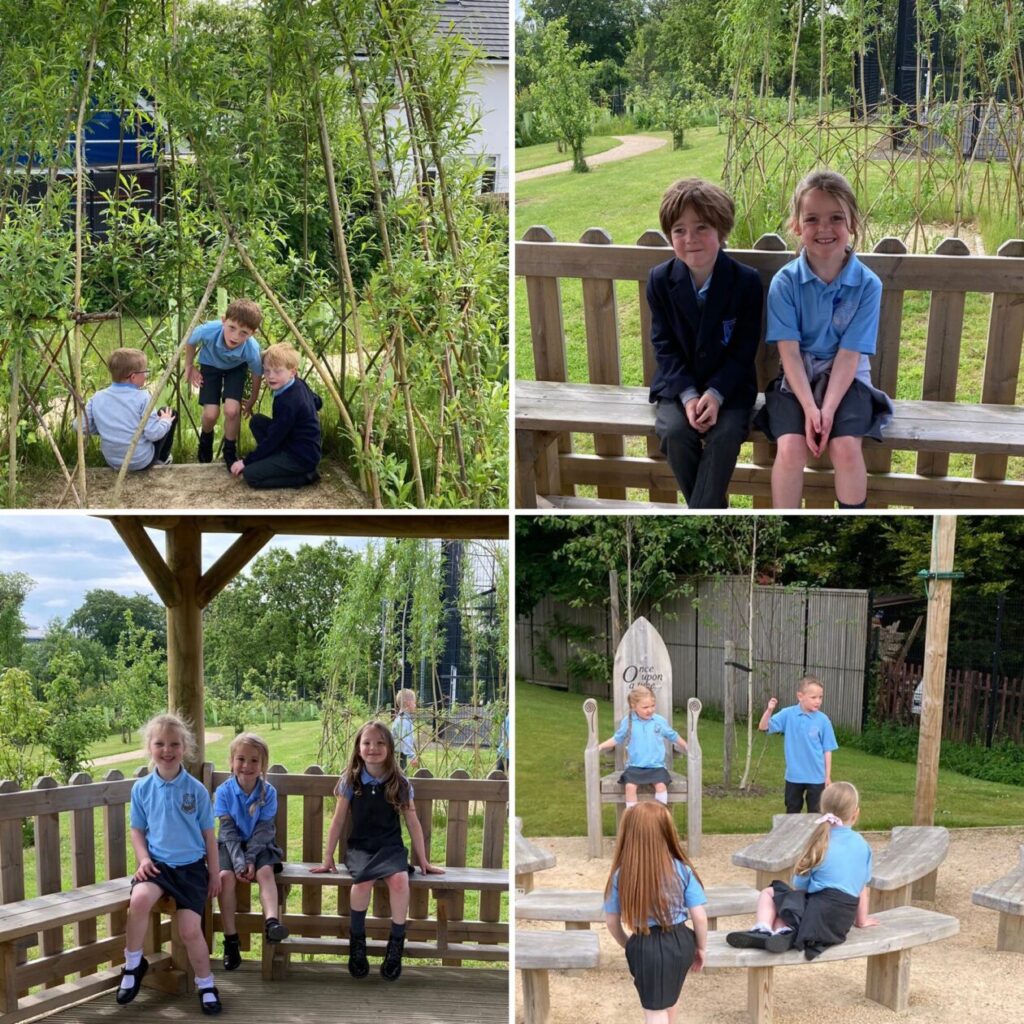
- Our nurturing approach extends beyond the classroom and into our outdoor spaces. Our school garden is a particularly valued area within our community. It provides pupils with opportunities to connect with nature, develop responsibility and experience the calming benefits of the outdoors. Through planting, caring for the environment and spending time in green spaces, children learn about growth, patience and teamwork. By intentionally nurturing both our people and our environment, we create a school community where everyone feels safe, supported and proud to belong.
Nursery ‘Family Christmas Party’ (Appendix 22)
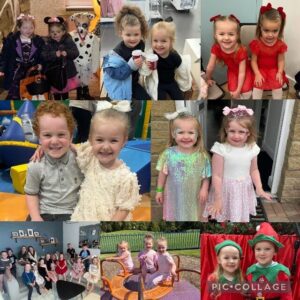
- Our Family Christmas Party was a wonderful celebration of togetherness and community. It was heart warming to see children, families and staff coming together in such a relaxed and joyful environment, strengthening the connections that are so important to our nurturing ethos. Events like this go far beyond festive fun, they provide valuable opportunities to build and sustain positive relationships. When families feel welcomed and included, it reinforces children’s sense of security and belonging.
Signposting Wellbeing to Staff (Appendix 24)
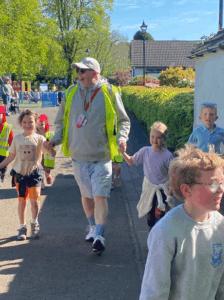
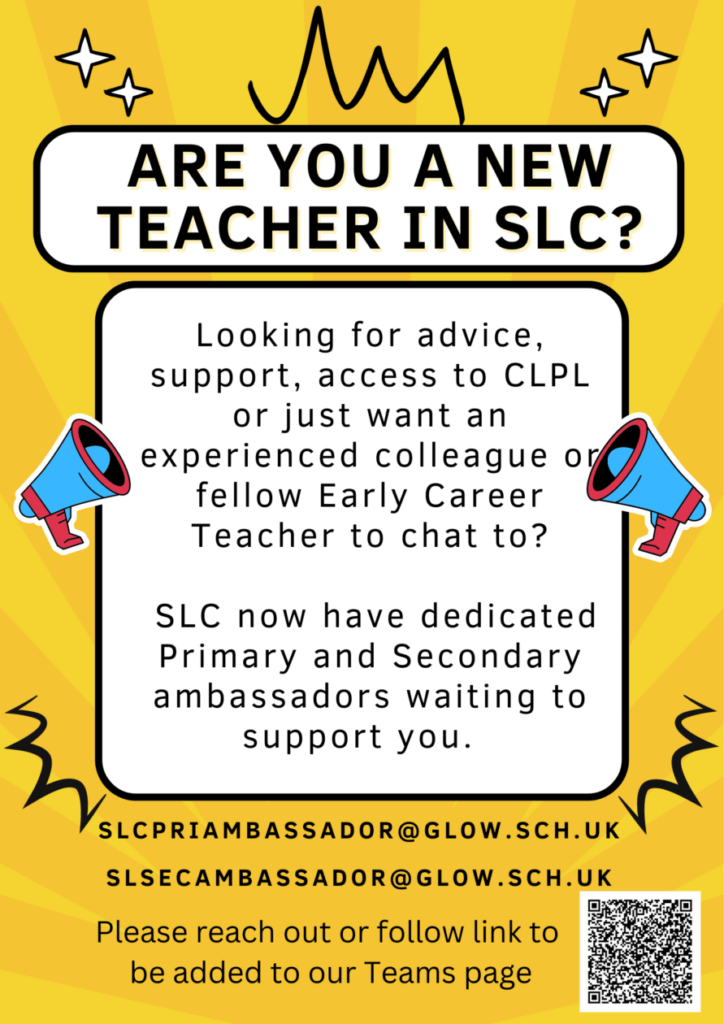
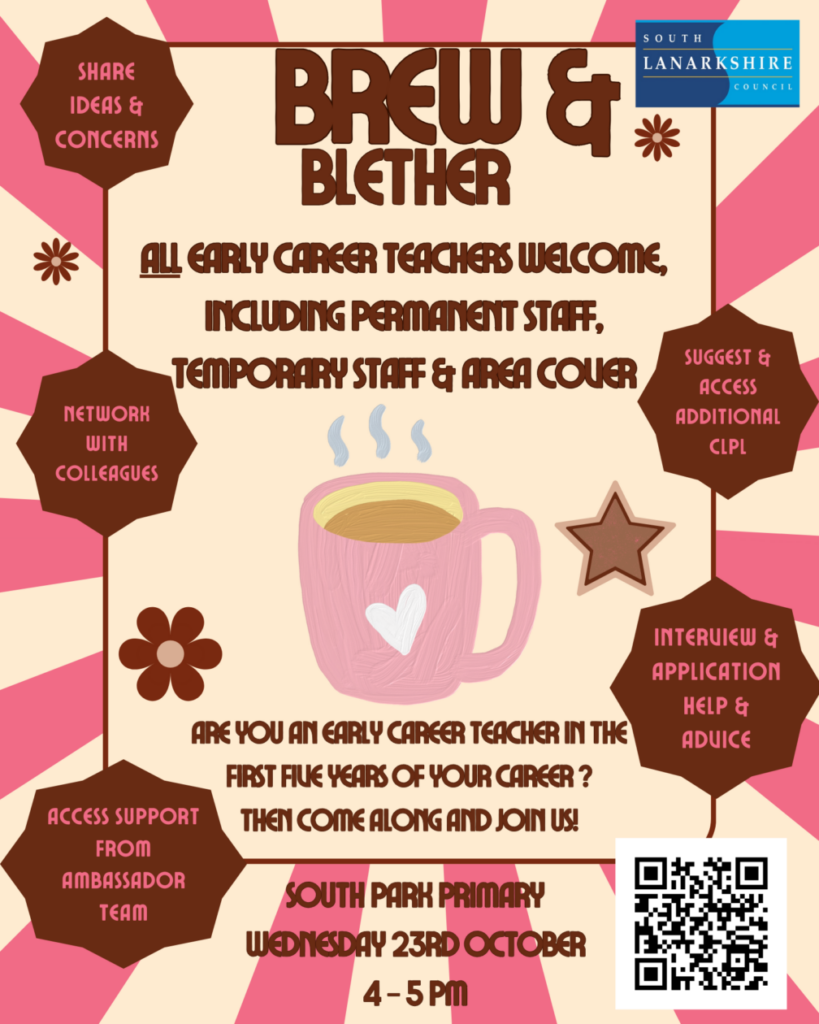
- Our HT shares opportunities for staff to receive support from SLC and colleagues. Some of our staff went along to these events to chat informally to other practitioners, sharing their experiences, thoughts and feelings. Drop-in opportunities reinforce our belief that connection matters for adults as much as it does for children. They promote openness, reduce pressure, and ensure staff feel heard.
Staff Consultation- Improving Our Wellbeing (Appendix 25)
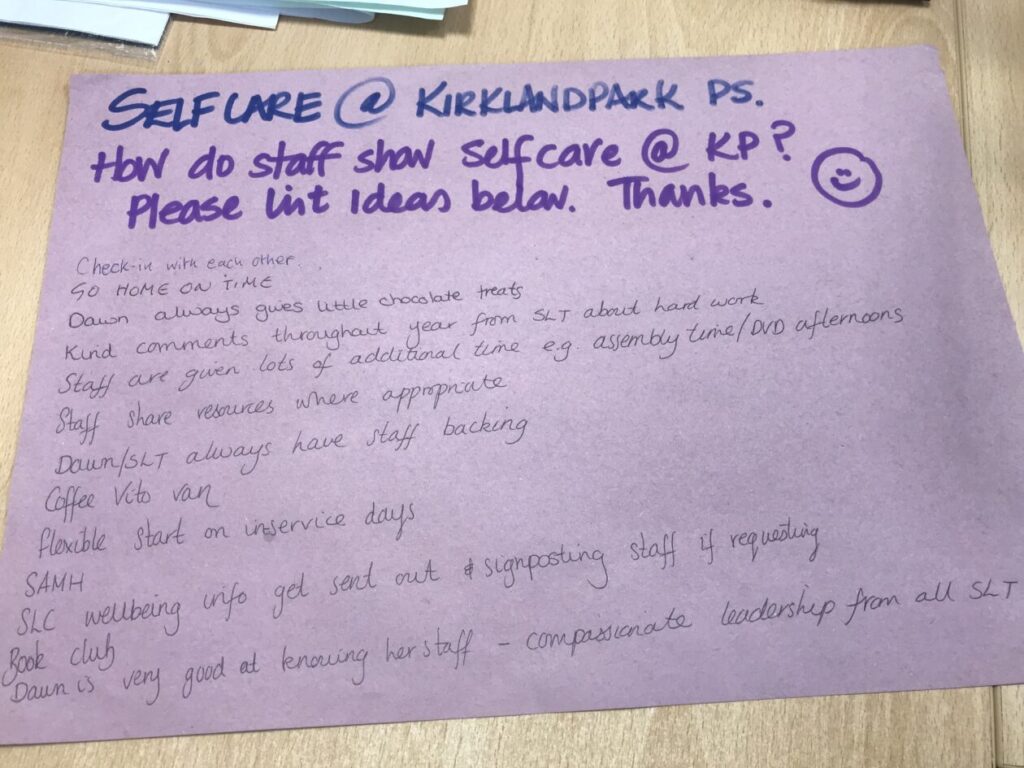
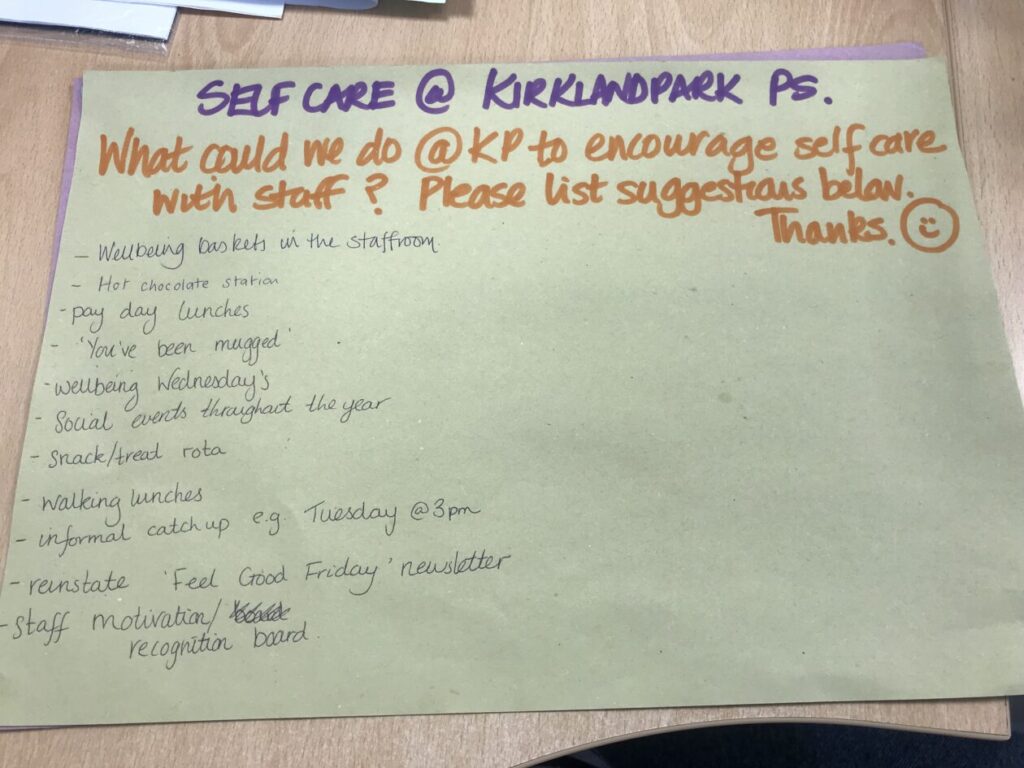
- We asked staff about how we prioritise staff wellbeing at KP. They noted that SLT have an open door policy, providing additional time during assemblies for workload/CLPL opportunities, regular check ins and signposting support all help with our wellbeing. Our team had some suggestions to continue to promote this, such as ‘You’ve been mugged’ (secret mug of treats), Wellbeing Wednesdays, payday lunches and more social time together.
Feel Good Friday (Appendix 26a&b)
- We have recently revamped our Feel Good Friday to include more opportunities to put a spotlight on the amazing team we have at KP. We share staff training or staff experts in particular areas, staff wider achievements and more recently have included positive comments that pupils/parents have made about our staff. This is emailed out every week to our KP team and has really promoted staff building each other up and spreading positivity across our establishment.
Feel Good Friday (Appendix 26a)
Feel Good Friday (Appendix 26b)
Kirklandpark After School Care (KASC) (Appendix 27)
- Our before and after school care provision offers a safe, welcoming environment for pupils while providing valuable support for parents and carers. These sessions give children additional opportunities to socialise, relax, and engage in playful, structured activities outside of the regular school day.
QI 2. Attachment-Informed, Trauma Sensitive language is used consistently throughout the establishment in verbal and written communication and is reflected in vision and values.

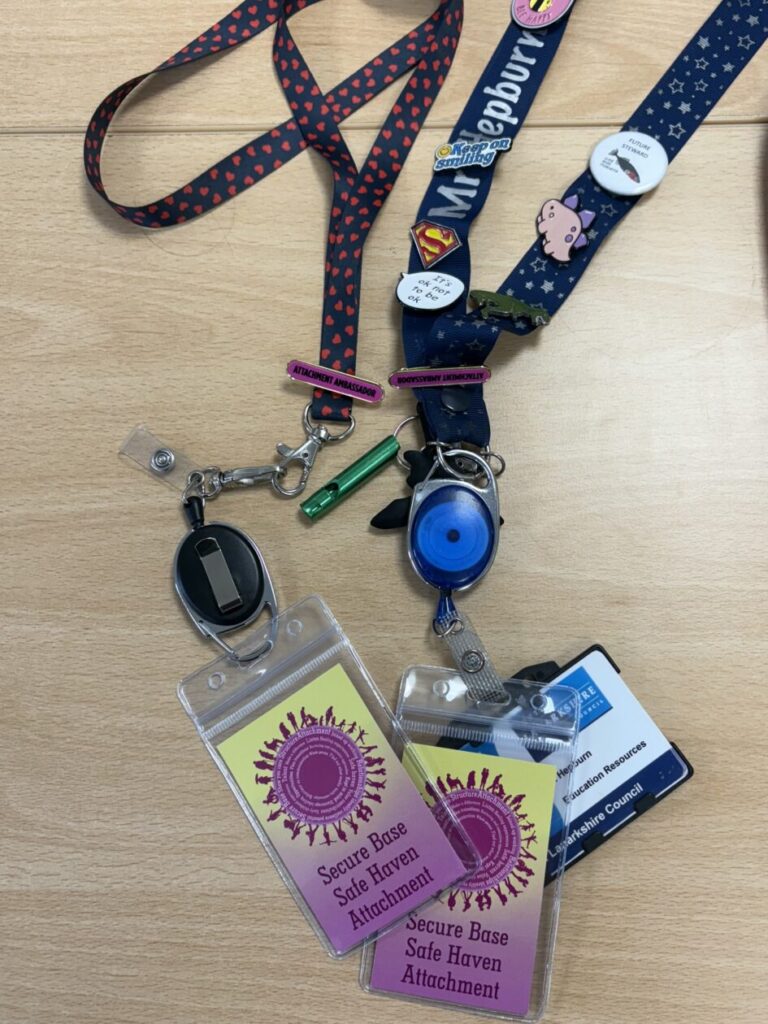
Staff Lanyards: Attachment (Appendix 28)
- A lanyard with the SLC Attachment strategy is a simple but powerful tool to help staff across a school use consistent language and approaches when supporting pupils—especially those with communication, emotional, or attachment needs. It acts as a quick visual reminder of key strategies, ensuring that all adults interact with pupils in ways that are supportive, predictable, and aligned with our school’s nurture and attachment principles.
Restorative Language (Appendix 29)
- We have discussed with staff about the importance of the language we use with the children we encounter in our classes but also throughout the school. One of our pledges last session was to focus on using a shared language, language which all children understood no matter who they encountered in the school. We used the following slide from one of the Attachment networking meeting to remind us of this shared language.
Restorative Language Poster (Appendix 29)
Attachment Newsletter for Parents (Appendix 30)
-
As part of our continued commitment to becoming a fully attachment-informed school, we recently launched our Attachment and Nurture Newsletter for parents and carers. This newsletter was created to keep families updated on the nurturing approaches embedded across our school and to strengthen our shared understanding of children’s emotional wellbeing.
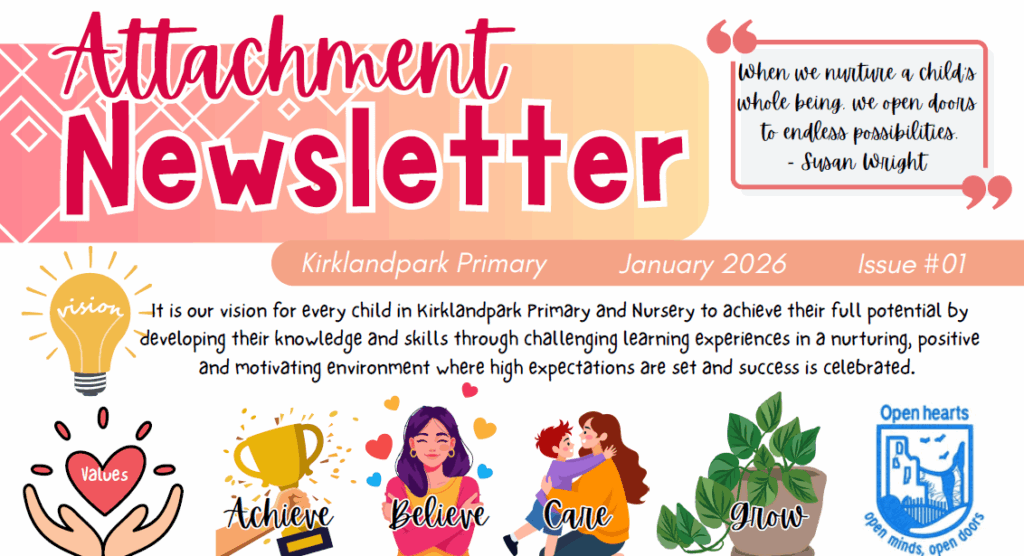
Kirklandpark Attachment Newsletter (January 2026) (Appendix 30)
Kirklandpark School Handbook (Appendix 31a&b)
- Our school handbook is updated each year to ensure that the information is accurate. The handbook has information for parents/carers about our school, staff, contact emails, parent council, P1 and P7 transition, PEF and equity, ASN, SLC Attachment Strategy and PPRUDB. Within our handbook, pupils voice is incorporated, with children giving their views about our school and the learning that takes place.
Kirklandpark-PS-Handbook-2025-2026 (Appendix 31a)
Kirklandpark-Nursery-Handbook 2025-2026 (Appendix 31b)
Homework Diaries (Appendix 32)
- Homework diaries are used as a key tool to support behaviour, communication, and working in partnership with parents. They provide a consistent channel for sharing information about pupils’ learning, progress, and achievements, as well as any concerns or reminders. By maintaining regular communication through homework diaries, staff and parents can work collaboratively to support pupils’ academic development and positive behaviour, ensuring a consistent and supportive approach both at school and at home.
Email Correspondence with Parents (Appendix 33)
- We provide support for children who find transitioning from home to school, for a variety of reasons. We initially had a phone call, listened to the parents’ concerns and tried a few different strategies to help in the mornings. These works for a short time but we needed to discuss things further with the parent and child. This evidence will hopefully demonstrate our open-door policy, individualised plans for children, additional time given to child and parent and continuous check-ins.
Email Correspondence- Parent (Appendix 33)
Kirklandpark Nursery Coffee and Chat (Appendix 34)
- Our nursery hold a termly ‘Coffee and Chat’ session, where they invite our parents/carers in for discussions around pedagogy, practice and policy. Issues around parental engagement and fundraising are also discussed so that our families have their say.
Nursery Coffee and Chat Minutes (Appendix 34)
KP Brew and a Blether Sessions (Appendix 35)
- Through discussions with Julie Kiddie (Educational Psychologist) a parent workshop was organised to discuss a variety of topics. This was to provide a safe space for parents to come along, have a cup of tea and talk about their concerns, ask questions related to various topics and seek advice. We have an open door policy at Kirklandpark, and we strive to work together with our families to improve the wellbeing of all pupils.
Brew and Blether Letter (Appendix 35)
Equine Therapy Letter (Appendix 36)
- As part of the supports and interventions put in place, and through many discussions with one set of parents a referral was made to a business to request a block of sessions of Equine Therapy for a child in our care who was having difficulties socially and in building relationships.
To further support wellbeing, targeted therapy sessions designed to develop this pupil’s social and emotional skills. These sessions provide a safe, structured space where children can explore feelings, build self-awareness and strengthen regulation strategies.
Through guided activities and supportive adult facilitation, pupils develop confidence in expressing emotions, problem-solving and managing relationships. The focus is on building resilience, improving communication skills and enhancing self-esteem in a nurturing and non-judgemental environment.
Equine Referral Letter (Appendix 36)
Exchange Counselling Service (Appendix 37)
- As part of our commitment to supporting the wellbeing of our whole school community, we can signpost and facilitate access to family counselling sessions where appropriate. We recognise that children thrive when the adults around them feel supported, and that strengthening family relationships has a positive impact on emotional wellbeing and learning. A number of referrals have been made for families to the ‘Exchange’ Counselling service. These referrals have been made after meetings and discussion with the parents and children in question. Hearing from the children and parents has been the heard of discussions.
Exchange Referral Letter (Appendix 37)
EBSNA Paperwork (Appendix 38)
- Within our school we have one pupil who has attended school but very quickly that changed and they became a school refuser. We spent a lot of time discussing with parents and the pupil ways we could adapt the environment, reduce their anxiety in attending in the morning, adapting their routine to suit their mood, sleep patterns as well as the way work was presented. Through discussions with other agencies such as Specialist Support and Educational Psychologist, we made small steps. We have sought advice in regards to non attenders and the ESBNA website and documentation has been shared, which gave us a better understanding of emotional based non attendance and additional ways of helping the young person in question.
EBSNA-Support-Plan-Template (Appendix 38)
KOOTH- Mental Health Support (Appendix 39)
- We have had discussions with parents who are struggling to talk to their children about the mental health of their child and have found difficulties engaging their children in discussion regarding their emotions. The information sent through to the families was just one avenue we discussed.
KOOTH Information Letter (Appendix 39)
Attachment Information for Parents (Appendix 40)
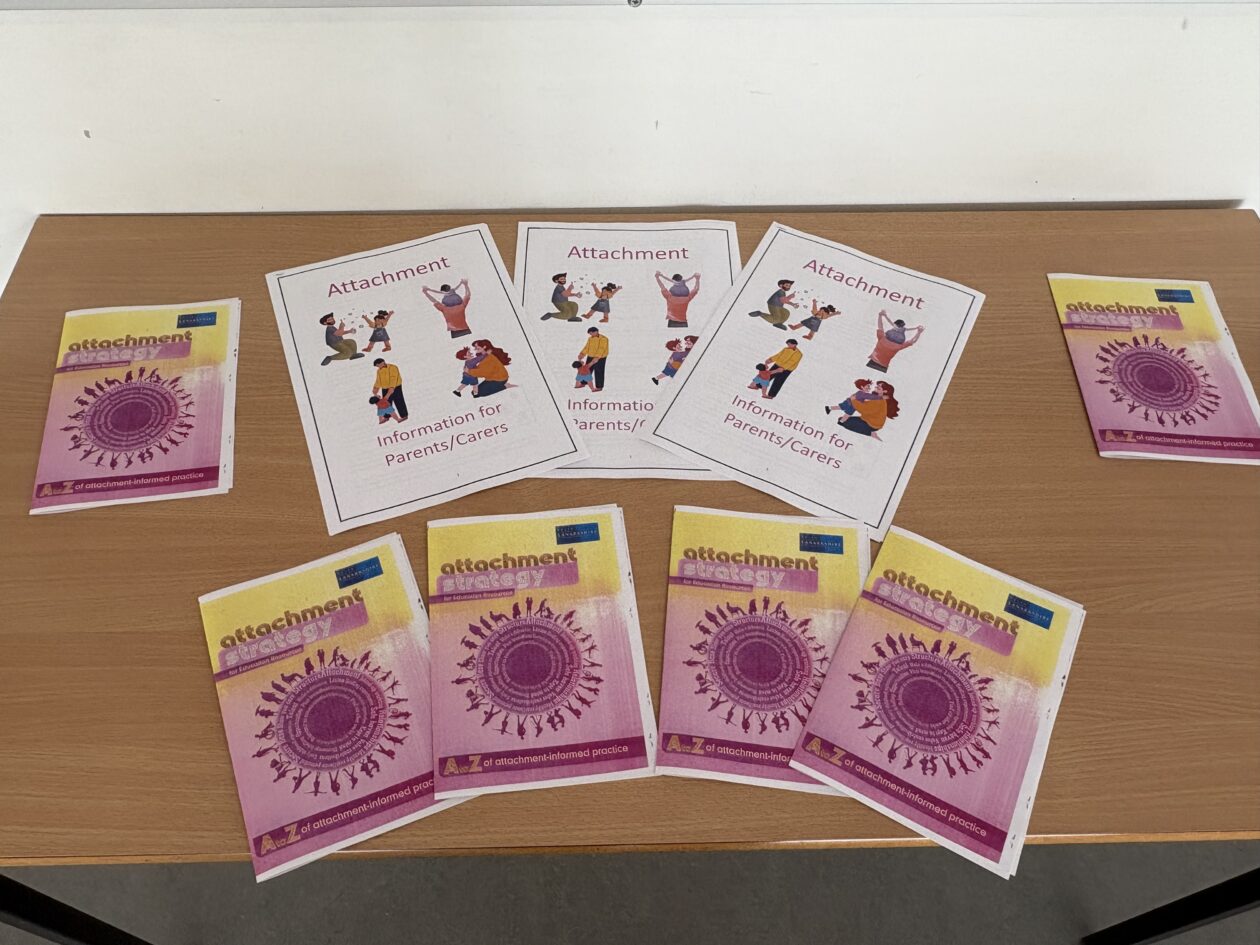
- We provided materials and a display for the parents at parents evening to allow them to take some information away with them and explained if they had any questions, to get in touch. We continue to update our parents regularly throughout the year on our work to become an attachment and trauma informed school, with workshops, letters and stalls at school events.
Attachment Parent Information (Appendix 40)
Parental Updates- Sharing Information and Support (Appendix 41)
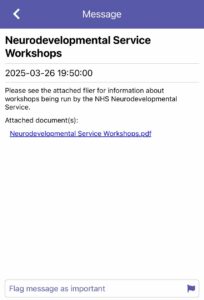
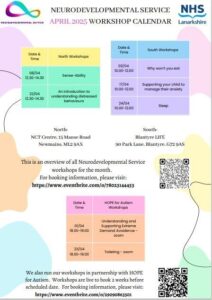
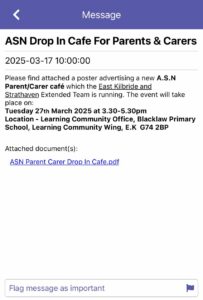
- We regularly update our parents on our school app and Twitter/X page about upcoming workshops. The most recent ones were the ASN drop in Café by the SLC specialist support team for Strathaven and EK. The focus of the drop in was for parents to have chat about issues impacting their child and receive support from specialists and other parents/carers. The topics covered were autism, emotional regulation and emotional school based non-attendance. Another information session was shared on our platforms which supported parents on understanding distressed behaviours, issues surround eating and sleeping, extreme demand avoidance and managing anxiety in children.

QI 3. Pupils and their families are actively encouraged to understand and apply Attachment-Informed, Trauma Sensitive approaches in their interactions.

Attachment Parental Workshops (Appendix 42 a-e)
-
Hosting a parental workshop was a meaningful way to strengthen the home–school partnership. By bringing together a range of guest speakers, families were given access to practical, research-informed strategies that deepen their understanding of how children experience and respond to stress. Sharing information about stress responses — such as fight, flight, freeze, helps parents recognise what may be happening beneath behaviour. Exploring nurture principles and emotion coaching empowered parents with language and strategies to validate feelings, set boundaries with empathy, and co-regulate effectively. This not only strengthens attachment but also builds children’s long-term emotional resilience.
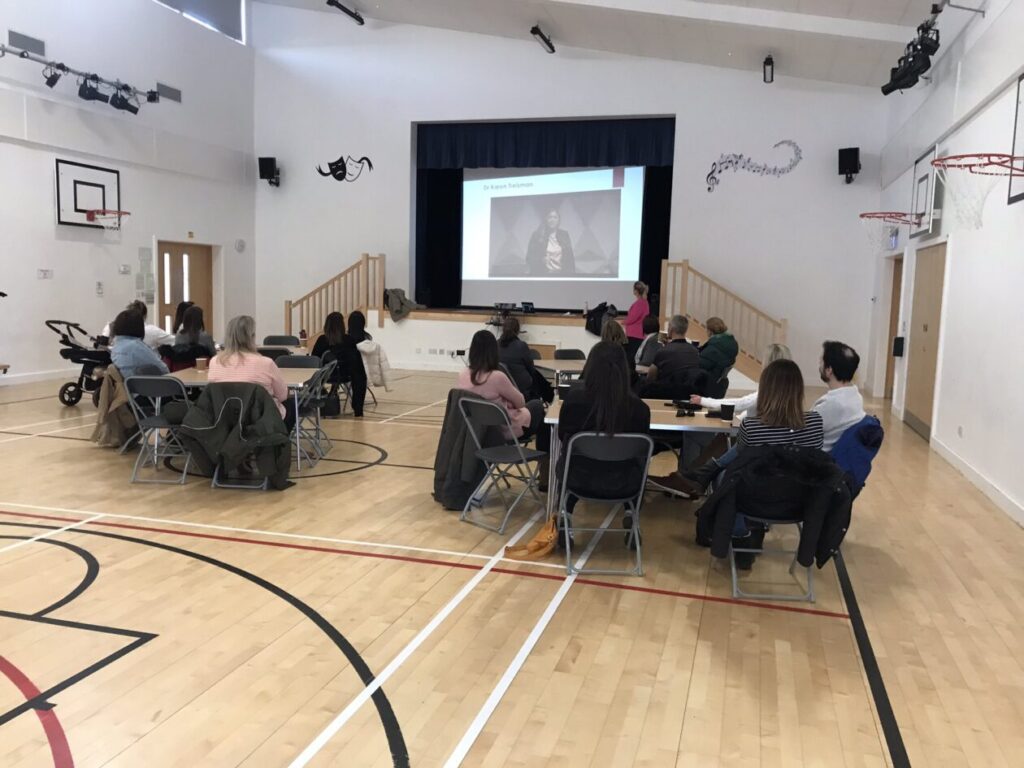
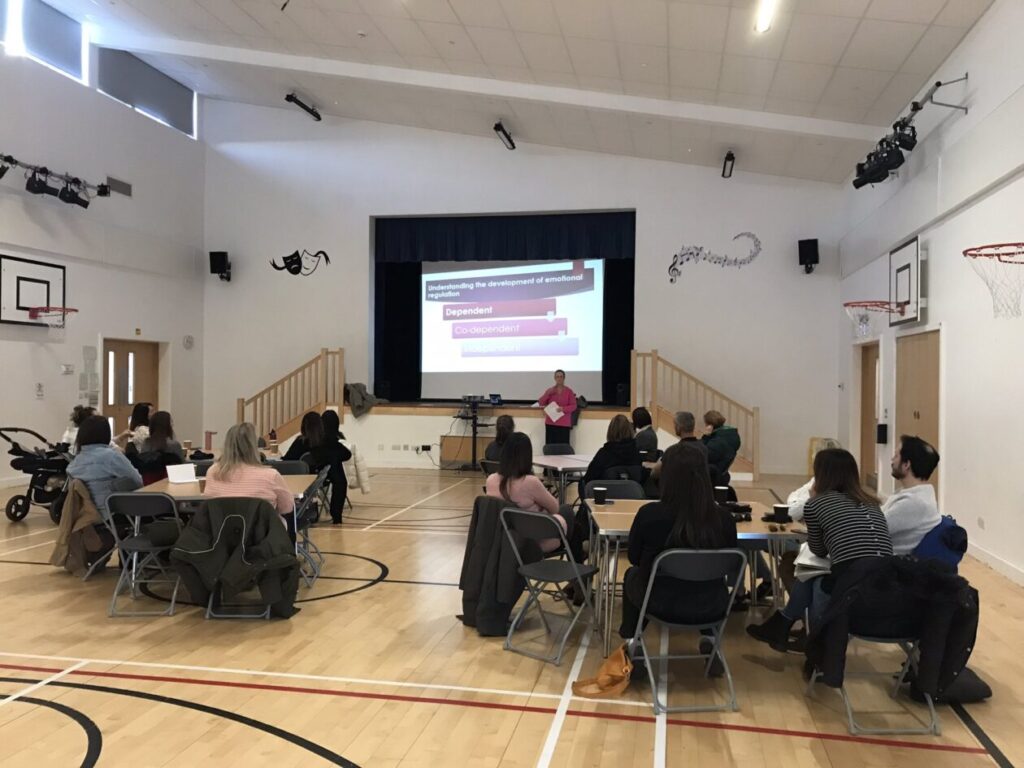
Parental Information Poster Wellbeing Workshop. (Appendix 42a)
Information Letter Supporting Your Child’s Wellbeing. (Appendix 42b)
Kirklandpark Introduction to Emotion Coaching – Workshop for Parents. (Appendix 42c)
The Six Principles of Nurture Parent Workshop. (Appendix 42d)
South Lanarkshire Parents and Carers Presentation. (Appendix 42e)
HWB- Emotion Works and Jigsaw Programmes (Appendix 43)
- The Jigsaw programme that promotes personal, social and emotional development. Through structured lessons, pupils explore topics such as: being me in my world, celebrating differences, dreams and goals, healthy relationships, managing change and loss. Jigsaw supports children in developing confidence, resilience, and positive peer relationships. It encourages reflection, respect and a strong sense of belonging within our school community.
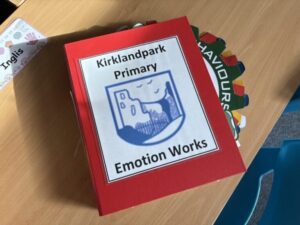
- Emotion Works develops emotional literacy and resilience. It’s framework and visual tools help pupils: recognise and name their emotions, understand triggers and stress responses, develop regulation strategies, build empathy and social understanding.
- These programme aligns closely with our nurturing and attachment-informed approaches, supporting children to understand that all feelings are valid and manageable with the right strategies and support.
Attachment Ambassadors- Assembly Updates (Appendix 44)
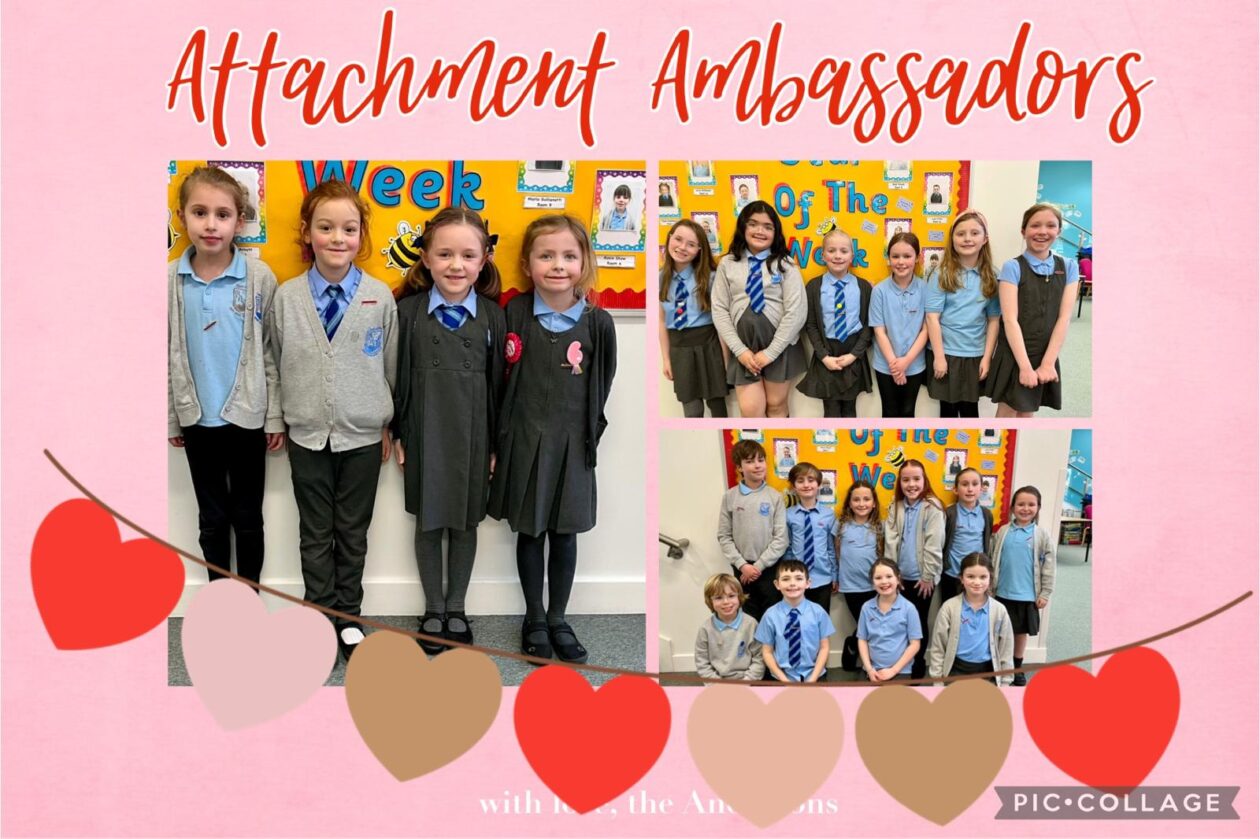
- Our Attachment Ambassador committee. regularly update our school during assembly. They focus on putting information about attachment and nurture into child friendly languages. They include ways in which we can improve the wellbeing of our pupils and enhance our school ethos.
Attachment Ambassador Assembly 2024 2025 (Appendix 44)
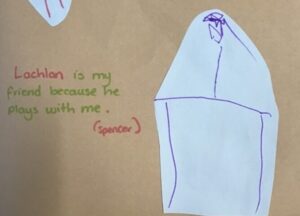
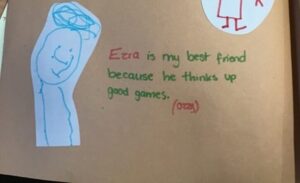
Nursery- ‘What Makes a Good Friend’ (Appendix 45)
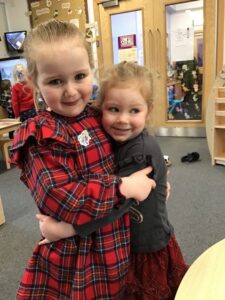
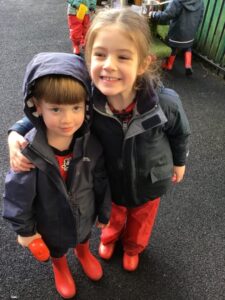
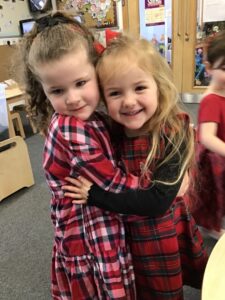
- Our nursery pupils exploring the meaning of friendship and learning what it means to build positive, caring relationships. Through play, stories, and shared experiences, they are beginning to understand key ideas around kindness, empathy, turn-taking, and how to resolve small conflicts- foundations that are so closely linked to nurture and secure attachment.
Primary 1 All About Me Bags (Appendix 46)
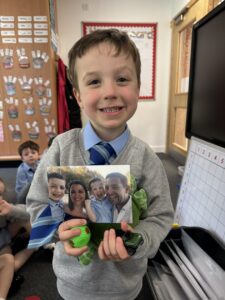
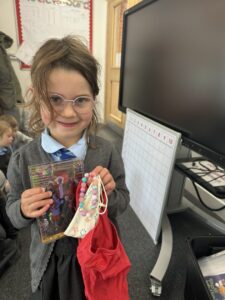
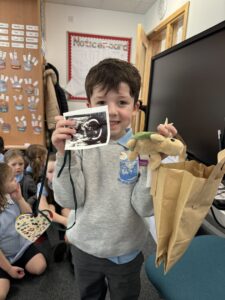
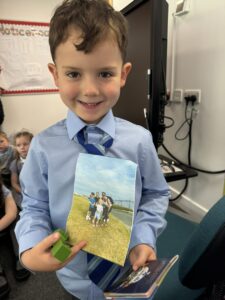
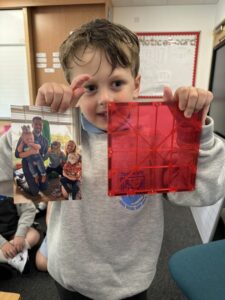
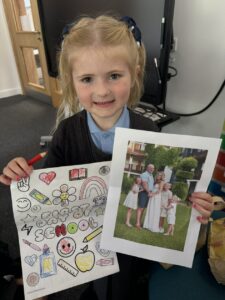
- Staff get to know pupils within the context of their families through ‘All About Me’ bags. The children each take a turn to bring the bag home and can fill it with items to bring to school that represent them. They share lots of family photographs and stories about their family. The children describe they likes, dislikes, hobbies and interests- really showcasing ‘What makes me…..me’.
KP Kind Kids (Appendix 47)
-
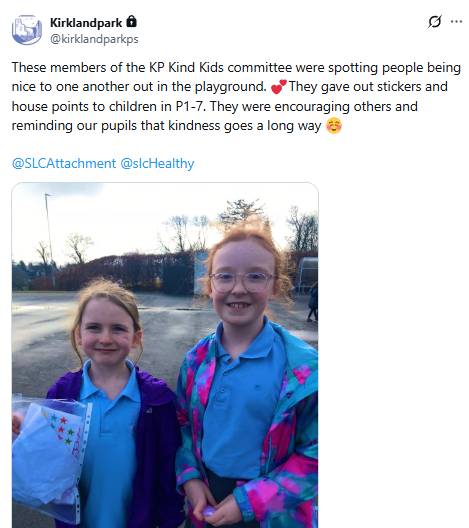
Our KP Kind Kids Committee plays an important role in promoting positive relationships and reinforcing our school values. This pupil-led group actively encourages kindness, inclusion and respect across our school community.
Committee members regularly spend time in the playground, observing and celebrating acts of kindness in action. When they notice pupils demonstrating empathy, helpfulness or positive friendship behaviours, they acknowledge this with kindness stickers. This visible recognition reinforces the behaviours we value and promotes a culture where kindness is both noticed and celebrated.
Kirklandpark Buddies (Appendix 48)
-
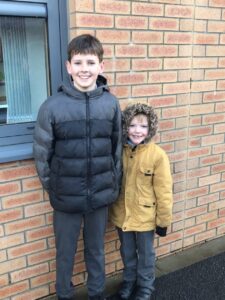
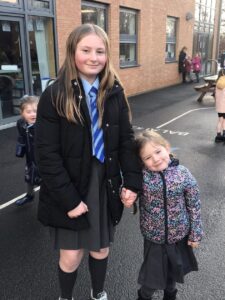
Our Buddy System pairs older pupils with younger pupils to foster positive relationships, build confidence and strengthen our sense of community.
Through regular shared activities and informal social opportunities, buddies develop supportive connections that benefit both age groups. Older pupils take on a leadership and mentoring role, modelling positive behaviour, empathy and responsibility. Younger pupils gain a trusted role model, helping them feel safe, included and confident within the wider school environment.
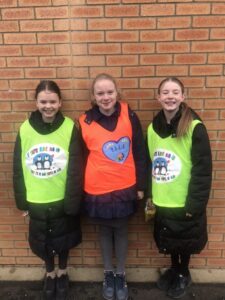
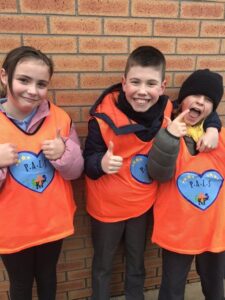
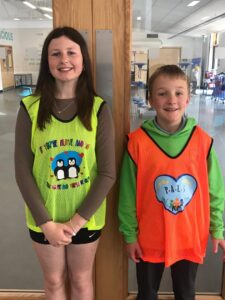
Kirklandpark Playground PALS (Appendix 49)
Playground PALS Poster (Appendix 49)
-
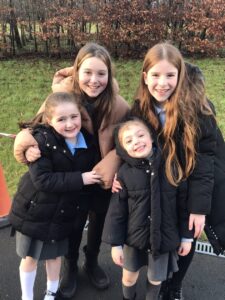
Our Playground Pals initiative plays an important role in promoting positive relationships and ensuring that all pupils feel supported during social times.
Playground Pals are trained to be approachable, inclusive and kind role models within the playground. They help younger pupils find someone to play with, support children who may be feeling unsure or left out, and encourage cooperative games and positive interactions.
Mixed Media Art Project- P7 Being Me (Appendix 50)
-
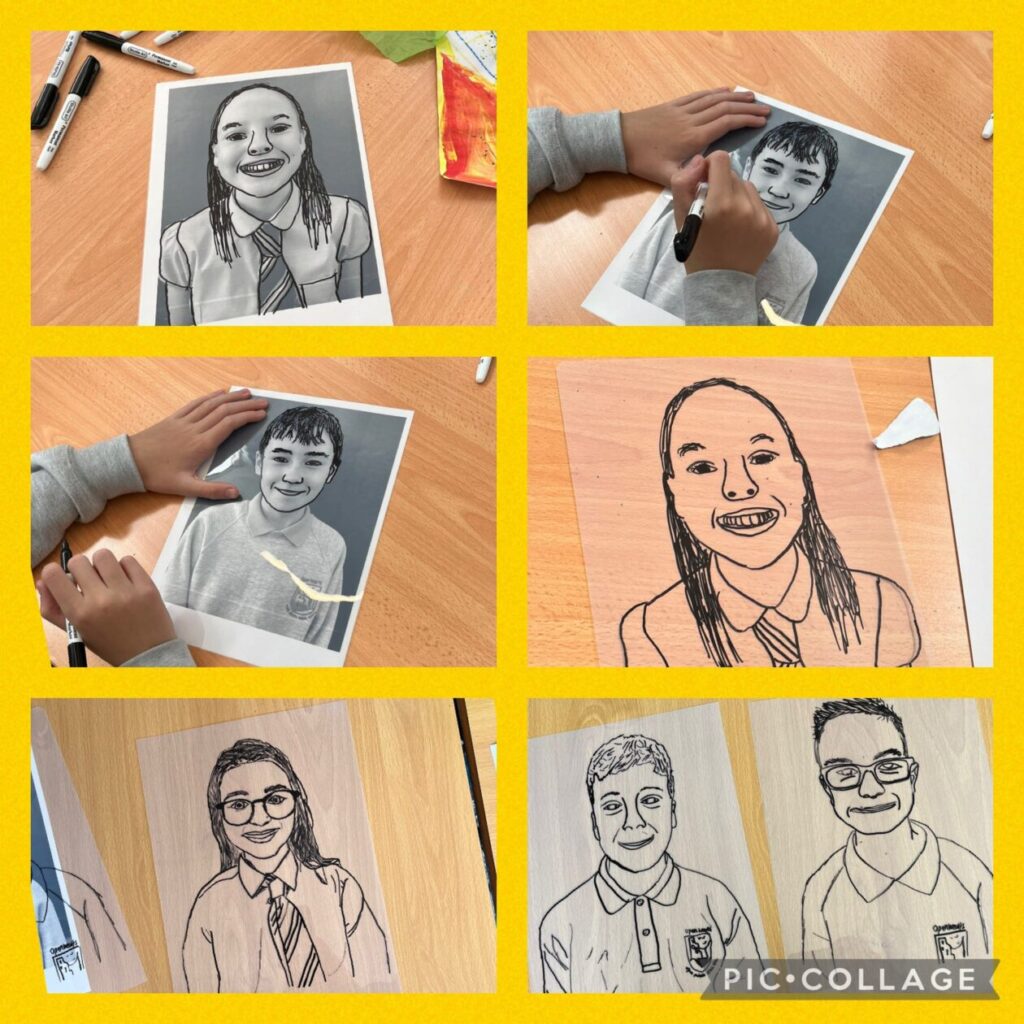
Our Primary 7 pupils engaged in a mixed media art project entitled Being Me, designed to promote self-awareness, identity and positive self-expression.
Through this creative exploration, pupils reflected on their individual strengths, values, interests and experiences. Using a range of materials and artistic techniques, they created highly personal pieces that represent who they are, what matters to them and how they see themselves within our school community.
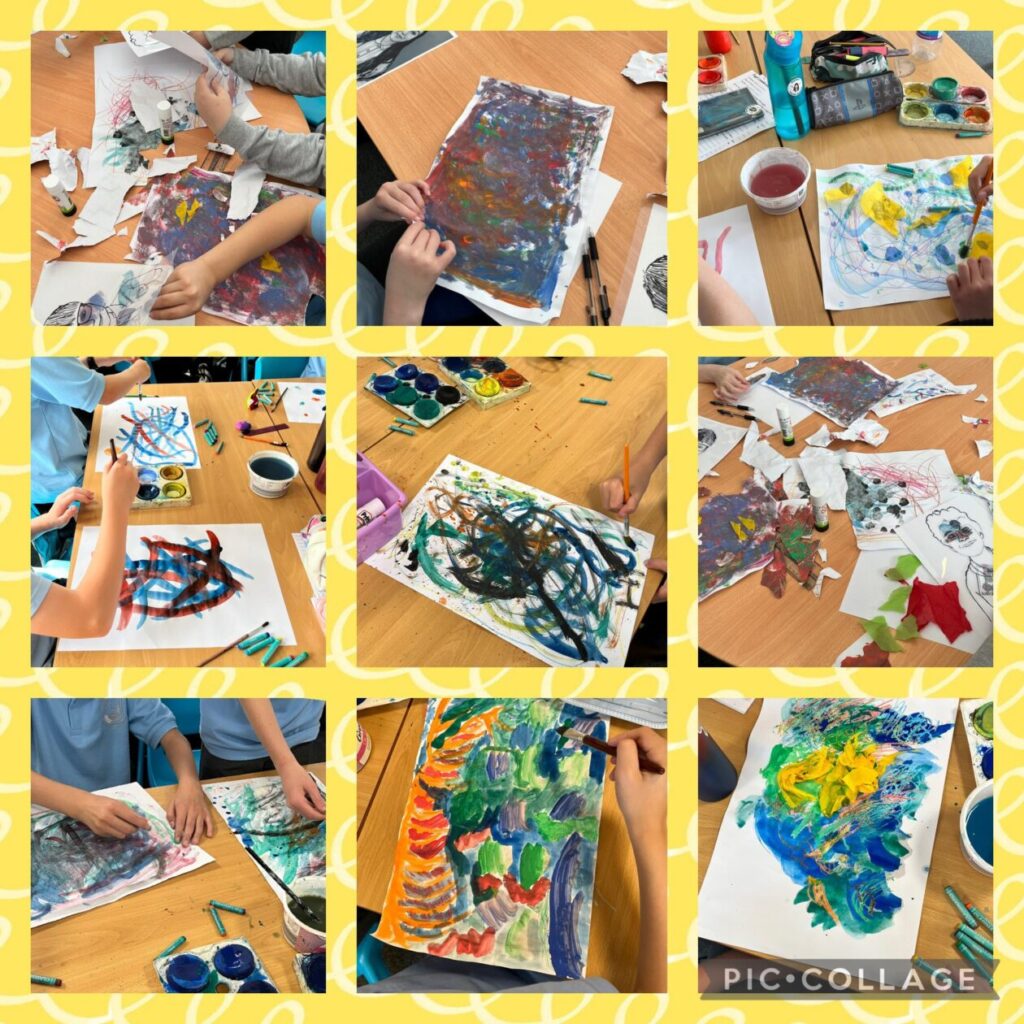
Primary 6 Emotion Art Project (Appendix 51)
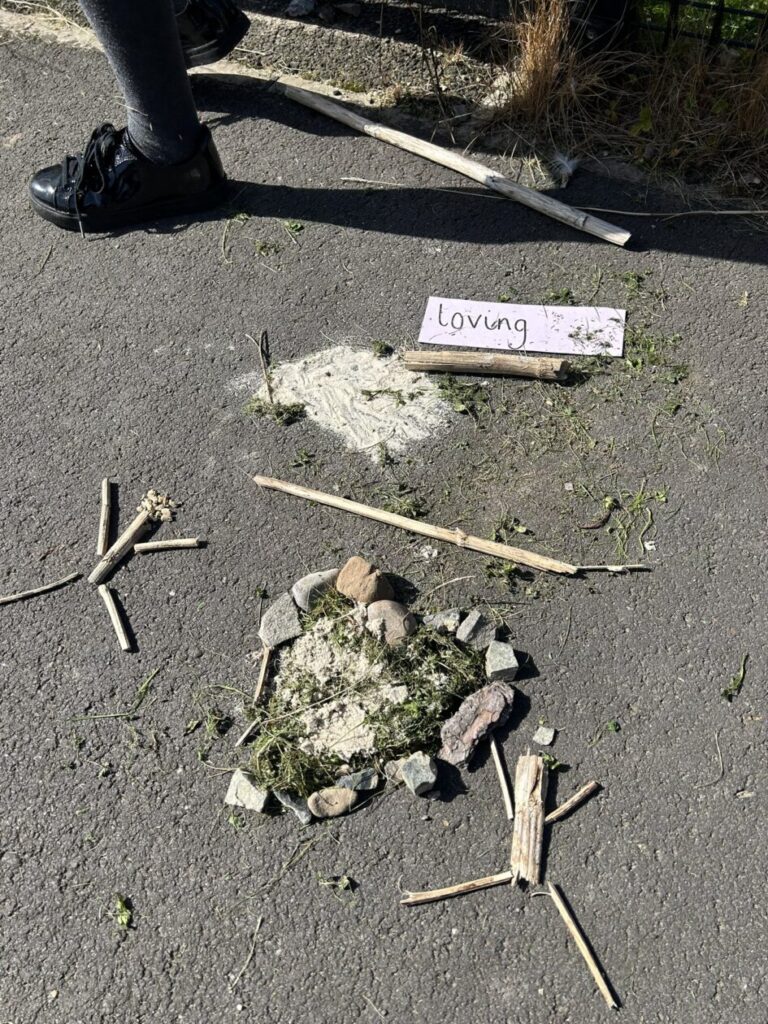
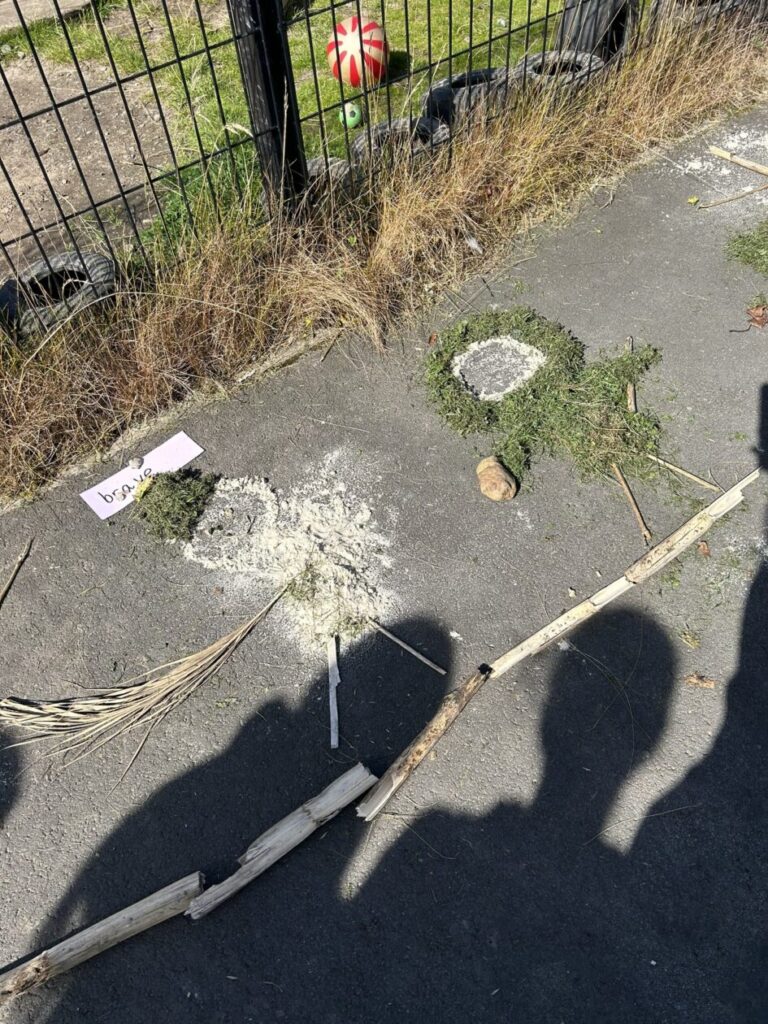
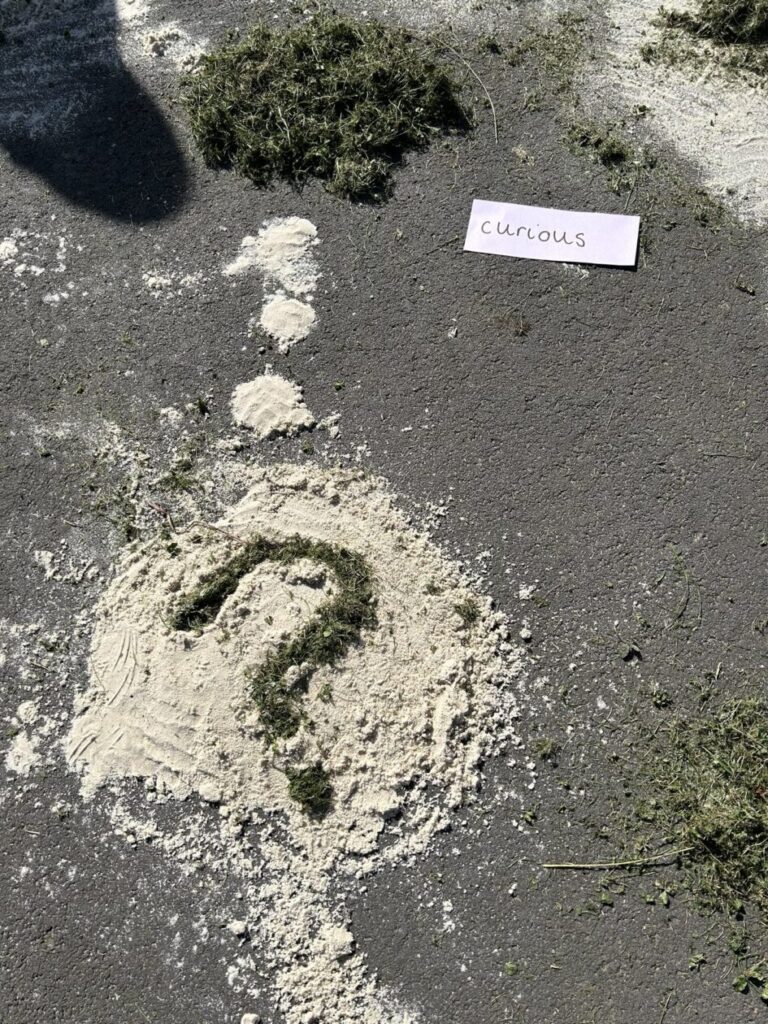
- Our pupils recently explored emotions through a creative art project using natural materials. By incorporating leaves, twigs, stones and other organic textures, children were encouraged to represent different feelings in a tactile and meaningful way. This sensory approach supported thoughtful discussions about how emotions can feel different for everyone and how they can change over time. The activity not only nurtured creativity but also strengthened emotional literacy, providing a safe and reflective space for pupils to express and explore their feelings.

The Best Part of Me (Appendix 52)
- Some of our younger pupils have recently been exploring their identity through a “Best Part of Me” activity, focusing on positive affirmations and self-belief. This work encouraged children to reflect on their strengths, talents and personal qualities, helping them to recognise what makes them unique and valued.
P1-7 Classroom Connection Activities (Appendix 53a-d)
- At Kirklandpark, our pupils are encouraged to think about and celebrate differences in others. Our staff plan classroom connection activities linked to our HWB lessons, getting children to think about what makes them unique, what do children have in common and how are they different. Our staff have a consistent message that it’s good to be an individual and this should be respected and accepted.
We Are All Linked (Appendix 53a)
Wonderful Us Display (Appendix 53b)
Our Class is a Family (Appendix 53c)
Loving Myself as a Learner (Appendix 53d)
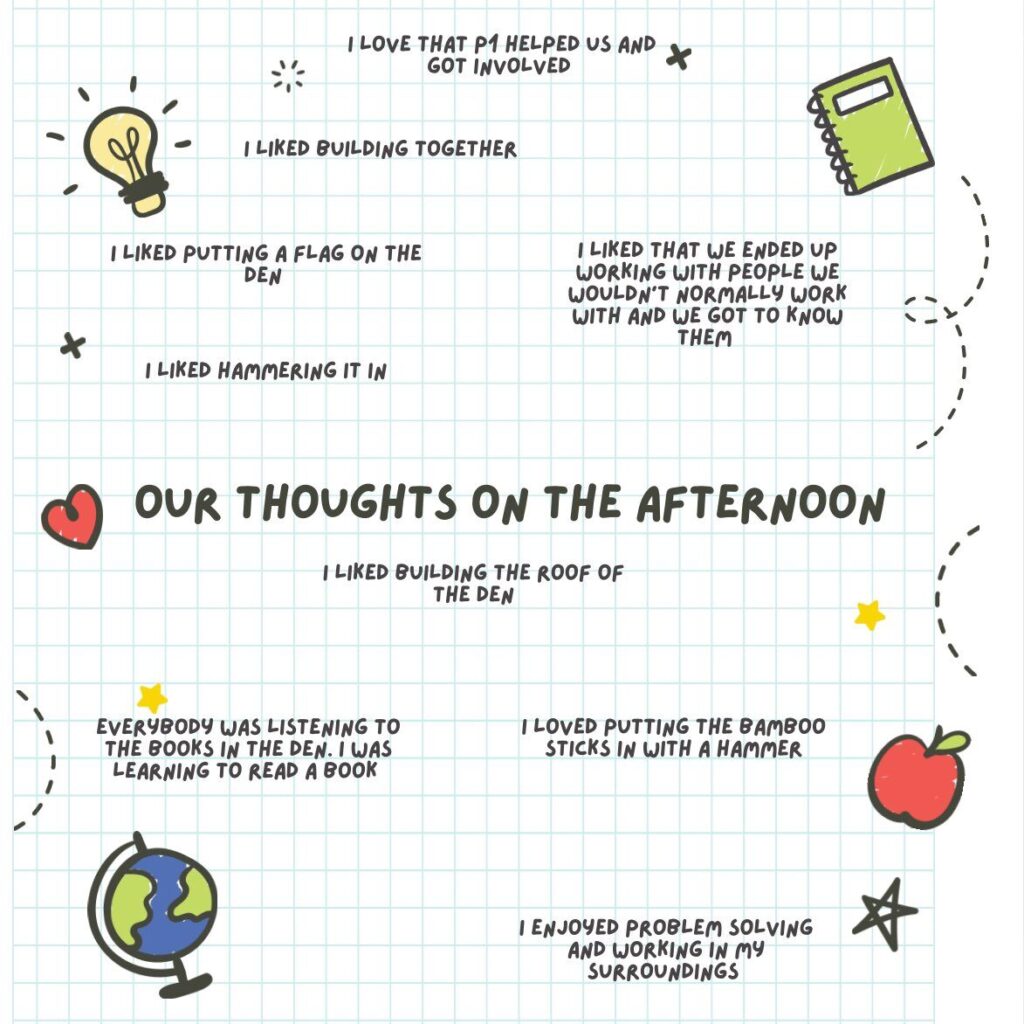
Collaborative Projects (Den Building P1&P7) (Appendix 54)
-
Building positive relationships is central to our school ethos. We intentionally create opportunities for pupils to work collaboratively, recognising that shared experiences strengthen communication skills, empathy and mutual respect.
One example of this in action is den building. Through this hands-on, team-based activity, pupils work together to design, construct and adapt their structures. Den building naturally encourages cooperation, resilience and creativity. Children must communicate clearly, compromise, and support one another to achieve a common goal.
Kirklandpark Playground (Appendix 55)
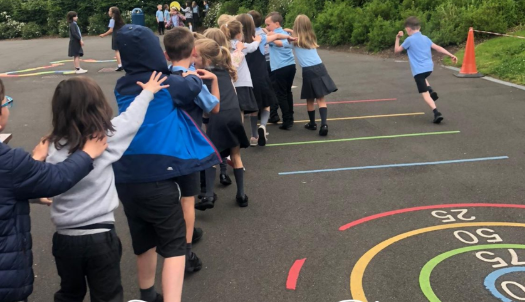
- Our approach to playground experiences is underpinned by the principles of the United Nations Convention on the Rights of the Child (UNCRC).
-
We recognise that play is essential for wellbeing and development. Social times provide valuable opportunities for children to practise communication skills, develop teamwork and build friendships. Staff are present and attentive, supporting positive interactions while encouraging independence and peer collaboration.
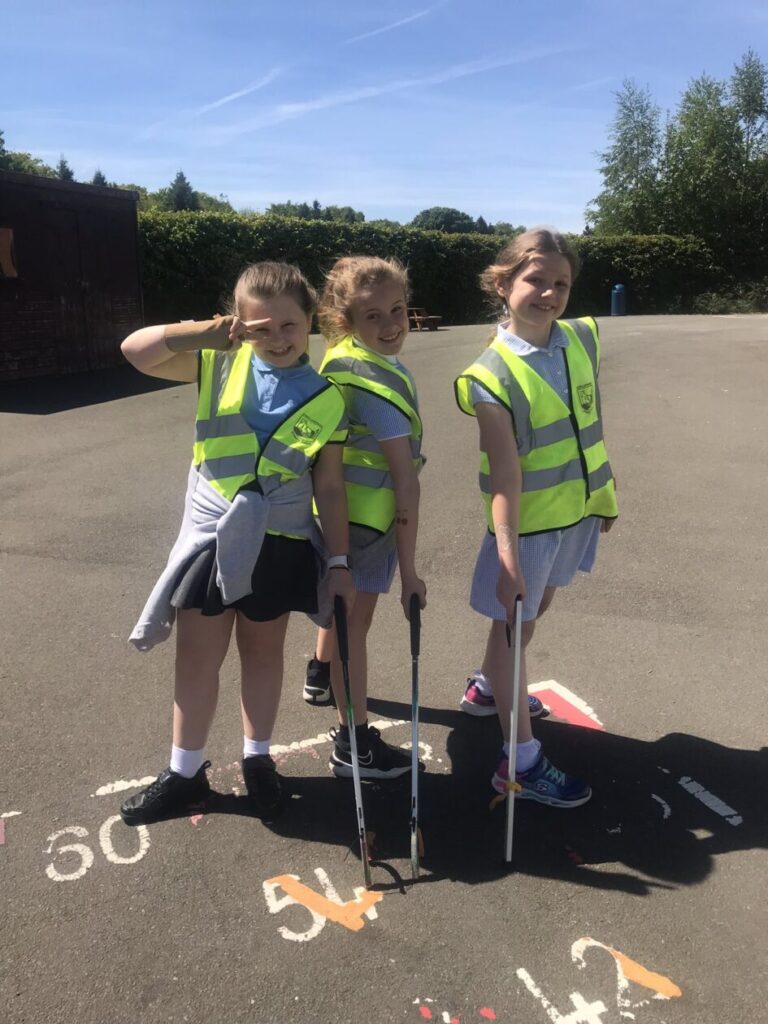
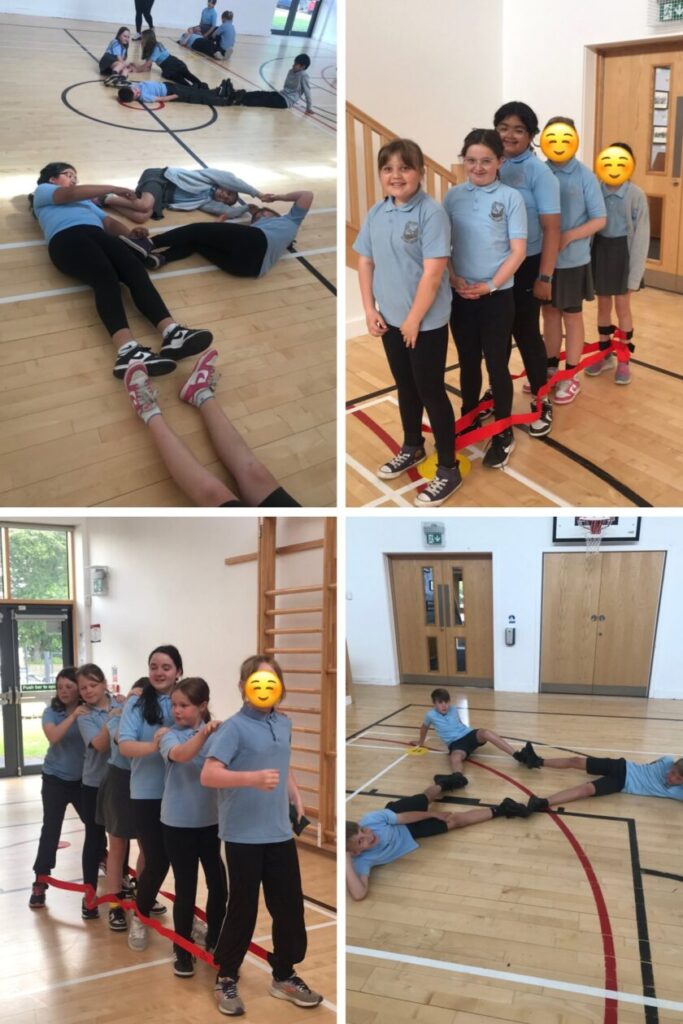
Primary 6 Teambuilding (Appendix 56)
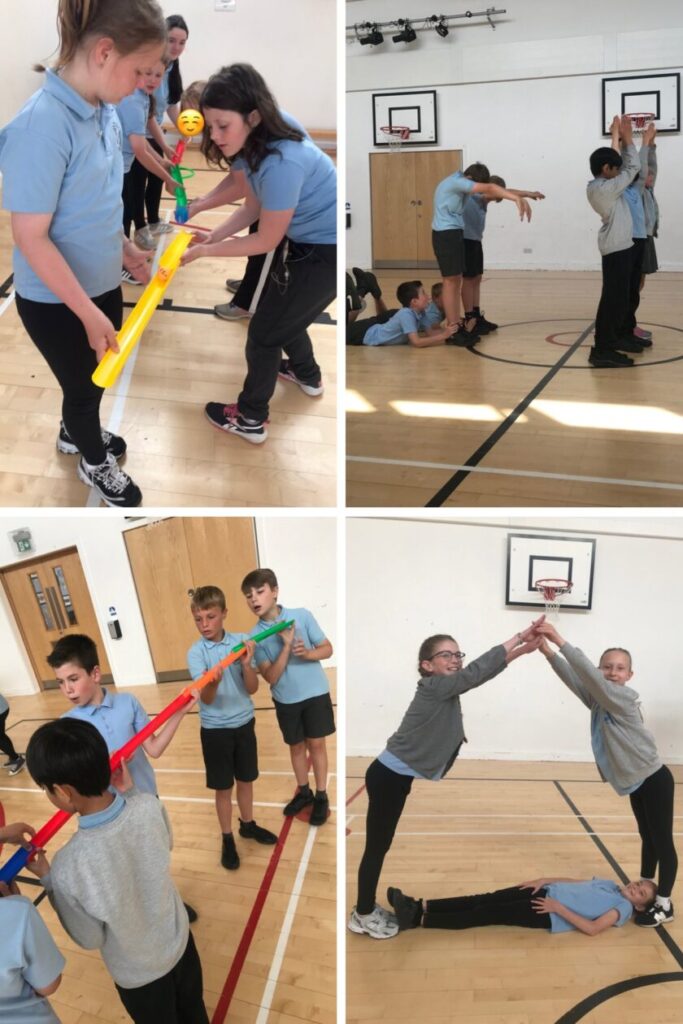
Loaves and Fishes Charity (Appendix 57)
-
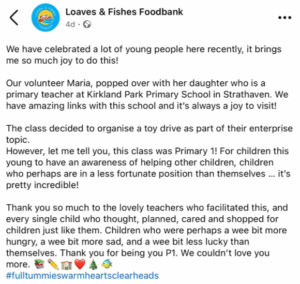
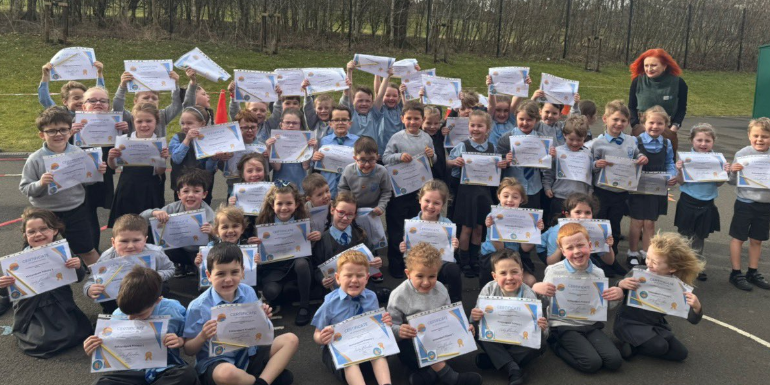
Our pupils are taught that positive relationships and compassion are at the heart of a thriving community. We encourage children not only to understand kindness but to put it into action in meaningful ways.
A recent example of this was our toy drive, where pupils collected toys to donate to children who are less fortunate. This initiative allowed pupils to see the impact of generosity and empathy first hand, reinforcing the importance of caring for others and contributing to their wider community.

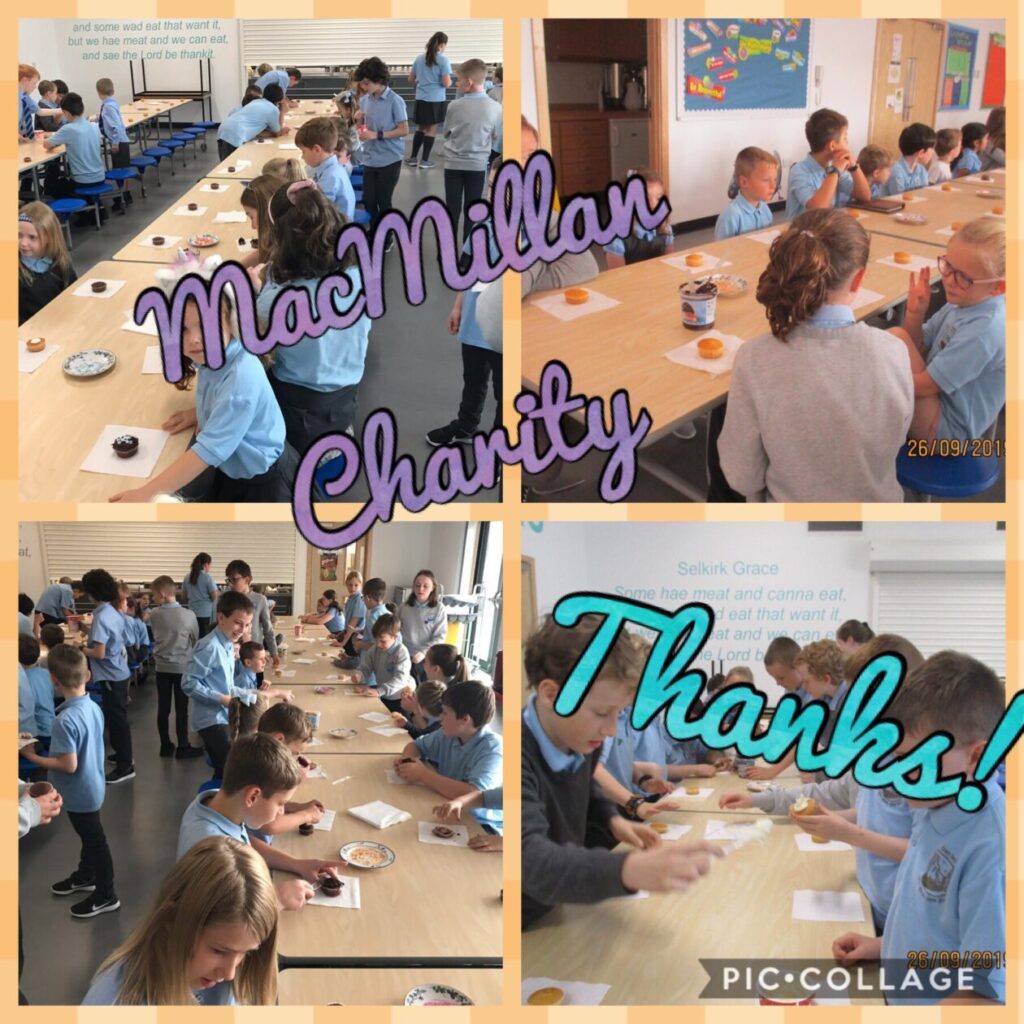
MacMillan Coffee Morning (Appendix 58)
- Our pupils have opportunities to put compassion into practice, and a recent highlight was their fundraising for a Macmillan Coffee Morning. By organising, promoting, and participating in the event, pupils demonstrated generosity, empathy, and a commitment to supporting others in need.
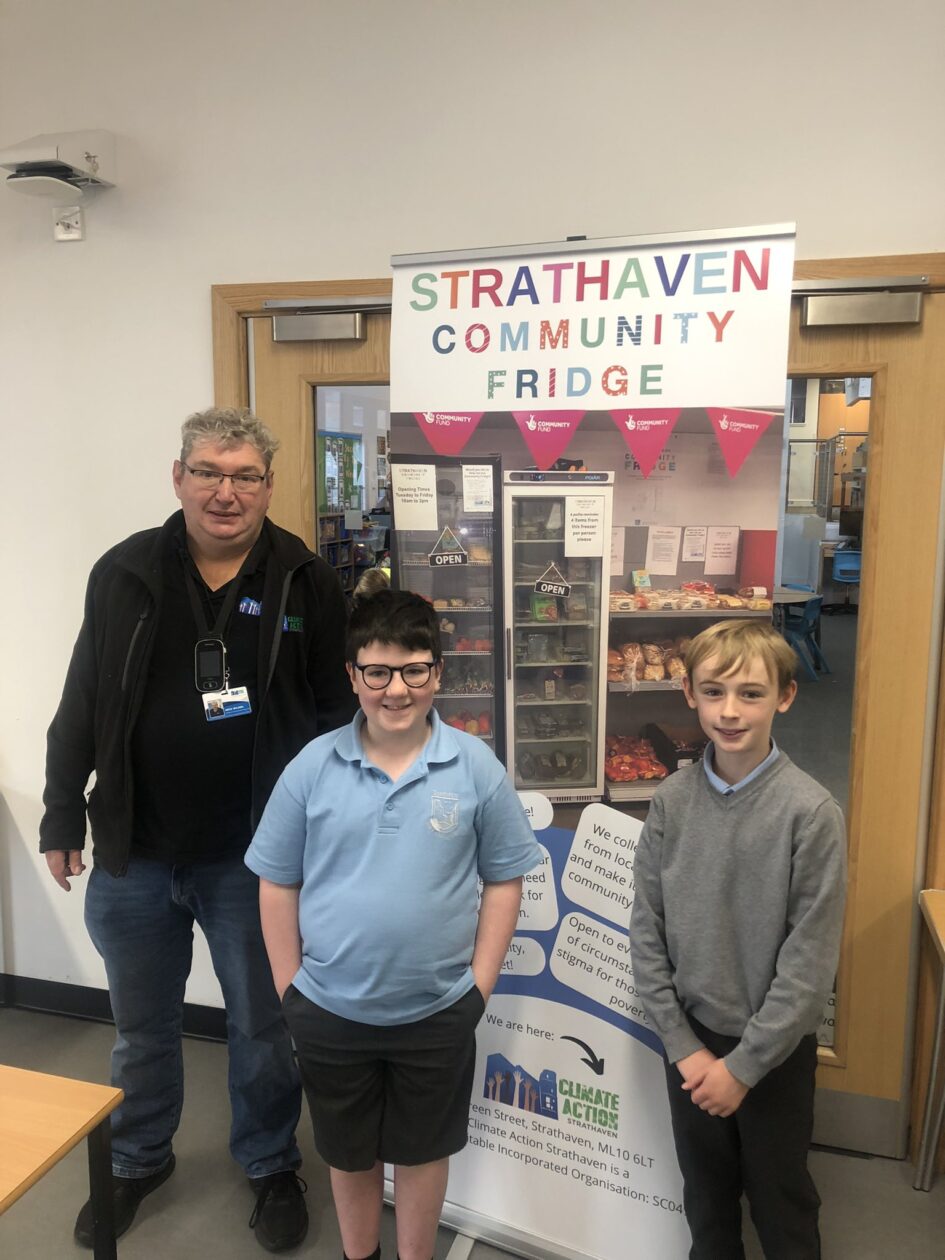
Climate Action Strathaven Community Fridge (Appendix 59)
- Working with Climate Action Strathaven to support the Community Fridge project reflected our commitment to compassion, sustainability and social responsibility. By supporting local food banks and redistributing surplus food, we help reduce waste while providing practical assistance to members of our community. This initiative not only addresses environmental awareness but also encourages pupils to understand the importance of fairness and collective responsibility. Through involvement in projects like this, children learn that small, thoughtful actions can make a meaningful difference to both people and the planet.
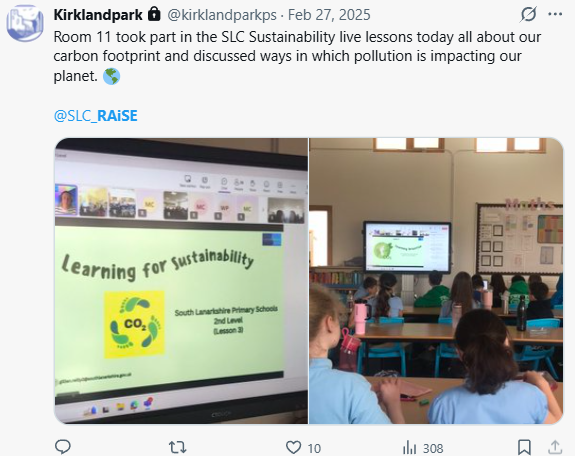
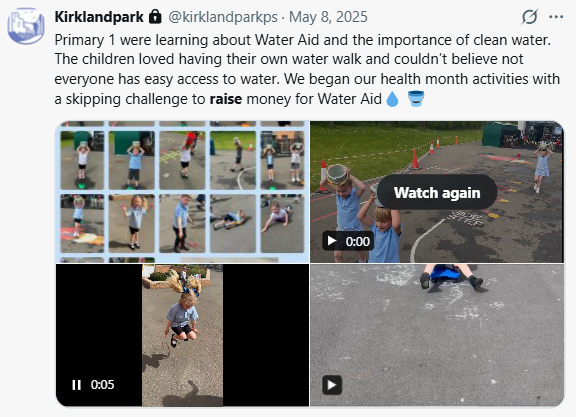
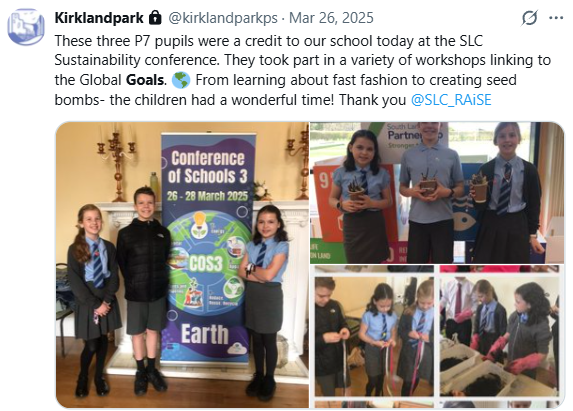
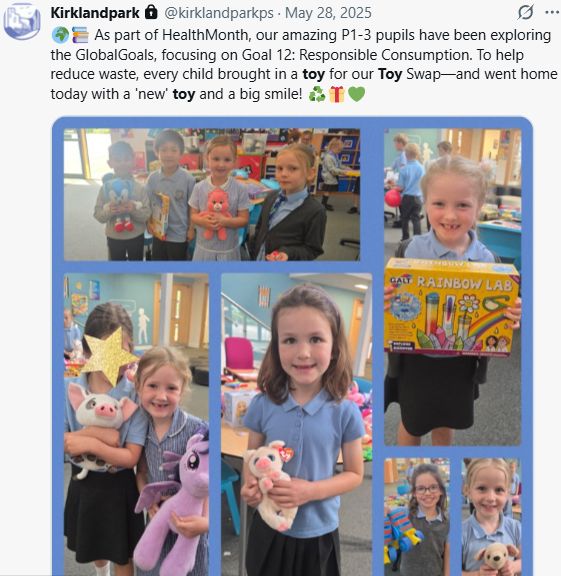
Global Goals at Kirklandpark (Appendix 60)
- As part of our commitment to nurturing socially aware and compassionate pupils, we explore the United Nations Sustainable Development Goals, focusing on concepts such as equality and equity. Through age-appropriate activities and discussions, children learn that not everyone in the world has the same opportunities or resources, and that fairness sometimes requires different kinds of support for different people.
Kirklandpark IDL Topic- Global Goals (Overview) (Appendix 60)
Visits to Abbeyfield (Sheltered Housing) (Appendix 70)
-
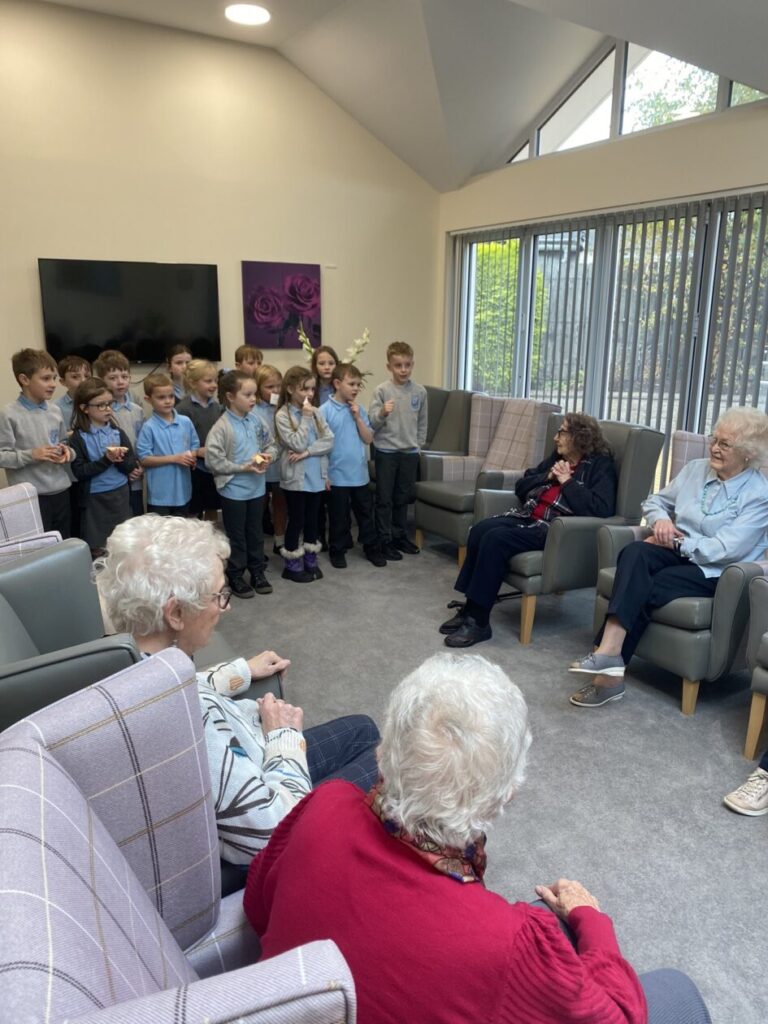
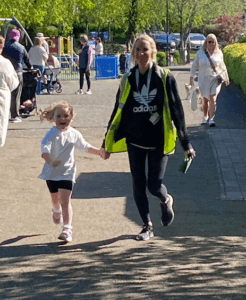
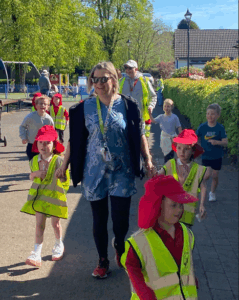
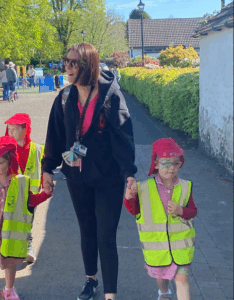
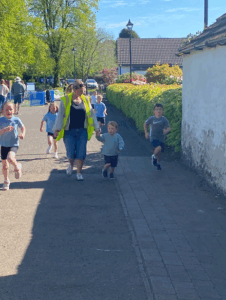
Our visits to Abbeyfield sheltered housing provide meaningful opportunities for pupils to build relationships beyond the school community. During these visits, children share songs, perform poems, read stories and spend time chatting with residents, creating moments of genuine connection and joy.
These intergenerational experiences nurture empathy, confidence and communication skills. Pupils learn the importance of listening, showing respect and valuing the life experiences of others. In turn, residents enjoy the energy, creativity and warmth that the children bring.