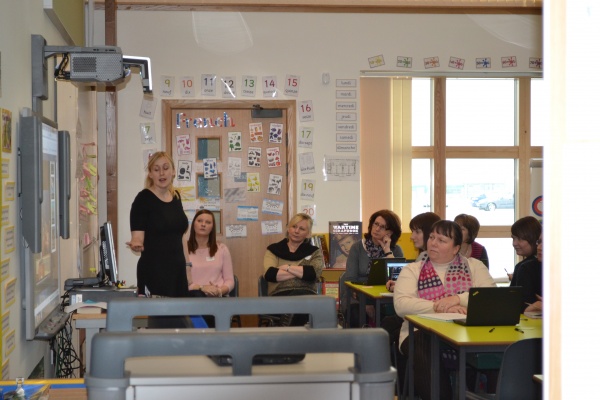
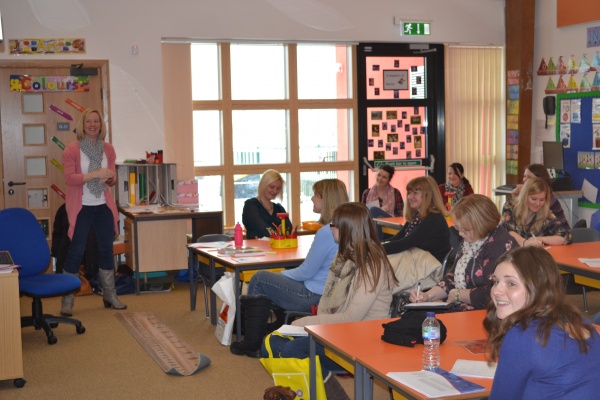
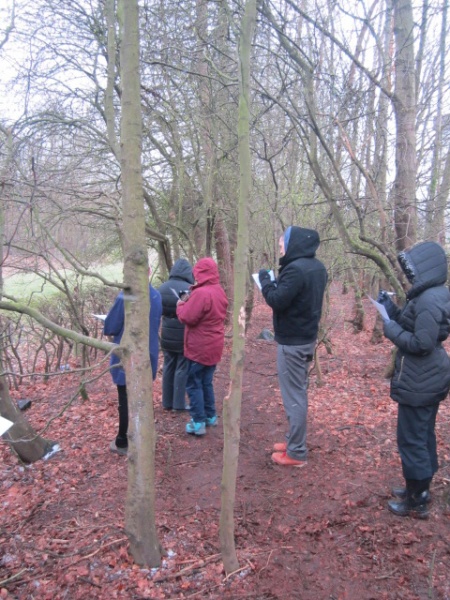
Karen Thomson – Senior Early Years Officer, Curriculum Support Team, together with Daniel Barrie – Quality Improvement Officer, Heather Hush – Headteacher, Denny Nursery and Avril Robertson – Headteacher, Queen Street Nursery, organised the Early Years Conference on 13th February 2013. This event was held at St. Bernadette’s Primary School in Larbert and participants were able to take part in 2 workshops throughout the day (from a choice of 13) as well as hear from Tam Bailie, Scotland’s Commissioner for Children and Young People and Kerry Crichton, Health and Wellbeing Development Officer, Education Scotland.
Despite the snowy weather this event was a great success and the outdoor workshops still managed to take place due to the Yurts that were kindly loaned by Falkirk Community Trust.
The workshops were:-
ENTER THE EXCITING WORLD OF BLOGGING (A BEGINNER’S GUIDE)
 Mary Jalland and Siobhan Cunningham were kind enough to showcase the blogs they have developed at Westquarter Primary School and Nursery Class.
Mary and Siobhan also gave delegates some introduction information in getting their own nursery/school blog started.
Blogging links (information given out during workshop)
Here are some of the comments from the workshop:
“Thanks very much for the very useful handout and great presentation.”
“Can see the benefits to parents/carers and how they could be more involved in the life of the nursery.”
“very informative and a great presentation – will take ideas back to setting – thank you for all the information.”
THE GRUFFALO – OUTDOOR STORYTELLING
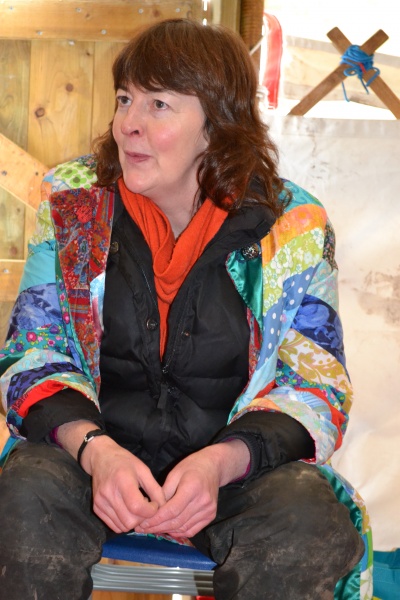
 Many thanks to Yvonne Manning from Library Services for facilitating the storytelling workshop – fortunately we had managed to get a loan of a yurt from Falkirk Community Trust which was very useful due to the snow that morning!
Here is a selection of the comments:
“good to see storytelling to children without books, using visual props and the child’s imagination.”
“I am going to get the sewing machine out and make my own story cloak! Wil love trying out my abilities at oral story telling!”
“few good ideas for oral stories – liked snowdrop and story stick. Seen some new stories to read.”
REFLECTING ON LITERACY DEVELOPMENT FOR UNDER THREES
Many thanks to Avril Robertson, Headteacher – Queen Street Nursery for facilitating this workshop.
Here are some of the comments from the exit passes:
“A good tool for self-evaluation in line with Child at the Centre. Good opportunity for idea sharing.”
“good ideas to support children with additional support needs and provide early literacy activities.”
“useful literacy development tools and being able to recognise different ways to help develop children’s literacy.”
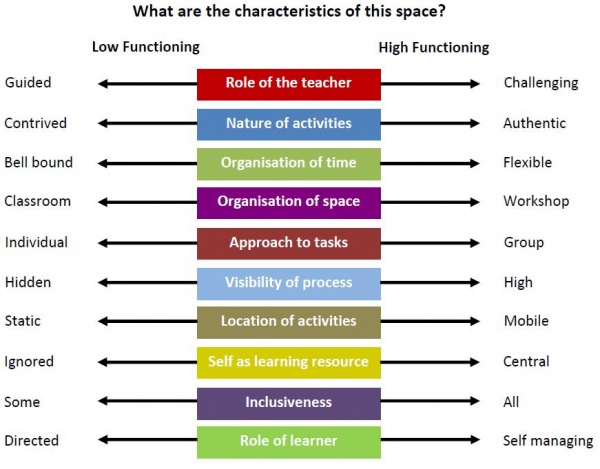
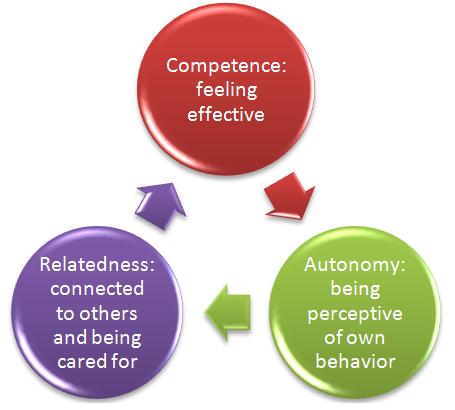
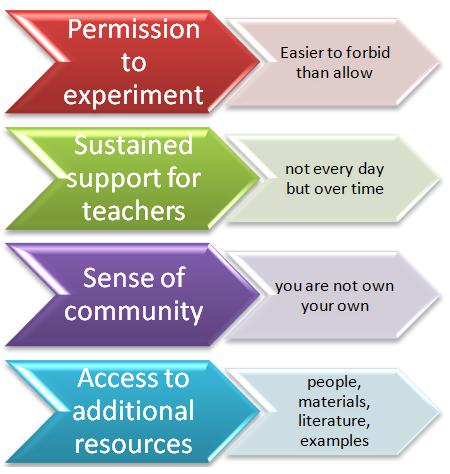
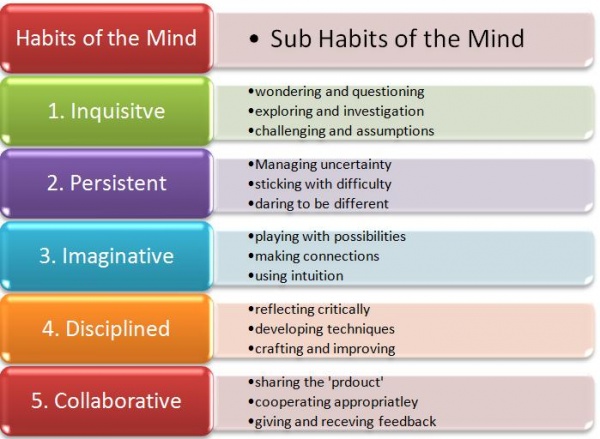
TRANSFORMING PRIMARY 1 LEARNING SPACES
 Ashley Johnston, Principal Teacher, St Margaret’s Primary School has been develoing the Primary 1 space and shared the journey with the delegates.
Here are some of the comments:
“Greater use of variety of tasks for maths including outdoors. More play for deeper learning and consolidation.”
“I will look at classroom organisation and how to move away from whole class lessons and speak to stage partner about possibility of changing use of classrooms.”
Seeing how well two Primary 1 classes can work together and also hearing that the the work we do in nursery is appreciated and useful to P1 teachers.”
PARENTAL INVOLVEMENT
Many thanks to Laura Jarvie, Depute Headteacher for facilitating the Parental Involvement Workshop.
Click here for Presentation
Here are the comments from delegates:
“I will always
make myself available for parents who just want someone to listen to and to make them understand they are not alone. Will always try to give my best advice to make them feel valued.”
FIRE – A VALUABLE LESSON?
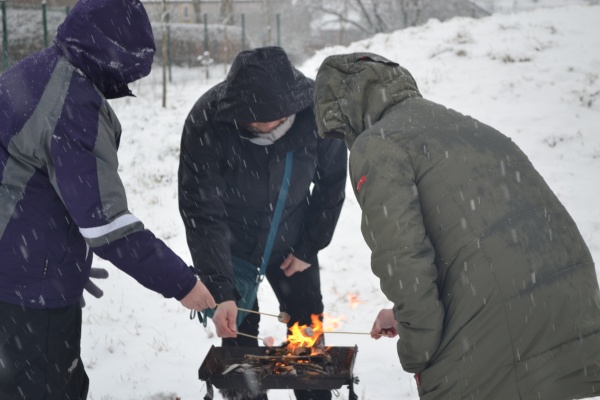
 Jane Jackson, Outdoor Learning Development Officer, held the Fire Workshop at the Conference – this was not an easy task with the snow, however all participants managed to get the fire lit with a variety of materials/resources.
Some of the feedback from this seesion:-
“this has helped to develop my confidence to do this activity with pre-school children who will benefit from a valuable learning experience”
“Excellent workshop, covered all safety and fun aspects – brilliant!”
“Apart from the lovely smokey smell, the course was very well delivered, The facilitator’s passion for outdoors and for re-introducing risk in a controlled way came across wel and is one I firmly agree with”
WHAT IS A NURTURE CLASS?
Many thanks to Belinda Tomasik and Carole Roberts for the Nurture Class Workshop.
Click here for The six principles of nurture groups
Click here for Nurture Class Presentation
Some of the feedback:-
“I now have a better understanding of what a nurture class is and the additional needs of some children.”
“The value of the team approach and the significant effect on the children and the support for parents/carers.”
“I am beginning to think of children that could be potential for our nurture room”
“I am going to consider how to make my class more of a nurturing environment.”
“Highlights the importance of what is going on at home and of building good relationships with the parent.”
ACTIVE LITERACY
 Many thanks for Sharon Wallace, Caroline Sweeney and Chelsey Johnson for facilitating the Active Literacy Workshop.
The feedback received was very positive – here are some of the things that delegates took away from the workshop:-
“The idea of creating a ‘bear hunt’ within our toic of Toys. Loved the innovative idea of fan to blow ‘snow’ – great! Thank you!”
“More use of pair work to encourage working together.”
“I will use more visual aids and use some of the suggested ideas to enhance active literacy in practice.”
“I will access the North Lanarkshire Pack and use it within the nursery. I will liaise with P1 teachers.”
“We do some of the ideas already but I now feel more confident in going back and going loads more, especially shoulder partners.”
“I will encourage the nursery to use terminology and partner work for active literacy.”
EARLY YEARS – PHYSICAL EDUCATION
 Morag Simpson and Morag Young, PE Specialists/PE Lead Officers showcased some activities that Early Years children can take part in during the nursery sessions.
Early Years Presentation
“Lots of good ideas that will be of use in our nursery gym time”
“The warm up acivities were excellent. Great links to literacy and numeracy.”
“PE is great resources fro interdisciplinarly learning! Fab presenters!”
“Great, practical, easy ideas.”
“A lot of good ideas for use with 0-5 and tips of how to adjust to level of child. Lots of great ideas for topics and especially early literacy and numeracy.”
Here is the handout that was given to all participants.

LEARNING JOURNEYS
Many thanks to Jan Baxter and the Peripatetic Support Team for the Learning Journey input at the Conference. This gave participants an opportunity to look at some learning journeys from other establishments and raise any issues they have had while implementing these into their setting. Click here for Learning Journeys Presentation.
Here are some of the comments:-
“I will now use the children’s quotes in their Learning Journeys and continue to look at the child’s next steps.”
“Some reassurance that what we are doing is OK”
“I am going to collect some significant photos that could be used in future learning journeys.”
“Hurrah, I think the penny has dropped and should be able to fill in journeys with more confidence.”
“This workshop has clarified Learning Journeys for me and I feel we are making progress and are heading in the right direction. We will continue to develop our learning journeys.”
LOOSE MATERIALS – NATURAL PLAY
 Many thanks to Julie Buchanan from Grounds for Learning for delivering the Loose Materials Workshop (in the snow!) It was great to see Outdoor Learning at it’s best in the weather. Julie has thanked us for inviting her and let us know that she had a lovely day and it was great to be part of our exciting event!
Here are some of the weblinks that Julie mentioned during the workshop:-
http://www.ltl.org.uk/pdf/March-11Playnotes1300101493.pdf
http://www.ltl.org.uk/pdf/PN-Storing-your-resources1354030007.pdf
http://www.ltl.org.uk/pdf/Risk-benefit-pro-forma1354026507.pdf
http://www.muddyfaces.co.uk/
Here is some of the feedback:-
“really good ideas. A lot of everyday resources you can use that you already have.”
“the use of tarpaulin to make dens – simple but easy to use with children. Will try to resource equipment for den making – it looks like fun!”
 “Really liked the small loose meterials that can be used to be creative eg picture making and can then lead onto using other curricular areas eg storywriting about picture.”
CREATIVE DANCE
Many thanks to Kirsty Wallace who demonstrated how Creative Dance Project can be included in the Early Years.
 Some of the comments from the exit passes were:-
“Inspirational – good ideas – very good!”
“I feel more confident in using the pack and making dances up myself.”
“lots of good ideas to help the children have fun through movement and dance.”
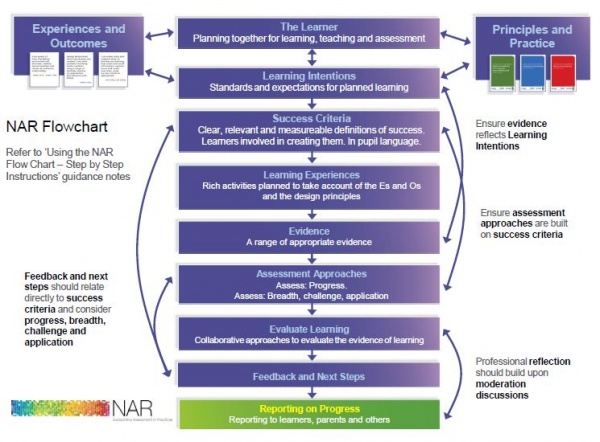
LEARNING INTENTIONS AND SUCCESS CRITERIA
Yvonne McBlain also facilitated the workshop “Strong Learning Intentions, Good Success Criteria AND Interdisciplinary Learning – How do we put it all together?”
Click here for the Presentation
Some of the evaluations are:-
“I am going to share different style of planning with management team.”
“Everyone is finding the whole LI and SC challenging and good to know others feeling the same!”
“The difference between learning intentions and success criteria is now a bit clearer!”
“writing shorter, sharper learning intentions and success criteria.”
As a result of this workshop Yvonne has been invited to deliver this again to all Denny Cluster Schools on 16th April at Denny Primary School. For further details contact Lee Campbell on 50 8810.
HIGHER ORDER SKILLS IN EARLY YEARS – HOW USEFUL IS BLOOM’S TAXONOMY?
Yvonne McBlain also facilitated the Higher Order Skills Workshop.
Click here for the Higher Order Skills Presenation
Here are some of the comments from the participants
“I now have a better understanding of blooms triangle. I will think of this in my future work.”
“I know have a better understanding of how this could be implemented when planning for each child.”
“This wil help with planning and organising new topics for the children.”
“I will start to identify the specific higher order skills at planning.”
“I will obtain examples of skills and apply this to questioning and activities within the classroom.”
SHARING GOOD PRACTICE
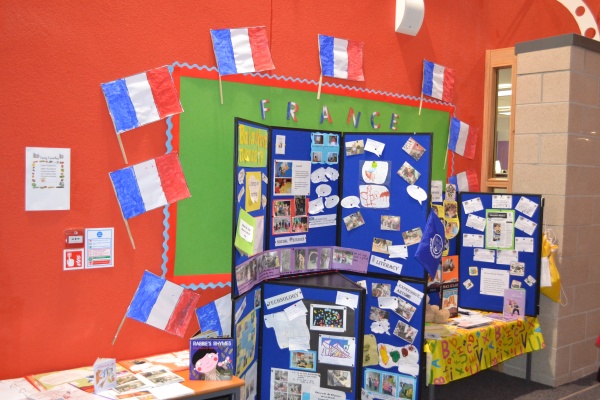
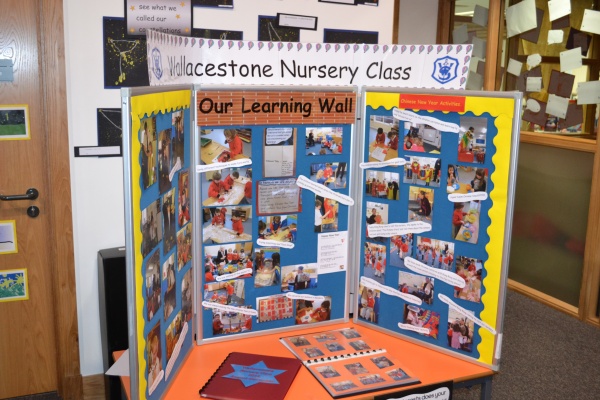
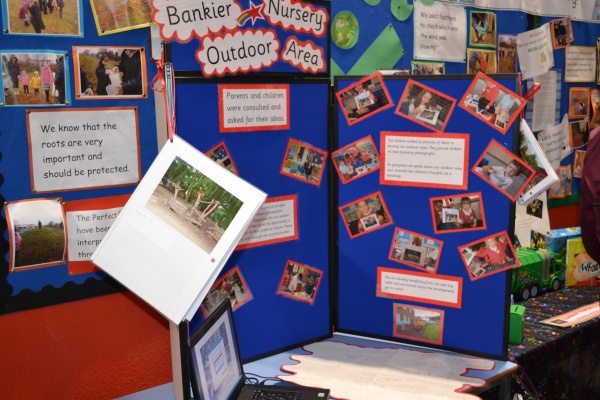
Here are just some of the excellent displays from Early Years Settings in Falkirk Council – more photos will be uploaded shortly.
 Bainsford Nursery
 Wallacestone Nursery Class
 Bankier Nursery Class
 Bantaskin Primary School
 Bo’ness Public Nursery Class