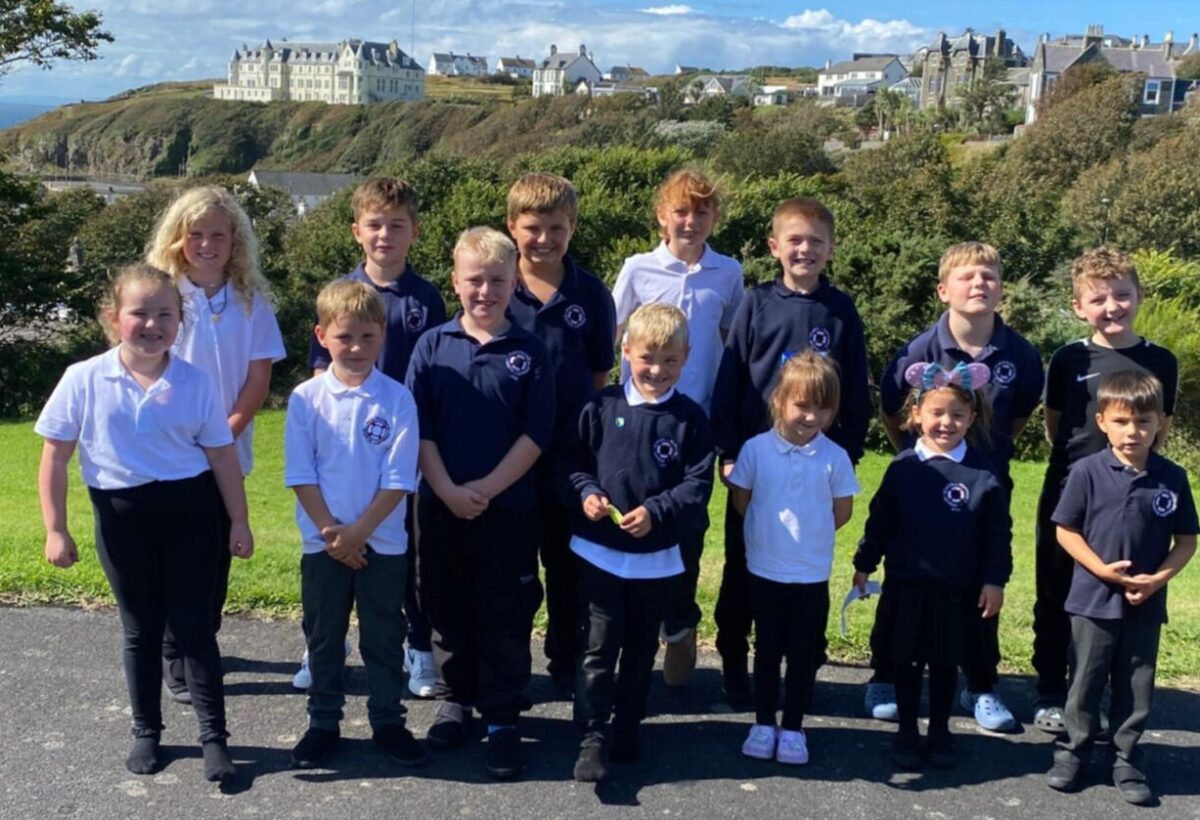
Learning About Palm Sunday with Reverend Breakey 🌿

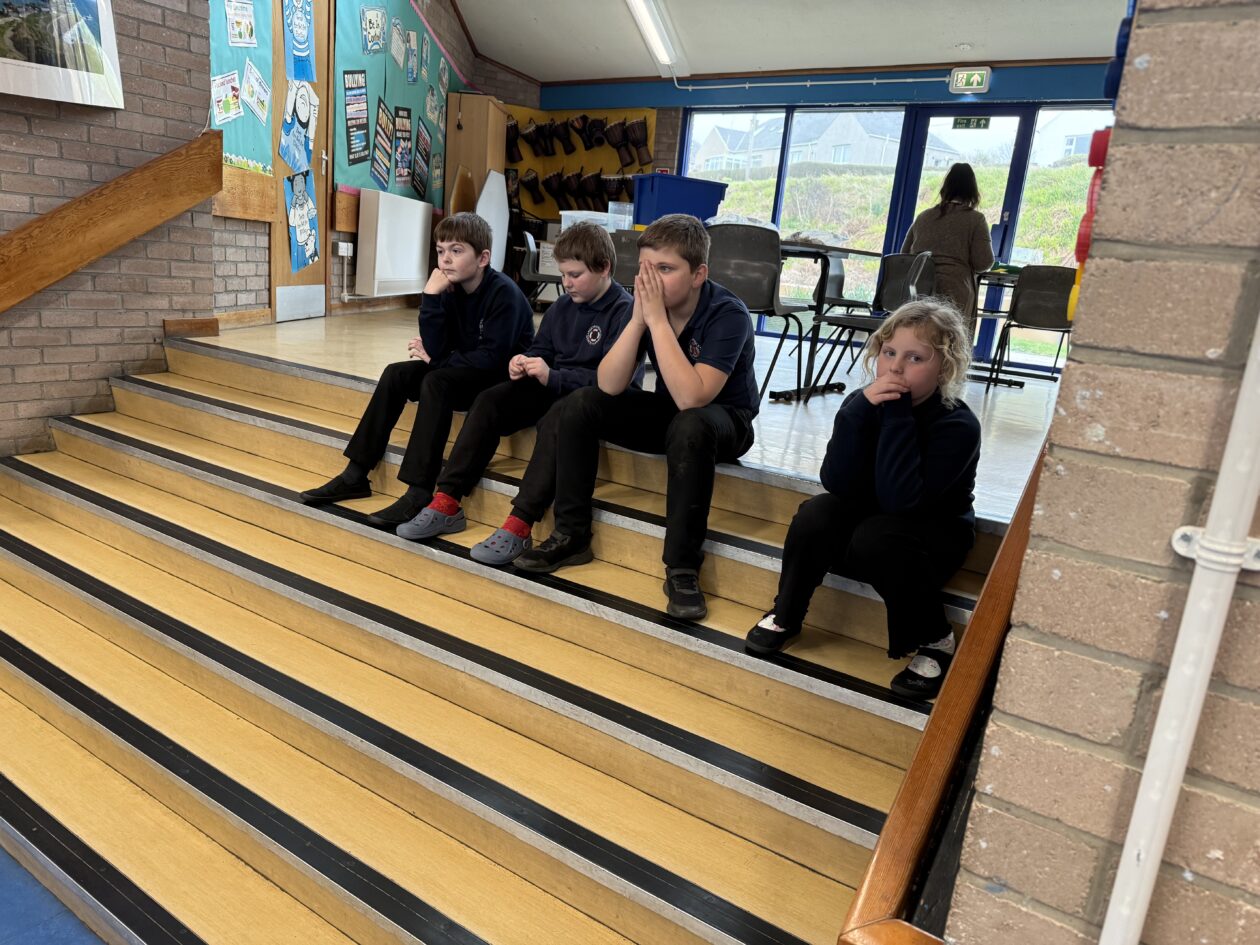
We were delighted to welcome Reverend Breakey into Portpatrick Primary to support our learning in Religious and Moral Education (RME). It was a very special visit where we explored the meaning of Palm Sunday and its importance within the Christian faith.

Reverend Breakey shared the story of Palm Sunday with the class, explaining how it marks the beginning of Holy Week. We learned about Jesus entering Jerusalem, where people waved palm leaves to welcome him, showing respect and celebration. The children listened carefully and asked thoughtful questions, showing great interest and curiosity.

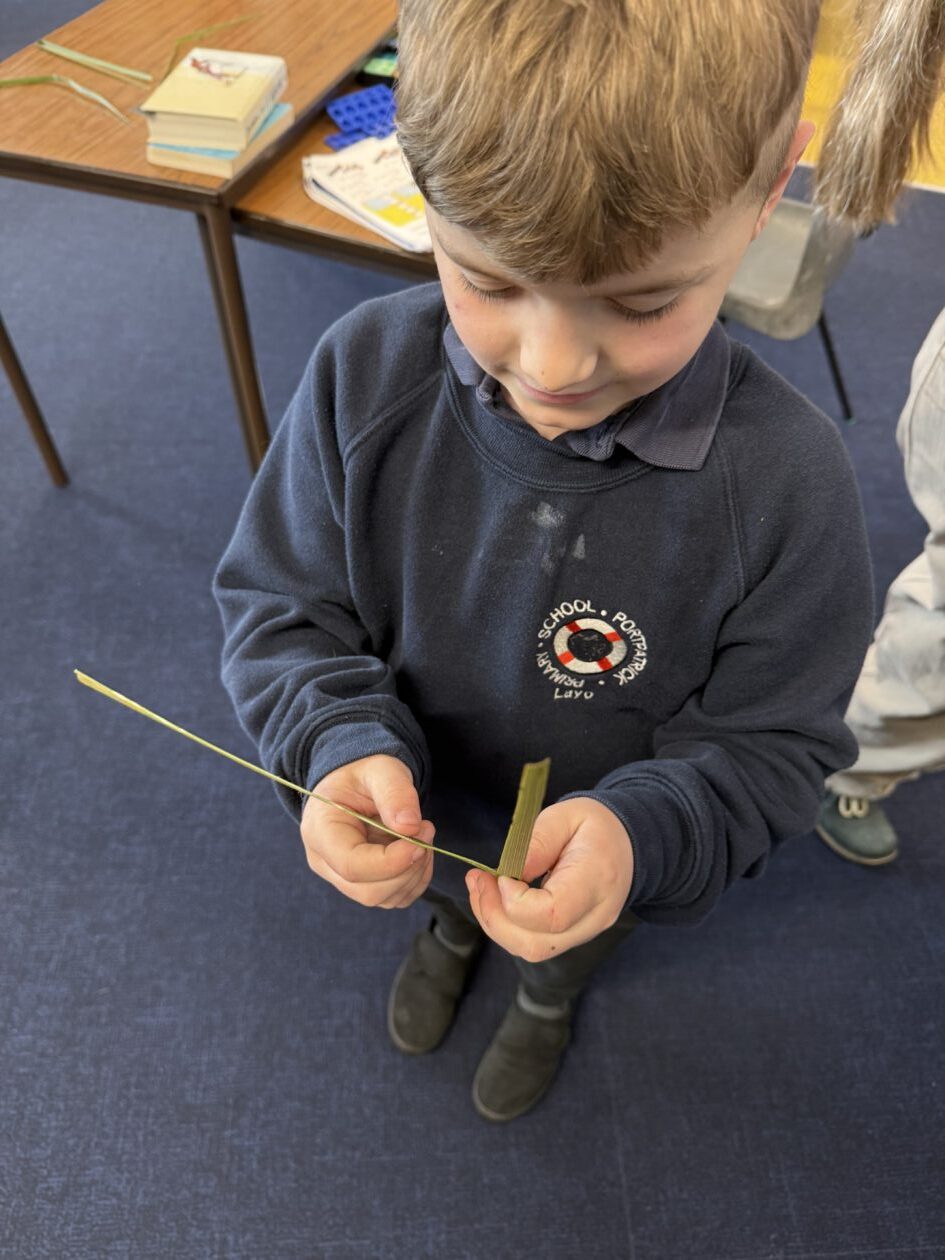
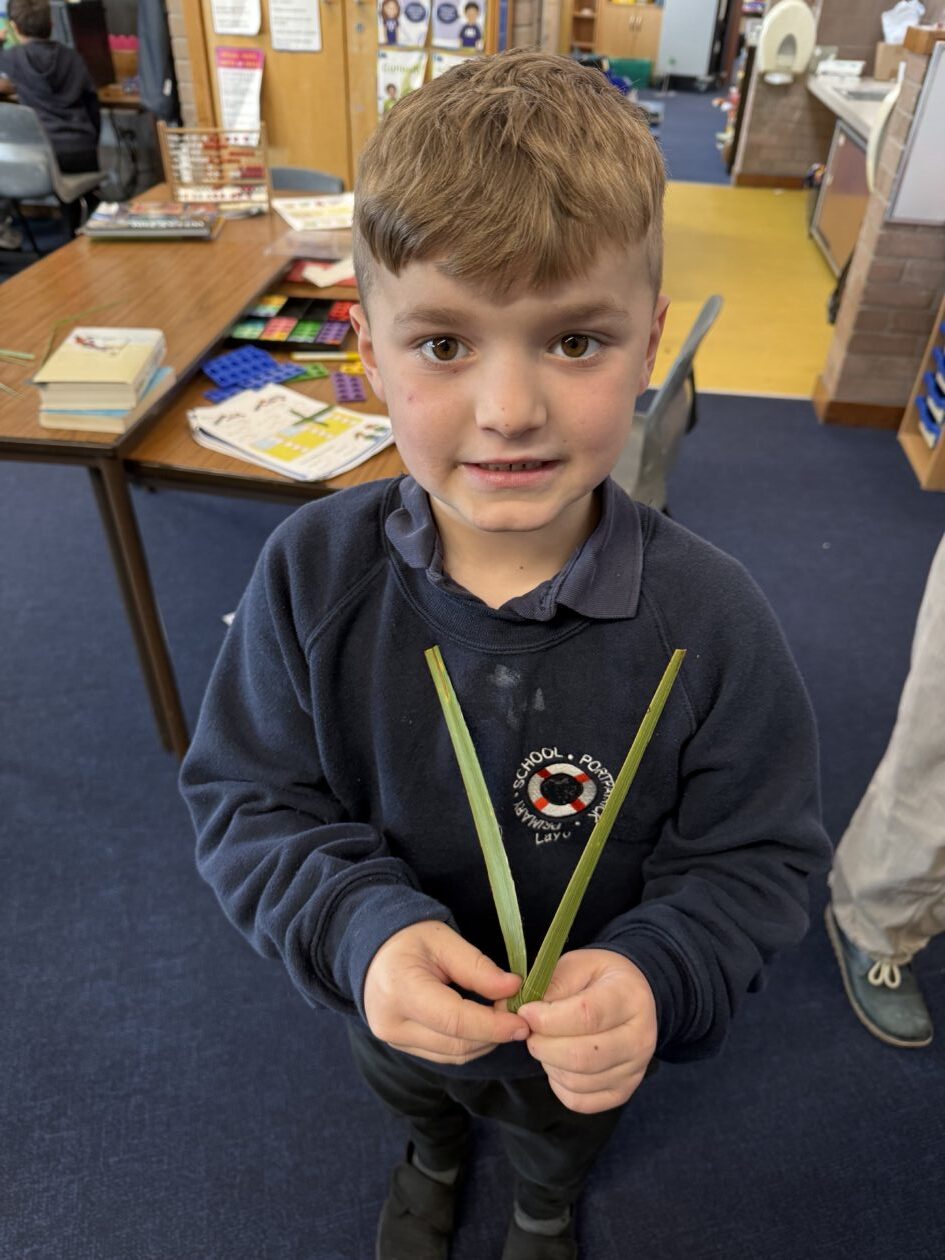
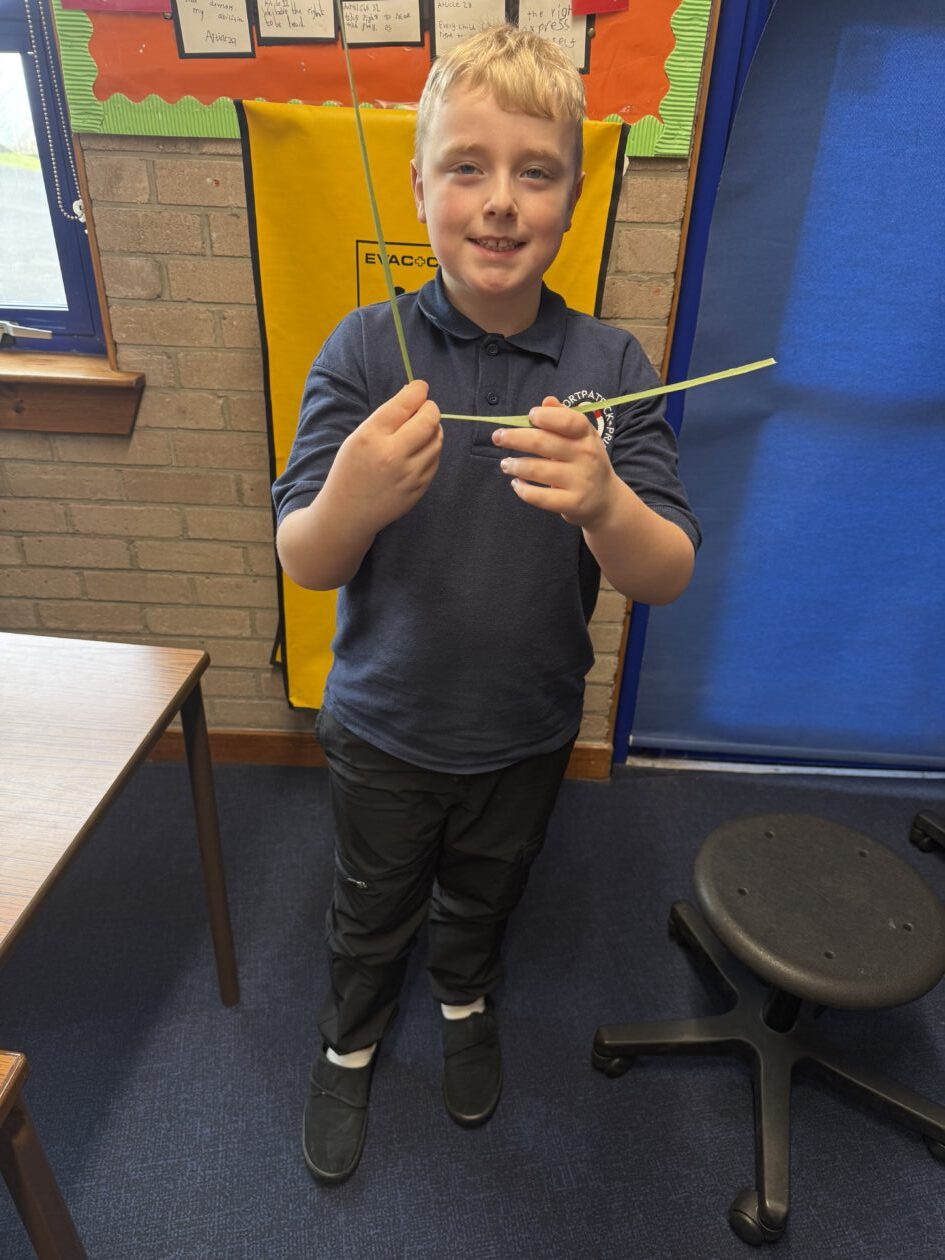
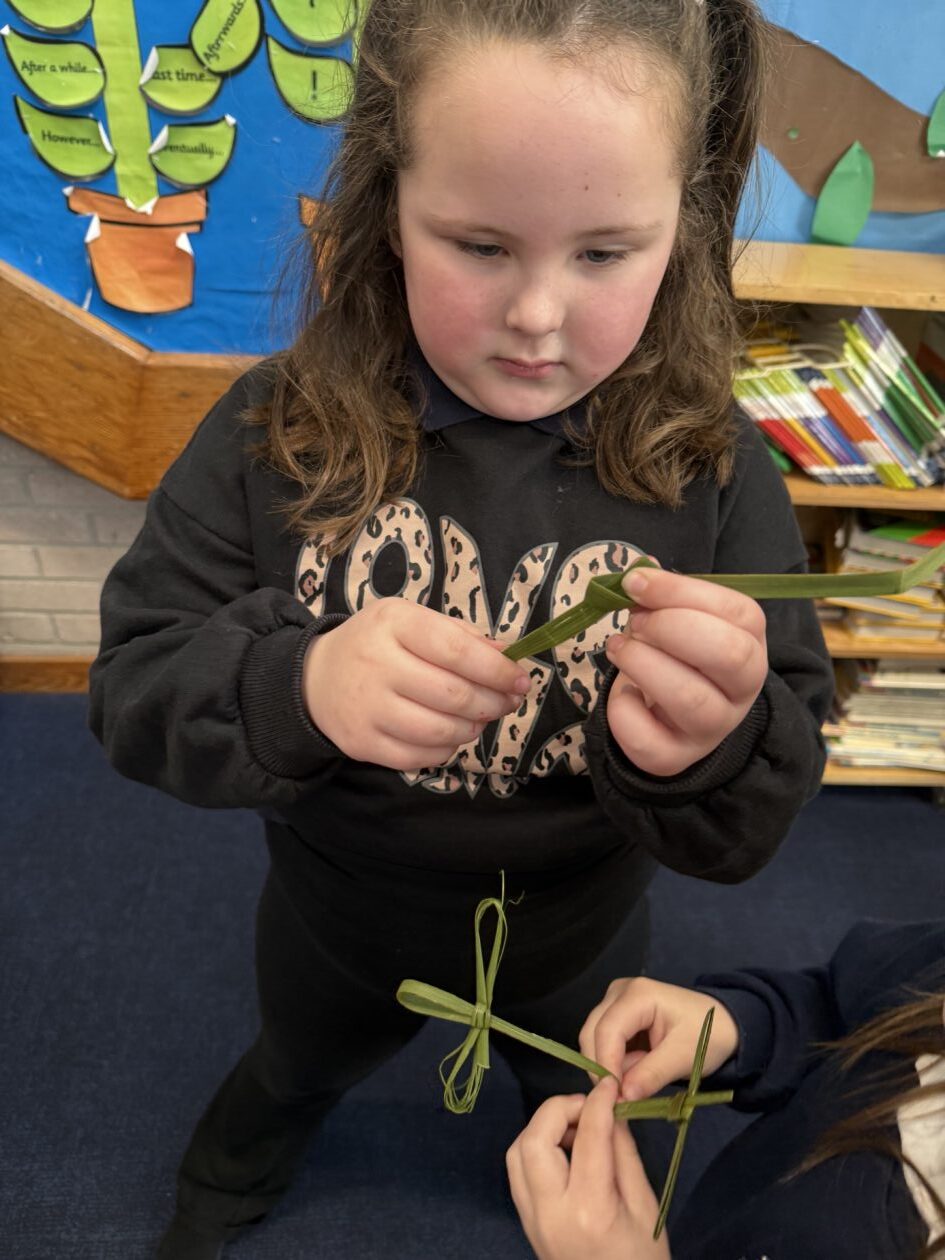
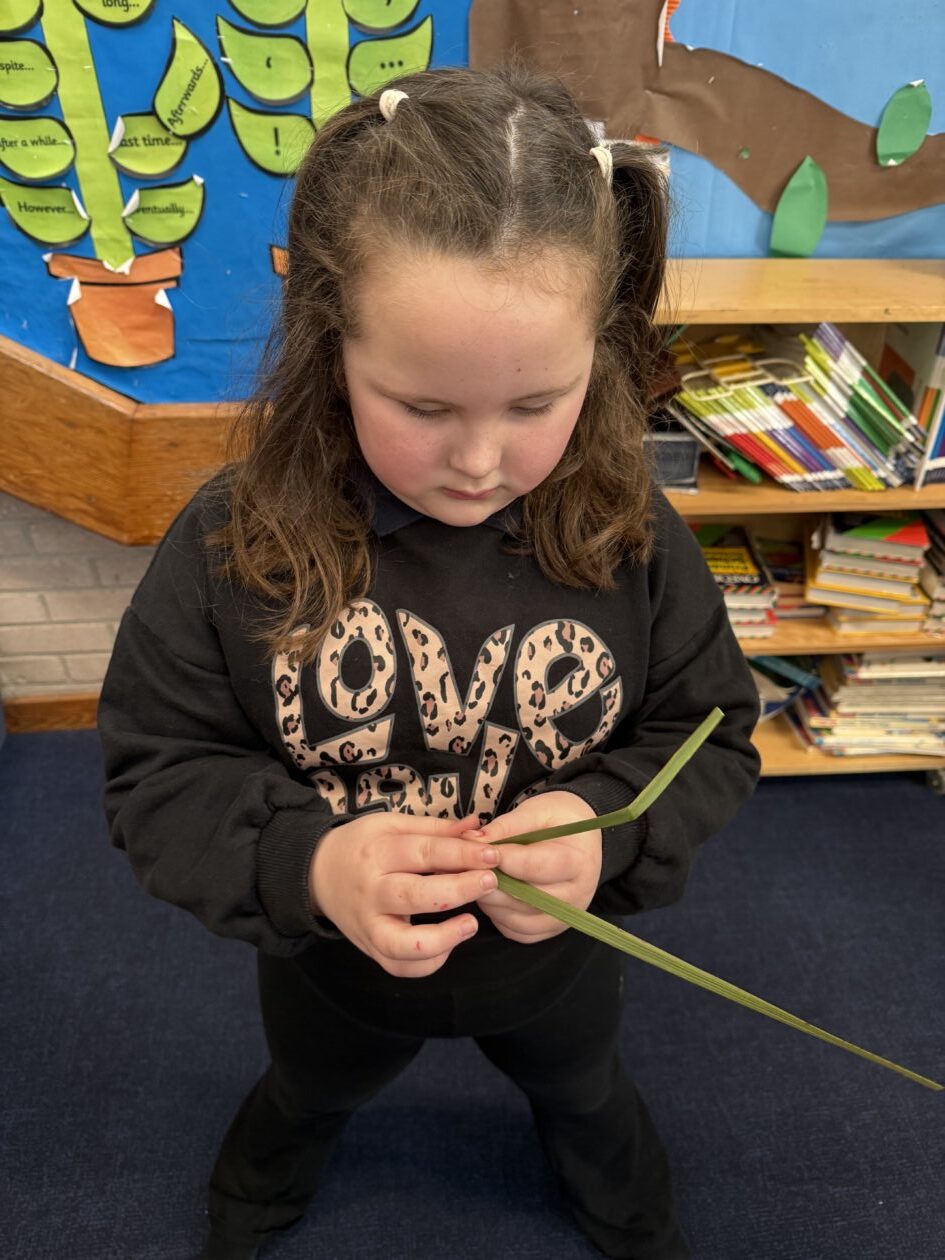
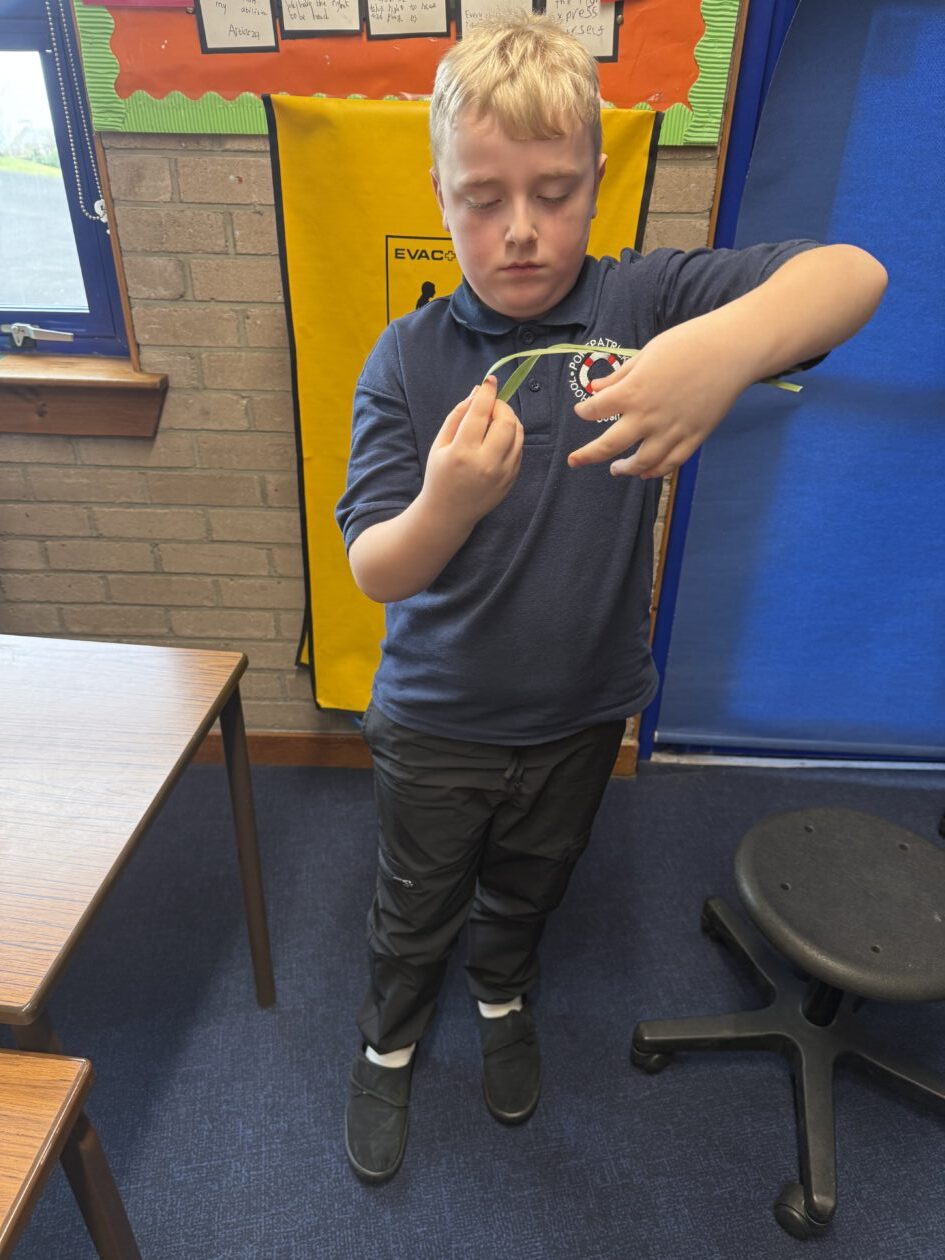
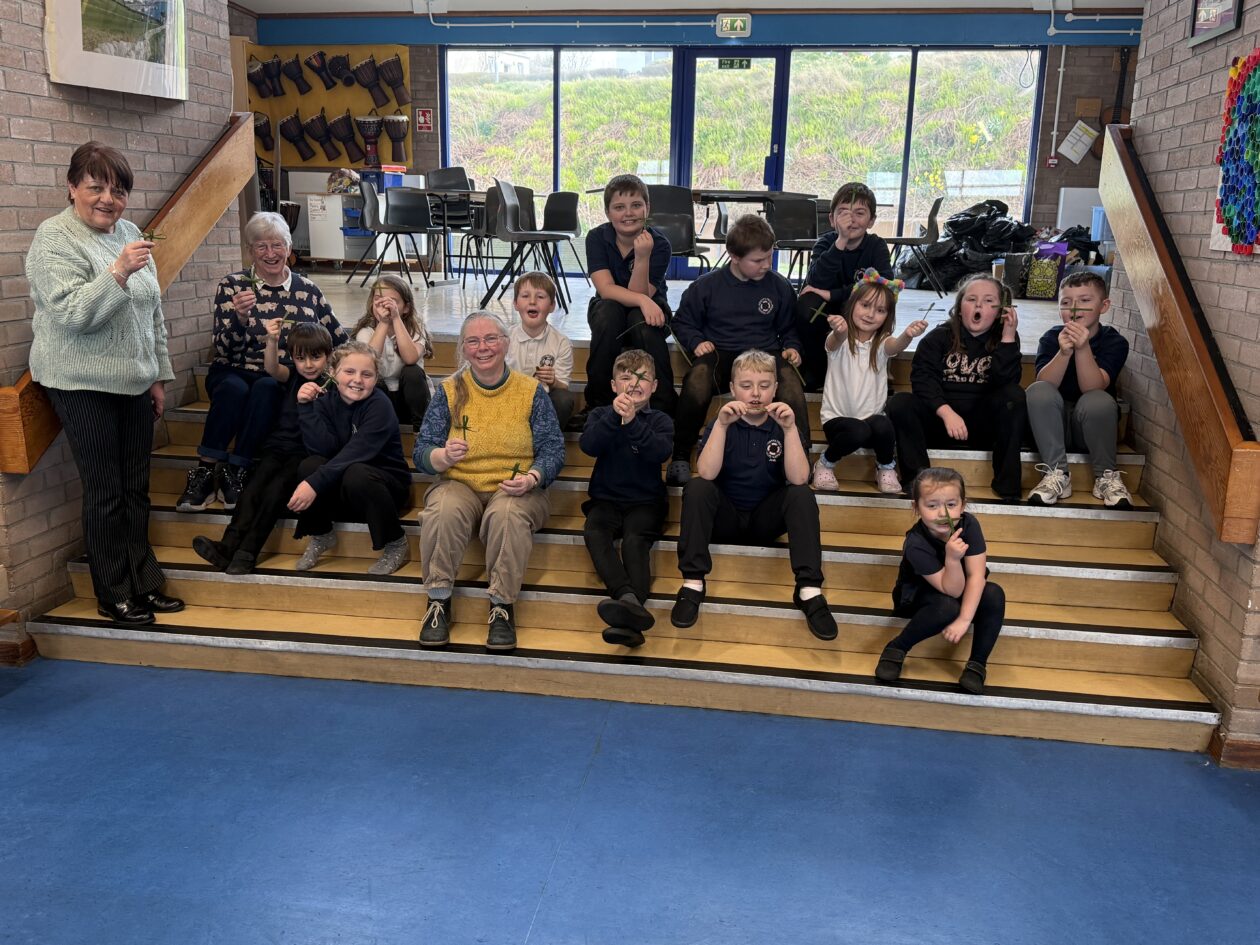
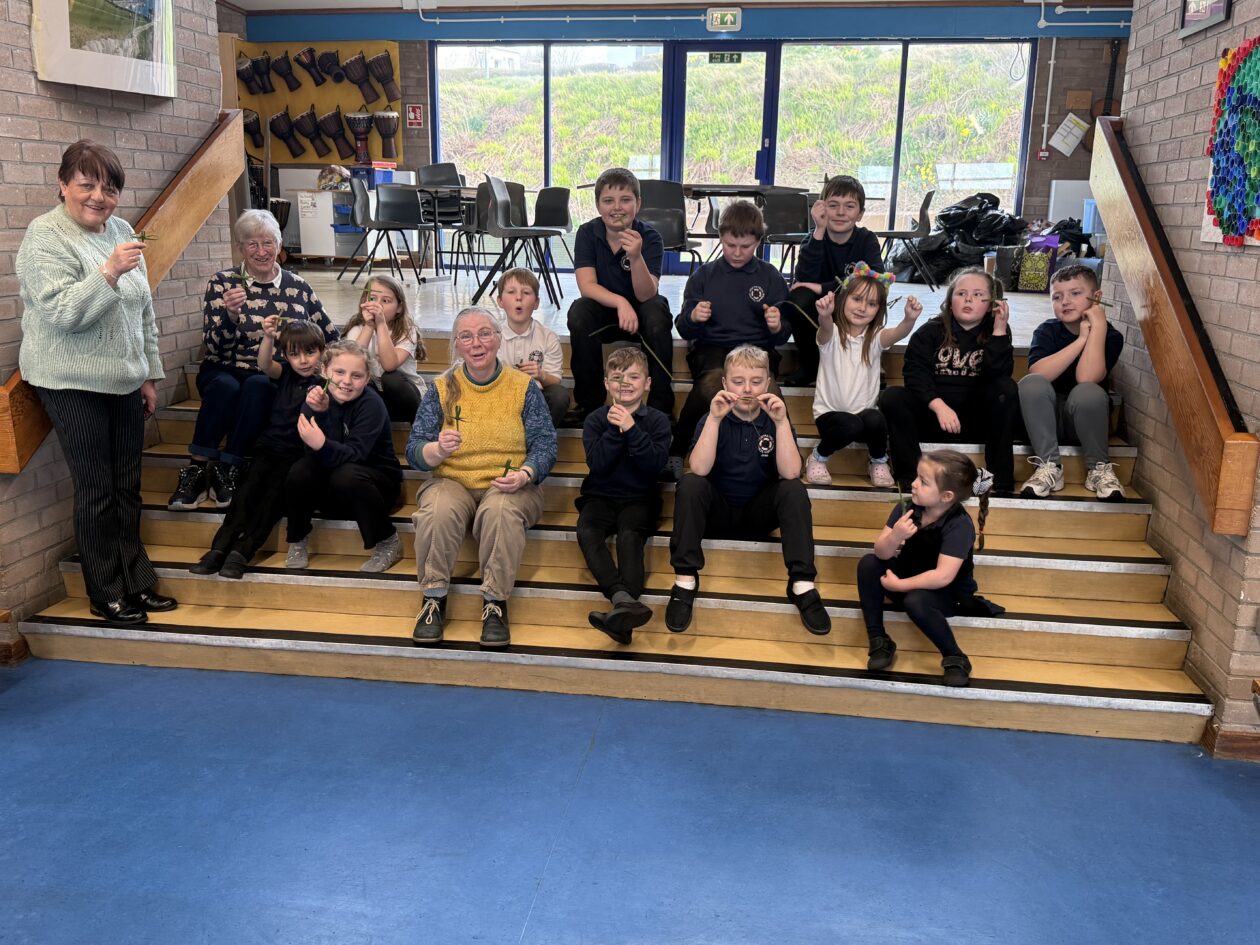
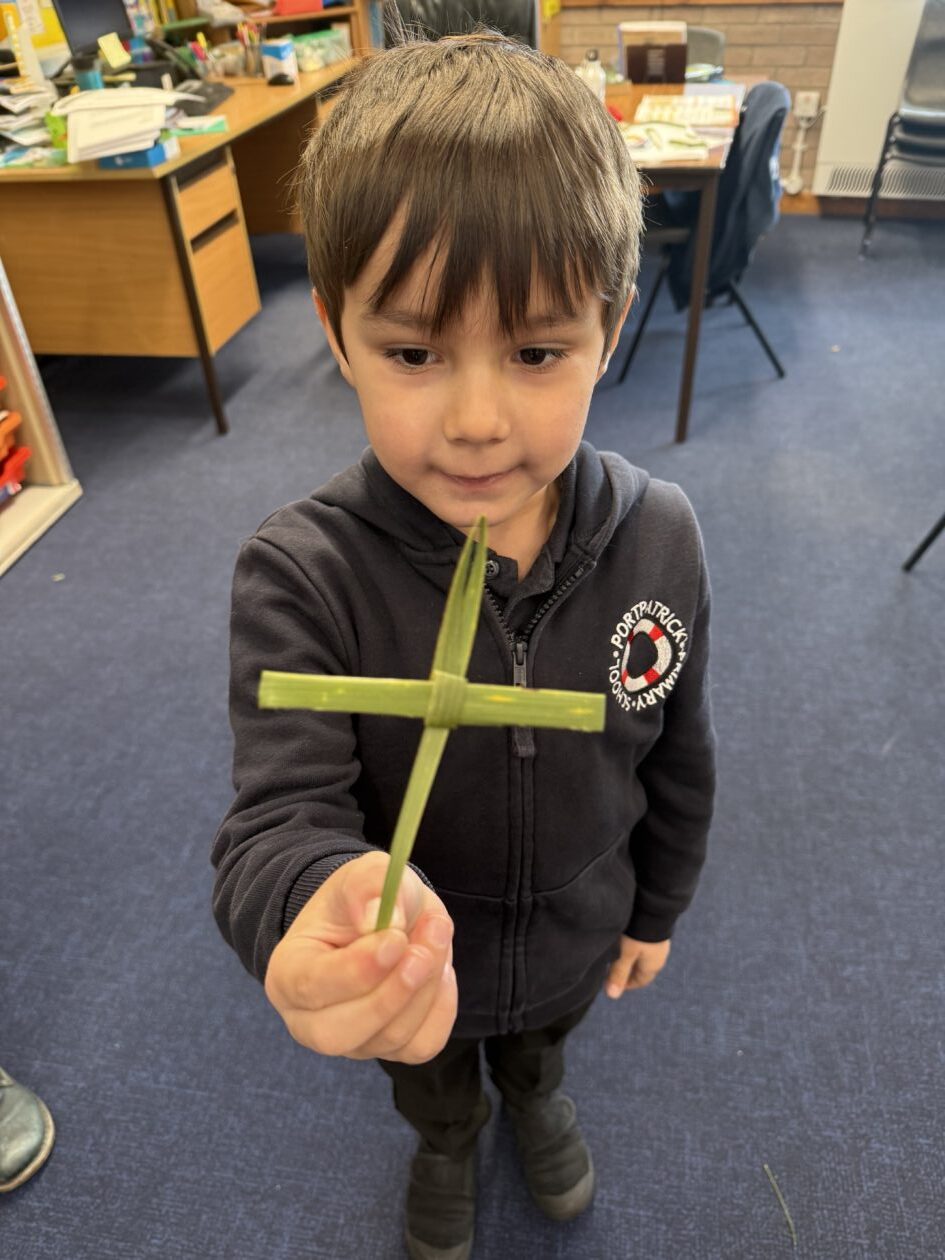
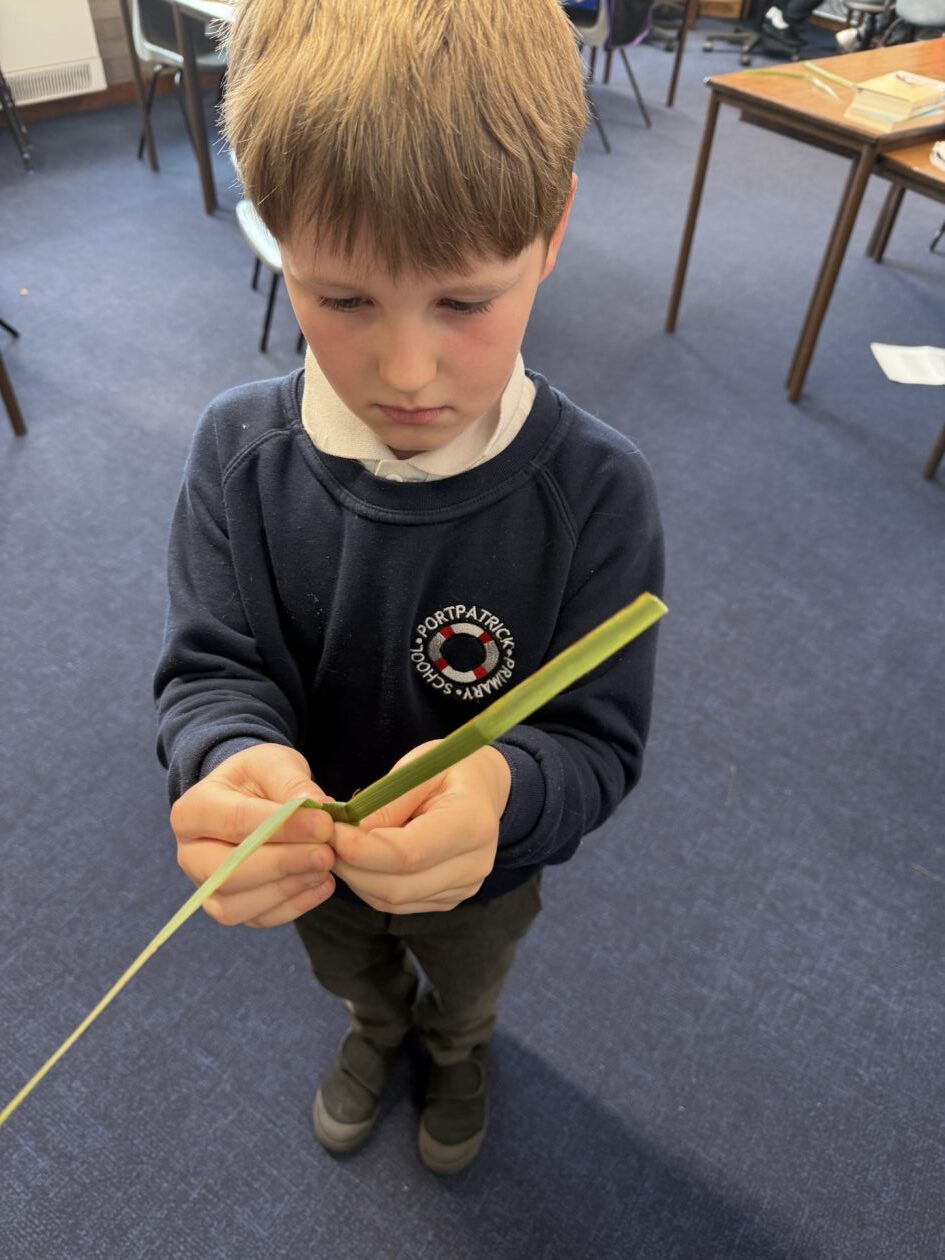
A highlight of the session was the opportunity for everyone to take part in a hands-on activity. Reverend Breakey taught the class how to make crosses using palm leaves, just like those used in Palm Sunday celebrations. The children showed fantastic concentration and perseverance as they carefully folded and shaped the leaves into crosses. They were very proud of their creations!

The experience helped bring the story to life and gave children a deeper understanding of traditions and symbols within Christianity. It was also a lovely opportunity to learn directly from a member of our local community.


Links to Learning

Curriculum for Excellence – RME:

  • Developing understanding of world religions and their traditions.
  • Exploring beliefs, values and practices.
  • Encouraging respect and understanding of different faiths.

UNCRC Rights

This experience supported children’s rights, including:

  • Article 14 – the right to freedom of thought, belief and religion.
  • Article 28 – the right to education.
  • Article 29 – education that develops understanding and respect for others.

Metaskills in Action

  • Curiosity – asking questions and exploring new ideas about faith and traditions.
  • Creativity – making palm crosses using practical skills.
  • Focus and Perseverance – carefully following steps to complete the crosses.
  • Communication – sharing thoughts, ideas and questions.
  • Respect – learning about and valuing different beliefs.

We would like to thank Reverend Breakey for taking the time to visit us and share her knowledge. It was a meaningful and enjoyable learning experience for everyone involved.
Science Open Afternoon at Portpatrick Primary 🌟

We were delighted to welcome parents and families into Portpatrick Primary for our recent Science Open Afternoon. The event was a fantastic celebration of curiosity, creativity and hands-on learning, with children proudly sharing their scientific knowledge and enthusiasm.

From the moment families arrived, there was a real buzz of excitement and it was wonderful to see pupils confidently explaining their learning and encouraging parents to get involved.

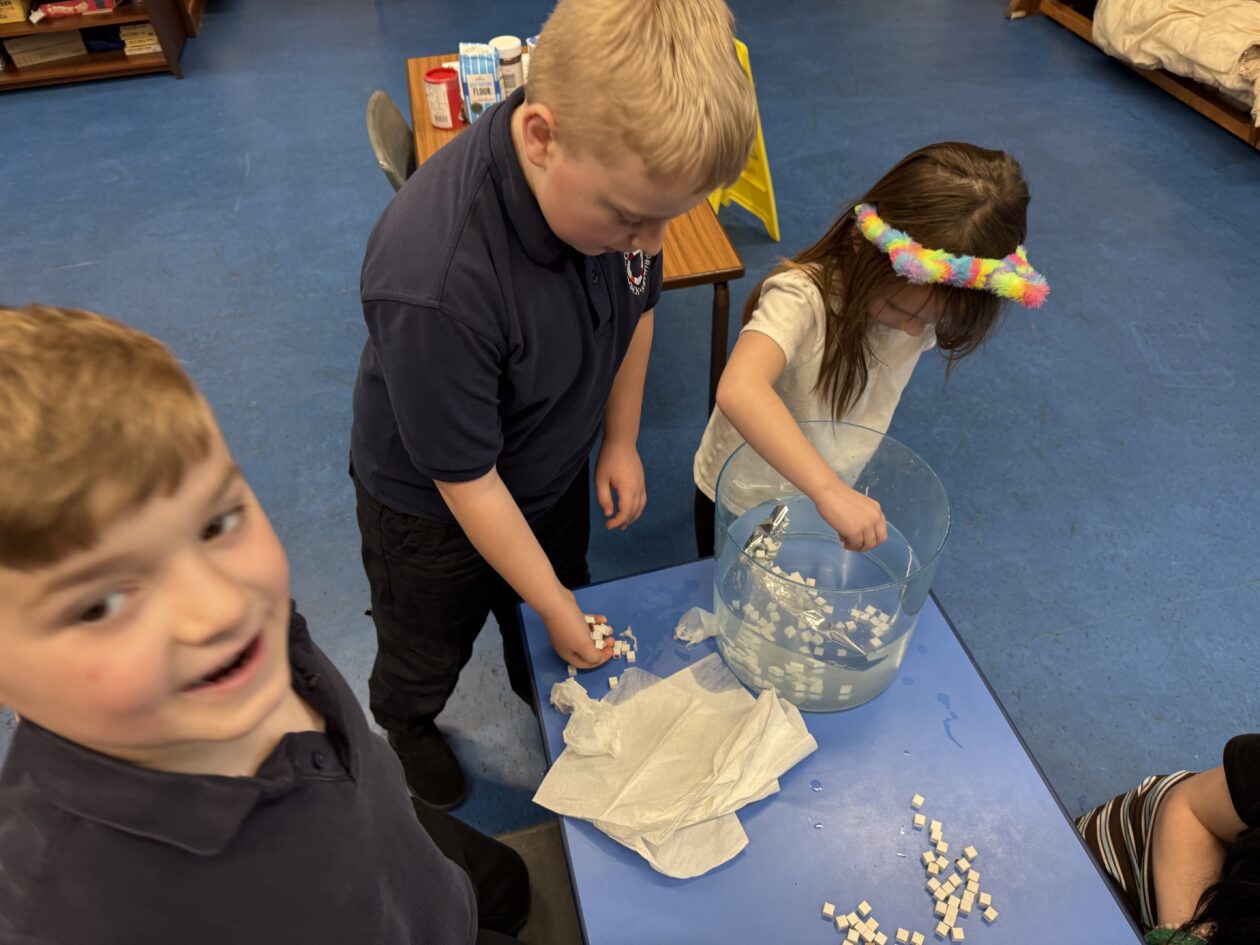
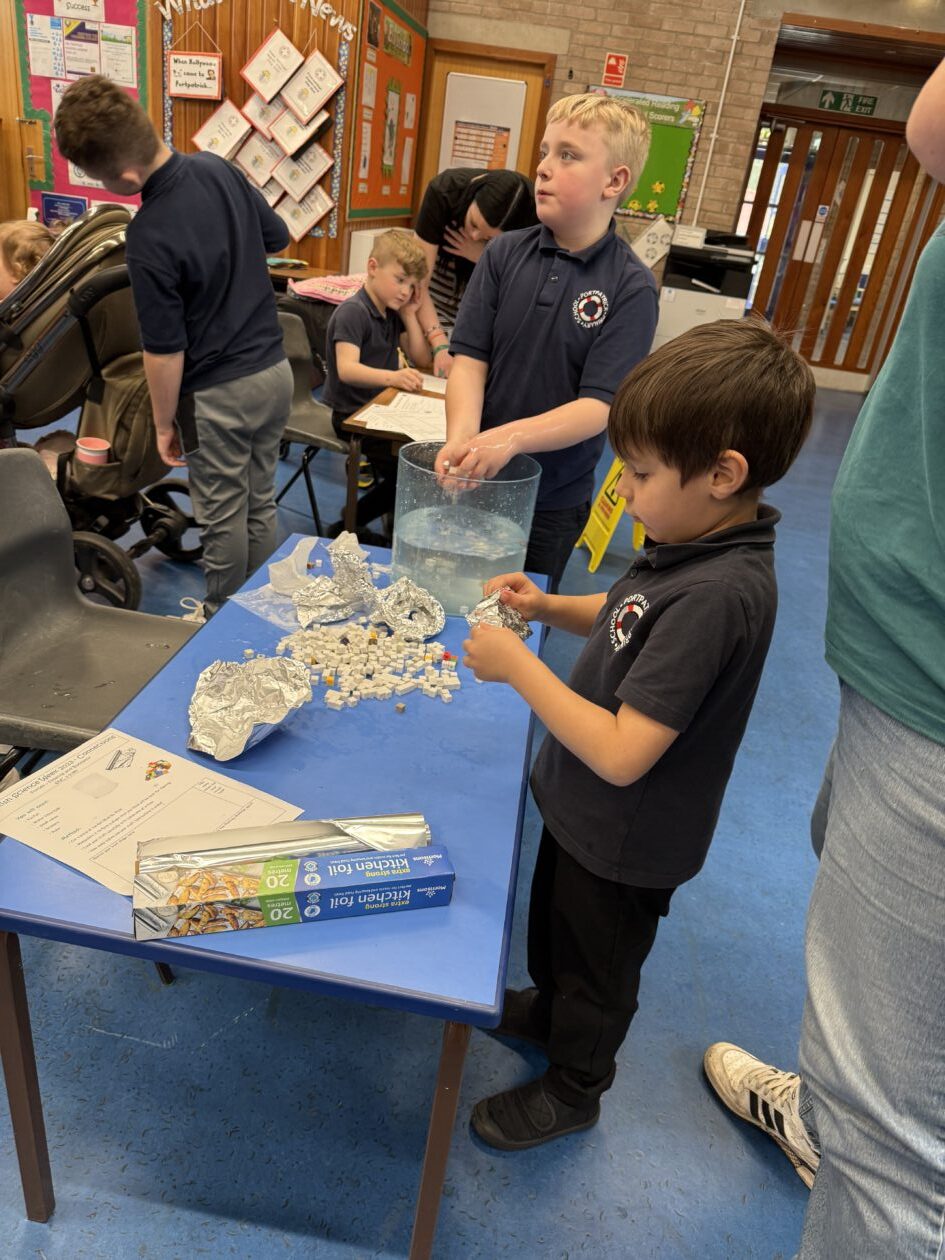
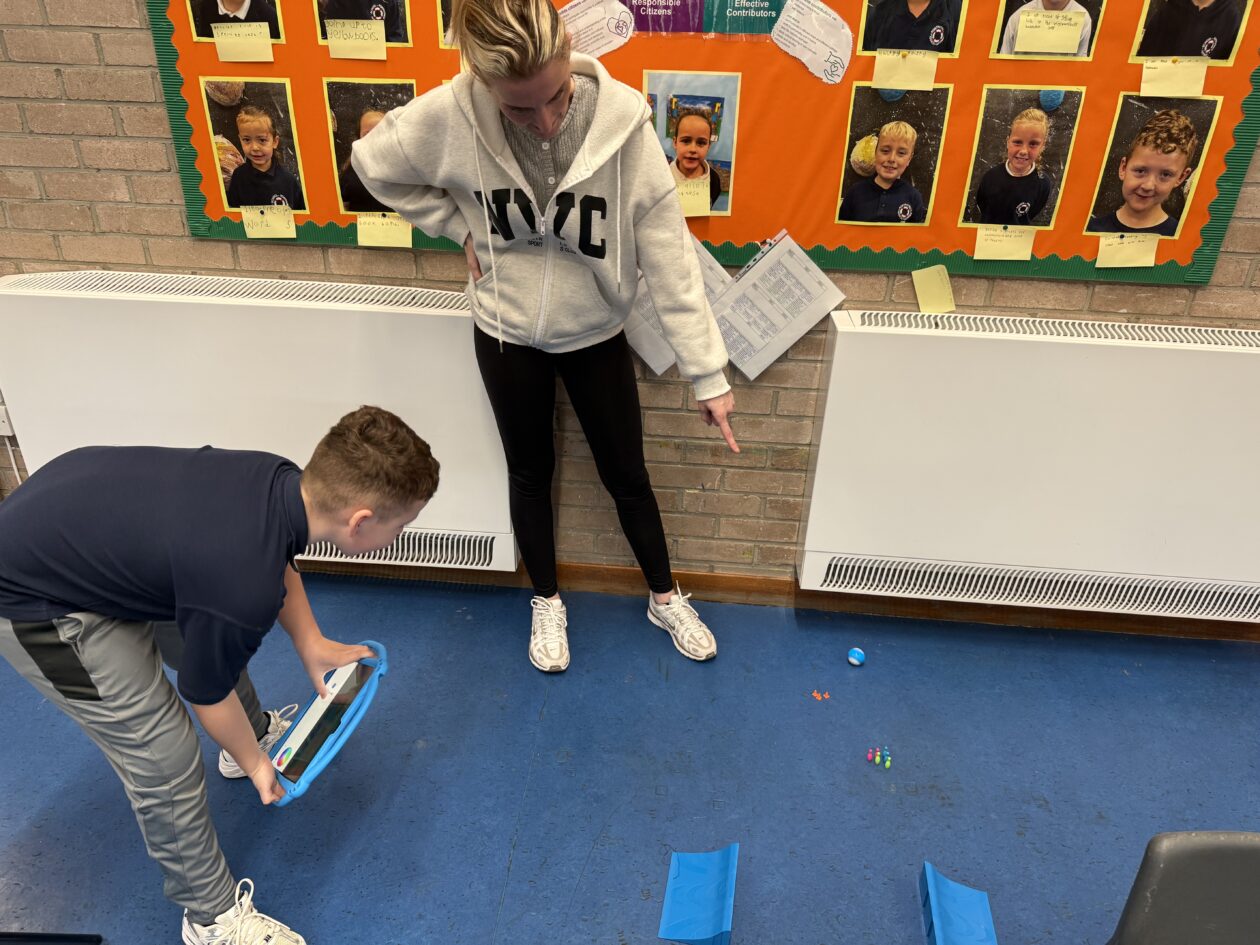
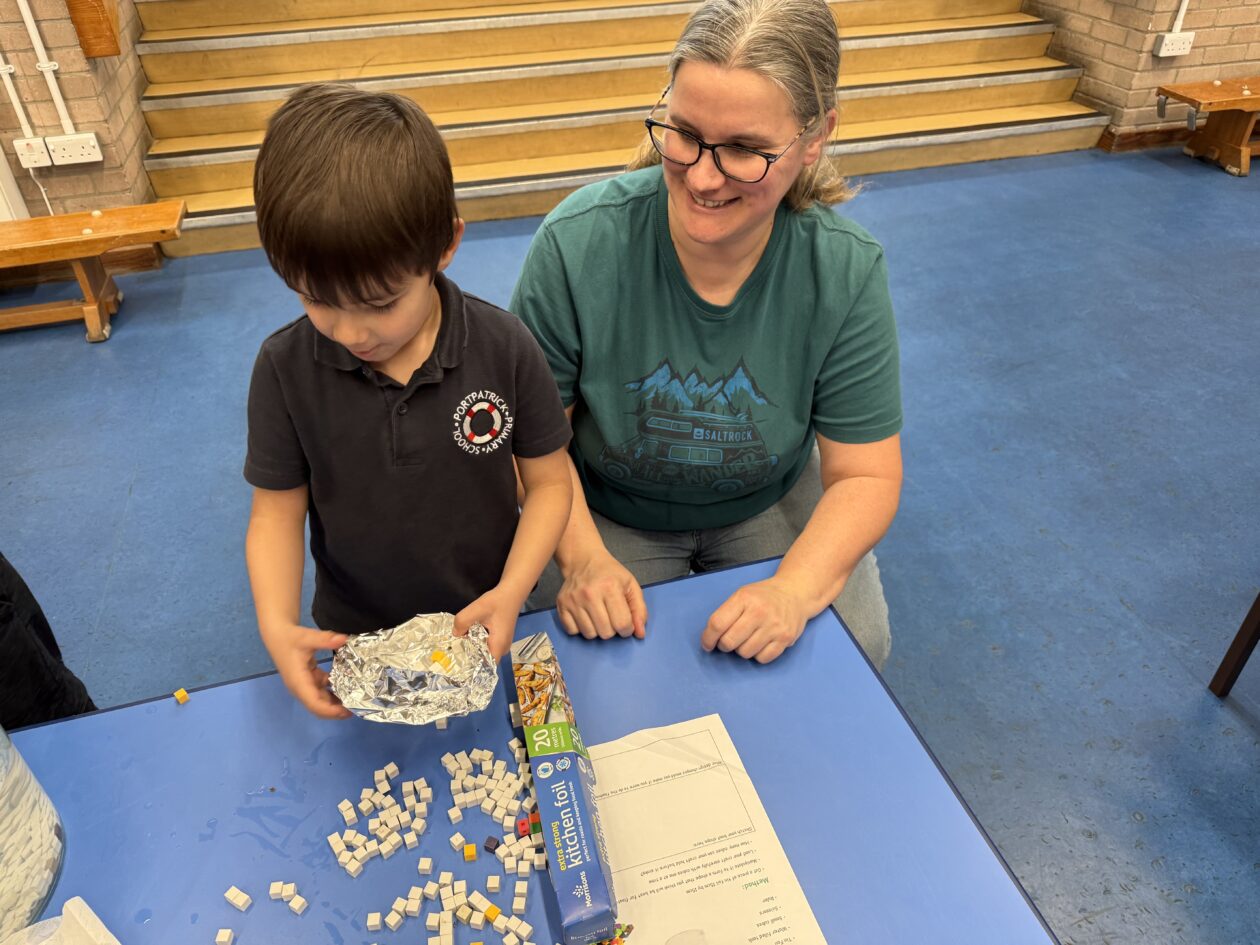
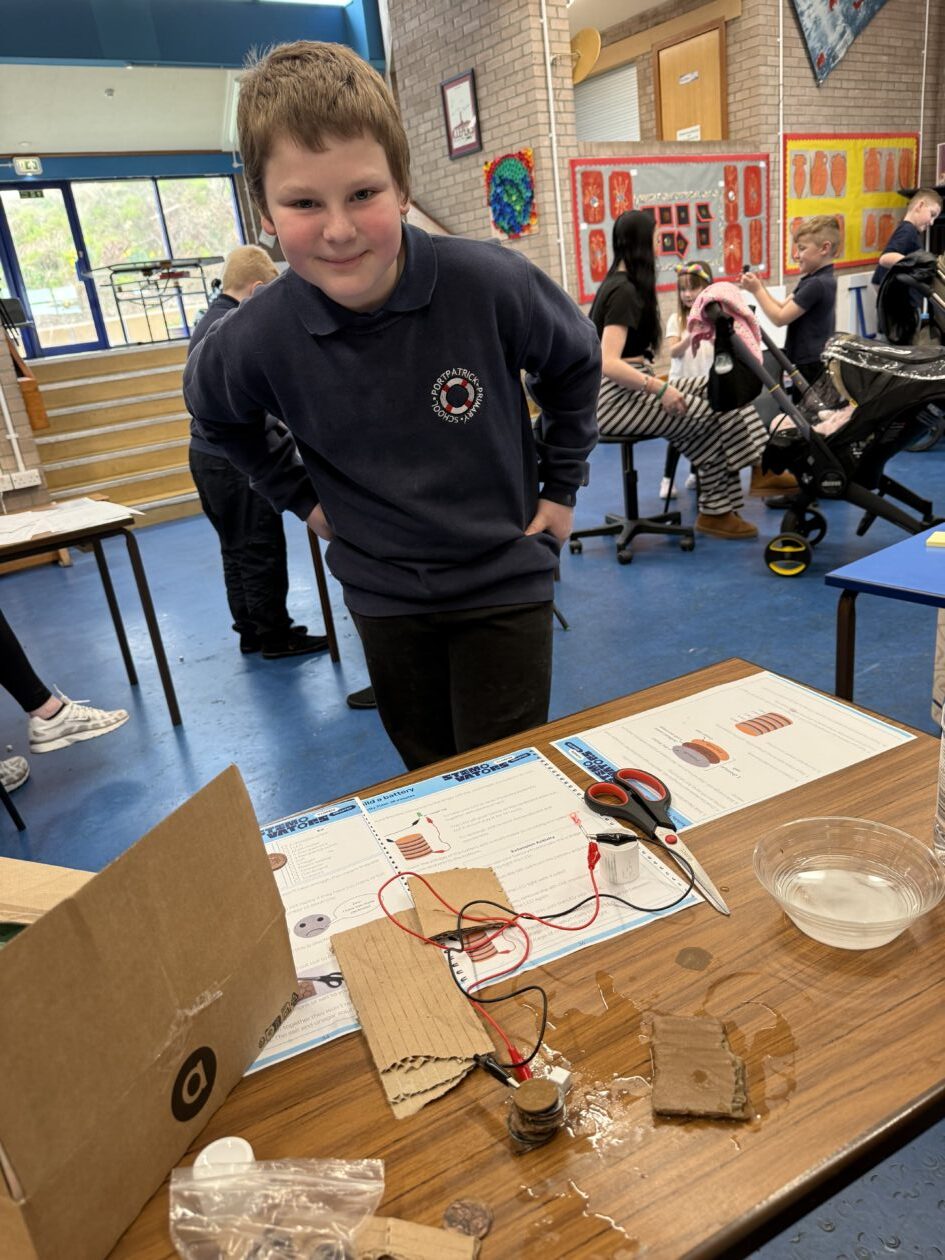
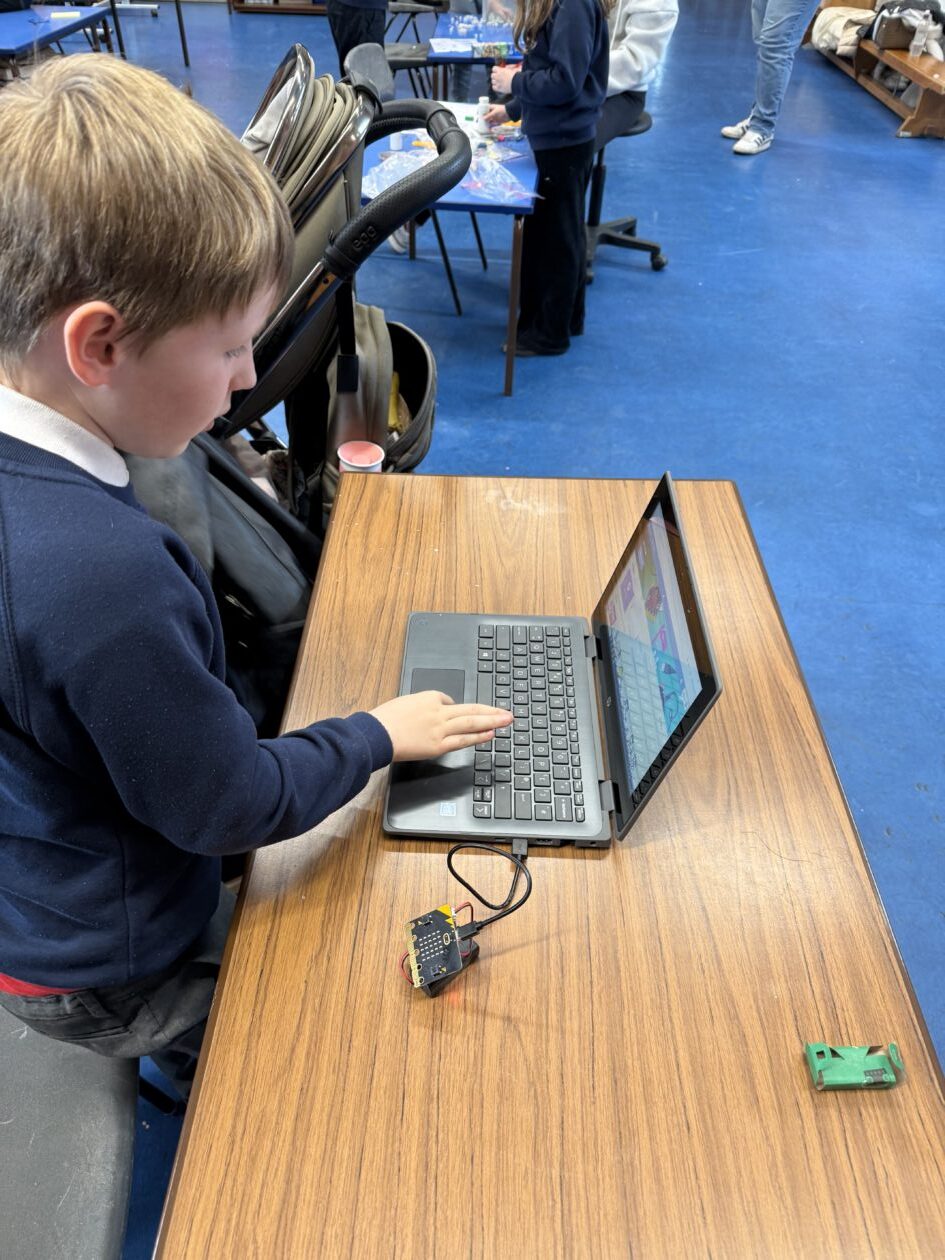
Visitors explored buoyancy experiments, testing how many cubes could fit on their tinfoil boats. At the coding and robotics stations, children demonstrated problem-solving skills by programming simple sequences and controlling robots, showcasing their growing digital confidence.

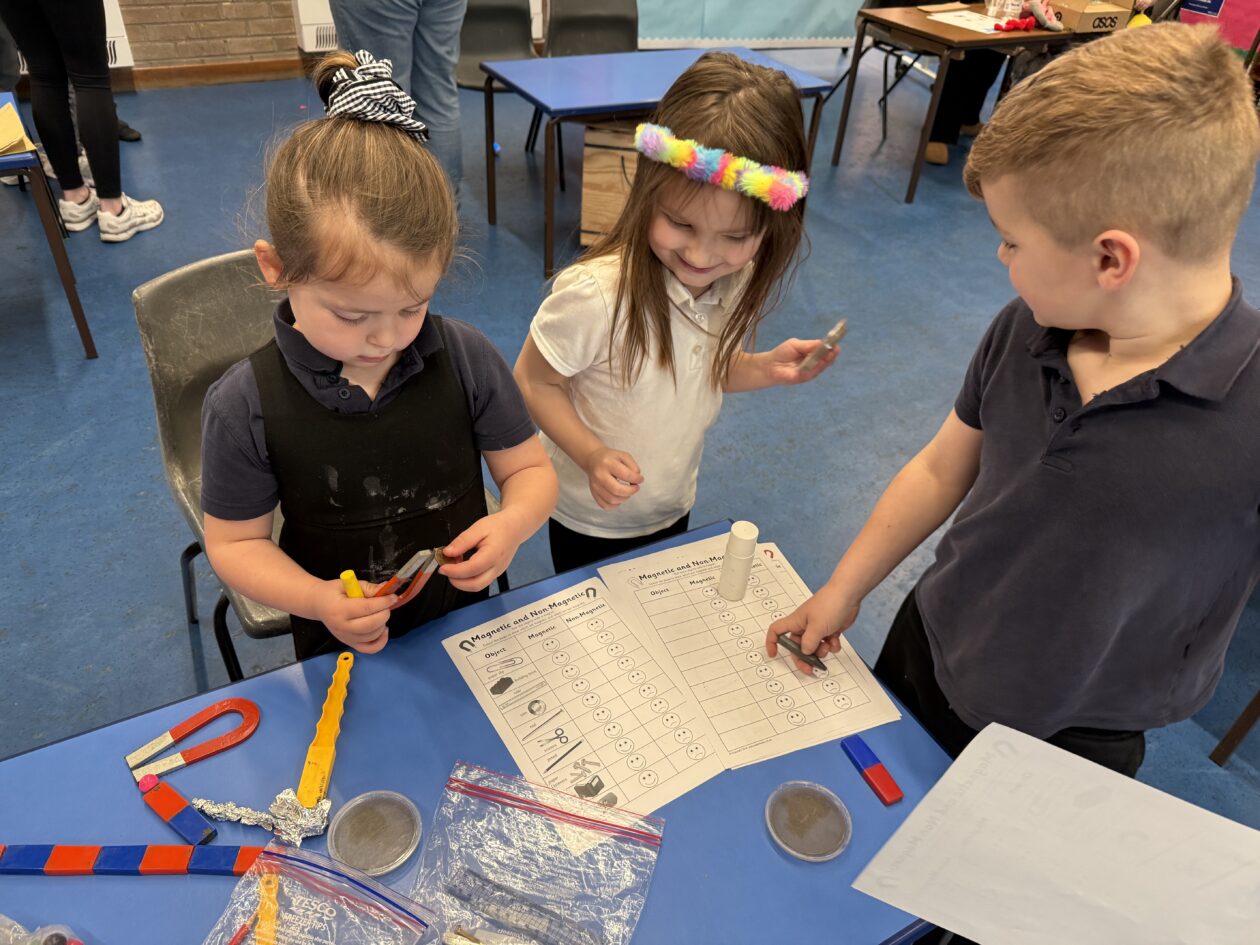
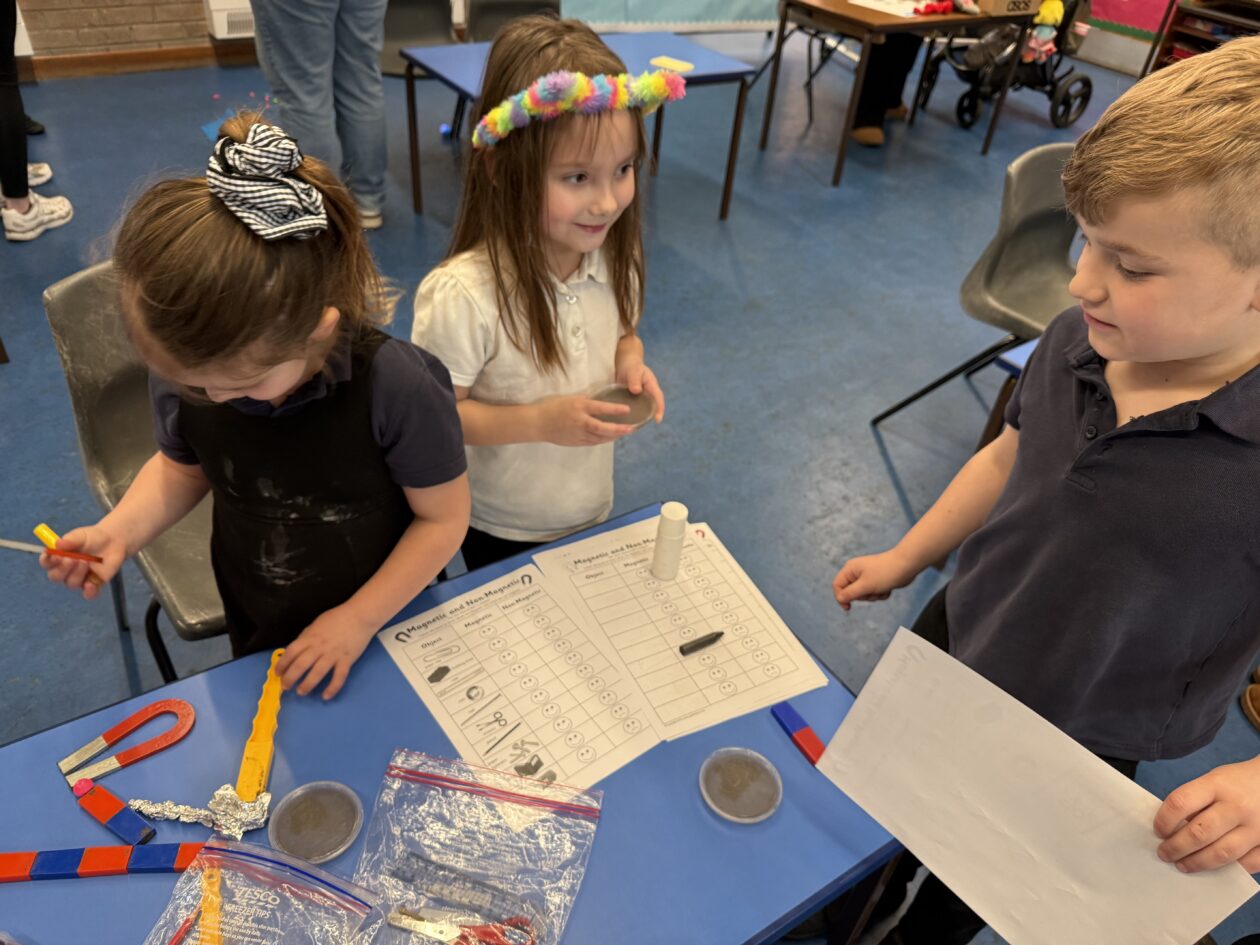
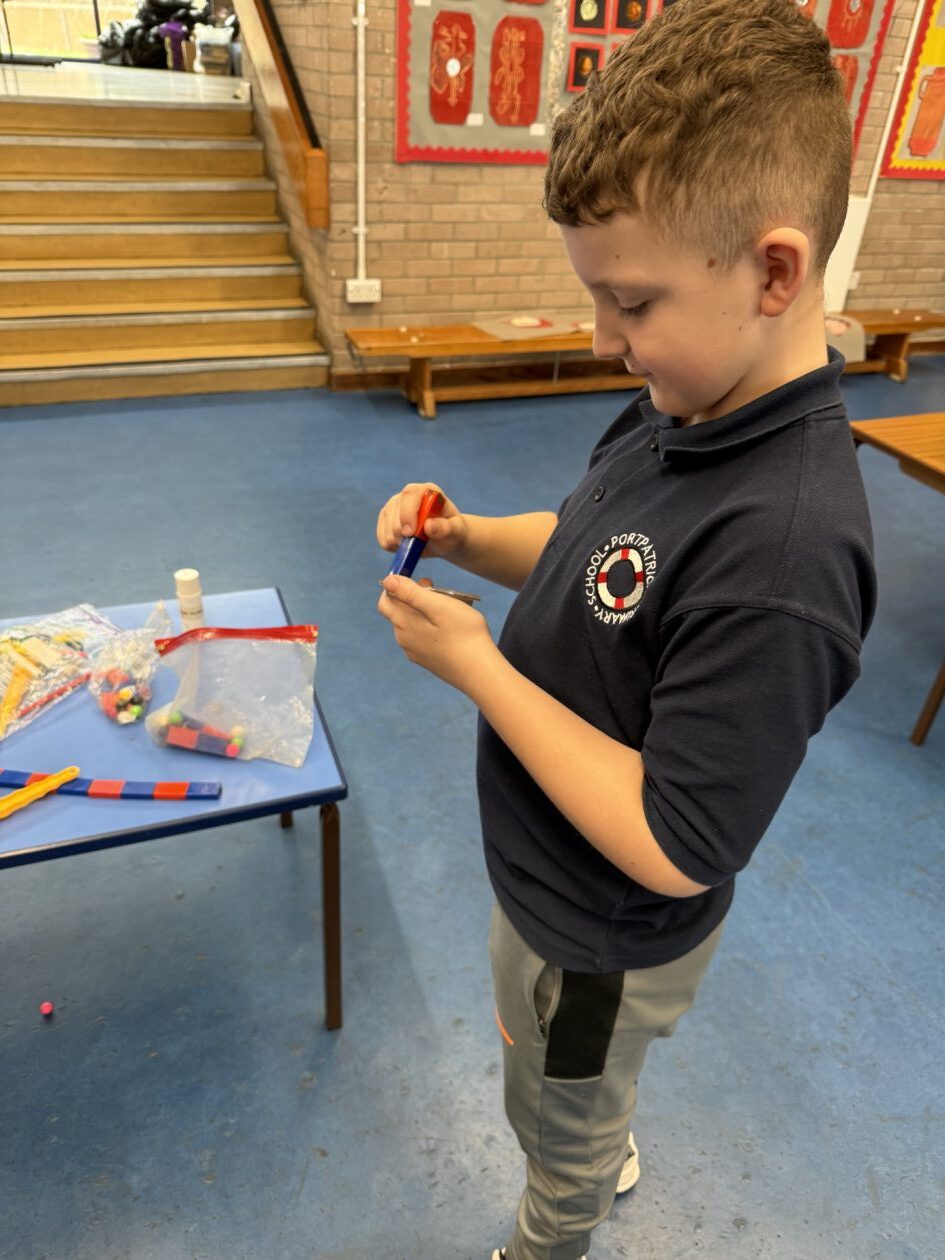
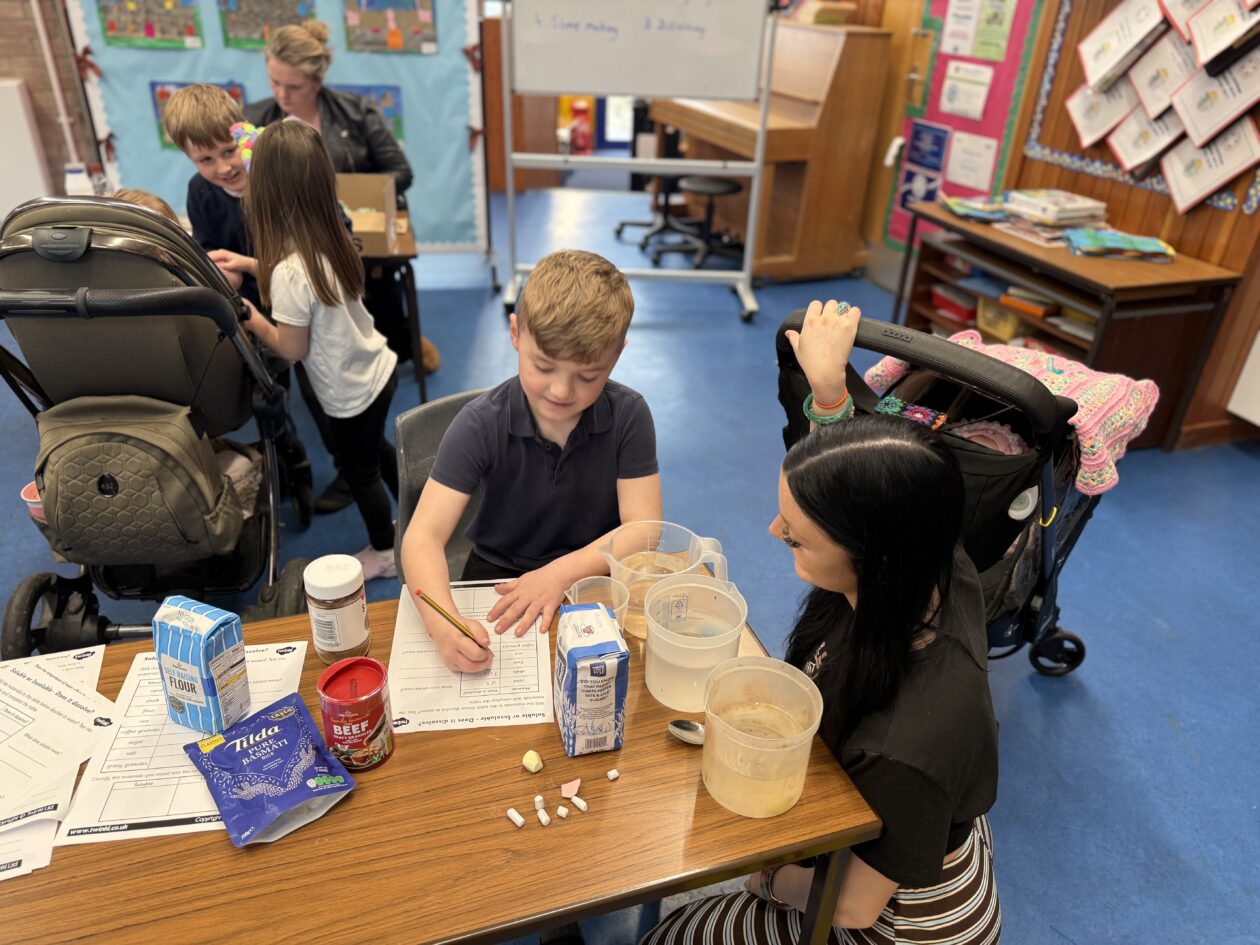
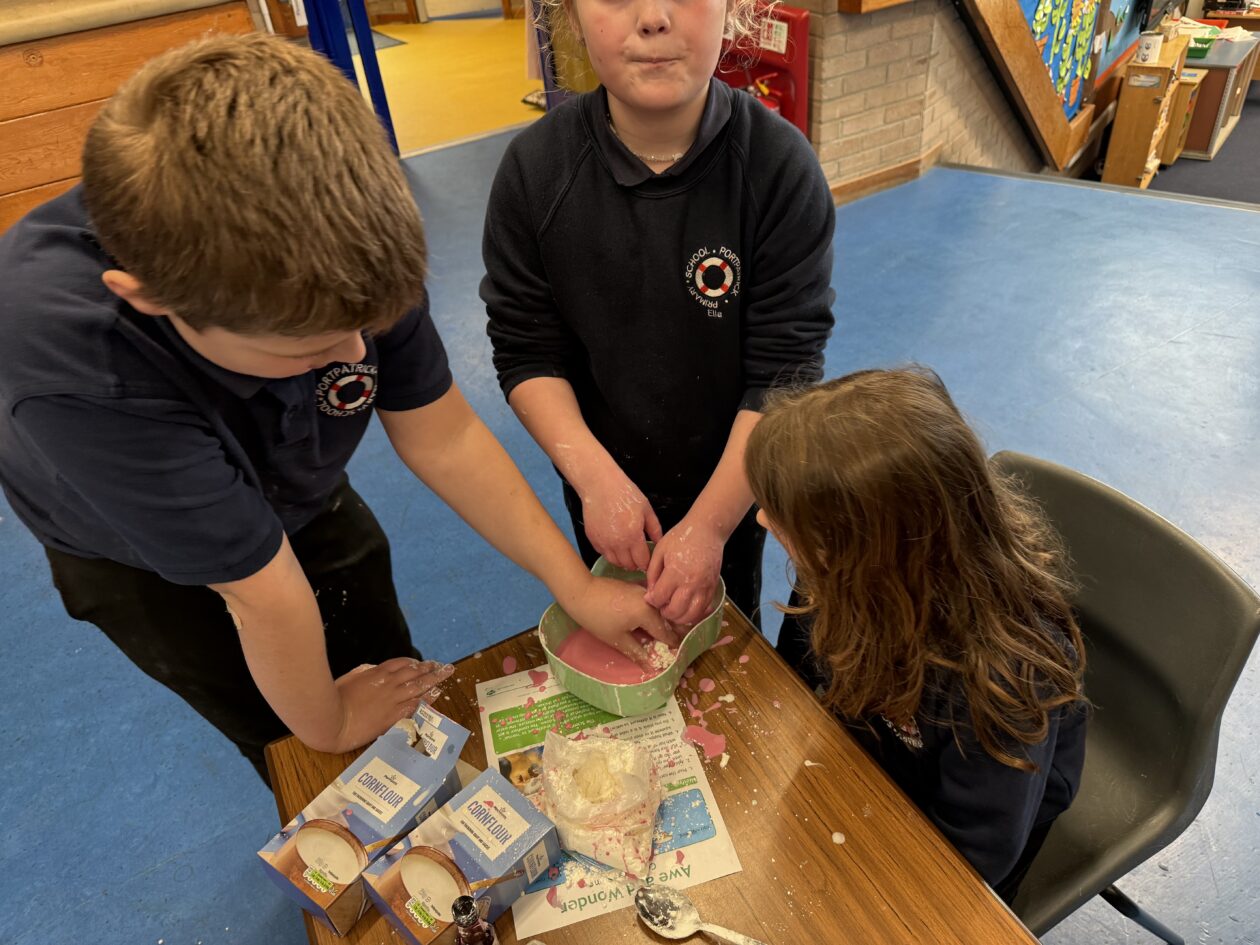
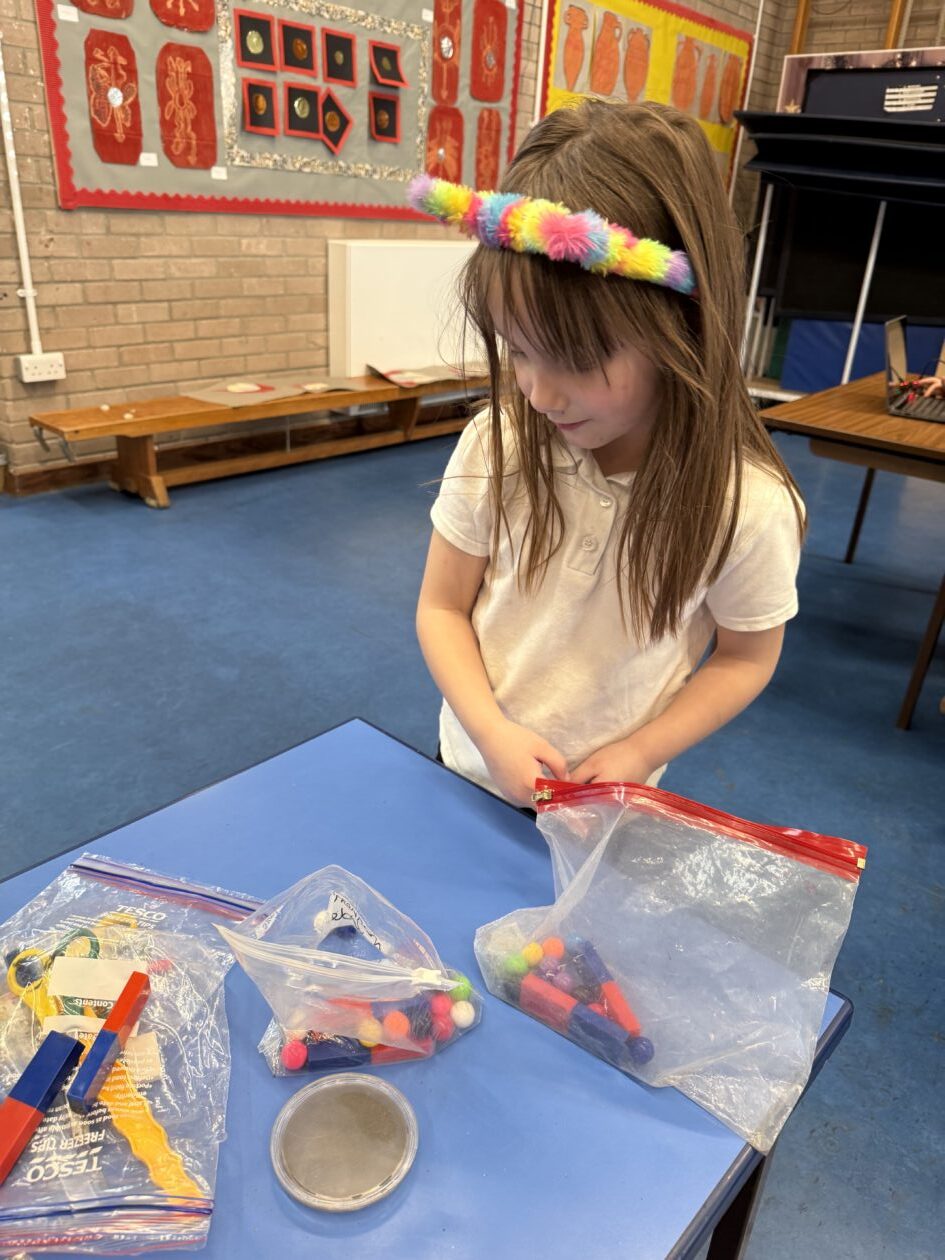
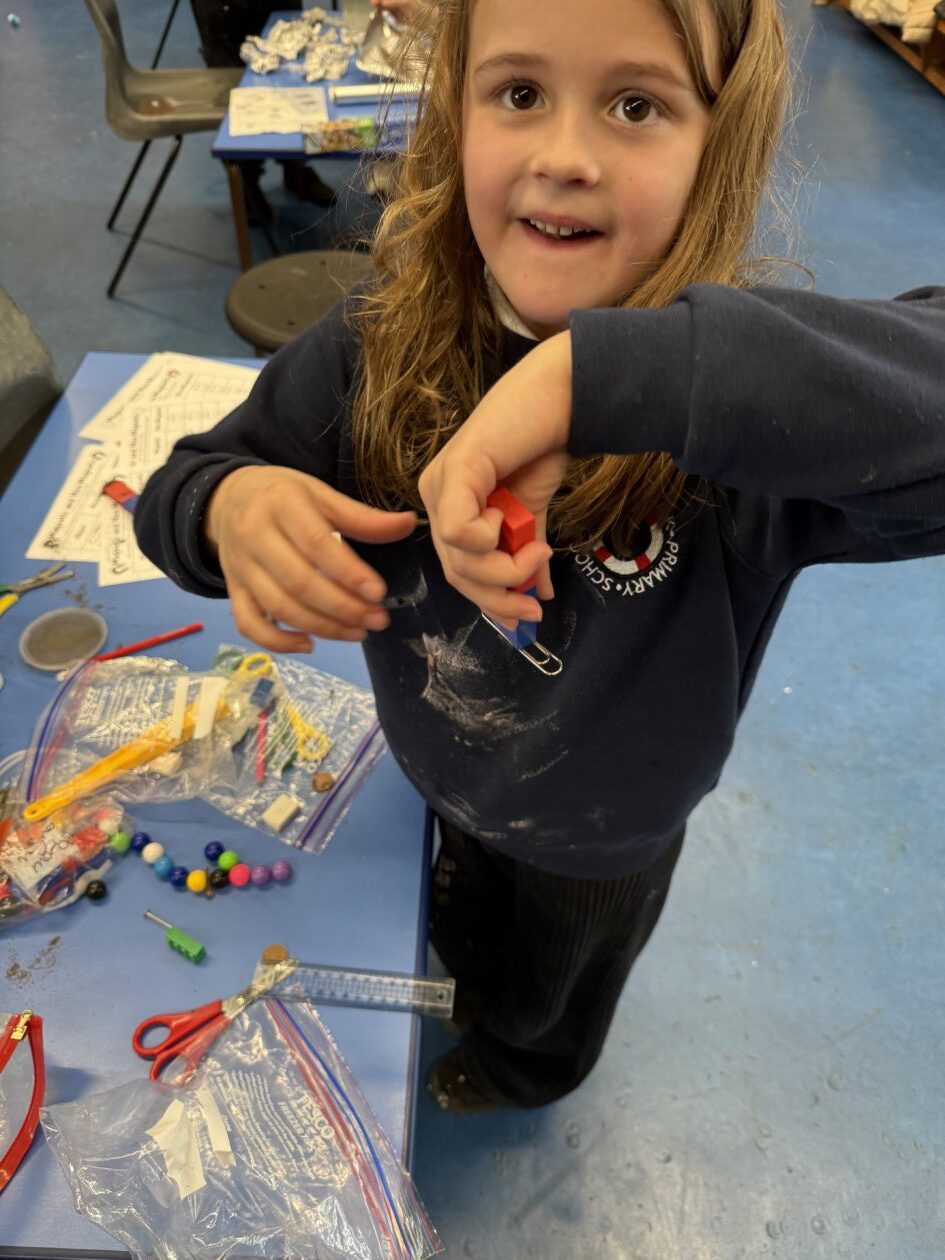
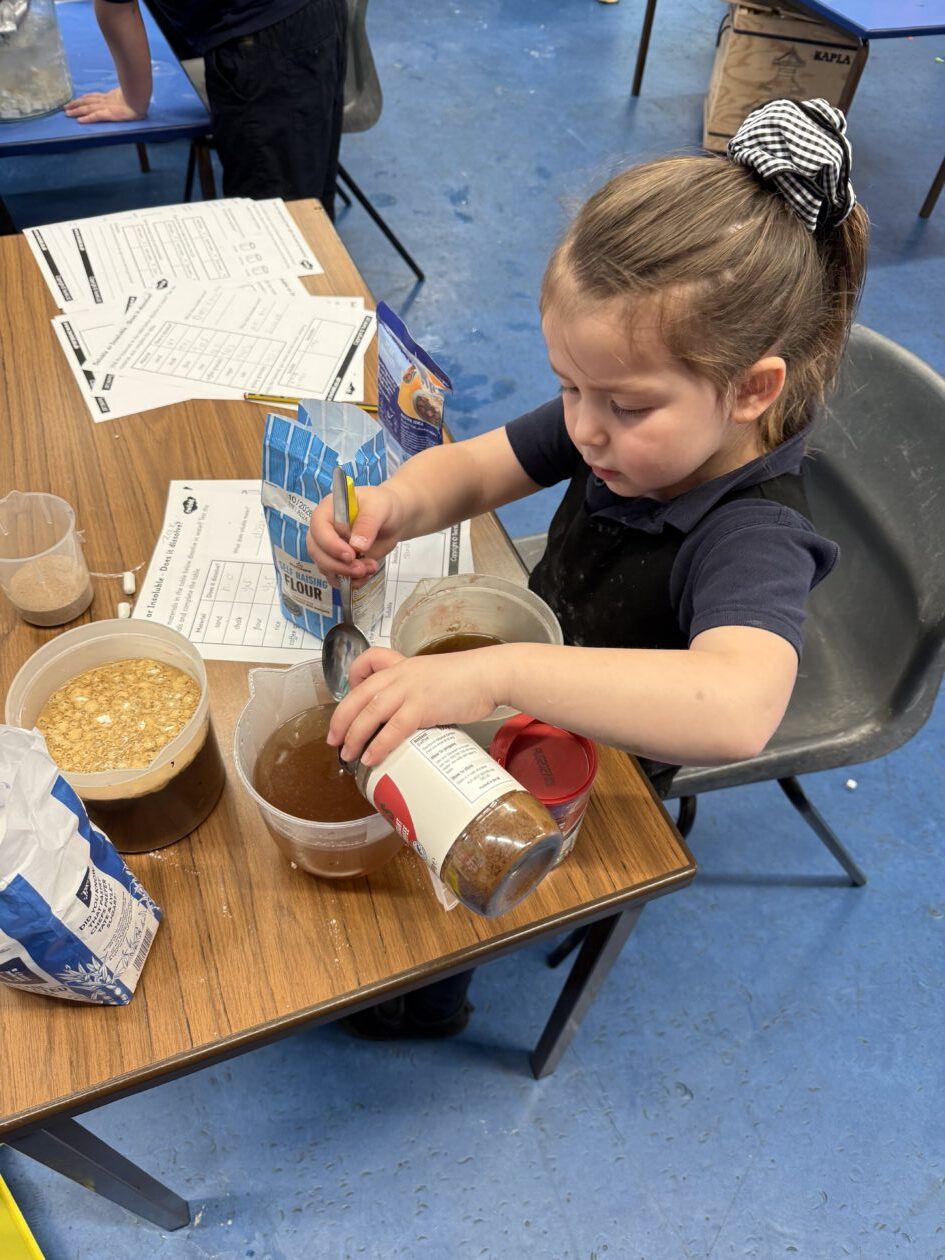
In other areas, families investigated dissolving, learning how different substances behave in water, and even tried their hand at battery making, discovering how energy can be created using everyday materials. The magnetism activities sparked curiosity as children explored forces and attraction, while the ever-popular slime making station brought plenty of fun (and a bit of mess!) as pupils explored changes in materials.

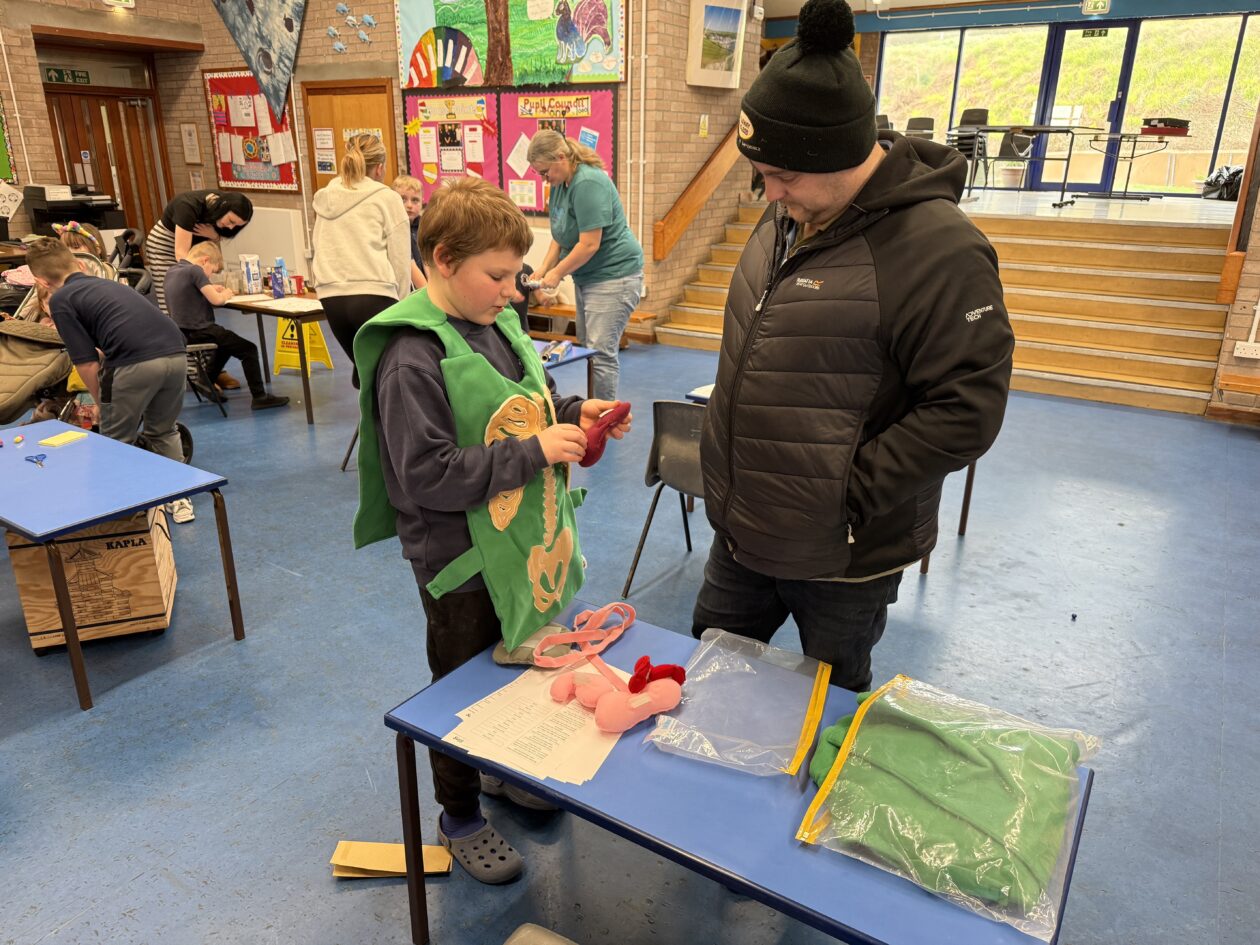
The organ match activity supported learning about the human body, helping children and adults alike understand how our organs function and work together.

Throughout the afternoon, it was clear that both children and parents were highly engaged. The enthusiasm, teamwork and willingness to explore new ideas made the event a great success.


Links to Learning

Sustainable Development Goals (SDGs):

  • SDG 4: Quality Education – promoting inclusive, engaging and hands-on learning experiences.
  • SDG 9: Industry, Innovation and Infrastructure – encouraging creativity through coding, robotics and experimentation.
  • SDG 12: Responsible Consumption and Production – exploring materials and their properties through dissolving and slime-making activities.

UNCRC Rights

This event supported children’s rights as outlined in the UN Convention on the Rights of the Child:

  • Article 28 – the right to education.
  • Article 29 – education that develops talents, abilities and understanding of the world.
  • Article 31 – the right to play and participate in cultural and creative activities.
  • Article 13 – the right to share ideas and express learning.

Metaskills in Action

Our Science Open Afternoon provided rich opportunities for developing key metaskills:

  • Curiosity – asking questions, exploring and investigating.
  • Creativity – designing experiments and problem-solving in new ways.
  • Critical Thinking – predicting, testing and evaluating outcomes.
  • Collaboration – working together with peers and family members.
  • Communication – explaining ideas clearly and confidently.

We would like to thank all families who joined us and helped make the afternoon so special. Events like this highlight the joy of learning and the strong partnership between home and school. We are incredibly proud of our pupils for their confidence, enthusiasm and love of science.

Learning About Values with Reverend Ogston

Our pupils recently welcomed Reverend Ogston to school for a special visit focused on morals, values and learning through storytelling. The session gave pupils the chance to listen to engaging stories while thinking about important qualities such as teamwork, perseverance and inner strength.

Stories with Meaning

Reverend Ogston shared a number of thoughtful and engaging stories with the children. One memorable story followed a journey through the jungle, where characters faced challenges and obstacles along the way.

Through the story, pupils explored how working together as a team, staying strong during difficult moments, and never giving up can help people overcome challenges. The story helped pupils understand how these values can be applied in their own lives at school and beyond.

Thinking About Our Choices

The session encouraged pupils to reflect on how the choices they make can affect others. Through discussion and listening to the stories, the children thought about how kindness, cooperation and determination can help build positive relationships and a strong community.

It was wonderful to see pupils so engaged, listening carefully and sharing their ideas about the messages behind the stories.

Skills and Learning Highlighted

Meta-skills:

  • Collaborating
  • Critical Thinking
  • Communication
  • Self-management and perseverance

UNCRC:

  • Article 14 – Right to freedom of thought and beliefs
  • Article 29 – Education should develop children’s personalities, talents and respect for others

Sustainable Development Goals (SDGs):

  • Goal 4 – Quality Education
  • Goal 16 – Peace, Justice and Strong Institutions (promoting fairness, respect and positive values)

Reflecting on Important Values

The visit from Reverend Ogston was a valuable opportunity for pupils to explore important life lessons through storytelling. By listening to stories and discussing their meanings, the children were able to think about how qualities like teamwork, strength and perseverance can help them in everyday life.

A Special RAM TAM Live Music Session

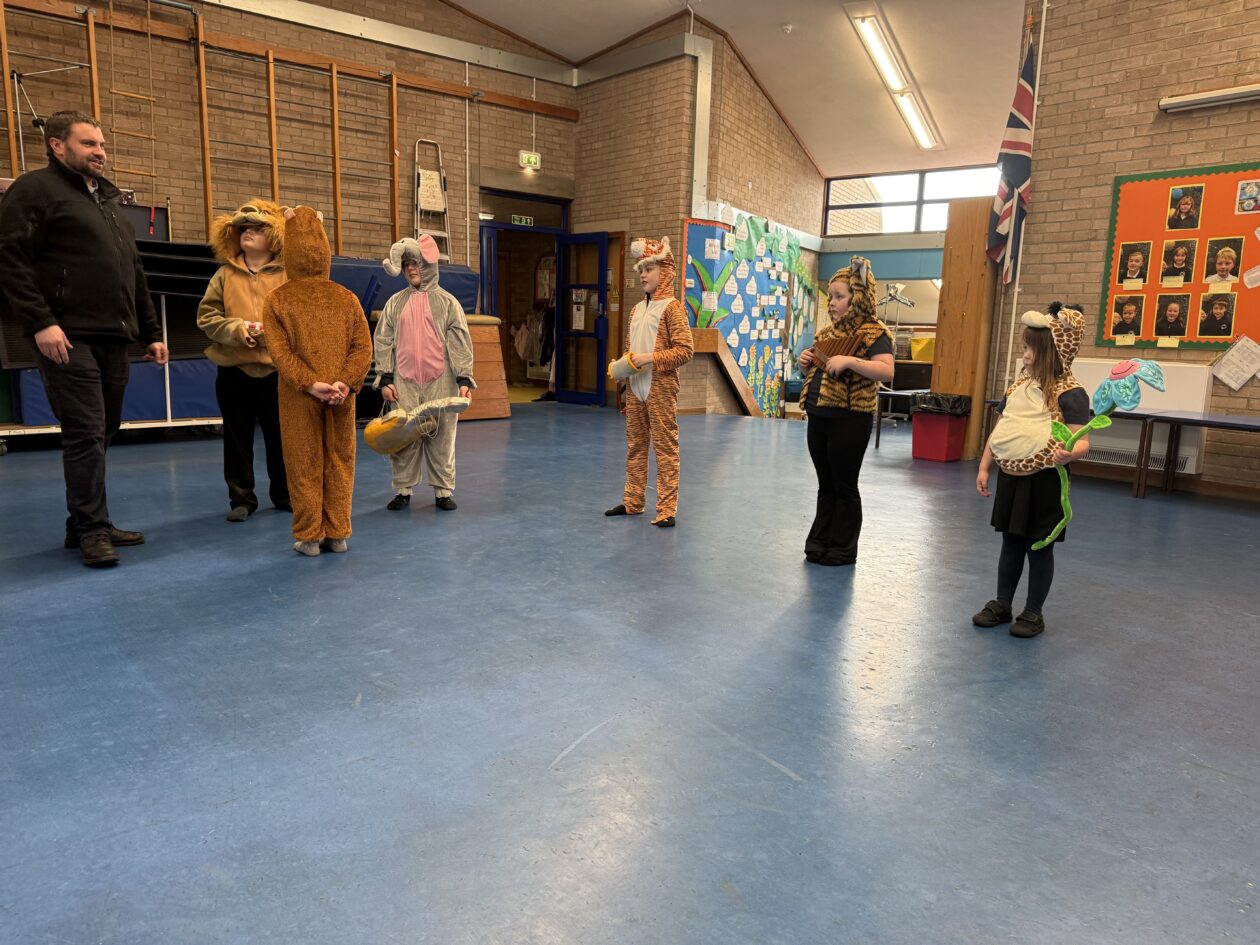
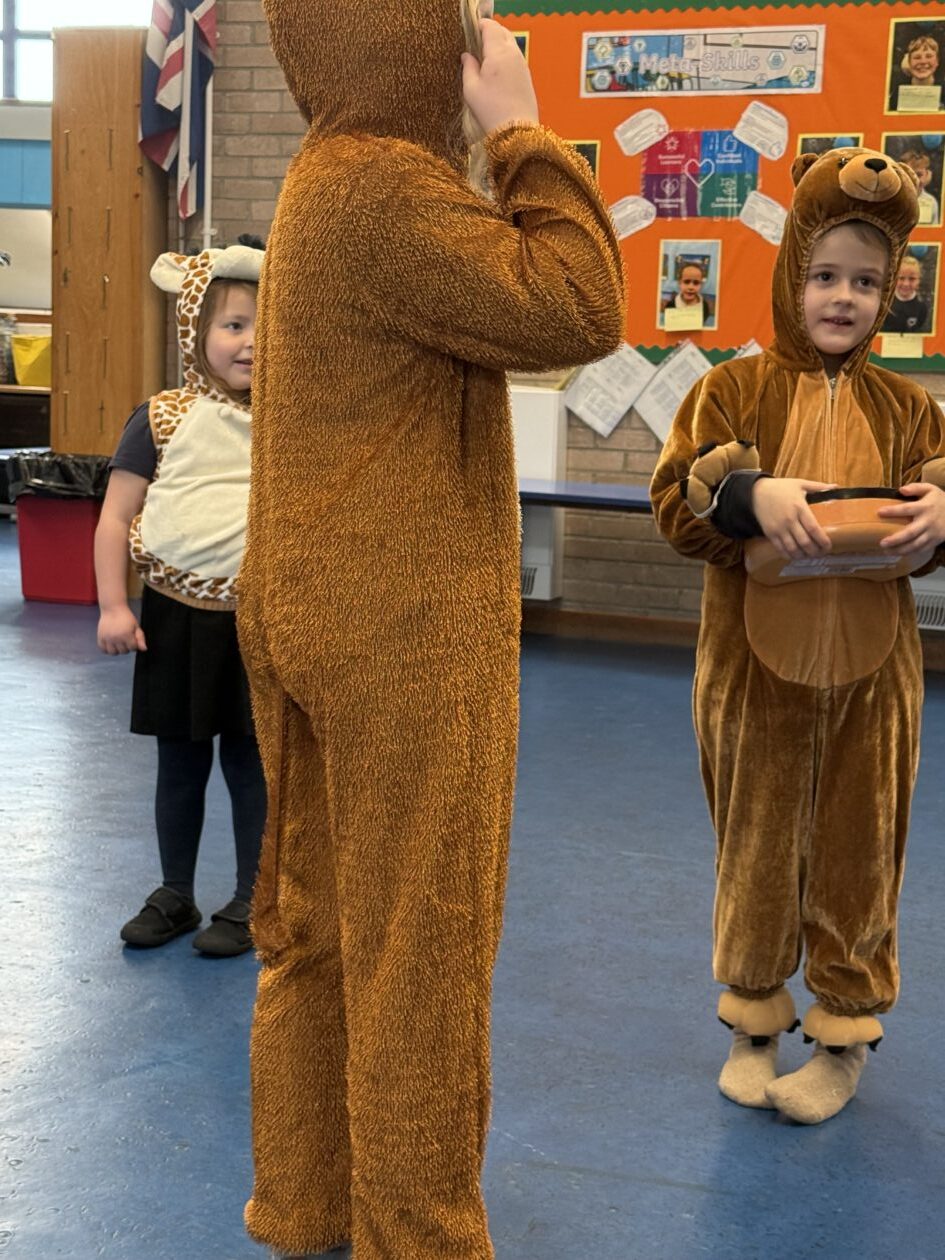
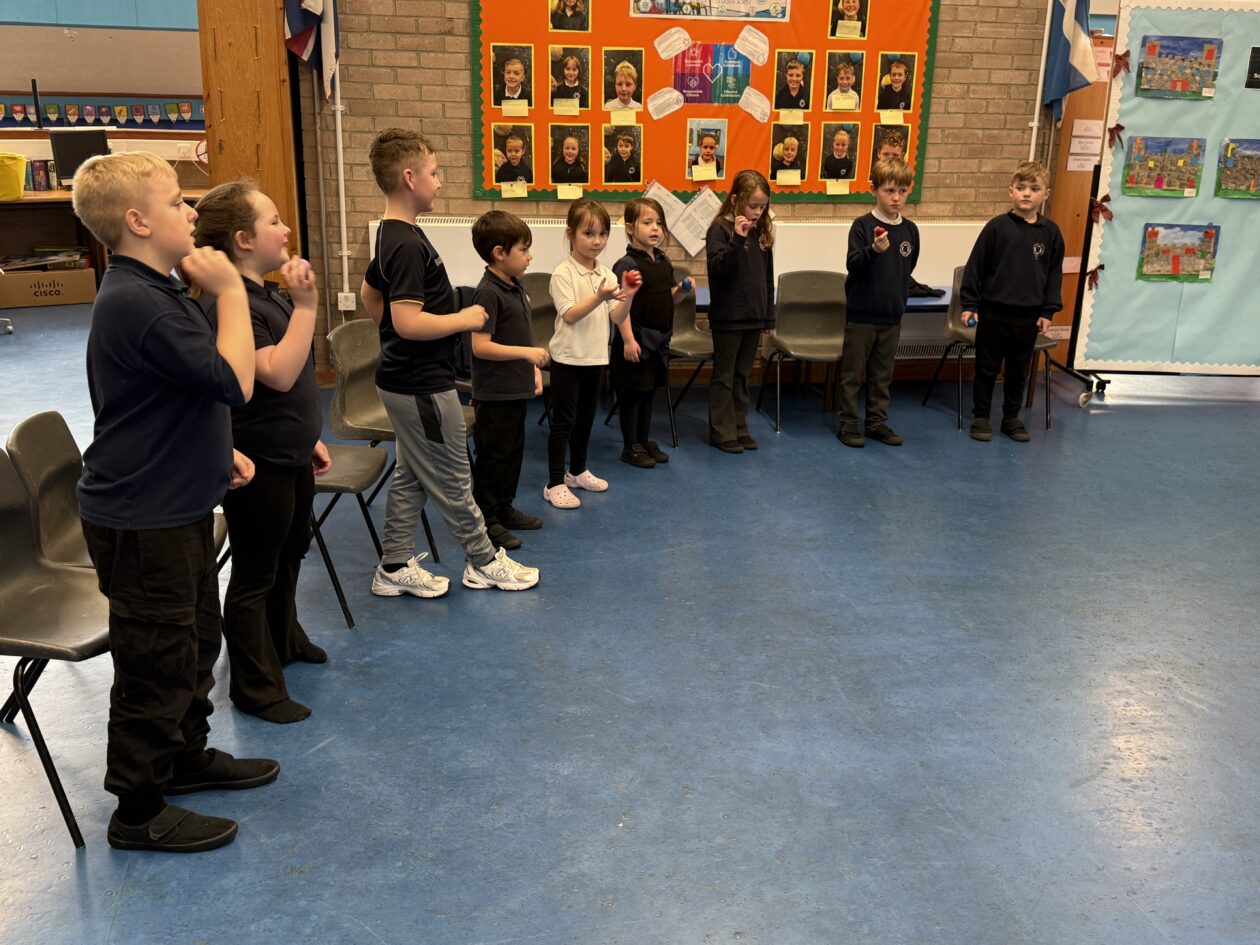
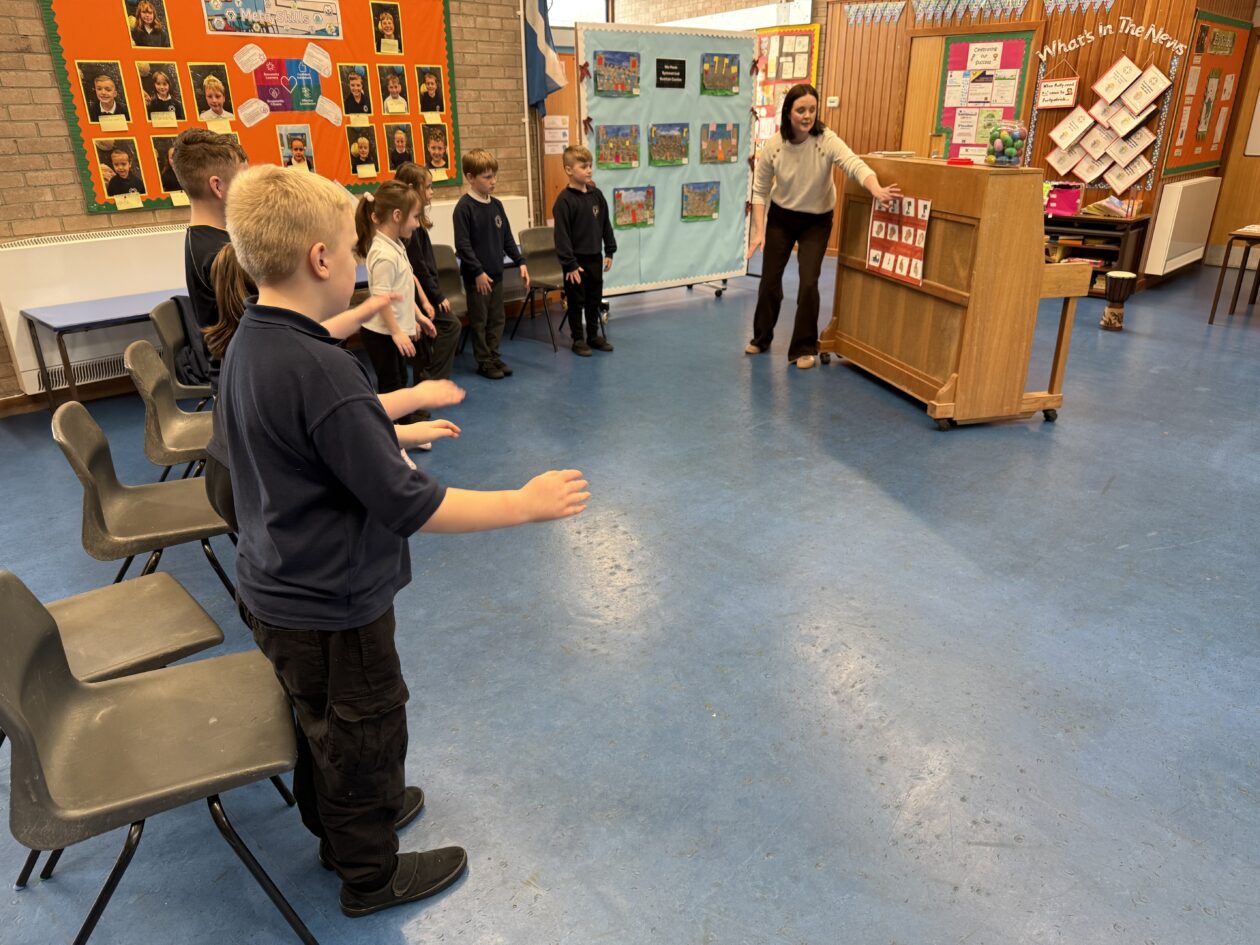
Our school recently enjoyed a fantastic live music session with RAM TAM, which gave our pupils the opportunity to experience and share the joy of music together.

During the session, our P1–4 pupils took centre stage and performed for the P5–6 classes. It was a wonderful moment for the younger children to showcase their confidence, creativity and enthusiasm, while the older pupils enjoyed being a supportive and appreciative audience.

Performing with Confidence

The P1–4 pupils worked hard to prepare for their performance and showed great bravery as they performed in front of their peers. Taking part in a live music session like this helps children build confidence, expression and performance skills.

The older pupils in P5–6 showed fantastic respect and encouragement, listening carefully and celebrating the effort and talent of the younger performers.

Learning Through Music

Music is a powerful way for children to express themselves and work together. The RAM TAM session allowed pupils to experience the excitement of live music while developing their rhythm, listening skills and teamwork.

It was wonderful to see pupils supporting one another and enjoying the shared experience of performing and listening to music.

Skills and Learning Highlighted

Meta-skills:

  • Creativity
  • Communication
  • Confidence
  • Collaborating

UNCRC:

  • Article 29 – Education should develop children’s talents and abilities
  • Article 31 – Right to participate in cultural and artistic activities

Sustainable Development Goals (SDGs):

  • Goal 4 – Quality Education
  • Goal 10 – Reduced Inequalities (ensuring all pupils have opportunities to participate and perform)

A Memorable Experience

The RAM TAM session was a brilliant opportunity for pupils to come together through music. Seeing our younger pupils perform so confidently and our older pupils supporting them made it a truly special experience for everyone involved.
We look forward to many more opportunities to celebrate music and creativity in our school.

Discovering Biodiversity in Our Playground

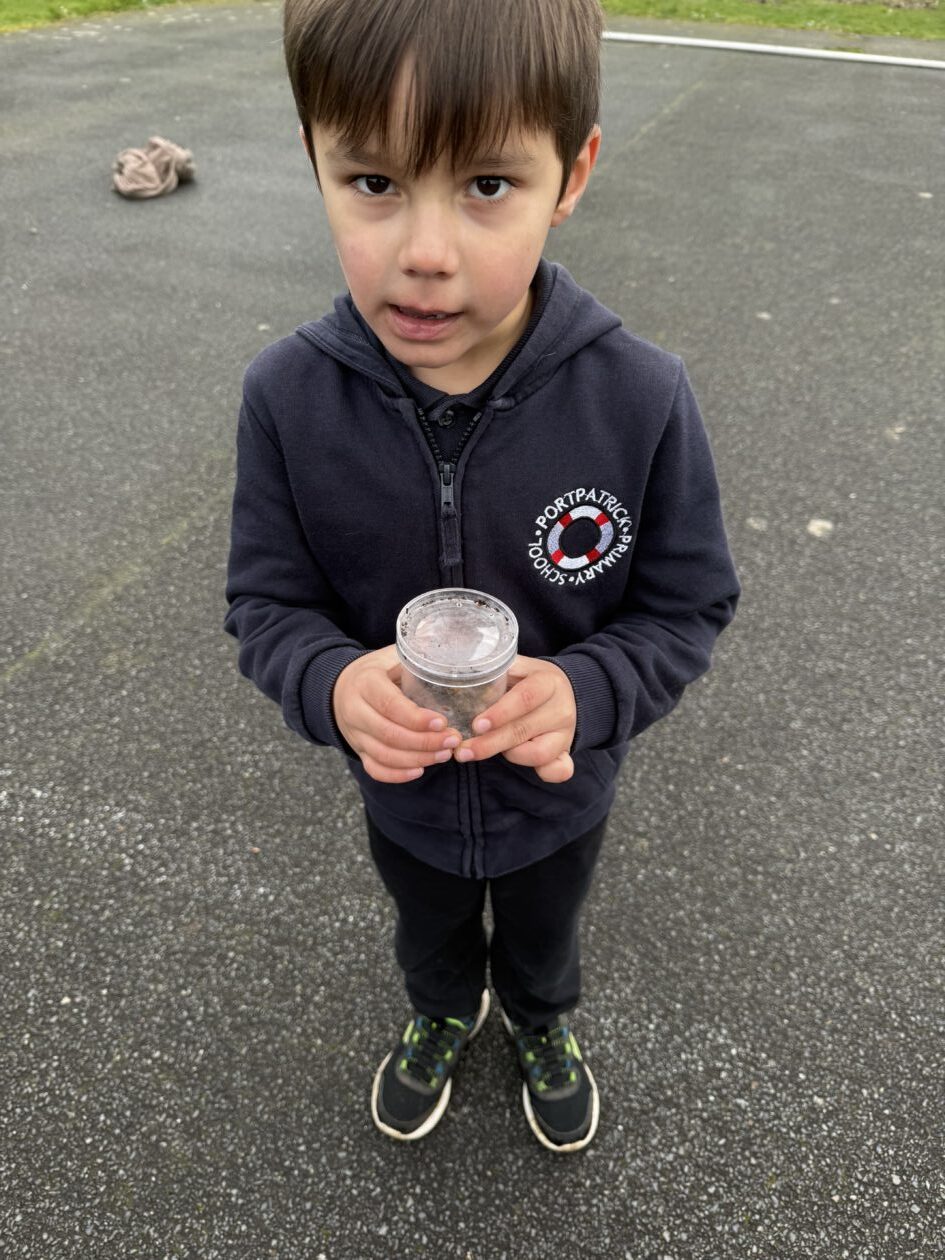
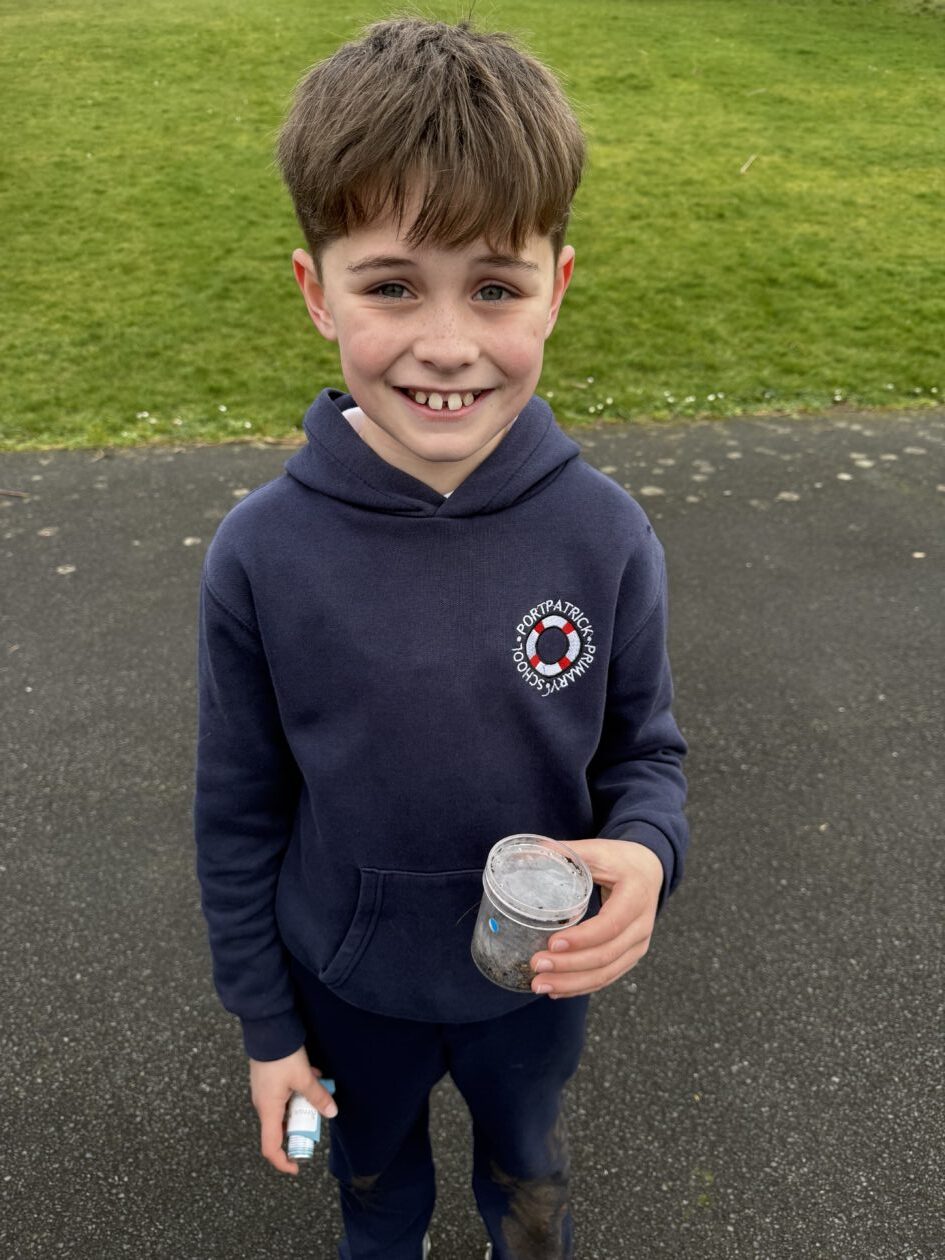
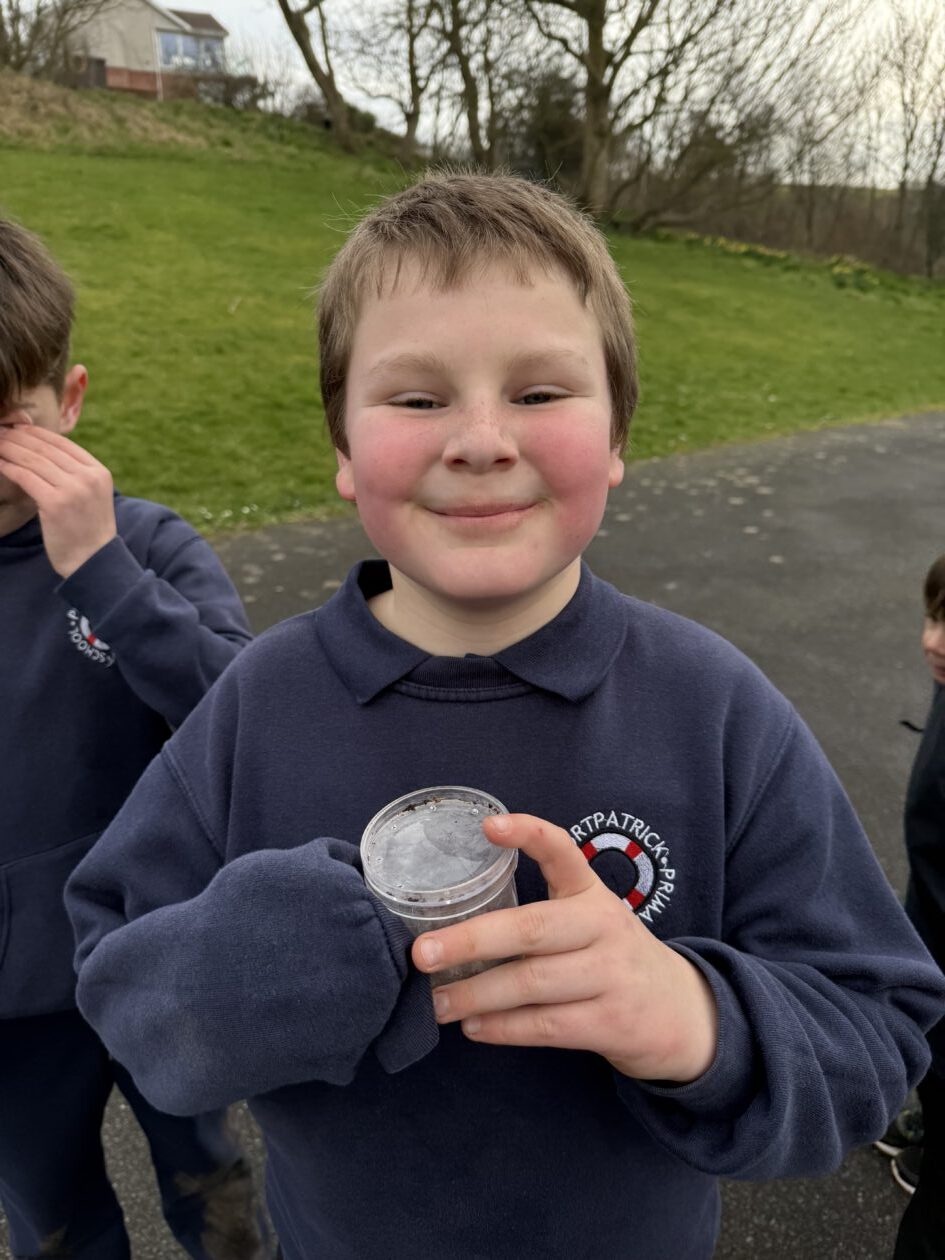
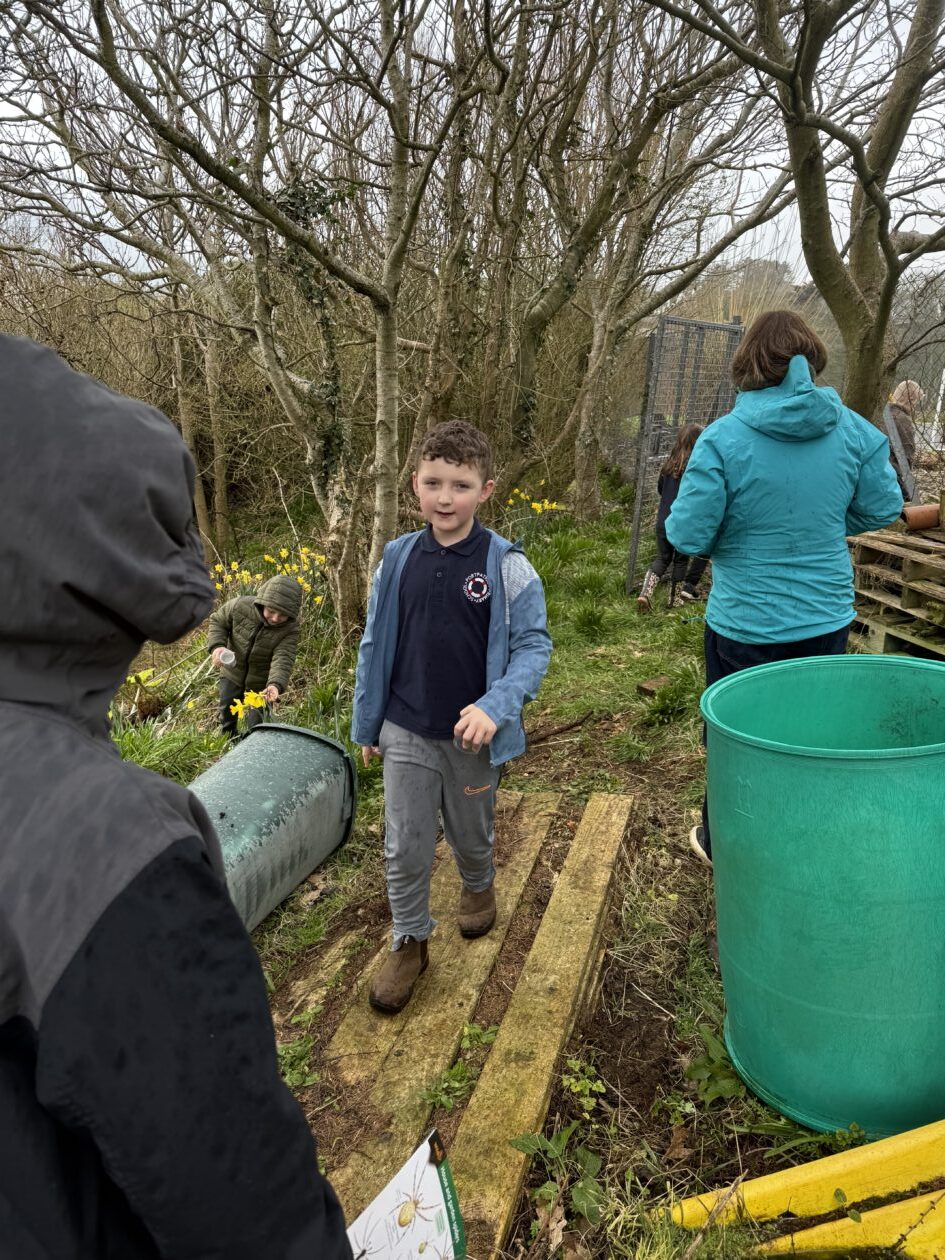
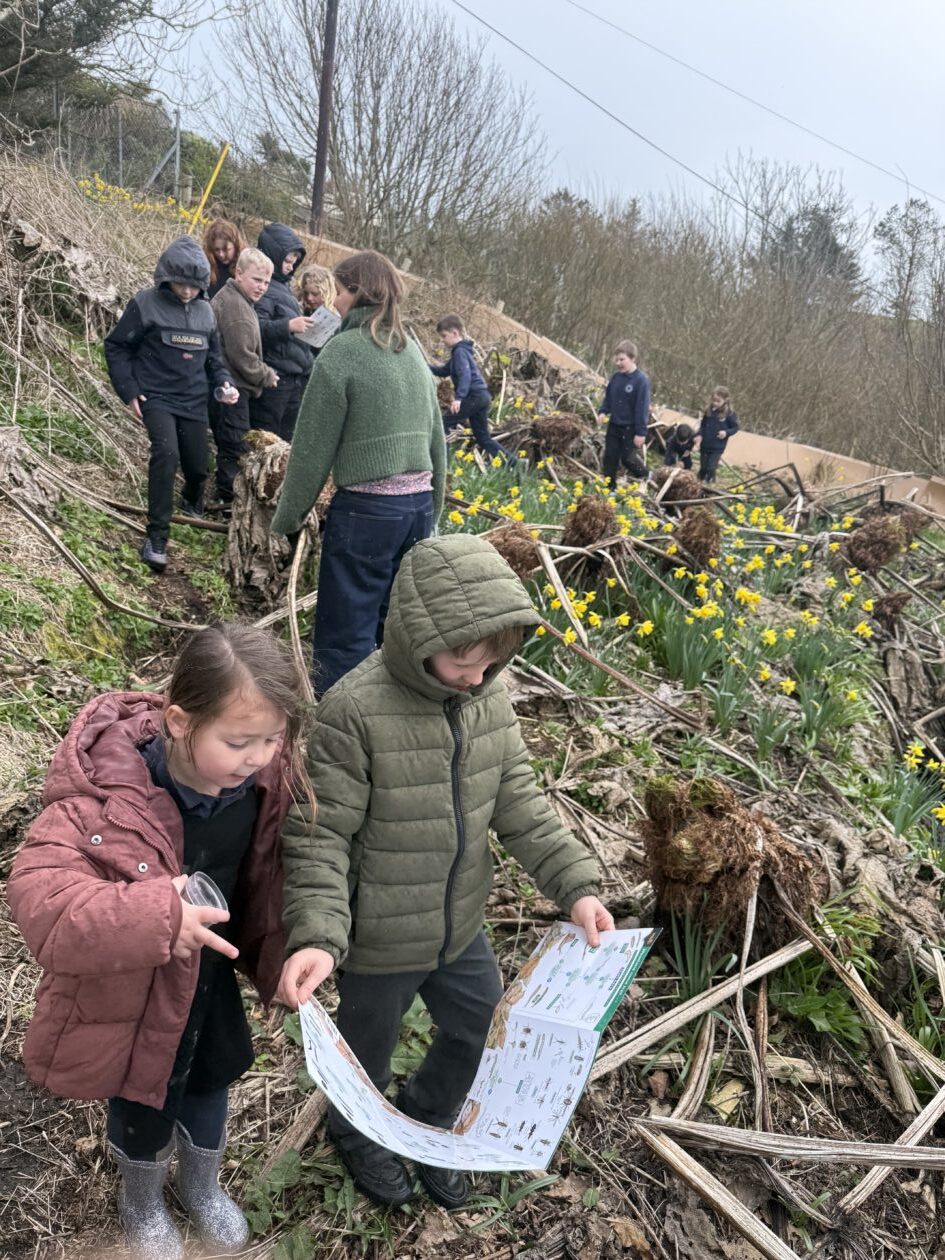
Our pupils recently took part in an exciting biodiversity investigation around our school grounds. The aim of the activity was to help children explore the variety of living things that share our playground and local environment. It was a fantastic opportunity to take learning outdoors and develop a deeper appreciation for the natural world around us.

A Mini Beast Hunt

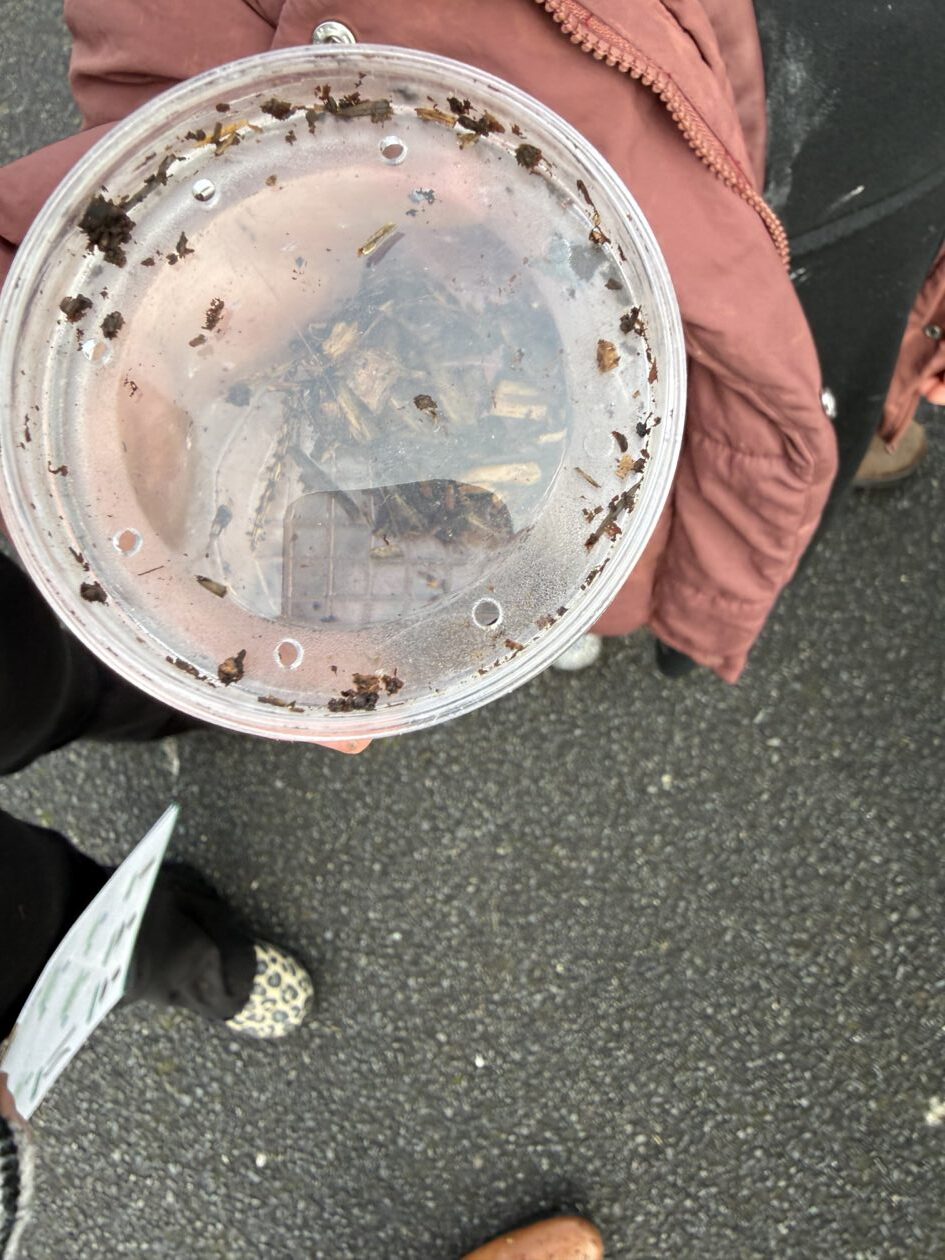
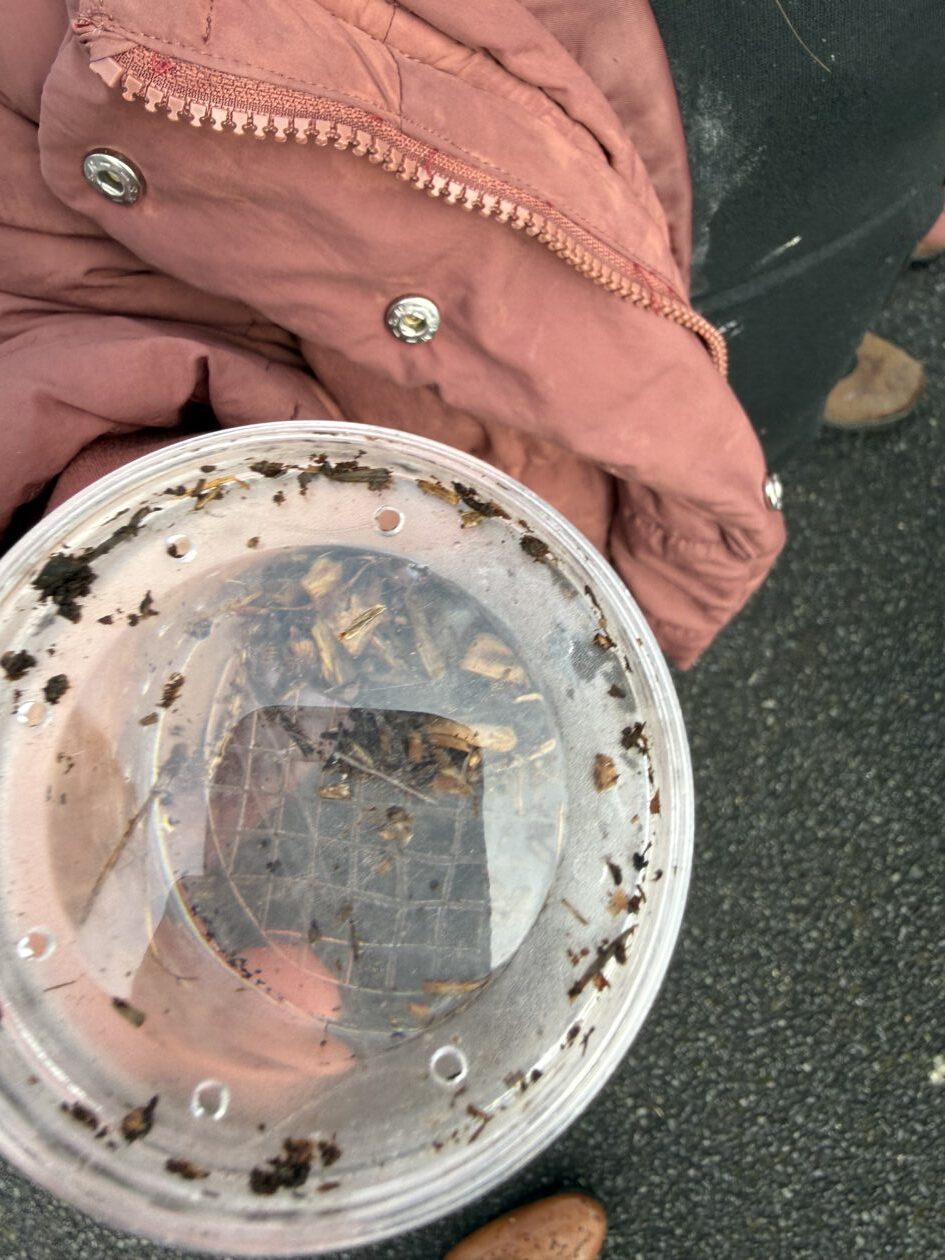
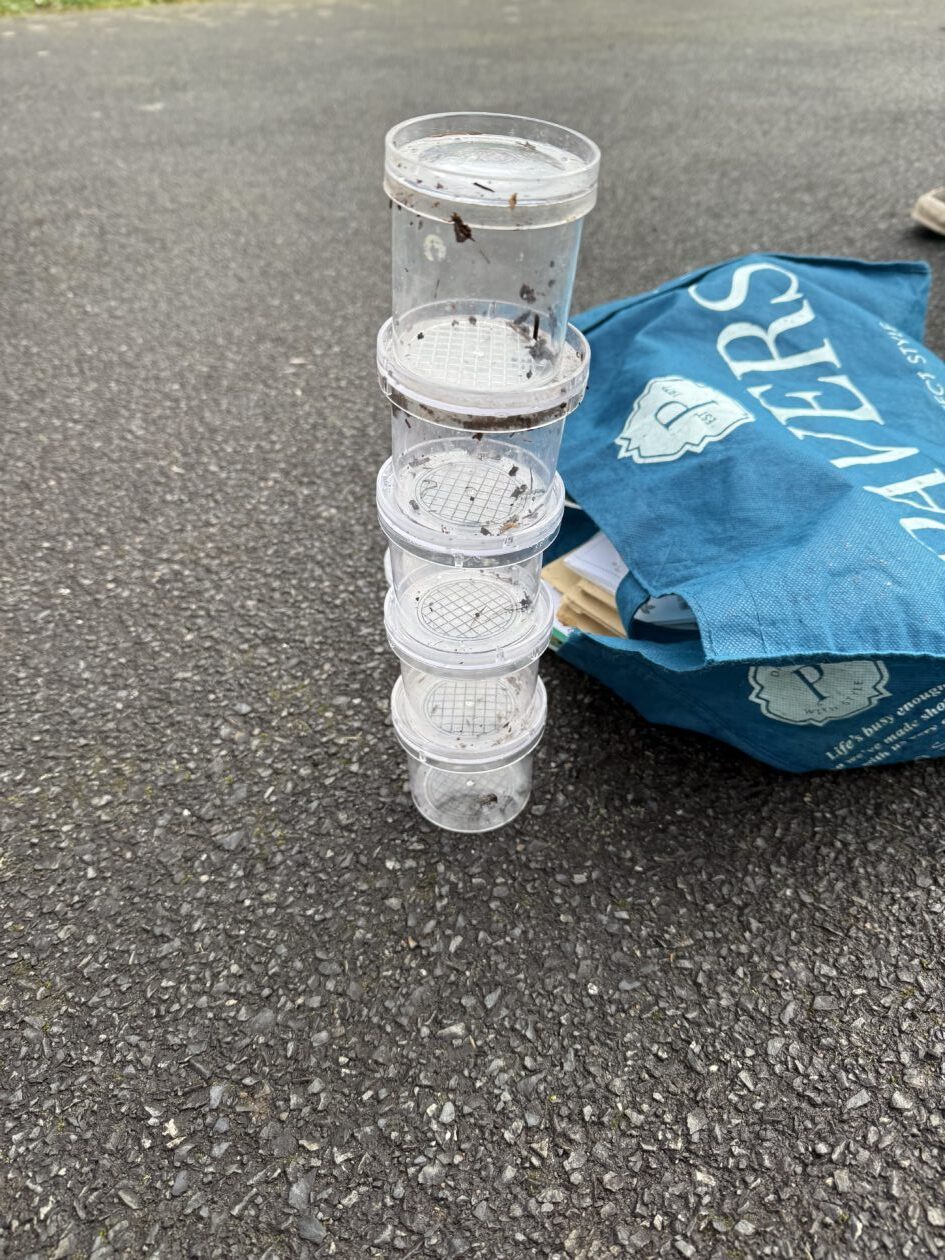
Armed with magnifying glasses and lots of curiosity, pupils set out on a mini beast hunt around the playground. They carefully explored grassy areas, under logs, near plants and along walls to see what creatures they could find.

The children discovered a variety of small insects and animals that make our playground their home, including woodlice, spiders, beetles and ants. Pupils observed how these creatures move, where they like to hide and why these environments are important for their survival. It was wonderful to see their excitement as they made new discoveries and shared them with their classmates.

Researching Local Habitats

Back in the classroom, pupils carried out research to learn more about the types of animals that could live in our local habitat. They discussed how different environments provide food, shelter and protection for wildlife.

The children explored how habitats such as gardens, grassy areas, trees and hedges support a wide range of living things. They also learned how humans can help protect these habitats by looking after green spaces and respecting nature.

Birdwatching in Our Local Area

As part of our biodiversity learning, pupils also explored the birds that live in our local environment. By observing the skies and nearby trees, they discussed the different birds that might visit our playground and surrounding area.

They learned about common local birds such as robins, blackbirds, pigeons and gulls, and discussed how birds rely on habitats for nesting, feeding and shelter.

Why Biodiversity Matters

Through these activities, pupils developed a greater understanding of biodiversity and why it is important to protect the variety of living things in our world. Even our school playground is an important habitat for many small creatures, and every species plays a role in maintaining a healthy ecosystem.

Exploring nature first-hand helped pupils build curiosity, respect and responsibility for the environment.


Links to Learning

Meta-skills developed:

  • Creativity – exploring and discovering living things in nature
  • Critical Thinking – observing, identifying and researching different species
  • Collaborating – working together to explore and share discoveries

UNCRC links:

  • Article 28 – Right to education
  • Article 29 – Education should help children respect the natural environment
  • Article 31 – Right to play and explore

UN Sustainable Development Goals:

  • Goal 4 – Quality Education
  • Goal 13 – Climate Action
  • Goal 15 – Life on Land

Our biodiversity exploration showed that nature is all around us, even in our own playground. By learning about and caring for the environment, our pupils are developing the knowledge and responsibility needed to help protect our planet in the future. 🌍🐞🐦

Partnership Day: Portpatrick & St Joseph’s Learning Together

There was a real buzz of excitement as pupils from Portpatrick Primary and St Joseph’s Primary came together for a special Partnership Day. The aim of the day was simple: to bring the two schools together so pupils could learn, play and make new friends. From the moment everyone arrived, it was clear the day was going to be a great success.

The children quickly mixed into groups, getting to know one another and working together brilliantly throughout the day. It was wonderful to see how easily they connected, showing teamwork, kindness and enthusiasm as they took part in a range of engaging activities.


Coding with Micro:bits

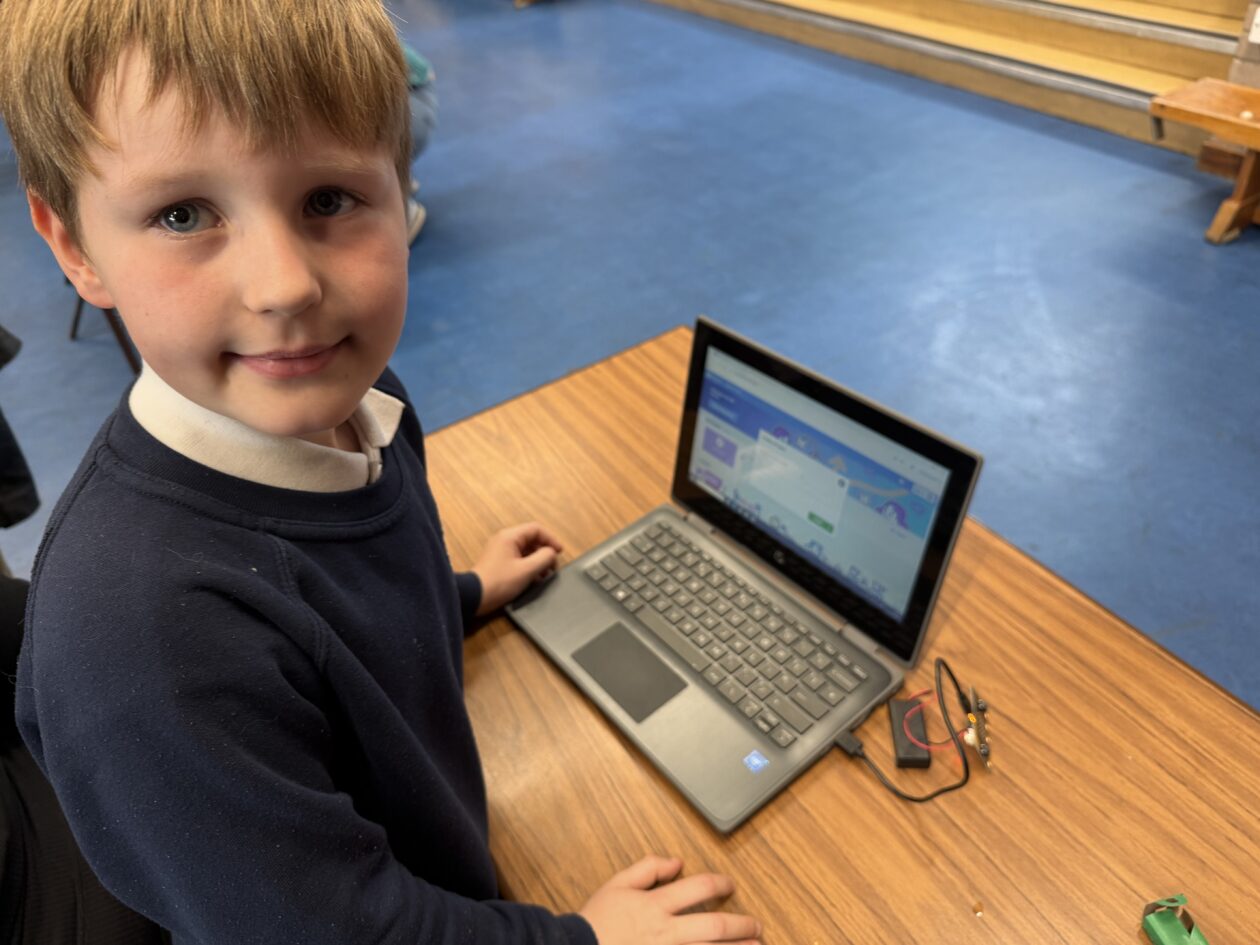
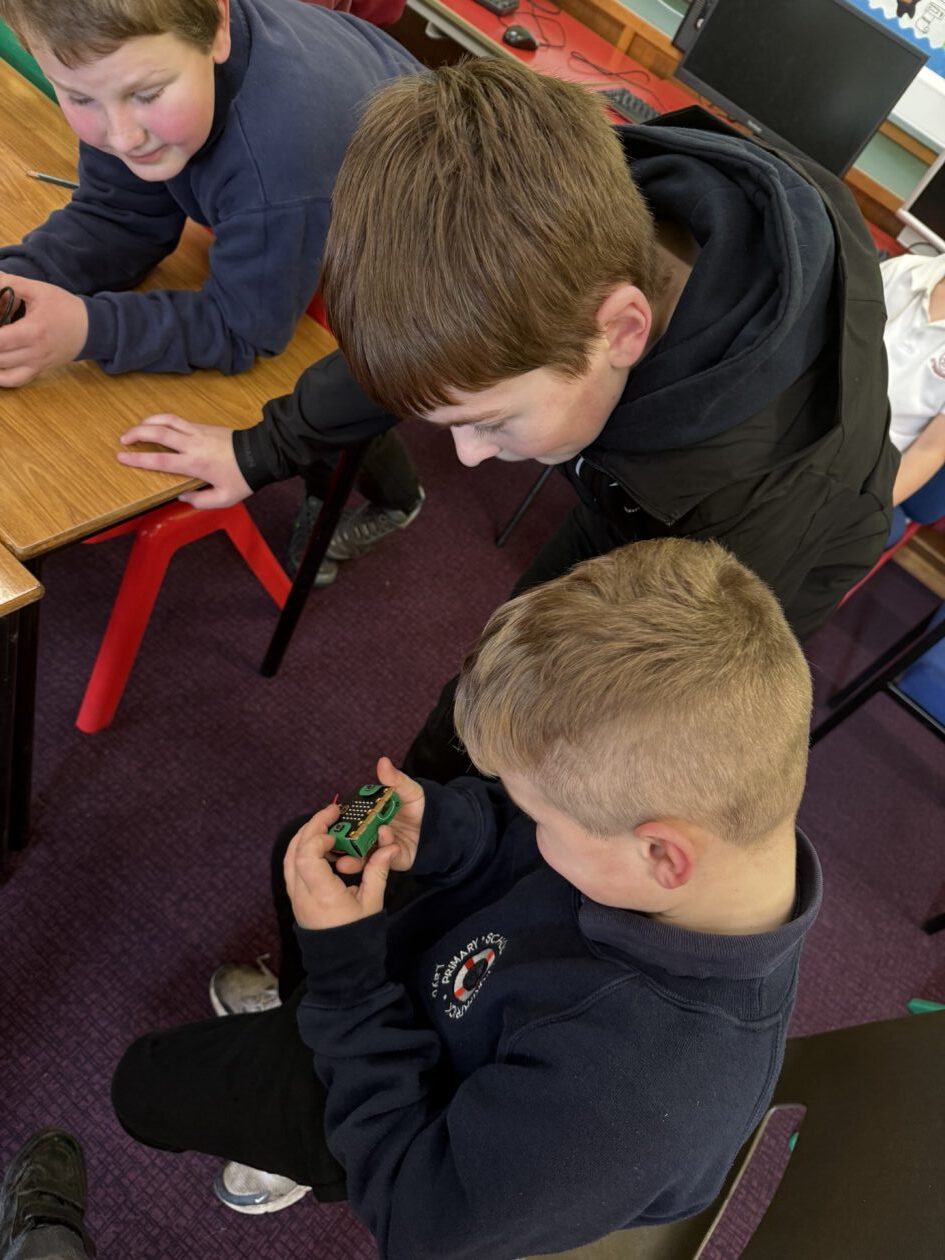
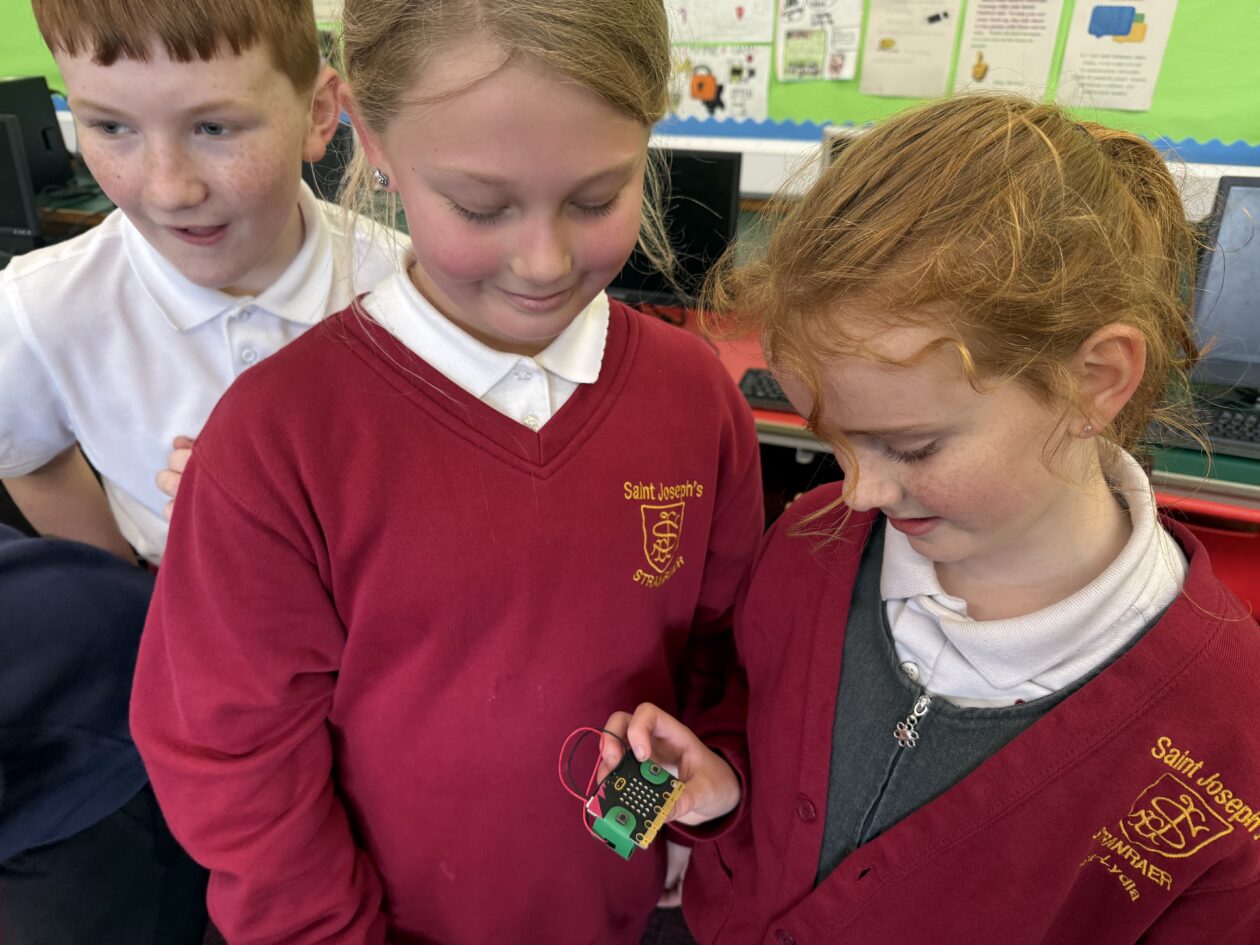
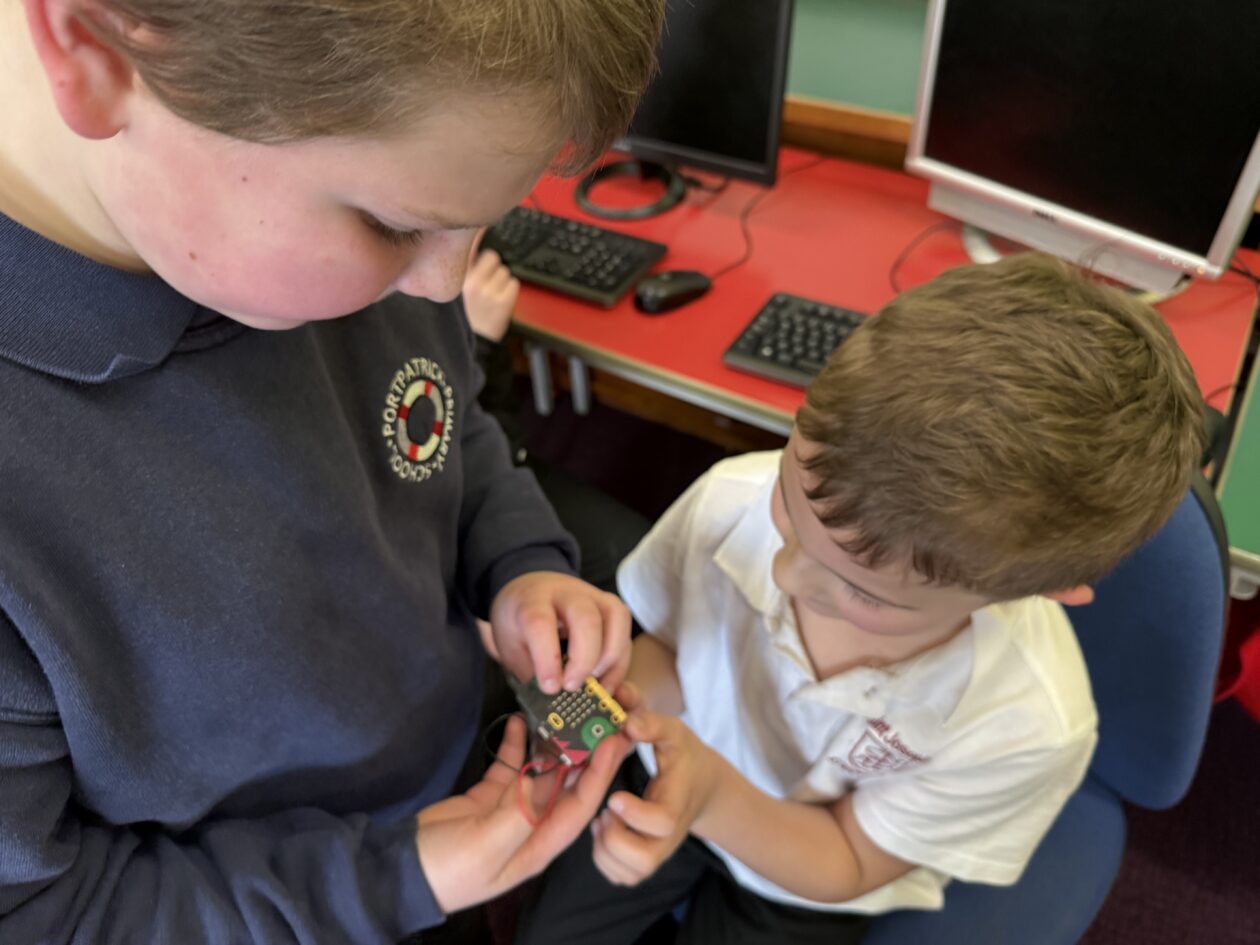
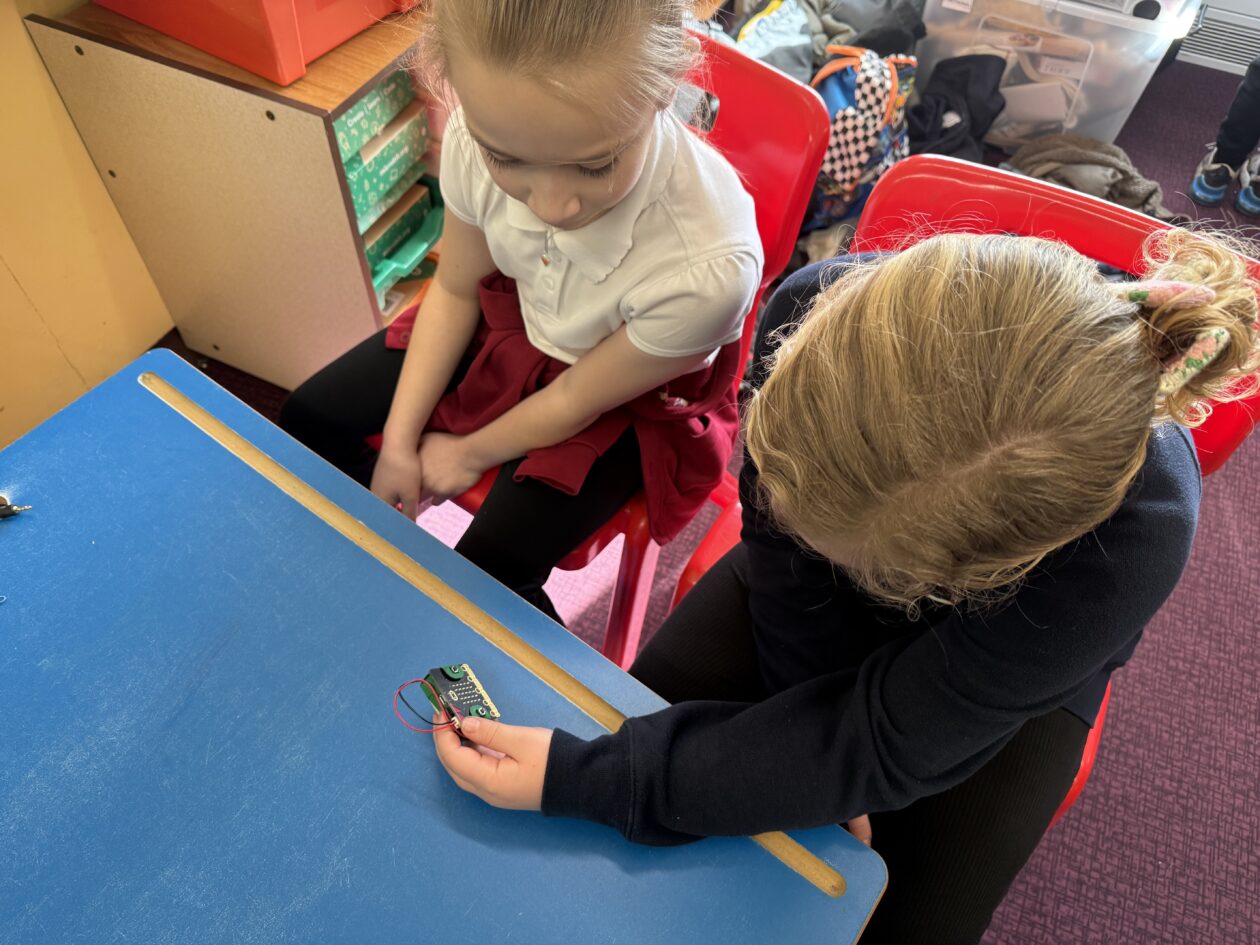
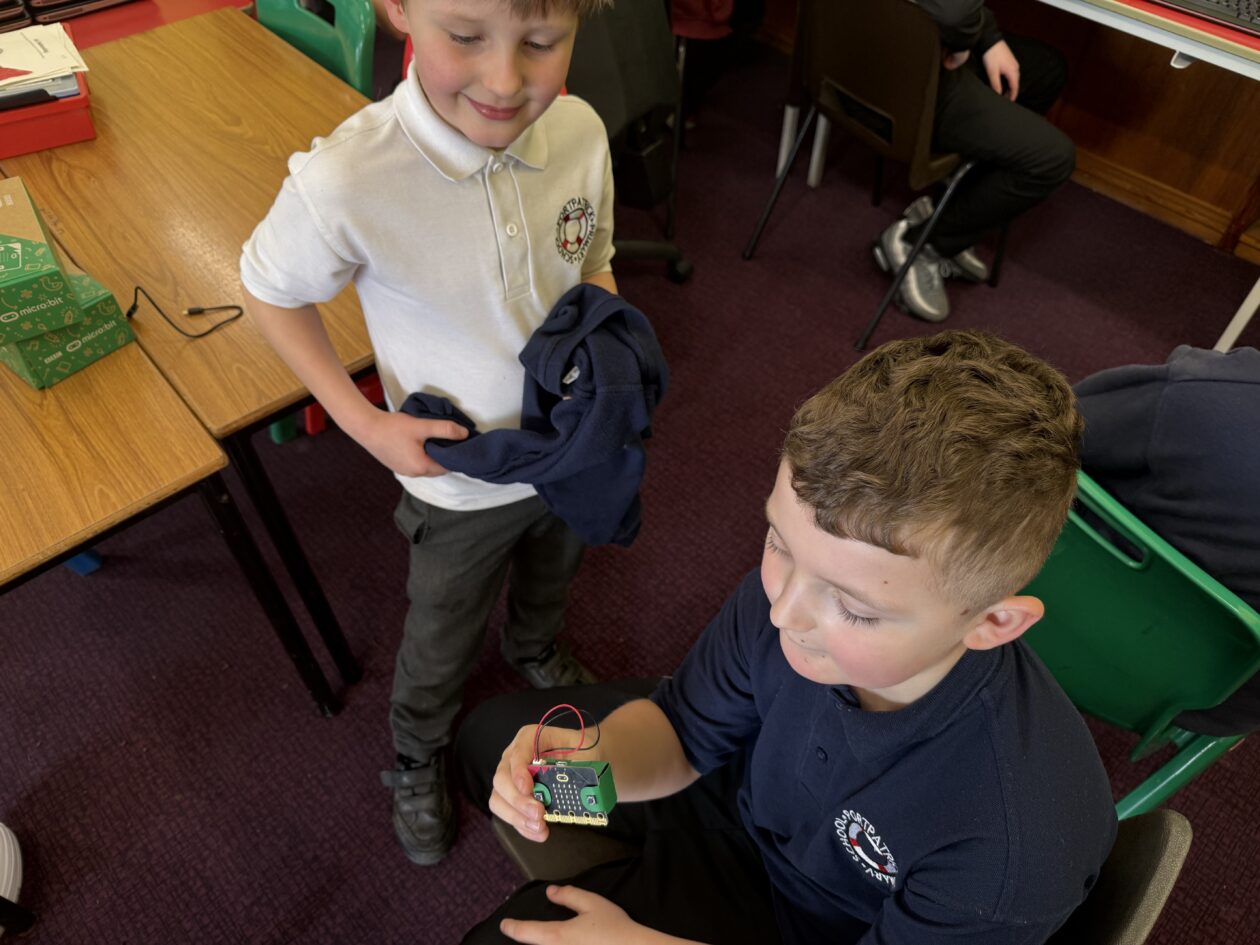
One of the highlights of the day was a coding session using micro:bits. Pupils worked together to explore basic programming, experimenting with different codes and seeing their ideas come to life on the small devices. There was lots of excitement as they tested their creations and helped one another solve problems. It was fantastic to see such great collaboration and curiosity as pupils developed their digital skills.

Skills and learning highlighted:

  • Meta-skills: Creativity, Critical Thinking, Collaborating
  • UNCRC: Article 28 – Right to education
  • SDGs: Goal 4 – Quality Education; Goal 9 – Industry, Innovation and Infrastructure

Active Fun with PE Games

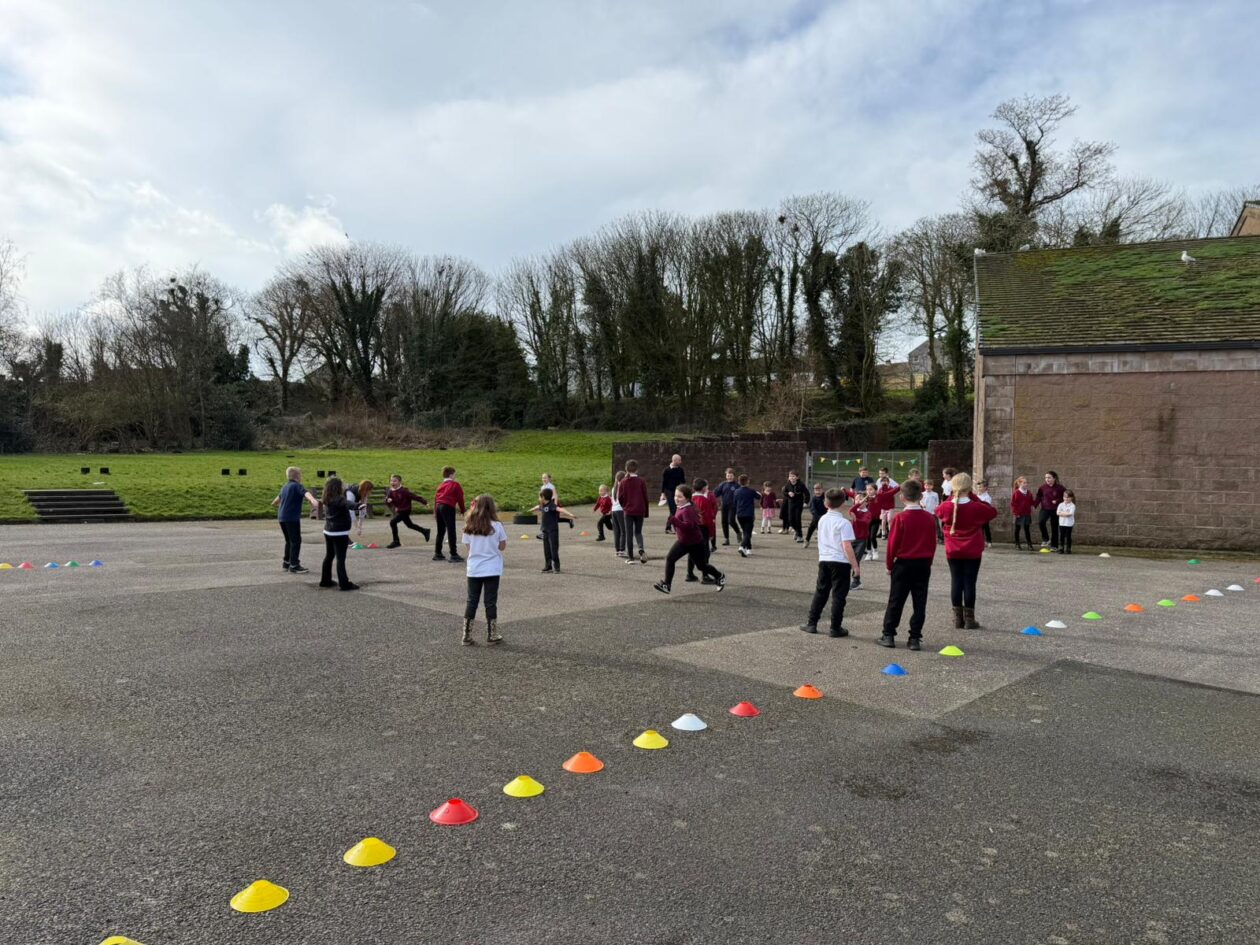
After some focused learning, it was time to get active with a variety of PE games. These activities encouraged teamwork, communication and lots of laughter. Mixed teams meant that pupils from both schools worked together, cheering each other on and building new friendships along the way.

Skills and learning highlighted:

  • Meta-skills: Collaborating, Self-management, Leadership
  • UNCRC: Article 31 – Right to play and leisure
  • SDGs: Goal 3 – Good Health and Well-being

A Special Musical Experience

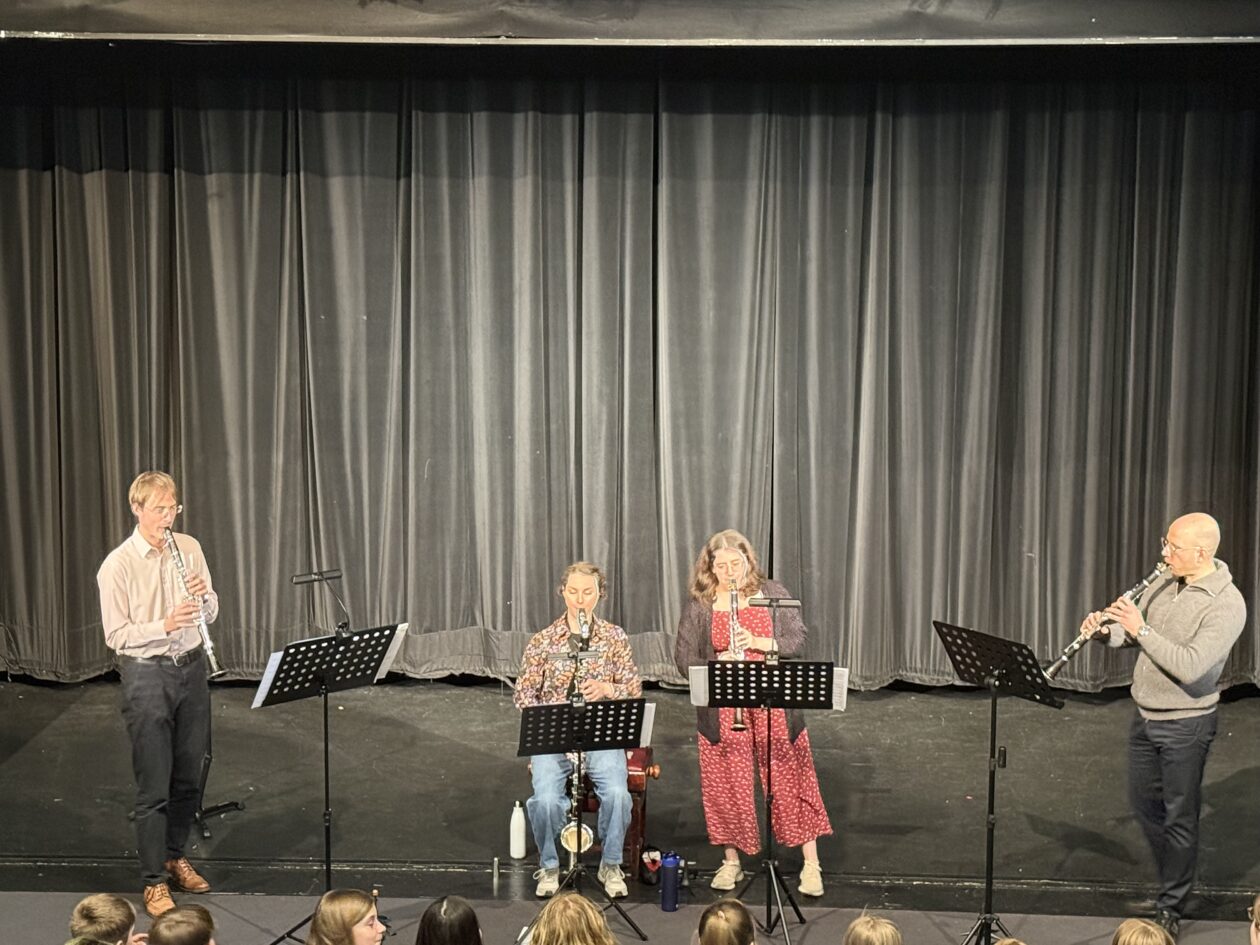
The day also included a wonderful Music for All session, where pupils had the opportunity to enjoy a live clarinet quartet performance. For many children, this was a unique experience – hearing live classical music up close and learning more about the instruments being played. The performance was engaging and inspiring, sparking curiosity and appreciation for music.

Skills and learning highlighted:

  • Meta-skills: Creativity, Communication, Cultural Awareness
  • UNCRC: Article 31 – Right to participate in cultural and artistic life
  • SDGs: Goal 4 – Quality Education; Goal 10 – Reduced Inequalities

Building Friendships and Memories

Partnership days like this are a fantastic opportunity for pupils to meet new people, try new activities and build confidence. Throughout the day, the children showed excellent cooperation and respect for one another, making the experience enjoyable for everyone involved.
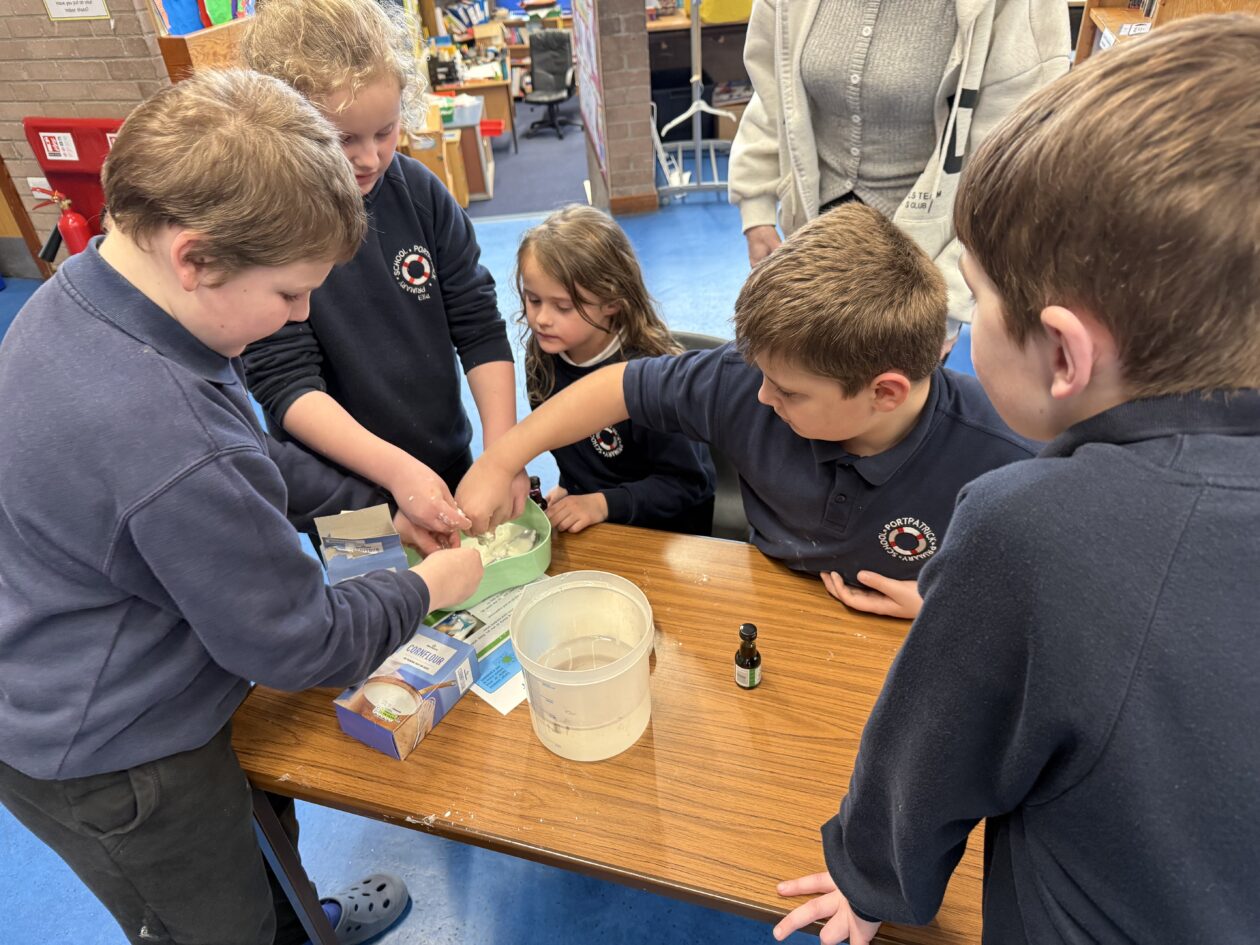
By the end of the day, there were lots of smiles and plenty of new friendships formed. It was a brilliant example of how working together can create meaningful learning experiences and lasting memories.
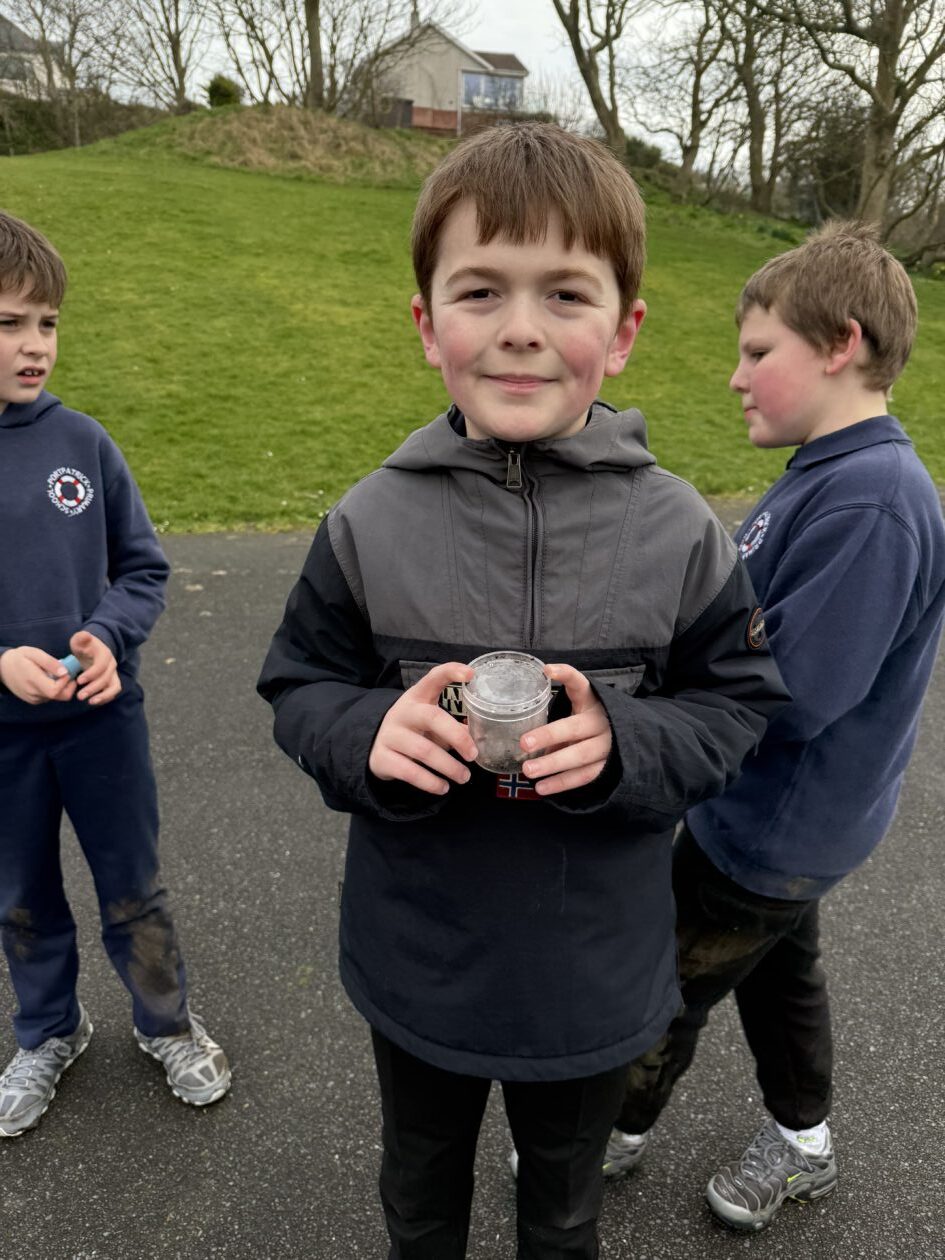
We would like to thank everyone who helped organise and support the day. It was a truly enjoyable experience, and we look forward to many more opportunities for Portpatrick Primary and St Joseph’s Primary to learn together again in the future.

Celebrating World Book Day in School

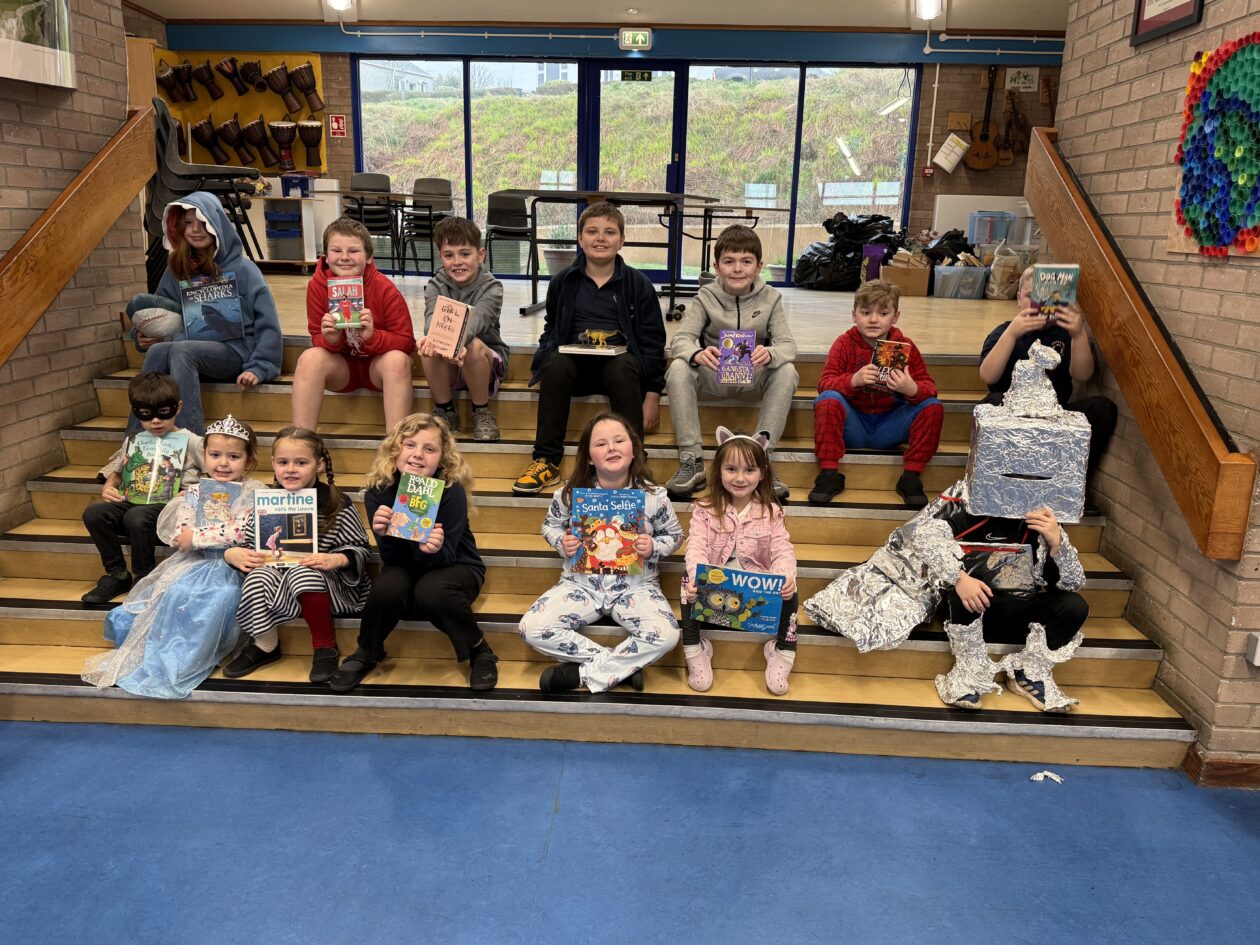
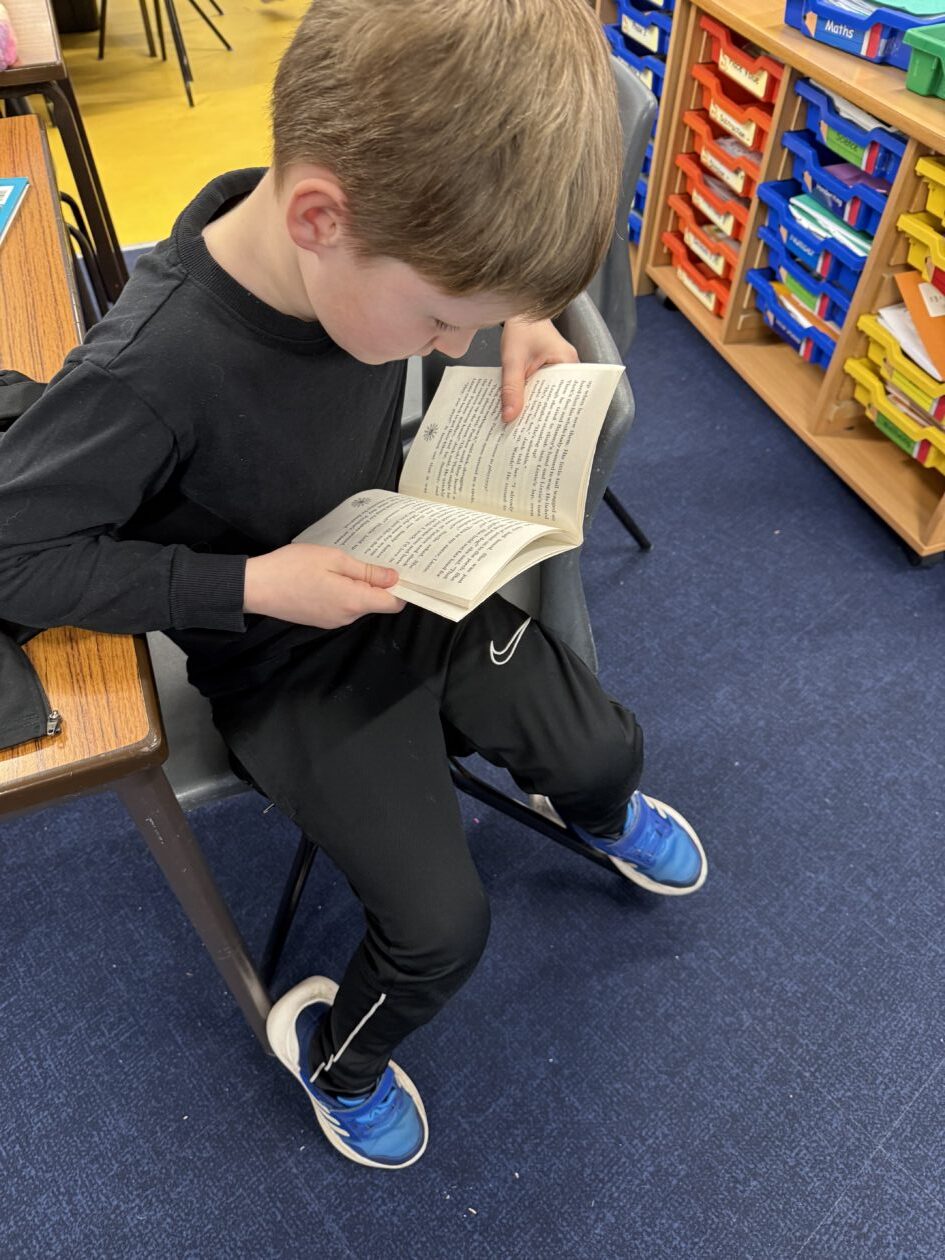
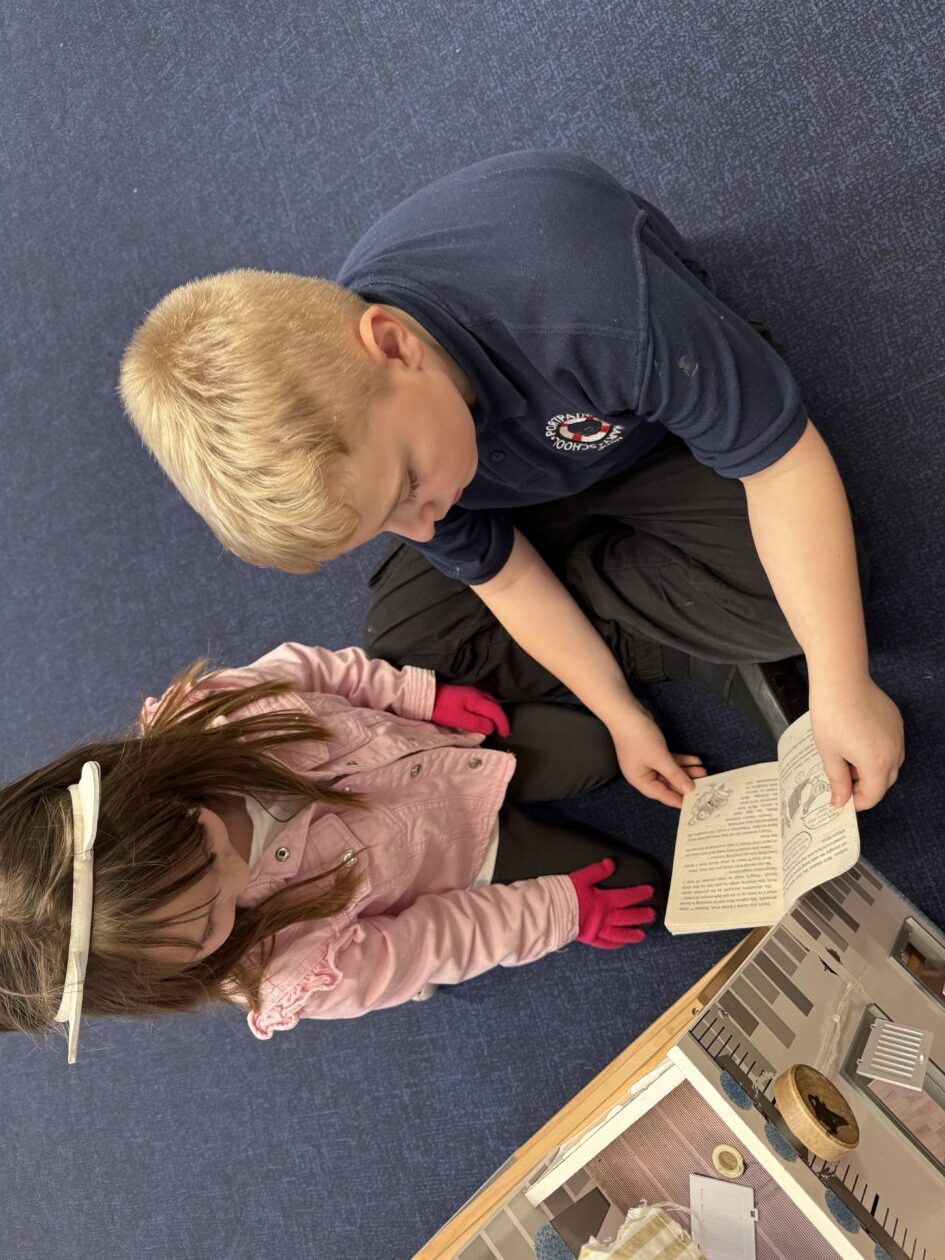
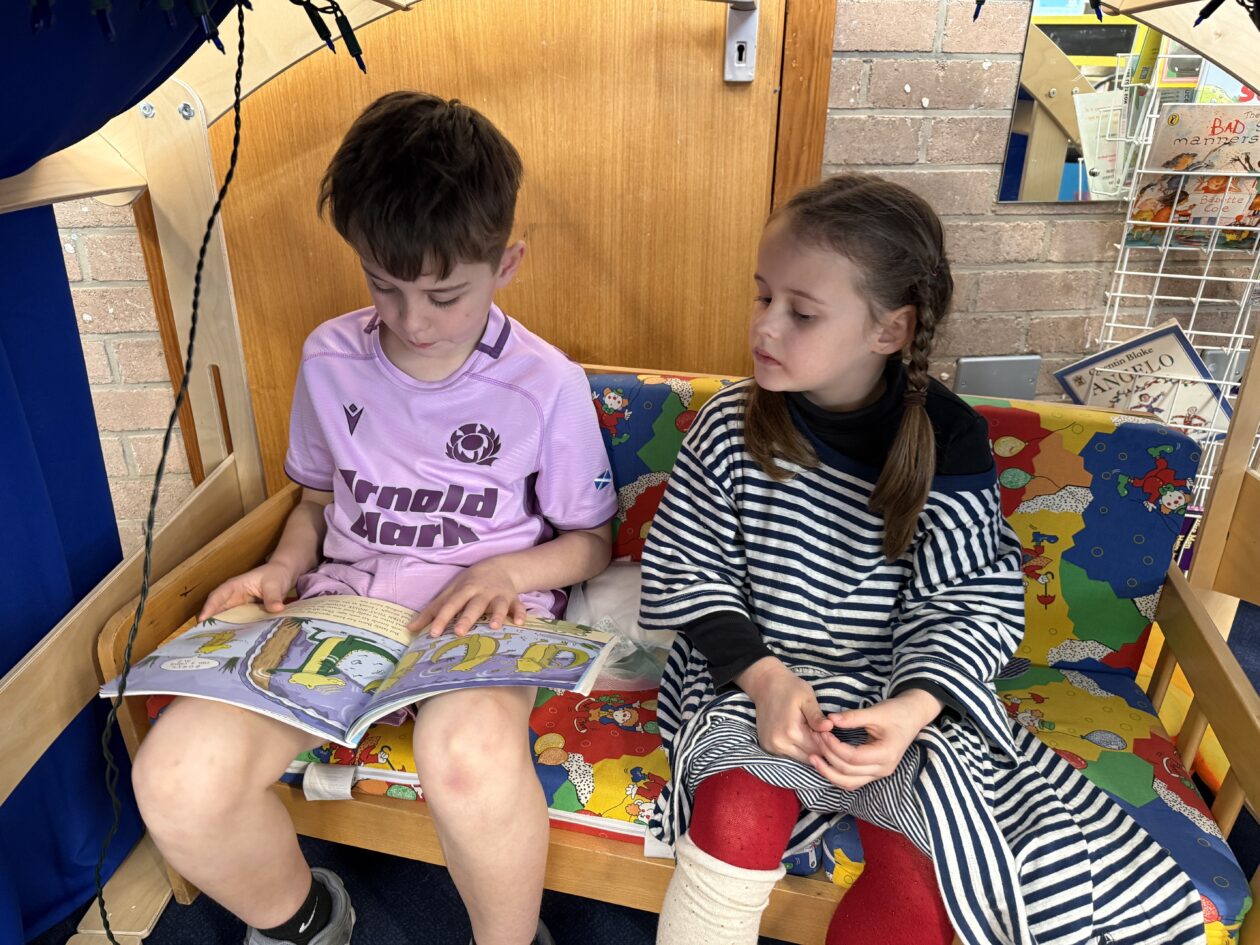
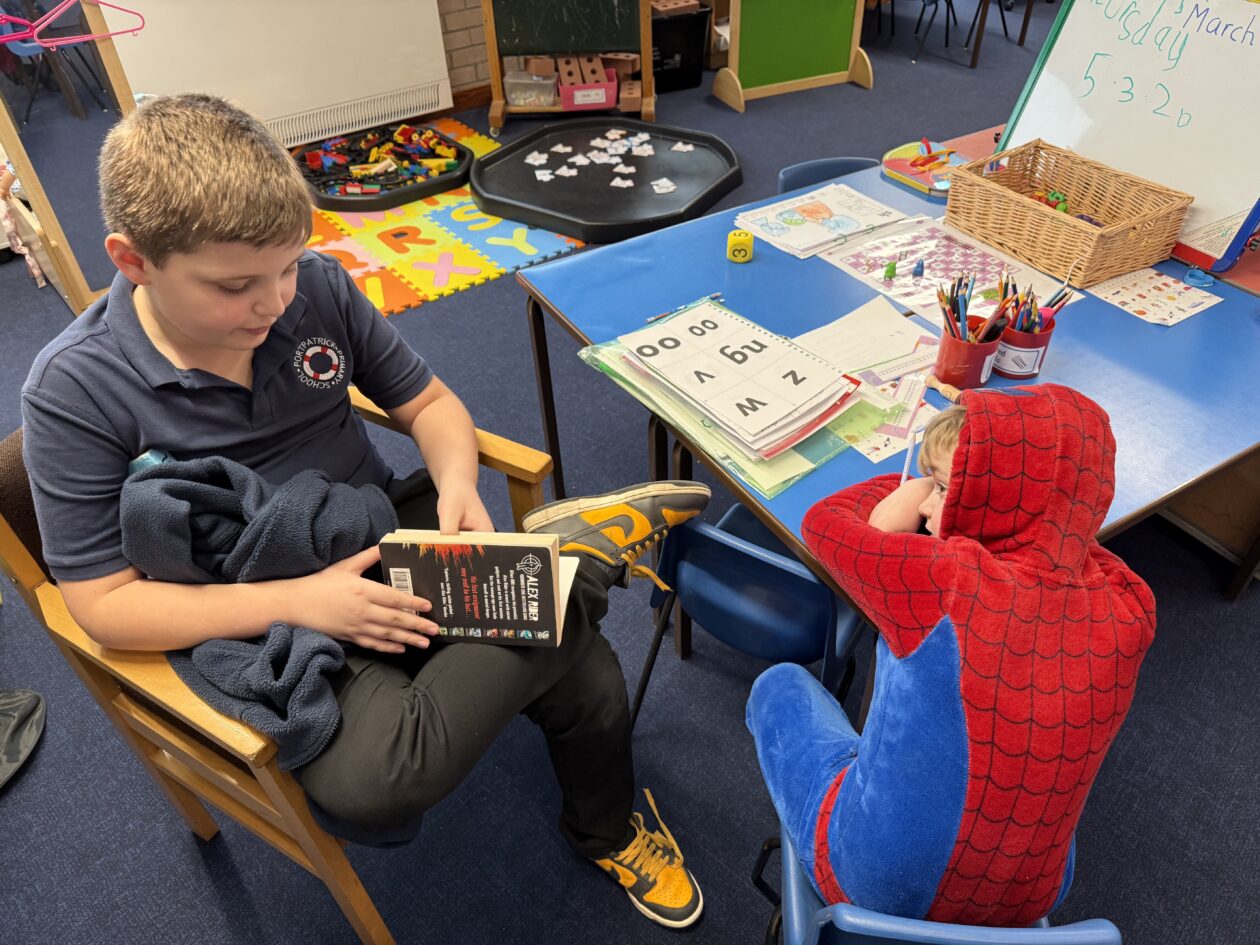
World Book Day was a wonderful celebration of reading across the school. Pupils came to school dressed as their favourite book characters, bringing stories to life and sharing their love of books with their friends. The colourful costumes created lots of excitement and sparked conversations about different stories and authors.

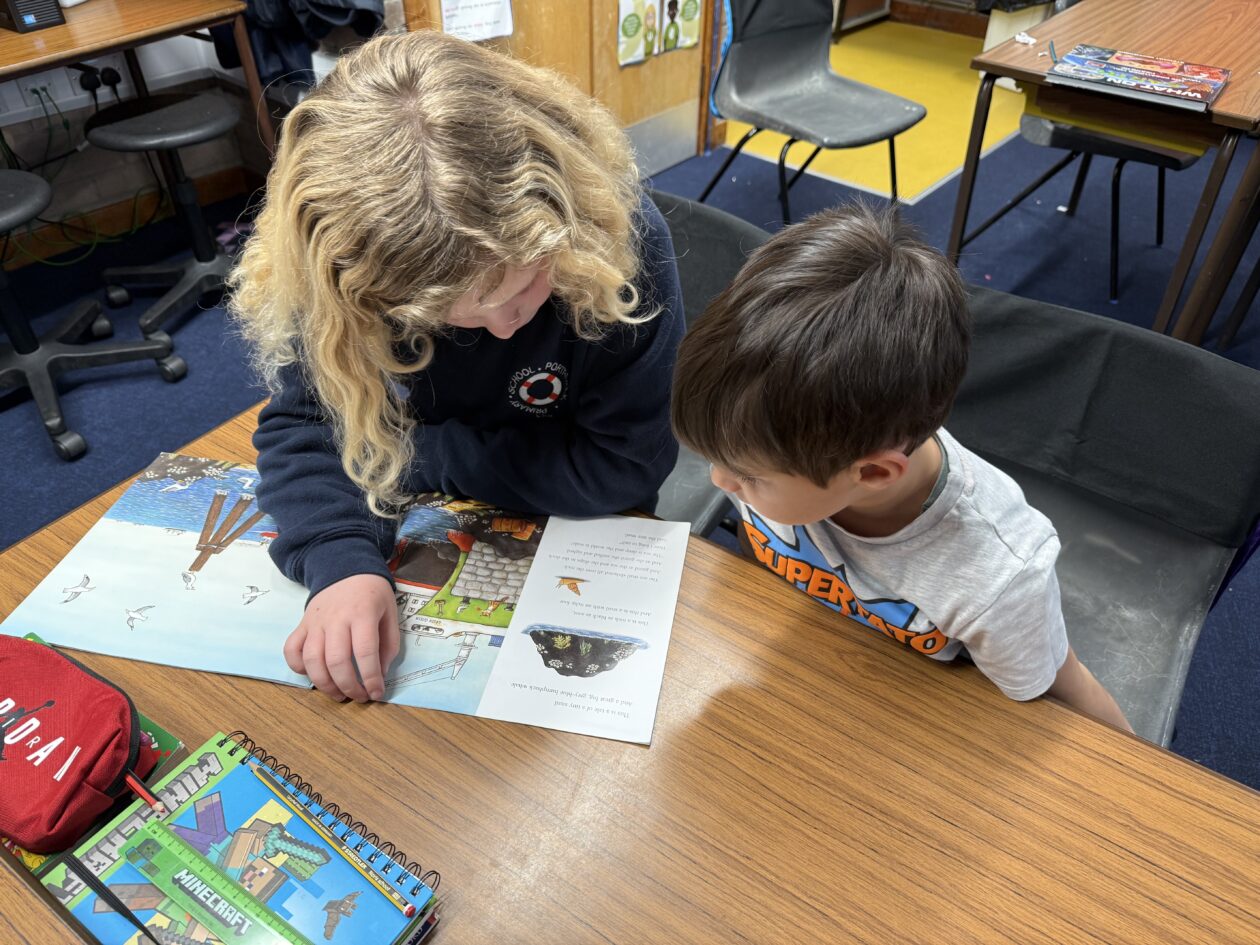
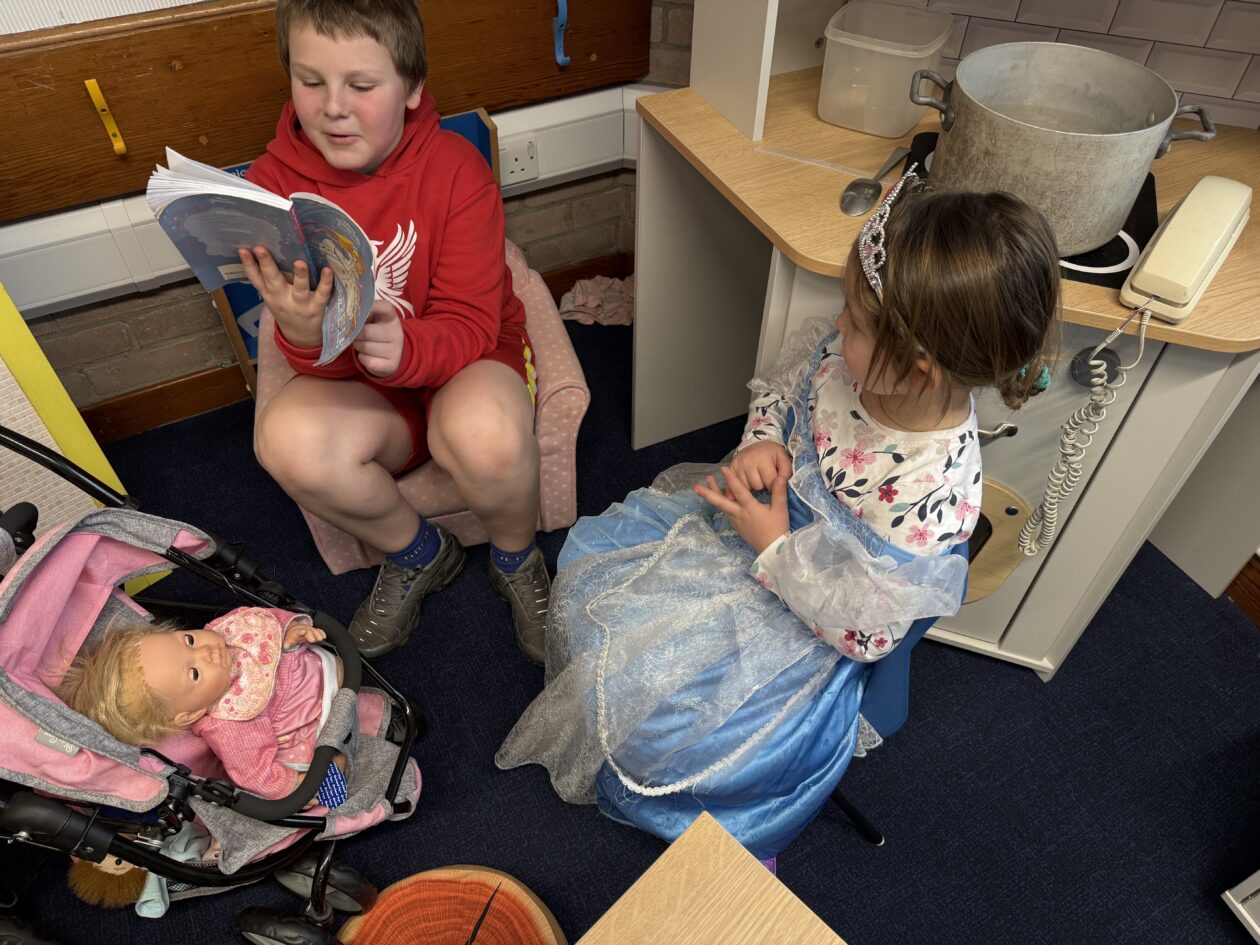
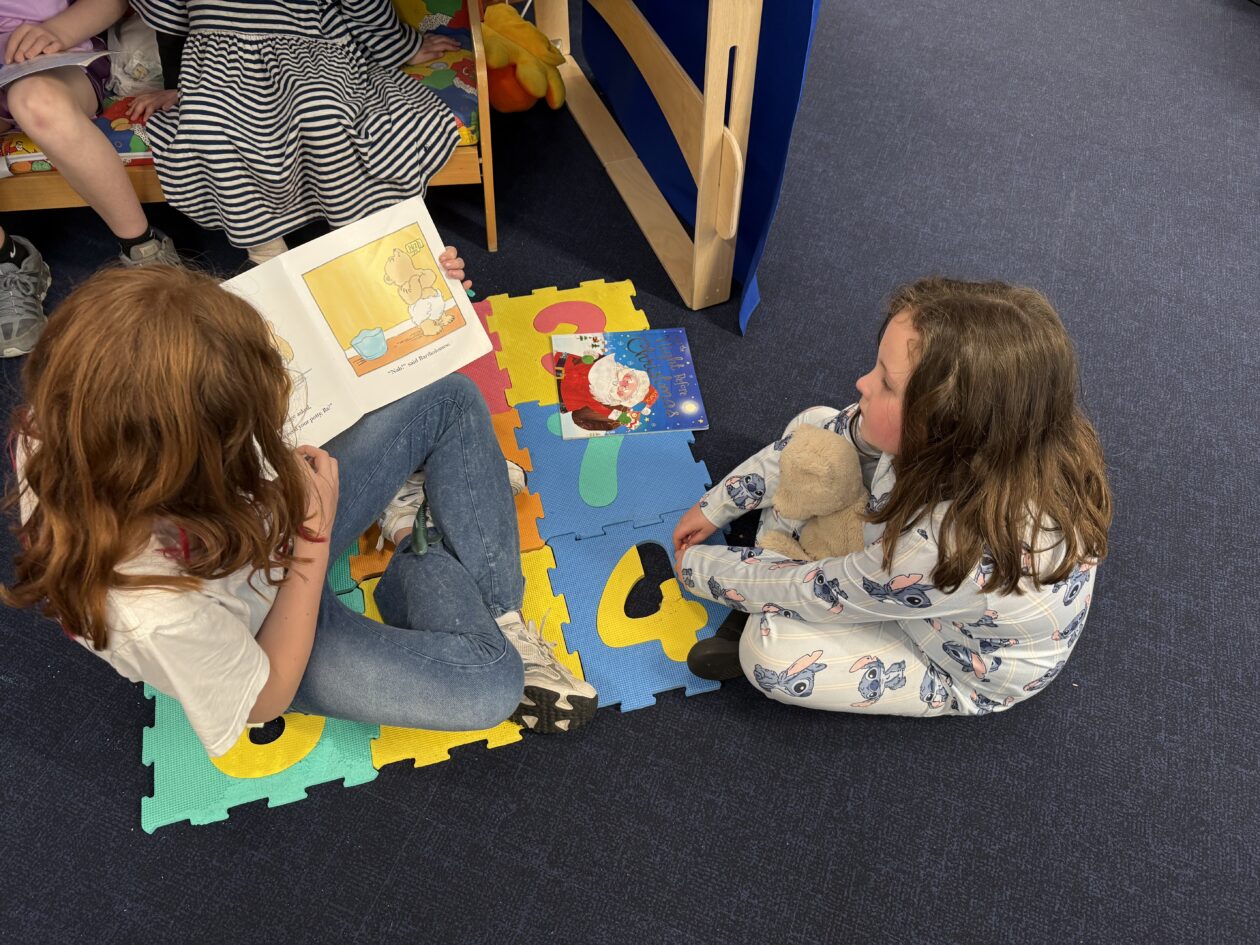
One of the highlights of the day was our paired reading activity. Older and younger pupils worked together to share books, read aloud, and talk about the stories. The older pupils supported their younger partners with reading and expression, while the younger pupils enjoyed listening and asking questions. This helped build confidence, friendships, and a shared enjoyment of reading across different year groups.

The activities during the day linked strongly to the UN Convention on the Rights of the Child (UNCRC). In particular, Article 28, which highlights every child’s right to education, and Article 31, which recognises the importance of rest, play, and participation in cultural and creative activities. Reading for pleasure is an important part of both learning and enjoyment.

World Book Day also supported the development of important metaskills such as communication, collaboration, creativity, and curiosity. Pupils worked together during paired reading, shared ideas about their favourite books, and used their imagination through their costumes and storytelling.

In addition, the day connected to the United Nations Sustainable Development Goals (SDGs), particularly SDG 4: Quality Education, which promotes inclusive and equitable education and lifelong learning opportunities for all.

Overall, World Book Day was a joyful and engaging day that encouraged a love of reading while supporting children’s rights, important life skills, and global learning. A special shout out to George who spent ages making his space boy costume and Adam who read Cinderella with Arya. Well done everyone for being good sports!

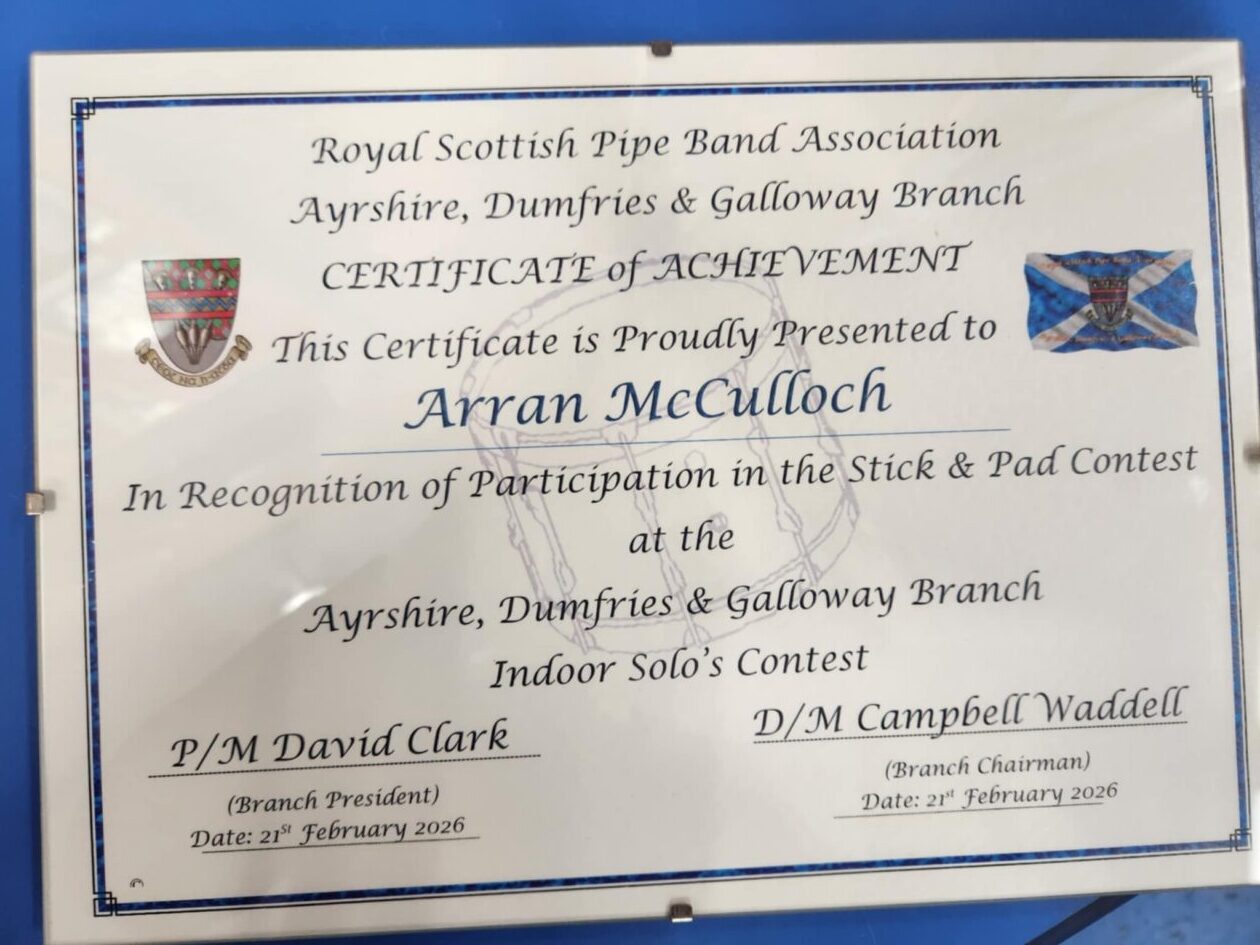
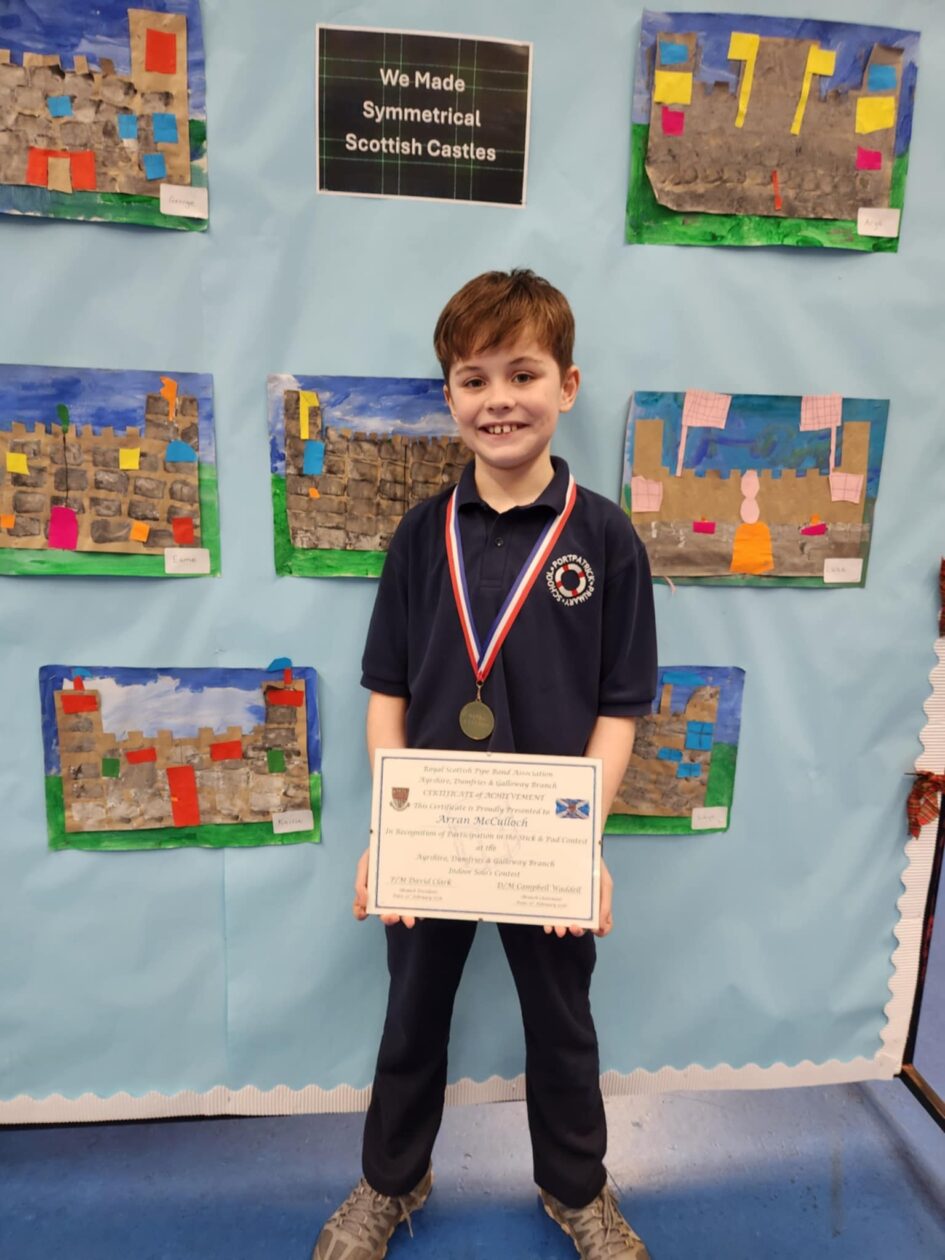
Arran Shines at Stick and Pad Contest

We are delighted to share Arran’s success at the Ayrshire, Dumfries, and Galloway Branch Indoor Solo Contest, where he showcased his talent and determination in the Stick and Pad competition. He achieved a silver medal no less, and recognition as Highly Commended.
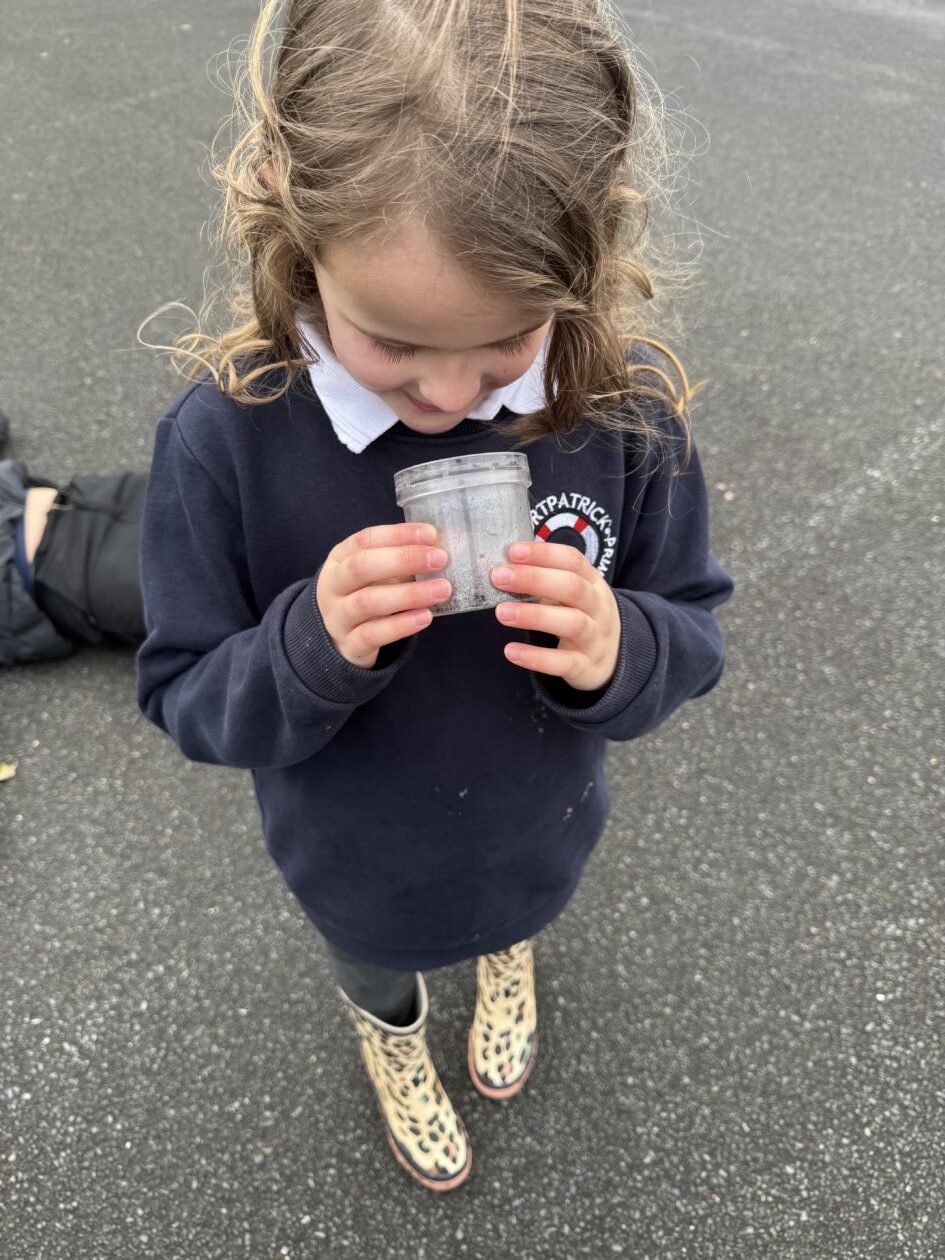

UNCRC Article

  • Article 31 – Right to Leisure, Play, and Culture: The right to engage in cultural and recreational activities that foster personal growth.
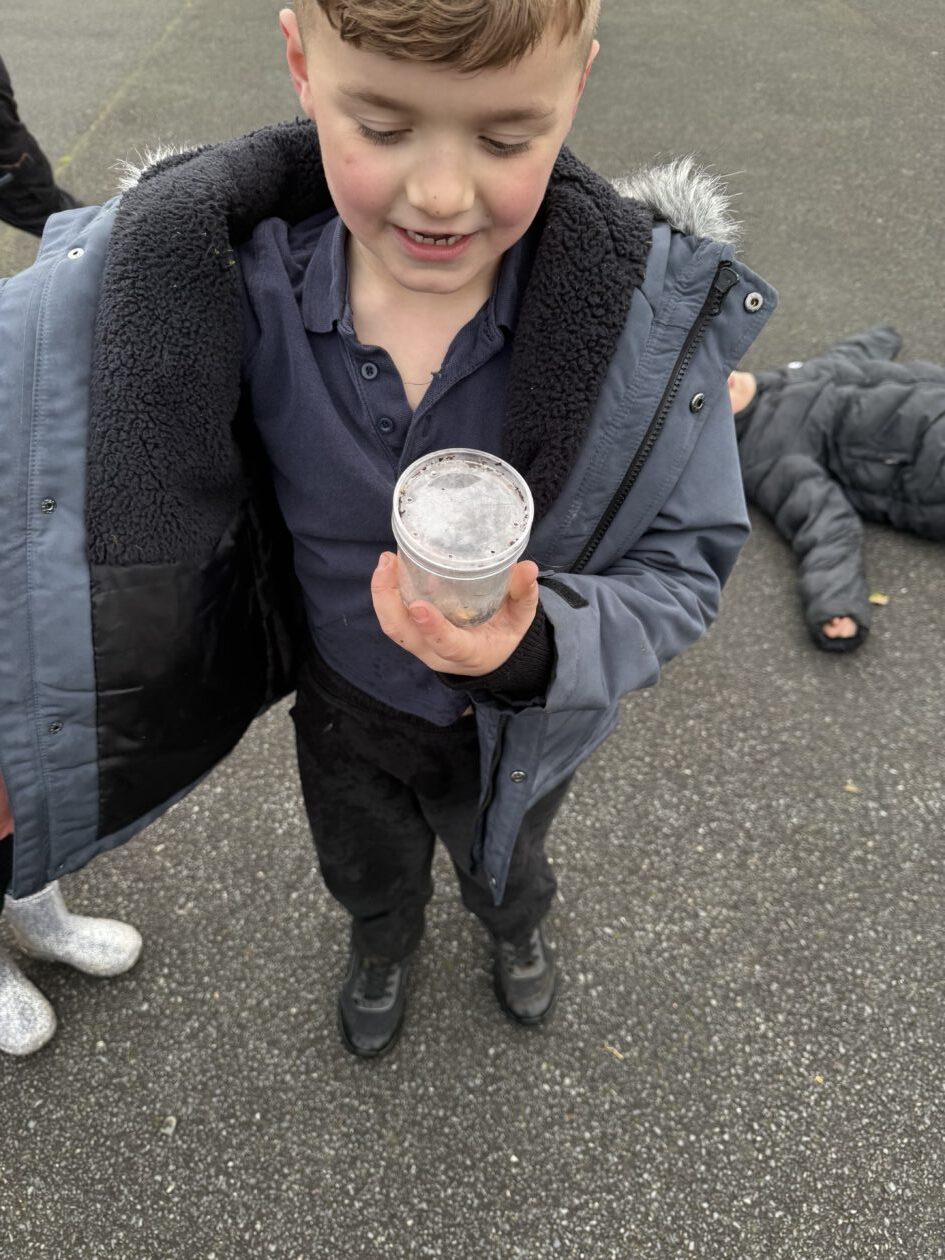
Four Capacities for Learning

  • Confident Individuals: Self-assurance, competing with pride and poise.

Metaskills

  • Critical Thinking: Ability to think critically and adapt under pressure.

Wellbeing Indicators

  • Achieving: Through hard work, dedication, and commitment.

We’re proud of Arran’s accomplishment. Well done!

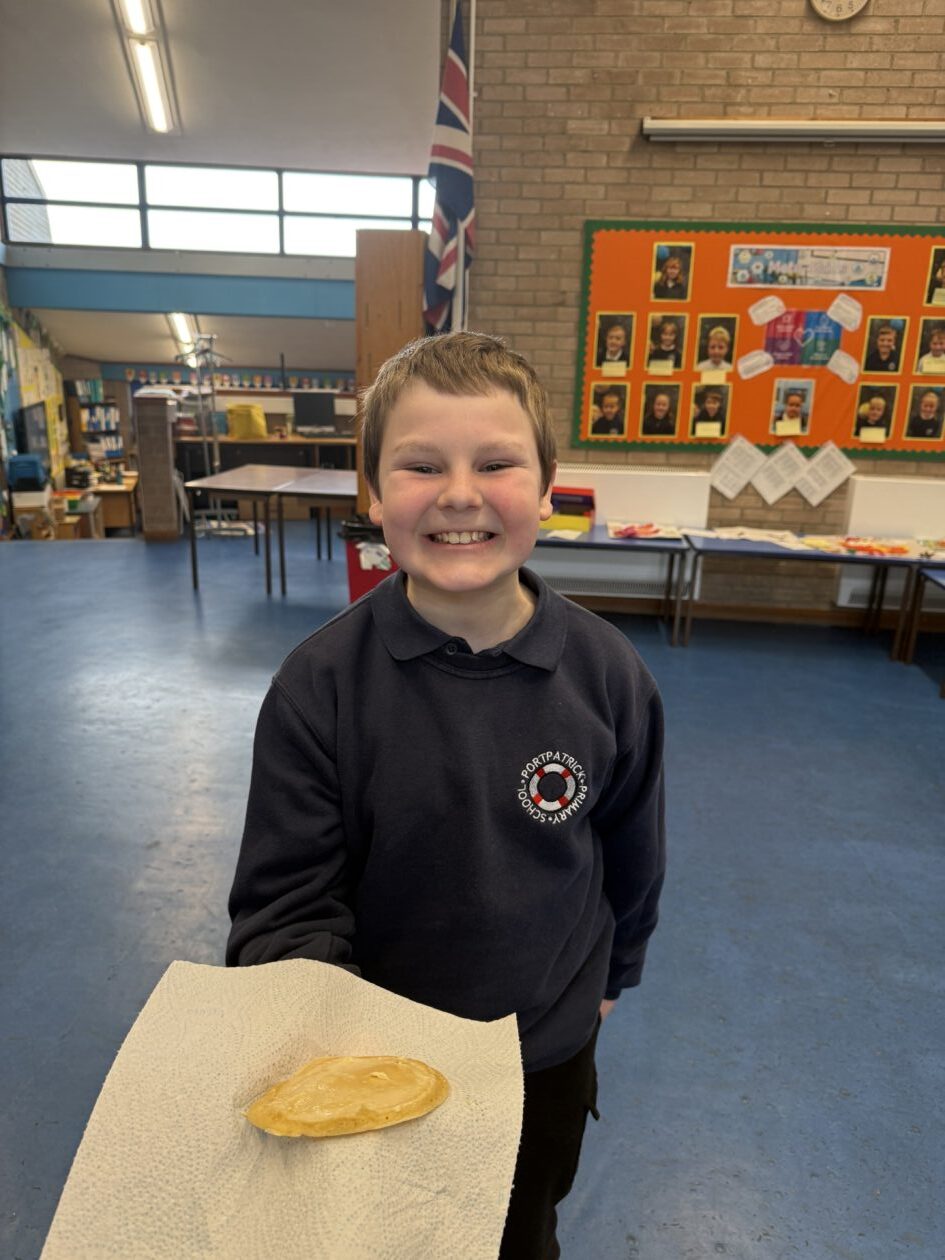
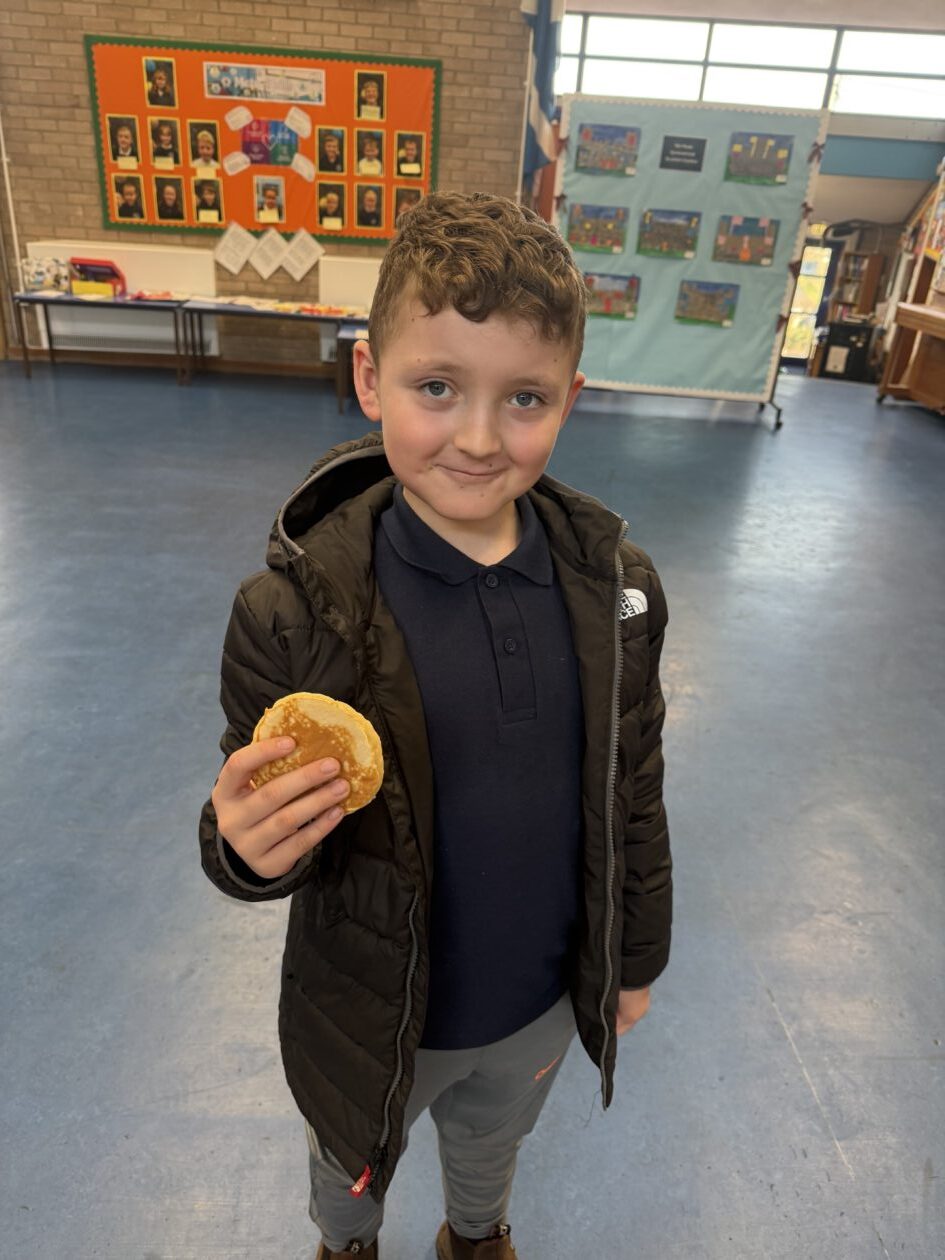
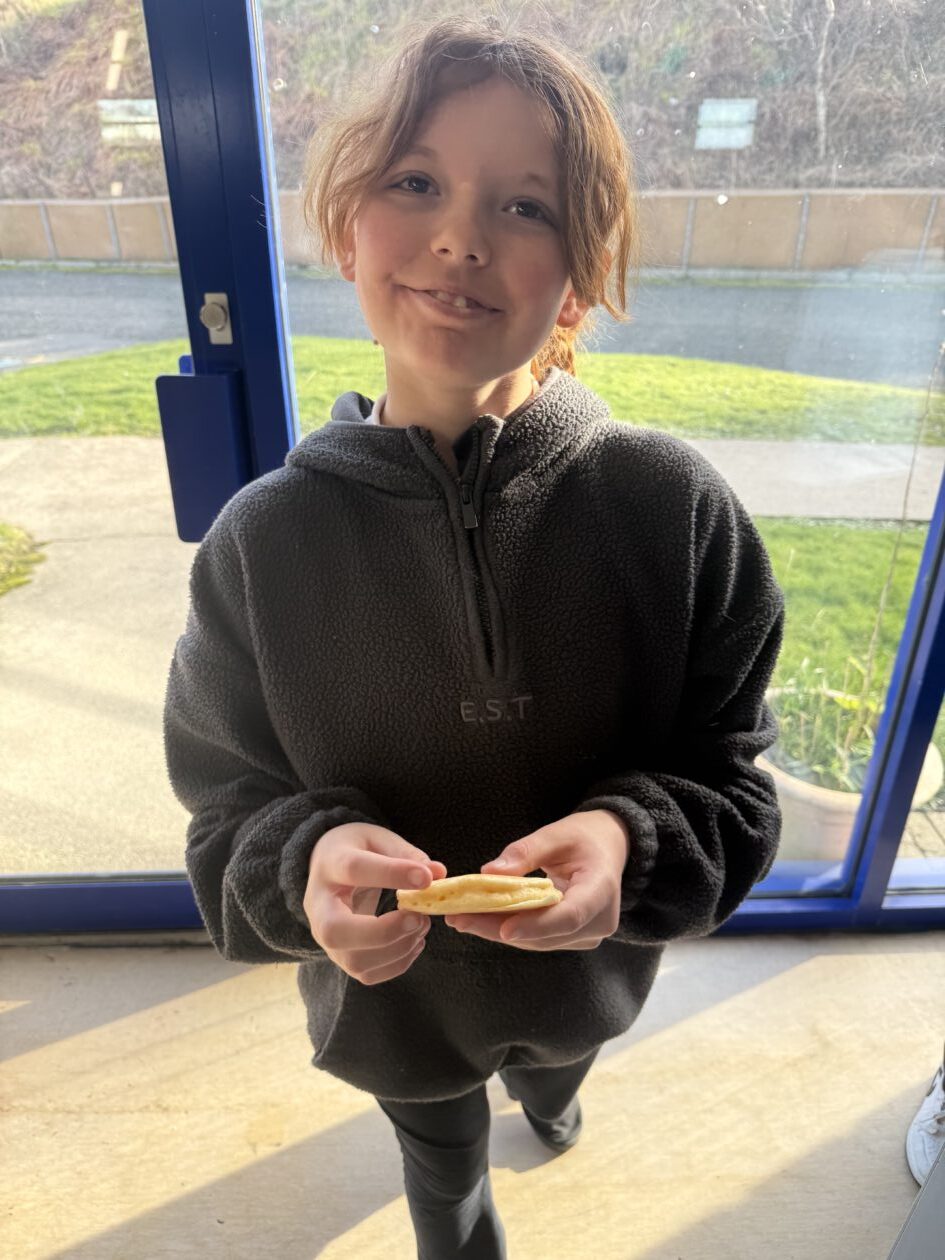
Flipping Fun on Shrove Tuesday! πŸ₯ž

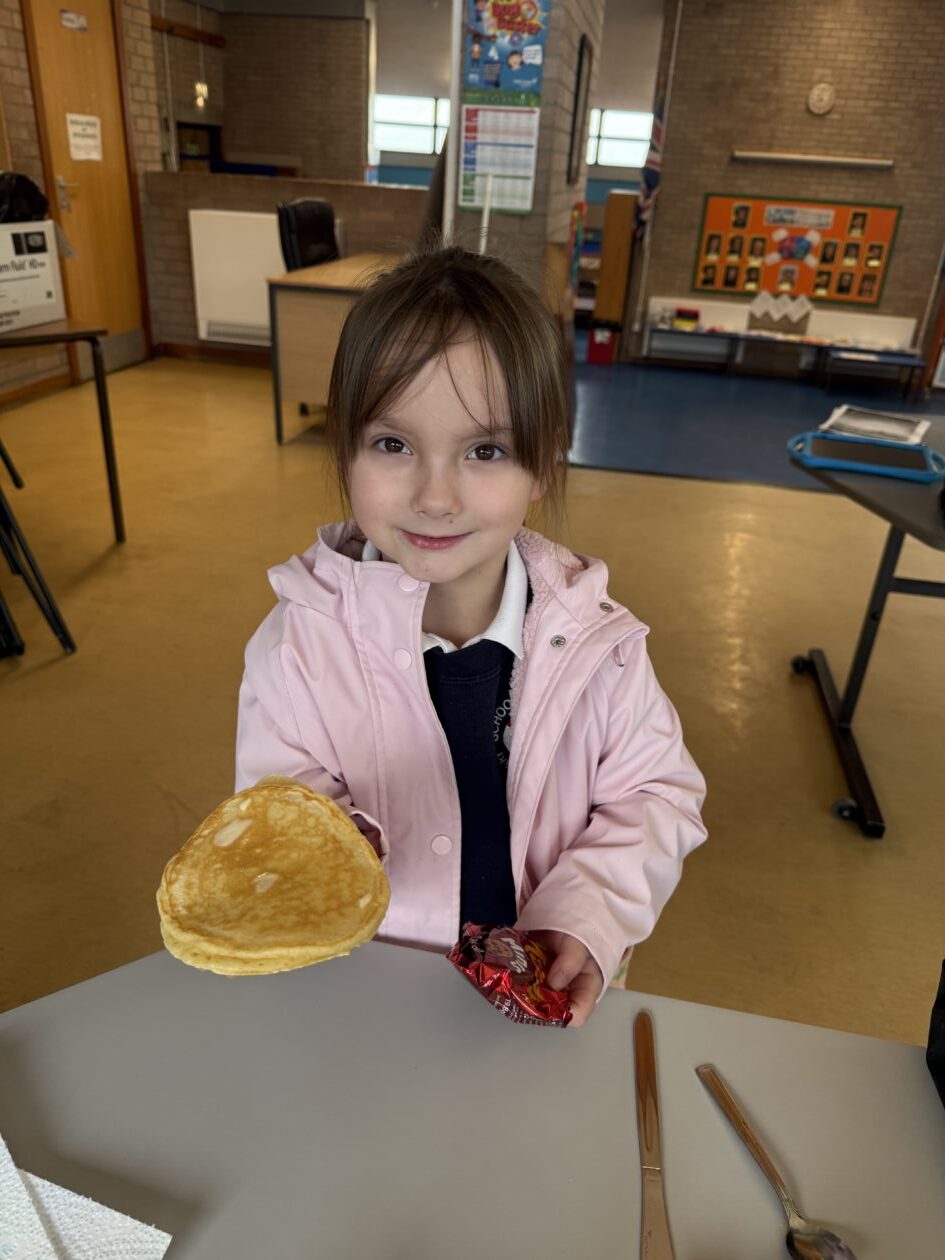
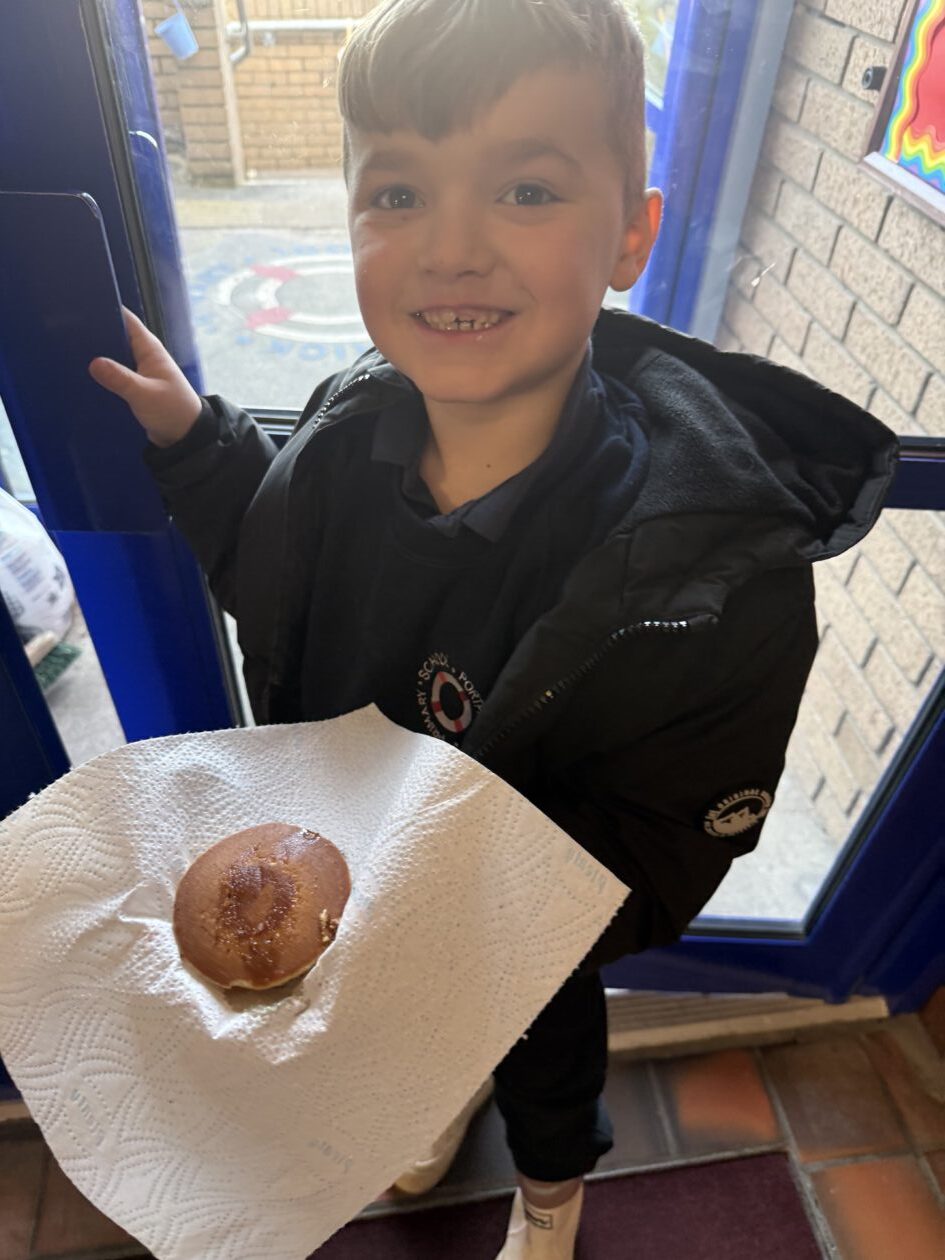
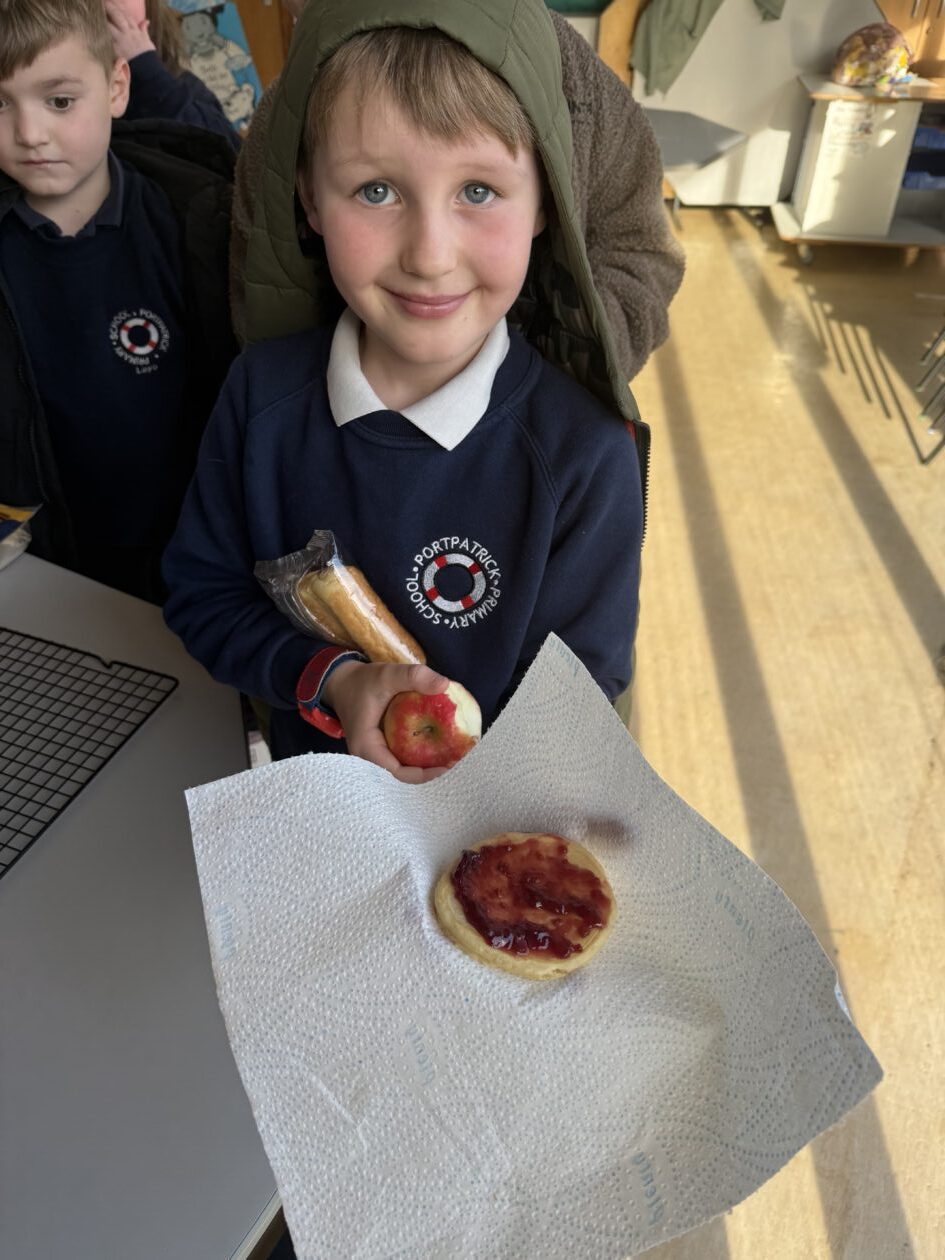
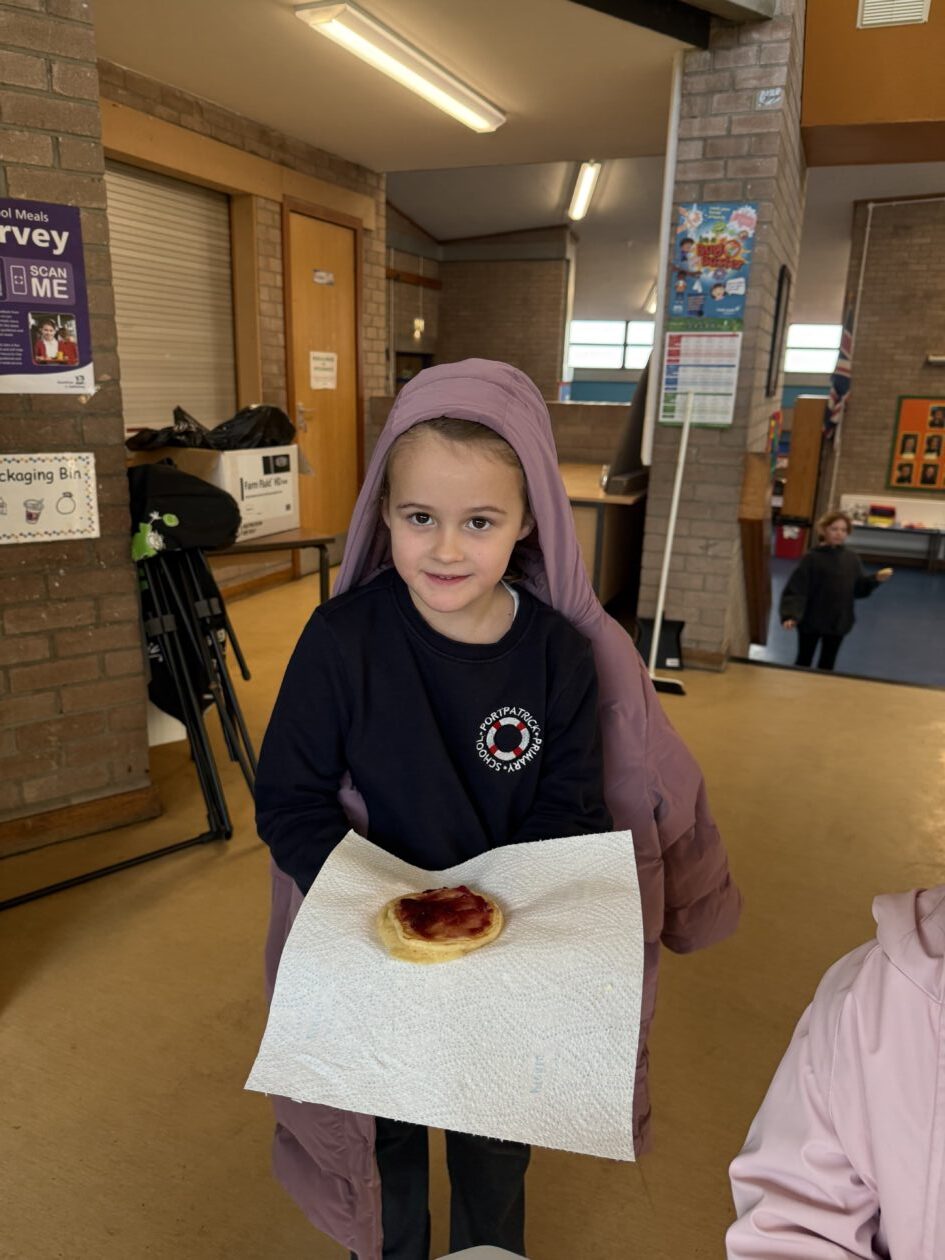
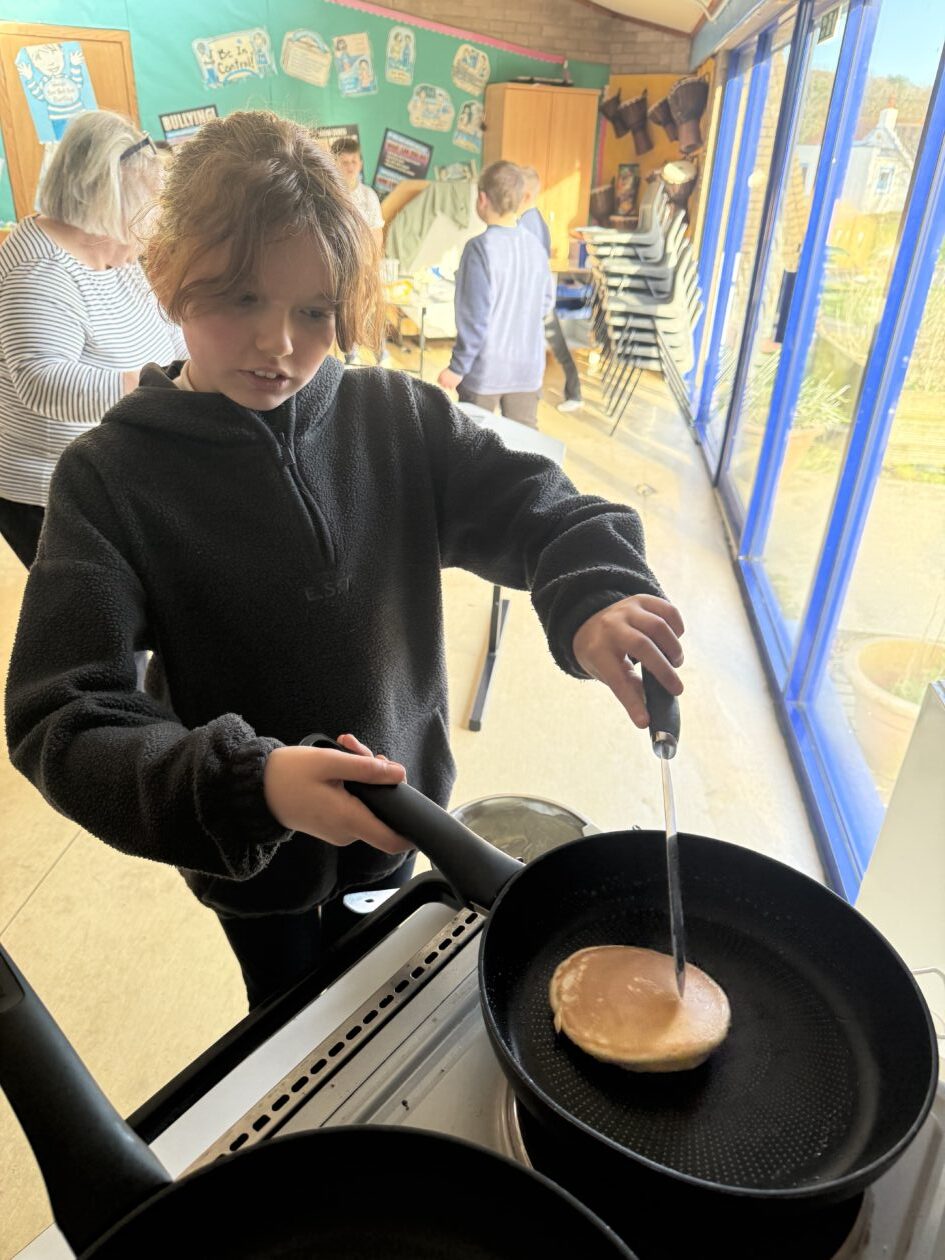
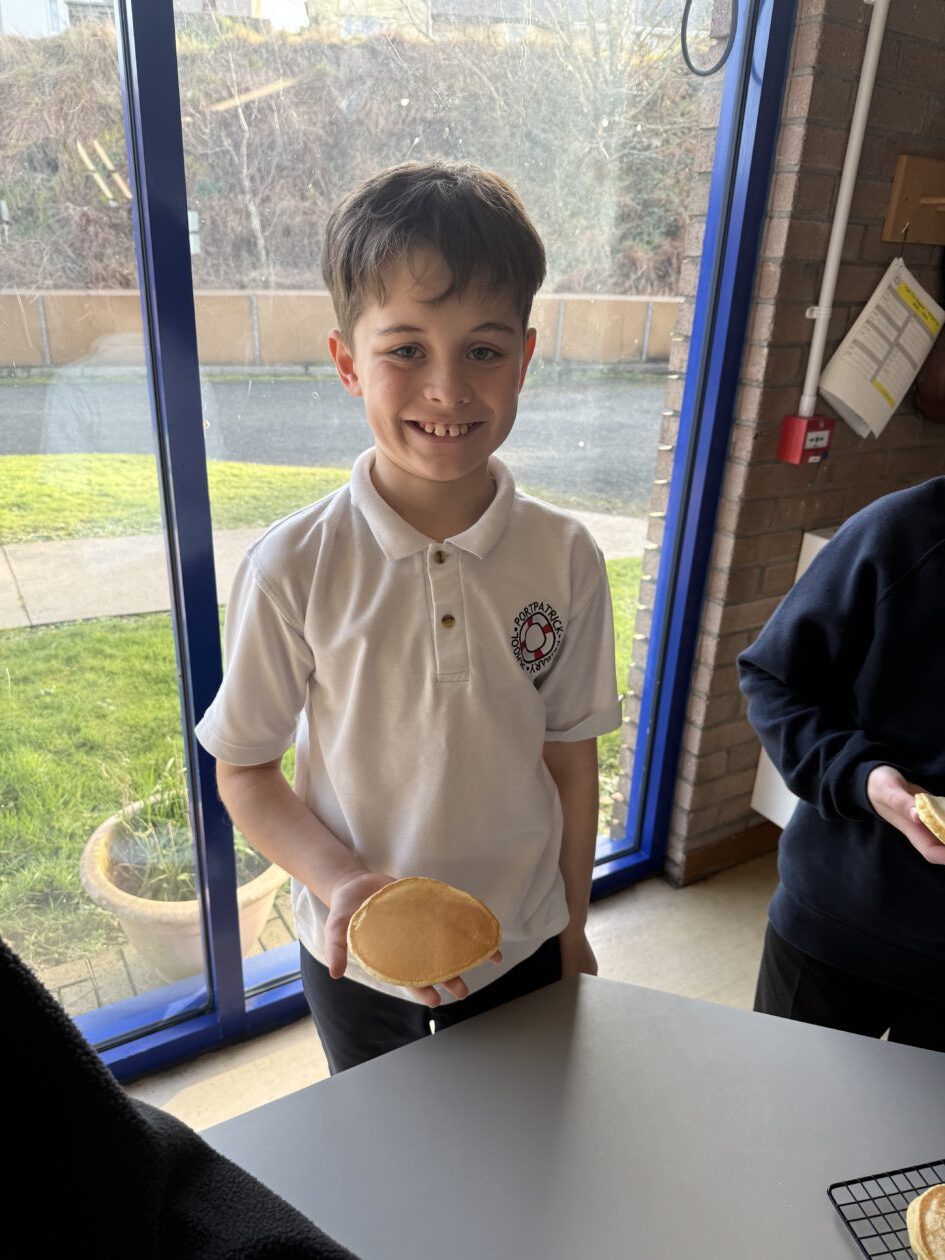
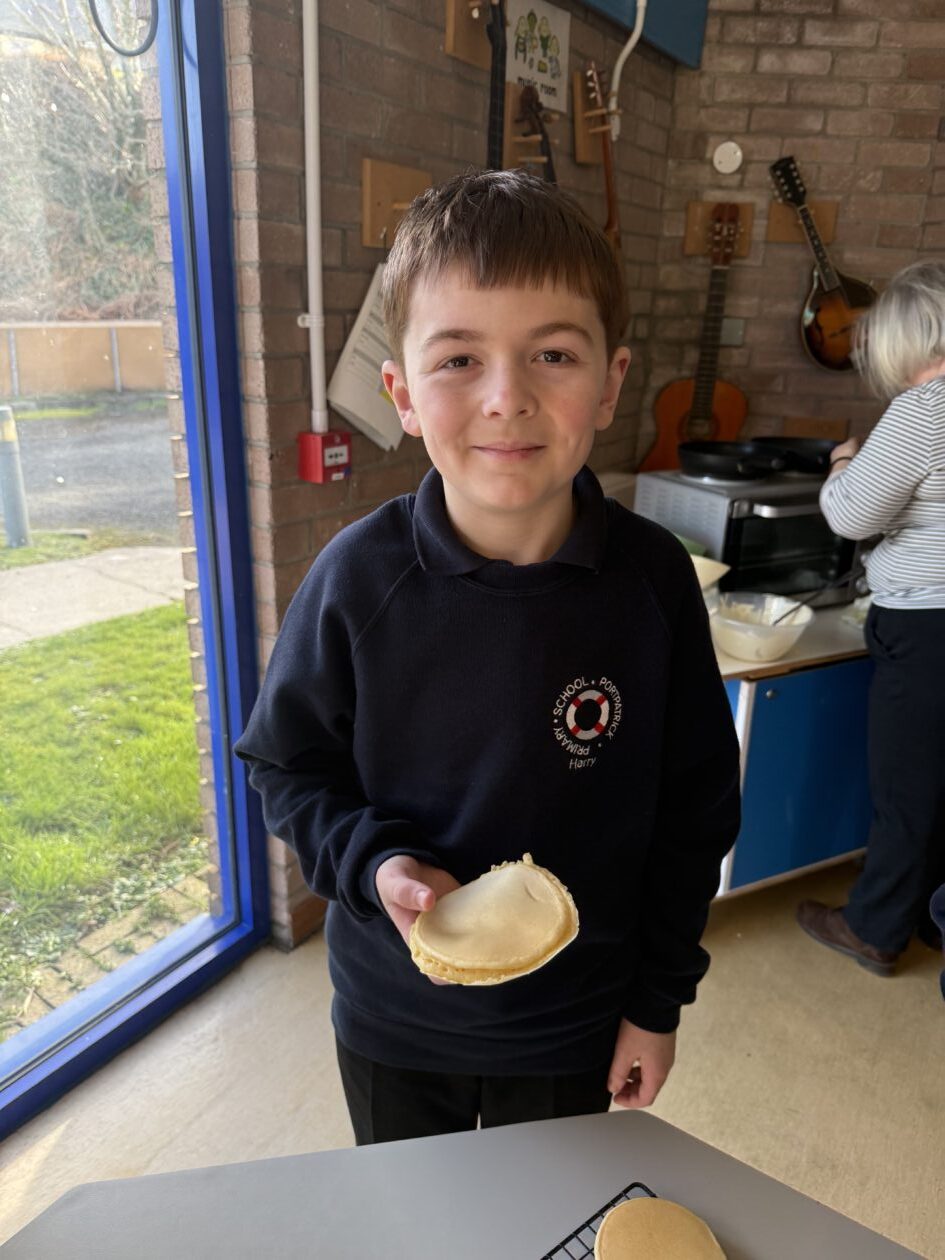
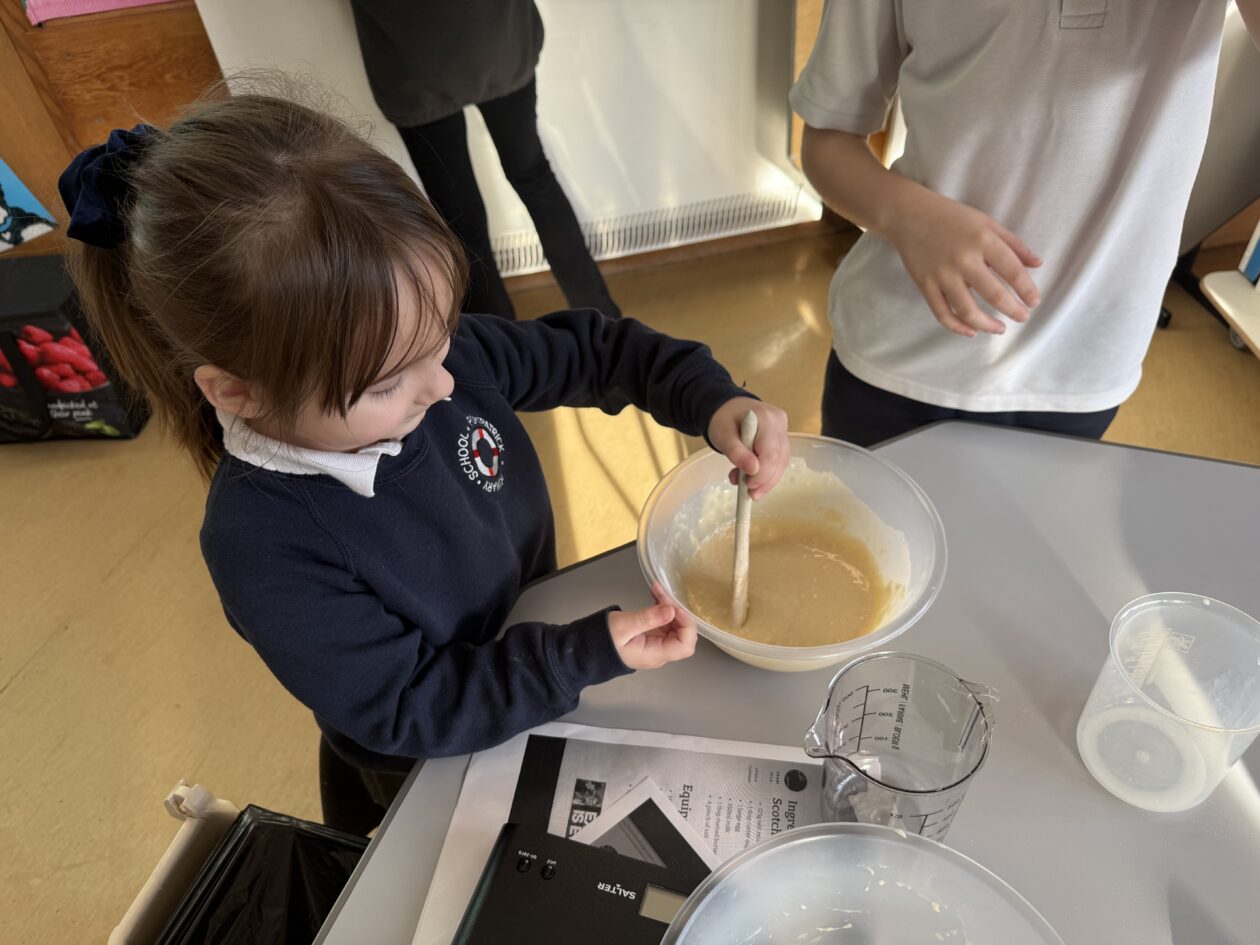
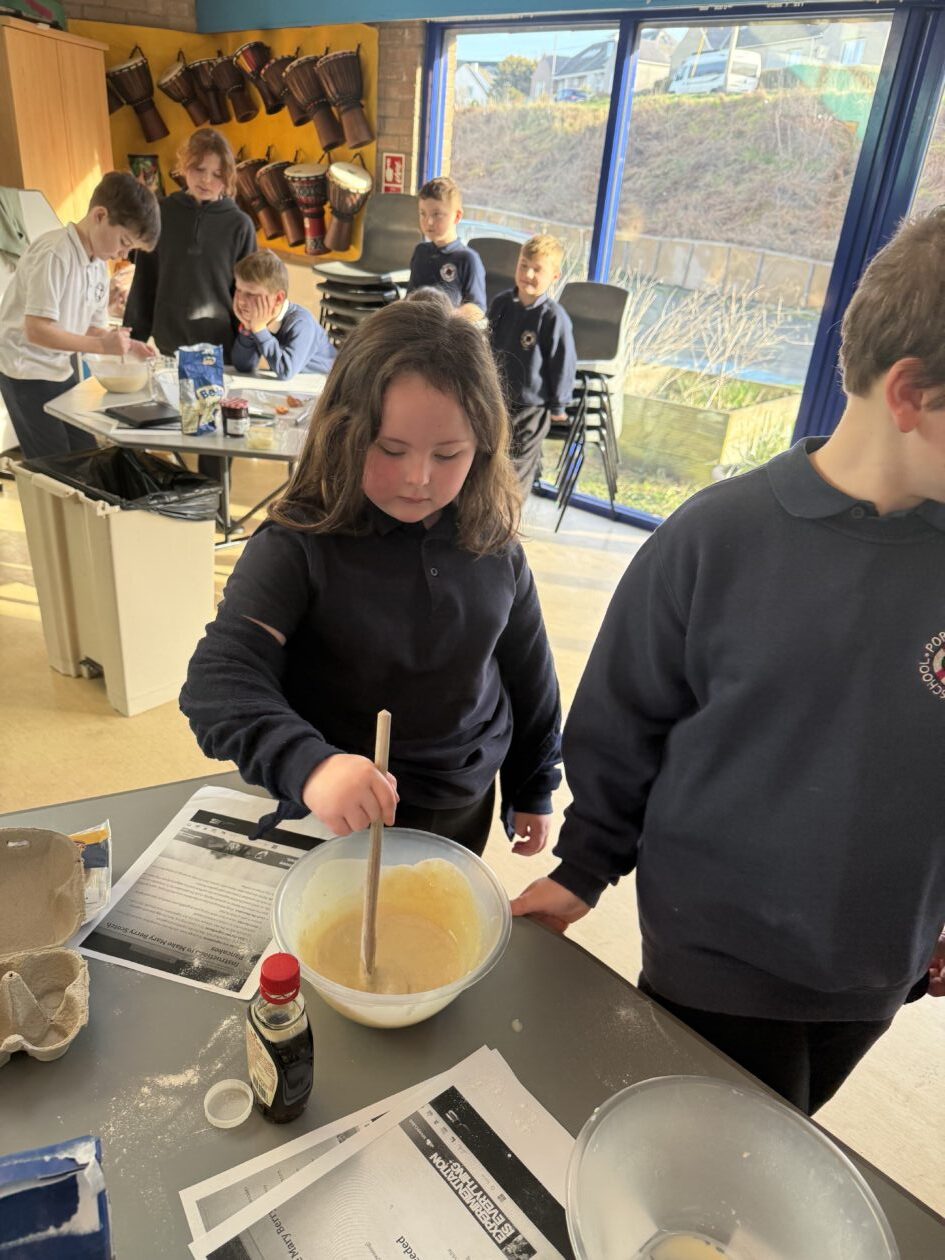
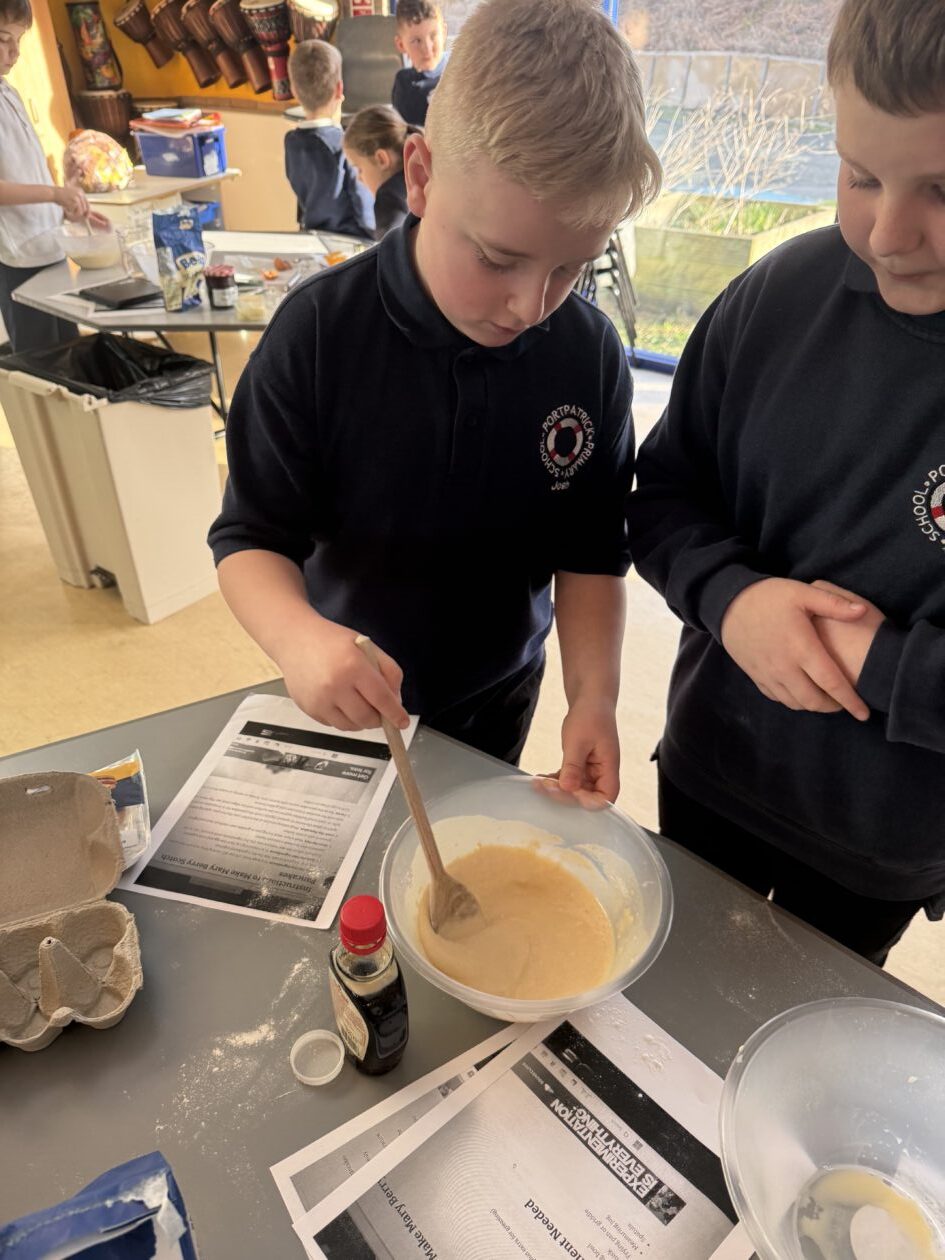
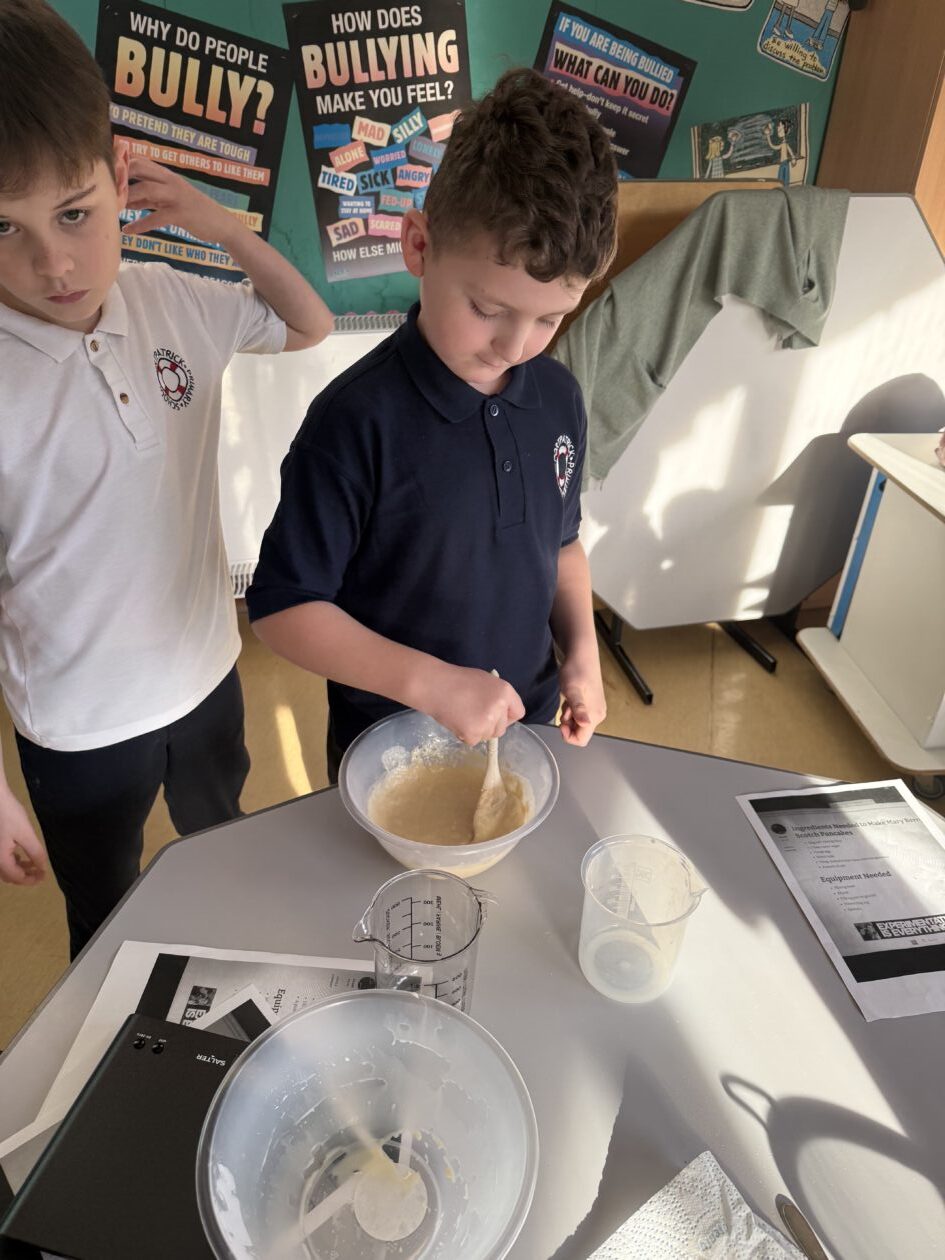
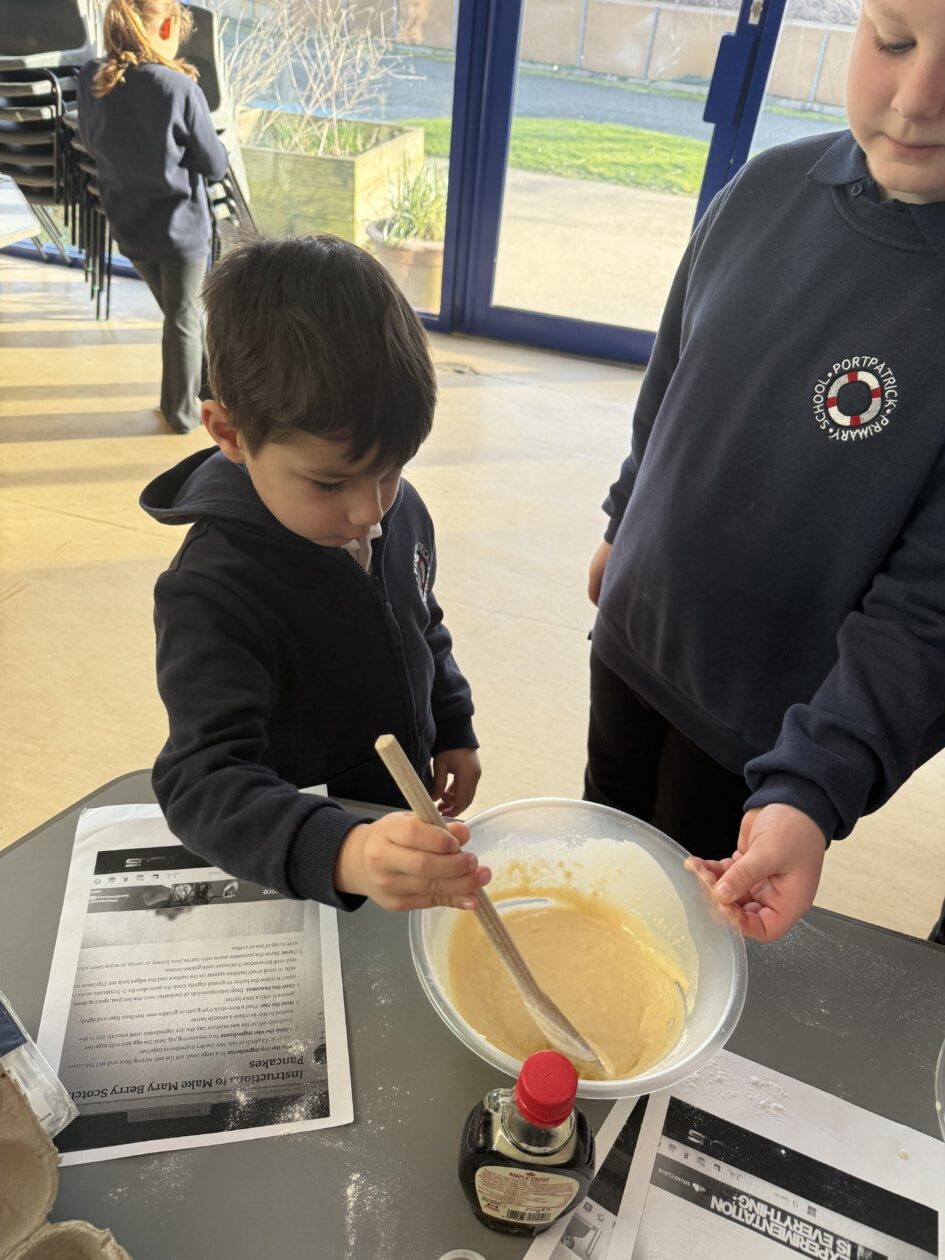
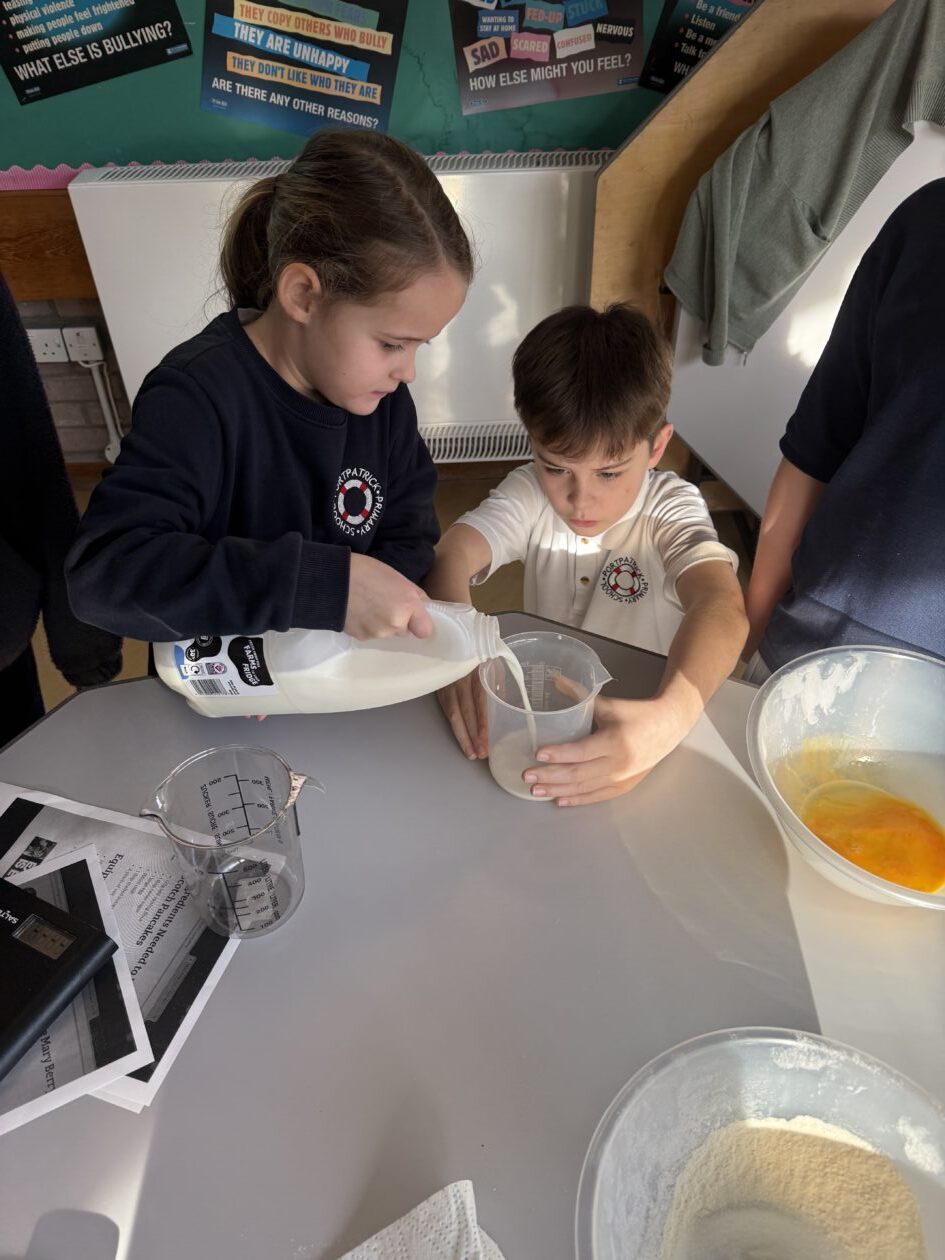
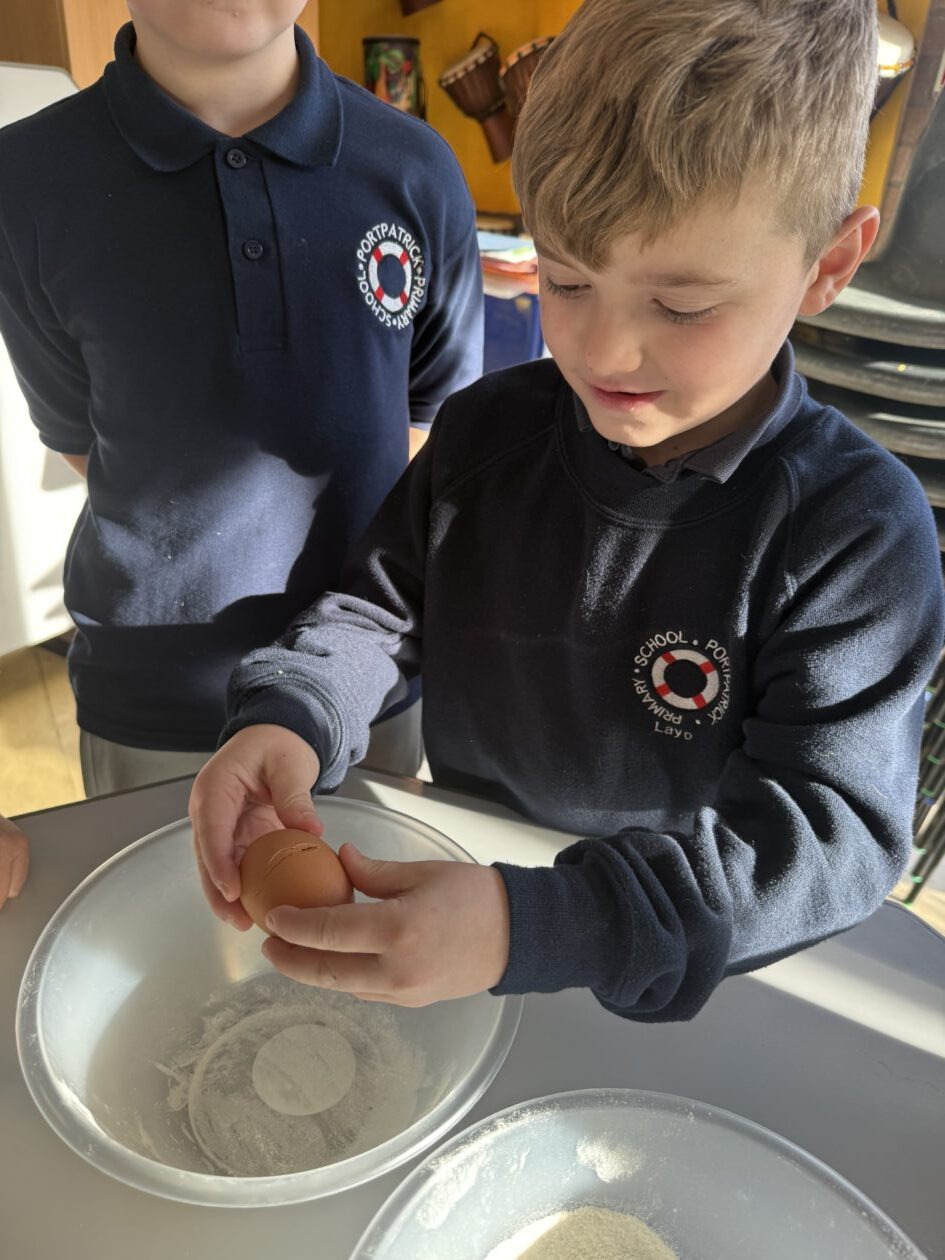
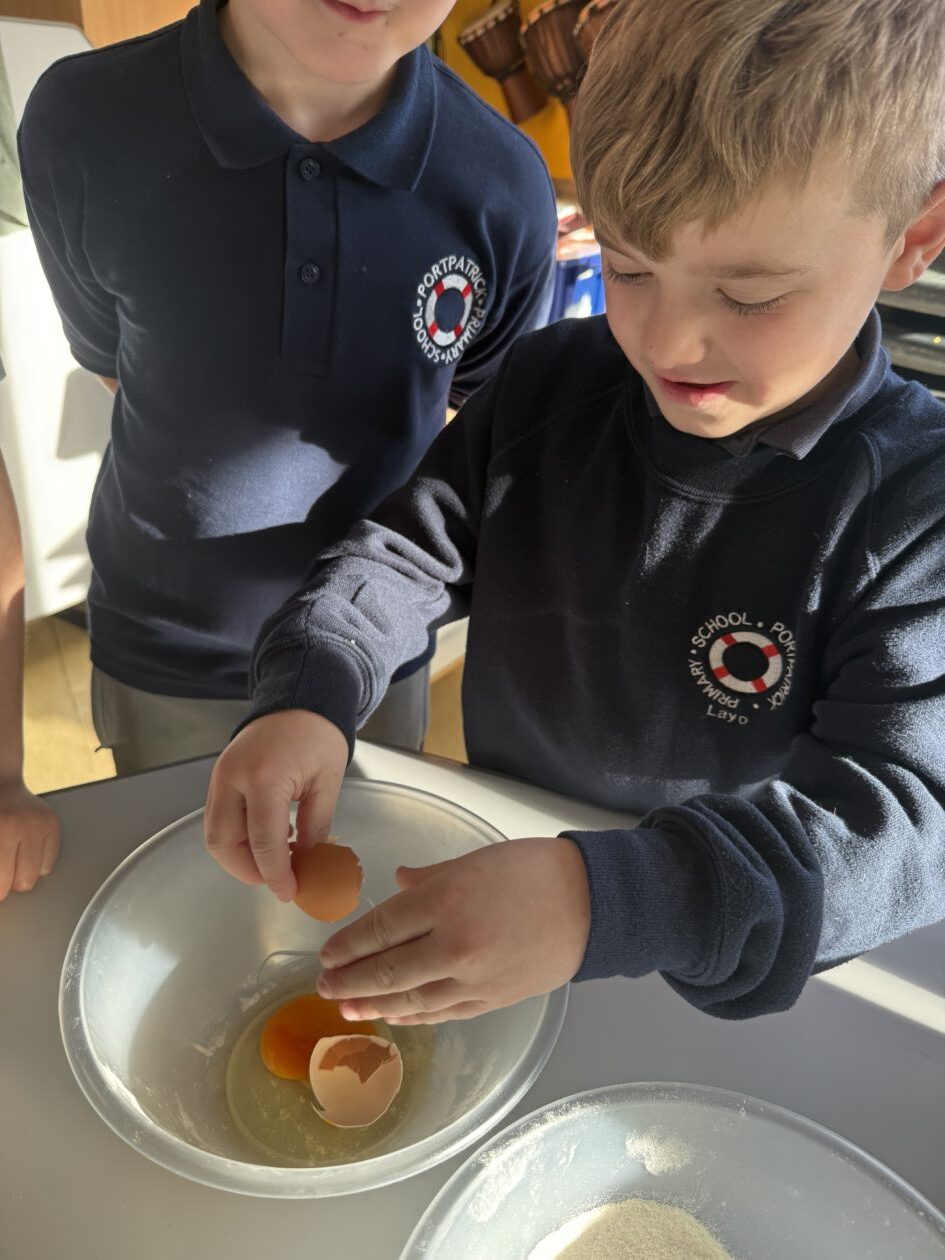
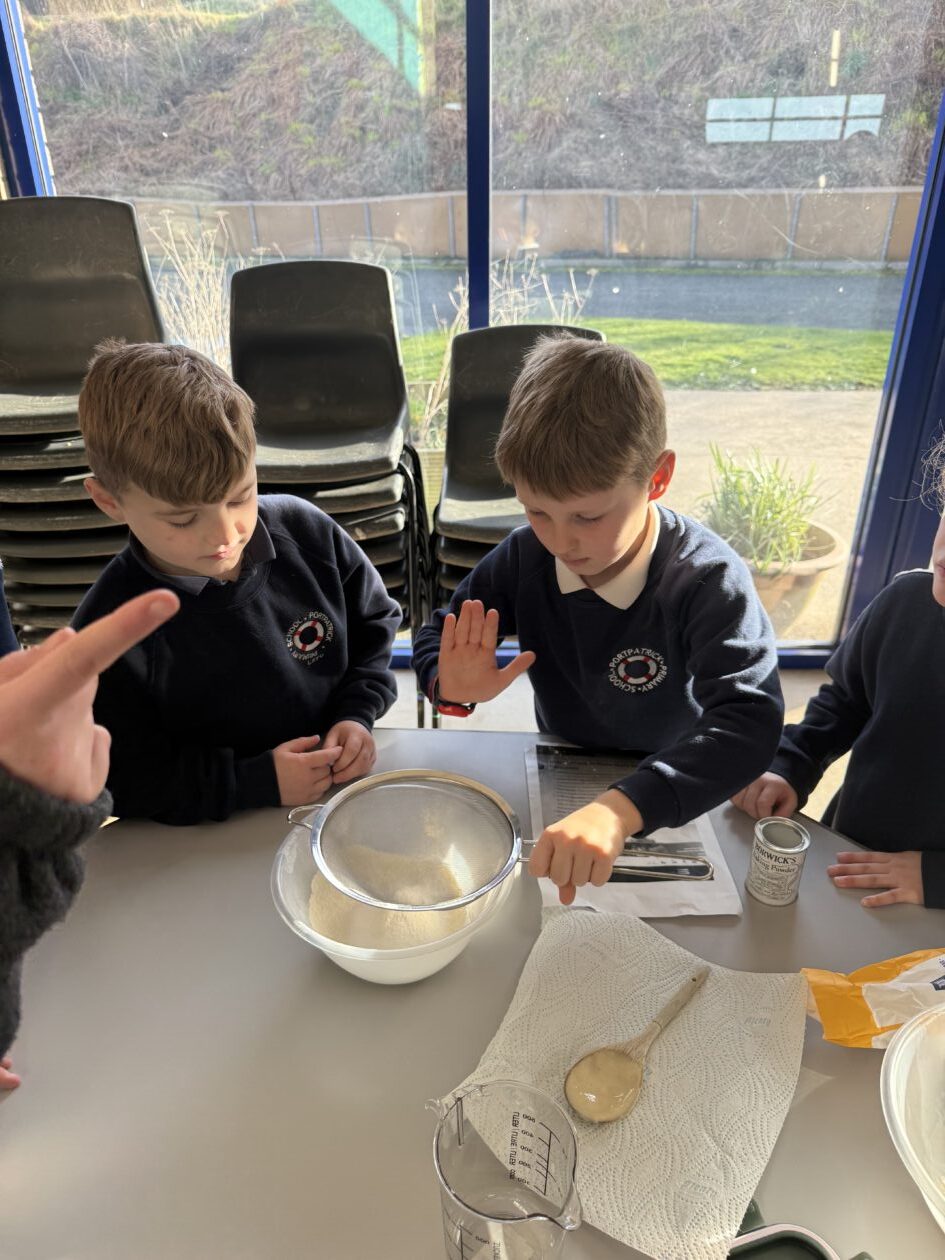
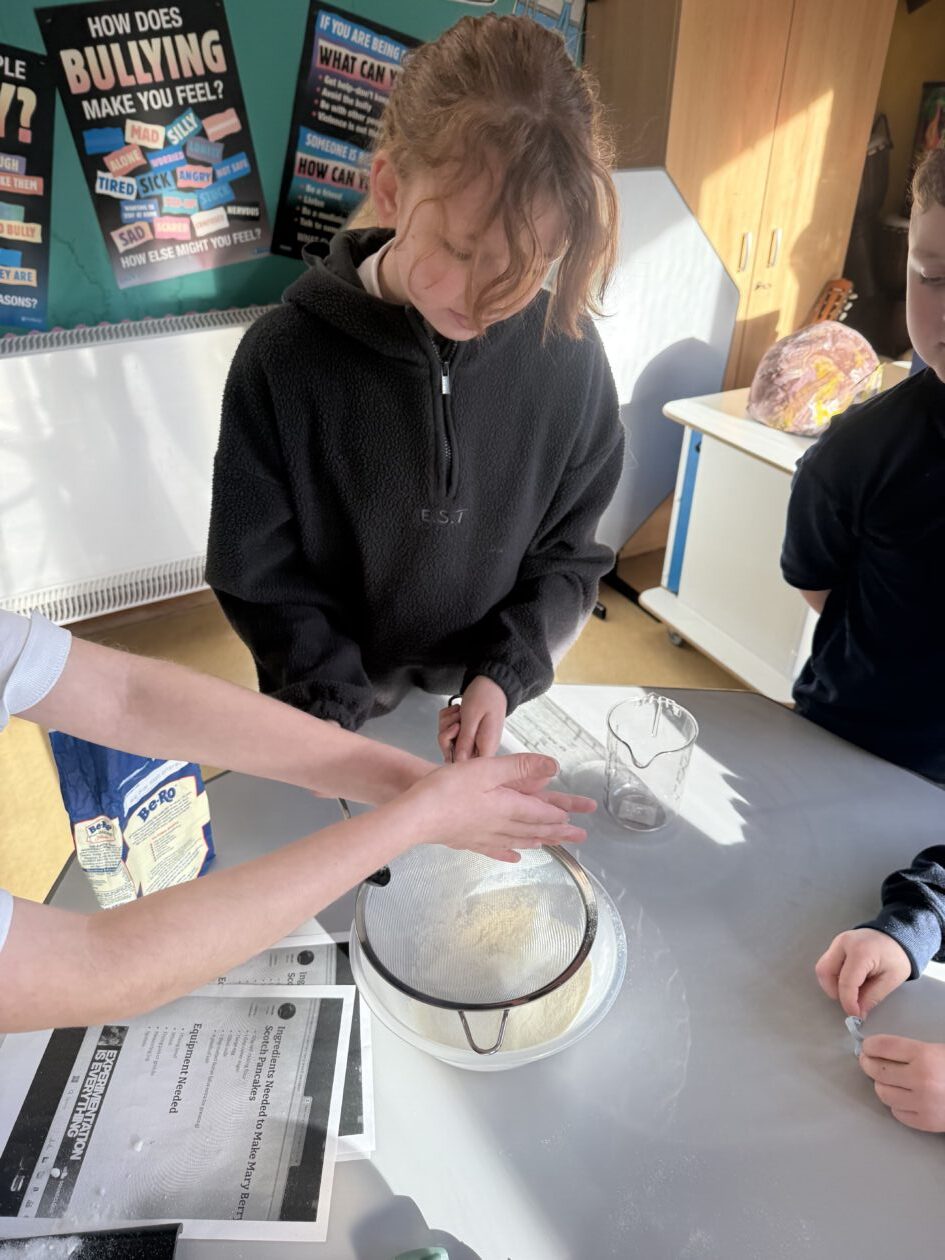
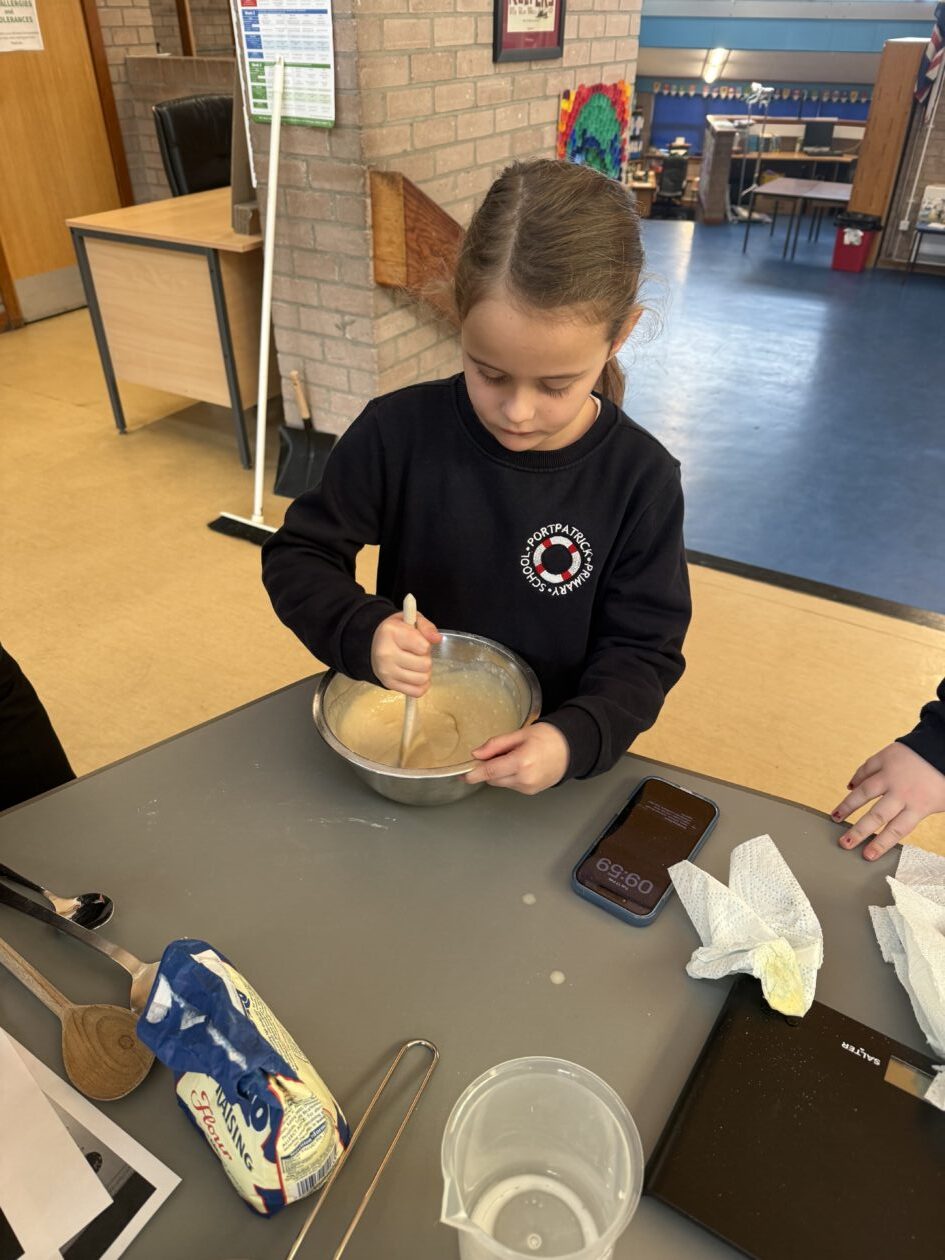
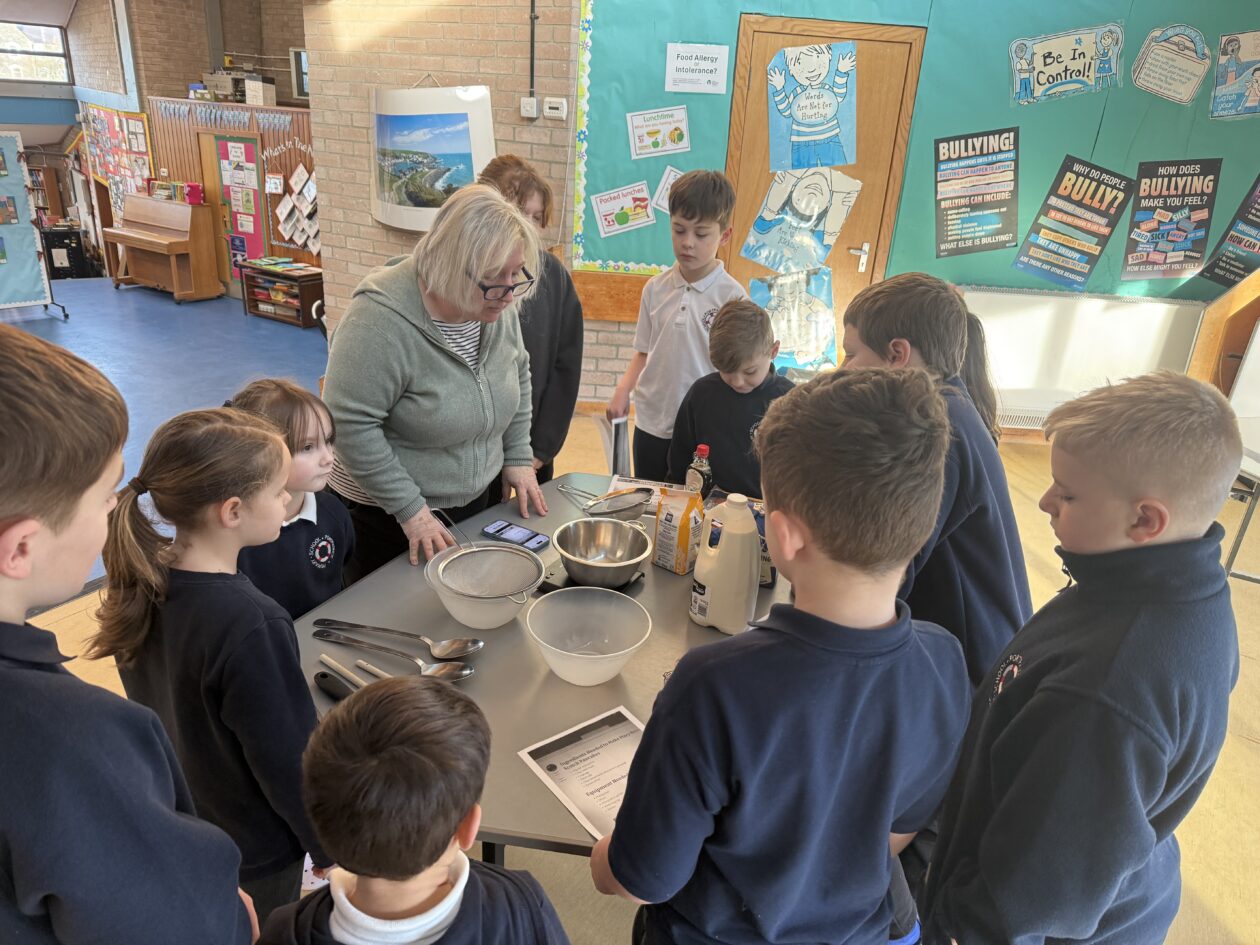
We had a wonderful time celebrating Shrove Tuesday by making (and eating!) delicious pancakes together. The children were so excited to take part in this special tradition, and the classroom was filled with smiles, teamwork and the lovely smell of pancakes cooking.

First, we talked about why Shrove Tuesday is celebrated and how it is sometimes known as Pancake Day. The children shared their own experiences of having pancakes at home and discussed different toppings they enjoy. This sparked lots of great conversations and helped build connections between home and school.

The children took turns measuring the flour, cracking the eggs, pouring the milk and mixing the batter. They showed fantastic metaskills throughout the activity:

  • Collaboration – working together, taking turns and helping one another.
  • Communication – sharing ideas, listening carefully and following instructions.
  • Critical thinking – predicting what might happen when we mixed the ingredients or cooked the batter.
  • Creativity – choosing and designing their own pancake toppings.
  • Self-management – demonstrating patience while waiting for their turn and showing care when handling utensils.

Making pancakes also gave us the opportunity to explore children’s rights. We linked our learning to:

  • Article 12 – the right to express their views and be heard, as children shared their ideas and preferences.
  • Article 28 – the right to education, as they learned through hands-on experiences.
  • Article 24 – the right to nutritious food, as we discussed healthy choices and balanced toppings.

Our pancake activity also connected to the Sustainable Development Goals (SDGs):

  • SDG 2: Zero Hunger – learning about food, where it comes from and the importance of reducing waste.
  • SDG 3: Good Health and Well-being – discussing healthy eating and hygiene when preparing food.
  • SDG 12: Responsible Consumption and Production – measuring carefully and not wasting ingredients.

Finally, the best part of all β€” enjoying the pancakes! The children proudly sat down to eat their creations for their playpiece, chatting happily and celebrating their hard work.

It was a joyful, hands-on experience that combined tradition, learning and lots of tasty fun. What a fantastic way to celebrate Shrove Tuesday! πŸ₯žβœ¨

Primary 6 Success at Wigtownshire Badminton Championships 🏸

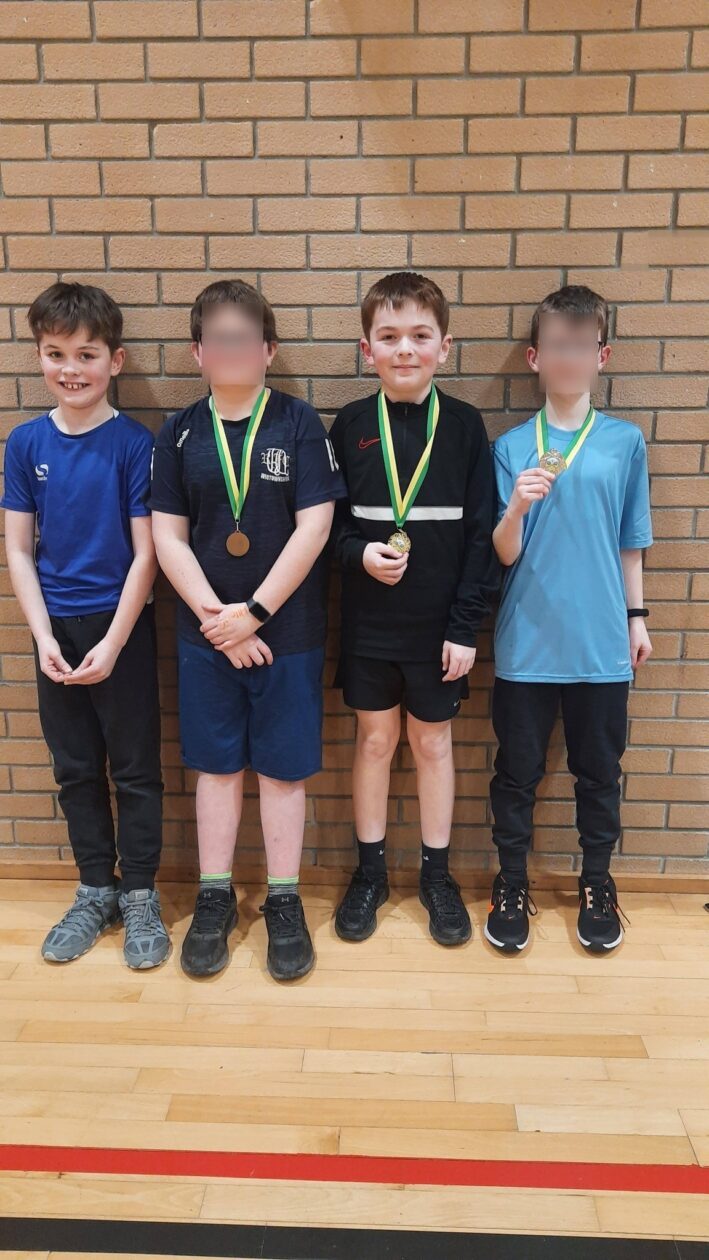
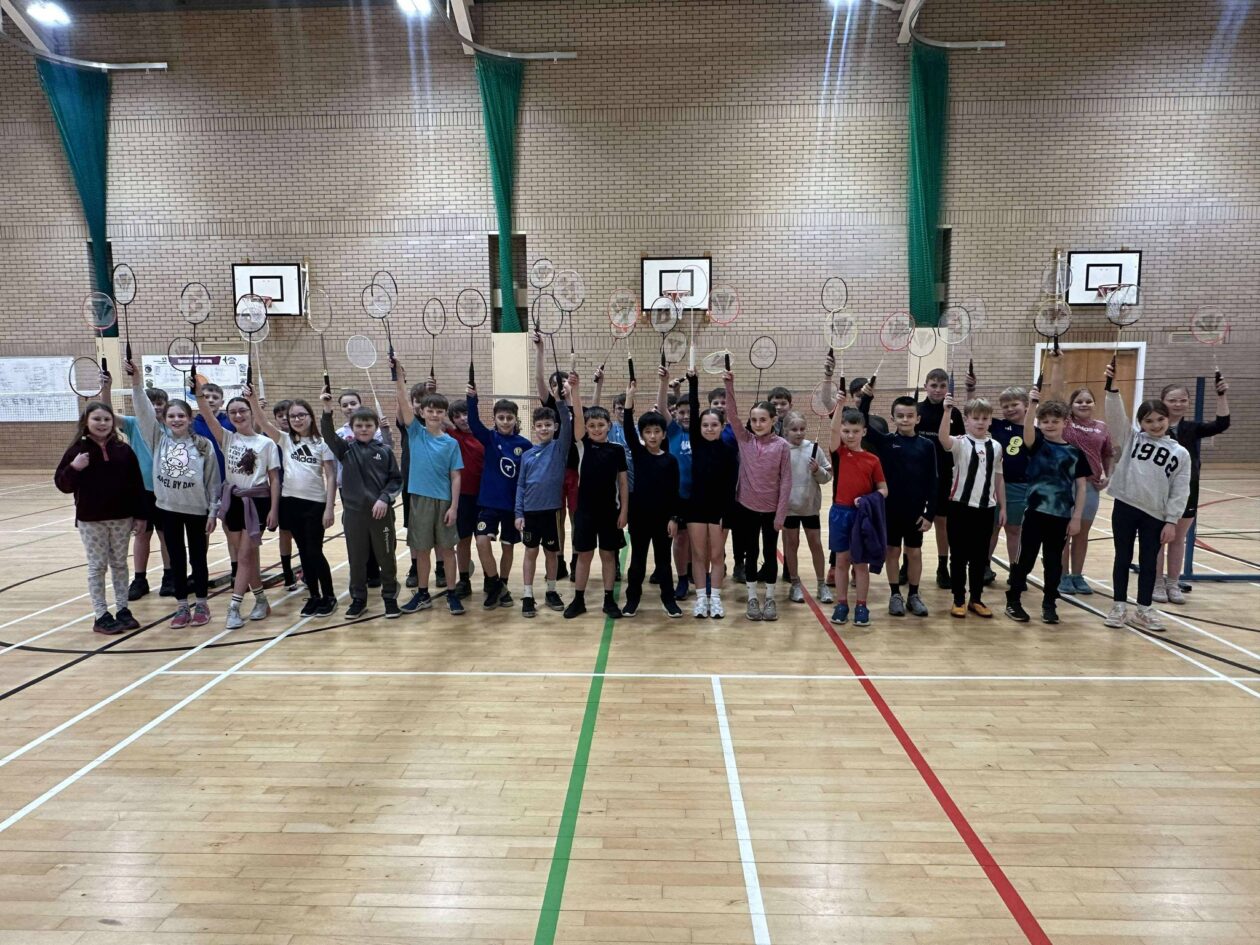
We’re incredibly proud of two of our Primary 6 boys who represented our school at the Wigtownshire Badminton Championships. Competing against strong players from across the locality, they demonstrated fantastic skill, determination, and sportsmanship throughout the event.

This pathway competition celebrates participation and achievement, and the standard of play was excellent with all matches played in a friendly and supportive spirit. A special well done to Harry, who secured πŸ₯‡ gold, and Finlay, who earned an impressive 4th place against still competition – a brilliant accomplishment! Harry will go forward to the regional heat!

Thank you to the staff, volunteers, hosts, and families whose encouragement makes opportunities like this possible. It’s wonderful to see so many young people enjoying and developing their badminton skills. Mr Morrison and Mrs Ross has made sure the boys have had plenty of practice.

  • Four Capacities: Developing Confident Individuals through resilience and teamwork
  • Metaskills: Strengthening Self-management and Social intelligence through competition and sportsmanship
  • UNCRC: Article 29 β€” developing talents and abilities
  • SHANARRI: Promoting Active and Achieving
Report a Glow concern
Cookie policy  Privacy policy