Author: Y. McBlain

Falkirk Skills Progression Framework is under construction!

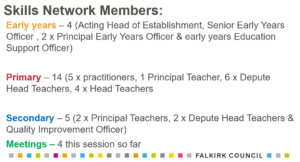
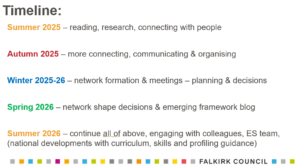
Yvonne McBlain, Education Support Officer is working with a network of 25 practitioners, teachers, middle and senior leaders to create our new Falkirk Skills Progression Framework. This blog post provides background information about this co-created network task, their process up to June 2016, and their planned outcomes.


The rationale/task set was to draft a skills framework which is mapped to curriculum.

The strategic and practical purpose and desired outcomes of the framework are to:

  • Ensure a level of consistency across settings within the authority
  • Provide a central statement of expectation about progressive skills development to all Falkirk establishments
  • Support practitioners to plan and evaluate the explicit teaching and learning of skills, within curricular areas and across the curriculum contexts.
  • Align the framework with the four capacities of Curriculum for Excellence
  • Align the framework with the national curriculum review progress and developments

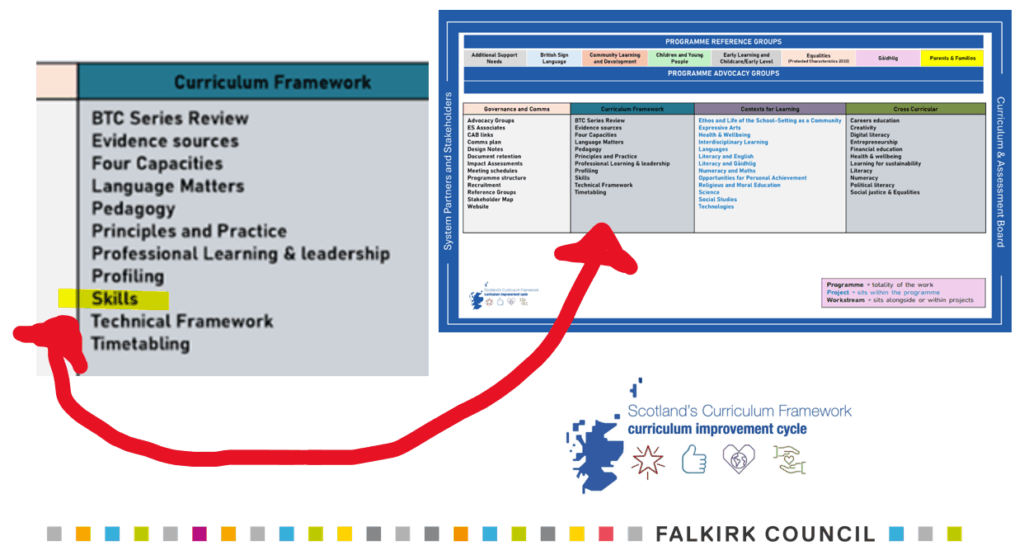
The Curriculum Improvement Cycle (CIC) programme below includes the development of a national skills progression framework. This presents both challenges and opportunities for the network hence our close collaboration with Education Scotland and Skills Development Scotland. These connections are continually informing the decisions being made about skills in Falkirk.

This Sway presentation shares more detail about the rationale, research, reading and development process used by the network.

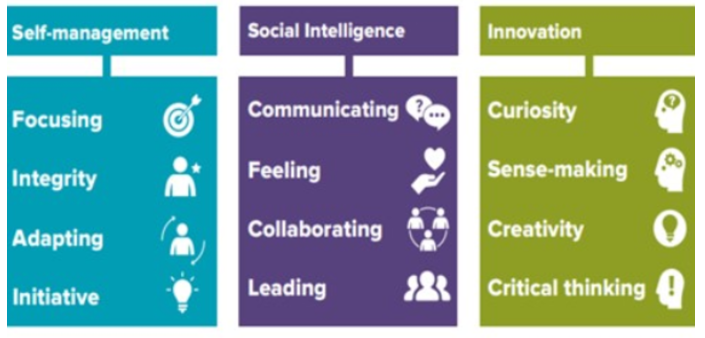
Our network decision that the SDS Metaskills should shape skills in Falkirk schools and early learning centres was informed by:

  • Deep engagement with reading and research
  • Network discussion and examination of our current Falkirk skills practices
  • Our knowledge of the national Curriculum Improvement Cycle technical framework and skills guidance

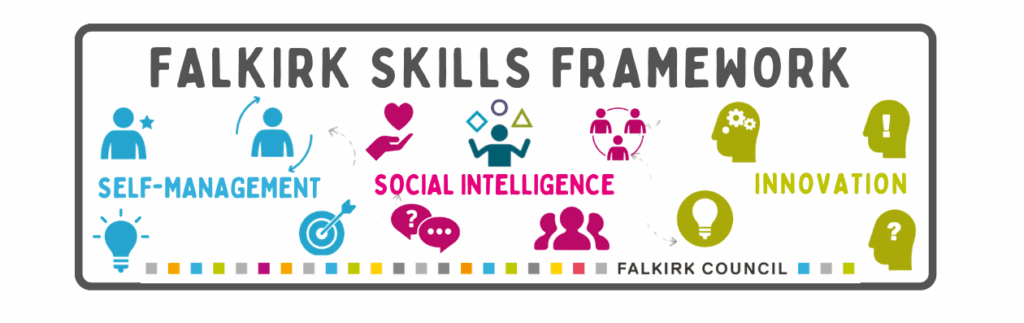
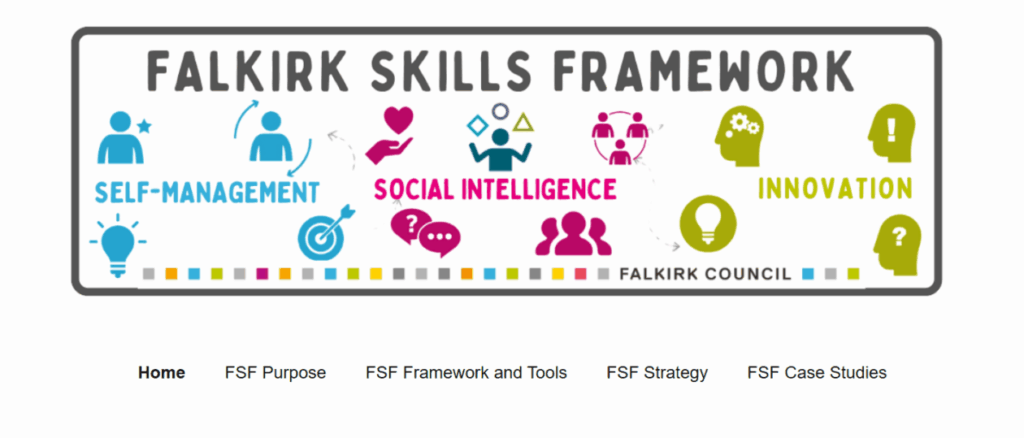
To ensure that all elements of our Falkirk Skills progression Framework are easily accessible, Yvonne is building a new Falkirk Skills Framework blog where everyone in Falkirk will be able to find and use its content. This is still under construction but you can see the blog header and the menu which provides the framework structure and content below.

The development of our Falkirk Skills Framework remains a service priority within our Falkirk Education Service Plan for session 2026-27 so keep an eye on our education communications for news of our official Framework blog launch! We are very grateful to have the support of our network members and their colleagues during this development work. Thank you.
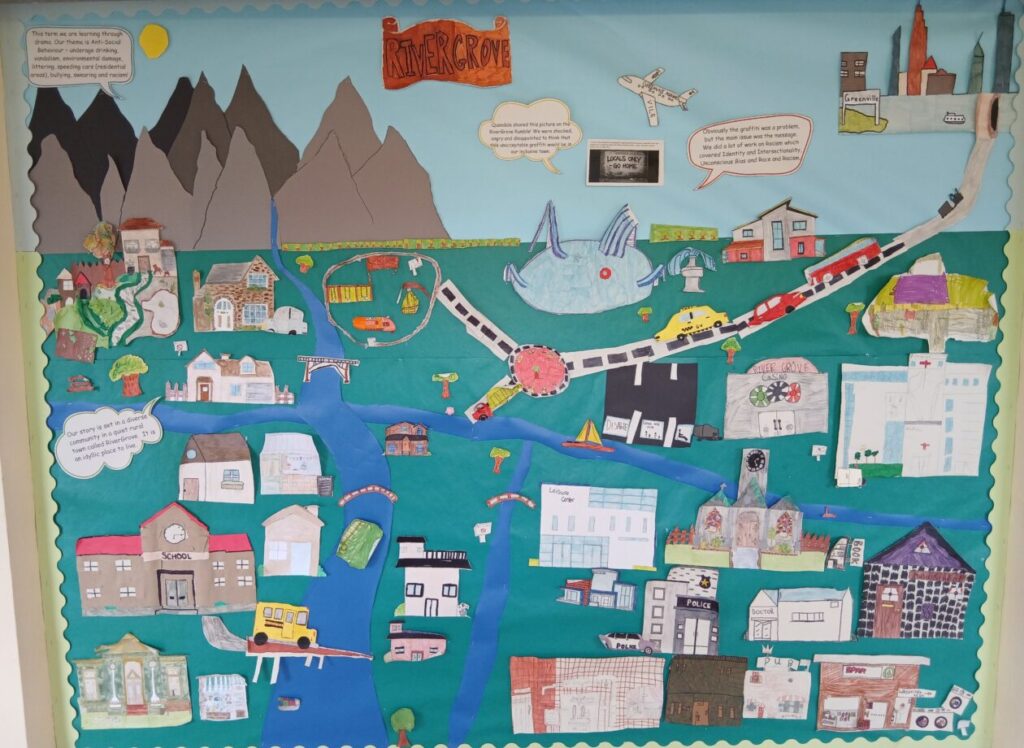
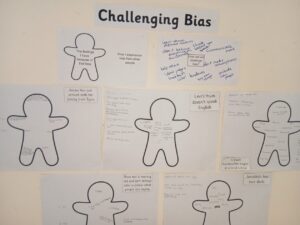
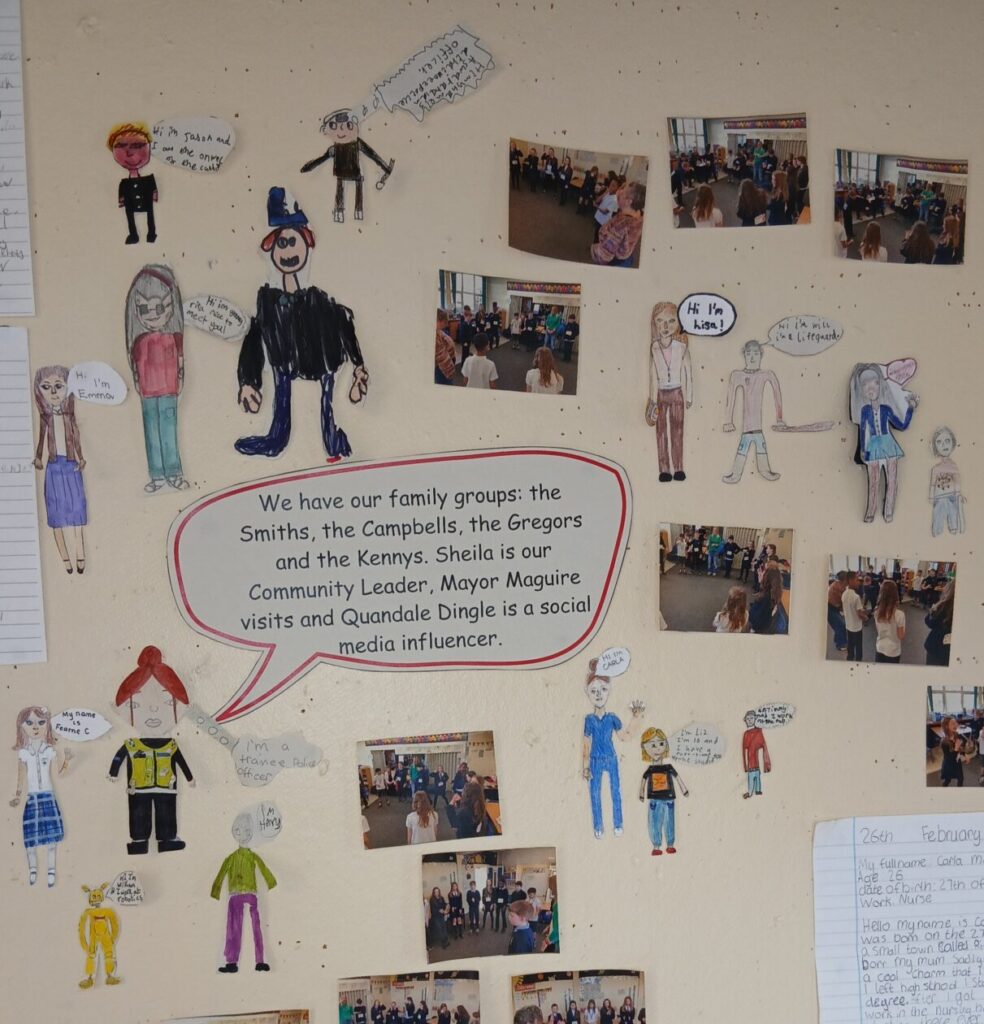
Moray Primary 7 children explore local social issues (through their storyline)

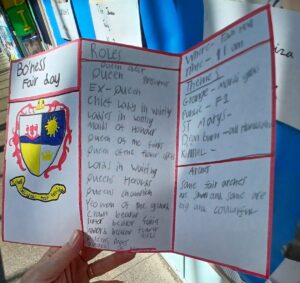
Miss Bowers and her primary 7 children at Moray Primary School took part in a global storyline research project between September 2025 and March 2026. This educational experience was part of the wider Global Storyline and Theatre of the Oppressed/Active Inquiry (TO/AI) project designed by TO, The Royal Conservatoire of Scotland (RCS), and the West of Scotland Development in Education Centre(WOSDEC). Carolyn from WOSDEC and Emily from AI worked directly with Miss Bowers and her class to help them build their own storyline. The purpose of this research project was to explore how drama and the storyline approach could help children to:

  1. overcome barriers to learning
  2. capture issues they care about in their community
  3. develop their real world learning
  4. develop their skills and values of active global citizenship

Miss Bowers and a representative group of her learners were interviewed by Neil from RCS to gather their thoughts on this learning and will share their experience with a wider audience at the University of Strathclyde on 29th May 2026. Here are the learners’ descriptions of what was done when, and who was involved:

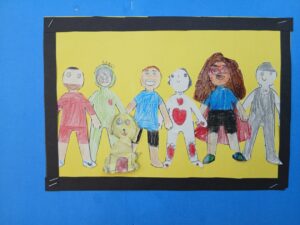
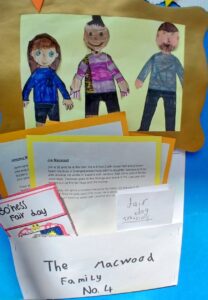
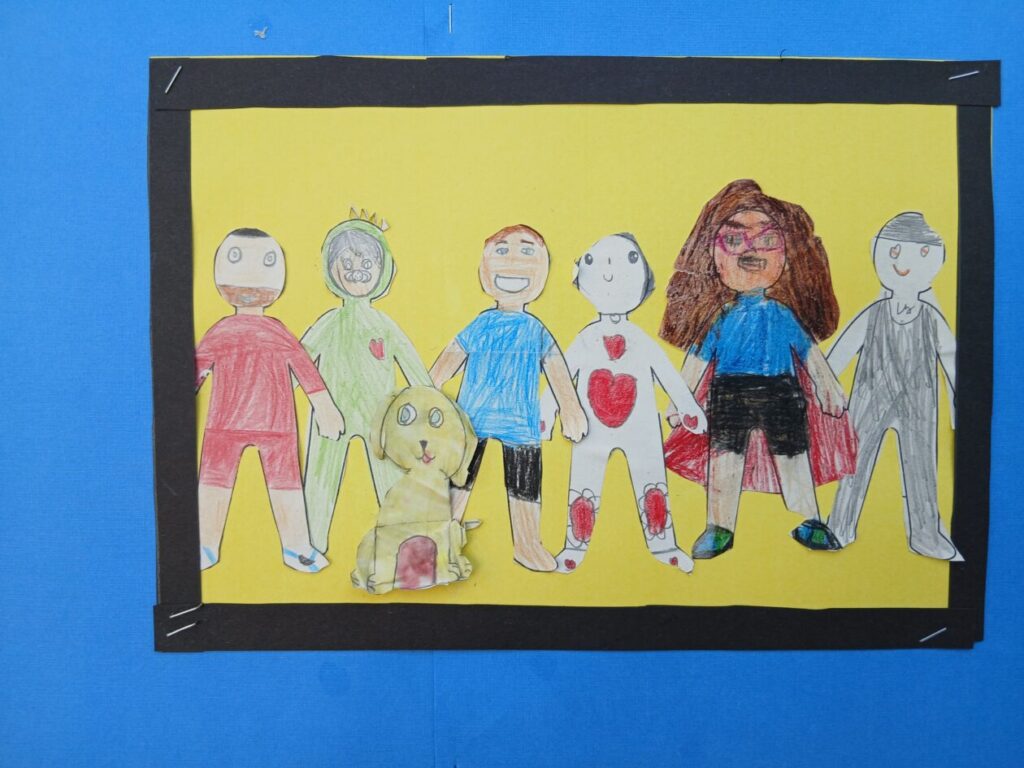
  • We designed characters and family groups and they were an important part of the storyline
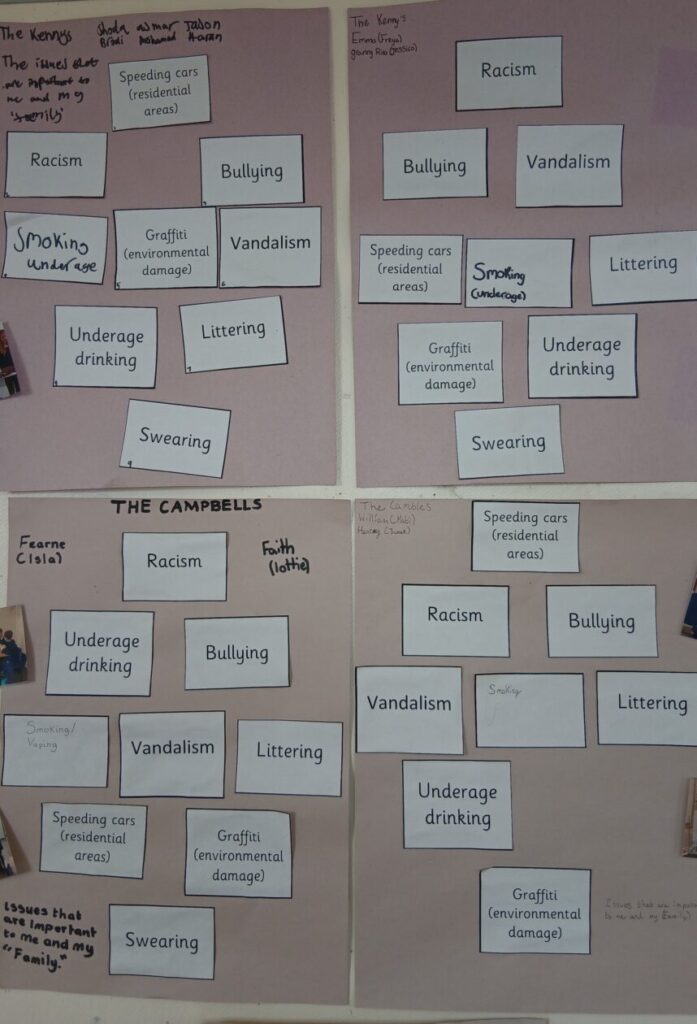
  • We faced nine problems that were related to real problems in our community of Grangemouth
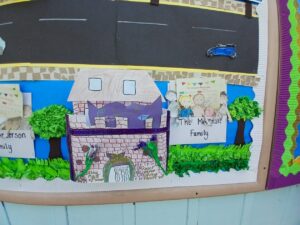
  • We made families called Campbell, Smith, Kenny and Greggor
  • They all lived in our imaginary town of Rivergrove
  • Rivergrove didn’t look its best because of anti-social behaviour (littering and offensive graffiti)
  • Rivergrove was in competition for an important award with a nearby town called Greenville
  • We did this storyline to learn more about our community
  • It made us think about things in a different way – like not judging people because of how they look

The highlights of this learning for primary 7 were:

  • Learning about local landmarks
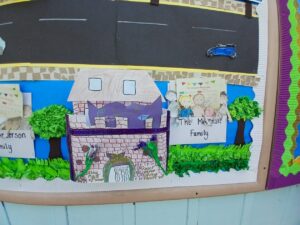
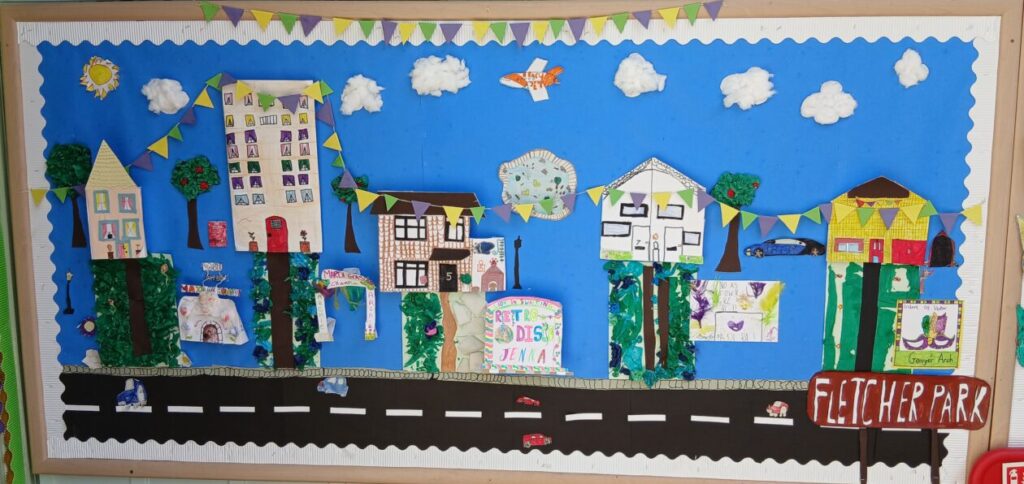
  • Making their frieze of Rivergrove
  • Going into the story and having fun acting out their characters
  • Exploring options for their community through drama conventions such as Conscience Alley
  • Making our raps and songs

Miss Bowers valued how the class worked with others during the project – including people they’d never worked with before. She liked how they cared about their new town of Rivergrove and became passionate about the social issues experienced by their characters. Even though these issues were complicated, she valued her learners’ mature and sensitive engagement. The children showed their developing understanding of misconceptions, stereotyping, and misplaced blame. They appeared to grow their capacity to empathise and see the perspectives of others.

Although the project ran over busy times of the academic year, its value and impact were evident. All storylines combine elements of interdisciplinary and multi-disciplinary learning – usually offering powerful opportunities to develop expressive arts and literacy knowledge and skills. In addition, this storyline developed pupil understanding of global citizenship (social studies and health and wellbeing) and application of life skills such as collaboration, integrity, initiative, communicating and critical thinking.


Bowhouse Primary 6 Children Do History Most Horrible

Primary 6 children in Bowhouse PS have been thoroughly engaged with their Callendar House Performance Project “Callendar House’s History Most Horrible – The Battle”. This interdisciplinary learning experience involved collaboration between their teacher Mrs Marsh, and colleagues from Falkirk Council Growth, Planning, Sport and Culture team and Illuminate UK. This project helped the children to develop knowledge and skills in drama, performance, social studies and their local heritage.

The project began with an introductory visit to Callendar House and a tour which focused on the elements of the house’s history which linked with their performance script. Victoria and Keira from Illuminate then provided drama and performance skills workshops and led rehearsals with the children in their roles.   The children enjoyed learning about the components of a strong performance – considering voice, movement and the importance of presenting information confidently. They put lots of effort into learning their lines (with the support of family and friends).  This creative project-based learning experience came together in a performance for guests and families. The following feedback from some of the children captures the value and impact of this collaboration for learning.

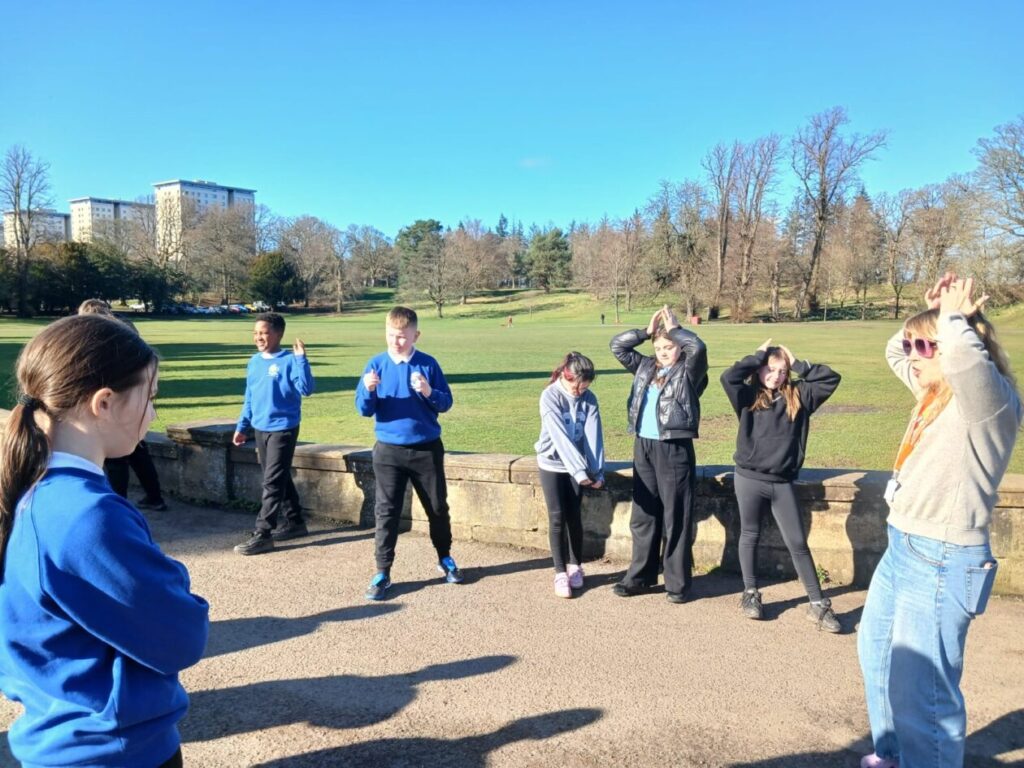
Callendar House was great and very posh!  It’s a very big house and there was lots of luxury things to see.  They showed us a model of how much the house has grown from the olden days.  We like the games we play before we go on stage, especially ‘Zip, Zap, Boom’ – it’s so much fun!

Haylee and Lilymay

What we liked about the visit to Callendar House was that it was very interesting.  We have been so many times but never knew the story and now we do.  Victoria and Keira are very helpful with learning our script and giving us ideas to make our acting better.

Charlotte and Lily

The visit to Callendar House was good and we got to see lots of exhibits.  Our favourite part was the story of Mary Queen of Scots. We learned so much!  The warmup games are fun!  We are really enjoying our acting experience and our coaches, Victoria and Keira, are funny and nice!

Rosie and Jack

We walked around Callander House and played some games after the tour.  It’s a good place to visit!  We were given parts and a script and practised our roles until the end of the day.  I’m a judge, Robbie is a soldier and Oscar is a servant.  We were shown how to act out our characters before we practised on stage.  It’s great fun!

Nazar, Robbie and Oscar


2024 Update about Interdisciplinary Learning

What’s the latest information?

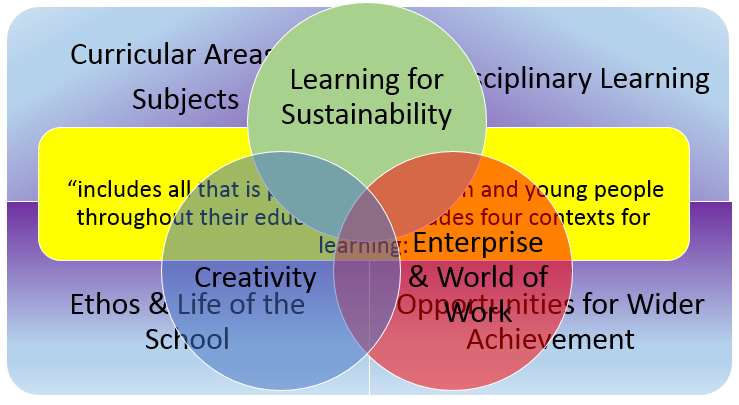
This post will guide you and your colleagues in Falkirk schools and ELCCs to recent guidance and ideas which should be shaping our interdisciplinary learning and curriculum planning/review.

The latest information from Education Scotland about IDL can be found here.

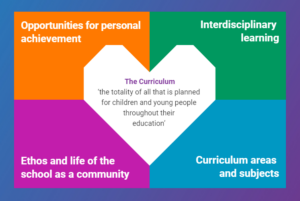
This link will take you to the updated thought paper “Interdisciplinary Learning: ambitious learning for an increasingly complex world” published by Education Scotland, NoTosh and a co-design team in October 2023.  Click on the green visuals below to explore key messages from this paper which should inform your planning of IDL and the broader curriculum.

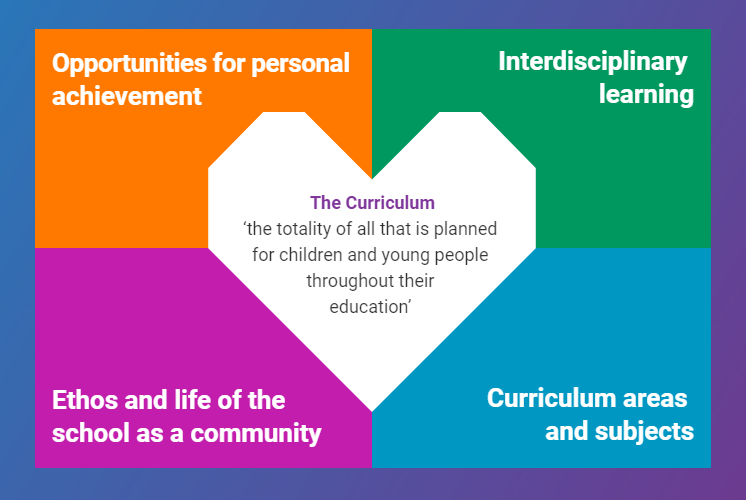
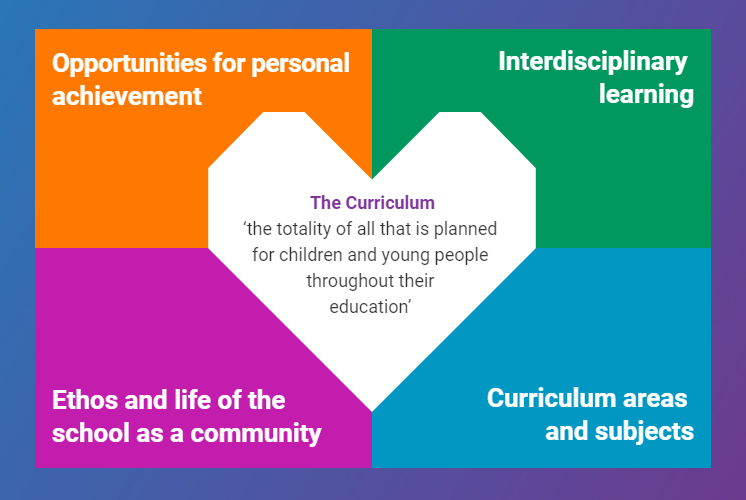
Our Falkirk Chn’s Services Curriculum Toolkit includes this Sway guidance to support your review of curriculum at school/centre level. You may also want to refresh your understanding of the structure and aims of CfE using our toolkit video here

Developments with curriculum, interdisciplinary learning and national support during our recovery phase

This blog post flags up a shift in emphasis on interdisciplinary learning this session. It is an extract from a post made by Yvonne McBlain in the Falkirk SSI Team blog – whole post available by clicking here. It may be useful to consider how these developments can run alongside our recovery planning.

A link in the Scotland Learns document alerts us to a 2020-21 re-focus on Interdisciplinary Learning (click to visit this page) which was partially inspired by  “Pillars, Lintels and Foundations; a conference paper”. This paper used a metaphor for IDL, seeing it as the lintel which rested upon the pillars of disciplinary learning and the foundations of  “routine competences, aptitudes, knowledge, skills and methods in and across subjects, including basic literacy and numeracy”  (click here to view the whole paper). The concluding paragraph which provides the rationale for this re-focus is shared below:

Conclusions
The majority of learners would appear to progress through most or all of their education without actively engaging in IDL, yet most jobs, even at graduate level, seldom require a
background or qualification in any particular discipline. The transferable and higher-order skills that learners acquire throughout their education may be of more lasting importance. A systemic response to this challenge is required since the jobs of the 21st century will be increasingly project-driven rather than discipline-driven and will require the collaborative
engagement of generalists and specialists. Understanding a complex and rapidly changing world requires a wide range of knowledge and an interdisciplinary perspective. It is, therefore, a responsibility of educators to try to ensure that learners become adept in both disciplinary and interdisciplinary learning.

We are advised that this session Education Scotland will be developing the following IDL opportunities:

  • Thriving in challenging circumstances with reference to current issues of COVID-19
  • Creative Bravery with an opportunity to join the Creative Bravery Festival which will run from 21-27 September, 2020;
  • Scotland’s Culture with a focus on creativity and the arts;
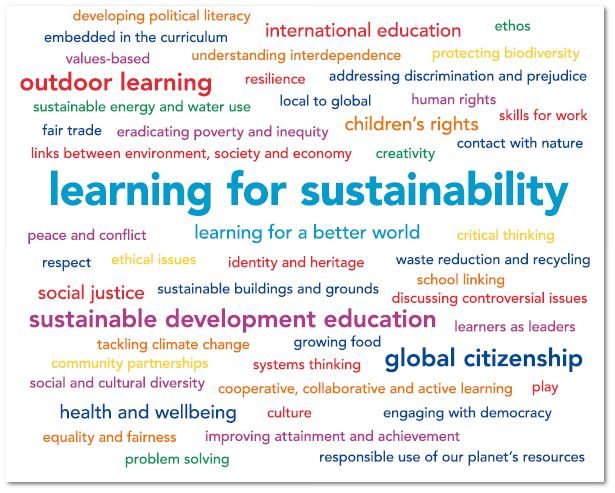
  • Sustainability with a focus on Learning for sustainability.

Webinars and resources are being planned to support the IDL opportunities above.

If and when appropriate to you and your establishment, Yvonne McBlain, education support officer with Falkirk Children’s Services would be happy to support senior leaders and practitioners interested in engaging with these developments. Contact yvonne.mcblain@falkirk.gov.uk if you are ready to explore how these can inform and support your ongoing curriculum planning and design.

Yvonne and Jane Jackson, outdoor learning support officer, have already looked at interdisciplinary learning within the Learning for Sustainability focus – find out more by viewing our Sway here.


New Developments in Interdisciplinary Planning

Interdisciplinary Learning in Falkirk Council primary schools is evolving in response to the advice received from our Chief HMIE in August 2016:

  • Group E & Os together in ways which best suit learners.
  • Prioritise literacy, numeracy and health and wellbeing across the curriculum to ensure that all learners make the best possible progress.
  • Plan interdisciplinary learning (IDL) to make natural links across learning. Be aware of what is happening in other subjects and make connections.
  • Do not spend time on IDL which does not provide opportunities to apply and deepen learning or is contrived
  • When planning learning, teaching and assessment, E & Os are grouped or bundled together
  • Enable pupils to see the natural connections within their curriculum
    Focus on few, carefully selected E & Os
  • Use skills as the link to give pupils a task, problem, or big question
  • Design IDL as an opportunity for pupils to apply learning in an unfamiliar context

Yvonne McBlain has been working with teachers and senior leaders across Falkirk Children’s Services to explore how to: “not spend time on IDL which does not provide opportunities to apply and deepen learning or is contrived.”

Education Scotland CfE A Statement for Practitioners from HM Chief Inspector of Education, August 2016

In response to self-evaluation of their curricula, some senior managers and practitioners want to improve progression of learning through the IDL context of their curriculum. Specific professional learning activities are proving valuable to help shift our planning focus away from topics towards broader groups or bundles of experiences and outcome which are interdisciplinary across all levels i.e. are progressive AND are linked by the skills, knowledge or content that they progress.

Yvonne McBlain is working on a series of digital files which will explain this process in more detail. However, in the meantime, click here to view her latest Power Point presentation about interdisciplinary planning. The vital starting point for planning of discrete or interdisciplinary learning is thorough understanding of what the experience or outcome requires:

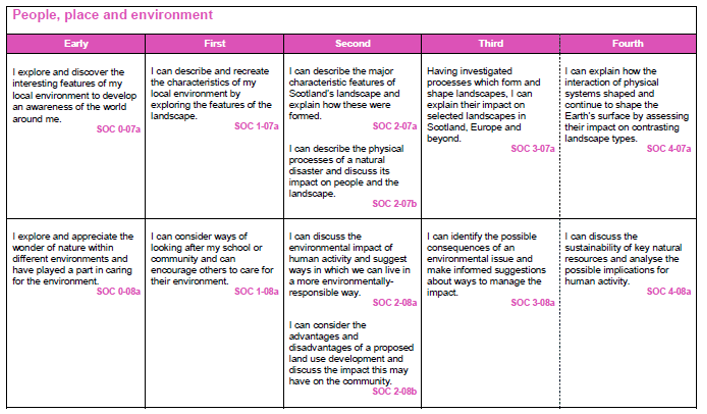
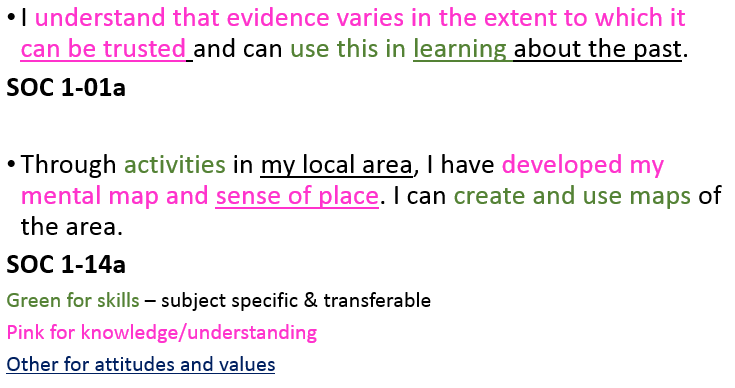
The activity opposite is an example of how 2 social studies E & Os have been analysed/highlighted in pink for knowledge and understanding, green for skills (including transferable skills) and underlining where values or attitudes are a vital part of the learning. Please note that sometimes there is overlap between  each of these.

Below you can click on a selection of interdisciplinary plans (in progress) and examine how our schools are beginning to switch their focus from short term planning of IDL topics, to longer term “Umbrella” bundles which have an overarching curricular purpose and :

  1. Link related E & Os WITHIN subjects
  2. Link related E & Os BETWEEN subjects
  3. Include opportunities for APPLICATION of literacy, numeracy and health and wellbeing across learning
  4. Increase the relevance, breadth, depth and coherence of learning for pupils
  5. Integrate assessment into their planning
  6. Retain the capacity to respond to the interests/prior knowledge of their pupils – including the creation of pupil-led planning using this planning format 

(kindly donated by Fiona Anderson, HT at Head of Muir PS )

California PS – Local area study early level, first level and second level

Victoria PS – What money means early level,  first level and second level

Victoria PS – Winterprise early level, first level and second level


Staff at Carron Primary School develop their moderation of planning

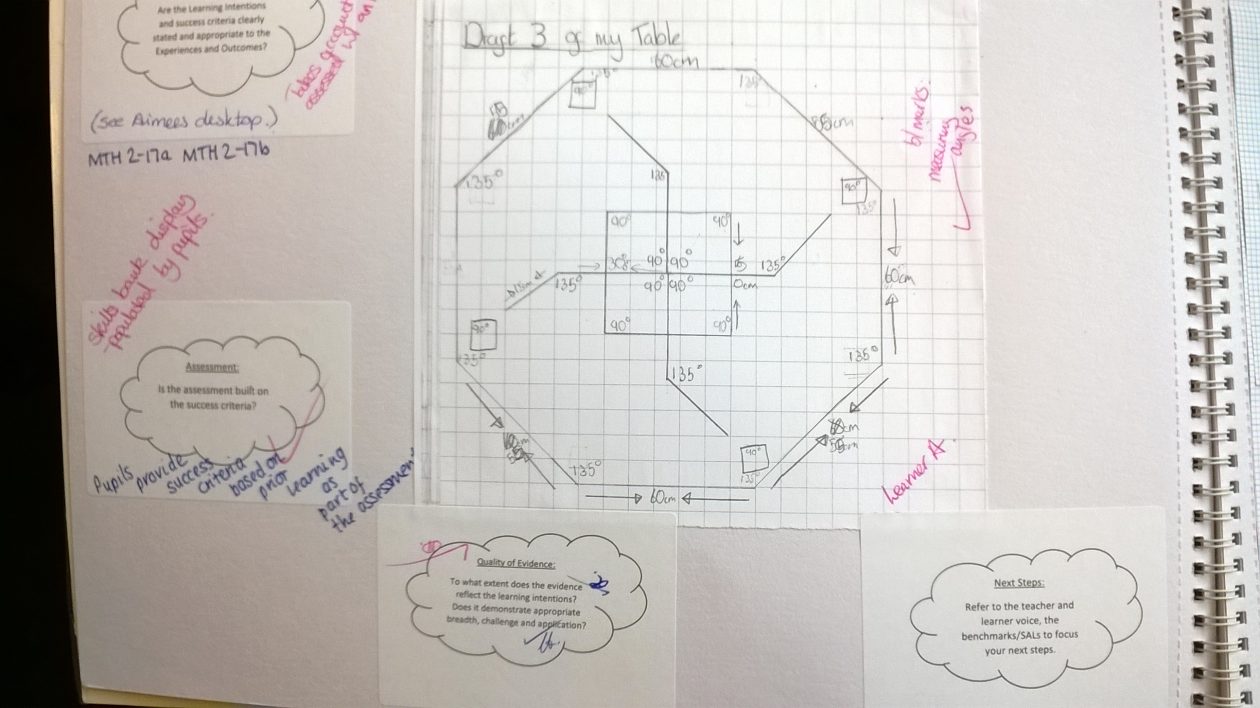
Jenny Deacon, principal teacher, and her colleagues at Carron PS are exploring the use of “floor books” to moderate and self-evaluate their planning and assessment. Jenny is one of Falkirk Children’s Services QAMSOs (Quality Assurance and Moderation Support Officer), and is leading this development work which is spread over 8 moderation sessions in 2017-18.

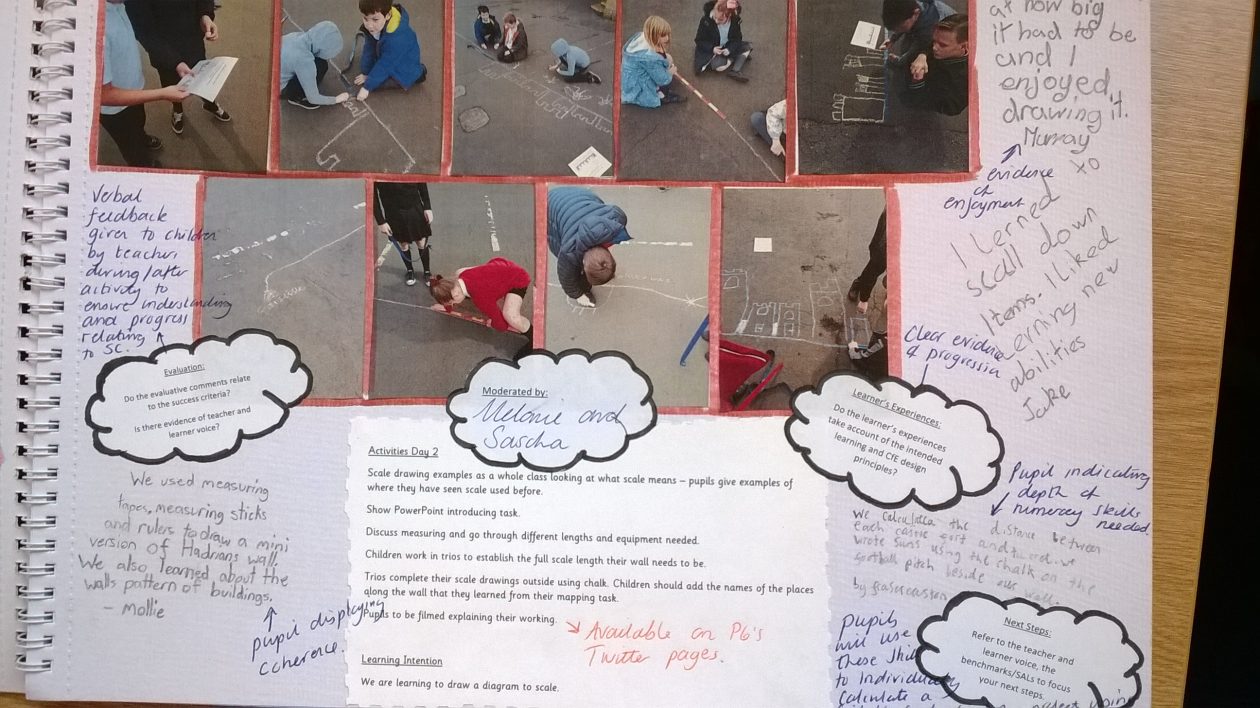
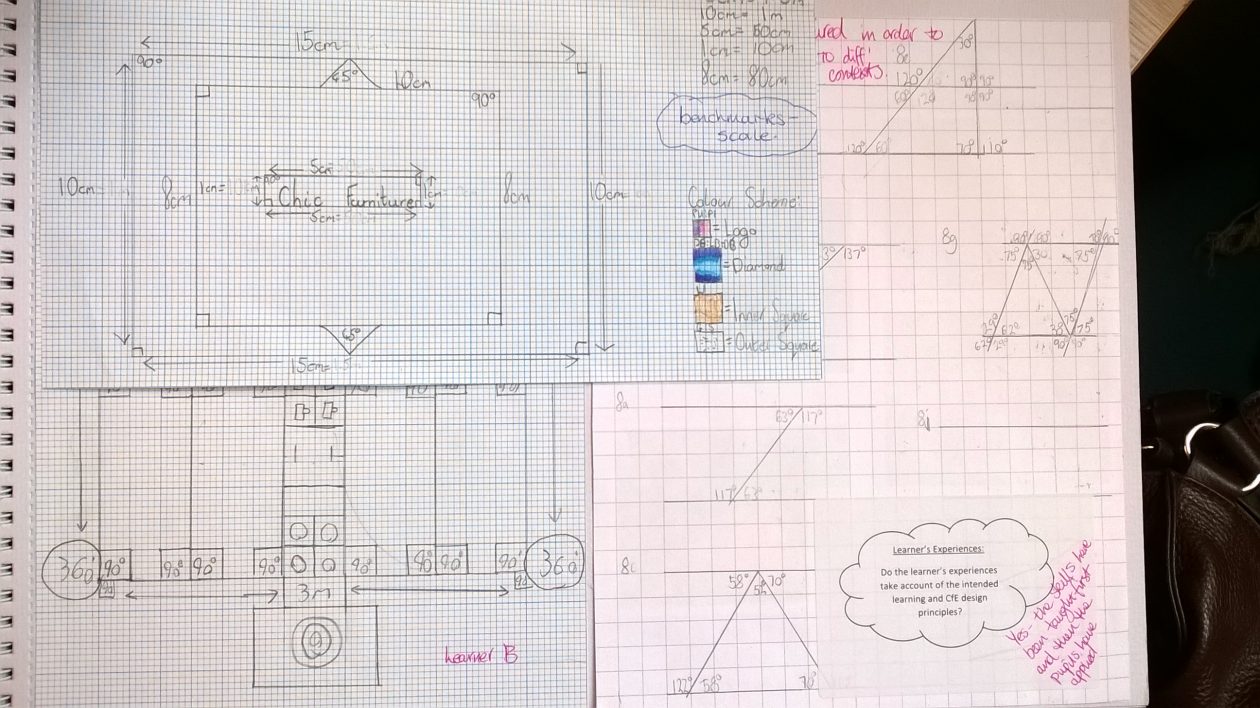
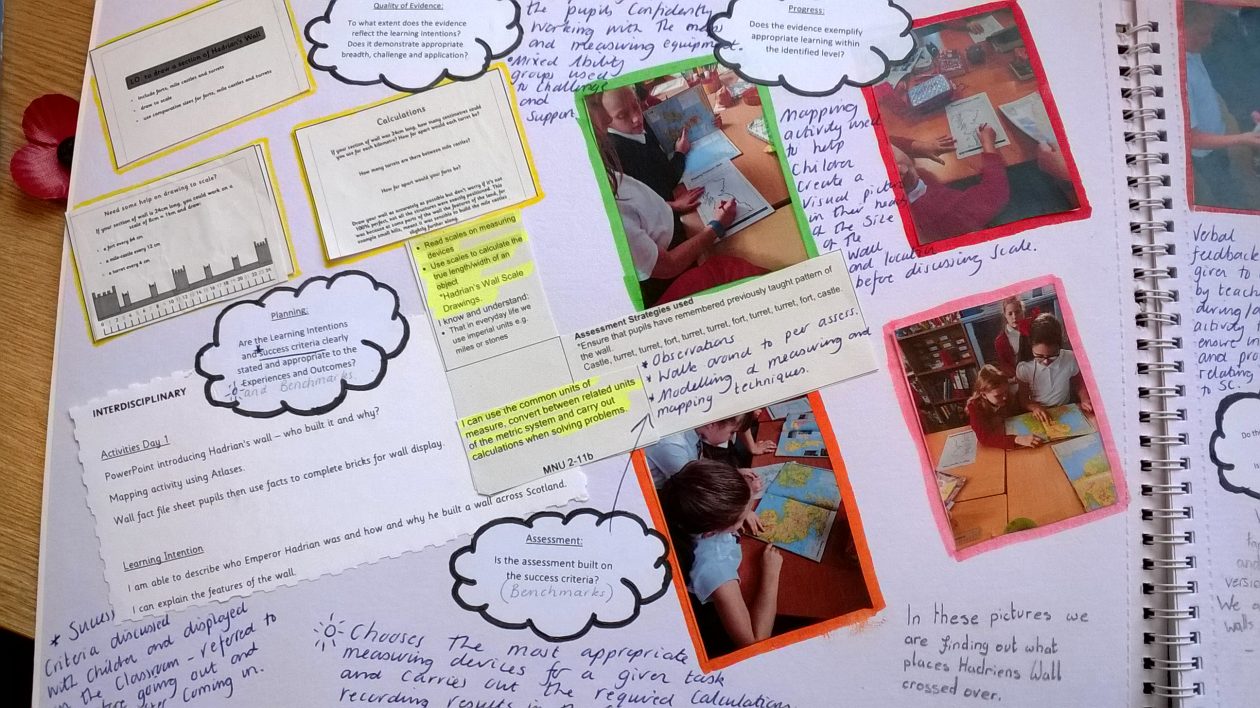
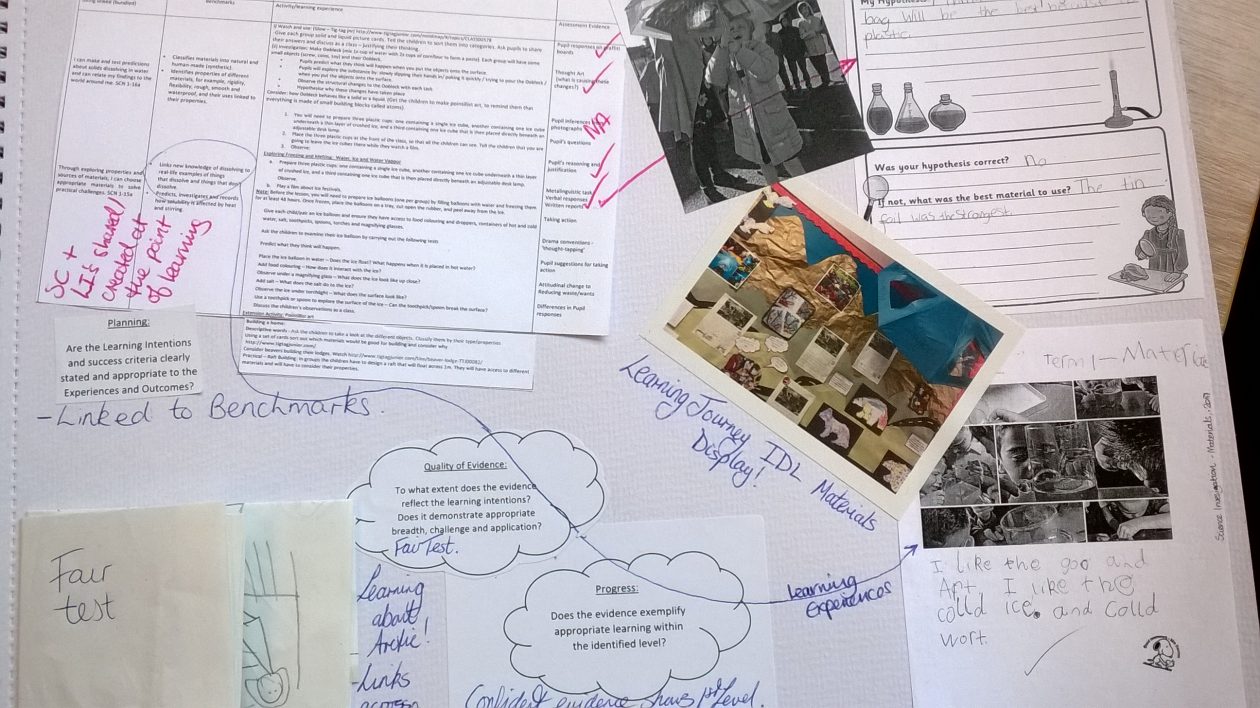
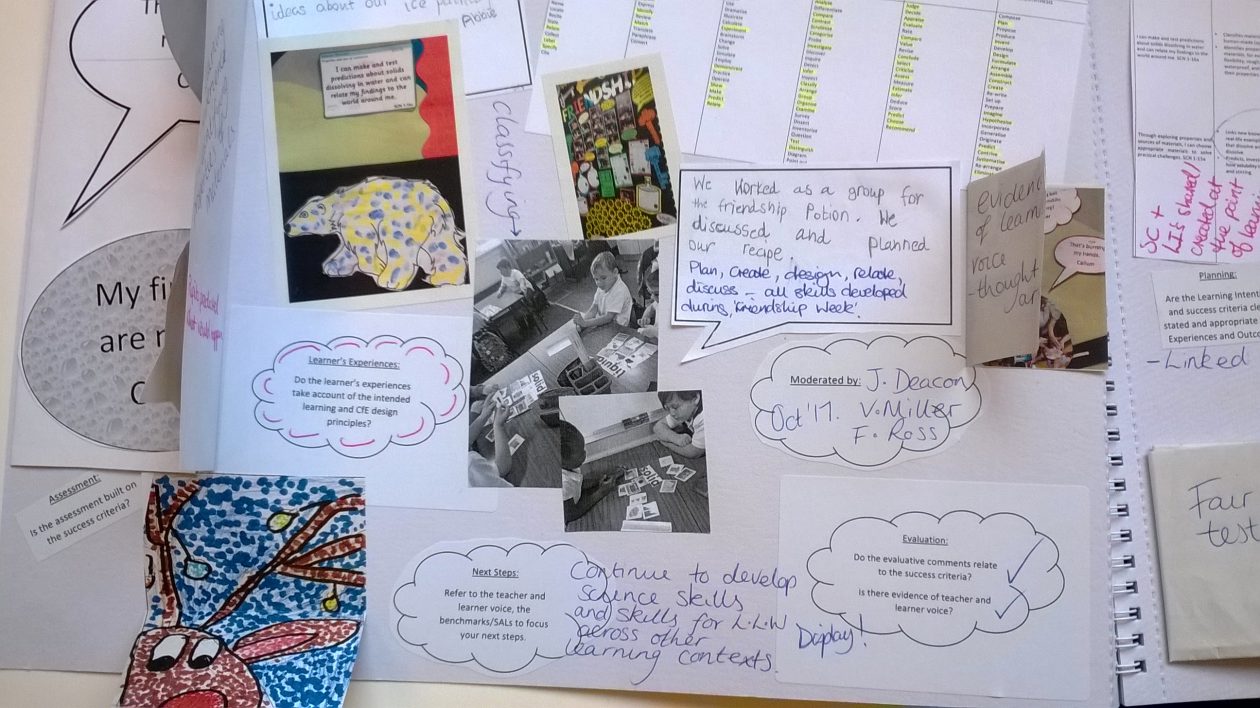
Jenny facilitated professional learning for colleagues using her QAMSO training to work with them to plan how they could build moderation into their school processes. They are using a floor book format to familiarise themselves with the moderation prompts which can be seen in the photos. These prompts help teachers shape and link their planning and teaching and assessment.

Teachers in each stage agreed to gather evidence of their thinking processes using a floor book format. This is helping them to develop a shared understanding of what learning looks like at each level. Teachers will fill around 2 pages of their floor book for each significant unit of learning or group of experiences and outcomes. They decided that they wanted to have floor books for each stage, and have captured evidence of literacy, numeracy, health and wellbeing and interdisciplinary learning. Jenny shared a selection of these floor books with fellow QAMSO’s at a recent meeting, and they considered how this method could work as a means to gather or exemplify pupil achievement at each level. Yvonne McBlain met with Jenny in November 2017 to look at the interdisciplinary learning floor books. They discussed the potential for designing specific groups of interdisciplinary experiences and outcomes which could act as holistic assessment “bundles” or tools for schools across the authority to use. Both look forward to exploring this further with colleagues, so watch this space!

This work contributes to the school improvement priorities, and also to National Improvement Framework (2017) drivers – Teacher Professionalism and Assessment of Children’s Progress. Jenny and her colleagues will review the contribution of their floor books to their moderation processes as part of their school self-evaluation in May 2018.

Primary 3 at St Margaret’s PS meet their Giant!

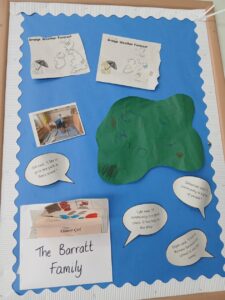
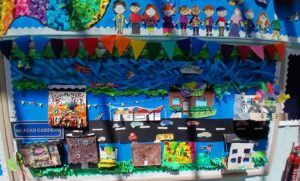
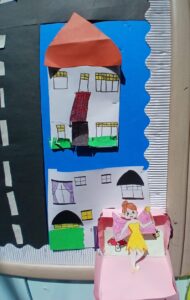
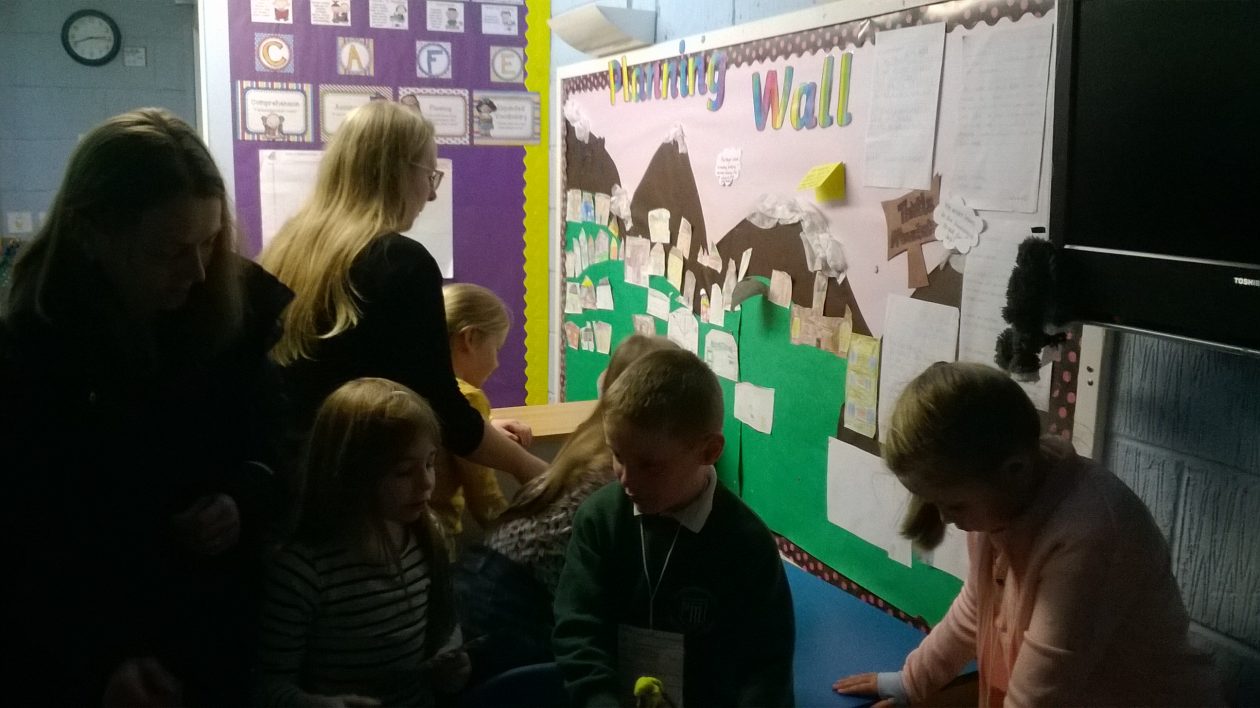
Mrs Main and Miss Hunter, teachers of primary 3 at St Margaret’s PS have been using the storyline approach to help develop their pupils’ understanding of citizenship. They used a WOSDEC (West of Scotland Development in Education Centre) global storyline resource called The Giant of Thistle Mountain – this involves using  drama as a vehicle to tackle complicated societal issues which are interdisciplinary. This storyline links social studies, literacy and health and wellbeing E & Os as seen in the photo of the display below.
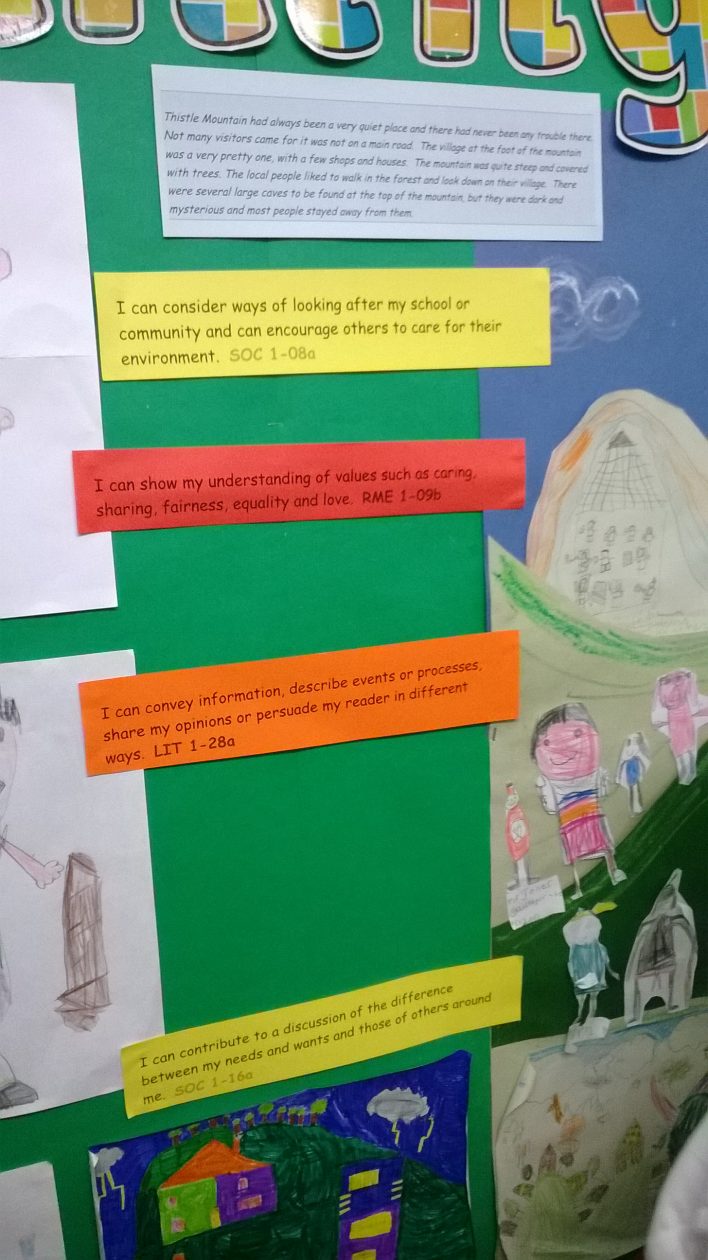
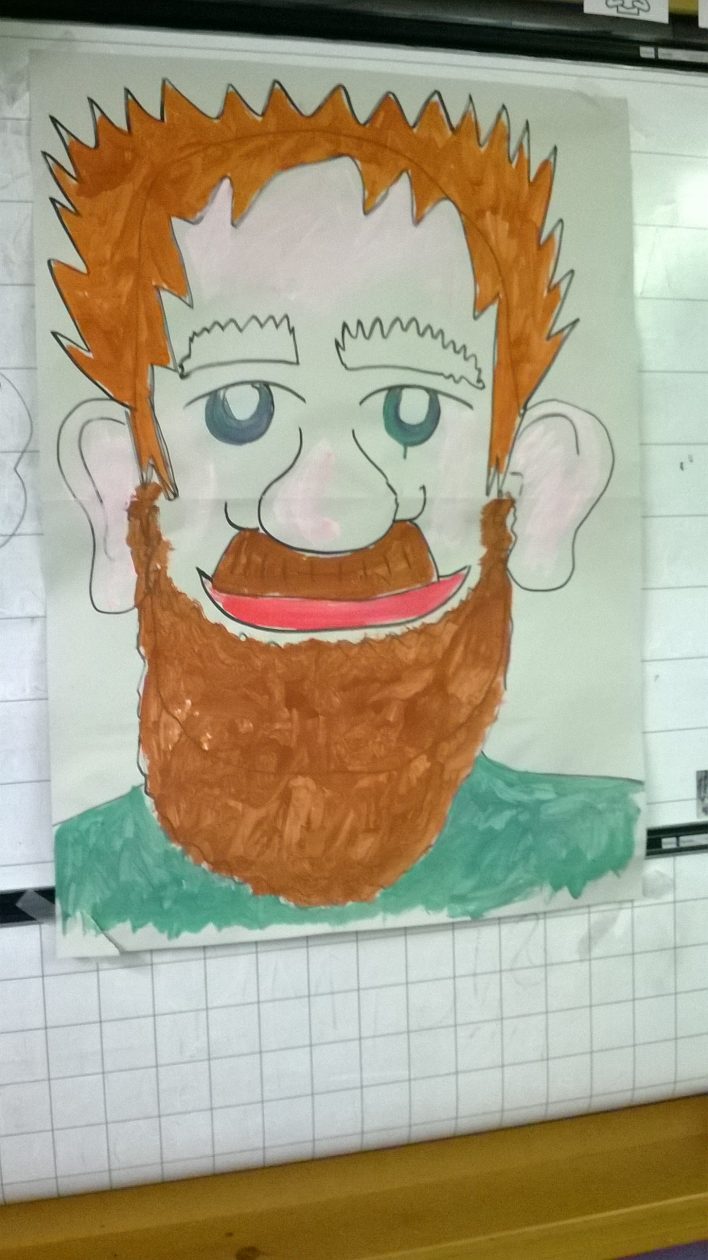
The Giant of Thistle Mountain helps even very young pupils understand concepts such as: what is a community, what is a stereotype, how it feels to be ostracised in a community, how we should behave when someone in need joins out community, what is a refugee? It offers teachers a creative way to address elements of Learning for Sustainability as a cross-cutting theme also.

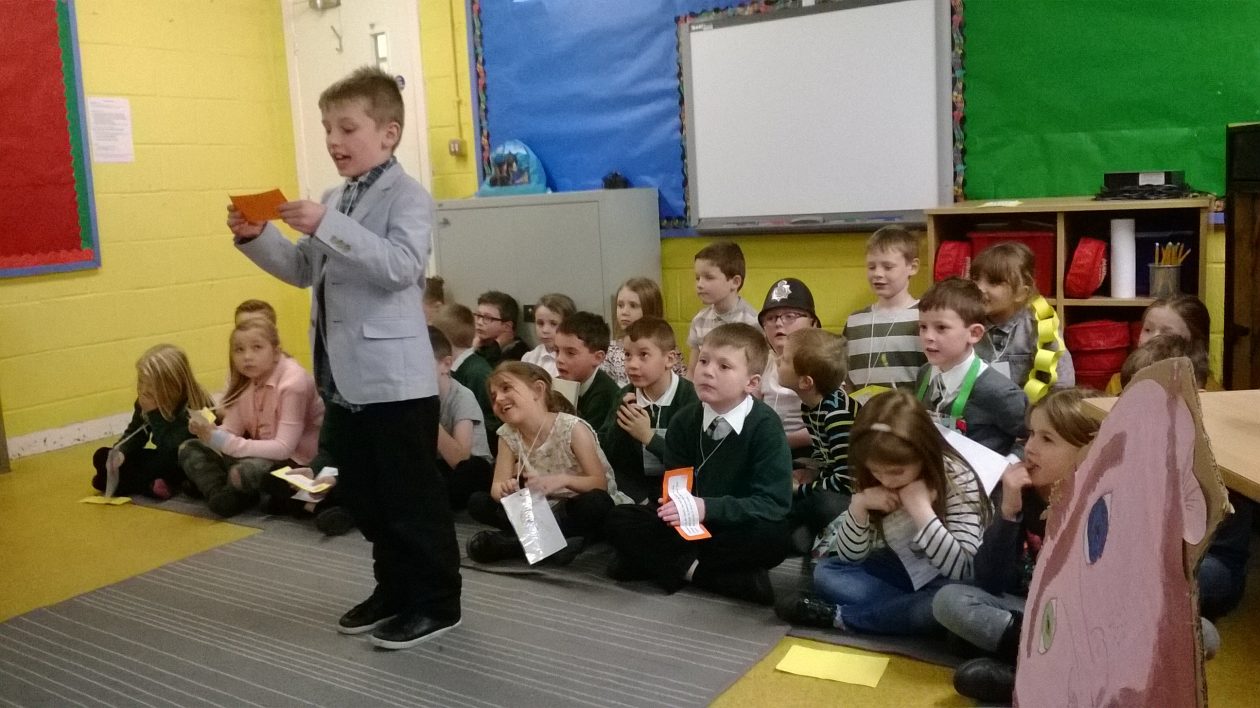
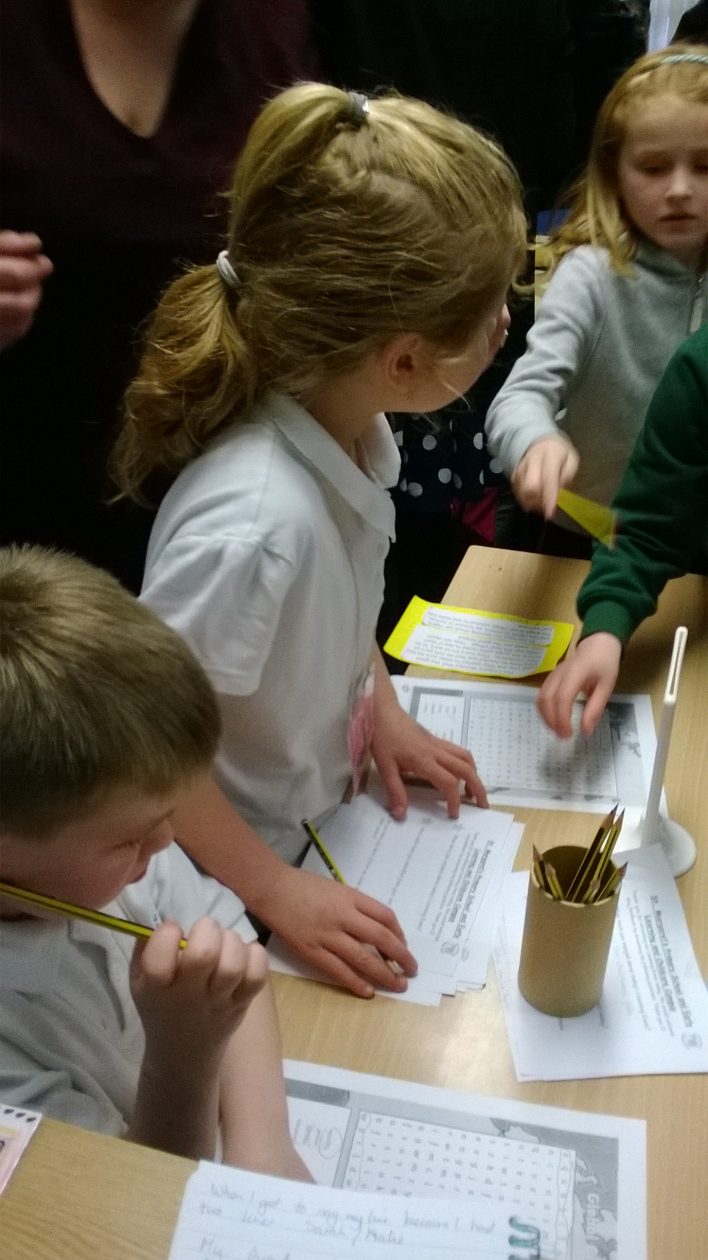
On Wednesday 15th November both classes invited guests along to help them celebrate the success of their learning AND their storyline villages. The children gave a presentation summary, shared what they had learned, then showed their guests their storyline frieze and other work they had done throughout the project.

Find out more about global storylines here. We hope the pictures and the quotes below from the children give a flavour of how valuable this approach can be in developing deep and memorable learning.

“We learned that there are lots of different people in the world – they all have different skills.”

“We didn’t want the giant to feel sad – we wanted him to feel part of our community.”

“My favourite part was saying my line because I got to stand up.”  “I had two lines!”

“My favourite part is listening to the stories because I liked hearing it and love the story.”

“Keeping the giant safe …we worked out he was safe to live in Thistle Mountain.”

“Thistle Mountain, learning about the giant, getting to do the play.”

“Just now – the open afternoon…the writing through practising – I can write more now.”


St Mungo’s HS IDL Experience for New S4 Pupils

Senior managers at St Mungo’s RC High School challenged their 9 probationer teachers with the creation of an interdisciplinary learning opportunity for their 2016-17 S3 pupils.
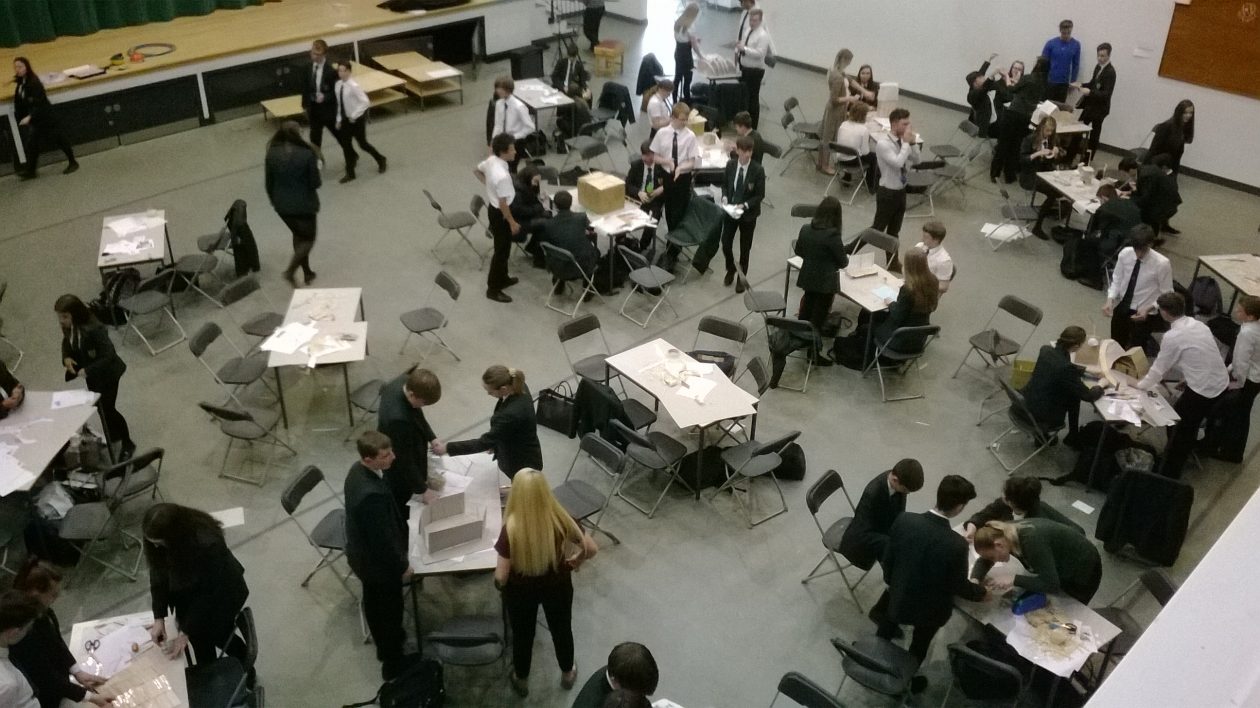
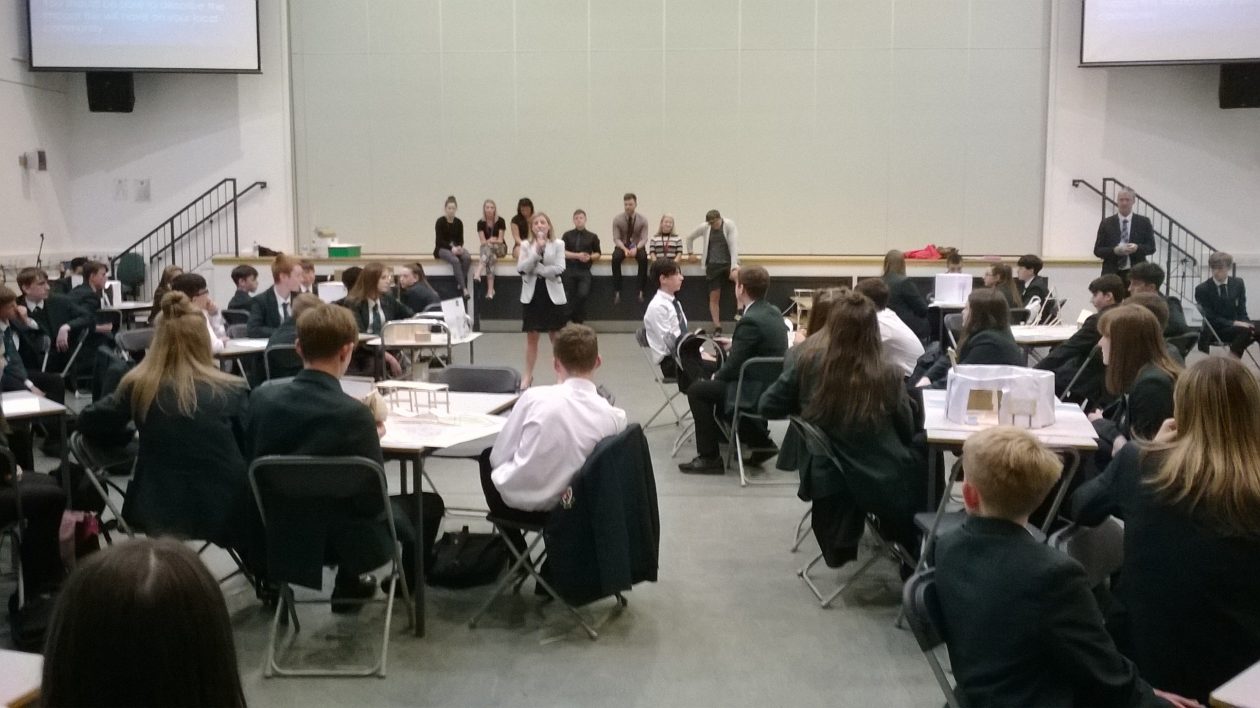
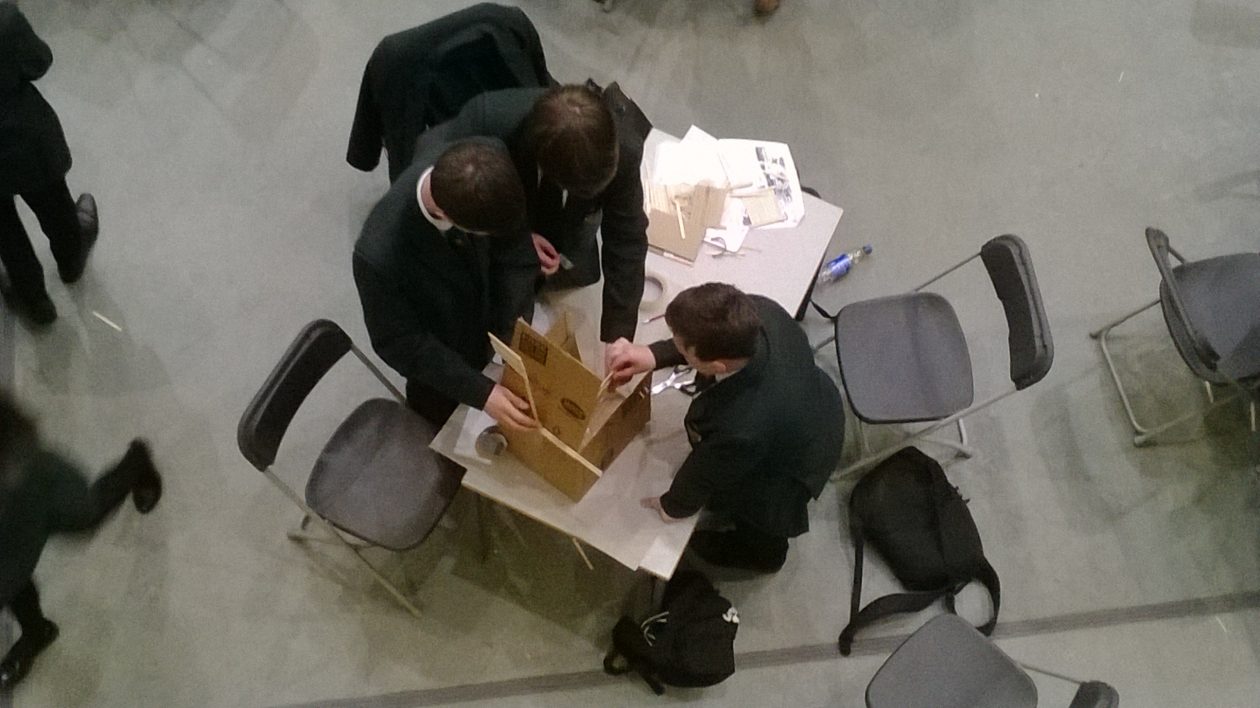
Alison Noble, art teacher at St Mungo’s, supported these teachers with their development of ideas. They worked in 3 teams to design a project which would complement the interdisciplinary projects currently experienced by S1 and S2 pupils in the school. The school are building the formal IDL context of their curriculum to address key skills and elements of the cross-cutting themes of Creativity, Learning for Sustainability and Enterprise. They wanted this new S3 experience to target creativity, problem solving and team building skills.

Each team pitched their idea to the senior manager panel, and were further challenged by being asked to combine the best elements of all three proposals! The school also used evidence from their self-evaluation process to inform this learning experience. Pupils’ feedback from their S3 profiles highlighted a desire for more leadership skills and enterprising learning. Staff realised that these skills could easily be incorporated into the IDL experience, turning it into an effective pupil induction into S4.

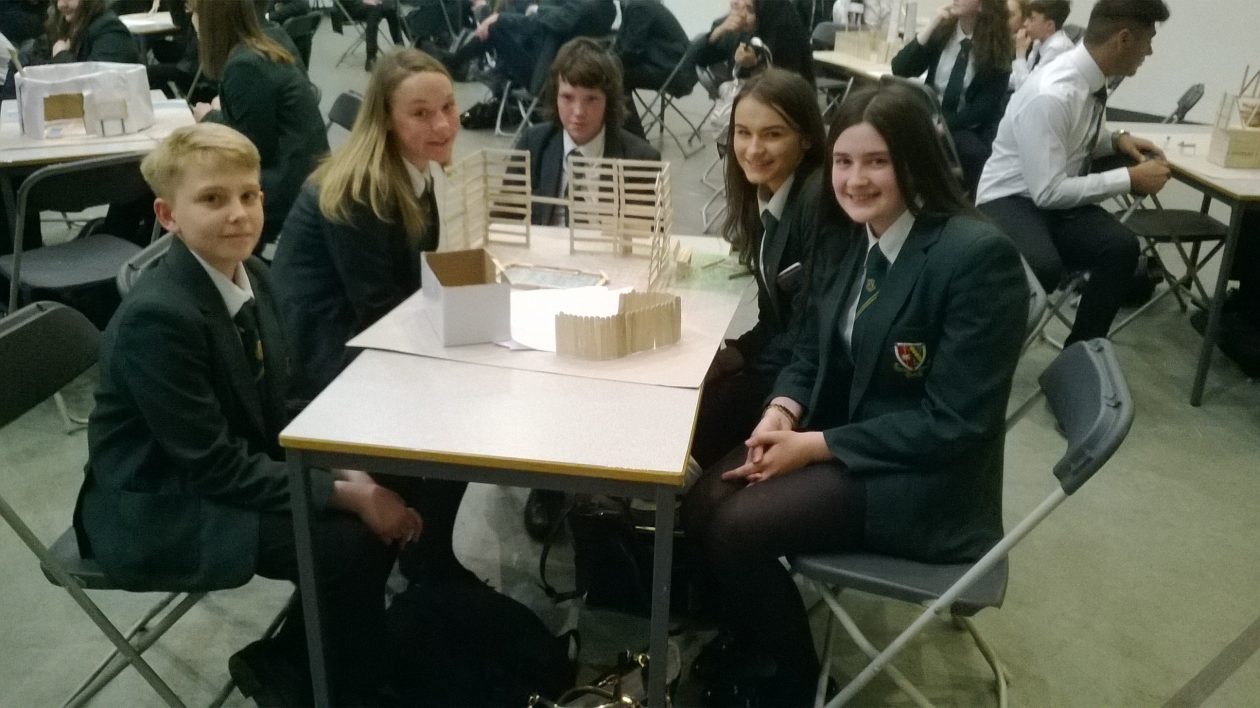
On 20th and 21st June, pupils experienced the culmination of these preparations – one half of the year group taking part on each day. Pupils were given their learning intentions and success criteria for the day, and experienced a rotation of problem solving and team building activities across the curriculum. This prepared them to tackle a real life problem which linked knowledge and skills mainly in literacy and technology. They worked to a Design Brief and a deadline to make a model of what they would build on an empty piece of land close to their school. (Thank you to Richard Broadley and colleagues in Falkirk Council Planning and Development Services who gave information about vacant plots nearby.) The brief asked them to consider how they could meet the needs of local citizens and enhance lives and the environment in their  community.
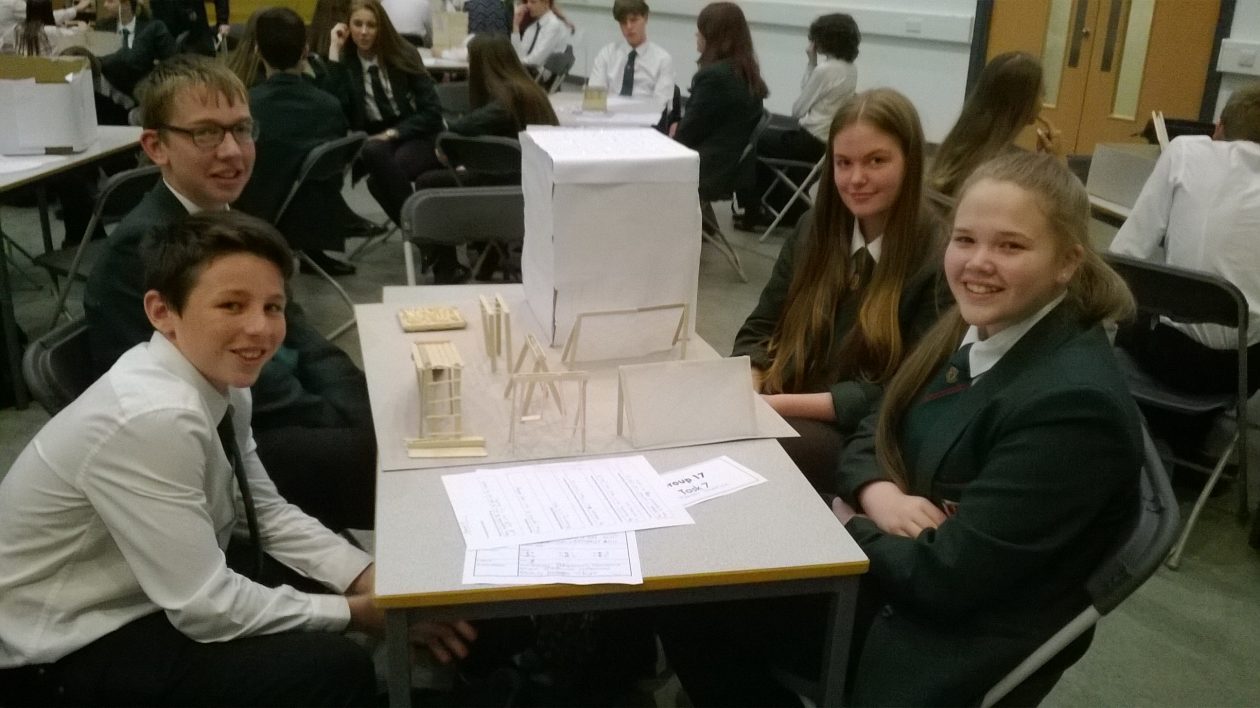
An element of competition was added by providing the deadline, and a panel of judges who would choose the model and idea which best fitted the criteria and constraints of the design brief. Stephen Phee, rector, Audrey Farley and Anne-Marie Jess, depute rectors, and Yvonne McBlain, curriculum support teacher acted as judges. Pupils rose to this challenge on a number of levels, and the judges naturally found it difficult to make their selection on both days. Everyone involved was extremely impressed by pupils:
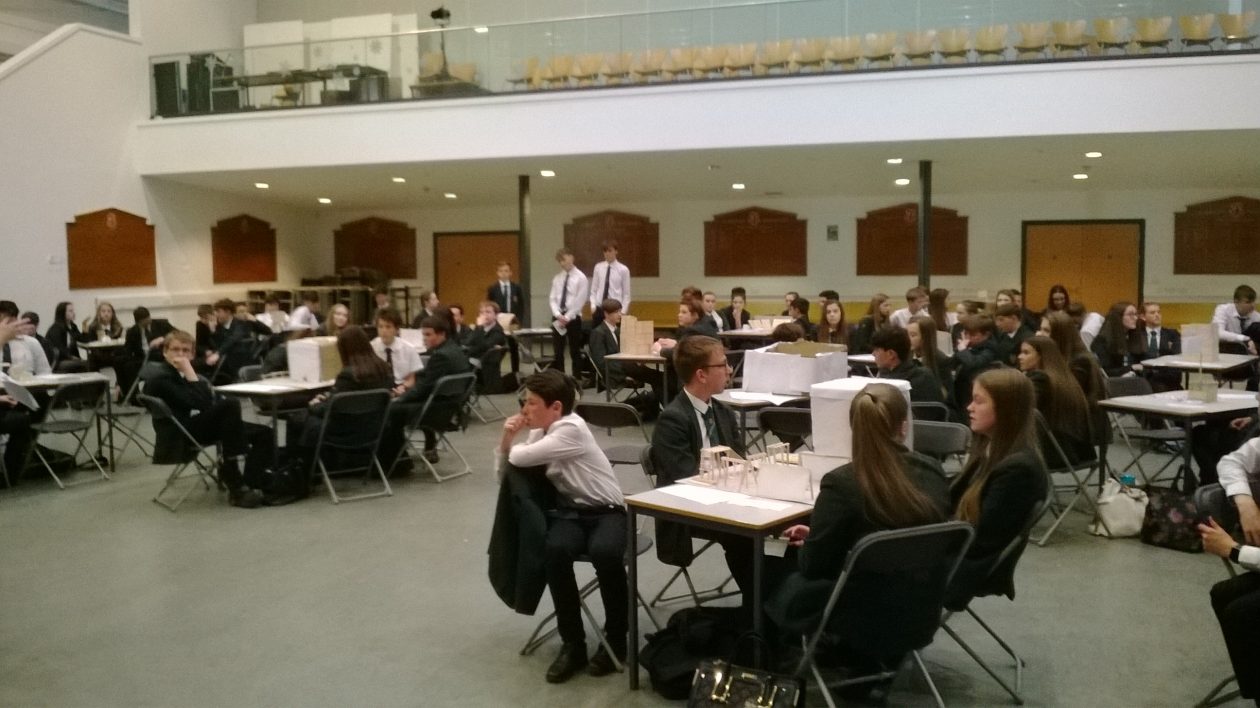
  1. working effectively with new teams to solve problems across learning
  2. using social skills to negotiate and reach agreement within teams
  3. applying technical and design skills during construction
  4. applying talking, listening and presentation skills to “sell” their solution
  5. showing their understanding of social enterprise through their carefully considered sports centres, outdoor cinemas, etc
  6. showing skills, aptitudes and other positive behaviours not previously seen in the regular curriculum
  7. presenting their solutions clearly and with emphasis on the positive social and environmental impact of their ideas

The two groups who created the winning solutions were naturally thrilled, and the probationer teachers are currently collating the pupil evaluations of this new interdisciplinary experience. Unfortunately, Alison had started her maternity leave, so Anne-Marie and Audrey were delighted to praise the ingenuity and hard work of their probationer teachers. They obviously demonstrated their own team-work, enterprise and problem solving capabilities by orchestrating the whole project from start to finish. They applied their knowledge of their own subject and of interdisciplinary learning effectively, and employed their teaching and organisational skills creatively so that pupils gained a valuable and enjoyable educational experience.
California PS Explore “Reflective” Floor Books

As part of their self-evaluation and school improvement, teachers at California Primary school have made various changes to their teaching practice over session 2016-17. They are exploring the use of floor books as tools for enhancing pupil understanding of their own learning. They began using A2 size sketch books and reflective activities in April 2017 to help their pupils talk about their learning and identify progress and next steps. Each teacher is doing this in a way which suits their class and their own preference. The picture above documents how Jill Walkinshaw asked her new class-to-be to set their goals for their next year together. She plans to refer to the pages in the floor book at relevant points during next session, and the book will be available to pupils so that they can look whenever they want a reminder of where they were in their learning at this point.

Jill was inspired by seeing the floor books used by nurseries. She has been working with her Primary 3/4 shared class of pupils to capture evidence of learning and progress – photos, learning intentions, notes about how children met their success criteria, how they feel about their learning, etc. Jill is now looking at exactly which areas of learning the floor book could be impacting on before considering how best to develop it as a reflective tool for her, and her pupils.

Lauren Peebles, primary 2 teacher, used her floor book as a focus tool for whole class reflection (along with circle time talk) on a Friday. Her class are getting used to having a slot on “Feedback Friday” to talk together about their learning, then do an individual reflective task about specific progress made. In the jotter extract below, you can see how pupils rate their learning/progress, then capture some details of what the learning was, how they got better, and what their next steps should be. So far, the children are responding well to these activities, and staff hope that these help pupils be more confident and articulate when talking about their learning.

On June 28th, Yvonne McBlain, curriculum support teacher, conducted interviews of a sample of children from each class to ascertain impact from the work done by staff over the session. She asked questions linked to the quality indicators from HGIOS 4 (1.1 Self-evaluation for self-improvement, & 1.2 Leadership of Learning). In response to questions, children enthusiastically spoke about their learning in general, and were easily able to highlight specific progress in at least one curricular area unprompted. At this stage, the children were not yet able to articulate how their floor books were helping their learning – it’s still early days though, so watch this space!