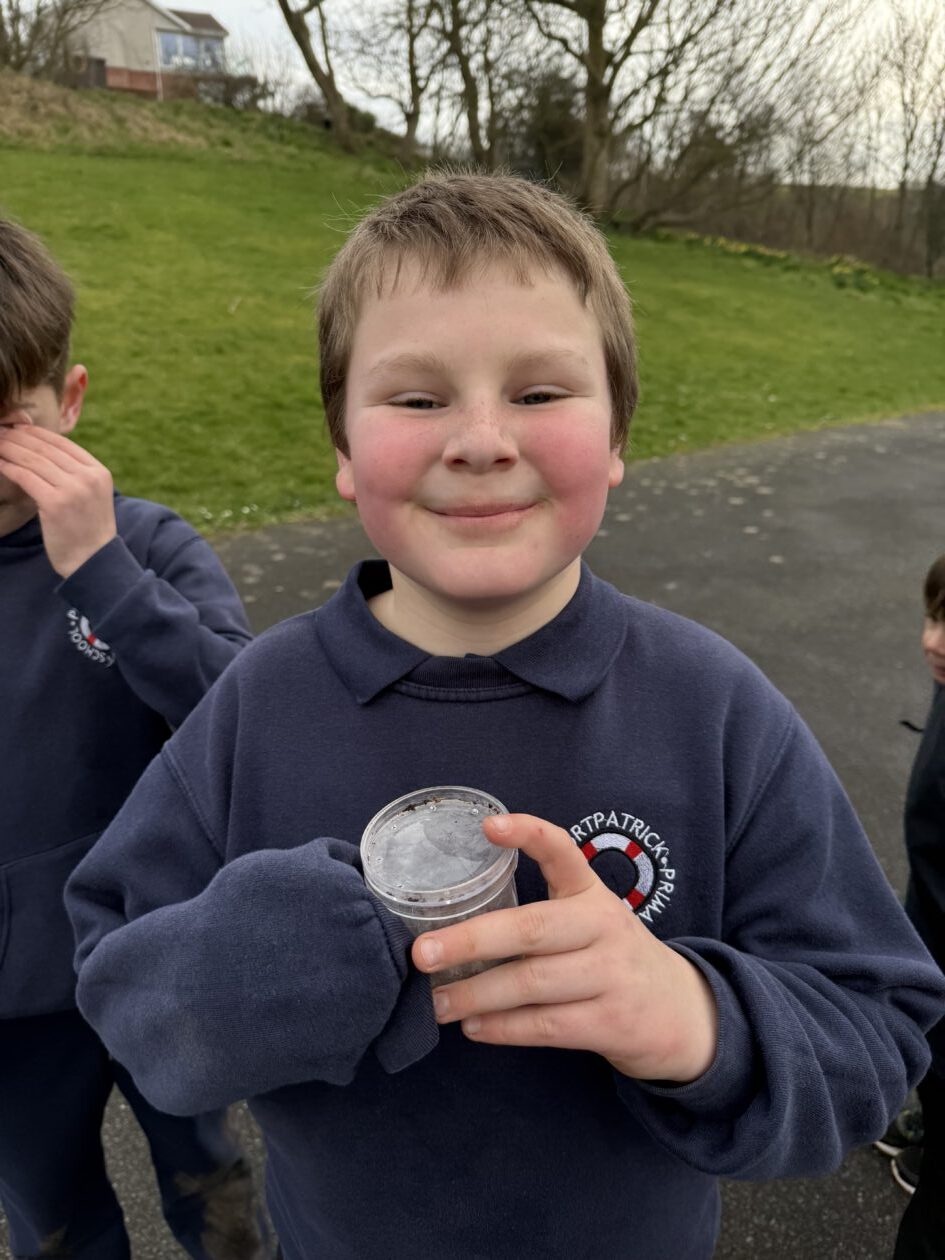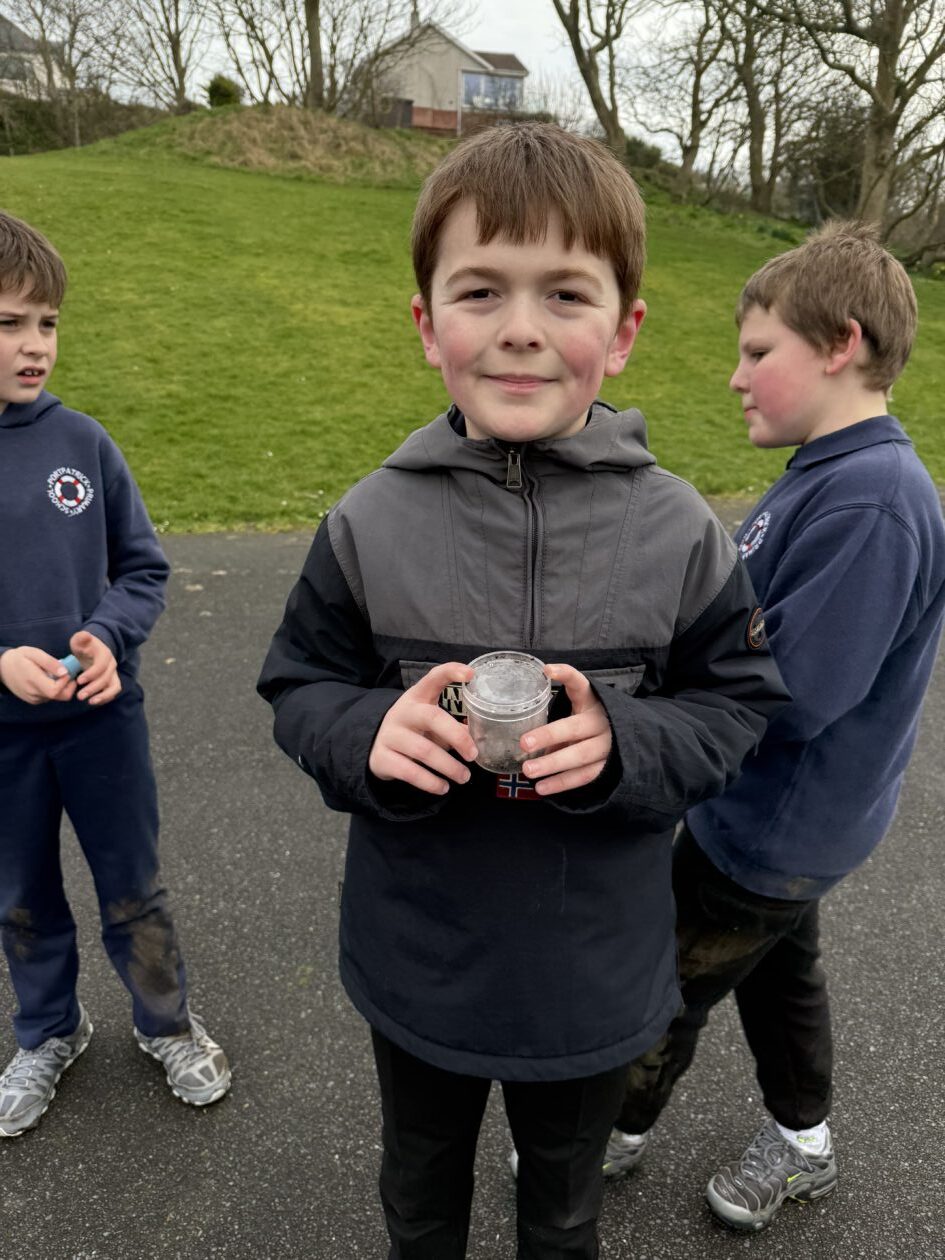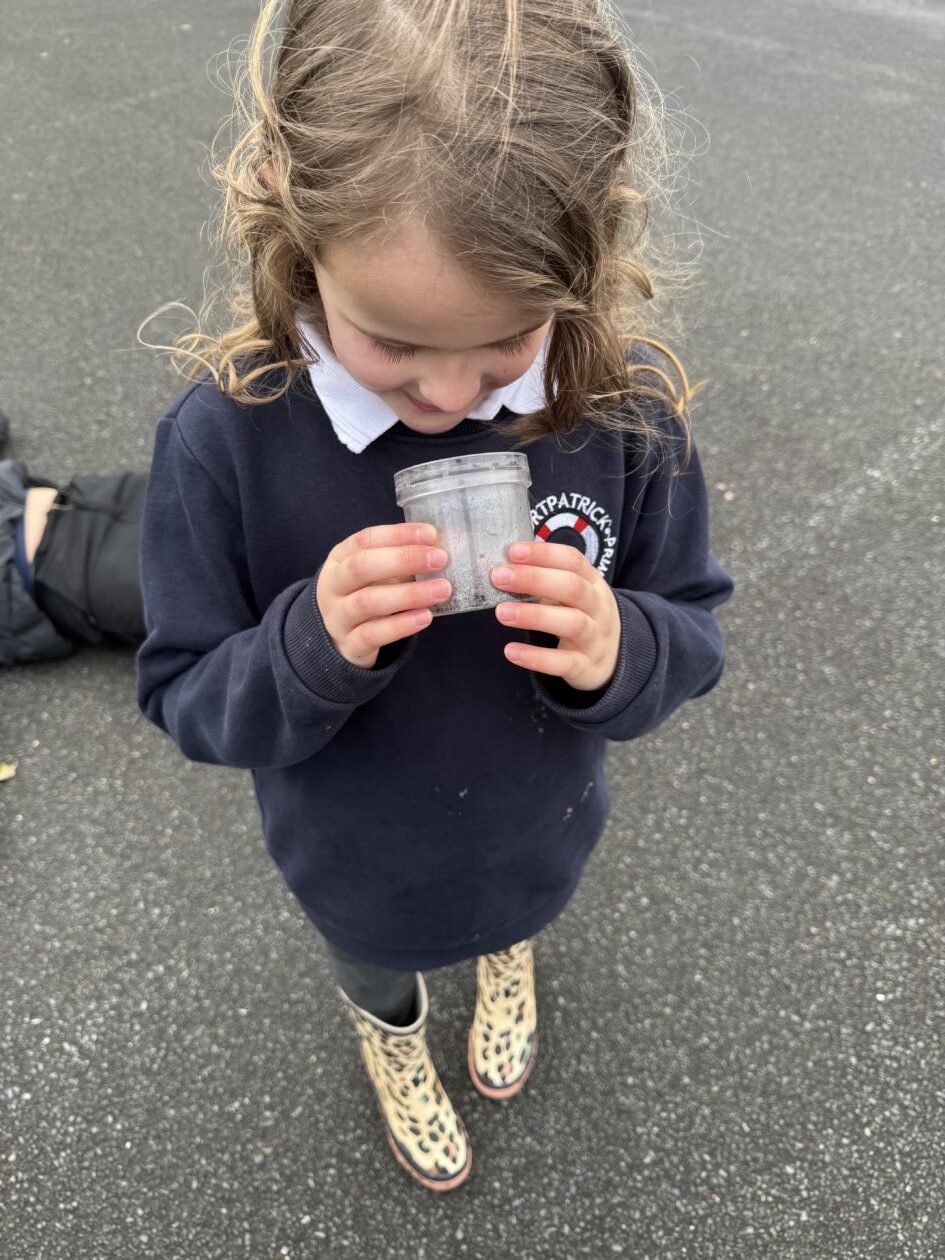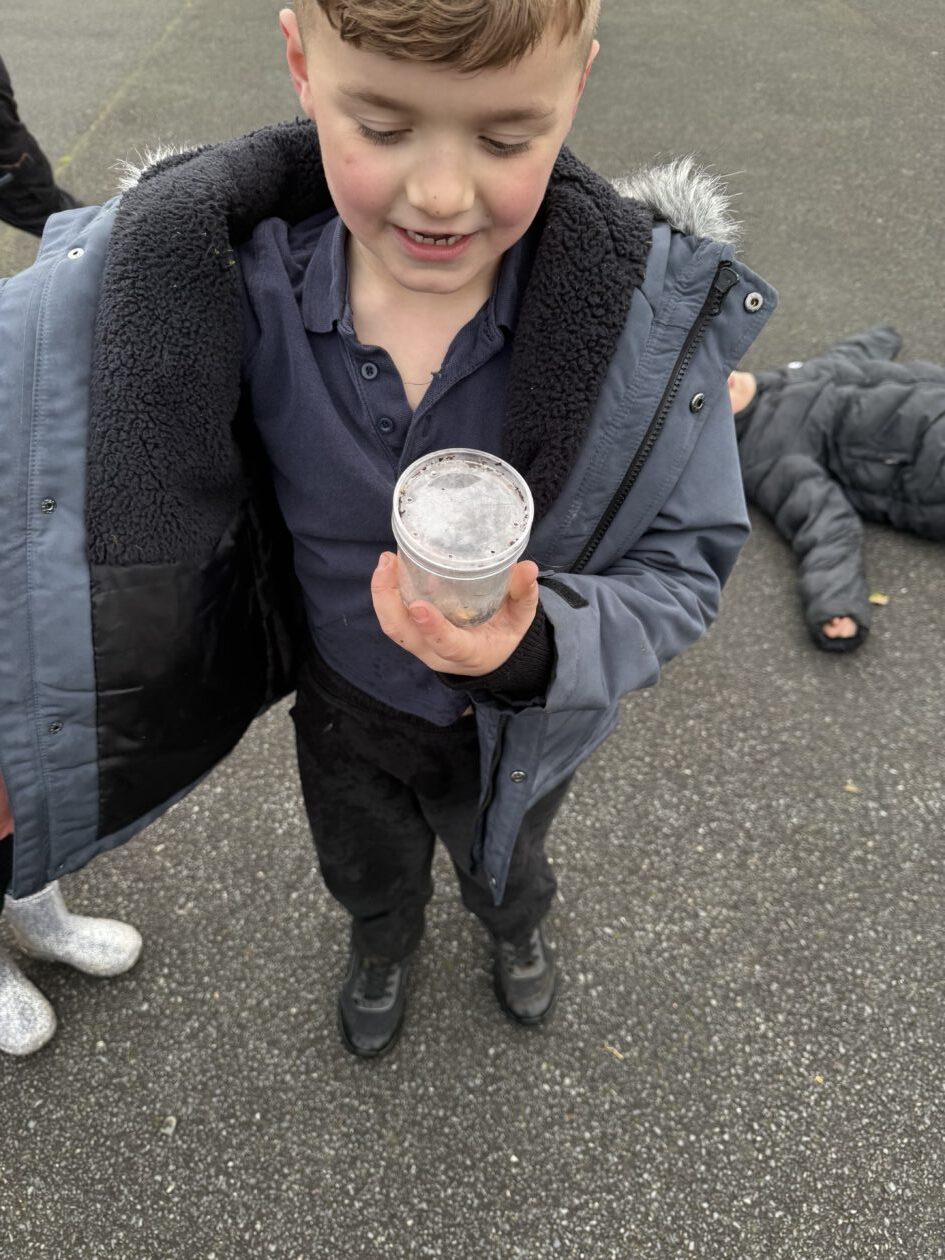
πŸ”₯ Fire Safety Talk at Portpatrick Primary πŸ”₯

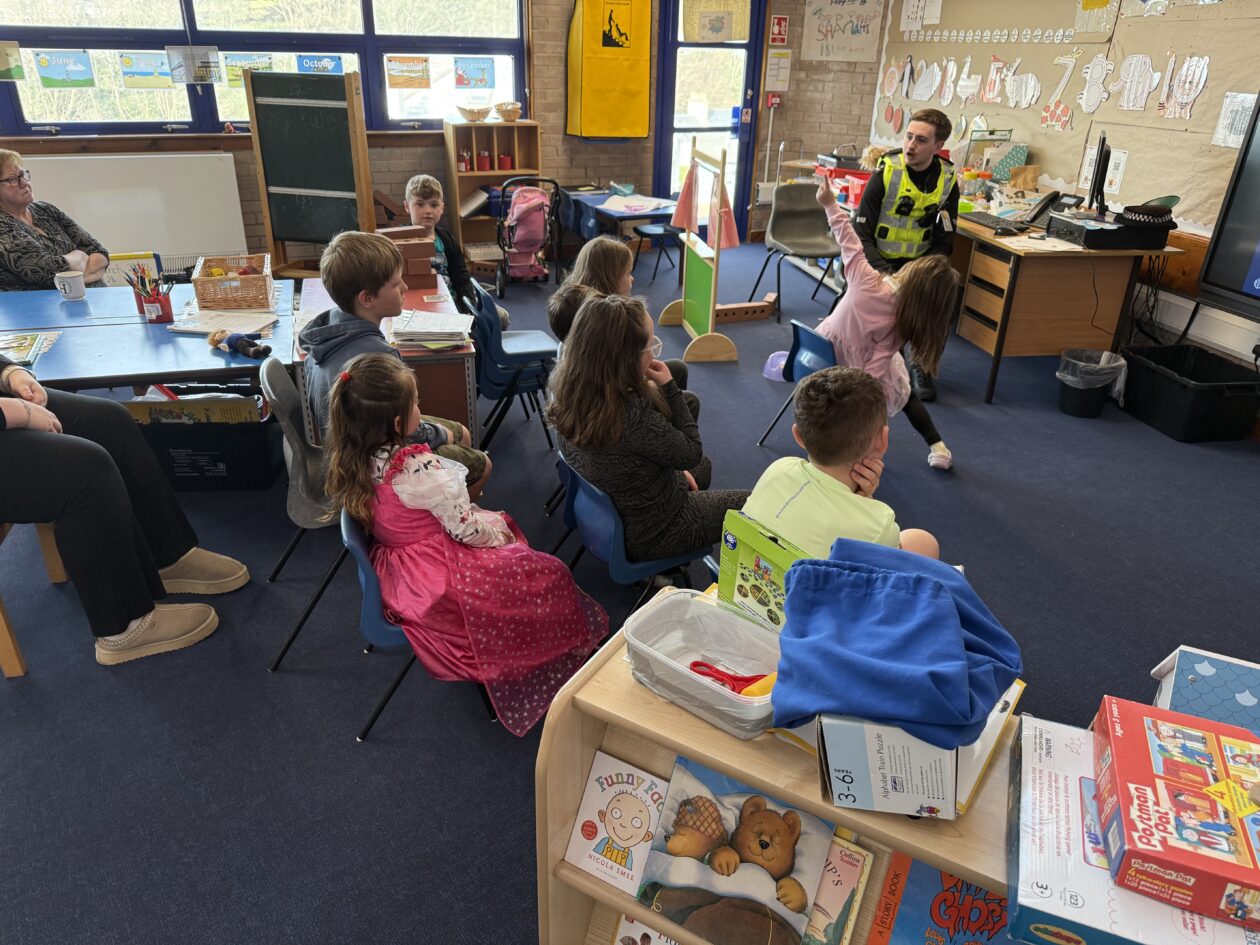
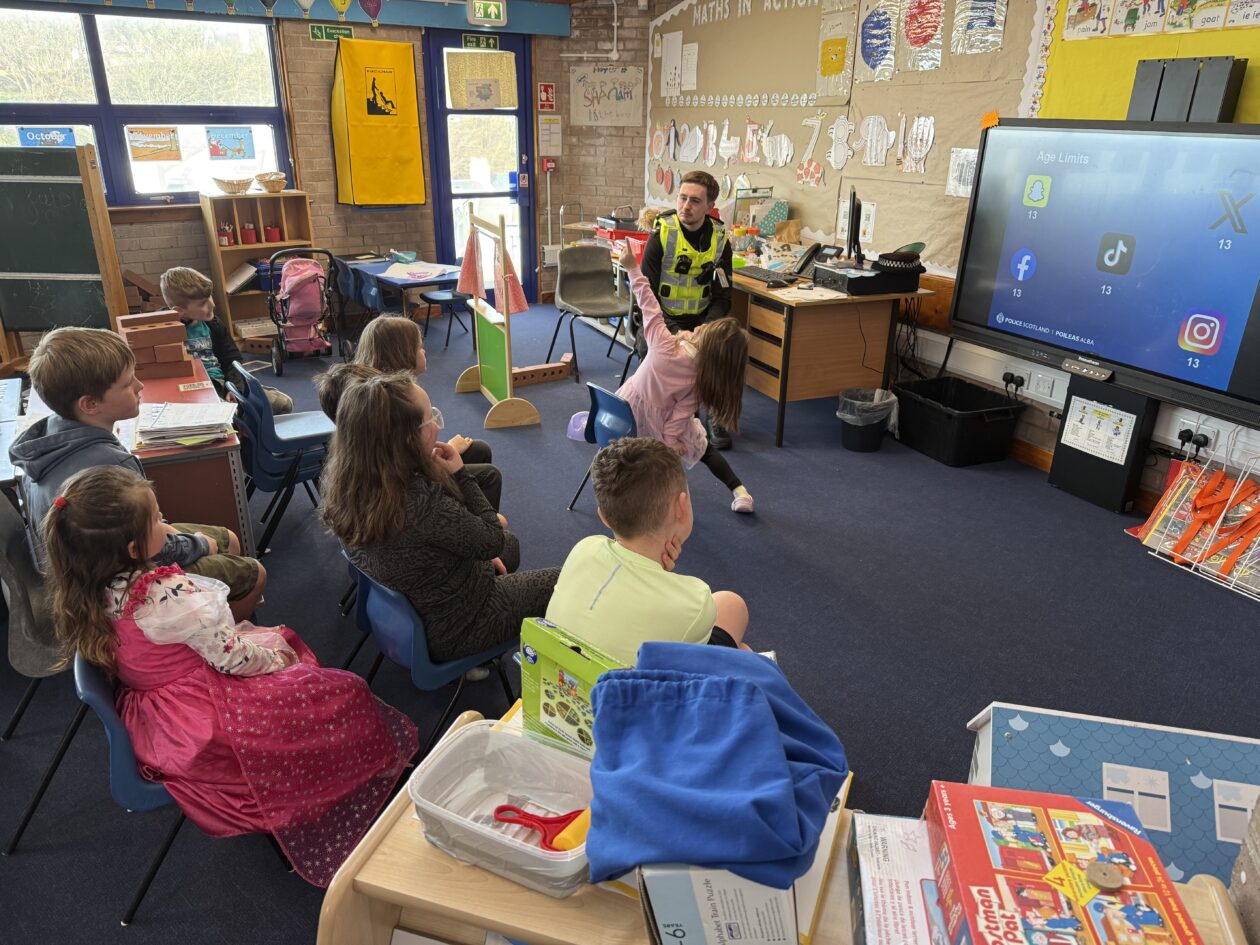
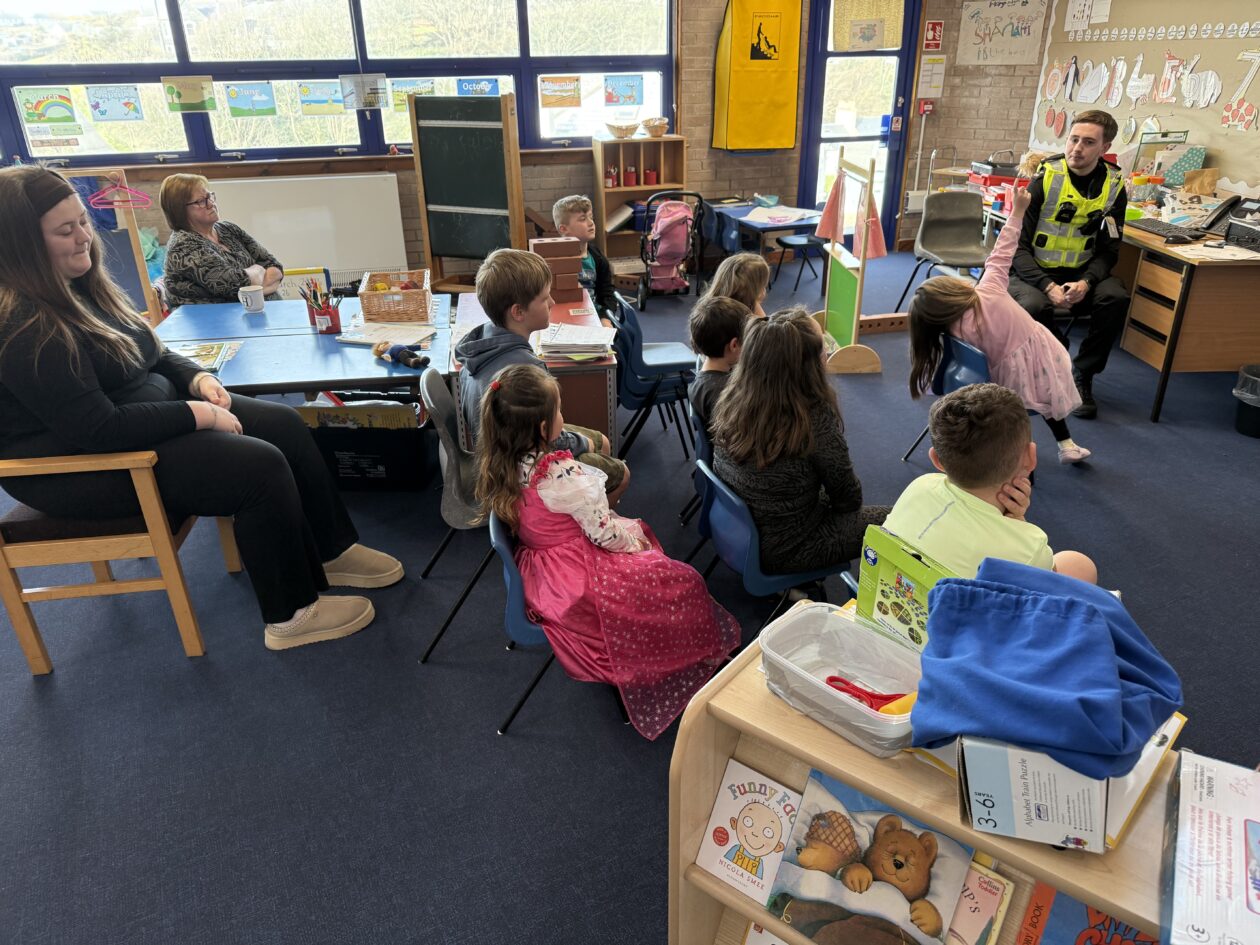
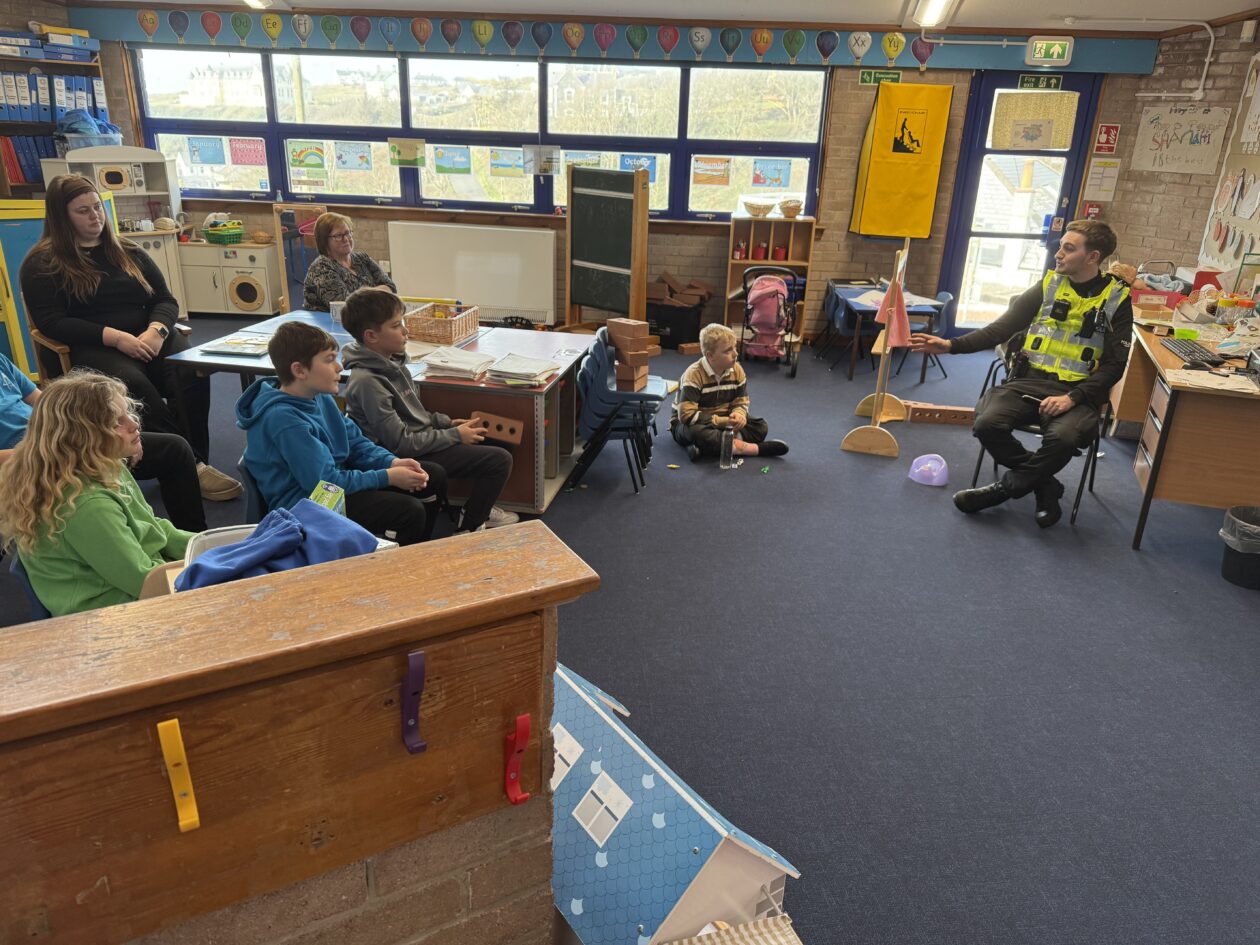
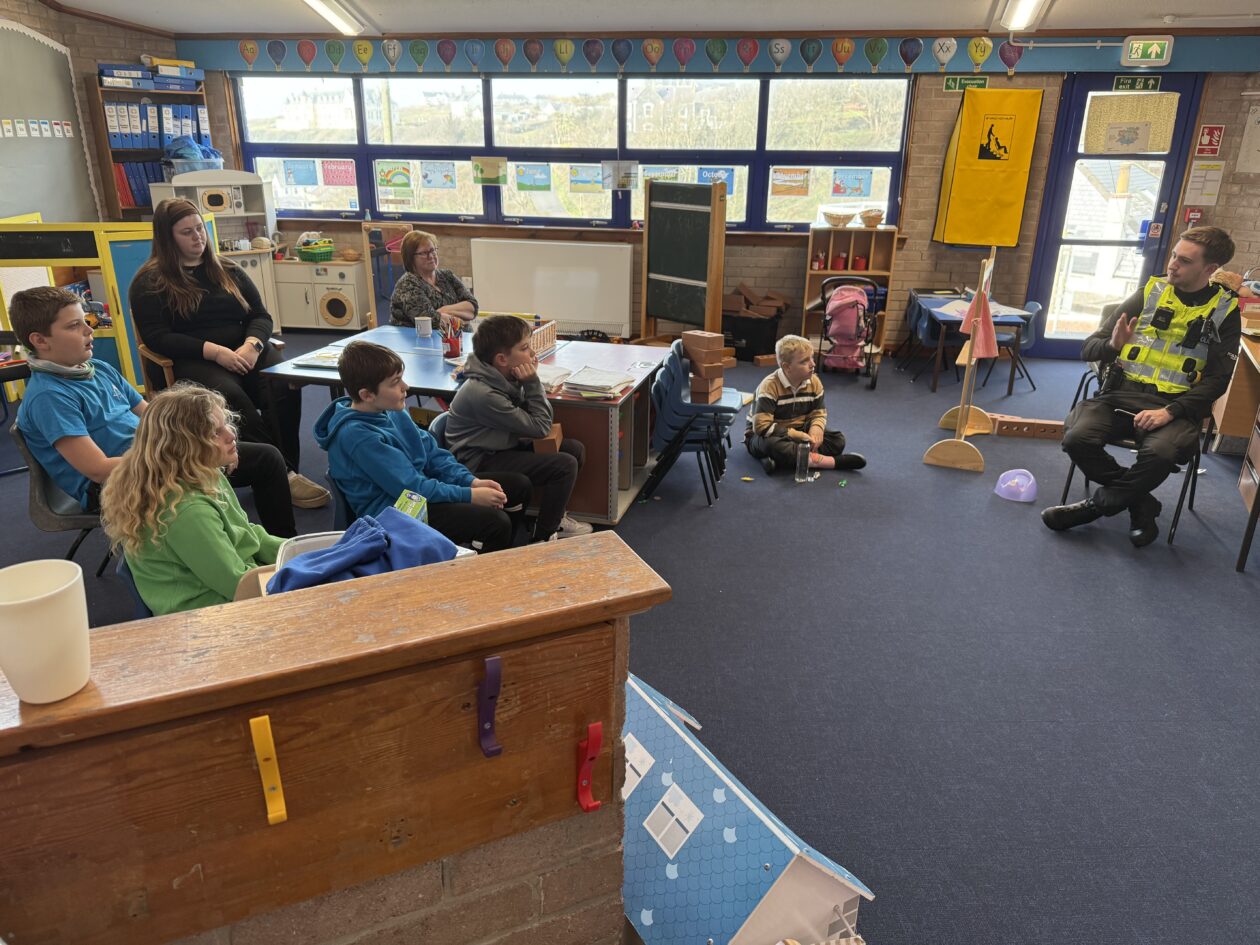
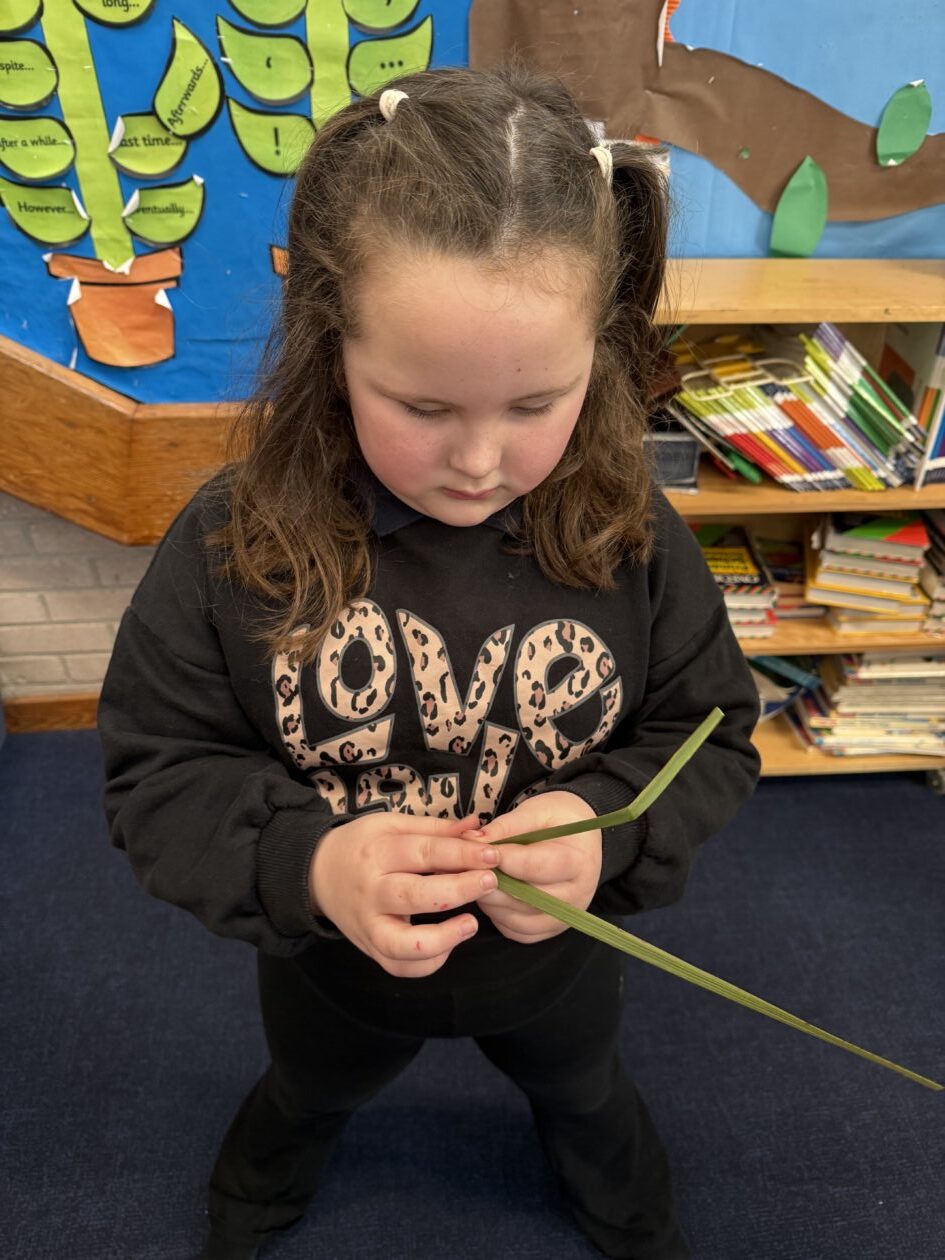
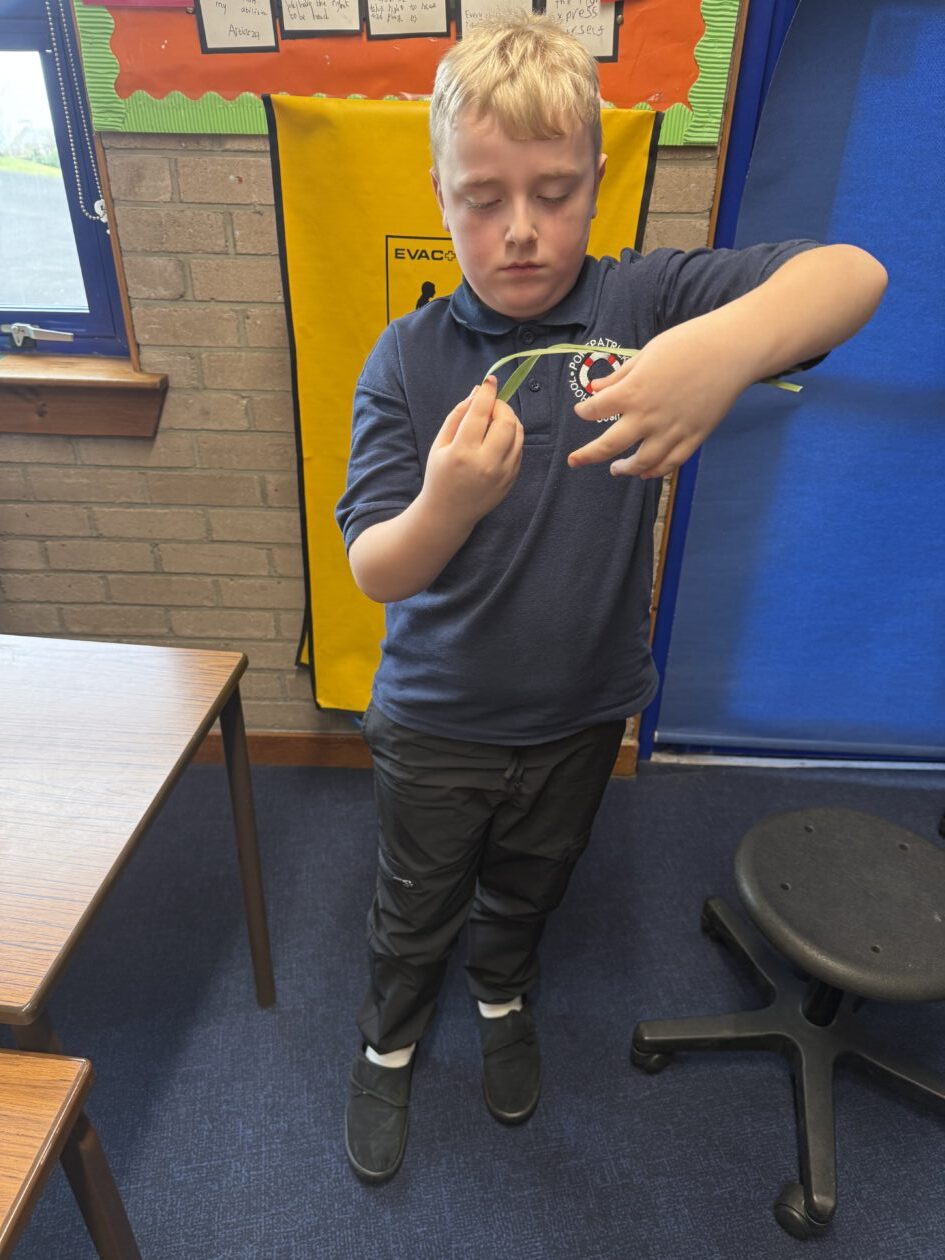
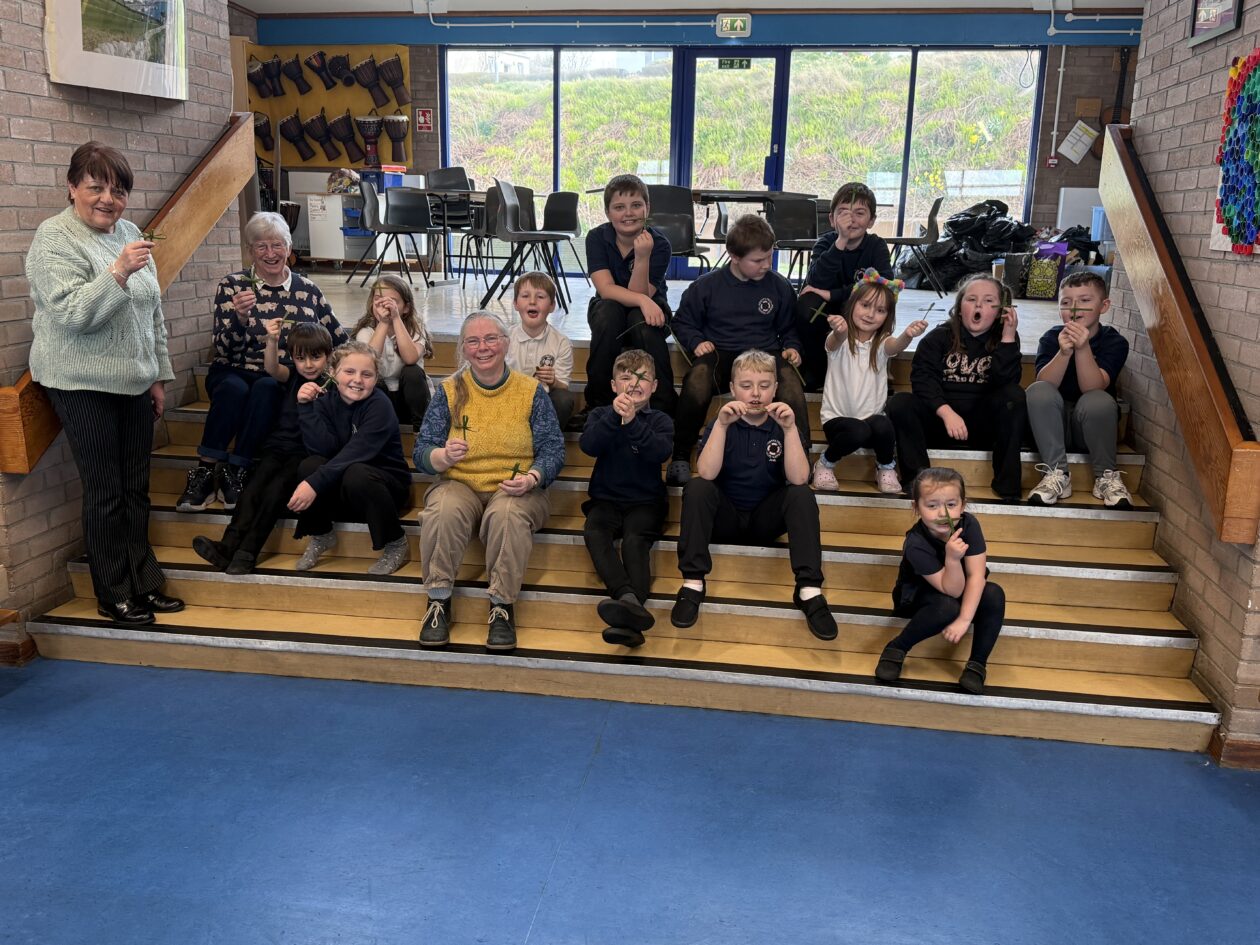
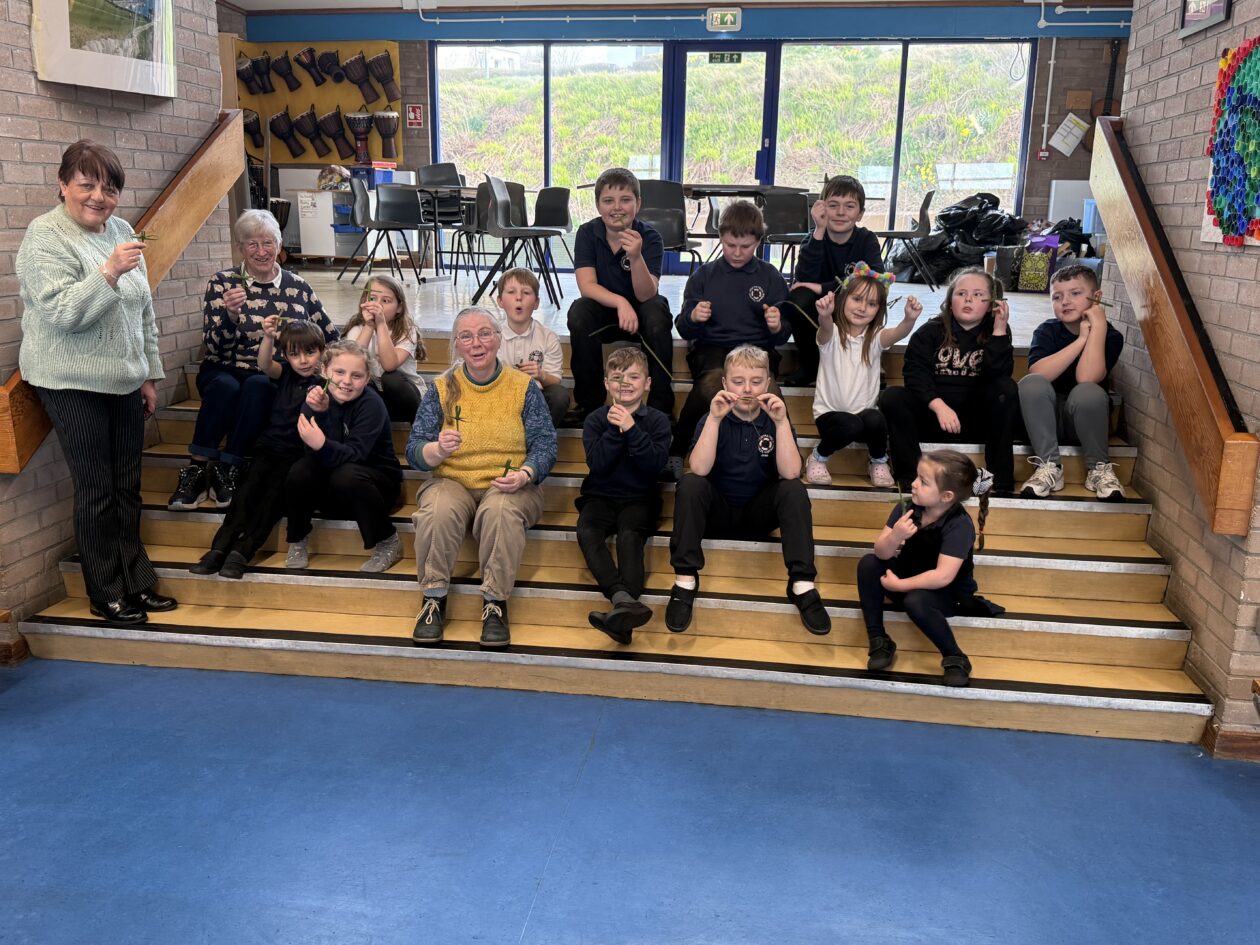
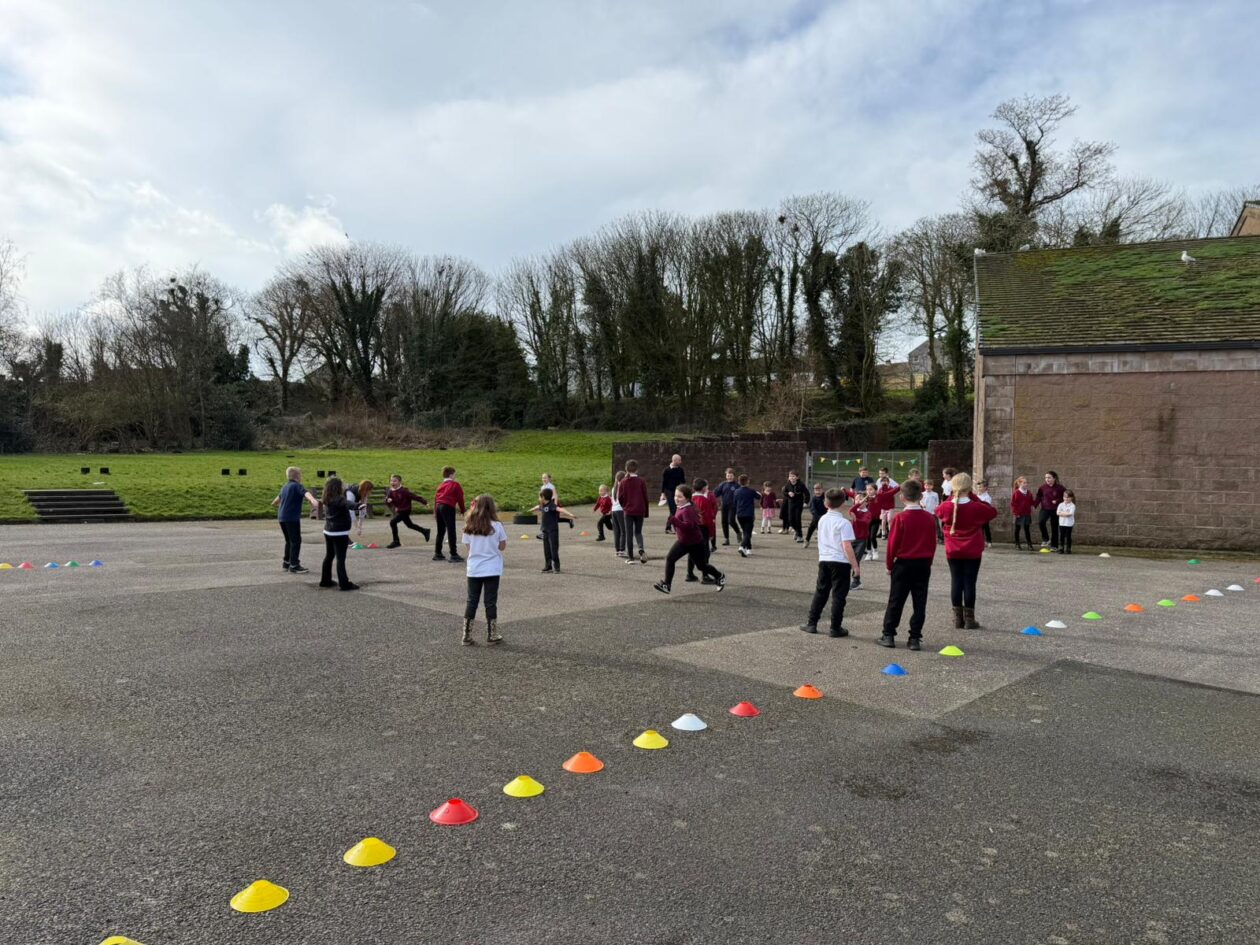
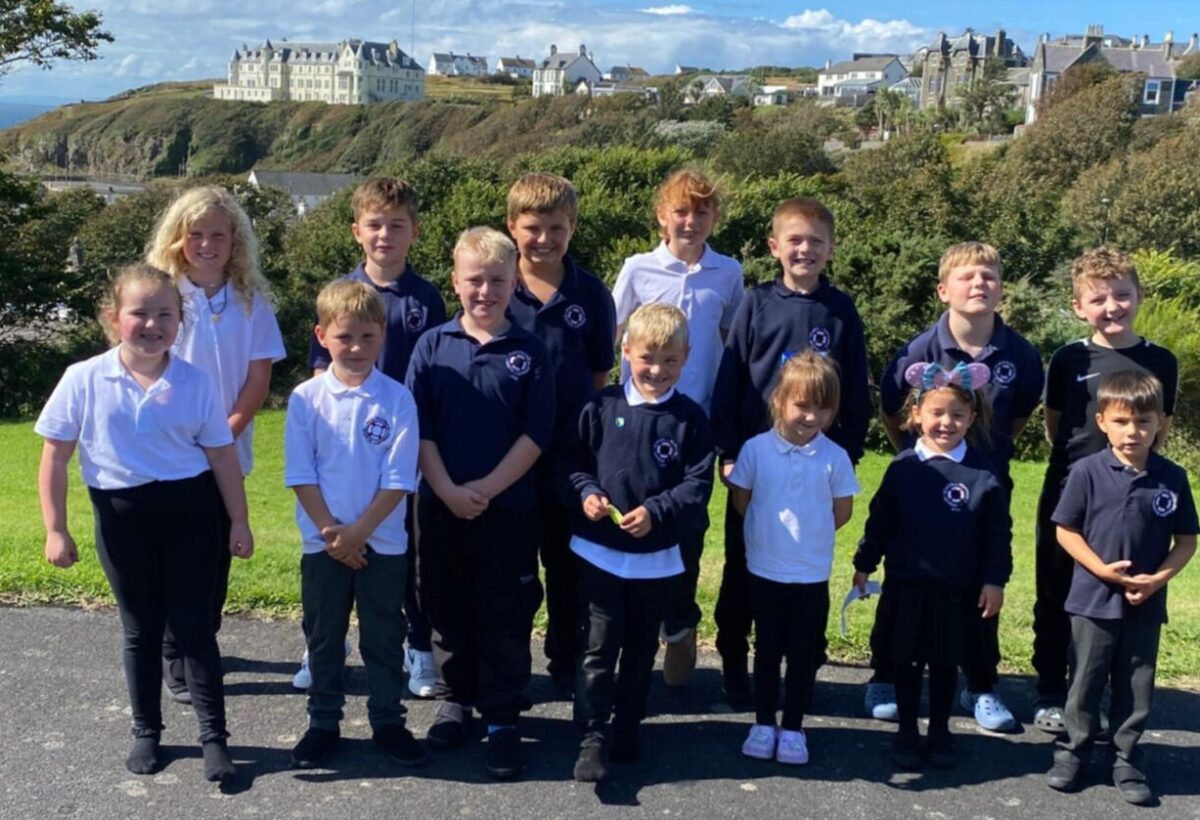
This week, Portpatrick Primary welcomed a Fire Safety Officer to speak with pupils from Primary 1 to 7 about how to stay safe on Bonfire Night and around fire.

The session helped everyone learn about the importance of fire safety β€” from handling sparklers carefully to making smart choices about what can safely be burned. Pupils were amazed to discover just how hot sparklers can get, and how quickly accidents can happen if we don’t take care.

We also discussed the impact of fires on the environment, and how burning the wrong materials can release harmful smoke and chemicals into the air. The Fire Safety Officer gave pupils practical advice on how to keep themselves, others, and the planet safe during Bonfire Night celebrations.

Everyone listened carefully, asked thoughtful questions, and showed great understanding of how to celebrate responsibly. A big thank you to our visitor for sharing such important safety messages with us all!


πŸš’ Links to Learning

UNCRC Rights Articles

  • Article 6: Every child has the right to life and to be kept safe.
  • Article 24: Children have the right to a clean and safe environment.
  • Article 29: Education should help children learn how to protect themselves and others.

Metaskills Developed

  • Critical Thinking: Understanding cause and effect when learning about fire and safety.
  • Self-management: Making safe, responsible choices during celebrations.
  • Curiosity: Asking thoughtful questions about how to protect ourselves and the environment.
  • Integrity: Showing care and respect for others and the world around us.

UN Global Goals

  • Goal 3: Good Health and Wellbeing – keeping ourselves and our communities safe.
  • Goal 13: Climate Action – understanding how our actions affect the environment.
  • Goal 15: Life on Land – protecting nature by making safe, eco-friendly choices.

πŸŽƒ Halloween Fun at Portpatrick Primary! πŸ‘»

Portpatrick Primary was full of spooky excitement last week as pupils from across the school came together for our Halloween Party! Everyone dressed up in their most creative costumes and joined in with a whole host of frightfully fun games and activities.

The hall was alive with laughter and music as pupils took part in Creepy Corners, racing to find a safe spot before the corner card was picked. Teams worked brilliantly together in Mummy Makers, wrapping up their classmates in toilet roll to create the best mummies in school!

Our talented dancers shone in Disco Devils, with prizes for the best boy and girl showing off their devilishly good moves. The competition was just as fierce in Musical Tombstones, where everyone had to freeze like statues when the music stopped.

Of course, no Halloween celebration would be complete without Dunking for Apples β€” but with a fun twist! Pupils tried to drop forks from their mouths to catch the apples, and there was plenty of laughter (and splashing!) along the way.

We also celebrated some amazing costumes with prizes for the Best Dressed, recognising the creativity and imagination pupils put into their spooky looks!

It was a fantastic afternoon full of fun, teamwork, and Halloween spirit. A big thank you to Ms. Whorlow for getting prizes and components for the games, Kim for decorating the hall (it looked fabulous!) and Mrs. Henry for providing children with treats. The house captains and vice captains organised the games and made sure everyone had a brilliant time!


πŸ•ΈοΈ Links to Learning

UNCRC Rights Articles

  • Article 29: Education should help children develop their talents and abilities to the full.
  • Article 31: Every child has the right to relax, play, and take part in cultural and artistic activities.

Metaskills Developed

  • Creativity: Designing costumes and showing imagination through themed games.
  • Teamwork: Working together in activities like Mummy Makers.
  • Self-management: Following rules, showing fair play, and celebrating others’ success.
  • Resilience: Trying again in games and keeping a positive attitude.

UN Global Goals

  • Goal 3: Good Health and Wellbeing – promoting fun, active play and positive mental health.
  • Goal 4: Quality Education – encouraging creativity, inclusion, and teamwork.
  • Goal 16: Peace, Justice and Strong Institutions – fostering fairness, respect, and community spirit in school life.

Soundbath at Portpatrick Primary

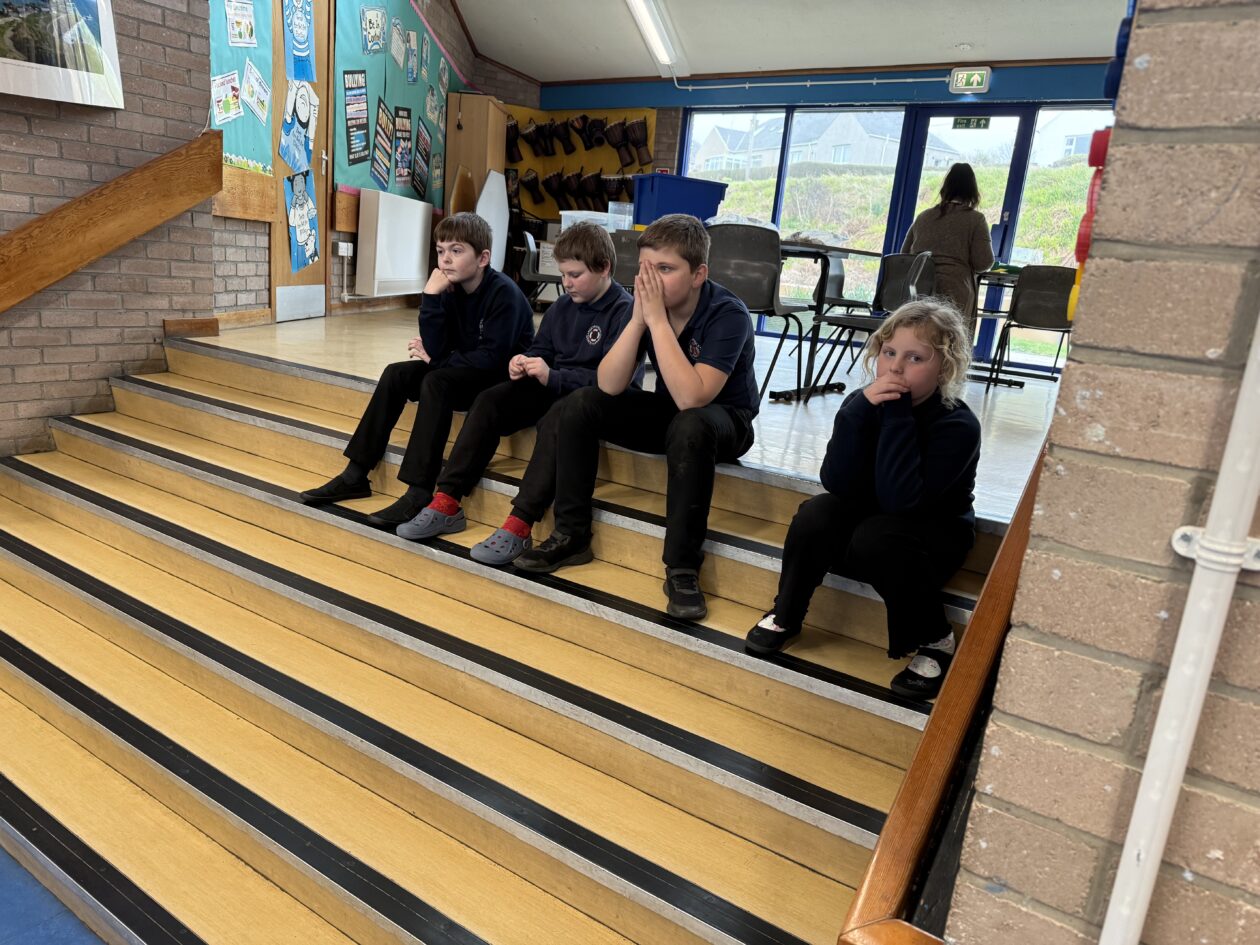
This week, pupils from Primary 1 to 7 at Portpatrick Primary enjoyed a special soundbath experience! The session gave everyone the chance to relax, unwind, and explore the calming power of sound.

The children listened to peaceful tones created by singing bowls, chimes, and gentle percussion instruments. They also had the opportunity to play some of the instruments themselves, experimenting with rhythm and vibration to make their own soothing sounds.

It was wonderful to see everyone so engaged β€” some pupils stretched out quietly to relax, while others loved discovering how different instruments could create unique tones. The soundbath was a lovely way to bring mindfulness and creativity together, leaving us all feeling calm and refreshed.

A huge thank you to everyone who took part and helped make it such a peaceful and memorable experience!


Links to Learning

UNCRC Rights Articles

  • Article 29: Education should help children develop their talents and abilities to the full.
  • Article 31: Every child has the right to relax, play, and take part in cultural and artistic activities.

Metaskills Developed

  • Curiosity: Exploring different sounds and discovering how they make us feel.
  • Creativity: Using instruments to create original and calming soundscapes.
  • Self-management: Learning how to relax, focus, and take care of our wellbeing.

UN Global Goals

  • Goal 3: Good Health and Wellbeing – supporting mindfulness and emotional wellbeing.
  • Goal 4: Quality Education – learning in creative and inclusive ways.

Making Healthy Choices: Learning from Food Labels

This week, our class explored how to make healthier snack choices by learning to read food labels carefully. We focused on understanding the traffic light system that appears on many food packages β€” those little red, amber, and green circles that tell us about the amount of fat, sugar, and salt in our food.

The children brought in their usual break-time snacks and investigated what was really inside them! Using the labels, they checked for:

  • Red – high amounts (less healthy choices)
  • Amber – medium amounts (okay sometimes)
  • Green – low amounts (healthier choices)

They looked especially closely at salt and sugar content, discussing how too much of these can affect our health. It was brilliant to see the children comparing items, asking thoughtful questions, and deciding whether their snack was a healthy choice or one they might swap next time.

This activity wasn’t just about food β€” it was about making informed decisions. The children practised critical thinking, self-awareness, and problem solving, which are key metaskills for lifelong learning. They learned that every choice we make can affect our health and wellbeing, helping them to become responsible citizens.

We also linked our learning to the United Nations Sustainable Development Goals (SDGs):

  • SDG 3 – Good Health and Wellbeing: understanding how healthy eating supports a healthy life.
  • SDG 12 – Responsible Consumption and Production: thinking carefully about what we buy and eat, and reducing waste.

Our discussions also connected with the United Nations Convention on the Rights of the Child (UNCRC):

  • Article 24 – The right to good health, nutritious food, and a clean environment.
    Through this activity, pupils learned that they have the right to access healthy food and the knowledge to make choices that support their wellbeing.

By the end of the lesson, pupils proudly shared which snacks were the healthiest and which could be improved. Most importantly, they left the classroom empowered to read labels, ask questions, and make smarter choices for themselves and their families.

Sorry a few of the videos never uploaded to Blogs so I can send through dojo πŸ™‚ Thanks for watching

🎡 Lighthouse Musicians Light Up Our Learning!

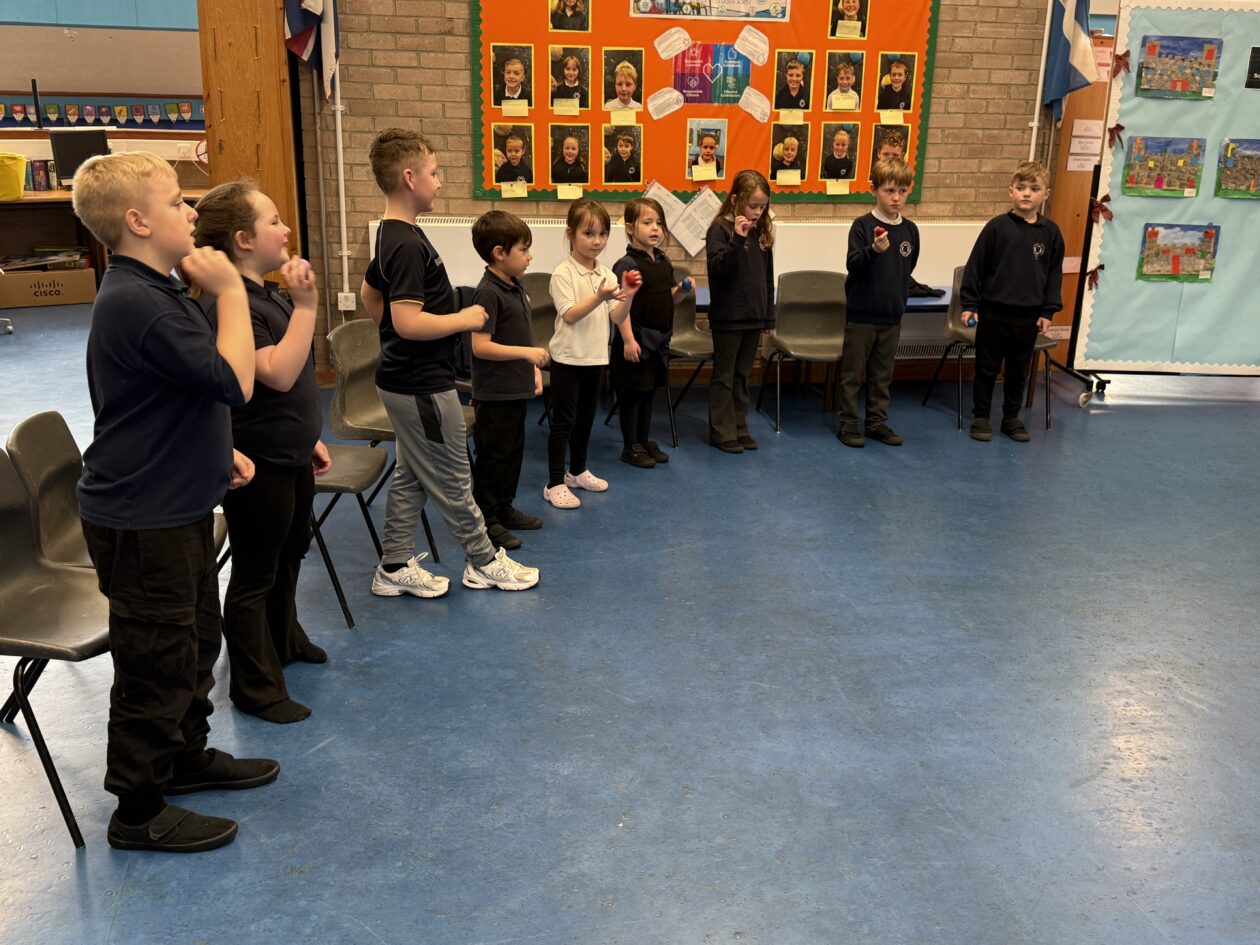
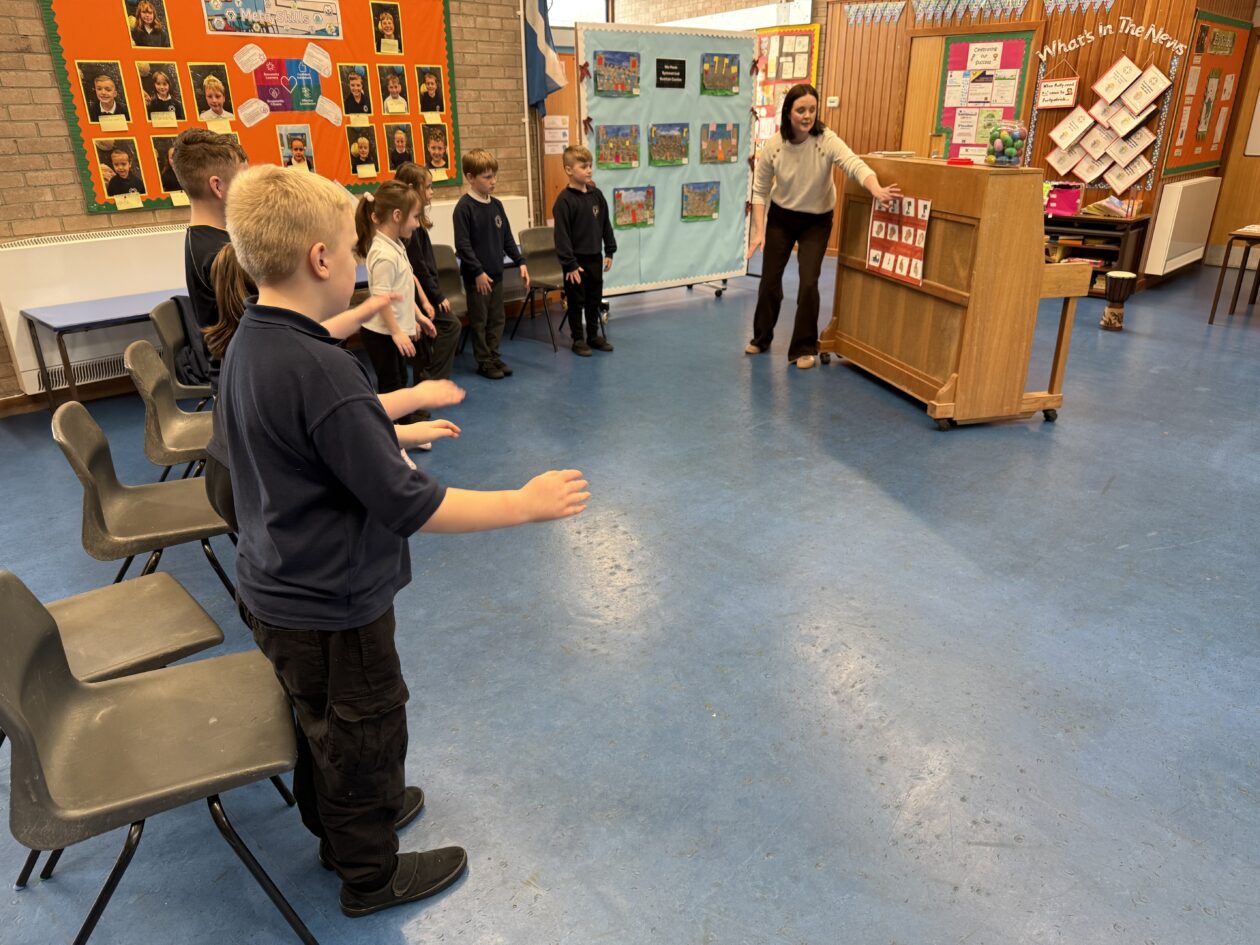
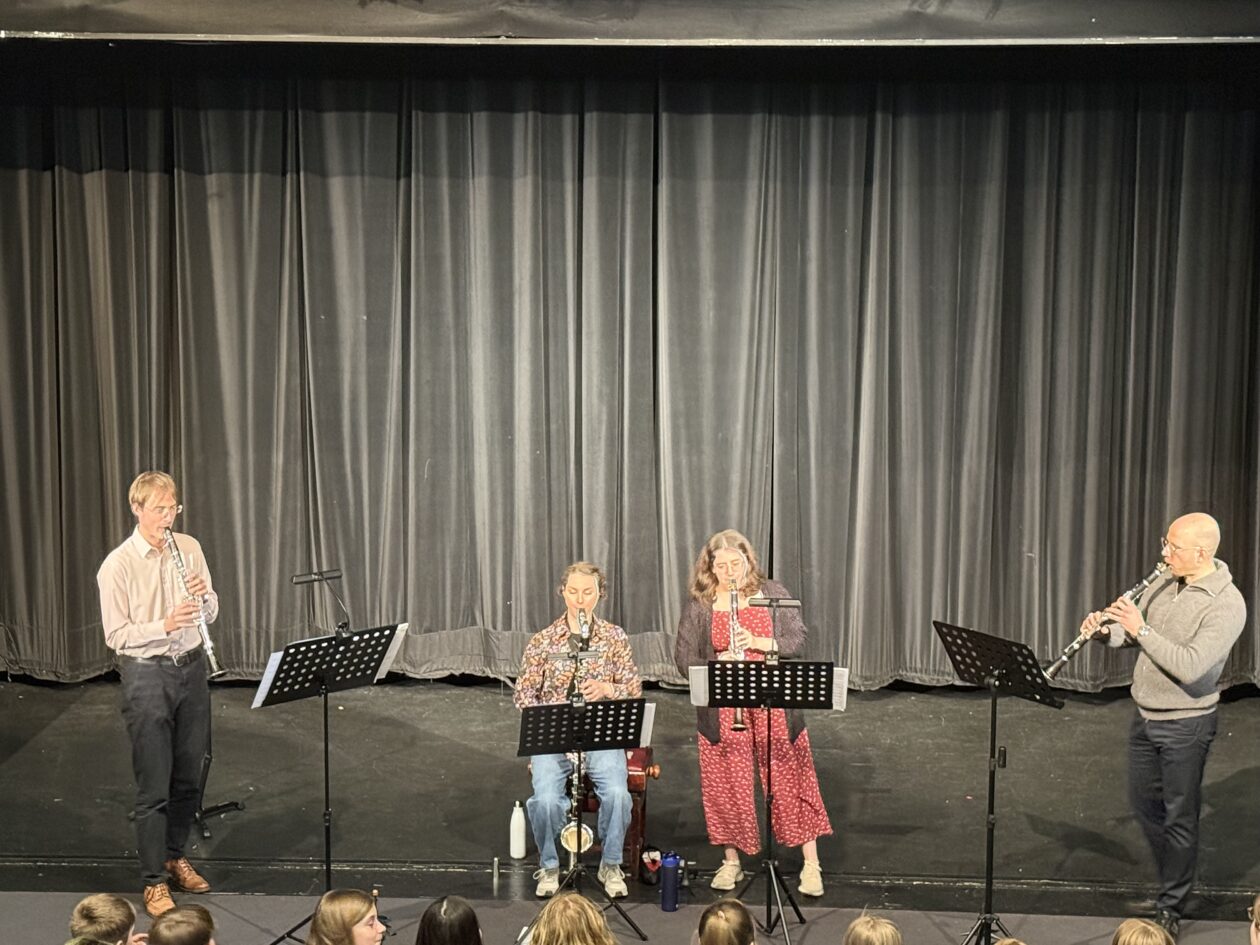
This term, we were thrilled to welcome the Lighthouse Musicians into Portpatrick Primary School to work with our Primary 1–4 pupils. The children had a fantastic time learning all about music, rhythm, and dance through fun, hands-on sessions.

During the workshops, the children discovered how to keep a steady beat and learned about different musical notes, including crotchets (one beat) and quavers (half a beat). They also explored lively Scottish jigs and dances, moving, clapping, and playing along to the music with great enthusiasm!

The Lighthouse Musicians helped everyone see that music isn’t just about sound β€” it’s about teamwork, listening, creativity, and joy. The sessions encouraged pupils to express themselves, develop coordination, and build confidence while learning new skills.

This wonderful experience links to our MetaSkills focus on creativity, communication, and collaboration, as well as the United Nations Global Goals for Quality Education (Goal 4) and Good Health and Wellbeing (Goal 3). It also connects to our UNCRC Rights, especially Article 29 – the right to develop talents and abilities, and Article 31 – the right to relax, play, and take part in cultural and artistic activities.

A huge thank you to the Lighthouse Musicians for bringing music to life in our school β€” you certainly struck the right note with us! 🎢✨

πŸ’™ DG9 Foundation Visit – Learning to Save a Life!

This week, we were delighted to welcome the DG9 Foundation into Portpatrick Primary School for a special CPR learning session. The team helped us understand how important it is to know what to do in an emergency β€” and how anyone, even children, can make a difference and help save a life.

During the workshop, pupils learned about the DRS ABCs, an easy way to remember the steps to take if someone needs help:

  • D – Check for Danger
  • R – Check for a Response
  • S – Shout for help
  • A – Open the Airway
  • B – Check for Breathing
  • C – Start CPR if needed

Everyone enjoyed practising chest compressions on the CPR manikins and talking about how staying calm and acting quickly can really help someone in trouble.

This hands-on learning links closely to our MetaSkills focus on self-management, empathy, and communication, and supports the United Nations Global Goals for Good Health and Wellbeing (Goal 3). It also helps us uphold our UNCRC Rights, particularly Article 6 – the right to life, and Article 24 – the right to good health and education.

A big thank you to the DG9 Foundation for teaching us such an important life skill β€” and inspiring us all to be confident first aiders! πŸ’ͺ❀️

Blast Off! Our Class Rocket Learning πŸš€

This week our classroom was buzzing with excitement as we explored how rockets work. We began by learning about the science of thrust – the force that pushes rockets up into the sky. The children discovered that rockets need fuel, and that when gases are released quickly, they create the power to make a rocket move.

To bring this to life, everyone had the chance to design and launch their very own rocket. Using plastic tubes, bicarbonate of soda, and vinegar, the children worked carefully to measure, mix, and prepare their rocket fuel. With great anticipation, we counted down, stepped back, and watched as the rockets went WHOOSH! into the air. There were lots of cheers and even more curiosity about why some rockets went higher than others.

This hands-on experiment was a brilliant way to blend science, creativity, and teamwork. The children not only developed their understanding of forces but also their confidence in trying new ideas, testing, and problem solving.

We can’t wait to see what our young scientists will explore next!


Links to Learning

  • UNCRC Article 28 – Every child has the right to an education.
  • UNCRC Article 29 – Education should develop every child’s talents and abilities.
  • SDG 4: Quality Education – Ensuring inclusive and equitable quality education and lifelong learning opportunities.
  • Metaskills: Curiosity (asking questions, exploring how things work), Collaboration (working together safely), Problem Solving (testing, adapting and improving designs), Creativity (designing their own rockets).

Our Visit to Tongland Power Station

Today our class went on a trip to Tongland Power Station, near Kirkcudbright. It was amazing to see how electricity is made using water from the River Dee.

When we arrived, the staff welcomed us and explained that Tongland is a hydro-electric power station. That means it uses the energy of moving water to turn turbines, which then make electricity. We were surprised at how powerful the rushing water sounded!

We learned that Tongland has been producing clean energy for almost 100 years. Instead of burning coal or gas, it uses a renewable source – water – which helps to protect the planet.

Walking around the station, we saw big machines, control panels, and even the river flowing into the dam. The engineers told us about their jobs and how important it is to keep everything running safely.
The trip made us think about how much we rely on electricity every day – for lights, computers, cooking, and even charging our phones. It also made us realise we need to use energy wisely.

What we learned connects to:

MetaSkills

  • Curiosity: We asked lots of questions about how electricity is made.
  • Creativity: We imagined new ways to save and use energy.
  • Collaboration: We worked together in groups to take notes and share ideas.
UNCRC Rights

  • Article 12: We had the right to share our views and ask questions.
  • Article 24: We have the right to a safe and healthy environment, which renewable energy supports.
  • Article 29: Education should help us learn how to care for our world.

Sustainable Development Goals (SDGs)

  • SDG 7 – Affordable and Clean Energy: Tongland produces renewable electricity.
  • SDG 13 – Climate Action: Hydro power helps reduce climate change.
  • SDG 15 – Life on Land: Using clean energy helps protect animals, plants, and nature.

Delicious Treats for Our School Fundraiser Coffee Morning!

Our school fundraiser coffee morning was made even sweeter thanks to the hard work of our Primary 5 and Primary 1 to Primary 4 students!

Primary 5 took the lead in making buttery, crumbly shortbread. They practiced important skills like measuring ingredients carefully, mixing the dough, and baking it to golden perfection. Their teamwork and focus really paid off β€” the shortbread smelled and tasted amazing!

Meanwhile, our younger friends from Primary 1 to Primary 4 got busy making colourful, chocolatey rocky road. They measured, mixed, and stirred all the yummy ingredients like marshmallows, biscuits, and chocolate. Everyone worked together cooperatively, sharing tasks and encouraging each other.

Both groups helped prepare these tasty treats to sell at the coffee morning, raising funds for our school. It was wonderful to see children of all ages learning practical skills, working as a team, and having fun while helping a great cause.

Thank you to all the students, teachers, and families who supported the event β€” together we made it a huge success raising Β£761!

UNCRC Articles related to the baking and fundraiser

  • Article 12: Children have the right to express their views and be listened to.
    β€” Children planned and worked together, sharing ideas and cooperating during the baking activities.
  • Article 28: Every child has the right to education.
    β€” Learning new skills like measuring, mixing, and baking is part of their education.
  • Article 29: Education should develop every child’s talents and abilities.
    β€” Through cooking and teamwork, children develop practical skills and confidence.
  • Article 31: Every child has the right to relax, play, and take part in cultural and artistic activities.
    β€” Baking and cooperating with friends is a fun and creative activity that supports well-being.

Global Goals (Sustainable Development Goals) related to the baking and fundraiser

  • Goal 4: Quality Education
    β€” The children are developing important life skills and working collaboratively, which supports quality learning.
  • Goal 8: Decent Work and Economic Growth
    β€” The fundraiser teaches children about contributing to their community and supporting local causes.
  • Goal 10: Reduced Inequalities
    β€” The fundraiser helps build a sense of community and supports equal opportunities for all children.
  • Goal 17: Partnerships for the Goals
    β€” The activity shows how working togetherβ€”students, teachers, and familiesβ€”can achieve great things.

P1 transition day

We welcomed the new P1s to our school for Transition Day!

We were so excited to welcome our newest friends from nursery to our school for Transition Day! It was a special day designed to help the little ones feel comfortable and happy as they get ready to start their school journey.

During the visit, the P1 children explored our classrooms, met their new teachers, and made new friends. They enjoyed fun activities like storytime, arts and crafts, and playing games together. It was wonderful to see their big smiles and hear their laughter!

Our older students helped by showing them around and sharing tips on how to have fun and learn at school. Transition Day is all about making new children feel welcome and confident, and we can’t wait to see them all again when they start officially.

Welcome to our school Kaiden and Arya!

UNCRC Articles related to Transition Day

  • Article 28: Every child has the right to an education.
    β€” Transition Day supports children’s right to start school and access quality education.
  • Article 12: Children have the right to express their views and be listened to.
    β€” The P1 children are encouraged to share their feelings and ask questions about their new school.
  • Article 29: Education should develop every child’s personality, talents, and abilities.
    β€” The activities on Transition Day help children discover new skills and build confidence.
  • Article 31: Every child has the right to relax, play, and take part in cultural and artistic activities.
    β€” Fun activities like games and crafts make learning enjoyable and support children’s well-being.

Global Goals (Sustainable Development Goals) related to Transition Day

  • Goal 4: Quality Education
    β€” Transition Day promotes inclusive, equitable quality education and supports lifelong learning opportunities for all children.
  • Goal 3: Good Health and Well-being
    β€” Helping children feel safe and happy during transition supports their mental and emotional well-being.
  • Goal 10: Reduced Inequalities
    β€” Providing all children with the chance to get ready for school helps reduce barriers and inequalities.
  • Goal 16: Peace, Justice, and Strong Institutions
    β€” Creating a welcoming and supportive school environment builds peaceful, inclusive communities.
Report a Glow concern
Cookie policy  Privacy policy