Category: cyber primary theme

Bongles Text image

Exploring early level Cyber Resilience with The Bongles and the Crafty Crows.

The Digital Team and The Bongles have joined forces in partnership with Cyber Scotland, Cyber Aware and the Scottish Book Trust to introduce younger learners to develop understanding of cyber awareness at early level, through the publication of the new Bongles book ‘The Bongles and the Crafty Crows‘, produced by Edinburgh based Story Learning Ltd.

Who are the Bongles?

The Bongles are a group of monster friends who live on a paradise-like planet.

They reuse and repurpose items that wash up onto their planet’s pristine shore and turn trash into treasure.

The rhyming stories are full of slapstick and silly humour, which both children and adults alike will find funny. The quirky and whimsical watercolour illustrations are sure to capture the attention of young readers.

The Bongles and The Crafty Crows – The newest book in the series helps children to learn about cyber resilience in a fun-filled way.

Story Summary

Three wooden crates wash up onto the shores of Bongle Island.

The Bongles really want to keep this new found treasure safe from the crafty crows.

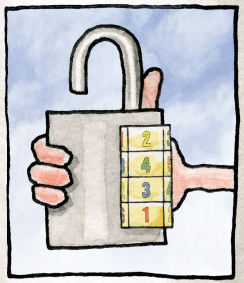
Will the crows outsmart the Bongles’ padlocks and passcodes?

Will the crows take the crates full of treasure and keep it all for themselves?
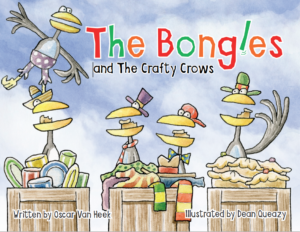
The Bongles and the Crafty Crows‘ story book was included in the P1 Bookbug Family bags for every primary one child in Scotland in 2023/24!

There is also a variety of practitioner-created learning and teaching resources to accompany the story, a downloadable PDF of the book and an animation on the Bongles website  and links to recordings of previous educator information sessions and children’s ‘read alongs’ at the bottom of this page.

You will also engage with this story in the 3-part series of early level Cyber Resilience and Internet Safety webinars, This is early level Digital – CRIS and through various cyber events throughout the year, which will be advertised here, on the blog.

Upcoming read alongs for children and webinars for educators in 2025/2026:

Book Week Scotland:

OCTOBER – All About The Bongles – Preparing for Book Week Scotland – DigiLearn

NOVEMBER The Bongles – Children’s Read Along Book Week Scotland – DigiLearn

NOVEMBER The Bongles – Children’s ASN Read Along – DigiLearn

NOVEMBER Na Bongles agus na Starragan Carach – Leughadh Còmhla FTMG

Cyber Scotland Week:

MARCH Na Bongles agus na Starragan Carach – Leughadh Còmhla FTMG

MARCH The Bongles – Children’s ASN Read Along – DigiLearn


The Bongles and The Crafty Crows articles and related links:

Early level learners paving the way for a cyber secure nation (linkedin.com)

Teaching Children Cyber Security Skills Is An Investment In Our Future – TeachingTimes

CyberScotland Week – Cyber Scotland 

Three random words – NCSC.GOV.UK 

The Bongles and the Crafty Crows Campaign Report November 2023

Previous webinar and read along recordings:

YouTube player


YouTube player
YouTube player

internet safety

What is Internet Safety?

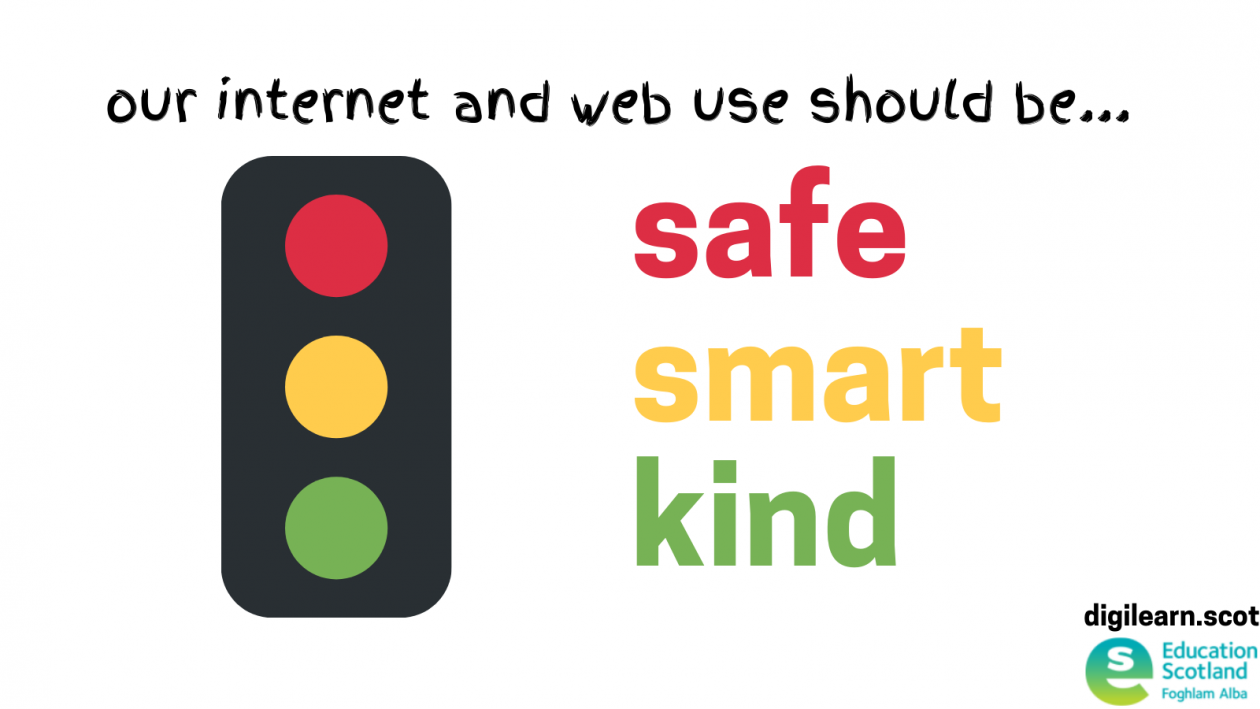
traffic light graphic for safe smart kind internet use
Share what internet safety looks like in your setting Please fill out this form

The Scottish Government (2017) states: “Every child and young person has an age appropriate and evolving understanding of the opportunities and risks which exist in the online world.”

This is defined within these outcomes:

  • Children and young people are aware of their rights and responsibilities in the online world
  • Children and young people are resilient and are equipped to help themselves and their peers
  • Children and young people are able to identify when they, or their peers, are at risk, and know what to do if they spot something

Internet safety deals with events and issues that are cyber enabled – that means it can be an issue online and offline. Cyber enabled issues include viewing inappropriate content, sharing images and videos, and harmful communication, such as cyberbullying and grooming.

Dealing with internet safety requires support with behaviours and understanding the needs that drive those behaviours, more than the use of an internet-connected device. When using the internet we want our children and young people to be safe, smart and kind.

Have you tried these free internet safety resources?

Examples of prior games learning from Scottish schools

Examples of learning from previous games live lessons back to Making Games A primary teacher from Rowantree Primary School in Dundee shared this with us:… Read more

Into Film support for YGD

Into Film support for BAFTA YGD back to Making Games We have partnered with Into Film again to support educators with YGD participation.  Game Making… Read more

About BAFTA Young Games Designer competition

More about the BAFTA Young Games Designer competition back to Making Games YGD is “a chance for 10–18-year-olds to design, develop and present new game… Read more

BAFTA Young games designer competition
Making Games: BAFTA Young Games Designer competition 2026

Education Scotland is keen to support as many children and young people participate in playing and making games as possible. We are excited to work… Read more

TEaching information and media literacy - part of finding and checking information
Evaluating your own practice (educators) – finding and checking information

Assessing your own practice  It is important to not only develop effective information literacy skills but also to assess how these can impact our own… Read more

Evaluating information - part of finding and checking information
Evaluating information – finding and checking information

Evaluating information sources  Here are a couple of ways children and young people can evaluate sources:  Look for clues: Author (are they trustworthy?), Date (is the information still current?), Purpose (does… Read more

Upcoming CRIS Webinars

what makes an engaging cris lesson?

3. What Makes an Engaging CRIS Lesson?

“Ensuring the elements of effective teaching are present – for
example clear explanations, scaffolding and feedback – is more
important than how or when they are provided.” Education Endowment Foundation (2020)


A good lesson is a good lesson, regardless of curricular area. HGIOS (4th edition) makes clear that high engaging learning, quality teaching and effective assessment, will improve educational outcomes for all learners.

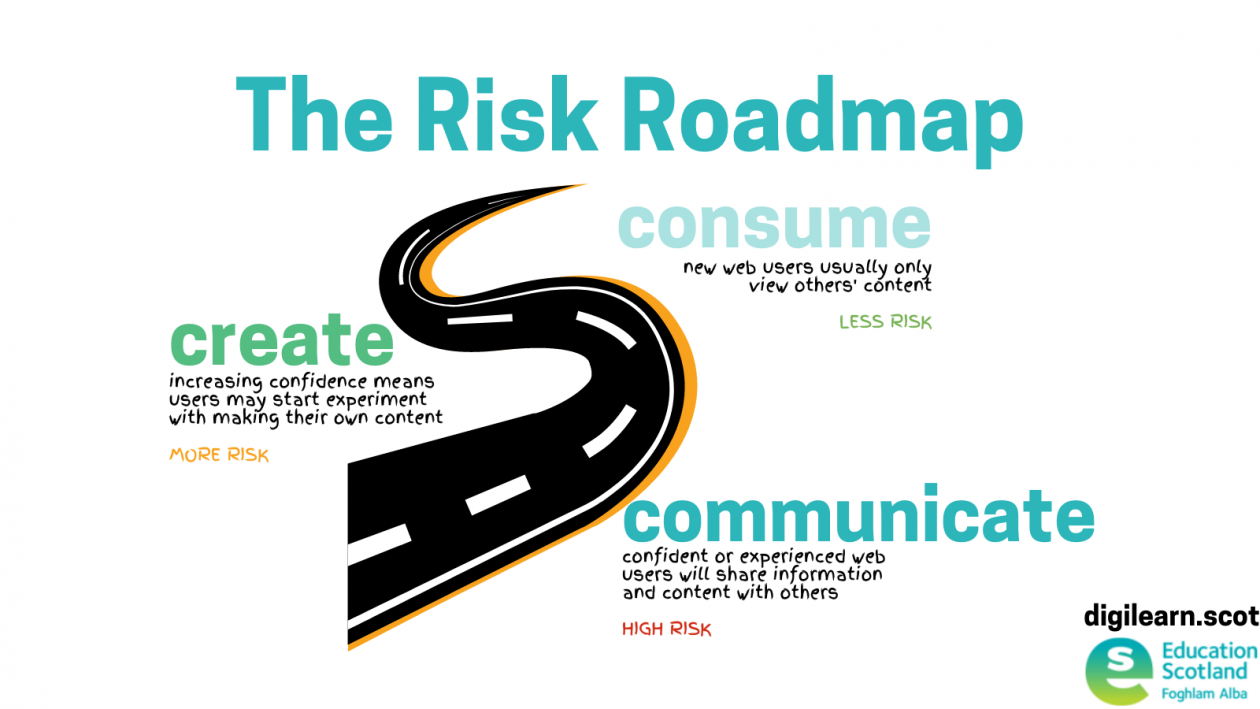
road graphic showing progress from consuming content to creating then communicating it

As with any other area of the curriculum, in CRIS learning the context should be meaningful and relevant to the leaders – for many children and young people the internet and web are routine aspects of their lives already. Therefore, learners should be given the opportunity to share what they already know about the internet and web and the educators can use effective questioning and engaging activities to spark the learners curiosity about CRIS even further.

As educators we may need to develop our own knowledge and understanding of CRIS in order to support and challenge our learners’ thinking, and to make the contexts relevant and meaningful.

Finally, assessing the learners’ progress is vital to identify next steps and improve their educational outcomes. There is certainly scope to use formative assessment as learners learn, summative quizzes to check their knowledge and understanding recall but also to assess their ability to apply their learning in new contexts, such as with new apps, devices or curricular areas.

This lessons explains what the internet and world wide web are, with opportunities for learners to engager with research, share opinions and apply their learning.

cyber resilience

What is Cyber Resilience?

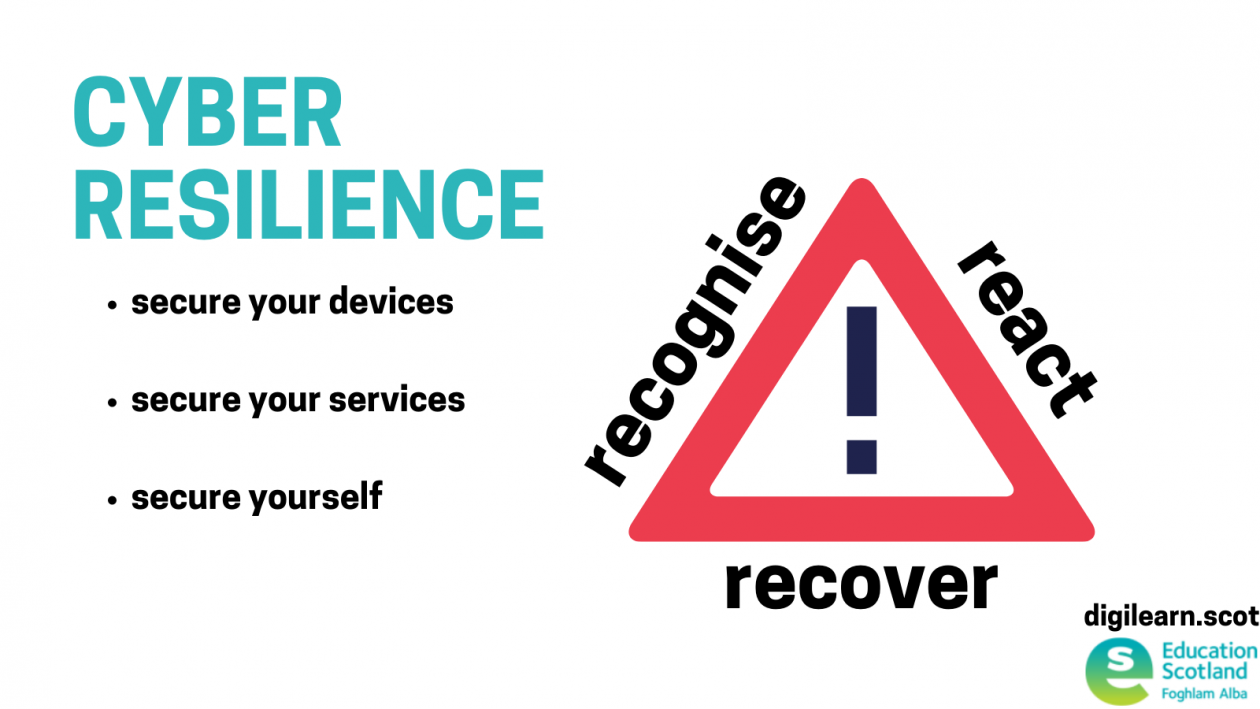
cyber resilience. recognise react recover

Share what cyber resilience looks like in your setting Please fill out this form

The Scottish Government (2015) states that: “Cyber resilience is being able to prepare for, withstand, rapidly recover and learn from deliberate attacks or accidental events in the online world. Cyber security is a key element of being resilient, but cyber resilient people and organisations recognise that being safe online goes far beyond just technical measures. By building understanding of cyber risks and threats, they are able to take the appropriate measures to stay safe and get the most from being online.”

Cyber resilience deals with events and issues that are cyber dependent – that means it can only be an issue when an internet-connected device is involved. Cyber dependent issues include hacking, phishing scams and malware, such as ransomware.

In order to deal with cyber threats and to become more cyber resilient it is important we support learners to make their devices and platforms as safe and secure as possible – this includes steps such as setting passwords and two-factor authentication (2FA).

Cyber Advice

Passwords and 2FA

Cyber threats

national cyber security centre

Supporting Financial Education

In the UK, we spend more money online per capita than any other nation. So, if our learners are spending money online – how are you supporting them to be as safe and secure as possible? What threats are they likely to face when spending money online?

your money matters textbook

Your Money Matters is a FREE financial education textbook for Scottish schools – chapter 6 looks at cyber resilience in financial education.

cyber resilience in financial education

This page has more cyber resilience in financial education, as well as other numeracy and mathematics contexts.

Barefoot Computing Resources

These lessons plans with activities were created by Barefoot Computing. They are free to access from Barefoot Computing and link to CfE.

You’re the Cyber Security Expert

The Phisherman Game

You’re the Jury

Code Cracking


Upcoming CRIS Webinars