Managing Carbon on the A9: How Road Projects Can be Eco-Friendly
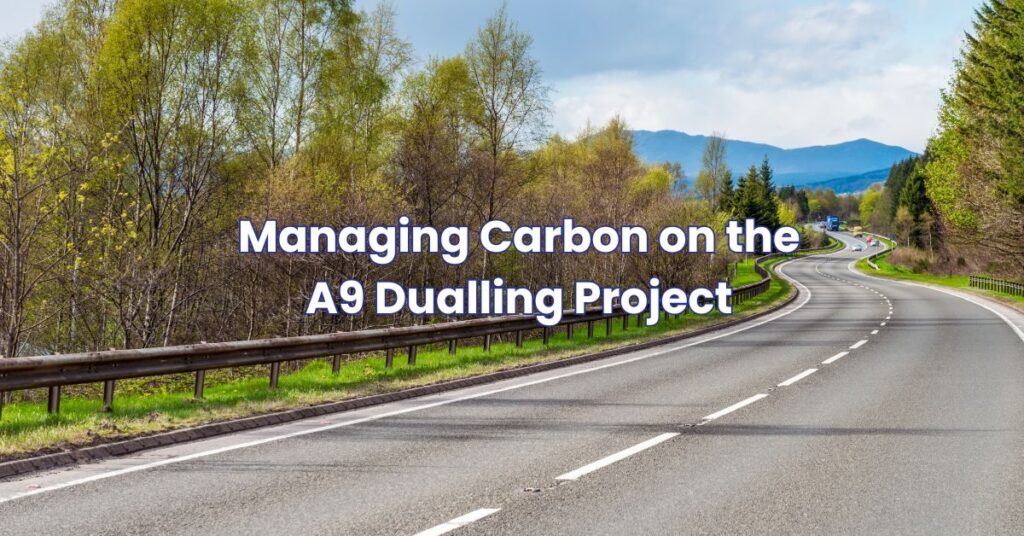
If you travel along the A9 in Scotland, you’ll see mountains, forests and wide open spaces. But did you know that a lot of planning goes into improving the road while protecting nature?
A big part of this is called carbon management. This means keeping track of how much carbon (also known as CO2) a project creates and finding ways to reduce it.
What Does Carbon Mean for Road Projects?
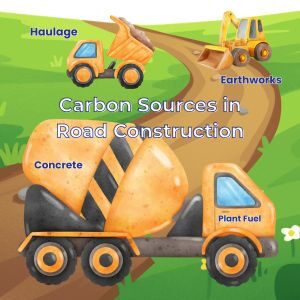
When a road is built or improved, lots of machines and materials are used. Diggers move soil, trucks carry materials, and workers use things like concrete and asphalt. All of this needs energy, and using energy creates carbon emissions.
These emissions can harm our planet by warming the climate. That’s why teams working on the A9 try to do their jobs while creating as little carbon as possible.
One of the best ways to reduce carbon is to reuse materials or use “low carbon” materials. On the A9, teams often reuse parts of the old road instead of bringing in new materials.
This means:
- less waste
- less energy used to make new materials
When new materials are needed, they try to choose ones that create less carbon when they are made.
Planning with Nature in Mind
Before any building starts, people carefully study the area. They look at the land, the materials they will use, and the machines they will need.
Then people called “Carbon Consultants” use special tools to work out how much carbon the project might create.
Once they know this, they try to lower it. For example, they:
- choose better materials
- get supplies from nearby
- protect the natural environment

Reducing Travel on Site
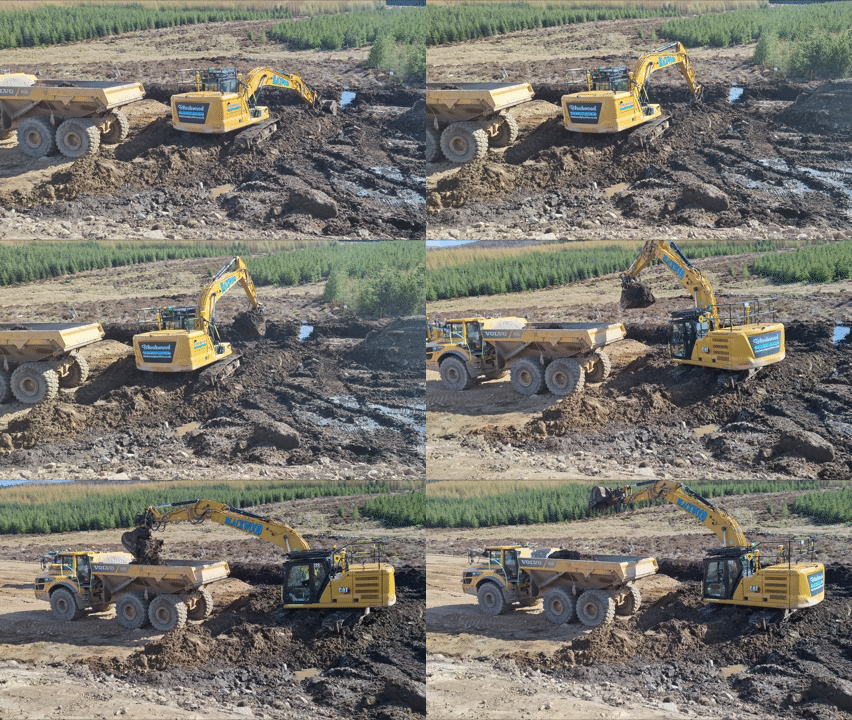
Moving heavy materials long distances uses a lot of fuel.
To reduce this, teams try to use materials from nearby.
This is called sourcing locally. For example, if stone or soil can be taken from the site itself, there is no need to transport it from far away.
This helps lower carbon emissions and saves time too!
Protecting Nature Along the Route
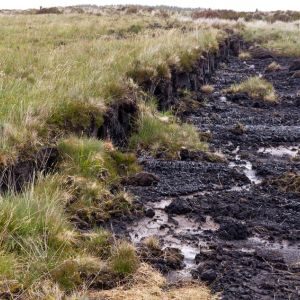
The A9 passes through areas full of wildlife, including forests and peatland.
Peatland is very important because it stores large amounts of carbon underground.
If it is damaged, that carbon is released into the air. To prevent this, the project:
- avoids these areas
- restores habitats
- plants new trees and plants
- protects animals and water systems
Building for the Future
Carbon management doesn’t stop when the road is finished. If a road lasts longer and needs fewer repairs, it creates less carbon over time. That’s why we design roads to be strong and long-lasting.
Why This Work Matters
The A9 is an important road for travel, tourism and everyday life in Scotland. By managing carbon, the project helps protect the beautiful landscapes around it and reduces harm to the planet. It shows that we can build important things while still caring for the environment.
And who knows?
Young people learning about carbon today might grow up to design greener roads in the future!