Any concerns around Child Protection should be brought immediately to the attention of the Child Protection Co-ordinator. In Saint Margaret’s High School, this is Mr Paul Higgins DHT or Mrs Lorraine Williamson DHT.

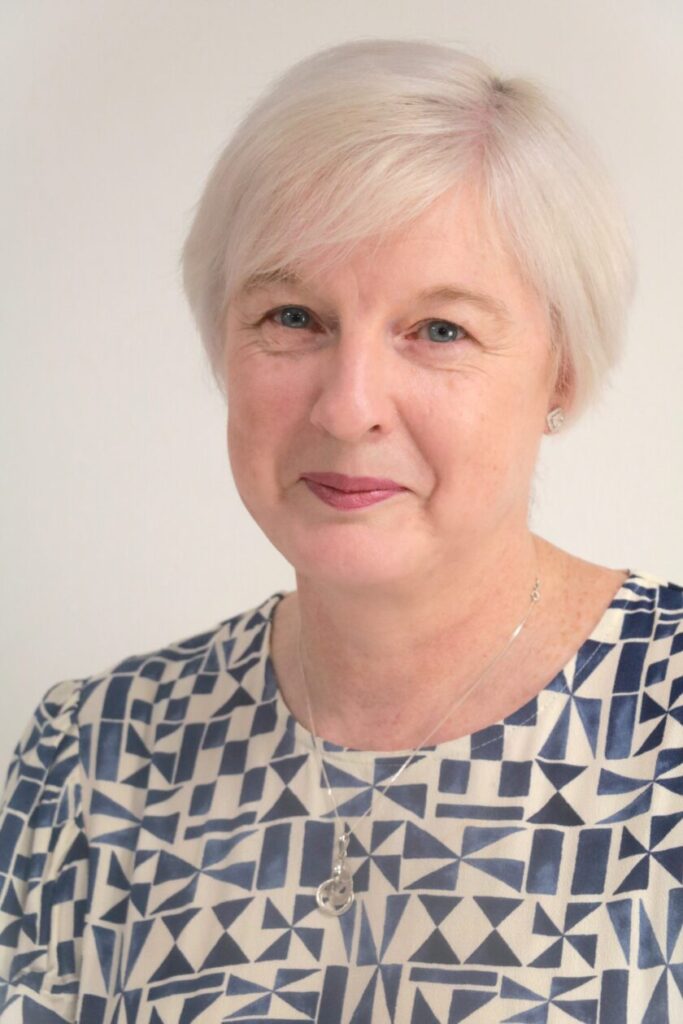
In the Child Protection Co-ordinator’s absence, all concerns should be directed to the Head Teacher.
Rationale
All children have a right to be protected from abuse and neglect, therefore child protection is the responsibility of everyone. The shared responsibilities of Education & Families and other agency employees are to protect children from abuse and exploitation, to respond appropriately when abuse is identified and to ensure whenever possible that all children are able to exercise their right to be raised in a warm, stimulating and safe environment with the support of staff, their families and carers. It is the clear responsibility of all those involved in our school to adopt good practice throughout their work.
Aim
The aim of this policy is to provide advice and guidelines for staff in relation to issues of child protection and the health and wellbeing of the children in our school. The main purposes of the policy are:
- to raise staff awareness of the categories of abuse and the indicators which could signify that abuse is taking place
- to identify the roles and responsibilities in the care and protection of our pupils
- to provide guidance and support to staff in carrying out their role and responsibilities in the protection of our pupils
Procedures
- all staff are issued with a copy of the Child Protection Action Guidance Leaflet and receive an annual Child Protection update on August inservice days. A copy is also displayed on the staff noticeboard
- in addition, new staff are also required to complete the ‘Understanding Child Protection Self Learning Pack’ and have this signed off by the Head Teacher
- the procedures outlined in this policy must be followed meticulously at all times and by all staff and should be implemented in conjunction with NLC Child and Adult Protection Procedures and Guidance. A copy of this guidance is available for all stakeholders from the Child Protection Officer.
What is child abuse and neglect?
The Scottish Government’s National Guidance for Child Protection in Scotland (refreshed in 2014) states that abuse and neglect are forms of maltreatment of a child. Somebody may abuse or neglect a child by inflicting, or be failing to act to prevent, significant harm to the child. This online document provides the following definitions of some of the ways in which children may experience abuse.
- Physical abuse – may involve hitting, shaking, throwing, poisoning, burning or scalding, drowning or suffocating
- Emotional abuse – may involve conveying to a child that they are worthless,
unloved or inadequate, they may be constantly criticised, ignored, humiliated. Some level of emotional abuse is present in all types of ill treatment of a child but can occur independently of other forms of abuse.
- Sexual abuse – involves forcing or enticing a child to take part in sexual activities which may involve physical contact but which also applies to non-contact sexual activities such as involving children in looking at, or in the production of, indecent images. It includes using sexual language to a child or encouraging them to behave in sexually inappropriate ways.
- Neglect – may involve a parent or carer failing to provide for a child’s basic needs, failing to protect a child from physical harm or danger, not ensuring access to appropriate medical care or treatment. Neglect also incorporates ‘non-organic failure to thrive’ where a child has significantly failed to meet their normal development and growth milestones and there are no known genetic or medical reasons for this.
Indicators of Risk
The following circumstances are considered to be indicators that a child may be at increased risk of harm within their families :
Domestic abuse
Parental problematic alcohol and drug misuse
Non-engaging families
Children and young people experiencing or affected by mental health problems
Children and young people who display harmful or problematic sexual behaviour
Female Genital Mutilation (FGM)
Honour based violence and forced marriage
Fabricated or induced illness (previously known as Munchausen by proxy)
Sudden unexpected death in infants and children
Radicalisation
Further detailed information on all of the above circumstances can be found within Part 4 of the National Guidance for Child Protection in Scotland 2014 (page 113). This can be accessed online at http://www.gov.scot/Resource/0045/00450733.pdf
The above guidance also provides information about ways in which children and young people can come to harm outside of the home and in specific circumstances e.g.
Child trafficking
Child Sexual Exploitation (CSE)
Online and mobile phone safety
Further detailed information on these and other specific circumstances can also be found within Part 4 of the National Guidance (Page 139).
Roles and Responsibilities
In Saint Margaret’s High School the Head teacher has overall responsibility for all child protection issues. These responsibilities include the following:
- ensuring that the North Lanarkshire Child and Adult Protection Procedures and Guidance are brought to the attention of all staff on an annual basis, that staff have access to the guidance and are issued with the Child Protection Action Guidance Leaflet and that a copy of the leaflet is displayed on the staffroom wall
- ensuring that all staff know the name of the child protection co-ordinator in the establishment and who to speak to in his/her absence
- developing establishment policy and practice to meet national and local authority guidance
- ensuring child protection training for all staff
- developing a school ethos and learning opportunities which promote the safety and wellbeing of all children
- completing and returning all Child Protection paperwork as outlined in local guidance
All Staff
It is everyone’s responsibility to keep children safe therefore all school staff have an active role to play within this establishment.
In terms of child protection, staff should be aware of the following grounds for concern, which can arise from a wide range of circumstances but will generally be covered by the following events:
Grounds for Concern:
- a child states that abuse has taken place or the child feels unsafe
- a third party or anonymous allegation is received
- a child’s appearance, behaviour, play, drawing or statement cause suspicion of abuse
- a child reports an incident of abuse which occurred some time ago
- staff witness abuse
Responding to Grounds for Concern:
- any grounds for concern should be reported immediately to the child protection co-ordinator. On no account should staff tell a parent about what has happened at this stage.
- if there is direct evidence or suspicion of child abuse the matter must be reported immediately, staff should not wait to gather evidence nor agree to keep the information secret or discuss the matter with others
- staff must follow the guidance given by the head of establishment in relation to recording concerns, supporting the child, co-operating with subsequent actions to investigate the grounds for concern, and protecting the child or children concerned
- all information recording must be relevant, accurate, signed and dated as it may become a legal document. Please ensure the child’s name and date of birth are accurately recorded. The information should include a clear, succinct chronology of events, all relevant factual information and a summary of the employee response and any agreements reached.
- staff should provide an accurate report for the child protection co–ordinator when requested
- it is essential that there is no delay in initiating child protection procedures even where the child protection co-ordinator is absent or not available. In such circumstances staff should speak to the nominated PT or Depute. Further support is available from Child Protection Development Officer, Michael Bradley at the Civic Centre, Motherwell.
Supporting the Child
During any disclosure of abuse by a child staff should respond in a sensitive and supportive manner. The following strategies should be adopted:
- listen with care
- treat the allegation in a serious manner
- reassure the child that he or she is right to tell
- affirm the child’s feelings as expressed by the child
- do not give a guarantee of confidentiality or secrecy
- do not ask leading questions
- ask open ended questions which seek to clarify information already given
- do not interrogate the child
- do not show disbelief
- do not be judgmental
- do not introduce personal or third party experiences of abuse
- do not display strong emotions
What happens next?
A medical emergency should be reported immediately to medical services and, if required, first aid should be administered before reporting the incident to the senior social worker.
Child abuse is a criminal offence. Urgent circumstances may require help from the police, for example to immediately avoid further abuse, to ensure the immediate pursuit of an alleged abuser or to avoid destruction of evidence.
The grounds for concern and action taken should be recorded, signed and dated (on the same day) using Appendix 2 Notification of Concern (NOC). Two copies should be sent immediately as indicated on the form. The copy retained in the establishment should be stored in the confidential child file .Grounds for concern to be recorded as a significant event on Seemis pastoral notes.
Following a Notification of Concern (NOC) the police will investigate and may initiate an ‘Initial Referral Discussion’ (IRD) through a teleconference call. The purpose of the IRD is to ensure that key agencies/services are involved in the initial sharing and analysing of information to inform a collective decision about whether a notification of child protection concern should proceed to a child protection investigation. This ensures a collective responsibility and consistent involvement by police, social work, health and education staff in sharing information and assessing risks and a single record of joint decision making.
Co-operating with Agencies involved in Child Protection Process
Following reporting and recording of concerns staff should co-operate fully with subsequent investigations and support plans as directed by the head of establishment and in consultation with the appropriate agency representatives. This may include attendance at case discussions, child protection conferences and reviews.
Dealing with child protection issues can have stressful consequences for employees. Education & Families have a duty of care to all employees. Support can be accessed through the Staff Welfare Officer.
‘PREVENT’
‘PREVENT’ is a key part of the UK’s counter-terrorism strategy, aimed at stopping people from becoming terrorists or supporting terrorism. It works by identifying individuals at risk of radicalisation and providing them with support to steer them away from harmful influences. PREVENT involves local authorities, schools, healthcare providers, and other organisations working together to safeguard communities while upholding fundamental rights and freedoms. If you have any concerns regarding a young person who may be at risk of radicalisation, please speak to the school PREVENT coordinators, Mr Paul Higgins (DHT), Mrs Lorraine Williamson (DHT) or Mr Kevin O’Connor (HT).
Conclusion
All children have the right to be cared for and protected from abuse and harm in a safe environment in which their rights are respected. By being aware of and following the procedures in this policy and by referring to local and national guidance we can remain vigilant in protecting our pupils and promoting their Health & Wellbeing.
Useful Resources which can all be found within the Child Protection Team on Glow.
NLC Child and Adult Protection Procedures and Guidance (2013)
Action Guidance Leaflet
Understanding Child Protection Self Learning Pack 2020
National Guidance for Child Protection in Scotland 2014
Initial Referral Discussion (IRD) Guidance
North Lanarkshire Child Protection Policy and guidelines can be found here: Child protection | North Lanarkshire Council