
The Secret Life of Trees: Why They Matter to Bat Ecologists
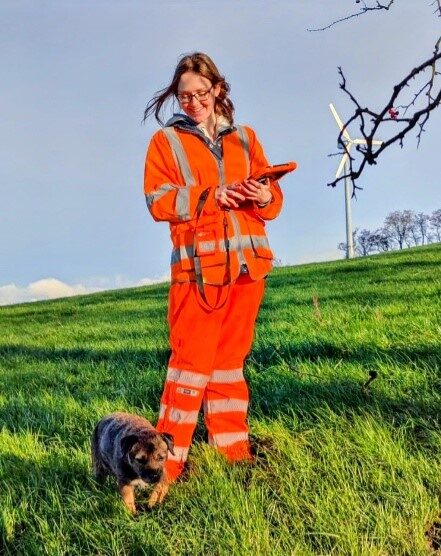
My name is Ruth and I am currently working as a Graduate Ecologist.
Before working as an ecologist, I studied Ecology and Environmental Sciences at the University of Edinburgh and the University of Aberdeen.
I have always loved animals and working outdoors making ecology an ideal career choice.
My work involves conducting surveys to understand the potential impact of development projects, particularly roads, on Scotland’s protected species.
One of these development projects is the dualling of the A9 where we conduct surveys for beaver, otter, reptiles, pine marten and red squirrels.
One mysterious animal however constitutes a large proportion of our survey work … bats!
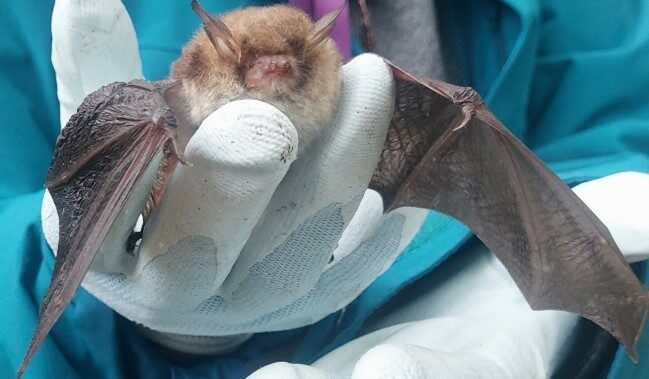
For a bat ecologist, trees are much more than part of the scenery – they are essential habitats that support bats, a protected species, throughout the year.
Many UK bat species rely on trees for shelter, safety, and stable microclimates, making tree surveys a vital part of ecological work whenever development is planned.
A main task is identifying trees that bats might roost in, because even small natural crevices can host a bat.
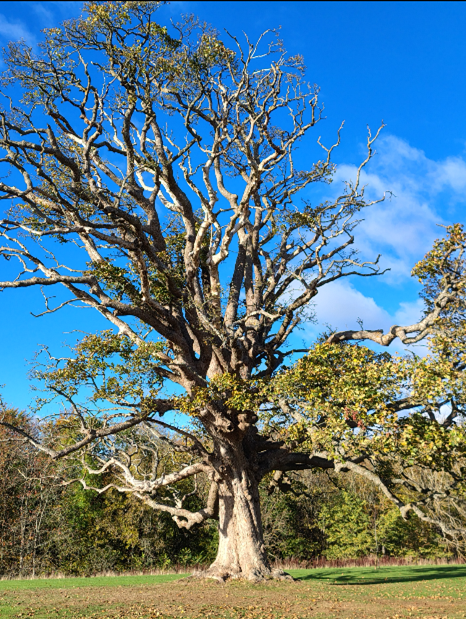
Oak, ash, beech, and sycamore trees are particularly suitable for roosting bats, with ancient trees being especially popular.
Ecologists look for features such as hollows, woodpecker holes, lifted or loose bark, cracks, knot holes, dense ivy, and deadwood, all of which offer cool, dark, protective spaces ideal for roosting.
These features can shelter solitary or hibernating bats or even entire maternity groups with pups. Careful inspection is carried out sometimes from the ground, with binoculars, a torch or endoscope and sometimes at height through tree‑climbing.
It is essential to understand whether bats may be using a tree at different times of year.
As spring and summer arrive, ecologists also return at dusk or dawn to watch for emerging bats with handheld bat detector devices to identify the species from their calls, helping build a picture of how important each tree is within the wider landscape.
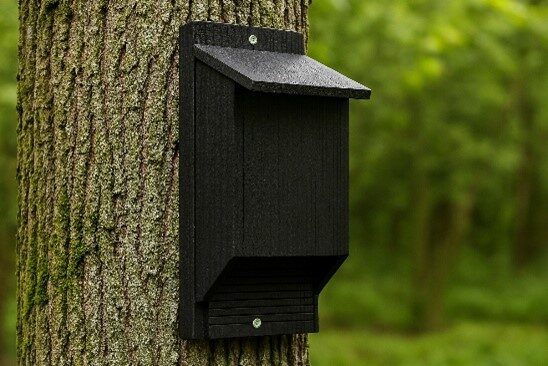
If trees must be cut down during development, bat boxes can be installed on other suitable protected trees to boost roost potential or replace lost features, ensuring bats continue to thrive even as landscapes change.
I really enjoy working as an ecologist – the mix of fieldwork, wildlife encounters, and problem‑solving makes every day different. It’s rewarding to know my work directly supports the protection of habitats and species in Scotland.
I am also lucky to always be working with a great team of colleagues in the field which can make even rainy cold days good fun. In the future, I’m excited to continue developing my fieldwork, bat sound analysis and report writing skills.
I am eager to learn more about other protected species too including otter, beaver, red squirrel and pine marten and how we can effectively protect them during development.
I will also continue to take on project roles where I can contribute to meaningful conservation outcomes.