
Closing the Digital Skills Gap: Inspiring Future Digital Designers
Digital Designers is the newest addition to our Academy9 events programme and was delivered for the first time at Grantown Grammar School last month.
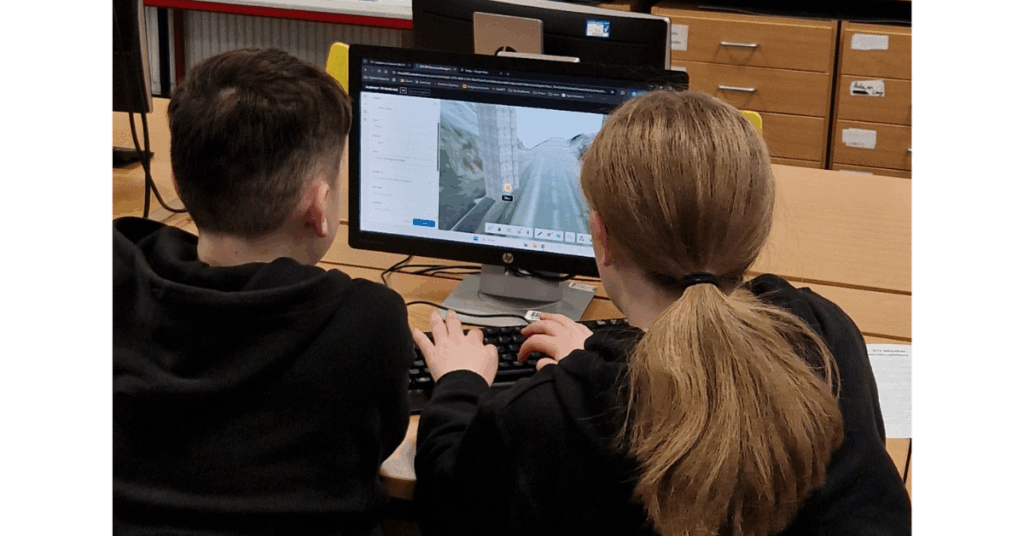
The Digital Designers event provides pupils with a practical introduction to digital design tools used within the infrastructure sector. The session formed part of Academy9’s ongoing commitment to addressing the digital skills gap in the industry while supporting schools to connect learning with real-world applications.
Event Overview and Educational Context
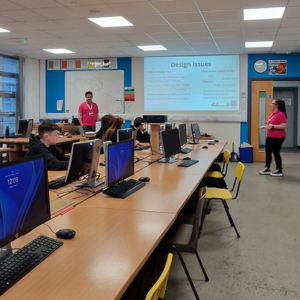
The Digital Designers event was designed primarily for S3 and senior phase pupils, aligning with curriculum priorities around digital literacy, problem solving and sustainability. Delivered over the course of an afternoon, the event combined structured input with collaborative, challenge-based learning.
The session began with an introductory discussion that explored the key design aspects engineers and designers must consider on infrastructure projects, alongside the importance of effective communication between different disciplines. This set the context for pupils before they were introduced to a 3D Building Information Modelling (BIM) tool commonly used on live infrastructure projects.
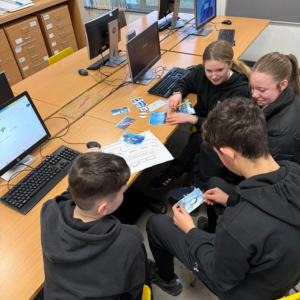
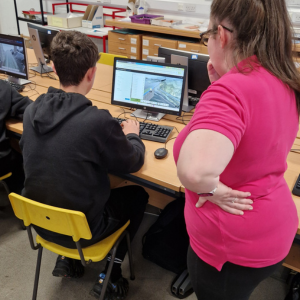
Following an overview of BIM and its role in modern, collaborative design, pupils learned how to navigate a pre-prepared 3D road model. Working in pairs, they then identified and discussed potential design issues, considering how decisions in one discipline can impact others. This approach enabled pupils to engage with complex concepts in an accessible and age-appropriate way, while reinforcing the value of teamwork, communication and joined-up thinking in real-world projects.
Linking Digital Skills to Sustainability and Infrastructure
A key feature of the session was its explicit link between digital design and sustainable infrastructure. Pupils explored how information management systems and digital models can improve sustainability outcomes by supporting better decision-making at the design stage. This helped contextualise digital skills within broader environmental and societal challenges, an increasingly important consideration for both education and industry
Pupil Feedback and Measured Impact
Feedback showed that the event had a strong impact on digital skills and careers awareness. Pupil feedback showed a strong impact on digital skills development, with almost nine in ten pupils agreeing or strongly agreeing that the event helped them enhance their digital skills.
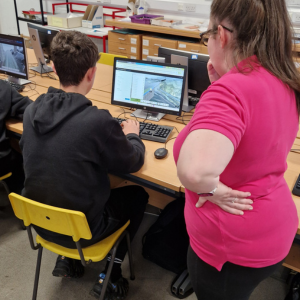
On careers awareness, 81% of participating pupils reported that the session exposed them to a career they were not previously aware of, highlighting the value of early engagement with industry‑relevant roles. In addition, just over half of pupils indicated that the event inspired them to consider a future career in Engineering and Infrastructure, suggesting that hands‑on exposure to digital design tools can play a meaningful role in shaping aspirations.
One pupil summarised their experience succinctly, describing the event as “really good and the best thing that I have done”.
Value for Schools and Industry
For schools, the Academy9 Digital Designers session demonstrates how external partnerships can enhance learning by bringing industry-relevant tools and expertise directly into the classroom. The structure of the event supports active learning approaches and aligns well with skills-focused outcomes across the Broad General Education and Senior Phase.
For industry, the event highlights the value of early engagement with young people to raise awareness of emerging digital roles and address future skills needs. By presenting digital design and BIM as collaborative, problem-solving activities, the session helps challenge misconceptions about the sector and showcases the diversity of skills required within modern infrastructure projects.
Looking Ahead
The delivery at Grantown Grammar School illustrates how targeted, well-designed interventions can support both educational objectives and industry workforce development. As demand for digital capability within infrastructure continues to grow, initiatives such as Digital Designers play an important role in building understanding, confidence and aspiration among the next generation.