For care experienced children and young people, school can provide consistency, belonging, aspiration and opportunity. Curriculum design should therefore go beyond academic attainment and support children and young people to develop as successful learners, confident individuals, responsible citizens and effective contributors. Curriculum planning should recognise that many care experienced learners have experienced disruption, loss, trauma, instability and interrupted learning, and may require flexibility, additional support and targeted opportunities to achieve their full potential.
Schools have a responsibility as Corporate Parents under the Children and Young People (Scotland) Act 2014 to promote the wellbeing of care experienced children and young people, help them access opportunities and support them to achieve positive outcomes. The aspirations of The Promise, Getting it Right for Every Child (GIRFEC) and Curriculum for Excellence (CfE) should be reflected in curricular pathways and learning experiences.
Key Curriculum Considerations
1. Maintain High Expectations
Care experience should never be viewed as a barrier to achievement. Schools should maintain high aspirations for all care experienced learners and actively challenge stigma and assumptions that may limit opportunities.
Curriculum planning should:
- Promote equity rather than equality.
- Focus on strengths, talents and interests.
- Support ambitious and personalised pathways.
- Ensure care experienced learners can access the full breadth of Curriculum for Excellence.
The Promise highlights the importance of children and young people being supported to flourish, dream and achieve their goals.
2. Provide Flexible and Personalised Pathways
Some care experienced learners may experience interruptions to education, changes of school placement or periods of absence. Curriculum pathways should therefore be flexible and responsive to individual circumstances.
Schools should consider:
- Personalised timetables where appropriate.
- Flexible approaches to assessment.
- Blended and digital learning opportunities.
- Alternative pathways that build confidence and engagement.
- Planning that minimises disruption during transitions.
Curriculum decisions should be informed by the child’s strengths, aspirations, wellbeing needs and views.
3. Embed Trauma-Informed Practice
Learning cannot be separated from wellbeing. Curriculum design should reflect an understanding of trauma and attachment and create environments where children feel safe, respected and included.
Schools should:
- Create predictable routines and learning environments.
- Prioritise relationships as the foundation for learning.
- Understand how trauma may affect concentration, memory and engagement.
- Avoid practices that may unintentionally stigmatise care experienced learners.
Trauma-informed curriculum approaches support learners to engage, achieve and participate fully in school life.
4. Promote Inclusion and Belonging
The curriculum should help create school communities where care experienced children and young people feel represented, valued and supported.
Schools should:
- Challenge stereotypes and stigma around care experience.
- Ensure learning materials reflect diverse family structures and life experiences.
- Support opportunities for participation and pupil voice.
- Develop whole-school understanding of care experience.
Education Scotland’s “Communities that Care” approach highlights the importance of embedding understanding of care experience within learning, teaching and the wider ethos of the school.
5. Support Successful Transitions
Transitions can be particularly challenging for care experienced learners. Curriculum planning should support smooth movement:
- Between stages of learning.
- Between schools.
- During placement changes.
- Into college, training, employment or university.
Effective transition planning should begin early and involve the child or young person, carers, families and partner agencies where appropriate.
6. Develop Skills for Learning, Life and Work
Curriculum planning should actively support the development of skills that will enable care experienced young people to thrive beyond school.
This includes opportunities to:
- Develop employability skills.
- Gain leadership experience.
- Participate in wider achievement programmes.
- Explore positive destinations.
- Build confidence, resilience and independence.
Schools should work closely with Skills Development Scotland and other partners to ensure learners can access the support available to them as care experienced young people.
Qualifications and Awards to Support Care Experienced Learners
A flexible qualifications offer can enable young people to experience success, build confidence and progress towards positive destinations.
Schools should consider the full range of qualifications available through Qualifications Scotland (formerly SQA) and partners, including:
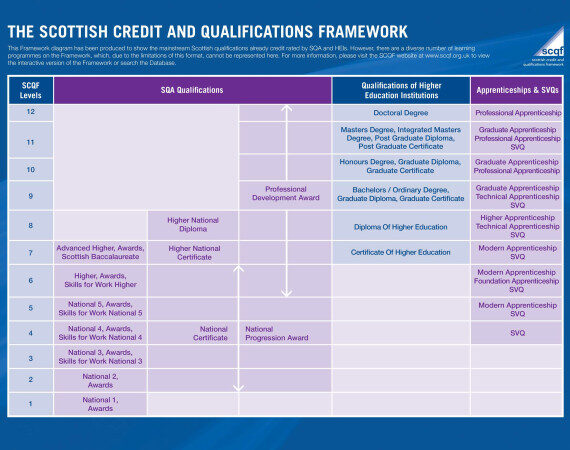
National Qualifications
- National 1-5
- Higher
- Advanced Higher
Skills and Vocational Qualifications
- Foundation Apprenticeships
- National Progression Awards (NPAs)
- Skills for Work Courses
- Scottish Vocational Qualifications
Wider Achievement Awards
- Personal Development Awards
- Employability Awards
- Leadership Awards
- Personal Achievement Awards
- Personal & Social Development Awards
- Wellbeing Awards
- Volunteer and community-based awards
Youth Awards
- Diana Award
- Duke of Edinburgh’s Award
- Saltire Awards
- Dynamic Youth Awards
- Youth Achievement Awards
- Amazing-Things.pdf
College and Partner Learning
- Digital Support for Schools in the South of Scotland
- College link courses
- Supported vocational programmes
- Employability and work-based learning opportunities
When planning qualifications and awards, schools should prioritise pathways that are meaningful to the young person, recognise achievement in all its forms and support sustained positive destinations.
Many schools successfully combine formal qualifications with wider achievement awards, including:
- John Muir Award
- The Duke of Edinburgh’s Award
- Saltire Awards
- ASDAN Personal and Social Development
- SCQF Credit Rated Learning through community learning and youth work partners.
These provide meaningful opportunities to evidence:
- resilience
- leadership
- participation
- relationships
- volunteering
- independent living
- community contribution
Reflective Questions for Schools
- How well does our curriculum meet the needs of care experienced learners?
- Do care experienced children and young people have equitable access to the full curriculum?
- How effectively do we personalise pathways and remove barriers to participation?
- Do our approaches promote aspiration, belonging and achievement?
- How are learners’ voices influencing curriculum design and decision-making?
- Are we making full use of the range of qualifications, awards and wider achievement opportunities available?