
A Rights Respecting School is a community where children’s rights are at the heart of everything. Orchestrated by UNICEF UK, this programme uses the United Nations Convention on the Rights of the Child (UNCRC) as a guide to create a safe, inspiring environment where children can thrive.
As parents, we all want the same thing: for our children to be happy, safe, and treated with dignity. That is why our school has joined the UNICEF UK Rights Respecting Schools Award (RRSA)—a journey to put children’s rights at the very heart of everything we do.
But what does this actually look like on a rainy Tuesday morning? And how does it help your child thrive?
What is a Rights Respecting School?
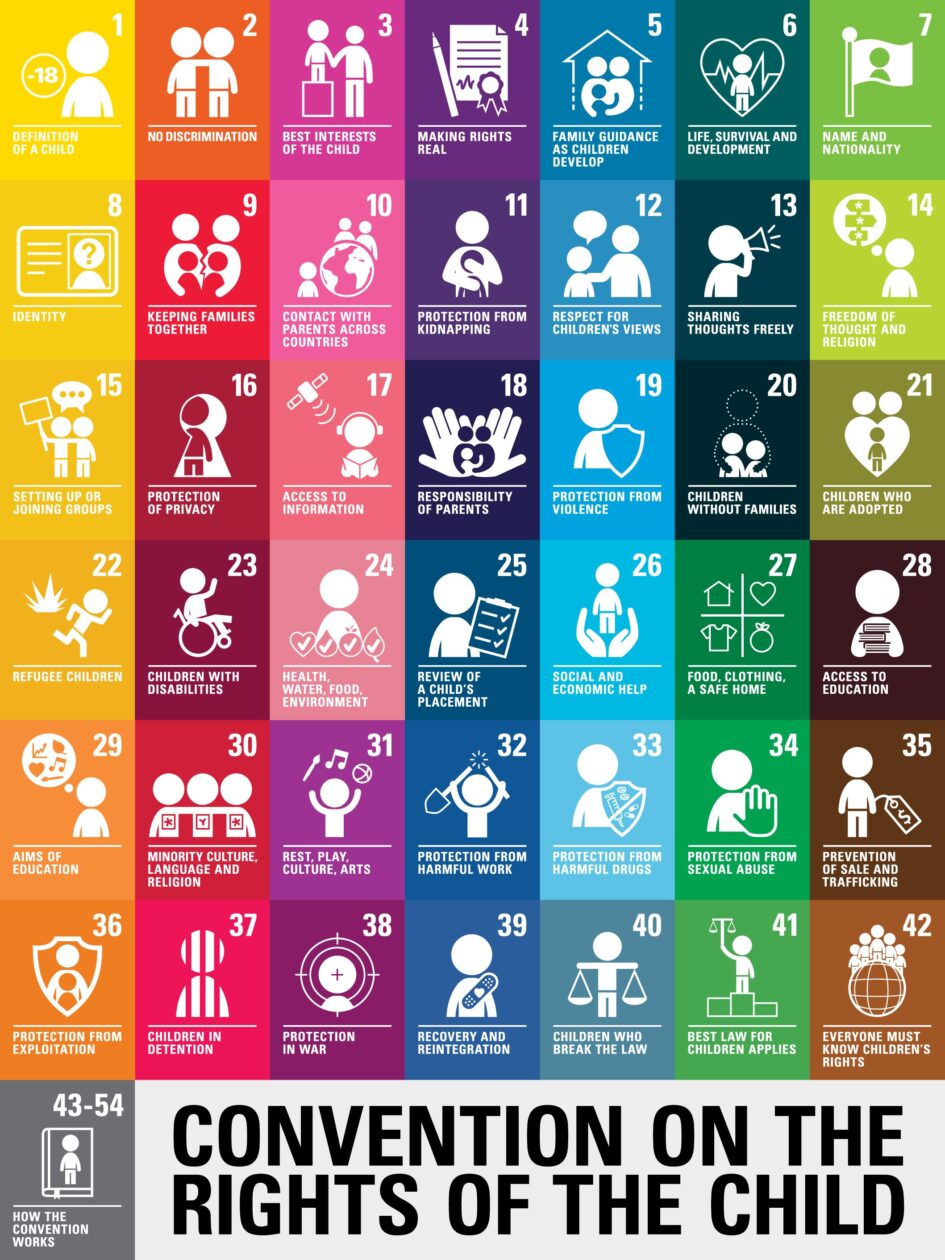
A Rights Respecting School isn’t just about teaching children a list of rules. It’s about creating an environment based on the UN Convention on the Rights of the Child (UNCRC).
Instead of just “learning about” rights, our students “live” them. This creates a culture of mutual respect where every child feels valued, listened to, and empowered to reach their full potential.
The 4 Big Benefits for Your Child
Research shows that when schools embrace this approach, the impact is profound:
- Boosted Wellbeing: Children feel safer and more secure, leading to less stress and better mental health.
- Stronger Relationships: By learning about their own rights, children naturally develop more empathy and respect for the rights of others.
- A Real Voice: Students are encouraged to share their opinions on school life, helping them grow into confident, active citizens.
- Improved Learning: A calm, respectful classroom environment is the perfect foundation for better focus and academic progress.
We’re All “Duty-Bearers”
In a Rights Respecting community, we talk about Rights Holders (the children) and Duty-Bearers (the adults). As parents and teachers, our role is to protect these rights and always act in the best interests of the child (Article 3).
How to Support at Home
You don’t need to be an expert on international law to help! Here are a few simple ways to bring “Rights Respecting” into your home:
- Ask about the “Monthly Rights Focus “: We will share the monthly rights here on this page. Click on the link and read what our Monthly focus is. Use it as a dinner-time conversation starter.
- Model the language: Use words like “respect,” “dignity,” and “fairness” when discussing disagreements or family rules.
- Listen actively: Show your child that their “right to be heard” (Article 12) is valued at home just as much as it is at school.
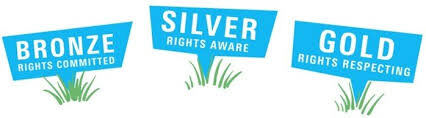
We are incredibly proud of our journey toward becoming a fully Gold-level Rights Respecting School. It’s a whole-community effort, and we’re so glad to have you with us.