Category: Resource

Fortinent: Security Awareness Curriculum

These resources from Fortinet provide a curriculum which helps students learn how to apply cybersecurity skills to their digital interactions at school, at home and everywhere they go. They are available free to Falkirk schools – you simply have to log into Glow to access them.

What is available?

Teacher Resources

  • Ready-to-Teach Lesson Plans with step-by-step explanations of how to teach this lesson including all classroom instructions, learning objectives, lesson pacing adjustment, vocabulary, and talking points.
  • Teacher Guides with background information teachers can reference before teaching the lesson. This is an optional resource to equip teachers with in-depth knowledge to support student learning.
  • Teacher Answer Guides with possible answers and key points to assess and guide classroom learning and discussions.

Classroom Materials

  • Lesson Slides that teachers can use during classroom instruction in both PowerPoint and Google Slides format including embedded videos.
  • Student Handouts to be used with the lesson.
  • Multimedia Assets should teachers wish to access the videos separately from the lesson plan presentations.

Suggested Order

  1. Review the lesson plan and key points for teaching this lesson. If you are not familiar with some concepts or terms, you can refer to the teacher guide with background information.
  2. If needed, view the teacher guide background information and supplement your knowledge on the topic.
  3. Choose the slide deck in your preferred format.
  4. Print off or access the fillable PDF student handouts.
  5. Print off or access the fillable PDF rubrics and teacher answer guides.
  6. Incorporate the lesson into your day!

How do I access the materials?

Use this link or click on the image below to access the folder which is stored in the DigiLearnFalk Team. You must be logged into Glow to access both the Team and the Folder, you must also be a member of the DigiLearnFalk Microsoft Team.

Lesson Packages

Age 8-11

Respecting Work Online

Ethical Integrity

Students will learn the importance of respecting others’ work online and explore strategies for safely and appropriately accessing and sharing digital content. They will reflect on how creative thinking can help them express their ideas and share knowledge responsibly.
 

Making Sense of Social Media

Online Information

Students will learn about social media, its purpose, and how family boundaries around social media use can help them stay safe online. They will develop communication skills by discussing these boundaries and learning to advocate for their personal and family choices regarding social media use.


Online Identity

Online Presence
 
Students will learn about online identity, including how people represent themselves positively and negatively in digital spaces. They will develop strategies to protect their online identities. Students will grow as compassionate individuals as they focus on treating others kindly through their online interactions.
 

History of Computing Innovations

Digital Impact

Students will learn about important figures in computing history, their collaborative efforts, and innovations that have shaped cybersecurity and society. Students will develop collaboration skills and reflect on how to use technology as a tool for working together and sharing ideas safely and securely.


Introducing Cybersecurity

Cybersecurity Landscape
 
Students will learn about common cyberthreats and practice strategies to avoid scams and prevent computer viruses from infecting their devices. They will explore cybersecurity as a field and will build computational thinking skills by defining threats and analysing real-world examples of online scams.
 

Building Password Essentials

Secure Privacy
 
Students will learn why strong, unique passwords are important and how password breaches can put their accounts and devices at risk. They will build computational thinking skills as they explore different strategies for creating and remembering strong passwords.
 

Recognising Cyberbullying

Digital Safety
 
Students will learn to identify the differences between bullying, cyberbullying, and unkind behavior. They will also practice strategies for reporting and coping with cyberbullying. Through examples and discussions, students will build compassion and learn how to stay safe online.

Age 12-14

Securing Data and Keeping it Private

Secure Privacy

Students will learn about the importance of data privacy and data protection and their role in protecting privacy. They will develop communication and computational thinking skills while discussing how password hygiene, multi-factor authentication, and encryption can keep their online information safe.

Cyberbullying

Digital Safety

Students will learn to identify signs of cyberbullying, explain its harmful effects, and explore ways to respond to cyberbullying and support others. They will develop greater compassion and improve their communication skills by analysing various scenarios and discussing statistics related to cyberbullying.

Understanding Cybersecurity

Cybersecurity Landscape

Students will learn how cybersecurity affects their personal safety and will explain strategies to protect, detect, and respond to common cyberattacks such as phishing and malware. They will build computational thinking and collaboration skills as they analyze cybersecurity challenges and devise solutions.


Computing and Culture

Digital Impact

Students will learn to use technology responsibly to help create a safer digital world, while also balancing their time and resources to foster their digital well-being. They will develop as creative and critical thinkers as they debate the positive and negative impacts of computing innovations on culture and the environment.


Respecting Intellectual Property

Ethical Integrity

Students will learn the benefits of using creative content and digital tools appropriately, as well as the risks of illegal downloads. They will also explore strategies for safely accessing and using others’ intellectual property online. By thinking critically and acting with compassion, students will make ethical and responsible decisions when using online content.


Social Media Influence

Online Information

Students will learn about the benefits and risks of social media use and discuss its impact on emotional and cognitive well-being. They will enhance their communication and critical thinking skills by considering manipulation and commercialisation tactics, as well as strategies for maintaining and restoring personal boundaries while using social media.


Identity in the Digital World

Online Presence

Students will learn to create and protect their identity in the digital world and analyze online content that influences their sense of self. They will grow as compassionate and critical thinkers by applying strategies to curate their online identity and build a positive online presence.

Age 15-18

Lesson 1: What is Cybersecurity?
In this lesson, students will take their first steps toward becoming cybersecurity professionals. They will learn what cybersecurity is and will consider its impact on personal safety and organisational security. Students will envision future careers and explore the skills and competencies required to be successful in the cybersecurity field.


Lesson 2: The Impact of Cybersecurity
During this lesson, students will learn about technological advancements, how bad actors exploit them and the efforts of cybersecurity professionals to combat emerging threats.


Lesson 3: Principles of Information Security
During this lesson, students will learn about the principles of information security, the importance of confidentiality, integrity, and availability (CIA) and different types of data.


Lesson 4: Cybersecurity Ethics
During this lesson, students will examine the ethical responsibilities associated with working in cybersecurity and explore the layers of ethical decision-making, from personal values to professional standards to regulations and laws.


Unit 1 Assessment Guide
The assessment guide includes an outline of formative and summative assessments for the unit, with a unit test and answer guide, a project outline and an accompanying rubric.

Digital Educator Awards Scotland

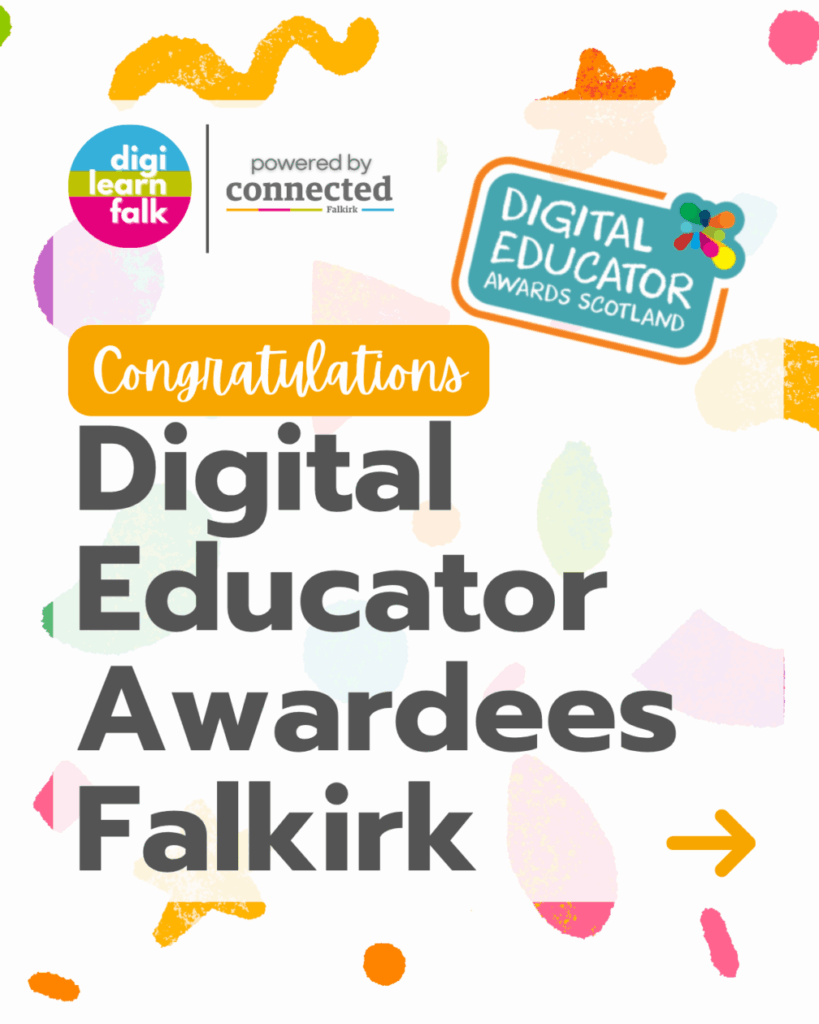
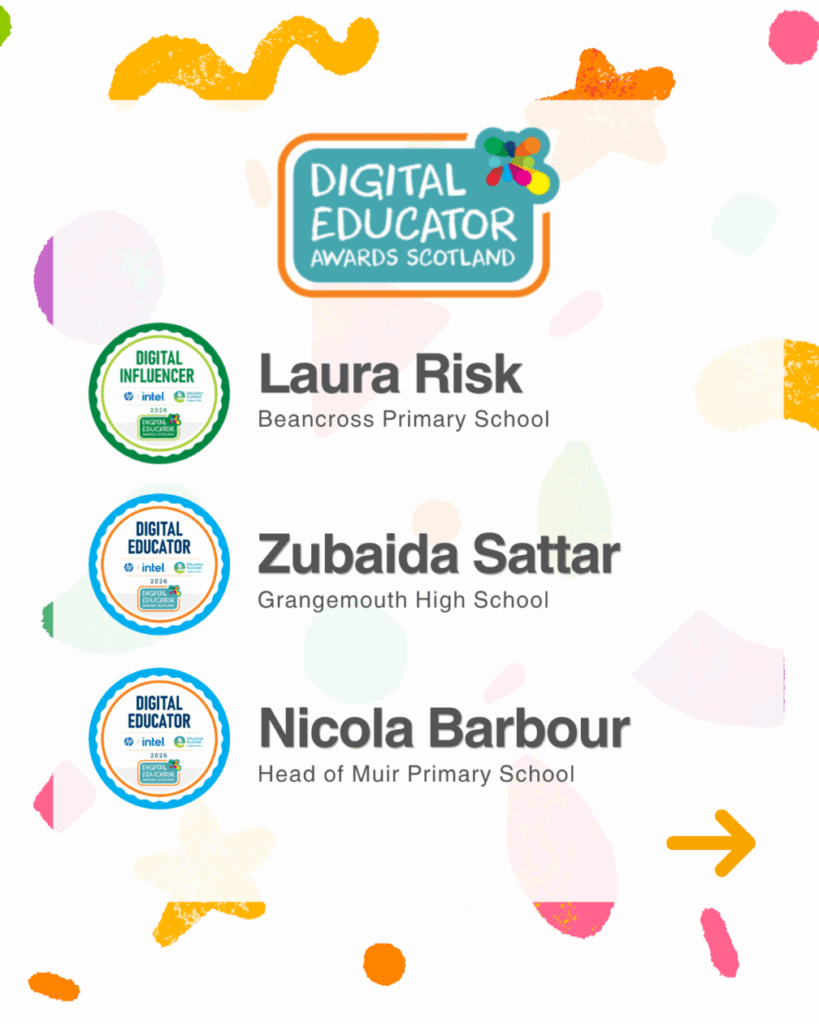
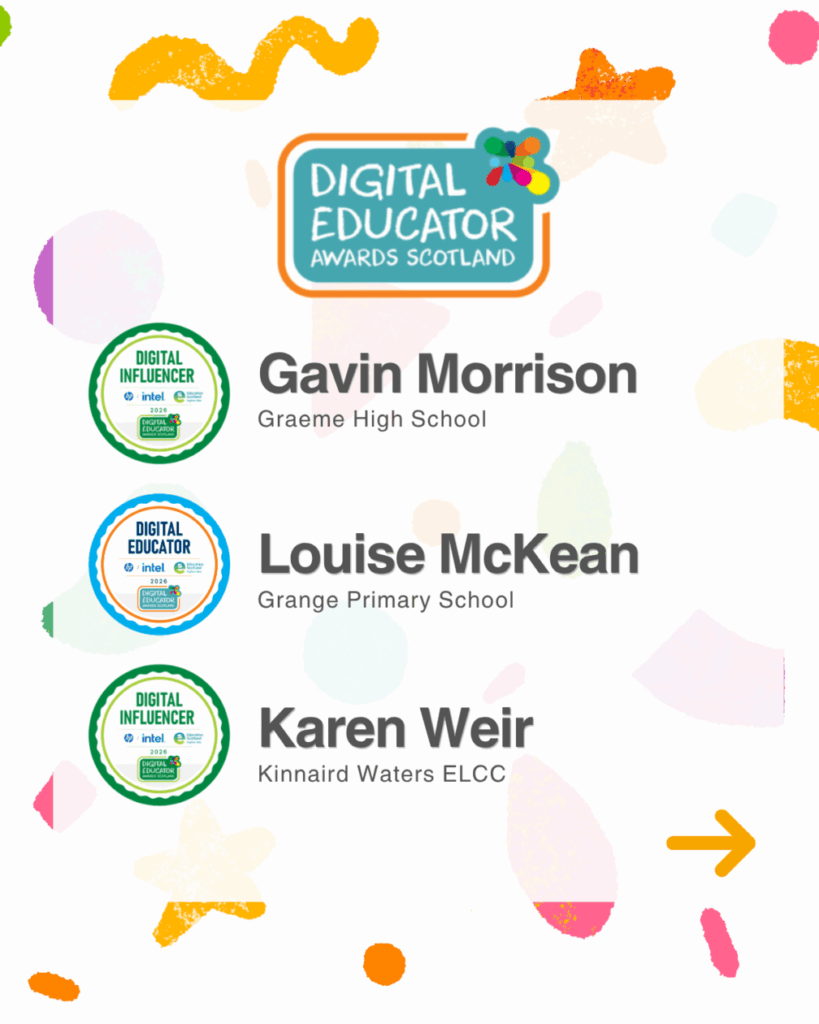
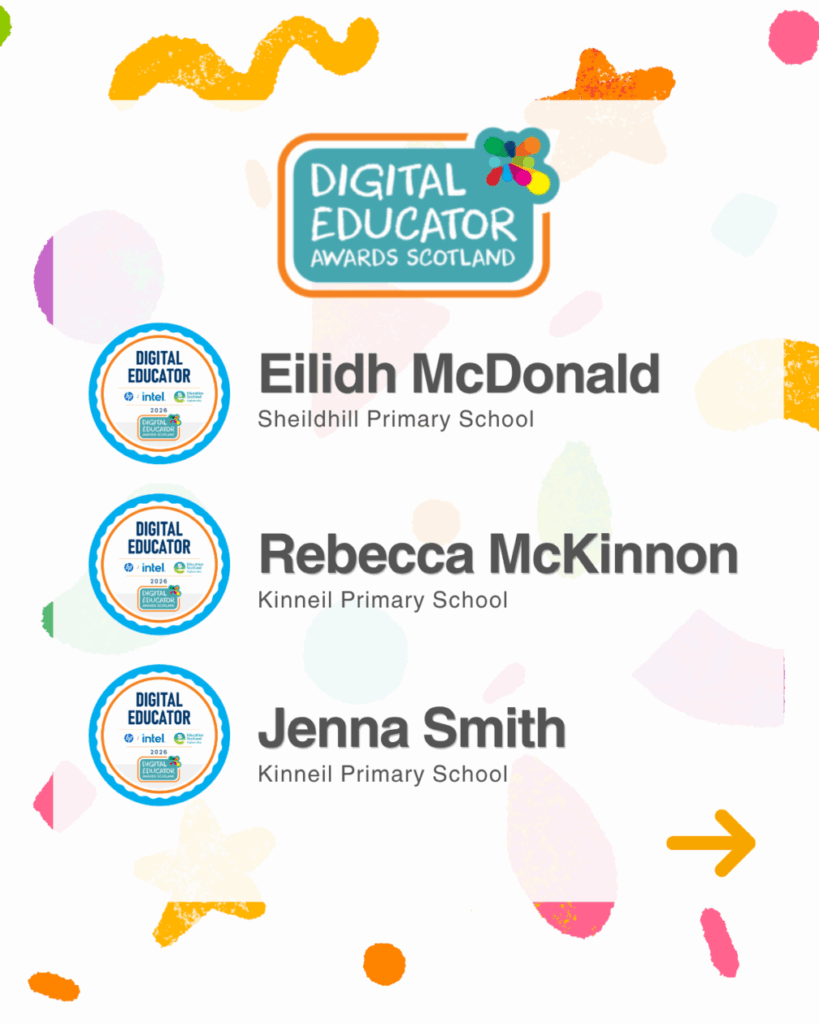
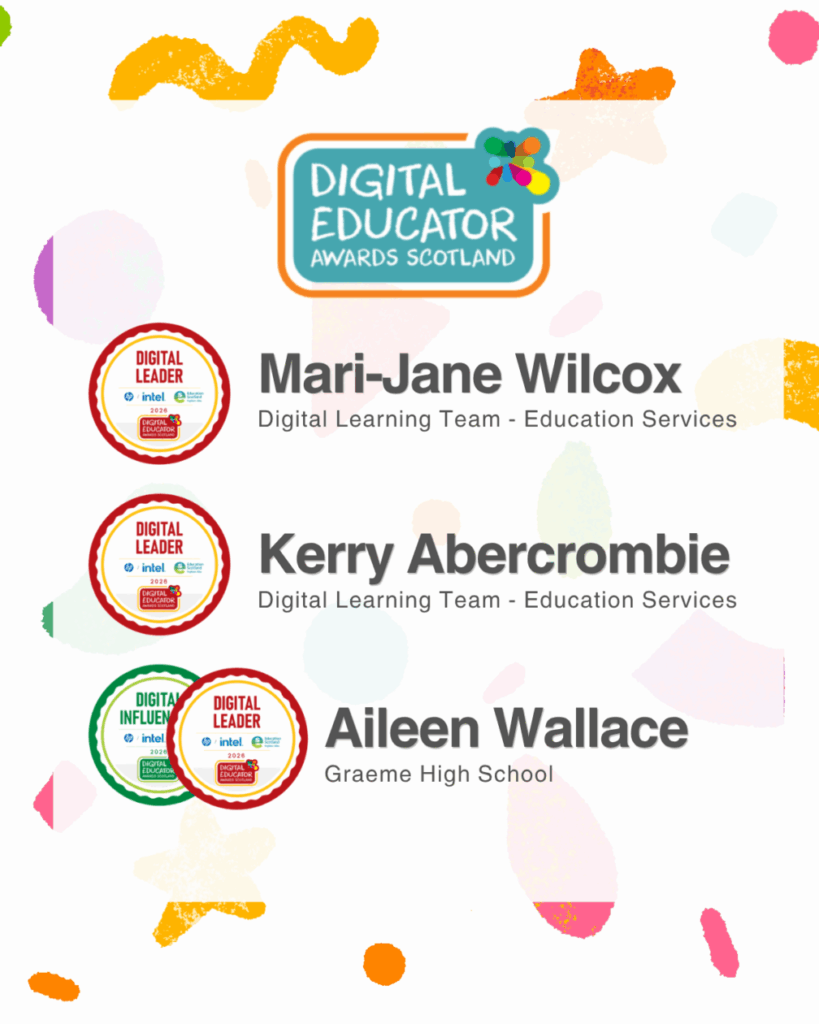
Huge congratulations to our very first cohort of Digital Educator Awards Scotland candidates in Falkirk, who have now been officially verified! 🙌 🎉 🎖️ 

We have educators from across Primary, Secondary and ELCC in this inaugural group. Because we are directly involved in the validation process at Local Authority level, we were privileged to see all of the portfolios firsthand and the work this group are doing in digital learning across Falkirk is genuinely exceptional. There were so many amazing projects, brilliant initiatives and little gems, alongside inspiring and dedicated everyday work that is transforming learning in our schools and settings. If you know these colleagues please do speak to them about what they’re doing in their classrooms and settings! 

What makes this programme from the folks at Digital Schools Award so great is that it is completely device, tool, and service agnostic, letting us recognise local talent purely on their impact. 

Congratulations to everyone certified across the three pathways:

Digital Educators: For their commitment to inclusive practice, continuous professional development, and integrating digital tools to support positive learning experiences.

Digital Influencers: For their leadership in helping educators and learners confidently innovate, reflect, and adapt.

Digital Leaders: For creating the conditions that allow digital innovation to thrive across our learning environments.

 

If you are in Falkirk and are interested the Digital Educator Awards you can find out more below or by visiting our DEAS Falkirk Hub.

DEAS Falkirk Hub by Miss Abercrombie

Digital Learning Leadership Week 2026

Falkirk’s Digital Learning Leadership Week returns this year on May 25th to 29th 2026 and we’d be delighted to see you there!

Across the week there are a range of valuable sessions focused on leadership in digital education, practical tools for implementation, and opportunities for our key networks to come together.

We are pleased to bring you a very special guest for Wednesday’s SAMR Compass and Pupil Digital Leader Lab session on the 27th. Apple Distinguished Educator and the master of Quick Tips, Jacob Woolcock! Jacob is a UK-based primary school teacher, Apple Distinguished Educator and digital learning advocate who has built a reputation for making technology both accessible and inspiring in the classroom. Best known for his QuickTips YouTube channel, Jacob has shared over 500 bite-sized tutorials that have reached nearly ten million views worldwide, helping teachers, students and everyday iPhone and iPad users unlock the potential of their devices. Alongside his classroom work, he leads training and workshops across the UK and internationally, focusing on creativity, accessibility and innovative teaching practices that empower learners of all ages. Beyond the classroom, Jacob is passionate about community and STEM education. He has mentored award-winning LEGO robotics teams, spearheaded large-scale fundraising campaigns and championed opportunities for young people in Cornwall to engage with technology on a global stage. Combining his background in teaching with a creative, hands-on approach to digital tools, Jacob’s work demonstrates how technology can bring learning to life, foster collaboration and build confidence in both students and educators.

Explore the schedule and secure your spot by visiting the DLLW page:

https://digilearnfalk.my.canva.site/dllw26


Digital Learning Leadership Week 26 by Miss Abercrombie

Accessibility Kit: One Stop Shop for iPad Accessibility Resources

Our new DigiLearnFalk Accessibility Kit is now available.

For many users, accessibility features aren’t just “add-ons” – they are the essential tools that allow them to tailor their device based on their specific needs and lead to greater independence in learning. While accessibility tools are vital for some, they are valuable for all. The Accessibility Kit is designed to support our educators in learning about the powerful built-in accessibility features of iPad.

This digital resource brings together a curated collection of guides, videos, and professional learning materials designed to help you tailor the iPad experience to the individual needs of every learner.

View the Accessibility Kit in full screen here

We encourage you to share the link with colleagues or post on staff virtual spaces such as Teams or Google classroom: https://digilearnfalk.my.canva.site/accessibilitykit

We have also embedded the Accessibility Kit below so you can take a quick look. 

Accessibility Kit by Miss Abercrombie

Festive Digital Activities for Learners

The festive season is here, bringing with it a wonderful opportunity to blend seasonal cheer with engaging digital learning opportunities. Whether you’re looking for activities which build digital creativity, seasonal STEM challenges, or fun ways to practice digital skills, this guide gathers a sleigh-full of festive activities from DigiLearnFalk, Connected Falkirk and our friends designed to spark joy and curiosity in learners of all ages. Get ready to wrap up the year with some digital learning fun!

Local Resources

Our home grown Falkirk festive resources designed to be used with 1:1 and Shared iPads.

Creative Activities for Learners Festive Edition II

The latest edition of our Creative Activities for Leaners which focuses on festive fun. (Pssst…Edition I is still available here, as is the YouTube playlist for Edition 1 which can be found here).

Festive Activities for Early and First Level

This free downloadable Keynote contains seven festive activities for early and first level learners. Explore creativity, coding and games which all help to build familiarity with iPad as well as build digital skills and confidence. 

You can preview a PDF version of the Keynote below, for best results and access to all activities (including voice instructions to support pre-readers) within the one document please download the Keynote file from our Box folder here. Find out more details about our festive activities for early and first level learners here.

Codemas

Three coding themed challenges to celebrate the festive season and boost STEM learning.

Other Resources

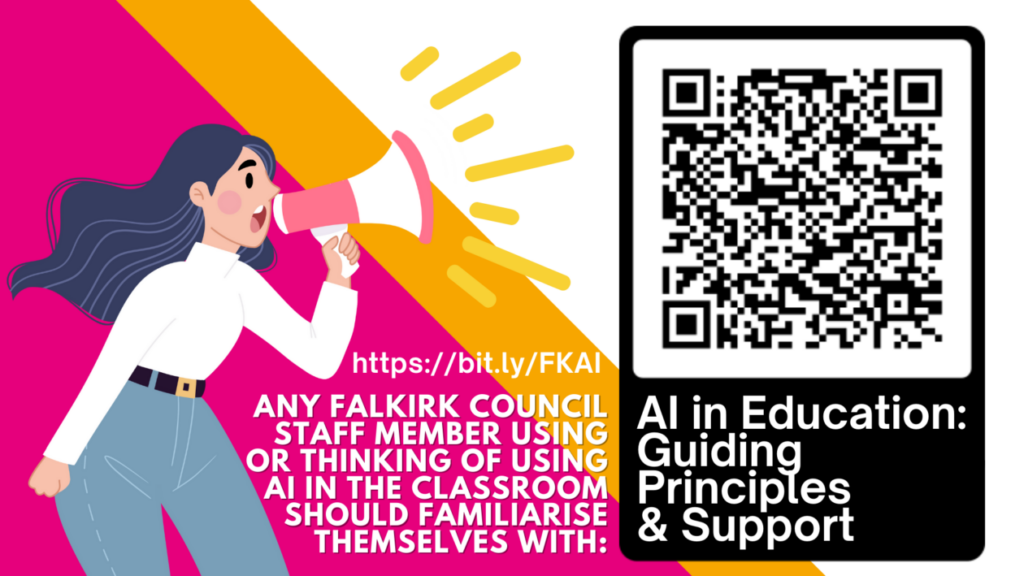
Festive resources for 2026 from our friends and partners. Please note, some of these activities use text-to-image AI, all Falkirk Council Education employees using or thinking of using AI in the classroom must familiarise themselves with the AI in Education: Guiding Principles and Support page.

Adobe Express 12 Days of Creativity

Twelve joyful, low-prep Adobe Express activities to celebrate learning and wrap up the year with creativity and cheer. Whether you unwrap one activity each day or all 12 at once, getting started is easy: Pick an activity.

All learners and teachers in Falkirk have access to Adobe Express via Glow. For more information on this and how to log in visit this page.

To access the 12 Days of Creativity challenges:

  • iPad users log into Adobe Express app as usual and the activities will appear on the main home page
  • Desktop users can click this link: adobe.ly/12DOC25

Find out more directly from Adobe Express here or browse the activities below.

Day 1: Design an ugly sweater

Skills: Gen AI Styles + Background Swapping

Day 2: Design Your Very Own Stuffie

Skills: Generate Image, Background Swapping, Image Effects

Day 3: Design a One-Word Wallpaper

Skills: Text Effects, Background Swapping

Day 4: Transform Yourself Into a Dancing Elf

Skills: Photo Upload, Crop, Wobble-loop Animation

Day 5: Animate a Funky Snack

Skills: Animation, Layered Elements, GIF Export

Day 6: Send a Vintage Postcard

Skills: Text Effects, Layering

Day 7: Record a News Story From Future You

Skills: Gen AI Styles + Background Swapping

Day 8: Assemble a Talking Snowman

Skills: Generate Image, Background Swapping, Image Effects

Day 9: Sugarcoat Your Favourite Animal

Skills: Text Effects, Background Swapping

Day 10: Construct a Personalized Snow Globe

Skills: Multi-Layer Video Editing, Animation

Day 11: Personalize a Time Capsule

Skills: Video and Music Editing

Day 12: Curate an Inspiration Board

Skills: Layering, Image Effects, Text Effects

Glow Adobe Express Christmas Tree Challenge

Glow are running an Adobe Express Christmas Tree Challenge! The challenge is to use the powerful tools in Adobe Express for Education to design and create a unique Christmas tree. Find out more here. 

Session Resources: AI in Education – Assessment and Feedback

This page is for session resources from our AI in Education: Engagement and Interaction session. This session explored AI tools aimed at assisting with evaluating learner understanding and providing feedback.

Session Slides

You can view a PDF copy of the slides below. If you’d prefer the Keynote version please contact Kerry Abercrombie.

Additional Content

Our sessions tend to have a lot of live demonstrations within them. The remainder of the page outlines some of the digital tools covered in the session or signposting to some of the resources shown or mentioned in a format which can be easily revisited or passed along to colleagues who were unable to attend the session.

AI in Education: Guiding Principles and Support

All Falkirk Council education staff using or considering using AI in education should familiarise themselves with the AI in Education: Guiding Principles and Support information

AI Teacher Tools – Starter Suite

Navigating the rapidly evolving landscape of AI in education can be overwhelming for busy educators. Our starter suite offers a carefully curated collection of nine free AI-powered tools which have been assessed to ensure their educational value and ease of initial use. The hope is that this provides a practical entry point for teachers and establishments embarking on their AI journey. The document sorts the tools by educational function, gives an education focused use overview and provides quick guides for each tool.

Falkirk AI Teacher Network

Are you interested in exploring the potential of AI in education? Express your interest in joining our AI Teacher Network. By filling out this form, you’ll help us connect with like-minded educators and keep you updated on exciting opportunities, resources, and events. You will also have the opportunity to influence the use if AI in education within Falkirk. We’ll be in touch with details of how to join the Microsoft Teams space.

Which ‘Grade’ is That? Conversion Table

Here is that handy conversion table for use with AI tools which default to the US system.

Quick Guides

Below you can find the quick guides for the four tools featured in this session.

Curipod

Curipod Quick Start Guide by Miss Abercrombie

What does it do? Curipod is a platform designed to assist educators in creating engaging and interactive lessons. It combines elements like polls, word clouds, and drawing activities to make learning dynamic and participatory. Curipod’s built in AI features allow educators to generate interactive lessons quickly and easily. All AI output is customisable. Additionally, Curipod’s AI adapts content to suit different teaching styles and student needs, streamlining the lesson material creation process while making learning more interactive and engaging.

How do I get access? Teachers can access Curipod by signing up for a free basic account on the Curipod website.

Pupils do not need accounts to participate in Curipod lessons.

Wayground (Quizizz)

Wayground Quick Start Guide by Miss Abercrombie

What does it do? Wayground (formerly Quizizz) is an online learning platform that enables teachers to create and share interactive quizzes, polls, and lessons. Wayground has integrated AI features that allow teachers to automatically generate quizzes, worksheets, and questions based on specific topics or curriculum needs. By using AI, Wayground can suggest questions tailored to different skill levels, provide instant feedback to students, and offer personalised learning paths. This streamlines lesson planning and helps teachers quickly assess student understanding, making the platform more efficient for educational purposes.

How do I get access? Teachers can sign up for a free account at wayground.com

Pupils do not need accounts to participate in Quizizz activities.

Magic School – Quick Start Guide

Magic School Quick Start Guide by Miss Abercrombie

What does it do? Magic School is a collection of 70+ AI tools (Magic Tools) to help teachers with a variety of tasks including lesson planning, differentiation, planning group work, generating vocabulary lists, and so much more. It also has 40+ responsible AI tools that can be launched to students to allow them to explore generative AI while the teacher can monitor their interactions with and the outputs from the AI model. Tools for students include study habits, debate partner, multiple explanations and more.

How do I get access? Teachers can sign up for a free account on the Magic School website.

Pupils do not need accounts to participate in Magic School activities.

School AI – Quick Start Guide

SchoolAI Quick Start Guide by Miss Abercrombie

What does it do? School AI allows learners to explore a Large Language Model in a safe environment through ChatGPT powered experiences called Spaces. Teachers can choose from a library spaces, or create their own with custom instructions tailored to learners’ needs. Teachers can manage, moderate and steer as students interact with the machine and receive real time ‘insights’ as well as being able to access live conversations from the teacher moderation screen.

How do I get access? Teachers can access School AI by signing up for a free basic account on the School AI website.

Pupils do not need accounts to participate in School AI spaces.

Session Recording

Here is a recording of the session for those who wish to watch it again or who missed it. Please be aware that the session recording is edited to remove all discussion and task sections. This is to protect the privacy of our participants and ensure everyone feels comfortable speaking freely on mic and in the chat without worry that their comments will be made publicly available.

Session Resources: Digital Learning Ideas and Inspo for Shared Device Environments

This page is for session resources from our Digital Learning Ideas and Inspo for Shared Device Environments session. This session explored practical ideas and inspiration for effectively leveraging your Connected Falkirk iPads in learning and teaching.

Session Slides

You can view a PDF copy of the slides below. If you’d prefer the Keynote version please contact Mari-Jane Wilcox.


Additional Content

Our sessions tend to have a lot of live demonstrations within them. The remainder of the page outlines some of the digital tools covered in the session or signposting to some of the resources shown or mentioned in a format which can be easily revisited or passed along to colleagues who were unable to attend the session.


Digital Scavenger Hunts

Digital scavenger hunts offer a fantastic, engaging entry point for familiarising our learners with essential technology skills. Learn how to use Keynote’s simple “Take Photo” feature to allow learners to document their finds and create an easily shareable, permanent record of their success.To create your own digital scavenger hunts, you can visit this guide where there are full instructions and downloadable pre-made templates to support you to get started. 

Curipod

What does it do? Curipod is a platform designed to assist educators in creating engaging and interactive lessons. It combines elements like polls, word clouds, and drawing activities to make learning dynamic and participatory. Curipod’s built in AI features allow educators to generate interactive lessons quickly and easily. All AI output is customisable. Additionally, Curipod’s AI adapts content to suit different teaching styles and student needs, streamlining the lesson material creation process while making learning more interactive and engaging.

How do I get access? Teachers can access Curipod by signing up for a free basic account on the Curipod website.

Pupils do not need accounts to participate in Curipod lessons.

Garageband is an app built into all iPads that allows you to record audio using the Audio Recorder feature. It’s the ideal tool for creating pupil-read audiobooks, capturing dramatic dialogue, or recording instructions. It includes features such as fun voice effects like ‘Robot’ or ‘Alien’ to inject creativity, and gives pupils a real purpose for using their device. Best of all, converting the final recording into a shareable file is simple, allowing you to easily turn their audio into a QR-code linked resource for the whole class to enjoy!

.


Vocaroo

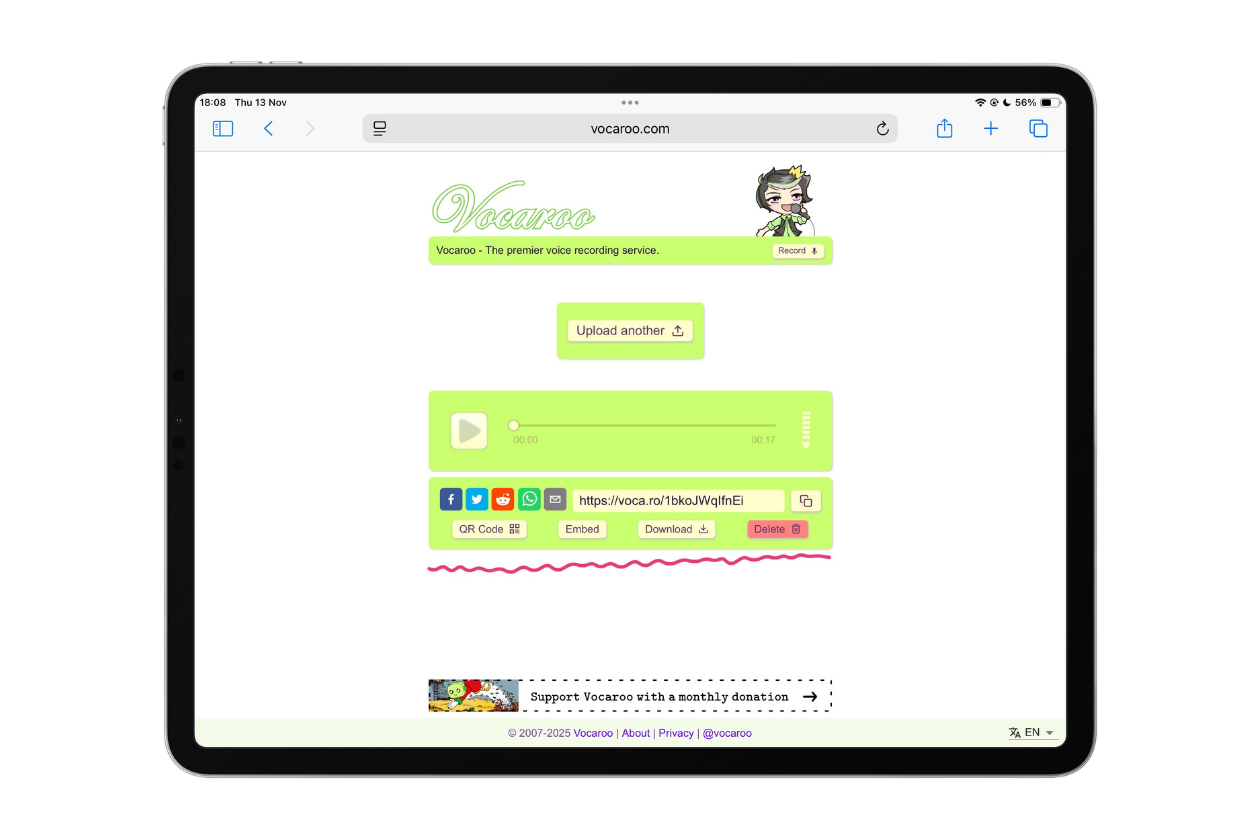
This free online tool serves two purposes: it’s a super easy-to-use voice recorder—just hit the record button right in your browser—or it can act as a handy host site for audio files you’ve already created (like those from GarageBand).

Once your audio is on Vocaroo, it instantly generates a shareable link and a QR code, making it effortless to distribute your audiobooks, instructions, or feedback to anyone.

This video shows you a quick how-to for recording audio:

YouTube player


Uploading Audio recorded elsewhere 

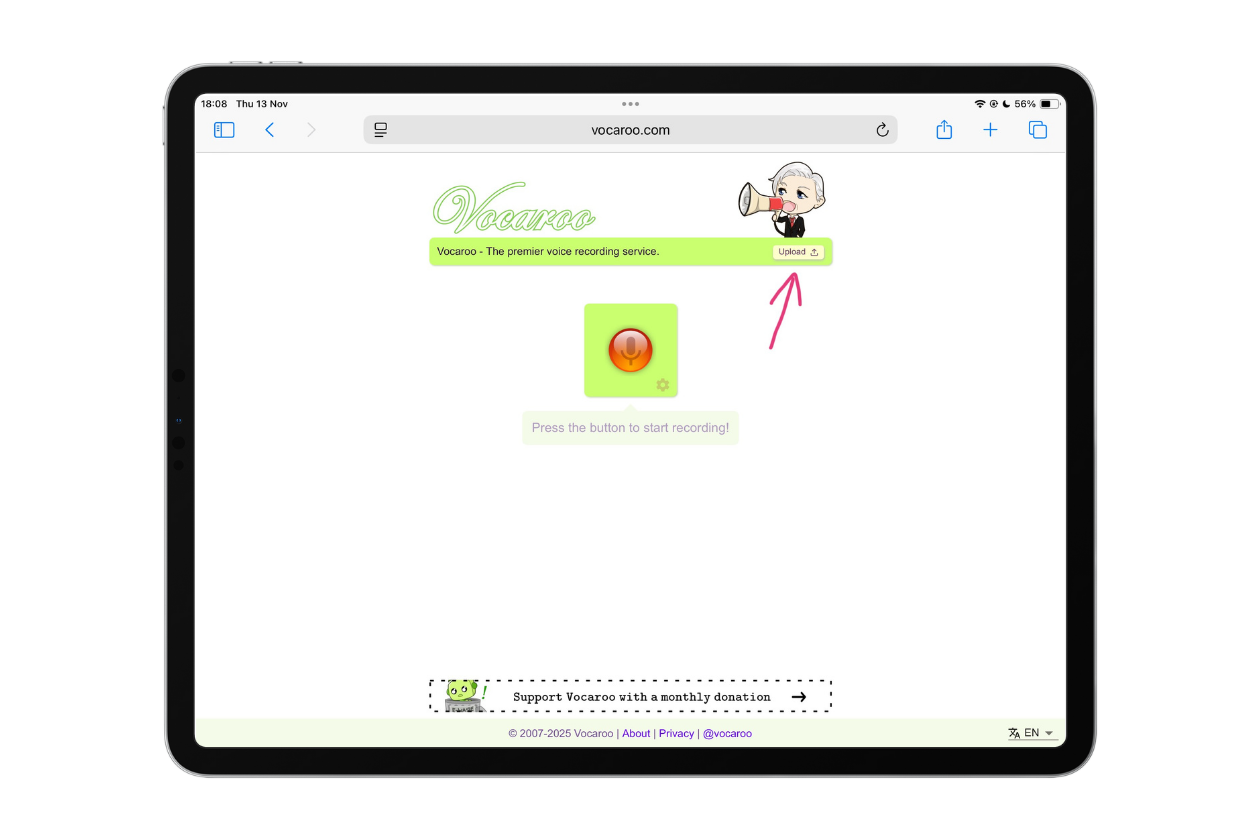
For audio files recorded elsewhere, like in Garageband, you can upload them to Vocaroo as a host site. Type www.vocaroo.com into your browser. 

Tap upload file in the top right corner.


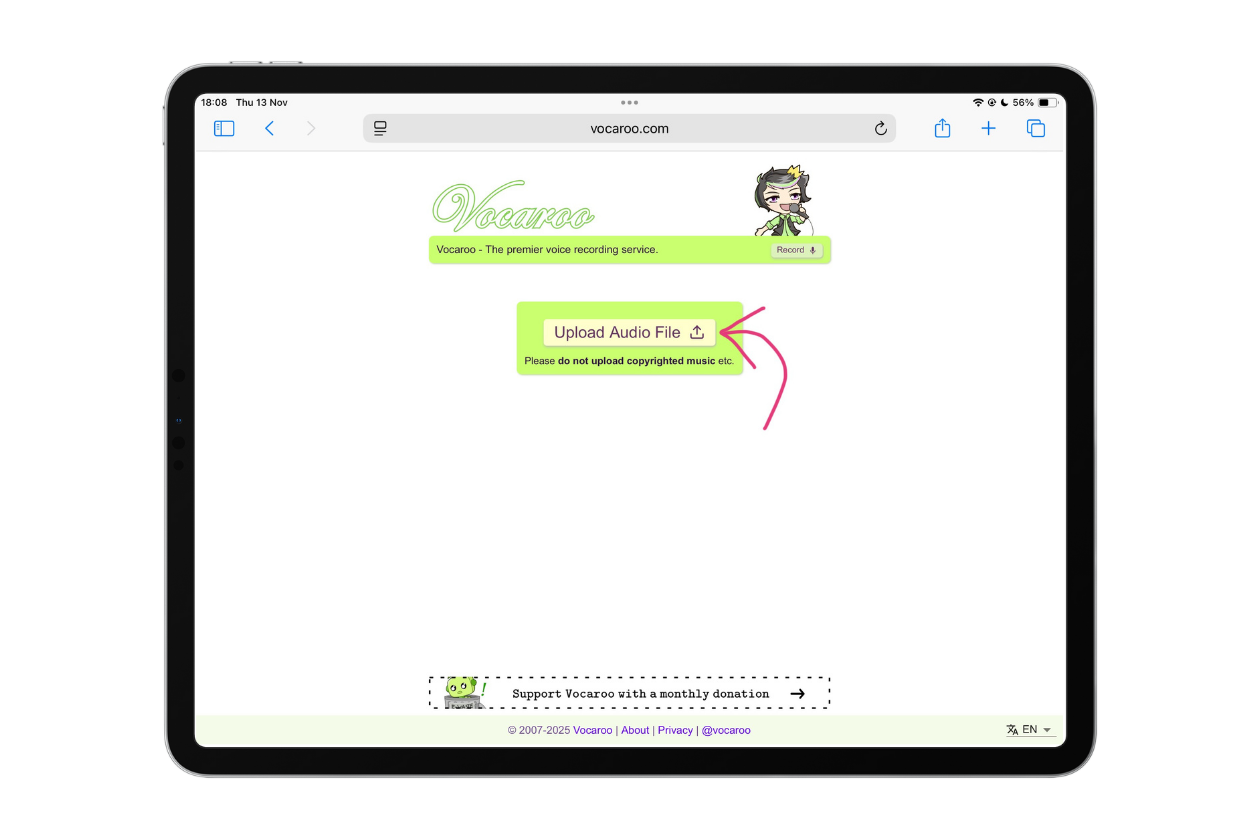
Tap upload audio file:

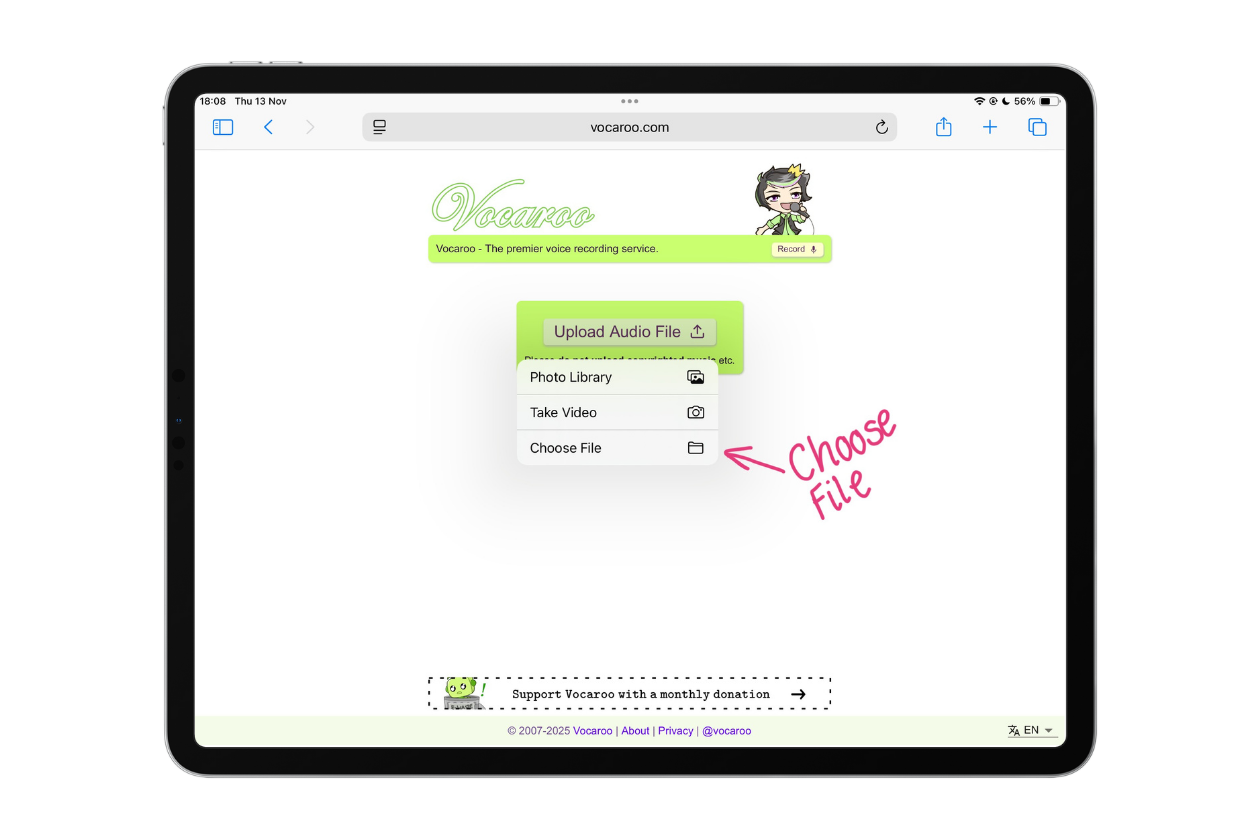
Choose where the audio file is uploading from.

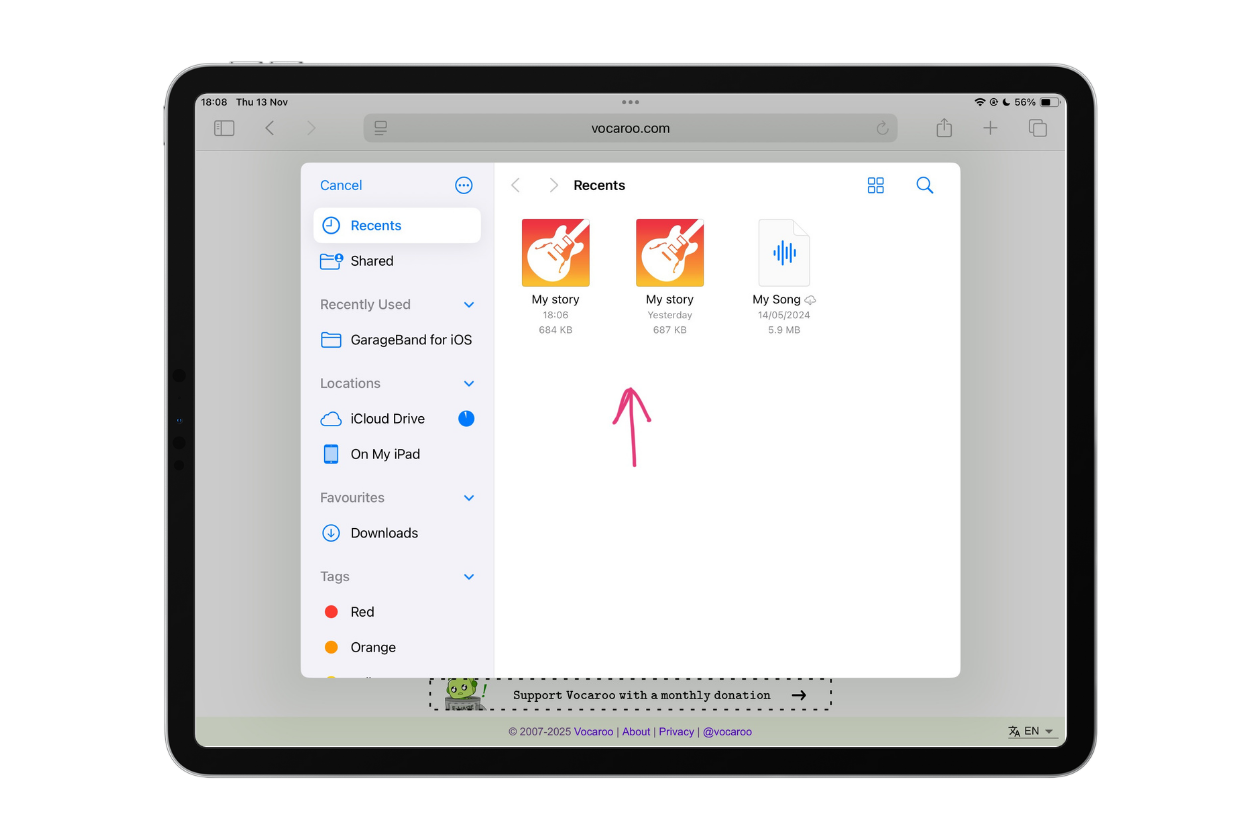
Choose the file you want to upload. 

Once the audio is uploaded, you have the following options to share from: QR code, Embed and Download. 

Session Recording

Here is a recording of the session for those who wish to watch it again or who missed it. Please be aware that the session recording is edited to remove all discussion and task sections. This is to protect the privacy of our participants and ensure everyone feels comfortable speaking freely on mic and in the chat without worry that their comments will be made publicly available.

Session Resources: AI in Education – Engagement and Interaction

This page is for session resources from our AI in Education: Engagement and Interaction session. This session explored AI tools aimed at making learning more interactive and captivating for students.

Session Slides

You can view a PDF copy of the slides below. If you’d prefer the Keynote version please contact Kerry Abercrombie.

Additional Content

Our sessions tend to have a lot of live demonstrations within them. The remainder of the page outlines some of the digital tools covered in the session or signposting to some of the resources shown or mentioned in a format which can be easily revisited or passed along to colleagues who were unable to attend the session.

AI in Education: Guiding Principles and Support

All Falkirk Council education staff using or considering using AI in education should familiarise themselves with the AI in Education: Guiding Principles and Support information

AI Teacher Tools – Starter Suite

Navigating the rapidly evolving landscape of AI in education can be overwhelming for busy educators. Our starter suite offers a carefully curated collection of nine free AI-powered tools which have been assessed to ensure their educational value and ease of initial use. The hope is that this provides a practical entry point for teachers and establishments embarking on their AI journey. The document sorts the tools by educational function, gives an education focused use overview and provides quick guides for each tool.

Falkirk AI Teacher Network

Are you interested in exploring the potential of AI in education? Express your interest in joining our AI Teacher Network. By filling out this form, you’ll help us connect with like-minded educators and keep you updated on exciting opportunities, resources, and events. You will also have the opportunity to influence the use if AI in education within Falkirk. We’ll be in touch with details of how to join the Microsoft Teams space.

Which ‘Grade’ is That? Conversion Table

Here is that handy conversion table for use with AI tools which default to the US system.

Quick Guides

Below you can find the quick guides for the four tools featured in this session.

Curipod

Curipod Quick Start Guide by Miss Abercrombie

What does it do? Curipod is a platform designed to assist educators in creating engaging and interactive lessons. It combines elements like polls, word clouds, and drawing activities to make learning dynamic and participatory. Curipod’s built in AI features allow educators to generate interactive lessons quickly and easily. All AI output is customisable. Additionally, Curipod’s AI adapts content to suit different teaching styles and student needs, streamlining the lesson material creation process while making learning more interactive and engaging.

How do I get access? Teachers can access Curipod by signing up for a free basic account on the Curipod website.

Pupils do not need accounts to participate in Curipod lessons.


Wayground (Quizizz)

Wayground Quick Start Guide by Miss Abercrombie

What does it do? Wayground (formerly Quizizz) is an online learning platform that enables teachers to create and share interactive quizzes, polls, and lessons. Wayground has integrated AI features that allow teachers to automatically generate quizzes, worksheets, and questions based on specific topics or curriculum needs. By using AI, Wayground can suggest questions tailored to different skill levels, provide instant feedback to students, and offer personalised learning paths. This streamlines lesson planning and helps teachers quickly assess student understanding, making the platform more efficient for educational purposes.

How do I get access? Teachers can sign up for a free account at wayground.com

Pupils do not need accounts to participate in Quizizz activities.

Padlet ‘AI Image’ 

Padlet AI Image Quick Start Guide by Miss Abercrombie

What does it do? Padlet’s “AI Image” feature uses a text-to-image AI model to transform users’ written descriptions into images.

How do I get access? Teacher sets up a Padlet and learners access via link or QR code. Pupils do not need to log in.

Adobe Express

Adobe Express Quick Start Guide by Miss Abercrombie

 What does it do? Adobe Firefly in Adobe Express is an AI-powered tool that allows users to generate and edit images using text prompts. It enabling users to quickly create designs, add effects, and make creative adjustments to photos, illustrations, and graphics.

How do I get access? Learners have access to Adobe Express via Glow.


Session Recording

Here is a recording of the session for those who wish to watch it again or who missed it. Please be aware that the session recording is edited to remove all discussion and task sections. This is to protect the privacy of our participants and ensure everyone feels comfortable speaking freely on mic and in the chat without worry that their comments will be made publicly available.

Session Resources: Planning for Effective Digital Experiences

This page is for session resources from our Planning for Effective Digital Experiences session. This session explored planning for digital learning from both a documentation and a practical application point of view. 

Session Slides

You can view a PDF copy of the slides below. If you’d prefer the Keynote version please contact Kerry Abercrombie.

Additional Content

Our sessions tend to have a lot of live demonstrations within them. The remainder of the page outlines some of the digital tools covered in the session or signposting to some of the resources shown or mentioned in a format which can be easily revisited or passed along to colleagues who were unable to attend the session.


Planning for Digital Learning Document

Below we have embedded the new Planning for Digital Learning document. You can also access this in full screen here. As we mentioned in the session, this is only part one – part two which focuses on practical application is currently being created. 


Session Recording

Here is a recording of the session for those who wish to watch it again or who missed it. Please be aware that the session recording is edited to remove all discussion and task sections. This is to protect the privacy of our participants and ensure everyone feels comfortable speaking freely on mic and in the chat without worry that their comments will be made publicly available.

Session Resources: AI in Education – Differentiation and Accessibility

This page is for session resources from our AI in Education: Differentiation and Accessibility session. This session explored AI tools designed to help cater to diverse learner needs.

Session Slides

You can view a PDF copy of the slides below. If you’d prefer the Keynote version please contact Kerry Abercrombie.

Additional Content

Our sessions tend to have a lot of live demonstrations within them. The remainder of the page outlines some of the digital tools covered in the session or signposting to some of the resources shown or mentioned in a format which can be easily revisited or passed along to colleagues who were unable to attend the session.

.

AI in Education: Guiding Principles and Support

All Falkirk Council education staff using or considering using AI in education should familiarise themselves with the AI in Education: Guiding Principles and Support information

Education Prompt Library

The education prompt library is a collection of pre-prepared, high-quality prompts covering a wide range of planning and preparation tasks and pedagogical approaches. Educators can browse the prompts, copy and paste their selected prompt directly into Google Gemini, then customise it to suit their specific context and needs. The education prompt library is an ongoing piece of work and will continue to grow over time. Prompts 4, 5, 7, 10, 11 are specifically related to differentiation or accessibility.

AI Teacher Tools – Starter Suite

Navigating the rapidly evolving landscape of AI in education can be overwhelming for busy educators. Our starter suite offers a carefully curated collection of nine free AI-powered tools which have been assessed to ensure their educational value and ease of initial use. The hope is that this provides a practical entry point for teachers and establishments embarking on their AI journey. The document sorts the tools by educational function, gives an education focused use overview and provides quick guides for each tool.

Falkirk AI Teacher Network

Are you interested in exploring the potential of AI in education? Express your interest in joining our AI Teacher Network. By filling out this form, you’ll help us connect with like-minded educators and keep you updated on exciting opportunities, resources, and events. You will also have the opportunity to influence the use if AI in education within Falkirk. We’ll be in touch with details of how to join the Microsoft Teams space.

Which ‘Grade’ is That? Conversion Table

Here is that handy conversion table for use with AI tools which default to the US system.

Quick Guides

Below you can find the quick guides for the four tools featured in this session.

Google Gemini – Quick Start Guide

Gemini Quick Guide by Miss Abercrombie

What does it do?

Google Gemini chatbot is a large language model (LLM) developed by Google. While Google Gemini describes a family of LLM tools integrated throughout Google Workspace, the Google Gemini standalone chatbot is available to all staff via Glow login to the Google Workspace tenancy operated by Glow/Education Scotland. Its ability to process and generate diverse information aims to create more natural and helpful AI interactions. Google Gemini is an 18+ product and is only available to staff users within Glow. It is designed to be multimodal, meaning it can understand and operate across text, code, images, and more.   

How do I get access? Staff can log into Google Gemini for free via their Glow account. Learners do not have access to Google Gemini via Glow as it is an 18+ product.

Diffit

Diffit Quick Start Guide by Miss Abercrombie

What does it do? Diffit is an AI-powered tool designed to help educators create differentiated learning materials quickly. It allows teachers to generate customised content at various reading levels based on a given text or topic. By adjusting the complexity of language, Diffit ensures that students with different abilities can engage with the same subject matter, supporting personalised learning and making lesson planning more efficient for teachers. 

How do I get access? Teachers can sign up for a free account on the Diffit website.

Pupils do not need to access Diffit.

Magic School – Quick Start Guide

Magic School Quick Start Guide by Miss Abercrombie

What does it do? Magic School is a collection of 70+ AI tools (Magic Tools) to help teachers with a variety of tasks including lesson planning, differentiation, planning group work, generating vocabulary lists, and so much more. It also has 40+ responsible AI tools that can be launched to students to allow them to explore generative AI while the teacher can monitor their interactions with and the outputs from the AI model. Tools for students include study habits, debate partner, multiple explanations and more.

How do I get access? Teachers can sign up for a free account on the Magic School website.

Pupils do not need accounts to participate in Magic School activities.

School AI – Quick Start Guide

SchoolAI Quick Start Guide by Miss Abercrombie

What does it do? School AI allows learners to explore a Large Language Model in a safe environment through ChatGPT powered experiences called Spaces. Teachers can choose from a library spaces, or create their own with custom instructions tailored to learners’ needs. Teachers can manage, moderate and steer as students interact with the machine and receive real time ‘insights’ as well as being able to access live conversations from the teacher moderation screen.

How do I get access? Teachers can access School AI by signing up for a free basic account on the School AI website.

Pupils do not need accounts to participate in School AI spaces.

Session Recording

Here is a recording of the session for those who wish to watch it again or who missed it. Please be aware that the session recording is edited to remove all discussion and task sections. This is to protect the privacy of our participants and ensure everyone feels comfortable speaking freely on mic and in the chat without worry that their comments will be made publicly available.