⏱️🎲 Time Investigations – Learning Through Play!
We had a fantastic enquiry-based, classroom learning experience this week, all centred around time – and what a fun and engaging lesson it was! ⏳✨
Pupils explored different units and aspects of time through a series of interactive, play-based activities. Working in groups and leading their own learning, they embraced new challenges, developed their understanding, and—most importantly—had great fun along the way!
🔄 Rotational Grouping Approach
We used a rotational grouping approach, where pupils worked in groups and moved between three different classroom-based learning stations.
This ensured that all learners stayed engaged, supported one another, and experienced a variety of approaches to understanding time. Each activity focused on a different aspect of time:
• ⏱️ Timer Challenge (Units of Time)
• 🎲 Connect Four Time Game (Analogue to 24-Hour Conversion)
• 🧠 Time Duration Challenge (Problem Solving & Strategy)
Transitions between activities were smooth, and pupils built on their learning as they progressed through each station.
🎯 Enquiry-Based Play in Action
This lesson was designed around play, challenge, and exploration, allowing pupils to actively investigate time concepts in meaningful ways:
• Activity 1 – Beat the Timer! ⏱️
Pupils took part in timed challenges where they had to complete tasks within a set timeframe. They then reflected on whether they could improve their speed and accuracy.
➡️ This helped develop awareness of different units of time and how time can be measured.
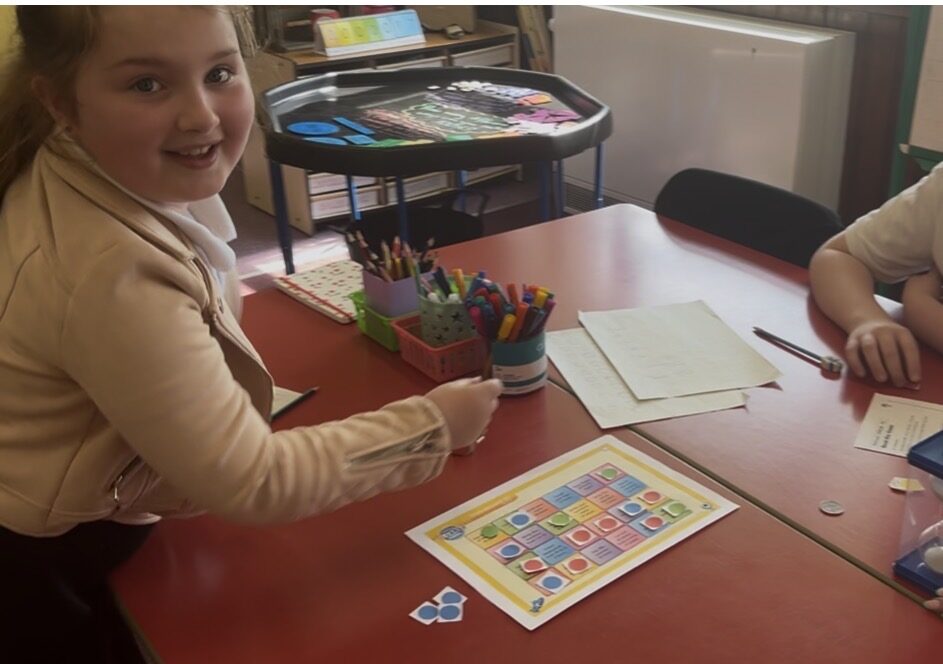
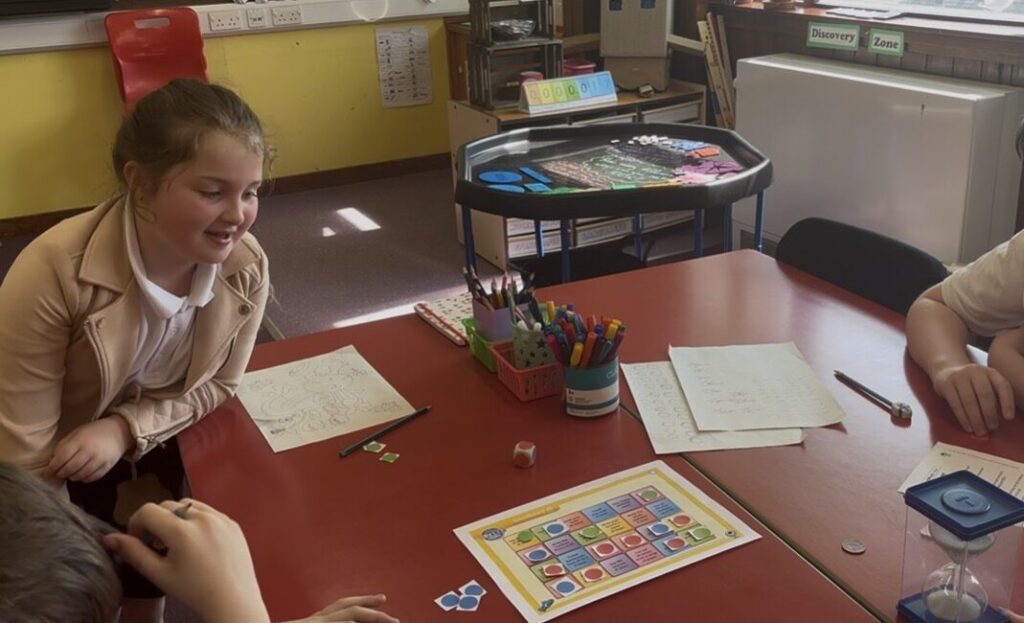
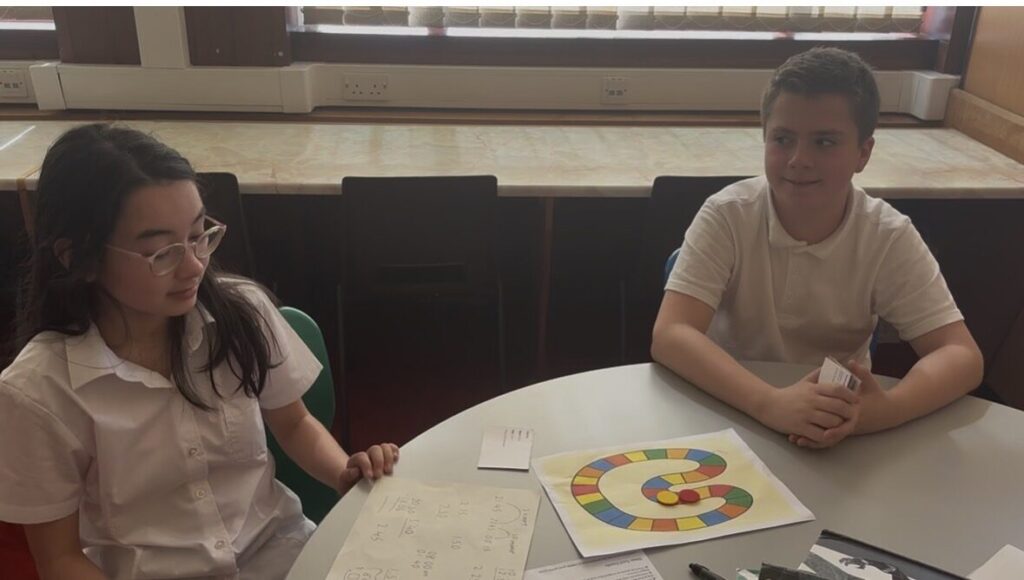
• Activity 2 – Connect Four Time Edition 🎲
Inspired by the classic game, pupils converted analogue times into 24-hour digital times.
✔️ Correct answers allowed them to place a counter on the board
🏆 The first to connect four counters in a row won!
➡️ This reinforced understanding of time conversion in a fun, competitive way.
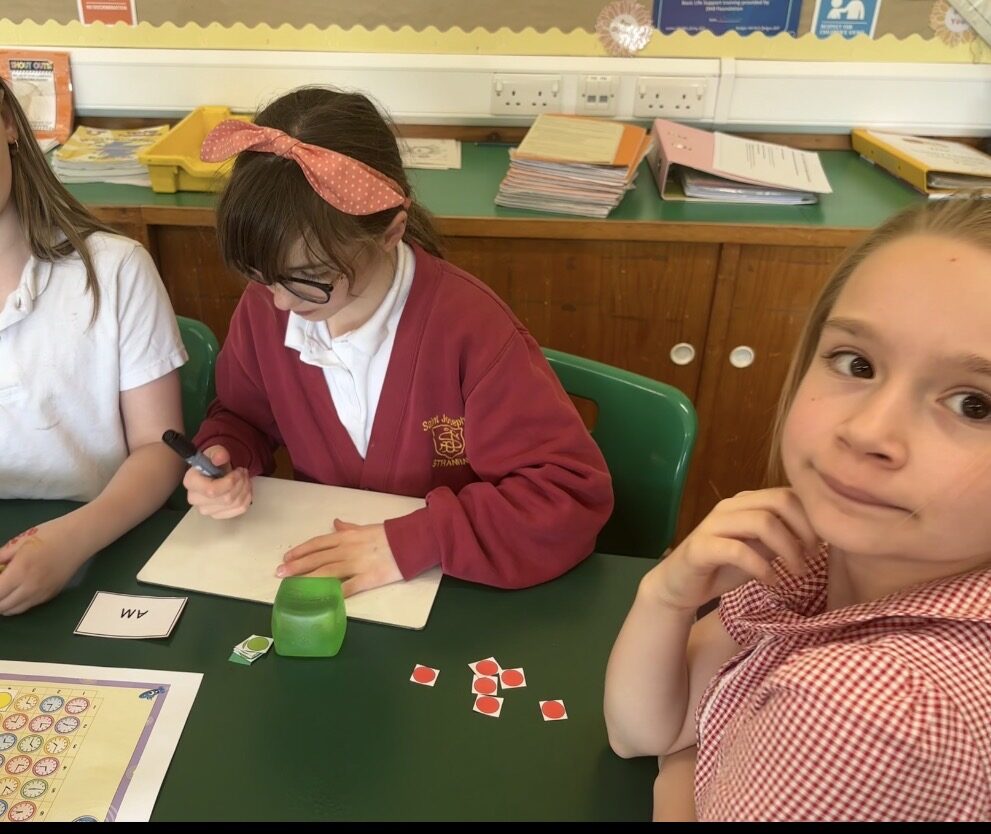
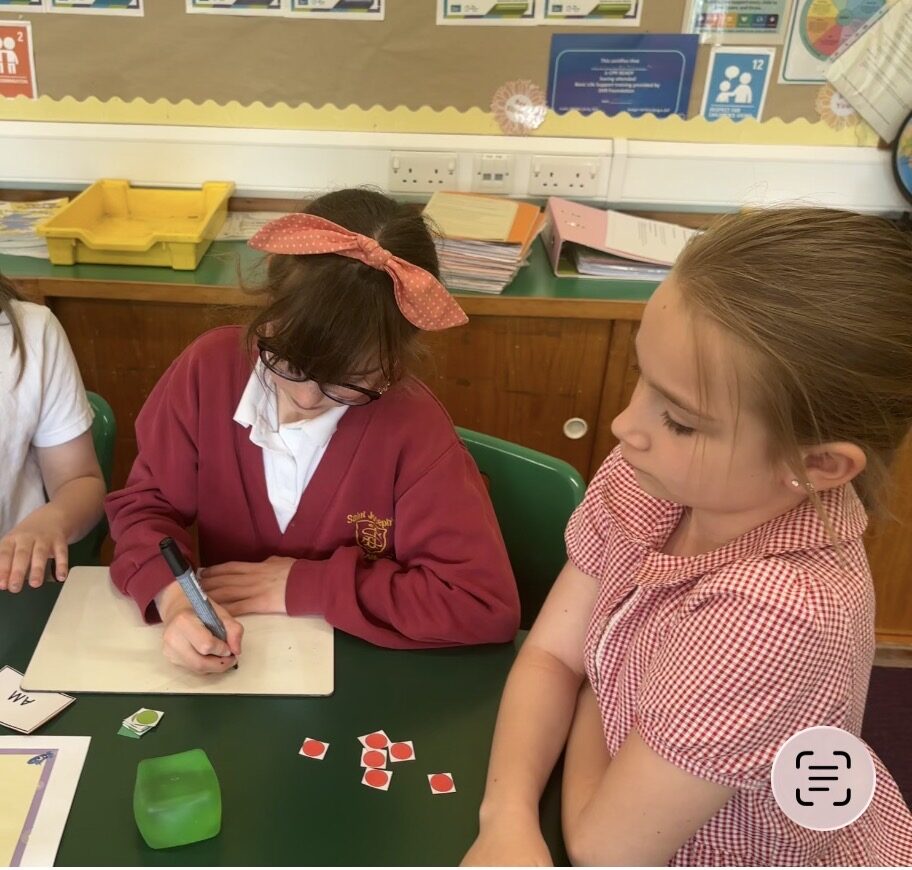
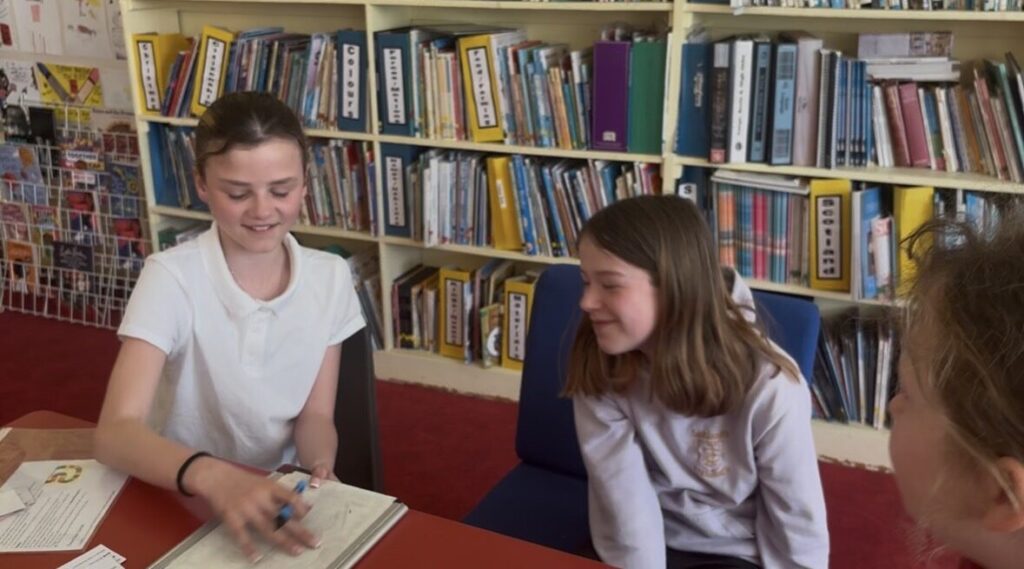
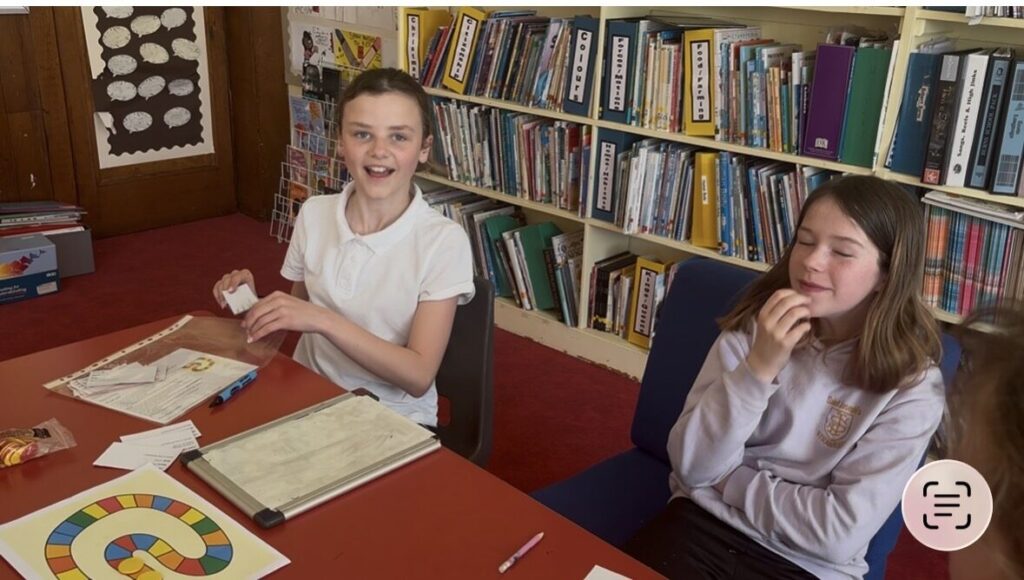
• Activity 3 – Time Duration Challenge 🧠
Using challenge cards, pupils solved time duration problems on whiteboards, applying the jump strategy to calculate answers.
✔️ Correct answers allowed movement along the board
🏁 The first to reach the finish line was the winner!
➡️ This supported problem-solving skills and deeper understanding of elapsed time.
🌟 Learning Through Play
The classroom was full of energy, collaboration, and excitement. Pupils:
• Worked together to solve problems and share ideas
• Developed confidence in using different time strategies
• Challenged themselves to improve accuracy and speed
• Learned through hands-on, engaging play experiences
It was wonderful to see learners taking ownership of their learning and embracing new challenges with enthusiasm 😊
💬 What We Learned
By the end of the lesson, pupils could:
• Identify and use different units of time
• Convert analogue times into 24-hour digital times
• Calculate time durations using effective strategies
• Apply their knowledge in fun, practical contexts
⭐ A Brilliant Example of Play-Based Learning
This lesson highlighted how enquiry-based, play-led learning can create meaningful and enjoyable experiences in the classroom.
Pupils not only developed key numeracy skills but also built confidence, resilience, and teamwork through engaging challenges.
Well done everyone for your fantastic effort and enthusiasm! 👏✨
🌍 UNCRC Links
• Article 28: Every child has the right to an education.
• Article 29: Education should develop each child’s talents and abilities.
• Article 12: Every child has the right to express their views and take part in learning.
🌱 Sustainable Development Goals (SDGs)
• SDG 4: Quality Education – Developing numeracy skills through engaging and inclusive learning experiences.
💚 Wellbeing Indicators
• Achieving: Developing confidence and accuracy in time concepts.
• Included: All learners supported through group work and play-based learning.
• Active: Engaging in hands-on, interactive challenges.
• Confident: Building self-belief through success and participation.
💡 Meta-skills
Learners developed a range of meta-skills, including:
• Collaborating – working effectively in groups
• Adapting – trying new strategies and approaches
• Focusing – completing timed challenges
• Initiating – taking ownership of tasks and decisions
🌟 The Four Capacities
• Successful Learners: Applying knowledge of time in practical contexts
• Confident Individuals: Taking on challenges and sharing ideas
• Responsible Citizens: Supporting peers and respecting group roles
• Effective Contributors: Working collaboratively to solve problems
✝️ Strands of Faith
• In the Image of God: Valuing each individual’s contribution and effort
• Reign of God: Encouraging fairness, teamwork, and mutual support
• Signs of God: Recognising joy, perseverance, and achievement in learning