🌍⚡ Outdoor Energy Investigators for Earth Day – P7s Leading the Way!
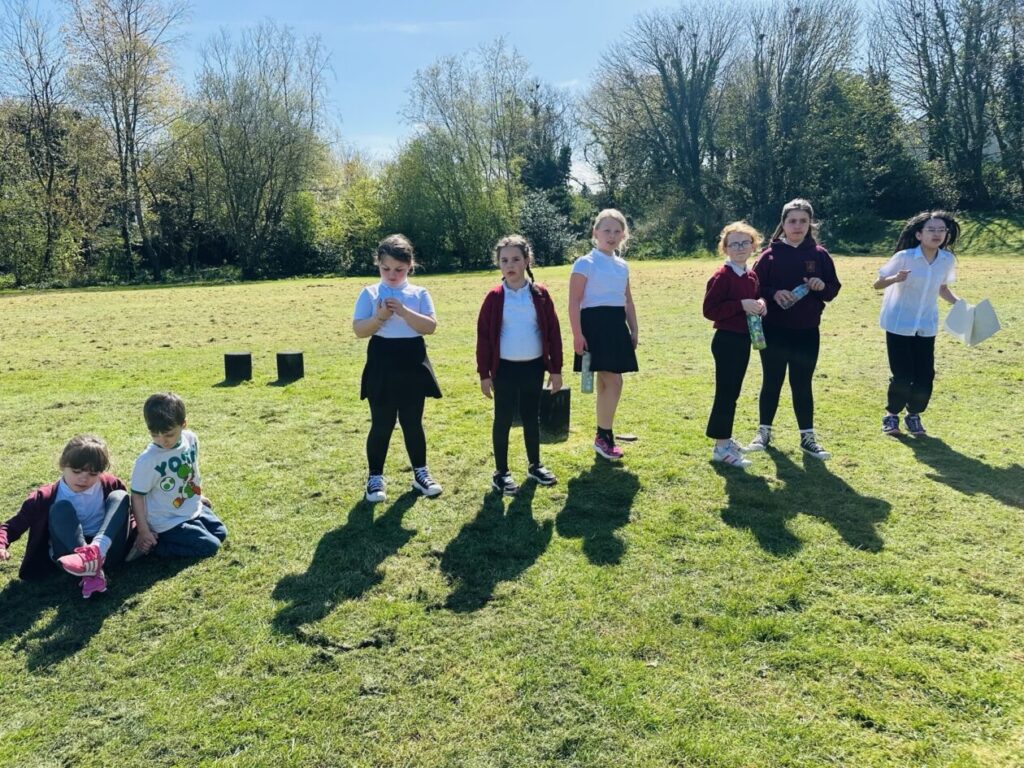
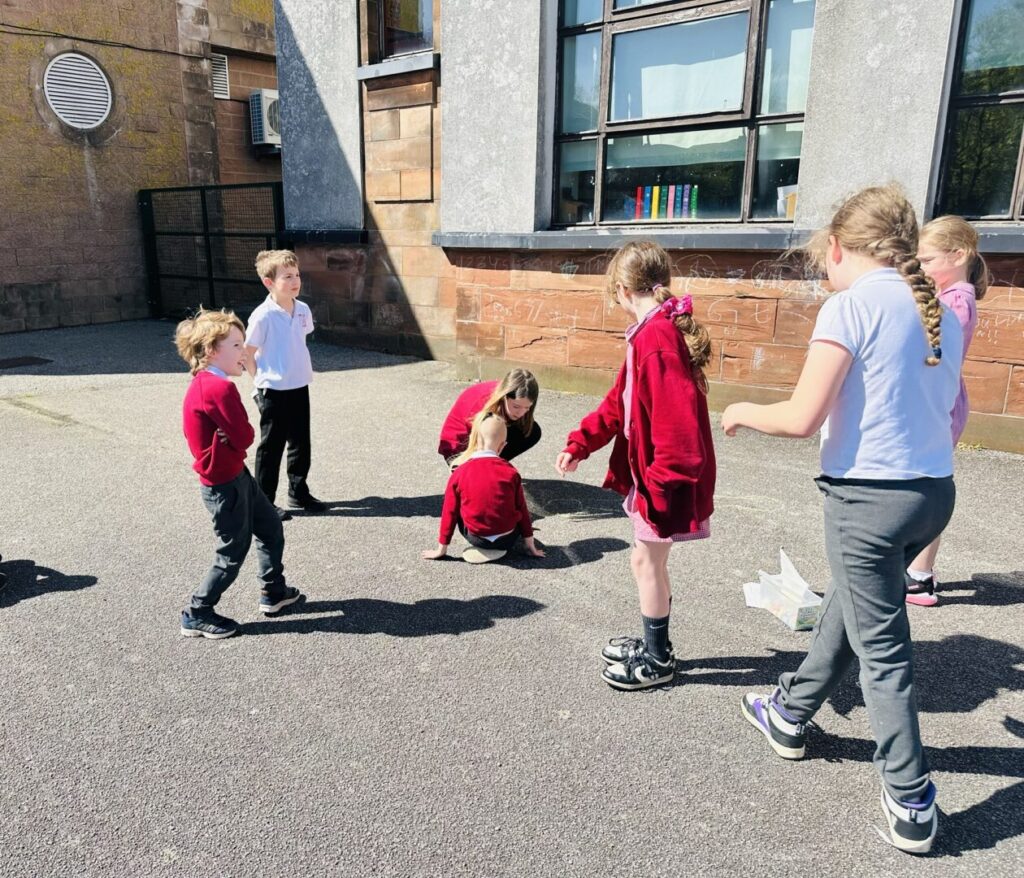
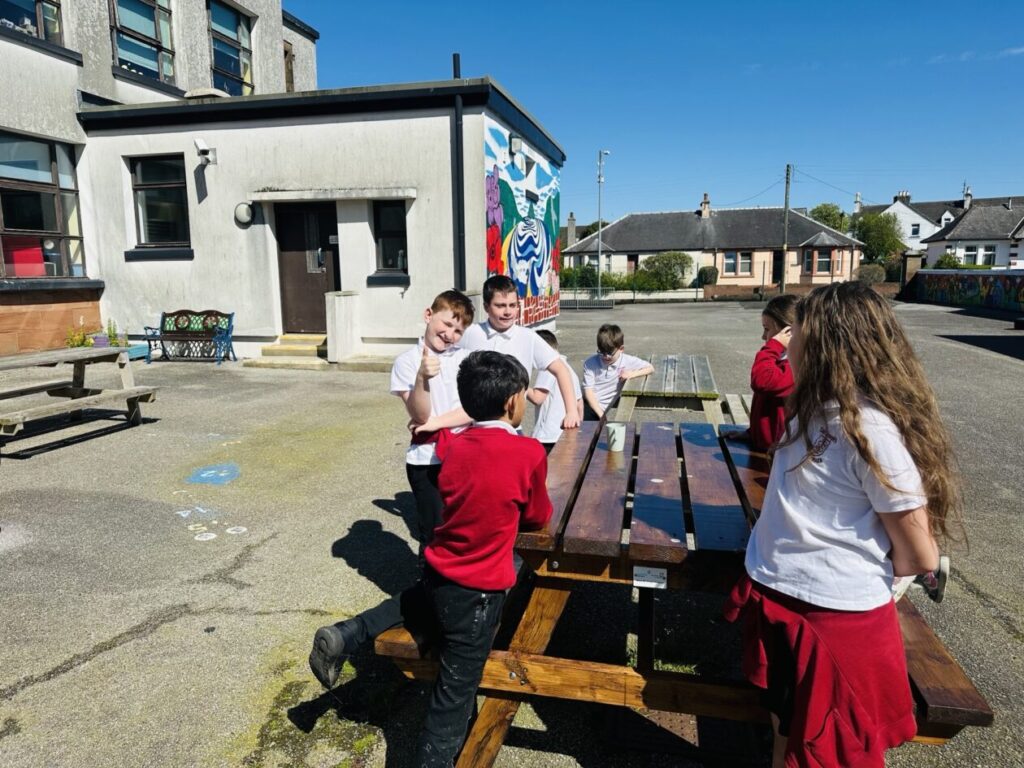
We took our learning outside this week for a fantastic Learning for Sustainability lesson all about renewable and non-renewable energy – and what a success it was! 🌱
This was especially meaningful as we celebrated Earth Day, helping us to think about how we can all look after our planet.
Our P7 leaders – Ross, Myra, Danielle and Gregor – were absolutely brilliant at guiding the younger pupils through a series of hands-on outdoor investigations.
🔄 Rotational Grouping Approach
We used a rotational grouping approach, where mixed-age groups moved between three different outdoor learning stations. This helps all pupils stay engaged, active, and supported, while giving everyone the chance to experience each activity.
Each station focused on a different type of renewable energy:
- ☀️ Solar energy (shadow and heat investigation)
- 💨 Wind energy (movement and materials test)
- 🔥 Solar heating (sun vs shade comparison)
The transitions were smooth, and pupils built their understanding as they rotated through each task.
🌿 Outdoor Learning at Its Best
Taking the lesson outdoors allowed pupils to experience energy in a real and meaningful way. They:
- Drew and revisited shadows to observe the sun’s energy
- Tested different materials to see what the wind could move
- Compared water in the sun and shade to explore heat energy
This kind of outdoor learning made the science feel relevant, active, and engaging.
🎯 P7 Leadership and Play-Based Learning
A huge well done to our P7s, who led each station with confidence and enthusiasm. They:
- Explained each experiment clearly
- Supported and encouraged younger pupils
- Used great vocabulary to explain renewable and non-renewable energy
- Asked thoughtful questions to deepen understanding
It was fantastic to see them stepping into leadership roles and supporting learning through a play-based, active approach.
💬 What We Learned
By the end of the lesson, pupils could:
- Identify examples of renewable energy such as sun and wind
- Begin to understand non-renewable energy and why it can run out
- Explain how energy from nature can be used in everyday life
⭐ A Brilliant Example of Learning in Action
This was a great example of how our outdoor learning and play-based learning can create a rich and meaningful learning experience for all pupils.
Linking our learning to Earth Day helped us reflect on how we can all play a part in protecting our planet.
We are especially proud of our P7s for leading the way and supporting others so confidently 👏
Well done everyone! 🌍✨
🌍 UNCRC Links
Article 29: Education should develop respect for the natural environment.
Article 12: Every child has the right to express their views and share their learning.
🌱 Sustainable Development Goals (SDGs)
SDG 7: Affordable and Clean Energy – learning about renewable energy sources.
SDG 13: Climate Action – understanding how our choices impact the planet.
💚 Wellbeing Indicators
Achieving: Developing knowledge of energy and sustainability.
Nurtured: Building confidence through leadership and group work.
Responsible: Understanding how energy choices affect the environment.
💡 Meta-skills
All 12 Meta-skills developed and applied through leadership, collaboration, investigation and discussion.
🌟 The Four Capacities
Successful Learners: Developing understanding through real-life, outdoor experiences.
Confident Individuals: Sharing ideas and leading learning.
Responsible Citizens: Understanding the importance of renewable energy.
Effective Contributors: Working together and supporting others in group tasks.
✝️ Strands of Faith
In the Image of God: Recognising and valuing each person’s contributions.
Reign of God: Working together to care for our world and each other.