🌳 Orchard Work with Incredible Edibles – A Brilliant Winter Morning of Outdoor Learning!
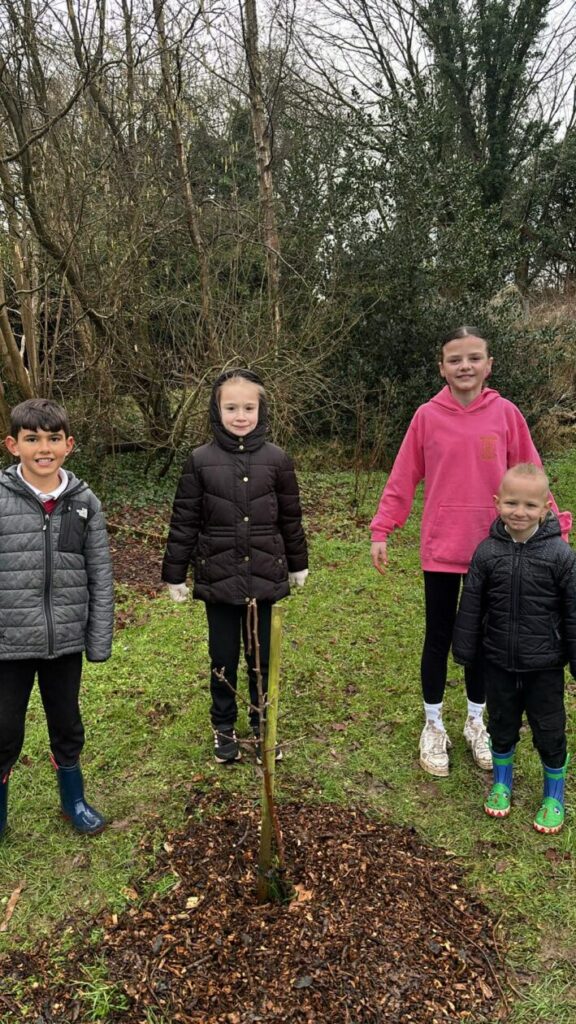
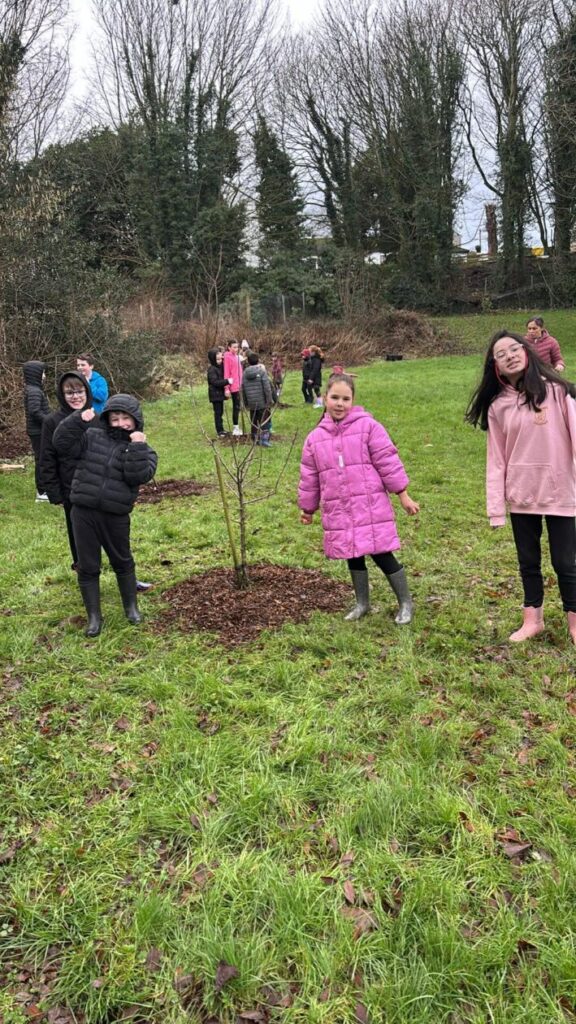
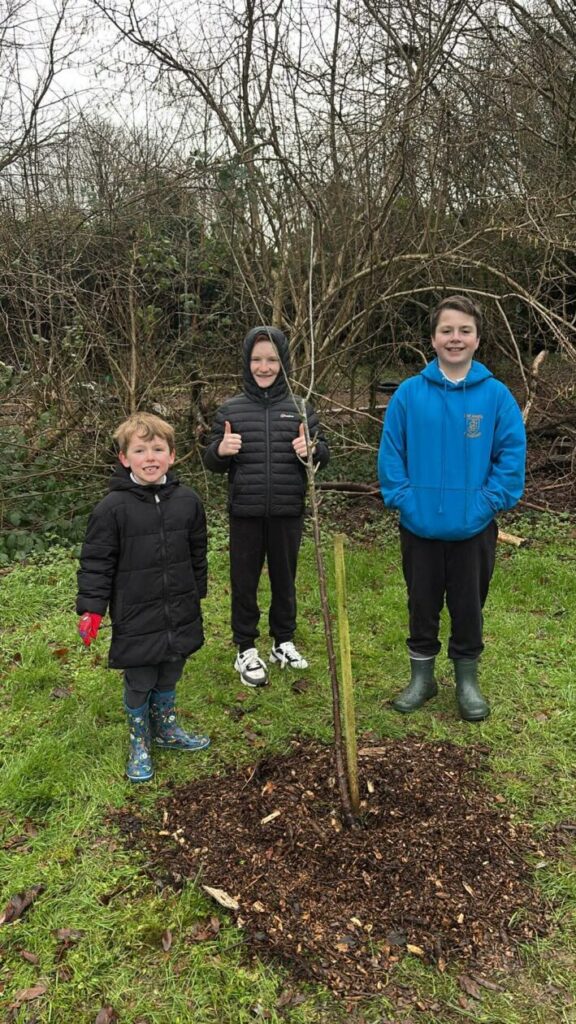
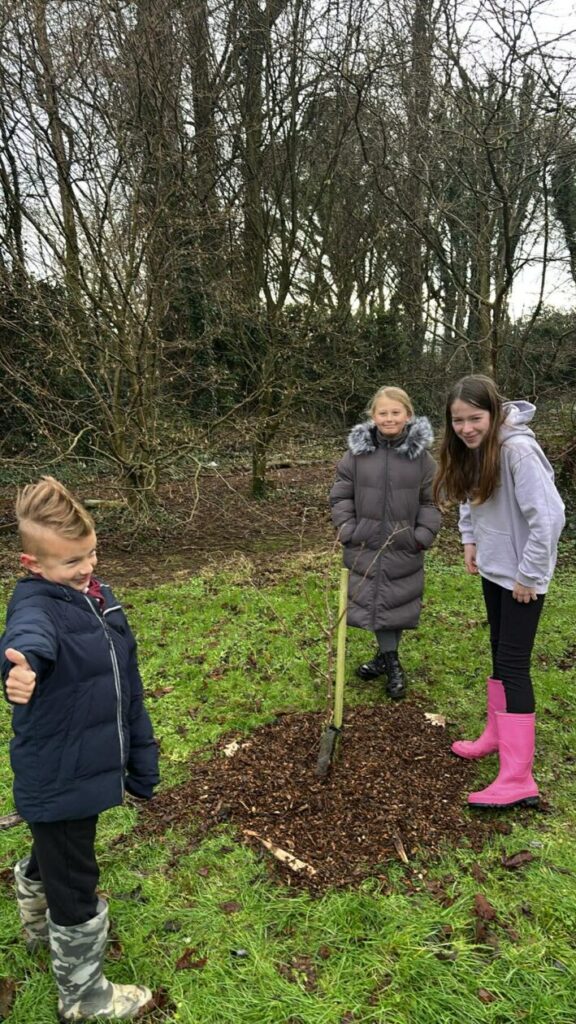
We had a fantastic (and very muddy!) winter morning in our school grounds as Norval Dampney from Incredible Edibles came to visit and help us care for our orchard 🌱🍎.
It was our first orchard visit of the season, and we were excited to spot the fruit tree buds beginning to fatten up. The children also noticed hazel catkins and tiny red flowers, which led to some brilliant questions – including why hazel flowers in winter. We talked about how hazel is wind-pollinated rather than relying on insects, which may be why it flowers earlier in the year. A great example of pupil curiosity leading the learning!
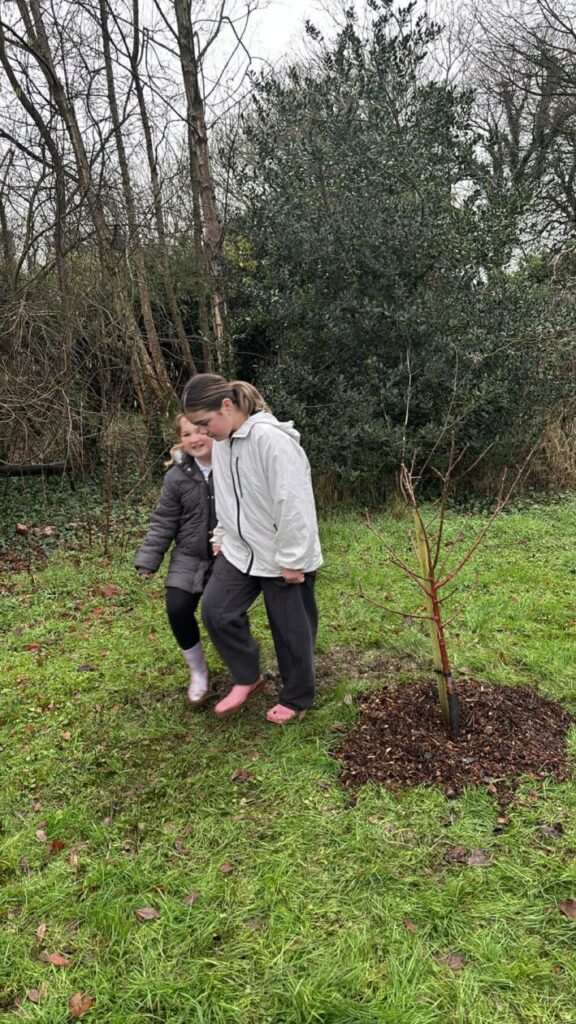
The children were extremely enthusiastic and very well behaved, listening carefully and getting fully involved in the tasks. They helped with mulching and pruning, and also checked the trees for signs of damage and crossing branches, learning how this helps keep trees healthy and growing well.
There were lots of great conversations too, as Norval spoke with the pupils about food miles, carbon footprint, local produce, pesticides, microbes in the soil, wildlife habitats, and even how cardboard is made. The children asked thoughtful questions and showed a real interest in how our food and environment are connected 🌍🐝.
We are also very lucky at St Joseph’s to have a wonderful wild woodland area at the back of our playground, which is perfect for nature spotting and outdoor learning. It was especially lovely to hear that this area was planted by Norval’s own class and the after-school club when she taught here around 20 years ago, and that the school has continued to care for it by keeping it wild and adding log habitat piles and benches.
A huge thank you to Norval and Incredible Edibles for such an informative, hands-on and inspiring session. Everyone really did get mucked in, and it was a lovely way to spend a winter morning learning outdoors ❄️🌿
🌍 UNCRC (Rights of the Child)
- Article 12 – Respect for the views of the child
Pupils asked questions about hazel flowering, food miles and wildlife and had their ideas listened to and discussed. - Article 24 – Health and wellbeing
Outdoor learning supported physical activity, fresh air and positive mental wellbeing. - Article 29 – Goals of education
Learning developed respect for the environment, sustainability and responsibility for caring for living things. - Article 31 – Leisure, play and culture
Pupils learned through active, hands-on experiences in the school grounds and woodland area.
🌱 Sustainable Development Goals (SDGs)
- SDG 3 – Good Health and Wellbeing
Learning outdoors supports wellbeing and physical health. - SDG 11 – Sustainable Communities
Caring for the school orchard and grounds supports community green spaces. - SDG 12 – Responsible Consumption and Production
Discussions about food miles, local produce and pesticides linked to making sustainable choices. - SDG 13 – Climate Action
Learning about carbon footprint and caring for trees supported understanding of climate impact. - SDG 15 – Life on Land
Focus on wildlife habitats, soil microbes and protecting trees supports biodiversity.
💛 SHANARRI Indicators
- Safe – Clear adult supervision during outdoor activities and tool use awareness.
- Healthy – Fresh air, movement and outdoor learning supporting wellbeing.
- Achieving – Pupils developed new skills in gardening and environmental understanding.
- Nurtured – Supportive, encouraging environment with adults modelling care for nature.
- Active – Hands-on mulching, pruning and tree checking.
- Respected – Pupils’ questions and ideas were valued and discussed.
- Responsible – Pupils took responsibility for caring for trees and habitats.
- Included – All pupils were involved in practical tasks and discussions.
🧠 Meta-skills
- Collaboration – Working together to mulch, prune and inspect trees.
- Communication – Asking questions, listening to explanations and sharing ideas.
- Creativity – Thinking about how environments work and imagining future growth.
- Critical Thinking – Exploring why hazel flowers in winter and how pollination works.
- Leading – Pupils taking turns to help, support peers and contribute ideas.
- Feeling – Developing confidence, curiosity and enjoyment in outdoor learning.
✝️ Strands of Faith
- In the Image of God
Caring for Creation and recognising responsibility to look after living things. - Reign of God
Acting in loving, just and responsible ways towards the world and each other. - Signs of God
Seeing God’s presence through nature, growth and the beauty of Creation.
🌟 Four Capacities
- Successful Learners
Pupils were engaged, curious, asked thoughtful questions and applied new knowledge. - Confident Individuals
Pupils contributed ideas, asked questions and took part in practical tasks. - Responsible Citizens
Learning about sustainability, food miles and caring for the environment. - Effective Contributors
Pupils worked together, followed instructions and supported orchard tasks actively.