Author: Y. McBlain

Developing Skills Progression at Hallglen Primary School

WP_20150317_002

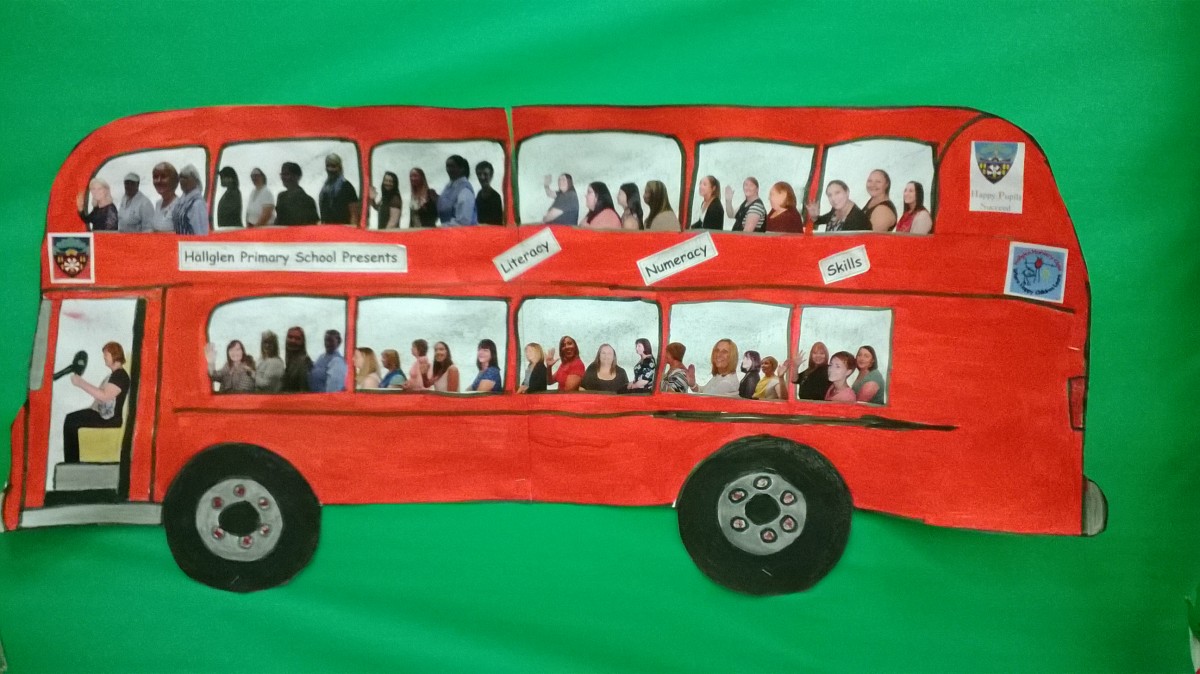
The senior management team at Hallglen PS shared their development of skills progression across learning with Yvonne McBlain of Falkirk’s Service, Support and Improvement team on Tuesday 17th March 2015. Alison McCalley, head teacher, Val Campbell, depute head teacher and Linda Hastie, principal teacher, have been working on this development with staff colleagues this session and during session 2013-14. During the conversation, it became clear that this initial task has had much wider impact on staff and pupils, and on the ethos and life of Hallglen as a school. After hearing about the school’s journey, Yvonne recognised that the staff are building their curriculum together, and defining how their learners will progress through their broad, general education.  Many schools are currently on this journey and it is good to be able to share an example from a Falkirk school. Click here to view a video clip from Education Scotland which defines how another head teacher managed this process.
WP_20150317_001

Hallglen’s Process & Impact so far:

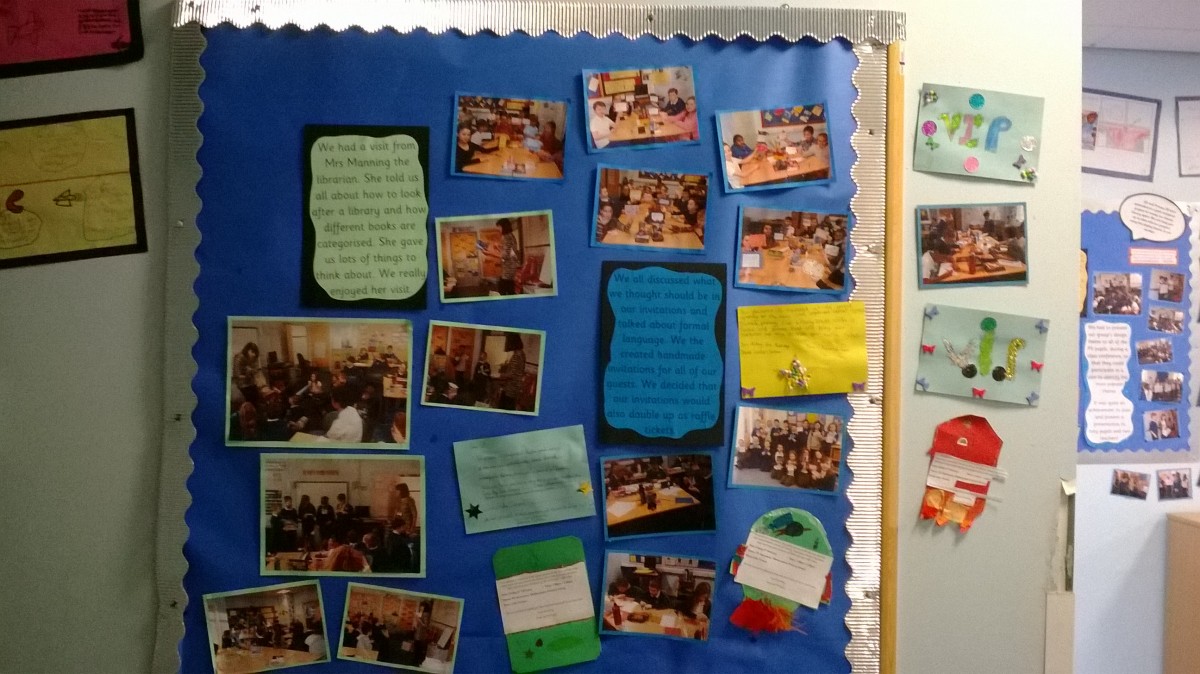
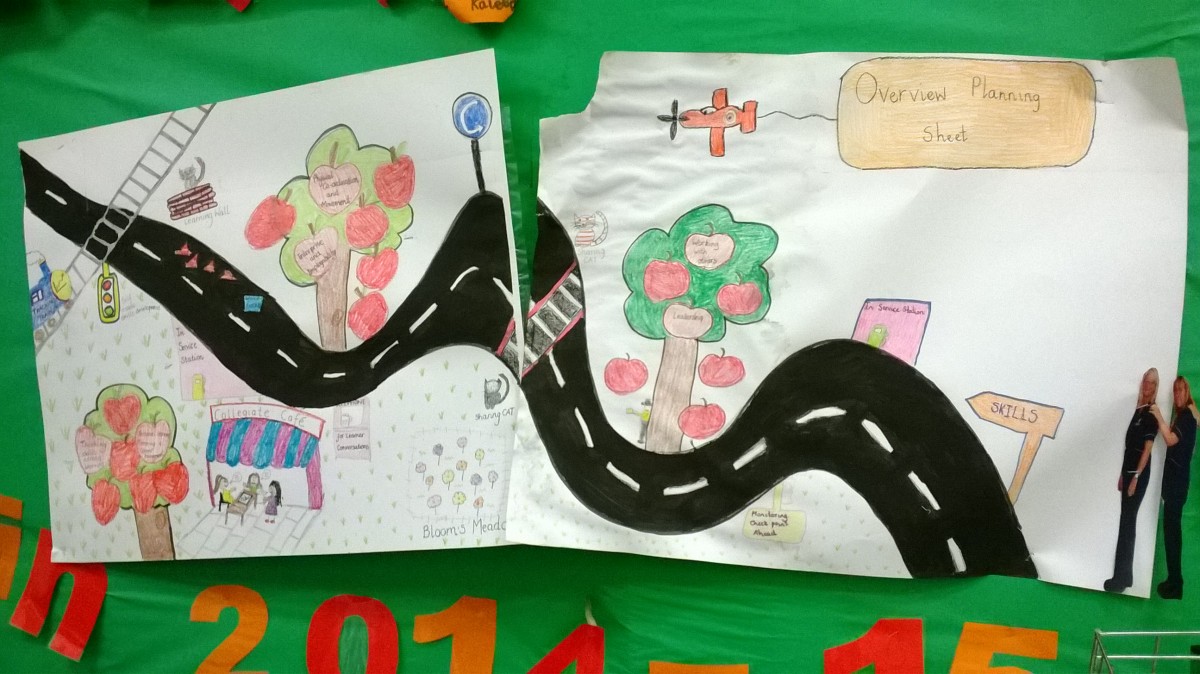
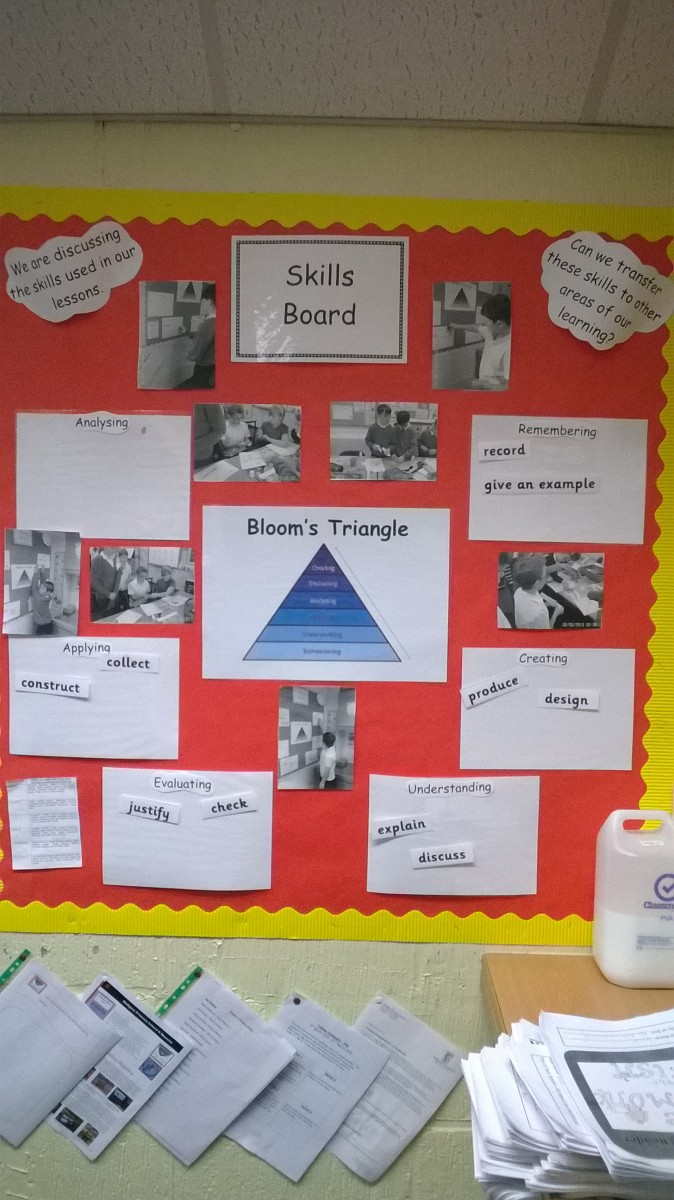
  1. Alison used active approaches to engage staff in deep discussions about their rationale for prioritising skills progression and assessment as improvement priorities.  (See photos of the displays) These meetings effectively build a shared, clear vision and coherence about the tasks.
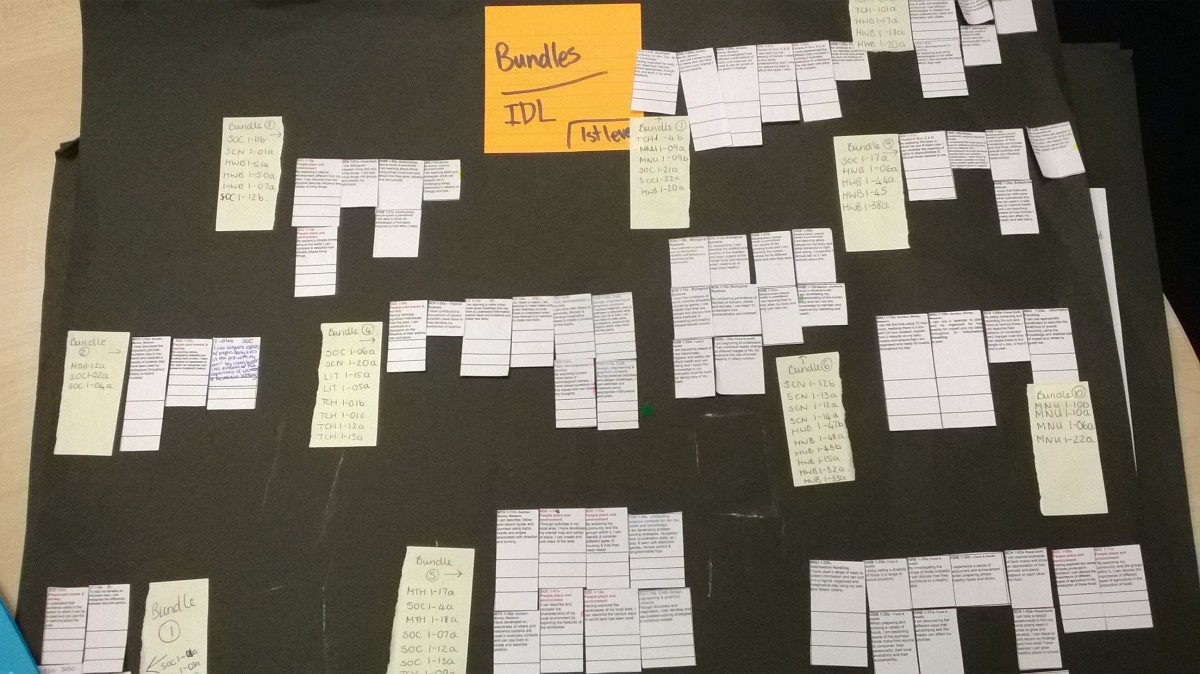
  2. Staff  switch to collegiate planning focusing on the same Experiences and Outcomes, and using existing topics. Staff really valued these opportunities to plan together because they were better able to unpack the skills within the E & Os and could see how to progress these skills across each stage. (Alison facilitated using skills support materials from Education Scotland website)
  3. Whole staff decide to moderate their planning at the start of a topic, and again at the end. The quality of  professional dialogue at meetings continues to deepen staff understanding of why they teach what they teach. Staff tour their classrooms to share their learning walls – they enjoy and value the ideas and knowledge they gain from each other. Peer support and professional dialogue are further enriched by this. WP_20150317_031
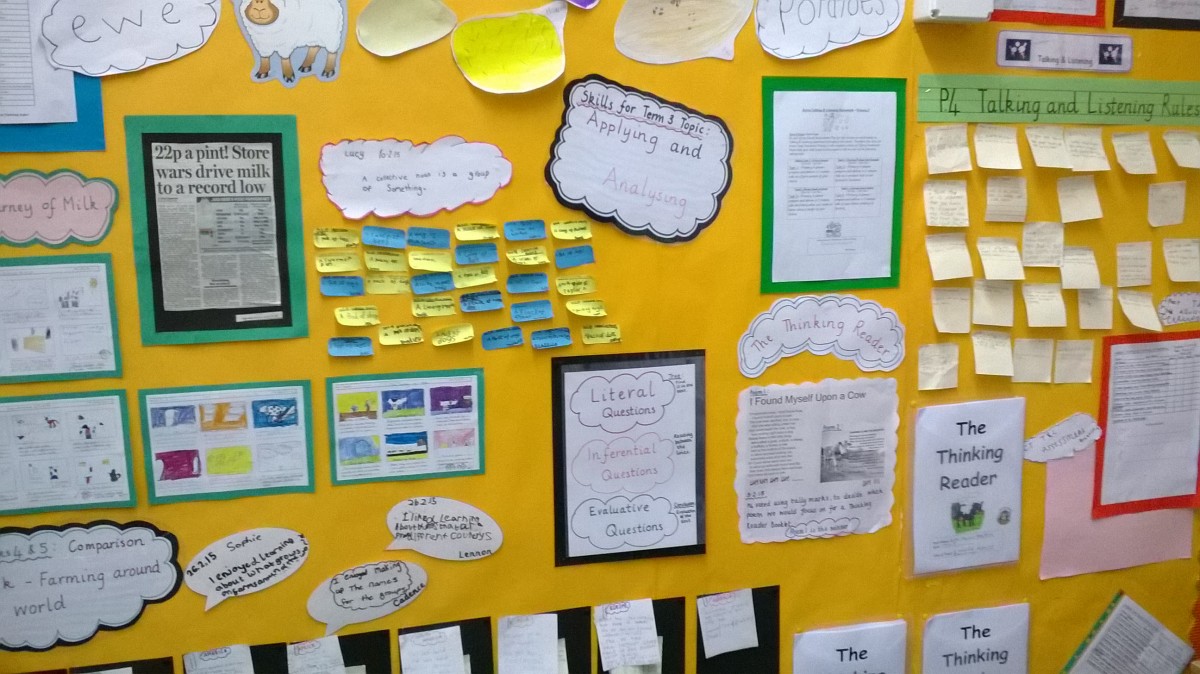
  4. Elements of the task are defined and distributed across Raci groups. Shared vision, builds a culture of distributed leadership within the school. Teachers have a sense of agency about their work and are enjoying the systems of monitoring and tracking which they helped to co-create.
  5. Alison applied her reflections from the Curriculum Architecture session delivered by Education Scotland last session.  Staff switch to using the significant aspects of learning and realise that they need to be more flexible with their contexts for learning – IDL is not the same as “topic”.
  6. WP_20150317_054
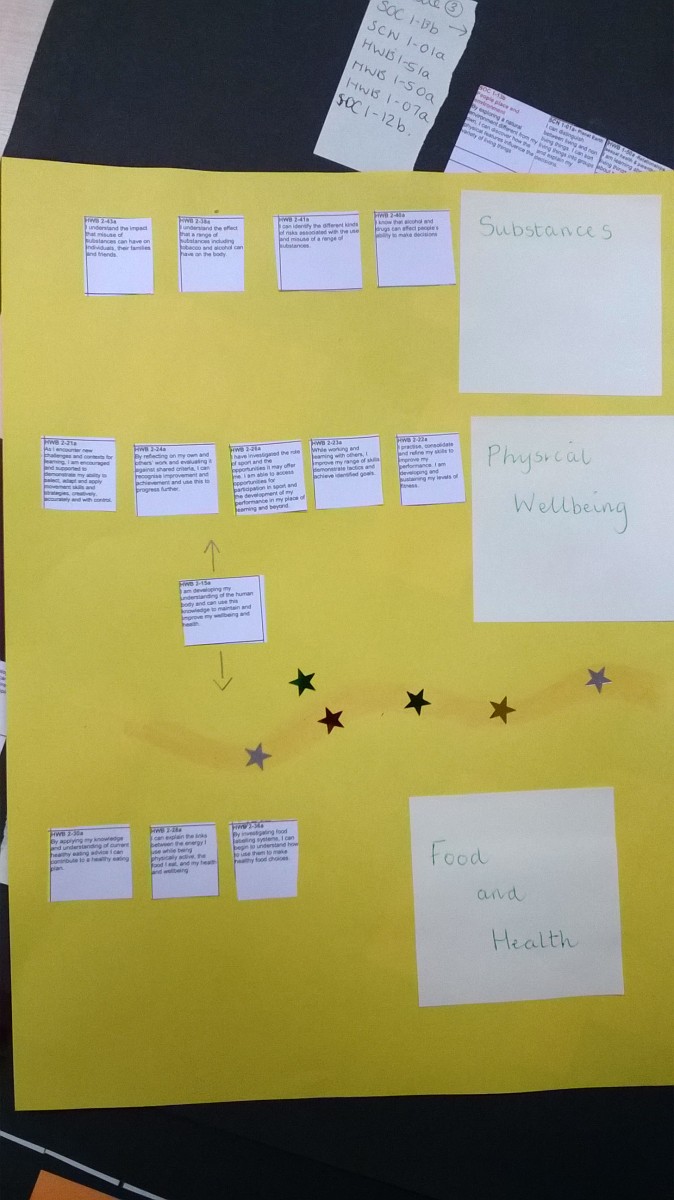
  7. Level groups of staff begin to look for “bundles” of E & Os  contained within the significant aspects of learning. The latest inset day was used to  identify discrete “stand alone” E & Os within each subject, and those which were naturally connected. (See photos) The evidence generated is shaping up as an overview of their curriculum where skills progression can be built into discrete and interdisciplinary learning.
  8. Staff continue to refine their progression of skills by defining what will be taught at each stage within a level. They are organically building a curriculum framework as defined by HMIE Advice Note 2014-15 (click here to see an example from the Ed Scot website)

5.1d ” The curriculum is based on the design principles of challenge and enjoyment, breadth,depth, progression, relevance, coherence and personalisation and choice for all learners.Staff and partners are further developing the curriculum to ensure coherence andprogression in learning using the experiences and outcomes (Es and Os) to providewell-planned and joined up learning across curriculum areas and subjects, interdisciplinarylearning, personal achievement and the life and ethos of the school.
WP_20150317_052

Other impact:

  • better teaching of skills across learning – these are made explicit to children
  • assessment is built more effectively  into planning, tracking and monitoring systems
  • children are better able to recognise and reflect on their skills progression
  • staff have a much deeper understanding of the whole curriculum,
  • shared understanding of the links between  classroom practice and school improvement priorities
  • greater awareness of the strengths of each member of the staff team and how to harness these
  • teachers and pupils more involved in choosing contexts for learning – greater flexibility
  • better transitions across all stages

Next steps include:

  1. Define contexts for learning around the connected bundles which are loose enough for an annual overview of learning – have these ready for use by August 2015
  2. Explore how teacher and pupil choice about what, how and when to learn impacts on whole school curriculum each session
  3. Extend annual framework to a 3 year cycle to accommodate composite classes
  4. Explore how the cross-cutting themes are integrated into the developing framework
  5. Look at how the emerging framework articulates with whole school initiative like community groups, dedicated events like World of Work, etc.
  6. Explore how to develop pupil understanding of the curriculum and how their learning is connected through subject-specific and transferable skills.
WP_20150317_042

Deep Understanding of Global Citizenship at Kinnaird PS


Gemma Douglas, principal teacher, and Brenda Bennie class teacher from Kinnaird PS have been using WOSDEC global storyline Our Crop, our Land with their primary 5 and 6 classes. As can be seen from their wonderful animation, this work has had a huge impact on the children’s’ understanding of sustainable farming, fair trading practices and the ethics of land grabbing.

Gemma will present this work and animation with Diana Ellis, Global Education Advisor,  of WOSDEC and teachers from Glasgow Council schools at the International Storyline Conference on Saturday 28th March. The pupils of primary 6 were thrilled when their animation received 300 hits on the first night they uploaded it to YouTube.

It is clear that pupils have gained deep understanding of these global issues within the cross-cutting theme of Learning for sustainability and taken part in really valuable interdisciplinary learning. Brenda noted that

“The children are so proud and excited! It’s just amazing to see them so empowered. We’ve written letters to MSPs as well asking them to watch the video and tweet.”

Click here to see how Gemma integrated her storyline with the rest of her curriculum, and here to see how Brenda did this.

Mysterious Medieval Death Investigated at Moray PS!

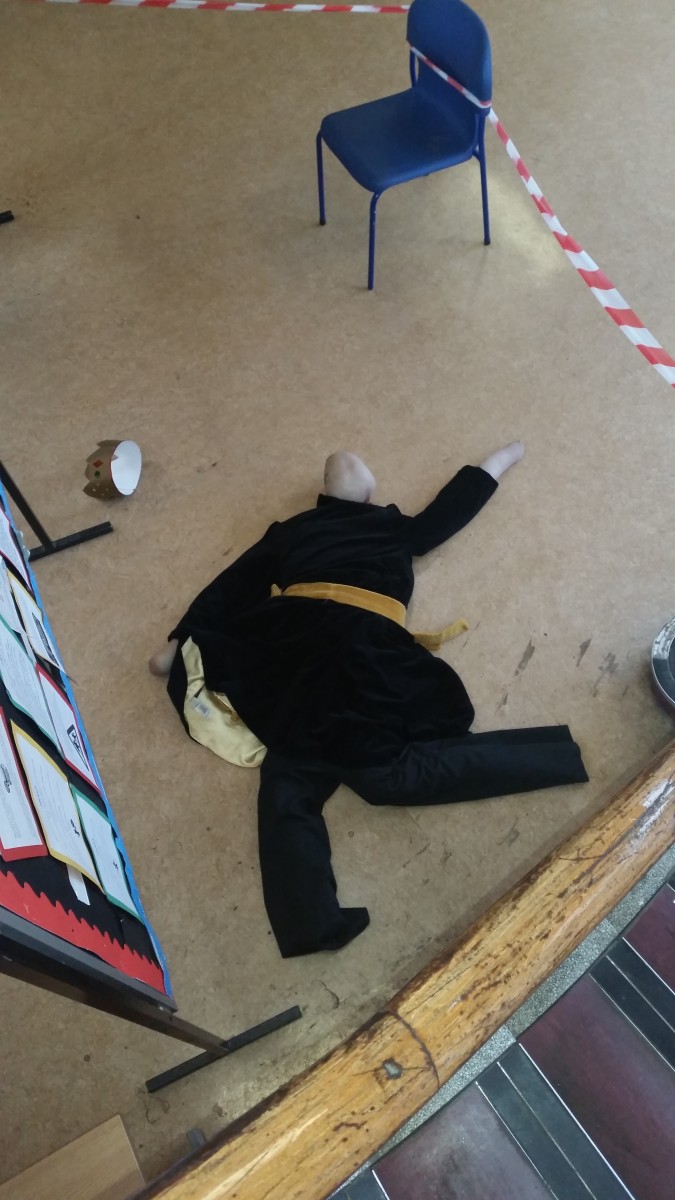
20150206_084051crime scene

Primary 5S at Moray PS have been investigating the historic and mysterious death of King Alexander III of Scotland with their teacher Rebecca Spalding.

They are using Falkirk’s Scottish Wars of Independence storyline to help them develop an understanding of the history and culture of Scotland, and an appreciation of their local and national heritage within the world. Click here to view this storyline, which builds effective interdisciplinary learning linking social studies, literacy and expressive arts.

Rebecca’s pupils are extremely engaged in the lessons and is pleased that the storyline plan allows her pupils to lead the learning and contribute fantastic ideas. On the left is a photo showing how Rebecca presented her class with the storyline “initiating event” to kick start their learning through storyline by recreating the discovery of King Alexander’s body at the foot of cliffs near Kinghorn. Her pupils have created applications to be the new king, and decided that they needed a class Queen. They have developed their research and debating skills while exploring what really happened following the death of the king.

Falkirk schools can access a range of storylines linked to popular interdisciplinary contexts here in Glow (you will need your Glow log in to access). Each storyline plan is available there with the resources needed to deliver the whole unit. The Scottish Wars of Independence storyline uses letters  – click here and here to view two examples showing how these direct the learning. Primary 5 at Moray PS are very engaged with the story so far, and are thoroughly enjoying learning all about the Scottish Wars of Independence.


Bonnybridge PS Primary 3 Global Storyline Assembly

IMG_4655

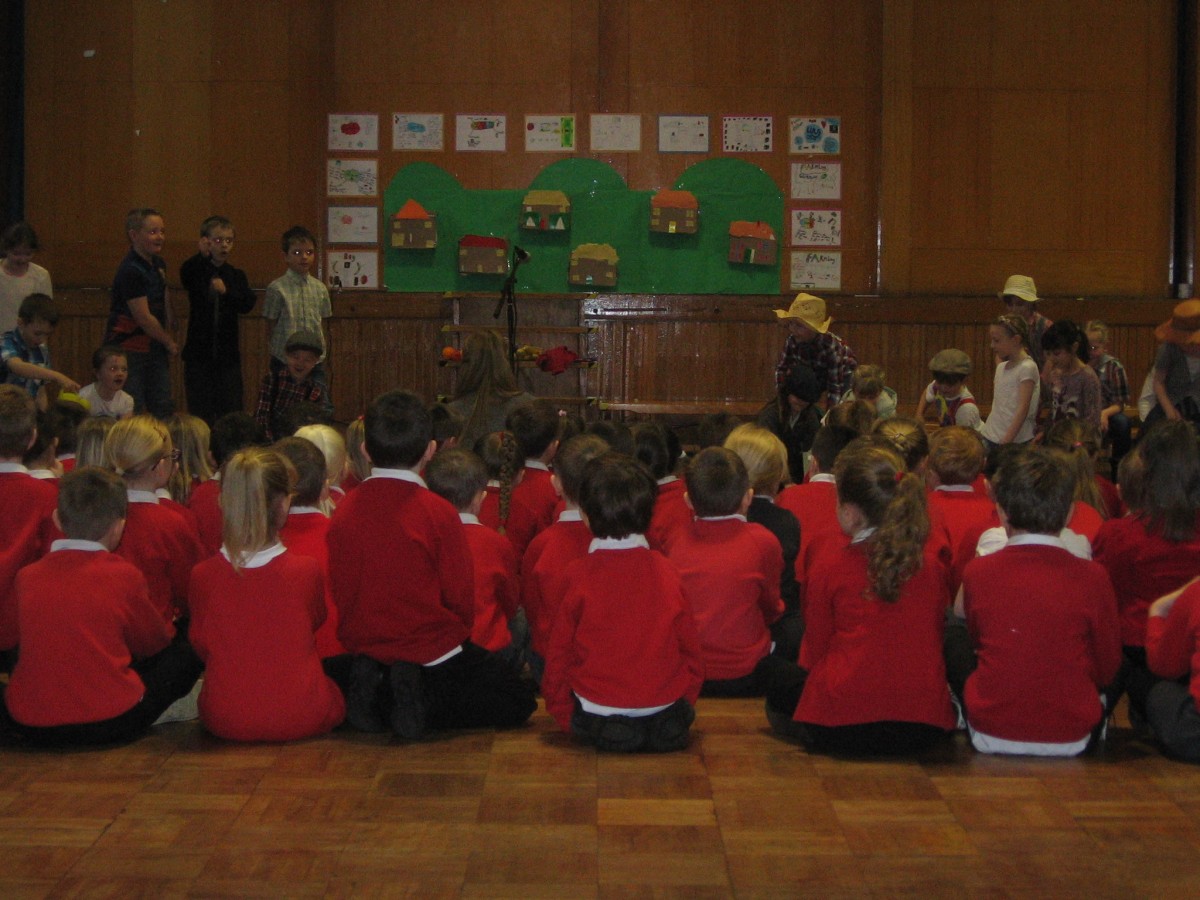
On Friday 27th February Yvonne McBlain was delighted to be invited along to see primary 3 at Bonnybridge PS celebrate their global storyline interdisciplinary learning. With the support of their teacher, Holly Keenan, the pupils had carefully planned how they could share all of the stages of their global storyline with their audience of parents, grandparents, and other guests.                    IMG_4656

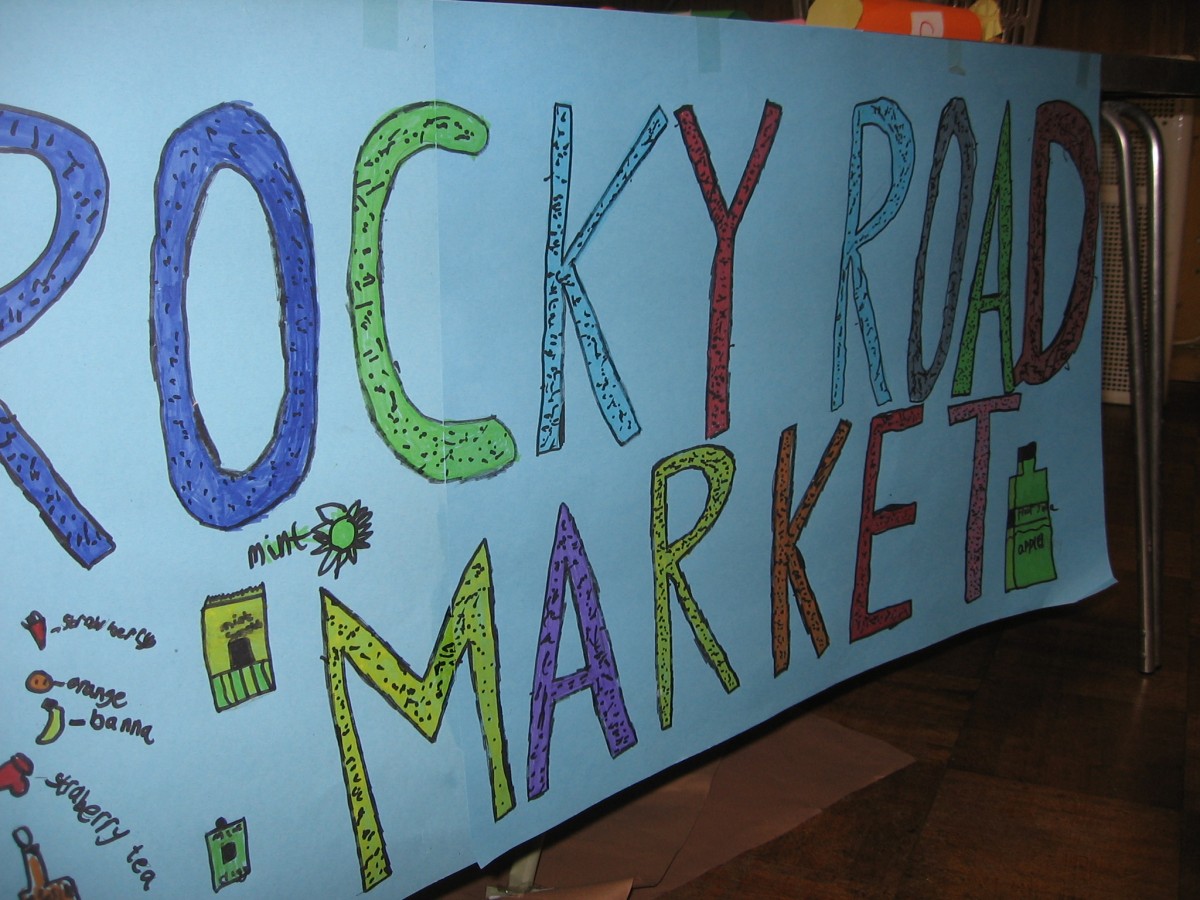
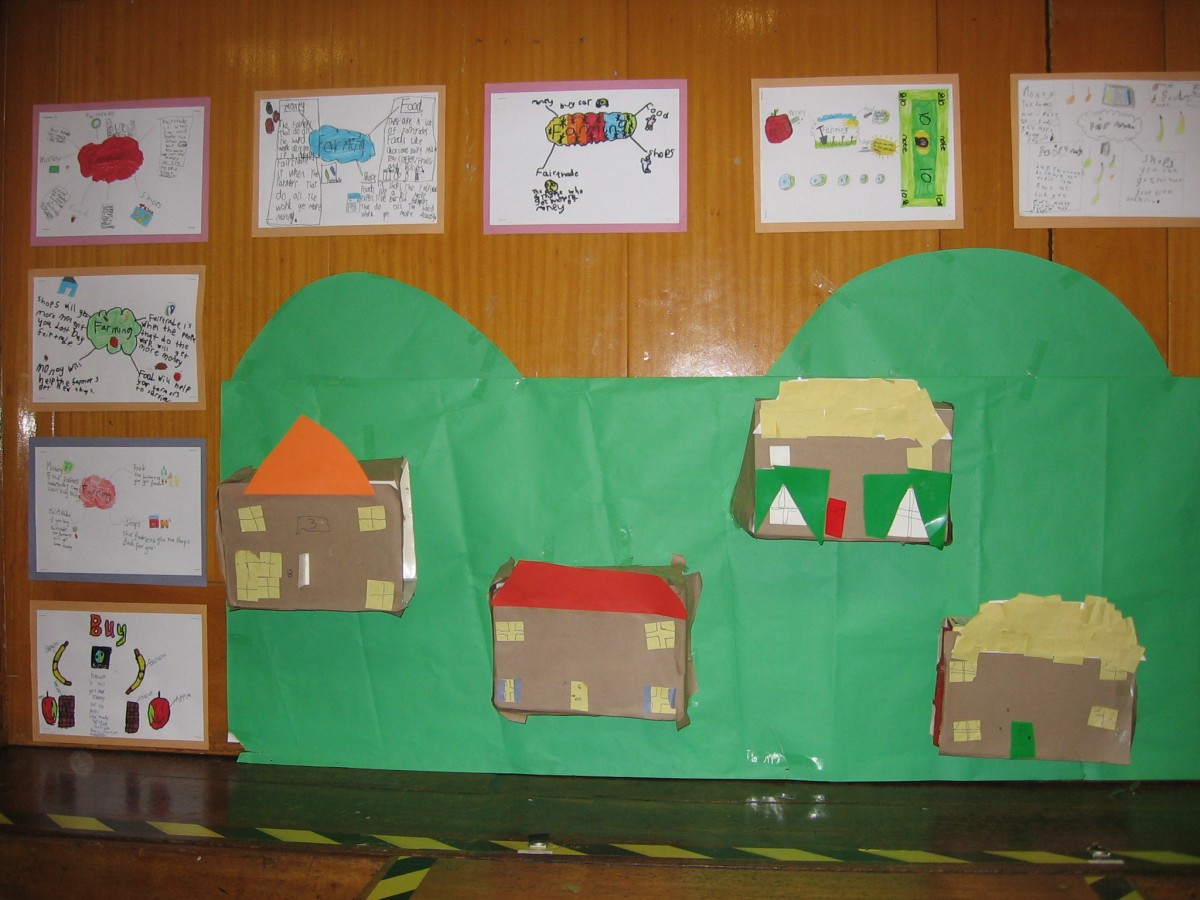
We discovered that they became characters in the farming community of Rocky Road and worked really hard to grow their crop. The community used “boingos” as their money and worked out how much they needed to sell their crop for in order to live a good, healthy life.

IMG_4651The children performed their raps, jingles and dances to show us how they persuaded the buyers to purchase their crops on market day. It sounded as though they grew a truly wonderful crop which could be made into honey cakes, perfume, medicine and anti-wrinkle cream!

The community was devastated when they received a letter from the buyer offering them a lot less for their crop. They had to make a democratic decision on whether to accept this offer. The audience saw that almost 3/4 of the villagers voted to accept.

After the assembly Yvonne told primary 3 how impressed she was with the way they had organised their assembly. She admired their costumes and the way they managed to tell all of the important facts in an entertaining way for their audience. Yvonne asked primary 3 two important questions, take a look below to see the answers some of the pupils gave:

What is the most important thing that you’ve learned during your storyline?

Rory – That when we buy Fair Trade, people all over the world would get more money

Dylan – Buy Fair Trade because people get more money – sometimes they get hardly any money and they can’t live.

Adam – I learned to speak about all the different fruit and foods that are Fair Trade

Jessica – about the fruits that are Fair Trade

Zaak – if more children go to school, it’s fair. If farmers don’t get paid more, it’s not fair.

Ellie – if you choose Fair Trade, more children can get to school (because their families have enough money to pay for school.)

What part of your learning did you enjoy the most?

Finlay – Learning about Fair Trade things – especially our tasting day!

Lucy – Learning about the Fair Trade oranges – I didn’t know you got Fair Trade oranges.

(we had a chat about which shops you could and couldn’t buy Fair Trade oranges in)

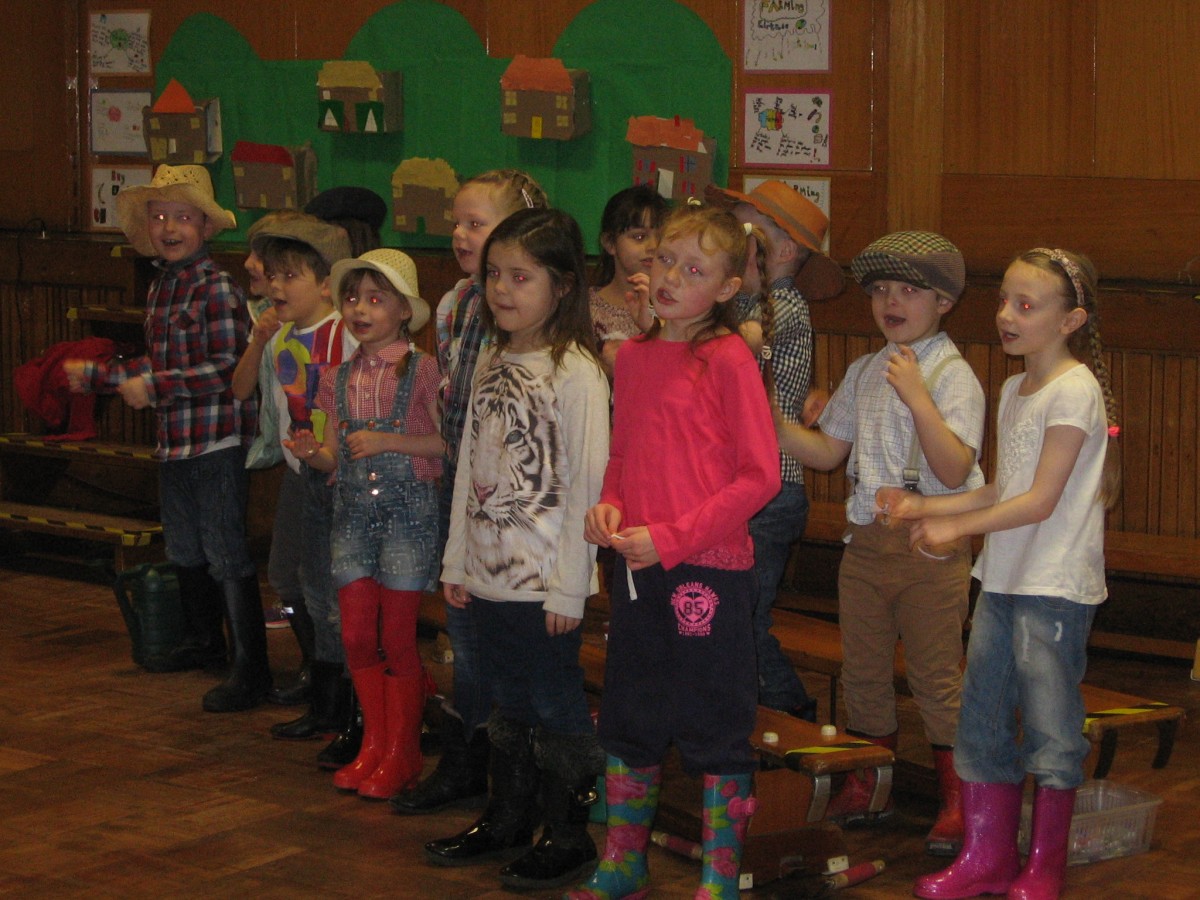
IMG_4654    Some of the villagers singing their Fair Trade song at the end of the assembly. P3 were looking forward to the rest of their storyline celebration back in their classroom.


Grand Space Library opening at Wallacestone PS!

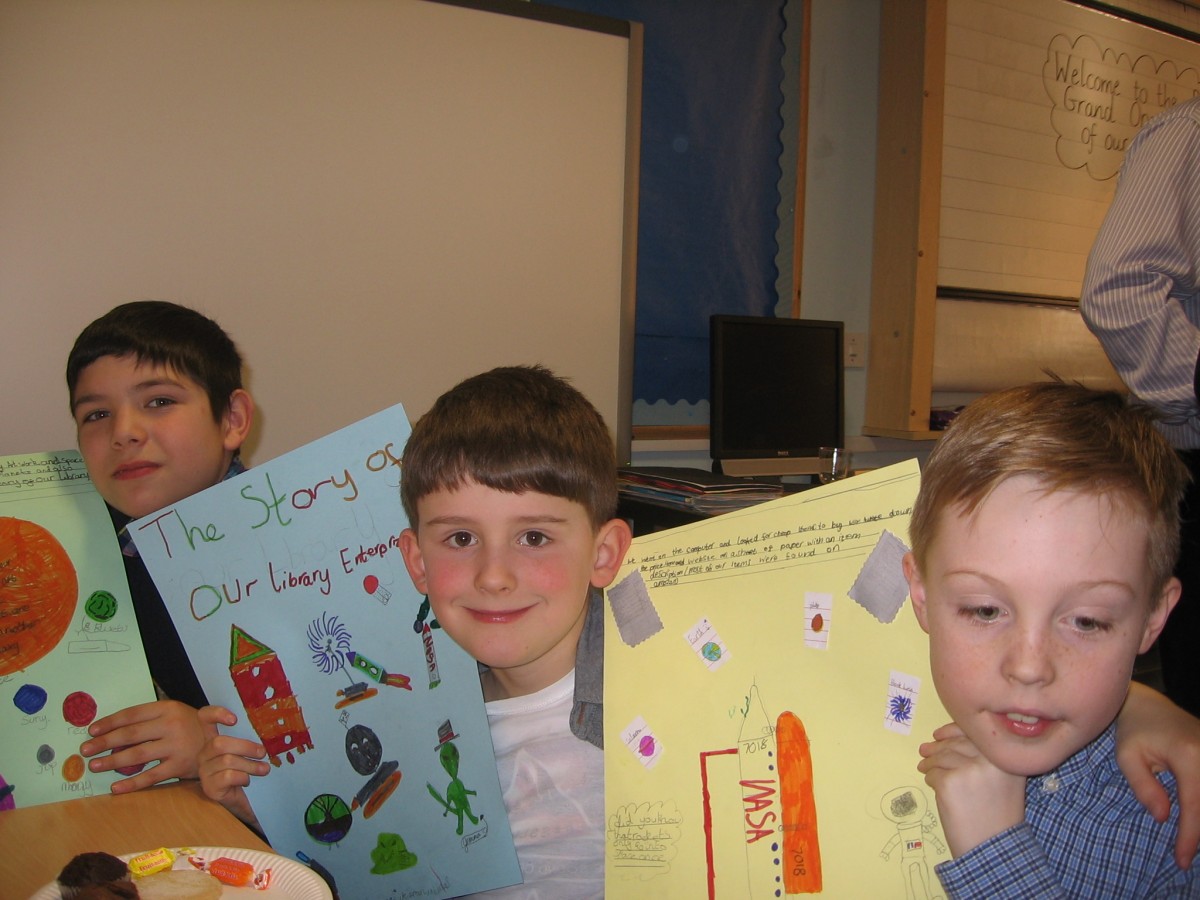
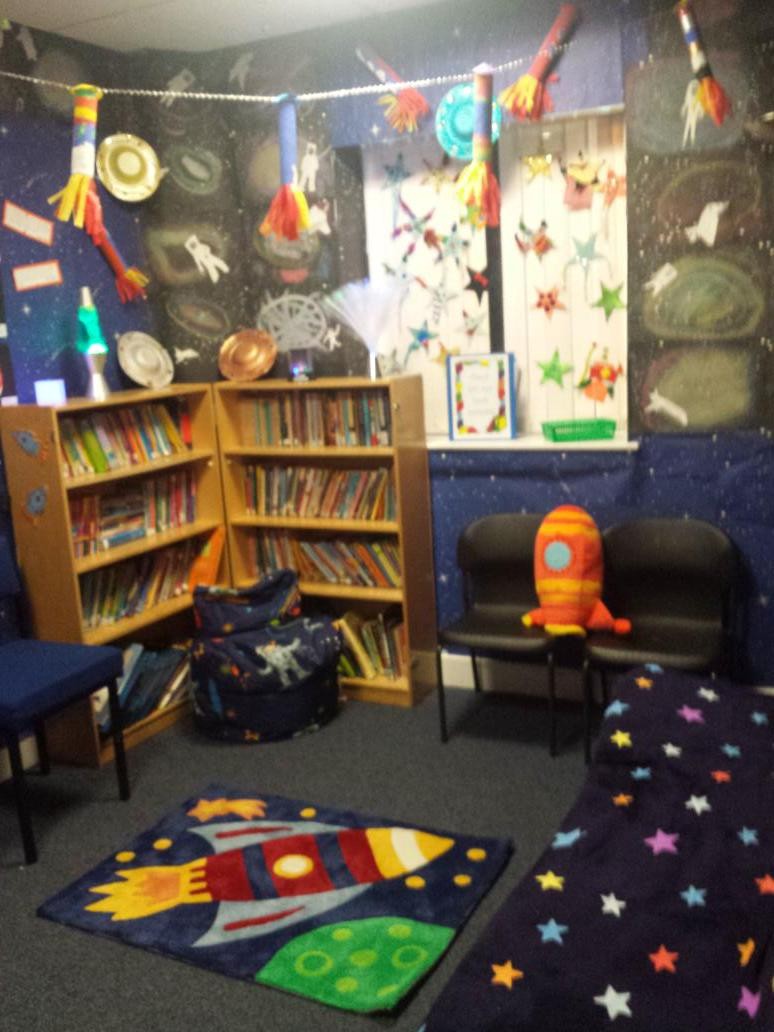
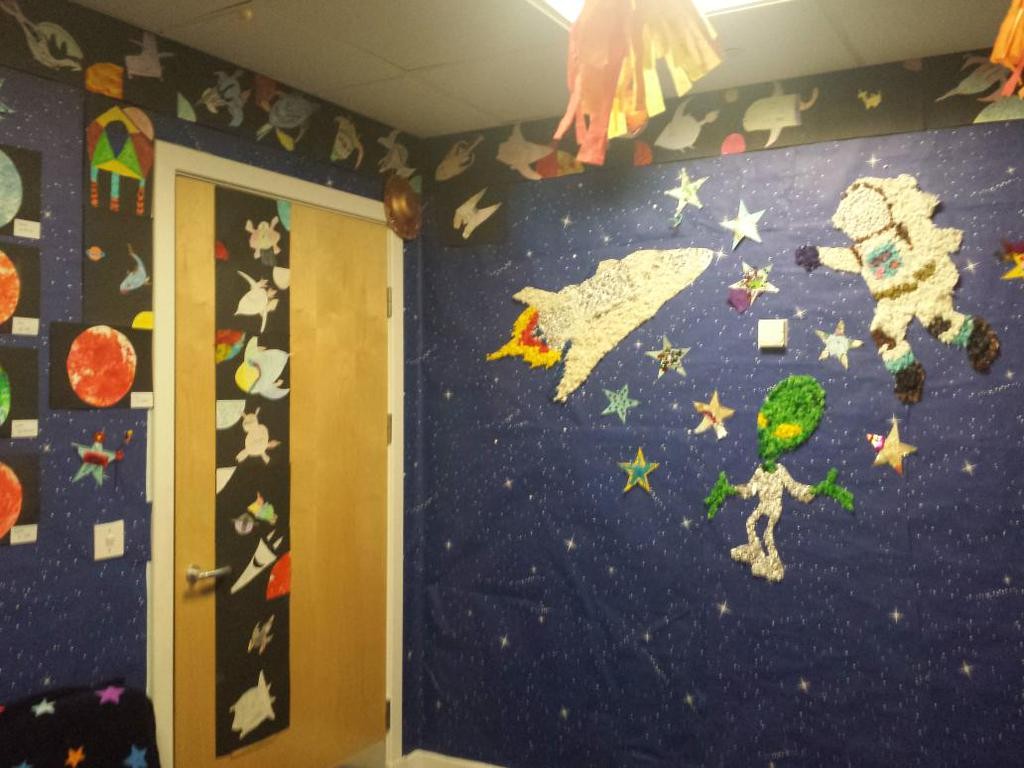
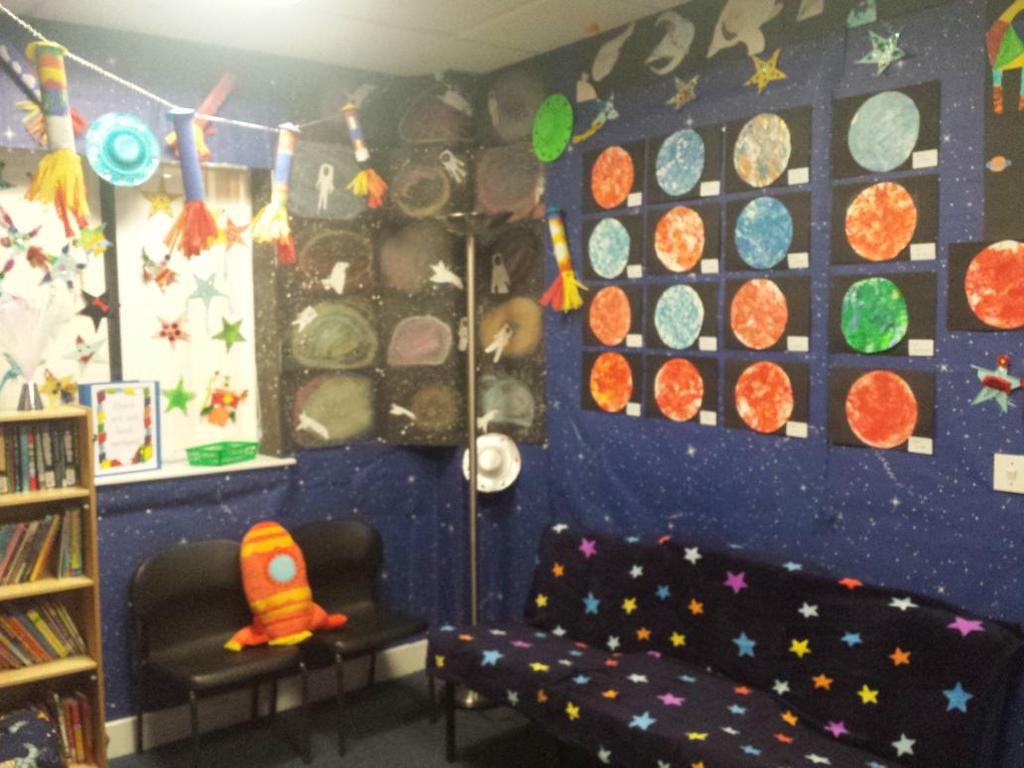
IMG_4655[1]Primary 5E and Primary 5D at Wallacestone PS have been working together to develop their enterprising learning. On Friday 6th February the children and their teachers Mrs Davidson and Miss Eaglestone were delighted to welcome a great turn out of guests. Click on the photo on the left to watch the eagerly awaited moment when guest of honour, Yvonne Manning, officially cut the ribbon and declared the primary 5 Space themed library open.

This event celebrated interdisciplinary learning which the pupils and teachers of both classes have developed since last October. Cameron, 5E said “We wanted to learn new stories and have a greater imagination of books to read…We wanted to turn the room between our classrooms into a library. We all came up with ideas then voted for a space theme – it was a tie between a jungle and space but space won by a point!”  IMG_4658[1]

Cameron liked making the bookmarks for the books – he enjoyed being able to “design it however you liked”. Megan, Zoe and Leoni from 5D enjoyed doing the drawings for the library – they liked choosing whether “to do a space man or a rocket”

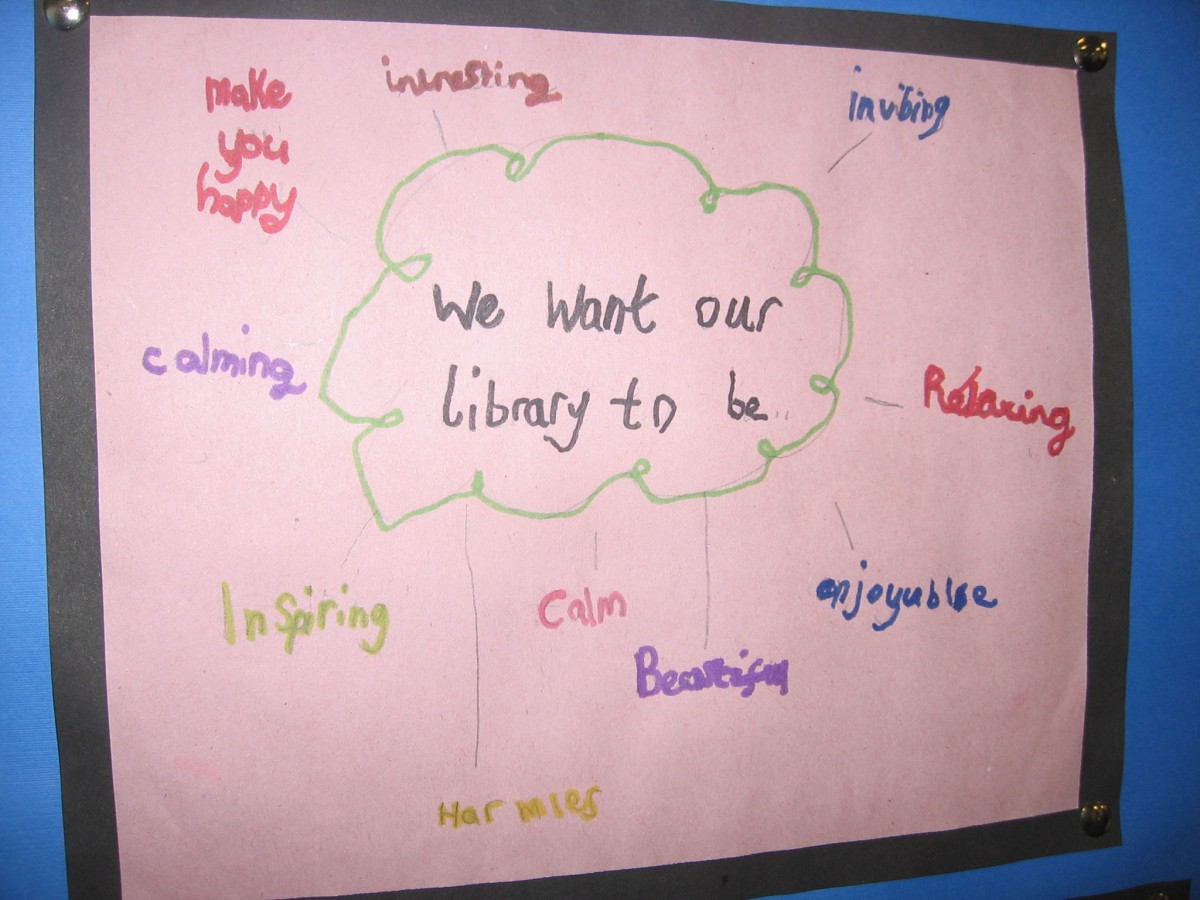
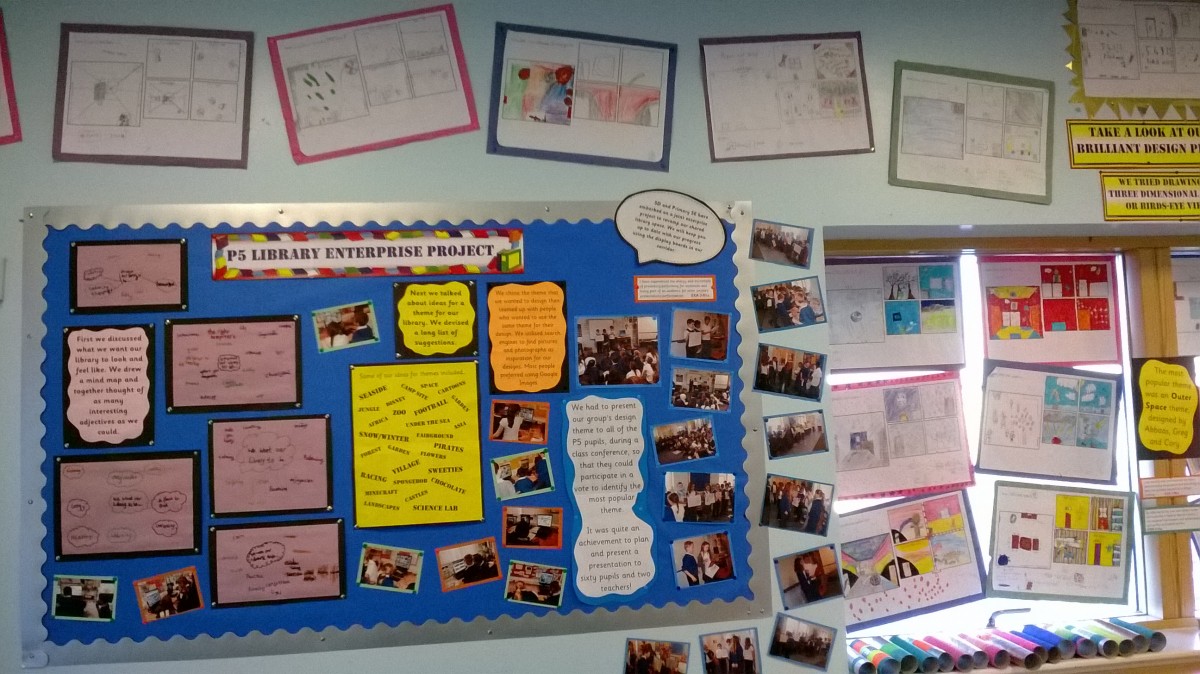
The children began their project by considering how they could use their quiet room – thinking about how to create the right atmosphere to encourage good reading and use of imagination. Click here to see all of the stages involved in creating the library.

IMG_4668Take a tour of the project display by browsing the photos below and watch the impromptu video of their library made by the children during the event.


Mrs Davidson and Miss Eaglestone carefully structured this learning so that pupils led as much of the learning as possible during this project. The  enterprising skills across learning pupils progressed include: working with others, problem-solving, managing self and others, literacy – talking, listening, reading and writing, numeracy. Pupils also developed their creativity in a whole range of ways – most noticeably through their art, design and technology work in the library itself.

IMG_4660

WP_20150206_001

WP_20150206_003 WP_20150206_006

2


    91

Deanburn Celebrates Global Citizenship Learning

IMG_4652Pupils, parents and staff from primary 2, 3, 4 and 6 at Deanburn Primary School celebrated more successful learning on Thursday 29th January.

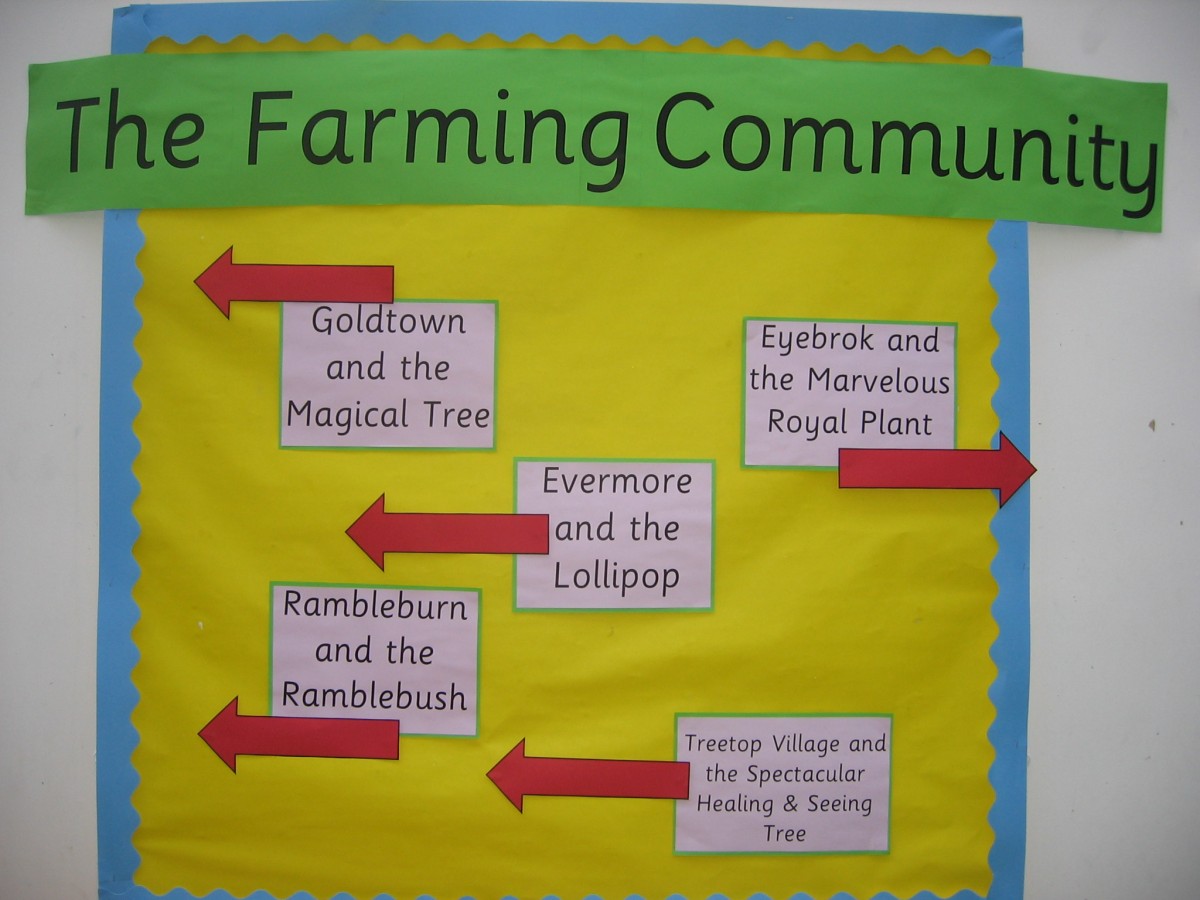
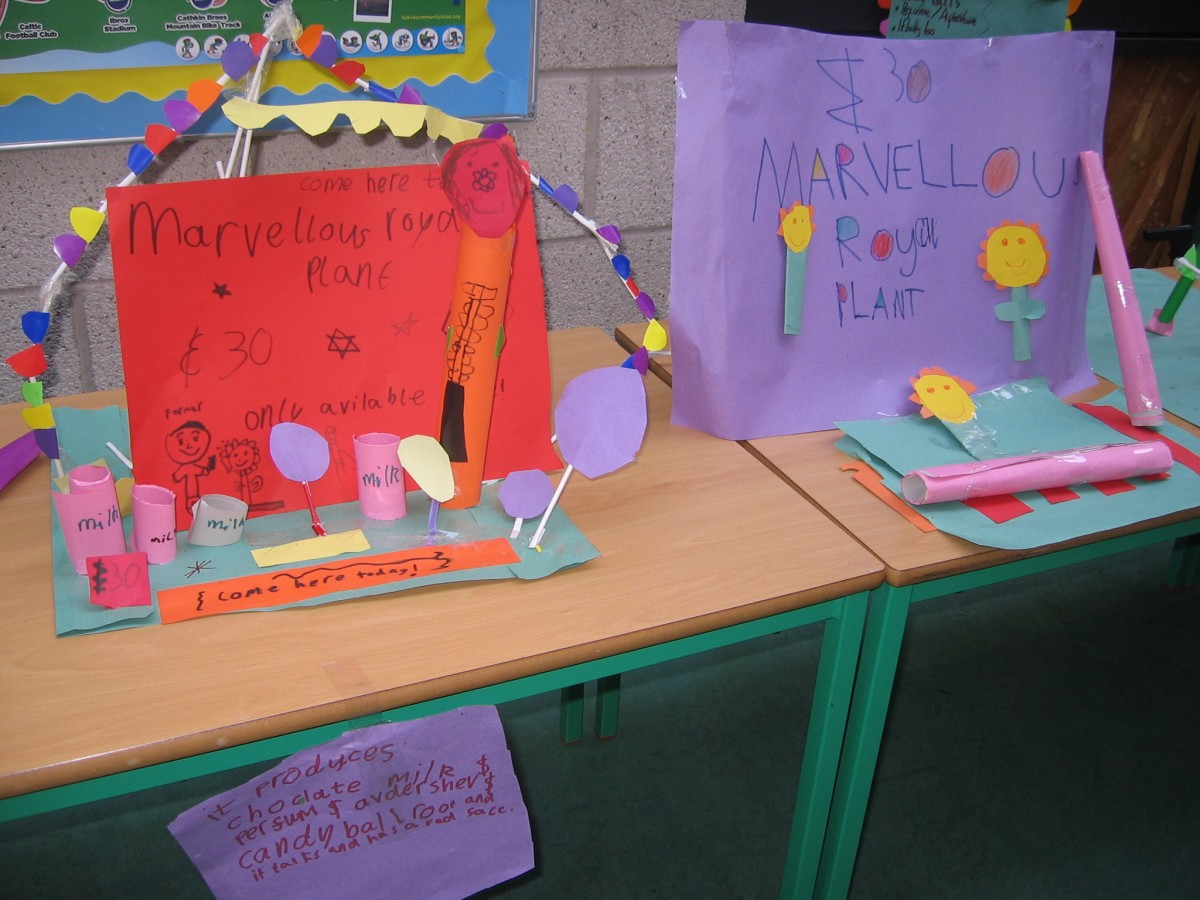
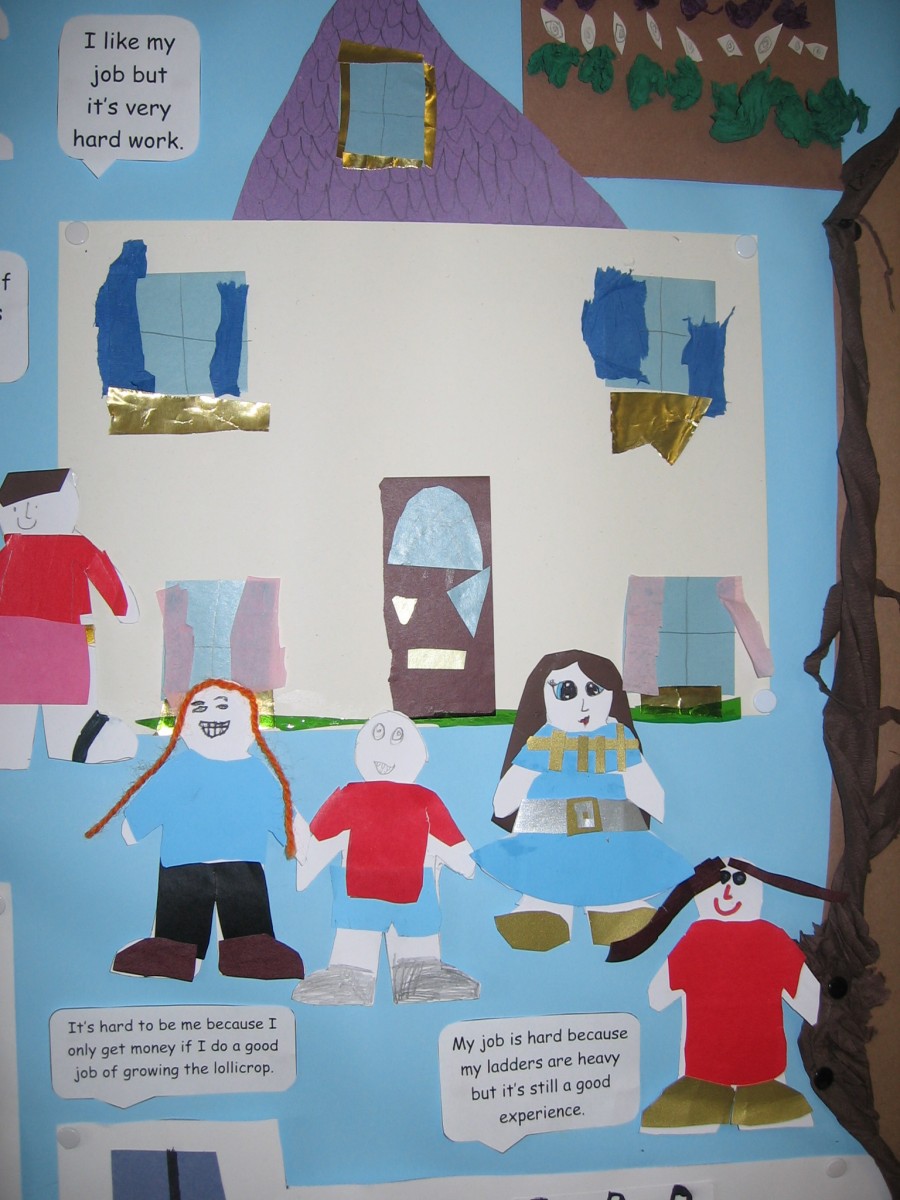
Liz Stephens, class teacher, and Laura Beattie, principal teacher have been part of Global Storyline training delivered by partners from WOSDEC in collaboration with Falkirk Education Services. Last session they developed their use of the storyline approach and drama to deepen pupil understanding of global citizenship issues. This session they have continued this process and supported primary colleagues in delivering their own global storyline – The Farming Community. As these photos show, each class created their own crop and farming community then experienced the ups and downs of market fluctiations and the impact these have on rural economies.   IMG_4651

Yvonne McBlain, support officer with Falkirk Education Services enjoyed listening to pupils from each class sharing their learning. In primary 4B “The Scott Family” looked forward to sharing their market stalls and video jingles with the guests. Claire and Holly liked pretending to be part of the Johnstone family. “I really liked doing Josh. I got angry because the buyer said she wouldn’t pay all the money.” “I got confused, like I didn’t know what to do.” Other primary 4 pupils enjoyed making their characters and learning about Fair trade – “Because it helps farmers all over the world and I didn’t know that” said Rebecca Smith.

IMG_4656

 In primary 3M, a character called James Bond! made a stall to show that their crop “Magic Tree” could be made into perfume.

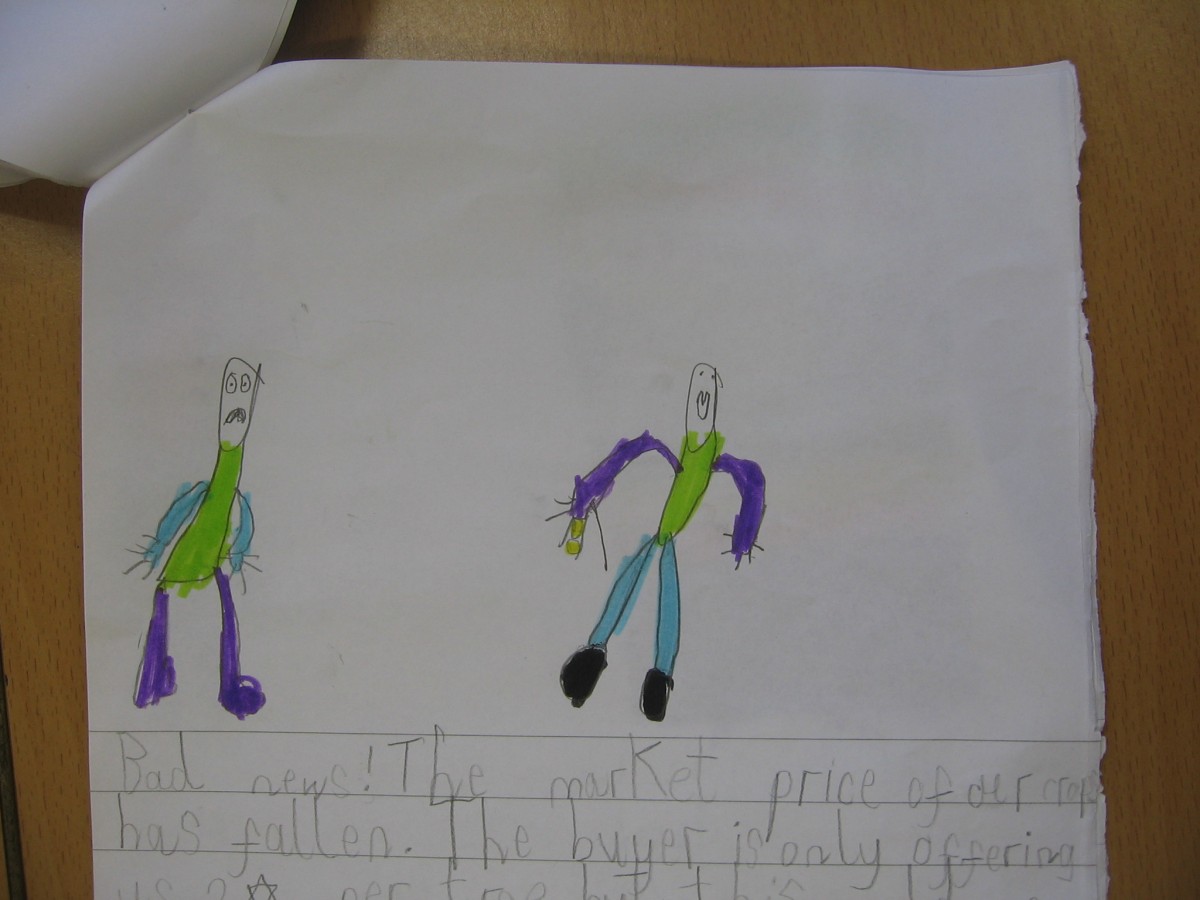
In primary 2G the village was called Treetop and the crop was called the Spectacular Seeing and Healing tree. Reece and Robbie gave Yvonne a great tour of their storyline diary. Their drawings clearly show how they felt about the price the buyer’s origninally offered for their crop, AND the new price when the market “fell”. The boys enjoyed painting the scarecrow “to scare the birds away cos they might eat our crops.” They also liked making the harvesting machine with their bodies “we got to make a big machine what harvested our crops.    IMG_4666IMG_4665                                                   


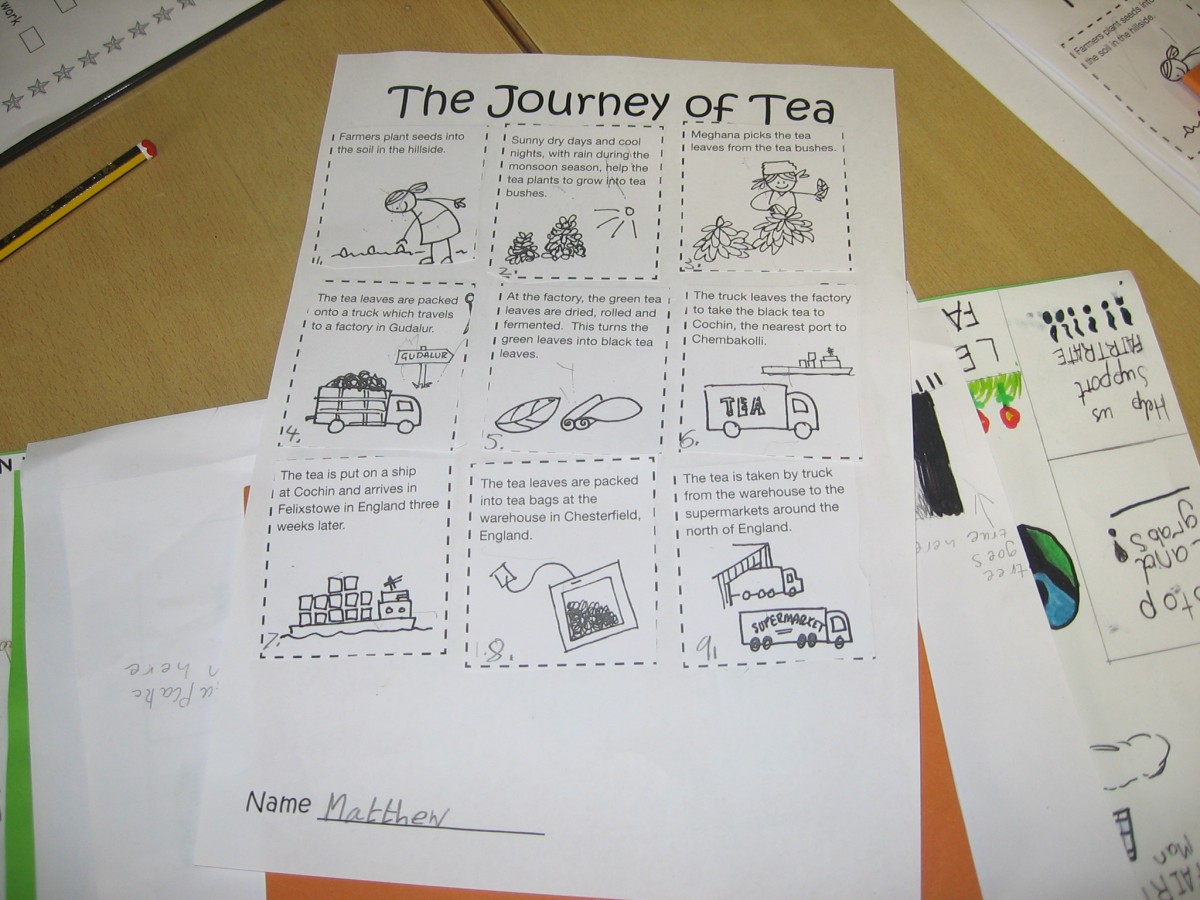
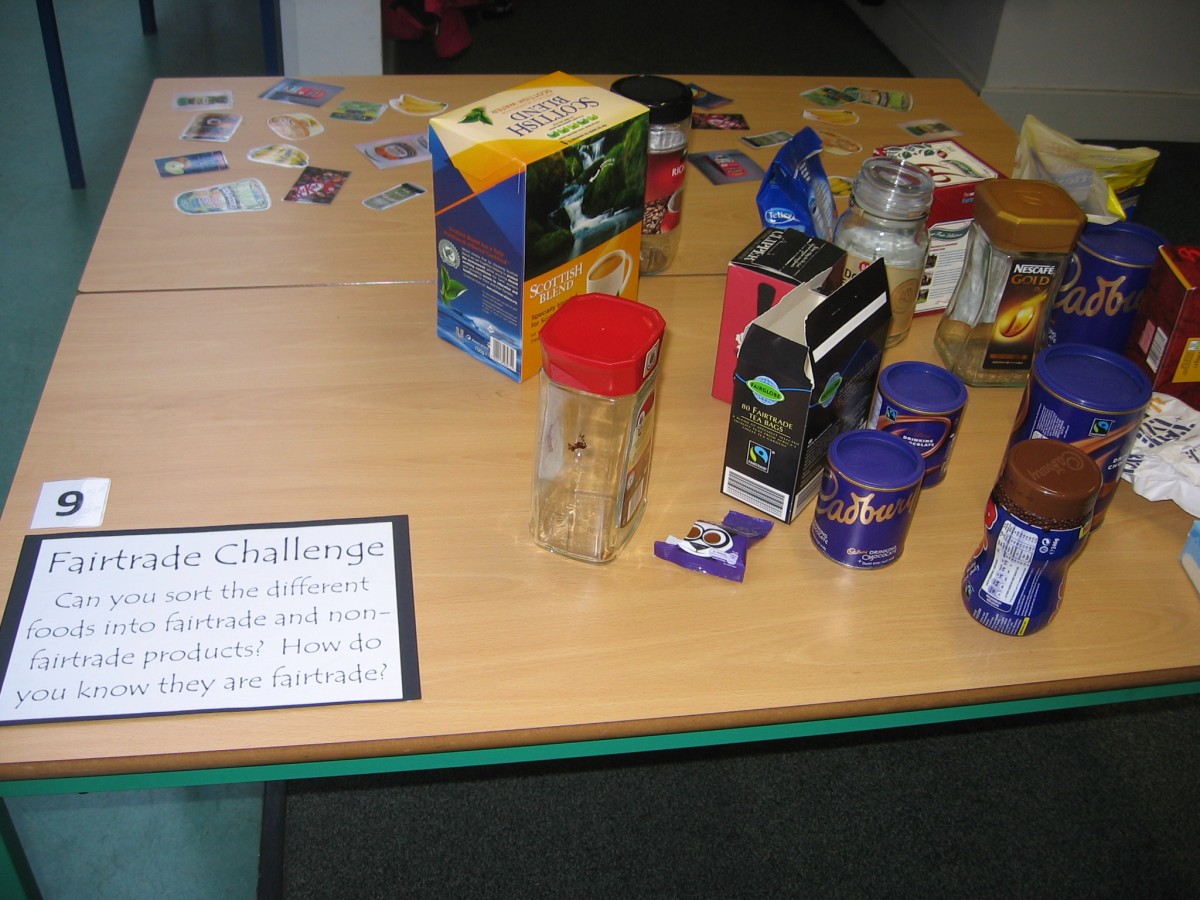
 In each class it was clear that the pupils understood how unfair global trading could be to small, rural communities. They used a variety of activities to help their parents and guests understand this too. Some children manned the Fair Trade activity, and told the story of how crops like tea and bananas get from the field to our shops.

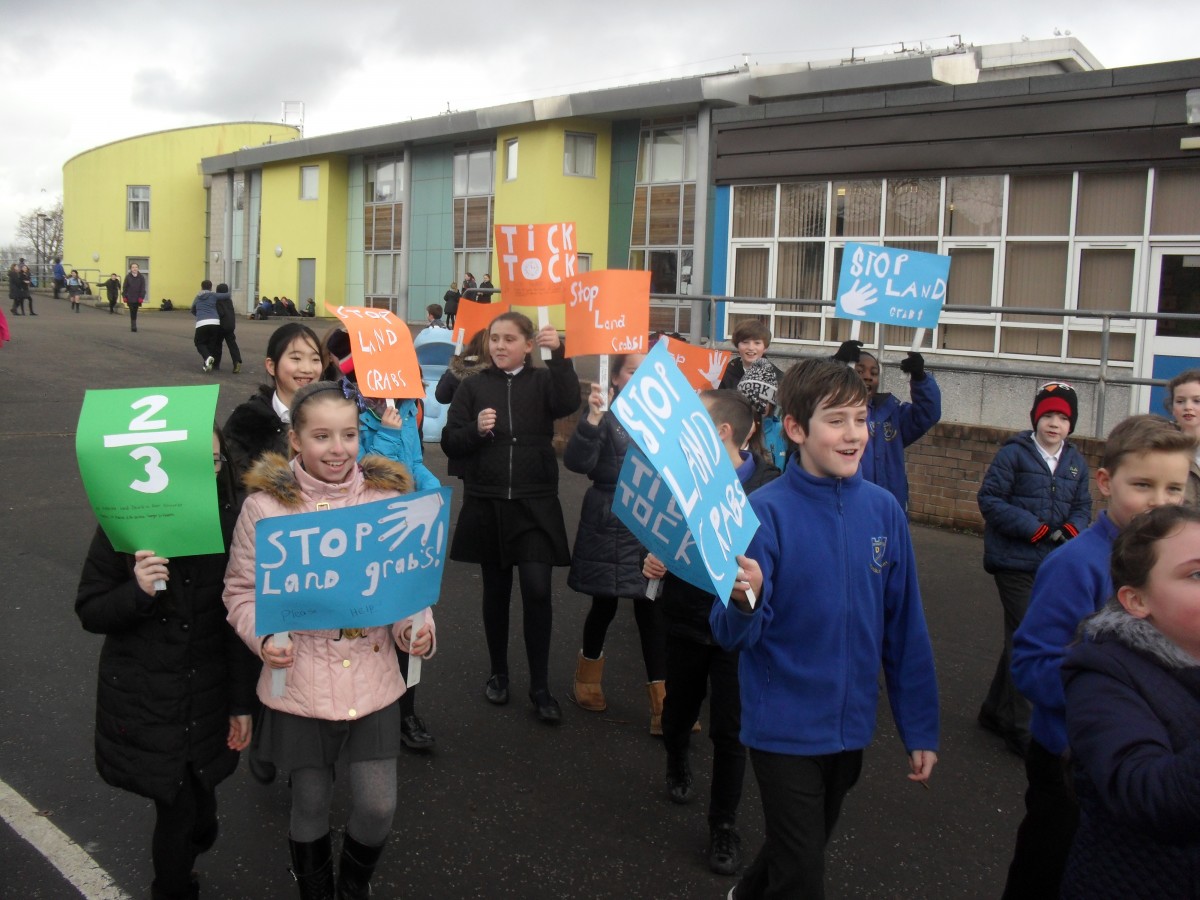
SAM_6273At second level in primary 6, pupils took their exploration of global trading a step further when their storyline community was subjected to a “land grab” by a multi-national company. Pupils shared their understanding of the complex issues which enable this to happen, but staging their own land grab and protest during the afternoon.

IMG_4658  IMG_4653 IMG_4658


There was a great turn out of guests sharing in the learning of their children. Laura, Liz and colleagues gave their pupils’ another opportunity to present and share their learning by inviting other classes in the school to come and visit the global storyline classes the following day.

Staff at Deanburn PS are effectively using collaborative planning and professional dialogue  to develop their interdisciplinary learning through the cross-cutting theme of Learning for Sustainability. They are making excellent use of their training to improve the learning experiences for their pupils.

IMG_4671  IMG_4673

Graeme High School S2 Holocaust Project

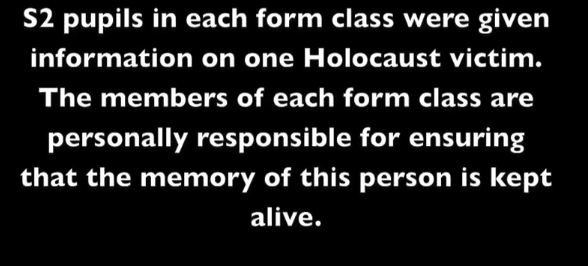
GHS HolocaustS 2 pupils at Graeme HS in Falkirk took part in an emotive interdiscplinary experience which deepened their understanding of the Holocaust in a very real and relevant way. Teachers in History, English, Art & Design, Music and Drama collaborated to plan this connected learning which broadened pupil understanding and developed new and existing skills. Click on the image above to watch the full story via YouTube.

This is an excellent example of type 2 interdisciplinary learning where subject skills, knowledge and understanding are integrated into a meaningful context. It is clear that the teachers involved collaborated effectively to synchronise how and when the learning would happen. Each member of staff was able to build in relevant course content which progressed learning via the engaging context and active approaches. In addition, the pupils would have been able to see how the work they did in each subject  connected and enriched their understanding of the Holocaust and its continuing impact on modern society. Teachers encouraged their pupils to make effective use of their mobile phones and tablets to further enrich the experience and their engagement in their learning. This project exemplifies how effective integration and connection of teaching which would be done anyway within subject courses, becomes much greater than the sum of its parts when delivered in an interdisciplinary way.

Primary 5H Use Music to Improve their Writing

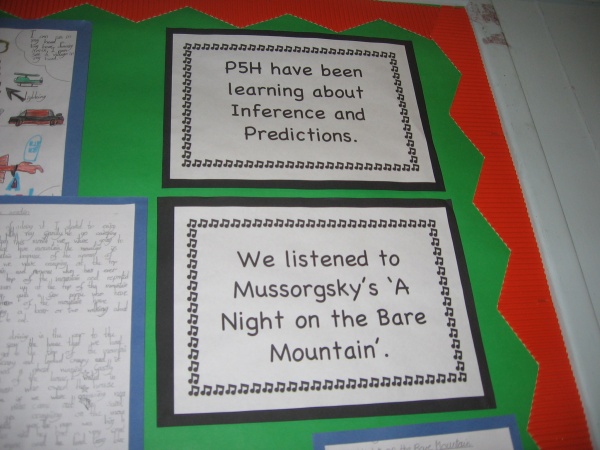
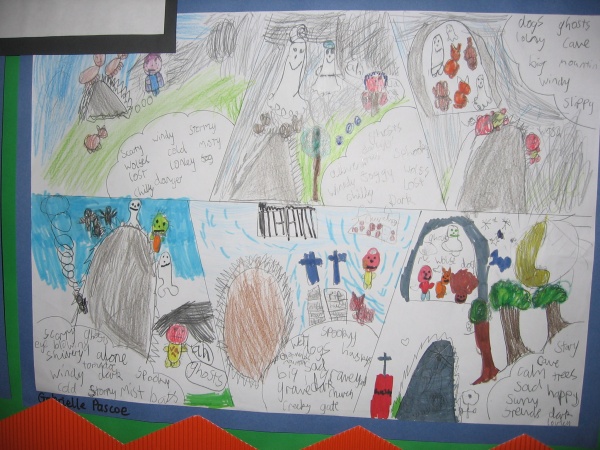
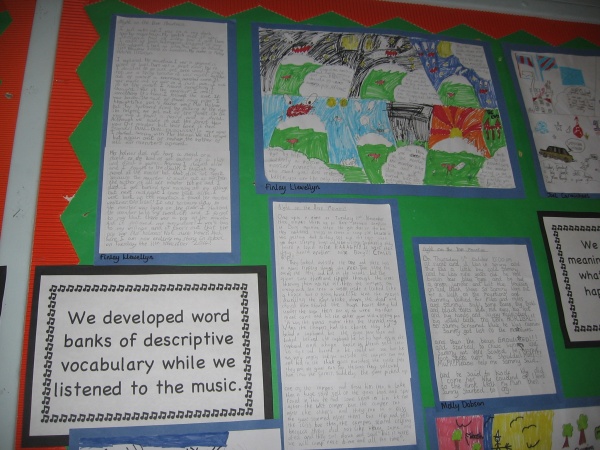
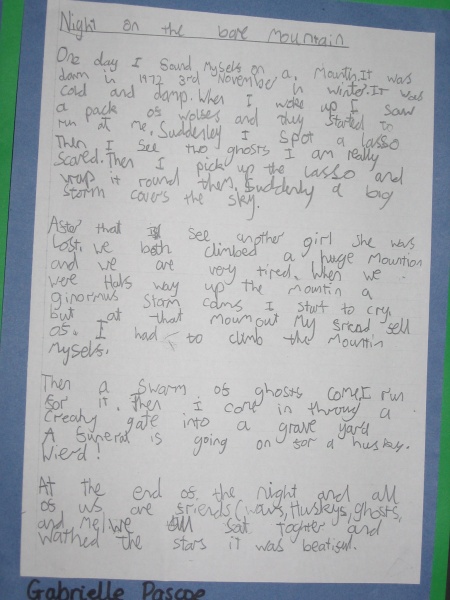
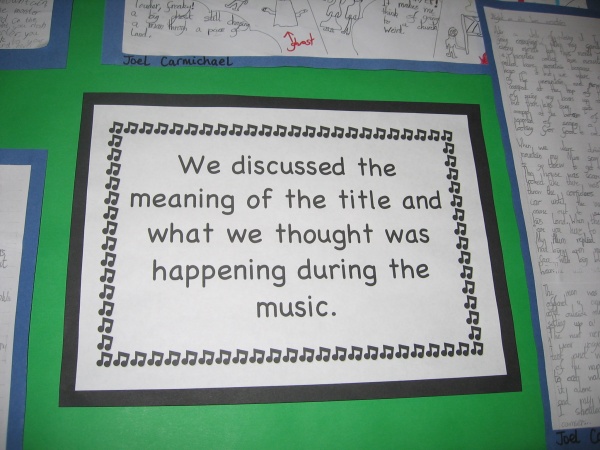
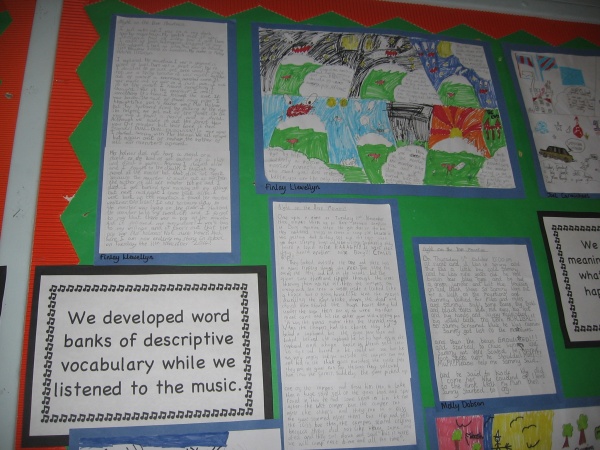
Emma Holmes (probationer teacher at Carron PS) and her primary 5 pupils have been using music to help them develop their reading and writing skills. They listened to Mussorgsky’s Night on the Bare Mountain (click to listen) and used their reading strategies to explore the music like a text. First they discussed the title and what it could mean, then they created word banks to describe what they heard as they listened. The next steps were to storyboard their interpretation of the music and, finally, to create their own piece of writing. 

Working in this way had a very positive effect on the writing the pupils produced. They found it easy to use their imagination when writing, and were able to write more than usual. The pupils created structured stories which were interesting and creative. By exploring what they felt was inferred by the music of Mussorgsky, they were able to produce longer, more detailed and stimulating stories.

Mrs Holmes was pleased  that the pupils were able to transfer elements of their learning to another context. This happened when pupils attended a performance of The Wizard of Oz in school. By chance, part of Mussorgsky’s Night on the Bare Mountain was used during the performance. Primary 5 pupils reacted immediately when they heard it and were able to say that it was used  for dramatic effect and to explain its specific purpose at that point in the performance.

Interdisciplinary Learning at Falkirk High school

Yvonne McBlain was pleased to be able to meet with teachers from Falkirk HS to explore how they have been developing interdisciplinary learning across the school. James Thomson, Head of Language faculty and his colleagues Amanda Gouther and Melanie, shared two collaborations taken forward this session.

The first involved English, Social Studies, PSE and Pupil Support staff, and took place over 2 weeks for S2. Staff in all of these departments recognised a need to develop pupil ability to speak confidently and well in public. They had observed that many pupils lost confidence between S1 and S2 in their ability to apply their skills to structure and deliver a verbal presentation. Consequently, staff worked together to plan a series of tasks which used social studies content as a focus for the pupils’ final presentations, which were delivered in English. In this way, staff were able to co-ordinate their course content with minimal change or disruption to their unit plans and normal timetables. The experience built into a cross-year competition which raised the profile of these skills for learning, and allowed pupils to appreciate their own, and others’ progression.

The second IDL development also involved S2 and was a collaboration between Modern Languages and HE. Each subject planned activities which were delivered within their usual timetable. In the early stages, most took place discretely, but then culminated in more obviousl integration of subject learning when pupils opened and ran their French Cafe. Pupils developed their knowledge of French vocabulary by using this in Home economics. They tried samples of traditional French food and used role play to deal with currency conversion between Euros and Sterling. Teachers used co-operative learning strategies to ensure that pupil groups had specific responsibilities for setting up and running the cafe. The pupils had real customers and were able to apply their conversational use of the French language and money-handling skills as well as the obvious and valuable social interaction. Staff built assessment of agreed criteria into the learning experience via a pupil quiz, and this learning experience proved very motivating and engaging for the pupils involved.

James also shared a planned IDL activity for December 2014 linked to the famous football game truce which took place in No Man’s Land 100 years ago between British and German troops. This will be called Joyeux Noel and will involve S3 modern languages and history pupils. He hopes that pupils can attend a special film screening and use associated resources to develop their knowledge and understanding of the conflict, as well as offering an opportunity to develop and use language skills.

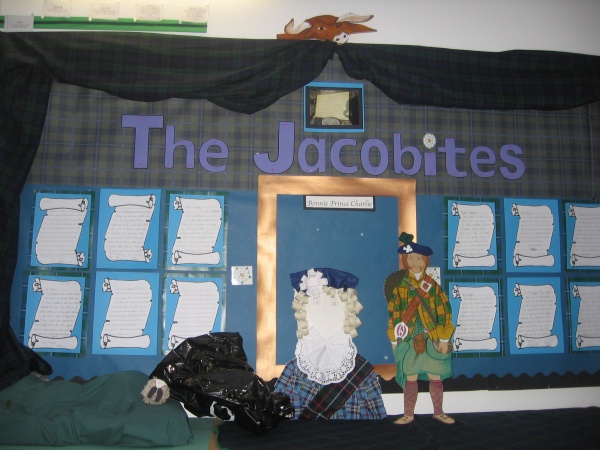
Deanburn Primary 6F learn about the Jacobites

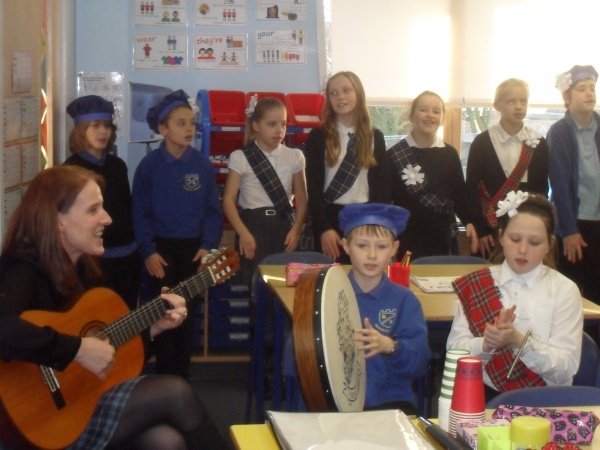
On Friday 12th December, Yvonne McBlain visited primary 6F at Deanburn PS to find out about their Jacobites interdisciplinary learning. Robyn, Findlay, Cara, and Aiden volunteered to write the rest of this blog post to show everyone how much they have learned.

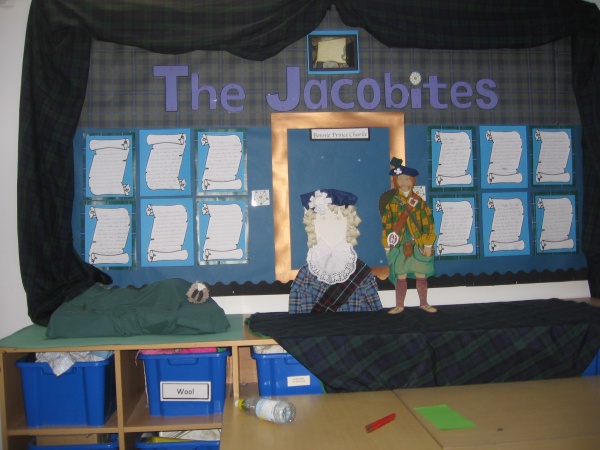
 We started learning about the British Royal family tree. We discovered that this went down and down to James II of England and VII of Scotland. He got exiled to France and was the grandad of Charles Edward Stewart – also known as Bonnie Prince Charlie (the young pretender). 6F made up a Jacobite character called Angus Ferguson (see our photo of Angus with the prince).

 Angus, our made up character was good friends with the Macdonalds, and went to the massacre of Glencoe.

Findlay and Aiden got to become Angus – they got asked questions by the rest of the class and had to think on their feet to answer the questions. Robyn really liked it when Aiden was pretending to be Angus and described how he fought back. We all liked it when we got to pretend to be talking in Gaelic as Angus. He had 3 children and a wife. Cara learned “Angus was in danger because he kept some Jacobites in his house with his wife and his kids so he might have got caught.

 We have also learned the Robert Burns song “Ye Jacobites by Name” which we think is an anti-war song. We think Robert Burns sympathised with the Jacobites but thought that they should stop fighting. 

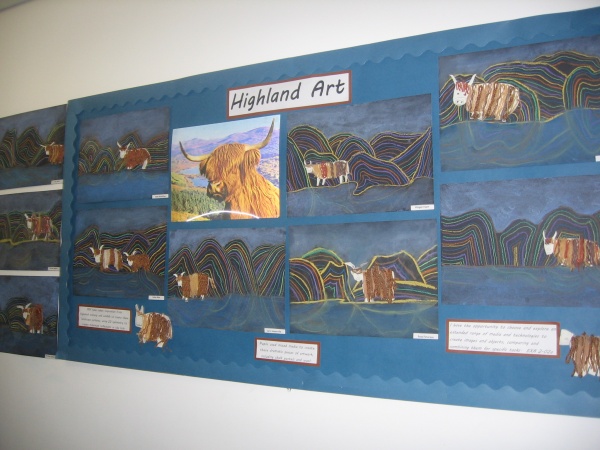
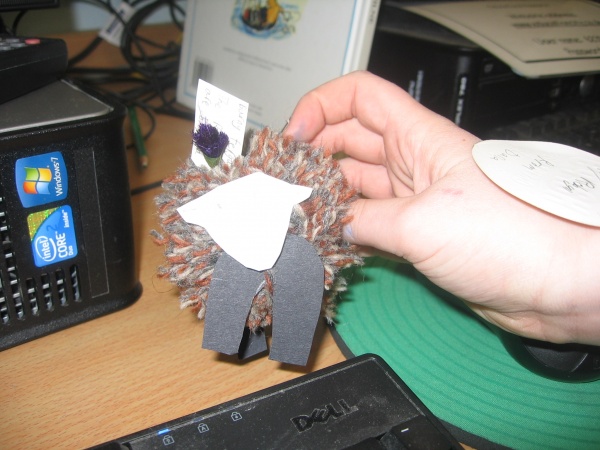
We learned that the final battle on British soil was the battle of Culloden and after this Bonnie Prince Charlie left Scotland forever.   We made targes, Highland sheep and pictures of Highland cows.” The Jacobites was a great topic because we got to learn about wars in history and we got to make targes, highland sheep and Highland cows pictures in art.”

Findlay “I feel I learned that the Jacobites were intelligent at some points – not all points.”

Aiden “The Earl of Mar wasn’t very bright – he tried to get inside a castle but the ropes he brought were too short!”

Robyn liked when we learned about the old and young pretender trying to come back to Scotland – the old pretender got no support but the young pretender’s army grew from 7 men to thousands. And I really liked how it was the last battle and he was like we can do it again but he didn’t. I liked making the targes too.”


Yvonne McBlain was impressed by the pupils’ knowledge of these important Scottish historical events, and was bowled over by their enthusiasm for their learning. It is clear that their teacher  made powerful use of Angus the storyline character to deepen the children’s understanding of the impact of these events on real people at the time. By using drama conventions and building in skill development in technology and expressive arts, learning has obviously been very engaging for these primary 6 pupils.