Year: 2014

Interdisciplinary Learning at Falkirk High school

Yvonne McBlain was pleased to be able to meet with teachers from Falkirk HS to explore how they have been developing interdisciplinary learning across the school. James Thomson, Head of Language faculty and his colleagues Amanda Gouther and Melanie, shared two collaborations taken forward this session.

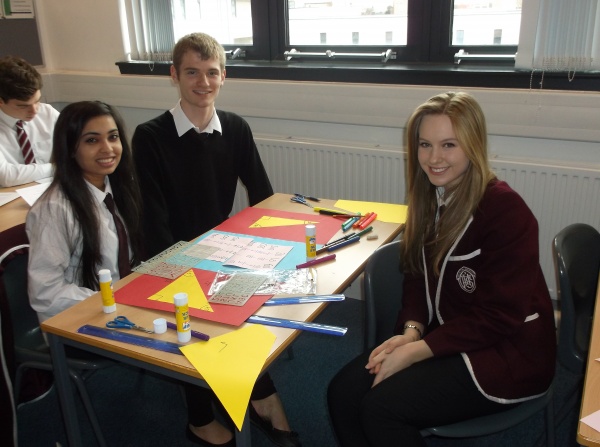
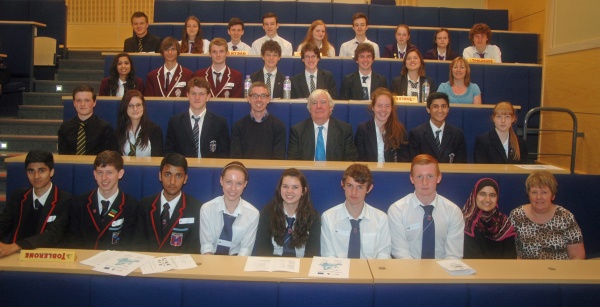
The first involved English, Social Studies, PSE and Pupil Support staff, and took place over 2 weeks for S2. Staff in all of these departments recognised a need to develop pupil ability to speak confidently and well in public. They had observed that many pupils lost confidence between S1 and S2 in their ability to apply their skills to structure and deliver a verbal presentation. Consequently, staff worked together to plan a series of tasks which used social studies content as a focus for the pupils’ final presentations, which were delivered in English. In this way, staff were able to co-ordinate their course content with minimal change or disruption to their unit plans and normal timetables. The experience built into a cross-year competition which raised the profile of these skills for learning, and allowed pupils to appreciate their own, and others’ progression.

The second IDL development also involved S2 and was a collaboration between Modern Languages and HE. Each subject planned activities which were delivered within their usual timetable. In the early stages, most took place discretely, but then culminated in more obviousl integration of subject learning when pupils opened and ran their French Cafe. Pupils developed their knowledge of French vocabulary by using this in Home economics. They tried samples of traditional French food and used role play to deal with currency conversion between Euros and Sterling. Teachers used co-operative learning strategies to ensure that pupil groups had specific responsibilities for setting up and running the cafe. The pupils had real customers and were able to apply their conversational use of the French language and money-handling skills as well as the obvious and valuable social interaction. Staff built assessment of agreed criteria into the learning experience via a pupil quiz, and this learning experience proved very motivating and engaging for the pupils involved.

James also shared a planned IDL activity for December 2014 linked to the famous football game truce which took place in No Man’s Land 100 years ago between British and German troops. This will be called Joyeux Noel and will involve S3 modern languages and history pupils. He hopes that pupils can attend a special film screening and use associated resources to develop their knowledge and understanding of the conflict, as well as offering an opportunity to develop and use language skills.
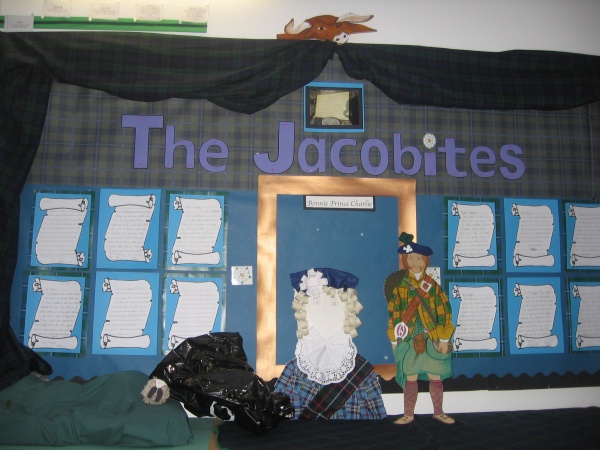
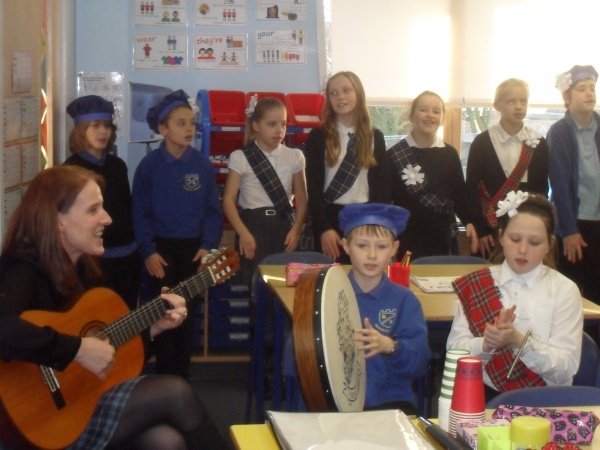
Deanburn Primary 6F learn about the Jacobites

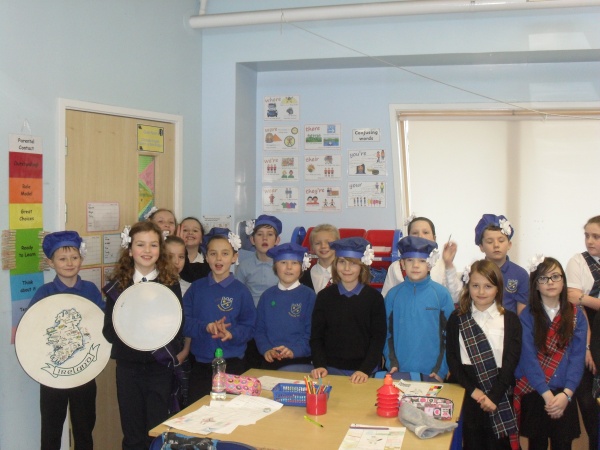
On Friday 12th December, Yvonne McBlain visited primary 6F at Deanburn PS to find out about their Jacobites interdisciplinary learning. Robyn, Findlay, Cara, and Aiden volunteered to write the rest of this blog post to show everyone how much they have learned.

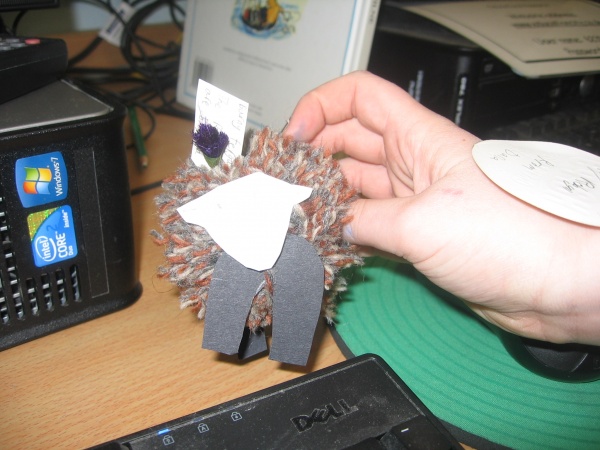
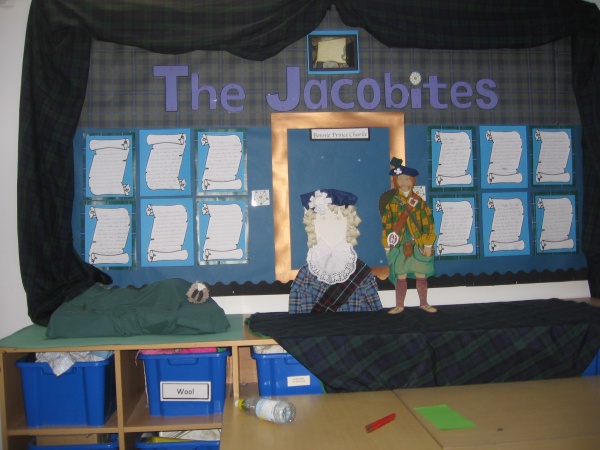
 We started learning about the British Royal family tree. We discovered that this went down and down to James II of England and VII of Scotland. He got exiled to France and was the grandad of Charles Edward Stewart – also known as Bonnie Prince Charlie (the young pretender). 6F made up a Jacobite character called Angus Ferguson (see our photo of Angus with the prince).

 Angus, our made up character was good friends with the Macdonalds, and went to the massacre of Glencoe.

Findlay and Aiden got to become Angus – they got asked questions by the rest of the class and had to think on their feet to answer the questions. Robyn really liked it when Aiden was pretending to be Angus and described how he fought back. We all liked it when we got to pretend to be talking in Gaelic as Angus. He had 3 children and a wife. Cara learned “Angus was in danger because he kept some Jacobites in his house with his wife and his kids so he might have got caught.

 We have also learned the Robert Burns song “Ye Jacobites by Name” which we think is an anti-war song. We think Robert Burns sympathised with the Jacobites but thought that they should stop fighting. 

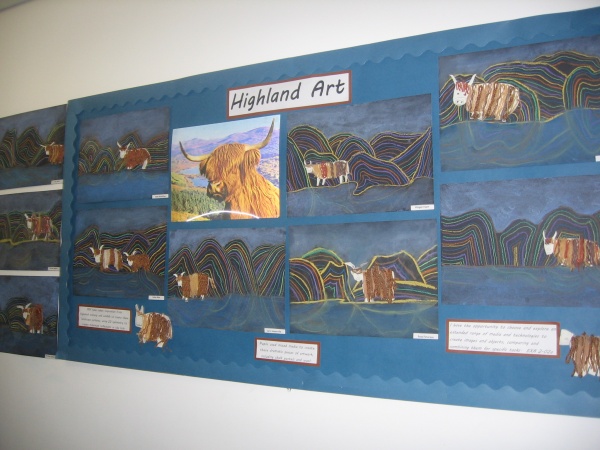
We learned that the final battle on British soil was the battle of Culloden and after this Bonnie Prince Charlie left Scotland forever.   We made targes, Highland sheep and pictures of Highland cows.” The Jacobites was a great topic because we got to learn about wars in history and we got to make targes, highland sheep and Highland cows pictures in art.”

Findlay “I feel I learned that the Jacobites were intelligent at some points – not all points.”

Aiden “The Earl of Mar wasn’t very bright – he tried to get inside a castle but the ropes he brought were too short!”

Robyn liked when we learned about the old and young pretender trying to come back to Scotland – the old pretender got no support but the young pretender’s army grew from 7 men to thousands. And I really liked how it was the last battle and he was like we can do it again but he didn’t. I liked making the targes too.”


Yvonne McBlain was impressed by the pupils’ knowledge of these important Scottish historical events, and was bowled over by their enthusiasm for their learning. It is clear that their teacher  made powerful use of Angus the storyline character to deepen the children’s understanding of the impact of these events on real people at the time. By using drama conventions and building in skill development in technology and expressive arts, learning has obviously been very engaging for these primary 6 pupils.

Titanic Disaster at Deanburn PS

On Friday 12th December, Yvonne McBlain visited Deanburn PS to hear all about the Titanic storyline topic which primary 6/5C have been working on. Hollie, Miah and Iona were kind enough to give her a tour of their classroom and wrote the rest of this blog post.

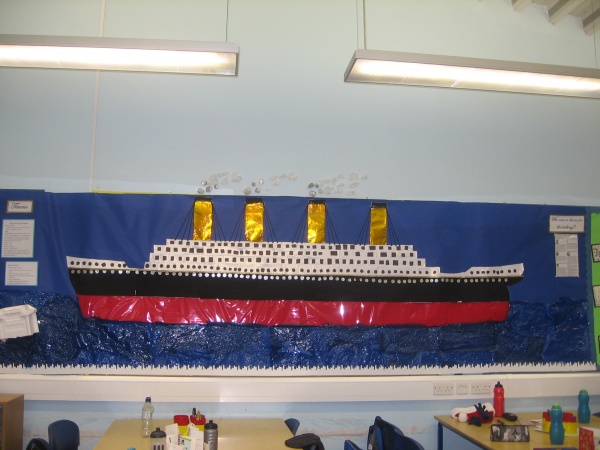
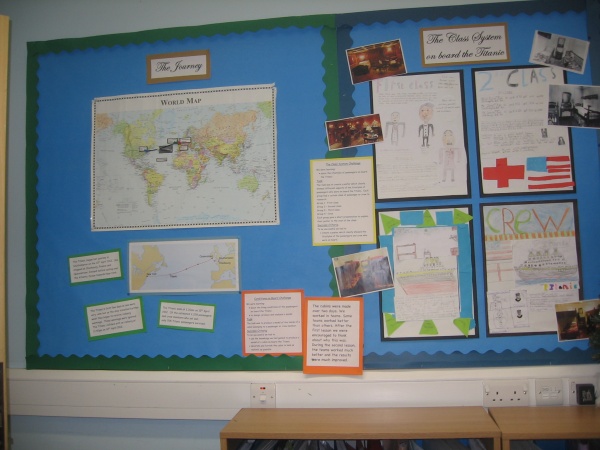
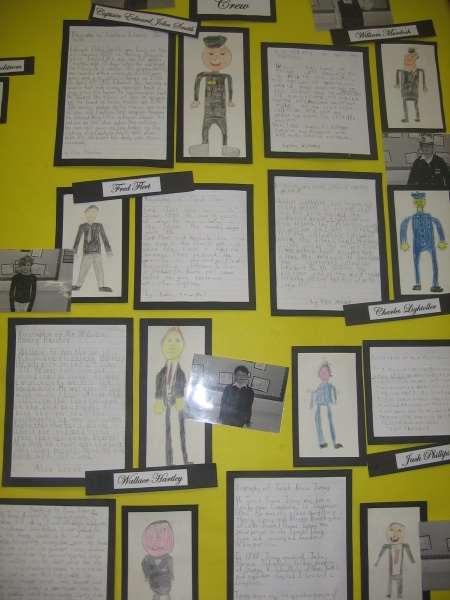
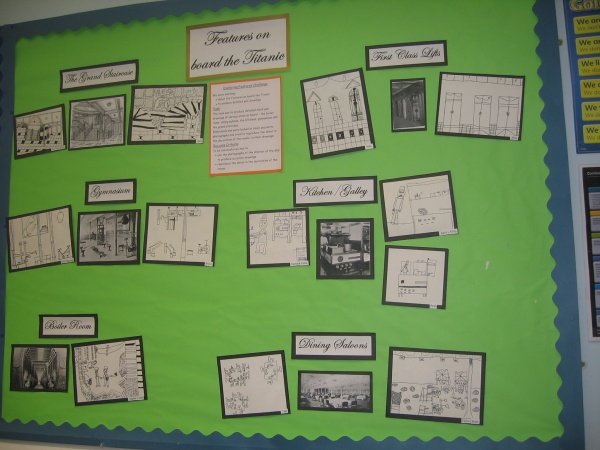
We received secret missions with information about what we had to do for our topic. One Monday morning, we were told we had to wear old clothes – it was the 16th of October. On that morning, we were told we were going to be doing arts and crafts and that we had to build a 2D model of the Titanic. We didn’t know much about the ship, but worked in four groups and there was a funnel group, a deck and promenade group, a hull and under-hull group, and a sea group. Our teacher Mrs Crawford showed us lots of pictures and we searched Google images for more. It took us two days, but in the end we managed to finish our ginormous picture of the Titanic.

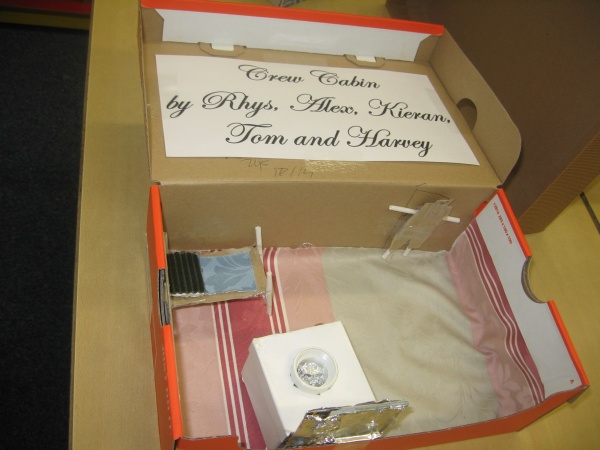
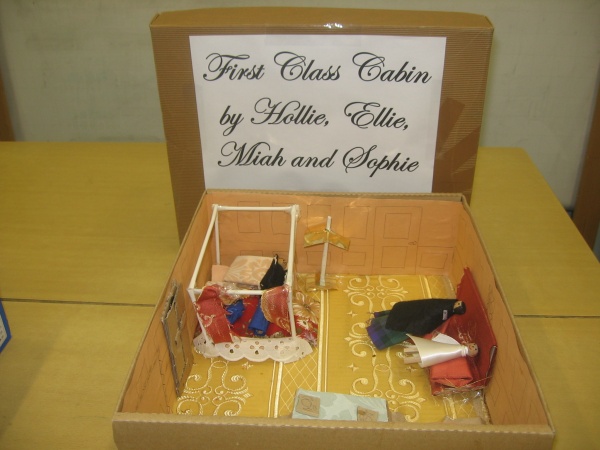
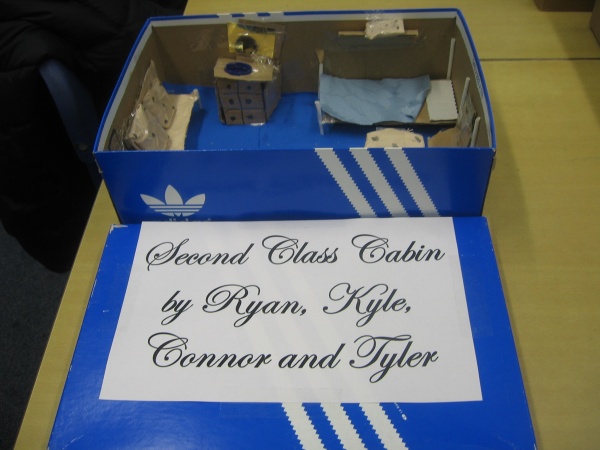
 Hollie took a photo of the first class cabin, Iona took one of the second class cabin and Miah took the ones of the crew cabin. 

The girls felt that this topic helped them to understand how things have changed since those days and nowadays. It also helped them respect other people more because “when we were reading the novel about the Titanic, the book says “life’s too short for arguing”.  So now we think it’s a good thing to teach people that, and you should make sure you make the most of life.” Iona said “When we worked in the groups there was a lot of arguing and I think this topic helped us with problem-solving and we HAD TO solve the problem together.”

Miah looked through the evaluations written by others in the class and picked out Sophie’s which said “I really enjoyed my character and completing the missions. It was a very interesting topic.” Jamie’s said “I liked building the Titanic because it was super fun and we got to work together in teams.”

Hollie picked out some comments from the parents of people in our class. One parent said “Thought it was excellent and was really impressed with the effort they had all made, dressing up, etc.” another parent said  “I was most impressed by the amount of research that was carried out. The children obviously worked very hard and it showed.”

It is very clear that these pupils have gained a great deal of knowledge and understanding from Mrs Crawford’s use of the storyline approach with this topic. Yvonne McBlain also noticed the real changes in attitude pupils had developed through taking on roles as characters on the ship, and really enjoyed sharing in the girls’ obvious enthusiasm for their learning.

Our Crop, our Land Storyline at Wallacestone PS

All four Primary 1 classes at Wallacestone Primary School shared and celebrated their Our crop, Our land storyline at the end of November 2014.

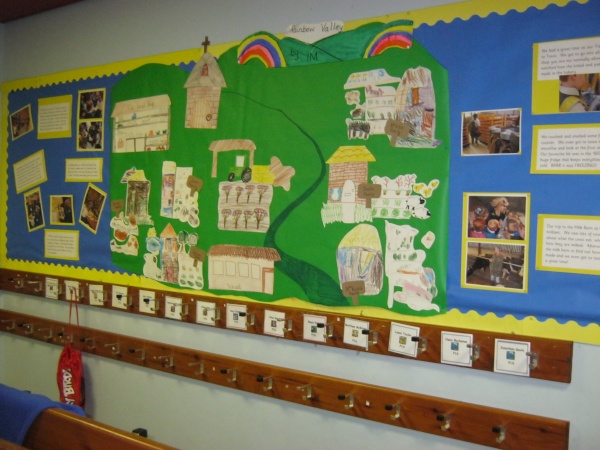
The photo on the left shows the farming community frieze created by the children during their global citizenship storyline. Each child took on the role of a villager in the farming community. 

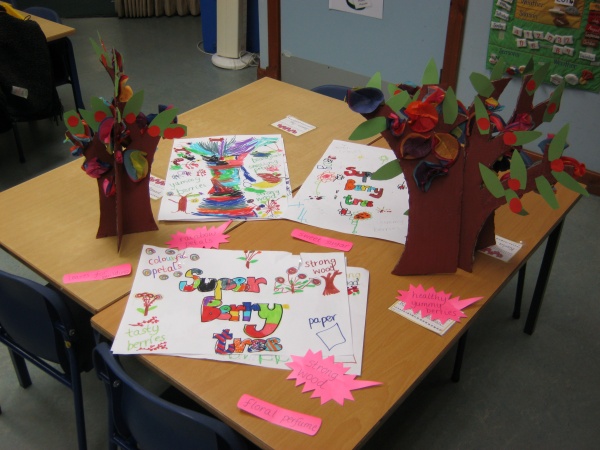
They helped create a new crop called the Super Berry plant and learned all about the processes and stages involved in growing, harvesting and selling it. Even at early level, class teacher Jennifer Main and her colleagues have noticed the impact of this project on pupil understanding of fair trade and global commerce.

The children shared their learning with the many parents and guests who came along to their open afternoon. Jennifer is one of the teachers from Falkirk schools who are making excellent use of their Global Citizenship Storyline training delivered in partnership with WOSDEC over sessions 2013/14 and 2014/15. 

So far everyone involved has been very positive about the impact of this interdisciplinary work. The combination of the drama, social studies, science/HWB and literacy seems particularly engaging for pupils when taught through the storyline approach.

More Interdisciplinary Maths at Falkirk HS

Martin Opgaard and Stuart Pearson, maths teachers at Falkirk HS are developing maths and numeracy across learning in various ways with colleagues in their school.

Most recently, teachers throughout the school used the Commonwealth Games as a rich context for their pupils to develop and apply skills, knowledge and understanding across the curriculum (type 2 interdisciplinary learning). Pupils in S1 and S2 took part in these linked learning experiences and gave very positive evaluations. For maths, these opportunities consolidated pupil skills in rounding numbers and graph work. They also calculated how foreign exchange rates might impact on visitors coming to the games. Click here to see a maths lesson presentation.

The project ended with a sharing of learning and celebration of pupil achievement at a “market-place” event in the school hall. The team of teachers delivering this project are now building pupils’ ideas and thoughts into their planning of a bi-annual version which will continue to happen during Commonwealth Games, and Olympic Games years.

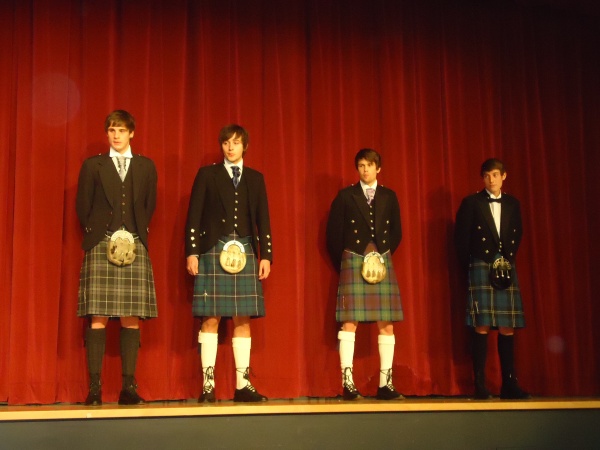
Previously, FHS S1 pupils have enjoyed connecting their learning between maths, art and design and business education. Claire Jack, maths teacher developed an educational partnership with a local kilt hire business. The owner of this business worked with school staff to plan a tartan competition (click to view). This may be developed into a school tartan and a range of suitable products.

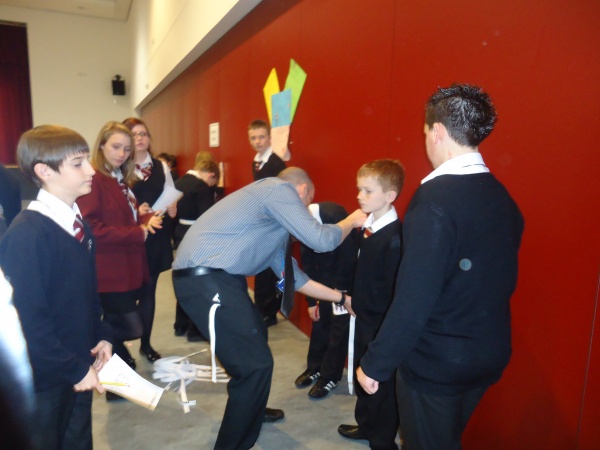
The photos show S 1 pupils learning how to measure properly for full Highland dress. Pupils enjoyed learning through this real-life context and developed their ability to interpret a range of number texts. In addition, they broadened their team working skills and explored their creativity within the constraints of a plaid pattern.

In the past, FHS teachers have also used the school’s annual Litter Pick as a context for pupils to consolidate and apply numeracy, literacy and computing skills. Click here to view a lesson presentation created by Maths staff for this IDL context.
Martin, and Stuart are now exploring topical science contexts and NASA resources (click here)with a view to creating some new and creative interdisciplinary learning for their pupils.

S5 Interdisciplinary Maths at Falkirk High School

Martin Opgaard and Stuart Pearson, maths teachers at Falkirk HS are developing maths and numeracy across learning in various ways with colleagues in their school.

In session 2013-14, they collaborated with the modern languages department and involved S5 Higher Maths pupils in the Mathematiques sans Frontiere competition run by Heriot Watt University. Pupils had one afternoon to solve 10 fiendishly difficult maths problems and provide their answers in French or Spanish. These involved creative and critical thinking, problem solving and offered pupils an opportunity to apply their maths and modern language skills in a very unusual context. The Falkirk HS team did this so well, that they reached the top 10 across the whole of Scotland, and were invited to the award ceremony at the university.

Pupils were obviously thrilled with their achievement and gained valuable insight into university life through their visit and attendance at a maths lecture there. Stuart and Martin felt that this experience complemented their pupils’ preparations for their exams really well, and built pupil confidence and understanding. Consequently they intend to make FHS participation in Mathematiques Sans Frontieres and annual occurrence.

Daily 5 and Cafe at Wallacestone Primary School.

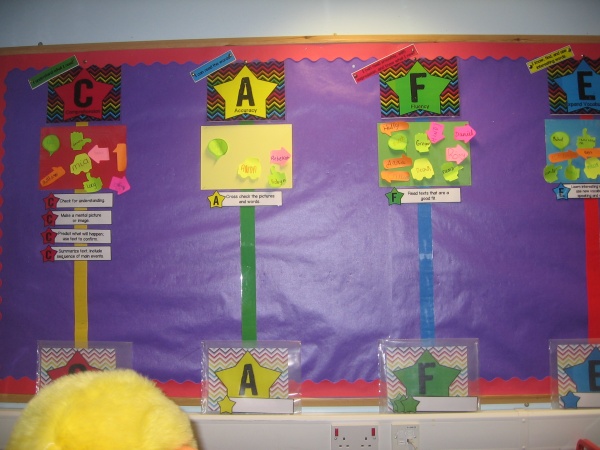
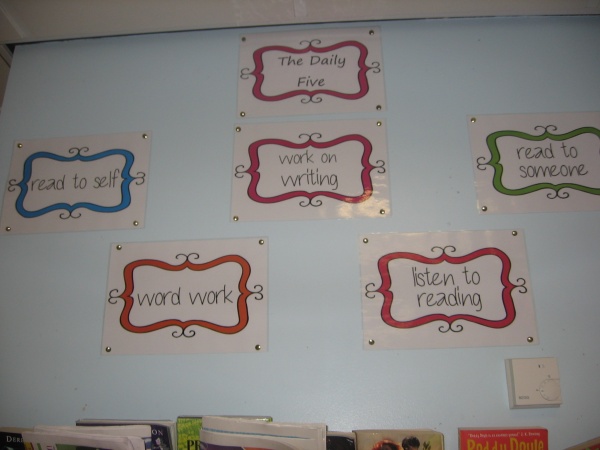
On Wednesday 26th November Yvonne McBlain visited primary 7D at Wallacestone PS to hear what the pupils think of using Daily 5 and Cafe to develop their literacy skills.
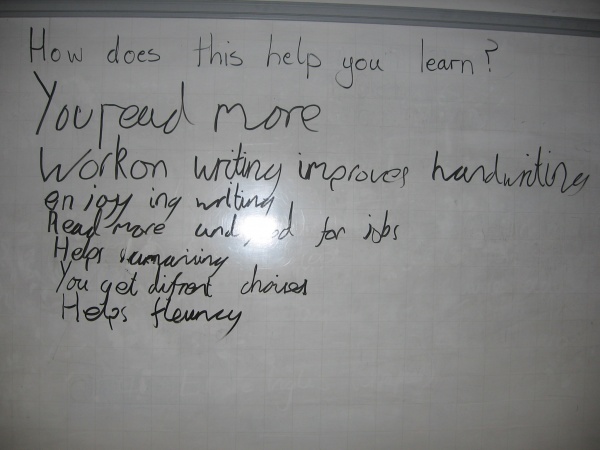
First pupils shared their thoughts with their shoulder partner, then Zander Thomson wrote these on the board, and Mia Beveridge typed up the summary below:

Café and Daily 5 is a different way of doing literacy.  It helps us to learn independently and will be helpful in the future.  Read to Self and Work on Writing is more enjoyable and we are reading more books than we used to.

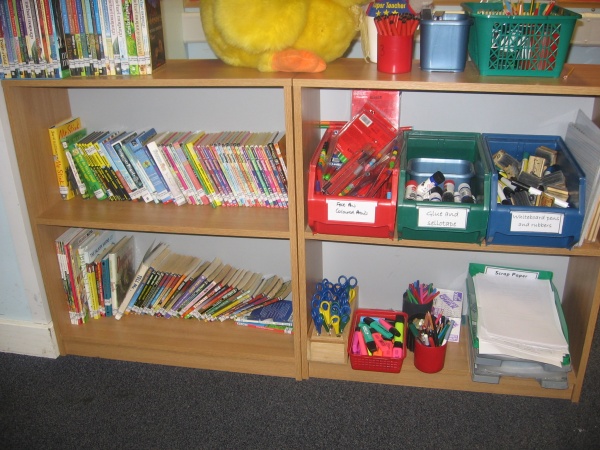
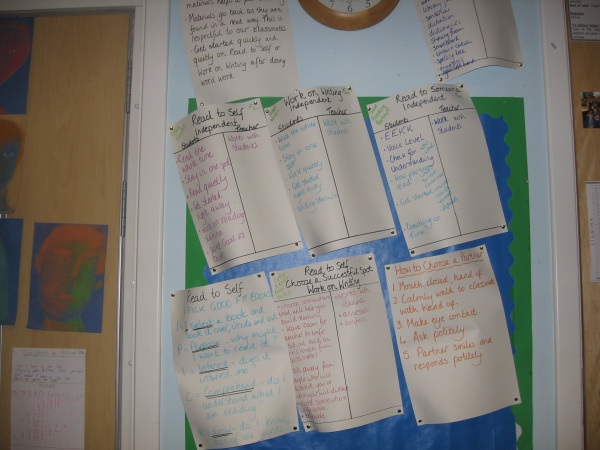
While this was happening, Gregor Fullerton and Jacob Campbell took the photos you see in this post which they felt would show how Daily 5 and Cafe worked in their classroom. You can see how organised their books and literacy tools are, and how the pupils identify and share their skill development and progress.                               

Mrs McBlain loved hearing  how enthusiastic pupils were about the difference this way of learning is making for them. She was also very impressed by how well they could explain their thoughts and opinions and use their literacy skills in other parts of their learning.

Global Storyline develops at Carron PS

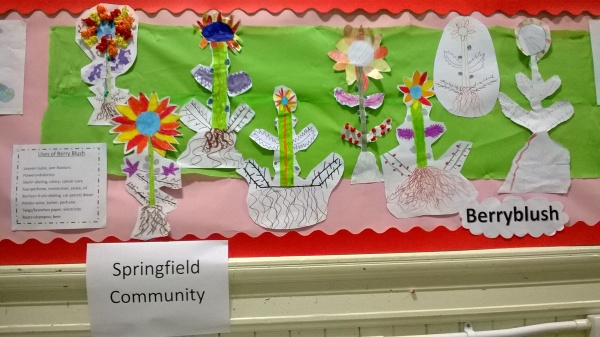
Heather Nicol and her primary 6 class at Carron PS in Falkirk, are working on the Global Storyline project “Our Crop, Our Land” created by WOSDEC. Click here to learn more about this excellent global citizenship resource.

Heather’s pupils created the community of Springfield where most of the villagers rely on farming the crop Berryblush to earn their living. Each pupil has a Springfield persona which they pop in and out of during the storyline to help them understand complex global citizenship and sustainability issues. Click here to see how pupils shared their existing knowledge of farming, and here to see the daily diary of Olivia Spriengeer, one of the Springfield farmers.

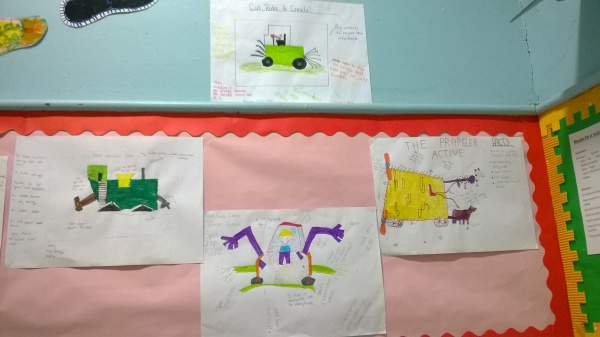
Within the drama, it is harvest time and the people of Springfield are preparing to sell this year’s crop of berryblush to the highest bidder at market. (See their marvellous harvesting machines on the right). Outside the drama they have been learning about farming and global commerce and how the cost of real life crops is appropriated to each party who helps to get it to our shops. Click here  and here to see how pupil thinking has been affected by a learning experience called Banana Split, and explore pupil thoughts on why people are hungry by clicking here.

These are some of the learning activities integrated within the storyline to develop real and deep understanding of global commerce, rights, fair trade and social responsiblity and help pupils to become responsible citizens and effective contributors.

Heather’s class are really enjoying this connected learning experience which links experiences & outcomes in social studies, expressive arts and health and well-being. The storyline approach develops empathy and genuine understanding of global issues, as well as making the learning coherent and relevant to the pupils. Heather has applied her global storyline training and context building so well, that pupils asked to take some of their learning experiences home to work on them with their parents. They feel outraged that most farmers get so little payment compared to the other parties involved in getting food to us, and want to make sure others get to know about this too. Heather and her pupils will soon discover just how volatile this market can be, and how that volatility impacts on food producers around the world.

This is an excellent example of type 2 interdisciplinary learning where pupil skills and understanding are broadened and challenged through the cross-cutting themes of global citizenship and sustainability. The storyline approach and integration of drama and art and design ensure that pupils are consistently engaging in higher order thinking and reflection, which results in real progression.

Inference the Interdisciplinary Way!

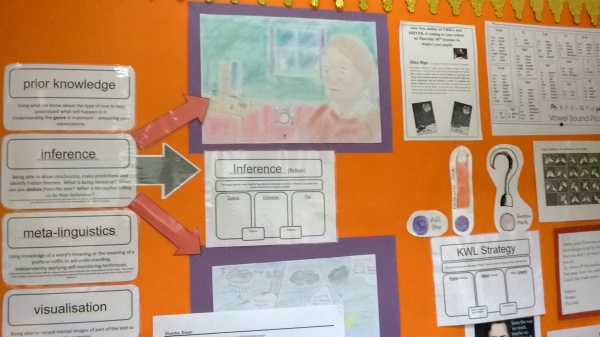
Ewan Shanks, P7 class teacher at Carron PS has been developing his pupils’ understanding of inference by linking literacy and art.

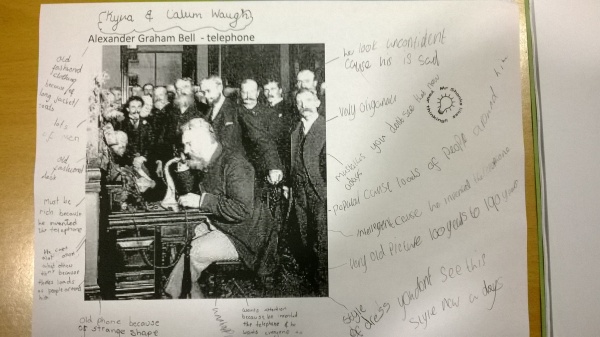
Ewan explored and built on existing pupil understanding  by asking them to analyse images of Scottish inventors (their class topic as context).  

Ewan found that his pupils could say and write their thoughts. (see one group’s example on the right.) However, they found it difficult to say how they were able to make these statements. Ewan used  questioning to increase pupil awareness of how they were picking up on the clues around the people in their picture, its composition, the objects which were visible, etc.

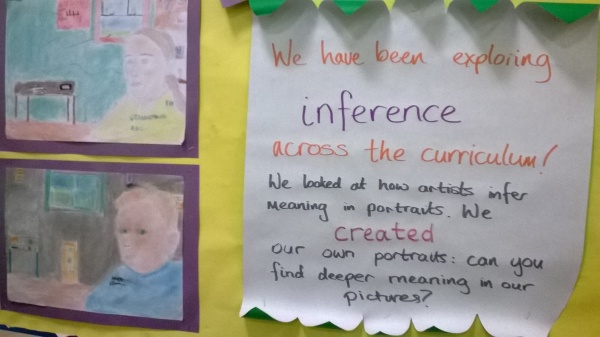
Pupils were then asked to create a self-portrait using a simple interior composition (see left). At first, the children were too obvious with the clues they added to their pictures. Through careful questioning and discussion though, they were soon able to be infer information about their likes/dislikes, character traits, etc in a more subtle way.

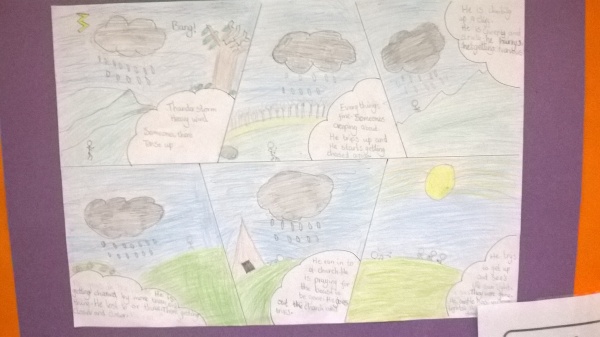
To broaden and challenge pupil understanding even more, Ewan then played his primary 7 pupils various pieces of music to explore the ideas and images this suggested to them. He used various listening exercises and a staged process (see storyboard on the left) to build up to a creative writing text which demonstrated that pupils could use inference themselves. Click here to read one of the children’s stories. (You will also see the success criteria rubric Ewan and his class use as part of their assessment of and for learning)

As you might imagine, the children were very engaged by this whole process, and were able to demonstrate their understanding in a range of ways, as can be seen above. This is a great example of deep and creative learning in literacy of course, but it is also a very clever use of type 1 interdisciplinary learning. By showing pupils the natural overlaps and common features in written, drawn/photographed and musical texts, Ewan helped develop deep understanding of inference, AND higher order skills transferable across literacy and the expressive arts.

S1 Curriculum Enhancement Course

Fiona Malcolm, Faculty Head of Social Subjects and RMPS at Braes HS worked with colleagues to create a new course for S1 pupils which is currently being delivered. Click here to see the presentation shown to all Braes cluster primary 7 pupils as an introduction to the course. The rationale for the course states:

Curriculum for Excellence is seen as a continuous process of learning during and beyond the school years. The purpose of this course is to provide the pupils with time in S1 to build on skills and values learnt in primary school and develop them for further use across the secondary curriculum and into adult life.

In her message to S1 pupils inside the cover of their enhancement course booklet (click to view), Helen McCulloch, head teacher writes:

Our Enhancement Course is designed to improve and increase the quality of your education at Braes High School by helping you to pull together all the skills you gain across the different subjects you study in the junior school so that you can link them together and put them to good use in every classroom and in this way, have real success in your learning at Braes High School. …

One obvious problem with our Enhancement Course is the title. Enhancement Course sounds pretty boring so as the year goes on we are hoping that one of our pupils can come up with a good catchy name for our course. There will be a prize for the winning entry – so get your thinking caps on, pay attention to what is in the course and see if you can come up with an innovative and catchy title.

I look forward to receiving your ideas!

Staff used collegiate time in session 2013-14 to design the course, ensure that it meets the needs of all learners, and uses a wide variety of activities and different methodologies. This course is interdisciplinary – click here to see the skills poster for pupils. In addition, the course connects the four contexts for learning in Braes HS: pupils have opportunities for personal achievement; they contribute to the life and ethos of the school as a community; and specific knowledge and understanding is developed within curriculum areas, and through interdisciplinary experiences. (Click here for more information about these) http://glo.li/1rRhBYp

The course is being delivered over 2 periods per week – click on each term below to see the overview of learning for each term.

Term 1          Term 2           Term 3            Term 4

As part of the course, pupils are encouraged to explore, develop and share their personal achievements through Braes HS own award system called BRAW. Staff also intended that the course would enable pupils to achieve a Dynamic Youth Award, but are now in discussion with primary colleagues to explore how this element could be taken forward in primary 7 leading up to S1. This holistic approach to curricular planning for S1 helps build a coherent learning experience for pupils and alerts them to the transferability of the skills they will be developing. In addition, in contributes to a positive transition for pupils and encourages them to apply their skills, knowledge and understanding within a range of contexts.