ARTICLE 24 – The Right to Be Healthy

ARTICLE 24 – The Right to Be Healthy

As part of our ongoing Children’s Rights commitment, we are continuing our journey to embed children’s rights at the heart of everything we do.

A key focus for us this month has been the United Nations Convention on the Rights of the Child (UNCRC) Article 24 – The right to be healthy.

What is Article 24?

Article 24 states that every child has the right to be as healthy as possible.

What this looks like in our setting

We work hard to help children understand the importance of looking after their physical and mental health.

You may have noticed some of the ways we are doing this:

  • Encouraging healthy eating and discussing nutritious foods.
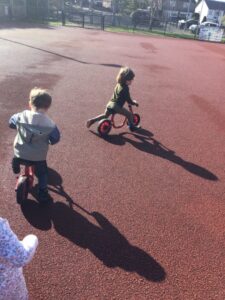
  • Providing daily opportunities for physical activity and outdoor play.
  • Supporting children’s emotional wellbeing through conversations and check-ins.
  • Promoting good hygiene routines such as handwashing and tooth brushing. 
  • Creating a safe and nurturing environment where children can thrive.

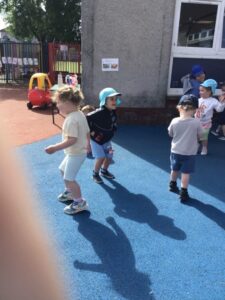
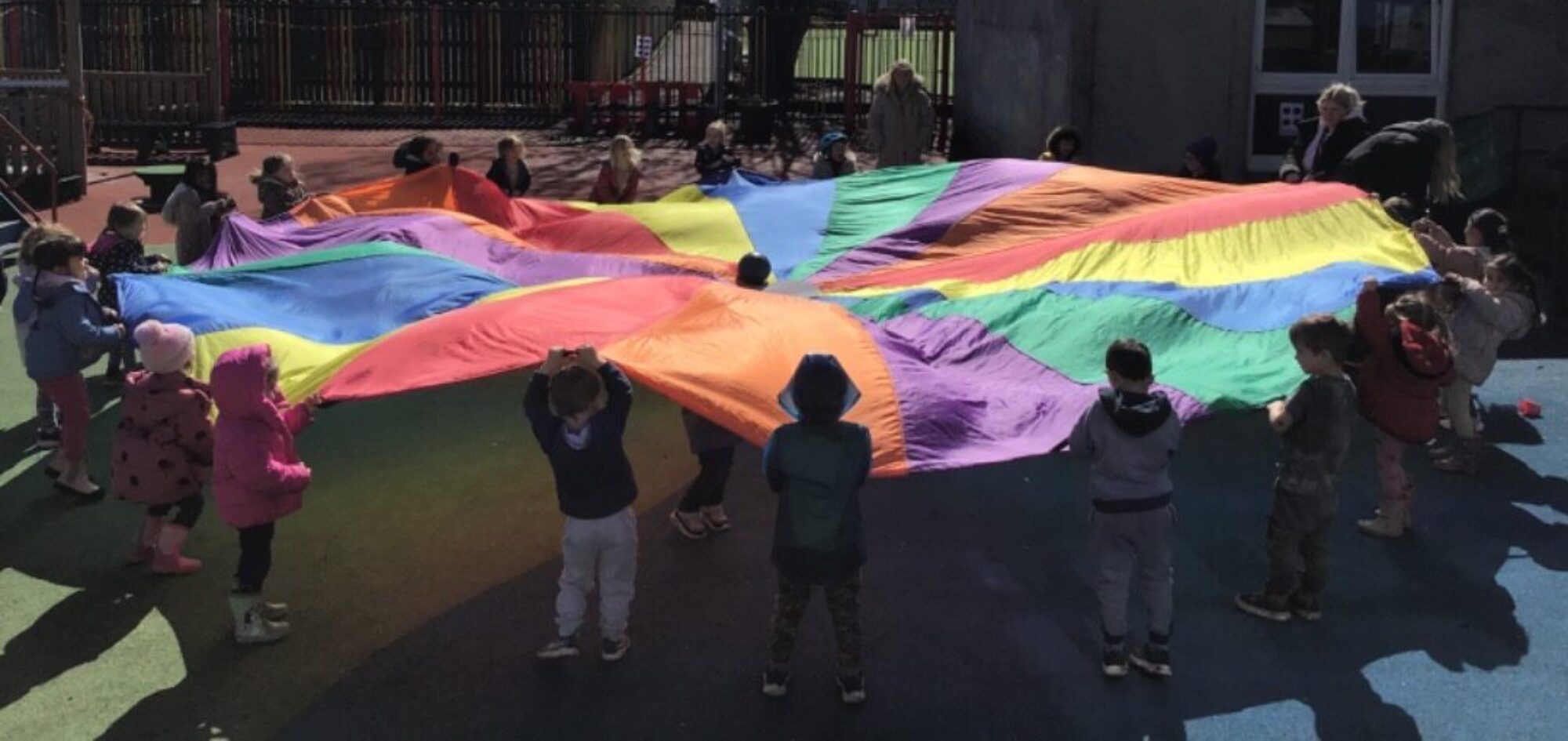
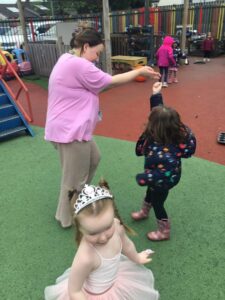
As part of our focus on Article 24, we recently held a Danceathon Fundraiser. The children had great fun dancing, moving and being active while raising money for the children’s fund. This was a fantastic opportunity to promote exercise, wellbeing and community spirit while helping children understand the importance of staying healthy and active.
Why this is important

Helping children develop healthy habits from  an early age supports their growth, wellbeing and development. By promoting health and wellbeing, we help children feel happy, safe and ready to learn.

Thank you for your continued support as we work together.
ARTICLE 31- The Right to Play

ARTICLE 31– The Right to Play 

As part of our ongoing Children’s Rights commitment, we are continuing our journey to embed children’s rights at the heart of everything we do.
A key focus for us this month has been the United Nations Convention on the Rights of the Child (UNCRC) Article 31- The Right to Play

ARTICLE 31 – The Right to Play

As part of our ongoing Children’s Rights commitment, we are continuing our journey to embed children’s rights at the heart of everything we do.
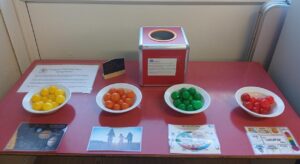
A key focus for us this month has been the United Nations Convention on the Rights of the Child (UNCRC) Article 31 – the child’s right to play.

What is Article 31?

Article 31 states that every child has the right to play.

What this looks like in our setting

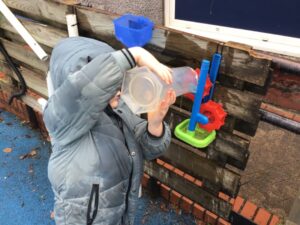
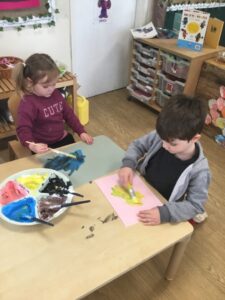
We have been working hard to ensure that children have meaningful opportunities to play and explore.

You may have noticed some of the ways we are doing this:

  • Daily opportunities for free play, where children can choose what they want to do.
  • Access to indoor and outdoor play spaces that encourage exploration.
  • A variety of resources and materials that support imaginative and physical play.
  • Child-led activities, allowing children to follow their interests and ideas.
  • Staff supporting play by engaging, observing and extending learning through children’s interests.

Why this is important?

Play helps children learn and grow. It helps them build confidence, make friends, learn how to communicate, share and solve problems, stay healthy and it also helps them be creative and more independent.

Thank you for your continued support as we work together.

ARTICLE 12 – The Right to be Heard

As part of our ongoing Children’s Rights commitment, we are continuing our journey to embed children’s rights at the heart of everything we do. 
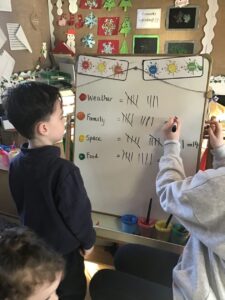
A key focus for us this month has been the United Nations Convention on the Rights of the Child (UNCRC) Article 12 – the child’s right to be heard.

What is Article 12?  

Article 12 states that every child has the right to express their views, feelings, and wishes in all matters affecting them, and for those views to be taken seriously. 

What this looks like in our setting?

We have been working hard to ensure that children feel confident, respected and safe to share their thoughts and feelings.

You may have noticed some of the ways we are doing this:

– Daily conversations and check-ins where children are encouraged to talk about how they feel.

– Group discussions that allow children to share ideas and listen to others.

– Child led activities, giving children a voice in what and how they learn.

– Staff actively listening and responding, showing children that their voices matter.

Why this is important? 

When children know they are listened to it builds confidence, self-esteem and a sense of belonging. It also helps them develop important skills such as enriched communication, empathy and decision making. It also shows them that their opinions matter.

Thank you for your continued support as we work together.

Report a Glow concern
Cookie policy  Privacy policy