🧪 Science Afternoon Fun at St. Joseph’s! 🔬
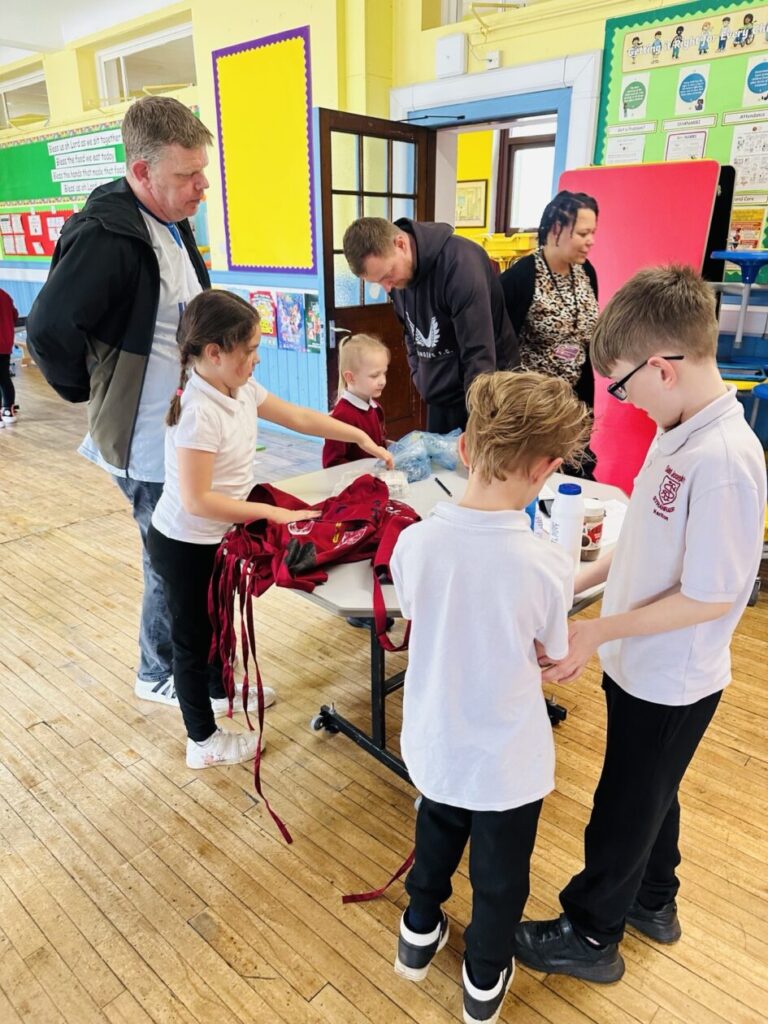
What a fantastic afternoon of science we had at St. Joseph’s! Our classroom was buzzing with excitement as pupils, families and staff explored a range of hands-on experiments and activities together.
Our brilliant STEM Leaders kicked things off by visiting each station and clearly explaining how everything worked. They then stepped into their leadership roles, supporting younger pupils and families and helping everyone get the most out of the activities 👏
We had a wide variety of science stations to explore, including:
- 🐭 Code ‘n’ Go Mouse challenges
- 🧲 Magnetism investigations
- 💡 Electrical circuits
- 🟣 Cornflour slime making
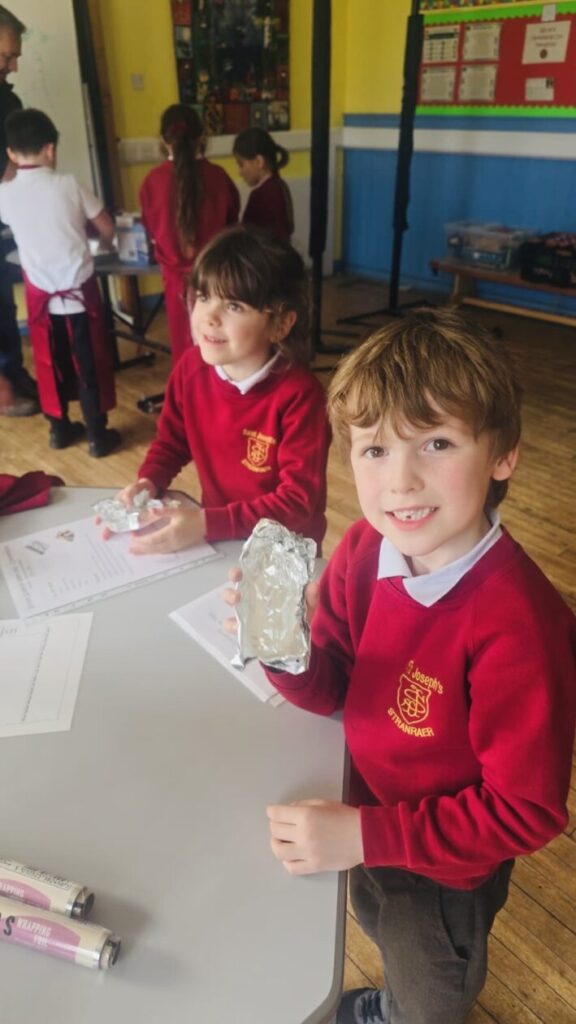
- 🚤 Buoyancy challenge (tin foil boats!)
- 🫀 Human organs (Velcro chest activity)
- 🧂 Soluble and insoluble materials testing
- ✈️ Paper aeroplane station
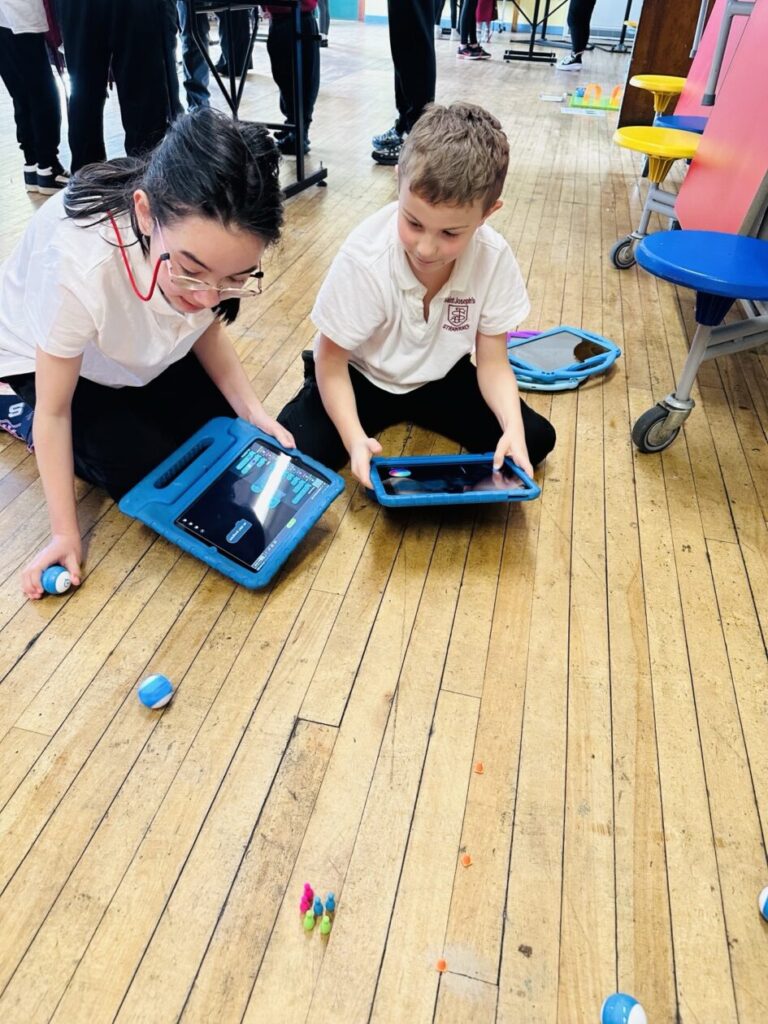
- 🤖 Mini Spheros
- 🪨 Geology station to observe and explore rocks
Some stations were especially popular… the mini Spheros had everyone excited as they zoomed around, and the slime station was a big hit (and very messy in the best way!). The soluble and insoluble testing also sparked lots of great discussions and predictions 🧠✨
At the buoyancy station, we saw some incredible problem-solving in action. A huge well done to Rebecca and Ava G, who both managed to design boats that held well over 300 cubes – an amazing achievement! 🚤👏
We are so proud of how confidently our STEM Leaders supported others throughout the afternoon. A special thank you to Danielle, Ava G and Ava W, who did a fantastic job leading and helping others.⭐
It was wonderful to see so many parents and carers join us – your support made the afternoon even more special. Everyone got stuck in, asked great questions and showed fantastic curiosity 💬
Finally, a big well done to all of our curious, enthusiastic learners at St. Joseph’s who made the afternoon such a success. We definitely have some future scientists in the making! 🌍🔬
🌍 UNCRC Links
- Article 29: Education should develop every child’s talents and abilities.
- Article 31: Every child has the right to take part in fun, creative and active learning.
- Article 15: Every child has the right to meet and work with others in groups and communities.
🌱 Sustainable Development Goals (SDGs)
- SDG 4: Quality Education – engaging pupils in hands-on scientific learning.
- SDG 9: Industry, Innovation and Infrastructure – exploring technology and problem-solving.
💚 SHANARRI Indicators
- Achieving: Developing scientific understanding through practical investigations.
- Active: Learning through hands-on experiments and movement.
- Included: Working together with peers, families and STEM Leaders.
💡 Meta-skills
- Collaborating: Working together to complete challenges and experiments.
- Leading: STEM Leaders supporting and guiding others.
- Curiosity: Asking questions and exploring how things work.
- Critical Thinking: Making predictions and solving problems during investigations.
🌟 The Four Capacities
- Successful Learners: Exploring and applying scientific knowledge.
- Confident Individuals: Trying new activities and sharing ideas.
- Effective Contributors: Supporting others and working as a team.
- Responsible Citizens: Working respectfully with others and understanding how science helps us make sense of the world.
✝️ Strands of Faith
- In the Image of God: Using our gifts of curiosity and creativity.
- Signs of God: Wondering at the world through science and discovery.