Some Butterflies
A Glow Blog Example
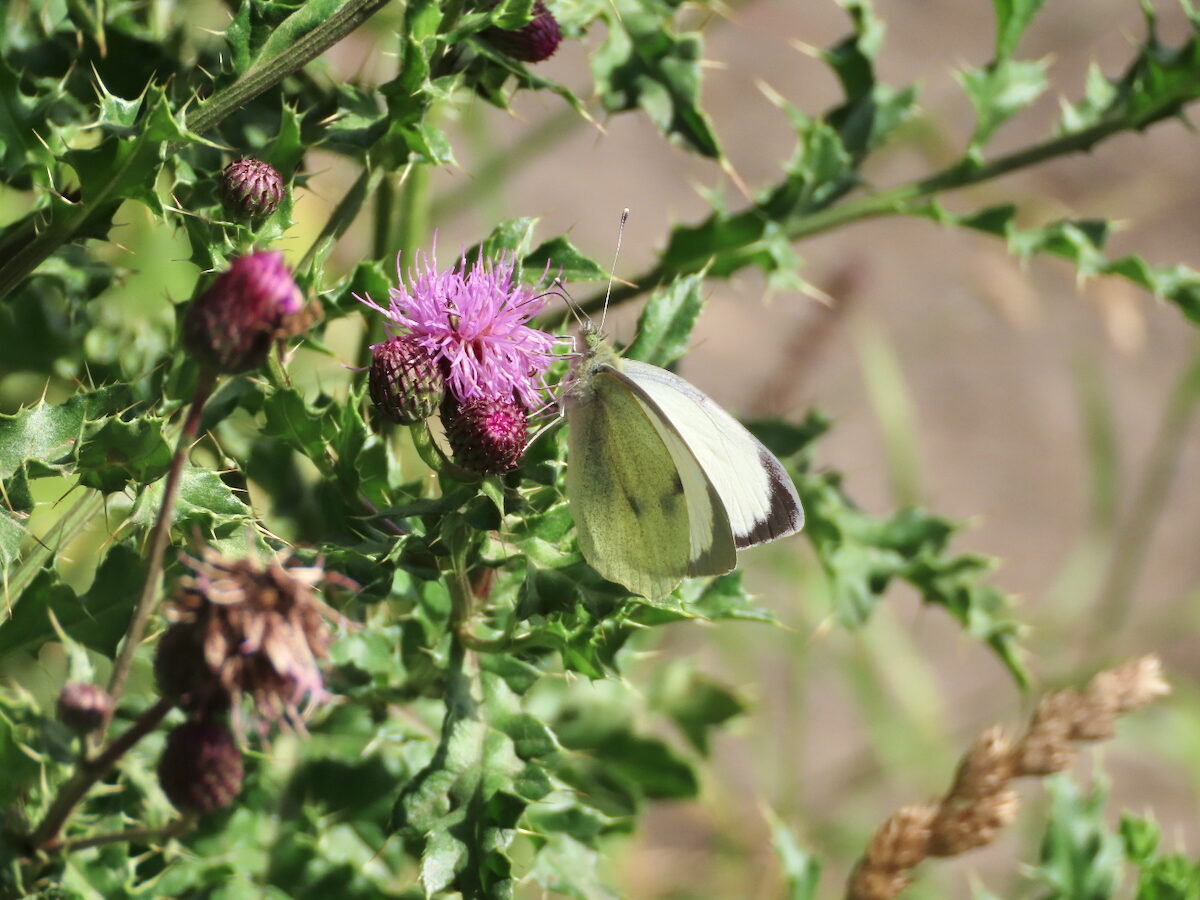
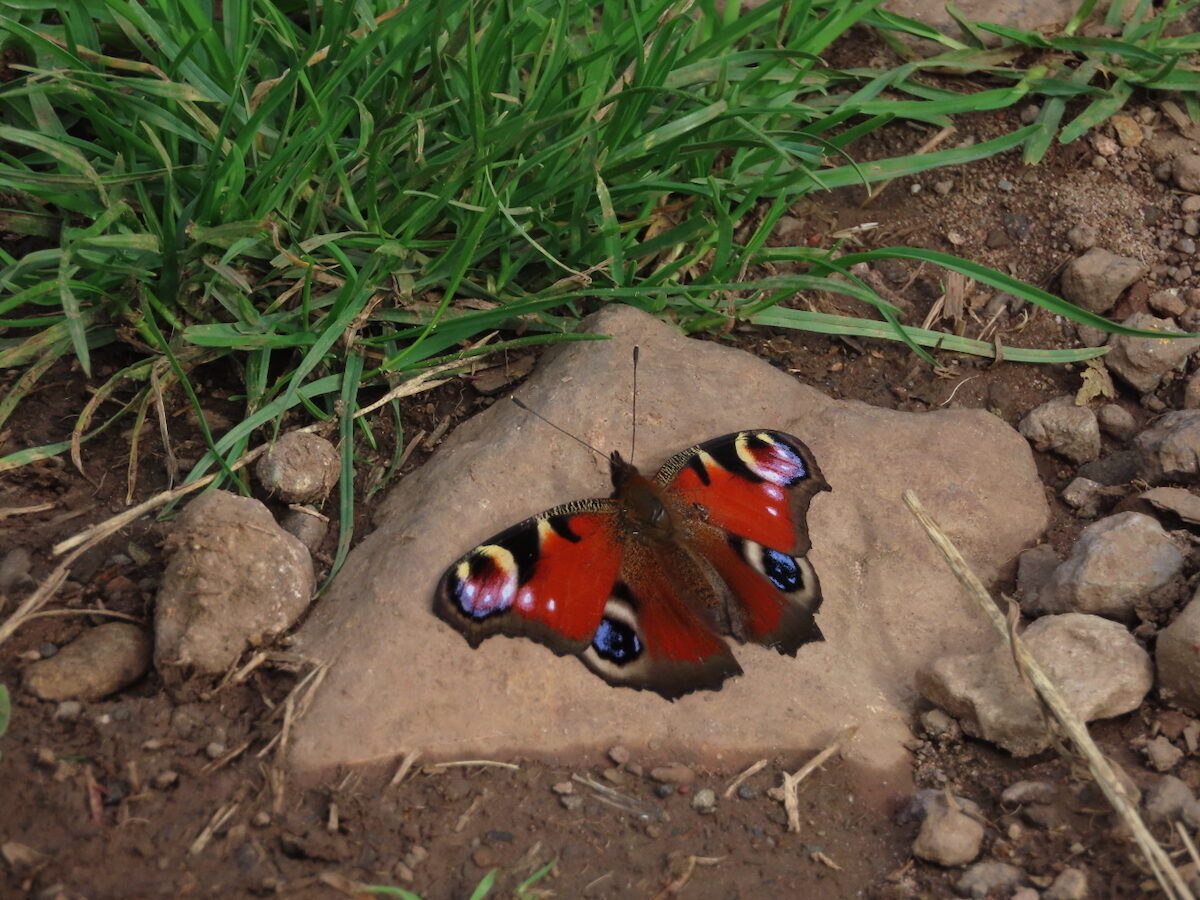
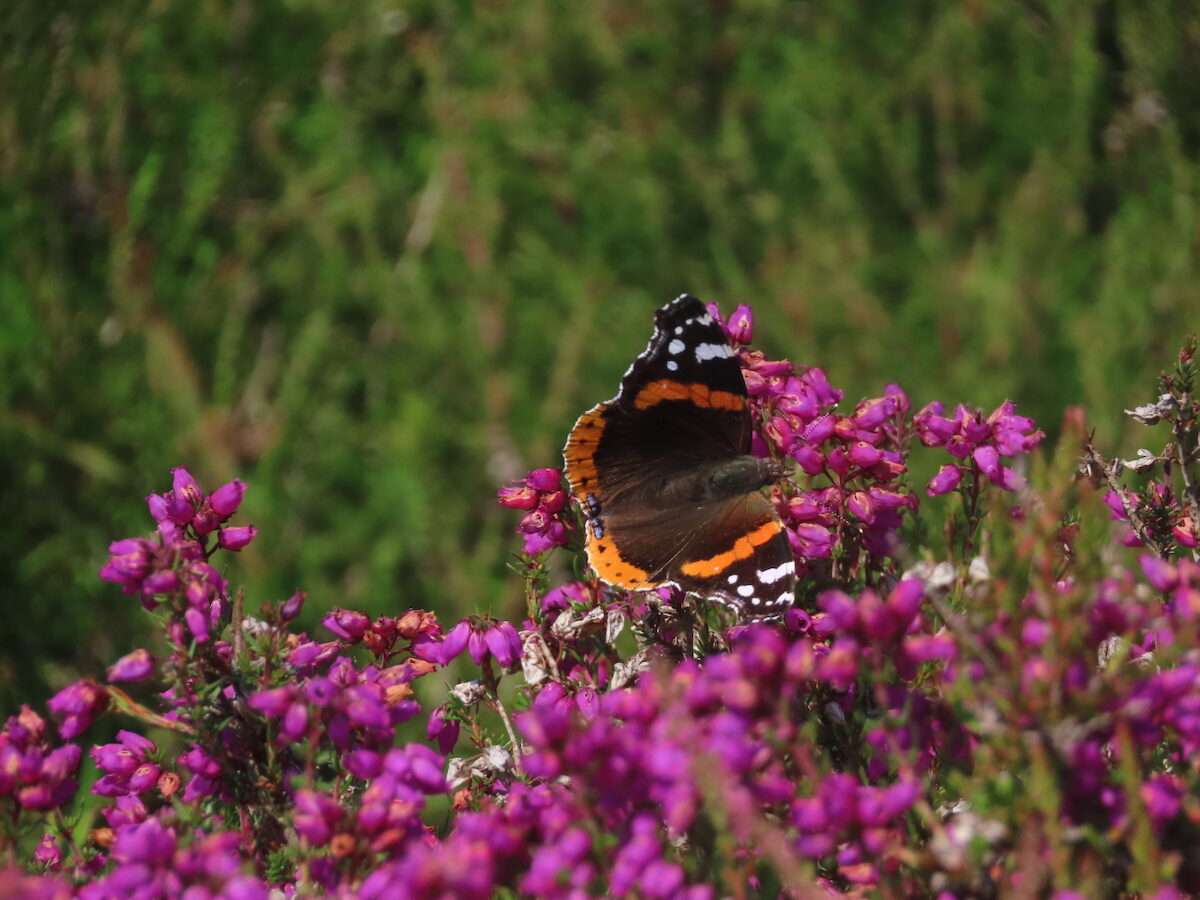
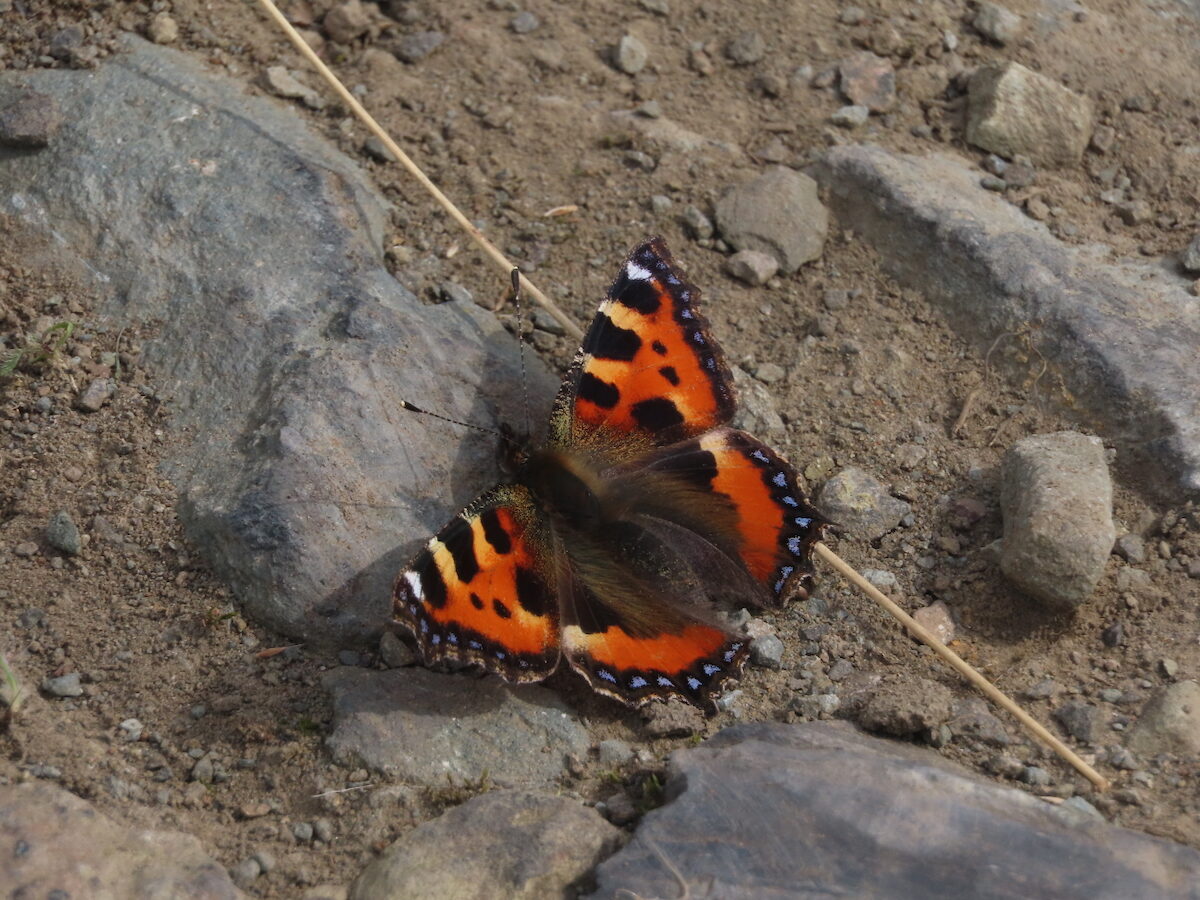
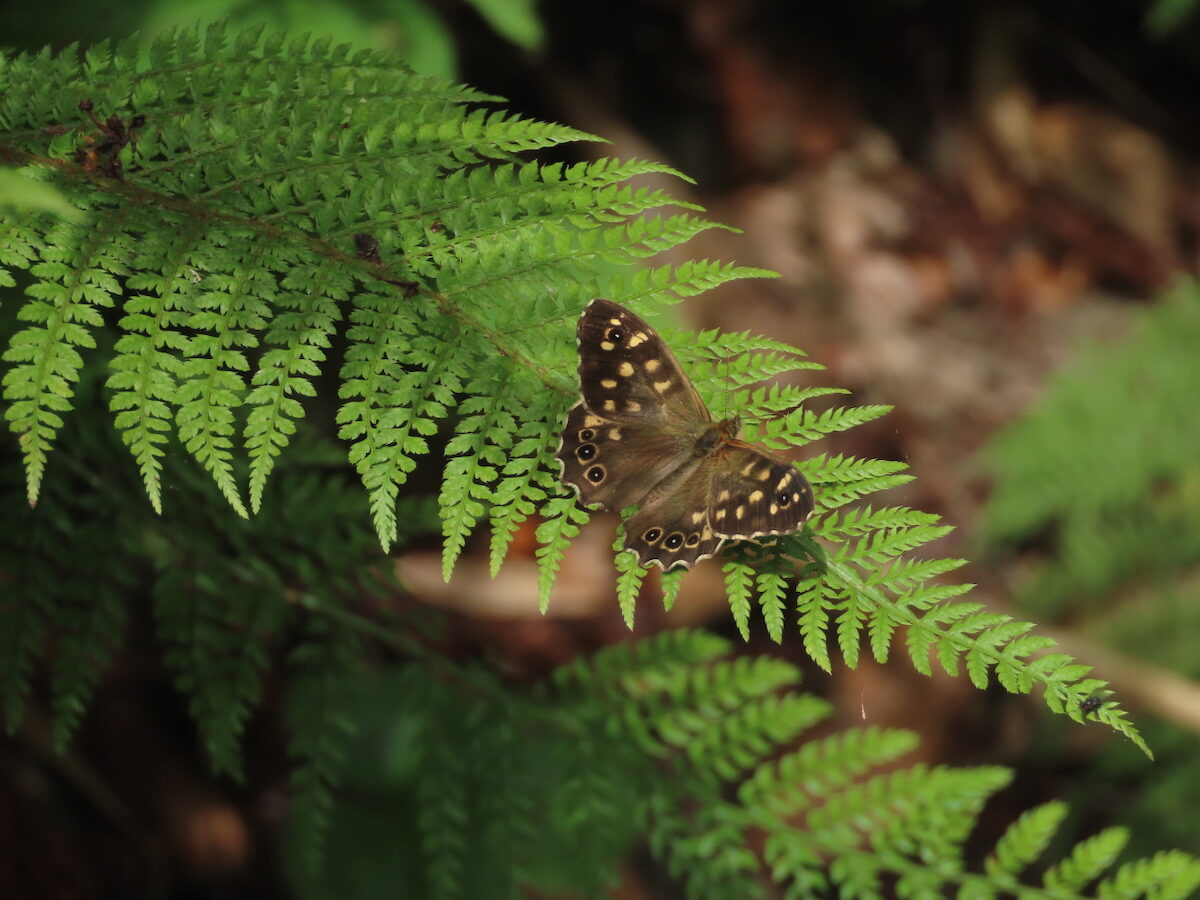
Butterflies
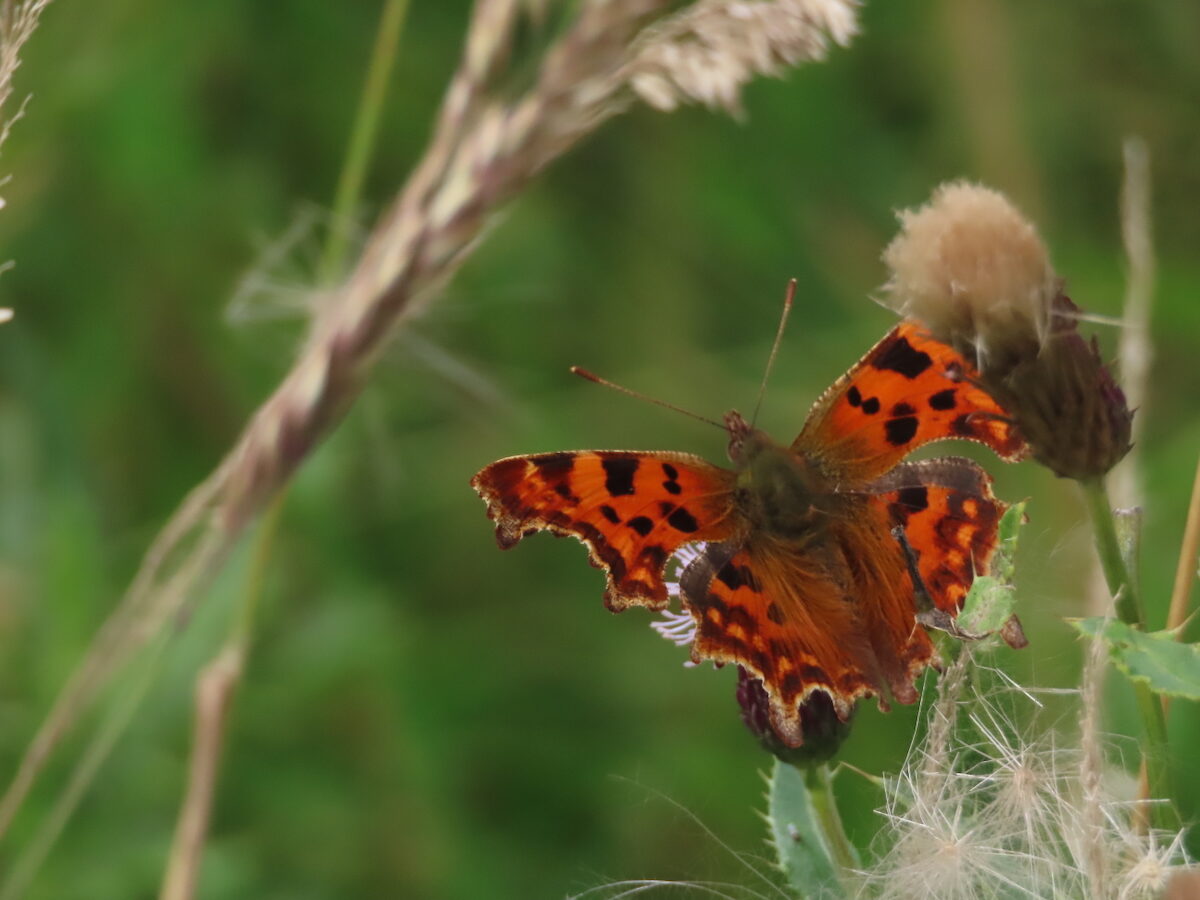
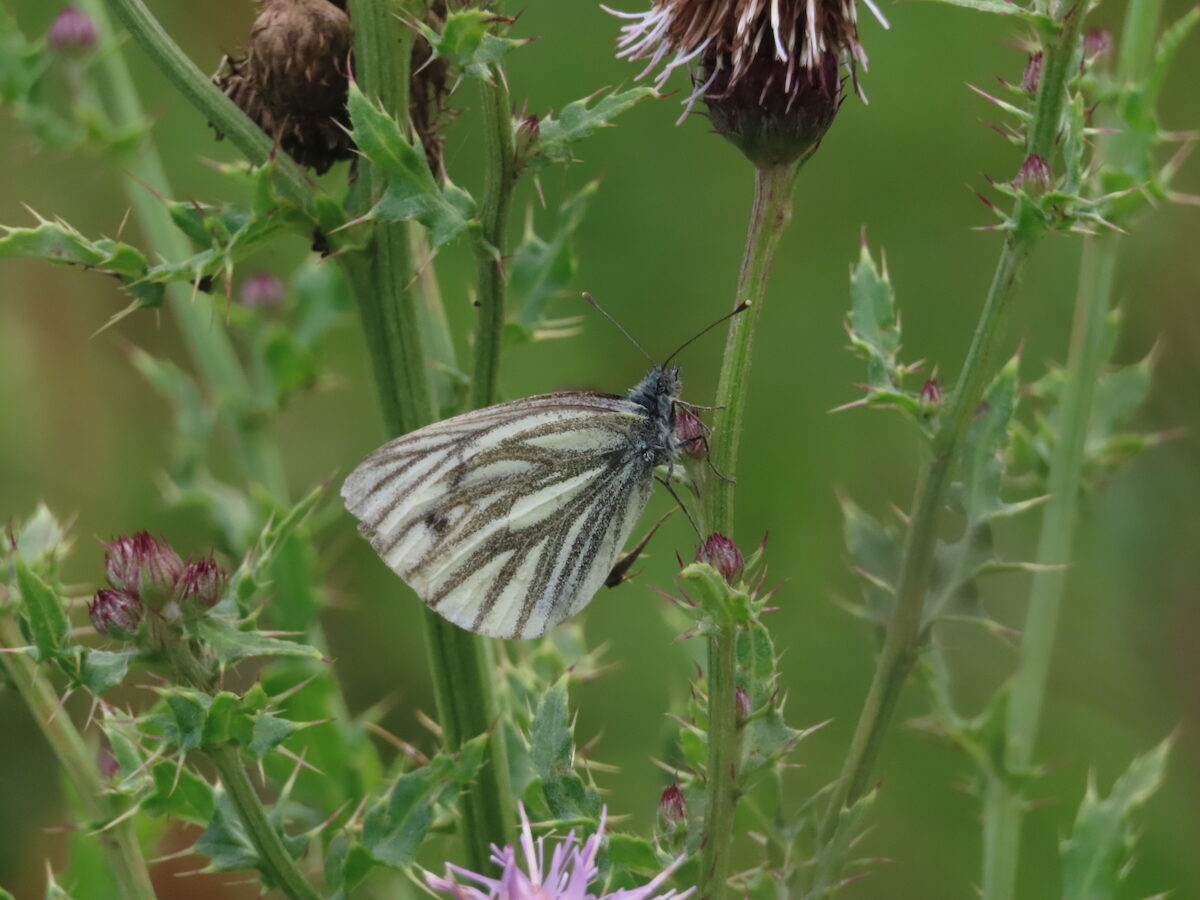
Butterflies are among the most familiar and beloved of all insects, instantly recognisable by their broad, often vividly patterned wings and delicate, fluttering flight. Belonging to the order Lepidoptera, they share this group with moths, though butterflies are typically day-flying and rest with their wings held upright rather than flat. Their life cycle is one of nature’s great transformations: from a tiny egg laid on a specific foodplant, through a voracious caterpillar stage focused entirely on growth, into a still, seemingly dormant chrysalis where the insect’s body is completely remade, and finally emerging as a winged adult ready to feed, mate, and disperse.
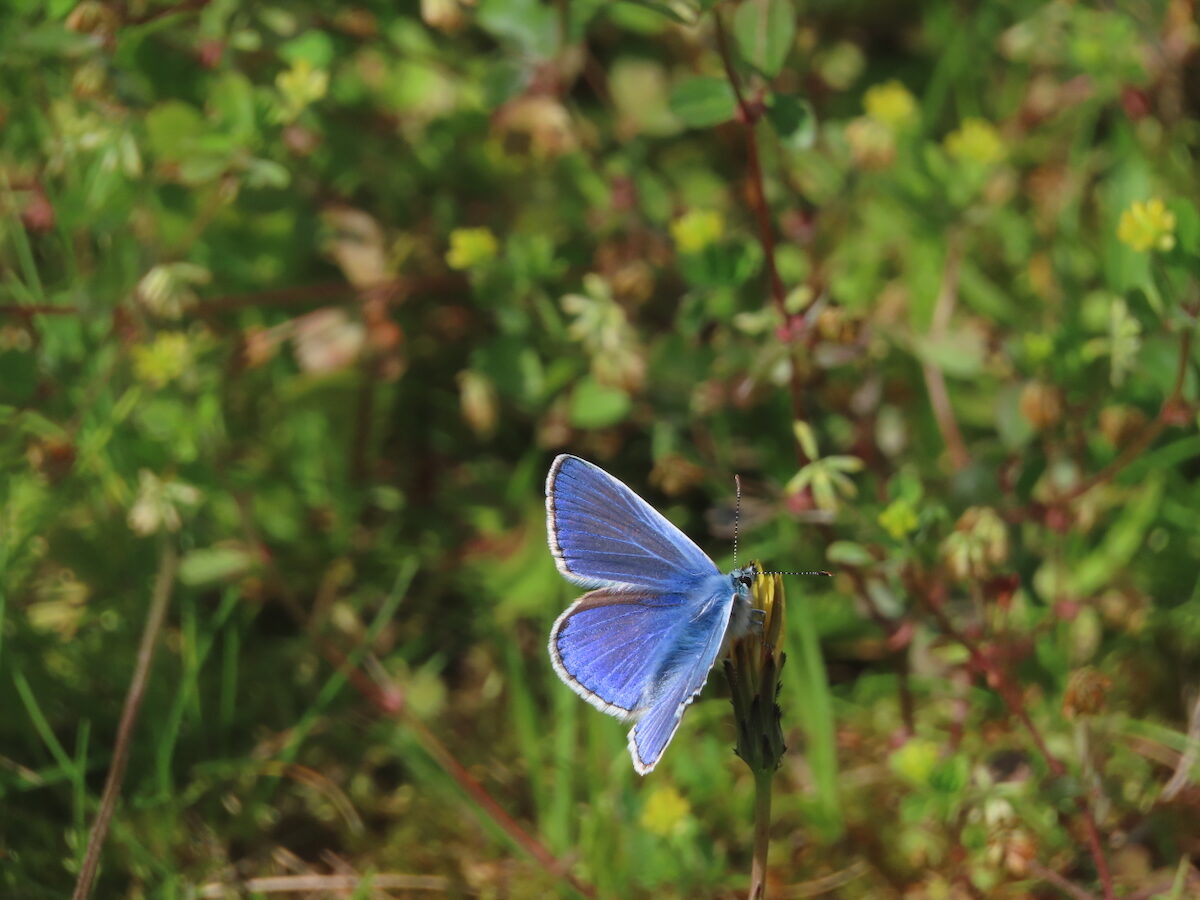
Britain is home to around 59 resident and regularly breeding species, ranging from tiny, jewel-like blues found in flower-rich grassland to the powerful, migratory Red Admiral that arrives from continental Europe each year. Each species has evolved a close relationship with particular foodplants — often specific to a single caterpillar stage — meaning the presence or absence of certain wild plants can determine whether a butterfly can survive in a given habitat.
Beyond their beauty, butterflies play an important ecological role as pollinators and as a food source for birds and other predators, while also serving as sensitive indicators of a healthy, well-balanced environment.