
The internet is essential to most aspects of modern life and this is recognised by the Scottish Government. Having the digital skills to use the internet with confidence provides access to:
-
essential services
-
up-to-date and accurate information
-
social contacts that are so important to our wellbeing
This is at the heart of digital skills in our curriculum. Our aim is to support educators to educate Scotland’s children and young people to have the digital skills to use the internet, edit media and express themselves confidently and securely.
Education Scotland has identified three ‘big ideas’ in the area of digital skills:
- knowing how digital technology works
- being able to use digital technology
- understanding the impact digital technology has on people, place and planet
There are individual sections for each of these big ideas below.

How digital technology works
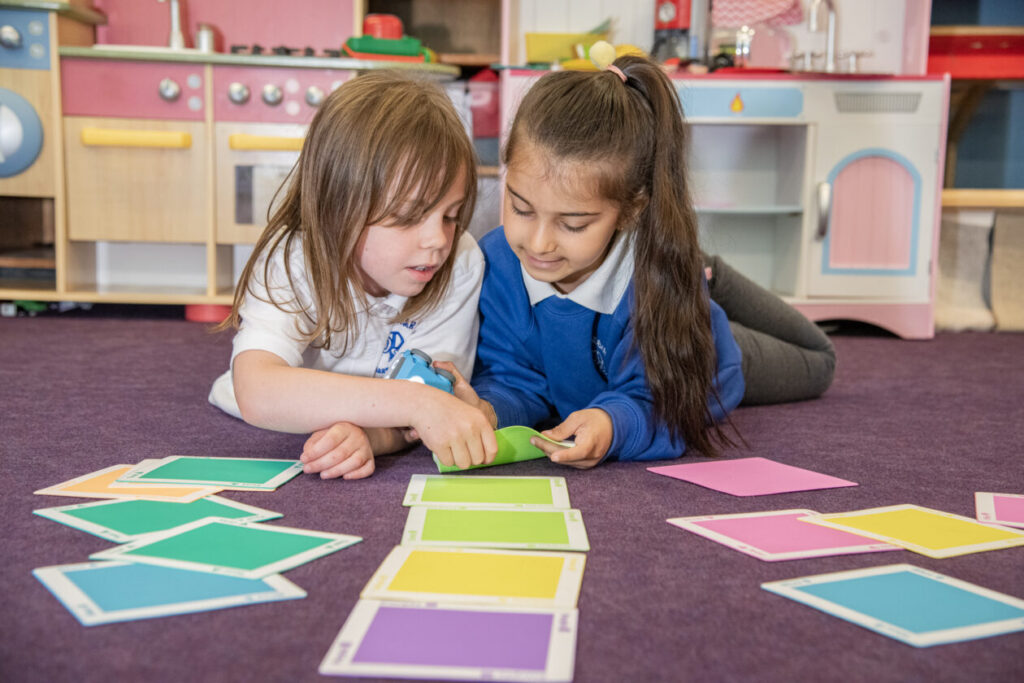
Knowing how digital technologies, including computers, work is a valuable underpinning of digital skills. Children and young people should:
- know the main parts of digital technologies (the hardware)
- know that digital technologies are often inter-connected in networks (the internet)
- know that digital technologies store and process data (cyber security)
Digital skills
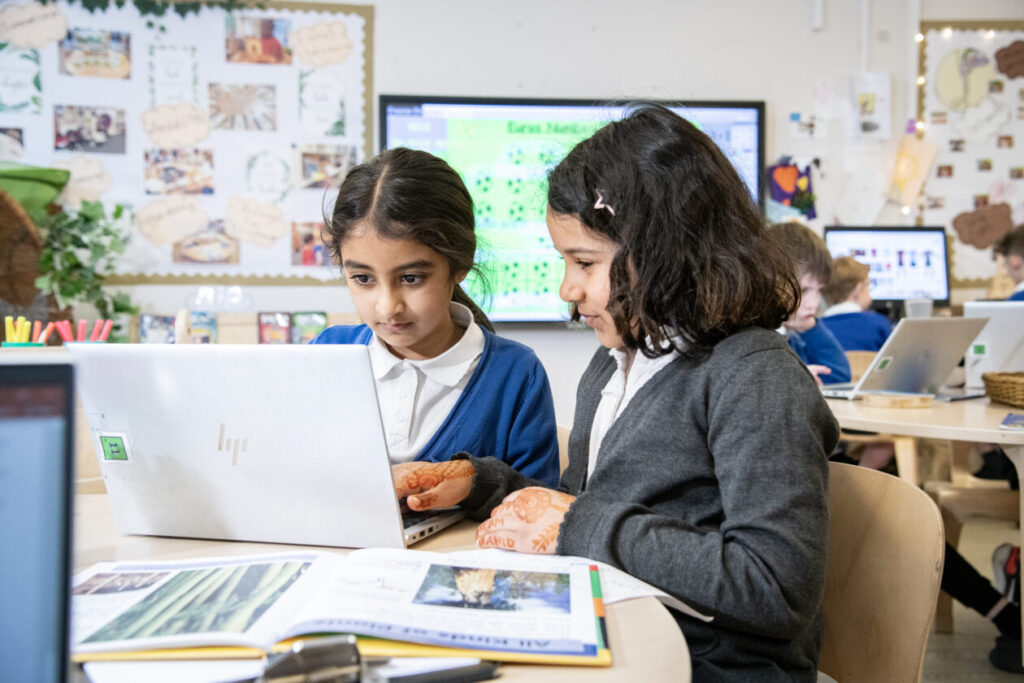
Digital skills are required to use digital technology to access services and information and to actively participate in society, this includes but is not limited to:
- setting up, using and securing digital technology
- being creative
- accessing reliable information and essential services
- entertainment and enjoyment
The Learner Digital Skills Toolkit provides guidance for educators on the digital skills they might teach children and young people.
Below are links to activities, ideas and resources for each of the digital skills.

Digital technology’s impact on people, place and planet
Children and young people should develop their understanding of digital technology’s impact by building upon prior learning about the rights, social justice and sustainability. They should consider:
- the human and material resources used in producing digital technology
- the energy consumed in using digital technology
- how digital services capture and utilise users’ data
- how they use digital technology to positively affect theirs and others’ lives
This is a guest blog post by a primary teacher who participated in the Curriculum Improvement Cycle work for digital skills. You can read it by clicking or tapping the image above or using this link:
go to Building Digital Citizens: a primary teacher’s perspective (community blog post)

You must be logged in to post a comment.