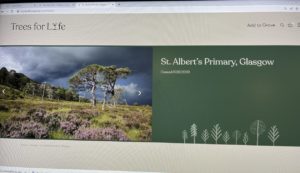
Two years ago, St. Albert’s Primary signed up to take part in a rewilding programme in the Scottish Highlands with Trees for Life. The vision of this organisation is of a revitalised wild forest in the Highlands of Scotland, providing space for wildlife to flourish and communities to thrive. For a small fee, Trees for life will plant native species of trees on your behalf. Over time, this will transform bare hillsides, helping to restore the Caledonian forest, thus providing a rich habitat for Scottish wildlife such as red squirrel, black grouse, pine martens and golden eagles. We continue to add trees to this grove as part of our Climate Action Eco topic as planting native species supports local biodiversity and trees help to remove carbon dioxide from the earth’s atmosphere, thus fighting global warming.
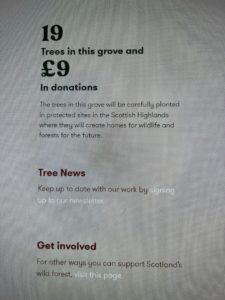
The ‘St. Albert’s Primary’ grove now has 19 trees planted in it and we hope that this will increase year on year with kind donations from parents and staff. If you wish to plant a tree in our school’s grove, go to:
https://treesforlife.org.uk/find-a-grove/
and type St. Albert’s Primary into the search box. There you can choose to add to our grove and even dedicate your trees to someone special.
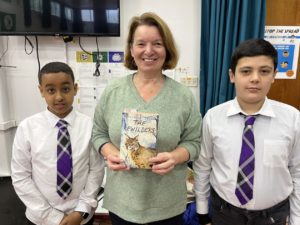
This year we had a visit from local author Lindsay Littleson, who had written a children’s book around the theme of rewilding. Our Eco Committee members met her at a special assembly, where she spoke about her journey to becoming an author and the importance of being resilient through all the challenges of life. She was very interested to find out about our involvement with the Trees for Life rewilding scheme from our two senior Eco Committee members, Kasim Ahmed and Shadi Salha.
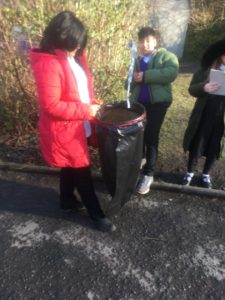
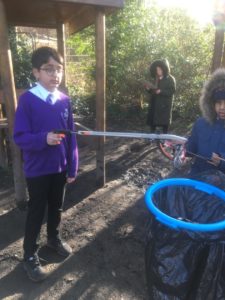
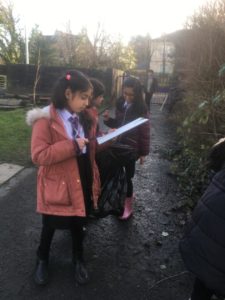
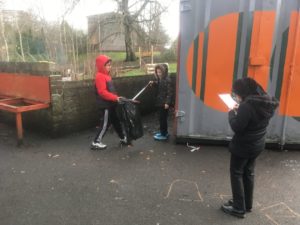
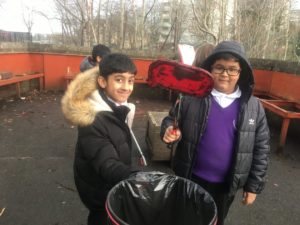

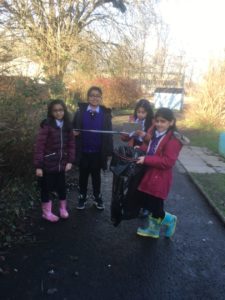


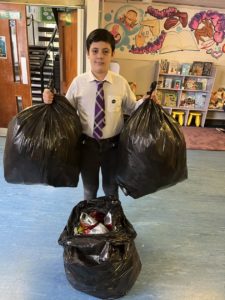
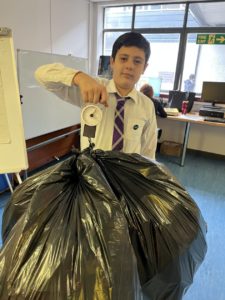
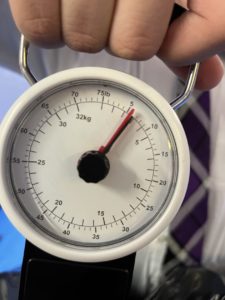
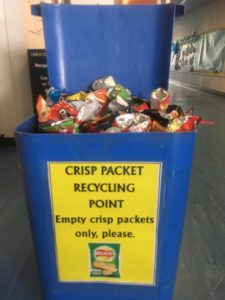



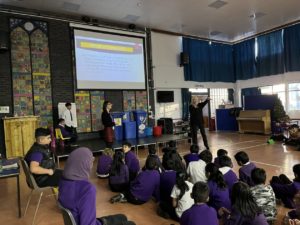
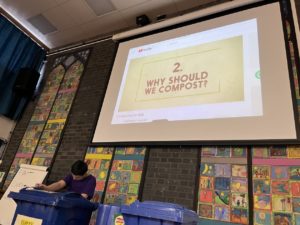
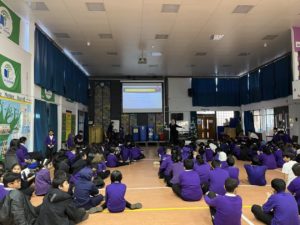
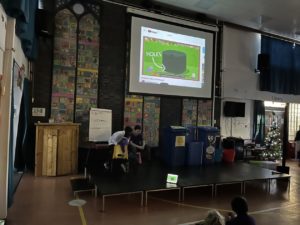 Last Week P 4-7 attended a Composting assembly in the school Hall, run by the Eco Committee. As we make our own compost in our Eco garden at St. Albert’s to use in growing fruit and vegetables, we wanted all our pupils to be aware of what composting is and why we should do it. Pupils watched a presentation about this subject and were reminded about the different bins we used for collecting and recycling food waste, crisp packets and plastic bottles, so they dispose of these items in the correct bins. At the end of the presentation, pupils took part in a quiz to earn points for their house groups, Earth, Wind or Fire. The Eco Committee added these points to their monthly totals. The pupils learned that if food waste isn’t composted and is sent to a landfill site, where it is dumped by the bin men, it releases greenhouse gases to the atmosphere such as Methane, which is 25 times more potent than carbon dioxide at contributing to global warming. They also learned that food scraps contain a lot of water and when combined with all the other rubbish in landfill sites, to create a toxic sludge. This sludge leaches into the soil and can get into groundwater and from there into rivers and lakes, harming the creatures that live there. They learned that the types of items that we want pupils to add to our compost bins are as follows: