Gavrilo Princip
Sunday 28th June 1914, 10.45am, Franz Joseph Street, Sarajevo, Austria-Hungary
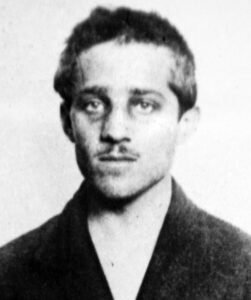
Gavrilo Princip, a young Bosnian Serb who believed in the independence of the Baltic states stepped out of a café. He pulled out an FN Model 1910 pistol, and shot first Archduke Franz Ferdinand, the heir-presumptive to the Austro-Hungarian throne, then his wife Sophie, Duchess of Hohenberg.
This event is generally believed to have precipitated The “Great War”, or “World War I” as it later became to be known. History is written in retrospect. At some point the decision was made that this was the narrative. In reality, years of empire building, military building, and cross-Europe sabre-rattling were the true cause, as the have been the cause of pretty much every war before, and since.
Tuesday 28th July 1914, 12.30pm, Austria-Hungary/Serbia
Having confirmed that Germany would support them, Austria-Hungary declared war on Serbia via telegram. Serbia was allied to Russia, who in turn were allied to France, and The United Kingdom. Italy supported Germany, and Austria-Hungary. Germany invaded Belgium as part of the “Schlieffen Plan” to indirectly invade France. Belgium’s neutrality was guaranteed by the United Kingdom, and allies. Essentially, everyone ended up at war on Tuesday 4th August 1914. Over four years of bloody conflict ensued.
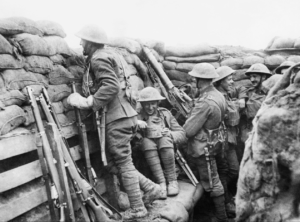
Monday 11th November 1918, 11.00am, Europe
Beleaguered armies across Europe stopped fighting as the armistice came into force. The armistice was extended three times before peace was officially declared at 4.15pm on 10th January 1920.
World War one remains to this day the deadliest military conflict in history. It’s estimated that between 60 – 75 million people died as a result of battle, but also the deprivation, famine, and disease that war always precipitates.
21 years later it happened again.
More years later it happened again.
…”and again, and again, and again, and again.”
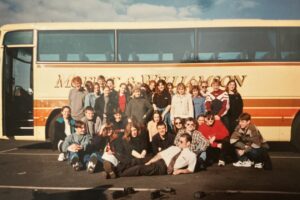
Wednesday 27th March 1996, Penicuik High School, 39A, Carlops Road, Penicuik, Scotland
Paul Murray, a young 16 year old pupil of Penicuik High School boarded a bus. It was bound for Paris, and then Belgium. On this trip, led the amazing history teacher Mr. Haire, Paul and his friends would experience the memorials on the former battlefields of that great war. They would see the scale of the devastation of that conflict, and create “core memories” that they would carry with them for the rest of their lives. These times would remain some of the most important for Paul, and his friends from their time at High School. He repeated the trip in 1998.
Wednesday 14th May 2025, 1.33pm, Classroom A4, Kirkcaldy High School, Dunnikier Way, Kirkaldy, Scotland
“Ooh, yes please.”
Dr. Murray, a teacher of chemistry, and science answered an email from Mrs. Harrower. Dr. Murray considered himself very good at answering emails – many come in on any average day in a school. This email was one that Dr. Murray had wanted to send since he’d started teaching 13 years previously. It was the call for who wanted to come on the Kirkcaldy High School Battlefields trip 2026. Dr. Murray was delighted to be awarded “The Gig” about a month later.
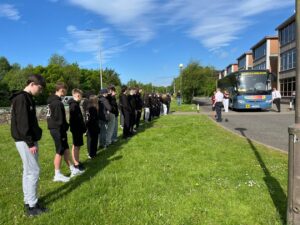
Sunday 24th May 2026, 9.30am, Bus Lane, Kirkcaldy High School
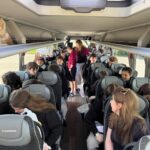
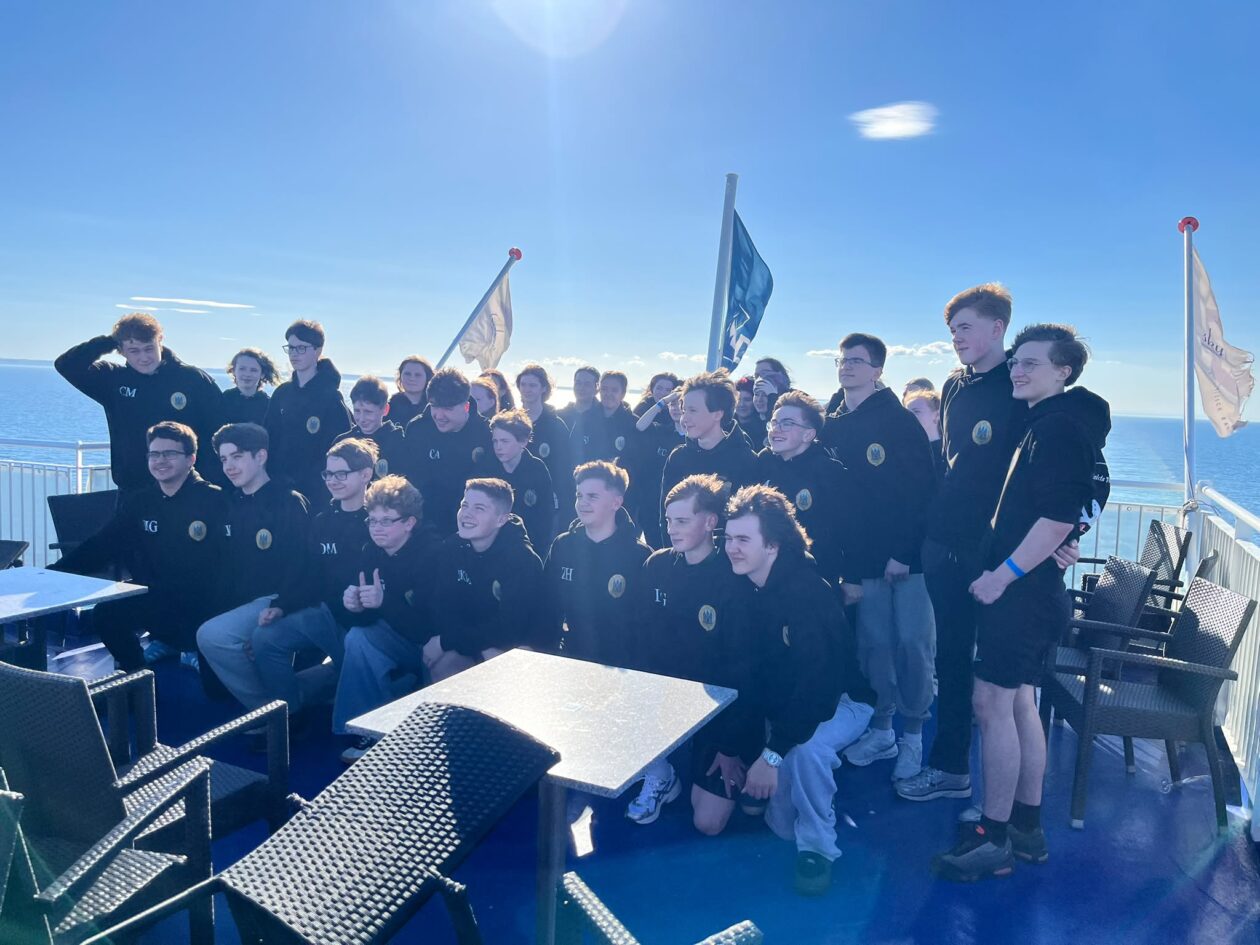
So it was that I found myself boarding another bus, counting in children close to the age I’d been in 1996. This bus was bound for the “Port of Tyne” as our guide Sam stated it, to said for the Dutch Port of Amsterdam. From there we would dive to Ypres, Ieper, or “Wipers” as the Tommies called it. Passports were collected, and we waved off the families after being piped on to the bus to the tune of “Scotland the Brave”, played from a surprisingly powerful Bluetooth speaker.
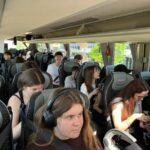
On the bus songs were sung, many to recordings from the “Far Far from Ypres” album made by Ian McCalman and friends to commemorate 100 years of armistice in 2018. “The Old Battalion” turned out to be a particular favourite among the children who were initially hesitant with their voices, but were joining in with something close to gusto by the time we reached our stop just shy of the border.
Thankfully, on leaving Gretna Green all marital statuses remained unchanged from those on arrival. Thus is was deemed safe to head west.
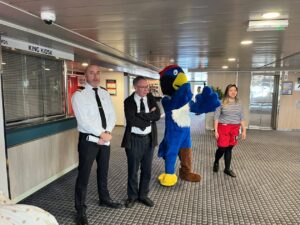
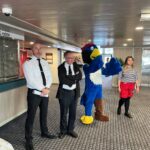
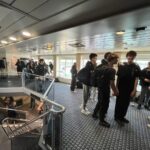
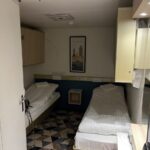
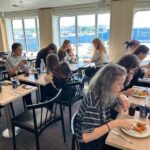
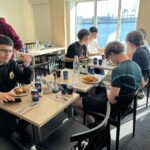
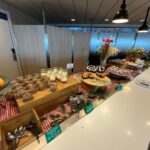
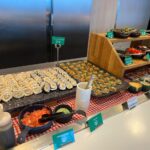
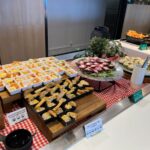
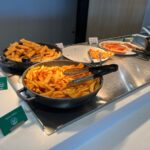
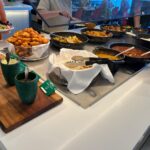
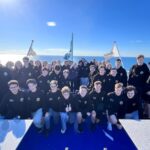
We arrived at the Port of Tyne in the middle of the afternoon. 46 passports were checked, and re-issued with boarding passes before we boarded the “King Seaways”. Rooms were found, and dinner was taken swiftly with the clocks having moved to Central European Time (CET). The buffet was well received. I enjoyed the meatballs, curry, and was strangely enamoured with the beetroot-tinged hard-boiled eggs. The pizzas, and chips (“frites” proved popular with the children.
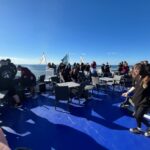
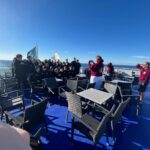
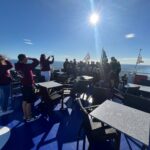
The evening was spent relaxing, and exploring the ship. We had a brief time on deck. I enjoyed the warm wind blowing through my hair. Others were not so convinced.
Bed was taken to between 10.00pm, and 11.00pm CET.
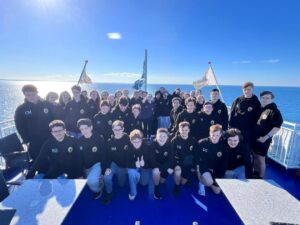
Monday 25th May, 6.15am CET, The North Sea
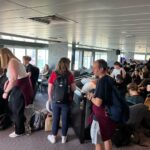
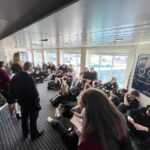
The alarm rang, and ablutionary procedures were carried out. A very pleasant buffet breakfast was had including the traditional fried items alongside Dutch fayre such as gouda cheese, and a variety of cold meats. We then waited in many lounges to disembark, and complete immigration checks. This took a significant period of time but despite a number of grumbles, all were deemed safe to enter the Netherlands. We headed south.
En-route songs were sung, and vittles taken near Breda at an establishment with a typically Scottish name. We crossed the border into Belgium mid-afternoon, and arrived into Ieper not long after 4.00pm.
Monday 25th May, 6.30pm CET, “The Poppies”, De Stuersstraat 6, 8900 Ieper, Belgium
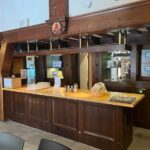
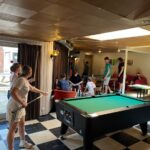
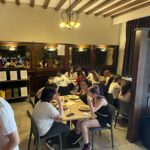
The accommodation at “The Poppies” was typically basic with dormitory accommodation, but the owner Stefan was very welcoming. It was also quite pretty with a number of period features, including a rather nice bar with a tap for cold water. This was made extensive use of with the temperature hovering about 30 °C.
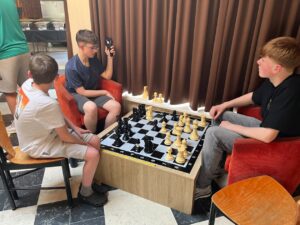
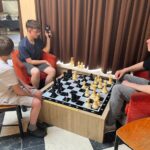
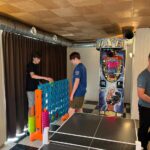
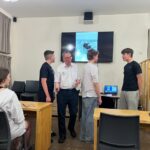
After settling, exploration, and some recreational activities, we attended an interactive lecture from Sam outlining the way that World War One began. Jackson x 2, Shane, and John conducted themselves with aplomb as part of the visual demonstrations of “fighting on two fronts”, and “stalemate”.
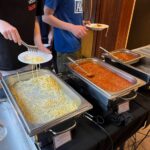
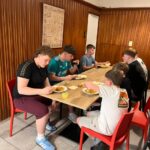
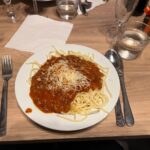
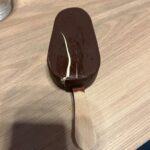
I found my inner food technician as the server of the spaghetti Bolognese. It was in a clever machine that was programmed to be a fridge, and then an oven to automatically cook the food. Clever stuff! I very much enjoyed it, and the cool choc ice afterwards was particularly well received in the searing heat.
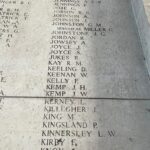
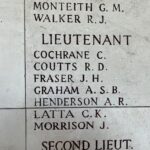
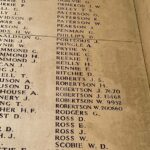
After dinner, Sam the guide and I took a walk to the Menin Gate ceremony. It was beautiful, and featured a choir. We managed to find three Kirkcaldy High School names:
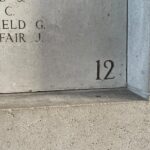
Robert Murray Kay (Panel 12)
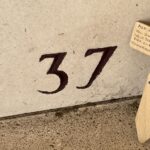
James Stratton Roberts (Panel 37)
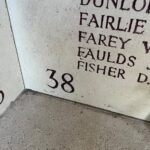
Robert Disher Coutts (Panel 38)
“They shall grow not old, as we that are left grow old:
Age shall not weary them, nor the years condemn.
At the going down of the sun and in the morning
We will remember them.”
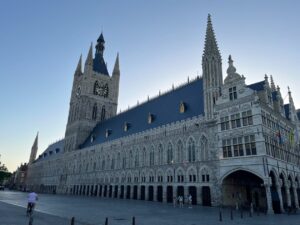
I’ll leave more about the Menin Gate for later in the week. Suffice to say, I was very, very moved to be witnessing this for the first time in nearly 28 year.
Bedtime was 10.00pm in readiness for a busy day following. The excitement among the battalion was palpable.