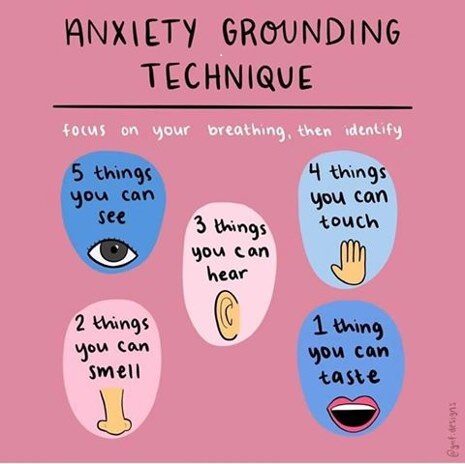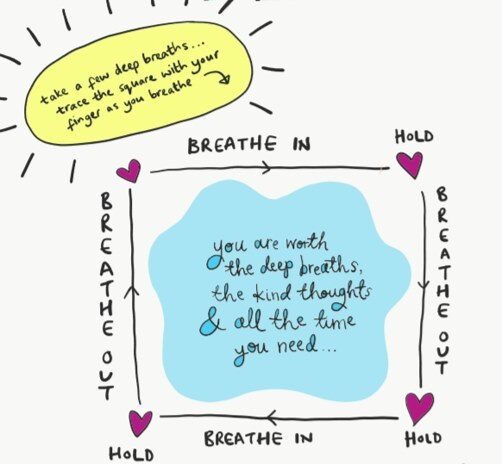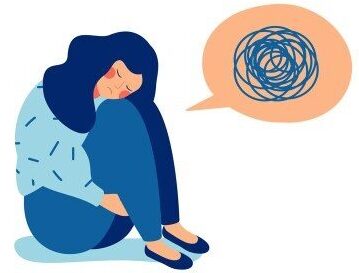
Anxiety is a normal response to challenging events. Anxiety helps us avoid potentially ‘dangerous’ situations as well as motivating us to solve problems. Everybody experiences anxiety. However, it can become problematic, vary from mild unease to terrifying panic attack.’ – Scotland’s Mental Health First Aid
Anxiety and autism: Anxiety disorders are more common in autistic people than in the general population and their anxiety levels are known to be higher. Around 50% of autistic people will experience anxiety that has a significant impact on their everyday lives. Common anxiety triggers for autistic people are intolerance of change and uncertainty, sensory processing differences, difficulties in understanding one’s own emotions and bodily sensations and social situations.
Autistic girls may experience significant anxiety without outwardly demonstrating this. They may feel safest at home with their parents and be more able to release their anxieties at home. Girls particularly experience elevated anxiety levels in their early teenage years. It becomes harder for them to ‘mask’ their differences and anxieties during this time, which increases their anxiety levels even more and may lead to school refusal.
Top tips for anxiety:
- Explore school experiences and possible anxiety triggers together with the young person.
- Communicate regularly with team around child to gain insight into triggers and helpful strategies.
- Enhance predictability by providing age and stage appropriate visual supports and concrete materials to communicate daily activities/ transitions and regularly update this.
- Acknowledge and prepare them for unexpected changes in advance and try as much as possible to do what you say you will do.
- Gradual introduction to uncertain situations and developing strategies to tolerate it i.e. visuals/ visits beforehand. Help them develop their understanding that this is safe.
- Adjustments to environment: Neutral wall displays, lighting, access to quiet spaces/ sensory corner, early/ time-out pass to avoid busy corridors.
- Explore possible patterns of sensory responses to gain insight into anxiety triggers and helpful strategies (See resources below).
- Sensory diet and age and stage appropriate resources: weighted items, chewy toys, sensory circuit/ movement breaks, fidget toys/ calm box.
- Emotional literacy resources I.e. social stories, Incredible 5-point scale, body mapping, fix it folder, fear ladder, scripting (see resources below)
Resources:
Anxiety is Normal Toolkit This resource pack has been developed to support Named Persons and key school staff to work collaboratively with young people to explore their experiences of school, particularly in relation to aspects that cause anxiety. It comes in 3 sections: assessment, intervention and a set of appendices.
Fife Council Educational Psychology Service Attendance Guidance This toolkit aims to support practitioners working with children and young people who are presenting with emotion-based school non-attendance and provides a framework to support assessment and intervention.
NAIT anxiety related absence This guide is intended for practitioners supporting autistic children and young people who are anxious about attending school, and their families. The information may also be useful to families looking for ways to understand why their child is anxious and think about approaches which might help.
SHINE online sessions aimed at helping young people aged 12-17, learn about anxiety, and find out about helpful coping strategies that you can use when you feel anxious.