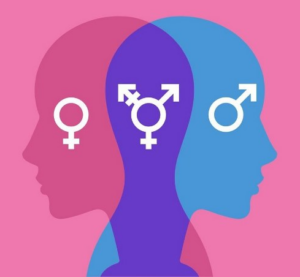
How someone feels about their gender is known as gender identity. People might identify with the sex they were assigned with at birth or they may not. We all express our gender in different ways, for example in how we dress and act. People may experience discomfort or distress when their assigned sex is different from the gender they identify with. Autistic people may be more likely than their neuro-typical peers to question their gender identity.
Ways in which autistic girls may experience gender questioning
Stereotypically, women are expected to think more empathetically and less systematically, which is less obvious in autistic girls as they might express empathy differently. This might make it difficult for autistic girls to relate to roles and expectations for neuro-typical females.
- Difficulty with social interactions, i.e. an autistic girl who is bullied by other girls/ struggle to relate to them might come to dislike girls and identify more with boys.
- A child with a female-assigned gender may become preoccupied with male clothes, toys, and activities as part of their autistic traits.
- Autistic children may find it challenging to make sense of the difference between their assigned and experienced or desired gender. This increase in distress could make it harder for them to manage these feelings.
- Challenges associated with puberty i.e. understanding and dealing with their emotions and hormones; bodily changes; as well as sensory issues and physical pain related to periods can make them feel uncomfortable in their bodies.
Top tips
- Awareness that autistic girls might go through different developmental phases impacting their gender identity, or display personality traits/interests more commonly associated with boys.
- Allow them the freedom to explore their gender identity at their own pace without labelling them as gender diverse or transgender.
- Avoid classroom activities that separate pupils’ class by gender, addressing any instances of LGBT bullying proactively and sharing in discussion that challenges traditional gender roles.
- Create an environment where pupils feel free to be themselves and speak to their teachers about gender identity exploration/issues at their own time. Be open, honest and approachable.
- Provide reassurance that gender questioning can take time and that there is no rush to decide a particular label or identity. Respect their thoughts and feelings at the time and reassure them that these may change over time.
- Ask the pupil questions about what support they would like from school to make them feel comfortable.
- Approaches such Pupil Centred Planning, social stories, comic strip conversations and concrete, visual tools may be helpful in exploring their gender identity and planning support around them.
- Age and stage appropriate education about puberty, changing hormones and physical/sensory sensations of periods and how to cope with this.
Resources
Gender Diversity FAQs – Primary Fife Council Educational Psychology guidance on supporting gender diverse pupils in primary school.
Gender Diversity FAQs – Secondary Fife Council Educational Psychology guidance on supporting gender diverse pupils in secondary school.
LGBT Youth Scotland Scotland’s national charity for LGBTQ+ young people, aged 13-25. They support young people in all aspects of their lives through the provision of amazing youth work, and support them to use their voice to create change in equality and human rights.
TransEDU – Resources & Information an online resource for supporting trans, non-binary and gender diverse applicants, students and staff in Further and Higher Education.
Supporting transgender young people in schools Scottish government guidance for schools on supporting transgender young people