OH-COP week with Tong School P4-7

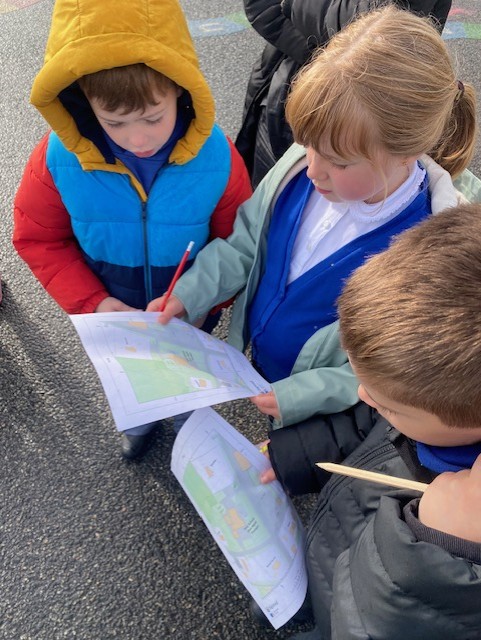
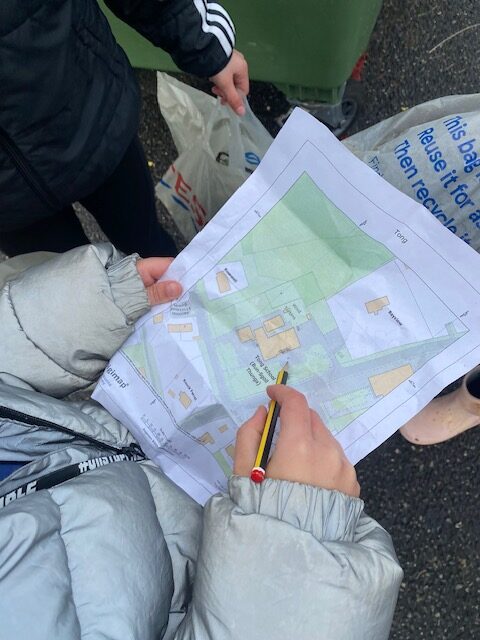
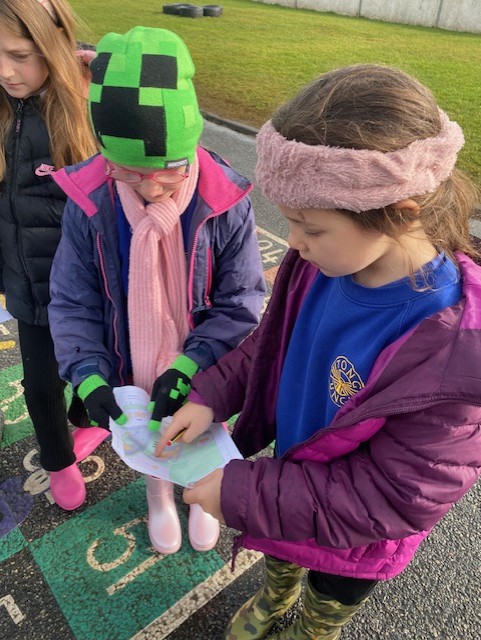
On the 25th September 2024, as part of the OH-COP week, Tong primary school were visited by Fraser. He organised a introduction session to orienteering, map reading and supported the young people to create maps of their local environment.

“We’re standing here, in the playground”, “That’s the playpark over there”

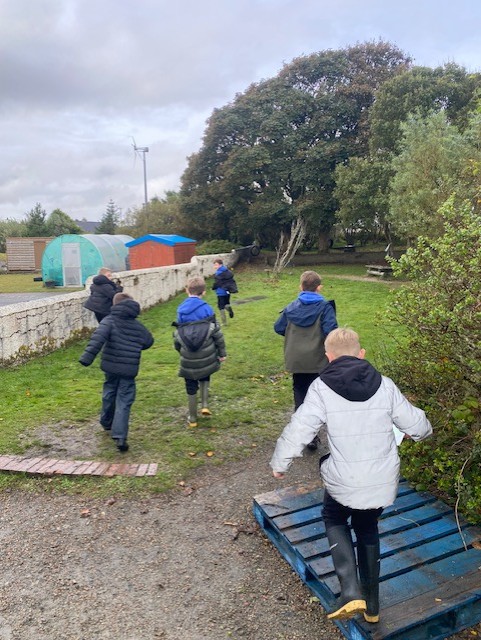
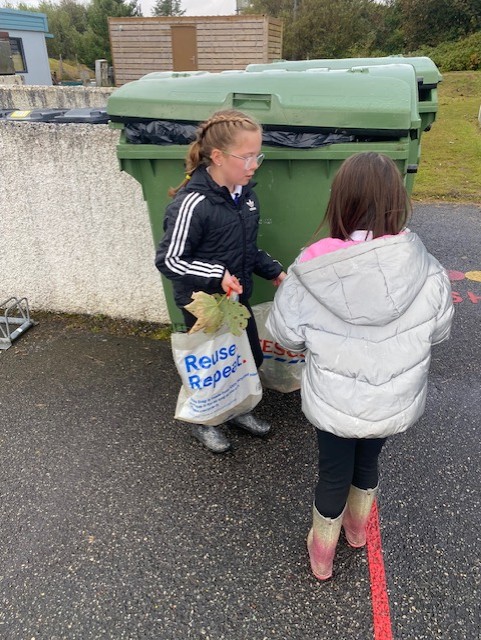
The young people were each given a map, shown how to use the local landmarks and map key to locate their position on the map. They were divided into groups, taking turns hiding items in the school grounds and plotting the location on their maps, and locating the items hidden by other groups. The young people engaged fully with the task, worked well as a team and enjoyed finding increasingly difficult hiding places to increase the competition.

“Let’s go, I know where to hide the bag!”, “Mark it on the map”.

“We’ve got one more bag to get”, “The boys hid it there”

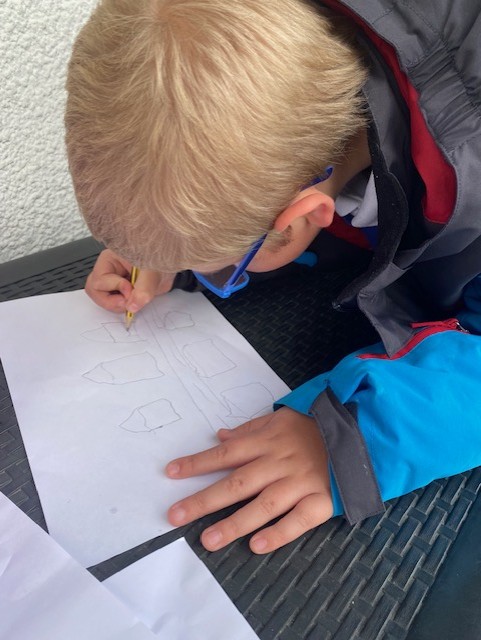
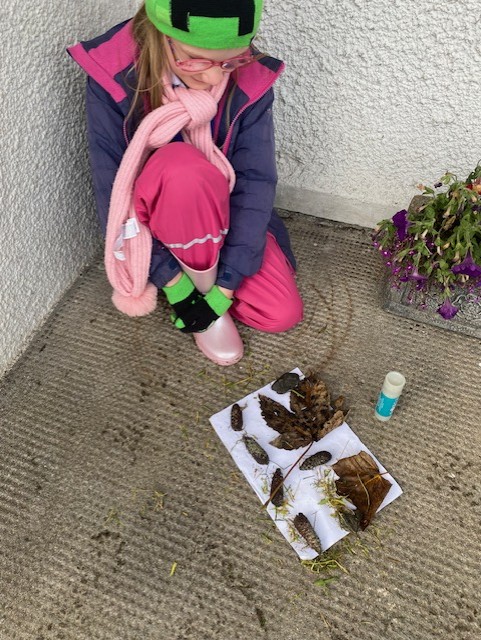
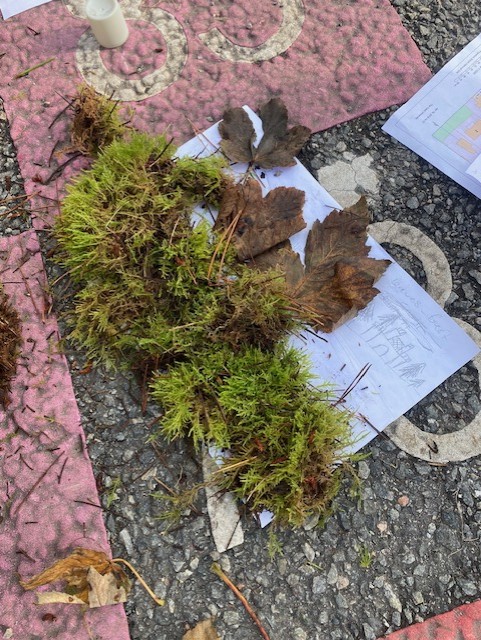
The young people were then asked to use natural resources to create a map of their local environment. Some created detailed pictures of their street, displaying their houses and the neighbouring homes, including distinguishing local landmarks.

“That’s my house, and there’s the road”

“I used the leaves for the trees, and the pine cones are cars”
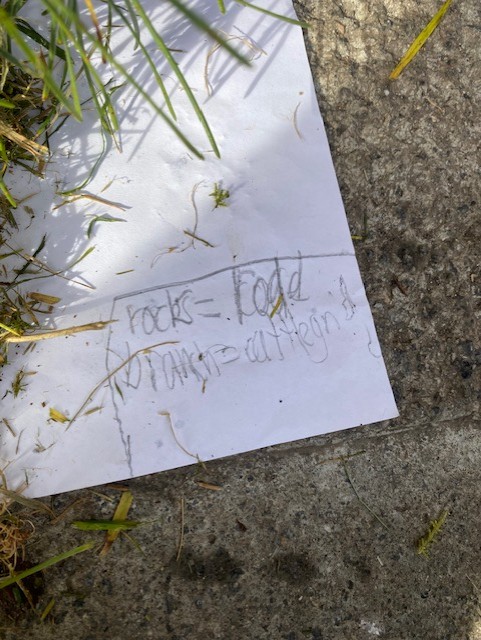
With support, the children added a map key to their picture. They creatively used the resources to depict their local environment.
Once the activity was finished, some children enjoyed creating other pieces of transient art using the natural resources.
If you would like to arrange a session or help to run a session like this, please contact the Outdoor Learning Team.

OH-COP week with Tong School P1-3


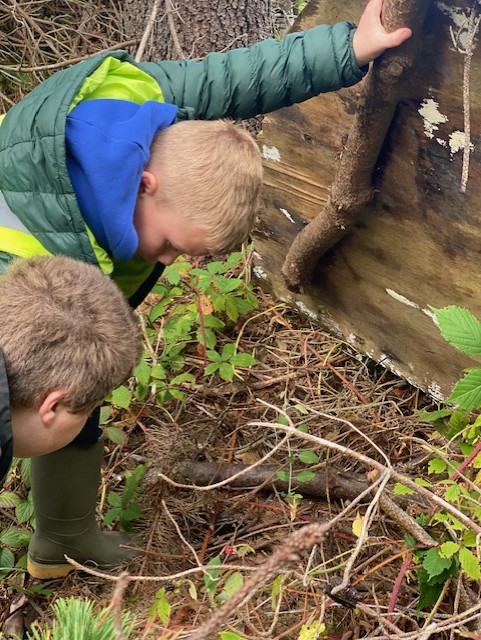
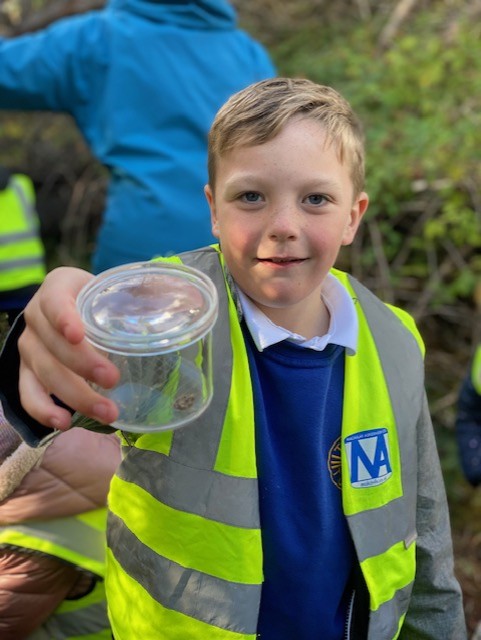
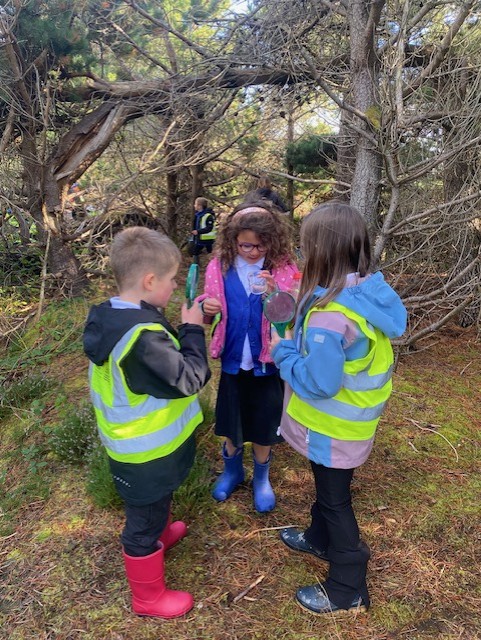
On the 24th September 2024, as part of the Outer Hebrides Conference of Peoples (OH-COP) week, Tong primary school were visited by a Fraser. He organised a minibeast hunt in the local woodlands for the P1-3 pupils.

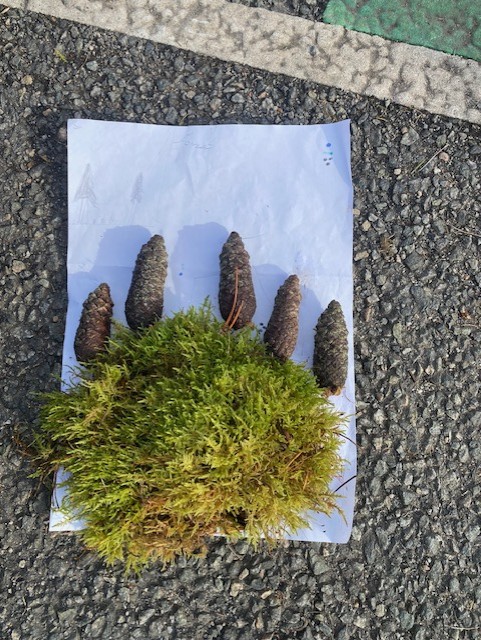
“We went on a bear hunt in these woods, “Let’s explore!”


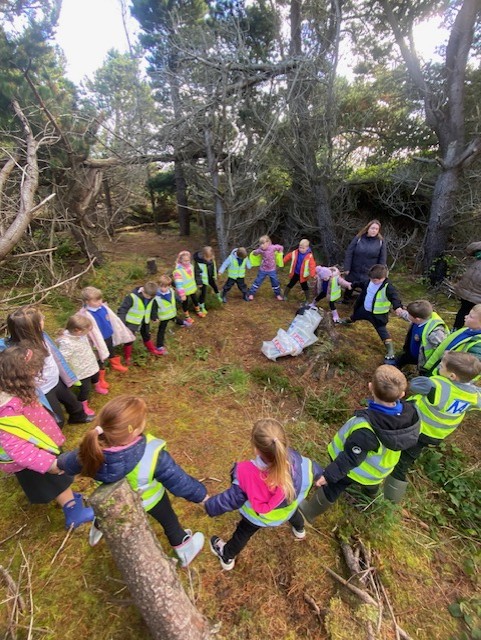
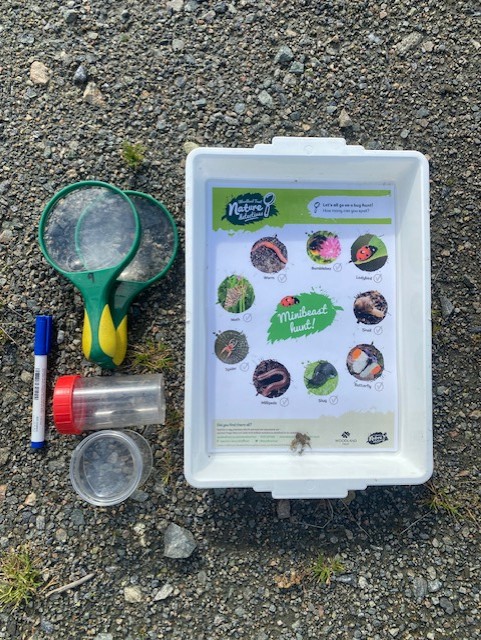
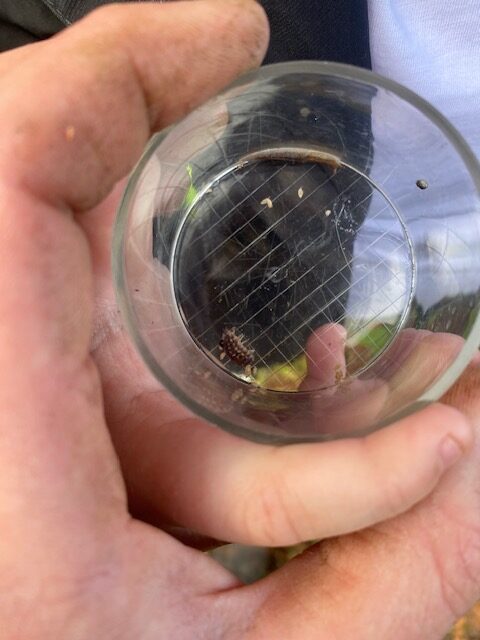
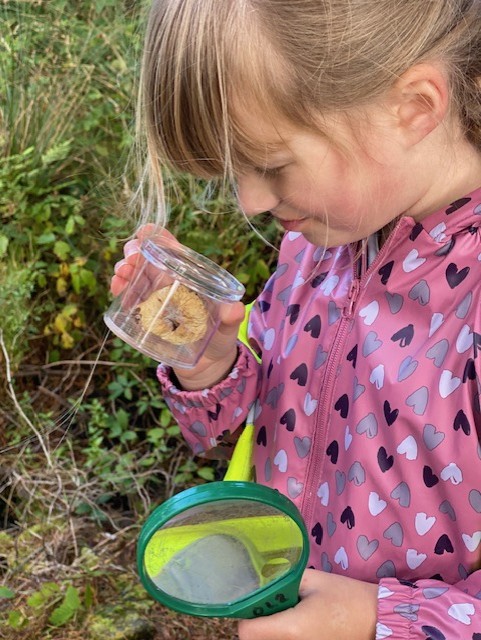
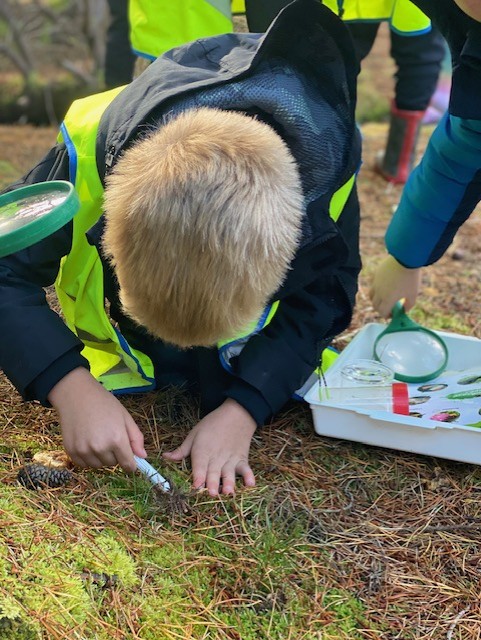
They gathered to talk about the woodlands; how to be safe, responsible, and how the area might impact the local community and the wider environment. The young people were provided with a minibeast checklist and pen, magnifying glasses and containers, and in small teams were asked to explore the woodlands to record the minibeasts they discovered.

“Help me lift this up”, “Look, a slater”, “I’ve got it in the tub”.

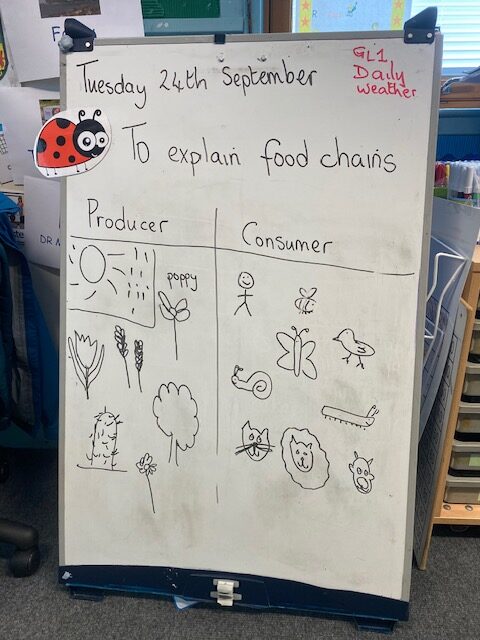
The young people engaged fully in the activity, sharing the equipment and celebrating each minibeast discovery made by their team. They learnt about the food chains which might be present in woodlands, how habitats and the animals which reside in them will be affected by climate change.
“That’s a consumer”, “I’ll dig him out”, “Come see the spiderwebs”.
If you would like to arrange a session, or would like to use the resources provided, please contact the Outdoor Learning Team.

OH-COP week with Tong School Nursery

On the 30th September 2024, as part of the Outer Hebrides – Conference of Parties (OH-COP) week, Tong Nursery school were visited by Fraser. He organised a minibeast hunt in the nursery garden, encouraging the young people to learn about the world around them, and the animals which inhabit the local environment.

The young people were provided with a minibeast checklist and pen, magnifying glasses and containers, and were asked to explore ‘Muddy Town’, their outdoor environment and record the minibeasts they discovered.

“Look, a spider”, “I’ll mark it”, “Look at his web”.


The young people engaged fully with the activity, exploring nearly every inch of the environment. They eagerly shared each discovery they made, creating stories and adding an emotional context to the activity:

“That’s a baby slug, let’s find his mummy!”


The young people found so many minibeasts they decided to create a bug hotel. It was agreed the bug hotel would provide somewhere for the young people and staff to rehome minibeasts they found during outdoor play, to keep them safe. We discussed what materials we would need to build the bug hotel:

“We need leaves and grass”, “We can collect sticks”.

“These will keep them warm and safe”, “The bugs can eat these leaves”, “I’ll put the snail in”.

If you would like to arrange a similar session or help or resources to run it yourself for your school, please contact the Outdoor Learning Team.

Fire craft with Stornoway Playgroup

On the 7th November 2024, young people and ‘Aunties’ from Stornoway Playgroup visited the Castle Grounds to participate in a fire craft activity with Fraser, from the Outdoor Learning Team.

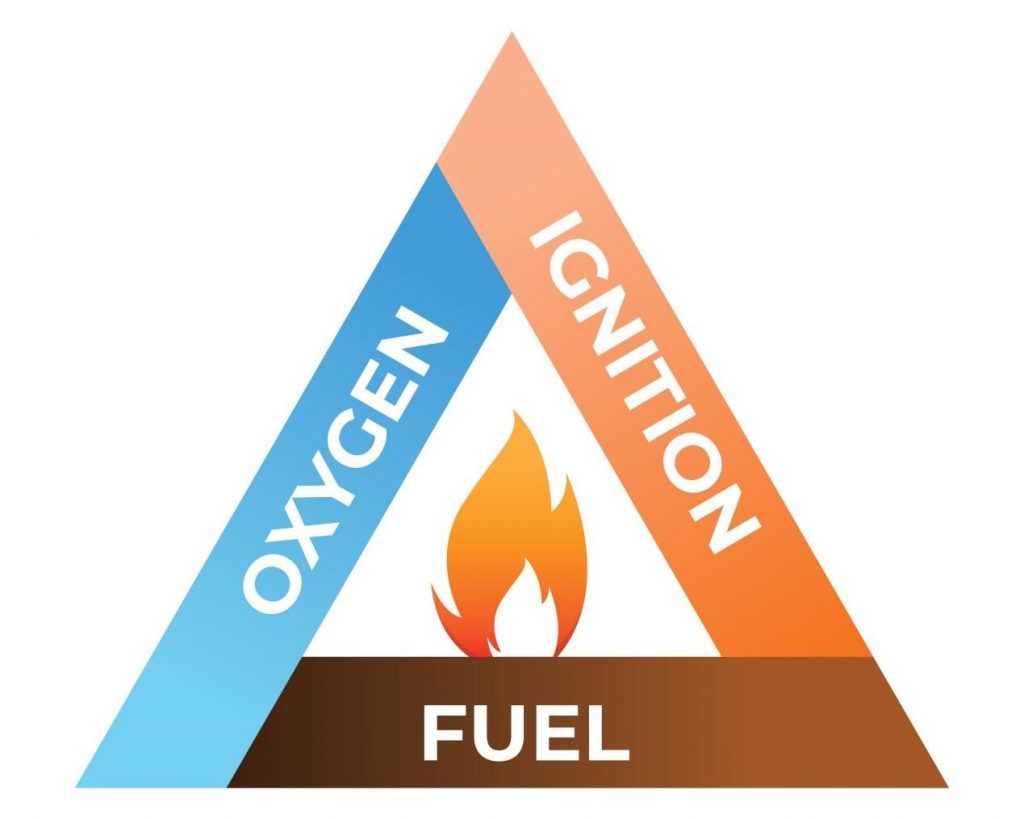
The aim of the session was to explore fire safety. The young people learnt about the fire triangle, the three elements we need to create fire: fuel, ignition and oxygen.

The Fire Triangle Explained: What Are The Three Elements

Some young people shared their recent experiences of Bonfire night:

“It was so big!”, “I saw fireworks”.

Others shared their knowledge of fire, most commonly where they had seen them at home:

“We use logs”, “Daddy uses a lighter”, “We cook burgers”.

The Playgroup Aunties practiced starting a mini fire using a striker and cotton wool to catch the spark. Fraser set a larger fire in the fire pit and this was used to make a slice of toast for their morning snack.

“I smell the toast”, “I want butter on mine”, “I flipped it!”.


The young people learnt about the hazards of fire and how to move around a fire safely. The Aunties are planning are planning to visit to the Castle Grounds to try den building with the little people.

Please get in touch with the Outdoor Learning team for any advice or help in organising an outdoor session.


Teamwork with Stornoway Primary P7

On Friday 1st November 2024, Tim and Fraser worked with the young people from Stornoway Primary P7. The activities were based in the Castle Grounds. The focus was teamwork.
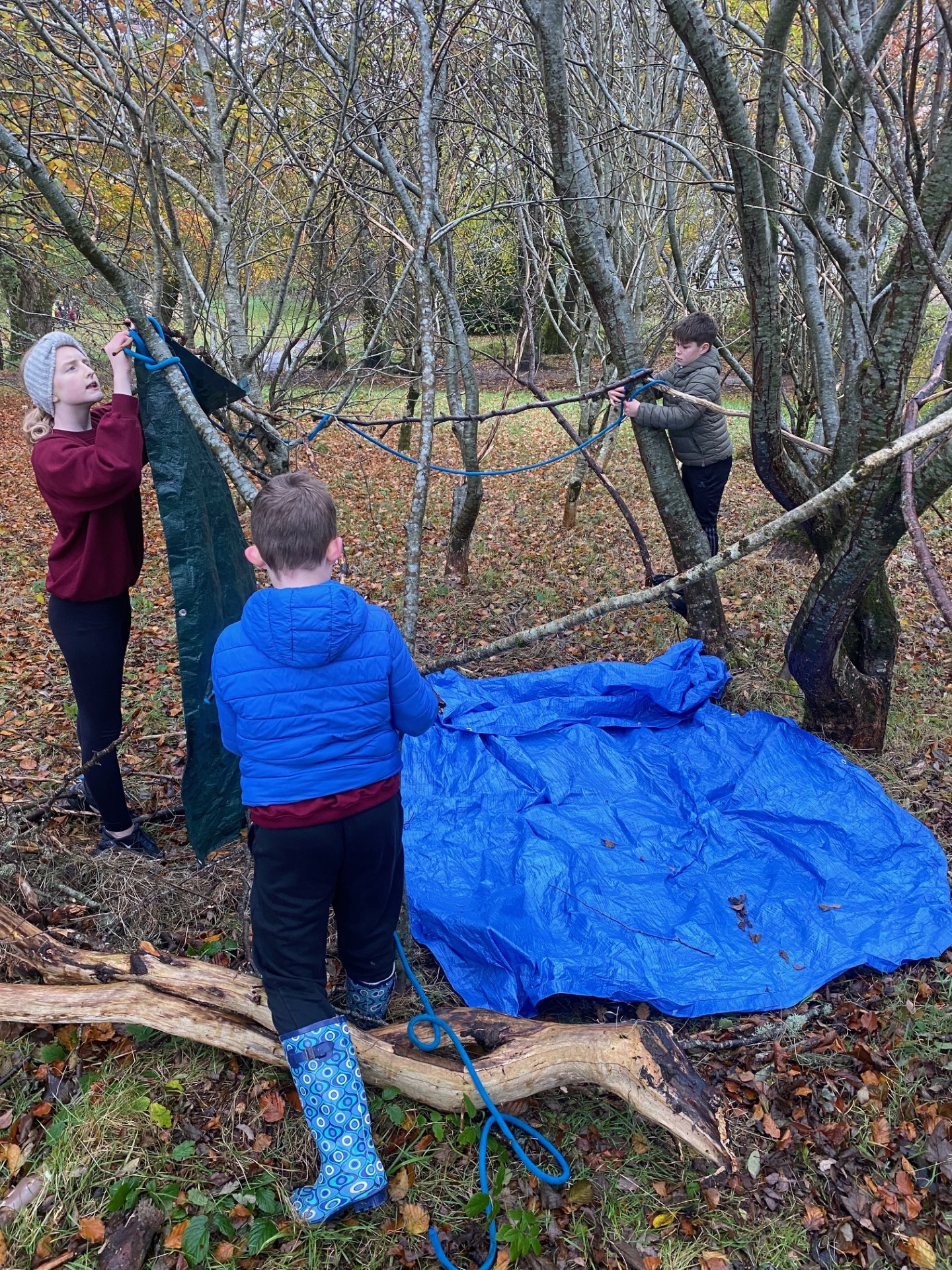
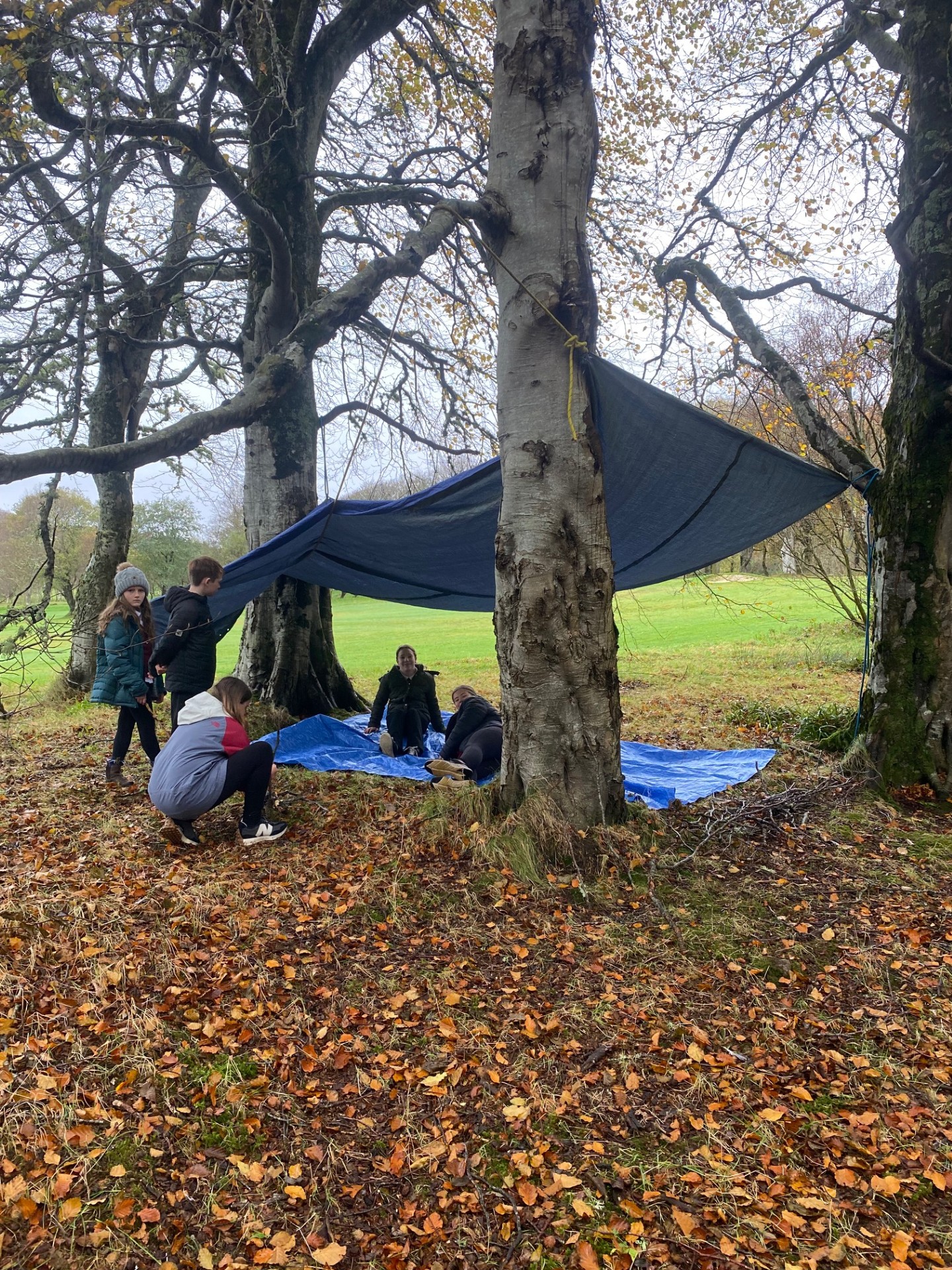
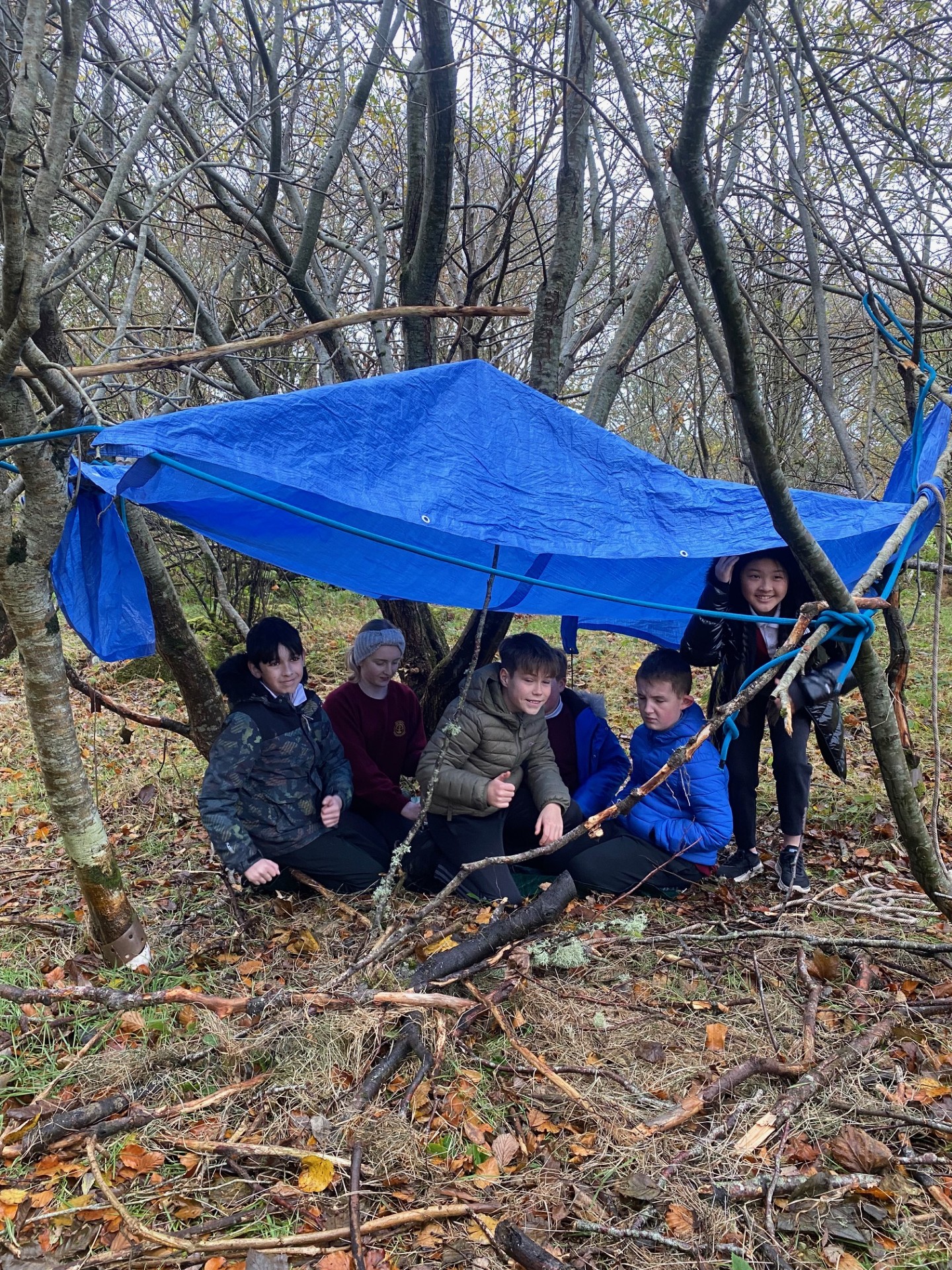
Fraser’s activity was to design a shelter in the woods. The young people in groups of six to eight were tasked to build a shelter they could spend the night in. There was discussion about if this was an fun prospect, for some young people they were not definitely not excited by it.


The group were able to choose different sized tarpaulins, ropes, and to use natural resources. They were given thirty minutes to selected a suitable site in the woods, design their shelter, collect resources, and erect their home from home. All the teams were able to construct a shelter, some with a little more success than others.

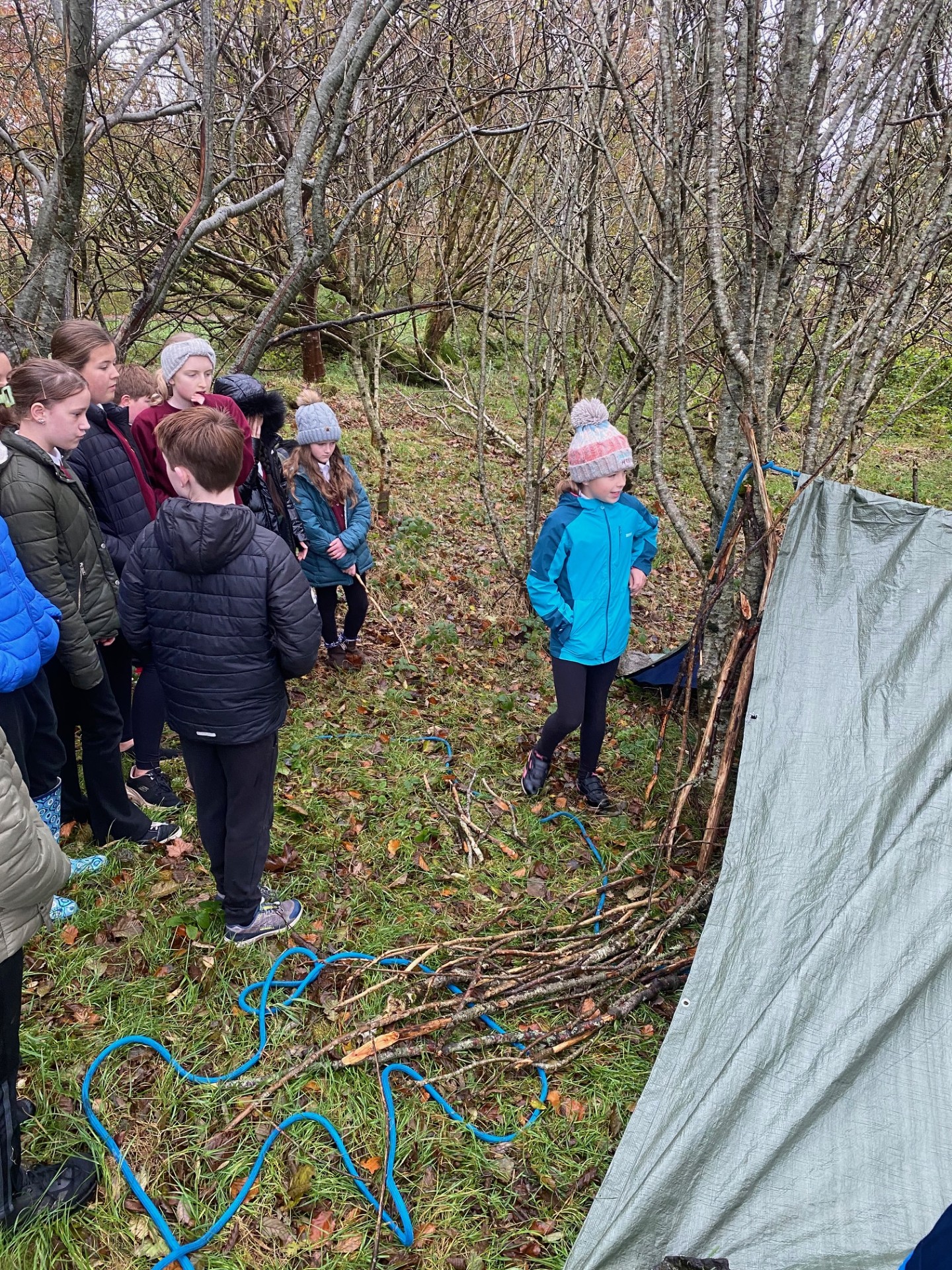
After the thirty minutes, a team ‘spokesperson’ evaluated their shelter to the other teams. They talked about why their team selected the area, what resources they used and why, and what they would do differently next time.

The activity could be replicated in any school grounds and the equipment can be borrowed from the Outdoor Learning Team.

On possibility is the activity could be used to create opportunity to discuss the challenges of refugees and how people could become refugees. This progression has been used by one school with a lesson in a shelter leading to a discussion on how this made them feel.

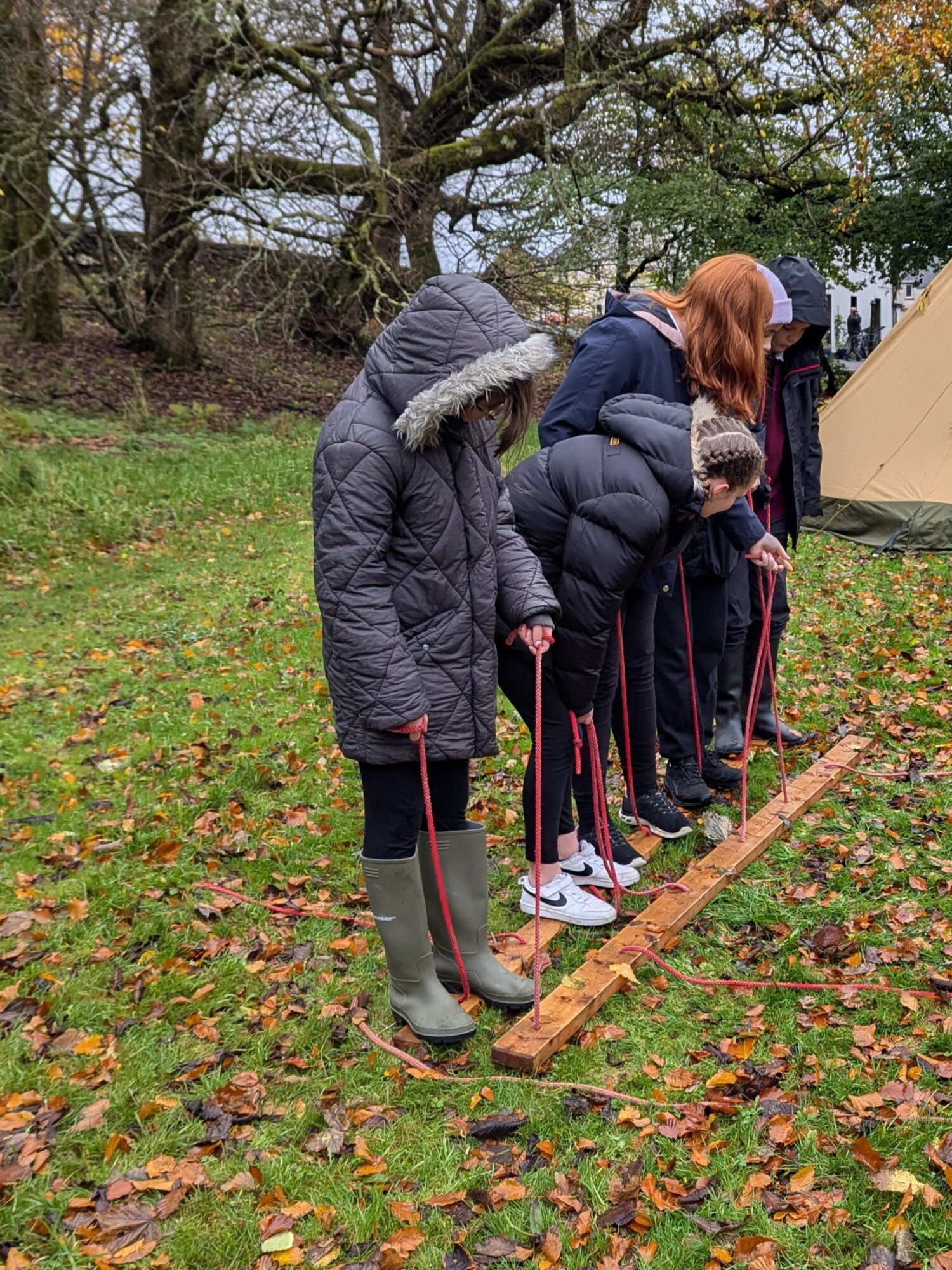
The first part of Tim’s activities was for sub-groups to use a set of ‘skis’. These are planks with ropes which the  young people use to cross an area where they are not allowed to touch the ground with anything other than the skis. There were varying degrees of success leading to discussion of what successful team work might look like and different method of achieving success.


The equipment for these types of exercises can be borrowed from the Outdoor Team with briefing instructions and support if you would like it.

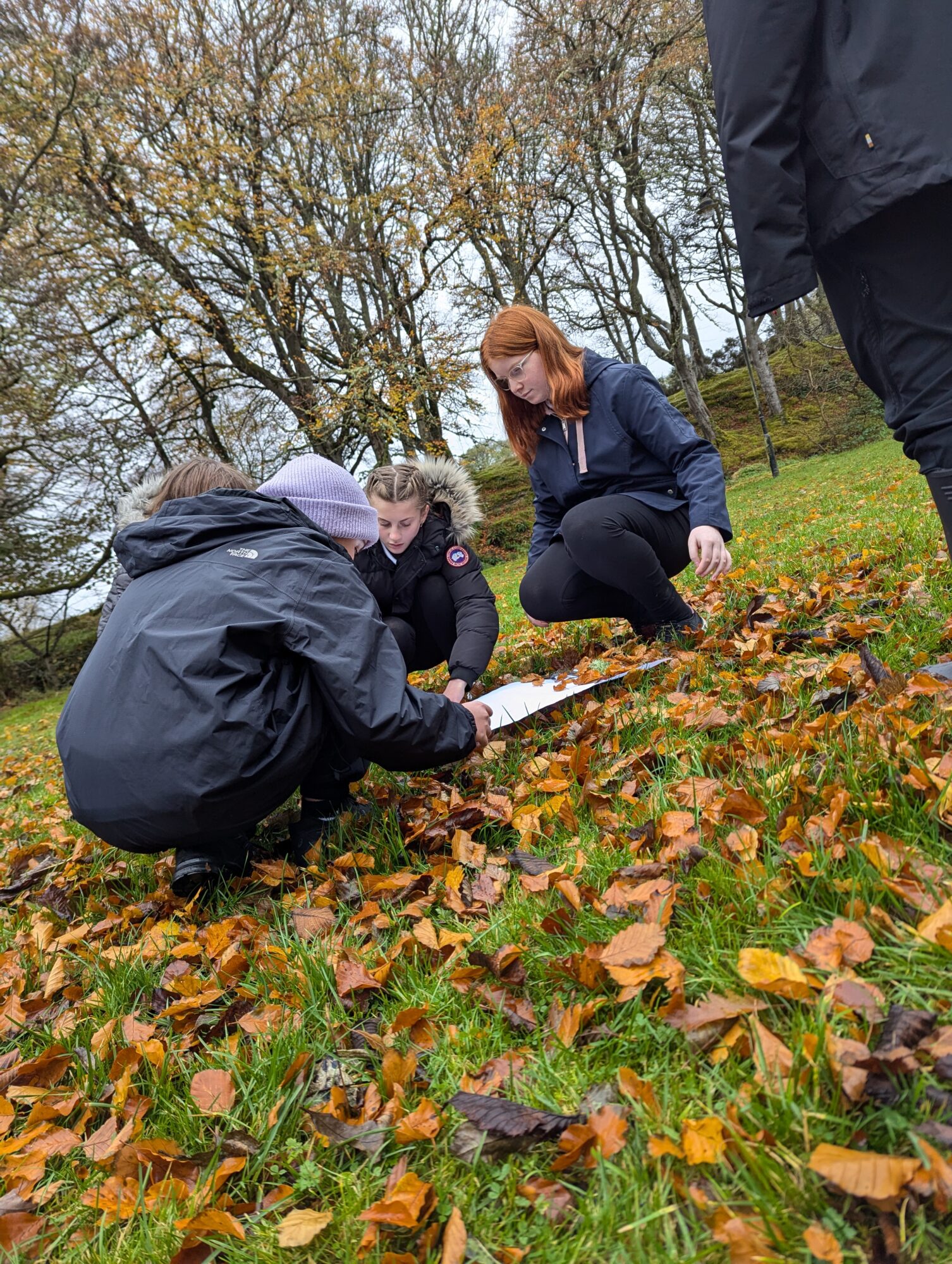
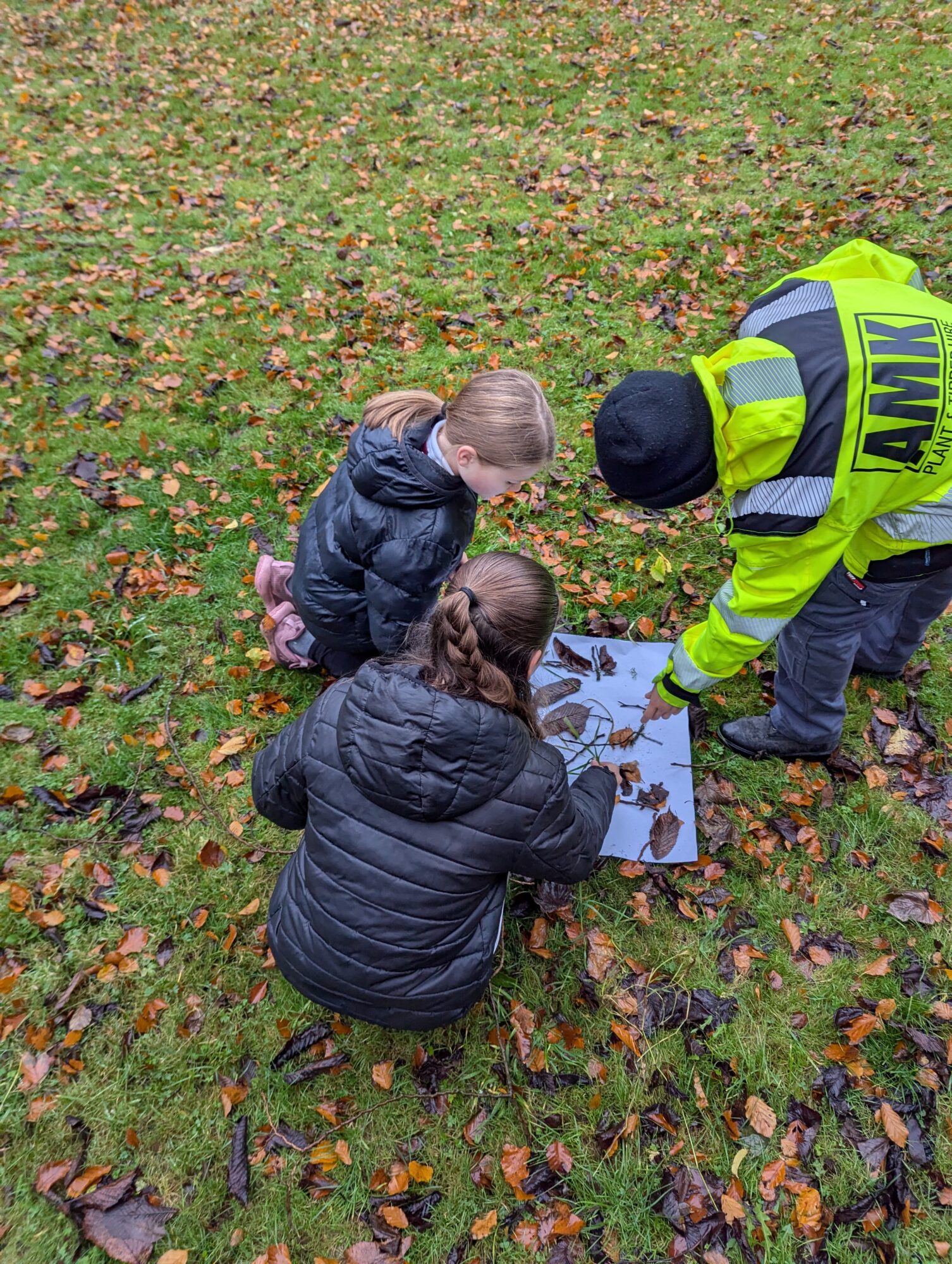
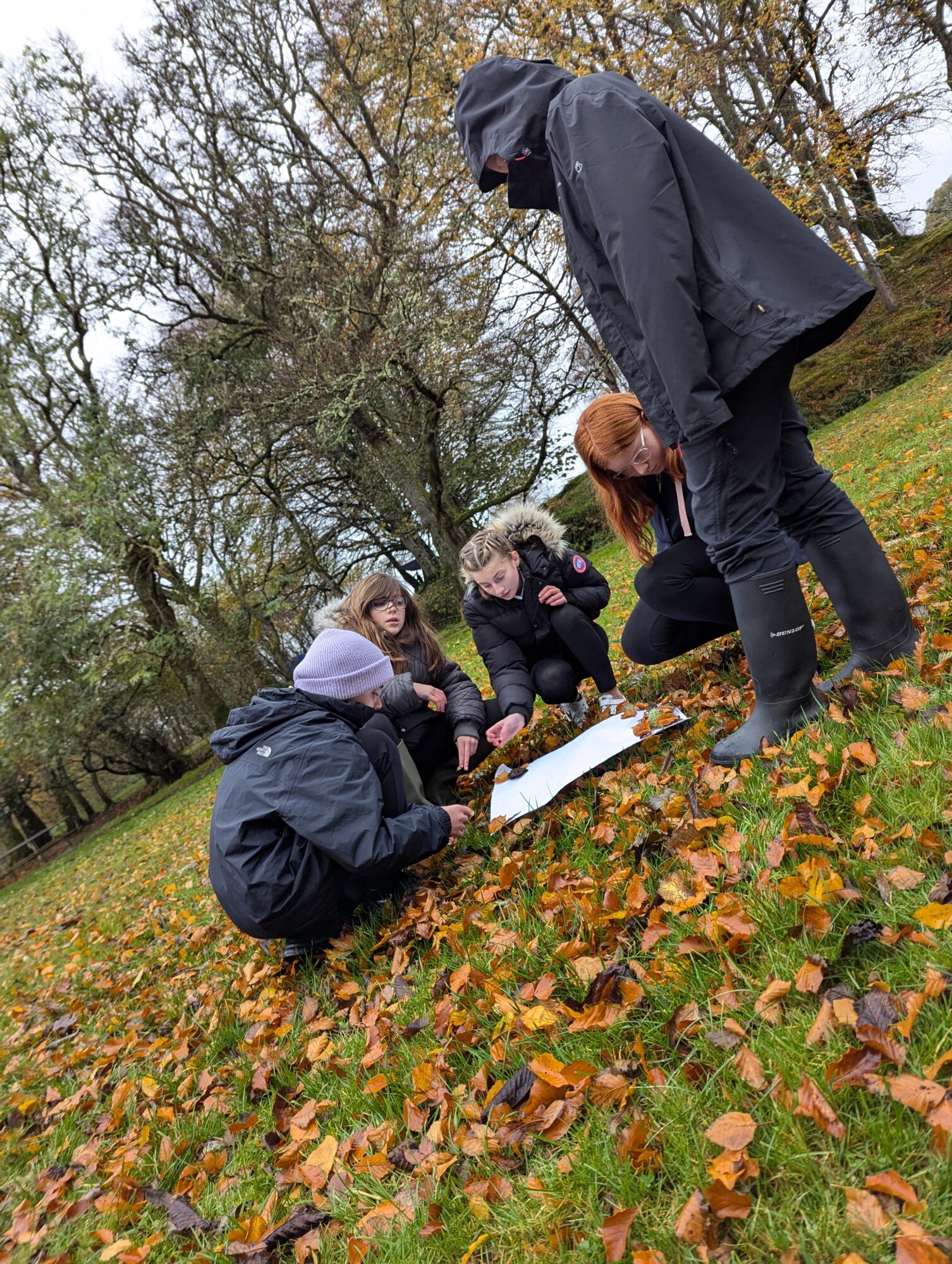
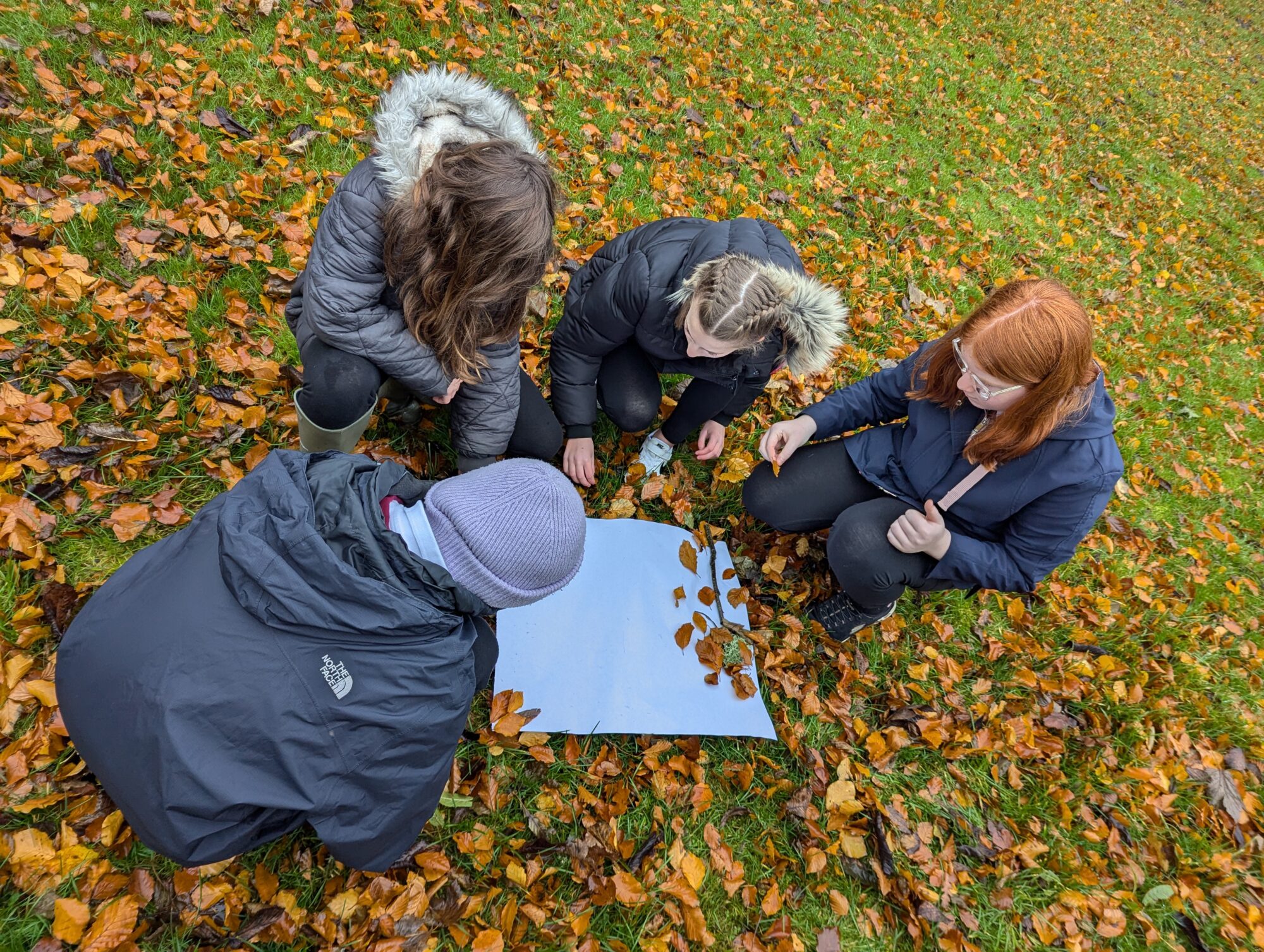
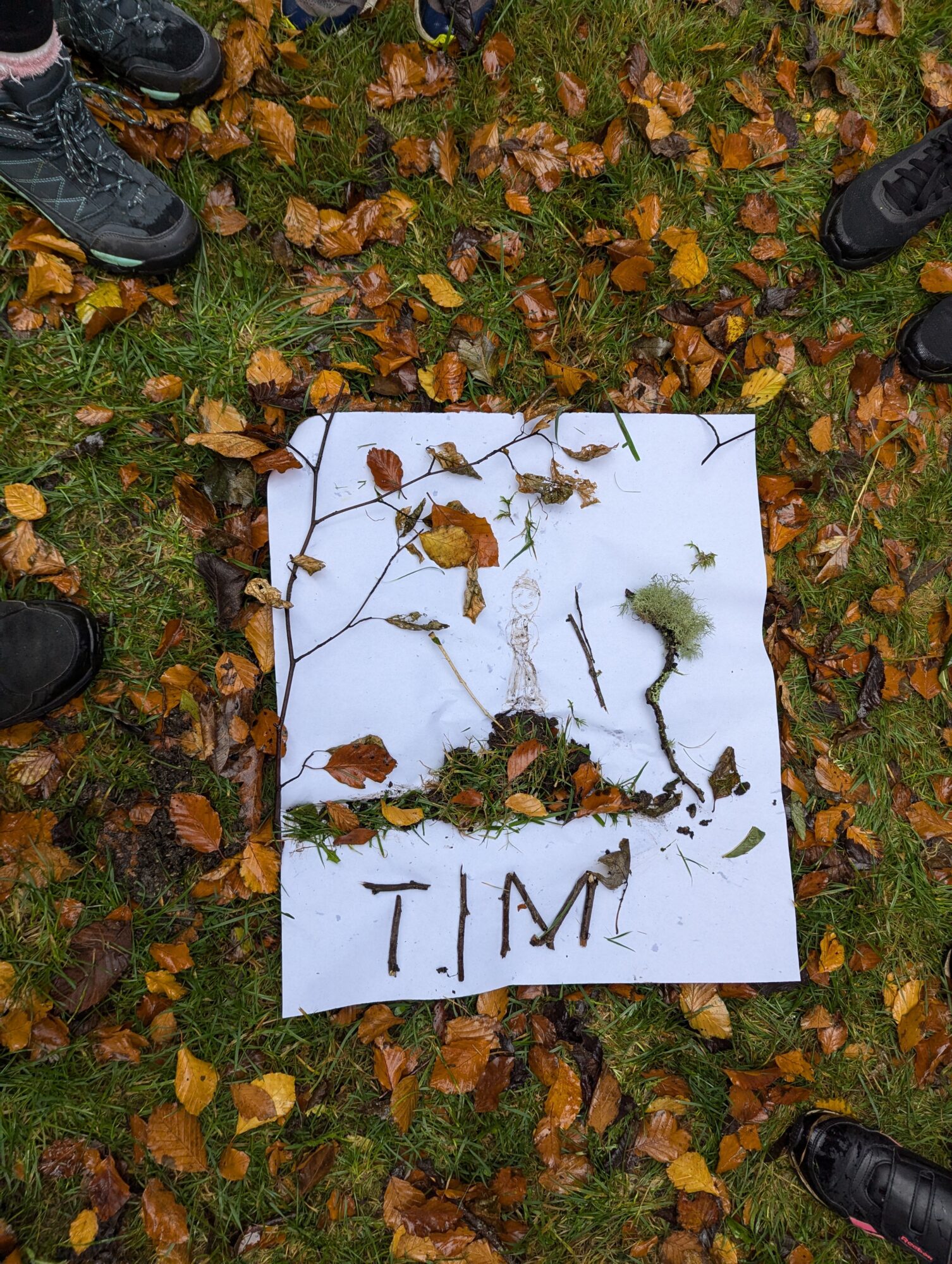
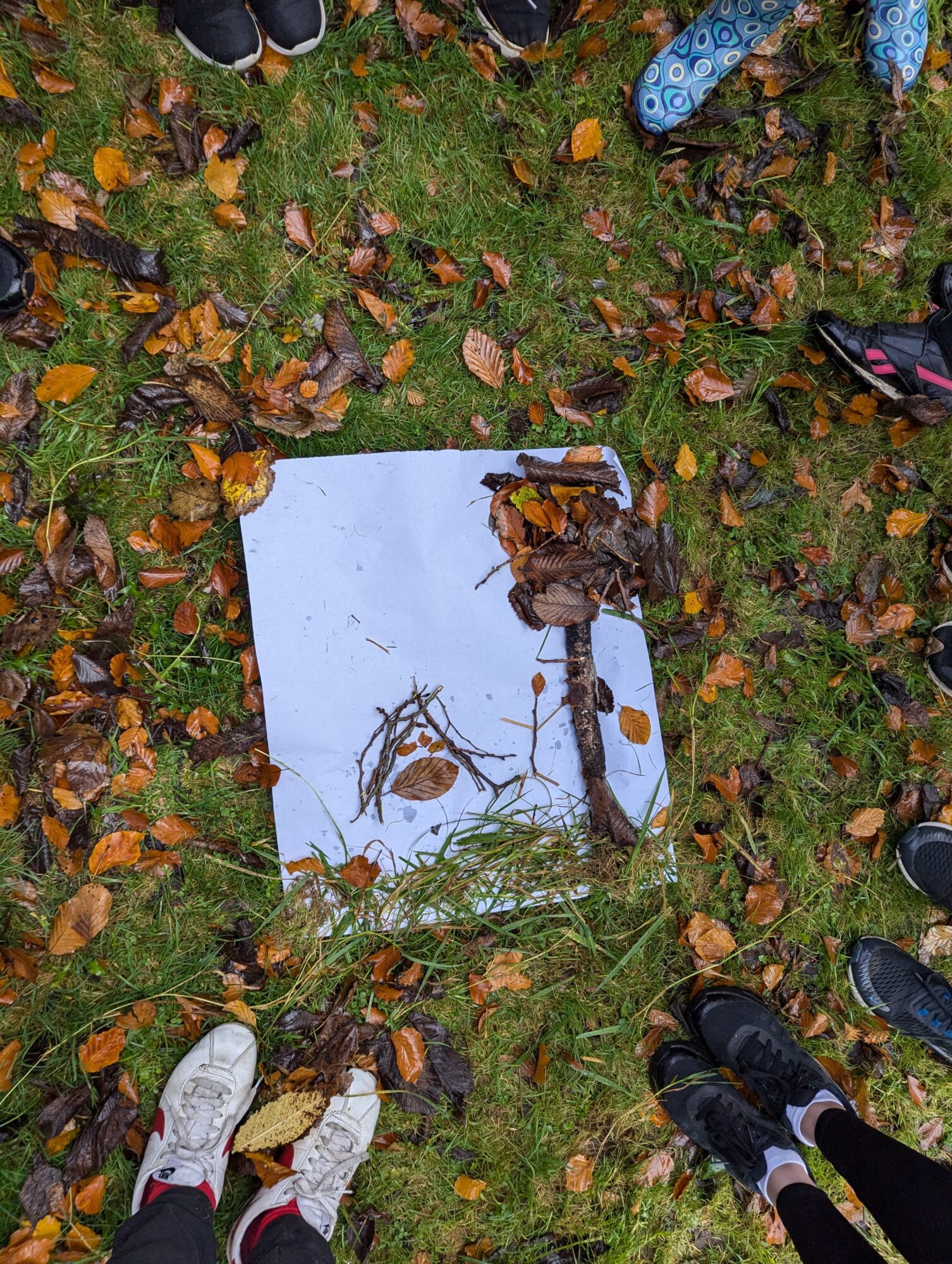
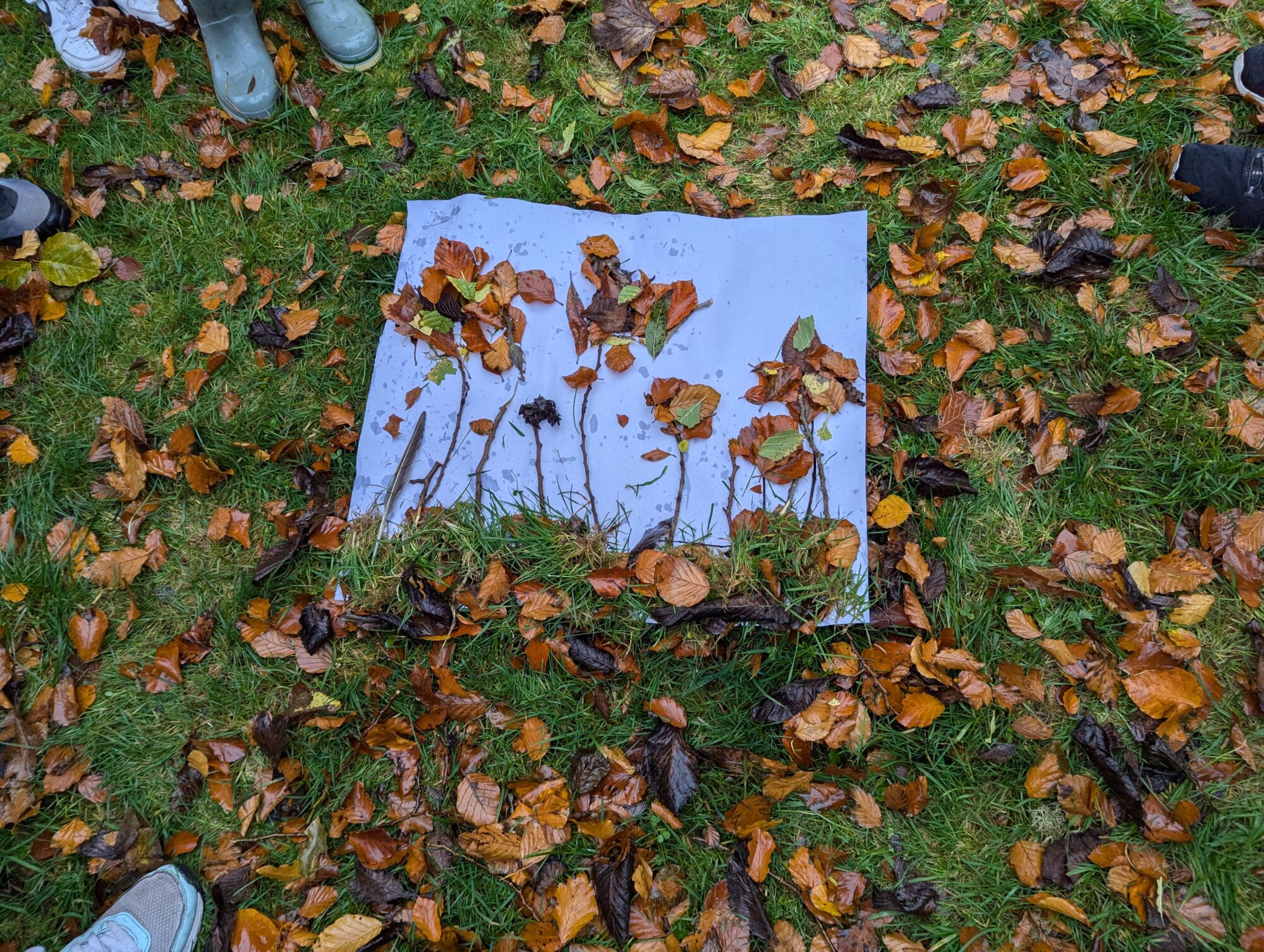
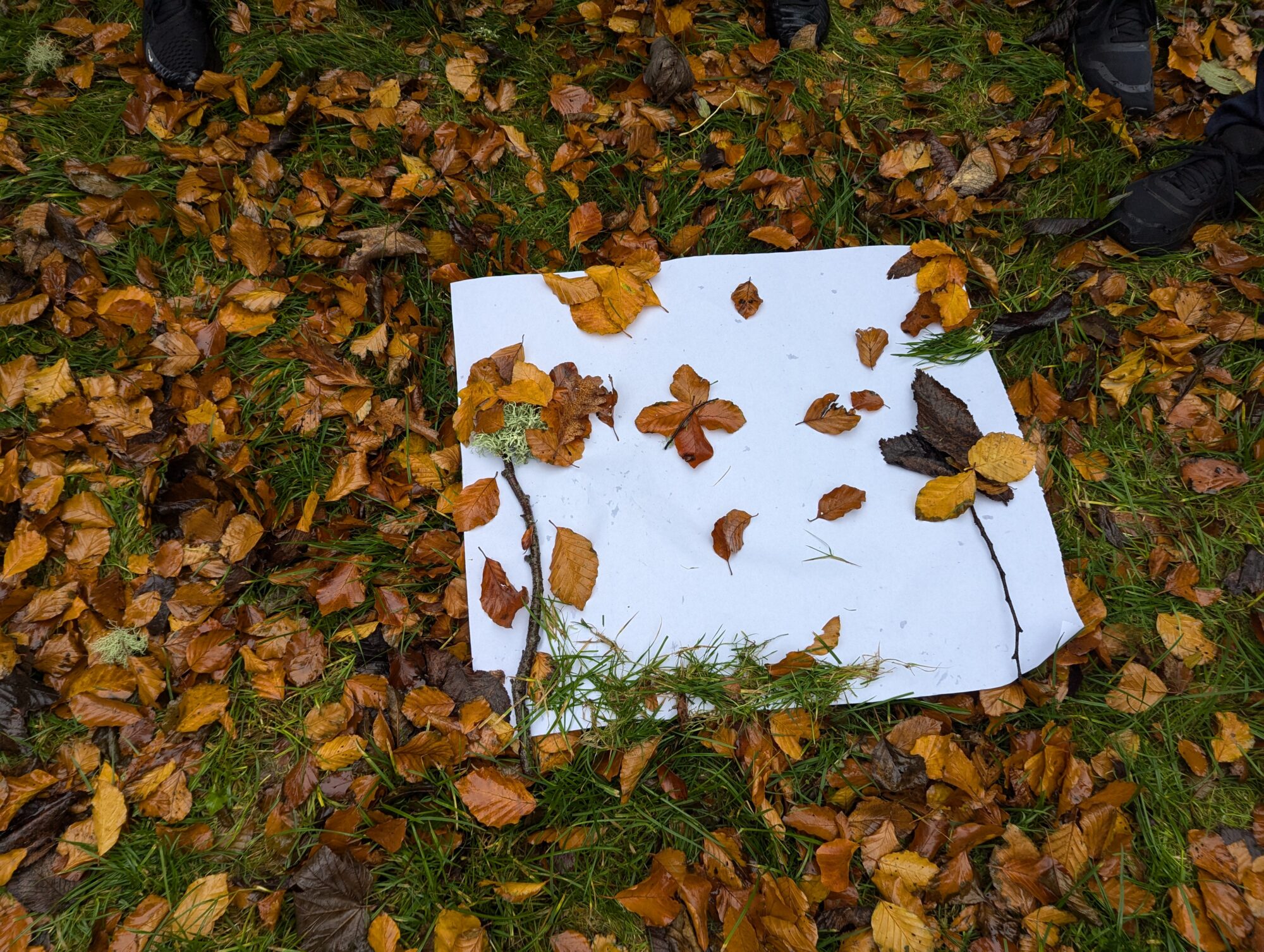
The second part of Tim’s activity was each sub-group was given a large sheet of paper on the ground and they had to create an art work, to create  window, or a picture with a deliberately vague brief to encourage creativity and discussion. The pictures were beautiful.

The resources needed for this were a sheet of paper and the young people’s imagination. They co-created transient art which in this case was connected to the environment and in some cases grew out of the environment. The activity could be used to create opportunities for discussions around sustainability.

Mud kitchen and music wall

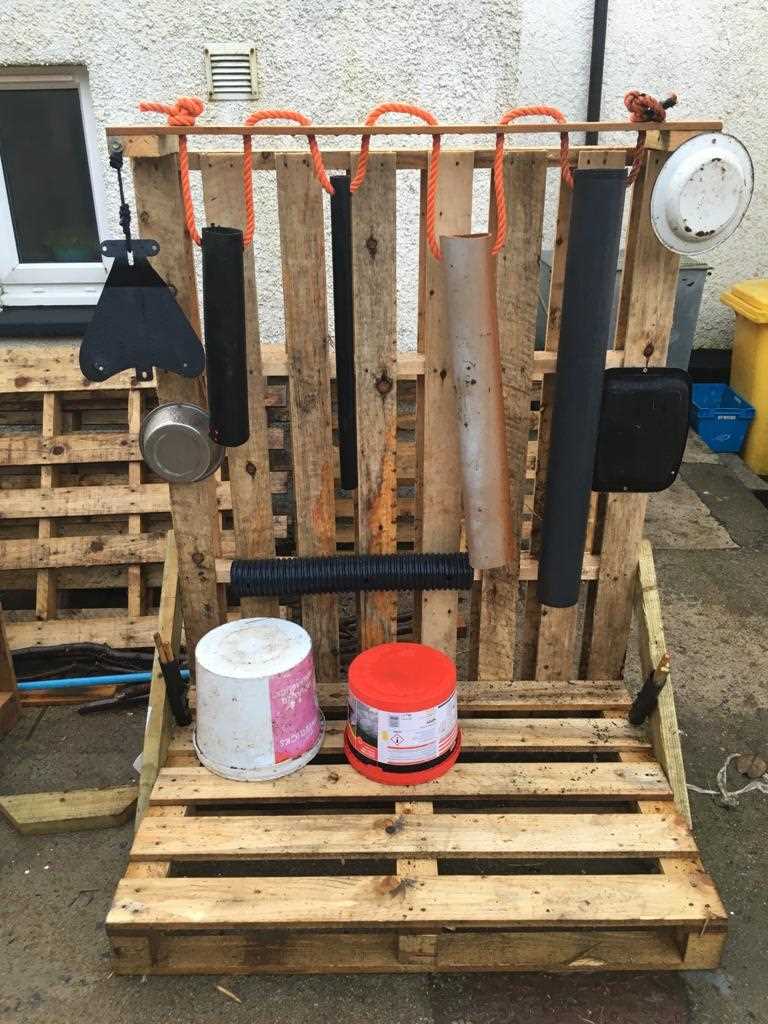
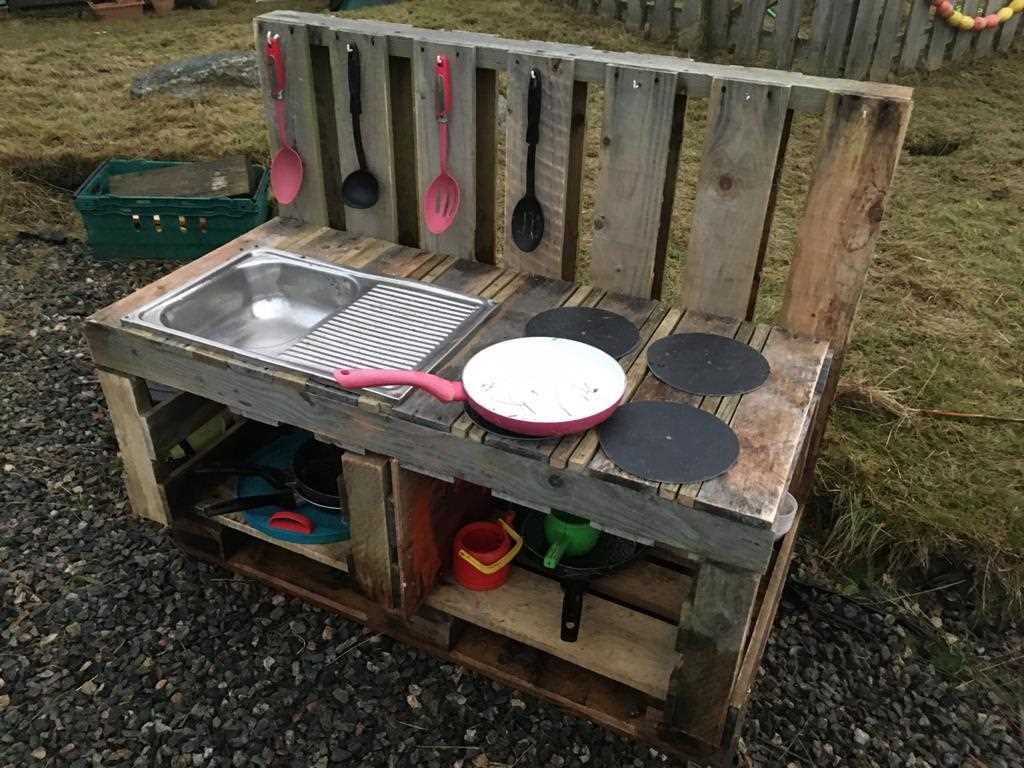
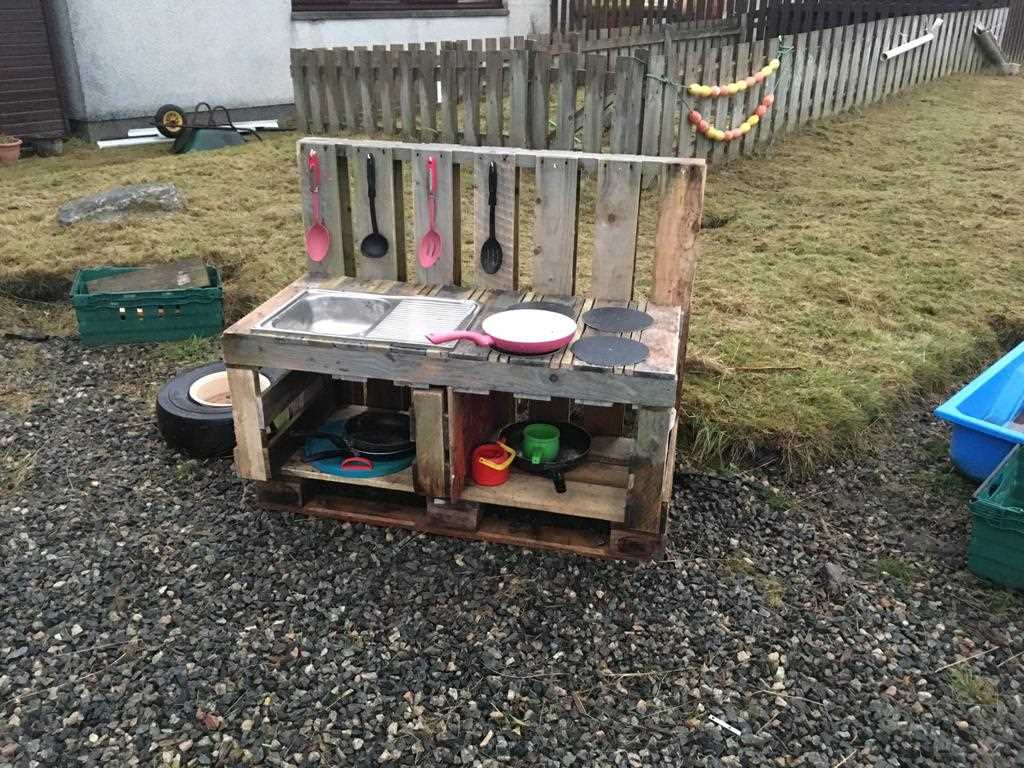
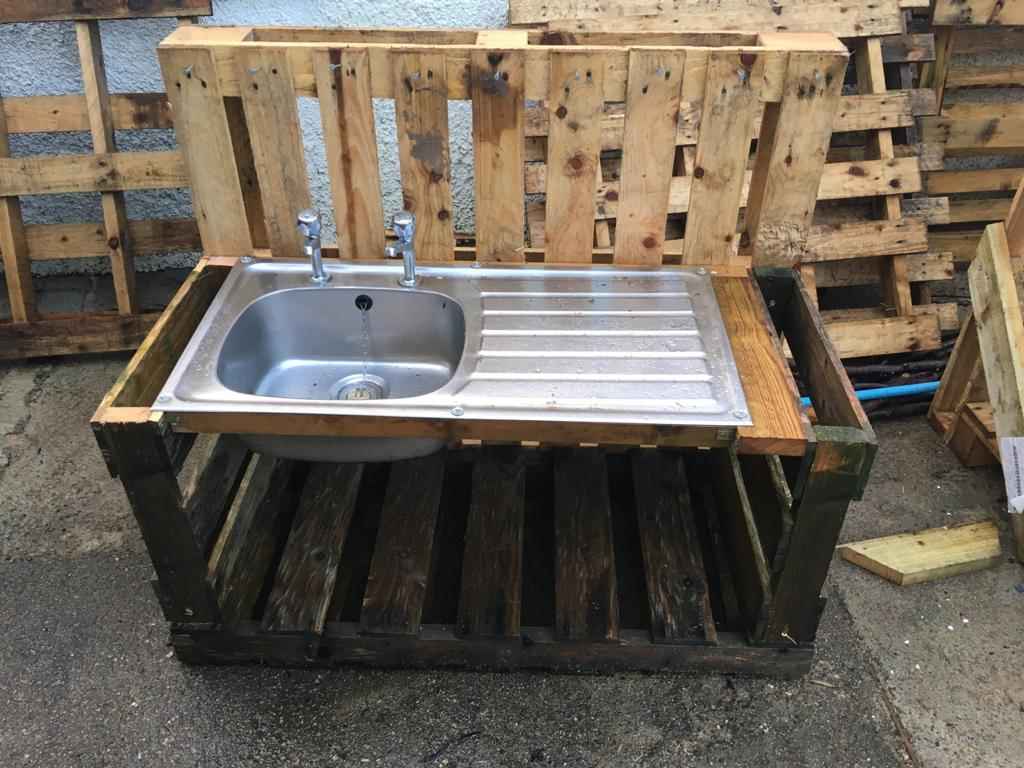
Tim heard about the new mud kitchen and music wall Uig Sgoil Araich have had built for them. Made from pallets and other scavenged materials it gives the young people a great new place to experiment and take part in imaginative play. They were built by Phill who lives in Uig and look fantastic.

Uig Sgoil Araich Music Wall Uig Sgoil Araich Mud Kitchen Uig Sgoil Araich Mud Kitchen

Tim is now looking forwards to going over to play.

If you have any great things you would like to share please contact either Tim or Isi.

First DofE Expedition of the season

With regulations prohibiting wild camping in Scotland, getting our Duke of Edinburgh groups out on their expeditions wasn’t feasible at the start of the summer. However the easing of some lockdown rules meant that we were allowed to get out and camp from the 15th of July onwards. With wild camping now being allowed, we were able to get one of our DofE groups out for their Silver Qualifying expedition on Wednesday 15th July. 

Although we were allowed out, there were specific hygiene measures we had to have in place in order to make the expedition happen. Each group member had their own hand-sanitiser handy, some sort of soap, and a face covering which was easy to grab if necessary. Both areas where we camped were accessible by vehicle which meant that handwashing stations were easily facilitated. Dail mòr, where we camped the first night, had open toilets with running water which made washing things like stoves and hands very easy. The second night, in Shawbost, there was a handwashing station set up using a big container which had a tap to allow access to running water.
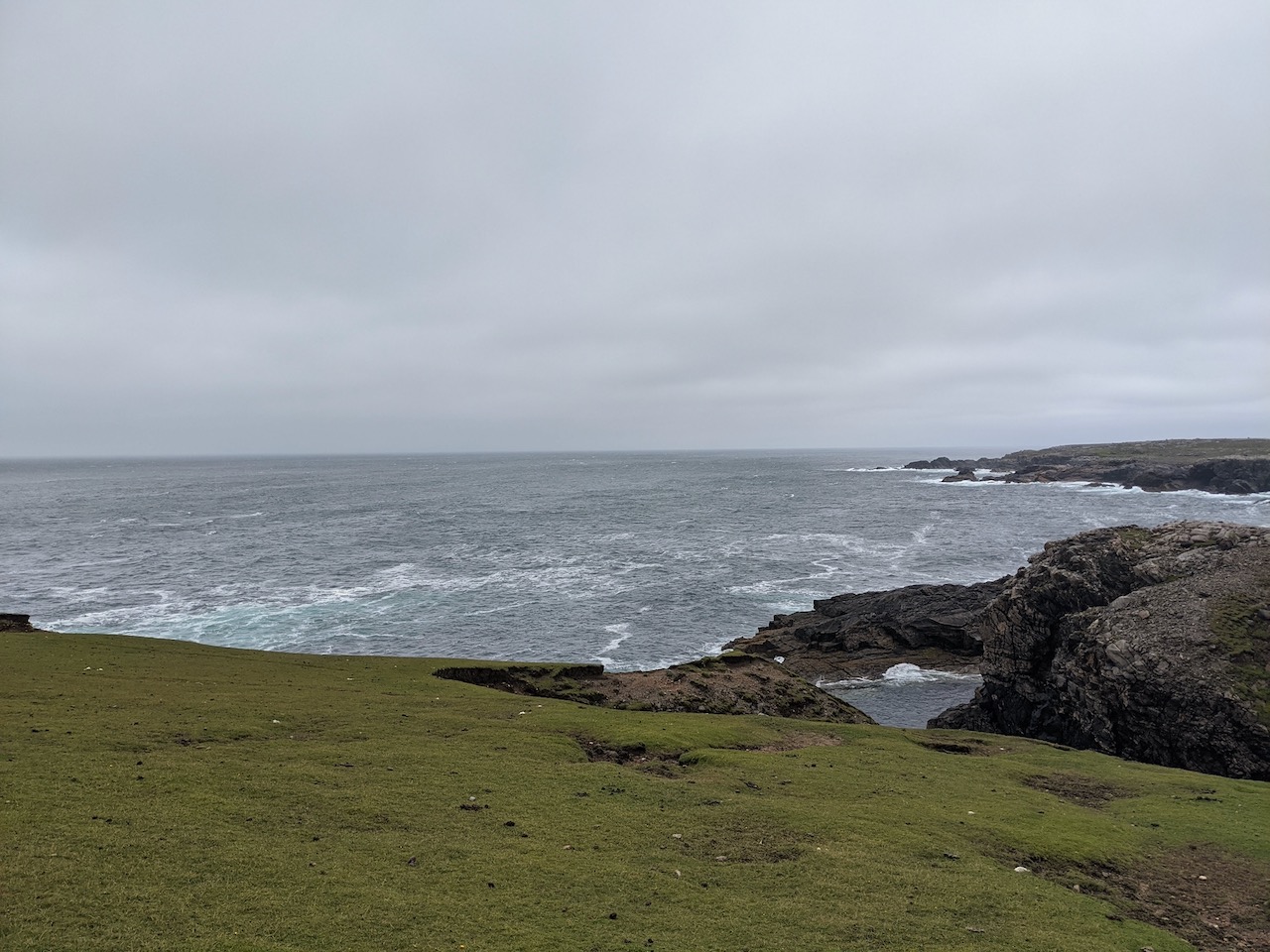
Social distancing measures meant that we had to change the way we shared out the kit. Where previously there would have been two or three people sharing a tent and stove, it now had to be one tent and one stove per person. Instead of the group being able to split parts of the kit up – tent, poles, stove – to lighten the load between them, our group had the opportunity to put a couple of things in an overnight bag that would stay in the van. They opted to leave tents and a change of clothes in the bag, and carried everything else with them as they walked. Changing the way we did this, to comply with social distancing, didn’t make the expedition any easier, just a little different to how we would previously have split up kit.
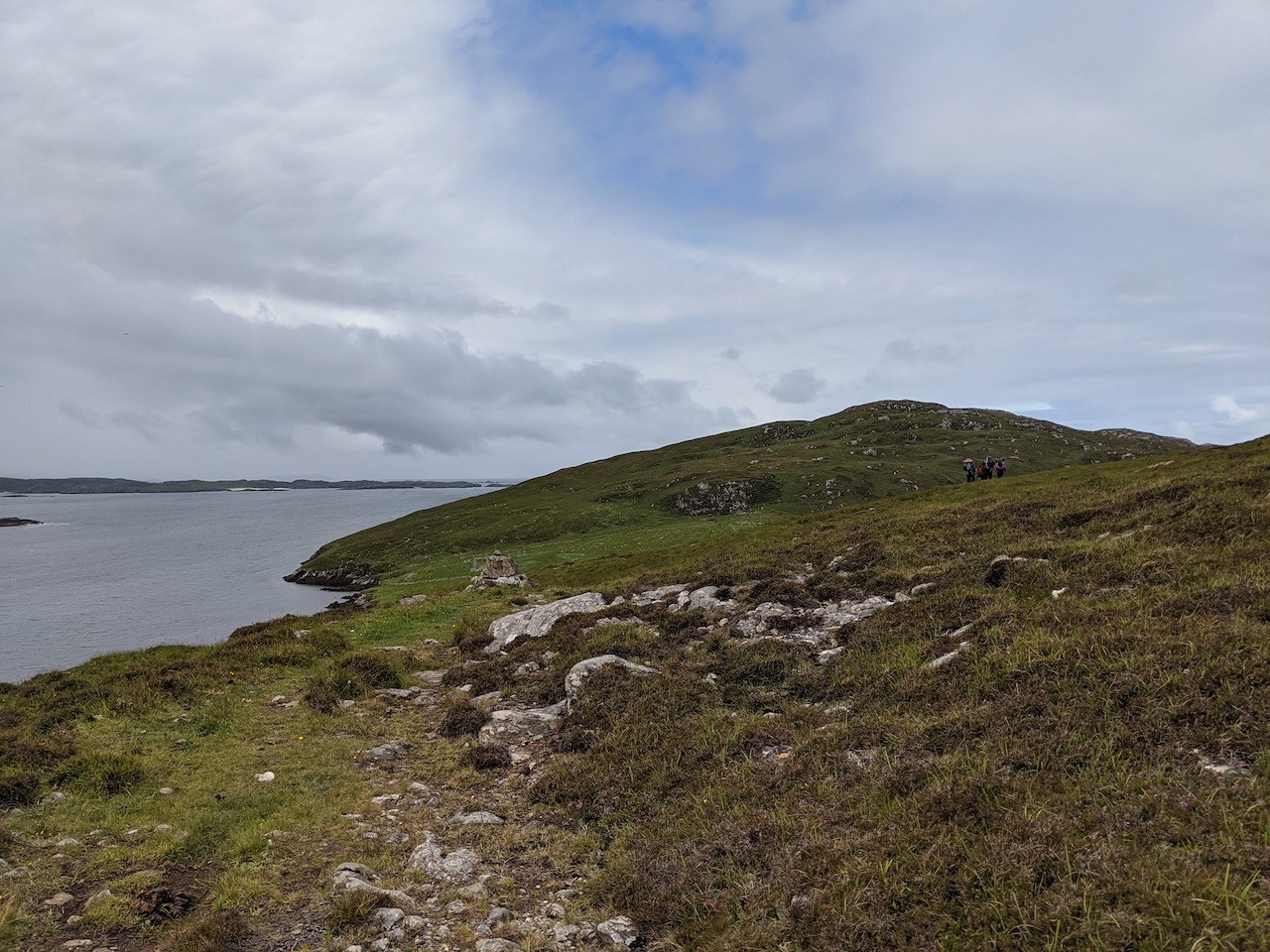
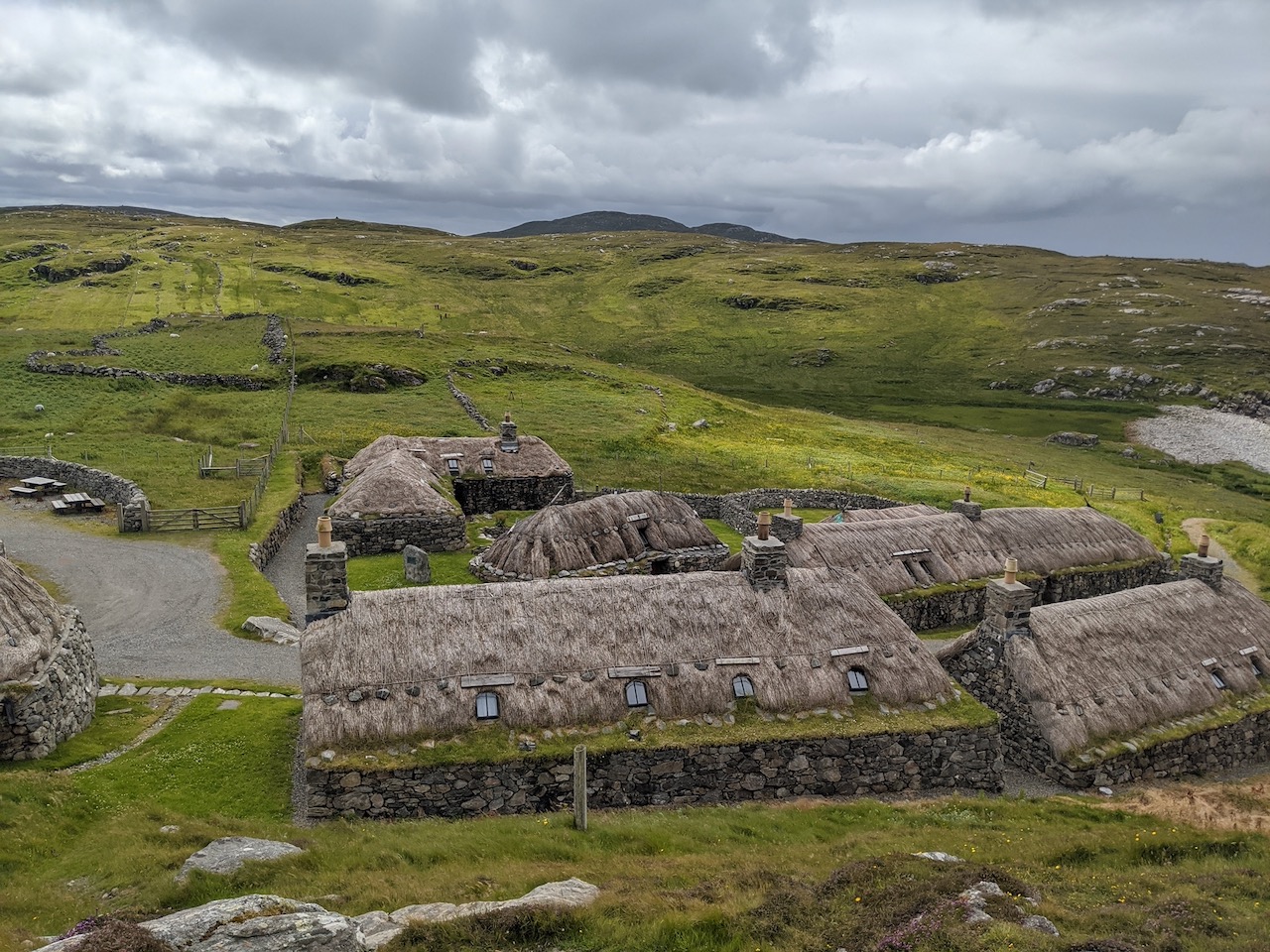
The expedition started in Borrowston, where the group navigated around the headland and went up north towards the Gearranan Blackhouse village. The ground was nice and dry, and with the Wednesday being quite warm and dry the group was able to enjoy their breaks and take their time whilst enjoying the views along the coast.
From Gearranan it was a march to Dail Mòr beach. Dail Mòr was where the group had planned to camp on the first night of the expedition. With the cliffs around the beach being so steep, there was a nice sheltered spot to pitch the tents.
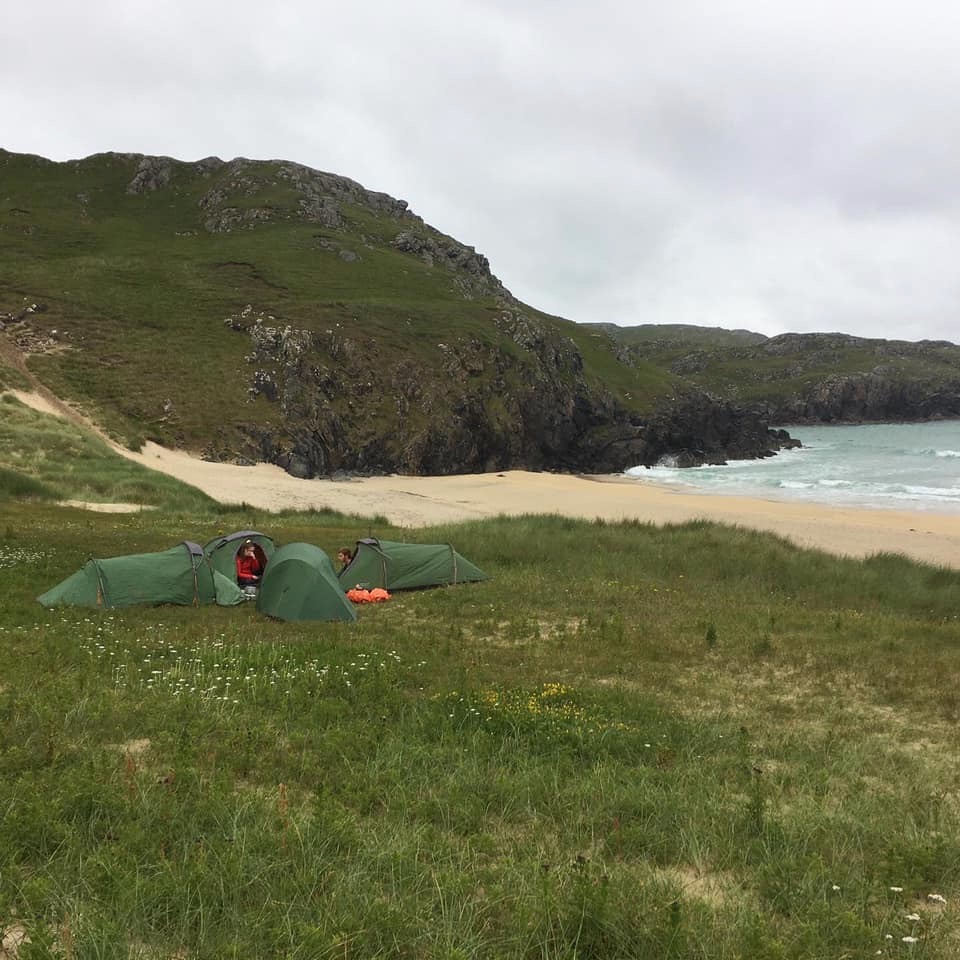
The group chose to pitch their tents in a circle facing each other, so that they were able to have conversations whilst maintaining good physical distance from each other. Later on in the evening they had a fire on the beach, while the weather was still nice as the forecast was looking a bit wetter for the rest of the expedition.
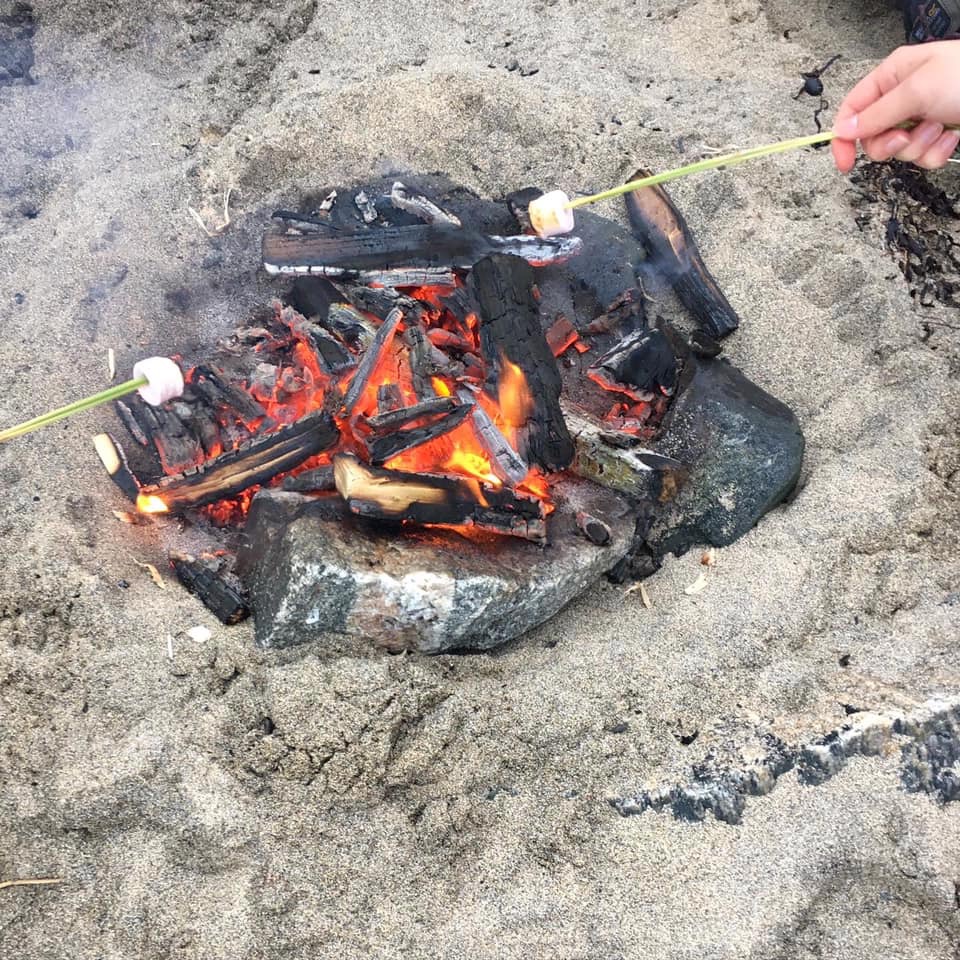
When there aren’t any skewers on hand, long blades of maram grass seem to do the trick for toasting marshmallows?!

The weather was definitely wetter on the second day so the group didn’t take as many stops along the way.  They were in Shawbost ready to set up camp by mid afternoon on Thursday.
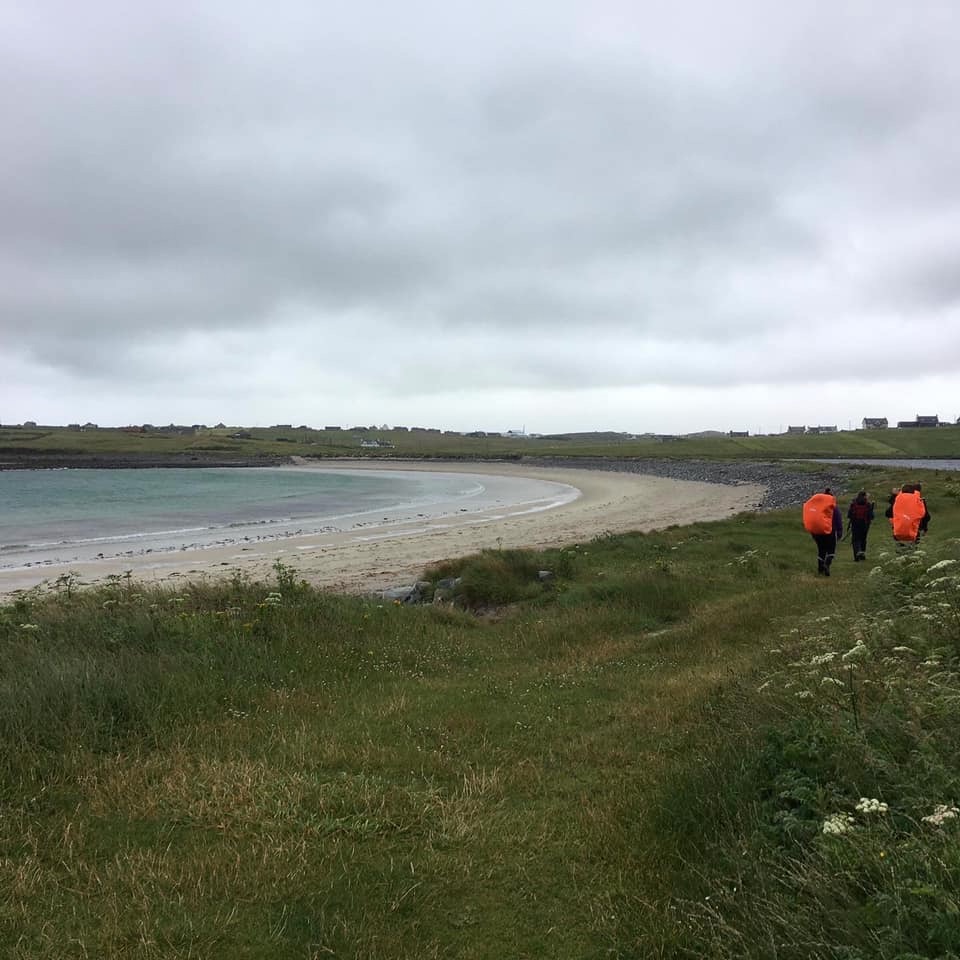
The beach where they camped was more exposed than the previous evening, so they made a sensible decision to pitch behind some long grass which gave them a bit of a wind break. We were told by someone local to keep an ear out in the late evening/early morning as there were a family of otters that lived in the area. We didn’t see any but they were very noisy in the wee hours of Friday. The weather was a bit wild on Thursday evening so the group spent their time mostly inside their tents, but were able to cook their dinners outside when there was a break in the rain. There was plenty of time to chill out and enjoy the beach, with some of the young people taking evening strolls along the sand.

Friday morning was drier than the previous day so packing up and getting ready was pretty faff-free. The group were ready to finish the expedition and get home.
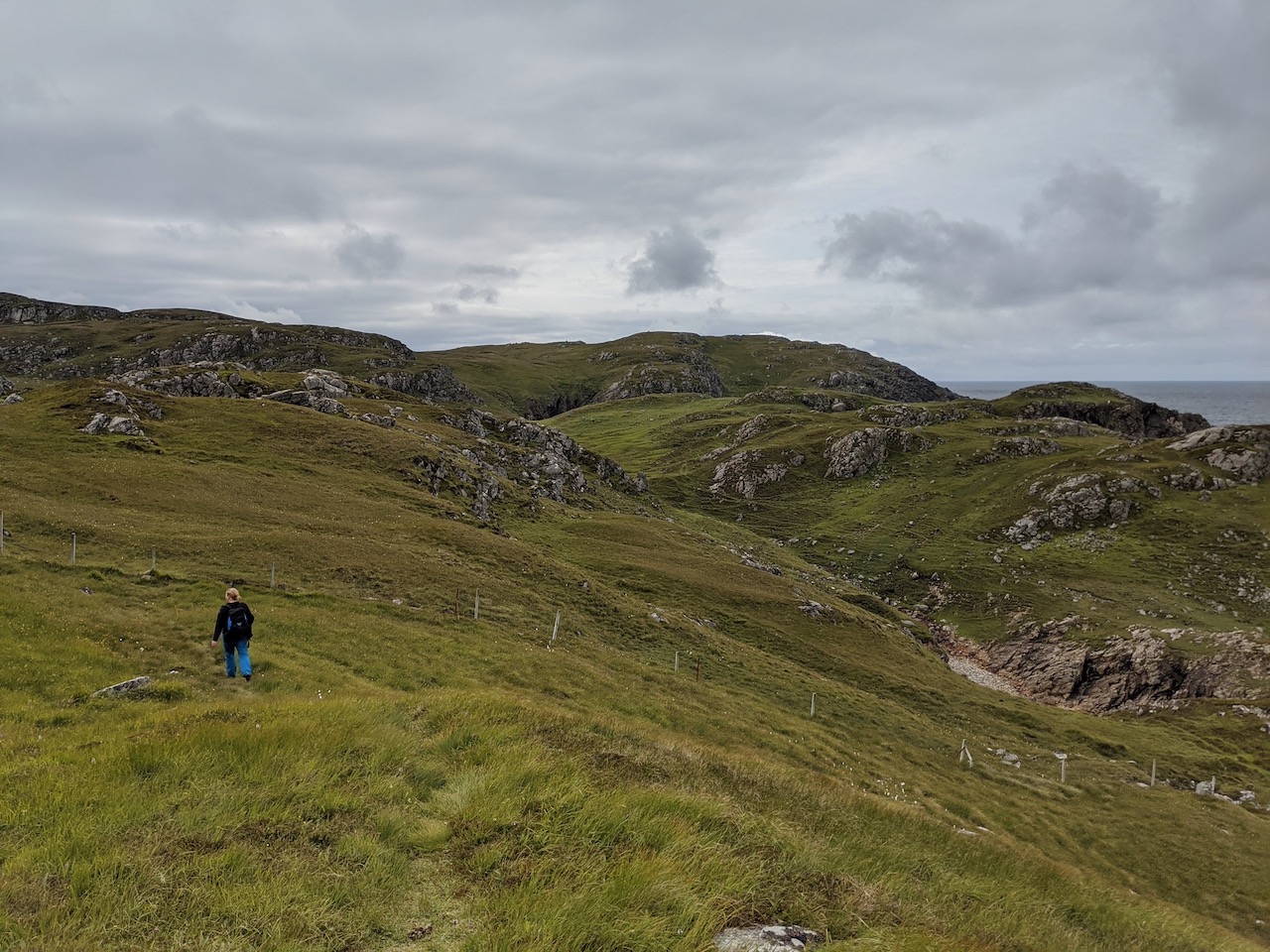
The third and final day was a walk from Shawbost beach round to Arnol Blackhouse, where they’d be picked up by their lifts home. The coast had flattened out so this was the easiest day of walking, which combined with the thought of a hot shower, kept group spirits up!
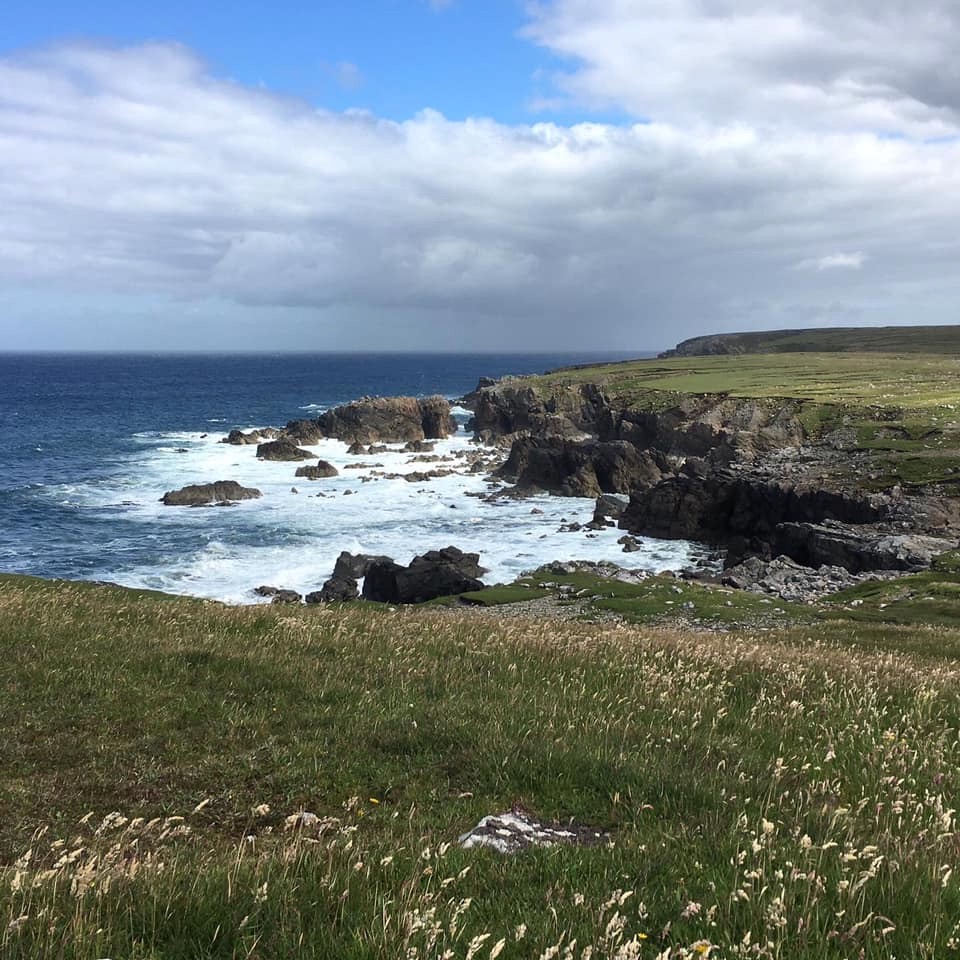
With views like this throughout the expedition, the walk up to the Arnol blackhouse was very scenic. Once they’d finally reached the last checkpoint, they all had lifts waiting for them. Each member of the group had someone who was able to come over and pick them up, which made social distance compliance easy from the start of the expedition to the finish. The route was challenging, especially after the many weeks of lockdown they’ve sat through. The group were excited to get out on an expedition and it felt relatively ‘normal’ despite the changes..

The key things learnt from the expedition were that with a small and competent group on their silver qualifying expedition, the measures to keep us all ‘covid-safe’ were fairly straightforward to implement. The expedition ran smoothly, and we were able to manage social distance and hygiene measures in a safe and positive way.

Following the success of this expedition, we’re looking forward to getting more of our other DofE groups out on expedition in the near future! We just need to figure out the logistics of group transport now, so we can take out young people who are not in the fortunate position of being able to access a parental taxi ride!
Report a Glow concern
Cookie policy  Privacy policy