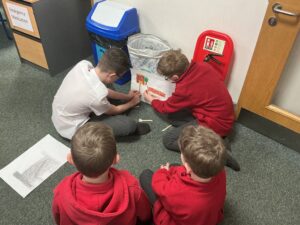
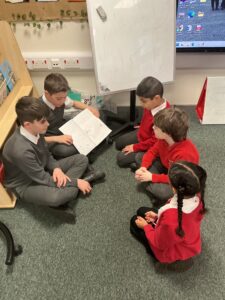
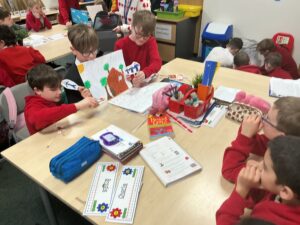
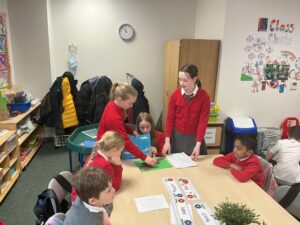
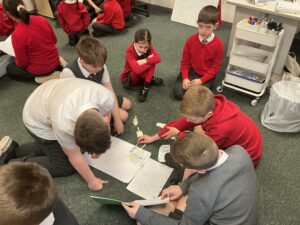
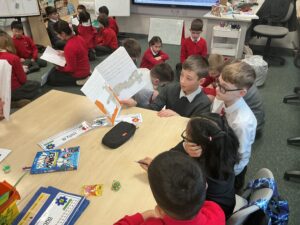
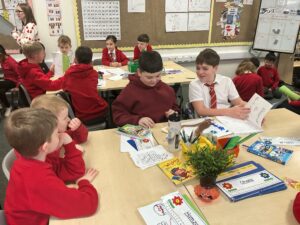
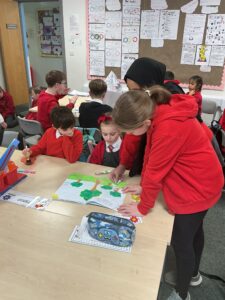
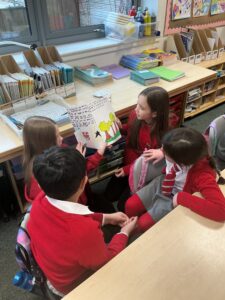
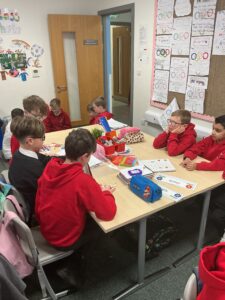
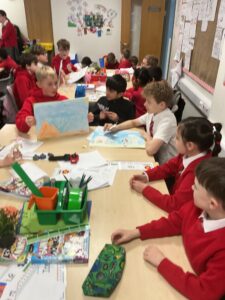
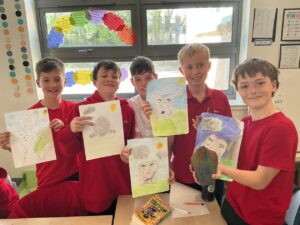
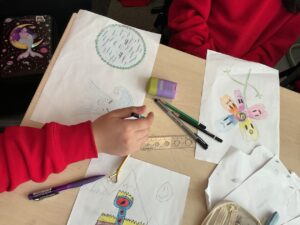
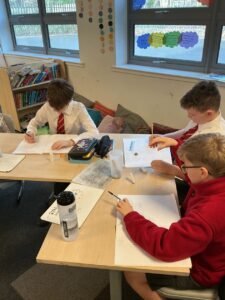
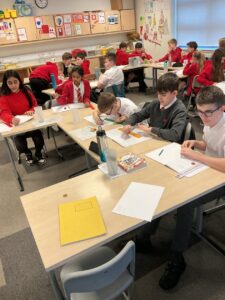
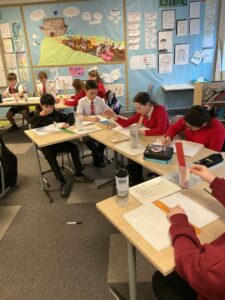
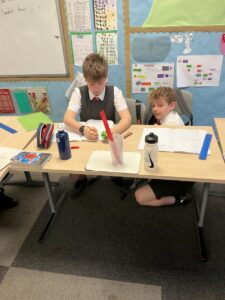
The class have been combining our IDL mini topic with Mrs Lazonby’s art lessons to create their own Disney characters. They thought about creating heroes or villains and made sketches.
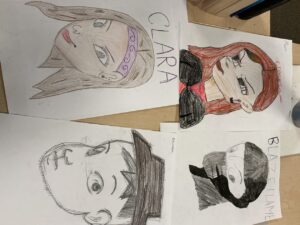
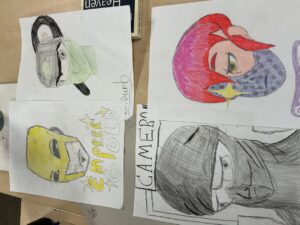
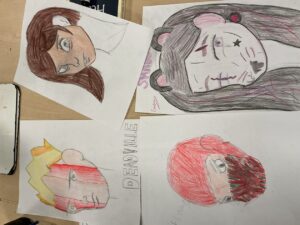
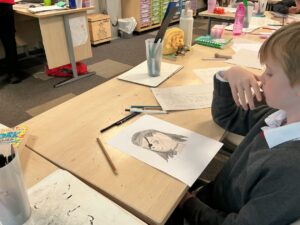
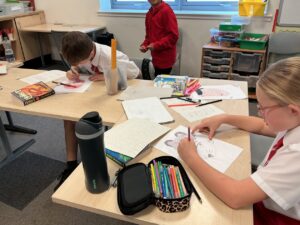
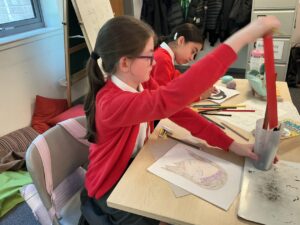
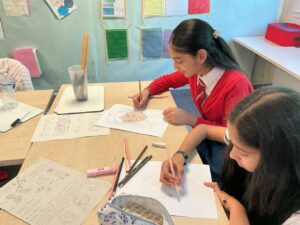
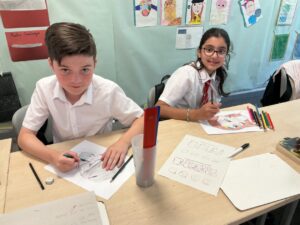
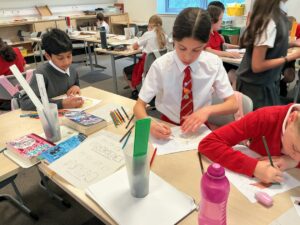
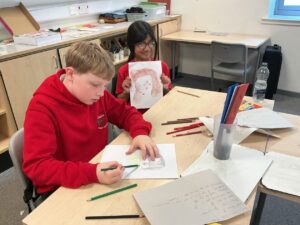
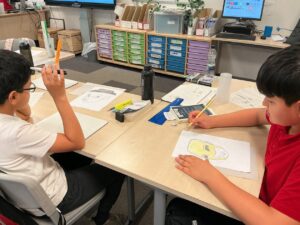
The class have been combining our IDL mini topic with Mrs Lazonby’s art lessons to create their own Disney characters. They thought about creating heroes or villains and made sketches.
Welcome back to the P7a blog! We hope you enjoy reading about what we have be exploring with Mr Atkinson in his Learning Journeys.
Recently we finished the Learning Journey, STAT Wars. This project challenged P7a to reflect on their own carbon footprints. In teams, the pupils have been applying their Meta-Skills of communicating, collaborating, critical thinking and leading whilst researching a specific problem related to CO2 which was identified when they completed their carbon calculator on Excel. The groups have been investigating different sources to help them make notes and have turned some of their recorded information into graphs. Using the graphs, the teams have produced detailed Google Slides with accompanying Adobe Express infographic posters summarising their expert knowledge of their carbon footprint focus. I was incredibly impressed with the confident delivery of the presentations to the rest of the class! Finally the groups drafted a persuasive letter to the East Renfrewshire Environment Department explaining their findings and requesting for action to be taken to resolve some of these issues. Afterwards, we discussed how data can be misleading at times and why it is important to carefully analyse information to ensure it is accurate.
P7a have just started their own personal projects for the final term which will involve exploring an area of interest with their group. First they recorded all of the Meta-Skills they have learned over the last two years and devised ways utilise them to complete their project. They have also been discussing and reflecting on all the Experiences and Outcomes they have been taught whilst at Crookfur and deciding which ones could link to their interests. At the end of this, the groups will be asked to select a method to showcase their personal project and I am very much looking forward to seeing what each team produces!
We created films to promote healthy lifestyles. We researched on the iPads then used iMovie to film and edit.
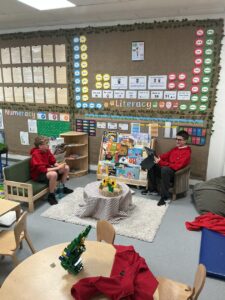
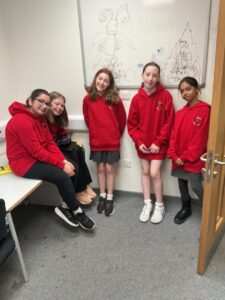
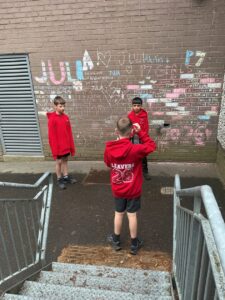
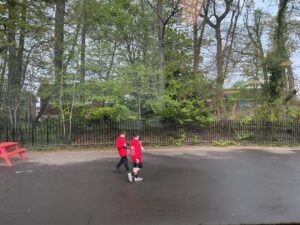
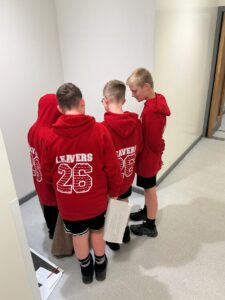
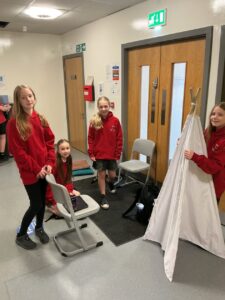
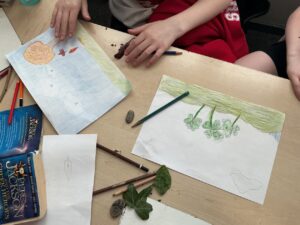
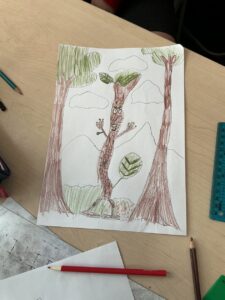
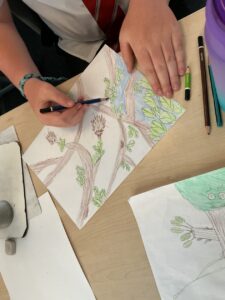
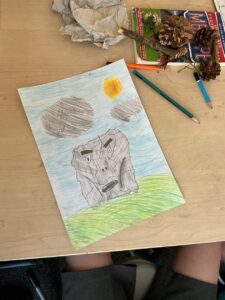
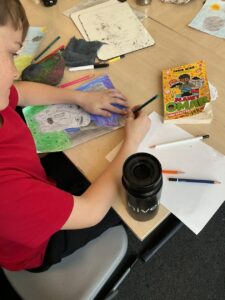
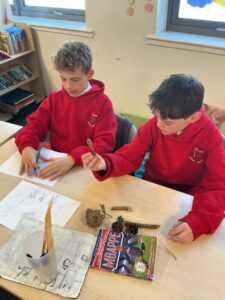
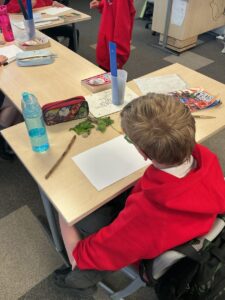
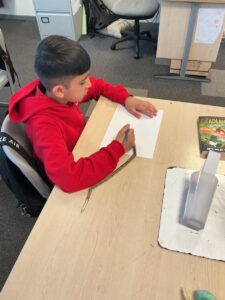
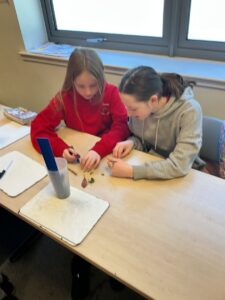
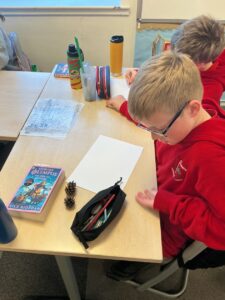
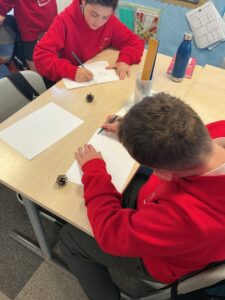
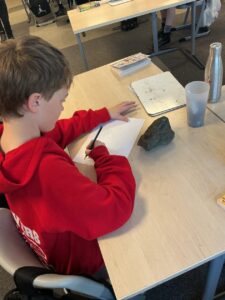
We have started a film study of Howl’s Moving Castle. We went to the woodland and found natural objects. Inspired by the film’s art style we created a characters and backgrounds focussing on details and textures.
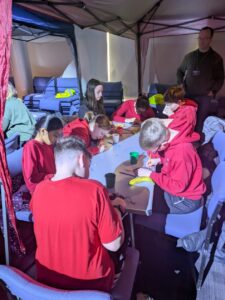
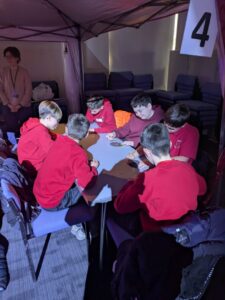
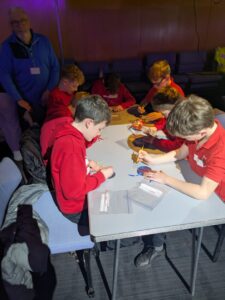
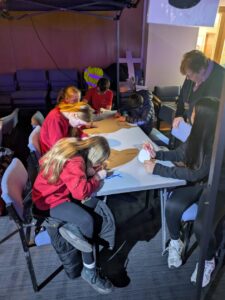
Last week we visited Newton Mearns Baptist Church to take part in some Easter activities and learn why Easter is important to Christians. The children really enjoyed the visit and the volunteers and staff at the church commented on how well they had listened and taken part.
We have continued learning about WWII. This week we looked at Jewish life and how it changed under the Nazis. We learnt about a girl called Vera and her journey as part of the Kindertransport.
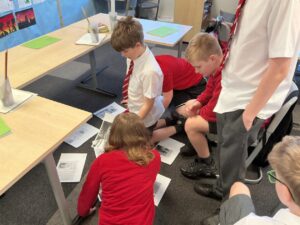
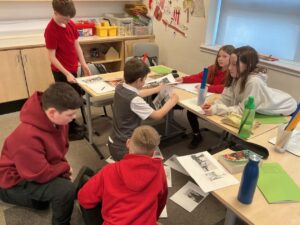
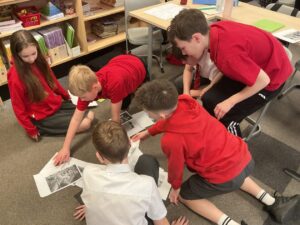
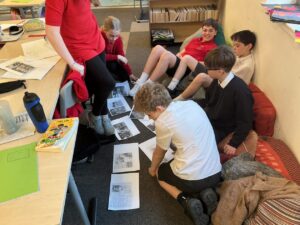
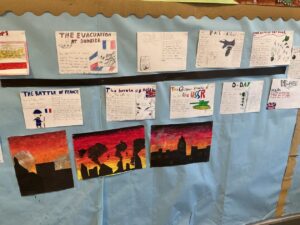
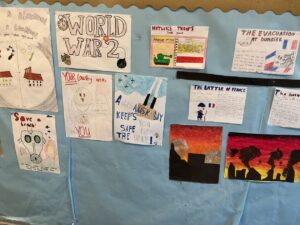
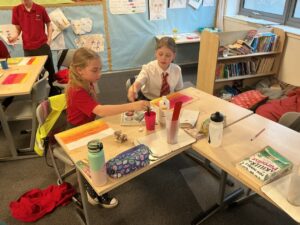
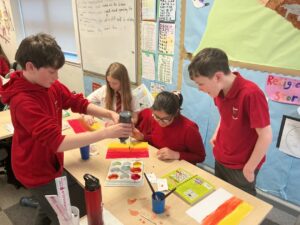
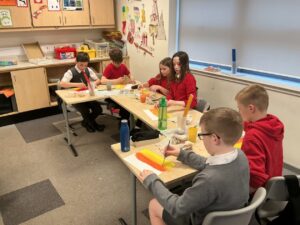
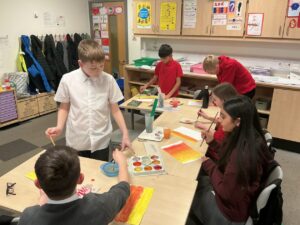
We have been creating art work inspired by the blitz. We used paint and blending skills to create a background, added details like smoke and then created silhouettes to finish the pictures.
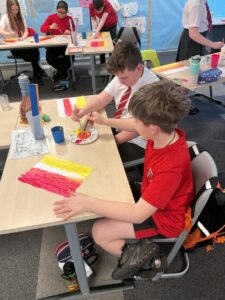
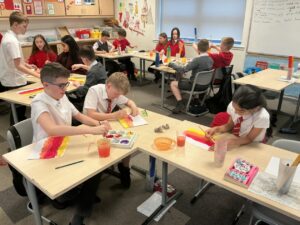
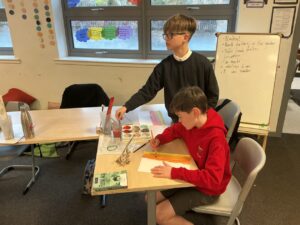
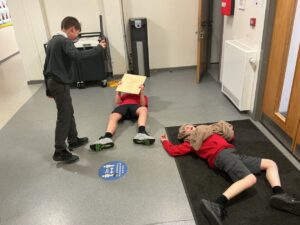
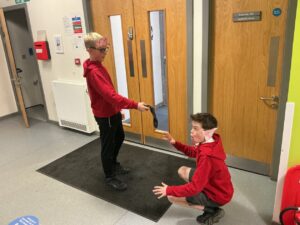
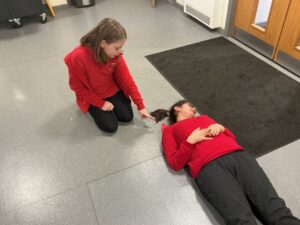
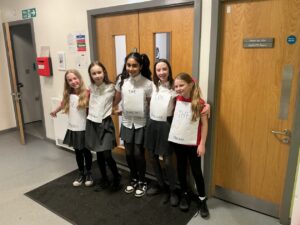
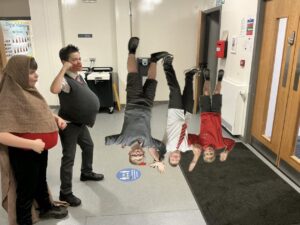
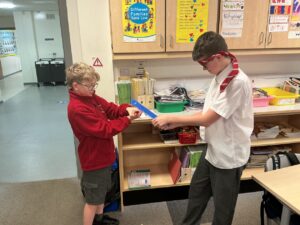
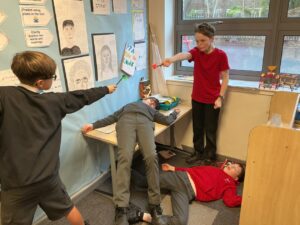
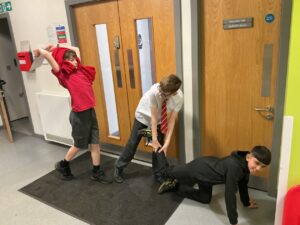
Check out our World Book Day scenes:
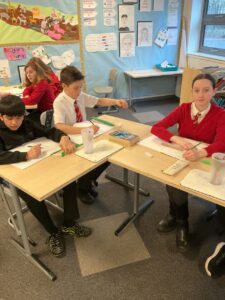
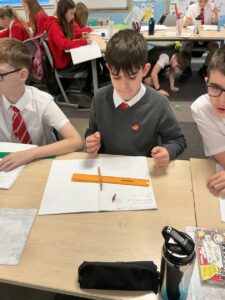
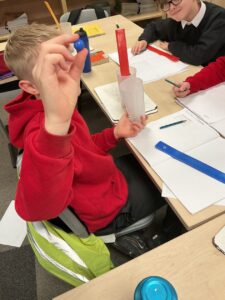
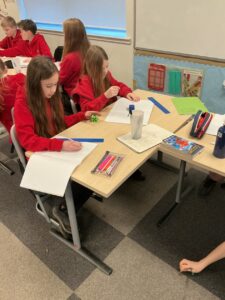
This week we explored probability and conducted some experiments.
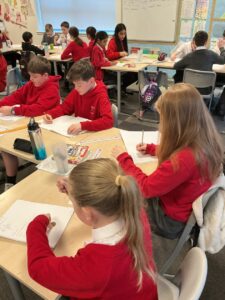
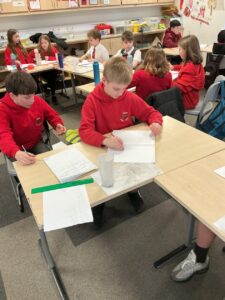
This week we visited P3 to tell our religious stories that the class have worked on retelling. Some people made puppet shows and others interactive picture books. The class worked really hard on their stories and the P3s loved hearing them.