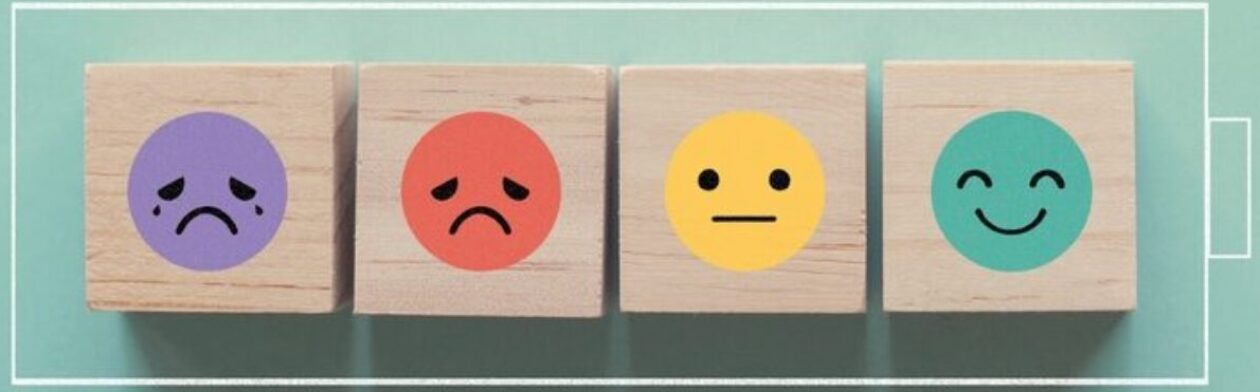
Complete
Leanring to control your emotions (regulation)
Children often find it difficult to regulate their emotions because their brains are still developing the skills needed to understand, express and manage big feelings. The good news is that parents and carers play a powerful role in helping children learn these skills. We can help our children develop their emotional intellegance.
 Helpful Lealfets
- Anxiety-Parent-Guide
- A guide for parents of neurodivergent children
- Teenage behaviour and changes in the teenager brain
-
Kaleidoscope – Free Emotional Regulation Guide: Help Your Child Manage Big Emotions
At times we can feel overwhelmed and unsure as to what to do as parents and carers when our children and young people experience stress and anxiety and the resulting big feelings. This video offers you some ideas of how you can support them best during these times.
Please click on the links and short video clips below for information and strategies to help children manage their emotions:
- Noticing and navigating feelings
- Managing big feelings together
6 tips to help your child control their emotions:
How to help your child manage their big emotions

Feelings impact a child’s play and learning. For children to do their best playing and learning they need to feel safe, calm and interested. They need to trust that the important adults in their life are there to help and support them. Adults need to help and support their children so they can experience this readiness to learn which is called emotional regulation.
Resources to use with your children
- Young chldren: (ECC and P1-3)
- Older children (P4 -7)
- Teenagers
Helpful Lealfets
Below are a collection of resources tailored to regulation & co-regulation
- Children First (www.childrenfirst.org.uk) – There is no such thing as a perfect family and whatever challenges you are facing, we can help. Explore these pages for support and advice.
- Play Scotland (www.playscotland.org) – Playing in nature boosts self-esteem and confidence, inspires creativity, and spending time outdoors makes people happier. This link provides ideas, resources and opportunities to learn about play.
- Exchange Resource (www.exchange-resource.net) -The resources found in the Exchange Library vary for all ages and cover a variety of different topics such as emotional regulation, calming techniques and developing growth strategies.
- The Solihull Approach (www.learn.together.co.uk/online-learning) Togetherness learning, your digital hub for emotional health focused pathways. Online learning covering understanding; you baby, toddler to teenager, child with additional needs, child’s feelings, child’s mental health and wellbeing, teenager’s brain and relationships