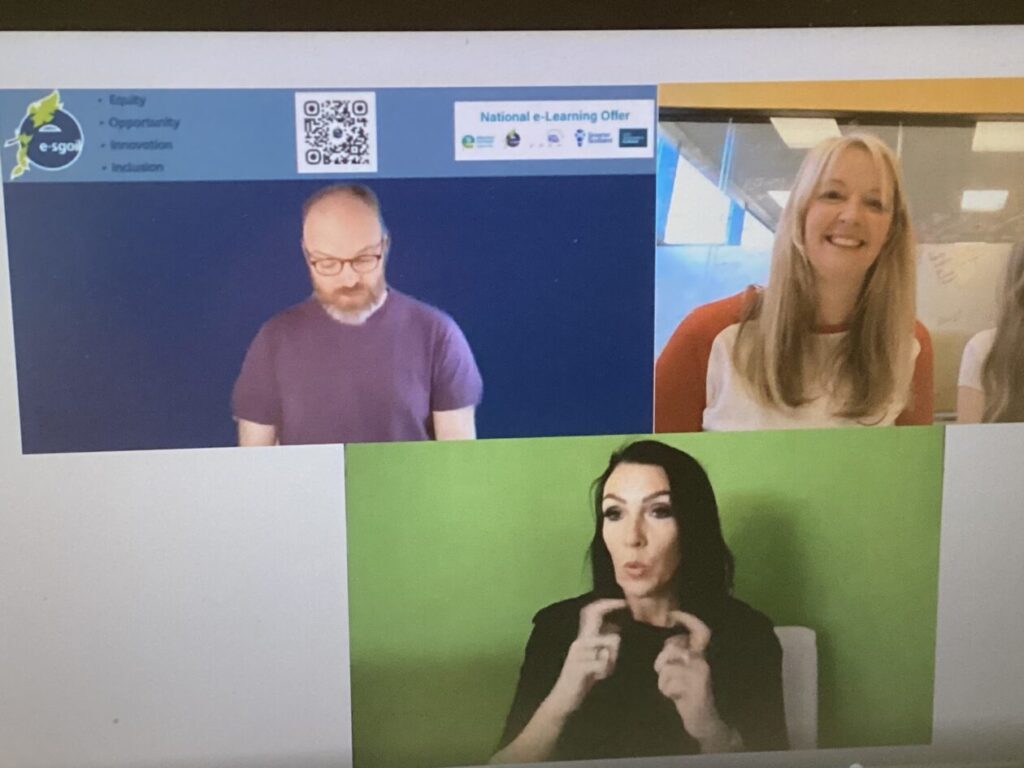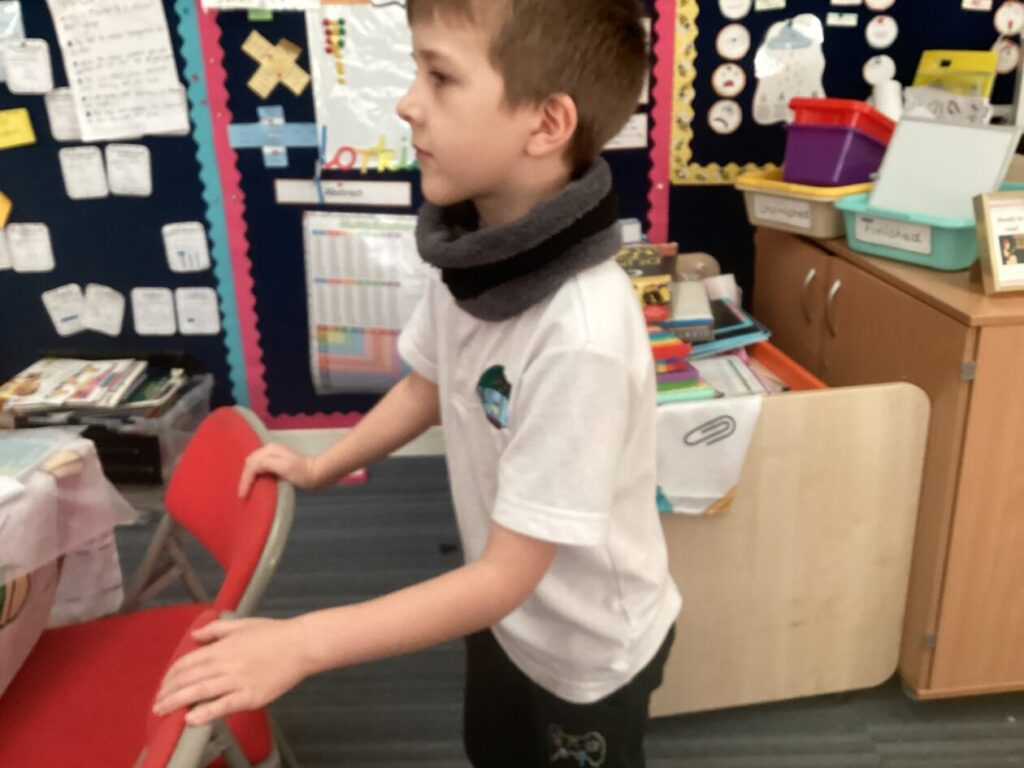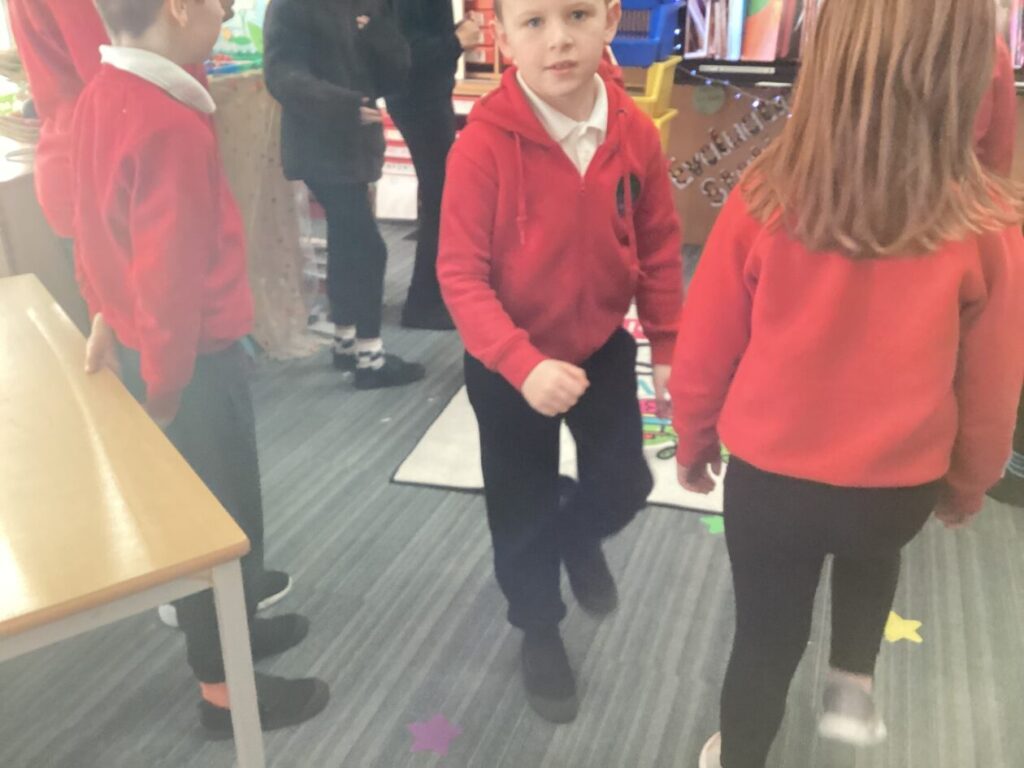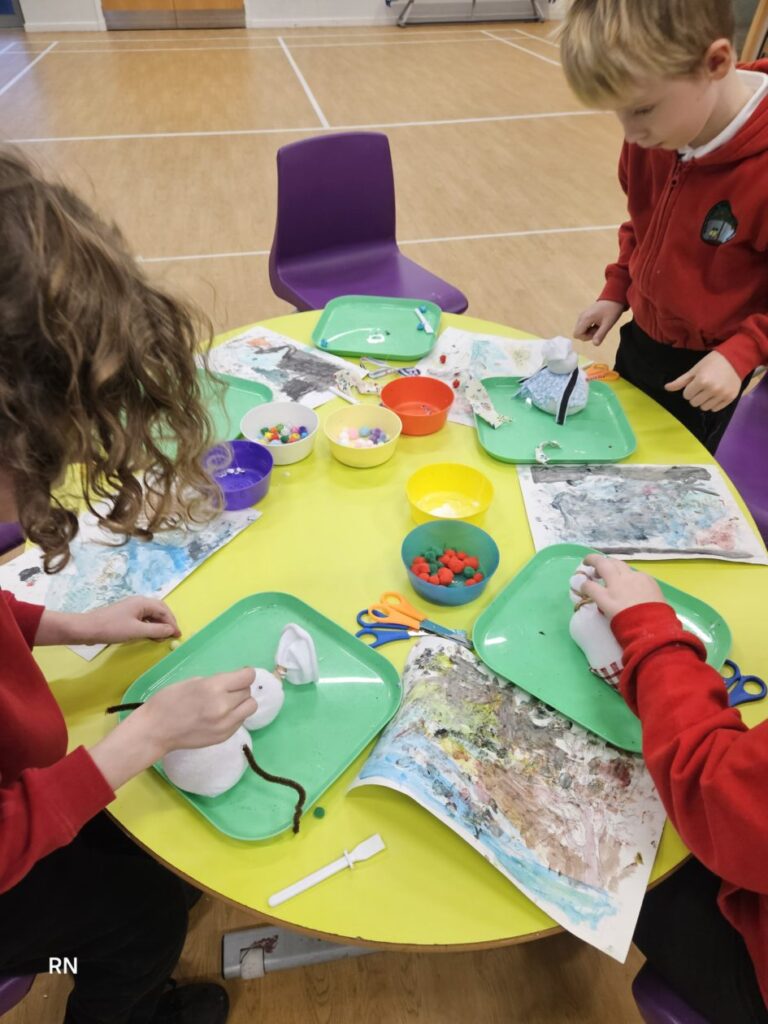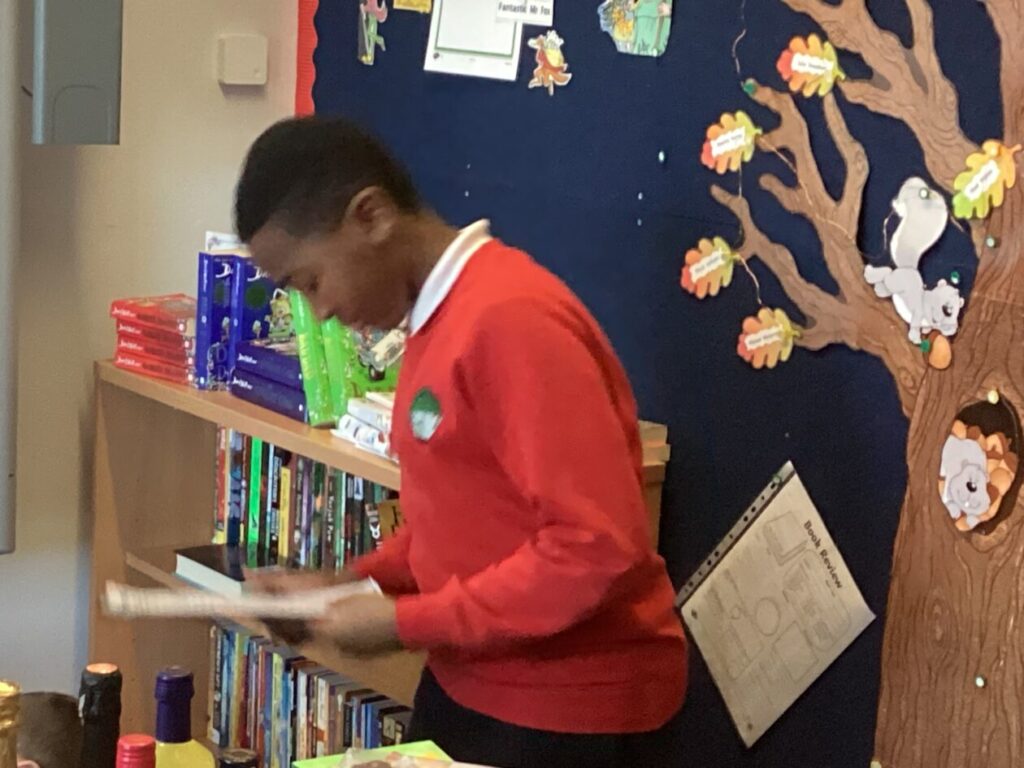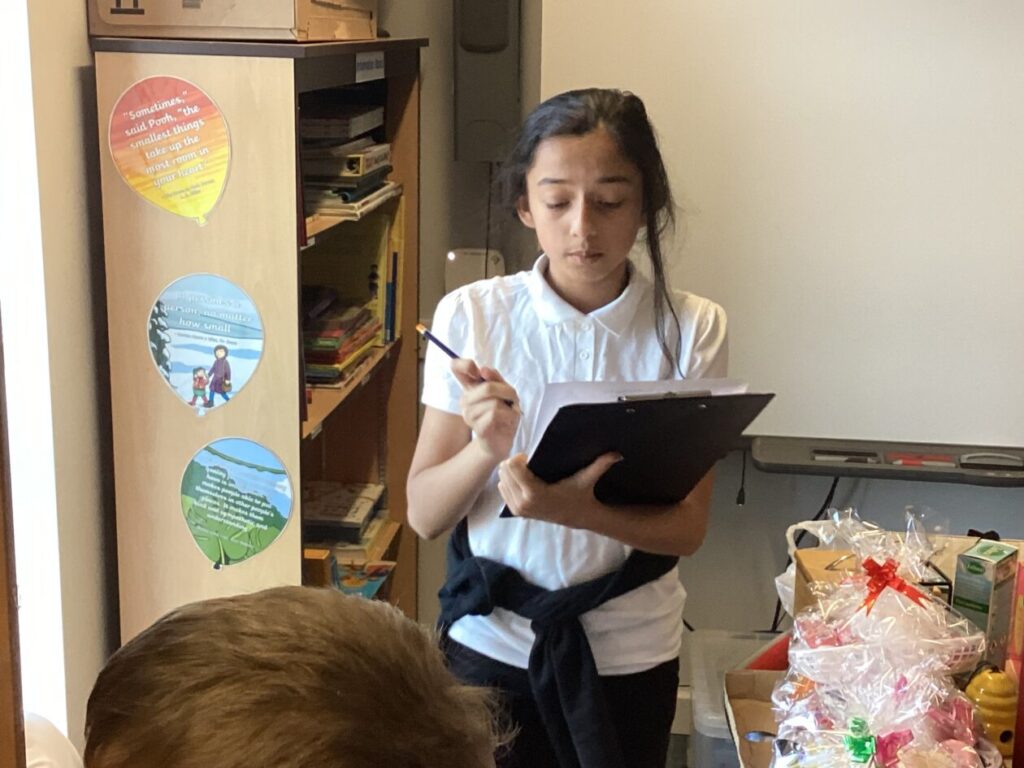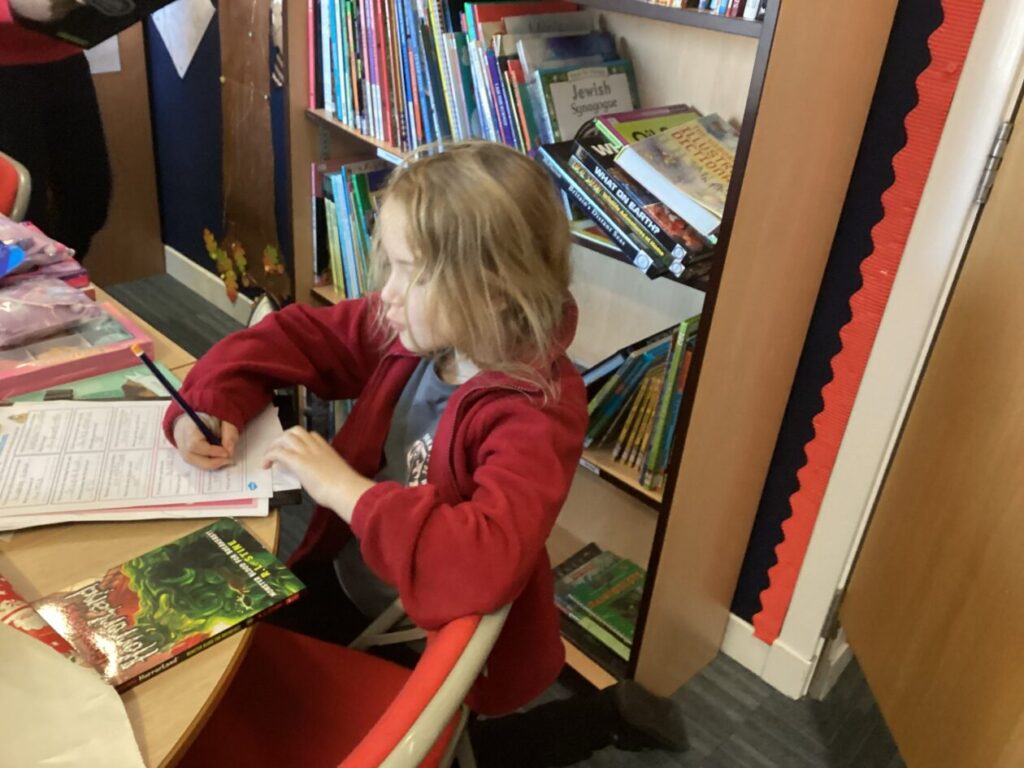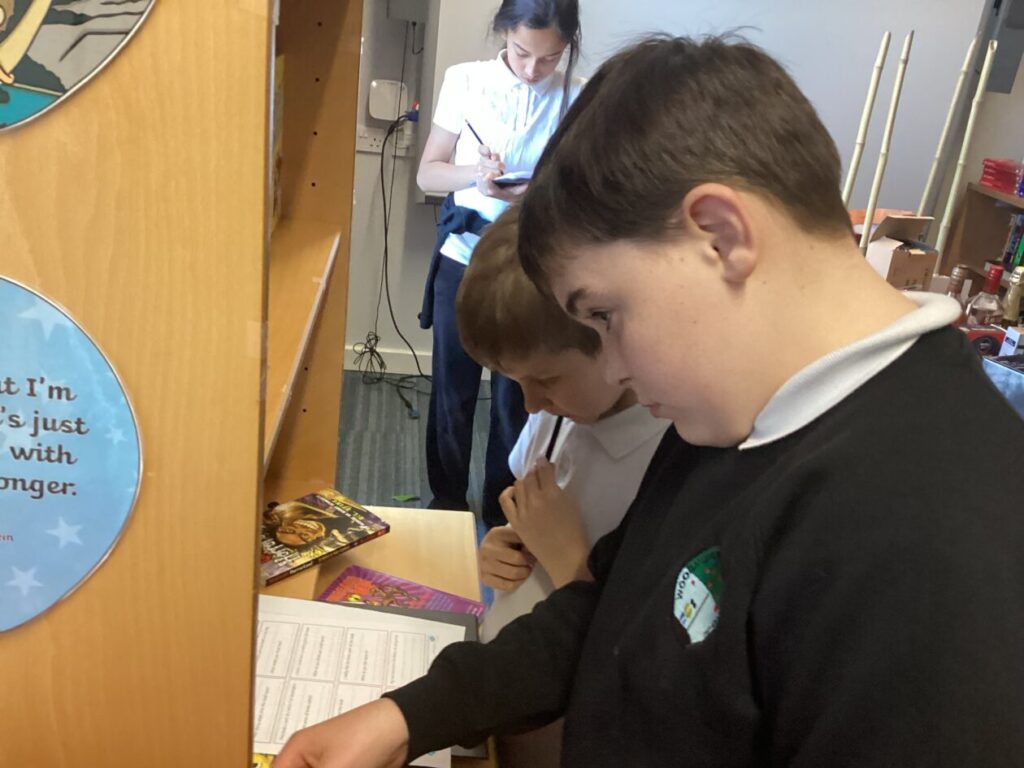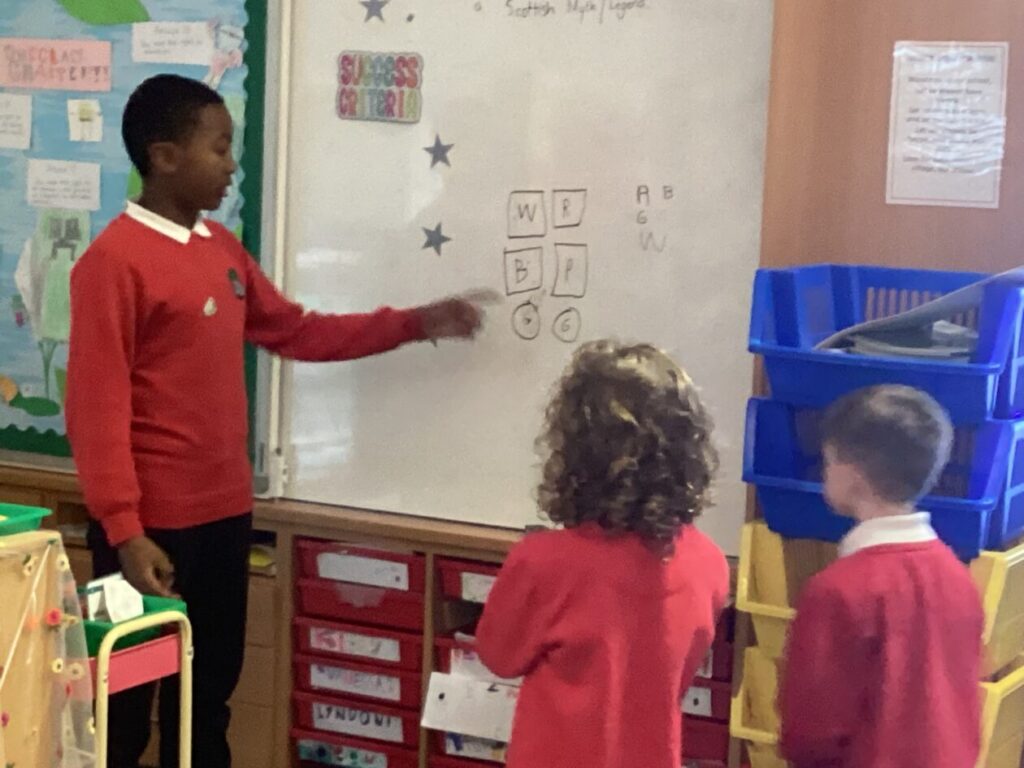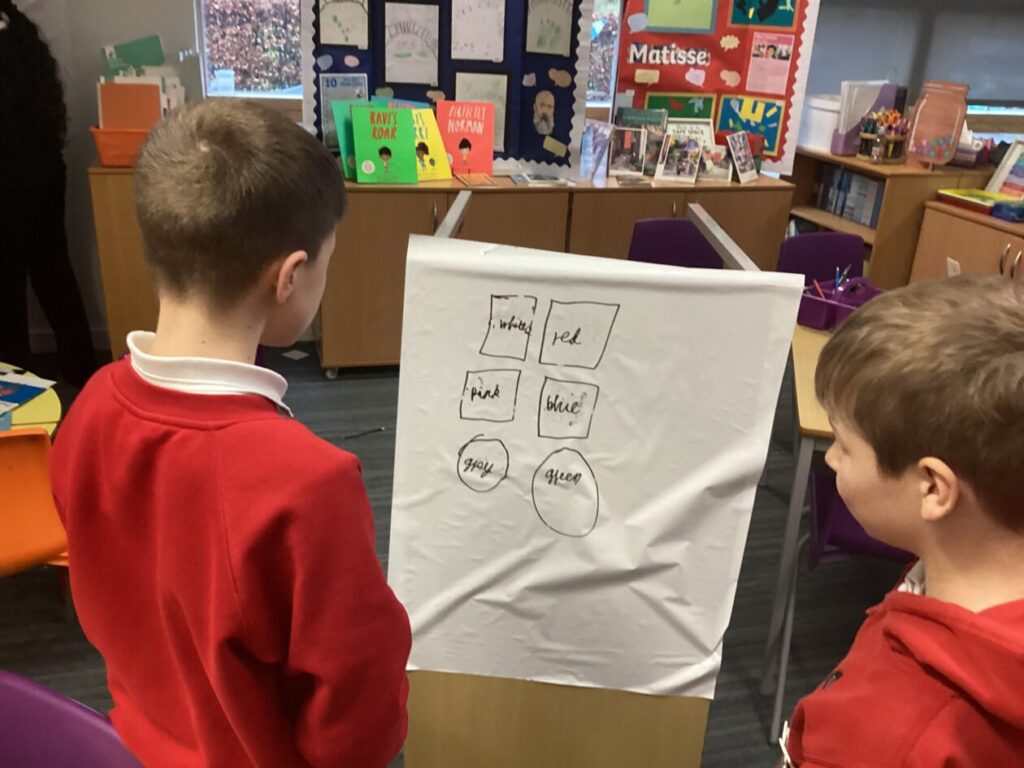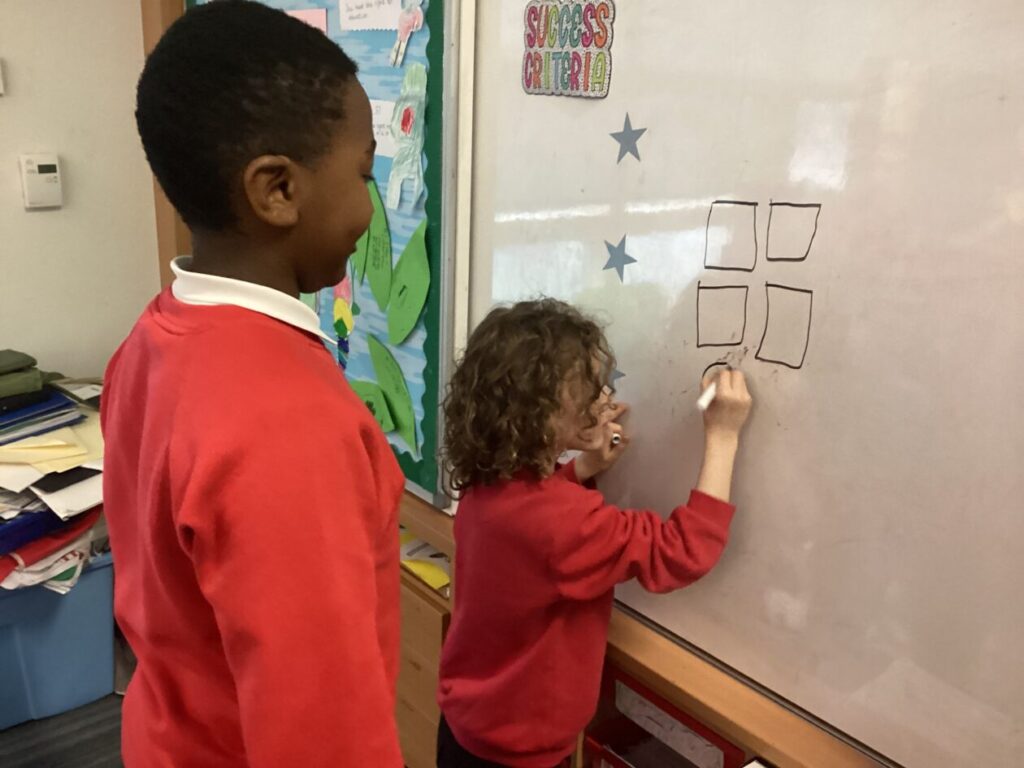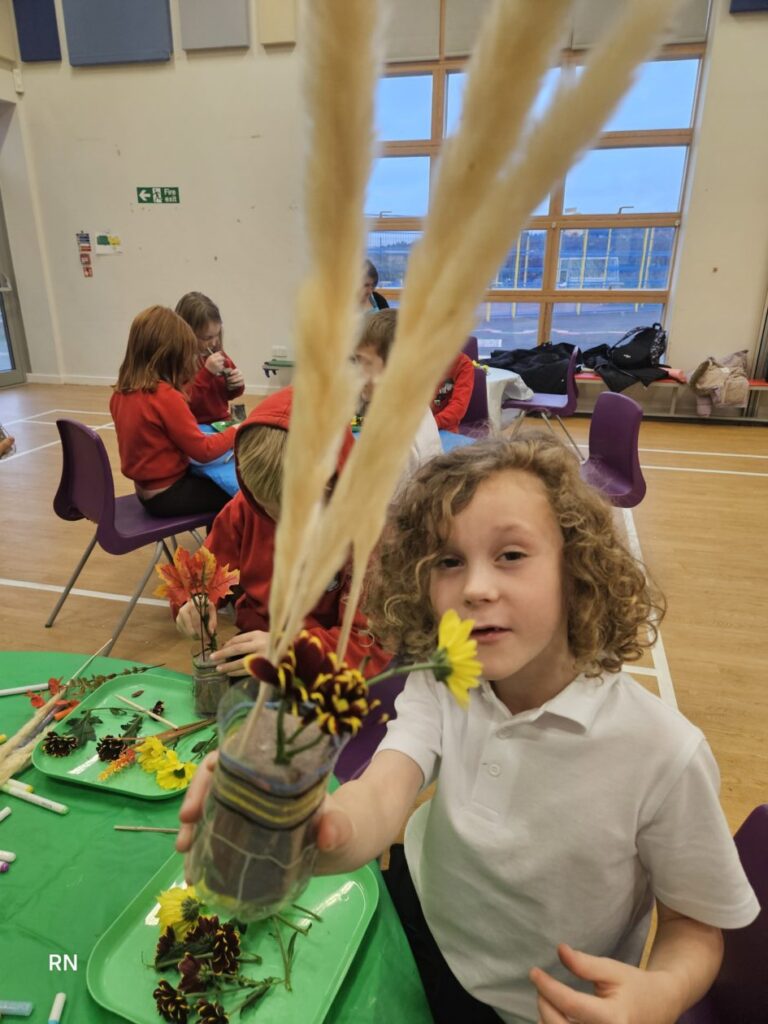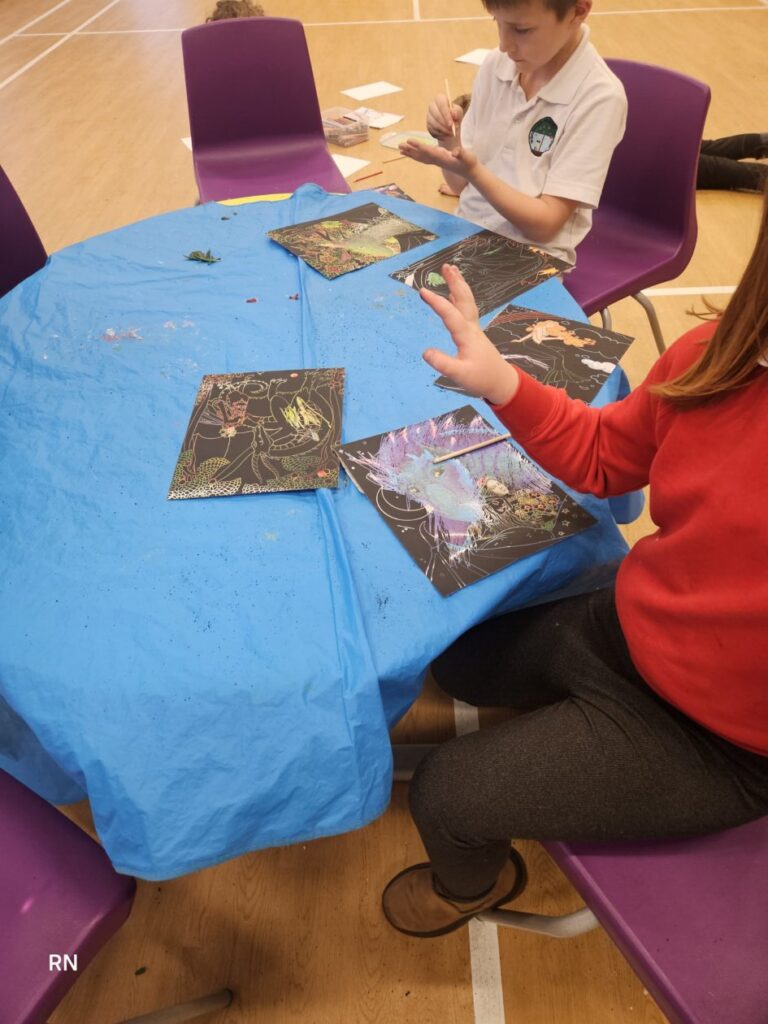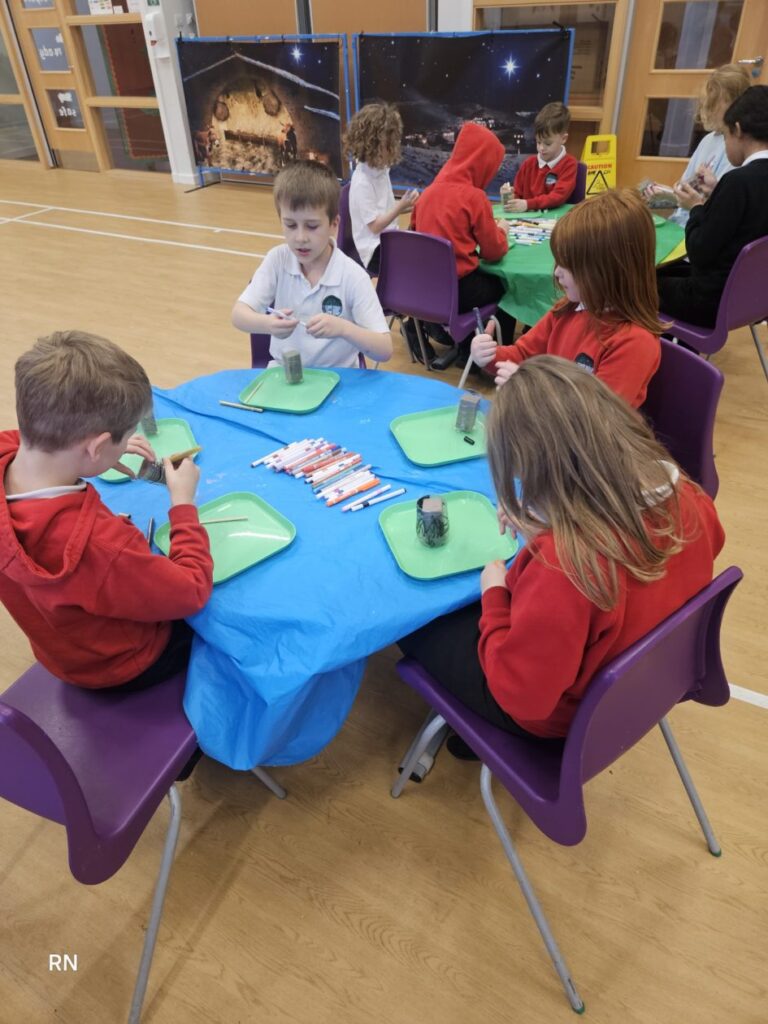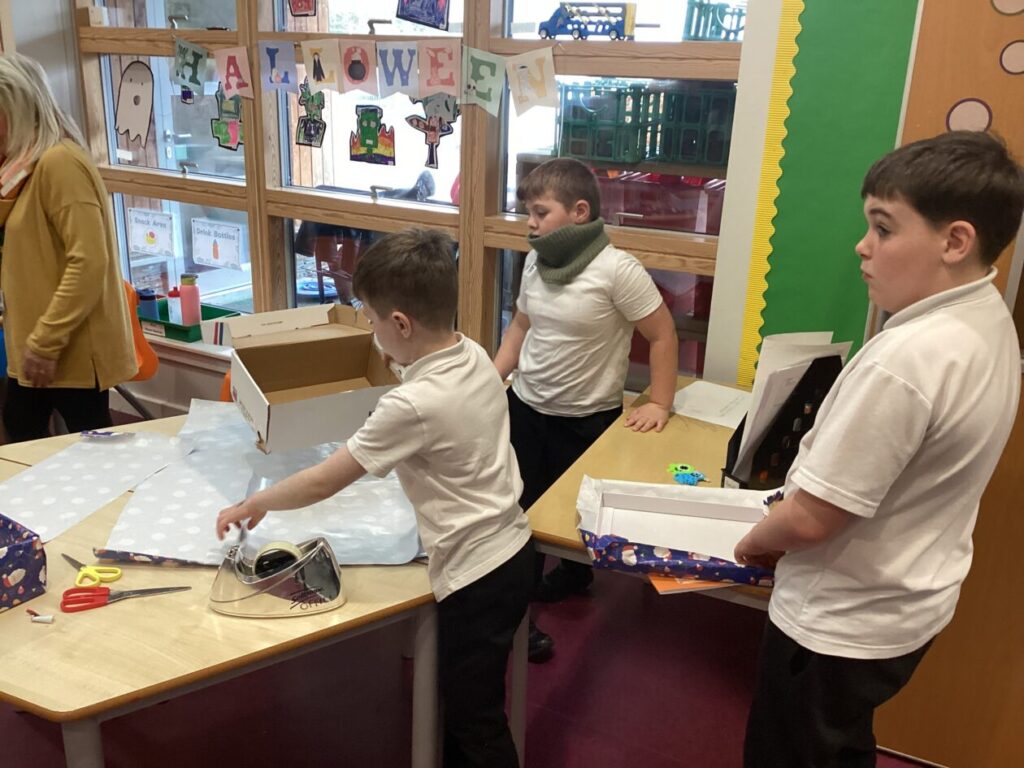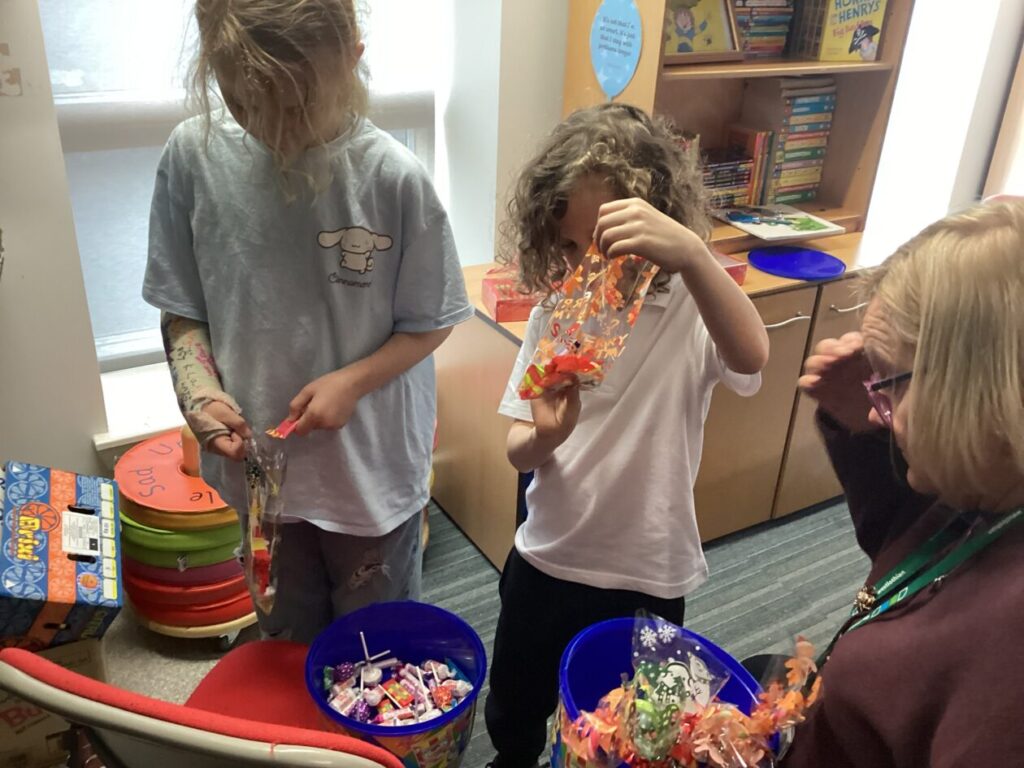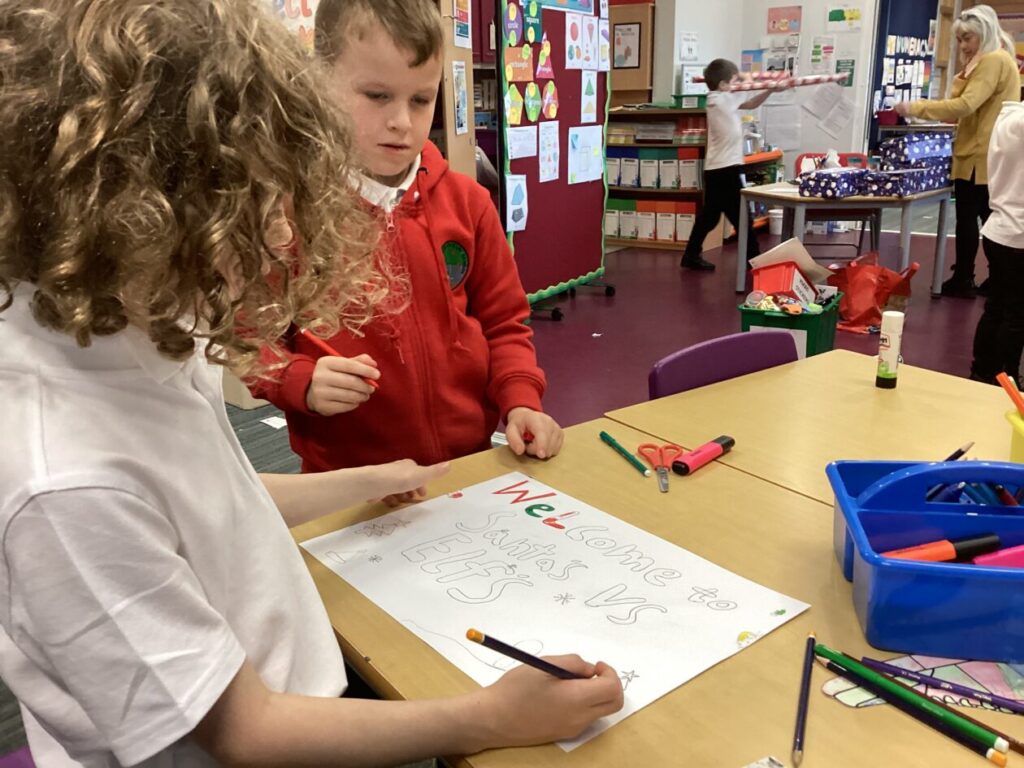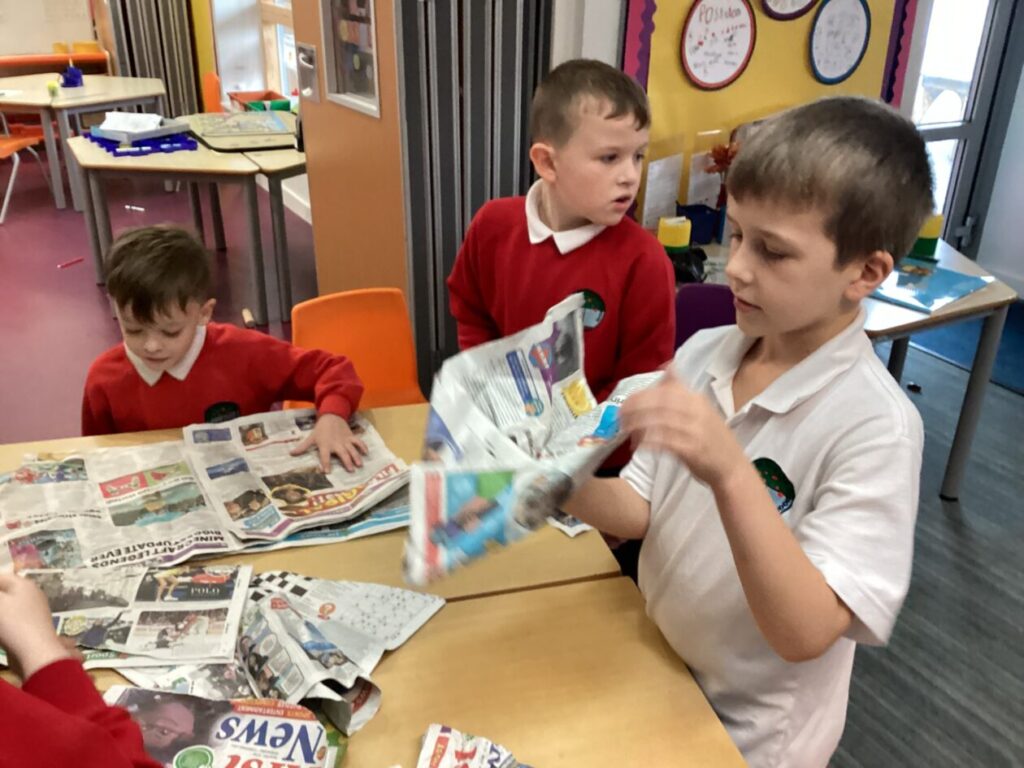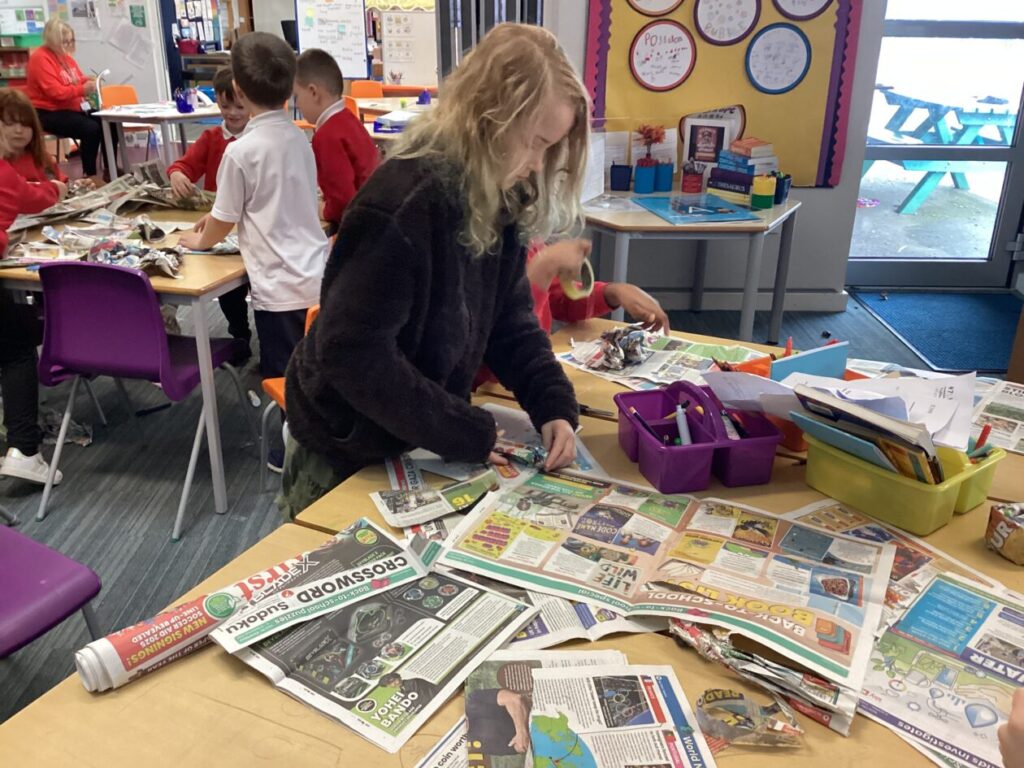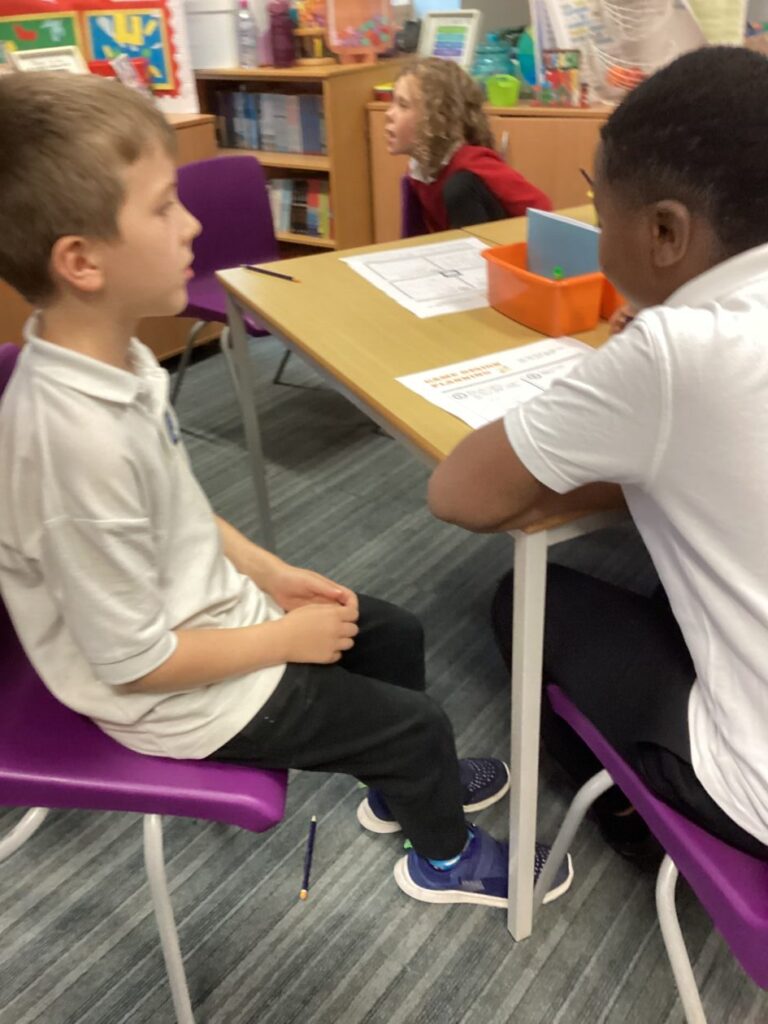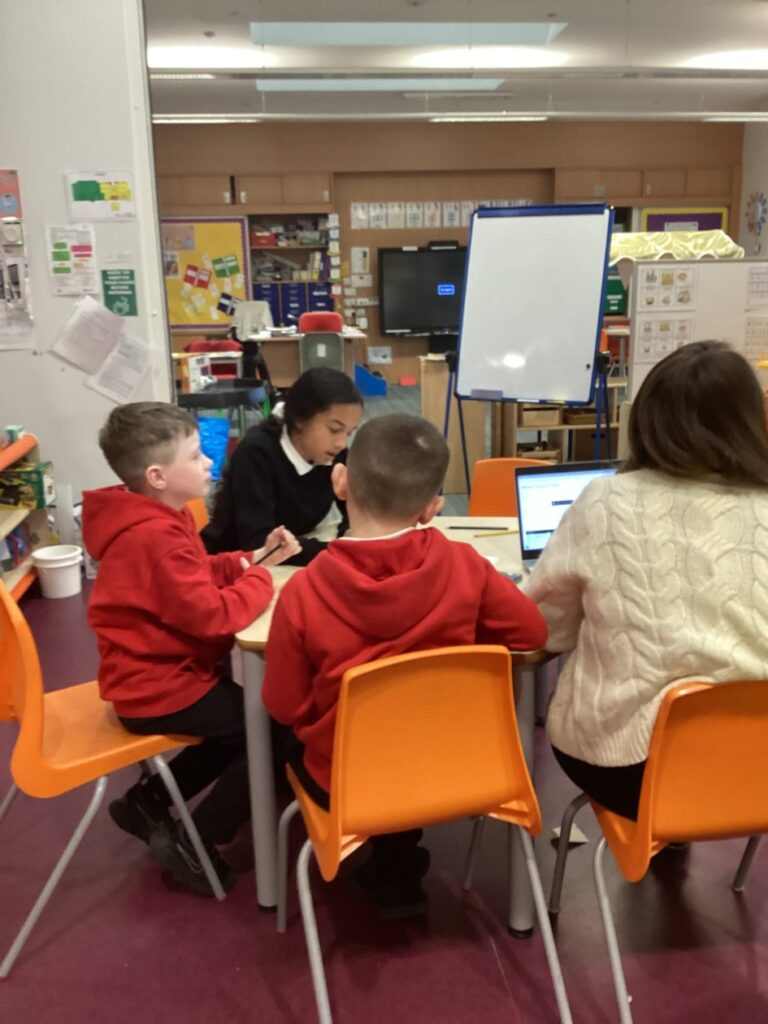
Today we were lucky enough to host Craig Andrew Mooney, the author behind ‘The Rebel of Time’. It was a great experience to ask Craig our questions and hear a little extract of the book from the person behind the words.
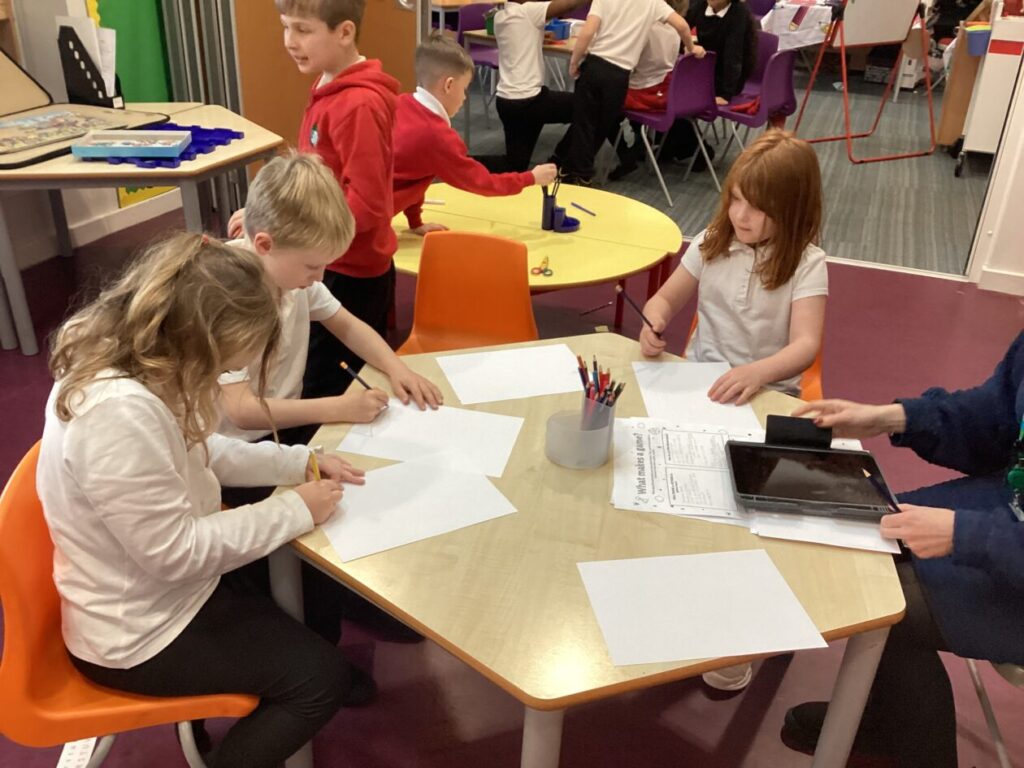
Craig shared with us his inspiration behind the main characters and shared a fascinating insight in to the writing process. Everyone was captivated and participated in hands on writing exercise guided by Craig. Pupils had the chance to experiment with writing and illustrating in pairs, exploring their own creative ideas.
This is a great way to kick off our literacy book study and plant the seed of aspiring authorship in our pupils.
After our outdoor learning session yesterday, we used our ideas to inspire our writing in IDL. We started with a basic poem starter, to help us write our own version using rhyming pattern.
Today we were re-visiting and practising creating a set of equal fractions. In order to identify equal fractions we used pictures and models, our timestables and the fraction wall. We enjoyed playing some fun fraction games too.
We have been exploring the poetry of Robert Burns over the last two weeks. After many discussions and learning our favourite poems we went outdoors today to observe the nature in our playground and take some time out to reflect, on how Burns drew inspiration from nature. We will then use our own observations to create our own poems and focus on simplicity, structure and descriptive language.
In our Creativity Hour, Primary 1-3 took their coding skills to the next level by programming the Micro:bit to play Rock, Paper, Scissors. Building on what we’ve learned previously, this activity was slightly more advanced as we had to use variables to create this game. We used Micro:bit Classroom – this is a digital classroom where we can connect iPads to manage and guide children through the coding sessions. This allowed us to follow a tutorial together and provide support through each step to make sure we could manage the task effectively.
We coded the Micro:bit to generate a random number (1-3) whenever it was shaken and the number would represent either rock, paper or scissors. We then programmed the Micro:bit to display an icon for each choice which introduced the idea of variables.
It was exciting to see the children test their creations, shaking their Micro:bits and watching the results appear on the screen. Once we had a functioning game, the children went around the class, challenging their friends and teachers with the Micro:bit – we wanted to find out who would win, Humans or the Micro:bit! By the end of the session, the children had a working game and a better understanding of using variables in code!
This week, Primary 1-3 looked closer at the language in The Ugly Five by Julia Donaldson, with Primary 1-2 focusing on how authors use rhyme to create fun and engaging stories. The lesson began with an opportunity for the children to share their prior knowledge through discussion about what they already knew about rhyming words. Together, we revisited the story, carefully analysing the text to identify rhyming pairs; some rhyming words that we found were “spotty” and “grotty”, “see” and “tree”, and “pink” and “stink”. They worked collaboratively by sharing ideas and supporting each other to uncover the rhymes within the text.
During this time, Primary 3 focused on developing a new skill: using an online thesaurus to find synonyms. The children enjoyed this task, as it allowed them to discover new words they hadn’t encountered before. Using an extract from the book, they selected specific words and found 2-3 synonyms for each one. This activity helped them build their vocabulary and improve their research skills, as they practiced navigating a digital resource.
After learning about Robert Burns this week and choosing our favourite poem to recite, we created pastel drawings from the images we could see in our head. We used the ‘Picture it’ strategy to help understand our poems and engage more with the Scot’s dialect. The finished pictures were all fantastic images which illuminate Burn’s poetry in our class and help with comprehension. Afterwards we chose our favourite Scottish word to look up and add to our display.
Today we went outside to try a few Mindfulness activities. Mindfulness is a critical self-regulation strategy for people of all ages. It can help us feel calm, focused, and in control. We worked together to communicate our feelings and collaborate with each other. We also had a successful singing workshop this morning in from Voice Rocks!
Today the P5-P7 class took part in a singing workshop with Jill, called ‘Voice Rocks’ The children got the chance to develop their skills and techniques relevant to singing and performing.
Despite the snowy weather, we’ve had a wonderful first week back in Primary 1-3. The class has been hard at work on a book study which has combined reading, creativity and hands-on learning. Our book study is focused on the book, ‘The Ugly Five’ by Julia Donaldson which explores five animals in the African savannah who are often called “ugly” by others.
After reading the book and making predictions on Wednesday, we explored the animals in the book in more detail and created fun character descriptions. We began by looking at real-life images of each animal using iPads, then we looked through the story to create our own descriptions which can be seen below. This activity helped us better understand the story and sparked our imaginations.
Our curiosity about the animals in the story and their environment led us to design and build our own habitats. Using a variety of materials such as LEGO and building blocks, we created models of environments such as a rainforest, a polar habitat, a garden and a city. We learned about the varying needs of animals and plants within different habitats, which then led to a discussion about the unique needs of the animals and how their habitats help them survive.
Building to withstand Artic habitats.A house in a city that is built to support people.A doghouse that includes a grass area and a place to sleep.Rainforest habitat with a small river and different plants.
Creating Games with Micro:bits!
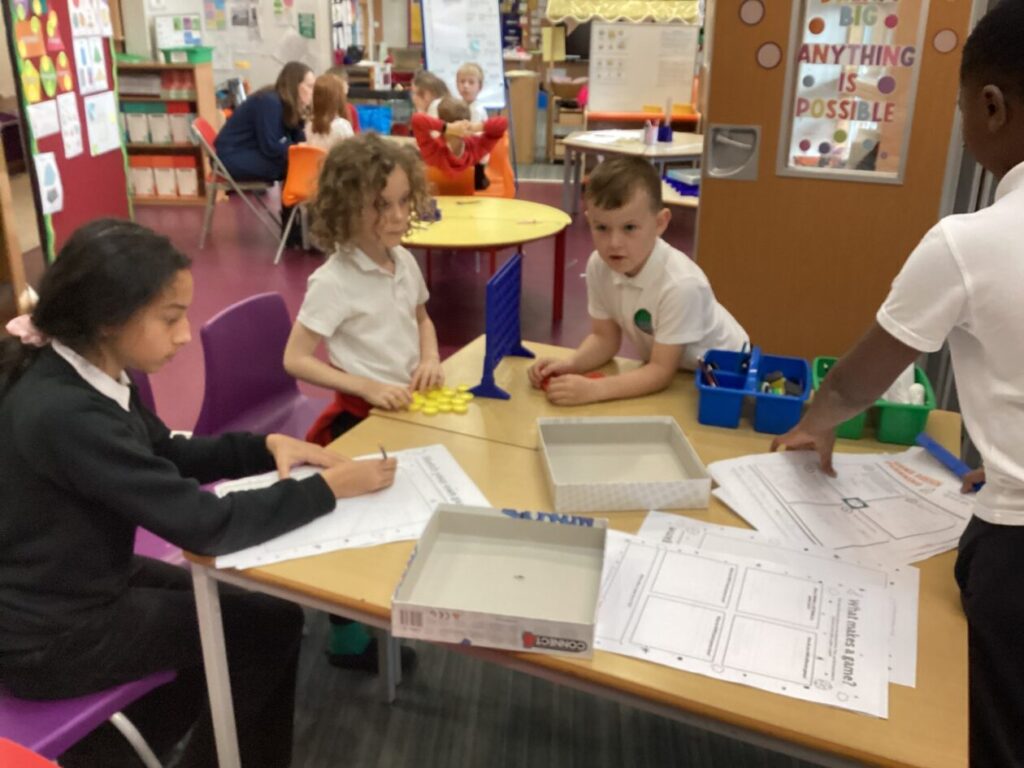
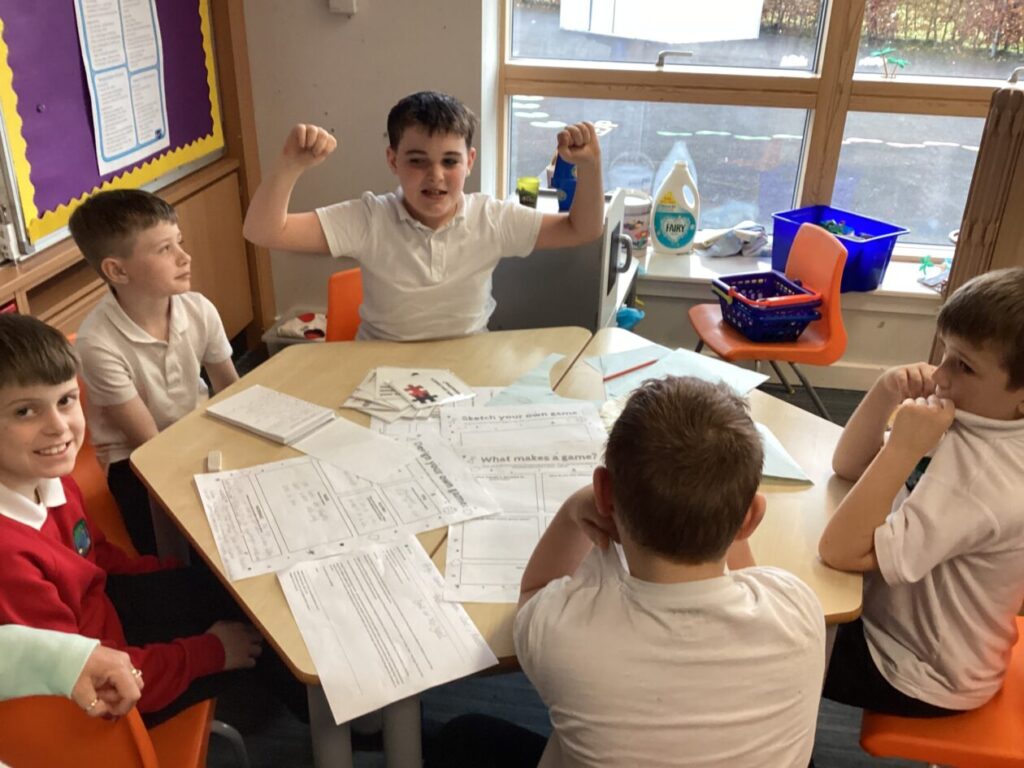
On Friday, we continued to explore coding through Micro:bits during Creativity Hour and had an exciting time putting our skills to use! We learned how to programme the Micro:bits to function as dice – by shaking the device, a random number would appear on the screen! Once we completed this, we used our Micro:bit to create our own games.
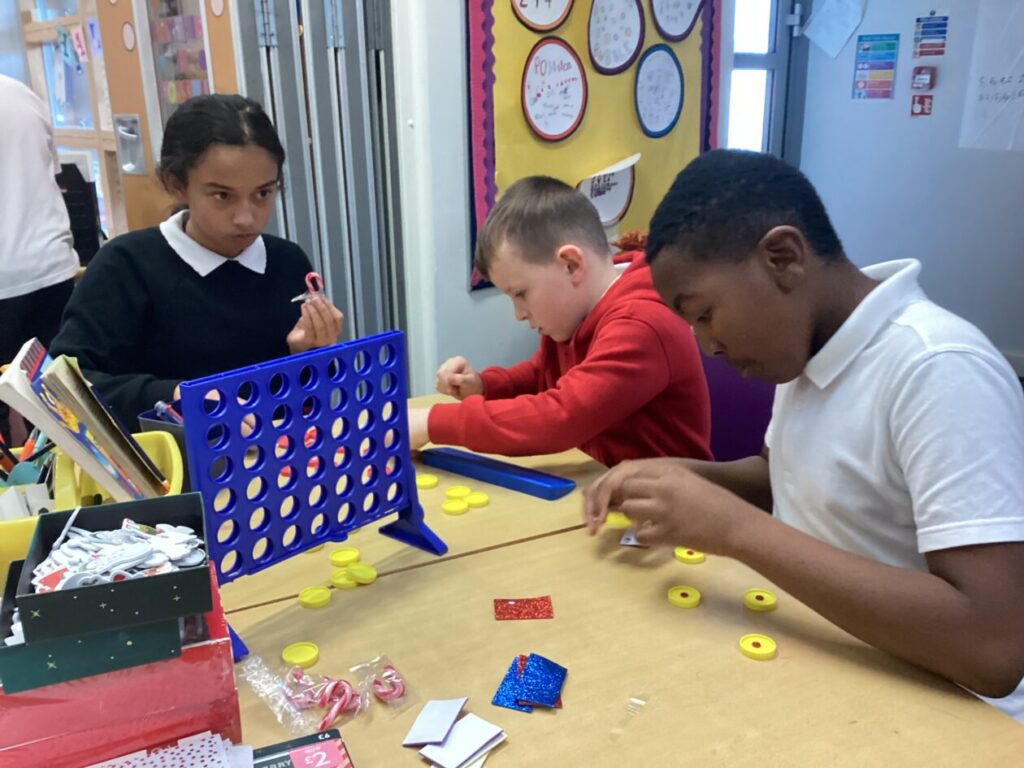
Some of us incorporated the Micro:bit dice into board games we had in the class such as Connect 4. In this game, the children would shake the device to generate a number, which determined the number of tokens they could use to play for that round. Others, made up fun challenges where the dice decided different movements. It was a great way to combine problem-solving and teamwork while learning more about technology and coding.