After learning about Robert Burns this week and choosing our favourite poem to recite, we created pastel drawings from the images we could see in our head. We used the ‘Picture it’ strategy to help understand our poems and engage more with the Scot’s dialect. The finished pictures were all fantastic images which illuminate Burn’s poetry in our class and help with comprehension. Afterwards we chose our favourite Scottish word to look up and add to our display.
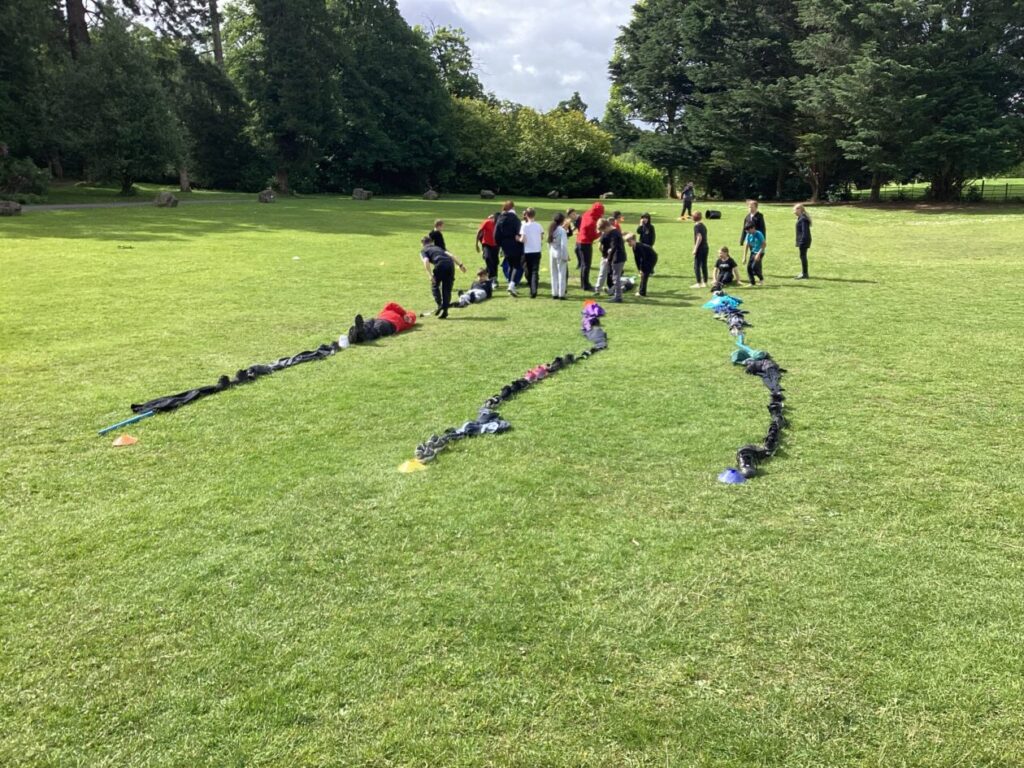
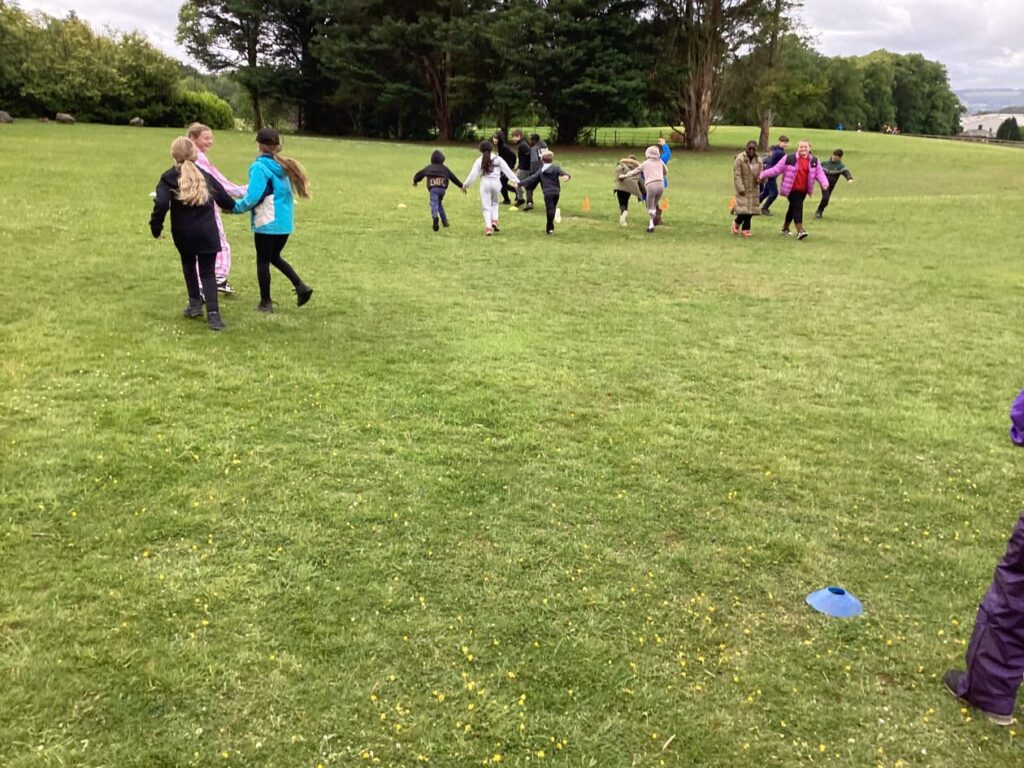
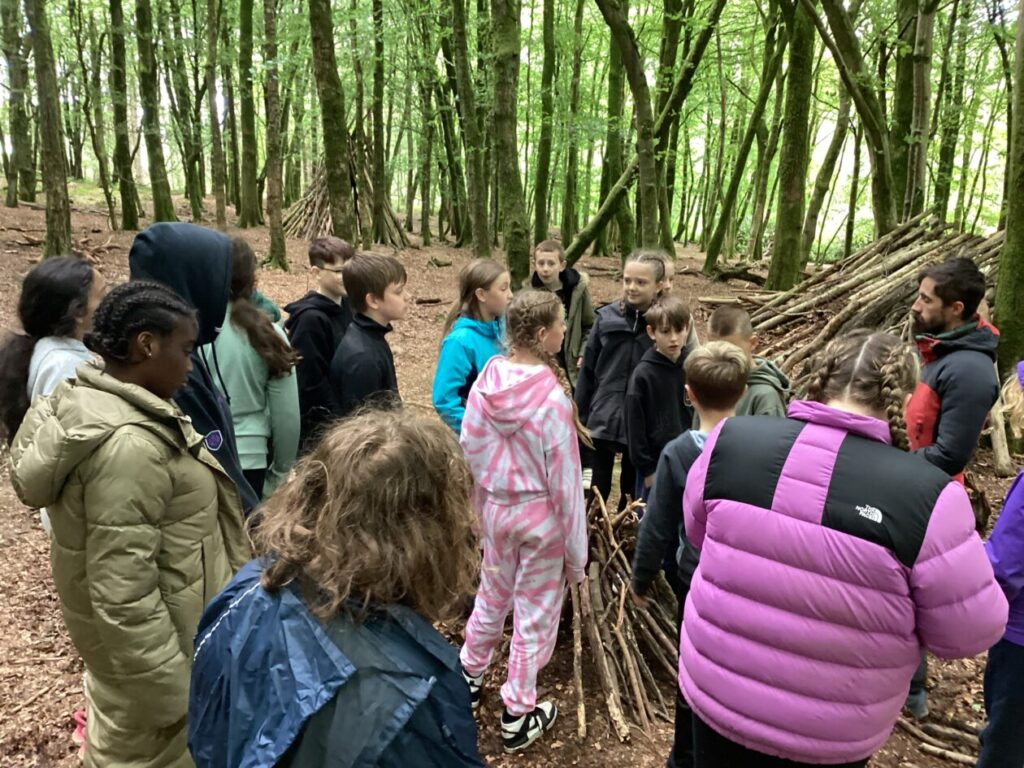
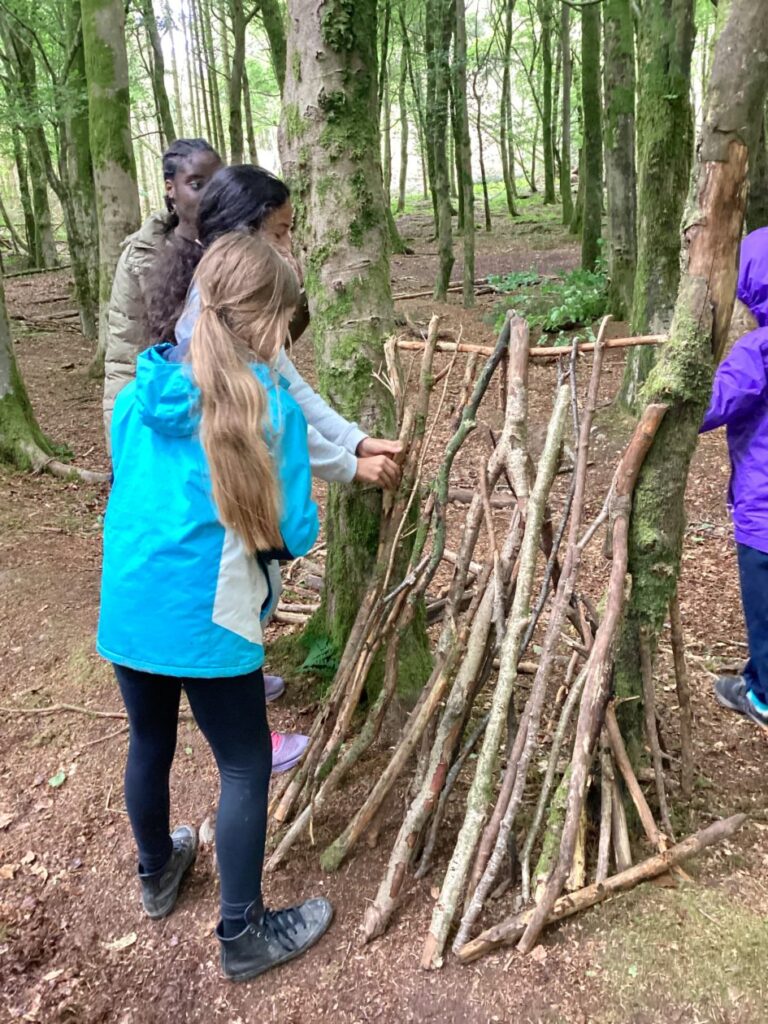
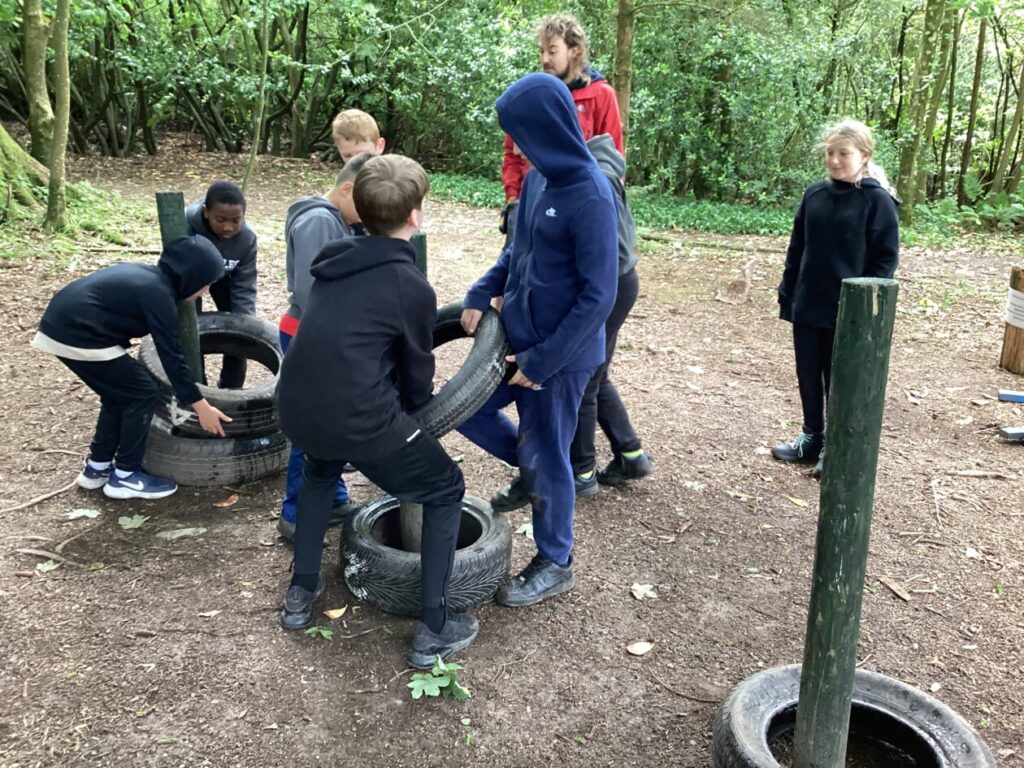
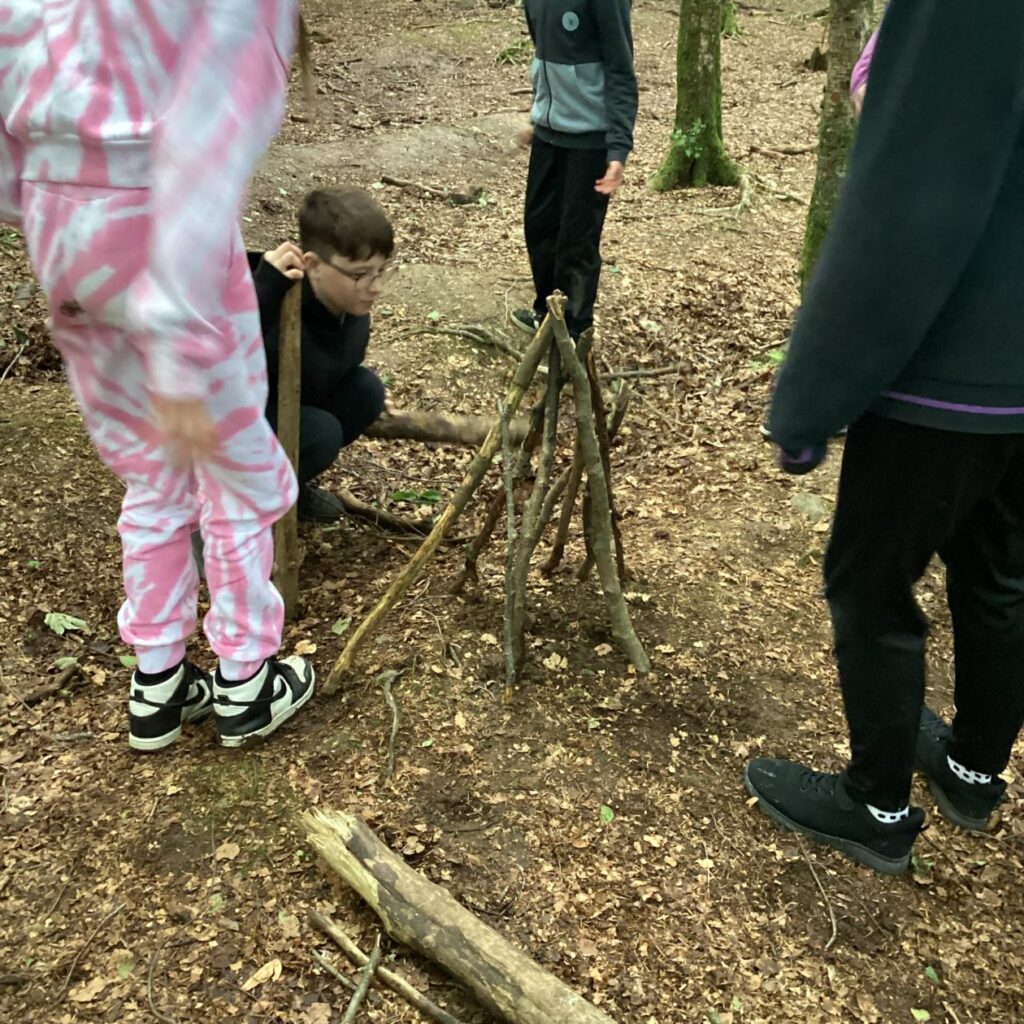
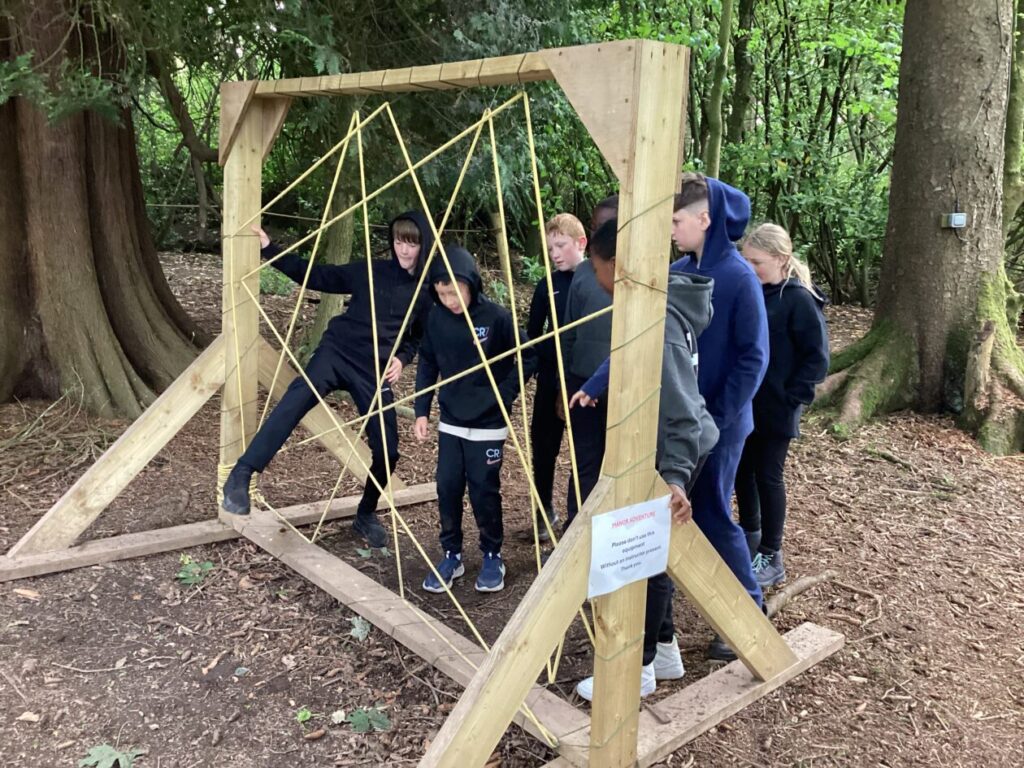
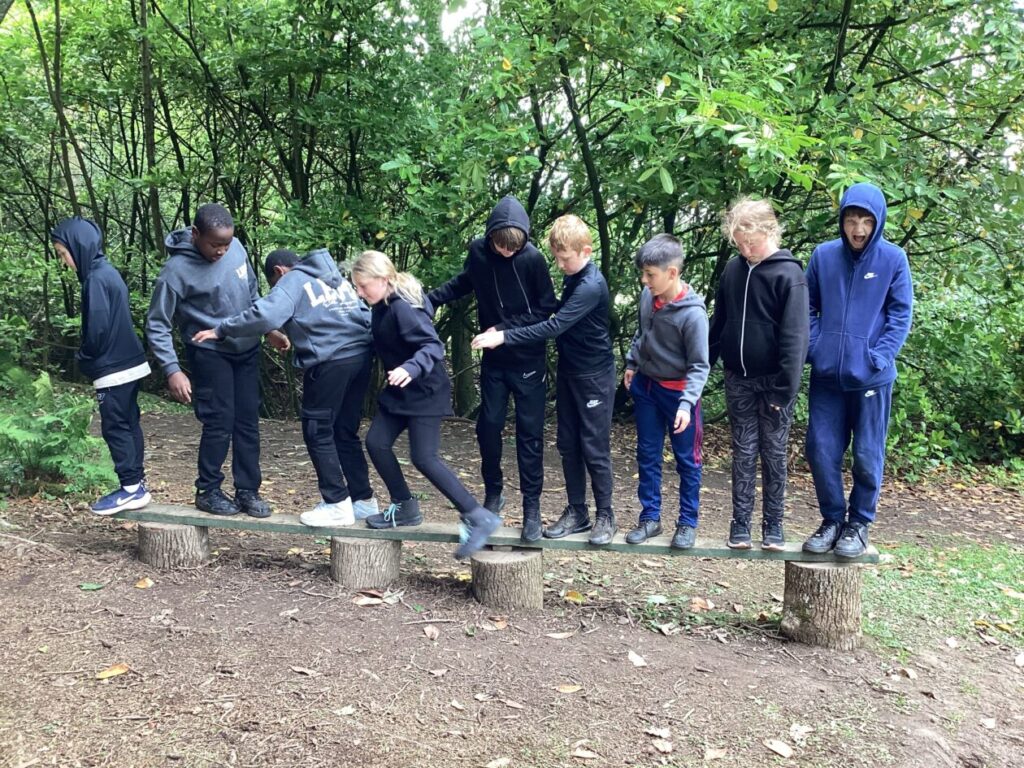
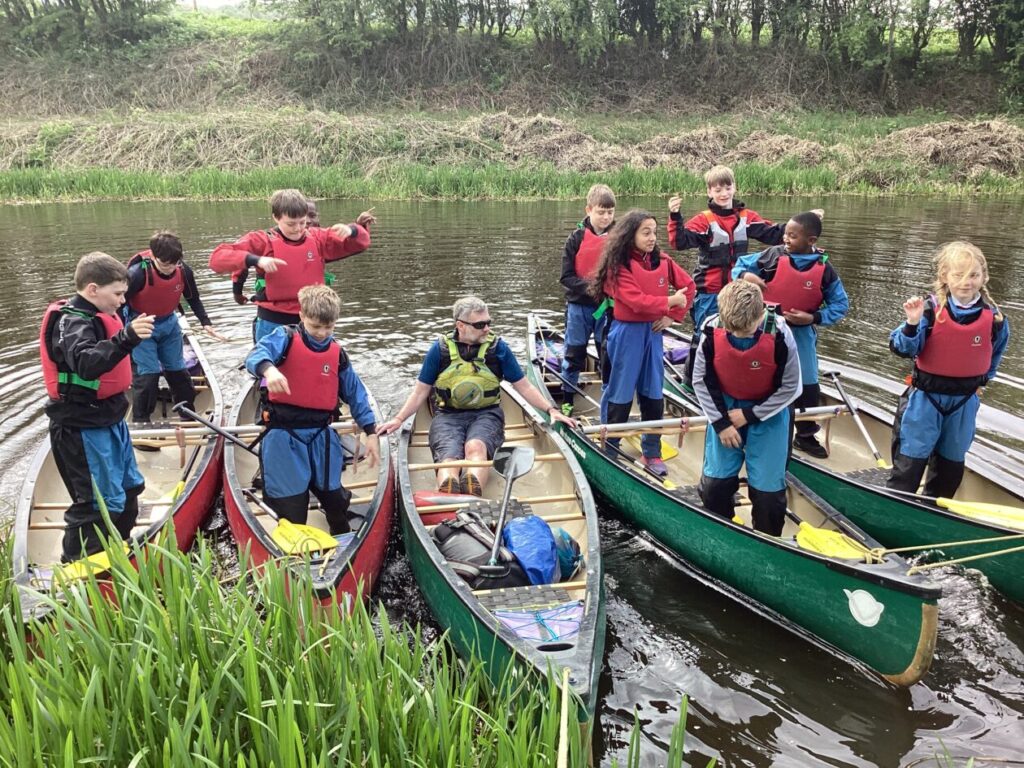
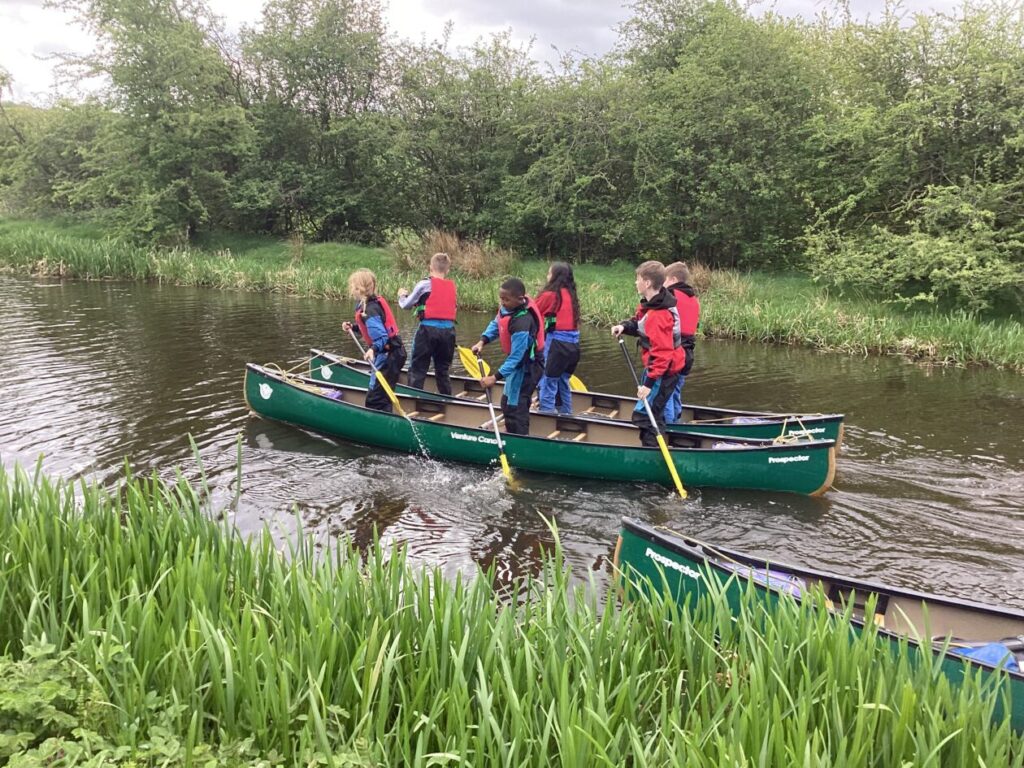
Today we went outside to try a few Mindfulness activities. Mindfulness is a critical self-regulation strategy for people of all ages. It can help us feel calm, focused, and in control. We worked together to communicate our feelings and collaborate with each other. We also had a successful singing workshop this morning in from Voice Rocks!
Today the P5-P7 class took part in a singing workshop with Jill, called ‘Voice Rocks’ The children got the chance to develop their skills and techniques relevant to singing and performing.
Despite the snowy weather, we’ve had a wonderful first week back in Primary 1-3. The class has been hard at work on a book study which has combined reading, creativity and hands-on learning. Our book study is focused on the book, ‘The Ugly Five’ by Julia Donaldson which explores five animals in the African savannah who are often called “ugly” by others.
After reading the book and making predictions on Wednesday, we explored the animals in the book in more detail and created fun character descriptions. We began by looking at real-life images of each animal using iPads, then we looked through the story to create our own descriptions which can be seen below. This activity helped us better understand the story and sparked our imaginations.
Our curiosity about the animals in the story and their environment led us to design and build our own habitats. Using a variety of materials such as LEGO and building blocks, we created models of environments such as a rainforest, a polar habitat, a garden and a city. We learned about the varying needs of animals and plants within different habitats, which then led to a discussion about the unique needs of the animals and how their habitats help them survive.
Building to withstand Artic habitats.A house in a city that is built to support people.A doghouse that includes a grass area and a place to sleep.Rainforest habitat with a small river and different plants.
Creating Games with Micro:bits!
On Friday, we continued to explore coding through Micro:bits during Creativity Hour and had an exciting time putting our skills to use! We learned how to programme the Micro:bits to function as dice – by shaking the device, a random number would appear on the screen! Once we completed this, we used our Micro:bit to create our own games.
Some of us incorporated the Micro:bit dice into board games we had in the class such as Connect 4. In this game, the children would shake the device to generate a number, which determined the number of tokens they could use to play for that round. Others, made up fun challenges where the dice decided different movements. It was a great way to combine problem-solving and teamwork while learning more about technology and coding.
Last week, the children enjoyed a fantastic Christmas dinner at school. The lunch hall was set up for the occasion with a beautifully decorated Christmas tree and some festive touches on the tables – sparkly table cloths, Christmas themed placemats and some Christmas crackers. The children had a great time enjoying a delicious festive meal with yummy turkey, steak pie and some pasta. But of course, no Christmas dinner would be complete without some ice cream for dessert! After the meal, the children settled in to watch a Christmas movie, Santa Clause 3, and then enjoyed some games in the gym hall.
It was lovely to see the children enjoying an amazing day, full of good food, lots of fun and plenty of Christmas spirit. Everyone left feeling happy and excited for Christmas!
This term, the children have been working on solving addition and subtraction tasks using concrete materials like counters, blocks, Numicon and more. These hands-on tools help the children visualise and understand the concepts in a more concrete way before moving onto pictorial and abstract problems.
By physically moving objects, the children can “see” the math which makes it easier to grasp how numbers can be combined or separated. Concrete materials build confidence, deepen understanding and make learning more engaging. The children were working on using Numicon to make number pairs and visually represent how numbers can be made up of different pairs – in this example, the children were making all the different number pairs to make 6.
Here, the children were using base 10 blocks to represent the jumping strategy in addition; they would use the blocks to represent jumps of 10 or 1 to solve 2 digit + 2 digit sums and missing number problems. The children have managed to transfer this understanding into subtraction tasks too!
The children have enjoyed the hands-on approach in numeracy and feel more confident in their numeracy skills! We will continue using concrete materials in all our learning to help boost our skills and confidence!
Over a week ago, we hosted an engaging adult learning session at the school which was designed to help parents support their children at home with their learning. The session focused on practical tips and strategies for making math a natural part of everyday life whilst boosting confidence and fostering a positive math mindset.
The session highlighted various ways which children’s learning in numeracy can be extended at home. Strategies which we saw and found useful were through playing/creating games such as Kerplunk, LEGO board games and more. This helped the children with their counting, number recognition and subitising, and the children had fun doing so! This was an engaging session which was very helpful for those that attended – scan the QR below to find out more information about these sessions! Thank you to everyone who attended and together, we can help make math a positive experience for the children.
We want to say a huge thank you to everyone who was able to attend our Christmas Fayre last Friday. It was a fabulous morning celebrating all things Christmas and the children had a ball.
Today in maths we were learning to divide decimal numbers as well as counting on and back. In doing this task we had the opportunity to practice these calculations with a partner or in a trio outside, on the tables, on white paper, white boards and sit in any area of the class we wished. We are all very busy and this helped with our written textbook task later on.
To finish off our work on DNA, we had to present our final poster to Edinburgh University. Well done to Ethan and Joe who presented this clearly and confidently. A big congratulations to Harrison, who won our DNA competition by collecting the most DNA and can be seen below, receiving his prize. This was a fantastic partnership to be involved in and has given our learners lots of new knowledge and scientific skills.