Category Archives: Home Economics

S2 last topic in Home Economics

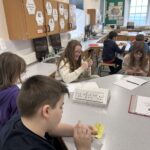
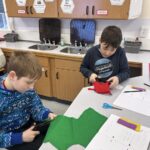
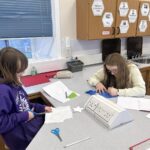
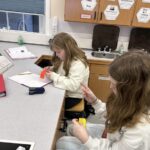
Pupils opted into their final topic for Home Economics this term, sewing or local produce.

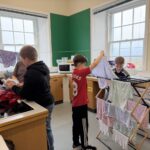
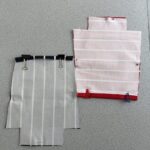
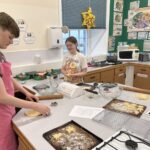
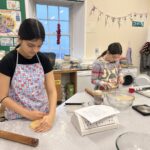
The sewing group have learned to thread a machine, change the settings to sew different styles of stiches and troubleshoot a few problems! They started off sewing with paper and no thread to build up confidence with the foot pedal. Then they had to pass a driving test before moving onto using thread and fabric.

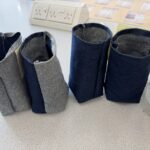
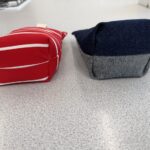
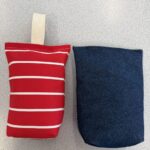
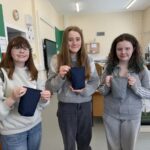
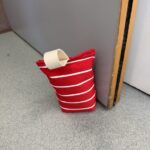
Over the next few weeks they were working towards making a weighted door stop. They developed a number of skills including how to draw out and cut the pattern, pin fabric, iron a hem and a lot of troubleshooting and patience!

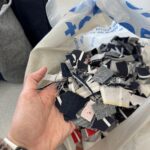
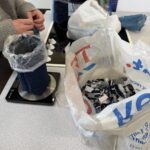
We made our own stuffing by cutting up scraps of material left and used rice for the weight. Their doorstops look great and they all did a super job!

The local food group have been learning about local seafood and agriculture. They used the localwebsites  https://seafoodshetland.co.uk/ and https://www.tasteofshetland.com/ to support their learning and investigations.
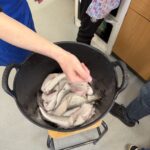
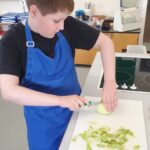
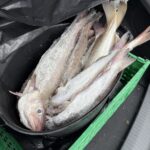
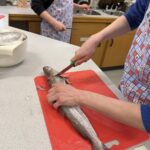
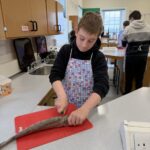
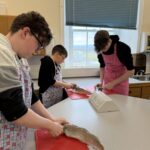
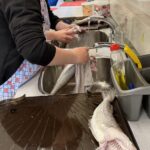
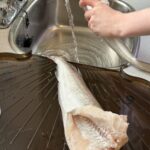
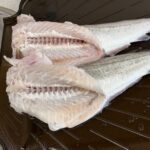
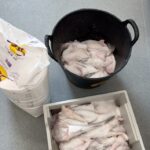
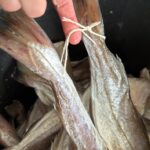
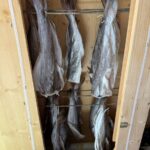
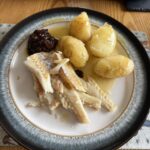
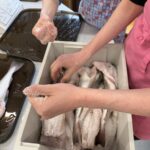
They learned about seafood exports and researched local species for a display. They have watched the taste of Shetland videos and used Peter Walkers video on Saat fish to write instructions in Shetland and to make saat whitings. We used Mrs Johnson’s raffle donation of whitings and the bairns did a super job of preparing the fish for the salt. They had no fears cutting the heads off and took their time cleaning the blood and membranes from the flesh and rigs. They then layered the fish with salt in 2 containers and left it overnight. Miss Irvine took them home to rinse, pair and hang in a drying box rather than outside because of the weather.
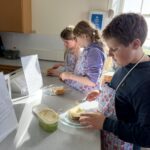
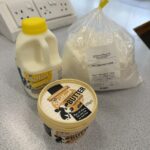
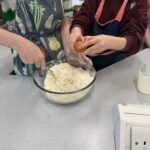
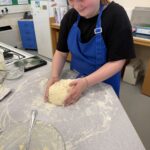
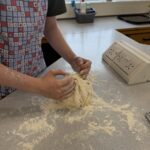
We watched a video about Pearl Johnson and the different uses for beest and how to make kirn and butter. This week made bannocks using Shetland produce where possible and clined Shetland butter on them!

RNLI and Home Economics

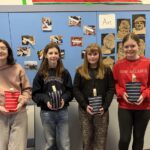
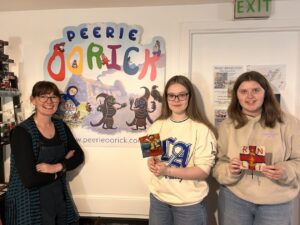
Last week to celebrate the 200th anniversary of the lifeboat, pupils in S3 and S4 went to needlefelt RNLI themed gifts at Peerie Oorick with the talented Ann Marie Anderson.

They needle felted 2 designs, which were presented at the Fish and chip fundraiser to Linda and Hazel who came up to represent the lifeboat with items from the shop.

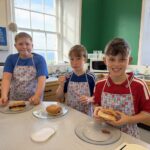
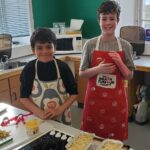
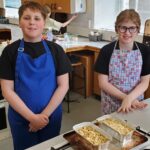
To continue celebrating the sea, S2, S3 and S4 all cooked fish pies this week.


S4 Food Science Experiments

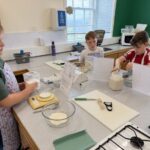
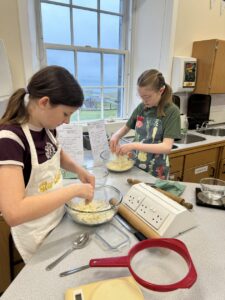
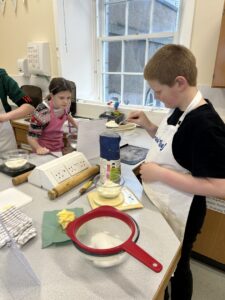
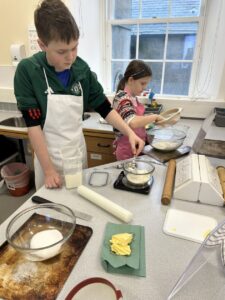
In the past few weeks we’ve been looking at functional properties of different foods. We have been cooking and doing some experiments to test these properties. So far we have carried out an experiment on sugar  caramelisation and today we have been looking at why some fats are not suitable for shortening.

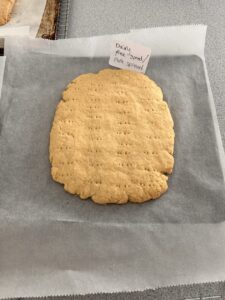
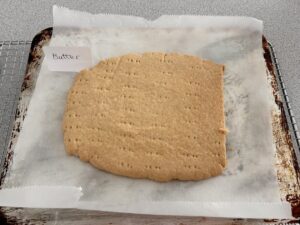
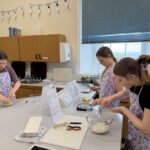
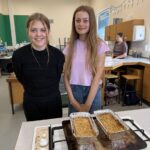
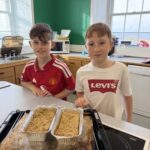
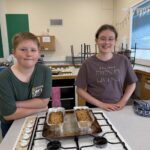
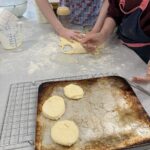
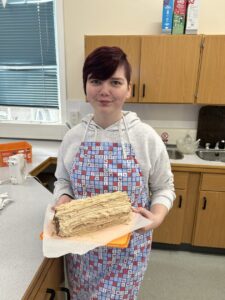
We began by making four batches of shortbread using different fats; butter, sunflower oil, stork margarine and crisp n dry and a dairy free sunflower spread. The quantities of ingredients were the same for each batch, they were shaped the same and baked at the same temperature and  to keep the experiment fair.

Appearance – The only batch to look different before going into the oven was the Sunflower oil. It poured like a thick paste into the tin, the other batches could be shaped into a rectangle. The dairy free spread batch was the most yellow more yellow than the crisp n dry and stork. The dairy free batch stayed the most yellow after cooking.

Texture – The Sunflower oil mixture didn’t bake like the other batches, it dried out when it cooled but very oily and crumbly.

Taste – The shortbread made with butter tasted the best, followed by crisp n dry and stork. The dairy free spread shortbread was dense and tasted salty and the Sunflower oil batch was not good. It was very thin, crumbly and strong tasting.

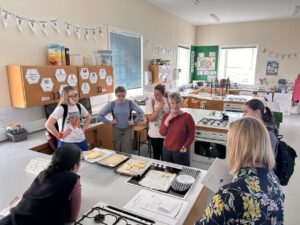
We had a visit from some eager testers and it was interesting to discuss our findings with other teachers and pupils.