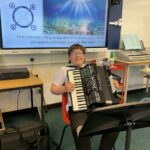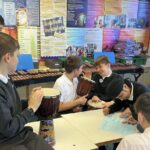
As part of Sea Story Day, S2 pupils explored the challenges facing our oceans and considered how young people can help create a more sustainable future.
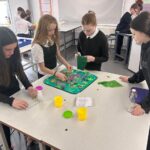
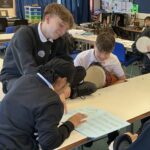
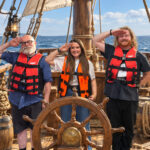
Working in mixed “crews”, pupils took on roles including Captain, Navigator, Lookout and Log Keeper as they completed a range of activities across different subject areas. Throughout the day, they developed their understanding of marine conservation, sustainable fishing and plastic pollution while building teamwork, communication and digital skills.
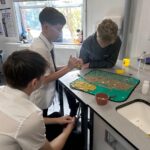
One activity challenged pupils to investigate the impact of overfishing and bycatch on marine ecosystems. Crews explored food chains, considered the importance of sustainable seafood choices and discussed how fishing practices can help protect ocean biodiversity.
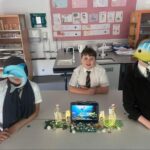
In Humanities, pupils explored stories and beliefs connected to the sea, learning about sea-protector figures from different cultures before creating their own guardians of the ocean. These imaginative creations helped pupils think about humanity’s responsibility to care for marine environments.
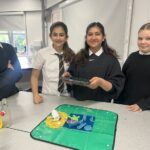
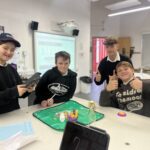
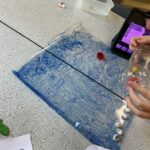
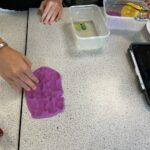
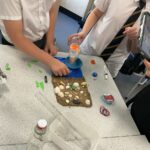
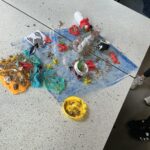
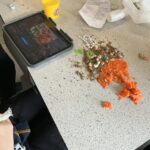
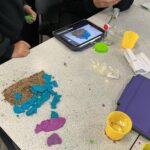
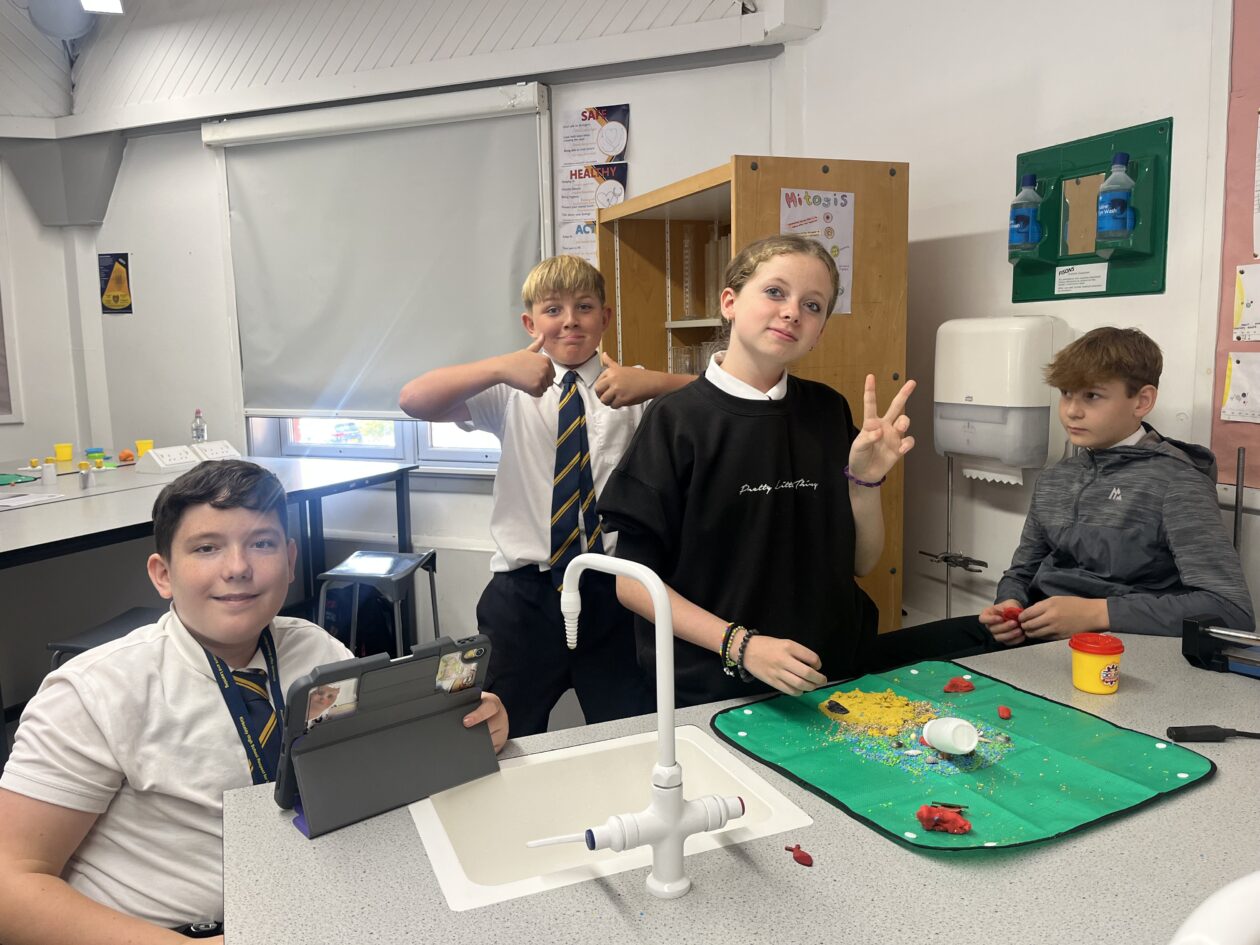
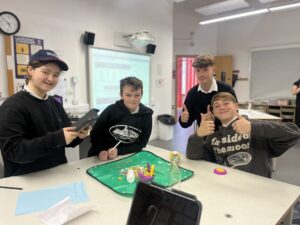
A particular highlight of the day was the stop-motion animation challenge. Using iPads, “Play-Doh”, recycled materials, sand, shells and handmade props, pupils worked collaboratively to create short films telling the story of plastic pollution in our oceans. Teams carefully planned their ideas using storyboards before bringing their stories to life frame-by-frame.
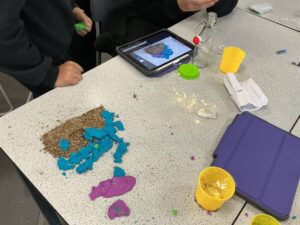 The resulting animations followed the journey of plastic waste from beaches and coastlines into the marine environment, highlighting the impact on wildlife and ecosystems. Pupils demonstrated impressive creativity and perseverance while learning about complex environmental issues in a fun and engaging way.
Throughout the day, pupils considered the big question:
“How can our generation turn the tide on plastic pollution and create a more sustainable future?”
Their final presentations showcased thoughtful ideas and practical actions that individuals, communities and governments can take to protect our seas for future generations.
Sea Story Day was a fantastic example of interdisciplinary learning in action, bringing together Science, Social Subjects, Literacy and Digital Learning. As well as developing knowledge of ocean conservation, pupils had opportunities to strengthen key Education Scotland meta-skills. Working in crews required collaboration and communication, creating stop-motion films encouraged creativity, and investigating issues such as overfishing and plastic pollution developed critical thinking and curiosity. These transferable skills will support pupils well beyond the classroom as they continue to learn, work and contribute to their communities.
Well done to all of our S2 pupils for their creativity, collaboration and enthusiasm throughout the day. Together, they demonstrated that even small actions can help protect our oceans and create a more sustainable future for everyone.