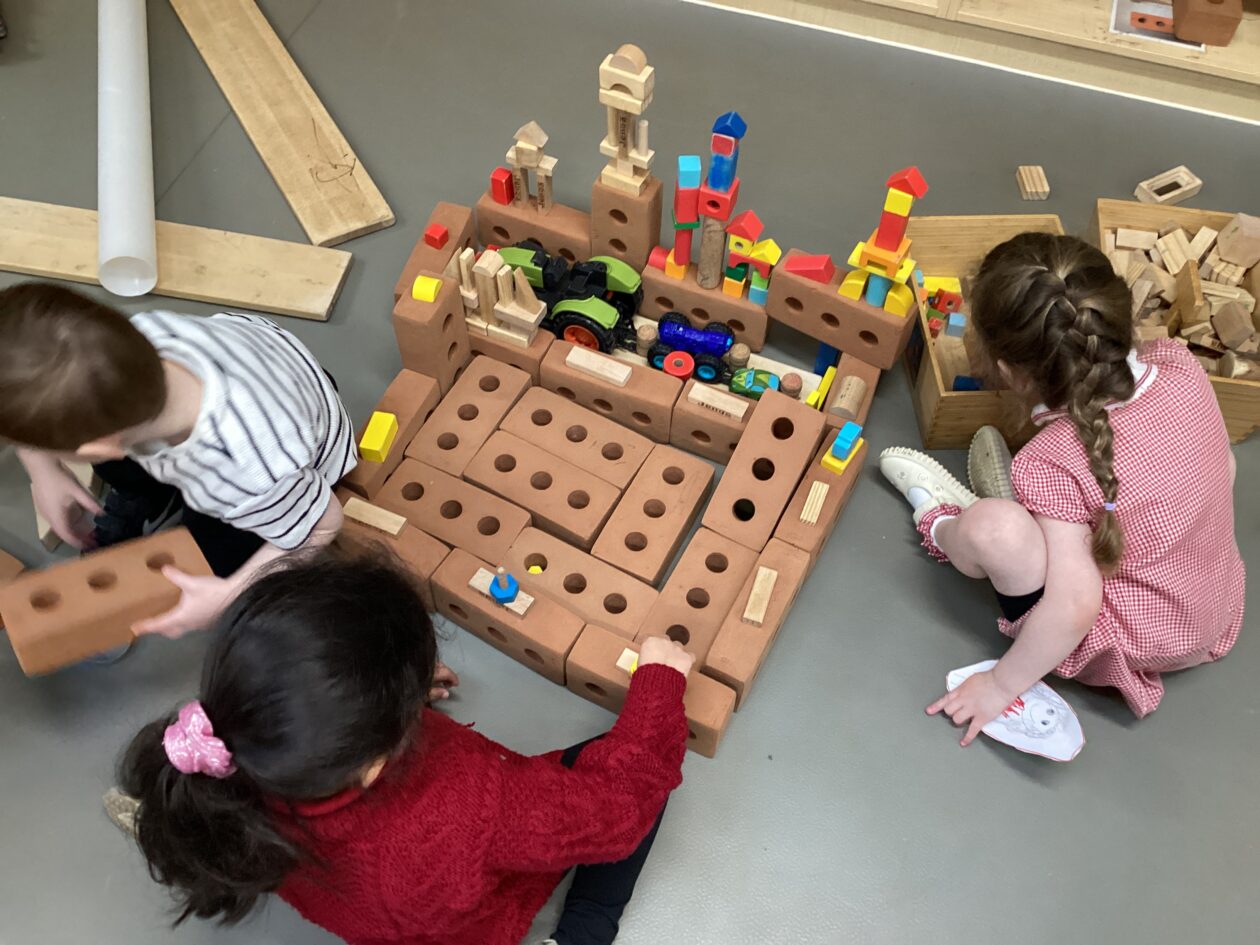
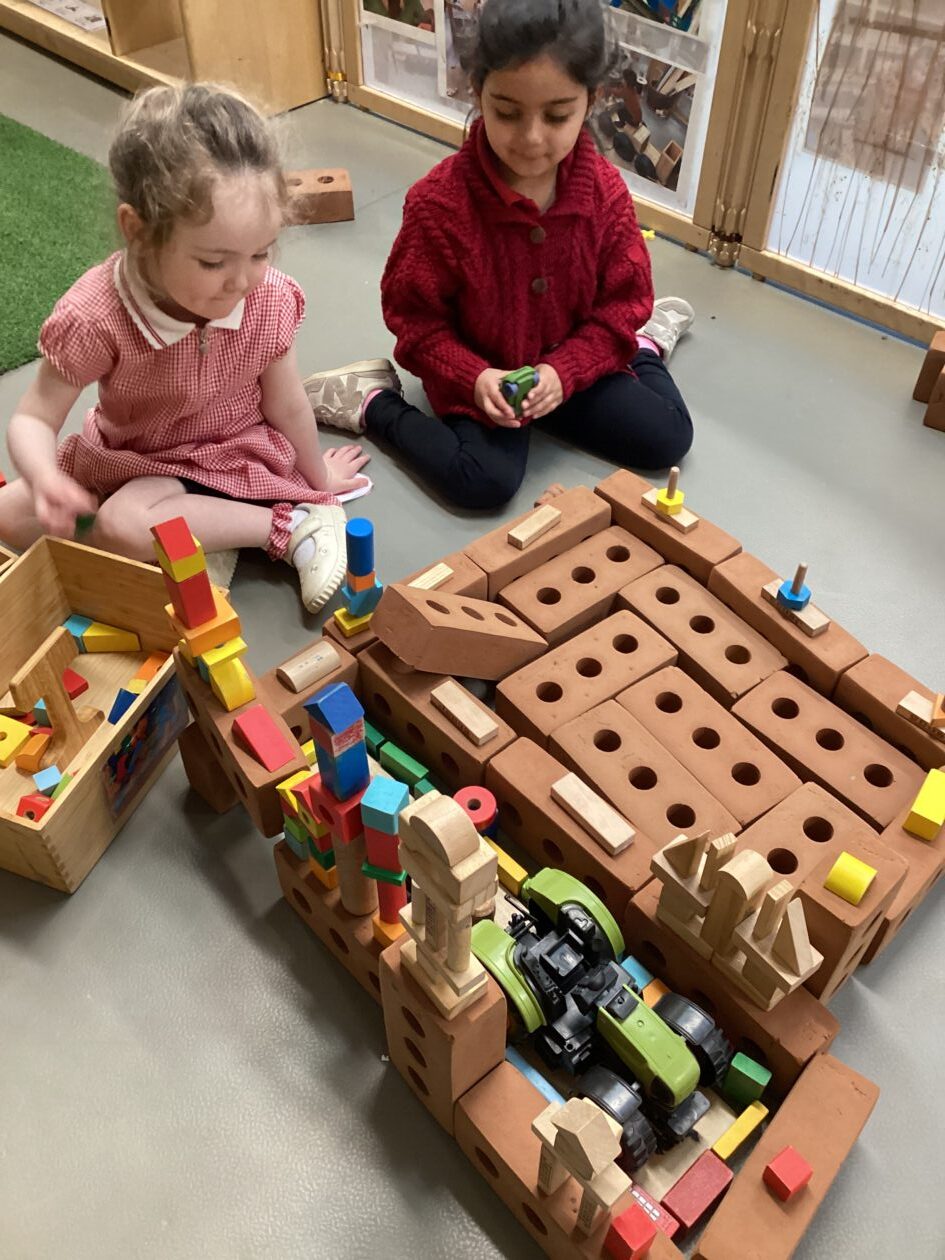
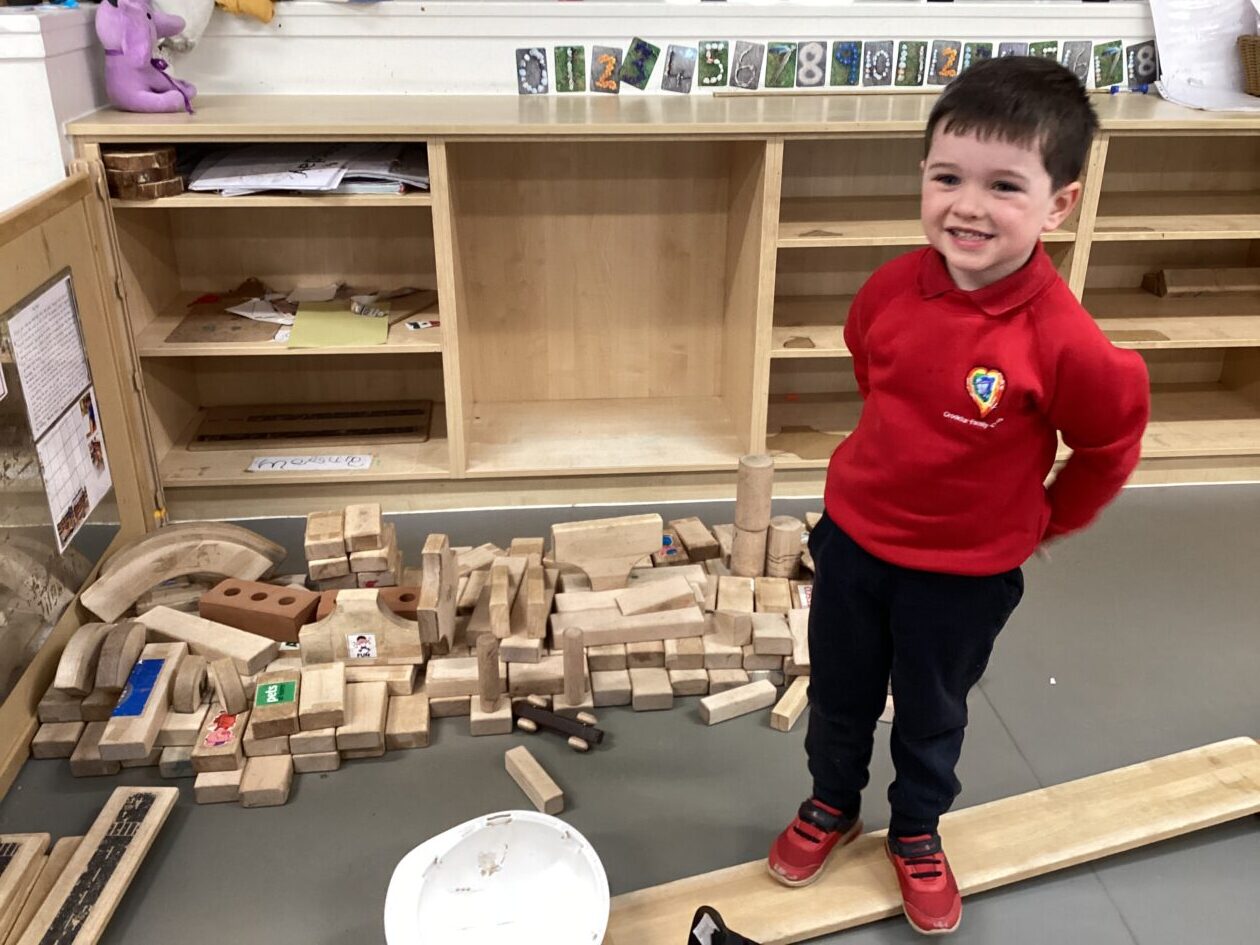
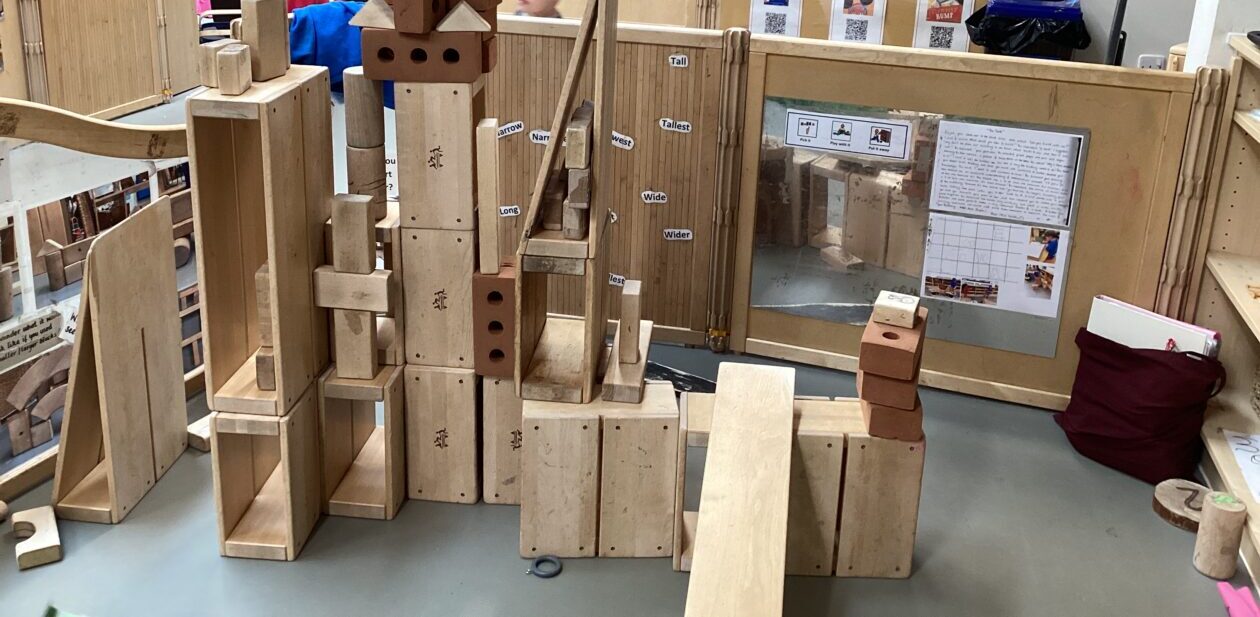
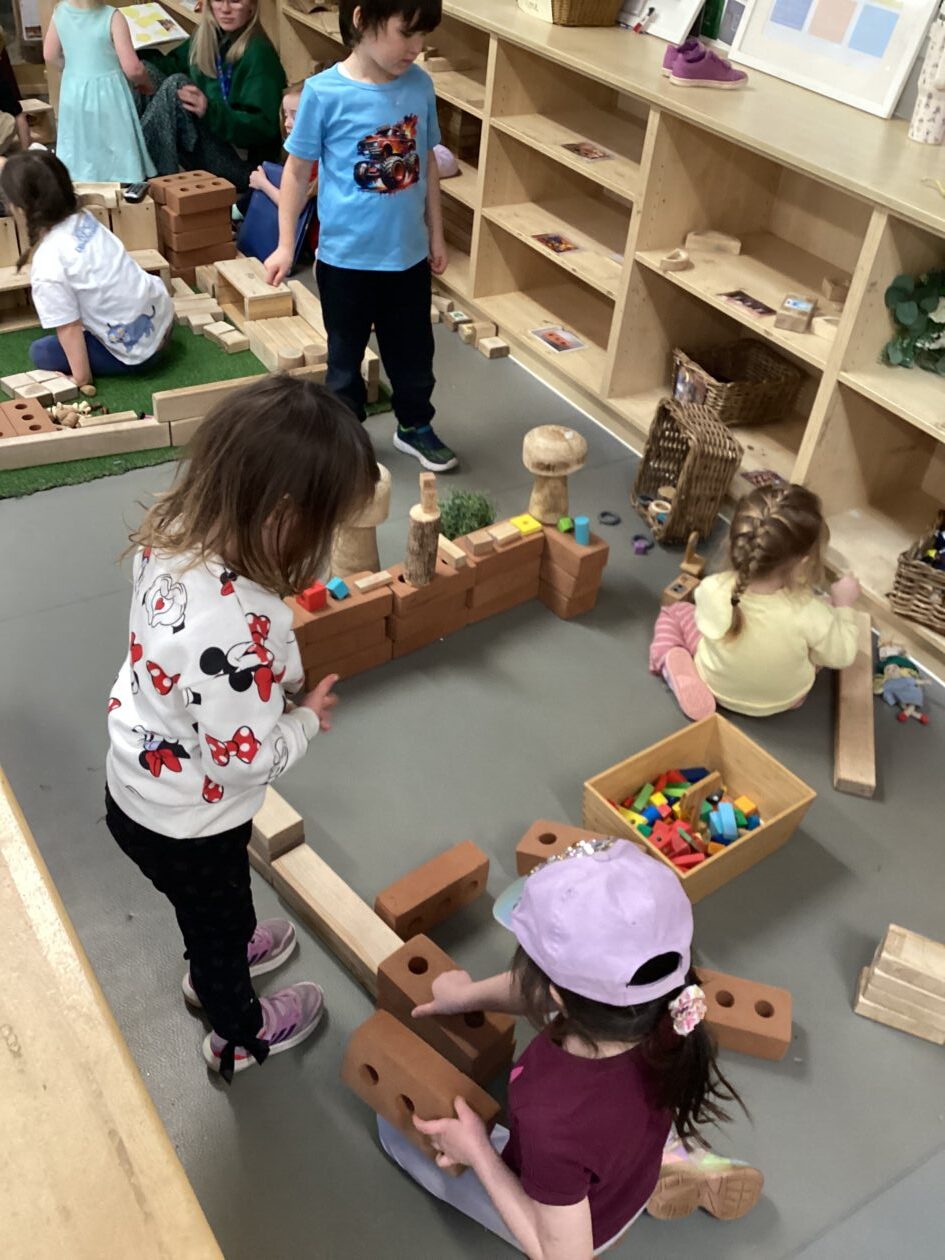
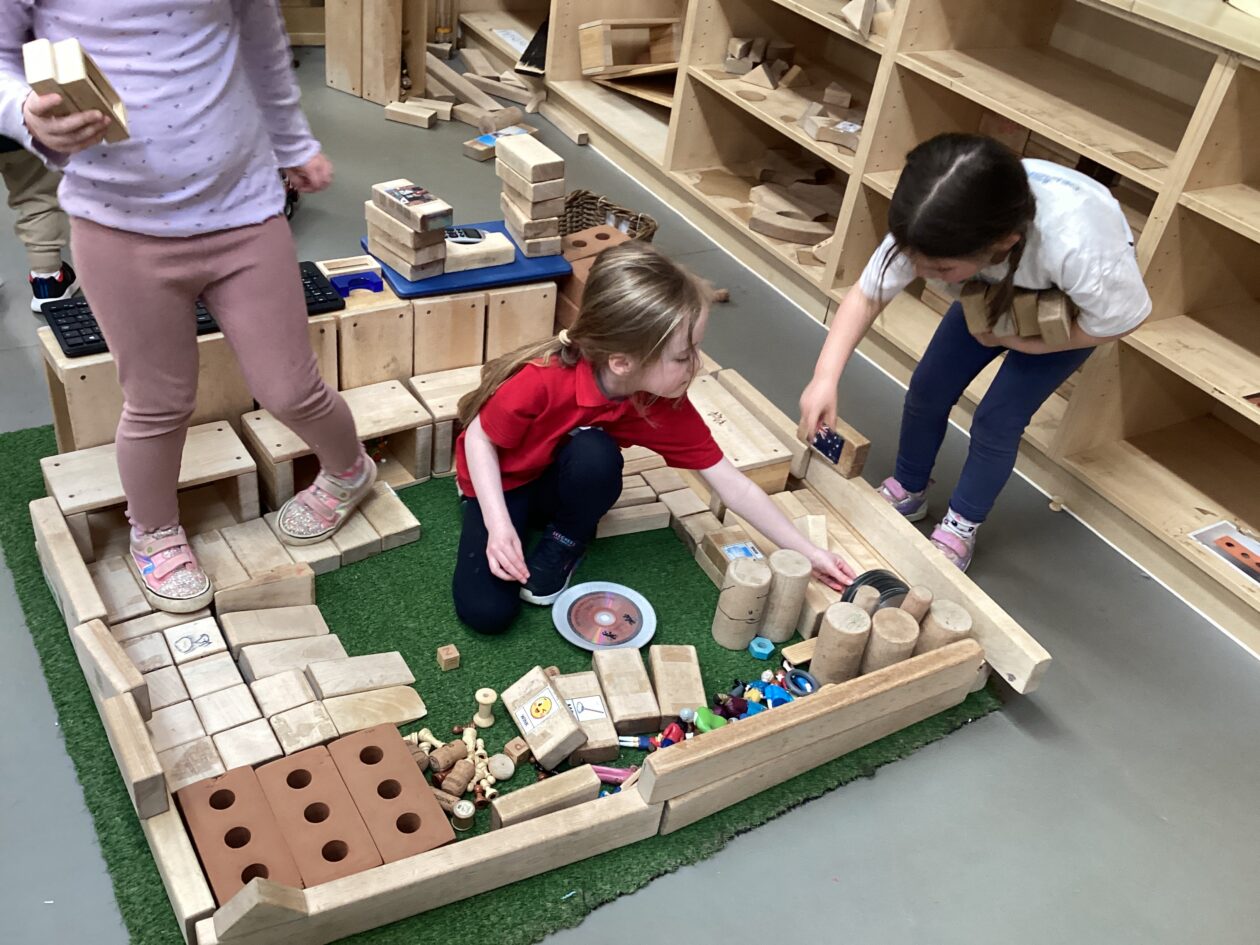
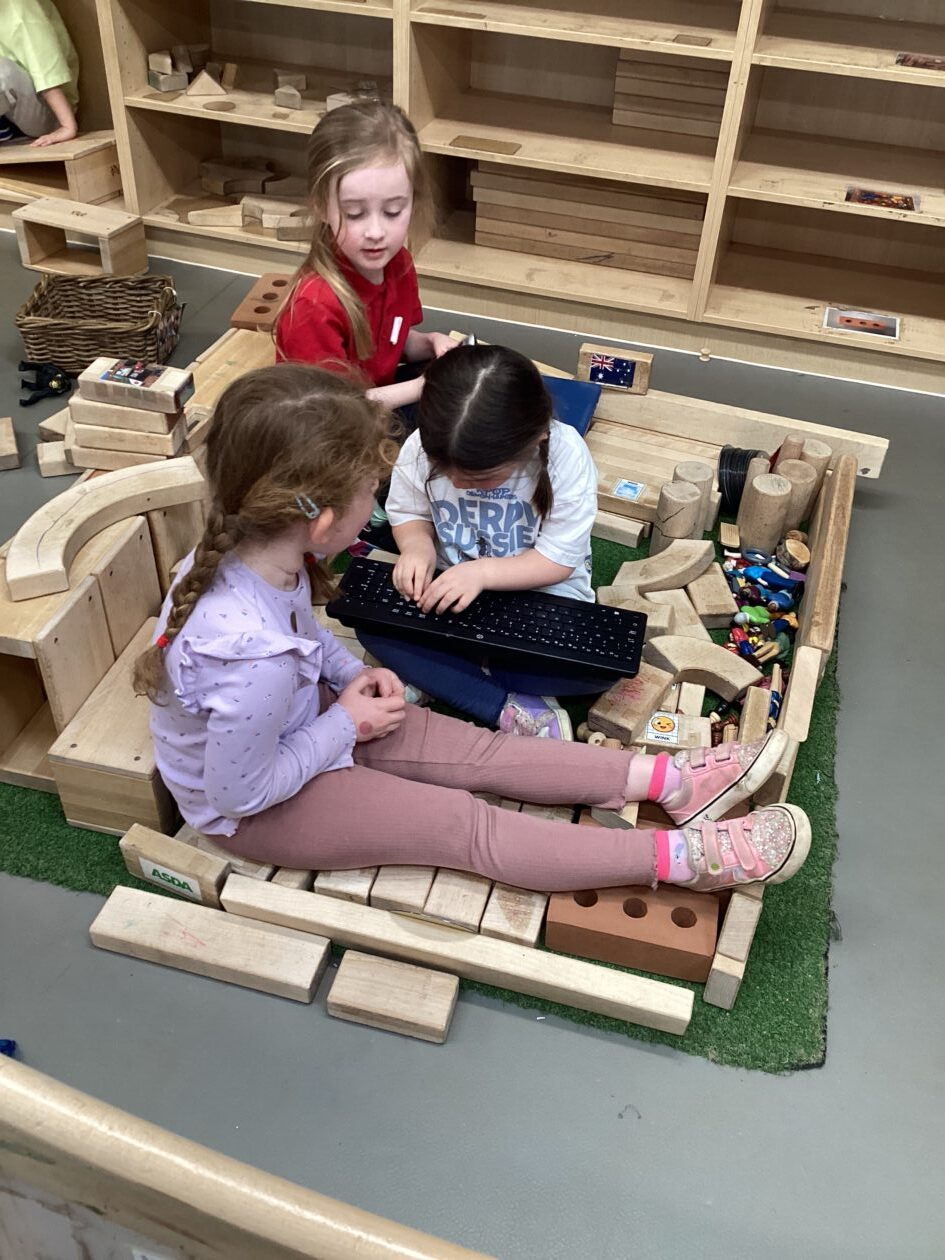
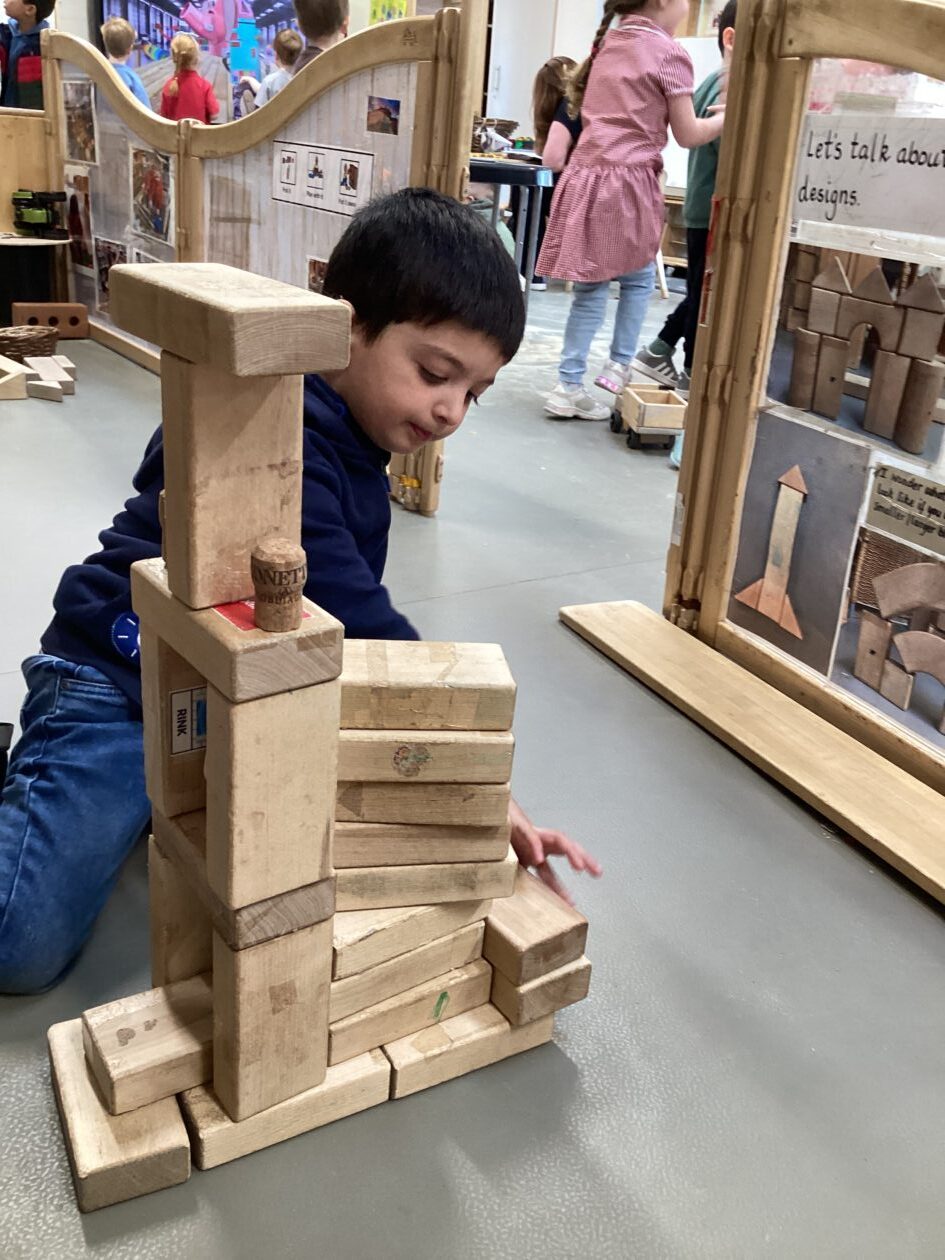
In the block area the children have been exploring larger scale buildings. They have been adding more detail to their buildings using a combination of large and small blocks and including loose parts in their models. Children have been collaborating and sharing ideas within their peers to create various models. This encourages communication, co-operation, compromise, confidence building and sharing ideas, likes and dislikes with each other.
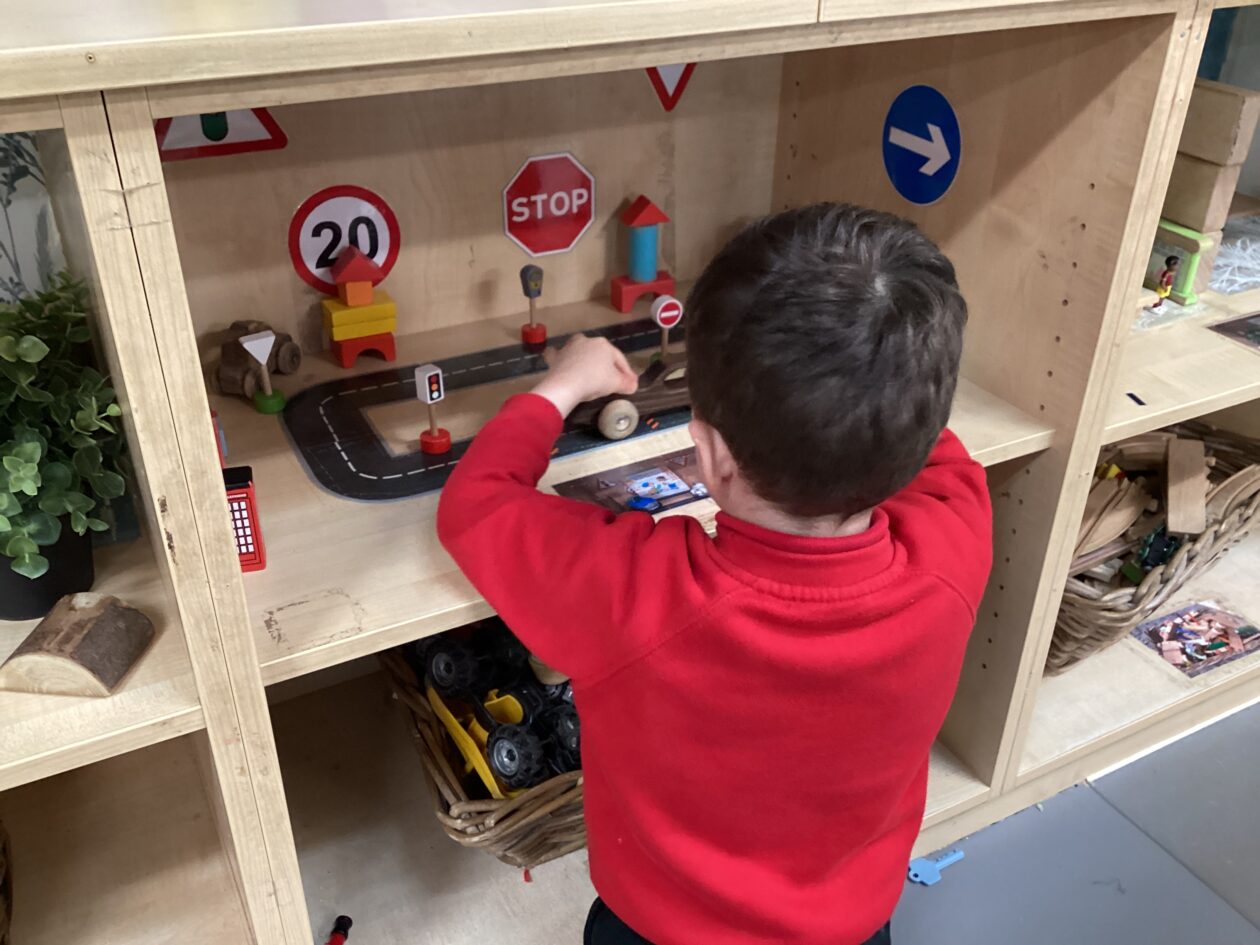
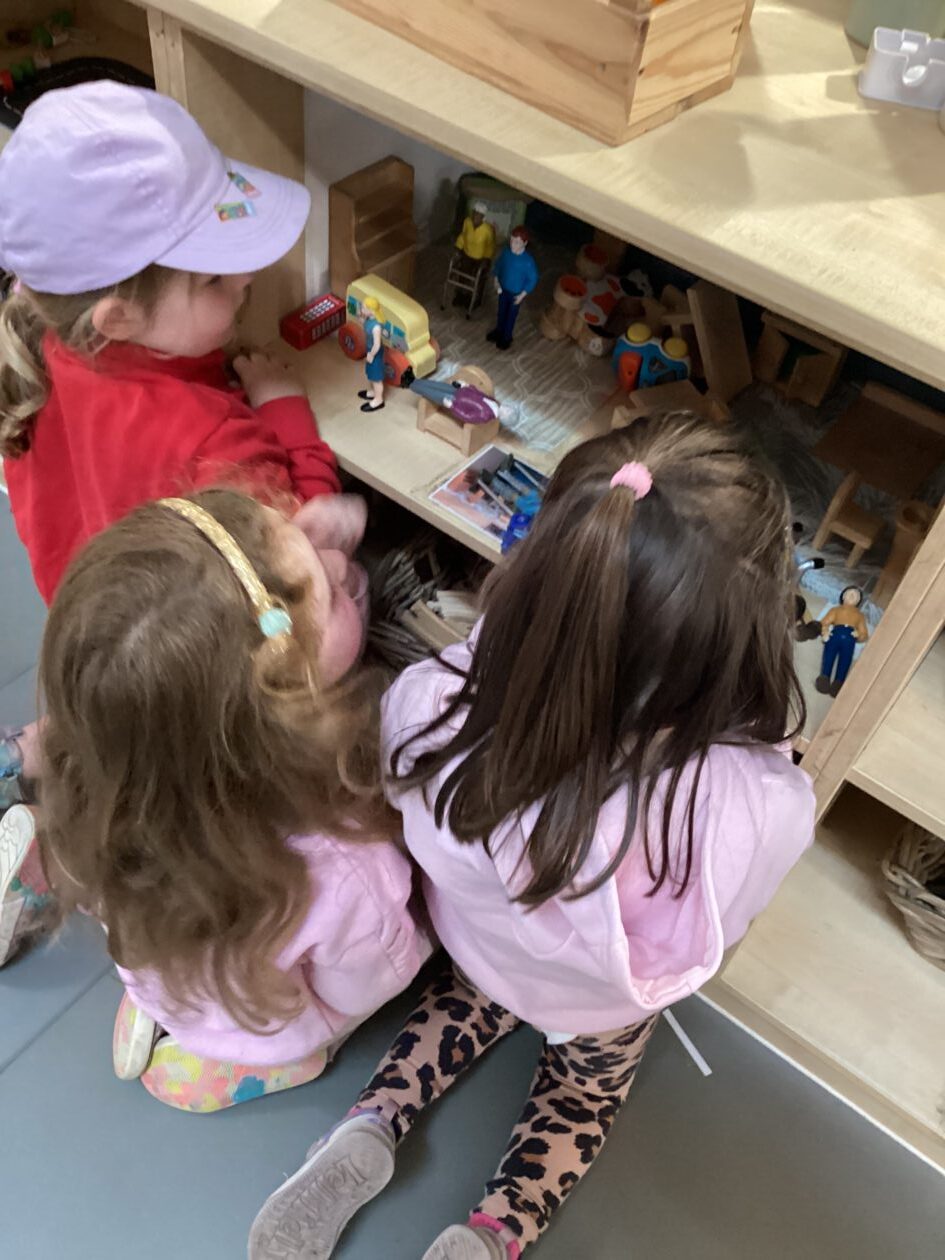
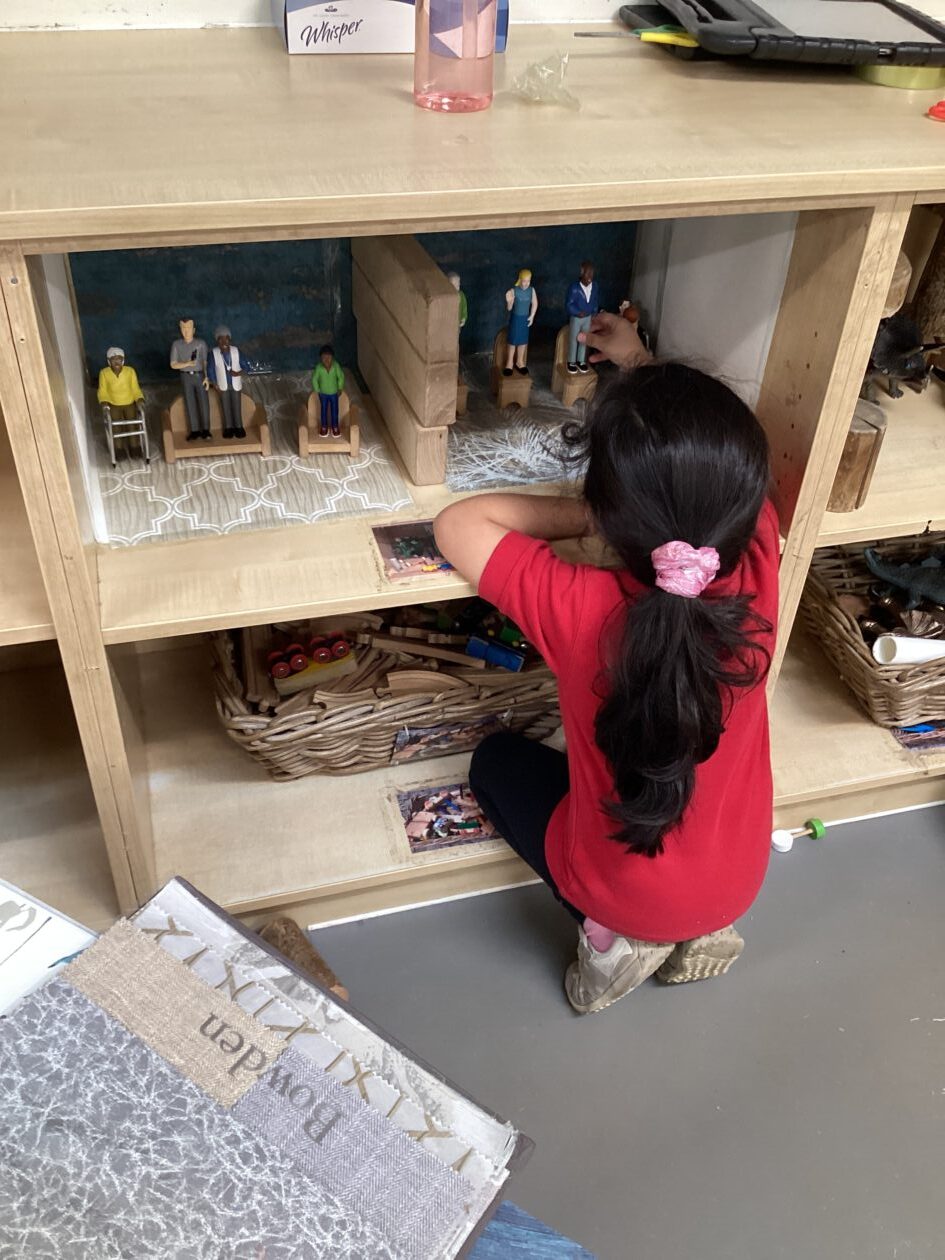
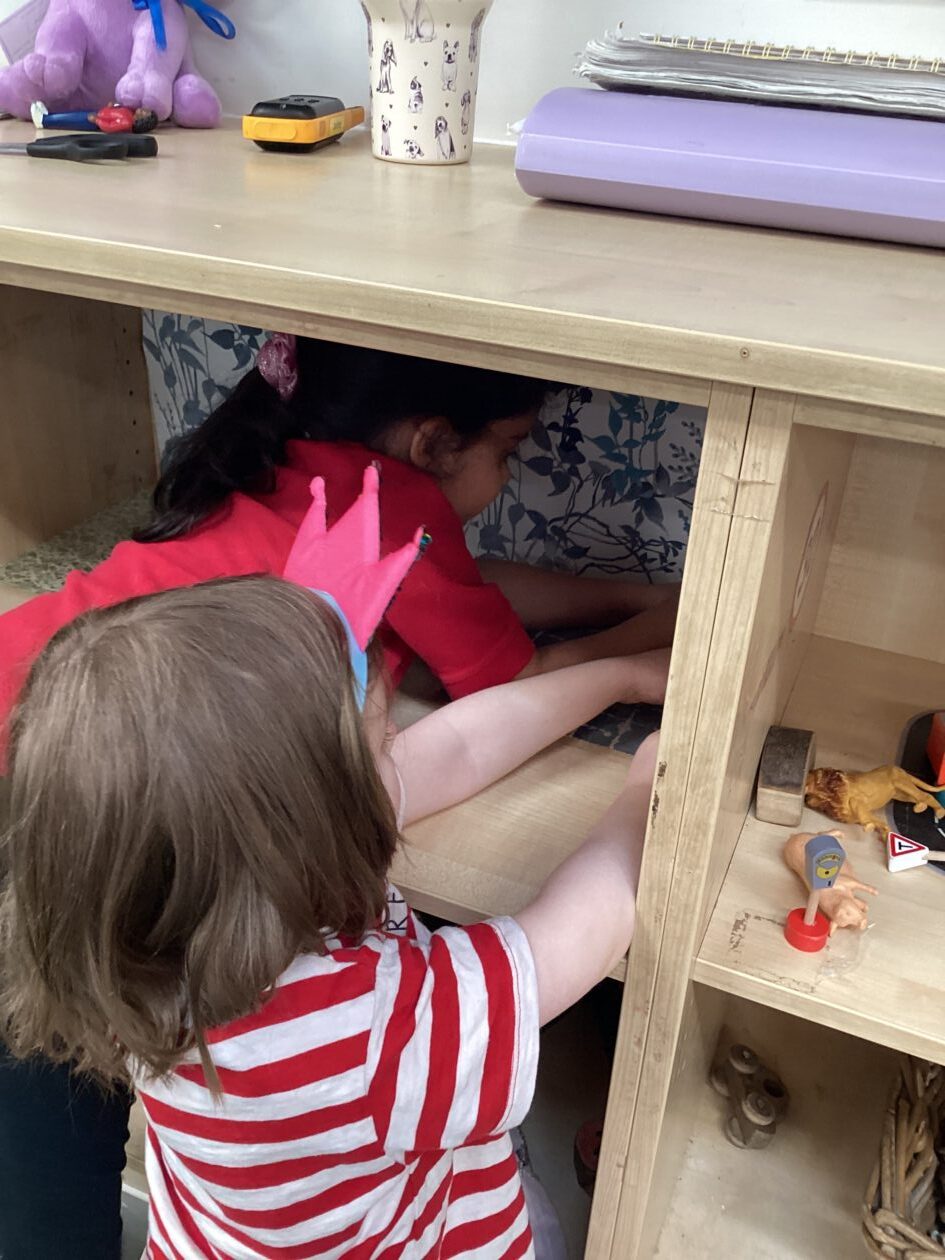
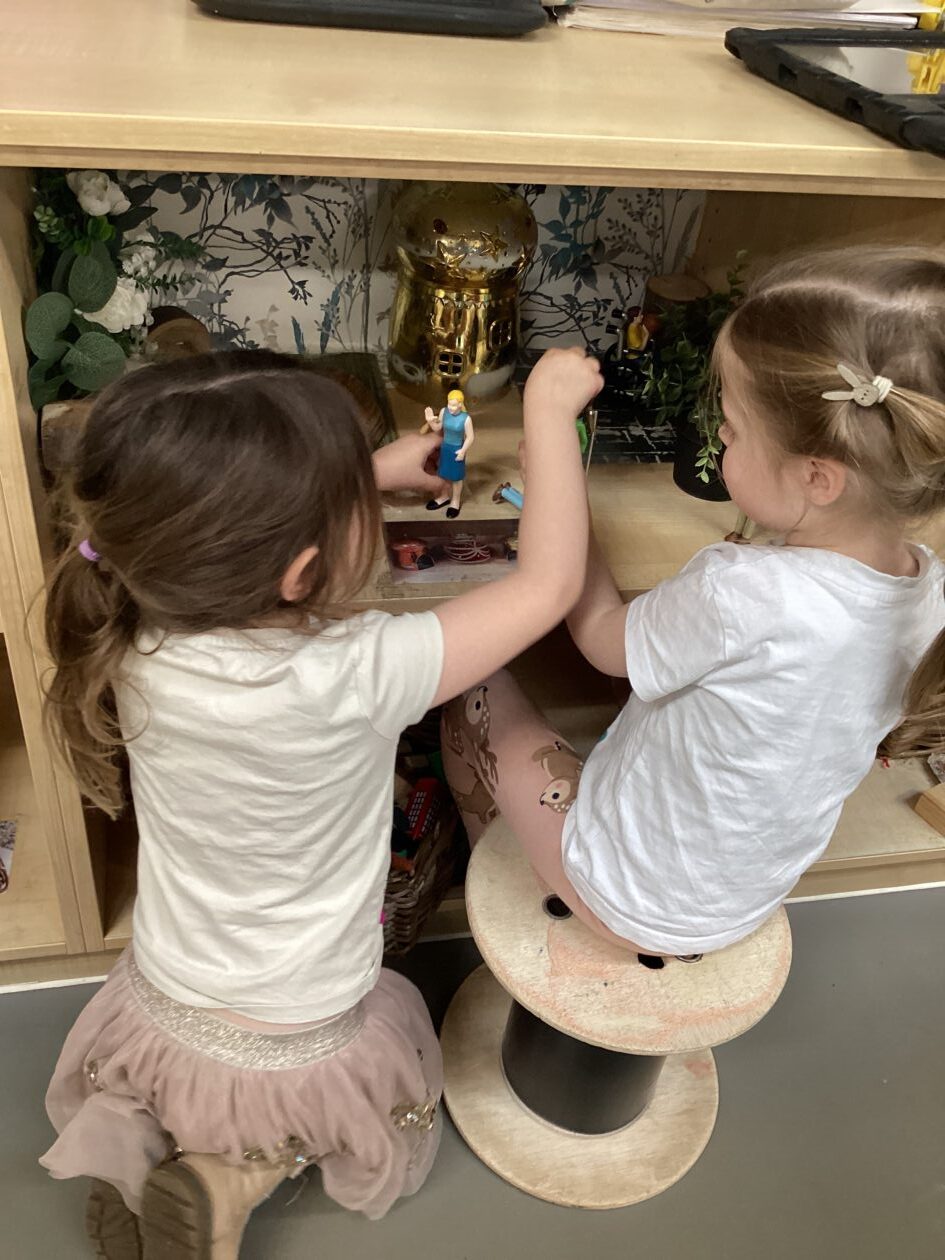
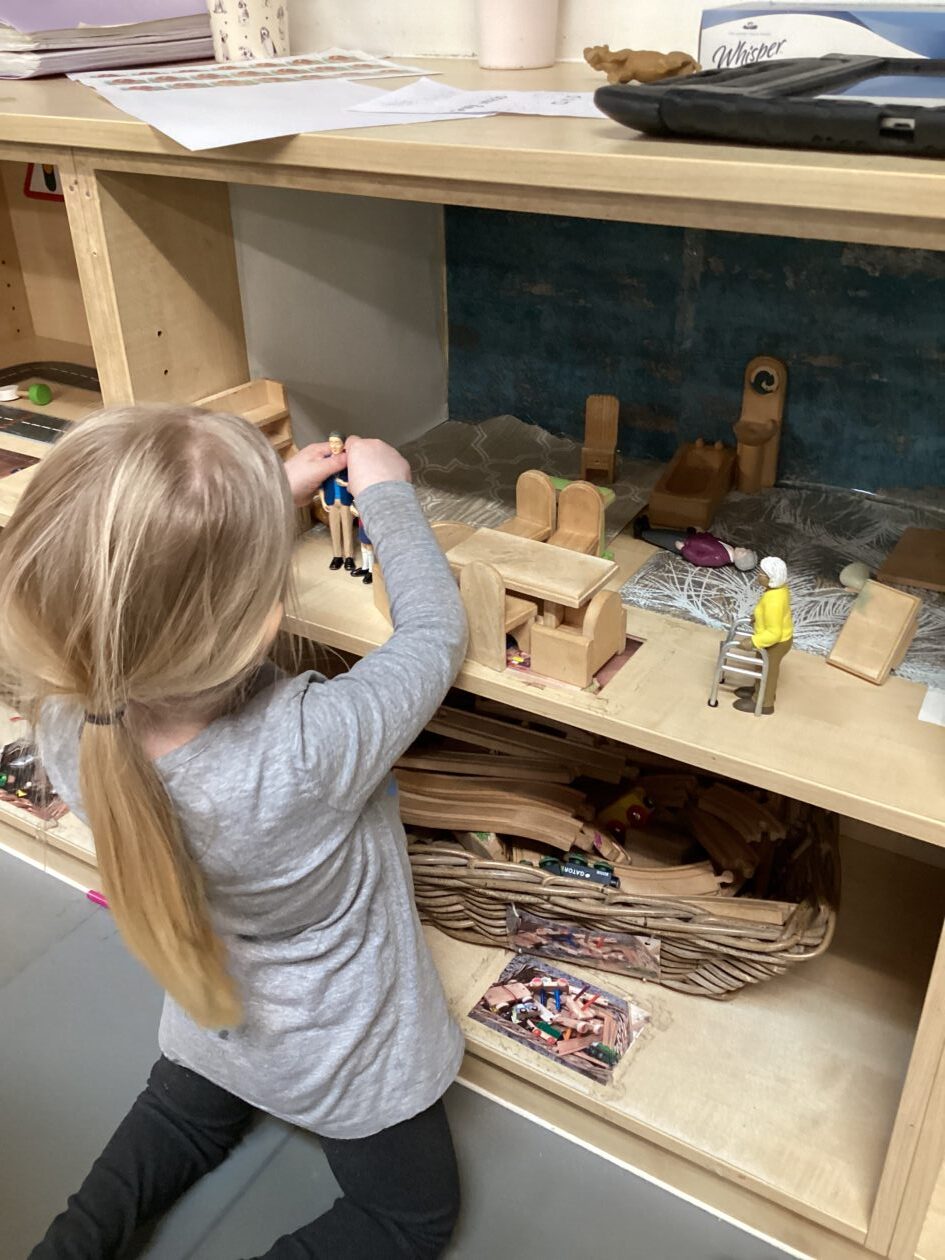
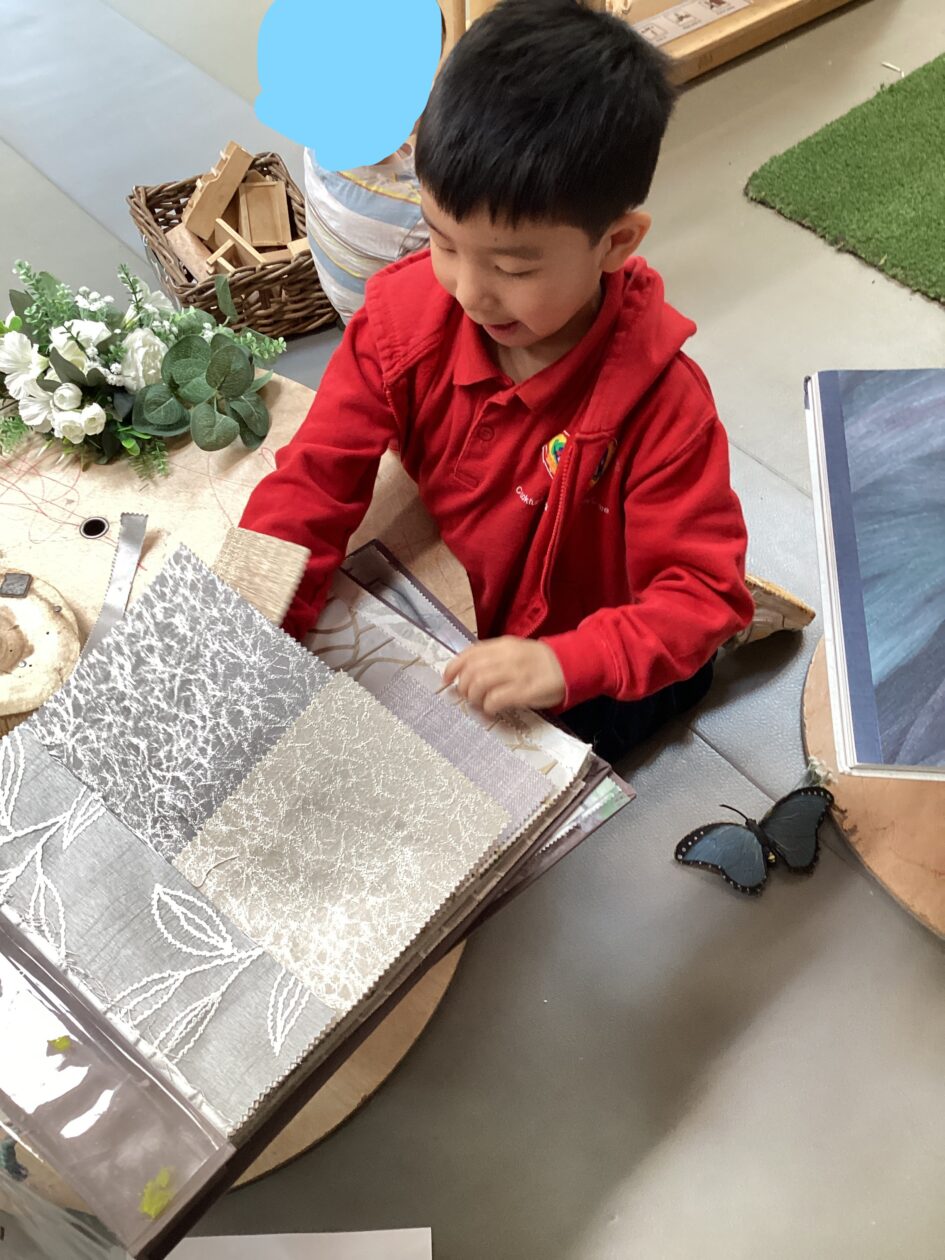
In the small world area, we have designed various shelves into rooms. The children were involved in the design process and selected patterns, designs and materials for the shelves. Descriptive language was used to describe the textures and feelings of the different materials. The children have been using the small world shelves well and have demonstrated good creativity, imagination, role play and communication when using them.
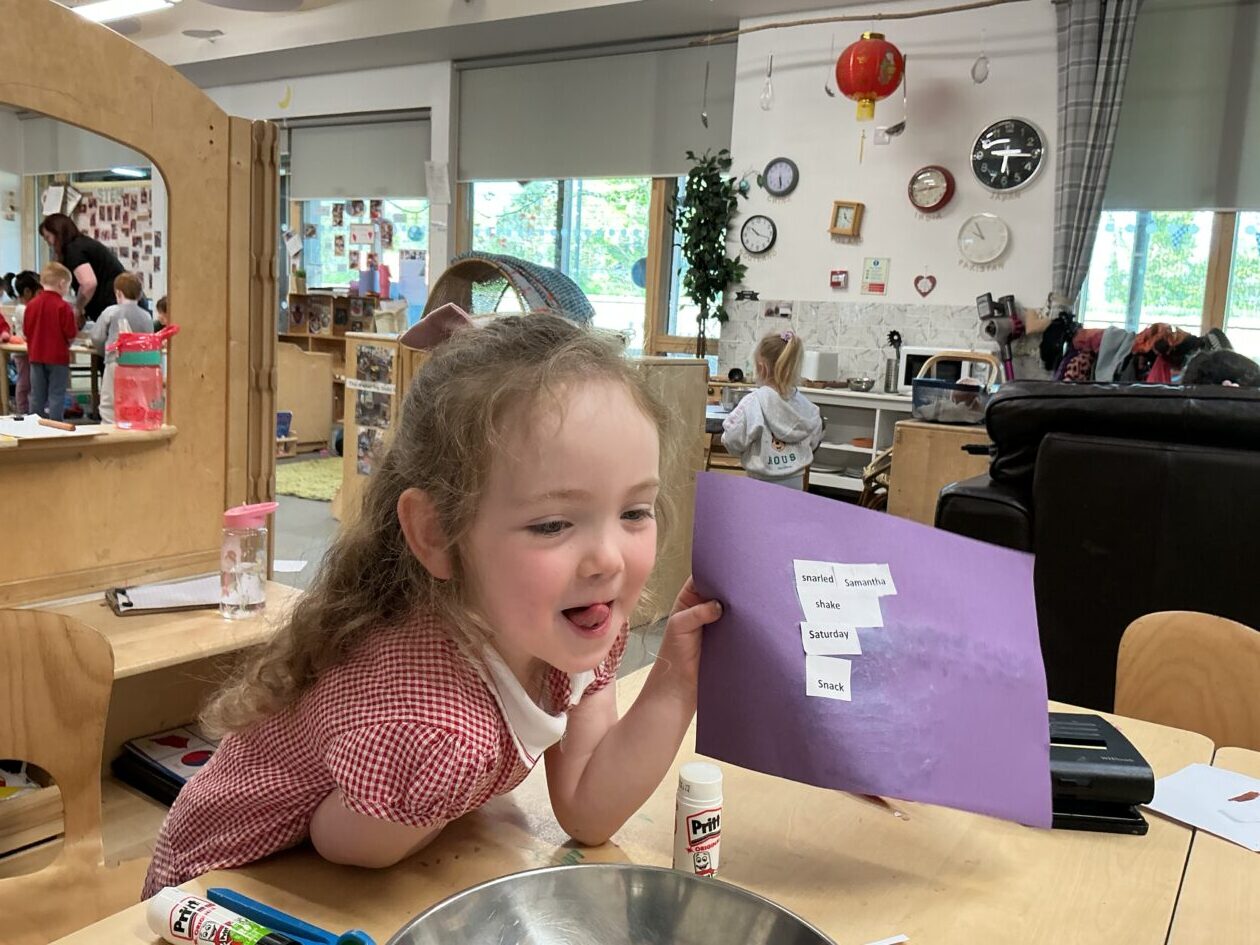
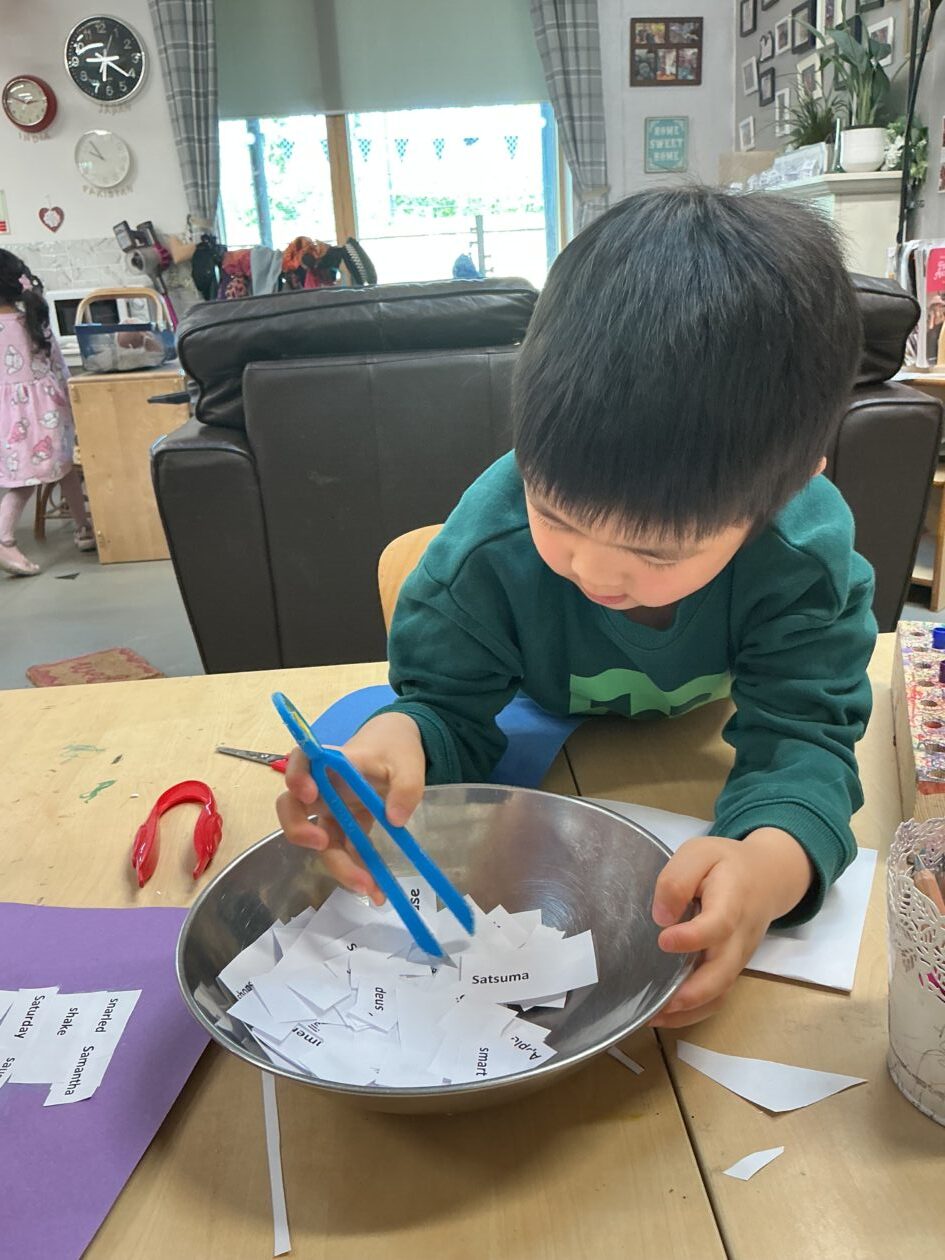
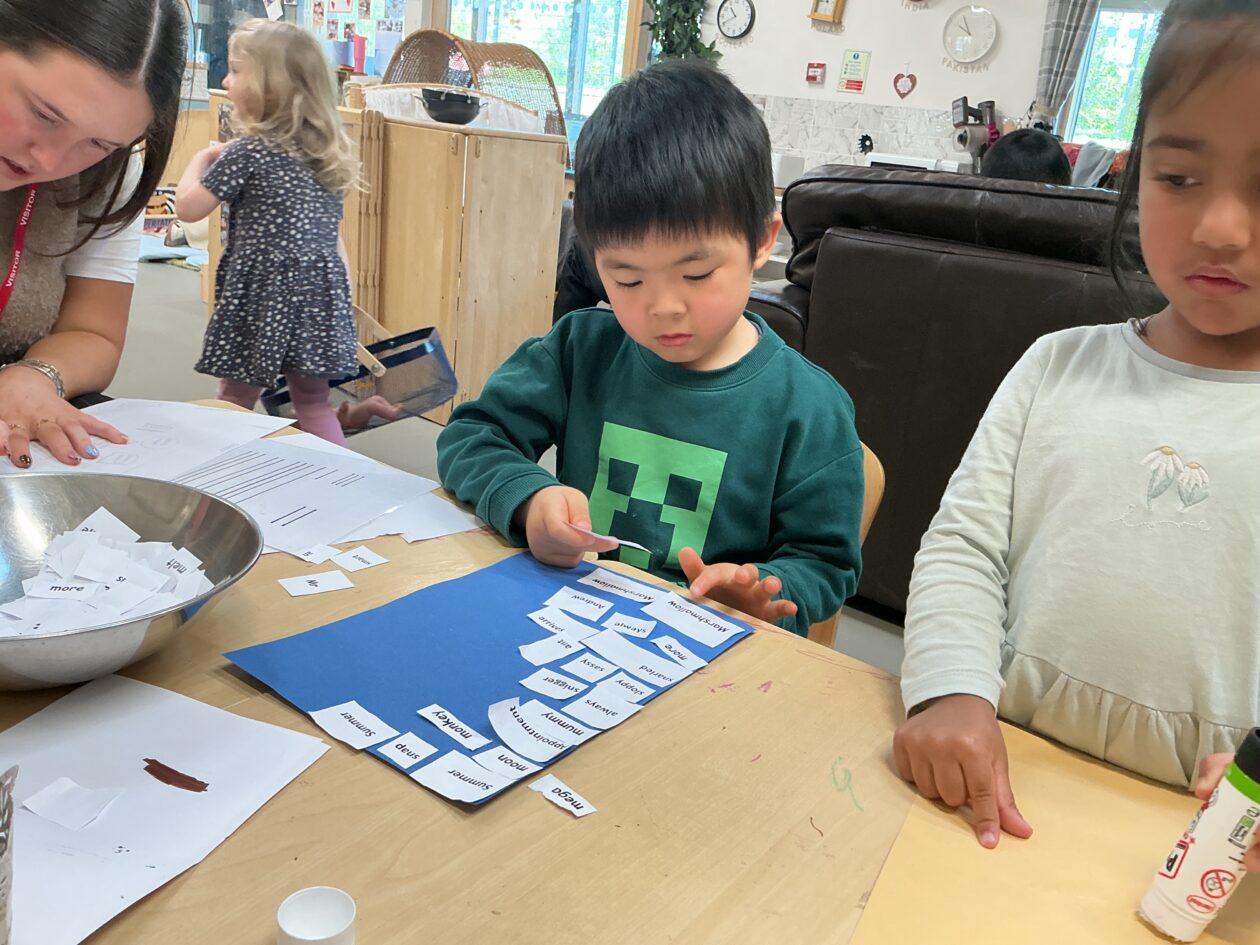
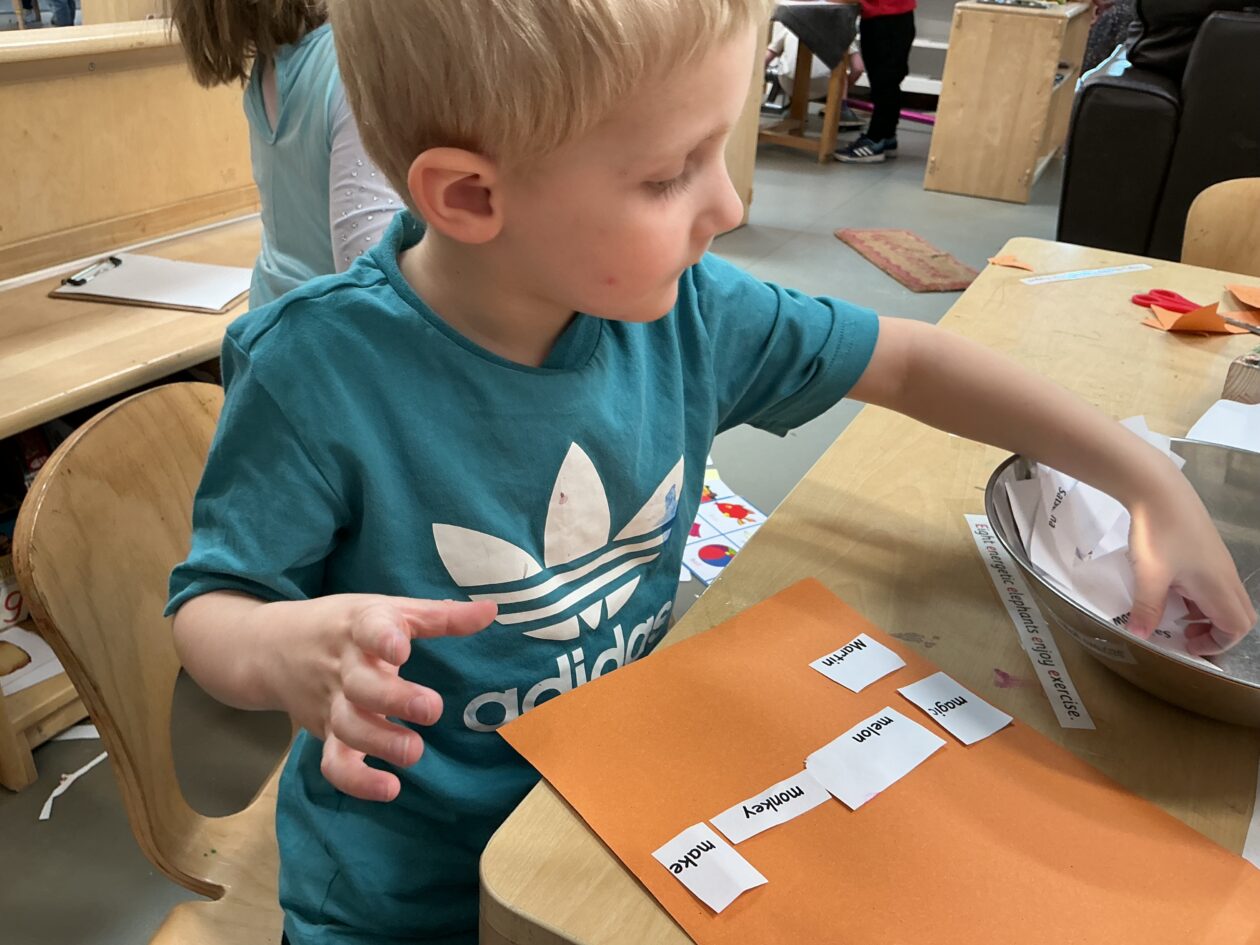
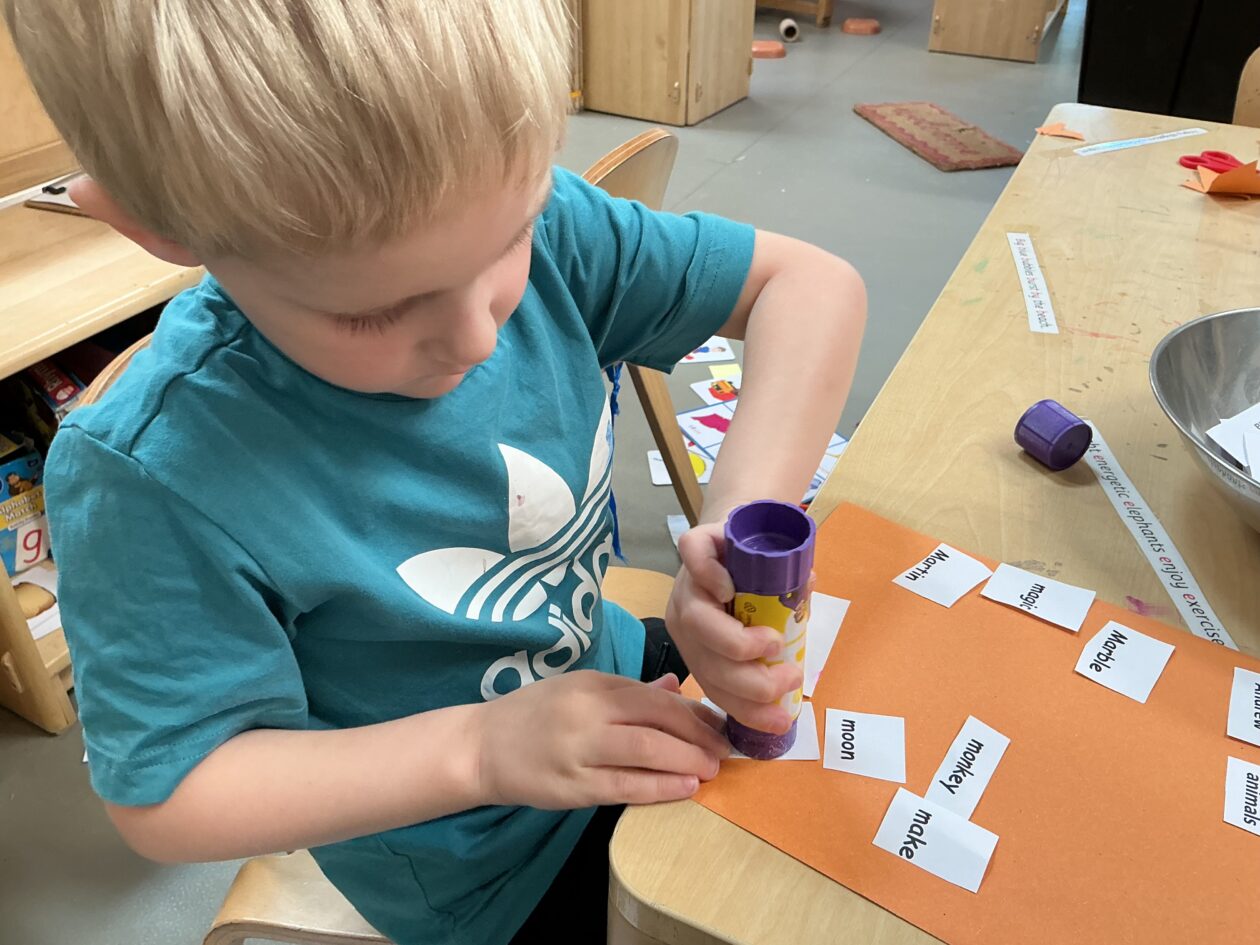
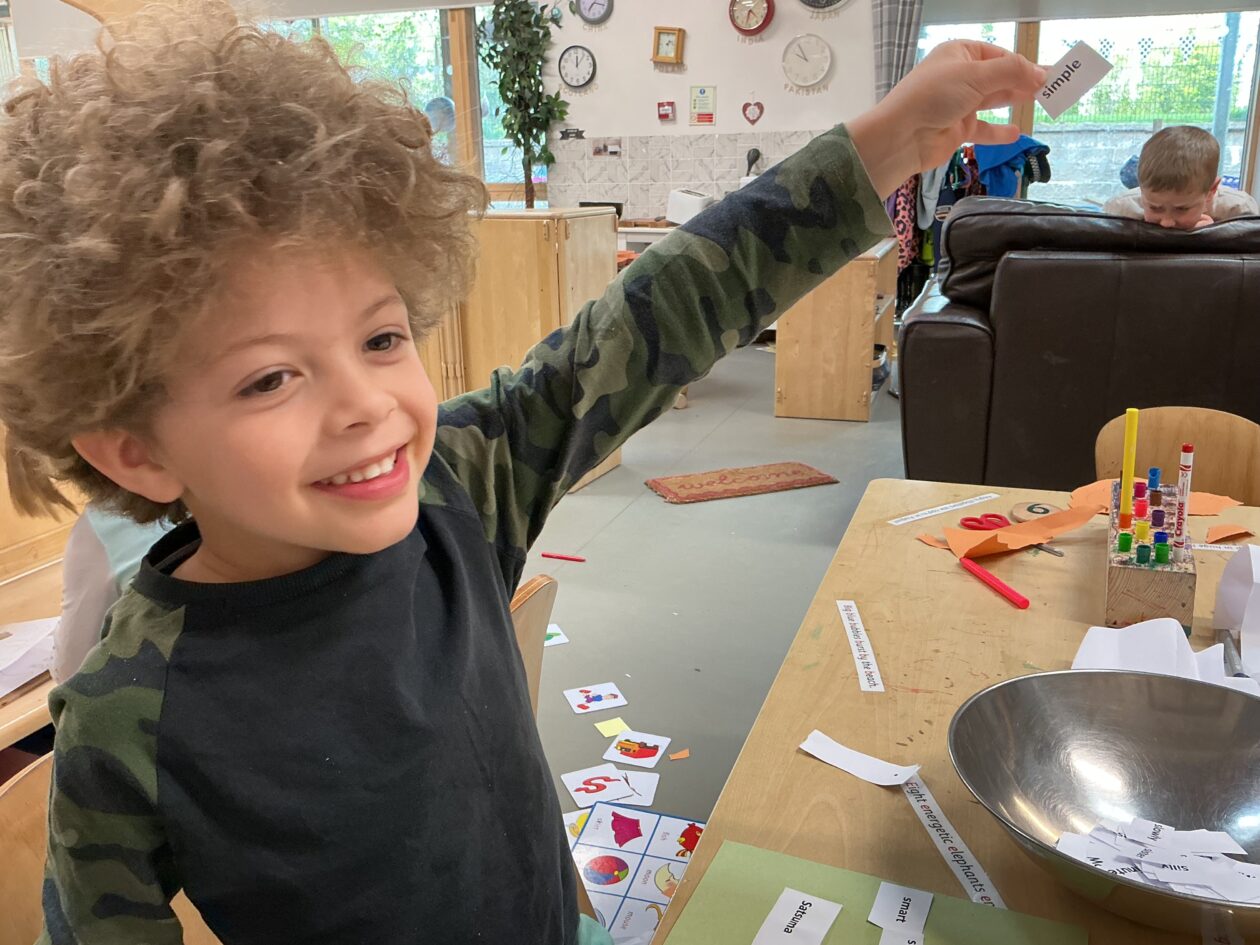
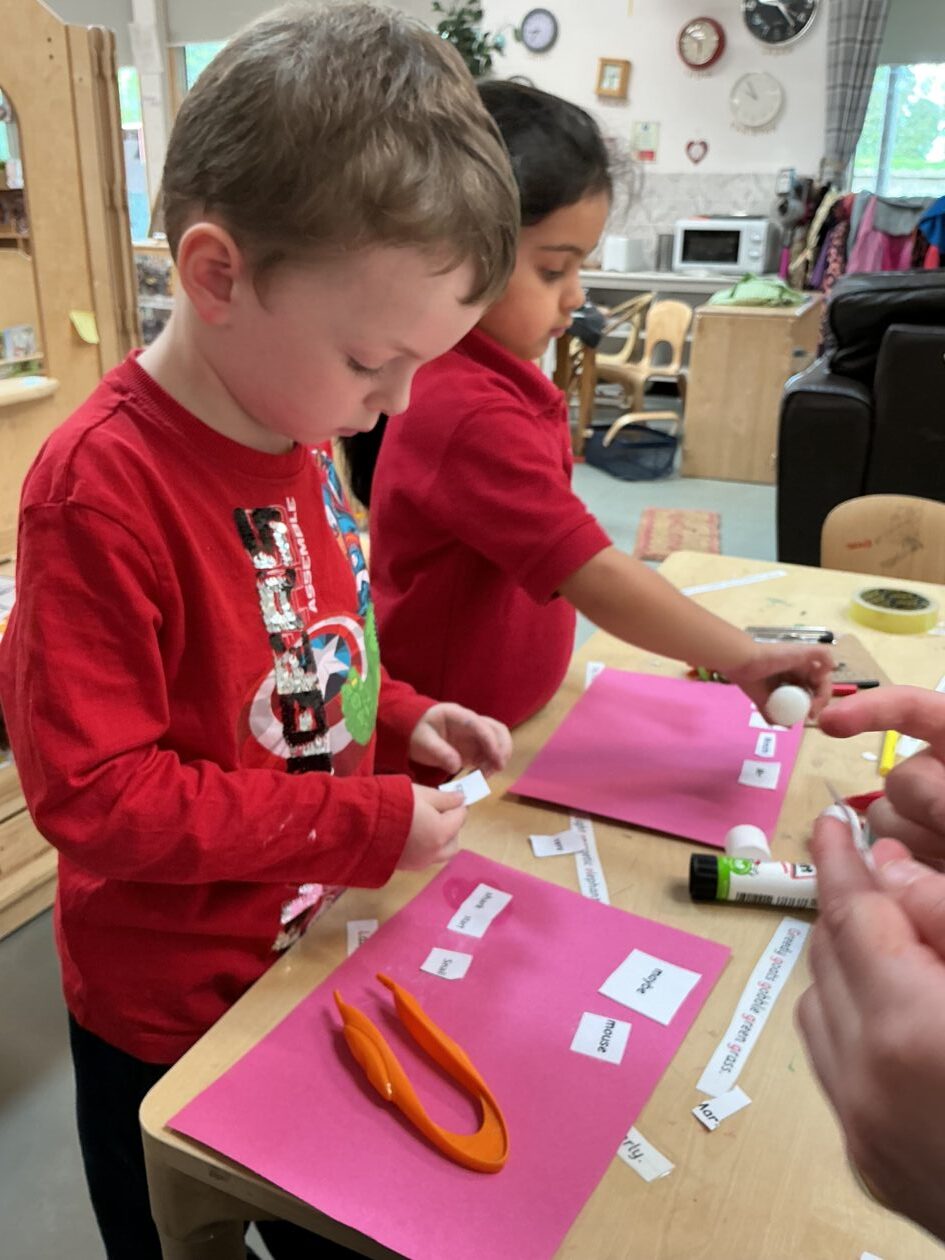
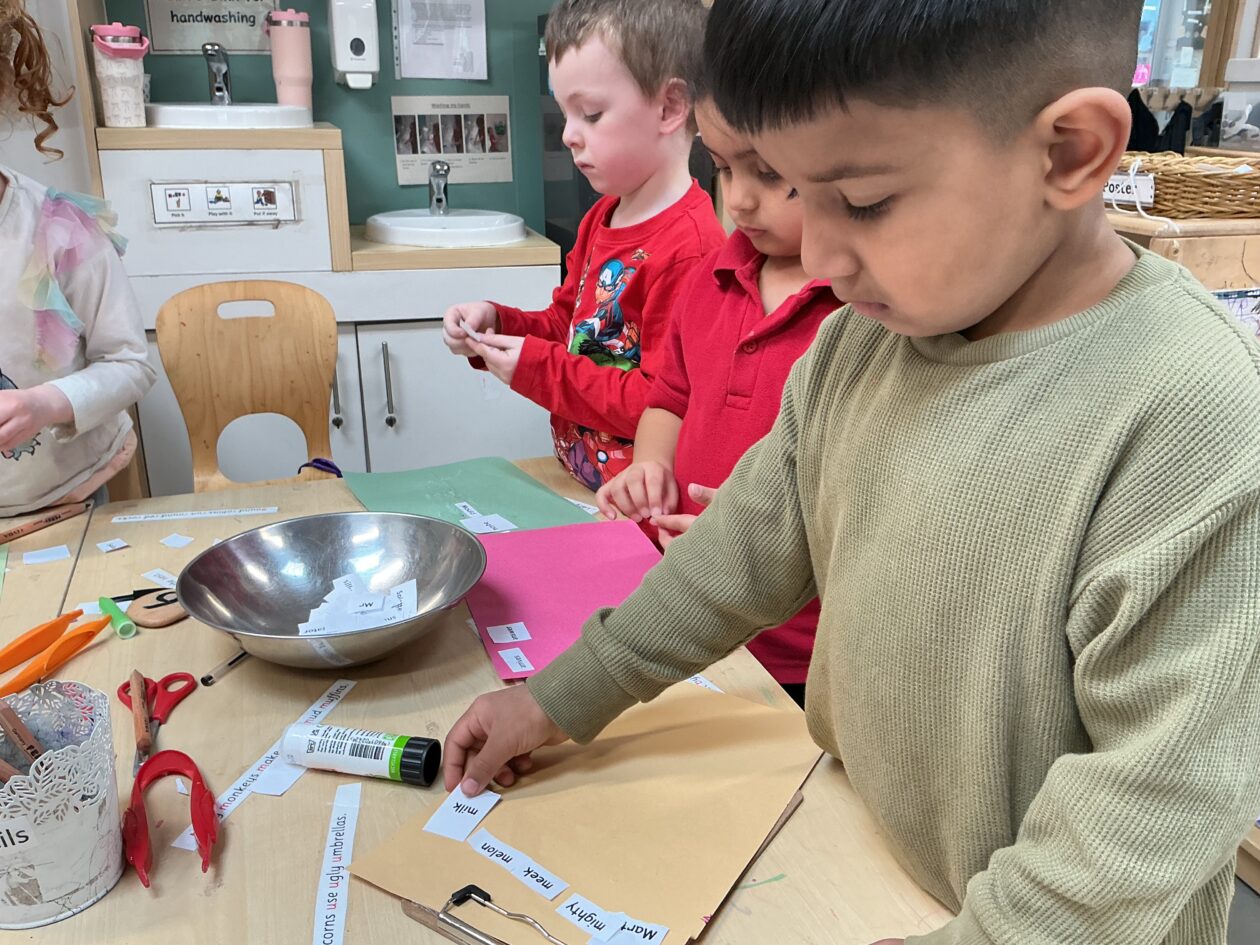
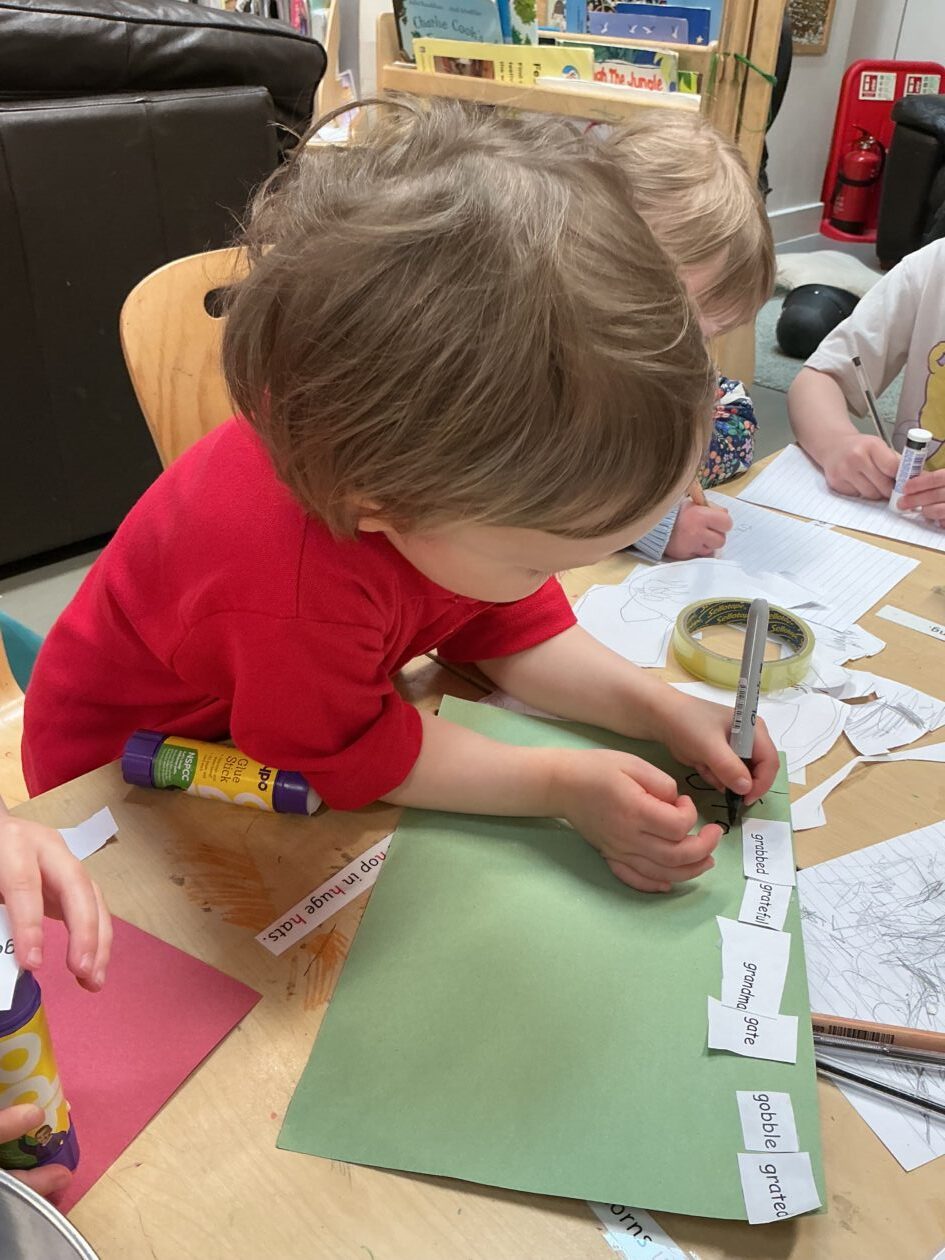
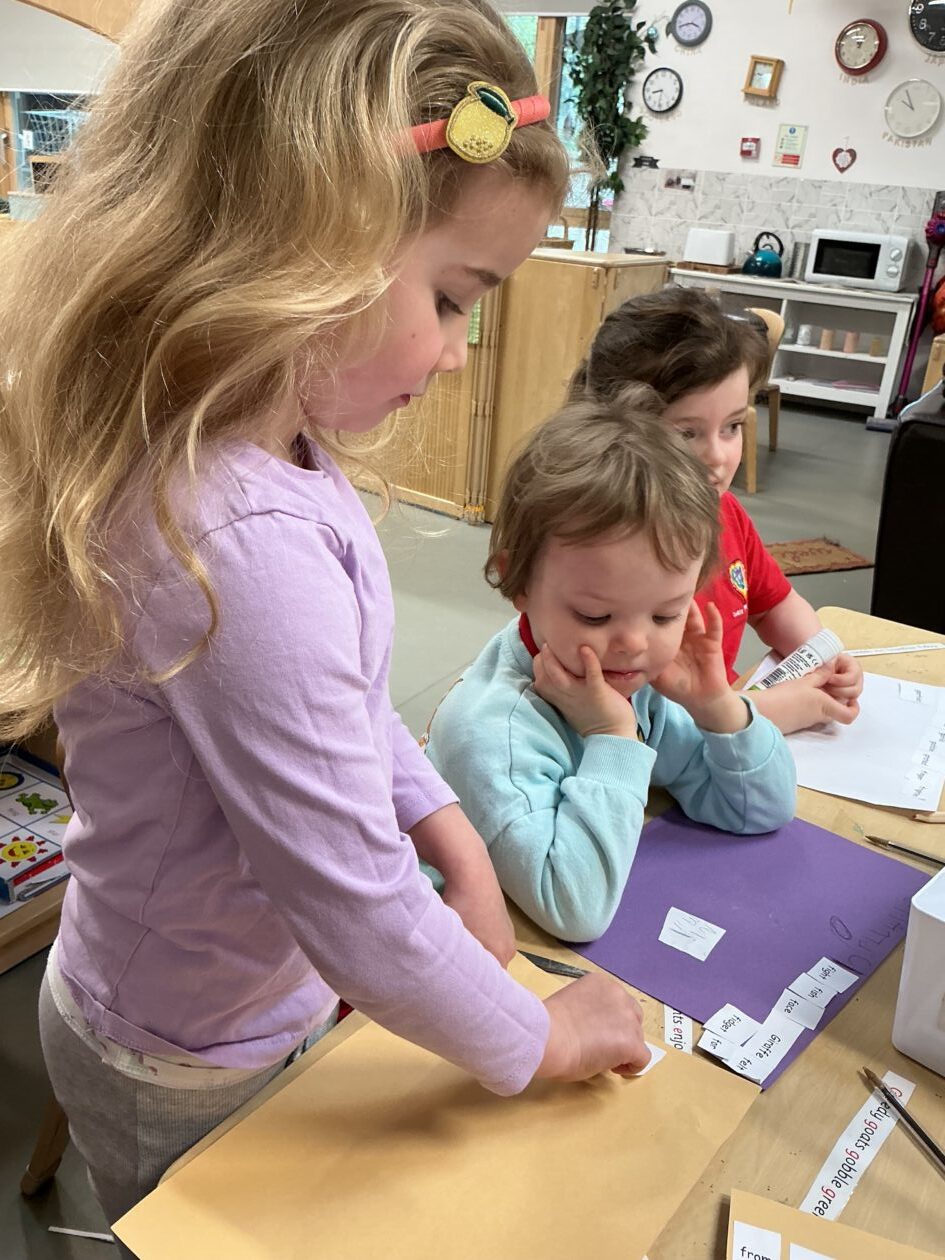
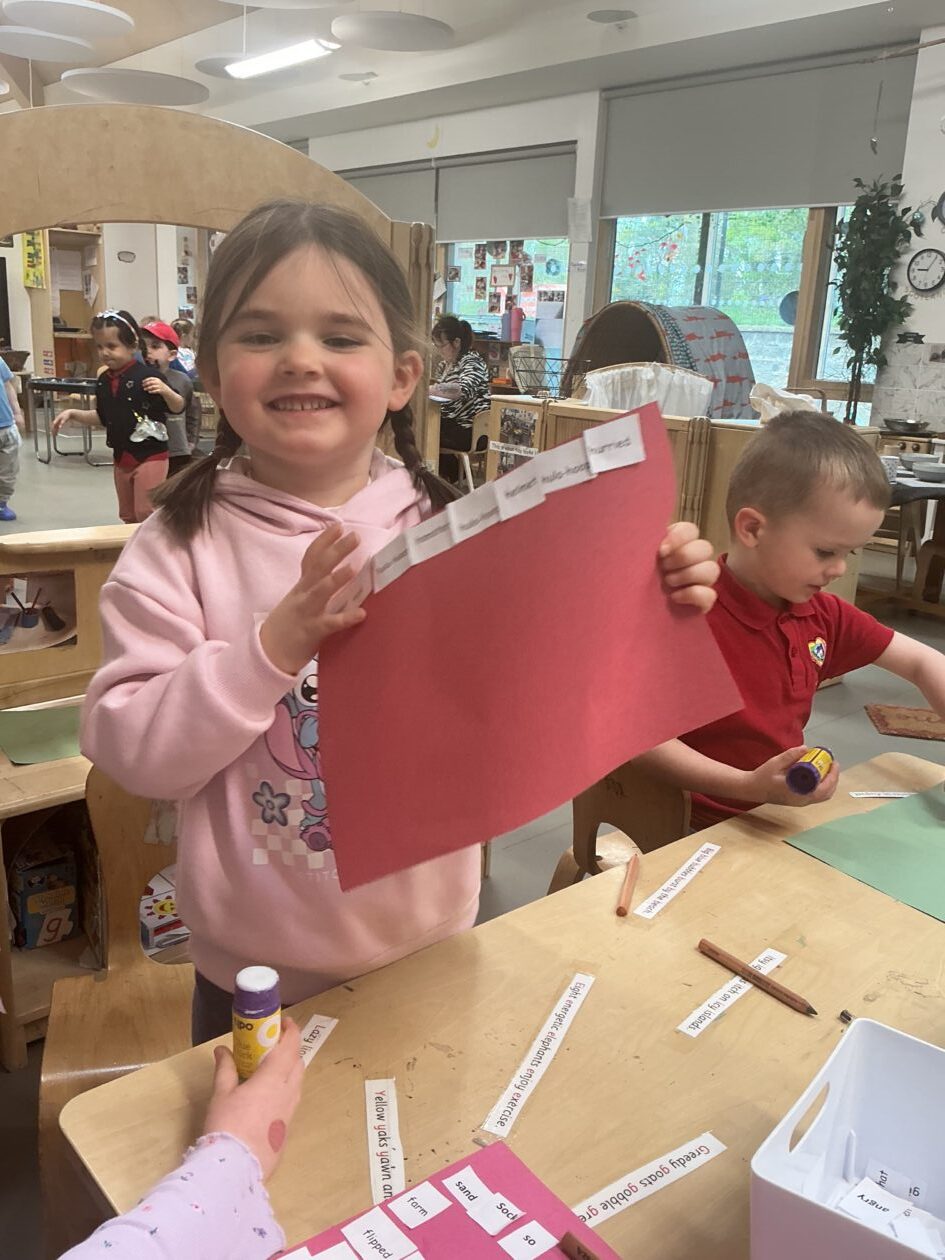
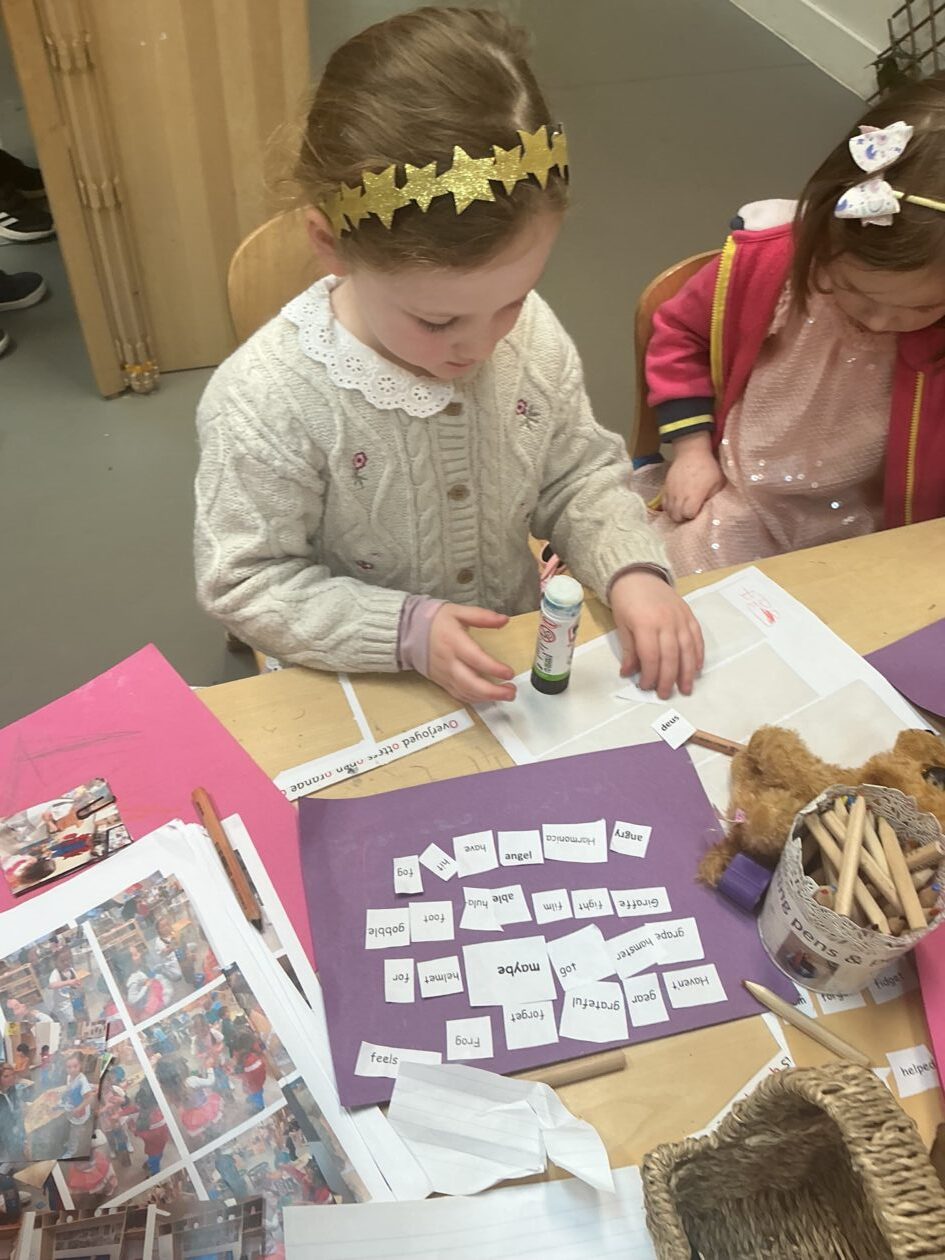
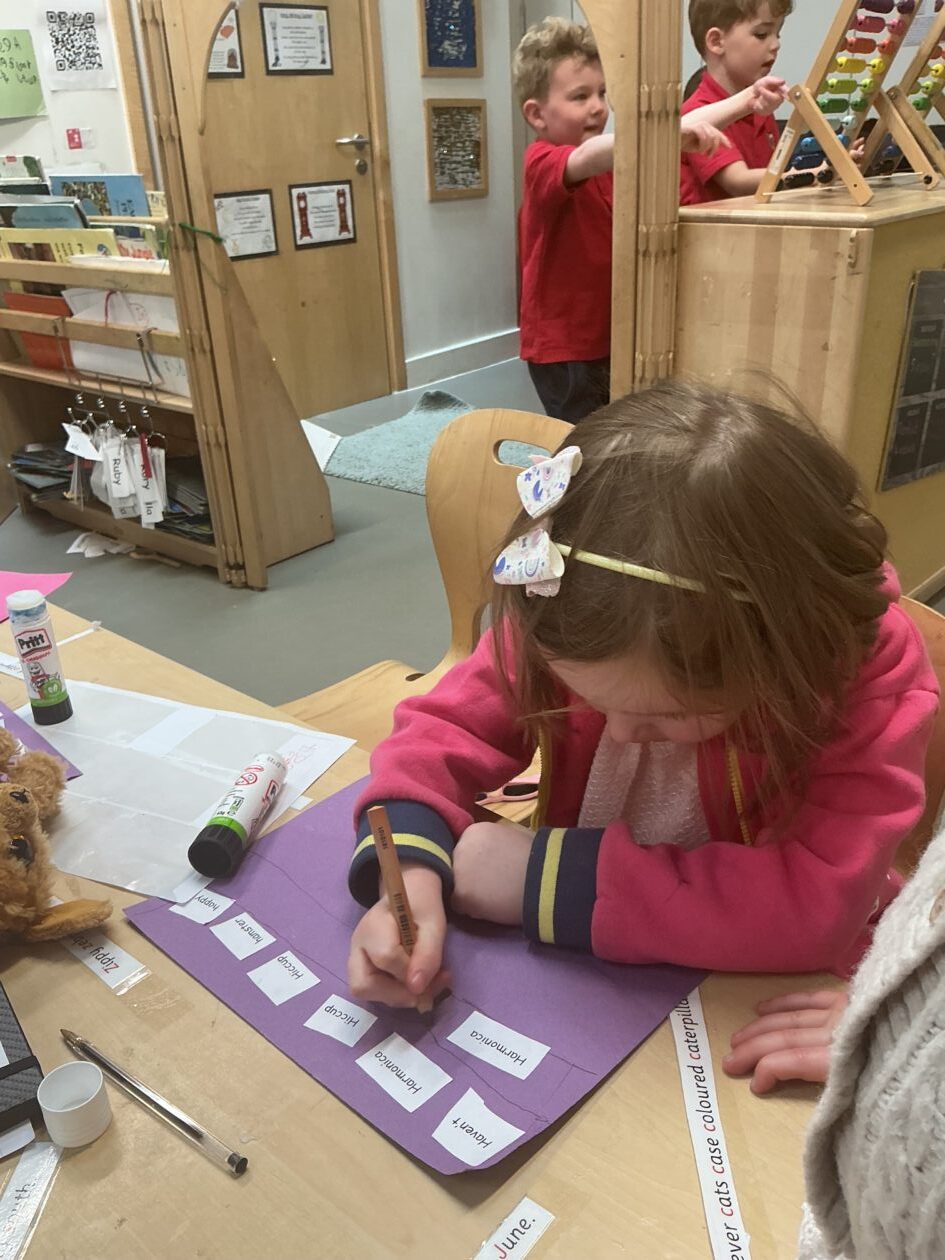
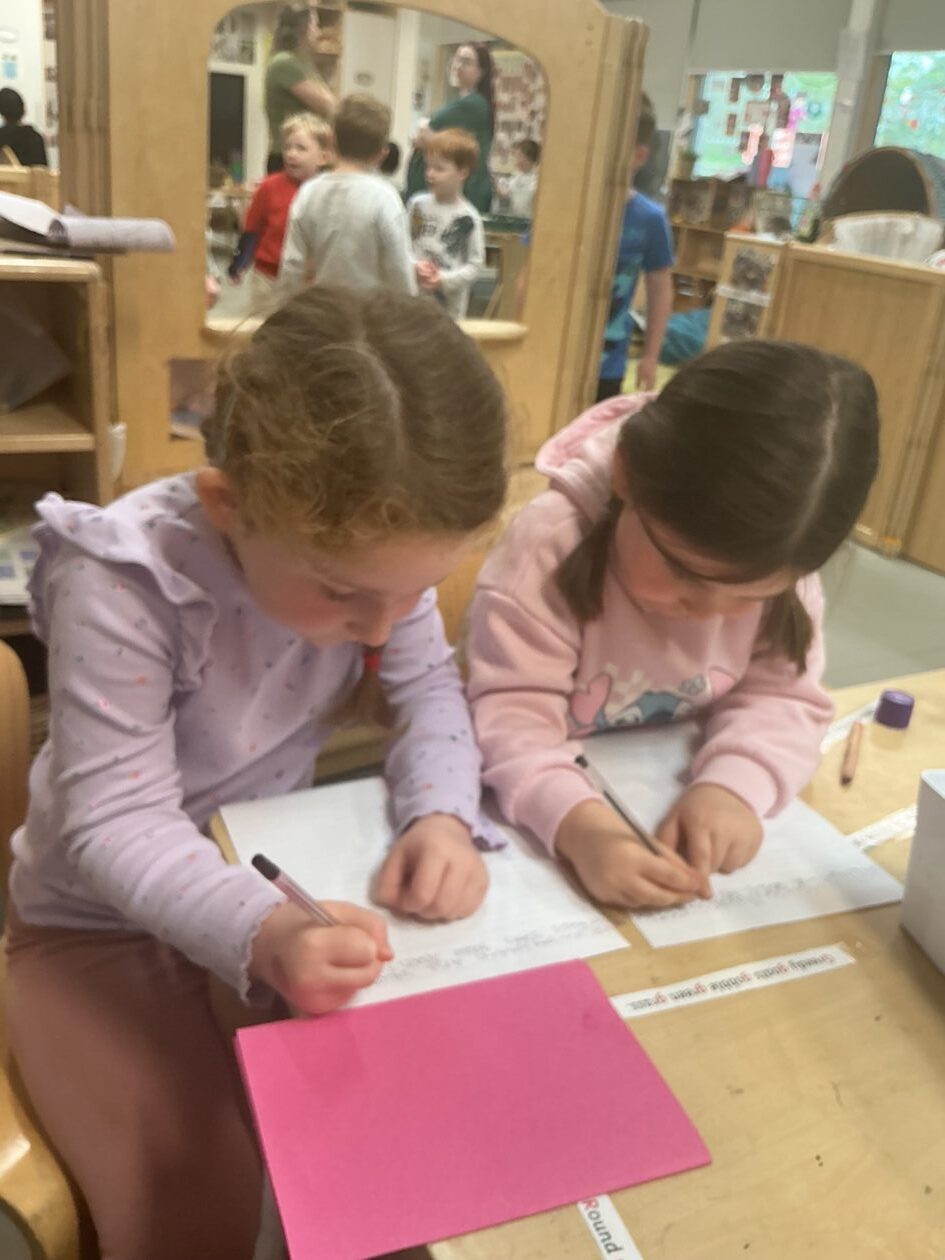
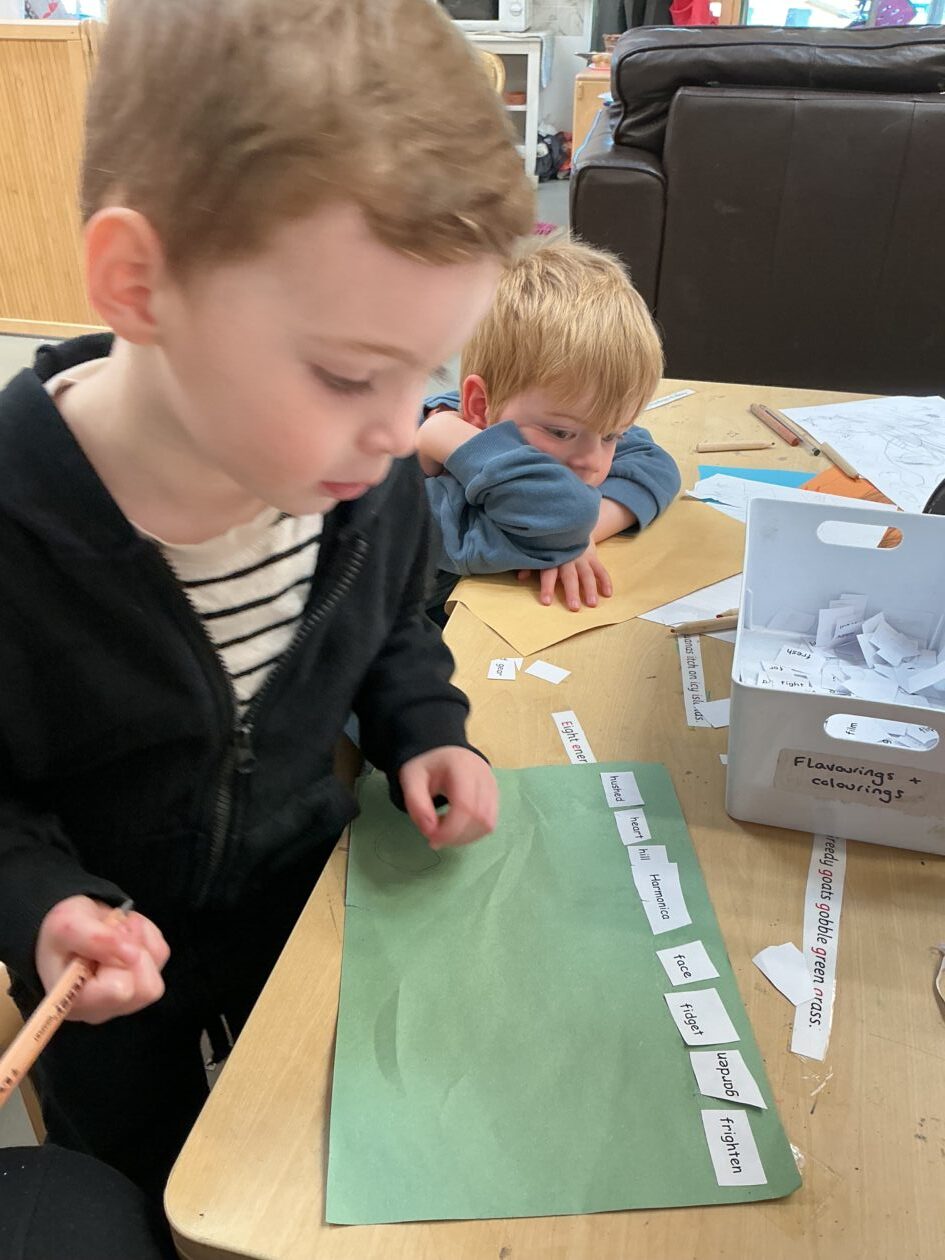
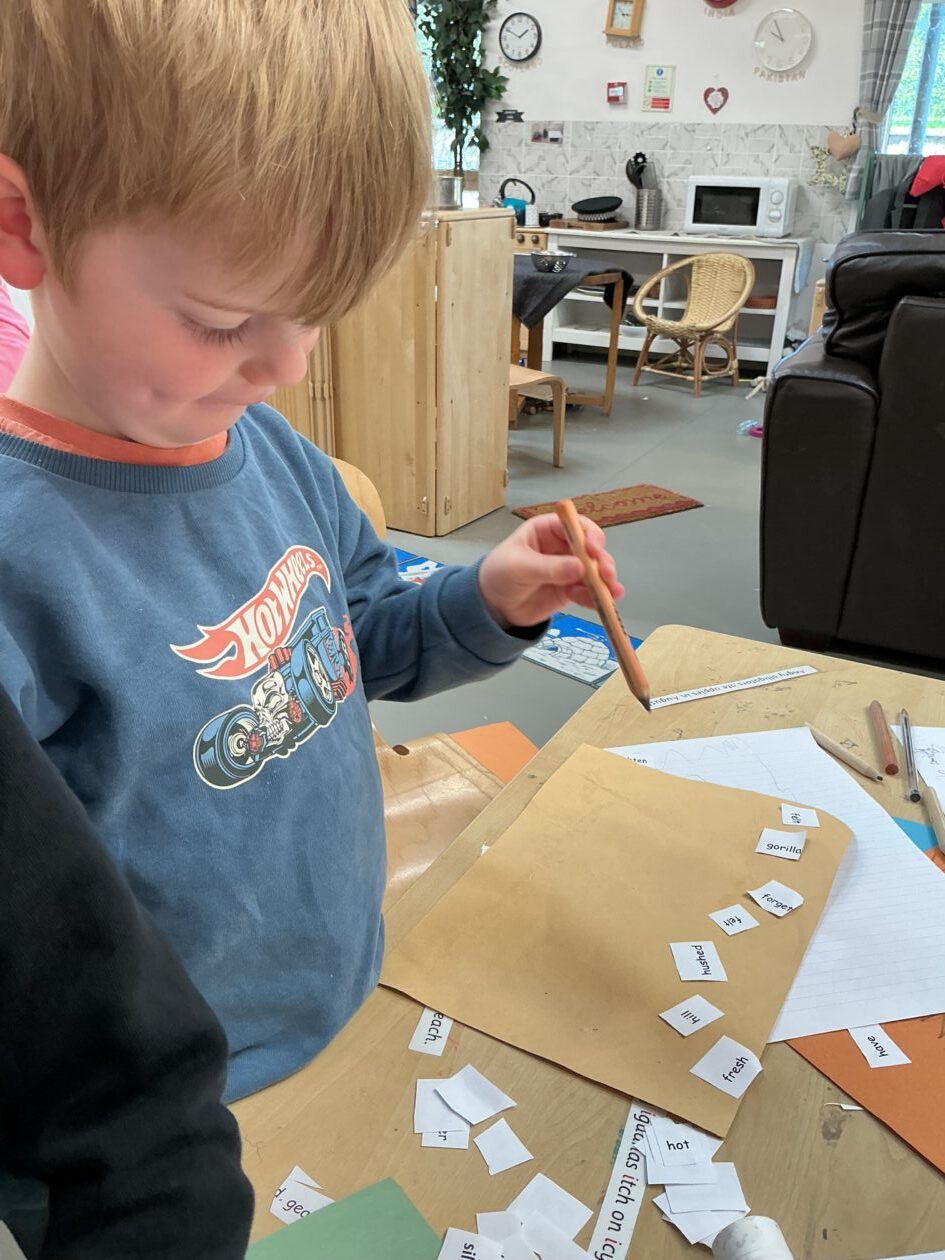
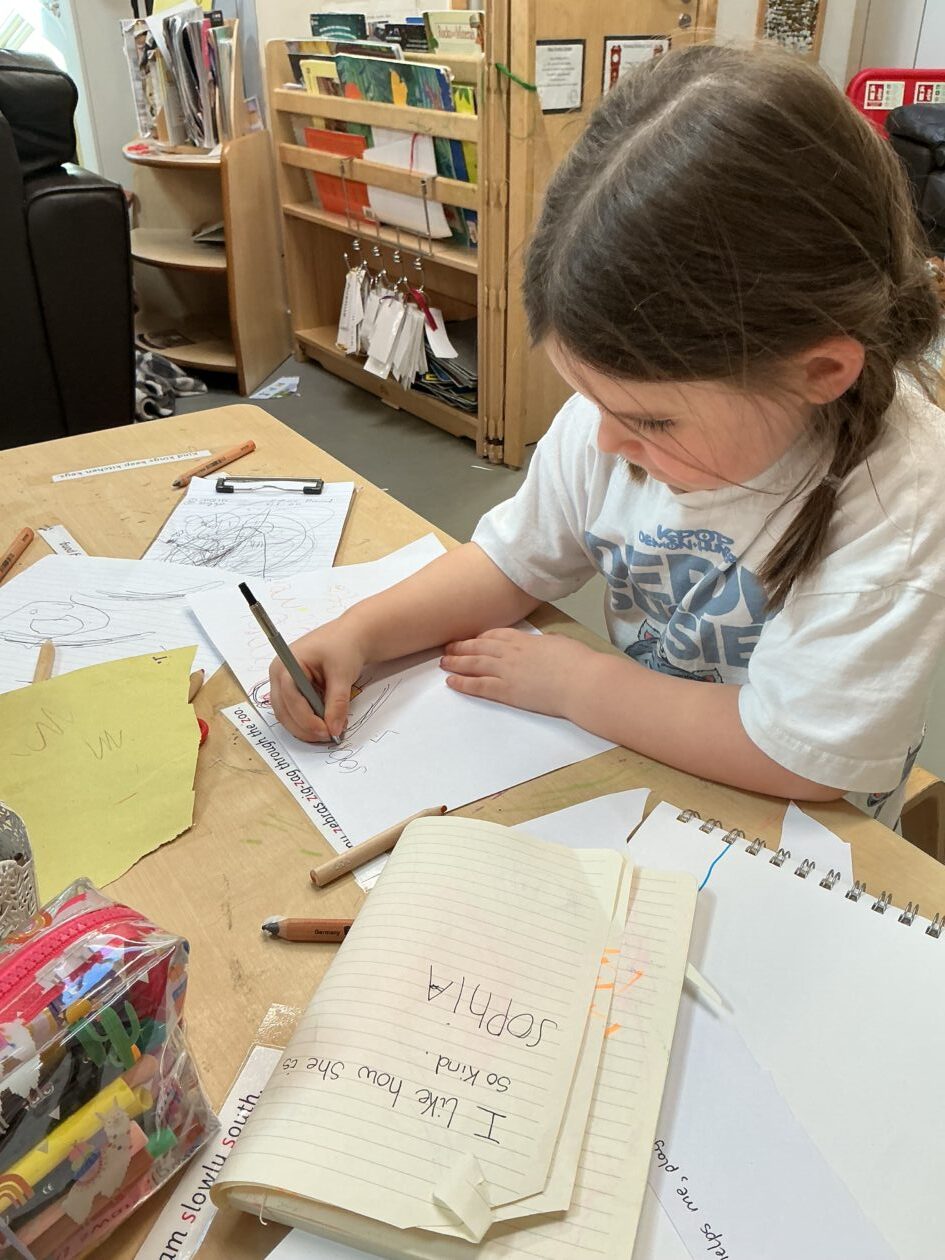
This week in the literacy area the children have been exploring sentence structure by selecting words to join together. Through this the children explored print conventions such as where we start reading and the direction that we read the text. Some of the children also explored upper and lower case letters and where they are positioned and punctuation of full stops. Some of our learners also explored alliteration to create their own silly sentences and developed their phonological awareness of initial sounds and letter recognition.
MS “ I picked a ‘g’ because its in my name”
“What does my sentence say now?”
“ We were saving fish from the plastic and I’m making them a silly sentence to make them laugh”
ES “Gig that’s the same sound” “My sentence is getting longer and longer”
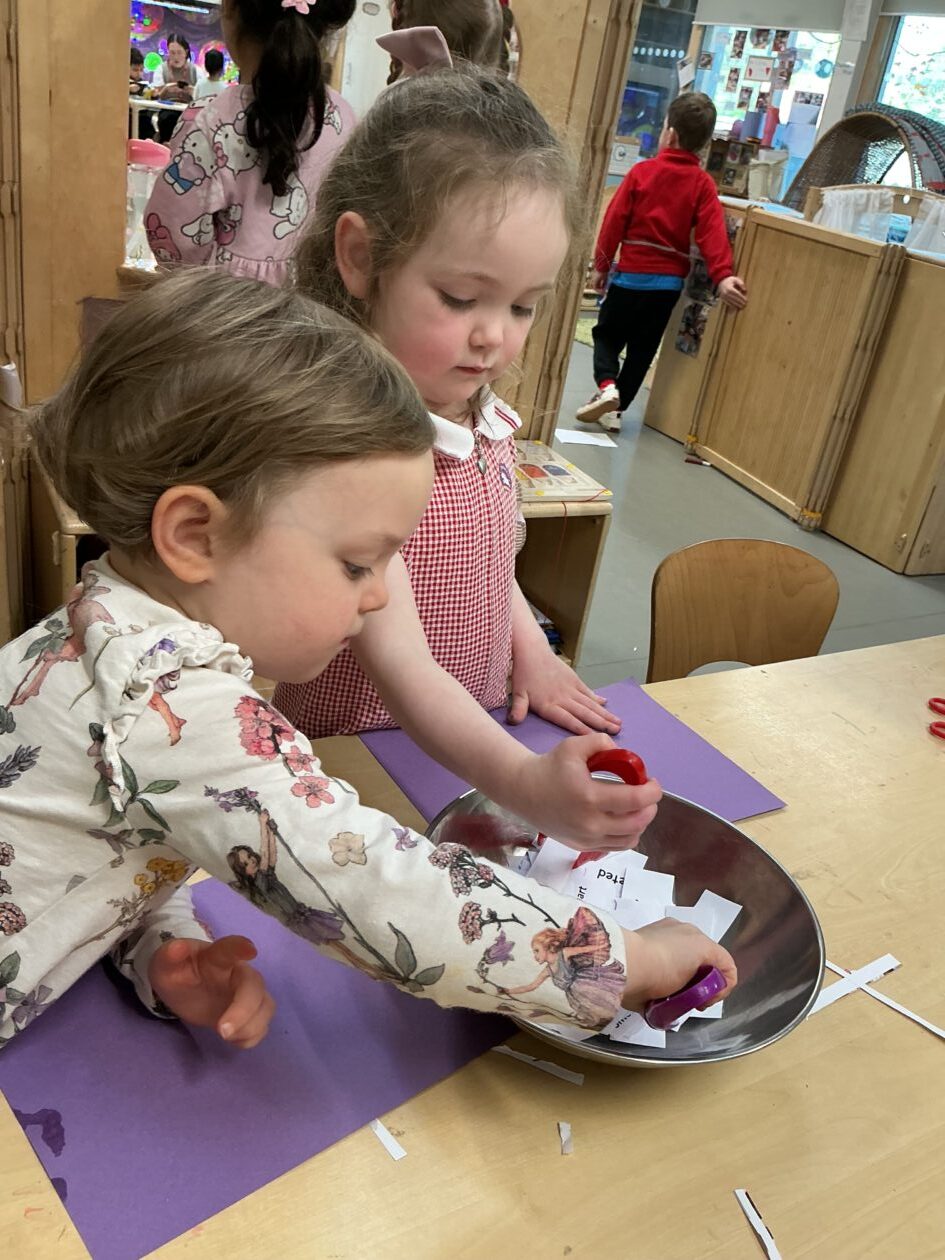
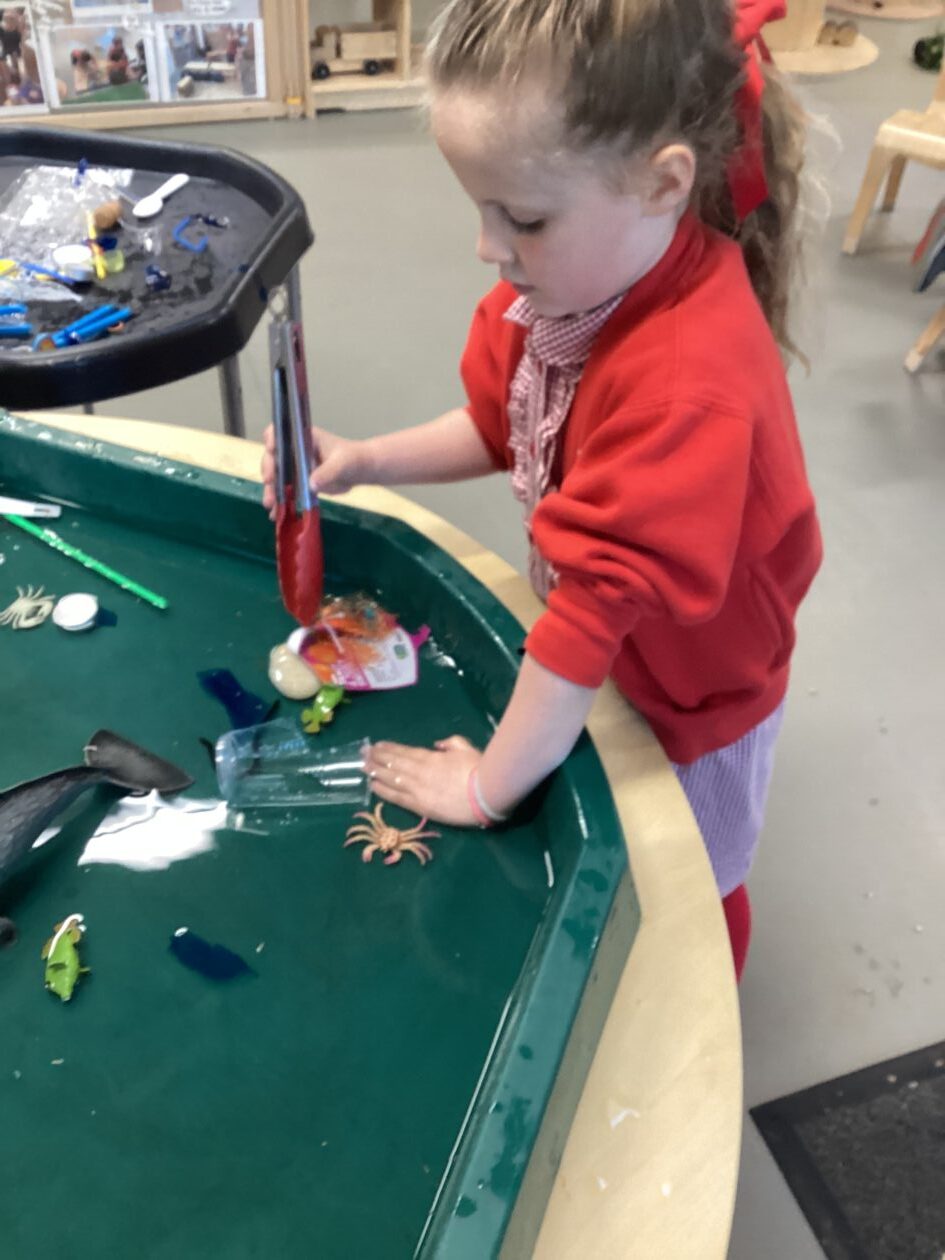
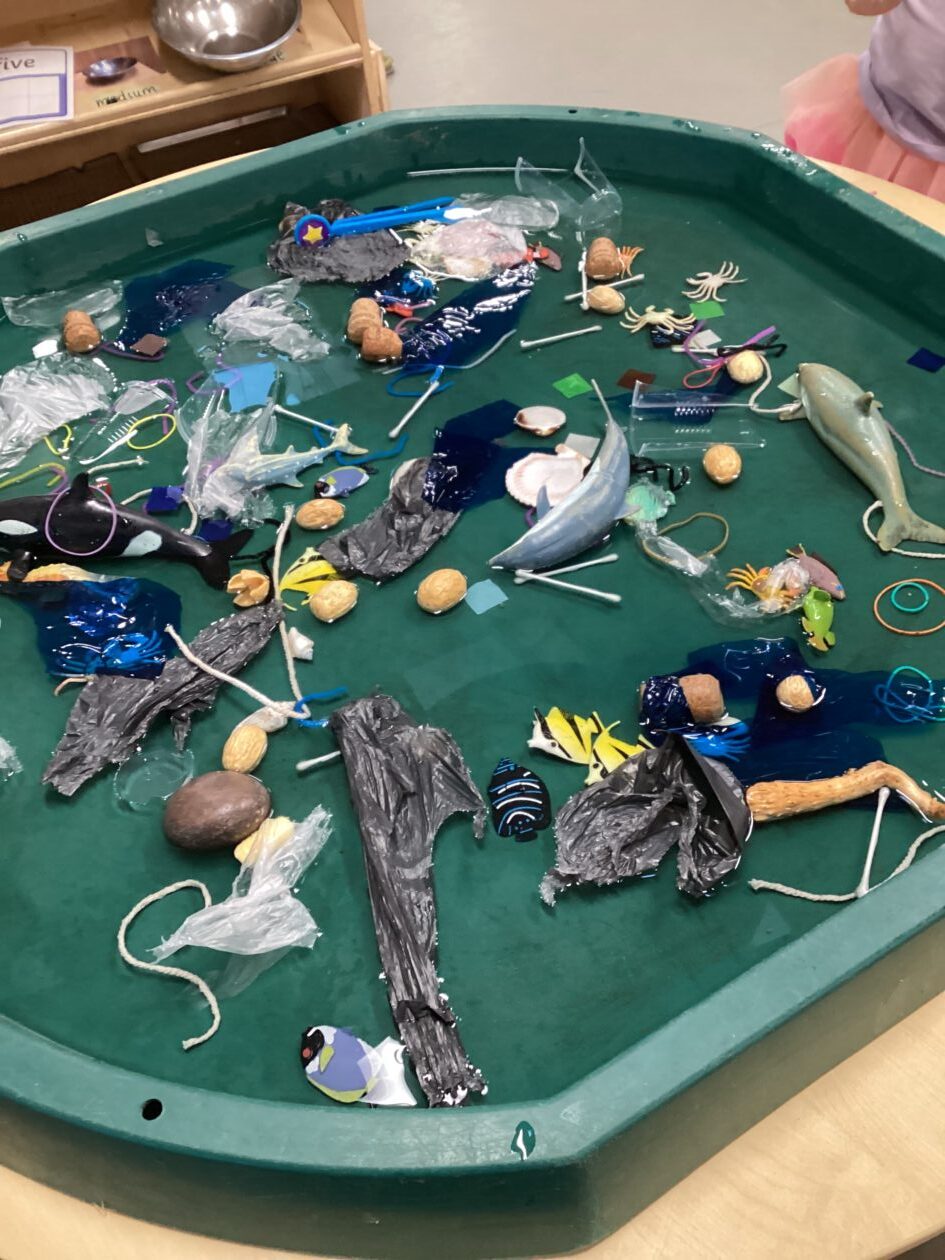
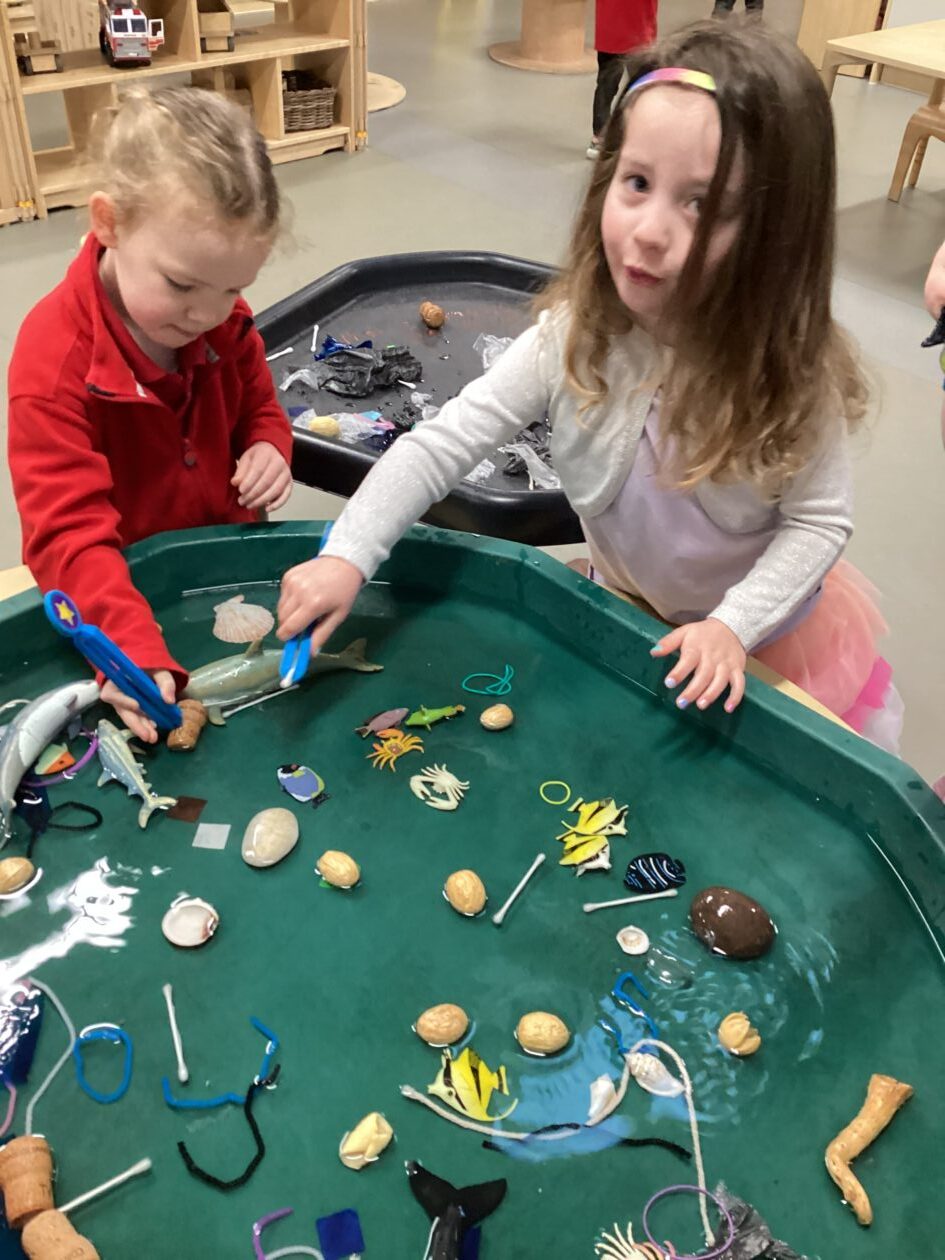
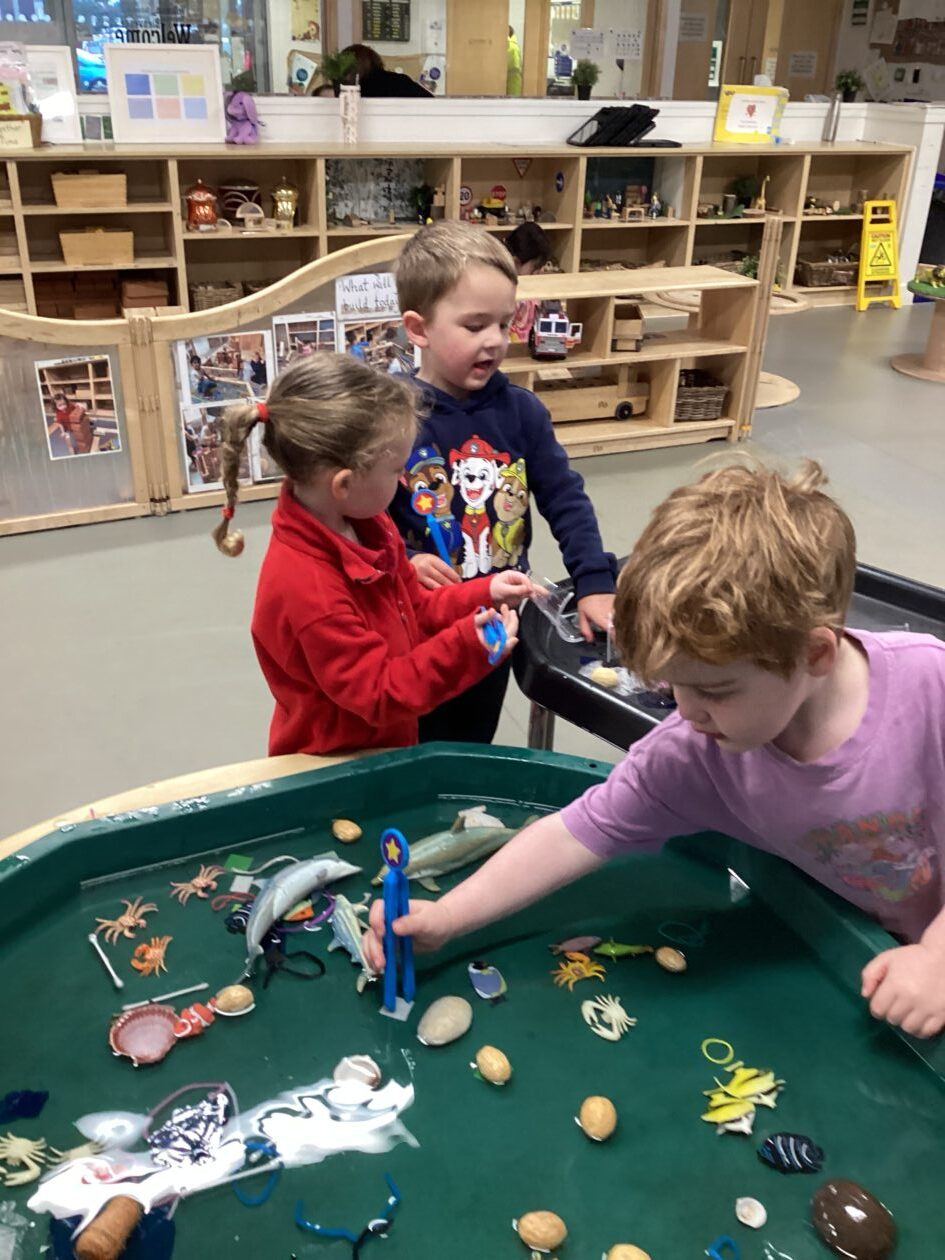
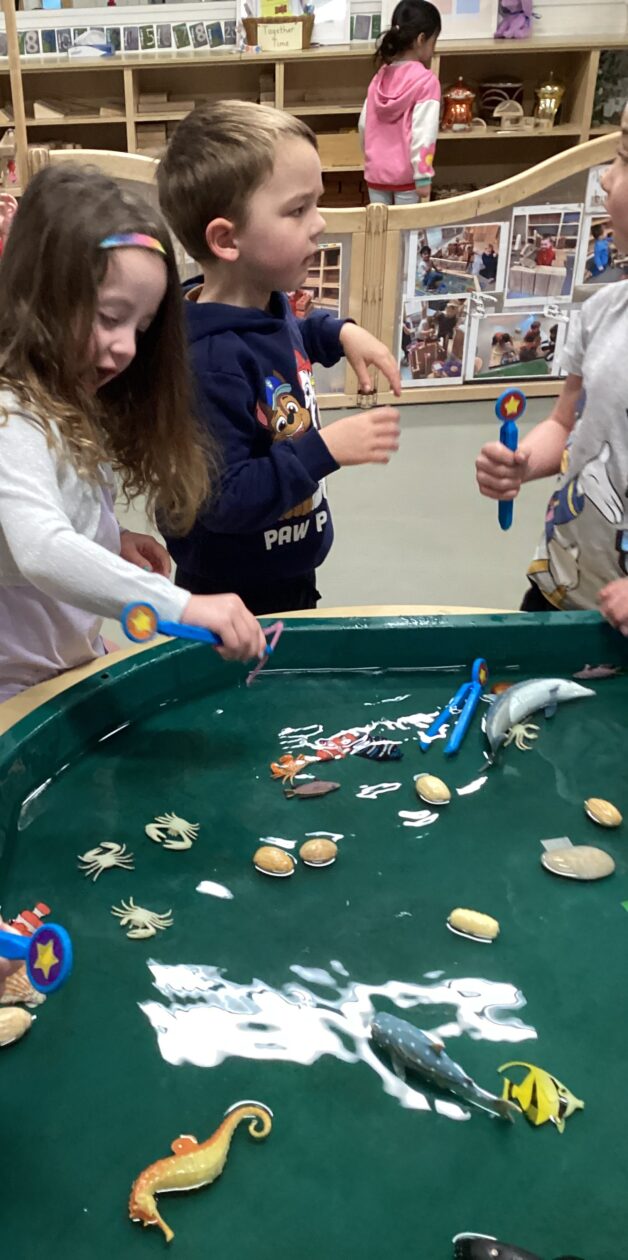
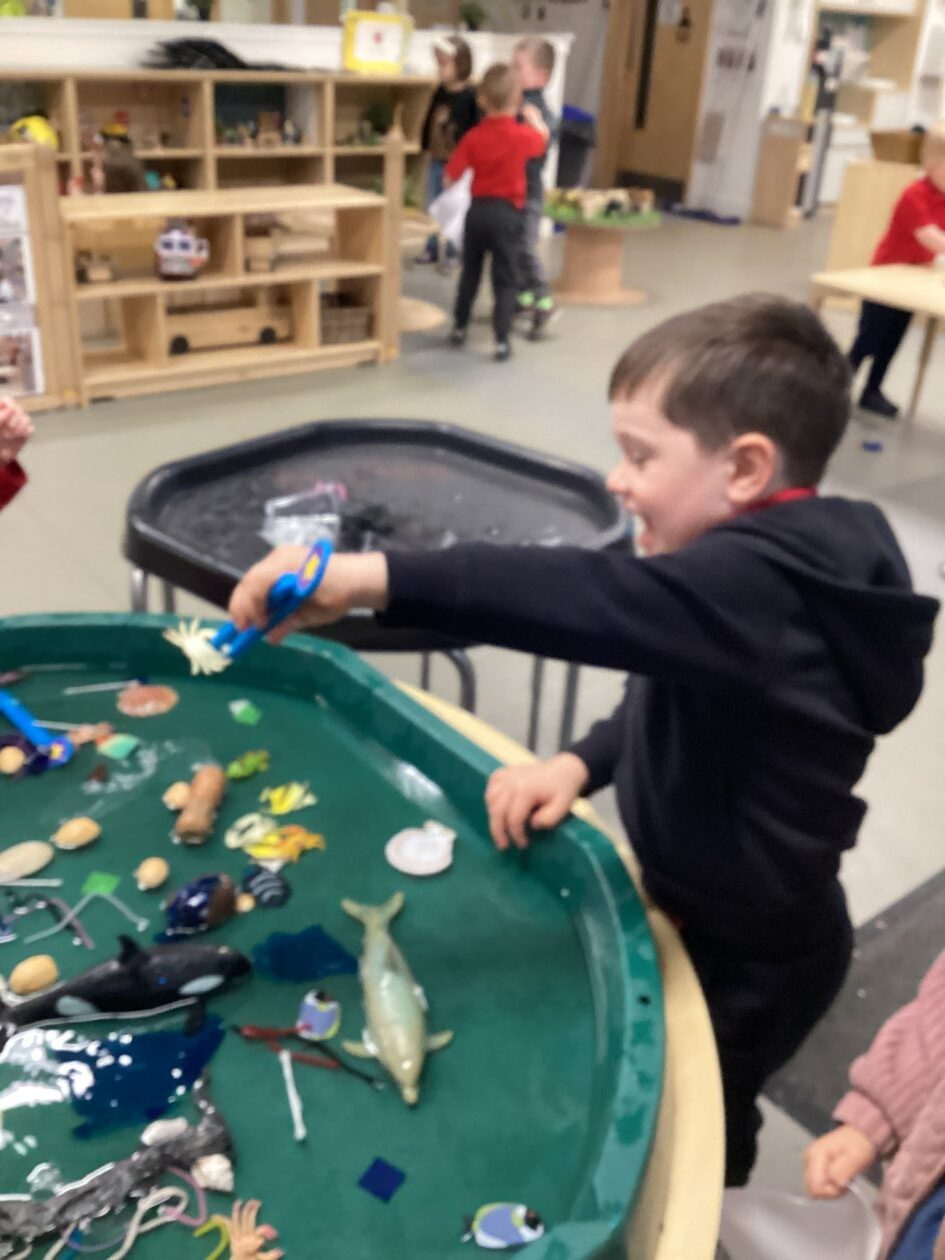
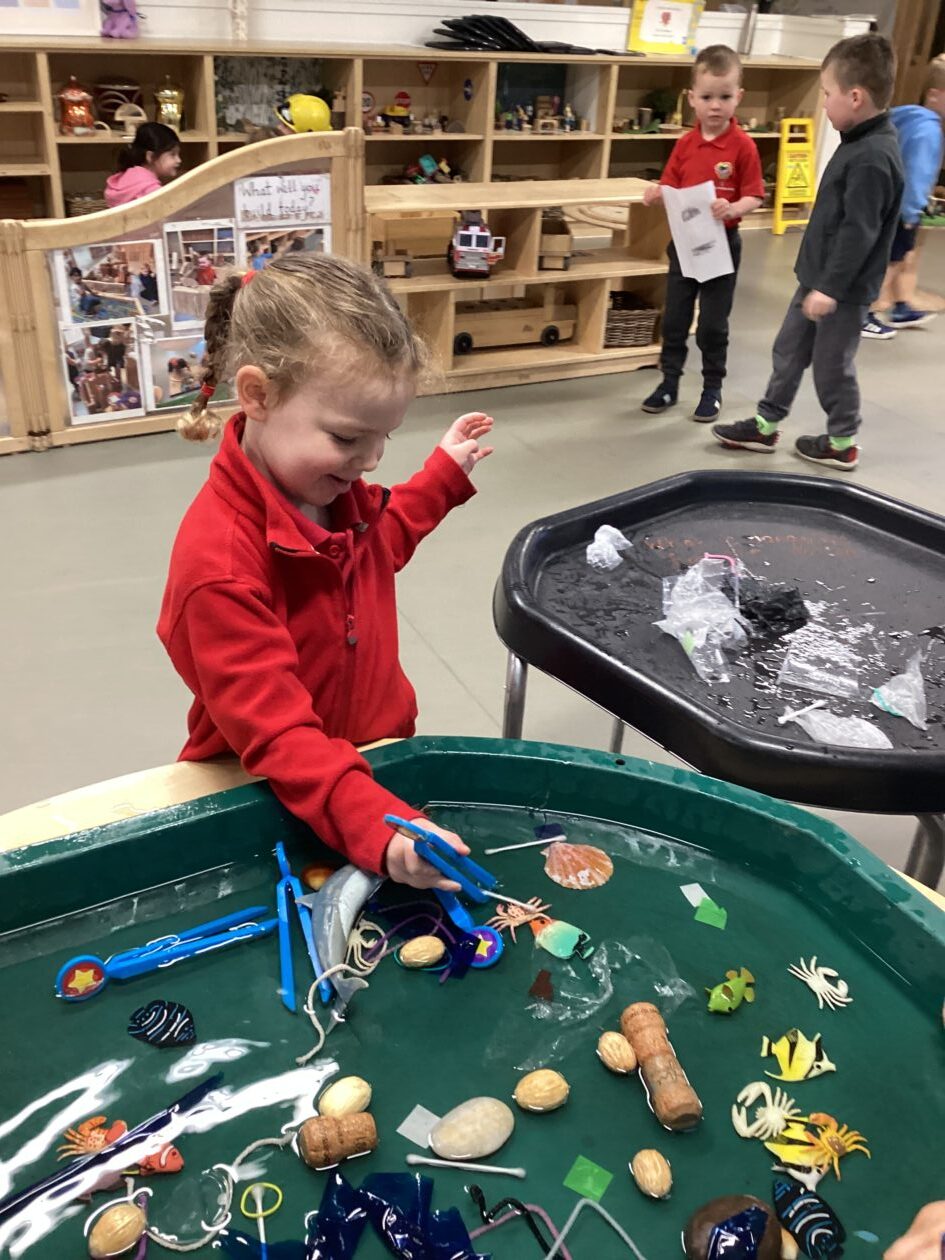
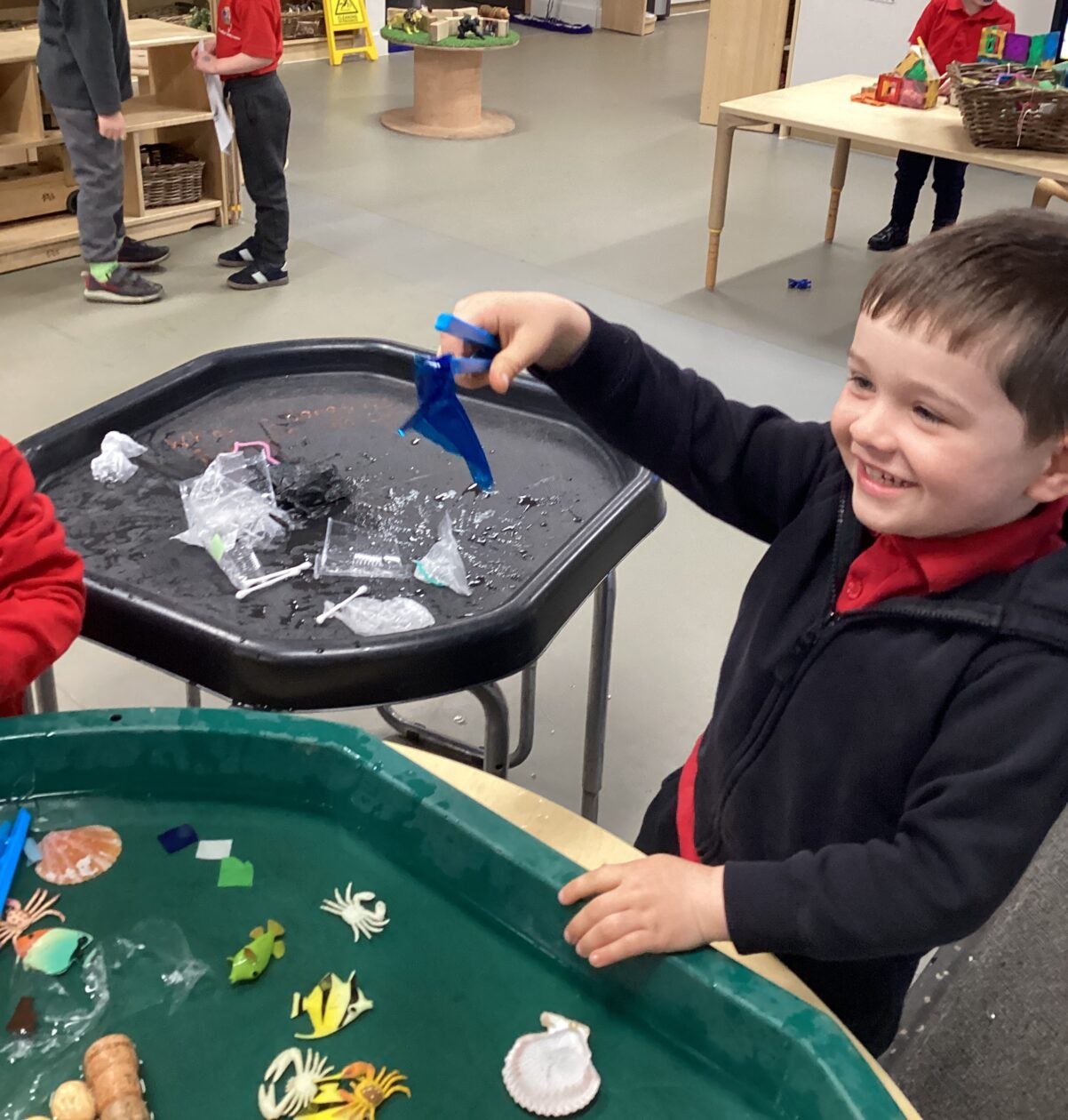
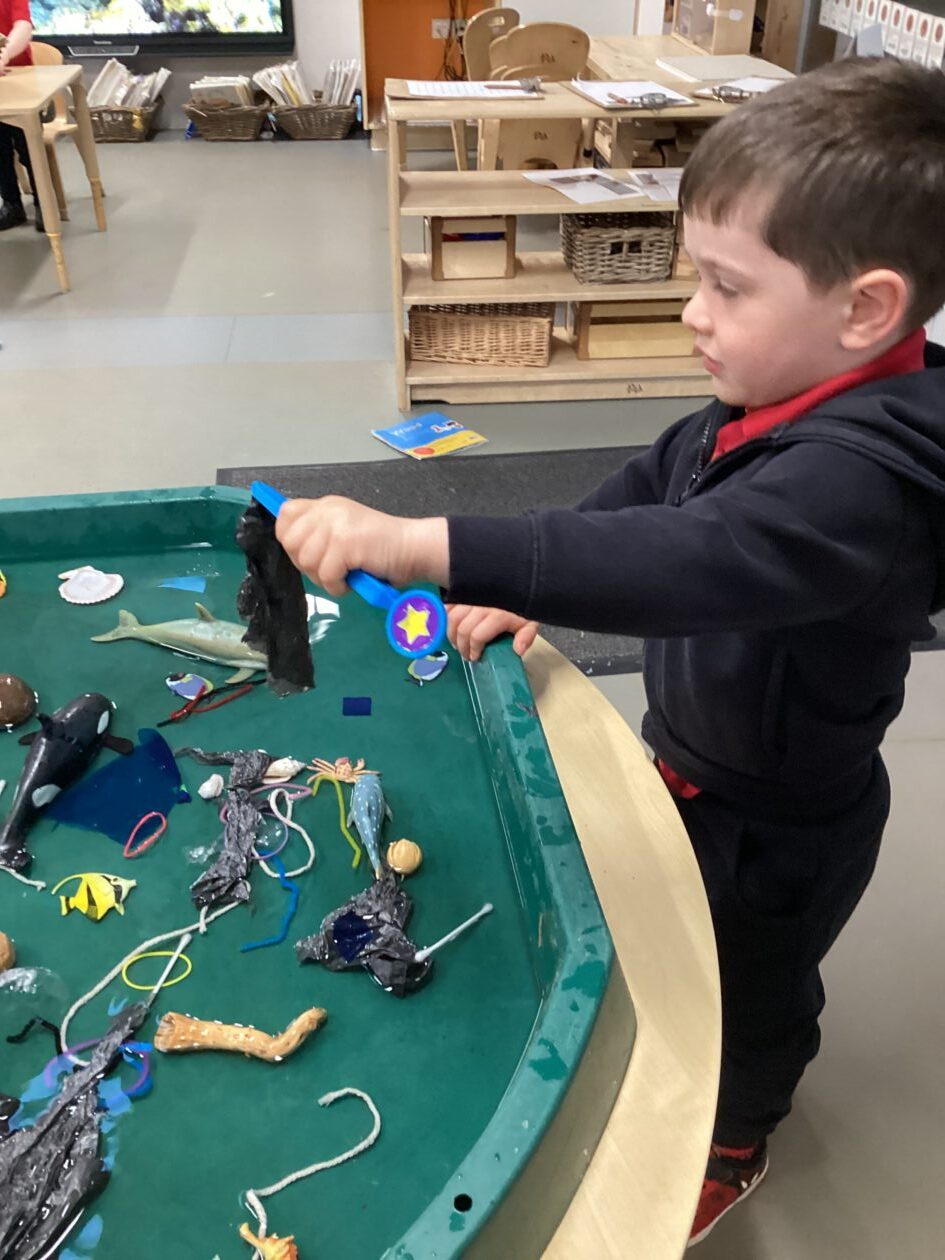
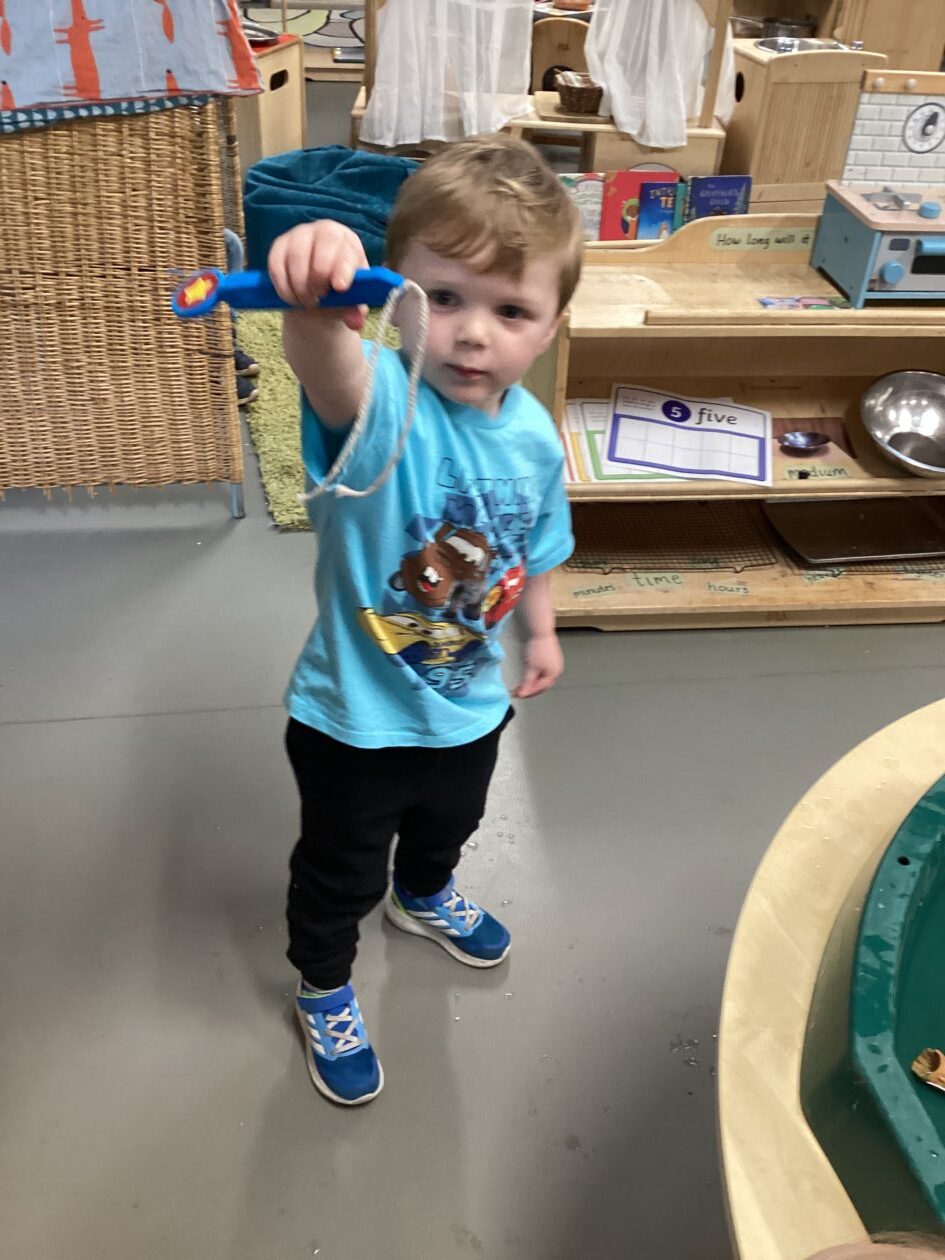
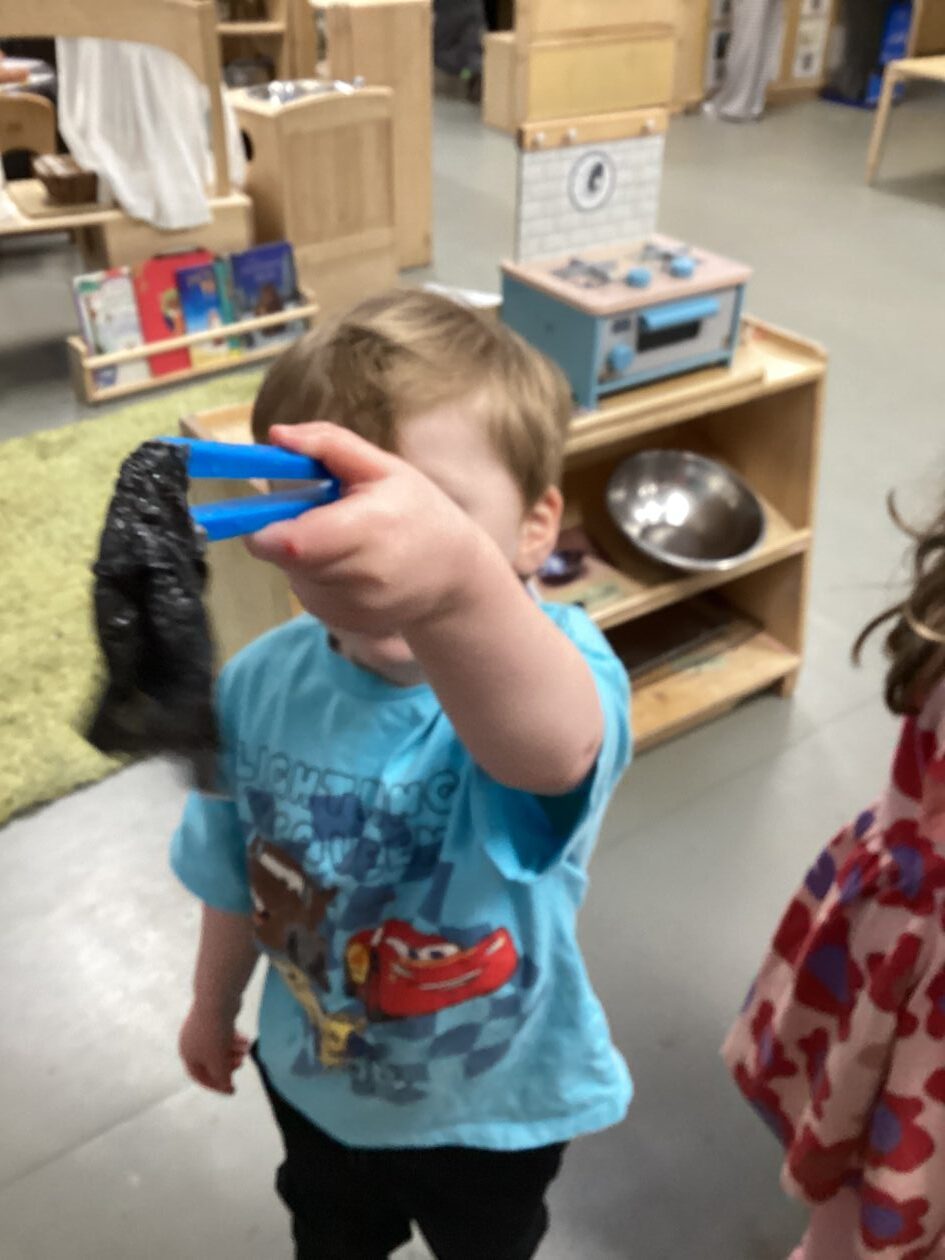
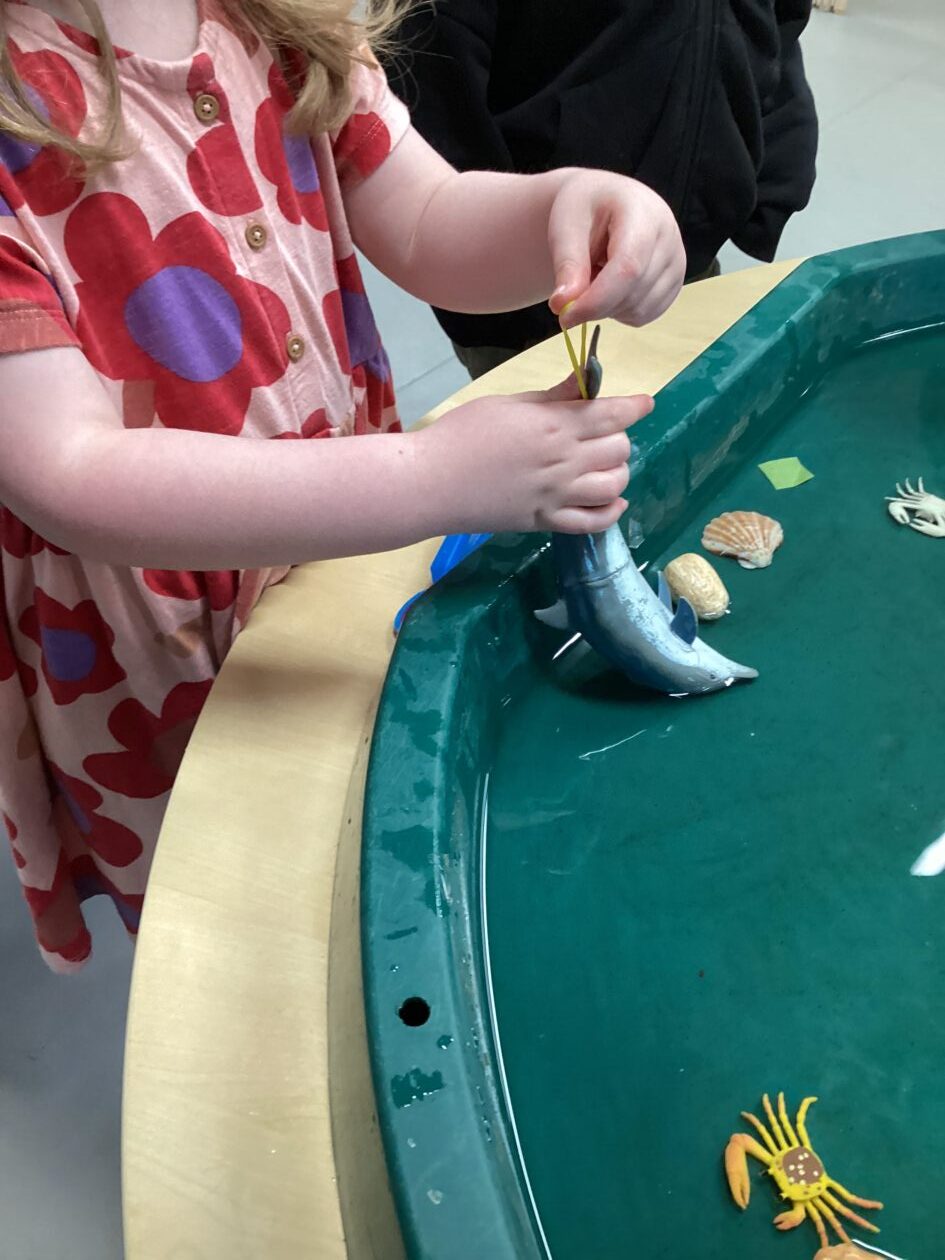
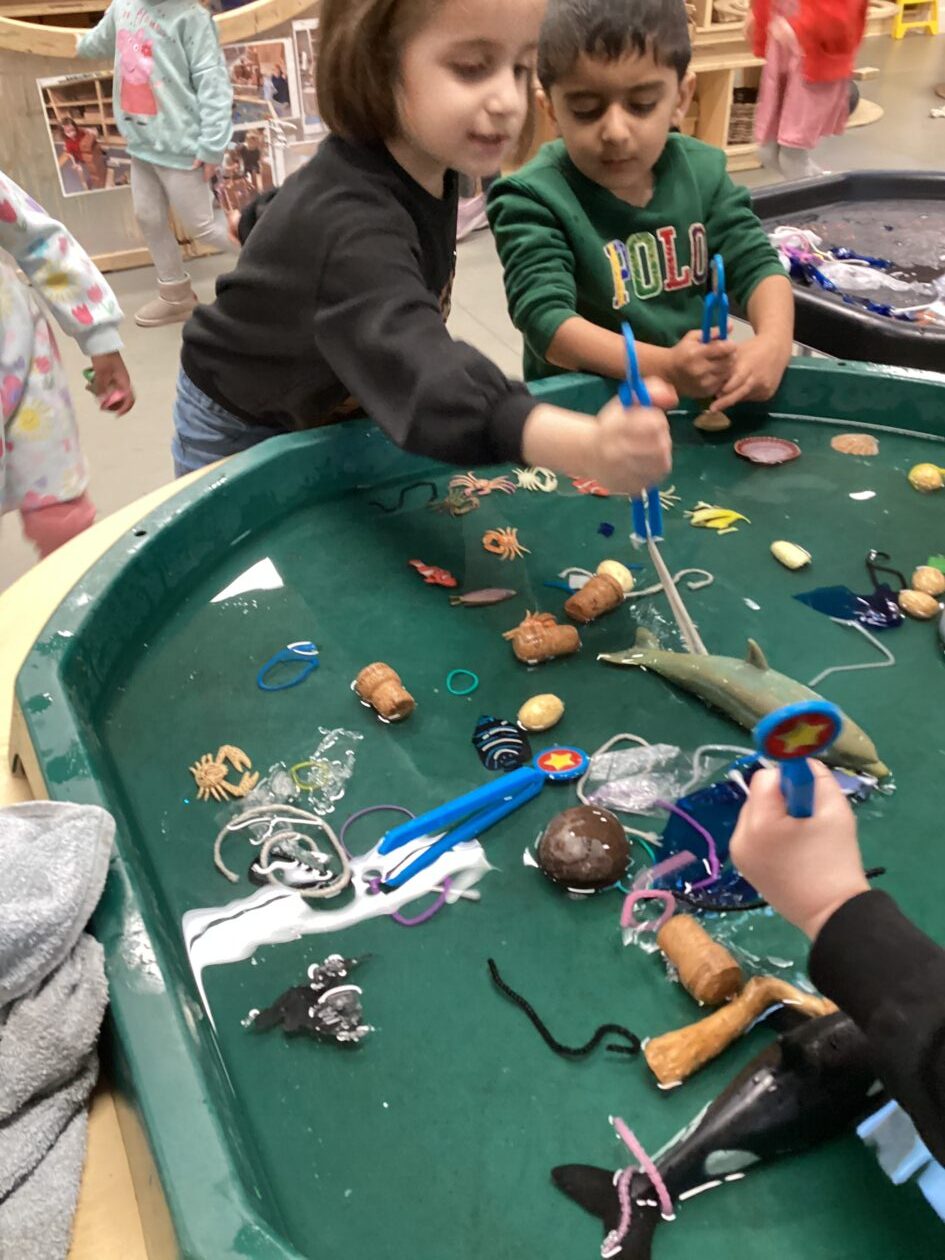
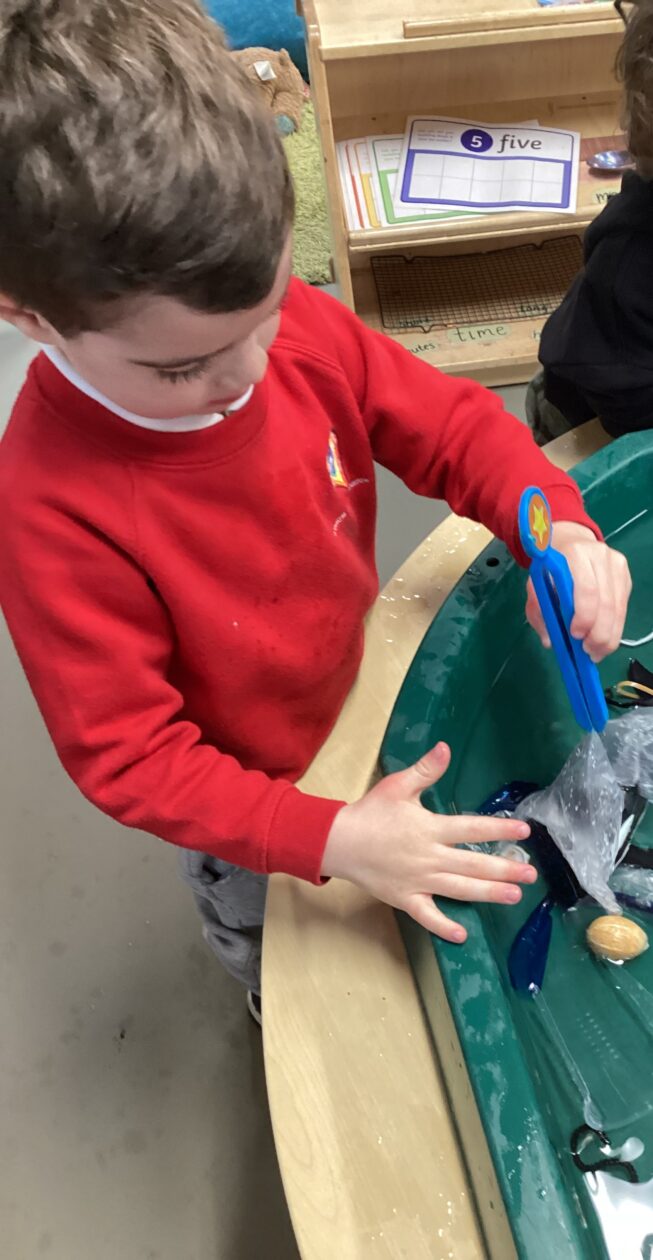
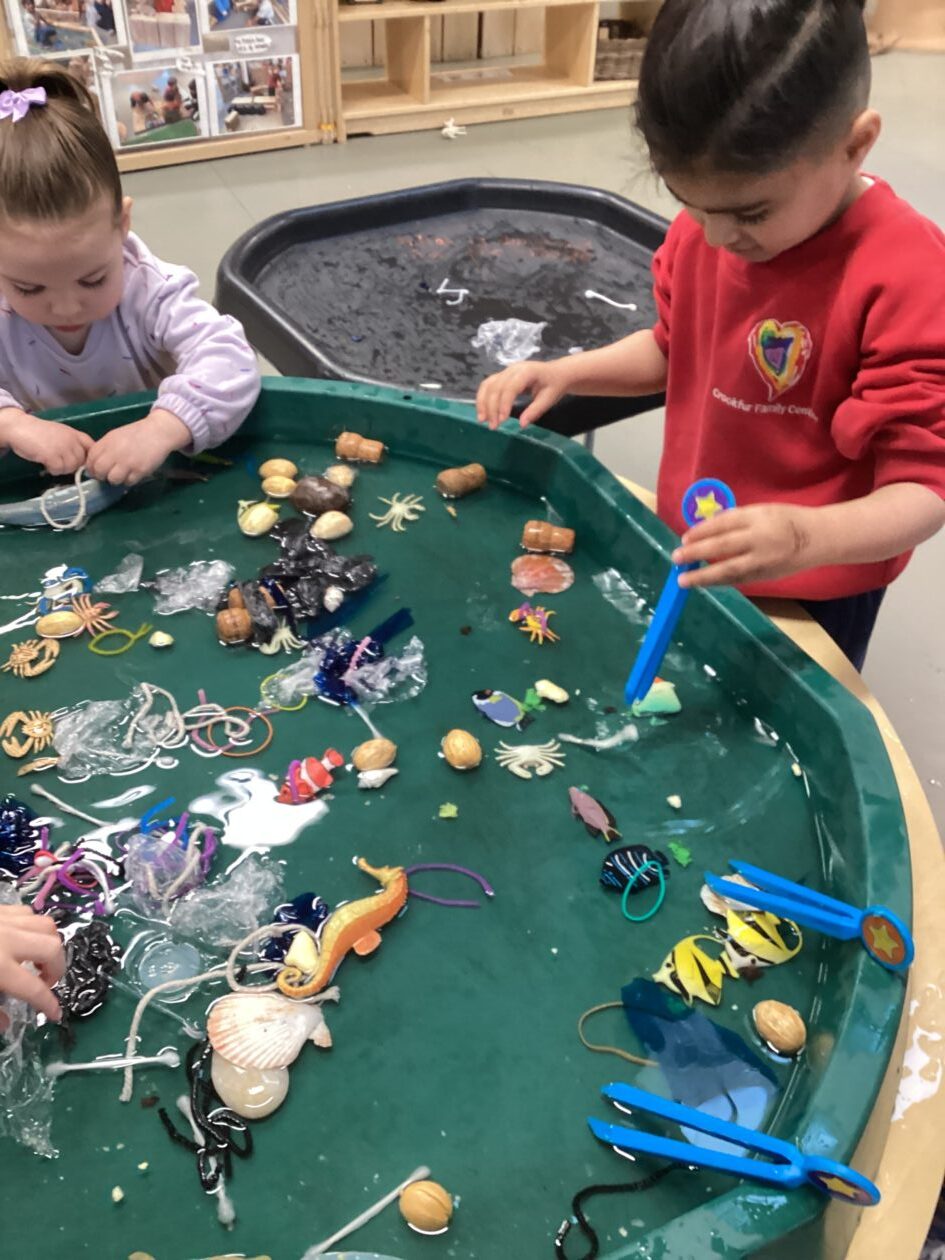
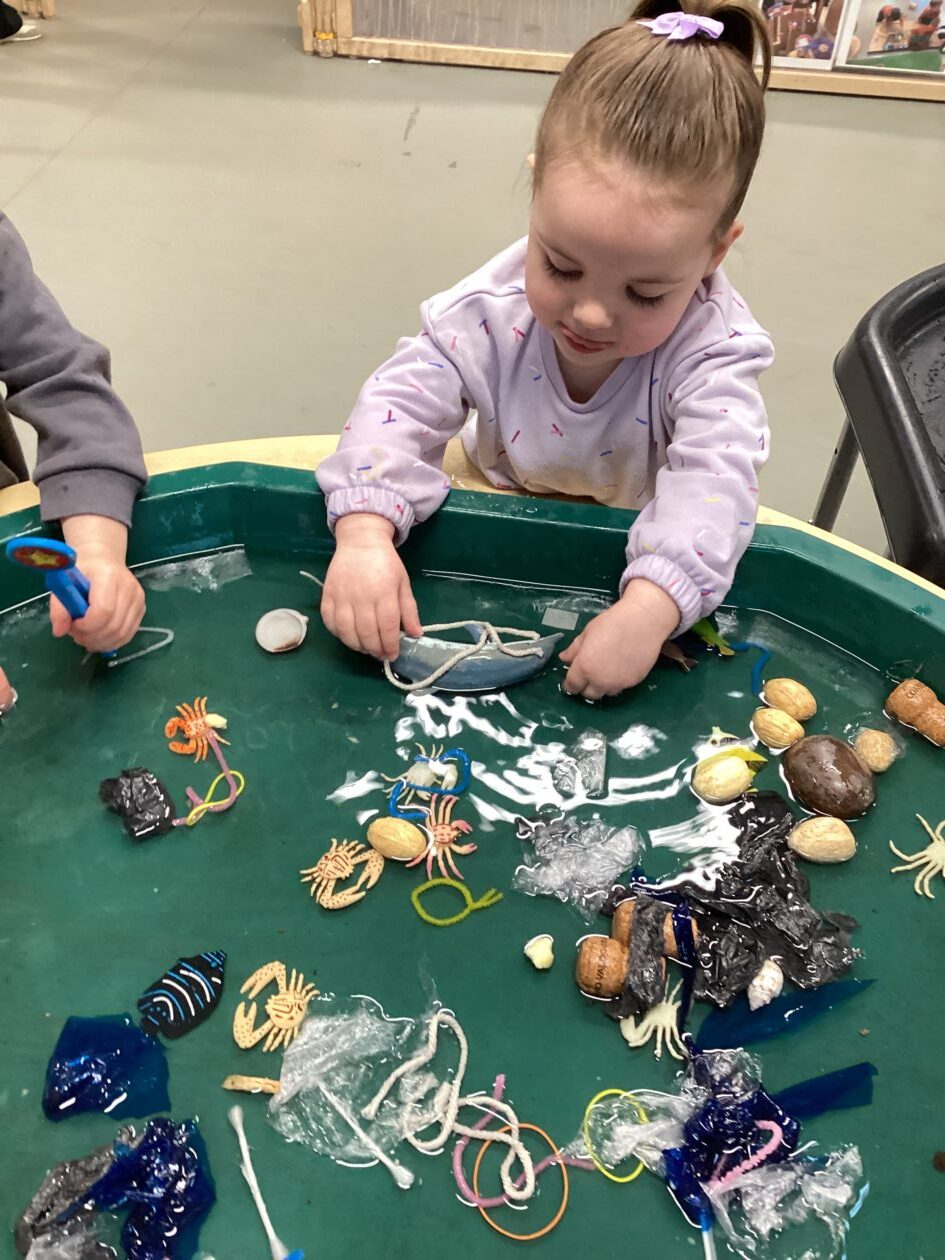
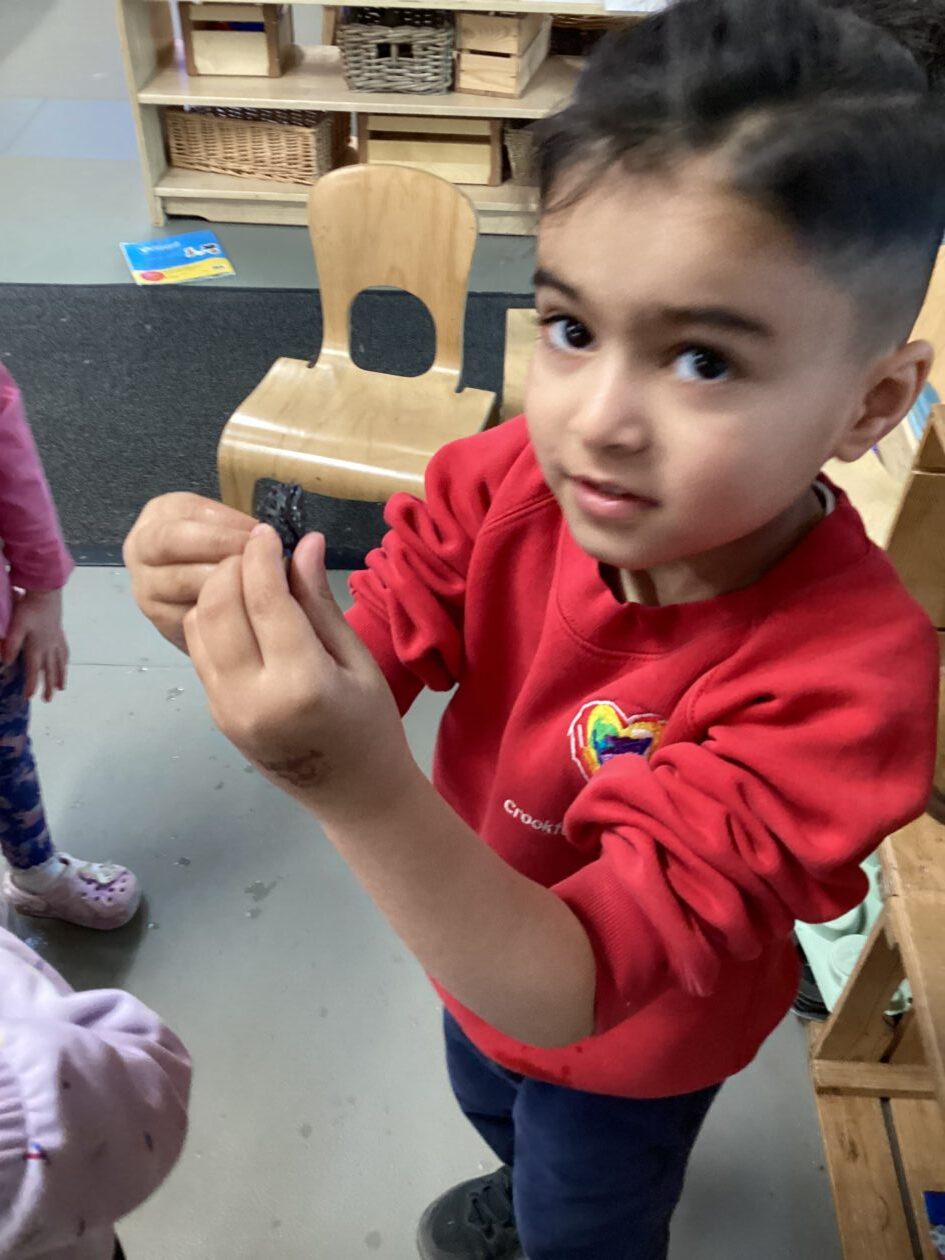
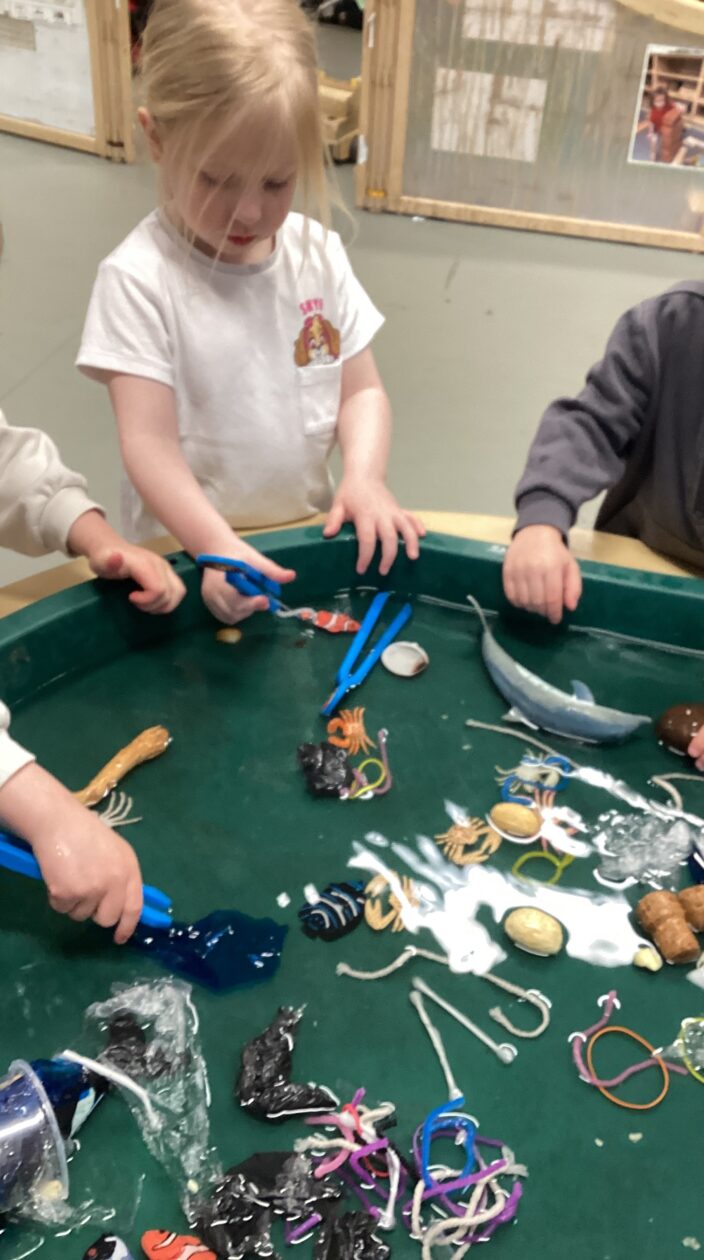
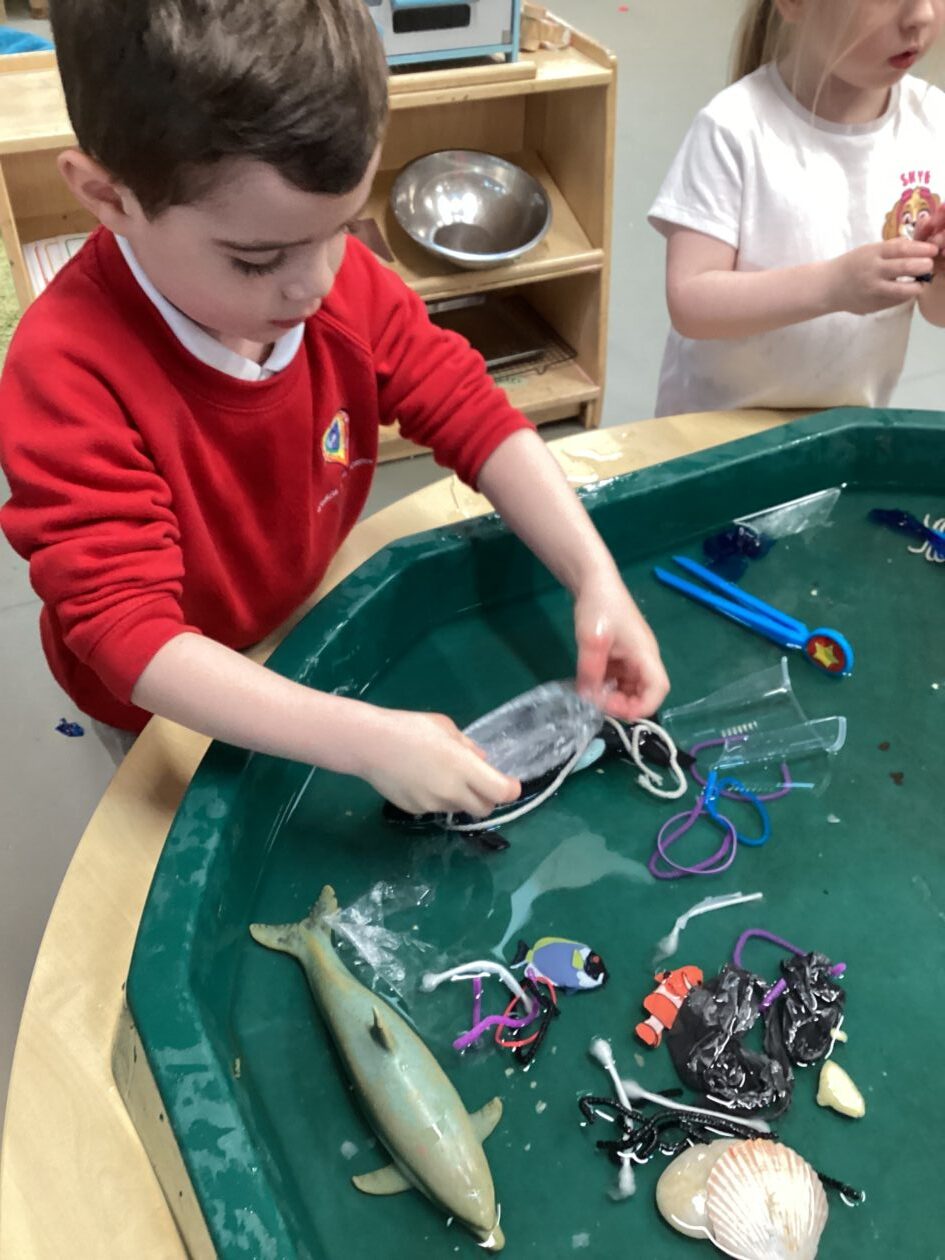
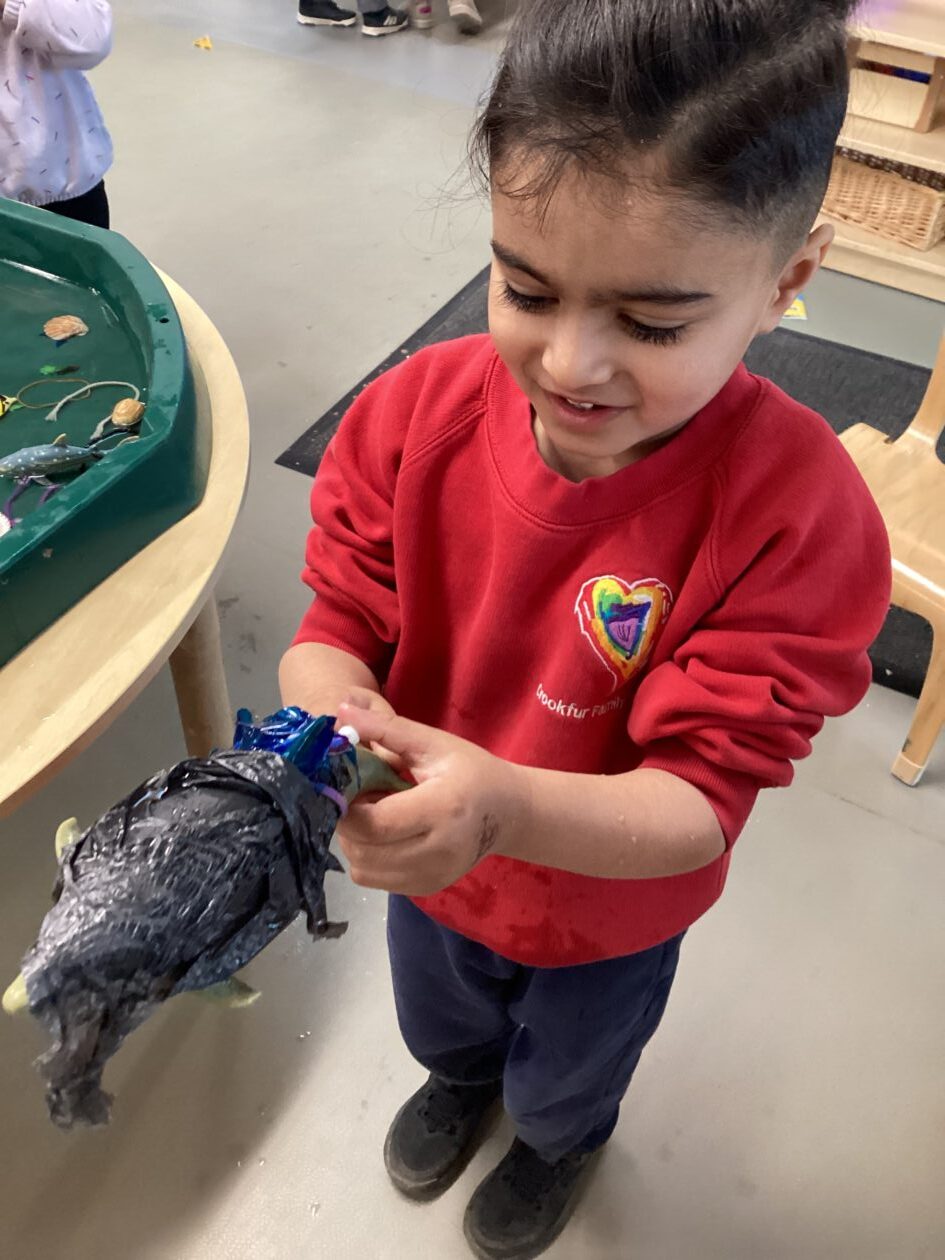
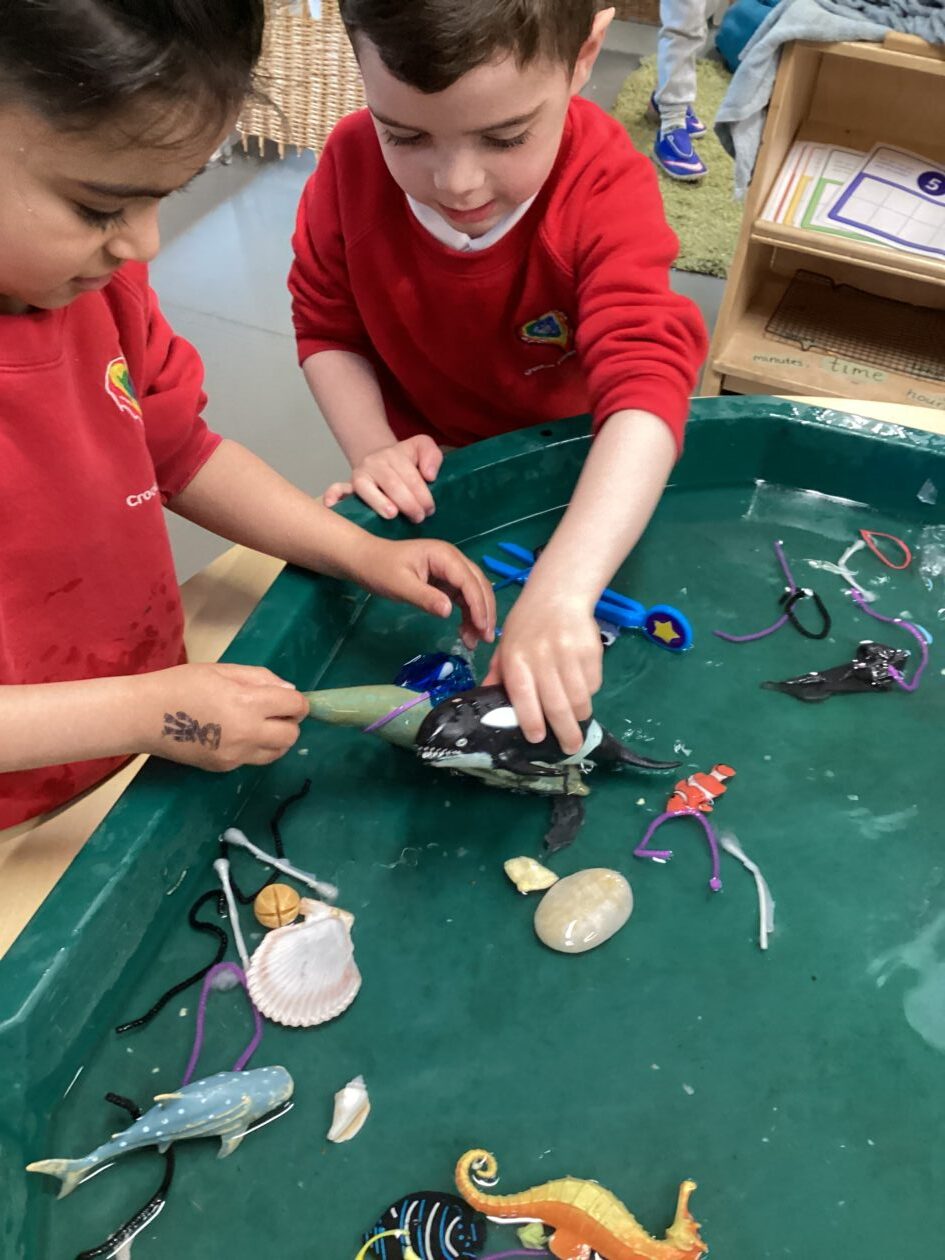
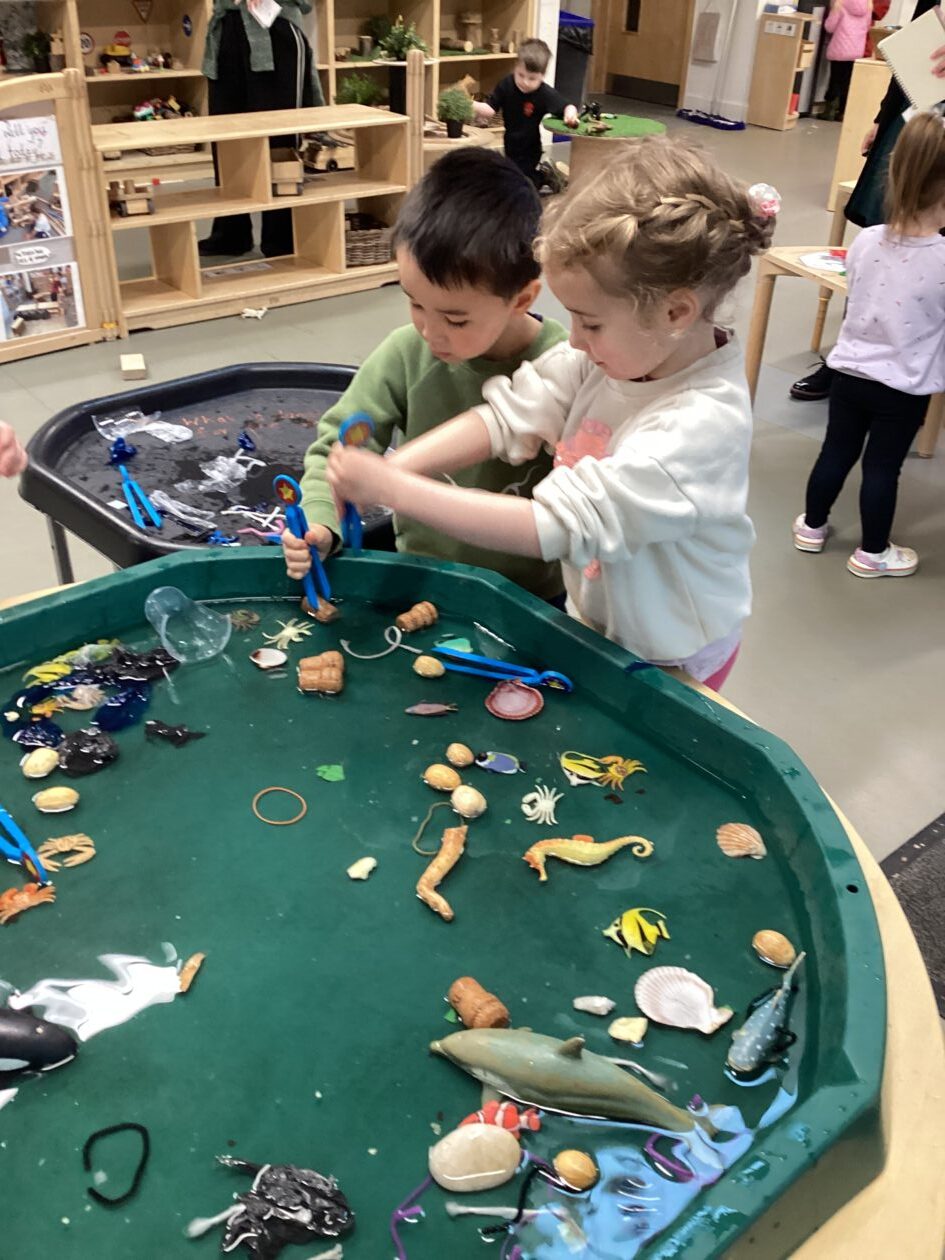
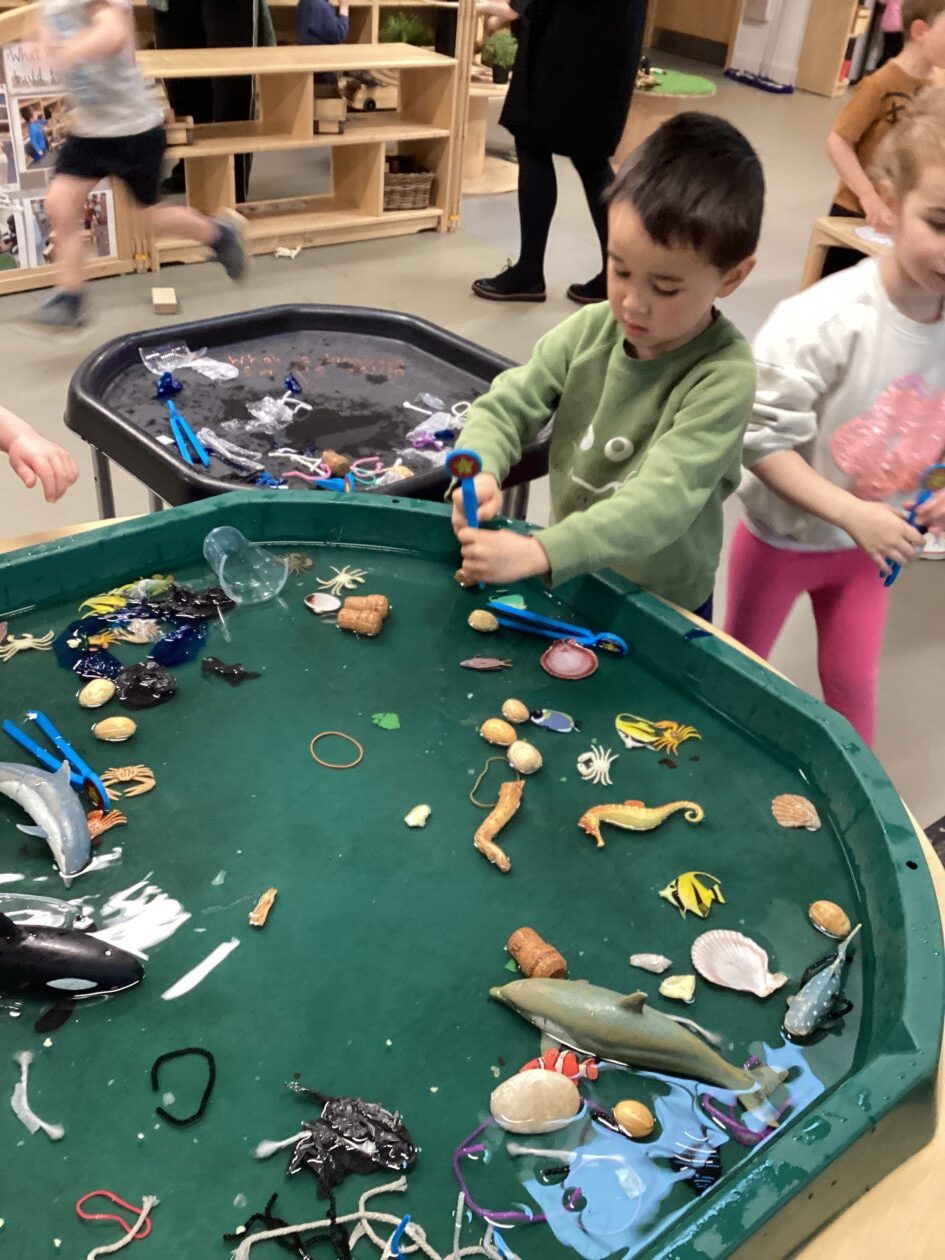
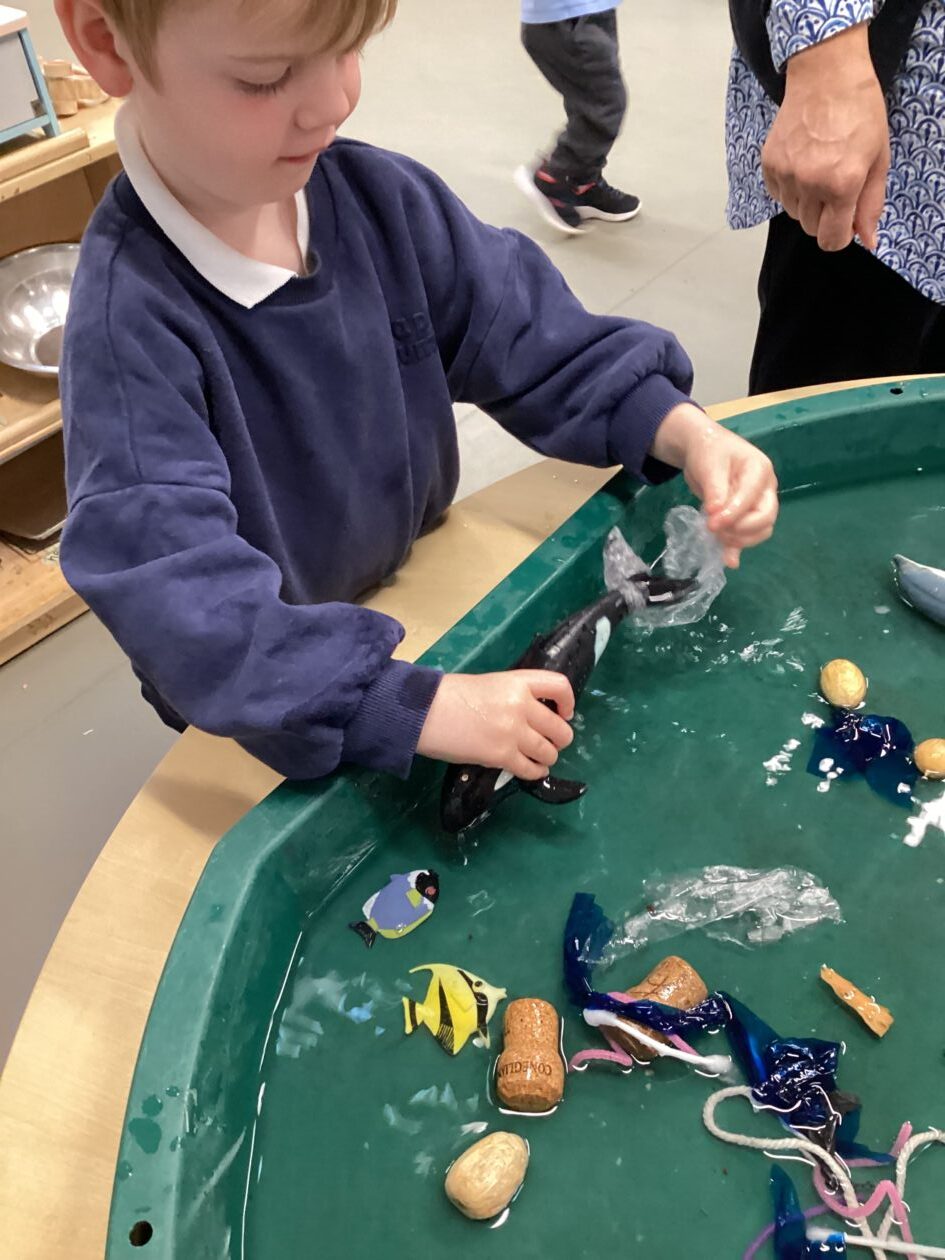
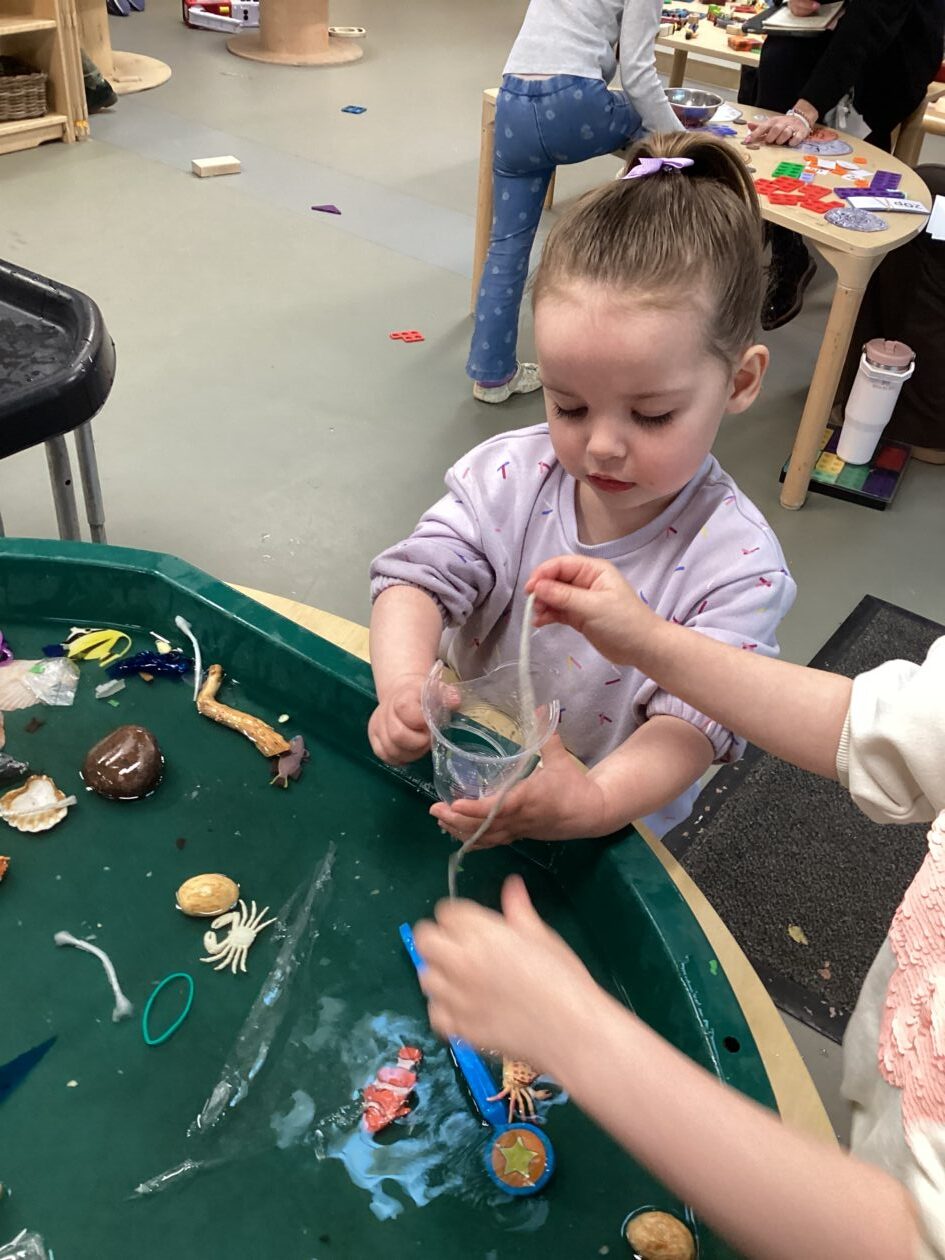
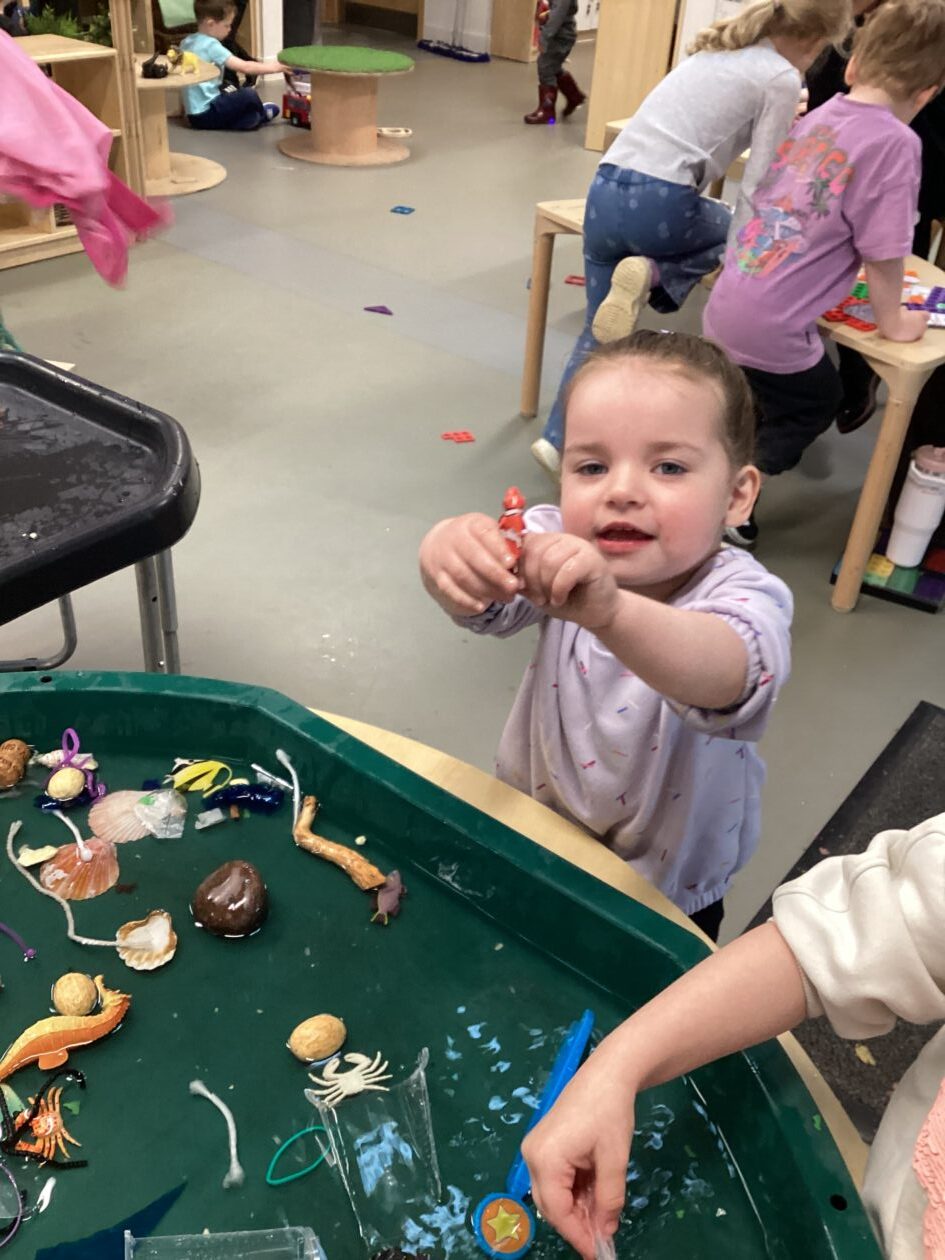
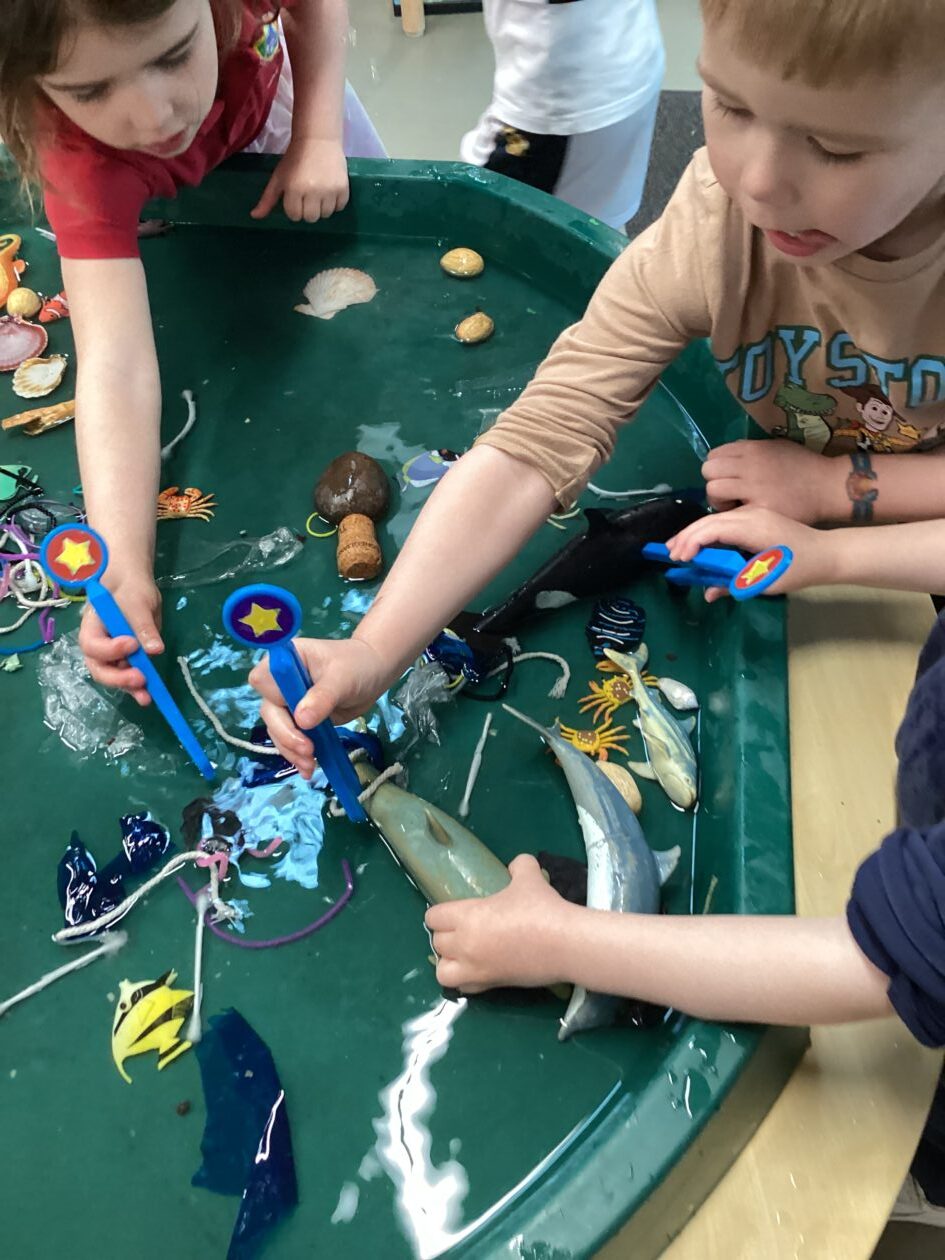
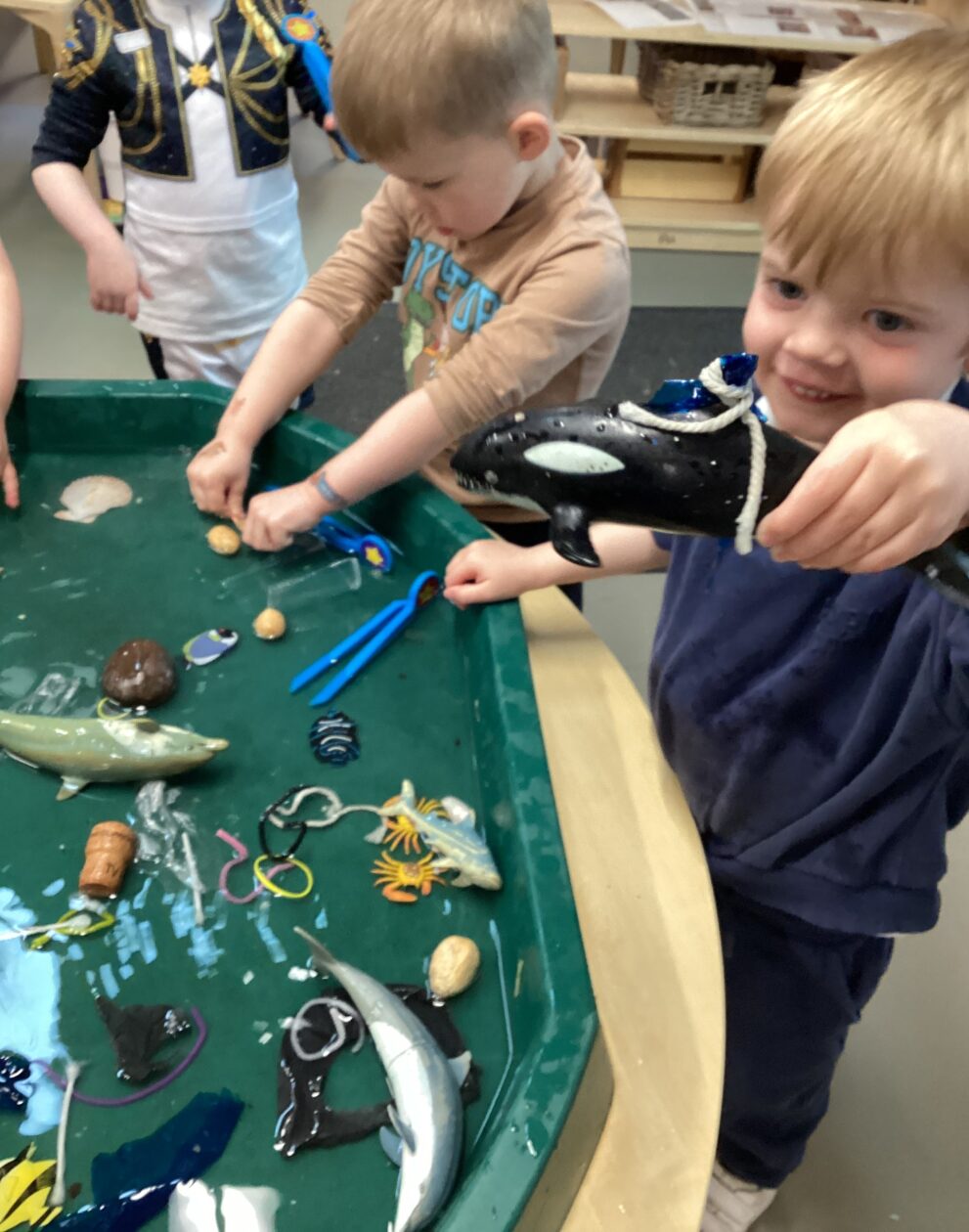
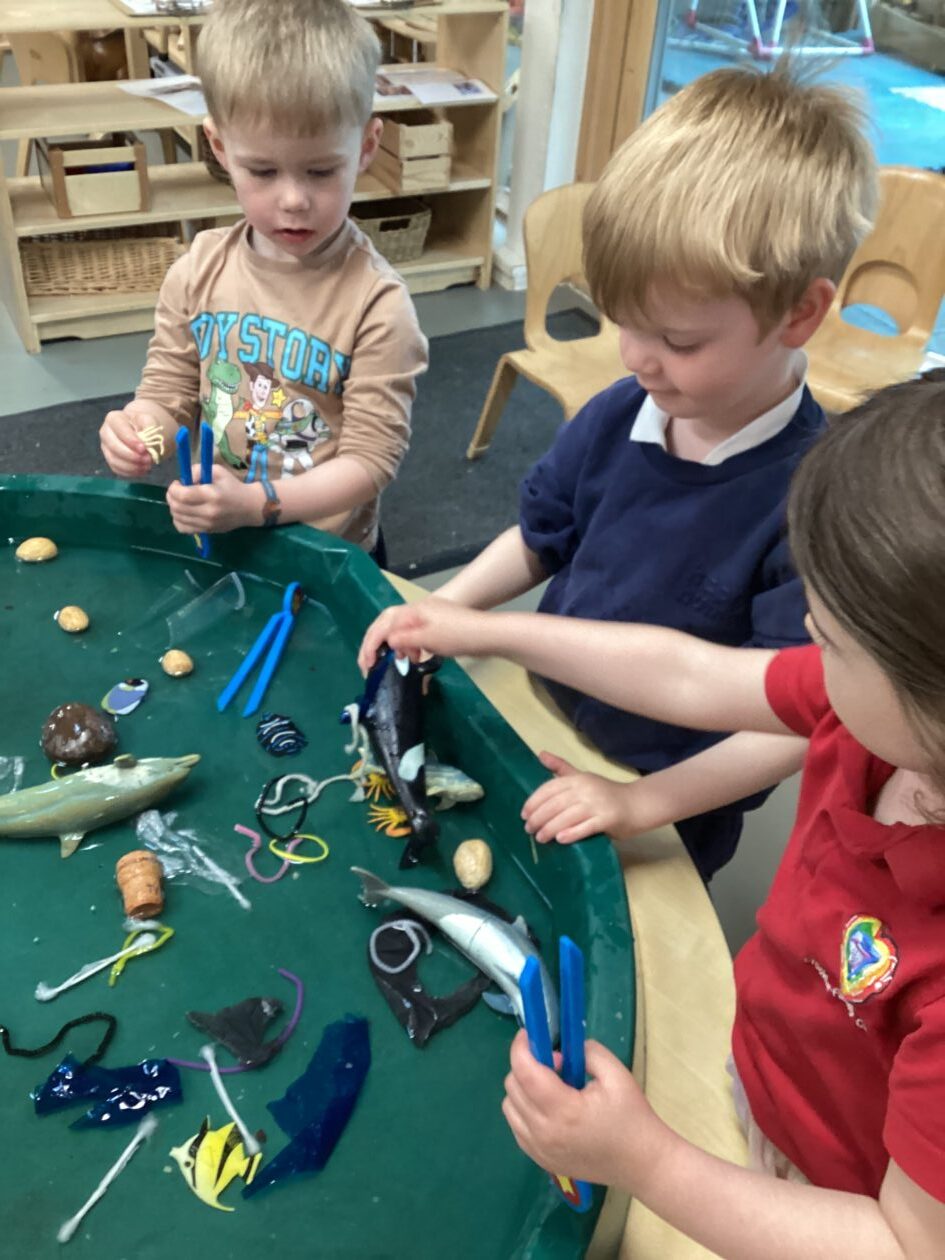
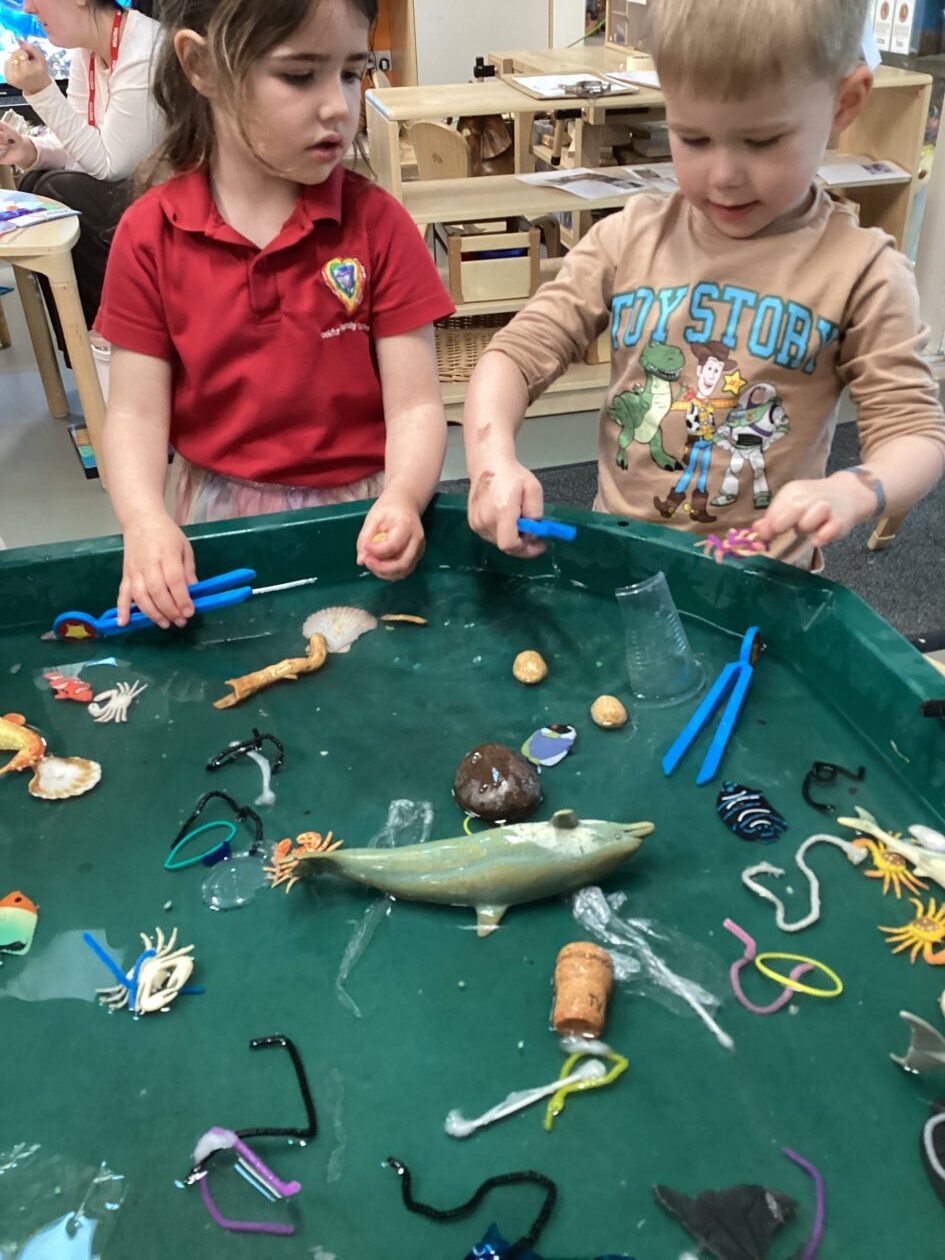
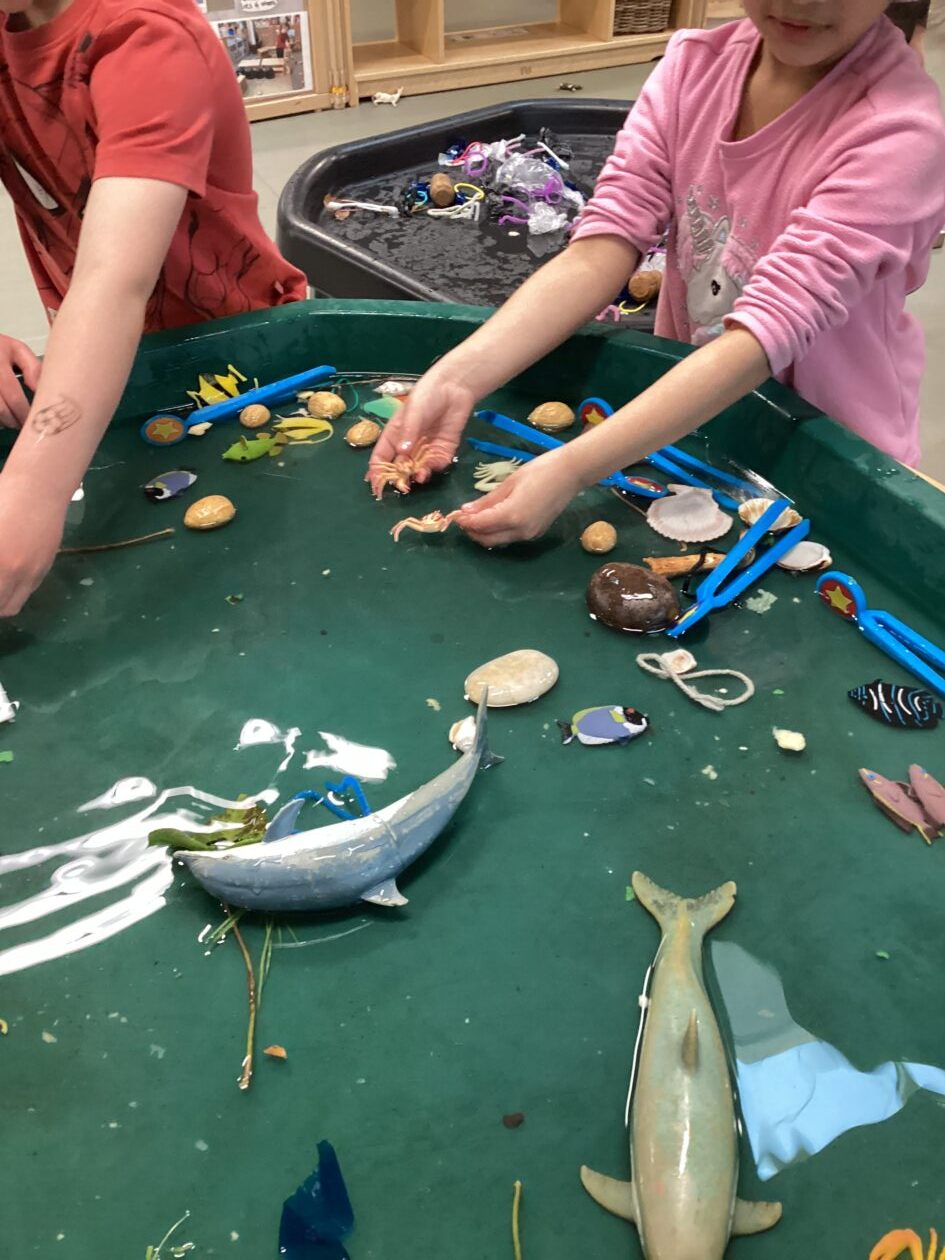
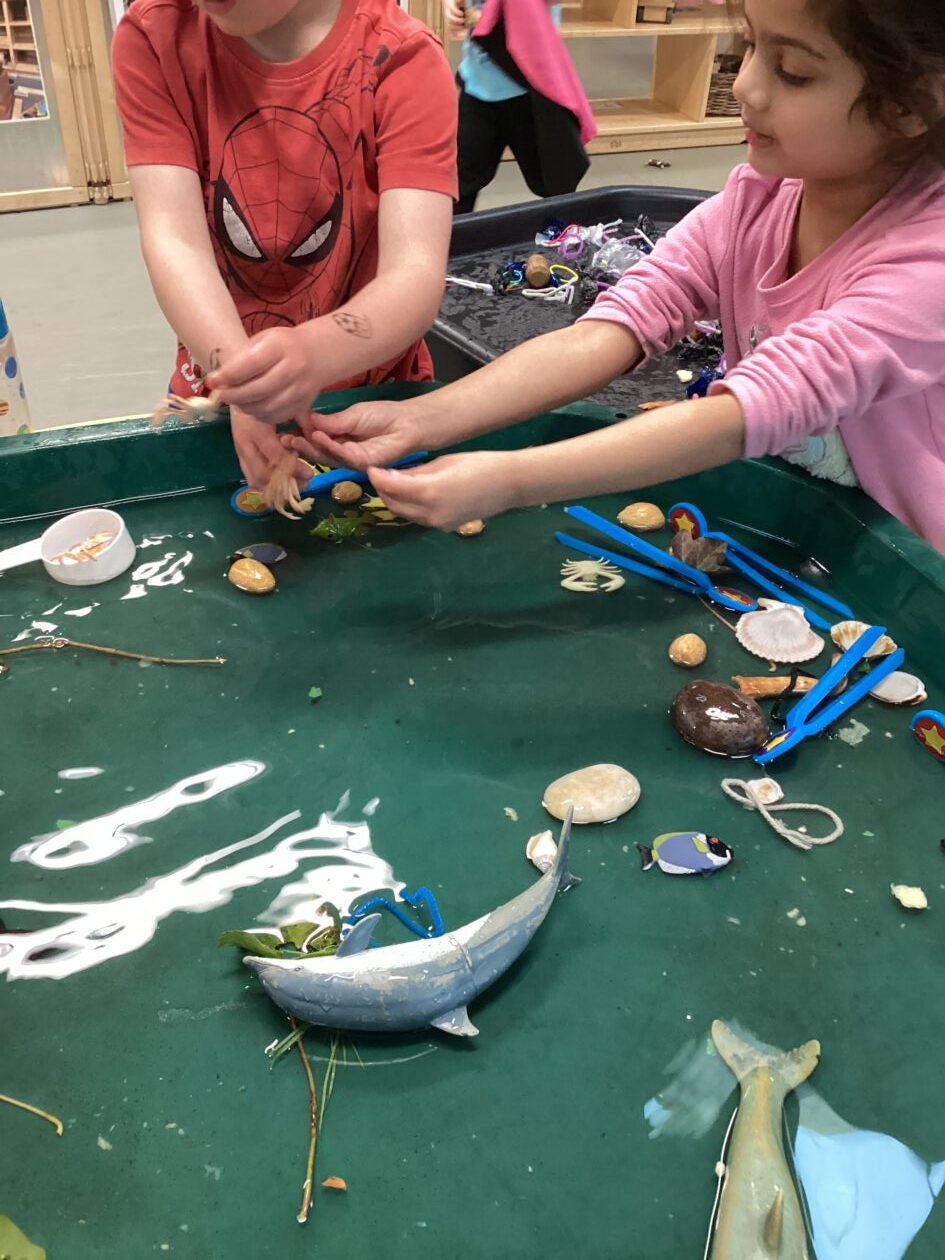
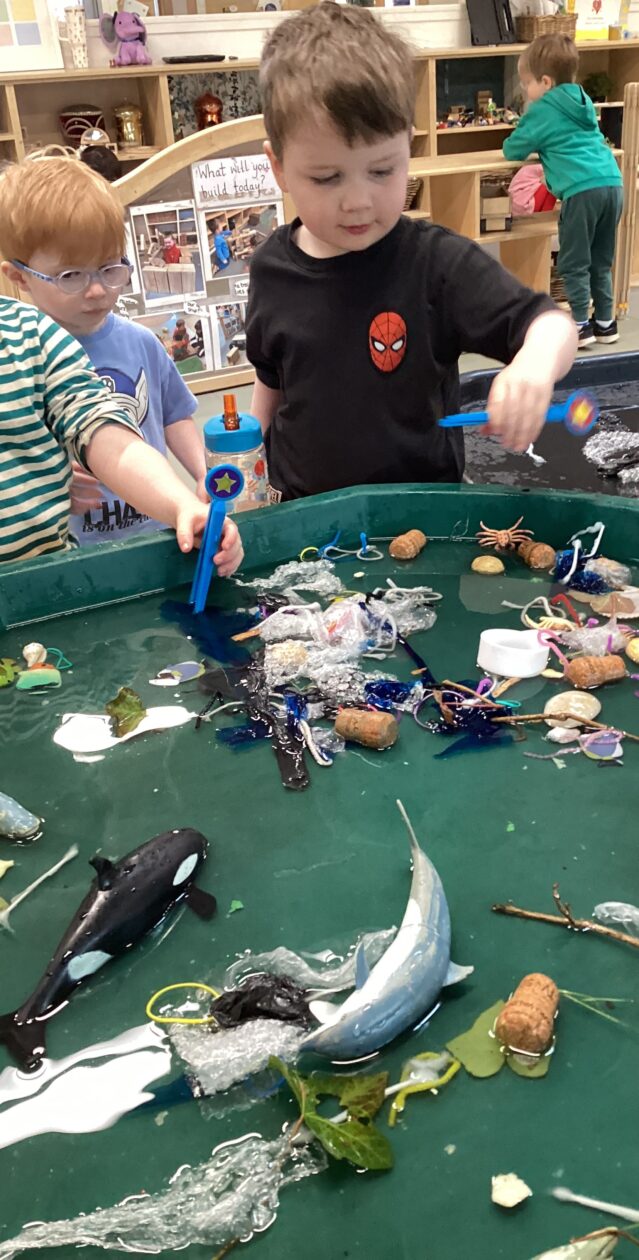
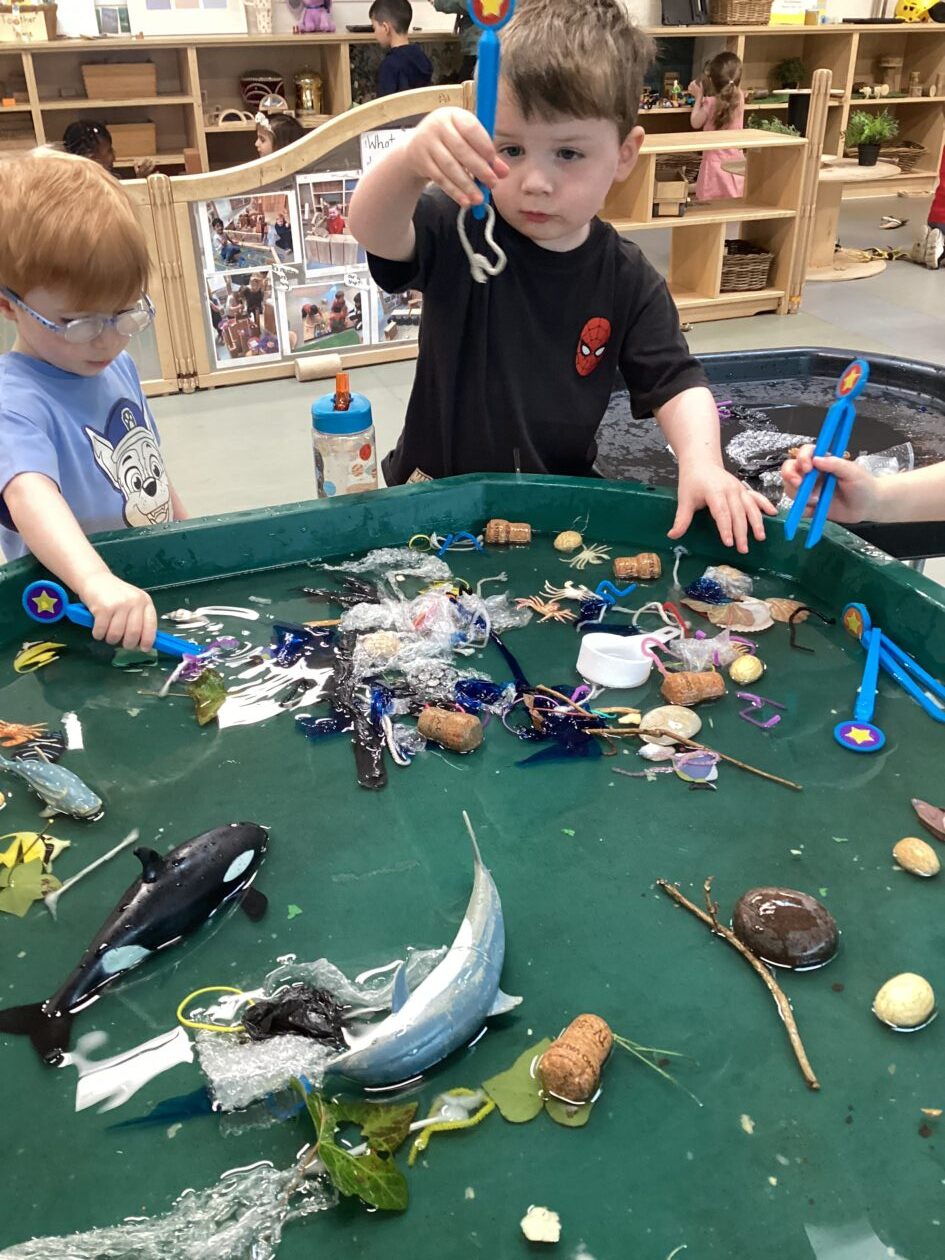
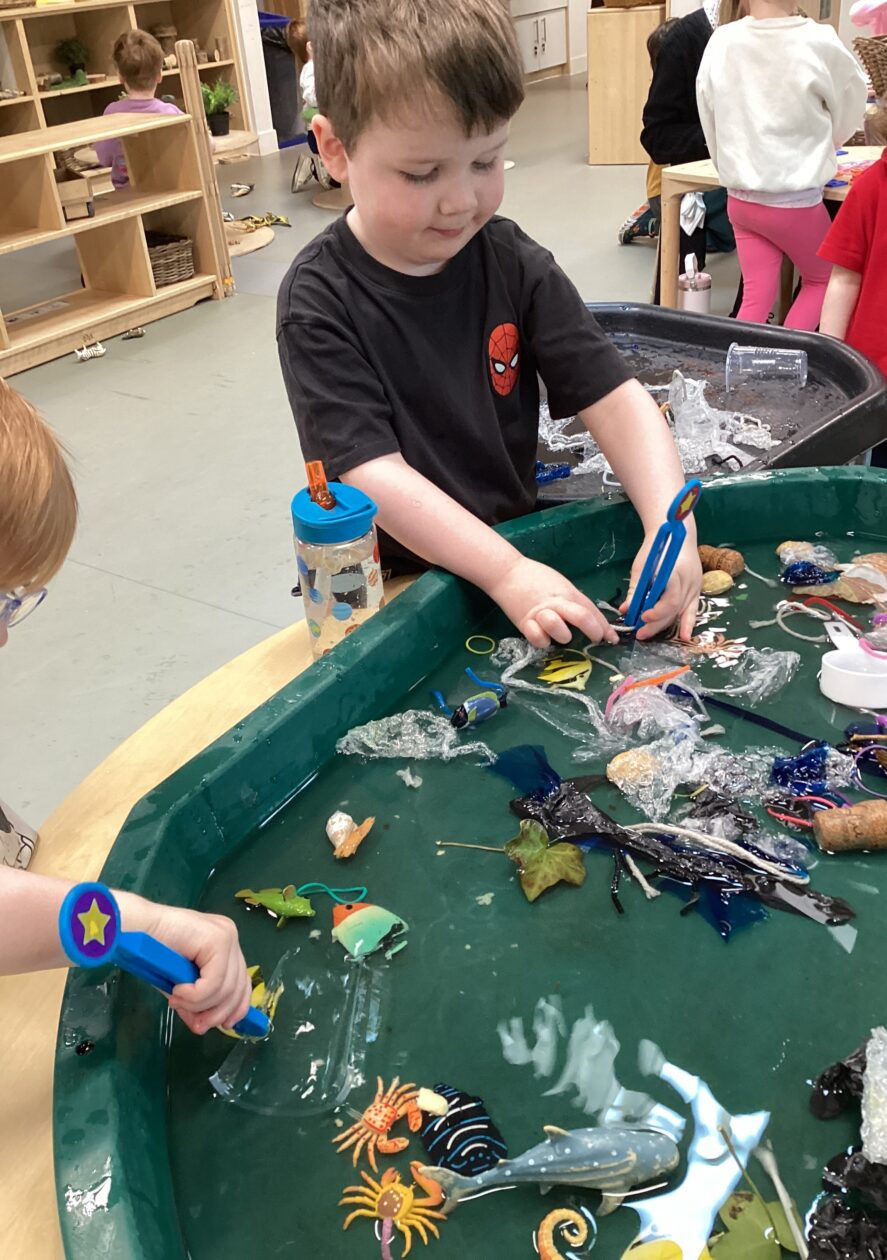
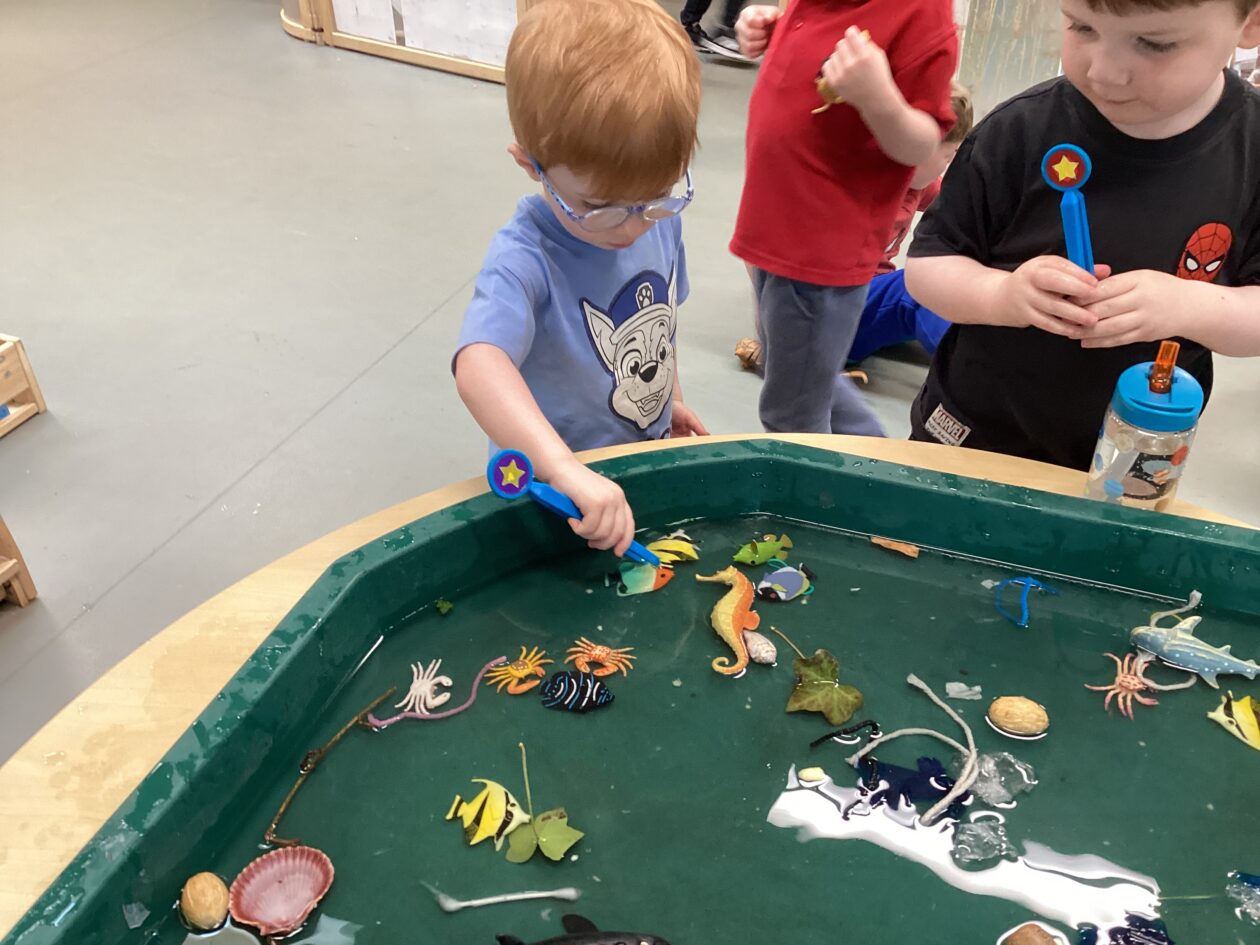
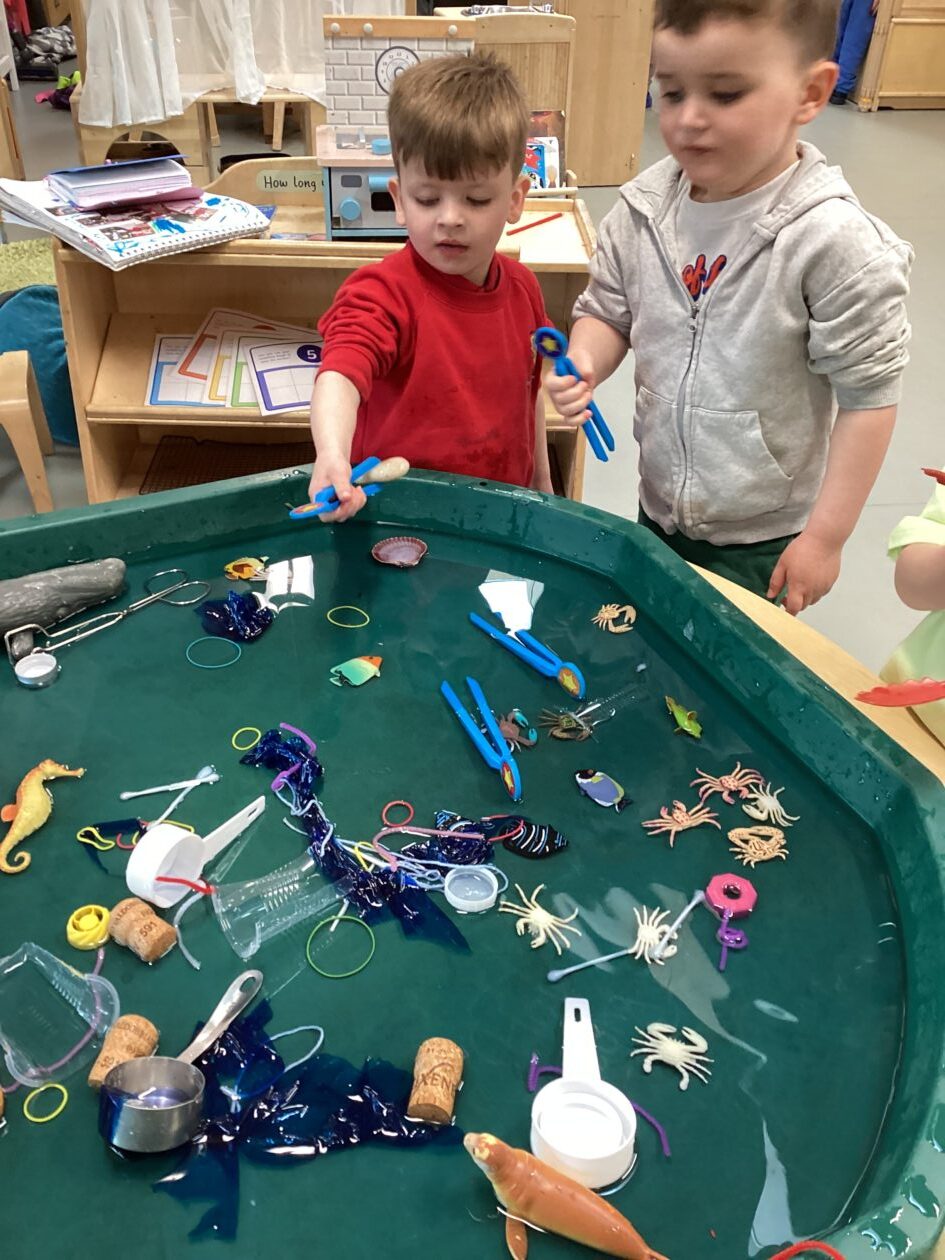
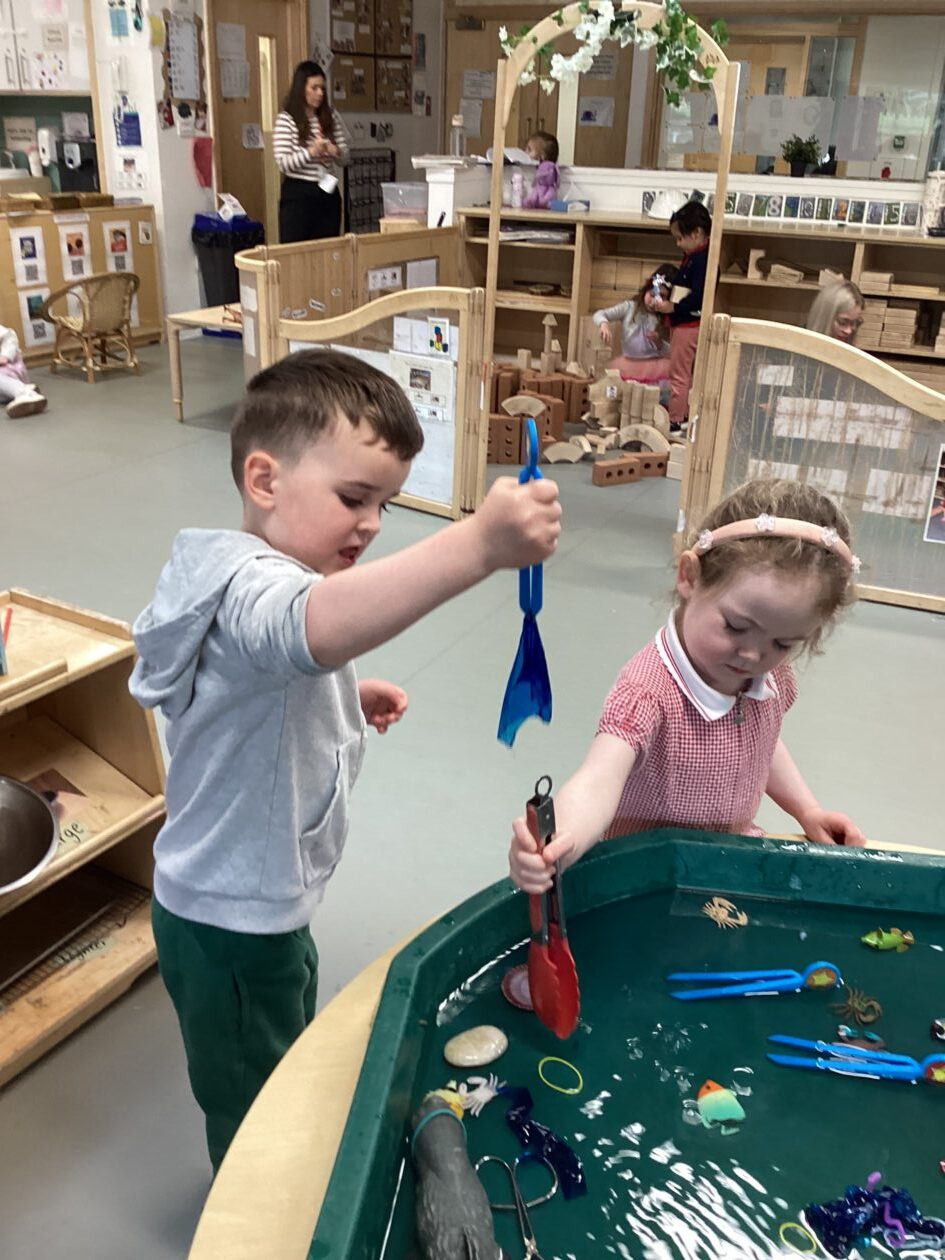
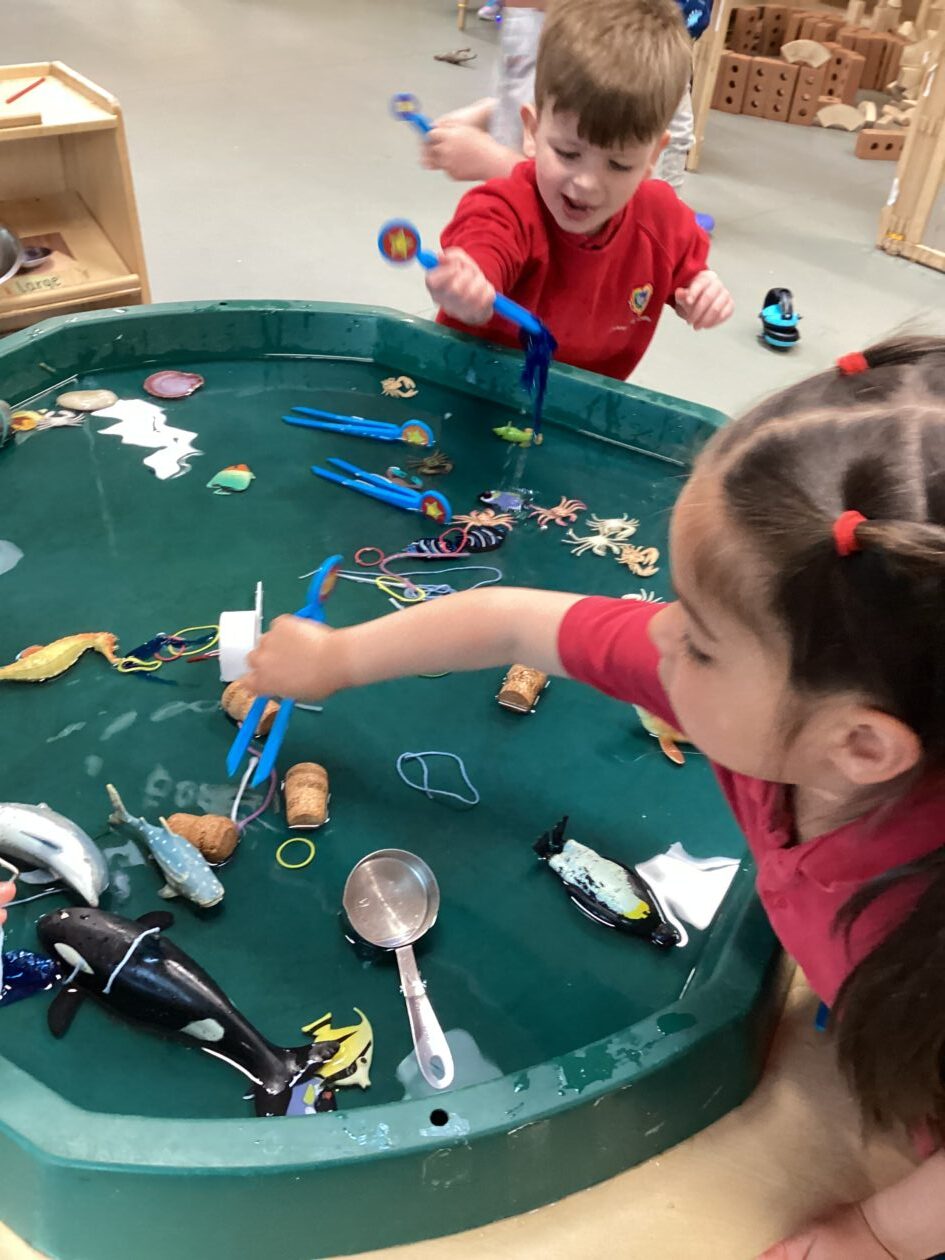
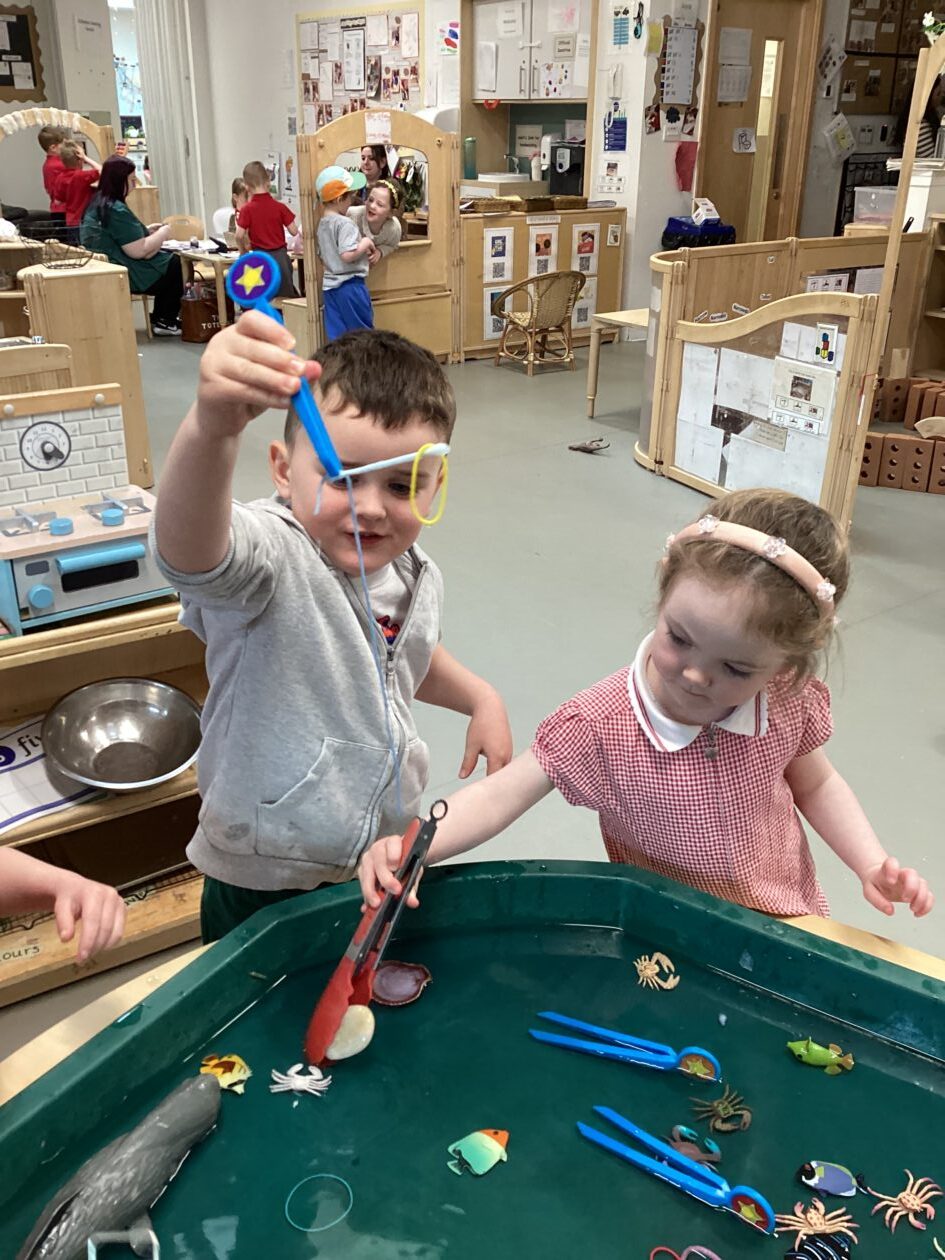
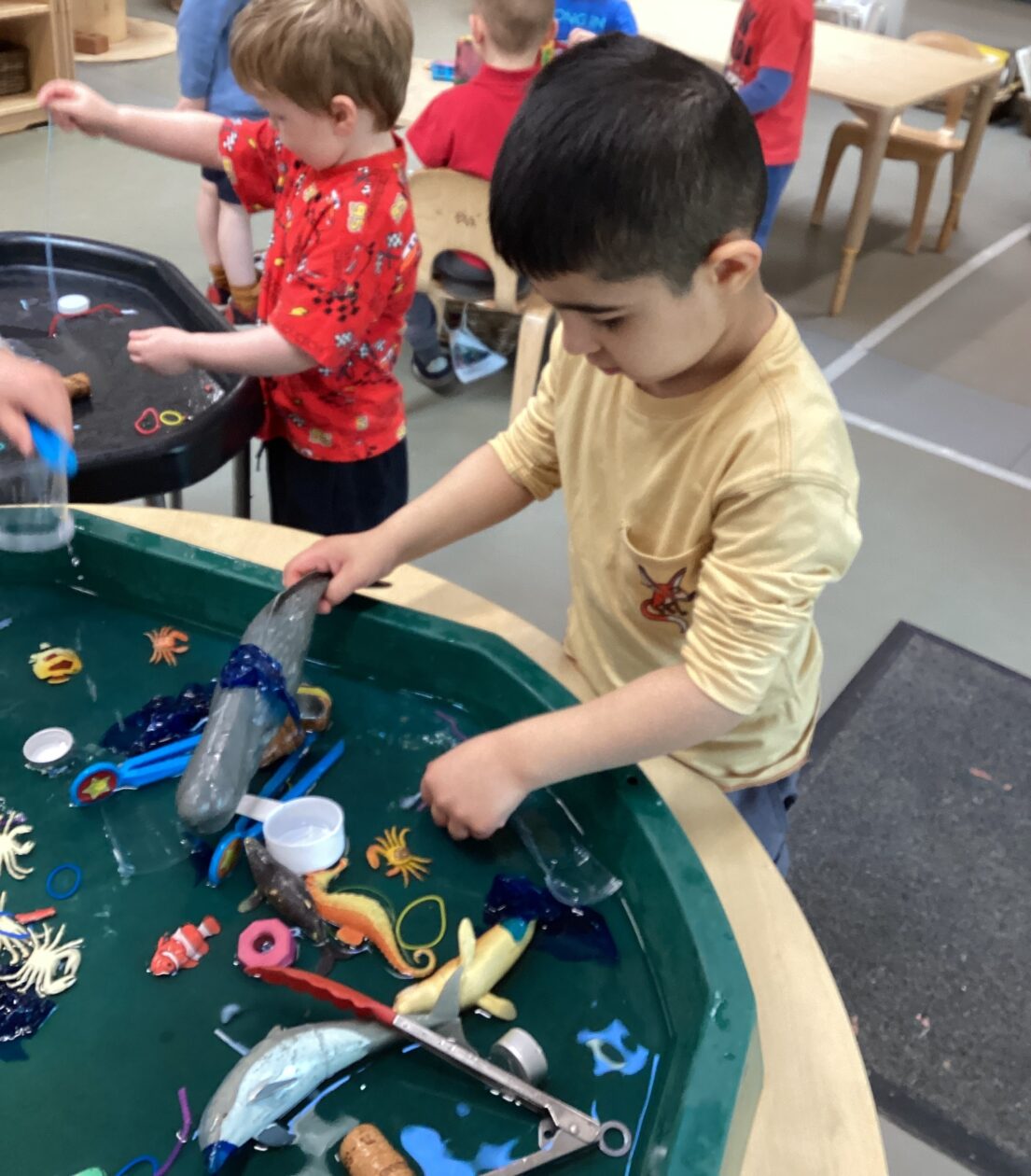
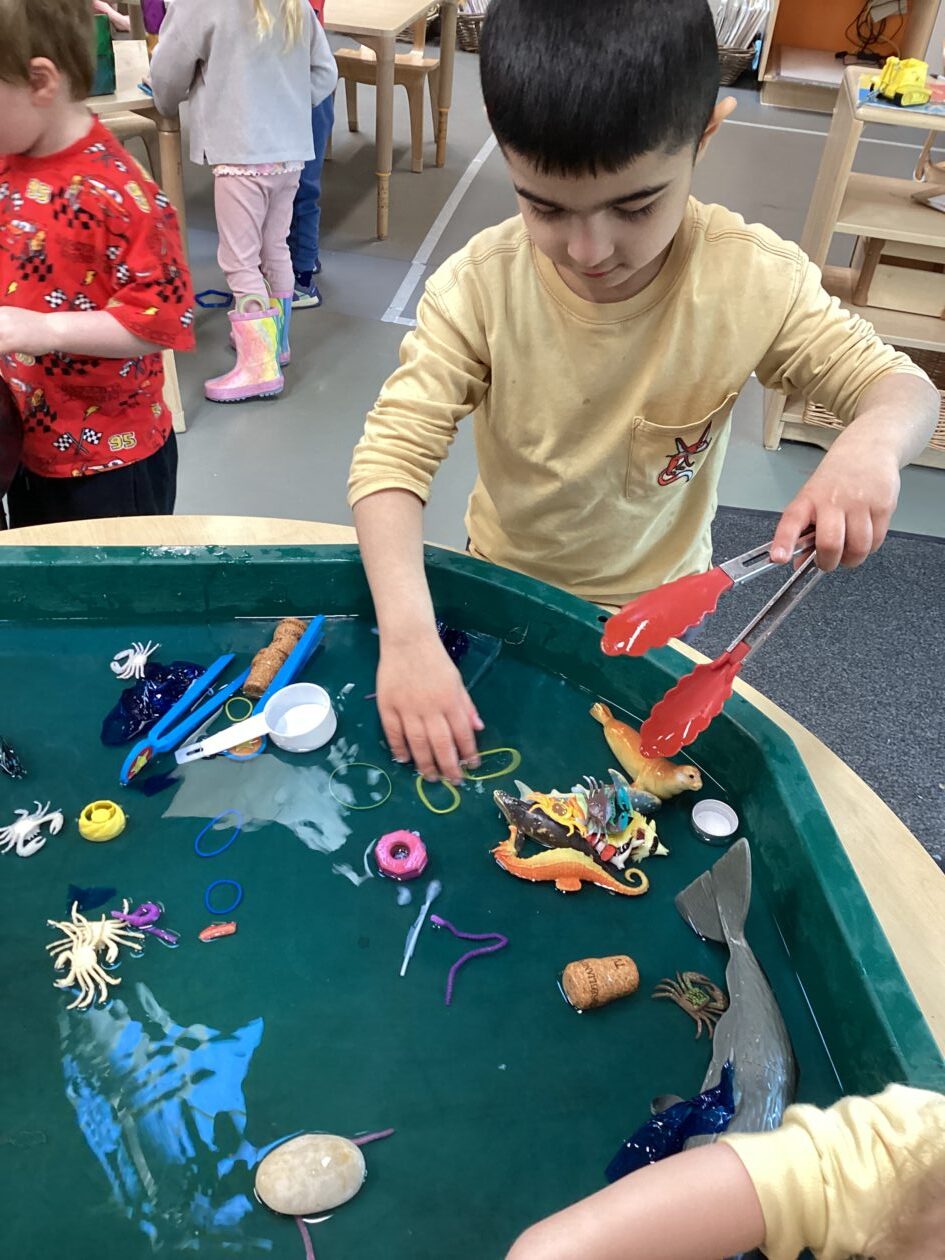
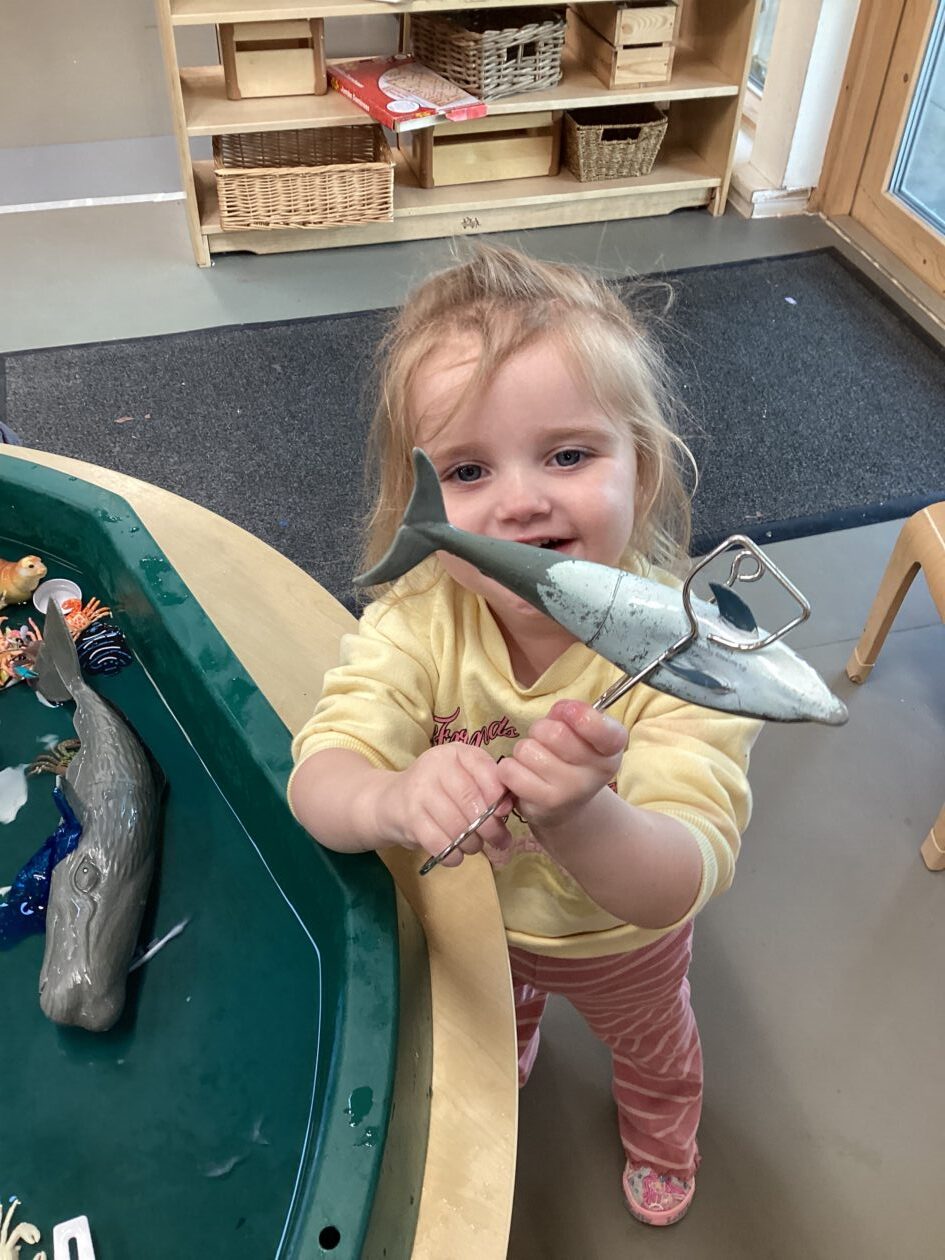
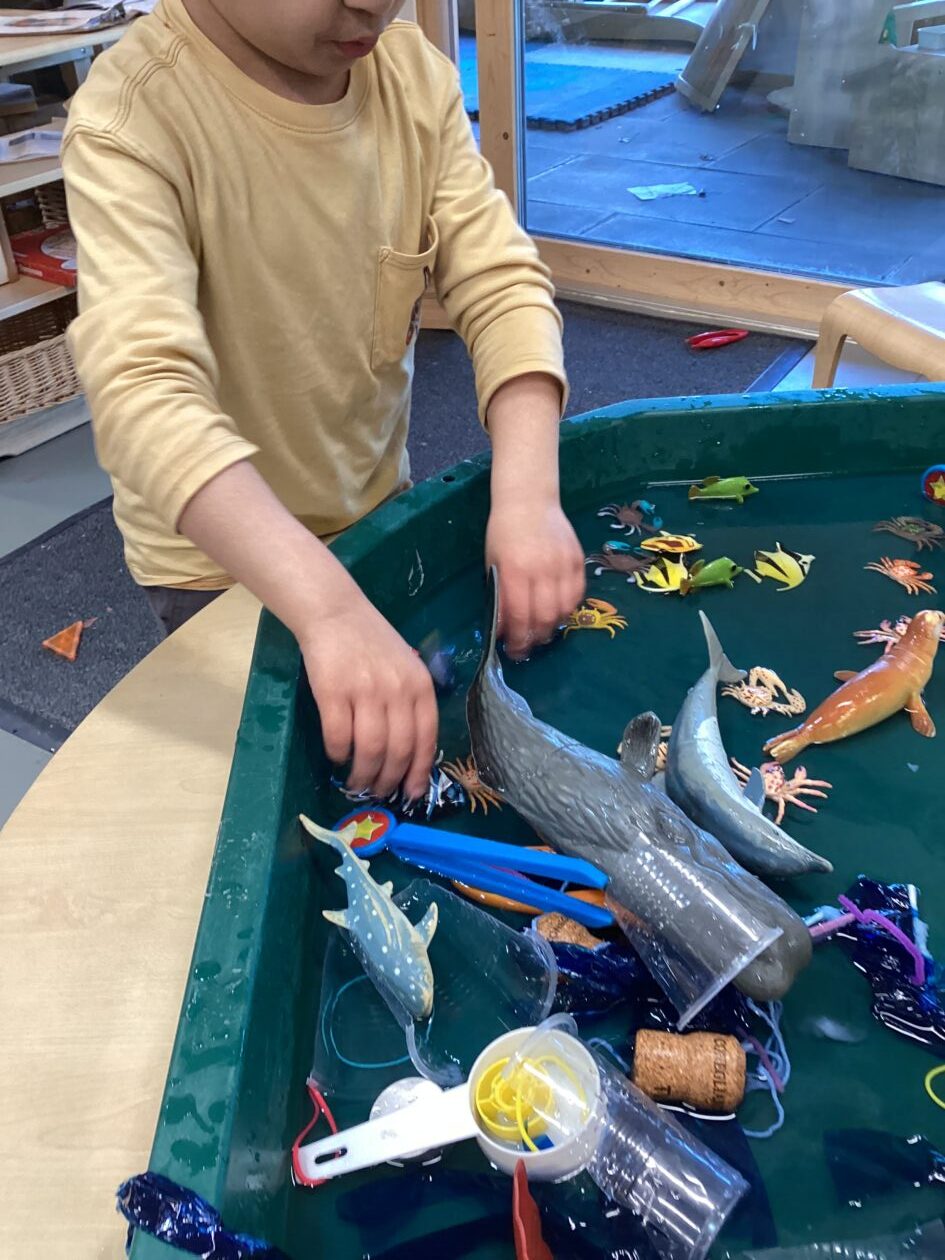
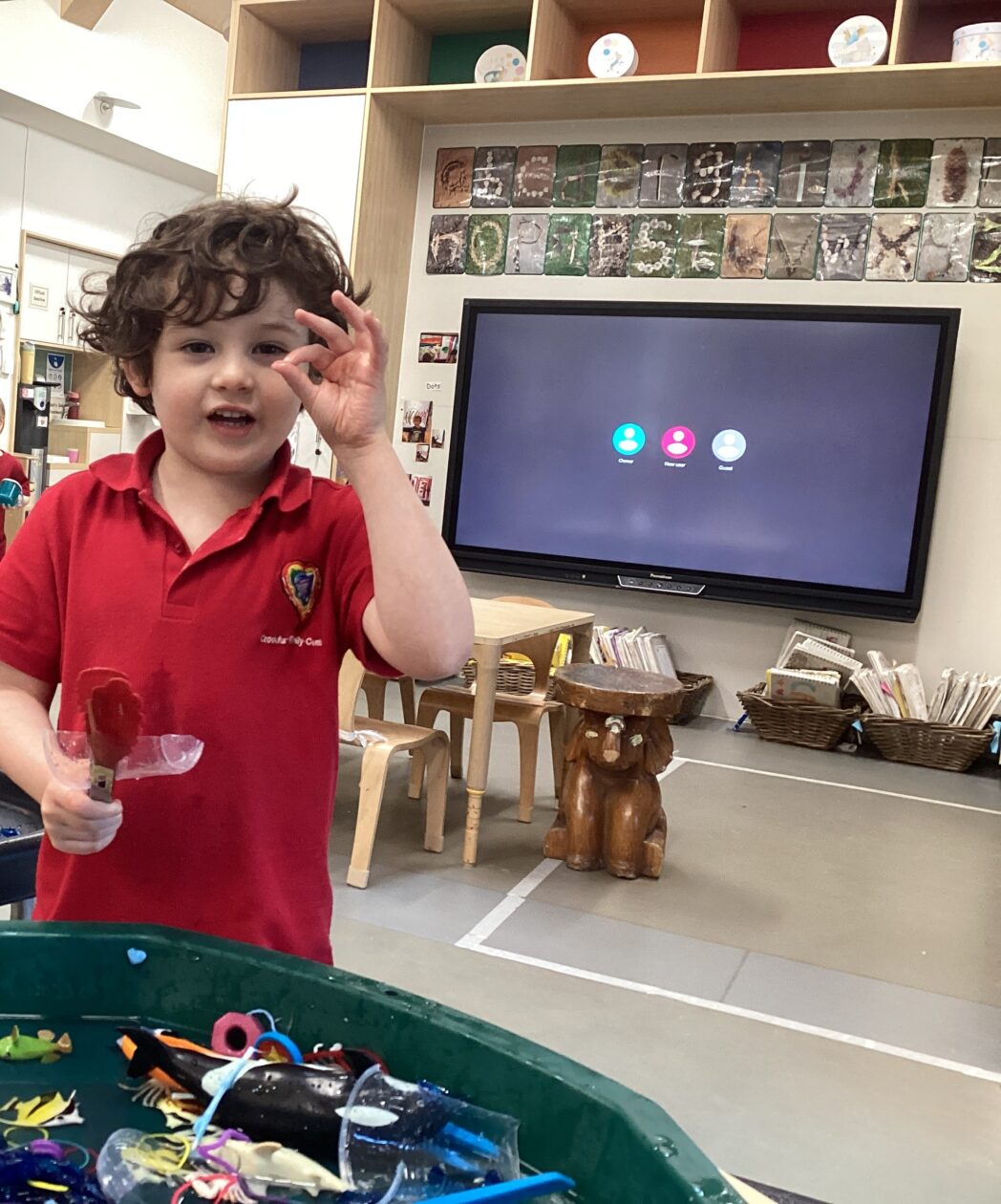
This week in the malleable area we have been celebrating ‘Earth Day’ by exploring pollution in our oceans. The children had the task of removing all the rubbish from the ‘sea’ to help save the sea life. This sparked conversations around what materials are dangerous, how these can harm the sea life and how we should dispose of our rubbish.
“The dolphins got wrapped up in elastic bands” MS
“That’s plastic the fish might swallow it” FMc
“Might get wrapped up and be trapped forever” FM
“Rubbish goes in the bin” FM
“I saved the fish” LBG
“Look the whale’s covered I’ll save him” RJ
“Nemo is stuck don’t worry I’ll save you Nemo” MM
“They might die take the rubbish out” AP
“Shells can stay in the water” LS
“Something stuck under there it’s a wrapper” IH
“He lives in the ocean, I saw a dolphin when I was a big girl” PHW
“That’s a bit of plastic” PHW
“The fish is trapped” AL
“There’s a lot of bad things they would choke in their mouth” AC
“ that’s not plastic that’s a stone” HM
“He’s not happy because there’s so much rubbish in the water”
“He’s stuck he can’t get it off’ EB
“Save me he’s in the water more rubbish his tail will fall off” FF
This simple activity helps the children explore and appreciate the wonder of our natural world and show them the important part they play in the future of our planet.
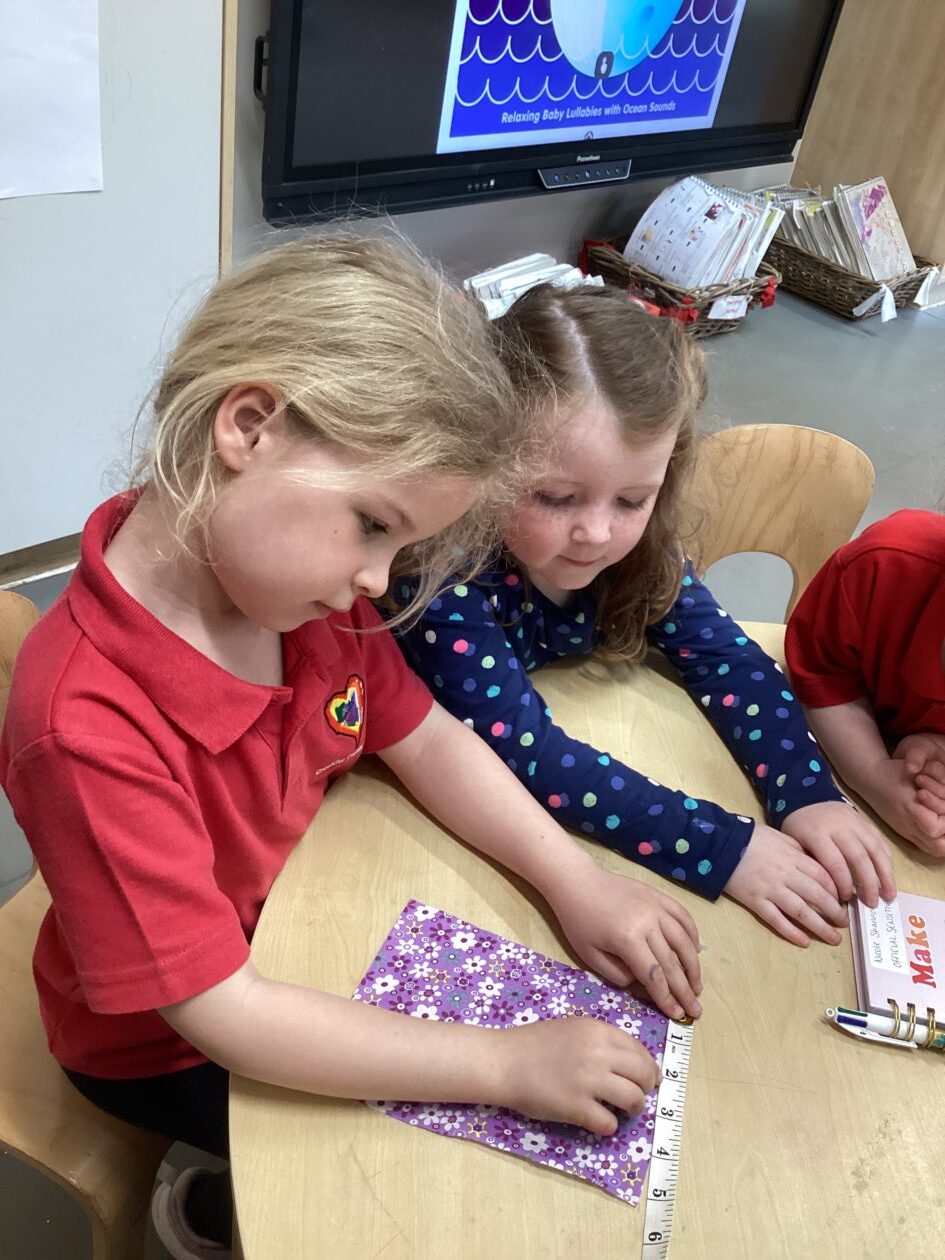
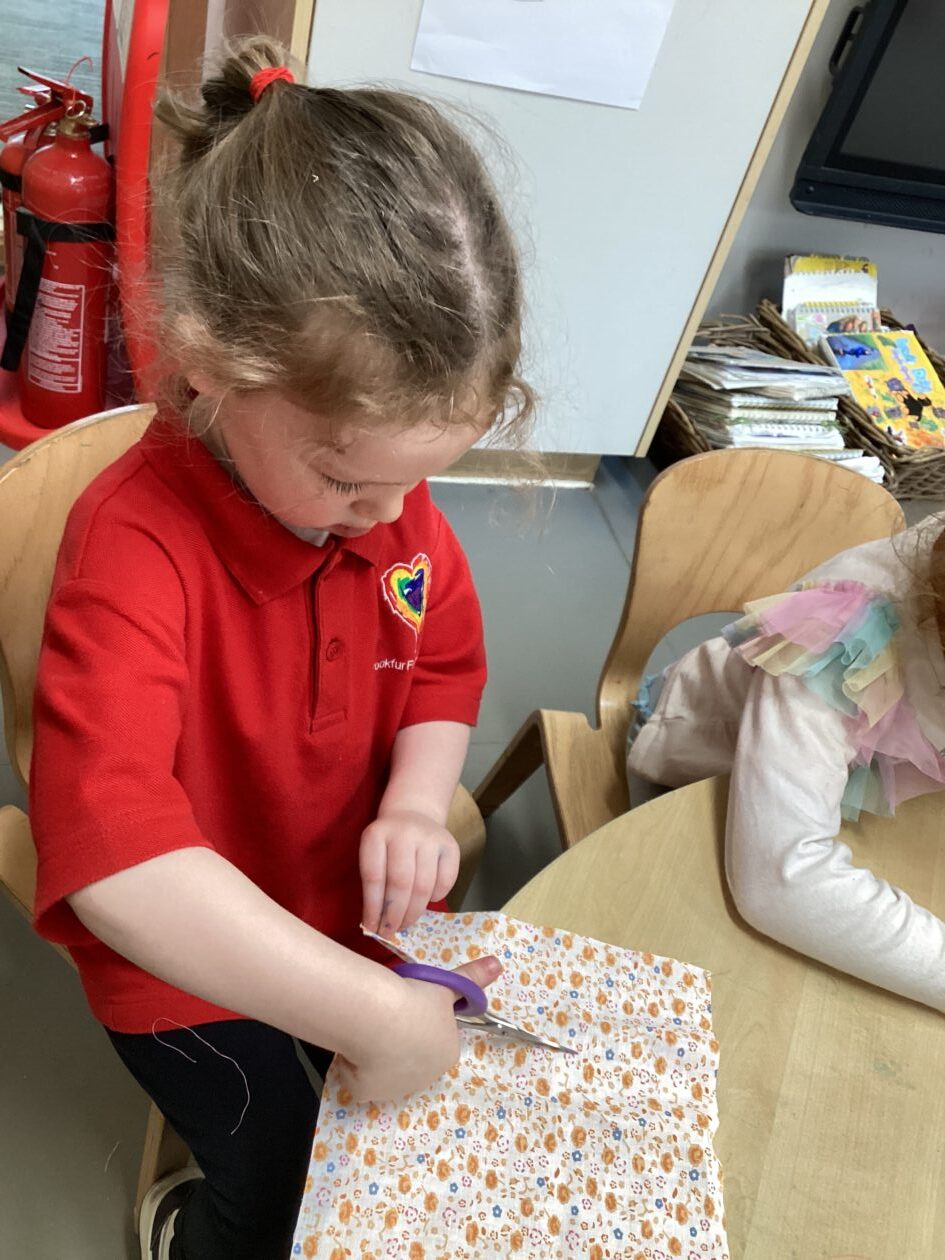
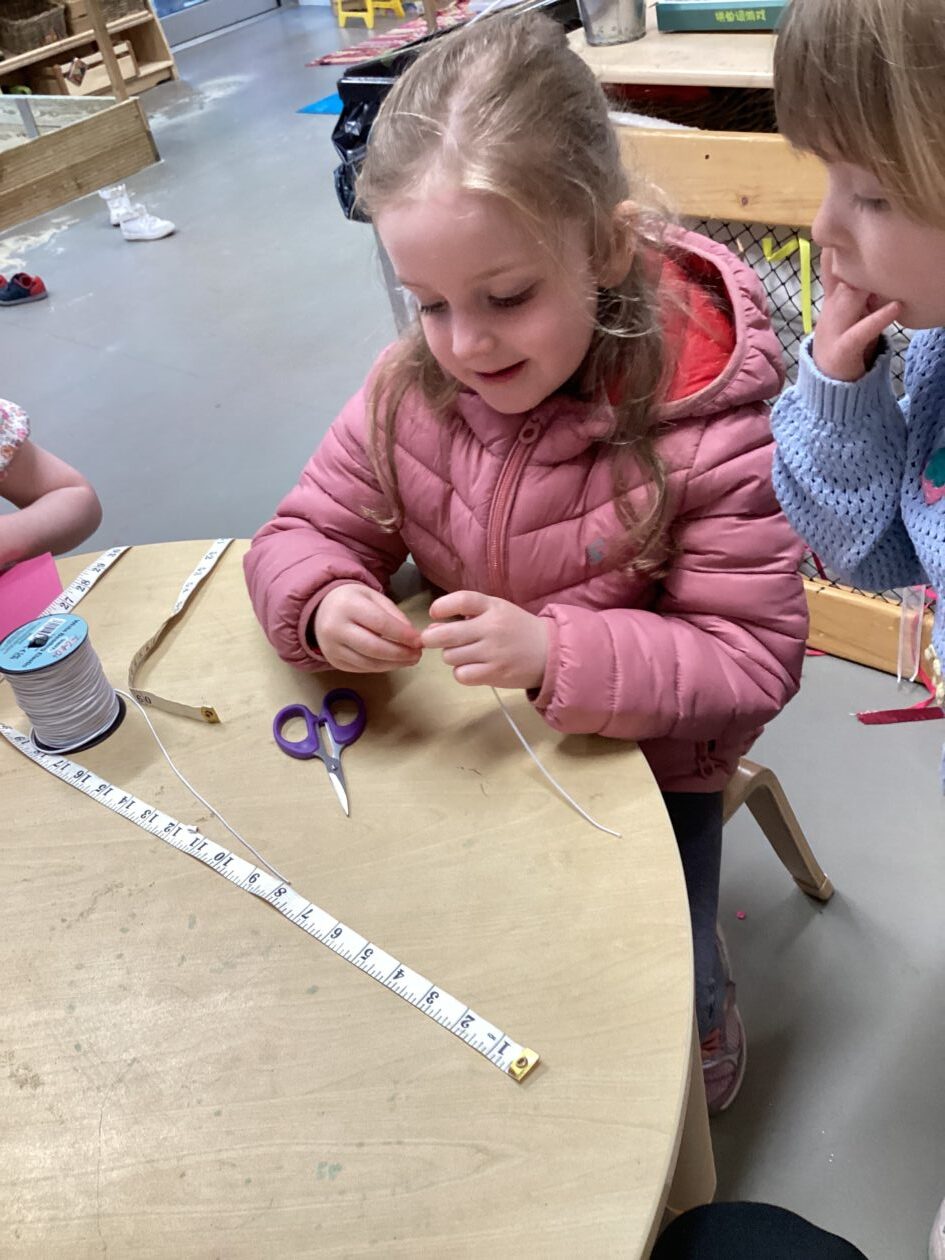
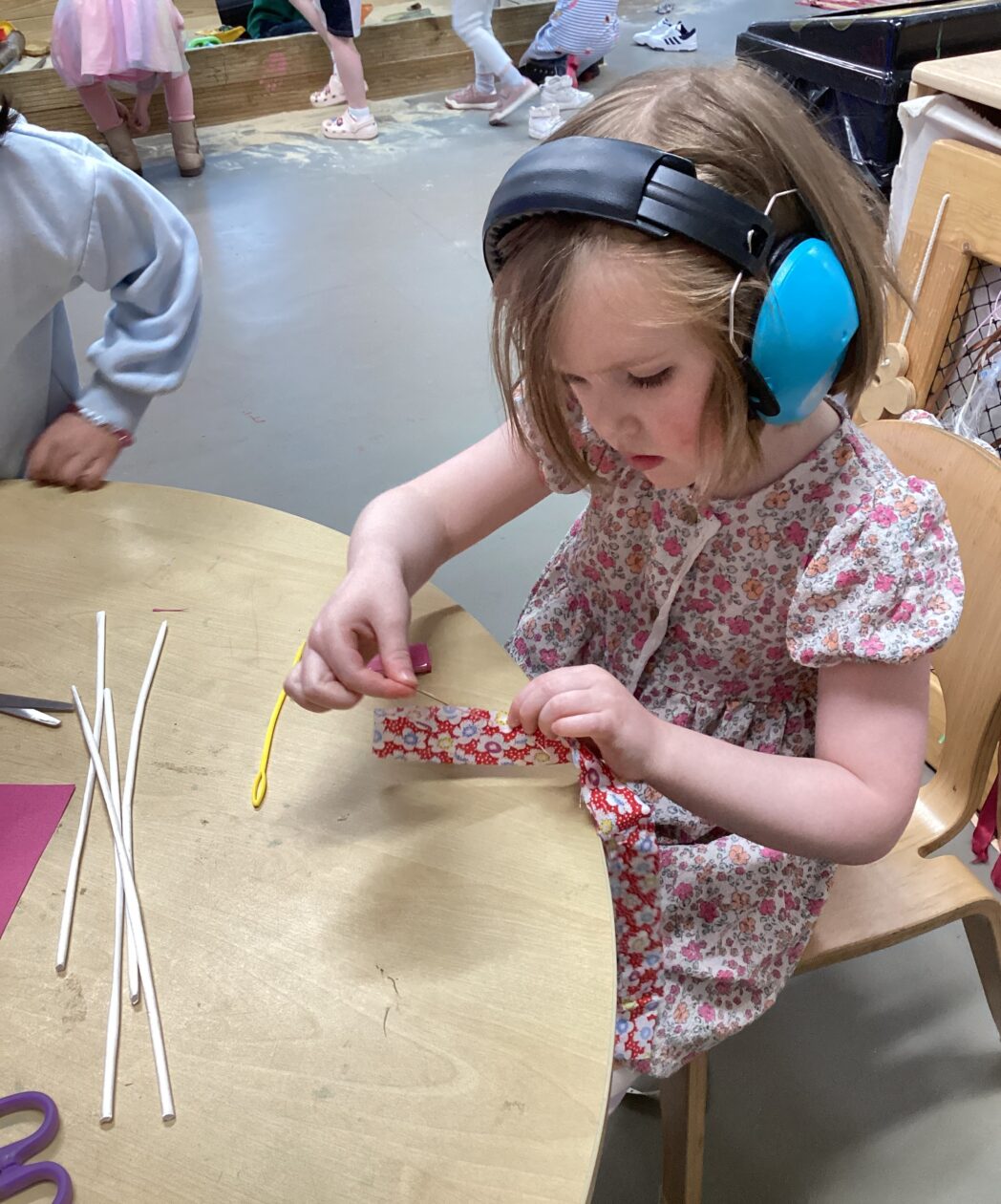
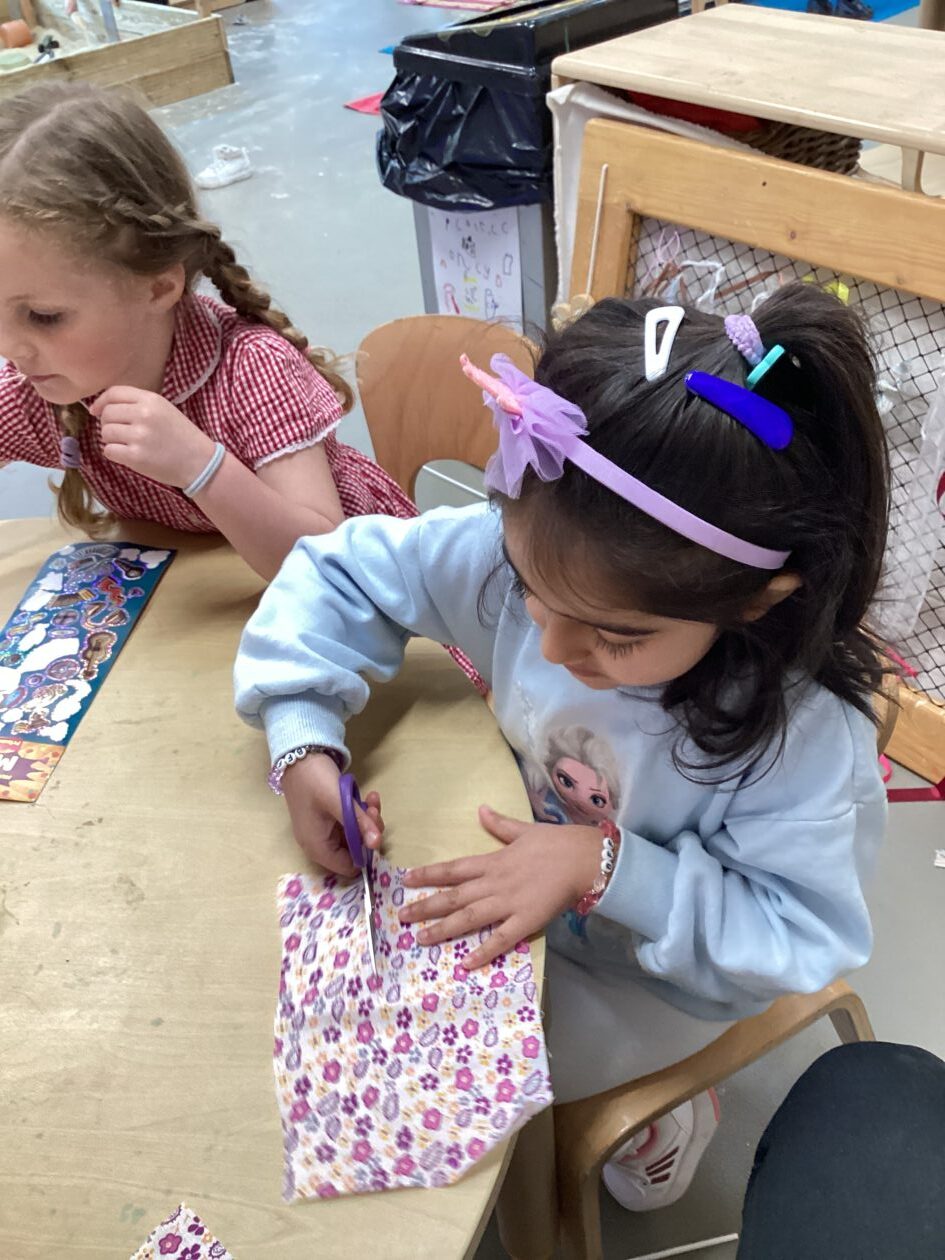
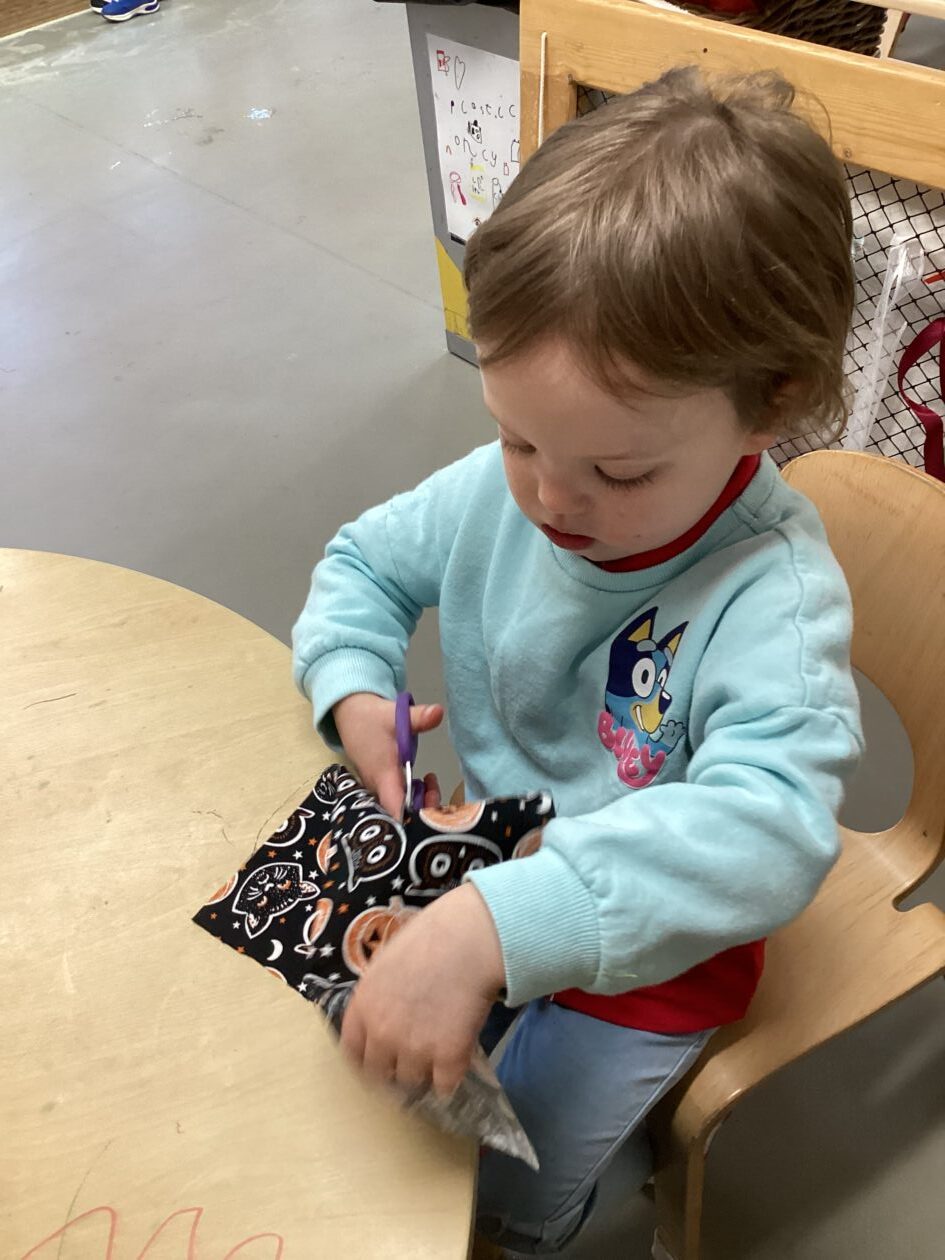
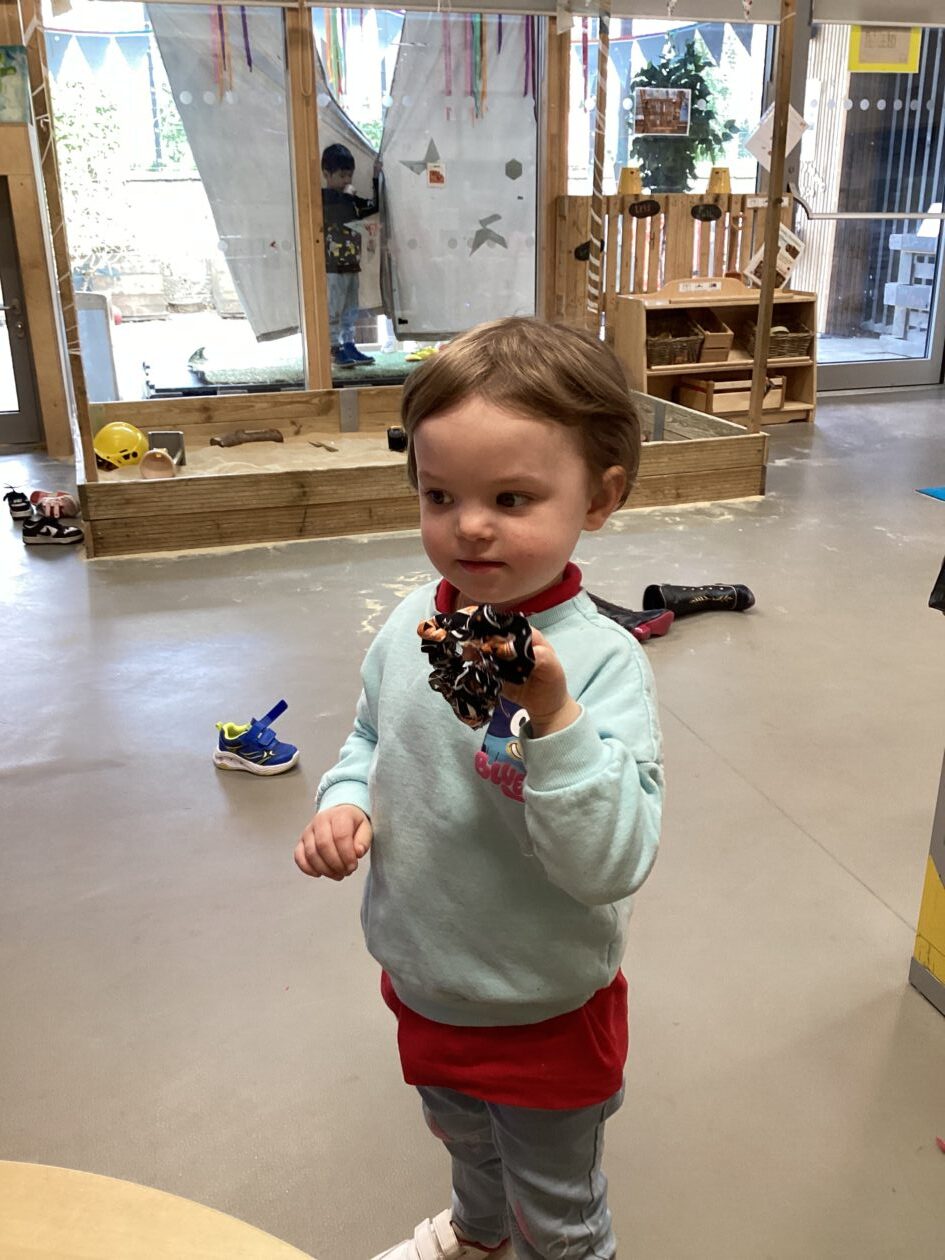
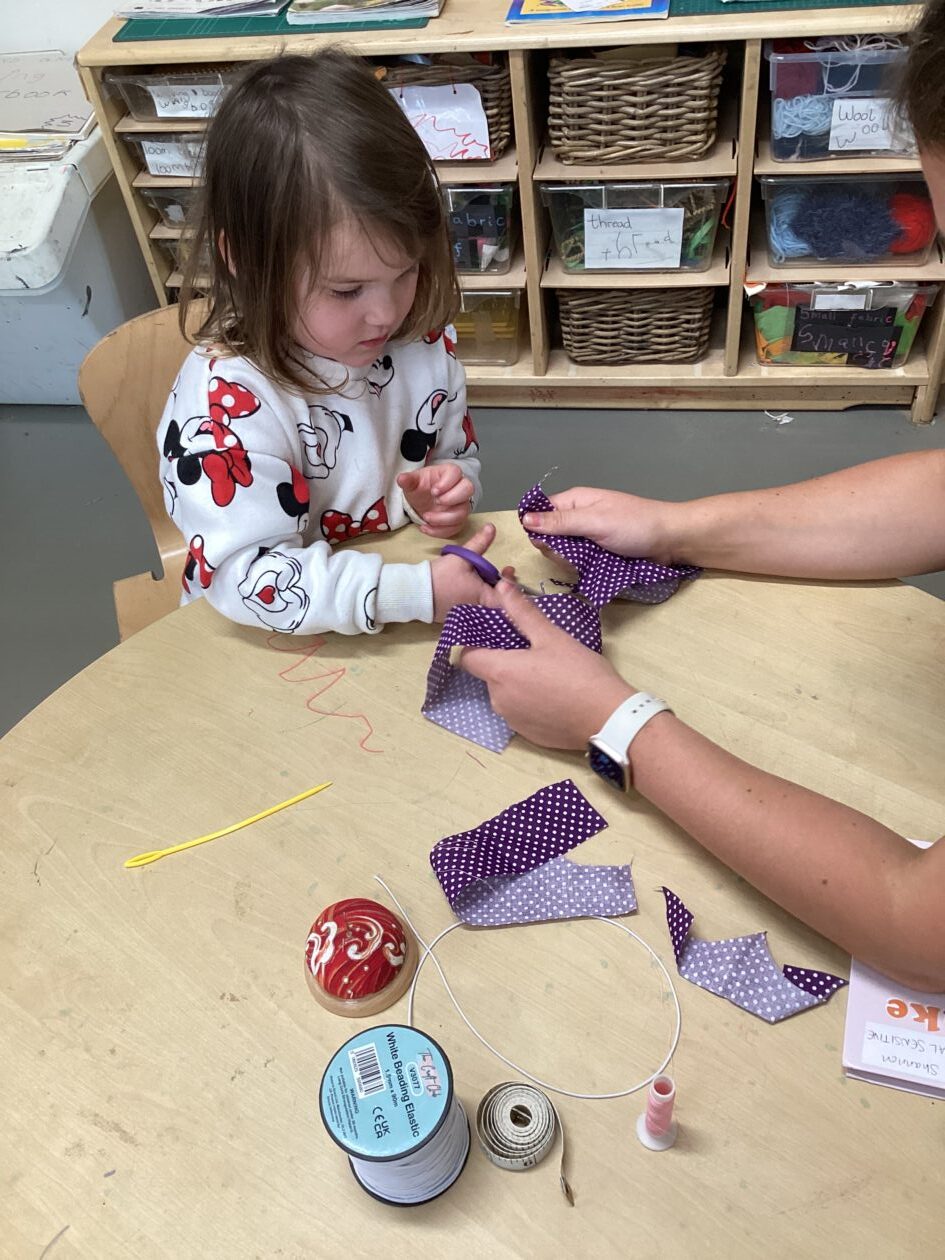
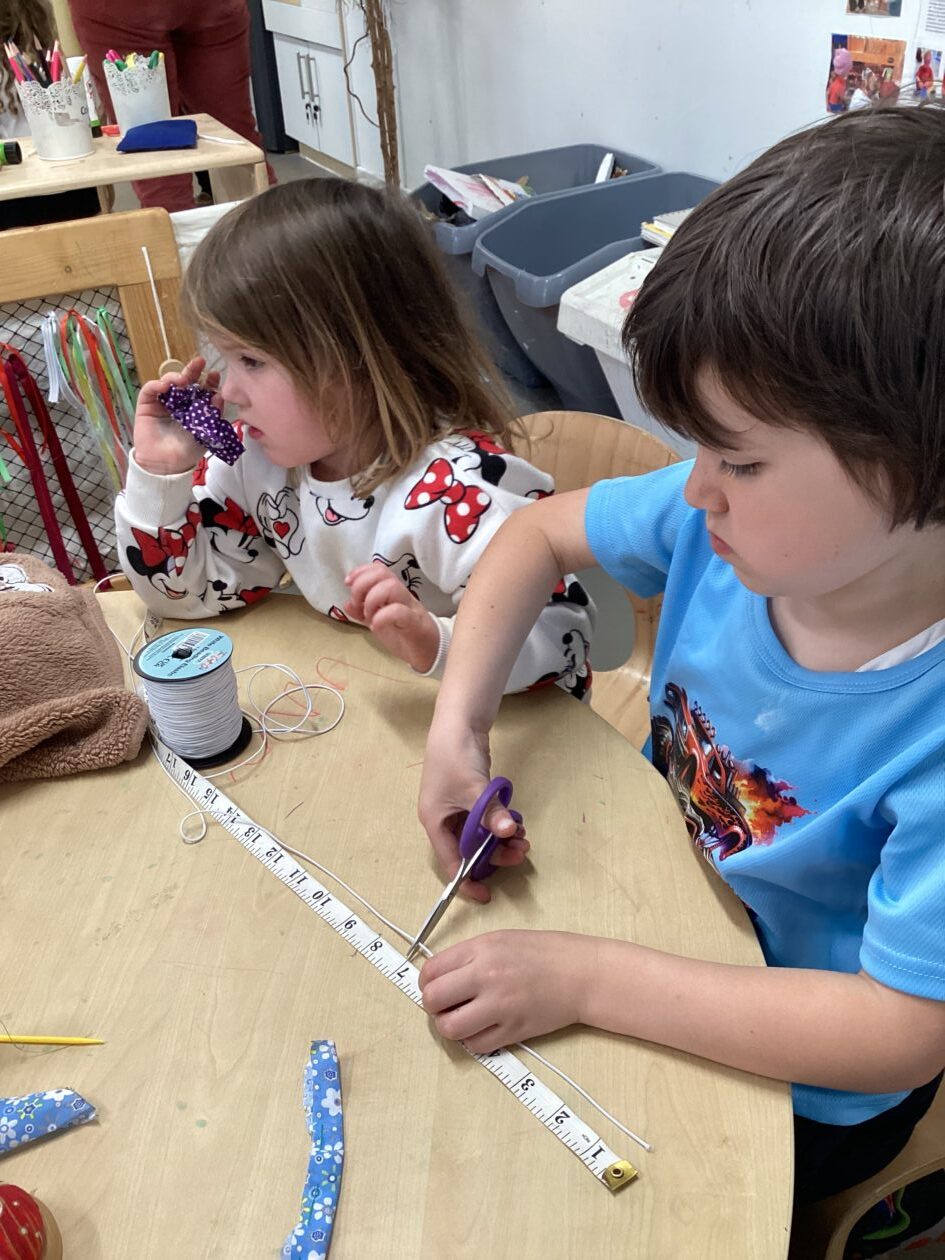
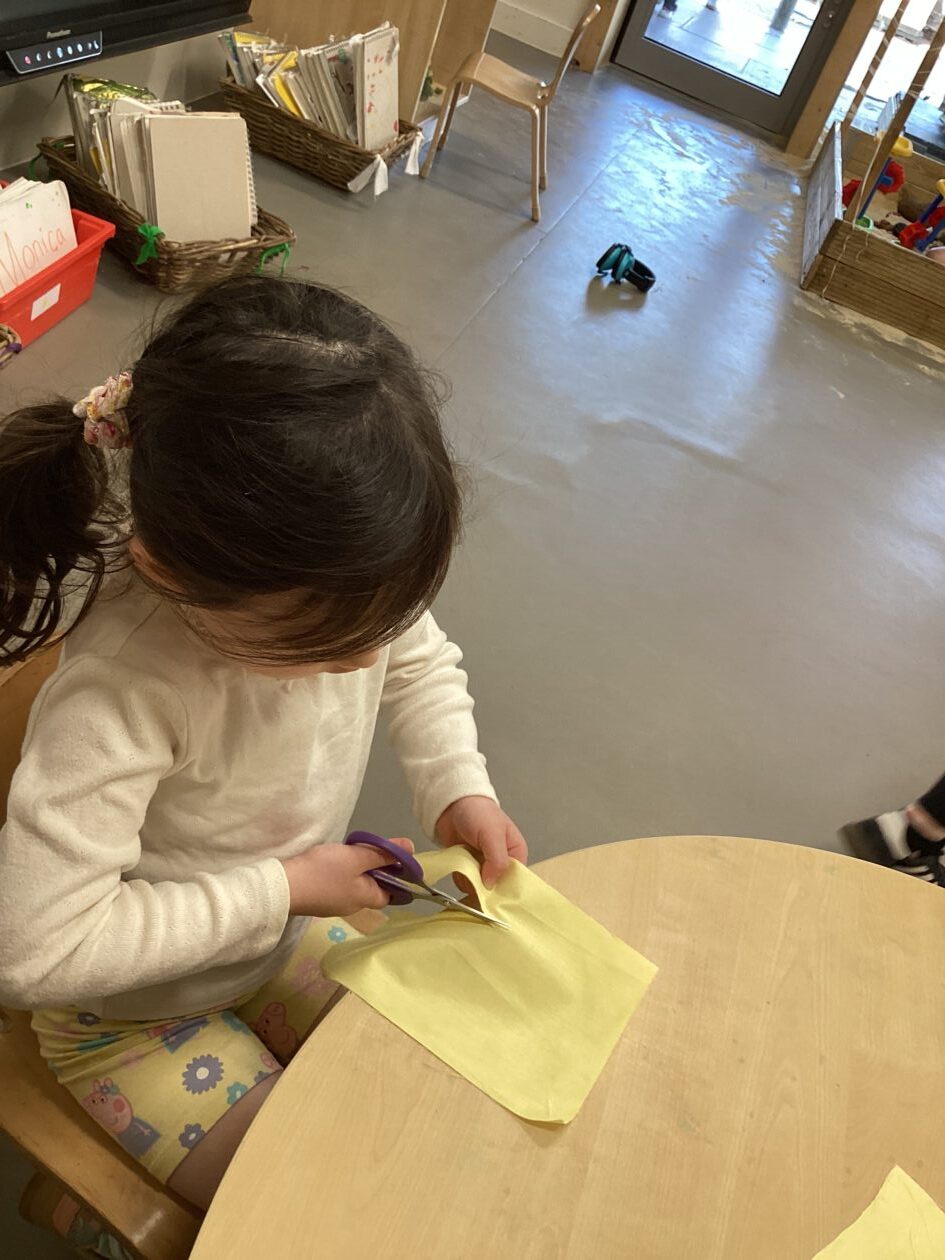
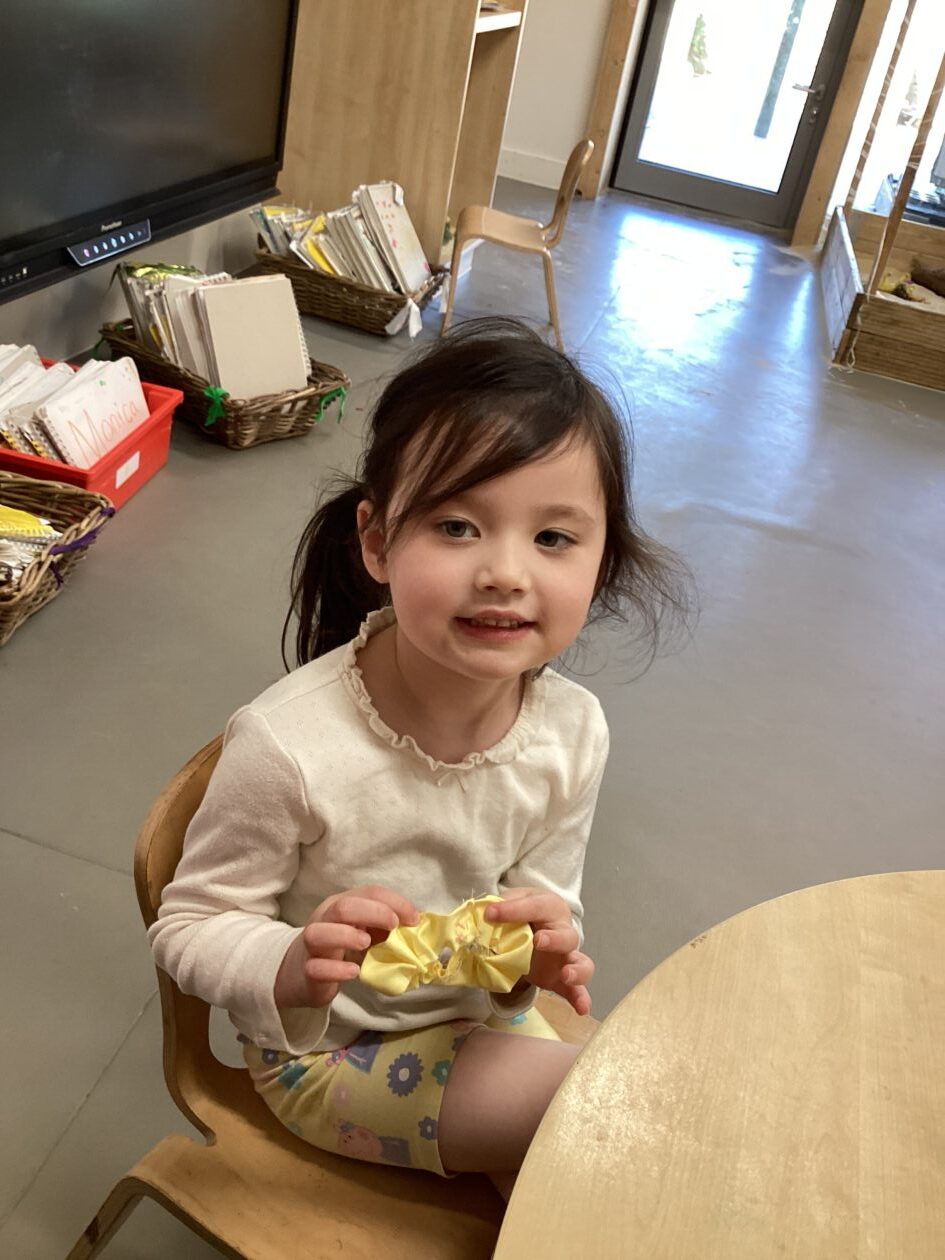
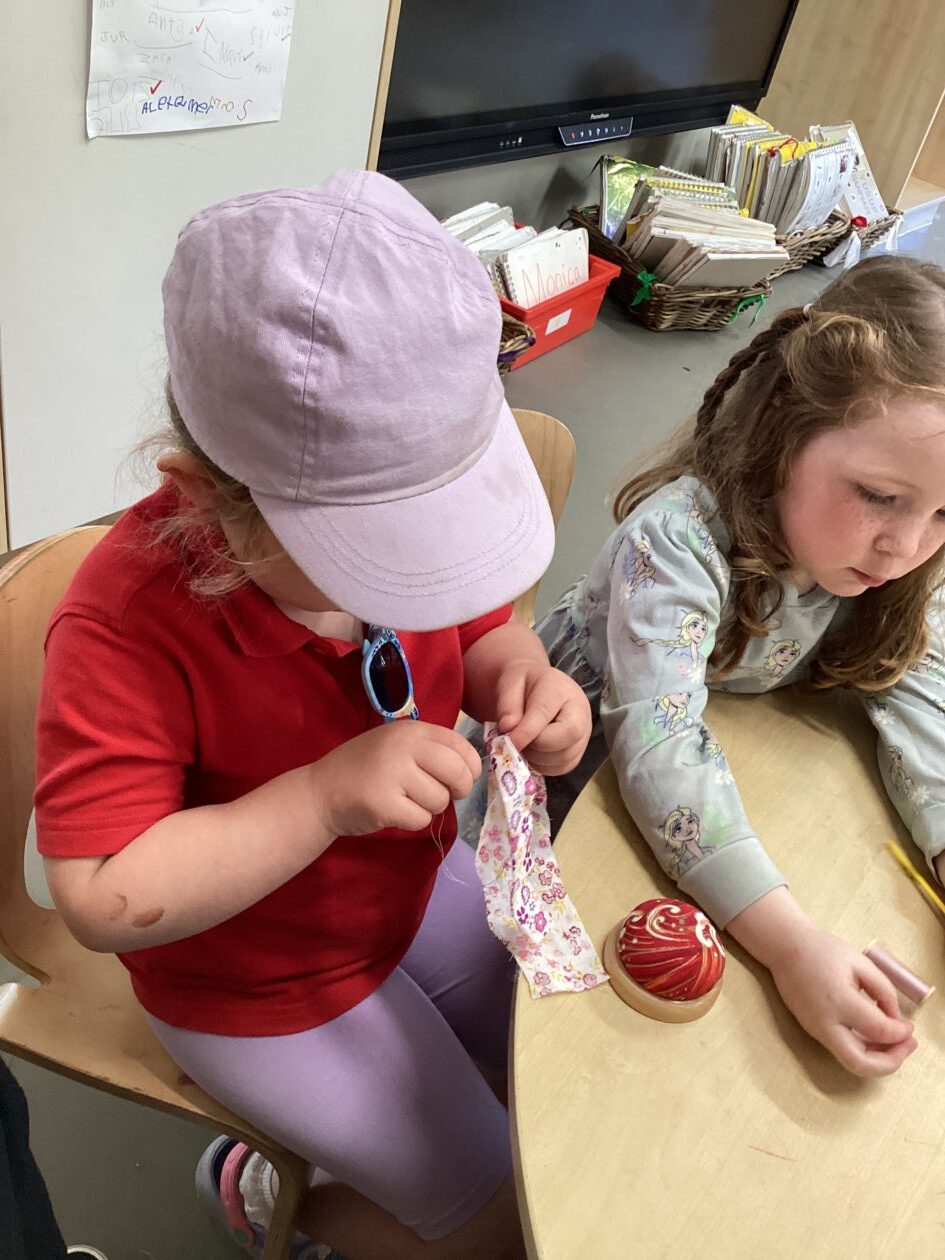
This week in the sewing area the children have been making their own scrunchies using material and elastic. They chose their own fabric and cut it into strips. We then sewed them together and threaded the elastic through, before joining both ends together. The children measured out their elastic to make sure it was the correct length and tested out their scrunchies by putting them on their wrists or in their hair.