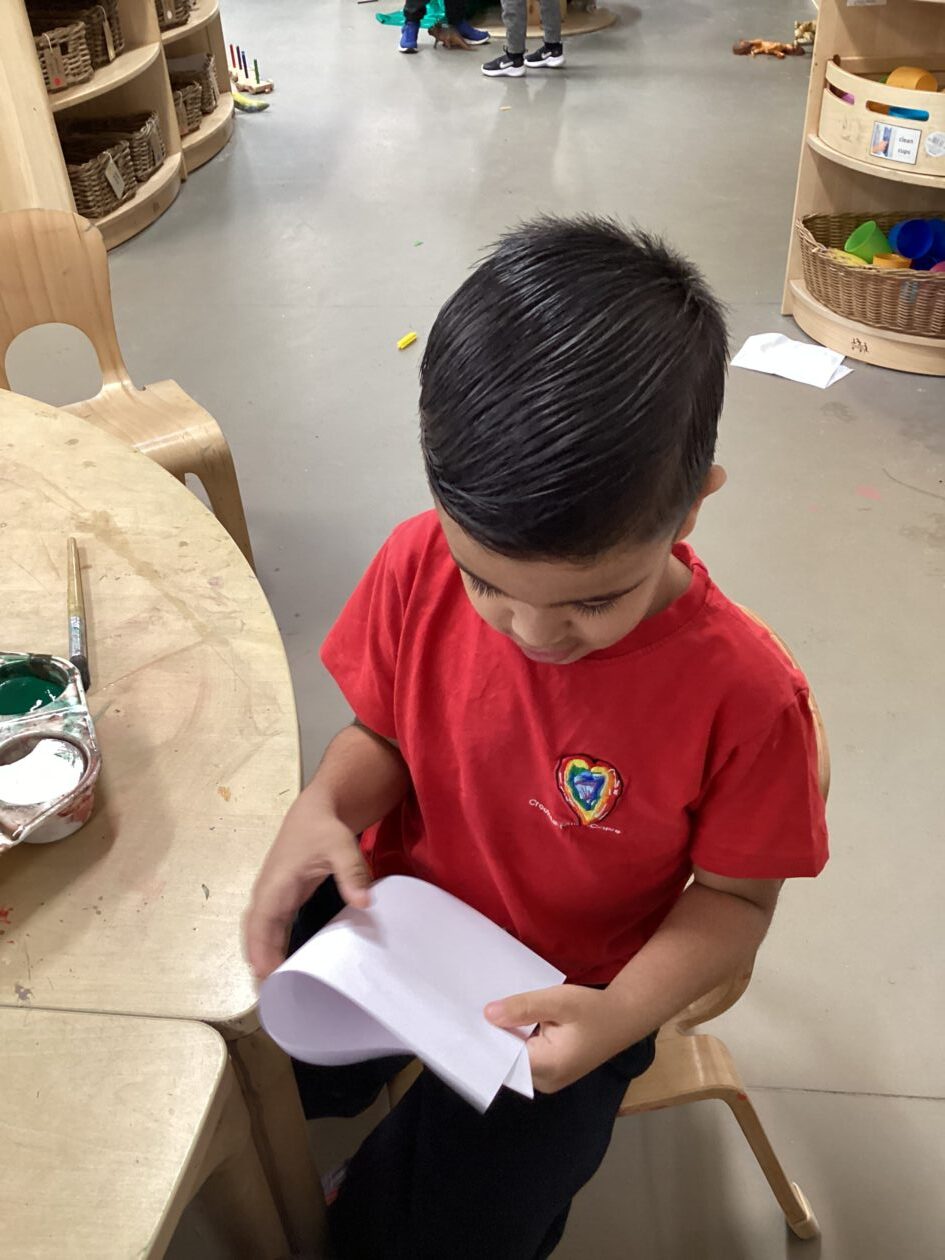
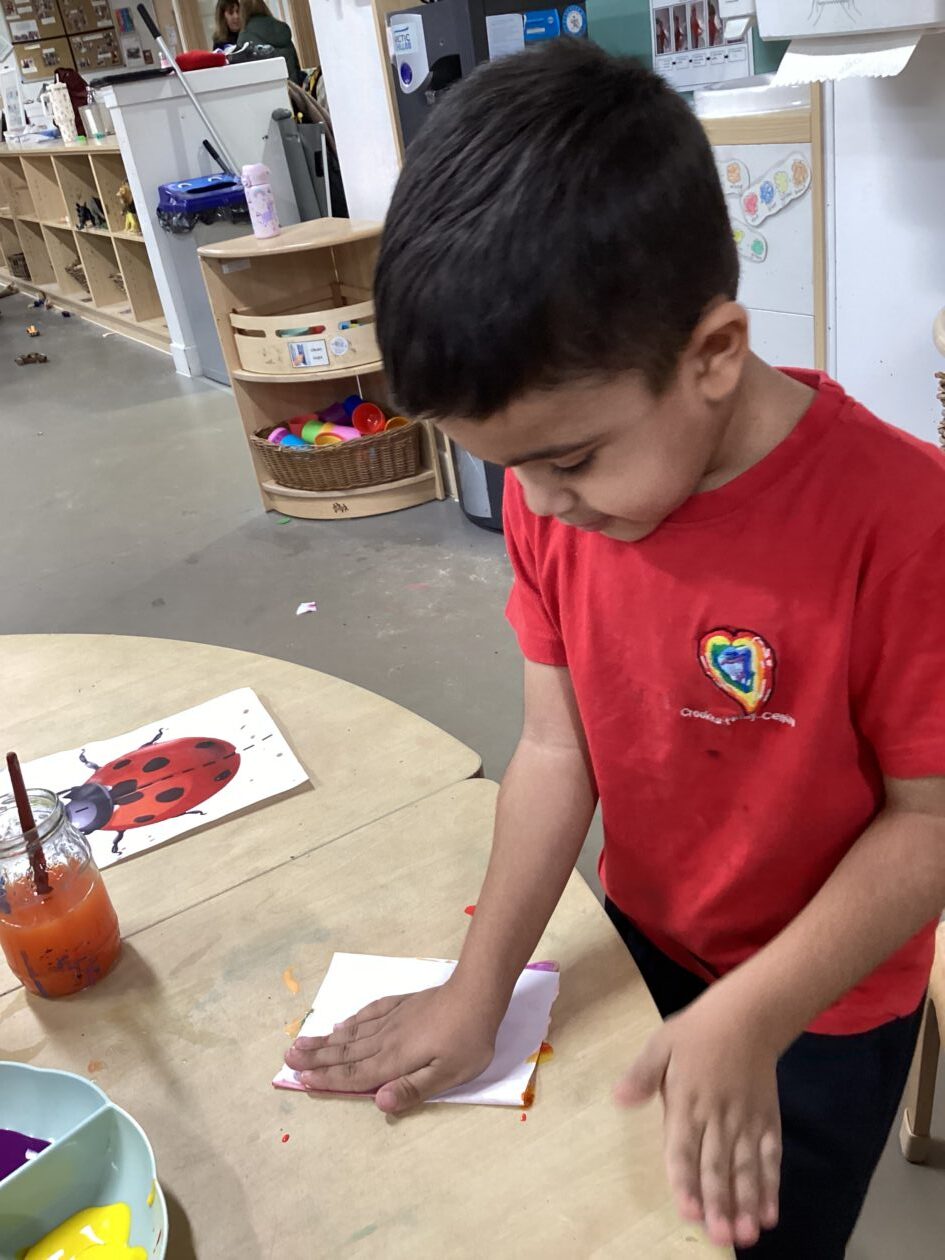
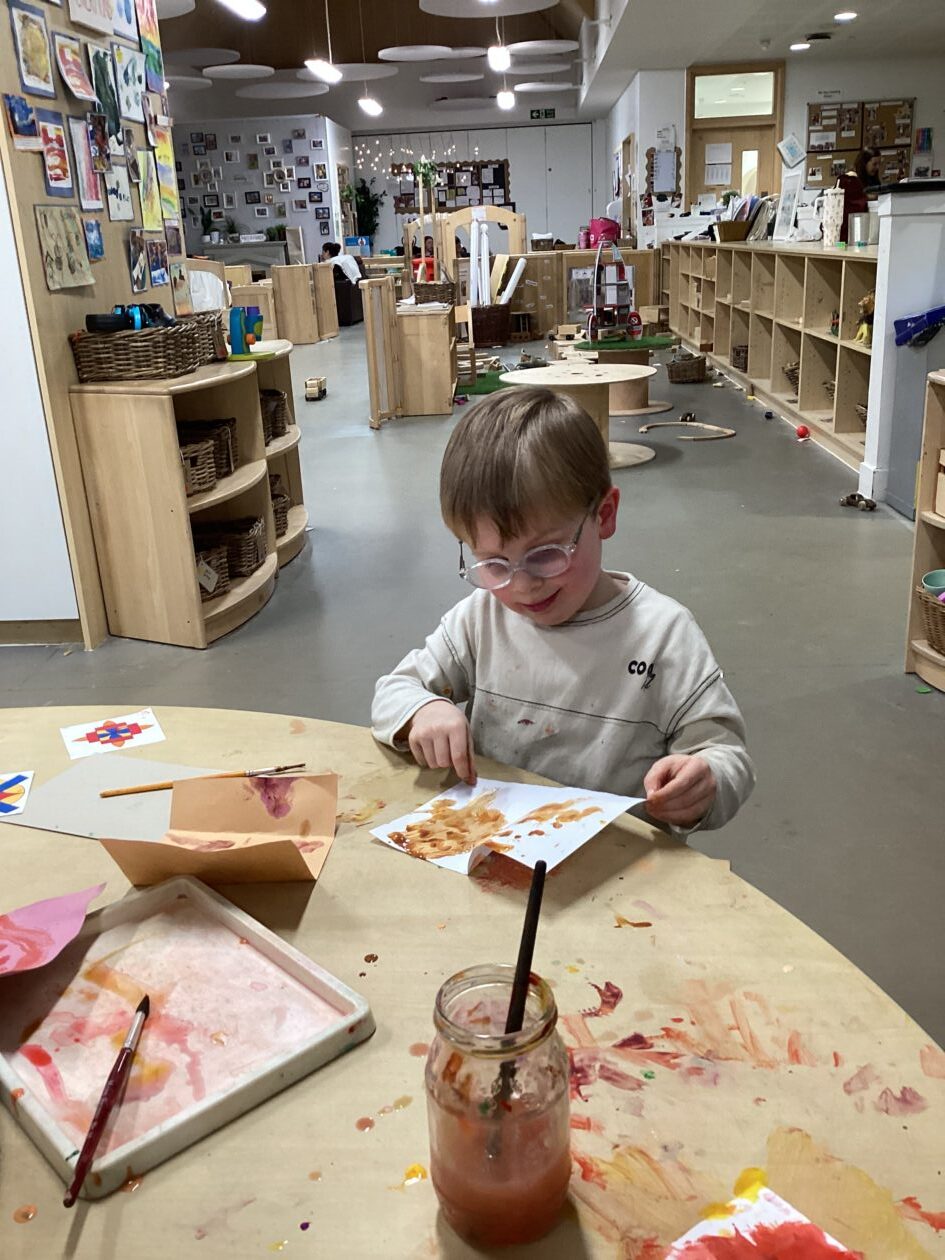
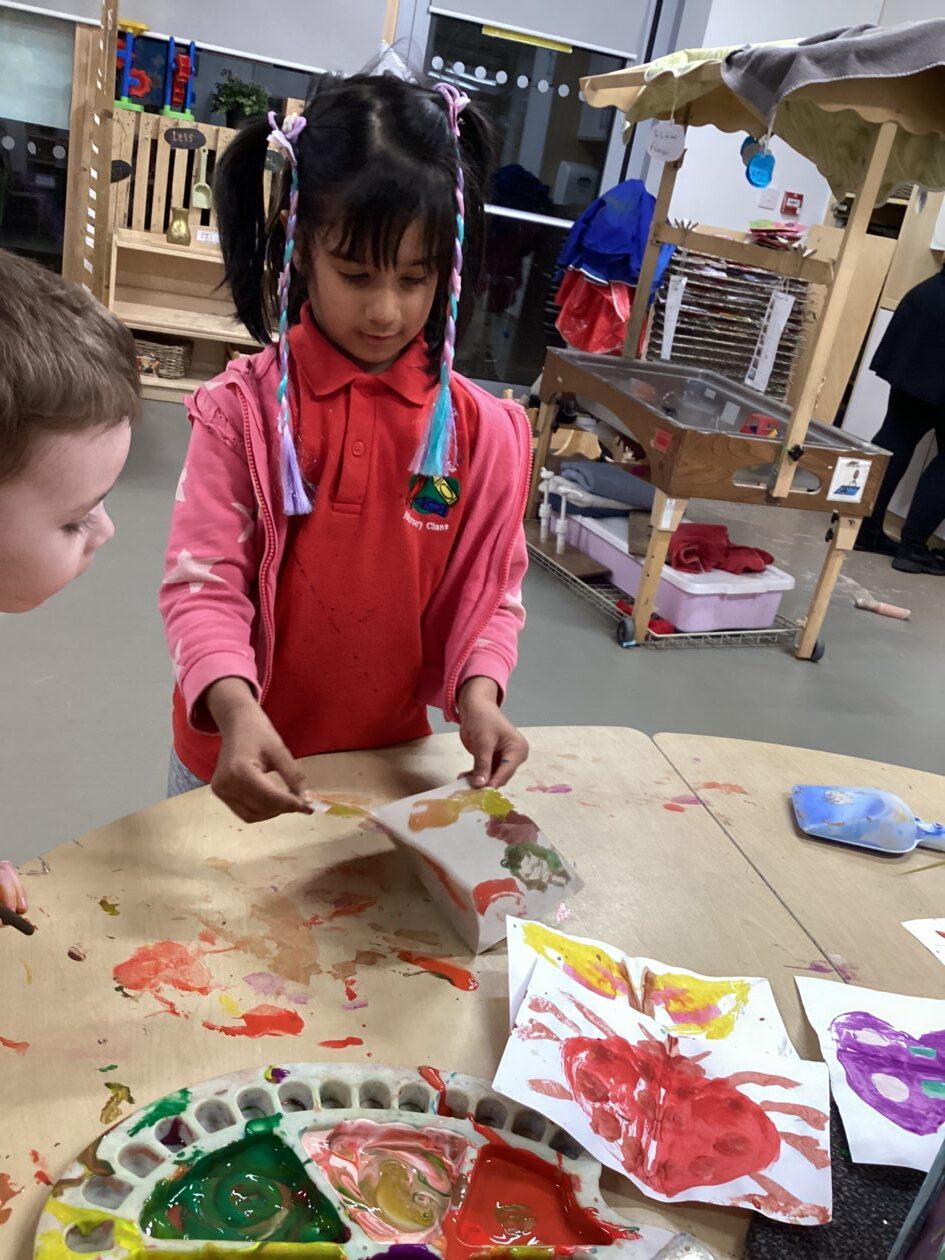
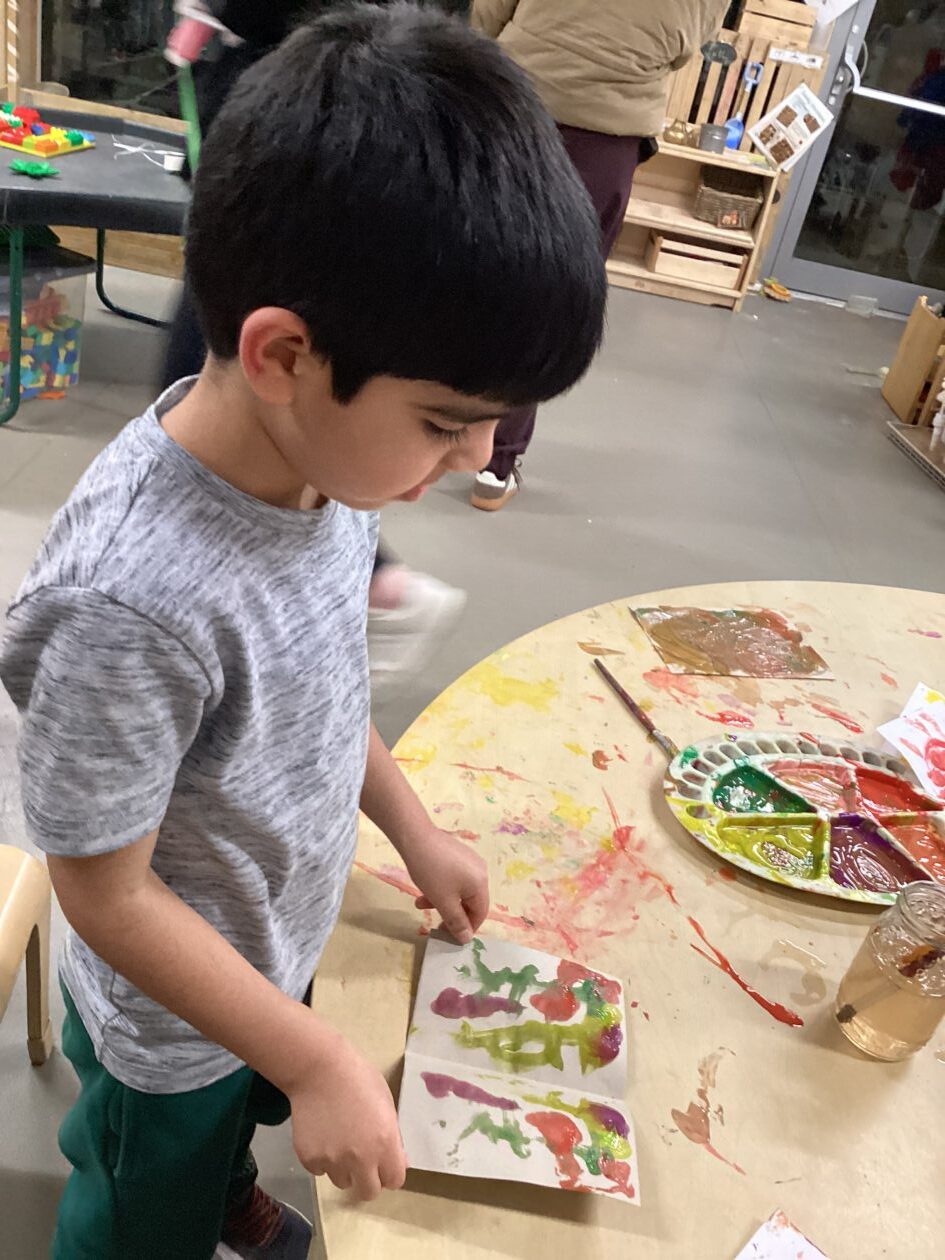
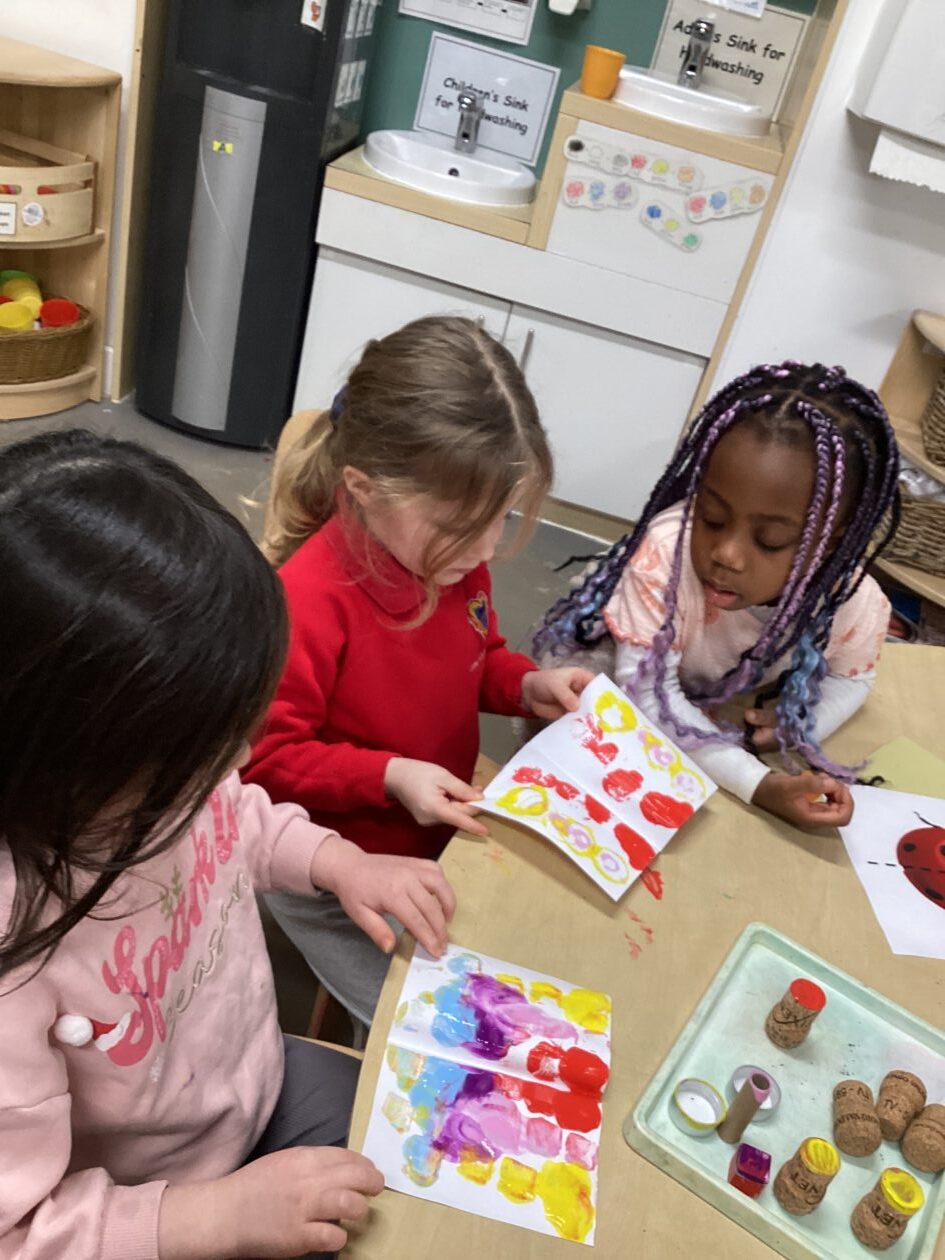
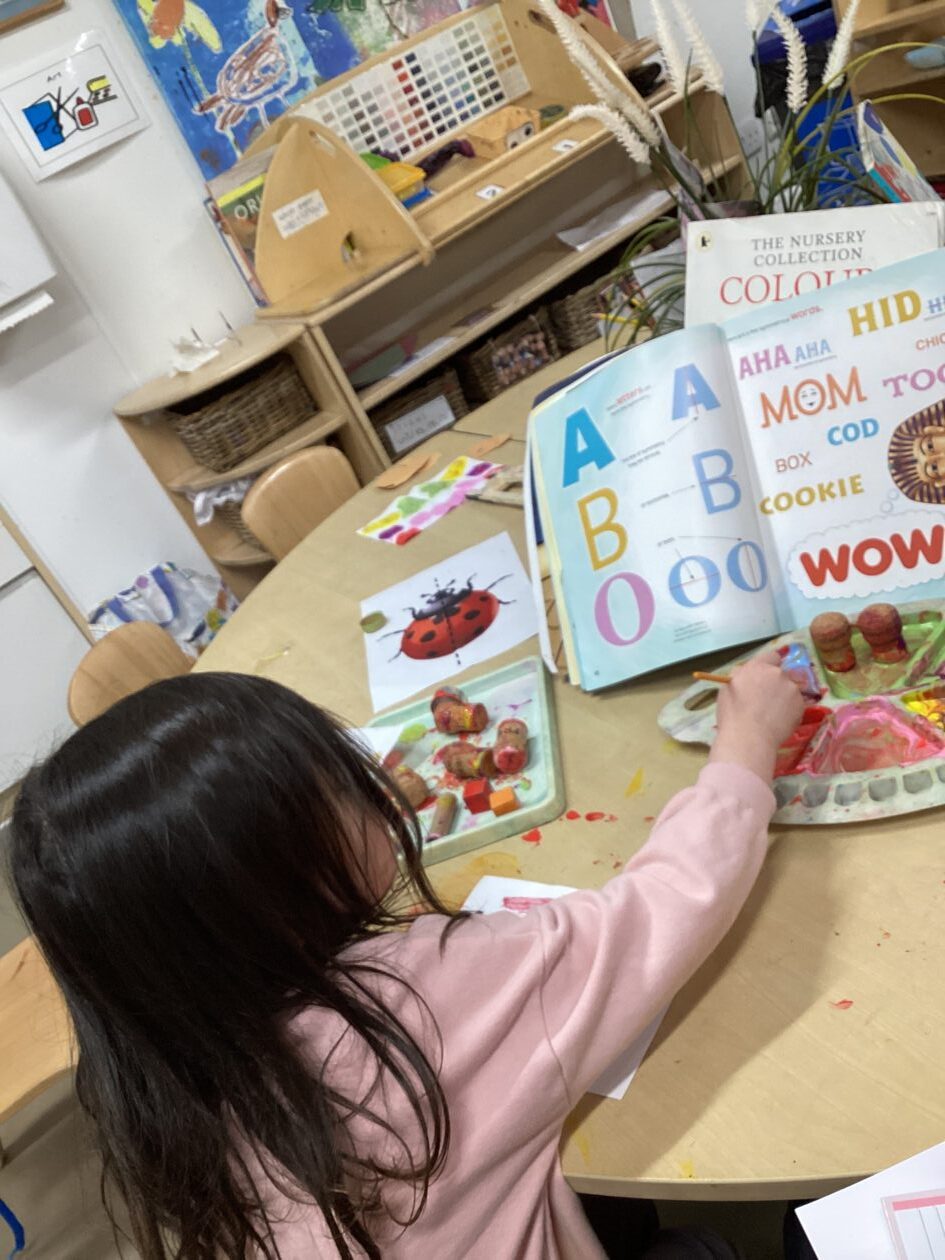
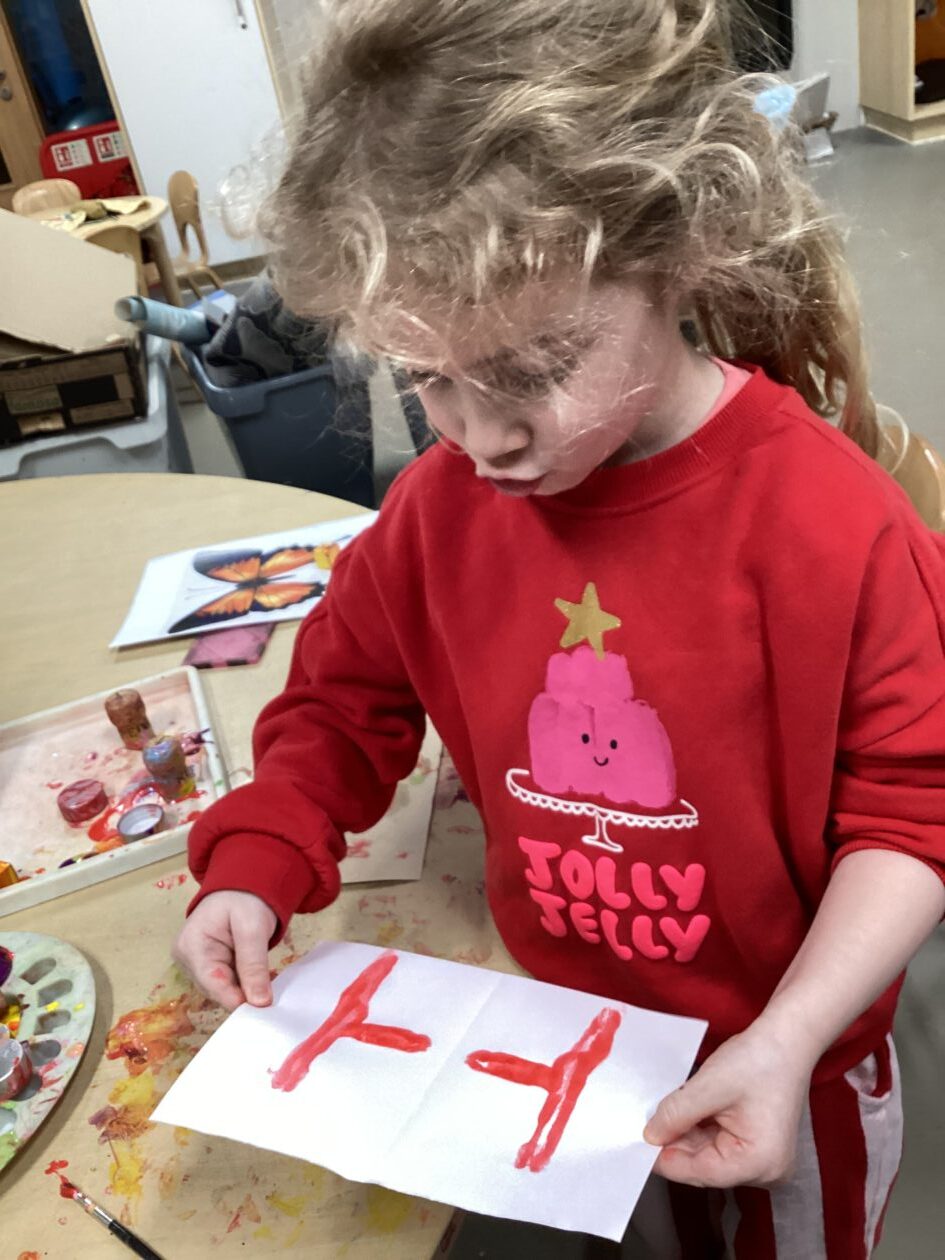
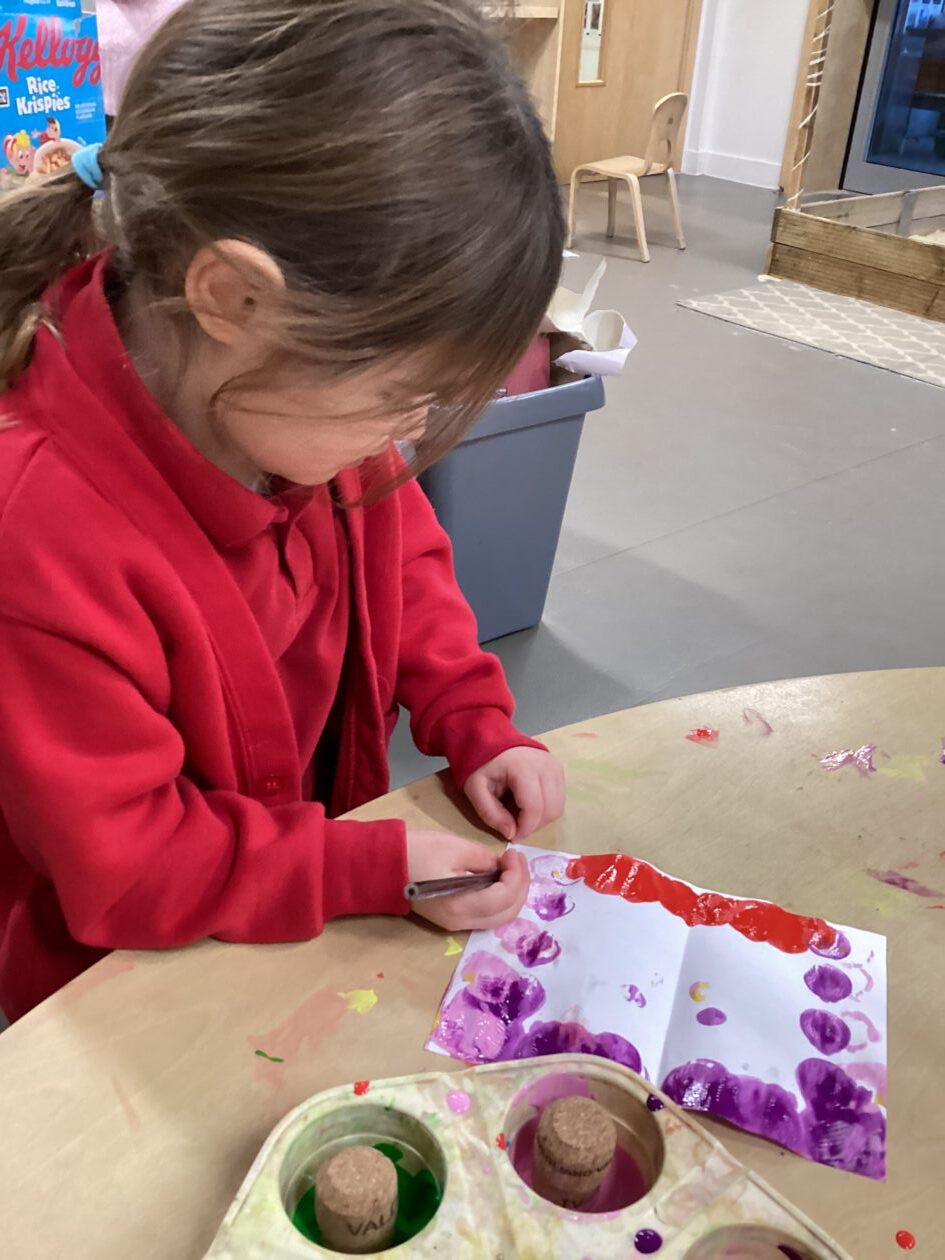
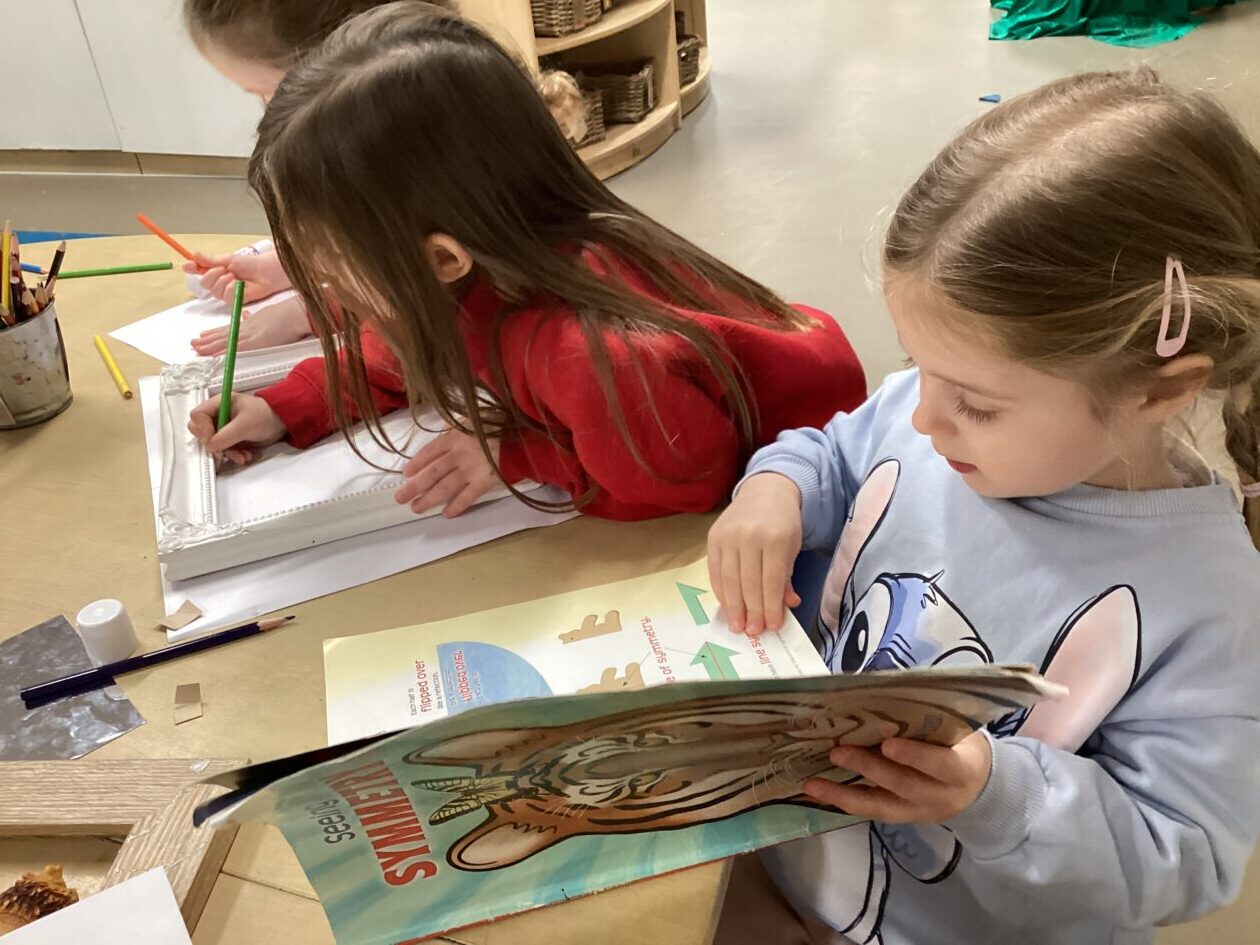
This week in the art area we have been exploring symmetry. The children started off the week by creating designs using a folded piece of paper. They explored how their patterns can be replicated on to the other side of the paper by folding it over and pressing down to transfer it. We discussed the concept of a line of symmetry and looked at some examples of this.
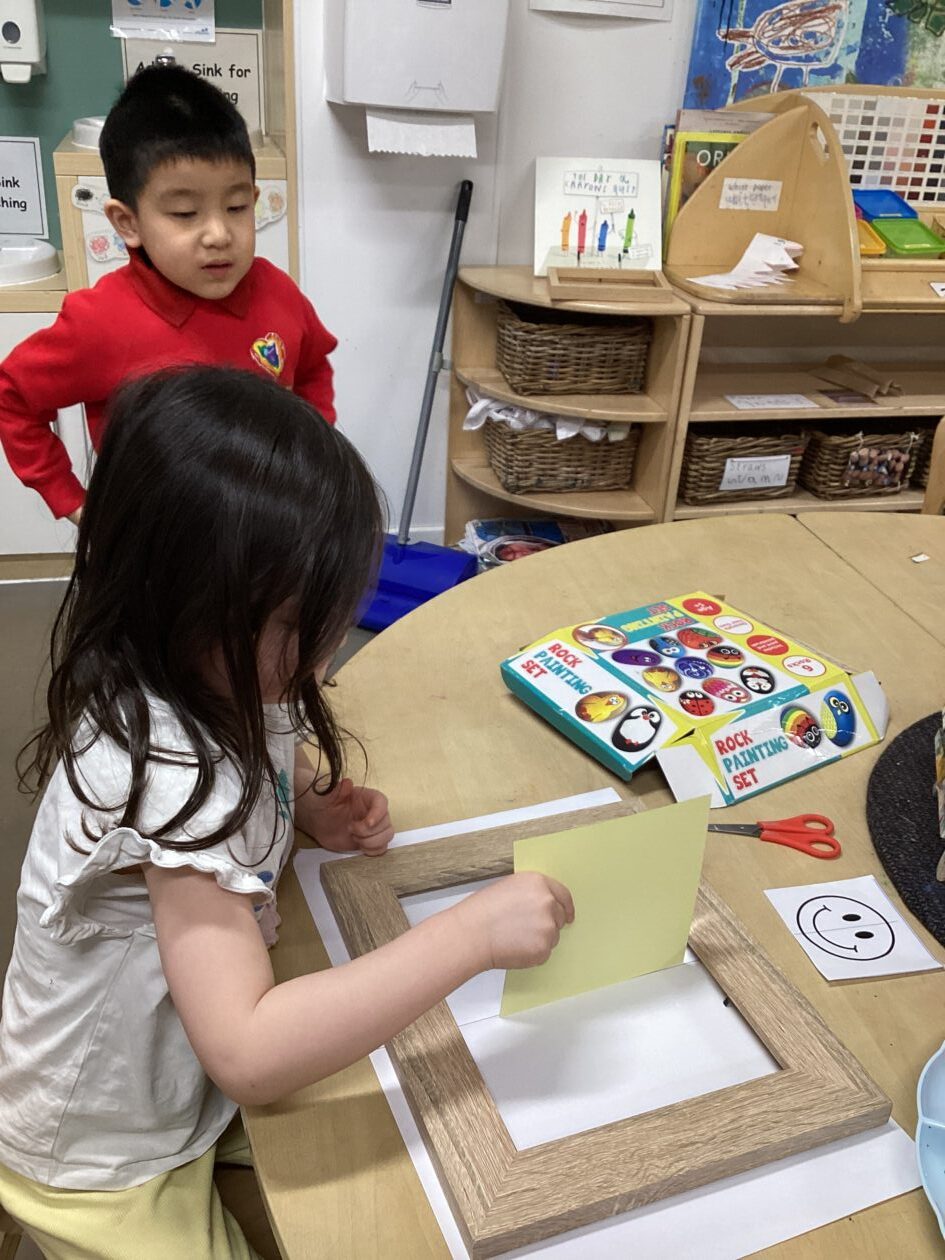
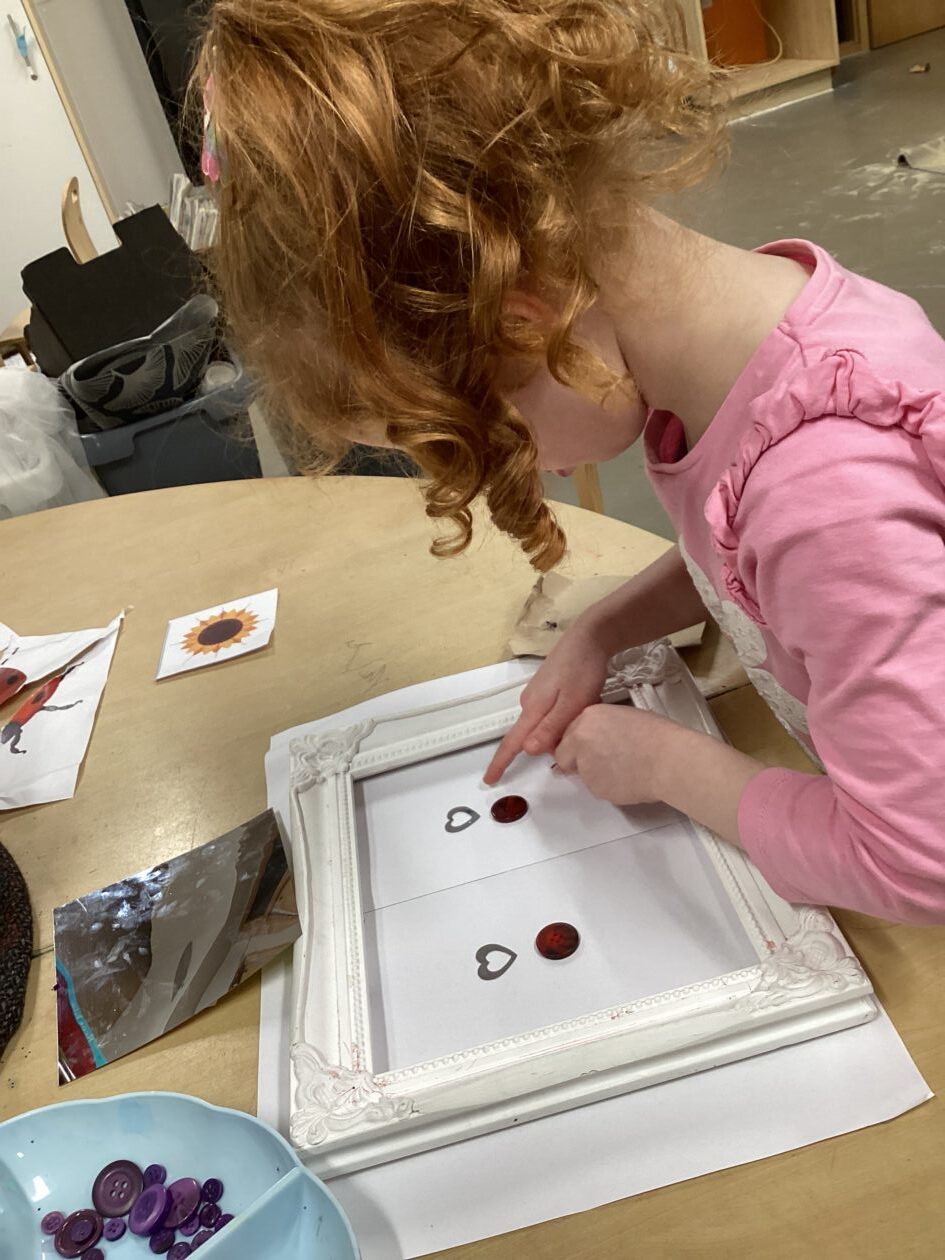
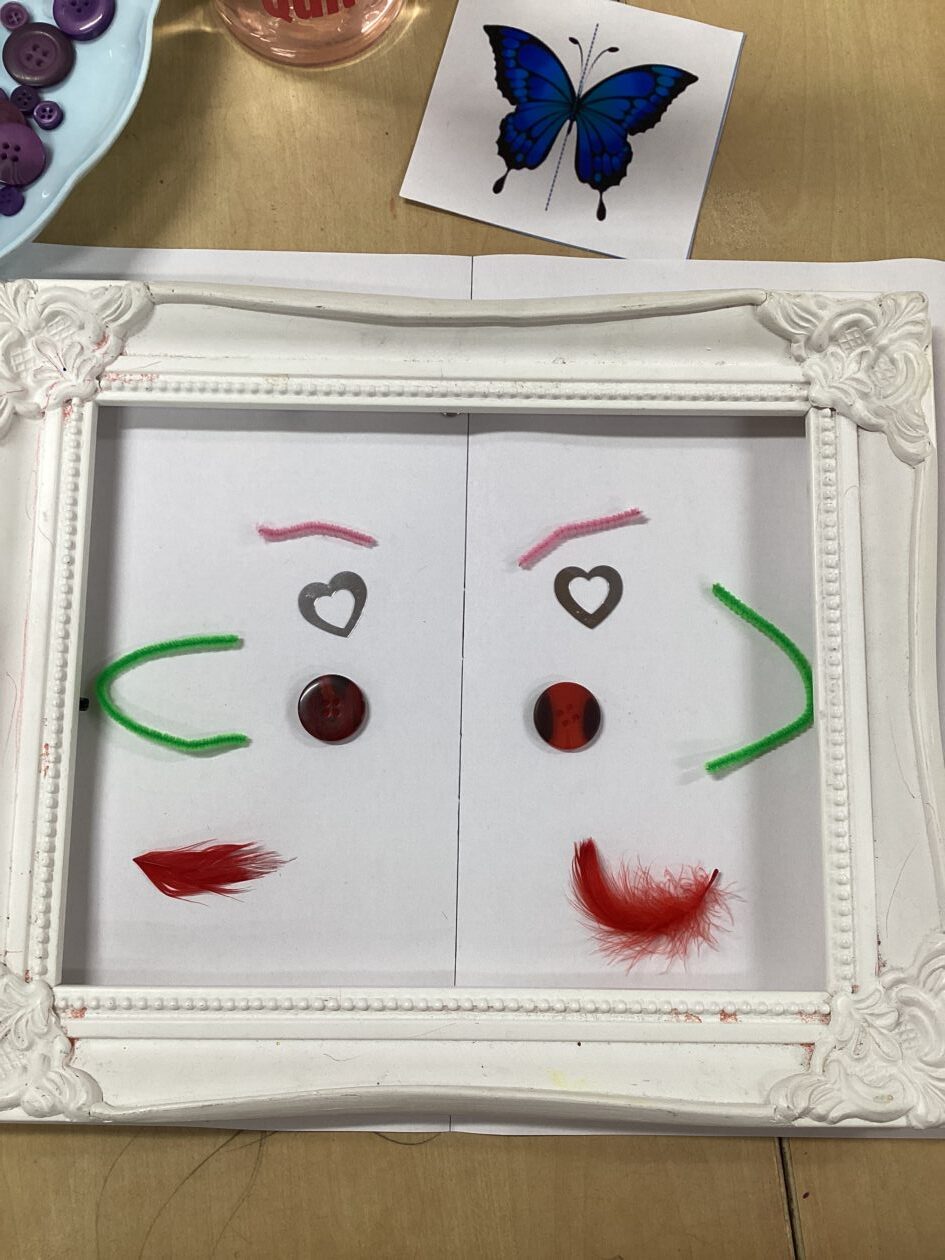
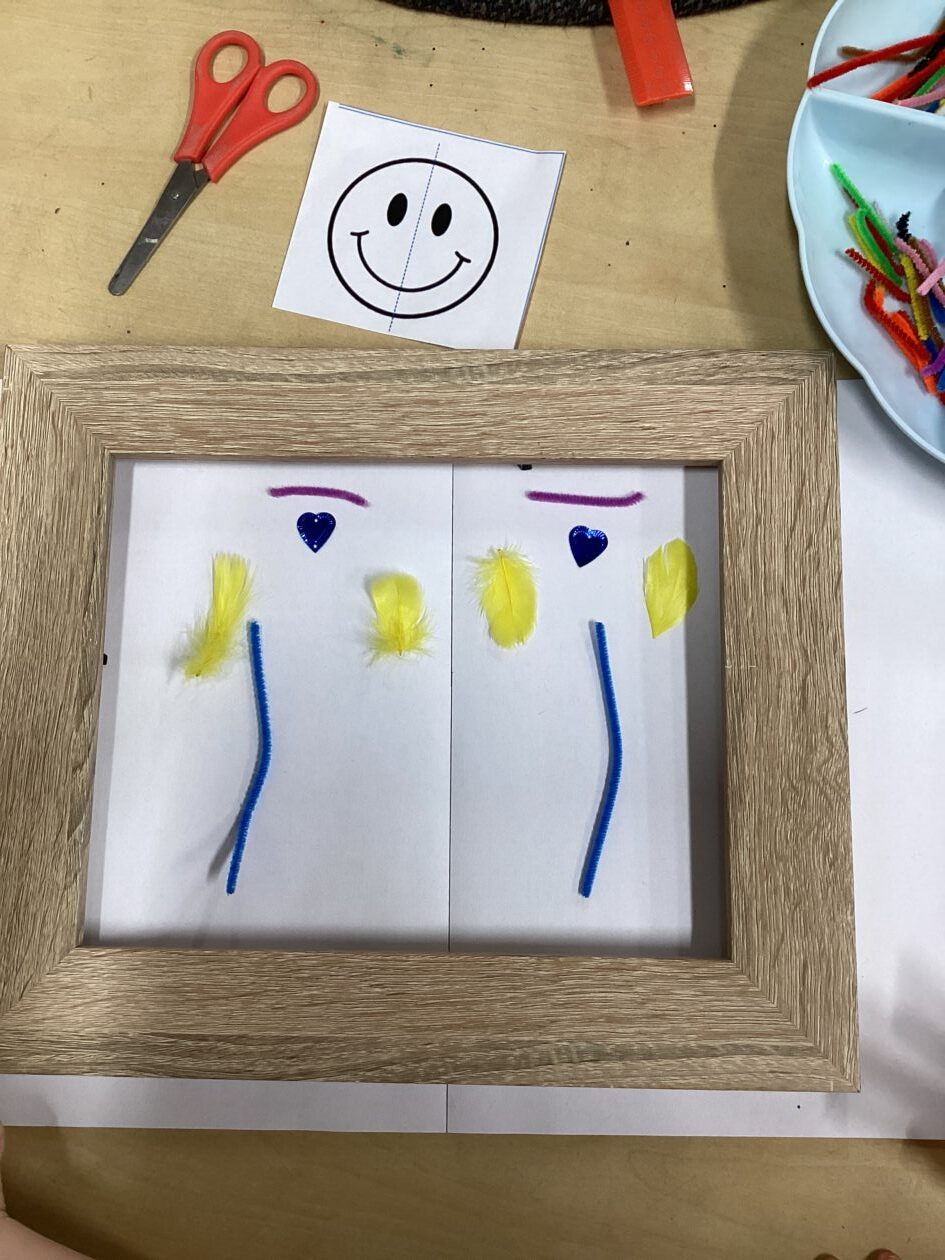
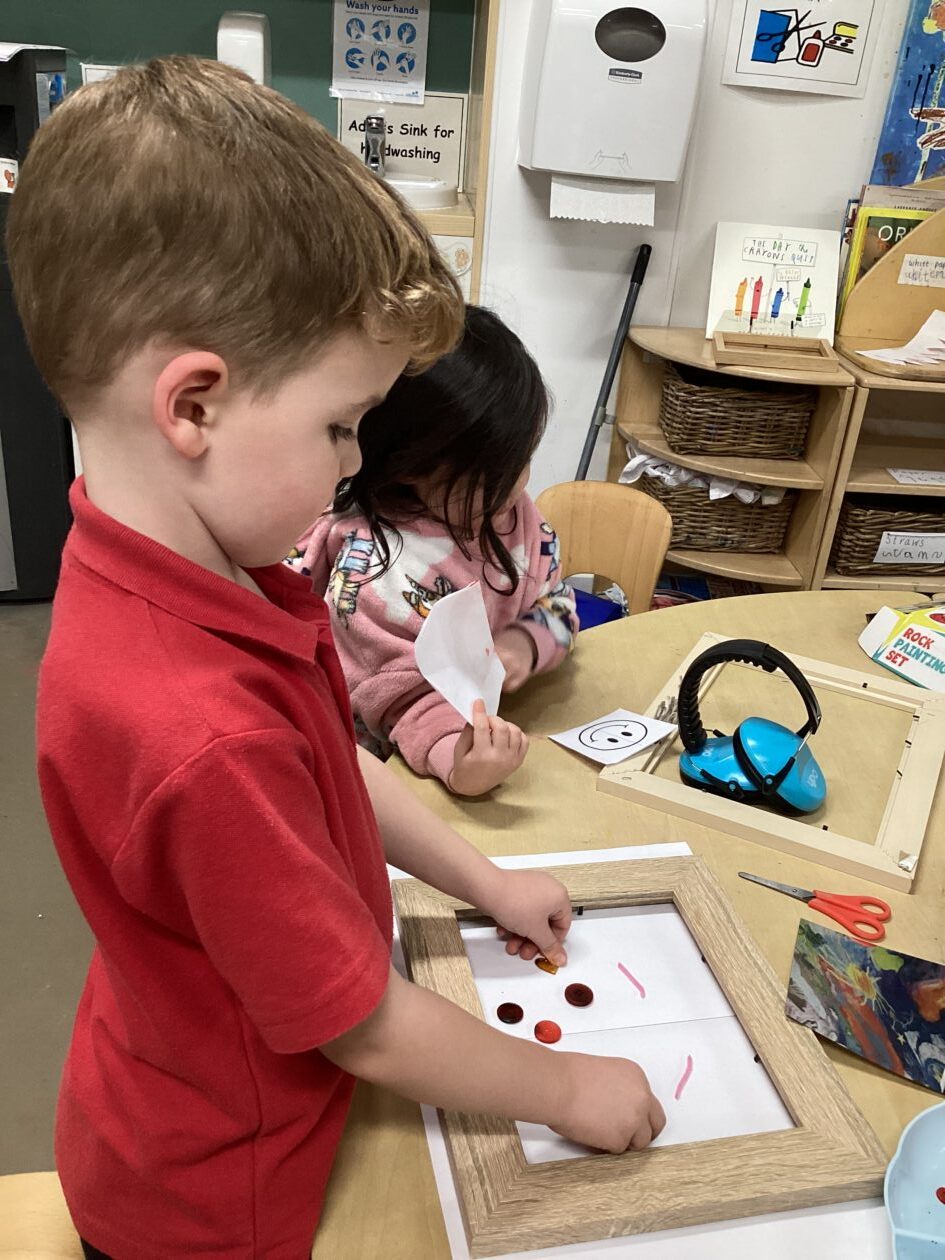
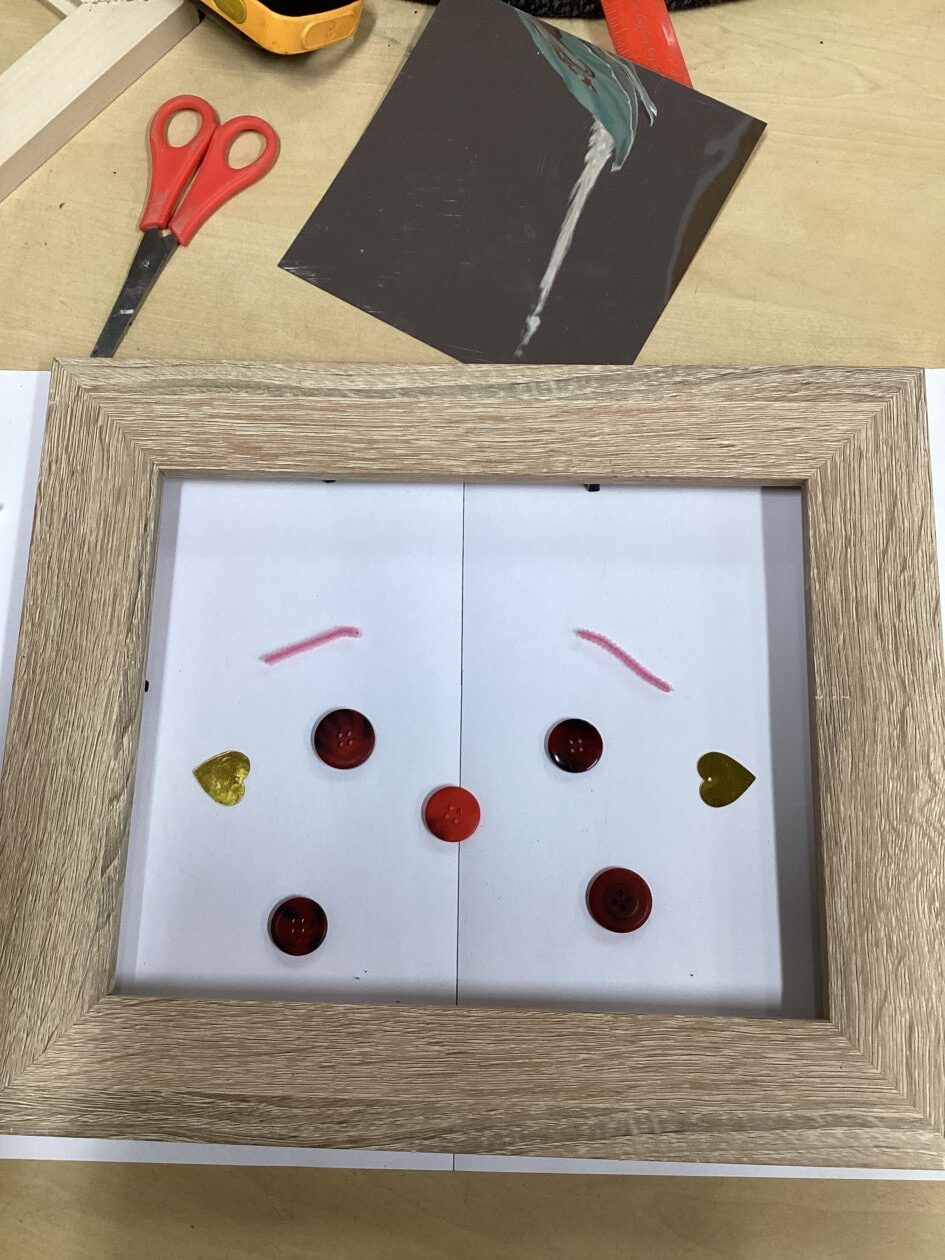
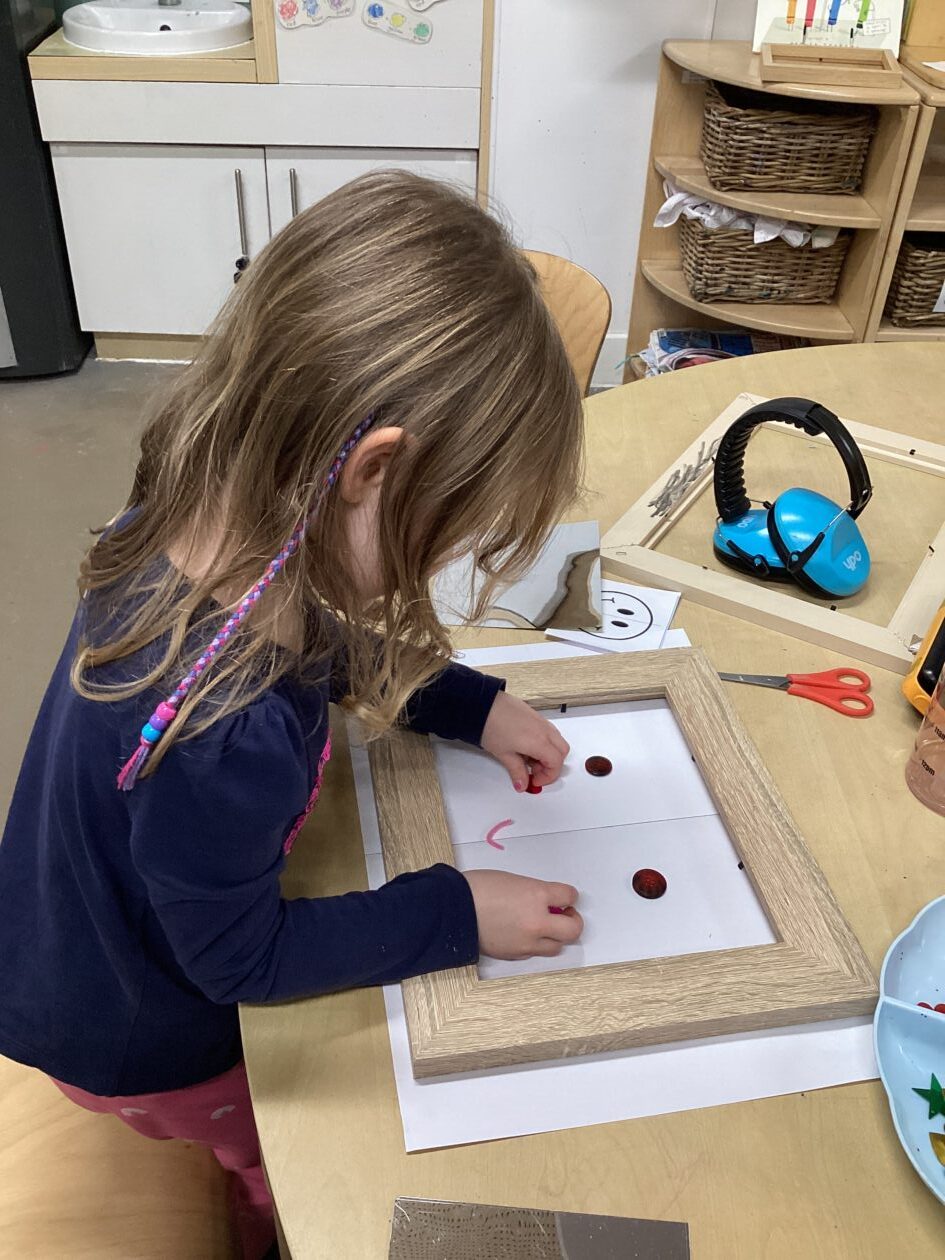
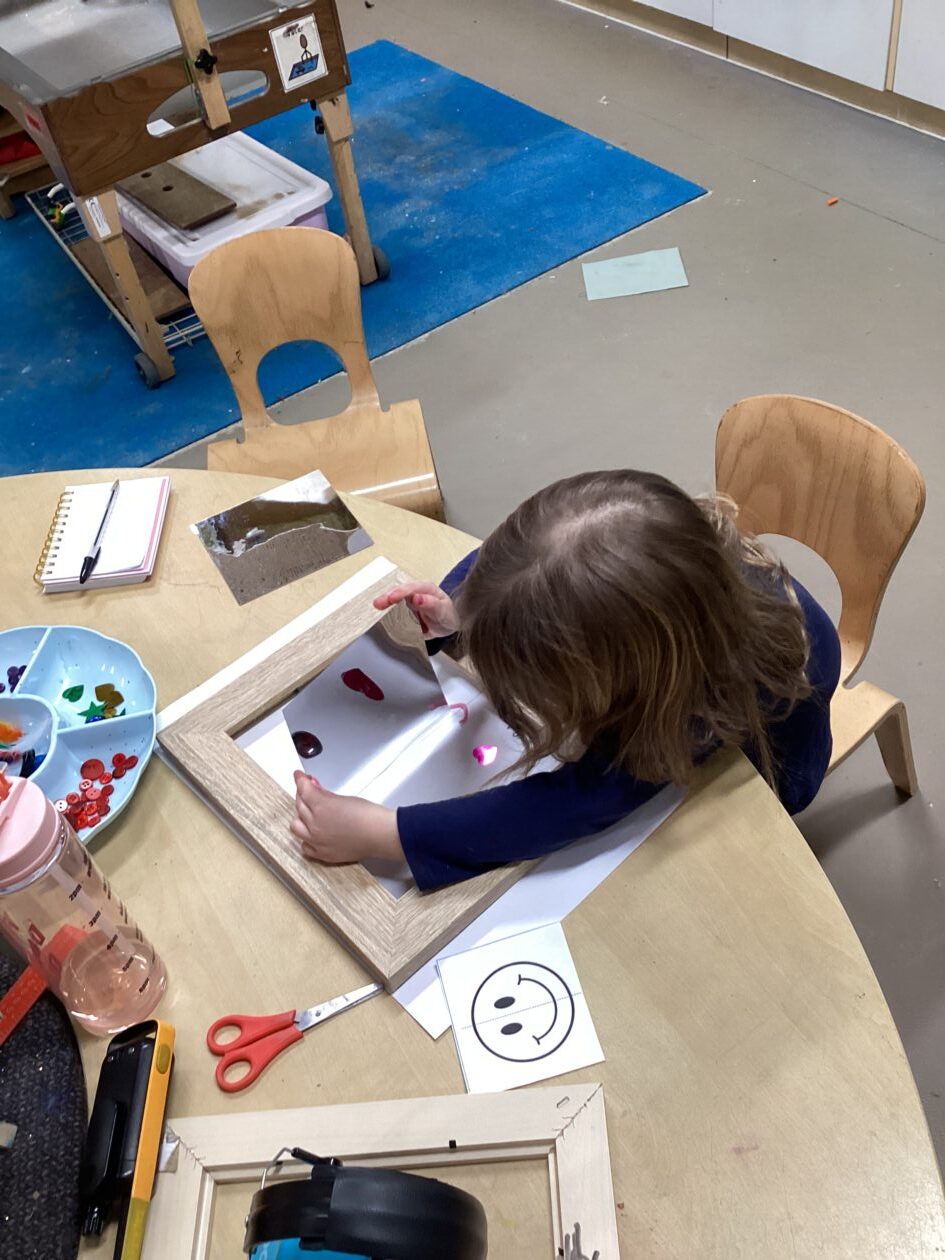
Later on in the week we then extended their learning by setting the challenge of creating their own symmetrical pictures. We used mirrors to support their understanding and discussed how we needed to use the same shapes and colours on both sides. The children made some lovely transient art pictures using the frames and different resources.







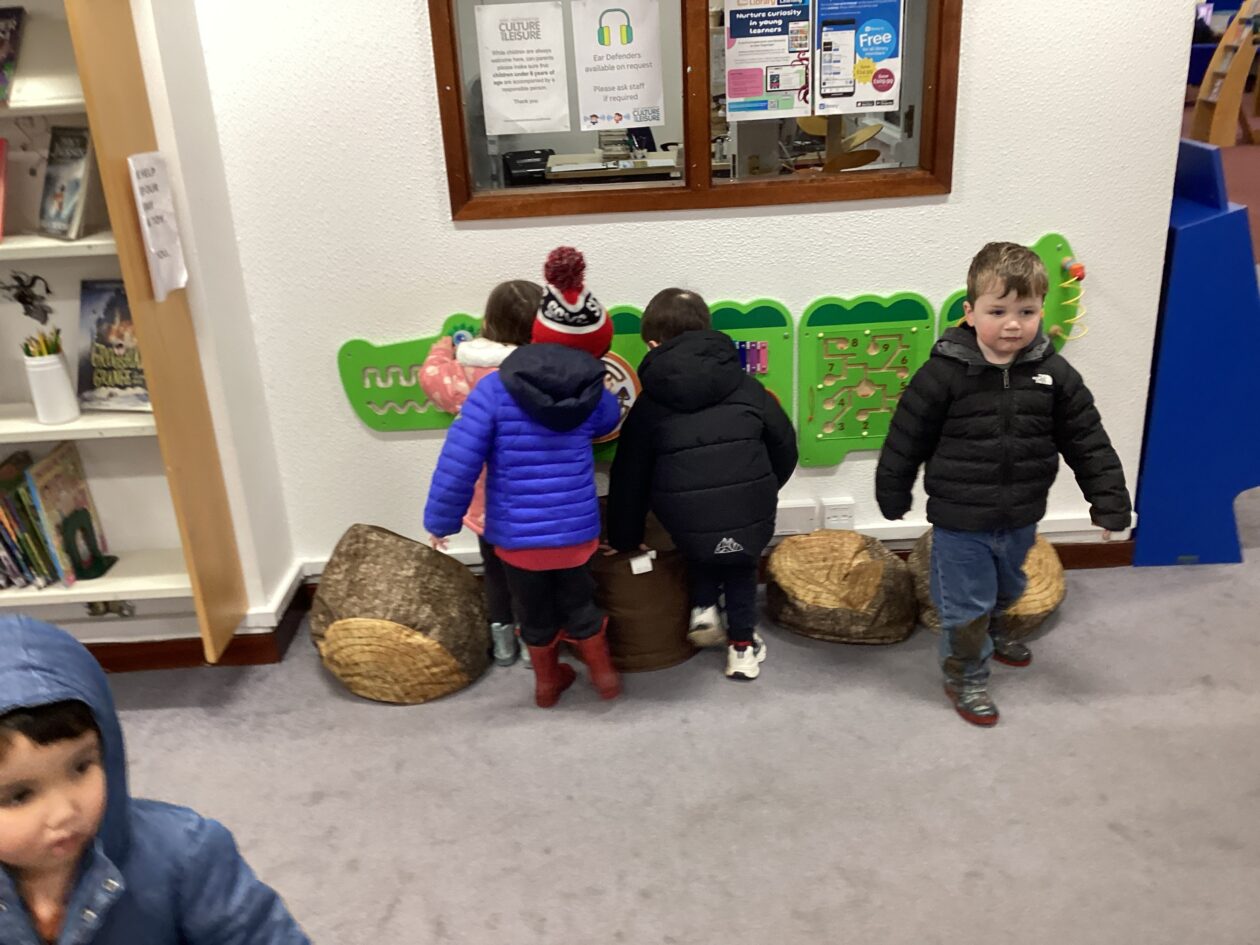
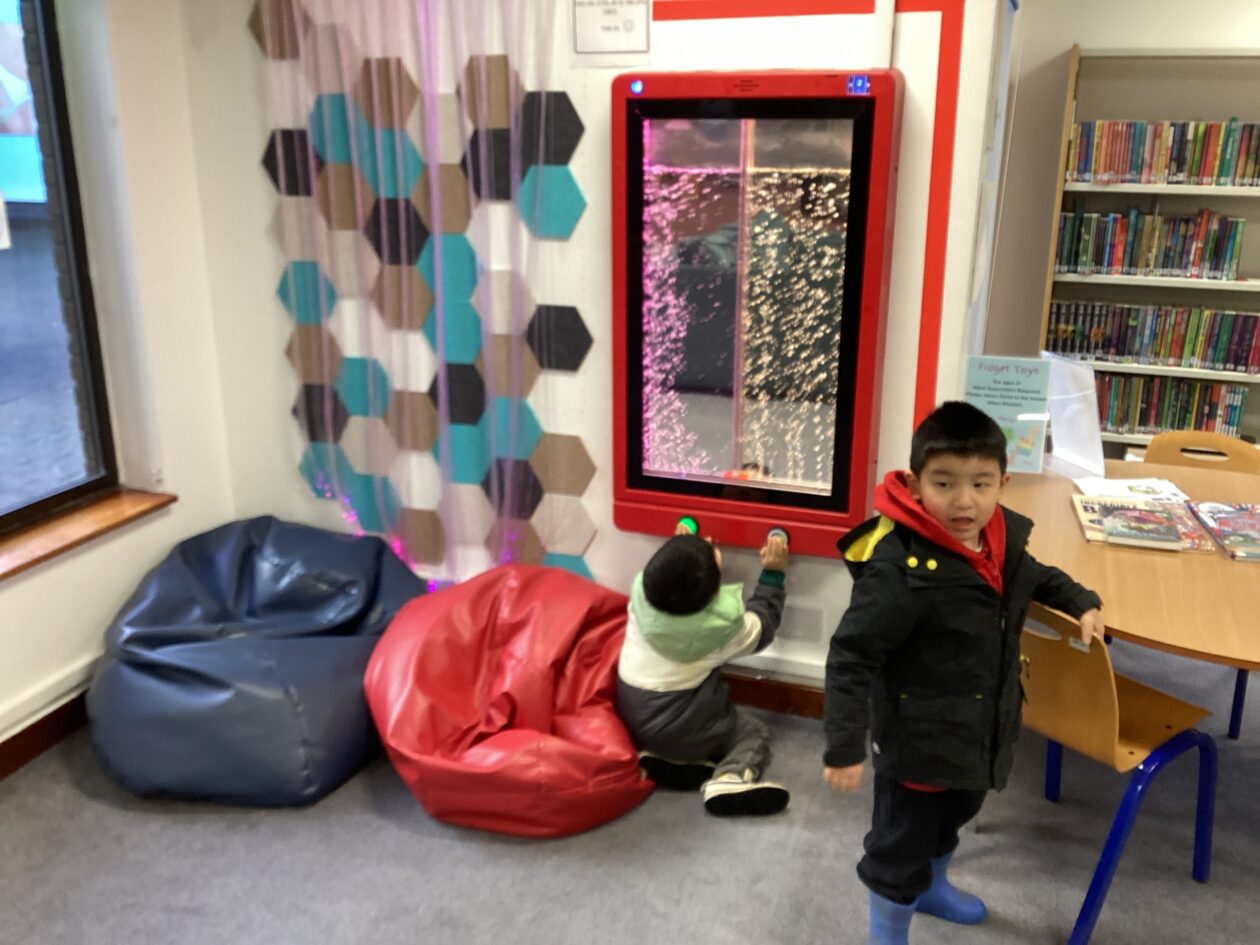
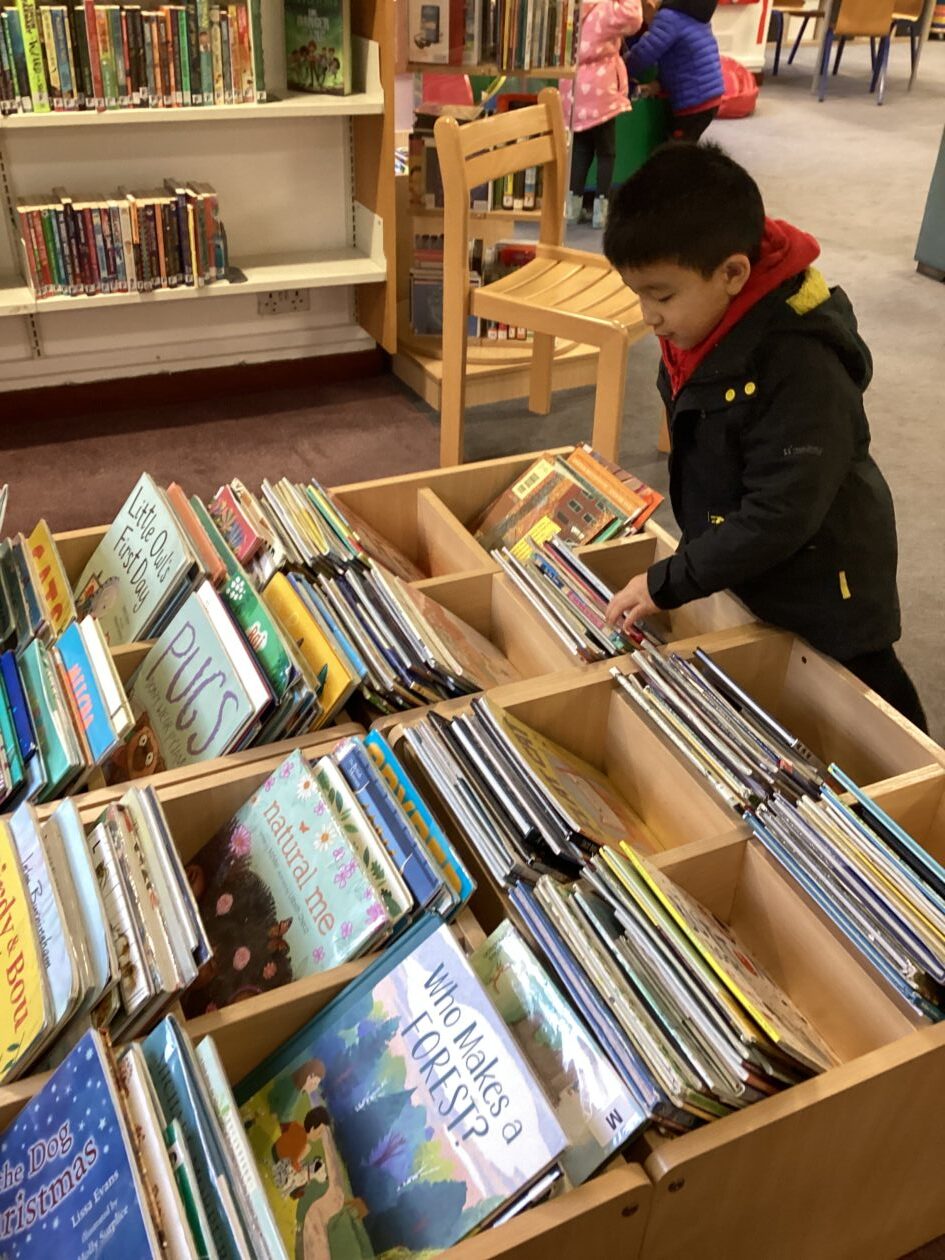
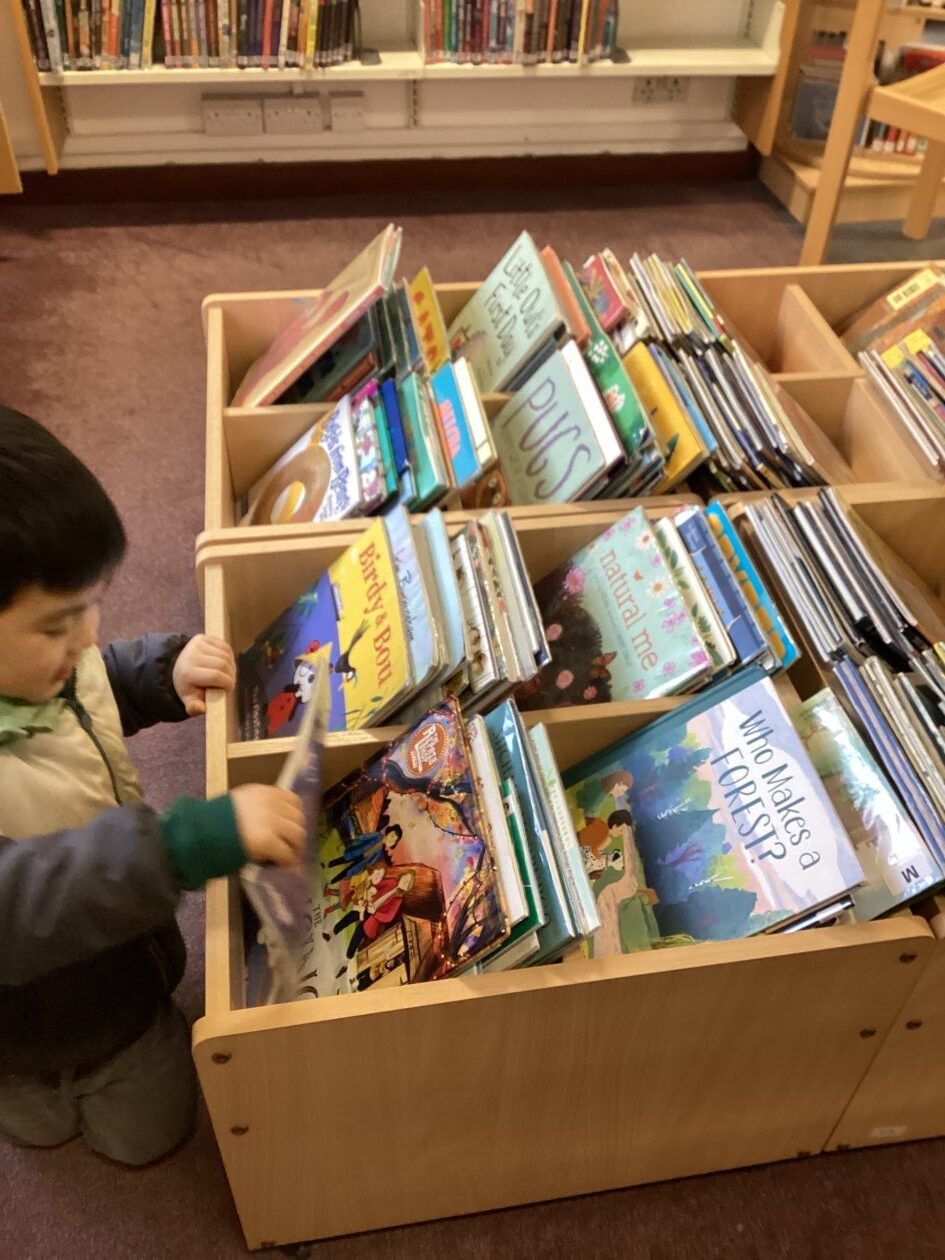
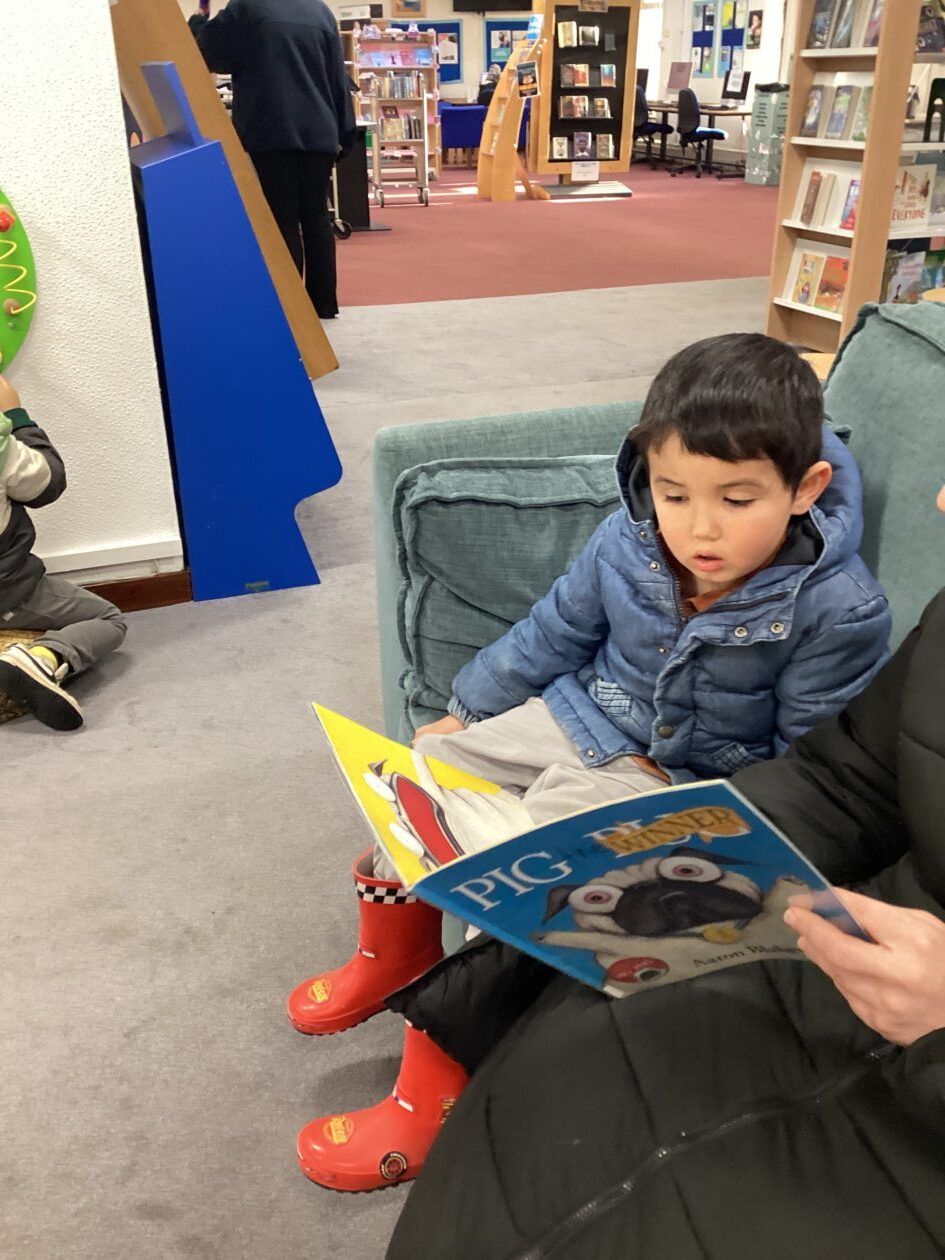
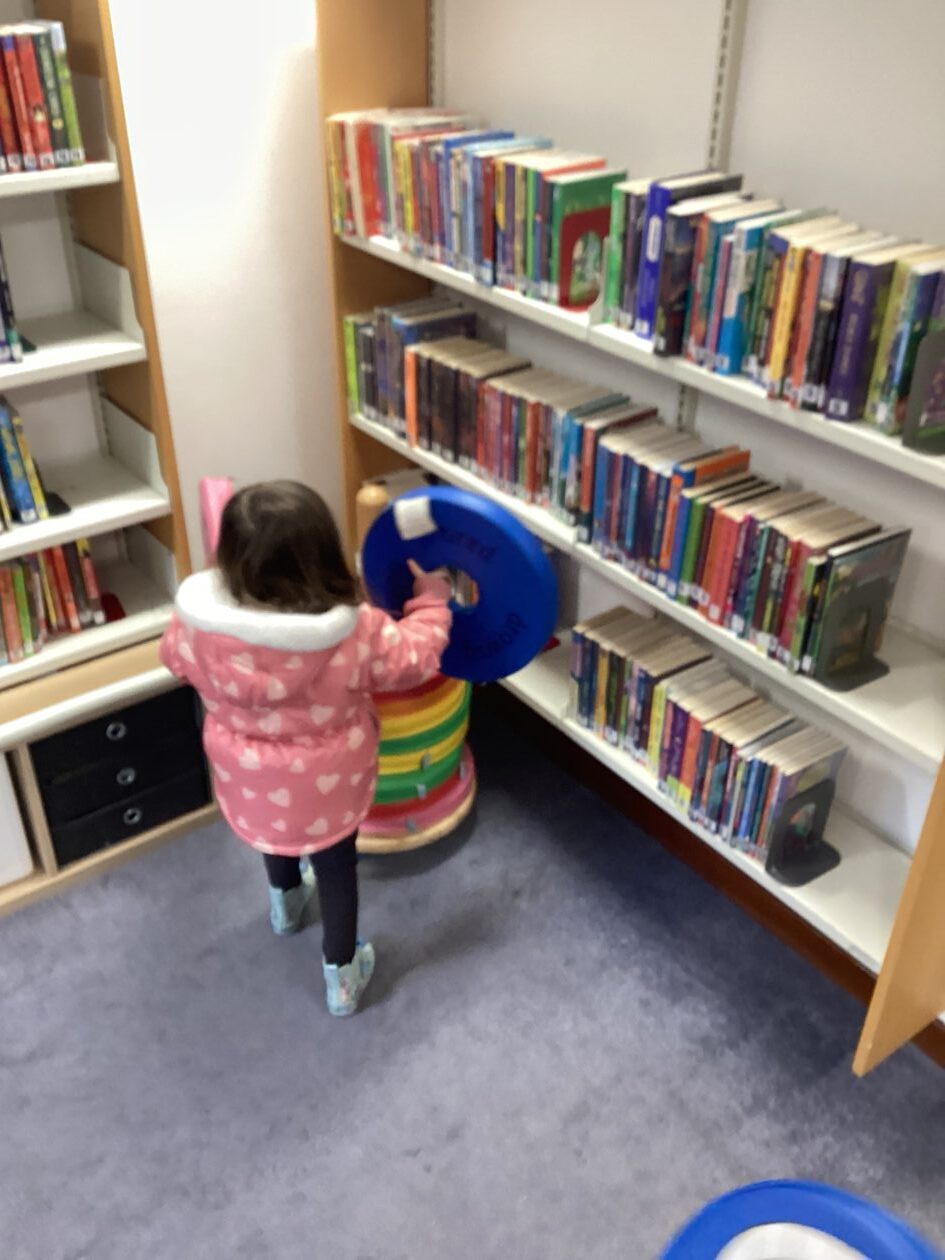
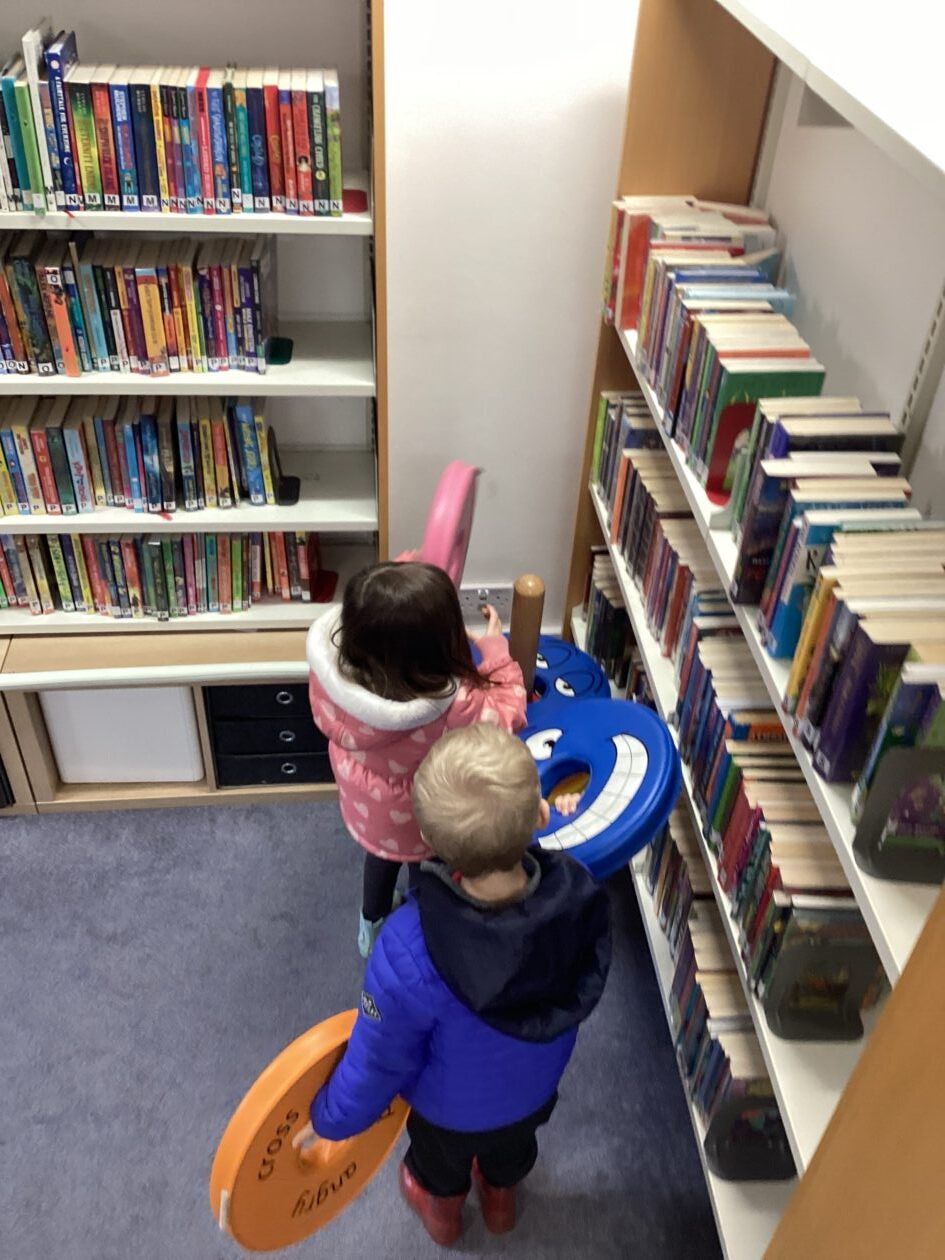
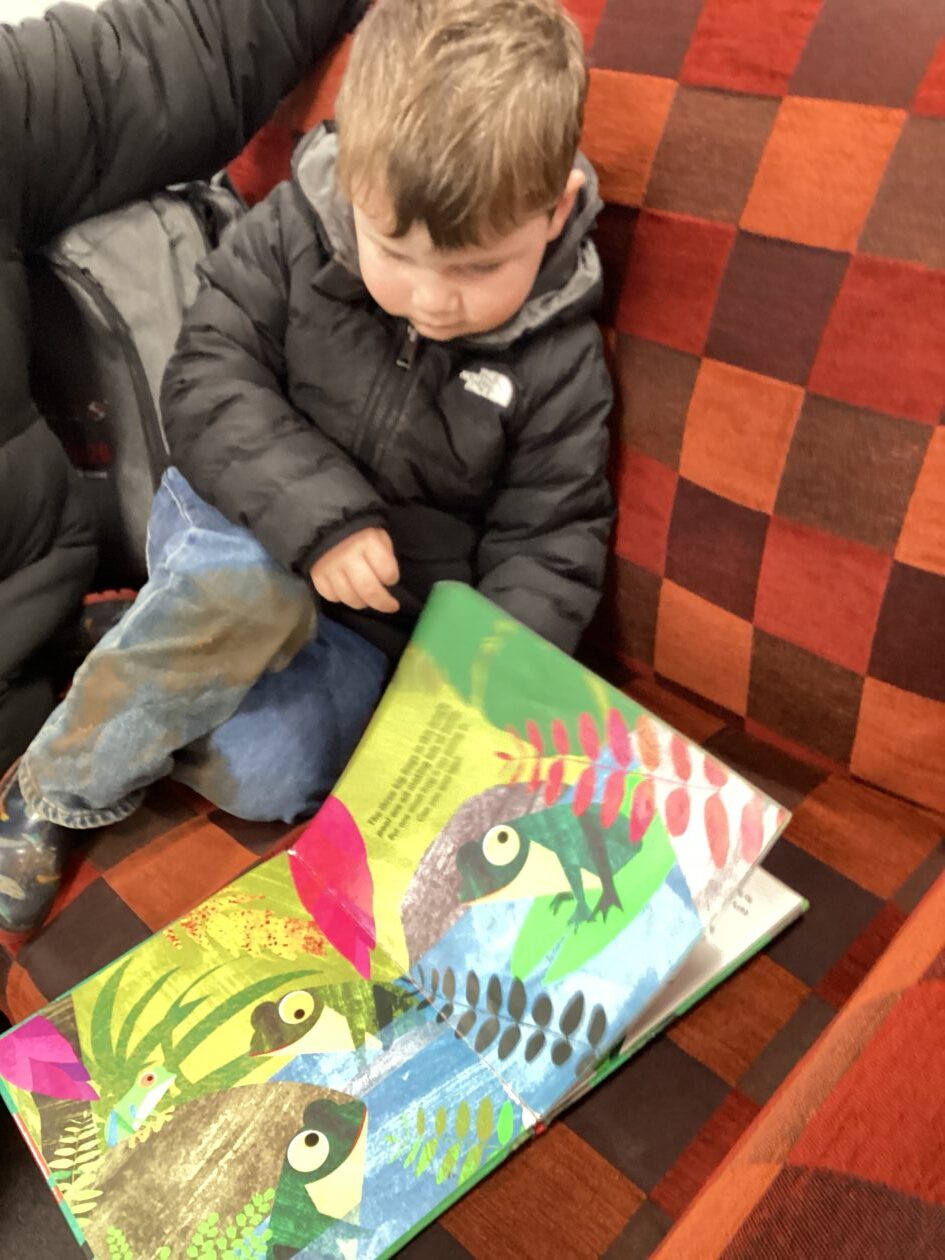
This week the children went for a walk to Mearns Library. On the way, we spoke about safety. The preschool children paired up with the ante-pre children to show them how to stay safe when walking on the pavement next to a busy road.
We walked through the field and then onto the main road. CC told their partner to “stay on the inside of the pavement because he was little and it was safer.” The children stayed together in a line as we walked along the road, around the car park, and into the library.
While in the library, the children followed the rules by staying quiet. They chose some stories, which we read together in the library. After each story, the children shared their views, talking about what they liked and anything they didn’t like.








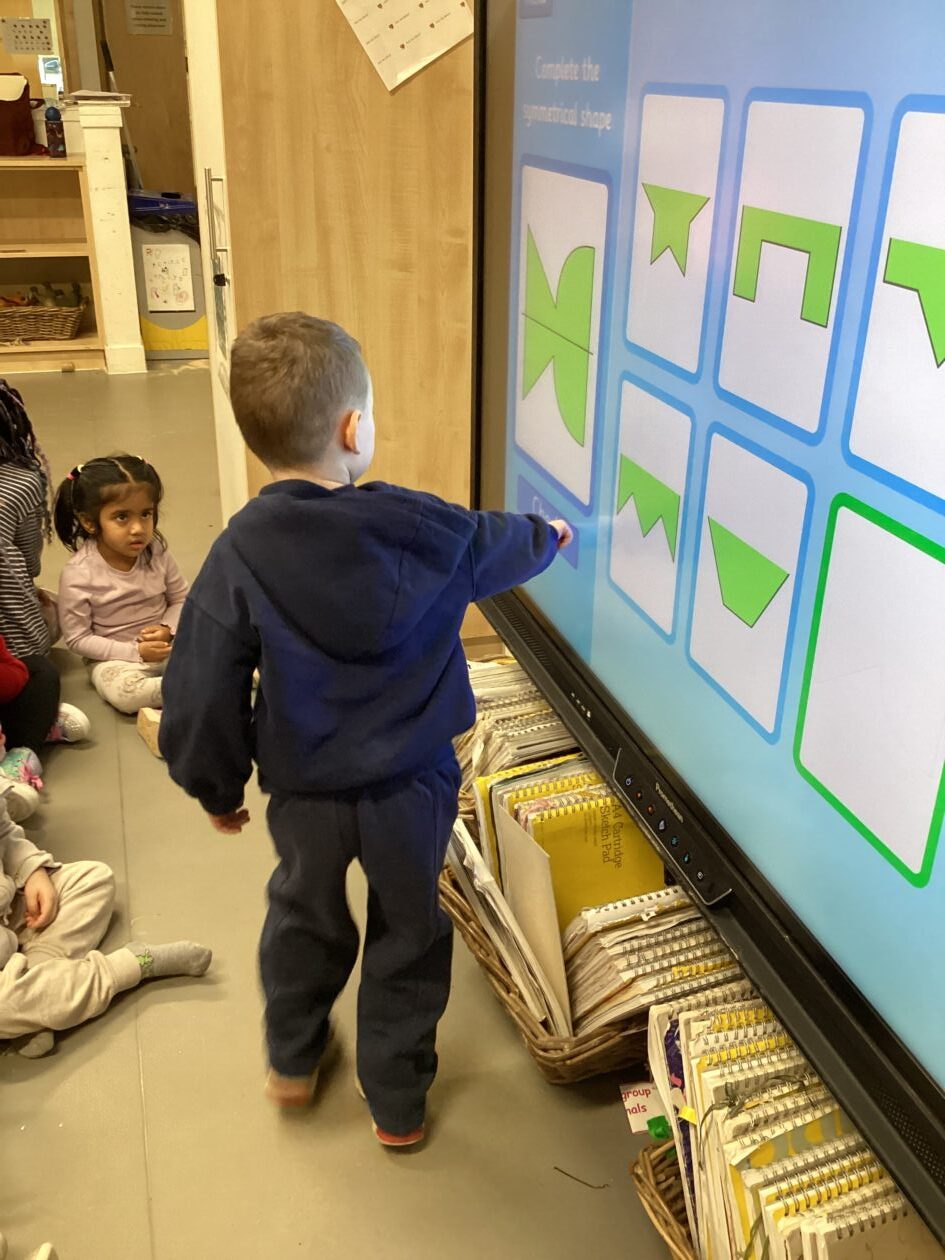
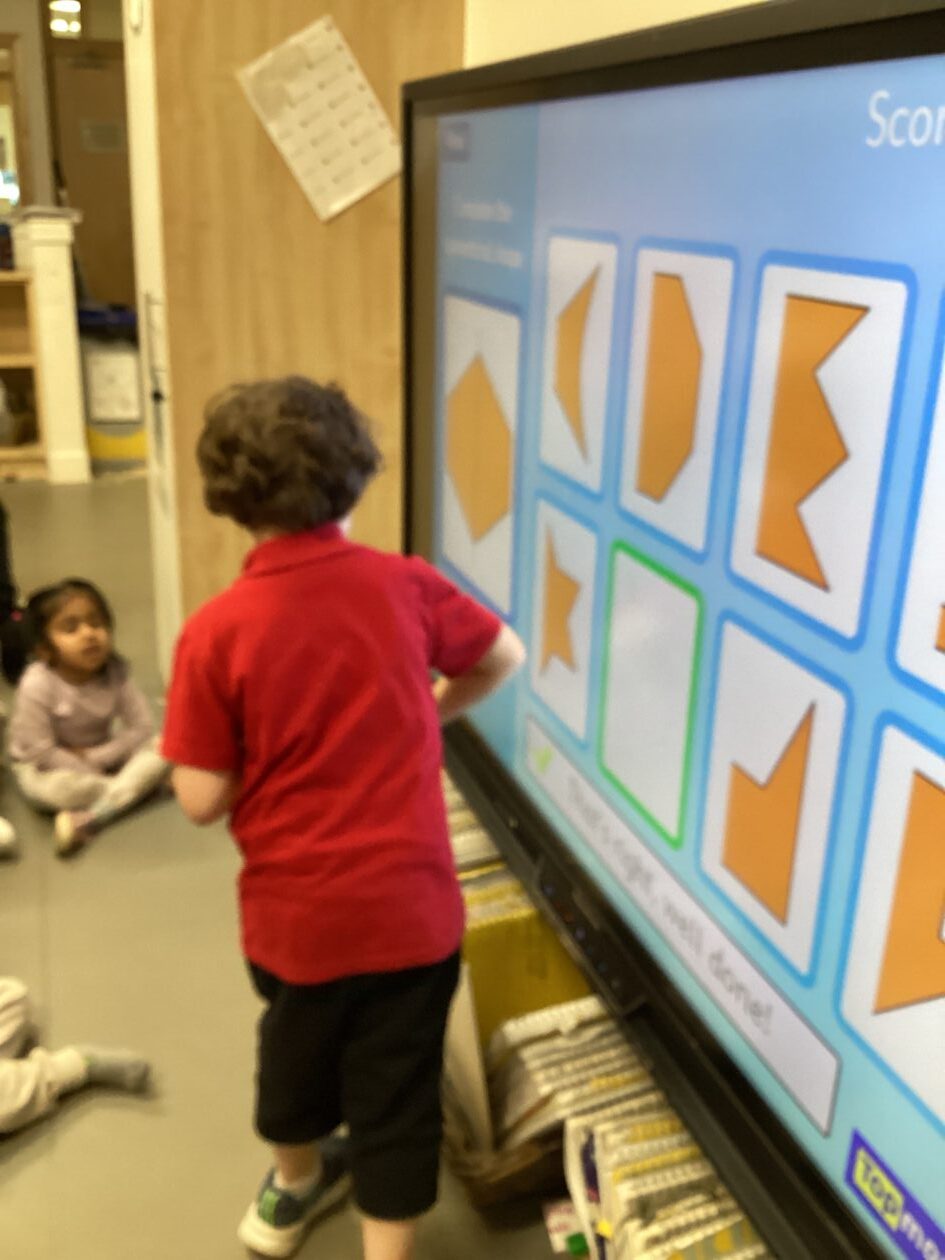
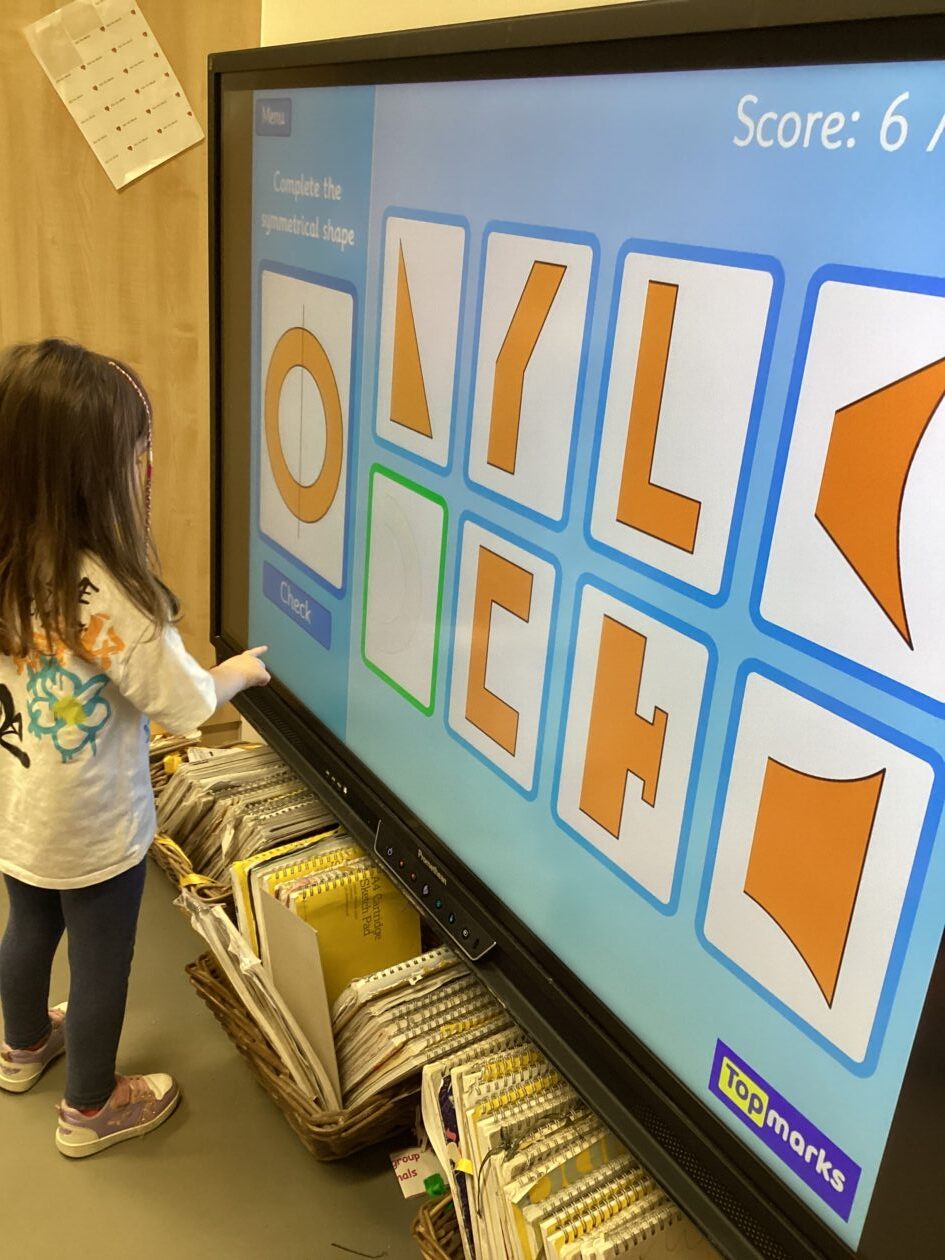
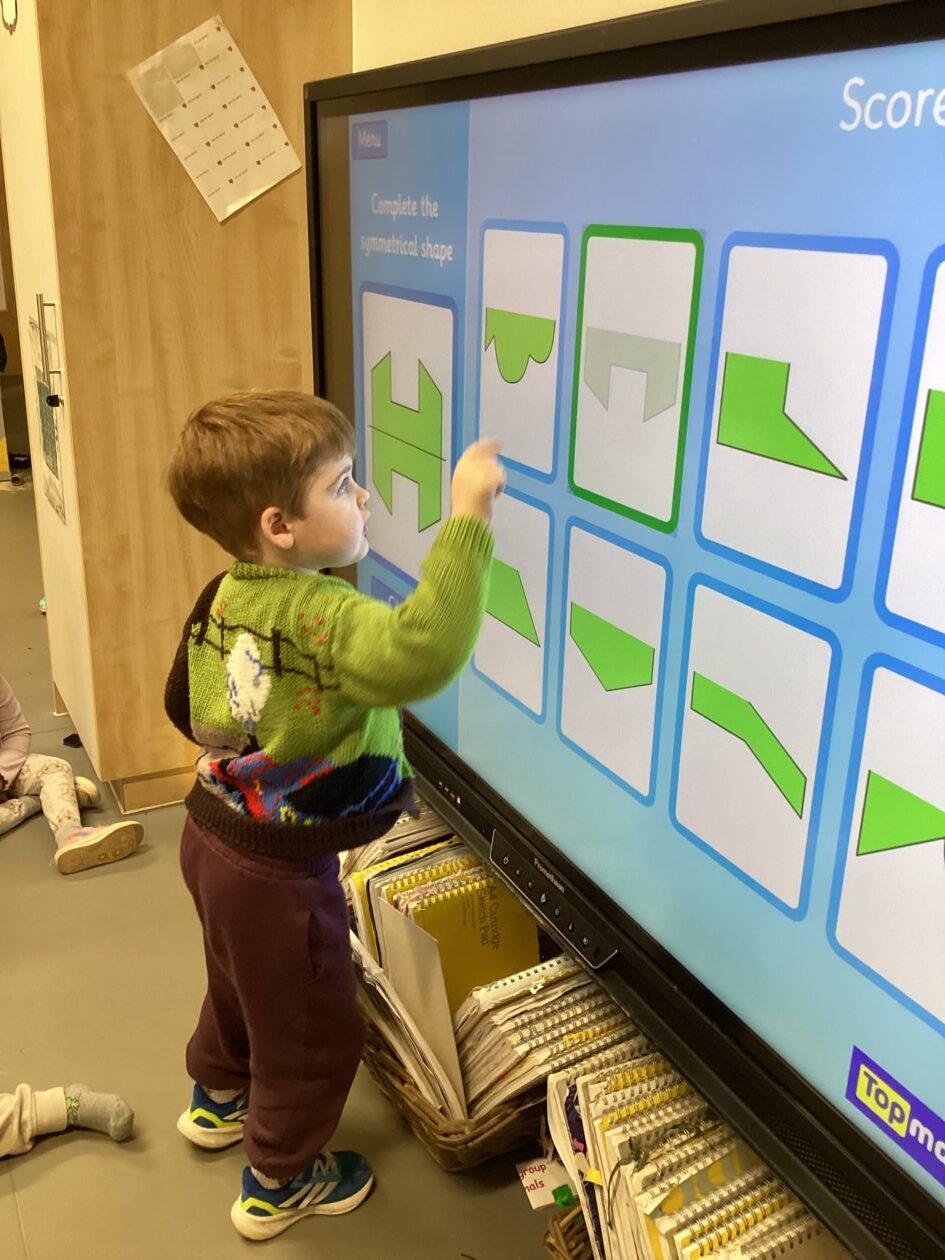
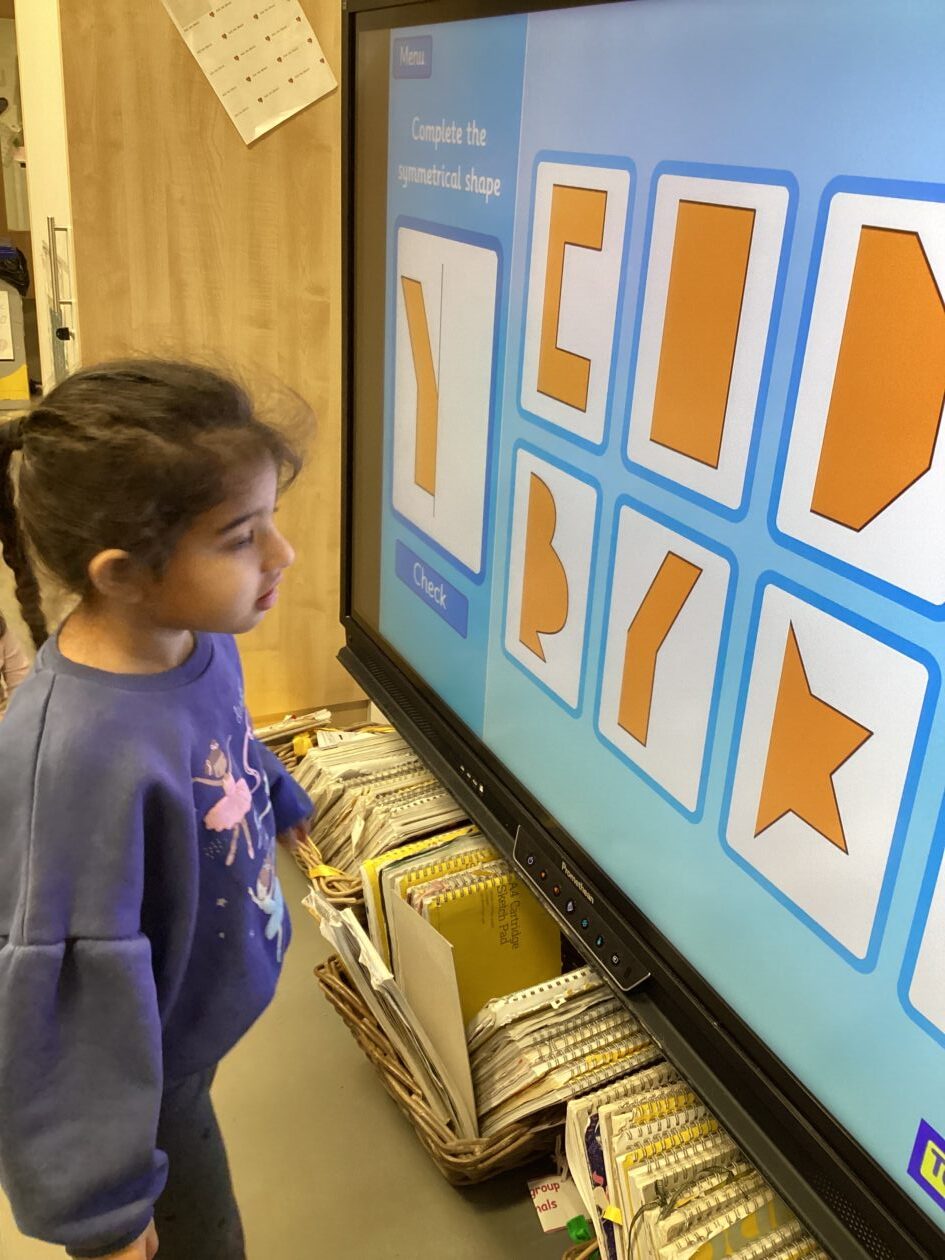
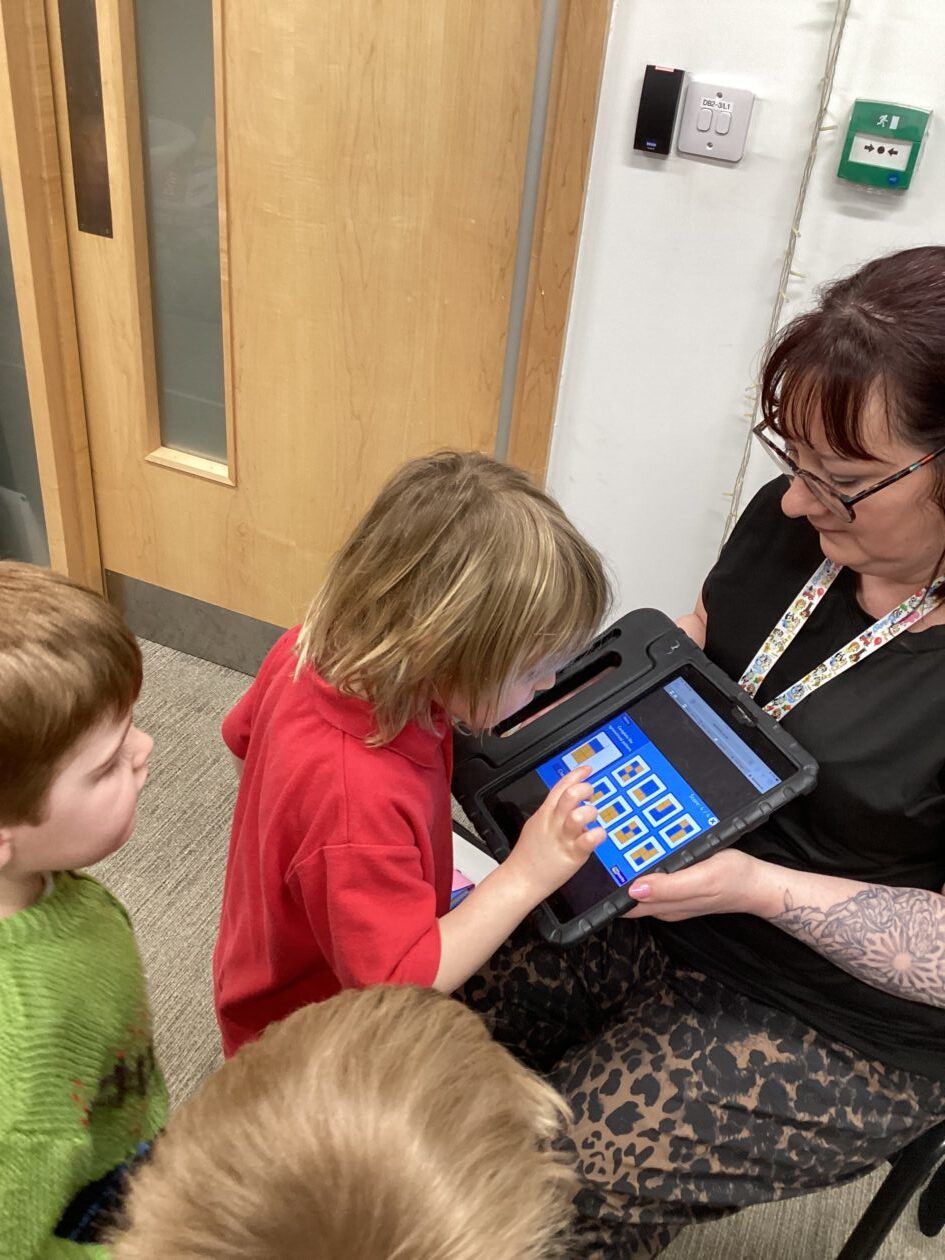
This week in discovery we have been exploring symmetry using the Top Marks app
https://www.topmarks.co.uk/symmetry/symmetry-matching. This helps the children develop an understanding of mirror image, matching properties and line of symmetry.







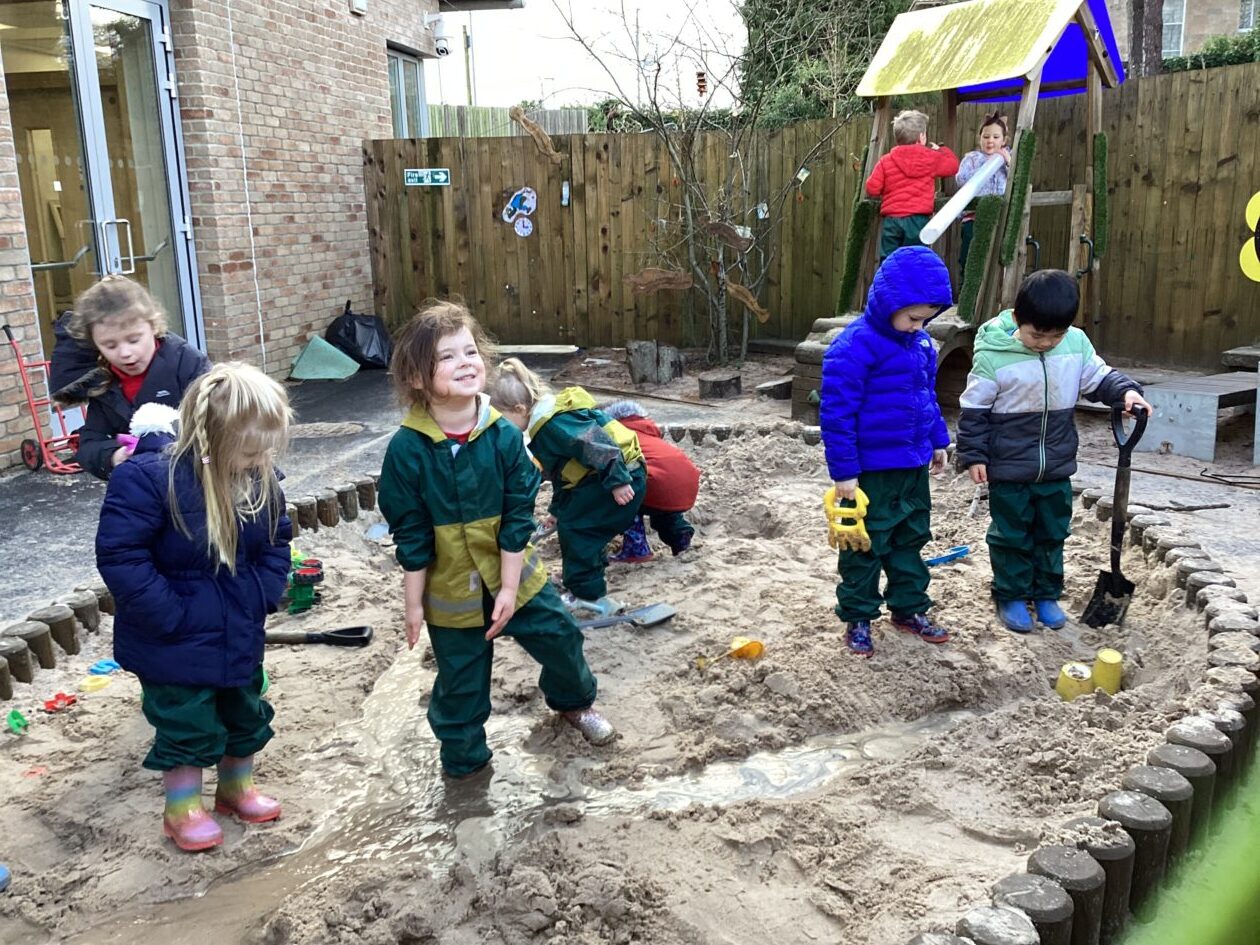
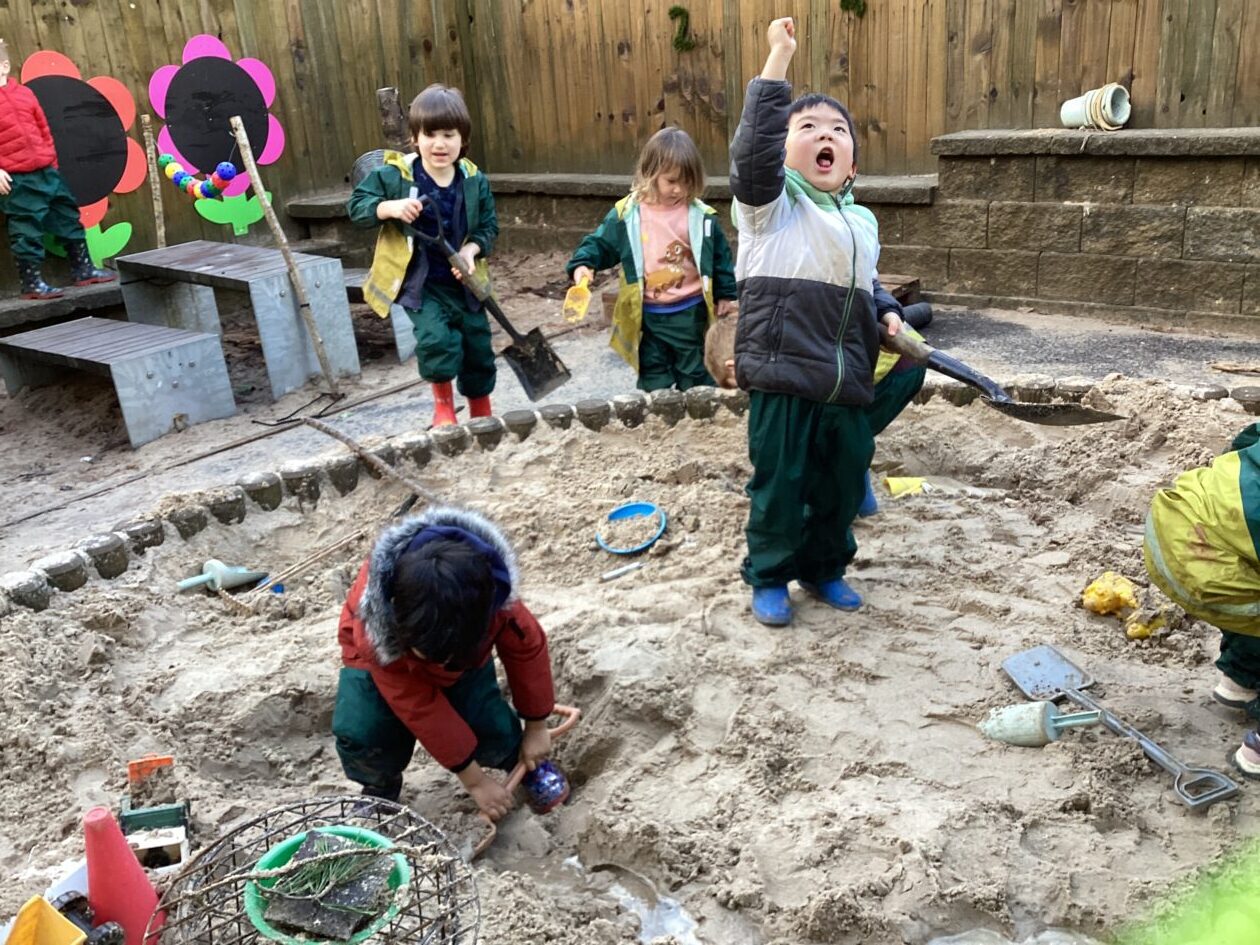
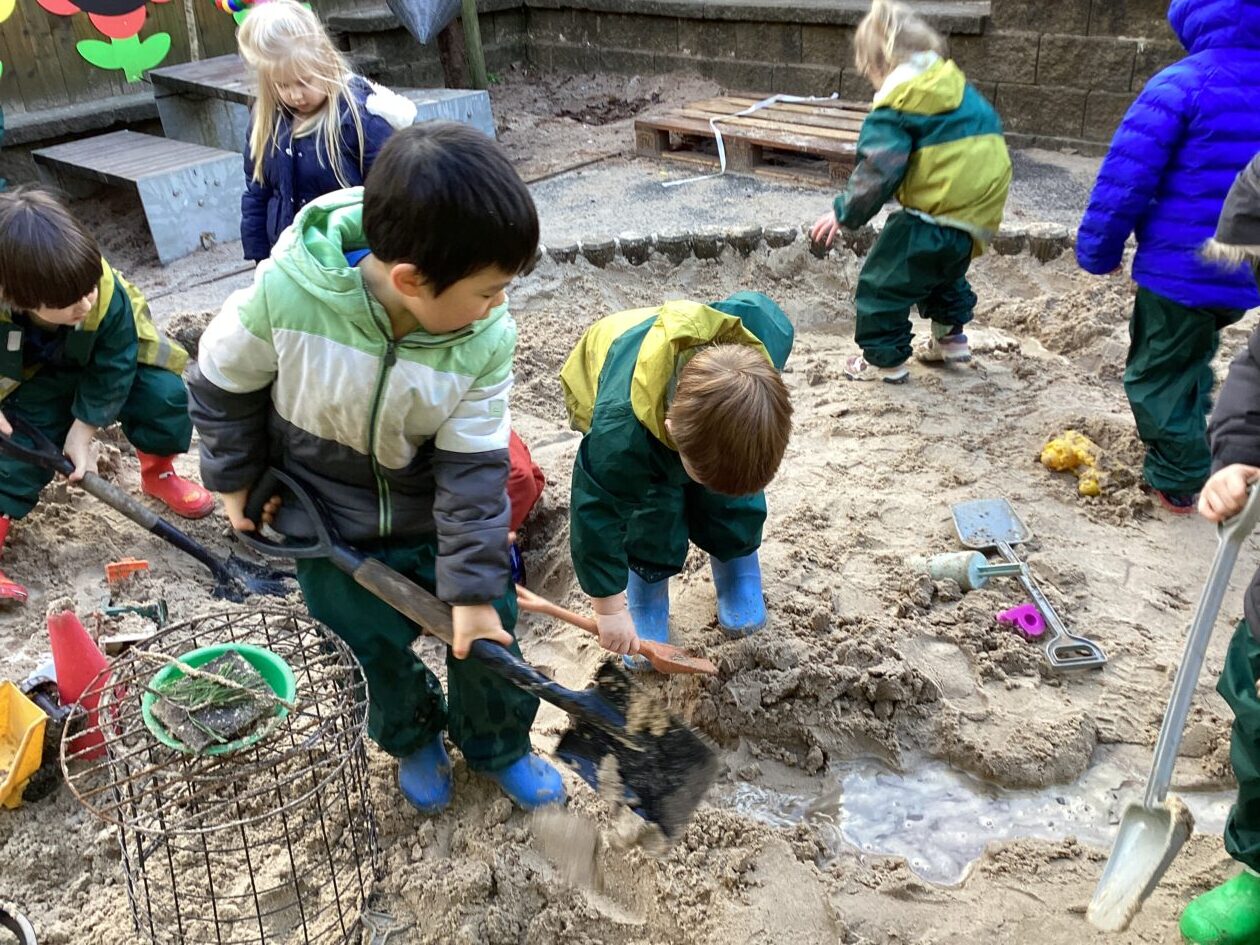
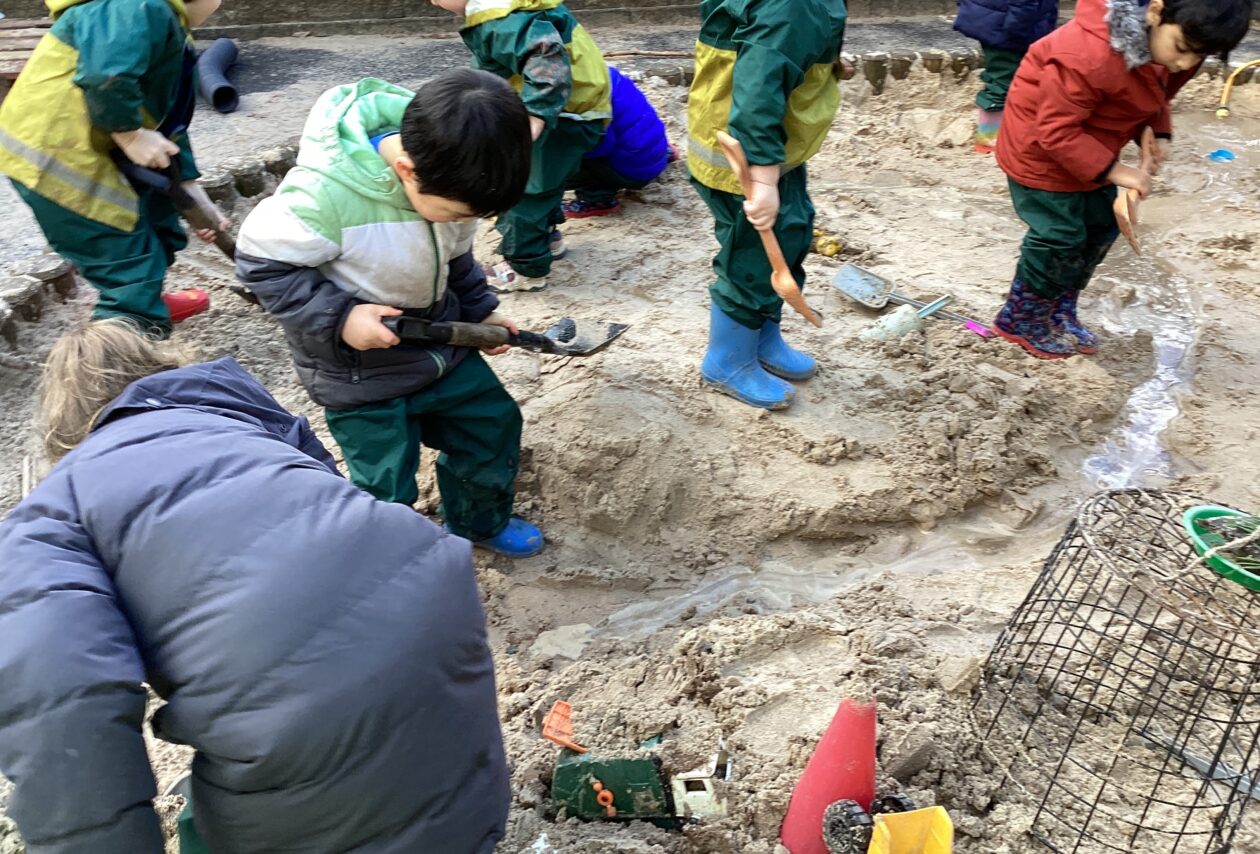
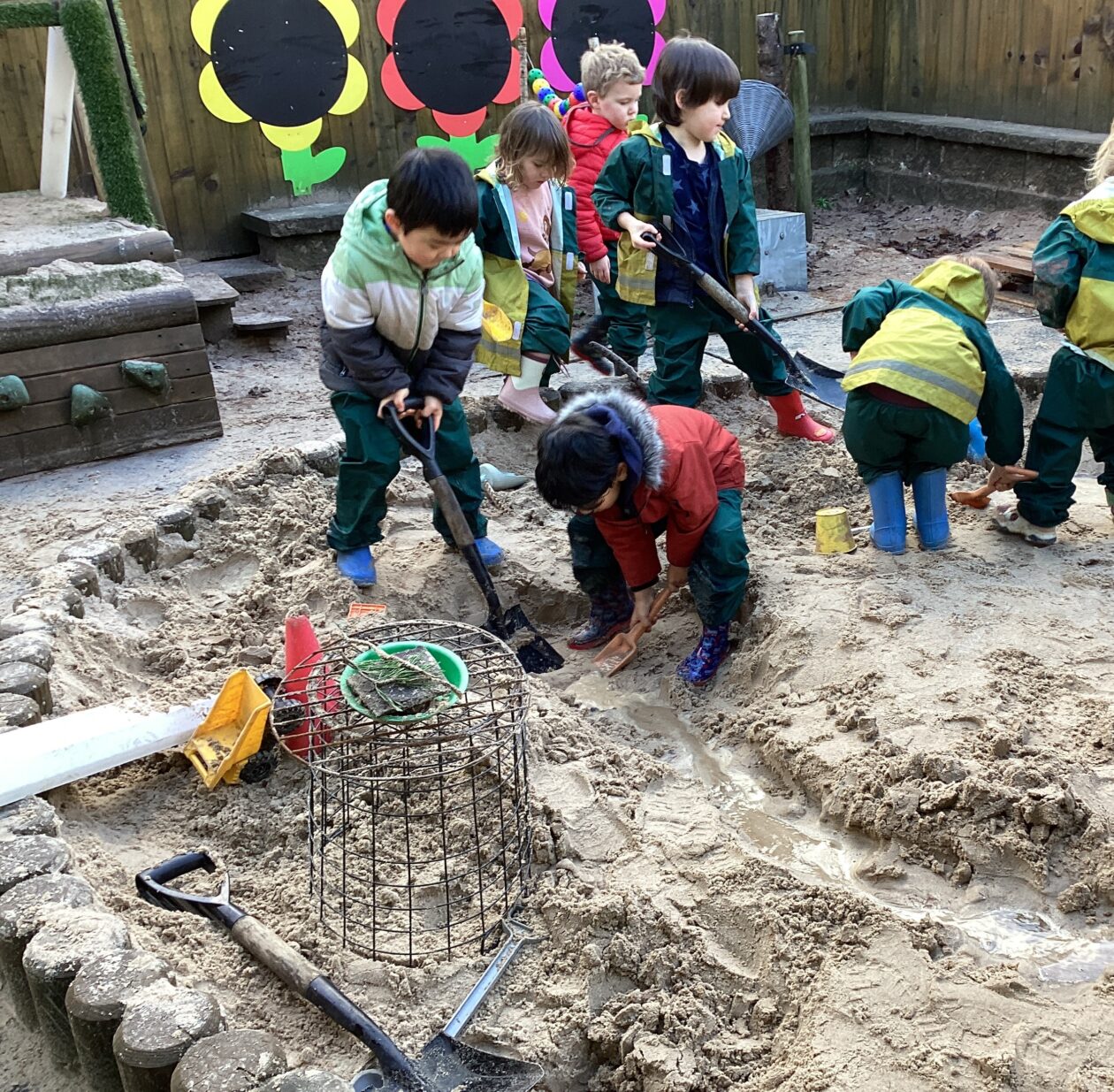
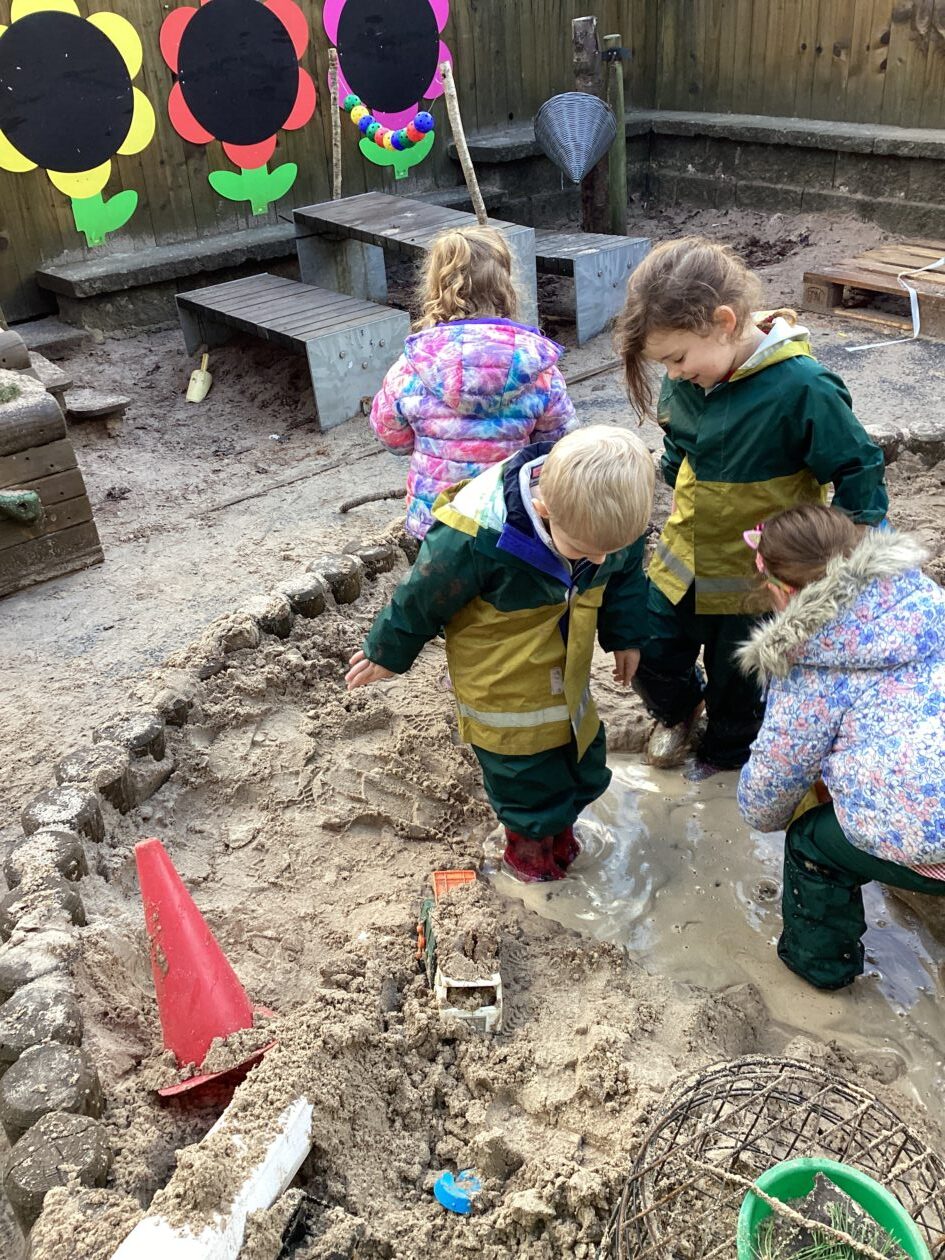
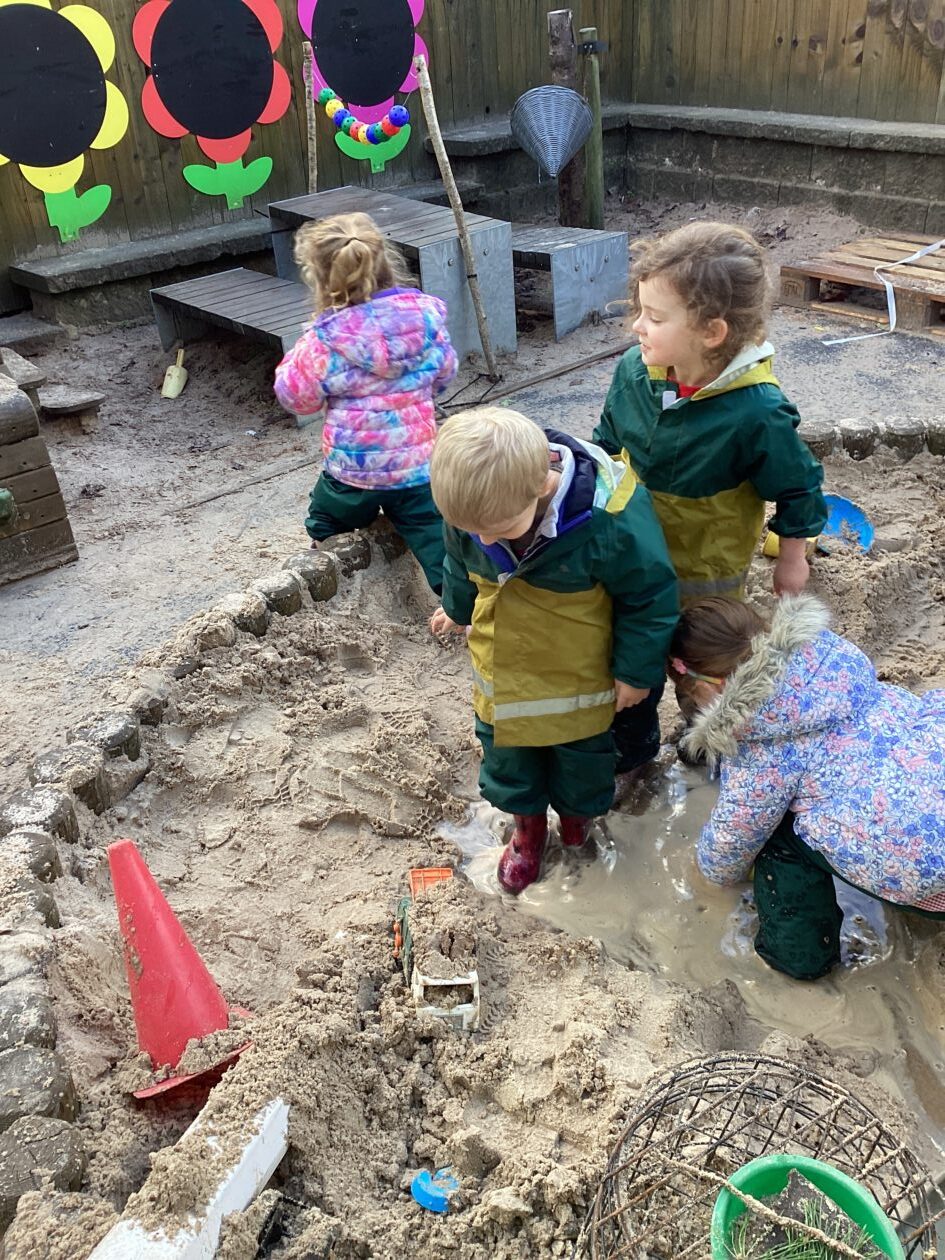
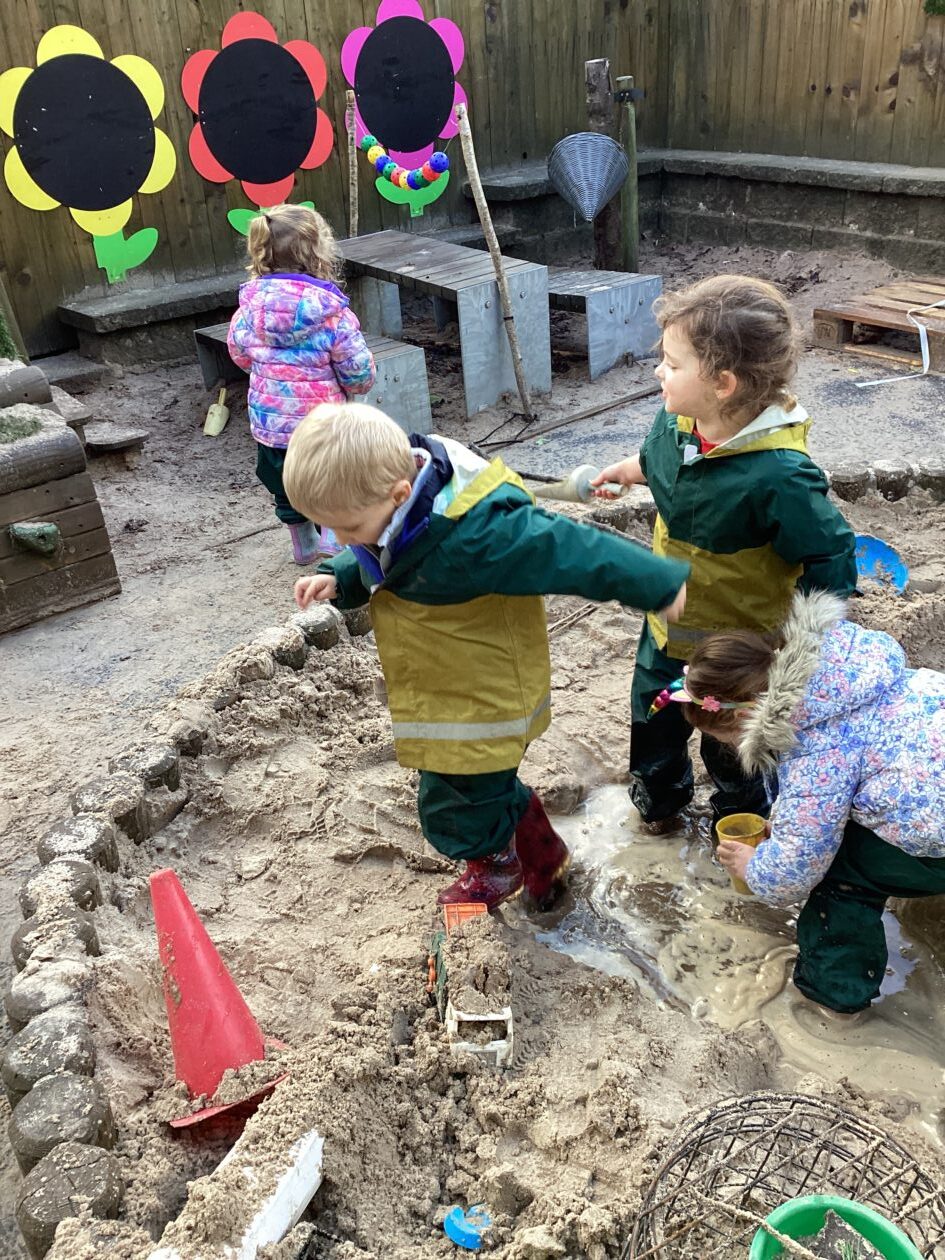
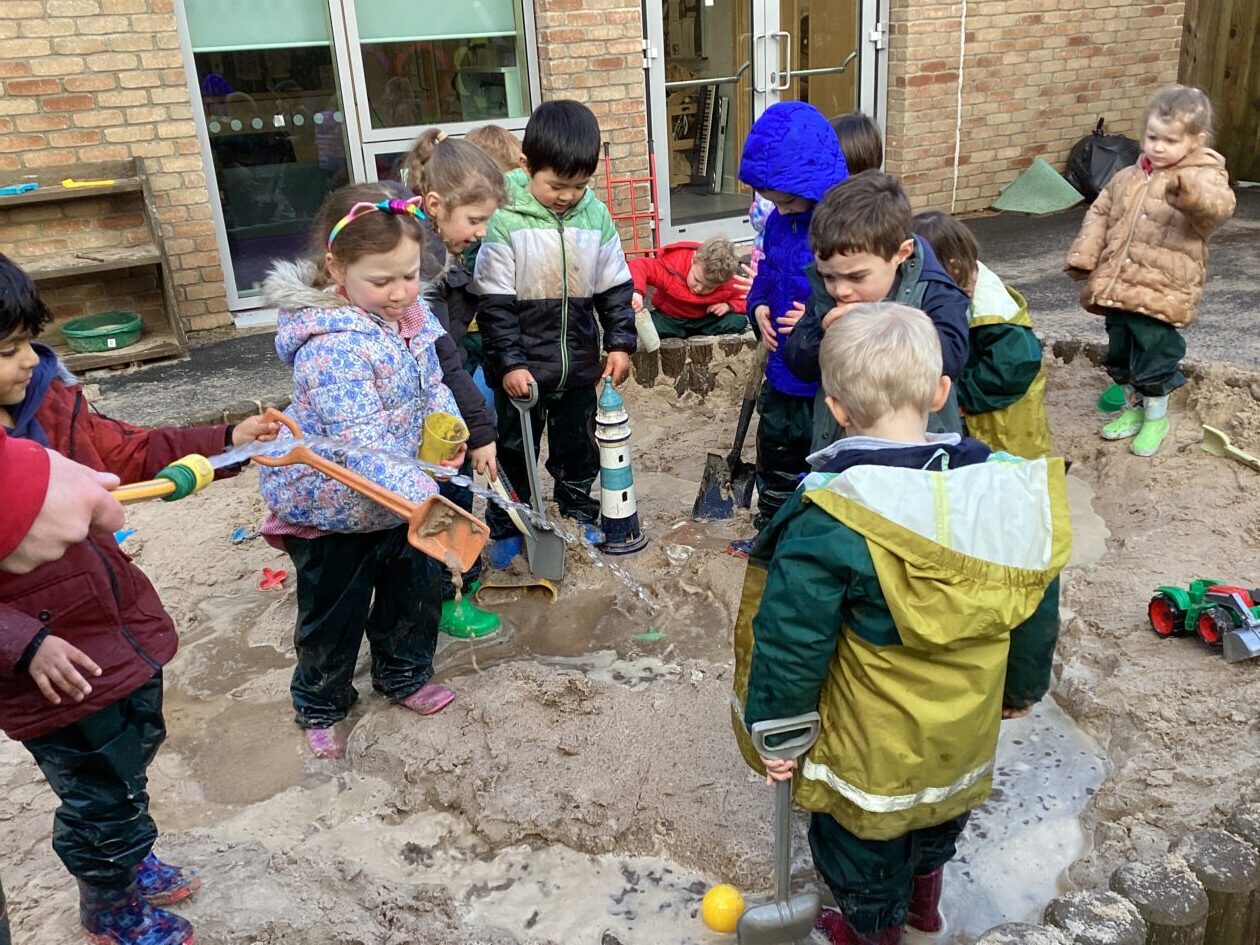
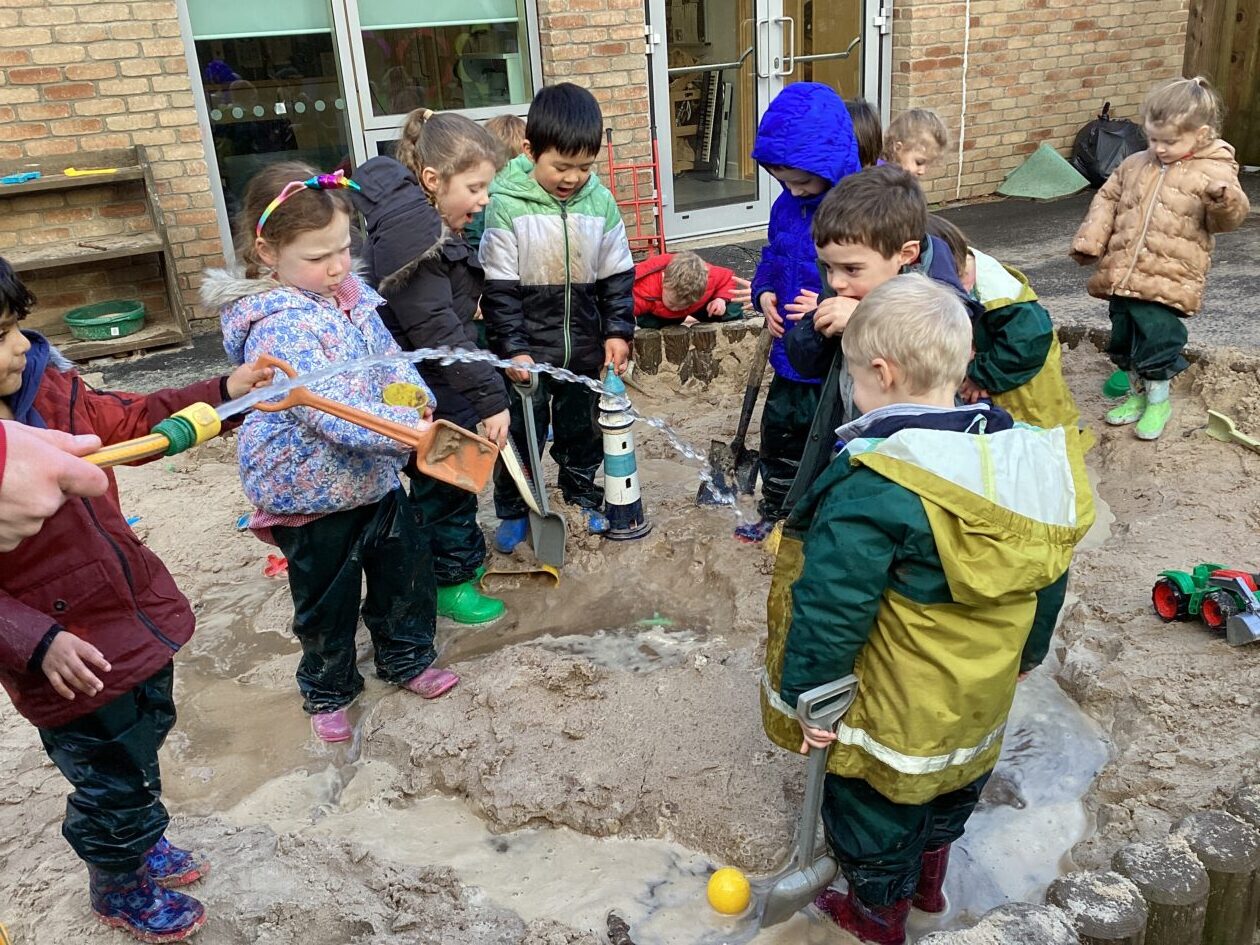
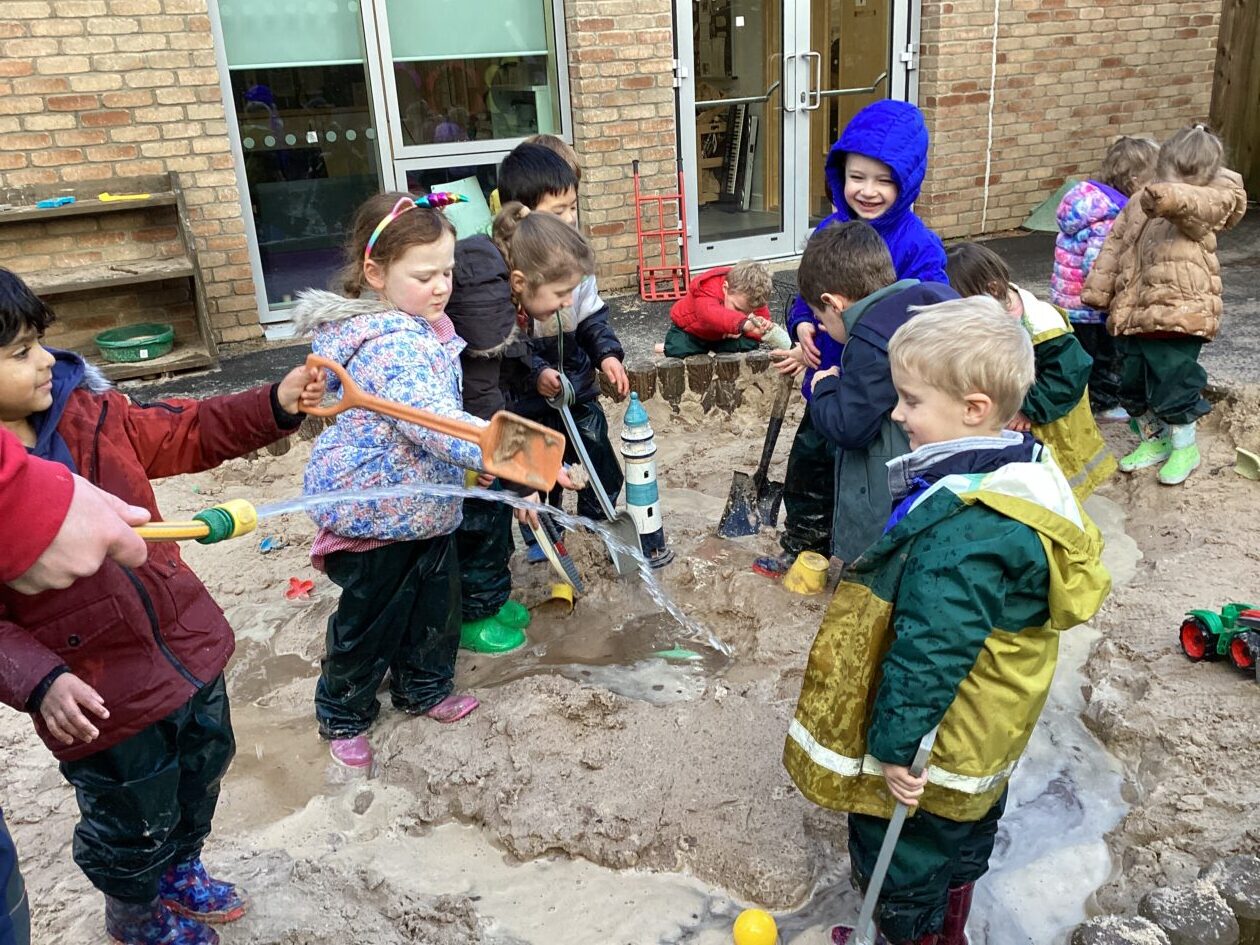
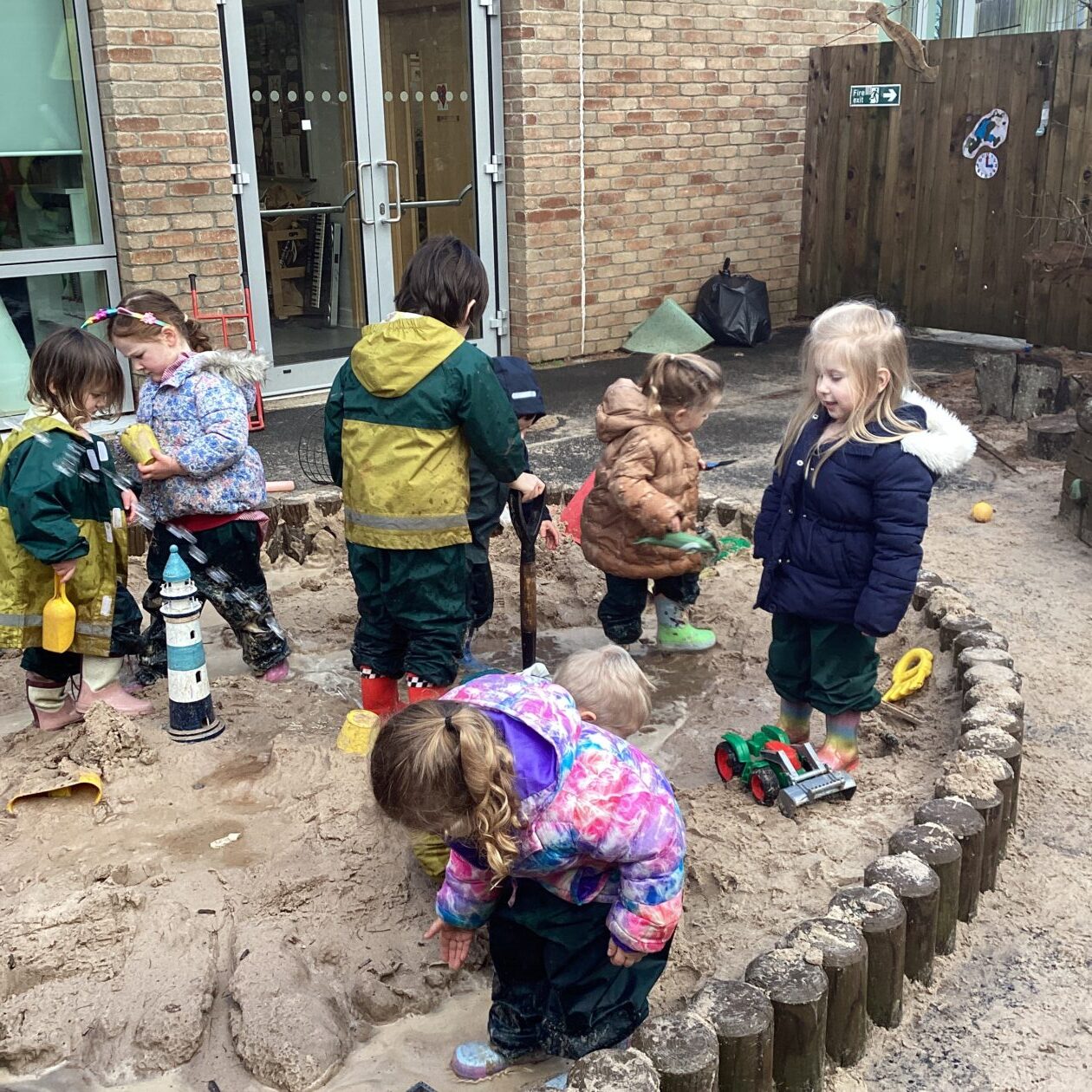
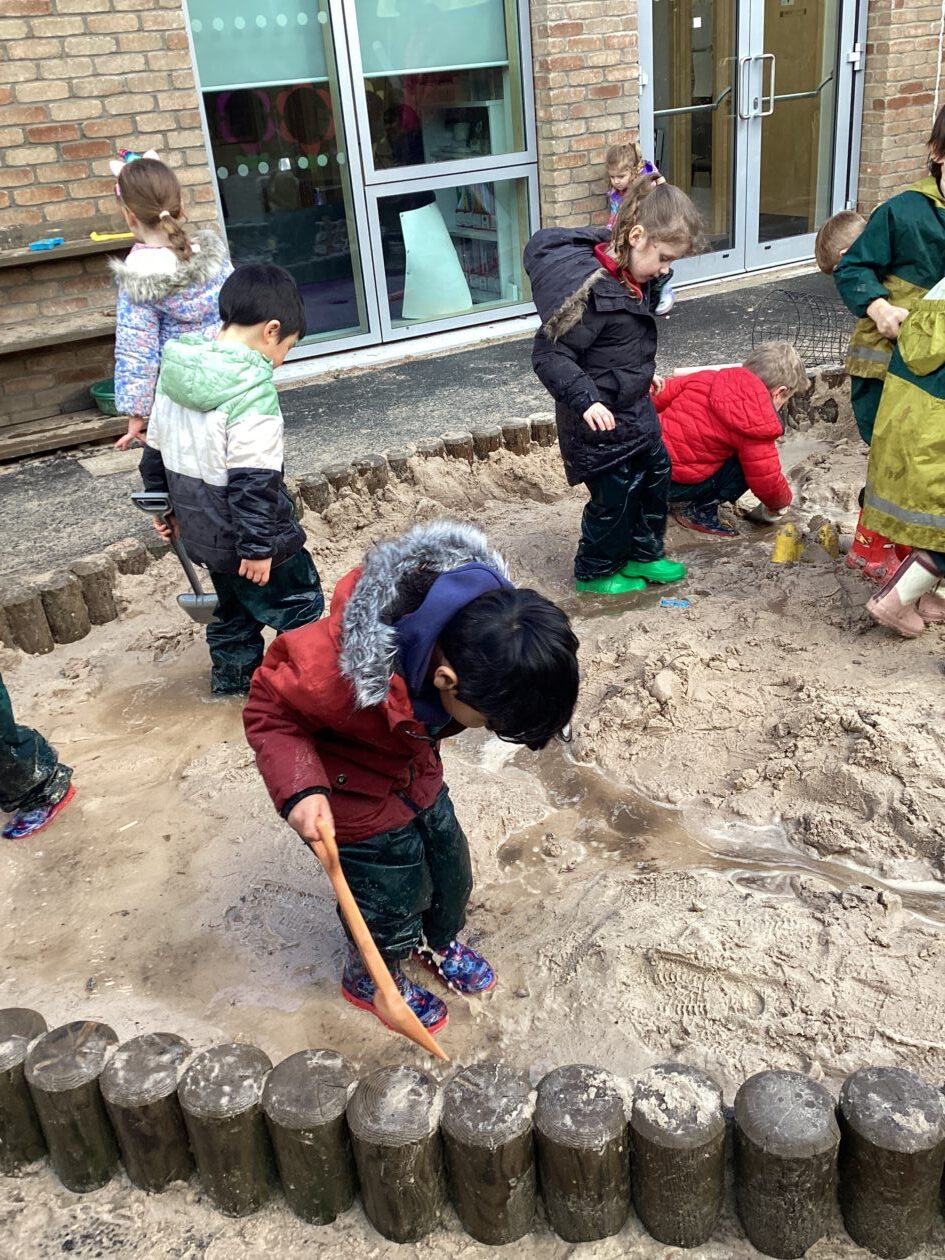
Today, the children were in the sand pit digging holes to create a loch (lake) with pathways leading into it as rivers. The children collected some water, but when they realised it wasn’t enough, Mr McIntosh brought the hose so they could observe what flowing water looked like.
As the water poured into the sand pit, the children used their problem-solving skills to direct the water from the starting point to the loch they had created. They noticed that the water was not flowing properly because the sand was blocking its path. To solve this, the children dug trenches to form rivers, allowing the water to flow in the direction they wanted. They also built dams using walls of sand to prevent the water from flowing the wrong way.
Working together, the children successfully made the river flow around the entire sand pit, creating an island in the centre. Some of the children then found plastic balls and placed them in the water to observe the direction of the flow, further exploring how water moves.






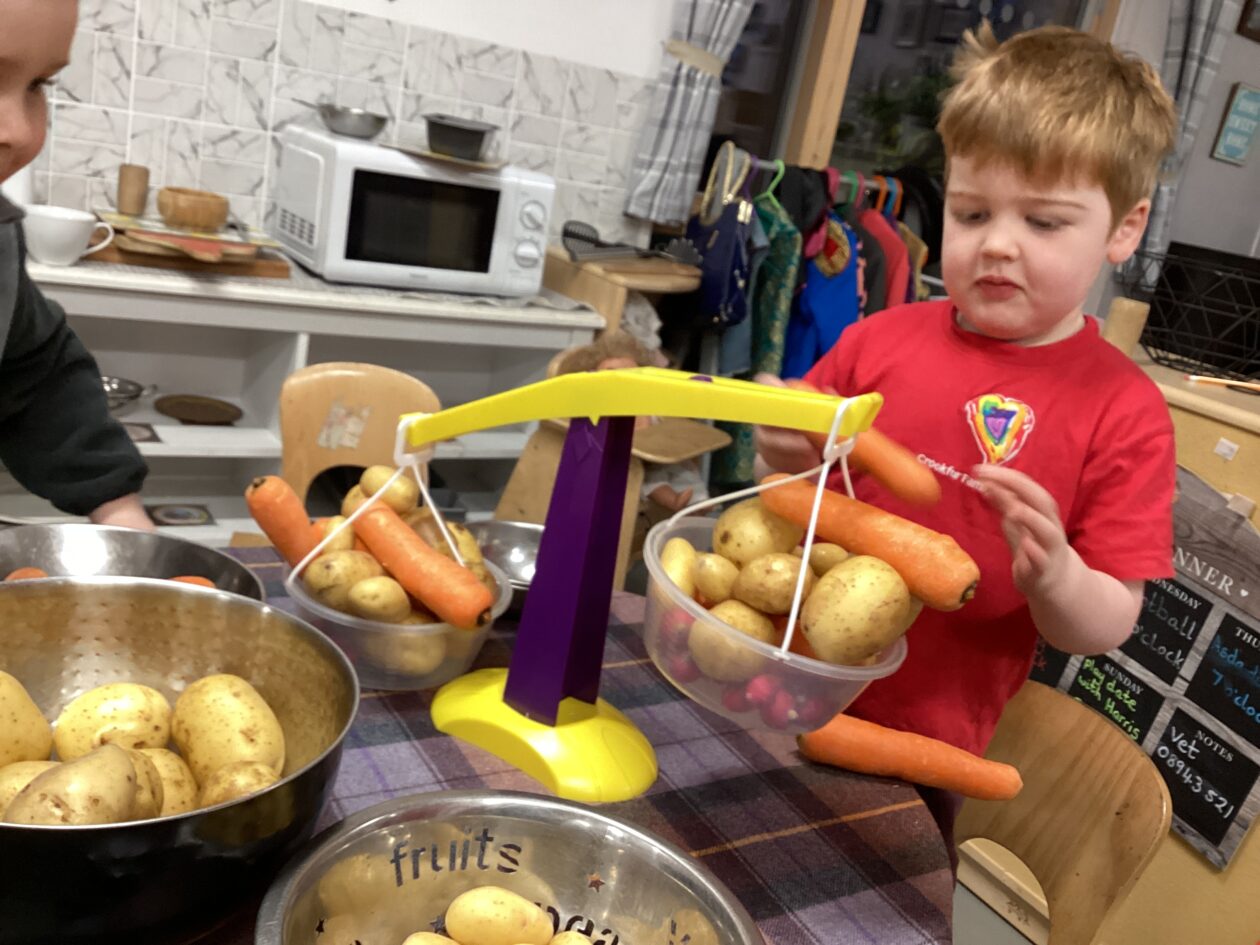
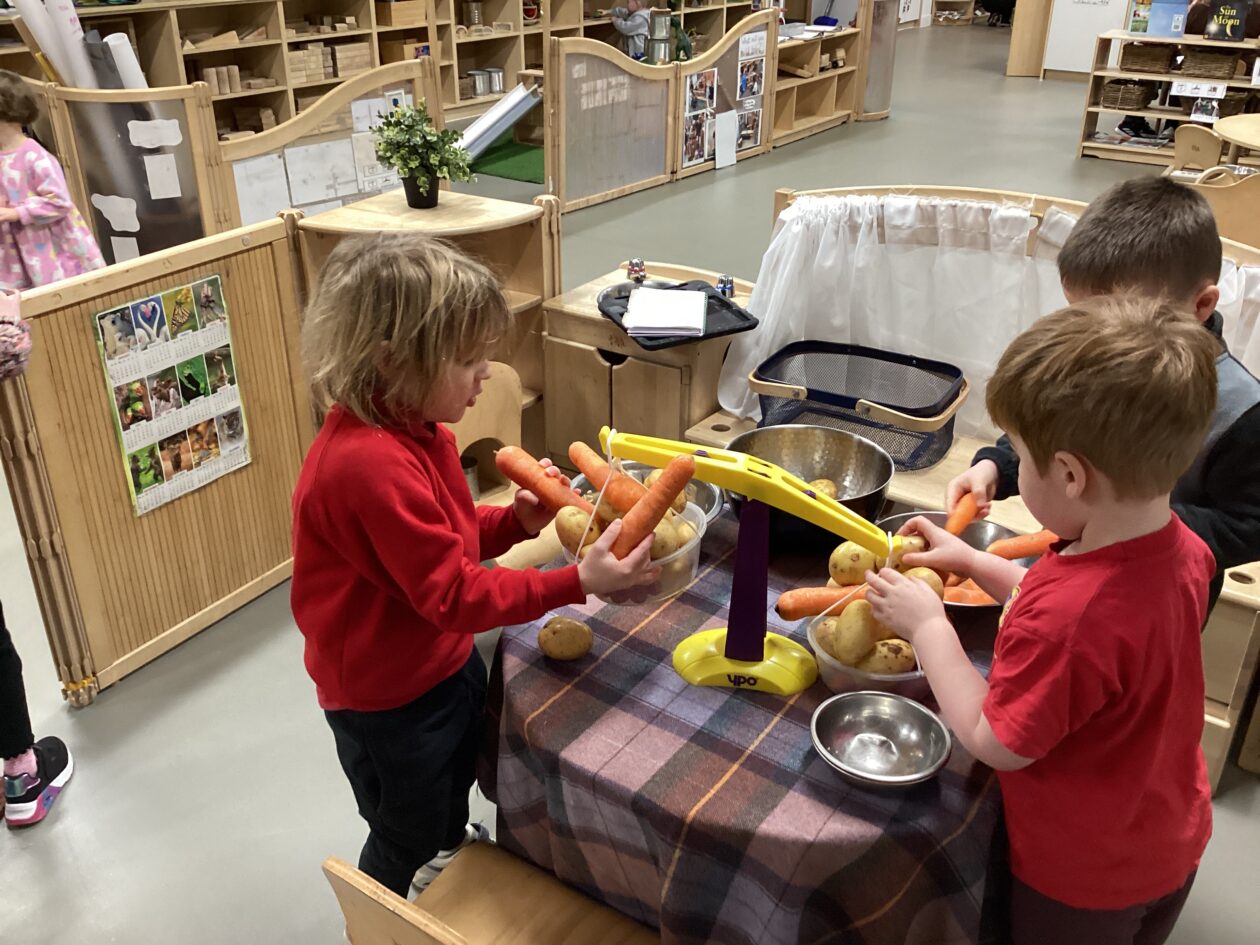
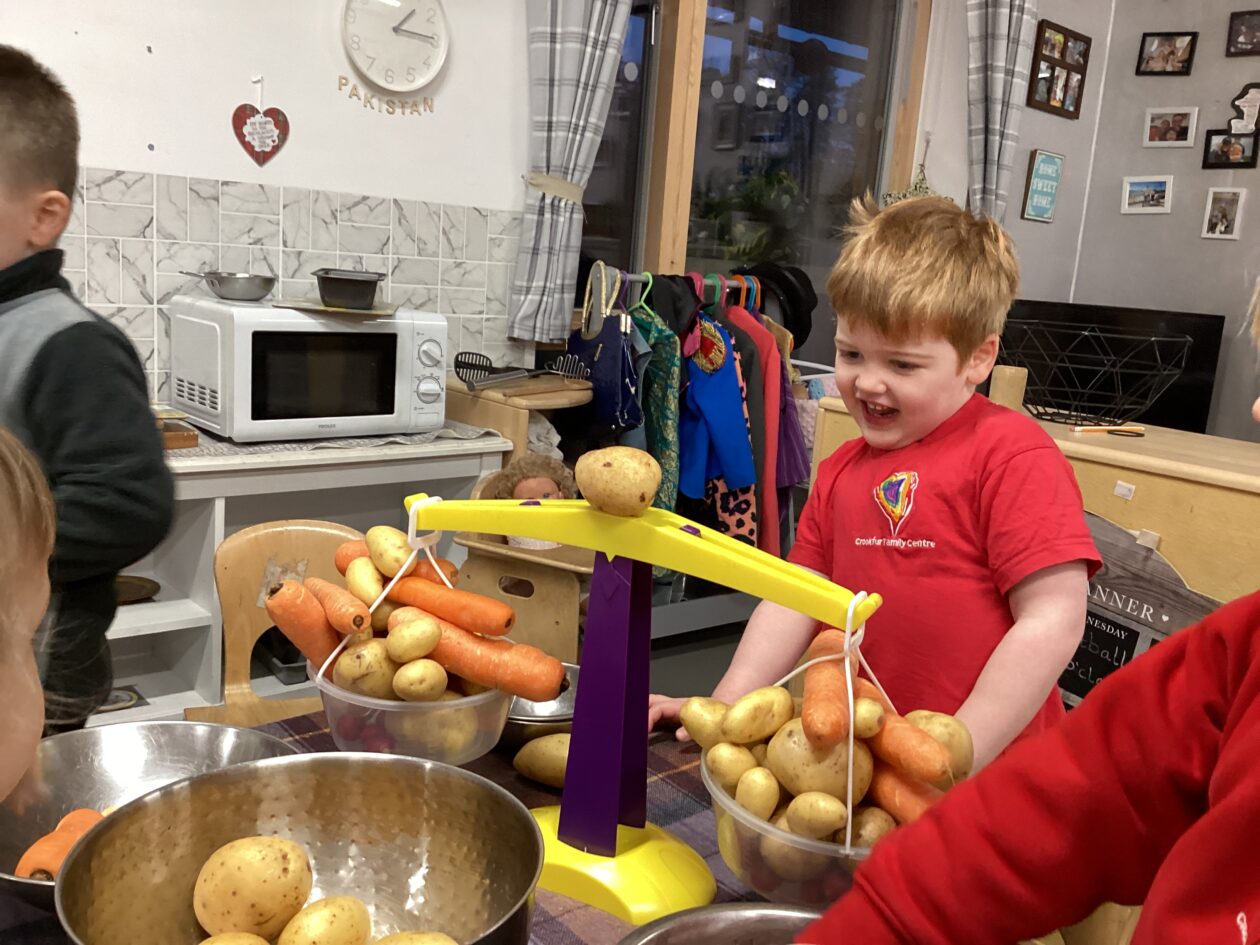
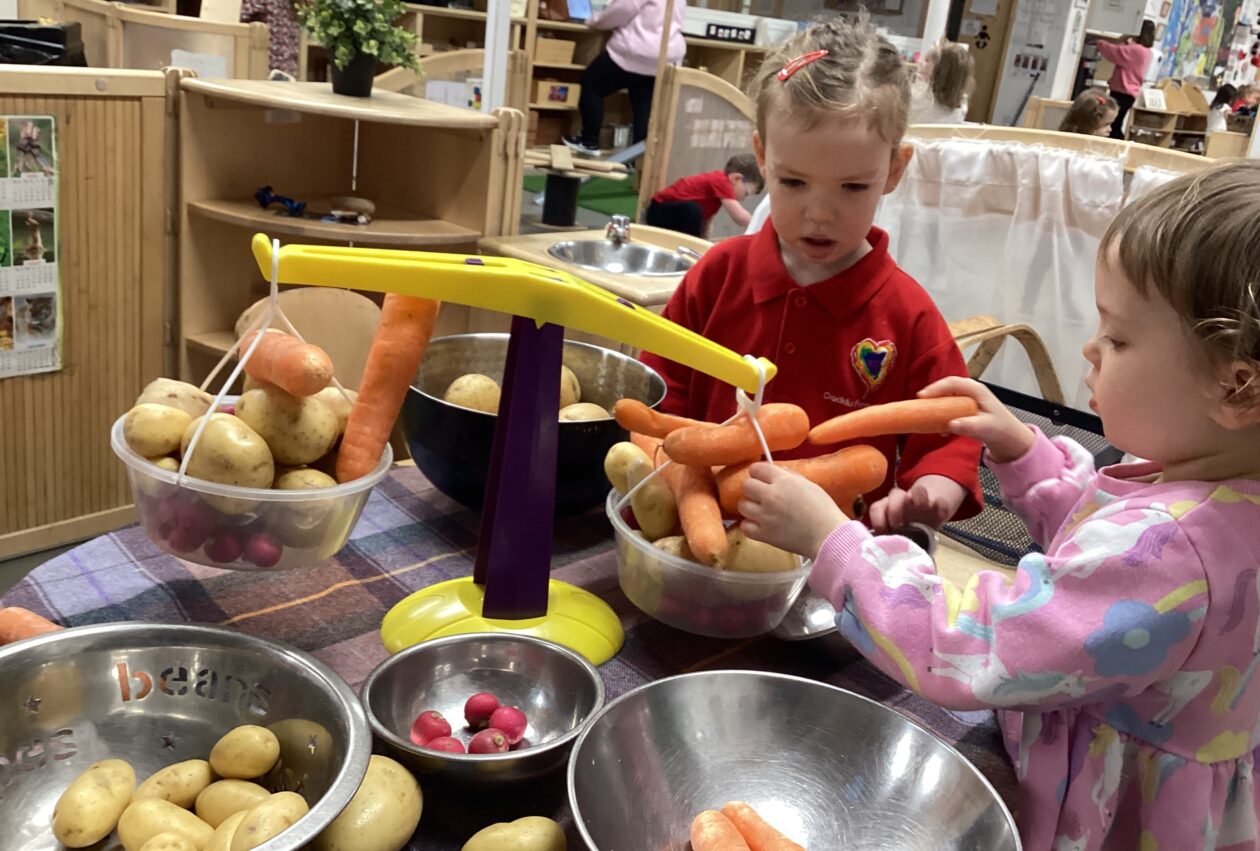
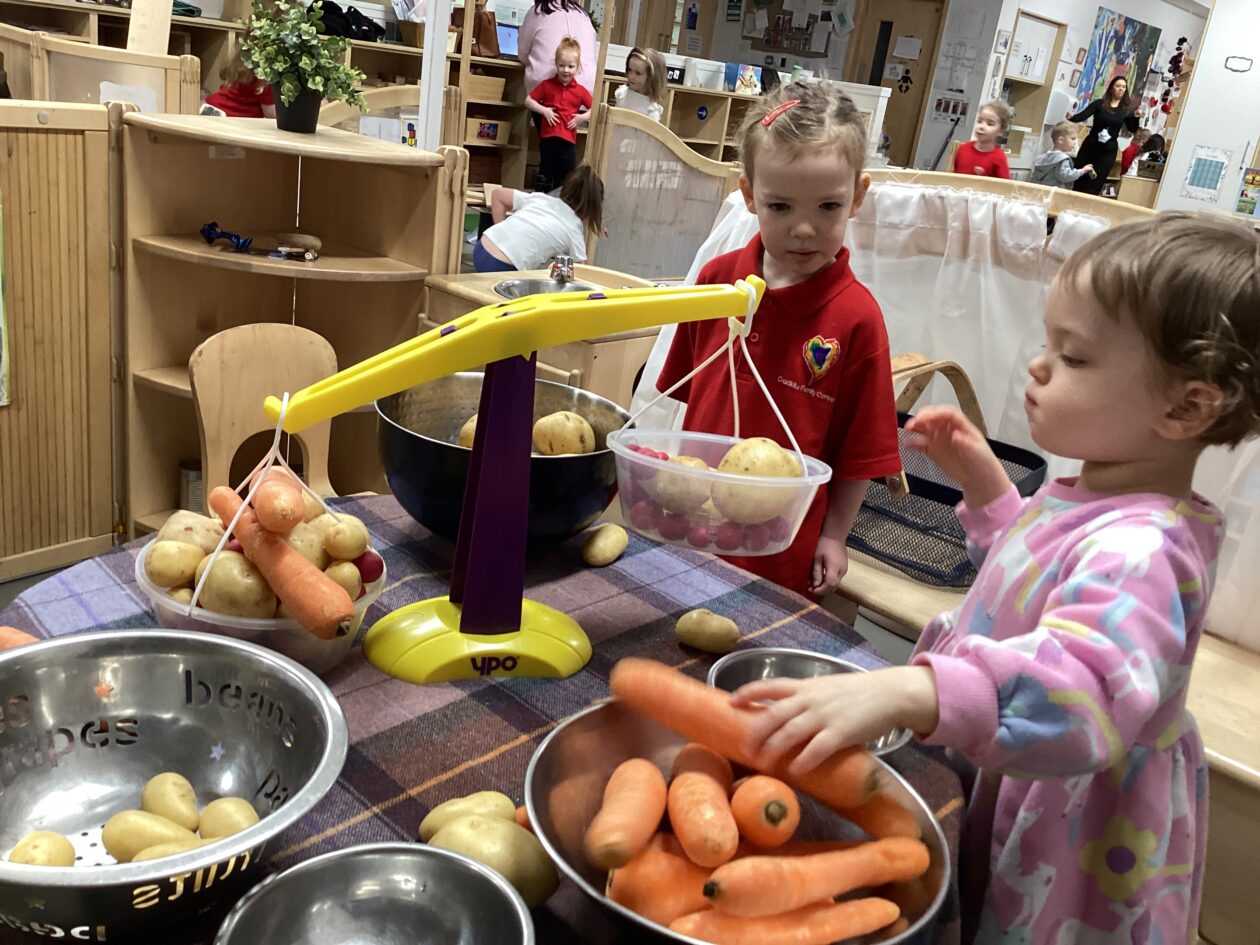
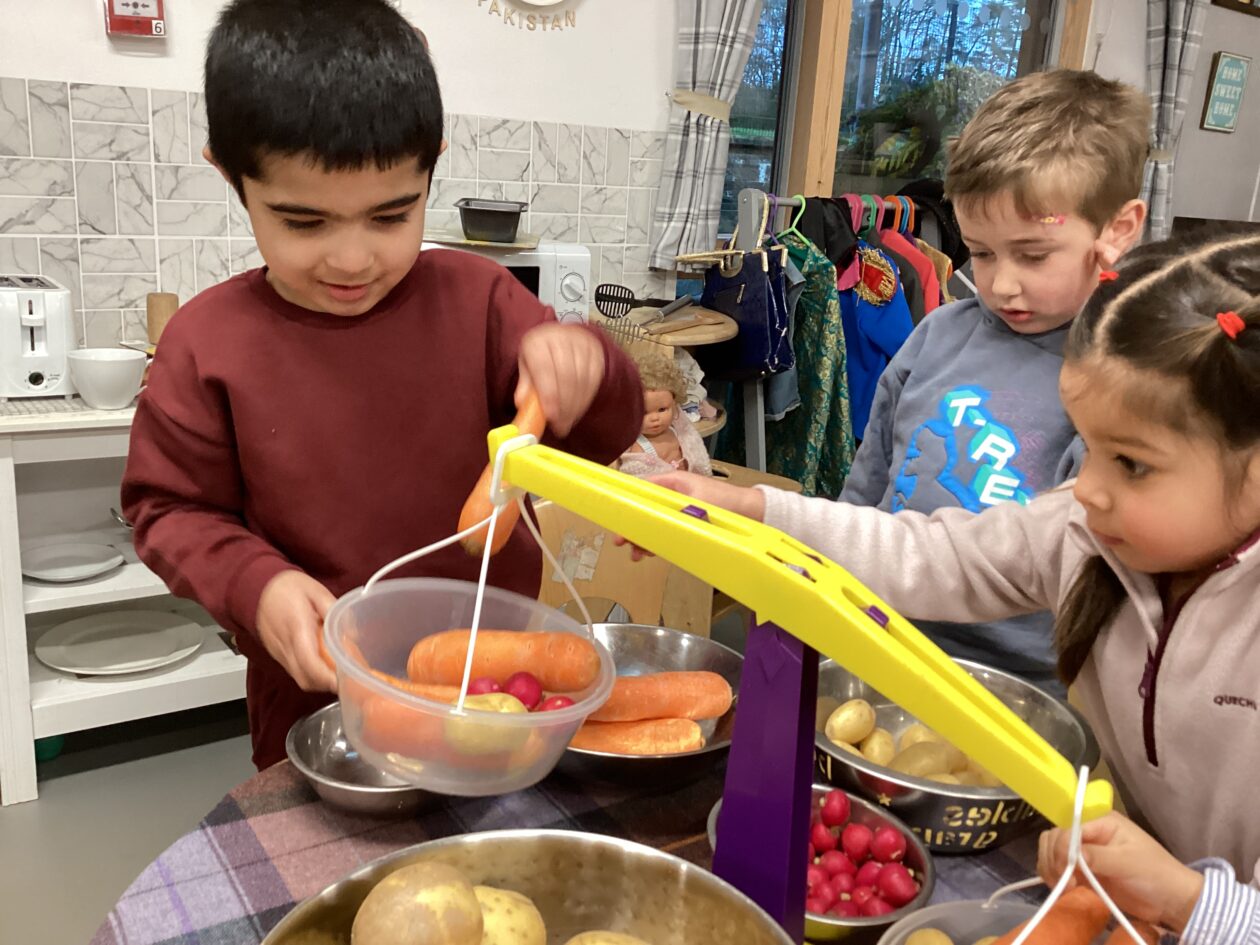
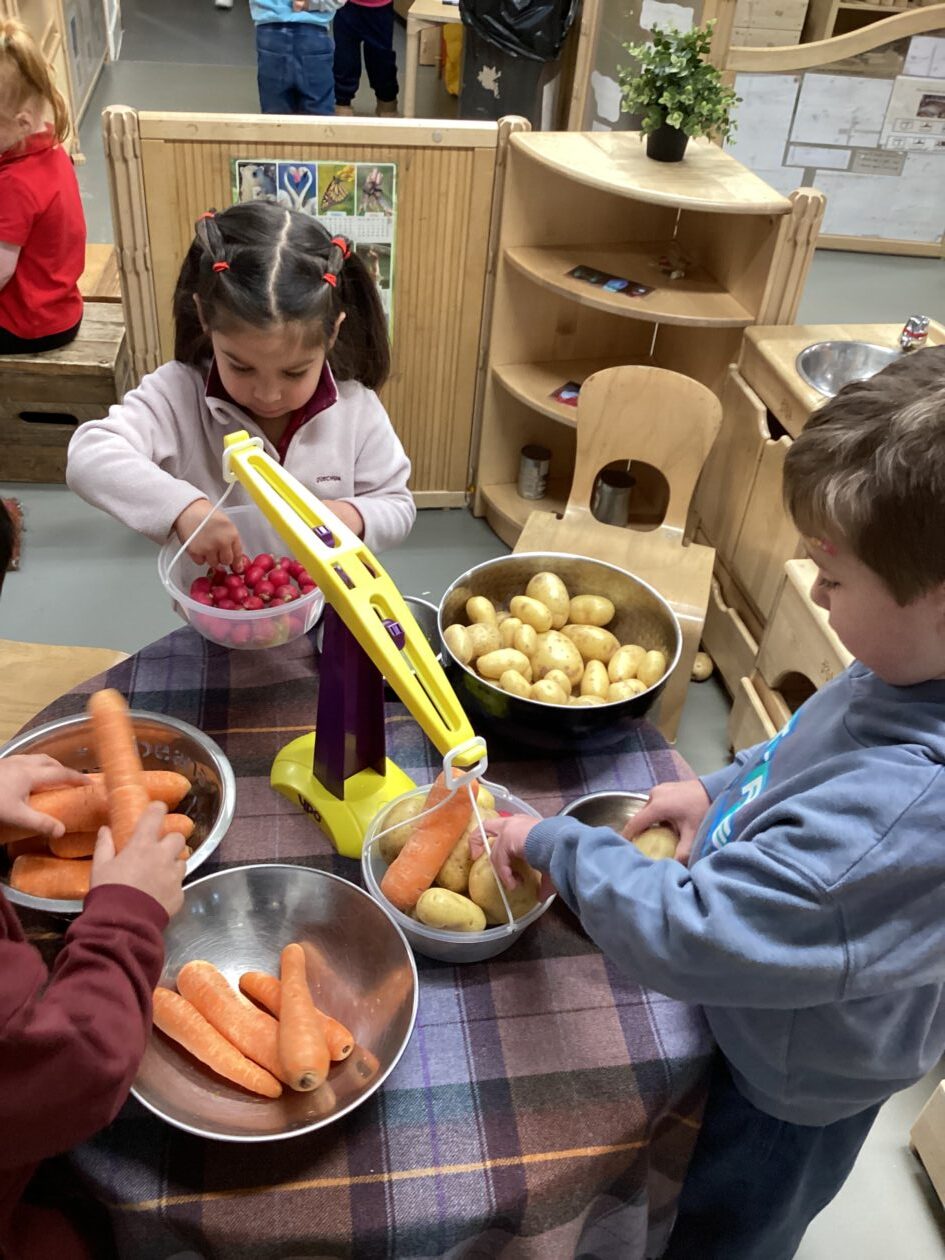
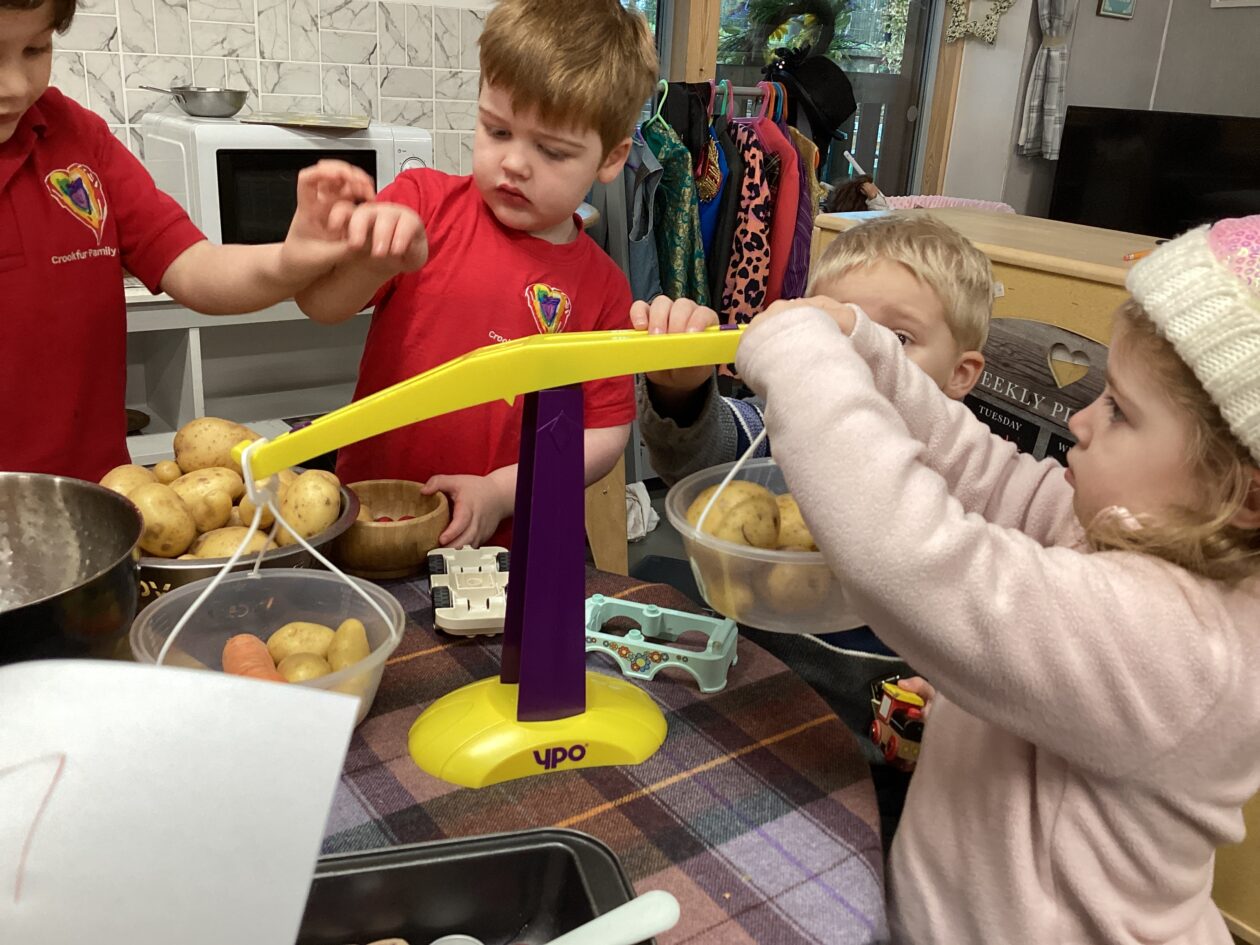
In the home corner, the children explored a variety of vegetables through hands-on measuring and weighing. They carefully sorted the vegetables by size and used the balance scales to make predictions about which ones would be heavier or lighter. This playful activity encouraged curiosity, problem-solving, and early mathematical thinking as the children tested their ideas and talked about what they noticed.






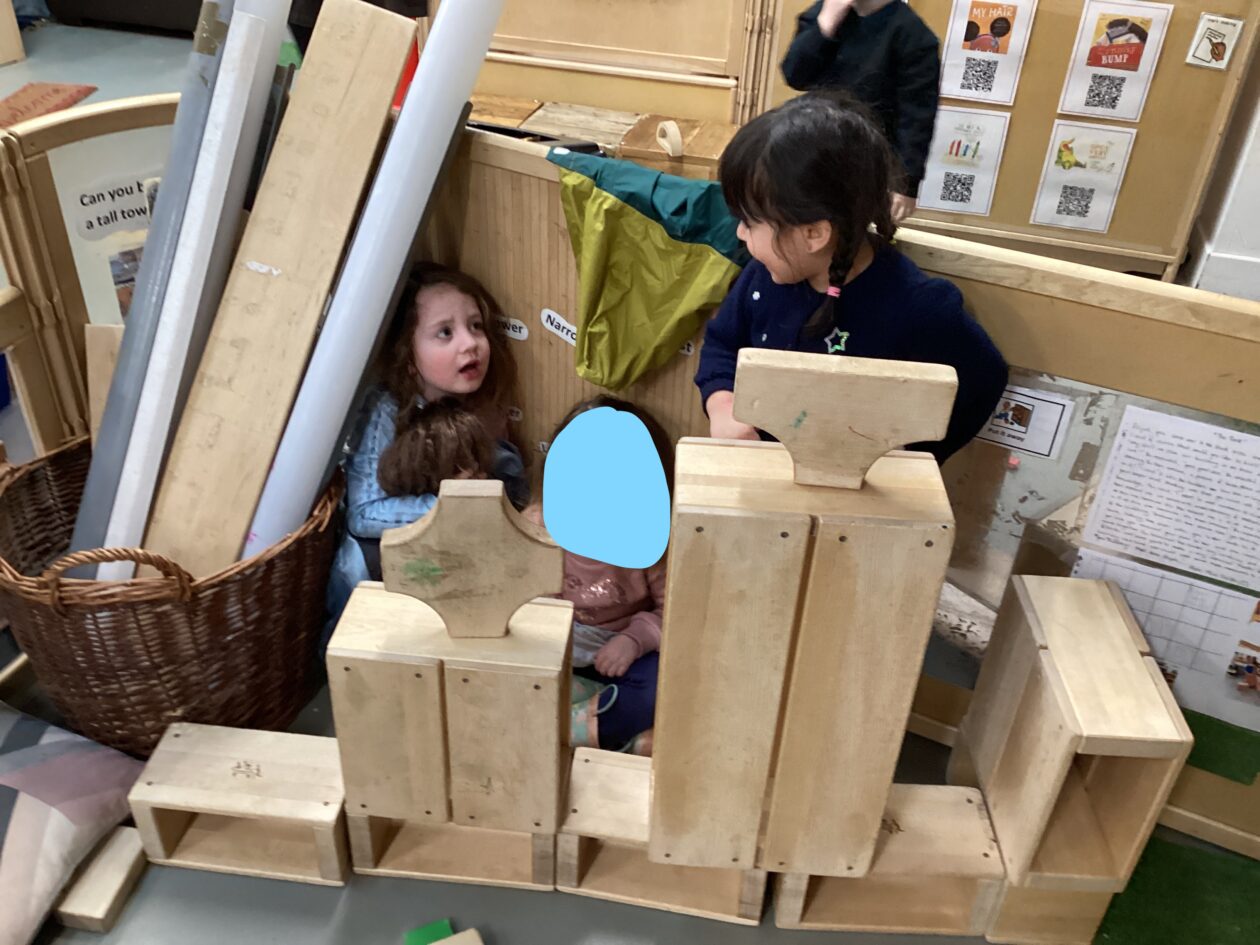
This week, the children have been exploring spatial reasoning and structural sturdiness by designing both large-scale environments and small-scale models. While building with the larger blocks the children have been creating structures, during these experiences they practiced gross motor coordination and collaborative problem-solving to ensure their “buildings” remained stable and balanced.
The children have also been working with the dollhouse, allowing them to refine their fine motor precision and engage in narrative role play, demonstrating an emerging understanding of proportion, interior design, and social roles.


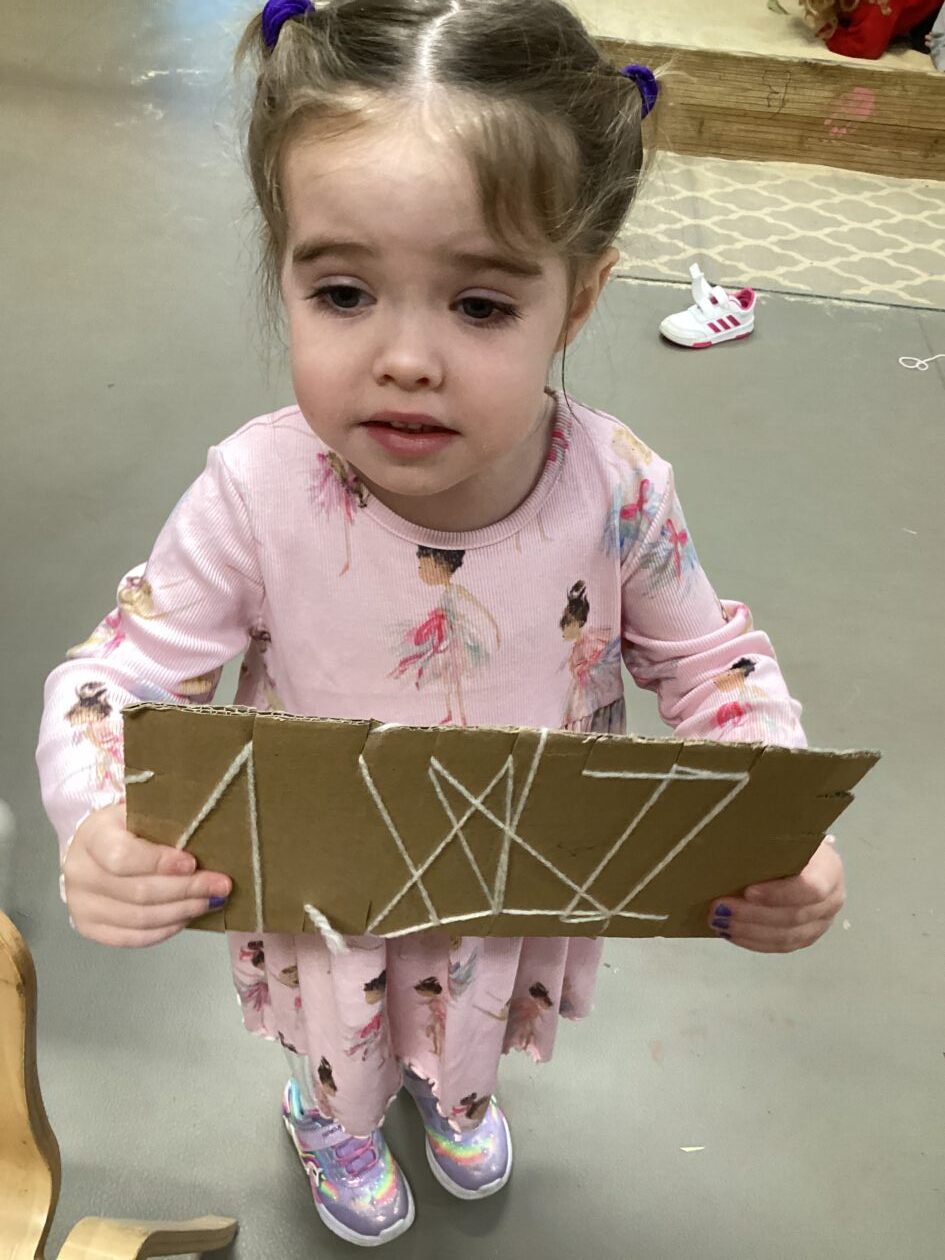
This week in the sewing area the children have been practicing their weaving. Weaving on a cardboard loom helps young children develop fine motor skills, hand–eye coordination, and concentration. The simple, tactile process supports early problem-solving as children learn patterns and sequences, while also encouraging creativity and self-expression. Weaving can be calming and confidence-building, giving children a sense of achievement as they create something of their own.