In general

Literacy and language learning are part of all curricular areas. Strategies for supporting bilingual learners are similar to those used for speaking and listening in the classroom.
Introduce and support learning of new vocabulary throughout lessons with images or demonstrations while highlighting the key vocabulary at the appropriate times. This may include clothing and equipment including: PE kit, gym shoes, art apron, drumstick, music stand etc. Touch the real items as you clearly name them to support links between vocabulary and the associated objects.
Model skills and games (teacher and peer) – It is very helpful for the child to see a visual example of what you are asking them to do.
Make use of paired/group activities. Peers who are good models of English will provide exposure to social English and subject specific vocabulary being used in the context of the activity.
Keep instructions short and concise.
Interests & Talents
Find out any talents the pupil may have. Children may share some information on their skills and interests in class and information is also gathered at enrolment and the EAL Initial Assessment. Learners who arrive from other education systems can be gifted in specialised subjects or in playing a musical instrument or sport. Encourage further development of any interests/skills and supply details about joining clubs, groups or training sessions.
Culture & Religion
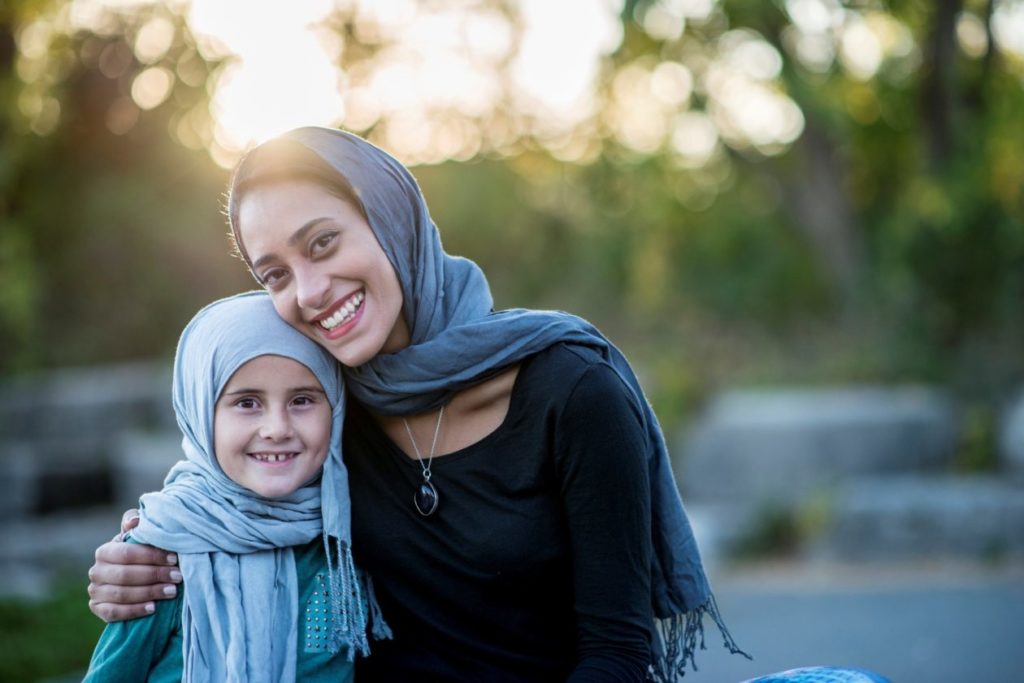
Be considerate to the needs of pupils from different cultures and religions
Teachers have a professional responsibility to develop and maintain an awareness of the cultural and religious calendars relevant to the diverse backgrounds of their students. This includes recognising significant observances such as major festivals and important periods like Ramadan. Such awareness enables educators to foster an inclusive learning environment that respects and accommodates the cultural and religious practices of all pupils.
Work with families and find out about the children’s home culture. Encourage families to visit the school to share information about their home country and culture (including families born in Scotland!) There can be some differences between cultures, religions and countries. Reflect on your own biases and assumptions and think about why a pupil may be finding a particular part of the curriculum difficult. Create a respectful atmosphere where diversity is respected and celebrated.
· This can include dress code requirements. For example, Muslim girls may ask to wear long trousers and change in the toilet. The Islamic requirements for modesty and privacy may not be in keeping with wearing shorts and t-shirts and changing in public.
· Use culturally relevant teaching – include examples from a range of cultures across the curriculum, whether it be stories, songs, positive role models, popular foods etc. This will not only reflect the diversity of your class but also promote appreciation for different perspectives. For example, if pupils have experienced different styles of music, encourage their families to share traditional and contemporary music from their culture.
· Involve families and community resources such as local religious leaders to celebrate the rich diversity of experiences and backgrounds represented across the school.
· Many pupils accustomed to a more formal education have never participated in drama and may feel uncomfortable at first. Think about how they can be actively involved while understanding their discomfort.
Enrolment is a good time for parents/carers to share information on their child’s educational experiences and their cultural background. See information on culturally responsive schools for further information on embracing diversity of culture and language.