Culturally Responsive

The underpinning foundation of culturally responsive schools is that they understand pupils’ backgrounds and not only acknowledge them, but embrace cultural learning to adapt policies, pedagogy and the curriculum. Creating a climate where the backgrounds and experiences of all are valued equally will build self esteem, encourage parental engagement and build a positive ethos, enabling young people to be confident and proud about their cultural background.
The Scottish Government have a commitment to developing Culturally Responsive teaching, starting with Initial Teacher Education providers. By teaching teachers through culturally responsive pedagogy it should come more naturally for teachers to then adopt the same approach in classrooms.
What does that look like in the classroom?
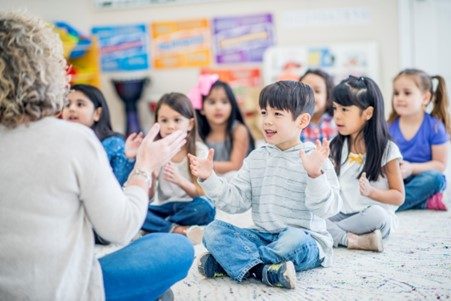
First of all, get to know your pupils and understand their backgrounds. All primary teachers find out about their pupils when they start with a new class, but encourage the children to share if they speak another language, if they go to a first language school (e.g. Polish Saturday School) and if they have any special events through the year that we could speak about in class. Children could bring books such as traditional folk tales from their culture and language, or other items that they would like to share their experiences of. Parents could be involved in this too.
Find out about the community and different groups and events that take place, so you can be aware when there are important events or festivals. Also encourage children to find out about their local community, perhaps as part of an interdisciplinary learning theme.
Encourage a climate of discussion and sharing. The class could discuss what the word ‘home’ and ‘nationality’ mean to them. Celebrating diversity and differences is an important part of culturally responsive classrooms, but it is also important to look at how people are similar as well as how they are different (e.g. family, friendships, ages, likes/dislikes etc).
Never assume that parents will know things – it may be that their experience of education is very different and they may not know what the protocol is (reporting absence, snow days, school meals/packed lunches, uniforms, parent nights, reading books, supporting learning at home etc). EAL can support the school in offering a session with parents to understand their experiences of education and what is different in the UK. If parents don’t do something you would have expected them to, or perhaps do something you would expect them not to, or do something differently, think about why that may have happened. A friendly chat (through a telephone interpreter if necessary) can help to clear up any difference in understanding.
Include books, pictures, resources, songs and objects from other cultures in the classroom, whether in a home corner, or as part of interdisciplinary learning or as part of language of the month. When teaching any area of the curriculum, think about whether it assumes knowledge that some of your pupils may not have. For example, a reading book may assume norms that some children may not be familiar with, whether it be cultural celebrations, particular family routines or events that are not the same in other cultures.
Here are some links to further information. Some information is from other countries but the approach is the same:
What Is Culturally Responsive Teaching? | Understood - For learning and thinking differences
Celebrating Diversity
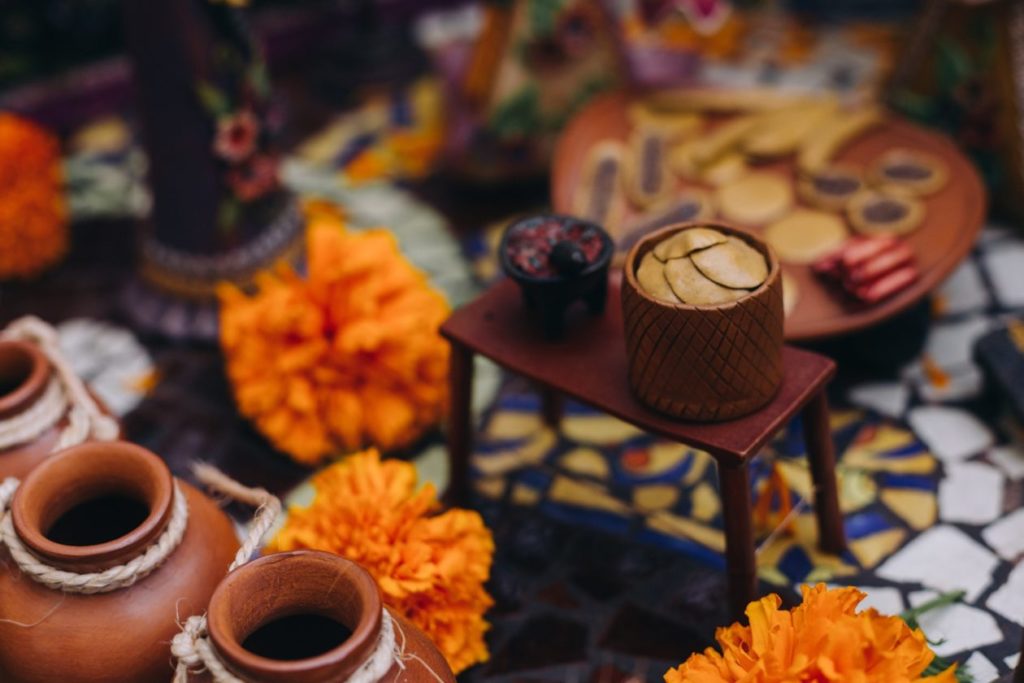
A key element of culturally responsive schools is that they celebrate diversity. Here are some of the key things you can do in the classroom:
· Celebrate different languages, cultures and cultural events. Check out the cultural calendar on the home page for some key dates.
· When looking at historical or famous figures, include examples of people from the cultures and countries represented in your classroom.
· Learn a language of the month. You could focus on a different language each month, perhaps for five minutes at the start of each day, learning some new words. Always saying hello in that language through the month.
· Parents could work with the school to support assemblies for language of the month, or a café to celebrate cuisine from around the world.
· Visit an exhibition or a museum dedicated to other cultures.
· Read/listen to stories and music in a different language or from a different culture.
· Play a game from a different culture
· Try food from a different culture.
Some useful links: